Your cruise
MSC Divina · 14-night Mediterranean cruise, Tarragona to Santos (Sao Paulo)
Nov 2 – Nov 16 · 14 nights ·
Day 1 Tarragona (board) · Day 2–3 at sea · Day 4 Santa Cruz de Tenerife · Day 5–10 at sea · Day 11 Bahia de Salvador · Day 12–13 at sea · Day 14 Rio de Janeiro · Day 15 Santos (Sao Paulo) (step off)
What you do Ascend Spain's highest peak through a UNESCO World Heritage volcanic landscape, riding the Teide cable car to 3,555 m for panoramic views across all seven Canary Islands. An absolute bucket-list spectacle of raw, otherworldly beauty.
What to expect The ascent winds through pine forests and stark lava fields before reaching the Cañadas caldera — an alien plateau of red and ochre rock. The cable car lifts you above the clouds to the crater rim at 3,555 m, where the views on a clear day stretch to Morocco. With a summit permit you walk the final 200 m to the true peak — a moment few visitors ever reach. Allow a full morning; altitude can be felt, so take it slowly.
Good to know Cable car tickets and summit permits MUST be pre-booked online — they sell out days/weeks ahead. The drive from Santa Cruz port is ~1 h each way. All-aboard times typically allow a full day; confirm yours and hire a private driver or taxi for flexibility. Wear layers — it is cold and windy at altitude even in summer.
Versus the ship tour Book the cable car + optional summit permit directly with the official park operator for guaranteed timed access — slots sell out weeks in advance. A private vehicle transfer from the port lets you linger at the Roques de García formations and La Tarta viewpoint at your own pace, with no group to rush you.
What you do Plunge into one of Europe's last primeval laurisilva forests — a UNESCO Biosphere Reserve of mist-draped ravines and Guanche-era trails just 30 minutes from the port. An intimate, expert-led private hike through living prehistory.
What to expect Your guide drives you up into the Macizo de Anaga massif, where ancient dragon trees and tree-heathers drip with mossy silence. Trails wind between hamlets of whitewashed houses that appear unchanged for centuries. Dramatic mirador viewpoints open onto jagged ridgelines plunging into the Atlantic. The return journey passes through the charming fishing village of San Andrés, with time to admire Playa de las Teresitas if you wish.
Good to know Book well in advance to secure your preferred date. The park is only ~30 min from the cruise terminal — ideal even on shorter port calls. Wear sturdy walking shoes and bring a light waterproof layer; the forest canopy can be damp. Confirm all-aboard time with your guide so they build in a buffer.
Versus the ship tour A certified private local guide collects you directly from the port, tailors the route to your fitness level, and narrates the park's geology, endemic flora, and Guanche heritage — knowledge impossible to replicate in a large coach group. No fixed pace, no strangers.
book direct with ToursByLocals — John R. (Santa Cruz de Tenerife private guide) → · the full guide →
What you do The channel between Tenerife and La Gomera is one of the world's premier cetacean corridors — home to resident pilot whales and bottlenose dolphins year-round. A private luxury catamaran delivers an intimate encounter that feels like the ocean belongs to you.
What to expect You depart from the sheltered marina, heading into the deep blue channel where pilot whales are spotted on the vast majority of trips. The crew are marine-biology trained and maintain respectful distances in line with Canarian law. Dolphins frequently bow-ride alongside the hull. Between sightings there is time to snorkel over volcanic rock gardens or simply recline on the deck with a chilled glass of wine as Teide rises behind you.
Good to know Los Cristianos is approximately 1 h from Santa Cruz port by taxi or car — factor this into your day. Half-day charters (3–4 h on the water) comfortably fit most port schedules. Book the charter at least 2–3 weeks ahead. Confirm all-aboard time with your charter captain before departure.
Versus the ship tour Fully private charter means the captain adjusts the itinerary to wherever the cetaceans are — no crowd, no timetable. Snorkelling gear, paddleboards, and a catered lunch or tapas spread are typically included, turning a wildlife excursion into a full luxury sea day.
What you do The aristocratic town of La Orotava is Tenerife's most beautiful colonial gem — cobbled streets, baroque mansions and breath-taking views of the Orotava Valley and Teide. A private guided journey through the island's golden interior and north coast.
What to expect The drive north from Santa Cruz sweeps through the Esperanza forest and then descends into the lush Orotava Valley, where the scale of the banana and flower plantations is staggering. In town, a local guide leads you through the Casa de los Balcones, its carved wooden balconies an icon of Canarian architecture. The Hijuela del Botánico garden offers a moment of shaded tranquility. The journey back via the Mirador Humboldt offers arguably the finest vista on the island.
Good to know La Orotava is approximately 45 min–1 h from the Santa Cruz terminal. A full-day private tour comfortably covers the town, the viewpoints, and a leisurely lunch in a local restaurant. Confirm return timing with your guide to ensure you are back at the terminal with ample time before all-aboard.
Versus the ship tour Your private local guide unlocks the hidden courtyards of La Orotava's noble houses — interiors rarely seen on group tours — and adapts every stop to your interests, from artisan lace-making workshops to the 16th-century Church of the Conception.
book direct with Withlocals — Private Tour Guides Santa Cruz de Tenerife → · the full guide →
What you do Explore three of Santa Cruz's finest architectural and cultural landmarks on foot — Santiago Calatrava's swooping Auditorio, the vibrant colonial Mercado de Nuestra Señora de África, and the extraordinary Palmetum botanical garden. A sophisticated half-day in a city often overlooked.
What to expect Begin at the Auditorio — its white concrete shell is most dramatic in morning light and it is less than 10 minutes' walk from the cruise terminal. Head north to the Mercado de África, a covered colonial market buzzing with islanders buying tropical fruit, fresh fish, and artisan cheeses; the flower hall below is a riot of colour and scent. Finish at the Palmetum, a landscaped garden on reclaimed land housing one of the world's most complete palm collections, with lagoon views and shaded benches.
Good to know All three sites are within easy walking distance of each other and the cruise terminal — this excursion requires no transport. The market is most lively on Saturday mornings. Palmetum opens daily; arrive early to avoid midday heat. Allow 3–4 h total. A private city guide can be hired through Withlocals or ToursByLocals for added depth.
Versus the ship tour Walking these three landmarks independently — or with a private guide from the port — gives you a genuinely unhurried morning: lingering over exotic palms from five continents, bargaining for saffron and Mojo Rojo at the market's spice stalls, and photographing the Auditorio's wave-like silhouette against the Atlantic light.
book direct with Jardín Botánico del Palmetum (official) & Mercado de Nuestra Señora de África → · the full guide →
What you do Step inside the finest museum in the Canary Islands, housed in a stunning 18th-century former civil hospital, to encounter the island's pre-Hispanic Guanche culture through remarkable mummies, ceramics and astronomical artefacts. A deeply moving and scholarly experience.
What to expect The permanent galleries trace Tenerife's natural history from its volcanic origins through its pre-Hispanic Guanche civilisation, displaying naturally mummified bodies, painted skulls, and finely incised pottery that speak to a sophisticated people erased by the Spanish conquest. The natural history wing showcases the extraordinary biodiversity of the Canary Islands — endemic species found nowhere else on Earth. The courtyard of the 18th-century building is a serene, photogenic retreat from the city.
Good to know MUNA is a 15-minute walk from the cruise terminal or a short taxi ride. Open Tue–Sun; confirm hours before your visit. Tickets can be purchased online via the official Volcano Teide ticketing platform. Allow 2–3 h for a thorough visit. Pair with the nearby Plaza de España and a coffee on the terrace for a perfect late-morning ashore.
Versus the ship tour MUNA holds the most important collection of Guanche mummies and funerary objects in the world — artefacts you simply cannot encounter anywhere else. The museum's scale and scholarship reward a slow, self-guided visit; the colonial building itself is a listed treasure. Pre-booking a private guide through the museum or ToursByLocals elevates this into a genuinely profound cultural encounter.
book direct with Museo de Naturaleza y Arqueología (MUNA) — official → · the full guide →
What you do Walk the UNESCO World Heritage ruins of ancient Tarraco — Amphitheatre, Roman Circus, and Forum — with a licensed private guide who brings two millennia of history to vivid life on an exclusive, fully bespoke half-day.
What to expect Your guide meets you near the port and leads you through the Amphitheatre's arena floor, where gladiators once fought with the Mediterranean as a backdrop. You descend into the vaulted passages of the Roman Circus — one of the best-preserved in the world — then cross to the Provincial Forum's monumental plaza. Every site is interpreted with scholarly precision and genuine passion, making the stones speak.
Good to know All three monuments are within walking distance of the cruise pier (10–15 min on foot or a short taxi). Pre-book your private guide directly via the Itinere platform; slots fill fast on port days. Allow 4 hours to do justice to all three sites, leaving comfortable time before all-aboard.
Versus the ship tour A licensed expert guide who tailors depth and pace entirely to your group — no queues, no crowds, no fixed script. You linger where the story grips you, moving fluidly between monuments that most visitors only skim.
book direct with Itinere Tarragona (Turisme de Tarragona official guided tours) → · the full guide →
What you do Stand beneath the soaring two-tiered arches of the 'Devil's Bridge' — a 2,000-year-old Roman aqueduct rising 27 metres above the gorge — on a private guided visit to one of Spain's most dramatic ancient structures.
What to expect A short private transfer brings you to a forest clearing where the aqueduct suddenly fills the sky — the scale is genuinely jaw-dropping. Your guide explains how Roman engineers carried fresh water 25 km from the River Gaià to supply ancient Tarraco. You walk the shaded path alongside its base, then climb for panoramic views across the pine canopy. The sense of solitude and grandeur here is rare.
Good to know The site is free to enter; cost is in guiding and transfer. Combine with the city ruins for a full Roman day. Wear comfortable walking shoes — the path is uneven. Confirm your return transfer time carefully against the ship's all-aboard.
Versus the ship tour This is not a site you stumble upon — it sits 4 km north of the city, away from the port-day crowds, and a knowledgeable guide transforms it from a photogenic ruin into a masterclass in Roman hydraulic engineering that you will never forget.
book direct with Itinere Tarragona (Turisme de Tarragona official guided tours) → · the full guide →
What you do Explore the magnificent 12th-century Catedral de Tarragona — a sublime transition from Romanesque to Gothic — including its serene arcaded cloister and treasure-filled Diocesan Museum, ideally with a private expert guide.
What to expect You enter through a Romanesque portal into a soaring nave where centuries of Catalan history are etched in stone and stained glass. The cloister garden, with its slender columns and carved menagerie of animals, is one of the most peaceful spaces in Spain. The treasury displays gold reliquaries, Gothic tapestries, and a remarkable Roman marble sarcophagus. The hilltop location also offers sweeping views over the city's rooftops toward the sea.
Good to know Book tickets online in advance via the official cathedral website to avoid queues on busy port days. The Cathedral is a 15–20 minute walk uphill from the pier, or a short taxi ride. Allow 90 minutes minimum. Dress modestly — shoulders and knees must be covered.
Versus the ship tour The Cathedral's official visit combines the main nave, the extraordinarily beautiful cloister — with its carved capitals and resident peacocks — and a museum housing medieval altarpieces and Roman-era sarcophagi. A private guide unlocks the symbolism and layered history in a way a self-guided visit simply cannot.
book direct with Catedral de Tarragona (official) → · the full guide →
What you do Combine a private walking tour of Roman Tarragona with a journey inland to the Priorat or Camp de Tarragona wine country, tasting exceptional local vermouth and DO Tarragona wines with a passionate local expert.
What to expect Your private guide leads you through the Roman quarter before whisking you to a family-run vermouth bar or local bodega where the Camp de Tarragona's celebrated vermouth is poured straight from the barrel. You learn why this region is the birthplace of Spanish vermouth culture, sample local charcuterie and olives alongside, and if time permits, explore the Modernista architecture of nearby Reus, birthplace of Gaudí. The pace is entirely yours.
Good to know Book your private guide in advance via ToursbyLocals; specify your interest in wine and food for a tailored itinerary. This excursion works best as a 4–5 hour experience. Confirm logistics carefully against your ship's all-aboard time, as Reus is 15 km from the port.
Versus the ship tour A fully private, customisable experience led by a vetted local who curates the tastings and sites to your personal interests — never rushed, never generic. You taste vermouth the way Tarragona locals have for generations, in the company of a guide who knows the producers personally.
book direct with ToursbyLocals Tarragona (vetted private local guides) → · the full guide →
What you do Stroll Tarragona's legendary clifftop Balcony of the Mediterranean — the most dramatic sea-view promenade in Catalonia — then follow the Passatge Arqueològic along the ancient Roman walls for a perfectly paced private walking experience.
What to expect You begin at the Balcó del Mediterrani, where the Mediterranean opens up in a panorama that has stopped travellers in their tracks for centuries — the amphitheatre ruins sit directly below, framed by the glittering sea. Your guide then leads you along the Passatge Arqueològic, a garden walkway threading between two rings of wall — the inner Roman and the outer medieval — lined with sculpture and ancient towers. The experience is simultaneously dramatic and utterly serene.
Good to know Both sites are within easy walking distance of the cruise terminal (15–20 min on foot, mostly uphill). Best experienced in the morning before the midday heat. Combine with the Cathedral for a full cultural half-day. Comfortable walking shoes and sun protection are essential.
Versus the ship tour This itinerary is the local insider's Tarragona — the sweep of the coastline from the Balcó, the secret garden path between the Roman and medieval walls, the unhurried pace that lets you photograph, reflect, and genuinely absorb the scenery. A private guide adds the human stories layered into every stone.
book direct with Itinere Tarragona (Turisme de Tarragona official guided tours) → · the full guide →
What you do Escape the port in a private chauffeured vehicle along the wild Cap Roig headland and the golden Costa Daurada coastline — dramatic limestone cliffs, hidden coves, and panoramic sea views on a completely exclusive excursion.
What to expect Your private driver-guide collects you at the pier and heads south along a coastline of extraordinary beauty — rugged limestone headlands plunging into turquoise water, with the scent of pine and salt in the air. At Cap Roig, you step out for clifftop panoramas that stretch to the horizon. The guide points out hidden beaches accessible only on foot, and if the schedule allows, you stop at a clifftop viewpoint bar for a glass of chilled cava with the sea below you. The return trip follows the golden-sand bays of the Costa Daurada.
Good to know Book in advance via ToursbyLocals and specify Cap Roig and coastal scenery as your priority. A 3–4 hour private excursion is ideal. Coordinate pickup and drop-off at the cruise pier, and build in a generous buffer before all-aboard given the driving distances involved.
Versus the ship tour This is Tarragona's most spectacular natural scenery, explored at your own pace in a private vehicle with a knowledgeable local guide — no group coach, no fixed stops, no compromises. You choose when to linger, when to photograph, and when to find a quiet cove for a moment of complete Mediterranean bliss.
book direct with ToursbyLocals Tarragona (vetted private local guides) → · the full guide →
What you do Ascend Spain's highest peak through a UNESCO World Heritage volcanic landscape, riding the Teide cable car to 3,555 m for panoramic views across all seven Canary Islands. An absolute bucket-list spectacle of raw, otherworldly beauty.
What to expect The ascent winds through pine forests and stark lava fields before reaching the Cañadas caldera — an alien plateau of red and ochre rock. The cable car lifts you above the clouds to the crater rim at 3,555 m, where the views on a clear day stretch to Morocco. With a summit permit you walk the final 200 m to the true peak — a moment few visitors ever reach. Allow a full morning; altitude can be felt, so take it slowly.
Good to know Cable car tickets and summit permits MUST be pre-booked online — they sell out days/weeks ahead. The drive from Santa Cruz port is ~1 h each way. All-aboard times typically allow a full day; confirm yours and hire a private driver or taxi for flexibility. Wear layers — it is cold and windy at altitude even in summer.
Versus the ship tour Book the cable car + optional summit permit directly with the official park operator for guaranteed timed access — slots sell out weeks in advance. A private vehicle transfer from the port lets you linger at the Roques de García formations and La Tarta viewpoint at your own pace, with no group to rush you.
What you do Plunge into one of Europe's last primeval laurisilva forests — a UNESCO Biosphere Reserve of mist-draped ravines and Guanche-era trails just 30 minutes from the port. An intimate, expert-led private hike through living prehistory.
What to expect Your guide drives you up into the Macizo de Anaga massif, where ancient dragon trees and tree-heathers drip with mossy silence. Trails wind between hamlets of whitewashed houses that appear unchanged for centuries. Dramatic mirador viewpoints open onto jagged ridgelines plunging into the Atlantic. The return journey passes through the charming fishing village of San Andrés, with time to admire Playa de las Teresitas if you wish.
Good to know Book well in advance to secure your preferred date. The park is only ~30 min from the cruise terminal — ideal even on shorter port calls. Wear sturdy walking shoes and bring a light waterproof layer; the forest canopy can be damp. Confirm all-aboard time with your guide so they build in a buffer.
Versus the ship tour A certified private local guide collects you directly from the port, tailors the route to your fitness level, and narrates the park's geology, endemic flora, and Guanche heritage — knowledge impossible to replicate in a large coach group. No fixed pace, no strangers.
book direct with ToursByLocals — John R. (Santa Cruz de Tenerife private guide) → · the full guide →
What you do The channel between Tenerife and La Gomera is one of the world's premier cetacean corridors — home to resident pilot whales and bottlenose dolphins year-round. A private luxury catamaran delivers an intimate encounter that feels like the ocean belongs to you.
What to expect You depart from the sheltered marina, heading into the deep blue channel where pilot whales are spotted on the vast majority of trips. The crew are marine-biology trained and maintain respectful distances in line with Canarian law. Dolphins frequently bow-ride alongside the hull. Between sightings there is time to snorkel over volcanic rock gardens or simply recline on the deck with a chilled glass of wine as Teide rises behind you.
Good to know Los Cristianos is approximately 1 h from Santa Cruz port by taxi or car — factor this into your day. Half-day charters (3–4 h on the water) comfortably fit most port schedules. Book the charter at least 2–3 weeks ahead. Confirm all-aboard time with your charter captain before departure.
Versus the ship tour Fully private charter means the captain adjusts the itinerary to wherever the cetaceans are — no crowd, no timetable. Snorkelling gear, paddleboards, and a catered lunch or tapas spread are typically included, turning a wildlife excursion into a full luxury sea day.
What you do The aristocratic town of La Orotava is Tenerife's most beautiful colonial gem — cobbled streets, baroque mansions and breath-taking views of the Orotava Valley and Teide. A private guided journey through the island's golden interior and north coast.
What to expect The drive north from Santa Cruz sweeps through the Esperanza forest and then descends into the lush Orotava Valley, where the scale of the banana and flower plantations is staggering. In town, a local guide leads you through the Casa de los Balcones, its carved wooden balconies an icon of Canarian architecture. The Hijuela del Botánico garden offers a moment of shaded tranquility. The journey back via the Mirador Humboldt offers arguably the finest vista on the island.
Good to know La Orotava is approximately 45 min–1 h from the Santa Cruz terminal. A full-day private tour comfortably covers the town, the viewpoints, and a leisurely lunch in a local restaurant. Confirm return timing with your guide to ensure you are back at the terminal with ample time before all-aboard.
Versus the ship tour Your private local guide unlocks the hidden courtyards of La Orotava's noble houses — interiors rarely seen on group tours — and adapts every stop to your interests, from artisan lace-making workshops to the 16th-century Church of the Conception.
book direct with Withlocals — Private Tour Guides Santa Cruz de Tenerife → · the full guide →
What you do Explore three of Santa Cruz's finest architectural and cultural landmarks on foot — Santiago Calatrava's swooping Auditorio, the vibrant colonial Mercado de Nuestra Señora de África, and the extraordinary Palmetum botanical garden. A sophisticated half-day in a city often overlooked.
What to expect Begin at the Auditorio — its white concrete shell is most dramatic in morning light and it is less than 10 minutes' walk from the cruise terminal. Head north to the Mercado de África, a covered colonial market buzzing with islanders buying tropical fruit, fresh fish, and artisan cheeses; the flower hall below is a riot of colour and scent. Finish at the Palmetum, a landscaped garden on reclaimed land housing one of the world's most complete palm collections, with lagoon views and shaded benches.
Good to know All three sites are within easy walking distance of each other and the cruise terminal — this excursion requires no transport. The market is most lively on Saturday mornings. Palmetum opens daily; arrive early to avoid midday heat. Allow 3–4 h total. A private city guide can be hired through Withlocals or ToursByLocals for added depth.
Versus the ship tour Walking these three landmarks independently — or with a private guide from the port — gives you a genuinely unhurried morning: lingering over exotic palms from five continents, bargaining for saffron and Mojo Rojo at the market's spice stalls, and photographing the Auditorio's wave-like silhouette against the Atlantic light.
book direct with Jardín Botánico del Palmetum (official) & Mercado de Nuestra Señora de África → · the full guide →
What you do Step inside the finest museum in the Canary Islands, housed in a stunning 18th-century former civil hospital, to encounter the island's pre-Hispanic Guanche culture through remarkable mummies, ceramics and astronomical artefacts. A deeply moving and scholarly experience.
What to expect The permanent galleries trace Tenerife's natural history from its volcanic origins through its pre-Hispanic Guanche civilisation, displaying naturally mummified bodies, painted skulls, and finely incised pottery that speak to a sophisticated people erased by the Spanish conquest. The natural history wing showcases the extraordinary biodiversity of the Canary Islands — endemic species found nowhere else on Earth. The courtyard of the 18th-century building is a serene, photogenic retreat from the city.
Good to know MUNA is a 15-minute walk from the cruise terminal or a short taxi ride. Open Tue–Sun; confirm hours before your visit. Tickets can be purchased online via the official Volcano Teide ticketing platform. Allow 2–3 h for a thorough visit. Pair with the nearby Plaza de España and a coffee on the terrace for a perfect late-morning ashore.
Versus the ship tour MUNA holds the most important collection of Guanche mummies and funerary objects in the world — artefacts you simply cannot encounter anywhere else. The museum's scale and scholarship reward a slow, self-guided visit; the colonial building itself is a listed treasure. Pre-booking a private guide through the museum or ToursByLocals elevates this into a genuinely profound cultural encounter.
book direct with Museo de Naturaleza y Arqueología (MUNA) — official → · the full guide →
What you do Wander Salvador's golden UNESCO World Heritage heart with a master local storyteller. Cobblestone squares, gilded baroque churches, and living Afro-Brazilian culture — all at your own pace, with zero crowds and total depth.
What to expect Ivan leads you through the labyrinthine cobblestone alleys of Pelourinho, the 17th-century colonial district that is the soul of Afro-Brazilian civilisation. You'll step inside the dazzling Church and Convent of São Francisco, said to hold the largest quantity of gold of any church in the Americas. Expect impromptu encounters: a mestre playing berimbau on a sunny square, a candomblé percussion circle, a local artist with a studio door ajar. The narrative covers the brutal history of slavery alongside the extraordinary cultural resilience that made Salvador what it is today.
Good to know Half-day tours fit comfortably within a port call; confirm your ship's all-aboard time and request a morning start to beat the midday heat. Ivan operates exclusively private and small-group experiences — book at least 2 weeks in advance. The Pelourinho district is a 10-minute taxi ride from the cruise terminal.
Versus the ship tour A fully private, pace-your-own experience with one of Salvador's most celebrated cultural interpreters — intimate access to hidden courtyards, local artists' studios, and capoeira circles that large groups never see.
What you do Step inside what many call the most opulent church in the Americas — walls and ceilings smothered in over 800 kg of hand-carved, gilded jacaranda wood. A private guided visit unlocks every gilded detail and the story behind it.
What to expect The moment the heavy wooden door swings open, the interior hits you like a fever dream of gold — every surface carved with angels, vines, and saints, all leaf-gilded by enslaved artisans in the 18th century. Your guide contextualises the brutal paradox: this breathtaking beauty was financed entirely by colonial wealth and enslaved labour. The adjoining cloister features stunning azulejo tile panels depicting the life of São Francisco. Spend as long as you wish in the sacristy, where precious reliquaries and vestments are displayed.
Good to know Arrive at opening (07:00) for the fewest visitors and the best light streaming through the nave. Smart attire required — shoulders and knees covered. Located in the Pelourinho, 10 minutes by taxi from the port. Book your private guide via Ivan Bahia Guide or ToursByLocals in advance.
Versus the ship tour Entry is limited and timed; a pre-arranged private guide means you move at your own contemplative pace inside the nave — no rushing through in a line, and no competing audio guides drowning out the silence.
What you do The definitive private panoramic of Brazil's first colonial capital — from the clifftop Cidade Alta to the waterfront Cidade Baixa, riding the iconic Elevador Lacerda, visiting Bonfim Church and the Mercado Modelo.
What to expect Your day begins at the cruise terminal, where your guide collects you in a private air-conditioned vehicle. You ride the legendary Elevador Lacerda — the Art Deco cliff elevator linking the upper and lower cities — with your guide narrating 500 years of history from its panoramic platform. Stops include the Basílica do Senhor do Bonfim (Salvador's most beloved pilgrimage church), the Dique do Tororó lake with its towering orixá sculptures, and the Mercado Modelo, where you can taste acarajé — the famous black-eyed pea fritters declared Intangible Cultural Heritage by UNESCO. The afternoon is flexible: Rio Vermelho neighbourhood, Porto da Barra beach, or a final sundowner over the bay.
Good to know Full-day format works for calls of 8+ hours; confirm your all-aboard time so your guide can plan accordingly. Request a morning pickup directly from the cruise pier. Book at least 1–2 weeks ahead as Sayuri's calendar fills quickly.
Versus the ship tour A deeply personal, fully private day with a vetted local expert who tailors every stop to your interests — no fixed group timeline, no unnecessary stops, and insider access to neighbourhood details most visitors never encounter.
book direct with ToursByLocals – Sayuri K. Private Salvador Guide → · the full guide →
What you do Sail the vast, turquoise Baía de Todos os Santos aboard a private catamaran to the emerald islands of Frades and Itaparica — crystalline natural pools, pristine beaches, and fresh seafood, all with live Bahian music on deck.
What to expect Cast off from the historic waterfront of Salvador's lower city and sail into the Baía de Todos os Santos, the largest bay in Brazil and one of the most beautiful in the world. As the city skyline fades, the crew pours caipirinha cocktails while a musician plays samba and forró on deck. On Ilha dos Frades, you'll swim in clear, warm natural pools with colourful fish below your feet. Itaparica offers a charming colonial village, hammock beaches, and a legendary riverside restaurant serving moqueca de peixe — Bahian fish stew — made with fresh catch and coconut milk. The return sail at golden hour, city silhouetted against a burning sky, is unforgettable.
Good to know The full island tour takes 7–8 hours; confirm with Saveiros that it aligns with your all-aboard time. A boarding fee of BRL 20 in Salvador plus a BRL 35 Ilha dos Frades entrance fee applies. The Saveiros dock is a 5-minute taxi from the cruise terminal at the Comércio waterfront.
Versus the ship tour A private charter means your own pace, your own anchorage, and a crew dedicated entirely to your group — you choose when to swim, snorkel, and feast on grilled fish, rather than following a mass-tour schedule.
book direct with Saveiros Tour Salvador (Official Boat Operator) → · the full guide →
What you do Drive the stunning Coconut Coast 80 km north of Salvador to Praia do Forte — a pristine village beach with the TAMAR Project's legendary sea-turtle conservation sanctuary and reef snorkelling in gin-clear water.
What to expect A private air-conditioned vehicle whisks you north along the Estrada do Coco — the Coconut Road — flanked by Atlantic rainforest and palm groves. Arriving in the car-free village of Praia do Forte, you'll visit the TAMAR base, where researchers share the work protecting five endangered sea-turtle species along 1,100 km of Brazilian coastline. Watch hatchlings in nursery pools and, seasonally (November–March), witness nesting or releases on the beach at dusk. After TAMAR, snorkel the natural reef pools, then settle into one of the village's open-air seafood restaurants for a long, languid lunch of grilled lobster and cold Brahma.
Good to know Allow at least 7–8 hours for the round trip; best for port calls with a late all-aboard (19:00 or later). Book your private vehicle via a certified local operator (tourHQ Salvador) to pair with the TAMAR visit. TAMAR is open daily 09:00–17:30; arrive before noon to avoid day-tripper crowds.
Versus the ship tour TAMAR is the world's most important sea-turtle conservation project; seeing nesting tanks, juvenile pools, and rescued loggerhead turtles with a specialist naturalist guide gives you context and access that a generic beach excursion simply cannot.
book direct with Projeto TAMAR (Official Sea Turtle Conservation Centre) → · the full guide →
What you do Learn the sacred Bahian kitchen — acarajé, moqueca, and vatapá — in the home of a Bahian culinary master, paired with an intimate introduction to the living rhythms and ritual of Candomblé, the heartbeat of Afro-Brazilian spirituality.
What to expect Your morning begins at the Mercado São Miguel, selecting fresh ingredients with your host — malagueta chillies, dried shrimp, fresh coconut, and dende palm oil — while she explains their Yoruba origins and ritual significance in Candomblé offerings. Back in her beautifully tiled kitchen, you cook from scratch: crispy acarajé stuffed with vatapá and caruru, a rich moqueca de camarão simmered in coconut milk and tomatoes, and a quindim egg-yolk coconut dessert. The class concludes with a long, convivial lunch at her table, accompanied by stories of the terreiros (Candomblé houses) and the extraordinary survival of West African spiritual traditions in Brazil. Optional afternoon: a respectful, invited visit to a local terreiro to hear the drums.
Good to know Classes run 09:00–13:30 and fit neatly into a standard port call. The market and kitchen are in the Barra/Rio Vermelho area, a 15-minute taxi from the cruise pier. Book at least 1 week ahead as groups are kept intentionally small (max 8 guests). Inform your host of any dietary restrictions at booking.
Versus the ship tour You're not a tourist watching a demonstration — you're at the stove, grinding dendê palm oil, frying acarajé beside the cook, and sitting down to eat what you made. This is as close as a visitor gets to the intimate domestic heart of Bahian culture.
book direct with Cursos de Culinária Bahiana – Casa de Tereza (Official) → · the full guide →
What you do Rio's three crown jewels — Christ the Redeemer, Sugarloaf Mountain, and the Selarón Steps — in a single, seamlessly paced private day. A licensed local expert curates every moment, from sunrise crowds to golden-hour cable car rides.
What to expect Your private air-conditioned vehicle collects you at the cruise terminal and whisks you to the iconic Selarón Steps, where the artist Jorge Selarón's 215 mosaic-tiled risers cascade down Lapa in a blaze of colour. From there, ascend Corcovado by rack railway to stand at the feet of the 38-metre Cristo Redentor as the city unfolds 710 metres below. The afternoon belongs to Sugarloaf, riding two consecutive gondolas to the 396-metre summit for a panorama that takes in Guanabara Bay, Copacabana, and the Atlantic horizon. Lunch at a curated local restaurant is included, and your guide personally adjusts the itinerary around your all-aboard time.
Good to know Pre-book well in advance — private days fill up fast in peak season (Dec–Mar). Confirm your all-aboard time with the guide at booking so the schedule is built around it. Christ the Redeemer tickets should be pre-purchased online to skip the booth queue. Comfortable walking shoes essential; the steps at Corcovado are steep.
Versus the ship tour Entirely private — your guide, your pace, zero queuing with strangers. A licensed cultural expert weaves the history, politics, and art of each site into an unhurried narrative you simply cannot get in a crowd.
What you do Trade the tourist rack railway for a lush 90-minute jungle trail through Tijuca Forest, arriving at Cristo Redentor breathless and triumphant — before the day-trippers arrive. One of Rio's great bucket-list physical experiences.
What to expect Your expert naturalist guide meets you at the port and transfers you to Parque Lage, a neo-romantic 19th-century estate at the forest's edge. The trail climbs steadily through dense canopy — strangler figs, bromeliads, and the calls of toucans accompany your ascent. At the summit, the outstretched arms of Cristo Redentor frame a 360-degree panorama: Guanabara Bay glittering to the east, Ipanema and Copacabana arcing south, and the Tijuca massif rolling away to the west. The descent is by rack railway, so your legs get the reward without the repeat effort.
Good to know Moderate fitness required — ~4 km uphill on uneven forest paths. Departs early morning (07:00 recommended) to beat both heat and crowds; confirm timing against your all-aboard. Wear trail shoes, bring a light rain layer, water, and sunscreen. Trail can be muddy after rain.
Versus the ship tour This is the insider approach — starting from the fairytale Parque Lage mansion and ascending through Atlantic rainforest with capuchin monkeys overhead. Arriving on foot before the cable cars start running means you often have the terrace nearly to yourself.
book direct with Do Brazil Right – Shore Excursions → · the full guide →
What you do Ascend Sugarloaf by gondola as the sun melts into the Atlantic and Rio's lights begin to glitter below — with a private guide, reserved cable car access, and chilled champagne on the summit. Simply one of the most spectacular sunsets on Earth.
What to expect Your private vehicle collects you from the pier and drives the scenic bayside road to Praia Vermelha, where the cable car base station sits against a dramatic granite wall. The first gondola glides to Morro da Urca (215 m) for cocktails on an open-air terrace with views of Botafogo Bay. The second gondola carries you to the Sugarloaf summit itself, where your guide points out every landmark — the twin humps of the Two Brothers, the long sweep of Ipanema beach, and the Cristo Redentor glowing on Corcovado opposite. As darkness falls, Rio transforms into a carpet of lights stretching to the horizon.
Good to know Sunset timing shifts seasonally — confirm exact departure time with your guide against your all-aboard (typically 17:30–18:30 ascent works for most ships). Pre-purchase cable car tickets online at bondinho.com.br to skip queues. Light jacket recommended at the summit — the Atlantic breeze picks up after dark.
Versus the ship tour A private guide secures your gondola timing to land on the 396-metre summit precisely at golden hour — the moment when the bay turns copper and the city's mosaic of favelas, beaches, and skyscrapers is lit from below. Champagne is waiting.
book direct with Rio Private Guide – Alan Denis → · the full guide →
What you do Plunge into the world's largest urban rainforest on an open-top 4×4 Jeep, hunting hidden waterfalls, rare orchids, and monkeys in the canopy above Rio's skyline. Thrilling, beautiful, and utterly unlike any city tour.
What to expect The Jeep departs the port and within 20 minutes you're deep in Tijuca National Park — 32 square kilometres of restored Atlantic rainforest that once covered the entire city. Your naturalist driver-guide navigates steep cobbled tracks to the Cascatinha Taunay waterfall, where you can swim in a cool natural pool. The trail continues to the Vista Chinesa pagoda, an incongruous 1920s belvedere perched above the south zone with jaw-dropping views of Lagoa Rodrigo de Freitas and the beaches beyond. Look up: squirrel monkeys and toucans are reliable sightings year-round.
Good to know Half-day format (4 hrs) makes it very manageable against an all-aboard. Bring insect repellent, swimwear if you want to dip at the waterfall, and a light layer. Jeep seats are open-air — sunscreen essential. Available year-round but forest is most dramatic and green after rain.
Versus the ship tour An open-sided Jeep lets you lean into the forest rather than observe it through glass — guides stop at unmarked trails, hidden cascades, and viewpoints that only locals know. Small groups of 6 maximum mean the guide is always within earshot.
book direct with Do Brazil Right – Shore Excursions → · the full guide →
What you do Explore the birthplace of samba and the heart of Afro-Brazilian heritage — the Saúde docklands 'Pequena África', the Valongo Wharf UNESCO site, and the bohemian arches of Lapa — with a cultural historian as your guide.
What to expect Your expert cultural guide leads you from the port through the revitalised Saúde neighbourhood — Rio's 'Little Africa' — where the Valongo Wharf, the largest disembarkation point for enslaved Africans in the Americas, is now a haunting and essential UNESCO World Heritage Site. The route winds through Gamboa to the Praça Mauá waterfront plaza, past the Museum of Tomorrow, then south into the Lapa arches district, where the Selarón Steps cascade down in their famous mosaic splendour. At every turn your guide connects architecture, music, and history — from candomblé to capoeira — with the living culture of modern Rio.
Good to know Entirely walkable — flat terrain, approximately 5 km total. Wear comfortable shoes and light, breathable clothing. Best done in the morning before heat peaks. The Selarón Steps are at the end of the route — a natural finale. Confirm all-aboard time with guide; the 4-hour format leaves a comfortable buffer.
Versus the ship tour This is the Rio that doesn't make the postcard — the cobbled alleyways where samba was born, the 19th-century wharf where millions of enslaved Africans arrived, and the street-art-covered neighbourhood of Lapa, all interpreted by a guide with deep academic and community roots.
What you do Walk the hallowed turf, dressing rooms, and players' tunnel of Maracanã — South America's most iconic football cathedral — with a private guide who unlocks areas closed to the public, and a lifetime of stories about the Maracanazo, Pelé, and the 2014 World Cup.
What to expect Your guide meets you at the port and transfers you directly to the Zona Norte neighbourhood where Maracanã rises like a concrete colosseum. Inside, the private route takes you through the players' dressing rooms (still bearing the scent of decades of drama), the athletes' tunnel where legends have walked, and out onto the pitch itself — 78,000 seats surrounding you in silence. Your guide narrates defining moments: the 1950 World Cup 'Maracanazo' defeat, Pelé's 1,000th goal, and the stadium's reinvention for 2014. A visit to the onsite Hall of Fame and the club merchandise boutique rounds out a deeply Rio experience.
Good to know Tours run most mornings when no match is scheduled — verify match schedule before booking as stadium access changes on game days. Allow 2.5–3 hours including transfer from port. The stadium is a 20-minute drive from the cruise terminal. Combine with a lunch stop in the Santa Teresa neighbourhood on the return for a perfect half-day.
Versus the ship tour A private local guide who lives and breathes football takes you beyond the standard visitor path — into the press box, the VIP areas, and pitch-side — bringing the stadium's seismic moments to life with personal storytelling that no group tour can match.
book direct with Tours by Locals – Rio de Janeiro Private Guides → · the full guide →
What you do A bespoke, private full-day immersion into Santos — its gilded Coffee Exchange, the panoramic peak of Monte Serrat, and the world's longest beachfront garden — at your own pace with a vetted local expert.
What to expect Your private guide meets you at the pier and whisks you through Santos in a chauffeured vehicle. The Museu do Café dazzles with its original 1922 trading floor — stained glass, gilded balconies, and rich espresso tastings. You ascend Monte Serrat by funicular for sweeping coastal panoramas, then stroll the 5.3 km beachfront garden at Orla e Jardins da Praia. The day closes with fresh seafood at a waterfront restaurant of your guide's choosing.
Good to know Santos port is compact; your guide meets you dockside. Pre-book well in advance — private guides fill up fast on busy port days. Confirm all-aboard time with your guide to build in comfortable return buffer.
Versus the ship tour Completely bespoke itinerary shaped around your interests — skip what doesn't excite you, linger where it does. Your private guide holds insider knowledge no group tour can replicate, and the pace is entirely yours.
book direct with Tours by Locals – Santos Private Guides → · the full guide →
What you do Step inside the breathtaking 1922 Bolsa Oficial do Café — Brazil's legendary coffee exchange — for a private guided tour of its stained-glass masterpiece and an expert cupping of Santos's finest single-origin coffees.
What to expect You enter a Belle Époque palace where fortunes were once made in minutes — the trading floor's vaulted ceiling and painted glass panels glow with filtered light. Your private guide narrates the rise of Santos as the world's largest coffee export port while you stand at the original mahogany desks. The tasting session that follows pairs single-origin Santos coffees with traditional Brazilian sweets. A visit to the rooftop terrace reveals the old port warehouses stretching to the waterfront.
Good to know The museum is a 10-minute taxi or rideshare from the cruise terminal. Open Tuesday–Sunday; confirm hours ahead. The tasting bar serves coffee continuously — arrive before the midday tour bus rush for a quieter experience.
Versus the ship tour Access to one of South America's most spectacular interiors — the original trading floor with soaring stained-glass panels is genuinely jaw-dropping. A private guide unlocks the stories behind the murals, the commodity traders, and Brazil's coffee-fuelled golden age in ways a group tour never can.
book direct with Museu do Café (official) → · the full guide →
What you do Ride the century-old funicular railway to the summit of Monte Serrat for breathtaking 360° views over Santos, the Atlantic, and the Serra do Mar — crowned by a historic hilltop sanctuary that has watched over sailors for centuries.
What to expect The antique funicular creaks and sways as it hauls you up the forested hillside, revealing tantalising glimpses of Santos's terracotta rooftops and the blue Atlantic below. At the summit, the whitewashed Nossa Senhora do Monte Serrat sanctuary offers a moment of quiet reflection amid stunning scenery. The 360° panorama takes in the port, Guarujá island, and the Serra do Mar. Pair the ascent with a ride on the historic Linha Turística de Bonde tram through the city centre below.
Good to know The funicular operates daily; aim for mid-morning to avoid midday heat and haze. It's a short taxi ride from the port. Combining this with the Coffee Museum makes for a perfect half-day independently, leaving afternoons free for the beach garden or seafood lunch.
Versus the ship tour The funicular itself is a living piece of Brazilian history — one of the oldest cable railways in South America. The summit sanctuary and the sheer sweep of coast and jungle-clad Serra behind you is one of the most photographed views in all of São Paulo state.
book direct with Linha Turística de Bonde & Monte Serrat (official Santos city service) → · the full guide →
What you do Enter the world's only museum dedicated to Pelé — the greatest footballer of all time — in the city where he made his legend, with a private guide to bring every trophy, jersey, and photograph to vivid life.
What to expect You walk through a beautifully curated space tracing Pelé's journey from barefoot child in Bauru to three-time World Cup winner and global ambassador. Original match jerseys, golden boots, and personal correspondence fill glass cases while rare footage plays on looping screens. Your guide draws connections between Santos FC's golden era and Brazilian cultural identity. A short walk or taxi brings you to the historic Vila Belmiro stadium for an optional stadium tour.
Good to know The museum is centrally located in downtown Santos, a short taxi from the pier. Open Tuesday–Sunday. Combine with a stop at the Coffee Museum — they are within easy walking distance of each other — to make the most of your port day downtown.
Versus the ship tour Santos FC was Pelé's home for 18 seasons and the club's stadium is steps away. A private guide contextualises every artefact — the 1,000th goal ball, the World Cup medals, the handwritten notes — with stories that no audio guide can match.
What you do Wander through one of Brazil's finest botanical collections at the Orquidário Municipal — over 600 orchid species, native Atlantic Forest fauna, and resident parrots — a serene, fragrant escape from the city.
What to expect You enter a lush canopy of palms and bromeliads, the air thick with fragrance, as orchids in every conceivable colour cascade from trellises and tree trunks. A resident botanist guide points out rare Cattleya and Laelia hybrids alongside Atlantic Forest natives that took decades to cultivate. Resident parrots, tortoises, and occasional monkeys move freely through the grounds. The garden's tranquil interior is a world away from the port bustle — a genuinely restorative hour or two.
Good to know A 15-minute taxi from the pier. Best visited in the morning when light filters through the canopy and wildlife is most active. Combine with the adjacent beachfront garden for a relaxed, nature-focused port day. Open daily.
Versus the ship tour The garden is home to rescued wildlife — toucans, capuchin monkeys, and free-roaming parrots — alongside its world-class orchid collection. A private botanist guide reveals species found nowhere else and explains the fragile Atlantic Forest ecosystem in a deeply personal way.
book direct with Orquidário Municipal de Santos (official) → · the full guide →
What you do Escape to the gorgeous beaches of Guarujá island — Santos's glamorous neighbour — for a private chauffeured day of powder-white sand, crystalline Atlantic water, and a long seafood lunch at a renowned beachfront restaurant.
What to expect Your private vehicle and guide collect you at the pier and head to the Guarujá ferry crossing — a scenic 10-minute water passage with views of the Santos port channel. Praia de Enseada stretches before you in a wide arc of golden sand lapped by warm Atlantic water. After swimming and sunbathing, your guide escorts you to a handpicked beachfront restaurant for grilled fish, moqueca, and chilled caipirinhas. A scenic coastal drive back through Santos rounds out the afternoon before your return to the ship.
Good to know The ferry to Guarujá runs frequently and takes around 10 minutes. Pre-book your private guide to ensure a vehicle meets you at the pier. Confirm all-aboard time carefully — build in at least 90 minutes' return buffer given ferry and traffic variables.
Versus the ship tour Guarujá's beaches — Enseada, Pitangueiras, and Perequê — are a significant step up from Santos's city beaches in terms of clarity and seclusion. A private guide handles all logistics including the ferry crossing, freeing you to simply arrive, recline, and savour Brazil's coast in complete comfort.
book direct with TourHQ Santos – Private Local Guides → · the full guide →
Before you sail · near Tarragona
Fly in at least a day early — every seasoned cruiser does, so a delay never costs you the ship. This is what is worth that day within reach of the port.
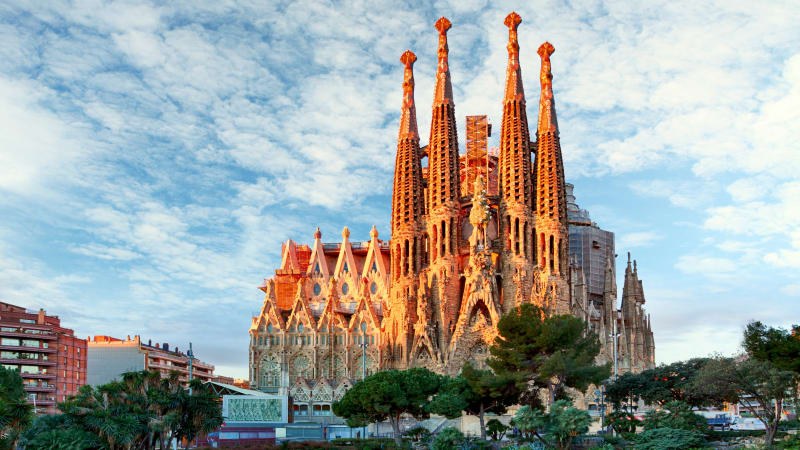 52 mi from TarragonaSagrada Família
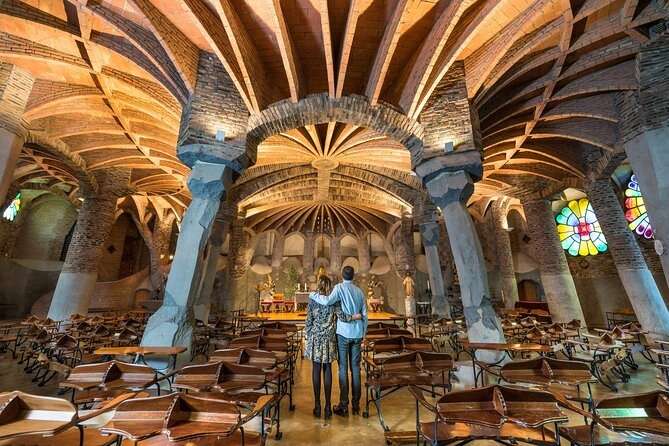 44 mi from TarragonaColònia Güell Church (Crypt) & Modernist Industrial Site
 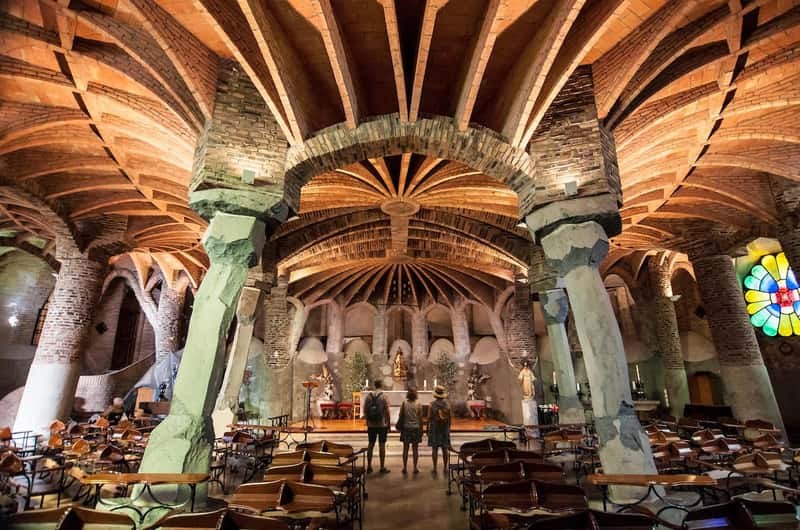 45 mi from Tarragona · land adventureBarcelona Beyond the Crowds: Gaudí, Galician Seafood & Montserrat
 258 mi from Tarragona · land adventureProvence by the Senses: Lavender, Truffles, and Roman Stone
 After you step off · near Sao Paulo
You end in a different port — stay on, and add what is within reach before you fly home.
The same trip, elevated
The same gateway on a more luxurious line — lead-in fare per person, same fare as booking direct.