Your cruise
MSC Musica · 15-night Mediterranean cruise, Rio de Janeiro to Genoa
Apr 2 – Apr 17 · 15 nights ·
Day 1 Rio de Janeiro (board) · Day 2–3 at sea · Day 4 Maceio · Day 5–10 at sea · Day 11 Las Palmas · Day 12–13 at sea · Day 14 Tarragona · Day 15 Marseille · Day 16 Genoa (step off)
What you do Sail a traditional wooden jangada to Gunga Beach, one of Brazil's most breathtaking stretches of coast — where palm-fringed dunes meet turquoise lagoon. A bucket-list private escape into unspoiled Alagoas nature.
What to expect Board a classic timber jangada at the river mouth and glide across the glassy Roteiro River to Gunga's legendary white-sand bar. Swim in warm, calm waters framed by swaying coconut palms and emerald mangroves. A local guide narrates the ecology and culture of this protected coastal strip. Lunch at a beachside palapa with freshly grilled seafood rounds out an unforgettable day.
Good to know Full-day excursion; depart Maceió port by 9 AM to allow ample time before all-aboard. Pre-book directly with Luck Receptivo to secure private jangada and guide. Bring reef-safe sunscreen — UV is intense on the open water.
Versus the ship tour Small-group or private departures mean you arrive before the crowds, with a dedicated guide and unhurried time at the lagoon — the jangada crossing alone is an iconic, photogenic moment found nowhere else on earth.
What you do At low tide, vibrant natural reef pools emerge just 2 km off Pajuçara Beach — a UNESCO-recognised phenomenon unique to Maceió. A private jangada at golden hour transforms this into pure magic.
What to expect Step aboard a hand-crafted jangada and drift out to Pajuçara's famous reef pools as the tide recedes. Knee-deep crystal water reveals kaleidoscopic corals and tropical fish — snorkel or simply stand in nature's own infinity pool. Your guide shares the history of Maceió's jangadeiros fishing culture. At sunset, the horizon blazes orange and pink as you sail back — a view that belongs on every travel bucket list.
Good to know Timing is entirely tide-dependent — pools are best 2 hrs either side of low tide. Gregtur will confirm the optimal departure window for your port day. Book in advance with tide date for your specific call; allow 3–4 hrs total. Jangada dock is a short taxi or walk from the cruise terminal.
Versus the ship tour Private or small-group booking with a bilingual expert guide (English, Spanish, French, Italian and more) means your jangada is yours alone — no queues at the pools, no rush, and a knowledgeable host who contextualises the rare geology and marine life.
What you do Journey north along the Coconut Coast to São Miguel dos Milagres — a tiny, achingly beautiful village of turquoise bays and traditional fishing communities. Rated among Brazil's finest hidden beaches, accessible by private transfer with an expert local guide.
What to expect Your guide collects you at the port and heads north through swaying coconut groves and Alagoas farmland to this almost car-free fishing village. Arrive to crystalline, shallow bays virtually untouched by mass tourism. Glide by motor canoe to reef-lined pools teeming with reef fish and starfish. Meet local artisans and sample traditional tapioca and coconut delicacies. Return via the coastal road, with stops at panoramic viewpoints over the Coral Coast.
Good to know Approx. 2.5 hrs each way from Maceió port — ideally suited to port days with a 7 PM or later all-aboard. Pre-book private transport with Gregtur well in advance. Carry BRL cash for local purchases and tipping.
Versus the ship tour A private vehicle and bilingual guide let you move at your own pace — lingering in the village, taking a local boat to secluded snorkelling bays, and connecting authentically with the community rather than passing through with a bus crowd.
What you do Head south to Francês Beach — Alagoas's most celebrated stretch of coast, where natural reef barriers create sheltered, emerald-green pools perfect for snorkelling. A quintessential Northeastern Brazil beach experience at its most spectacular.
What to expect The 30-minute scenic drive south delivers you to a crescent of ivory sand backed by rustling palms, lapped by water so green it glows. Step into the natural reef pools — calm, warm, and teeming with tropical fish — with a snorkel guide pointing out highlights. Barracas (beach huts) serve chilled coconuts, grilled lobster, and ice-cold Skol. The afternoon light on the reef is extraordinary; time your departure for the late afternoon golden hour.
Good to know Approx. 30 min from port by private transfer. Low tide reveals the best pool snorkelling — check tide tables with your operator. Book private transfer and optional reef boat trip in advance. Reef shoes recommended.
Versus the ship tour A private vehicle and guide means you arrive early, claim a prime spot beneath the palms, and take a local jangada directly to the best reef pools — no waiting, no crowds, entirely on your schedule.
What you do Explore the colourful colonial heart of Maceió — from the pastel-façaded Catedral Metropolitana to the vibrant Mercado do Artesanato — with a knowledgeable bilingual guide who brings Alagoas's layered history vividly to life.
What to expect Begin at the Praça Dom Pedro II, Maceió's elegant civic heart, where your guide decodes the city's history as a 19th-century sugarcane port. Walk to the Catedral Nossa Senhora dos Prazeres, a striking neoclassical cathedral framing the old city skyline. The Mercado do Artesanato de Maceió is a sensory feast: hand-embroidered linens, vivid lacework, woodcarvings, and Alagoas's distinctive wicker-weaving — your guide introduces you directly to the artisans. End with a tasting of caldo de cana (fresh sugarcane juice) and tapioca crepes at a historic boteco.
Good to know The Mercado is at its most atmospheric before noon. A morning half-day tour (depart port 8:30 AM) leaves the afternoon free for beach time. BRL cash is essential for artisan purchases — ATMs near the market. Wear comfortable walking shoes; the old centre has uneven cobblestones.
Versus the ship tour A private walking and driving tour with a multi-lingual expert guide (English, Spanish, French, Italian, German, Japanese and more) offers genuine cultural depth — inside access to the historic market's artisan workshops and storytelling that goes far beyond a standard bus commentary.
What you do Drive the legendary Coconut Coast north of Maceió to Ipioca — a wild, windswept beach of dramatic cliffs, natural pools, and swaying palms, rated 4.5 stars by thousands of visitors. A private escape into Alagoas at its most cinematic.
What to expect Head north along the Costa dos Coqueiros, a palm-lined coastal highway that feels like a film set. Arrive at Ipioca's rugged cliffs, where red laterite rock plunges to turquoise Atlantic waters and natural rock pools shimmer with marine life. Swim, snorkel, or simply absorb the view from a clifftop palapa with a cold caipirinha in hand. Your guide sources the freshest local catch for a leisurely lunch at a family-run barraca — grilled robalo (snook) and moqueca (coconut fish stew) are the house specialities. The journey back traces the coastline through fishing villages at dusk.
Good to know Approx. 30–40 min north of Maceió port by private vehicle. Best visited at mid-to-low tide for pool access. Full-day format recommended — depart 9 AM, return by 4:30 PM. Pre-book with Gregtur for English-speaking private guide and air-conditioned vehicle.
Versus the ship tour Private vehicle, knowledgeable guide, and a flexible itinerary mean you can linger at the most dramatic clifftop viewpoints, descend to secret natural pools, and choose a beachside seafood restaurant on your own terms — with no fixed schedule dictated by a group.
What you do Rio's three crown jewels — Christ the Redeemer, Sugarloaf Mountain, and the Selarón Steps — in a single, seamlessly paced private day. A licensed local expert curates every moment, from sunrise crowds to golden-hour cable car rides.
What to expect Your private air-conditioned vehicle collects you at the cruise terminal and whisks you to the iconic Selarón Steps, where the artist Jorge Selarón's 215 mosaic-tiled risers cascade down Lapa in a blaze of colour. From there, ascend Corcovado by rack railway to stand at the feet of the 38-metre Cristo Redentor as the city unfolds 710 metres below. The afternoon belongs to Sugarloaf, riding two consecutive gondolas to the 396-metre summit for a panorama that takes in Guanabara Bay, Copacabana, and the Atlantic horizon. Lunch at a curated local restaurant is included, and your guide personally adjusts the itinerary around your all-aboard time.
Good to know Pre-book well in advance — private days fill up fast in peak season (Dec–Mar). Confirm your all-aboard time with the guide at booking so the schedule is built around it. Christ the Redeemer tickets should be pre-purchased online to skip the booth queue. Comfortable walking shoes essential; the steps at Corcovado are steep.
Versus the ship tour Entirely private — your guide, your pace, zero queuing with strangers. A licensed cultural expert weaves the history, politics, and art of each site into an unhurried narrative you simply cannot get in a crowd.
What you do Trade the tourist rack railway for a lush 90-minute jungle trail through Tijuca Forest, arriving at Cristo Redentor breathless and triumphant — before the day-trippers arrive. One of Rio's great bucket-list physical experiences.
What to expect Your expert naturalist guide meets you at the port and transfers you to Parque Lage, a neo-romantic 19th-century estate at the forest's edge. The trail climbs steadily through dense canopy — strangler figs, bromeliads, and the calls of toucans accompany your ascent. At the summit, the outstretched arms of Cristo Redentor frame a 360-degree panorama: Guanabara Bay glittering to the east, Ipanema and Copacabana arcing south, and the Tijuca massif rolling away to the west. The descent is by rack railway, so your legs get the reward without the repeat effort.
Good to know Moderate fitness required — ~4 km uphill on uneven forest paths. Departs early morning (07:00 recommended) to beat both heat and crowds; confirm timing against your all-aboard. Wear trail shoes, bring a light rain layer, water, and sunscreen. Trail can be muddy after rain.
Versus the ship tour This is the insider approach — starting from the fairytale Parque Lage mansion and ascending through Atlantic rainforest with capuchin monkeys overhead. Arriving on foot before the cable cars start running means you often have the terrace nearly to yourself.
book direct with Do Brazil Right – Shore Excursions → · the full guide →
What you do Ascend Sugarloaf by gondola as the sun melts into the Atlantic and Rio's lights begin to glitter below — with a private guide, reserved cable car access, and chilled champagne on the summit. Simply one of the most spectacular sunsets on Earth.
What to expect Your private vehicle collects you from the pier and drives the scenic bayside road to Praia Vermelha, where the cable car base station sits against a dramatic granite wall. The first gondola glides to Morro da Urca (215 m) for cocktails on an open-air terrace with views of Botafogo Bay. The second gondola carries you to the Sugarloaf summit itself, where your guide points out every landmark — the twin humps of the Two Brothers, the long sweep of Ipanema beach, and the Cristo Redentor glowing on Corcovado opposite. As darkness falls, Rio transforms into a carpet of lights stretching to the horizon.
Good to know Sunset timing shifts seasonally — confirm exact departure time with your guide against your all-aboard (typically 17:30–18:30 ascent works for most ships). Pre-purchase cable car tickets online at bondinho.com.br to skip queues. Light jacket recommended at the summit — the Atlantic breeze picks up after dark.
Versus the ship tour A private guide secures your gondola timing to land on the 396-metre summit precisely at golden hour — the moment when the bay turns copper and the city's mosaic of favelas, beaches, and skyscrapers is lit from below. Champagne is waiting.
book direct with Rio Private Guide – Alan Denis → · the full guide →
What you do Plunge into the world's largest urban rainforest on an open-top 4×4 Jeep, hunting hidden waterfalls, rare orchids, and monkeys in the canopy above Rio's skyline. Thrilling, beautiful, and utterly unlike any city tour.
What to expect The Jeep departs the port and within 20 minutes you're deep in Tijuca National Park — 32 square kilometres of restored Atlantic rainforest that once covered the entire city. Your naturalist driver-guide navigates steep cobbled tracks to the Cascatinha Taunay waterfall, where you can swim in a cool natural pool. The trail continues to the Vista Chinesa pagoda, an incongruous 1920s belvedere perched above the south zone with jaw-dropping views of Lagoa Rodrigo de Freitas and the beaches beyond. Look up: squirrel monkeys and toucans are reliable sightings year-round.
Good to know Half-day format (4 hrs) makes it very manageable against an all-aboard. Bring insect repellent, swimwear if you want to dip at the waterfall, and a light layer. Jeep seats are open-air — sunscreen essential. Available year-round but forest is most dramatic and green after rain.
Versus the ship tour An open-sided Jeep lets you lean into the forest rather than observe it through glass — guides stop at unmarked trails, hidden cascades, and viewpoints that only locals know. Small groups of 6 maximum mean the guide is always within earshot.
book direct with Do Brazil Right – Shore Excursions → · the full guide →
What you do Explore the birthplace of samba and the heart of Afro-Brazilian heritage — the Saúde docklands 'Pequena África', the Valongo Wharf UNESCO site, and the bohemian arches of Lapa — with a cultural historian as your guide.
What to expect Your expert cultural guide leads you from the port through the revitalised Saúde neighbourhood — Rio's 'Little Africa' — where the Valongo Wharf, the largest disembarkation point for enslaved Africans in the Americas, is now a haunting and essential UNESCO World Heritage Site. The route winds through Gamboa to the Praça Mauá waterfront plaza, past the Museum of Tomorrow, then south into the Lapa arches district, where the Selarón Steps cascade down in their famous mosaic splendour. At every turn your guide connects architecture, music, and history — from candomblé to capoeira — with the living culture of modern Rio.
Good to know Entirely walkable — flat terrain, approximately 5 km total. Wear comfortable shoes and light, breathable clothing. Best done in the morning before heat peaks. The Selarón Steps are at the end of the route — a natural finale. Confirm all-aboard time with guide; the 4-hour format leaves a comfortable buffer.
Versus the ship tour This is the Rio that doesn't make the postcard — the cobbled alleyways where samba was born, the 19th-century wharf where millions of enslaved Africans arrived, and the street-art-covered neighbourhood of Lapa, all interpreted by a guide with deep academic and community roots.
What you do Walk the hallowed turf, dressing rooms, and players' tunnel of Maracanã — South America's most iconic football cathedral — with a private guide who unlocks areas closed to the public, and a lifetime of stories about the Maracanazo, Pelé, and the 2014 World Cup.
What to expect Your guide meets you at the port and transfers you directly to the Zona Norte neighbourhood where Maracanã rises like a concrete colosseum. Inside, the private route takes you through the players' dressing rooms (still bearing the scent of decades of drama), the athletes' tunnel where legends have walked, and out onto the pitch itself — 78,000 seats surrounding you in silence. Your guide narrates defining moments: the 1950 World Cup 'Maracanazo' defeat, Pelé's 1,000th goal, and the stadium's reinvention for 2014. A visit to the onsite Hall of Fame and the club merchandise boutique rounds out a deeply Rio experience.
Good to know Tours run most mornings when no match is scheduled — verify match schedule before booking as stadium access changes on game days. Allow 2.5–3 hours including transfer from port. The stadium is a 20-minute drive from the cruise terminal. Combine with a lunch stop in the Santa Teresa neighbourhood on the return for a perfect half-day.
Versus the ship tour A private local guide who lives and breathes football takes you beyond the standard visitor path — into the press box, the VIP areas, and pitch-side — bringing the stadium's seismic moments to life with personal storytelling that no group tour can match.
book direct with Tours by Locals – Rio de Janeiro Private Guides → · the full guide →
What you do Sail a traditional wooden jangada to Gunga Beach, one of Brazil's most breathtaking stretches of coast — where palm-fringed dunes meet turquoise lagoon. A bucket-list private escape into unspoiled Alagoas nature.
What to expect Board a classic timber jangada at the river mouth and glide across the glassy Roteiro River to Gunga's legendary white-sand bar. Swim in warm, calm waters framed by swaying coconut palms and emerald mangroves. A local guide narrates the ecology and culture of this protected coastal strip. Lunch at a beachside palapa with freshly grilled seafood rounds out an unforgettable day.
Good to know Full-day excursion; depart Maceió port by 9 AM to allow ample time before all-aboard. Pre-book directly with Luck Receptivo to secure private jangada and guide. Bring reef-safe sunscreen — UV is intense on the open water.
Versus the ship tour Small-group or private departures mean you arrive before the crowds, with a dedicated guide and unhurried time at the lagoon — the jangada crossing alone is an iconic, photogenic moment found nowhere else on earth.
What you do At low tide, vibrant natural reef pools emerge just 2 km off Pajuçara Beach — a UNESCO-recognised phenomenon unique to Maceió. A private jangada at golden hour transforms this into pure magic.
What to expect Step aboard a hand-crafted jangada and drift out to Pajuçara's famous reef pools as the tide recedes. Knee-deep crystal water reveals kaleidoscopic corals and tropical fish — snorkel or simply stand in nature's own infinity pool. Your guide shares the history of Maceió's jangadeiros fishing culture. At sunset, the horizon blazes orange and pink as you sail back — a view that belongs on every travel bucket list.
Good to know Timing is entirely tide-dependent — pools are best 2 hrs either side of low tide. Gregtur will confirm the optimal departure window for your port day. Book in advance with tide date for your specific call; allow 3–4 hrs total. Jangada dock is a short taxi or walk from the cruise terminal.
Versus the ship tour Private or small-group booking with a bilingual expert guide (English, Spanish, French, Italian and more) means your jangada is yours alone — no queues at the pools, no rush, and a knowledgeable host who contextualises the rare geology and marine life.
What you do Journey north along the Coconut Coast to São Miguel dos Milagres — a tiny, achingly beautiful village of turquoise bays and traditional fishing communities. Rated among Brazil's finest hidden beaches, accessible by private transfer with an expert local guide.
What to expect Your guide collects you at the port and heads north through swaying coconut groves and Alagoas farmland to this almost car-free fishing village. Arrive to crystalline, shallow bays virtually untouched by mass tourism. Glide by motor canoe to reef-lined pools teeming with reef fish and starfish. Meet local artisans and sample traditional tapioca and coconut delicacies. Return via the coastal road, with stops at panoramic viewpoints over the Coral Coast.
Good to know Approx. 2.5 hrs each way from Maceió port — ideally suited to port days with a 7 PM or later all-aboard. Pre-book private transport with Gregtur well in advance. Carry BRL cash for local purchases and tipping.
Versus the ship tour A private vehicle and bilingual guide let you move at your own pace — lingering in the village, taking a local boat to secluded snorkelling bays, and connecting authentically with the community rather than passing through with a bus crowd.
What you do Head south to Francês Beach — Alagoas's most celebrated stretch of coast, where natural reef barriers create sheltered, emerald-green pools perfect for snorkelling. A quintessential Northeastern Brazil beach experience at its most spectacular.
What to expect The 30-minute scenic drive south delivers you to a crescent of ivory sand backed by rustling palms, lapped by water so green it glows. Step into the natural reef pools — calm, warm, and teeming with tropical fish — with a snorkel guide pointing out highlights. Barracas (beach huts) serve chilled coconuts, grilled lobster, and ice-cold Skol. The afternoon light on the reef is extraordinary; time your departure for the late afternoon golden hour.
Good to know Approx. 30 min from port by private transfer. Low tide reveals the best pool snorkelling — check tide tables with your operator. Book private transfer and optional reef boat trip in advance. Reef shoes recommended.
Versus the ship tour A private vehicle and guide means you arrive early, claim a prime spot beneath the palms, and take a local jangada directly to the best reef pools — no waiting, no crowds, entirely on your schedule.
What you do Explore the colourful colonial heart of Maceió — from the pastel-façaded Catedral Metropolitana to the vibrant Mercado do Artesanato — with a knowledgeable bilingual guide who brings Alagoas's layered history vividly to life.
What to expect Begin at the Praça Dom Pedro II, Maceió's elegant civic heart, where your guide decodes the city's history as a 19th-century sugarcane port. Walk to the Catedral Nossa Senhora dos Prazeres, a striking neoclassical cathedral framing the old city skyline. The Mercado do Artesanato de Maceió is a sensory feast: hand-embroidered linens, vivid lacework, woodcarvings, and Alagoas's distinctive wicker-weaving — your guide introduces you directly to the artisans. End with a tasting of caldo de cana (fresh sugarcane juice) and tapioca crepes at a historic boteco.
Good to know The Mercado is at its most atmospheric before noon. A morning half-day tour (depart port 8:30 AM) leaves the afternoon free for beach time. BRL cash is essential for artisan purchases — ATMs near the market. Wear comfortable walking shoes; the old centre has uneven cobblestones.
Versus the ship tour A private walking and driving tour with a multi-lingual expert guide (English, Spanish, French, Italian, German, Japanese and more) offers genuine cultural depth — inside access to the historic market's artisan workshops and storytelling that goes far beyond a standard bus commentary.
What you do Drive the legendary Coconut Coast north of Maceió to Ipioca — a wild, windswept beach of dramatic cliffs, natural pools, and swaying palms, rated 4.5 stars by thousands of visitors. A private escape into Alagoas at its most cinematic.
What to expect Head north along the Costa dos Coqueiros, a palm-lined coastal highway that feels like a film set. Arrive at Ipioca's rugged cliffs, where red laterite rock plunges to turquoise Atlantic waters and natural rock pools shimmer with marine life. Swim, snorkel, or simply absorb the view from a clifftop palapa with a cold caipirinha in hand. Your guide sources the freshest local catch for a leisurely lunch at a family-run barraca — grilled robalo (snook) and moqueca (coconut fish stew) are the house specialities. The journey back traces the coastline through fishing villages at dusk.
Good to know Approx. 30–40 min north of Maceió port by private vehicle. Best visited at mid-to-low tide for pool access. Full-day format recommended — depart 9 AM, return by 4:30 PM. Pre-book with Gregtur for English-speaking private guide and air-conditioned vehicle.
Versus the ship tour Private vehicle, knowledgeable guide, and a flexible itinerary mean you can linger at the most dramatic clifftop viewpoints, descend to secret natural pools, and choose a beachside seafood restaurant on your own terms — with no fixed schedule dictated by a group.
What you do Ascend to Gran Canaria's iconic volcanic monolith — a 65-metre basalt needle at 1,813 m — through cloud-forest trails and the achingly pretty village of Tejeda. This is the island's single most dramatic landscape, full stop.
What to expect Your private driver-guide collects you portside and winds south through the dramatic caldera interior, stopping at panoramic miradors before the short hike to Roque Nublo's base. The views sweep from the Atlantic to Teide on a clear day. You return via Tejeda for local wine and almond sweets before a scenic descent back to Las Palmas.
Good to know Pre-book directly with Shore Emotion to secure a private vehicle. The round trip takes 5–6 hours; confirm your ship's all-aboard time and request an adjusted itinerary if needed. Wear sturdy walking shoes and a windproof layer — the summit is brisk even in summer.
Versus the ship tour A private 4×4 expedition means you reach the trailhead before day-trippers arrive, linger as long as you wish at the summit viewpoint, and drop into Tejeda's artisan honey and marzipan shops at your own pace — unhurried, unscripted, and utterly unforgettable.
book direct with Shore Emotion (Private 4×4 Tour) → · the full guide →
What you do Ranked among Europe's finest aquariums, Poema del Mar is an architectural and marine marvel just steps from the port — its centrepiece a 33-million-litre deep-ocean tank inspired by an underwater volcano. A private guide transforms it into an intimate marine biology masterclass.
What to expect Move through immersive biotopes replicating the Canarian coastline, tropical reefs, and open ocean, culminating in the spectacular 8-metre-deep tunnel beneath the main tank. The private guide narrates the conservation mission behind each habitat. Conclude with a coffee at the aquarium's sky-view terrace overlooking the harbour.
Good to know The aquarium is a 5-minute walk from the cruise terminal — ideal if time ashore is limited. Book private guided slots directly via the official website. Open daily; morning slots offer the quietest experience. Allow 2–2.5 hours.
Versus the ship tour Early-access or private-guided entry means you experience the cathedral-like deep-ocean atrium before crowds gather, with a marine biologist on hand to explain the ecosystems — a level of intimacy impossible in a general admission queue.
book direct with Poema del Mar (Official) → · the full guide →
What you do The largest botanical garden in Spain and the finest in the Macaronesian islands — 27 hectares of dragon trees, giant Canarian palms, endemic laurel forest, and cliff-face cactus gardens carved into a ravine. With a private botanist-guide, it becomes a living encyclopedia of island evolution.
What to expect Your guide leads you through the Dragon Tree Forest, the Macaronesian laurel collection, and the spectacular cliff gardens, pausing to explain the unique adaptations of each species. The garden's upper terraces reveal sweeping views across the Guiniguada ravine. The experience is as much philosophy as botany — an intimate meditation on isolation and evolution.
Good to know Located 20 minutes by taxi from the port (approx. EUR 15 each way). Arrange private guided tours via the official website's contact form well in advance. Best visited in the morning before the heat peaks. Wear comfortable walking shoes; the terrain includes steps and slopes.
Versus the ship tour A specialist botanist guide reveals the garden's endemic secrets — plants found nowhere else on Earth — and narrates the 10,000-year story of island colonisation by seed, wind, and wave. The ravine setting is dramatic in any season and virtually unknown to most visitors.
book direct with Jardín Botánico Canario Viera y Clavijo (Official) → · the full guide →
What you do The smartest, most flexible way to cover Las Palmas's greatest hits — from the golden arc of Las Canteras beach and the art nouveau Santa Catalina Park to the UNESCO-listed Vegueta quarter — on a panoramic open-top double-decker with live or audio commentary in multiple languages.
What to expect Board steps from the cruise terminal and ascend to the open-top deck for unobstructed panoramas as you loop through the city's 14 key stops. Hop off at Playa de las Canteras — one of Europe's great urban beaches — for a swim or a seafood lunch, then re-board to continue to Vegueta. The live English-speaking guide on select departures adds rich local colour.
Good to know Book online directly with City Sightseeing for e-ticket access and to guarantee a morning departure. The full loop takes approximately 75 minutes non-stop. The cruise terminal stop is the logical starting and ending point, making it effortless to return for all-aboard.
Versus the ship tour The freedom to hop off at Las Canteras for a swim, linger over lunch at a harbour-front terrace, and re-board at will is the luxury of time — a complete, self-directed exploration of the city's full sweep, from colonial quarter to Atlantic beachfront, on your own schedule.
book direct with City Sightseeing Las Palmas (Official) → · the full guide →
What you do Gran Canaria's wine culture is one of the Atlantic's best-kept secrets — volcanic soils, ancient listán negro vines, and trade-wind-cooled microclimates produce wines of extraordinary character. A private visit to Bodega San Juan, one of the island's most respected producers, is a connoisseur's revelation.
What to expect Your host walks you through the estate's volcanic vineyards before descending into the cellar to explore fermentation and ageing techniques unique to the Canary Islands' appellation. The tasting table features five to seven estate wines, each paired with local Canarian specialities — Flor de Guía cheese, sobrasada, and mojo-dressed bread. The session closes with an exclusive bottle selection for purchase.
Good to know Located approximately 30 minutes from the port; arrange private taxi transfer in advance (approx. EUR 30–40 each way). Contact Bodega San Juan directly to reserve a private session — group sizes are intentionally small. Allow 2.5–3 hours. Confirm all-aboard time before booking and build in comfortable transfer time.
Versus the ship tour An intimate, private cellar tour with the winemaker or estate guide — exploring volcanic terroir, pre-phylloxera vine stocks, and traditional Canarian winemaking — followed by a curated tasting of estate wines paired with local charcuterie and cheeses. This is the island's most authentic sensory experience.
What you do Walk the UNESCO World Heritage ruins of ancient Tarraco — Amphitheatre, Roman Circus, and Forum — with a licensed private guide who brings two millennia of history to vivid life on an exclusive, fully bespoke half-day.
What to expect Your guide meets you near the port and leads you through the Amphitheatre's arena floor, where gladiators once fought with the Mediterranean as a backdrop. You descend into the vaulted passages of the Roman Circus — one of the best-preserved in the world — then cross to the Provincial Forum's monumental plaza. Every site is interpreted with scholarly precision and genuine passion, making the stones speak.
Good to know All three monuments are within walking distance of the cruise pier (10–15 min on foot or a short taxi). Pre-book your private guide directly via the Itinere platform; slots fill fast on port days. Allow 4 hours to do justice to all three sites, leaving comfortable time before all-aboard.
Versus the ship tour A licensed expert guide who tailors depth and pace entirely to your group — no queues, no crowds, no fixed script. You linger where the story grips you, moving fluidly between monuments that most visitors only skim.
book direct with Itinere Tarragona (Turisme de Tarragona official guided tours) → · the full guide →
What you do Stand beneath the soaring two-tiered arches of the 'Devil's Bridge' — a 2,000-year-old Roman aqueduct rising 27 metres above the gorge — on a private guided visit to one of Spain's most dramatic ancient structures.
What to expect A short private transfer brings you to a forest clearing where the aqueduct suddenly fills the sky — the scale is genuinely jaw-dropping. Your guide explains how Roman engineers carried fresh water 25 km from the River Gaià to supply ancient Tarraco. You walk the shaded path alongside its base, then climb for panoramic views across the pine canopy. The sense of solitude and grandeur here is rare.
Good to know The site is free to enter; cost is in guiding and transfer. Combine with the city ruins for a full Roman day. Wear comfortable walking shoes — the path is uneven. Confirm your return transfer time carefully against the ship's all-aboard.
Versus the ship tour This is not a site you stumble upon — it sits 4 km north of the city, away from the port-day crowds, and a knowledgeable guide transforms it from a photogenic ruin into a masterclass in Roman hydraulic engineering that you will never forget.
book direct with Itinere Tarragona (Turisme de Tarragona official guided tours) → · the full guide →
What you do Explore the magnificent 12th-century Catedral de Tarragona — a sublime transition from Romanesque to Gothic — including its serene arcaded cloister and treasure-filled Diocesan Museum, ideally with a private expert guide.
What to expect You enter through a Romanesque portal into a soaring nave where centuries of Catalan history are etched in stone and stained glass. The cloister garden, with its slender columns and carved menagerie of animals, is one of the most peaceful spaces in Spain. The treasury displays gold reliquaries, Gothic tapestries, and a remarkable Roman marble sarcophagus. The hilltop location also offers sweeping views over the city's rooftops toward the sea.
Good to know Book tickets online in advance via the official cathedral website to avoid queues on busy port days. The Cathedral is a 15–20 minute walk uphill from the pier, or a short taxi ride. Allow 90 minutes minimum. Dress modestly — shoulders and knees must be covered.
Versus the ship tour The Cathedral's official visit combines the main nave, the extraordinarily beautiful cloister — with its carved capitals and resident peacocks — and a museum housing medieval altarpieces and Roman-era sarcophagi. A private guide unlocks the symbolism and layered history in a way a self-guided visit simply cannot.
book direct with Catedral de Tarragona (official) → · the full guide →
What you do Combine a private walking tour of Roman Tarragona with a journey inland to the Priorat or Camp de Tarragona wine country, tasting exceptional local vermouth and DO Tarragona wines with a passionate local expert.
What to expect Your private guide leads you through the Roman quarter before whisking you to a family-run vermouth bar or local bodega where the Camp de Tarragona's celebrated vermouth is poured straight from the barrel. You learn why this region is the birthplace of Spanish vermouth culture, sample local charcuterie and olives alongside, and if time permits, explore the Modernista architecture of nearby Reus, birthplace of Gaudí. The pace is entirely yours.
Good to know Book your private guide in advance via ToursbyLocals; specify your interest in wine and food for a tailored itinerary. This excursion works best as a 4–5 hour experience. Confirm logistics carefully against your ship's all-aboard time, as Reus is 15 km from the port.
Versus the ship tour A fully private, customisable experience led by a vetted local who curates the tastings and sites to your personal interests — never rushed, never generic. You taste vermouth the way Tarragona locals have for generations, in the company of a guide who knows the producers personally.
book direct with ToursbyLocals Tarragona (vetted private local guides) → · the full guide →
What you do Stroll Tarragona's legendary clifftop Balcony of the Mediterranean — the most dramatic sea-view promenade in Catalonia — then follow the Passatge Arqueològic along the ancient Roman walls for a perfectly paced private walking experience.
What to expect You begin at the Balcó del Mediterrani, where the Mediterranean opens up in a panorama that has stopped travellers in their tracks for centuries — the amphitheatre ruins sit directly below, framed by the glittering sea. Your guide then leads you along the Passatge Arqueològic, a garden walkway threading between two rings of wall — the inner Roman and the outer medieval — lined with sculpture and ancient towers. The experience is simultaneously dramatic and utterly serene.
Good to know Both sites are within easy walking distance of the cruise terminal (15–20 min on foot, mostly uphill). Best experienced in the morning before the midday heat. Combine with the Cathedral for a full cultural half-day. Comfortable walking shoes and sun protection are essential.
Versus the ship tour This itinerary is the local insider's Tarragona — the sweep of the coastline from the Balcó, the secret garden path between the Roman and medieval walls, the unhurried pace that lets you photograph, reflect, and genuinely absorb the scenery. A private guide adds the human stories layered into every stone.
book direct with Itinere Tarragona (Turisme de Tarragona official guided tours) → · the full guide →
What you do Escape the port in a private chauffeured vehicle along the wild Cap Roig headland and the golden Costa Daurada coastline — dramatic limestone cliffs, hidden coves, and panoramic sea views on a completely exclusive excursion.
What to expect Your private driver-guide collects you at the pier and heads south along a coastline of extraordinary beauty — rugged limestone headlands plunging into turquoise water, with the scent of pine and salt in the air. At Cap Roig, you step out for clifftop panoramas that stretch to the horizon. The guide points out hidden beaches accessible only on foot, and if the schedule allows, you stop at a clifftop viewpoint bar for a glass of chilled cava with the sea below you. The return trip follows the golden-sand bays of the Costa Daurada.
Good to know Book in advance via ToursbyLocals and specify Cap Roig and coastal scenery as your priority. A 3–4 hour private excursion is ideal. Coordinate pickup and drop-off at the cruise pier, and build in a generous buffer before all-aboard given the driving distances involved.
Versus the ship tour This is Tarragona's most spectacular natural scenery, explored at your own pace in a private vehicle with a knowledgeable local guide — no group coach, no fixed stops, no compromises. You choose when to linger, when to photograph, and when to find a quiet cove for a moment of complete Mediterranean bliss.
book direct with ToursbyLocals Tarragona (vetted private local guides) → · the full guide →
What you do Walk off the ship to Quai des Belges and board a National-Park-authorized boat that threads the 12-mile wall of blinding-white limestone cliffs plunging into fjord-like turquoise inlets: Sormiou, Morgiou, Sugiton, En-Vau, Port-Pin and Port-Miou. This is the one signature landscape Marseille is built around, and the boat departs the Vieux-Port itself, so there is no need to bus over to Cassis first. On a warm port day, pick the version with a swim stop and float in a cove no road reaches.
What to expect You walk straight off the ship to Quai des Belges and board a National-Park-authorized boat that launches directly from the Vieux-Port into one of Europe's most stunning seascapes. For the next three to three-and-a-half hours, you glide beneath a 12-mile chain of blinding-white limestone cliffs plunging into fjord-like turquoise inlets—Sormiou, Morgiou, Sugiton, En-Vau, Port-Pin, and Port-Miou—with panoramic deck commentary unfolding the geology and history. On warm days, the summer "Calanques & Baignade" version anchors in a pristine cove reachable only by water, where you float in crystalline turquoise that no road can touch.
Good to know Book Icard Maritime directly at the pier rather than through the cruise line—you'll pay €33–40 ($36–44) instead of $130–170, saving $90+ per person while skipping a Cassis coach transfer. The 3h15 and 3h30 cruises depart Quai des Belges (a five-minute walk from most ships) multiple times daily; confirm the final return slot leaves at least 90 minutes before your ship's all-aboard time. Bring sunscreen, a hat, and a swimsuit if opting for the baignade version; no need to book ahead—just show up at the departure quay and purchase tickets on-site.
Versus the ship tour Biggest markup of the day, direct wins decisively. The cruise line's Cassis/Calanques boat excursion runs $130-170 pp (RCI's was reported at $133) for essentially this same boat ride after a coach transfer to Cassis. Booking Icard direct from the Old Port is ~$36-44 pp: you save roughly $90-130 per person AND skip the Cassis bus. Just confirm the last return slot leaves you 90+ min of margin before all-aboard.
book direct with Icard Maritime (Croisieres Marseille Calanques) → · the full guide →
What you do The gold-crowned Neo-Byzantine basilica 'La Bonne Mere' crowns the city's highest point at 162m, its Virgin statue the very symbol of Marseille you see from the sea sailing in. The open tourist train leaves the Vieux-Port, runs the seafront corniche past Vallon des Auffes and the Palais du Pharo, then grinds up to the summit for the definitive 360 panorama over the Old Port, the islands and Chateau d'If, with a ~20-min stop at the top. The steep climb on foot would eat half your port-day energy; the train is the smart cruiser move and the basilica itself is free to enter.
What to expect You board the open-air tourist train at Vieux-Port near Quai des Belges and glide past the seafront corniche, with views of Vallon des Auffes and the Palais du Pharo unfolding as you travel. The train then climbs steeply to the 162-meter summit where Notre-Dame de la Garde—the gold-crowned Neo-Byzantine basilica and Marseille's iconic symbol—crowns the highest point of the city. You'll have roughly 20 minutes at the summit to explore the basilica (free entry) and soak in the definitive 360-degree panorama: the Old Port, the islands, and Château d'If spread below you. The entire loop takes the physical toll out of what would otherwise be an exhausting uphill walk, letting you conserve energy for other port activities.
Good to know The €10 Circuit 1 ticket ($11 pp) departs directly from Vieux-Port near Quai des Belges—no need to book ahead, just walk over from the pier and queue; the journey and summit stop total roughly 45 minutes to 1 hour. Plan this excursion early in your port day (aim for the first 2–3 hours) to avoid afternoon crowds and ensure a comfortable buffer back to the ship. Bring water and sunscreen; the open train offers no shade and the summit stop is fully exposed. If you want historical context the train won't provide, pair this with a quick read on Notre-Dame's backstory beforehand, or combine it with a guided e-bike tour for deeper narrative.
Versus the ship tour Direct wins big. The ship's 'Marseille & Notre-Dame de la Garde' coach excursion is $90-120 pp, and it is mostly charging you for a bus to a free church. The Euro 10 tourist train (or local bus 60 for a couple euros) gets you the same basilica and the corniche drive for a fraction of the price, saving ~$80-110 pp. Only downside vs the ship: no live guide narration, so read up first or pair it with the e-bike tour.
book direct with Le Petit Train de Marseille → · the full guide →
What you do A 20-minute ferry from the Old Port lands you on the 16th-century island fortress made immortal as the inescapable prison in Dumas's 'The Count of Monte Cristo.' Walk the cells, the ramparts and the dungeon, then turn around for the one view you get nowhere else: Marseille and Notre-Dame seen from the open water. The fast, frequent ferry leaves straight from the Vieux-Port, making this a tidy half-day even on a short call.
What to expect You board the Frioul If Express ferry directly from the Vieux-Port—a brisk 20-minute crossing—and step onto a 16th-century island fortress that Dumas immortalized as the inescapable prison in *The Count of Monte Cristo*. Once ashore, you move at your own pace through the stark cells, walk the ramparts, and descend into the dungeon, each space thick with literary and historical weight. The payoff arrives when you turn toward the water: a view of Marseille and Notre-Dame receding across the open Mediterranean that you cannot get from anywhere else. The ferry rhythm is tight and frequent, making this a cleanly contained half-day even if your ship's call is short.
Good to know Depart the pier directly to Quai des Belges at the Vieux-Port (walk-on, no pre-booking required); confirm you board the Frioul If Express, as two competing ferry operators dock there with different timetables. Factor in €10.80–16.20 for the round-trip ferry plus €6 fortress entry (~$19–25 total pp), and note that the fortress closes mid-afternoon—check the last return departure and build in a 30-minute buffer before that boat to avoid being stranded. Bring sun protection and wear sturdy shoes for uneven rampart surfaces; the island has minimal facilities, so eat or drink before you go.
Versus the ship tour Direct is the only sane way, the cruise lines rarely package this well and a guided version isn't worth it for a self-explanatory island. All-in you're at ~$19-25 pp. Heads-up: two competing ferry companies dock at the Old Port with different boats and timetables, so confirm you're on the Frioul If Express vessel and note the last return time, the fortress closes mid-afternoon and you do not want to miss the boat back.
What you do For a single 6-8 hour port day this is the best 'see everything' move: one electric-bike loop strings together the Vieux-Port fish market, the lace-concrete MuCEM and Fort Saint-Jean, the Major cathedral, the ochre lanes of Le Panier, the Palais du Pharo, the seafront corniche and Vallon des Auffes, and the hard climb to Notre-Dame de la Garde, which the e-bike motor flattens to nothing. A local guide gives the context a self-guided wander misses, and the group caps at eight. It is the most efficient way to compress the whole bucket list into one very Marseillais experience.
What to expect Your morning departs from the Fada Bike Cafe near the Old Port on a guided e-bike loop through Marseille's essential sights: you'll glide through the Vieux-Port fish market and ochre lanes of Le Panier, visit the striking concrete MuCEM and Fort Saint-Jean, explore the Major cathedral, ride the seafront corniche and intimate Vallon des Auffes, then cruise up to Notre-Dame de la Garde—where the e-bike motor flattens what would be a brutal climb into an effortless ascent. A licensed local guide strings these landmarks together with context and stories, keeping your group intimate at just eight riders, so you absorb far more than a self-guided wander or a 40-person coach tour ever could.
Good to know The 3.5-hour, 23 km tour fits comfortably into a 6–8 hour port day; book directly with Fada Bike Cafe to secure your spot and confirm departure time from the cafe, a short walk from the Old Port pier. The ~€49 price includes the e-bike, helmet, and guide, so budget only for lunch or café stops. Allow a 90-minute buffer before all-aboard to account for the ride back to port and any unforeseen delays; the e-bike and guided pace are leisurely enough that you won't feel rushed, but maritime schedules demand respect.
Versus the ship tour Direct wins on both price and quality. The ship's half-day 'Marseille City Highlights' walking tour is $80-110 pp and covers far less ground on foot. Fada's ~$53 e-bike loop is cheaper, reaches Notre-Dame and the corniche the walking tour can't, and keeps you in a group of 8 instead of a coach of 40, saving ~$30-55 pp for a markedly better experience.
book direct with Fada Bike Cafe, Tours & Rentals → · the full guide →
What you do If the Old Port boats are sold out or you'd rather pair the cliffs with the pastel fishing town of Cassis, take the bus or train out and buy a walk-up Calanques boat ticket at the harbor. The local boatmen's cooperative runs short circuits past 3 to 9 calanques (En-Vau, Port-Pin, Port-Miou and more) from 45 minutes to 2+ hours, and you can wander Cassis's quay before or after. It's a flexible, no-reservation fallback that still delivers the signature turquoise-cove scenery.
What to expect You'll take the M8 bus or train from central Marseille out to the pastel-painted fishing village of Cassis, where you walk directly to the harbor and join a walk-up boat tour. From there, a local boatman steers you through a circuit of 3–9 crystalline turquoise calanques—narrow limestone coves with names like En-Vau and Port-Pin—the boat cutting past dramatic cliff faces and rocky inlets for 45 minutes to 2+ hours depending on your ticket. Between or after the boat ride, you wander Cassis's waterfront quay, browsing the shuttered houses and harborside cafés before making the return journey back to the ship.
Good to know Plan for a 6–8 hour window: budget 30–45 minutes each way for the M8 bus (~€6) or train plus connection, 45 minutes to 2+ hours on the water, and 30–60 minutes to explore Cassis village. Walk-up boat tickets (€19–33 per person) are sold directly at the Cassis harbor by the local cooperative—no advance booking required, but availability is not guaranteed during peak hours. Plan a generous 90–120 minute return buffer to get back to the ship, as this DIY route involves two transfers with no guarantee of quick connections; on a tight port call, the ship-organized Cassis excursion or direct Old Port boats are lower-risk options. Bring euros for the bus, boat ticket, and harbor cafés, and wear slip-on shoes and a hat for sun exposure on the water.
Versus the ship tour Direct wins on price; the ship's Cassis/Calanques excursion is $130-170 pp. Buying the ~$21-36 boat ticket at the dock plus a ~$6 bus saves ~$90-130 pp. BUT be honest about the trade-off: this is the DIY route with two transfers and no guaranteed return, so on a tight port call the ship-organized version (or the direct Old-Port boat above) is the lower-risk choice. Use this as your backup, not your first pick, and leave generous margin to get back to the ship.
What you do Walk 10-15 minutes from your berth to the Porto Antico ferry kiosk by Renzo Piano's Biosfera and board a real Genoese ferry line that glides 70 minutes down the Riviera past Camogli and San Fruttuoso to Portofino's pastel, superyacht-studded harbor -- the postcard image of coastal Italy. Arriving by sea is the most beautiful possible approach, and you can add the boat-or-hike-only San Fruttuoso abbey on the same route. Last return boats leave Portofino around 4:50pm, so it fits a port day with margin -- but confirm your ship's all-aboard against that schedule before you commit.
What to expect A 10–15 minute walk from your berth leads to the Porto Antico ferry kiosk beside Renzo Piano's Biosfera, where you board a genuine Genoese ferry line for a 70-minute glide down the Riviera. The boat drifts past the picturesque villages of Camogli and San Fruttuoso, offering unfolding coastal views before arriving in Portofino's iconic harbor—pastel-painted buildings, superyachts, and the Mediterranean in postcard perfection. Arriving by sea gives you the most beautiful possible approach to this legendary destination. The return journey reverses the scenic route, with the last boat departing Portofino around 4:50pm.
Good to know Depart Porto Antico around 9:00am (seasonal, March–October) and plan your full port day against a 4:50pm last return boat—confirm your ship's all-aboard time before committing, and build in at least 30–45 minutes buffer to make it back safely. The round-trip ferry costs roughly €26–28pp ($28–30) to Portofino, a fraction of the ship's €130–180pp coach excursion, giving you full control of your schedule. You can combine the ferry with a hike or boat-only visit to the San Fruttuoso abbey (€24 round-trip to that stop; abbey entry is a separate small ticket). Wear comfortable walking shoes, bring sun protection and a light layer for the sea breeze, and have euros or a card ready at the kiosk—no advance booking required, but arriving by 8:45am secures a spot on the 9:00am departure.
Versus the ship tour DIRECT WINS BIG. The ship's Portofino & Santa Margherita coach excursion runs $130-180pp; the direct ferry is ~$28pp round-trip -- you save roughly $100-150 per person AND arrive the scenic way by water instead of by bus. The only thing the ship buys you is a guaranteed-back-to-the-vessel guarantee; here YOU own the clock, so build in buffer against that ~4:50pm last boat.
What you do Pesto alla Genovese was invented in this city in the 1500s, and hand-grinding Ligurian basil, pine nuts and olive oil in a marble mortar is Genoa's defining edible ritual. In Enrica Monzani's home kitchen -- a licensed Ligurian culinary leader and cookbook author -- you make fresh pasta and pesto by hand (focaccia and focaccia di Recco on the baking class), then sit down to eat exactly what you cooked on the terrace. You leave knowing the genuine recipe, not a tourist approximation.
What to expect You arrive at Enrica Monzani's home kitchen in Genoa and roll up your sleeves to hand-grind Ligurian basil, pine nuts, and olive oil in a marble mortar—the authentic ritual that birthed pesto alla Genovese in the 1500s. Over 3.5 hours, you shape fresh pasta by hand, craft pesto from scratch, and optionally browse the local market for ingredients. The class culminates on the terrace where you sit down to eat exactly what you cooked, tasting genuine recipes rather than tourist approximations. You leave with both a full meal and the knowledge to recreate it at home.
Good to know Book direct by email with A Small Kitchen in Genoa (Enrica Monzani) well ahead—spaces are small and private. The 3.5-hour class fits comfortably into a 6–8 hour port window if you depart the ship within the first hour; allow 30–45 minutes buffer to return by tender before all-aboard. Wear casual, kitchen-ready clothes you don't mind getting flour on, and bring comfortable walking shoes if you opt for the market visit. Pricing ranges from EUR 160–200 (~$172–215) depending on the menu chosen; confirm exact timing and directions from the pier when you book.
Versus the ship tour ROUGHLY EVEN ON PRICE -- BUT DIRECT WINS ON QUALITY. The ship's 'Taste of Genoa' cooking/tasting runs $100-140pp, modestly cheaper on the sticker. For the extra ~$30-70 you get a tiny private class in a real local's kitchen instead of a 30-person demo, and the flexibility to book direct. If you only want a cheap nibble, the ship or a few-euro DIY focaccia tasting beats both -- this card is for someone who wants to actually cook.
book direct with A Small Kitchen in Genoa (Enrica Monzani) → · the full guide →
What you do Italy's largest aquarium and one of Europe's biggest -- 12,000+ animals across ~600 species, housed in Renzo Piano's iconic ship-shaped pavilion right on the Porto Antico waterfront. It's the single attraction Genoa is most famous for, it's self-guided and pace-flexible, and it sits a flat 10-15 minute walk from the cruise berth. This is your low-risk, near-port safety net: no transfers, fixed price, and you're never far from the ship.
What to expect You'll walk 10–15 minutes flat through Porto Antico to reach Renzo Piano's striking ship-shaped pavilion, where a self-guided path unfolds through 12,000+ animals across roughly 600 species—schools of rays gliding overhead, massive tanks of Mediterranean fish, and intimate chambers of seahorses and jellyfish. The pacing is entirely yours: linger in front of a tank for five minutes or twenty, circle back to favorites, and spend as long as you want absorbing the scale and detail that make this Italy's flagship aquarium. The indoor, climate-controlled environment means you move at leisure without time pressure, and the iconic architecture itself—Piano's ship design reflected in the waterfront setting—frames each viewing moment. You'll typically spend 90 minutes to 3 hours inside, then reverse the 15-minute walk back to your berth, never far from the ship.
Good to know Book entry online in advance (EUR 26–33 at gate, EUR 36 for flexible annual pass) and save $30–55 per person versus the ship's $60–90 markup. Depart the pier within the first 2–3 hours of your port window to allow a comfortable 90-minute to 2-hour aquarium visit plus return buffer; the walk is straightforward and flat, with no transfers needed. Bring only light clothing and perhaps a camera—the aquarium is indoors and climate-controlled, and there's no complex logistics or guides to coordinate. No advance booking is strictly required if you're willing to pay gate price, but online purchase guarantees entry and locks in the lowest rate.
Versus the ship tour DIRECT WINS. The ship sells aquarium entry as a $60-90pp excursion; a gate ticket booked direct is ~$28-36pp -- you save roughly $30-55 per person for the identical experience, on a 10-minute walk you'd make anyway. The ship adds nothing but a markup and a guided escort you don't need for a self-paced indoor attraction.
book direct with Acquario di Genova (Costa Edutainment) → · the full guide →
What you do The Galata is the largest maritime museum in the Mediterranean -- fitting for the birthplace of Columbus and a once-mighty seafaring republic -- but the unmissable hook is outside on the water: the Nazario Sauro S-518, an actual decommissioned submarine moored as the museum's waterfront. You climb down inside and walk the real boat compartment by compartment, not a model. It's deeply on-theme for a cruise traveler and sits right on the Porto Antico, steps from the ship.
What to expect You walk straight from the pier into the Porto Antico and enter the Galata Maritime Museum, where you move at your own pace through galleries celebrating Mediterranean seafaring history. The real experience waits outside: you descend a gangway into the Nazario Sauro S-518, a decommissioned WWII submarine, and walk the actual cramped compartments—torpedo room, control center, crew quarters—for roughly 20-25 minutes, imagining the lives of submariners in a vessel that feels authentically confined. After surfacing, you can spend as long as you'd like in the museum's indoor exhibits, which pair perfectly with the submarine context. It's a self-contained, walkable loop that never feels rushed and keeps you steps from your ship the entire time.
Good to know Book your combined ticket (€19 adults, ~$21) directly online at Galata Museo del Mare before arrival to skip queues; add the €1 smartphone audio guide for deeper context as you move through the museum. The walk from your berth to the Porto Antico is 5–10 minutes on flat ground with clear signage, so you can leave the ship 4–5 hours into port and still have 2–3 hours to explore comfortably. Plan to be back aboard 30 minutes before all-aboard time; the submarine is outdoors and weather-dependent (no cover while boarding), so check conditions and dress accordingly. Bring comfortable shoes for uneven decking around the waterfront, and note that the submarine's interior is genuinely narrow—not recommended if you have mobility limitations or claustrophobia.
Versus the ship tour DIRECT WINS, AND SHIPS RARELY OFFER IT. Cruise lines seldom sell this specific submarine experience, so booking direct is usually your only route -- and at ~$21pp all-in it's one of the best-value marquee things you can do in Genoa. Walkable from the berth, fixed price, no transfer risk.
book direct with Galata Museo del Mare (Mu.MA) → · the full guide →
What you do The five rainbow fishing villages of Monterosso, Vernazza, Corniglia, Manarola and Riomaggiore -- stacked on UNESCO cliffs above the sea -- are arguably the most photographed coastline in Italy and a textbook bucket-list item. On a tight port day you do NOT want to gamble on DIY regional trains: a licensed local guide-driver (Enrica's A Small Kitchen team runs small-group/private Cinque Terre days) builds the whole day around your ship's all-aboard time and gets you back. This is the ambitious 'spend your one big day here' option.
What to expect You'll spend the day island-hopping across five UNESCO-cliffside villages—Monterosso, Vernazzo, Corniglia, Manarola, and Riomaggiore—each stacked vertically above the sea with the kind of pastel architecture that dominates Italy's most-photographed coastlines. Your licensed local guide-driver (Enrica's A Small Kitchen team) choreographs the whole rhythm around your ship's all-aboard time, steering you through the villages, arranging train or boat passes between them, and managing entries so you're not left guessing at station queues. Expect a mix of walking the steep village streets, pausing at viewpoints for the postcard shots, and moving between towns by regional train or coastal boats—the day has real momentum built in. You're back at the pier with guaranteed buffer time; there's no gambling on regional train schedules.
Good to know Book by email directly with A Small Kitchen before sailing to confirm your per-person rate, group size, and exact pickup time from the Genoa port; confirm which train/boat passes and village entries are included vs. extra. Your guide-driver picks you up at the pier (timing locked to your ship's schedule) and typically returns you 90–120 minutes before all-aboard to give you a real safety margin. Bring comfortable walking shoes, sun protection, and small cash for any village vendors or meals not covered in the package; the villages have limited ATMs. Train and boat passes between the five villages are often not included in the ~€140–200 base price, so clarify what's covered and budget an extra €15–30pp for transport within Cinque Terre.
Versus the ship tour MIXED -- READ THE TRADE. The ship's Cinque Terre excursion is $180-250pp; a private licensed guide-driver at ~$150-220pp is similar-to-cheaper with a far smaller group and a guaranteed-return promise tied to your ship. Pure DIY by train is only ~$30-40pp but carries real all-aboard risk on a long mainland day -- if you're confident and budget-driven, DIY wins on price; if you want the safety net for the same money as the ship, go direct private.
book direct with A Small Kitchen in Genoa (licensed guide-driver day) → · the full guide →
Before you sail · near Rio de Janeiro
Fly in at least a day early — every seasoned cruiser does, so a delay never costs you the ship. This is what is worth that day within reach of the port.
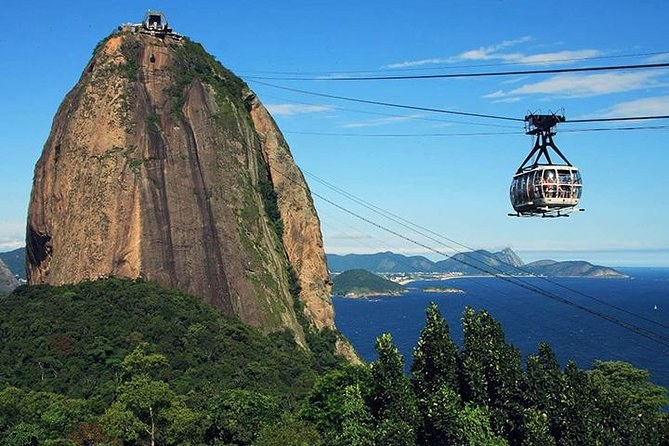 4 mi from Rio de JaneiroSugar Loaf Mountain (Pão de Açúcar)
 5 mi from Rio de JaneiroChrist the Redeemer
 After you step off · near Genoa
You end in a different port — stay on, and add what is within reach before you fly home.
 74 mi from GenoaDuomo di Milano
 74 mi from GenoaLeonardo da Vinci's The Last Supper
 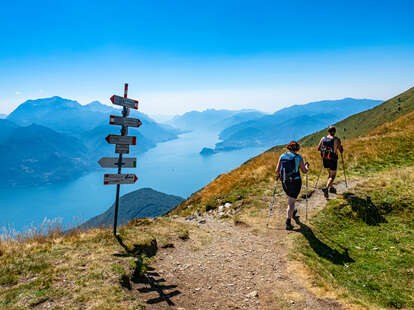 85 mi from Genoa · land adventureLake Como: Silk, Stone, and Summit — A Four-Day Master Plan
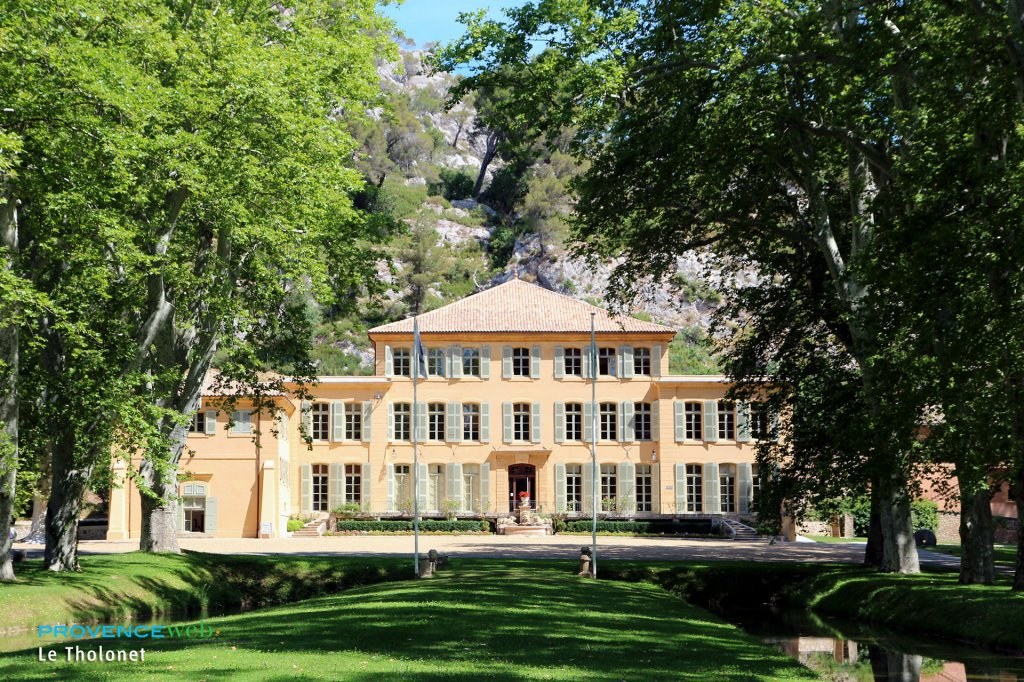 100 mi from Genoa · land adventureCézanne's Backyard: Wine, Art & Thermal Springs in Provence
 The same trip, elevated
The same gateway on a more luxurious line — lead-in fare per person, same fare as booking direct.