Your cruise
Viking Tialfi · 7-night Europe cruise, Amsterdam to Basel
Oct 24 – Oct 31 · 7 nights ·
Day 1 Amsterdam (board) · Day 2 Kinderdijk · Day 3 Cologne · Day 4 The Rhine River flows through one of Germany’s most scenic regions. As you sail its most picturesque stretch · Day 4 Rudesheim am Rhein · Day 4 Koblenz · Day 5 Speyer · Day 6 Strasbourg · Day 7 Breisach am Rhein · Day 8 Basel (step off)
What you do This is THE iconic Dutch landscape: 19 monumental 1700s windmills marching across green polders below sea level, the largest concentration on earth and a still-working 1740s flood-control machine. Your single entry ticket isn't just the view from the dike (that part is free) — it unlocks climbing inside the working Nederwaard mill (1738, original machinery and the Hoek family's preserved living quarters) and the rare hollow-post Blokweer (1630, set as a 1950s miller's home with goats and a costumed miller), PLUS the hop-on/hop-off canal boats that glide you down at water level with mills towering on both banks, the Wisboom pumping station and the exhibitions. A first-timer who only saw this from the ship rail would genuinely regret not walking it.
What to expect You'll begin at the dike overlooking the iconic row of 19 monumental windmills stretching across the polders, then descend to walk among them and climb inside the Nederwaard mill (1738) to see the original machinery and the Hoek family's living quarters, or step into the rare Blokweer (1630) set as a 1950s miller's home. The hop-on/hop-off canal boats let you glide at water level with mills towering on both banks, and you can explore the Wisboom pumping station and exhibitions. Everything unfolds at your own pace within a single ticket—no re-entry fees, no separate charges for any interior or boat ride.
Good to know If your ship docks at Kinderdijk itself, the entrance is a short walk from the gangway; otherwise allow 10–15 minutes to reach the site. Budget 3–4 hours to do the mills justice (interiors, boats, pumping station); aim to return to the ship 45 minutes before departure to avoid stress. Bring comfortable walking shoes for uneven dike paths and boat decks, and check the weather—the site is fully exposed to wind and rain. Book or confirm boat schedules upon arrival, as hop-on/hop-off frequency can vary by season.
Versus the ship tour Direct wins big. Holland America's 'Windmills of Kinderdijk' guided walk is $149 pp for ~4 hrs and includes just ONE windmill interior. The same ticket bought direct is ~$22 and includes every interior, the boats and the museums — you save ~$120 pp even before you'd add transport. The only thing the ship adds is the coach and a guide; if your ship docks AT Kinderdijk you literally walk off the gangway to the entrance.
book direct with Stichting Werelderfgoed Kinderdijk (World Heritage Kinderdijk Foundation — the non-profit that owns and runs the site, not a reseller) → · the full guide →
What you do If your ship docks in central Rotterdam rather than at the village, the 30-minute fast-catamaran down the Nieuwe Maas is itself a highlight — past the working port and into the green delta, with the windmills rising straight off the water as you arrive. This is exactly how independent travelers bypass the cruise-line coach entirely, and the combination ticket bundles your round-trip ferry and full Kinderdijk admission into one direct booking with zero aggregator markup.
What to expect You'll start at Rotterdam Willemskade and board the fast catamaran for a scenic 30-minute crossing down the Nieuwe Maas, passing active port infrastructure and into the green delta landscape as the iconic windmills rise directly off the water at your approach. Once at Kinderdijk, you have full admission to explore the 19 working windmills, walk the village pathways, and photograph the UNESCO-listed mills at your own pace—no guide, no coach timeline. The return ferry gives you the same water-level perspective in reverse, this time leaving the mills behind as you cruise back into Rotterdam's industrial waterfront. The entire rhythm—ferry, mills, ferry—feels like genuine traveler discovery rather than a structured tour.
Good to know The WaterShuttle runs Friday–Sunday only; on other days, you must use the regular Waterbus with a transfer at Ridderkerk or Alblasserdam, so confirm the schedule immediately and build margin into your return. A round-trip ferry and Kinderdijk entry combo ticket costs ~$35–41 per person, booked directly with Waterbus B.V. to avoid cruise-line markups. Plan for at least 4–5 hours ashore (ferry + windmill exploration + return), and confirm your return sailing departs with enough buffer—at least 90 minutes—before the ship's all-aboard time. Bring comfortable walking shoes, weather-appropriate layers, and a camera; book the combo ticket in advance or at the Rotterdam terminal, and have your return ferry time clearly noted to avoid any all-aboard risk.
Versus the ship tour Direct crushes it. The ship's by-boat Kinderdijk excursion runs $69-$159 pp (and private cruise-pier tours $193-$779 pp), versus a fully self-guided ferry-plus-entry of ~$35-41 pp — a $30 to $700+ saving. The honest caveat: the ship's coach removes all timing risk and the day-of-week constraint, so if you're nervous about ferry schedules on a tight port day, the line's group transfer buys peace of mind for the premium.
book direct with Waterbus B.V. (regional fast-ferry operator; the 'WaterShuttle' Rotterdam Willemskade to Kinderdijk) → · the full guide →
What you do Renting a Dutch bike and riding the flat, car-free dike past the windmills is the most authentically Dutch thing you can do on this exact stretch of land — mills on both sides, a working below-sea-level landscape, and the freedom to ride the full Overwaard/Nederwaard loop. A bike covers far more of the 19-mill spread than walking and gets you to the quiet far end where the tour crowds thin out and the postcard sightline along the Overwaard canal opens up.
What to expect You'll start by walking ~500m from the entrance to Cafe De Klok on Molenstraat to pick up your Dutch bike, then pedal onto the flat, car-free dike path where windmills rise on both sides and the working polder landscape unfolds beneath your wheels. The route loops past all 19 mills across the Overwaard and Nederwaard sections—a distance that would take hours on foot but opens up in minutes by bike. As you ride deeper into the quiet far end where tour crowds disappear, the postcard sightline along the Overwaard canal reveals itself: pure, unbroken Dutch countryside. The rhythm is unhurried and sensory: the creak of the bike, the scale of the mills, the flat horizon, and the freedom to stop wherever the light and mood strike.
Good to know Rent your bike directly at Cafe De Klok (no advance booking needed, €10 flat for any duration) and plan 2–3 hours for a full loop ride at a leisure pace. The dike paths themselves are free to ride; add the ~$22 site entry only if you want interior mill tours or boat access. Allow 45 minutes total for the walk to the cafe, the bike rental, and return to the pier, so aim to head out within the first 2–3 hours of your port window and be back by hour 5–6 to ensure a safe buffer before ship departure. Wear comfortable shoes for the initial walk and bring sunscreen and water; the dikes offer no shade and the Dutch sun reflects off the water.
Versus the ship tour No ship equivalent exists — cruise lines don't offer a bike-it-yourself option, so this is a direct-only experience. At ~$12 it's the cheapest way to see the most of the landscape, and it turns a flat walk into the active, full-coverage version of the port day. Lowest-cost, highest-freedom move here.
book direct with Cafe De Klok (independent cafe and bike-hire on Molenstraat, ~500m from the entrance; recommended by the Foundation, which does not rent bikes itself) → · the full guide →
What you do The Alblasserwaard around Kinderdijk is dairy country, and tasting genuine raw-cow's-milk farmhouse Gouda — including oddball wheels like truffle or Szechuan pepper — straight from the family that makes it is the edible counterpart to the windmills' visual heritage. This is a direct-from-the-maker stop, not a bus-tour 'cheese-and-clogs' show, and it's the low-key authentic way to round out a windmills-and-polder day with something you can carry back to the ship.
What to expect You'll begin at Kinderdijk's windmill site, then self-navigate (~9 km by taxi, bike, or rental car) into the working polder to reach Booij Kaasmakers or the closer Biokaas Kinderdijk. Once there, you step directly into a family-run farmhouse dairy—no tour bus, no staged demo—and taste raw-cow's-milk Gouda wheels straight from the maker, including distinctive small-batch varieties like truffle or Szechuan pepper that you won't find in shops. The pace is entirely yours: linger in the farm shop, sample freely, and buy cuts of cheese (typically $10–20 per wheel-cut) to carry back to the ship, anchoring your windmill heritage day with an edible souvenir that tastes of the Alblasserwaard's dairy tradition.
Good to know Transport is your responsibility and takes the largest chunk of your 6–8 hour window: budget 30–45 min each way from the pier to Kinderdijk, then another 20–30 min to reach the dairy by taxi or bike; plan to spend 45–60 min at the farm itself, leaving 90 min minimum to return to the ship before departure. Book a taxi or arrange a rental bike before leaving port, as this isn't a guided excursion with fixed timing or group transport. Bring cash (euros) and a small cooler or insulated bag to keep cheese at safe temperature for the journey back, especially on warm days. This option wins on cost (~$35–50 total including farm shop and cheese versus the ship's $94 packaged tour) but demands self-direction and logistics; if you're already cycling the polder or confident with solo navigation, it's the authentic choice.
Versus the ship tour Direct wins on money but be honest about the trade-off: Viking's 'Kinderdijk + cheese farm' optional excursion is $94 pp and includes the coach, a guide and a cheesemaking demonstration. Doing it yourself (~$22 site entry + ~$10-20 of cheese) lands around $35-50, saving ~$45-55 pp — but you forgo the staged demo and the transport. If you're already cycling or driving the polder, direct is the clear call; if not, the ship's version solves the logistics for you.
book direct with Booij Kaasmakers (working farmhouse-Gouda dairy in Streefkerk, ~9 km along the polder; for a stop within ~1 km of the mills, Biokaas Kinderdijk) → · the full guide →
What you do If you want zero logistics risk on a tight port day, this is the bulletproof play: walk straight to the visitor centre, buy the standard entry, and self-pace the dike at your own speed. The classic shot — mills receding in a perfect row from the bridge by the Blokweer mill and along the Overwaard canal — is the postcard image of Holland, and the free Foundation app gives you a multilingual audio map so you never need a guide. No schedule to catch, no day-of-week constraint, no transfer to miss.
What to expect You walk from the pier directly to the Kinderdijk visitor centre and purchase your entry ticket (~$22 adult), then set your own pace along the iconic dikes at your leisure. The classic postcard moment—mills receding in a perfect row from the Blokweer bridge along the Overwaard canal—unfolds on your terms as you move through the landscape. The free Kinderdijk audio-guide app on your phone provides multilingual narration and a navigation map, so you explore independently without waiting for a group or following a guide's schedule. There are no structured viewpoints or timed segments; you choose where to linger, photograph, and absorb the UNESCO-listed scene.
Good to know Buy your ticket online the night before to lock a 10% discount and skip the queue at the visitor centre. If your ship docks at or near Kinderdijk, the walk-in approach is direct and cost-effective ($50–$125 cheaper per person than ship tours); if docked far away and you're uncertain about self-navigation, the ship's guaranteed return transfer is worth the premium. Plan for a 2–3 hour visit within a typical 6–8 hour port window, leaving comfortable time to reach the pier and clear the all-aboard deadline. Bring comfortable walking shoes, weather-appropriate layers, and a charged phone to run the free audio app.
Versus the ship tour Direct wins on price and pace versus every ship walking tour ($69-$149 pp), saving $50-$125+ pp — and you control your own clock instead of moving at coach pace. The single honest reason to prefer the ship: if your vessel docks far from the site and you're uneasy about getting yourself there and back, the line's transfer guarantees you return before all-aboard. If you're docked at or near Kinderdijk, there's no contest — walk in.
book direct with Stichting Werelderfgoed Kinderdijk (the Foundation's own visitor centre and free Kinderdijk audio-guide app) → · the full guide →
What you do Step through the actual swinging bookcase into the cramped, blacked-out rooms where Anne Frank, her family and four others hid for two years before betrayal. You climb the same steep stairs, see Anne's movie-star magazine clippings still pinned to her bedroom wall, and stand in the very space she wrote the diary in - the single most emotionally powerful 90 minutes anywhere in Amsterdam, and the one site a first-timer regrets missing forever.
What to expect You enter the Anne Frank House through the front door and then step through the actual swinging bookcase that once concealed the hiding place, descending into the cramped, light-blocked rooms where eight people sheltered for two years. You climb the same steep wooden stairs Anne climbed daily, passing her bedroom where her movie-star magazine clippings still cling to the walls, and arrive in the small back room where she wrote her diary—the intimate, confining space that makes the historical weight suddenly visceral. The visit unfolds over 90 minutes of close quarters and emotional intensity, with the physical reality of the hiding place far more powerful than any photograph or film.
Good to know Tickets are released only online every Tuesday at 10am CET for visits exactly six weeks later, and slots sell out quickly—you must book directly at the official annefrank.org the moment your six-week window opens, as the ship cannot secure group slots and lookalike resale sites charge double or deliver nothing. The visit runs 1–1.5 hours, so plan for a 3–4 hour excursion window from the pier including transit time; get there early on port day to avoid the afternoon crowds that build by mid-afternoon. Book any optional 30-minute intro program when you purchase tickets to deepen your understanding of the historical context before entering.
Versus the ship tour Tickets are individual-only, online-only (never sold at the door), released every Tuesday 10am CET for a visit exactly six weeks later. The ship cannot get you a guaranteed group slot here - so direct booking isn't just cheaper, it's the ONLY way in. Book the instant the window opens and use the real annefrank.org; lookalike scam-resale URLs charge double for the same seat or sell nothing.
book direct with Anne Frank House (Anne Frank Stichting) → · the full guide →
What you do Glide the UNESCO-listed 17th-century canal ring on a vintage 1928 electric saloon boat - not a crowded glass-roof barge - with a storytelling local captain narrating the gabled merchant houses, leaning facades, houseboats and 1,500 bridges. Seeing Amsterdam from the water is THE thing the city is famous for, and a small open boat lets you actually hear the stories and slip down canals the big barges can't enter.
What to expect You'll board a intimate 1928 vintage electric saloon boat—never a crowded glass-roofed barge—and glide for 90 minutes through Amsterdam's UNESCO-listed 17th-century canal ring with a local captain who narrates the architecture, history, and waterside life as you pass gabled merchant houses, leaning facades, historic houseboats, and slip under 1,500 bridges. The small boat's open design lets you actually hear the stories and access narrow side canals the mass barges can't fit through, giving you intimate angles on the city that make canal-side Amsterdam real rather than scenic. You'll see why "the water" is what Amsterdam is famous for, moving at the rhythm of the city itself instead of a tour-bus schedule.
Good to know The 90-minute cruise departs from Captain Dave Amsterdam's direct booking site (not the ship); plan to leave the pier 90 minutes before your booked time to allow for transit to the canal dock, with a 45-minute buffer before all-aboard. The early-morning option (EUR 39) includes coffee, tea, and sugar bread; the standard daytime cruise (EUR 42) includes drinks—both max 12 guests, so book directly on their site in advance rather than assuming walk-up availability. Wear layers and bring a camera; Amsterdam's canal breezes cut cooler than on-deck, and the open-boat format means you'll want to move around to find sun or shelter.
Versus the ship tour Direct wins big. The ship sells the canal-boat portion at an effective ~$40-$90/pp - and that's the crowded mass barge. A plain 1-hour walk-up barge is just ~$20 (Stromma/Lovers/Blue Boat leave constantly from Centraal), so if you only want the view, skip the ship and walk up to save 50-75%. For the bucket-list version - tiny historic boat, real local captain - Captain Dave at $46 still beats or matches the ship and is a far better experience.
book direct with Captain Dave Amsterdam → · the full guide →
What you do Pedal an e-bike out of the city through the green polder lowlands of Waterland to Zaanse Schans, where working 17th/18th-century windmills still turn over the river and artisans demo wooden clog-carving and farmhouse cheese-making. It's a double bucket-list hit - the postcard image of Holland plus the iconic 'Dutch travel by bike' experience - all led by a local guide and done comfortably in a half day.
What to expect You'll pedal an e-bike out of Amsterdam's city streets into the serene green polder landscape of Waterland, gliding smoothly through quintessential Dutch countryside before arriving at Zaanse Schans, where 17th and 18th-century windmills still turn over the river in the iconic postcard image of Holland. There you'll watch artisans carve wooden clogs and demonstrate traditional farmhouse cheese-making—dual bucket-list moments—all guided by a local expert who navigates the route and brings the landscape to life. The e-bike does the legwork, making the half-day feel unhurried and immersive rather than rushed, and you'll experience what makes cycling so central to Dutch identity without the fitness barrier of a muscle-powered bike. It's a half-day rhythm: depart, ride, arrive, explore, return—comfortable and compact.
Good to know Book directly with Mike's Bike Tours Amsterdam (operating since 1997) to secure the morning slot and confirm it returns you with a safe margin before all-aboard; the operator will specify exact departure and return times needed for your ship. The tour costs ~€42 including e-bike, guide, ferry, and windmill-village entry, with an additional ~€17.50 site fee (spring 2026 onwards), totaling ~€60–€65 all-in. Wear comfortable clothes and closed-toe shoes suitable for cycling; bring sunscreen and a light layer since the polder winds can be cool even on clear days. Plan for a 6-hour window from pier to pier, departing within 2–3 hours of port arrival to ensure a full experience and safe return buffer before departure.
Versus the ship tour Direct wins. The ship's 'Windmills & Edam' / 'Zaanse Schans, Volendam & Marken' half-day runs ~$125-$160/pp on a coach. The e-bike version direct lands near ~$46 plus the ~$19 site fee (~$65 all-in) - roughly half - and you get the cycling experience the bus tour can't. Cheapest of all if you skip the guide: DIY by train (Centraal to Zaandijk Zaanse Schans, ~17 min, ~EUR 6 each way). Pick a guaranteed-return-time operator since this leaves the port area.
book direct with Mike's Bike Tours Amsterdam → · the full guide →
What you do Tour the original 1867 Heineken brewery on the Amstel - the exact spot this globally famous beer was born - on a self-paced, hands-on journey through the brewing heritage, the immersive motion 'Brew Ride' simulator, tastings, and a rooftop bar overlooking the city. A relaxed, fun, crowd-pleasing port-day icon that pairs perfectly with a canal stroll afterward.
What to expect You'll enter the original 1867 Heineken brewery on the Amstel at your timed slot and move at your own pace through the brewing heritage exhibits, then climb into the immersive motion 'Brew Ride' simulator for a visceral take on the brewing process. Beer tastings punctuate the journey, and if you've booked the rooftop upgrade, you'll finish with a drink in hand overlooking Amsterdam's cityscape. The whole experience unfolds over roughly two hours, giving you time to either linger over another beer or head straight out to pair it with a leisurely canal stroll before returning to the ship.
Good to know Book your timed ticket ahead online during cruise season—it sells out by midday—either direct at Heineken Experience's own site (~€24.95–€29.95) or avoid ship resellers. The brewery is walkable from Amsterdam's port, though confirm the exact pier-to-venue distance with your port agent; allow 15–20 minutes each way plus buffer time. With a 6–8 hour port window, a 2-hour tour leaves comfortable breathing room for transit, a pre-tour coffee, and a 30+ minute canal-side wind-down before heading back; aim to be back at the pier 30 minutes before all-aboard. The experience is fun and photogenic but brand-focused rather than a must-see landmark, so slot it as an add-on around your bigger port plans, not your sole commitment.
Versus the ship tour Direct or nothing - the ship rarely sells this, so booking it yourself at ~$27-$33 is the move (no reseller markup possible). Honest caveat: it's a brand attraction, not a regret-if-you-miss-it landmark, so slot it as a fun add-on around your canal cruise, not your one big port-day commitment. Buy the timed ticket ahead in cruise season; it sells out midday.
What you do Cycle the canals, bridges, Jordaan lanes and Vondelpark with a local guide on the world's premier cycling city's own terms - rolling past the Anne Frank House, Rijksmuseum and hidden courtyards while covering far more ground than walking. It's the most authentic, lowest-stress way to 'get' Amsterdam when you have one port day and don't want to gamble on timed-ticket queues.
What to expect You'll roll through Amsterdam's network of canals and bridges on two wheels with a local guide, pedaling past iconic landmarks—the Anne Frank House, Rijksmuseum, and hidden Jordaan courtyards—at a pace that covers far more ground than walking. The rhythm alternates between gliding along waterfront paths and weaving through narrow lanes, with the guide pointing out the city's authentic character rather than rushing between museum queues. You'll loop through Vondelpark and take in the layered architecture of the city's golden-age buildings reflected in the water. Over ~2.5 hours, you'll experience Amsterdam on its own terms—as locals do—rather than from a coach window.
Good to know Tours depart multiple times daily from the city center near the cruise terminal, a short tram or walk from the pier, allowing you flexibility within a typical 6–8 hour port window; book directly with Mike's Bike Tours Amsterdam (operating since 1997) to secure your spot and bike. The EUR ~37 cost includes the guided tour, bike rental, and local guide—no hidden fees or separate museum-ticket gambles. Plan to return to the ship with at least 90 minutes buffer before all-aboard, giving you time to walk or tram back unhurried. Wear comfortable clothes and flat shoes (cycling in Amsterdam is relaxed), bring a light layer for weather changes, and note that helmets are typically provided or available—confirm when booking if you prefer your own.
Versus the ship tour Direct wins, and it's the safe fallback. The ship's coach 'Panoramic Amsterdam' city orientation runs ~$130-$160/pp (often bundled with a barge cruise); this guided bike tour delivers more of the real city for ~$40 and keeps you a short tram/walk from the ship. If museum tickets sold out before your sailing, this is the no-regret way to still see the headline sights honestly and cheaply.
book direct with Mike's Bike Tours Amsterdam → · the full guide →
What you do This is THE iconic Dutch landscape: 19 monumental 1700s windmills marching across green polders below sea level, the largest concentration on earth and a still-working 1740s flood-control machine. Your single entry ticket isn't just the view from the dike (that part is free) — it unlocks climbing inside the working Nederwaard mill (1738, original machinery and the Hoek family's preserved living quarters) and the rare hollow-post Blokweer (1630, set as a 1950s miller's home with goats and a costumed miller), PLUS the hop-on/hop-off canal boats that glide you down at water level with mills towering on both banks, the Wisboom pumping station and the exhibitions. A first-timer who only saw this from the ship rail would genuinely regret not walking it.
What to expect You'll begin at the dike overlooking the iconic row of 19 monumental windmills stretching across the polders, then descend to walk among them and climb inside the Nederwaard mill (1738) to see the original machinery and the Hoek family's living quarters, or step into the rare Blokweer (1630) set as a 1950s miller's home. The hop-on/hop-off canal boats let you glide at water level with mills towering on both banks, and you can explore the Wisboom pumping station and exhibitions. Everything unfolds at your own pace within a single ticket—no re-entry fees, no separate charges for any interior or boat ride.
Good to know If your ship docks at Kinderdijk itself, the entrance is a short walk from the gangway; otherwise allow 10–15 minutes to reach the site. Budget 3–4 hours to do the mills justice (interiors, boats, pumping station); aim to return to the ship 45 minutes before departure to avoid stress. Bring comfortable walking shoes for uneven dike paths and boat decks, and check the weather—the site is fully exposed to wind and rain. Book or confirm boat schedules upon arrival, as hop-on/hop-off frequency can vary by season.
Versus the ship tour Direct wins big. Holland America's 'Windmills of Kinderdijk' guided walk is $149 pp for ~4 hrs and includes just ONE windmill interior. The same ticket bought direct is ~$22 and includes every interior, the boats and the museums — you save ~$120 pp even before you'd add transport. The only thing the ship adds is the coach and a guide; if your ship docks AT Kinderdijk you literally walk off the gangway to the entrance.
book direct with Stichting Werelderfgoed Kinderdijk (World Heritage Kinderdijk Foundation — the non-profit that owns and runs the site, not a reseller) → · the full guide →
What you do If your ship docks in central Rotterdam rather than at the village, the 30-minute fast-catamaran down the Nieuwe Maas is itself a highlight — past the working port and into the green delta, with the windmills rising straight off the water as you arrive. This is exactly how independent travelers bypass the cruise-line coach entirely, and the combination ticket bundles your round-trip ferry and full Kinderdijk admission into one direct booking with zero aggregator markup.
What to expect You'll start at Rotterdam Willemskade and board the fast catamaran for a scenic 30-minute crossing down the Nieuwe Maas, passing active port infrastructure and into the green delta landscape as the iconic windmills rise directly off the water at your approach. Once at Kinderdijk, you have full admission to explore the 19 working windmills, walk the village pathways, and photograph the UNESCO-listed mills at your own pace—no guide, no coach timeline. The return ferry gives you the same water-level perspective in reverse, this time leaving the mills behind as you cruise back into Rotterdam's industrial waterfront. The entire rhythm—ferry, mills, ferry—feels like genuine traveler discovery rather than a structured tour.
Good to know The WaterShuttle runs Friday–Sunday only; on other days, you must use the regular Waterbus with a transfer at Ridderkerk or Alblasserdam, so confirm the schedule immediately and build margin into your return. A round-trip ferry and Kinderdijk entry combo ticket costs ~$35–41 per person, booked directly with Waterbus B.V. to avoid cruise-line markups. Plan for at least 4–5 hours ashore (ferry + windmill exploration + return), and confirm your return sailing departs with enough buffer—at least 90 minutes—before the ship's all-aboard time. Bring comfortable walking shoes, weather-appropriate layers, and a camera; book the combo ticket in advance or at the Rotterdam terminal, and have your return ferry time clearly noted to avoid any all-aboard risk.
Versus the ship tour Direct crushes it. The ship's by-boat Kinderdijk excursion runs $69-$159 pp (and private cruise-pier tours $193-$779 pp), versus a fully self-guided ferry-plus-entry of ~$35-41 pp — a $30 to $700+ saving. The honest caveat: the ship's coach removes all timing risk and the day-of-week constraint, so if you're nervous about ferry schedules on a tight port day, the line's group transfer buys peace of mind for the premium.
book direct with Waterbus B.V. (regional fast-ferry operator; the 'WaterShuttle' Rotterdam Willemskade to Kinderdijk) → · the full guide →
What you do Renting a Dutch bike and riding the flat, car-free dike past the windmills is the most authentically Dutch thing you can do on this exact stretch of land — mills on both sides, a working below-sea-level landscape, and the freedom to ride the full Overwaard/Nederwaard loop. A bike covers far more of the 19-mill spread than walking and gets you to the quiet far end where the tour crowds thin out and the postcard sightline along the Overwaard canal opens up.
What to expect You'll start by walking ~500m from the entrance to Cafe De Klok on Molenstraat to pick up your Dutch bike, then pedal onto the flat, car-free dike path where windmills rise on both sides and the working polder landscape unfolds beneath your wheels. The route loops past all 19 mills across the Overwaard and Nederwaard sections—a distance that would take hours on foot but opens up in minutes by bike. As you ride deeper into the quiet far end where tour crowds disappear, the postcard sightline along the Overwaard canal reveals itself: pure, unbroken Dutch countryside. The rhythm is unhurried and sensory: the creak of the bike, the scale of the mills, the flat horizon, and the freedom to stop wherever the light and mood strike.
Good to know Rent your bike directly at Cafe De Klok (no advance booking needed, €10 flat for any duration) and plan 2–3 hours for a full loop ride at a leisure pace. The dike paths themselves are free to ride; add the ~$22 site entry only if you want interior mill tours or boat access. Allow 45 minutes total for the walk to the cafe, the bike rental, and return to the pier, so aim to head out within the first 2–3 hours of your port window and be back by hour 5–6 to ensure a safe buffer before ship departure. Wear comfortable shoes for the initial walk and bring sunscreen and water; the dikes offer no shade and the Dutch sun reflects off the water.
Versus the ship tour No ship equivalent exists — cruise lines don't offer a bike-it-yourself option, so this is a direct-only experience. At ~$12 it's the cheapest way to see the most of the landscape, and it turns a flat walk into the active, full-coverage version of the port day. Lowest-cost, highest-freedom move here.
book direct with Cafe De Klok (independent cafe and bike-hire on Molenstraat, ~500m from the entrance; recommended by the Foundation, which does not rent bikes itself) → · the full guide →
What you do The Alblasserwaard around Kinderdijk is dairy country, and tasting genuine raw-cow's-milk farmhouse Gouda — including oddball wheels like truffle or Szechuan pepper — straight from the family that makes it is the edible counterpart to the windmills' visual heritage. This is a direct-from-the-maker stop, not a bus-tour 'cheese-and-clogs' show, and it's the low-key authentic way to round out a windmills-and-polder day with something you can carry back to the ship.
What to expect You'll begin at Kinderdijk's windmill site, then self-navigate (~9 km by taxi, bike, or rental car) into the working polder to reach Booij Kaasmakers or the closer Biokaas Kinderdijk. Once there, you step directly into a family-run farmhouse dairy—no tour bus, no staged demo—and taste raw-cow's-milk Gouda wheels straight from the maker, including distinctive small-batch varieties like truffle or Szechuan pepper that you won't find in shops. The pace is entirely yours: linger in the farm shop, sample freely, and buy cuts of cheese (typically $10–20 per wheel-cut) to carry back to the ship, anchoring your windmill heritage day with an edible souvenir that tastes of the Alblasserwaard's dairy tradition.
Good to know Transport is your responsibility and takes the largest chunk of your 6–8 hour window: budget 30–45 min each way from the pier to Kinderdijk, then another 20–30 min to reach the dairy by taxi or bike; plan to spend 45–60 min at the farm itself, leaving 90 min minimum to return to the ship before departure. Book a taxi or arrange a rental bike before leaving port, as this isn't a guided excursion with fixed timing or group transport. Bring cash (euros) and a small cooler or insulated bag to keep cheese at safe temperature for the journey back, especially on warm days. This option wins on cost (~$35–50 total including farm shop and cheese versus the ship's $94 packaged tour) but demands self-direction and logistics; if you're already cycling the polder or confident with solo navigation, it's the authentic choice.
Versus the ship tour Direct wins on money but be honest about the trade-off: Viking's 'Kinderdijk + cheese farm' optional excursion is $94 pp and includes the coach, a guide and a cheesemaking demonstration. Doing it yourself (~$22 site entry + ~$10-20 of cheese) lands around $35-50, saving ~$45-55 pp — but you forgo the staged demo and the transport. If you're already cycling or driving the polder, direct is the clear call; if not, the ship's version solves the logistics for you.
book direct with Booij Kaasmakers (working farmhouse-Gouda dairy in Streefkerk, ~9 km along the polder; for a stop within ~1 km of the mills, Biokaas Kinderdijk) → · the full guide →
What you do If you want zero logistics risk on a tight port day, this is the bulletproof play: walk straight to the visitor centre, buy the standard entry, and self-pace the dike at your own speed. The classic shot — mills receding in a perfect row from the bridge by the Blokweer mill and along the Overwaard canal — is the postcard image of Holland, and the free Foundation app gives you a multilingual audio map so you never need a guide. No schedule to catch, no day-of-week constraint, no transfer to miss.
What to expect You walk from the pier directly to the Kinderdijk visitor centre and purchase your entry ticket (~$22 adult), then set your own pace along the iconic dikes at your leisure. The classic postcard moment—mills receding in a perfect row from the Blokweer bridge along the Overwaard canal—unfolds on your terms as you move through the landscape. The free Kinderdijk audio-guide app on your phone provides multilingual narration and a navigation map, so you explore independently without waiting for a group or following a guide's schedule. There are no structured viewpoints or timed segments; you choose where to linger, photograph, and absorb the UNESCO-listed scene.
Good to know Buy your ticket online the night before to lock a 10% discount and skip the queue at the visitor centre. If your ship docks at or near Kinderdijk, the walk-in approach is direct and cost-effective ($50–$125 cheaper per person than ship tours); if docked far away and you're uncertain about self-navigation, the ship's guaranteed return transfer is worth the premium. Plan for a 2–3 hour visit within a typical 6–8 hour port window, leaving comfortable time to reach the pier and clear the all-aboard deadline. Bring comfortable walking shoes, weather-appropriate layers, and a charged phone to run the free audio app.
Versus the ship tour Direct wins on price and pace versus every ship walking tour ($69-$149 pp), saving $50-$125+ pp — and you control your own clock instead of moving at coach pace. The single honest reason to prefer the ship: if your vessel docks far from the site and you're uneasy about getting yourself there and back, the line's transfer guarantees you return before all-aboard. If you're docked at or near Kinderdijk, there's no contest — walk in.
book direct with Stichting Werelderfgoed Kinderdijk (the Foundation's own visitor centre and free Kinderdijk audio-guide app) → · the full guide →
What you do Cologne's two-spired UNESCO Gothic cathedral is the first thing you see from the dock and the one sight no first-timer should skip. The interior (with the gilded Shrine of the Three Kings, the largest reliquary in the Western world) is free; the rite-of-passage is the 533-step spiral climb up the South Tower, squeezing past the colossal St. Peter's Bell — the largest free-swinging church bell on earth — to a platform staring straight down the Rhine. The Dom and the cruise landing stage are a ~5-minute walk apart, so it slots into any port window.
What to expect Walk five minutes from the cruise landing stage and you're at the base of Cologne Cathedral—a UNESCO Gothic landmark with twin spires that dominate the Rhine skyline. Pay EUR 8 at the south tower entrance and begin the 533-step spiral climb, squeezing past St. Peter's Bell, the largest free-swinging church bell on earth, as the stairwell tightens around you. Emerge onto the observation platform to stand directly above the Rhine with a panoramic view that justifies every step. Before or after the climb, explore the cathedral's soaring interior for free—the gilded Shrine of the Three Kings, the largest reliquary in the Western world, is the centerpiece that has drawn pilgrims for centuries.
Good to know The cathedral and pier are only ~5 minutes apart on foot, making this excursion flexible within any 6–8 hour port window; allow 1.5–2 hours total (15 min walk each way, 30–45 min for the tower climb, 30 min for the interior). Tickets for the South Tower climb (EUR 8 adult, EUR 4 child) are purchased on-site at the south tower entrance with no advance booking required. Build in at least 30–45 minutes of buffer before all-aboard to account for queuing at the tower entrance and the walk back to the ship. Wear comfortable shoes—the spiral climb is tight and demanding, and the five-minute walk from the pier crosses cobblestone streets.
Versus the ship tour Direct wins overwhelmingly. Viking's guided 'Top of Cologne' tower tour runs ~$75 pp; doing it yourself for EUR 8 saves ~$66 pp and you skip nothing essential. The free included river-cruise walking tour only shows the cathedral exterior — pay the EUR 8 yourself for the climb the ship charges $75 to escort.
book direct with Hohe Domkirche zu Köln (Cologne Cathedral / Dombauhütte) → · the full guide →
What you do The postcard view of Cologne — the cathedral, the pastel Old Town facades and the lock-draped Hohenzollern Bridge — only assembles itself from the water. KD (Köln-Düsseldorfer) is the 200-year-old local operator whose landing stage sits right in the Old Town, with up to six one-hour departures a day. It's the low-effort, high-reward scenic hit for a port day: a unique river-city silhouette you simply can't get on foot.
What to expect You board at the KD landing stage in the heart of the Old Town and settle in for a one-hour circular panorama cruise along the Rhine. As the boat pushes off, Cologne's iconic cathedral, pastel-hued medieval facades, and the lock-draped Hohenzollern Bridge assemble themselves into the postcard skyline that's impossible to capture from street level—this is the view the city was made for. The rhythm is pure leisure: you glide past the river's full architectural drama, with the boat returning you to the same Old Town quay where you started, leaving the afternoon open for further exploration or a riverside café.
Good to know Departures run up to six times daily, so a one-hour cruise fits easily into a 6–8 hour port window; arrive 10–15 minutes early to secure tickets directly at the KD quay (€18–20 adults, €10 children). The landing stage sits in the Old Town itself, so if your ship is docked at the nearby cruise terminal, it's a 10–15 minute walk—build in 20 minutes buffer before your ship's all-aboard. No advance booking is necessary; tickets are sold on-site and move quickly, though midday departures in peak season may fill. Bring sunscreen and a light layer, as you'll be on the open deck for the full hour with minimal shelter.
Versus the ship tour Direct wins on ocean itineraries: sold as an ocean-line shore excursion this runs ~$38-49 pp, so booking KD directly saves ~$18-29 pp for the identical boat. NOTE FOR RIVER-CRUISE GUESTS: your own ship already sails the Rhine, so this is redundant for you — skip it unless you want the in-town circular loop on a port afternoon.
book direct with Köln-Düsseldorfer (KD) Deutsche Rheinschiffahrt → · the full guide →
What you do Kölsch is a protected designation brewed only in Cologne and served in slim 0.2L 'stange' glasses by blue-aproned Köbes waiters who keep swapping full for empty until you cap your glass with a coaster. The Kölsch Crew's public tour walks you through 3-5 historic Old Town brewhouses (the Früh am Dom / Päffgen / Gaffel orbit) — the city's living culture in a glass, entirely walkable from the dock. This is the most talk-worthy, social port-day experience here.
What to expect You'll walk through Cologne's Old Town brewhouses—typically Früh am Dom, Päffgen, and Gaffel—sampling the city's signature Kölsch beer served in slim 0.2L glasses by blue-aproned Köbes waiters who swap full for empty until you cap your glass with a coaster. The tour moves at a social pace across the historic riverfront quarter, entirely walkable from the dock, with your guide explaining the protected brewing culture behind each stop. You'll taste the same Kölsch in multiple settings, each with its own character—a living masterclass in how one beer defines a city's identity. The rhythm alternates between short walks and brewery stops, with one Kölsch included and the option to order more at your own expense.
Good to know The public tour runs ~2.5 hours and departs from the Old Town near the dock; confirm exact meeting time when booking, as this leaves plenty of buffer within a 6–8 hour port window. The EUR 20 price (~$22 pp) includes one Kölsch, so bring additional cash or a card if you want to sample at other brewhouses—drinks beyond the first are on you. Book directly with The Kölsch Crew rather than through the ship's EUR 95 culinary tour or $96 dinner option unless you specifically want a sit-down meal; the walking public tour delivers the same brewhouse circuit for a fraction of the cost and stays well clear of tight ship-return deadlines. Wear comfortable walking shoes and dress for Cologne's weather—you'll be on your feet moving between venues in the compact Old Town.
Versus the ship tour Direct wins big. Viking's 'Beer Culture & Dinner' version is ~$96 pp (a shorter tasting-only ship option ~$31 pp); the EUR 20 Kölsch Crew public tour delivers the same brewhouse circuit for a fraction, saving ~$74 vs the dinner tour. If you specifically want the guided sit-down dinner, the ship's $96 and the Crew's EUR 95 culinary tour are a wash — pick on schedule.
What you do Fifteen minutes by regional train from Köln Hbf sits Augustusburg, Germany's most lavish Rococo palace and a UNESCO site, famous for Balthasar Neumann's dizzying ceremonial staircase, set in formal French gardens with the intimate Falkenlust hunting lodge a stroll away. It's the one genuine 'bucket-list day-trip' beyond the cathedral skyline. Augustusburg interior is guided-tour only (60 min); Falkenlust you roam yourself.
What to expect You'll board a regional train for a relaxed 15-minute journey from Köln Hbf to Brühl, arriving at Augustusburg—Germany's most opulent Rococo palace, now a UNESCO site. A 60-minute guided tour leads you through the palace interior, crowned by Balthasar Neumann's famed ceremonial staircase with its dizzying trompe-l'oeil ceiling, before you wander the formal French gardens at your own pace. A short stroll brings you to the intimate Falkenlust hunting lodge, where you roam freely through its intimate rooms and manicured grounds. The return train journey lets the experience settle as the Rhine Valley unfolds outside your window.
Good to know Plan for 4 hours door-to-door including the timed 60-minute guided tour at Augustusburg, which may have a wait during peak times—book your visit slot ahead via Schlösser Brühl if possible. Regional trains depart regularly from Köln Hbf (12–16 minutes walk or tram from the cruise pier); round-trip fares run €12–16 and a combined ticket to both palaces costs €17 adult (under-25s free). Unlike the ship's escorted option, you carry your own back-to-ship risk: if your port window is 6–8 hours or tighter, build in a 30–45 minute buffer before departure to account for train delays or tour queues. Bring a printed or screenshot copy of your ticket and wear comfortable shoes for the palace stairs and garden paths.
Versus the ship tour Direct wins ~$30+ pp: Viking's escorted Brühl excursion is ~$64 pp vs ~$33 DIY. PORT-DAY CLOCK: budget ~4 hrs door-to-door (train + the timed 60-min guided tour at Augustusburg can have a wait). With no escort you carry the back-to-ship risk yourself — if your margin is tight, this is the one case where paying the ship for the guaranteed-return coach is the safer call.
book direct with Schlösser Brühl (Augustusburg & Falkenlust / UNESCO Welterbe) → · the full guide →
What you do Set in a glass ship-prow of a building jutting into the Rhine in the Rheinauhafen, the Schokoladenmuseum runs you past a working production line to a 3m golden chocolate fountain where staff hand out fresh-dipped waffle samples. It's a short, scenic riverside walk from the Old Town — Cologne's most beloved family-friendly anchor and the obvious rain-day fallback steps from the dock.
What to expect You'll walk the short scenic riverside path from the dock into the Old Town, then enter the striking glass ship-prow building jutting into the Rhine. Inside, the flow moves you past a working chocolate production line where you see the craft in real time, then culminates at the iconic 3-meter golden chocolate fountain where staff hand you fresh-dipped waffle samples—a sensory climax that justifies the visit. The whole experience runs 1 to 1.5 hours, designed to be tight, focused, and deeply satisfying without the risk of a longer all-day excursion.
Good to know Book directly online or at the gate (EUR 15.50 adult weekday, EUR 17 weekend; EUR 9–10.50 child); the museum is a 10–15 minute walk from the pier, fully weatherproof, and impossible to miss your all-aboard. With a 6–8 hour window, budget 2 hours door-to-door (walk + visit) and return comfortably 2 hours before sailing. Bring comfortable walking shoes for the riverside path; the museum itself is entirely indoors and climate-controlled, making it the ideal rain-day backstop when tighter schedules or weather knock out longer regional day-trips.
Versus the ship tour Not a ship excursion — no comparison needed; book direct. This is the low-risk near-port alternate: fully walkable, weatherproof, and impossible to miss your sailing over. Use it as the backstop if weather or a tight all-aboard kills the Brühl day-trip.
book direct with Schokoladenmuseum Köln (Imhoff Foundation) → · the full guide →
What you do Step into an open two-seat gondola right at the edge of town and glide for about ten minutes directly over the terraced Riesling slopes to the colossal 1883 Niederwald Monument, with its giant Germania statue. At the top you get the defining panorama of the Rheingau: Rüdesheim below, the Rhine bending past Bingen, and the Nahe confluence. This is the one experience a first-timer with a single port day cannot skip.
What to expect You walk five minutes from the cruise landing into Rüdesheim's town edge, step into an open two-seat gondola, and ascend gently for ten minutes suspended directly over the terraced Riesling vineyards. As you rise, the Rhine valley unfolds beneath you—Rüdesheim recedes below, the river curves past Bingen, and the Nahe confluence comes into view. You arrive at the 1883 Niederwald Monument to encounter the colossal Germania statue and the defining panorama of the Rheingau: the full bend of the Rhine, the patchwork slopes, and the town as a miniature below. The descent mirrors the ascent, giving you time to absorb the view both directions.
Good to know The station is a 5-minute walk from the cruise pier with no transfer needed; plan 30–45 minutes round-trip on the gondola itself, leaving ample time to linger at the monument. Buy your EUR 12 (~$13) round-trip ticket on-site—no advance booking required. Allocate 90 minutes total from pier to return for a relaxed pace, or compress it to 60 minutes if you're confident on timing; allow a 30-minute buffer before all-aboard. Wear comfortable walking shoes for the pier-to-station walk and bring a camera or phone for the panorama at the top; the open gondola exposes you to wind and weather, so a light jacket is wise even in mild conditions.
Versus the ship tour Direct wins decisively. Some lines fold the gondola into a guided 'wine country' optional priced up to ~$50 a head; here you walk on for ~$13 and keep your own clock. Even where the line includes the gondola free, you lose nothing by doing it independently and can linger at the monument as long as you like.
book direct with Rüdesheimer Seilbahn GmbH (Seilbahn Rüdesheim) → · the full guide →
What you do The deluxe loop that strings together the three best ways to see the Rheingau in one ticket: ride the cable car up over the vineyards to the Niederwald Monument, walk the wooded ridge path, then drop down the open chairlift into the red-wine village of Assmannshausen, and finish with a relaxed Rhine boat cruise back to Rüdesheim. It is a half-day of nonstop postcard scenery with three distinct vantage points on the valley.
What to expect You begin at the cable car station and glide upward over terraced vineyards to the Niederwald Monument, where expansive valley views reward you at the summit. From there, a wooded ridge path connects you to the open chairlift descent into Assmannshausen, the picturesque red-wine village nestled below, with views shifting from forest canopy to riverside rooftops as you drop down. The excursion concludes with a leisurely Rhine boat cruise drifting back downriver to Rüdesheim, letting you absorb the landscape from water level. Three distinct vantage points—mountain top, forest trail, and riverboat—string together roughly 2.5 to 3 hours of unbroken postcard scenery.
Good to know Purchase the Ring-Ticket directly at the Rüdesheimer Seilbahn cable-car station (EUR 24) rather than through the ship to cut costs in half and avoid guide markup; the route is self-evident. Plan 2.5–3 hours total, allowing a 6–8 hour port window to be safe, and build in at least 45 minutes back-to-ship buffer before all-aboard. The chairlift descent is open-air, so dress for exposed weather and bring layers; sturdy walking shoes are essential for the ridge path. No advance booking is required; simply walk to the cable-car station and purchase your Ring-Ticket on the spot.
Versus the ship tour Direct is about half price. Lines sell this same combination as a guided Niederwald 'Ring Tour' optional in the $40-60 range; buying the Ring-Ticket yourself at the cable-car station is ~$26 for the identical gondola, chairlift, and boat. The only thing you forgo is a guide, and the route is self-evident.
book direct with Rüdesheimer Seilbahn GmbH (Ring-Ticket) → · the full guide →
What you do Rüdesheim sits at the mouth of the most castle-dense stretch of river on earth, and this round-trip from the town quay is the no-transfer way to see it. In about 90 minutes you sail past Burg Rheinstein and Burg Reichenstein on their crags, the romantic Ehrenfels ruin in the vineyards, and the storybook Mäuseturm (Mouse Tower) marooned on its little island. It is the exact 'Rhine castles' image a first-timer pictures, and the boat leaves steps from the ship.
What to expect You board a small passenger boat steps from the Rüdesheim quay and settle in for a 90-minute round-trip cruise through the castle-studded Upper Middle Rhine Valley. The boat navigates past dramatic fortified crags holding Burg Rheinstein and Burg Reichenstein, glides by the romantic Ehrenfels ruin nestled in vineyards, and points out the storybook Mäuseturm (Mouse Tower) standing alone on its island—the quintessential Rhine castles panorama unfolds steadily as you move downriver and back. This is the "no-transfer" way to see the densest concentration of castles on earth, with the classic romantic Rhine image delivered from the water itself. The entire experience is intimate, unrushed, and returns you directly to where you started.
Good to know The Bingen-Rüdesheimer Schifffahrtsgesellschaft operates the Burgenfahrt departure from the town quay, which sits a few steps from the ship's landing—walk straight off the pier and you're there; no shuttle needed. Book either at the quay itself on arrival or ahead via the operator's website; tickets run approximately EUR 20 (~$22) per adult. The round-trip takes roughly 90 minutes, easily fitting into a typical 6–8 hour port window; allow 2.5–3 hours total including embarkation and return buffer to the ship. Note this is a short castle loop, not the longer Loreley run, so confirm your ship's itinerary doesn't already include a similar gorge cruise under sail before booking.
Versus the ship tour Direct wins on price and flexibility. Lines bundle a scenic Rhine-gorge boat segment into the day or sell a short version in the $30-60 range; the local Bingen-Rüdesheimer Burgenfahrt is ~$22 and departs right by the dock. Note this is a short castle loop, not the longer Loreley run, so if your itinerary already cruises the gorge under sail, you may not need it.
What you do Inside a 15th-century half-timbered manor just above the Drosselgasse sits one of the world's largest collections of self-playing instruments: 400-plus orchestrions, automatic pianos, music boxes, and mechanical curiosities. The 45-minute guided tour is the opposite of a roped-off museum, the guide actually fires the machines up and lets them play, room by room. It is the town's most beloved indoor attraction and your rain-or-shine safety net two minutes from the dock.
What to expect You'll walk straight up from the Drosselgasse into a 15th-century half-timbered manor and step into a living sound archive: room after room, your guide fires up antique orchestrions, automatic pianos, music boxes, and mechanical oddities from a collection of 400-plus instruments. Each machine whirs, tinkles, or thunders to life, filling the Brömserhof's creaking halls with layer upon layer of mechanical melody. The 45-minute guided tour moves at a steady pace through the cabinet's treasures, with demonstrations that let you hear—not just see—how these self-playing instruments worked in their heyday. You emerge into daylight having experienced one of the world's largest collections of automata in the hands of someone who actually knows how to play them.
Good to know The museum sits just two minutes from the dock at the top of the Drosselgasse; buy your ticket directly at the counter (€11, or roughly $12) rather than through the ship, which markups this excursion to $30–45. Tours run 10:00–17:00 and are offered in nine languages—arrive by 16:15 latest to catch a 45-minute slot and be back aboard before all-aboard. Plan 90 minutes total (15 min walk up, 45 min tour, 15 min walk down); allow extra buffer time if you browse the gift shops or Drosselgasse on the way back. Bring comfortable shoes and a small bag; no advance booking needed if you arrive early in the port day.
Versus the ship tour Direct wins big. Lines sell this as a guided rainy-day excursion at roughly $30-45 a head; you simply walk up from the Drosselgasse and buy the guided tour for ~$12. Same museum, same guided demonstration, a third of the price and on your own schedule.
book direct with Siegfrieds Mechanisches Musikkabinett → · the full guide →
What you do Asbach Uralt is the German brandy, and its original distillery in the heart of town is where the famous flaming Rüdesheimer Kaffee gets its kick. The roughly one-hour guided experience walks you through the distilling process and a short film, then sits you down for a guided tasting of two brandies and a liqueur. It is the most substantial 'maker' experience in Rüdesheim and ties the town's spirit story together in one stop.
What to expect You'll start with a guided walk through the Asbach distillery's production floor, observing the traditional brandy-making process firsthand, then settle in for a short informational film that tells the story of how this spirit became the soul of the iconic flaming Rüdesheimer Kaffee. The experience culminates in a seated tasting where you'll sample two distinct brandies and a liqueur, learning the flavor profiles and heritage behind each pour. From arrival to departure, the entire guided tour and tasting runs roughly one hour, leaving you time to explore the town's wine taverns or shop before returning to port.
Good to know Scheduled guided tours fill up and are largely pre-booked, so confirm your slot fits your port day well in advance—don't assume walk-in availability. If independent timing doesn't align with your shore window, the ship's escorted excursion ($40–55) guarantees a confirmed English-language slot and coordinated transport, which is worth the premium if you have limited hours ashore. The Asbach Visitor Center is in the heart of town and accessible directly from the pier; budget roughly 30–45 minutes of travel and return time depending on port logistics. Book ahead directly with the center or confirm through your ship's excursion desk to lock in a time that leaves a comfortable buffer before all-aboard.
Versus the ship tour Direct wins on price when you can get a slot: lines sell the same visitor-center tour and tasting as a spirits excursion in the $40-55 range versus ~$34 direct. The honest catch is availability, the ship excursion guarantees you a confirmed guided English slot and the transfer timing; if independent guided tours don't line up with your few hours ashore, the ship's version is the lower-risk way to actually do it.
book direct with Asbach Besucher Center und Weindestillerie → · the full guide →
What you do Float across the Rhine in a glass-floored gondola built for the 2011 federal garden show, rising from the Deutsches Eck (German Corner) where the Rhine and Moselle meet up to Ehrenbreitstein, one of Europe's largest preserved fortresses. From the ramparts you get the definitive panorama over the confluence, the old town, and the castle-studded river bends. It's walkable from the cruise berth at Konrad-Adenauer-Ufer, making it the single must-do of any Koblenz port day.
What to expect You'll walk directly from Konrad-Adenauer-Ufer berth to the Deutsches Eck, where the Seilbahn Koblenz valley station sits at the dramatic confluence of the Rhine and Moselle rivers. Board the glass-floored gondola—built for the 2011 federal garden show—and float across the Rhine while the river spreads beneath your feet, watching the castle-studded bends unfold below. At the top, Ehrenbreitstein Fortress, one of Europe's largest preserved strongholds, opens its ramparts to you, offering the definitive panorama over the old town, the confluence point, and the winding river landscape. The return cable car descent completes the rhythm: ascent, exploration, descent.
Good to know The combined ticket (cable-car round trip + fortress entry) costs approximately EUR 21.90 (~$24) at the valley station—book it yourself rather than through the ship, which charges $45–66 for the same combo. The flat walk from your berth to the Deutsches Eck takes minimal time, so you can allocate 3–4 hours total for cable car, fortress exploration, and return. Plan to leave the berth with a 90-minute buffer before all-aboard to account for crowds at the fortress or valley station during peak port hours. Bring comfortable walking shoes, as fortress exploration involves ramparts and uneven terrain.
Versus the ship tour Direct wins big. The ship sells the same cable-car + fortress combo (often padded with a short cruise) for $45-$66. Buy the combo ticket yourself at the station for ~$20-24 and save $25-$45/pp. It's a flat walk from the berth, so you're not even paying for a bus you'd actually use.
What you do Sail the UNESCO-listed Upper Middle Rhine Valley, gliding past the Loreley rock and the densest cluster of medieval castles anywhere in Europe. This stretch is the reason the Rhine is bucket-list, and seeing the gorge unfold from the water is the defining experience. KD is the genuine 1826-founded Rhine line running scheduled day boats from the Koblenz landing stage, not an aggregator reselling a seat.
What to expect Board a scheduled KD day boat—the genuine Rhine line operating since 1826—and sail into the UNESCO-listed Upper Middle Rhine Valley, where castle-studded cliffs rise dramatically on both banks. As you drift downstream toward St. Goar, the landscape crescendos at the Loreley rock, a legendary limestone outcrop towering over the water, with medieval fortresses stacked so densely along this gorge that it rivals any castle region in Europe. The rhythm is unhurried and hypnotic: you're gliding rather than rushing, watching centuries of architecture unfold from the water's edge—this is the defining Rhine experience that lands on bucket lists. Return by train to beat the clock and reclaim precious hours on your port day, rather than burning 6–8 hours on a full round-trip boat sail.
Good to know Book the shorter Boppard–St. Goar leg (the most scenic stretch featuring the Loreley) directly with KD from the Koblenz landing stage, not through the ship, and save $40–50 per person versus the ship's resold option. Timing: depart ship early, sail roughly 40–60 minutes to St. Goar, spend 1–2 hours exploring, then catch a scheduled train back to Koblenz (confirm departure times at the KD booth or online before sailing). Bring a light rain jacket and sturdy walking shoes for riverside towns; book KD tickets at the pier or online in advance during peak season. Plan a 45-minute buffer before all-aboard to account for train schedules and the short walk from Koblenz station to the ship.
Versus the ship tour Direct wins. The ship's scenic Rhine cruise runs $66-$97; this is the same public KD boat. Book direct and save $40-$50/pp. Port-day tip: with only 6-8 hrs ashore, do the shorter Boppard-St. Goar leg (the most scenic stretch with the Loreley) and return by train rather than committing to a full-day round-trip sailing.
book direct with Koeln-Duesseldorfer (KD) → · the full guide →
What you do Tour the only hilltop castle on the Rhine that was never destroyed: a fully intact medieval fortress with its original kitchen, armory, gun battery and knights' hall, instead of the romantic ruins that line the rest of the valley. As headquarters of the German Castles Association, you walk the real thing, not a reconstruction. It's about 15 minutes by train to Braubach, then a short climb or shuttle up to the gate.
What to expect You'll ride a 15-minute train to Braubach, then climb or shuttle up to the castle gate, where a mandatory ~50-minute guided tour immerses you in the only intact medieval fortress on the Rhine—walk through its original kitchen, armory, gun battery, and knights' hall rather than gazing at romantic ruins. The castle, headquarters of the German Castles Association, is the real fortress, not a reconstruction. English-language tours typically run at 1pm and 4pm during high season; outside those windows, free translation booklets are provided. You'll move through genuine medieval spaces that have survived untouched since their construction, a rare contrast to the valley's destroyed and rebuilt castles.
Good to know Book an English tour at 1pm or 4pm if your port window allows (roughly 6–8 hours typical); outside those times, the free translation booklet works but limits flexibility. The train departs Koblenz pier every ~30 minutes; budget 15 minutes transit plus 30–45 minutes to explore the castle grounds, eat, or linger before the guided tour begins. Entry is ~$12/EUR 11 and includes the mandatory tour; buy tickets on-site or book ahead to confirm availability. Plan to be back at the pier 90 minutes before all-aboard to avoid the ship's inflated $50–$59 coach-transfer premium and account for return train time.
Versus the ship tour Direct wins decisively. The ship charges $50-$59 for coach transfer plus the same EUR 11 entry. Take the 15-min train to Braubach and pay ~$12 yourself to save ~$40/pp. The entire ship premium is the bus and hand-holding.
book direct with Deutsche Burgenvereinigung e.V. (German Castles Association) → · the full guide →
What you do Ride a nostalgic 1950s open chairlift 20 minutes up the vineyard slopes to the Vierseenblick, where a hairpin bend of the Rhine creates the optical illusion of four separate lakes, plus the Gedeonseck panorama over the gorge. It's the classic Rhine viewpoint photo and a genuine low-key thrill with your feet dangling over the vines. Boppard is ~20 min by train or a KD boat hop from Koblenz, making it an easy half-day add-on or a pairing with the gorge cruise.
What to expect You'll board a train or KD boat from Koblenz to reach Boppard in about 20 minutes, then queue for the nostalgic open chairlift—a genuine 1950s relic—for a 20-minute ascent through steep vineyard slopes with your feet dangling freely above the vines. At the summit, the Rhine curves in a dramatic hairpin bend that creates the optical illusion of four separate lakes spreading below you (the Vierseenblick), plus the sweeping Gedeonseck gorge panorama. This is the Rhine's most iconic viewpoint, and you'll understand why the moment you see it. The chairlift descent mirrors the ascent, giving you time to absorb the landscape from every angle.
Good to know From the Koblenz pier, take a regional train or hop a KD river boat directly to Boppard (20 minutes either way); the chairlift operates daily April through October and runs year-round in good weather. Budget 3–4 hours total (travel + chairlift + summit time), leaving you a comfortable 2–3 hour buffer before ship departure. Book nothing in advance—the chairlift has no capacity limits and operates on a walk-up basis—but bring a camera, wear comfortable shoes for the station walks, and note that the open chairlift offers no weather protection, so check conditions before heading up.
Versus the ship tour No real ship equivalent, so there's nothing to undercut, just a great-value independent add-on. At ~$12 it's the cheapest marquee-photo experience on this list. Combine it with a KD leg to/from Boppard for a self-built scenic half-day the ship doesn't package.
What you do Explore the masterpiece of Rhine Romanticism, a Prussian royal summer palace rebuilt for King Frederick William IV in lavish neo-Gothic style, with original 19th-century frescoes, interiors and terraced gardens above the river. This is the fairy-tale, storybook side of the Rhine that defines the region's image. Crucially it sits on the Koblenz side of the river, a short bus or taxi ride from the berth, so no ferry crossing is needed.
What to expect You'll depart the pier by bus or taxi for a short ride to Stolzenfels Castle, perched dramatically above the Rhine. Once inside, you'll wander through opulent neo-Gothic rooms adorned with original 19th-century frescoes and period interiors that transport you directly into the Prussian royal world of King Frederick William IV. The terraced gardens command sweeping views down the river valley—the very landscape that defined Rhine Romanticism. The entire interior experience unfolds at a leisurely pace, with no crowds or rushed galleries to navigate.
Good to know The castle opens at 10am and closes at 5pm (Tue–Sun, mid-March through end-October), so aim to arrive by 11am at the latest to allow 2–3 hours inside and gardens before heading back. Transportation is straightforward: arrange a taxi or catch a local bus directly from the Koblenz berth—no ferry crossing means no schedule dependency. Build in a 45-minute buffer before all-aboard to account for the return journey and any minor delays. Wear comfortable shoes for the gardens and bring a camera; admission is approximately €6/$7 and rarely offered through the ship, so book directly at the gate or check hours ahead.
Versus the ship tour The ship rarely sells this one, so the comparison is against doing nothing, and at ~$7 it's the best low-cost landmark interior here. It's the easy near-port safety net: same-side-of-the-river access with no boat or train timing risk, so you're never at the mercy of a ferry schedule to make it back to the ship.
book direct with Tor zum Welterbe / Generaldirektion Kulturelles Erbe Rheinland-Pfalz → · the full guide →
What you do Koblenz sits where two great Riesling regions meet, and the steep slate slopes and the river's reflected heat produce some of the world's benchmark Rieslings. Taste 3-4 of them with the family that actually farms the vines at Weinkeller Schwaab, a working Mosel winery right on the riverbank in Koblenz-Guels, about 10 minutes from the center. It's the region's signature edible-drinkable experience, done with the grower rather than at a tourist counter.
What to expect You'll be led through a 3–4 wine tasting at Weinkeller Schwaab, a working family-run winery planted directly on the riverbank in Koblenz-Guels, where the farming family themselves walk you through their benchmark Rieslings while the Mosel flows past the windows. The steep slate slopes surrounding the vineyard and the river's reflected heat—the signature of this world-class region—are literally visible from where you taste. You can extend the experience with an optional multimedia "Weinsteig" vineyard walk through the slopes themselves (+EUR 5). Throughout, you're tasting directly with the grower, not in a tourist counter or bused-in group session, which gives the whole rhythm an intimate, working-farm feel rather than a polished tour.
Good to know The winery sits only about 10 minutes from Koblenz city center, making the round trip easily doable within a 6–8 hour port window; book directly with Weinkeller Schwaab to secure your slot and avoid the ship's $50–$70 option (you'll pay ~EUR 19–25, saving $20–$40 per person). Bring or wear comfortable walking shoes if you're adding the vineyard walk, and plan to return to the pier with at least 90 minutes buffer before all-aboard. The tasting is table-based and indoors at the winery, so weather is not a factor; if you don't speak German, confirm English-language availability when booking direct.
Versus the ship tour Direct wins. The ship's Moselle/Rhine winery tasting runs $50-$70; book the grower direct for ~$20-28 and save $20-$40/pp, while getting the actual farming family instead of a bused-in group session. (The historic Weindorf by the Deutsches Eck is the atmospheric in-town alternative but books group tastings of 14+, so it suits larger parties only.)
book direct with Weinkeller / Vinothek Schwaab, Koblenz-Guels → · the full guide →
What you do Descend into the largest Romanesque crypt in the world and walk the nave of the Dom zu Speyer, a UNESCO World Heritage Site that has stood for nearly 1,000 years. A private expert guide unlocks the imperial tombs, hidden symbolism, and living liturgical art in a way no self-guided visit can match.
What to expect Your guide meets you steps from the Rhine and leads you along Maximilianstrasse to the cathedral's west portal. Inside, you'll stand in the vast nave, walk the 11th-century imperial crypt housing eight Holy Roman Emperors and Kings, and step onto the roof terrace for sweeping Rhineland panoramas. The guide weaves together Salian dynasty politics, Romanesque architecture, and the SchUM UNESCO Jewish Heritage narrative — turning stone and mortar into living history.
Good to know Book your private guide directly via the Visit Speyer contact form well in advance; slots fill quickly on cruise-ship days. Cathedral entry is free; the roof terrace carries a small surcharge (~EUR 3). The cathedral is a 15-minute walk or a 5-minute taxi from the cruise dock. Allow 2 hours minimum and confirm your all-aboard time before booking.
Versus the ship tour A private city-licensed guide gives you the full imperial narrative — from Salian emperors to the bombings of 1689 — in the crypt itself, with pacing entirely on your terms and no shared-group interruptions.
book direct with Visit Speyer – Official City Tourism & Guided Tours → · the full guide →
What you do Speyer's 11th-century Jewish Quarter — part of the UNESCO-listed SchUM sites shared with Worms and Mainz — contains the oldest mikveh (ritual bath) in Central Europe. A specialist private guide decodes a millennium of Jewish intellectual and civic life in one of history's most storied communities.
What to expect Beginning at the Judenhof (Jewish Courtyard), your guide introduces the Rashi connection and the Speyer charter of 1084, one of the most progressive Jewish-rights documents of the medieval world. You descend into the remarkably preserved mikveh — cool, stone-vaulted, atmospheric — then continue through the Old Town to trace the once-thriving quarter's footprint. The narrative bridges medieval tolerance and persecution, culminating in the site's 2021 UNESCO inscription.
Good to know The Judenhof is a 10-minute walk from the dock; combine with the cathedral visit for a seamless half-day UNESCO double-header. Pre-arrange your guide through Visit Speyer. The mikveh interior is compact — not suitable for guests with severe claustrophobia. Allow 1.5–2 hours.
Versus the ship tour Access to the subterranean 12th-century mikveh is only fully appreciated with a specialist guide who contextualises the SchUM legacy — the three cities that shaped the entire Ashkenazi Jewish world — giving this modest courtyard extraordinary depth.
book direct with Visit Speyer – Official City Tourism & Guided Tours → · the full guide →
What you do One of Europe's most extraordinary technology museums, housing a full-size Boeing 747 you can walk through, a Cold War submarine, and the Buran Soviet space shuttle. An unmissable, larger-than-life spectacle just a short stroll from the cruise dock.
What to expect A pleasant 20-minute walk from the dock brings you to a campus of colossal machines displayed both indoors and outdoors. Highlights include the Antonov An-22 cargo aircraft, the Wilhelm Bauer submarine, historic racing cars, and the IMAX Dome Theatre with immersive space films. The Boeing 747 is parked atop the main hall — you climb aboard via a walkway and explore the full fuselage. Budget at least 3 hours; obsessives routinely spend a full day.
Good to know Doors open at 09:00; arriving early beats any coach groups. Buy tickets at the gate or online via the museum's official website. The IMAX Dome runs on a set schedule — check show times when booking. The museum is a 20-minute flat walk from the pier; taxis are also available. Confirm all-aboard before planning your return — allow 30 minutes buffer.
Versus the ship tour The sheer scale is staggering — you walk through the cabin of a jumbo jet parked on the roof, crawl inside a real U-9 submarine, and stand beneath a space shuttle replica. This is a self-paced, no-crowds-if-you-go-early experience that rewards the curious and the adventurous equally.
book direct with Technik Museum Speyer (official) → · the full guide →
What you do Heidelberg's red-sandstone castle ruins looming above the Neckar, the Baroque Old Town, and Germany's oldest university make this a bucket-list Rhine day trip. A private guide ensures you skip queues and absorb the romantic grandeur at a luxury pace.
What to expect The 45-minute drive through the Rhine plain arrives at Heidelberg's compact Altstadt, where your guide leads you across the famous Alte Brücke (Old Bridge) with its castle views before ascending (by funicular) to the castle terrace. You'll explore the Renaissance palace ruins, peek inside the world's largest wine barrel in the cellar, and descend into the student-quarter alleys for a leisurely lunch at a historic Gasthaus. The Philosophenweg (Philosophers' Walk) above the river offers the postcard panorama.
Good to know Heidelberg is approximately 30–35 km from Speyer — arrange a private driver and guide as a package for the smoothest experience. Confirm all-aboard time carefully; a half-day tour (4–5 hours) is comfortable. Castle funicular tickets are included in the castle entry fee. Book well ahead during summer — Heidelberg is one of Germany's most visited cities.
Versus the ship tour A private local guide tailors the narrative — whether you're drawn to the Romantic poets who immortalised the castle, the 17th-century destruction by Louis XIV, or the university's 635-year history — and navigates parking and queues so you experience maximum elegance with minimum friction.
book direct with ToursByLocals – Private Heidelberg Guides → · the full guide →
What you do The summer palace of the Prince-Electors of the Palatinate conceals one of Europe's most theatrical Baroque-to-Romantic garden landscapes — a UNESCO-nominated masterpiece of manicured parterres, whimsical follies, a fake Roman ruin, and a Moorish mosque. Just 15 km from Speyer.
What to expect A 20-minute drive or taxi ride from Speyer brings you to the palace forecourt and its sweeping parterre gardens. Wander the circular garden laid out by Nicolas de Pigage, discover the bathhouse, the Temple of Apollo, and the extraordinary Mosque folly — built purely for decorative effect in 1779 — surrounded by still pools and topiary. The palace apartments are open for guided tours (German/English audio guides available) and reveal the rococo interiors of Electoral court life.
Good to know Schloss Schwetzingen is open daily from 09:00; the gardens close at dusk. Taxi from Speyer dock takes approximately 20 minutes each way (EUR 25–30). The site is largely flat and easily walkable. Allow 2–3 hours to do it justice. Combine with Heidelberg for a full luxury day out, or enjoy it as a gentle half-day stand-alone.
Versus the ship tour Schwetzingen's gardens are one of Germany's great secret pleasures — less visited than Versailles, more intimate, and genuinely surprising. The Mozartian court atmosphere (Mozart performed here as a child) and the surrealist follies reward slow, curious wandering that rushed group tours never allow.
book direct with Staatliche Schlösser und Gärten Baden-Württemberg (Schloss Schwetzingen official) → · the full guide →
What you do Ascend Speyer's striking 13th-century city gate — one of Germany's finest surviving medieval towers — for a panoramic rooftop view over the Rhine plain and cathedral spires. Then lose yourself in the beautifully preserved Old Town with a private guide revealing centuries of imperial pageantry.
What to expect Your private guide begins at the dock and walks you down the grand Maximilianstrasse — lined with Renaissance and Baroque facades — to the Altpörtel, Speyer's 55-metre medieval west gate. A narrow internal staircase leads to the top platform for 360° views stretching to the Palatinate Forest. The tour then weaves through the Historic Museum of the Palatinate, past the Baroque Holy Trinity Church, and concludes at a recommended local café on the market square for a glass of Palatinate Riesling.
Good to know The Altpörtel has a narrow spiral staircase — not suitable for guests with mobility issues. It is open April–October; confirm opening hours seasonally. Combine with the Cathedral or SchUM tour for a comprehensive full-morning Old Town immersion. Book your private guide via Visit Speyer's official contact form in advance.
Versus the ship tour The combination of the tower's vertiginous rooftop panorama with an expert-led stroll down Maximilianstrasse — Speyer's Roman-origin spine — gives you both the bird's-eye and street-level story of a city that shaped the Holy Roman Empire. Perfectly paced for discerning travellers with limited time.
book direct with Visit Speyer – Official City Tourism & Guided Tours → · the full guide →
What you do Haul yourself up 332 sandstone steps of the world's onetime tallest building to the spire platform, 66 meters over a sea of red rooftops, the Ill canals, the Vosges and — on a clear day — the Black Forest. Down in the nave, time your visit for the 12:30pm show when the 16th-century Astronomical Clock's gilded figures, apostles and crowing rooster wheel into motion. This is the defining image of Alsace and the one thing a first-timer would genuinely regret skipping.
What to expect You'll climb 332 sandstone steps up the spire platform of Strasbourg Cathedral, emerging 66 meters above a sea of red rooftops with sweeping views of the Ill canals, Vosges mountains, and—on clear days—the Black Forest. Down in the nave, time your visit for the 12:30pm show when gilded apostles and a mechanical rooster wheel into motion on the 16th-century Astronomical Clock, a defining image of Alsace. The cathedral's nave itself is free to wander, so you can linger in the soaring Gothic interior before or after the spire ascent. This is a self-paced excursion that rewards you with both physical exhilaration and centuries of craftsmanship in one landmark.
Good to know Buy your tower platform ticket (EUR 8) at the south-side tower entrance on a walk-up basis; the 12:30pm Astronomical Clock show requires no reservation but book your spire climb early in your port window (timed-entry limits apply in peak summer). Plan roughly 90 minutes total (30–45 min climb, rest for the clock show and cathedral wander), leaving you a comfortable buffer to return to the ship within a 6–8 hour port call. The cathedral is directly accessible from Strasbourg's city center with no shuttle required; bring comfortable walking shoes for the spiral staircase and dress for exposure at the platform, as the 66-meter height offers no wind protection.
Versus the ship tour Direct wins, decisively. The ship's included walking tour parks you OUTSIDE the cathedral and the spire climb is not part of it; lines that add cathedral access bundle it into $50-90 'extended' or culinary walks. Going on your own costs about $9 all-in and the platform/clock are walk-up — you pocket roughly $40-80 versus the upsell and keep your own clock. Only caveat: the spire has timed-entry limits in peak summer, so go early.
book direct with Cathedrale Notre-Dame de Strasbourg (Fondation de l'Oeuvre Notre-Dame) → · the full guide →
What you do Glide the Ill's canals past the flower-draped, timber-framed tanners' houses of La Petite France, slip through the Ponts Couverts and the Vauban dam lock, then loop out to the monumental Neustadt and the glassy European Parliament. The whole Grande Ile is a UNESCO World Heritage site and this is the most time-efficient way to see its postcard heart, with a 12-language audioguide narrating as you go. Boats leave from Place du Marche aux Poissons, about 150m behind the cathedral.
What to expect You'll board a Batorama boat at Place du Marche aux Poissons and glide through the flower-draped, timber-framed streets of La Petite France, drifting past the tanners' houses that line the Ill's canals. The boat slips through the covered bridges (Ponts Couverts) and the Vauban dam lock, then loops out to reveal the monumental Neustadt district and the glassy European Parliament building. A 12-language audioguide narrates the entire UNESCO Grande Ile throughout your 45–70 minutes on the water, keeping the rhythm leisurely and immersive without requiring a guide.
Good to know The dock at Place du Marche aux Poissons sits about 150m behind the cathedral—walk straight from the pier to avoid paying the ~$40–60 cruise-line markup and save $20–40 per person on the identical tour. Buy tickets directly at the pontoon for most departures (no advance booking required); the 70-minute full tour costs EUR 16.20–17.20 with audioguide included. Plan 90 minutes total (tour plus walk to/from the dock) and allow at least 45 minutes buffer before all-aboard to account for navigation back to the ship.
Versus the ship tour Direct wins big — and it's literally the same operator the ships use. Cruise lines either bundle the canal cruise into an included panoramic or resell it as a ~$40-60 optional 'panoramic by boat.' Walking up to the Batorama dock yourself is about $19 for the full 70-minute loop, saving roughly $20-40 per person for the identical boat. No advance booking needed for most departures; buy at the pontoon.
What you do Trade the city for the fairy-tale countryside Strasbourg is the gateway to: Colmar's canal-laced 'Little Venice,' the perfectly preserved medieval ramparts of Riquewihr (the village that inspired Beauty and the Beast), and the mountaintop Haut-Koenigsbourg Castle with sweeping views over the Rhine plain and Vosges. You'll taste Riesling and Gewurztraminer in vineyard cellars between the half-timbered, geranium-hung villages. This is the marquee 'best of Alsace' day if your ship is in port long enough.
What to expect You'll depart in a intimate Mercedes minivan (max 8 passengers) from the Strasbourg Tourism Office and wind into the Alsatian wine country, arriving first in Colmar to wander the canal-laced streets of "Little Venice" and the half-timbered villages that inspired Beauty and the Beast. Next comes Riquewihr, a perfectly preserved medieval walled village where you'll descend into vineyard cellars to taste Riesling and Gewurztraminer directly from producers. The day crescendos atop Haut-Koenigsbourg Castle with sweeping views stretching across the Rhine plain to the Vosges mountains—a dramatic vantage over the entire region you've just explored. Throughout, your small group moves at a human pace, tasting wines between villages rather than sitting on a tour coach.
Good to know This is a full 8-hour excursion, so only book if your ship is docked 9+ hours minimum; confirm Ophorus's return-to-ship time in writing to guarantee a safety buffer before departure. The minivan departs from 17 Place de la Cathedrale (Strasbourg Tourism Office), roughly a 10–15 minute walk from the cruise pier—arrive early to confirm pickup. At ~$149–175 per person, the price undercuts the ship's Wine Route coach tours by $50–130 while delivering the same anchor sights in a far more intimate group. Haut-Koenigsbourg Castle entry is included; bring comfortable walking shoes, sunscreen, and a light jacket, as you'll be moving between villages and climbing the castle grounds.
Versus the ship tour Direct wins on both price AND quality of trip. The ship's full-day Wine Route / Black Forest optional runs $150-300/person, typically on a big coach; Ophorus delivers the same anchor sights in a max-8 minivan from ~$149, often $50-130 cheaper while being far more intimate. THE CATCH — this is an 8-hour day: only book it if your ship is docked 9+ hours, and confirm Ophorus's return time guarantees you back to the dock with a buffer. If you're in port under 8 hours, take the half-day card below instead.
What you do The smart pick when port time is tight: in about four hours you'll wind down the Wine Route to the cobbled, geranium-draped lanes of Obernai and a couple of tiny Grand Cru vineyard villages, walking the ramparts and tasting Alsace's flagship Rieslings and Gewurztraminers straight from the cellar. A local driver-guide handles the back-road logistics so you get the scenery and the wine without surrendering your whole day. A right-sized taste of the countryside that still gets you back to the ship with margin.
What to expect Your local driver-guide meets you and leads a compact group (max 8 passengers) down back roads into the Wine Route's quietest corners—first the medieval town of Obernai, where you walk the charming cobbled lanes draped in geraniums and flanked by ancient ramparts, then venture into tiny Grand Cru vineyard villages like Mittelbergheim and Barr/Andlau. At each stop the rhythm alternates between village exploration on foot and cellar tastings poured straight from the barrel, where you sample Alsace's signature Rieslings and Gewürztraminer in their source. The whole arc unfolds over roughly four hours, leaving you with genuine countryside immersion and wine knowledge without the all-day commitment.
Good to know Book ahead through Ophorus to secure your spot and confirm the exact return time to the pier—critical for tight port windows. Pickup happens at your hotel or the tourist office rather than the dock, so factor in 10–15 minutes to arrange transport from the ship or meet your group near the terminal. At ~€55–80 per person (roughly $60–86 USD), this four-hour excursion fits comfortably within a 6–8 hour port day and costs a fraction of the cruise line's full-day countryside tours; arrive back at the ship with at least 30–45 minutes buffer before all-aboard. Wear comfortable walking shoes for cobblestone lanes and rampart paths, and bring a light jacket as Alsatian weather can shift; sunscreen and a camera are standard.
Versus the ship tour Direct wins clearly. Cruise lines rarely offer a true half-day wine option — it's usually the $150-300 full-day or nothing — so this fills the gap for a tight port day at roughly $60-86, a fraction of the ship's countryside price. At ~4 hours it's the low-risk way to reach the vineyards without the 8-hour exposure of the full Wine Route day; still confirm the return time before you commit.
What you do Eat your way through one of France's great food regions on a 3.5-hour small-group crawl of the old town: crisp tarte flambee, charcuterie and Munster cheese, choucroute, and kougelhopf and bredele for something sweet, all washed down with Alsace wines and a local beer inside the winstubs — the cozy timber-beamed wine taverns where Strasbourgeois actually eat. It doubles as a guided walk through La Petite France, so you grasp why the region is famous while you're tasting it.
What to expect You'll spend 3.5 hours walking through La Petite France's timber-beamed streets, stopping inside cozy winstubs where locals eat to taste crisp tarte flambee, sliced charcuterie and Munster cheese, hearty choucroute, and sweet kougelhopf and bredele. Between tastings, your guide reveals why Alsace earned its food-region reputation—the architecture, the wine heritage, the craft—so the flavors make sense as you experience them. Alsace wines and a local beer flow throughout the small-group crawl (max 12 people), creating an intimate, unhurried rhythm rather than a rushed tick-box tour.
Good to know Book ahead—small-group dates fill quickly—and confirm a start time that gets you back to the pier with a comfortable buffer before all-aboard (the 3.5-hour window leaves time in a standard 6–8 hour port day, but don't book the last departure). Confirm walking pace and distance with the operator when you book, and bring comfortable shoes and an appetite; the tastings are substantial and meant to stack across multiple winstubs. At roughly $93–115 per person, this independent walk undercuts Viking and Avalon ship optionals by $140–200 per person while delivering the same caliber of food, wine, and guided heritage experience.
Versus the ship tour Direct wins by a wide margin. Viking's 'Taste of Alsace' and Avalon's 'Culinary Walk' are premium optionals at $250-300/person; this independent food walk delivers a comparable spread of tastings and winstub stops for around $93-115 — roughly $140-200 less per person. At 3.5 hours it fits a normal port day with room to spare. The one honest note: book ahead, as small-group dates fill, and confirm a start time that lands you back well before all-aboard.
book direct with Do Eat Better Experience → · the full guide →
What you do Cross the Rhine into France for the single most famous thing you can do from Breisach: Colmar's pastel half-timbered houses and flower-draped canals ('La Petite Venise'), strung together with the storybook wine-route villages of Eguisheim, Riquewihr and Kaysersberg. A private driver-guide meets you at the gangway, watches the all-aboard clock, and lets you skip the coach-herd — this is the fairytale-Alsace day a first-timer would regret trading for a generic bus.
What to expect Your private driver-guide meets you at the Breisach gangway and whisks you across the Rhine into Alsace, starting in Colmar where pastel half-timbered houses line flower-draped canals in La Petite Venise—no coach herds, just your group moving at your own pace. From there you drift through three storybook wine villages: Eguisheim, Riquewihr, and Kaysersberg, each a step deeper into fairytale Alsace, with time to wander, shop, photograph, and explore. Your driver watches the all-aboard clock throughout, so you're never rushed and always back with a buffer. The rhythm is intimate and flexible—village stops, Colmar's canal walks, and vineyard scenery stitched together without the constraint of a fixed bus schedule.
Good to know Your private minivan departs the Breisach dock on a schedule timed to your ship's all-aboard; plan on a full 6–8 hour window for the complete Colmar & villages circuit. Pickup is dock-side and drop-off returns you to the same spot, eliminating any tender or transportation uncertainty. Lunch and wine tastings in the villages are not included and should be booked or budgeted separately. Wear comfortable walking shoes, bring a camera, and confirm your excursion booking in advance with Ophorus Tours—for groups of 2 or more, the per-person cost (~$38–$58 depending on party size) undercuts the ship's per-person rate decisively.
Versus the ship tour Direct wins decisively for any group of 2+. The ship's Colmar coach tour runs ~$99-$169 PER PERSON; Ophorus is ~$230 for the whole van. A party of 2 already roughly breaks even, and a group of 4 pays ~$58/pp vs ~$130/pp on the ship — and you get three villages plus Colmar, not just Colmar. If you're a solo traveler, the ship's per-person price is actually the cheaper way to reach Colmar.
What you do A 12th-century pink-sandstone fortress dramatically rebuilt for Kaiser Wilhelm II, perched on a ridge with drawbridges, ramparts, a great keep and a 360-degree sweep over the vineyards to the Black Forest. It's the most cinematic 'real medieval castle' moment in the region, and pairing it with Colmar and a wine-route village on one private full-day is the marquee France-and-castles combination this port can offer.
What to expect You'll start with a private-van pickup at the Breisach dock and cross into Alsace for an immersive day across three distinct stops: first the fairytale wine-route village of Riquewihr with its half-timbered streets, then the larger medieval town of Colmar to wander and lunch, and finally the showstopper—Château du Haut-Koenigsbourg, a 12th-century pink-sandstone fortress rebuilt for Kaiser Wilhelm II that crowns a ridge with drawbridges, ramparts, and a keep offering 360-degree views over vineyards to the Black Forest. You control how long you linger at the castle itself, unlike a coach tour, and the full routing delivers the quintessential France-and-castles experience this port can offer.
Good to know This is a full-day mainland excursion crossing an international border, so book the Ophorus Alsace Highlights private routing in advance and insist on guaranteed back-to-ship timing—allow a 6–8 hour window and confirm the operator's commitment to get you back for your ship's departure. Bring your passport; castle admission (~€12 per adult) is paid at the gate, not included in the €155/group tour price. Wear comfortable walking shoes for village exploration and the castle grounds, and pack sunscreen and water for exposed ridge-top exposure. A group of four splits costs to roughly €54 per person all-in (tour + admission), versus €130+ per person on a comparable ship-sold coach tour.
Versus the ship tour Lines rarely sell Haut-Koenigsbourg standalone — it's usually bundled into a $99-$169/pp coach. Doing it privately via Ophorus is ~$165/group + ~$13/pp admission, so a group of 4 pays ~$54/pp all-in vs ~$130/pp on a comparable ship tour, and you control the castle dwell time. Note this is a long mainland day across an international border: insist on the operator's guaranteed back-to-ship timing.
book direct with Ophorus Tours (Alsace Highlights private excursion; castle admission paid on site) → · the full guide →
What you do The iconic reason most lines stop at Breisach: a dock-to-dock private day into the real Schwarzwald with Triberg's 163m cascades (Germany's highest waterfalls outside the Alps), an authentic cuckoo-clock workshop, and a slice of genuine Schwarzwälder Kirschtorte in its homeland. Run by native-German, Black-Forest-Park-certified guides who meet you at the ship and bring you back — the quintessential 'I went into the real Black Forest' day.
What to expect Your guide meets you at the Breisach dock and drives your small group straight into the genuine Black Forest. First stop: Triberg's 163-meter cascades—Germany's highest waterfalls outside the Alps—where you walk among misty drops and dense forest canopy. Next, you step into an authentic cuckoo-clock workshop to watch craftspeople at their benches, then settle into a café with a slice of Schwarzwälder Kirschtorte in its birthplace, tasting why this cake defines the region. The rhythm is unhurried: nature, craft, tradition, taste—then your guide brings you back to the ship with time to spare.
Good to know Book your private group price directly with Simone (Black Forest Tours) before committing; confirm whether it beats the ship's full-day upgrade rate for your party size. Plan for a 6-hour minimum; the full-day option gives you more breathing room between stops. Wear waterproof shoes or boots for the waterfall walk and bring a light rain layer—you'll be under spray and among forest mist. Entry to Triberg Waterfalls is ~€9 (~$10) per person; the cuckoo-clock workshop is free to browse, and Schwarzwälder Kirschtorte is ordered à la carte at the café—budget accordingly and confirm all extras are settled before you depart the dock.
Versus the ship tour The ship's short ~4-hr Black Forest drive is often the INCLUDED tour ($0) — if you only want a taste, take it. The full-day upgrade runs ~$99-$159/pp on board. Going private with Simone gets you a customizable small-group day and a real guide for roughly the same per-person money at 4+ guests, with no coach of 40. Confirm her group price before booking; if it lands above the ship's full-day rate for your party size, the ship is the better value.
book direct with Black Forest Tours (owner: Simone) → · the full guide →
What you do Breisach sits right on the edge of the volcanic Kaiserstuhl, Germany's warmest, sunniest growing area and a Spätburgunder (Pinot Noir) powerhouse. Taste world-class Pinot among the terraced volcanic vineyards a 10-minute drive from the gangway, led by the region's official, history-versed local guides with a cellar stop at an Ihringen estate — a distinctly-here experience you cannot replicate anywhere else on a Rhine itinerary.
What to expect You board a short 10-minute drive inland to the volcanic slopes of Kaiserstuhl, where a licensed local guide leads you through terraced vineyards in Germany's warmest, sunniest growing region. You'll walk among the vines that produce world-class Spätburgunder (Pinot Noir), learning the volcanic terroir's history and influence on the wine's character. The excursion culminates at a cellar stop at an Ihringen estate—typically Dr. Heger or a Winzergenossenschaft co-op—where you taste premium Pinot flights (€15–25 per person) in the working winery itself. The half-day rhythm is unhurried and intimate, built around the region's signature varietal rather than a generic tasting menu.
Good to know The guided half-day runs ~3–4 hours from the Breisach gangway; book directly with Freiburg Kultour or via your cruise line to secure an official licensed guide and cellar slot. A party of 4 pays roughly €50–65 per person all-in (guide + tasting), versus €110+ per person for onboard wine excursions—and you'll need to return with a 30–45 minute buffer before all-aboard. Wear comfortable walking shoes for the terraced vineyard slopes, bring sun protection (the region lives up to its sunny reputation), and book your tasting flights ahead if visiting during peak season; a walk-in alternative at the Badischer Winzerkeller in Breisach town itself costs only €10–15 if you prefer to skip the guide.
Versus the ship tour Direct wins. The ship's wine option (Geldermann Sekt cellar or an Alsace wine day) runs ~$79-$149/pp. Freiburg Kultour's guide is ~$145 for the whole group plus ~$15-30/pp for the pours, so a party of 4 pays ~$50-65/pp all-in vs ~$110+/pp on board — and you taste the region's signature volcanic Pinot rather than a generic flight. A walk-in tasting at the Badischer Winzerkeller in Breisach itself is only ~EUR 10-15 if you skip the guide entirely.
book direct with Freiburg Kultour (official licensed guides) + Winzergenossenschaft Ihringen for the cellar/tasting → · the full guide →
What you do Float up Germany's longest circulating cable car for 20 minutes to the 1,284m Schauinsland summit, where on a clear day the panorama opens across the Black Forest to the Rhine plain, the Vosges and even the Alps. It's the easy 'top of the Black Forest' payoff a valley-level tour can only hint at, and it pairs naturally with a half-day in Freiburg just below.
What to expect You'll descend from your ship at Breisach and board a regional train toward Freiburg, then transfer to tram and bus to reach the Schauinslandbahn's valley station nestled below the Black Forest canopy. The 20-minute cable car ascent unfolds as a gentle float upward, the view expanding from forested ridges to the Rhine plain stretching below. At 1,284m, you emerge onto the Schauinsland summit where the panorama opens across the Black Forest, the Alsatian Vosges, and—on a clear day—the Alps distant on the horizon. The return cable car descent mirrors the journey down, delivering you back to the valley with plenty of daylight and time to reverse the transit chain to your ship.
Good to know Allow 3–3.5 hours total for the excursion (30 min train, 20 min ascent, summit time, 20 min descent, 30 min return transit), leaving a comfortable 2.5–3 hour buffer before all-aboard in a 6–8 hour port window. Regional trains run frequently enough that you won't need to book ahead, but confirm the tram/bus connection at Freiburg station upon arrival. Cost is minimal—EUR 15 for the cable car round-trip plus a few euros for train and tram—so carry small bills and coins. Wear layers and bring a camera; summit weather can shift rapidly, and visibility determines whether you see the Alps, so avoid this excursion if morning fog or rain is forecast.
Versus the ship tour No real ship equivalent — scenic/summit views are usually buried inside a $69-$109/pp coach add-on. Doing it yourself is EUR 15 plus a few euros of train/tram, so well under $30/pp total for the marquee panorama. The only catch is logistics: it's DIY public transit, so build in margin and don't attempt it on a short port day with an early all-aboard.
book direct with Schauinslandbahn (operated by VAG Freiburg) → · the full guide →
What you do You don't need a bus for this one: a five-minute climb up the Münsterberg rock right above the dock reaches the Romanesque-Gothic St. Stephen's Minster (12th-13th c.) with its celebrated medieval frescoes and a Martin Schongauer mural, plus a cathedral-square terrace sweeping over the Rhine, the river island, France and the Black Forest. For a first-timer with limited time or an early all-aboard, it's the highest-reward, no-risk way to feel the medieval-frontier character of the town itself.
What to expect Step off the gangway and climb the Münsterberg rock for five minutes to reach the soaring Romanesque-Gothic St. Stephen's Minster, where 12th- and 13th-century frescoes and a Martin Schongauer mural anchor you in medieval history. Pause in the cathedral square to absorb the panoramic sweep of the Rhine valley, the river island, the Alsatian frontier, and the Black Forest beyond—this is the heartland view that defines Breisach's character. Wander the old town's medieval streets at your own pace, or join an official guided walk to deepen the stories behind the architecture and riverside fortifications. The entire rhythm—climb, cathedral, terrace, stroll—unfolds in under an hour, leaving you time to rest at a riverside café before the all-aboard.
Good to know The cathedral and Münsterberg viewpoint are free and lie just a 5-minute walk directly from the ship, making this ideal for a tight all-aboard window or inclement weather. A self-guided digital town tour (~€5.99) extends your exploration if desired, while official guided old-town walks are bookable through Touristik Breisach am Rhein at modest group rates—reserve ahead if you want a guide. With a standard 6–8-hour port call, you can easily complete the cathedral and panorama in 45 minutes and still have 5–6 hours to explore the old town, eat, or simply sit; plan a minimum 30-minute return-to-ship buffer. Bring comfortable walking shoes for the rock climb and cobblestones, and a camera or phone for the Rhine vistas—no special gear or advance bookings are required for the core experience.
Versus the ship tour This is the safety-net alternate and a near-total win on price. Some lines include the Breisach walk free; where it's sold it's ~$45-$60/pp for a 2-hr guided stroll. The cathedral and panorama are free and self-guided in under an hour — keep this in your back pocket if a mainland tour falls through, weather turns, or you simply want a low-stress port day steps from the gangway.
book direct with Touristik Breisach am Rhein (official tourist office) — self-guided & guided walks → · the full guide →
What you do Seal your clothes and phone inside a fish-shaped dry bag, slip into the Rhine upstream by the Tinguely Museum, and let the strong current carry you a gentle ~3 km past the red-sandstone Minster and the Old Town to the Johanniterbrücke. It's the quintessential Basel summer ritual locals do after work, and no other European city lets you swim through its historic core like this. Only do it as a confident swimmer with at least one buddy; the current is fast.
What to expect You'll walk to Basel Tourist Information at Stadtcasino to collect or rent your Wickelfisch—a fish-shaped dry bag that seals your clothes and phone—then make your way upstream to the Tinguely Museum and slip into the Rhine. The current sweeps you gently downstream for roughly 3 kilometers past the medieval red-sandstone Minster and the colorful facades of the Old Town, a view most visitors never see. You float suspended in the cool water, watching historic spires and bridges slide past at the river's pace, until you drift toward the Johanniterbrücke where you exit and recover your gear. It's the quintessential Basel summer ritual—intimate, meditative, and entirely unique to this city.
Good to know Rent or buy your Wickelfisch at Stadtcasino (open Jun–Sep) at least an hour before your swim to avoid queues; the rental costs roughly $12/day with a refundable deposit. Plan a 4–5 hour window from the Schifflände dock: 15 minutes to Stadtcasino, 30 minutes to the Tinguely entry point, 30 minutes of drift time, plus 15 minutes to walk back to the dock from Johanniterbrücke. Bring a buddy and confirm you're a confident swimmer—the Rhine's current is fast and non-negotiable. Pack a small towel and secure any valuables; the Wickelfisch holds phones and essentials, but nothing else needs to float with you.
Versus the ship tour No cruise line sells this, and none ever will -- it's the single most talk-worthy thing you can do in Basel and it costs about $12. Direct wins by default; there is no ship equivalent. Just confirm it back to the boat: the drift ends at Johanniterbrücke, a 15-min walk from the Schifflände dock.
book direct with Wickelfisch AG (rentals via Basel Tourist Information at Stadtcasino, Jun-Sep) → · the full guide →
What you do The red-sandstone Gothic-Romanesque Minster is Basel's defining landmark. Climb the 250 steps up St. George's or St. Martin's tower for a sweeping panorama over the Old Town rooftops, the curving Rhine, and across into both Germany and France. Below, the free Pfalz terrace behind the cathedral is the city's postcard viewpoint, and cathedral entry itself is free.
What to expect You'll start with your ship's included city walk, which typically stops at the cathedral threshold to set the scene—red sandstone Gothic-Romanesque beauty, centuries of history—then splits off. From there, you climb either St. George's or St. Martin's tower: 250 steps up a narrow spiral staircase, each step bringing the views larger until you emerge onto a high terrace overlooking Basel's Old Town rooftops, the Rhine's lazy curve below, and the rolling landscape of Germany and France spreading across the horizon. After catching your breath and taking in the panorama, you can descend and linger on the free Pfalz terrace behind the cathedral—the city's famous postcard viewpoint—before a flat, easy walk of roughly a mile back to the dock.
Good to know The tower climb takes about 10 minutes and costs ~$7 (CHF 6 adult), but tower entry closes roughly 30 minutes before the cathedral itself, so plan your ascent for mid-day to avoid a last-minute squeeze. The dock to Minster is a flat, walkable mile—no shuttle needed unless you prefer one—giving you flexibility to do the ship's included walk first, climb independently after, and still have comfortable breathing room before all-aboard. Bring comfortable walking shoes and small change (CHF preferred for tower admission, though some vendors take cards). The climb requires a minimum of two people, so pair up with another passenger or your travel companion before you start.
Versus the ship tour Most lines fold the Minster into their INCLUDED city walk, but the guided walk usually stops at the cathedral door and skips the paid tower climb. Going up yourself is $7 and 10 minutes -- so do the included ship walk for context, then climb the tower on your own afterward. Don't pay a line $75-95 for an a-la-carte 'city walk' just to reach this; it's a flat, walkable mile from the dock.
book direct with Basler Münster (Münsterbauverein / parish) → · the full guide →
What you do Routinely ranked among the best small museums on earth: a Renzo Piano glass pavilion set among century-old trees and water-lily ponds (echoing the Monets hung inside), holding 400+ masterworks by Picasso, Cézanne, Monet, Rothko and Giacometti, plus a rotating blockbuster show. For an art-loving cruiser it's the one Basel-area collection you'd most regret skipping, and it's open 365 days a year. Budget ~2-3 hours including the 10-minute tram each way.
What to expect You'll ride the free tram 6 for roughly 10 minutes into Riehen, arriving at a serene Renzo Piano glass pavilion nestled among century-old trees and water-lily ponds that mirror the Monets inside. Once through the doors, you're face-to-face with over 400 masterworks—Picasso, Cézanne, Monet, Rothko, Giacometti—arranged in light-flooded galleries that feel less like a museum than a pilgrimage. Between the permanent collection and rotating blockbuster exhibition, plan 2–3 hours to move at a pace that honors the art. The park itself—with its water features and mature landscaping—becomes part of the contemplative experience, a living frame around world-class modern art.
Good to know Get your free BaselCard from the ship if you're an overnight guest, which covers the round-trip tram 6 fare; without it, budget about $5–6 each way. The museum is open 365 days a year, so no closure risk, and ticket prices drop to CHF 20 (roughly $22) all day Tuesday if your port timing allows. Allocate 4–5 hours total port time (10 min tram each way, 2–3 hours in the collection, plus buffer for queues or a café pause); aim to leave the ship within the first two hours to ensure a comfortable return. Bring comfortable shoes and a light layer, as the glass pavilion and surrounding park expose you to weather; no advance booking required, but early morning visit beats afternoon crowds in peak season.
Versus the ship tour Lines almost never offer Beyeler as an excursion, so there's no direct dollar match -- but it's the rare 'museum' that's a genuine marquee, not a skippable town gallery. At ~$28 self-guided it beats any generic art-themed optional, and the tram is free with your overnight BaselCard. Only worth it if you actually love modern art; otherwise spend the day on the river.
book direct with Fondation Beyeler (Beyeler Museum AG), Riehen → · the full guide →
What you do A once-in-a-trip pilgrimage for design and architecture lovers: a single open campus just over the German border holding buildings by Frank Gehry, Zaha Hadid, Tadao Ando, SANAA, Herzog & de Meuron and Álvaro Siza, plus Carsten Höller's 30 m spiral-slide viewing tower. Nowhere else can you walk between this many architectural icons in one afternoon. Take the guided architecture tour to actually get inside the landmark structures.
What to expect You'll take bus 55 from Claraplatz (roughly 20 minutes) across the German border to Weil am Rhein, stepping onto a single open campus where you walk between architectural masterworks by Gehry, Hadid, Ando, Herzog & de Meuron, and others—a sequence of landmark structures impossible to experience anywhere else in one afternoon. Inside the Design Museum and Schaudepot, you'll encounter the stories behind these iconic buildings, their materials and concepts revealed through curated collections. The optional 2-hour guided architecture tour gets you inside the landmark structures themselves, moving from one sculptural vision to the next. Between tours, you can ride Carsten Höller's 30-meter spiral-slide viewing tower for free, descending with a view of the entire campus below.
Good to know The trip requires 5–6 hours minimum to justify the journey; book the 2-hr architecture tour in advance to secure entry into buildings and avoid gaps in your schedule. Pay your own bus 55 fare from Claraplatz (roughly €2–3 each way)—your Basel transit pass doesn't cover German territory. Plan to leave the ship by early afternoon to allow a comfortable return by evening; aim to be back at the pier 45 minutes before all-aboard. Bring comfortable walking shoes, a light layer for the open campus in cool weather, and consider packing a small bag—the campus is spread out and there's limited shelter between buildings.
Versus the ship tour No river line runs this, so direct is the only way. Important: it's in GERMANY, so your free Basel transit pass does NOT cover the trip -- pay the bus 55 fare or taxi over. Genuinely niche; skip it unless design is your thing, in which case nothing on the ship's menu comes close.
book direct with Vitra Design Museum (Weil am Rhein, Germany) → · the full guide →
What you do The relaxed, sit-down counterpoint to the Rhine swim: a local-run boat from the Schifflände dock by the Mittlere Brücke glides past the Old Town houses, the Minster and the futuristic Roche towers on a city-and-harbour loop, or runs a longer trip up to medieval Rheinfelden through a working lock. It's the easiest low-effort way to see Basel's whole riverfront comfortably in a couple of hours, and the dock is steps from where most river ships tie up.
What to expect You board a classic Basel riverboat at the nearby Schifflände dock—just steps from where your ship ties up—and settle in for a leisurely 2-hour glide through the heart of the city. The boat drifts past the timber-framed Old Town mansions lining the riverbank, passes under the iconic Mittlere Brücke, and glides beneath the soaring Gothic spire of the Minster. On longer itineraries, you'll navigate through a working lock en route to the medieval village of Rheinfelden, experiencing the Rhine's industrial pulse alongside its romantic architecture. It's low-effort sightseeing: no walking required, no rushing—just watching Basel unfold from the water.
Good to know The dock is a 5-minute walk from your ship at the Schifflände, making this one of the easiest turnarounds for a standard 6–8 hour port day; book either the city/port loop (about 1.5–2 hours) or the longer Basel-Rheinfelden lock cruise (approximately 2–3 hours) directly with Basler Personenschifffahrt to save $25–40 per person versus cruise-line packages. Bring the BaselCard if offered by your line (25% discount available) and wear layers, as river breezes can cool quickly even in warm months. Because the boat departs and returns from the same dock near your ship, you have a generous safety buffer; plan to be back at the Schifflände 30 minutes before all-aboard.
Versus the ship tour When a line tacks on a short Basel sightseeing-boat add-on it runs ~$40-60 pp; booking BPG directly is ~$18 -- roughly a $25-40 saving per person for the same river view, dropping to ~$13 with the BaselCard discount. Low-risk near-port safety-net: it leaves and returns at the Schifflände, so you're never far from your ship.
What you do A charming Basel institution: wooden ferries with no motor, strung from an overhead cable and driven purely by the river current as the ferryman angles a rudder. The Münster ferry ('Leu') gives the single best on-the-water view of the red-sandstone cathedral rising off the bank. It's under two francs, runs all day, and is the most authentically local way to touch the Rhine in five minutes flat.
What to expect You'll walk from the pier into Basel's Old Town, find your way to the Münster ferry dock, and step aboard the Leu—a wooden cable ferry with no motor. As you push off, the Rhine's current does the work while the ferryman tilts the rudder to angle across; in five minutes of gentle drift, you'll have an unobstructed view of the cathedral's red-sandstone walls rising sheer from the opposite bank, one of the finest vantage points on the water. You can linger on deck, photograph, or simply stand in the current's rhythm—then either cross back or continue exploring the far bank before returning to the ship.
Good to know The ferry runs all day with no booking required; pay the ferryman onboard (CHF 1.60 adults, CHF 0.80 children). Factor 45–60 minutes door-to-door from the pier to the Leu dock, plus 5–10 minutes on the water, leaving comfortable buffer time in a 6–8 hour port window. Bring cash in Swiss francs or euros; no card readers are posted. Pair this with a free Pfalz-terrace walk on either bank above the cathedral for a complete local experience without booking ahead.
Versus the ship tour Here the cheap option flat-out wins -- this is a sub-$2 experience no excursion desk can improve on, and you don't need the boat cruise to feel the river. If you only want a quick, photogenic, genuinely-local Rhine moment between Old Town sights, take the Leu instead of paying for any add-on. Pair it with a free Pfalz-terrace stroll above the cathedral.
book direct with Fähri-Verein Basel (four ferries: Wild Maa, Leu, Vogel Gryff, Ueli) → · the full guide →
Before you sail · near Amsterdam
Fly in at least a day early — every seasoned cruiser does, so a delay never costs you the ship. This is what is worth that day within reach of the port.
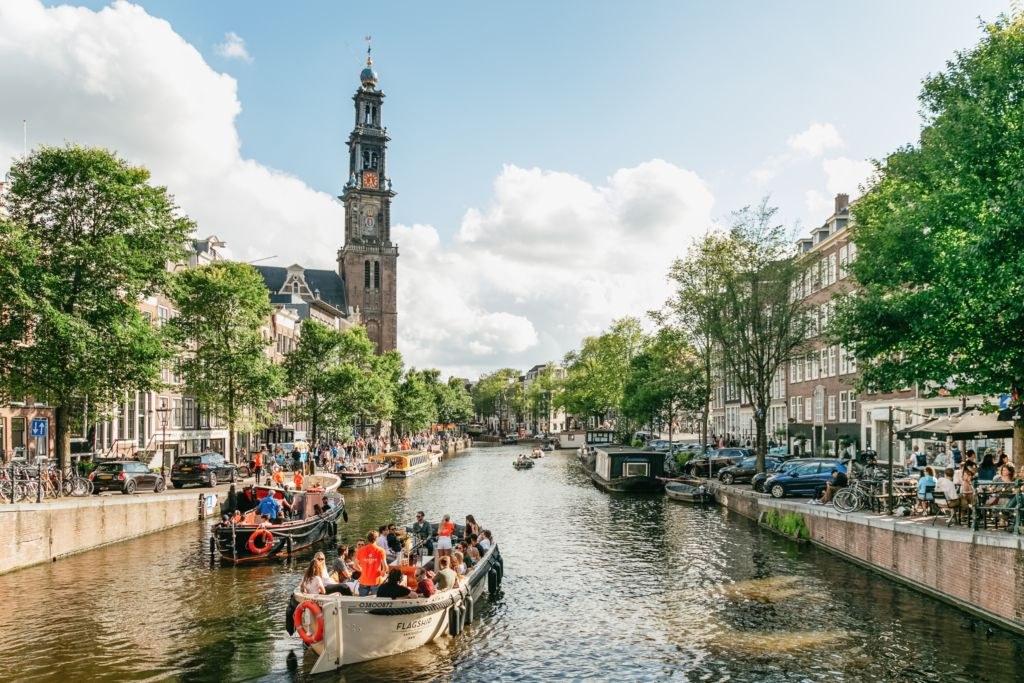 0 mi from AmsterdamAnne Frank House
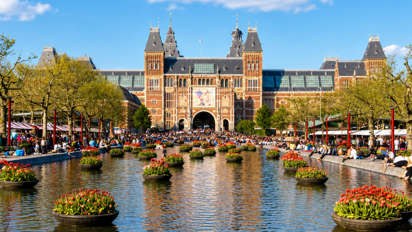 1 mi from AmsterdamRijksmuseum
 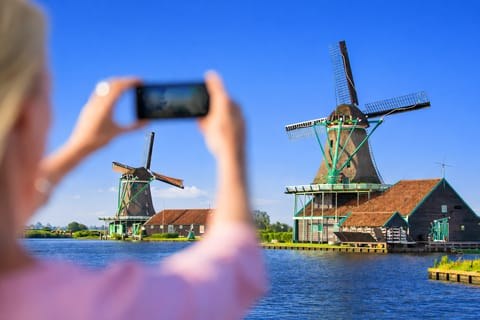 7 mi from Amsterdam · land adventureGolden Age Villages & North Sea Oysters: Amsterdam Done Right
 236 mi from Amsterdam · land adventureChurchill's Kent, Glyndebourne at Dusk & London's Secret Side
 236 mi from Amsterdam · land adventureCornwall's Wild Coast: Tin Mines, Tidal Castles & Beach Bars
 After you step off · near Basel
You end in a different port — stay on, and add what is within reach before you fly home.