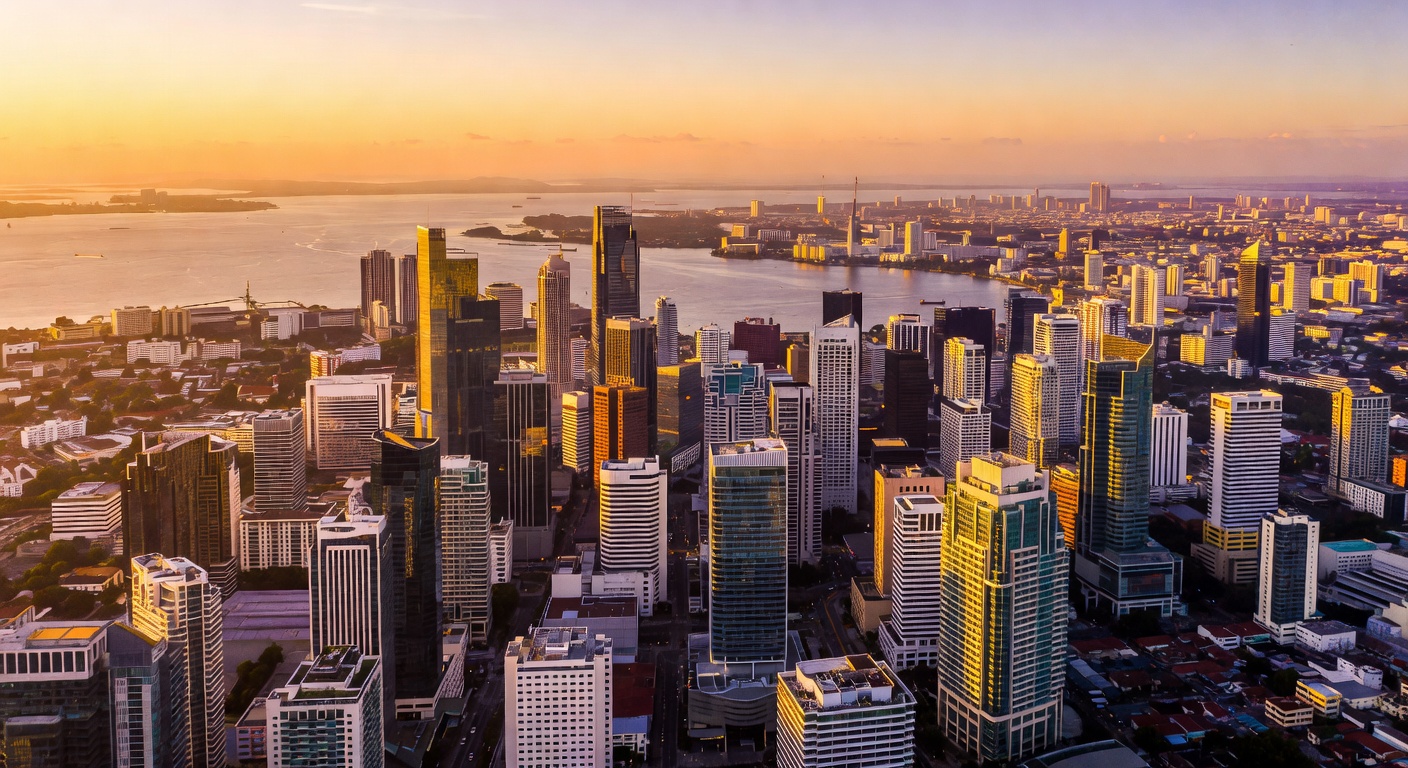
Manila · Philippines
Expect a hands-on half-day experience that usually combines a short factory or farm tour with a guided tasting. You'll learn the basics of Philippine cacao (quite different from West African beans), see roasting and conching, and sample single-origin bars, fresh cacao pulp, and sometimes pairings with local fruits or rum. It's informative and low-key rather than luxurious—think casual industrial spaces or small urban farms rather than fancy tasting rooms. The pace is relaxed; you'll leave with a better understanding of why local chocolate can taste fruity or nutty instead of just sweet.
Best time is the dry season from November to April when farm visits are more comfortable and roads aren't flooded. Expect to pay around $90–150 per person for a decent small-group tour including transport and samples. Independent chocolate shops in Makati or Quezon City offer shorter tastings for $25–45 if you want something simpler.
Pick tours that emphasize bean-to-bar processes and local heirloom varieties—these give the most honest picture of Philippine chocolate. Skip anything promising “premium European-style” chocolates or large tourist buses; they're usually less interesting and more about volume than flavor education. Bring water—the tastings can be intense—and go with an open mind; local cacao is acidic and complex, not milky candy-bar sweet.
Some links are affiliate links — we may earn a commission at no extra cost to you. See our Terms.