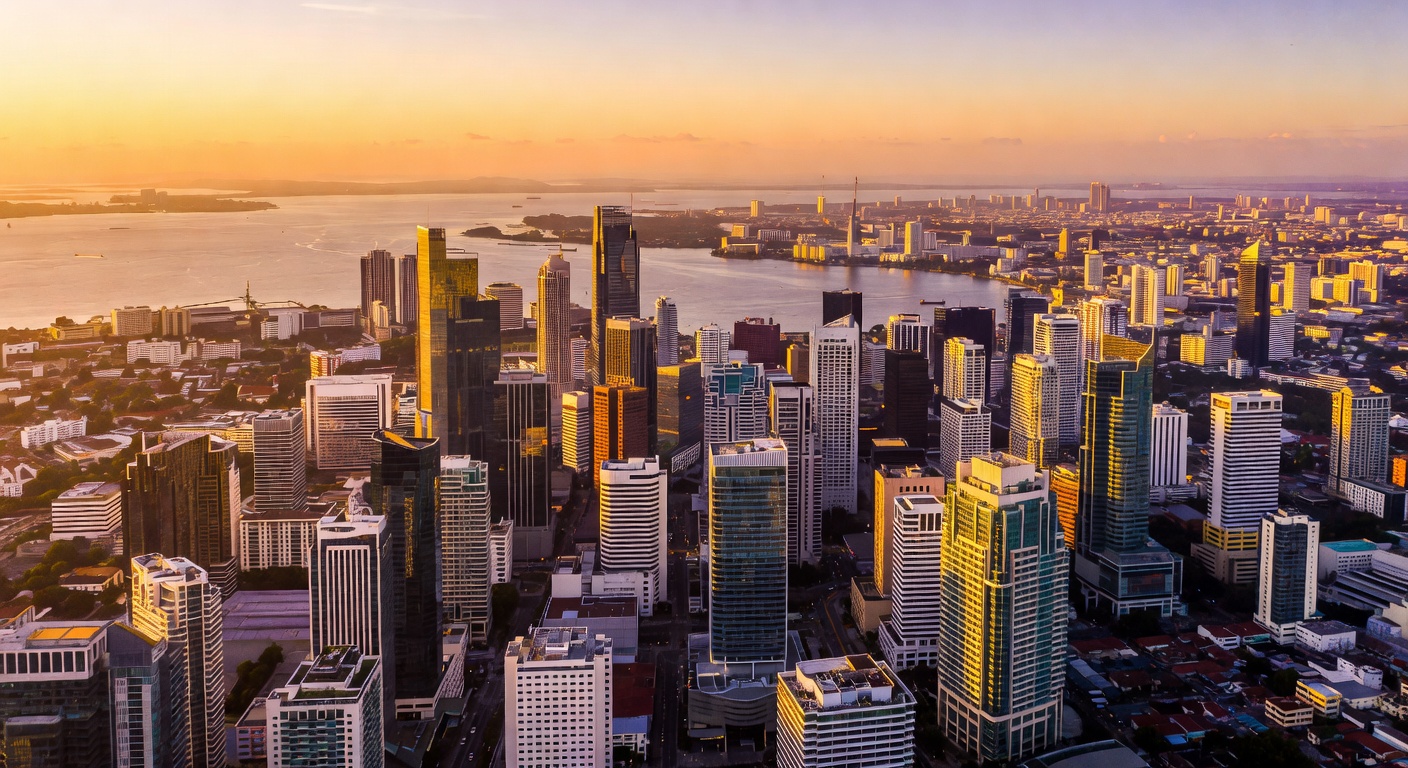
Manila · Philippines
A typical Filipino cooking class in Manila lasts 3–4 hours and usually includes a short market visit followed by hands-on preparation of 3–4 dishes. Expect to chop, stir, and learn the balance of salty, sour, sweet, and umami that defines the cuisine. You’ll cook classics like adobo, sinigang, pancit, or lumpia, then sit down to eat what you made. The experience is casual, often in a small group or private setting, and the instructors are usually warm home cooks rather than stern chefs. It’s genuinely fun if you like getting your hands dirty, less so if you’re looking for fine-dining technique.
The best time is November to February when Manila is slightly cooler and drier. Avoid the heavy rainy season (July–September) if you don’t want to deal with flooded streets on the way to class. Expect to pay around $45–$120 per person depending on whether it’s a simple kitchen-only session or one that includes a guided market tour and more dishes. Private classes sit at the higher end.
Pick classes that include a market tour — seeing the actual ingredients in context is the most valuable part. Skip overly touristy “meryenda-only” sessions if you want a proper meal; they tend to be heavy on snacks and light on substance. Arrive hungry and with an open mind — Filipino cooking is more about intuition than exact measurements.
Some links are affiliate links — we may earn a commission at no extra cost to you. See our Terms.