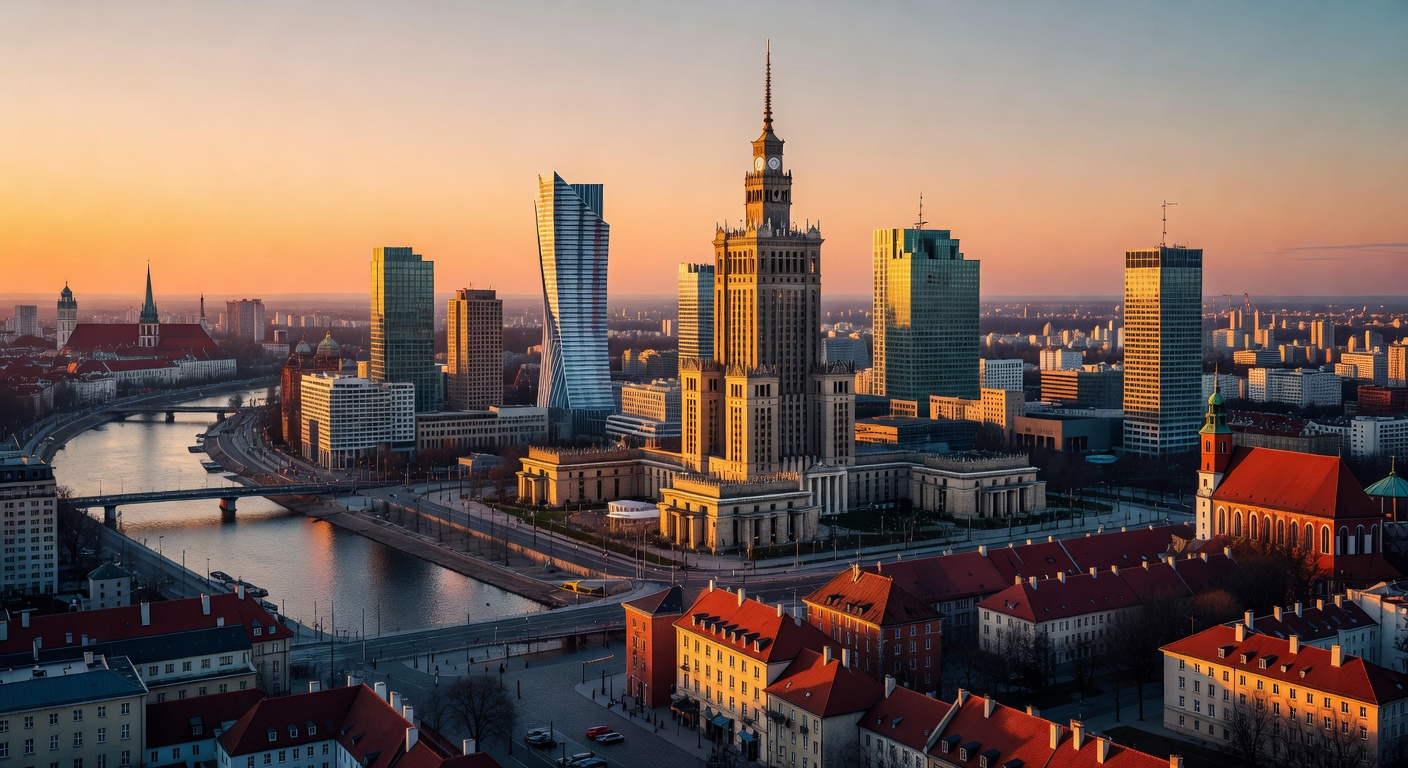
Warsaw · Poland
A Warsaw Ghetto tour is heavy but worthwhile if you want real context instead of just seeing monuments. Expect a sober, sometimes emotionally rough 2–3 hour walk through what remains of the former ghetto area. You’ll see fragments of the original wall, a few boundary markers, the Monument to the Ghetto Heroes, and the last surviving street from the ghetto period. The guide usually mixes historical facts with personal stories of daily life, uprisings, and survival. It’s not uplifting, and that’s the point. The area itself is now mostly ordinary Warsaw streets and apartment blocks, so don’t expect dramatic ruins; the power comes from the stories layered on top of very normal-looking cityscape.
Best time is late spring through early autumn (May–September) when the weather lets you stand and listen comfortably. Summer can be hot, but winter tours are colder, darker, and frankly more depressing. Expect to pay around 120–220 PLN per person for a decent small-group or private tour. Free walking tours exist but are often larger, less personal, and can feel rushed.
Pick a tour that focuses specifically on the ghetto rather than a general “Jewish Warsaw” tour if your main interest is the wartime period. Skip the ones that add on the Jewish cemetery or Old Town at the end — they dilute the experience and make the whole thing too long. Go with a guide who’s willing to sit with the uncomfortable parts instead of rushing through for photos.
Some links are affiliate links — we may earn a commission at no extra cost to you. See our Terms.