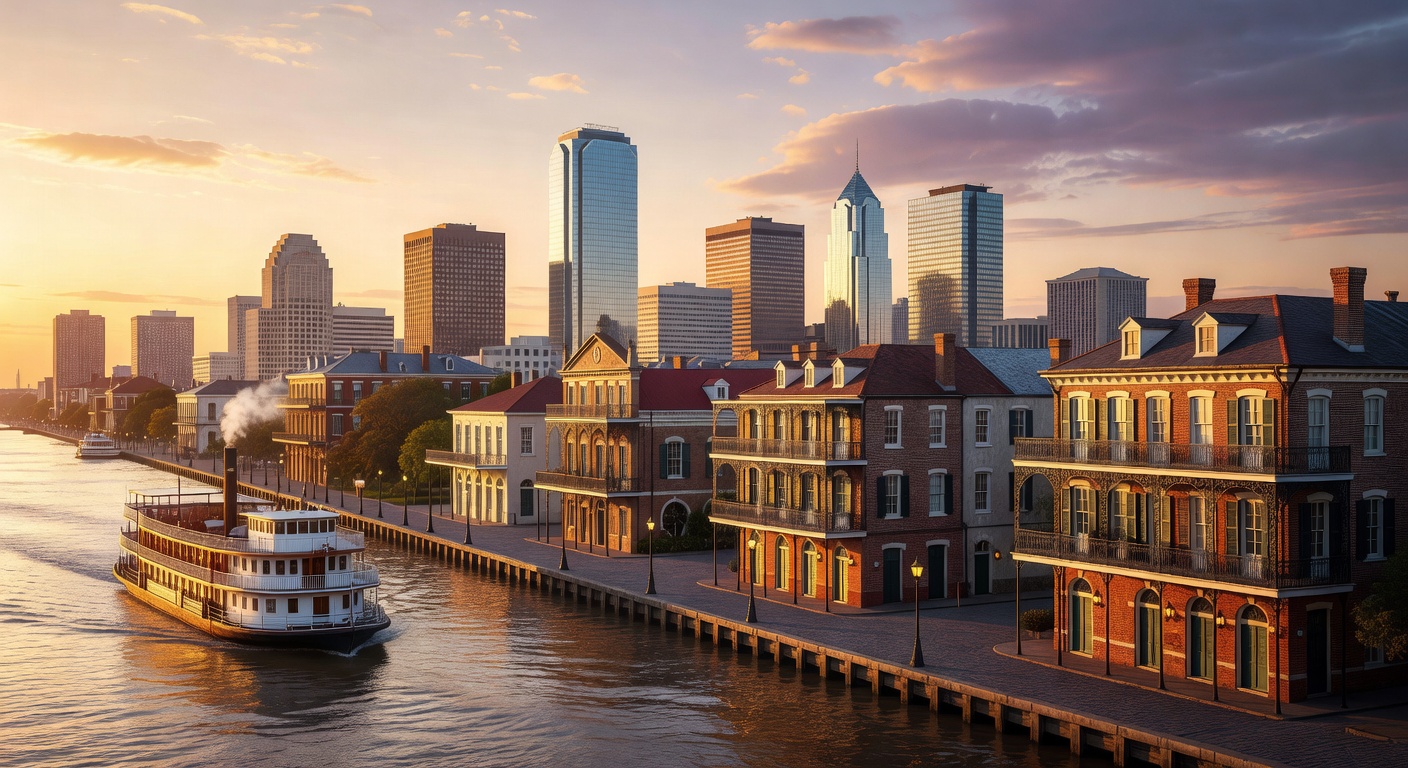
New Orleans · Louisiana
Expect a warehouse-like space packed with giant floats, elaborate costumes, and videos explaining how krewes build everything. It's a self-paced wander through rooms of glittering props and history, usually taking 45-75 minutes. You'll see real parade artifacts up close and get the backstage story of how Mardi Gras actually works behind the party. It's more interesting than it sounds if you like design, craftsmanship, or just want context for the season's chaos. Crowds are manageable compared to Bourbon Street, but it can feel touristy.
Best time is January or early February before the big parades start – that's when the workshops are busiest and the experience feels most alive. Avoid peak Fat Tuesday week if you hate lines. Expect to pay around $20-30 per person for basic entry; add a few bucks if you want a guided tour or combo ticket with something else. It's a solid rainy-day or half-day activity.
Tip: Go in the morning when it's quieter and the light is better for photos. Skip the gift shop unless you really need another plastic bead necklace – the real value is in the floats and costumes themselves. Pair it with a walk through the surrounding neighborhood instead of rushing back to the French Quarter.
Some links are affiliate links — we may earn a commission at no extra cost to you. See our Terms.