Your cruise
MSC Virtuosa · 7-night Mediterranean round trip from Palermo
Aug 20 – Aug 27 · 7 nights ·
Day 1 Palermo (board) · Day 2 Naples · Day 3 Livorno (Florence/Pisa) · Day 4 Marseille · Day 5 Barcelona · Day 6 at sea · Day 7 La Goulette · Day 8 Palermo (step off)
What you do Walk the stone streets of a complete Roman city flash-frozen by Vesuvius in 79 AD: the forum, frescoed villas, the brothel, and the haunting plaster casts of the dead. This is the single reason this port exists, and a licensed archaeologist is what turns acres of rubble into a vivid murder-mystery of the ancient world. Pompeii is ~30-40 min from the terminal by direct Circumvesuviana train or transfer, so it fits a 6-8 hr window with margin; the 2-hr guided slot leaves time for the train both ways.
What to expect You'll walk the stone streets of Pompeii as they were in 79 AD—through the forum, past frescoed villas, the brothel, and the haunting plaster casts of bodies caught mid-life when Vesuvius erupted. Your licensed archaeologist guide transforms acres of rubble into a vivid forensic narrative, making the ancient world click into place over two focused hours. The group stays small (max 20 people), and if you're 10 or more, everyone gets a headset so even the back rows catch every detail. You'll move at the pace of someone who understands what you're seeing, not rushing—the difference between walking through a ruin and reading a murder mystery written in stone.
Good to know Book directly on Askos's FareHarbor site and meet at Porta Marina Superiore; the Pompeii Express skip-the-line ticket is included in the €49.50 price, saving you entry fees. Allow 30–40 minutes by direct Circumvesuviana train each way from the terminal (~€3 return), plus the 2-hour guided tour, leaving comfortable margin in a 6–8 hour port window. Your only logistical job is booking the train or arranging a private transfer yourself—the ship's Pompeii tours cost $100–160 pp for the same archaeologist experience, making direct booking roughly half the price and worth the self-transfer effort. Build in at least a 30-minute buffer before all-aboard; trains are frequent and reliable, but the walk back to the pier matters.
Versus the ship tour Direct wins big. The cruise line's guided Pompeii tour runs $100-160 pp; Askos delivers the same licensed-archaeologist, skip-the-line experience for ~$54 all-in -- roughly half. Even the ship's no-guide 'Pompeii on your own' transfer is $60-80 and still makes you pay the ~EUR 18 entry separately. Only catch: you arrange your own train/transfer (~EUR 3 each way), which is the trade for saving $50-100 per person.
What you do Climb the only active volcano on mainland Europe and look straight down into the steaming crater, with the whole Bay of Naples spread out behind you. Pair it with Pompeii and you see the killer and its victim in a single day -- the definitive Naples story. The walk from the bus drop-off to the crater rim is a moderate 20-40 min on a well-graded gravel path; entry is a fixed timed slot that genuinely sells out.
What to expect You'll shuttle from Ercolano or Pompeii up the volcanic slope to the Parco Nazionale del Vesuvio trailhead, then walk a moderate 20–40 minutes on a well-graded gravel path toward the crater rim. As you climb, the Bay of Naples spreads out behind you; when you reach the rim at your assigned timed slot, you'll stand on the edge and gaze straight down into the steaming crater of mainland Europe's only active volcano. The view backward anchors the entire Naples story—the killer and its victim in one frame, Vesuvius and the cities it buried now visible in a single glance.
Good to know Pre-booking on the official Vivaticket system is COMPULSORY—slots cap at 60 people per 10 minutes and routinely sell out; do not rely on gate sales. The EUR 10 official Gran Cono crater-trail ticket plus booking fee (~EUR 11.68 total) is far cheaper than ship bundled excursions at $150+, but add ~EUR 22 for the shuttle from Ercolano/Pompeii station. Plan arrival at your assigned timed slot with at least 2–3 hours buffer before all-aboard; shuttle transit and the 20–40 minute walk must fit within a realistic 6–8 hour port window. Wear sturdy shoes suitable for gravel paths and bring water and sun protection—the crater rim is fully exposed.
Versus the ship tour No real ship equivalent sells Vesuvius alone -- it's bundled into $150+ combo drives. Buying the EUR 10 official timed ticket direct and adding a ~EUR 22 shuttle is the cheapest serious bucket-list item at this port. Critical: book on the National Park's official Vivaticket system in advance, NOT at the gate -- slots cap at 60 people per 10 minutes and routinely sell out.
book direct with Parco Nazionale del Vesuvio (official ticket via Vivaticket) → · the full guide →
What you do Circle the Bay's glamour island by boat -- past the towering Faraglioni rock stacks, with swim stops in impossibly blue water -- then slip into the Blue Grotto, a sea cave where light refracts through an underwater opening to glow electric blue. It's a genuine once-in-a-lifetime sight, plus free time in Capri town. Honest caveat: the Grotto is the most weather-dependent thing on this list and can close on rough seas; tours run from Sorrento (hydrofoil from Naples), so this is a fuller-day commitment with a tighter return.
What to expect You'll board a small boat from Sorrento (accessible by hydrofoil from Naples) and cruise the Bay of Naples past the dramatic Faraglioni rock stacks rising from impossibly blue water, with planned swim stops to snorkel in those electric-colored seas. The journey culminates in a slip into the Blue Grotto, a sea cave where refracted light transforms the water into an otherworldly glow—a sight rarely forgotten. After the grotto, you'll have free time to explore the charming piazzas and boutiques of Capri town before returning. The rhythm is unhurried but full: roughly 7–8 hours door-to-door, with the boat's English-speaking skipper setting the pace and prosecco or soft drinks on hand.
Good to know Depart early enough to catch the hydrofoil from Naples to Sorrento (book this leg yourself or confirm timing with MBS directly), as the excursion is a full-day commitment with a tight return window to your ship. Budget EUR 18 for Blue Grotto entry and EUR 15 for an assistance fee—both paid on-site upon arrival, not upfront. Book directly through mbsblucharter.com rather than third-party portals: you'll save roughly EUR 50 per person compared to capri.com or cruise-line intermediaries. Essential caveat: the Blue Grotto closes on rough seas, so confirm weather and grotto access 24 hours before departure; bring a light layer, reef-safe sunscreen, and a waterproof phone pouch for snorkel stops.
Versus the ship tour Direct wins, and booking the operator's own page beats the middleman too. The cruise line's Capri boat excursion is $160-260 pp; MBS direct is ~$108 + ~$36 in on-site fees. Worth noting: the SAME MBS tour is listed at EUR 151 on the capri.com booking portal -- going to mbsblucharter.com directly saves ~EUR 50 per person over the portal price.
What you do Ride one of the world's most spectacular roads: cliffside hairpins above the Tyrrhenian Sea, the pastel cascade of Positano, the cathedral square of Amalfi, the gardens of Ravello. A licensed local driver who specializes in cruisers is the right way to do this independently -- they guarantee you back to the ship on time, which the public SITA bus cannot. Best for travelers who prize scenery and photo stops over deep on-foot exploration, since road time is significant.
What to expect Your private driver collects you from the Naples pier in a comfortable vehicle and navigates the Amalfi Coast's famous cliffside hairpins—a white-knuckle ribbon of road hugging the Tyrrhenian Sea—stopping as you choose in pastel-tiered Positano for photos, the cathedral square of Amalfi for wandering, and the terraced gardens of Ravello for views that justify every hairpin turn. Road time is substantial, so the rhythm favors scenic pauses and photo stops over lengthy on-foot exploration; you're trading deep walking for the thrill of one of the world's most visually spectacular drives, with a licensed local specialist handling every curve. The day unfolds at your pace: pick villages, pick lunch spots, linger where the light is best—then your driver guarantees you back at the ship on time, a promise the public SITA buses cannot make.
Good to know Book directly with AmalfiDriver.com (Josef, +39 338 545 3310 or booking@amalfidriver.com) well ahead of your Naples port day; a full-day (8-hour) private vehicle runs approximately €600–750 (~$90–130 per person for a family or small group), split among your party. Expect pickup within 30–45 minutes of your pier arrival; budget your return to the ship with a 90-minute buffer before departure to account for Naples traffic. Bring sun protection, comfortable walking shoes for the village stops (though less critical than on a hiking excursion), and cash or cards for lunch and café stops—the operator handles only the car and driving. Explicitly confirm the on-time-return guarantee when you book; this cruise-specialist operator's promise to land you back on schedule is the competitive edge over cheaper or ad-hoc options.
Versus the ship tour Direct wins on both price and flexibility. The ship's Amalfi/Sorrento panoramic drive is $150-250 pp on a big motorcoach; a private car split across 4 people lands near $90-130 pp and goes where YOU want. Use a cruise-specialist operator that explicitly guarantees the on-time return -- that on-time promise is the whole reason to pay for private over the bus on a port day.
book direct with AmalfiDriver.com (Taurino Transfer Tour) → · the full guide →
What you do Drop 40 meters beneath the chaos of the old city into 2,400 years of hidden Naples: Greco-Roman aqueducts and cisterns, a buried Roman theater, and WWII bomb shelters, explored by narrow candle-lit passages. It's the city's signature 'secret,' completely weather-proof, and pairs perfectly with a pizza lunch above ground. Fully walkable from the port -- no transfer, no train, hard to mess up your all-aboard time.
What to expect You descend 40 meters into candlelit passages beneath Naples' old city, moving through 2,400 years of layered history: Greco-Roman aqueducts and cisterns that still hold their original stone, a buried Roman theater emerging from the dark, and concrete WWII bomb shelters where locals sheltered during air raids. The roughly 90-minute guided walk is fully navigable—narrow but walkable—and afterward you resurface into the modern chaos of the centro storico, ideally heading straight to a nearby pizzeria while the underground air still clings to your clothes. It's completely weather-proof, so rain or scorching sun above ground doesn't matter; the temperature below stays stable year-round.
Good to know Book directly with Associazione Napoli Sotterranea (official state concession No. 2524) rather than street resellers, as other "underground" tickets offer inferior or duplicate routes; departures run roughly hourly in English and Italian, so you can flexibly slip away from the pier for a 90-minute visit and still have time for lunch and shopping. The meeting point—Piazza San Gaetano 68-69, Via dei Tribunali, beside Basilica di San Paolo Maggiore—is a five-minute walk from the cruise port with zero transfers or trains needed. At ~EUR 15 per person, plan for a 2.5–3 hour total absence from the ship (visit + walk back + buffer), leaving you 3–4 hours for the surface city if your port window is 6–8 hours; wear comfortable, flat shoes suitable for narrow stone passages and carry a light layer, as the underground is cool and damp even in summer.
Versus the ship tour This is your low-risk safety net, not a ship line item -- cruise excursions don't sell it, so the only comparison is to look-alikes on the street. Several other 'underground' tickets resell a different or inferior route; book the OFFICIAL Associazione Napoli Sotterranea (state concession No. 2524) on the URL above. At ~$16 and a five-minute walk from the ship, it's the most foolproof culture hit in Naples.
book direct with Associazione Napoli Sotterranea (official, Concession No. 2524) → · the full guide →
What you do Naples invented pizza, and this is the one place on Earth you can eat a true wood-fired Margherita in the city UNESCO honored for the art of the 'pizzaiuolo.' A local guide leads a crawl through the UNESCO historic center -- Piazza Bellini, Piazza Dante, family-run Pizzeria Attanasio -- with six-plus pizza styles and drinks along the way. Zero transfer, fully walkable from the port: the highest-reward, lowest-logistics option for cruisers who want to stay in the city.
What to expect You'll walk through the UNESCO-designated historic center of Naples with a local guide, moving between family-run pizzerias and piazzas—Piazza Bellini, Piazza Dante, Pizzeria Attanasio—stopping to eat and drink your way through six-plus authentic wood-fired pizza styles. Between stops, you're immersed in the streets where pizza was invented, learning the tradition of the 'pizzaiuolo' while tasting each pie fresh from the oven. Along the way you'll drink two cocktails (limoncello spritz and classic spritz) plus wine or beer and finish with chocolate dessert—this is a full seated meal, not a tasting crawl. The entire experience is fully walkable from the port with zero transfers, keeping logistics simple and time in the city unbroken.
Good to know The standard departure is 5:00 pm, so confirm this clears your all-aboard time before booking—if your ship's final boarding is tight, choose the cruise line's daytime food tour instead. The tour is 3.5 hours, meaning you'll return to the port around 8:30 pm; plan your port day accordingly and allow buffer time for the walk back to the pier. Direct booking is required through Eating Europe's website, not the ship; groups max out at 12 people, so book early if traveling with others. Bring only what you need (light wallet, phone, comfortable walking shoes) since you'll be navigating narrow historic streets and stopping frequently to eat and drink.
Versus the ship tour Roughly a wash on price, with direct winning on authenticity. The cruise line's food/wine experience is ~$90-150 pp (Carnival's verified at $99.99); Eating Europe is ~$75 for a real guided meal through the actual birthplace. ONE WARNING that overrides the savings: the standard departure is 5:00 pm -- only book if that clears your all-aboard time, otherwise take the ship's daytime food tour or skip it.
What you do Step into the 12th-century Palatine Chapel, where every inch of wall and ceiling is wrapped in shimmering Byzantine gold mosaics fused with Arab muqarnas woodwork and Norman stone — routinely called one of the most beautiful interiors on earth. It's a UNESCO site and a 10-minute walk or short cab from the cruise berth, so it fits any port day. Go early: the chapel closes for Sunday Mass (9:30-11:30) and the palace also holds the royal apartments and gardens.
What to expect You'll begin with a 10-minute walk or short cab ride from the cruise pier to the Norman Palace, emerging into its courtyards and gardens before stepping into the Palatine Chapel—a 12th-century sanctuary where Byzantine gold mosaics and Arab muqarnas woodwork shimmer across every wall and ceiling surface. After absorbing the chapel's ethereal light and intricate detail, you can linger in the Royal Apartments and explore the gardens and archaeological exhibitions at your own pace. The entire complex unfolds like a walk through crusader-era luxury: each room builds on the last, with the chapel as the crown jewel. Most visitors spend 2–3 hours here before heading back to the ship with time to spare.
Good to know Arrive early to beat crowds and avoid the Sunday Mass closure (9:30–11:30 a.m.); buy your €19 ticket (~$21) on-site or pre-book via Vivaticket to skip queues. Plan for a 2–3 hour visit within a 6–8 hour port window, leaving at least 90 minutes before all-aboard to account for the return cab or walk. The chapel and palace close on Mondays; Tue–Wed tickets are cheaper (€15.50) but exclude the Royal Apartments, so Thursday–Monday is recommended. Bring comfortable walking shoes, sunscreen, and a light layer—the chapel is cool and dark, but the gardens and palace courtyards are fully exposed.
Versus the ship tour Direct wins big. The ship doesn't sell the chapel as a standalone — it's bundled into a guided city walk at $49-$59 (Disney) up to ~$70-$90 on the mainstream lines. Walking in yourself on the official €19 ticket saves roughly $30-$70 per person. Only take the ship version if you specifically want a guide to narrate the mosaics; the entry itself needs no tour.
book direct with Fondazione Federico II (official site manager) → · the full guide →
What you do Twenty to thirty minutes uphill from the port, Monreale's cathedral holds the most complete cycle of Byzantine gold mosaics in Italy — 6,000+ square meters culminating in the colossal Christ Pantocrator that fills the apse. Pair it with the adjoining Arab-Norman cloister and its 228 carved twin columns, no two alike. This is the marquee half-day from Palermo and another UNESCO site; a guide genuinely helps decode the mosaic story panels.
What to expect You'll ascend twenty to thirty minutes uphill from the port into Monreale's cathedral, where your guide unfolds the narrative encoded in 6,000+ square meters of Byzantine gold mosaics—a visual bible culminating in the colossal Christ Pantocrator dominating the apse. After absorbing the cathedral's gilded cycles, you'll step into the adjoining Arab-Norman cloister, where 228 twin columns—no two carved alike—frame a serene courtyard and deepen the half-day's arc from spiritual grandeur to intimate craftsmanship. The rhythm is measured: roughly two hours total, with the guide decoding the mosaic story panels that make this UNESCO site genuinely coherent rather than overwhelming. A rooftop visit caps the cathedral portion, granting views that contextualize the vast interior you've just witnessed.
Good to know Book the €45 guided tour with round-trip bus transfer directly through Seecily Tourism Services (Info Point Palermo) to secure a dedicated Monreale guide and eliminate transfer logistics—critical for timing peace of mind within a 6–8 hour port window. The cloister entry (€8 additional) is separate and should be paid on-site; confirm whether it's included in your chosen operator's package before departure. Allocate roughly 2.5–3 hours port-to-port (30 min each direction via bus, 2 hrs on-site), leaving a comfortable one-hour buffer to clear security and rejoin your ship. Wear comfortable walking shoes for the uphill approach and bring sunscreen; the Byzantine mosaics are interior but the rooftop and cloister courtyard expose you to Mediterranean sun.
Versus the ship tour Direct wins. Disney's 'Old City and Monreale' is $59 adult and big-ship versions that add the catacombs or a panoramic loop run ~$90-$110. The €45 direct option (guide, entry, and bus) lands around $50 and saves $10-$60 per person while giving you a dedicated Monreale guide rather than a rushed combo stop. Note the ship handles the transfer logistics for you; if you're nervous about timing, that convenience is the ship's only real edge.
book direct with Seecily Tourism Services (Info Point Palermo) → · the full guide →
What you do Descend into corridors lined with roughly 8,000 mummified and skeletal Palermitans in period dress — monks, professionals, children — many still hauntingly intact, including the famously lifelike preserved toddler Rosalia Lombardo. There is nothing else like it on a Mediterranean itinerary, and it's about 10-15 minutes from the port. Photography is prohibited and it's not for the squeamish, but first-timers who go never forget it.
What to expect You descend into candlelit stone corridors lined with roughly 8,000 mummified and skeletal figures in period dress — monks, professionals, children — arranged in alcoves along the walls, many preserved with haunting lifelike detail, including the famously intact toddler Rosalia Lombardo. The catacomb unfolds as a walk through centuries of Palermitan death, quiet and meditative, with the physical and emotional weight building as you move deeper. Photography is prohibited, so the experience remains intimate and unmediated. This is singular on any Mediterranean itinerary — nothing else quite prepares you for the scale or the visceral presence of the dead.
Good to know The Capuchin friars sell tickets EXCLUSIVELY on-site (€5 full, €3 reduced) at their official office — do not book through third-party sellers or online aggregators, which the friars explicitly warn against; tickets are first-come basis. From the Palermo port, arrange a taxi directly (~€10–12 each way, 10–15 minutes) or book one in advance if you prefer certainty. Budget 2–3 hours total (taxi + catacombs + return cab), leaving you ample margin in a 6–8 hour port day; aim to be back at the pier 45 minutes before all-ashore. Wear comfortable shoes, bring small cash for the taxi and admission, and be prepared: this excursion is not for the squeamish, and the experience is unforgettable precisely because it is unfiltered.
Versus the ship tour Direct wins enormously on price but loses on transport. Disney's catacomb-focused 'Mysterious Palermo' is $59 adult; the €5 walk-in saves ~$54 per person. The catch: you must get there yourself (short taxi, ~€10-12 each way) since there's no legitimate way to pre-book. If you don't want to arrange a cab or you want the history narrated, the ship tour earns its premium here — otherwise pay the friars €5 directly.
book direct with Catacombe dei Frati Cappuccini (official Capuchin friars) → · the full guide →
What you do Eat your way through Palermo's raucous Arab-style markets — arancine, panelle, sfincione, crocchè, fresh cannoli — at family-run stalls and old inns you'd never find or order from alone. Palermo ranks among Europe's top street-food cities, and a local guide handling the chaos, the dialect, and the best stalls is the whole point. Small groups, roughly 3 hours, ending you back near the old town and a short walk from the pier.
What to expect You'll plunge into the sensory chaos of three legendary Arab-style markets—Capo, Ballarò, and Vucciria—where a local guide steers you through narrow, raucous stalls bursting with vendors and dialect. Your guide navigates the overwhelming choices and haggling tradition, pulling you into family-run eateries and unmarked inns to taste arancine, panelle, sfincione, crocchè, and fresh cannoli exactly as locals eat them. The walk flows as a tasting journey across roughly 3 hours, with the rhythm built around stopping at the best stalls your guide knows, tasting multiple dishes in rapid, joyful succession. You'll finish back near the old town, steps from a short walk to the pier.
Good to know The morning tour runs 3 hours; budget 5–5.5 hours total with return walk and pier buffer, leaving you 0.5–1.5 hours cushion in a typical 6–8 hour port day. Small groups are capped, so book ahead through the operator Streaty (direct booking beats ship packages and guarantees the dedicated food-specialist experience). The tour starts and ends near the old town within easy walking distance of the cruise pier; confirm exact meeting point when you book. Wear comfortable walking shoes and bring an appetite—multiple tastings are included, but no need to eat beforehand.
Versus the ship tour Roughly a wash to slight ship-disadvantage. Disney bundles market food into a $49 city walk; dedicated big-ship street-food/wine walks run ~$80-$110. Streaty's €59 direct tour beats those by $15-$45 and is a true food-focused small group, not a city tour with a snack. Honest note: bare-bones independent food walks start as low as ~€30-€35 — Streaty costs more because it's a capped, well-run specialist, so it's the quality pick rather than the cheapest.
book direct with Streaty (Italian street-food tour specialist) → · the full guide →
What you do Cefalù is the postcard of northern Sicily: a honey-stone medieval fishing town with a UNESCO Arab-Norman cathedral and its own glowing Christ Pantocrator mosaic, a golden crescent beach, and the towering La Rocca crag that backdropped 'Cinema Paradiso.' About an hour from Palermo, it's the most rewarding longer trip and pairs naturally with a Monreale stop. A private driver-guide does dockside pickup with a name sign and times the day around your ship.
What to expect Your private driver meets you dockside with a name sign and carries you north along the Sicilian coast toward Cefalù, arriving at this honey-stone medieval fishing village where you'll wander beneath the towering La Rocca crag—the dramatic backdrop from *Cinema Paradiso*—before exploring the UNESCO Arab-Norman cathedral and its luminous Christ Pantocrator mosaic. You'll have time to walk the golden crescent beach and absorb the postcard-perfect harbor, then continue to Monreale (pairing naturally with Cefalù on the same day) before your driver times the return journey to guarantee you're back at the ship on schedule. The rhythm alternates between guided discovery and unhurried wandering, with your English-speaking driver handling all logistics and navigation.
Good to know This is an 8-hour private vehicle tour (roughly one hour each way from Palermo), so confirm the written back-to-ship-on-time guarantee in advance—this operator provides it, which is mandatory for longer excursions. Plan for entry fees to the cathedral and any sites beyond the driver's scope to come separately; pricing starts at ~$82 per person but is per-vehicle (4+ travelers often undercut the ship's per-head rate). Bring sun protection, comfortable walking shoes for medieval streets and beach access, and bring cash or confirm card acceptance for tips and incidental purchases. As a solo traveler or couple, weigh the ship's group option (~$69 for 5 hours) as a safer, cheaper alternative; the private driver's flexibility is the trade-off.
Versus the ship tour Direction depends on group size. Disney's 'Village of Cefalù' is $69 (5 hrs) and Cefalù+Monreale combos run ~$92-$115. The private day starts near $82/pp but is per-vehicle pricing, so for 4+ travelers it undercuts the ship's per-head rate substantially while adding flexibility. MANDATORY for a private operator on an 8-hr/hour-each-way trip: confirm the written back-to-ship-on-time guarantee (this one provides it). Solo or as a couple, the ship's group bus is the safer, cheaper call. DIY note: the Palermo-Cefalù train is ~€6 each way if you'd rather go fully independent.
book direct with DriverInRome Tours and Transportation → · the full guide →
What you do If you'd rather swim than sightsee, Mondello has the prettiest white sand and clear, shallow turquoise water near Palermo, framed by Art Nouveau villas and the Monte Pellegrino headland about 20-30 minutes from the city. Rent two sunbeds and an umbrella at a seafront lido and spend the day, or use the free public stretch. It's the classic low-effort, low-risk Palermitan beach escape and an easy bail-out from museum-heavy itineraries.
What to expect You'll arrive at Mondello's white-sand crescent, hemmed by Belle Époque villas and the Monte Pellegrino headland, and claim a sunbed and umbrella at one of the seafront lidos or stake a spot on the free public stretch. The morning rhythm is leisurely—swim in the shallow turquoise water, doze under the umbrella, perhaps grab a casual lunch at a beachside bar—with the only real decision being whether to upgrade your sunbed comfort or embrace the sand. By mid-afternoon the lido energy peaks with families and locals, then mellows as you pack up for the bus ride back to port. It's the antidote to museum fatigue: low-friction, low-stakes beach time that feels authentically Palermitan rather than touristy.
Good to know Book sunbeds directly at Lido Valdesi (or any seafront stabilimento) upon arrival for ~€28–35 per set; after 2 p.m. rates drop to ~€10, ideal if your ship allows a flexible schedule. City bus #806 runs from central Palermo to Mondello in 20–30 minutes (~€1.40); confirm the route from the pier or grab a taxi if timing is tight (cost ~€15–25). Plan a 5.5–6 hour window on-shore to comfortably swim, rest, and return without cutting it close; factor in 20–30 minutes each way for transport. Bring sunscreen, a reusable water bottle, and euros or card for lido fees and food—the beach bars accept both—and always confirm the ship's all-aboard time before leaving the pier.
Versus the ship tour Direct wins on price and flexibility. Disney's 'Mondello Beach' is $79 adult (4.5 hrs) and other lines run $79-$149; a city bus to Mondello is ~€1.40 and a lido sunbed set is under $40, so a couple can spend the day for well under one ship ticket. The ship's only advantage is the door-to-sand transfer and a guaranteed ride back — worth it if you don't want to navigate buses or taxis. For most, go independent.
What you do Walk the stone streets of a complete Roman city flash-frozen by Vesuvius in 79 AD: the forum, frescoed villas, the brothel, and the haunting plaster casts of the dead. This is the single reason this port exists, and a licensed archaeologist is what turns acres of rubble into a vivid murder-mystery of the ancient world. Pompeii is ~30-40 min from the terminal by direct Circumvesuviana train or transfer, so it fits a 6-8 hr window with margin; the 2-hr guided slot leaves time for the train both ways.
What to expect You'll walk the stone streets of Pompeii as they were in 79 AD—through the forum, past frescoed villas, the brothel, and the haunting plaster casts of bodies caught mid-life when Vesuvius erupted. Your licensed archaeologist guide transforms acres of rubble into a vivid forensic narrative, making the ancient world click into place over two focused hours. The group stays small (max 20 people), and if you're 10 or more, everyone gets a headset so even the back rows catch every detail. You'll move at the pace of someone who understands what you're seeing, not rushing—the difference between walking through a ruin and reading a murder mystery written in stone.
Good to know Book directly on Askos's FareHarbor site and meet at Porta Marina Superiore; the Pompeii Express skip-the-line ticket is included in the €49.50 price, saving you entry fees. Allow 30–40 minutes by direct Circumvesuviana train each way from the terminal (~€3 return), plus the 2-hour guided tour, leaving comfortable margin in a 6–8 hour port window. Your only logistical job is booking the train or arranging a private transfer yourself—the ship's Pompeii tours cost $100–160 pp for the same archaeologist experience, making direct booking roughly half the price and worth the self-transfer effort. Build in at least a 30-minute buffer before all-aboard; trains are frequent and reliable, but the walk back to the pier matters.
Versus the ship tour Direct wins big. The cruise line's guided Pompeii tour runs $100-160 pp; Askos delivers the same licensed-archaeologist, skip-the-line experience for ~$54 all-in -- roughly half. Even the ship's no-guide 'Pompeii on your own' transfer is $60-80 and still makes you pay the ~EUR 18 entry separately. Only catch: you arrange your own train/transfer (~EUR 3 each way), which is the trade for saving $50-100 per person.
What you do Climb the only active volcano on mainland Europe and look straight down into the steaming crater, with the whole Bay of Naples spread out behind you. Pair it with Pompeii and you see the killer and its victim in a single day -- the definitive Naples story. The walk from the bus drop-off to the crater rim is a moderate 20-40 min on a well-graded gravel path; entry is a fixed timed slot that genuinely sells out.
What to expect You'll shuttle from Ercolano or Pompeii up the volcanic slope to the Parco Nazionale del Vesuvio trailhead, then walk a moderate 20–40 minutes on a well-graded gravel path toward the crater rim. As you climb, the Bay of Naples spreads out behind you; when you reach the rim at your assigned timed slot, you'll stand on the edge and gaze straight down into the steaming crater of mainland Europe's only active volcano. The view backward anchors the entire Naples story—the killer and its victim in one frame, Vesuvius and the cities it buried now visible in a single glance.
Good to know Pre-booking on the official Vivaticket system is COMPULSORY—slots cap at 60 people per 10 minutes and routinely sell out; do not rely on gate sales. The EUR 10 official Gran Cono crater-trail ticket plus booking fee (~EUR 11.68 total) is far cheaper than ship bundled excursions at $150+, but add ~EUR 22 for the shuttle from Ercolano/Pompeii station. Plan arrival at your assigned timed slot with at least 2–3 hours buffer before all-aboard; shuttle transit and the 20–40 minute walk must fit within a realistic 6–8 hour port window. Wear sturdy shoes suitable for gravel paths and bring water and sun protection—the crater rim is fully exposed.
Versus the ship tour No real ship equivalent sells Vesuvius alone -- it's bundled into $150+ combo drives. Buying the EUR 10 official timed ticket direct and adding a ~EUR 22 shuttle is the cheapest serious bucket-list item at this port. Critical: book on the National Park's official Vivaticket system in advance, NOT at the gate -- slots cap at 60 people per 10 minutes and routinely sell out.
book direct with Parco Nazionale del Vesuvio (official ticket via Vivaticket) → · the full guide →
What you do Circle the Bay's glamour island by boat -- past the towering Faraglioni rock stacks, with swim stops in impossibly blue water -- then slip into the Blue Grotto, a sea cave where light refracts through an underwater opening to glow electric blue. It's a genuine once-in-a-lifetime sight, plus free time in Capri town. Honest caveat: the Grotto is the most weather-dependent thing on this list and can close on rough seas; tours run from Sorrento (hydrofoil from Naples), so this is a fuller-day commitment with a tighter return.
What to expect You'll board a small boat from Sorrento (accessible by hydrofoil from Naples) and cruise the Bay of Naples past the dramatic Faraglioni rock stacks rising from impossibly blue water, with planned swim stops to snorkel in those electric-colored seas. The journey culminates in a slip into the Blue Grotto, a sea cave where refracted light transforms the water into an otherworldly glow—a sight rarely forgotten. After the grotto, you'll have free time to explore the charming piazzas and boutiques of Capri town before returning. The rhythm is unhurried but full: roughly 7–8 hours door-to-door, with the boat's English-speaking skipper setting the pace and prosecco or soft drinks on hand.
Good to know Depart early enough to catch the hydrofoil from Naples to Sorrento (book this leg yourself or confirm timing with MBS directly), as the excursion is a full-day commitment with a tight return window to your ship. Budget EUR 18 for Blue Grotto entry and EUR 15 for an assistance fee—both paid on-site upon arrival, not upfront. Book directly through mbsblucharter.com rather than third-party portals: you'll save roughly EUR 50 per person compared to capri.com or cruise-line intermediaries. Essential caveat: the Blue Grotto closes on rough seas, so confirm weather and grotto access 24 hours before departure; bring a light layer, reef-safe sunscreen, and a waterproof phone pouch for snorkel stops.
Versus the ship tour Direct wins, and booking the operator's own page beats the middleman too. The cruise line's Capri boat excursion is $160-260 pp; MBS direct is ~$108 + ~$36 in on-site fees. Worth noting: the SAME MBS tour is listed at EUR 151 on the capri.com booking portal -- going to mbsblucharter.com directly saves ~EUR 50 per person over the portal price.
What you do Ride one of the world's most spectacular roads: cliffside hairpins above the Tyrrhenian Sea, the pastel cascade of Positano, the cathedral square of Amalfi, the gardens of Ravello. A licensed local driver who specializes in cruisers is the right way to do this independently -- they guarantee you back to the ship on time, which the public SITA bus cannot. Best for travelers who prize scenery and photo stops over deep on-foot exploration, since road time is significant.
What to expect Your private driver collects you from the Naples pier in a comfortable vehicle and navigates the Amalfi Coast's famous cliffside hairpins—a white-knuckle ribbon of road hugging the Tyrrhenian Sea—stopping as you choose in pastel-tiered Positano for photos, the cathedral square of Amalfi for wandering, and the terraced gardens of Ravello for views that justify every hairpin turn. Road time is substantial, so the rhythm favors scenic pauses and photo stops over lengthy on-foot exploration; you're trading deep walking for the thrill of one of the world's most visually spectacular drives, with a licensed local specialist handling every curve. The day unfolds at your pace: pick villages, pick lunch spots, linger where the light is best—then your driver guarantees you back at the ship on time, a promise the public SITA buses cannot make.
Good to know Book directly with AmalfiDriver.com (Josef, +39 338 545 3310 or booking@amalfidriver.com) well ahead of your Naples port day; a full-day (8-hour) private vehicle runs approximately €600–750 (~$90–130 per person for a family or small group), split among your party. Expect pickup within 30–45 minutes of your pier arrival; budget your return to the ship with a 90-minute buffer before departure to account for Naples traffic. Bring sun protection, comfortable walking shoes for the village stops (though less critical than on a hiking excursion), and cash or cards for lunch and café stops—the operator handles only the car and driving. Explicitly confirm the on-time-return guarantee when you book; this cruise-specialist operator's promise to land you back on schedule is the competitive edge over cheaper or ad-hoc options.
Versus the ship tour Direct wins on both price and flexibility. The ship's Amalfi/Sorrento panoramic drive is $150-250 pp on a big motorcoach; a private car split across 4 people lands near $90-130 pp and goes where YOU want. Use a cruise-specialist operator that explicitly guarantees the on-time return -- that on-time promise is the whole reason to pay for private over the bus on a port day.
book direct with AmalfiDriver.com (Taurino Transfer Tour) → · the full guide →
What you do Drop 40 meters beneath the chaos of the old city into 2,400 years of hidden Naples: Greco-Roman aqueducts and cisterns, a buried Roman theater, and WWII bomb shelters, explored by narrow candle-lit passages. It's the city's signature 'secret,' completely weather-proof, and pairs perfectly with a pizza lunch above ground. Fully walkable from the port -- no transfer, no train, hard to mess up your all-aboard time.
What to expect You descend 40 meters into candlelit passages beneath Naples' old city, moving through 2,400 years of layered history: Greco-Roman aqueducts and cisterns that still hold their original stone, a buried Roman theater emerging from the dark, and concrete WWII bomb shelters where locals sheltered during air raids. The roughly 90-minute guided walk is fully navigable—narrow but walkable—and afterward you resurface into the modern chaos of the centro storico, ideally heading straight to a nearby pizzeria while the underground air still clings to your clothes. It's completely weather-proof, so rain or scorching sun above ground doesn't matter; the temperature below stays stable year-round.
Good to know Book directly with Associazione Napoli Sotterranea (official state concession No. 2524) rather than street resellers, as other "underground" tickets offer inferior or duplicate routes; departures run roughly hourly in English and Italian, so you can flexibly slip away from the pier for a 90-minute visit and still have time for lunch and shopping. The meeting point—Piazza San Gaetano 68-69, Via dei Tribunali, beside Basilica di San Paolo Maggiore—is a five-minute walk from the cruise port with zero transfers or trains needed. At ~EUR 15 per person, plan for a 2.5–3 hour total absence from the ship (visit + walk back + buffer), leaving you 3–4 hours for the surface city if your port window is 6–8 hours; wear comfortable, flat shoes suitable for narrow stone passages and carry a light layer, as the underground is cool and damp even in summer.
Versus the ship tour This is your low-risk safety net, not a ship line item -- cruise excursions don't sell it, so the only comparison is to look-alikes on the street. Several other 'underground' tickets resell a different or inferior route; book the OFFICIAL Associazione Napoli Sotterranea (state concession No. 2524) on the URL above. At ~$16 and a five-minute walk from the ship, it's the most foolproof culture hit in Naples.
book direct with Associazione Napoli Sotterranea (official, Concession No. 2524) → · the full guide →
What you do Naples invented pizza, and this is the one place on Earth you can eat a true wood-fired Margherita in the city UNESCO honored for the art of the 'pizzaiuolo.' A local guide leads a crawl through the UNESCO historic center -- Piazza Bellini, Piazza Dante, family-run Pizzeria Attanasio -- with six-plus pizza styles and drinks along the way. Zero transfer, fully walkable from the port: the highest-reward, lowest-logistics option for cruisers who want to stay in the city.
What to expect You'll walk through the UNESCO-designated historic center of Naples with a local guide, moving between family-run pizzerias and piazzas—Piazza Bellini, Piazza Dante, Pizzeria Attanasio—stopping to eat and drink your way through six-plus authentic wood-fired pizza styles. Between stops, you're immersed in the streets where pizza was invented, learning the tradition of the 'pizzaiuolo' while tasting each pie fresh from the oven. Along the way you'll drink two cocktails (limoncello spritz and classic spritz) plus wine or beer and finish with chocolate dessert—this is a full seated meal, not a tasting crawl. The entire experience is fully walkable from the port with zero transfers, keeping logistics simple and time in the city unbroken.
Good to know The standard departure is 5:00 pm, so confirm this clears your all-aboard time before booking—if your ship's final boarding is tight, choose the cruise line's daytime food tour instead. The tour is 3.5 hours, meaning you'll return to the port around 8:30 pm; plan your port day accordingly and allow buffer time for the walk back to the pier. Direct booking is required through Eating Europe's website, not the ship; groups max out at 12 people, so book early if traveling with others. Bring only what you need (light wallet, phone, comfortable walking shoes) since you'll be navigating narrow historic streets and stopping frequently to eat and drink.
Versus the ship tour Roughly a wash on price, with direct winning on authenticity. The cruise line's food/wine experience is ~$90-150 pp (Carnival's verified at $99.99); Eating Europe is ~$75 for a real guided meal through the actual birthplace. ONE WARNING that overrides the savings: the standard departure is 5:00 pm -- only book if that clears your all-aboard time, otherwise take the ship's daytime food tour or skip it.
What you do Climb the 251 spiraling marble steps of the most famous accident in architecture, feeling the floor pitch under your feet as the 12th-century bell tower tilts around you. At the top you stand over the gleaming-white Piazza dei Miracoli — cathedral, baptistery, camposanto — the bucket-list payoff most day-trippers skip in favor of the photo-from-below. Pisa is only ~20-30 min from Livorno, making it the single easiest signature stop for a port day.
What to expect You'll spiral up 251 marble steps through the iconic Leaning Tower, feeling the floor pitch subtly beneath your feet as the 12th-century bell tower's tilt becomes visceral rather than theoretical. At the summit, the Piazza dei Miracoli unfolds below—the gleaming white cathedral, baptistery, and camposanto arranged in perfect harmony—a view most day-trippers photograph from ground level and miss entirely. After descending, you can explore the cathedral itself (free with your climb ticket) and wander the luminous piazza at your own pace, soaking in one of Italy's most geometrically perfect medieval ensembles.
Good to know Book your timed climb slot (€20, roughly every 30 minutes) well ahead—summer slots sell out fast. From Livorno pier, take the train to Pisa Centrale (~20–30 min, €3–4 each way); the tower is a short walk from the station. Plan for 2–3 hours total (travel + climb + piazza exploration) within a 6–8 hour port window, leaving a comfortable 90-minute buffer to return to the ship. Bring photo ID (required for entry) and note that children under 8 cannot climb; summer heat makes an early morning departure from the pier ideal.
Versus the ship tour Direct wins big. The ship's 'Pisa & Leaning Tower On Your Own' runs $79-119 pp for what is essentially a bus transfer — the climb ticket is the same ~€20 booked direct either way. DIY by train (Livorno→Pisa Centrale ~€3-4 each way, ~$8 round trip) plus the climb ticket lands you under $30 all-in vs the ship's $79+ floor. You're saving $50-90 pp and the bus is the only thing you'd be paying the ship for.
book direct with Opera della Primaziale Pisana (official) → · the full guide →
What you do Climb 463 steps up between the two shells of the largest masonry dome ever built — raised in 1436 without scaffolding using a self-supporting herringbone brick design no one has fully replicated. You pass Vasari's vast 'Last Judgment' fresco at eye level, then step out to a 360-degree panorama over all of Florence and the Tuscan hills. The €30 Brunelleschi Pass also covers the Bell Tower, the Baptistery (Ghiberti's golden 'Gates of Paradise'), the crypt and museum.
What to expect You board the coach from Livorno and ride 90 minutes through Tuscan countryside to Florence's Duomo. At the Florence Cathedral complex, you enter the dome climb queue, then ascend 463 steps between two interlocking brick shells—passing Vasari's monumental *Last Judgment* fresco at eye level—before emerging onto an outdoor gallery with 360-degree views of Florence's terracotta roofscape and rolling hills. The same Brunelleschi Pass admits you to the adjacent Bell Tower, Baptistery with Ghiberti's bronze *Gates of Paradise*, the crypt, and museum, letting you layer the cathedral complex experience before the 90-minute return journey to the ship.
Good to know Book your mandatory timed dome-climb slot well before the port day (slots fill quickly), aiming for early morning to lock in a clean 3–4 hour Florence window and ensure a comfortable margin back to Livorno coach departure. Bring photo ID (required at entry), wear flat sturdy shoes for 463 spiral steps, and plan to spend ~€30 ($33 USD) for the Brunelleschi Pass covering dome, bell tower, baptistery, crypt, and museum. Allow roughly 90 minutes each way for coach travel, leaving a buffer of at least 30 minutes before ship departure—meaning if your port window is 8 hours, aim to be back at the coach by hour 7 at latest.
Versus the ship tour No ship line sells the dome climb itself — their Florence tours ($119-249 pp) get you to the city but leave the climb to you anyway. If you're already going to Florence, this is the active, talk-worthy thing to add for $33 that the bus tour crowd walks past. Just guard the clock: lock a morning climb slot so you're back at the Livorno coach with margin (Florence is ~90 min each way).
book direct with Opera di Santa Maria del Fiore (official) — Brunelleschi Pass → · the full guide →
What you do The single best way to de-risk a Florence port day: a licensed art-historian guide meets you dockside, drives you the ~90 min in, and walks you through reserved-entry Michelangelo's David at the Accademia and the Uffizi (Botticelli's 'Birth of Venus,' Leonardo, Raphael, Caravaggio), plus Piazza della Signoria, the Duomo exterior and Ponte Vecchio. No ticket lines, no train roulette — and a contractual guarantee to get you back to Livorno before the ship sails. ArtViva has run this 25+ years and is featured in Rick Steves and the NYT.
What to expect Your licensed art-historian guide meets you at the Livorno dock and drives you ~90 minutes directly to Florence in a private vehicle—no train timing to worry about. You'll walk through reserved-entry lines at the Accademia to stand face-to-face with Michelangelo's David, then move into the Uffizi Gallery to see Botticelli's *Birth of Venus*, Leonardo, Raphael, and Caravaggio alongside your expert's real-time interpretation. The day closes with a walking tour of Piazza della Signoria, the Duomo's exterior, and Ponte Vecchio before your driver delivers you back to the ship with a contractual guarantee you won't miss departure.
Good to know A 6–8 hour port window is standard; your guide controls all logistics and guarantees return before the ship sails—there is no group-bus risk. Book ahead by emailing ArtViva your ship name and date for a firm quote and reserved-entry tickets (Accademia/Uffizi entry is often added to the base rate). Private pricing ranges ~$200–350 per person for a party of 2, but drops meaningfully if you can assemble a group of 4–6 travelers. Wear comfortable shoes for the walking portions and bring water; the guide handles all transport and museum logistics.
Versus the ship tour Honest read: priced for a party of 2, this private guide can run at or above the ship's $199-249 'Best of Florence' bus tour — but you get a private vehicle, an art-historian one-on-one, skip-the-line David + Uffizi, and a back-to-ship guarantee no group bus matches. If money's the only axis and you don't need a private guide, skip to the small-group card below. Splitting this across 4-6 people brings per-person under the ship rate.
book direct with ArtViva — The Original & Best Tours Italy → · the full guide →
What you do The high-value way to bag BOTH famous cities in one 8-hour port window. A Pisa-based licensed operator drives into the cruise terminal to meet you, then runs a small group of 6-8 in an A/C minivan: the Leaning Tower / Piazza dei Miracoli, then on to Florence for the Duomo, Ponte Vecchio and Piazza della Signoria with free time to climb or museum on your own. It strips out the train-and-timing stress while keeping the day flexible — and it's a direct operator, not a reseller.
What to expect You'll be met at the cruise terminal by a Bella Italia Tour driver and loaded into an air-conditioned minivan with 5–7 other travelers for an 8-hour sprint across Tuscany's two headliners. First stop: Pisa's Leaning Tower and Piazza dei Miracoli, where you'll explore the iconic square and famous basilica complex. Then it's on to Florence, where your guide walks you through the Duomo, points out Ponte Vecchio and Piazza della Signoria, and cuts you loose with free time to climb the Tower, hit the Uffizi, or simply wander the Renaissance streets at your own pace. The operator guarantees you back at the ship on schedule—no train delays, no timing anxiety.
Good to know Book your museum tickets (David, Uffizi, Tower climbs) in advance online to skip walk-up lines and maximize your free time in Florence. The operator picks you up directly from the cruise terminal, eliminating the hunt for a meeting point; confirm pickup time and location when you book. Plan to be back at the pier 30 minutes before all-aboard to account for transit time and port security. Wear comfortable walking shoes and bring water—you'll cover significant ground on foot in both cities, and Tuscan heat can be intense in summer.
Versus the ship tour Direct wins clearly. The ship's full-day 'Best of Florence & Pisa' guided combo clusters at $199-249 pp; this is the same two-city itinerary in a 6-8 person van for €99 — that's $90-140 pp cheaper, smaller group, and they guarantee you back to the ship on time. The only catch is you book your own entry tickets, which you'd want to do anyway to skip the walk-up lines.
book direct with Bella Italia Tour (Pisa-based, port-licensed) → · the full guide →
What you do The quintessential Tuscan day that isn't a museum line. A hands-on cooking lesson with a local chef on a working family farm, a full farm-to-table lunch with the estate's own wines and olive oil, then a stroll through the medieval hill village of Peccioli and a tasting of three artisanal gelato flavors. Arianna & Friends runs its own My Tuscan Kitchen school and handles round-trip minivan transport from the Livorno dock with an English-speaking guide — a true direct operator, with per-person cost dropping sharply as your group grows.
What to expect You'll be picked up from the Livorno dock by minivan with an English-speaking guide and driven to a working family farm, where a local chef leads you through a hands-on cooking lesson—expect flour on your hands and real technique, not a demonstration. After class, you sit down to a farm-to-table lunch featuring your own creations paired with the estate's wines and olive oil. The afternoon transitions to a stroll through the medieval hilltop village of Peccioli, where you taste three artisanal gelato flavors before the minivan returns you to port. The entire 8-hour rhythm moves from kitchen work to long lunch to leisurely village exploration—intimate and sensory throughout.
Good to know This is a direct-operator excursion (Arianna & Friends) with round-trip minivan transport from the dock included, eliminating logistics guesswork. The price drops significantly with group size: €540 per person for 2 travelers, down to ~€190 per person for 10, making it sharpest value for families or couples who can recruit fellow passengers. Book ahead directly with the operator to secure your spot and confirm departure time from the Livorno pier; the 8-hour window is tight, so plan a generous buffer before your ship's all-aboard. Wear comfortable clothes suitable for kitchen work and walking a medieval village—bring an appetite and sunscreen.
Versus the ship tour Different animal from the ship's $199-249 Chianti bus tour — this is hands-in-the-dough, not sip-and-photograph. For a couple alone the €540 pp is a splurge that beats the ship's price; build a group of 6-10 and it drops to ~€190-260 pp, undercutting the ship's wine tour while delivering a cooking class, full lunch and a village the bus never stops in. If you only want wine in a glass, the ship tour is cheaper for a solo couple — but this is the regret-if-you-miss-it Tuscan experience.
book direct with Arianna & Friends (My Tuscan Kitchen at Rita's farm) → · the full guide →
What you do Trade the city crowds for Italy's most photographed coastline: five pastel fishing villages stacked on terraced cliffs above the Ligurian Sea, linked by a scenic rail line and footpaths. From Livorno you ride north to La Spezia, then hop the Cinque Terre line between Monterosso, Vernazza, Manarola and the rest, walking the open trail sections and standing over the harbors that fill every Italian-Riviera postcard. It's one of the easiest signature days to self-organize and a complete change of pace from Florence's galleries.
What to expect You'll board a regional train north from Livorno to La Spezia, then step onto the Cinque Terre rail line—a scenic shuttle threading between five pastel villages perched on terraced cliffs above the Ligurian Sea. Between train hops, you walk open footpaths that connect Monterosso, Vernazza, Manarola and the rest, standing directly over the harbors that define every Italian-Riviera photograph. The day unfolds at your own pace: jump off at a village, explore the narrow streets and waterfront, grab lunch overlooking the sea, then catch the next train to your next stop. It's a complete shift from Florence's crowded galleries—pure coastline, working fishing towns, and the rhythm of the Italian railways.
Good to know Depart Livorno on the regional train to La Spezia (build in buffer time for potential delays), then purchase the Cinque Terre Treno MS Card (~€19.50) for unlimited village-to-village trains and trail access. Plan to be back at La Spezia station at least 2+ hours before your ship's all-aboard time—Cinque Terre is the farthest reach from port with the tightest return margin, and missed trains are a real risk. Wear comfortable walking shoes for the open trail sections, bring sun protection and water, and carry small cash for the train card and village meals; the trains run frequently enough to self-organize easily, but always confirm return schedules at La Spezia before you go deep into the villages.
Versus the ship tour Direct wins on price, ship wins on safety net. DIY by train is ~$40-60 pp vs the ship's $179-199 Cinque Terre tour — a $120-150 pp saving — and the train hop is genuinely easy. But Cinque Terre is the farthest reach from Livorno with the tightest return margin; if you're not confident navigating Italian regional rail under a hard all-aboard clock, the ship's bus (or a direct operator that guarantees your return) is the worry-free call. Never gamble the ship on a missed train.
book direct with Trenitalia (official) — Cinque Terre Treno MS Card → · the full guide →
What you do Walk off the ship to Quai des Belges and board a National-Park-authorized boat that threads the 12-mile wall of blinding-white limestone cliffs plunging into fjord-like turquoise inlets: Sormiou, Morgiou, Sugiton, En-Vau, Port-Pin and Port-Miou. This is the one signature landscape Marseille is built around, and the boat departs the Vieux-Port itself, so there is no need to bus over to Cassis first. On a warm port day, pick the version with a swim stop and float in a cove no road reaches.
What to expect You walk straight off the ship to Quai des Belges and board a National-Park-authorized boat that launches directly from the Vieux-Port into one of Europe's most stunning seascapes. For the next three to three-and-a-half hours, you glide beneath a 12-mile chain of blinding-white limestone cliffs plunging into fjord-like turquoise inlets—Sormiou, Morgiou, Sugiton, En-Vau, Port-Pin, and Port-Miou—with panoramic deck commentary unfolding the geology and history. On warm days, the summer "Calanques & Baignade" version anchors in a pristine cove reachable only by water, where you float in crystalline turquoise that no road can touch.
Good to know Book Icard Maritime directly at the pier rather than through the cruise line—you'll pay €33–40 ($36–44) instead of $130–170, saving $90+ per person while skipping a Cassis coach transfer. The 3h15 and 3h30 cruises depart Quai des Belges (a five-minute walk from most ships) multiple times daily; confirm the final return slot leaves at least 90 minutes before your ship's all-aboard time. Bring sunscreen, a hat, and a swimsuit if opting for the baignade version; no need to book ahead—just show up at the departure quay and purchase tickets on-site.
Versus the ship tour Biggest markup of the day, direct wins decisively. The cruise line's Cassis/Calanques boat excursion runs $130-170 pp (RCI's was reported at $133) for essentially this same boat ride after a coach transfer to Cassis. Booking Icard direct from the Old Port is ~$36-44 pp: you save roughly $90-130 per person AND skip the Cassis bus. Just confirm the last return slot leaves you 90+ min of margin before all-aboard.
book direct with Icard Maritime (Croisieres Marseille Calanques) → · the full guide →
What you do The gold-crowned Neo-Byzantine basilica 'La Bonne Mere' crowns the city's highest point at 162m, its Virgin statue the very symbol of Marseille you see from the sea sailing in. The open tourist train leaves the Vieux-Port, runs the seafront corniche past Vallon des Auffes and the Palais du Pharo, then grinds up to the summit for the definitive 360 panorama over the Old Port, the islands and Chateau d'If, with a ~20-min stop at the top. The steep climb on foot would eat half your port-day energy; the train is the smart cruiser move and the basilica itself is free to enter.
What to expect You board the open-air tourist train at Vieux-Port near Quai des Belges and glide past the seafront corniche, with views of Vallon des Auffes and the Palais du Pharo unfolding as you travel. The train then climbs steeply to the 162-meter summit where Notre-Dame de la Garde—the gold-crowned Neo-Byzantine basilica and Marseille's iconic symbol—crowns the highest point of the city. You'll have roughly 20 minutes at the summit to explore the basilica (free entry) and soak in the definitive 360-degree panorama: the Old Port, the islands, and Château d'If spread below you. The entire loop takes the physical toll out of what would otherwise be an exhausting uphill walk, letting you conserve energy for other port activities.
Good to know The €10 Circuit 1 ticket ($11 pp) departs directly from Vieux-Port near Quai des Belges—no need to book ahead, just walk over from the pier and queue; the journey and summit stop total roughly 45 minutes to 1 hour. Plan this excursion early in your port day (aim for the first 2–3 hours) to avoid afternoon crowds and ensure a comfortable buffer back to the ship. Bring water and sunscreen; the open train offers no shade and the summit stop is fully exposed. If you want historical context the train won't provide, pair this with a quick read on Notre-Dame's backstory beforehand, or combine it with a guided e-bike tour for deeper narrative.
Versus the ship tour Direct wins big. The ship's 'Marseille & Notre-Dame de la Garde' coach excursion is $90-120 pp, and it is mostly charging you for a bus to a free church. The Euro 10 tourist train (or local bus 60 for a couple euros) gets you the same basilica and the corniche drive for a fraction of the price, saving ~$80-110 pp. Only downside vs the ship: no live guide narration, so read up first or pair it with the e-bike tour.
book direct with Le Petit Train de Marseille → · the full guide →
What you do A 20-minute ferry from the Old Port lands you on the 16th-century island fortress made immortal as the inescapable prison in Dumas's 'The Count of Monte Cristo.' Walk the cells, the ramparts and the dungeon, then turn around for the one view you get nowhere else: Marseille and Notre-Dame seen from the open water. The fast, frequent ferry leaves straight from the Vieux-Port, making this a tidy half-day even on a short call.
What to expect You board the Frioul If Express ferry directly from the Vieux-Port—a brisk 20-minute crossing—and step onto a 16th-century island fortress that Dumas immortalized as the inescapable prison in *The Count of Monte Cristo*. Once ashore, you move at your own pace through the stark cells, walk the ramparts, and descend into the dungeon, each space thick with literary and historical weight. The payoff arrives when you turn toward the water: a view of Marseille and Notre-Dame receding across the open Mediterranean that you cannot get from anywhere else. The ferry rhythm is tight and frequent, making this a cleanly contained half-day even if your ship's call is short.
Good to know Depart the pier directly to Quai des Belges at the Vieux-Port (walk-on, no pre-booking required); confirm you board the Frioul If Express, as two competing ferry operators dock there with different timetables. Factor in €10.80–16.20 for the round-trip ferry plus €6 fortress entry (~$19–25 total pp), and note that the fortress closes mid-afternoon—check the last return departure and build in a 30-minute buffer before that boat to avoid being stranded. Bring sun protection and wear sturdy shoes for uneven rampart surfaces; the island has minimal facilities, so eat or drink before you go.
Versus the ship tour Direct is the only sane way, the cruise lines rarely package this well and a guided version isn't worth it for a self-explanatory island. All-in you're at ~$19-25 pp. Heads-up: two competing ferry companies dock at the Old Port with different boats and timetables, so confirm you're on the Frioul If Express vessel and note the last return time, the fortress closes mid-afternoon and you do not want to miss the boat back.
What you do For a single 6-8 hour port day this is the best 'see everything' move: one electric-bike loop strings together the Vieux-Port fish market, the lace-concrete MuCEM and Fort Saint-Jean, the Major cathedral, the ochre lanes of Le Panier, the Palais du Pharo, the seafront corniche and Vallon des Auffes, and the hard climb to Notre-Dame de la Garde, which the e-bike motor flattens to nothing. A local guide gives the context a self-guided wander misses, and the group caps at eight. It is the most efficient way to compress the whole bucket list into one very Marseillais experience.
What to expect Your morning departs from the Fada Bike Cafe near the Old Port on a guided e-bike loop through Marseille's essential sights: you'll glide through the Vieux-Port fish market and ochre lanes of Le Panier, visit the striking concrete MuCEM and Fort Saint-Jean, explore the Major cathedral, ride the seafront corniche and intimate Vallon des Auffes, then cruise up to Notre-Dame de la Garde—where the e-bike motor flattens what would be a brutal climb into an effortless ascent. A licensed local guide strings these landmarks together with context and stories, keeping your group intimate at just eight riders, so you absorb far more than a self-guided wander or a 40-person coach tour ever could.
Good to know The 3.5-hour, 23 km tour fits comfortably into a 6–8 hour port day; book directly with Fada Bike Cafe to secure your spot and confirm departure time from the cafe, a short walk from the Old Port pier. The ~€49 price includes the e-bike, helmet, and guide, so budget only for lunch or café stops. Allow a 90-minute buffer before all-aboard to account for the ride back to port and any unforeseen delays; the e-bike and guided pace are leisurely enough that you won't feel rushed, but maritime schedules demand respect.
Versus the ship tour Direct wins on both price and quality. The ship's half-day 'Marseille City Highlights' walking tour is $80-110 pp and covers far less ground on foot. Fada's ~$53 e-bike loop is cheaper, reaches Notre-Dame and the corniche the walking tour can't, and keeps you in a group of 8 instead of a coach of 40, saving ~$30-55 pp for a markedly better experience.
book direct with Fada Bike Cafe, Tours & Rentals → · the full guide →
What you do If the Old Port boats are sold out or you'd rather pair the cliffs with the pastel fishing town of Cassis, take the bus or train out and buy a walk-up Calanques boat ticket at the harbor. The local boatmen's cooperative runs short circuits past 3 to 9 calanques (En-Vau, Port-Pin, Port-Miou and more) from 45 minutes to 2+ hours, and you can wander Cassis's quay before or after. It's a flexible, no-reservation fallback that still delivers the signature turquoise-cove scenery.
What to expect You'll take the M8 bus or train from central Marseille out to the pastel-painted fishing village of Cassis, where you walk directly to the harbor and join a walk-up boat tour. From there, a local boatman steers you through a circuit of 3–9 crystalline turquoise calanques—narrow limestone coves with names like En-Vau and Port-Pin—the boat cutting past dramatic cliff faces and rocky inlets for 45 minutes to 2+ hours depending on your ticket. Between or after the boat ride, you wander Cassis's waterfront quay, browsing the shuttered houses and harborside cafés before making the return journey back to the ship.
Good to know Plan for a 6–8 hour window: budget 30–45 minutes each way for the M8 bus (~€6) or train plus connection, 45 minutes to 2+ hours on the water, and 30–60 minutes to explore Cassis village. Walk-up boat tickets (€19–33 per person) are sold directly at the Cassis harbor by the local cooperative—no advance booking required, but availability is not guaranteed during peak hours. Plan a generous 90–120 minute return buffer to get back to the ship, as this DIY route involves two transfers with no guarantee of quick connections; on a tight port call, the ship-organized Cassis excursion or direct Old Port boats are lower-risk options. Bring euros for the bus, boat ticket, and harbor cafés, and wear slip-on shoes and a hat for sun exposure on the water.
Versus the ship tour Direct wins on price; the ship's Cassis/Calanques excursion is $130-170 pp. Buying the ~$21-36 boat ticket at the dock plus a ~$6 bus saves ~$90-130 pp. BUT be honest about the trade-off: this is the DIY route with two transfers and no guaranteed return, so on a tight port call the ship-organized version (or the direct Old-Port boat above) is the lower-risk choice. Use this as your backup, not your first pick, and leave generous margin to get back to the ship.
What you do Step inside the most famous unfinished building on earth, where Gaudi's stone forest of columns explodes into a kaleidoscope of stained-glass light that moves across the floor through the day. Add the tower ticket to ride the lift up a spire and walk back down the dizzying spiral stair with the city at your feet. Buy a strict timed entry slot, go early in your port window, and you'll beat both the queue and the midday glare.
What to expect You'll enter Gaudí's masterpiece and encounter a forest of soaring stone columns that dissolve into kaleidoscopic stained-glass light, shifting across the basilica floor as the sun moves through the day. If you book tower access, you'll ride the lift up a spire and descend the dizzying spiral staircase with Barcelona spreading below you. The unfinished vastness—both earthbound and dreamlike—fills the space in a way photographs cannot capture, and the audioguide walks you through every sculptural detail as you move through the nave.
Good to know Book a strict timed entry slot directly from the official Basilica de la Sagrada Familia site before your port day and go early in your window to beat both queues and harsh midday glare. Basic entry (EUR 26) includes the audioguide app; add EUR 10 for tower access (EUR 36 total) if you want the climb. Get there by taxi, metro, or ship-organized transport—the official tickets skip the reseller markup and save you $40–130 per person versus ship packages. Allow 2–3 hours inside the basilica itself, plus buffer time for entry and return, leaving at least 30–45 minutes to get back to the pier before all-aboard.
Versus the ship tour Direct wins overwhelmingly. The ship charges $75-170pp for guided/skip-line Sagrada Familia + Park Guell combos; the official tower ticket is ~$40pp and the basic ~$28pp. Same building, same skip-the-queue timed entry, for a fraction of the price. You save roughly $40-130pp and keep the audioguide. The only thing the ship adds is a bus and a guide reciting what the EUR 26 audioguide already tells you.
book direct with Basilica de la Sagrada Familia (official) → · the full guide →
What you do Ride out of the city to the serrated, otherworldly rock massif of Montserrat, ride the rack railway up the cliff face, and stand before the Black Madonna in the Benedictine basilica. If your day lands on a weekday you may catch the Escolania boys' choir, one of Europe's oldest. A guided coach handles the logistics and the timing so you are not gambling your ship's all-aboard on Spanish regional rail.
What to expect You'll depart Barcelona Nord by guided coach around 9:00am and ride into the otherworldly rock massif of Montserrat, where jagged peaks rise like a serrated fortress. At the foot of the cliffs, you'll board the rack railway that climbs the steep face, delivering you to the Benedictine basilica where the Black Madonna awaits in her shrine. A guide walks you through the sacred basilica, and if your excursion lands on a weekday, you may catch the Escolania boys' choir—one of Europe's oldest—singing in the morning service. The return coach departs mid-afternoon, arriving back at the port by around 4:15pm, giving you time to decompress before all-aboard.
Good to know Book the EUR 68.40 online rate with Catalunya Bus Turistic (Barcelona Turisme) well ahead to lock savings over cruise-line pricing ($25–185 cheaper per person). Confirm your ship's all-aboard time before booking—this ~7.25-hour excursion ends mid-afternoon, and the guided coach is your guaranteed return to port, so no gambling on Spanish regional rail. Wear sturdy walking shoes and bring layers, as the monastery sits at altitude and morning temperatures vary; the rack railway is steep but brief. Meet at Barcelona Nord bus station; your operator handles all transport and timing from city to mountain and back to the pier.
Versus the ship tour Direct wins clearly. Cruise-line Montserrat tours run $98-149pp and one premium-line passenger reported $259pp; this licensed multi-year operator delivers the same mountain, basilica and museum for ~$74pp, saving $25-185pp. PORT-DAY FLAG: this is a half-day, ~7.25hr round trip ending mid-afternoon, so confirm it lands inside your all-aboard. If you want the absolute floor and can self-navigate, the official Tot Montserrat ticket (EUR 71.50, adds the cable-car/lunch buffet and all funiculars) does it DIY by train, but you lose the guide and the guaranteed coach back to the port.
book direct with Catalunya Bus Turistic (Barcelona Turisme) → · the full guide →
What you do Climb to Gaudi's fairytale hillside park where the famous serpentine bench snakes in broken-tile mosaic around a terrace with the whole city and the sea spread below. The gingerbread gatehouses, the mosaic lizard fountain and the columned Hypostyle Hall make this the most photographed open-air Gaudi work in Barcelona. Book a timed slot for the Monumental Zone and arrive within your 30-minute entry grace window.
What to expect You'll arrive at Park Güell's Monumental Zone within a timed 30-minute entry window and climb the hillside into Gaudí's dreamlike landscape of gingerbread gatehouses and winding mosaic pathways. The iconic serpentine bench—snaking in broken-tile mosaics—curves around a terrace with sweeping views of Barcelona and the sea below, a photographer's paradise at every turn. You'll wander through the columned Hypostyle Hall and encounter the whimsical mosaic lizard fountain, experiencing the most photographed open-air Gaudí work in the city. The rhythm builds from initial climb to breathless overlook moment, then the slower, meditative wandering among the ceramic-clad structures and panoramic terraces.
Good to know Book your timed slot for the Monumental Zone well ahead (€18pp includes all Gaudí works and terraces, VAT included). Budget a taxi or bus both ways from the pier—the site is uphill and slightly off the metro—and plan to spend 1.5–2 hours at the park itself, leaving 2–3 hours total for transport buffers in a 6–8 hour port window. Arrive at the pier-side transport with at least 90 minutes before your ship departure to clear the security buffer. Bring sun protection and comfortable climbing shoes; if Sagrada Familia is also on your list, prioritize that cathedral over this one due to time constraints.
Versus the ship tour Direct wins big. The ship folds Park Guell into Gaudi tours priced $75-170pp; the official monument ticket is ~$20pp. Even adding a EUR 13 taxi up the hill you are far under the ship rate, saving $50-150pp. Honest caveat: it's uphill and a bit off the metro, so budget a taxi/bus each way and a firm timed slot. If you only have time for one Gaudi stop, prioritize Sagrada Familia over this one.
book direct with Park Guell (official, Barcelona City Council) → · the full guide →
What you do Slip out of the old harbor under sail on a real catamaran and see Barcelona's skyline, the Barceloneta beaches and the working port from the water, with a full bar aboard if you want a vermouth in hand. It is the rare port-day activity that starts steps from where most ships dock, so there is almost no travel time eating into your clock. Quiet, scenic, and an easy reset between the heavier Gaudi and mountain days.
What to expect You slip out of Port Vell under sail on a real catamaran, watching Barcelona's skyline recede as you glide past the Barceloneta beaches and the working harbor—all from the water, in the rare quiet that comes when most port-goers are queuing for cable cars. The 1.5-hour sail (or longer for Jazz options) unfolds at the pace of the breeze, with an onboard bar letting you nurse a vermouth while the city rises behind you. This is atmosphere and scenery: the kind of reset day that earns its place *between* the heavier Gaudi museum runs and mountain climbs, not as a standalone centerpiece.
Good to know The catamaran departs directly from Colon/Port Vell—steps from where most cruise ships dock—so there is almost no travel time; you can be aboard within 10–15 minutes of leaving the ship. Book the 1.5-hour Catamaran Sail & Skyline (EUR 18.50pp) or upgrade to Jazz & Chill Out (EUR 22.50pp) or Sunset Jazz (EUR 28pp) directly with Catamaran Orsom to save 50–80% versus ship-sold harbor alternatives. Plan to return well within a 6–8 hour port window, leaving ample buffer for any delays; bring sunscreen, sunglasses, and a light layer for wind on the water, and confirm departure times when booking to align with your ship's all-aboard.
Versus the ship tour Direct wins, roughly half price. Ship-sold harbor sails run $60-80pp and multi-element 'land/sea/air' packages hit $214pp; ORSOM's direct sail is ~$20-31pp, a $40-180pp saving. It departs right at Port Vell so you skip the bus shuffle. Honest note: this is scenery and atmosphere, not a bucket-list 'must,' so slot it only after you've locked the marquee sights.
What you do Drive into the Penedes vineyards, taste across varieties at the Torreblanca winery, then get hands-on at ArtCava to riddle and cork your own bottle of cava to take home as the rare souvenir you actually made. It is Spain's sparkling-wine heartland and a genuine craft experience rather than a pour-and-go tasting. A real port-day alternative to another church or museum.
What to expect You'll board a coach at Barcelona Nord around 9:00am and drive into the Penedes vineyards, Spain's sparkling-wine heartland, for a vineyard walk and guided tasting across varieties at Torreblanca winery. From there, you'll move to ArtCava for a hands-on workshop where you'll ridge and cork your own bottle of cava—a genuine craft experience, not a pour-and-go tasting—before heading back to the pier by approximately 2:15pm with a bottle you've made yourself as your souvenir.
Good to know The entire excursion runs ~5.25 hours round-trip, departing Barcelona Nord and returning early afternoon, which fits comfortably within most all-aboard windows—but confirm your sailing time and treat the coach's return as your hard deadline. Price is EUR 104pp online (EUR 116 regular) and includes round-trip coach, vineyard walk, tastings at two wineries, the guided ArtCava tour, your make-your-own-cava workshop, and the bottle to take home. Book online in advance to lock in the EUR 104 rate rather than pay the regular price at the port. Bring comfortable walking shoes for the vineyard and ArtCava, stay hydrated between tastings, and allow 15–20 minutes buffer time to clear the coach and return to your ship.
Versus the ship tour Direct wins, ~$75-80pp. The cruise line's Cava + tapas + vineyard and Familia Torres winery tours run $186-195pp; this is ~$113pp for two wineries plus a hands-on workshop and a bottle, a saving of about $75pp. PORT-DAY FLAG: ~5.25hr round trip returning early afternoon, comfortably inside most all-aboards, but confirm against your sailing time and treat the coach's return as your hard deadline.
book direct with Catalunya Bus Turistic (Barcelona Turisme) → · the full guide →
What you do Walk the famous La Boqueria market with a chef, then cook a real Catalan paella and a couple of tapas by hand before sitting down to eat what you made with sangria in hand. It's three hours, minutes off La Rambla, and a low-stress way to take Barcelona home in your hands rather than your camera roll. The near-port safety net if a long mountain or vineyard run feels too tight against your all-aboard.
What to expect You'll start at La Boqueria market with a chef guide introducing the vibrant produce and Catalan ingredients, then move to the kitchen to roll up your sleeves and cook a real paella and two tapas by hand under instruction. The rhythm flows from market sensory overload—color, noise, vendors—to focused, measured cooking where you learn technique in a small group. After three hours of chopping, stirring, and tasting, you sit down to eat what you've made with sangria in hand, transforming the morning's market finds into your own meal.
Good to know Sessions run at 10:30, 13:00, 16:00, and 18:45; a 10:30 start gives you a full 6+ hours back on ship before evening all-aboard, while the 13:00 slot works if your port window is shorter. The venue is central, just minutes off La Rambla near Liceu metro—walkable from the pier or a quick taxi, with minimal coach risk. Book ahead through Cook & Taste to secure your time slot and session; the EUR 72 price includes all instruction, equipment, recipes, and beverages, so there are no surprise costs. Plan to return to the ship by your all-aboard time with a 30–45 minute buffer built in; the class ends by its scheduled time (e.g., 13:45 for the 10:30 session), leaving you a safe window to walk or cab back to the pier.
Versus the ship tour Direct wins, $50-115pp. The ship's tapas/food/wine tours run $128-195pp; this hands-on class is ~$79pp, a $50-115pp saving, and you actually cook rather than just follow a guide between bars. As a safety-net it is unbeatable for the clock: it's central, short, and books in fixed time slots, so you can pick the session that fits your remaining port hours with zero coach risk.
book direct with Cook & Taste (Barcelona Cooking Classes) → · the full guide →
What you do A bespoke private day uniting three of Tunisia's crown jewels — the UNESCO ruins of Carthage, the azure-and-white clifftop village of Sidi Bou Said, and the world's finest Roman mosaic collection at the Bardo. Bucket-list depth, your pace, zero crowds.
What to expect Your private guide meets you dockside and whisks you first to Byrsa Hill, where Punic and Roman Carthage overlap in extraordinary layers of archaeology. After the Carthage Museum's gold jewellery and skeletal finds, you wind up the bougainvillea-draped lanes of Sidi Bou Said for mint tea at the legendary Café des Nattes. The afternoon is devoted to the Bardo — floor-to-ceiling Roman mosaics spanning 3,000 sq m, rivalling any European museum. You return to port relaxed, never rushed.
Good to know Book well ahead for May–October sailings; confirm all-aboard time with your guide before departure. Bardo entry: approx. TND 12 (EUR 3.50) per person; Carthage archaeological pass: TND 15 (EUR 4.50). Private vehicle transfer from La Goulette port is included with a guide booking.
Versus the ship tour Fully private — your guide, your vehicle, your itinerary. Expert local historians provide scholarly depth at each site, with unhurried time at every stop and a reserved table for a traditional Tunisian lunch included.
book direct with TourHQ Tunisia Private Guides (local expert-led) → · the full guide →
What you do Go deep inside the Bardo — home to the world's largest and most spectacular Roman mosaic collection — with a private art-historian guide who decodes mythological scenes and Punic craftsmanship few visitors ever truly understand.
What to expect Set inside a lavish Husainid palace, the Bardo's marble halls are lined floor-to-ceiling with mosaics salvaged from Roman villas across Tunisia — portraits of Virgil, Neptune's chariot, and entire dining-room floors lifted intact. Your guide contextualises each piece within the sweep of Punic, Roman, and early Christian North Africa. Expect a minimum of two absorbing hours, with access to the Punic and Islamic wings most visitors skip. The museum café is an elegant spot for a post-tour espresso.
Good to know The Bardo is roughly 20 minutes from La Goulette by private car. Allow 3–4 hours for a thorough visit. Closed Mondays. Photography is permitted throughout the permanent collection.
Versus the ship tour A private art-history specialist — not a generalist driver — leads you through galleries at a scholar's pace, pausing on individual mosaics to unpack the stories, symbols, and lost civilisations behind them. Strictly intimate: just your group.
book direct with Bardo National Museum (official) + TourHQ Private Guides → · the full guide →
What you do Walk the very ground where Hannibal plotted, Rome razed, and three civilisations left their mark — guided by a private archaeologist or historian who brings the Punic, Roman, and Byzantine layers vividly to life.
What to expect The Baths of Antoninus alone — the largest Roman baths outside Rome, tumbling down to the Gulf of Tunis — justify the visit. Your historian guides you through the haunting Tophet (the ancient Punic child-burial ground), the cliff-edge Roman villas with their intact mosaic floors, and Byrsa Hill's breathtaking panorama over the bay. The Carthage Museum then delivers the artefacts — Punic jewellery, skeletal remains, votive stelae — that complete the picture. It is a place where history feels tactile and urgent.
Good to know Carthage is just 15 minutes from La Goulette port by private car — one of the easiest UNESCO sites from any cruise port in the world. The Antonine Baths are exposed; wear sun protection. Combine with Sidi Bou Said (5 minutes away) for a perfect half-day pairing.
Versus the ship tour Private access to all seven UNESCO sub-sites — Byrsa Hill, the Antonine Baths, the Tophet, the Punic Ports, the Roman Villas, the Amphitheatre, and the Carthage Museum — at your own pace, with expert-level narration unavailable in a group format.
book direct with TourHQ Tunisia Private Guides (local expert-led) → · the full guide →
What you do Wander the cobalt-shuttered lanes of Sidi Bou Said — Paul Klee's muse, Tunisia's most photogenic village — then lose yourself in the labyrinthine Medina of Tunis, a UNESCO-listed medieval souq of perfumers, calligraphers, and master weavers.
What to expect Sidi Bou Said greets you with cascading bougainvillea, whitewashed arches, and the legendary Café des Nattes — the oldest coffeehouse in Tunisia, perched above the bay for a mint-tea ritual that has enchanted artists since the 1920s. Your guide then leads you deep into the Medina's 13th-century fabric: the gold souq, the scent-drenched perfumers' alley, the Zitouna Mosque's grand Aghlabid courtyard. A private door or two — a master perfumer's atelier, a hidden riad — set this apart from any self-guided wander. Lunch at a refined Medina restaurant is easily arranged.
Good to know Dress modestly for the Medina (shoulders and knees covered). Sidi Bou Said is 15 min from port; the Medina of Tunis is 25 min. Allocate at least 4 hours for both. The Medina is busiest midday on weekends.
Versus the ship tour A private cultural guide unlocks the Medina's hidden foundouks (merchant houses), the Zitouna Mosque courtyard, and artisan workshops closed to independent visitors — and paces the day so you have genuine leisure time in Sidi Bou Said rather than a rushed photo stop.
book direct with TourHQ Tunisia Private Guides (local expert-led) → · the full guide →
What you do Board a private or small-group boat directly from La Goulette for a sun-drenched cruise along the Carthaginian coast — swimming in crystal-clear Gulf of Tunis waters, with a generous seafood lunch served on board.
What to expect Your boat slips out of the historic port, rounding the headland to anchor in the translucent waters below the Carthage shoreline. The crew sets out a spread of grilled fish, harissa, brik pastry, and chilled rosé as you swim or snorkel from the stern. The views back to the white dome of Sidi Bou Said and the Roman ruins on the bluffs are simply extraordinary — a perspective on this ancient landscape that no land tour can offer. Return to port in the early afternoon, sunned, fed, and deeply content.
Good to know Confirm departure and return times against your ship's all-aboard. Bring a towel, sunscreen, and swimwear. Private charters offer the most flexibility and can be tailored to include a Sidi Bou Said stop. Book at least 48 hours in advance.
Versus the ship tour Departs directly from La Goulette harbour — no transfers needed — giving you maximum time on the water. Small-group or private format means you anchor where you wish, swim at will, and enjoy a freshly prepared Tunisian seafood lunch at your own unhurried pace.
book direct with GetYourGuide La Goulette Boat Tours (local operator) → · the full guide →
What you do Sail out of La Goulette on a magnificently rigged tall ship or traditional vessel as the North African sun dissolves into the Gulf of Tunis — a cinematic, unforgettable farewell to one of the Mediterranean's most storied ports.
What to expect Boarding at La Goulette's historic quayside, you set sail with a small, convivial group as the afternoon light turns the Gulf of Tunis amber and rose. The vessel — a beautifully rigged tall ship or traditional Tunisian vessel — glides past the Sidi Bou Said cliffs and the Carthage shoreline, crew on hand with cold drinks and Tunisian pastries. The light at this hour is a photographer's dream: the white cube of Sidi Bou Said luminous above the water, the ghost of Carthage visible on the headland. An evening to keep for life.
Good to know Timing varies by season; confirm the cruise departs in time for re-boarding. Ideal as a late-afternoon experience after a morning ashore in Carthage or the Medina. Light jacket advisable after sunset. Book directly to confirm the vessel type and itinerary.
Versus the ship tour A theatrical, intimate experience on a character-filled vessel — rigged sails, timber decks, sweeping bay views — that transforms the act of leaving port into a bucket-list memory. Far from any crowded pool deck: just open sea, golden light, and the skyline of ancient Carthage fading astern.
book direct with GetYourGuide La Goulette (Pirate Ship / Tall Ship operator) → · the full guide →
Before you sail · near Palermo
Fly in at least a day early — every seasoned cruiser does, so a delay never costs you the ship. This is what is worth that day within reach of the port.
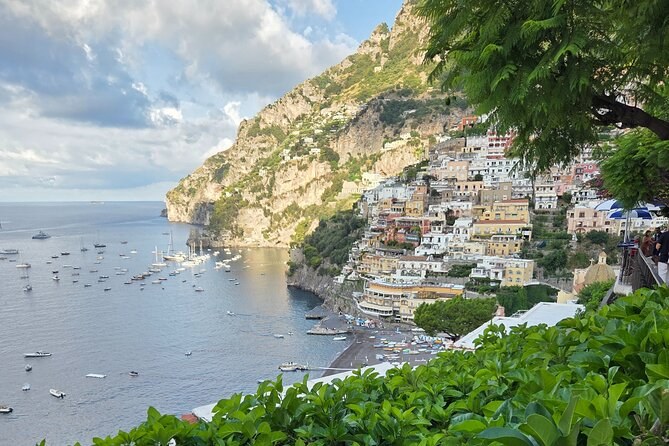
The same trip, elevated
The same gateway on a more luxurious line — lead-in fare per person, same fare as booking direct.