Your cruise
Oceania Sonata · 14-night Mediterranean cruise, Miami to Barcelona
Mar 18 – Apr 1 · 14 nights ·
Day 1 Miami (board) · Day 2–9 at sea · Day 10 Santa Cruz de Tenerife · Day 11 at sea · Day 12 Seville · Day 13 Almeria · Day 14 Valencia · Day 15 Barcelona (step off)
What you do Ascend Spain's highest peak through a UNESCO World Heritage volcanic landscape, riding the Teide cable car to 3,555 m for panoramic views across all seven Canary Islands. An absolute bucket-list spectacle of raw, otherworldly beauty.
What to expect The ascent winds through pine forests and stark lava fields before reaching the Cañadas caldera — an alien plateau of red and ochre rock. The cable car lifts you above the clouds to the crater rim at 3,555 m, where the views on a clear day stretch to Morocco. With a summit permit you walk the final 200 m to the true peak — a moment few visitors ever reach. Allow a full morning; altitude can be felt, so take it slowly.
Good to know Cable car tickets and summit permits MUST be pre-booked online — they sell out days/weeks ahead. The drive from Santa Cruz port is ~1 h each way. All-aboard times typically allow a full day; confirm yours and hire a private driver or taxi for flexibility. Wear layers — it is cold and windy at altitude even in summer.
Versus the ship tour Book the cable car + optional summit permit directly with the official park operator for guaranteed timed access — slots sell out weeks in advance. A private vehicle transfer from the port lets you linger at the Roques de García formations and La Tarta viewpoint at your own pace, with no group to rush you.
What you do Plunge into one of Europe's last primeval laurisilva forests — a UNESCO Biosphere Reserve of mist-draped ravines and Guanche-era trails just 30 minutes from the port. An intimate, expert-led private hike through living prehistory.
What to expect Your guide drives you up into the Macizo de Anaga massif, where ancient dragon trees and tree-heathers drip with mossy silence. Trails wind between hamlets of whitewashed houses that appear unchanged for centuries. Dramatic mirador viewpoints open onto jagged ridgelines plunging into the Atlantic. The return journey passes through the charming fishing village of San Andrés, with time to admire Playa de las Teresitas if you wish.
Good to know Book well in advance to secure your preferred date. The park is only ~30 min from the cruise terminal — ideal even on shorter port calls. Wear sturdy walking shoes and bring a light waterproof layer; the forest canopy can be damp. Confirm all-aboard time with your guide so they build in a buffer.
Versus the ship tour A certified private local guide collects you directly from the port, tailors the route to your fitness level, and narrates the park's geology, endemic flora, and Guanche heritage — knowledge impossible to replicate in a large coach group. No fixed pace, no strangers.
book direct with ToursByLocals — John R. (Santa Cruz de Tenerife private guide) → · the full guide →
What you do The channel between Tenerife and La Gomera is one of the world's premier cetacean corridors — home to resident pilot whales and bottlenose dolphins year-round. A private luxury catamaran delivers an intimate encounter that feels like the ocean belongs to you.
What to expect You depart from the sheltered marina, heading into the deep blue channel where pilot whales are spotted on the vast majority of trips. The crew are marine-biology trained and maintain respectful distances in line with Canarian law. Dolphins frequently bow-ride alongside the hull. Between sightings there is time to snorkel over volcanic rock gardens or simply recline on the deck with a chilled glass of wine as Teide rises behind you.
Good to know Los Cristianos is approximately 1 h from Santa Cruz port by taxi or car — factor this into your day. Half-day charters (3–4 h on the water) comfortably fit most port schedules. Book the charter at least 2–3 weeks ahead. Confirm all-aboard time with your charter captain before departure.
Versus the ship tour Fully private charter means the captain adjusts the itinerary to wherever the cetaceans are — no crowd, no timetable. Snorkelling gear, paddleboards, and a catered lunch or tapas spread are typically included, turning a wildlife excursion into a full luxury sea day.
What you do The aristocratic town of La Orotava is Tenerife's most beautiful colonial gem — cobbled streets, baroque mansions and breath-taking views of the Orotava Valley and Teide. A private guided journey through the island's golden interior and north coast.
What to expect The drive north from Santa Cruz sweeps through the Esperanza forest and then descends into the lush Orotava Valley, where the scale of the banana and flower plantations is staggering. In town, a local guide leads you through the Casa de los Balcones, its carved wooden balconies an icon of Canarian architecture. The Hijuela del Botánico garden offers a moment of shaded tranquility. The journey back via the Mirador Humboldt offers arguably the finest vista on the island.
Good to know La Orotava is approximately 45 min–1 h from the Santa Cruz terminal. A full-day private tour comfortably covers the town, the viewpoints, and a leisurely lunch in a local restaurant. Confirm return timing with your guide to ensure you are back at the terminal with ample time before all-aboard.
Versus the ship tour Your private local guide unlocks the hidden courtyards of La Orotava's noble houses — interiors rarely seen on group tours — and adapts every stop to your interests, from artisan lace-making workshops to the 16th-century Church of the Conception.
book direct with Withlocals — Private Tour Guides Santa Cruz de Tenerife → · the full guide →
What you do Explore three of Santa Cruz's finest architectural and cultural landmarks on foot — Santiago Calatrava's swooping Auditorio, the vibrant colonial Mercado de Nuestra Señora de África, and the extraordinary Palmetum botanical garden. A sophisticated half-day in a city often overlooked.
What to expect Begin at the Auditorio — its white concrete shell is most dramatic in morning light and it is less than 10 minutes' walk from the cruise terminal. Head north to the Mercado de África, a covered colonial market buzzing with islanders buying tropical fruit, fresh fish, and artisan cheeses; the flower hall below is a riot of colour and scent. Finish at the Palmetum, a landscaped garden on reclaimed land housing one of the world's most complete palm collections, with lagoon views and shaded benches.
Good to know All three sites are within easy walking distance of each other and the cruise terminal — this excursion requires no transport. The market is most lively on Saturday mornings. Palmetum opens daily; arrive early to avoid midday heat. Allow 3–4 h total. A private city guide can be hired through Withlocals or ToursByLocals for added depth.
Versus the ship tour Walking these three landmarks independently — or with a private guide from the port — gives you a genuinely unhurried morning: lingering over exotic palms from five continents, bargaining for saffron and Mojo Rojo at the market's spice stalls, and photographing the Auditorio's wave-like silhouette against the Atlantic light.
book direct with Jardín Botánico del Palmetum (official) & Mercado de Nuestra Señora de África → · the full guide →
What you do Step inside the finest museum in the Canary Islands, housed in a stunning 18th-century former civil hospital, to encounter the island's pre-Hispanic Guanche culture through remarkable mummies, ceramics and astronomical artefacts. A deeply moving and scholarly experience.
What to expect The permanent galleries trace Tenerife's natural history from its volcanic origins through its pre-Hispanic Guanche civilisation, displaying naturally mummified bodies, painted skulls, and finely incised pottery that speak to a sophisticated people erased by the Spanish conquest. The natural history wing showcases the extraordinary biodiversity of the Canary Islands — endemic species found nowhere else on Earth. The courtyard of the 18th-century building is a serene, photogenic retreat from the city.
Good to know MUNA is a 15-minute walk from the cruise terminal or a short taxi ride. Open Tue–Sun; confirm hours before your visit. Tickets can be purchased online via the official Volcano Teide ticketing platform. Allow 2–3 h for a thorough visit. Pair with the nearby Plaza de España and a coffee on the terrace for a perfect late-morning ashore.
Versus the ship tour MUNA holds the most important collection of Guanche mummies and funerary objects in the world — artefacts you simply cannot encounter anywhere else. The museum's scale and scholarship reward a slow, self-guided visit; the colonial building itself is a listed treasure. Pre-booking a private guide through the museum or ToursByLocals elevates this into a genuinely profound cultural encounter.
book direct with Museo de Naturaleza y Arqueología (MUNA) — official → · the full guide →
What you do Glide out onto Biscayne Bay aboard a double-decker boat for a fully-narrated 90-minute loop past the downtown skyline, Fisher Island and the palm-studded mansions of Star Island, with the captain calling out celebrity-owned homes tied to names like Gloria Estefan and Shaquille O'Neal. It departs from Bayside Marketplace, minutes from PortMiami, so you're on the water almost as soon as you step off the ship. This is the postcard Miami-from-the-water image first-timers come for, and the short run leaves the rest of the day wide open.
What to expect You board a double-decker vessel at Bayside Marketplace and spend 90 minutes gliding across Biscayne Bay while a bilingual narrator points out downtown Miami's skyline, Fisher Island, and the iconic palm-lined mansions of Star Island—including celebrity homes tied to Gloria Estefan and Shaquille O'Neal. The climate-controlled interior and open-air upper deck let you choose your vantage; many guests spend the voyage shifting between both to capture the postcard Miami-from-the-water views. The captain's real-time commentary transforms what could be a passive boat ride into a guided tour of architectural and cultural landmarks. By trip's end, you've absorbed the essential Miami skyline and still have most of your port day free.
Good to know Arrive at Miamarina (401 Biscayne Blvd, Bayside Marketplace) 30–45 minutes early to check in; the site sits only minutes from PortMiami, so budget 10–15 minutes walking from the cruise terminal. The 90-minute cruise fits easily into a 6–8 hour port window, leaving you 4+ hours for lunch or additional exploring. Bring cash if you want onboard drinks from the mojito bar, and wear sunscreen or a hat since the open-air upper deck offers full sun exposure. Book this excursion direct through Miami Skyline Cruises rather than your cruise line to save ~$23 per person versus the bundled ship price.
Versus the ship tour Direct wins big. The cruise line sells the bay sightseeing piece bundled around ~$51 per person (and up to $114 in airboat combos). The exact same Millionaire's Row bay cruise is $28 direct here, roughly $23 per person saved with no aggregator markup.
What you do Skim across the open sawgrass on an airboat hunting for wild alligators, herons and egrets in the one truly world-unique landscape on Miami's doorstep. Back on land your ticket adds an alligator/wildlife show, a jungle trail and observation exhibits, so it fills a real chunk of the day. This is the South Florida moment cruisers most regret skipping, run by an authorized Everglades National Park concession operating since 1968.
What to expect You'll skiff across open sawgrass on a 30–40 minute airboat hunt for wild alligators, herons, and egrets in the Everglades' one-of-a-kind landscape. Once back on land, you'll step into a live alligator and wildlife show, then explore a jungle trail and observation exhibits—a full immersion into South Florida's most iconic ecosystem. The day pulses between adrenaline on the water and intimate wildlife encounters on foot, filling a substantial chunk of your port time with the authentic Everglades moment most cruisers regret missing.
Good to know Plan 5–6 hours door-to-door; the park sits 45 minutes west of port with no public transit, so book a private driver or rideshare before you go and budget $60–$90 round-trip (direct booking beats the ship's price only if you split transportation among 3–4 people). Secure a driver who guarantees your return time to avoid missing the ship, and confirm your rideshare pickup well before your airboat slot to avoid delay on the way back. Bring sunscreen, a hat, and closed-toe shoes for the boat and jungle trail; water shoes or sandals that won't fly off in the wind are ideal.
Versus the ship tour Mixed. On the ride alone, direct ($49) beats Carnival's $64.99 airboat. BUT the ship's price includes round-trip transport; book direct and you must add a rideshare/car each way (the park is 45 min out with no transit). Budget about $60-$90 round-trip in rideshare on top, so direct only wins if you split a car among 3-4 people. PORT-DAY FLAG: plan ~5-6 hrs door-to-door; use a private driver who guarantees you back to the ship.
book direct with Everglades Safari Park → · the full guide →
What you do Most visitors never realize there's a national park snorkeling reef right at Miami's edge. Sail out over the northernmost Florida Keys reefs to drift among tropical fish, rays and sea turtles in turquoise shallows, with a guide teaching the park's habitats and history. The Coconut Grove departure keeps you closer to the port than the Homestead trips, making it the port-day-friendly way to get one genuine on-the-water adventure.
What to expect You'll depart from Dinner Key Marina in Coconut Grove and sail out over the northernmost Florida Keys reefs, where you'll drift among tropical fish, rays, and sea turtles in turquoise shallows while a guide interprets the park's habitats and marine life. The 3.5-hour experience includes your choice of reef, shipwreck, or mangrove snorkel sites—each revealing a different slice of Biscayne National Park's ecosystem. Most of the action happens in the water; expect calm instruction-based snorkeling rather than a rushed tour, with time to orient yourself to the underwater landscape before exploring freely. You'll return to Coconut Grove with the salt still on your skin and a genuine national park experience—not a cruise-line bay jaunt—under your belt.
Good to know Book directly with the Biscayne National Park Institute (not through an aggregator) to secure the 3.5-hour Snorkeling from Coconut Grove trip at $115 per person—this duration and departure point are designed to fit a port day, with transfers included. Plan for 3.5 hours on the water plus 1–1.5 hours for transfers from the cruise pier to Dinner Key Marina, leaving you a comfortable buffer for a typical 6–8 hour port window; skip the full-day option unless snorkeling is your only priority. Bring reef-safe sunscreen, a rash guard or lightweight cover-up, a towel, and water shoes or reef booties; the park and operator will provide snorkel gear but confirm ahead if you need prescription mask options. Return timing is tight on a short port day, so confirm the exact departure time when booking and plan to be back at the pier with 30–45 minutes to spare.
Versus the ship tour No true ship equivalent. The cruise lines don't sell an in-park national-park reef snorkel from Miami at all, their water tours top out at bay sightseeing and airboat combos. This is the one signature snorkel here, and the only way to do it is direct with the park's own concessionaire. PORT-DAY FLAG: the 3.5-hr trip plus transfers fits a port day; skip the 6-hr full-day option unless this is your only outing.
book direct with Biscayne National Park Institute → · the full guide →
What you do Eat your way through the cultural heart of Cuban Miami: a real Cuban sandwich, a jolt of cafecito and a mojito, while you watch cigars hand-rolled and dominoes slammed down in Maximo Gomez Park. A guide threads the history of exile, music and food through every stop along Calle Ocho. The tastings add up to a full meal plus drinks, an immersive, distinctly-Miami experience you can't replicate anywhere else, and it's an easy ride from the port.
What to expect Your guide escorts you through the vibrant streets of Calle Ocho, stopping to taste authentic Cuban sandwiches, croquetas, and pastries that build into a full meal—all while live music and the clatter of dominoes frame the scene at Maximo Gomez Park. You'll watch cigar rollers at work, their hands moving with practiced precision, before pausing for shots of cafecito and sipping a mojito at a neighborhood spot where locals gather. The walk threads Miami's Cuban exile history and food culture through each block, turning lunch into an immersive lesson on why this neighborhood is the real heart of Cuban America. Roughly 2.5 to 3 hours of steady walking and tasting, paced to savor both the food and the stories.
Good to know Book directly with Miami Culinary Tours (not the cruise line) to save $60+ per person—tours run roughly $69 versus $132+ through the ship. Calle Ocho is an easy, short ride from the port, so plan to depart within an hour of disembark and return comfortably 30–45 minutes before all-aboard. Bring small cash for tips and incidentals, wear comfortable walking shoes, and eat lightly before departure since the tastings amount to a full meal. Confirm your exact tour time and departure point with the operator when booking, as walking tours run on tight schedules and late arrivals will cost you stops.
Versus the ship tour Direct wins decisively. The cruise line charges $132+ for its Little Havana/mojito outing (and private versions run $162). The same Calle Ocho food-and-culture walk with the original operator is ~$69 direct, well over $60 per person saved.
What you do Tour the most opulent historic estate in Miami: an early-20th-century Italian Renaissance-style villa built as industrialist James Deering's winter home, with lavishly furnished rooms opening onto formal European gardens that run down to Biscayne Bay. A National Historic Landmark and one of the city's most photogenic spots, it's self-paced and close to the port near Coconut Grove, so it slots neatly into a half-day on shore.
What to expect You'll arrive at an early-20th-century Italian Renaissance villa—James Deering's former winter palace—where lavishly appointed rooms open directly onto formal European gardens that descend to Biscayne Bay, giving you a tangible sense of early-Miami opulence. The self-paced experience lets you linger in ornate interiors or photograph the manicured grounds at your own tempo. A short walk from Coconut Grove and the port itself, the estate unfolds as a series of intimate spaces rather than a sprawling museum; you'll move between decorated rooms and out onto the bayfront gardens in a natural rhythm. This is a half-day anchor—intimate, photogenic, and complete within 2–3 hours if you're deliberate.
Good to know Book timed-entry tickets direct on Vizcaya's official site before you dock to guarantee your preferred window and avoid queues. The estate sits close to the port near Coconut Grove, making it walkable or a quick taxi ride—buying direct at $25 per adult cuts the cruise-line markup entirely and gives you full control over timing. Plan for 2–3 hours on-site within your 6–8 hour port window, leaving a solid 90-minute buffer before all-aboard. Bring sunscreen and comfortable shoes for the gardens; there's no air conditioning between outdoor rooms, so dress for tropical sun.
Versus the ship tour Direct is the only sensible route. Cruise lines rarely package Vizcaya, and when a city tour drives past it you'd still pay $35-$70 for sightseeing that may not include entry. At $25 booked direct you control your own timing and skip the bus markup entirely.
book direct with Vizcaya Museum and Gardens → · the full guide →
What you do Walk the world's largest concentration of 1920s-40s Art Deco architecture with a guide from the nonprofit that literally saved and landmarked the district. Over two hours along Ocean Drive you learn to actually read the pastel hotels and neon instead of just photographing them, ending right in the heart of South Beach for lunch and beach time. It's the low-risk, easy-to-reach alternate if the bay, Everglades or reef don't fit your day.
What to expect You'll spend two immersive hours walking Ocean Drive with a trained guide from the Miami Design Preservation League—the nonprofit that saved these buildings—learning to decode the geometric patterns, pastel façades, and neon signage of the world's largest Art Deco district instead of just snapping photos. The walk moves at a contemplative pace through 1920s-40s hotels and landmarks, ending at the Art Deco Museum before you're released into the heart of South Beach for lunch, shopping, and beach time. The rhythm feels like a masterclass rather than a tourist blur: you're stationary for observation, walking short blocks for transition, absorbing stories that transform what you see into architecture you actually understand. This is the substance play—manageable distance, genuine expertise, and the flexibility to linger at the beach afterward or grab food on your own terms.
Good to know The 10:30am daily departure from the Art Deco Welcome Center (1001 Ocean Drive) gives you a tight but workable 6–7 hour window: book a rideshare from the port now (15–20 minutes, ~$15–20 each way), arrive by 10:15am, walk until 12:30pm, then own your afternoon. Plan to be back at the pier by 5:30–6pm for a typical evening departure, leaving 3+ hours of buffer for beach/lunch, transit back, and security. Bring sunscreen, comfortable walking shoes, and a light layer—you're outside for two straight hours on exposed Ocean Drive. Book direct through MDPL online ($35 adults, $30 seniors/students/veterans with ID); no need to pre-book the walk itself, but confirming your rideshare timing the morning of prevents last-minute scrambling.
Versus the ship tour Direct wins on substance and price. The ship's Miami city/hop-on tour is $69.99 and just rolls past the district; this definitive 2-hour guided Deco walk from the people who landmarked it is $35 direct, half the cost and far more depth, though you arrange your own ride to South Beach (short rideshare from the port).
book direct with Miami Design Preservation League (MDPL) → · the full guide →
What you do Ascend Spain's highest peak through a UNESCO World Heritage volcanic landscape, riding the Teide cable car to 3,555 m for panoramic views across all seven Canary Islands. An absolute bucket-list spectacle of raw, otherworldly beauty.
What to expect The ascent winds through pine forests and stark lava fields before reaching the Cañadas caldera — an alien plateau of red and ochre rock. The cable car lifts you above the clouds to the crater rim at 3,555 m, where the views on a clear day stretch to Morocco. With a summit permit you walk the final 200 m to the true peak — a moment few visitors ever reach. Allow a full morning; altitude can be felt, so take it slowly.
Good to know Cable car tickets and summit permits MUST be pre-booked online — they sell out days/weeks ahead. The drive from Santa Cruz port is ~1 h each way. All-aboard times typically allow a full day; confirm yours and hire a private driver or taxi for flexibility. Wear layers — it is cold and windy at altitude even in summer.
Versus the ship tour Book the cable car + optional summit permit directly with the official park operator for guaranteed timed access — slots sell out weeks in advance. A private vehicle transfer from the port lets you linger at the Roques de García formations and La Tarta viewpoint at your own pace, with no group to rush you.
What you do Plunge into one of Europe's last primeval laurisilva forests — a UNESCO Biosphere Reserve of mist-draped ravines and Guanche-era trails just 30 minutes from the port. An intimate, expert-led private hike through living prehistory.
What to expect Your guide drives you up into the Macizo de Anaga massif, where ancient dragon trees and tree-heathers drip with mossy silence. Trails wind between hamlets of whitewashed houses that appear unchanged for centuries. Dramatic mirador viewpoints open onto jagged ridgelines plunging into the Atlantic. The return journey passes through the charming fishing village of San Andrés, with time to admire Playa de las Teresitas if you wish.
Good to know Book well in advance to secure your preferred date. The park is only ~30 min from the cruise terminal — ideal even on shorter port calls. Wear sturdy walking shoes and bring a light waterproof layer; the forest canopy can be damp. Confirm all-aboard time with your guide so they build in a buffer.
Versus the ship tour A certified private local guide collects you directly from the port, tailors the route to your fitness level, and narrates the park's geology, endemic flora, and Guanche heritage — knowledge impossible to replicate in a large coach group. No fixed pace, no strangers.
book direct with ToursByLocals — John R. (Santa Cruz de Tenerife private guide) → · the full guide →
What you do The channel between Tenerife and La Gomera is one of the world's premier cetacean corridors — home to resident pilot whales and bottlenose dolphins year-round. A private luxury catamaran delivers an intimate encounter that feels like the ocean belongs to you.
What to expect You depart from the sheltered marina, heading into the deep blue channel where pilot whales are spotted on the vast majority of trips. The crew are marine-biology trained and maintain respectful distances in line with Canarian law. Dolphins frequently bow-ride alongside the hull. Between sightings there is time to snorkel over volcanic rock gardens or simply recline on the deck with a chilled glass of wine as Teide rises behind you.
Good to know Los Cristianos is approximately 1 h from Santa Cruz port by taxi or car — factor this into your day. Half-day charters (3–4 h on the water) comfortably fit most port schedules. Book the charter at least 2–3 weeks ahead. Confirm all-aboard time with your charter captain before departure.
Versus the ship tour Fully private charter means the captain adjusts the itinerary to wherever the cetaceans are — no crowd, no timetable. Snorkelling gear, paddleboards, and a catered lunch or tapas spread are typically included, turning a wildlife excursion into a full luxury sea day.
What you do The aristocratic town of La Orotava is Tenerife's most beautiful colonial gem — cobbled streets, baroque mansions and breath-taking views of the Orotava Valley and Teide. A private guided journey through the island's golden interior and north coast.
What to expect The drive north from Santa Cruz sweeps through the Esperanza forest and then descends into the lush Orotava Valley, where the scale of the banana and flower plantations is staggering. In town, a local guide leads you through the Casa de los Balcones, its carved wooden balconies an icon of Canarian architecture. The Hijuela del Botánico garden offers a moment of shaded tranquility. The journey back via the Mirador Humboldt offers arguably the finest vista on the island.
Good to know La Orotava is approximately 45 min–1 h from the Santa Cruz terminal. A full-day private tour comfortably covers the town, the viewpoints, and a leisurely lunch in a local restaurant. Confirm return timing with your guide to ensure you are back at the terminal with ample time before all-aboard.
Versus the ship tour Your private local guide unlocks the hidden courtyards of La Orotava's noble houses — interiors rarely seen on group tours — and adapts every stop to your interests, from artisan lace-making workshops to the 16th-century Church of the Conception.
book direct with Withlocals — Private Tour Guides Santa Cruz de Tenerife → · the full guide →
What you do Explore three of Santa Cruz's finest architectural and cultural landmarks on foot — Santiago Calatrava's swooping Auditorio, the vibrant colonial Mercado de Nuestra Señora de África, and the extraordinary Palmetum botanical garden. A sophisticated half-day in a city often overlooked.
What to expect Begin at the Auditorio — its white concrete shell is most dramatic in morning light and it is less than 10 minutes' walk from the cruise terminal. Head north to the Mercado de África, a covered colonial market buzzing with islanders buying tropical fruit, fresh fish, and artisan cheeses; the flower hall below is a riot of colour and scent. Finish at the Palmetum, a landscaped garden on reclaimed land housing one of the world's most complete palm collections, with lagoon views and shaded benches.
Good to know All three sites are within easy walking distance of each other and the cruise terminal — this excursion requires no transport. The market is most lively on Saturday mornings. Palmetum opens daily; arrive early to avoid midday heat. Allow 3–4 h total. A private city guide can be hired through Withlocals or ToursByLocals for added depth.
Versus the ship tour Walking these three landmarks independently — or with a private guide from the port — gives you a genuinely unhurried morning: lingering over exotic palms from five continents, bargaining for saffron and Mojo Rojo at the market's spice stalls, and photographing the Auditorio's wave-like silhouette against the Atlantic light.
book direct with Jardín Botánico del Palmetum (official) & Mercado de Nuestra Señora de África → · the full guide →
What you do Step inside the finest museum in the Canary Islands, housed in a stunning 18th-century former civil hospital, to encounter the island's pre-Hispanic Guanche culture through remarkable mummies, ceramics and astronomical artefacts. A deeply moving and scholarly experience.
What to expect The permanent galleries trace Tenerife's natural history from its volcanic origins through its pre-Hispanic Guanche civilisation, displaying naturally mummified bodies, painted skulls, and finely incised pottery that speak to a sophisticated people erased by the Spanish conquest. The natural history wing showcases the extraordinary biodiversity of the Canary Islands — endemic species found nowhere else on Earth. The courtyard of the 18th-century building is a serene, photogenic retreat from the city.
Good to know MUNA is a 15-minute walk from the cruise terminal or a short taxi ride. Open Tue–Sun; confirm hours before your visit. Tickets can be purchased online via the official Volcano Teide ticketing platform. Allow 2–3 h for a thorough visit. Pair with the nearby Plaza de España and a coffee on the terrace for a perfect late-morning ashore.
Versus the ship tour MUNA holds the most important collection of Guanche mummies and funerary objects in the world — artefacts you simply cannot encounter anywhere else. The museum's scale and scholarship reward a slow, self-guided visit; the colonial building itself is a listed treasure. Pre-booking a private guide through the museum or ToursByLocals elevates this into a genuinely profound cultural encounter.
book direct with Museo de Naturaleza y Arqueología (MUNA) — official → · the full guide →
What you do Step inside one of the world's greatest royal palaces — still an official royal residence — with a private official guide who unlocks its labyrinthine Mudéjar halls, hidden gardens, and seven centuries of royal intrigue. An absolute bucket-list crown jewel of Andalusia.
What to expect Your private guide meets you at the Puerta del León and leads you through the Patio de las Doncellas, the opulent Salón de Embajadores, and the terraced gardens where peacocks roam freely. Hidden corners — the Baños de Doña María de Padilla, the secret garden pavilions — are revealed at your own rhythm. The guide contextualises centuries of conquests, dynasties, and architectural layering that self-guided visitors simply miss. Finish in the sun-drenched upper royal apartments for views over the orange-tree courtyards below.
Good to know Pre-book the guide AND timed-entry tickets well in advance — Alcázar slots sell out weeks ahead, especially on port days. Cadiz port is ~1.5 hrs each way to Seville; aim for a 08:00 departure to clear the morning crowds. Confirm your ship's all-aboard time before booking a return slot.
Versus the ship tour A licensed, expert private guide — fluent in the palace's layered Islamic, Gothic, and Renaissance stories — gives you unhurried, personalised access to rooms and gardens that large groups race past. The pace is entirely yours.
book direct with The Magic of Seville – Private Tours → · the full guide →
What you do Climb the mighty Giralda — a former 12th-century Moorish minaret — to gaze over Seville's golden roofscape, then descend into the world's largest Gothic cathedral to stand before Columbus's tomb. Utterly unmissable and visually staggering.
What to expect You ascend the Giralda's 35 brick ramps — no steps, by Moorish design — emerging onto the bell-tower terrace for a 360° panorama over the Alcázar, the River Guadalquivir, and the city's terracotta sea. Inside the cathedral, gilded altarpieces of staggering scale dwarf the faithful. The Treasury and Sacristy house Zurbarán and Murillo masterworks rarely highlighted on standard visits. The guide concludes at the tomb of Christopher Columbus, carried aloft by four royal heralds — a deeply moving finale.
Good to know Timed slots disappear fast on peak port days; book the earliest morning slot available. The cathedral is a 10-min walk from the Alcázar — combine both in a single morning. Dress code enforced: shoulders and knees covered.
Versus the ship tour Booking direct through the cathedral's official platform guarantees your timed-entry slot and the lowest available price — no intermediary markup. Opt for the official guided tour for expert art-historical commentary inside the sacristy and royal chapels.
book direct with Catedraldesevilla Official Tickets (Servitickets) → · the full guide →
What you do Cross the Guadalquivir into Triana — the gritty, soulful neighbourhood that gave flamenco to the world — and witness an intimate tablao performance by professional artists in a venue holding fewer than 50 guests. Raw, spine-tingling, and deeply authentic.
What to expect Your guide walks you across the Isabel II bridge into Triana, narrating the quarter's Romani heritage and its role in forging flamenco from Moorish, Jewish, and Andalusian roots. The performance seats you so close you see the dancer's expression shift with each compás. A guitarist, singer, and two dancers take turns leading — the duende (untranslatable 'spirit') rises as the show builds. Post-show, the guide points you toward Triana's famous ceramic tile workshops and a glass of manzanilla at a local bar.
Good to know Evening tablao shows are most atmospheric but may conflict with all-aboard times — confirm a matinée or late-afternoon performance. Book early as small venues fill quickly. Triana is a 20-min walk or short taxi from Santa Justa station.
Versus the ship tour A small, private-feeling tablao in Triana — the artform's historic birthplace — offers a profoundly different emotional register to hotel-stage shows. The proximity to the performers (feet stamping inches away, guitar resonating in your chest) is simply irreplaceable.
book direct with Sevilla Official Tours (local official guides network) → · the full guide →
What you do Glide across the sweeping azulejo-tiled canals of Plaza de España by rowboat, then wind through the jasmine-scented lanes of the old Jewish Quarter with a private official guide who brings the neighbourhood's layered history vividly to life.
What to expect The tour opens at the semicircular Plaza de España, a jaw-dropping 1929 Exposition masterpiece of brick, azulejo tile alcoves, and bridged canals — each alcove representing a Spanish province. Your guide rows you gently across the moat as morning light turns the tilework gold. The itinerary then threads through the Santa Cruz labyrinth: whitewashed walls dripping with bougainvillea, hidden courtyards, the 14th-century Callejón del Agua. The guide reveals the neighbourhood's transformation from a medieval Jewish aljama, through expulsion, to today's most coveted address. Orange trees line every lane and the scent is extraordinary.
Good to know Plaza de España is a 15-min taxi from Santa Justa station. Combine this tour as a relaxed afternoon complement to a morning Alcázar/Cathedral visit. Wear comfortable walking shoes — cobblestones throughout.
Versus the ship tour A private guide shapes the narrative entirely around your interests — whether Renaissance architecture, Moorish urban planning, or the filming locations of Star Wars and Game of Thrones — at a civilised, unhurried pace.
book direct with The Magic of Seville – Private Tours → · the full guide →
What you do Board a boutique river cruiser on the Guadalquivir — the river that made Seville the gateway to the New World — and drift past the Torre del Oro, the Triana waterfront, and the historic bullfighting arena for a cinematic, feet-up perspective of the city.
What to expect Boarding at the Paseo de Cristóbal Colón quayside, the cruiser slips past the 13th-century Torre del Oro (Tower of Gold), named for the gilded azulejos that once covered it. Commentary traces Seville's role as monopoly port for all Spanish trade with the Americas. The Triana waterfront slides by — ceramic workshops, fishermen's bars, the bridge where gypsies once camped. Rounding the bend, the cathedral's Gothic mass and the Giralda dominate the skyline. Sunset departures turn the river copper-pink and are particularly magnificent.
Good to know Cruises depart regularly throughout the day; check the timetable against your all-aboard time — a 60-min cruise is easily slotted before or after a morning monuments visit. The quay is walkable from the Alcázar and cathedral. Book online in advance to guarantee a spot.
Versus the ship tour The Guadalquivir framed Seville's golden age of exploration — every galleon loaded with New World silver departed from this very quay. Seeing the skyline from the water, with the Torre del Oro glowing at dusk, is the most evocative view the city offers.
What you do Trail an official Seville food guide through the tapas bars of El Arenal and Triana, sampling jamón ibérico, Moorish-spiced cazuelas, and chilled fino sherry at bars where tourists rarely tread. The most delicious two hours Seville can offer.
What to expect The walk begins in El Arenal with a glass of chilled manzanilla and a plate of jamón cortado to order at a marble-topped bar established in the 1930s. The guide leads you to a tile-faced neighbourhood bodega for montaditos (small open sandwiches) topped with Iberian pork loin and roasted peppers. A mid-point stop at a back-street freiduría delivers crispy pescaíto frito — the city's beloved fried fish tradition — straight from the pan. The finale is a tableside tasting of three Jerez sherries, from bone-dry fino to rich, nutty oloroso, paired with aged Manchego. You will leave unable to look at an airport tapas bar the same way again.
Good to know Tours run at lunchtime (13:00) and are perfectly timed for a post-monuments afternoon slot. Group sizes are capped at 10 — book well ahead on port-call days. Inform the operator of any dietary requirements at booking; they accommodate with grace. Bodeguita Romero (Harinas 10, Seville) is also a celebrated standalone stop worth building time for.
Versus the ship tour Devour Tours' guides are trained food journalists and culinary historians — they explain the Moorish spice routes, the sherry DO classifications, and the social ritual of the tapeo with genuine depth, pairing every bite with context that transforms eating into understanding.
book direct with Devour Seville Food Tours → · the full guide →
What you do Step inside the Nasrid Palaces of Granada's legendary Alhambra on a fully private guided tour — one of the world's great UNESCO monuments, just 1.5 hrs from Almeria's port. Intricate Moorish stucco, mirrored pools, and the sublime Generalife rose gardens await.
What to expect A dedicated driver-guide collects you dockside and whisks you through Andalusia's olive groves to Granada. Inside the Alhambra, your expert unpacks eight centuries of Nasrid artistry — carved honeycomb ceilings, the Court of the Lions, the whispering Hall of the Ambassadors. The Generalife's terraced water gardens are a serene finale before the scenic return to port.
Good to know The round-trip is approximately 7 hours; confirm your all-aboard time and book at least 4–6 weeks ahead as Alhambra timed-entry tickets sell out months in advance. Pickup is directly from Almeria cruise port.
Versus the ship tour Skip-the-line timed-entry tickets are pre-secured, your guide is a licensed Granada expert, and the private pace means you linger inside the Nasrid Palaces as long as the magic demands — not on a group schedule.
book direct with Spain Day Tours (Almeria Shore Excursion specialists) → · the full guide →
What you do Paddle and snorkel through the volcanic coves of Cabo de Gata-Níjar Natural Park — Spain's last great wild coastline, and the most biodiverse marine reserve on the Mediterranean. Crystal-clear water, hidden sea arches, and near-zero crowds make this unmissable.
What to expect Meet your guide at the park's edge — just 30 minutes from port — and launch into gin-clear water alongside ancient volcanic cliffs. You'll paddle through sea arches, slip into hidden grottoes, and snorkel over posidonia meadows teeming with octopus and rainbow wrasse. The pace is relaxed and the scenery is frankly cinematic.
Good to know Duration approx. 3 hours; departs from Playa de los Muertos or La Isleta del Moro — arrange a taxi or private transfer from port (~EUR 25–30 each way). Book directly via their website or TripAdvisor listing well ahead in peak summer season.
Versus the ship tour Expert local naturalist guides lead small groups (max 8) through coves that are only accessible by sea, revealing underwater volcanic rock gardens invisible from any road or beach promenade.
What you do Discover Almeria's two most dramatic layers of history back-to-back: the immense 10th-century Moorish Alcazaba fortress rising above the city, then the eerie network of underground Civil War air-raid shelters hidden beneath its streets — all with a private local expert.
What to expect Your guide meets you steps from the gangway. The Alcazaba's three walled precincts unfold above you — Moorish gardens, a ruined royal palace, and panoramic views across the port to Africa on a clear day. Below the city, the Refugios reveal a haunting labyrinth of tunnels built to shelter 40,000 civilians from aerial bombardment in 1937, still lit by their original dim bulbs.
Good to know Both sites are walkable from the cruise pier — no transfer needed. The full experience runs 3–4 hours, leaving ample time to explore Almeria's cathedral or paseo before all-aboard. Pre-book the private guide to guarantee availability.
Versus the ship tour A single private guide connects the Islamic golden age and the Spanish Civil War in one intellectually rich arc — the kind of layered storytelling only a dedicated local historian can deliver, at a pace that is entirely yours.
book direct with VIP Malaga Tours (Private tours from Almeria) → · the full guide →
What you do Descend into the Pulpí Geode — a cathedral-sized cavity lined with selenite crystals up to 2 metres long, ranking among the geological wonders of the planet. Entry is strictly controlled and timed, making this one of Spain's most exclusive natural experiences.
What to expect A short transfer (~1 hour from port) delivers you to the semi-arid mining town of Pulpí. A geologist guide escorts you through a series of mine tunnels before you emerge into the geode itself: a 10-metre-long, 2-metre-high egg of perfect gypsum crystals. The temperature plunges to 18°C and the silence is absolute — prepare to be awestruck.
Good to know Entry slots are released months in advance and sell out fast; book the official timed ticket at geodepulpi.es immediately upon knowing your port date. Arrange a private driver from the port (~EUR 60–80 round-trip for the car). Bring a light layer — it is cool inside.
Versus the ship tour Access is capped at tiny groups per slot — sometimes as few as 10 people — and the experience of standing inside a glittering, temperature-controlled crystal womb 50 metres underground is genuinely unlike anything else in Europe.
What you do Walk the very desert sets where Sergio Leone filmed 'The Good, the Bad and the Ugly' and Clint Eastwood became a legend — Fort Bravo is a fully preserved Western frontier town in the spectacular Tabernas Desert, Europe's only true desert.
What to expect The Tabernas Desert unfolds like a John Ford landscape, 30 minutes from port. At Fort Bravo, dusty main streets, a saloon, a sheriff's office, and a Mexican cantina are all meticulously maintained as working film sets. Live gunfight shows and horseback displays fill the day; knowledgeable staff share behind-the-scenes stories of Leone, Eastwood, and the dozens of classics filmed here.
Good to know Allow 2.5–3 hours on site; combine with a scenic Tabernas Desert drive. A taxi or private transfer from the port is approximately EUR 20–25 each way. Check the Fort Bravo website for show times before you visit — performances run at set hours.
Versus the ship tour Unlike a generic sightseeing stop, Fort Bravo's costumed live performances and genuine film-location atmosphere transform the visit into an immersive cinematic experience — you are literally standing on one of cinema history's most iconic stages.
What you do Venture off the tourist trail with Costa Almeria Tours' acclaimed 'Secret Spain' experience — a private journey through olive groves and boutique bodegas to taste the region's extraordinary D.O. Almería wines and single-estate oils, guided by a passionate local expert.
What to expect Your guide — a local with deep roots in the region — drives you into Almeria's sun-scorched interior, past greenhouse seas and almond terraces, to visit a working olive mill and a boutique bodega producing Tempranillo and Airén under Almeria's fierce sun. Tastings are generous, education is genuine, and the landscape alone is worth the journey.
Good to know Pickup is arranged directly from the cruise port. Tours are bespoke and small-group — contact the operator well in advance to tailor the itinerary and confirm timing against your all-aboard. Ideal for a half-day; pairs beautifully with a port-side afternoon in Almeria's old town.
Versus the ship tour This is the insider's Almeria — off-road, small-group, and deeply local. The operator's contacts open doors to family estates that don't advertise to the public, and the tastings include producers virtually unknown outside Andalusia.
book direct with Costa Almeria Tours / Secret Spain → · the full guide →
What you do Step inside Santiago Calatrava's blinding-white, sci-fi City of Arts and Sciences and into the Oceanografic, the biggest aquarium in Europe, where a glass tunnel puts sharks and rays gliding over your head and beluga whales, sea lions and a dolphin lagoon fill nine themed marine worlds. It is the single most photographed image of Valencia and the closest marquee sight to the cruise terminal, about 12-20 minutes by bus line 95 or a ~12-15 euro taxi. For a first-timer with one port day, this is the regret-if-you-miss-it stop.
What to expect You arrive at Santiago Calatrava's gleaming City of Arts and Sciences and step into the Oceanografic, Europe's largest aquarium, where a glass tunnel frames sharks and rays gliding silently overhead. From there you move through nine themed marine worlds—beluga whales, sea lions, and a dolphin lagoon punctuate the journey—each zone a deeper plunge into underwater spectacle. The dolphin and sea-lion shows provide the natural rhythm breaks and peak photo moments. It's an immersive, self-paced flow from zone to zone, capped by the single most photographed image Valencia offers.
Good to know Book your ticket direct online (EUR 35.90–43.05 adult; combo packages with Hemisferic IMAX and Science Museum run EUR 44–51.25) and allow 2.5–4 hours inside the aquarium to cover all zones and catch both shows comfortably. From the cruise terminal, take line 95 bus (12–20 minutes) or a taxi (~EUR 12–15) directly to the City of Arts and Sciences; the walk from either drop-off to Oceanografic is short and self-evident. Plan to be back at the pier 90 minutes before all-aboard, and bring a camera—the underwater glass tunnels and Calatrava architecture demand it.
Versus the ship tour DIRECT WINS BIG. Lines like Celebrity and Royal Caribbean sell a city-visit-plus-Oceanografic tour at $95-130 pp; the aquarium ticket booked direct is only ~$39-46, so even with a taxi you save roughly $50-80 pp and skip the bus-herd pacing. The only thing the ship adds is guided transfer, which the line-95 bus or a short cab replaces for a few euros.
book direct with Oceanografic Valencia (Ciutat de les Arts i les Ciencies) → · the full guide →
What you do Glide out across the mirror-still freshwater lagoon in a traditional flat-bottomed albuferenc wooden boat, poled and motored past herons, reed beds and the rice paddies that actually gave the world paella, best at the golden-hour light Valencia is famous for. This is the postcard the cathedral and aquarium can't replicate, and at roughly 25 minutes from the port it pairs perfectly with an authentic paella lunch in the El Palmar village beside the dock.
What to expect You'll travel roughly 25 minutes from the port to El Palmar village and board a traditional flat-bottomed wooden boat, poled and motored across the mirror-still freshwater Albufera Lagoon. As you glide past herons, reed beds, and the rice paddies that gave paella to the world, golden-hour light transforms the landscape into postcard perfection—a natural experience the cathedral and aquarium cannot match. The shared lagoon ride lasts about 45 minutes, immersing you in the serene working wetlands that define this region. Pair it seamlessly with an authentic paella lunch at a village restaurant beside the dock, creating a complete sensory journey of Valencia's most authentic culinary and natural heritage.
Good to know Book directly with Paseos en Barca El Besso (WhatsApp/phone +34 678 336 181 or their website) for a standard ~45-minute ride at EUR 5 adult/EUR 3 child, or opt for a sunset/longer ride at EUR 7—a fraction of cruise-line bundled tour pricing. From the pier, take a taxi to El Palmar dock (roughly 25 minutes); consider hiring the same taxi to wait, or arrange round-trip transport through an independent port-gate operator for ~€75–85 to include boat and paella. Book your boat slot and paella restaurant reservation in advance to secure timing, and budget 4–5 hours total (transport, boat, meal, return) to maintain a safe buffer before all-aboard. Bring sun protection and a camera for golden-hour shots, and note that the boat is weather-dependent; confirm departures the morning of your port day.
Versus the ship tour DIRECT IS A FRACTION OF THE PRICE. The boat ride itself is ~5 euros booked directly with the barquero; cruise lines bundle it into 'Old Quarter and Albufera with paella' tours at $90-130 pp. If you want the whole package handled, an independent port-gate operator does boat + paella + round-trip transport for ~$82-92 pp and still beats the ship by $20-50. But the boat alone, self-driven by taxi, is the budget bucket-list steal of the port.
book direct with Paseos en Barca El Besso → · the full guide →
What you do Shop for ingredients at the 1928 Modernista Central Market with a Valencian chef, then learn to build the genuine article over fire, rice, chicken, rabbit and garrofo beans, never chorizo, and eat your own creation with regional wine and tapas. It is a hands-on, take-home-a-skill experience run by a real local operator, and the ~3.5-hour morning format slots cleanly inside a 6-8 hour port day for foodies who want to do more than sightsee.
What to expect You'll start with a guided walk through the soaring Modernista halls of the 1928 Central Market, learning to spot authentic paella ingredients alongside your Valencian chef before heading to the cooking space. There you'll work hands-on—building genuine paella over fire with rice, chicken, rabbit, and garrofo beans (never the tourist shortcut of chorizo). As the dish comes together, you'll taste regional wine and tapas, then sit down to eat the paella you've just made. The morning format flows as a natural arc from market discovery to skill-building to meal, completing in roughly 3.5 hours.
Good to know The ~3.5-hour morning class fits neatly into a 6–8 hour port day, leaving buffer time for tender queues and the walk back to the pier. Book directly with Sea Saffron (not the cruise line) to confirm pickup logistics from the Valencia port and confirm whether transportation is included. Wear closed-toe shoes suitable for standing in a market and near an open fire, and bring an appetite—you'll finish with your own cooked paella plus wine service. Reserve ahead, especially for weekend calls, since local operators fill faster than ship-sponsored alternatives.
Versus the ship tour DIRECT WINS. Cruise-line culinary excursions run $130-225 pp (tapas-and-wine city tours up to $221-226, cooking classes ~$139); Sea Saffron's hands-on class with market tour is ~$80 booked direct, saving $50-145 pp, and you deal with a genuinely Valencian operator instead of a contracted group bus.
What you do In its own Gothic side chapel the cathedral guards the agate cup the Vatican recognizes as the most credible candidate for the Holy Grail of the Last Supper, the spiritual heart of the Old Town. Then climb the 207 spiraling steps of the Miguelete bell tower for the definitive 360-degree panorama over Valencia's terracotta rooftops and domes. Compact, walkable and self-paced, it anchors any Old Town port-day plan.
What to expect You'll start in Valencia's compact Old Town, entering the Gothic cathedral to view the agate Holy Grail cup in its own chapel—a profound, quieter moment amid the architectural grandeur—before moving through the Treasury and museum at your own pace with an audioguide. Then you'll face the decision: take the 207 spiraling steps of the Miguelete bell tower for an unobstructed 360-degree panorama of terracotta rooftops and domes, or linger in the historic center's walkable streets. The rhythm is entirely self-directed; you move when you want, rest when you want, and the compact geography keeps you anchored without feeling rushed.
Good to know The cathedral and tower entry (~$12–14 total) should be booked direct at the official site or purchased at the door to avoid ship markups. Budget 2.5–3 hours for the full cathedral experience plus the tower climb; the Old Town is a flat, easy 10–15 minute walk from the cruise pier, leaving you 2–3 hours for additional wandering or a cafe stop. Build in a 30-minute buffer to return to the ship; bring comfortable walking shoes, sunscreen, and a small day bag, as the tower climb is tight and steep. Book ahead online only if you're visiting during peak season (May–September) to guarantee entry slots.
Versus the ship tour DIRECT WINS, AND IT'S SELF-GUIDED. Lines sell a Valencia City Highlights / panoramic Old Town tour at $70-95 pp; the cathedral and tower booked direct total ~$12-14 pp, and the historic center is an easy self-guided walk. The ship only adds a guide and coach transfer, worth it solely if you want zero logistics, otherwise you're paying $60+ extra for narration.
book direct with Catedral de Valencia (Basilica Metropolitana) → · the full guide →
What you do After a 1957 flood Valencia rerouted its river and turned the 9 km dry riverbed into one of Europe's great urban parks, a green ribbon winding under the city's historic stone bridges from the Old Town all the way to the City of Arts and Sciences. Rent a bike and ride the traffic-free corridor to string nearly every major sight together, the smartest, most local way to cover a lot of Valencia on a short port day.
What to expect You'll rent a bike at Valencia Bikes and pedal the 9 km traffic-free ribbon of the Turia Gardens, a green corridor that winds under historic stone bridges from the Old Town through the city's lush heart straight to the City of Arts and Sciences. Along the way you'll string together nearly every major sight—medieval plazas, arched architecture, and Calatrava's futuristic complex—without fighting traffic or crowds. The route flows as a seamless scenic loop, each landmark appearing naturally as you glide beneath centuries-old bridges and through sun-dappled parks. It's the closest thing to a personal-guided tour you'll get without paying for one, but entirely at your own pace and on your own discovery.
Good to know Rent your bike early to maximize daylight and give yourself 4–5 hours to ride the gardens, explore the Old Town, and visit the City of Arts and Sciences without rushing. The rental fee (~$13–16 including helmet and lock) is non-negotiable, so budget that upfront; guided tours are available at higher rates if you prefer narration. Allow at least 90 minutes buffer to return the bike, walk back to the pier, and clear security before all-aboard. Bring water, sunscreen, and check that the bike's brakes and tires work before leaving the rental shop—the route is flat and safe, but you'll be exposed to Valencia's sun for hours.
Versus the ship tour DIRECT WINS for the self-reliant. The ship's panoramic city tours run $70-110 pp; a half-day bike for ~$15 lets you self-connect the Old Town, Turia park and the Calatrava complex in one scenic loop, saving $55+ pp. Choose the ship only if you can't ride or want a guided narrative; otherwise the bike is the better-value, more memorable way to see the city.
What you do When you want an easy, low-stress port day, Malvarrosa and Las Arenas beaches sit minutes from the cruise terminal: a wide golden-sand strip backed by a palm-lined promenade of paella-and-seafood chiringuitos, with the America's Cup marina alongside. It is the closest open-water relaxation to the ship, no operator or booking needed, and you can be back aboard fast if the clock gets tight.
What to expect You arrive at a wide, palm-lined golden-sand beach moments from the cruise terminal, where the shoreline stretches lazily between the chiringuitos (casual seafood bars) lining the promenade and the sleek white yachts of the America's Cup marina. The rhythm is unhurried: claim a spot on the sand or rent a sunbed, order fresh paella or grilled fish from one of the beachfront shacks, and drift between the water and a cold horchata as the Mediterranean wind dries your shoulders. The Malvarrosa and Las Arenas beaches feel both Mediterranean-postcard authentic and entirely low-key—no crowds, no tours, just sand, salt water, and the gentle hum of port-city life just behind you.
Good to know A taxi from the terminal costs $12–15 each way, or take the city tram for a few euros—both get you beachside in minutes, leaving a full 5–6 hours to swim, eat, and lounge within a 6–8 hour port window. Sunbed and parasol rentals (around $5–10) are available on-site and require no advance booking. Build in a 30–45 minute buffer before all-aboard to account for a taxi queue or tram wait on the return trip, and bring cash or a card accepted at the chiringuitos if you plan to eat; sunscreen and a light cover-up are essential, as the beach offers limited shade beyond parasol rentals.
Versus the ship tour SKIP THE SHIP HERE. Cruise lines sell a Valencia Beaches / scenic coastal drive at $70-110 pp, but Malvarrosa is essentially in the port's backyard and free to enjoy; a taxi or tram gets you there for under $20 round trip. This is the no-regret fallback if a marquee tour sells out or you simply want sand and a cold horchata without spending a cent on an excursion.
What you do Step inside the most famous unfinished building on earth, where Gaudi's stone forest of columns explodes into a kaleidoscope of stained-glass light that moves across the floor through the day. Add the tower ticket to ride the lift up a spire and walk back down the dizzying spiral stair with the city at your feet. Buy a strict timed entry slot, go early in your port window, and you'll beat both the queue and the midday glare.
What to expect You'll enter Gaudí's masterpiece and encounter a forest of soaring stone columns that dissolve into kaleidoscopic stained-glass light, shifting across the basilica floor as the sun moves through the day. If you book tower access, you'll ride the lift up a spire and descend the dizzying spiral staircase with Barcelona spreading below you. The unfinished vastness—both earthbound and dreamlike—fills the space in a way photographs cannot capture, and the audioguide walks you through every sculptural detail as you move through the nave.
Good to know Book a strict timed entry slot directly from the official Basilica de la Sagrada Familia site before your port day and go early in your window to beat both queues and harsh midday glare. Basic entry (EUR 26) includes the audioguide app; add EUR 10 for tower access (EUR 36 total) if you want the climb. Get there by taxi, metro, or ship-organized transport—the official tickets skip the reseller markup and save you $40–130 per person versus ship packages. Allow 2–3 hours inside the basilica itself, plus buffer time for entry and return, leaving at least 30–45 minutes to get back to the pier before all-aboard.
Versus the ship tour Direct wins overwhelmingly. The ship charges $75-170pp for guided/skip-line Sagrada Familia + Park Guell combos; the official tower ticket is ~$40pp and the basic ~$28pp. Same building, same skip-the-queue timed entry, for a fraction of the price. You save roughly $40-130pp and keep the audioguide. The only thing the ship adds is a bus and a guide reciting what the EUR 26 audioguide already tells you.
book direct with Basilica de la Sagrada Familia (official) → · the full guide →
What you do Ride out of the city to the serrated, otherworldly rock massif of Montserrat, ride the rack railway up the cliff face, and stand before the Black Madonna in the Benedictine basilica. If your day lands on a weekday you may catch the Escolania boys' choir, one of Europe's oldest. A guided coach handles the logistics and the timing so you are not gambling your ship's all-aboard on Spanish regional rail.
What to expect You'll depart Barcelona Nord by guided coach around 9:00am and ride into the otherworldly rock massif of Montserrat, where jagged peaks rise like a serrated fortress. At the foot of the cliffs, you'll board the rack railway that climbs the steep face, delivering you to the Benedictine basilica where the Black Madonna awaits in her shrine. A guide walks you through the sacred basilica, and if your excursion lands on a weekday, you may catch the Escolania boys' choir—one of Europe's oldest—singing in the morning service. The return coach departs mid-afternoon, arriving back at the port by around 4:15pm, giving you time to decompress before all-aboard.
Good to know Book the EUR 68.40 online rate with Catalunya Bus Turistic (Barcelona Turisme) well ahead to lock savings over cruise-line pricing ($25–185 cheaper per person). Confirm your ship's all-aboard time before booking—this ~7.25-hour excursion ends mid-afternoon, and the guided coach is your guaranteed return to port, so no gambling on Spanish regional rail. Wear sturdy walking shoes and bring layers, as the monastery sits at altitude and morning temperatures vary; the rack railway is steep but brief. Meet at Barcelona Nord bus station; your operator handles all transport and timing from city to mountain and back to the pier.
Versus the ship tour Direct wins clearly. Cruise-line Montserrat tours run $98-149pp and one premium-line passenger reported $259pp; this licensed multi-year operator delivers the same mountain, basilica and museum for ~$74pp, saving $25-185pp. PORT-DAY FLAG: this is a half-day, ~7.25hr round trip ending mid-afternoon, so confirm it lands inside your all-aboard. If you want the absolute floor and can self-navigate, the official Tot Montserrat ticket (EUR 71.50, adds the cable-car/lunch buffet and all funiculars) does it DIY by train, but you lose the guide and the guaranteed coach back to the port.
book direct with Catalunya Bus Turistic (Barcelona Turisme) → · the full guide →
What you do Climb to Gaudi's fairytale hillside park where the famous serpentine bench snakes in broken-tile mosaic around a terrace with the whole city and the sea spread below. The gingerbread gatehouses, the mosaic lizard fountain and the columned Hypostyle Hall make this the most photographed open-air Gaudi work in Barcelona. Book a timed slot for the Monumental Zone and arrive within your 30-minute entry grace window.
What to expect You'll arrive at Park Güell's Monumental Zone within a timed 30-minute entry window and climb the hillside into Gaudí's dreamlike landscape of gingerbread gatehouses and winding mosaic pathways. The iconic serpentine bench—snaking in broken-tile mosaics—curves around a terrace with sweeping views of Barcelona and the sea below, a photographer's paradise at every turn. You'll wander through the columned Hypostyle Hall and encounter the whimsical mosaic lizard fountain, experiencing the most photographed open-air Gaudí work in the city. The rhythm builds from initial climb to breathless overlook moment, then the slower, meditative wandering among the ceramic-clad structures and panoramic terraces.
Good to know Book your timed slot for the Monumental Zone well ahead (€18pp includes all Gaudí works and terraces, VAT included). Budget a taxi or bus both ways from the pier—the site is uphill and slightly off the metro—and plan to spend 1.5–2 hours at the park itself, leaving 2–3 hours total for transport buffers in a 6–8 hour port window. Arrive at the pier-side transport with at least 90 minutes before your ship departure to clear the security buffer. Bring sun protection and comfortable climbing shoes; if Sagrada Familia is also on your list, prioritize that cathedral over this one due to time constraints.
Versus the ship tour Direct wins big. The ship folds Park Guell into Gaudi tours priced $75-170pp; the official monument ticket is ~$20pp. Even adding a EUR 13 taxi up the hill you are far under the ship rate, saving $50-150pp. Honest caveat: it's uphill and a bit off the metro, so budget a taxi/bus each way and a firm timed slot. If you only have time for one Gaudi stop, prioritize Sagrada Familia over this one.
book direct with Park Guell (official, Barcelona City Council) → · the full guide →
What you do Slip out of the old harbor under sail on a real catamaran and see Barcelona's skyline, the Barceloneta beaches and the working port from the water, with a full bar aboard if you want a vermouth in hand. It is the rare port-day activity that starts steps from where most ships dock, so there is almost no travel time eating into your clock. Quiet, scenic, and an easy reset between the heavier Gaudi and mountain days.
What to expect You slip out of Port Vell under sail on a real catamaran, watching Barcelona's skyline recede as you glide past the Barceloneta beaches and the working harbor—all from the water, in the rare quiet that comes when most port-goers are queuing for cable cars. The 1.5-hour sail (or longer for Jazz options) unfolds at the pace of the breeze, with an onboard bar letting you nurse a vermouth while the city rises behind you. This is atmosphere and scenery: the kind of reset day that earns its place *between* the heavier Gaudi museum runs and mountain climbs, not as a standalone centerpiece.
Good to know The catamaran departs directly from Colon/Port Vell—steps from where most cruise ships dock—so there is almost no travel time; you can be aboard within 10–15 minutes of leaving the ship. Book the 1.5-hour Catamaran Sail & Skyline (EUR 18.50pp) or upgrade to Jazz & Chill Out (EUR 22.50pp) or Sunset Jazz (EUR 28pp) directly with Catamaran Orsom to save 50–80% versus ship-sold harbor alternatives. Plan to return well within a 6–8 hour port window, leaving ample buffer for any delays; bring sunscreen, sunglasses, and a light layer for wind on the water, and confirm departure times when booking to align with your ship's all-aboard.
Versus the ship tour Direct wins, roughly half price. Ship-sold harbor sails run $60-80pp and multi-element 'land/sea/air' packages hit $214pp; ORSOM's direct sail is ~$20-31pp, a $40-180pp saving. It departs right at Port Vell so you skip the bus shuffle. Honest note: this is scenery and atmosphere, not a bucket-list 'must,' so slot it only after you've locked the marquee sights.
What you do Drive into the Penedes vineyards, taste across varieties at the Torreblanca winery, then get hands-on at ArtCava to riddle and cork your own bottle of cava to take home as the rare souvenir you actually made. It is Spain's sparkling-wine heartland and a genuine craft experience rather than a pour-and-go tasting. A real port-day alternative to another church or museum.
What to expect You'll board a coach at Barcelona Nord around 9:00am and drive into the Penedes vineyards, Spain's sparkling-wine heartland, for a vineyard walk and guided tasting across varieties at Torreblanca winery. From there, you'll move to ArtCava for a hands-on workshop where you'll ridge and cork your own bottle of cava—a genuine craft experience, not a pour-and-go tasting—before heading back to the pier by approximately 2:15pm with a bottle you've made yourself as your souvenir.
Good to know The entire excursion runs ~5.25 hours round-trip, departing Barcelona Nord and returning early afternoon, which fits comfortably within most all-aboard windows—but confirm your sailing time and treat the coach's return as your hard deadline. Price is EUR 104pp online (EUR 116 regular) and includes round-trip coach, vineyard walk, tastings at two wineries, the guided ArtCava tour, your make-your-own-cava workshop, and the bottle to take home. Book online in advance to lock in the EUR 104 rate rather than pay the regular price at the port. Bring comfortable walking shoes for the vineyard and ArtCava, stay hydrated between tastings, and allow 15–20 minutes buffer time to clear the coach and return to your ship.
Versus the ship tour Direct wins, ~$75-80pp. The cruise line's Cava + tapas + vineyard and Familia Torres winery tours run $186-195pp; this is ~$113pp for two wineries plus a hands-on workshop and a bottle, a saving of about $75pp. PORT-DAY FLAG: ~5.25hr round trip returning early afternoon, comfortably inside most all-aboards, but confirm against your sailing time and treat the coach's return as your hard deadline.
book direct with Catalunya Bus Turistic (Barcelona Turisme) → · the full guide →
What you do Walk the famous La Boqueria market with a chef, then cook a real Catalan paella and a couple of tapas by hand before sitting down to eat what you made with sangria in hand. It's three hours, minutes off La Rambla, and a low-stress way to take Barcelona home in your hands rather than your camera roll. The near-port safety net if a long mountain or vineyard run feels too tight against your all-aboard.
What to expect You'll start at La Boqueria market with a chef guide introducing the vibrant produce and Catalan ingredients, then move to the kitchen to roll up your sleeves and cook a real paella and two tapas by hand under instruction. The rhythm flows from market sensory overload—color, noise, vendors—to focused, measured cooking where you learn technique in a small group. After three hours of chopping, stirring, and tasting, you sit down to eat what you've made with sangria in hand, transforming the morning's market finds into your own meal.
Good to know Sessions run at 10:30, 13:00, 16:00, and 18:45; a 10:30 start gives you a full 6+ hours back on ship before evening all-aboard, while the 13:00 slot works if your port window is shorter. The venue is central, just minutes off La Rambla near Liceu metro—walkable from the pier or a quick taxi, with minimal coach risk. Book ahead through Cook & Taste to secure your time slot and session; the EUR 72 price includes all instruction, equipment, recipes, and beverages, so there are no surprise costs. Plan to return to the ship by your all-aboard time with a 30–45 minute buffer built in; the class ends by its scheduled time (e.g., 13:45 for the 10:30 session), leaving you a safe window to walk or cab back to the pier.
Versus the ship tour Direct wins, $50-115pp. The ship's tapas/food/wine tours run $128-195pp; this hands-on class is ~$79pp, a $50-115pp saving, and you actually cook rather than just follow a guide between bars. As a safety-net it is unbeatable for the clock: it's central, short, and books in fixed time slots, so you can pick the session that fits your remaining port hours with zero coach risk.
book direct with Cook & Taste (Barcelona Cooking Classes) → · the full guide →
Before you sail · near Miami
Fly in at least a day early — every seasoned cruiser does, so a delay never costs you the ship. This is what is worth that day within reach of the port.
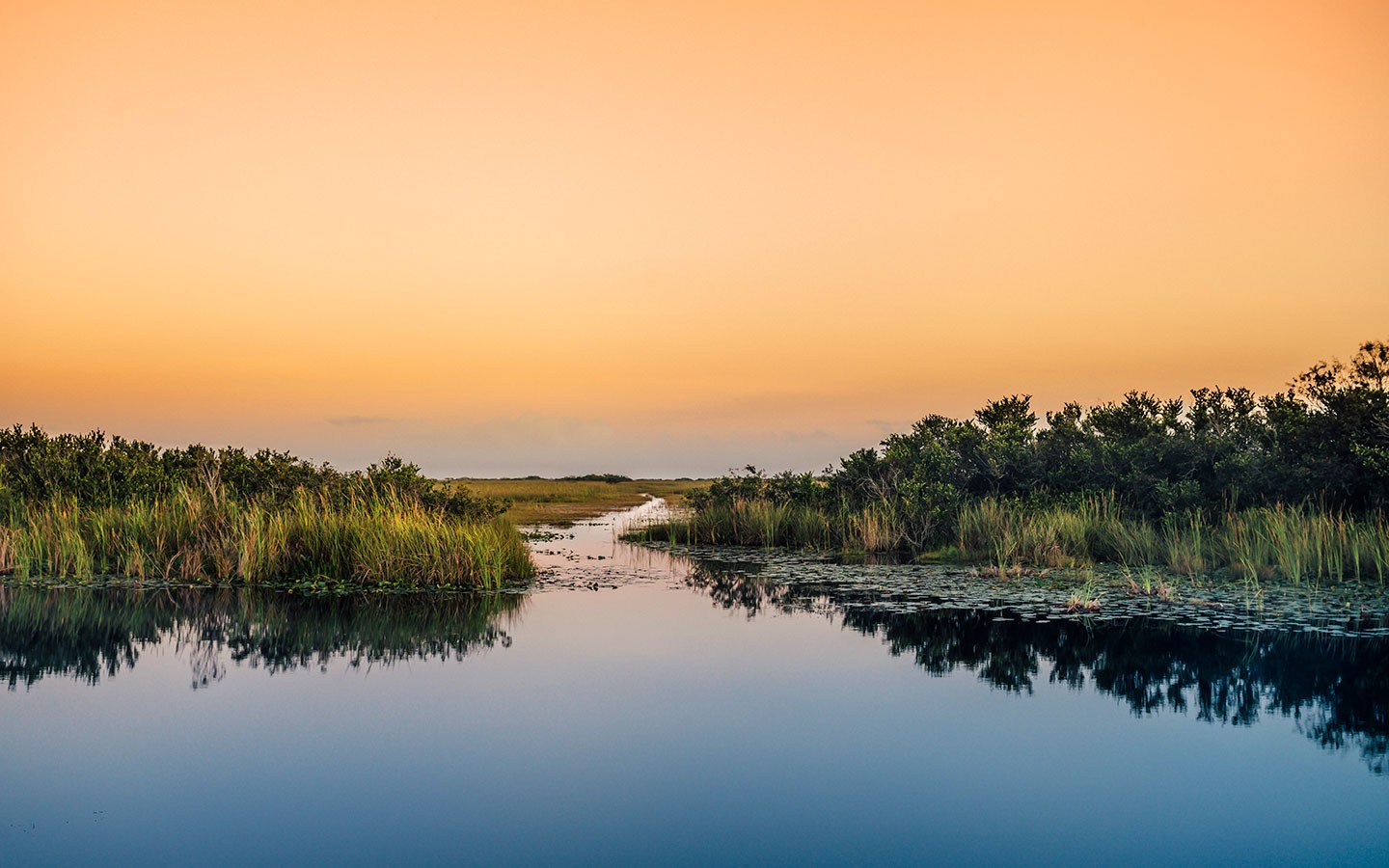 43 mi from MiamiThe Everglades National Park
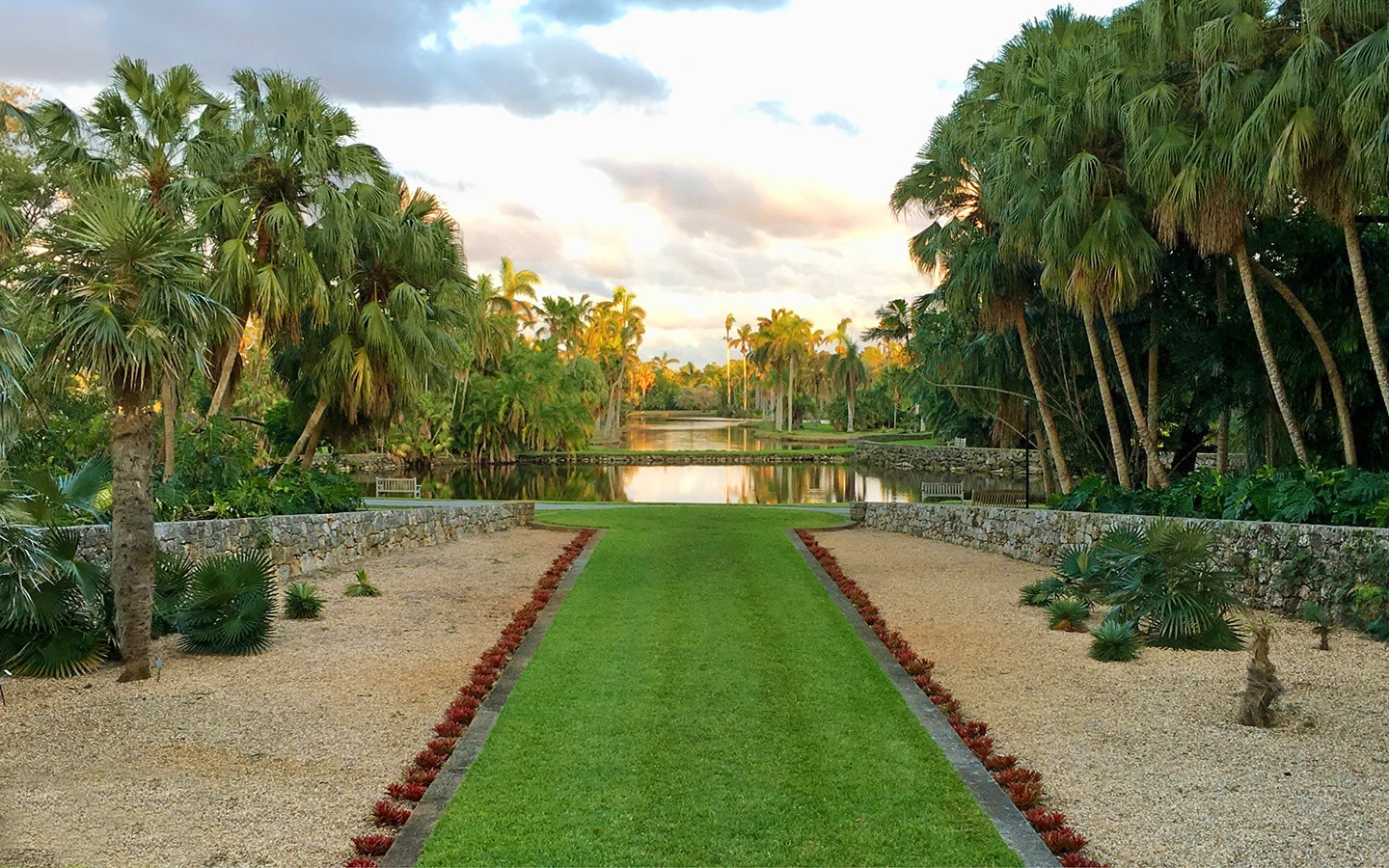 10 mi from MiamiFairchild Tropical Botanic Garden
  6 mi from Miami · land adventureMiami Beach: Art, Everglades & Cuban Soul at a Smart Price
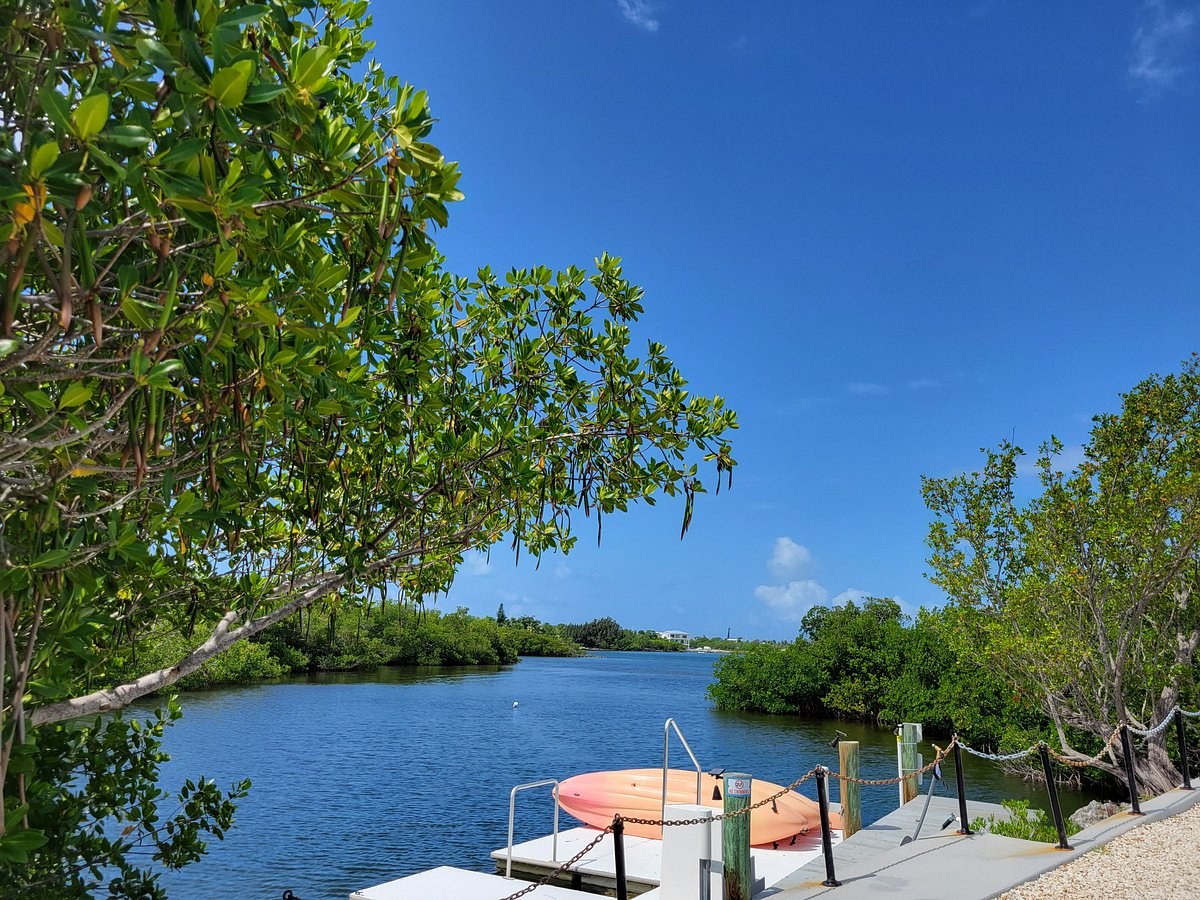 129 mi from Miami · land adventureSalt Air & Secrets: A Key West Road Trip Worth Lingering Over
 After you step off · near Barcelona
You end in a different port — stay on, and add what is within reach before you fly home.
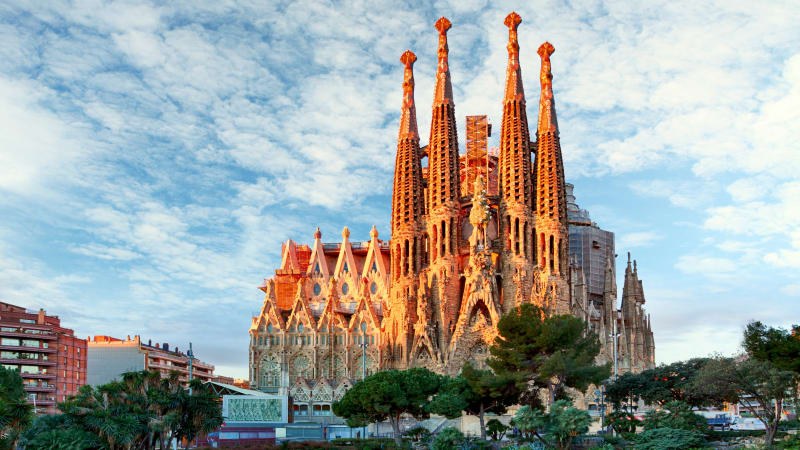 1 mi from BarcelonaSagrada Família
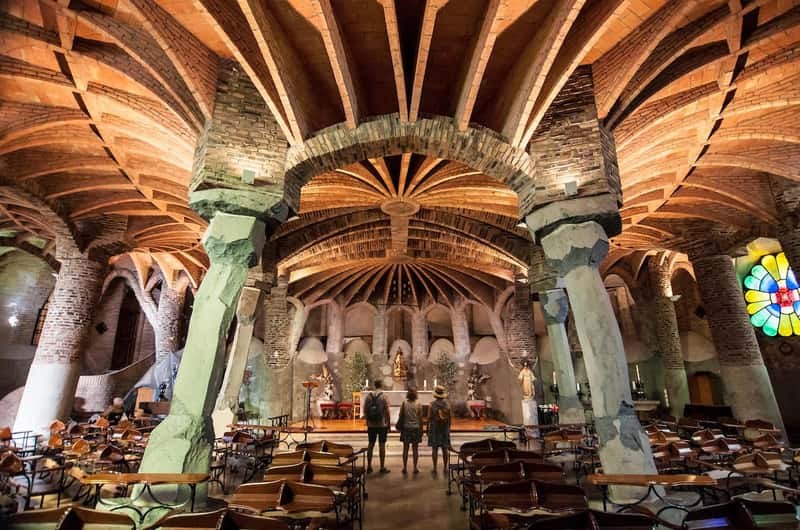
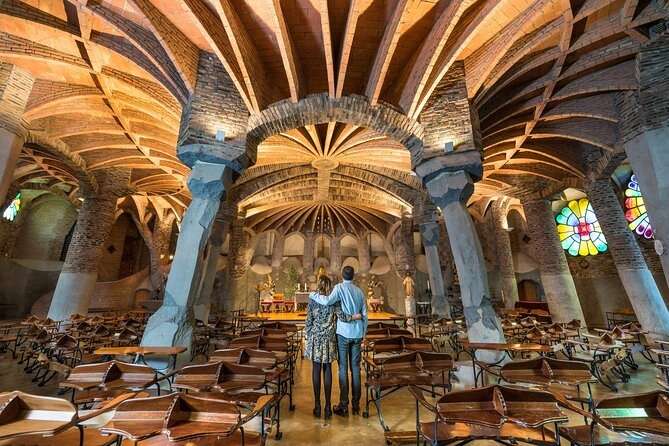 7 mi from BarcelonaColònia Güell Church (Crypt) & Modernist Industrial Site
  8 mi from Barcelona · land adventureBarcelona Beyond the Crowds: Gaudí, Galician Seafood & Montserrat
 210 mi from Barcelona · land adventureProvence by the Senses: Lavender, Truffles, and Roman Stone