Your cruise
Scarlet Lady · 7-night Mediterranean round trip from Piraeus (Athens)
Oct 17 – Oct 24 · 7 nights ·
Day 1 Piraeus (Athens) (board) · Day 2 at sea · Day 3 Dubrovnik · Day 4 Sarande · Day 5 Corfu · Day 6 at sea · Day 7 Mykonos · Day 8 Piraeus (Athens) (step off)
What you do The 2km circuit atop Dubrovnik's medieval walls is the single most iconic thing you can do in the entire Adriatic — full stop. Terracotta rooftops, shimmering jade water, and the sweep of Fort Lovrijenac on one side, the open sea on the other. No photograph, no matter how good, prepares you for the real thing.
What to expect The full circuit takes 60–90 minutes at a leisurely stroll with photo stops. The walk is mostly paved but has steep staircases; wear comfortable shoes with grip. Summer mornings get crowded quickly — arriving at 8 am when gates open means cooler temperatures and far fewer crowds. Fort Minčeta tower at the northwestern peak is the highest point and delivers the most dramatic panorama.
Good to know Gates open at 8 am and close at 6:30 pm (summer). Pile Gate is the most convenient entry point from the port shuttle drop-off. Allow at least 2.5 hours total including exploring Old Town afterward. All-aboard is typically 5–6 pm; you have ample time if you start early. No pre-booking needed — just queue at the ticket desk.
Versus the ship tour Cruise lines bundle the walls into 'Dubrovnik Highlights' packages starting at USD 115–145 per adult (Carnival) or CAD 262+ (NCL). The walls ticket itself is EUR 35–40 at the gate — you do not need a guide to walk them. Save the markup, buy direct, and walk at your own glorious pace.
book direct with Walls of Dubrovnik (official ticket office) → · the full guide →
What you do A private or small-group sailing day through the pearl-string Elaphite archipelago is Dubrovnik's most indulgent experience — car-free islands, hidden coves, crystal-clear swimming bays, and seafood lunches at waterfront konobas that the cruise-ship crowds never reach. This is the Adriatic as it was 30 years ago.
What to expect Most tours depart from the Old Harbour (Stara Luka) and reach Lopud in around 30 minutes. Lopud's sandy Šunj Beach is one of the only sandy beaches in the Dubrovnik area and is perfect for a long swim. Šipan offers a quiet lunch at a family-run restaurant with grilled fish, local wine, and zero tourists. The return journey skims along the city walls for a spectacular final approach.
Good to know Depart by 9 am to maximize island time before the all-aboard. Pre-book your preferred departure time at least 48 hours ahead in summer — these fill up fast. Bring reef shoes, sunscreen, and a light cover-up. Motion-sickness tablets advised if you're sensitive; the open-sea crossing to Šipan can be choppy in Bora wind conditions.
Versus the ship tour Cruise lines offer similar island boat tours at USD 140–180 per person with large, less intimate vessels. A direct private speedboat charter delivers a vastly superior experience — fewer passengers, chosen itinerary, and no cattle-boat atmosphere — for comparable or lower per-person cost in a group of 4+.
book direct with Dubrovnik Boat Tours (official) → · the full guide →
What you do The cable car to Mount Srđ whisks you 405 metres above the old city in under four minutes, delivering a jaw-dropping bird's-eye tableau of the walled city, the islands, and the Adriatic that stretches to Montenegro. It is the photograph that defines Dubrovnik — and it earns it.
What to expect The summit station houses the Panorama Restaurant (worth booking for lunch with a view) and the Homeland War Museum inside Fort Imperial, which gives moving context to the 1991–92 siege of Dubrovnik. The viewing platform is open-air and exposed — exhilarating in the breeze. On a clear day you can see the Elaphite Islands, Korčula, and even the mountains of Bosnia-Herzegovina.
Good to know Cable cars run from 9 am to midnight in summer. Book the first morning slot online to beat the queues — they build rapidly after 10 am. The upper station is fully exposed to sun; bring a hat and water. The ride to the lower station from Old Town's Pile Gate is a short taxi or a 15-minute walk. Allow 1.5–2 hours total at the summit.
Versus the ship tour The ship's 'Dubrovnik By Land and Sea' packages at USD 144–165 include the cable car as one component. The cable car itself costs EUR 26 direct. Unless you want the guided commentary on the drive up, buy the cable car direct and combine it independently with your wall walk — you'll save USD 80–100 per person.
book direct with Dubrovnik Cable Car (official) → · the full guide →
What you do Dubrovnik's Old Town is the real King's Landing — every cobblestone, staircase, and fortress played a starring role in HBO's epic. A knowledgeable local guide weaves Westerosi lore with 1,000 years of genuine Ragusan Republic history, making this a genuinely riveting two-hours whether you're a GOT fanatic or simply a history lover.
What to expect The tour begins at Pile Gate — the very entrance Cersei and Joffrey used — and moves through the Stradun, Fort Lovrijenac ('The Red Keep'), the Jesuit Stairs (the Walk of Shame scene), and the medieval alleyways of Ulica od Puča. Guides are passionate, funny, and deeply knowledgeable; groups are capped small for a premium experience. The optional Lokrum Island extension covers the Iron Throne replica and the island's beautiful botanical gardens.
Good to know Morning departures (9–10 am) are cooler and less crowded. The walking tour lasts 2–2.5 hours and covers uneven cobblestones — wear sturdy footwear. If adding Lokrum, allow an extra 1.5–2 hours and factor the 15-minute ferry crossing each way from the Old Harbour. Pre-book online at least 24–48 hours ahead in peak season.
Versus the ship tour NCL charges CAD 262+ (~USD 195) for its 'Game of Thrones – King's Landing' excursion. The same calibre of guided tour booked direct runs EUR 43–68 per person — a saving of USD 130+ per person with a more intimate small group. Book direct without hesitation.
book direct with Walls of Dubrovnik (official tours) → · the full guide →
What you do Paddling a sea kayak directly beneath Dubrovnik's colossal medieval walls as the sun sets over the Adriatic is one of the most dramatic and intimate ways to experience the city — gliding through water that reflects the amber stonework while everyone else is stuck on a tour bus. Utterly bucket-list.
What to expect Groups are small (typically 8–12 kayakers) and the pace is unhurried. You'll launch from just outside the city walls, paddle around Fort Lovrijenac, duck into a sea cave, and finish with the city walls glowing gold in the last light — phenomenal for photography. All equipment is provided including waterproof bags for cameras and phones. Guides are trained safety professionals who also share rich historical context as you paddle.
Good to know The sunset tour departs around 4–5 pm depending on season — confirm the departure time and cross-check against your ship's all-aboard time before booking; a 7 pm all-aboard is usually fine, but an earlier one may not be. No kayaking experience is needed. Wear a swimsuit underneath quick-dry clothes and bring a small dry bag for valuables. Pre-book online — sunset tours sell out weeks in advance in July and August.
Versus the ship tour Cruise lines rarely offer a dedicated kayak sunset tour; the closest equivalent is a generic 'sea kayaking' add-on bundled into active packages at USD 120–160. Adriatic Kayak Tours is the established, expert-led direct operator — book direct at EUR 59 for a far more refined experience.
book direct with Adriatic Kayak Tours (official) → · the full guide →
What you do When your ship calls Dubrovnik, the astonishing Bay of Kotor in Montenegro — UNESCO-listed, ringed by dramatic limestone mountains and home to one of the best-preserved medieval walled towns in Europe — is just 75 minutes by private car. This is a once-in-a-lifetime detour that most cruise passengers miss entirely.
What to expect The drive down the Croatian and Montenegrin Riviera is spectacular in itself — corniche roads above a deep-blue sea. Kotor's Old Town is enclosed by 4.5km of Venetian-era walls; climbing to the fortress of St John (1,350 steps) delivers one of the most breathtaking bay panoramas in Europe. The old town's narrow lanes, Orthodox churches, and café culture are enchanting. Your private guide provides rich historical and cultural context throughout the day.
Good to know A valid passport is required for Montenegro border crossing — not just an EU ID card. Depart by 8–8:30 am to allow maximum time in Kotor and a comfortable return before the all-aboard (typically 5–6 pm). Traffic at the border can add 20–40 minutes in peak season; a reliable private guide will know the best timing. Confirm your ship's all-aboard time precisely before booking this one — it is the excursion with the tightest logistics.
Versus the ship tour NCL and similar lines offer Kotor/Montenegro day excursions at USD 200–250 per person. A private vehicle shared between 4 passengers comes to EUR 70–90 per person — dramatically less, with the freedom to linger where you wish. The ship's logistics advantage here is real (they handle the border), but a reputable private guide does this crossing daily and handles it seamlessly. Book direct.
book direct with Dubrovnik Private Tours (official) → · the full guide →
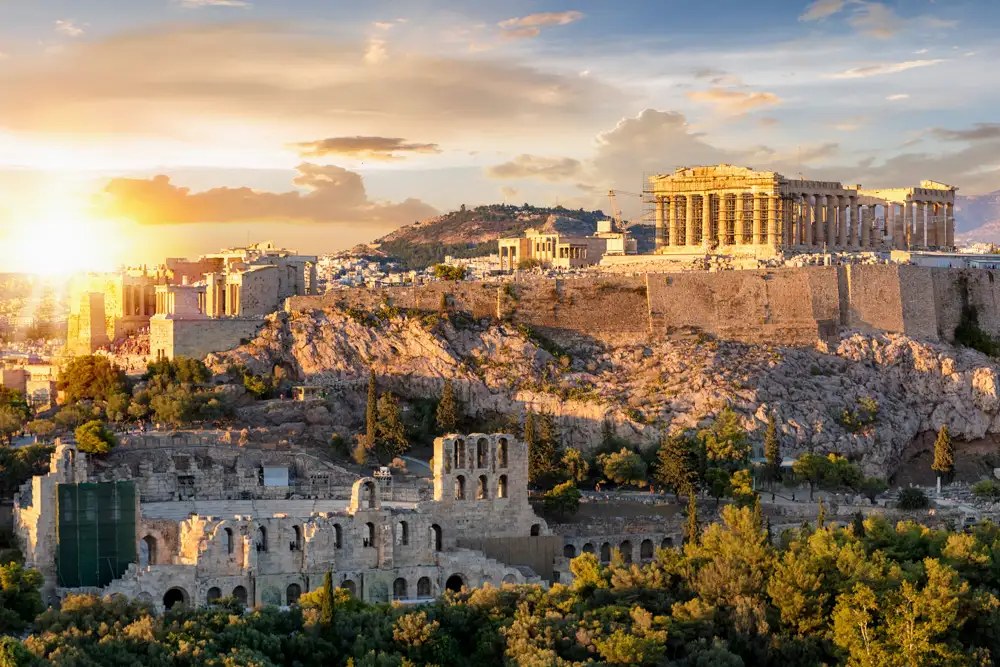
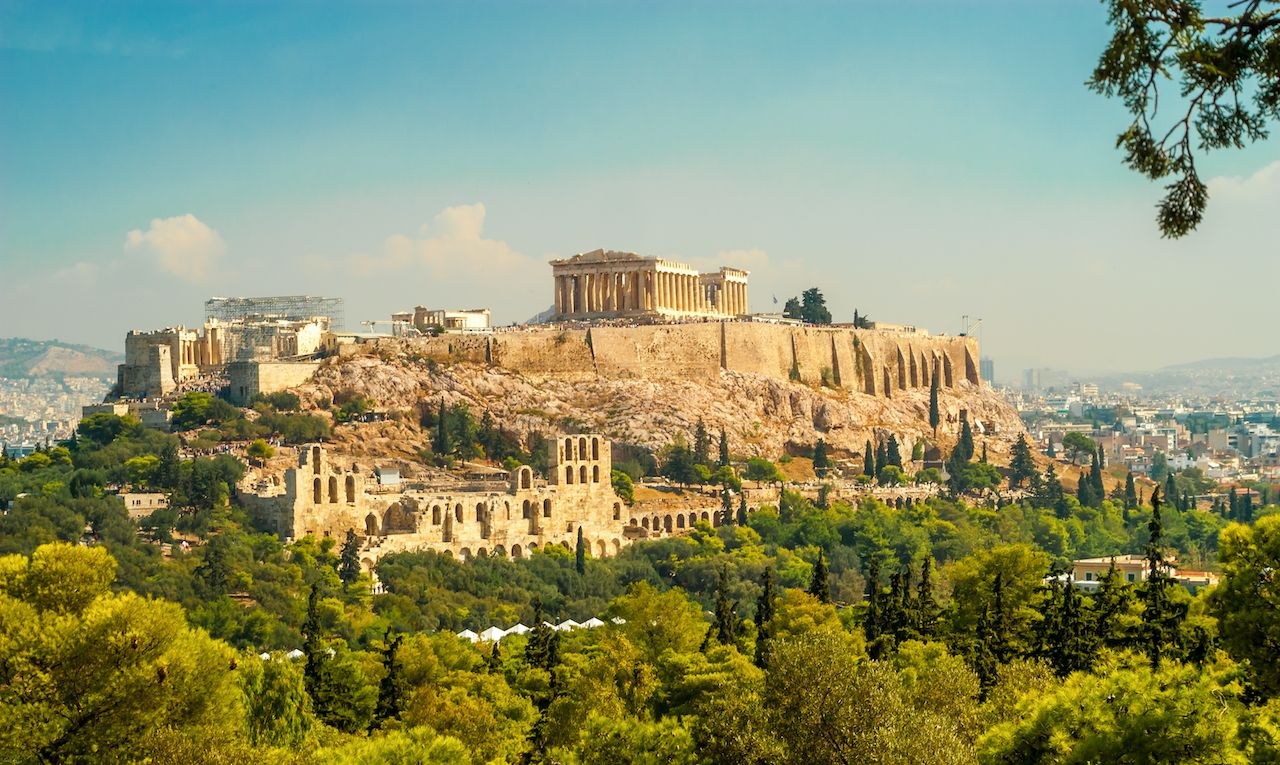
What you do Climb the Sacred Rock with a licensed Athens guide and stand beneath the Parthenon, the single most iconic monument of Western civilization, while the marble turns into the living story of Pericles, Athena and the birth of democracy. Skip-the-line entry is the whole game on a port day, sparing you the brutal midday ticket queue. Pair it with the Bernard Tschumi-designed Acropolis Museum at the foot of the hill, where the original Caryatids and Parthenon frieze sit under glass with the temple in view.
What to expect You arrive at the Acropolis via a 30–45 minute metro or taxi ride from Piraeus and walk straight past the ticket queues with your skip-the-line pass—a critical edge on a port day. Your licensed guide leads you up the Sacred Rock, the marble facades shifting beneath your feet as the Parthenon rises above you, the physical anchor of Western democracy. You stand beneath the temple while its architects, Athena's priests, and Pericles become tangible; the tour typically runs 2–2.5 hours on the hill. If time permits, descend to the Bernard Tschumi-designed Acropolis Museum at the foot, where the original Caryatids and Parthenon frieze rest under glass with the temple framed in the window behind them—the monument visible from the artifact's own display case.
Good to know Book your skip-the-line guided tour (EUR 110–119 all-in) or self-guided entry (EUR 30 site pass only) in advance to lock pace and avoid midday queues. From Piraeus, allow 45 minutes each way by taxi (EUR ~30) or metro; budget 2.5–3 hours on the Acropolis itself, plus museum time if included, leaving a 1.5–2 hour safety buffer before all-aboard. Wear sun protection and comfortable shoes on marble stone; bring water and consider a light jacket if museum time is planned. Confirm your tour operator's meeting point and boarding time the evening before to eliminate port-day confusion.
Versus the ship tour DIRECT WINS. The ship's 'Acropolis & Plaka' half-day runs ~$159.99 pp (Carnival; RCI/Celebrity $150-180). A guided skip-the-line tour books direct at ~$110-119 all-in, and a self-guided half-day (taxi ~EUR 30 each way + EUR 30 entry) lands under $70. Savings of roughly $40-50 pp guided, ~$90 if you DIY the entry and just want the rock.
What you do Drive the turquoise Athens Riviera south to the very tip of Attica, where a gleaming white 5th-century-BC Doric temple stands on a cliff dropping straight into the Aegean. Lord Byron carved his name into a column here; the columns framing the open sea are one of Greece's signature images and the best 'escape the city crowds' move that still fits a half-day. About 4 hours door to door.
What to expect You drive south along the turquoise Athens Riviera, the coastal sprawl gradually giving way to open sea views as you approach the tip of Attica. At Cape Sounion, a gleaming white 5th-century-BC Doric temple materializes on a cliff edge, its columns framing a sheer drop into the Aegean—the view that inspired Lord Byron to carve his name into the stone. You'll have time to walk among those iconic columns, absorb the wind and the signature Greek light, and understand why this is the escape-the-city move that doesn't require a full day. The whole experience moves door-to-door in approximately 4 hours, with the bulk of time at the temple itself.
Good to know Book transfers direct with Athens Walking Tours (~EUR 46 pp) and add temple entry separately (~EUR 10) to avoid cruise-line bundling that inflates the cost to $209–240 for a half-day outing. Aim for a departure within the first 2 hours of your port window to secure the 4-hour round trip plus buffer time before all-aboard. Temple entry is not included in transfer pricing, so bring cash or be prepared to purchase on-site. The coastal drive means no special gear required, but bring sunscreen and a hat—you'll be exposed on the cliff top, with few shade options at the temple itself.
Versus the ship tour DIRECT WINS BIG. Cruise lines almost never sell Sounion standalone, burying it inside a $209-240 full-day package. Booked direct the coastal half-day is ~$61 all-in (group versions elsewhere ~$77). If your ship only offers it bundled, you're paying a $130+ premium for the convenience of one bus.
What you do Trade marble and crowds for the Aegean blue: a half-day catamaran along the Athens Riviera and Saronic coast with swim-and-snorkel stops, a meal and wine aboard. Boats leave from Alimos and Flisvos marinas close to Piraeus, making this the rare genuinely premium on-the-water experience that comfortably fits a port-day clock. Pick an operator that guarantees you back before all-aboard.
What to expect You'll board a semi-private catamaran at Alimos or Flisvos marina—a short ride from Piraeus—and spend your half-day gliding along the Aegean's brilliant blue coastline, pausing at protected swim-and-snorkel spots where the water is clear and calm. Between swims, you'll lounge on deck with wine and a meal included, absorbing the Athens Riviera and Saronic coast views at a pace only a small catamaran allows. Unlike the ship's mega-boat island circuit, this is genuinely intimate: no crowds, no forced itinerary, just the rhythm of the sea. You'll be back at the pier with time to spare before all-aboard.
Good to know Departures are half-day sails (check your operator's exact schedule to confirm return time fits your ship's all-aboard). Alimos and Flisvos marinas are close to Piraeus but you'll need a quick taxi or arranged transfer from the port—factor 15–20 minutes each way. Book semi-private slots ahead, especially June–August, as they fill quickly and pricing rises (EUR 125–135 pp depending on season). Bring reef-safe sunscreen, water shoes, and a light layer; snorkel gear is provided, and meal + wine are aboard.
Versus the ship tour DIRECT-ONLY niche. Cruise lines rarely offer a small-catamaran sail here; their on-water option is the big Saronic island bus-boat. At ~$135 pp semi-private this is a premium experience, not a savings play, but it's the only way to get the relaxed Aegean-blue day, and it beats the ship's ~$180-200 mega-boat island cruise on quality if not headline price.
What you do Thread the historic Plaka backstreets into the roaring Varvakios Agora meat-and-fish market, stopping for spanakopita, loukoumades, Greek coffee, cheeses, olive oil, honey and wine. Repeatedly rated among Europe's best culinary experiences, it delivers the flavors-and-neighborhood immersion a first-timer remembers as vividly as the ruins, all on foot in the old town. ~4 hrs, small group, tastings included.
What to expect You'll spend roughly 4 hours threading through the narrow, winding backstreets of historic Plaka on foot, pausing at local favorites for spanakopita, loukoumades, Greek coffee, and tastings of cheeses, olive oil, honey, and wine. The real anchor is the Varvakios Agora—the roaring central meat-and-fish market—where vendors call out their wares and you'll sample directly in the chaos of neighborhood commerce. Rather than stand-and-listen, you move continuously through old-town streets, tasting as you go, absorbing the rhythm of daily Athenian life in a small group setting. It's the kind of immersive, on-foot culinary walk that stays vivid in memory alongside the ruins.
Good to know Book directly with Athens Walks before the port day to secure your spot in the small group and confirm start time—all tastings are included in the ~$75 pp price, so no hidden costs. Plan on a 4-hour window starting within 1–2 hours of disembark to leave a comfortable buffer (the Plaka walk is entirely walkable from Piraeus pier, though confirm exact meeting point when you book). Wear comfortable walking shoes and bring a small daypack or crossbody bag for any purchases or water; the market and Plaka streets are pedestrian-only and shaded, but summer heat can build. Return to the pier with at least 90 minutes before all-aboard to account for the walk back and any lingering in the market.
Versus the ship tour DIRECT WINS. The ship's food/wine tour runs ~$134.99 pp (Carnival) and independent group food walks elsewhere run $135-183. This direct small-group market-and-Plaka walk at ~$75 pp undercuts the ship by roughly $60 for a far more authentic, on-foot experience. (If you only want a quick pour, a basic Piraeus wine tasting is ~$30-35 and beats everything on price alone.)
What you do Three classic Saronic Gulf islands in one day, including car-free, donkey-and-cobblestone Hydra, one of the most photogenic harbors in Greece. Swimming, Greek music and a buffet lunch aboard deliver the 'Greek islands' taste without flying to the Cyclades. CLOCK WARNING: this is an ~11-hour day departing ~08:15 from Piraeus, so it only works if your ship has a very long call or overnights, and only with an operator that guarantees you back to the ship.
What to expect You'll depart Piraeus around 08:15 on a full-day voyage across the Saronic Gulf, visiting three islands in succession: first the car-free, donkey-cobbled harbor of Hydra, one of Greece's most photogenic ports, where narrow whitewashed streets climb steeply from the waterfront; then Poros, where you'll have time to explore; and finally Aegina. The day anchors around a leisurely Greek buffet lunch served aboard the boat, punctuated by swimming stops and live Greek music that delivers the classic island experience without the flight to the Cyclades. You'll return to Piraeus in late afternoon, having absorbed the full sensory rhythm of island life—water, light, local flavor, and Greek hospitality—all from a single excursion boat.
Good to know This is an ~11-hour commitment departing ~08:15, so it only works if your ship has a very long port call or overnight stay; on a standard 8-hour call, the risk of missing the ship outweighs the ~$40–70 savings versus booking through your cruise line. Book ahead with Athens One Day Cruise (direct ~EUR 131/$142 pp with lunch, versus ship ~$179–199) or confirm your operator guarantees return to the pier with time to spare. Bring sun protection, swimwear, and cash for any extras; wear comfortable walking shoes for Hydra's steep cobblestones. The departure point is directly from Piraeus; allow buffer time to clear the pier and reach the boat dock, and verify exact embarkation details with your chosen operator 24 hours before.
Versus the ship tour DIRECT WINS on price, SHIP WINS on safety. Booked direct this is ~$142 pp with lunch (some local operators ~$99-130) versus the ship's ~$179-199 for the identical boat and islands - a ~$40-70 saving. BUT on a standard port call the 11-hour runtime risks missing the ship; if you're not overnighting, the cruise line's version (or skipping it) is the safer call despite the markup.
What you do The low-risk fallback if a long excursion feels too tight: a fixed-fare taxi or the metro straight to the Acropolis, self-guided entry to the Parthenon, then an easy downhill wander through Plaka's old-town lanes. No tour commitment, no fixed return time, and you control exactly when you head back to Piraeus, which is the safest play for a short port call.
What to expect You'll take a fixed-fare taxi or the metro from Piraeus straight to the Acropolis, where you'll climb through the ancient Parthenon and surrounding monuments at your own pace with a self-guided audio tool or printed map. From the summit, you'll head downhill into Plaka's narrow, winding old-town lanes—a maze of tavernas, neoclassical townhouses, and small shops—wandering for as long as you'd like before strolling back to the port on your own timeline. The whole rhythm is yours: no group delays, no narrated patter, just you, 2,500-year-old stone, and the freedom to linger or move on whenever you choose.
Good to know For a 6–8 hour port call, budget ~45 minutes each way for transit (taxi or metro), 2–2.5 hours at the Acropolis, and 1.5–2 hours wandering Plaka, leaving a 60–90 minute buffer to return to Piraeus before all-aboard. Book your taxi in advance or use the metro (€4 round trip); Acropolis entry is €30 (expect a queue, especially mid-morning). Wear comfortable walking shoes, bring water, and download a self-guided audio app or grab a printed site map beforehand. Plan to be back at the pier at least an hour before your ship's departure time—this is not a ship-sponsored excursion, so you alone are responsible for making the sailing.
Versus the ship tour DIRECT WINS on price and flexibility. The ship's escorted Acropolis & Plaka half-day is ~$159.99 pp; doing it yourself is ~$50-70 pp and you keep full control of your return time. Trade-off: no guide narration and you carry your own clock - acceptable for the Acropolis, which is straightforward to navigate solo.
book direct with Athens Half-Day Sightseeing (Athens Walking Tours - audio/self-guided) → · the full guide →
What you do Walk through 2,500 years of layered civilisation — Greek, Roman, Byzantine, Venetian — at Albania's most magnificent UNESCO World Heritage site, just 18 km from Sarande's pier. With a private licensed archaeologist-guide, this is as close to time travel as travel gets.
What to expect Your private vehicle meets you dockside and whisks you south along the olive-lined Ionian coast to Butrint National Park. A licensed guide leads you through the Greek theatre, Roman baths, baptistery mosaics, and Venetian castle at your own pace. The site sits inside a lush nature reserve — birdsong, lake reflections, and virtually no mass-tourism crowds. Return transfer is timed precisely to your all-aboard.
Good to know Butrint is approx. 20 min from the port — easily doable even on shorter port calls. Pre-book the private guide directly through Shore Emotion to lock in your preferred time slot. Wear comfortable walking shoes; some terrain is uneven. UNESCO site entry is included in most private packages.
Versus the ship tour Fully private, expert archaeologist-guide tailors the pace and narrative to your group — no herding through the ruins with a megaphone. You linger where it matters, skip what doesn't, and leave with a genuine understanding of one of the Mediterranean's most layered ancient cities.
book direct with Shore Emotion – Private Sarande Shore Excursions → · the full guide →
What you do Witness the hypnotic electric-blue karst spring of Syri i Kaltër — one of Europe's most surreal natural phenomena — then ascend to Lekursi Castle for panoramic Ionian sunset views, paired with a tasting of traditional Albanian wine and raki. Pure bucket-list Albania in a single day.
What to expect You depart the port into the mountainous hinterland, winding through Albanian countryside to the Blue Eye Spring — a 50-metre-deep karst pool that bubbles an otherworldly shade of electric blue. The natural sound, colour, and cool forest air make it one of Albania's most memorable moments. Next, you ascend to Lekursi Castle where the entire Ionian coastline and the Greek island of Corfu spread out before you, best enjoyed at golden hour with a glass of Kallmet or aged raki in hand.
Good to know This 4-hour format is well-suited to afternoon port calls; confirm departure time against your all-aboard. The Blue Eye area can be muddy after rain — bring light closed-toe shoes. Book directly via the Tripadvisor listing to contact the local operator and arrange private pickup from the pier.
Versus the ship tour A small-group or fully private format means you arrive at Blue Eye before the midday surge — the spring's vivid cobalt colour is most intense in calm morning light. The wine and raki tasting is hosted by a local expert, not poured from a hospitality trolley, giving you genuine cultural immersion.
book direct with Tripadvisor-verified local private operator (Experience Blue Eye, Lekuresi Castle & Albanian Wine) → · the full guide →
What you do Carve across the crystal Ionian in a private speedboat to secret sea caves, hidden bays, and turquoise coves inaccessible by land — the Albanian Riviera at its most raw and cinematic. Snorkel, swim, and sunbathe on beaches that barely appear on any map.
What to expect Departing directly from Sarande's harbour, your captain navigates north along a coastline of dramatic limestone cliffs plunging into water so clear it reads turquoise over white sand and deep blue over rock. Multiple swim and snorkel stops are made at hidden coves and an extraordinary sea cave where the interior glows with refracted light. Chilled drinks and snorkelling gear are provided on most private charters. The tour typically covers 7 distinct coastal highlights.
Good to know Depart from Sarande harbour — a short walk from the pier. Confirm the exact itinerary and all-aboard logistics with the operator before booking. Morning departures offer the calmest seas and best light inside the caves. Bring reef-safe sun cream, a dry bag for valuables, and a light cover-up.
Versus the ship tour A private or small-group speedboat is a fundamentally different experience to a larger vessel — you access caves and coves that bigger boats cannot enter, you choose your swim stops, and you set the pace entirely. The Albanian coastline here is among the least-developed in the Mediterranean, making every cove feel genuinely discovered.
book direct with Local Sarande boat operators (Sarandë: Speedboat Tour to Hidden Bays, Sea Caves & Crystal Waters) → · the full guide →
What you do Sail the full sweep of the Albanian Riviera northward to the dramatic cape of Himara — a voyage past some of Europe's most untouched coastline, with multiple swimming stops in jade-green bays that rarely see tourist crowds. Lunch is typically included, served onboard or at a local seaside taverna.
What to expect Your vessel departs Sarande and heads north along a coastline where the Ceraunian Mountains tumble directly into the Ionian Sea. The water transitions through impossible shades of green and blue as you pass sea-stacks, isolated beaches, and ancient clifftop villages. Two or three swimming stops are made in secluded bays where you might be the only boat in sight. A freshly prepared Albanian lunch — grilled fish, local vegetables, cold local beer — is served either aboard or at a family-run waterfront taverna in Himara. The return journey is timed to your all-aboard.
Good to know This is a full-day excursion (approx. 7 hours) — confirm it suits your port schedule before booking. Sea conditions can affect the northern reach of the route; ask your operator about alternative swim stops if the sea is choppy. Book directly through Shore Emotion and specify your ship's all-aboard time.
Versus the ship tour The Himara coastline is raw, undeveloped, and staggeringly beautiful — the kind of scenery that defined the Mediterranean before mass tourism arrived. A small-group boat keeps it intimate and allows genuine off-the-beaten-track swim stops that larger vessels simply cannot access.
book direct with Shore Emotion – Private Sarande Shore Excursions → · the full guide →
What you do Sail from Sarande to the crystalline lagoon waters of Ksamil aboard a traditional wooden sailing vessel, anchoring above mussel beds for a hands-on harvesting experience followed by the freshest seafood feast afloat — mussels, grilled catch, local wine, and cold Albanian beer under the Ionian sun.
What to expect You board a traditional wooden sailing boat in Sarande harbour and cruise south to the shallow, jewel-bright lagoon around the Ksamil islands, where Albania's best mussels are farmed in the clean Ionian waters. The crew pulls the lines, you get involved in the harvest, and within minutes a generous feast is laid out — mussels steamed with garlic and local herbs, grilled fish, Albanian salad, fresh bread, and cold local wine or beer. Swimming stops in the extraordinary clarity of Ksamil's water follow lunch. The whole experience is unhurried, sociable, and utterly delicious.
Good to know Ksamil is approx. 15–20 min south of Sarande — the boat typically departs from the main harbour. Check the duration (usually 4–5 hours) against your all-aboard time. Spaces on authentic mussel tours are genuinely limited — pre-book well in advance, particularly in high season (July–August).
Versus the ship tour This is one of those experiences impossible to replicate anywhere else — the waters around Ksamil's islands are uniquely suited to mussel farming, and eating them moments after harvest, aboard a wooden boat anchored in a turquoise lagoon, is as authentic and sensory as Albanian food culture gets.
book direct with Ksamil Mussel Sailing Tour local operator (via GetYourGuide & TUI Musement listings) → · the full guide →
What you do Journey inland to Gjirokastra, Albania's breathtaking UNESCO-listed 'City of Stone' — a perfectly preserved Ottoman hilltop citadel of silver-slate rooftops, towering castle, and cobbled bazaars. Birthplace of Enver Hoxha and novelist Ismail Kadare, this is one of the Balkans' most dramatic and least-visited heritage cities.
What to expect Your private vehicle heads north-east from Sarande through the dramatic Drino River valley, arriving at Gjirokastra after approximately 90 minutes. A licensed local guide leads you up through the old bazaar — all hand-cut stone, wooden balconies, and artisan workshops — to the colossal hilltop castle, which houses captured American Cold War aircraft in its courtyard. Traditional Albanian lunch is taken in a restored Ottoman house-restaurant with views across the valley. The pace is entirely yours; the guide brings the city's layered Ottoman, fascist, and communist history to vivid life. Return to Sarande in time for all-aboard.
Good to know Gjirokastra requires a minimum of 6–7 hours — this excursion is best suited to longer port calls (all-aboard of 18:00 or later). Pre-book your private guide and confirm the departure time to allow sufficient buffer. Comfortable walking shoes are essential — the old city's cobblestones are steep and uneven. Book directly through Shore Emotion specifying your ship's all-aboard time.
Versus the ship tour Gjirokastra rewards those who go beyond the cruise-port horizon — and a private guide unlocks layers of Ottoman, communist, and literary history that a self-guided visit cannot touch. The drive through the Drino Valley is itself spectacular, and the city's castle houses one of the most unusual military museums in Europe.
book direct with Shore Emotion – Private Sarande Shore Excursions → · the full guide →
What you do Climb into a small 9-seat speedboat and skim the emerald cliffs of Paleokastritsa, Corfu's most celebrated coastline, nosing into the glowing Blue Caves and sea grottoes before swim stops at Paradise and Yali beaches. Cliffs, a 13th-century clifftop monastery overhead, and water so clear it looks lit from below — this is the island's single most photogenic stretch of sea. Two hours on the water; pair with a port taxi to fit a 6-8 hr window.
What to expect You'll board a sleek 9-seat speedboat and glide along Paleokastritsa's emerald cliffs for roughly two hours, with the 13th-century clifftop monastery framing the skyline overhead. The boat noses directly into the glowing Blue Caves and hidden sea grottoes—the water so clear it appears to glow from within—before the skipper drops anchor at Paradise and Yali beaches for swim stops where you can slip straight into the crystalline water. Between the cave passages and beach swims, you'll have plenty of time to photograph Corfu's most celebrated and photogenic coastline. The experience feels intimate and unhurried in a small boat rather than crowded into a wooden tour barge.
Good to know Book a departure time (10:00, 12:30, 15:00, or sunset) that allows 2 hours on the water plus a port taxi transfer each way—doable within a 6–8 hour window if you arrange transport immediately upon disembarking. The operator charges only €50 (~$54) per adult versus $104–166 on the cruise line's Paleokastritsa trip, but you must budget separately for a taxi from the pier to the speedboat dock. Bring swimwear, sunscreen, and a waterproof camera or phone case; the onboard shower and WC are basic but available if needed. Confirm your departure time and meet the operator on time, as this is a small private-feel boat with no backup tour slots.
Versus the ship tour Direct wins big. The cruise line's Paleokastritsa caves boat trip runs $104-166; Vive Corfu's private-feel speedboat into the same caves is ~$54 — roughly $50-110 less per person, in a 9-seat boat instead of a packed wooden tour barge. Honest caveat: if you only want the cave glimpse and not the swim, a walk-up wooden cave boat at Paleokastritsa beach is ~15 EUR ($16) — cheapest of all, but you'd need your own transport to the beach and there's no guaranteed seat.
What you do Walk the largest living medieval town in Greece: a UNESCO-listed warren of Venetian 'kantounia' lanes opening onto the French-built Liston arcade and the Spianada, the biggest square in the Balkans. Duck into the gold-and-silver St. Spyridon church holding the island's patron saint, then climb the Venetian Old Fortress on its sea-promontory for the postcard panorama back over the red roofs. The port is ~2 miles out; the #15 bus or a short taxi drops you in the heart of it.
What to expect You'll walk into a time-locked Venetian maze: narrow 'kantounia' lanes suddenly open onto the grand French-built Liston arcade and the Spianada—the Balkans' largest square. Step inside the glittering St. Spyridon church to see the relics of the island's patron saint gleaming in gold and silver. Climb the stone ramparts of the Venetian Old Fortress perched on its sea-promontory for postcard views back over the terracotta roofs and harbour. It's intimate, flat, and walkable in 2–3 hours, with no queues or crowds.
Good to know The port sits ~2 miles from the Old Town; catch the #15 bus or a 10-minute taxi to drop you in the heart of it. Most visitors skip guides entirely and self-navigate the compact, well-signposted lanes for free; if you want local history, Corfu Walking Tours offers a 2-hour cultural walk for ~EUR 35–50 (about half the ship's tour desk price). Old Fortress entry is EUR 6–10, paid at the gate. Budget 3–4 hours total to enjoy the town and fortress; allow 45 minutes to taxi back and clear the pier before all-aboard.
Versus the ship tour The honest answer: skip the tour desk entirely. The ship sells a Corfu Old Town walking tour for $79-99; the Old Town is compact, signposted and a flat 10-minute taxi from the pier, so most first-timers do it free and self-guided. If you want a licensed local guide for the history, Corfu Walking Tours is ~$40-55 — still about half the ship's price and not a bus-herd of 40.
What you do Stand at the tip of the Kanoni peninsula for the single most-photographed scene on Corfu: the tiny whitewashed 17th-century Vlacherna Monastery on its own islet at the end of a slim stone causeway, with cypress-covered Mouse Island (Pontikonisi) and its 13th-century chapel floating just beyond. Walk the causeway to the monastery for free, and a little shuttle boat ferries across to Mouse Island in about five minutes. It's only ~20 minutes from the port — an easy, low-risk independent stop.
What to expect You'll arrive at Kanoni's viewpoint and find yourself face-to-face with Corfu's most iconic postcard scene: the whitewashed 17th-century Vlacherna Monastery perched on its own islet, connected by a narrow stone causeway you can walk across for free. From there, a short shuttle boat ferries you out across calm blue water to Mouse Island in about five minutes, where a 13th-century chapel sits among cypress trees—a journey that feels suspended between sky and sea. The rhythm is unhurried: wander the monastery, take your photos, ferry out and back, then either taxi straight back to port or extend the morning into Old Town or an olive-grove tasting with a private guide. It's a low-intensity, high-reward stop that reads in photographs as though you've traveled far deeper into Greece than you actually have.
Good to know From the port, a taxi to Kanoni costs EUR 10–15 each way and takes roughly 20 minutes—budget 45 minutes to an hour round-trip for transport alone. The causeway walk and monastery are free; Mouse Island shuttle runs a few euros. If booking a private half-day through The Corfu Experience (€80–130 pp), include Old Town and oil tasting, and request pickup directly from your ship—this compresses your logistics and undercuts the ship's longer panoramic coach tour. Plan to depart port 2–2.5 hours into your port day and return by the 4–5 hour mark, leaving a safe 90-minute buffer before all-aboard.
Versus the ship tour Both directions matter. As a standalone view, do it yourself by taxi for the price of the fare — the ship folds Kanoni into a $79-139 panoramic bus tour where you get a brief photo stop. But if you want a guided half-day that also covers Old Town and a tasting with port pickup, The Corfu Experience's private tour (~$80-130) undercuts the ship's panoramic coach and you're in a private car, not a 40-seat bus.
What you do Sail south from Corfu to its sister islands: into the dramatic Ipapanti and Ahai sea caves of Paxos, a long swim stop off Antipaxos in some of the most luminous turquoise water in Greece, and free time in the pretty harbor village of Gaios. The boat leaves straight from the main Port of Corfu, so cruise passengers can walk on independently. This is the definitive Ionian-blue bucket-list day — but it's a full 9 hours, only viable on a long port call.
What to expect Depart Corfu Main Port at 08:20 and sail south to Paxos, entering the cathedral-like Ipapanti and Ahai sea caves—dramatic rock formations rising straight from the Ionian. You'll swim in luminous turquoise water off Antipaxos, one of the clearest bathing stops in Greece, with time to float and drift in the mineral-bright shallows. The rhythm then shifts to the pretty harbor village of Gaios for free time to explore tavernas, cafés, and waterfront shops. Return to port by 18:00, nine hours of island-hopping with an onboard multilingual guide and two cave-entry fees included.
Good to know This is a 9-hour commitment (08:20–18:00), so only book if your ship's all-aboard time is safely after 18:30; confirm the return time the morning of departure since it's an independent day cruise with no ship-side buffer. Walk straight from Corfu Main Port to the Ionian Cruises vessel—no coach transfer needed, though one is available for EUR 8 extra. Bring swimwear, sunscreen, a towel, and water; the boat provides the guide and cave access, but you'll want cash or cards for lunch and drinks in Gaios. Since this is a local operator, double-check your ship's phone number the night before so you can call if the boat runs late—you are entirely responsible for getting back in time.
Versus the ship tour Direct and cheap, with a clock warning. No cruise line sells this exact southern-islands day at a comparable price — Ionian Cruises departs the port itself at ~$49, and it's the biggest, longest-running local fleet. The catch: 08:20-18:00 is a 9-hour commitment. ONLY book this if your ship's all-aboard is comfortably after 18:30, and confirm the return time the day-of; a day cruise is independent, so there's no ship to hold the gangway for you.
What you do Thread the UNESCO Old Town's open market and family-run shops on a small-group tasting walk built around the flavors that make Corfu distinct from mainland Greece — above all the kumquat, the little citrus turned into liqueur and sweets you'll find nowhere else in Greece quite like this. Along the way: spinach-and-cheese pies, olive oil and honey, traditional butter pudding, halva and a Corfiot meze with ouzo, each stop chosen for its community story. It doubles as a cultural walk, so you get the Old Town and the island's taste in one outing.
What to expect You'll thread the UNESCO-listed Old Town's narrow streets and open market with your English-speaking local guide and up to 7 other guests, stopping at family-run shops to taste kumquat liqueur and sweets—the island's signature flavor you won't find elsewhere in Greece. At each stop you'll discover the community story: spinach-and-cheese pies, single-estate olive oils, local honey, traditional butter pudding, halva, and a Corfiot meze paired with ouzo. The rhythm alternates between walking and lingering—sensory pauses in intimate, heritage-listed shops rather than a rushed circuit. Over 2.5 hours, the Old Town's layered history and Corfu's distinct culinary identity unfold side by side.
Good to know Corfu Walking Tours operates this excursion daily; book ahead to secure a spot in the small semi-private group, as the 2.5-hour window fills quickly. The walk departs from the Old Town (a short walk or taxi ride from the cruise pier); plan to be back at the ship 30–45 minutes before departure to account for any delays. Wear comfortable walking shoes suitable for uneven Old Town cobblestones and narrow lanes, and bring a small bag if you plan to purchase kumquat liqueur or local products at the shops. The EUR 90 price includes all listed tastings; no additional spending is required during the tour itself.
Versus the ship tour The rare case where the gap is small. Old Town food-tasting walks run high on both sides — the ship's tasting/food tour is $87-139, and quality independent food walks land ~$97-125. So you're saving modestly (and getting a max-8 group instead of a larger ship party) rather than slashing the price. If saving money is the priority, do a free self-guided Old Town walk and buy kumquat liqueur at a market shop yourself; book this only if you specifically want a guided tasting.
What you do Corfu's most famous palace is the 1890 neoclassical summer villa of Empress Elisabeth ('Sissi') of Austria, set on a hill ~10 km south of the Old Town with the celebrated 'Dying Achilles' statue and gardens sweeping out over the Ionian. It's the classic first-timer marquee — but see the big caveat before you commit a half-day. Reachable by taxi or local bus as a short add-on rather than a destination in itself right now.
What to expect You'll take a taxi or hop the green local bus south from the Old Town, arriving at the hilltop palace within 15–20 minutes to explore the celebrated Imperial Gardens and the iconic 'Dying Achilles' statue overlooking the Ionian Sea. The palace itself—a neoclassical 1890 Austro-Hungarian retreat of Empress Sissi—remains closed for restoration with no confirmed reopening, so you're walking the grounds and exterior with sweeping views rather than touring interiors. Most visitors spend 45 minutes to an hour here before heading back to town, making this a quick, scenic add-on rather than a full half-day commitment. It's the marquee Corfu landmark, but best treated as a low-risk supplement to exploring the Old Town itself.
Good to know Gardens entry costs around EUR 8 per adult (roughly $9) at the gate; hours are daily 08:00–16:00. Taxi from the port runs EUR 25–35 round trip, or take the local green bus from the Old Town for less. Verify the palace interior is actually open before booking any ship excursion claiming "Achilleion Palace" tours (the flagship ship tours at $99–159 sell the same gardens-only experience)—independent operators run identical Old Town + gardens combos for EUR 46–75, making a DIY approach far cheaper. Build in at least 2–2.5 hours total (transit, entry, walk-around, return) to stay comfortably ahead of all-aboard.
Versus the ship tour Use this as the low-risk alternate, not the headliner. IMPORTANT 2026 CAVEAT: the palace interior has been closed for restoration since 2021 with no confirmed reopening date — currently only the Imperial Gardens, exterior and statues are open. The ship's flagship 'Achilleion & Corfu Town' tour ($99-159) is the single most-sold Corfu excursion, but it's selling you a palace whose inside you can't enter; independent operators run the same gardens-plus-Old-Town combo for ~$46-75. Verify the interior is actually open before paying anyone for it — otherwise treat it as a quick EUR 8 gardens stop, not a half-day.
book direct with Achilleion Palace (state museum) → · the full guide →
What you do A 30-minute boat from the Old Port lands you on uninhabited Delos, an entire UNESCO World Heritage island that is one vast archaeological site -- the mythological birthplace of Apollo and the sacred heart of the ancient Cyclades. You walk the Terrace of the Lions, mosaic-floored merchant villas, the theatre and temples with the Aegean all around, led by a certified archaeologist on a wireless headset. This is the single regret-if-you-miss-it thing in Mykonos, and the ~10:00 departure returning ~13:30 fits a port window with margin.
What to expect A 30-minute boat ride from Mykonos's Old Port delivers you to the uninhabited island of Delos, where you step directly into an open-air museum spanning temples, the iconic Terrace of the Lions, and mosaic-floored merchant villas—all set against the Aegean backdrop. Your certified archaeologist guide, reachable via wireless headset, walks you through the birthplace of Apollo and the sacred heart of the ancient Cyclades, making the scattered stone and marble come alive with myth and trade-route history. The rhythm is unhurried: excavated streets reveal theatres and sanctuaries in layers, with time to linger at the most striking mosaics and sculptures. You return by approximately 13:30, leaving the afternoon for Mykonos town or the ship.
Good to know Depart around 10:00 from the Old Port to fit comfortably within a typical 6–8 hour port window with a safety margin back to the ship. Book directly with Delos Tours (not the ship's concierge desk) for €79 adult tickets—a savings of roughly $49 per person versus the ship's €134 option, and the certified guide justifies the cost over a DIY boat-only visit. The round-trip boat and UNESCO site entry with museum access and skip-the-line access are all included; bring sun protection, water, and comfortable walking shoes for uneven archaeological terrain. Plan to be back at the Old Port by 13:30, allowing 45 minutes to return to the ship before a typical 14:00–14:30 departure buffer.
Versus the ship tour The ship charges $134 for the same guided Delos boat (its private version up to $225). Book direct for ~$85 -- a ~$49/head saving -- or DIY the round-trip boat + entry for ~EUR 45 if you skip the guide. Direct wins clearly; the guide is genuinely worth it here, so the guided direct ticket is the call.
book direct with Delos Tours (Passenger Vessels of Mykonos-Delos JV) → · the full guide →
What you do A half-day catamaran (roughly 09:30-14:30) that swims and snorkels the empty turquoise coves of uninhabited Rhenia, sails scenically past Delos with captain commentary, and serves a cooked lunch on deck. Semi-private (small group) keeps the deep-blue Cycladic sailing-day feeling that no land tour delivers, with port pickup included. This is the quintessential Greek-islands-on-the-water day if you'd rather sail and swim than walk ruins.
What to expect You'll board a semi-private catamaran at 09:30 for a half-day sailing adventure across the Cycladic waters. The boat glides scenically past the ancient ruins of Delos while the captain shares its history, then anchors in the turquoise coves of uninhabited Rhenia for swimming and snorkeling in crystalline water—far from the crowds at Mykonos's shore beaches. Around midday, the crew serves a cooked lunch on deck as you sail back, giving you the deep-blue Greek-islands-on-the-water experience that land tours simply cannot match. You'll return to port by 14:30, having swum pristine waters and absorbed the rhythm of a traditional sailing day.
Good to know Departure is 09:30, so plan port pickup from the pier (transfer included) with a buffer of at least 30 minutes before departure to reach the operator's location in Mykonos town. The half-day duration wraps by 14:30, giving you a 6–8 hour window and a comfortable margin before the ship's all-aboard; confirm exact return time with the operator. Bring swimwear, a towel, sunscreen, and water shoes for rocky cove entry; a waterproof bag for valuables is practical since you'll be in the water. Email Mykonos Dolphin directly to verify the specifics of lunch and any open-bar inclusions, as these details vary by boat size (Lagoon 38/40 at €120 or Lagoon 44 at €140 per person).
Versus the ship tour The ship's South Coast Cruise is $147 and stays on the south beaches; this direct semi-private adds Rhenia swimming and a Delos sail-by for ~$130 -- about $17 cheaper with more inclusions. Confirm lunch/open-bar specifics by email, since the site lists them per-boat. Direct wins on both price and access.
book direct with Mykonos Dolphin (Dolphin Navigation) → · the full guide →
What you do Mykonos's south coast is the famous beach scene -- Paradise and Super Paradise's legendary party sands, the calmer golden bays of Elia and Agrari -- and the scenic local way to reach them is the little wooden caiques, not a road taxi. One flat all-day pass hops you boat-to-boat between Ornos, Platis Gialos, Paraga, Paradise, Super Paradise, Agrari and Elia, boarding every 10-15 minutes with no booking needed. Base yourself at the Platis Gialos dock (easy bus from town).
What to expect You'll arrive at the Platis Gialos dock via a short local bus ride from town and board one of Mykonos's iconic wooden caiques—small, characterful water taxis that have ferried island-goers since 1968. With your all-day pass, you become the architect of your own beach day: hop on every 10-15 minutes to island-hop between seven legendary south-coast stops, from the party sands of Paradise and Super Paradise to the serene golden bays of Elia and Agrari. Each caique crossing is brief and scenic, letting you spend as little or as long as you want at each beach—working your way through multiple swimming spots, tavernas, and coastal moods all in one day. The rhythm is entirely yours: swim, move, explore, repeat, with no tour guide clock dictating when you leave.
Good to know Catch a local bus from the ship's town drop-off to Platis Gialos dock (the main hub and easiest boarding point) and buy your EUR 20 all-day pass directly at the pier—no advance booking needed. Plan to depart the dock with at least 90 minutes before all-aboard to account for the return bus ride and any final swim. Bring cash (euros) for the pass, sunscreen, a lightweight cover-up, and a waterproof bag, as the wooden boats are open-air and direct sun exposure is relentless between stops. The caiques run on local rhythm, so confirm the last return departure from your final beach to avoid cutting the buffer too close.
Versus the ship tour The ship's town-plus-beach combo runs $78 and pins you to one beach on its clock. At ~$22 for unlimited beach-hopping all day, the water taxi is the highest-value experience at this port by a wide margin -- direct wins overwhelmingly. The only catch is you arrange your own bus to the dock.
book direct with Mykonos Sea Transfer (the island's original sea-taxi family, since 1968) → · the full guide →
What you do Out in Ano Mera, VIOMA is Mykonos's organic farm-and-vineyard (since 1994), where you sit among vine-covered fields for a guided tasting of the house wines paired with aged Gruyere, olives and bread. A free guided vineyard walk at 14:15 takes you through the aromatic gardens, wood-fired oven house and animal pens before the tasting. It's the calm, rooted, food-and-wine counterpoint to the beach-club scene.
What to expect You'll head out to Ano Mera and step into a working Cycladic vineyard where the pace slows immediately—walk through aromatic gardens and past the wood-fired oven house and animal pens on a guided tour at 14:15, then settle among the vine-covered fields for a guided tasting of three house wines paired with aged Gruyere, olives, and bread. The experience is rooted and unhurried, a deliberate contrast to Mykonos's beach-club energy. You're tasting wines in the place they're grown, with the vines and the terroir physically around you.
Good to know VIOMA is open May–October except Wednesdays, 12:00–17:00; call or book ahead to confirm the per-person tasting price and secure your spot. Arrange a taxi from the pier to Ano Mera (roughly 15–20 minutes); plan to arrive by 14:00 to join the guided vineyard walk at 14:15, then allow 90 minutes for the tasting and meze. Budget 5–6 hours total if using SeaBus + self-guided town exploration to round out your port day, leaving a 2-hour buffer before all-aboard. For larger groups (up to 6), private farm tours are available from EUR 100—confirm when you call.
Versus the ship tour The ship's Walking Tour with Wine Tasting is $175 (private cooking version up to $276) -- a free town walk plus a ~EUR 22 tasting, marked up hard. Book the VIOMA tasting direct and the same wine experience lands well under $100/head; pair it with the free SeaBus + self-guided Chora and you replicate the whole ship tour for roughly half. Direct wins, but call ahead to lock the price and a taxi out to Ano Mera.
book direct with Mykonos Vioma Organic Farm → · the full guide →
What you do The irreducible Mykonos that lives on every postcard -- the 16th-century Kato Mili windmills on the hill, the colorful overhanging houses of Little Venice, the sculptural white Panagia Paraportiani church, and the bougainvillea maze of Chora. From the Tourlos cruise terminal the SeaBus drops you at the Old Port in about 8-12 minutes, and the wandering itself is free. This is the low-risk near-port fallback that fits any clock and never leaves you stranded from the ship.
What to expect You'll ride the SeaBus from Tourlos cruise terminal to Mykonos's Old Port in 8-12 minutes, arriving in the heart of Chora. From there, the wandering is yours: climb toward the iconic Kato Mili windmills on the hill, lose yourself in the narrow whitewashed lanes lined with bougainvillea, pause at the sculptural white Panagia Paraportiani church, and absorb the candy-colored overhanging houses of Little Venice that define every postcard image of the island. The rhythm is entirely self-directed—there are no admission fees to Chora itself, so you move at your own pace, lingering where the light hits or the mood strikes.
Good to know The SeaBus departs every 15 minutes on ship arrival and costs just EUR 2 (~$2.20) each way, making a round trip roughly EUR 4; budget 4-5 hours total to explore Chora without rushing, leaving comfortable buffer time to catch a return bus back to Tourlos before all-aboard. Wear sturdy walking shoes for the steep hill to the windmills and narrow, uneven Venetian streets; bring sun protection and water, as the white stone reflects intense midday heat and there's little shade in the maze. Skip the ship's $57 Old Town walking tour—you'll see the same landmarks independently for a fraction of the cost, and a guide adds negligible value in a town with no paid entry and straightforward navigation.
Versus the ship tour The ship's Old Town walking tour is $57 for a town that has no admission and sits a short SeaBus hop from the pier. A guide adds little here -- skip it: take the EUR 2 SeaBus and wander for free, or add the VIOMA tasting above. This is the rare card where independent isn't just cheaper, it's effectively free; the ship's only edge is a guided narration most first-timers won't miss.
Before you sail · near Athens
Fly in at least a day early — every seasoned cruiser does, so a delay never costs you the ship. This is what is worth that day within reach of the port.
After you step off · near Athens
You end in a different port — stay on, and add what is within reach before you fly home.
The same trip, elevated
The same gateway on a more luxurious line — lead-in fare per person, same fare as booking direct.