Your cruise
Silver Nova · 7-night Mediterranean cruise, Barcelona to Civitavecchia (Rome)
Nov 14 – Nov 21 · 7 nights ·
Day 1 Barcelona (board) · Day 2 Valencia · Day 3 Cartagena · Day 4 at sea · Day 5 Toulon · Day 6 Genoa · Day 7 Livorno (Florence/Pisa) · Day 8 Civitavecchia (Rome) (step off)
What you do Step inside Santiago Calatrava's blinding-white, sci-fi City of Arts and Sciences and into the Oceanografic, the biggest aquarium in Europe, where a glass tunnel puts sharks and rays gliding over your head and beluga whales, sea lions and a dolphin lagoon fill nine themed marine worlds. It is the single most photographed image of Valencia and the closest marquee sight to the cruise terminal, about 12-20 minutes by bus line 95 or a ~12-15 euro taxi. For a first-timer with one port day, this is the regret-if-you-miss-it stop.
What to expect You arrive at Santiago Calatrava's gleaming City of Arts and Sciences and step into the Oceanografic, Europe's largest aquarium, where a glass tunnel frames sharks and rays gliding silently overhead. From there you move through nine themed marine worlds—beluga whales, sea lions, and a dolphin lagoon punctuate the journey—each zone a deeper plunge into underwater spectacle. The dolphin and sea-lion shows provide the natural rhythm breaks and peak photo moments. It's an immersive, self-paced flow from zone to zone, capped by the single most photographed image Valencia offers.
Good to know Book your ticket direct online (EUR 35.90–43.05 adult; combo packages with Hemisferic IMAX and Science Museum run EUR 44–51.25) and allow 2.5–4 hours inside the aquarium to cover all zones and catch both shows comfortably. From the cruise terminal, take line 95 bus (12–20 minutes) or a taxi (~EUR 12–15) directly to the City of Arts and Sciences; the walk from either drop-off to Oceanografic is short and self-evident. Plan to be back at the pier 90 minutes before all-aboard, and bring a camera—the underwater glass tunnels and Calatrava architecture demand it.
Versus the ship tour DIRECT WINS BIG. Lines like Celebrity and Royal Caribbean sell a city-visit-plus-Oceanografic tour at $95-130 pp; the aquarium ticket booked direct is only ~$39-46, so even with a taxi you save roughly $50-80 pp and skip the bus-herd pacing. The only thing the ship adds is guided transfer, which the line-95 bus or a short cab replaces for a few euros.
book direct with Oceanografic Valencia (Ciutat de les Arts i les Ciencies) → · the full guide →
What you do Glide out across the mirror-still freshwater lagoon in a traditional flat-bottomed albuferenc wooden boat, poled and motored past herons, reed beds and the rice paddies that actually gave the world paella, best at the golden-hour light Valencia is famous for. This is the postcard the cathedral and aquarium can't replicate, and at roughly 25 minutes from the port it pairs perfectly with an authentic paella lunch in the El Palmar village beside the dock.
What to expect You'll travel roughly 25 minutes from the port to El Palmar village and board a traditional flat-bottomed wooden boat, poled and motored across the mirror-still freshwater Albufera Lagoon. As you glide past herons, reed beds, and the rice paddies that gave paella to the world, golden-hour light transforms the landscape into postcard perfection—a natural experience the cathedral and aquarium cannot match. The shared lagoon ride lasts about 45 minutes, immersing you in the serene working wetlands that define this region. Pair it seamlessly with an authentic paella lunch at a village restaurant beside the dock, creating a complete sensory journey of Valencia's most authentic culinary and natural heritage.
Good to know Book directly with Paseos en Barca El Besso (WhatsApp/phone +34 678 336 181 or their website) for a standard ~45-minute ride at EUR 5 adult/EUR 3 child, or opt for a sunset/longer ride at EUR 7—a fraction of cruise-line bundled tour pricing. From the pier, take a taxi to El Palmar dock (roughly 25 minutes); consider hiring the same taxi to wait, or arrange round-trip transport through an independent port-gate operator for ~€75–85 to include boat and paella. Book your boat slot and paella restaurant reservation in advance to secure timing, and budget 4–5 hours total (transport, boat, meal, return) to maintain a safe buffer before all-aboard. Bring sun protection and a camera for golden-hour shots, and note that the boat is weather-dependent; confirm departures the morning of your port day.
Versus the ship tour DIRECT IS A FRACTION OF THE PRICE. The boat ride itself is ~5 euros booked directly with the barquero; cruise lines bundle it into 'Old Quarter and Albufera with paella' tours at $90-130 pp. If you want the whole package handled, an independent port-gate operator does boat + paella + round-trip transport for ~$82-92 pp and still beats the ship by $20-50. But the boat alone, self-driven by taxi, is the budget bucket-list steal of the port.
book direct with Paseos en Barca El Besso → · the full guide →
What you do Shop for ingredients at the 1928 Modernista Central Market with a Valencian chef, then learn to build the genuine article over fire, rice, chicken, rabbit and garrofo beans, never chorizo, and eat your own creation with regional wine and tapas. It is a hands-on, take-home-a-skill experience run by a real local operator, and the ~3.5-hour morning format slots cleanly inside a 6-8 hour port day for foodies who want to do more than sightsee.
What to expect You'll start with a guided walk through the soaring Modernista halls of the 1928 Central Market, learning to spot authentic paella ingredients alongside your Valencian chef before heading to the cooking space. There you'll work hands-on—building genuine paella over fire with rice, chicken, rabbit, and garrofo beans (never the tourist shortcut of chorizo). As the dish comes together, you'll taste regional wine and tapas, then sit down to eat the paella you've just made. The morning format flows as a natural arc from market discovery to skill-building to meal, completing in roughly 3.5 hours.
Good to know The ~3.5-hour morning class fits neatly into a 6–8 hour port day, leaving buffer time for tender queues and the walk back to the pier. Book directly with Sea Saffron (not the cruise line) to confirm pickup logistics from the Valencia port and confirm whether transportation is included. Wear closed-toe shoes suitable for standing in a market and near an open fire, and bring an appetite—you'll finish with your own cooked paella plus wine service. Reserve ahead, especially for weekend calls, since local operators fill faster than ship-sponsored alternatives.
Versus the ship tour DIRECT WINS. Cruise-line culinary excursions run $130-225 pp (tapas-and-wine city tours up to $221-226, cooking classes ~$139); Sea Saffron's hands-on class with market tour is ~$80 booked direct, saving $50-145 pp, and you deal with a genuinely Valencian operator instead of a contracted group bus.
What you do In its own Gothic side chapel the cathedral guards the agate cup the Vatican recognizes as the most credible candidate for the Holy Grail of the Last Supper, the spiritual heart of the Old Town. Then climb the 207 spiraling steps of the Miguelete bell tower for the definitive 360-degree panorama over Valencia's terracotta rooftops and domes. Compact, walkable and self-paced, it anchors any Old Town port-day plan.
What to expect You'll start in Valencia's compact Old Town, entering the Gothic cathedral to view the agate Holy Grail cup in its own chapel—a profound, quieter moment amid the architectural grandeur—before moving through the Treasury and museum at your own pace with an audioguide. Then you'll face the decision: take the 207 spiraling steps of the Miguelete bell tower for an unobstructed 360-degree panorama of terracotta rooftops and domes, or linger in the historic center's walkable streets. The rhythm is entirely self-directed; you move when you want, rest when you want, and the compact geography keeps you anchored without feeling rushed.
Good to know The cathedral and tower entry (~$12–14 total) should be booked direct at the official site or purchased at the door to avoid ship markups. Budget 2.5–3 hours for the full cathedral experience plus the tower climb; the Old Town is a flat, easy 10–15 minute walk from the cruise pier, leaving you 2–3 hours for additional wandering or a cafe stop. Build in a 30-minute buffer to return to the ship; bring comfortable walking shoes, sunscreen, and a small day bag, as the tower climb is tight and steep. Book ahead online only if you're visiting during peak season (May–September) to guarantee entry slots.
Versus the ship tour DIRECT WINS, AND IT'S SELF-GUIDED. Lines sell a Valencia City Highlights / panoramic Old Town tour at $70-95 pp; the cathedral and tower booked direct total ~$12-14 pp, and the historic center is an easy self-guided walk. The ship only adds a guide and coach transfer, worth it solely if you want zero logistics, otherwise you're paying $60+ extra for narration.
book direct with Catedral de Valencia (Basilica Metropolitana) → · the full guide →
What you do After a 1957 flood Valencia rerouted its river and turned the 9 km dry riverbed into one of Europe's great urban parks, a green ribbon winding under the city's historic stone bridges from the Old Town all the way to the City of Arts and Sciences. Rent a bike and ride the traffic-free corridor to string nearly every major sight together, the smartest, most local way to cover a lot of Valencia on a short port day.
What to expect You'll rent a bike at Valencia Bikes and pedal the 9 km traffic-free ribbon of the Turia Gardens, a green corridor that winds under historic stone bridges from the Old Town through the city's lush heart straight to the City of Arts and Sciences. Along the way you'll string together nearly every major sight—medieval plazas, arched architecture, and Calatrava's futuristic complex—without fighting traffic or crowds. The route flows as a seamless scenic loop, each landmark appearing naturally as you glide beneath centuries-old bridges and through sun-dappled parks. It's the closest thing to a personal-guided tour you'll get without paying for one, but entirely at your own pace and on your own discovery.
Good to know Rent your bike early to maximize daylight and give yourself 4–5 hours to ride the gardens, explore the Old Town, and visit the City of Arts and Sciences without rushing. The rental fee (~$13–16 including helmet and lock) is non-negotiable, so budget that upfront; guided tours are available at higher rates if you prefer narration. Allow at least 90 minutes buffer to return the bike, walk back to the pier, and clear security before all-aboard. Bring water, sunscreen, and check that the bike's brakes and tires work before leaving the rental shop—the route is flat and safe, but you'll be exposed to Valencia's sun for hours.
Versus the ship tour DIRECT WINS for the self-reliant. The ship's panoramic city tours run $70-110 pp; a half-day bike for ~$15 lets you self-connect the Old Town, Turia park and the Calatrava complex in one scenic loop, saving $55+ pp. Choose the ship only if you can't ride or want a guided narrative; otherwise the bike is the better-value, more memorable way to see the city.
What you do When you want an easy, low-stress port day, Malvarrosa and Las Arenas beaches sit minutes from the cruise terminal: a wide golden-sand strip backed by a palm-lined promenade of paella-and-seafood chiringuitos, with the America's Cup marina alongside. It is the closest open-water relaxation to the ship, no operator or booking needed, and you can be back aboard fast if the clock gets tight.
What to expect You arrive at a wide, palm-lined golden-sand beach moments from the cruise terminal, where the shoreline stretches lazily between the chiringuitos (casual seafood bars) lining the promenade and the sleek white yachts of the America's Cup marina. The rhythm is unhurried: claim a spot on the sand or rent a sunbed, order fresh paella or grilled fish from one of the beachfront shacks, and drift between the water and a cold horchata as the Mediterranean wind dries your shoulders. The Malvarrosa and Las Arenas beaches feel both Mediterranean-postcard authentic and entirely low-key—no crowds, no tours, just sand, salt water, and the gentle hum of port-city life just behind you.
Good to know A taxi from the terminal costs $12–15 each way, or take the city tram for a few euros—both get you beachside in minutes, leaving a full 5–6 hours to swim, eat, and lounge within a 6–8 hour port window. Sunbed and parasol rentals (around $5–10) are available on-site and require no advance booking. Build in a 30–45 minute buffer before all-aboard to account for a taxi queue or tram wait on the return trip, and bring cash or a card accepted at the chiringuitos if you plan to eat; sunscreen and a light cover-up are essential, as the beach offers limited shade beyond parasol rentals.
Versus the ship tour SKIP THE SHIP HERE. Cruise lines sell a Valencia Beaches / scenic coastal drive at $70-110 pp, but Malvarrosa is essentially in the port's backyard and free to enjoy; a taxi or tram gets you there for under $20 round trip. This is the no-regret fallback if a marquee tour sells out or you simply want sand and a cold horchata without spending a cent on an excursion.
What you do Step inside the most famous unfinished building on earth, where Gaudi's stone forest of columns explodes into a kaleidoscope of stained-glass light that moves across the floor through the day. Add the tower ticket to ride the lift up a spire and walk back down the dizzying spiral stair with the city at your feet. Buy a strict timed entry slot, go early in your port window, and you'll beat both the queue and the midday glare.
What to expect You'll enter Gaudí's masterpiece and encounter a forest of soaring stone columns that dissolve into kaleidoscopic stained-glass light, shifting across the basilica floor as the sun moves through the day. If you book tower access, you'll ride the lift up a spire and descend the dizzying spiral staircase with Barcelona spreading below you. The unfinished vastness—both earthbound and dreamlike—fills the space in a way photographs cannot capture, and the audioguide walks you through every sculptural detail as you move through the nave.
Good to know Book a strict timed entry slot directly from the official Basilica de la Sagrada Familia site before your port day and go early in your window to beat both queues and harsh midday glare. Basic entry (EUR 26) includes the audioguide app; add EUR 10 for tower access (EUR 36 total) if you want the climb. Get there by taxi, metro, or ship-organized transport—the official tickets skip the reseller markup and save you $40–130 per person versus ship packages. Allow 2–3 hours inside the basilica itself, plus buffer time for entry and return, leaving at least 30–45 minutes to get back to the pier before all-aboard.
Versus the ship tour Direct wins overwhelmingly. The ship charges $75-170pp for guided/skip-line Sagrada Familia + Park Guell combos; the official tower ticket is ~$40pp and the basic ~$28pp. Same building, same skip-the-queue timed entry, for a fraction of the price. You save roughly $40-130pp and keep the audioguide. The only thing the ship adds is a bus and a guide reciting what the EUR 26 audioguide already tells you.
book direct with Basilica de la Sagrada Familia (official) → · the full guide →
What you do Ride out of the city to the serrated, otherworldly rock massif of Montserrat, ride the rack railway up the cliff face, and stand before the Black Madonna in the Benedictine basilica. If your day lands on a weekday you may catch the Escolania boys' choir, one of Europe's oldest. A guided coach handles the logistics and the timing so you are not gambling your ship's all-aboard on Spanish regional rail.
What to expect You'll depart Barcelona Nord by guided coach around 9:00am and ride into the otherworldly rock massif of Montserrat, where jagged peaks rise like a serrated fortress. At the foot of the cliffs, you'll board the rack railway that climbs the steep face, delivering you to the Benedictine basilica where the Black Madonna awaits in her shrine. A guide walks you through the sacred basilica, and if your excursion lands on a weekday, you may catch the Escolania boys' choir—one of Europe's oldest—singing in the morning service. The return coach departs mid-afternoon, arriving back at the port by around 4:15pm, giving you time to decompress before all-aboard.
Good to know Book the EUR 68.40 online rate with Catalunya Bus Turistic (Barcelona Turisme) well ahead to lock savings over cruise-line pricing ($25–185 cheaper per person). Confirm your ship's all-aboard time before booking—this ~7.25-hour excursion ends mid-afternoon, and the guided coach is your guaranteed return to port, so no gambling on Spanish regional rail. Wear sturdy walking shoes and bring layers, as the monastery sits at altitude and morning temperatures vary; the rack railway is steep but brief. Meet at Barcelona Nord bus station; your operator handles all transport and timing from city to mountain and back to the pier.
Versus the ship tour Direct wins clearly. Cruise-line Montserrat tours run $98-149pp and one premium-line passenger reported $259pp; this licensed multi-year operator delivers the same mountain, basilica and museum for ~$74pp, saving $25-185pp. PORT-DAY FLAG: this is a half-day, ~7.25hr round trip ending mid-afternoon, so confirm it lands inside your all-aboard. If you want the absolute floor and can self-navigate, the official Tot Montserrat ticket (EUR 71.50, adds the cable-car/lunch buffet and all funiculars) does it DIY by train, but you lose the guide and the guaranteed coach back to the port.
book direct with Catalunya Bus Turistic (Barcelona Turisme) → · the full guide →
What you do Climb to Gaudi's fairytale hillside park where the famous serpentine bench snakes in broken-tile mosaic around a terrace with the whole city and the sea spread below. The gingerbread gatehouses, the mosaic lizard fountain and the columned Hypostyle Hall make this the most photographed open-air Gaudi work in Barcelona. Book a timed slot for the Monumental Zone and arrive within your 30-minute entry grace window.
What to expect You'll arrive at Park Güell's Monumental Zone within a timed 30-minute entry window and climb the hillside into Gaudí's dreamlike landscape of gingerbread gatehouses and winding mosaic pathways. The iconic serpentine bench—snaking in broken-tile mosaics—curves around a terrace with sweeping views of Barcelona and the sea below, a photographer's paradise at every turn. You'll wander through the columned Hypostyle Hall and encounter the whimsical mosaic lizard fountain, experiencing the most photographed open-air Gaudí work in the city. The rhythm builds from initial climb to breathless overlook moment, then the slower, meditative wandering among the ceramic-clad structures and panoramic terraces.
Good to know Book your timed slot for the Monumental Zone well ahead (€18pp includes all Gaudí works and terraces, VAT included). Budget a taxi or bus both ways from the pier—the site is uphill and slightly off the metro—and plan to spend 1.5–2 hours at the park itself, leaving 2–3 hours total for transport buffers in a 6–8 hour port window. Arrive at the pier-side transport with at least 90 minutes before your ship departure to clear the security buffer. Bring sun protection and comfortable climbing shoes; if Sagrada Familia is also on your list, prioritize that cathedral over this one due to time constraints.
Versus the ship tour Direct wins big. The ship folds Park Guell into Gaudi tours priced $75-170pp; the official monument ticket is ~$20pp. Even adding a EUR 13 taxi up the hill you are far under the ship rate, saving $50-150pp. Honest caveat: it's uphill and a bit off the metro, so budget a taxi/bus each way and a firm timed slot. If you only have time for one Gaudi stop, prioritize Sagrada Familia over this one.
book direct with Park Guell (official, Barcelona City Council) → · the full guide →
What you do Slip out of the old harbor under sail on a real catamaran and see Barcelona's skyline, the Barceloneta beaches and the working port from the water, with a full bar aboard if you want a vermouth in hand. It is the rare port-day activity that starts steps from where most ships dock, so there is almost no travel time eating into your clock. Quiet, scenic, and an easy reset between the heavier Gaudi and mountain days.
What to expect You slip out of Port Vell under sail on a real catamaran, watching Barcelona's skyline recede as you glide past the Barceloneta beaches and the working harbor—all from the water, in the rare quiet that comes when most port-goers are queuing for cable cars. The 1.5-hour sail (or longer for Jazz options) unfolds at the pace of the breeze, with an onboard bar letting you nurse a vermouth while the city rises behind you. This is atmosphere and scenery: the kind of reset day that earns its place *between* the heavier Gaudi museum runs and mountain climbs, not as a standalone centerpiece.
Good to know The catamaran departs directly from Colon/Port Vell—steps from where most cruise ships dock—so there is almost no travel time; you can be aboard within 10–15 minutes of leaving the ship. Book the 1.5-hour Catamaran Sail & Skyline (EUR 18.50pp) or upgrade to Jazz & Chill Out (EUR 22.50pp) or Sunset Jazz (EUR 28pp) directly with Catamaran Orsom to save 50–80% versus ship-sold harbor alternatives. Plan to return well within a 6–8 hour port window, leaving ample buffer for any delays; bring sunscreen, sunglasses, and a light layer for wind on the water, and confirm departure times when booking to align with your ship's all-aboard.
Versus the ship tour Direct wins, roughly half price. Ship-sold harbor sails run $60-80pp and multi-element 'land/sea/air' packages hit $214pp; ORSOM's direct sail is ~$20-31pp, a $40-180pp saving. It departs right at Port Vell so you skip the bus shuffle. Honest note: this is scenery and atmosphere, not a bucket-list 'must,' so slot it only after you've locked the marquee sights.
What you do Drive into the Penedes vineyards, taste across varieties at the Torreblanca winery, then get hands-on at ArtCava to riddle and cork your own bottle of cava to take home as the rare souvenir you actually made. It is Spain's sparkling-wine heartland and a genuine craft experience rather than a pour-and-go tasting. A real port-day alternative to another church or museum.
What to expect You'll board a coach at Barcelona Nord around 9:00am and drive into the Penedes vineyards, Spain's sparkling-wine heartland, for a vineyard walk and guided tasting across varieties at Torreblanca winery. From there, you'll move to ArtCava for a hands-on workshop where you'll ridge and cork your own bottle of cava—a genuine craft experience, not a pour-and-go tasting—before heading back to the pier by approximately 2:15pm with a bottle you've made yourself as your souvenir.
Good to know The entire excursion runs ~5.25 hours round-trip, departing Barcelona Nord and returning early afternoon, which fits comfortably within most all-aboard windows—but confirm your sailing time and treat the coach's return as your hard deadline. Price is EUR 104pp online (EUR 116 regular) and includes round-trip coach, vineyard walk, tastings at two wineries, the guided ArtCava tour, your make-your-own-cava workshop, and the bottle to take home. Book online in advance to lock in the EUR 104 rate rather than pay the regular price at the port. Bring comfortable walking shoes for the vineyard and ArtCava, stay hydrated between tastings, and allow 15–20 minutes buffer time to clear the coach and return to your ship.
Versus the ship tour Direct wins, ~$75-80pp. The cruise line's Cava + tapas + vineyard and Familia Torres winery tours run $186-195pp; this is ~$113pp for two wineries plus a hands-on workshop and a bottle, a saving of about $75pp. PORT-DAY FLAG: ~5.25hr round trip returning early afternoon, comfortably inside most all-aboards, but confirm against your sailing time and treat the coach's return as your hard deadline.
book direct with Catalunya Bus Turistic (Barcelona Turisme) → · the full guide →
What you do Walk the famous La Boqueria market with a chef, then cook a real Catalan paella and a couple of tapas by hand before sitting down to eat what you made with sangria in hand. It's three hours, minutes off La Rambla, and a low-stress way to take Barcelona home in your hands rather than your camera roll. The near-port safety net if a long mountain or vineyard run feels too tight against your all-aboard.
What to expect You'll start at La Boqueria market with a chef guide introducing the vibrant produce and Catalan ingredients, then move to the kitchen to roll up your sleeves and cook a real paella and two tapas by hand under instruction. The rhythm flows from market sensory overload—color, noise, vendors—to focused, measured cooking where you learn technique in a small group. After three hours of chopping, stirring, and tasting, you sit down to eat what you've made with sangria in hand, transforming the morning's market finds into your own meal.
Good to know Sessions run at 10:30, 13:00, 16:00, and 18:45; a 10:30 start gives you a full 6+ hours back on ship before evening all-aboard, while the 13:00 slot works if your port window is shorter. The venue is central, just minutes off La Rambla near Liceu metro—walkable from the pier or a quick taxi, with minimal coach risk. Book ahead through Cook & Taste to secure your time slot and session; the EUR 72 price includes all instruction, equipment, recipes, and beverages, so there are no surprise costs. Plan to return to the ship by your all-aboard time with a 30–45 minute buffer built in; the class ends by its scheduled time (e.g., 13:45 for the 10:30 session), leaving you a safe window to walk or cab back to the pier.
Versus the ship tour Direct wins, $50-115pp. The ship's tapas/food/wine tours run $128-195pp; this hands-on class is ~$79pp, a $50-115pp saving, and you actually cook rather than just follow a guide between bars. As a safety-net it is unbeatable for the clock: it's central, short, and books in fixed time slots, so you can pick the session that fits your remaining port hours with zero coach risk.
book direct with Cook & Taste (Barcelona Cooking Classes) → · the full guide →
What you do Step inside Santiago Calatrava's blinding-white, sci-fi City of Arts and Sciences and into the Oceanografic, the biggest aquarium in Europe, where a glass tunnel puts sharks and rays gliding over your head and beluga whales, sea lions and a dolphin lagoon fill nine themed marine worlds. It is the single most photographed image of Valencia and the closest marquee sight to the cruise terminal, about 12-20 minutes by bus line 95 or a ~12-15 euro taxi. For a first-timer with one port day, this is the regret-if-you-miss-it stop.
What to expect You arrive at Santiago Calatrava's gleaming City of Arts and Sciences and step into the Oceanografic, Europe's largest aquarium, where a glass tunnel frames sharks and rays gliding silently overhead. From there you move through nine themed marine worlds—beluga whales, sea lions, and a dolphin lagoon punctuate the journey—each zone a deeper plunge into underwater spectacle. The dolphin and sea-lion shows provide the natural rhythm breaks and peak photo moments. It's an immersive, self-paced flow from zone to zone, capped by the single most photographed image Valencia offers.
Good to know Book your ticket direct online (EUR 35.90–43.05 adult; combo packages with Hemisferic IMAX and Science Museum run EUR 44–51.25) and allow 2.5–4 hours inside the aquarium to cover all zones and catch both shows comfortably. From the cruise terminal, take line 95 bus (12–20 minutes) or a taxi (~EUR 12–15) directly to the City of Arts and Sciences; the walk from either drop-off to Oceanografic is short and self-evident. Plan to be back at the pier 90 minutes before all-aboard, and bring a camera—the underwater glass tunnels and Calatrava architecture demand it.
Versus the ship tour DIRECT WINS BIG. Lines like Celebrity and Royal Caribbean sell a city-visit-plus-Oceanografic tour at $95-130 pp; the aquarium ticket booked direct is only ~$39-46, so even with a taxi you save roughly $50-80 pp and skip the bus-herd pacing. The only thing the ship adds is guided transfer, which the line-95 bus or a short cab replaces for a few euros.
book direct with Oceanografic Valencia (Ciutat de les Arts i les Ciencies) → · the full guide →
What you do Glide out across the mirror-still freshwater lagoon in a traditional flat-bottomed albuferenc wooden boat, poled and motored past herons, reed beds and the rice paddies that actually gave the world paella, best at the golden-hour light Valencia is famous for. This is the postcard the cathedral and aquarium can't replicate, and at roughly 25 minutes from the port it pairs perfectly with an authentic paella lunch in the El Palmar village beside the dock.
What to expect You'll travel roughly 25 minutes from the port to El Palmar village and board a traditional flat-bottomed wooden boat, poled and motored across the mirror-still freshwater Albufera Lagoon. As you glide past herons, reed beds, and the rice paddies that gave paella to the world, golden-hour light transforms the landscape into postcard perfection—a natural experience the cathedral and aquarium cannot match. The shared lagoon ride lasts about 45 minutes, immersing you in the serene working wetlands that define this region. Pair it seamlessly with an authentic paella lunch at a village restaurant beside the dock, creating a complete sensory journey of Valencia's most authentic culinary and natural heritage.
Good to know Book directly with Paseos en Barca El Besso (WhatsApp/phone +34 678 336 181 or their website) for a standard ~45-minute ride at EUR 5 adult/EUR 3 child, or opt for a sunset/longer ride at EUR 7—a fraction of cruise-line bundled tour pricing. From the pier, take a taxi to El Palmar dock (roughly 25 minutes); consider hiring the same taxi to wait, or arrange round-trip transport through an independent port-gate operator for ~€75–85 to include boat and paella. Book your boat slot and paella restaurant reservation in advance to secure timing, and budget 4–5 hours total (transport, boat, meal, return) to maintain a safe buffer before all-aboard. Bring sun protection and a camera for golden-hour shots, and note that the boat is weather-dependent; confirm departures the morning of your port day.
Versus the ship tour DIRECT IS A FRACTION OF THE PRICE. The boat ride itself is ~5 euros booked directly with the barquero; cruise lines bundle it into 'Old Quarter and Albufera with paella' tours at $90-130 pp. If you want the whole package handled, an independent port-gate operator does boat + paella + round-trip transport for ~$82-92 pp and still beats the ship by $20-50. But the boat alone, self-driven by taxi, is the budget bucket-list steal of the port.
book direct with Paseos en Barca El Besso → · the full guide →
What you do Shop for ingredients at the 1928 Modernista Central Market with a Valencian chef, then learn to build the genuine article over fire, rice, chicken, rabbit and garrofo beans, never chorizo, and eat your own creation with regional wine and tapas. It is a hands-on, take-home-a-skill experience run by a real local operator, and the ~3.5-hour morning format slots cleanly inside a 6-8 hour port day for foodies who want to do more than sightsee.
What to expect You'll start with a guided walk through the soaring Modernista halls of the 1928 Central Market, learning to spot authentic paella ingredients alongside your Valencian chef before heading to the cooking space. There you'll work hands-on—building genuine paella over fire with rice, chicken, rabbit, and garrofo beans (never the tourist shortcut of chorizo). As the dish comes together, you'll taste regional wine and tapas, then sit down to eat the paella you've just made. The morning format flows as a natural arc from market discovery to skill-building to meal, completing in roughly 3.5 hours.
Good to know The ~3.5-hour morning class fits neatly into a 6–8 hour port day, leaving buffer time for tender queues and the walk back to the pier. Book directly with Sea Saffron (not the cruise line) to confirm pickup logistics from the Valencia port and confirm whether transportation is included. Wear closed-toe shoes suitable for standing in a market and near an open fire, and bring an appetite—you'll finish with your own cooked paella plus wine service. Reserve ahead, especially for weekend calls, since local operators fill faster than ship-sponsored alternatives.
Versus the ship tour DIRECT WINS. Cruise-line culinary excursions run $130-225 pp (tapas-and-wine city tours up to $221-226, cooking classes ~$139); Sea Saffron's hands-on class with market tour is ~$80 booked direct, saving $50-145 pp, and you deal with a genuinely Valencian operator instead of a contracted group bus.
What you do In its own Gothic side chapel the cathedral guards the agate cup the Vatican recognizes as the most credible candidate for the Holy Grail of the Last Supper, the spiritual heart of the Old Town. Then climb the 207 spiraling steps of the Miguelete bell tower for the definitive 360-degree panorama over Valencia's terracotta rooftops and domes. Compact, walkable and self-paced, it anchors any Old Town port-day plan.
What to expect You'll start in Valencia's compact Old Town, entering the Gothic cathedral to view the agate Holy Grail cup in its own chapel—a profound, quieter moment amid the architectural grandeur—before moving through the Treasury and museum at your own pace with an audioguide. Then you'll face the decision: take the 207 spiraling steps of the Miguelete bell tower for an unobstructed 360-degree panorama of terracotta rooftops and domes, or linger in the historic center's walkable streets. The rhythm is entirely self-directed; you move when you want, rest when you want, and the compact geography keeps you anchored without feeling rushed.
Good to know The cathedral and tower entry (~$12–14 total) should be booked direct at the official site or purchased at the door to avoid ship markups. Budget 2.5–3 hours for the full cathedral experience plus the tower climb; the Old Town is a flat, easy 10–15 minute walk from the cruise pier, leaving you 2–3 hours for additional wandering or a cafe stop. Build in a 30-minute buffer to return to the ship; bring comfortable walking shoes, sunscreen, and a small day bag, as the tower climb is tight and steep. Book ahead online only if you're visiting during peak season (May–September) to guarantee entry slots.
Versus the ship tour DIRECT WINS, AND IT'S SELF-GUIDED. Lines sell a Valencia City Highlights / panoramic Old Town tour at $70-95 pp; the cathedral and tower booked direct total ~$12-14 pp, and the historic center is an easy self-guided walk. The ship only adds a guide and coach transfer, worth it solely if you want zero logistics, otherwise you're paying $60+ extra for narration.
book direct with Catedral de Valencia (Basilica Metropolitana) → · the full guide →
What you do After a 1957 flood Valencia rerouted its river and turned the 9 km dry riverbed into one of Europe's great urban parks, a green ribbon winding under the city's historic stone bridges from the Old Town all the way to the City of Arts and Sciences. Rent a bike and ride the traffic-free corridor to string nearly every major sight together, the smartest, most local way to cover a lot of Valencia on a short port day.
What to expect You'll rent a bike at Valencia Bikes and pedal the 9 km traffic-free ribbon of the Turia Gardens, a green corridor that winds under historic stone bridges from the Old Town through the city's lush heart straight to the City of Arts and Sciences. Along the way you'll string together nearly every major sight—medieval plazas, arched architecture, and Calatrava's futuristic complex—without fighting traffic or crowds. The route flows as a seamless scenic loop, each landmark appearing naturally as you glide beneath centuries-old bridges and through sun-dappled parks. It's the closest thing to a personal-guided tour you'll get without paying for one, but entirely at your own pace and on your own discovery.
Good to know Rent your bike early to maximize daylight and give yourself 4–5 hours to ride the gardens, explore the Old Town, and visit the City of Arts and Sciences without rushing. The rental fee (~$13–16 including helmet and lock) is non-negotiable, so budget that upfront; guided tours are available at higher rates if you prefer narration. Allow at least 90 minutes buffer to return the bike, walk back to the pier, and clear security before all-aboard. Bring water, sunscreen, and check that the bike's brakes and tires work before leaving the rental shop—the route is flat and safe, but you'll be exposed to Valencia's sun for hours.
Versus the ship tour DIRECT WINS for the self-reliant. The ship's panoramic city tours run $70-110 pp; a half-day bike for ~$15 lets you self-connect the Old Town, Turia park and the Calatrava complex in one scenic loop, saving $55+ pp. Choose the ship only if you can't ride or want a guided narrative; otherwise the bike is the better-value, more memorable way to see the city.
What you do When you want an easy, low-stress port day, Malvarrosa and Las Arenas beaches sit minutes from the cruise terminal: a wide golden-sand strip backed by a palm-lined promenade of paella-and-seafood chiringuitos, with the America's Cup marina alongside. It is the closest open-water relaxation to the ship, no operator or booking needed, and you can be back aboard fast if the clock gets tight.
What to expect You arrive at a wide, palm-lined golden-sand beach moments from the cruise terminal, where the shoreline stretches lazily between the chiringuitos (casual seafood bars) lining the promenade and the sleek white yachts of the America's Cup marina. The rhythm is unhurried: claim a spot on the sand or rent a sunbed, order fresh paella or grilled fish from one of the beachfront shacks, and drift between the water and a cold horchata as the Mediterranean wind dries your shoulders. The Malvarrosa and Las Arenas beaches feel both Mediterranean-postcard authentic and entirely low-key—no crowds, no tours, just sand, salt water, and the gentle hum of port-city life just behind you.
Good to know A taxi from the terminal costs $12–15 each way, or take the city tram for a few euros—both get you beachside in minutes, leaving a full 5–6 hours to swim, eat, and lounge within a 6–8 hour port window. Sunbed and parasol rentals (around $5–10) are available on-site and require no advance booking. Build in a 30–45 minute buffer before all-aboard to account for a taxi queue or tram wait on the return trip, and bring cash or a card accepted at the chiringuitos if you plan to eat; sunscreen and a light cover-up are essential, as the beach offers limited shade beyond parasol rentals.
Versus the ship tour SKIP THE SHIP HERE. Cruise lines sell a Valencia Beaches / scenic coastal drive at $70-110 pp, but Malvarrosa is essentially in the port's backyard and free to enjoy; a taxi or tram gets you there for under $20 round trip. This is the no-regret fallback if a marquee tour sells out or you simply want sand and a cold horchata without spending a cent on an excursion.
What you do Cartagena's first-century-BC Roman theatre lay hidden under the old town until 1988, and the only way in is a brilliant architectural sequence designed by Pritzker laureate Rafael Moneo: you pass through the Palacio Pascual de Riquelme, descend past Carthaginian and Roman strata, then emerge into the vast tiered cavea that once seated 6,000. It is the single most unmissable thing in the city and a five-minute walk from the pier. Few Roman theatres in the world are entered through a museum that tells the full layered story of the stone before you stand in it.
What to expect Allow 60-90 minutes for the full route through the museum's two buildings, the connecting tunnel under Calle Comedias, and out into the theatre itself. Interpretation is excellent and bilingual, with recovered marble, statuary and the reconstructed scaenae frons columns. The cavea is open-air and the pale stone throws heat, so morning light is kinder and better for photos. Wear proper shoes for the worn steps.
Good to know From the cruise terminal walk to Plaza del Ayuntamiento at the foot of Calle Mayor; the museum entrance is right there, about 400 m. Buy online or at the desk; queues are short outside July-August. Easily done independently with hours to spare against any all-aboard. Official tourist guides enter free, so a private guide adds no ticket cost.
Versus the ship tour Cruise lines fold the theatre into a guided 'Roman Cartagena' walking tour at roughly EUR 50-80 per person. The site itself is EUR 7 and a five-minute stroll from the ship, so booking direct is the clear winner; the only thing the ship adds is a guide's narration, which a EUR 7 audio guide or a private guide (below) replaces for a fraction of the group-tour price.
book direct with Museo del Teatro Romano de Cartagena (official) → · the full guide →
What you do Beyond the theatre, Cartagena hides one of Europe's largest urban Roman archaeological parks at Cerro del Molinete, 26,000 sq m where you walk original Roman streets past the Forum, the thermal baths, the banqueting Atrium with surviving wall paintings, and a rare Sanctuary of Isis. Paired with the Punic Wall, this is the only place in Spain telling the Carthaginian-to-Roman story on its own ground. A licensed local guide turns scattered ruins into the living capital of Hannibal's Iberia and Augustus's Carthago Nova.
What to expect The Molinete museum's three floors of 300-plus artefacts set up the open-air park, where elevated walkways let you look down on streets, mosaics and the baths. It is genuinely atmospheric and far quieter than the theatre. A good guide ties Molinete, the Punic Wall and the Decumanus together into one walk of about two hours, mostly flat with some ramps. Shade is limited, so carry water in summer.
Good to know All sites are within the compact old town, 5-10 minutes on foot from the pier. Pre-book a licensed guide in advance (Cartagena's official guide association or a reputable operator such as Mediterranean Cartagena Tours); confirm they hold the regional guide licence so they enter the monuments free. Comfortably finished within a half-day port call.
Versus the ship tour The ship's archaeology-focused walking tours run about EUR 60-80 per person. For a couple or a family a privately hired licensed guide at ~EUR 130 plus EUR 10 of tickets each often costs less per head and is infinitely more flexible on pace and depth; book direct. The ship only earns its markup here for solo travellers who want company.
book direct with Cartagena Puerto de Culturas (official site & ticketing) + a licensed private guide → · the full guide →
What you do Cartagena is one of the Mediterranean's great natural war harbours, ringed by coastal batteries, and the most evocative way to feel that is the official harbour boat out to the Fuerte de Navidad, a beautifully restored 1860s casemated fort guarding the harbour mouth. You cruise past the Spanish Navy arsenal and the gun batteries on the headlands, then disembark to walk the bunkers, handle a period cannon and stand on the terrace where the whole bay opens beneath you. It is the city's military soul, reachable only by water.
What to expect The boat moves at an easy 2.5 knots with multilingual narration, passing castles, lighthouses, the Navy arsenal and the cruise terminal itself from the water. At the fort you get roughly 45 minutes to explore casemates, an interactive artillery display and the panoramic terrace before the return leg. The whole round trip with the fort visit runs about 1.5-2 hours. Sea conditions inside the sheltered bay are usually calm.
Good to know The departure quay on Gisbert Street is a 3-4 minute walk from the cruise terminal. Sailings are roughly hourly in summer (11:00-19:30) and reduced off-season, so check the day's timetable on arrival and reserve via reservas@puertoculturas.com or +34 968 500 093 if your call is short. Confirm a return slot that clears your all-aboard with margin.
Versus the ship tour Cruise-line 'panoramic harbour cruise' excursions are typically EUR 50-70 per person for essentially this same bay loop with commentary. The official boat at EUR 10 including fort entry is one of the best-value bucket-list experiences in any Spanish port; book direct without hesitation.
book direct with Cartagena Puerto de Culturas - Barco Turístico (official) → · the full guide →
What you do When Cartagena's mining wealth peaked around 1900, architect Víctor Beltrí lined Calle Mayor with riotous Art Nouveau facades, and walking it is like strolling a small Barcelona: the Gran Hotel, the Casino, Casa Cervantes, Casa Maestre and the Palacio Aguirre. Pair the architecture with a guided tapas crawl through the historic bars for the region's catch and the famed huerta de Europa produce, and you have the city's living present rather than only its Roman past. This is the elegant, sensory side of Cartagena most cruisers miss.
What to expect Calle Mayor is pedestrianised and flat, an easy 1-2 hour amble past the showpiece facades, with the Gran Hotel's corner dome the standout. A good tapas tour threads emblematic bars near San Francisco square for things like local prawns, marinated fish and the Murcian michirones, paired with Jumilla or Bullas wines. Pace is leisurely and social. Midday is liveliest; some bars rest mid-afternoon.
Good to know Everything is within the old town, a few minutes from the pier; no transport needed. Pick up the free modernista route map at the City Hall tourist office on arrival. Pre-book the tapas tour as small-group slots sell out on cruise days, and confirm the finish time against all-aboard. Cartagena lunches start late by northern standards, so an early-afternoon slot suits a port call best.
Versus the ship tour The ship's 'Taste of Tapas' style tours run roughly EUR 70-90 per person. A direct-booked local gastronomy walk at EUR 45-60 covers the same modernista landmarks with better food stops and smaller groups; book direct. If you only want the architecture, do it free and self-guided and spend the savings on a long lunch.
book direct with Local licensed gastronomy operator (e.g. the Cartagena guided tapas & modernista walk) - book the official tour direct → · the full guide →
What you do The hill above the old town has been fortified since Roman times, and the medieval Castillo de la Concepción crowns it inside the green Parque Torres. A glass-fronted panoramic lift saves the 45-metre climb and delivers you to the single best viewpoint in Cartagena: the Roman theatre below, the modernista rooftops, the Navy arsenal and the whole amphitheatre of the bay laid out at once. It is the photograph that explains why every empire wanted this harbour.
What to expect The panoramic lift rises in a minute from Gisbert Street to a footbridge into Parque Torres, where peacocks roam the gardens. The castle keep houses a compact Interpretation Centre on the city's 13-century military story, with preserved Roman cisterns and capitals. Most visitors spend 45-60 minutes including time on the ramparts for the views. The terraces are open and breezy, ideal near sunset if your ship sails late.
Good to know The lift's lower station on Gisbert Street is a few minutes from the cruise terminal and sits right beside the harbour-boat quay, so the two pair perfectly in one outing. Buy the combined lift-plus-castle ticket. The walk down through the park back to the old town is pleasant and downhill if you'd rather not lift both ways.
Versus the ship tour This is rarely sold as a standalone ship excursion; when bundled into a city tour the lift and castle are a minor add-on to a EUR 50-80 package. Independently it is EUR 6 and a short walk, so there is no reason not to do it direct. No remote-access or timing argument favours the ship here.
book direct with Cartagena Puerto de Culturas - Castillo de la Concepción & Ascensor Panorámico (official) → · the full guide →
What you do Forty minutes north-east of the port lies the Mar Menor, the largest saltwater lagoon in Europe, a warm shallow inland sea fringed by the La Manga sandbar and the wetlands of San Pedro del Pinatar, where for centuries people have coated themselves in the mineral-rich mud said to ease aches and skin. Floating in water so dense and calm it feels otherworldly, with flamingos in the nearby salt pans, is a genuinely different Spanish coast from the cruise-port bustle. It is the one bucket-list experience here that the distance makes worth a ship excursion.
What to expect Expect about 40 minutes each way by road, then time at La Manga's twin seafronts or at the Lo Pagán / San Pedro del Pinatar salt-marsh boardwalks for the mud baths and birdlife. The lagoon water is bath-warm, very shallow and extraordinarily buoyant; the grey mud is smeared on, dried in the sun, then rinsed in the sea. Bring a swimsuit you don't mind staining and water shoes for the muddy shallows. Note the lagoon has faced ecological stress in recent years, so conditions vary by season.
Good to know Because of the drive and tight cruise timing, this is the one excursion to pre-book rather than improvise. If going independent, arrange a private driver-guide in advance and build in a generous return buffer; do not attempt it by taxi-and-hope on a short call. Pack a towel, sun protection and a change of clothes, and combine with the Roman theatre on the way back as the ship itinerary does.
Versus the ship tour This is the honest exception to the book-direct rule. The Mar Menor is 40 minutes out with no quick public-transport link from the pier, so the ship's coach handles the distance and, crucially, guarantees you are back before all-aboard. Take the ship tour for peace of mind, or hire a private licensed driver-guide direct if you want flexibility and there are 3-4 of you to share the car. Either way the transport markup is genuinely earned here.
book direct with Norwegian Cruise Line (and most lines) - 'La Manga & Roman Theatre' shore excursion, or a private licensed driver-guide → · the full guide →
What you do Soar above Toulon's grand naval harbour by cable car to the 584m summit of Mont Faron — a sensational Provençal panorama, rare big cats at the zoo, and a moving WWII liberation museum, all in one dramatic morning.
What to expect Board the historic cable car at the base station just 10 minutes from the port for a near-vertical, 6-minute ascent to the limestone summit plateau. The views over Toulon's vast natural harbour, the Îles d'Hyères and the Massif des Maures are among the finest on the entire Côte d'Azur. Explore the summit zoo — home to lions, tigers and leopards in spacious Provençal scrubland — and spend quiet, unhurried time in the WWII Provence Landing memorial. Descend in time for a long, relaxed port-side lunch.
Good to know Cable car opens daily from 10:00; first ride up by 10:30 gives you the summit virtually to yourself. The base station is a short taxi or 20-min walk from the cruise terminal. No pre-booking required for the cable car, but check seasonal closure dates on the official website. All-aboard is typically 17:00–18:00 — you'll be back with hours to spare.
Versus the ship tour The cable car itself is the moment — a silent, glass-enclosed ascent above terracotta rooftops and the entire naval harbour. At the top, the Mémorial du Débarquement de Provence gives WWII history extraordinary weight with its panoramic backdrop, while the big-cat enclosures are genuinely rare in this region. It is intimate, un-crowded at opening time, and entirely at your own pace.
book direct with Téléphérique du Mont Faron (official) → · the full guide →
What you do Slip into turquoise fjord-like inlets that can only be reached by sea — crystal-clear, UNESCO-protected waters framed by white limestone cliffs plunging 400 metres into the Mediterranean. A private charter is the only way to linger here without the crowds.
What to expect Board your chartered vessel from La Seyne-sur-Mer or Toulon marina and cruise west along the Var coastline before entering the Calanques National Park, where the sea turns an almost implausible shade of cobalt. The skipper drops anchor inside towering chalk walls and you swim, snorkel or simply float above posidonia seagrass meadows teeming with sea bream and octopus. A gourmet charcuterie and cheese board with chilled local Bandol rosé is served on deck. The return leg hugs the dramatic corniche coast back to port.
Good to know Book the private charter well in advance — peak-season dates fill quickly. The boat departs from Toulon Vieille Darse or La Seyne, roughly 5–10 minutes from the cruise terminal by taxi. Bring reef-safe sun cream; the park enforces environmental rules. Half-day returns you to port by early afternoon with time to explore Toulon's old town.
Versus the ship tour A private or semi-private boat charter means you anchor in the most spectacular calanques — En-Vau, Port-Pin, Sugiton — with no coaches, no queues and no timetable other than your own. Your skipper knows the secret anchorages and the best snorkelling ledges, and you eat lunch on deck with cold rosé and a view that belongs on a postcard.
What you do The world's most glamorous fishing village, up close and personal — luminous harbour, ochre lanes, the Musée de l'Annonciade Impressionist collection, and the legendary Place des Lices market, all explored privately at a discerning pace.
What to expect Your bilingual private guide and driver collects you from the cruise terminal for the scenic 60-km coastal transfer to St. Tropez. Stroll the Vieux Port at its photogenic best, watching the superyachts jostle with centuries-old fishing boats. Enter the Musée de l'Annonciade — housed in a converted chapel — for an intimate viewing of one of France's finest Post-Impressionist collections. Wander the cobbled alleys of La Ponche, discover hidden chapels and artisan boutiques, and lunch at a guide-recommended bistro on the port before the scenic return drive.
Good to know Departure from Toulon port by 09:00 is recommended to beat tourist coaches into the village. The Musée de l'Annonciade is closed on Tuesdays — confirm your port day before booking. Return journey to the terminal takes approximately 75 minutes. Pre-book via Provence Private Tour with your exact port date to secure your preferred guide.
Versus the ship tour A private, licensed guide removes all the guesswork — you arrive before the day-trippers, spend exactly as long as you wish on the Annonciade's jaw-dropping Signac and Matisse canvases, take a pastis on the Place des Lices like a local, and leave when you choose. The expert commentary on the village's transformation from sleepy port to global byword for glamour is genuinely fascinating.
What you do Europe's most spectacular canyon — 700-metre limestone walls, a river of impossible emerald green, and hairpin corniche roads above the void. A private guided day here is a once-in-a-lifetime Provençal landscape experience that most Mediterranean cruisers never even attempt.
What to expect Your private driver-guide collects you at the port early for the 1.5-hour transfer north into the Var hinterland and up to the Verdon plateau. Drive the legendary Route des Crêtes along the southern rim of the gorge, stopping at the Belvédère de la Mescla and the Palud-sur-Verdon viewpoints for photography that needs no filter. A leisurely Provençal lunch at a farmhouse auberge with local wine is included. In the afternoon, walk a short section of the Sentier Martel trail above the canyon floor before the scenic return to Toulon.
Good to know This is a full-day excursion — depart by 08:30 and return to port by 17:30–18:00. Comfortable walking shoes and a light layer (the plateau is cooler than the coast) are essential. Pre-booking directly with Bonjour Provence is required; availability is limited for private departures. Best April–October.
Versus the ship tour Bonjour Provence's small-group and private specialists know the Verdon intimately — which belvedere gives the most vertiginous drop, where to stop for Provençal lunch above the gorge, and how to time the Route des Crêtes before the crowds arrive. The scale of the canyon, utterly silent except for the wind and the river 700m below, is genuinely humbling and impossible to replicate anywhere else on a Mediterranean itinerary.
book direct with Bonjour Provence Tours → · the full guide →
What you do Perched on a rocky hilltop above the vines, Le Castellet is one of Provence's most perfectly preserved medieval villages — stone ramparts, a Romanesque chapel, and sweeping views to the sea — paired with a private tasting at a celebrated Bandol domaine.
What to expect Depart the port on a 30-minute private transfer inland to the Bandol wine country, arriving at Le Castellet village as morning mist lifts off the vines. Your guide leads you through the 11th-century ramparts, the Place de la Mairie with its plane trees, and the ancient chapel with its carved Provençal altar. Then descend to a family-owned Bandol domaine for an exclusive cellar tour and tasting of their aged reds, elegant whites and celebrated rosé, accompanied by local charcuterie and tapenade. Return to the port in time for a Toulon harbour lunch.
Good to know Le Castellet is just 30 km from the port — an easy half-day. The Circuit Paul Ricard racing track is nearby if your group includes motorsport enthusiasts (can be added). Bandol wine is not widely exported, so this is a genuine chance to buy at cellar-door prices. Book directly with Bonjour Provence well in advance for domaine access.
Versus the ship tour Bandol is one of France's most underrated appellations — its Mourvèdre-driven reds age for decades, and its rosés are a cut above the generic Côte de Provence pink. A private guide navigates you through the mediaeval lanes of Le Castellet with genuine historical knowledge, then secures access to a domaine cellar for an unhurried tasting with the winemaker — the kind of personal access that simply isn't available on a group itinerary.
book direct with Bonjour Provence Tours → · the full guide →
What you do Delve into the sun-drenched soul of Toulon — a private walking tour through the authentic Basse-Ville, the Cours Lafayette provençal market, the naval cathedral, and a curated sequence of artisan food tastings that reveal this proudly local city at its most delicious.
What to expect Begin steps from the cruise terminal at Toulon's magnificent Arsenal Vieux Port — your guide sets the scene with the city's four centuries of naval dominance. Thread through the aromatic lanes of the Basse-Ville to the Cours Lafayette, where your guide introduces you to stallholders offering tastings of Provençal olives, tapenade, cured meats and lavender honey. Visit the Cathédrale Sainte-Marie-de-la-Seds and the beautifully restored Place Puget with its dolphin fountain before finishing with a pastis or chilled rosé at a terrace café. The city feels entirely your own.
Good to know The Cours Lafayette market operates every morning and is at its vibrant peak 08:00–12:00 — this tour is best started at 09:00. The terminal is a 5-minute walk from the start point. Wear comfortable shoes; the old-town lanes are cobbled. Bring a small bag — your guide will help you select the perfect Provençal picnic or gifts to take back aboard.
Versus the ship tour An official, licensed Toulon guide — not a reseller — who was born and raised in the Var brings the city's extraordinary naval history and market culture to life with stories you will not read in any guidebook. The Cours Lafayette market is one of the finest daily produce markets in Provence; your guide knows every stallholder and will steer you to the truffle honey, the aged Banon cheese and the socca that locals actually eat. It is the city seen from the inside.
What you do Walk 10-15 minutes from your berth to the Porto Antico ferry kiosk by Renzo Piano's Biosfera and board a real Genoese ferry line that glides 70 minutes down the Riviera past Camogli and San Fruttuoso to Portofino's pastel, superyacht-studded harbor -- the postcard image of coastal Italy. Arriving by sea is the most beautiful possible approach, and you can add the boat-or-hike-only San Fruttuoso abbey on the same route. Last return boats leave Portofino around 4:50pm, so it fits a port day with margin -- but confirm your ship's all-aboard against that schedule before you commit.
What to expect A 10–15 minute walk from your berth leads to the Porto Antico ferry kiosk beside Renzo Piano's Biosfera, where you board a genuine Genoese ferry line for a 70-minute glide down the Riviera. The boat drifts past the picturesque villages of Camogli and San Fruttuoso, offering unfolding coastal views before arriving in Portofino's iconic harbor—pastel-painted buildings, superyachts, and the Mediterranean in postcard perfection. Arriving by sea gives you the most beautiful possible approach to this legendary destination. The return journey reverses the scenic route, with the last boat departing Portofino around 4:50pm.
Good to know Depart Porto Antico around 9:00am (seasonal, March–October) and plan your full port day against a 4:50pm last return boat—confirm your ship's all-aboard time before committing, and build in at least 30–45 minutes buffer to make it back safely. The round-trip ferry costs roughly €26–28pp ($28–30) to Portofino, a fraction of the ship's €130–180pp coach excursion, giving you full control of your schedule. You can combine the ferry with a hike or boat-only visit to the San Fruttuoso abbey (€24 round-trip to that stop; abbey entry is a separate small ticket). Wear comfortable walking shoes, bring sun protection and a light layer for the sea breeze, and have euros or a card ready at the kiosk—no advance booking required, but arriving by 8:45am secures a spot on the 9:00am departure.
Versus the ship tour DIRECT WINS BIG. The ship's Portofino & Santa Margherita coach excursion runs $130-180pp; the direct ferry is ~$28pp round-trip -- you save roughly $100-150 per person AND arrive the scenic way by water instead of by bus. The only thing the ship buys you is a guaranteed-back-to-the-vessel guarantee; here YOU own the clock, so build in buffer against that ~4:50pm last boat.
What you do Pesto alla Genovese was invented in this city in the 1500s, and hand-grinding Ligurian basil, pine nuts and olive oil in a marble mortar is Genoa's defining edible ritual. In Enrica Monzani's home kitchen -- a licensed Ligurian culinary leader and cookbook author -- you make fresh pasta and pesto by hand (focaccia and focaccia di Recco on the baking class), then sit down to eat exactly what you cooked on the terrace. You leave knowing the genuine recipe, not a tourist approximation.
What to expect You arrive at Enrica Monzani's home kitchen in Genoa and roll up your sleeves to hand-grind Ligurian basil, pine nuts, and olive oil in a marble mortar—the authentic ritual that birthed pesto alla Genovese in the 1500s. Over 3.5 hours, you shape fresh pasta by hand, craft pesto from scratch, and optionally browse the local market for ingredients. The class culminates on the terrace where you sit down to eat exactly what you cooked, tasting genuine recipes rather than tourist approximations. You leave with both a full meal and the knowledge to recreate it at home.
Good to know Book direct by email with A Small Kitchen in Genoa (Enrica Monzani) well ahead—spaces are small and private. The 3.5-hour class fits comfortably into a 6–8 hour port window if you depart the ship within the first hour; allow 30–45 minutes buffer to return by tender before all-aboard. Wear casual, kitchen-ready clothes you don't mind getting flour on, and bring comfortable walking shoes if you opt for the market visit. Pricing ranges from EUR 160–200 (~$172–215) depending on the menu chosen; confirm exact timing and directions from the pier when you book.
Versus the ship tour ROUGHLY EVEN ON PRICE -- BUT DIRECT WINS ON QUALITY. The ship's 'Taste of Genoa' cooking/tasting runs $100-140pp, modestly cheaper on the sticker. For the extra ~$30-70 you get a tiny private class in a real local's kitchen instead of a 30-person demo, and the flexibility to book direct. If you only want a cheap nibble, the ship or a few-euro DIY focaccia tasting beats both -- this card is for someone who wants to actually cook.
book direct with A Small Kitchen in Genoa (Enrica Monzani) → · the full guide →
What you do Italy's largest aquarium and one of Europe's biggest -- 12,000+ animals across ~600 species, housed in Renzo Piano's iconic ship-shaped pavilion right on the Porto Antico waterfront. It's the single attraction Genoa is most famous for, it's self-guided and pace-flexible, and it sits a flat 10-15 minute walk from the cruise berth. This is your low-risk, near-port safety net: no transfers, fixed price, and you're never far from the ship.
What to expect You'll walk 10–15 minutes flat through Porto Antico to reach Renzo Piano's striking ship-shaped pavilion, where a self-guided path unfolds through 12,000+ animals across roughly 600 species—schools of rays gliding overhead, massive tanks of Mediterranean fish, and intimate chambers of seahorses and jellyfish. The pacing is entirely yours: linger in front of a tank for five minutes or twenty, circle back to favorites, and spend as long as you want absorbing the scale and detail that make this Italy's flagship aquarium. The indoor, climate-controlled environment means you move at leisure without time pressure, and the iconic architecture itself—Piano's ship design reflected in the waterfront setting—frames each viewing moment. You'll typically spend 90 minutes to 3 hours inside, then reverse the 15-minute walk back to your berth, never far from the ship.
Good to know Book entry online in advance (EUR 26–33 at gate, EUR 36 for flexible annual pass) and save $30–55 per person versus the ship's $60–90 markup. Depart the pier within the first 2–3 hours of your port window to allow a comfortable 90-minute to 2-hour aquarium visit plus return buffer; the walk is straightforward and flat, with no transfers needed. Bring only light clothing and perhaps a camera—the aquarium is indoors and climate-controlled, and there's no complex logistics or guides to coordinate. No advance booking is strictly required if you're willing to pay gate price, but online purchase guarantees entry and locks in the lowest rate.
Versus the ship tour DIRECT WINS. The ship sells aquarium entry as a $60-90pp excursion; a gate ticket booked direct is ~$28-36pp -- you save roughly $30-55 per person for the identical experience, on a 10-minute walk you'd make anyway. The ship adds nothing but a markup and a guided escort you don't need for a self-paced indoor attraction.
book direct with Acquario di Genova (Costa Edutainment) → · the full guide →
What you do The Galata is the largest maritime museum in the Mediterranean -- fitting for the birthplace of Columbus and a once-mighty seafaring republic -- but the unmissable hook is outside on the water: the Nazario Sauro S-518, an actual decommissioned submarine moored as the museum's waterfront. You climb down inside and walk the real boat compartment by compartment, not a model. It's deeply on-theme for a cruise traveler and sits right on the Porto Antico, steps from the ship.
What to expect You walk straight from the pier into the Porto Antico and enter the Galata Maritime Museum, where you move at your own pace through galleries celebrating Mediterranean seafaring history. The real experience waits outside: you descend a gangway into the Nazario Sauro S-518, a decommissioned WWII submarine, and walk the actual cramped compartments—torpedo room, control center, crew quarters—for roughly 20-25 minutes, imagining the lives of submariners in a vessel that feels authentically confined. After surfacing, you can spend as long as you'd like in the museum's indoor exhibits, which pair perfectly with the submarine context. It's a self-contained, walkable loop that never feels rushed and keeps you steps from your ship the entire time.
Good to know Book your combined ticket (€19 adults, ~$21) directly online at Galata Museo del Mare before arrival to skip queues; add the €1 smartphone audio guide for deeper context as you move through the museum. The walk from your berth to the Porto Antico is 5–10 minutes on flat ground with clear signage, so you can leave the ship 4–5 hours into port and still have 2–3 hours to explore comfortably. Plan to be back aboard 30 minutes before all-aboard time; the submarine is outdoors and weather-dependent (no cover while boarding), so check conditions and dress accordingly. Bring comfortable shoes for uneven decking around the waterfront, and note that the submarine's interior is genuinely narrow—not recommended if you have mobility limitations or claustrophobia.
Versus the ship tour DIRECT WINS, AND SHIPS RARELY OFFER IT. Cruise lines seldom sell this specific submarine experience, so booking direct is usually your only route -- and at ~$21pp all-in it's one of the best-value marquee things you can do in Genoa. Walkable from the berth, fixed price, no transfer risk.
book direct with Galata Museo del Mare (Mu.MA) → · the full guide →
What you do The five rainbow fishing villages of Monterosso, Vernazza, Corniglia, Manarola and Riomaggiore -- stacked on UNESCO cliffs above the sea -- are arguably the most photographed coastline in Italy and a textbook bucket-list item. On a tight port day you do NOT want to gamble on DIY regional trains: a licensed local guide-driver (Enrica's A Small Kitchen team runs small-group/private Cinque Terre days) builds the whole day around your ship's all-aboard time and gets you back. This is the ambitious 'spend your one big day here' option.
What to expect You'll spend the day island-hopping across five UNESCO-cliffside villages—Monterosso, Vernazzo, Corniglia, Manarola, and Riomaggiore—each stacked vertically above the sea with the kind of pastel architecture that dominates Italy's most-photographed coastlines. Your licensed local guide-driver (Enrica's A Small Kitchen team) choreographs the whole rhythm around your ship's all-aboard time, steering you through the villages, arranging train or boat passes between them, and managing entries so you're not left guessing at station queues. Expect a mix of walking the steep village streets, pausing at viewpoints for the postcard shots, and moving between towns by regional train or coastal boats—the day has real momentum built in. You're back at the pier with guaranteed buffer time; there's no gambling on regional train schedules.
Good to know Book by email directly with A Small Kitchen before sailing to confirm your per-person rate, group size, and exact pickup time from the Genoa port; confirm which train/boat passes and village entries are included vs. extra. Your guide-driver picks you up at the pier (timing locked to your ship's schedule) and typically returns you 90–120 minutes before all-aboard to give you a real safety margin. Bring comfortable walking shoes, sun protection, and small cash for any village vendors or meals not covered in the package; the villages have limited ATMs. Train and boat passes between the five villages are often not included in the ~€140–200 base price, so clarify what's covered and budget an extra €15–30pp for transport within Cinque Terre.
Versus the ship tour MIXED -- READ THE TRADE. The ship's Cinque Terre excursion is $180-250pp; a private licensed guide-driver at ~$150-220pp is similar-to-cheaper with a far smaller group and a guaranteed-return promise tied to your ship. Pure DIY by train is only ~$30-40pp but carries real all-aboard risk on a long mainland day -- if you're confident and budget-driven, DIY wins on price; if you want the safety net for the same money as the ship, go direct private.
book direct with A Small Kitchen in Genoa (licensed guide-driver day) → · the full guide →
What you do Climb the 251 spiraling marble steps of the most famous accident in architecture, feeling the floor pitch under your feet as the 12th-century bell tower tilts around you. At the top you stand over the gleaming-white Piazza dei Miracoli — cathedral, baptistery, camposanto — the bucket-list payoff most day-trippers skip in favor of the photo-from-below. Pisa is only ~20-30 min from Livorno, making it the single easiest signature stop for a port day.
What to expect You'll spiral up 251 marble steps through the iconic Leaning Tower, feeling the floor pitch subtly beneath your feet as the 12th-century bell tower's tilt becomes visceral rather than theoretical. At the summit, the Piazza dei Miracoli unfolds below—the gleaming white cathedral, baptistery, and camposanto arranged in perfect harmony—a view most day-trippers photograph from ground level and miss entirely. After descending, you can explore the cathedral itself (free with your climb ticket) and wander the luminous piazza at your own pace, soaking in one of Italy's most geometrically perfect medieval ensembles.
Good to know Book your timed climb slot (€20, roughly every 30 minutes) well ahead—summer slots sell out fast. From Livorno pier, take the train to Pisa Centrale (~20–30 min, €3–4 each way); the tower is a short walk from the station. Plan for 2–3 hours total (travel + climb + piazza exploration) within a 6–8 hour port window, leaving a comfortable 90-minute buffer to return to the ship. Bring photo ID (required for entry) and note that children under 8 cannot climb; summer heat makes an early morning departure from the pier ideal.
Versus the ship tour Direct wins big. The ship's 'Pisa & Leaning Tower On Your Own' runs $79-119 pp for what is essentially a bus transfer — the climb ticket is the same ~€20 booked direct either way. DIY by train (Livorno→Pisa Centrale ~€3-4 each way, ~$8 round trip) plus the climb ticket lands you under $30 all-in vs the ship's $79+ floor. You're saving $50-90 pp and the bus is the only thing you'd be paying the ship for.
book direct with Opera della Primaziale Pisana (official) → · the full guide →
What you do Climb 463 steps up between the two shells of the largest masonry dome ever built — raised in 1436 without scaffolding using a self-supporting herringbone brick design no one has fully replicated. You pass Vasari's vast 'Last Judgment' fresco at eye level, then step out to a 360-degree panorama over all of Florence and the Tuscan hills. The €30 Brunelleschi Pass also covers the Bell Tower, the Baptistery (Ghiberti's golden 'Gates of Paradise'), the crypt and museum.
What to expect You board the coach from Livorno and ride 90 minutes through Tuscan countryside to Florence's Duomo. At the Florence Cathedral complex, you enter the dome climb queue, then ascend 463 steps between two interlocking brick shells—passing Vasari's monumental *Last Judgment* fresco at eye level—before emerging onto an outdoor gallery with 360-degree views of Florence's terracotta roofscape and rolling hills. The same Brunelleschi Pass admits you to the adjacent Bell Tower, Baptistery with Ghiberti's bronze *Gates of Paradise*, the crypt, and museum, letting you layer the cathedral complex experience before the 90-minute return journey to the ship.
Good to know Book your mandatory timed dome-climb slot well before the port day (slots fill quickly), aiming for early morning to lock in a clean 3–4 hour Florence window and ensure a comfortable margin back to Livorno coach departure. Bring photo ID (required at entry), wear flat sturdy shoes for 463 spiral steps, and plan to spend ~€30 ($33 USD) for the Brunelleschi Pass covering dome, bell tower, baptistery, crypt, and museum. Allow roughly 90 minutes each way for coach travel, leaving a buffer of at least 30 minutes before ship departure—meaning if your port window is 8 hours, aim to be back at the coach by hour 7 at latest.
Versus the ship tour No ship line sells the dome climb itself — their Florence tours ($119-249 pp) get you to the city but leave the climb to you anyway. If you're already going to Florence, this is the active, talk-worthy thing to add for $33 that the bus tour crowd walks past. Just guard the clock: lock a morning climb slot so you're back at the Livorno coach with margin (Florence is ~90 min each way).
book direct with Opera di Santa Maria del Fiore (official) — Brunelleschi Pass → · the full guide →
What you do The single best way to de-risk a Florence port day: a licensed art-historian guide meets you dockside, drives you the ~90 min in, and walks you through reserved-entry Michelangelo's David at the Accademia and the Uffizi (Botticelli's 'Birth of Venus,' Leonardo, Raphael, Caravaggio), plus Piazza della Signoria, the Duomo exterior and Ponte Vecchio. No ticket lines, no train roulette — and a contractual guarantee to get you back to Livorno before the ship sails. ArtViva has run this 25+ years and is featured in Rick Steves and the NYT.
What to expect Your licensed art-historian guide meets you at the Livorno dock and drives you ~90 minutes directly to Florence in a private vehicle—no train timing to worry about. You'll walk through reserved-entry lines at the Accademia to stand face-to-face with Michelangelo's David, then move into the Uffizi Gallery to see Botticelli's *Birth of Venus*, Leonardo, Raphael, and Caravaggio alongside your expert's real-time interpretation. The day closes with a walking tour of Piazza della Signoria, the Duomo's exterior, and Ponte Vecchio before your driver delivers you back to the ship with a contractual guarantee you won't miss departure.
Good to know A 6–8 hour port window is standard; your guide controls all logistics and guarantees return before the ship sails—there is no group-bus risk. Book ahead by emailing ArtViva your ship name and date for a firm quote and reserved-entry tickets (Accademia/Uffizi entry is often added to the base rate). Private pricing ranges ~$200–350 per person for a party of 2, but drops meaningfully if you can assemble a group of 4–6 travelers. Wear comfortable shoes for the walking portions and bring water; the guide handles all transport and museum logistics.
Versus the ship tour Honest read: priced for a party of 2, this private guide can run at or above the ship's $199-249 'Best of Florence' bus tour — but you get a private vehicle, an art-historian one-on-one, skip-the-line David + Uffizi, and a back-to-ship guarantee no group bus matches. If money's the only axis and you don't need a private guide, skip to the small-group card below. Splitting this across 4-6 people brings per-person under the ship rate.
book direct with ArtViva — The Original & Best Tours Italy → · the full guide →
What you do The high-value way to bag BOTH famous cities in one 8-hour port window. A Pisa-based licensed operator drives into the cruise terminal to meet you, then runs a small group of 6-8 in an A/C minivan: the Leaning Tower / Piazza dei Miracoli, then on to Florence for the Duomo, Ponte Vecchio and Piazza della Signoria with free time to climb or museum on your own. It strips out the train-and-timing stress while keeping the day flexible — and it's a direct operator, not a reseller.
What to expect You'll be met at the cruise terminal by a Bella Italia Tour driver and loaded into an air-conditioned minivan with 5–7 other travelers for an 8-hour sprint across Tuscany's two headliners. First stop: Pisa's Leaning Tower and Piazza dei Miracoli, where you'll explore the iconic square and famous basilica complex. Then it's on to Florence, where your guide walks you through the Duomo, points out Ponte Vecchio and Piazza della Signoria, and cuts you loose with free time to climb the Tower, hit the Uffizi, or simply wander the Renaissance streets at your own pace. The operator guarantees you back at the ship on schedule—no train delays, no timing anxiety.
Good to know Book your museum tickets (David, Uffizi, Tower climbs) in advance online to skip walk-up lines and maximize your free time in Florence. The operator picks you up directly from the cruise terminal, eliminating the hunt for a meeting point; confirm pickup time and location when you book. Plan to be back at the pier 30 minutes before all-aboard to account for transit time and port security. Wear comfortable walking shoes and bring water—you'll cover significant ground on foot in both cities, and Tuscan heat can be intense in summer.
Versus the ship tour Direct wins clearly. The ship's full-day 'Best of Florence & Pisa' guided combo clusters at $199-249 pp; this is the same two-city itinerary in a 6-8 person van for €99 — that's $90-140 pp cheaper, smaller group, and they guarantee you back to the ship on time. The only catch is you book your own entry tickets, which you'd want to do anyway to skip the walk-up lines.
book direct with Bella Italia Tour (Pisa-based, port-licensed) → · the full guide →
What you do The quintessential Tuscan day that isn't a museum line. A hands-on cooking lesson with a local chef on a working family farm, a full farm-to-table lunch with the estate's own wines and olive oil, then a stroll through the medieval hill village of Peccioli and a tasting of three artisanal gelato flavors. Arianna & Friends runs its own My Tuscan Kitchen school and handles round-trip minivan transport from the Livorno dock with an English-speaking guide — a true direct operator, with per-person cost dropping sharply as your group grows.
What to expect You'll be picked up from the Livorno dock by minivan with an English-speaking guide and driven to a working family farm, where a local chef leads you through a hands-on cooking lesson—expect flour on your hands and real technique, not a demonstration. After class, you sit down to a farm-to-table lunch featuring your own creations paired with the estate's wines and olive oil. The afternoon transitions to a stroll through the medieval hilltop village of Peccioli, where you taste three artisanal gelato flavors before the minivan returns you to port. The entire 8-hour rhythm moves from kitchen work to long lunch to leisurely village exploration—intimate and sensory throughout.
Good to know This is a direct-operator excursion (Arianna & Friends) with round-trip minivan transport from the dock included, eliminating logistics guesswork. The price drops significantly with group size: €540 per person for 2 travelers, down to ~€190 per person for 10, making it sharpest value for families or couples who can recruit fellow passengers. Book ahead directly with the operator to secure your spot and confirm departure time from the Livorno pier; the 8-hour window is tight, so plan a generous buffer before your ship's all-aboard. Wear comfortable clothes suitable for kitchen work and walking a medieval village—bring an appetite and sunscreen.
Versus the ship tour Different animal from the ship's $199-249 Chianti bus tour — this is hands-in-the-dough, not sip-and-photograph. For a couple alone the €540 pp is a splurge that beats the ship's price; build a group of 6-10 and it drops to ~€190-260 pp, undercutting the ship's wine tour while delivering a cooking class, full lunch and a village the bus never stops in. If you only want wine in a glass, the ship tour is cheaper for a solo couple — but this is the regret-if-you-miss-it Tuscan experience.
book direct with Arianna & Friends (My Tuscan Kitchen at Rita's farm) → · the full guide →
What you do Trade the city crowds for Italy's most photographed coastline: five pastel fishing villages stacked on terraced cliffs above the Ligurian Sea, linked by a scenic rail line and footpaths. From Livorno you ride north to La Spezia, then hop the Cinque Terre line between Monterosso, Vernazza, Manarola and the rest, walking the open trail sections and standing over the harbors that fill every Italian-Riviera postcard. It's one of the easiest signature days to self-organize and a complete change of pace from Florence's galleries.
What to expect You'll board a regional train north from Livorno to La Spezia, then step onto the Cinque Terre rail line—a scenic shuttle threading between five pastel villages perched on terraced cliffs above the Ligurian Sea. Between train hops, you walk open footpaths that connect Monterosso, Vernazza, Manarola and the rest, standing directly over the harbors that define every Italian-Riviera photograph. The day unfolds at your own pace: jump off at a village, explore the narrow streets and waterfront, grab lunch overlooking the sea, then catch the next train to your next stop. It's a complete shift from Florence's crowded galleries—pure coastline, working fishing towns, and the rhythm of the Italian railways.
Good to know Depart Livorno on the regional train to La Spezia (build in buffer time for potential delays), then purchase the Cinque Terre Treno MS Card (~€19.50) for unlimited village-to-village trains and trail access. Plan to be back at La Spezia station at least 2+ hours before your ship's all-aboard time—Cinque Terre is the farthest reach from port with the tightest return margin, and missed trains are a real risk. Wear comfortable walking shoes for the open trail sections, bring sun protection and water, and carry small cash for the train card and village meals; the trains run frequently enough to self-organize easily, but always confirm return schedules at La Spezia before you go deep into the villages.
Versus the ship tour Direct wins on price, ship wins on safety net. DIY by train is ~$40-60 pp vs the ship's $179-199 Cinque Terre tour — a $120-150 pp saving — and the train hop is genuinely easy. But Cinque Terre is the farthest reach from Livorno with the tightest return margin; if you're not confident navigating Italian regional rail under a hard all-aboard clock, the ship's bus (or a direct operator that guarantees your return) is the worry-free call. Never gamble the ship on a missed train.
book direct with Trenitalia (official) — Cinque Terre Treno MS Card → · the full guide →
What you do This is the definitive Rome bucket-list day: Michelangelo's Sistine Chapel ceiling and Last Judgment, the Vatican Museums, St. Peter's Square, plus the Colosseum and Roman Forum — all in one 9-hour private run from the pier. Your driver collects you ship-side in a Mercedes and the 'privilege' skip-the-line tickets to both the Vatican and Colosseum mean you walk past the 2-hour queues that would otherwise eat your port day. Note this is a private-driver tour, not a guided one: you explore the interiors at your own pace (audio guides sold inside).
What to expect A private Mercedes collects you pier-side at Civitavecchia and you begin a 9-hour immersion in Rome's iconic landmarks, moving at your own pace rather than a group's rhythm. You skip past the 2-hour queues at the Vatican Museums to explore Michelangelo's Sistine Chapel ceiling and Last Judgment, then wander St. Peter's Square (basilica entry is free but has its own queue). After lunch flexibility, you drive to the Colosseum and Roman Forum, again with skip-the-line privilege tickets that let you move straight inside while standard visitors wait. Throughout, your private driver and personal vehicle—not a 50-person bus—keep you on your schedule, though you explore each site's interiors independently with optional audio guides available for purchase.
Good to know The full excursion runs 9 hours; plan to depart the pier by 8:00 AM at the latest to ensure a comfortable return before your ship's evening departure. Your private driver meets you ship-side at Civitavecchia—confirm the exact return-time guarantee and buffer window when booking, as this operator runs cruisers daily but you'll want that back-to-ship safety net in writing. Bring comfortable walking shoes, sunscreen, and cash or cards for lunch and optional audio guides inside the museums (not included in the EUR 187.50 price). Book skip-the-line tickets in advance as part of your package; they're your main time-saver advantage over the cruise line's group tours, which run $220–$320 per person for the same sites.
Versus the ship tour Direct wins decisively. The cruise lines' marquee 'Best of Rome / Ultimate Rome' Vatican+Colosseum day runs $220-$320 pp, and on premium lines higher — this private, skip-the-line equivalent is ~$205 pp with your own vehicle and no 50-person bus. You save roughly $50-$120 per person and skip the group-pace bottleneck. The one thing the ship guarantees that you're trading away: a step-on licensed guide inside the sites and a back-to-ship promise (this operator runs cruisers daily but confirm the return-time guarantee when booking).
book direct with Discovery Guided Tours → · the full guide →
What you do The reason cruise lines stop here at all: a private deluxe vehicle whisks you from the pier to the Trevi Fountain, Pantheon, Spanish Steps, Piazza Navona, St. Peter's Square and the Colosseum, dropping you as close as Rome's traffic limits allow at each. It's the maximize-a-tight-window play — a first-timer who sails past Rome without standing at the Trevi would genuinely regret it. Be clear-eyed: this is a driver, not a licensed guide, so it's exterior views, photo stops and walk-up landmarks, no museum interiors.
What to expect Your driver collects you pier-side at 8:00 AM in a private deluxe vehicle and begins threading Rome's narrow streets, stopping at the Trevi Fountain, Pantheon, Spanish Steps, Piazza Navona, St. Peter's Square, and Colosseum views—you step out, snap photos, walk up to the exteriors and iconic squares, then move on. This is drive-and-stroll geography, not museum interiors: you'll see Rome's greatest hits from street level and courtyard vistas, with your driver dropping you as close as traffic allows at each landmark. The rhythm is constant but unhurried—a masterclass in first-timer coverage, punctuated by photo moments and the low hum of rolling between sites. You're back at the pier by 5:00–5:30 PM, having touched eight of Rome's most recognizable monuments without boarding a 50-seat coach.
Good to know Pickup is pier-side at 8:00 AM sharp with return by 5:00–5:30 PM, giving you roughly 8 hours door-to-door; factor in Rome's traffic and the driver will optimize stops, so expect less than 30 minutes at each landmark unless you request longer. No entrance tickets, meals, or guide services are included—this is a driver-only arrangement, so museum and basilica interiors are on your own dime and time; bring cash and book ahead if you want to step inside St. Peter's or the Colosseum. All tolls, parking, and taxes are covered in the quoted price (EUR 650–750 per vehicle for up to 7 guests, ~EUR 107–163 per person), and the driver speaks English. Book directly with RomeCabs in advance; a solo traveler or couple may find the ship's motorcoach tour or Trenitalia train equally priced or cheaper per head, so confirm group size before committing.
Versus the ship tour Direct wins on access, ties or beats on price depending on group size. The ship's guided 'City in a Day / Panoramic Rome' coach tour is $110-$170 pp; split a EUR 650-750 car across 4-7 people and you land around $115-$175 pp with door-to-landmark drops a 50-seat bus can't do. For a solo or couple it's a wash on price — but you get a private car and your own timing. If you only want a cheap motorcoach drop-and-roam, the ship's 'Rome On Your Own' transfer ($60-100 pp) or the Trenitalia train (~$11 RT) is far cheaper than any private car — say so and don't overpay for a driver you don't need.
What you do For travelers who've already 'done' central Rome, this is the equally unforgettable alternative: Villa d'Este's 51 fountains, 64 waterfalls and 220 basins — all gravity-fed, not a single pump — paired with Emperor Hadrian's sprawling 2nd-century imperial estate. An expert private guide actually walks the gardens and ruins with you, and the crowds are a fraction of the Vatican's. A 9-hour day, pier to pier.
What to expect You'll spend the morning and early afternoon in two staggered acts: first, Villa d'Este's terraced Renaissance gardens, where your expert guide walks you through cascading fountains, 220 basins, and 64 waterfalls—all fed by gravity alone, no pumps needed—then a private car transfer inland to Emperor Hadrian's 2nd-century sprawl, where crumbling villas, temples, and theaters unfold across 30 acres of archaeological theatre. The rhythm is unhurried; you're with a licensed English-speaking expert, not herded through a coach crowd, so you'll actually absorb the history and architecture as you walk. By late afternoon, your driver returns you to the Civitavecchia pier, completing the 9-hour door-to-door arc.
Good to know Pickup from Civitavecchia pier is included; plan for a private car departure roughly 3–4 hours after ship arrival to allow for disembarkation and meet your guide. Both villas are outdoor, terraced sites with significant walking and uneven ground—wear comfortable shoes and bring sun protection and water. Book at least 48–72 hours ahead; the price (EUR 869 minimum, ~$475 per couple) drops per person as group size grows, and slots are limited to preserve the "expert guide + small party" promise. Confirm your ship's all-aboard time with the concierge and allow a 30–45-minute buffer before boarding to account for Civitavecchia pier return traffic.
Versus the ship tour Mixed verdict, lean ship for small parties. The cruise lines' 'Beauty of Tivoli / Villa d'Este' countryside tour runs $150-$260 pp and other independents (Discovery Guided Tours) sell a Tivoli day from ~$115 pp — so this premium private option is meaningfully pricier per head for a couple (~$475 pp). What you're buying is a genuine licensed guide actually leading you through both UNESCO sites and a private car, versus a coach. If budget is the driver, the ship tour or a cheaper shared independent is the honest call; book this only if private + expert-guided is the point.
book direct with Through Eternity Tours → · the full guide →
What you do Walk intact ancient streets, an amphitheater, taverns, bath-house mosaics and three-story Roman apartment blocks at the buried port city of Ostia Antica — the marquee 'lost Roman city' with a fraction of Rome's crowds. It's far closer to Civitavecchia than the actual Pompeii (which is impractical from this port), and this private full-day pairs it with the Etruscan necropolis at Cerveteri. Pier-side Mercedes pickup, full day, back in time for the ship.
What to expect You'll be picked up pier-side in a private deluxe Mercedes and driven to Ostia Antica, where you'll walk intact ancient streets lined with taverns, bath houses, and remarkably preserved three-story Roman apartment blocks, culminating at the amphitheater — a far less crowded alternative to Pompeii. The day then pivots to Cerveteri's Etruscan necropolis, where you explore burial sites and artifacts from Rome's pre-imperial neighbors. Throughout, you're moving at your own pace in private transport rather than herded with a group, though your driver handles logistics rather than narrating the ruins themselves. The rhythm is unhurried full-day immersion: ancient streets in the morning, a site transition at midday, and Etruscan tombs in the afternoon, returning to the pier in time to reboard.
Good to know Book ahead with Stefano Rome Tours and confirm pier pickup timing to ensure you clear the ship's all-aboard (driver will know the buffer). Entrance tickets to both Ostia Antica and Cerveteri are not included in the EUR 590 vehicle fee—budget ~EUR 18 per site and purchase at the gate or ahead online to save time. Bring a robust audio guide app (like the official Ostia Antica app) or printed site guide, since the driver is not a licensed in-site interpreter. With a full day in the field, wear comfortable walking shoes, sunscreen, and a hat; both sites are largely open-air and can be hot, especially in summer months.
Versus the ship tour Direct wins, with a caveat. Most ships barely offer Ostia Antica, and comparable 'scenic/ruins' ship days run $150-$260 pp — splitting EUR 590 across 4-7 people lands at ~$90-$160 pp plus ~EUR 18 site tickets. You get a near-empty Roman city and a private car well under the ship's countryside price. Trade-off: it's a driver, not a step-on guide inside the ruins, so bring a good audio guide or app if you want the narration the ship's guided tour would include.
What you do Skip the 1.5-hour each-way push to Rome and explore the port town nearly every cruiser blows past: Michelangelo's harbor fortress (Forte Michelangelo), one of Italy's largest open-air markets, fresh Tyrrhenian seafood and the seafront Pirgo promenade. A relaxed small-group walk with local tastings along the way — the low-stress, low-risk safety net when you want to be steps from the ship.
What to expect You'll join a small-group walk that begins steps from the pier and moves at a leisurely pace through Civitavecchia's historic center, anchored by visits to the Renaissance Forte Michelangelo and one of Italy's largest open-air markets alive with local vendors and produce. Along the way, you'll pause for fresh Tyrrhenian seafood tastings and other local bites, absorbing the rhythm of a working port town most cruisers skip. The walk concludes on the waterfront Pirgo promenade, where you'll have absorbed three hours of culture and flavor without the fatigue of a long coach transfer. It's the opposite of the Rome sprint—an immersive, low-pressure exploration of the places locals actually go.
Good to know The entire excursion unfolds within walking distance of your ship, so there's zero transfer time and minimal risk of running late; plan for the three-hour guided walk to fit comfortably in a 6–8 hour port window. Book ahead through DriverInRome to secure your spot in a small group, and wear comfortable walking shoes—you'll be on foot the whole time through cobblestone streets and market areas. Bring cash (EUR) for any additional purchases at the market or for tips, and check departure times with the operator to give yourself at least an hour buffer before all-aboard. The price of approximately EUR 75 per person (€82 USD) includes all tastings, so budget only for optional extras and gratuity.
Versus the ship tour No real ship equivalent, and that's the point. Cruise lines don't sell a Civitavecchia-town tour because they want you on the $60-320 Rome excursions — so this isn't a price-beat, it's a different (and far cheaper) day for travelers who don't want a 3-hour round-trip. At ~$82 pp with food included and zero risk of missing the ship, it's the honest pick for repeat Italy visitors, slow-pace travelers, or anyone who'd rather not gamble a tight Rome turnaround. If it's your first time in Italy, though, do Rome — this is the alternate, not the headline.
Before you sail · near Barcelona
Fly in at least a day early — every seasoned cruiser does, so a delay never costs you the ship. This is what is worth that day within reach of the port.
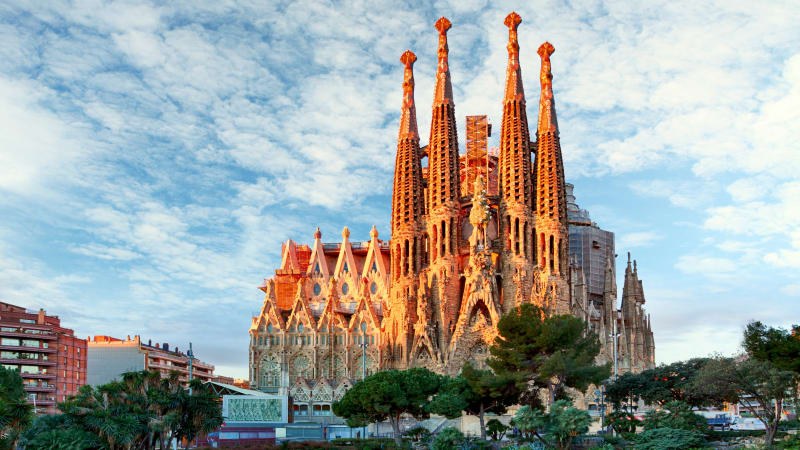 1 mi from BarcelonaSagrada Família
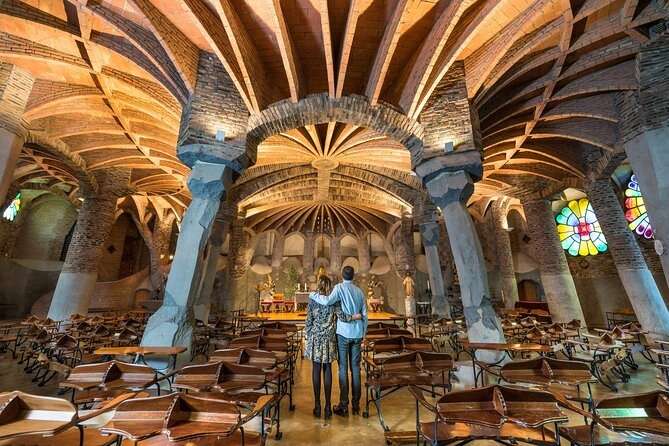 7 mi from BarcelonaColònia Güell Church (Crypt) & Modernist Industrial Site
 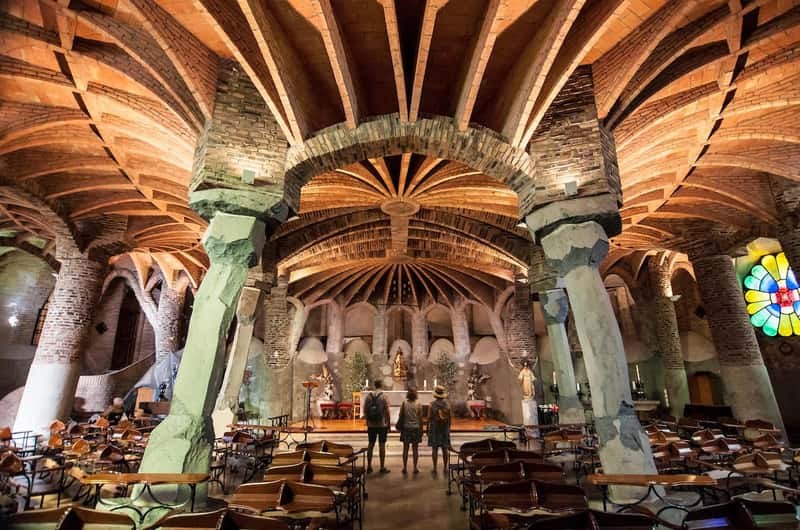 8 mi from Barcelona · land adventureBarcelona Beyond the Crowds: Gaudí, Galician Seafood & Montserrat
 210 mi from Barcelona · land adventureProvence by the Senses: Lavender, Truffles, and Roman Stone
 After you step off · near Rome
You end in a different port — stay on, and add what is within reach before you fly home.