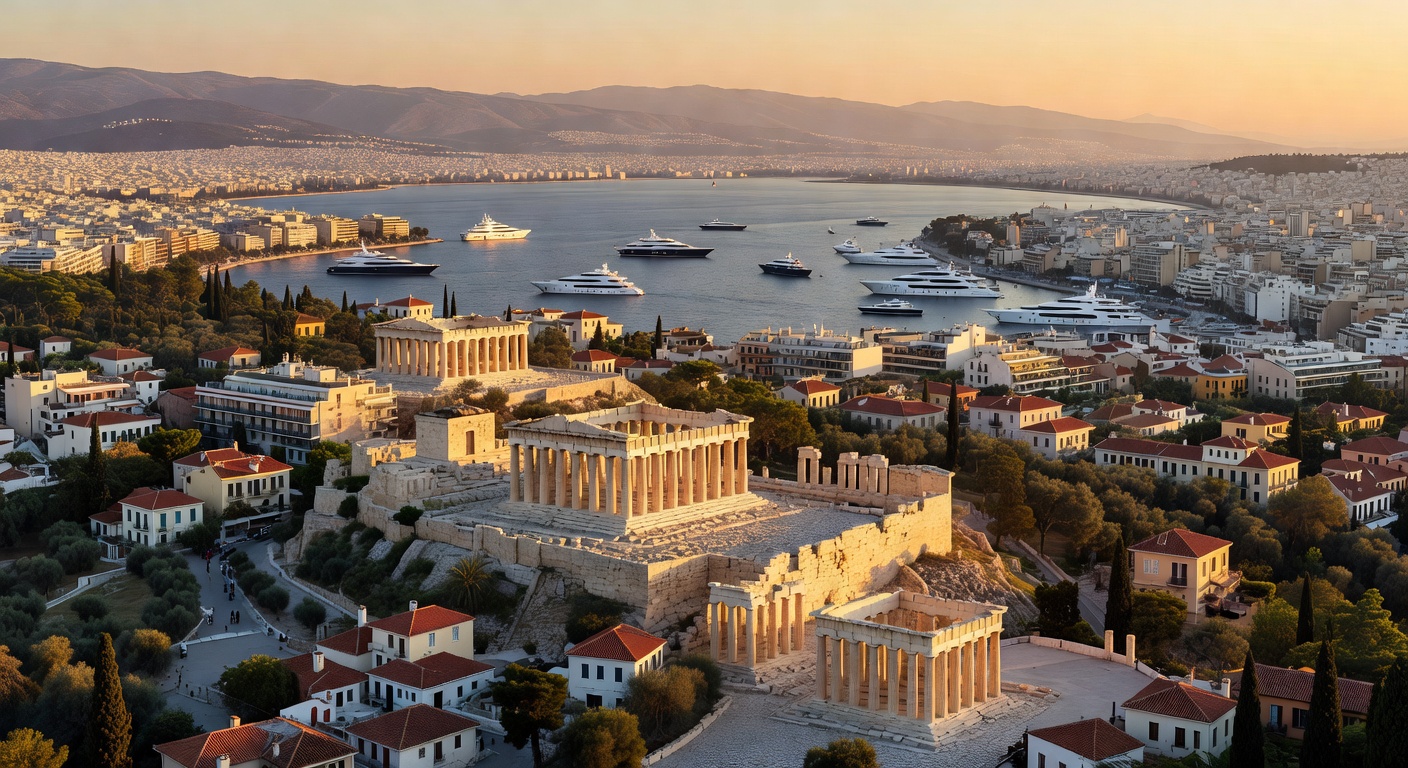
Athens · Greece
Most classes run 3–4 hours and follow the same basic formula: a short market visit or talk about Greek ingredients, then hands-on cooking of 4–5 dishes. Expect to make things like spanakopita, moussaka, grilled octopus or lamb, a couple of mezze, and a simple dessert. You'll eat what you cook at the end, usually with wine. Groups are kept small (under 12), so it's genuinely interactive. The “ancient Greek” label is mostly marketing—recipes are classical with modern technique and local seasonal produce. It's fun and filling; you won't leave hungry.
Best time is spring (April–early June) or autumn (mid-September–October) when it's cooler and the markets have better variety. Summer classes get hot and sweaty in small kitchens. Expect to pay around €90–€160 per person depending on group size, whether it includes a market tour, and if they add an Acropolis view or rooftop setting. Private classes push toward the higher end.
Pick a class that actually shops at the central market or uses a local chef who explains why they use specific olive oil or cheese—those are the ones that feel worthwhile. Skip anything that promises “authentic ancient recipes” with retsina and theatrical costumes; they're usually more show than substance. Book morning sessions if you want to avoid the post-lunch food coma before sightseeing.
Some links are affiliate links — we may earn a commission at no extra cost to you. See our Terms.