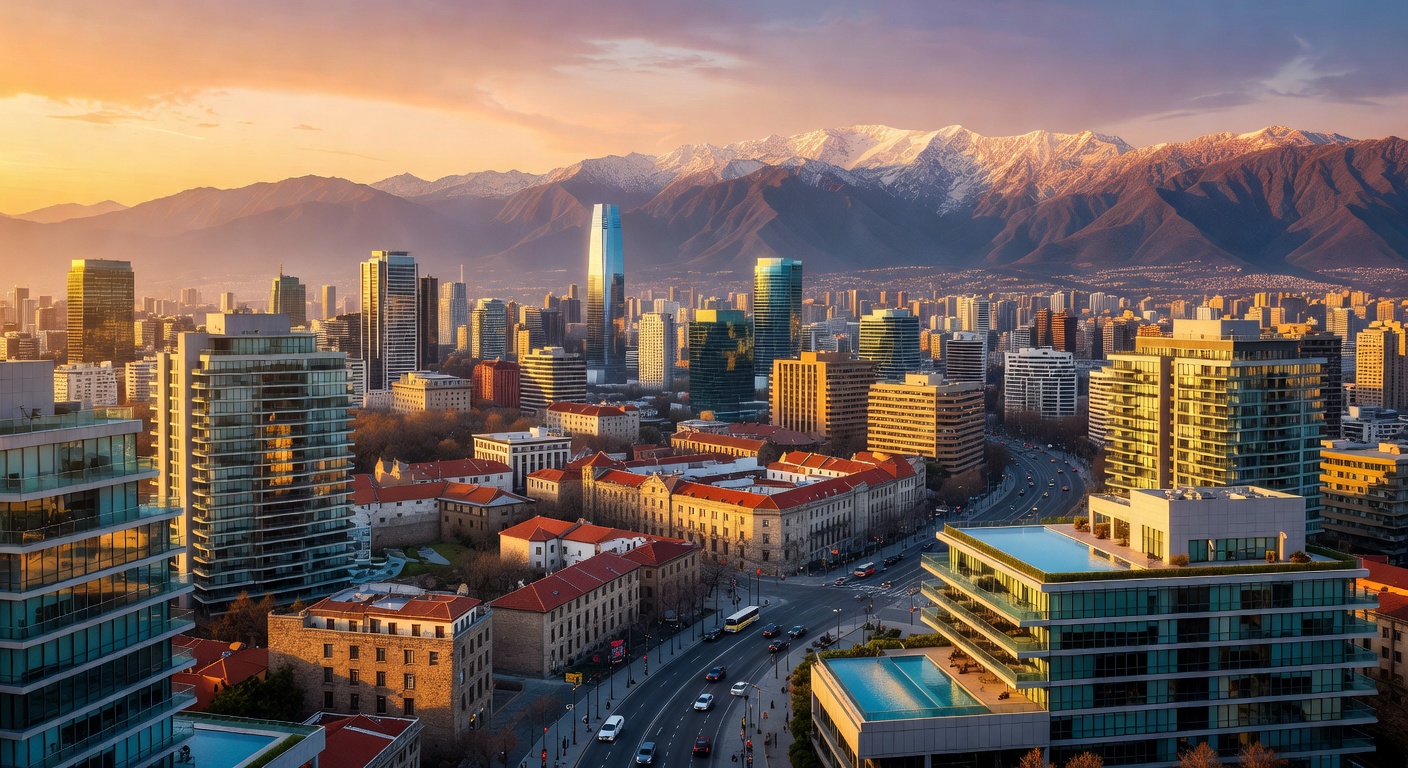
Santiago · Chile
This sober, modern museum documents the human rights abuses during Pinochet’s dictatorship (1973–1990). Expect a heavy, quiet experience with photos, survivor testimonies, video clips, and artifacts that pull no punches. Most visitors spend 90–120 minutes inside. The permanent exhibition is on three floors and is well laid out, but it’s emotionally draining—don’t plan anything too cheerful immediately afterward. The temporary exhibits on the ground floor are usually lighter and can be skipped if you’re short on time or energy.
Best time is weekday mornings when it’s quietest; avoid weekends and Chilean school holidays. Santiago’s summer (Dec–Feb) is hot and crowded, so shoulder seasons (March–May or Sept–Nov) work better. Expect to pay around $50–90 for a decent private guided tour; the museum itself is free to enter. Audio guides are available but many people find a live guide helps process the heavy content.
Honest tips: Book a private guide who actually lived through the period if possible—it makes the visit far more powerful. Skip the gift shop and café unless you need water; neither is memorable. Go only if you’re genuinely interested in the topic. If recent history and human rights aren’t your thing, you’ll likely find it depressing rather than worthwhile.
Some links are affiliate links — we may earn a commission at no extra cost to you. See our Terms.