Your cruise
EXPLORA II · 6-night Mediterranean cruise, Malaga to Civitavecchia (Rome)
Feb 27 – Mar 5 · 6 nights ·
Day 1–2 Malaga (board) · Day 3 at sea · Day 4 Cagliari · Day 5 Trapani · Day 6 Marina Grande · Day 7 Civitavecchia (Rome) (step off)
What you do Su Nuraxi is the grandest of Sardinia's mysterious Bronze-Age nuraghi — a 3,500-year-old basalt tower-fortress ringed by a turreted bastion and a labyrinth of beehive huts, and the only one inscribed by UNESCO. You don't just look at it; the obligatory guided visit takes you inside the central tower and up onto the ramparts, which is genuinely bucket-list for anyone who cares about a civilization that left no written language, only these astonishing stone machines. Pair it with the Casa Zapata museum, built atop a second buried nuraghe with glass floors over the excavation.
What to expect From the visitor centre a shuttle/short walk brings you to the tower, where a licensed guide leads small groups up and into the structure on uneven, sometimes slick basalt — sturdy shoes matter. The guide narrates the nuragic mystery as you stand inside the corbelled central chamber and look out from the bastion over the Marmilla plain. The Casa Zapata museum and Lilliu Centre add context and the eerie glass-floor view down onto a buried nuraghe. Allow 2.5–3 hours on site total.
Good to know Open every day of the year, continuous hours; tours run every 30 minutes so you rarely wait. It's ~60–70 min each way from the cruise terminal, so budget a 5–6 hour round trip and confirm against your all-aboard. Pre-book the official combined ticket online and reserve your private transfer in advance; bring water, a hat and non-slip shoes (tower access can close in bad weather).
Versus the ship tour Cruise lines (NCL, Celebrity, Princess) sell the Barumini half-day at roughly USD 110–180 per person on a full coach. Barumini is ~1 hour inland with no practical public transport for a port day, so the value question is really about the transfer, not the ticket. Booking the official guided ticket direct plus a private small-group driver almost always beats the ship on both price and intimacy — but if you're solo or risk-averse about timing, the ship coach's guaranteed return is a fair trade-off here.
book direct with Fondazione Barumini Sistema Cultura (official) → · the full guide →
What you do Nora is Sardinia's most romantic ruin: a Phoenician, then Punic, then Roman port-city spread across a low peninsula that the Mediterranean now laps on three sides, with a Roman theatre, thermal baths, and intricate floor mosaics still in situ under open sky. The setting — columns and mosaics against turquoise water, with the 16th-century Spanish watchtower of Coltellazzo above — is the kind of place that ends up as the photo people remember from Sardinia. The included guided walk brings the Tanit sanctuary and bath complexes to life.
What to expect You'll walk flat but uneven ancient paving among baths, the forum, and the small Roman theatre right at the water's edge, with the guide pointing out the famous mosaic floors and the Punic-Phoenician layers beneath the Roman city. There's little shade, so morning visits are far more comfortable. The adjacent beach of Nora and the Sant'Efisio church make a lovely add-on. Plan ~1.5–2 hours on site.
Good to know Open from 9:00 (closing extends to ~20:00 in summer). About 35–45 min from the pier by road; no convenient train, so pre-arrange a driver or taxi. Reserve online and ask at the ticket window for the next English guided slot the moment you arrive; bring sun protection and water as the headland is fully exposed.
Versus the ship tour Ship 'Nora — A Walk Through Ancient Times' half-days typically run about USD 90–150 per person. Nora sits at Pula, only ~35 km from Cagliari, so a private car or even a determined taxi is easy and the direct entry is a fraction of the ship price — direct clearly wins here on both cost and flexibility. The ship tour's only real edge is zero logistics if you'd rather not arrange a driver.
book direct with Parco Archeologico di Nora — Fondazione Pula Cultura (official) → · the full guide →
What you do Cagliari's Castello is a honey-coloured medieval citadel stacked on the hilltop, ringed by Pisan towers and Aragonese ramparts, and walking it with a licensed local guide turns a pretty old town into a 900-year story of Pisans, Aragonese and Piedmontese. You'll thread silent lanes to the Cathedral of Santa Maria with its dazzling pulpits, climb the Torre dell'Elefante, and finish on the Bastione di Saint Remy terrace for the city's signature panorama over the rooftops, the lagoon and the sea. It's the most walkable, sensory introduction to the city right above the port.
What to expect Expect steep stepped lanes and the panoramic lift up from the Marina quarter, a quiet cathedral interior, glimpses into hidden courtyards, and storytelling that ties the Pisan towers to today. A good guide tailors the pace, ducks into a café for a Sardinian coffee or a slice of seadas, and times the Bastione finish for the light. It's a walking experience — comfortable shoes essential. Roughly 2–3 hours.
Good to know Everything is within a 10–20 minute walk of the pier, so this is the safest choice against a tight all-aboard. Pre-book a named licensed guide (ask that they're registered with the Sardinia regional guides association). Mornings are cooler for the climb; some churches close midday, so confirm timing with your guide when booking.
Versus the ship tour Cruise 'panoramic Cagliari' city tours run about USD 60–100 per person and often spend much of the time on a bus. Castello sits directly above the cruise terminal — you can literally walk up — so a private licensed guide split across two to four people usually costs less per head than the ship tour and is vastly more personal and flexible. Direct wins decisively; there's no transport premium to justify the ship here.
book direct with Licensed Sardinia regional guides via ToursByLocals (official guide marketplace) → · the full guide →
What you do Cagliari's bay is the Golfo degli Angeli, guarded by the dramatic limestone headland of the Sella del Diavolo (Devil's Saddle), and the only way to truly see it is from the water. A small-boat or sailing day slips you past Calamosca, Cala Fighera and Cala Bernat into clear coves you can't reach by land, with swim and snorkel stops below the cliffs and the long ribbon of Poetto beach as your backdrop. On a luxury catamaran or private gozzo with a skipper and Sardinian wine and cheese aboard, it's the most relaxed bucket-list way to spend a Cagliari port day.
What to expect Boats leave from the marina a short walk or transfer from the cruise terminal. You'll cruise close under the Sella del Diavolo's cliffs, anchor in a cove or two for swimming and snorkelling in glassy water, and graze on Sardinian cold cuts, pecorino and Vermentino as the skipper points out the landmarks. Seas are usually calm in summer; book the morning departure for the best light and water. Half-day is plenty for a port stop.
Good to know Marina departure points are ~10–20 min from the pier — confirm pickup and a return time that clears your all-aboard with margin. Bring swimwear, a towel, reef-safe sunscreen and a light layer. Pre-book, especially for private charters in peak season; rough weather can cancel sailings, so have the Castello walk as a backup.
Versus the ship tour Cruise lines rarely offer an equivalent intimate small-boat coastal tour, and when they sell a 'beach and bay' outing it's typically USD 80–120 per person on a larger vessel. Booking a private skippered boat direct gives you a curated route, swim stops and onboard wine for a comparable or lower per-head cost when shared — a clear direct win, and an experience the ship simply doesn't replicate.
book direct with Noestrum (licensed local boat operator, Cagliari) → · the full guide →
What you do Argiolas, founded 1938 in Serdiana just 20 minutes inland, is the reference-point winery of modern Sardinia — the house behind Turriga, the island's most celebrated red. A guided cellar visit walks you through the fermentation halls and barrel rooms before a seated tasting of premium wines (Cannonau, Vermentino, the flagship blends) paired with local pecorino, salumi and carasau bread. For wine lovers it's a genuine bucket-list stop, and the new on-site Domu restaurant makes a long lunch possible.
What to expect An English-speaking host leads you through the working winery — stainless tanks, the must, the barrel cellar — then sits you down for a structured tasting of the estate's top wines with a Sardinian cheese-and-charcuterie board. It's unhurried and genuinely educational, not a quick pour. Plan ~1.5–2 hours, longer if you add a Domu restaurant lunch. You'll want a driver so everyone can taste freely.
Good to know About 20–30 min from the pier; pre-book the tasting online (limited 11:00/15:00 slots, closed weekends) and arrange a private car so no one has to abstain. Build in buffer time against all-aboard — inland plus a long tasting can run late. Consider shipping or hand-carrying a bottle of Turriga home.
Versus the ship tour Cruise 'Taste of Sardinia' food-and-wine excursions run roughly USD 90–150 per person but usually pour at a generic agriturismo rather than a marquee estate. Serdiana is an easy ~20–30 min drive, so booking Argiolas direct plus a private transfer lets you taste at the island's most respected cellar for a similar price — direct wins on prestige and depth. If you don't want to arrange a car, a ship taste-of-Sardinia tour is a reasonable convenience play.
book direct with Cantine Argiolas — Visit Argiolas (official) → · the full guide →
What you do Right between the city and Poetto beach lies Molentargius-Saline, a former royal saltworks now home to a resident colony of thousands of pink flamingos that breed here — one of very few places in Europe they do — alongside 180-plus bird species. A guided e-bike or boat tour with the park's environmental guides is the only way into the protected core where the flamingos and slender-billed gulls nest, gliding past salt pans, canals and the evocative 'City of Salt'. It's a surprisingly wild, photogenic counterpoint to the ruins and a true Sardinian signature.
What to expect Tours leave from near the port or the park's Edificio Sali Scelti and follow flat canal-side paths and embankments, stopping at a birdwatching hut before the Bellarosa Maggiore basin where flamingos and gulls nest. Guides scope the birds and explain the saltworks history and the lagoon ecology. An e-bike makes the distance to Poetto effortless; bring binoculars or a zoom lens. Allow 2–3 hours.
Good to know The park sits on the city's eastern edge, ~15–20 min from the pier; the official protected-area visits and e-bike tours must be pre-booked through the park guides. Early morning and late afternoon give the best light and bird activity. Bring sun protection, water and a camera — and confirm the return timing against your all-aboard, though this is one of the closer outings.
Versus the ship tour Cruise lines seldom feature Molentargius as a dedicated excursion, so there's no real ship equivalent to overpay for — and when a nature add-on appears it's bundled at a premium. This is firmly a book-direct experience: the park's own guides are also the only ones permitted into the protected nesting zones, so direct booking is the only way to get the genuine close-up.
book direct with Parco di Molentargius — CEAS / Città del Sale (official park guides) → · the full guide →
What you do Drive ~2 hours inland to the Alhambra, the UNESCO-listed Moorish palace-city that is the single most famous monument in Spain: the honeycombed Nasrid Palaces, the Court of the Lions, and the water-gardens of the Generalife terraced above Granada. A licensed guide walks you through the skip-the-line Nasrid entry (the tickets that sell out weeks ahead and are capacity-controlled by the half-hour), then you get free time in Granada's old town. This is the regret-if-you-miss-it day trip from Malaga.
What to expect You'll spend roughly two hours in an air-conditioned coach traveling inland from Málaga to Granada, then enter the Alhambra with a skip-the-line guide who navigates you through the honeycombed Nasrid Palaces and the iconic Court of the Lions before you explore the terraced water-gardens of the Generalife at your own pace. After the guided palace tour, you'll have free time to wander Granada's atmospheric old town—wandering narrow streets, browsing local shops, or grabbing tapas—before the coach returns you to the port. The rhythm is structured (guided palace tour in the morning, unstructured afternoon) with a full 10–11 hours allocated, giving you real breathing room to absorb both the monument and the city.
Good to know The skip-the-line Nasrid Palaces entry ticket (EUR 23 extra, ~$25) must be pre-booked weeks ahead and is capacity-controlled by half-hour time slots—don't assume walk-up availability. Port pickup and drop-off are included, and the operator guarantees 100% on-time return with no charge if the ship doesn't dock, so you're protected on timing. Bring comfortable walking shoes, sunscreen, and a hat: the palace interiors are cool but the Generalife gardens and Granada's old town are open-air and can be hot. Book your excursion directly with Spain Day Tours rather than through the cruise line to save $90–150 per person compared to ship-sold Alhambra tours.
Versus the ship tour Direct wins big. Cruise lines sell the full guided Alhambra + Generalife day at $180-250 pp with entry and guide included; booking direct lands at ~$122 pp all-in (EUR 89 + EUR 23 entry), saving roughly $90-150 per person -- the largest dollar gap at this port. One caveat: the ship's bare 'Granada On Your Own' coach transfer ($84.99, NO ticket or guide) is fair value ONLY if you can self-secure an Alhambra slot and just want guaranteed sail-away return; for almost everyone the guided direct booking is the better deal.
book direct with Spain Day Tours (Malaga shore-excursion specialist, port pickup/drop-off) → · the full guide →
What you do Walk the boardwalk bolted to a vertical cliff face 100 meters above the Guadalhorce gorge -- once dubbed the most dangerous path in the world, now safely rebuilt into a one-way, ~3-hour, 7.7km clifftop traverse through the El Chorro canyon. It is the marquee adrenaline experience of Andalusia and the photo a thrill-seeker pictures when they think of inland Malaga. Children under 8 cannot enter; bring ID.
What to expect You'll depart the Malaga port and travel 58km inland through Andalusian countryside (roughly 1.5 hours each way) to arrive at El Chorro canyon. Once there, you'll join the one-way boardwalk bolted directly to a near-vertical cliff face 100 meters above the Guadalhorce gorge, traversing 7.7km of clifftop switchbacks through narrowing canyon walls over approximately 3 hours. The walkway—once infamously branded the world's most dangerous path—now feels secure and rebuilt, yet the exposure and soaring views remain visceral and unforgettable. By day's end you'll reverse the journey back to port, consuming your entire port day but delivering the singular adrenaline landmark of inland Malaga.
Good to know Book a guaranteed round-trip shuttle package (EUR 60–80) from a cruise operator or the official ticket office to lock in your on-time return to ship; the 1.5-hour each-way commute leaves zero margin for missing sail-away. Reserve entry tickets (EUR 10–18) weeks ahead, as they sell out regularly. Bring your passport or ID (required for entry), wear sturdy hiking shoes and sun protection, and confirm your shuttle departure time before boarding the tender—treat the return buffer as sacred, since missing the ship carries infinitely more risk than the reconstructed cliff itself. A full-day independent package (guides + transport) costs ~€77–81 per person versus ~€190 via cruise line.
Versus the ship tour Direct wins. Cruise lines fold El Chorro into a scenic '4x4 Andalusia Adventure' type day at ~$189.99 pp; an independent full-day Caminito del Rey guided package runs ~$77-81 pp, saving roughly $60-110 per person. If you only book the bare EUR 10 entry you save even more, but you take on the transport-and-timing risk yourself -- worth it only if you arrange a guaranteed-return shuttle, since missing sail-away is the real danger here, not the cliff.
book direct with Caminito del Rey official ticket office (UTE Caminito del Rey) → · the full guide →
What you do Climb Malaga's signature sight: a hilltop fortress-palace of horseshoe arches, courtyards, fountains and terraced gardens, crowned by the Gibralfaro castle ramparts with a 360-degree panorama over the city, the port and the Mediterranean. It is the one image a first-timer pictures when they think of Malaga, and it is a flat ~15-20 minute walk from the cruise terminal -- the perfect low-risk anchor for a port day. Buy at the gate, the ticket machines, or the official site on arrival.
What to expect From the cruise terminal, a flat 15–20 minute walk brings you to the Alcazaba's gates, where you'll climb through a fortress-palace of horseshoe arches, fountains, and terraced gardens layered up the hillside. If you continue to the Gibralfaro castle ramparts at the summit, you'll stand under 360-degree views of Malaga's city, port, and Mediterranean shoreline—the iconic image that defines the destination. The rhythm is self-paced: wander the courtyards and gardens, rest on terraces, take time at the top, then walk back down; budget 2–3 hours total, all on foot, with no guides or fixed schedules to follow.
Good to know Buy tickets on arrival at the gate, ticket machines, or the official website (EUR 7 for Alcazaba alone, EUR 10 for both Alcazaba + Gibralfaro); free entry every Sunday from 14:00 onward if your port day lands there. Summer hours are 9:00–20:00 (last entry 19:00), winter 9:00–18:00, so plan your walk to leave the ship by mid-morning in an 8-hour port window, giving you 2–3 hours inside, 45 minutes for transit to and from the terminal, and a safe 2-hour buffer to return before all-aboard. Bring water and comfortable walking shoes, as the climb to Gibralfaro is steady uphill terrain; no advance booking is needed for self-guided entry.
Versus the ship tour Direct wins overwhelmingly, and this is also your safety-net card. The ship's 'Malaga Overview' walking tour ($89.99 pp) only shows you the Alcazaba EXTERIOR plus a guided promenade stroll -- the old town is a 10-15 minute flat walk from the pier, so you are paying 2-4x for a guide to point at a fortress you can enter yourself for ~$11. Skip the ship tour and walk in. The only thing the ship adds is narration; an audio guide or a self-led visit gives you the same monument for a tenth of the price.
book direct with Alcazaba y Castillo de Gibralfaro (official municipal ticket office, Ayuntamiento de Malaga) → · the full guide →
What you do Andalusia is the cradle of flamenco, and Kelipe -- a working flamenco school and arts center open since 2001 -- is Malaga's most respected room for the genuine article: an intimate 90-minute show of live cante, guitar and improvised dance (full soleá and bulerías), not a tourist 'greatest hits' revue. Seeing flamenco performed in its homeland, steps from the Alcazaba, is a bucket-list cultural moment. Best for ships with a late departure or an overnight in port, since shows start at 20:00.
What to expect You'll have the afternoon and early evening free to explore Malaga's center on foot—wander the historic streets, visit the nearby Alcazaba, or grab a leisurely coffee before heading to Kelipe Centro de Arte Flamenco. At 19:30, you'll take your seat in an intimate 90-minute room where live cante (singing), guitar, and improvised dance unfold without artifice—full soleá and bulerías performed by working artists in their own school, not a polished tourist revue. The show runs 20:00–21:30, and one drink is included; the energy is concentrated and authentic, a cultural moment grounded in Andalusian tradition steps from the ancient Alcazaba.
Good to know Book your ticket directly on Kelipe's website ahead of time (€35 adults, €25 ages 13–18, €15 ages 4–12, one drink included); shows run Wednesday–Sunday, doors at 19:30. The venue is walkable from Malaga's city center and port—allow 15–20 minutes on foot from the pier. This excursion only works if your ship has a late departure or stays overnight; if you disembark at your scheduled time in the late afternoon or early evening, you'll miss the 20:00 start. Bring comfortable walking shoes for the afternoon and dress as you would for an evening cultural event; the venue is casual but genuine.
Versus the ship tour Direct wins, modestly. Cruise lines bundle a city tour + flamenco show ('Charming Malaga & Flamenco') at ~$129.99 pp; the standalone Kelipe ticket is ~$38 and the city walk is free on foot, so booking direct saves roughly $60-80 per person AND gets you into a serious flamenco room rather than a high-capacity tourist tablao. The only reason to take the ship version is the guaranteed return -- and since this is an evening show, it only works if your ship departs late or stays overnight; otherwise skip it.
book direct with Kelipe Centro de Arte Flamenco (independent venue/school, book direct) → · the full guide →
What you do A guided 3.5-hour crawl through the walkable old town and the historic Atarazanas market, eating Malaga's regional signatures with a local insider -- fried pescaito, hand-cut Iberian ham, and the syrupy DO Malaga sweet Moscatel and Pedro Ximenez wines poured in family-run bars. It is the most efficient way to actually taste Andalusia on a tight port day instead of guessing at a menu, all within easy walking distance of the ship.
What to expect Your guide leads you on foot through Malaga's walkable old town and the historic Atarazanas market, stopping at family-run bars and bodegas for regional Andalusian tastings: fried pescaito, hand-cut Iberian ham, and the syrupy DO Malaga sweet wines (Moscatel and Pedro Ximenez) poured by locals. The 3.5-hour rhythm alternates between market exploration and intimate stops where you taste rather than order, letting you absorb the rhythm of how Malagueños actually eat and drink without the guesswork of a menu. This is the most efficient way to genuinely taste Andalusia on a port day while staying within easy walking distance of your ship.
Good to know Book direct on Spain Food Sherpas' site (no cruise-line aggregator) to save $45–50 per person versus ship-sold equivalents; the tour runs daily most days at 3.5 hours (EUR 73, ~$80 pp) and departs from the operator's meeting point near the old town, walkable from the pier. Plan for a 6–7 hour window shore-side to account for transit, the full tour, and a safety buffer back to the ship; bring comfortable walking shoes and small cash for any additional drinks, and note that this is a guided crawl where you taste at curated stops rather than a self-guided wander where drinks cost just a couple of euros.
Versus the ship tour Direct wins. Cruise lines sell a market + tapas + wine culinary experience at $120-130 pp; this licensed local operator's equivalent is ~$80 pp with more and better stops, saving roughly $45-50 per person. Honest counterpoint: if you only want a quick, cheap taste rather than a full guided crawl, you do NOT need any tour at all -- Malaga's center is dense with bodegas you can walk into for a couple of euros a glass, so book this tour for the local guide and the curated stops, not because the food is otherwise out of reach.
book direct with Spain Food Sherpas (Malaga local operator since 2014, book direct) → · the full guide →
What you do Ride a cable car 750 metres above the sea to Erice, a perfectly preserved Norman walled town floating above the clouds. Wander cobbled alleys, peer into ancient churches, and drink in views stretching to the Egadi Islands — a bucket-list Sicilian moment.
What to expect Your private driver meets you dockside and whisks you to the Funivia Erice cable car for a vertiginous ascent through the clouds. At the top, a knowledgeable guide leads you through the Castle of Venus, the 14th-century Chiesa Madre, and the Giardino del Balio with its sweeping coastal panorama. Time slows as you duck into a pasticceria for Erice's legendary marzipan sweets, a confection perfected by the local nuns. The return is equally theatrical — the cable car descent at golden hour is unforgettable.
Good to know Erice is 30 minutes from the port by car + cable car. The cable car can close in strong winds — your driver will advise on the day. Book the private transfer in advance; Erice is easily combined with Segesta to fill a full day. Confirm all-aboard time and allow a 45-minute buffer.
Versus the ship tour Fully private, door-to-cable-car service with a dedicated English-speaking driver-guide; linger as long as you wish in the alleys and fortified gardens without a group itinerary.
book direct with DriverInRome – Trapani Shore Excursions → · the full guide →
What you do Stand inside one of the world's best-preserved Greek temples — 36 columns dating to 430 BC, set in wild Sicilian countryside. Add the hilltop theatre with its staggering valley view and this is antiquity at its most theatrical.
What to expect The 40-minute drive from the port winds through golden hills before the Doric temple appears — unroofed, never completed, and utterly majestic. Your guide explains why it was never finished, making the mystery as compelling as the architecture itself. A short shuttle carries you up to the 3rd-century BC theatre, where the curved stone seating frames a view of Monte Barbaro and the valley below. The acoustics are extraordinary — ask your guide to demonstrate. Linger for photographs as the light shifts across the limestone columns.
Good to know Segesta is 35 km east of Trapani — about 40 minutes each way. Pre-book your private transfer and purchase park tickets at the gate or online. Pairs beautifully with Erice for a full-day itinerary. Wear comfortable walking shoes and bring sun protection.
Versus the ship tour Private car and guide means you arrive before the coach groups and enjoy the temple in near-solitude; your guide contextualises the Elymian civilisation — a story rarely told.
book direct with DriverInRome – Trapani Shore Excursions → · the full guide →
What you do At 667 acres, Selinunte is the largest archaeological site in Europe — seven Greek temples rising from a clifftop above the sea. A private expert guide transforms a vast, overwhelming site into an intimate narrative of Greek colonialism and Carthaginian drama.
What to expect The hour-long drive south along the Sicilian coast builds anticipation before the acropolis temples emerge spectacularly above the sea. Your guide navigates Temple E — partially re-erected and among Sicily's most photogenic — and the mysterious unfinished Temple G, once one of the largest buildings in the ancient world. The Marinella beach below the site offers a sublime spot for a post-exploration swim. The site's remoteness means it retains an atmosphere of genuine discovery that more-visited ruins have long lost.
Good to know Selinunte is about 1 hour from Trapani port — plan for a full day (6–7 hours total). Depart early to maximise time and avoid midday heat. Book a private guide who is licensed for archaeological sites. Confirm all-aboard with a generous buffer; discuss timing with your driver.
Versus the ship tour The sheer scale of Selinunte rewards a private guide who can focus on the temples that move you, not a whistle-stop circuit; electric golf-cart rentals inside the park mean you cover ground without exhaustion.
book direct with DriverInRome – Trapani Shore Excursions → · the full guide →
What you do The flamingo-pink salt pans stretching between Trapani and Marsala are one of Sicily's most iconic landscapes. At sunset, the windmills, salt pyramids, and wading flamingos glow amber and rose — a photographer's and gourmand's dream combined.
What to expect A local naturalist leads you along the salinaro trail between the crystalline geometric pools, explaining the annual harvest cycle and the ecology of this protected WWF reserve. Inside the restored windmill-turned-museum, antique wooden machinery and salt-grinding stones tell a story that pre-dates the Romans. Tastings of flavoured salts — including the prized fleur de sel — are laid out on a rustic table. In spring and autumn, greater flamingos wade in the shallows just metres away, completing a scene of extraordinary, quiet beauty.
Good to know The salt pans are just 10–15 minutes from the port — easily combined with a Marsala wine tasting for a half-day itinerary. Sunset timing aligns perfectly with late-afternoon all-aboard times on most itineraries; confirm your ship's schedule. Mosquito repellent is advised in warm months. Flat terrain — suitable for all fitness levels.
Versus the ship tour Walking the salinaro trail with a naturalist guide — tasting fleur de sel fresh from the pan, watching flamingos feed, and learning centuries-old salt-harvesting technique — is an entirely sensory, unhurried experience unavailable in any coach format.
book direct with Riserva Naturale Saline di Trapani e Paceco (Legambiente) → · the full guide →
What you do The Egadi Islands — Favignana, Levanzo, and Marettimo — are a protected marine reserve of crystalline turquoise water, Bronze Age cave art, and sea caves accessible only by boat. A private charter delivers you to corners the ferries never reach.
What to expect Your private motorboat departs Trapani harbour and crosses the channel to Favignana in under an hour, arriving at coves of luminous emerald water. Snorkelling gear is on board for exploring the posidonia meadows and shipwreck remnants — this is one of the richest marine sites in the Mediterranean. The captain navigates to Levanzo's sea caves, where a guide recounts the Neolithic and Bronze Age paintings hidden inside. A cold lunch of local tuna, Sicilian capers, and chilled Grillo wine is served at anchor — somewhere perfectly still and perfectly quiet.
Good to know Depart as early as possible — ideally 08:30 — to maximise time and return well before all-aboard. Sea conditions can affect departures; your operator will advise. Bring reef-safe sunscreen, a hat, and a light layer for the crossing. Pre-book the charter well in advance as private boats are limited in peak season (June–September).
Versus the ship tour A private charter anchors in secluded coves — the sea caves of Levanzo, the crystalline Cala Azzurra of Favignana — where no larger vessel can follow; your skipper cooks a fresh-catch lunch on board.
What you do Trapani's cuisine is the most North African in all of Italy — fish couscous, busiate pasta with pesto Trapanese, and tuna cured in the Phoenician tradition. A guided food walk through the historic centre with a local culinary expert is the most delicious two hours in Sicily.
What to expect Your licensed local guide meets you at the port and leads you into the baroque Corso Vittorio Emanuele, pausing at the Cattedrale di Trapani and the extraordinary 17th-century Chiesa del Purgatorio, adorned with life-size wooden statues used in the Easter procession. The fish market is a riot of silver swordfish, fresh-caught tuna, and vendors who've known each other for generations. Tastings follow at a storied pastificio (try the busiate with hand-pounded almond-tomato pesto) and a cantine pouring chilled Zibibbo. The walk ends at a harbourfront table with a bowl of fish couscous — the dish that defines this city.
Good to know The fish market is liveliest before 11:00 — morning departures are ideal. The entire walk is within easy walking distance of the port (10 minutes on foot). No transport needed — this is a port-city excursion that needs zero transfer time, making it the safest option for late all-aboard arrivals. Pre-book your guide; Giorgio's calendar fills quickly in summer.
Versus the ship tour Access to the daily fish market (Mercato del Pesce), entry into a family pasta-maker's workshop, and stops at producers that only a local guide knows — this is eating as the Trapanesi actually eat, not a tourist set-menu.
book direct with Guides of Italia – Giorgio, Licensed Driver-Guide Western Sicily → · the full guide →
What you do Circle the entire island by private gozzo, ducking into sea caves, past the Faraglioni, with a Blue Grotto entry timed to avoid the queue crush.
What to expect You board a traditional wooden gozzo directly from Marina Grande's beach. The captain threads through sea arches and hidden coves invisible from land, stopping to swim off the boat in secluded inlets. At the Blue Grotto you transfer to a small rowboat for the low, narrow entrance into the luminous cave. The trip loops the whole island in roughly 3-4 hours.
Good to know Book the earliest slot (7:30-8am) to beat both crowds and the choppier afternoon sea; Blue Grotto closes if tide is too high, so build in flexibility before your ship's all-aboard time.
Versus the ship tour Your own skipper sets the route and pace — lingering at the Green Grotto or Faraglioni as long as you like, and timing the Blue Grotto for the quiet early-morning light instead of the midday flotilla.
book direct with Capri Whales (private boat operator, Marina Grande) → · the full guide →
What you do Ride the single-seat chairlift over lemon groves to Capri's highest point for a 360-degree view stretching to Naples and the Amalfi coast, then wander Anacapri's quiet lanes before the day-trip buses arrive.
What to expect A short funicular and taxi ride takes you from Marina Grande up to Anacapri. The 12-minute chairlift glides silently over Mediterranean scrub to 589 metres. At the top, a network of easy paths lets you walk the ridge with sweeping sea views in every direction before descending into Anacapri's whitewashed alleys.
Good to know Go right at opening (9:30am) for cool air and empty chairs; allow about 2.5 hours round-trip including the funicular connection from the port.
Versus the ship tour First-chair timing means you get the summit's silence and clear light to yourself, before Anacapri's square fills with tour groups later in the day.
What you do Walk the cliff path from Capri town to Tiberius's clifftop ruins and on to the wind-carved Natural Arch, a route locals prize as the island's real soul.
What to expect From the Piazzetta, a stepped lane climbs through pines and villa gardens toward Tiberius's ruined imperial retreat, perched 300 metres above the sea. From there a quieter trail continues to the Arco Naturale, a giant limestone arch framing the Tyrrhenian Sea, before looping back via the Grotta di Matermania.
Good to know Start by 8am to avoid heat and cruise-crowd overlap; wear proper shoes — this is a real walk, not a stroll, roughly 2-3 hours round trip.
Versus the ship tour No shuttle, no crowd — this is the walk a Capri resident actually takes, rewarding you with ruins and coastline nobody else on the ship will see.
What you do A shorter, swim-focused boat outing to the Green Grotto, White Grotto, and around the Faraglioni stacks, with time to swim in open water off the rocks.
What to expect Leaving from the Marina Grande jetty, the boat hugs the coastline to reach the lesser-visited Green and White grottoes, then rounds to the Faraglioni for a swim in the clear water between the rock stacks. It's a tighter, more intimate loop than the full-island tour, ideal if you want swimming over sightseeing.
Good to know Bring a swimsuit under your clothes and water shoes for rocky entry points; book the cooperative's kiosk at the port directly to skip resale markups.
Versus the ship tour This is the boatmen's cooperative that has run Capri's waters for generations — a private charter with them means swimming stops the shared tours skip and a captain who knows every cave by name.
book direct with Motoscafisti di Capri (official boatmen's cooperative) → · the full guide →
What you do A short boat hop to a low-key beach club built beside genuine Roman ruins, for a long lazy lunch and swim away from the Piazzetta crowds.
What to expect A small wooden boat shuttles you along the coast from Marina Grande's beach to a cove backed by the ruins of Emperor Tiberius's seaside villa. You settle into a sunbed, swim in calm shallow water, and have a relaxed seafood lunch under a pergola with little sense of the ship schedule outside.
Good to know Boats leave roughly every 30 minutes from the western end of Marina Grande beach; go early to claim good sunbeds and allow the return boat time before all-aboard.
Versus the ship tour This is where Capresi themselves go to swim — a working beach club, not a photo backdrop, set right against 2,000-year-old Roman masonry with no queue.
book direct with Bagni di Tiberio (official beach club) → · the full guide →
What you do A quiet, expert-led walk through Capri town's gardens and the 14th-century Carthusian monastery, revealing the island's layered history away from the shops.
What to expect Your guide meets you at Marina Grande and leads a gentle uphill route into Capri town, pausing in the Gardens of Augustus for the classic view over the Faraglioni before continuing to the Certosa di San Giacomo's frescoed church and peaceful cloister garden. The walk ends back near the Piazzetta with time to browse independently.
Good to know Certosa is closed Mondays, so confirm your call day; a private guide can adapt the route on the spot if your ship's schedule shifts.
Versus the ship tour A licensed local historian threads you through the Gardens of Augustus, the Certosa's cloisters, and back lanes most day-trippers never leave the Piazzetta long enough to find.
book direct with Private Tours of Capri (local licensed guides) → · the full guide →
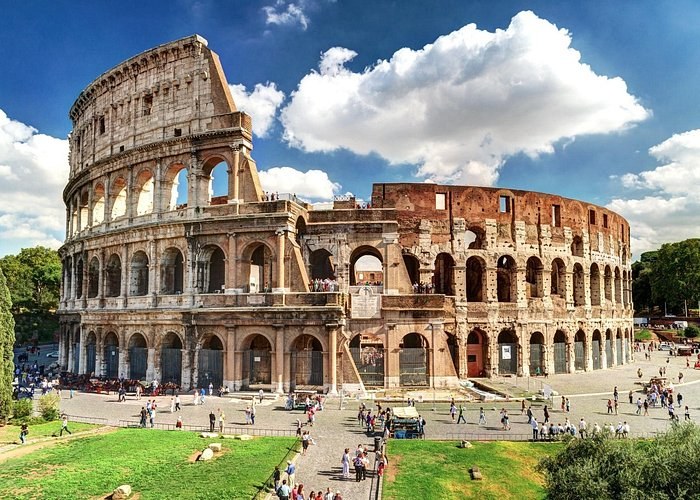
What you do This is the definitive Rome bucket-list day: Michelangelo's Sistine Chapel ceiling and Last Judgment, the Vatican Museums, St. Peter's Square, plus the Colosseum and Roman Forum — all in one 9-hour private run from the pier. Your driver collects you ship-side in a Mercedes and the 'privilege' skip-the-line tickets to both the Vatican and Colosseum mean you walk past the 2-hour queues that would otherwise eat your port day. Note this is a private-driver tour, not a guided one: you explore the interiors at your own pace (audio guides sold inside).
What to expect A private Mercedes collects you pier-side at Civitavecchia and you begin a 9-hour immersion in Rome's iconic landmarks, moving at your own pace rather than a group's rhythm. You skip past the 2-hour queues at the Vatican Museums to explore Michelangelo's Sistine Chapel ceiling and Last Judgment, then wander St. Peter's Square (basilica entry is free but has its own queue). After lunch flexibility, you drive to the Colosseum and Roman Forum, again with skip-the-line privilege tickets that let you move straight inside while standard visitors wait. Throughout, your private driver and personal vehicle—not a 50-person bus—keep you on your schedule, though you explore each site's interiors independently with optional audio guides available for purchase.
Good to know The full excursion runs 9 hours; plan to depart the pier by 8:00 AM at the latest to ensure a comfortable return before your ship's evening departure. Your private driver meets you ship-side at Civitavecchia—confirm the exact return-time guarantee and buffer window when booking, as this operator runs cruisers daily but you'll want that back-to-ship safety net in writing. Bring comfortable walking shoes, sunscreen, and cash or cards for lunch and optional audio guides inside the museums (not included in the EUR 187.50 price). Book skip-the-line tickets in advance as part of your package; they're your main time-saver advantage over the cruise line's group tours, which run $220–$320 per person for the same sites.
Versus the ship tour Direct wins decisively. The cruise lines' marquee 'Best of Rome / Ultimate Rome' Vatican+Colosseum day runs $220-$320 pp, and on premium lines higher — this private, skip-the-line equivalent is ~$205 pp with your own vehicle and no 50-person bus. You save roughly $50-$120 per person and skip the group-pace bottleneck. The one thing the ship guarantees that you're trading away: a step-on licensed guide inside the sites and a back-to-ship promise (this operator runs cruisers daily but confirm the return-time guarantee when booking).
book direct with Discovery Guided Tours → · the full guide →
What you do The reason cruise lines stop here at all: a private deluxe vehicle whisks you from the pier to the Trevi Fountain, Pantheon, Spanish Steps, Piazza Navona, St. Peter's Square and the Colosseum, dropping you as close as Rome's traffic limits allow at each. It's the maximize-a-tight-window play — a first-timer who sails past Rome without standing at the Trevi would genuinely regret it. Be clear-eyed: this is a driver, not a licensed guide, so it's exterior views, photo stops and walk-up landmarks, no museum interiors.
What to expect Your driver collects you pier-side at 8:00 AM in a private deluxe vehicle and begins threading Rome's narrow streets, stopping at the Trevi Fountain, Pantheon, Spanish Steps, Piazza Navona, St. Peter's Square, and Colosseum views—you step out, snap photos, walk up to the exteriors and iconic squares, then move on. This is drive-and-stroll geography, not museum interiors: you'll see Rome's greatest hits from street level and courtyard vistas, with your driver dropping you as close as traffic allows at each landmark. The rhythm is constant but unhurried—a masterclass in first-timer coverage, punctuated by photo moments and the low hum of rolling between sites. You're back at the pier by 5:00–5:30 PM, having touched eight of Rome's most recognizable monuments without boarding a 50-seat coach.
Good to know Pickup is pier-side at 8:00 AM sharp with return by 5:00–5:30 PM, giving you roughly 8 hours door-to-door; factor in Rome's traffic and the driver will optimize stops, so expect less than 30 minutes at each landmark unless you request longer. No entrance tickets, meals, or guide services are included—this is a driver-only arrangement, so museum and basilica interiors are on your own dime and time; bring cash and book ahead if you want to step inside St. Peter's or the Colosseum. All tolls, parking, and taxes are covered in the quoted price (EUR 650–750 per vehicle for up to 7 guests, ~EUR 107–163 per person), and the driver speaks English. Book directly with RomeCabs in advance; a solo traveler or couple may find the ship's motorcoach tour or Trenitalia train equally priced or cheaper per head, so confirm group size before committing.
Versus the ship tour Direct wins on access, ties or beats on price depending on group size. The ship's guided 'City in a Day / Panoramic Rome' coach tour is $110-$170 pp; split a EUR 650-750 car across 4-7 people and you land around $115-$175 pp with door-to-landmark drops a 50-seat bus can't do. For a solo or couple it's a wash on price — but you get a private car and your own timing. If you only want a cheap motorcoach drop-and-roam, the ship's 'Rome On Your Own' transfer ($60-100 pp) or the Trenitalia train (~$11 RT) is far cheaper than any private car — say so and don't overpay for a driver you don't need.
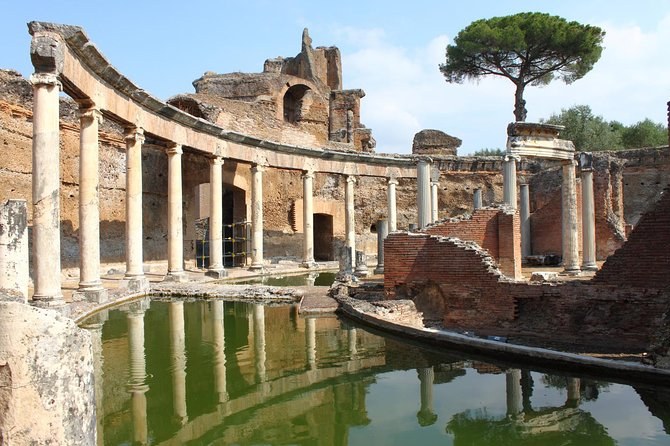
What you do For travelers who've already 'done' central Rome, this is the equally unforgettable alternative: Villa d'Este's 51 fountains, 64 waterfalls and 220 basins — all gravity-fed, not a single pump — paired with Emperor Hadrian's sprawling 2nd-century imperial estate. An expert private guide actually walks the gardens and ruins with you, and the crowds are a fraction of the Vatican's. A 9-hour day, pier to pier.
What to expect You'll spend the morning and early afternoon in two staggered acts: first, Villa d'Este's terraced Renaissance gardens, where your expert guide walks you through cascading fountains, 220 basins, and 64 waterfalls—all fed by gravity alone, no pumps needed—then a private car transfer inland to Emperor Hadrian's 2nd-century sprawl, where crumbling villas, temples, and theaters unfold across 30 acres of archaeological theatre. The rhythm is unhurried; you're with a licensed English-speaking expert, not herded through a coach crowd, so you'll actually absorb the history and architecture as you walk. By late afternoon, your driver returns you to the Civitavecchia pier, completing the 9-hour door-to-door arc.
Good to know Pickup from Civitavecchia pier is included; plan for a private car departure roughly 3–4 hours after ship arrival to allow for disembarkation and meet your guide. Both villas are outdoor, terraced sites with significant walking and uneven ground—wear comfortable shoes and bring sun protection and water. Book at least 48–72 hours ahead; the price (EUR 869 minimum, ~$475 per couple) drops per person as group size grows, and slots are limited to preserve the "expert guide + small party" promise. Confirm your ship's all-aboard time with the concierge and allow a 30–45-minute buffer before boarding to account for Civitavecchia pier return traffic.
Versus the ship tour Mixed verdict, lean ship for small parties. The cruise lines' 'Beauty of Tivoli / Villa d'Este' countryside tour runs $150-$260 pp and other independents (Discovery Guided Tours) sell a Tivoli day from ~$115 pp — so this premium private option is meaningfully pricier per head for a couple (~$475 pp). What you're buying is a genuine licensed guide actually leading you through both UNESCO sites and a private car, versus a coach. If budget is the driver, the ship tour or a cheaper shared independent is the honest call; book this only if private + expert-guided is the point.
book direct with Through Eternity Tours → · the full guide →
What you do Walk intact ancient streets, an amphitheater, taverns, bath-house mosaics and three-story Roman apartment blocks at the buried port city of Ostia Antica — the marquee 'lost Roman city' with a fraction of Rome's crowds. It's far closer to Civitavecchia than the actual Pompeii (which is impractical from this port), and this private full-day pairs it with the Etruscan necropolis at Cerveteri. Pier-side Mercedes pickup, full day, back in time for the ship.
What to expect You'll be picked up pier-side in a private deluxe Mercedes and driven to Ostia Antica, where you'll walk intact ancient streets lined with taverns, bath houses, and remarkably preserved three-story Roman apartment blocks, culminating at the amphitheater — a far less crowded alternative to Pompeii. The day then pivots to Cerveteri's Etruscan necropolis, where you explore burial sites and artifacts from Rome's pre-imperial neighbors. Throughout, you're moving at your own pace in private transport rather than herded with a group, though your driver handles logistics rather than narrating the ruins themselves. The rhythm is unhurried full-day immersion: ancient streets in the morning, a site transition at midday, and Etruscan tombs in the afternoon, returning to the pier in time to reboard.
Good to know Book ahead with Stefano Rome Tours and confirm pier pickup timing to ensure you clear the ship's all-aboard (driver will know the buffer). Entrance tickets to both Ostia Antica and Cerveteri are not included in the EUR 590 vehicle fee—budget ~EUR 18 per site and purchase at the gate or ahead online to save time. Bring a robust audio guide app (like the official Ostia Antica app) or printed site guide, since the driver is not a licensed in-site interpreter. With a full day in the field, wear comfortable walking shoes, sunscreen, and a hat; both sites are largely open-air and can be hot, especially in summer months.
Versus the ship tour Direct wins, with a caveat. Most ships barely offer Ostia Antica, and comparable 'scenic/ruins' ship days run $150-$260 pp — splitting EUR 590 across 4-7 people lands at ~$90-$160 pp plus ~EUR 18 site tickets. You get a near-empty Roman city and a private car well under the ship's countryside price. Trade-off: it's a driver, not a step-on guide inside the ruins, so bring a good audio guide or app if you want the narration the ship's guided tour would include.
What you do Skip the 1.5-hour each-way push to Rome and explore the port town nearly every cruiser blows past: Michelangelo's harbor fortress (Forte Michelangelo), one of Italy's largest open-air markets, fresh Tyrrhenian seafood and the seafront Pirgo promenade. A relaxed small-group walk with local tastings along the way — the low-stress, low-risk safety net when you want to be steps from the ship.
What to expect You'll join a small-group walk that begins steps from the pier and moves at a leisurely pace through Civitavecchia's historic center, anchored by visits to the Renaissance Forte Michelangelo and one of Italy's largest open-air markets alive with local vendors and produce. Along the way, you'll pause for fresh Tyrrhenian seafood tastings and other local bites, absorbing the rhythm of a working port town most cruisers skip. The walk concludes on the waterfront Pirgo promenade, where you'll have absorbed three hours of culture and flavor without the fatigue of a long coach transfer. It's the opposite of the Rome sprint—an immersive, low-pressure exploration of the places locals actually go.
Good to know The entire excursion unfolds within walking distance of your ship, so there's zero transfer time and minimal risk of running late; plan for the three-hour guided walk to fit comfortably in a 6–8 hour port window. Book ahead through DriverInRome to secure your spot in a small group, and wear comfortable walking shoes—you'll be on foot the whole time through cobblestone streets and market areas. Bring cash (EUR) for any additional purchases at the market or for tips, and check departure times with the operator to give yourself at least an hour buffer before all-aboard. The price of approximately EUR 75 per person (€82 USD) includes all tastings, so budget only for optional extras and gratuity.
Versus the ship tour No real ship equivalent, and that's the point. Cruise lines don't sell a Civitavecchia-town tour because they want you on the $60-320 Rome excursions — so this isn't a price-beat, it's a different (and far cheaper) day for travelers who don't want a 3-hour round-trip. At ~$82 pp with food included and zero risk of missing the ship, it's the honest pick for repeat Italy visitors, slow-pace travelers, or anyone who'd rather not gamble a tight Rome turnaround. If it's your first time in Italy, though, do Rome — this is the alternate, not the headline.
Before you sail · near Malaga
Fly in at least a day early — every seasoned cruiser does, so a delay never costs you the ship. This is what is worth that day within reach of the port.
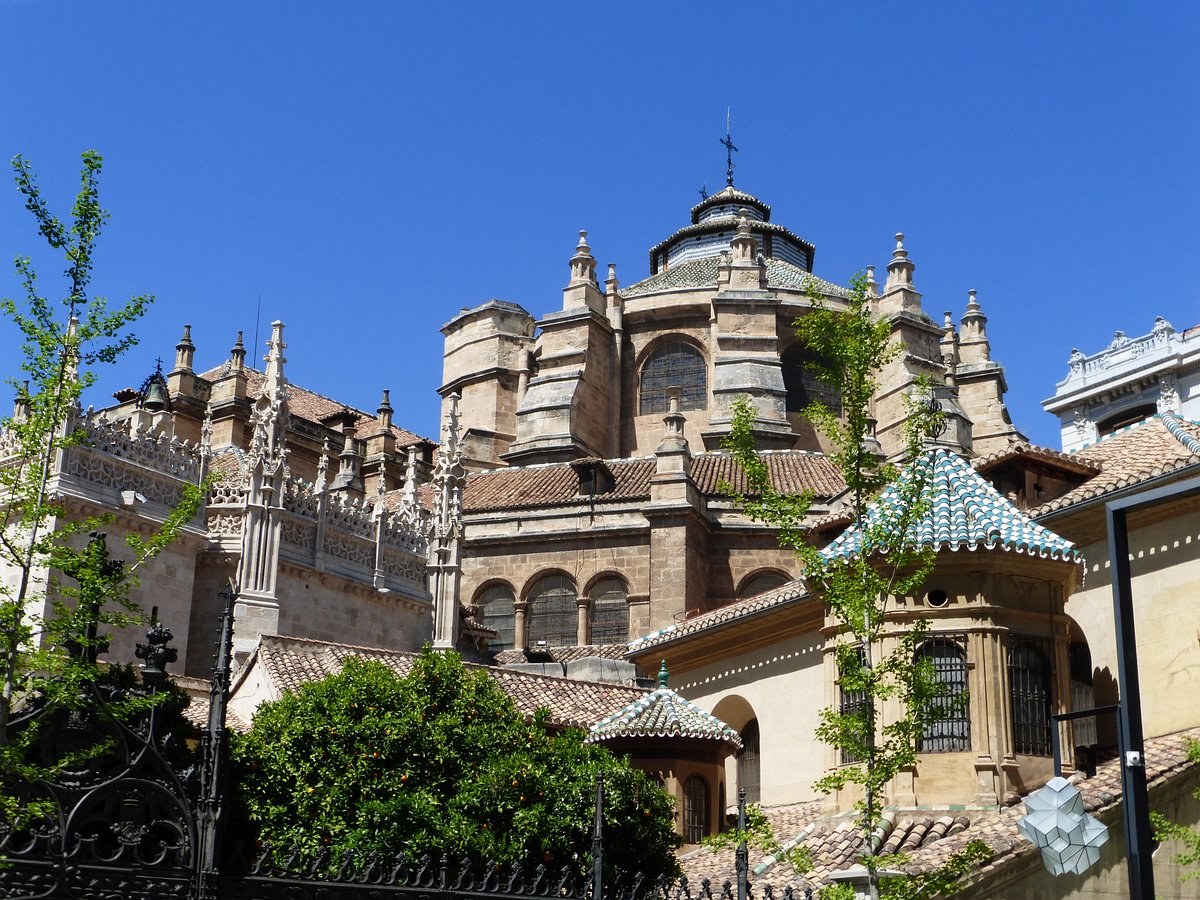 55 mi from MalagaRoyal Chapel
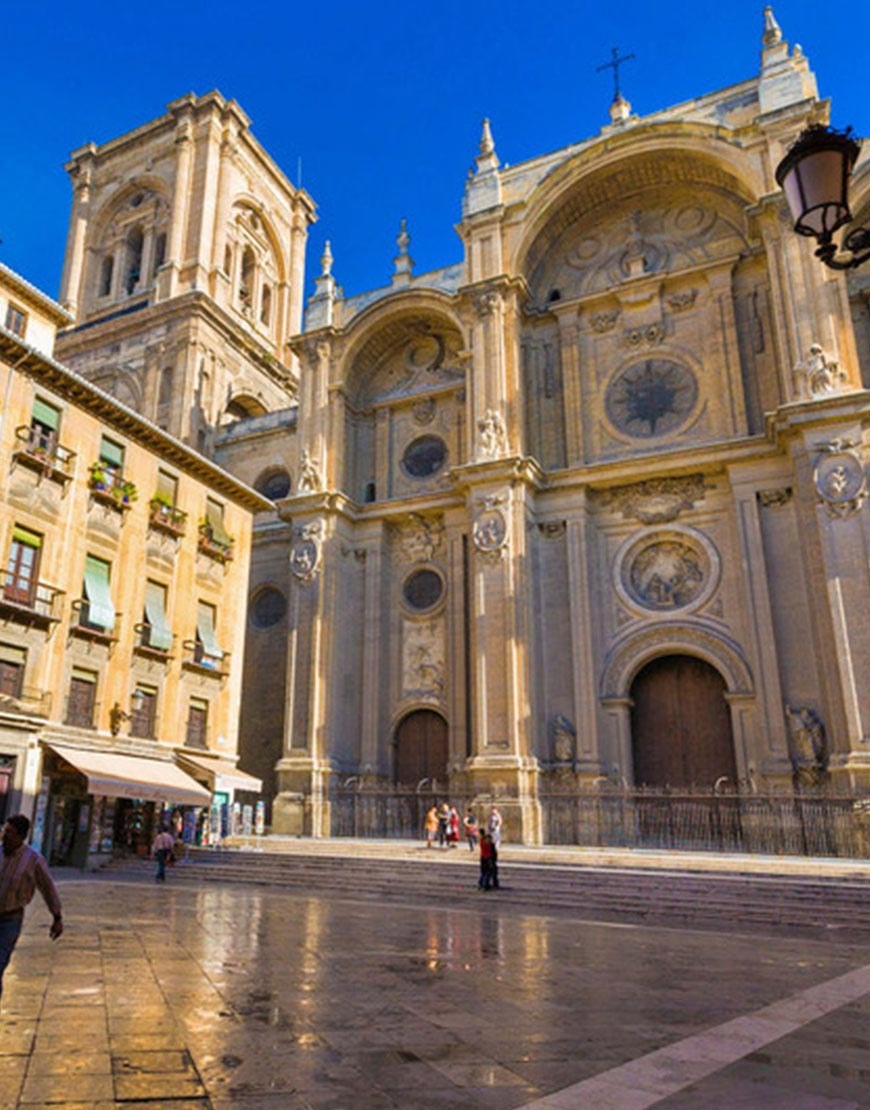 55 mi from MalagaCathedral of Granada
  48 mi from Malaga · land adventureGranada Beyond the Alhambra: Gorges, White Villages & Baroque Gold
 94 mi from Malaga · land adventureSeville to the Sea: An Andalusian Grand Tour by Car
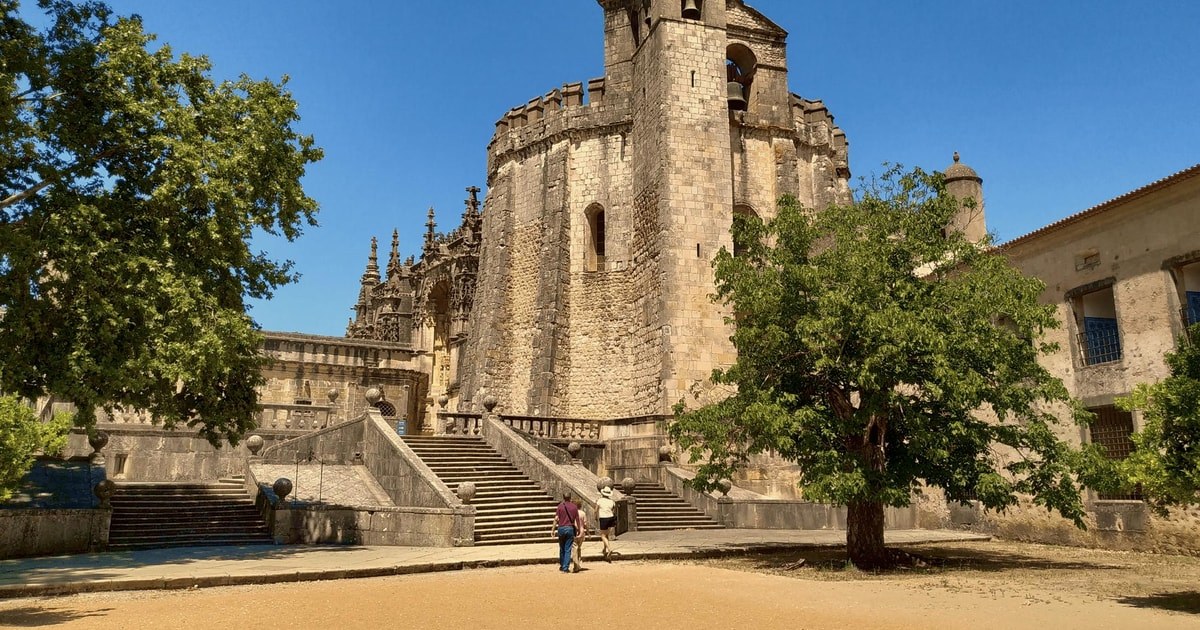 294 mi from Malaga · land adventureTemplar Stone, Atlantic Cliffs, and Pastel Custard in Lisbon
 After you step off · near Rome
You end in a different port — stay on, and add what is within reach before you fly home.