Your cruise
MSC Magnifica · 14-night Northern Europe cruise, Stockholm to Genoa
Oct 6 – Oct 20 · 14 nights ·
Day 1 Stockholm (board) · Day 2 Visby · Day 3 at sea · Day 4 Copenhagen · Day 5 Warnemunde · Day 6–7 at sea · Day 8 Brest · Day 9 at sea · Day 10 Leixoes (Oporto) · Day 11–12 at sea · Day 13 Tarragona · Day 14 Marseille · Day 15 Genoa (step off)
What you do Walk the crown jewel of Visby — 3.6 km of UNESCO-listed medieval ramparts, then weave through hauntingly beautiful church ruins frozen in time since the 13th century. A private local expert brings every mossy stone to vivid life.
What to expect Your guide meets you dockside and leads you along the remarkably intact 13th-century ring wall, pausing at its 44 towers for sweeping Baltic views. You then descend into the old town's web of cobbled lanes to stand inside the roofless, rose-covered ruins of Visby's medieval churches — an atmosphere unlike anywhere else in Scandinavia. The pace is leisurely and conversational, never rushed, and the itinerary bends to your curiosity. Expect roughly 2–3 hours of deeply immersive storytelling through one of Europe's greatest medieval time capsules.
Good to know Book well in advance — private guides in Visby fill up quickly on port days. The pier is a short, flat walk into the old town; no transfer needed. Confirm your ship's all-aboard time with your guide so the tour ends comfortably with 30–45 minutes to spare.
Versus the ship tour A fully private, bespoke itinerary paced entirely around you — linger at the ruins of St. Karin or St. Nicolai for as long as you wish, with a vetted local historian who knows stories no guidebook carries.
book direct with ToursByLocals – Visby Private Guides → · the full guide →
What you do Home to the world's largest collection of Viking silver hoards and Gotland's iconic picture stones, Gotlands Museum is among Scandinavia's most extraordinary regional museums. A private guided visit transforms artefacts into living history.
What to expect The museum's crown jewels are its astonishing Viking-age silver hoards — more buried treasure has been found on Gotland than anywhere else on earth — displayed in dramatic vaulted rooms. Carved picture stones dating to 400–1100 AD narrate Norse mythology in striking detail, and the medieval art wing showcases painted wooden sculptures of rare quality. A specialist guide deciphers the iconography and weaves in Gotland's extraordinary trading-empire history. Allow 2 hours minimum; a private session with a guide makes every artefact resonate.
Good to know The museum is a 10-minute walk from the cruise pier through the old town. Pre-book a guided session directly with the museum's education department. Open daily; summer hours are generous. Factor in at least 30 minutes' walk back to the ship after your visit.
Versus the ship tour Skip the crowds and experience the Viking treasure rooms and medieval sculpture hall at your own pace with a museum specialist — the kind of intimate access that turns a collection into a conversation.
book direct with Gotlands Museum (official) → · the full guide →
What you do Descend into one of Sweden's most spectacular limestone cave systems, roughly 11 miles north of Visby, where stalactites, underground rivers, and cathedral-like chambers create an otherworldly spectacle that took 5 million years to form.
What to expect A knowledgeable cave guide leads you through a network of illuminated passages into chambers studded with stalactites and stalagmites sculpted over millennia by an underground stream. The caves maintain a cool, dramatic atmosphere year-round, and the deepest accessible sections feel genuinely remote and awe-inspiring. En route from Visby, the limestone plateau landscape of northern Gotland — juniper plains and ancient windmills — is itself deeply scenic. The guided tour lasts approximately 45–60 minutes underground; combine with a stop at the adjacent Krusmyntagården herb garden for a complete half-day excursion.
Good to know Hire a private driver or taxi from the cruise pier (approx. 20–25 minutes each way) to reach Lummelunda; book in advance on a port day. Wear flat, closed-toe shoes — the path inside is uneven and can be slippery. The caves are cool (around 8°C/46°F) year-round; bring a light layer. Check all-aboard time carefully — allow 3.5–4 hours total for a comfortable return.
Versus the ship tour A rare natural wonder entirely off Visby's beaten tourist path — the underground formations and subterranean river passage are genuinely jaw-dropping, and a small-group guided descent keeps the experience atmospheric and unhurried.
book direct with Lummelunda Grottan (official cave site) → · the full guide →
What you do Wander one of Scandinavia's most romantic botanical gardens, where medieval ruins rise from rose beds and exotic species thrive in Gotland's unusually mild microclimate. Adjoining Almedalen park adds a sweep of Baltic sea views and ancient history.
What to expect Established in 1855, the Botanical Garden is framed by two soaring medieval church ruins — St. Göran and St. Per — that serve as living walls for climbing roses and creeping flora. Over 3,000 plant species flourish here, including rare Mediterranean herbs that take advantage of Gotland's sun-warmed limestone soil. A botanical guide illuminates the extraordinary horticultural story and the medieval ruins that give the garden its theatrical character. Adjoining Almedalen, the old harbour park, offers sweeping views over the Baltic and the medieval silhouette of the city wall — a perfect contemplative finale.
Good to know The garden is a flat, easy 10-minute walk from the pier — ideal after a morning of heavier sightseeing. Peak bloom for roses is typically June–July, perfectly timed for summer Baltic cruises. Entry is free; arrange a private guided walk by contacting the Botanical Society in advance. No strenuous walking required.
Versus the ship tour The garden's unique microclimate nurtures species found nowhere else in Sweden, and its backdrop of roofless medieval ruins draped in climbing roses is one of the most photogenic scenes in all of Scandinavia — best savoured slowly, not as part of a rushing group.
What you do Escape the medieval city walls and explore Gotland's haunting interior — Iron Age farmsteads, Bronze Age burial cairns, sea-stack rock formations called raukar, and flower-carpeted limestone plains that feel utterly timeless and untouched.
What to expect Your private guide collects you dockside and heads out along Gotland's limestone plateau, pausing at Fröjel or Tofta for dramatic raukar sea-stack formations carved by the ancient Baltic. The island's Iron Age ring forts (fornborgar) and Bronze Age stone-ship settings appear seemingly in the middle of flower meadows, lending the landscape a mythic, end-of-the-world quality. Gotland is home to 35 of Sweden's 50 wild orchid species, and in summer the roadsides bloom extravagantly. Your guide tailors the route to your interests — archaeology, nature, photography — and returns you to the pier with time to spare.
Good to know Confirm your preferred focus (nature, archaeology, scenic photography) when booking so the guide can plan the optimal route. A half-day (4 hours) is the sweet spot for a port day. Comfortable walking shoes recommended for stopping at natural sites. Private Shore Trips offers flexible return timing — always align with your ship's all-aboard.
Versus the ship tour A fully private vehicle and guide means you stop exactly where you want — at a Bronze Age cairn, a field of wild orchids, or a deserted beach — without ever being herded back to a coach. The island's ancient landscapes reward those who take time to step out and stand in them.
book direct with Private Shore Trips – Visby Shore Excursions → · the full guide →
What you do Visby's soaring St. Mary's Cathedral — the only medieval church on the island still in active use — anchors a leisurely expert-led walk through the old town's cobbled alleys, merchant houses, and rose-garlanded ruins that earned the city its UNESCO World Heritage status.
What to expect The route begins at the 12th-century Cathedral of St. Mary, whose three distinctive towers preside over the medieval skyline; your guide decodes its Romanesque and Gothic layers and the centuries of Hanseatic wealth that funded its grandeur. From there, the walk winds through Visby's picturesque lanes — Strandgatan, Mellangatan — past Hanseatic warehouses, guild halls, and garden walls dripping with roses in summer. Your guide pauses at the finest surviving ruins — St. Karin, St. Lars — to narrate the catastrophic 1361 Danish conquest that left so much of the city frozen in medieval amber. Finish with a quiet moment in Almedalen park overlooking the Baltic. Total time: approximately 2–2.5 hours.
Good to know The cathedral and old town are within easy walking distance of the pier — no transfer required. Dress modestly for the cathedral (shoulders and knees covered). Pre-book your private guide well ahead of your port call, especially during Medieval Week (early August) when Visby is at its most atmospheric but also its busiest.
Versus the ship tour A private local historian navigates the UNESCO old town's hidden layers — Hanseatic merchant politics, plague-era tragedy, and the extraordinary survival story of the cathedral itself — at a pace and depth that a larger group simply cannot match.
book direct with ToursByLocals – Visby Private Guides → · the full guide →
What you do Stand face-to-face with the world's best-preserved 17th-century warship — 98% original timber — aboard an expert-led private tour. An utterly unmissable, jaw-dropping encounter with Swedish imperial history.
What to expect You enter a cathedral-like hall where the 69-metre warship towers six storeys above you, cannons still in their ports. Your private guide decodes every gilded figurehead and forensic reconstruction. Smaller rooms display the sailors' personal belongings — dice, combs, a leather shoe — making the 1628 sinking achingly human. Finish on the upper gallery walkway for a panoramic view of the entire hull.
Good to know The museum is on Djurgården island — a short taxi or ferry from the Stockholm Frihamnen cruise terminal. Pre-book your private guide directly on the museum site; slots fill quickly in summer. Allow 90–120 min inside; well within a typical all-aboard window.
Versus the ship tour A private certified guide means unlimited depth — the ship's carved stern galleries, the haunting human skeletons, and the story of Gustav II Adolf's fatal ambition unfold at your pace with no crowd pressure.
book direct with Vasa Museum (official) → · the full guide →
What you do Glide through 30,000 islands of pine-clad skerries on a private charter, toasting with champagne as seals bask and painted wooden cottages drift past. The definitive Stockholm experience — utterly impossible to replicate on land.
What to expect Your chartered boat departs from the heart of Stockholm, passing under historic bridges and out into the open archipelago water. The skipper navigates to lesser-known outer islands where tourist crowds vanish entirely. Lunch can be arranged aboard using seasonal Swedish ingredients — gravlax, crispbread, västerbotten cheese. The return journey offers golden-hour views of the city skyline rising from the water.
Good to know Strömma operates from Strandvägen quay — about 20 min by taxi from Frihamnen terminal. Arrange your charter directly by phone or email well in advance; private charters require at least 48 hours' notice. Confirm your all-aboard time and build in a 90-min buffer for the return transfer.
Versus the ship tour A fully private vessel — your schedule, your pace, your anchorage. Stop to swim off the stern in a secret bay, step ashore on an uninhabited skerry, or simply drift with a glass of Swedish sparkling wine as the skipper shares local lore.
What you do Wander Stockholm's impossibly photogenic medieval island with a local expert guide who unlocks hidden courtyards, royal secrets, and Viking-era street plans invisible to the casual visitor.
What to expect Begin at the Nobel Prize Museum on Stortorget square, where your scholar-guide frames Stockholm's rise as a Baltic power. Wind through Mårten Trotzigs Gränd — Sweden's narrowest alley at just 90 cm — and into quiet inner courtyards where time stands still. Hear the story of the Stockholm Bloodbath of 1520 on the very cobblestones where it unfolded. End at the Royal Palace's outer courtyard in time for the Changing of the Guard.
Good to know Gamla Stan is a 15-min taxi or metro ride from Frihamnen port. Tours run 2–2.5 hours; book the private option for full flexibility. Nobel Prize Museum adult admission is SEK 160, payable separately on arrival.
Versus the ship tour Context scholars are credentialed historians and architects — not tour-script readers. You explore on foot at an intimate pace, ducking into alleys, handling history, and asking every question you've ever wanted answered about Scandinavian medieval life.
book direct with Context Travel (Stockholm expert-led walks) → · the full guide →
What you do Ascend the iconic Blue Tower for a 360° panorama of Stockholm's waterways, then step inside the Gold Hall where Nobel Prize banquets dazzle with 18 million mosaic tiles — a once-in-a-lifetime civic spectacle.
What to expect Your expert municipal guide leads you through the ceremonial Blue Hall — an open-air courtyard of Venetian-inspired brick — where the Nobel Banquet is held each December. The Golden Hall's Byzantine mosaics depict Swedish history floor to ceiling in shimmering gold leaf. Then climb 106 metres up the tower spiral staircase to emerge onto the open terrace with panoramic views across Lake Mälaren and the Old Town rooftops. On a clear day, the archipelago islands shimmer on the horizon.
Good to know City Hall is on Kungsholmen island — a 10-min taxi from the cruise terminal. Tower tours run only in summer (June–August, 9:00–17:15); the interior guided tour runs year-round. Buy tickets at the City Hall Shop on arrival or book ahead online. Allow 90 min in total.
Versus the ship tour Only guided tours access the frescoed interiors — the Blue Hall, the Gold Hall, and the private council chambers. Tower access is separately ticketed and strictly limited by capacity, rewarding those who pre-book with utterly crowd-free rooftop views.
book direct with Stockholm City Hall (Stadshuset) — official → · the full guide →
What you do Step inside the world's most interactive music museum and live out your ABBA fantasy — record with the band, sit in their original costumes, and understand why this small Nordic nation rewired global pop culture.
What to expect Immersive rooms recreate the Polar Music Studios where Waterloo was born, complete with original mixing desks and handwritten lyrics under glass. A hologram stage lets you perform alongside Agnetha, Björn, Benny, and Anni-Frid in real time. The Costume Hall displays 60+ sequinned stage outfits; the attention to Swedish craftsmanship is extraordinary. The adjacent Swedish Music Hall of Fame places ABBA in the broader story of Swedish pop genius.
Good to know Located on Djurgården, a short taxi or hop-on hop-off boat from Frihamnen terminal. Standard tickets can be purchased at the door, but private evening experiences require advance enquiry via the museum's event team. Allow 2 hours for a thorough visit.
Versus the ship tour The museum's private after-hours booking transforms a world-class exhibition into an exclusive personal concert: the dancefloor and hologram stage are yours alone, with a curator guide unlocking behind-the-scenes archives and original stage costumes.
book direct with ABBA The Museum (official) → · the full guide →
What you do Explore one of the world's premier photography museums in a converted art nouveau harbour building, then indulge in a celebrated Nordic brunch — a sensory pairing of visual art and sustainable gastronomy.
What to expect The neoclassical customs house on Södermalm's waterfront opens onto four floors of changing major exhibitions — past shows have featured Annie Leibovitz, Helmut Newton, and Sebastião Salgado. The curation is fearless and emotionally charged; plan to be moved. The rooftop bistro serves a lavish weekend brunch using hyper-local ingredients with sweeping views over Saltsjön bay. The building's design itself — exposed brick, steel staircases, harbour light pouring in — is a masterpiece.
Good to know Fotografiska is on Södermalm's Stadsgårdshamnen quay — roughly 20 min by taxi from Frihamnen terminal. Pre-book the restaurant, especially on weekends; it fills fast. Admission to the gallery can be purchased at the door. Allow 2–3 hours for gallery plus dining.
Versus the ship tour Fotografiska pairs gallery-grade rotating exhibitions by the world's most provocative photographers with a rooftop restaurant that has earned a cult following for its plant-forward Nordic cuisine — an effortlessly sophisticated half-day for the discerning traveller.
book direct with Fotografiska Stockholm (official) → · the full guide →
What you do Walk the crown jewel of Visby — 3.6 km of UNESCO-listed medieval ramparts, then weave through hauntingly beautiful church ruins frozen in time since the 13th century. A private local expert brings every mossy stone to vivid life.
What to expect Your guide meets you dockside and leads you along the remarkably intact 13th-century ring wall, pausing at its 44 towers for sweeping Baltic views. You then descend into the old town's web of cobbled lanes to stand inside the roofless, rose-covered ruins of Visby's medieval churches — an atmosphere unlike anywhere else in Scandinavia. The pace is leisurely and conversational, never rushed, and the itinerary bends to your curiosity. Expect roughly 2–3 hours of deeply immersive storytelling through one of Europe's greatest medieval time capsules.
Good to know Book well in advance — private guides in Visby fill up quickly on port days. The pier is a short, flat walk into the old town; no transfer needed. Confirm your ship's all-aboard time with your guide so the tour ends comfortably with 30–45 minutes to spare.
Versus the ship tour A fully private, bespoke itinerary paced entirely around you — linger at the ruins of St. Karin or St. Nicolai for as long as you wish, with a vetted local historian who knows stories no guidebook carries.
book direct with ToursByLocals – Visby Private Guides → · the full guide →
What you do Home to the world's largest collection of Viking silver hoards and Gotland's iconic picture stones, Gotlands Museum is among Scandinavia's most extraordinary regional museums. A private guided visit transforms artefacts into living history.
What to expect The museum's crown jewels are its astonishing Viking-age silver hoards — more buried treasure has been found on Gotland than anywhere else on earth — displayed in dramatic vaulted rooms. Carved picture stones dating to 400–1100 AD narrate Norse mythology in striking detail, and the medieval art wing showcases painted wooden sculptures of rare quality. A specialist guide deciphers the iconography and weaves in Gotland's extraordinary trading-empire history. Allow 2 hours minimum; a private session with a guide makes every artefact resonate.
Good to know The museum is a 10-minute walk from the cruise pier through the old town. Pre-book a guided session directly with the museum's education department. Open daily; summer hours are generous. Factor in at least 30 minutes' walk back to the ship after your visit.
Versus the ship tour Skip the crowds and experience the Viking treasure rooms and medieval sculpture hall at your own pace with a museum specialist — the kind of intimate access that turns a collection into a conversation.
book direct with Gotlands Museum (official) → · the full guide →
What you do Descend into one of Sweden's most spectacular limestone cave systems, roughly 11 miles north of Visby, where stalactites, underground rivers, and cathedral-like chambers create an otherworldly spectacle that took 5 million years to form.
What to expect A knowledgeable cave guide leads you through a network of illuminated passages into chambers studded with stalactites and stalagmites sculpted over millennia by an underground stream. The caves maintain a cool, dramatic atmosphere year-round, and the deepest accessible sections feel genuinely remote and awe-inspiring. En route from Visby, the limestone plateau landscape of northern Gotland — juniper plains and ancient windmills — is itself deeply scenic. The guided tour lasts approximately 45–60 minutes underground; combine with a stop at the adjacent Krusmyntagården herb garden for a complete half-day excursion.
Good to know Hire a private driver or taxi from the cruise pier (approx. 20–25 minutes each way) to reach Lummelunda; book in advance on a port day. Wear flat, closed-toe shoes — the path inside is uneven and can be slippery. The caves are cool (around 8°C/46°F) year-round; bring a light layer. Check all-aboard time carefully — allow 3.5–4 hours total for a comfortable return.
Versus the ship tour A rare natural wonder entirely off Visby's beaten tourist path — the underground formations and subterranean river passage are genuinely jaw-dropping, and a small-group guided descent keeps the experience atmospheric and unhurried.
book direct with Lummelunda Grottan (official cave site) → · the full guide →
What you do Wander one of Scandinavia's most romantic botanical gardens, where medieval ruins rise from rose beds and exotic species thrive in Gotland's unusually mild microclimate. Adjoining Almedalen park adds a sweep of Baltic sea views and ancient history.
What to expect Established in 1855, the Botanical Garden is framed by two soaring medieval church ruins — St. Göran and St. Per — that serve as living walls for climbing roses and creeping flora. Over 3,000 plant species flourish here, including rare Mediterranean herbs that take advantage of Gotland's sun-warmed limestone soil. A botanical guide illuminates the extraordinary horticultural story and the medieval ruins that give the garden its theatrical character. Adjoining Almedalen, the old harbour park, offers sweeping views over the Baltic and the medieval silhouette of the city wall — a perfect contemplative finale.
Good to know The garden is a flat, easy 10-minute walk from the pier — ideal after a morning of heavier sightseeing. Peak bloom for roses is typically June–July, perfectly timed for summer Baltic cruises. Entry is free; arrange a private guided walk by contacting the Botanical Society in advance. No strenuous walking required.
Versus the ship tour The garden's unique microclimate nurtures species found nowhere else in Sweden, and its backdrop of roofless medieval ruins draped in climbing roses is one of the most photogenic scenes in all of Scandinavia — best savoured slowly, not as part of a rushing group.
What you do Escape the medieval city walls and explore Gotland's haunting interior — Iron Age farmsteads, Bronze Age burial cairns, sea-stack rock formations called raukar, and flower-carpeted limestone plains that feel utterly timeless and untouched.
What to expect Your private guide collects you dockside and heads out along Gotland's limestone plateau, pausing at Fröjel or Tofta for dramatic raukar sea-stack formations carved by the ancient Baltic. The island's Iron Age ring forts (fornborgar) and Bronze Age stone-ship settings appear seemingly in the middle of flower meadows, lending the landscape a mythic, end-of-the-world quality. Gotland is home to 35 of Sweden's 50 wild orchid species, and in summer the roadsides bloom extravagantly. Your guide tailors the route to your interests — archaeology, nature, photography — and returns you to the pier with time to spare.
Good to know Confirm your preferred focus (nature, archaeology, scenic photography) when booking so the guide can plan the optimal route. A half-day (4 hours) is the sweet spot for a port day. Comfortable walking shoes recommended for stopping at natural sites. Private Shore Trips offers flexible return timing — always align with your ship's all-aboard.
Versus the ship tour A fully private vehicle and guide means you stop exactly where you want — at a Bronze Age cairn, a field of wild orchids, or a deserted beach — without ever being herded back to a coach. The island's ancient landscapes reward those who take time to step out and stand in them.
book direct with Private Shore Trips – Visby Shore Excursions → · the full guide →
What you do Visby's soaring St. Mary's Cathedral — the only medieval church on the island still in active use — anchors a leisurely expert-led walk through the old town's cobbled alleys, merchant houses, and rose-garlanded ruins that earned the city its UNESCO World Heritage status.
What to expect The route begins at the 12th-century Cathedral of St. Mary, whose three distinctive towers preside over the medieval skyline; your guide decodes its Romanesque and Gothic layers and the centuries of Hanseatic wealth that funded its grandeur. From there, the walk winds through Visby's picturesque lanes — Strandgatan, Mellangatan — past Hanseatic warehouses, guild halls, and garden walls dripping with roses in summer. Your guide pauses at the finest surviving ruins — St. Karin, St. Lars — to narrate the catastrophic 1361 Danish conquest that left so much of the city frozen in medieval amber. Finish with a quiet moment in Almedalen park overlooking the Baltic. Total time: approximately 2–2.5 hours.
Good to know The cathedral and old town are within easy walking distance of the pier — no transfer required. Dress modestly for the cathedral (shoulders and knees covered). Pre-book your private guide well ahead of your port call, especially during Medieval Week (early August) when Visby is at its most atmospheric but also its busiest.
Versus the ship tour A private local historian navigates the UNESCO old town's hidden layers — Hanseatic merchant politics, plague-era tragedy, and the extraordinary survival story of the cathedral itself — at a pace and depth that a larger group simply cannot match.
book direct with ToursByLocals – Visby Private Guides → · the full guide →
What you do Explore Copenhagen's soul — Nyhavn, Christiansborg, hidden courtyards — with a passionate private guide who tailors every step to you. This is the city as only locals know it: unscripted, unhurried, unforgettable.
What to expect Your guide meets you at the pier and leads you through Nyhavn's candy-coloured townhouses, across the cobbled courtyards of Christiansborg Palace, and into the hidden backstreets of the Latin Quarter. Expect rich storytelling drawn from genuine local knowledge — architecture, royal history, Danish design philosophy, and the best smørrebrød spots. The tour adapts in real time to what captivates you most, making every minute count before all-aboard.
Good to know Book the private tour directly via copenhagenbymie.com well in advance — these slots fill fast in summer. The port (Langelinie or Nordhavn) is a short taxi or rideshare ride to Nyhavn. Tours typically run 2–3 hours, leaving ample time to return to ship.
Versus the ship tour A fully private, bespoke experience led by a deeply knowledgeable local — your pace, your interests, your Copenhagen. No crowds, no scripts, no compromises.
What you do Tour the most magnificent Renaissance castle in Scandinavia, set on three islands in a lake outside Copenhagen. Home to the Museum of National History, its gilded Great Hall and Chapel are utterly breathtaking.
What to expect A 45-minute S-train or private car ride north of Copenhagen delivers you to Hillerød, where Frederiksborg Castle rises from its lake like a fairy tale made stone. Wander through dozens of historically furnished rooms — from the opulent Knights' Hall to the intimate royal chambers — each hung with portraits of Danish monarchs spanning 500 years. The castle's baroque garden, restored to its 1725 layout, is one of Northern Europe's finest formal gardens. The neighbouring town of Hillerød adds a charming lunch stop.
Good to know Allow 4–5 hours round-trip from port. Take the S-train line A from Copenhagen Central Station to Hillerød (approx. 1 hour), or book a private car for comfort. Open daily; booking ahead is recommended in peak season. Check all-aboard time carefully.
Versus the ship tour Arrive at your own pace, linger in the rooms that move you, and explore the formal baroque garden without a group itinerary — this is a genuine royal palace with centuries of Danish history layered into every portrait and tapestry.
What you do See Copenhagen from the water on a private guided harbour cruise past Nyhavn's iconic coloured facades, the Opera House, and the Little Mermaid. The city's architecture is simply stunning from the canals.
What to expect Board at Nyhavn or Gammel Strand and slip beneath the city's iconic low bridges, weaving through canals lined with 17th-century merchants' houses. Your guide narrates the stories behind the Royal Library's 'Black Diamond', the sweeping curves of the Copenhagen Opera House, and the quiet story of the Little Mermaid perched on her harbour rock. On the private charter, you set the agenda — pause for photos, extend a stretch, or request a detour into the inner harbour. It's Copenhagen's best perspective, full stop.
Good to know Canal Tours Copenhagen departs from Nyhavn, a 20-minute walk or short taxi from Langelinie cruise pier. Pre-book the private charter directly via Stromma's website. The Grand Tour runs approx. 1 hour; allow 2.5 hours total including transit.
Versus the ship tour The private charter option delivers an intimate, commentary-rich experience — just your group, gliding beneath low bridges, into hidden canals, and around the harbour at your chosen pace with a knowledgeable skipper.
book direct with Canal Tours Copenhagen (official) → · the full guide →
What you do The seat of Danish democracy and the Royal Family, Christiansborg is one palace where you can climb the free tower, tour the opulent Throne Room, and descend to Viking-age ruins beneath your feet — all in one visit.
What to expect Enter beneath the equestrian statue and take the lift to the free tower for a 360-degree panorama over Copenhagen's copper spires, canals, and the Øresund strait. Descend through the medieval ruins revealing the 12th-century fortress foundations. The Royal Reception Rooms dazzle with monumental tapestries depicting 1,000 years of Danish history, commissioned for the Queen's silver jubilee. A guided tour of the kitchens and stables rounds out a genuinely layered royal visit.
Good to know Book guided tours of the Reception Rooms in advance at denkongeligesamling.dk — slots go quickly in summer. The palace is a 30-minute walk or short taxi from Langelinie pier. Allow 3 hours minimum. The tower is open daily and FREE — never skip it.
Versus the ship tour Christiansborg is the only building in the world housing all three branches of a nation's government, the royal family, AND a supreme court — a living, layered palace with a depth no guided group tour can match. The tower panorama over Copenhagen is unmissable.
book direct with Den Kongelige Samling – Christiansborg Palace (official) → · the full guide →
What you do The garden that inspired Walt Disney, open since 1843 — Tivoli is a living fairytale of illuminated pavilions, world-class restaurants, live music, and just enough theatrical thrill to remind you joy is ageless.
What to expect Step through the wrought-iron gates into a world of manicured gardens, Moorish pavilions, and the scent of roasting almonds. By day, the vintage wooden roller coaster and tranquil lake delight; by evening, 100,000 twinkling lights transform the gardens into pure magic. Dine at one of the park's renowned restaurants — from the legendary Nimb Hotel's brasserie to casual open-air smørrebrød — before catching a free concert at the open-air stage. The atmosphere, whether you're sipping champagne on a terrace or watching the fountain show, is ineffably romantic and sophisticated.
Good to know Tivoli is a 5-minute walk from Copenhagen Central Station, easily reached by taxi or S-train from any cruise pier. Opening hours vary by season — evening sessions (from 18:00) offer the most magical atmosphere. Pre-purchase entry tickets online at tivoli.dk to skip the queue. Check seasonal closure dates (closed Jan–Mar).
Versus the ship tour Tivoli is not a theme park — it's a 180-year-old cultural institution, a garden of lanterns and pantomime, Michelin-starred dining and brass bands, where the city comes to celebrate life. There is nothing else like it on earth.
book direct with Tivoli Gardens (official) → · the full guide →
What you do Dive into the city that rewrote the global food rulebook — from Torvehallerne's artisan stalls to smørrebrød masters and natural wine bars — guided by a local food expert who knows every chef by name.
What to expect Your private guide leads you into Torvehallerne — Copenhagen's stunning covered market — for tastings of smoked fish, seasonal open-faced sandwiches, and Danish craft coffee that will recalibrate your standards. The tour moves through the Meatpacking District (Kødbyen), where butcher-turned-restaurants serve the finest New Nordic small plates, and into a historic smørrebrød restaurant where the craft of the traditional Danish lunch has been elevated to an art form. Expect candid conversations about Danish food philosophy, foraging culture, and why Copenhagen became the world's most exciting culinary capital in barely a decade.
Good to know Book directly with Nordic Insite well in advance — private tours are limited and in high demand from May–September. Torvehallerne is a 20-minute taxi from Langelinie pier. The tour runs approximately 3 hours; build in time for a longer lunch if your all-aboard allows. Communicate any dietary restrictions when booking.
Versus the ship tour A private, expert-led deep-dive into the food culture that produced Noma and a dozen Michelin-starred successors — tasting, learning, and eating like a well-connected local rather than a tourist.
book direct with Nordic Insite – Private Guided Tours Copenhagen → · the full guide →
What you do A chauffeured private day in Berlin — Brandenburg Gate, the Reichstag, Checkpoint Charlie, and the Holocaust Memorial — with a local expert guiding every step. This is the definitive bucket-list reason Warnemünde exists as a cruise port.
What to expect Your private driver collects you dockside and whisks you 2.5 hours to the German capital in comfort. On arrival, a specialist guide walks you through the Brandenburg Gate, the sobering Holocaust Memorial, Checkpoint Charlie, and Museum Island at your own tempo. Lunch is taken at a restaurant of your guide's local choosing — no tourist traps. The return transfer is timed precisely so you're aboard well before all-aboard.
Good to know Berlin is ~2.5 hrs each way; budget 10–11 hours total. Pre-book well in advance — private vehicles fill up fast on busy port days. Confirm your ship's all-aboard time with the operator at booking so the return is built into your itinerary.
Versus the ship tour Fully private vehicle and dedicated local expert mean you set the pace, linger where you choose, and avoid the choreographed herding of large groups. Your guide tailors the narrative — Cold War, WWII, reunification — to your interests.
What you do Fairy-tale Schwerin Castle — Germany's most photogenic palace, set on its own island — paired with the cobbled grandeur of Schwerin's Old Town, all in a private chauffeured tour just 90 minutes from port.
What to expect A private vehicle meets you at the pier and drives you south through the Mecklenburg lake district to Schwerin, arriving at the neo-Gothic palace that inspired a thousand fairy tales. Inside, gilded state rooms and priceless tapestries unfold with your expert guide. The afternoon takes you into Schwerin's charming marketplace and cathedral before a relaxed return to the ship.
Good to know Schwerin Palace entry is approximately EUR 8.50 per adult (payable on site). Allow 6–7 hours total. A much more relaxed pace than the Berlin run — ideal for travelers who prefer atmosphere over distance.
Versus the ship tour Far closer to port than Berlin, Schwerin delivers storybook imagery — turrets, lake reflections, formal gardens — without the marathon travel day. A private guide gives you the full dynastic and artistic context of this UNESCO-nominated palace.
What you do Discover the Hanseatic queen of the Baltic — Lübeck's UNESCO World Heritage brick-gothic skyline, the iconic Holstentor gate, marzipan heritage, and labyrinthine merchant alleyways — on a private expert-led day from the port.
What to expect Your driver collects you at the pier for the scenic hour-and-a-half drive west to Lübeck. A local guide leads you through the Holstentor, across the seven-spired skyline, and into the atmospheric Gänge — the ancient merchants' alleyways. A tasting stop at Niederegger, the city's legendary 200-year-old marzipan house, is a highlight before you browse the St. Mary's Church and Thomas Mann quarter. The return is timed comfortably for all-aboard.
Good to know Lübeck is approx. 1.5 hrs from Warnemünde. Niederegger café is open daily; no reservation needed for a tasting visit. Combined with Schwerin, this can be a dual-destination private day — confirm with the operator.
Versus the ship tour Lübeck rewards slow exploration — hidden courtyards, Buddenbrooks' house, artisan marzipan shops — that only a private, unhurried guide can deliver. You're not shuffled past; you're immersed.
What you do Scale the 1898 red-brick lighthouse for panoramic Baltic views, then wander the flower-decked Alter Strom canal — fishermen's cottages, seafood shacks, and swaying trawlers — in the prettiest port village on the German Baltic coast.
What to expect The lighthouse stands at the tip of the promenade where the Warnow meets the open Baltic — 31 metres of red brick with a tight spiral staircase rewarded by sweeping 360° views over sea and shoreline. Descending, you fold into the Alter Strom: a narrow canal lined with pastel fishing houses converted into oyster bars, smoked-fish stalls, and artisan boutiques. Afternoon light on the water here is extraordinary. The white-sand Strand Warnemünde beach stretches just beyond — bring a towel.
Good to know The lighthouse is a 10-minute walk from the cruise terminal. It opens seasonally (typically 10:00–17:00); check opening times on arrival. This self-guided experience pairs perfectly with a morning before a shore excursion departs or an afternoon return.
Versus the ship tour This is Warnemünde at its most authentic — no coach, no itinerary, just the salt air, the creak of wooden boats, and one of the best lighthouse panoramas on the Baltic. Supremely elegant in its simplicity.
What you do Glide the Warnow River on a private harbour cruise past Rostock's Hanseatic waterfront, then delve into the 13th-century Old Town on foot — St. Mary's Church, the Neuer Markt, and hidden university quarter included.
What to expect A scenic 20-minute S-Bahn ride connects Warnemünde to central Rostock, making this entirely self-sufficient. Board a Weisse Flotte vessel at the Stadthafen quay for a 30-minute cruise along the river, camera ready for tugboats, tall ships, and the old crane skyline. Ashore, the medieval Kröpeliner Strasse pedestrian boulevard leads you to the soaring 14th-century Marienkirche, home to a working astronomical clock with a 100-year calendar. Café stops in the university quarter round out a leisurely morning.
Good to know S-Bahn (S1) runs every 30 mins between Warnemünde and Rostock Hbf; journey ~20 mins, tickets approx. EUR 2.10 each way. Allow 5–6 hours. Marienkirche is open daily; no entry fee for self-guided visits. Harbour cruises run hourly from the Stadthafen quay.
Versus the ship tour The Warnow cruise gives you the industrial and maritime scale of the port from the water — a perspective no walking tour can match — before a human-scale wander through one of Germany's best-preserved Brick Gothic city centres.
What you do The legendary local full-day shore tour — Baltic seaside villages, Mecklenburg countryside, a working farm, smoked fish, and craft schnapps — led by a guide whose intimate regional knowledge is unmatched. The insider's Warnemünde day.
What to expect This curated full-day tour threads through the underexplored Mecklenburg countryside — thatched fishing villages, oak-lined country lanes, and salt-meadow landscapes that most visitors never reach. Your guide weaves together local history, Baltic ecology, and cultural curiosities with a warmth and depth that rewards curious, discerning travellers. A smoked-fish lunch at a traditional Räucherei (smokehouse) and a tasting of regional Kräuterlikör (herbal schnapps) anchor the experience in genuine local flavour. Groups are kept small — intimate, never impersonal.
Good to know Book well ahead — this tour is consistently the first to sell out on busy port days. Departure is from the cruise terminal. Confirm your exact all-aboard time at booking so the guide can guarantee a timely return. Flat, comfortable footwear recommended; no strenuous walking involved.
Versus the ship tour Championed by Rick Steves travellers and seasoned cruise veterans as the single best tour available from this port — small group, deep local knowledge, authentic food stops, and a pace that feels like travelling with a well-connected friend rather than a tourist operation.
What you do Step into the soul of Brittany on a private guided day through Quimper's medieval cathedral quarter and the UNESCO-listed stone village of Locronan — two of France's most photogenic historic destinations in a single immersive journey.
What to expect Your private guide meets you dockside and whisks you inland to Quimper, Brittany's cultural capital, where you wander the half-timbered old town and admire the soaring twin spires of Saint-Corentin Cathedral. From there, the road winds to Locronan — a village so authentically medieval it has been used as a film set — where time genuinely feels suspended. Your guide weaves in the Celtic legends, Breton identity, and artisan traditions that make this corner of France unlike any other. The return journey is timed precisely to your all-aboard, with no stress.
Good to know Pre-book directly with Ophorus well in advance — private departures fill fast on busy port days. The excursion is fully customisable in duration. Confirm your ship's all-aboard time when booking so Ophorus can tailor the schedule.
Versus the ship tour Fully private, door-to-port service with a dedicated expert guide — your pace, your itinerary, zero crowds. Locronan's cobbled granite square is one of the most perfectly preserved medieval villages in all of France, and arriving privately means you experience it before the masses.
book direct with Ophorus Private Shore Excursions → · the full guide →
What you do Explore one of France's oldest military fortresses — Brest's medieval Château — and its world-class National Maritime Museum with a private expert guide, unlocking 1,700 years of naval history and panoramic harbour views that few visitors truly understand.
What to expect You begin at the château's stone gatehouse, one of the few structures to survive WWII's devastating bombing of Brest, immediately setting the scene for a city rebuilt from ruins. Inside, the National Maritime Museum dazzles with figureheads, scale ship models, navigational instruments, and the story of France's greatest naval port. Your guide leads you to the rampart walkways for sweeping views over the Penfeld river, the vast commercial port, and the iconic Pont de Recouvrance — Europe's largest lift bridge. The experience closes with a stroll along the Cours Dajot promenade, the perfect vantage point over the Roadstead of Brest.
Good to know The castle is a 10-minute walk from the cruise terminal — easily managed independently, but the private guide transforms it. Museum standard entry is EUR 8 per adult; confirm combined private guide rates directly with Bellidays. Closed Tuesdays.
Versus the ship tour A private local historian brings the castle's extraordinary layered past to life — from Roman foundations through Louis XIV's military engineers to Napoleon's fleet — with expert context you simply cannot get from an audio guide or group tour.
book direct with Bellidays Brittany Shore Excursions → · the full guide →
What you do Combine the perfectly preserved medieval village of Locronan with the dramatic Atlantic cliffs and emerald coves of the Crozon Peninsula — Brittany's most spectacular coastal landscape — on an exclusive private guided excursion from the port.
What to expect Departing the port privately, you arrive first in Locronan's fairy-tale granite square — a perfectly intact Renaissance townscape surrounded by artisan studios and crêperies. Then the road dips south-west to the Crozon Peninsula, where the Pointe de Pen-Hir delivers one of the most jaw-dropping cliff panoramas on the Atlantic coast, with the Tas de Pois rock stacks rising from the surf far below. Your guide shares the peninsula's rich history — from Gaulish tribes to the Resistance memorial — as you pause at secluded viewpoints. The drive back along the Rade de Brest estuary provides a cinematic finale before returning to the ship.
Good to know This excursion covers significant ground — wear comfortable walking shoes and bring a windproof layer even in summer. Confirm morning departure to allow full exploration and a comfortable return before all-aboard. Bellidays tailors duration to your port schedule.
Versus the ship tour The Crozon Peninsula is one of Europe's great undiscovered coastal wildernesses — a Natura 2000 protected headland of towering sea cliffs, wild beaches, and prehistoric megaliths. A private guide ensures you reach viewpoints and hidden coves that group tours bypass entirely.
book direct with Bellidays Brittany Shore Excursions → · the full guide →
What you do Immerse yourself in one of Europe's most ambitious marine science centres — Océanopolis — where three spectacular pavilions take you from the tropical coral reefs of the Indo-Pacific to the icy depths of a polar ecosystem, all within Brest's own harbour.
What to expect Three vast pavilions unfold a journey across the world's oceans: the Temperate Pavilion explores the rich marine biodiversity of Brittany's own waters with floor-to-ceiling tanks of native species; the Tropical Pavilion dazzles with kaleidoscopic coral reef ecosystems and sharks gliding overhead; the Polar Pavilion delivers an encounter with sub-Antarctic penguins and the stark beauty of polar seas. Live demonstrations, immersive multimedia, and behind-the-scenes research encounters make this as intellectually stimulating as it is visually spectacular. Allow at least three hours to do it justice.
Good to know Océanopolis is a 10-minute taxi or bus ride from the cruise terminal (Port de Commerce). Book timed entry tickets online in advance to avoid queues — popular on cruise days. Open daily from 10:00; check seasonal hours on the official website. Ample time to visit and return for a 17:00 all-aboard.
Versus the ship tour Océanopolis is not an aquarium — it is a genuine ocean research and discovery centre with living exhibits on a scale that rivals anything in Europe. The polar pavilion alone, home to penguins and Arctic marine life, is an extraordinary encounter found nowhere else in Atlantic France.
book direct with Océanopolis (Official) → · the full guide →
What you do Follow in Paul Gauguin's footsteps through Pont-Aven — the village that inspired a revolution in modern art — then discover Quimper's legendary faïence pottery workshops on a private, expert-guided cultural immersion from Brest.
What to expect Your private guide collects you at the pier and heads south to Pont-Aven, a luminous riverside village of mills and galleries whose golden light drew Gauguin and a generation of avant-garde painters in the 1880s. The Musée de Pont-Aven holds original works from the Pont-Aven School, and your guide contextualises the artistic revolution that unfolded here. Onward to Quimper — Brittany's artistic and spiritual capital — where a private visit to a working faïence pottery atelier reveals the hand-painted craft behind the region's iconic blue-and-white ceramics, a tradition dating to 1690. The medieval old town and twin-spired cathedral complete a day of rare cultural depth.
Good to know Pont-Aven Museum adult entry is approximately EUR 6. Faïence atelier visits should be pre-arranged via Bellidays. Comfortable walking shoes recommended for Quimper's cobblestones. Confirm your port schedule to allow the full circuit — approximately 7 hours.
Versus the ship tour This is Brittany's finest art-and-culture pairing: the riverside village where Gauguin, Émile Bernard, and the Post-Impressionist school were born, combined with a private atelier visit to one of Quimper's working faïence studios — an experience inaccessible on a standard group tour.
book direct with Bellidays Brittany Shore Excursions → · the full guide →
What you do See Brest — France's greatest Atlantic naval port — as it was always meant to be seen: from the water. A guided small-group sea tour reveals the military harbour, the Penfeld arsenal, the iconic Pont de Recouvrance, and the Rade de Brest from an entirely new perspective.
What to expect Boarding at the historic Port de Plaisance du Moulin Blanc, your expert guide narrates as the boat threads through Brest's layered maritime world: the vast commercial roadstead where Napoleon assembled his Atlantic fleet, the towering Pont de Recouvrance (Europe's largest bascule bridge) rising against the sky, and the heavily guarded Penfeld naval base where France's nuclear submarine fleet rests at dock. The Rade de Brest opens to reveal one of the finest natural anchorages in Europe, ringed by the Crozon Peninsula headlands. A compact, high-impact experience perfectly suited to a port day, returning well within two hours.
Good to know Tours depart from Port de Plaisance du Moulin Blanc — approximately 15 minutes by taxi from the cruise terminal. Book via the official Brest tourism office or the GetYourGuide listing anchored to the official operator. Dress in wind-resistant layers; the Rade de Brest is open Atlantic even in summer. Runs approximately 1 hour.
Versus the ship tour Access to Brest's working naval harbour from the water is genuinely rare — the perspective of the arsenal, the château ramparts, and the extraordinary lift bridge from the Rade de Brest is a view that defines the city's identity and is simply impossible to appreciate from land.
book direct with Brest Métropole Tourisme (Official Tourism Office) → · the full guide →
What you do A fully private, chauffeur-guided exploration of Porto's UNESCO World Heritage Centre — from the gilded São Bento azulejo panels to a tutored tasting in a historic port wine lodge. The ultimate curated introduction to Portugal's second city.
What to expect Your guide meets you dockside at Leixões and whisks you into Porto's medieval core, pausing at Ribeira's colourful waterfront, the baroque Torre dos Clérigos, and the jaw-dropping azulejo murals of São Bento station. The grand finale is a private tasting room in a historic Vila Nova de Gaia lodge where a sommelier walks you through aged tawny and vintage ports with local charcuterie. With a private vehicle, you're back aboard with time to spare — stress-free and unhurried.
Good to know Book well in advance as private slots fill quickly on peak-season port days. Journey from Leixões to Porto centre is roughly 20–25 minutes by private car. Confirm your ship's all-aboard time with the operator so they can plan the return buffer.
Versus the ship tour Your own licensed guide and private vehicle wait at the pier — no queuing, no group compromise. The itinerary bends to your interests, and the port wine lodge session is led by a specialist, not a generic guide.
What you do Journey into the UNESCO-listed Douro Valley — Europe's oldest demarcated wine region — for a guided quinta tour, terraced-vineyard walk, and a long, leisurely lunch paired with estate wines. A once-in-a-lifetime landscape best seen from inside it.
What to expect The drive east from Porto takes you through olive groves and into the dramatic schist terraces of the Douro gorge — one of the world's great wine landscapes. At a family-owned quinta you tour the adega (wine cellar), walk the vines with an estate guide, and sit down to a four-course regional lunch — bacalhau, roast kid, local cheeses — paired with whites, reds, and a late-harvest dessert wine. The return journey hugs the Douro riverside road as the afternoon light turns the terraces gold.
Good to know This is a full-day excursion — typically 8–9 hours. Confirm the operator's guaranteed return time relative to your all-aboard. The drive is approximately 1.5 hours each way; motion-sickness tablets are advisable for those sensitive on winding mountain roads. Pre-booking is essential.
Versus the ship tour Small groups of eight or fewer mean you're dining with the winemaker, not a crowd. The quinta is selected for quality rather than volume, and lunch is a true farm-to-table affair with wines you can't buy in a shop.
What you do Step inside the world's most beautiful bookshop — Livraria Lello, the neo-Gothic 1906 masterpiece said to have inspired J.K. Rowling — then climb the baroque Torre dos Clérigos for a 360° panorama over Porto's terracotta rooftops and the Douro.
What to expect Livraria Lello's stained-glass ceiling and sweeping double staircase are as breathtaking in person as in every photograph — and the curated selection of Portuguese literature makes the EUR 8 voucher genuinely useful. A ten-minute stroll brings you to the Torre dos Clérigos, Porto's most recognisable silhouette; the 225-step climb rewards you with an unobstructed panorama stretching to the Atlantic on clear days. Together, these two icons make for a perfect self-guided half-morning in the Bairro das Artes.
Good to know Pre-book Lello timed-entry online — walk-up queues can exceed 45 minutes in high season. Both landmarks are within a 5-minute walk of each other in central Porto. Leixões to central Porto by taxi or Uber takes 20–25 minutes (approx. EUR 15–20 one way). Allow 3–4 hours total and return in good time for all-aboard.
Versus the ship tour Pre-booked timed-entry tickets let you walk straight in, bypassing the queues that regularly stretch around the block. You move at your own pace — lingering on that famous red staircase for the photograph you came for.
book direct with Livraria Lello (official) → · the full guide →
What you do Board a sleek private or small-group yacht and sail beneath all six of Porto's iconic bridges on the Douro — sipping chilled Vinho Verde as the city's World Heritage hillsides unfold on both banks. The most elegant way to read Porto's skyline.
What to expect Departing from the Cais da Ribeira pontoon in Porto's historic waterfront, you glide beneath the iconic Dom Luís I iron bridge and onward through the dramatic gorge framed by port wine lodges on the Vila Nova de Gaia side. Your host provides a narrative of each bridge's engineering and history as you sip crisp local wine. The roundtrip cruise takes approximately 50 minutes, leaving ample time to explore Ribeira before returning to Leixões.
Good to know Douro Azul departures run throughout the day from Cais da Ribeira; the six-bridges route takes 50 minutes. Ribeira is 20–25 minutes from Leixões by taxi (approx. EUR 15–20). Book the morning departure to allow time for lunch and exploration before heading back to the port. Check seasonal schedules as winter timetables vary.
Versus the ship tour A private or premium small-group charter means unhurried passage with a knowledgeable host, chilled local wines, and unobstructed sight lines — no jostling for the bow rail. The perspective from the water is one that land-based visitors simply never see.
book direct with Douro Azul (official river cruises) → · the full guide →
What you do Follow a local food expert through Porto's Bolhão Market and hidden tascas, tasting the city's soul — from freshly baked pastéis de nata and presunto to petiscos and vintage port in a backstreet adega that tourists rarely find.
What to expect Your guide leads you through the beautifully restored Mercado do Bolhão — a 19th-century iron market hall reopened after a meticulous restoration — where you meet fishmongers, cheese vendors, and bakers. From there, a series of curated stops in the Baixa and Cedofeita neighbourhoods introduce you to bifanas (spiced pork rolls), bacalhau com natas, local cheeses, and a poured-to-order vintage port. The tour covers roughly 2 km on foot and finishes with a toast in a century-old adega.
Good to know Tours typically run 3–3.5 hours; check departure time to ensure comfortable return to Leixões before all-aboard. The tour starts in central Porto — approx. 20–25 min from Leixões by taxi. Dietary restrictions can usually be accommodated with advance notice. Pre-booking essential as the small-group format sells out days ahead.
Versus the ship tour Groups are capped at a maximum of 12, and the guide is a genuine local food obsessive — the stops are neighbourhood institutions chosen for quality, not footfall, meaning you eat where Portuenses actually eat.
book direct with Secret Food Tours Porto → · the full guide →
What you do A rare, private full-day journey south to fairy-tale Sintra — a UNESCO World Heritage mountain village of Romantic palaces, ancient Moorish ramparts, and wild Atlantic-facing gardens. The Pena Palace alone is worth crossing Portugal for.
What to expect Your private car collects you at Leixões and heads south, arriving in Sintra in approximately three hours. The morning is spent climbing to the wildly colourful Pena Palace — a 19th-century Romanticist confection of Moorish arches, Gothic towers, and Manueline portals perched above the clouds — with your guide providing rich historical context at every turn. The afternoon takes you to the ruined Moorish Castle for sweeping views, then through Sintra village for a pastel de Sintra (almond tart) at Piriquita before the scenic return. This excursion suits a port day of 10+ hours.
Good to know This is a very long day — plan only if your ship is in port for 10–12 hours. Confirm exact all-aboard time with the operator before booking so they can build in a safe return buffer. Pre-book Pena Palace timed-entry online (from EUR 20 per adult) to avoid the ticket queue. Wear comfortable shoes — the palace grounds involve significant uphill walking.
Versus the ship tour A private vehicle and dedicated guide means a door-to-door experience with zero waiting — you arrive at Pena Palace as it opens, ahead of day-trippers, for golden-hour photographs on the battlements with the mist still in the valley below.
What you do Walk the UNESCO World Heritage ruins of ancient Tarraco — Amphitheatre, Roman Circus, and Forum — with a licensed private guide who brings two millennia of history to vivid life on an exclusive, fully bespoke half-day.
What to expect Your guide meets you near the port and leads you through the Amphitheatre's arena floor, where gladiators once fought with the Mediterranean as a backdrop. You descend into the vaulted passages of the Roman Circus — one of the best-preserved in the world — then cross to the Provincial Forum's monumental plaza. Every site is interpreted with scholarly precision and genuine passion, making the stones speak.
Good to know All three monuments are within walking distance of the cruise pier (10–15 min on foot or a short taxi). Pre-book your private guide directly via the Itinere platform; slots fill fast on port days. Allow 4 hours to do justice to all three sites, leaving comfortable time before all-aboard.
Versus the ship tour A licensed expert guide who tailors depth and pace entirely to your group — no queues, no crowds, no fixed script. You linger where the story grips you, moving fluidly between monuments that most visitors only skim.
book direct with Itinere Tarragona (Turisme de Tarragona official guided tours) → · the full guide →
What you do Stand beneath the soaring two-tiered arches of the 'Devil's Bridge' — a 2,000-year-old Roman aqueduct rising 27 metres above the gorge — on a private guided visit to one of Spain's most dramatic ancient structures.
What to expect A short private transfer brings you to a forest clearing where the aqueduct suddenly fills the sky — the scale is genuinely jaw-dropping. Your guide explains how Roman engineers carried fresh water 25 km from the River Gaià to supply ancient Tarraco. You walk the shaded path alongside its base, then climb for panoramic views across the pine canopy. The sense of solitude and grandeur here is rare.
Good to know The site is free to enter; cost is in guiding and transfer. Combine with the city ruins for a full Roman day. Wear comfortable walking shoes — the path is uneven. Confirm your return transfer time carefully against the ship's all-aboard.
Versus the ship tour This is not a site you stumble upon — it sits 4 km north of the city, away from the port-day crowds, and a knowledgeable guide transforms it from a photogenic ruin into a masterclass in Roman hydraulic engineering that you will never forget.
book direct with Itinere Tarragona (Turisme de Tarragona official guided tours) → · the full guide →
What you do Explore the magnificent 12th-century Catedral de Tarragona — a sublime transition from Romanesque to Gothic — including its serene arcaded cloister and treasure-filled Diocesan Museum, ideally with a private expert guide.
What to expect You enter through a Romanesque portal into a soaring nave where centuries of Catalan history are etched in stone and stained glass. The cloister garden, with its slender columns and carved menagerie of animals, is one of the most peaceful spaces in Spain. The treasury displays gold reliquaries, Gothic tapestries, and a remarkable Roman marble sarcophagus. The hilltop location also offers sweeping views over the city's rooftops toward the sea.
Good to know Book tickets online in advance via the official cathedral website to avoid queues on busy port days. The Cathedral is a 15–20 minute walk uphill from the pier, or a short taxi ride. Allow 90 minutes minimum. Dress modestly — shoulders and knees must be covered.
Versus the ship tour The Cathedral's official visit combines the main nave, the extraordinarily beautiful cloister — with its carved capitals and resident peacocks — and a museum housing medieval altarpieces and Roman-era sarcophagi. A private guide unlocks the symbolism and layered history in a way a self-guided visit simply cannot.
book direct with Catedral de Tarragona (official) → · the full guide →
What you do Combine a private walking tour of Roman Tarragona with a journey inland to the Priorat or Camp de Tarragona wine country, tasting exceptional local vermouth and DO Tarragona wines with a passionate local expert.
What to expect Your private guide leads you through the Roman quarter before whisking you to a family-run vermouth bar or local bodega where the Camp de Tarragona's celebrated vermouth is poured straight from the barrel. You learn why this region is the birthplace of Spanish vermouth culture, sample local charcuterie and olives alongside, and if time permits, explore the Modernista architecture of nearby Reus, birthplace of Gaudí. The pace is entirely yours.
Good to know Book your private guide in advance via ToursbyLocals; specify your interest in wine and food for a tailored itinerary. This excursion works best as a 4–5 hour experience. Confirm logistics carefully against your ship's all-aboard time, as Reus is 15 km from the port.
Versus the ship tour A fully private, customisable experience led by a vetted local who curates the tastings and sites to your personal interests — never rushed, never generic. You taste vermouth the way Tarragona locals have for generations, in the company of a guide who knows the producers personally.
book direct with ToursbyLocals Tarragona (vetted private local guides) → · the full guide →
What you do Stroll Tarragona's legendary clifftop Balcony of the Mediterranean — the most dramatic sea-view promenade in Catalonia — then follow the Passatge Arqueològic along the ancient Roman walls for a perfectly paced private walking experience.
What to expect You begin at the Balcó del Mediterrani, where the Mediterranean opens up in a panorama that has stopped travellers in their tracks for centuries — the amphitheatre ruins sit directly below, framed by the glittering sea. Your guide then leads you along the Passatge Arqueològic, a garden walkway threading between two rings of wall — the inner Roman and the outer medieval — lined with sculpture and ancient towers. The experience is simultaneously dramatic and utterly serene.
Good to know Both sites are within easy walking distance of the cruise terminal (15–20 min on foot, mostly uphill). Best experienced in the morning before the midday heat. Combine with the Cathedral for a full cultural half-day. Comfortable walking shoes and sun protection are essential.
Versus the ship tour This itinerary is the local insider's Tarragona — the sweep of the coastline from the Balcó, the secret garden path between the Roman and medieval walls, the unhurried pace that lets you photograph, reflect, and genuinely absorb the scenery. A private guide adds the human stories layered into every stone.
book direct with Itinere Tarragona (Turisme de Tarragona official guided tours) → · the full guide →
What you do Escape the port in a private chauffeured vehicle along the wild Cap Roig headland and the golden Costa Daurada coastline — dramatic limestone cliffs, hidden coves, and panoramic sea views on a completely exclusive excursion.
What to expect Your private driver-guide collects you at the pier and heads south along a coastline of extraordinary beauty — rugged limestone headlands plunging into turquoise water, with the scent of pine and salt in the air. At Cap Roig, you step out for clifftop panoramas that stretch to the horizon. The guide points out hidden beaches accessible only on foot, and if the schedule allows, you stop at a clifftop viewpoint bar for a glass of chilled cava with the sea below you. The return trip follows the golden-sand bays of the Costa Daurada.
Good to know Book in advance via ToursbyLocals and specify Cap Roig and coastal scenery as your priority. A 3–4 hour private excursion is ideal. Coordinate pickup and drop-off at the cruise pier, and build in a generous buffer before all-aboard given the driving distances involved.
Versus the ship tour This is Tarragona's most spectacular natural scenery, explored at your own pace in a private vehicle with a knowledgeable local guide — no group coach, no fixed stops, no compromises. You choose when to linger, when to photograph, and when to find a quiet cove for a moment of complete Mediterranean bliss.
book direct with ToursbyLocals Tarragona (vetted private local guides) → · the full guide →
What you do Walk off the ship to Quai des Belges and board a National-Park-authorized boat that threads the 12-mile wall of blinding-white limestone cliffs plunging into fjord-like turquoise inlets: Sormiou, Morgiou, Sugiton, En-Vau, Port-Pin and Port-Miou. This is the one signature landscape Marseille is built around, and the boat departs the Vieux-Port itself, so there is no need to bus over to Cassis first. On a warm port day, pick the version with a swim stop and float in a cove no road reaches.
What to expect You walk straight off the ship to Quai des Belges and board a National-Park-authorized boat that launches directly from the Vieux-Port into one of Europe's most stunning seascapes. For the next three to three-and-a-half hours, you glide beneath a 12-mile chain of blinding-white limestone cliffs plunging into fjord-like turquoise inlets—Sormiou, Morgiou, Sugiton, En-Vau, Port-Pin, and Port-Miou—with panoramic deck commentary unfolding the geology and history. On warm days, the summer "Calanques & Baignade" version anchors in a pristine cove reachable only by water, where you float in crystalline turquoise that no road can touch.
Good to know Book Icard Maritime directly at the pier rather than through the cruise line—you'll pay €33–40 ($36–44) instead of $130–170, saving $90+ per person while skipping a Cassis coach transfer. The 3h15 and 3h30 cruises depart Quai des Belges (a five-minute walk from most ships) multiple times daily; confirm the final return slot leaves at least 90 minutes before your ship's all-aboard time. Bring sunscreen, a hat, and a swimsuit if opting for the baignade version; no need to book ahead—just show up at the departure quay and purchase tickets on-site.
Versus the ship tour Biggest markup of the day, direct wins decisively. The cruise line's Cassis/Calanques boat excursion runs $130-170 pp (RCI's was reported at $133) for essentially this same boat ride after a coach transfer to Cassis. Booking Icard direct from the Old Port is ~$36-44 pp: you save roughly $90-130 per person AND skip the Cassis bus. Just confirm the last return slot leaves you 90+ min of margin before all-aboard.
book direct with Icard Maritime (Croisieres Marseille Calanques) → · the full guide →
What you do The gold-crowned Neo-Byzantine basilica 'La Bonne Mere' crowns the city's highest point at 162m, its Virgin statue the very symbol of Marseille you see from the sea sailing in. The open tourist train leaves the Vieux-Port, runs the seafront corniche past Vallon des Auffes and the Palais du Pharo, then grinds up to the summit for the definitive 360 panorama over the Old Port, the islands and Chateau d'If, with a ~20-min stop at the top. The steep climb on foot would eat half your port-day energy; the train is the smart cruiser move and the basilica itself is free to enter.
What to expect You board the open-air tourist train at Vieux-Port near Quai des Belges and glide past the seafront corniche, with views of Vallon des Auffes and the Palais du Pharo unfolding as you travel. The train then climbs steeply to the 162-meter summit where Notre-Dame de la Garde—the gold-crowned Neo-Byzantine basilica and Marseille's iconic symbol—crowns the highest point of the city. You'll have roughly 20 minutes at the summit to explore the basilica (free entry) and soak in the definitive 360-degree panorama: the Old Port, the islands, and Château d'If spread below you. The entire loop takes the physical toll out of what would otherwise be an exhausting uphill walk, letting you conserve energy for other port activities.
Good to know The €10 Circuit 1 ticket ($11 pp) departs directly from Vieux-Port near Quai des Belges—no need to book ahead, just walk over from the pier and queue; the journey and summit stop total roughly 45 minutes to 1 hour. Plan this excursion early in your port day (aim for the first 2–3 hours) to avoid afternoon crowds and ensure a comfortable buffer back to the ship. Bring water and sunscreen; the open train offers no shade and the summit stop is fully exposed. If you want historical context the train won't provide, pair this with a quick read on Notre-Dame's backstory beforehand, or combine it with a guided e-bike tour for deeper narrative.
Versus the ship tour Direct wins big. The ship's 'Marseille & Notre-Dame de la Garde' coach excursion is $90-120 pp, and it is mostly charging you for a bus to a free church. The Euro 10 tourist train (or local bus 60 for a couple euros) gets you the same basilica and the corniche drive for a fraction of the price, saving ~$80-110 pp. Only downside vs the ship: no live guide narration, so read up first or pair it with the e-bike tour.
book direct with Le Petit Train de Marseille → · the full guide →
What you do A 20-minute ferry from the Old Port lands you on the 16th-century island fortress made immortal as the inescapable prison in Dumas's 'The Count of Monte Cristo.' Walk the cells, the ramparts and the dungeon, then turn around for the one view you get nowhere else: Marseille and Notre-Dame seen from the open water. The fast, frequent ferry leaves straight from the Vieux-Port, making this a tidy half-day even on a short call.
What to expect You board the Frioul If Express ferry directly from the Vieux-Port—a brisk 20-minute crossing—and step onto a 16th-century island fortress that Dumas immortalized as the inescapable prison in *The Count of Monte Cristo*. Once ashore, you move at your own pace through the stark cells, walk the ramparts, and descend into the dungeon, each space thick with literary and historical weight. The payoff arrives when you turn toward the water: a view of Marseille and Notre-Dame receding across the open Mediterranean that you cannot get from anywhere else. The ferry rhythm is tight and frequent, making this a cleanly contained half-day even if your ship's call is short.
Good to know Depart the pier directly to Quai des Belges at the Vieux-Port (walk-on, no pre-booking required); confirm you board the Frioul If Express, as two competing ferry operators dock there with different timetables. Factor in €10.80–16.20 for the round-trip ferry plus €6 fortress entry (~$19–25 total pp), and note that the fortress closes mid-afternoon—check the last return departure and build in a 30-minute buffer before that boat to avoid being stranded. Bring sun protection and wear sturdy shoes for uneven rampart surfaces; the island has minimal facilities, so eat or drink before you go.
Versus the ship tour Direct is the only sane way, the cruise lines rarely package this well and a guided version isn't worth it for a self-explanatory island. All-in you're at ~$19-25 pp. Heads-up: two competing ferry companies dock at the Old Port with different boats and timetables, so confirm you're on the Frioul If Express vessel and note the last return time, the fortress closes mid-afternoon and you do not want to miss the boat back.
What you do For a single 6-8 hour port day this is the best 'see everything' move: one electric-bike loop strings together the Vieux-Port fish market, the lace-concrete MuCEM and Fort Saint-Jean, the Major cathedral, the ochre lanes of Le Panier, the Palais du Pharo, the seafront corniche and Vallon des Auffes, and the hard climb to Notre-Dame de la Garde, which the e-bike motor flattens to nothing. A local guide gives the context a self-guided wander misses, and the group caps at eight. It is the most efficient way to compress the whole bucket list into one very Marseillais experience.
What to expect Your morning departs from the Fada Bike Cafe near the Old Port on a guided e-bike loop through Marseille's essential sights: you'll glide through the Vieux-Port fish market and ochre lanes of Le Panier, visit the striking concrete MuCEM and Fort Saint-Jean, explore the Major cathedral, ride the seafront corniche and intimate Vallon des Auffes, then cruise up to Notre-Dame de la Garde—where the e-bike motor flattens what would be a brutal climb into an effortless ascent. A licensed local guide strings these landmarks together with context and stories, keeping your group intimate at just eight riders, so you absorb far more than a self-guided wander or a 40-person coach tour ever could.
Good to know The 3.5-hour, 23 km tour fits comfortably into a 6–8 hour port day; book directly with Fada Bike Cafe to secure your spot and confirm departure time from the cafe, a short walk from the Old Port pier. The ~€49 price includes the e-bike, helmet, and guide, so budget only for lunch or café stops. Allow a 90-minute buffer before all-aboard to account for the ride back to port and any unforeseen delays; the e-bike and guided pace are leisurely enough that you won't feel rushed, but maritime schedules demand respect.
Versus the ship tour Direct wins on both price and quality. The ship's half-day 'Marseille City Highlights' walking tour is $80-110 pp and covers far less ground on foot. Fada's ~$53 e-bike loop is cheaper, reaches Notre-Dame and the corniche the walking tour can't, and keeps you in a group of 8 instead of a coach of 40, saving ~$30-55 pp for a markedly better experience.
book direct with Fada Bike Cafe, Tours & Rentals → · the full guide →
What you do If the Old Port boats are sold out or you'd rather pair the cliffs with the pastel fishing town of Cassis, take the bus or train out and buy a walk-up Calanques boat ticket at the harbor. The local boatmen's cooperative runs short circuits past 3 to 9 calanques (En-Vau, Port-Pin, Port-Miou and more) from 45 minutes to 2+ hours, and you can wander Cassis's quay before or after. It's a flexible, no-reservation fallback that still delivers the signature turquoise-cove scenery.
What to expect You'll take the M8 bus or train from central Marseille out to the pastel-painted fishing village of Cassis, where you walk directly to the harbor and join a walk-up boat tour. From there, a local boatman steers you through a circuit of 3–9 crystalline turquoise calanques—narrow limestone coves with names like En-Vau and Port-Pin—the boat cutting past dramatic cliff faces and rocky inlets for 45 minutes to 2+ hours depending on your ticket. Between or after the boat ride, you wander Cassis's waterfront quay, browsing the shuttered houses and harborside cafés before making the return journey back to the ship.
Good to know Plan for a 6–8 hour window: budget 30–45 minutes each way for the M8 bus (~€6) or train plus connection, 45 minutes to 2+ hours on the water, and 30–60 minutes to explore Cassis village. Walk-up boat tickets (€19–33 per person) are sold directly at the Cassis harbor by the local cooperative—no advance booking required, but availability is not guaranteed during peak hours. Plan a generous 90–120 minute return buffer to get back to the ship, as this DIY route involves two transfers with no guarantee of quick connections; on a tight port call, the ship-organized Cassis excursion or direct Old Port boats are lower-risk options. Bring euros for the bus, boat ticket, and harbor cafés, and wear slip-on shoes and a hat for sun exposure on the water.
Versus the ship tour Direct wins on price; the ship's Cassis/Calanques excursion is $130-170 pp. Buying the ~$21-36 boat ticket at the dock plus a ~$6 bus saves ~$90-130 pp. BUT be honest about the trade-off: this is the DIY route with two transfers and no guaranteed return, so on a tight port call the ship-organized version (or the direct Old-Port boat above) is the lower-risk choice. Use this as your backup, not your first pick, and leave generous margin to get back to the ship.
What you do Walk 10-15 minutes from your berth to the Porto Antico ferry kiosk by Renzo Piano's Biosfera and board a real Genoese ferry line that glides 70 minutes down the Riviera past Camogli and San Fruttuoso to Portofino's pastel, superyacht-studded harbor -- the postcard image of coastal Italy. Arriving by sea is the most beautiful possible approach, and you can add the boat-or-hike-only San Fruttuoso abbey on the same route. Last return boats leave Portofino around 4:50pm, so it fits a port day with margin -- but confirm your ship's all-aboard against that schedule before you commit.
What to expect A 10–15 minute walk from your berth leads to the Porto Antico ferry kiosk beside Renzo Piano's Biosfera, where you board a genuine Genoese ferry line for a 70-minute glide down the Riviera. The boat drifts past the picturesque villages of Camogli and San Fruttuoso, offering unfolding coastal views before arriving in Portofino's iconic harbor—pastel-painted buildings, superyachts, and the Mediterranean in postcard perfection. Arriving by sea gives you the most beautiful possible approach to this legendary destination. The return journey reverses the scenic route, with the last boat departing Portofino around 4:50pm.
Good to know Depart Porto Antico around 9:00am (seasonal, March–October) and plan your full port day against a 4:50pm last return boat—confirm your ship's all-aboard time before committing, and build in at least 30–45 minutes buffer to make it back safely. The round-trip ferry costs roughly €26–28pp ($28–30) to Portofino, a fraction of the ship's €130–180pp coach excursion, giving you full control of your schedule. You can combine the ferry with a hike or boat-only visit to the San Fruttuoso abbey (€24 round-trip to that stop; abbey entry is a separate small ticket). Wear comfortable walking shoes, bring sun protection and a light layer for the sea breeze, and have euros or a card ready at the kiosk—no advance booking required, but arriving by 8:45am secures a spot on the 9:00am departure.
Versus the ship tour DIRECT WINS BIG. The ship's Portofino & Santa Margherita coach excursion runs $130-180pp; the direct ferry is ~$28pp round-trip -- you save roughly $100-150 per person AND arrive the scenic way by water instead of by bus. The only thing the ship buys you is a guaranteed-back-to-the-vessel guarantee; here YOU own the clock, so build in buffer against that ~4:50pm last boat.
What you do Pesto alla Genovese was invented in this city in the 1500s, and hand-grinding Ligurian basil, pine nuts and olive oil in a marble mortar is Genoa's defining edible ritual. In Enrica Monzani's home kitchen -- a licensed Ligurian culinary leader and cookbook author -- you make fresh pasta and pesto by hand (focaccia and focaccia di Recco on the baking class), then sit down to eat exactly what you cooked on the terrace. You leave knowing the genuine recipe, not a tourist approximation.
What to expect You arrive at Enrica Monzani's home kitchen in Genoa and roll up your sleeves to hand-grind Ligurian basil, pine nuts, and olive oil in a marble mortar—the authentic ritual that birthed pesto alla Genovese in the 1500s. Over 3.5 hours, you shape fresh pasta by hand, craft pesto from scratch, and optionally browse the local market for ingredients. The class culminates on the terrace where you sit down to eat exactly what you cooked, tasting genuine recipes rather than tourist approximations. You leave with both a full meal and the knowledge to recreate it at home.
Good to know Book direct by email with A Small Kitchen in Genoa (Enrica Monzani) well ahead—spaces are small and private. The 3.5-hour class fits comfortably into a 6–8 hour port window if you depart the ship within the first hour; allow 30–45 minutes buffer to return by tender before all-aboard. Wear casual, kitchen-ready clothes you don't mind getting flour on, and bring comfortable walking shoes if you opt for the market visit. Pricing ranges from EUR 160–200 (~$172–215) depending on the menu chosen; confirm exact timing and directions from the pier when you book.
Versus the ship tour ROUGHLY EVEN ON PRICE -- BUT DIRECT WINS ON QUALITY. The ship's 'Taste of Genoa' cooking/tasting runs $100-140pp, modestly cheaper on the sticker. For the extra ~$30-70 you get a tiny private class in a real local's kitchen instead of a 30-person demo, and the flexibility to book direct. If you only want a cheap nibble, the ship or a few-euro DIY focaccia tasting beats both -- this card is for someone who wants to actually cook.
book direct with A Small Kitchen in Genoa (Enrica Monzani) → · the full guide →
What you do Italy's largest aquarium and one of Europe's biggest -- 12,000+ animals across ~600 species, housed in Renzo Piano's iconic ship-shaped pavilion right on the Porto Antico waterfront. It's the single attraction Genoa is most famous for, it's self-guided and pace-flexible, and it sits a flat 10-15 minute walk from the cruise berth. This is your low-risk, near-port safety net: no transfers, fixed price, and you're never far from the ship.
What to expect You'll walk 10–15 minutes flat through Porto Antico to reach Renzo Piano's striking ship-shaped pavilion, where a self-guided path unfolds through 12,000+ animals across roughly 600 species—schools of rays gliding overhead, massive tanks of Mediterranean fish, and intimate chambers of seahorses and jellyfish. The pacing is entirely yours: linger in front of a tank for five minutes or twenty, circle back to favorites, and spend as long as you want absorbing the scale and detail that make this Italy's flagship aquarium. The indoor, climate-controlled environment means you move at leisure without time pressure, and the iconic architecture itself—Piano's ship design reflected in the waterfront setting—frames each viewing moment. You'll typically spend 90 minutes to 3 hours inside, then reverse the 15-minute walk back to your berth, never far from the ship.
Good to know Book entry online in advance (EUR 26–33 at gate, EUR 36 for flexible annual pass) and save $30–55 per person versus the ship's $60–90 markup. Depart the pier within the first 2–3 hours of your port window to allow a comfortable 90-minute to 2-hour aquarium visit plus return buffer; the walk is straightforward and flat, with no transfers needed. Bring only light clothing and perhaps a camera—the aquarium is indoors and climate-controlled, and there's no complex logistics or guides to coordinate. No advance booking is strictly required if you're willing to pay gate price, but online purchase guarantees entry and locks in the lowest rate.
Versus the ship tour DIRECT WINS. The ship sells aquarium entry as a $60-90pp excursion; a gate ticket booked direct is ~$28-36pp -- you save roughly $30-55 per person for the identical experience, on a 10-minute walk you'd make anyway. The ship adds nothing but a markup and a guided escort you don't need for a self-paced indoor attraction.
book direct with Acquario di Genova (Costa Edutainment) → · the full guide →
What you do The Galata is the largest maritime museum in the Mediterranean -- fitting for the birthplace of Columbus and a once-mighty seafaring republic -- but the unmissable hook is outside on the water: the Nazario Sauro S-518, an actual decommissioned submarine moored as the museum's waterfront. You climb down inside and walk the real boat compartment by compartment, not a model. It's deeply on-theme for a cruise traveler and sits right on the Porto Antico, steps from the ship.
What to expect You walk straight from the pier into the Porto Antico and enter the Galata Maritime Museum, where you move at your own pace through galleries celebrating Mediterranean seafaring history. The real experience waits outside: you descend a gangway into the Nazario Sauro S-518, a decommissioned WWII submarine, and walk the actual cramped compartments—torpedo room, control center, crew quarters—for roughly 20-25 minutes, imagining the lives of submariners in a vessel that feels authentically confined. After surfacing, you can spend as long as you'd like in the museum's indoor exhibits, which pair perfectly with the submarine context. It's a self-contained, walkable loop that never feels rushed and keeps you steps from your ship the entire time.
Good to know Book your combined ticket (€19 adults, ~$21) directly online at Galata Museo del Mare before arrival to skip queues; add the €1 smartphone audio guide for deeper context as you move through the museum. The walk from your berth to the Porto Antico is 5–10 minutes on flat ground with clear signage, so you can leave the ship 4–5 hours into port and still have 2–3 hours to explore comfortably. Plan to be back aboard 30 minutes before all-aboard time; the submarine is outdoors and weather-dependent (no cover while boarding), so check conditions and dress accordingly. Bring comfortable shoes for uneven decking around the waterfront, and note that the submarine's interior is genuinely narrow—not recommended if you have mobility limitations or claustrophobia.
Versus the ship tour DIRECT WINS, AND SHIPS RARELY OFFER IT. Cruise lines seldom sell this specific submarine experience, so booking direct is usually your only route -- and at ~$21pp all-in it's one of the best-value marquee things you can do in Genoa. Walkable from the berth, fixed price, no transfer risk.
book direct with Galata Museo del Mare (Mu.MA) → · the full guide →
What you do The five rainbow fishing villages of Monterosso, Vernazza, Corniglia, Manarola and Riomaggiore -- stacked on UNESCO cliffs above the sea -- are arguably the most photographed coastline in Italy and a textbook bucket-list item. On a tight port day you do NOT want to gamble on DIY regional trains: a licensed local guide-driver (Enrica's A Small Kitchen team runs small-group/private Cinque Terre days) builds the whole day around your ship's all-aboard time and gets you back. This is the ambitious 'spend your one big day here' option.
What to expect You'll spend the day island-hopping across five UNESCO-cliffside villages—Monterosso, Vernazzo, Corniglia, Manarola, and Riomaggiore—each stacked vertically above the sea with the kind of pastel architecture that dominates Italy's most-photographed coastlines. Your licensed local guide-driver (Enrica's A Small Kitchen team) choreographs the whole rhythm around your ship's all-aboard time, steering you through the villages, arranging train or boat passes between them, and managing entries so you're not left guessing at station queues. Expect a mix of walking the steep village streets, pausing at viewpoints for the postcard shots, and moving between towns by regional train or coastal boats—the day has real momentum built in. You're back at the pier with guaranteed buffer time; there's no gambling on regional train schedules.
Good to know Book by email directly with A Small Kitchen before sailing to confirm your per-person rate, group size, and exact pickup time from the Genoa port; confirm which train/boat passes and village entries are included vs. extra. Your guide-driver picks you up at the pier (timing locked to your ship's schedule) and typically returns you 90–120 minutes before all-aboard to give you a real safety margin. Bring comfortable walking shoes, sun protection, and small cash for any village vendors or meals not covered in the package; the villages have limited ATMs. Train and boat passes between the five villages are often not included in the ~€140–200 base price, so clarify what's covered and budget an extra €15–30pp for transport within Cinque Terre.
Versus the ship tour MIXED -- READ THE TRADE. The ship's Cinque Terre excursion is $180-250pp; a private licensed guide-driver at ~$150-220pp is similar-to-cheaper with a far smaller group and a guaranteed-return promise tied to your ship. Pure DIY by train is only ~$30-40pp but carries real all-aboard risk on a long mainland day -- if you're confident and budget-driven, DIY wins on price; if you want the safety net for the same money as the ship, go direct private.
book direct with A Small Kitchen in Genoa (licensed guide-driver day) → · the full guide →
Before you sail · near Stockholm
Fly in at least a day early — every seasoned cruiser does, so a delay never costs you the ship. This is what is worth that day within reach of the port.
 0 mi from StockholmHallgrímskirkja Viewpoint
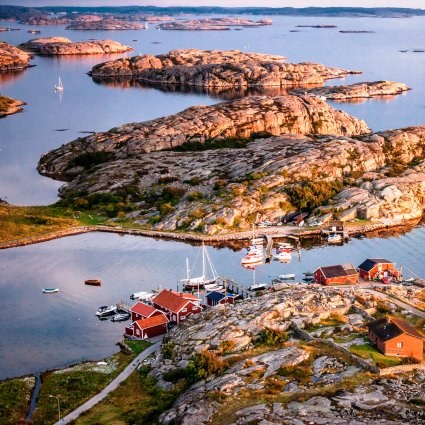 0 mi from StockholmArchipelago Tour
 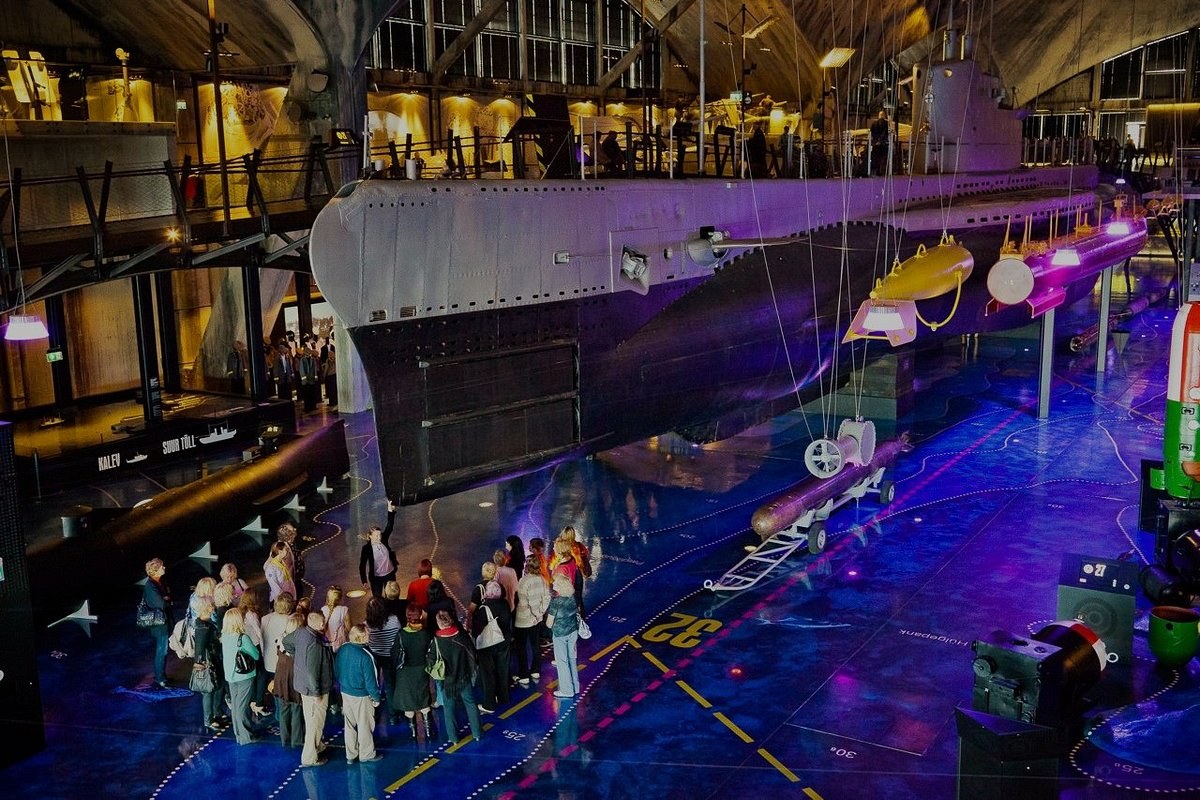 238 mi from Stockholm · land adventureTallinn's Wild Coast, Bog Trails & Manor Houses
 After you step off · near Genoa
You end in a different port — stay on, and add what is within reach before you fly home.
 74 mi from GenoaDuomo di Milano
 74 mi from GenoaLeonardo da Vinci's The Last Supper
  85 mi from Genoa · land adventureLake Como: Silk, Stone, and Summit — A Four-Day Master Plan
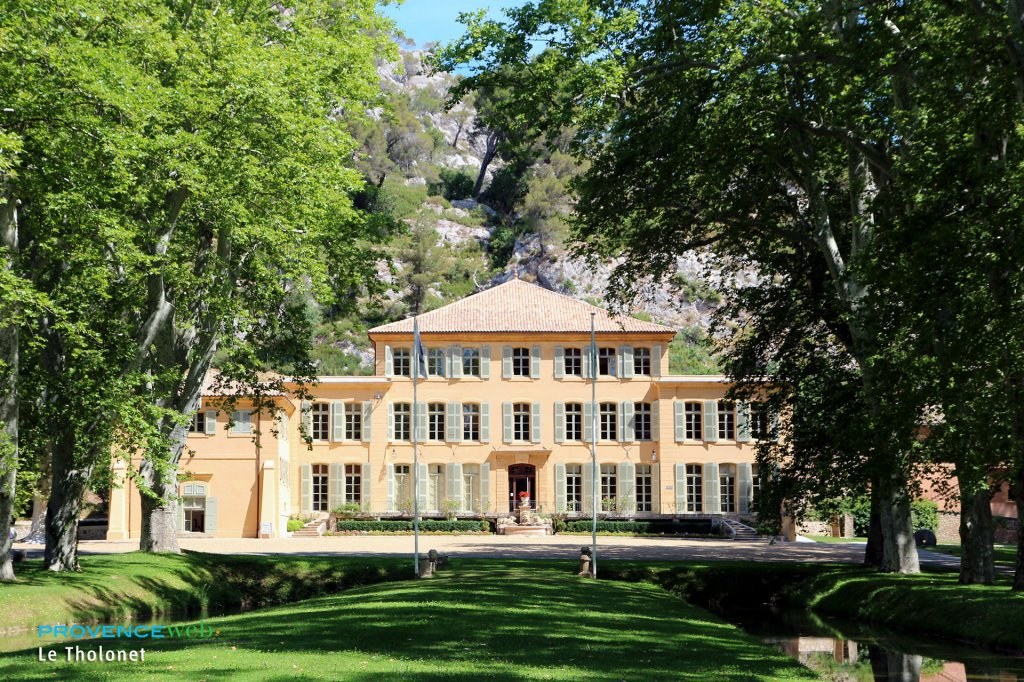 100 mi from Genoa · land adventureCézanne's Backyard: Wine, Art & Thermal Springs in Provence
 The same trip, elevated
The same gateway on a more luxurious line — lead-in fare per person, same fare as booking direct.