Your cruise
MSC Orchestra · 9-night Mediterranean cruise, Marseille to Bari
Oct 22 – Oct 31 · 9 nights ·
Day 1 Marseille (board) · Day 2 Tarragona · Day 3 Valencia · Day 4 at sea · Day 5 Livorno (Florence/Pisa) · Day 6 Civitavecchia (Rome) · Day 7 Catania · Day 8 Corfu · Day 9 Kotor · Day 10 Bari (step off)
What you do Walk the UNESCO World Heritage ruins of ancient Tarraco — Amphitheatre, Roman Circus, and Forum — with a licensed private guide who brings two millennia of history to vivid life on an exclusive, fully bespoke half-day.
What to expect Your guide meets you near the port and leads you through the Amphitheatre's arena floor, where gladiators once fought with the Mediterranean as a backdrop. You descend into the vaulted passages of the Roman Circus — one of the best-preserved in the world — then cross to the Provincial Forum's monumental plaza. Every site is interpreted with scholarly precision and genuine passion, making the stones speak.
Good to know All three monuments are within walking distance of the cruise pier (10–15 min on foot or a short taxi). Pre-book your private guide directly via the Itinere platform; slots fill fast on port days. Allow 4 hours to do justice to all three sites, leaving comfortable time before all-aboard.
Versus the ship tour A licensed expert guide who tailors depth and pace entirely to your group — no queues, no crowds, no fixed script. You linger where the story grips you, moving fluidly between monuments that most visitors only skim.
book direct with Itinere Tarragona (Turisme de Tarragona official guided tours) → · the full guide →
What you do Stand beneath the soaring two-tiered arches of the 'Devil's Bridge' — a 2,000-year-old Roman aqueduct rising 27 metres above the gorge — on a private guided visit to one of Spain's most dramatic ancient structures.
What to expect A short private transfer brings you to a forest clearing where the aqueduct suddenly fills the sky — the scale is genuinely jaw-dropping. Your guide explains how Roman engineers carried fresh water 25 km from the River Gaià to supply ancient Tarraco. You walk the shaded path alongside its base, then climb for panoramic views across the pine canopy. The sense of solitude and grandeur here is rare.
Good to know The site is free to enter; cost is in guiding and transfer. Combine with the city ruins for a full Roman day. Wear comfortable walking shoes — the path is uneven. Confirm your return transfer time carefully against the ship's all-aboard.
Versus the ship tour This is not a site you stumble upon — it sits 4 km north of the city, away from the port-day crowds, and a knowledgeable guide transforms it from a photogenic ruin into a masterclass in Roman hydraulic engineering that you will never forget.
book direct with Itinere Tarragona (Turisme de Tarragona official guided tours) → · the full guide →
What you do Explore the magnificent 12th-century Catedral de Tarragona — a sublime transition from Romanesque to Gothic — including its serene arcaded cloister and treasure-filled Diocesan Museum, ideally with a private expert guide.
What to expect You enter through a Romanesque portal into a soaring nave where centuries of Catalan history are etched in stone and stained glass. The cloister garden, with its slender columns and carved menagerie of animals, is one of the most peaceful spaces in Spain. The treasury displays gold reliquaries, Gothic tapestries, and a remarkable Roman marble sarcophagus. The hilltop location also offers sweeping views over the city's rooftops toward the sea.
Good to know Book tickets online in advance via the official cathedral website to avoid queues on busy port days. The Cathedral is a 15–20 minute walk uphill from the pier, or a short taxi ride. Allow 90 minutes minimum. Dress modestly — shoulders and knees must be covered.
Versus the ship tour The Cathedral's official visit combines the main nave, the extraordinarily beautiful cloister — with its carved capitals and resident peacocks — and a museum housing medieval altarpieces and Roman-era sarcophagi. A private guide unlocks the symbolism and layered history in a way a self-guided visit simply cannot.
book direct with Catedral de Tarragona (official) → · the full guide →
What you do Combine a private walking tour of Roman Tarragona with a journey inland to the Priorat or Camp de Tarragona wine country, tasting exceptional local vermouth and DO Tarragona wines with a passionate local expert.
What to expect Your private guide leads you through the Roman quarter before whisking you to a family-run vermouth bar or local bodega where the Camp de Tarragona's celebrated vermouth is poured straight from the barrel. You learn why this region is the birthplace of Spanish vermouth culture, sample local charcuterie and olives alongside, and if time permits, explore the Modernista architecture of nearby Reus, birthplace of Gaudí. The pace is entirely yours.
Good to know Book your private guide in advance via ToursbyLocals; specify your interest in wine and food for a tailored itinerary. This excursion works best as a 4–5 hour experience. Confirm logistics carefully against your ship's all-aboard time, as Reus is 15 km from the port.
Versus the ship tour A fully private, customisable experience led by a vetted local who curates the tastings and sites to your personal interests — never rushed, never generic. You taste vermouth the way Tarragona locals have for generations, in the company of a guide who knows the producers personally.
book direct with ToursbyLocals Tarragona (vetted private local guides) → · the full guide →
What you do Stroll Tarragona's legendary clifftop Balcony of the Mediterranean — the most dramatic sea-view promenade in Catalonia — then follow the Passatge Arqueològic along the ancient Roman walls for a perfectly paced private walking experience.
What to expect You begin at the Balcó del Mediterrani, where the Mediterranean opens up in a panorama that has stopped travellers in their tracks for centuries — the amphitheatre ruins sit directly below, framed by the glittering sea. Your guide then leads you along the Passatge Arqueològic, a garden walkway threading between two rings of wall — the inner Roman and the outer medieval — lined with sculpture and ancient towers. The experience is simultaneously dramatic and utterly serene.
Good to know Both sites are within easy walking distance of the cruise terminal (15–20 min on foot, mostly uphill). Best experienced in the morning before the midday heat. Combine with the Cathedral for a full cultural half-day. Comfortable walking shoes and sun protection are essential.
Versus the ship tour This itinerary is the local insider's Tarragona — the sweep of the coastline from the Balcó, the secret garden path between the Roman and medieval walls, the unhurried pace that lets you photograph, reflect, and genuinely absorb the scenery. A private guide adds the human stories layered into every stone.
book direct with Itinere Tarragona (Turisme de Tarragona official guided tours) → · the full guide →
What you do Escape the port in a private chauffeured vehicle along the wild Cap Roig headland and the golden Costa Daurada coastline — dramatic limestone cliffs, hidden coves, and panoramic sea views on a completely exclusive excursion.
What to expect Your private driver-guide collects you at the pier and heads south along a coastline of extraordinary beauty — rugged limestone headlands plunging into turquoise water, with the scent of pine and salt in the air. At Cap Roig, you step out for clifftop panoramas that stretch to the horizon. The guide points out hidden beaches accessible only on foot, and if the schedule allows, you stop at a clifftop viewpoint bar for a glass of chilled cava with the sea below you. The return trip follows the golden-sand bays of the Costa Daurada.
Good to know Book in advance via ToursbyLocals and specify Cap Roig and coastal scenery as your priority. A 3–4 hour private excursion is ideal. Coordinate pickup and drop-off at the cruise pier, and build in a generous buffer before all-aboard given the driving distances involved.
Versus the ship tour This is Tarragona's most spectacular natural scenery, explored at your own pace in a private vehicle with a knowledgeable local guide — no group coach, no fixed stops, no compromises. You choose when to linger, when to photograph, and when to find a quiet cove for a moment of complete Mediterranean bliss.
book direct with ToursbyLocals Tarragona (vetted private local guides) → · the full guide →
What you do Walk off the ship to Quai des Belges and board a National-Park-authorized boat that threads the 12-mile wall of blinding-white limestone cliffs plunging into fjord-like turquoise inlets: Sormiou, Morgiou, Sugiton, En-Vau, Port-Pin and Port-Miou. This is the one signature landscape Marseille is built around, and the boat departs the Vieux-Port itself, so there is no need to bus over to Cassis first. On a warm port day, pick the version with a swim stop and float in a cove no road reaches.
What to expect You walk straight off the ship to Quai des Belges and board a National-Park-authorized boat that launches directly from the Vieux-Port into one of Europe's most stunning seascapes. For the next three to three-and-a-half hours, you glide beneath a 12-mile chain of blinding-white limestone cliffs plunging into fjord-like turquoise inlets—Sormiou, Morgiou, Sugiton, En-Vau, Port-Pin, and Port-Miou—with panoramic deck commentary unfolding the geology and history. On warm days, the summer "Calanques & Baignade" version anchors in a pristine cove reachable only by water, where you float in crystalline turquoise that no road can touch.
Good to know Book Icard Maritime directly at the pier rather than through the cruise line—you'll pay €33–40 ($36–44) instead of $130–170, saving $90+ per person while skipping a Cassis coach transfer. The 3h15 and 3h30 cruises depart Quai des Belges (a five-minute walk from most ships) multiple times daily; confirm the final return slot leaves at least 90 minutes before your ship's all-aboard time. Bring sunscreen, a hat, and a swimsuit if opting for the baignade version; no need to book ahead—just show up at the departure quay and purchase tickets on-site.
Versus the ship tour Biggest markup of the day, direct wins decisively. The cruise line's Cassis/Calanques boat excursion runs $130-170 pp (RCI's was reported at $133) for essentially this same boat ride after a coach transfer to Cassis. Booking Icard direct from the Old Port is ~$36-44 pp: you save roughly $90-130 per person AND skip the Cassis bus. Just confirm the last return slot leaves you 90+ min of margin before all-aboard.
book direct with Icard Maritime (Croisieres Marseille Calanques) → · the full guide →
What you do The gold-crowned Neo-Byzantine basilica 'La Bonne Mere' crowns the city's highest point at 162m, its Virgin statue the very symbol of Marseille you see from the sea sailing in. The open tourist train leaves the Vieux-Port, runs the seafront corniche past Vallon des Auffes and the Palais du Pharo, then grinds up to the summit for the definitive 360 panorama over the Old Port, the islands and Chateau d'If, with a ~20-min stop at the top. The steep climb on foot would eat half your port-day energy; the train is the smart cruiser move and the basilica itself is free to enter.
What to expect You board the open-air tourist train at Vieux-Port near Quai des Belges and glide past the seafront corniche, with views of Vallon des Auffes and the Palais du Pharo unfolding as you travel. The train then climbs steeply to the 162-meter summit where Notre-Dame de la Garde—the gold-crowned Neo-Byzantine basilica and Marseille's iconic symbol—crowns the highest point of the city. You'll have roughly 20 minutes at the summit to explore the basilica (free entry) and soak in the definitive 360-degree panorama: the Old Port, the islands, and Château d'If spread below you. The entire loop takes the physical toll out of what would otherwise be an exhausting uphill walk, letting you conserve energy for other port activities.
Good to know The €10 Circuit 1 ticket ($11 pp) departs directly from Vieux-Port near Quai des Belges—no need to book ahead, just walk over from the pier and queue; the journey and summit stop total roughly 45 minutes to 1 hour. Plan this excursion early in your port day (aim for the first 2–3 hours) to avoid afternoon crowds and ensure a comfortable buffer back to the ship. Bring water and sunscreen; the open train offers no shade and the summit stop is fully exposed. If you want historical context the train won't provide, pair this with a quick read on Notre-Dame's backstory beforehand, or combine it with a guided e-bike tour for deeper narrative.
Versus the ship tour Direct wins big. The ship's 'Marseille & Notre-Dame de la Garde' coach excursion is $90-120 pp, and it is mostly charging you for a bus to a free church. The Euro 10 tourist train (or local bus 60 for a couple euros) gets you the same basilica and the corniche drive for a fraction of the price, saving ~$80-110 pp. Only downside vs the ship: no live guide narration, so read up first or pair it with the e-bike tour.
book direct with Le Petit Train de Marseille → · the full guide →
What you do A 20-minute ferry from the Old Port lands you on the 16th-century island fortress made immortal as the inescapable prison in Dumas's 'The Count of Monte Cristo.' Walk the cells, the ramparts and the dungeon, then turn around for the one view you get nowhere else: Marseille and Notre-Dame seen from the open water. The fast, frequent ferry leaves straight from the Vieux-Port, making this a tidy half-day even on a short call.
What to expect You board the Frioul If Express ferry directly from the Vieux-Port—a brisk 20-minute crossing—and step onto a 16th-century island fortress that Dumas immortalized as the inescapable prison in *The Count of Monte Cristo*. Once ashore, you move at your own pace through the stark cells, walk the ramparts, and descend into the dungeon, each space thick with literary and historical weight. The payoff arrives when you turn toward the water: a view of Marseille and Notre-Dame receding across the open Mediterranean that you cannot get from anywhere else. The ferry rhythm is tight and frequent, making this a cleanly contained half-day even if your ship's call is short.
Good to know Depart the pier directly to Quai des Belges at the Vieux-Port (walk-on, no pre-booking required); confirm you board the Frioul If Express, as two competing ferry operators dock there with different timetables. Factor in €10.80–16.20 for the round-trip ferry plus €6 fortress entry (~$19–25 total pp), and note that the fortress closes mid-afternoon—check the last return departure and build in a 30-minute buffer before that boat to avoid being stranded. Bring sun protection and wear sturdy shoes for uneven rampart surfaces; the island has minimal facilities, so eat or drink before you go.
Versus the ship tour Direct is the only sane way, the cruise lines rarely package this well and a guided version isn't worth it for a self-explanatory island. All-in you're at ~$19-25 pp. Heads-up: two competing ferry companies dock at the Old Port with different boats and timetables, so confirm you're on the Frioul If Express vessel and note the last return time, the fortress closes mid-afternoon and you do not want to miss the boat back.
What you do For a single 6-8 hour port day this is the best 'see everything' move: one electric-bike loop strings together the Vieux-Port fish market, the lace-concrete MuCEM and Fort Saint-Jean, the Major cathedral, the ochre lanes of Le Panier, the Palais du Pharo, the seafront corniche and Vallon des Auffes, and the hard climb to Notre-Dame de la Garde, which the e-bike motor flattens to nothing. A local guide gives the context a self-guided wander misses, and the group caps at eight. It is the most efficient way to compress the whole bucket list into one very Marseillais experience.
What to expect Your morning departs from the Fada Bike Cafe near the Old Port on a guided e-bike loop through Marseille's essential sights: you'll glide through the Vieux-Port fish market and ochre lanes of Le Panier, visit the striking concrete MuCEM and Fort Saint-Jean, explore the Major cathedral, ride the seafront corniche and intimate Vallon des Auffes, then cruise up to Notre-Dame de la Garde—where the e-bike motor flattens what would be a brutal climb into an effortless ascent. A licensed local guide strings these landmarks together with context and stories, keeping your group intimate at just eight riders, so you absorb far more than a self-guided wander or a 40-person coach tour ever could.
Good to know The 3.5-hour, 23 km tour fits comfortably into a 6–8 hour port day; book directly with Fada Bike Cafe to secure your spot and confirm departure time from the cafe, a short walk from the Old Port pier. The ~€49 price includes the e-bike, helmet, and guide, so budget only for lunch or café stops. Allow a 90-minute buffer before all-aboard to account for the ride back to port and any unforeseen delays; the e-bike and guided pace are leisurely enough that you won't feel rushed, but maritime schedules demand respect.
Versus the ship tour Direct wins on both price and quality. The ship's half-day 'Marseille City Highlights' walking tour is $80-110 pp and covers far less ground on foot. Fada's ~$53 e-bike loop is cheaper, reaches Notre-Dame and the corniche the walking tour can't, and keeps you in a group of 8 instead of a coach of 40, saving ~$30-55 pp for a markedly better experience.
book direct with Fada Bike Cafe, Tours & Rentals → · the full guide →
What you do If the Old Port boats are sold out or you'd rather pair the cliffs with the pastel fishing town of Cassis, take the bus or train out and buy a walk-up Calanques boat ticket at the harbor. The local boatmen's cooperative runs short circuits past 3 to 9 calanques (En-Vau, Port-Pin, Port-Miou and more) from 45 minutes to 2+ hours, and you can wander Cassis's quay before or after. It's a flexible, no-reservation fallback that still delivers the signature turquoise-cove scenery.
What to expect You'll take the M8 bus or train from central Marseille out to the pastel-painted fishing village of Cassis, where you walk directly to the harbor and join a walk-up boat tour. From there, a local boatman steers you through a circuit of 3–9 crystalline turquoise calanques—narrow limestone coves with names like En-Vau and Port-Pin—the boat cutting past dramatic cliff faces and rocky inlets for 45 minutes to 2+ hours depending on your ticket. Between or after the boat ride, you wander Cassis's waterfront quay, browsing the shuttered houses and harborside cafés before making the return journey back to the ship.
Good to know Plan for a 6–8 hour window: budget 30–45 minutes each way for the M8 bus (~€6) or train plus connection, 45 minutes to 2+ hours on the water, and 30–60 minutes to explore Cassis village. Walk-up boat tickets (€19–33 per person) are sold directly at the Cassis harbor by the local cooperative—no advance booking required, but availability is not guaranteed during peak hours. Plan a generous 90–120 minute return buffer to get back to the ship, as this DIY route involves two transfers with no guarantee of quick connections; on a tight port call, the ship-organized Cassis excursion or direct Old Port boats are lower-risk options. Bring euros for the bus, boat ticket, and harbor cafés, and wear slip-on shoes and a hat for sun exposure on the water.
Versus the ship tour Direct wins on price; the ship's Cassis/Calanques excursion is $130-170 pp. Buying the ~$21-36 boat ticket at the dock plus a ~$6 bus saves ~$90-130 pp. BUT be honest about the trade-off: this is the DIY route with two transfers and no guaranteed return, so on a tight port call the ship-organized version (or the direct Old-Port boat above) is the lower-risk choice. Use this as your backup, not your first pick, and leave generous margin to get back to the ship.
What you do Walk the UNESCO World Heritage ruins of ancient Tarraco — Amphitheatre, Roman Circus, and Forum — with a licensed private guide who brings two millennia of history to vivid life on an exclusive, fully bespoke half-day.
What to expect Your guide meets you near the port and leads you through the Amphitheatre's arena floor, where gladiators once fought with the Mediterranean as a backdrop. You descend into the vaulted passages of the Roman Circus — one of the best-preserved in the world — then cross to the Provincial Forum's monumental plaza. Every site is interpreted with scholarly precision and genuine passion, making the stones speak.
Good to know All three monuments are within walking distance of the cruise pier (10–15 min on foot or a short taxi). Pre-book your private guide directly via the Itinere platform; slots fill fast on port days. Allow 4 hours to do justice to all three sites, leaving comfortable time before all-aboard.
Versus the ship tour A licensed expert guide who tailors depth and pace entirely to your group — no queues, no crowds, no fixed script. You linger where the story grips you, moving fluidly between monuments that most visitors only skim.
book direct with Itinere Tarragona (Turisme de Tarragona official guided tours) → · the full guide →
What you do Stand beneath the soaring two-tiered arches of the 'Devil's Bridge' — a 2,000-year-old Roman aqueduct rising 27 metres above the gorge — on a private guided visit to one of Spain's most dramatic ancient structures.
What to expect A short private transfer brings you to a forest clearing where the aqueduct suddenly fills the sky — the scale is genuinely jaw-dropping. Your guide explains how Roman engineers carried fresh water 25 km from the River Gaià to supply ancient Tarraco. You walk the shaded path alongside its base, then climb for panoramic views across the pine canopy. The sense of solitude and grandeur here is rare.
Good to know The site is free to enter; cost is in guiding and transfer. Combine with the city ruins for a full Roman day. Wear comfortable walking shoes — the path is uneven. Confirm your return transfer time carefully against the ship's all-aboard.
Versus the ship tour This is not a site you stumble upon — it sits 4 km north of the city, away from the port-day crowds, and a knowledgeable guide transforms it from a photogenic ruin into a masterclass in Roman hydraulic engineering that you will never forget.
book direct with Itinere Tarragona (Turisme de Tarragona official guided tours) → · the full guide →
What you do Explore the magnificent 12th-century Catedral de Tarragona — a sublime transition from Romanesque to Gothic — including its serene arcaded cloister and treasure-filled Diocesan Museum, ideally with a private expert guide.
What to expect You enter through a Romanesque portal into a soaring nave where centuries of Catalan history are etched in stone and stained glass. The cloister garden, with its slender columns and carved menagerie of animals, is one of the most peaceful spaces in Spain. The treasury displays gold reliquaries, Gothic tapestries, and a remarkable Roman marble sarcophagus. The hilltop location also offers sweeping views over the city's rooftops toward the sea.
Good to know Book tickets online in advance via the official cathedral website to avoid queues on busy port days. The Cathedral is a 15–20 minute walk uphill from the pier, or a short taxi ride. Allow 90 minutes minimum. Dress modestly — shoulders and knees must be covered.
Versus the ship tour The Cathedral's official visit combines the main nave, the extraordinarily beautiful cloister — with its carved capitals and resident peacocks — and a museum housing medieval altarpieces and Roman-era sarcophagi. A private guide unlocks the symbolism and layered history in a way a self-guided visit simply cannot.
book direct with Catedral de Tarragona (official) → · the full guide →
What you do Combine a private walking tour of Roman Tarragona with a journey inland to the Priorat or Camp de Tarragona wine country, tasting exceptional local vermouth and DO Tarragona wines with a passionate local expert.
What to expect Your private guide leads you through the Roman quarter before whisking you to a family-run vermouth bar or local bodega where the Camp de Tarragona's celebrated vermouth is poured straight from the barrel. You learn why this region is the birthplace of Spanish vermouth culture, sample local charcuterie and olives alongside, and if time permits, explore the Modernista architecture of nearby Reus, birthplace of Gaudí. The pace is entirely yours.
Good to know Book your private guide in advance via ToursbyLocals; specify your interest in wine and food for a tailored itinerary. This excursion works best as a 4–5 hour experience. Confirm logistics carefully against your ship's all-aboard time, as Reus is 15 km from the port.
Versus the ship tour A fully private, customisable experience led by a vetted local who curates the tastings and sites to your personal interests — never rushed, never generic. You taste vermouth the way Tarragona locals have for generations, in the company of a guide who knows the producers personally.
book direct with ToursbyLocals Tarragona (vetted private local guides) → · the full guide →
What you do Stroll Tarragona's legendary clifftop Balcony of the Mediterranean — the most dramatic sea-view promenade in Catalonia — then follow the Passatge Arqueològic along the ancient Roman walls for a perfectly paced private walking experience.
What to expect You begin at the Balcó del Mediterrani, where the Mediterranean opens up in a panorama that has stopped travellers in their tracks for centuries — the amphitheatre ruins sit directly below, framed by the glittering sea. Your guide then leads you along the Passatge Arqueològic, a garden walkway threading between two rings of wall — the inner Roman and the outer medieval — lined with sculpture and ancient towers. The experience is simultaneously dramatic and utterly serene.
Good to know Both sites are within easy walking distance of the cruise terminal (15–20 min on foot, mostly uphill). Best experienced in the morning before the midday heat. Combine with the Cathedral for a full cultural half-day. Comfortable walking shoes and sun protection are essential.
Versus the ship tour This itinerary is the local insider's Tarragona — the sweep of the coastline from the Balcó, the secret garden path between the Roman and medieval walls, the unhurried pace that lets you photograph, reflect, and genuinely absorb the scenery. A private guide adds the human stories layered into every stone.
book direct with Itinere Tarragona (Turisme de Tarragona official guided tours) → · the full guide →
What you do Escape the port in a private chauffeured vehicle along the wild Cap Roig headland and the golden Costa Daurada coastline — dramatic limestone cliffs, hidden coves, and panoramic sea views on a completely exclusive excursion.
What to expect Your private driver-guide collects you at the pier and heads south along a coastline of extraordinary beauty — rugged limestone headlands plunging into turquoise water, with the scent of pine and salt in the air. At Cap Roig, you step out for clifftop panoramas that stretch to the horizon. The guide points out hidden beaches accessible only on foot, and if the schedule allows, you stop at a clifftop viewpoint bar for a glass of chilled cava with the sea below you. The return trip follows the golden-sand bays of the Costa Daurada.
Good to know Book in advance via ToursbyLocals and specify Cap Roig and coastal scenery as your priority. A 3–4 hour private excursion is ideal. Coordinate pickup and drop-off at the cruise pier, and build in a generous buffer before all-aboard given the driving distances involved.
Versus the ship tour This is Tarragona's most spectacular natural scenery, explored at your own pace in a private vehicle with a knowledgeable local guide — no group coach, no fixed stops, no compromises. You choose when to linger, when to photograph, and when to find a quiet cove for a moment of complete Mediterranean bliss.
book direct with ToursbyLocals Tarragona (vetted private local guides) → · the full guide →
What you do Step inside Santiago Calatrava's blinding-white, sci-fi City of Arts and Sciences and into the Oceanografic, the biggest aquarium in Europe, where a glass tunnel puts sharks and rays gliding over your head and beluga whales, sea lions and a dolphin lagoon fill nine themed marine worlds. It is the single most photographed image of Valencia and the closest marquee sight to the cruise terminal, about 12-20 minutes by bus line 95 or a ~12-15 euro taxi. For a first-timer with one port day, this is the regret-if-you-miss-it stop.
What to expect You arrive at Santiago Calatrava's gleaming City of Arts and Sciences and step into the Oceanografic, Europe's largest aquarium, where a glass tunnel frames sharks and rays gliding silently overhead. From there you move through nine themed marine worlds—beluga whales, sea lions, and a dolphin lagoon punctuate the journey—each zone a deeper plunge into underwater spectacle. The dolphin and sea-lion shows provide the natural rhythm breaks and peak photo moments. It's an immersive, self-paced flow from zone to zone, capped by the single most photographed image Valencia offers.
Good to know Book your ticket direct online (EUR 35.90–43.05 adult; combo packages with Hemisferic IMAX and Science Museum run EUR 44–51.25) and allow 2.5–4 hours inside the aquarium to cover all zones and catch both shows comfortably. From the cruise terminal, take line 95 bus (12–20 minutes) or a taxi (~EUR 12–15) directly to the City of Arts and Sciences; the walk from either drop-off to Oceanografic is short and self-evident. Plan to be back at the pier 90 minutes before all-aboard, and bring a camera—the underwater glass tunnels and Calatrava architecture demand it.
Versus the ship tour DIRECT WINS BIG. Lines like Celebrity and Royal Caribbean sell a city-visit-plus-Oceanografic tour at $95-130 pp; the aquarium ticket booked direct is only ~$39-46, so even with a taxi you save roughly $50-80 pp and skip the bus-herd pacing. The only thing the ship adds is guided transfer, which the line-95 bus or a short cab replaces for a few euros.
book direct with Oceanografic Valencia (Ciutat de les Arts i les Ciencies) → · the full guide →
What you do Glide out across the mirror-still freshwater lagoon in a traditional flat-bottomed albuferenc wooden boat, poled and motored past herons, reed beds and the rice paddies that actually gave the world paella, best at the golden-hour light Valencia is famous for. This is the postcard the cathedral and aquarium can't replicate, and at roughly 25 minutes from the port it pairs perfectly with an authentic paella lunch in the El Palmar village beside the dock.
What to expect You'll travel roughly 25 minutes from the port to El Palmar village and board a traditional flat-bottomed wooden boat, poled and motored across the mirror-still freshwater Albufera Lagoon. As you glide past herons, reed beds, and the rice paddies that gave paella to the world, golden-hour light transforms the landscape into postcard perfection—a natural experience the cathedral and aquarium cannot match. The shared lagoon ride lasts about 45 minutes, immersing you in the serene working wetlands that define this region. Pair it seamlessly with an authentic paella lunch at a village restaurant beside the dock, creating a complete sensory journey of Valencia's most authentic culinary and natural heritage.
Good to know Book directly with Paseos en Barca El Besso (WhatsApp/phone +34 678 336 181 or their website) for a standard ~45-minute ride at EUR 5 adult/EUR 3 child, or opt for a sunset/longer ride at EUR 7—a fraction of cruise-line bundled tour pricing. From the pier, take a taxi to El Palmar dock (roughly 25 minutes); consider hiring the same taxi to wait, or arrange round-trip transport through an independent port-gate operator for ~€75–85 to include boat and paella. Book your boat slot and paella restaurant reservation in advance to secure timing, and budget 4–5 hours total (transport, boat, meal, return) to maintain a safe buffer before all-aboard. Bring sun protection and a camera for golden-hour shots, and note that the boat is weather-dependent; confirm departures the morning of your port day.
Versus the ship tour DIRECT IS A FRACTION OF THE PRICE. The boat ride itself is ~5 euros booked directly with the barquero; cruise lines bundle it into 'Old Quarter and Albufera with paella' tours at $90-130 pp. If you want the whole package handled, an independent port-gate operator does boat + paella + round-trip transport for ~$82-92 pp and still beats the ship by $20-50. But the boat alone, self-driven by taxi, is the budget bucket-list steal of the port.
book direct with Paseos en Barca El Besso → · the full guide →
What you do Shop for ingredients at the 1928 Modernista Central Market with a Valencian chef, then learn to build the genuine article over fire, rice, chicken, rabbit and garrofo beans, never chorizo, and eat your own creation with regional wine and tapas. It is a hands-on, take-home-a-skill experience run by a real local operator, and the ~3.5-hour morning format slots cleanly inside a 6-8 hour port day for foodies who want to do more than sightsee.
What to expect You'll start with a guided walk through the soaring Modernista halls of the 1928 Central Market, learning to spot authentic paella ingredients alongside your Valencian chef before heading to the cooking space. There you'll work hands-on—building genuine paella over fire with rice, chicken, rabbit, and garrofo beans (never the tourist shortcut of chorizo). As the dish comes together, you'll taste regional wine and tapas, then sit down to eat the paella you've just made. The morning format flows as a natural arc from market discovery to skill-building to meal, completing in roughly 3.5 hours.
Good to know The ~3.5-hour morning class fits neatly into a 6–8 hour port day, leaving buffer time for tender queues and the walk back to the pier. Book directly with Sea Saffron (not the cruise line) to confirm pickup logistics from the Valencia port and confirm whether transportation is included. Wear closed-toe shoes suitable for standing in a market and near an open fire, and bring an appetite—you'll finish with your own cooked paella plus wine service. Reserve ahead, especially for weekend calls, since local operators fill faster than ship-sponsored alternatives.
Versus the ship tour DIRECT WINS. Cruise-line culinary excursions run $130-225 pp (tapas-and-wine city tours up to $221-226, cooking classes ~$139); Sea Saffron's hands-on class with market tour is ~$80 booked direct, saving $50-145 pp, and you deal with a genuinely Valencian operator instead of a contracted group bus.
What you do In its own Gothic side chapel the cathedral guards the agate cup the Vatican recognizes as the most credible candidate for the Holy Grail of the Last Supper, the spiritual heart of the Old Town. Then climb the 207 spiraling steps of the Miguelete bell tower for the definitive 360-degree panorama over Valencia's terracotta rooftops and domes. Compact, walkable and self-paced, it anchors any Old Town port-day plan.
What to expect You'll start in Valencia's compact Old Town, entering the Gothic cathedral to view the agate Holy Grail cup in its own chapel—a profound, quieter moment amid the architectural grandeur—before moving through the Treasury and museum at your own pace with an audioguide. Then you'll face the decision: take the 207 spiraling steps of the Miguelete bell tower for an unobstructed 360-degree panorama of terracotta rooftops and domes, or linger in the historic center's walkable streets. The rhythm is entirely self-directed; you move when you want, rest when you want, and the compact geography keeps you anchored without feeling rushed.
Good to know The cathedral and tower entry (~$12–14 total) should be booked direct at the official site or purchased at the door to avoid ship markups. Budget 2.5–3 hours for the full cathedral experience plus the tower climb; the Old Town is a flat, easy 10–15 minute walk from the cruise pier, leaving you 2–3 hours for additional wandering or a cafe stop. Build in a 30-minute buffer to return to the ship; bring comfortable walking shoes, sunscreen, and a small day bag, as the tower climb is tight and steep. Book ahead online only if you're visiting during peak season (May–September) to guarantee entry slots.
Versus the ship tour DIRECT WINS, AND IT'S SELF-GUIDED. Lines sell a Valencia City Highlights / panoramic Old Town tour at $70-95 pp; the cathedral and tower booked direct total ~$12-14 pp, and the historic center is an easy self-guided walk. The ship only adds a guide and coach transfer, worth it solely if you want zero logistics, otherwise you're paying $60+ extra for narration.
book direct with Catedral de Valencia (Basilica Metropolitana) → · the full guide →
What you do After a 1957 flood Valencia rerouted its river and turned the 9 km dry riverbed into one of Europe's great urban parks, a green ribbon winding under the city's historic stone bridges from the Old Town all the way to the City of Arts and Sciences. Rent a bike and ride the traffic-free corridor to string nearly every major sight together, the smartest, most local way to cover a lot of Valencia on a short port day.
What to expect You'll rent a bike at Valencia Bikes and pedal the 9 km traffic-free ribbon of the Turia Gardens, a green corridor that winds under historic stone bridges from the Old Town through the city's lush heart straight to the City of Arts and Sciences. Along the way you'll string together nearly every major sight—medieval plazas, arched architecture, and Calatrava's futuristic complex—without fighting traffic or crowds. The route flows as a seamless scenic loop, each landmark appearing naturally as you glide beneath centuries-old bridges and through sun-dappled parks. It's the closest thing to a personal-guided tour you'll get without paying for one, but entirely at your own pace and on your own discovery.
Good to know Rent your bike early to maximize daylight and give yourself 4–5 hours to ride the gardens, explore the Old Town, and visit the City of Arts and Sciences without rushing. The rental fee (~$13–16 including helmet and lock) is non-negotiable, so budget that upfront; guided tours are available at higher rates if you prefer narration. Allow at least 90 minutes buffer to return the bike, walk back to the pier, and clear security before all-aboard. Bring water, sunscreen, and check that the bike's brakes and tires work before leaving the rental shop—the route is flat and safe, but you'll be exposed to Valencia's sun for hours.
Versus the ship tour DIRECT WINS for the self-reliant. The ship's panoramic city tours run $70-110 pp; a half-day bike for ~$15 lets you self-connect the Old Town, Turia park and the Calatrava complex in one scenic loop, saving $55+ pp. Choose the ship only if you can't ride or want a guided narrative; otherwise the bike is the better-value, more memorable way to see the city.
What you do When you want an easy, low-stress port day, Malvarrosa and Las Arenas beaches sit minutes from the cruise terminal: a wide golden-sand strip backed by a palm-lined promenade of paella-and-seafood chiringuitos, with the America's Cup marina alongside. It is the closest open-water relaxation to the ship, no operator or booking needed, and you can be back aboard fast if the clock gets tight.
What to expect You arrive at a wide, palm-lined golden-sand beach moments from the cruise terminal, where the shoreline stretches lazily between the chiringuitos (casual seafood bars) lining the promenade and the sleek white yachts of the America's Cup marina. The rhythm is unhurried: claim a spot on the sand or rent a sunbed, order fresh paella or grilled fish from one of the beachfront shacks, and drift between the water and a cold horchata as the Mediterranean wind dries your shoulders. The Malvarrosa and Las Arenas beaches feel both Mediterranean-postcard authentic and entirely low-key—no crowds, no tours, just sand, salt water, and the gentle hum of port-city life just behind you.
Good to know A taxi from the terminal costs $12–15 each way, or take the city tram for a few euros—both get you beachside in minutes, leaving a full 5–6 hours to swim, eat, and lounge within a 6–8 hour port window. Sunbed and parasol rentals (around $5–10) are available on-site and require no advance booking. Build in a 30–45 minute buffer before all-aboard to account for a taxi queue or tram wait on the return trip, and bring cash or a card accepted at the chiringuitos if you plan to eat; sunscreen and a light cover-up are essential, as the beach offers limited shade beyond parasol rentals.
Versus the ship tour SKIP THE SHIP HERE. Cruise lines sell a Valencia Beaches / scenic coastal drive at $70-110 pp, but Malvarrosa is essentially in the port's backyard and free to enjoy; a taxi or tram gets you there for under $20 round trip. This is the no-regret fallback if a marquee tour sells out or you simply want sand and a cold horchata without spending a cent on an excursion.
What you do Climb the 251 spiraling marble steps of the most famous accident in architecture, feeling the floor pitch under your feet as the 12th-century bell tower tilts around you. At the top you stand over the gleaming-white Piazza dei Miracoli — cathedral, baptistery, camposanto — the bucket-list payoff most day-trippers skip in favor of the photo-from-below. Pisa is only ~20-30 min from Livorno, making it the single easiest signature stop for a port day.
What to expect You'll spiral up 251 marble steps through the iconic Leaning Tower, feeling the floor pitch subtly beneath your feet as the 12th-century bell tower's tilt becomes visceral rather than theoretical. At the summit, the Piazza dei Miracoli unfolds below—the gleaming white cathedral, baptistery, and camposanto arranged in perfect harmony—a view most day-trippers photograph from ground level and miss entirely. After descending, you can explore the cathedral itself (free with your climb ticket) and wander the luminous piazza at your own pace, soaking in one of Italy's most geometrically perfect medieval ensembles.
Good to know Book your timed climb slot (€20, roughly every 30 minutes) well ahead—summer slots sell out fast. From Livorno pier, take the train to Pisa Centrale (~20–30 min, €3–4 each way); the tower is a short walk from the station. Plan for 2–3 hours total (travel + climb + piazza exploration) within a 6–8 hour port window, leaving a comfortable 90-minute buffer to return to the ship. Bring photo ID (required for entry) and note that children under 8 cannot climb; summer heat makes an early morning departure from the pier ideal.
Versus the ship tour Direct wins big. The ship's 'Pisa & Leaning Tower On Your Own' runs $79-119 pp for what is essentially a bus transfer — the climb ticket is the same ~€20 booked direct either way. DIY by train (Livorno→Pisa Centrale ~€3-4 each way, ~$8 round trip) plus the climb ticket lands you under $30 all-in vs the ship's $79+ floor. You're saving $50-90 pp and the bus is the only thing you'd be paying the ship for.
book direct with Opera della Primaziale Pisana (official) → · the full guide →
What you do Climb 463 steps up between the two shells of the largest masonry dome ever built — raised in 1436 without scaffolding using a self-supporting herringbone brick design no one has fully replicated. You pass Vasari's vast 'Last Judgment' fresco at eye level, then step out to a 360-degree panorama over all of Florence and the Tuscan hills. The €30 Brunelleschi Pass also covers the Bell Tower, the Baptistery (Ghiberti's golden 'Gates of Paradise'), the crypt and museum.
What to expect You board the coach from Livorno and ride 90 minutes through Tuscan countryside to Florence's Duomo. At the Florence Cathedral complex, you enter the dome climb queue, then ascend 463 steps between two interlocking brick shells—passing Vasari's monumental *Last Judgment* fresco at eye level—before emerging onto an outdoor gallery with 360-degree views of Florence's terracotta roofscape and rolling hills. The same Brunelleschi Pass admits you to the adjacent Bell Tower, Baptistery with Ghiberti's bronze *Gates of Paradise*, the crypt, and museum, letting you layer the cathedral complex experience before the 90-minute return journey to the ship.
Good to know Book your mandatory timed dome-climb slot well before the port day (slots fill quickly), aiming for early morning to lock in a clean 3–4 hour Florence window and ensure a comfortable margin back to Livorno coach departure. Bring photo ID (required at entry), wear flat sturdy shoes for 463 spiral steps, and plan to spend ~€30 ($33 USD) for the Brunelleschi Pass covering dome, bell tower, baptistery, crypt, and museum. Allow roughly 90 minutes each way for coach travel, leaving a buffer of at least 30 minutes before ship departure—meaning if your port window is 8 hours, aim to be back at the coach by hour 7 at latest.
Versus the ship tour No ship line sells the dome climb itself — their Florence tours ($119-249 pp) get you to the city but leave the climb to you anyway. If you're already going to Florence, this is the active, talk-worthy thing to add for $33 that the bus tour crowd walks past. Just guard the clock: lock a morning climb slot so you're back at the Livorno coach with margin (Florence is ~90 min each way).
book direct with Opera di Santa Maria del Fiore (official) — Brunelleschi Pass → · the full guide →
What you do The single best way to de-risk a Florence port day: a licensed art-historian guide meets you dockside, drives you the ~90 min in, and walks you through reserved-entry Michelangelo's David at the Accademia and the Uffizi (Botticelli's 'Birth of Venus,' Leonardo, Raphael, Caravaggio), plus Piazza della Signoria, the Duomo exterior and Ponte Vecchio. No ticket lines, no train roulette — and a contractual guarantee to get you back to Livorno before the ship sails. ArtViva has run this 25+ years and is featured in Rick Steves and the NYT.
What to expect Your licensed art-historian guide meets you at the Livorno dock and drives you ~90 minutes directly to Florence in a private vehicle—no train timing to worry about. You'll walk through reserved-entry lines at the Accademia to stand face-to-face with Michelangelo's David, then move into the Uffizi Gallery to see Botticelli's *Birth of Venus*, Leonardo, Raphael, and Caravaggio alongside your expert's real-time interpretation. The day closes with a walking tour of Piazza della Signoria, the Duomo's exterior, and Ponte Vecchio before your driver delivers you back to the ship with a contractual guarantee you won't miss departure.
Good to know A 6–8 hour port window is standard; your guide controls all logistics and guarantees return before the ship sails—there is no group-bus risk. Book ahead by emailing ArtViva your ship name and date for a firm quote and reserved-entry tickets (Accademia/Uffizi entry is often added to the base rate). Private pricing ranges ~$200–350 per person for a party of 2, but drops meaningfully if you can assemble a group of 4–6 travelers. Wear comfortable shoes for the walking portions and bring water; the guide handles all transport and museum logistics.
Versus the ship tour Honest read: priced for a party of 2, this private guide can run at or above the ship's $199-249 'Best of Florence' bus tour — but you get a private vehicle, an art-historian one-on-one, skip-the-line David + Uffizi, and a back-to-ship guarantee no group bus matches. If money's the only axis and you don't need a private guide, skip to the small-group card below. Splitting this across 4-6 people brings per-person under the ship rate.
book direct with ArtViva — The Original & Best Tours Italy → · the full guide →
What you do The high-value way to bag BOTH famous cities in one 8-hour port window. A Pisa-based licensed operator drives into the cruise terminal to meet you, then runs a small group of 6-8 in an A/C minivan: the Leaning Tower / Piazza dei Miracoli, then on to Florence for the Duomo, Ponte Vecchio and Piazza della Signoria with free time to climb or museum on your own. It strips out the train-and-timing stress while keeping the day flexible — and it's a direct operator, not a reseller.
What to expect You'll be met at the cruise terminal by a Bella Italia Tour driver and loaded into an air-conditioned minivan with 5–7 other travelers for an 8-hour sprint across Tuscany's two headliners. First stop: Pisa's Leaning Tower and Piazza dei Miracoli, where you'll explore the iconic square and famous basilica complex. Then it's on to Florence, where your guide walks you through the Duomo, points out Ponte Vecchio and Piazza della Signoria, and cuts you loose with free time to climb the Tower, hit the Uffizi, or simply wander the Renaissance streets at your own pace. The operator guarantees you back at the ship on schedule—no train delays, no timing anxiety.
Good to know Book your museum tickets (David, Uffizi, Tower climbs) in advance online to skip walk-up lines and maximize your free time in Florence. The operator picks you up directly from the cruise terminal, eliminating the hunt for a meeting point; confirm pickup time and location when you book. Plan to be back at the pier 30 minutes before all-aboard to account for transit time and port security. Wear comfortable walking shoes and bring water—you'll cover significant ground on foot in both cities, and Tuscan heat can be intense in summer.
Versus the ship tour Direct wins clearly. The ship's full-day 'Best of Florence & Pisa' guided combo clusters at $199-249 pp; this is the same two-city itinerary in a 6-8 person van for €99 — that's $90-140 pp cheaper, smaller group, and they guarantee you back to the ship on time. The only catch is you book your own entry tickets, which you'd want to do anyway to skip the walk-up lines.
book direct with Bella Italia Tour (Pisa-based, port-licensed) → · the full guide →
What you do The quintessential Tuscan day that isn't a museum line. A hands-on cooking lesson with a local chef on a working family farm, a full farm-to-table lunch with the estate's own wines and olive oil, then a stroll through the medieval hill village of Peccioli and a tasting of three artisanal gelato flavors. Arianna & Friends runs its own My Tuscan Kitchen school and handles round-trip minivan transport from the Livorno dock with an English-speaking guide — a true direct operator, with per-person cost dropping sharply as your group grows.
What to expect You'll be picked up from the Livorno dock by minivan with an English-speaking guide and driven to a working family farm, where a local chef leads you through a hands-on cooking lesson—expect flour on your hands and real technique, not a demonstration. After class, you sit down to a farm-to-table lunch featuring your own creations paired with the estate's wines and olive oil. The afternoon transitions to a stroll through the medieval hilltop village of Peccioli, where you taste three artisanal gelato flavors before the minivan returns you to port. The entire 8-hour rhythm moves from kitchen work to long lunch to leisurely village exploration—intimate and sensory throughout.
Good to know This is a direct-operator excursion (Arianna & Friends) with round-trip minivan transport from the dock included, eliminating logistics guesswork. The price drops significantly with group size: €540 per person for 2 travelers, down to ~€190 per person for 10, making it sharpest value for families or couples who can recruit fellow passengers. Book ahead directly with the operator to secure your spot and confirm departure time from the Livorno pier; the 8-hour window is tight, so plan a generous buffer before your ship's all-aboard. Wear comfortable clothes suitable for kitchen work and walking a medieval village—bring an appetite and sunscreen.
Versus the ship tour Different animal from the ship's $199-249 Chianti bus tour — this is hands-in-the-dough, not sip-and-photograph. For a couple alone the €540 pp is a splurge that beats the ship's price; build a group of 6-10 and it drops to ~€190-260 pp, undercutting the ship's wine tour while delivering a cooking class, full lunch and a village the bus never stops in. If you only want wine in a glass, the ship tour is cheaper for a solo couple — but this is the regret-if-you-miss-it Tuscan experience.
book direct with Arianna & Friends (My Tuscan Kitchen at Rita's farm) → · the full guide →
What you do Trade the city crowds for Italy's most photographed coastline: five pastel fishing villages stacked on terraced cliffs above the Ligurian Sea, linked by a scenic rail line and footpaths. From Livorno you ride north to La Spezia, then hop the Cinque Terre line between Monterosso, Vernazza, Manarola and the rest, walking the open trail sections and standing over the harbors that fill every Italian-Riviera postcard. It's one of the easiest signature days to self-organize and a complete change of pace from Florence's galleries.
What to expect You'll board a regional train north from Livorno to La Spezia, then step onto the Cinque Terre rail line—a scenic shuttle threading between five pastel villages perched on terraced cliffs above the Ligurian Sea. Between train hops, you walk open footpaths that connect Monterosso, Vernazza, Manarola and the rest, standing directly over the harbors that define every Italian-Riviera photograph. The day unfolds at your own pace: jump off at a village, explore the narrow streets and waterfront, grab lunch overlooking the sea, then catch the next train to your next stop. It's a complete shift from Florence's crowded galleries—pure coastline, working fishing towns, and the rhythm of the Italian railways.
Good to know Depart Livorno on the regional train to La Spezia (build in buffer time for potential delays), then purchase the Cinque Terre Treno MS Card (~€19.50) for unlimited village-to-village trains and trail access. Plan to be back at La Spezia station at least 2+ hours before your ship's all-aboard time—Cinque Terre is the farthest reach from port with the tightest return margin, and missed trains are a real risk. Wear comfortable walking shoes for the open trail sections, bring sun protection and water, and carry small cash for the train card and village meals; the trains run frequently enough to self-organize easily, but always confirm return schedules at La Spezia before you go deep into the villages.
Versus the ship tour Direct wins on price, ship wins on safety net. DIY by train is ~$40-60 pp vs the ship's $179-199 Cinque Terre tour — a $120-150 pp saving — and the train hop is genuinely easy. But Cinque Terre is the farthest reach from Livorno with the tightest return margin; if you're not confident navigating Italian regional rail under a hard all-aboard clock, the ship's bus (or a direct operator that guarantees your return) is the worry-free call. Never gamble the ship on a missed train.
book direct with Trenitalia (official) — Cinque Terre Treno MS Card → · the full guide →
What you do This is the definitive Rome bucket-list day: Michelangelo's Sistine Chapel ceiling and Last Judgment, the Vatican Museums, St. Peter's Square, plus the Colosseum and Roman Forum — all in one 9-hour private run from the pier. Your driver collects you ship-side in a Mercedes and the 'privilege' skip-the-line tickets to both the Vatican and Colosseum mean you walk past the 2-hour queues that would otherwise eat your port day. Note this is a private-driver tour, not a guided one: you explore the interiors at your own pace (audio guides sold inside).
What to expect A private Mercedes collects you pier-side at Civitavecchia and you begin a 9-hour immersion in Rome's iconic landmarks, moving at your own pace rather than a group's rhythm. You skip past the 2-hour queues at the Vatican Museums to explore Michelangelo's Sistine Chapel ceiling and Last Judgment, then wander St. Peter's Square (basilica entry is free but has its own queue). After lunch flexibility, you drive to the Colosseum and Roman Forum, again with skip-the-line privilege tickets that let you move straight inside while standard visitors wait. Throughout, your private driver and personal vehicle—not a 50-person bus—keep you on your schedule, though you explore each site's interiors independently with optional audio guides available for purchase.
Good to know The full excursion runs 9 hours; plan to depart the pier by 8:00 AM at the latest to ensure a comfortable return before your ship's evening departure. Your private driver meets you ship-side at Civitavecchia—confirm the exact return-time guarantee and buffer window when booking, as this operator runs cruisers daily but you'll want that back-to-ship safety net in writing. Bring comfortable walking shoes, sunscreen, and cash or cards for lunch and optional audio guides inside the museums (not included in the EUR 187.50 price). Book skip-the-line tickets in advance as part of your package; they're your main time-saver advantage over the cruise line's group tours, which run $220–$320 per person for the same sites.
Versus the ship tour Direct wins decisively. The cruise lines' marquee 'Best of Rome / Ultimate Rome' Vatican+Colosseum day runs $220-$320 pp, and on premium lines higher — this private, skip-the-line equivalent is ~$205 pp with your own vehicle and no 50-person bus. You save roughly $50-$120 per person and skip the group-pace bottleneck. The one thing the ship guarantees that you're trading away: a step-on licensed guide inside the sites and a back-to-ship promise (this operator runs cruisers daily but confirm the return-time guarantee when booking).
book direct with Discovery Guided Tours → · the full guide →
What you do The reason cruise lines stop here at all: a private deluxe vehicle whisks you from the pier to the Trevi Fountain, Pantheon, Spanish Steps, Piazza Navona, St. Peter's Square and the Colosseum, dropping you as close as Rome's traffic limits allow at each. It's the maximize-a-tight-window play — a first-timer who sails past Rome without standing at the Trevi would genuinely regret it. Be clear-eyed: this is a driver, not a licensed guide, so it's exterior views, photo stops and walk-up landmarks, no museum interiors.
What to expect Your driver collects you pier-side at 8:00 AM in a private deluxe vehicle and begins threading Rome's narrow streets, stopping at the Trevi Fountain, Pantheon, Spanish Steps, Piazza Navona, St. Peter's Square, and Colosseum views—you step out, snap photos, walk up to the exteriors and iconic squares, then move on. This is drive-and-stroll geography, not museum interiors: you'll see Rome's greatest hits from street level and courtyard vistas, with your driver dropping you as close as traffic allows at each landmark. The rhythm is constant but unhurried—a masterclass in first-timer coverage, punctuated by photo moments and the low hum of rolling between sites. You're back at the pier by 5:00–5:30 PM, having touched eight of Rome's most recognizable monuments without boarding a 50-seat coach.
Good to know Pickup is pier-side at 8:00 AM sharp with return by 5:00–5:30 PM, giving you roughly 8 hours door-to-door; factor in Rome's traffic and the driver will optimize stops, so expect less than 30 minutes at each landmark unless you request longer. No entrance tickets, meals, or guide services are included—this is a driver-only arrangement, so museum and basilica interiors are on your own dime and time; bring cash and book ahead if you want to step inside St. Peter's or the Colosseum. All tolls, parking, and taxes are covered in the quoted price (EUR 650–750 per vehicle for up to 7 guests, ~EUR 107–163 per person), and the driver speaks English. Book directly with RomeCabs in advance; a solo traveler or couple may find the ship's motorcoach tour or Trenitalia train equally priced or cheaper per head, so confirm group size before committing.
Versus the ship tour Direct wins on access, ties or beats on price depending on group size. The ship's guided 'City in a Day / Panoramic Rome' coach tour is $110-$170 pp; split a EUR 650-750 car across 4-7 people and you land around $115-$175 pp with door-to-landmark drops a 50-seat bus can't do. For a solo or couple it's a wash on price — but you get a private car and your own timing. If you only want a cheap motorcoach drop-and-roam, the ship's 'Rome On Your Own' transfer ($60-100 pp) or the Trenitalia train (~$11 RT) is far cheaper than any private car — say so and don't overpay for a driver you don't need.
What you do For travelers who've already 'done' central Rome, this is the equally unforgettable alternative: Villa d'Este's 51 fountains, 64 waterfalls and 220 basins — all gravity-fed, not a single pump — paired with Emperor Hadrian's sprawling 2nd-century imperial estate. An expert private guide actually walks the gardens and ruins with you, and the crowds are a fraction of the Vatican's. A 9-hour day, pier to pier.
What to expect You'll spend the morning and early afternoon in two staggered acts: first, Villa d'Este's terraced Renaissance gardens, where your expert guide walks you through cascading fountains, 220 basins, and 64 waterfalls—all fed by gravity alone, no pumps needed—then a private car transfer inland to Emperor Hadrian's 2nd-century sprawl, where crumbling villas, temples, and theaters unfold across 30 acres of archaeological theatre. The rhythm is unhurried; you're with a licensed English-speaking expert, not herded through a coach crowd, so you'll actually absorb the history and architecture as you walk. By late afternoon, your driver returns you to the Civitavecchia pier, completing the 9-hour door-to-door arc.
Good to know Pickup from Civitavecchia pier is included; plan for a private car departure roughly 3–4 hours after ship arrival to allow for disembarkation and meet your guide. Both villas are outdoor, terraced sites with significant walking and uneven ground—wear comfortable shoes and bring sun protection and water. Book at least 48–72 hours ahead; the price (EUR 869 minimum, ~$475 per couple) drops per person as group size grows, and slots are limited to preserve the "expert guide + small party" promise. Confirm your ship's all-aboard time with the concierge and allow a 30–45-minute buffer before boarding to account for Civitavecchia pier return traffic.
Versus the ship tour Mixed verdict, lean ship for small parties. The cruise lines' 'Beauty of Tivoli / Villa d'Este' countryside tour runs $150-$260 pp and other independents (Discovery Guided Tours) sell a Tivoli day from ~$115 pp — so this premium private option is meaningfully pricier per head for a couple (~$475 pp). What you're buying is a genuine licensed guide actually leading you through both UNESCO sites and a private car, versus a coach. If budget is the driver, the ship tour or a cheaper shared independent is the honest call; book this only if private + expert-guided is the point.
book direct with Through Eternity Tours → · the full guide →
What you do Walk intact ancient streets, an amphitheater, taverns, bath-house mosaics and three-story Roman apartment blocks at the buried port city of Ostia Antica — the marquee 'lost Roman city' with a fraction of Rome's crowds. It's far closer to Civitavecchia than the actual Pompeii (which is impractical from this port), and this private full-day pairs it with the Etruscan necropolis at Cerveteri. Pier-side Mercedes pickup, full day, back in time for the ship.
What to expect You'll be picked up pier-side in a private deluxe Mercedes and driven to Ostia Antica, where you'll walk intact ancient streets lined with taverns, bath houses, and remarkably preserved three-story Roman apartment blocks, culminating at the amphitheater — a far less crowded alternative to Pompeii. The day then pivots to Cerveteri's Etruscan necropolis, where you explore burial sites and artifacts from Rome's pre-imperial neighbors. Throughout, you're moving at your own pace in private transport rather than herded with a group, though your driver handles logistics rather than narrating the ruins themselves. The rhythm is unhurried full-day immersion: ancient streets in the morning, a site transition at midday, and Etruscan tombs in the afternoon, returning to the pier in time to reboard.
Good to know Book ahead with Stefano Rome Tours and confirm pier pickup timing to ensure you clear the ship's all-aboard (driver will know the buffer). Entrance tickets to both Ostia Antica and Cerveteri are not included in the EUR 590 vehicle fee—budget ~EUR 18 per site and purchase at the gate or ahead online to save time. Bring a robust audio guide app (like the official Ostia Antica app) or printed site guide, since the driver is not a licensed in-site interpreter. With a full day in the field, wear comfortable walking shoes, sunscreen, and a hat; both sites are largely open-air and can be hot, especially in summer months.
Versus the ship tour Direct wins, with a caveat. Most ships barely offer Ostia Antica, and comparable 'scenic/ruins' ship days run $150-$260 pp — splitting EUR 590 across 4-7 people lands at ~$90-$160 pp plus ~EUR 18 site tickets. You get a near-empty Roman city and a private car well under the ship's countryside price. Trade-off: it's a driver, not a step-on guide inside the ruins, so bring a good audio guide or app if you want the narration the ship's guided tour would include.
What you do Skip the 1.5-hour each-way push to Rome and explore the port town nearly every cruiser blows past: Michelangelo's harbor fortress (Forte Michelangelo), one of Italy's largest open-air markets, fresh Tyrrhenian seafood and the seafront Pirgo promenade. A relaxed small-group walk with local tastings along the way — the low-stress, low-risk safety net when you want to be steps from the ship.
What to expect You'll join a small-group walk that begins steps from the pier and moves at a leisurely pace through Civitavecchia's historic center, anchored by visits to the Renaissance Forte Michelangelo and one of Italy's largest open-air markets alive with local vendors and produce. Along the way, you'll pause for fresh Tyrrhenian seafood tastings and other local bites, absorbing the rhythm of a working port town most cruisers skip. The walk concludes on the waterfront Pirgo promenade, where you'll have absorbed three hours of culture and flavor without the fatigue of a long coach transfer. It's the opposite of the Rome sprint—an immersive, low-pressure exploration of the places locals actually go.
Good to know The entire excursion unfolds within walking distance of your ship, so there's zero transfer time and minimal risk of running late; plan for the three-hour guided walk to fit comfortably in a 6–8 hour port window. Book ahead through DriverInRome to secure your spot in a small group, and wear comfortable walking shoes—you'll be on foot the whole time through cobblestone streets and market areas. Bring cash (EUR) for any additional purchases at the market or for tips, and check departure times with the operator to give yourself at least an hour buffer before all-aboard. The price of approximately EUR 75 per person (€82 USD) includes all tastings, so budget only for optional extras and gratuity.
Versus the ship tour No real ship equivalent, and that's the point. Cruise lines don't sell a Civitavecchia-town tour because they want you on the $60-320 Rome excursions — so this isn't a price-beat, it's a different (and far cheaper) day for travelers who don't want a 3-hour round-trip. At ~$82 pp with food included and zero risk of missing the ship, it's the honest pick for repeat Italy visitors, slow-pace travelers, or anyone who'd rather not gamble a tight Rome turnaround. If it's your first time in Italy, though, do Rome — this is the alternate, not the headline.
What you do Ascend Europe's most active volcano in a private 4×4 Jeep, traversing ancient lava flows and reaching heights of 2,900 m. This is raw, elemental Sicily at its most dramatic — a bucket-list encounter with a living, breathing giant.
What to expect Your guide collects you directly at Catania cruise port and transfers you by private 4×4 deep into Etna's volcanic landscape. You'll walk across hardened lava fields dating back centuries, peer into secondary craters, and breathe air tinged with sulphur at the edge of the world. The guide narrates the volcano's mythology, geology, and living science with genuine authority. On clear days, the panorama stretches from the Ionian coast to the Aeolian Islands — utterly unforgettable.
Good to know Tours are port-to-port and timed to all-aboard. Book directly via Go-Etna and specify your vessel's departure time. Etna's upper reaches can be cool even in summer — bring a light layer. Activity on the summit craters is subject to INGV volcanic monitoring; your guide will have the latest conditions.
Versus the ship tour A private Jeep gives you access to backcountry lava trails and remote craters that larger group transport simply cannot reach. Your expert volcanologist guide adjusts the route in real time based on volcanic activity — an intimate, thrilling experience impossible to replicate at scale.
book direct with Go-Etna (Official Etna Excursions) → · the full guide →
What you do Spend a full day in Sicily's most glamorous hilltop town, Taormina, and the eagle's-nest village of Castelmola above it — with a private guide and car at your disposal. The ancient Greek theatre with Etna as its backdrop is among the most sublime views on Earth.
What to expect Your private driver-guide meets you portside and whisks you up the Sicilian coastline to Taormina. At the Greek-Roman Theatre, a 3rd-century BC masterpiece, you'll hear the history of the civilisations that built and rebuilt it, all while Etna smokes theatrically on the horizon. A leisurely walk through Via Teatro Greco leads to Corso Umberto's boutiques and flower-draped balconies. After lunch at a terrace restaurant, the road climbs further to Castelmola, a fortified village where the views silence even the most seasoned traveller.
Good to know Book early — private cars fill fast on busy port days. Confirm your ship's all-aboard time when booking so the guide can plan the return. Taormina is largely pedestrianised; comfortable walking shoes are essential. Teatro Greco tickets (approx. EUR 10) are purchased on arrival.
Versus the ship tour A private car and guide means you arrive at Taormina's Teatro Greco before the day-tripper crowds, linger in Castelmola's timeless piazza over almond wine, and depart on your own schedule — not a bus timetable.
book direct with Discover Messina (Official Shore Excursions Operator) → · the full guide →
What you do Explore Catania's UNESCO-listed Baroque heart and descend beneath the city into a 15,000-seat Roman amphitheatre buried under the streets — with a private licensed guide who makes the layers of history viscerally real.
What to expect Begin at the iconic Piazza del Duomo, where the Fontana dell'Elefante — Catania's beloved lava-stone elephant — presides over the Baroque skyline. Your guide leads you through the Cathedral of Sant'Agata, Palazzo Biscari, and the fish market (A' Piscaria) before you descend into the Roman underground: a vast, half-excavated amphitheatre that once rivalled the Colosseum. The subterranean tour reveals volcanic tunnels, ancient latrines, and gladiatorial passageways that few visitors ever reach. Above ground, the Benedictine Monastery of San Nicolò l'Arena — Europe's second-largest Benedictine complex — provides a breathtaking final flourish.
Good to know The port is a flat 15-minute walk or short taxi from Piazza del Duomo. Pre-book the Underground Catania entry ticket separately to avoid queues. The monastery's museum tickets start at EUR 6. Wear flat, non-slip shoes for the underground sections. Tours can be timed precisely to your all-aboard.
Versus the ship tour A true local expert like Mirco reveals Catania's hidden narratives — the earthquake of 1693 that buried a Roman city, the lava flows that entombed whole neighbourhoods, the Baroque phoenix that rose from the rubble — stories no group tour has time to tell properly.
book direct with Guides of Italia – Mirco, Local Expert Guide → · the full guide →
What you do Plunge into Catania's legendary A' Piscaria fish market and baroque backstreets for a guided tasting odyssey of arancini, horse-meat sandwiches, fresh sea urchin, and cannoli — Sicily's most honest and thrilling food culture, live and unfiltered.
What to expect Your guide meets you at the port and leads you on foot into the sensory theatre of A' Piscaria — swordfish, sea urchin, mountains of olives, and vendors calling out in Sicilian dialect. You'll taste your way through the city: a warm arancino from a historic friggitoria, a glass of local Etna DOC nero d'Avola, freshly grilled stigghiola, and a perfect cannolo filled to order. The tour weaves through the baroque Piazza del Duomo and the hidden courtyards of the old city, ending with espresso and granite at a century-old café.
Good to know The fish market is at its most spectacular and fragrant in the morning — aim for a 9–10 AM start. Advise your operator of any dietary restrictions when booking. The tour is walkable from the cruise port (approx. 1.2 km). Allow 3–3.5 hours; well within most port-day schedules.
Versus the ship tour Small-group format (never more than 8–10 guests) means you shop alongside locals at market stalls rather than watching from a distance, and tastings are at the vendors the guide personally vouches for — the real places Catanesi eat, not tourist-facing restaurants.
book direct with Discover Messina (Official Shore Excursions Operator) → · the full guide →
What you do Step inside one of Europe's grandest Benedictine complexes — a UNESCO World Heritage baroque masterpiece concealing Roman ruins, secret gardens, and a jaw-dropping frescoed library — on an expert-led private visit that goes far beyond the public tour.
What to expect The monastery's sheer scale — 30,000 square metres of cloisters, chapels, libraries, and gardens — is staggering, yet most visitors only skim the surface. With a private guide, you'll descend into the Greek and Roman layers buried beneath the complex by Etna's 1669 eruption, marvel at the magnificently frescoed refectory, and climb to a rooftop terrace with sweeping views across Catania's baroque skyline to the volcano. The Università degli Studi di Catania now occupies the complex, lending it a wonderful living energy.
Good to know The monastery is a 20-minute walk or short taxi from the cruise port. Book the private guide through Guides of Italia or Discover Messina; museum entry tickets (EUR 6 full, EUR 4 student/youth) are purchased directly at the monastery. Dress modestly — shoulders and knees covered. Plan 2–2.5 hours.
Versus the ship tour A private guide with advance access unlocks rooms and courtyards closed to general visitors — the monks' pharmacy, the observatory, and the hidden hanging garden — revealing a story of volcanic destruction and baroque ambition that spans 500 years.
book direct with Monastero di San Benedetto Catania (Official Booking) → · the full guide →
What you do Set sail from Catania's Blu Marina pier along the mythic Ionian coastline, gliding past the volcanic sea stacks of the Faraglioni di Aci Trezza — Homer's 'Rocks of the Cyclops' — and into secret sea caves accessible only by boat.
What to expect Departing from Catania's Blu Marina pier, your vessel hugs the dramatic Ionian coastline northward, passing the Norman castle of Aci Castello perched on its black lava promontory. The Faraglioni di Aci Trezza — the basalt sea stacks Odysseus supposedly hurled at the blinded Cyclops — rise dramatically from the sea, and your guide brings the mythology to life. You'll anchor in a transparent cove for swimming and snorkelling over volcanic rock formations, then drift back to port with Etna framed against the afternoon sky, a cold glass of Etna Bianco in hand.
Good to know Departs from Blu Marina pier, Catania — approximately 1 km from the cruise terminal; a short taxi or pleasant walk. Morning departures are best for calm seas. Confirm private charter availability directly with Sicily Touring. Bring sunscreen, a hat, and a swimsuit. Allow 3–4 hours; check all-aboard time before booking.
Versus the ship tour A private or small-group sailing vessel lets you anchor in secluded coves for a swim in crystalline volcanic waters, explore the sea caves up close by dinghy, and enjoy an antipasto spread and chilled local white wine on deck — a pace and intimacy impossible on any larger craft.
book direct with Sicily Touring (Official Hop-On / Boat Tours Operator) → · the full guide →
What you do Climb into a small 9-seat speedboat and skim the emerald cliffs of Paleokastritsa, Corfu's most celebrated coastline, nosing into the glowing Blue Caves and sea grottoes before swim stops at Paradise and Yali beaches. Cliffs, a 13th-century clifftop monastery overhead, and water so clear it looks lit from below — this is the island's single most photogenic stretch of sea. Two hours on the water; pair with a port taxi to fit a 6-8 hr window.
What to expect You'll board a sleek 9-seat speedboat and glide along Paleokastritsa's emerald cliffs for roughly two hours, with the 13th-century clifftop monastery framing the skyline overhead. The boat noses directly into the glowing Blue Caves and hidden sea grottoes—the water so clear it appears to glow from within—before the skipper drops anchor at Paradise and Yali beaches for swim stops where you can slip straight into the crystalline water. Between the cave passages and beach swims, you'll have plenty of time to photograph Corfu's most celebrated and photogenic coastline. The experience feels intimate and unhurried in a small boat rather than crowded into a wooden tour barge.
Good to know Book a departure time (10:00, 12:30, 15:00, or sunset) that allows 2 hours on the water plus a port taxi transfer each way—doable within a 6–8 hour window if you arrange transport immediately upon disembarking. The operator charges only €50 (~$54) per adult versus $104–166 on the cruise line's Paleokastritsa trip, but you must budget separately for a taxi from the pier to the speedboat dock. Bring swimwear, sunscreen, and a waterproof camera or phone case; the onboard shower and WC are basic but available if needed. Confirm your departure time and meet the operator on time, as this is a small private-feel boat with no backup tour slots.
Versus the ship tour Direct wins big. The cruise line's Paleokastritsa caves boat trip runs $104-166; Vive Corfu's private-feel speedboat into the same caves is ~$54 — roughly $50-110 less per person, in a 9-seat boat instead of a packed wooden tour barge. Honest caveat: if you only want the cave glimpse and not the swim, a walk-up wooden cave boat at Paleokastritsa beach is ~15 EUR ($16) — cheapest of all, but you'd need your own transport to the beach and there's no guaranteed seat.
What you do Walk the largest living medieval town in Greece: a UNESCO-listed warren of Venetian 'kantounia' lanes opening onto the French-built Liston arcade and the Spianada, the biggest square in the Balkans. Duck into the gold-and-silver St. Spyridon church holding the island's patron saint, then climb the Venetian Old Fortress on its sea-promontory for the postcard panorama back over the red roofs. The port is ~2 miles out; the #15 bus or a short taxi drops you in the heart of it.
What to expect You'll walk into a time-locked Venetian maze: narrow 'kantounia' lanes suddenly open onto the grand French-built Liston arcade and the Spianada—the Balkans' largest square. Step inside the glittering St. Spyridon church to see the relics of the island's patron saint gleaming in gold and silver. Climb the stone ramparts of the Venetian Old Fortress perched on its sea-promontory for postcard views back over the terracotta roofs and harbour. It's intimate, flat, and walkable in 2–3 hours, with no queues or crowds.
Good to know The port sits ~2 miles from the Old Town; catch the #15 bus or a 10-minute taxi to drop you in the heart of it. Most visitors skip guides entirely and self-navigate the compact, well-signposted lanes for free; if you want local history, Corfu Walking Tours offers a 2-hour cultural walk for ~EUR 35–50 (about half the ship's tour desk price). Old Fortress entry is EUR 6–10, paid at the gate. Budget 3–4 hours total to enjoy the town and fortress; allow 45 minutes to taxi back and clear the pier before all-aboard.
Versus the ship tour The honest answer: skip the tour desk entirely. The ship sells a Corfu Old Town walking tour for $79-99; the Old Town is compact, signposted and a flat 10-minute taxi from the pier, so most first-timers do it free and self-guided. If you want a licensed local guide for the history, Corfu Walking Tours is ~$40-55 — still about half the ship's price and not a bus-herd of 40.
What you do Stand at the tip of the Kanoni peninsula for the single most-photographed scene on Corfu: the tiny whitewashed 17th-century Vlacherna Monastery on its own islet at the end of a slim stone causeway, with cypress-covered Mouse Island (Pontikonisi) and its 13th-century chapel floating just beyond. Walk the causeway to the monastery for free, and a little shuttle boat ferries across to Mouse Island in about five minutes. It's only ~20 minutes from the port — an easy, low-risk independent stop.
What to expect You'll arrive at Kanoni's viewpoint and find yourself face-to-face with Corfu's most iconic postcard scene: the whitewashed 17th-century Vlacherna Monastery perched on its own islet, connected by a narrow stone causeway you can walk across for free. From there, a short shuttle boat ferries you out across calm blue water to Mouse Island in about five minutes, where a 13th-century chapel sits among cypress trees—a journey that feels suspended between sky and sea. The rhythm is unhurried: wander the monastery, take your photos, ferry out and back, then either taxi straight back to port or extend the morning into Old Town or an olive-grove tasting with a private guide. It's a low-intensity, high-reward stop that reads in photographs as though you've traveled far deeper into Greece than you actually have.
Good to know From the port, a taxi to Kanoni costs EUR 10–15 each way and takes roughly 20 minutes—budget 45 minutes to an hour round-trip for transport alone. The causeway walk and monastery are free; Mouse Island shuttle runs a few euros. If booking a private half-day through The Corfu Experience (€80–130 pp), include Old Town and oil tasting, and request pickup directly from your ship—this compresses your logistics and undercuts the ship's longer panoramic coach tour. Plan to depart port 2–2.5 hours into your port day and return by the 4–5 hour mark, leaving a safe 90-minute buffer before all-aboard.
Versus the ship tour Both directions matter. As a standalone view, do it yourself by taxi for the price of the fare — the ship folds Kanoni into a $79-139 panoramic bus tour where you get a brief photo stop. But if you want a guided half-day that also covers Old Town and a tasting with port pickup, The Corfu Experience's private tour (~$80-130) undercuts the ship's panoramic coach and you're in a private car, not a 40-seat bus.
What you do Sail south from Corfu to its sister islands: into the dramatic Ipapanti and Ahai sea caves of Paxos, a long swim stop off Antipaxos in some of the most luminous turquoise water in Greece, and free time in the pretty harbor village of Gaios. The boat leaves straight from the main Port of Corfu, so cruise passengers can walk on independently. This is the definitive Ionian-blue bucket-list day — but it's a full 9 hours, only viable on a long port call.
What to expect Depart Corfu Main Port at 08:20 and sail south to Paxos, entering the cathedral-like Ipapanti and Ahai sea caves—dramatic rock formations rising straight from the Ionian. You'll swim in luminous turquoise water off Antipaxos, one of the clearest bathing stops in Greece, with time to float and drift in the mineral-bright shallows. The rhythm then shifts to the pretty harbor village of Gaios for free time to explore tavernas, cafés, and waterfront shops. Return to port by 18:00, nine hours of island-hopping with an onboard multilingual guide and two cave-entry fees included.
Good to know This is a 9-hour commitment (08:20–18:00), so only book if your ship's all-aboard time is safely after 18:30; confirm the return time the morning of departure since it's an independent day cruise with no ship-side buffer. Walk straight from Corfu Main Port to the Ionian Cruises vessel—no coach transfer needed, though one is available for EUR 8 extra. Bring swimwear, sunscreen, a towel, and water; the boat provides the guide and cave access, but you'll want cash or cards for lunch and drinks in Gaios. Since this is a local operator, double-check your ship's phone number the night before so you can call if the boat runs late—you are entirely responsible for getting back in time.
Versus the ship tour Direct and cheap, with a clock warning. No cruise line sells this exact southern-islands day at a comparable price — Ionian Cruises departs the port itself at ~$49, and it's the biggest, longest-running local fleet. The catch: 08:20-18:00 is a 9-hour commitment. ONLY book this if your ship's all-aboard is comfortably after 18:30, and confirm the return time the day-of; a day cruise is independent, so there's no ship to hold the gangway for you.
What you do Thread the UNESCO Old Town's open market and family-run shops on a small-group tasting walk built around the flavors that make Corfu distinct from mainland Greece — above all the kumquat, the little citrus turned into liqueur and sweets you'll find nowhere else in Greece quite like this. Along the way: spinach-and-cheese pies, olive oil and honey, traditional butter pudding, halva and a Corfiot meze with ouzo, each stop chosen for its community story. It doubles as a cultural walk, so you get the Old Town and the island's taste in one outing.
What to expect You'll thread the UNESCO-listed Old Town's narrow streets and open market with your English-speaking local guide and up to 7 other guests, stopping at family-run shops to taste kumquat liqueur and sweets—the island's signature flavor you won't find elsewhere in Greece. At each stop you'll discover the community story: spinach-and-cheese pies, single-estate olive oils, local honey, traditional butter pudding, halva, and a Corfiot meze paired with ouzo. The rhythm alternates between walking and lingering—sensory pauses in intimate, heritage-listed shops rather than a rushed circuit. Over 2.5 hours, the Old Town's layered history and Corfu's distinct culinary identity unfold side by side.
Good to know Corfu Walking Tours operates this excursion daily; book ahead to secure a spot in the small semi-private group, as the 2.5-hour window fills quickly. The walk departs from the Old Town (a short walk or taxi ride from the cruise pier); plan to be back at the ship 30–45 minutes before departure to account for any delays. Wear comfortable walking shoes suitable for uneven Old Town cobblestones and narrow lanes, and bring a small bag if you plan to purchase kumquat liqueur or local products at the shops. The EUR 90 price includes all listed tastings; no additional spending is required during the tour itself.
Versus the ship tour The rare case where the gap is small. Old Town food-tasting walks run high on both sides — the ship's tasting/food tour is $87-139, and quality independent food walks land ~$97-125. So you're saving modestly (and getting a max-8 group instead of a larger ship party) rather than slashing the price. If saving money is the priority, do a free self-guided Old Town walk and buy kumquat liqueur at a market shop yourself; book this only if you specifically want a guided tasting.
What you do Corfu's most famous palace is the 1890 neoclassical summer villa of Empress Elisabeth ('Sissi') of Austria, set on a hill ~10 km south of the Old Town with the celebrated 'Dying Achilles' statue and gardens sweeping out over the Ionian. It's the classic first-timer marquee — but see the big caveat before you commit a half-day. Reachable by taxi or local bus as a short add-on rather than a destination in itself right now.
What to expect You'll take a taxi or hop the green local bus south from the Old Town, arriving at the hilltop palace within 15–20 minutes to explore the celebrated Imperial Gardens and the iconic 'Dying Achilles' statue overlooking the Ionian Sea. The palace itself—a neoclassical 1890 Austro-Hungarian retreat of Empress Sissi—remains closed for restoration with no confirmed reopening, so you're walking the grounds and exterior with sweeping views rather than touring interiors. Most visitors spend 45 minutes to an hour here before heading back to town, making this a quick, scenic add-on rather than a full half-day commitment. It's the marquee Corfu landmark, but best treated as a low-risk supplement to exploring the Old Town itself.
Good to know Gardens entry costs around EUR 8 per adult (roughly $9) at the gate; hours are daily 08:00–16:00. Taxi from the port runs EUR 25–35 round trip, or take the local green bus from the Old Town for less. Verify the palace interior is actually open before booking any ship excursion claiming "Achilleion Palace" tours (the flagship ship tours at $99–159 sell the same gardens-only experience)—independent operators run identical Old Town + gardens combos for EUR 46–75, making a DIY approach far cheaper. Build in at least 2–2.5 hours total (transit, entry, walk-around, return) to stay comfortably ahead of all-aboard.
Versus the ship tour Use this as the low-risk alternate, not the headliner. IMPORTANT 2026 CAVEAT: the palace interior has been closed for restoration since 2021 with no confirmed reopening date — currently only the Imperial Gardens, exterior and statues are open. The ship's flagship 'Achilleion & Corfu Town' tour ($99-159) is the single most-sold Corfu excursion, but it's selling you a palace whose inside you can't enter; independent operators run the same gardens-plus-Old-Town combo for ~$46-75. Verify the interior is actually open before paying anyone for it — otherwise treat it as a quick EUR 8 gardens stop, not a half-day.
book direct with Achilleion Palace (state museum) → · the full guide →
What you do Hike the ~1,350 ancient stone steps that zig-zag up the mountainside to the fortress at roughly 1,200 ft, where the whole red-roofed UNESCO Old Town and the fjord-like bay open up beneath you. This is THE iconic Kotor image and the single thing first-timers most regret skipping. The trailhead is inside the walled town a few minutes from the ship, so it's fully independent of the cruise line; allow 1.5-2.5 hrs round trip and go early to beat the heat and crowds.
What to expect You'll walk straight out of the pier through the UNESCO Old Town's cobbled streets toward the North Gate, where the ancient stone staircase suddenly reveals itself—1,350 steps zig-zagging steeply up the mountainside. As you climb, the red-roofed town shrinks beneath you and the fjord-like bay opens wider with each switchback, the final push rewarding you with the San Giovanni Fortress at roughly 1,200 feet, where the entire Kotor landscape spreads below in one breathtaking vista. The descent mirrors the ascent in reverse, and the whole circuit—climb, rest at the fortress, descent—flows naturally over 1.5 to 2.5 hours depending on your pace and photography stops.
Good to know Start within the first 90 minutes of docking to beat the heat and crowds on the exposed staircase; the trailhead sits just 5 minutes from the ship inside the walled town, with no booking needed—simply pay 8–15 EUR at the official municipal booths near the North Gate or behind St. Mary's church when you arrive. Bring plenty of water, sunscreen, and sturdy shoes with good grip for the stone steps, and plan to be back at the pier with a comfortable 30-minute buffer before all-aboard. Skip the cruise line's Old Town walking tours ($72–74, which don't even include the walls) and handle this entirely on your own for $9–17 total, walking directly from the ship with no intermediaries.
Versus the ship tour The ship's Old Town walking tours run $72-74 and DON'T even include the wall climb. The walls are a pay-at-the-gate $9-17 do-it-yourself climb 5 minutes from the pier, so there's nothing to book and nothing the cruise line can sell you here. Direct wins outright: save the full $72+ and just walk over.
book direct with Kotor City Walls / San Giovanni Fortress (official municipal ticket booths in the Old Town) → · the full guide →
What you do A fast open-boat run down Boka Bay to swim inside the Blue Cave (Plava Spilja), where sunlight refracts up through the water into an electric glow, with a stop at the islet church of Our Lady of the Rocks. It's the marquee on-water experience of the bay and fits a port-day window easily. Book the early slot to leave buffer before all-aboard.
What to expect You'll board a speedboat at the Central Park dock and make a fast, open-air run down Boka Bay toward the Blue Cave (Plava Spilja), where you'll slip into the grotto and swim in water that glows with an electric blue refracted light from the sun—the signature moment of the bay. From there, the boat carries you to the islet church of Our Lady of the Rocks for a second stop, then completes the circuit with a pass-by of the submarine base. The full loop runs 3 hours, with the rhythm of transit punctuated by two distinct water stops and the maritime scenery of the bay as your constant backdrop.
Good to know Book the early excursion slot to give yourself a comfortable buffer before all-aboard; the 3-hour duration fits easily into a 6–8-hour port day. The dock is a 5-minute walk from the cruise terminal, so you can time your departure independently without waiting for a ship shuttle. Bring swimwear under your clothes, reef shoes or water sandals, sunscreen, and a towel; safety gear is provided. Book directly with Montenegro Submarine ($49 per person) rather than through the ship ($89–100) to save $40–50 per person while controlling your own schedule.
Versus the ship tour The ship sells the identical Blue Cave run for $89-100. This Kotor-based operator does the same route, 3 min from the terminal, for $49 -- you save roughly $40-50 per person and depart on your own schedule.
What you do Cruise up the bay to Perast, the most beautiful Baroque village on Boka -- a car-free waterfront of Venetian palazzos -- then hop the short boat out to Our Lady of the Rocks, a man-made island church built by sailors over centuries and lined with votive silver tablets. It's the bay's signature culture-over-swimming outing and a gentler, lower-risk alternative to the full Blue Cave run, with a short, near-port itinerary that's easy to fit before all-aboard.
What to expect You depart from Njegoseva 34 in the Old Town and cruise up the Bay of Kotor to Perast, a car-free waterfront village of honey-colored Venetian palazzos rising from the Adriatic. Once there, you have time to wander the narrow streets and absorb the Baroque architecture before a short boat hop takes you out to Our Lady of the Rocks, a man-made island church where centuries of seafaring tradition manifest in glimmering votive silver tablets lining the walls. The rhythm is unhurried—boat, village stroll, island visit, boat back—making it feel less like a checklist and more like a local's afternoon discovery.
Good to know The entire excursion runs ~3 hours, easily fitting into a 6–8 hour port day; depart early to avoid a tight turnaround. The departure point is walking distance from the Old Town pier, but confirm exact directions with Sea Stars when you book (small groups up to 12 mean you can call ahead). Budget ~3 EUR in cash for island-church entry, paid on-site. Book direct with Sea Stars rather than through the ship—you'll pay $22–35 per person instead of $100–112, saving $70–90 and gaining flexibility with a local licensed skipper.
Versus the ship tour The ship charges $100 (by land) or $112 (by sea) for this same Perast / Our Lady of the Rocks visit. Booked direct it's a ~$22-35 boat trip -- you save roughly $70-90 per person for an experience that's a short hop from the pier.
What you do Paddle the glassy, mountain-walled bay at water level -- past the village of Muo, hidden swim coves and old stone churches -- the most active, low-key-adventurous way to feel the fjord-like setting Kotor is famous for. No experience needed, launches minutes from the Old Town, and easily fits a half-day port window for travelers who'd rather be on the water under their own power than packed into a tour boat.
What to expect You'll launch from the Kotor waterfront minutes from the Old Town and paddle at water level through the glassy, mountain-walled bay—the fjord-like setting Kotor is famous for—passing the village of Muo, hidden swim coves, and old stone churches. The rhythm is deliberate and active: you control the pace under your own power, spotting details and choosing where to linger that a motorboat simply won't allow. No experience is needed; a local guide can lead the way for the full immersion, or go self-guided if you prefer total freedom. It's a low-key adventure that feels intimate with the landscape rather than rushed through it.
Good to know The $44 guided trip or ~$11 self-guided rental fits easily into a half-day port window (6–8 hours); plan 2–3 hours on the water and account for a buffer to return to the pier well before all-aboard. Both options include kayak, paddle, and safety gear provided at launch. Book the guided tour ahead if possible to secure a local guide and avoid wait times during peak cruise arrivals. Wear water shoes or sandals you can paddle in, bring sun protection and a light layer, and expect to get wet—though the protected bay conditions are calm and forgiving for beginners.
Versus the ship tour Cruise lines rarely offer a true small-group kayak here -- their water excursions are the $89-100 motorboat runs. At $44 direct this is a different, more active experience the ship doesn't really replicate, and it's cheaper than the ship's boat tours to boot.
What you do The definitive 'see the real Montenegro in one day' loop: up the famous 25-hairpin serpentine for the most dramatic bay panorama in the country, into Lovcen National Park, the old royal capital Cetinje, and the birthplace village of Njegusi for farm-smoked prsut, cheese and rakija. Best for travelers who want mountains, history and a culinary stop over the water -- but it's a long inland day, so this is for ports with a late all-aboard only.
What to expect You'll ascend the famous 25-hairpin serpentine road with jaw-dropping views of Kotor Bay unfolding beneath you, then enter Lovcen National Park to explore Montenegro's dramatic mountain landscape. From there, the tour routes through Cetinje, the old royal capital, before descending into Njegusi—a birthplace village where you'll taste farm-smoked prsut, local cheese, and rakija in their source. The rhythm is mountains-to-history-to-table: a full sensory loop through inland Montenegro that brings the country's geography, heritage, and culinary tradition into sharp focus in a single day.
Good to know Departs Kotor Old Town at 9:00 AM and returns around 7:30 PM (roughly 13 hours total), so book only if your ship's all-aboard is significantly later and the operator guarantees return timing to the pier. Budget ~$18 cash for park and mausoleum entries plus ~€20 for lunch, which are not included in the $76 per-person tour price. Mini-bus transport and English guide are included, as is a Lake Skadar boat ride. This is an inland mountain day—not a casual excursion—so wear sturdy shoes, bring sun protection, and confirm your ship's evening schedule before committing.
Versus the ship tour TIME WARNING: this tour returns ~7:30 PM (up to 13 hrs) -- only book it if your ship's all-aboard is well after that, and use an operator that guarantees you back to the ship. On price the ship charges $59 for a partial version and $120+ for the full day; this direct full-day is ~$76, saving $40+ on the comparable flagship tour while covering more ground.
book direct with 360 Monte (Gray Line Montenegro) → · the full guide →
What you do An hour's drive inland from Bari sits one of the oldest continuously inhabited settlements on Earth: a honey-colored amphitheater of cave-dwellings, rock churches and tumbling staircases carved into a ravine, used as a stand-in for ancient Jerusalem in Mel Gibson's Passion and the Bond film No Time To Die. Once a national shame, the Sassi are now a UNESCO World Heritage Site and were European Capital of Culture in 2019, and walking them at golden hour with a guide who can read the strata of 9,000 years is the single most extraordinary thing you can do from this port. This is the bucket-list anchor of any Bari call.
What to expect Expect steep, uneven stone steps and a lot of climbing between the two Sassi districts (Caveoso and Barisano), so proper shoes matter. Your guide leads you through a furnished cave-house (Casa Grotta) showing how families lived alongside their animals until the 1950s, plus the frescoed rupestrian churches of Madonna de Idris and San Giovanni Monterrone. The light on the tufa stone is unforgettable at any hour. Most door-to-door tours give you a couple of free hours for lunch overlooking the ravine.
Good to know Matera is ~66 km / 1 hour by road from Bari port; there is no quick walk-back option, so this is a full-day commitment. Pre-book the round-trip tour the moment your itinerary is confirmed (small minibuses sell out on cruise days). Wear flat, grippy shoes, bring water and a sun layer, and confirm your operator's return time has a comfortable buffer before all-aboard. If you'd prefer your own pace, prestige operators run private Matera days from Bari with archaeologist guides for ~EUR 180-250/person.
Versus the ship tour Cruise lines typically run a combined Matera + Alberobello full-day shore excursion at roughly USD 230-270/person. For Matera alone, booking the Pugliamare door-to-door tour direct at ~EUR 100 wins clearly on both price and intimacy (small minibus vs. full motorcoach). Honest caveat: Matera is a 1-hour drive each way and timing against all-aboard is tight, so if you only sail in for a short day, the ship's escorted transport does remove the risk of a missed-train scramble. With a normal 8-10 hour port day, book direct.
book direct with Pugliamare (round-trip from Bari w/ guide) or Sassi di Matera (official licensed guides, once in town) → · the full guide →
What you do Alberobello is a fairy-tale UNESCO World Heritage hillside of over 1,500 trulli — whitewashed conical drystone houses topped with grey limestone cones and painted with mysterious symbols, found nowhere else on the planet at this density. Wandering the Rione Monti and the quieter, more authentic Rione Aia Piccola with a guide who can explain the mortarless drystone craft and the tax-dodging origins of the roofs is genuinely one-of-a-kind. It pairs naturally with Matera on a single inland day, making for the ultimate double-UNESCO Puglia bucket-list run.
What to expect Rione Monti is the photogenic, busier zone with trulli now housing boutiques and ceramics shops; cross to Rione Aia Piccola for the lived-in, residential trulli that feel untouched. You'll see the two-story Trullo Sovrano and the trullo-shaped Church of Sant'Antonio. The cobbled lanes are charming but uneven. Mornings are noticeably calmer than mid-afternoon when day-trippers peak.
Good to know Alberobello is ~55 km / ~1 hour from Bari port and ~45 min from Matera, which is why the two are so commonly combined into one inland day. Pre-book the combined tour to lock your transport. Bring cash for the small ceramics and food artisans, wear flat shoes for cobbles, and keep one eye on the clock — combined days are long, so confirm a generous return buffer before all-aboard.
Versus the ship tour The cruise line's combined Matera+Alberobello day runs ~USD 230-270/person; the equivalent direct combined tour (Pugliamare) is roughly half that. Book direct unless you want zero logistical responsibility on a short call. Alberobello alone is also a doable self-guided stop, but a licensed guide is what turns a pretty photo-op into an understanding of why these roofs exist — well worth the modest direct fee.
book direct with Alberobello.com (official town tourism portal, licensed local guides) / Pugliamare combined UNESCO tour → · the full guide →
What you do Polignano a Mare is the cliff-top jewel of the Adriatic — whitewashed houses balanced on a sheer limestone bluff above impossibly turquoise water, including the famous Grotta Palazzese sea cave beneath the legendary cliff-side restaurant. Boarding a small skippered boat at San Vito and threading the coastal grottoes — Grotta Palazzese, Grotta delle Rondinelle and more — then dropping anchor for a swim in the clearest water in Puglia and a Prosecco-and-taralli aperitivo on deck, is the most purely joyful, luxurious thing to do near Bari. It is the Puglia of the postcards.
What to expect Departure is from the small harbor at San Vito, about 10 minutes from Polignano's center, beneath a 10th-century Benedictine abbey. The skipper noses the open boat into the sea caves, the water shifting from sapphire to glassy aqua, and on calm days you'll anchor for a swim. The onboard aperitivo of taralli and Prosecco is the signature touch. Allow extra time afterward to walk Polignano's old town and the Lama Monachile cove viewpoint.
Good to know Polignano is ~36 km / 30-40 min south of Bari port; you'll need a pre-arranged transfer or driver to reach the San Vito launch, so factor that into your all-aboard math. Boats run roughly March-October and are weather-dependent — confirm the morning of. Bring a swimsuit, towel, reef-safe sunscreen and a light cover-up. Pre-book the slot; cruise-day boats fill fast.
Versus the ship tour Lines like MSC sell a Polignano caves boat excursion (often bundled with the Castellana Caves) at a meaningful premium per person. Booking the same caves-and-aperitivo boat direct with Pugliamare at EUR 35/person — or splurging on a private boat at ~EUR 300 for your group — is both cheaper and far more intimate (10-person open boat vs. a packed party vessel). Book direct; just leave yourself transfer time, as Polignano is a 30-40 min drive from the port.
book direct with Pugliamare (official local maritime operator) → · the full guide →
What you do The one bucket-list experience that needs no transfer: Bari's medieval old town begins barely 300 m from the cruise terminal. Behind its labyrinth of whitewashed lanes you'll find the Basilica di San Nicola (holding the relics of the original Saint Nicholas, a major Orthodox and Catholic pilgrimage site), the Norman-Swabian castle, and the unmissable Strada delle Orecchiette (Strada Arco Basso), where local nonne sit outside their doorways hand-shaping the region's signature 'little ear' pasta all day long. A licensed street-food walk turns it into a feast.
What to expect The old town is a genuine working neighborhood — laundry overhead, kids playing, and the pasta-makers at Strada Arco Basso shaping orecchiette on wooden boards outside their homes (buy a bag, and note tourist-facing stalls aren't always the real deal). Inside San Nicola, the crypt holding the saint's relics is moving and quietly grand. Food tours typically fold in panzerotti, focaccia barese, burrata, taralli and a gelato finish. Lanes are flat but cobbled.
Good to know Bari Vecchia is a 10-min walk from the terminal; the Basilica di San Nicola is ~20 min on foot. No transport needed, making this the safest pick if your call is short or tenders are slow. Dress modestly to enter the basilica (shoulders/knees covered). Carry small cash for street food. Food tours often start late afternoon, so confirm timing fits a daytime port call, or do the old town self-guided in the morning.
Versus the ship tour Cruise lines rarely sell a strong Bari-city walking tour because the old town is so close, and any ship transfer here is pure markup for a 10-minute walk. Skip the ship entirely for this one: stroll in yourself, or book a licensed local food guide direct for the orecchiette street and the basilica. This is the easy, low-risk, high-reward excursion to pair with a half-day elsewhere.
book direct with Velo Service / Do Eat Better Experience (licensed Bari Vecchia food walks) → · the full guide →
What you do Rising alone on a hilltop in the Murge, Castel del Monte is the enigmatic 13th-century octagonal castle built by Emperor Frederick II — eight sides, eight octagonal towers, eight rooms per floor, its geometry so deliberate it appears on the Italian one-cent coin and is a UNESCO World Heritage Site. There's no other medieval building like it in Europe: part hunting lodge, part mathematical riddle, with no clear military or residential purpose. For travelers drawn to history and mystery over crowds, it's a haunting, uncrowded alternative to the Matera-Alberobello circuit.
What to expect The castle sits ~18 km from Andria with no town around it — just the stark octagonal silhouette against open countryside. Inside, the proportions and the way light moves through the eight rooms are the whole experience; bring curiosity about the symbolism rather than expecting furnishings. A mandatory shuttle runs from the lower parking area up to the castle itself. Crowds are light compared with Puglia's headline sites.
Good to know Castel del Monte is ~60 km / ~1 hour northwest of Bari port, so you'll need a private transfer or driver-guide for the day. Buy timed entry in advance via the official Aditus site, especially on free-entry dates (it gets busy). Wear sturdy shoes for the hilltop approach, and confirm your driver's return timing against all-aboard. First Sunday of the month is free entry but markedly busier.
Versus the ship tour Cruise lines seldom feature Castel del Monte (it loses out to the headline Matera/Alberobello combo), so there's usually no ship equivalent — which is exactly its appeal. Book the EUR 7 ticket direct through the official Aditus office and arrange a private driver-guide; you'll trade a few euros of convenience for a near-empty UNESCO monument. Best for repeat visitors or history lovers who've already done the Sassi.
book direct with Aditus Culture (official ticket office) / Andria tourism licensed guides → · the full guide →
Before you sail · near Marseille
Fly in at least a day early — every seasoned cruiser does, so a delay never costs you the ship. This is what is worth that day within reach of the port.
 86 mi from MarseilleConfiserie du Vieux Pont (Candied Fruit Masterclass)
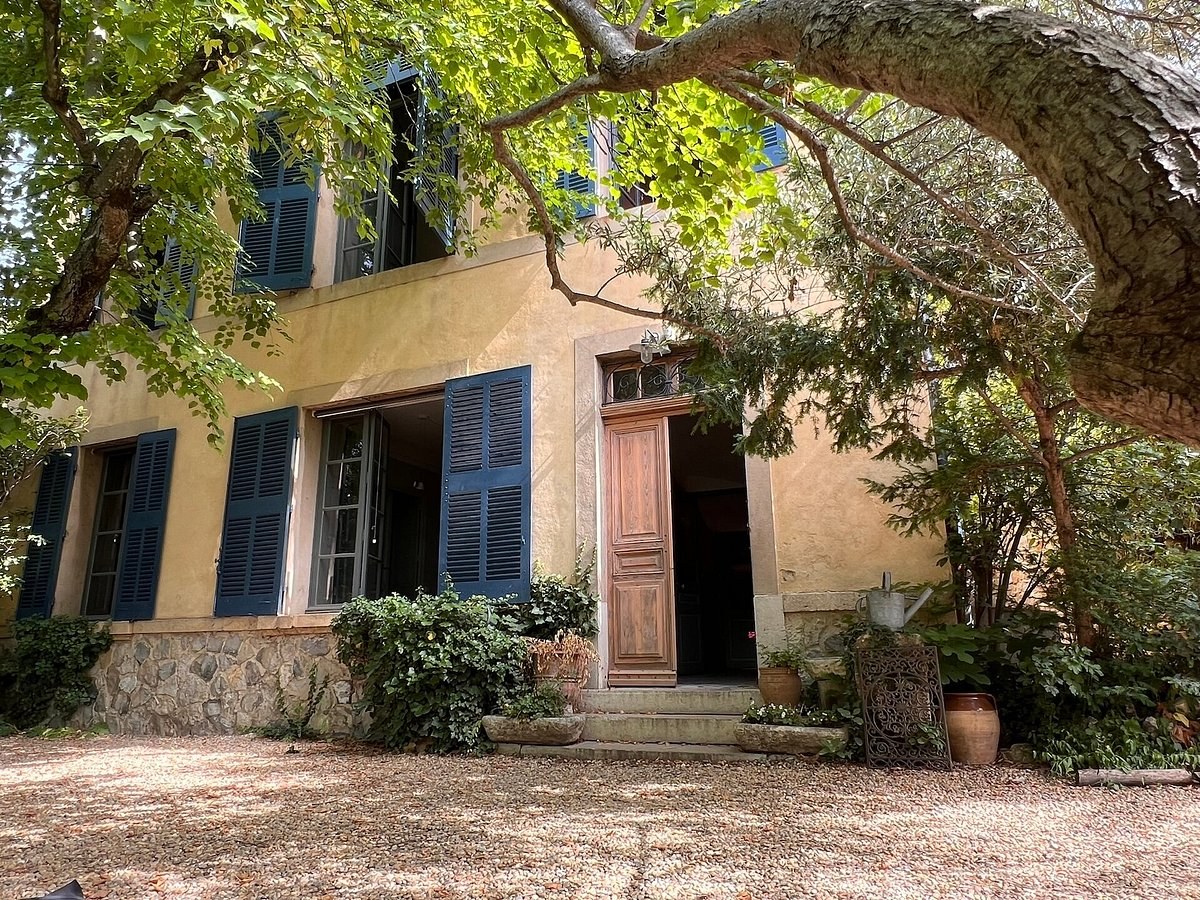 16 mi from MarseilleAtelier de Cézanne
  13 mi from Marseille · land adventureProvence by the Senses: Lavender, Truffles, and Roman Stone
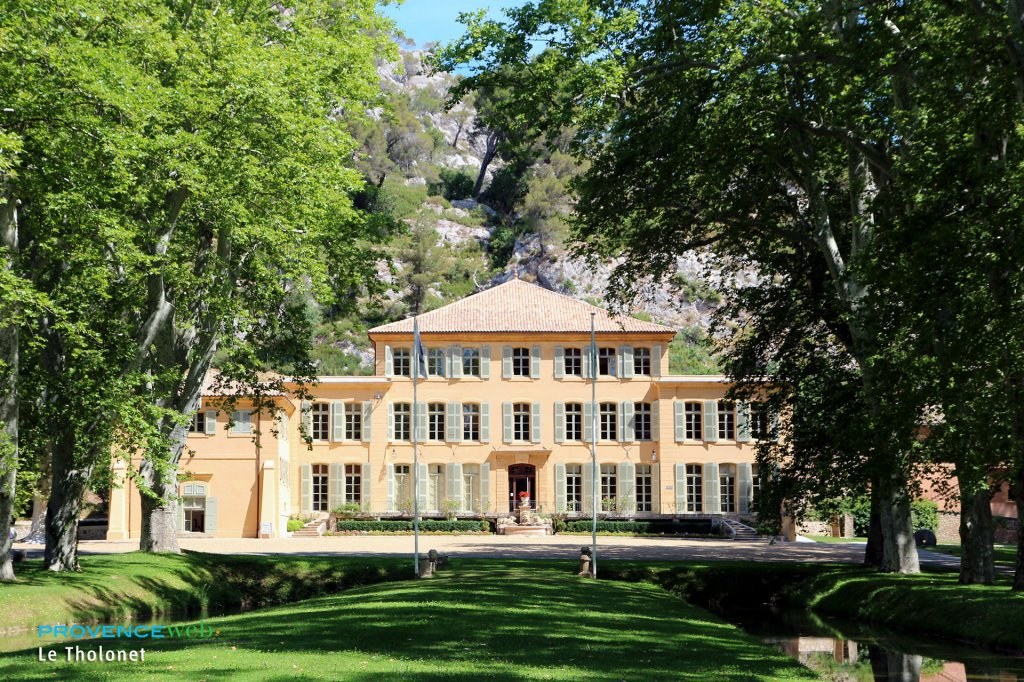 95 mi from Marseille · land adventureCézanne's Backyard: Wine, Art & Thermal Springs in Provence
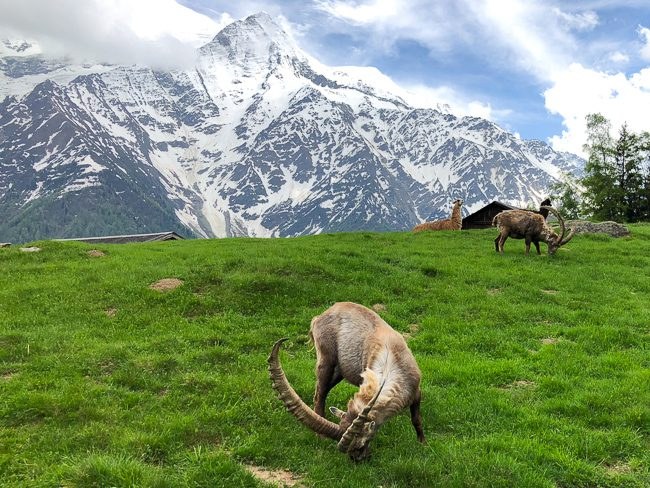 168 mi from Marseille · land adventureAlpine Wildlife, Glacier Treks & Savoyard Spirits in Chamonix
 After you step off · near Bari
You end in a different port — stay on, and add what is within reach before you fly home.