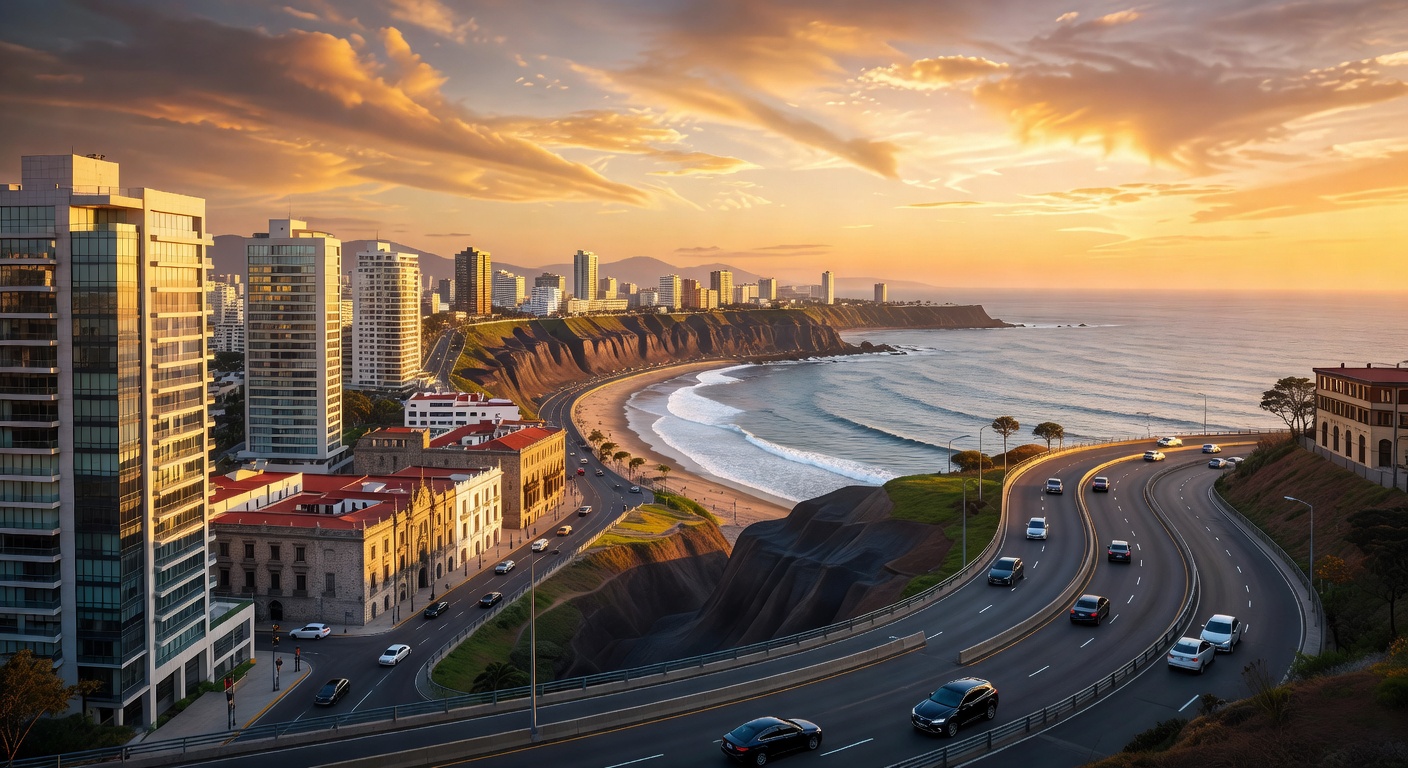
Lima · Peru
Lima sits on top of centuries of pre-Columbian history, but most travelers only see the colonial center or beaches. The main archaeological sites you'll encounter are large adobe pyramids and temple complexes like those at Pachacamac (about 45 minutes south) or the smaller Huaca Pucllana and Huaca Huallamarca right inside the city. Expect dusty, sun-baked ruins that are more impressive for their scale and age than for intact carvings or color. Guides explain layers of history from several cultures, but the sites feel more like open-air museums than living temples. Wear good walking shoes, bring water, and accept that you'll spend a fair bit of time looking at reconstructed walls and empty plazas.
The best time to visit is during the shoulder seasons of April–May or September–October when it's less humid and the coastal fog (garúa) isn't as thick. Summers (Dec–Mar) are warmer but brutally sunny; winters (Jun–Aug) are damp and gray. Expect to pay around $40–80 total for a half-day guided trip including transport from Miraflores or San Isidro. Independent entry is cheaper but getting to the farther sites without a car or taxi is a hassle.
Pick Pachacamac if you only have time for one; it's the largest and has the most context. Skip the tiny huacas inside the city unless you're really into urban archaeology or have an extra morning—they feel underwhelming after seeing bigger sites. Bring sunscreen and a hat; the coastal sun is unforgiving even when it doesn't feel hot.
Some links are affiliate links — we may earn a commission at no extra cost to you. See our Terms.