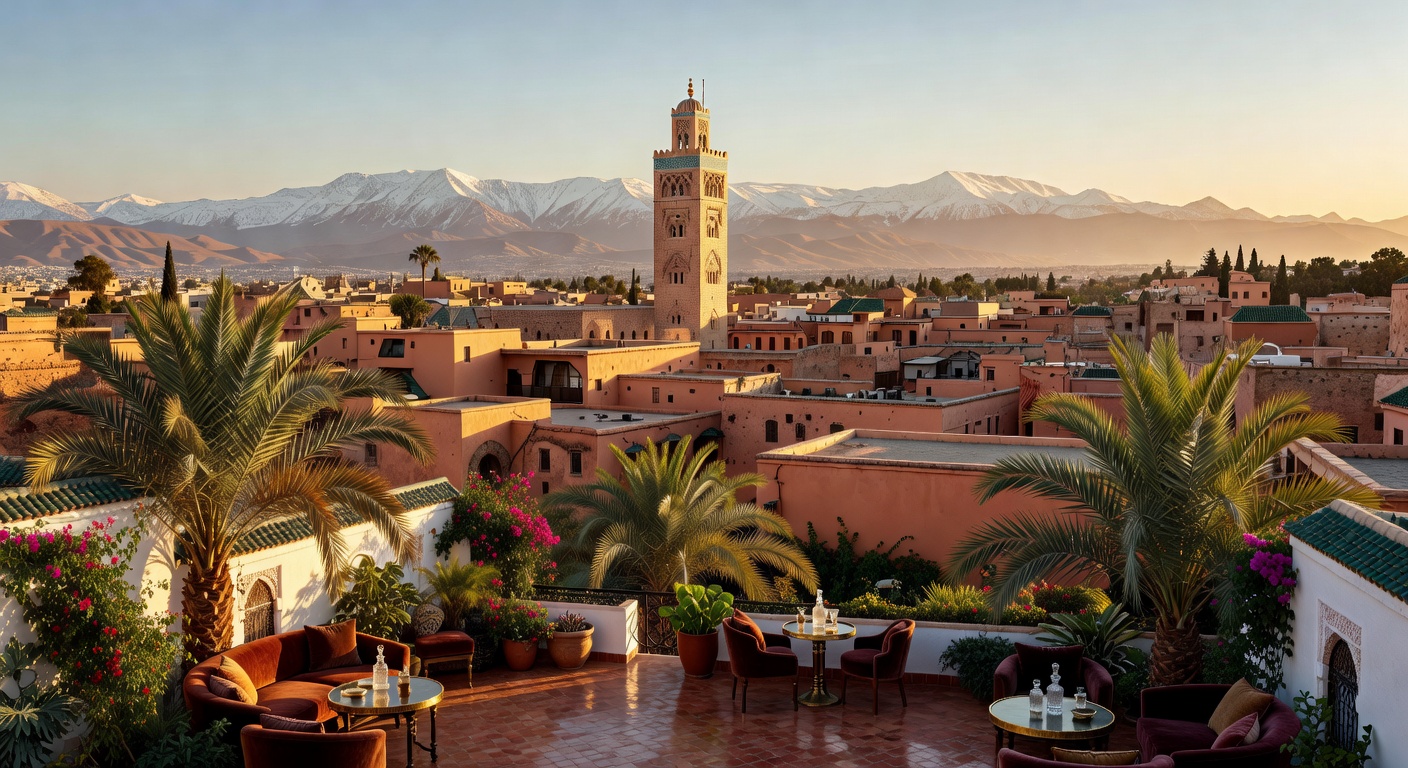
Marrakesh · Morocco
A Berber market tour takes you 30-60 minutes outside Marrakesh into the countryside to visit a weekly rural souk. Expect a lively, dusty scene where local farmers and villagers trade livestock, fresh produce, spices, clothing, and household goods. It’s a working market, not a tourist bazaar — you’ll see Berber people in traditional dress haggling, donkeys everywhere, and very few other foreigners. The experience usually includes a walk through the market with a guide explaining what you’re seeing, followed by a visit to a Berber village or cooperative for tea and a quick demonstration of rug weaving or argan oil production. It’s genuine but can feel long if you’re not into markets or rural life.
Best time is spring (March-May) or autumn (Sept-Nov) when it’s not brutally hot. Expect to pay around $45-85 per person for a half-day tour including transport; full-day versions with lunch and mountain stops run $70-130. Private tours cost more but are worth it if you dislike group travel.
Tip: Go on a Tuesday, Thursday or Sunday when the biggest regional souks happen — the atmosphere is far more authentic. Skip the carpet or argan “cooperative” stop at the end if you’re short on time or hate feeling pressured to buy; the real value is in the market itself.
Some links are affiliate links — we may earn a commission at no extra cost to you. See our Terms.