Your cruise
Celebrity Edge · 16-night Asia cruise, Vancouver to Tokyo
Oct 1 – Oct 16 · 15 nights ·
Day 1 Vancouver (board) · Day 2–11 at sea · Day 12–13 Sapporo (Muroran/Hokkaido) · Day 14 Akita · Day 15 Hakodate · Day 16 at sea · Day 17 Tokyo (step off)
What you do A bespoke, chauffeured private day tour from Muroran port straight into the heart of Sapporo — visiting Odori Park, the iconic Clock Tower, and the legendary Nijo seafood market. The ultimate Hokkaido bucket-list day.
What to expect Your private guide collects you dockside at Muroran and whisks you the 90 minutes to Sapporo in a luxury vehicle. Stroll the iconic Odori Park boulevard, photograph the 1878 Clock Tower, and take your time at Nijo Market selecting the freshest uni, crab, and salmon roe — often sampled on the spot. The guide handles all logistics, ensuring you return to port well before all-aboard.
Good to know Muroran to Sapporo is approx. 90 min each way by private car. With a typical 8–10 hour port call, a full day is very achievable. Pre-book directly to lock in your vehicle size and guide. Confirm all-aboard time before departure.
book direct with Japan Shore Excursions (Muroran Private Tours) → · the full guide →
What you do Stand on the rim of one of Japan's most dramatic volcanic calderas — the ethereally beautiful Lake Toya, framed by Mount Usu, a still-active volcano. Raw Hokkaido nature at its most breathtaking.
What to expect Depart Muroran port and travel just 40–50 minutes to Lake Toya, a shimmering circular caldera lake considered one of Hokkaido's crown jewels. Ride the Mount Usu ropeway for panoramic views over the lake and volcanic crater (ropeway fare approx. JPY 1,800 per person). Walk the eruption memorial zone where lava froze mid-flow in 2000. On clear days, spy the cone of Mount Yotei across the water. End with a lakeside stroll before returning to port.
Good to know Lake Toya is only ~45 min from Muroran — the closest bucket-list stop on this coastline. Ropeway tickets purchased on arrival. Wear comfortable walking shoes. Ideal even for shorter port calls of 6–7 hours.
book direct with Japan Shore Excursions (Muroran Private Tours) → · the full guide →
What you do Surrender to the restorative mineral waters of Jozankei Onsen, Sapporo's celebrated mountain hot-spring valley. A deeply luxurious, culturally authentic Japanese wellness ritual.
What to expect Travel by private car from Muroran to Jozankei (approx. 2 hours), nestled deep in a forested mountain valley southwest of Sapporo. At Hotel Milione, change into a yukata robe and descend to the gender-separated indoor and open-air baths fed by sodium chloride-rich geothermal waters prized for skin and muscle recovery. Linger over the gorge views before a light kaiseki lunch (available for an additional fee). Return to port refreshed and utterly serene.
Good to know Pre-book your day-use onsen slot directly with the hotel — demand is high. Arrange private transport via Japan Shore Excursions for door-to-dock convenience. Note: tattoos are not permitted in most onsen facilities. Allow at least 6 hours for a comfortable round trip.
book direct with Hotel Milione Jozankei (Day-Use Onsen) → · the full guide →
What you do Walk to the edge of the earth at Cape Chikyu — Muroran's iconic headland where the Pacific Ocean stretches to infinity — then ascend Tokkarisho Lookout for the finest panorama of the bay. Hokkaido's most cinematic coastal views, minutes from the ship.
What to expect Drive just 20 minutes from the port to Cape Chikyu (Cape Earth), where a lighthouse perches on sheer cliffs plunging into the deep Pacific — the curvature of the Earth visibly bending the horizon. Your guide shares why the cape earned its poetic name. Continue to Tokkarisho Lookout, a high terrace over Muroran Bay where the steel Hakucho Bridge and the city's industrial silhouette create an extraordinary landscape of contrasts. In season, spot migrating seabirds riding the thermals below.
Good to know This is the ideal excursion for shorter port calls — both landmarks are within 20–30 minutes of the pier. No pre-booking fees, just confirm vehicle availability in advance. Wear layers; the cape headland is exposed and breezy even in summer.
book direct with Japan Shore Excursions (Muroran Private Tours) → · the full guide →
What you do Step into 60 relocated, period-authentic Hokkaido buildings — from Ainu-influenced homesteads to Meiji-era merchant streets — at the extraordinary Historical Village of Hokkaido outside Sapporo. Living history on an epic scale.
What to expect Located 40 minutes from Muroran (by private car) on the outskirts of Sapporo, this is one of Japan's finest open-air architectural museums. Wander authentic relocated structures: a Meiji merchant townhouse, a Shinto shrine, a herring fishery, a railway station, and traditional farmhouses. Horse-drawn trams (in season) carry you between zones. A private English-speaking guide from Japan Shore Excursions contextualises the extraordinary story of Hokkaido's 19th-century Japanese settlement alongside its Ainu indigenous heritage.
Good to know Pair with a Nijo Market lunch in central Sapporo for a full cultural day. Allow 2–2.5 hours inside the village. The site is open year-round (check seasonal hours at the official site). Pre-arrange private transport from Muroran port for a seamless experience.
book direct with Historical Village of Hokkaido (Kaitaku-no-Mura) → · the full guide →
What you do Explore one of Hokkaido's most atmospheric Shinto shrines — the cedar-canopied Muroran Hachimangu — then walk the city's fascinating industrial waterfront, a rare fusion of sacred Japan and bold 20th-century engineering.
What to expect Begin at Muroran Hachimangu, draped in ancient cedar trees and radiating the quiet power of a working community shrine. Your guide explains the significance of the enshrined deities and the shrine's role in Muroran's seafaring history. Then walk the port promenade beneath the soaring white arch of the Hakucho (White Swan) Bridge, where the industrial harbour frames a tableau unlike anything in tourist-trail Japan. Finish with green-tea wagashi sweets at a local confectioner before returning to the ship, just minutes away.
Good to know This is a port-proximate excursion — ideal as a standalone half-day or as an add-on to a morning return from Lake Toya or Cape Chikyu. No tickets required for the shrine. Dress modestly for the shrine visit. Available even for port calls with early all-aboard times.
book direct with Japan Shore Excursions (Muroran Private Tours) → · the full guide →
What you do Cross the 137m-long footbridge swaying 70m above the Capilano River canyon, then wander the Treetops Adventure walkways strung between old-growth Douglas firs and the cliff-hugging Cliffwalk. Vancouver's oldest and most iconic attraction (since 1889), it's a rainforest-canyon thrill a first-timer would genuinely regret missing. The park runs its own FREE shuttle from Canada Place roughly every 30 minutes, included with admission, making it an easy independent half-day.
What to expect You'll board the park's complimentary shuttle from Canada Place (running every 30 minutes) and arrive at one of Vancouver's most famous landmarks, where the day unfolds as a sequence of escalating thrills: first, you cross the iconic 137-meter suspension bridge swaying 70 meters above the Capilano River canyon, feeling the deck move beneath your feet while forest walls close in. Next, you navigate the Treetops Adventure walkways strung between ancient Douglas firs, offering an elevated canopy perspective few visitors ever experience. Finally, the Cliffwalk hugs the canyon's edge with vertigo-inducing views before you return to gentler rainforest trails, the whole loop a mix of adrenaline and immersion in old-growth wilderness that's felt genuinely rewarding rather than rushed.
Good to know From Canada Place (steps from the pier), catch the park's free shuttle—no need to book ahead, they run every 30 minutes throughout the day. Budget 4–5 hours on-site (bridge + both adventure areas), then 20–30 minutes shuttle time back, giving you a comfortable 6-hour window if you're off the ship by mid-morning. Wear sturdy, grippy footwear since the bridges and walkways can be wet; a light rain jacket is smart even if it's not raining, as the dense forest drips frequently. Buy admission direct at the gate (~$59 USD) rather than through the ship to cut your cost roughly in half and skip the organized-tour markup.
book direct with Capilano Suspension Bridge Park → · the full guide →
What you do Ride the Skyride aerial tram to a 1,100m alpine summit for a sweeping panorama over the city, harbour and your ship in port. Mountain Admission bundles the only-here experiences: resident grizzlies Grinder and Coola in their refuge, the famous lumberjack show, and the Birds in Motion raptor demos. Grouse runs its own free seasonal shuttle from Canada Place (mid-May to early Sept, ~every 30 min), so it's fully doable independently in a port-day window.
What to expect You'll glide up the Skyride aerial tram through the forest canopy to the 1,100-metre alpine summit, where the city, harbour, and your ship materialize below in a sweeping panorama. Once at the peak, you'll move through the mountain's lineup of resident experiences: watch the famous lumberjack show, meet the refuge grizzlies Grinder and Coola, and catch the Birds in Motion raptor demonstrations. The rhythm is unhurried—you control the pacing between attractions, lingering on the summit views as long as you'd like before descending.
Good to know Grouse Mountain runs a free seasonal shuttle (mid-May to early September, roughly every 30 minutes) directly from Canada Place, so you can skip ship tours entirely; plan 3–4 hours on the mountain itself to hit all included attractions without rushing. Aim to depart the pier by late morning to leave a safe 60–90 minute buffer before all-aboard—mountain weather can shift quickly at elevation, and the Skyride occasionally closes briefly in wind. Bring layers and waterproof jacket; the summit is cool even in summer. Book nothing ahead; admission is straightforward at the gate, and independent travel here costs roughly a third of the ship's bundled North Shore package.
book direct with Grouse Mountain Resort → · the full guide →
What you do Head out onto the Salish Sea, one of the world's premier spots to see wild orcas and humpbacks, aboard a covered catamaran with 3-4 naturalists narrating the hunt. Prince of Whales is a long-established, licensed operator with a 95%+ sighting rate and a sightings guarantee — no whales, free re-trip. A genuine bucket-list wildlife encounter, though at ~3-3.5 hrs you'll want to book the earliest departure and watch all-aboard time.
What to expect You'll depart Granville Island aboard a covered catamaran and head into the Salish Sea, one of the world's premier whale-watching destinations, guided by 3–4 naturalists who narrate the hunt for wild orcas and humpbacks in real time. The 3–3.5 hour tour is built around live sightings: you watch the water, listen to expert commentary on behavior and ecology, and experience the genuine thrill of encountering these massive marine mammals in their natural habitat. With Prince of Whales' 95%+ sighting rate, most departures deliver the moment—though the covered catamaran keeps you sheltered if conditions turn rough. This is a bucket-list wildlife experience that cruise-line partnerships rarely match.
Good to know Book the earliest departure to ensure your ~3.5-hour tour plus return transit clears your ship's all-aboard time; confirm the operator's return time directly against your ship's schedule before booking. Granville Island is a short ride from Canada Place (where your ship docks), but build in a 30–45 minute margin for transit and unexpected delays. The tour includes the naturalist crew and a sightings guarantee—if no whales are spotted, you get a free re-trip—so there's no hidden cost beyond the ~$190 USD ($257 CAD) fare. Dress in layers and bring binoculars; the Salish Sea can be cold and conditions variable, even under the catamaran's cover.
book direct with Prince of Whales Wildlife Tours → · the full guide →
What you do Lift off the water from the Coal Harbour terminal — steps from Canada Place — on a classic Pacific Northwest floatplane. The Panorama tour banks over the downtown skyline, Stanley Park, English Bay, Lions Gate Bridge and the North Shore Mountains before splashing back down. The water takeoff-and-landing is the bucket-list part, and the terminal's walking-distance proximity to the ship makes it ideal for a tight port-day window.
What to expect You walk steps from Canada Place to the Coal Harbour terminal where a classic Pacific Northwest floatplane awaits. The aircraft lifts off directly from the water, banking steeply over downtown Vancouver's skyline, Stanley Park's dense forests, English Bay, the iconic Lions Gate Bridge, and the snow-capped North Shore Mountains in dramatic succession. The water takeoff and landing—splashing down on the harbor—frame the entire experience, making the flight as thrilling on the ground as in the air. From start to finish, you're aloft roughly 30-45 minutes, witnessing the city's geography unfold in real time before taxiing back to the dock.
Good to know The Coal Harbour terminal sits a 5-minute walk from your ship, making this ideal for tight port windows; plan 90 minutes total (15 min walk + check-in, 30-45 min flight, 15 min return to ship). Book directly with Harbour Air—not through the cruise line—to save $30-60 per person on the same operator and same flight. Arrive 20-30 minutes before your departure time for check-in; bring a valid photo ID and dress in layers since cabin temperature varies and water spray during landing is part of the experience. Confirm your flight time the day before to avoid conflicts with your ship's all-aboard time.
What you do Rent a bike at the park gate and ride the ~10km Seawall loop — the totem poles at Brockton Point, the harbour, beaches, Lions Gate Bridge and old-growth forest at your own pace. Cycling one of the world's great urban parks is the definitive Vancouver experience and the lowest-cost marquee on this list. Spokes (operating since 1938) sits at Georgia & Denman, an easy short ride or walk from Canada Place, so it doubles as a low-risk near-port option if a longer tour falls through.
What to expect You'll pick up a rental bike at Spokes (just a short walk or ride from Canada Place) and spend 1.5–2.5 hours cycling the iconic ~10km Seawall loop at your own pace, passing Brockton Point's dramatic totem poles, crossing sight lines to the Lions Gate Bridge, and threading through old-growth forest before emerging onto pristine beaches with unobstructed harbour views. The rhythm is entirely yours—there's no guide or group, just you on two wheels moving through one of the world's great urban parks, with the freedom to linger at viewpoints or speed through familiar stretches. You'll return the bike to Spokes, helmet and lock intact, having experienced the definitive Vancouver experience without a single narration.
Good to know Spokes sits at Georgia & Denman, a 20-minute walk or quick ride from your pier at Canada Place, making this a low-risk near-port option even if you have only 4–5 hours ashore; budget 45 minutes total for transit and rental check-in/out, leaving you 2–3 comfortable hours for the loop and a safety margin. Bike rentals run ~CA$14.50/hr (~$11–22 USD), with helmet and lock included, so total cost is roughly $25–45 USD per person for the full loop—no advance booking required, though arriving early (within the first hour after port arrival) avoids peak rental queues. Wear layers and bring sunscreen; the Seawall is fully exposed in places. No skills or fitness hurdle exists; the route is flat, well-maintained, and designed for mixed ability.
book direct with Spokes Bicycle Rentals → · the full guide →
What you do Strap into a 4D 'flying' simulator that suspends you before a giant spherical screen and sweeps you coast-to-coast over Canada with wind, mist and scent effects. It's INSIDE the Canada Place cruise terminal — zero transit, weather-proof, and the whole thing runs ~30 minutes. The perfect family pick or fallback when your off-ship window is tight or the marquee outdoor tours get weathered out.
What to expect You'll walk straight from your cruise pier into Canada Place, bypass security queues, and strap into a suspended 4D flight pod facing a giant spherical screen. The ride sweeps you coast-to-coast over Canada's landscapes—mountains, coastlines, cities—with synchronized wind gusts, mist spray, and scent effects creating the illusion of genuine flight. A pre-show and the main ~30-minute experience form one complete package; you emerge back at ground level in the terminal, fully oriented and ready to return to the ship with time to spare.
Good to know With zero transit required, you can depart the ship 30–60 minutes before all-aboard and complete the entire outing in under an hour, making this ideal for tight port windows. Tickets (~CA$35 adult, CA$25 child) are bought directly at the Canada Place box office with no advance booking needed—walk-up pricing is ~CA$40, so buying on-site is standard. The experience is fully indoors and weather-proof, eliminating cancellation risk; simply head back to your pier when finished, giving yourself a 15–20 minute buffer before final boarding to account for any crowds.
book direct with FlyOver (Pursuit) at Canada Place → · the full guide →
What you do A bespoke, chauffeured private day tour from Muroran port straight into the heart of Sapporo — visiting Odori Park, the iconic Clock Tower, and the legendary Nijo seafood market. The ultimate Hokkaido bucket-list day.
What to expect Your private guide collects you dockside at Muroran and whisks you the 90 minutes to Sapporo in a luxury vehicle. Stroll the iconic Odori Park boulevard, photograph the 1878 Clock Tower, and take your time at Nijo Market selecting the freshest uni, crab, and salmon roe — often sampled on the spot. The guide handles all logistics, ensuring you return to port well before all-aboard.
Good to know Muroran to Sapporo is approx. 90 min each way by private car. With a typical 8–10 hour port call, a full day is very achievable. Pre-book directly to lock in your vehicle size and guide. Confirm all-aboard time before departure.
book direct with Japan Shore Excursions (Muroran Private Tours) → · the full guide →
What you do Stand on the rim of one of Japan's most dramatic volcanic calderas — the ethereally beautiful Lake Toya, framed by Mount Usu, a still-active volcano. Raw Hokkaido nature at its most breathtaking.
What to expect Depart Muroran port and travel just 40–50 minutes to Lake Toya, a shimmering circular caldera lake considered one of Hokkaido's crown jewels. Ride the Mount Usu ropeway for panoramic views over the lake and volcanic crater (ropeway fare approx. JPY 1,800 per person). Walk the eruption memorial zone where lava froze mid-flow in 2000. On clear days, spy the cone of Mount Yotei across the water. End with a lakeside stroll before returning to port.
Good to know Lake Toya is only ~45 min from Muroran — the closest bucket-list stop on this coastline. Ropeway tickets purchased on arrival. Wear comfortable walking shoes. Ideal even for shorter port calls of 6–7 hours.
book direct with Japan Shore Excursions (Muroran Private Tours) → · the full guide →
What you do Surrender to the restorative mineral waters of Jozankei Onsen, Sapporo's celebrated mountain hot-spring valley. A deeply luxurious, culturally authentic Japanese wellness ritual.
What to expect Travel by private car from Muroran to Jozankei (approx. 2 hours), nestled deep in a forested mountain valley southwest of Sapporo. At Hotel Milione, change into a yukata robe and descend to the gender-separated indoor and open-air baths fed by sodium chloride-rich geothermal waters prized for skin and muscle recovery. Linger over the gorge views before a light kaiseki lunch (available for an additional fee). Return to port refreshed and utterly serene.
Good to know Pre-book your day-use onsen slot directly with the hotel — demand is high. Arrange private transport via Japan Shore Excursions for door-to-dock convenience. Note: tattoos are not permitted in most onsen facilities. Allow at least 6 hours for a comfortable round trip.
book direct with Hotel Milione Jozankei (Day-Use Onsen) → · the full guide →
What you do Walk to the edge of the earth at Cape Chikyu — Muroran's iconic headland where the Pacific Ocean stretches to infinity — then ascend Tokkarisho Lookout for the finest panorama of the bay. Hokkaido's most cinematic coastal views, minutes from the ship.
What to expect Drive just 20 minutes from the port to Cape Chikyu (Cape Earth), where a lighthouse perches on sheer cliffs plunging into the deep Pacific — the curvature of the Earth visibly bending the horizon. Your guide shares why the cape earned its poetic name. Continue to Tokkarisho Lookout, a high terrace over Muroran Bay where the steel Hakucho Bridge and the city's industrial silhouette create an extraordinary landscape of contrasts. In season, spot migrating seabirds riding the thermals below.
Good to know This is the ideal excursion for shorter port calls — both landmarks are within 20–30 minutes of the pier. No pre-booking fees, just confirm vehicle availability in advance. Wear layers; the cape headland is exposed and breezy even in summer.
book direct with Japan Shore Excursions (Muroran Private Tours) → · the full guide →
What you do Step into 60 relocated, period-authentic Hokkaido buildings — from Ainu-influenced homesteads to Meiji-era merchant streets — at the extraordinary Historical Village of Hokkaido outside Sapporo. Living history on an epic scale.
What to expect Located 40 minutes from Muroran (by private car) on the outskirts of Sapporo, this is one of Japan's finest open-air architectural museums. Wander authentic relocated structures: a Meiji merchant townhouse, a Shinto shrine, a herring fishery, a railway station, and traditional farmhouses. Horse-drawn trams (in season) carry you between zones. A private English-speaking guide from Japan Shore Excursions contextualises the extraordinary story of Hokkaido's 19th-century Japanese settlement alongside its Ainu indigenous heritage.
Good to know Pair with a Nijo Market lunch in central Sapporo for a full cultural day. Allow 2–2.5 hours inside the village. The site is open year-round (check seasonal hours at the official site). Pre-arrange private transport from Muroran port for a seamless experience.
book direct with Historical Village of Hokkaido (Kaitaku-no-Mura) → · the full guide →
What you do Explore one of Hokkaido's most atmospheric Shinto shrines — the cedar-canopied Muroran Hachimangu — then walk the city's fascinating industrial waterfront, a rare fusion of sacred Japan and bold 20th-century engineering.
What to expect Begin at Muroran Hachimangu, draped in ancient cedar trees and radiating the quiet power of a working community shrine. Your guide explains the significance of the enshrined deities and the shrine's role in Muroran's seafaring history. Then walk the port promenade beneath the soaring white arch of the Hakucho (White Swan) Bridge, where the industrial harbour frames a tableau unlike anything in tourist-trail Japan. Finish with green-tea wagashi sweets at a local confectioner before returning to the ship, just minutes away.
Good to know This is a port-proximate excursion — ideal as a standalone half-day or as an add-on to a morning return from Lake Toya or Cape Chikyu. No tickets required for the shrine. Dress modestly for the shrine visit. Available even for port calls with early all-aboard times.
book direct with Japan Shore Excursions (Muroran Private Tours) → · the full guide →
What you do Step inside Japan's most perfectly preserved samurai quarter — blackened cedar fences, centuries-old bukeyashiki mansions — then toast the day at a historic sake brewery. This is feudal Japan at its most tangible.
What to expect Your guide meets you at the port and whisks you 90 minutes inland to Kakunodate, often called 'Little Kyoto of the Tohoku.' Stroll the Uchimachi samurai district past weeping cherry trees and step inside the Aoyagi and Ishiguro bukeyashiki residences, whose family heirlooms have been preserved for 300 years. Afterwards, a fifth-generation brewer at one of Akita's acclaimed sake kuras walks you through the craft of nihonshu, from polished Akita Komachi rice to barrel-aged treasures, with a seated tasting paired with local accompaniments. The drive back via countryside rice paddies gives you a sense of the vastness and quiet beauty of the Tohoku.
Good to know Kakunodate is approximately 85 km from Akita port — allow 3 hours at the district plus 1 hour at the brewery; depart by 09:00 to be back comfortably before all-aboard. Pre-book the private guide at least 2 weeks ahead; sake breweries may require advance reservation.
book direct with Japan Shore Excursions (Private Guide) → · the full guide →
What you do Encounter the fearsome Namahage demons — Akita's most iconic UNESCO-listed folk tradition — at their sacred mountain stronghold on the dramatic Oga Peninsula, with sea-carved cliffs as your backdrop.
What to expect The Oga Peninsula juts into the Sea of Japan just 50 km from port — a landscape of pine-forested ridges plunging into volcanic sea stacks. At the Namahage Museum and adjacent Oga Shinzan Folklore Museum, a theatrical performance brings to life the midwinter demon ritual where oni-masked villagers visit homes to discipline idle children and bless households — a tradition now inscribed on UNESCO's Intangible Cultural Heritage list. Your guide then leads you along the Kannonyama coastal promenade to the Godzilla Rock formation and the panoramic Mt. Kanpuzan summit, where the Sea of Japan stretches to the horizon. A lunch of freshwater crab and Akita-style kiritanpo hot pot at a local inn can be arranged on request.
Good to know Oga Peninsula is 50–60 km from Akita port; allow roughly 4–5 hours total. Namahage Museum entry is approximately JPY 550 per person on top of the guide fee. Confirm all-aboard time and factor in a 60-minute return drive.
book direct with Japan Shore Excursions (Private Guide) → · the full guide →
What you do Slip into a centuries-old outdoor hot spring deep in a beech forest at Nyuto Onsen, one of Japan's most revered onsen villages, where milky, mineral-rich waters have healed pilgrims since the Edo period.
What to expect Hidden in the mountains above Lake Tazawa, Nyuto Onsen village is a cluster of eight historic bathhouses accessible only by a forest road — arrival itself feels like entering another century. Tsuru-no-yu's celebrated konyoku (mixed outdoor bath) is a milky white sulfurous pool beneath ancient cryptomeria trees, steam rising against forest silence. The inn's thatched farmhouse buildings and paper-screened rooms are National Registered Tangible Cultural Properties. If booked in advance, a private rotenburo gives your party an exclusive woodland bath with a dedicated attendant. Combine with a stop at nearby Lake Tazawa — Japan's deepest lake, a cobalt sapphire ringed by mountains — to complete the scenery.
Good to know Nyuto Onsen is approximately 100 km from Akita port (about 1 hr 30 min drive); pair with a private car and guide booked via Japan Shore Excursions or GoWithGuide. Depart port by 08:00 to allow 2+ hours soaking time and a comfortable return. Bring or purchase a small onsen towel. Private rotenburo bookings must be made well in advance — call the inn directly.
book direct with Tsuru-no-yu Onsen (Official Ryokan) → · the full guide →
What you do Gaze into the impossible cobalt depths of Lake Tazawa — Japan's deepest lake at 423 metres — and stroll its forest shoreline beside the golden statue of Princess Tatsuko, a scene of rare, mythic beauty.
What to expect Lake Tazawa's colour is so saturated it verges on surreal — a deep caldera lake that never freezes, its shores fringed with birch and cherry. Your guide takes you to the gilded bronze statue of Princess Tatsuko, a Tohoku legend who drank from a sacred spring and transformed into a dragon goddess to keep the lake from freezing. An optional pleasure-boat cruise circles the deepest reaches of the lake with narrated local lore in English. In autumn, the hillsides blaze with foliage that doubles in the still water; in spring, the cherry trees on the eastern shore are among Akita's finest. The area's fresh mountain air and profound quiet are the antithesis of big-city Japan.
Good to know Lake Tazawa is approximately 80 km (1 hr 15 min) from Akita port. Boat cruises are seasonal (April–November) and tickets are approx. JPY 800 per person. Combine with Nyuto Onsen on a full-day itinerary — depart port no later than 08:30. Book private transport in advance via Japan Awaits or Japan Shore Excursions.
What you do Spend a curated half-day in Akita city itself — the cherry-blossom moat of Kubota Castle ruins, the gravity-defying Kanto lantern festival performance, and a Hiroshi Sugimoto–designed art museum in a single elegant circuit.
What to expect Senshu Park, built on the ruins of Kubota Castle, is Akita's green heart — its moat, earthworks, and reconstruction turret set against cedar groves have the quiet gravitas of a place that shaped 270 years of Satake domain history. A short walk brings you to the Neburi Nagashi Hall (Kanto Festival Museum), where you can try balancing a towering bamboo pole hung with 46 paper lanterns on your forehead — the very feat that defines Akita's famous August festival. The afternoon culminates at the Akita Museum of Art, a building designed by Tadao Ando collaborator Tadashi Kajima, housing Fujita Tsuguharu's monumental panoramic painting 'Akita Customs' in a purpose-built gallery of hushed grandeur. Finish with coffee or Akita craft sake at the museum's café overlooking the park.
Good to know All three sites are within 10–15 minutes of Akita port by car — ideal if time ashore is limited or sea conditions affect the schedule. Book a private guide via GoWithGuide at least one week in advance. Museum closed Mondays. Kanto Museum entry approx. JPY 100 extra for the hands-on balancing experience.
book direct with GoWithGuide – Akita Local Private Guides → · the full guide →
What you do Wander the extraordinarily preserved homes of Akita's Meiji-era merchant elite in Yokote — three grand mansions open exclusively to visitors who know to seek them out, each a time capsule of wealth and Japanese craft.
What to expect The Masuda district of Yokote, south of Akita city, harbours three extraordinary early-20th-century merchant mansions — the Mochizuki, Yamamoto, and Ando residences — whose owners grew wealthy on Akita's silk and rice trades. Your guide narrates the social and economic history of Meiji Japan through the architecture itself: ornate ranma carved transoms, lacquered tokonoma alcoves, secret storage rooms, and private tea ceremony gardens designed to impress visiting dignitaries. The human scale of the walking tour — never more than a handful of guests — means you can ask questions freely, photograph at leisure, and absorb the silence of spaces most visitors never find. Combine with a stroll through Yokote's castle town streets and a stop for Yokote yakisoba, a regional noodle dish that locals are fiercely proud of.
Good to know Yokote is approximately 55 km south of Akita port (about 50 minutes by private car). Allow 2 hours for the walking tour plus transit time; ideal as a half-day excursion paired with a port-side sake experience on your return. Book the small-group tour directly via GetYourGuide well in advance as spaces are very limited.
book direct with GetYourGuide – Masuda Walking Tour (Small Group) → · the full guide →
What you do Ride the Hakodate Ropeway to the summit of Mt. Hakodate for one of Japan's three great night views — a glittering hourglass of city lights between two bays. At 334 m, the 360° panorama is simply breathtaking and utterly bucket-list.
What to expect The gondola whisks you up 334 metres in just three minutes, arriving at a glass-walled observatory perched above the forested peak. As daylight fades, Hakodate's unique hourglass peninsula blazes gold and amber between Tsugaru Strait and Uchiura Bay. The summit also has a café and gift shop should you wish to linger. In autumn, the hillside maples frame the ascent in fiery crimson.
Good to know Ropeway runs daily; last gondola is around 22:00 (seasonal). Allow 90 min round-trip. It's 15 min by taxi from the pier. Pre-book a licensed guide via Japan Guide Association (j-g-a.org) to ensure a private summit experience matched to your ship's all-aboard time.
book direct with Hakodate Ropeway (Official) → · the full guide →
What you do Plunge into the legendary Hakodate Asaichi — one of Japan's great morning markets — guided by a local expert who unlocks the finest stalls for live uni, ikura, and hairy crab before the crowds arrive. End with a private omakase bowl that rivals any Michelin table.
What to expect The market opens at 05:00 and by 07:00 the stalls are at peak drama: crab claws waving from iced tanks, fishmongers calling their catch, vendors pressing samples of smoked scallop into your hands. Your guide curates a tasting circuit — squid ink, sea urchin, Hokkaido milk soft-serve — before settling you at a counter for a bespoke seafood rice bowl. Markets wind down by midday so a morning start is essential.
Good to know Market is a 5-min walk or short taxi from most Hakodate berths. Best experienced 07:00–10:00. Book a licensed English-speaking guide in advance; the Japan Shore Excursions team specialises in cruise-ready timing with guaranteed all-aboard returns.
book direct with Japan Shore Excursions (Licensed Local Guide) → · the full guide →
What you do Survey Japan's only Western-style star-shaped fortress — scene of the Boshin War's final battle — from the glass-floored Goryokaku Tower, then walk its cherry-blossom-lined moats with a licensed historian guide. A defining chapter of Japanese history made vivid.
What to expect Ascend Goryokaku Tower for a bird's-eye view of the perfect five-pointed star, its geometry still razor-sharp from above. Below, the moated grounds are a masterclass in 19th-century European military architecture transplanted to Japan. Sara leads you across the drawbridge and through the restored magistrate's office, narrating the tragic last stand of the Shinsengumi. In spring the fort's 1,600 cherry trees make this one of Hokkaido's most spectacular hanami sites.
Good to know Tower open daily 09:00–18:00 (to 19:00 in peak season). A 15-min tram ride from the pier on the City Tram (1-Day Pass JPY 800 — worth buying). Combine with nearby Kanemori Red Brick Warehouses for a full half-day. Pre-book your guide at least 2 weeks ahead.
book direct with Hakodate Guide Sara (Local Licensed Expert) → · the full guide →
What you do Escape the city entirely on a private guided foray to Onuma Quasi-National Park — a volcanic lake landscape where Mt. Komagatake's reflection shimmers on mirror-still water. Glide by kayak among forested islets in one of Japan's most serene national parks.
What to expect A 50-minute drive north of Hakodate deposits you in a landscape of extraordinary calm: 126 islets scattered across three interconnected lakes, all cast in the shadow of the still-active Mt. Komagatake. Your guide leads a lakeside boardwalk through ancient pines before you board a two-person kayak to explore the quieter western channels, rich with kingfishers and grey herons. Autumn turns the maples copper-gold; spring carpets the banks in cherry blossom.
Good to know Allow a full day: 50 min each way plus 3–4 hrs in the park. Confirm kayak availability seasonally (best May–Oct). Your guide ensures cruise-compatible return timing. Dress in layers — lake temperatures are significantly cooler than the city, especially in the morning.
book direct with Japan Shore Excursions (Licensed Local Guide) → · the full guide →
What you do Wander Hakodate's 19th-century foreign concession quarter — Orthodox churches, Gothic consulates, and wooden merchant mansions clinging to Mt. Hakodate's slopes — with a licensed guide who unlocks interiors closed to independent visitors.
What to expect The Motomachi hillside is a rare surviving pocket of Meiji-era cosmopolitanism: you'll peer inside the Old British Consulate's rose garden, climb to the vermilion Chinezan Josenji temple with its harbour panorama, and stand inside the onion-domed Hakodate Orthodox Church. Your guide contextualises the mid-19th-century treaty port history that made Hakodate Japan's gateway to the world. The cobblestone slopes and pastel clapboard facades are endlessly photogenic.
Good to know The quarter is walkable in 2–3 hrs with a guide; most sites open 09:00–17:00. Old Public Hall closed Mondays. A 10-min tram ride from the pier. Book a 4- or 6-hour guide slot to combine Motomachi with Goryokaku in a single seamless day.
book direct with Japan Guide Association — Hakodate Licensed Guides → · the full guide →
What you do Let a traditional rickshaw (jinrikisha) carry you through Hakodate's most photogenic streets — past red-brick warehouses, tram lines, and seaside promenades — while your puller doubles as an expert local storyteller. A uniquely intimate, beautifully paced way to see the city.
What to expect You recline on a lacquered seat beneath a fringed canopy as your jinrikisha runner navigates the Kanemori Warehouse waterfront, the Motomachi slopes, and the old tram boulevard. The pullers are remarkably well-informed, pointing out architectural curiosities and delivering anecdotes about the Meiji-era merchants who built this city. It's theatrical, intimate, and entirely unlike anything else in Japan's port cities.
Good to know Rickshaws depart from the Kanemori Red Brick Warehouse area, a 5-min walk from the main pier. No advance booking required for short rides, but reserve a 90-min private course ahead for a bespoke itinerary. Operates year-round (weather permitting); best in the golden hour before sunset.
book direct with Ebisuya Rickshaw Hakodate (えびすや) → · the full guide →
What you do Explore Tokyo's most iconic districts — Asakusa, Shibuya, Shinjuku and the Imperial Palace — guided by a nationally licensed, multilingual expert on an entirely private itinerary tailored to you. This is Tokyo at your pace, through a connoisseur's eyes.
What to expect Your guide meets you at the terminal and whisks you into Tokyo's layered world: the incense haze of Sensō-ji, the electric scramble at Shibuya Crossing, the raked gravel calm of Imperial Palace East Gardens. Lunch is arranged at a chef-selected restaurant befitting your taste. The day is a seamless private narrative rather than a checklist, ending with enough time to return comfortably before all-aboard.
Good to know Book well in advance — licensed private guides are in high demand. Confirm your ship's all-aboard time so your guide can plan the return; Tokyo International Cruise Terminal (Ariake) is roughly 30–40 min by taxi or direct Yurikamome rail from central Tokyo.
book direct with Japan Guide Association (JGA) – Official Licensed Guides → · the full guide →
What you do Ascend the world's second-tallest structure to 634 metres for a panorama stretching from Mount Fuji to Tokyo Bay. On a clear day the view is simply one of the great urban spectacles on earth.
What to expect A high-speed elevator whisks you to the Tembo Deck at 350 m in under 60 seconds. A second ascent takes you to the Tembo Galleria, a glass-walled spiral walkway at 450 m where the floor disappears beneath your feet over the Tokyo skyline. The adjacent Solamachi shopping and dining complex adds a refined post-visit option before heading back.
Good to know Pre-purchase timed-entry tickets online — they sell out days ahead, especially on weekends. From Tokyo International Cruise Terminal, take the Yurikamome line to Asakusa, then the Tobu Skytree Line — allow 50 min total. Allow 2 hrs for both decks. Confirm weather forecast: Mount Fuji views require clear skies.
book direct with Tokyo Skytree (Official) → · the full guide →
What you do Step inside teamLab Borderless — the world's most visited single-artist museum — where thousands of laser projections dissolve boundaries between art and visitor. There are no maps; every room is a living, breathing, bucket-list spectacle.
What to expect You wander freely through interconnected rooms where waterfalls, forests, and koi ponds exist entirely as light and projection — and shift when you touch them. The 'Athletic Forest' zone challenges the body as much as the mind. No two visits are identical; the art evolves in real time. Budget at least two hours, though most guests lose track of time entirely.
Good to know The new Azabudai Hills venue is a taxi/subway ride from the cruise terminal — allow 40 min. Wear comfortable shoes (some zones involve steps and uneven surfaces). Timed-entry tickets are date- and time-specific; book the earliest slot to leave the afternoon free for other stops. Avoid white clothing as projections can stain perception.
book direct with teamLab Borderless Tokyo (Official) → · the full guide →
What you do Explore the legendary Tsukiji Outer Market with a private chef guide who navigates the stalls, sources the finest morning catch, and explains the art of Edomae sushi — ending at a reserved counter for an unforgettable omakase breakfast.
What to expect The morning begins in the alley labyrinth of Tsukiji Outer Market as vendors arrange glistening tuna, sea urchin, and seasonal shellfish. Your chef-guide explains provenance, seasonality, and the knife traditions behind each cut. A tamagoyaki (rolled omelette) master lets you watch the craft up close. The tour culminates at a reserved sushi counter where the chef orders on your behalf — a succession of impossibly fresh nigiri paired with explanations of each piece.
Good to know Tsukiji Outer Market is most vibrant 7–10 am; an early start is essential and pairs well with an early all-aboard schedule. The market is approximately 30 min by taxi from Tokyo International Cruise Terminal. Confirm any dietary restrictions with Context Travel at booking. Sturdy shoes are advised — the alleys are narrow and sometimes wet.
book direct with Context Travel Tokyo – Expert-Led Food Tours → · the full guide →
What you do Walk the ancient cedar-forested approach to Tokyo's most sacred Shinto shrine, then emerge into Harajuku's kaleidoscopic street culture — a single morning that captures the full spiritual and creative soul of Tokyo.
What to expect The 700-metre forested gravel path to Meiji Jingu feels remote despite being at the heart of 14-million-person Tokyo — a genuine hush descends. Your guide explains the daily rituals, points out the sake-barrel wall offered by French wineries, and arranges a quiet moment at the inner shrine. The short walk to Harajuku delivers the visual shock of kawaii fashion and the understated elegance of Omotesandō boutiques — Dior, Louis Vuitton, and local ateliers alike.
Good to know Shoulders and knees should be covered or a scarf carried for the shrine approach. From the cruise terminal, take the Yurikamome to Shimbashi then JR Yamanote Line to Harajuku — approx. 50 min. The combined experience takes 3–4 hours; pairs perfectly with a lunch reservation on Omotesandō. Book your GoWithGuide guide at least 2 weeks ahead.
book direct with GoWithGuide – Private Tokyo Local Guides → · the full guide →
What you do Ascend the beloved iron icon of Tokyo at golden hour for the exclusive Diamond Tour — access to both the Main Deck at 150 m and the Top Deck at 250 m, limited to just 70 guests per day. A sunset over the Tokyo skyline from here is a memory for life.
What to expect Tokyo Tower glows tangerine and crimson at dusk — a deliberate nod to the Eiffel Tower's evening palette — and from the glass-floor panels of the Top Deck, the city grid fans out to Tokyo Bay and beyond. The Diamond Tour guide explains the tower's 1958 construction story and its role as Tokyo's emotional heartbeat. The lounge offers premium refreshments as the city lights ignite below you.
Good to know Book online the moment your itinerary is confirmed — the 70-person cap sells out fast, especially on weekends and holidays. Tokyo Tower is in Minato, roughly 40 min by taxi from the cruise terminal. Plan to arrive at least 30 min before your slot. A sunset slot (approximately 5–6 pm) is spectacular but confirm your ship's all-aboard time allows for it.
book direct with Tokyo Tower (Official) → · the full guide →
We don't hold nightly rates for Sapporo (Muroran/Hokkaido), Japan yet, so the stay and the car are links rather than numbers. The flight is priced live.
Before you sail · near Vancouver
Fly in at least a day early — every seasoned cruiser does, so a delay never costs you the ship. This is what is worth that day within reach of the port.
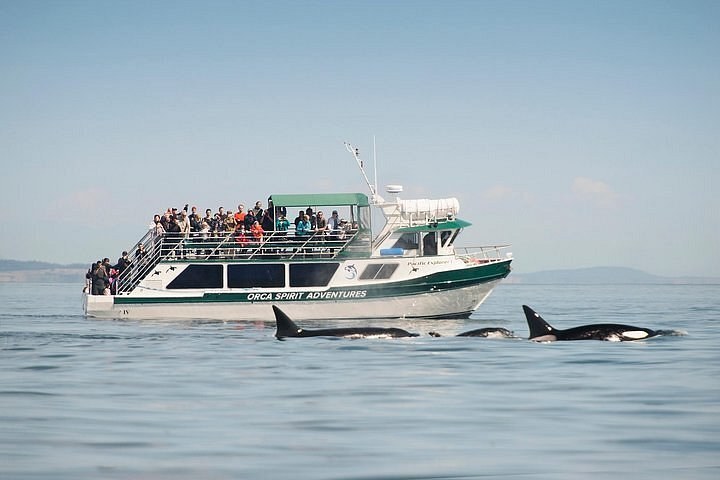 58 mi from VancouverPrivate Whale Watching and Wildlife Tour (Capt. Jim's Whale Watching)
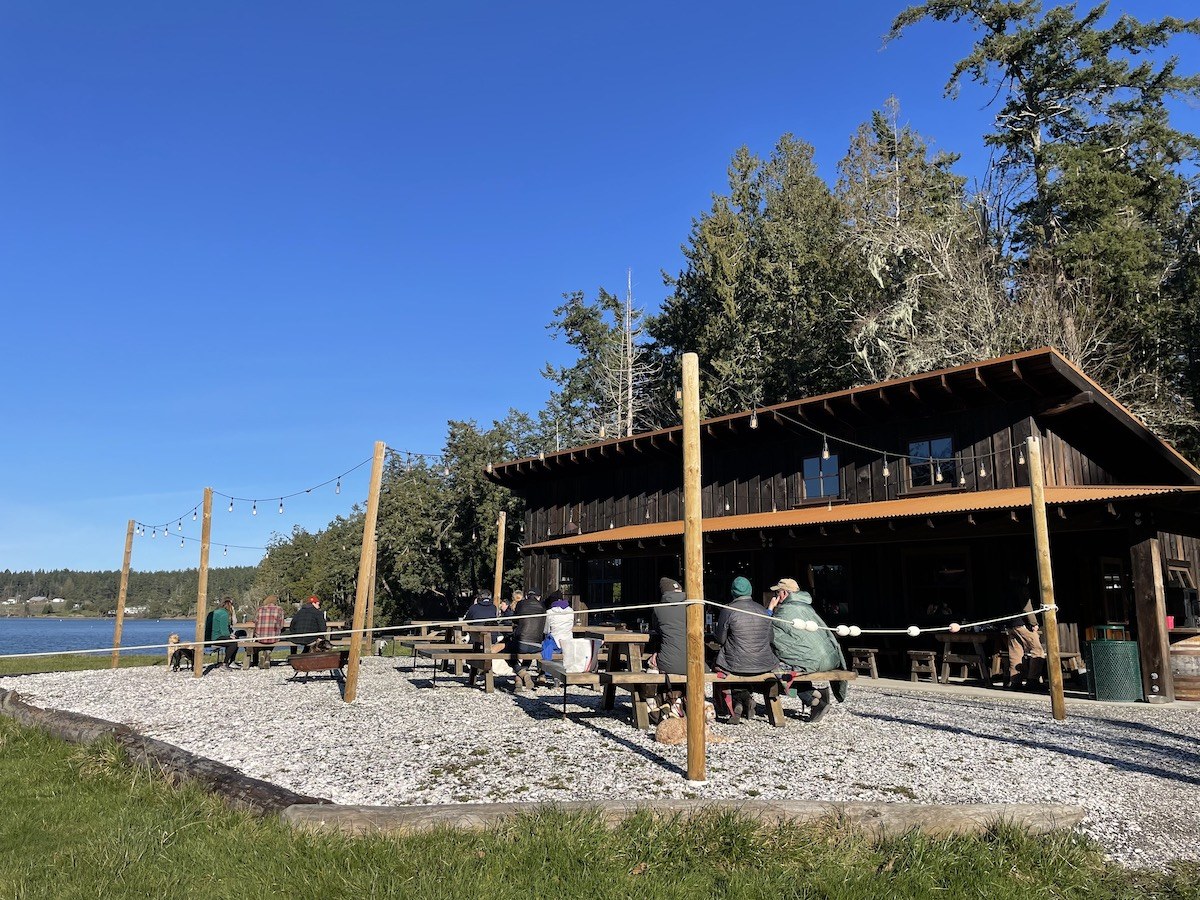 45 mi from VancouverWestcott Bay Sea Farms & Oyster Shack
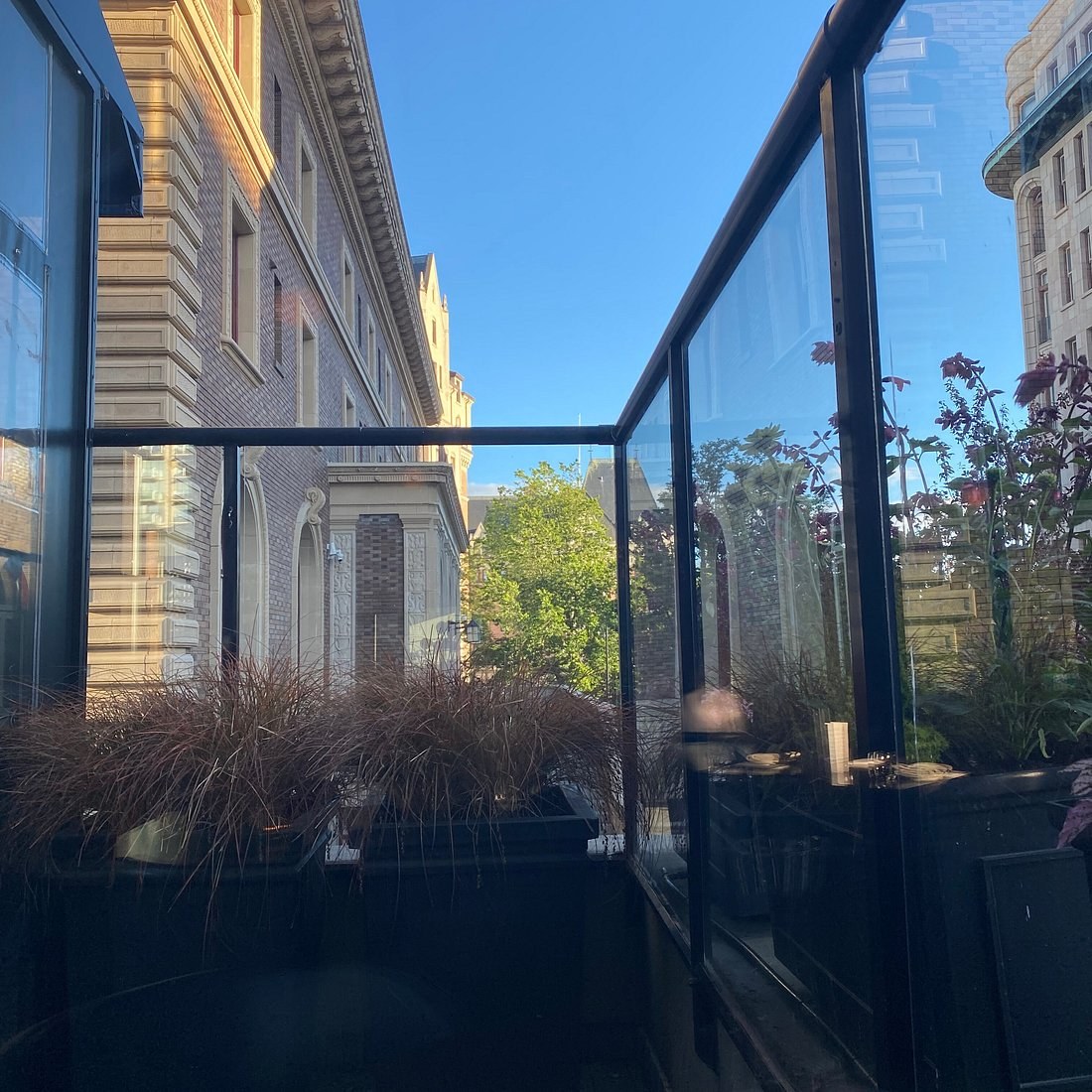 44 mi from Vancouver · land adventureVictoria's Wild Coast: Falconry, Gold Mines, and the Pacific
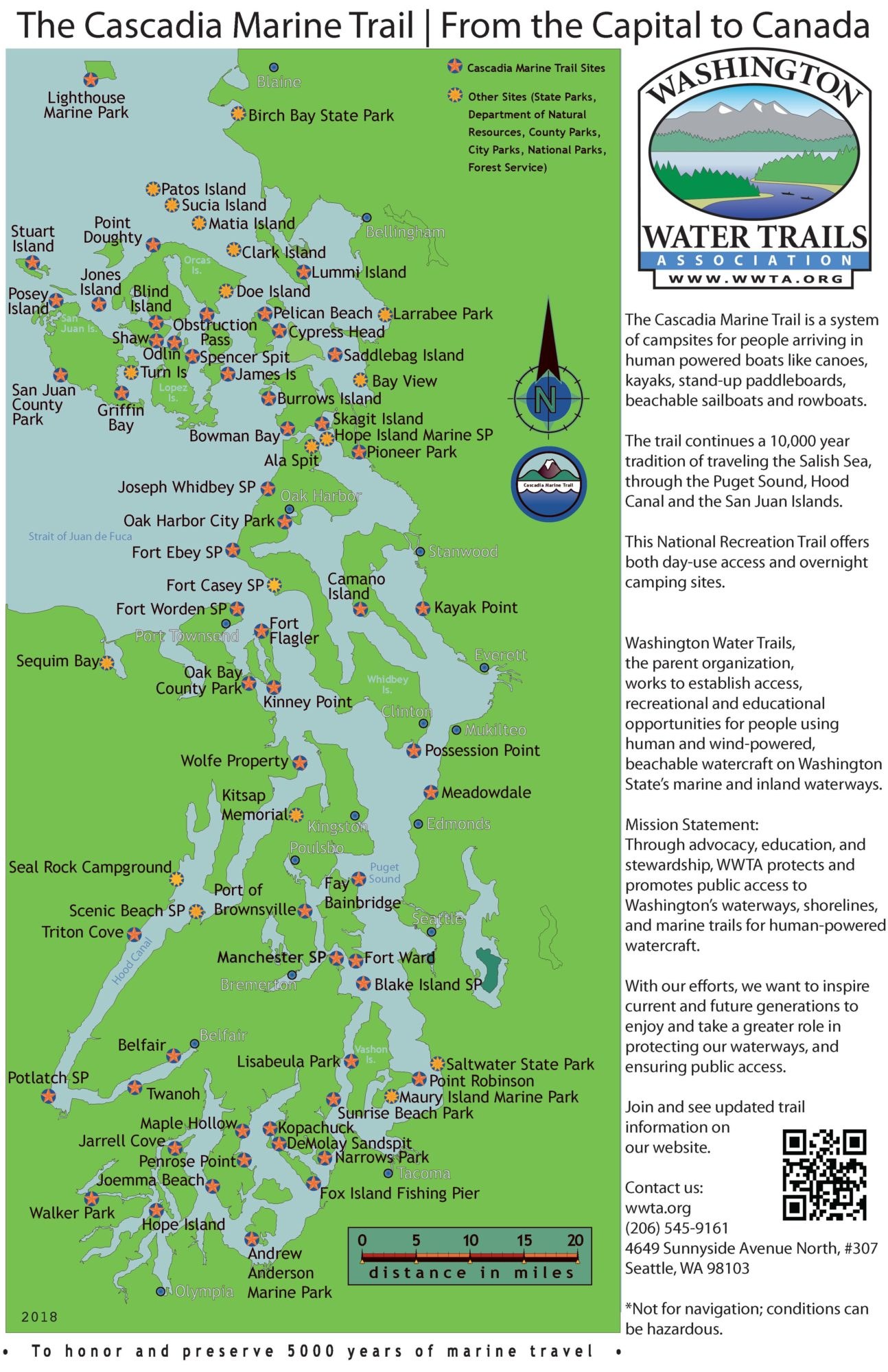 130 mi from Vancouver · land adventureTacoma's Wild Side: Puget Sound, Quarries & a Volcano
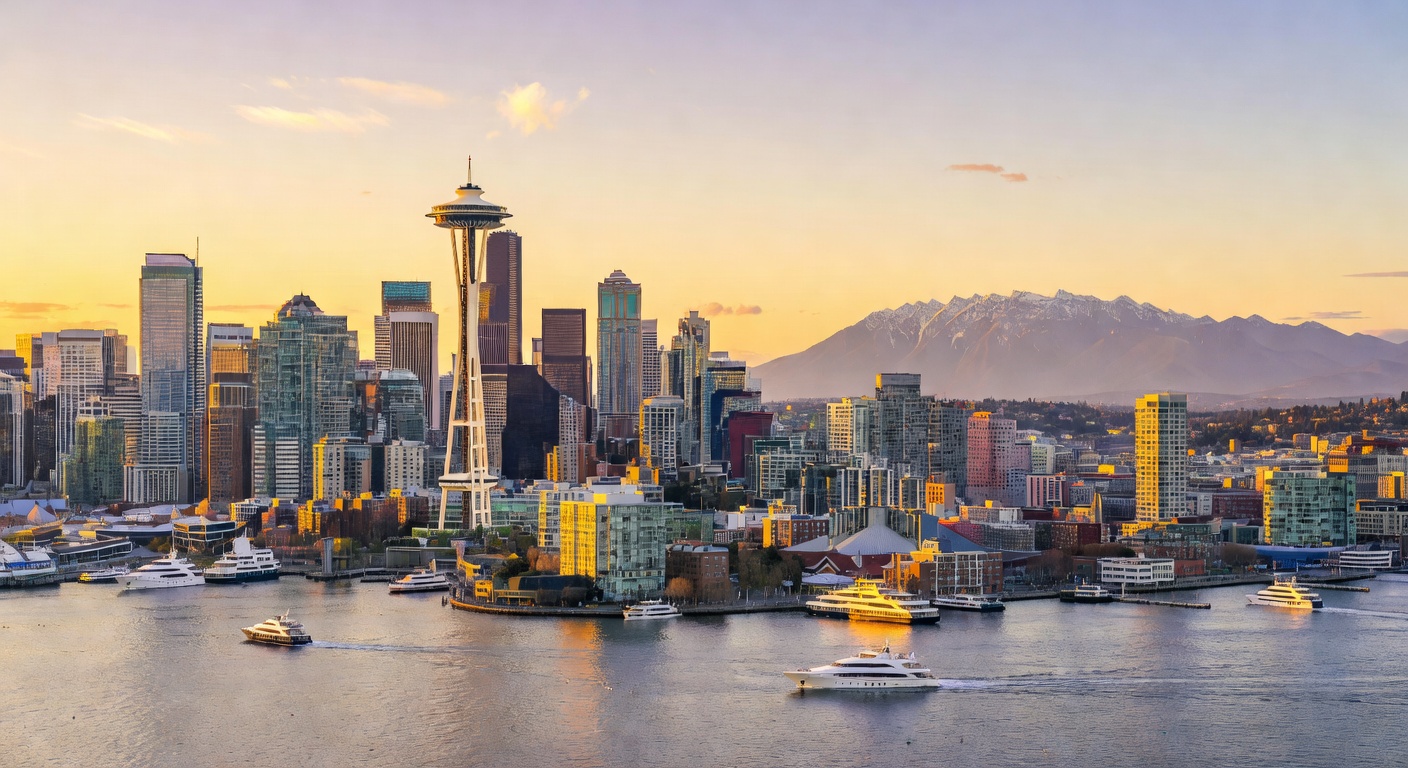 130 mi from Vancouver · land adventureSalt Air and Oyster Shells: A San Juan Islands Sailing Guide
After you step off · near Tokyo
You end in a different port — stay on, and add what is within reach before you fly home.
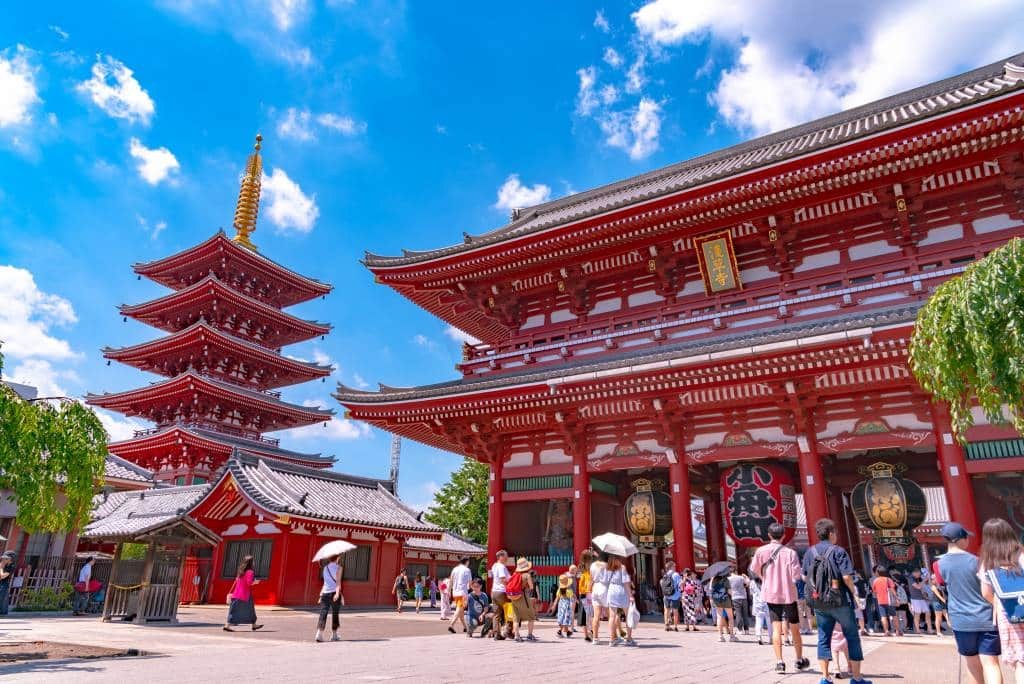 6 mi from TokyoSenso-ji Temple
 0 mi from TokyoteamLab Borderless
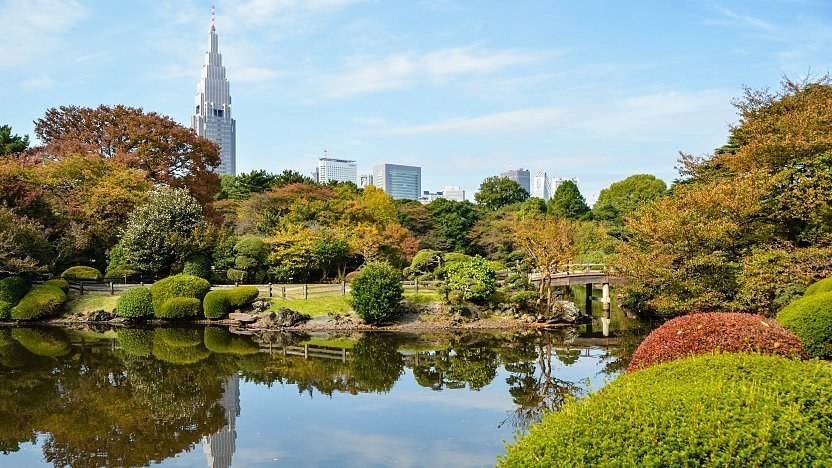 39 mi from Tokyo · land adventureTokyo's Secret Layers: Samurai Houses, Sunrise Crossings & Sake
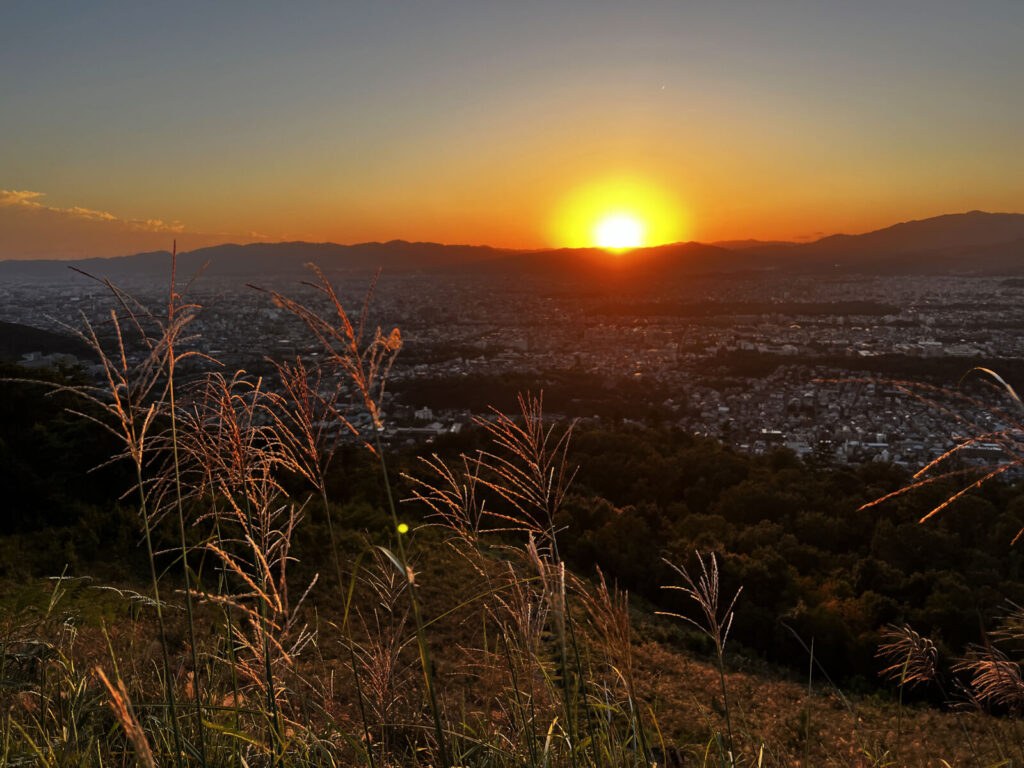 266 mi from Tokyo · land adventureKyoto After Dark: Firelight, Forest Paths & Ancient Craft
The same trip, elevated
The same gateway on a more luxurious line — lead-in fare per person, same fare as booking direct.