Your cruise
Costa Deliziosa · 5-night Mediterranean cruise, Savona (Genoa) to Marghera
Apr 12 – Apr 17 · 5 nights ·
Day 1 Savona (Genoa) (board) · Day 2 Civitavecchia (Rome) · Day 3 at sea · Day 4 Corfu · Day 5 Bari · Day 6 Marghera (step off)
What you do This is the definitive Rome bucket-list day: Michelangelo's Sistine Chapel ceiling and Last Judgment, the Vatican Museums, St. Peter's Square, plus the Colosseum and Roman Forum — all in one 9-hour private run from the pier. Your driver collects you ship-side in a Mercedes and the 'privilege' skip-the-line tickets to both the Vatican and Colosseum mean you walk past the 2-hour queues that would otherwise eat your port day. Note this is a private-driver tour, not a guided one: you explore the interiors at your own pace (audio guides sold inside).
What to expect A private Mercedes collects you pier-side at Civitavecchia and you begin a 9-hour immersion in Rome's iconic landmarks, moving at your own pace rather than a group's rhythm. You skip past the 2-hour queues at the Vatican Museums to explore Michelangelo's Sistine Chapel ceiling and Last Judgment, then wander St. Peter's Square (basilica entry is free but has its own queue). After lunch flexibility, you drive to the Colosseum and Roman Forum, again with skip-the-line privilege tickets that let you move straight inside while standard visitors wait. Throughout, your private driver and personal vehicle—not a 50-person bus—keep you on your schedule, though you explore each site's interiors independently with optional audio guides available for purchase.
Good to know The full excursion runs 9 hours; plan to depart the pier by 8:00 AM at the latest to ensure a comfortable return before your ship's evening departure. Your private driver meets you ship-side at Civitavecchia—confirm the exact return-time guarantee and buffer window when booking, as this operator runs cruisers daily but you'll want that back-to-ship safety net in writing. Bring comfortable walking shoes, sunscreen, and cash or cards for lunch and optional audio guides inside the museums (not included in the EUR 187.50 price). Book skip-the-line tickets in advance as part of your package; they're your main time-saver advantage over the cruise line's group tours, which run $220–$320 per person for the same sites.
Versus the ship tour Direct wins decisively. The cruise lines' marquee 'Best of Rome / Ultimate Rome' Vatican+Colosseum day runs $220-$320 pp, and on premium lines higher — this private, skip-the-line equivalent is ~$205 pp with your own vehicle and no 50-person bus. You save roughly $50-$120 per person and skip the group-pace bottleneck. The one thing the ship guarantees that you're trading away: a step-on licensed guide inside the sites and a back-to-ship promise (this operator runs cruisers daily but confirm the return-time guarantee when booking).
book direct with Discovery Guided Tours → · the full guide →
What you do The reason cruise lines stop here at all: a private deluxe vehicle whisks you from the pier to the Trevi Fountain, Pantheon, Spanish Steps, Piazza Navona, St. Peter's Square and the Colosseum, dropping you as close as Rome's traffic limits allow at each. It's the maximize-a-tight-window play — a first-timer who sails past Rome without standing at the Trevi would genuinely regret it. Be clear-eyed: this is a driver, not a licensed guide, so it's exterior views, photo stops and walk-up landmarks, no museum interiors.
What to expect Your driver collects you pier-side at 8:00 AM in a private deluxe vehicle and begins threading Rome's narrow streets, stopping at the Trevi Fountain, Pantheon, Spanish Steps, Piazza Navona, St. Peter's Square, and Colosseum views—you step out, snap photos, walk up to the exteriors and iconic squares, then move on. This is drive-and-stroll geography, not museum interiors: you'll see Rome's greatest hits from street level and courtyard vistas, with your driver dropping you as close as traffic allows at each landmark. The rhythm is constant but unhurried—a masterclass in first-timer coverage, punctuated by photo moments and the low hum of rolling between sites. You're back at the pier by 5:00–5:30 PM, having touched eight of Rome's most recognizable monuments without boarding a 50-seat coach.
Good to know Pickup is pier-side at 8:00 AM sharp with return by 5:00–5:30 PM, giving you roughly 8 hours door-to-door; factor in Rome's traffic and the driver will optimize stops, so expect less than 30 minutes at each landmark unless you request longer. No entrance tickets, meals, or guide services are included—this is a driver-only arrangement, so museum and basilica interiors are on your own dime and time; bring cash and book ahead if you want to step inside St. Peter's or the Colosseum. All tolls, parking, and taxes are covered in the quoted price (EUR 650–750 per vehicle for up to 7 guests, ~EUR 107–163 per person), and the driver speaks English. Book directly with RomeCabs in advance; a solo traveler or couple may find the ship's motorcoach tour or Trenitalia train equally priced or cheaper per head, so confirm group size before committing.
Versus the ship tour Direct wins on access, ties or beats on price depending on group size. The ship's guided 'City in a Day / Panoramic Rome' coach tour is $110-$170 pp; split a EUR 650-750 car across 4-7 people and you land around $115-$175 pp with door-to-landmark drops a 50-seat bus can't do. For a solo or couple it's a wash on price — but you get a private car and your own timing. If you only want a cheap motorcoach drop-and-roam, the ship's 'Rome On Your Own' transfer ($60-100 pp) or the Trenitalia train (~$11 RT) is far cheaper than any private car — say so and don't overpay for a driver you don't need.
What you do For travelers who've already 'done' central Rome, this is the equally unforgettable alternative: Villa d'Este's 51 fountains, 64 waterfalls and 220 basins — all gravity-fed, not a single pump — paired with Emperor Hadrian's sprawling 2nd-century imperial estate. An expert private guide actually walks the gardens and ruins with you, and the crowds are a fraction of the Vatican's. A 9-hour day, pier to pier.
What to expect You'll spend the morning and early afternoon in two staggered acts: first, Villa d'Este's terraced Renaissance gardens, where your expert guide walks you through cascading fountains, 220 basins, and 64 waterfalls—all fed by gravity alone, no pumps needed—then a private car transfer inland to Emperor Hadrian's 2nd-century sprawl, where crumbling villas, temples, and theaters unfold across 30 acres of archaeological theatre. The rhythm is unhurried; you're with a licensed English-speaking expert, not herded through a coach crowd, so you'll actually absorb the history and architecture as you walk. By late afternoon, your driver returns you to the Civitavecchia pier, completing the 9-hour door-to-door arc.
Good to know Pickup from Civitavecchia pier is included; plan for a private car departure roughly 3–4 hours after ship arrival to allow for disembarkation and meet your guide. Both villas are outdoor, terraced sites with significant walking and uneven ground—wear comfortable shoes and bring sun protection and water. Book at least 48–72 hours ahead; the price (EUR 869 minimum, ~$475 per couple) drops per person as group size grows, and slots are limited to preserve the "expert guide + small party" promise. Confirm your ship's all-aboard time with the concierge and allow a 30–45-minute buffer before boarding to account for Civitavecchia pier return traffic.
Versus the ship tour Mixed verdict, lean ship for small parties. The cruise lines' 'Beauty of Tivoli / Villa d'Este' countryside tour runs $150-$260 pp and other independents (Discovery Guided Tours) sell a Tivoli day from ~$115 pp — so this premium private option is meaningfully pricier per head for a couple (~$475 pp). What you're buying is a genuine licensed guide actually leading you through both UNESCO sites and a private car, versus a coach. If budget is the driver, the ship tour or a cheaper shared independent is the honest call; book this only if private + expert-guided is the point.
book direct with Through Eternity Tours → · the full guide →
What you do Walk intact ancient streets, an amphitheater, taverns, bath-house mosaics and three-story Roman apartment blocks at the buried port city of Ostia Antica — the marquee 'lost Roman city' with a fraction of Rome's crowds. It's far closer to Civitavecchia than the actual Pompeii (which is impractical from this port), and this private full-day pairs it with the Etruscan necropolis at Cerveteri. Pier-side Mercedes pickup, full day, back in time for the ship.
What to expect You'll be picked up pier-side in a private deluxe Mercedes and driven to Ostia Antica, where you'll walk intact ancient streets lined with taverns, bath houses, and remarkably preserved three-story Roman apartment blocks, culminating at the amphitheater — a far less crowded alternative to Pompeii. The day then pivots to Cerveteri's Etruscan necropolis, where you explore burial sites and artifacts from Rome's pre-imperial neighbors. Throughout, you're moving at your own pace in private transport rather than herded with a group, though your driver handles logistics rather than narrating the ruins themselves. The rhythm is unhurried full-day immersion: ancient streets in the morning, a site transition at midday, and Etruscan tombs in the afternoon, returning to the pier in time to reboard.
Good to know Book ahead with Stefano Rome Tours and confirm pier pickup timing to ensure you clear the ship's all-aboard (driver will know the buffer). Entrance tickets to both Ostia Antica and Cerveteri are not included in the EUR 590 vehicle fee—budget ~EUR 18 per site and purchase at the gate or ahead online to save time. Bring a robust audio guide app (like the official Ostia Antica app) or printed site guide, since the driver is not a licensed in-site interpreter. With a full day in the field, wear comfortable walking shoes, sunscreen, and a hat; both sites are largely open-air and can be hot, especially in summer months.
Versus the ship tour Direct wins, with a caveat. Most ships barely offer Ostia Antica, and comparable 'scenic/ruins' ship days run $150-$260 pp — splitting EUR 590 across 4-7 people lands at ~$90-$160 pp plus ~EUR 18 site tickets. You get a near-empty Roman city and a private car well under the ship's countryside price. Trade-off: it's a driver, not a step-on guide inside the ruins, so bring a good audio guide or app if you want the narration the ship's guided tour would include.
What you do Skip the 1.5-hour each-way push to Rome and explore the port town nearly every cruiser blows past: Michelangelo's harbor fortress (Forte Michelangelo), one of Italy's largest open-air markets, fresh Tyrrhenian seafood and the seafront Pirgo promenade. A relaxed small-group walk with local tastings along the way — the low-stress, low-risk safety net when you want to be steps from the ship.
What to expect You'll join a small-group walk that begins steps from the pier and moves at a leisurely pace through Civitavecchia's historic center, anchored by visits to the Renaissance Forte Michelangelo and one of Italy's largest open-air markets alive with local vendors and produce. Along the way, you'll pause for fresh Tyrrhenian seafood tastings and other local bites, absorbing the rhythm of a working port town most cruisers skip. The walk concludes on the waterfront Pirgo promenade, where you'll have absorbed three hours of culture and flavor without the fatigue of a long coach transfer. It's the opposite of the Rome sprint—an immersive, low-pressure exploration of the places locals actually go.
Good to know The entire excursion unfolds within walking distance of your ship, so there's zero transfer time and minimal risk of running late; plan for the three-hour guided walk to fit comfortably in a 6–8 hour port window. Book ahead through DriverInRome to secure your spot in a small group, and wear comfortable walking shoes—you'll be on foot the whole time through cobblestone streets and market areas. Bring cash (EUR) for any additional purchases at the market or for tips, and check departure times with the operator to give yourself at least an hour buffer before all-aboard. The price of approximately EUR 75 per person (€82 USD) includes all tastings, so budget only for optional extras and gratuity.
Versus the ship tour No real ship equivalent, and that's the point. Cruise lines don't sell a Civitavecchia-town tour because they want you on the $60-320 Rome excursions — so this isn't a price-beat, it's a different (and far cheaper) day for travelers who don't want a 3-hour round-trip. At ~$82 pp with food included and zero risk of missing the ship, it's the honest pick for repeat Italy visitors, slow-pace travelers, or anyone who'd rather not gamble a tight Rome turnaround. If it's your first time in Italy, though, do Rome — this is the alternate, not the headline.
What you do Train ~1 hr from Savona to Santa Margherita Ligure, then board the historic Tigullio public ferry for the final glamorous leg into Portofino's pastel millionaire harbor -- arriving past the yachts the way locals do, not by tour bus. Continue on the same boat to San Fruttuoso, the medieval abbey tucked in a cove reachable only by sea. This is THE Italian Riviera postcard and the regret-if-you-miss-it pick for a first-timer.
What to expect You'll board a regional train from Savona toward the coast, arriving at Santa Margherita Ligure in roughly an hour. From there, step directly onto the historic Tigullio public ferry—the same boat locals use—and glide into Portofino's famous pastel-painted harbor, threading past luxury yachts to dock in the postcard scene itself. If time allows, continue by ferry to San Fruttuoso Abbey, a medieval monastery nestled in a sea-accessible cove, then retrace your route back to catch your return train before the final all-aboard.
Good to know Plan for 6–7 hours total and depart Portofino by early afternoon to secure a train back to Savona well before all-aboard; the ferry runs a fixed schedule with no buffer for delays. The ferry alone costs €20–24 per person round-trip (€24 including San Fruttuoso); add €11 for the regional train round-trip from Savona to Santa Margherita, totaling roughly €35–40/pp all-in. Book your return train time before leaving the ship, as gaps in the ferry timetable can strand you if you miss a connection. Wear comfortable shoes for train stations and the ferry deck, bring sun protection and a light jacket for sea spray, and carry small denominations of euros for ticket purchases.
Versus the ship tour Direct wins big. The ship's Portofino bus/boat day runs ~$82-160/pp; the cruise line's standalone Portofino boat hop pushes to $160. Doing it yourself by train + this public ferry, including the San Fruttuoso extension, lands around $35-40/pp all-in -- a saving of roughly $50-120 per person, and you get the by-sea arrival the bus tour never gives you. Mainland item: budget 6-7 hrs and leave Portofino by early afternoon; the ferry runs to a fixed timetable, so build in margin to make the last train back to Savona well before all-aboard.
book direct with Servizio Marittimo del Tigullio (the Gulf of Tigullio's public ferry consortium) → · the full guide →
What you do Off the San Fruttuoso abbey lies Cristo degli Abissi, a bronze Christ sunk in 1954 with arms raised toward the surface, resting in 17m of clear water -- one of the most photographed underwater sights in the Mediterranean. Go with a Portofino Marine Protected Area dive center: snorkelers can see the statue from the surface on calm days, and a guided discover-dive puts you right at the figure. A genuine once-in-a-lifetime, unmistakably Ligurian moment.
What to expect You travel by local transport to the Portofino Marine Protected Area, where a PADI-certified guide meets you at Diving Group Portofino. If you're diving, you'll descend 17 meters into crystalline water to face Cristo degli Abissi—a bronze Christ with arms raised toward the surface, sunk in 1954 and one of the Mediterranean's most iconic underwater sights. Snorkelers on calm days can glimpse the statue from the surface with a mask; divers get the profound, intimate moment of meeting it at depth. The whole experience is rhythmed by the water's clarity and the statue's tranquil presence—a genuine once-in-a-lifetime, unmistakably Ligurian encounter.
Good to know Book ahead by phone (+39 335 356975) or email with Diving Group Portofino; they don't offer online ticketing. Allow roughly 4–5 hours round-trip including transport from the pier, the dive or snorkel (guided discover-dives run ~EUR 90–100 per person with gear and MPA fee; snorkel trips ~EUR 50–70), and return buffer—confirm the operator guarantees you back to ship and book the morning slot. Bring or rent a wetsuit depending on water temperature and your comfort; if budget-conscious and conditions are calm, the public ferry to San Fruttuoso (~$17 one-way) plus a snorkel mask is the cheapest way to see it from the surface. Train time from Camogli or Santa Margherita adds at least an hour, so use an operator with a fixed ship-return commitment.
Versus the ship tour Cruise lines almost never offer the statue as a standalone dive, so direct is the only real way to actually get in the water with it. If you only want to look, the cheapest honest option is the public ferry to San Fruttuoso (~$17 one-way) plus a mask -- on a calm day you can see it from the surface for the price of a ferry ticket. Pay the dive operator only if you want to be guided down to it. Mainland item near Camogli/Santa Margherita: needs ~half a day plus train time, so use an operator that guarantees you back to the ship and confirm the morning slot.
book direct with Diving Group Portofino (PADI center inside the Portofino MPA) → · the full guide →
What you do A ~45-60 min train from Savona drops you beside Renzo Piano's redeveloped Porto Antico, home to the biggest aquarium in Europe: 70 recreated marine ecosystems with dolphins, sharks, a penguin/Antarctic habitat and a glass tunnel. It's the rare 'big' bucket-list item that's weatherproof, family-proof and unmistakably Genoa's own -- ideal if the sea's too rough for boats or you've got kids in tow.
What to expect You'll catch a train from Savona to Genoa's Porto Antico (45–60 minutes), stepping directly into Renzo Piano's waterfront redevelopment where the Acquario di Genova commands the harborfront. Inside, you'll move through 70 recreated marine ecosystems—crossing a glass tunnel beneath prowling sharks, watching dolphins arc through their habitat, descending into the Antarctic penguin wing—before emerging to explore the bustling harbor quarter itself. The whole rhythm is weatherproof and unhurried, designed for families and those wanting to avoid the unpredictable Ligurian Sea.
Good to know Book timed-entry tickets online directly (€26–37/adult) before departure; the ship's package charges ~$115/pp for the same content, while the aquarium sits just a 10-minute walk from the Genoa terminal, meaning you're mostly paying for their shuttle. Within a 6–8 hour port window, budget 45–60 min each way for the train (~€4–5 per direction), 2.5–3 hours in the aquarium, leaving a comfortable 2+ hour back-to-ship buffer. Bring euro coins for the train; wear comfortable shoes for the Porto Antico quarter, which rewards wandering.
Versus the ship tour Direct wins by a mile. The ship's Aquarium & Porto Antico excursion is ~$115/pp; the entry ticket booked direct is $28, and the harbor itself is a free 10-min walk from the Genoa terminal. That's roughly $87/pp saved -- the ship is essentially charging $87 to walk you across the street. Train from Savona is ~EUR 4-5 each way. Easily fits a port day with hours to spare.
book direct with Acquario di Genova (Costa Edutainment -- the venue's own operator) → · the full guide →
What you do Walk Via Garibaldi, the 16th-17th-c. 'Strade Nuove' where Genoa's merchant princes built frescoed Baroque palaces so grand that visiting kings were once assigned to them by lottery -- UNESCO-listed in 2006. Step inside the three Rolli museum-palaces (Rosso, Bianco, Tursi) for painted atriums, hanging gardens and Van Dyck portraits. It's one of Europe's most concentrated stretches of Renaissance grandeur and the heart of Genoa's old maritime-superpower identity.
What to expect You'll walk directly from Genoa's cruise terminal into Via Garibaldi, the 16th–17th-century "Strade Nuove," where Renaissance frescoed Baroque palaces line both sides in grand succession. Step into one or all three of the Rolli museum-palaces (Palazzo Rosso, Bianco, Tursi) to explore painted atriums, hanging gardens, and Old Master portraits—the interiors are as breathtaking as the street facades. The rhythm is unhurried: stroll the free street itself, pause at palace facades, then choose your depth—either pop into the palaces solo with an EUR 9 combined ticket, or join a local guide (EUR 20–50) who'll unlock the stories behind Genoa's merchant-prince era. You're walking through one of Europe's most concentrated stretches of Renaissance grandeur, the physical heart of what made Genoa a maritime superpower.
Good to know The Genoa cruise terminal sits already in the center—no transfer needed; Via Garibaldi is a direct walk from the pier. Book the EUR 9 combined palace ticket online or on-site to skip lines, or add a local walking guide (EUR 20–50 pp) in advance if you want contextual commentary. Plan 4–5 hours for a full exploration (street + all three palaces); 2–3 hours suffices if you stroll the street and dip into one palace. Leave yourself a 60–90 minute buffer to return to the ship, as Genoa's old-town alleys can wind; bring comfortable walking shoes and water, as the Renaissance grandeur demands pace.
Versus the ship tour Direct wins. The ship's Genoa old-town walking tour is ~$75/pp -- and the cruise terminal is already in the center, so you're mostly paying to be walked across the street. Book a EUR 9 palaces ticket and add a local guide for ~$22-55 if you want commentary, or just walk it free; that's $20-65/pp saved versus the ship. Fully walkable from the Genoa terminal, no transfer needed.
book direct with Musei di Strada Nuova / Visit Genoa (official city museums & tourism office) → · the full guide →
What you do Most passengers bolt for Genoa and never realize Savona itself is a Riviera gem: the massive seafront Priamar Fortress (1542), the Della Rovere old town along Via Pia, and a true 'Sistine Chapel' -- a Rococo mausoleum commissioned by Savona-born Pope Sixtus IV, the same pope behind Rome's Sistine Chapel. It's the lowest-effort, zero-train, walk-from-the-ship option and a real sense-of-place win if you only have a few hours or want a relaxed day.
What to expect You step off the ship into Savona's harborfront, where the massive Priamar Fortress (1542) dominates the skyline—a sprawling, walk-able complex where you'll wander seventeenth-century bastions, courtyards, and museum galleries without crowds or queues. From there, a few minutes on foot lands you in the Della Rovere old town along atmospheric Via Pia, where narrow streets reveal local life. The crowning moment is the Cappella Sistina, a luminous Rococo mausoleum commissioned by Pope Sixtus IV himself—the same visionary behind Rome's iconic chapel—tucked into the urban fabric where you'd least expect such baroque grandeur. You're back at the pier within hours, never rushed, having absorbed genuine sense-of-place that most passengers racing to Genoa miss entirely.
Good to know The entire excursion (Priamar grounds + fortress museums + Cappella Sistina entry) costs under $15 total and sits within a 10–15 minute walk from your cruise terminal—no transport needed, no booking required. Budget 3–4 hours for a leisurely pace; 2 hours if you're tight on time and want just the fortress exterior and chapel. Bring comfortable walking shoes, small coins or cards for museum entries (EUR 5 for Priamar, EUR 3–5 for the chapel), and a light bag; no advance reservations needed for this self-guided approach. Plan your return with a 45-minute buffer before all-aboard to avoid any stress—you're never far from the ship, making this the lowest-risk, highest-reward alternative to pricier operator tours.
Versus the ship tour This is the safety-net pick, and direct/DIY clearly wins -- it's effectively free and there's no ship equivalent worth buying. The ship's 'A Taste of Savona' style local tour lists around $115/pp; you can see the fortress and the Cappella Sistina yourself for under $15 total and be back aboard in minutes. Lowest risk of missing all-aboard since you never leave Savona.
book direct with Comune di Savona / Visit Savona (official municipal tourism) → · the full guide →
What you do This is the definitive Rome bucket-list day: Michelangelo's Sistine Chapel ceiling and Last Judgment, the Vatican Museums, St. Peter's Square, plus the Colosseum and Roman Forum — all in one 9-hour private run from the pier. Your driver collects you ship-side in a Mercedes and the 'privilege' skip-the-line tickets to both the Vatican and Colosseum mean you walk past the 2-hour queues that would otherwise eat your port day. Note this is a private-driver tour, not a guided one: you explore the interiors at your own pace (audio guides sold inside).
What to expect A private Mercedes collects you pier-side at Civitavecchia and you begin a 9-hour immersion in Rome's iconic landmarks, moving at your own pace rather than a group's rhythm. You skip past the 2-hour queues at the Vatican Museums to explore Michelangelo's Sistine Chapel ceiling and Last Judgment, then wander St. Peter's Square (basilica entry is free but has its own queue). After lunch flexibility, you drive to the Colosseum and Roman Forum, again with skip-the-line privilege tickets that let you move straight inside while standard visitors wait. Throughout, your private driver and personal vehicle—not a 50-person bus—keep you on your schedule, though you explore each site's interiors independently with optional audio guides available for purchase.
Good to know The full excursion runs 9 hours; plan to depart the pier by 8:00 AM at the latest to ensure a comfortable return before your ship's evening departure. Your private driver meets you ship-side at Civitavecchia—confirm the exact return-time guarantee and buffer window when booking, as this operator runs cruisers daily but you'll want that back-to-ship safety net in writing. Bring comfortable walking shoes, sunscreen, and cash or cards for lunch and optional audio guides inside the museums (not included in the EUR 187.50 price). Book skip-the-line tickets in advance as part of your package; they're your main time-saver advantage over the cruise line's group tours, which run $220–$320 per person for the same sites.
Versus the ship tour Direct wins decisively. The cruise lines' marquee 'Best of Rome / Ultimate Rome' Vatican+Colosseum day runs $220-$320 pp, and on premium lines higher — this private, skip-the-line equivalent is ~$205 pp with your own vehicle and no 50-person bus. You save roughly $50-$120 per person and skip the group-pace bottleneck. The one thing the ship guarantees that you're trading away: a step-on licensed guide inside the sites and a back-to-ship promise (this operator runs cruisers daily but confirm the return-time guarantee when booking).
book direct with Discovery Guided Tours → · the full guide →
What you do The reason cruise lines stop here at all: a private deluxe vehicle whisks you from the pier to the Trevi Fountain, Pantheon, Spanish Steps, Piazza Navona, St. Peter's Square and the Colosseum, dropping you as close as Rome's traffic limits allow at each. It's the maximize-a-tight-window play — a first-timer who sails past Rome without standing at the Trevi would genuinely regret it. Be clear-eyed: this is a driver, not a licensed guide, so it's exterior views, photo stops and walk-up landmarks, no museum interiors.
What to expect Your driver collects you pier-side at 8:00 AM in a private deluxe vehicle and begins threading Rome's narrow streets, stopping at the Trevi Fountain, Pantheon, Spanish Steps, Piazza Navona, St. Peter's Square, and Colosseum views—you step out, snap photos, walk up to the exteriors and iconic squares, then move on. This is drive-and-stroll geography, not museum interiors: you'll see Rome's greatest hits from street level and courtyard vistas, with your driver dropping you as close as traffic allows at each landmark. The rhythm is constant but unhurried—a masterclass in first-timer coverage, punctuated by photo moments and the low hum of rolling between sites. You're back at the pier by 5:00–5:30 PM, having touched eight of Rome's most recognizable monuments without boarding a 50-seat coach.
Good to know Pickup is pier-side at 8:00 AM sharp with return by 5:00–5:30 PM, giving you roughly 8 hours door-to-door; factor in Rome's traffic and the driver will optimize stops, so expect less than 30 minutes at each landmark unless you request longer. No entrance tickets, meals, or guide services are included—this is a driver-only arrangement, so museum and basilica interiors are on your own dime and time; bring cash and book ahead if you want to step inside St. Peter's or the Colosseum. All tolls, parking, and taxes are covered in the quoted price (EUR 650–750 per vehicle for up to 7 guests, ~EUR 107–163 per person), and the driver speaks English. Book directly with RomeCabs in advance; a solo traveler or couple may find the ship's motorcoach tour or Trenitalia train equally priced or cheaper per head, so confirm group size before committing.
Versus the ship tour Direct wins on access, ties or beats on price depending on group size. The ship's guided 'City in a Day / Panoramic Rome' coach tour is $110-$170 pp; split a EUR 650-750 car across 4-7 people and you land around $115-$175 pp with door-to-landmark drops a 50-seat bus can't do. For a solo or couple it's a wash on price — but you get a private car and your own timing. If you only want a cheap motorcoach drop-and-roam, the ship's 'Rome On Your Own' transfer ($60-100 pp) or the Trenitalia train (~$11 RT) is far cheaper than any private car — say so and don't overpay for a driver you don't need.
What you do For travelers who've already 'done' central Rome, this is the equally unforgettable alternative: Villa d'Este's 51 fountains, 64 waterfalls and 220 basins — all gravity-fed, not a single pump — paired with Emperor Hadrian's sprawling 2nd-century imperial estate. An expert private guide actually walks the gardens and ruins with you, and the crowds are a fraction of the Vatican's. A 9-hour day, pier to pier.
What to expect You'll spend the morning and early afternoon in two staggered acts: first, Villa d'Este's terraced Renaissance gardens, where your expert guide walks you through cascading fountains, 220 basins, and 64 waterfalls—all fed by gravity alone, no pumps needed—then a private car transfer inland to Emperor Hadrian's 2nd-century sprawl, where crumbling villas, temples, and theaters unfold across 30 acres of archaeological theatre. The rhythm is unhurried; you're with a licensed English-speaking expert, not herded through a coach crowd, so you'll actually absorb the history and architecture as you walk. By late afternoon, your driver returns you to the Civitavecchia pier, completing the 9-hour door-to-door arc.
Good to know Pickup from Civitavecchia pier is included; plan for a private car departure roughly 3–4 hours after ship arrival to allow for disembarkation and meet your guide. Both villas are outdoor, terraced sites with significant walking and uneven ground—wear comfortable shoes and bring sun protection and water. Book at least 48–72 hours ahead; the price (EUR 869 minimum, ~$475 per couple) drops per person as group size grows, and slots are limited to preserve the "expert guide + small party" promise. Confirm your ship's all-aboard time with the concierge and allow a 30–45-minute buffer before boarding to account for Civitavecchia pier return traffic.
Versus the ship tour Mixed verdict, lean ship for small parties. The cruise lines' 'Beauty of Tivoli / Villa d'Este' countryside tour runs $150-$260 pp and other independents (Discovery Guided Tours) sell a Tivoli day from ~$115 pp — so this premium private option is meaningfully pricier per head for a couple (~$475 pp). What you're buying is a genuine licensed guide actually leading you through both UNESCO sites and a private car, versus a coach. If budget is the driver, the ship tour or a cheaper shared independent is the honest call; book this only if private + expert-guided is the point.
book direct with Through Eternity Tours → · the full guide →
What you do Walk intact ancient streets, an amphitheater, taverns, bath-house mosaics and three-story Roman apartment blocks at the buried port city of Ostia Antica — the marquee 'lost Roman city' with a fraction of Rome's crowds. It's far closer to Civitavecchia than the actual Pompeii (which is impractical from this port), and this private full-day pairs it with the Etruscan necropolis at Cerveteri. Pier-side Mercedes pickup, full day, back in time for the ship.
What to expect You'll be picked up pier-side in a private deluxe Mercedes and driven to Ostia Antica, where you'll walk intact ancient streets lined with taverns, bath houses, and remarkably preserved three-story Roman apartment blocks, culminating at the amphitheater — a far less crowded alternative to Pompeii. The day then pivots to Cerveteri's Etruscan necropolis, where you explore burial sites and artifacts from Rome's pre-imperial neighbors. Throughout, you're moving at your own pace in private transport rather than herded with a group, though your driver handles logistics rather than narrating the ruins themselves. The rhythm is unhurried full-day immersion: ancient streets in the morning, a site transition at midday, and Etruscan tombs in the afternoon, returning to the pier in time to reboard.
Good to know Book ahead with Stefano Rome Tours and confirm pier pickup timing to ensure you clear the ship's all-aboard (driver will know the buffer). Entrance tickets to both Ostia Antica and Cerveteri are not included in the EUR 590 vehicle fee—budget ~EUR 18 per site and purchase at the gate or ahead online to save time. Bring a robust audio guide app (like the official Ostia Antica app) or printed site guide, since the driver is not a licensed in-site interpreter. With a full day in the field, wear comfortable walking shoes, sunscreen, and a hat; both sites are largely open-air and can be hot, especially in summer months.
Versus the ship tour Direct wins, with a caveat. Most ships barely offer Ostia Antica, and comparable 'scenic/ruins' ship days run $150-$260 pp — splitting EUR 590 across 4-7 people lands at ~$90-$160 pp plus ~EUR 18 site tickets. You get a near-empty Roman city and a private car well under the ship's countryside price. Trade-off: it's a driver, not a step-on guide inside the ruins, so bring a good audio guide or app if you want the narration the ship's guided tour would include.
What you do Skip the 1.5-hour each-way push to Rome and explore the port town nearly every cruiser blows past: Michelangelo's harbor fortress (Forte Michelangelo), one of Italy's largest open-air markets, fresh Tyrrhenian seafood and the seafront Pirgo promenade. A relaxed small-group walk with local tastings along the way — the low-stress, low-risk safety net when you want to be steps from the ship.
What to expect You'll join a small-group walk that begins steps from the pier and moves at a leisurely pace through Civitavecchia's historic center, anchored by visits to the Renaissance Forte Michelangelo and one of Italy's largest open-air markets alive with local vendors and produce. Along the way, you'll pause for fresh Tyrrhenian seafood tastings and other local bites, absorbing the rhythm of a working port town most cruisers skip. The walk concludes on the waterfront Pirgo promenade, where you'll have absorbed three hours of culture and flavor without the fatigue of a long coach transfer. It's the opposite of the Rome sprint—an immersive, low-pressure exploration of the places locals actually go.
Good to know The entire excursion unfolds within walking distance of your ship, so there's zero transfer time and minimal risk of running late; plan for the three-hour guided walk to fit comfortably in a 6–8 hour port window. Book ahead through DriverInRome to secure your spot in a small group, and wear comfortable walking shoes—you'll be on foot the whole time through cobblestone streets and market areas. Bring cash (EUR) for any additional purchases at the market or for tips, and check departure times with the operator to give yourself at least an hour buffer before all-aboard. The price of approximately EUR 75 per person (€82 USD) includes all tastings, so budget only for optional extras and gratuity.
Versus the ship tour No real ship equivalent, and that's the point. Cruise lines don't sell a Civitavecchia-town tour because they want you on the $60-320 Rome excursions — so this isn't a price-beat, it's a different (and far cheaper) day for travelers who don't want a 3-hour round-trip. At ~$82 pp with food included and zero risk of missing the ship, it's the honest pick for repeat Italy visitors, slow-pace travelers, or anyone who'd rather not gamble a tight Rome turnaround. If it's your first time in Italy, though, do Rome — this is the alternate, not the headline.
What you do Climb into a small 9-seat speedboat and skim the emerald cliffs of Paleokastritsa, Corfu's most celebrated coastline, nosing into the glowing Blue Caves and sea grottoes before swim stops at Paradise and Yali beaches. Cliffs, a 13th-century clifftop monastery overhead, and water so clear it looks lit from below — this is the island's single most photogenic stretch of sea. Two hours on the water; pair with a port taxi to fit a 6-8 hr window.
What to expect You'll board a sleek 9-seat speedboat and glide along Paleokastritsa's emerald cliffs for roughly two hours, with the 13th-century clifftop monastery framing the skyline overhead. The boat noses directly into the glowing Blue Caves and hidden sea grottoes—the water so clear it appears to glow from within—before the skipper drops anchor at Paradise and Yali beaches for swim stops where you can slip straight into the crystalline water. Between the cave passages and beach swims, you'll have plenty of time to photograph Corfu's most celebrated and photogenic coastline. The experience feels intimate and unhurried in a small boat rather than crowded into a wooden tour barge.
Good to know Book a departure time (10:00, 12:30, 15:00, or sunset) that allows 2 hours on the water plus a port taxi transfer each way—doable within a 6–8 hour window if you arrange transport immediately upon disembarking. The operator charges only €50 (~$54) per adult versus $104–166 on the cruise line's Paleokastritsa trip, but you must budget separately for a taxi from the pier to the speedboat dock. Bring swimwear, sunscreen, and a waterproof camera or phone case; the onboard shower and WC are basic but available if needed. Confirm your departure time and meet the operator on time, as this is a small private-feel boat with no backup tour slots.
Versus the ship tour Direct wins big. The cruise line's Paleokastritsa caves boat trip runs $104-166; Vive Corfu's private-feel speedboat into the same caves is ~$54 — roughly $50-110 less per person, in a 9-seat boat instead of a packed wooden tour barge. Honest caveat: if you only want the cave glimpse and not the swim, a walk-up wooden cave boat at Paleokastritsa beach is ~15 EUR ($16) — cheapest of all, but you'd need your own transport to the beach and there's no guaranteed seat.
What you do Walk the largest living medieval town in Greece: a UNESCO-listed warren of Venetian 'kantounia' lanes opening onto the French-built Liston arcade and the Spianada, the biggest square in the Balkans. Duck into the gold-and-silver St. Spyridon church holding the island's patron saint, then climb the Venetian Old Fortress on its sea-promontory for the postcard panorama back over the red roofs. The port is ~2 miles out; the #15 bus or a short taxi drops you in the heart of it.
What to expect You'll walk into a time-locked Venetian maze: narrow 'kantounia' lanes suddenly open onto the grand French-built Liston arcade and the Spianada—the Balkans' largest square. Step inside the glittering St. Spyridon church to see the relics of the island's patron saint gleaming in gold and silver. Climb the stone ramparts of the Venetian Old Fortress perched on its sea-promontory for postcard views back over the terracotta roofs and harbour. It's intimate, flat, and walkable in 2–3 hours, with no queues or crowds.
Good to know The port sits ~2 miles from the Old Town; catch the #15 bus or a 10-minute taxi to drop you in the heart of it. Most visitors skip guides entirely and self-navigate the compact, well-signposted lanes for free; if you want local history, Corfu Walking Tours offers a 2-hour cultural walk for ~EUR 35–50 (about half the ship's tour desk price). Old Fortress entry is EUR 6–10, paid at the gate. Budget 3–4 hours total to enjoy the town and fortress; allow 45 minutes to taxi back and clear the pier before all-aboard.
Versus the ship tour The honest answer: skip the tour desk entirely. The ship sells a Corfu Old Town walking tour for $79-99; the Old Town is compact, signposted and a flat 10-minute taxi from the pier, so most first-timers do it free and self-guided. If you want a licensed local guide for the history, Corfu Walking Tours is ~$40-55 — still about half the ship's price and not a bus-herd of 40.
What you do Stand at the tip of the Kanoni peninsula for the single most-photographed scene on Corfu: the tiny whitewashed 17th-century Vlacherna Monastery on its own islet at the end of a slim stone causeway, with cypress-covered Mouse Island (Pontikonisi) and its 13th-century chapel floating just beyond. Walk the causeway to the monastery for free, and a little shuttle boat ferries across to Mouse Island in about five minutes. It's only ~20 minutes from the port — an easy, low-risk independent stop.
What to expect You'll arrive at Kanoni's viewpoint and find yourself face-to-face with Corfu's most iconic postcard scene: the whitewashed 17th-century Vlacherna Monastery perched on its own islet, connected by a narrow stone causeway you can walk across for free. From there, a short shuttle boat ferries you out across calm blue water to Mouse Island in about five minutes, where a 13th-century chapel sits among cypress trees—a journey that feels suspended between sky and sea. The rhythm is unhurried: wander the monastery, take your photos, ferry out and back, then either taxi straight back to port or extend the morning into Old Town or an olive-grove tasting with a private guide. It's a low-intensity, high-reward stop that reads in photographs as though you've traveled far deeper into Greece than you actually have.
Good to know From the port, a taxi to Kanoni costs EUR 10–15 each way and takes roughly 20 minutes—budget 45 minutes to an hour round-trip for transport alone. The causeway walk and monastery are free; Mouse Island shuttle runs a few euros. If booking a private half-day through The Corfu Experience (€80–130 pp), include Old Town and oil tasting, and request pickup directly from your ship—this compresses your logistics and undercuts the ship's longer panoramic coach tour. Plan to depart port 2–2.5 hours into your port day and return by the 4–5 hour mark, leaving a safe 90-minute buffer before all-aboard.
Versus the ship tour Both directions matter. As a standalone view, do it yourself by taxi for the price of the fare — the ship folds Kanoni into a $79-139 panoramic bus tour where you get a brief photo stop. But if you want a guided half-day that also covers Old Town and a tasting with port pickup, The Corfu Experience's private tour (~$80-130) undercuts the ship's panoramic coach and you're in a private car, not a 40-seat bus.
What you do Sail south from Corfu to its sister islands: into the dramatic Ipapanti and Ahai sea caves of Paxos, a long swim stop off Antipaxos in some of the most luminous turquoise water in Greece, and free time in the pretty harbor village of Gaios. The boat leaves straight from the main Port of Corfu, so cruise passengers can walk on independently. This is the definitive Ionian-blue bucket-list day — but it's a full 9 hours, only viable on a long port call.
What to expect Depart Corfu Main Port at 08:20 and sail south to Paxos, entering the cathedral-like Ipapanti and Ahai sea caves—dramatic rock formations rising straight from the Ionian. You'll swim in luminous turquoise water off Antipaxos, one of the clearest bathing stops in Greece, with time to float and drift in the mineral-bright shallows. The rhythm then shifts to the pretty harbor village of Gaios for free time to explore tavernas, cafés, and waterfront shops. Return to port by 18:00, nine hours of island-hopping with an onboard multilingual guide and two cave-entry fees included.
Good to know This is a 9-hour commitment (08:20–18:00), so only book if your ship's all-aboard time is safely after 18:30; confirm the return time the morning of departure since it's an independent day cruise with no ship-side buffer. Walk straight from Corfu Main Port to the Ionian Cruises vessel—no coach transfer needed, though one is available for EUR 8 extra. Bring swimwear, sunscreen, a towel, and water; the boat provides the guide and cave access, but you'll want cash or cards for lunch and drinks in Gaios. Since this is a local operator, double-check your ship's phone number the night before so you can call if the boat runs late—you are entirely responsible for getting back in time.
Versus the ship tour Direct and cheap, with a clock warning. No cruise line sells this exact southern-islands day at a comparable price — Ionian Cruises departs the port itself at ~$49, and it's the biggest, longest-running local fleet. The catch: 08:20-18:00 is a 9-hour commitment. ONLY book this if your ship's all-aboard is comfortably after 18:30, and confirm the return time the day-of; a day cruise is independent, so there's no ship to hold the gangway for you.
What you do Thread the UNESCO Old Town's open market and family-run shops on a small-group tasting walk built around the flavors that make Corfu distinct from mainland Greece — above all the kumquat, the little citrus turned into liqueur and sweets you'll find nowhere else in Greece quite like this. Along the way: spinach-and-cheese pies, olive oil and honey, traditional butter pudding, halva and a Corfiot meze with ouzo, each stop chosen for its community story. It doubles as a cultural walk, so you get the Old Town and the island's taste in one outing.
What to expect You'll thread the UNESCO-listed Old Town's narrow streets and open market with your English-speaking local guide and up to 7 other guests, stopping at family-run shops to taste kumquat liqueur and sweets—the island's signature flavor you won't find elsewhere in Greece. At each stop you'll discover the community story: spinach-and-cheese pies, single-estate olive oils, local honey, traditional butter pudding, halva, and a Corfiot meze paired with ouzo. The rhythm alternates between walking and lingering—sensory pauses in intimate, heritage-listed shops rather than a rushed circuit. Over 2.5 hours, the Old Town's layered history and Corfu's distinct culinary identity unfold side by side.
Good to know Corfu Walking Tours operates this excursion daily; book ahead to secure a spot in the small semi-private group, as the 2.5-hour window fills quickly. The walk departs from the Old Town (a short walk or taxi ride from the cruise pier); plan to be back at the ship 30–45 minutes before departure to account for any delays. Wear comfortable walking shoes suitable for uneven Old Town cobblestones and narrow lanes, and bring a small bag if you plan to purchase kumquat liqueur or local products at the shops. The EUR 90 price includes all listed tastings; no additional spending is required during the tour itself.
Versus the ship tour The rare case where the gap is small. Old Town food-tasting walks run high on both sides — the ship's tasting/food tour is $87-139, and quality independent food walks land ~$97-125. So you're saving modestly (and getting a max-8 group instead of a larger ship party) rather than slashing the price. If saving money is the priority, do a free self-guided Old Town walk and buy kumquat liqueur at a market shop yourself; book this only if you specifically want a guided tasting.
What you do Corfu's most famous palace is the 1890 neoclassical summer villa of Empress Elisabeth ('Sissi') of Austria, set on a hill ~10 km south of the Old Town with the celebrated 'Dying Achilles' statue and gardens sweeping out over the Ionian. It's the classic first-timer marquee — but see the big caveat before you commit a half-day. Reachable by taxi or local bus as a short add-on rather than a destination in itself right now.
What to expect You'll take a taxi or hop the green local bus south from the Old Town, arriving at the hilltop palace within 15–20 minutes to explore the celebrated Imperial Gardens and the iconic 'Dying Achilles' statue overlooking the Ionian Sea. The palace itself—a neoclassical 1890 Austro-Hungarian retreat of Empress Sissi—remains closed for restoration with no confirmed reopening, so you're walking the grounds and exterior with sweeping views rather than touring interiors. Most visitors spend 45 minutes to an hour here before heading back to town, making this a quick, scenic add-on rather than a full half-day commitment. It's the marquee Corfu landmark, but best treated as a low-risk supplement to exploring the Old Town itself.
Good to know Gardens entry costs around EUR 8 per adult (roughly $9) at the gate; hours are daily 08:00–16:00. Taxi from the port runs EUR 25–35 round trip, or take the local green bus from the Old Town for less. Verify the palace interior is actually open before booking any ship excursion claiming "Achilleion Palace" tours (the flagship ship tours at $99–159 sell the same gardens-only experience)—independent operators run identical Old Town + gardens combos for EUR 46–75, making a DIY approach far cheaper. Build in at least 2–2.5 hours total (transit, entry, walk-around, return) to stay comfortably ahead of all-aboard.
Versus the ship tour Use this as the low-risk alternate, not the headliner. IMPORTANT 2026 CAVEAT: the palace interior has been closed for restoration since 2021 with no confirmed reopening date — currently only the Imperial Gardens, exterior and statues are open. The ship's flagship 'Achilleion & Corfu Town' tour ($99-159) is the single most-sold Corfu excursion, but it's selling you a palace whose inside you can't enter; independent operators run the same gardens-plus-Old-Town combo for ~$46-75. Verify the interior is actually open before paying anyone for it — otherwise treat it as a quick EUR 8 gardens stop, not a half-day.
book direct with Achilleion Palace (state museum) → · the full guide →
What you do An hour's drive inland from Bari sits one of the oldest continuously inhabited settlements on Earth: a honey-colored amphitheater of cave-dwellings, rock churches and tumbling staircases carved into a ravine, used as a stand-in for ancient Jerusalem in Mel Gibson's Passion and the Bond film No Time To Die. Once a national shame, the Sassi are now a UNESCO World Heritage Site and were European Capital of Culture in 2019, and walking them at golden hour with a guide who can read the strata of 9,000 years is the single most extraordinary thing you can do from this port. This is the bucket-list anchor of any Bari call.
What to expect Expect steep, uneven stone steps and a lot of climbing between the two Sassi districts (Caveoso and Barisano), so proper shoes matter. Your guide leads you through a furnished cave-house (Casa Grotta) showing how families lived alongside their animals until the 1950s, plus the frescoed rupestrian churches of Madonna de Idris and San Giovanni Monterrone. The light on the tufa stone is unforgettable at any hour. Most door-to-door tours give you a couple of free hours for lunch overlooking the ravine.
Good to know Matera is ~66 km / 1 hour by road from Bari port; there is no quick walk-back option, so this is a full-day commitment. Pre-book the round-trip tour the moment your itinerary is confirmed (small minibuses sell out on cruise days). Wear flat, grippy shoes, bring water and a sun layer, and confirm your operator's return time has a comfortable buffer before all-aboard. If you'd prefer your own pace, prestige operators run private Matera days from Bari with archaeologist guides for ~EUR 180-250/person.
Versus the ship tour Cruise lines typically run a combined Matera + Alberobello full-day shore excursion at roughly USD 230-270/person. For Matera alone, booking the Pugliamare door-to-door tour direct at ~EUR 100 wins clearly on both price and intimacy (small minibus vs. full motorcoach). Honest caveat: Matera is a 1-hour drive each way and timing against all-aboard is tight, so if you only sail in for a short day, the ship's escorted transport does remove the risk of a missed-train scramble. With a normal 8-10 hour port day, book direct.
book direct with Pugliamare (round-trip from Bari w/ guide) or Sassi di Matera (official licensed guides, once in town) → · the full guide →
What you do Alberobello is a fairy-tale UNESCO World Heritage hillside of over 1,500 trulli — whitewashed conical drystone houses topped with grey limestone cones and painted with mysterious symbols, found nowhere else on the planet at this density. Wandering the Rione Monti and the quieter, more authentic Rione Aia Piccola with a guide who can explain the mortarless drystone craft and the tax-dodging origins of the roofs is genuinely one-of-a-kind. It pairs naturally with Matera on a single inland day, making for the ultimate double-UNESCO Puglia bucket-list run.
What to expect Rione Monti is the photogenic, busier zone with trulli now housing boutiques and ceramics shops; cross to Rione Aia Piccola for the lived-in, residential trulli that feel untouched. You'll see the two-story Trullo Sovrano and the trullo-shaped Church of Sant'Antonio. The cobbled lanes are charming but uneven. Mornings are noticeably calmer than mid-afternoon when day-trippers peak.
Good to know Alberobello is ~55 km / ~1 hour from Bari port and ~45 min from Matera, which is why the two are so commonly combined into one inland day. Pre-book the combined tour to lock your transport. Bring cash for the small ceramics and food artisans, wear flat shoes for cobbles, and keep one eye on the clock — combined days are long, so confirm a generous return buffer before all-aboard.
Versus the ship tour The cruise line's combined Matera+Alberobello day runs ~USD 230-270/person; the equivalent direct combined tour (Pugliamare) is roughly half that. Book direct unless you want zero logistical responsibility on a short call. Alberobello alone is also a doable self-guided stop, but a licensed guide is what turns a pretty photo-op into an understanding of why these roofs exist — well worth the modest direct fee.
book direct with Alberobello.com (official town tourism portal, licensed local guides) / Pugliamare combined UNESCO tour → · the full guide →
What you do Polignano a Mare is the cliff-top jewel of the Adriatic — whitewashed houses balanced on a sheer limestone bluff above impossibly turquoise water, including the famous Grotta Palazzese sea cave beneath the legendary cliff-side restaurant. Boarding a small skippered boat at San Vito and threading the coastal grottoes — Grotta Palazzese, Grotta delle Rondinelle and more — then dropping anchor for a swim in the clearest water in Puglia and a Prosecco-and-taralli aperitivo on deck, is the most purely joyful, luxurious thing to do near Bari. It is the Puglia of the postcards.
What to expect Departure is from the small harbor at San Vito, about 10 minutes from Polignano's center, beneath a 10th-century Benedictine abbey. The skipper noses the open boat into the sea caves, the water shifting from sapphire to glassy aqua, and on calm days you'll anchor for a swim. The onboard aperitivo of taralli and Prosecco is the signature touch. Allow extra time afterward to walk Polignano's old town and the Lama Monachile cove viewpoint.
Good to know Polignano is ~36 km / 30-40 min south of Bari port; you'll need a pre-arranged transfer or driver to reach the San Vito launch, so factor that into your all-aboard math. Boats run roughly March-October and are weather-dependent — confirm the morning of. Bring a swimsuit, towel, reef-safe sunscreen and a light cover-up. Pre-book the slot; cruise-day boats fill fast.
Versus the ship tour Lines like MSC sell a Polignano caves boat excursion (often bundled with the Castellana Caves) at a meaningful premium per person. Booking the same caves-and-aperitivo boat direct with Pugliamare at EUR 35/person — or splurging on a private boat at ~EUR 300 for your group — is both cheaper and far more intimate (10-person open boat vs. a packed party vessel). Book direct; just leave yourself transfer time, as Polignano is a 30-40 min drive from the port.
book direct with Pugliamare (official local maritime operator) → · the full guide →
What you do The one bucket-list experience that needs no transfer: Bari's medieval old town begins barely 300 m from the cruise terminal. Behind its labyrinth of whitewashed lanes you'll find the Basilica di San Nicola (holding the relics of the original Saint Nicholas, a major Orthodox and Catholic pilgrimage site), the Norman-Swabian castle, and the unmissable Strada delle Orecchiette (Strada Arco Basso), where local nonne sit outside their doorways hand-shaping the region's signature 'little ear' pasta all day long. A licensed street-food walk turns it into a feast.
What to expect The old town is a genuine working neighborhood — laundry overhead, kids playing, and the pasta-makers at Strada Arco Basso shaping orecchiette on wooden boards outside their homes (buy a bag, and note tourist-facing stalls aren't always the real deal). Inside San Nicola, the crypt holding the saint's relics is moving and quietly grand. Food tours typically fold in panzerotti, focaccia barese, burrata, taralli and a gelato finish. Lanes are flat but cobbled.
Good to know Bari Vecchia is a 10-min walk from the terminal; the Basilica di San Nicola is ~20 min on foot. No transport needed, making this the safest pick if your call is short or tenders are slow. Dress modestly to enter the basilica (shoulders/knees covered). Carry small cash for street food. Food tours often start late afternoon, so confirm timing fits a daytime port call, or do the old town self-guided in the morning.
Versus the ship tour Cruise lines rarely sell a strong Bari-city walking tour because the old town is so close, and any ship transfer here is pure markup for a 10-minute walk. Skip the ship entirely for this one: stroll in yourself, or book a licensed local food guide direct for the orecchiette street and the basilica. This is the easy, low-risk, high-reward excursion to pair with a half-day elsewhere.
book direct with Velo Service / Do Eat Better Experience (licensed Bari Vecchia food walks) → · the full guide →
What you do Rising alone on a hilltop in the Murge, Castel del Monte is the enigmatic 13th-century octagonal castle built by Emperor Frederick II — eight sides, eight octagonal towers, eight rooms per floor, its geometry so deliberate it appears on the Italian one-cent coin and is a UNESCO World Heritage Site. There's no other medieval building like it in Europe: part hunting lodge, part mathematical riddle, with no clear military or residential purpose. For travelers drawn to history and mystery over crowds, it's a haunting, uncrowded alternative to the Matera-Alberobello circuit.
What to expect The castle sits ~18 km from Andria with no town around it — just the stark octagonal silhouette against open countryside. Inside, the proportions and the way light moves through the eight rooms are the whole experience; bring curiosity about the symbolism rather than expecting furnishings. A mandatory shuttle runs from the lower parking area up to the castle itself. Crowds are light compared with Puglia's headline sites.
Good to know Castel del Monte is ~60 km / ~1 hour northwest of Bari port, so you'll need a private transfer or driver-guide for the day. Buy timed entry in advance via the official Aditus site, especially on free-entry dates (it gets busy). Wear sturdy shoes for the hilltop approach, and confirm your driver's return timing against all-aboard. First Sunday of the month is free entry but markedly busier.
Versus the ship tour Cruise lines seldom feature Castel del Monte (it loses out to the headline Matera/Alberobello combo), so there's usually no ship equivalent — which is exactly its appeal. Book the EUR 7 ticket direct through the official Aditus office and arrange a private driver-guide; you'll trade a few euros of convenience for a near-empty UNESCO monument. Best for repeat visitors or history lovers who've already done the Sassi.
book direct with Aditus Culture (official ticket office) / Andria tourism licensed guides → · the full guide →
What you do Step behind the velvet ropes of Venice's most powerful palace with a licensed art historian. The 'Secret Itinerary' unlocks the hidden rooms of the Inquisition, Casanova's cell, and the Bridge of Sighs — closed to general crowds.
What to expect Your expert historian meets you at the Giants' Staircase and moves through gilded council halls lined with Tintoretto and Veronese canvases. The Secret Itinerary threads through low passageways above the Sala del Maggior Consiglio before descending into Casanova's infamous cell. The Bridge of Sighs is seen from inside — not from a gondola below — and the hush in those stone corridors is unforgettable.
Good to know The Secret Itinerary runs at fixed times (9:55 AM, 10:45 AM, 11:35 AM); pre-book weeks ahead in summer. From Marghera, take the shuttle bus to Piazzale Roma, then Vaporetto Line 1 to San Zaccaria — allow 45 minutes. All-aboard is typically early evening, leaving ample time.
Versus the ship tour The licensed private guide unlocks rooms sealed to independent visitors — the Inquisitors' chamber, the torture rooms, and the lead-roofed prisons — at a pace dictated entirely by your curiosity, never by a flag-wielding group leader.
What you do Glide through the most romantic waterway in the world aboard a private gondola, accompanied by a singing gondolier, threading the Rio Ognissanti and emerging onto the shimmering Grand Canal at golden hour.
What to expect Your gondolier, in traditional striped shirt and straw hat, poles you away from the chaos of the tourist embarkation points into a labyrinth of mirror-still side canals flanked by Gothic palazzo walls draped in wisteria. Bridges arch just overhead; cats watch from windowsills. As you emerge onto the Grand Canal the scale shift is breathtaking — a wall of Renaissance and Byzantine façades lit by afternoon sun. The optional tenor serenata turns the 40 minutes into a memory that never leaves.
Good to know Book directly at official gondola stations near Rialto or San Marco; rates are government-regulated. Arrive at least 30 minutes before your slot. From Marghera, shuttle to Piazzale Roma and Vaporetto Line 1 to Rialto — 40 minutes total. Afternoon departures work perfectly against a typical early-evening all-aboard.
Versus the ship tour A private gondola — just your party and your gondolier — means you choose the pace, the route through hidden backwater calli, and whether to add a private serenata. There is no itinerary, no strangers, no rush.
What you do Enter the golden Basilica di San Marco before the daily crowds, with private access to the Pala d'Oro altarpiece — the most bejewelled object in Christendom — and the Loggia dei Cavalli for unrivalled rooftop views over the Piazza.
What to expect You enter through the Porta dei Fiori at the agreed time and the basilica hushes around you. Your guide traces the translation of St Mark's relics from Alexandria in 828 AD through the mosaic lunettes above. The Pala d'Oro reveals 250 enamel panels and 1,927 precious stones in a case lit just for close inspection. Up on the Loggia, the four original bronze horses — stolen from Constantinople, looted by Napoleon, returned — stand at arm's reach, and the Piazza San Marco spreads below like a stage set.
Good to know Timed entry for the Pala d'Oro and Loggia must be booked online at least 3–4 weeks ahead in high season. Shoulders must be covered — carry a scarf. From Marghera, shuttle to Piazzale Roma + Vaporetto Line 1 to San Marco (Vallaresso) — approximately 45 minutes. Arrive by 9 AM to maximise time before the square fills.
Versus the ship tour Pre-booked skip-the-line entry means you walk straight past a queue that can be two hours long in July. A private licensed guide deciphers 8,000 sq m of Byzantine gold mosaics ceiling by ceiling — context that transforms glittering decoration into a theological narrative spanning 900 years.
book direct with Basilica di San Marco (official procurement office) → · the full guide →
What you do Cross the lagoon to the island of Murano and enter a working furnace atelier for a private demonstration by a fifth-generation maestro vetraio, then browse the showroom of museum-quality pieces unavailable anywhere else on earth.
What to expect A private water taxi from Piazzale Roma delivers you directly to the Murano fondamenta in 15 minutes, bypassing the crowded public Vaporetto. Inside the furnace hall, heat radiates from the glowing bocca as the maestro gathers incandescent glass on a blowpipe and — through breath, rotation and shears alone — conjures a chandelier drop or a horse in under four minutes. The private showroom beyond displays multi-generation archive pieces alongside current commissions. There is no hard sell; the quality speaks entirely for itself.
Good to know Contact the atelier directly by email to reserve a private slot — morning demonstrations (10–11 AM) are best. Private water taxi from Piazzale Roma to Murano takes ~15 min and costs approx. EUR 100–120 for the boat (shared among group). Leave Murano by 3 PM to safely return before a typical 6 PM all-aboard.
Versus the ship tour Access to a working maestro's private furnace — not a tourist showroom — where you watch molten glass shaped in real time at 1,400 °C is a genuine insider encounter. You may commission a bespoke piece to be shipped directly to your home.
What you do Experience one of the 20th century's greatest private art collections — Pollock, Dalí, Kandinsky, Picabia — in the intimate palazzo that was Peggy Guggenheim's Venetian home, led by a specialist curator in an exclusive small-group setting.
What to expect You enter through the garden — past the Marini bronze horse and rider that famously caused scandal — into a sequence of light-filled rooms that feel more like a cultivated home than a museum. Calder's Silver Bedhead, made for Peggy personally, glints above her original bed. Your curator pauses at the Magritte and Dalí rooms to share correspondence and anecdotes that no audio guide carries. The Grand Canal terrace at the end offers a glass of prosecco and one of the finest views in Venice.
Good to know Private tours require advance reservation via the museum's website (groups/private visits section) — book 4–6 weeks ahead. Standard opening 10 AM–6 PM (closed Tuesdays). From Marghera, shuttle to Piazzale Roma + Vaporetto Line 1 to Accademia, then a 5-minute walk — about 50 minutes total. Allow 2 hours on site.
Versus the ship tour A curator from the Guggenheim's own team contextualises Peggy's extraordinary eye and her relationships with the artists — Pollock, Ernst (her second husband), Duchamp — turning each canvas from 'famous painting' to living story. The terrace over the Grand Canal, where Peggy's ashes are buried beside her dogs, is a final, quietly moving moment.
book direct with Peggy Guggenheim Collection (Solomon R. Guggenheim Foundation – official) → · the full guide →
What you do Join a Venetian chef at the Rialto Market at dawn, when lagoon fishermen unload their catch and local restaurateurs shop — then retreat to a private bacaro for a hands-on cicchetti and Spritz masterclass using what you've just selected.
What to expect The market blazes with colour at first light: violet cuttlefish, coral-red shrimp, towers of artichoke-like castraure and bins of briny moleche soft-shell crab. Your guide explains the seasonal rhythms of the lagoon as stallholders call out greetings by name. Back in a centuries-old bacaro tucked behind Campo della Pescaria, a local chef teaches you to construct the canonical cicchetti — baccalà mantecato on grilled polenta, sarde in saor, and the perfect Spritz Veneziano. You eat what you've made, with a glass of Soave Classico. It is the most honest hour Venice offers.
Good to know The market is liveliest 7–9 AM Tuesday to Saturday; closed Sunday and Monday. From Marghera, the shuttle and Vaporetto Line 1 to Rialto Mercato takes about 45 minutes — aim to be at the market by 7:30 AM. The masterclass wraps by 10:30 AM, leaving the rest of the day free. Book at least 2–3 weeks ahead for private slots.
Versus the ship tour Arriving at the Rialto fish market before 8 AM — when only chefs, fishmongers and a handful of locals are present — is an entirely different Venice from the midday tourist flood. Your guide's relationships with the stallholders open conversations (and tastings) that money alone cannot buy.
book direct with Guides of Italia (licensed Venice local experts – official) → · the full guide →
Before you sail · near Genoa
Fly in at least a day early — every seasoned cruiser does, so a delay never costs you the ship. This is what is worth that day within reach of the port.
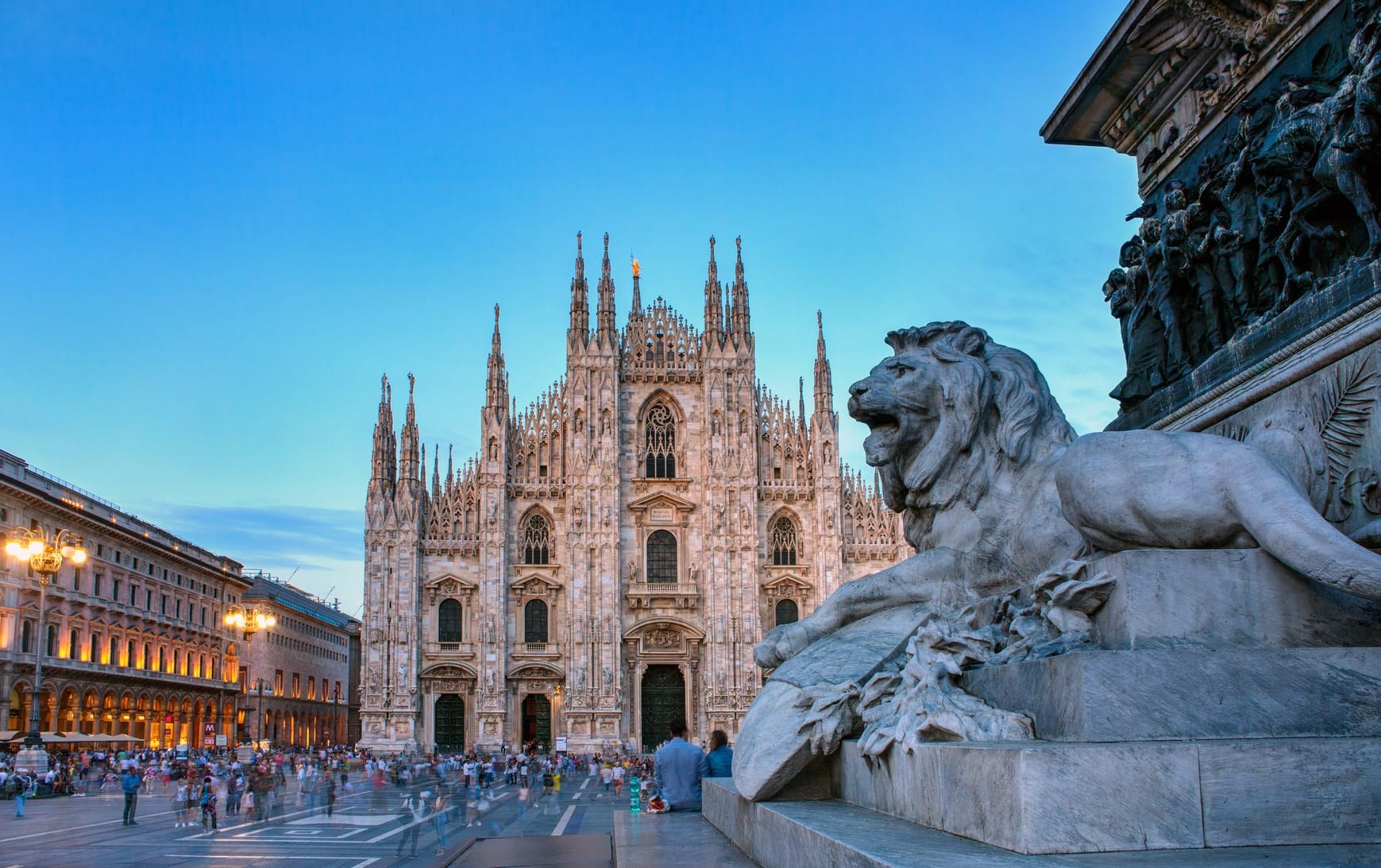 74 mi from GenoaDuomo di Milano
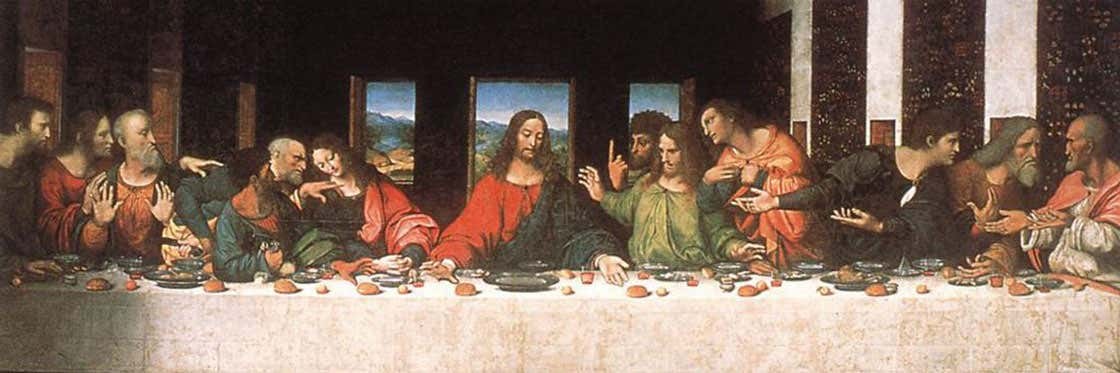 74 mi from GenoaLeonardo da Vinci's The Last Supper
  85 mi from Genoa · land adventureLake Como: Silk, Stone, and Summit — A Four-Day Master Plan
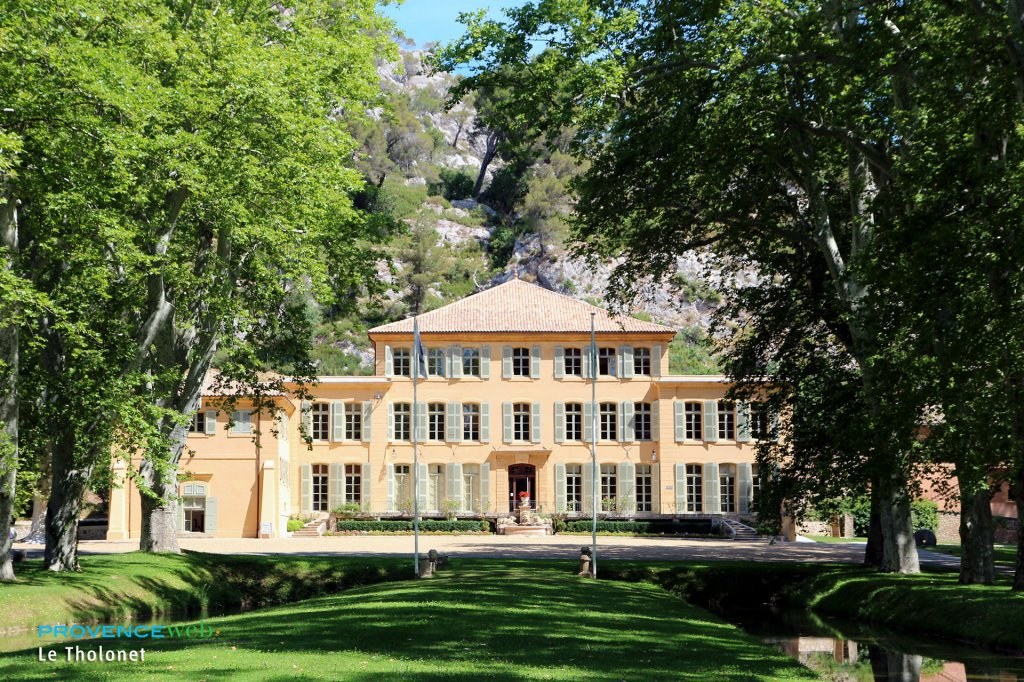 100 mi from Genoa · land adventureCézanne's Backyard: Wine, Art & Thermal Springs in Provence
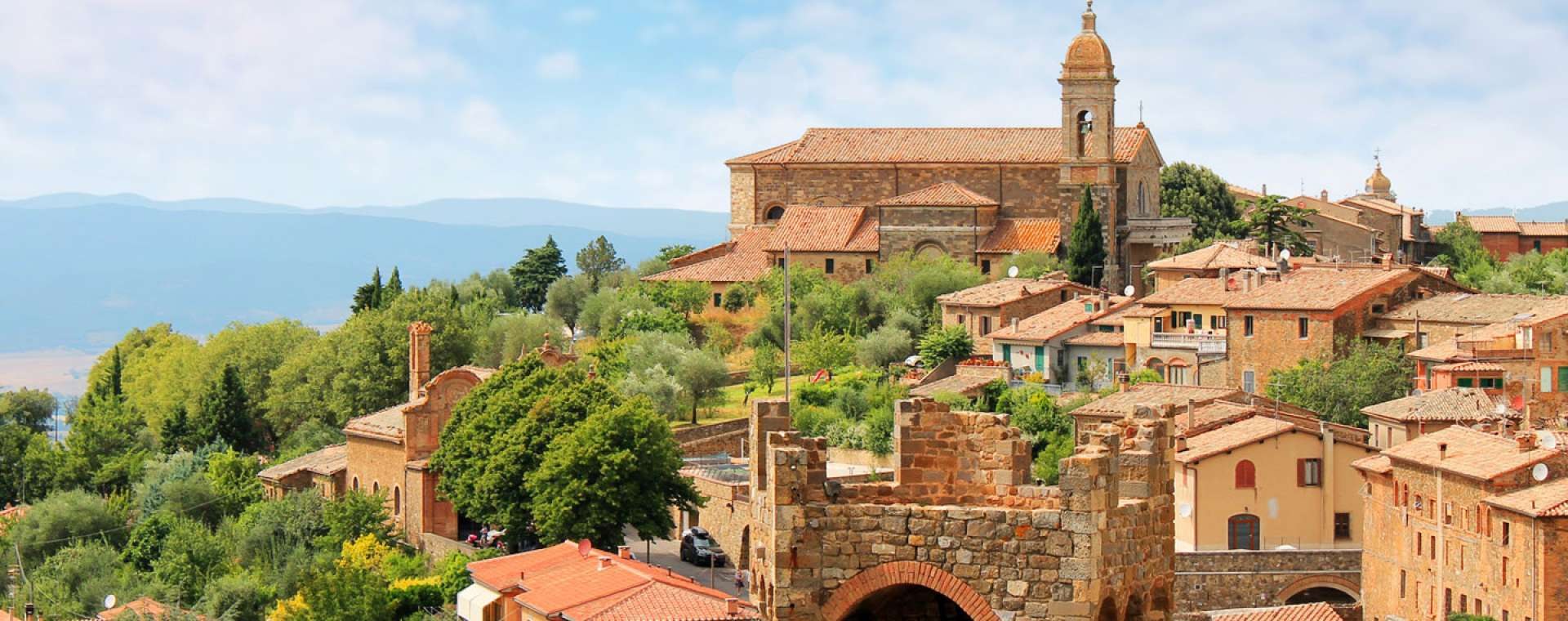 119 mi from Genoa · land adventureFlorence to Val d'Orcia: Wine, Frescoes & Thermal Springs
 After you step off · near Marghera
You end in a different port — stay on, and add what is within reach before you fly home.
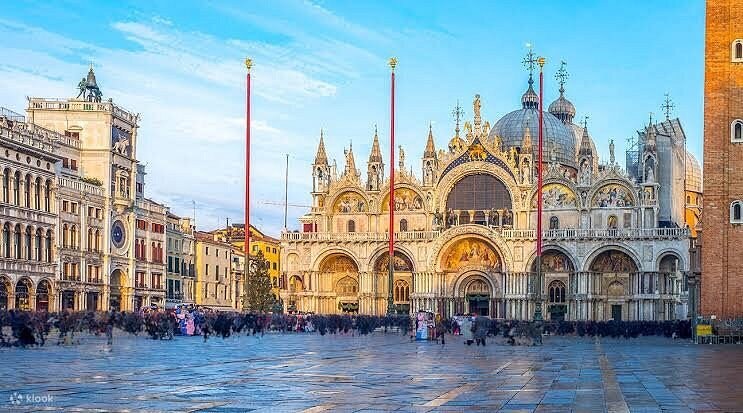 6 mi from MargheraSt. Mark's Basilica147 mi from MargheraDuomo di Milano
 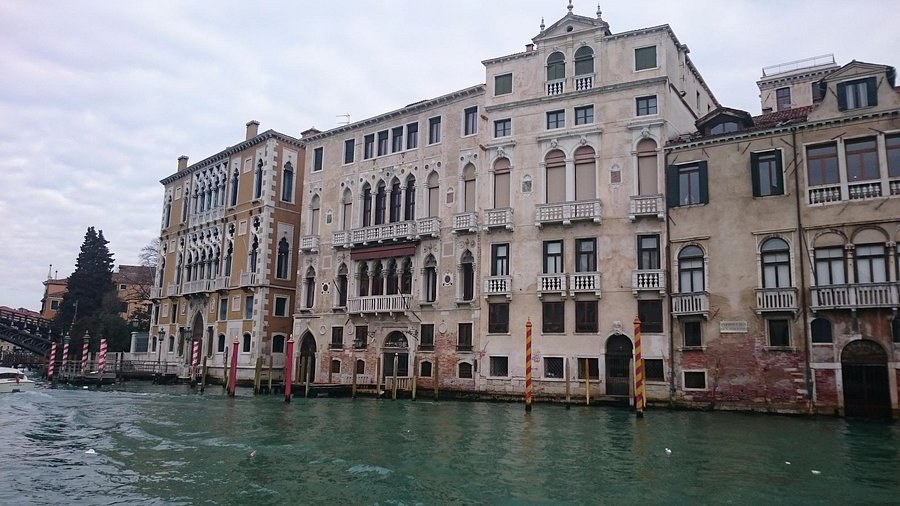 7 mi from Marghera · land adventurePalazzo Doors, Lagoon Vineyards: Venice Beyond the Crowd Line
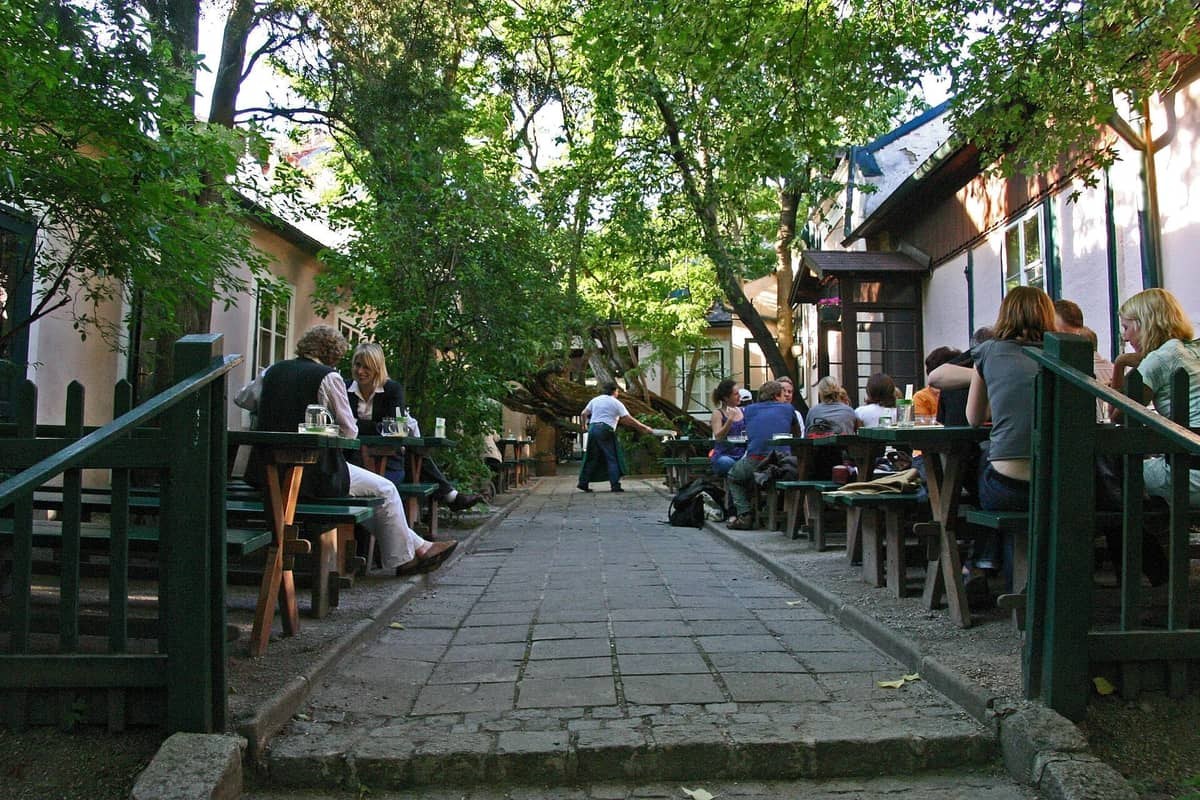 166 mi from Marghera · land adventureSalt, Stone and Grüner Veltliner: Salzburg Beyond Mozart
 The same trip, elevated
The same gateway on a more luxurious line — lead-in fare per person, same fare as booking direct.