Your cruise
EXPLORA IV · 9-night Northern Europe round trip from Southampton
Jul 7 – Jul 27 · 20 nights ·
Day 1 Southampton (board) · Day 2 at sea · Day 3 Greencastle (county Donegal) · Day 4 Killybegs (county Donegal) · Day 5 Portree · Day 6 Kirkwall · Day 7 Invergordon · Day 8 St. Abbs · Day 9 at sea · Day 10 Southampton (step off)
What you do A private, expert-led circumnavigation of Ireland's largest peninsula — Malin Head, Grianan of Aileach, sea cliffs and hidden coves — all at your own pace. The ultimate sweep of Donegal's wild Atlantic edge.
What to expect Your guide collects you at Greencastle Harbour and immediately the landscape opens into rolling Donegal moorland. At Malin Head, the Atlantic crashes against ancient rock and the silence is profound. The 5th-century ring-fort of Grianan of Aileach crowns a drumlin with 360° views into three counties. Lunch at a local seafood restaurant is unhurried before the drive back along the Foyle estuary at golden hour.
Good to know Book well in advance as private vehicles are limited. Full-day tours run 7–8 hours — confirm your ship's all-aboard time and build in a 90-minute buffer. Pre-book directly by email or phone via the operator's website.
Versus the ship tour A dedicated local guide shapes the day entirely around your interests — stopping for photography at Malin Head (Ireland's most northerly point), descending into the Grianan of Aileach hill-fort, and lunching at a hand-picked seafood restaurant. No fixed coach stops, no crowds.
What you do Step inside a 14th-century Anglo-Norman fortress overlooking Lough Foyle, then explore Ireland's maritime heritage in the neighbouring museum — all with a private local historian as your guide.
What to expect Your private guide meets you steps from the pier at the 14th-century Greencastle Fort, one of the best-preserved Anglo-Norman castles in Ireland. You walk the curtain walls above Lough Foyle with commentary on Viking raids, the Gaelic chieftains and the Plantation era. The adjacent Inishowen Maritime Museum houses rare navigation instruments, a Breeches Buoy rescue display and a remarkable collection of Armada artefacts recovered from the Donegal coast. The combination of castle ruin and maritime story, guided one-to-one, is deeply immersive.
Good to know The museum and fort are literally at the harbour — ideal if you want a rich half-day that leaves the afternoon free. Contact the museum directly to arrange private guided access. Check seasonal opening hours before sailing.
Versus the ship tour Walking distance from the pier with a private historian — no coach transfer, no group. The fort and museum are operated by passionate local custodians who open stories and artefacts that simply aren't available on a group tour.
book direct with Inishowen Maritime Museum & Planetarium (official) → · the full guide →
What you do Board a private charter vessel on Lough Foyle — one of Europe's great estuaries — to seek out the resident common seal colony, bottlenose dolphins and rare seabirds in their natural habitat. A truly intimate wildlife encounter.
What to expect The charter departs Greencastle Harbour and glides into the calm waters of Lough Foyle, one of Ireland's most important estuarine habitats. Common seals lounge on sandbanks just metres from the bow. Gannets plunge offshore, and if conditions allow, the skipper heads toward open water where dolphins are regularly spotted. The return journey skirts the Magilligan shore with views back to the Antrim hills.
Good to know Departures are tide and weather dependent — confirm 48 hours before port call. Bring binoculars, a warm layer (the Foyle estuary is bracing even in summer) and waterproof shoes. Pre-book directly by phone or online form.
Versus the ship tour A small private vessel means you drift silently close to seal haul-outs and adjust the route according to sightings. The skipper doubles as naturalist — this is patient, unhurried wildlife watching with genuine expertise, not a sightseeing commentary.
book direct with Lough Foyle Ferry & Charter (official local operator) → · the full guide →
What you do Derry's 17th-century city walls — the finest intact in Ireland — are your stage for a private walkthrough of centuries of history: sieges, Plantation, Civil Rights and the Troubles. One of Europe's most emotionally powerful urban experiences.
What to expect You walk the entire circuit of the 17th-century walls — one mile of intact ramparts overlooking the Bogside, the Guildhall and the Peace Bridge. At the Free Derry Corner and the Museum of Free Derry, your guide contextualises the Civil Rights era and Bloody Sunday with personal and historical precision. The Peace Bridge crossing offers a symbolic close to a tour that is both intellectually and emotionally profound.
Good to know Derry is approximately 25 km from Greencastle — arrange private transfer or taxi (approx. EUR 35–50 each way) to allow maximum time on the walls. The full experience including transfer fits comfortably within a port day. Pre-book the private tour directly on the operator's website.
Versus the ship tour Martin McCrossan's guides are native Derry storytellers — historians and former residents who lived through the events they describe. A private booking means the narrative is tailored to your depth of interest, with unhurried stops and genuine local insight unavailable on a group coach.
What you do Pull up a chair at Greencastle's celebrated harbour-front restaurant for a multi-course seafood lunch built entirely around the morning's catch — landed just metres away. The freshest Donegal crab, oysters and Atlantic salmon, with Irish soda bread baked that morning.
What to expect The dining room looks directly over the working harbour and across Lough Foyle to County Antrim. Starters of Donegal Bay oysters or smoked salmon pâté give way to whole plaice, Foyle crab claws or the catch-of-the-day according to the fleet's haul. Irish soda bread arrives warm from the kitchen. Service is warm, unpretentious and deeply knowledgeable about provenance. This is Irish coastal food at its honest, glorious best.
Good to know Walk straight off the ship — it is that close. Reservations strongly recommended, especially on days when multiple ships call. Book directly via the Kealy's website or phone. Lunch service typically runs 12:30–15:00; confirm current hours when booking.
Versus the ship tour Kealy's is a multi-award-winning institution, run by the same family for decades and renowned across Ireland — James and Maria Kealy source directly from Greencastle's fishing fleet. The restaurant is steps from the pier, meaning you could be eating crab landed that morning within 10 minutes of leaving the ship.
What you do Board the short passenger ferry across Lough Foyle to Magilligan Point in Northern Ireland, then journey onward to the UNESCO Giant's Causeway — all from your cruise port, no coach required for the crossing.
What to expect The little ferry casts off from Greencastle Harbour with views of the 14th-century fort above you and the Antrim hills ahead. On the Magilligan shore, your pre-arranged private driver whisks you south along the Causeway Coastal Route — Mussenden Temple, Downhill Demesne and then the extraordinary basalt columns of the Giant's Causeway at the World Heritage Site. The return ferry in late afternoon frames the Donegal mountains in the setting light.
Good to know Ferry runs seasonally (typically April–September); confirm schedule and book crossing in advance at loughfoyleferry.com. Arrange the Northern Ireland private transfer independently before sailing — recommended operators include local Coleraine or Limavady taxi firms. Allow at least 6 hours for the full Causeway day; check your all-aboard time carefully.
Versus the ship tour The ferry crossing itself is a bucket-list moment — a 10-minute voyage across one of Ireland's great loughs with mountains on both shores. Combining it with a private car and guide on the Northern Ireland side gives you the Causeway in a self-directed, unhurried way that a group excursion never can.
book direct with Lough Foyle Ferry (official) → · the full guide →
What you do Just over an hour from the ship, walk up to the 5,000-year-old stone circle that is the most iconic prehistoric monument on Earth, then drive to Salisbury to stand before one of only four surviving 1215 originals of Magna Carta beneath Britain's tallest cathedral spire. This is the textbook Southampton port day and the single thing a first-timer would most regret skipping. English Heritage entry is timed-ticket only, so a direct operator who pre-books your slot and paces the day to your all-aboard time is what actually gets you inside.
What to expect You'll depart Southampton and drive just over an hour to Stonehenge, where you walk directly up to the 5,000-year-old stone circle—the most iconic prehistoric monument on Earth—with a guided perspective on this timeless landmark. From there, it's a short drive to Salisbury Cathedral, where you stand beneath Britain's tallest spire to view one of only four surviving original 1215 Magna Carta documents, a moment of profound historical weight. The pace is calibrated throughout to your all-aboard time, and your private vehicle with driver-guide ensures you move at your own rhythm rather than waiting for a 40-person coach to reassemble. You'll return to the ship with both major entries completed, the cultural textbook Southampton port day checked off.
Good to know English Heritage entry to Stonehenge is timed-ticket only; Southampton Tours pre-books your slot as part of the package, which is essential to guarantee access on busy days. The 6-hour tour window fits comfortably within a standard 8-hour port day, with your driver-guide coordinating return timing to your ship's all-aboard. Groups of 4–7 will pay £145–£199 per person (roughly $185–$203) with both entries and air-conditioned transport included; book ahead directly with Southampton Tours rather than through the ship's 40-person coach if your group meets the minimum. The operator offers a formal cruise-return guarantee in writing—they cover next-port travel if you ever miss the ship, providing peace of mind on timing.
Versus the ship tour Direct wins clearly. The ship's Stonehenge & Salisbury coach tour runs $179-$229/pp, and you share a 40-person bus on its schedule. Here a group of 6-7 pays roughly $185-$203/pp for a private vehicle with both entries included and a written get-you-back guarantee. Solo or as a couple the ship coach is actually the better value, so this card is for groups of 4 or more.
What you do An entire UNESCO World Heritage city built around Britain's only natural hot springs, where you walk the same Roman baths still fed by steaming spring water, beneath honey-stone Georgian crescents straight out of Jane Austen and Bridgerton. Many rank it the most beautiful city in England. It is a longer day (~1.5 hrs each way) so an operator who paces the drive to your all-aboard time matters.
What to expect You'll drive roughly 1.5 hours inland to arrive in Bath's honey-stone heart, where you'll walk the Roman Baths—an ancient complex still fed by steaming natural hot springs—before ascending into Georgian crescents and terraces that look lifted from a Jane Austen novel. The city unfolds at a human pace: Roman history underfoot, Regency elegance overhead, and those iconic honey-coloured stone facades that have made Bath consistently ranked as England's most beautiful city. Your driver-guide controls the rhythm of the day, pacing the route and your time away from the pier so you make your all-aboard window without stress.
Good to know Confirm your ship's all-aboard time before booking—the Bath + Stonehenge 8-hour combo is tighter than the Bath + Cotswolds option, and a 1.5-hour return drive means no margin for error. Book the Roman Baths entry (~£28/$36) directly once you've secured your tour, as it's not bundled into the operator fee. Your private driver and vehicle are included in the ~$190–$250/pp cost, making this far cheaper and more flexible than ship-run premium combos at $300–$400+/pp. Factor 3 hours minimum for Bath itself (Roman Baths + walking the crescents), leaving 1.5 hours on each end for driving, ensuring you're back at the pier with a comfortable buffer before all-aboard.
Versus the ship tour Direct wins on access and pacing. Bath is rarely sold as a standalone ship excursion from Southampton and when bundled into premium full-day combos it runs $300-$400+/pp. A private Bath day at ~$190/pp plus your own Roman Baths ticket is both cheaper and far more flexible. Mind the 8-hour length: confirm your ship's all-aboard before booking the Stonehenge combo version.
What you do Southampton IS the Titanic's home port: she sailed from Berth 44 on 10 April 1912, and most of the crew who died were Sotonians. This award-winning guided walk leaves on foot right from Town Quay by the cruise terminals (no coach) and threads the White Star Line offices, the Grapes pub where firemen famously missed the sailing, and the memorials. For anyone who knows the story, walking the actual streets where it happened is moving and almost free on a tight port day.
What to expect You step off the gangway at Town Quay and begin walking immediately—no coach, no waiting—threading through Southampton's historic streets with your guide. You'll stand at the White Star Line offices where the Titanic's fate was managed, visit the Grapes pub where firemen fatefully missed the 10 April 1912 sailing, and pause at memorials dedicated to the local crew who perished. The walking route is intimate and grounded: you're tracing the actual streets where the story unfolded, hearing period details and crew narratives as you move through the port district. Over roughly two hours, the rhythm builds from administrative sites to human moments, ending with a deeper understanding of why this ship's story belongs so deeply to Southampton.
Good to know Book ahead online via Walsh Tours (use code DIRECT for 10% off) and choose either the 10:00am or 2:30pm departure; both fit comfortably within a 6–8 hour port day, leaving a 90-minute buffer before all-aboard. The tour departs directly from Town Quay beside the cruise terminal—no transport needed—and costs £16/pp (~$20), making it easy to return to the ship in time. Bring comfortable walking shoes and a camera; the tour includes photography privileges and offers pub/tavern discounts along the route. At roughly two hours, this excursion is one of the shortest and closest to the ship you can book, ideal if you're timing a tight turnaround or prefer to stay near your gangway.
Versus the ship tour Direct wins overwhelmingly. The ship's Southampton/Winchester city tour runs $80-$130/pp for a coach panoramic. This is the actual Titanic story, on foot, from beside your gangway, for about $20/pp. The only thing the ship adds is a bus seat you do not need here, since the whole walk starts at the terminal.
book direct with Walsh Tours (guide Brian Walsh) → · the full guide →
What you do Southampton's own backyard wilderness: a 1,000-year-old royal hunting forest created by William the Conqueror, where wild ponies, deer and cattle roam free across heath and ancient oak, just minutes from the ship. The most quintessentially English countryside on a short port day, with a stop at Beaulieu on the river. Ideal for travelers who would rather see living landscape and free-roaming animals than monuments.
What to expect Your private coach departs the Southampton pier and within minutes enters the New Forest—William the Conqueror's ancient 1,000-year-old hunting domain—where wild ponies, deer, and cattle move freely across open heath and gnarled oak woodland. You'll spend the heart of the day immersed in this living landscape, observing free-roaming animals in their natural habitat, the rhythms of the English countryside unfolding at ground level rather than behind glass. A stop at Beaulieu on the river gives you a chance to step out and experience the waterside setting before the journey continues. The day winds down with a drive to Salisbury Cathedral (entry included), a chance to view one of England's finest Gothic monuments, before your driver-guide returns you to the ship with time built in for a safe turnaround.
Good to know Departures run on your group's schedule from the Southampton pier, with 6–8 hour tours giving you roughly 4–5 hours in the New Forest itself and 1–2 hours at Salisbury Cathedral; book the Beaulieu Motor Museum or Palace House in advance if those interest you, as they're separate admissions. Your private vehicle picks you up directly from the cruise terminal—no waiting for a coach—so factor in only a 15-minute buffer before the posted return time. Dress in layers and bring waterproof jackets; the New Forest is exposed moorland where weather changes quickly and there's no shelter while spotting wildlife. The cruise-return guarantee means if your ship departs early, the operator covers your transport back, so you can book with confidence even on a tight port schedule.
Versus the ship tour Direct wins for groups. The ship's New Forest & Beaulieu scenic coach runs $130-$200/pp on its own schedule. A private vehicle at ~$134-$152/pp for 6-7 people undercuts that and adds Salisbury. As a solo traveler the per-head private price climbs, so the ship coach is the smarter buy for one or two; this card shines at 4+.
What you do The definitive Titanic museum, opened in 2012 for the disaster's centenary and built around the city's own loss. Its interactive 'Southampton's Titanic Story' uses real passenger and crew records, a vast working model of the ship, and the actual disaster-inquiry courtroom. Walkable from the port and the perfect rainy-day or short-window option that pairs with the Titanic walk to complete the story the city is famous for.
What to expect You walk out of the terminal and head straight into Southampton's city center—a 15–20 minute stroll that itself becomes part of the journey. Once inside SeaCity Museum, you're immersed in interactive stations built around real passenger and crew records, a sprawling working model of the Titanic, and the actual courtroom from the disaster inquiry, each exhibit drawing you deeper into the human story of the ship and the city that built and lost it. The rhythm is unhurried and self-paced; there's no coach departure window or strict schedule, so you move through at your own speed, lingering over the objects and stories that grip you. You exit with the definitive Titanic narrative, especially Southampton's own role—and you're minutes from the port the entire time.
Good to know In a 6–8 hour port day, allocate 2–2.5 hours for the museum itself, plus 30–40 minutes round-trip walking and buffer time, keeping you safely back at the ship 1.5–2 hours before departure. The museum sits at the Civic Centre, a walkable 15–20 minutes from the terminals, or take a short cab (£5–10) if time or mobility is tight. Admission is £14.50/adult (student and senior discounts available) and includes both the main Titanic exhibition and Southampton Stories; no advance booking is typically required, but arrive early in your port window to avoid any midday crowds. Dress for British weather and wear comfortable walking shoes—this is fundamentally a walk-and-explore day with zero risk of missing the ship.
Versus the ship tour Direct wins, and it is your low-risk safety net. The ship's city/panoramic tour is $80-$130/pp; here you self-walk to a world-class Titanic museum for about $18.50. No coach, no schedule, no risk of missing the ship since you are minutes from the port. The one thing the ship buys is transport you do not need for a near-port museum.
book direct with SeaCity Museum (Southampton City Council) → · the full guide →
What you do A bespoke, private full-day journey across Skye's most dramatic landscapes — Quiraing, Old Man of Storr, Kilt Rock — paced entirely around you. This is the definitive Skye experience, with a local expert at the wheel and no crowds to contend with.
What to expect Stuart, a born-and-bred Skye local, collects you directly from Portree Harbour and crafts the day around your priorities. Expect dramatic ridge-top panoramas, spontaneous stops at hidden lochs, and the kind of candid Highland storytelling no group tour can replicate. Lunch can be arranged at a recommended local inn. The vehicle is comfortable and exclusively yours for the day.
Good to know Book well in advance — private cruise-day slots fill months ahead. Confirm your ship's all-aboard time with Stuart so the itinerary is timed to perfection. Portree Harbour is the pick-up point, so no transfers needed.
Versus the ship tour Fully private, bespoke itinerary shaped around your interests and pace. Your personal local guide stops wherever the light is perfect, shares insider stories, and gets you to the viewpoints before the coach crowds arrive.
book direct with Skye Local Tours (Stuart) → · the full guide →
What you do Chase Skye's most iconic geological wonders — the brooding pinnacle of the Old Man of Storr, the surreal tilted plateau of the Quiraing, and the columnar basalt drama of Kilt Rock — in a single expertly guided small-group day.
What to expect Your guide leads you along the Trotternish Ridge, one of Scotland's great geological fault lines. At the Quiraing, a short walk rewards you with jaw-dropping cliff amphitheatres and emerald terraces that feel utterly otherworldly. Kilt Rock's 60-metre waterfall plunging into the sea is a genuine spectacle. The Old Man of Storr, at golden hour or under mist, is as dramatic in person as in any photograph.
Good to know Wear sturdy walking shoes — paths can be boggy. Departs from and returns to Portree Harbour. Book the shore excursion package directly so the guide is briefed on your all-aboard time. Best pre-booked online at least 4–6 weeks ahead in season.
Versus the ship tour Small groups and a guide who doubles as a geologist-storyteller mean you linger where it matters most. The Quiraing walk, often skipped on larger tours, is included in full — a perspective most visitors never reach.
What you do Step inside Dunvegan Castle — continuously inhabited for 800 years and the ancestral home of Clan MacLeod — and wander its loch-side gardens filled with walled walks, woodland and the legendary Fairy Flag chamber. Scotland's history made viscerally real.
What to expect The castle's rooms are steeped in clan history — portraits, weaponry, and the fragile 700-year-old Fairy Flag that legend says has saved the clan twice in battle. The walled kitchen garden and woodland walks along Loch Dunvegan are serene and perfectly manicured. A short boat trip brings you eye-level with a basking colony of common seals on the loch's rocky outcrops — utterly magical. The tearoom serves excellent Skye-sourced refreshments.
Good to know Dunvegan is approximately 40 minutes from Portree by car — arrange a private driver or taxi for door-to-door ease. Pre-book entry online to avoid queues in peak season. Allow at least 2.5 hours on site including the boat trip. Check the castle's seasonal opening hours before sailing.
Versus the ship tour Self-directed entry at your own pace, with the option to add a seal colony boat trip on the castle loch — an experience most day-visitors miss entirely. Combine with a private driver for a seamless half-day.
book direct with Dunvegan Castle & Gardens (Official) → · the full guide →
What you do Follow the River Brittle into the shadow of the Black Cuillin mountains to discover the Fairy Pools — a cascading sequence of crystal-clear, turquoise rock pools fed by Highland waterfalls. One of Scotland's most enchanting natural spectacles, guided in small groups.
What to expect The path traces the river upstream through a glacially carved glen, with each pool more vivid and inviting than the last. The Cuillin Ridge looms dramatically overhead, providing a mountain backdrop that photographers dream of. Your guide identifies local wildflowers, points out golden eagle territory above, and shares the Gaelic folklore woven into the landscape. The walk is moderate — around 5 km return — and entirely worth every step.
Good to know Wear waterproof boots — the path crosses the river and can be wet underfoot even in summer. Fairy Pools is about 1 hour from Portree; a guided tour handles all logistics. This is a morning excursion — ensure return timing aligns with your all-aboard. Not recommended if mobility is limited.
Versus the ship tour A guided small-group experience means you arrive early, before the midday rush, and have a knowledgeable local naturalist to explain the geology, flora, and Cuillin backdrop — turning a walk into a genuine Highland education.
What you do Visit Talisker, Skye's only single malt distillery — a 190-year-old icon perched on the shores of Loch Harport — for an in-depth guided distillery tour and an exclusive tasting of rare coastal whiskies. A bucket-list dram in a bucket-list setting.
What to expect The distillery sits in a dramatic coastal valley at the head of Loch Harport, with views that are reason enough to visit. Inside, the tour walks you through the full whisky-making process — malting, fermentation, the famous worm tubs — before the tasting room reveals Talisker's signature peaty, peppery, sea-salt character. The Warehouse Tasting option lets you draw your own dram straight from the cask. A genuinely memorable, multisensory Skye experience.
Good to know Talisker is approximately 35 minutes from Portree — combine with a private driver for a relaxed half-day. Pre-book your preferred tasting tier well in advance, especially for the Exclusive or Warehouse experiences which have very limited places. The distillery shop stocks rare bottlings unavailable elsewhere — budget time to browse.
Versus the ship tour The Exclusive or Warehouse Tasting experiences go far beyond a standard distillery visit — you taste rare and cask-strength expressions not available in shops, guided by a Whisky Ambassador who tailors the session to your palate.
book direct with Talisker Distillery (Official) → · the full guide →
What you do Step inside a preserved 19th-century crofting township on Skye's northern tip — a cluster of thatched blackhouses that bring Highland life vividly to life — and continue to the poignant memorial to Flora MacDonald, who sheltered Bonnie Prince Charlie on these shores.
What to expect Seven original thatched blackhouses, furnished exactly as they were in the 1800s, give a startlingly real sense of crofting life — peat fires, box beds, spinning wheels, and the tools of a self-sufficient Highland existence. The site overlooks the sea towards the Outer Hebrides, adding a wild, end-of-the-world atmosphere. The adjacent grave and monument to Flora MacDonald, a genuine Scottish heroine, adds a layer of Jacobite history that resonates deeply. Allow 60–90 minutes on site.
Good to know Located in Kilmuir, approximately 45 minutes north of Portree — best reached by private car or driver. Open seasonally (typically Easter to October); confirm hours before your port call. Combine with Kilt Rock and the Quiraing viewpoint on the return journey for an efficient and richly rewarding half-day.
Versus the ship tour A small, independently run museum with no coach-tour crowds — you explore at your own pace, with curators on hand who are themselves descendants of the crofting families documented inside. Intimate, authentic, and profoundly moving.
book direct with Skye Museum of Island Life (Official) → · the full guide →
What you do Walk the 5,000-year-old stone circle of the Ring of Brodgar and step inside Skara Brae, Europe's most complete Neolithic village — a UNESCO World Heritage landscape older than Stonehenge and the Pyramids.
What to expect Your guide collects you dockside and drives you across the Mainland's sweeping moorland to the Ring of Brodgar, where 27 of the original 60 standing stones still pierce the skyline above the lochs. Next comes the Stones of Stenness — Orkney's oldest standing stones — before descending into Skara Brae's flagstone-furnished rooms, untouched beneath sand dunes for millennia. The narrative woven by your guide connects Neolithic society, landscape, and legend in a way that makes the stones feel alive.
Good to know Skara Brae is 8 miles from Kirkwall — allow 30–40 minutes drive. Pre-book your HES entry online to skip queues. A half-day tour comfortably fits inside a typical 8-hour port call; confirm all-aboard time before booking. Orkney Uncovered tours should be reserved at least 2 weeks in advance in peak summer.
Versus the ship tour A private vehicle and expert local guide means you linger at Brodgar at dawn light before coach groups arrive, and your guide unlocks context no audio wand can match — from megalithic astronomy to Viking rune carvings on the stones.
book direct with Orkney Uncovered (local private guiding specialists) → · the full guide →
What you do Discover the astonishing Italian Chapel on Lamb Holm — a Nissen hut transformed by Italian POWs into a baroque jewel, with one of Orkney's most moving human stories layered behind every brushstroke.
What to expect The drive south crosses the Churchill Barriers, the wartime causeways whose concrete blocks still bristle from the sea, testament to WWII's grip on these islands. Arriving at Lamb Holm, the chapel's ornate trompe-l'œil facade belies its corrugated iron shell. Step inside and the illusion is complete: wrought-iron rood screen, painted marble, a Madonna gazing down in silence. Your guide shares the improbable story of how Italian prisoners, far from home, channelled homesickness into this act of beauty. Time to reflect is built into the visit.
Good to know Lamb Holm is roughly 7 miles south of Kirkwall — a 15-minute drive. The chapel can be busy mid-morning; private departure at 8:30 am allows a near-empty interior. Combine with a stop on the Barriers for panoramic seascape photography. Confirm all-aboard before booking.
Versus the ship tour Small-group or private pacing lets you sit quietly inside the chapel — a meditative rarity — while your guide tells the story of Domenico Chiocchetti's devotion. No hustle, no queues, no timed exit.
What you do Highland Park is one of the world's most celebrated single malts, distilled on the same Kirkwall hillside since 1798. A private warehouse experience grants access to maturing casks that never appear in public tastings.
What to expect The distillery is a 10-minute walk from the pier — a remarkable luxury in a port world. You are guided through malting floors perfumed with Orkney heather-peat, past copper pot stills polished to a mirror finish, and into the cathedral-dark warehouse where casks breathe for decades. At the private tasting table, a knowledgeable host pours expressions spanning age, wood, and finish — drams unavailable in any shop. The pace is entirely yours: unhurried, intimate, and genuinely educational.
Good to know Highland Park is walkable from the cruise terminal (approx. 1 mile / 20 min on foot, or a short taxi). Book the Ultimate Cask Experience directly by phone or email — it fills weeks in advance during summer. Allow 2–2.5 hours. Designated-driver or non-drinker companions are warmly welcomed.
Versus the ship tour The Ultimate Cask Experience is not available on any group itinerary — it grants private warehouse entry, tasting direct from the cask with a master distiller guide, and access to limited-release expressions poured nowhere else on earth.
book direct with Highland Park Distillery (official) → · the full guide →
What you do Stand inside St Magnus Cathedral — 900 years old, built by Norse earls, and radiant in red and yellow Orkney sandstone — with an expert guide who unlocks Viking sagas, Reformation scars, and buried saints.
What to expect The cathedral rises above Kirkwall's flagstone lanes like a Norse dream in stone, its twin-towered facade unchanged since the 12th century. Inside, the nave glows amber and rose as light filters through sandstone columns, and the bones of St Magnus himself rest in a sealed pillar — confirmed by forensic excavation. Your guide navigates the interplay of Norse mythology, early Christian martyrdom, and the surprisingly intact medieval fabric with a depth that turns a church visit into a pilgrimage. The building's acoustic perfection makes even a whispered anecdote feel resonant.
Good to know The cathedral is a 10-minute walk from the pier, in the heart of Kirkwall. Open Monday–Saturday; private group tours should be arranged in advance via the cathedral office. Combine with a stroll through the Bishop's Palace ruins next door (HES entry GBP 6). Easily done in 1.5–2 hours.
Versus the ship tour A private booking with a cathedral specialist — historian or theologian — opens areas closed to the public: the triforium gallery, the bishop's vault, and the remarkable collection of pre-Reformation grave slabs rarely seen by visitors.
book direct with St Magnus Cathedral (official guided tours) → · the full guide →
What you do Paddle sea caves, stacks, and seal-fringed skerries along Orkney's dramatic coastline with expert instructors — a perspective of these islands that no road or boat can replicate.
What to expect After a thorough briefing and equipment fitting, you slip your kayak into waters that have carved Orkney's coast for millennia. The guides lead you through natural arches in the sandstone cliffs, past colonies of grey seals lounging on low skerries, and — with luck — under the gaze of a white-tailed eagle riding the thermals above the headland. The pace is exploratory, never hurried, and the guides share a naturalist's knowledge of the marine ecosystem with every paddle stroke. The perspective from water level, looking back at the islands' raw clifftops, is genuinely breathtaking.
Good to know Suitable for beginners — no prior kayaking experience required; full wetsuits and equipment provided. Tours depart from Orkney's coast (transport from Kirkwall pier can be arranged). Book directly and confirm port call timing; 3-hour tours fit well within a standard port day. Minimum age typically 14; confirm when booking.
Versus the ship tour Groups are capped at 8 paddlers, guides are British Canoeing qualified with deep local knowledge of tides and wildlife, and the route is tailored daily to conditions — meaning you see the seals, the stacks, and the sea arches that larger vessels can never reach.
What you do Sail to the clifftop colonies of the Orkney Islands — home to puffins, gannets, hen harriers, and the UK's most accessible short-eared owls — guided by an ornithologist who knows every nesting ledge.
What to expect Your naturalist guide collects you from the pier in a comfortable, small vehicle and heads for the RSPB reserves and sea cliffs that make Orkney one of Britain's premier wildlife destinations. Binoculars and a spotting scope are provided as you scan for hen harriers quartering the heather, Arctic skuas in dive-bombing pursuit, and — the undoubted highlight — puffins emerging from their burrows just feet from the clifftop path. The guide's commentary ranges from bird behaviour to the island ecology that sustains these extraordinary populations, and the small group means every question is answered fully.
Good to know Best wildlife encounters June–August when puffins and skuas are in residence. Bring layers — Orkney clifftops are exposed even in summer. Tours depart from Kirkwall pier. Half-day format works well for port calls; full-day options available if the ship's schedule allows an extended stay. Book well in advance for peak-season sailings.
Versus the ship tour Wildabout Orkney's guides are qualified naturalists and Orkney natives who take groups of eight or fewer, using specialist optics and knowing precisely where the short-eared owls hunt and where the puffins emerge at dusk — knowledge that transforms a wildlife drive into a genuine encounter.
What you do Cruise the legendary dark waters of Loch Ness by private boat, then explore the dramatic 13th-century ruins of Urquhart Castle on its cliff-edge perch. The most iconic Highland experience, done at a pace worthy of discerning travelers.
What to expect Your private driver navigates the sweeping A82 along Loch Ness's western shore, a jaw-dropping road with water views at every turn. At Urquhart Castle, a short Jacobite Cruises boat excursion on the loch is optional — scanning for the famous silhouette. The ruined towers of the castle frame one of Scotland's most photographed panoramas. Return through the Black Isle in time for all-aboard.
Good to know Urquhart Castle is 65 miles from Invergordon — allow 1.5 hrs each way. Pre-book castle entry online to skip queues. Confirm all-aboard time and build in 30 min buffer. Jacobite Cruises (jacobite.co.uk) runs 1-hr loch cruises for GBP 16 adult if desired.
Versus the ship tour A private chauffeur-guided transfer means no waiting and completely flexible pace — linger at the castle ramparts or pause for Scotch whisky en route, entirely on your terms.
book direct with Urquhart Castle (Historic Environment Scotland) → · the full guide →
What you do Stand on the haunting moor where Scotland's fate was sealed in 1746, guided by a specialist historian. Then step 4,000 years further back at the mystical Clava Cairns stone circle — two of the most emotionally powerful sites in Britain on one extraordinary day.
What to expect The award-winning NTS visitor centre immerses you in the Jacobite Rising before you step onto the moor itself, where clan grave markers still bear their names. Your guide brings the chaos of the 40-minute battle alive with forensic detail. Clava Cairns, just minutes away, is a perfectly preserved Bronze Age burial site of eerie quiet beauty — almost always crowd-free. The contrast of two civilizations, millennia apart, is unforgettable.
Good to know Culloden is 28 miles from Invergordon — about 40 mins by car. Combine easily in a half-day, leaving time for Inverness or Cawdor Castle. Pre-book NTS entry. Local expert guides can be arranged via Inverness-based Highland guides (visitinvernesslochness.com).
Versus the ship tour A specialist historian guide transforms Culloden from a battlefield walk into a deeply personal narrative — clan stories, tactical maps, and the emotional weight of individual graves that a self-guided visit simply cannot replicate.
book direct with Culloden Battlefield (National Trust for Scotland) → · the full guide →
What you do Marvel at the turreted grandeur of Dunrobin, Scotland's largest northern castle, with its 189 rooms, French-formal gardens, and live falconry displays. Sitting directly above the sea just 45 minutes north of port, this is the closest bucket-list castle to the ship.
What to expect The castle rises like a Loire château above its immaculate parterre gardens and the Dornoch Firth beyond. State rooms display Meissen porcelain, Louis XV furniture, and big-game trophies that speak to centuries of aristocratic excess. The falconry demonstration in the gardens is theatrical and surprisingly moving — birds of prey launched at speed over manicured hedgerows. Allow time to explore the private museum of Sutherland estate artefacts.
Good to know Only 45 miles north of Invergordon — one of the easiest high-reward excursions from port. Falconry shows run at 11:30 and 14:00 (check dunrobincastle.co.uk for seasonal schedule). Open April–October. Easy half-day, leaving afternoon free.
Versus the ship tour Dunrobin's intimate scale means even on busy days the gilded state rooms never feel crowded. The falconry display — hawks launched over the topiary gardens against a sea backdrop — is a moment you will not forget.
book direct with Dunrobin Castle & Gardens → · the full guide →
What you do Go behind the scenes at one of the Highlands' most prestigious single malt distilleries — Glen Ord (Diageo's hidden gem) or the ultra-luxurious Dalmore — for a private VIP tour and tutored tasting of rare expressions. The definitive Highland luxury experience.
What to expect Dalmore sits dramatically on the Cromarty Firth just 14 miles from port — one of Scotland's most beautifully located distilleries. The VIP experience takes you through the copper stills, bonded warehouses, and into a private tasting of 12, 18, and rare 25-year expressions. Your host explains the unique stag-crest heritage and sherry-cask maturation philosophy. Finish with a bespoke bottling option — your name on a bottle of single malt to take home.
Good to know Dalmore is 14 miles from Invergordon — approx 20 mins. Pre-book VIP experiences directly via thedalmore.com well in advance; they are limited. Glen Ord (malts.com) is 18 miles away and excellent as an alternative or second stop. Distilleries have on-site shops for bottle purchases.
Versus the ship tour Private and small-group VIP tasting sessions at Dalmore allow access to aged expressions and limited releases unavailable anywhere else — poured by a brand ambassador in the distillery's own atmospheric tasting room.
What you do Venture deep into Britain's largest national park on a private wildlife safari, scanning for red deer, osprey, red squirrel, and the rare Scottish wildcat across ancient Caledonian pine forest and open moorland. Raw Highland wilderness, utterly unspoiled.
What to expect Your expert guide drives a high-clearance 4WD into open moorland above the tree line, stopping at hides and viewpoints known only to local specialists. Binoculars and spotting scopes are provided — red kites, ospreys, and golden eagles are regular sightings. The silence and scale of the Cairngorm plateau is humbling. A picnic lunch in a pine-forest clearing, with no other visitors in sight, completes an immersion in truly wild Scotland.
Good to know Highland Safaris (Perthshire-based) can arrange meet-and-greet from Invergordon. Allow a full day for Cairngorms — approx 90 mins drive. Best wildlife hours are early morning; coordinate with all-aboard time carefully. Layered clothing essential year-round.
Versus the ship tour A dedicated wildlife guide with specialist optics, decades of field knowledge, and a private 4WD takes you to locations and elevations that standard tours never reach — the chance of seeing a red deer stag at close quarters is genuinely high.
What you do Explore the enchanting 14th-century Cawdor Castle — immortalised by Shakespeare as Macbeth's stronghold — set within three extraordinary private gardens. One of Scotland's most beautifully lived-in castles, still owned by the Cawdor family.
What to expect The castle's interior is a delight of Flemish tapestries, ancient weapons, and family portraits punctuated by witty hand-written commentary from the late Earl — unexpectedly charming and completely unlike a typical stately home. The Flower Garden, Walled Garden, and Wild Garden each have a distinct character; the latter a woodland walk of primroses and burn-side paths. The legendary hawthorn tree growing in the castle's dungeon — the reason, legend says, Cawdor was built — is a genuine curiosity. Finish with tea in the castle tearoom.
Good to know Cawdor is 32 miles from Invergordon — about 50 mins. Pairs beautifully with Culloden (10 miles apart) for a full Highland history day. Open May–October; confirm dates at cawdorcastle.com. No pre-booking required for entry but private driver should be arranged in advance.
Versus the ship tour Unlike state-run heritage sites, Cawdor is privately owned and deeply personal — the family's eccentrically decorated rooms, sardonic wall plaques, and immaculate walled garden create a sense of being a privileged guest rather than a tourist.
book direct with Cawdor Castle & Gardens → · the full guide →
What you do Walk the dramatic clifftops of St Abb's Head National Nature Reserve with an expert naturalist guide, coming face-to-face with tens of thousands of nesting puffins, guillemots and razorbills — one of Scotland's greatest wildlife spectacles.
What to expect The circular clifftop trail unfolds through wildflower meadows before reaching soaring 100-metre basalt stacks alive with over 50,000 seabirds. Your NTS ranger identifies species, explains the reserve's unique geology and points out harbour seals basking on the rocks below. The lighthouse perch at the headland delivers panoramic views stretching to the Farne Islands on a clear day. The pace is leisurely and interpretive — never rushed.
Good to know The reserve is a 10-minute walk from St Abbs Harbour — no transport needed. Pre-register with the NTS visitor centre on arrival; seasonal ranger walks run May–August. Allow 2.5–3 hours. Check all-aboard time and leave at least 45 minutes buffer.
Versus the ship tour A qualified NTS ranger leads a small group along precipitous clifftop paths, pausing at intimate vantage points to observe nesting seabirds at arm's length — a slow, expert-led experience that rewards patience and rewards the curious.
book direct with National Trust for Scotland – St Abb's Head → · the full guide →
What you do Plunge into what Jacques Cousteau reportedly ranked among Europe's finest cold-water dive sites — St Abbs' Voluntary Marine Reserve — with a local expert guide revealing kelp forests, jewel anemones and curious grey seals in dazzling clarity.
What to expect Gearing up at the harbourside, your expert guide leads you into waters of extraordinary visibility — often 10–15 metres. Jewel anemones carpet the rock faces in electric orange and purple; wrasse dart through swaying kelp forests. Grey seals frequently approach out of curiosity, circling within touching distance. Post-dive, the centre's warm room and hot drinks make the perfect debrief. This is cold-water diving at its most mesmerising.
Good to know The dive centre is steps from the harbour tender point. Book in advance — spaces are strictly limited. Wetsuits and all kit available to hire. Snorkelling requires no prior certification; diving requires PADI Open Water or equivalent. Allow 2.5–3 hours including kit-up.
Versus the ship tour Small groups only — never more than four divers per guide — ensuring intimate encounters with the marine life rather than a procession. The guides have dived these waters for decades and know exactly where the seals play.
What you do Journey south along the coast on a private guided tour to the tidal holy island of Lindisfarne and the breath-taking medieval fortress of Bamburgh Castle — two of Britain's most romantic and storied landmarks, in one extraordinary day.
What to expect Your guide collects you from the harbour and sweeps you south through the Scottish Borders and into Northumberland's golden coast. On Holy Island, ruined Lindisfarne Priory — birthplace of the Lindisfarne Gospels — rises against a steel-grey sky, the silence broken only by seabirds. Bamburgh Castle, perched on a volcanic crag above miles of empty beach, is among England's most dramatic fortresses, its state rooms filled with armoury and art. The return journey hugs the clifftop coast as the light fades magnificently over the sea.
Good to know Tide times dictate the Lindisfarne crossing — your guide plans the day accordingly. Confirm the tender/all-aboard schedule before booking; this is a full-day excursion of 7–8 hours. Private vehicle departs from St Abbs Harbour. Pre-book Lindisfarne Priory (English Heritage) and Bamburgh Castle entry online to avoid queues.
Versus the ship tour A private vehicle and award-winning guide means you cross the tidal causeway to Holy Island at exactly the right tide window — no coach convoy, no fixed itinerary, just expert storytelling at your own pace across two bucket-list landmarks.
book direct with Little Scottish Treasures – Private Guided Tours → · the full guide →
What you do Board a small RIB from the picture-perfect harbour and glide beneath the towering volcanic sea stacks, through hidden caves and past colonies of puffins, razorbills and Atlantic grey seals — an intimate encounter with wild Scotland from the water.
What to expect Departing St Abbs Harbour, your skipper navigates north along the reserve's coastline, cutting the engine to drift silently past nesting guillemots on near-vertical basalt columns. Grey seals loll on submerged ledges, barely acknowledging your presence. The RIB slips into echoing sea caves where the swell surges and the walls glow green with algae. Above, the lighthouse crowns the headland — a view that appears on no postcard and lives long in the memory. The full circuit takes approximately 75 minutes.
Good to know Boats depart from St Abbs Harbour — no transfer needed from the tender point. Tours run May–September weather permitting; waterproofs and lifejackets provided. Book directly in advance as capacity is very small. A private charter guarantees exclusivity and a bespoke route. Allow 90 minutes including boarding.
Versus the ship tour A small, fast RIB carries just a handful of guests, threading into sea caves and tight geo formations that larger vessels cannot access — meaning you see the cliffs, arches and seal haul-outs from angles no clifftop walker ever could.
What you do Discover two of the Scottish Borders' most compelling historic buildings — the ancient Coldingham Priory, founded by King Edgar in 1098, and the elegant Georgian Gunsgreen House, built on the profits of the most audacious smuggling operation in British history.
What to expect A short taxi or 15-minute walk from St Abbs leads to Coldingham village, where the rosy sandstone ruins of the priory's Norman choir still serve as a parish church, its graveyard whispering centuries of Border history. Two miles on, Gunsgreen House presides theatrically over Eyemouth harbour — its hidden cupboards, false floors and secret stairways revealing the extraordinary double life of its builder, merchant and master smuggler John Nisbet. Informed local volunteers bring the contraband tales vividly to life.
Good to know Gunsgreen House is open seasonally — check opening days at gunsgreenhouse.org before visiting. A local taxi from St Abbs Harbour to Eyemouth costs approx. GBP 8–10 each way. Combined visit takes 2.5–3 hours comfortably. Pre-purchase Gunsgreen entry online. Leave 45 minutes to return to the harbour for all-aboard.
Versus the ship tour Gunsgreen House is one of Britain's least-known architectural treasures — a Robert Adam masterpiece riddled with secret smuggling passages, enjoyed at your own pace without crowds. Combined with the priory's 900-year sweep of Border history, this pairing is deeply rewarding for the culturally curious.
What you do Follow the reserve's lesser-known coastal path down to the sheltered shingle cove of Pettico Wick — a hidden bay framed by lava-black cliffs, carpeted in summer wildflowers and utterly deserted, offering some of the most painterly photography on Scotland's east coast.
What to expect Leaving the main clifftop trail, the path dips steeply through gorse and sea campion to the sheltered arc of Pettico Wick. The volcanic geology here is extraordinary — layers of ancient lava and sediment folded and fractured into natural sculpture. In spring and early summer, the slopes blaze with thrift, sea mayweed and yellow flag iris. The bay itself is completely sheltered, the water improbably clear and the silence profound. It is one of those rare places that feels entirely undiscovered.
Good to know Accessible on foot directly from St Abbs Harbour — no transport required. The descent to Pettico Wick involves some rough, uneven terrain; sturdy footwear is essential. Allow 2–2.5 hours for the round trip at a comfortable pace. Check the NTS visitor centre for guided walk schedules on arrival. Ideal for photographers — morning light on the bay is exceptional.
Versus the ship tour This is the path that most visitors never find — a wild, uncrowded descent to a bay where the only sounds are breaking waves and skylarks. The NTS ranger adds ecological and geological context that transforms a beautiful walk into an illuminating experience.
book direct with National Trust for Scotland – St Abb's Head → · the full guide →
Before you sail · near Southampton
Fly in at least a day early — every seasoned cruiser does, so a delay never costs you the ship. This is what is worth that day within reach of the port.
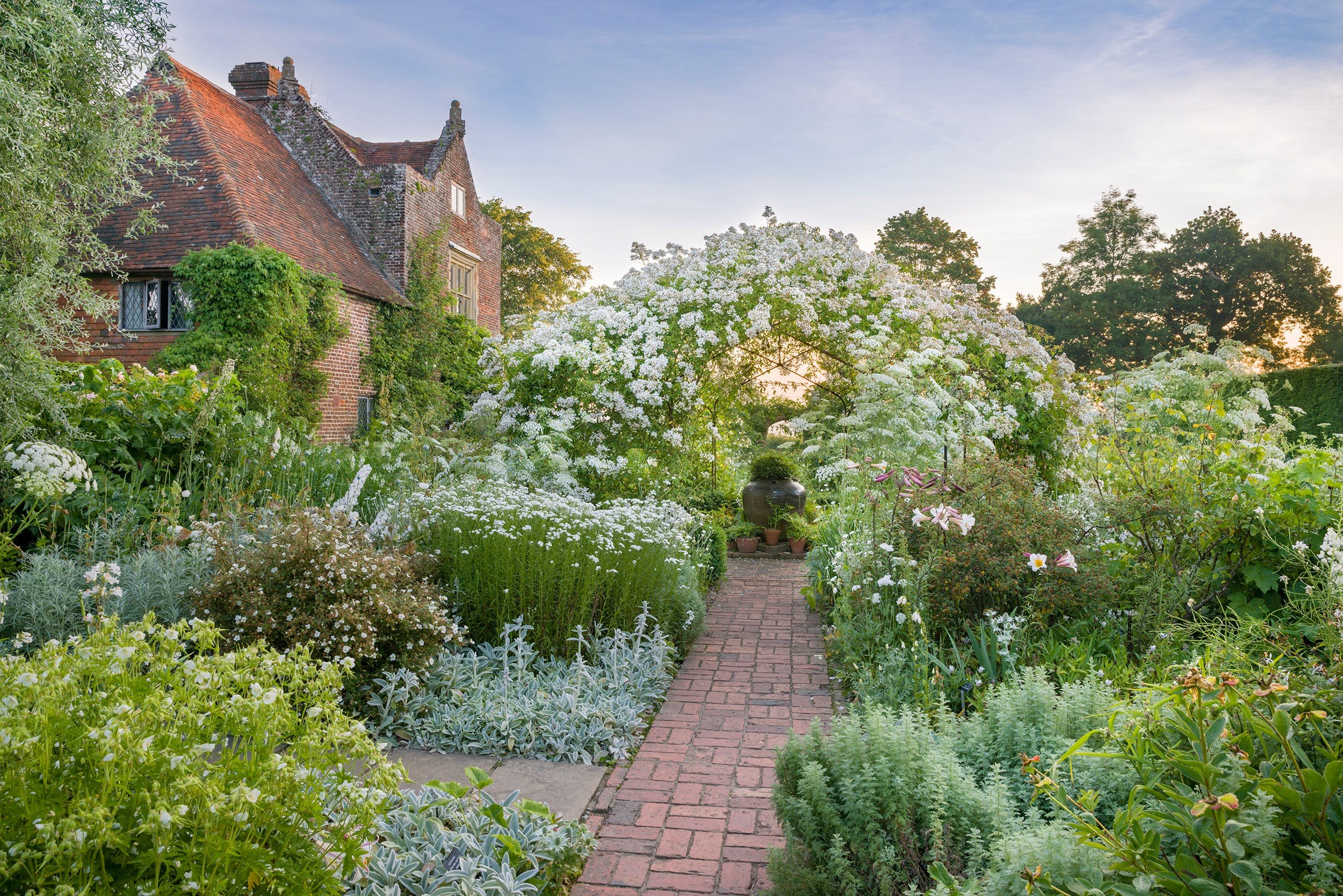 87 mi from SouthamptonSissinghurst Castle Garden: Room-by-Room Garden Design Masterclass
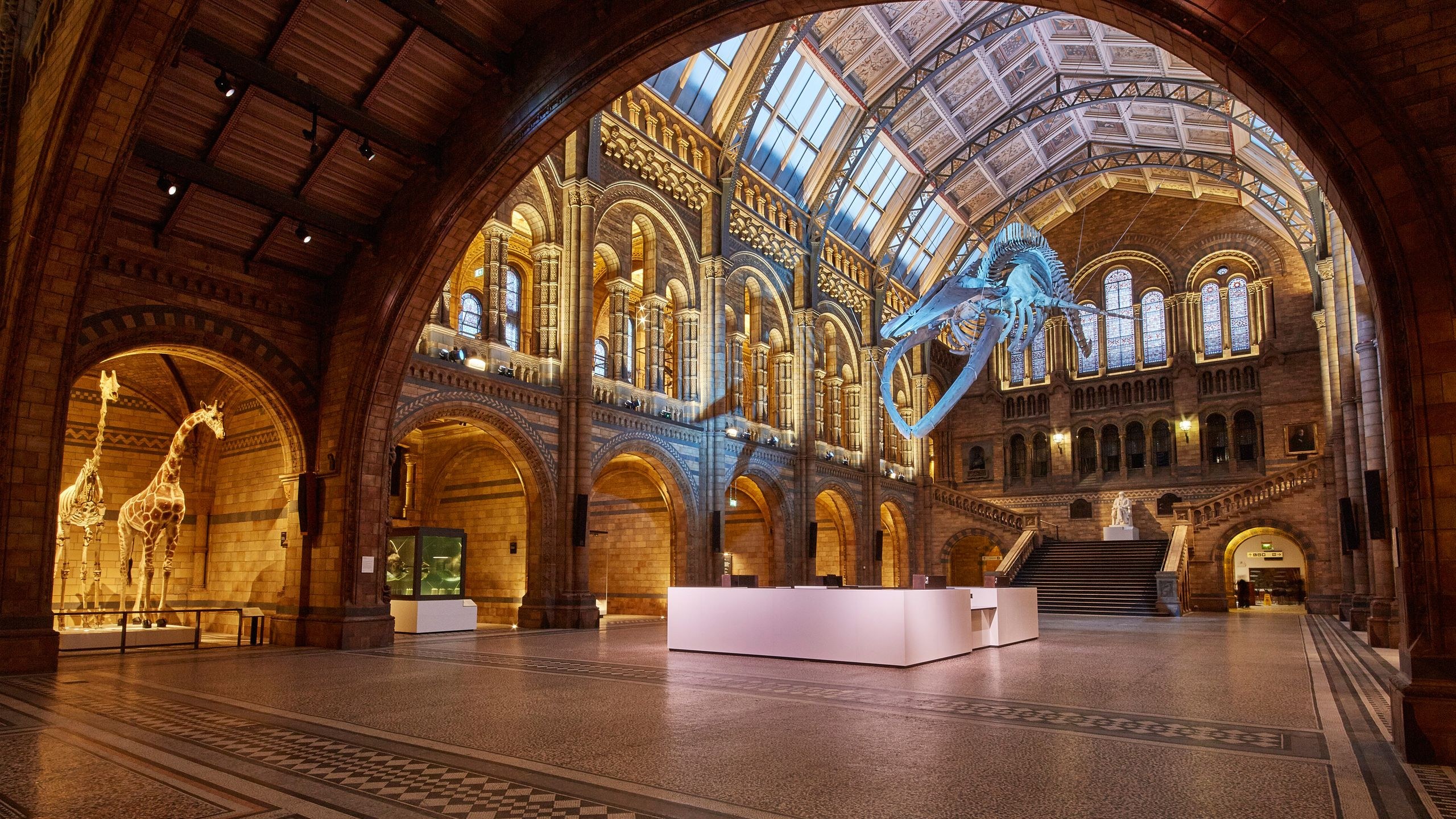 67 mi from SouthamptonNatural History Museum
 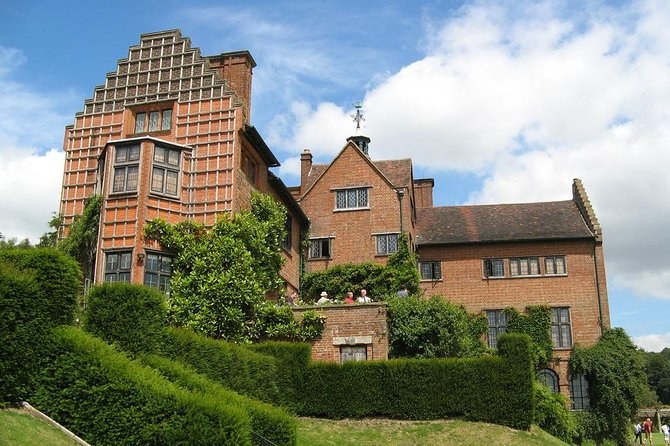 57 mi from Southampton · land adventureChurchill's Kent, Glyndebourne at Dusk & London's Secret Side
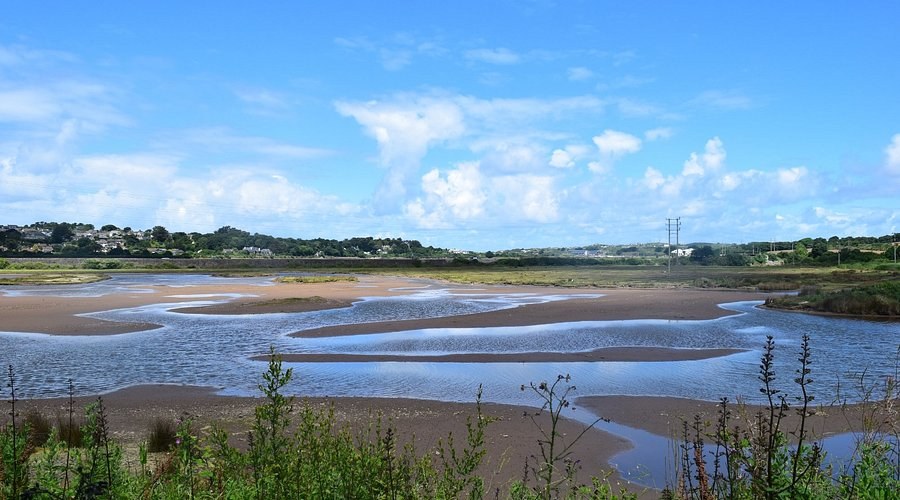 57 mi from Southampton · land adventureCornwall's Wild Coast: Tin Mines, Tidal Castles & Beach Bars
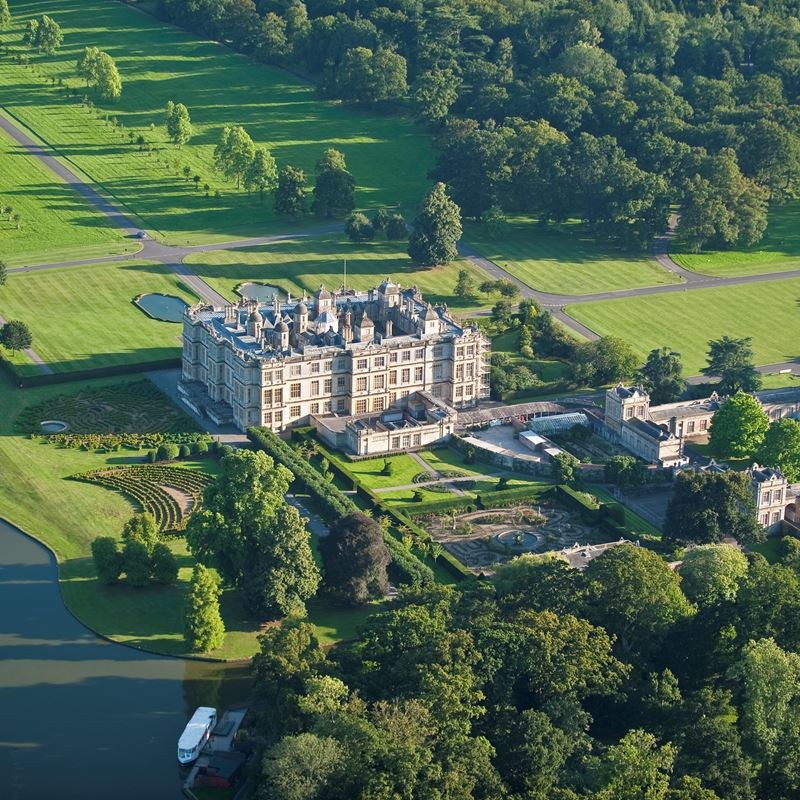 66 mi from Southampton · land adventureGeorgian Bath, Wild Somerset: Limestone, Lions and Lock Flights