Your cruise
Grandeur of the Seas · 7-night Panama Canal round trip from Colon
Oct 10 – Oct 17 · 7 nights ·
Day 1 Colon (board) · Day 2 Cartagena · Day 3 at sea · Day 4 Port of Oranjestad · Day 5 Willemstad · Day 6–7 at sea · Day 8 Colon (step off)
What you do Cartagena's first-century-BC Roman theatre lay hidden under the old town until 1988, and the only way in is a brilliant architectural sequence designed by Pritzker laureate Rafael Moneo: you pass through the Palacio Pascual de Riquelme, descend past Carthaginian and Roman strata, then emerge into the vast tiered cavea that once seated 6,000. It is the single most unmissable thing in the city and a five-minute walk from the pier. Few Roman theatres in the world are entered through a museum that tells the full layered story of the stone before you stand in it.
What to expect Allow 60-90 minutes for the full route through the museum's two buildings, the connecting tunnel under Calle Comedias, and out into the theatre itself. Interpretation is excellent and bilingual, with recovered marble, statuary and the reconstructed scaenae frons columns. The cavea is open-air and the pale stone throws heat, so morning light is kinder and better for photos. Wear proper shoes for the worn steps.
Good to know From the cruise terminal walk to Plaza del Ayuntamiento at the foot of Calle Mayor; the museum entrance is right there, about 400 m. Buy online or at the desk; queues are short outside July-August. Easily done independently with hours to spare against any all-aboard. Official tourist guides enter free, so a private guide adds no ticket cost.
Versus the ship tour Cruise lines fold the theatre into a guided 'Roman Cartagena' walking tour at roughly EUR 50-80 per person. The site itself is EUR 7 and a five-minute stroll from the ship, so booking direct is the clear winner; the only thing the ship adds is a guide's narration, which a EUR 7 audio guide or a private guide (below) replaces for a fraction of the group-tour price.
book direct with Museo del Teatro Romano de Cartagena (official) → · the full guide →
What you do Beyond the theatre, Cartagena hides one of Europe's largest urban Roman archaeological parks at Cerro del Molinete, 26,000 sq m where you walk original Roman streets past the Forum, the thermal baths, the banqueting Atrium with surviving wall paintings, and a rare Sanctuary of Isis. Paired with the Punic Wall, this is the only place in Spain telling the Carthaginian-to-Roman story on its own ground. A licensed local guide turns scattered ruins into the living capital of Hannibal's Iberia and Augustus's Carthago Nova.
What to expect The Molinete museum's three floors of 300-plus artefacts set up the open-air park, where elevated walkways let you look down on streets, mosaics and the baths. It is genuinely atmospheric and far quieter than the theatre. A good guide ties Molinete, the Punic Wall and the Decumanus together into one walk of about two hours, mostly flat with some ramps. Shade is limited, so carry water in summer.
Good to know All sites are within the compact old town, 5-10 minutes on foot from the pier. Pre-book a licensed guide in advance (Cartagena's official guide association or a reputable operator such as Mediterranean Cartagena Tours); confirm they hold the regional guide licence so they enter the monuments free. Comfortably finished within a half-day port call.
Versus the ship tour The ship's archaeology-focused walking tours run about EUR 60-80 per person. For a couple or a family a privately hired licensed guide at ~EUR 130 plus EUR 10 of tickets each often costs less per head and is infinitely more flexible on pace and depth; book direct. The ship only earns its markup here for solo travellers who want company.
book direct with Cartagena Puerto de Culturas (official site & ticketing) + a licensed private guide → · the full guide →
What you do Cartagena is one of the Mediterranean's great natural war harbours, ringed by coastal batteries, and the most evocative way to feel that is the official harbour boat out to the Fuerte de Navidad, a beautifully restored 1860s casemated fort guarding the harbour mouth. You cruise past the Spanish Navy arsenal and the gun batteries on the headlands, then disembark to walk the bunkers, handle a period cannon and stand on the terrace where the whole bay opens beneath you. It is the city's military soul, reachable only by water.
What to expect The boat moves at an easy 2.5 knots with multilingual narration, passing castles, lighthouses, the Navy arsenal and the cruise terminal itself from the water. At the fort you get roughly 45 minutes to explore casemates, an interactive artillery display and the panoramic terrace before the return leg. The whole round trip with the fort visit runs about 1.5-2 hours. Sea conditions inside the sheltered bay are usually calm.
Good to know The departure quay on Gisbert Street is a 3-4 minute walk from the cruise terminal. Sailings are roughly hourly in summer (11:00-19:30) and reduced off-season, so check the day's timetable on arrival and reserve via reservas@puertoculturas.com or +34 968 500 093 if your call is short. Confirm a return slot that clears your all-aboard with margin.
Versus the ship tour Cruise-line 'panoramic harbour cruise' excursions are typically EUR 50-70 per person for essentially this same bay loop with commentary. The official boat at EUR 10 including fort entry is one of the best-value bucket-list experiences in any Spanish port; book direct without hesitation.
book direct with Cartagena Puerto de Culturas - Barco Turístico (official) → · the full guide →
What you do When Cartagena's mining wealth peaked around 1900, architect Víctor Beltrí lined Calle Mayor with riotous Art Nouveau facades, and walking it is like strolling a small Barcelona: the Gran Hotel, the Casino, Casa Cervantes, Casa Maestre and the Palacio Aguirre. Pair the architecture with a guided tapas crawl through the historic bars for the region's catch and the famed huerta de Europa produce, and you have the city's living present rather than only its Roman past. This is the elegant, sensory side of Cartagena most cruisers miss.
What to expect Calle Mayor is pedestrianised and flat, an easy 1-2 hour amble past the showpiece facades, with the Gran Hotel's corner dome the standout. A good tapas tour threads emblematic bars near San Francisco square for things like local prawns, marinated fish and the Murcian michirones, paired with Jumilla or Bullas wines. Pace is leisurely and social. Midday is liveliest; some bars rest mid-afternoon.
Good to know Everything is within the old town, a few minutes from the pier; no transport needed. Pick up the free modernista route map at the City Hall tourist office on arrival. Pre-book the tapas tour as small-group slots sell out on cruise days, and confirm the finish time against all-aboard. Cartagena lunches start late by northern standards, so an early-afternoon slot suits a port call best.
Versus the ship tour The ship's 'Taste of Tapas' style tours run roughly EUR 70-90 per person. A direct-booked local gastronomy walk at EUR 45-60 covers the same modernista landmarks with better food stops and smaller groups; book direct. If you only want the architecture, do it free and self-guided and spend the savings on a long lunch.
book direct with Local licensed gastronomy operator (e.g. the Cartagena guided tapas & modernista walk) - book the official tour direct → · the full guide →
What you do The hill above the old town has been fortified since Roman times, and the medieval Castillo de la Concepción crowns it inside the green Parque Torres. A glass-fronted panoramic lift saves the 45-metre climb and delivers you to the single best viewpoint in Cartagena: the Roman theatre below, the modernista rooftops, the Navy arsenal and the whole amphitheatre of the bay laid out at once. It is the photograph that explains why every empire wanted this harbour.
What to expect The panoramic lift rises in a minute from Gisbert Street to a footbridge into Parque Torres, where peacocks roam the gardens. The castle keep houses a compact Interpretation Centre on the city's 13-century military story, with preserved Roman cisterns and capitals. Most visitors spend 45-60 minutes including time on the ramparts for the views. The terraces are open and breezy, ideal near sunset if your ship sails late.
Good to know The lift's lower station on Gisbert Street is a few minutes from the cruise terminal and sits right beside the harbour-boat quay, so the two pair perfectly in one outing. Buy the combined lift-plus-castle ticket. The walk down through the park back to the old town is pleasant and downhill if you'd rather not lift both ways.
Versus the ship tour This is rarely sold as a standalone ship excursion; when bundled into a city tour the lift and castle are a minor add-on to a EUR 50-80 package. Independently it is EUR 6 and a short walk, so there is no reason not to do it direct. No remote-access or timing argument favours the ship here.
book direct with Cartagena Puerto de Culturas - Castillo de la Concepción & Ascensor Panorámico (official) → · the full guide →
What you do Forty minutes north-east of the port lies the Mar Menor, the largest saltwater lagoon in Europe, a warm shallow inland sea fringed by the La Manga sandbar and the wetlands of San Pedro del Pinatar, where for centuries people have coated themselves in the mineral-rich mud said to ease aches and skin. Floating in water so dense and calm it feels otherworldly, with flamingos in the nearby salt pans, is a genuinely different Spanish coast from the cruise-port bustle. It is the one bucket-list experience here that the distance makes worth a ship excursion.
What to expect Expect about 40 minutes each way by road, then time at La Manga's twin seafronts or at the Lo Pagán / San Pedro del Pinatar salt-marsh boardwalks for the mud baths and birdlife. The lagoon water is bath-warm, very shallow and extraordinarily buoyant; the grey mud is smeared on, dried in the sun, then rinsed in the sea. Bring a swimsuit you don't mind staining and water shoes for the muddy shallows. Note the lagoon has faced ecological stress in recent years, so conditions vary by season.
Good to know Because of the drive and tight cruise timing, this is the one excursion to pre-book rather than improvise. If going independent, arrange a private driver-guide in advance and build in a generous return buffer; do not attempt it by taxi-and-hope on a short call. Pack a towel, sun protection and a change of clothes, and combine with the Roman theatre on the way back as the ship itinerary does.
Versus the ship tour This is the honest exception to the book-direct rule. The Mar Menor is 40 minutes out with no quick public-transport link from the pier, so the ship's coach handles the distance and, crucially, guarantees you are back before all-aboard. Take the ship tour for peace of mind, or hire a private licensed driver-guide direct if you want flexibility and there are 3-4 of you to share the car. Either way the transport markup is genuinely earned here.
book direct with Norwegian Cruise Line (and most lines) - 'La Manga & Roman Theatre' shore excursion, or a private licensed driver-guide → · the full guide →
What you do Board a small vessel and transit the full Panama Canal — from Caribbean to Pacific — passing through Gatun, Pedro Miguel and Miraflores locks. One of the great engineering wonders of the world, experienced from the water itself.
What to expect Depart Colón's Cristobal Pier and enter the Gatun Locks as water thunders around you, rising 26 metres in three chambers. Glide across the freshwater Gatun Lake — the largest man-made lake of its era — before descending the Pedro Miguel and Miraflores locks toward Panama City. Your guide traces the canal's extraordinary 10-year construction, the yellow-fever crisis and the lives of the 75,000 workers who built it. A transfer back to Colón by road completes the circuit in time for all-aboard.
Good to know Full-transit days operate on select dates — book at least 60 days ahead as capacity is strictly limited. Transfer back to Colón takes ~90 min; confirm all-aboard time before booking. Wear sun protection; open decks throughout.
Versus the ship tour A small, intimate vessel means you are right at the lock walls as 26 million gallons of water lift your boat — not watching from a distant terrace. The full Pacific-to-Caribbean (or reverse) narrative is unrivalled, with expert naturalist/historian commentary throughout.
What you do Kayak the mirror-still waters of Gatun Lake inside the Canal Zone, paddling among submerged Spanish-colonial tree tops while watching Panamax vessels slide silently past. A truly singular juxtaposition of wilderness and megaengineering.
What to expect A 20-minute transfer from the Colón pier delivers you to Gatun Lake, where guides fit you with kit and brief you on the route. You'll paddle through flooded rainforest channels, spotting howler monkeys, toucans and caimans, before emerging into open water to watch a container ship pass within metres. The Gatun Lock visitor platform forms a dramatic backdrop as you return. Cold drinks and tropical fruit await at the put-out point.
Good to know Groups capped at 8 paddlers — book well in advance. No kayaking experience required; guides are trained rescue paddlers. Finishes with ample time for all-aboard. Bring reef-safe sunscreen and a dry bag for valuables.
Versus the ship tour Kayaking the actual waterway of the Canal Zone — rather than observing from a visitor terrace — is an experience almost no traveller achieves. Small groups of 8 or fewer guarantee a wildlife-rich, unhurried paddle with a bilingual naturalist guide.
What you do Explore one of the New World's oldest and best-preserved Spanish fortresses, perched on a clifftop above the Caribbean where the Chagres River meets the sea. A UNESCO World Heritage site wrapped in primary rainforest — history and wildlife in one breath-taking setting.
What to expect Your private driver-guide collects you dockside and transports you 30 km west to the Chagres National Park. At the fort's cannon-crowned ramparts the Caribbean views are staggering — jungle meeting turquoise sea 30 metres below. Your guide animates the 1671 sacking by Henry Morgan, the iron-ring cannonball story and the fort's role in protecting Spain's gold route. On the return, a short forest trail offers near-certain howler monkey sightings and often sloths in the canopy.
Good to know Fort is open daily; entry fee is approximately USD 10 per person (included by most operators — confirm when booking). Half-day format leaves plenty of time before all-aboard. Wear closed-toe shoes and insect repellent; the jungle path can be muddy after rain.
Versus the ship tour Private guiding by Joshua Nathanael Castillo Guerra (a widely recommended Panama specialist) means the fortress is yours without crowds; you learn the strategic story of Drake, Morgan and Nelson's battles here, then walk rainforest trails for sloths, toucans and howler monkeys at your own pace.
book direct with Go Highlands Tours Panama → · the full guide →
What you do A private chauffeured day sweeps you across the isthmus to Panama City: the atmospheric cobblestones of UNESCO-listed Casco Viejo, the glittering skyline of a booming financial capital, and a front-row seat at the Miraflores Locks visitor centre to watch megaships navigate the canal.
What to expect Your guide meets you at the pier and the two-hour highway run to Panama City is itself a journey through Panama's economic story. In Casco Viejo you'll weave through colonial plazas, the ruins of the original cathedral, and the rooftop bar district before reaching the Miraflores Locks. The four-storey observation deck puts you level with the bridge of a Panamax vessel — a perspective you'll never forget. A leisurely lunch at a curated local restaurant follows before the return drive.
Good to know Round trip is approximately 5–6 hours driving; allow 8–9 hours total. Confirm your all-aboard time carefully — depart Colón by 07:30 for comfort. Miraflores Locks visitor centre charges approximately USD 20 per person entry (confirm inclusion with guide when booking).
Versus the ship tour A private vehicle and certified local guide means you set the pace, linger in Casco Viejo's boutique galleries and artisan markets, and choose your own lunch restaurant (ceviche and patacones at a rooftop overlooking the bay) — none of which is possible on a group coach.
book direct with GoWithGuide Panama – Colón Private Guides → · the full guide →
What you do Travel by dugout canoe deep into Chagres National Park to visit the Emberá Drua, an indigenous community that has lived in this rainforest for centuries. Share their cuisine, watch master artisans weave, and learn how a people thrive where a jungle meets a canal.
What to expect After a 45-minute transfer from Colón, you board a hand-carved piragua canoe and glide upriver into the jungle, kingfishers darting overhead. In the village, elders demonstrate medicinal plant knowledge; women weave intricate baskets from chunga palm you can purchase directly. A traditional lunch of fresh tilapia, patacones and heart-of-palm salad is served on banana leaves. An optional traditional body-painting ceremony (using jagua plant ink) is offered before the return journey.
Good to know Advance booking essential — the community limits daily visitors to protect the experience. Wear light, quick-dry clothing and waterproof sandals for the canoe. The visit pairs perfectly with a Fort San Lorenzo stop on the same day if time allows. No valuables in the canoe.
Versus the ship tour Tourism revenue goes directly to the Emberá Drua community, and because visitor numbers are capped by the community itself, this is a genuinely intimate cultural exchange — not a staged performance. The 30-minute dugout canoe journey through primary forest alone is worth the trip.
What you do Sail a luxury catamaran along Panama's unspoiled Caribbean coast to the historic harbour of Portobelo, snorkel over coral gardens teeming with tropical fish, and indulge in a gourmet open-air lunch anchored in a UNESCO bay. The ultimate blue-water day.
What to expect Cast off from Colón's marina in the early morning, sails filling as the city skyline recedes. The catamaran reaches Portobelo — where Spanish galleons once loaded silver from Peru — in about an hour; a brief shoreside visit takes in the cannon-studded Spanish forts, another UNESCO World Heritage site. Back aboard, snorkel gear is distributed and the captain anchors over a coral reef: parrotfish, angelfish and the occasional sea turtle are regulars here. Lunch is served at anchor — fresh ceviche, grilled snapper, tropical salad — as the afternoon sun turns the Caribbean jade-green.
Good to know Confirm all-aboard time before booking — most full-day sails return to dock by 16:30–17:00. Sea conditions on the Caribbean coast can be choppy November–February; check with operator. Bring reef-safe sunscreen; it is required on board. Seasickness patches recommended for sensitive travellers.
Versus the ship tour A maximum of 16 guests on a premium catamaran — not a party boat — means silence, space and genuine Caribbean solitude. The snorkel sites are chosen by the captain on the day for visibility and marine life, and the open-bar, freshly prepared lunch is a full gourmet spread, not a packed box.
book direct with Panama Sailing & Charters (Full-Day Catamaran Caribbean Beaches) → · the full guide →
What you do Glide over the ghostly Antilla — the Caribbean's largest WW2 shipwreck — then snorkel with wild sea turtles before a torchlit sunset BBQ on the beach. Aruba's clearest waters, rarest marine life, and a golden-hour feast: utterly unmissable.
What to expect Board a nimble dive boat at the pier and cross to the Antilla, where 400 feet of sunken steel teem with parrotfish, barracuda, and resident turtles. A certified marine guide leads you through the shallowest, most dramatic sections of the wreck before cruising to a turtle hotspot at Aruba's northwestern tip. As the sun dips, you're welcomed ashore for a catered BBQ with fresh catch, cold Balashi beer, and Aruban keshi yena — all while the sky turns tangerine.
Good to know Pre-book at least 2 weeks ahead — small-group spots sell out fast in high season. Tour runs ~5 hours; well within all-aboard windows for most Oranjestad calls. Snorkel gear, wetsuit rash guard, and towels included. Non-swimmers can join the BBQ portion only.
Versus the ship tour Small-group departures (max 12 guests) guarantee intimate encounters with turtles and unobstructed access to the Antilla wreck; the sunset BBQ on a private stretch of beach is a true local ritual, unhurried and beautifully staged.
book direct with Aruba Watersports Center → · the full guide →
What you do Tear across Aruba's wild, wind-sculpted north coast in a side-by-side UTV, plunging into a hidden freshwater cave pool and launching off sea cliffs into turquoise surf. This is Aruba beyond the beach — raw, exhilarating, and completely photogenic.
What to expect Your convoy rolls out of Oranjestad through the cunucu countryside, passing towering cacti and centuries-old divi-divi trees before hitting the rugged north-shore track. Guides point out Aruba's geological wonders — ancient coral formations, the Ayo rock garden — before arriving at the cave pool, a cool, crystalline grotto perfect for a refreshing dip. The afternoon's highlight is the sea-cliff platform: step to the edge, take a breath, and leap into the crashing Caribbean below. The return route hugs the dramatic coastline.
Good to know Minimum age 18 to drive, 12 to ride. Closed-toe shoes required; bring a swimsuit and a change of clothes. Tours depart 8 am and 1 pm — the morning slot is best for light and cooler temperatures. Book direct via Aruba Active Vacations at least 1 week in advance.
Versus the ship tour Expert local guides lead groups of no more than 8 UTVs, ensuring personalized attention, insider stops, and freedom to linger at the cave pool and cliff-jump ledge for as long as you wish — a pace impossible in a large convoy.
What you do Drift along Aruba's glittering leeward coast aboard a sleek catamaran as the sun melts into the Caribbean — cocktail in hand, warm trade winds in your hair, and the Oranjestad skyline glowing behind you. The definitive Aruban sunset experience.
What to expect Step aboard a classic wooden sailing vessel at the palm-fringed dock and settle into the nets at the bow as the crew sets sail along Palm Beach. The two-hour sail is unhurried: swim stop in calm, turtle-rich waters, then back on deck for a spread of fresh Aruban appetizers — empanadas, ceviche, fruit — as a blazing sunset unfolds directly ahead. The crew is festive, attentive, and deeply proud of their island.
Good to know Sunset sails depart at 5 pm; confirm all-aboard time with your ship — most Oranjestad calls allow it comfortably. Private charter requires 2-week advance notice. Shared sail books up quickly December–April; reserve online the moment your itinerary is confirmed.
Versus the ship tour Jolly Pirates is the island's iconic tall-ship operator with decades of local expertise; their open-bar policy is genuinely unlimited (premium rum punches, local Balashi, wine), and the rope-swing off the mast is a legendary Aruba ritual that sets this sailing firmly apart.
What you do A legendary full-island 4x4 adventure that connects Aruba's most dramatic natural wonders in a single day: the thundering Natural Pool, eerie limestone caves, and the idyllic turquoise lagoon of Baby Beach. Aruba's greatest hits, done properly.
What to expect Depart Oranjestad in a rugged 4x4 and head north through the cunucu to Arikok National Park, where your guide narrates the island's geology, flora, and Arawak heritage. The Natural Pool — a volcanic rock basin where Atlantic surf explodes around you — is the undisputed showstopper. Cool, freshwater Fontein Cave comes next, its walls etched with ancient petroglyphs. The finale is Baby Beach: a still, luminous lagoon at Aruba's southern tip, shallow enough to wade and calm enough to snorkel.
Good to know Full-day tours run approximately 7–8 hours; confirm departure time against your all-aboard. Wear reef-safe sunscreen, a hat, and bring a dry bag. The Natural Pool requires a short, rocky hike — sturdy sandals or sneakers essential. Private vehicle bookings via AAA TripCanvas from USD 528 for groups.
Versus the ship tour Ports of Call Tours is one of Aruba's most respected local operators, running true small groups in air-conditioned 4x4s with knowledgeable naturalist guides — not megabus convoys. Private vehicle upgrades mean the day runs entirely on your schedule.
What you do Ride sure-footed Paso Fino horses through the rugged, cactus-dotted cunucu and onto the windswept sands of Wariruri Beach — a remote, undeveloped stretch the cruise crowds never reach. A serene, deeply authentic Aruban encounter.
What to expect Your gentle Paso Fino — prized for its uniquely smooth gait — carries you west from the ranch through a landscape of towering candelabra cacti, wild orchids, and native fauna, with views of the crashing north coast. Wranglers point out indigenous birds and medicinal plants along the trail. Wariruri Beach appears like a revelation: a wild, golden crescent where Atlantic rollers crash against black volcanic rocks and sea turtles nest. There's time to dismount, wade, and take in the solitude before the return canter.
Good to know Maximum weight 240 lbs. Riders of all levels welcome; beginners are matched with the gentlest horses. Wear long trousers and closed shoes. Tours depart mornings only — ideal for ships with a late all-aboard. Book at least 1 week ahead; private rides available on request.
Versus the ship tour Rancho Notorious keeps groups to a maximum of 10 riders and uses locally bred horses with expert wranglers who share deep knowledge of Aruba's fragile desert ecosystem — creating a naturalist journey as much as a ride, with a beach finale that feels entirely private.
book direct with Rancho Notorious Aruba → · the full guide →
What you do Step into a local Aruban kitchen for an intimate hands-on class crafting keshi yena, fresh pan bati flatbread, and island rum cocktails — guided by a chef who grew up eating these recipes. The most delicious two hours you'll spend in the Caribbean.
What to expect Arrive at Screaming Eagle's iconic, design-forward venue just outside Oranjestad and be greeted with a welcome cocktail before donning your apron. The chef walks you through the cultural history of Aruba's cuisine — African, Dutch, and indigenous Arawak threads — as you prepare keshi yena (Gouda stuffed with spiced chicken), pan bati cornbread, and a dessert of Aruba-style coconut flan. The cocktail segment pairs each dish with a rum or local spirit blend you'll mix yourself. Sit down, feast, and take home a recipe card.
Good to know Classes run 10 am–12:30 pm and 2–4:30 pm. The venue is a 10-minute taxi from the cruise pier (AWG 10–15 one way). Vegetarian and allergen-friendly menus available on request at booking. Reserve at least 2 weeks ahead — this class has become one of Aruba's most talked-about port-day experiences.
Versus the ship tour An intimate, chef-led class capped at 12 guests that goes far beyond a cooking demonstration — you roll, stuff, and plate every dish yourself, learning the Dutch-Caribbean fusion story behind each recipe directly from an island native, then eat what you make.
book direct with Screaming Eagle Aruba (Culinary Experience) → · the full guide →
What you do An immersive, bespoke private tour of Curaçao's greatest highlights — from Willemstad's UNESCO streetscapes to secluded beaches and hidden local gems — guided by a certified local expert at your own pace.
What to expect Your private guide tailors every stop to your interests — Punda's candy-coloured colonial facades, the swing of the Queen Emma pontoon bridge, the Floating Market, and the wild western shore. Ride in a comfortable, air-conditioned vehicle with cold drinks on hand. Pace is entirely yours: linger at a landhuis plantation house or dash to a clifftop viewpoint. The guide's insider commentary transforms a sightseeing drive into a genuine cultural immersion.
Good to know Full-day tours run approximately 7 hours, fitting comfortably within a typical port call. Pre-book directly to secure your preferred guide and confirm the all-aboard time so the itinerary can be reverse-engineered from it. Small-group and fully private options available.
Versus the ship tour Fully customisable itinerary with a certified local guide who speaks island history from the inside — no fixed coach schedule, no crowds, just your group and a passionate Curaçaoian storyteller unlocking places most visitors never find.
book direct with Dundu Tours (certified local guide, Willemstad) → · the full guide →
What you do Descend into Curaçao's most spectacular limestone cave system, where million-year-old stalactites, indigenous Arawak petroglyphs and rare owl colonies await beneath the island's sun-baked surface.
What to expect A knowledgeable guide escorts you through a series of cathedral-like chambers draped in stalactites and stalagmites, some illuminated in subtle lighting that heightens the drama. Rare Screech Owls roost in the upper vaults — spot them with the guide's torch. Arawak rock art etched centuries ago lines the walls of the deepest gallery. The temperature drops noticeably underground, a welcome relief from the Caribbean sun. The circuit takes around 45 minutes and covers easy-to-navigate pathways.
Good to know Located roughly 15 minutes north of the cruise terminal by taxi (approx. USD 20–25 each way). First tour opens at 09:00; last entry mid-afternoon. Wear comfortable closed-toe shoes; the cave is mildly humid. Combine with a beach stop at Mambo Beach for a perfect half-day.
Versus the ship tour An expert cave naturalist leads groups of no more than 15 people through chambers cruise passengers rarely see; the small group means the guide can illuminate every petroglyph and geological formation without rushing.
book direct with Hato Caves (official site) → · the full guide →
What you do Step inside the 17th-century Chobolobo plantation house — the only authentic home of Senior's original Curaçao Liqueur — for an intimate guided tour of copper pot stills and a refined tasting of the island's most iconic spirit.
What to expect A charming estate guide walks you through the sun-drenched courtyard of the ochre-painted plantation manor, past gleaming copper stills and drying racks of laraha orange peel — the bitter local fruit that gives the liqueur its unmistakable flavour. The tasting room presents six signature expressions: the cobalt Blue, the classic Triple Sec, and limited aged varieties. The guide pairs each pour with history, and the gift shop stocks reserve bottles unavailable elsewhere. The whole visit takes about one hour.
Good to know Located in Salinja, approximately 10 minutes from the pier by taxi (around USD 15 each way). Open Monday–Saturday; confirm hours for your port day. Pre-booking a private group tasting is strongly recommended for a fully personalised experience.
Versus the ship tour The distillery is housed in a living heritage landmark; a guided visit moves well beyond a souvenir-shop experience, placing the liqueur's 150-year story in the context of island trade, Dutch colonialism and the laraha orange grove that makes it unique.
book direct with Curaçao Liqueur Distillery – Senior & Co. (official) → · the full guide →
What you do Explore the world-class Kura Hulanda Museum — a hauntingly beautiful open-air complex built into a restored 18th-century slave-trading quarter — with a specialist guide who brings its profound African diaspora collection to vivid, personal life.
What to expect Set within a restored warren of 18th-century Otrobanda buildings, the museum unfolds across shaded courtyards and intimate gallery rooms. Your guide navigates the collection with authority — from West African kingdoms and the brutal Middle Passage to Curaçao's role as a major slave-trade hub and the Afro-Caribbean culture that rose from it. The on-site sculpture garden and Mesopotamian antiquities collection add unexpected layers of depth. Allow at least 90 minutes; the experience is quietly transformative.
Good to know Located in the Otrobanda district — a 10-minute walk or short taxi ride from the cruise terminal. Combine with a stroll through Otrobanda's street-art murals. Private guide booking is highly recommended; contact the museum directly to arrange. Open daily from 09:00.
Versus the ship tour This is one of the most important and emotionally powerful museums in the Caribbean — a UNESCO-recognised site that demands a knowledgeable guide to fully appreciate its 3,000-piece collection spanning pre-Columbian artefacts to trans-Atlantic slave trade documents.
What you do Enjoy an exclusive dolphin interaction in open-water lagoon conditions at Curaçao's premier marine attraction, then snorkel a vibrant coral reef teeming with tropical fish — all in one unforgettable half-day session.
What to expect After a trainer-led briefing on dolphin biology and behaviour, you enter the warm lagoon water for a 30-minute interaction: dorsal-fin ride, foot push, and free swim alongside Atlantic bottlenose dolphins. The experience is conducted with clear animal-welfare standards. Post-swim, grab your snorkel gear and walk straight onto the Sea Aquarium's house reef — one of the most accessible and healthy coral gardens on the island, with sea turtles, angelfish and moray eels routinely spotted. Sun loungers and a beachside restaurant complete the experience.
Good to know Located on Bapor Beach, approximately 15 minutes east of the cruise pier by taxi (around USD 20). Dolphin Swim slots fill weeks in advance — book directly on the Sea Aquarium website as soon as your port date is confirmed. Minimum age/height restrictions apply for the dolphin program.
Versus the ship tour The Dolphin Swim program limits each session to a handful of participants alongside a professional marine trainer, creating a genuinely intimate encounter — not a mass-pool experience. The adjacent reef snorkel is directly off the beach, meaning no boat transfer and immediate access to pristine coral.
book direct with Curaçao Sea Aquarium (official) → · the full guide →
What you do Conquer the 372-metre summit of Mount Christoffel — Curaçao's highest point — on a guided early-morning ascent through a national park that shelters white-tailed deer, rare orchids and the endemic Curaçao white-tailed hawk.
What to expect Your certified park guide meets you at the entrance at first light and leads you up a rugged volcanic trail through sun-bleached cacti forests and limestone outcrops. The ascent takes about 1.5 hours; the 360-degree summit panorama — turquoise sea on all sides, Venezuela faint on the southern horizon — is the reward. On the descent, your guide identifies white-tailed deer grazing in the scrub, the endangered Curaçao White-tailed Hawk overhead, and a kaleidoscope of native orchids clinging to the rocks. The park also offers gentler nature trails for those who prefer a flat wildlife walk.
Good to know Located 45 minutes west of Willemstad — a taxi or pre-arranged transfer is essential (approx. USD 50–60 each way). The summit trail closes at 10:00 sharp, so a very early departure from the ship is required; confirm your all-aboard time carefully. Wear sturdy shoes, bring at least 1.5 litres of water, and apply high-SPF sunscreen before arrival.
Versus the ship tour The summit hike is strictly guided, early-morning only (trail closes at 10:00 to beat the heat), meaning you share the mountain with very few others — a rare solitude in the Caribbean. The park's certified naturalist guides spot endemic wildlife invisible to the untrained eye.
book direct with Christoffelpark (official) → · the full guide →
Before you sail · near Colon
Fly in at least a day early — every seasoned cruiser does, so a delay never costs you the ship. This is what is worth that day within reach of the port.
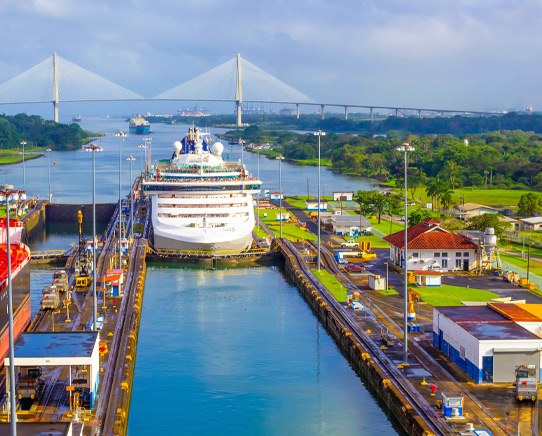 36 mi from ColonPanama Canal Tour
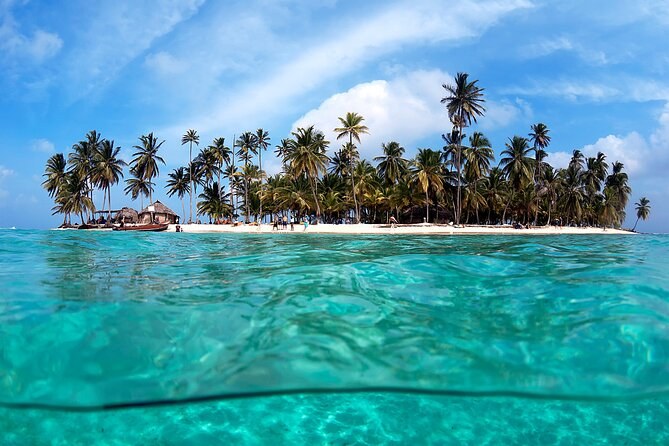 36 mi from ColonSan Blas Islands Day Trip
 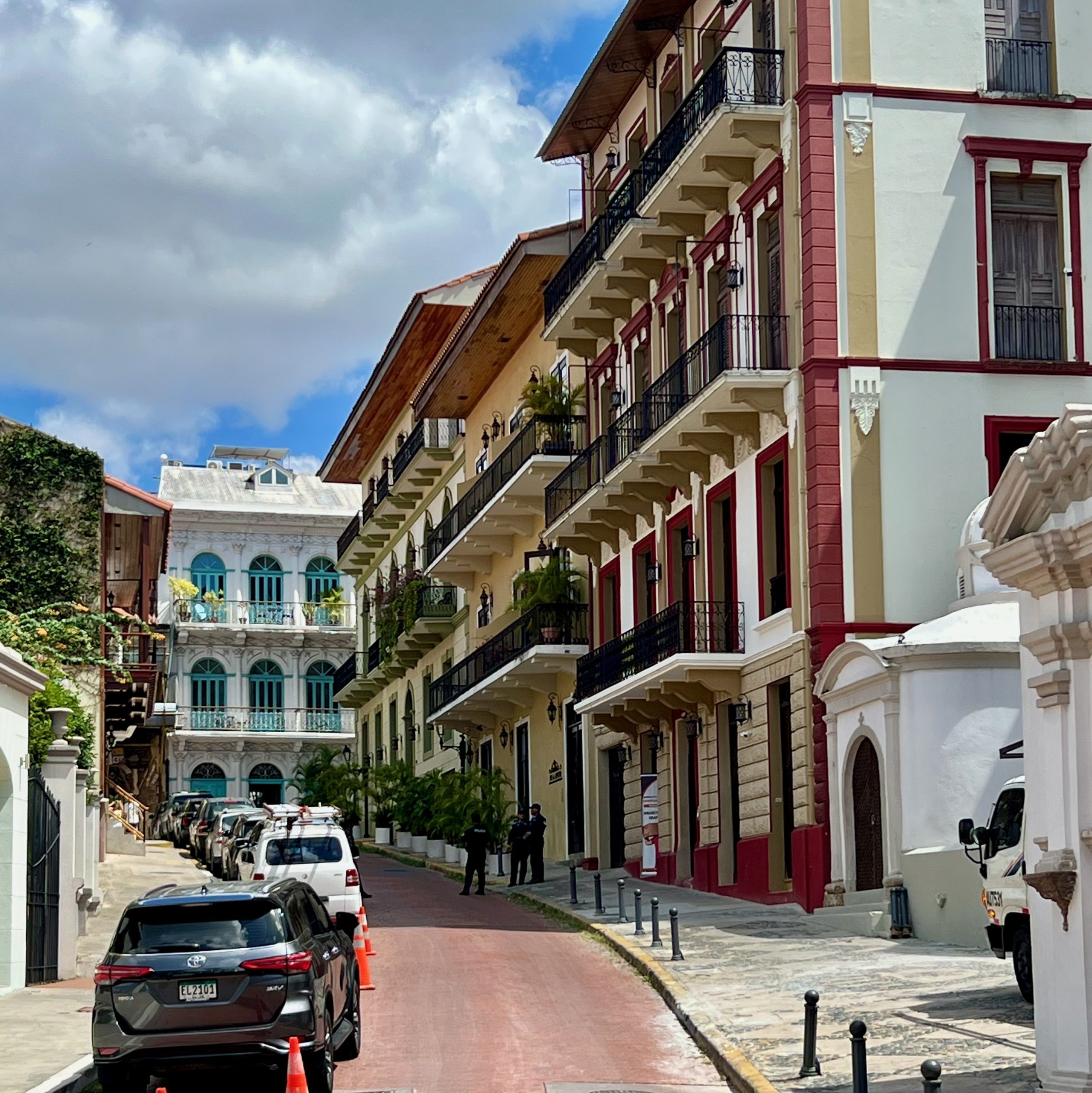 40 mi from Colon · land adventureBalboa & Beyond: Panama's Wild, Cultured Other Side
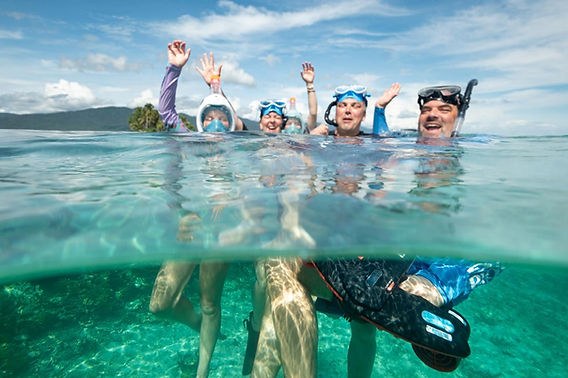 40 mi from Colon · land adventureSan Blas Islands: Molas, Medicine Men & Midnight Snorkels
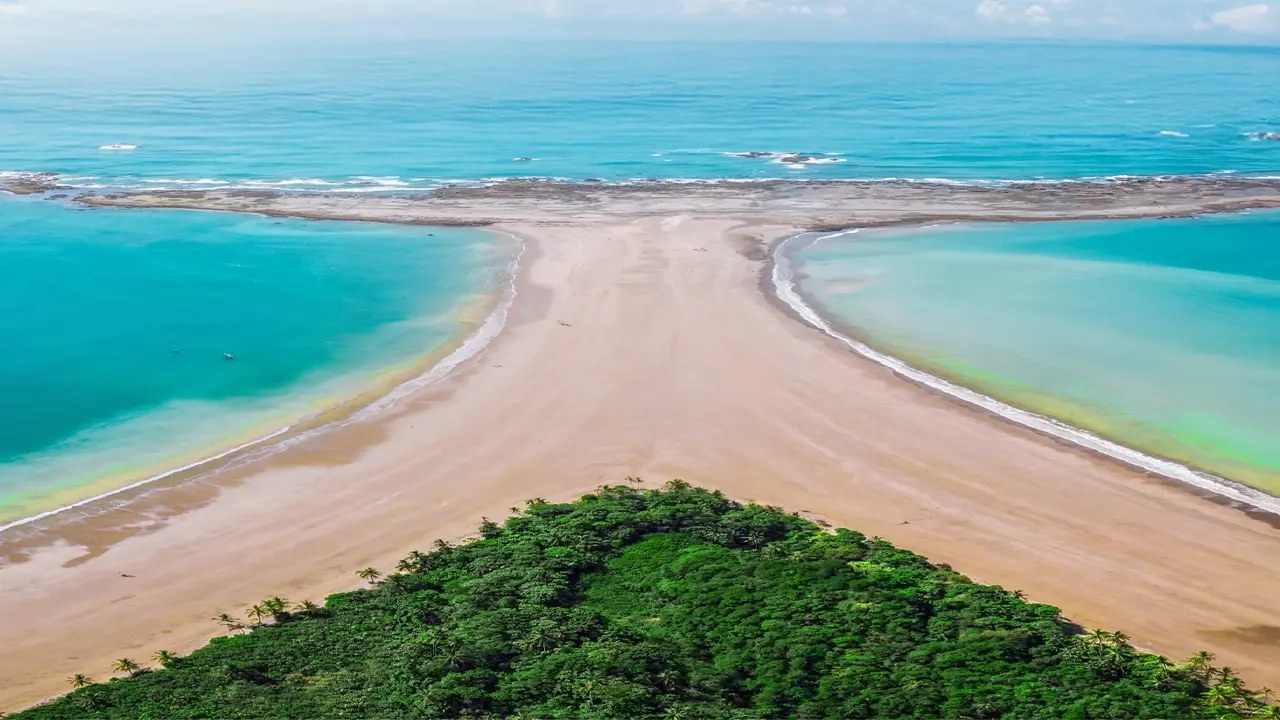 297 mi from Colon · land adventureQuepos Beyond the Park: Jungle, Coast & the Real Costa Rica
 The same trip, elevated
The same gateway on a more luxurious line — lead-in fare per person, same fare as booking direct.