Your cruise
Queen Victoria · 20-night Northern Europe cruise, Cape Town to Southampton
Apr 10 – Apr 30 · 20 nights ·
Day 1 Cape Town (board) · Day 2–3 at sea · Day 4 Walvis Bay · Day 5–11 at sea · Day 12 Dakar · Day 13–14 at sea · Day 15 Santa Cruz de Tenerife · Day 16–17 Funchal · Day 18–20 at sea · Day 21 Southampton (step off)
What you do Plunge into one of Africa's most surreal landscapes where 100-metre Namib dunes collapse directly into the Atlantic surf. A private 4x4 takes you deep into Sandwich Harbour, a UNESCO-listed wetland with no roads, no crowds — just you and the raw edge of the world.
What to expect Your private 4x4 deflates its tyres at the beach and powers over shifting dune faces that drop sheer into the ocean — a spectacle found nowhere else on Earth. The guide interprets the Benguela Current ecosystem, the endemic Welwitschia plants, and the birdlife of the lagoon. A gourmet picnic with local snacks and cold drinks is served on a dune with panoramic views. You return to port along the shore just as the golden-hour light ignites the sand.
Good to know Tours depart from the cruise terminal and take approximately 4–5 hours; confirm your ship's all-aboard time and request early-departure slots. Pre-book directly to secure the private vehicle. Bring a windproof layer — the sea breeze on the dunes is fierce.
Versus the ship tour Fully private vehicle with an expert desert ecologist guide; the pace is entirely yours — linger on a dune crest for champagne sundowners while flamingos feed in the shallows below.
book direct with Alter Action Sandwich Harbour Tours → · the full guide →
What you do Board a sleek catamaran to encounter Namibia's Marine Big 5 — Cape fur seals, bottlenose dolphins, leatherback turtles, African penguins, and flamingos — all within Walvis Bay's extraordinary lagoon. Oysters and sparkling wine are served as the wildlife comes to you.
What to expect The catamaran glides out of Walvis Bay harbour into the Benguela Current-rich lagoon, one of Africa's most productive marine ecosystems. Thousands of Cape fur seals loll on the jetty pontoons and often haul themselves onto the boat's stern. Oysters are shucked fresh from local beds and paired with Namibian sparkling wine mid-cruise. Bottlenose dolphins frequently surf the bow wave just metres from where you stand.
Good to know Cruises run approximately 2.5–3 hours and depart from Walvis Bay Waterfront — a short taxi ride from the cruise terminal. Book the morning departure to maximise dolphin activity. Dress in layers; the Benguela Current keeps the bay brisk even on sunny days.
Versus the ship tour A small-vessel, intimate experience where wild dolphins bow-ride alongside and Cape fur seals clamber aboard the swim platform — wildlife encounters of startling closeness that feel genuinely unscripted.
What you do Paddle a sea kayak alongside 80,000 Cape fur seals at Pelican Point, where a Victorian-era lighthouse stands guard over a bone-white beach strewn with shipwreck ribs. This is the most intimate way to meet Namibia's marine wildlife — eye-to-eye at water level.
What to expect After a short transfer along the Walvis Bay spit, you launch your tandem sea kayak into the calm inner lagoon. Within minutes, inquisitive juvenile seals bob around your paddle blades, occasionally leaping clean over the bow. Your guide narrates the ecology of the Benguela upwelling and points out flamingo flocks feeding in the shallows nearby. The paddle rounds Pelican Point itself, where the 1910 lighthouse and skeletal shipwreck frames make for extraordinary photographs.
Good to know No kayaking experience necessary; the lagoon is sheltered and calm. The excursion runs approximately 2.5 hours. Combine it with an afternoon Sandwich Harbour 4x4 for the ultimate dual-landscape day — operators on both sides support the combo. Wear a swimsuit under your clothes; curious seals will splash you.
Versus the ship tour A maximum small-group experience led by a qualified sea-kayak guide; you are in the water with the seals, not looking down at them from a boat deck, and the lighthouse at the tip of the spit is accessible only by kayak or foot.
What you do Step into Namibia's most atmospheric colonial-era town — a place of German-Wilhelmine architecture, crisp ocean air, and extraordinary dune-backed streets. A private guided tour unlocks the hidden history of this improbable desert port, from German colonial rule to the uranium-boom present.
What to expect Your private guide collects you dockside and drives the coast road to Swakopmund, narrating the astonishing story of how Germany built a functioning colonial port in the middle of the world's oldest desert. The walk through the town centre takes in the Kaiserliches Bezirksgericht (the Old German courthouse), the Lighthouse, the Kristall Galerie, and the landmark Hotel Swakopmund. Lunch at a quayside restaurant — local yellowtail or Namibian oysters — is built into the itinerary. The return skirts the vast salt pans, often pink with flamingos.
Good to know Walvis Bay to Swakopmund is approximately 30 km (30-minute drive). Allow 4–5 hours minimum; confirm the all-aboard time before booking. The Kristall Galerie houses the world's largest known single quartz crystal cluster — entry is NAD 50 (~USD 3). Book private transfer in advance to guarantee port pick-up.
Versus the ship tour A private, unhurried drive from Walvis Bay (30 min) with a local expert who grew up here; the guide opens doors — the Swakopmund Museum's colonial-era artefacts, the jetty at sunset, the local fishmonger for fresh smoked fish — that a group tour rushes past.
What you do Watch the Namib go molten gold as the sun drops behind 100-metre dunes inches from the open Atlantic — one of the most dramatic sunsets on the planet, enjoyed with chilled champagne on a private dune crest with your own guide and vehicle.
What to expect Departing Walvis Bay mid-afternoon, the 4x4 tackles the tidal beach corridor as the light softens to amber. The guide reads the dune faces like a pilot, climbing to a private vantage point above the surf line just as the sun descends. Sundowners are served from a cool-box while flamingos glow pink in the lagoon below. The return drive by starlight — the Milky Way ablaze over the Namib — is an experience unto itself.
Good to know Sunset timing varies by season; confirm departure time against your ship's all-aboard. This tour is only viable if your ship overnights or has a late (post-20:00) departure from Walvis Bay — verify with the bridge before booking. A warm layer is essential after sunset on the dunes.
Versus the ship tour The sunset departure means virtually no other visitors in the reserve; your guide positions the vehicle on the highest accessible dune face for a 360° horizon — Atlantic west, Namib south, lagoon flamingos north — with chilled Namibian sparkling wine and local charcuterie.
book direct with Alter Action Sandwich Harbour Tours → · the full guide →
What you do The Walvis Bay Lagoon hosts the largest congregation of greater and lesser flamingos in southern Africa — up to 150,000 birds turning the shallows cerise. A specialist bird guide leads an intimate small-group exploration of this Ramsar-listed wetland, the ecological crown jewel of the Namibian coast.
What to expect The guide drives the levee roads between the industrial salt pans and the tidal lagoon, where vast flamingo flocks feed in the pink-tinged brine. A short kayak section allows you to drift soundlessly to within metres of roosting birds; the silence is broken only by the collective murmur of 50,000 wingbeats. The guide identifies species with a spotting scope — from chestnut-banded plovers to Damara terns — and explains the extraordinary Benguela ecosystem that sustains this abundance. Fresh Namibian oysters and local sparkling wine conclude the morning at the lagoon edge.
Good to know Morning departures (07:00–08:00) are essential for flamingo feeding activity and the best photographic light. The excursion runs approximately 3 hours. Wear neutral-coloured clothing; bright colours disturb the birds. Long lens cameras (200mm+) are highly recommended. Bookings fill fast — reserve well before your cruise date.
Versus the ship tour A certified ornithologist-guide leads a maximum six-guest group through restricted-access sections of the lagoon, using a low-profile vehicle and kayaks to approach flamingo flocks without disturbance — intimate, silent, and utterly unlike any boat-from-a-distance experience.
book direct with Eco Marine Kayak Tours → · the full guide →
What you do Ascend one of the Seven Natural Wonders of the World with a private guide, ride the revolving cable car, and survey 1,000 km of coastline from the summit plateau. This is Cape Town's defining bucket-list moment.
What to expect Your guide collects you portside and drives via the scenic lower cable station approach. At the top, spend up to 90 minutes exploring the plateau's lunar rock formations and indigenous proteas, with Table Bay and Robben Island spread below. The revolving cable car provides 360° views on the descent. The whole experience is unhurried and entirely at your own pace.
Good to know Cable car operates weather-permitting — confirm on the morning. Book cable car tickets at tablemountain.net to avoid queues. Allow 3–4 hours total. The V&A Waterfront is a short drive back to port.
Versus the ship tour A private guide tailors the summit walk to your pace, shares the geology, fynbos ecology, and panoramic lore that a group tour rushes past — and knows exactly when to position you for the iconic Atlantic-and-City shot.
book direct with Cape Town Tour Guide (official private guide service) → · the full guide →
What you do Cross Table Bay to the island where Nelson Mandela was imprisoned for 18 years. A former political prisoner leads you through the maximum-security cellblock — one of the most profoundly moving experiences on the planet.
What to expect The 30-minute ferry departs the V&A Waterfront (a 10-minute walk from the cruise terminal) and crosses to the island. A bus tour covers the island's lime quarry and political exile sites before an ex-prisoner leads the cellblock tour, pausing at Nelson Mandela's actual cell. The emotional resonance is unlike anywhere else in Africa. The return ferry gives views of the full Cape Town mountain backdrop.
Good to know Ferries depart at set times (09:00, 11:00, 13:00); pre-book well in advance as tours sell out weeks ahead, especially on cruise days. Total duration is approximately 3.5 hours. Confirm your ship's all-aboard time — the 09:00 departure is safest.
Versus the ship tour The guides here are survivors, not historians — their personal testimony in Mandela's cell block transforms a museum visit into a living, breathing witness to the triumph of the human spirit.
book direct with Robben Island Museum (official operator) → · the full guide →
What you do A full-day private odyssey along one of the world's great coastal drives — Chapman's Peak, the Cape of Good Hope, and a penguin colony at Boulders Beach. This is the definitive Cape Town bucket-list route.
What to expect Depart the V&A Waterfront and wind south along the Atlantic Seaboard past Clifton's white-sand coves. Chapman's Peak Drive — a cliff-carved corniche — delivers jaw-dropping ocean panoramas. At Cape Point, hike to the lighthouse perch where two oceans meet. Then on to Simon's Town's Boulders Beach, where 3,000 African penguins waddle within arm's reach. The return leg traces the False Bay coastline through charming fishing villages.
Good to know Full-day tour — allow 8–9 hours. Cape Point entry is additional. Pre-book Boulders Beach (SANParks) online. Depart by 08:00 to make the most of the light and return comfortably before all-aboard.
Versus the ship tour Private vehicle means you linger at Chapman's Peak as long as the light is golden, skip the crowds at Boulders Beach, and stop spontaneously at Kalk Bay Harbour for a freshly grilled fish lunch — a pace no group coach can match.
book direct with Cape Town Tour Guide (official private guide service) → · the full guide →
What you do Journey 45 minutes into the Cape Winelands' UNESCO-listed landscape of oak-lined streets, Cape Dutch manor houses, and world-class Chenin Blanc and Pinotage estates — a sensory masterpiece for the discerning palate.
What to expect Your driver-guide whisks you through the Helshoogte Pass into Stellenbosch, where whitewashed Cape Dutch gables frame centuries of viticulture. Visit two to three handpicked estates — perhaps Meerlust, Rust en Vrede, or Delaire Graff — for tutored tastings of benchmark South African wines. Pair with artisan cheeseboards or a light estate lunch. The drive through vine-quilted valleys is as intoxicating as the wine itself.
Good to know A half-day tour (5 hours) fits comfortably within a port call. Pre-book estate tastings directly to secure a slot — Delaire Graff and Rust en Vrede are particularly sought-after. Stellenbosch is 50 km from the cruise terminal.
Versus the ship tour A private guide accesses first-growth estates not open to bus groups — think cellar-door tastings with the winemaker present, shaded terraces overlooking the Drakenstein Mountains, and itineraries built entirely around your wine preferences.
book direct with Cape Town Tour Guide (official private guide service) → · the full guide →
What you do The smartest independent way to see Cape Town's iconic landmarks — from the V&A Waterfront and Bo-Kaap to Kirstenbosch Gardens — with a premium combo ticket that includes the Table Mountain cable car ascent.
What to expect Buses depart the V&A Waterfront (a 10-minute walk from the cruise terminal) every 20 minutes on two routes covering 26 stops. The premium open-top double-decker comes with audio commentary in 16 languages. Hop off at the lower cable station for the Table Mountain ascent included in your combo ticket, then reboard for the Camps Bay and Sea Point route back. The Bo-Kaap stop delivers some of Cape Town's most photogenic streetscapes.
Good to know Buy tickets online in advance at citysightseeing.co.za to skip the queue. Cable car is weather-dependent — check the morning of. A full loop without stopping takes 2.5 hours; plan 5–6 hours for 4–5 hop-offs. Buses run until approximately 17:00.
Versus the ship tour Complete freedom to set your own agenda — step off at Bo-Kaap's cobblestoned rainbow houses for as long as you wish, linger over the Company's Garden's squirrels and roses, or spend an extra hour at Kirstenbosch. No fixed itinerary, no waiting for others.
book direct with City Sightseeing Cape Town (official operator) → · the full guide →
What you do Face the ocean's apex predator from inside a submerged cage off the world's most celebrated Great White hotspot, Dyer Island — a raw, adrenaline-charged bucket-list encounter that redefines your relationship with the sea.
What to expect A 2-hour transfer from Cape Town brings you to the small fishing harbour of Gansbaai. After a marine biologist briefing aboard a purpose-built shark vessel, you anchor at Shark Alley — a narrow channel between Dyer Island and Geyser Rock, home to 60,000 Cape fur seals. Wetsuits on, the cage is lowered, and Great Whites glide past within metres. Even observers on deck experience extraordinary close encounters. A warm lunch and debrief complete the expedition.
Good to know Full-day commitment: depart port by 06:00, return by 17:00 — verify against your ship's all-aboard time. Transfer from Cape Town adds ~2 hours each way. Pre-book directly with Marine Dynamics as capacity is strictly limited. No diving experience required; cage diving is surface-level.
Versus the ship tour Marine Dynamics is the scientific and conservation leader in Gansbaai — a team of researchers and marine biologists who turn the boat briefing into a masterclass on Great White behaviour, shark ID, and ocean ecology. The 45-person maximum boat keeps the experience intimate.
book direct with Marine Dynamics Shark Tours (official operator) → · the full guide →
What you do Plunge into one of Africa's most surreal landscapes where 100-metre Namib dunes collapse directly into the Atlantic surf. A private 4x4 takes you deep into Sandwich Harbour, a UNESCO-listed wetland with no roads, no crowds — just you and the raw edge of the world.
What to expect Your private 4x4 deflates its tyres at the beach and powers over shifting dune faces that drop sheer into the ocean — a spectacle found nowhere else on Earth. The guide interprets the Benguela Current ecosystem, the endemic Welwitschia plants, and the birdlife of the lagoon. A gourmet picnic with local snacks and cold drinks is served on a dune with panoramic views. You return to port along the shore just as the golden-hour light ignites the sand.
Good to know Tours depart from the cruise terminal and take approximately 4–5 hours; confirm your ship's all-aboard time and request early-departure slots. Pre-book directly to secure the private vehicle. Bring a windproof layer — the sea breeze on the dunes is fierce.
Versus the ship tour Fully private vehicle with an expert desert ecologist guide; the pace is entirely yours — linger on a dune crest for champagne sundowners while flamingos feed in the shallows below.
book direct with Alter Action Sandwich Harbour Tours → · the full guide →
What you do Board a sleek catamaran to encounter Namibia's Marine Big 5 — Cape fur seals, bottlenose dolphins, leatherback turtles, African penguins, and flamingos — all within Walvis Bay's extraordinary lagoon. Oysters and sparkling wine are served as the wildlife comes to you.
What to expect The catamaran glides out of Walvis Bay harbour into the Benguela Current-rich lagoon, one of Africa's most productive marine ecosystems. Thousands of Cape fur seals loll on the jetty pontoons and often haul themselves onto the boat's stern. Oysters are shucked fresh from local beds and paired with Namibian sparkling wine mid-cruise. Bottlenose dolphins frequently surf the bow wave just metres from where you stand.
Good to know Cruises run approximately 2.5–3 hours and depart from Walvis Bay Waterfront — a short taxi ride from the cruise terminal. Book the morning departure to maximise dolphin activity. Dress in layers; the Benguela Current keeps the bay brisk even on sunny days.
Versus the ship tour A small-vessel, intimate experience where wild dolphins bow-ride alongside and Cape fur seals clamber aboard the swim platform — wildlife encounters of startling closeness that feel genuinely unscripted.
What you do Paddle a sea kayak alongside 80,000 Cape fur seals at Pelican Point, where a Victorian-era lighthouse stands guard over a bone-white beach strewn with shipwreck ribs. This is the most intimate way to meet Namibia's marine wildlife — eye-to-eye at water level.
What to expect After a short transfer along the Walvis Bay spit, you launch your tandem sea kayak into the calm inner lagoon. Within minutes, inquisitive juvenile seals bob around your paddle blades, occasionally leaping clean over the bow. Your guide narrates the ecology of the Benguela upwelling and points out flamingo flocks feeding in the shallows nearby. The paddle rounds Pelican Point itself, where the 1910 lighthouse and skeletal shipwreck frames make for extraordinary photographs.
Good to know No kayaking experience necessary; the lagoon is sheltered and calm. The excursion runs approximately 2.5 hours. Combine it with an afternoon Sandwich Harbour 4x4 for the ultimate dual-landscape day — operators on both sides support the combo. Wear a swimsuit under your clothes; curious seals will splash you.
Versus the ship tour A maximum small-group experience led by a qualified sea-kayak guide; you are in the water with the seals, not looking down at them from a boat deck, and the lighthouse at the tip of the spit is accessible only by kayak or foot.
What you do Step into Namibia's most atmospheric colonial-era town — a place of German-Wilhelmine architecture, crisp ocean air, and extraordinary dune-backed streets. A private guided tour unlocks the hidden history of this improbable desert port, from German colonial rule to the uranium-boom present.
What to expect Your private guide collects you dockside and drives the coast road to Swakopmund, narrating the astonishing story of how Germany built a functioning colonial port in the middle of the world's oldest desert. The walk through the town centre takes in the Kaiserliches Bezirksgericht (the Old German courthouse), the Lighthouse, the Kristall Galerie, and the landmark Hotel Swakopmund. Lunch at a quayside restaurant — local yellowtail or Namibian oysters — is built into the itinerary. The return skirts the vast salt pans, often pink with flamingos.
Good to know Walvis Bay to Swakopmund is approximately 30 km (30-minute drive). Allow 4–5 hours minimum; confirm the all-aboard time before booking. The Kristall Galerie houses the world's largest known single quartz crystal cluster — entry is NAD 50 (~USD 3). Book private transfer in advance to guarantee port pick-up.
Versus the ship tour A private, unhurried drive from Walvis Bay (30 min) with a local expert who grew up here; the guide opens doors — the Swakopmund Museum's colonial-era artefacts, the jetty at sunset, the local fishmonger for fresh smoked fish — that a group tour rushes past.
What you do Watch the Namib go molten gold as the sun drops behind 100-metre dunes inches from the open Atlantic — one of the most dramatic sunsets on the planet, enjoyed with chilled champagne on a private dune crest with your own guide and vehicle.
What to expect Departing Walvis Bay mid-afternoon, the 4x4 tackles the tidal beach corridor as the light softens to amber. The guide reads the dune faces like a pilot, climbing to a private vantage point above the surf line just as the sun descends. Sundowners are served from a cool-box while flamingos glow pink in the lagoon below. The return drive by starlight — the Milky Way ablaze over the Namib — is an experience unto itself.
Good to know Sunset timing varies by season; confirm departure time against your ship's all-aboard. This tour is only viable if your ship overnights or has a late (post-20:00) departure from Walvis Bay — verify with the bridge before booking. A warm layer is essential after sunset on the dunes.
Versus the ship tour The sunset departure means virtually no other visitors in the reserve; your guide positions the vehicle on the highest accessible dune face for a 360° horizon — Atlantic west, Namib south, lagoon flamingos north — with chilled Namibian sparkling wine and local charcuterie.
book direct with Alter Action Sandwich Harbour Tours → · the full guide →
What you do The Walvis Bay Lagoon hosts the largest congregation of greater and lesser flamingos in southern Africa — up to 150,000 birds turning the shallows cerise. A specialist bird guide leads an intimate small-group exploration of this Ramsar-listed wetland, the ecological crown jewel of the Namibian coast.
What to expect The guide drives the levee roads between the industrial salt pans and the tidal lagoon, where vast flamingo flocks feed in the pink-tinged brine. A short kayak section allows you to drift soundlessly to within metres of roosting birds; the silence is broken only by the collective murmur of 50,000 wingbeats. The guide identifies species with a spotting scope — from chestnut-banded plovers to Damara terns — and explains the extraordinary Benguela ecosystem that sustains this abundance. Fresh Namibian oysters and local sparkling wine conclude the morning at the lagoon edge.
Good to know Morning departures (07:00–08:00) are essential for flamingo feeding activity and the best photographic light. The excursion runs approximately 3 hours. Wear neutral-coloured clothing; bright colours disturb the birds. Long lens cameras (200mm+) are highly recommended. Bookings fill fast — reserve well before your cruise date.
Versus the ship tour A certified ornithologist-guide leads a maximum six-guest group through restricted-access sections of the lagoon, using a low-profile vehicle and kayaks to approach flamingo flocks without disturbance — intimate, silent, and utterly unlike any boat-from-a-distance experience.
book direct with Eco Marine Kayak Tours → · the full guide →
What you do Step onto UNESCO-listed Gorée Island, the most haunting and historically significant site in West Africa. Walk through the Door of No Return at the House of Slaves and absorb centuries of human history with a private expert guide.
What to expect Board the government ferry from Dakar's port for the short 20-minute crossing to Gorée. Your private guide leads you through the cobblestone lanes, the Gorée Castle, the History Museum, and finally the House of Slaves — pausing at the Door of No Return for a moment of profound reflection. Afternoons on Gorée are magical: hibiscus-pink colonial facades, cannonball-smooth boulders, and local artists selling work in open courtyards. The island is car-free, gloriously quiet, and utterly unlike anywhere else on earth.
Good to know Ferry departs from the pier adjacent to Dakar cruise terminal — a short walk. Crossings run frequently; the last return ferry is well before any standard all-aboard. Pre-book your private guide in advance; the island can be busy mid-morning. Wear comfortable walking shoes — cobblestones throughout.
Versus the ship tour A private or small-group guide unlocks the island's deeper narrative — from the colourful bougainvillea-draped mansions to the harrowing slave dungeons — at a contemplative pace impossible in a crowd. Your guide brings personal, scholarly context to the Door of No Return that transforms a visit into a genuinely moving, bucket-list experience.
book direct with Teranga Tour Guide (Blek Niang – local expert) → · the full guide →
What you do Ascend the tallest statue in Africa — taller than the Statue of Liberty — for a private guided summit visit and sweeping panoramas across Dakar, the Atlantic, and the Cape Verde Peninsula. An unmissable architectural marvel and cultural statement.
What to expect Rising 49 metres from the top of one of Dakar's twin volcanic hills (Les Mamelles), the bronze monument depicts an African family striding boldly into the future. Your guide interprets the iconography and the political context as you ascend via internal stairs and lift to the crown viewing platform. The 360° view takes in the Atlantic Ocean, the lighthouse of Phare des Mamelles, and Dakar's entire sprawling skyline. On clear days you can see across to Gorée Island. Allow time to photograph the monument from below at the ornamental plaza.
Good to know Located approximately 15 minutes by private car from the cruise terminal. Best visited in the morning for clear skies and cooler temperatures. The climb inside the statue involves narrow stairs — not suitable for those with mobility concerns. Combine with a lunch at the nearby Phare des Mamelles restaurant for a seamless luxury half-day.
Versus the ship tour Pairing an official entry ticket with a pre-arranged private cultural guide means you receive the full ideological and artistic story behind Senegalese President Wade's extraordinary commission — the symbolism, the controversy, and the triumph — rather than a surface-level photo stop. The rooftop panorama at sunset is a true bucket-list moment.
What you do Witness one of nature's most surreal palettes — a bubblegum-pink lake whose salinity rivals the Dead Sea — on a private full-day excursion to Lac Rose. Swim in the hyper-saline waters, meet salt harvesters, and explore a Serer fishing village.
What to expect Your air-conditioned private vehicle collects you at the cruise terminal and heads northeast along the Dakar Peninsula, passing through traditional Lebou fishing villages en route (approx. 45 minutes). At the lake, your guide introduces you to the Serer salt workers who wade chest-deep, their skin coated in shea butter as protection. You can float in the extraordinary saline water yourself — a weightless, otherworldly experience. A freshwater rinse, a traditional lunch of thiéboudienne (Senegalese fish rice) at a lakeside restaurant, and a short walk through the adjacent Serer village complete the day.
Good to know Full-day excursion — confirm your ship's all-aboard time and allow at least 90 minutes for the return drive. The lake's pinkest hues appear in dry season (November–June) when salinity peaks. Bring a swimsuit, sunscreen, and sandals you don't mind getting salty. Do not wear jewellery into the water — high salinity is corrosive.
Versus the ship tour A private full-day transfer ensures you arrive at Lac Rose before the day-tripper crowds turn the shore busy, and your guide connects you with the actual salt harvesters — a community whose traditions stretch back generations. Floating effortlessly in the pink water, surrounded by salt pyramids and baobab trees, is a once-in-a-lifetime image.
book direct with Teranga Tour Guide (Blek Niang – local expert) → · the full guide →
What you do Immerse yourself in Dakar's vibrant creative soul on a private guided walk through the legendary Soumbedioune artisan market and the city's thriving gallery district, meeting master craftspeople and contemporary Senegalese artists in their studios.
What to expect Begin at the Soumbedioune beachside market, where fishermen haul in the morning catch alongside stalls heaped with bronze sculptures, indigo textiles, carved baobab wood, and glittering jewellery. Your guide steers you to the authentic craftspeople — and away from the tourist hustle — explaining the cultural provenance of each tradition. The route continues to Dakar's gallery strip, stopping at the celebrated Sand Painting Gallery (a Dakar institution) and a contemporary art space in the Plateau neighbourhood. Finish with a café touba — Senegal's spiced coffee — at a local terrace café.
Good to know Half-day excursion — easily paired with the African Renaissance Monument for a full day ashore. Market mornings (before noon) are liveliest. Bring CFA francs in small denominations for purchases. Wear light clothing — Dakar's humidity can be high. Your guide will handle any overzealous vendors diplomatically.
Versus the ship tour Your private local guide has personal relationships with the artists and artisans — bypassing the tourist-facing stalls to take you inside working studios where sculptors, sand painters, and weavers create extraordinary pieces. You shop (if you choose) at genuine local prices with cultural context, not from a curated gift shop.
book direct with ToursByLocals – Dakar Local Experts → · the full guide →
What you do Glide silently through the UNESCO Saloum Delta's labyrinthine mangrove channels aboard a traditional wooden pirogue, spotting flamingos, pelicans, and dolphins, then step ashore to walk among the delta's ancient, cathedral-like baobab forests.
What to expect Transfer by private vehicle south from Dakar (approx. 2 hours) to the delta embarkation point, where your hand-crafted wooden pirogue and expert naturalist await. The two-hour cruise weaves through channels flanked by ancient mangrove roots, with sightings of pink-backed pelicans, African spoonbills, and — if the season favours — bottlenose dolphins riding the bow. You step ashore on a shell-mound island (created over millennia by the Serer people) for a guided walk among giant baobabs, some over 800 years old. A fresh seafood lunch at a riverside eco-lodge precedes the return journey.
Good to know This is a full-day excursion (approx. 8 hours including transfers). It is best suited to ships with a late afternoon all-aboard. Confirm departure time with your operator. Bring binoculars, insect repellent, a sun hat, and a light layer for the pirogue. Wildlife sightings are most abundant November–April. Advance booking is essential.
Versus the ship tour The Saloum Delta is one of West Africa's last great wilderness secrets — a private pirogue with a specialist naturalist guide means you slip into channels where larger craft cannot go, arriving at shell-mound islands and mangrove bird rookeries in near-total silence. Lunch at a boutique delta lodge elevates this to a genuine luxury safari experience.
What you do Gain rare privileged access to one of Africa's most important new museums — the Museum of Black Civilisations — with a private curator-led tour through 14,000 square metres of Pan-African art, artefacts, and civilisational heritage spanning 5,000 years.
What to expect Your private vehicle delivers you to the museum's striking circular facade — modelled on a traditional African hut writ monumental — in central Dakar. The curator opens collections across six permanent thematic wings: African origins of humanity, ancient Egyptian civilisation, the trans-Saharan trade world, the Diaspora, resistance and liberation, and contemporary African expression. Highlights include original artefacts repatriated from European collections, rare Dogon ceremonial masks, and an extraordinary photographic archive of 20th-century African independence movements. The visit concludes in the museum's rooftop café with views over Dakar's Plateau.
Good to know Located in the Plateau district, approximately 10 minutes by private car from the cruise terminal. Allow 2–3 hours for a thorough private tour. The museum is air-conditioned throughout — a welcome retreat on hot days. Photography is permitted in most galleries. Advance contact with the museum's education department is recommended to arrange a private curator; allow at least one week's notice.
Versus the ship tour Opened in 2018 and still little-known on international circuits, this pan-African museum rivals the British Museum in ambition and the Smithsonian in scale — but with a fraction of the crowds. A private curator delivers a scholarly yet passionate interpretation of exhibits impossible to access through a standard group visit, from ancient Malian manuscripts to contemporary Afrofuturist installations.
What you do Ascend Spain's highest peak through a UNESCO World Heritage volcanic landscape, riding the Teide cable car to 3,555 m for panoramic views across all seven Canary Islands. An absolute bucket-list spectacle of raw, otherworldly beauty.
What to expect The ascent winds through pine forests and stark lava fields before reaching the Cañadas caldera — an alien plateau of red and ochre rock. The cable car lifts you above the clouds to the crater rim at 3,555 m, where the views on a clear day stretch to Morocco. With a summit permit you walk the final 200 m to the true peak — a moment few visitors ever reach. Allow a full morning; altitude can be felt, so take it slowly.
Good to know Cable car tickets and summit permits MUST be pre-booked online — they sell out days/weeks ahead. The drive from Santa Cruz port is ~1 h each way. All-aboard times typically allow a full day; confirm yours and hire a private driver or taxi for flexibility. Wear layers — it is cold and windy at altitude even in summer.
Versus the ship tour Book the cable car + optional summit permit directly with the official park operator for guaranteed timed access — slots sell out weeks in advance. A private vehicle transfer from the port lets you linger at the Roques de García formations and La Tarta viewpoint at your own pace, with no group to rush you.
What you do Plunge into one of Europe's last primeval laurisilva forests — a UNESCO Biosphere Reserve of mist-draped ravines and Guanche-era trails just 30 minutes from the port. An intimate, expert-led private hike through living prehistory.
What to expect Your guide drives you up into the Macizo de Anaga massif, where ancient dragon trees and tree-heathers drip with mossy silence. Trails wind between hamlets of whitewashed houses that appear unchanged for centuries. Dramatic mirador viewpoints open onto jagged ridgelines plunging into the Atlantic. The return journey passes through the charming fishing village of San Andrés, with time to admire Playa de las Teresitas if you wish.
Good to know Book well in advance to secure your preferred date. The park is only ~30 min from the cruise terminal — ideal even on shorter port calls. Wear sturdy walking shoes and bring a light waterproof layer; the forest canopy can be damp. Confirm all-aboard time with your guide so they build in a buffer.
Versus the ship tour A certified private local guide collects you directly from the port, tailors the route to your fitness level, and narrates the park's geology, endemic flora, and Guanche heritage — knowledge impossible to replicate in a large coach group. No fixed pace, no strangers.
book direct with ToursByLocals — John R. (Santa Cruz de Tenerife private guide) → · the full guide →
What you do The channel between Tenerife and La Gomera is one of the world's premier cetacean corridors — home to resident pilot whales and bottlenose dolphins year-round. A private luxury catamaran delivers an intimate encounter that feels like the ocean belongs to you.
What to expect You depart from the sheltered marina, heading into the deep blue channel where pilot whales are spotted on the vast majority of trips. The crew are marine-biology trained and maintain respectful distances in line with Canarian law. Dolphins frequently bow-ride alongside the hull. Between sightings there is time to snorkel over volcanic rock gardens or simply recline on the deck with a chilled glass of wine as Teide rises behind you.
Good to know Los Cristianos is approximately 1 h from Santa Cruz port by taxi or car — factor this into your day. Half-day charters (3–4 h on the water) comfortably fit most port schedules. Book the charter at least 2–3 weeks ahead. Confirm all-aboard time with your charter captain before departure.
Versus the ship tour Fully private charter means the captain adjusts the itinerary to wherever the cetaceans are — no crowd, no timetable. Snorkelling gear, paddleboards, and a catered lunch or tapas spread are typically included, turning a wildlife excursion into a full luxury sea day.
What you do The aristocratic town of La Orotava is Tenerife's most beautiful colonial gem — cobbled streets, baroque mansions and breath-taking views of the Orotava Valley and Teide. A private guided journey through the island's golden interior and north coast.
What to expect The drive north from Santa Cruz sweeps through the Esperanza forest and then descends into the lush Orotava Valley, where the scale of the banana and flower plantations is staggering. In town, a local guide leads you through the Casa de los Balcones, its carved wooden balconies an icon of Canarian architecture. The Hijuela del Botánico garden offers a moment of shaded tranquility. The journey back via the Mirador Humboldt offers arguably the finest vista on the island.
Good to know La Orotava is approximately 45 min–1 h from the Santa Cruz terminal. A full-day private tour comfortably covers the town, the viewpoints, and a leisurely lunch in a local restaurant. Confirm return timing with your guide to ensure you are back at the terminal with ample time before all-aboard.
Versus the ship tour Your private local guide unlocks the hidden courtyards of La Orotava's noble houses — interiors rarely seen on group tours — and adapts every stop to your interests, from artisan lace-making workshops to the 16th-century Church of the Conception.
book direct with Withlocals — Private Tour Guides Santa Cruz de Tenerife → · the full guide →
What you do Explore three of Santa Cruz's finest architectural and cultural landmarks on foot — Santiago Calatrava's swooping Auditorio, the vibrant colonial Mercado de Nuestra Señora de África, and the extraordinary Palmetum botanical garden. A sophisticated half-day in a city often overlooked.
What to expect Begin at the Auditorio — its white concrete shell is most dramatic in morning light and it is less than 10 minutes' walk from the cruise terminal. Head north to the Mercado de África, a covered colonial market buzzing with islanders buying tropical fruit, fresh fish, and artisan cheeses; the flower hall below is a riot of colour and scent. Finish at the Palmetum, a landscaped garden on reclaimed land housing one of the world's most complete palm collections, with lagoon views and shaded benches.
Good to know All three sites are within easy walking distance of each other and the cruise terminal — this excursion requires no transport. The market is most lively on Saturday mornings. Palmetum opens daily; arrive early to avoid midday heat. Allow 3–4 h total. A private city guide can be hired through Withlocals or ToursByLocals for added depth.
Versus the ship tour Walking these three landmarks independently — or with a private guide from the port — gives you a genuinely unhurried morning: lingering over exotic palms from five continents, bargaining for saffron and Mojo Rojo at the market's spice stalls, and photographing the Auditorio's wave-like silhouette against the Atlantic light.
book direct with Jardín Botánico del Palmetum (official) & Mercado de Nuestra Señora de África → · the full guide →
What you do Step inside the finest museum in the Canary Islands, housed in a stunning 18th-century former civil hospital, to encounter the island's pre-Hispanic Guanche culture through remarkable mummies, ceramics and astronomical artefacts. A deeply moving and scholarly experience.
What to expect The permanent galleries trace Tenerife's natural history from its volcanic origins through its pre-Hispanic Guanche civilisation, displaying naturally mummified bodies, painted skulls, and finely incised pottery that speak to a sophisticated people erased by the Spanish conquest. The natural history wing showcases the extraordinary biodiversity of the Canary Islands — endemic species found nowhere else on Earth. The courtyard of the 18th-century building is a serene, photogenic retreat from the city.
Good to know MUNA is a 15-minute walk from the cruise terminal or a short taxi ride. Open Tue–Sun; confirm hours before your visit. Tickets can be purchased online via the official Volcano Teide ticketing platform. Allow 2–3 h for a thorough visit. Pair with the nearby Plaza de España and a coffee on the terrace for a perfect late-morning ashore.
Versus the ship tour MUNA holds the most important collection of Guanche mummies and funerary objects in the world — artefacts you simply cannot encounter anywhere else. The museum's scale and scholarship reward a slow, self-guided visit; the colonial building itself is a listed treasure. Pre-booking a private guide through the museum or ToursByLocals elevates this into a genuinely profound cultural encounter.
book direct with Museo de Naturaleza y Arqueología (MUNA) — official → · the full guide →
What you do Trek the legendary high-altitude trail linking Madeira's two highest peaks above the clouds. One of Europe's most dramatic mountain walks — raw volcanic terrain, sweeping Atlantic panoramas, and total wilderness at 1,800 m.
What to expect A private 4WD picks you up at the port and climbs into the clouds to Pico do Arieiro (1,818 m). Your guide leads you along the sculpted lava ridge, through tunnels carved into the rock face, to the island's highest point at Pico Ruivo. The views — layers of cloud below, endless Atlantic above — are unlike anywhere else in Europe. A warm local lunch is arranged in a mountain village before your return descent.
Good to know The walk is 9 km one-way and takes 4–5 hours; weather can change rapidly, so a certified guide is essential. Book at least 2 weeks ahead as small-group slots fill fast. All-aboard is typically 18:00; a half-day version returns comfortably by 16:00.
Versus the ship tour Small groups of no more than 8 with a native-born mountain guide who reads the weather windows perfectly — you depart at dawn to catch the cloud inversion and have the ridge to yourselves before day-trippers arrive.
What you do Glide up by cable car to the dazzling Monte Palace tropical garden, then hurtle back down through cobbled streets in a hand-steered wicker toboggan — Madeira's most exhilarating and quintessentially local tradition.
What to expect The Teleférico glides smoothly over red-roofed quintas and banana groves to Monte village. Spend an hour exploring Monte Palace's tiered gardens — Japanese pagodas, African sculptures, and sweeping Funchal bay views. Then two white-suited 'carreiros' guide your wicker basket-sled down 2 km of steep cobbled lanes at exhilarating speed — a tradition unchanged since 1850. Finish with a bica and pastel de nata at a Monte café before strolling back down.
Good to know Cable car opens at 09:00; go early on port days. The toboggan ends in Livramento, a short taxi back to the waterfront. Allow 3 hours total. Pre-book the cable car online to skip queues.
Versus the ship tour Book the first cable car of the morning to arrive at Monte Palace gardens before the crowds, linger among 100,000 exotic plants and hand-painted azulejo panels, and take the toboggan run on your own schedule — a completely self-directed, unhurried luxury experience.
book direct with Teleféricos da Madeira (official) → · the full guide →
What you do Madeira sits on one of the world's most biodiverse whale migration corridors. Sail aboard a premium vessel with marine biologist guides in search of sperm whales, pilot whales, and acrobatic Atlantic spotted dolphins.
What to expect Depart Funchal marina aboard a sleek catamaran equipped with underwater microphones to detect whale song. Your marine biologist narrates every sighting — sperm whales are resident year-round, while Bryde's whales, bottlenose, and spotted dolphins make regular appearances. Chilled Madeiran wine and local snacks are served on the return leg as the volcanic cliffs of the island's south coast glow in the afternoon light. Rated #1 wildlife experience in Madeira on Tripadvisor.
Good to know Tours depart at 09:00 and 14:00, each lasting approximately 3 hours — either slot returns well before a typical 18:00 all-aboard. Booking directly guarantees best availability; reserve 1–2 weeks in advance for port days. Sea-sickness tablets recommended for sensitive guests.
Versus the ship tour VipDolphins operates purpose-built catamarans with on-board marine biologists and real-time hydrophone listening equipment — sightings are guided by science, not luck, and encounters are genuinely intimate with small passenger numbers.
book direct with VipDolphins Madeira (official) → · the full guide →
What you do Step inside one of the world's great fortified wine estates — a 200-year-old merchant lodge in the heart of Funchal — for a private tasting masterclass led by a dedicated sommelier. The only way to truly understand Madeira wine.
What to expect Pass through the cobbled courtyard of the Adegas de São Francisco into centuries of winemaking history. Your sommelier leads you through sun-drenched lofts where Madeira wine undergoes its unique estufagem heating process. The tasting progresses from a crisp 5-year Sercial to a complex, caramel-laced 15-year Malmsey. Private bookings include back-vintage library wines unavailable on the standard tour. The lodge shop offers bottles to take back aboard.
Good to know The lodge is a 10-minute walk from the cruise pier — no transfers needed. Standard tours run daily; private masterclasses must be arranged 48 hours in advance via the website. Allow 90 minutes for the premium experience. Closed Sundays.
Versus the ship tour A private booking gains you exclusive access to the atmospheric 17th-century lodge, barrel-ageing cellars, and a sommelier-guided flight of rare vintage Madeiran wines — an experience reserved for serious collectors and connoisseurs.
book direct with Blandy's Wine Lodge (official) → · the full guide →
What you do Escape the crowds on a private 4WD expedition through Madeira's dramatic interior — ancient laurel forest, secret levada paths, clifftop villages, and viewpoints that no coach tour can reach.
What to expect Your guide collects you dockside in an open-top 4WD and heads north through the UNESCO-listed Laurisilva forest — a primeval laurel jungle that has survived since the Tertiary era and drips with ferns and mosses. Stops include the vertiginous Balcões viewpoint, a walk along an irrigation levada channel through the mountains, the colourful terraced village of Santana, and the dramatic sea cliffs at Ponta de São Lourenço. Lunch is at a local quinta restaurant, wine included. Return to port by 17:30.
Good to know Full-day runs 08:30–17:30 — confirm your all-aboard time before booking. Private bookings are entirely flexible on duration. Layers essential; the north of the island is significantly cooler and often misty. Book directly via email or phone for private group pricing.
Versus the ship tour A private Jeep safari with a native Madeiran guide means the itinerary bends entirely to your interests — linger at a miradouro, wade a levada channel, or stop spontaneously at a hillside adega for poncha. No fixed stops, no microphone commentary, no waiting.
What you do Uncover 600 years of Atlantic trading history in Funchal's cobbled old quarter, finishing at the legendary Farmers' Market — a riot of exotic tropical fruits, endemic island flowers, and espadarte swordfish. Pure Madeira, unfiltered.
What to expect Begin at the 15th-century Sé Cathedral, one of Portugal's finest Manueline monuments, before weaving through the cobbled Zona Velha (Old Town). Your guide explains the hand-painted tile murals adorning every doorway — a living outdoor gallery created by local artists. At Mercado dos Lavradores, you taste a custard-apple, handle a bird-of-paradise flower, and watch fishermen unload scabbardfish that will be on restaurant tables by noon. End with a tasting of regional poncha at a historic bar.
Good to know The market is at its most vibrant 08:00–13:00 Friday and Saturday — try to schedule your port call accordingly. The circuit is 3–4 hours and entirely walkable from the cruise pier (15 minutes on foot). Private guides on ToursByLocals are vetted locals; select a guide with history or culinary specialist credentials for the richest experience.
Versus the ship tour A dedicated local historian-guide leads at a genuinely unhurried pace — into the Sé Cathedral's Manueline interior, along the hand-painted azulejo alleyways of Rua de Santa Maria, and into the market's fish hall where few tourists venture. Stories, context, and insider access that no group tour provides.
book direct with ToursByLocals – Funchal Private Guides → · the full guide →
What you do Just over an hour from the ship, walk up to the 5,000-year-old stone circle that is the most iconic prehistoric monument on Earth, then drive to Salisbury to stand before one of only four surviving 1215 originals of Magna Carta beneath Britain's tallest cathedral spire. This is the textbook Southampton port day and the single thing a first-timer would most regret skipping. English Heritage entry is timed-ticket only, so a direct operator who pre-books your slot and paces the day to your all-aboard time is what actually gets you inside.
What to expect You'll depart Southampton and drive just over an hour to Stonehenge, where you walk directly up to the 5,000-year-old stone circle—the most iconic prehistoric monument on Earth—with a guided perspective on this timeless landmark. From there, it's a short drive to Salisbury Cathedral, where you stand beneath Britain's tallest spire to view one of only four surviving original 1215 Magna Carta documents, a moment of profound historical weight. The pace is calibrated throughout to your all-aboard time, and your private vehicle with driver-guide ensures you move at your own rhythm rather than waiting for a 40-person coach to reassemble. You'll return to the ship with both major entries completed, the cultural textbook Southampton port day checked off.
Good to know English Heritage entry to Stonehenge is timed-ticket only; Southampton Tours pre-books your slot as part of the package, which is essential to guarantee access on busy days. The 6-hour tour window fits comfortably within a standard 8-hour port day, with your driver-guide coordinating return timing to your ship's all-aboard. Groups of 4–7 will pay £145–£199 per person (roughly $185–$203) with both entries and air-conditioned transport included; book ahead directly with Southampton Tours rather than through the ship's 40-person coach if your group meets the minimum. The operator offers a formal cruise-return guarantee in writing—they cover next-port travel if you ever miss the ship, providing peace of mind on timing.
Versus the ship tour Direct wins clearly. The ship's Stonehenge & Salisbury coach tour runs $179-$229/pp, and you share a 40-person bus on its schedule. Here a group of 6-7 pays roughly $185-$203/pp for a private vehicle with both entries included and a written get-you-back guarantee. Solo or as a couple the ship coach is actually the better value, so this card is for groups of 4 or more.
What you do An entire UNESCO World Heritage city built around Britain's only natural hot springs, where you walk the same Roman baths still fed by steaming spring water, beneath honey-stone Georgian crescents straight out of Jane Austen and Bridgerton. Many rank it the most beautiful city in England. It is a longer day (~1.5 hrs each way) so an operator who paces the drive to your all-aboard time matters.
What to expect You'll drive roughly 1.5 hours inland to arrive in Bath's honey-stone heart, where you'll walk the Roman Baths—an ancient complex still fed by steaming natural hot springs—before ascending into Georgian crescents and terraces that look lifted from a Jane Austen novel. The city unfolds at a human pace: Roman history underfoot, Regency elegance overhead, and those iconic honey-coloured stone facades that have made Bath consistently ranked as England's most beautiful city. Your driver-guide controls the rhythm of the day, pacing the route and your time away from the pier so you make your all-aboard window without stress.
Good to know Confirm your ship's all-aboard time before booking—the Bath + Stonehenge 8-hour combo is tighter than the Bath + Cotswolds option, and a 1.5-hour return drive means no margin for error. Book the Roman Baths entry (~£28/$36) directly once you've secured your tour, as it's not bundled into the operator fee. Your private driver and vehicle are included in the ~$190–$250/pp cost, making this far cheaper and more flexible than ship-run premium combos at $300–$400+/pp. Factor 3 hours minimum for Bath itself (Roman Baths + walking the crescents), leaving 1.5 hours on each end for driving, ensuring you're back at the pier with a comfortable buffer before all-aboard.
Versus the ship tour Direct wins on access and pacing. Bath is rarely sold as a standalone ship excursion from Southampton and when bundled into premium full-day combos it runs $300-$400+/pp. A private Bath day at ~$190/pp plus your own Roman Baths ticket is both cheaper and far more flexible. Mind the 8-hour length: confirm your ship's all-aboard before booking the Stonehenge combo version.
What you do Southampton IS the Titanic's home port: she sailed from Berth 44 on 10 April 1912, and most of the crew who died were Sotonians. This award-winning guided walk leaves on foot right from Town Quay by the cruise terminals (no coach) and threads the White Star Line offices, the Grapes pub where firemen famously missed the sailing, and the memorials. For anyone who knows the story, walking the actual streets where it happened is moving and almost free on a tight port day.
What to expect You step off the gangway at Town Quay and begin walking immediately—no coach, no waiting—threading through Southampton's historic streets with your guide. You'll stand at the White Star Line offices where the Titanic's fate was managed, visit the Grapes pub where firemen fatefully missed the 10 April 1912 sailing, and pause at memorials dedicated to the local crew who perished. The walking route is intimate and grounded: you're tracing the actual streets where the story unfolded, hearing period details and crew narratives as you move through the port district. Over roughly two hours, the rhythm builds from administrative sites to human moments, ending with a deeper understanding of why this ship's story belongs so deeply to Southampton.
Good to know Book ahead online via Walsh Tours (use code DIRECT for 10% off) and choose either the 10:00am or 2:30pm departure; both fit comfortably within a 6–8 hour port day, leaving a 90-minute buffer before all-aboard. The tour departs directly from Town Quay beside the cruise terminal—no transport needed—and costs £16/pp (~$20), making it easy to return to the ship in time. Bring comfortable walking shoes and a camera; the tour includes photography privileges and offers pub/tavern discounts along the route. At roughly two hours, this excursion is one of the shortest and closest to the ship you can book, ideal if you're timing a tight turnaround or prefer to stay near your gangway.
Versus the ship tour Direct wins overwhelmingly. The ship's Southampton/Winchester city tour runs $80-$130/pp for a coach panoramic. This is the actual Titanic story, on foot, from beside your gangway, for about $20/pp. The only thing the ship adds is a bus seat you do not need here, since the whole walk starts at the terminal.
book direct with Walsh Tours (guide Brian Walsh) → · the full guide →
What you do Southampton's own backyard wilderness: a 1,000-year-old royal hunting forest created by William the Conqueror, where wild ponies, deer and cattle roam free across heath and ancient oak, just minutes from the ship. The most quintessentially English countryside on a short port day, with a stop at Beaulieu on the river. Ideal for travelers who would rather see living landscape and free-roaming animals than monuments.
What to expect Your private coach departs the Southampton pier and within minutes enters the New Forest—William the Conqueror's ancient 1,000-year-old hunting domain—where wild ponies, deer, and cattle move freely across open heath and gnarled oak woodland. You'll spend the heart of the day immersed in this living landscape, observing free-roaming animals in their natural habitat, the rhythms of the English countryside unfolding at ground level rather than behind glass. A stop at Beaulieu on the river gives you a chance to step out and experience the waterside setting before the journey continues. The day winds down with a drive to Salisbury Cathedral (entry included), a chance to view one of England's finest Gothic monuments, before your driver-guide returns you to the ship with time built in for a safe turnaround.
Good to know Departures run on your group's schedule from the Southampton pier, with 6–8 hour tours giving you roughly 4–5 hours in the New Forest itself and 1–2 hours at Salisbury Cathedral; book the Beaulieu Motor Museum or Palace House in advance if those interest you, as they're separate admissions. Your private vehicle picks you up directly from the cruise terminal—no waiting for a coach—so factor in only a 15-minute buffer before the posted return time. Dress in layers and bring waterproof jackets; the New Forest is exposed moorland where weather changes quickly and there's no shelter while spotting wildlife. The cruise-return guarantee means if your ship departs early, the operator covers your transport back, so you can book with confidence even on a tight port schedule.
Versus the ship tour Direct wins for groups. The ship's New Forest & Beaulieu scenic coach runs $130-$200/pp on its own schedule. A private vehicle at ~$134-$152/pp for 6-7 people undercuts that and adds Salisbury. As a solo traveler the per-head private price climbs, so the ship coach is the smarter buy for one or two; this card shines at 4+.
What you do The definitive Titanic museum, opened in 2012 for the disaster's centenary and built around the city's own loss. Its interactive 'Southampton's Titanic Story' uses real passenger and crew records, a vast working model of the ship, and the actual disaster-inquiry courtroom. Walkable from the port and the perfect rainy-day or short-window option that pairs with the Titanic walk to complete the story the city is famous for.
What to expect You walk out of the terminal and head straight into Southampton's city center—a 15–20 minute stroll that itself becomes part of the journey. Once inside SeaCity Museum, you're immersed in interactive stations built around real passenger and crew records, a sprawling working model of the Titanic, and the actual courtroom from the disaster inquiry, each exhibit drawing you deeper into the human story of the ship and the city that built and lost it. The rhythm is unhurried and self-paced; there's no coach departure window or strict schedule, so you move through at your own speed, lingering over the objects and stories that grip you. You exit with the definitive Titanic narrative, especially Southampton's own role—and you're minutes from the port the entire time.
Good to know In a 6–8 hour port day, allocate 2–2.5 hours for the museum itself, plus 30–40 minutes round-trip walking and buffer time, keeping you safely back at the ship 1.5–2 hours before departure. The museum sits at the Civic Centre, a walkable 15–20 minutes from the terminals, or take a short cab (£5–10) if time or mobility is tight. Admission is £14.50/adult (student and senior discounts available) and includes both the main Titanic exhibition and Southampton Stories; no advance booking is typically required, but arrive early in your port window to avoid any midday crowds. Dress for British weather and wear comfortable walking shoes—this is fundamentally a walk-and-explore day with zero risk of missing the ship.
Versus the ship tour Direct wins, and it is your low-risk safety net. The ship's city/panoramic tour is $80-$130/pp; here you self-walk to a world-class Titanic museum for about $18.50. No coach, no schedule, no risk of missing the ship since you are minutes from the port. The one thing the ship buys is transport you do not need for a near-port museum.
book direct with SeaCity Museum (Southampton City Council) → · the full guide →
Before you sail · near Cape Town
Fly in at least a day early — every seasoned cruiser does, so a delay never costs you the ship. This is what is worth that day within reach of the port.
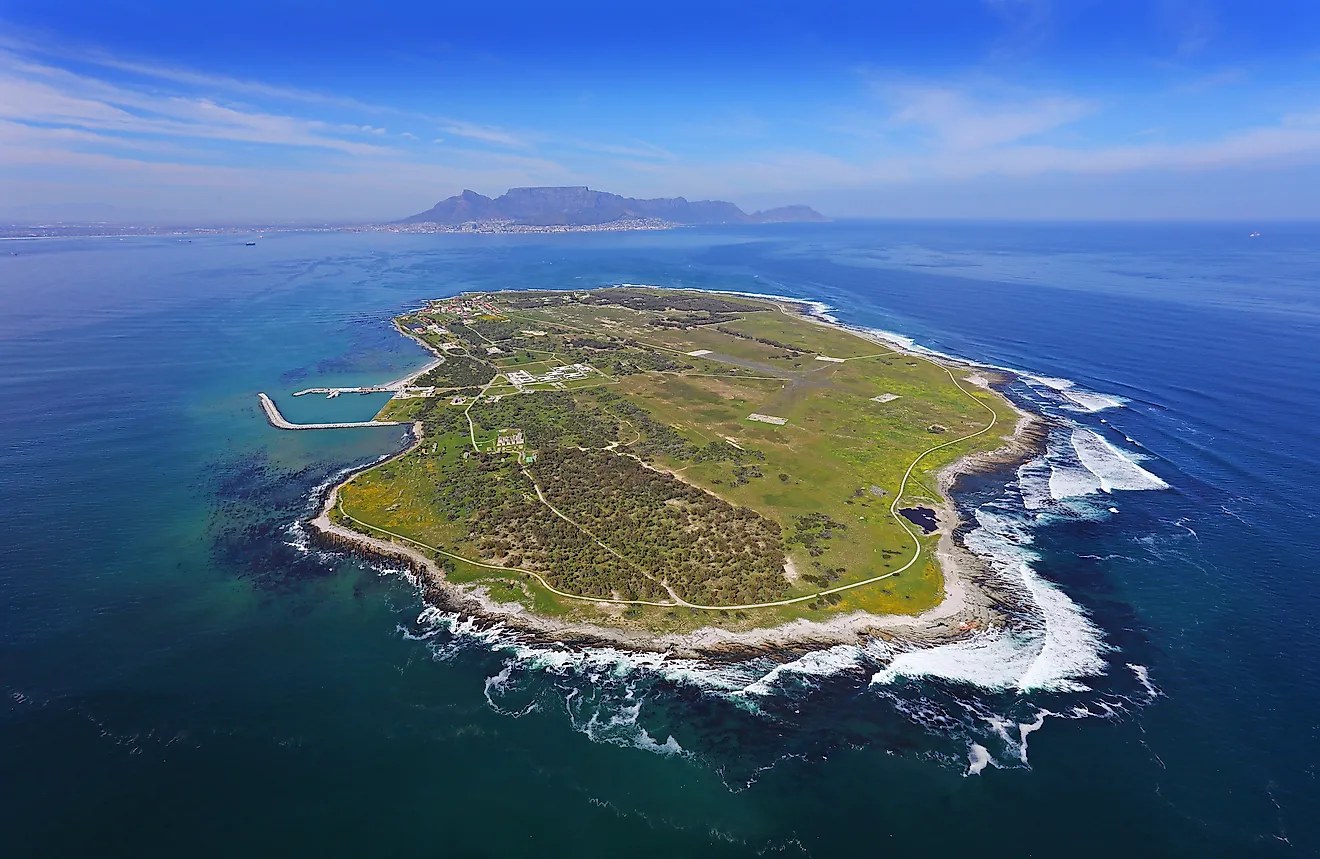 0 mi from Cape TownRobben Island Museum
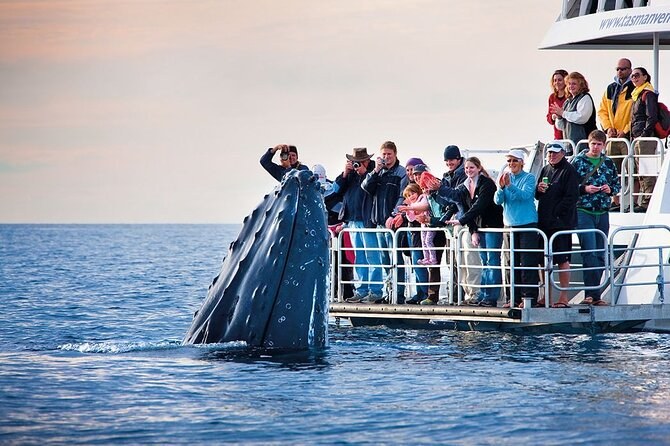 0 mi from Cape TownHermanus Whale Watching Tour
 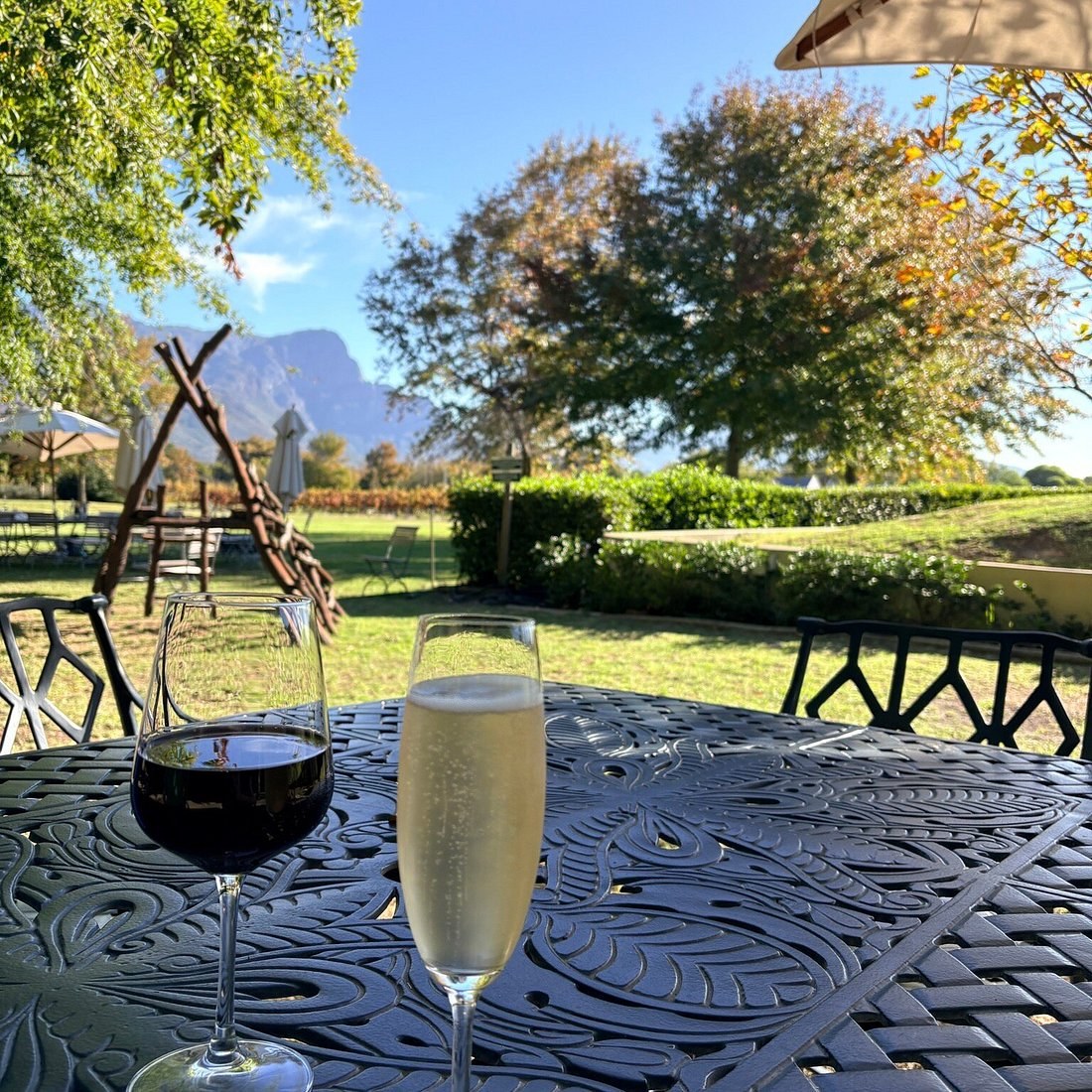 11 mi from Cape Town · land adventureStellenbosch & Beyond: Wine, Wilderness, and the Cape's Best Tables
 After you step off · near Southampton
You end in a different port — stay on, and add what is within reach before you fly home.
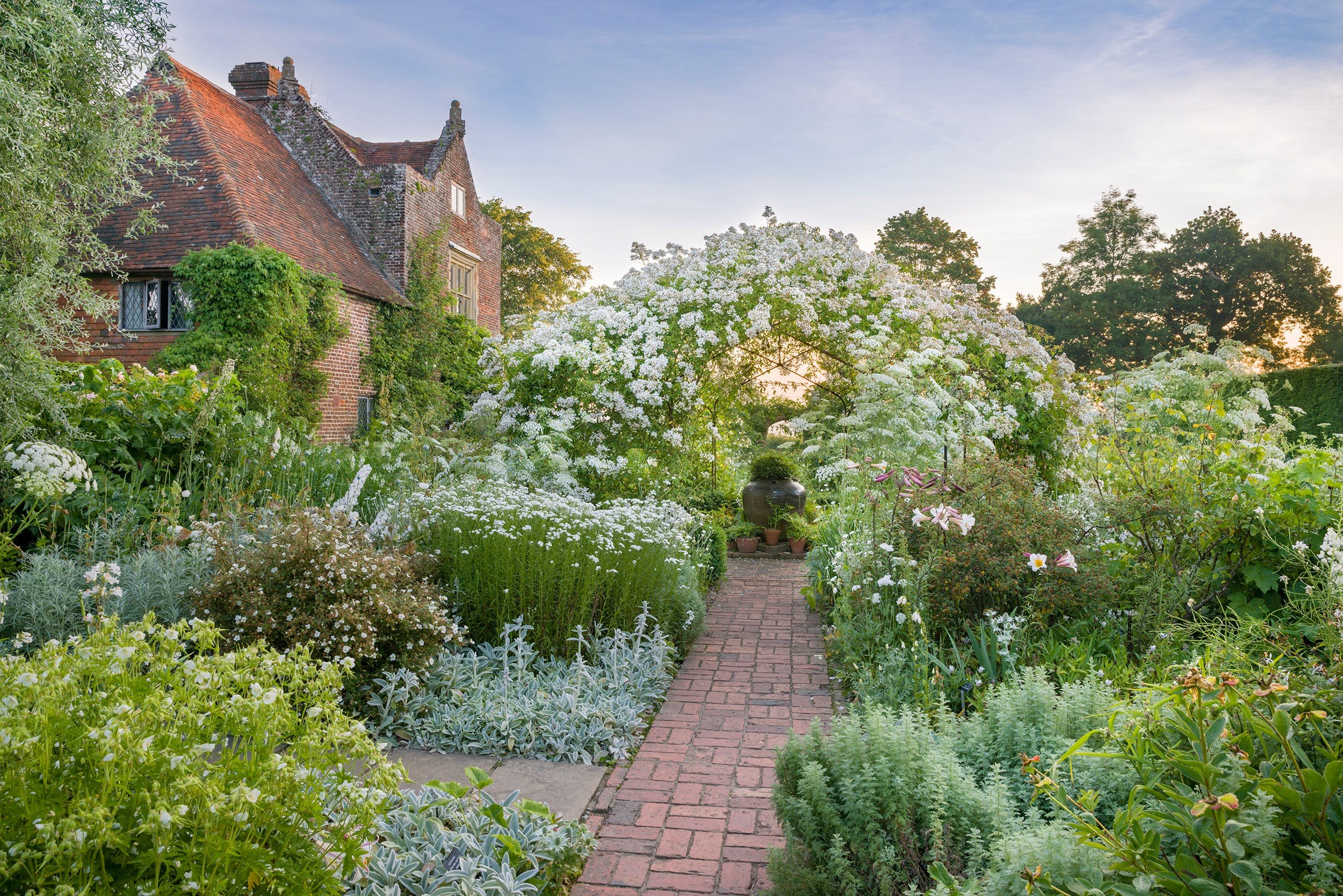 87 mi from SouthamptonSissinghurst Castle Garden: Room-by-Room Garden Design Masterclass
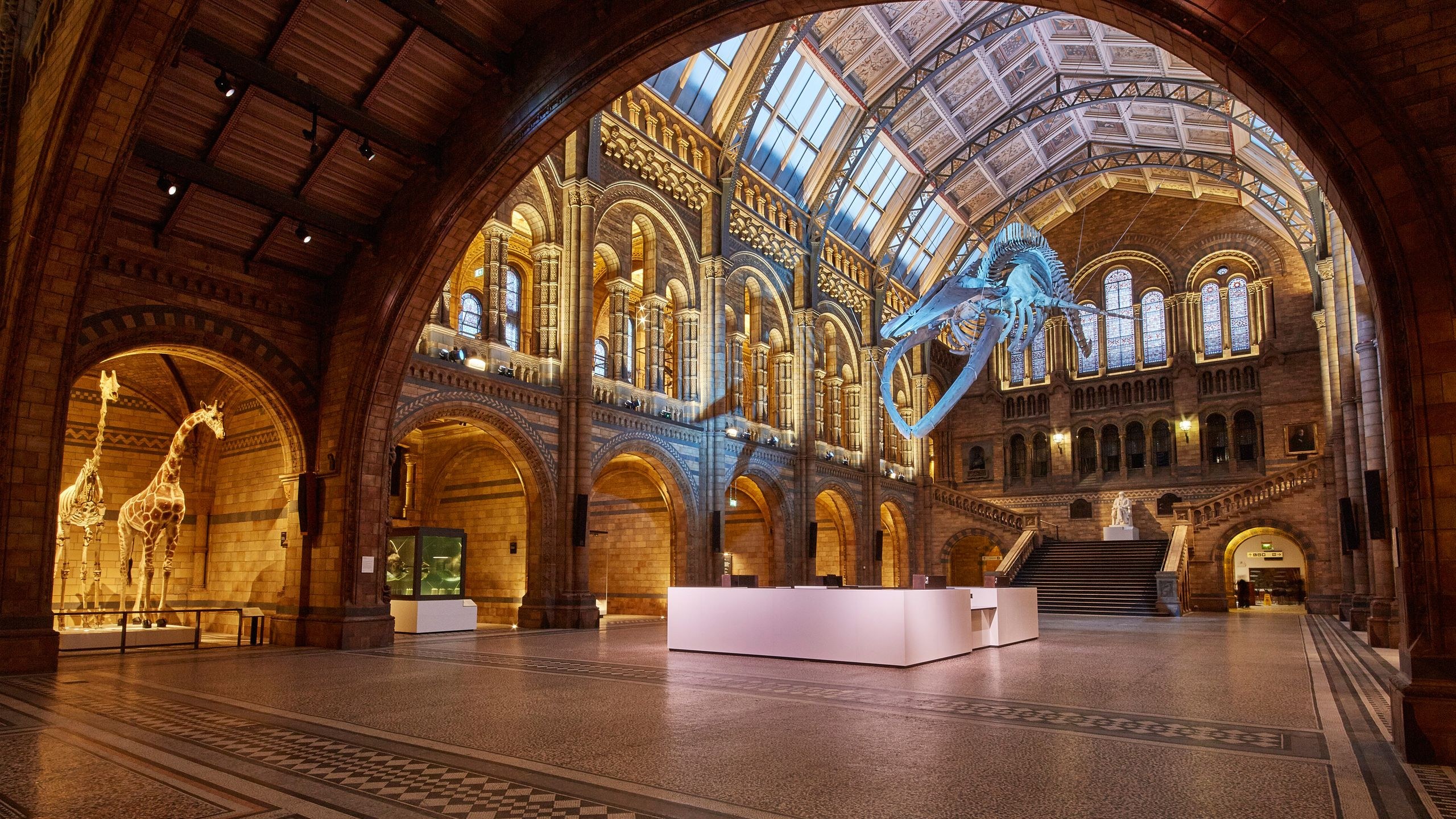 67 mi from SouthamptonNatural History Museum
 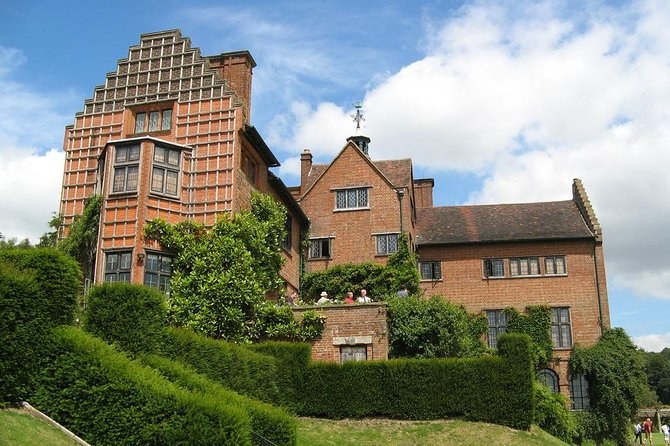 57 mi from Southampton · land adventureChurchill's Kent, Glyndebourne at Dusk & London's Secret Side
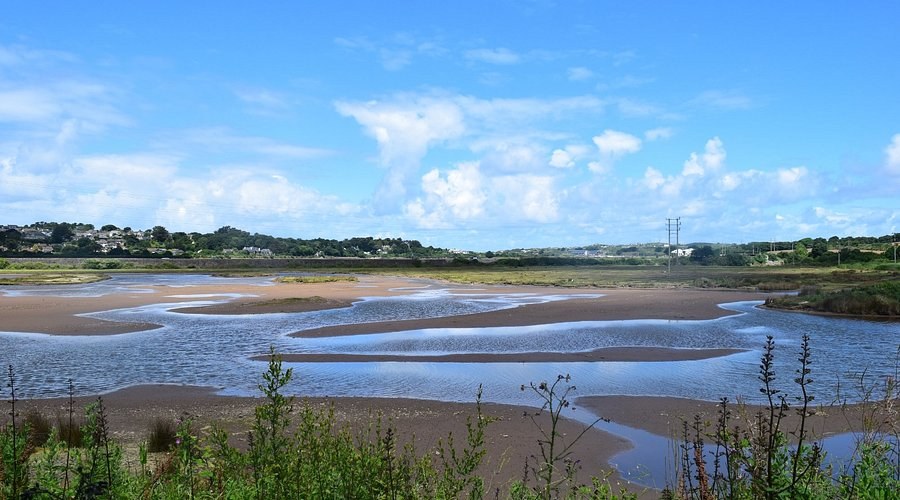 57 mi from Southampton · land adventureCornwall's Wild Coast: Tin Mines, Tidal Castles & Beach Bars
 The same trip, elevated
The same gateway on a more luxurious line — lead-in fare per person, same fare as booking direct.