Your cruise
Seven Seas Mariner · 10-night Caribbean cruise, Miami to Tampa
Dec 1 – Dec 11 · 10 nights ·
Day 1 Miami (board) · Day 2–3 Willis Island · Day 4 Oranjestad · Day 5 Willemstad · Day 6 Kralendijk · Day 7 Willis Island · Day 8 Montego Bay · Day 9 Georgetown · Day 10 Willis Island · Day 11 Tampa (step off)
What you do Board a rigid inflatable Zodiac for a close-up circumnavigation of one of the Coral Sea's most remote specks of land. Drift alongside vast nesting colonies of red-footed boobies, frigatebirds and brown noddies — a wildlife spectacle almost no traveller on earth ever witnesses.
What to expect Your Zodiac departs the ship's swim platform and skirts the island's entire coastline at water level, giving you eye-to-eye encounters with seabird colonies that number in the tens of thousands. The guide pauses the engine so you can hear the cacophony of calls and photograph birds in undisturbed flight. Shallow coral gardens glow electric beneath the hull as you round each headland. The round trip typically takes 90–120 minutes, leaving ample buffer before all-aboard.
Good to know Pre-book directly via email well in advance — this is a tender-only island and Zodiac capacity is strictly capped. Wear non-marking soles, bring a hat and reef-safe sunscreen. Confirm your ship's all-aboard time and allow 30 minutes' return buffer.
Versus the ship tour An intimate, expert-led small-group Zodiac — never more than 12 guests — means you can idle silently within metres of nesting birds and low reef outcrops that larger vessels simply cannot access, guided by a marine biologist who narrates every species in real time.
What you do Slip beneath the surface of some of the least-dived water on the planet — the Coral Sea surrounding Willis Island, hundreds of kilometres from the nearest coast. Visibility regularly exceeds 30 metres, revealing walls of hard coral, reef sharks, giant trevally and undisturbed sea-turtle feeding grounds.
What to expect Guests kit up in a purpose-equipped dive room and giant-stride into waters of extraordinary clarity. The reef structures here are pristine — no bleaching, no crowds — and the sheer biomass of pelagic life reflects the island's status as a protected marine reserve. Drift snorkelling across shallow coral plateaus, you are likely to encounter hawksbill turtles grazing, schools of chevron barracuda and the flash of a reef whaler in the blue. Safety divers and guides remain in the water throughout.
Good to know Swimming competency is required; full snorkel equipment is provided. Confirm landing and in-water permissions with the Australian Bureau of Meteorology station keeper in advance — access can be subject to weather and conservation protocols. Bring a rash vest for UV protection.
Versus the ship tour Mike Ball operates the definitive liveaboard expeditions to the Coral Sea's outer reefs, with certified dive guides who have logged thousands of hours specifically on these formations. Group size is tightly managed, and every dive brief is site-specific — the antithesis of a mass-market snorkel.
book direct with Mike Ball Dive Expeditions (Townsville/Cairns — Coral Sea specialists) → · the full guide →
What you do Step ashore — one of only a handful of visitors ever permitted — and receive a private briefing inside Australia's most remote operational weather station. The data collected here has guided cyclone warnings across Queensland for over a century; it is a living piece of scientific history.
What to expect After a short Zodiac transfer to the beach, you walk across the coral-rubble islet — the entire thing is barely 400 metres across — to the weatherboard station compound. The duty meteorologist explains the island's role in tracking Coral Sea cyclogenesis, shows you the instrument arrays and balloon launch facilities, and fields questions with refreshing candour. The sense of absolute remoteness — no roads, no shops, just science and sea — is profoundly affecting. Visits are brief (30–45 minutes) out of respect for operations.
Good to know Landing is at the discretion of BOM and sea conditions; it is never guaranteed. Wear closed shoes for the coral-rubble foreshore. Do not touch or enter any instrument enclosures. This is one of cruising's rarest privileges — treat it accordingly.
Versus the ship tour Landing on Willis Island is granted to very few vessels per year and always requires advance coordination with the BOM. The briefing is delivered by the station's resident meteorologist — one of Australia's most isolated postings — lending an authenticity and depth no third-party guide could replicate.
What you do Join a dedicated marine naturalist on a slow, deliberate circuit of Willis Island's offshore waters — prime habitat for dwarf minke whales, spinner dolphins, red-tailed tropicbirds and occasional whale sharks. This is expedition-grade wildlife observation in one of Earth's most intact marine environments.
What to expect The excursion runs in the calm conditions that typically prevail in the lee of the island, with the naturalist briefing the group on cetacean behaviour before departure. Spinner dolphins frequently bow-ride the vessel's wake, while tropicbirds trace lazy arcs overhead trailing their extraordinary white tail streamers. In season (June–September), dwarf minke whales approach curious vessels with remarkable boldness. The naturalist's running identification and ecological commentary transforms an already astonishing scene into a masterclass in Coral Sea ecology.
Good to know Bring image-stabilised binoculars if you own them — loaner binoculars are available but limited. A polarised lens filter dramatically improves underwater wildlife sighting from the deck. Morning cruises yield the best light and the calmest seas.
Versus the ship tour Coral Expeditions' marine naturalists carry years of Coral Sea field experience and use hydrophones and binoculars to locate and interpret marine megafauna well beyond what a casual deck scan achieves. Groups are capped at 20, ensuring every guest has unobstructed sightlines and personalised commentary.
book direct with Coral Expeditions (Australia's premium expedition cruise specialist) → · the full guide →
What you do Combine world-class snorkelling with a dedicated underwater photography tuition session led by a professional marine photographer. The pellucid, undisturbed waters around Willis Island provide a studio backdrop that professionals travel half a year to reach — and you are already here.
What to expect After a 20-minute on-deck briefing covering exposure, buoyancy control for photography and coral-safe positioning, the group enters the water with the lead photographer. Each participant is given real-time feedback via underwater slates and post-dive screen reviews. The reef here hosts nudibranchs, juvenile turtles and extraordinary soft-coral detail that rewards close, patient framing. By the final dive, guests leave with a curated set of images that would pass muster in any travel magazine.
Good to know Bring your own mirrorless or compact camera with an underwater housing if possible; hire housings are limited. Basic snorkel competency required. Maximum group size of 6 is strictly enforced — book your place the moment you board the ship.
Versus the ship tour A professional marine photographer leads groups of no more than six, providing personalised composition coaching in real time — in the water, beside you. The combination of tuition and a location almost nobody else will ever photograph makes every frame genuinely irreplaceable.
What you do Rise before the rest of the ship and join an ornithologist-guide for a dawn landing on Willis Island — arguably the most exclusive birdwatching address in the Southern Hemisphere. The island hosts one of Australia's largest documented seabird colonies, and first light is when it erupts into extraordinary life.
What to expect The Zodiac lands on the coral-rubble beach just as the sky softens to indigo. Within seconds, frigatebirds begin their courtship displays, inflating scarlet throat pouches while brown boobies jostle on nesting scrapes metres from your feet. The ornithologist narrates the scene with infectious expertise, calling species by name as they lift and wheel overhead in their thousands. The island's absolute silence — broken only by wind and wings — produces a meditative quality that experienced travellers consistently describe as one of cruising's most affecting moments.
Good to know Landing is subject to BOM approval and sea-state — pre-register your interest at the expedition desk on day one of the voyage. Wear dark, non-reflective clothing to avoid disturbing nesting birds. Carry a long lens (200mm+ equivalent) for perched-bird shots. Soft-soled shoes protect both the coral-rubble substrate and your footing.
Versus the ship tour A qualified ornithologist leads a structured census-style walk, naming every species, explaining colony dynamics and pointing out nesting behaviours that an untrained eye would miss entirely. The pre-sunrise timing means you experience the island in its rawest, most atmospheric state — long before the day-trippers (there are none) arrive.
book direct with Coral Expeditions (Australia's premium expedition cruise specialist) → · the full guide →
What you do Glide out onto Biscayne Bay aboard a double-decker boat for a fully-narrated 90-minute loop past the downtown skyline, Fisher Island and the palm-studded mansions of Star Island, with the captain calling out celebrity-owned homes tied to names like Gloria Estefan and Shaquille O'Neal. It departs from Bayside Marketplace, minutes from PortMiami, so you're on the water almost as soon as you step off the ship. This is the postcard Miami-from-the-water image first-timers come for, and the short run leaves the rest of the day wide open.
What to expect You board a double-decker vessel at Bayside Marketplace and spend 90 minutes gliding across Biscayne Bay while a bilingual narrator points out downtown Miami's skyline, Fisher Island, and the iconic palm-lined mansions of Star Island—including celebrity homes tied to Gloria Estefan and Shaquille O'Neal. The climate-controlled interior and open-air upper deck let you choose your vantage; many guests spend the voyage shifting between both to capture the postcard Miami-from-the-water views. The captain's real-time commentary transforms what could be a passive boat ride into a guided tour of architectural and cultural landmarks. By trip's end, you've absorbed the essential Miami skyline and still have most of your port day free.
Good to know Arrive at Miamarina (401 Biscayne Blvd, Bayside Marketplace) 30–45 minutes early to check in; the site sits only minutes from PortMiami, so budget 10–15 minutes walking from the cruise terminal. The 90-minute cruise fits easily into a 6–8 hour port window, leaving you 4+ hours for lunch or additional exploring. Bring cash if you want onboard drinks from the mojito bar, and wear sunscreen or a hat since the open-air upper deck offers full sun exposure. Book this excursion direct through Miami Skyline Cruises rather than your cruise line to save ~$23 per person versus the bundled ship price.
Versus the ship tour Direct wins big. The cruise line sells the bay sightseeing piece bundled around ~$51 per person (and up to $114 in airboat combos). The exact same Millionaire's Row bay cruise is $28 direct here, roughly $23 per person saved with no aggregator markup.
What you do Skim across the open sawgrass on an airboat hunting for wild alligators, herons and egrets in the one truly world-unique landscape on Miami's doorstep. Back on land your ticket adds an alligator/wildlife show, a jungle trail and observation exhibits, so it fills a real chunk of the day. This is the South Florida moment cruisers most regret skipping, run by an authorized Everglades National Park concession operating since 1968.
What to expect You'll skiff across open sawgrass on a 30–40 minute airboat hunt for wild alligators, herons, and egrets in the Everglades' one-of-a-kind landscape. Once back on land, you'll step into a live alligator and wildlife show, then explore a jungle trail and observation exhibits—a full immersion into South Florida's most iconic ecosystem. The day pulses between adrenaline on the water and intimate wildlife encounters on foot, filling a substantial chunk of your port time with the authentic Everglades moment most cruisers regret missing.
Good to know Plan 5–6 hours door-to-door; the park sits 45 minutes west of port with no public transit, so book a private driver or rideshare before you go and budget $60–$90 round-trip (direct booking beats the ship's price only if you split transportation among 3–4 people). Secure a driver who guarantees your return time to avoid missing the ship, and confirm your rideshare pickup well before your airboat slot to avoid delay on the way back. Bring sunscreen, a hat, and closed-toe shoes for the boat and jungle trail; water shoes or sandals that won't fly off in the wind are ideal.
Versus the ship tour Mixed. On the ride alone, direct ($49) beats Carnival's $64.99 airboat. BUT the ship's price includes round-trip transport; book direct and you must add a rideshare/car each way (the park is 45 min out with no transit). Budget about $60-$90 round-trip in rideshare on top, so direct only wins if you split a car among 3-4 people. PORT-DAY FLAG: plan ~5-6 hrs door-to-door; use a private driver who guarantees you back to the ship.
book direct with Everglades Safari Park → · the full guide →
What you do Most visitors never realize there's a national park snorkeling reef right at Miami's edge. Sail out over the northernmost Florida Keys reefs to drift among tropical fish, rays and sea turtles in turquoise shallows, with a guide teaching the park's habitats and history. The Coconut Grove departure keeps you closer to the port than the Homestead trips, making it the port-day-friendly way to get one genuine on-the-water adventure.
What to expect You'll depart from Dinner Key Marina in Coconut Grove and sail out over the northernmost Florida Keys reefs, where you'll drift among tropical fish, rays, and sea turtles in turquoise shallows while a guide interprets the park's habitats and marine life. The 3.5-hour experience includes your choice of reef, shipwreck, or mangrove snorkel sites—each revealing a different slice of Biscayne National Park's ecosystem. Most of the action happens in the water; expect calm instruction-based snorkeling rather than a rushed tour, with time to orient yourself to the underwater landscape before exploring freely. You'll return to Coconut Grove with the salt still on your skin and a genuine national park experience—not a cruise-line bay jaunt—under your belt.
Good to know Book directly with the Biscayne National Park Institute (not through an aggregator) to secure the 3.5-hour Snorkeling from Coconut Grove trip at $115 per person—this duration and departure point are designed to fit a port day, with transfers included. Plan for 3.5 hours on the water plus 1–1.5 hours for transfers from the cruise pier to Dinner Key Marina, leaving you a comfortable buffer for a typical 6–8 hour port window; skip the full-day option unless snorkeling is your only priority. Bring reef-safe sunscreen, a rash guard or lightweight cover-up, a towel, and water shoes or reef booties; the park and operator will provide snorkel gear but confirm ahead if you need prescription mask options. Return timing is tight on a short port day, so confirm the exact departure time when booking and plan to be back at the pier with 30–45 minutes to spare.
Versus the ship tour No true ship equivalent. The cruise lines don't sell an in-park national-park reef snorkel from Miami at all, their water tours top out at bay sightseeing and airboat combos. This is the one signature snorkel here, and the only way to do it is direct with the park's own concessionaire. PORT-DAY FLAG: the 3.5-hr trip plus transfers fits a port day; skip the 6-hr full-day option unless this is your only outing.
book direct with Biscayne National Park Institute → · the full guide →
What you do Eat your way through the cultural heart of Cuban Miami: a real Cuban sandwich, a jolt of cafecito and a mojito, while you watch cigars hand-rolled and dominoes slammed down in Maximo Gomez Park. A guide threads the history of exile, music and food through every stop along Calle Ocho. The tastings add up to a full meal plus drinks, an immersive, distinctly-Miami experience you can't replicate anywhere else, and it's an easy ride from the port.
What to expect Your guide escorts you through the vibrant streets of Calle Ocho, stopping to taste authentic Cuban sandwiches, croquetas, and pastries that build into a full meal—all while live music and the clatter of dominoes frame the scene at Maximo Gomez Park. You'll watch cigar rollers at work, their hands moving with practiced precision, before pausing for shots of cafecito and sipping a mojito at a neighborhood spot where locals gather. The walk threads Miami's Cuban exile history and food culture through each block, turning lunch into an immersive lesson on why this neighborhood is the real heart of Cuban America. Roughly 2.5 to 3 hours of steady walking and tasting, paced to savor both the food and the stories.
Good to know Book directly with Miami Culinary Tours (not the cruise line) to save $60+ per person—tours run roughly $69 versus $132+ through the ship. Calle Ocho is an easy, short ride from the port, so plan to depart within an hour of disembark and return comfortably 30–45 minutes before all-aboard. Bring small cash for tips and incidentals, wear comfortable walking shoes, and eat lightly before departure since the tastings amount to a full meal. Confirm your exact tour time and departure point with the operator when booking, as walking tours run on tight schedules and late arrivals will cost you stops.
Versus the ship tour Direct wins decisively. The cruise line charges $132+ for its Little Havana/mojito outing (and private versions run $162). The same Calle Ocho food-and-culture walk with the original operator is ~$69 direct, well over $60 per person saved.
What you do Tour the most opulent historic estate in Miami: an early-20th-century Italian Renaissance-style villa built as industrialist James Deering's winter home, with lavishly furnished rooms opening onto formal European gardens that run down to Biscayne Bay. A National Historic Landmark and one of the city's most photogenic spots, it's self-paced and close to the port near Coconut Grove, so it slots neatly into a half-day on shore.
What to expect You'll arrive at an early-20th-century Italian Renaissance villa—James Deering's former winter palace—where lavishly appointed rooms open directly onto formal European gardens that descend to Biscayne Bay, giving you a tangible sense of early-Miami opulence. The self-paced experience lets you linger in ornate interiors or photograph the manicured grounds at your own tempo. A short walk from Coconut Grove and the port itself, the estate unfolds as a series of intimate spaces rather than a sprawling museum; you'll move between decorated rooms and out onto the bayfront gardens in a natural rhythm. This is a half-day anchor—intimate, photogenic, and complete within 2–3 hours if you're deliberate.
Good to know Book timed-entry tickets direct on Vizcaya's official site before you dock to guarantee your preferred window and avoid queues. The estate sits close to the port near Coconut Grove, making it walkable or a quick taxi ride—buying direct at $25 per adult cuts the cruise-line markup entirely and gives you full control over timing. Plan for 2–3 hours on-site within your 6–8 hour port window, leaving a solid 90-minute buffer before all-aboard. Bring sunscreen and comfortable shoes for the gardens; there's no air conditioning between outdoor rooms, so dress for tropical sun.
Versus the ship tour Direct is the only sensible route. Cruise lines rarely package Vizcaya, and when a city tour drives past it you'd still pay $35-$70 for sightseeing that may not include entry. At $25 booked direct you control your own timing and skip the bus markup entirely.
book direct with Vizcaya Museum and Gardens → · the full guide →
What you do Walk the world's largest concentration of 1920s-40s Art Deco architecture with a guide from the nonprofit that literally saved and landmarked the district. Over two hours along Ocean Drive you learn to actually read the pastel hotels and neon instead of just photographing them, ending right in the heart of South Beach for lunch and beach time. It's the low-risk, easy-to-reach alternate if the bay, Everglades or reef don't fit your day.
What to expect You'll spend two immersive hours walking Ocean Drive with a trained guide from the Miami Design Preservation League—the nonprofit that saved these buildings—learning to decode the geometric patterns, pastel façades, and neon signage of the world's largest Art Deco district instead of just snapping photos. The walk moves at a contemplative pace through 1920s-40s hotels and landmarks, ending at the Art Deco Museum before you're released into the heart of South Beach for lunch, shopping, and beach time. The rhythm feels like a masterclass rather than a tourist blur: you're stationary for observation, walking short blocks for transition, absorbing stories that transform what you see into architecture you actually understand. This is the substance play—manageable distance, genuine expertise, and the flexibility to linger at the beach afterward or grab food on your own terms.
Good to know The 10:30am daily departure from the Art Deco Welcome Center (1001 Ocean Drive) gives you a tight but workable 6–7 hour window: book a rideshare from the port now (15–20 minutes, ~$15–20 each way), arrive by 10:15am, walk until 12:30pm, then own your afternoon. Plan to be back at the pier by 5:30–6pm for a typical evening departure, leaving 3+ hours of buffer for beach/lunch, transit back, and security. Bring sunscreen, comfortable walking shoes, and a light layer—you're outside for two straight hours on exposed Ocean Drive. Book direct through MDPL online ($35 adults, $30 seniors/students/veterans with ID); no need to pre-book the walk itself, but confirming your rideshare timing the morning of prevents last-minute scrambling.
Versus the ship tour Direct wins on substance and price. The ship's Miami city/hop-on tour is $69.99 and just rolls past the district; this definitive 2-hour guided Deco walk from the people who landmarked it is $35 direct, half the cost and far more depth, though you arrange your own ride to South Beach (short rideshare from the port).
book direct with Miami Design Preservation League (MDPL) → · the full guide →
What you do Board a rigid inflatable Zodiac for a close-up circumnavigation of one of the Coral Sea's most remote specks of land. Drift alongside vast nesting colonies of red-footed boobies, frigatebirds and brown noddies — a wildlife spectacle almost no traveller on earth ever witnesses.
What to expect Your Zodiac departs the ship's swim platform and skirts the island's entire coastline at water level, giving you eye-to-eye encounters with seabird colonies that number in the tens of thousands. The guide pauses the engine so you can hear the cacophony of calls and photograph birds in undisturbed flight. Shallow coral gardens glow electric beneath the hull as you round each headland. The round trip typically takes 90–120 minutes, leaving ample buffer before all-aboard.
Good to know Pre-book directly via email well in advance — this is a tender-only island and Zodiac capacity is strictly capped. Wear non-marking soles, bring a hat and reef-safe sunscreen. Confirm your ship's all-aboard time and allow 30 minutes' return buffer.
Versus the ship tour An intimate, expert-led small-group Zodiac — never more than 12 guests — means you can idle silently within metres of nesting birds and low reef outcrops that larger vessels simply cannot access, guided by a marine biologist who narrates every species in real time.
What you do Slip beneath the surface of some of the least-dived water on the planet — the Coral Sea surrounding Willis Island, hundreds of kilometres from the nearest coast. Visibility regularly exceeds 30 metres, revealing walls of hard coral, reef sharks, giant trevally and undisturbed sea-turtle feeding grounds.
What to expect Guests kit up in a purpose-equipped dive room and giant-stride into waters of extraordinary clarity. The reef structures here are pristine — no bleaching, no crowds — and the sheer biomass of pelagic life reflects the island's status as a protected marine reserve. Drift snorkelling across shallow coral plateaus, you are likely to encounter hawksbill turtles grazing, schools of chevron barracuda and the flash of a reef whaler in the blue. Safety divers and guides remain in the water throughout.
Good to know Swimming competency is required; full snorkel equipment is provided. Confirm landing and in-water permissions with the Australian Bureau of Meteorology station keeper in advance — access can be subject to weather and conservation protocols. Bring a rash vest for UV protection.
Versus the ship tour Mike Ball operates the definitive liveaboard expeditions to the Coral Sea's outer reefs, with certified dive guides who have logged thousands of hours specifically on these formations. Group size is tightly managed, and every dive brief is site-specific — the antithesis of a mass-market snorkel.
book direct with Mike Ball Dive Expeditions (Townsville/Cairns — Coral Sea specialists) → · the full guide →
What you do Step ashore — one of only a handful of visitors ever permitted — and receive a private briefing inside Australia's most remote operational weather station. The data collected here has guided cyclone warnings across Queensland for over a century; it is a living piece of scientific history.
What to expect After a short Zodiac transfer to the beach, you walk across the coral-rubble islet — the entire thing is barely 400 metres across — to the weatherboard station compound. The duty meteorologist explains the island's role in tracking Coral Sea cyclogenesis, shows you the instrument arrays and balloon launch facilities, and fields questions with refreshing candour. The sense of absolute remoteness — no roads, no shops, just science and sea — is profoundly affecting. Visits are brief (30–45 minutes) out of respect for operations.
Good to know Landing is at the discretion of BOM and sea conditions; it is never guaranteed. Wear closed shoes for the coral-rubble foreshore. Do not touch or enter any instrument enclosures. This is one of cruising's rarest privileges — treat it accordingly.
Versus the ship tour Landing on Willis Island is granted to very few vessels per year and always requires advance coordination with the BOM. The briefing is delivered by the station's resident meteorologist — one of Australia's most isolated postings — lending an authenticity and depth no third-party guide could replicate.
What you do Join a dedicated marine naturalist on a slow, deliberate circuit of Willis Island's offshore waters — prime habitat for dwarf minke whales, spinner dolphins, red-tailed tropicbirds and occasional whale sharks. This is expedition-grade wildlife observation in one of Earth's most intact marine environments.
What to expect The excursion runs in the calm conditions that typically prevail in the lee of the island, with the naturalist briefing the group on cetacean behaviour before departure. Spinner dolphins frequently bow-ride the vessel's wake, while tropicbirds trace lazy arcs overhead trailing their extraordinary white tail streamers. In season (June–September), dwarf minke whales approach curious vessels with remarkable boldness. The naturalist's running identification and ecological commentary transforms an already astonishing scene into a masterclass in Coral Sea ecology.
Good to know Bring image-stabilised binoculars if you own them — loaner binoculars are available but limited. A polarised lens filter dramatically improves underwater wildlife sighting from the deck. Morning cruises yield the best light and the calmest seas.
Versus the ship tour Coral Expeditions' marine naturalists carry years of Coral Sea field experience and use hydrophones and binoculars to locate and interpret marine megafauna well beyond what a casual deck scan achieves. Groups are capped at 20, ensuring every guest has unobstructed sightlines and personalised commentary.
book direct with Coral Expeditions (Australia's premium expedition cruise specialist) → · the full guide →
What you do Combine world-class snorkelling with a dedicated underwater photography tuition session led by a professional marine photographer. The pellucid, undisturbed waters around Willis Island provide a studio backdrop that professionals travel half a year to reach — and you are already here.
What to expect After a 20-minute on-deck briefing covering exposure, buoyancy control for photography and coral-safe positioning, the group enters the water with the lead photographer. Each participant is given real-time feedback via underwater slates and post-dive screen reviews. The reef here hosts nudibranchs, juvenile turtles and extraordinary soft-coral detail that rewards close, patient framing. By the final dive, guests leave with a curated set of images that would pass muster in any travel magazine.
Good to know Bring your own mirrorless or compact camera with an underwater housing if possible; hire housings are limited. Basic snorkel competency required. Maximum group size of 6 is strictly enforced — book your place the moment you board the ship.
Versus the ship tour A professional marine photographer leads groups of no more than six, providing personalised composition coaching in real time — in the water, beside you. The combination of tuition and a location almost nobody else will ever photograph makes every frame genuinely irreplaceable.
What you do Rise before the rest of the ship and join an ornithologist-guide for a dawn landing on Willis Island — arguably the most exclusive birdwatching address in the Southern Hemisphere. The island hosts one of Australia's largest documented seabird colonies, and first light is when it erupts into extraordinary life.
What to expect The Zodiac lands on the coral-rubble beach just as the sky softens to indigo. Within seconds, frigatebirds begin their courtship displays, inflating scarlet throat pouches while brown boobies jostle on nesting scrapes metres from your feet. The ornithologist narrates the scene with infectious expertise, calling species by name as they lift and wheel overhead in their thousands. The island's absolute silence — broken only by wind and wings — produces a meditative quality that experienced travellers consistently describe as one of cruising's most affecting moments.
Good to know Landing is subject to BOM approval and sea-state — pre-register your interest at the expedition desk on day one of the voyage. Wear dark, non-reflective clothing to avoid disturbing nesting birds. Carry a long lens (200mm+ equivalent) for perched-bird shots. Soft-soled shoes protect both the coral-rubble substrate and your footing.
Versus the ship tour A qualified ornithologist leads a structured census-style walk, naming every species, explaining colony dynamics and pointing out nesting behaviours that an untrained eye would miss entirely. The pre-sunrise timing means you experience the island in its rawest, most atmospheric state — long before the day-trippers (there are none) arrive.
book direct with Coral Expeditions (Australia's premium expedition cruise specialist) → · the full guide →
What you do An immersive, bespoke private tour of Curaçao's greatest highlights — from Willemstad's UNESCO streetscapes to secluded beaches and hidden local gems — guided by a certified local expert at your own pace.
What to expect Your private guide tailors every stop to your interests — Punda's candy-coloured colonial facades, the swing of the Queen Emma pontoon bridge, the Floating Market, and the wild western shore. Ride in a comfortable, air-conditioned vehicle with cold drinks on hand. Pace is entirely yours: linger at a landhuis plantation house or dash to a clifftop viewpoint. The guide's insider commentary transforms a sightseeing drive into a genuine cultural immersion.
Good to know Full-day tours run approximately 7 hours, fitting comfortably within a typical port call. Pre-book directly to secure your preferred guide and confirm the all-aboard time so the itinerary can be reverse-engineered from it. Small-group and fully private options available.
Versus the ship tour Fully customisable itinerary with a certified local guide who speaks island history from the inside — no fixed coach schedule, no crowds, just your group and a passionate Curaçaoian storyteller unlocking places most visitors never find.
book direct with Dundu Tours (certified local guide, Willemstad) → · the full guide →
What you do Descend into Curaçao's most spectacular limestone cave system, where million-year-old stalactites, indigenous Arawak petroglyphs and rare owl colonies await beneath the island's sun-baked surface.
What to expect A knowledgeable guide escorts you through a series of cathedral-like chambers draped in stalactites and stalagmites, some illuminated in subtle lighting that heightens the drama. Rare Screech Owls roost in the upper vaults — spot them with the guide's torch. Arawak rock art etched centuries ago lines the walls of the deepest gallery. The temperature drops noticeably underground, a welcome relief from the Caribbean sun. The circuit takes around 45 minutes and covers easy-to-navigate pathways.
Good to know Located roughly 15 minutes north of the cruise terminal by taxi (approx. USD 20–25 each way). First tour opens at 09:00; last entry mid-afternoon. Wear comfortable closed-toe shoes; the cave is mildly humid. Combine with a beach stop at Mambo Beach for a perfect half-day.
Versus the ship tour An expert cave naturalist leads groups of no more than 15 people through chambers cruise passengers rarely see; the small group means the guide can illuminate every petroglyph and geological formation without rushing.
book direct with Hato Caves (official site) → · the full guide →
What you do Step inside the 17th-century Chobolobo plantation house — the only authentic home of Senior's original Curaçao Liqueur — for an intimate guided tour of copper pot stills and a refined tasting of the island's most iconic spirit.
What to expect A charming estate guide walks you through the sun-drenched courtyard of the ochre-painted plantation manor, past gleaming copper stills and drying racks of laraha orange peel — the bitter local fruit that gives the liqueur its unmistakable flavour. The tasting room presents six signature expressions: the cobalt Blue, the classic Triple Sec, and limited aged varieties. The guide pairs each pour with history, and the gift shop stocks reserve bottles unavailable elsewhere. The whole visit takes about one hour.
Good to know Located in Salinja, approximately 10 minutes from the pier by taxi (around USD 15 each way). Open Monday–Saturday; confirm hours for your port day. Pre-booking a private group tasting is strongly recommended for a fully personalised experience.
Versus the ship tour The distillery is housed in a living heritage landmark; a guided visit moves well beyond a souvenir-shop experience, placing the liqueur's 150-year story in the context of island trade, Dutch colonialism and the laraha orange grove that makes it unique.
book direct with Curaçao Liqueur Distillery – Senior & Co. (official) → · the full guide →
What you do Explore the world-class Kura Hulanda Museum — a hauntingly beautiful open-air complex built into a restored 18th-century slave-trading quarter — with a specialist guide who brings its profound African diaspora collection to vivid, personal life.
What to expect Set within a restored warren of 18th-century Otrobanda buildings, the museum unfolds across shaded courtyards and intimate gallery rooms. Your guide navigates the collection with authority — from West African kingdoms and the brutal Middle Passage to Curaçao's role as a major slave-trade hub and the Afro-Caribbean culture that rose from it. The on-site sculpture garden and Mesopotamian antiquities collection add unexpected layers of depth. Allow at least 90 minutes; the experience is quietly transformative.
Good to know Located in the Otrobanda district — a 10-minute walk or short taxi ride from the cruise terminal. Combine with a stroll through Otrobanda's street-art murals. Private guide booking is highly recommended; contact the museum directly to arrange. Open daily from 09:00.
Versus the ship tour This is one of the most important and emotionally powerful museums in the Caribbean — a UNESCO-recognised site that demands a knowledgeable guide to fully appreciate its 3,000-piece collection spanning pre-Columbian artefacts to trans-Atlantic slave trade documents.
What you do Enjoy an exclusive dolphin interaction in open-water lagoon conditions at Curaçao's premier marine attraction, then snorkel a vibrant coral reef teeming with tropical fish — all in one unforgettable half-day session.
What to expect After a trainer-led briefing on dolphin biology and behaviour, you enter the warm lagoon water for a 30-minute interaction: dorsal-fin ride, foot push, and free swim alongside Atlantic bottlenose dolphins. The experience is conducted with clear animal-welfare standards. Post-swim, grab your snorkel gear and walk straight onto the Sea Aquarium's house reef — one of the most accessible and healthy coral gardens on the island, with sea turtles, angelfish and moray eels routinely spotted. Sun loungers and a beachside restaurant complete the experience.
Good to know Located on Bapor Beach, approximately 15 minutes east of the cruise pier by taxi (around USD 20). Dolphin Swim slots fill weeks in advance — book directly on the Sea Aquarium website as soon as your port date is confirmed. Minimum age/height restrictions apply for the dolphin program.
Versus the ship tour The Dolphin Swim program limits each session to a handful of participants alongside a professional marine trainer, creating a genuinely intimate encounter — not a mass-pool experience. The adjacent reef snorkel is directly off the beach, meaning no boat transfer and immediate access to pristine coral.
book direct with Curaçao Sea Aquarium (official) → · the full guide →
What you do Conquer the 372-metre summit of Mount Christoffel — Curaçao's highest point — on a guided early-morning ascent through a national park that shelters white-tailed deer, rare orchids and the endemic Curaçao white-tailed hawk.
What to expect Your certified park guide meets you at the entrance at first light and leads you up a rugged volcanic trail through sun-bleached cacti forests and limestone outcrops. The ascent takes about 1.5 hours; the 360-degree summit panorama — turquoise sea on all sides, Venezuela faint on the southern horizon — is the reward. On the descent, your guide identifies white-tailed deer grazing in the scrub, the endangered Curaçao White-tailed Hawk overhead, and a kaleidoscope of native orchids clinging to the rocks. The park also offers gentler nature trails for those who prefer a flat wildlife walk.
Good to know Located 45 minutes west of Willemstad — a taxi or pre-arranged transfer is essential (approx. USD 50–60 each way). The summit trail closes at 10:00 sharp, so a very early departure from the ship is required; confirm your all-aboard time carefully. Wear sturdy shoes, bring at least 1.5 litres of water, and apply high-SPF sunscreen before arrival.
Versus the ship tour The summit hike is strictly guided, early-morning only (trail closes at 10:00 to beat the heat), meaning you share the mountain with very few others — a rare solitude in the Caribbean. The park's certified naturalist guides spot endemic wildlife invisible to the untrained eye.
book direct with Christoffelpark (official) → · the full guide →
What you do Slip into the glowing waters off uninhabited Klein Bonaire and witness the magical blue bioluminescence lighting up one of the Caribbean's most pristine marine reserves. A bucket-list night snorkel in a UNESCO-protected reef.
What to expect Board Woodwind's comfortable sailing catamaran from the Kralendijk waterfront, steps from the cruise pier. Snorkel guides accompany every guest into the luminous water, pointing out coral formations, sea turtles, and — after dark — the ethereal blue glow of bioluminescence swirling around you. The small group size means unhurried time in the water and personal attention from guides who know every coral head by heart.
Good to know Book directly and well in advance — Woodwind's small-group slots fill quickly. The Klein Bonaire crossing is a short 10-minute boat ride. Confirm the all-aboard time with your ship and choose the earlier departure; Woodwind can advise on timing. Snorkel equipment is included.
Versus the ship tour Woodwind runs intimate, expert-guided small-group trips with multiple on-water guides — including the owner — to Klein Bonaire's protected reef. Access to this uninhabited island sanctuary at night, surrounded by bioluminescent plankton, is an experience impossible to replicate anywhere else in the Caribbean.
book direct with Woodwind Bonaire (local expert catamaran & snorkel operator) → · the full guide →
What you do Wade among wild pink flamingos at the salt flats, then plunge into turquoise shallows to snorkel alongside hawksbill sea turtles grazing on seagrass — all in a single unforgettable half-day on Bonaire's spectacular south coast.
What to expect Your private vehicle collects you at the pier and heads south past the iconic pink salt pyramids to the vast solar salt pans, home to one of the Caribbean's largest wild flamingo colonies. You'll photograph the birds at close, respectful range. Next, your guide leads you to a calm, sheltered snorkel spot where hawksbill and green sea turtles feed on seagrass beds in just a few feet of crystal-clear water — no boat needed. The return includes a stop at the historic White Slave huts for a photo.
Good to know Flamingos are most active in the early morning; request a morning departure to maximise the colony sighting. Bring reef-safe sunscreen, water shoes, and a camera. Shekhinah's private format means the itinerary flexes around your all-aboard time — confirm your ship's departure before booking.
Versus the ship tour Shekhinah is a local Bonairean expert running genuinely private, bespoke tours — your group only, your pace. The guide's intimate knowledge of the flamingo colony timing and the exact turtle snorkel sites is the difference between a glimpse and a genuine wildlife encounter.
book direct with Shekhinah Tours Bonaire (local private guide) → · the full guide →
What you do Explore Bonaire's wild, rugged northern interior — a vast national park of volcanic cliffs, flamingo lagoons, and hidden beaches — on a fully private guided safari with a local naturalist. The island's greatest natural drama, all to yourself.
What to expect Depart the pier in a private air-conditioned vehicle heading north into the 13,500-acre Washington Slagbaai National Park. Your naturalist guide pauses at Goto Lake — a flamingo and parrot hotspot — then navigates dramatic coastal tracks to Boca Slagbaai, a turquoise cove perfect for a private snorkel. Interpretive stops explain the island's geology, flora, and Arawak heritage. The pace is leisurely and entirely yours to direct.
Good to know The national park charges a separate entrance fee (approx. USD 45 per person; confirm on-site). Unpaved roads mean a 4WD vehicle is essential — your guide provides this. Allow at least 4 hours; confirm with your guide that the return fits your ship's all-aboard time. Bring water and sturdy closed-toe shoes.
Versus the ship tour A private local guide navigates the unpaved tracks of Washington Slagbaai — a UNESCO Biosphere Reserve — stopping at flamingo pools, ancient indigenous cave paintings, dramatic sea cliffs, and secluded snorkel bays that group tours rush past. This is Bonaire as few visitors ever see it.
book direct with Shekhinah Tours Bonaire (local private guide) → · the full guide →
What you do Paddle a transparent kayak through Bonaire's ancient mangrove forest, peering through the hull at fish, rays, and juvenile sea turtles below — then snorkel a hidden reef teeming with Caribbean marine life. A serene, small-group eco-luxury experience.
What to expect Your guide meets you near the pier and leads a short transfer to the mangrove launch point. You glide silently through cathedral-like mangrove channels in a see-through kayak, spotting juvenile fish, rays, and starfish in the gin-clear shallows below. After the kayak segment, the group moves to a sheltered reef for a guided snorkel among coral gardens, trumpetfish, and the occasional turtle. The experience closes with cold drinks and a debrief on Bonaire's marine conservation ethos.
Good to know No prior kayaking experience needed — the clear-bottom kayaks are stable and easy to paddle. Duration is approximately 2.5–3 hours; slots are limited to keep groups small. Book directly in advance. Reef-safe sunscreen is mandatory and may be provided; confirm at booking.
Versus the ship tour Clear-bottom kayaks turn the mangrove waterway into a living aquarium beneath you — an optical wonder unavailable on any boat tour. The small group size and expert naturalist guide reveal the ecological secrets of one of the Caribbean's most intact mangrove systems, with unhurried time at both the kayak and snorkel sections.
What you do Descend into Bonaire's dramatic limestone cave system with a local expert guide, then snorkel a secret sea cave pool carved by millennia of waves — an exhilarating combination of geology, history, and underwater wonder found nowhere else on the island.
What to expect Your guide collects you from the pier and drives to Bonaire's rugged limestone coastline, where dramatic blow holes and sea caves have been sculpted by centuries of surf. You'll scramble, climb, and squeeze through narrow cave passages (light equipment provided), pausing to examine ancient cave paintings and extraordinary stalactite formations. The finale is a snorkel in a luminous sea cave pool where light filters in through submerged openings, illuminating coral and fish in vivid colour.
Good to know A moderate level of fitness is required — there is some climbing and crawling involved. Wear sturdy shoes and a swimsuit under quick-dry clothing. Duration is approximately 2–3 hours. Confirm the exact operator and booking link on-site or via your ship's destination desk; government-regulated guide rates on the island are approximately USD 25 at point of booking for basic cave access.
Versus the ship tour A specialist local guide leads you through passages adorned with stalactites and ancient Arawak petroglyphs, then into sea-fed cave pools for a snorkel that feels like discovering a secret world. The intimate group size and expert geological and cultural commentary elevate this far beyond a standard cave visit.
book direct with Bonaire Cave Tours (local specialist guide) → · the full guide →
What you do Set sail on a luxury catamaran to the pristine reefs of Klein Bonaire, snorkel some of the Caribbean's clearest waters, then feast on a freshly grilled BBQ aboard as the island's turquoise coastline frames the horizon — the definitive Bonaire sea day.
What to expect Step aboard Woodwind's immaculate catamaran at the Kralendijk waterfront and sail the short crossing to Klein Bonaire's marine park, where visibility often exceeds 30 metres. Multiple certified guides enter the water with guests, pointing out eagle rays, parrotfish, elkhorn coral, and resident sea turtles. After two snorkel sites, cold drinks flow and the crew fires up the BBQ for a freshly grilled lunch enjoyed on deck with trade winds cooling the afternoon. Sailing back into Kralendijk harbour with full bellies and salty hair is pure Caribbean perfection.
Good to know Woodwind is explicitly cruise-passenger friendly and tracks all-aboard times carefully — confirm your ship's deadline at booking and they will plan accordingly. Snorkel equipment is included. Book well in advance as this is one of Bonaire's most sought-after half-day experiences. Departures are typically morning; the excursion runs approximately 3.5–4 hours.
Versus the ship tour Woodwind's owner-operated catamaran is a beloved Bonaire institution, renowned for its expert guides, unhurried pace, and genuinely small groups. The on-board BBQ using fresh local ingredients and the personal attention of the crew — including the owner herself — make this feel like a private charter, not a tour.
book direct with Woodwind Bonaire (local expert catamaran operator) → · the full guide →
What you do Glide down Jamaica's legendary Martha Brae River on a hand-crafted bamboo raft poled by your own expert captain. Three miles of emerald jungle, birdsong, and absolute serenity — the quintessential Jamaica moment.
What to expect Your barefoot raftsman navigates the gentle three-mile stretch with practiced ease, narrating local lore and pointing out tropical birds overhead. A natural swimming cove midway invites a cool dip before you drift on to the village landing. The pace is entirely yours — linger, swim, or simply lie back and watch the sky through the bamboo fronds. The village includes a riverside bar and craft market for a leisurely finish.
Good to know Martha Brae is roughly 30 minutes from the Montego Bay cruise pier — arrange a taxi or private driver in advance. The rafting journey itself takes about 1.5 hours; allow 3 hours total. Pre-book your raft slot online to guarantee departure time. All-aboard is rarely before 5 pm, giving ample time.
Versus the ship tour Booking direct at the official village secures a dedicated raft and captain timed to your schedule, with no convoy of other groups ahead of you — just you, the river, and the jungle canopy.
book direct with Martha Brae Rafting Village (official) → · the full guide →
What you do Step inside Jamaica's most haunted plantation great house, where the story of 'White Witch' Annie Palmer is told in vivid, spine-tingling detail. Rose Hall is one of the Caribbean's finest Georgian mansions — fully restored and utterly unforgettable.
What to expect A costumed guide leads you through mahogany-furnished rooms, secret passages, and the infamous torture chamber, weaving the documented — and undocumented — history of Annie Palmer with theatrical precision. The veranda commands sweeping views over the Caribbean, spectacular at dusk. Evening tour guests are treated to rum punch on arrival and encounter 'supernatural' vignettes staged throughout the grounds. The house's meticulous 1970s restoration by millionaire John Rollins means every detail, from the hand-painted ceilings to the Italian marble floors, rewards close attention.
Good to know Rose Hall sits 15 minutes east of the pier along the A1 coastal road — any reputable taxi driver knows it. Daytime tours run continuously; evening ghost tours must be reserved in advance and typically begin around 6 pm, so confirm your ship's all-aboard time before booking the evening option. Smart-casual dress is appropriate.
Versus the ship tour The evening ghost tour transforms the house into an atmospheric theatre of candlelight and legend, an experience unavailable on standard group visits — and the house's private hilltop setting above the sea is genuinely breathtaking at sunset.
book direct with Rose Hall Great House (official) → · the full guide →
What you do Ride sure-footed Jamaican horses through lush tropical trails and then wade bareback into the warm Caribbean Sea — a genuinely exhilarating and deeply beautiful experience that defines luxury adventure in Jamaica.
What to expect After a brief orientation at the stables, you mount your horse and ride single-file through fragrant hillside bush before descending to a pristine stretch of coastline. The moment the horses stride into the sea is pure magic — warm saltwater, laughing guides, and the open Caribbean horizon. Post-swim, the beach is yours for relaxation with a complimentary Jamaican lunch and cold Red Stripe. Guides are attentive, safety-briefed, and genuinely passionate about their horses.
Good to know Located at Half Moon Bay, approximately 10 minutes from the cruise pier — Chukka provides round-trip transport from the pier if booked as a package. The full experience runs about 3.5 hours. Closed-toe shoes or sandals that can get wet are ideal; bring a change of clothes. Book directly on Chukka's site to lock in your slot.
Versus the ship tour Chukka's certified guides maintain an intimate group size and match each guest to a suitable horse by experience level — the ocean ride itself, with horses chest-deep in turquoise water, is a set piece you simply cannot replicate anywhere else in the Caribbean.
book direct with Chukka Caribbean Adventures → · the full guide →
What you do Make the deeply moving journey to Nine Mile in St. Ann Parish — the village where Bob Marley was born, lived, and is entombed. Guided by Rastafarian elders, this is a genuine pilgrimage into the soul of Jamaica's greatest cultural legacy.
What to expect The two-hour scenic drive through Jamaica's Blue Mountain foothills is itself spectacular, arriving at the quiet hilltop village that shaped Marley's worldview. Your guide walks you through the one-room birthplace, the 'meditation rock' where Marley wrote songs, and the peaceful mausoleum where he rests. Reggae plays softly, incense drifts through the garden, and the reverence is palpable. A stop at a local jerk shack on the return adds an authentic culinary note to the day.
Good to know Nine Mile is approximately 1.5 hours from Montego Bay pier — this is a full-day commitment of 6–7 hours; confirm your ship's all-aboard time carefully (evening all-aboard of 5–6 pm is typically sufficient). Dress respectfully — covered shoulders and knees are appreciated at the mausoleum. Pre-book to guarantee private transport.
Versus the ship tour The tour pairs you with a Rastafarian community guide who lived alongside the Marley family — the stories, the spirituality, and the access to the mausoleum garden are at a level of intimacy no large-group visit can match.
book direct with Jamaica Cruise Excursions → · the full guide →
What you do Journey into the lush Nassau Valley to tour Appleton Estate — Jamaica's iconic 265-year-old rum distillery — with a master blender-led tasting of rare and aged expressions. This is the definitive liquid history lesson of the Caribbean.
What to expect The Heritage Tour begins with a walk through fields of Jamaican sugar cane before descending into stone-walled aging warehouses where barrels of rum sleep in the warm valley air. Expert guides explain the pot-still method that gives Appleton its distinctive earthiness, and the tasting bar pours a curated flight of 8–10 expressions — from light gold to 21-year-old reserve. The Masterclass goes further: Joy Spence herself (when available) talks through the blending philosophy with extraordinary depth. The estate's open-air gardens and mountain views are genuinely beautiful.
Good to know Appleton Estate is approximately 1.5 hours from the Montego Bay pier in the Nassau Valley — a full-day excursion of 5–6 hours. Arrange private transport through Your Jamaican Tour Guide (yourjamaicantourguide.com) or Byron's Jamaica Tours (byronsjamaicatours.com) for a seamless door-to-door experience. Book the Masterclass directly with Appleton well in advance as spaces are extremely limited.
Versus the ship tour The Joy Spence Masterclass — led by the world's first female master blender — is an extraordinarily rare, intimate tasting of Appleton's oldest and most limited expressions, unavailable to general visitors and virtually never offered through group tours.
book direct with Appleton Estate (official) → · the full guide →
What you do Paddle into Falmouth's Luminous Lagoon after dark and watch your hands and paddle ignite with electric-blue bioluminescence — one of the rarest and most magical natural phenomena on Earth, and Jamaica's most jaw-dropping secret.
What to expect After a superb Jamaican dinner at the marina restaurant (jerk lobster is the order of the night), your guide launches you onto the still, dark surface of the lagoon as it erupts in blue-green fire around your hull. Dinoflagellates — microscopic organisms unique to this bay — react to every movement with an otherworldly glow. Fish dart beneath you like living sparks, and splashing your hand produces a glowing comet trail. The experience typically lasts 45–60 minutes and leaves guests genuinely speechless.
Good to know Glistening Waters Marina is in Falmouth, approximately 25 minutes east of the Montego Bay cruise pier — easy by private taxi or driver. Tours go out nightly after dark (around 7–9 pm); timing works best when ships have a late all-aboard or overnight stay. Book the private kayak option directly by emailing the marina in advance. Bring insect repellent and a dry bag for your phone.
Versus the ship tour Opting for the private kayak rather than the glass-bottom boat puts the bioluminescence literally in your hands — every stroke of the paddle trails liquid fire, and the silence of the lagoon at night is ethereal in a way no motorised group boat can replicate.
book direct with Glistening Waters Restaurant & Marina (official) → · the full guide →
What you do Slip into the warm, gin-clear shallows of the North Sound and swim alongside dozens of friendly southern stingrays at the world-famous Stingray City Sandbar — one of the most extraordinary wildlife encounters on the planet.
What to expect A short catamaran ride across the turquoise North Sound delivers you to the legendary sandbar, where wild Atlantic southern stingrays circle your legs in knee-deep water. Expert guides place rays in your arms for that unforgettable photo moment, sharing the marine biology and lore behind these gentle giants. After the sandbar, most charters pause at a pristine snorkel site on the coral gardens. The boat is well-appointed with cold towels, fresh fruit and rum punch for the return.
Good to know Georgetown tenders dock at the pier; Captain Marvin's dock is a short taxi ride away. Book the private charter well in advance — it sells out weeks ahead. Allow 3–4 hours total; check all-aboard time and confirm departure with the operator.
Versus the ship tour Captain Marvin's is the original Stingray City operator — family-run since the 1950s — offering small, intimate groups led by guides who have worked this sandbar for generations. You feed, hold and glide alongside the rays with expert naturalists rather than in a large crowd.
book direct with Captain Marvin's Watersports → · the full guide →
What you do Descend on the deliberately sunk 76-metre US Navy submarine rescue vessel USS Kittiwake — the Caribbean's most celebrated modern wreck dive and a bucket-list entry for divers of any level.
What to expect You gear up at the beachside dive shack and boat out to the Kittiwake, resting in just 19 metres of water off Seven Mile Beach — perfectly accessible for Advanced Open Water divers and beyond. Guide-led penetration dives take you through the engine room, decompression chambers and crew quarters, all colonised by vibrant coral and Caribbean reef fish. Between tanks, surface in sun-warmed waters and debrief over cold refreshments on the dive boat. Visibility regularly exceeds 30 metres.
Good to know Must hold a minimum Open Water certification; Advanced OW recommended for wreck penetration. Book the private small-group dive at least 2 weeks ahead. Dive site is a short boat ride from the shop near Seven Mile Beach; factor in a 15-minute taxi from the tender pier.
Versus the ship tour Don Foster's is one of Grand Cayman's most decorated independent dive operators, with PADI Five-Star credentials and guides who know every chamber and corridor of the Kittiwake intimately. Small groups of six or fewer divers mean unhurried, personalised exploration with expert commentary.
What you do Float above Grand Cayman's spectacular barrier reef at Coral Gardens, then marvel at the naturally occurring red-cushion sea stars carpeting the crystal shallows of secluded Starfish Point — two of the island's most photogenic and serene marine experiences in one morning.
What to expect Your small group departs by speedboat, arriving first at the Coral Gardens where staghorn and brain corals shelter eagle rays, sea turtles and parrotfish in dazzling clarity. Your guide narrates the reef ecosystem as you snorkel, pointing out camouflaged creatures a solo explorer would miss. The boat then sweeps east to Starfish Point — a shallow, sheltered cove studded with vivid orange and red sea stars — ideal for photos and calm-water exploration. Cold water and fresh fruit await on the return journey.
Good to know No snorkel experience required; all equipment including prescription masks available on request. Tour runs approximately 3.5 hours. Departs from a private dock near the North Sound — short taxi from the tender pier. Pre-book directly to secure a morning departure that comfortably beats all-aboard.
Versus the ship tour Cayman Watersports runs intimate boats with a maximum of 12 guests and certified marine guides who identify every species you encounter. The pace is unhurried — you linger at each site as long as you wish rather than moving to a schedule.
What you do Stake your claim on one of the most celebrated stretches of sand in the Caribbean — powdery, ivory Seven Mile Beach — with a reserved luxury cabana, butler service and calm, azure water steps away.
What to expect A five-minute taxi from the tender pier deposits you at one of the world's most iconic hotel frontages, where a beach butler escorts you to your shaded cabana on the soft, raked sand. Order hand-crafted rum cocktails and Cayman lobster from the beach menu while the translucent, flat-calm water gleams before you. The beach is wide and uncrowded at the resort end; gentle snorkelling straight off the shore often rewards with reef fish and the odd sea turtle. The resort's freshwater infinity pool is equally inviting.
Good to know Reserve your cabana directly with the hotel's concierge team at least 1–2 weeks ahead — walk-in availability is not guaranteed. Taxi from George Town tender pier to the Ritz is approximately USD 10–12. Allow 90 minutes back to the pier; the beach butler can arrange a taxi call.
Versus the ship tour The Ritz-Carlton's private beach club offers day-guest privileges to non-staying guests — a rare luxury on this coast. Dedicated beach butlers, chilled towels, curated cocktails and access to the resort's pool elevate this far beyond a standard beach day.
What you do Go beyond the visitor path at the world's only green sea turtle farm and conservation facility, handling hatchlings, learning from marine biologists and witnessing the island's most important conservation success story up close.
What to expect Your private marine biologist guide opens the gates to the research wing, where you observe — and gently handle — weeks-old green turtle hatchlings destined for open-ocean release. The tour traces the full conservation lifecycle, from nesting through rearing to tagging, with frank, expert commentary on the threats facing Caribbean sea turtles. A walk through the saltwater lagoon exhibits introduces nurse sharks, rays and reef fish in naturalistic pools. The visit ends at the outdoor tank where you may snorkel alongside yearling turtles.
Good to know Located on the northwest coast, about a 15-minute taxi from the Georgetown tender pier (approx. USD 20 each way). Private tours must be pre-arranged by emailing the centre's guest services team. Combine with a Seven Mile Beach stop on the same taxi run. Allow 2–2.5 hours on-site.
Versus the ship tour The centre's specialist-led private tours grant access to hatchling nurseries, research labs and the release programmes that are off-limits to general visitors — a privileged, immersive conservation experience with the scientists who run it.
book direct with Cayman Turtle Conservation & Education Centre → · the full guide →
What you do Explore Grand Cayman's most serene natural sanctuary — a 65-acre UNESCO-recognised garden and woodland trail teeming with endemic Blue Iguanas, native orchids and rare Cayman parrots — on an expert-guided private walk.
What to expect Your park naturalist meets you at the gate and guides you through the Heritage Garden, Native Plant Trail and the tranquil Woodland Trail — a shaded, birdsong-filled canopy walk unique in the Cayman Islands. The Blue Iguana programme's free-roaming iguanas are often spotted basking along the path; your guide knows exactly where to look. Brilliant native orchids and bromeliads line the trail, and the park's lily pond provides a serene moment of stillness mid-walk. It is the most peaceful, unhurried two hours available on the island.
Good to know Located in the island's interior, approximately 20–25 minutes by taxi from the Georgetown pier (USD 25–30 each way). Private guided walk must be reserved in advance by phone or email with the park's visitor services team. Morning visits are cooler and the iguanas are most active. Allow 2 hours on-site.
Versus the ship tour Private park naturalists lead you through areas inaccessible on self-guided walks, track down endangered Grand Cayman Blue Iguanas in the recovery programme, and share the deep ecological story of this island ecosystem at a genuinely leisurely pace.
book direct with Queen Elizabeth II Botanic Park → · the full guide →
What you do Step aboard a private yacht and sail to Clearwater Beach, consistently rated one of America's most beautiful beaches. Pristine white sand, warm Gulf waters, and a sun-drenched afternoon of total indulgence — this is Florida at its most bucket-list.
What to expect Your captain navigates the sparkling Gulf of Mexico from Tampa Bay to the iconic sugar-white sands of Clearwater Beach, one of the most celebrated stretches of coastline in the world. Dolphins frequently escort the boat through the pass, and the water is warm, clear, and irresistible for a swim. You'll have exclusive access to the vessel — cold towels, drinks, and snorkel gear included on premium charters. The return journey at golden hour is pure magic.
Good to know Clearwater is approximately 45 minutes from the Tampa cruise terminal by road or 1.5–2 hours by water. Pre-book your charter well in advance; confirm exact all-aboard time and allow at least 90 minutes return buffer. Sunscreen, hat, and a cover-up are essential.
Versus the ship tour A fully private or intimate small-group charter means the captain tailors the route and pace entirely to you — no crowds, no fixed itinerary. Snorkel, swim, or simply sip champagne as dolphins ride your bow wake.
book direct with Clearwater Beach Boat Charters (Captain Memo's Pirate Cruise / private charter fleet) → · the full guide →
What you do Wander the gaslit brick streets of Ybor City — Tampa's UNESCO-recognized Latin Quarter — with an expert local guide who unlocks hand-rolled cigar ateliers, century-old social clubs, and the bold, soulful flavours of Cuban-Spanish cuisine.
What to expect The tour opens in a family-run cigar atelier where a master torcedor demonstrates the centuries-old art of hand-rolling a Cuban-seed cigar — and you leave with your own. From there, you meander to storied Spanish restaurants and Cuban bakeries for multiple tasting stops: Cuban sandwiches pressed to golden perfection, croquetas, strong café con leche, and house-made flan. Your guide weaves in the layered immigrant history — Cuban, Spanish, Italian — that forged this neighbourhood. The final stop is typically a glass of Spanish wine or a craft cocktail at an Ybor landmark bar.
Good to know Ybor City is a 10–15 minute taxi or rideshare from the Tampa cruise terminal. Tours typically run 2.5–3 hours; check the morning departure time against your all-aboard. Wear comfortable walking shoes on the historic brick streets.
Versus the ship tour Led by a deeply knowledgeable local guide who has personal relationships with the cigar masters and restaurant owners, this small-group experience (typically 8–12 guests) goes behind the velvet rope into working cigar factories and private dining rooms not accessible on standard tours.
What you do Escape to Fort De Soto — a five-island park with two USA Today 'Best Beach' awards and zero resort crowds. With a private driver, you arrive first, linger longest, and discover the Civil War-era fort, bird-rich mangroves, and 1,136 acres of unspoilt Florida paradise.
What to expect Your private driver navigates the causeway chain to Pinellas County's crown jewel — five connected barrier islands where the Gulf of Mexico meets Tampa Bay in a palette of jade and cobalt. North Beach is routinely ranked among Florida's finest: calm, shallow, shell-strewn, and blissfully uncrowded. You can rent kayaks to paddle the mangrove tunnels, walk the nature trails alive with roseate spoonbills and ospreys, and explore the 1898 Fort De Soto masonry fort. Picnic or dine at the on-site café before your leisurely return.
Good to know Fort De Soto is about 40 minutes from the Tampa cruise terminal. Book a private guide/driver for maximum flexibility. Confirm park entry is included (USD 5 per vehicle). Bring reef-safe sunscreen and a beach bag; kayak rentals available on site at approx. USD 25/hr.
Versus the ship tour The private vehicle means you dictate every stop: the birding trail at dawn, the kayak launch, the deserted North Beach. No group bus schedule, no rushed turnaround — just your own Florida day, curated entirely for you.
book direct with Tampa Private Car & Tour (local concierge transfer service) → · the full guide →
What you do Dive or snorkel alongside sharks, rays, and vibrant reef fish inside The Florida Aquarium's stunning coral reef gallery — one of the most extraordinary wildlife encounters available in the American Southeast.
What to expect After a thorough briefing with the aquarium's professional dive team, you kit up and slip beneath the surface of the massive Coral Reef Gallery. The tank replicates a 60-foot-deep Indo-Pacific reef with extraordinary biodiversity. Sand tiger sharks glide past with serene indifference; moray eels peer from coral heads; sea turtles drift overhead. The aquarist guides interpret every species in real time, making this as educational as it is thrilling. Snorkelers experience the same tank from the surface with a mask and wetsuit. Underwater photography packages available.
Good to know The Florida Aquarium is a 10-minute taxi from the Tampa cruise terminal — extremely convenient. Pre-booking the dive/snorkel experience is essential as sessions sell out weeks in advance. Certified divers must present a C-card. General aquarium admission is included in the dive fee.
Versus the ship tour Only a handful of guests are permitted per session, making this an exclusive, intimate animal encounter. Certified divers descend into a 500,000-gallon ocean tank alongside sand tiger sharks, sawfish, and sea turtles — an adrenaline-laced privilege with expert aquarist guides in the water with you.
book direct with The Florida Aquarium (official) → · the full guide →
What you do Experience Busch Gardens Tampa Bay — one of the world's top zoological parks — with exclusive VIP access, skip-the-line privileges, and a private behind-the-scenes animal encounter that brings you face-to-face with Africa's most iconic wildlife.
What to expect Your VIP guide whisks you through 335 acres of meticulously recreated African habitat, introducing you to 12,000 animals including free-range giraffes, rhinos, cheetahs, and gorillas. The backstage animal encounter grants intimate access — feeding a giraffe from a raised platform or observing cheetah training with the zoological team are signature moments. Thrill-seekers can tackle world-class coasters like Cheetah Hunt and Montu with reserved boarding. The park's cuisine includes elevated dining options well beyond typical theme-park fare. A truly full-day spectacle.
Good to know Busch Gardens is approximately 20–25 minutes from the Tampa cruise terminal by rideshare or taxi (approx. USD 20–25 each way). Pre-book the VIP Tour directly on the Busch Gardens website. Allow a full day; confirm your cruise all-aboard time and plan your departure by mid-afternoon.
Versus the ship tour The official VIP guided tour is capped at 8 guests and includes reserved seating on the park's most iconic roller coasters, priority animal encounter access, and exclusive backstage areas — meaning you spend zero time in queues and maximum time in immersive wildlife experiences.
book direct with Busch Gardens Tampa Bay (official) → · the full guide →
What you do Uncover Tampa's layered history — from the gilded Gilded Age grandeur of the Tampa Bay Hotel to the Afro-Cuban legacy of Ybor — with a private local historian who brings the city's most storied streets and landmarks to vivid, personal life.
What to expect The tour typically begins at the extraordinary University of Tampa — the former Tampa Bay Hotel, a Moorish Revival masterpiece bristling with minarets that once hosted Theodore Roosevelt and his Rough Riders. Your guide brings that gilded era to life with personal anecdotes and archival detail. You stroll the scenic Tampa Riverwalk — a 2.6-mile waterfront promenade linking parks, museums, and architecture — pausing at the Tampa Museum of Art and Glazer Children's Museum exterior before delving into the historic Ybor City brick-and-wrought-iron streetscape. The tour closes with coffee or a cocktail at a landmark local venue of your choice.
Good to know The Riverwalk is walkable from the Tampa cruise terminal — your guide can meet you dockside. Tours run approx. 3 hours; comfortable walking shoes essential. The Henry B. Plant Museum inside the former Tampa Bay Hotel charges a small entry fee of approx. USD 15 — worth every cent.
Versus the ship tour A certified, deeply passionate local historian guides you exclusively — no group, no megaphone, no rushed schedule. They tailor the narrative to your interests, whether architectural history, the Spanish-American War, or Tampa's cigar-rolling golden age, and open doors most visitors never find.
book direct with Tours By Locals — Tampa Private Tours → · the full guide →
Before you sail · near Miami
Fly in at least a day early — every seasoned cruiser does, so a delay never costs you the ship. This is what is worth that day within reach of the port.
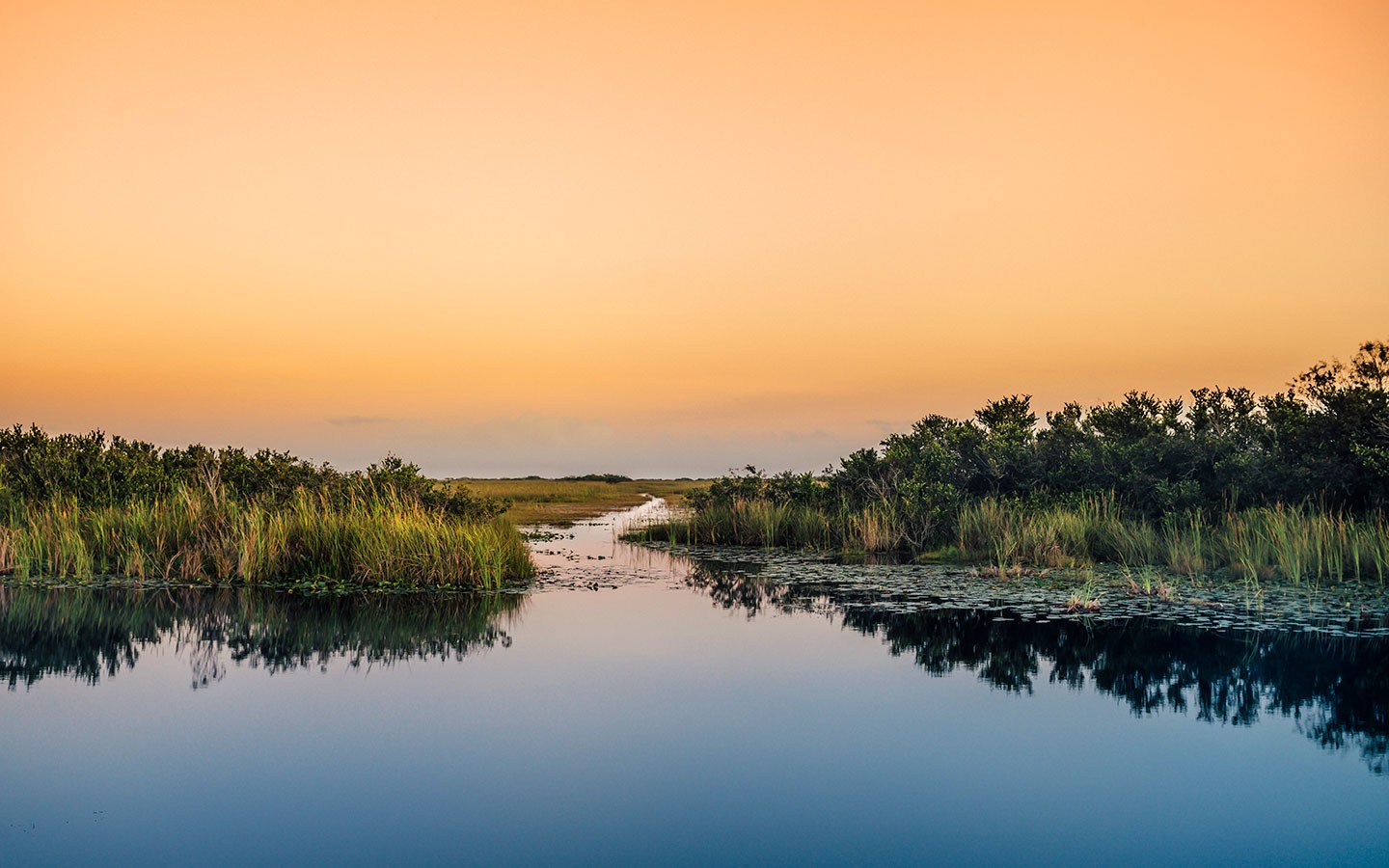 43 mi from MiamiThe Everglades National Park
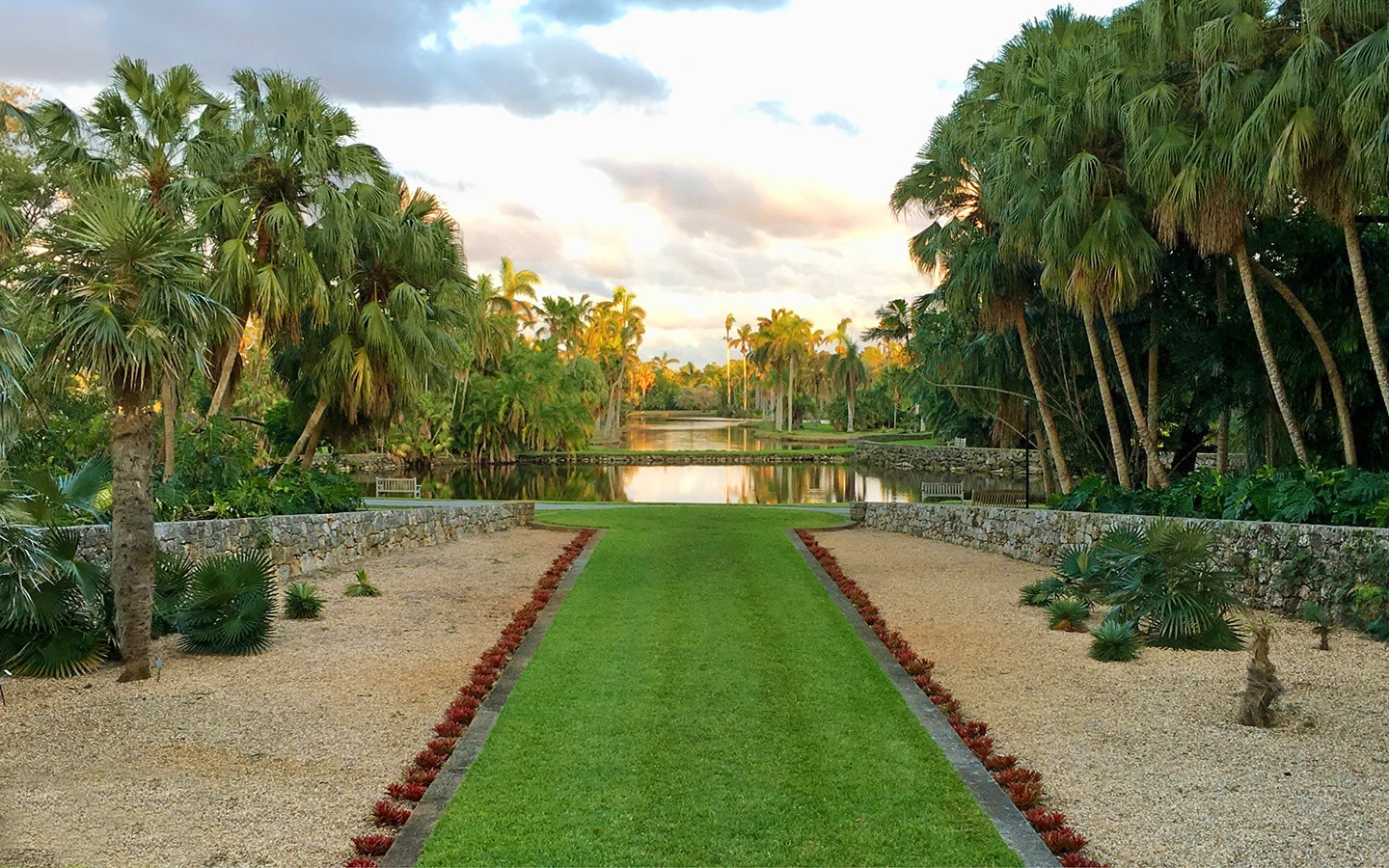 10 mi from MiamiFairchild Tropical Botanic Garden
 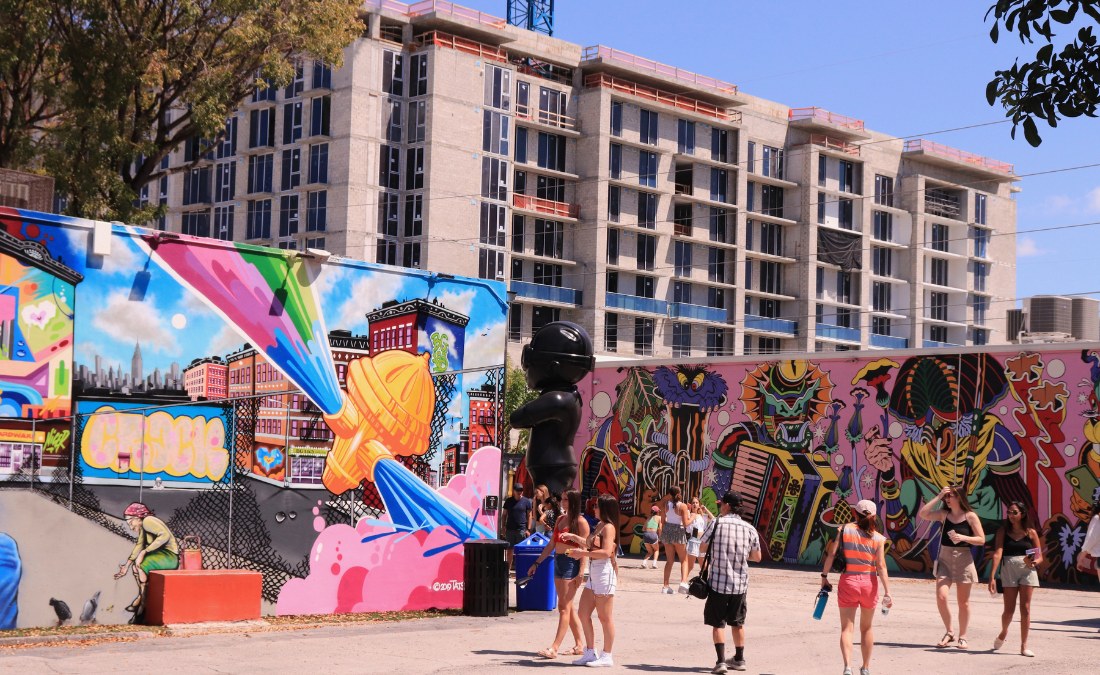 6 mi from Miami · land adventureMiami Beach: Art, Everglades & Cuban Soul at a Smart Price
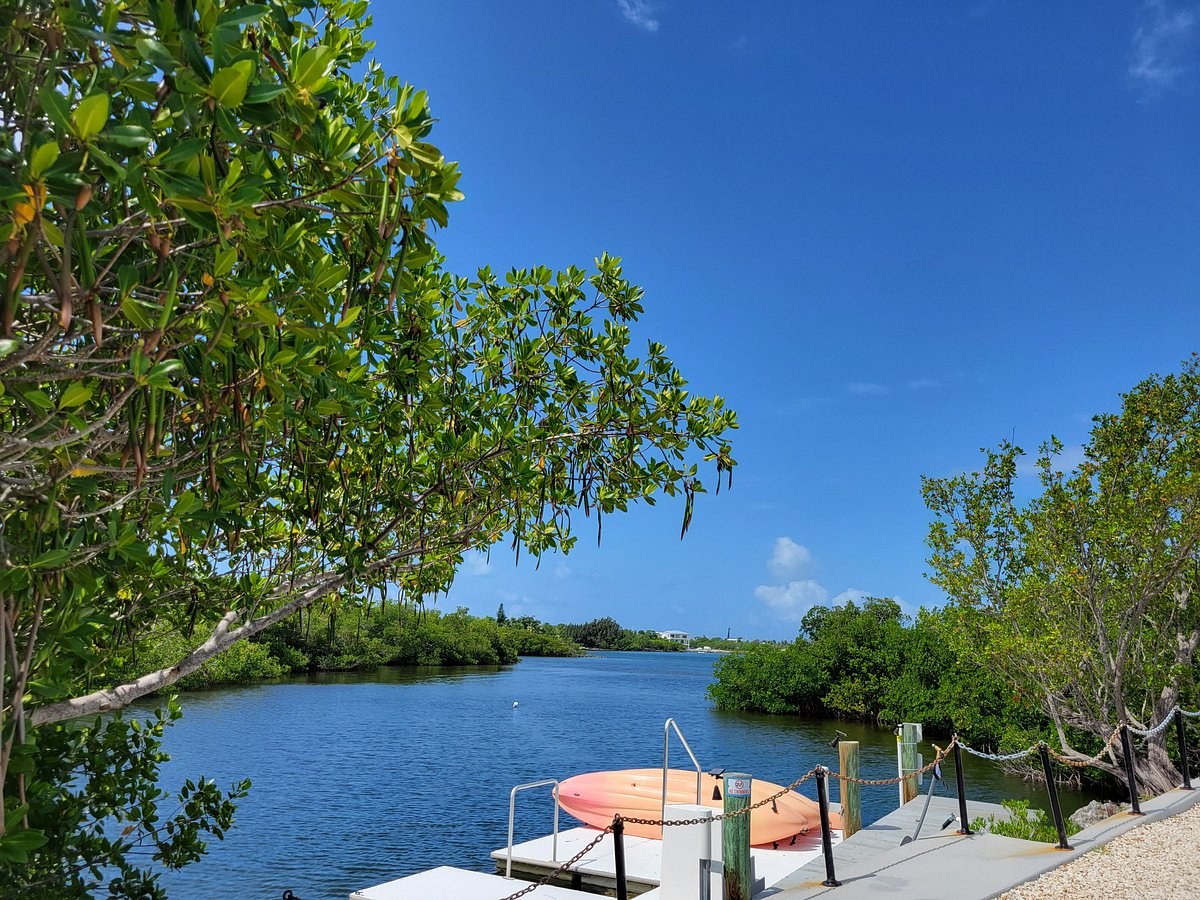 129 mi from Miami · land adventureSalt Air & Secrets: A Key West Road Trip Worth Lingering Over
 After you step off · near Tampa
You end in a different port — stay on, and add what is within reach before you fly home.