Your cruise
Seven Seas Prestige · 7-night Caribbean round trip from Miami
Nov 20 – Nov 27 · 7 nights ·
Day 1 Miami (board) · Day 2 Willis Island · Day 3 Belize City · Day 4 Harvest Caye · Day 5 Santo Tomas de Castilla · Day 6 Cozumel · Day 7 Willis Island · Day 8 Miami (step off)
What you do Board a rigid inflatable Zodiac for a close-up circumnavigation of one of the Coral Sea's most remote specks of land. Drift alongside vast nesting colonies of red-footed boobies, frigatebirds and brown noddies — a wildlife spectacle almost no traveller on earth ever witnesses.
What to expect Your Zodiac departs the ship's swim platform and skirts the island's entire coastline at water level, giving you eye-to-eye encounters with seabird colonies that number in the tens of thousands. The guide pauses the engine so you can hear the cacophony of calls and photograph birds in undisturbed flight. Shallow coral gardens glow electric beneath the hull as you round each headland. The round trip typically takes 90–120 minutes, leaving ample buffer before all-aboard.
Good to know Pre-book directly via email well in advance — this is a tender-only island and Zodiac capacity is strictly capped. Wear non-marking soles, bring a hat and reef-safe sunscreen. Confirm your ship's all-aboard time and allow 30 minutes' return buffer.
Versus the ship tour An intimate, expert-led small-group Zodiac — never more than 12 guests — means you can idle silently within metres of nesting birds and low reef outcrops that larger vessels simply cannot access, guided by a marine biologist who narrates every species in real time.
What you do Slip beneath the surface of some of the least-dived water on the planet — the Coral Sea surrounding Willis Island, hundreds of kilometres from the nearest coast. Visibility regularly exceeds 30 metres, revealing walls of hard coral, reef sharks, giant trevally and undisturbed sea-turtle feeding grounds.
What to expect Guests kit up in a purpose-equipped dive room and giant-stride into waters of extraordinary clarity. The reef structures here are pristine — no bleaching, no crowds — and the sheer biomass of pelagic life reflects the island's status as a protected marine reserve. Drift snorkelling across shallow coral plateaus, you are likely to encounter hawksbill turtles grazing, schools of chevron barracuda and the flash of a reef whaler in the blue. Safety divers and guides remain in the water throughout.
Good to know Swimming competency is required; full snorkel equipment is provided. Confirm landing and in-water permissions with the Australian Bureau of Meteorology station keeper in advance — access can be subject to weather and conservation protocols. Bring a rash vest for UV protection.
Versus the ship tour Mike Ball operates the definitive liveaboard expeditions to the Coral Sea's outer reefs, with certified dive guides who have logged thousands of hours specifically on these formations. Group size is tightly managed, and every dive brief is site-specific — the antithesis of a mass-market snorkel.
book direct with Mike Ball Dive Expeditions (Townsville/Cairns — Coral Sea specialists) → · the full guide →
What you do Step ashore — one of only a handful of visitors ever permitted — and receive a private briefing inside Australia's most remote operational weather station. The data collected here has guided cyclone warnings across Queensland for over a century; it is a living piece of scientific history.
What to expect After a short Zodiac transfer to the beach, you walk across the coral-rubble islet — the entire thing is barely 400 metres across — to the weatherboard station compound. The duty meteorologist explains the island's role in tracking Coral Sea cyclogenesis, shows you the instrument arrays and balloon launch facilities, and fields questions with refreshing candour. The sense of absolute remoteness — no roads, no shops, just science and sea — is profoundly affecting. Visits are brief (30–45 minutes) out of respect for operations.
Good to know Landing is at the discretion of BOM and sea conditions; it is never guaranteed. Wear closed shoes for the coral-rubble foreshore. Do not touch or enter any instrument enclosures. This is one of cruising's rarest privileges — treat it accordingly.
Versus the ship tour Landing on Willis Island is granted to very few vessels per year and always requires advance coordination with the BOM. The briefing is delivered by the station's resident meteorologist — one of Australia's most isolated postings — lending an authenticity and depth no third-party guide could replicate.
What you do Join a dedicated marine naturalist on a slow, deliberate circuit of Willis Island's offshore waters — prime habitat for dwarf minke whales, spinner dolphins, red-tailed tropicbirds and occasional whale sharks. This is expedition-grade wildlife observation in one of Earth's most intact marine environments.
What to expect The excursion runs in the calm conditions that typically prevail in the lee of the island, with the naturalist briefing the group on cetacean behaviour before departure. Spinner dolphins frequently bow-ride the vessel's wake, while tropicbirds trace lazy arcs overhead trailing their extraordinary white tail streamers. In season (June–September), dwarf minke whales approach curious vessels with remarkable boldness. The naturalist's running identification and ecological commentary transforms an already astonishing scene into a masterclass in Coral Sea ecology.
Good to know Bring image-stabilised binoculars if you own them — loaner binoculars are available but limited. A polarised lens filter dramatically improves underwater wildlife sighting from the deck. Morning cruises yield the best light and the calmest seas.
Versus the ship tour Coral Expeditions' marine naturalists carry years of Coral Sea field experience and use hydrophones and binoculars to locate and interpret marine megafauna well beyond what a casual deck scan achieves. Groups are capped at 20, ensuring every guest has unobstructed sightlines and personalised commentary.
book direct with Coral Expeditions (Australia's premium expedition cruise specialist) → · the full guide →
What you do Combine world-class snorkelling with a dedicated underwater photography tuition session led by a professional marine photographer. The pellucid, undisturbed waters around Willis Island provide a studio backdrop that professionals travel half a year to reach — and you are already here.
What to expect After a 20-minute on-deck briefing covering exposure, buoyancy control for photography and coral-safe positioning, the group enters the water with the lead photographer. Each participant is given real-time feedback via underwater slates and post-dive screen reviews. The reef here hosts nudibranchs, juvenile turtles and extraordinary soft-coral detail that rewards close, patient framing. By the final dive, guests leave with a curated set of images that would pass muster in any travel magazine.
Good to know Bring your own mirrorless or compact camera with an underwater housing if possible; hire housings are limited. Basic snorkel competency required. Maximum group size of 6 is strictly enforced — book your place the moment you board the ship.
Versus the ship tour A professional marine photographer leads groups of no more than six, providing personalised composition coaching in real time — in the water, beside you. The combination of tuition and a location almost nobody else will ever photograph makes every frame genuinely irreplaceable.
What you do Rise before the rest of the ship and join an ornithologist-guide for a dawn landing on Willis Island — arguably the most exclusive birdwatching address in the Southern Hemisphere. The island hosts one of Australia's largest documented seabird colonies, and first light is when it erupts into extraordinary life.
What to expect The Zodiac lands on the coral-rubble beach just as the sky softens to indigo. Within seconds, frigatebirds begin their courtship displays, inflating scarlet throat pouches while brown boobies jostle on nesting scrapes metres from your feet. The ornithologist narrates the scene with infectious expertise, calling species by name as they lift and wheel overhead in their thousands. The island's absolute silence — broken only by wind and wings — produces a meditative quality that experienced travellers consistently describe as one of cruising's most affecting moments.
Good to know Landing is subject to BOM approval and sea-state — pre-register your interest at the expedition desk on day one of the voyage. Wear dark, non-reflective clothing to avoid disturbing nesting birds. Carry a long lens (200mm+ equivalent) for perched-bird shots. Soft-soled shoes protect both the coral-rubble substrate and your footing.
Versus the ship tour A qualified ornithologist leads a structured census-style walk, naming every species, explaining colony dynamics and pointing out nesting behaviours that an untrained eye would miss entirely. The pre-sunrise timing means you experience the island in its rawest, most atmospheric state — long before the day-trippers (there are none) arrive.
book direct with Coral Expeditions (Australia's premium expedition cruise specialist) → · the full guide →
What you do Glide out onto Biscayne Bay aboard a double-decker boat for a fully-narrated 90-minute loop past the downtown skyline, Fisher Island and the palm-studded mansions of Star Island, with the captain calling out celebrity-owned homes tied to names like Gloria Estefan and Shaquille O'Neal. It departs from Bayside Marketplace, minutes from PortMiami, so you're on the water almost as soon as you step off the ship. This is the postcard Miami-from-the-water image first-timers come for, and the short run leaves the rest of the day wide open.
What to expect You board a double-decker vessel at Bayside Marketplace and spend 90 minutes gliding across Biscayne Bay while a bilingual narrator points out downtown Miami's skyline, Fisher Island, and the iconic palm-lined mansions of Star Island—including celebrity homes tied to Gloria Estefan and Shaquille O'Neal. The climate-controlled interior and open-air upper deck let you choose your vantage; many guests spend the voyage shifting between both to capture the postcard Miami-from-the-water views. The captain's real-time commentary transforms what could be a passive boat ride into a guided tour of architectural and cultural landmarks. By trip's end, you've absorbed the essential Miami skyline and still have most of your port day free.
Good to know Arrive at Miamarina (401 Biscayne Blvd, Bayside Marketplace) 30–45 minutes early to check in; the site sits only minutes from PortMiami, so budget 10–15 minutes walking from the cruise terminal. The 90-minute cruise fits easily into a 6–8 hour port window, leaving you 4+ hours for lunch or additional exploring. Bring cash if you want onboard drinks from the mojito bar, and wear sunscreen or a hat since the open-air upper deck offers full sun exposure. Book this excursion direct through Miami Skyline Cruises rather than your cruise line to save ~$23 per person versus the bundled ship price.
Versus the ship tour Direct wins big. The cruise line sells the bay sightseeing piece bundled around ~$51 per person (and up to $114 in airboat combos). The exact same Millionaire's Row bay cruise is $28 direct here, roughly $23 per person saved with no aggregator markup.
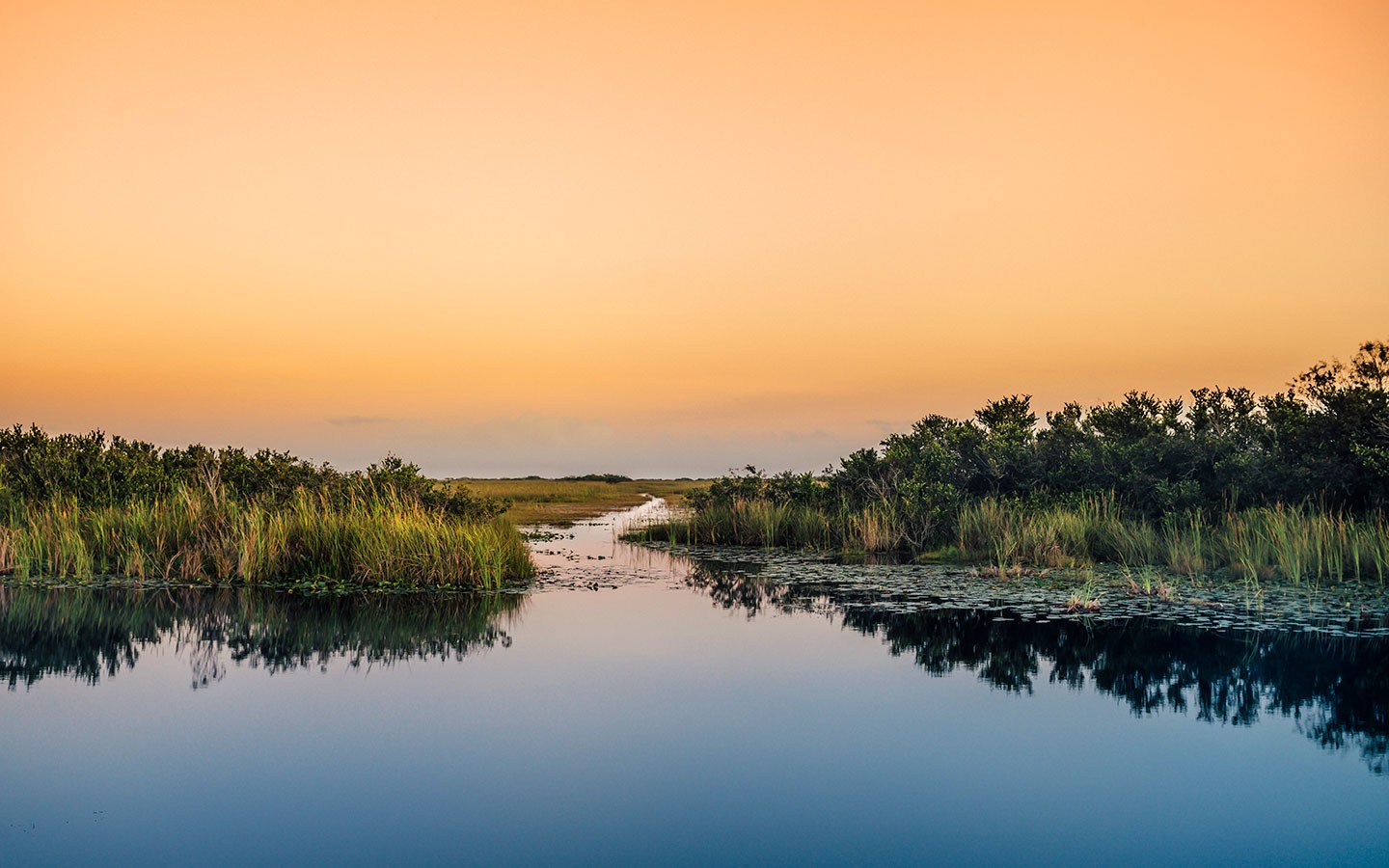
What you do Skim across the open sawgrass on an airboat hunting for wild alligators, herons and egrets in the one truly world-unique landscape on Miami's doorstep. Back on land your ticket adds an alligator/wildlife show, a jungle trail and observation exhibits, so it fills a real chunk of the day. This is the South Florida moment cruisers most regret skipping, run by an authorized Everglades National Park concession operating since 1968.
What to expect You'll skiff across open sawgrass on a 30–40 minute airboat hunt for wild alligators, herons, and egrets in the Everglades' one-of-a-kind landscape. Once back on land, you'll step into a live alligator and wildlife show, then explore a jungle trail and observation exhibits—a full immersion into South Florida's most iconic ecosystem. The day pulses between adrenaline on the water and intimate wildlife encounters on foot, filling a substantial chunk of your port time with the authentic Everglades moment most cruisers regret missing.
Good to know Plan 5–6 hours door-to-door; the park sits 45 minutes west of port with no public transit, so book a private driver or rideshare before you go and budget $60–$90 round-trip (direct booking beats the ship's price only if you split transportation among 3–4 people). Secure a driver who guarantees your return time to avoid missing the ship, and confirm your rideshare pickup well before your airboat slot to avoid delay on the way back. Bring sunscreen, a hat, and closed-toe shoes for the boat and jungle trail; water shoes or sandals that won't fly off in the wind are ideal.
Versus the ship tour Mixed. On the ride alone, direct ($49) beats Carnival's $64.99 airboat. BUT the ship's price includes round-trip transport; book direct and you must add a rideshare/car each way (the park is 45 min out with no transit). Budget about $60-$90 round-trip in rideshare on top, so direct only wins if you split a car among 3-4 people. PORT-DAY FLAG: plan ~5-6 hrs door-to-door; use a private driver who guarantees you back to the ship.
book direct with Everglades Safari Park → · the full guide →
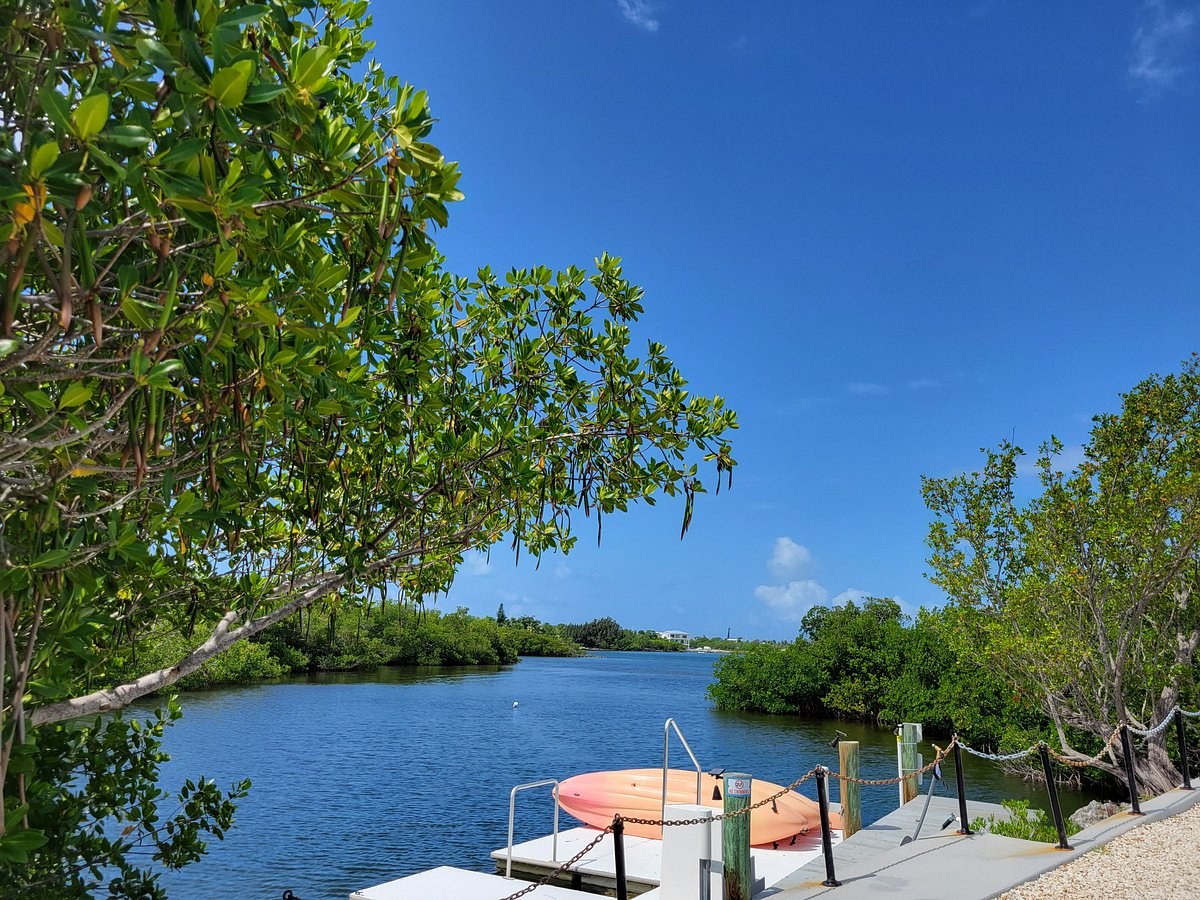
What you do Most visitors never realize there's a national park snorkeling reef right at Miami's edge. Sail out over the northernmost Florida Keys reefs to drift among tropical fish, rays and sea turtles in turquoise shallows, with a guide teaching the park's habitats and history. The Coconut Grove departure keeps you closer to the port than the Homestead trips, making it the port-day-friendly way to get one genuine on-the-water adventure.
What to expect You'll depart from Dinner Key Marina in Coconut Grove and sail out over the northernmost Florida Keys reefs, where you'll drift among tropical fish, rays, and sea turtles in turquoise shallows while a guide interprets the park's habitats and marine life. The 3.5-hour experience includes your choice of reef, shipwreck, or mangrove snorkel sites—each revealing a different slice of Biscayne National Park's ecosystem. Most of the action happens in the water; expect calm instruction-based snorkeling rather than a rushed tour, with time to orient yourself to the underwater landscape before exploring freely. You'll return to Coconut Grove with the salt still on your skin and a genuine national park experience—not a cruise-line bay jaunt—under your belt.
Good to know Book directly with the Biscayne National Park Institute (not through an aggregator) to secure the 3.5-hour Snorkeling from Coconut Grove trip at $115 per person—this duration and departure point are designed to fit a port day, with transfers included. Plan for 3.5 hours on the water plus 1–1.5 hours for transfers from the cruise pier to Dinner Key Marina, leaving you a comfortable buffer for a typical 6–8 hour port window; skip the full-day option unless snorkeling is your only priority. Bring reef-safe sunscreen, a rash guard or lightweight cover-up, a towel, and water shoes or reef booties; the park and operator will provide snorkel gear but confirm ahead if you need prescription mask options. Return timing is tight on a short port day, so confirm the exact departure time when booking and plan to be back at the pier with 30–45 minutes to spare.
Versus the ship tour No true ship equivalent. The cruise lines don't sell an in-park national-park reef snorkel from Miami at all, their water tours top out at bay sightseeing and airboat combos. This is the one signature snorkel here, and the only way to do it is direct with the park's own concessionaire. PORT-DAY FLAG: the 3.5-hr trip plus transfers fits a port day; skip the 6-hr full-day option unless this is your only outing.
book direct with Biscayne National Park Institute → · the full guide →
What you do Eat your way through the cultural heart of Cuban Miami: a real Cuban sandwich, a jolt of cafecito and a mojito, while you watch cigars hand-rolled and dominoes slammed down in Maximo Gomez Park. A guide threads the history of exile, music and food through every stop along Calle Ocho. The tastings add up to a full meal plus drinks, an immersive, distinctly-Miami experience you can't replicate anywhere else, and it's an easy ride from the port.
What to expect Your guide escorts you through the vibrant streets of Calle Ocho, stopping to taste authentic Cuban sandwiches, croquetas, and pastries that build into a full meal—all while live music and the clatter of dominoes frame the scene at Maximo Gomez Park. You'll watch cigar rollers at work, their hands moving with practiced precision, before pausing for shots of cafecito and sipping a mojito at a neighborhood spot where locals gather. The walk threads Miami's Cuban exile history and food culture through each block, turning lunch into an immersive lesson on why this neighborhood is the real heart of Cuban America. Roughly 2.5 to 3 hours of steady walking and tasting, paced to savor both the food and the stories.
Good to know Book directly with Miami Culinary Tours (not the cruise line) to save $60+ per person—tours run roughly $69 versus $132+ through the ship. Calle Ocho is an easy, short ride from the port, so plan to depart within an hour of disembark and return comfortably 30–45 minutes before all-aboard. Bring small cash for tips and incidentals, wear comfortable walking shoes, and eat lightly before departure since the tastings amount to a full meal. Confirm your exact tour time and departure point with the operator when booking, as walking tours run on tight schedules and late arrivals will cost you stops.
Versus the ship tour Direct wins decisively. The cruise line charges $132+ for its Little Havana/mojito outing (and private versions run $162). The same Calle Ocho food-and-culture walk with the original operator is ~$69 direct, well over $60 per person saved.
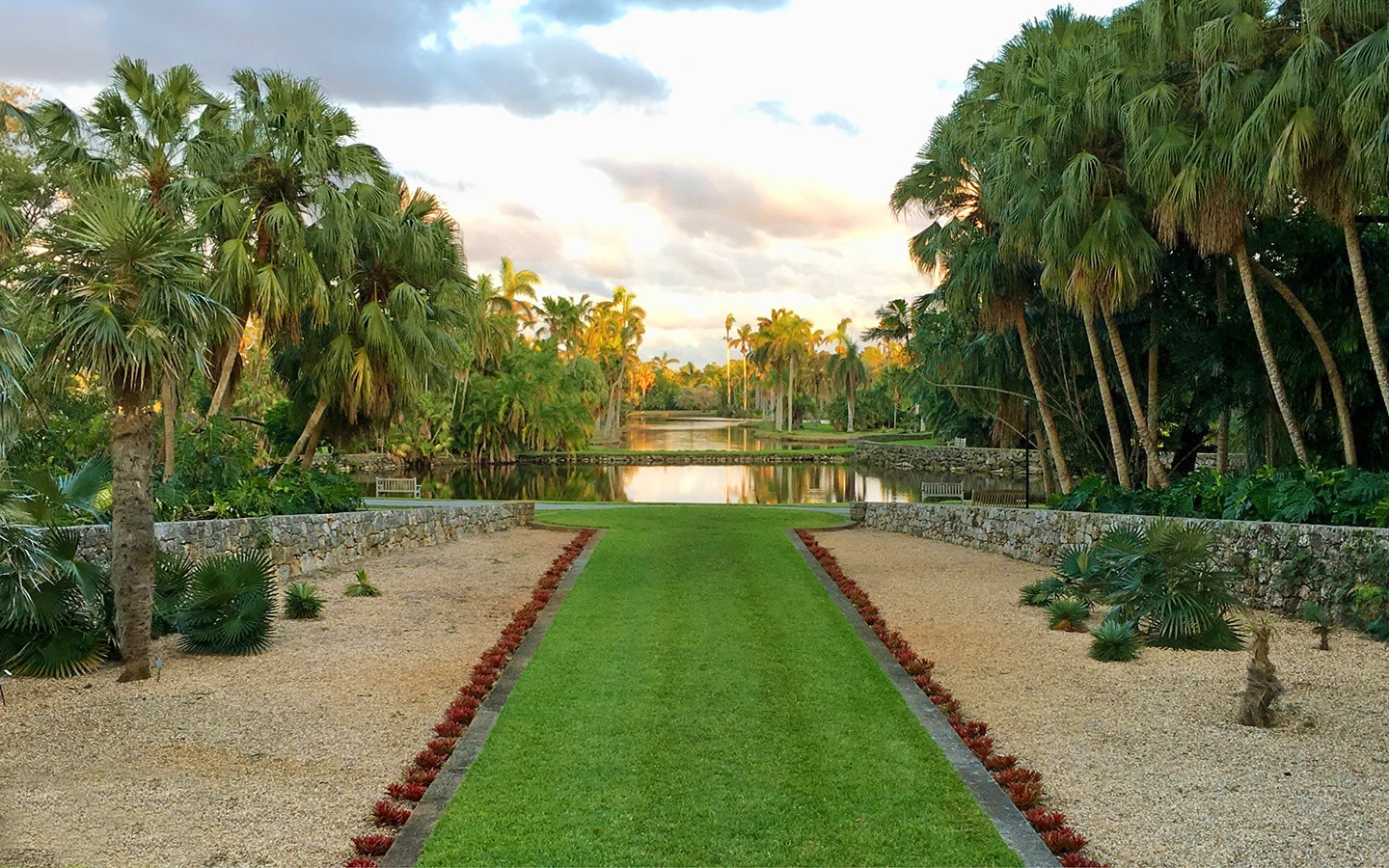
What you do Tour the most opulent historic estate in Miami: an early-20th-century Italian Renaissance-style villa built as industrialist James Deering's winter home, with lavishly furnished rooms opening onto formal European gardens that run down to Biscayne Bay. A National Historic Landmark and one of the city's most photogenic spots, it's self-paced and close to the port near Coconut Grove, so it slots neatly into a half-day on shore.
What to expect You'll arrive at an early-20th-century Italian Renaissance villa—James Deering's former winter palace—where lavishly appointed rooms open directly onto formal European gardens that descend to Biscayne Bay, giving you a tangible sense of early-Miami opulence. The self-paced experience lets you linger in ornate interiors or photograph the manicured grounds at your own tempo. A short walk from Coconut Grove and the port itself, the estate unfolds as a series of intimate spaces rather than a sprawling museum; you'll move between decorated rooms and out onto the bayfront gardens in a natural rhythm. This is a half-day anchor—intimate, photogenic, and complete within 2–3 hours if you're deliberate.
Good to know Book timed-entry tickets direct on Vizcaya's official site before you dock to guarantee your preferred window and avoid queues. The estate sits close to the port near Coconut Grove, making it walkable or a quick taxi ride—buying direct at $25 per adult cuts the cruise-line markup entirely and gives you full control over timing. Plan for 2–3 hours on-site within your 6–8 hour port window, leaving a solid 90-minute buffer before all-aboard. Bring sunscreen and comfortable shoes for the gardens; there's no air conditioning between outdoor rooms, so dress for tropical sun.
Versus the ship tour Direct is the only sensible route. Cruise lines rarely package Vizcaya, and when a city tour drives past it you'd still pay $35-$70 for sightseeing that may not include entry. At $25 booked direct you control your own timing and skip the bus markup entirely.
book direct with Vizcaya Museum and Gardens → · the full guide →
What you do Walk the world's largest concentration of 1920s-40s Art Deco architecture with a guide from the nonprofit that literally saved and landmarked the district. Over two hours along Ocean Drive you learn to actually read the pastel hotels and neon instead of just photographing them, ending right in the heart of South Beach for lunch and beach time. It's the low-risk, easy-to-reach alternate if the bay, Everglades or reef don't fit your day.
What to expect You'll spend two immersive hours walking Ocean Drive with a trained guide from the Miami Design Preservation League—the nonprofit that saved these buildings—learning to decode the geometric patterns, pastel façades, and neon signage of the world's largest Art Deco district instead of just snapping photos. The walk moves at a contemplative pace through 1920s-40s hotels and landmarks, ending at the Art Deco Museum before you're released into the heart of South Beach for lunch, shopping, and beach time. The rhythm feels like a masterclass rather than a tourist blur: you're stationary for observation, walking short blocks for transition, absorbing stories that transform what you see into architecture you actually understand. This is the substance play—manageable distance, genuine expertise, and the flexibility to linger at the beach afterward or grab food on your own terms.
Good to know The 10:30am daily departure from the Art Deco Welcome Center (1001 Ocean Drive) gives you a tight but workable 6–7 hour window: book a rideshare from the port now (15–20 minutes, ~$15–20 each way), arrive by 10:15am, walk until 12:30pm, then own your afternoon. Plan to be back at the pier by 5:30–6pm for a typical evening departure, leaving 3+ hours of buffer for beach/lunch, transit back, and security. Bring sunscreen, comfortable walking shoes, and a light layer—you're outside for two straight hours on exposed Ocean Drive. Book direct through MDPL online ($35 adults, $30 seniors/students/veterans with ID); no need to pre-book the walk itself, but confirming your rideshare timing the morning of prevents last-minute scrambling.
Versus the ship tour Direct wins on substance and price. The ship's Miami city/hop-on tour is $69.99 and just rolls past the district; this definitive 2-hour guided Deco walk from the people who landmarked it is $35 direct, half the cost and far more depth, though you arrange your own ride to South Beach (short rideshare from the port).
book direct with Miami Design Preservation League (MDPL) → · the full guide →
What you do Board a rigid inflatable Zodiac for a close-up circumnavigation of one of the Coral Sea's most remote specks of land. Drift alongside vast nesting colonies of red-footed boobies, frigatebirds and brown noddies — a wildlife spectacle almost no traveller on earth ever witnesses.
What to expect Your Zodiac departs the ship's swim platform and skirts the island's entire coastline at water level, giving you eye-to-eye encounters with seabird colonies that number in the tens of thousands. The guide pauses the engine so you can hear the cacophony of calls and photograph birds in undisturbed flight. Shallow coral gardens glow electric beneath the hull as you round each headland. The round trip typically takes 90–120 minutes, leaving ample buffer before all-aboard.
Good to know Pre-book directly via email well in advance — this is a tender-only island and Zodiac capacity is strictly capped. Wear non-marking soles, bring a hat and reef-safe sunscreen. Confirm your ship's all-aboard time and allow 30 minutes' return buffer.
Versus the ship tour An intimate, expert-led small-group Zodiac — never more than 12 guests — means you can idle silently within metres of nesting birds and low reef outcrops that larger vessels simply cannot access, guided by a marine biologist who narrates every species in real time.
What you do Slip beneath the surface of some of the least-dived water on the planet — the Coral Sea surrounding Willis Island, hundreds of kilometres from the nearest coast. Visibility regularly exceeds 30 metres, revealing walls of hard coral, reef sharks, giant trevally and undisturbed sea-turtle feeding grounds.
What to expect Guests kit up in a purpose-equipped dive room and giant-stride into waters of extraordinary clarity. The reef structures here are pristine — no bleaching, no crowds — and the sheer biomass of pelagic life reflects the island's status as a protected marine reserve. Drift snorkelling across shallow coral plateaus, you are likely to encounter hawksbill turtles grazing, schools of chevron barracuda and the flash of a reef whaler in the blue. Safety divers and guides remain in the water throughout.
Good to know Swimming competency is required; full snorkel equipment is provided. Confirm landing and in-water permissions with the Australian Bureau of Meteorology station keeper in advance — access can be subject to weather and conservation protocols. Bring a rash vest for UV protection.
Versus the ship tour Mike Ball operates the definitive liveaboard expeditions to the Coral Sea's outer reefs, with certified dive guides who have logged thousands of hours specifically on these formations. Group size is tightly managed, and every dive brief is site-specific — the antithesis of a mass-market snorkel.
book direct with Mike Ball Dive Expeditions (Townsville/Cairns — Coral Sea specialists) → · the full guide →
What you do Step ashore — one of only a handful of visitors ever permitted — and receive a private briefing inside Australia's most remote operational weather station. The data collected here has guided cyclone warnings across Queensland for over a century; it is a living piece of scientific history.
What to expect After a short Zodiac transfer to the beach, you walk across the coral-rubble islet — the entire thing is barely 400 metres across — to the weatherboard station compound. The duty meteorologist explains the island's role in tracking Coral Sea cyclogenesis, shows you the instrument arrays and balloon launch facilities, and fields questions with refreshing candour. The sense of absolute remoteness — no roads, no shops, just science and sea — is profoundly affecting. Visits are brief (30–45 minutes) out of respect for operations.
Good to know Landing is at the discretion of BOM and sea conditions; it is never guaranteed. Wear closed shoes for the coral-rubble foreshore. Do not touch or enter any instrument enclosures. This is one of cruising's rarest privileges — treat it accordingly.
Versus the ship tour Landing on Willis Island is granted to very few vessels per year and always requires advance coordination with the BOM. The briefing is delivered by the station's resident meteorologist — one of Australia's most isolated postings — lending an authenticity and depth no third-party guide could replicate.
What you do Join a dedicated marine naturalist on a slow, deliberate circuit of Willis Island's offshore waters — prime habitat for dwarf minke whales, spinner dolphins, red-tailed tropicbirds and occasional whale sharks. This is expedition-grade wildlife observation in one of Earth's most intact marine environments.
What to expect The excursion runs in the calm conditions that typically prevail in the lee of the island, with the naturalist briefing the group on cetacean behaviour before departure. Spinner dolphins frequently bow-ride the vessel's wake, while tropicbirds trace lazy arcs overhead trailing their extraordinary white tail streamers. In season (June–September), dwarf minke whales approach curious vessels with remarkable boldness. The naturalist's running identification and ecological commentary transforms an already astonishing scene into a masterclass in Coral Sea ecology.
Good to know Bring image-stabilised binoculars if you own them — loaner binoculars are available but limited. A polarised lens filter dramatically improves underwater wildlife sighting from the deck. Morning cruises yield the best light and the calmest seas.
Versus the ship tour Coral Expeditions' marine naturalists carry years of Coral Sea field experience and use hydrophones and binoculars to locate and interpret marine megafauna well beyond what a casual deck scan achieves. Groups are capped at 20, ensuring every guest has unobstructed sightlines and personalised commentary.
book direct with Coral Expeditions (Australia's premium expedition cruise specialist) → · the full guide →
What you do Combine world-class snorkelling with a dedicated underwater photography tuition session led by a professional marine photographer. The pellucid, undisturbed waters around Willis Island provide a studio backdrop that professionals travel half a year to reach — and you are already here.
What to expect After a 20-minute on-deck briefing covering exposure, buoyancy control for photography and coral-safe positioning, the group enters the water with the lead photographer. Each participant is given real-time feedback via underwater slates and post-dive screen reviews. The reef here hosts nudibranchs, juvenile turtles and extraordinary soft-coral detail that rewards close, patient framing. By the final dive, guests leave with a curated set of images that would pass muster in any travel magazine.
Good to know Bring your own mirrorless or compact camera with an underwater housing if possible; hire housings are limited. Basic snorkel competency required. Maximum group size of 6 is strictly enforced — book your place the moment you board the ship.
Versus the ship tour A professional marine photographer leads groups of no more than six, providing personalised composition coaching in real time — in the water, beside you. The combination of tuition and a location almost nobody else will ever photograph makes every frame genuinely irreplaceable.
What you do Rise before the rest of the ship and join an ornithologist-guide for a dawn landing on Willis Island — arguably the most exclusive birdwatching address in the Southern Hemisphere. The island hosts one of Australia's largest documented seabird colonies, and first light is when it erupts into extraordinary life.
What to expect The Zodiac lands on the coral-rubble beach just as the sky softens to indigo. Within seconds, frigatebirds begin their courtship displays, inflating scarlet throat pouches while brown boobies jostle on nesting scrapes metres from your feet. The ornithologist narrates the scene with infectious expertise, calling species by name as they lift and wheel overhead in their thousands. The island's absolute silence — broken only by wind and wings — produces a meditative quality that experienced travellers consistently describe as one of cruising's most affecting moments.
Good to know Landing is subject to BOM approval and sea-state — pre-register your interest at the expedition desk on day one of the voyage. Wear dark, non-reflective clothing to avoid disturbing nesting birds. Carry a long lens (200mm+ equivalent) for perched-bird shots. Soft-soled shoes protect both the coral-rubble substrate and your footing.
Versus the ship tour A qualified ornithologist leads a structured census-style walk, naming every species, explaining colony dynamics and pointing out nesting behaviours that an untrained eye would miss entirely. The pre-sunrise timing means you experience the island in its rawest, most atmospheric state — long before the day-trippers (there are none) arrive.
book direct with Coral Expeditions (Australia's premium expedition cruise specialist) → · the full guide →
What you do Soar over the iconic Great Blue Hole — a UNESCO World Heritage marine sinkhole 300 metres wide — then splash into the crystalline waters of Lighthouse Reef Atoll. A true once-in-a-lifetime aerial and aquatic encounter.
What to expect A 45-minute scenic flight from Belize City's Municipal Airport delivers sweeping views of the atolls before your pilot circles the Blue Hole at low altitude for photos. You land on Lighthouse Reef, join a small-group guided snorkel, then fly back with a champagne toast en route. The entire experience unfolds in roughly four hours, leaving ample time before all-aboard.
Good to know Depart from Belize Municipal Airport, a short taxi from the cruise pier. Pre-book well in advance — flights sell out weeks ahead. Bring a waterproof camera, reef-safe sunscreen, and a light cover-up. Confirm your all-aboard time and allow 30 minutes' transfer back to the ship.
Versus the ship tour A private or small-group charter aircraft gives you unobstructed bird's-eye views of the Blue Hole's impossibly perfect circle before a guided snorkel among Caribbean reef sharks, eagle rays, and coral pinnacles — no crowds, no cattle-call boarding.
book direct with Tropic Air (official charter flights & tours) → · the full guide →
What you do Journey deep into the jungle aboard a private river skiff to reach Lamanai — one of Belize's mightiest Maya ceremonial centres, still shrouded by rainforest canopy. Climb towering temples for panoramic views and stand where Maya royalty once stood.
What to expect A chauffeured transfer takes you to the New River launch point, where a private skiff glides you through lily-pad lagoons teeming with crocodiles, toucans, and jabiru storks. At Lamanai, your certified archaeologist guide unpacks 3,000 years of Maya history across the High Temple, the Mask Temple, and the Jaguar Temple. The return river cruise includes a traditional Belizean lunch at a riverside lodge.
Good to know Full-day excursion of approximately 8–9 hours — confirm your ship's all-aboard time is 6 PM or later. Wear lightweight long trousers, sturdy closed-toe shoes, and bring insect repellent. Pre-book directly to secure a private skiff rather than a shared boat.
Versus the ship tour A dedicated expert Maya guide leads an intimate group — never a busload — with time to linger on temple summits, photograph howler monkeys overhead, and absorb the silence of a living jungle that mass tourism rarely touches.
book direct with Belize Cruise Excursions (official local operator) → · the full guide →
What you do Slip beneath the surface of the world's second-largest coral reef system at Hol Chan Marine Reserve, then float face-to-face with nurse sharks and southern stingrays at the legendary Shark Ray Alley. Pure, exhilarating Caribbean magic.
What to expect A 45-minute speedboat transfer from Belize City deposits you at Hol Chan's underwater canyon, where sea turtles, moray eels, and kaleidoscopic reef fish crowd every coral head. A short hop brings you to Shark Ray Alley, where you slide in among a dozen languid nurse sharks and gliding rays. Premium snorkel equipment, underwater photography assistance, and fresh tropical fruit on the return journey are all included.
Good to know Speedboat departs from the Tourism Village water taxi dock — 5 minutes from the cruise pier. Reef-safe sunscreen is mandatory (and provided). The round trip is approximately 5–6 hours; ideal for ships with a 5 PM or later all-aboard. Pre-book to lock in your private vessel.
Versus the ship tour A private vessel with a maximum of 8–10 guests and a resident marine biologist guide means you move at your own pace — no queues, no splashing crowds — with personalised underwater narration and extended time in the water.
book direct with SEAduced by Belize (official local dive & snorkel operator) → · the full guide →
What you do Arrive at Altun Ha — Belize's most iconic Maya site and the source of the famous jade head of the Sun God — before the day-trippers descend. A private guide illuminates its ceremonial plazas and towering temples at the most golden hour of the day.
What to expect A private air-conditioned vehicle collects you dockside and whisks you 45 minutes north along the Old Northern Highway. Your dedicated certified guide leads you through Plaza A and Plaza B, recounting the 1968 discovery of the jade Sun God head — Belize's national symbol. You're invited to climb the Temple of the Masonry Altars for a sweeping jungle canopy view before a leisurely return to the ship. Complimentary cold beverages and local snacks are provided en route.
Good to know Round trip is approximately 3.5–4 hours — perfect for ships with an early all-aboard. Wear comfortable walking shoes and light breathable clothing; the site path is uneven in places. Pre-book a private tour (not shared) to guarantee guide quality and timing flexibility.
Versus the ship tour Early private departure means you have the temple plazas nearly to yourself in the soft morning light — a rare, unhurried communion with a 2,000-year-old civilisation that group tours simply cannot replicate.
book direct with Belize Cruise Excursions (official local operator) → · the full guide →
What you do Float through the underworld of the ancient Maya inside Belize's cathedral-like river caves, then soar above the jungle canopy on a multi-platform zipline. A perfectly balanced adventure that delivers wonder and adrenaline in equal measure.
What to expect A scenic 75-minute drive through Belize's lush interior brings you to Nohoch Che'en Caves Branch Archaeological Reserve. After a jungle hike, you strap on your tube and headlamp and drift through towering limestone caverns adorned with stalactites, spotting ancient Maya pottery shards as your guide narrates the ritual significance of this sacred waterway. A zipline circuit of up to 8 platforms above the jungle canopy caps the adventure with exhilarating aerial views. A hearty local lunch is included.
Good to know Full excursion runs approximately 6–7 hours; best suited for ships with a 5:30 PM or later all-aboard. Wear a swimsuit under quick-dry clothing; water sandals with straps are essential (flip-flops are not permitted in the cave). All flotation and safety gear is provided. Pre-book to confirm a small-group departure.
Versus the ship tour A small-group maximum and an expert local naturalist guide ensure a personal, unhurried underground experience — proper headlamp-lit exploration with Maya mythology narration, rather than a conveyor-belt float through the dark.
book direct with Belize Cruise Excursions (official local operator) → · the full guide →
What you do A sun-drenched, postcard-perfect private caye rising from turquoise Caribbean shallows — just 30 minutes offshore. Snorkel the living reef surrounding the island, then surrender to a hammock beneath a swaying palm. Barefoot luxury, distilled.
What to expect A sleek speedboat whisks you 30 minutes across sparkling open water to Goff's Caye, a tiny palm-fringed island encircled by some of the clearest water in the Caribbean. Snorkel gear is handed out for a guided circuit of the coral patch reef — spotted eagle rays and queen angelfish are regular sightings. Back on the beach, lounge chairs, shade palapas, and a cooler of drinks await. The return journey passes along the barrier reef in the late-afternoon light for one last, luminous view.
Good to know Departs from the Tourism Village dock — a 5-minute walk from the cruise pier. Excursion runs approximately 4–5 hours; suitable for most all-aboard times. Bring reef-safe sunscreen (provided), a towel, and cash for optional rum punch or local lobster if in season. Pre-book a private boat to control your own schedule on the island.
Versus the ship tour A private speedboat charter keeps group size intimate, letting you claim a stretch of ivory sand entirely your own — with a dedicated guide for the reef snorkel, cold Belikin beers on arrival, and the unhurried pace that a true luxury beach day demands.
What you do Glide deep into the Belizean jungle by riverboat to reach Lamanai, one of the longest-continuously-occupied Mayan sites in the world. Climb towering temples above the rainforest canopy for views that genuinely stop time.
What to expect Board a private water taxi from the Placencia peninsula ferry dock and wind 26 miles up the New River Lagoon, spotting crocodiles, howler monkeys, and exotic birds en route. Arrive at Lamanai before the day-tripper crowds and climb the 108-ft High Temple with your expert guide narrating the site's 3,000-year history. Lunch is served riverside at the Lamanai Outpost Lodge before a leisurely return through the lagoon. The combination of wildlife, jungle river, and genuine Maya archaeology is simply unmatched in Southern Belize.
Good to know Ferry from Harvest Caye to Placencia village runs approximately USD 20–25 round-trip per person; allow 20 minutes. Full-day tour runs 8–9 hours — confirm all-aboard time with your ship and book early as private slots fill fast. Pre-book directly with the operator at least 2 weeks ahead.
Versus the ship tour Fully private or small-group departures mean you linger as long as you like at each temple, guided by a licensed Belizean archaeologist — no herd mentality, no rushed photo stops.
What you do Sail to the UNESCO-listed Belize Barrier Reef — the second-largest coral reef system on the planet — on a private charter for an intimate encounter with nurse sharks, eagle rays, and kaleidoscopic coral gardens.
What to expect Your private skipper departs from the Harvest Caye dock and motors out to pristine sections of the reef within 20–40 minutes. Slip into gin-clear Caribbean water above staghorn and brain coral teeming with parrotfish, angelfish, and the occasional spotted eagle ray. Multiple snorkel stops are chosen by your local expert based on conditions that day. Cold Belikin beers and fresh fruit are served on deck between dives, with the jungle coast of Southern Belize as your backdrop.
Good to know Book a fully private charter for your group — do not share a boat. Confirm the operator meets you dockside at Harvest Caye to avoid the ferry to Placencia. Bring reef-safe sunscreen only; reefs are protected. Ideal for groups of 2–8.
Versus the ship tour A private vessel means your group chooses the snorkel sites, sets the pace, and avoids the crowded reef zones — your guide knows the untouched coral heads that large groups never reach.
book direct with ToursByLocals – Harvest Caye Local Expert Guides → · the full guide →
What you do Enter the world's first jaguar preserve — Cockscomb Basin Wildlife Sanctuary — on a private guided trek through ancient rainforest where tapir, pumas, and over 300 bird species roam. An utterly rare wildlife immersion.
What to expect Transfer by private vehicle (~45 min from Placencia ferry) into the Maya Mountains and enter Cockscomb at dawn when wildlife is most active. Your expert guide leads you along river trails beneath a cathedral canopy of cohune palms and ceiba trees, pausing to identify tracks, medicinal plants, and troops of howler monkeys overhead. Cool off with a natural swim in a crystal jungle pool. Though jaguars are elusive, the resident wildlife, ancient-forest atmosphere, and expert narration make this a once-in-a-lifetime experience.
Good to know Take the ferry to Placencia first (~USD 20–25 pp round-trip), then arrange a private vehicle transfer. Wear long sleeves, closed shoes, and insect repellent. Start early — depart Harvest Caye by 8 am — to complete the trek and return before all-aboard. Pre-book your private guide through a Placencia-based operator.
Versus the ship tour A private naturalist guide reads the forest like a book — fresh jaguar tracks, tapir wallows, calls of the keel-billed toucan — revealing a living wilderness that a group tour simply rushes past.
What you do Wander the narrow sandy lanes of Placencia — Belize's most charming fishing village — with a private local guide, tasting Creole street food, sipping fresh coconut rum, and meeting the artisans behind the scenes.
What to expect The 5-minute ferry from Harvest Caye deposits you in Placencia village, where your guide is waiting. Stroll the world's narrowest main street (a Guinness record holder) lined with painted wooden shops and bougainvillea. Sample Belizean ceviche, johnny cakes, and salbutes from vendors who know your guide by name. Visit a Garifuna drum-making workshop, taste single-estate cacao chocolate, and finish with a craft rum tasting at a local bar overlooking the Caribbean. Intimate, unhurried, and utterly authentic.
Good to know Ferry from Harvest Caye to Placencia: approx. USD 20–25 round-trip per person, 5 minutes. Tour runs 3–4 hours, leaving ample time before all-aboard. Bring USD cash for small vendors. Confirm your guide meets you at the Placencia ferry dock.
Versus the ship tour A one-on-one private guide unlocks the real Placencia: the grandmother's kitchen serving hudut (coconut fish stew), the rum shack with homemade cashew wine, and the gallery of a Garifuna painter — experiences invisible to standard group tours.
book direct with ToursByLocals – Harvest Caye Local Expert Guides → · the full guide →
What you do Glide silently through the glassy Placencia Lagoon by private guided kayak, drifting through mangrove tunnels alive with exotic birds and into the feeding grounds of wild West Indian manatees.
What to expect Launch from the Placencia peninsula into the calm lagoon, paddling through cathedral arches of red mangrove roots that shelter juvenile fish, herons, and roseate spoonbills. Your naturalist guide navigates to the manatee feeding zones — shallow sea-grass beds where these 1,000-lb gentle giants surface to breathe beside your kayak. The silence, the wildlife, and the mirror-flat water create a meditative, extraordinary experience. Return paddle takes in a sunset-lit view of the Maya Mountains rising above the lagoon.
Good to know Ferry from Harvest Caye to Placencia: approx. USD 20–25 pp round-trip. Tour duration: ~2.5–3 hours. No kayaking experience required. Book directly with Toadal Adventure and confirm morning departure slots. Manatees are most reliably sighted October–May.
Versus the ship tour Non-motorized kayaks are essential here — engine noise drives manatees away. A small private group with a specialist naturalist guide maximizes your chances of drifting within arm's length of these gentle giants.
What you do Board a private skiff and motor up the wild Monkey River into untouched rainforest, coming face-to-face with troops of howler monkeys, basilisk lizards, and ancient riverside Maya ruins in one breathtaking half-day.
What to expect Depart by private boat from the Placencia dock, skimming south along the Caribbean coast before turning up the dark, tea-coloured Monkey River. Your boatman-guide cuts the engine as you enter dense jungle, where troops of black howler monkeys — Belize's largest land mammal — crash through the canopy overhead and call with an otherworldly roar. Spot green iguanas, Jesus Christ lizards (they run on water), jabiru storks, and crocodiles on the banks. A short jungle walk reveals tropical hardwood trees and medicinal plants before you boat back with the breeze in your face.
Good to know Ferry to Placencia from Harvest Caye: approx. USD 20–25 pp round-trip. Tour runs approximately 3.5–4 hours total. Request a private boat (not a shared tour). Bring binoculars, a hat, and reef-safe insect repellent. Best in the morning when wildlife is active.
Versus the ship tour A private skiff lets your guide cut the engine and drift silently beneath the treetops — the only way to get close enough to howler monkeys that you can see the expression on their faces without them retreating.
book direct with Monkey River Tours – Belize (Placencia-based) → · the full guide →
What you do Descend into the greatest Maya city ever built — towering Temple IV, jungle acoustics, and jaguar tracks at dawn. A private guide unlocks Tikal's secrets in a UNESCO World Heritage rainforest that still feels untouched.
What to expect A 3-hour scenic drive through Guatemala's lush Petén jungle brings you to Tikal's grand entrance. Your expert archaeologist guide leads you through the Great Plaza, up the vertiginous stairway of Temple IV — the highest pre-Columbian structure in the Americas — and into the quieter Group H complex where spider monkeys crash through the canopy overhead. Lunch is taken at a shaded lodge restaurant before the unhurried return to port.
Good to know This is a very long day — depart port by 5:30 AM, all-aboard is typically 6–7 PM; confirm ship's schedule. Pre-book at least 2 weeks ahead. Bring insect repellent, sun protection, and sturdy closed-toe shoes. Park entry fee (~USD 20) is typically bundled.
Versus the ship tour Private air-conditioned transport and a certified Maya-specialist guide means you set the pace, linger at the Grand Plaza at golden hour, and avoid the tour-group bottlenecks entirely.
book direct with Go With Gus Tours – Santo Tomas → · the full guide →
What you do Glide through a cathedral of jungle-draped limestone gorges on a private lancha, past hot-spring waterfalls tumbling into the river, before arriving in Livingston — the soulful Garifuna village only reachable by water.
What to expect From the dock at Rio Dulce town (45 min drive from port) your private mahogany-panelled boat noses into the Golfete — a broad lagoon ringed by howler monkeys — before entering the breathtaking 30-metre-high canyon walls of the Rio Dulce gorge. The boat pauses at a curtain of geothermal water falling directly into the river so you can swim. In Livingston, a Garifuna guide walks you through the colorful village, shares punta drumming, and arranges a tasting of tapado, the aromatic coconut seafood stew. Return upstream as the river turns copper in the afternoon light.
Good to know Allow a full day: 6–7 hours on the water and road combined. Depart port by 8 AM to be comfortably back by 4 PM. Bring swimwear and a light layer for the breezy boat ride. Pre-book directly to secure a private vessel.
Versus the ship tour A private covered lancha means you stop wherever the light is perfect, swim inside the steaming hot-spring cascade mid-river, and spend real time with a Garifuna cultural guide in Livingston rather than rushing through.
book direct with Compass Tours Santo Tomas → · the full guide →
What you do Stand before the tallest carved stone monument the ancient Maya ever raised — a 10-metre sandstone stela still standing in a jewel-green jungle clearing. Quiriguá is uncrowded, intimate, and absolutely extraordinary.
What to expect The park sits in a banana-plantation clearing that makes the scale of the carved monoliths even more surreal. Your guide deciphers the hieroglyphic staircases and zoomorphic altars, explaining how the upstart king K'ak' Tiliw Chan Yopaat humiliated his powerful Copán overlords and erected the tallest stela in the Maya world to celebrate. The site is compact — 2 hours is perfect — leaving time to walk the shaded jungle pathways spotting toucans and morpho butterflies on the return.
Good to know Closest major archaeological site to port — ideal for guests who want history without an exhausting journey. Depart 8 AM, back by 1 PM. Wear light, breathable clothing and bring water; the park has minimal shade outside the grove. Site entry (~USD 8) typically included by operator.
Versus the ship tour Only 90 minutes from port and almost always crowd-free, this private tour pairs a deep-knowledge epigraphist-trained guide with the freedom to photograph the stelae without another soul in frame.
book direct with Go With Gus Tours – Santo Tomas → · the full guide →
What you do Swim beneath a scalding waterfall that pours directly into a cool jungle river — Finca Paraíso is one of Central America's most otherworldly natural phenomena, and it's barely known outside Guatemala.
What to expect Finca Paraíso (Paradise Farm) sits on the northern shore of Lago de Izabal, about 1.5 hours from port. A short jungle trail leads to the showpiece: a boiling hot spring that jets from a cliff face as a proper waterfall and splashes into a crystal-clear cold river pool below — you swim through the dramatic temperature contrast in a curtain of steam. The surrounding forest is alive with toucans, herons, and howler monkeys. Your naturalist guide points out medicinal plants and orchids on the walk back.
Good to know Bring two swimsuits — one for the falls, one dry for the drive back. The trail is easy but can be slippery; water shoes or sandals with grip recommended. Depart port by 8 AM; back comfortably by 2:30 PM. Entry to Finca Paraíso is approximately USD 5 per person and typically included.
Versus the ship tour The private vehicle and bilingual naturalist guide means you arrive early before any crowds, have time to truly soak in the thermal cascade, and add a short jungle trail to spot wildlife on the forested farm.
book direct with Compass Tours Santo Tomas → · the full guide →
What you do Spend a half-day inside living Garifuna culture — learning the pounding rhythms of the paranda drum, joining a call-and-response dance circle, and sitting down to a feast of tapado cooked by local women. Rare, joyful, and completely authentic.
What to expect Your guide drives you to a Garifuna neighborhood where a master drummer opens his home and his repertoire. He traces the African-Caribbean roots of the paranda and punta rhythms before placing the drum in your hands and coaching you through the beat. The session flows into a dance circle that genuinely gets everyone moving and laughing. Afterward, the family matriarch demonstrates how tapado — a rich coconut-milk broth with fresh catch, plantain, and yuca — is prepared over a wood fire, and you eat together at a long communal table.
Good to know Best for small private groups of 2–10 guests. Available as a half-day (3–4 hours), ideal for pairing with a morning excursion. Depart port by 9 AM; back by 1 PM. Dressy shoes not recommended — wear comfortable clothes you can move in.
Versus the ship tour This is a community-hosted experience in a Garifuna household, not a staged performance — the master drummer is a recognized cultural keeper, and the cooking lesson with the women of the family is entirely hands-on.
book direct with Compass Tours Santo Tomas → · the full guide →
What you do Just 20 minutes from port, this hidden reserve delivers cascading waterfalls, swimming holes of crystalline rainforest water, and a canopy full of toucans and howler monkeys — all on a pristine interpretive trail almost no visitors know about.
What to expect The Sendero Las Escobas reserve is a lush pocket of protected Caribbean lowland forest run by a local conservation cooperative. Your naturalist leads you along a well-maintained trail that crosses a series of wooden bridges over gurgling streams before opening onto the main cascade — a multi-tiered waterfall pouring into a deep natural pool perfect for swimming. The upper trail loops through old-growth ceiba trees draped in bromeliads, where your guide points out poison-dart frogs, leaf-cutter ant highways, and roosting toucans.
Good to know The shortest and easiest excursion on this list — ideal for guests who want nature without a full-day commitment. Depart port at 8:30 AM; back by 12:30 PM, leaving the afternoon free. Wear light hiking clothes and bring insect repellent, a dry bag for valuables, and a swimsuit under your clothes.
Versus the ship tour Arriving privately with a naturalist guide means you reach the main falls before the mid-morning heat, take time to swim in the emerald pools, and have an expert narrate every bird call and tree species along the interpretive circuit.
book direct with Go With Gus Tours – Santo Tomas → · the full guide →
What you do One small-boat ~4.5hr tour hitting the island's three marquee spots: snorkel the coral canyons, turtles and parrotfish of Palancar Gardens and Columbia Shallows inside the protected Cozumel Marine Park, then stand waist-deep on the El Cielo sandbar surrounded by giant orange starfish for the iconic Cozumel photo.
What to expect Your small boat departs for three distinct snorkel zones across the Cozumel Marine Park: first into Palancar Gardens where coral canyons rise around you alongside sea turtles and parrotfish, then Columbia Shallows for similar reef-life immersion, and finally to El Cielo—a shallow sandbar where you'll stand waist-deep surrounded by giant orange starfish, the signature Cozumel moment you'll photograph. The entire loop takes roughly 4.5 hours on the water with your guide, the Novelo family operators who've held their Marine Park permit for over 20 years. Between snorkel stops, your boat moves you through the protected park's clearest waters, giving you both underwater time and a rhythmic pace of descent, explore, resurface, move.
Good to know Plan for a 5-6 hour commitment pier-to-pier (4.5 hours on water plus boarding and return buffer); arrange pickup directly from the cruise pier—El Cielo Cozumel Tours handles transport logistics as the permitted operator. Bring reef-safe sunscreen, a rash guard or light shirt for UV protection, and a waterproof phone case for El Cielo photos; book this excursion 24–48 hours ahead through the operator's established reputation rather than onboard desks to lock in the $69/$59 rate and guarantee small-group capacity. The Marine Park fee is included in your quoted price, so no surprises at checkout.
Versus the ship tour Ship's reef snorkel runs $89-109 for one generic reef. Direct gets three named signature reefs + El Cielo, a permit-holder, small group -- about $20-40 less per person. Win on price and access.
book direct with El Cielo Cozumel Tours (Novelo family, 20+ yrs, Marine Park permit) → · the full guide →
What you do Roll off a small boat into Cozumel's world-top-5 drift diving: fly along towering coral pinnacles, swim-throughs and a sheer wall into the blue with 100ft+ visibility -- turtles, eagle rays, nurse sharks, the endemic splendid toadfish. Two morning tank dives fit the port window.
What to expect Roll off a small boat into Cozumel's world-ranked drift dives along Palancar and Columbia walls—you'll fly through towering coral pinnacles and swim-throughs with 100+ feet of visibility, spotting turtles, eagle rays, nurse sharks, and the endemic splendid toadfish. Two back-to-back morning tank dives fit cleanly into the port window, letting you cover the sheer walls that drop into the blue without rushing. The rhythm is intimate: small-group diving with a certified operator since 1992, not the crowded cattle-call typical of cruise-line diving. Expect the reef itself to be the main event—world top-5 walls are a rare category.
Good to know Arrive early (recommend 7–7:30 a.m.) to meet Dive Palancar at the pier or prearranged location, allowing time to clear your certification and gear check before the first dive. Two morning tanks mean you'll be back on the dock by early afternoon, easily clearing an 6–8 hour port window with a safe buffer to reboard. Bring your PADI certification card, underwater camera if you want it, and cash or card for the ~$15 Marine Park fee (payable separately on-site). Book directly with the operator rather than through your cruise line—certified 2-tank drift equivalents aren't offered by ship concierge, and small-group access to these walls is a who-do-I-call category they simply can't match.
Versus the ship tour Cruise lines have no clean certified 2-tank equivalent. Small-group, top-5-in-the-world walls are a who-do-I-call category the ship can't match -- book direct.
book direct with Dive Palancar (Mexican-owned, PADI, since 1992) → · the full guide →
What you do The wild southern tip in one ticket: climb the 19th-c. Celarain lighthouse for a 360 view, spot wild crocodiles and iguanas on the mangrove trail (go before 11:30am), see the tiny El Caracol Maya shrine, finish at a near-empty white-sand beach with some of the island's best shore snorkeling. Taxi there and book at the park's own gate.
What to expect You'll taxi south to Cozumel's wild tip, where you start by climbing the historic Celarain lighthouse for sweeping 360-degree views of the island and Caribbean. The mangrove trail reveals crocodiles and iguanas in their natural habitat—go early, ideally before 11:30am, when wildlife is most active. You'll visit the tiny, atmospheric El Caracol Maya shrine, then end at a nearly empty white-sand beach with some of the island's clearest snorkeling waters just offshore. The day flows from culture and nature spotting to pure beach time, all without the crowds of busier tour groups.
Good to know Arrange a taxi at the pier for roughly $40–60 round-trip; take it directly to Punta Sur's gate and buy your ticket ($25 adult, $17 child) on arrival—no pre-booking needed. Prioritize the mangrove trail and lighthouse in your first 2–3 hours to catch wildlife before midday heat and activity drops. Budget at least 5–6 hours total (taxi + full park visit), leaving time to be back at the ship 30–45 minutes before all-aboard. Bring reef-safe sunscreen, water, and snorkel gear if you have it, or plan to rent at the beach.
Versus the ship tour No honest ship equivalent at this price -- the closest is a $119-159 jeep tour that only sometimes reaches the south end. Runaway value.
book direct with Cozumel Parks (official) -- taxi yourself, no aggregator → · the full guide →
What you do A 35-45 min catamaran crossing puts you in front of Tulum -- the only major Maya city built on a sea cliff above a turquoise beach -- ideally paired with a swim in a sacred jungle cenote (Cenote Azul, ~20 min from the ferry). The talk-about-it-later day. The catch is the clock: plan 6hr+ off the ship and use a cruise-tailored operator who guarantees your return.
What to expect You'll board a 35–45 minute catamaran crossing from Cozumel to Tulum, arriving at the only major Maya city perched on a sea cliff above turquoise water—a sight that justifies the journey alone. After exploring the ruins with a guide, you'll head inland (~20 min) to Cenote Azul, a sacred jungle cenote where you'll swim in crystalline freshwater surrounded by limestone walls and jungle. The rhythm moves from archaeological immersion to natural wonder, punctuated by the ferry crossing both ways. It's a full sensory day that rewards the 6+ hours off the ship.
Good to know Book Leon Tours 'Tulum Express' in advance—it's purpose-built for Cozumel cruise guests and guarantees your return time, critical for a port day with firm all-aboard. The total clock is 6+ hours minimum; factor in catamaran queues, guide time at Tulum, the drive to Cenote Azul, and transit back to the pier with a solid buffer before departure. Bring reef-safe sunscreen, water shoes for the cenote, and a dry bag; the cenote water is cool and you'll want to change out of wet clothes before reboarding. If budget is tight, independent groups (~$60pp) or splitting a private van beat both the ship's coach fare and premium operators on cost.
Versus the ship tour Honest call: the ship's coach (~$143) undercuts the private tier on price. Leon wins on private pace + return guarantee, not cost. If price matters, a group independent tour (~$60pp) or splitting a van beats the ship. Don't pay $230 for convenience unless that's what you want.
book direct with Leon Tours 'Tulum Express' (built for Cozumel cruise guests; transport + ferry + guide) → · the full guide →
Before you sail · near Miami
Fly in at least a day early — every seasoned cruiser does, so a delay never costs you the ship. This is what is worth that day within reach of the port.