Your cruise
Silver Shadow · 12-night Mediterranean cruise, Fusina (Venice) to Nice
Jun 24 – Jul 6 · 12 nights ·
Day 1 Fusina (Venice) (board) · Day 2 Pula · Day 3 Sibenik · Day 4 Split · Day 5 Hvar · Day 6 Dubrovnik · Day 7 at sea · Day 8 Valletta · Day 9 Taormina · Day 10 Naples · Day 11 at sea · Day 12 Livorno (Florence/Pisa) · Day 13 Nice (step off)
What you do Glide along Rovinj's luminous coastline by night aboard a private luxury speedboat, sipping Croatian wine as the old town's painted facades glow above the Adriatic. An intimate, cinematic experience that simply cannot be replicated by day.
What to expect Your skipper navigates Rovinj's glittering harbour and skirts the silhouettes of the Rovinj archipelago islands by night. Croatian wine and snacks are served on board as you drift beneath the illuminated bell tower of St. Euphemia. The route can be tailored to linger at secret coves or to frame the old town from the best photographic angles. Groups rarely exceed six guests, making conversation and atmosphere effortlessly personal.
Good to know Tours typically run 1.5–2 hours, well within any all-aboard window. Pre-book directly at least 48 hours ahead — private charters fill fast in peak season. Wear a light layer; evenings on the water can be breezy even in summer.
Versus the ship tour Fully private charter — your group, your pace, your itinerary. Chilled wine, the city lights reflected on the water, and zero crowds. This is the Rovinj moment everyone talks about for years afterward.
book direct with Rovinj Boat Tours (via GetYourGuide direct operator listing) → · the full guide →
What you do Venture into the ancient oak forests of Motovun hill-town with a truffle master and his hunting dogs, then sit down to a lavish 3-course brunch built entirely around freshly unearthed Istrian truffles. Istria produces some of the world's finest white truffles — this is the definitive way to taste them.
What to expect A truffle expert leads you through dappled oak forest as trained dogs sniff out buried treasure — you may even dig one up yourself. Back at the estate, a 3-course meal showcases truffle-shaved pasta, truffle-cured meats, and local Malvazija wine. Motovun's medieval hilltop setting — with panoramic views of the Mirna River valley — is extraordinary in its own right. Groups are kept intimate so the experience never feels like a bus tour.
Good to know Rovinj to Motovun is about 45 minutes by car; arrange private transfer in advance. Allow at least 4 hours total. Book the truffle hunt directly via Zigante Tartufi's website, particularly essential July–November during peak truffle season.
Versus the ship tour Access to a working truffle estate with the family who literally holds the Guinness World Record for the largest white truffle ever found. The hunt is real, the dogs are extraordinary, and the brunch is prepared with truffles harvested that morning.
book direct with Zigante Tartufi (official Istrian truffle house, Motovun region) → · the full guide →
What you do Race into the open Adriatic aboard a sleek speedboat at golden hour, scanning the sea for bottlenose dolphins that frequent Rovinj's waters, all while Croatian prosecco is poured on deck. Sunsets here are legendary — add wild dolphins and it becomes unforgettable.
What to expect Your English-speaking captain heads to the outer islands and open water where resident bottlenose dolphins are regularly spotted year-round. Cold drinks and Croatian sparkling wine are served as the sun descends toward the Lim Channel horizon. The boat's speed means you cover far more coastline — caves, hidden bays, sea arches — than any sailing tour. If dolphins appear, the captain cuts the engine and lets the pod approach on their own terms.
Good to know Tours run approximately 2 hours, typically departing 2–3 hours before sunset — confirm timing against your all-aboard. Book at least a day ahead in high season. Bring a light jacket as speeds create a wind chill even on warm evenings.
Versus the ship tour Small, nimble speedboat means you can chase dolphin pods wherever they surface — something larger vessels simply cannot do. The combination of wildlife encounter, sunset light, and open Adriatic is genuinely bucket-list.
book direct with Rovinj Excursions / Local Speedboat Operators (Cruise Critic verified, ~USD 47/person) → · the full guide →
What you do Spend a half-day cruising Rovinj's stunning archipelago — swimming in crystalline coves, exploring uninhabited islands — then anchor for a freshly grilled seafood feast prepared on board or at a secluded konoba. The Adriatic, the islands, the fish: Croatia in one glorious morning.
What to expect You depart Rovinj harbour and thread through the Red Island (Crveni Otok) and St. Andrew's Island archipelago, with two or three swim stops in turquoise water so clear you can see the seabed at five metres. The skipper grills fresh fish over charcoal while you dry off on deck. Lunch is unhurried, served with local bread, olive oil, and chilled white wine. The return leg hugs the old town's waterfront for a photographer's farewell view.
Good to know Tours are typically 4–5 hours; check departure time against your vessel's all-aboard carefully. Bring reef-safe sunscreen, a towel, and water shoes. Pre-booking is essential as boats carry limited guests — fill quickly from June through September.
Versus the ship tour The grilled lunch is prepared with the morning's catch — sea bass, sea bream, and Adriatic squid — paired with local Istrian wine. Stops are chosen by the captain for quality of water and scenery, not for crowds.
book direct with Rovinj Boat Tours / Local Konoba Boat Operators (Cruise Critic & CruiseSheet verified) → · the full guide →
What you do Discover two of Istria's most beguiling medieval hill towns in a single half-day: fortified Motovun, draped over vine-terraced hills, and tiny Grožnjan, a living artists' colony of galleries and jazz. This is the Croatia most visitors never see from the coast.
What to expect A knowledgeable local guide drives you through the golden patchwork of Istrian farmland to Motovun, where you walk the intact medieval ramparts with 360-degree views over the Mirna valley truffle forests. Lunch or a wine-and-cheese tasting uses hyper-local Istrian produce. The road then winds to Grožnjan, a hilltop village where Croatian and international artists have studios in every Renaissance palazzo. The guide connects you to ceramicists, painters, and sculptors for impromptu studio visits.
Good to know Duration is approximately 4–5 hours; confirm return time fits your schedule. The drive each way is about 45 minutes on scenic country roads. Wear comfortable walking shoes — both towns have steep cobbled streets. Book Goran C. or equivalent local expert at least 3–5 days in advance.
Versus the ship tour Expert local guide narrates 2,000 years of Istrian history as you walk streets that haven't changed since the Venetians left. Grožnjan's working artists welcome visitors into their studios — a level of access no bus tour can replicate.
book direct with Local Istrian Guides / ToursByLocals Rovinj (Cruise Critic verified tour, ~USD 105/person) → · the full guide →
What you do Ascend the 60-metre Venetian bell tower of Rovinj's iconic St. Euphemia Basilica for a panorama that sweeps from the Istrian hinterland to the open Adriatic, then unravel the old town's layered Roman, Venetian, and Habsburg story with a certified local guide.
What to expect The walk begins at the Balbi Arch, the grand 17th-century gateway into the old town, where your guide traces Rovinj's evolution from Roman Ruiginium to a Venetian merchant powerhouse. You weave through candy-coloured alleyways to the hilltop Basilica of St. Euphemia, pausing at the sarcophagus of the city's patron saint inside. The bell tower climb delivers a breathtaking 360° view — sea, islands, red rooftops, and the Istrian plateau. The tour concludes at a harbour-front spot for an optional glass of Istrian Malvazija.
Good to know The old town is entirely walkable from the pier — no transfer needed. Allow 2–2.5 hours. Bell tower stairs are steep and narrow; not recommended for guests with mobility limitations. Book Free Spirit's private tour option for a fully tailored experience and guaranteed small-group setting.
Versus the ship tour Your guide was born and raised in Rovinj — they unlock stories of the sarcophagus of St. Euphemia, the Balbi Arch's Ottoman-Venetian symbolism, and family legends etched into the alley walls that no printed guide captures.
book direct with Free Spirit Walking Tours Rovinj (certified local guides, 500+ tours) → · the full guide →
What you do Glide through Venice's labyrinthine backwater canals in your own private gondola — the single most iconic, romantic, and irreplaceable way to experience La Serenissima. Your gondolier serenades you through passages no vaporetto can reach.
What to expect Your gondolier, trained for years in the ancient craft, steers you through narrow canals draped in wisteria and washing lines, past gothic palazzos and secret garden walls. You'll drift beneath low stone bridges with barely an inch to spare — a thrill no road or water bus replicates. Depending on your route, you may glide past the back façade of the Rialto market or through the achingly quiet Cannaregio neighbourhood. The 40-minute private experience feels completely unhurried and utterly cinematic.
Good to know Fusina to Venice by ferry is ~20 minutes (Line 16 vaporetto). Book your gondola slot directly via the official association website; golden-hour and evening slots sell out weeks ahead. Allow 2.5–3 hours total from the port, well within most all-aboard windows. Gondolas depart from multiple traghetto stations across the city.
Versus the ship tour A fully private gondola — just your group and your gondolier — navigating hidden rio altane (rooftop canals) and sotto-portego passages that large-group boats cannot enter. The pace is entirely yours; linger, photograph, savour.
What you do Slip beyond the velvet rope into the Doge's Palace's hidden chambers — the torture rooms, the Council of Ten's secret offices, and the infamous Piombi prison where Casanova made his legendary escape. Reserved for small groups only.
What to expect A specialist museum guide leads your intimate group through a concealed door behind the main hall and into the administrative nerve-centre of the Venetian Republic — rooms dripping with political intrigue. You'll climb into the lead-roofed Piombi prison, where Casanova was held in 1755 before his audacious escape through the roof. The guide narrates trials, torture, and statecraft with theatrical expertise. The perspective from the attic over the Doge's Courtyard is breathtaking and completely private.
Good to know Tours depart at 09:55, 10:45 and 11:35 daily — the 09:55 slot is ideal for Fusina passengers. Ferry from Fusina (Line 16) drops at Zattere; walk or take vaporetto Line 1 to San Zaccaria. Book the Secret Itineraries tour months in advance — it routinely sells out. All-aboard permitting, plan for a 5–6 hour excursion in total.
Versus the ship tour Limited to just 25 guests per tour, this is the only way to access the Piombi attic prison, the Inquisitors' Chamber, and the hidden stairways that weave through the walls of power. Standard visitors never see these spaces.
What you do Enter the golden Basilica di San Marco before the public crowds arrive, guided by a licensed art historian through 8,000 sq metres of Byzantine mosaics, the Pala d'Oro altarpiece, and the Treasury — a privilege unavailable to ordinary visitors.
What to expect You arrive at a private entrance as the morning light catches the gold tessera mosaics above the narthex, igniting them in amber and ochre. Your expert guide narrates Venice's Byzantine obsession, from the theft of St. Mark's relics from Alexandria in 828 AD to the 500-year mosaic project. You'll access the Museo Marciano upstairs for the original bronze horses and a jaw-dropping terrace view over Piazza San Marco — empty and luminous. The Pala d'Oro, encrusted with 1,927 gemstones, is examined up close without the usual scrum.
Good to know Early-access tours typically begin at 07:45–08:15. Fusina ferry (Line 16) reaches Venice in ~20 minutes; a short vaporetto or water-taxi hop to San Marco completes the transfer. Shoulders and knees must be covered — scarves are provided. Book at least 4–6 weeks ahead; private group options available by request directly with the operator.
Versus the ship tour Early-access entry — before the Basilica opens to the general public — means you stand beneath the golden vaults in near silence. Your art historian guide decodes iconographic programmes that most visitors walk past without a second glance.
What you do Board a private water taxi directly from Fusina and spend a bespoke day with a fifth-generation glassblowing maestro on Murano, then cross the lagoon to colour-soaked Burano for handmade lace and the finest seafood risotto of your life.
What to expect Your private launch skims the northern lagoon, arriving at Murano's legendary glassblowing district. Inside the furnace room, a maestro works at 1,400°C, pulling and shaping a molten gather into a swan or vase before your eyes — the heat on your face is visceral. You'll browse the atelier's signed collection at leisure and may commission a personalised piece shipped to your home. Crossing to Burano, the island's improbably vivid houses — cobalt, vermilion, canary yellow — line the fondamenta. Lunch at a lagoon trattoria on seafood straight from the morning catch is an unmissable coda.
Good to know Arrange your private water taxi directly from Terminal Fusina pier; reputable private launch operators include Venezia Taxi Boat (veneziataxiboat.com). Confirm Nason Moretti furnace hours (typically 09:00–17:00, Mon–Fri) and book the maestro demonstration by email in advance. Allow a full day — 7–8 hours — for both islands comfortably. Murano glass purchases can be shipped internationally.
Versus the ship tour A private water taxi departs on your schedule, taking you directly from the cruise pier to the furnace floor of a real Murano atelier — not a tourist showroom. You watch a maestro shape molten glass with bare hands, then commission a bespoke piece. Burano is explored at your own pace, not a timed group march.
book direct with Vetreria Nason Moretti (Murano — Official Furnace & Atelier) → · the full guide →
What you do Commission a sleek wooden water taxi for an exclusive private cruise the length of the Grand Canal — Venice's liquid main street — past 200 palazzos, beneath the Rialto Bridge, and out to the glittering open lagoon at sunset with Prosecco in hand.
What to expect Your polished wooden launch collects you directly from the Fusina pier and sweeps into the Grand Canal, the driver narrating palazzos — Ca' Rezzonico, Ca' d'Oro, the Peggy Guggenheim — as you wish. You pass beneath the Rialto Bridge with barely a metre to spare on each side, the market stalls vivid above. At sunset, the boat idles in the lagoon basin facing the Salute church as the sky turns rose-gold; a bottle of chilled Prosecco appears. The return to Fusina is timed precisely to your all-aboard.
Good to know Book the private charter directly by email or phone with Consorzio Motoscafi Venezia. Specify your Fusina pier number and all-aboard time so the skipper plans the return precisely. A 2-hour charter covers the full Grand Canal round trip with stops; 3 hours allows island detours. Venetian water taxi fares are metered and regulated — confirm the hourly charter rate in writing before departure.
Versus the ship tour A fully private, licensed mahogany taxi — just your party, your driver-guide, and the canal. You set the pace, choose your stops, and sip chilled Prosecco on the open stern as gothic, baroque, and Renaissance façades glide past. No shared boats, no narrated commentary for 40 strangers.
What you do Step inside Teatro La Fenice — the gilded jewel of European opera, rebuilt twice from ashes — on an expert-guided private tour of its rococo auditorium, royal boxes, and backstage world. If your call aligns with a performance, attend an evening of world-class opera.
What to expect Your art historian guide leads you through the opulent gold-and-crimson horseshoe auditorium, rebuilt in meticulous 18th-century style after the catastrophic 1996 arson fire. You'll see the royal boxes draped in silk, the painted ceiling allegories, and the backstage machinery that raises entire sets from below stage. The guide narrates the house's dramatic history — the fires, the feuds, the world premieres — with the passion of someone who loves opera as much as Venice. If you hold evening performance tickets, nothing rivals the experience of hearing a soprano hit a top C in this intimate, perfectly resonant hall.
Good to know Teatro La Fenice is a 15-minute walk from the San Marco vaporetto stop — easy from the Fusina ferry. Guided tours run throughout the day; book online in advance. For evening performances, check the season schedule on the official website well before your cruise date and book tickets directly — premium seats sell out quickly. Formal or smart attire is expected for performances. Confirm your all-aboard time before booking an evening show.
Versus the ship tour La Fenice is one of the most storied opera houses on earth — where Verdi's La Traviata and Rigoletto premiered. A guided tour or live performance here is a once-in-a-lifetime cultural encounter available only to those who seek it out independently.
What you do Ride in a private vehicle to Croatia's most spectacular river canyon, where terraced travertine waterfalls cascade through emerald pools. A local expert guides you through ancient mills, Byzantine churches, and the thundering Skradinski Buk falls — utterly unforgettable.
What to expect Your guide meets you at the pier and whisks you by private car the 30 minutes to Krka. You walk the boardwalk trails at your own pace, pausing at the multi-tiered Skradinski Buk falls for photos without the crowds. The guide shares the ecology, folklore, and monastic history of the Visovac island monastery visible from the bank. Return to Šibenik in time for all-aboard with ease.
Good to know Krka is 30 minutes from the port by car. Book well in advance in peak season (June–August). Wear comfortable walking shoes and bring swimwear — swimming near the falls was recently restricted, but conditions change seasonally. Confirm all-aboard time and build in a 90-minute buffer for the return.
Versus the ship tour Fully private, door-to-dock service means you set the pace at the park — lingering at the waterfalls rather than being swept along a tour group timetable. Your guide's deep local knowledge transforms the landscape into a living story of Dalmatian ecology and history.
book direct with Guided Tours by Ivana (Private Guide, Šibenik) → · the full guide →
What you do Stand inside the only Renaissance cathedral in the world built entirely of stone — no wood, no brick — a UNESCO World Heritage marvel crafted by Juraj Dalmatinac. A semi-private expert guide unlocks the old town's layered medieval, Venetian, and Ottoman stories.
What to expect The tour begins near the Krešimir IV monument and threads through cobblestoned lanes to St. James Cathedral, where your guide decodes the astonishing stonework and the building's 105-year construction saga. From there you ascend to St. Michael's Fortress for panoramic views over the channel and islands. The guide reveals the hidden courtyards, plague stories, and Venetian-era fortifications that most visitors walk past entirely.
Good to know The pier is a 5-minute walk to the old town — no transport needed. Book the historical walking tour via sibeniktour.com. The Cathedral can have queues mid-morning; a guide with priority knowledge of quieter entry windows is a real advantage. Fortress entry is EUR 15 per adult, payable on-site.
Versus the ship tour Groups capped at just six people guarantee an intimate, conversational experience — your guide talks with you, not at you. You access the Cathedral's sublime barrel-vaulted interior and the frieze of 71 sculpted faces at a pace that lets you truly absorb the genius of 15th-century stone masonry.
book direct with Sibenik Tour (sibeniktour.com) → · the full guide →
What you do Climb Šibenik's crown jewel fortresses as the Adriatic turns gold — St. Michael's perches dramatically above the old town rooftops and the sea channel beyond. The cultural venue hosts theatrical evenings and offers a bar experience with one of Dalmatia's most cinematic backdrops.
What to expect From the pier it is a short, steep walk through the old town lanes to the fortress gates. Inside, restored ramparts and open-air stages wrap around the hilltop with 360° views. The bar within the fortress walls serves local wines and craft cocktails — a supremely civilised spot to watch the light shift over the islands. Evening programmes feature live music and atmospheric light installations.
Good to know On evenings with cultural events, the fortress stays open until 7 PM — check the programme calendar on tvrdjava-kulture.hr before your call date. The walk from the pier takes about 15 minutes uphill; wear comfortable shoes. Combine with the Cathedral walk below for a full half-day in the old town.
Versus the ship tour Self-guided entry gives you complete freedom to linger on the ramparts at golden hour — the view of the old town, the cathedral dome, and the open Adriatic is one of the definitive images of Croatia's Dalmatian coast. Evening cultural programme tickets add a theatrical dimension unavailable on group itineraries.
book direct with Tvrđava Kulture (Šibenik Fortresses – Official) → · the full guide →
What you do Spend a full sun-drenched day aboard a traditional Dalmatian boat, hopping between the remote pine-fringed islands of the Šibenik archipelago — crystal-clear bays, hidden coves, and leisurely 90-minute swimming stops at each island.
What to expect The boat departs from Šibenik harbour and sets a course through the outer islands of the archipelago, calling at three distinct island stops where you can swim, snorkel, explore on foot, or simply bask on sun-warmed rocks. The skipper provides local knowledge on the islands' histories and ecology. Fresh catch and local wine are typically available on board; confirm catering options when booking.
Good to know Boat Tours Celić are highly recommended by recent travellers in the Croatia Travel Group (Facebook). Book directly via their Facebook page or by phone. Confirm departure time vs. your ship's all-aboard — full-day tours run 6–8 hours so confirm the timeline carefully. Bring reef-safe sunscreen, a hat, and a light layer for the boat.
Versus the ship tour A small-group boat with a local skipper means genuine freedom — you anchor in bays the larger vessels simply cannot reach. Three generous swimming stops of 90 minutes each give you time to truly disconnect and float in some of the Adriatic's clearest water, not just photograph it from a distance.
What you do Escape to the sun-scorched Dalmatian hinterland for a private tasting at Rak Winery, one of Šibenik County's most celebrated small producers. Indigenous grape varieties, local olive oils, and seasonal bites make this a definitive taste of Croatia's viticultural soul.
What to expect A short drive from the port brings you to Rak's stone-walled estate, where the winemaker walks you through the vineyard and explains the unique terroir of the Dalmatian karst landscape. In the cool cellar, you taste through a curated flight of whites, rosés, and reds alongside traditional pairings. The unhurried, personal format means genuine conversation about Croatian viticulture rather than a conveyor-belt tasting.
Good to know Pre-arrange a private tasting by contacting the winery directly before your cruise — they accommodate private groups warmly but appreciate advance notice. Factor in 20–30 minutes travel each way from the port. Combine with the Old Town walk for a perfect half-day: cultural heritage in the morning, wine and gastronomy in the afternoon.
Versus the ship tour A private appointment at the estate — rated one of Šibenik's top wine experiences with over 240 five-star reviews — puts you face-to-face with the winemaker in their cellar. You taste rare indigenous varieties like Debit and Babić that never appear on cruise ship menus, paired with Dalmatian prosciutto, cheese, and olive oil.
book direct with Rak Winery (Vinarija Rak) → · the full guide →
What you do Step into a living medieval world at the Sokolarski Raptor Centre — rated 4.9 stars and one of the most extraordinary wildlife encounters in Dalmatia. Handle eagles, falcons, and owls with master falconers and discover the ancient art of Croatian falconry.
What to expect The centre is set in a dramatic outdoor setting in the Šibenik hinterland where trained raptors — golden eagles, peregrine falcons, eagle owls — are flown in free flight demonstrations. Expert falconers explain the history of falconry in Croatian medieval courts while encouraging you to hold and interact with the birds. The experience is educational, emotional, and deeply memorable, especially for families or nature lovers.
Good to know Book a private group slot directly with the centre for the most immersive experience. Allow 20–30 minutes transport from the pier. The centre has exceptional reviews from families, couples, and solo travellers alike. Wear closed-toe shoes and bring a camera with a zoom lens for the free-flight sequences.
Versus the ship tour Nearly perfect 4.9-star ratings reflect an experience that consistently exceeds expectations: close, hands-on interaction with magnificent birds of prey guided by expert falconers. This is rare, personal, and utterly unique to the Dalmatian region — a bucket-list wildlife encounter that goes far beyond a zoo visit.
book direct with Sokolarski Raptor Centre Šibenik → · the full guide →
What you do Race across the open Adriatic aboard a private speedboat to the electric-blue miracle of Biševo's Blue Cave, then anchor off wild Vis Island for lunch and a swim. A jaw-dropping natural wonder and a UNESCO-protected island in one day.
What to expect Your skipper pilots a sleek speedboat south-west from Hvar harbour, the sea turning an impossible shade of turquoise before you slip into the Blue Cave's shimmering silver-and-violet chamber. Next comes Vis — largely car-free and one of the Adriatic's least-spoiled islands — for a long, lazy lunch of fresh grilled fish and local wine at a konoba. The return crossing at speed, wind in your hair and the Dalmatian coast glittering ahead, is the perfect finale. Your captain doubles as a local guide, sharing stories of each island along the way.
Good to know Book directly with Rent a Boat Hvar well in advance in July–August; Blue Cave entry (included in the tour price) sells out early. Full-day tour runs approximately 8–9 hours — confirm all-aboard time with your ship and allow a buffer. Wear a swimsuit under light clothing and bring reef-safe sunscreen.
Versus the ship tour Private or very small-group speedboat means you reach the Blue Cave before the main flotilla crowds arrive, linger as long as you like inside the grotto, and choose your own swimming coves on Vis — a level of freedom and intimacy no large-vessel excursion can match.
What you do Sail the emerald Pakleni archipelago — Hvar's private backyard — aboard an exclusive crewed yacht, dropping anchor in secret coves the tourist boats never find. Crystalline water, pine-scented shores, and a fresh seafood lunch on deck.
What to expect Cast off from Hvar's Venetian-era harbour and weave through the 20-island chain of the Pakleni, each islet more pristine than the last. Your crew drops anchor in a sheltered emerald bay where you can snorkel, paddleboard, or simply float in silence. A freshly prepared Croatian lunch — think octopus salad, grilled sea bass, local Plavac Mali wine — is served on deck with the scent of pine and rosemary drifting off the hills. Afternoons often end at the chic beach club on Palmižana islet before a golden-hour sail back to Hvar.
Good to know Charter duration is flexible (half-day or full-day); confirm well ahead in peak season. Water-taxi service to Pakleni also runs from Hvar's Riva if you prefer an independent afternoon swim — EUR 5 each way. Full-day private charter is comfortably back by all-aboard.
Versus the ship tour A fully private crewed yacht means the captain tailors the itinerary entirely to your group — your preferred pace, your chosen cove, your lunch timing. No set route, no strangers sharing the swim ladder.
What you do Explore Hvar's medieval streets, hidden courtyards, and 16th-century Fortica fortress with a passionate local guide — no script, no crowds, no selfie sticks. An intimate insider's walk through one of the Adriatic's most beautiful towns.
What to expect Begin at Hvar's magnificent Renaissance Pjaca — one of the largest old-town squares in Dalmatia — before ducking into labyrinthine lanes where 15th-century palaces jostle with fragrant lavender stalls. Your guide reveals the surprisingly cosmopolitan history of this once-powerful Venetian stronghold. The climb to Fortica (Tvrđava Španjola) rewards with a 360° panorama over the harbour, the Pakleni Islands, and the open Adriatic — easily the finest view on the Dalmatian coast. Finish with a curated tasting of local prosciutto and wine in a family-run konoba.
Good to know The fortress climb involves uneven stone steps — wear comfortable, closed-toe shoes. The 3–4 hour tour leaves ample time before all-aboard. Pre-book directly with NoSelfie; private slots fill quickly in summer. Fortica entry is a short additional fee payable on site.
Versus the ship tour NoSelfie specialises exclusively in private and very small-group experiences for curious, discerning travellers. Your guide curates hidden alleys, unlocks local stories, and adjusts entirely to your pace — a world apart from any roped-off group tour.
What you do Journey into Hvar's sun-drenched interior to visit boutique family estates producing some of Croatia's most celebrated wines and extra-virgin olive oils. Intimate, unhurried, and utterly delicious.
What to expect Your guide collects you from the harbour and drives into the island's dramatic stone-terraced landscape, olive groves tumbling down to hidden bays. At the first estate, a fourth-generation winemaker pours bold Plavac Mali alongside a spread of local cheese and cured meats. The second stop is an organic olive-oil producer where you learn to taste oil with a professional's nose and palate. The landscapes alone — lavender fields, dry-stone walls, the Adriatic glinting below — are worth the journey. You return to Hvar town with a couple of bottles and a genuine connection to the island's culinary soul.
Good to know Tours run morning to early afternoon, well within typical all-aboard windows. Hvar's steep interior roads require a 4WD transfer, which is included. Pre-book to secure a private slot; group size is capped for an intimate experience. Bring a small cool bag if you plan to purchase bottles.
Versus the ship tour Access to genuine family producers — not commercial tasting rooms — means you meet the winemaker, walk the vine rows, and taste unreleased vintages that never reach export markets. This is Hvar's wine culture as insiders know it.
What you do Dine al fresco beneath ancient olive trees as the sun melts into the Adriatic — a farm-to-table feast of Dalmatian specialities prepared with produce grown metres from your table. The most romantic evening in the entire Dalmatian archipelago.
What to expect As the afternoon heat softens, you're escorted to a hilltop grove where long tables are laid beneath silvery olive canopies with the open sea shimmering below. A Dalmatian slow-food menu unfolds course by course — house-cured fish, wild herb risotto, lamb peka slow-cooked under an iron bell, and honey cake with local fig jam. Each course is paired with the estate's own wines, poured by your host who explains every choice. The last light over the Pakleni Islands as you raise a glass is one of those travel moments that simply cannot be manufactured.
Good to know Check with the operator for evening dinner timing relative to your ship's all-aboard — some ships overnight in Hvar or have a late all-aboard, making this ideal. Private transfer to and from the grove is included. Book well ahead; covers are strictly limited. Dietary requirements happily accommodated with advance notice.
Versus the ship tour This is an exclusive evening experience hosted on a private estate — strictly limited covers, candlelit tables between centuries-old olives, and a menu that changes with what the garden and sea yield that day. The setting and intimacy are simply unlike anything available elsewhere.
What you do Pedal through the Stari Grad Plain — a 2,400-year-old Greek agricultural landscape and one of Croatia's most treasured UNESCO World Heritage Sites — then cool down with a private wine tasting at a heritage estate. History, beauty, and great wine in one unforgettable morning.
What to expect E-bikes whisk you effortlessly through the geometric patchwork of the Stari Grad Plain, where dry-stone walls (gorice) have divided the same family plots for over two millennia — a feat of agricultural continuity that UNESCO recognised in 2008. Your guide brings the Greek, Roman, and Venetian layers to vivid life as you cycle past fig trees, lavender terraces, and ancient cisterns. A stop at a small family winery tucked into the plain rewards with Bogdanuša, a rare white grape found almost nowhere else on Earth. The full sensory experience — scent of wild herbs, sea breeze, the silence of a landscape unchanged for centuries — is deeply moving.
Good to know Stari Grad is approximately 20 km from Hvar town by road; the operator arranges transfer or can begin the tour from Stari Grad if your ship docks there. Half-day format fits comfortably within most all-aboard windows. E-bikes mean no fitness level is a barrier. Wear light layers — mornings can be breezy even in summer.
Versus the ship tour With e-bikes and a private expert guide, you glide through a living ancient landscape that has barely changed since Greek colonists laid out these exact plots in 384 BC — a depth of history you can feel underfoot, explored entirely at your own pace.
What you do A 5-10 minute walk from the cruise terminal opens onto the most gob-smacking high-Baroque interior in the Mediterranean: every surface drips carved gold, the floor is a carpet of 400 inlaid-marble knight tombs, and the Oratory holds the only painting Caravaggio ever signed -- the monumental 'Beheading of Saint John the Baptist.' Skipping this is effectively skipping Valletta. Buy the timed ticket online to skip the line; closed Sundays, last admission ~16:15, no flip-flops or sleeveless tops.
What to expect A 5–10 minute walk from the cruise terminal deposits you directly into the Mediterranean's most opulent high-Baroque interior, where every wall surface glows with carved gilt and the floor unfolds as a 400-tomb marble knight cemetery beneath your feet. The Oratory—the cathedral's crown jewel—holds Caravaggio's only signed painting, the monumental 'Beheading of Saint John the Baptist,' a work of such scale and darkness it stops visitors mid-breath. You'll move through the museum galleries and side chapels at your own pace (audio guide included), absorbing gold, frescoed vaults, and religious devotion rendered in stone and paint. Total immersion time is typically 90 minutes to 2.5 hours, depending on your appetite for the collections and crowds.
Good to know Buy your timed-entry ticket online via showshappening.com before the ship docks to skip queues; the cathedral closes Sundays and stops admissions around 16:15, so morning visits are safest. Allow 3–4 hours round-trip including the walk and 90–150 minutes inside; you'll be back aboard with a comfortable buffer in a standard 6–8 hour port window. Dress code: no flip-flops or sleeveless tops (bring a light cover-up). At EUR 15 (~USD 16) per adult with audio guide and Oratory entry included, this self-guided option saves USD 45–75 per person versus the ship's bundled walking tour.
Versus the ship tour The ship sells a 3-4 hr 'Best of Malta'/Valletta walking tour at $60-$90pp that bundles this EUR 15 entry with the free Upper Barrakka Gardens. Buy the cathedral ticket yourself for ~$16 and walk the rest free -- you save roughly $45-$75pp. This is also the low-risk safety net: minutes from the gangway, no transfer risk, back aboard easily.
book direct with St John's Co-Cathedral Foundation (official, books direct via its showshappening.com ticketing) → · the full guide →
What you do Glide beneath the colossal honey-coloured bastions of Valletta and the Three Cities in a brightly painted, gondola-like dghajsa -- a boat design tracing to Phoenician times. The Grand Harbour is one of the world's great natural deep-water harbours and the stage of the 1565 Great Siege; seeing it from the water at the foot of the fortifications, with the Three Cities marina and Fort St Angelo sliding past, is the single image the port is famous for.
What to expect You board a brightly painted dghajsa—a traditional gondola-like boat whose design traces back to Phoenician times—and glide slowly beneath the colossal honey-coloured bastions of Valletta and the Three Cities. The Grand Harbour unfolds around you: Fort St Angelo and the Three Cities marina slide past as you see the very stage of the 1565 Great Siege from the water, at the foot of the fortifications. The ~35-minute private tour captures the single image the port is famous for—the world's great natural deep-water harbour seen from the intimate vantage of a traditional wooden boat, not a modern tour launch. If you extend with the EUR 8 water-taxi crossing, you can drift across to Birgu or Senglea and wander the quieter Three Cities on your own pace.
Good to know Book the dghajsa direct with Grand Harbour Tours Malta (family-run operator based in Senglea) to save ~$20–$50pp versus the ship's 'Two Harbours' cruise, and budget ~EUR 25–28 (~USD 28–31pp) for the full private 35-minute tour, or ~EUR 8pp for the heritage water-taxi crossing alone. The operator is walkable from the cruise pier; confirm exact meeting point and departure time when booking to ensure a 30–45 minute buffer before all-aboard. Wear sun protection and bring cash (EUR preferred) as the family-run operator may not accept cards; the boat is open-air and the harbour crossing takes 35 minutes, so plan accordingly for your 6–8 hour port window.
Versus the ship tour The ship's 'Two Harbours' scenic boat cruise runs $50-$80pp. Booking the same authentic dghajsa direct is ~$28-$31pp -- you save roughly $20-$50pp, get a more iconic traditional boat (not a tour launch), and can tack on the cheap EUR 8 water-taxi to wander the quieter Three Cities on your own.
book direct with Grand Harbour Tours Malta (family-run dghajsa operator, Senglea) → · the full guide →
What you do A small traditional fishing boat threads into a string of natural sea caves on the south coast where sunlight refracts off the white sandy seabed and turns the water an electric, almost luminous blue. It's one of Malta's signature natural wonders; pair the ~20-25 min ride with the clifftop Blue Grotto viewpoint for the classic photo. Go in the morning for the best light and calmest sea -- about 25-30 min from the port, easy to combine with Hagar Qim temples or Marsaxlokk.
What to expect You'll board a small traditional fishing boat and thread into a succession of natural sea caves along Malta's south coast, where sunlight refracts off the white sandy seabed and transforms the water into an almost luminous electric blue—one of Malta's signature sights. The boat ride lasts 20–25 minutes and moves at a gentle pace that lets you absorb the strange, otherworldly light show as it bounces off the cave walls. After returning to the harbor, climb to the clifftop Blue Grotto viewpoint for the classic postcard perspective of the same caves from above. The whole experience unfolds in roughly an hour, leaving time to either relax at the harbor kiosk or combine it with nearby Hagar Qim temples or the Marsaxlokk fishing village.
Good to know Depart the pier early in the morning for the best sunlight and calmest sea conditions; the boat ride takes about 25–30 minutes to reach from the port. Buy tickets on-site at the Wied iz-Zurrieq harbor kiosk in cash only (€10 per adult, €5–6 for children)—do not pre-book, as weather can cancel departures without refund. Allow 2–2.50 euros for a public bus return to the port if doing this independently, and factor in a comfortable 90-minute buffer before ship departure to account for buses and harbor congestion. Bring cash, sunscreen, and a light waterproof layer if sensitive to spray; the boat has no canopy.
Versus the ship tour The ship's 'Blue Grotto & Marsaxlokk' scenic tour is $90-$130pp -- and the heart of it is this exact EUR 10 boat ride reached by a public bus. A $70pp independent group tour exists, but if you're comfortable on the bus (~EUR 2-2.50) the DIY version costs about $13 all-in. Honest flag: weather can cancel the boats, so don't book a no-refund private transfer around it; the ship tour's one merit is it guarantees you back aboard.
book direct with Licensed fishermen's boat co-operative at Wied iz-Zurrieq (tickets at the harbour kiosk) → · the full guide →
What you do Malta's spell-binding former capital is a walled, car-free medieval-and-Baroque hilltown of golden limestone, hushed alleys, and a dramatic bastion belvedere looking out over half the island (the Game of Thrones gate is here too). About 30 min from the port; a local guide unlocks the Knights' history, the cathedral, and neighbouring Rabat with St Paul's Catacombs. Unforgettable in the early evening once the coach crowds clear -- which suits a cruise day perfectly.
What to expect You'll ascend into Malta's former capital through narrow, hushed alleyways of golden limestone, passing the iconic Game of Thrones gate as your guide unlocks centuries of Knights' history within cathedral walls. The rhythm builds toward the dramatic bastion belvedere—a sudden opening where half the island spreads beneath you. You'll drift into neighbouring Rabat to explore St Paul's Catacombs, then drift back through medieval streets that empty of coach crowds by evening, giving you that magical "Silent City" moment the tour is named for. The whole flow is unhurried walking and history, ideally timed for late afternoon when day-trippers thin out.
Good to know From the port, a EUR 2–2.50 public bus reaches Mdina in about 30 minutes; book a local guide like Colour my Travel (€25–35pp) ahead to guarantee unlocked sites and context, or navigate free. Cathedral entry runs about €10, St Paul's Catacombs costs extra, but the walled town itself is free to roam. Plan for 4–5 hours in Mdina and Rabat to avoid rushing the experience, leaving 90 minutes to return to the ship. Wear comfortable walking shoes (medieval streets are cobbled and hilly) and bring water; the ship's guided tour costs nearly triple the DIY approach but includes door-to-door transport if schedule is tight.
Versus the ship tour The ship's 'Silent City'/Mdina & Rabat tour is $79.99-$110pp. A direct local guided walk is ~$27-$38pp (save ~$45-$75pp), or go fully DIY by the EUR 2-2.50 public bus for under $20 since the old town is free to wander. Verdict: clear direct win unless you specifically want door-to-door coach transfer.
book direct with Colour my Travel (award-winning local walking-tour operator) → · the full guide →
What you do Descend into a 5,000-year-old underground temple and necropolis carved out of solid rock -- a UNESCO World Heritage site and one of the rarest things you can do on Earth, including the eerie acoustic 'Oracle Room.' Just outside Valletta in Paola; flat closed shoes required. Only 80 visitors are admitted per day to protect the microclimate, so it is genuinely once-in-a-lifetime.
What to expect You descend into a 5,000-year-old underground temple carved from solid rock, moving through passages and chambers of a UNESCO World Heritage site while the acoustic properties of the "Oracle Room" envelope you in an eerie, almost sacred silence. The Hypogeum functions as both temple and necropolis, and the layered stone walls, shaped entirely by hand millennia ago, create an intimate sense of stepping directly into Neolithic history. With only 80 visitors admitted daily, the experience avoids the crush of mass tourism—you move at a measured pace with a small group, absorbing the raw power of one of Earth's rarest archaeological spaces. Paola lies just outside Valletta, making the journey short, but the psychological weight of standing underground in a 5,000-year-old chamber lingers long after you ascend back into daylight.
Good to know Book immediately once your itinerary is confirmed through Heritage Malta directly (the sole authorised seller); standard admission is EUR 35 per adult, but same-day last-minute tickets (EUR 50) are sold from Fort St Elmo on arrival if advance slots are sold out. Wear flat, closed shoes with good grip, as the carved stone floors can be uneven and damp; the site is climate-controlled to preserve the microclimate, so layers are useful despite the Mediterranean setting. Allow 2–2.5 hours at the site itself, but factor in 30–45 minutes each way for transport from the cruise pier to Paola, plus 30 minutes arrival buffer—aim to depart the ship no more than 5–6 hours before your return time. Do not rely on cruise-line excursions; no ship operator can secure tickets due to the 80-per-day cap, making this a direct-book-only experience.
Versus the ship tour No ship excursion offers the Hypogeum -- the 80-per-day cap makes it impossible to block-book, so this is a direct-only experience with no cruise-line equivalent. The catch is scarcity, not price: tours sell out weeks to months ahead, so reserve the instant your itinerary is fixed, or chase the few same-day last-minute tickets (EUR 50) sold from Fort St Elmo on arrival.
book direct with Heritage Malta (national agency; the ONLY authorised seller -- book direct, never via resellers) → · the full guide →
What you do The Caribbean-in-the-Med: a sheltered cove off tiny Comino with blindingly white sand and surreal turquoise shallows -- the most photographed swim spot in the Maltese islands and the bucket-list snorkel for anyone who wants beach-paradise scenery. A full-fleet day cruise sails you out, anchors for swimming, and brings you back.
What to expect You'll join Captain Morgan Cruises' full-fleet day boat for a scenic sail to tiny Comino, where the ship anchors in the sheltered cove of the Blue Lagoon—a postcard-perfect swim spot with blindingly white sand and surreal turquoise shallows that look more Caribbean than Mediterranean. The rhythm is unhurried: board in Valletta, sail out (long transfer), anchor and swim or snorkel among the most photographed waters in the Maltese islands, then sail back. Bring an underwater camera; this is the bucket-list snorkel stop, and the clarity and color are surreal. Lunch and bar service are available onboard depending on your package tier.
Good to know This excursion requires a long in-port window (8+ hours minimum) because Comino is a lengthy transfer and the lagoon becomes crushingly crowded by midday. Book direct with Captain Morgan (roughly EUR 30–50 / USD 33–55 per person) rather than through the ship's organized tour (USD 120–180pp) for significant savings, but confirm return timing to ensure you're back well before all-aboard. Bring reef-safe sunscreen, a rash guard or wetsuit, and secure any valuables in your cabin; the boat has an onboard bar but limited shade. If your ship's port window is under 8 hours or tight for timing, consider the Grand Harbour dghajsa or Blue Grotto instead, with an operator that guarantees your return before departure.
Versus the ship tour The ship's full-day Gozo/Comino tour is $120-$180pp; a direct Comino day cruise is ~$33-$55pp -- a large saving. But be honest about the clock: Comino is a long transfer and gets crushed at midday, so this only fits ships with a long in-port window (8+ hrs). If your day is tight, take the Grand Harbour dghajsa or Blue Grotto instead, and use an operator that guarantees you back before all-aboard.
What you do Stand inside a 3rd-century BC Greek theatre with a jaw-dropping frame of Mount Etna and the Ionian Sea. One of the world's great views — engineered by the ancients, preserved by time.
What to expect You enter the cavea from the upper tiers, and the panorama stops you in your tracks: the skeletal columns frame an unobstructed view of smoking Etna to the west and the cobalt Ionian to the east. A licensed guide brings the theatre's 2,300-year timeline to life — from Greek dramas to Roman gladiatorial games to Taormina's own 19th-century rediscovery as a Grand Tour destination. Linger in the orchestra pit, where acoustics still carry a whisper to the top row. Allow 90 minutes to do it justice.
Good to know Messina port is 45–50 min by private transfer to Taormina. Teatro Antico opens daily; book timed entry online to avoid sold-out slots in summer. Wear comfortable shoes — the ancient stone steps are uneven. All-aboard is typically 17:30–18:00; a 09:00 entry slot gives you ample time.
Versus the ship tour Booking direct through the official operator guarantees skip-the-line timed entry — no queuing in peak-season heat. Pair with a licensed archaeologist guide for a deeply personal reading of the layered Greek, Roman and Byzantine history etched into every stone.
book direct with Aditusculture (official ticket & tour operator for Teatro Antico di Taormina) → · the full guide →
What you do Ascend to the summit craters of Europe's highest active volcano — a UNESCO World Heritage site — with a specialist volcanologist. Raw, other-worldly, and utterly unforgettable.
What to expect The drive from Taormina winds through citrus groves and ancient lava fields before the landscape turns lunar above 2,000 metres. Your volcanologist guide leads you across solidified basalt rivers, past steaming fumaroles and up to the rim of the Valle del Bove — a collapse crater the size of a city. The air smells of sulphur; the ground occasionally trembles underfoot. At the 3,340 m summit craters (cable car + 4x4 + walking), the view sweeps from the Aeolian Islands to mainland Calabria.
Good to know Etna is only 1.5 hours from Messina port by private car — an easy half-day. Bring warm layers: summit temperatures can be 15°C cooler than Taormina even in summer. Check volcanic activity status (Etna Experience monitors this daily). Book private departure to guarantee your preferred time slot.
Versus the ship tour A specialist volcanologist guide — not a generalist tour driver — translates the geology, the mythology and the live volcanic activity in real time. Small-group or private departures mean you set the pace and linger at the fumaroles as long as you wish.
book direct with Etna Experience (official local guiding specialist, Nicolosi) → · the full guide →
What you do Glide by private boat along Taormina's dramatic coastline to the jewel-like nature reserve of Isola Bella, then duck into the luminous sea caves that glow electric blue beneath the cliffs.
What to expect Departing from Mazzarò beach (reached in minutes via the Taormina cable car), your wooden gozzo boat hugs the cliffs as the guide points out centuries-old tuna fishing towers and hidden grottoes. At Isola Bella — Taormina's own 'beautiful island' nature reserve — you anchor in aquamarine shallows and snorkel over volcanic rock formations teeming with sea bream and octopus. The Blue Grotto sea cave floods the hull with an eerie cerulean light that photographers go mad for. Prosecco and local pastries are served on the return.
Good to know The cable car (Funivia di Taormina) runs from Taormina centro down to Mazzarò and takes 5 minutes — buy a return ticket (approx EUR 3.50 each way). Book boat tours in advance in July–August; they sell out fast. Allow 3–4 hours total including cable car time.
Versus the ship tour A small private or semi-private boat slips into caves and coves that larger vessels simply cannot access. The pace is entirely yours — you choose when to anchor, snorkel the crystal-clear Ionian waters, and sip Sicilian Prosecco on deck with Etna as your backdrop.
book direct with Discover Messina (local shore excursion specialist, Messina port) → · the full guide →
What you do Graze your way through Taormina's medieval lanes with a local food expert — arancini, cannoli, wild-pistachio gelato, local Etna DOC wines and the legendary granita of BamBar. Sicily on a plate.
What to expect Your guide meets you at Porta Messina, the gateway to Corso Umberto, and immediately steers you off the main drag into the back-alley labs where the real food is made. You'll taste sfincione (Sicilian thick-crust pizza), freshly fried arancine, aged Pecorino Siciliano, ricotta-stuffed cannoli piped to order, and a flight of Etna Rosso wines from a tiny volcanic-soil producer. The grand finale: a proper granita con brioche at the iconic BamBar — the only way to end a morning in Taormina.
Good to know Tours typically run 10:00–13:00, well within port hours. Wear comfortable shoes for the medieval cobblestones. Inform the operator of dietary restrictions at booking. Taormina is 45–50 min by private transfer from Messina — aim to depart the ship by 08:30.
Versus the ship tour An intimate group (max 8) led by a native Sicilian food expert who has relationships with the family producers, bakers and vintners — meaning you taste things that aren't on any tourist menu, and every bite comes with a story.
What you do A bespoke, door-to-door private tour of Taormina's greatest hits — the Greek Theatre, Piazza IX Aprile, Villa Comunale, Corso Umberto and a private aperitivo terrace — entirely on your schedule.
What to expect Your private guide collects you at the cable car station and leads you through the labyrinthine medieval centre at a leisurely, luxurious pace. You'll step inside the Greek Theatre before the day-trip crowds arrive, then stroll Corso Umberto pausing at the 13th-century Cathedral and the baroque Piazza IX Aprile — arguably Sicily's finest café square, with its panoramic terrace over the sea. Villa Comunale's exotic gardens, planted by an eccentric Victorian duchess, provide a shaded interlude. The tour ends with a private aperitivo recommendation at Hotel Timeo's terrace bar, with Etna glowing in the evening light.
Good to know Book at least 2–3 weeks in advance; top guides fill quickly in summer. Private car from Messina port to Taormina is strongly recommended for seamless transfers — ask your guide to arrange it. Tours by Locals guides are fully vetted and licensed by Italian tourism authorities.
Versus the ship tour Your guide is a licensed local expert who tailors the narrative, the pacing and the hidden detours entirely to your group. No fixed script, no shared coach, no rush — just the Taormina that a well-connected local wants you to see.
book direct with Tours by Locals (vetted private guides, Taormina) → · the full guide →
What you do Ascend beyond Taormina to the medieval eagle's-nest village of Castelmola — a place so dramatically perched it makes Taormina look flat — for 360° views of Etna, the Ionian and the Strait of Messina.
What to expect From Taormina's Piazza IX Aprile your guide leads you on the scenic footpath (or arranges a private minivan for those who prefer) winding 300 metres upward through terraced almond groves to Castelmola. The village is a handful of medieval lanes, a ruined Norman castle and a handful of bars — including the legendary Caffè San Giorgio, famous for its almond wine, served in a glass that has been refilled by four generations of the same family. From the castle ramparts, on a clear day, you can see the toe of mainland Italy across the Strait. It is one of the most arresting views in the Mediterranean.
Good to know Castelmola is only 5 km from Taormina centro but the road is steep and narrow — a private minivan or the guided footpath (45-minute ascent) are the only sensible options. Combine with the Greek Theatre in the morning for a full-day Taormina experience. Allow 2.5–3 hours for Castelmola alone.
Versus the ship tour A private local guide brings the layered Norman, Arab and Byzantine history of Castelmola's ruined castle to life, then walks you to the exact terrace spots — unknown to most visitors — where the panorama of Etna, the Ionian coast and the Aeolian Islands all align in one frame.
book direct with Withlocals (private local guides, Taormina) → · the full guide →
What you do Walk the stone streets of a complete Roman city flash-frozen by Vesuvius in 79 AD: the forum, frescoed villas, the brothel, and the haunting plaster casts of the dead. This is the single reason this port exists, and a licensed archaeologist is what turns acres of rubble into a vivid murder-mystery of the ancient world. Pompeii is ~30-40 min from the terminal by direct Circumvesuviana train or transfer, so it fits a 6-8 hr window with margin; the 2-hr guided slot leaves time for the train both ways.
What to expect You'll walk the stone streets of Pompeii as they were in 79 AD—through the forum, past frescoed villas, the brothel, and the haunting plaster casts of bodies caught mid-life when Vesuvius erupted. Your licensed archaeologist guide transforms acres of rubble into a vivid forensic narrative, making the ancient world click into place over two focused hours. The group stays small (max 20 people), and if you're 10 or more, everyone gets a headset so even the back rows catch every detail. You'll move at the pace of someone who understands what you're seeing, not rushing—the difference between walking through a ruin and reading a murder mystery written in stone.
Good to know Book directly on Askos's FareHarbor site and meet at Porta Marina Superiore; the Pompeii Express skip-the-line ticket is included in the €49.50 price, saving you entry fees. Allow 30–40 minutes by direct Circumvesuviana train each way from the terminal (~€3 return), plus the 2-hour guided tour, leaving comfortable margin in a 6–8 hour port window. Your only logistical job is booking the train or arranging a private transfer yourself—the ship's Pompeii tours cost $100–160 pp for the same archaeologist experience, making direct booking roughly half the price and worth the self-transfer effort. Build in at least a 30-minute buffer before all-aboard; trains are frequent and reliable, but the walk back to the pier matters.
Versus the ship tour Direct wins big. The cruise line's guided Pompeii tour runs $100-160 pp; Askos delivers the same licensed-archaeologist, skip-the-line experience for ~$54 all-in -- roughly half. Even the ship's no-guide 'Pompeii on your own' transfer is $60-80 and still makes you pay the ~EUR 18 entry separately. Only catch: you arrange your own train/transfer (~EUR 3 each way), which is the trade for saving $50-100 per person.
What you do Climb the only active volcano on mainland Europe and look straight down into the steaming crater, with the whole Bay of Naples spread out behind you. Pair it with Pompeii and you see the killer and its victim in a single day -- the definitive Naples story. The walk from the bus drop-off to the crater rim is a moderate 20-40 min on a well-graded gravel path; entry is a fixed timed slot that genuinely sells out.
What to expect You'll shuttle from Ercolano or Pompeii up the volcanic slope to the Parco Nazionale del Vesuvio trailhead, then walk a moderate 20–40 minutes on a well-graded gravel path toward the crater rim. As you climb, the Bay of Naples spreads out behind you; when you reach the rim at your assigned timed slot, you'll stand on the edge and gaze straight down into the steaming crater of mainland Europe's only active volcano. The view backward anchors the entire Naples story—the killer and its victim in one frame, Vesuvius and the cities it buried now visible in a single glance.
Good to know Pre-booking on the official Vivaticket system is COMPULSORY—slots cap at 60 people per 10 minutes and routinely sell out; do not rely on gate sales. The EUR 10 official Gran Cono crater-trail ticket plus booking fee (~EUR 11.68 total) is far cheaper than ship bundled excursions at $150+, but add ~EUR 22 for the shuttle from Ercolano/Pompeii station. Plan arrival at your assigned timed slot with at least 2–3 hours buffer before all-aboard; shuttle transit and the 20–40 minute walk must fit within a realistic 6–8 hour port window. Wear sturdy shoes suitable for gravel paths and bring water and sun protection—the crater rim is fully exposed.
Versus the ship tour No real ship equivalent sells Vesuvius alone -- it's bundled into $150+ combo drives. Buying the EUR 10 official timed ticket direct and adding a ~EUR 22 shuttle is the cheapest serious bucket-list item at this port. Critical: book on the National Park's official Vivaticket system in advance, NOT at the gate -- slots cap at 60 people per 10 minutes and routinely sell out.
book direct with Parco Nazionale del Vesuvio (official ticket via Vivaticket) → · the full guide →
What you do Circle the Bay's glamour island by boat -- past the towering Faraglioni rock stacks, with swim stops in impossibly blue water -- then slip into the Blue Grotto, a sea cave where light refracts through an underwater opening to glow electric blue. It's a genuine once-in-a-lifetime sight, plus free time in Capri town. Honest caveat: the Grotto is the most weather-dependent thing on this list and can close on rough seas; tours run from Sorrento (hydrofoil from Naples), so this is a fuller-day commitment with a tighter return.
What to expect You'll board a small boat from Sorrento (accessible by hydrofoil from Naples) and cruise the Bay of Naples past the dramatic Faraglioni rock stacks rising from impossibly blue water, with planned swim stops to snorkel in those electric-colored seas. The journey culminates in a slip into the Blue Grotto, a sea cave where refracted light transforms the water into an otherworldly glow—a sight rarely forgotten. After the grotto, you'll have free time to explore the charming piazzas and boutiques of Capri town before returning. The rhythm is unhurried but full: roughly 7–8 hours door-to-door, with the boat's English-speaking skipper setting the pace and prosecco or soft drinks on hand.
Good to know Depart early enough to catch the hydrofoil from Naples to Sorrento (book this leg yourself or confirm timing with MBS directly), as the excursion is a full-day commitment with a tight return window to your ship. Budget EUR 18 for Blue Grotto entry and EUR 15 for an assistance fee—both paid on-site upon arrival, not upfront. Book directly through mbsblucharter.com rather than third-party portals: you'll save roughly EUR 50 per person compared to capri.com or cruise-line intermediaries. Essential caveat: the Blue Grotto closes on rough seas, so confirm weather and grotto access 24 hours before departure; bring a light layer, reef-safe sunscreen, and a waterproof phone pouch for snorkel stops.
Versus the ship tour Direct wins, and booking the operator's own page beats the middleman too. The cruise line's Capri boat excursion is $160-260 pp; MBS direct is ~$108 + ~$36 in on-site fees. Worth noting: the SAME MBS tour is listed at EUR 151 on the capri.com booking portal -- going to mbsblucharter.com directly saves ~EUR 50 per person over the portal price.
What you do Ride one of the world's most spectacular roads: cliffside hairpins above the Tyrrhenian Sea, the pastel cascade of Positano, the cathedral square of Amalfi, the gardens of Ravello. A licensed local driver who specializes in cruisers is the right way to do this independently -- they guarantee you back to the ship on time, which the public SITA bus cannot. Best for travelers who prize scenery and photo stops over deep on-foot exploration, since road time is significant.
What to expect Your private driver collects you from the Naples pier in a comfortable vehicle and navigates the Amalfi Coast's famous cliffside hairpins—a white-knuckle ribbon of road hugging the Tyrrhenian Sea—stopping as you choose in pastel-tiered Positano for photos, the cathedral square of Amalfi for wandering, and the terraced gardens of Ravello for views that justify every hairpin turn. Road time is substantial, so the rhythm favors scenic pauses and photo stops over lengthy on-foot exploration; you're trading deep walking for the thrill of one of the world's most visually spectacular drives, with a licensed local specialist handling every curve. The day unfolds at your pace: pick villages, pick lunch spots, linger where the light is best—then your driver guarantees you back at the ship on time, a promise the public SITA buses cannot make.
Good to know Book directly with AmalfiDriver.com (Josef, +39 338 545 3310 or booking@amalfidriver.com) well ahead of your Naples port day; a full-day (8-hour) private vehicle runs approximately €600–750 (~$90–130 per person for a family or small group), split among your party. Expect pickup within 30–45 minutes of your pier arrival; budget your return to the ship with a 90-minute buffer before departure to account for Naples traffic. Bring sun protection, comfortable walking shoes for the village stops (though less critical than on a hiking excursion), and cash or cards for lunch and café stops—the operator handles only the car and driving. Explicitly confirm the on-time-return guarantee when you book; this cruise-specialist operator's promise to land you back on schedule is the competitive edge over cheaper or ad-hoc options.
Versus the ship tour Direct wins on both price and flexibility. The ship's Amalfi/Sorrento panoramic drive is $150-250 pp on a big motorcoach; a private car split across 4 people lands near $90-130 pp and goes where YOU want. Use a cruise-specialist operator that explicitly guarantees the on-time return -- that on-time promise is the whole reason to pay for private over the bus on a port day.
book direct with AmalfiDriver.com (Taurino Transfer Tour) → · the full guide →
What you do Drop 40 meters beneath the chaos of the old city into 2,400 years of hidden Naples: Greco-Roman aqueducts and cisterns, a buried Roman theater, and WWII bomb shelters, explored by narrow candle-lit passages. It's the city's signature 'secret,' completely weather-proof, and pairs perfectly with a pizza lunch above ground. Fully walkable from the port -- no transfer, no train, hard to mess up your all-aboard time.
What to expect You descend 40 meters into candlelit passages beneath Naples' old city, moving through 2,400 years of layered history: Greco-Roman aqueducts and cisterns that still hold their original stone, a buried Roman theater emerging from the dark, and concrete WWII bomb shelters where locals sheltered during air raids. The roughly 90-minute guided walk is fully navigable—narrow but walkable—and afterward you resurface into the modern chaos of the centro storico, ideally heading straight to a nearby pizzeria while the underground air still clings to your clothes. It's completely weather-proof, so rain or scorching sun above ground doesn't matter; the temperature below stays stable year-round.
Good to know Book directly with Associazione Napoli Sotterranea (official state concession No. 2524) rather than street resellers, as other "underground" tickets offer inferior or duplicate routes; departures run roughly hourly in English and Italian, so you can flexibly slip away from the pier for a 90-minute visit and still have time for lunch and shopping. The meeting point—Piazza San Gaetano 68-69, Via dei Tribunali, beside Basilica di San Paolo Maggiore—is a five-minute walk from the cruise port with zero transfers or trains needed. At ~EUR 15 per person, plan for a 2.5–3 hour total absence from the ship (visit + walk back + buffer), leaving you 3–4 hours for the surface city if your port window is 6–8 hours; wear comfortable, flat shoes suitable for narrow stone passages and carry a light layer, as the underground is cool and damp even in summer.
Versus the ship tour This is your low-risk safety net, not a ship line item -- cruise excursions don't sell it, so the only comparison is to look-alikes on the street. Several other 'underground' tickets resell a different or inferior route; book the OFFICIAL Associazione Napoli Sotterranea (state concession No. 2524) on the URL above. At ~$16 and a five-minute walk from the ship, it's the most foolproof culture hit in Naples.
book direct with Associazione Napoli Sotterranea (official, Concession No. 2524) → · the full guide →
What you do Naples invented pizza, and this is the one place on Earth you can eat a true wood-fired Margherita in the city UNESCO honored for the art of the 'pizzaiuolo.' A local guide leads a crawl through the UNESCO historic center -- Piazza Bellini, Piazza Dante, family-run Pizzeria Attanasio -- with six-plus pizza styles and drinks along the way. Zero transfer, fully walkable from the port: the highest-reward, lowest-logistics option for cruisers who want to stay in the city.
What to expect You'll walk through the UNESCO-designated historic center of Naples with a local guide, moving between family-run pizzerias and piazzas—Piazza Bellini, Piazza Dante, Pizzeria Attanasio—stopping to eat and drink your way through six-plus authentic wood-fired pizza styles. Between stops, you're immersed in the streets where pizza was invented, learning the tradition of the 'pizzaiuolo' while tasting each pie fresh from the oven. Along the way you'll drink two cocktails (limoncello spritz and classic spritz) plus wine or beer and finish with chocolate dessert—this is a full seated meal, not a tasting crawl. The entire experience is fully walkable from the port with zero transfers, keeping logistics simple and time in the city unbroken.
Good to know The standard departure is 5:00 pm, so confirm this clears your all-aboard time before booking—if your ship's final boarding is tight, choose the cruise line's daytime food tour instead. The tour is 3.5 hours, meaning you'll return to the port around 8:30 pm; plan your port day accordingly and allow buffer time for the walk back to the pier. Direct booking is required through Eating Europe's website, not the ship; groups max out at 12 people, so book early if traveling with others. Bring only what you need (light wallet, phone, comfortable walking shoes) since you'll be navigating narrow historic streets and stopping frequently to eat and drink.
Versus the ship tour Roughly a wash on price, with direct winning on authenticity. The cruise line's food/wine experience is ~$90-150 pp (Carnival's verified at $99.99); Eating Europe is ~$75 for a real guided meal through the actual birthplace. ONE WARNING that overrides the savings: the standard departure is 5:00 pm -- only book if that clears your all-aboard time, otherwise take the ship's daytime food tour or skip it.
What you do Climb the 251 spiraling marble steps of the most famous accident in architecture, feeling the floor pitch under your feet as the 12th-century bell tower tilts around you. At the top you stand over the gleaming-white Piazza dei Miracoli — cathedral, baptistery, camposanto — the bucket-list payoff most day-trippers skip in favor of the photo-from-below. Pisa is only ~20-30 min from Livorno, making it the single easiest signature stop for a port day.
What to expect You'll spiral up 251 marble steps through the iconic Leaning Tower, feeling the floor pitch subtly beneath your feet as the 12th-century bell tower's tilt becomes visceral rather than theoretical. At the summit, the Piazza dei Miracoli unfolds below—the gleaming white cathedral, baptistery, and camposanto arranged in perfect harmony—a view most day-trippers photograph from ground level and miss entirely. After descending, you can explore the cathedral itself (free with your climb ticket) and wander the luminous piazza at your own pace, soaking in one of Italy's most geometrically perfect medieval ensembles.
Good to know Book your timed climb slot (€20, roughly every 30 minutes) well ahead—summer slots sell out fast. From Livorno pier, take the train to Pisa Centrale (~20–30 min, €3–4 each way); the tower is a short walk from the station. Plan for 2–3 hours total (travel + climb + piazza exploration) within a 6–8 hour port window, leaving a comfortable 90-minute buffer to return to the ship. Bring photo ID (required for entry) and note that children under 8 cannot climb; summer heat makes an early morning departure from the pier ideal.
Versus the ship tour Direct wins big. The ship's 'Pisa & Leaning Tower On Your Own' runs $79-119 pp for what is essentially a bus transfer — the climb ticket is the same ~€20 booked direct either way. DIY by train (Livorno→Pisa Centrale ~€3-4 each way, ~$8 round trip) plus the climb ticket lands you under $30 all-in vs the ship's $79+ floor. You're saving $50-90 pp and the bus is the only thing you'd be paying the ship for.
book direct with Opera della Primaziale Pisana (official) → · the full guide →
What you do Climb 463 steps up between the two shells of the largest masonry dome ever built — raised in 1436 without scaffolding using a self-supporting herringbone brick design no one has fully replicated. You pass Vasari's vast 'Last Judgment' fresco at eye level, then step out to a 360-degree panorama over all of Florence and the Tuscan hills. The €30 Brunelleschi Pass also covers the Bell Tower, the Baptistery (Ghiberti's golden 'Gates of Paradise'), the crypt and museum.
What to expect You board the coach from Livorno and ride 90 minutes through Tuscan countryside to Florence's Duomo. At the Florence Cathedral complex, you enter the dome climb queue, then ascend 463 steps between two interlocking brick shells—passing Vasari's monumental *Last Judgment* fresco at eye level—before emerging onto an outdoor gallery with 360-degree views of Florence's terracotta roofscape and rolling hills. The same Brunelleschi Pass admits you to the adjacent Bell Tower, Baptistery with Ghiberti's bronze *Gates of Paradise*, the crypt, and museum, letting you layer the cathedral complex experience before the 90-minute return journey to the ship.
Good to know Book your mandatory timed dome-climb slot well before the port day (slots fill quickly), aiming for early morning to lock in a clean 3–4 hour Florence window and ensure a comfortable margin back to Livorno coach departure. Bring photo ID (required at entry), wear flat sturdy shoes for 463 spiral steps, and plan to spend ~€30 ($33 USD) for the Brunelleschi Pass covering dome, bell tower, baptistery, crypt, and museum. Allow roughly 90 minutes each way for coach travel, leaving a buffer of at least 30 minutes before ship departure—meaning if your port window is 8 hours, aim to be back at the coach by hour 7 at latest.
Versus the ship tour No ship line sells the dome climb itself — their Florence tours ($119-249 pp) get you to the city but leave the climb to you anyway. If you're already going to Florence, this is the active, talk-worthy thing to add for $33 that the bus tour crowd walks past. Just guard the clock: lock a morning climb slot so you're back at the Livorno coach with margin (Florence is ~90 min each way).
book direct with Opera di Santa Maria del Fiore (official) — Brunelleschi Pass → · the full guide →
What you do The single best way to de-risk a Florence port day: a licensed art-historian guide meets you dockside, drives you the ~90 min in, and walks you through reserved-entry Michelangelo's David at the Accademia and the Uffizi (Botticelli's 'Birth of Venus,' Leonardo, Raphael, Caravaggio), plus Piazza della Signoria, the Duomo exterior and Ponte Vecchio. No ticket lines, no train roulette — and a contractual guarantee to get you back to Livorno before the ship sails. ArtViva has run this 25+ years and is featured in Rick Steves and the NYT.
What to expect Your licensed art-historian guide meets you at the Livorno dock and drives you ~90 minutes directly to Florence in a private vehicle—no train timing to worry about. You'll walk through reserved-entry lines at the Accademia to stand face-to-face with Michelangelo's David, then move into the Uffizi Gallery to see Botticelli's *Birth of Venus*, Leonardo, Raphael, and Caravaggio alongside your expert's real-time interpretation. The day closes with a walking tour of Piazza della Signoria, the Duomo's exterior, and Ponte Vecchio before your driver delivers you back to the ship with a contractual guarantee you won't miss departure.
Good to know A 6–8 hour port window is standard; your guide controls all logistics and guarantees return before the ship sails—there is no group-bus risk. Book ahead by emailing ArtViva your ship name and date for a firm quote and reserved-entry tickets (Accademia/Uffizi entry is often added to the base rate). Private pricing ranges ~$200–350 per person for a party of 2, but drops meaningfully if you can assemble a group of 4–6 travelers. Wear comfortable shoes for the walking portions and bring water; the guide handles all transport and museum logistics.
Versus the ship tour Honest read: priced for a party of 2, this private guide can run at or above the ship's $199-249 'Best of Florence' bus tour — but you get a private vehicle, an art-historian one-on-one, skip-the-line David + Uffizi, and a back-to-ship guarantee no group bus matches. If money's the only axis and you don't need a private guide, skip to the small-group card below. Splitting this across 4-6 people brings per-person under the ship rate.
book direct with ArtViva — The Original & Best Tours Italy → · the full guide →
What you do The high-value way to bag BOTH famous cities in one 8-hour port window. A Pisa-based licensed operator drives into the cruise terminal to meet you, then runs a small group of 6-8 in an A/C minivan: the Leaning Tower / Piazza dei Miracoli, then on to Florence for the Duomo, Ponte Vecchio and Piazza della Signoria with free time to climb or museum on your own. It strips out the train-and-timing stress while keeping the day flexible — and it's a direct operator, not a reseller.
What to expect You'll be met at the cruise terminal by a Bella Italia Tour driver and loaded into an air-conditioned minivan with 5–7 other travelers for an 8-hour sprint across Tuscany's two headliners. First stop: Pisa's Leaning Tower and Piazza dei Miracoli, where you'll explore the iconic square and famous basilica complex. Then it's on to Florence, where your guide walks you through the Duomo, points out Ponte Vecchio and Piazza della Signoria, and cuts you loose with free time to climb the Tower, hit the Uffizi, or simply wander the Renaissance streets at your own pace. The operator guarantees you back at the ship on schedule—no train delays, no timing anxiety.
Good to know Book your museum tickets (David, Uffizi, Tower climbs) in advance online to skip walk-up lines and maximize your free time in Florence. The operator picks you up directly from the cruise terminal, eliminating the hunt for a meeting point; confirm pickup time and location when you book. Plan to be back at the pier 30 minutes before all-aboard to account for transit time and port security. Wear comfortable walking shoes and bring water—you'll cover significant ground on foot in both cities, and Tuscan heat can be intense in summer.
Versus the ship tour Direct wins clearly. The ship's full-day 'Best of Florence & Pisa' guided combo clusters at $199-249 pp; this is the same two-city itinerary in a 6-8 person van for €99 — that's $90-140 pp cheaper, smaller group, and they guarantee you back to the ship on time. The only catch is you book your own entry tickets, which you'd want to do anyway to skip the walk-up lines.
book direct with Bella Italia Tour (Pisa-based, port-licensed) → · the full guide →
What you do The quintessential Tuscan day that isn't a museum line. A hands-on cooking lesson with a local chef on a working family farm, a full farm-to-table lunch with the estate's own wines and olive oil, then a stroll through the medieval hill village of Peccioli and a tasting of three artisanal gelato flavors. Arianna & Friends runs its own My Tuscan Kitchen school and handles round-trip minivan transport from the Livorno dock with an English-speaking guide — a true direct operator, with per-person cost dropping sharply as your group grows.
What to expect You'll be picked up from the Livorno dock by minivan with an English-speaking guide and driven to a working family farm, where a local chef leads you through a hands-on cooking lesson—expect flour on your hands and real technique, not a demonstration. After class, you sit down to a farm-to-table lunch featuring your own creations paired with the estate's wines and olive oil. The afternoon transitions to a stroll through the medieval hilltop village of Peccioli, where you taste three artisanal gelato flavors before the minivan returns you to port. The entire 8-hour rhythm moves from kitchen work to long lunch to leisurely village exploration—intimate and sensory throughout.
Good to know This is a direct-operator excursion (Arianna & Friends) with round-trip minivan transport from the dock included, eliminating logistics guesswork. The price drops significantly with group size: €540 per person for 2 travelers, down to ~€190 per person for 10, making it sharpest value for families or couples who can recruit fellow passengers. Book ahead directly with the operator to secure your spot and confirm departure time from the Livorno pier; the 8-hour window is tight, so plan a generous buffer before your ship's all-aboard. Wear comfortable clothes suitable for kitchen work and walking a medieval village—bring an appetite and sunscreen.
Versus the ship tour Different animal from the ship's $199-249 Chianti bus tour — this is hands-in-the-dough, not sip-and-photograph. For a couple alone the €540 pp is a splurge that beats the ship's price; build a group of 6-10 and it drops to ~€190-260 pp, undercutting the ship's wine tour while delivering a cooking class, full lunch and a village the bus never stops in. If you only want wine in a glass, the ship tour is cheaper for a solo couple — but this is the regret-if-you-miss-it Tuscan experience.
book direct with Arianna & Friends (My Tuscan Kitchen at Rita's farm) → · the full guide →
What you do Trade the city crowds for Italy's most photographed coastline: five pastel fishing villages stacked on terraced cliffs above the Ligurian Sea, linked by a scenic rail line and footpaths. From Livorno you ride north to La Spezia, then hop the Cinque Terre line between Monterosso, Vernazza, Manarola and the rest, walking the open trail sections and standing over the harbors that fill every Italian-Riviera postcard. It's one of the easiest signature days to self-organize and a complete change of pace from Florence's galleries.
What to expect You'll board a regional train north from Livorno to La Spezia, then step onto the Cinque Terre rail line—a scenic shuttle threading between five pastel villages perched on terraced cliffs above the Ligurian Sea. Between train hops, you walk open footpaths that connect Monterosso, Vernazza, Manarola and the rest, standing directly over the harbors that define every Italian-Riviera photograph. The day unfolds at your own pace: jump off at a village, explore the narrow streets and waterfront, grab lunch overlooking the sea, then catch the next train to your next stop. It's a complete shift from Florence's crowded galleries—pure coastline, working fishing towns, and the rhythm of the Italian railways.
Good to know Depart Livorno on the regional train to La Spezia (build in buffer time for potential delays), then purchase the Cinque Terre Treno MS Card (~€19.50) for unlimited village-to-village trains and trail access. Plan to be back at La Spezia station at least 2+ hours before your ship's all-aboard time—Cinque Terre is the farthest reach from port with the tightest return margin, and missed trains are a real risk. Wear comfortable walking shoes for the open trail sections, bring sun protection and water, and carry small cash for the train card and village meals; the trains run frequently enough to self-organize easily, but always confirm return schedules at La Spezia before you go deep into the villages.
Versus the ship tour Direct wins on price, ship wins on safety net. DIY by train is ~$40-60 pp vs the ship's $179-199 Cinque Terre tour — a $120-150 pp saving — and the train hop is genuinely easy. But Cinque Terre is the farthest reach from Livorno with the tightest return margin; if you're not confident navigating Italian regional rail under a hard all-aboard clock, the ship's bus (or a direct operator that guarantees your return) is the worry-free call. Never gamble the ship on a missed train.
book direct with Trenitalia (official) — Cinque Terre Treno MS Card → · the full guide →
What you do Sail the legendary Côte d'Azur on a private yacht, gliding past the clifftop village of Eze, the Monaco headland, and hidden sea caves. This is the French Riviera as it was meant to be seen — from the water, at your own pace.
What to expect Board a sleek private yacht from the Vieux-Port de Nice and head east along one of the world's most glamorous coastlines. Your skipper navigates past the dramatic Corniche cliffs, the perched village of Eze-sur-Mer, and the glittering Monaco harbour. Drop anchor in a secret cove for a swim before cruising back with the late afternoon light turning the limestone cliffs gold.
Good to know Half-day charters (4 hrs) comfortably return well before all-aboard. Book directly and confirm your departure time with the operator. Bring sunscreen, a hat, and a light layer — the breeze on the water can be deceptively cool even in summer.
Versus the ship tour Fully private charter — your group, your itinerary, your pace. Anchor in secluded coves, swim in turquoise water, and sip Champagne on deck with no crowds and no fixed schedule.
book direct with Private Shore Trips (Nice) → · the full guide →
What you do A private chauffeured tour along the legendary Grande Corniche to medieval Eze, then down to the sovereign glamour of Monaco and Monte-Carlo's famous Casino Square. Three iconic destinations, zero queues, total luxury.
What to expect Your private driver-guide collects you dockside and sweeps you up to Eze Village, a car-free medieval eyrie perched 430 metres above the sea with panoramic views that justify every step of the cobbled climb. Next, cross into Monaco to walk the Casino Square, admire the palace-lined harbour packed with superyachts, and explore the legendary Grand Prix circuit. Monte-Carlo's Belle Époque grandeur rounds out a morning that feels like a private film set.
Good to know The half-day version (approx. 4 hrs) keeps you well within all-aboard margins. Arrange direct pickup from the Nice cruise terminal. Smart-casual dress is required at the Casino and Palace square. Pre-book at least 2 weeks ahead in peak season (May–September).
Versus the ship tour A dedicated private guide and luxury vehicle means you set the pace — linger in Eze's perfumery, photograph the Monaco harbour on your own terms, and skip every bottleneck.
book direct with Private Shore Trips (Nice) → · the full guide →
What you do Race along the Riviera coastline on a semi-rigid inflatable and discover the legendary Grotte de Mala — a sea cave near Cap d'Ail where electric-blue water and towering cliff arches create a natural wonder straight off a bucket list.
What to expect Blast east along the coast from Nice harbour, the wind in your face and the Alpes-Maritimes rising behind you, as your skipper narrates the clifftop Corniches above. At the Mala Cave, the boat slows to let you drift into an electric cathedral of turquoise water and ancient limestone — swim, snorkel, or simply float and stare upward. The return journey hugs Cap d'Ail and the Monaco coastline, giving you a sea-level view of the principality that is genuinely unforgettable.
Good to know Runs April–October; sea conditions can affect cave access — the operator confirms on the day. Departures from the Vieux-Port de Nice (5-minute walk from the cruise terminal). Bring a swimsuit, reef-safe sunscreen, and a waterproof bag. A 3-hour trip fits comfortably within most all-aboard windows.
Versus the ship tour Small groups (max 10) on a fast RIB with an experienced local skipper who knows every cave, arch, and hidden cove — the kind of raw, exhilarating access no larger vessel can offer.
book direct with Viator Nice (local skipper operators) → · the full guide →
Before you sail · near Venice
Fly in at least a day early — every seasoned cruiser does, so a delay never costs you the ship. This is what is worth that day within reach of the port.
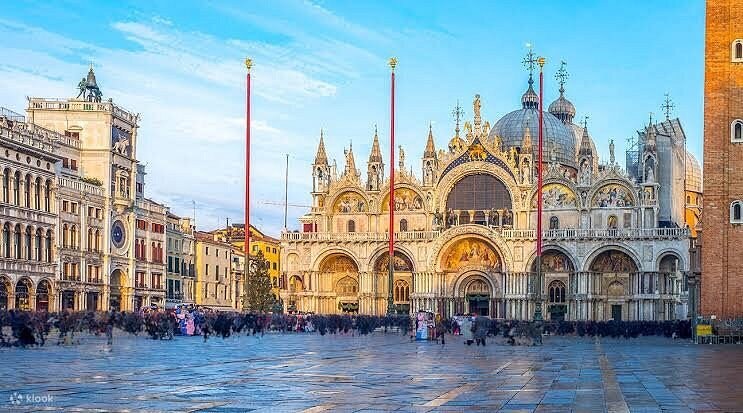 0 mi from VeniceSt. Mark's Basilica
 126 mi from VeniceVilla d'Este - Tivoli Fountains & Mannerist Gardens (Day Trip)
 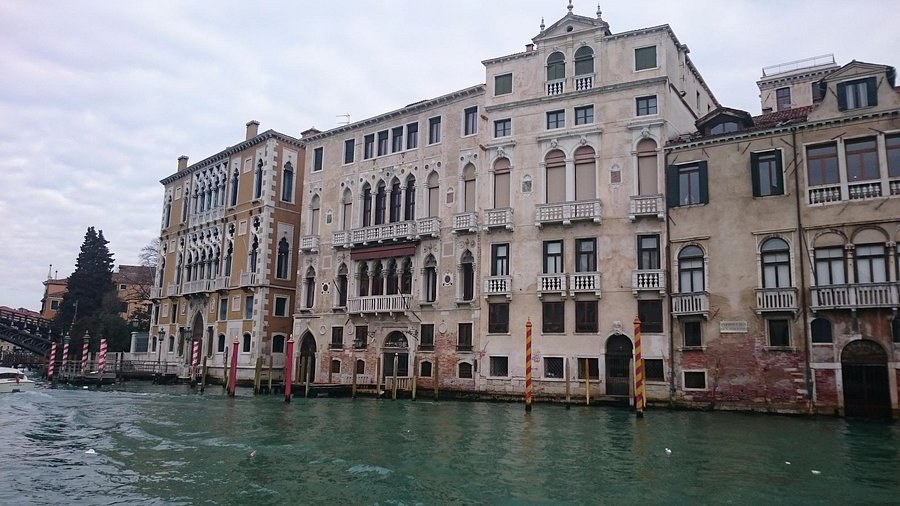 5 mi from Venice · land adventurePalazzo Doors, Lagoon Vineyards: Venice Beyond the Crowd Line
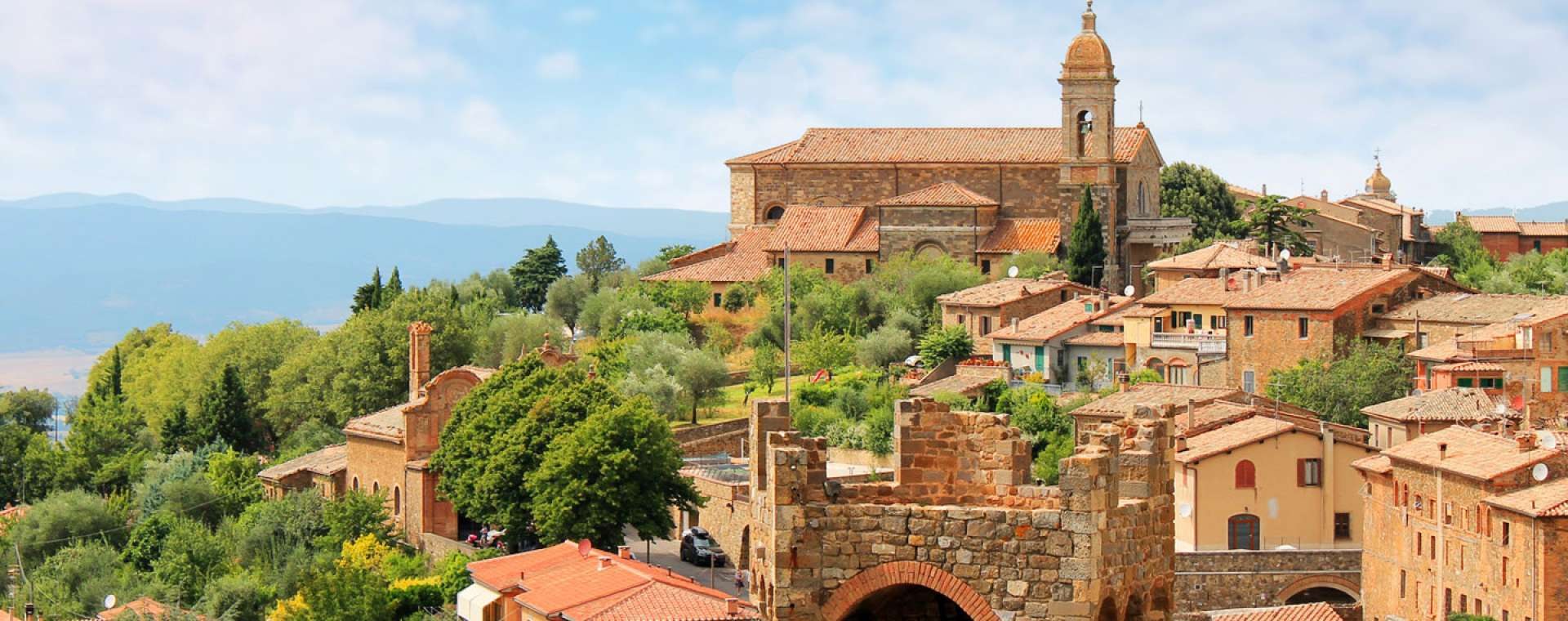 125 mi from Venice · land adventureFlorence to Val d'Orcia: Wine, Frescoes & Thermal Springs
 166 mi from Venice · land adventureSalt, Stone and Grüner Veltliner: Salzburg Beyond Mozart
 After you step off · near Nice
You end in a different port — stay on, and add what is within reach before you fly home.