Your cruise
Silver Spirit · 11-night Mediterranean cruise, Fusina (Venice) to Civitavecchia (Rome)
Nov 11 – Nov 22 · 11 nights ·
Day 1 Fusina (Venice) (board) · Day 2 Trieste · Day 3 Ravenna · Day 4 Split · Day 5 Dubrovnik · Day 6 Bari · Day 7 at sea · Day 8 Trapani · Day 9 La Goulette · Day 10 at sea · Day 11 Naples · Day 12 Civitavecchia (Rome) (step off)
What you do Step inside the fairy-tale Castello di Miramare perched above the Adriatic, where Archduke Maximilian built his doomed imperial dream. A vetted local guide unlocks the castle's opulent rooms and tragic Habsburg story in a group of no more than 10.
What to expect Your guide meets you at the castle gate and escorts you through the sumptuous royal apartments, each room frozen in 19th-century imperial splendour. The sea-view terraces and romantic English garden surrounding the promontory reward unhurried exploration. You'll hear the extraordinary, melancholy tale of Maximilian and Carlota — ambition, madness, and execution — brought vividly to life. The cliff-top setting above the crystalline Adriatic is one of the most photogenic moments on the entire Adriatic coast.
Good to know Miramare is 8 km from the cruise terminal — take a taxi (≈15 min, EUR 15–20) or the city bus No. 36. Pre-book your small-group slot directly; timed-entry tickets sell out on busy port days. Allow 2.5–3 hrs total including travel. All-aboard friendly on a morning docking.
Versus the ship tour A multilingual expert guide leads a maximum of 10 guests — no crowds, no rush — revealing the private apartments, the throne room, and the poignant story of Maximilian's ill-fated Mexican empire at a genuinely leisurely luxury pace.
book direct with Trieste Tickets (official local operator) → · the full guide →
What you do Board a private train deep into the world's most spectacular karst cave system, then scale the cliff to a Renaissance castle built into a sheer rock face. This cross-border day trip to Slovenia is pure bucket-list theatre.
What to expect A vintage electric train whisks you 2 km into the illuminated underworld of Postojna — 24 km of stalactite cathedrals, vast concert halls, and a living olm (the 'human fish') vivarium. Just 9 km away, Predjama Castle clings impossibly to a 123-metre cliff, its secret tunnel system and outlaw-knight legend utterly captivating. The Slovenian countryside drive through the Karst plateau, dotted with vineyards and medieval villages, adds scenic beauty to the journey. A full-day experience that feels like two countries, two worlds.
Good to know Postojna is 50 km from Trieste port (approx. 50 min by private transfer or rental car). Pre-purchase combination tickets online — they include skip-the-queue access. Allow a full 7–8 hrs; confirm all-aboard time before booking. Wear layers — the cave is 10°C year-round.
Versus the ship tour Booking direct with the official Postojna Cave Park gives you the freedom to time your cave train departure, linger in Predjama Castle's extraordinary cliff-side chambers, and avoid the large-coach bottlenecks — a genuinely independent, unhurried itinerary.
book direct with Postojna Cave Park (official operator) → · the full guide →
What you do Drift on an iconic pletna wooden boat to the island church on emerald Lake Bled, then explore Ljubljana's baroque old town with a private local guide. Two UNESCO-worthy destinations in one glorious full day.
What to expect Your private driver-guide collects you dockside and heads into Slovenia's Julian Alps, arriving at Lake Bled's impossibly blue glacial waters. A hand-rowed pletna boat ferries you to the baroque Pilgrimage Church of the Assumption on the lake's tiny island — ring the wishing bell and savour the silence. After lunch (your guide knows the best konoba), Ljubljana reveals its pastel old town, dragon bridge, and lively riverside market. The return drive through the vine-striped Karst is a quiet, scenic finale.
Good to know Lake Bled is approx. 90 km from Trieste port (1 hr 20 min). This is a long day — 9–10 hrs — so confirm your ship's all-aboard time carefully. Private vehicle means flexible timing. Book your guide well in advance for summer port days.
Versus the ship tour A dedicated private guide and vehicle means the itinerary bends entirely to your wishes — linger longer at Bled, take the funicular up to the castle, choose your Ljubljana lunch spot — with none of the compromise of a shared coach.
book direct with ToursByLocals – Trieste Private Guides → · the full guide →
What you do Descend into the Guinness-certified world's largest tourist cave, just 20 minutes from the port — a colossal cathedral of stalactites that dwarfs St Peter's Basilica. An unforgettable, utterly manageable half-day wonder.
What to expect Stone steps descend 80 metres into a single cavern so vast its ceiling vanishes into darkness above you — the main hall is 98 m high, 167 m long, and home to two of the world's most sensitive seismograph pendulums. Expert guides illuminate the science of stalactite formation and the cave's role as a natural laboratory. The Karst plateau above offers a dramatic, otherworldly landscape of sinkholes and limestone scrub worth a short walk after your visit. Back in Trieste with hours to spare for an espresso on Piazza Unità d'Italia.
Good to know Located in Borgo Grotta Gigante, 13 km from port (20 min by taxi, ≈EUR 20). Guided tours run every 30 min; private tours must be pre-booked. Wear sturdy shoes and a light layer (cave stays at 11°C). Perfect half-day option leaving your afternoon free for Trieste's waterfront.
Versus the ship tour The cave sits on the wild Karst plateau just outside Trieste — no long coach journey required. Booking a private guided visit through the official operator secures an expert speleologist guide who narrates the geology and folklore in intimate detail, unavailable on standard group entries.
book direct with Grotta Gigante (official operator) → · the full guide →
What you do Trace Trieste's extraordinary layered identity — Roman, Byzantine, Habsburg, and literary — on a private walking tour with a vetted local historian, from the Roman theatre to the hilltop cathedral where civilisations literally overlap.
What to expect Begin at the atmospheric Piazza Unità d'Italia, Europe's largest sea-facing square, before climbing to the hilltop of San Giusto where a Roman basilica, a medieval castle, and a Venetian-era cathedral occupy the same windswept summit. Your guide brings alive Trieste's golden age as the Habsburg Empire's only seaport — the coffee-house culture, the Jewish merchants, the poets. A detour through the Cavana district uncovers crumbling Venetian alleyways, a functioning Roman theatre embedded in modern buildings, and the Grande Canal lined with Neoclassical palazzi. The city's melancholy beauty — half-Italian, half-Mitteleuropean — is unlike anywhere else in Italy.
Good to know Entirely walkable from the cruise terminal — no transfer needed. A 3-hr private tour fits comfortably within any docking window. Wear comfortable walking shoes; San Giusto hill involves some steep steps. Book the private format for a personalised literary or culinary focus.
Versus the ship tour A private local historian sets the pace entirely to yours — ducking into the espresso bars where James Joyce wrote Ulysses, pausing at the Roman forum ruins, and revealing the hidden Cavana quarter's layers of Venetian and Habsburg architecture that a hurried group tour skims past.
book direct with GetYourGuide – Official Private Trieste Walking Tours → · the full guide →
What you do Wind through the UNESCO-listed Prosecco Hills of the Karst plateau to a secret osmizza — a family farmhouse open by law only a few weeks a year — for estate wines, prosciutto, and Karst cheeses poured by the growers themselves.
What to expect Your driver-guide picks you up at the port and climbs into the wild Karst limestone plateau, where the wind-sculpted bora landscape gives way to rows of Vitovska and Terrano vines. At the osmizza, you sit at rough wooden tables in a stone-walled cellar, pouring unlabelled house wine alongside platters of cured meats, hard cheeses, and pickled vegetables — exactly as Triestines have done for 500 years. The guide narrates the Karst's unique terroir, the Habsburg origins of the osmizza law, and the difference between Collio, Carso, and Friuli DOC wines. Return via the scenic Prosecco Hills viewpoint for the iconic vine-terrace panorama above the Adriatic.
Good to know Osmizza locations change weekly — only a local guide knows which is open on your port day. Half-day (4 hrs) fits comfortably within a standard docking window. Includes private vehicle; wine and food at the osmizza typically costs EUR 10–15 pp cash. Book the private tour format and confirm the osmizza visit when reserving.
Versus the ship tour An osmizza is not a restaurant — it's a licensed farmhouse cellar, open by ancient Habsburg law only when producers hang an ivy branch above the door to signal the wine is ready. A private guide who knows which osmizza is open on the day of your visit is the only way to experience this genuinely local, non-touristy ritual.
book direct with ToursByLocals – Trieste Private Guides → · the full guide →
What you do Glide through Venice's labyrinthine backwater canals in your own private gondola — the single most iconic, romantic, and irreplaceable way to experience La Serenissima. Your gondolier serenades you through passages no vaporetto can reach.
What to expect Your gondolier, trained for years in the ancient craft, steers you through narrow canals draped in wisteria and washing lines, past gothic palazzos and secret garden walls. You'll drift beneath low stone bridges with barely an inch to spare — a thrill no road or water bus replicates. Depending on your route, you may glide past the back façade of the Rialto market or through the achingly quiet Cannaregio neighbourhood. The 40-minute private experience feels completely unhurried and utterly cinematic.
Good to know Fusina to Venice by ferry is ~20 minutes (Line 16 vaporetto). Book your gondola slot directly via the official association website; golden-hour and evening slots sell out weeks ahead. Allow 2.5–3 hours total from the port, well within most all-aboard windows. Gondolas depart from multiple traghetto stations across the city.
Versus the ship tour A fully private gondola — just your group and your gondolier — navigating hidden rio altane (rooftop canals) and sotto-portego passages that large-group boats cannot enter. The pace is entirely yours; linger, photograph, savour.
What you do Slip beyond the velvet rope into the Doge's Palace's hidden chambers — the torture rooms, the Council of Ten's secret offices, and the infamous Piombi prison where Casanova made his legendary escape. Reserved for small groups only.
What to expect A specialist museum guide leads your intimate group through a concealed door behind the main hall and into the administrative nerve-centre of the Venetian Republic — rooms dripping with political intrigue. You'll climb into the lead-roofed Piombi prison, where Casanova was held in 1755 before his audacious escape through the roof. The guide narrates trials, torture, and statecraft with theatrical expertise. The perspective from the attic over the Doge's Courtyard is breathtaking and completely private.
Good to know Tours depart at 09:55, 10:45 and 11:35 daily — the 09:55 slot is ideal for Fusina passengers. Ferry from Fusina (Line 16) drops at Zattere; walk or take vaporetto Line 1 to San Zaccaria. Book the Secret Itineraries tour months in advance — it routinely sells out. All-aboard permitting, plan for a 5–6 hour excursion in total.
Versus the ship tour Limited to just 25 guests per tour, this is the only way to access the Piombi attic prison, the Inquisitors' Chamber, and the hidden stairways that weave through the walls of power. Standard visitors never see these spaces.
What you do Enter the golden Basilica di San Marco before the public crowds arrive, guided by a licensed art historian through 8,000 sq metres of Byzantine mosaics, the Pala d'Oro altarpiece, and the Treasury — a privilege unavailable to ordinary visitors.
What to expect You arrive at a private entrance as the morning light catches the gold tessera mosaics above the narthex, igniting them in amber and ochre. Your expert guide narrates Venice's Byzantine obsession, from the theft of St. Mark's relics from Alexandria in 828 AD to the 500-year mosaic project. You'll access the Museo Marciano upstairs for the original bronze horses and a jaw-dropping terrace view over Piazza San Marco — empty and luminous. The Pala d'Oro, encrusted with 1,927 gemstones, is examined up close without the usual scrum.
Good to know Early-access tours typically begin at 07:45–08:15. Fusina ferry (Line 16) reaches Venice in ~20 minutes; a short vaporetto or water-taxi hop to San Marco completes the transfer. Shoulders and knees must be covered — scarves are provided. Book at least 4–6 weeks ahead; private group options available by request directly with the operator.
Versus the ship tour Early-access entry — before the Basilica opens to the general public — means you stand beneath the golden vaults in near silence. Your art historian guide decodes iconographic programmes that most visitors walk past without a second glance.
What you do Board a private water taxi directly from Fusina and spend a bespoke day with a fifth-generation glassblowing maestro on Murano, then cross the lagoon to colour-soaked Burano for handmade lace and the finest seafood risotto of your life.
What to expect Your private launch skims the northern lagoon, arriving at Murano's legendary glassblowing district. Inside the furnace room, a maestro works at 1,400°C, pulling and shaping a molten gather into a swan or vase before your eyes — the heat on your face is visceral. You'll browse the atelier's signed collection at leisure and may commission a personalised piece shipped to your home. Crossing to Burano, the island's improbably vivid houses — cobalt, vermilion, canary yellow — line the fondamenta. Lunch at a lagoon trattoria on seafood straight from the morning catch is an unmissable coda.
Good to know Arrange your private water taxi directly from Terminal Fusina pier; reputable private launch operators include Venezia Taxi Boat (veneziataxiboat.com). Confirm Nason Moretti furnace hours (typically 09:00–17:00, Mon–Fri) and book the maestro demonstration by email in advance. Allow a full day — 7–8 hours — for both islands comfortably. Murano glass purchases can be shipped internationally.
Versus the ship tour A private water taxi departs on your schedule, taking you directly from the cruise pier to the furnace floor of a real Murano atelier — not a tourist showroom. You watch a maestro shape molten glass with bare hands, then commission a bespoke piece. Burano is explored at your own pace, not a timed group march.
book direct with Vetreria Nason Moretti (Murano — Official Furnace & Atelier) → · the full guide →
What you do Commission a sleek wooden water taxi for an exclusive private cruise the length of the Grand Canal — Venice's liquid main street — past 200 palazzos, beneath the Rialto Bridge, and out to the glittering open lagoon at sunset with Prosecco in hand.
What to expect Your polished wooden launch collects you directly from the Fusina pier and sweeps into the Grand Canal, the driver narrating palazzos — Ca' Rezzonico, Ca' d'Oro, the Peggy Guggenheim — as you wish. You pass beneath the Rialto Bridge with barely a metre to spare on each side, the market stalls vivid above. At sunset, the boat idles in the lagoon basin facing the Salute church as the sky turns rose-gold; a bottle of chilled Prosecco appears. The return to Fusina is timed precisely to your all-aboard.
Good to know Book the private charter directly by email or phone with Consorzio Motoscafi Venezia. Specify your Fusina pier number and all-aboard time so the skipper plans the return precisely. A 2-hour charter covers the full Grand Canal round trip with stops; 3 hours allows island detours. Venetian water taxi fares are metered and regulated — confirm the hourly charter rate in writing before departure.
Versus the ship tour A fully private, licensed mahogany taxi — just your party, your driver-guide, and the canal. You set the pace, choose your stops, and sip chilled Prosecco on the open stern as gothic, baroque, and Renaissance façades glide past. No shared boats, no narrated commentary for 40 strangers.
What you do Step inside Teatro La Fenice — the gilded jewel of European opera, rebuilt twice from ashes — on an expert-guided private tour of its rococo auditorium, royal boxes, and backstage world. If your call aligns with a performance, attend an evening of world-class opera.
What to expect Your art historian guide leads you through the opulent gold-and-crimson horseshoe auditorium, rebuilt in meticulous 18th-century style after the catastrophic 1996 arson fire. You'll see the royal boxes draped in silk, the painted ceiling allegories, and the backstage machinery that raises entire sets from below stage. The guide narrates the house's dramatic history — the fires, the feuds, the world premieres — with the passion of someone who loves opera as much as Venice. If you hold evening performance tickets, nothing rivals the experience of hearing a soprano hit a top C in this intimate, perfectly resonant hall.
Good to know Teatro La Fenice is a 15-minute walk from the San Marco vaporetto stop — easy from the Fusina ferry. Guided tours run throughout the day; book online in advance. For evening performances, check the season schedule on the official website well before your cruise date and book tickets directly — premium seats sell out quickly. Formal or smart attire is expected for performances. Confirm your all-aboard time before booking an evening show.
Versus the ship tour La Fenice is one of the most storied opera houses on earth — where Verdi's La Traviata and Rigoletto premiered. A guided tour or live performance here is a once-in-a-lifetime cultural encounter available only to those who seek it out independently.
What you do Step inside the fairy-tale Castello di Miramare perched above the Adriatic, where Archduke Maximilian built his doomed imperial dream. A vetted local guide unlocks the castle's opulent rooms and tragic Habsburg story in a group of no more than 10.
What to expect Your guide meets you at the castle gate and escorts you through the sumptuous royal apartments, each room frozen in 19th-century imperial splendour. The sea-view terraces and romantic English garden surrounding the promontory reward unhurried exploration. You'll hear the extraordinary, melancholy tale of Maximilian and Carlota — ambition, madness, and execution — brought vividly to life. The cliff-top setting above the crystalline Adriatic is one of the most photogenic moments on the entire Adriatic coast.
Good to know Miramare is 8 km from the cruise terminal — take a taxi (≈15 min, EUR 15–20) or the city bus No. 36. Pre-book your small-group slot directly; timed-entry tickets sell out on busy port days. Allow 2.5–3 hrs total including travel. All-aboard friendly on a morning docking.
Versus the ship tour A multilingual expert guide leads a maximum of 10 guests — no crowds, no rush — revealing the private apartments, the throne room, and the poignant story of Maximilian's ill-fated Mexican empire at a genuinely leisurely luxury pace.
book direct with Trieste Tickets (official local operator) → · the full guide →
What you do Board a private train deep into the world's most spectacular karst cave system, then scale the cliff to a Renaissance castle built into a sheer rock face. This cross-border day trip to Slovenia is pure bucket-list theatre.
What to expect A vintage electric train whisks you 2 km into the illuminated underworld of Postojna — 24 km of stalactite cathedrals, vast concert halls, and a living olm (the 'human fish') vivarium. Just 9 km away, Predjama Castle clings impossibly to a 123-metre cliff, its secret tunnel system and outlaw-knight legend utterly captivating. The Slovenian countryside drive through the Karst plateau, dotted with vineyards and medieval villages, adds scenic beauty to the journey. A full-day experience that feels like two countries, two worlds.
Good to know Postojna is 50 km from Trieste port (approx. 50 min by private transfer or rental car). Pre-purchase combination tickets online — they include skip-the-queue access. Allow a full 7–8 hrs; confirm all-aboard time before booking. Wear layers — the cave is 10°C year-round.
Versus the ship tour Booking direct with the official Postojna Cave Park gives you the freedom to time your cave train departure, linger in Predjama Castle's extraordinary cliff-side chambers, and avoid the large-coach bottlenecks — a genuinely independent, unhurried itinerary.
book direct with Postojna Cave Park (official operator) → · the full guide →
What you do Drift on an iconic pletna wooden boat to the island church on emerald Lake Bled, then explore Ljubljana's baroque old town with a private local guide. Two UNESCO-worthy destinations in one glorious full day.
What to expect Your private driver-guide collects you dockside and heads into Slovenia's Julian Alps, arriving at Lake Bled's impossibly blue glacial waters. A hand-rowed pletna boat ferries you to the baroque Pilgrimage Church of the Assumption on the lake's tiny island — ring the wishing bell and savour the silence. After lunch (your guide knows the best konoba), Ljubljana reveals its pastel old town, dragon bridge, and lively riverside market. The return drive through the vine-striped Karst is a quiet, scenic finale.
Good to know Lake Bled is approx. 90 km from Trieste port (1 hr 20 min). This is a long day — 9–10 hrs — so confirm your ship's all-aboard time carefully. Private vehicle means flexible timing. Book your guide well in advance for summer port days.
Versus the ship tour A dedicated private guide and vehicle means the itinerary bends entirely to your wishes — linger longer at Bled, take the funicular up to the castle, choose your Ljubljana lunch spot — with none of the compromise of a shared coach.
book direct with ToursByLocals – Trieste Private Guides → · the full guide →
What you do Descend into the Guinness-certified world's largest tourist cave, just 20 minutes from the port — a colossal cathedral of stalactites that dwarfs St Peter's Basilica. An unforgettable, utterly manageable half-day wonder.
What to expect Stone steps descend 80 metres into a single cavern so vast its ceiling vanishes into darkness above you — the main hall is 98 m high, 167 m long, and home to two of the world's most sensitive seismograph pendulums. Expert guides illuminate the science of stalactite formation and the cave's role as a natural laboratory. The Karst plateau above offers a dramatic, otherworldly landscape of sinkholes and limestone scrub worth a short walk after your visit. Back in Trieste with hours to spare for an espresso on Piazza Unità d'Italia.
Good to know Located in Borgo Grotta Gigante, 13 km from port (20 min by taxi, ≈EUR 20). Guided tours run every 30 min; private tours must be pre-booked. Wear sturdy shoes and a light layer (cave stays at 11°C). Perfect half-day option leaving your afternoon free for Trieste's waterfront.
Versus the ship tour The cave sits on the wild Karst plateau just outside Trieste — no long coach journey required. Booking a private guided visit through the official operator secures an expert speleologist guide who narrates the geology and folklore in intimate detail, unavailable on standard group entries.
book direct with Grotta Gigante (official operator) → · the full guide →
What you do Trace Trieste's extraordinary layered identity — Roman, Byzantine, Habsburg, and literary — on a private walking tour with a vetted local historian, from the Roman theatre to the hilltop cathedral where civilisations literally overlap.
What to expect Begin at the atmospheric Piazza Unità d'Italia, Europe's largest sea-facing square, before climbing to the hilltop of San Giusto where a Roman basilica, a medieval castle, and a Venetian-era cathedral occupy the same windswept summit. Your guide brings alive Trieste's golden age as the Habsburg Empire's only seaport — the coffee-house culture, the Jewish merchants, the poets. A detour through the Cavana district uncovers crumbling Venetian alleyways, a functioning Roman theatre embedded in modern buildings, and the Grande Canal lined with Neoclassical palazzi. The city's melancholy beauty — half-Italian, half-Mitteleuropean — is unlike anywhere else in Italy.
Good to know Entirely walkable from the cruise terminal — no transfer needed. A 3-hr private tour fits comfortably within any docking window. Wear comfortable walking shoes; San Giusto hill involves some steep steps. Book the private format for a personalised literary or culinary focus.
Versus the ship tour A private local historian sets the pace entirely to yours — ducking into the espresso bars where James Joyce wrote Ulysses, pausing at the Roman forum ruins, and revealing the hidden Cavana quarter's layers of Venetian and Habsburg architecture that a hurried group tour skims past.
book direct with GetYourGuide – Official Private Trieste Walking Tours → · the full guide →
What you do Wind through the UNESCO-listed Prosecco Hills of the Karst plateau to a secret osmizza — a family farmhouse open by law only a few weeks a year — for estate wines, prosciutto, and Karst cheeses poured by the growers themselves.
What to expect Your driver-guide picks you up at the port and climbs into the wild Karst limestone plateau, where the wind-sculpted bora landscape gives way to rows of Vitovska and Terrano vines. At the osmizza, you sit at rough wooden tables in a stone-walled cellar, pouring unlabelled house wine alongside platters of cured meats, hard cheeses, and pickled vegetables — exactly as Triestines have done for 500 years. The guide narrates the Karst's unique terroir, the Habsburg origins of the osmizza law, and the difference between Collio, Carso, and Friuli DOC wines. Return via the scenic Prosecco Hills viewpoint for the iconic vine-terrace panorama above the Adriatic.
Good to know Osmizza locations change weekly — only a local guide knows which is open on your port day. Half-day (4 hrs) fits comfortably within a standard docking window. Includes private vehicle; wine and food at the osmizza typically costs EUR 10–15 pp cash. Book the private tour format and confirm the osmizza visit when reserving.
Versus the ship tour An osmizza is not a restaurant — it's a licensed farmhouse cellar, open by ancient Habsburg law only when producers hang an ivy branch above the door to signal the wine is ready. A private guide who knows which osmizza is open on the day of your visit is the only way to experience this genuinely local, non-touristy ritual.
book direct with ToursByLocals – Trieste Private Guides → · the full guide →
What you do A bespoke 3-hour private walking tour through Ravenna's glittering UNESCO World Heritage mosaics — Basilica di San Vitale, Mausoleum of Galla Placidia, and Sant'Apollinare Nuovo — guided by a vetted local expert at your own pace.
What to expect Your guide meets you at the port or your hotel and leads you on foot through Ravenna's old centre, pausing at the Basilica di San Vitale to decode the imperial court mosaics of Justinian and Theodora. Inside the Mausoleum of Galla Placidia, you experience the oldest surviving intact mosaic cycle in the world — the star-encrusted cobalt ceiling is genuinely jaw-dropping in person. The tour threads through Sant'Apollinare Nuovo's processional nave and, if time allows, the Neonian Baptistery, before finishing at Dante's Tomb. Throughout, your expert contextualises 1,500 years of Byzantine art history with relaxed, unhurried conversation.
Good to know Book well in advance for summer sailings — private guides fill quickly. Confirm your all-aboard time with the ship and allow 30 minutes' return transfer from the old town. Pre-book UNESCO combo admission through your guide to skip ticket queues entirely.
Versus the ship tour Entirely private — your guide, your pace, zero strangers. You linger at the golden vault of Galla Placidia or the apse of San Vitale for as long as you wish, something a group tour cannot offer. The guide tailors depth and narrative to your interests.
book direct with ToursByLocals – Ravenna Private Guides → · the full guide →
What you do Join a curated small group (max 8) for an expert-led deep-dive into Ravenna's UNESCO mosaics, covering San Vitale, Galla Placidia, Sant'Apollinare Nuovo and Dante's Tomb with full admission included.
What to expect The tour begins at the Basilica di San Vitale, where your guide illuminates the political theatre embedded in Emperor Justinian's mosaic portraits. You then cross to the Mausoleum of Galla Placidia, whose indigo vaulted ceiling — filled with golden stars and a luminous Good Shepherd — stops every visitor in their tracks. Sant'Apollinare Nuovo follows, renowned for its long processional mosaics of martyrs and virgins. The walking tour ends at Dante's Tomb, the quiet resting place of Italy's greatest poet, set in a small garden that rewards reflection.
Good to know Groups depart from a central Ravenna meeting point; arrange a taxi or pre-booked transfer from the cruise terminal (approx. 15 minutes). The tour lasts roughly 3 hours, leaving comfortable time before all-aboard. Confirm availability and pre-book online — last-minute slots are rare in peak season.
Versus the ship tour Strictly capped small-group size means intimate, conversational guiding rather than a parade of tourists with a megaphone. Avventure Bellissime's local expert goes well beyond surface-level commentary into Byzantine theology, imperial politics, and the craftsmanship secrets of tesserae.
book direct with Avventure Bellissime (Tours-Italy) → · the full guide →
What you do Self-pace through Ravenna's two greatest UNESCO basilicas — San Vitale and Sant'Apollinare Nuovo — with a single combo ticket, plus add-on access to Galla Placidia and the Neonian Baptistery at your leisure.
What to expect The official combo ticket grants access to up to five UNESCO sites in a single pass. Begin at the Basilica di San Vitale — sixth-century Byzantine architecture that inspired Charlemagne's Palatine Chapel — before stepping into the jewel-box interior of the Mausoleum of Galla Placidia. Sant'Apollinare Nuovo's 26-metre nave is lined with the world's longest surviving early Christian mosaic frieze. The Neonian Baptistery rounds out the experience with its dazzling baptism-of-Christ ceiling roundel. Printed maps are provided at entry, and audio guides are available to rent.
Good to know Purchase tickets online in advance via ravennamosaici.it to skip the queue — essential in July and August. Galla Placidia requires a timed-entry slot booked separately online (free but mandatory). Sites are within easy walking distance of each other in the compact historic centre.
Versus the ship tour Booked direct through the official operator at face value — no mark-up, no commission, no queuing at a reseller counter. You move entirely at your own rhythm, returning to the mosaics that move you most, in silence if you choose.
book direct with Ravenna Mosaici (Official Ticket Office) → · the full guide →
What you do A full-day private excursion into Emilia-Romagna's legendary Motor Valley — birthplace of Ferrari, Lamborghini, and Ducati — combining a VIP factory museum visit with lunch in the food capital of Italy.
What to expect A private luxury vehicle collects you at the cruise terminal and whisks you into the Pianura Padana towards Sant'Agata Bolognese, home of Lamborghini. The museum displays a chronological shrine to the raging bull, from the original 350 GT to modern Urus and Huracán models, with behind-the-scenes factory context from your expert guide. Lunch follows in a celebrated local osteria — perhaps handmade tagliatelle al ragù or tortellini in brodo, the benchmark dishes of Emilia-Romagna. There is scope to include a stop at the Ferrari Museum in Maranello or the Ducati factory depending on group interests.
Good to know Confirm the day's programme with Great Italy Tour at booking to customise your stops (Ferrari/Lamborghini/Ducati). The round trip is approximately 3–4 hours of driving — a full-day commitment, so confirm your all-aboard time carefully. Advance reservation is essential; private day tours book out weeks ahead.
Versus the ship tour Fully private, chauffeur-driven in a luxury vehicle with a dedicated guide. This is the definitive Emilia-Romagna supercar pilgrimage — not a coach excursion, but a curated day for genuine enthusiasts who want access, context, and the roar of a V12 in its spiritual homeland.
book direct with Great Italy Tour – Shore Excursions from Ravenna Port → · the full guide →
What you do A seamless private transfer from Ravenna port to Venice — arriving by private boat on the Grand Canal — for a half-day of the Serenissima's palaces, Piazza San Marco, and a Michelin-quality cicchetti lunch.
What to expect Your private, air-conditioned vehicle departs the cruise terminal early to maximise time in Venice (approx. 1.5 hours each way). On arrival at the lagoon, a private water taxi transfers you onto the Grand Canal — one of the world's great arrivals. A local guide provides an expert orientation walk through the Sestiere di San Marco, covering the Doge's Palace exterior, the Bridge of Sighs, and the Basilica di San Marco. The afternoon is yours: explore the Rialto market, a gallery, or simply sit at a canal-side table with a Bellini and watch the world float by. Departure is timed precisely to guarantee return before your all-aboard.
Good to know Venice is approximately 1.5 hours by road from Ravenna; factor in the water taxi crossing. Pre-book Doge's Palace and San Marco Basilica timed entry independently (basilicasanmarco.it / palazzoducale.visitmuve.it) to avoid long queues. Confirm all-aboard time with the ship and build in a 45-minute buffer for the return.
Versus the ship tour The private boat arrival on the Grand Canal is the defining difference — you glide past the Salute and the Doge's Palace as Venice intended to be seen, not crammed onto a vaporetto. Your day is entirely unscheduled after the guided orientation, leaving you free to explore at will.
book direct with Great Italy Tour – Shore Excursions from Ravenna Port → · the full guide →
What you do An intimate, expert-led tasting journey through Emilia-Romagna's legendary larder — Parmigiano-Reggiano, prosciutto di Parma, local Sangiovese, and fresh pasta — woven around Ravenna's beautiful historic centre.
What to expect Your culinary guide leads you through Ravenna's covered market and surrounding back streets, stopping at a cheese specialist for aged Parmigiano-Reggiano and fresh squacquerone, then a salumeria for paper-thin prosciutto and mortadella sliced to order. A local enoteca provides a seated tasting of Sangiovese di Romagna and Albana DOCG wines, paired with tigelle flatbreads and local honey. Lunch or a concluding sit-down meal can be incorporated at a celebrated local restaurant — perhaps fresh cappelletti in broth or piadina romagnola, the region's beloved flatbread, hot off the stone. The whole experience leaves you with a profound understanding of why Emilia-Romagna is called Italy's food valley.
Good to know Book directly through VisitRavenna's tour desk or enquire via visitravenna.it; private and small-group formats available. The experience takes 3–4 hours and is entirely within walking distance of the historic centre. Ideal to pair with a morning UNESCO mosaics visit for a complete Ravenna day.
Versus the ship tour This is an unhurried, sensory immersion into one of the world's great food cultures — not a rushed buffet. A local food expert guides you through artisan producers and historic wine bars that have no presence in guidebooks, pairing each taste with the story of the region's culinary identity.
book direct with VisitRavenna – Official Ravenna Tourism → · the full guide →
What you do An hour's drive inland from Bari sits one of the oldest continuously inhabited settlements on Earth: a honey-colored amphitheater of cave-dwellings, rock churches and tumbling staircases carved into a ravine, used as a stand-in for ancient Jerusalem in Mel Gibson's Passion and the Bond film No Time To Die. Once a national shame, the Sassi are now a UNESCO World Heritage Site and were European Capital of Culture in 2019, and walking them at golden hour with a guide who can read the strata of 9,000 years is the single most extraordinary thing you can do from this port. This is the bucket-list anchor of any Bari call.
What to expect Expect steep, uneven stone steps and a lot of climbing between the two Sassi districts (Caveoso and Barisano), so proper shoes matter. Your guide leads you through a furnished cave-house (Casa Grotta) showing how families lived alongside their animals until the 1950s, plus the frescoed rupestrian churches of Madonna de Idris and San Giovanni Monterrone. The light on the tufa stone is unforgettable at any hour. Most door-to-door tours give you a couple of free hours for lunch overlooking the ravine.
Good to know Matera is ~66 km / 1 hour by road from Bari port; there is no quick walk-back option, so this is a full-day commitment. Pre-book the round-trip tour the moment your itinerary is confirmed (small minibuses sell out on cruise days). Wear flat, grippy shoes, bring water and a sun layer, and confirm your operator's return time has a comfortable buffer before all-aboard. If you'd prefer your own pace, prestige operators run private Matera days from Bari with archaeologist guides for ~EUR 180-250/person.
Versus the ship tour Cruise lines typically run a combined Matera + Alberobello full-day shore excursion at roughly USD 230-270/person. For Matera alone, booking the Pugliamare door-to-door tour direct at ~EUR 100 wins clearly on both price and intimacy (small minibus vs. full motorcoach). Honest caveat: Matera is a 1-hour drive each way and timing against all-aboard is tight, so if you only sail in for a short day, the ship's escorted transport does remove the risk of a missed-train scramble. With a normal 8-10 hour port day, book direct.
book direct with Pugliamare (round-trip from Bari w/ guide) or Sassi di Matera (official licensed guides, once in town) → · the full guide →
What you do Alberobello is a fairy-tale UNESCO World Heritage hillside of over 1,500 trulli — whitewashed conical drystone houses topped with grey limestone cones and painted with mysterious symbols, found nowhere else on the planet at this density. Wandering the Rione Monti and the quieter, more authentic Rione Aia Piccola with a guide who can explain the mortarless drystone craft and the tax-dodging origins of the roofs is genuinely one-of-a-kind. It pairs naturally with Matera on a single inland day, making for the ultimate double-UNESCO Puglia bucket-list run.
What to expect Rione Monti is the photogenic, busier zone with trulli now housing boutiques and ceramics shops; cross to Rione Aia Piccola for the lived-in, residential trulli that feel untouched. You'll see the two-story Trullo Sovrano and the trullo-shaped Church of Sant'Antonio. The cobbled lanes are charming but uneven. Mornings are noticeably calmer than mid-afternoon when day-trippers peak.
Good to know Alberobello is ~55 km / ~1 hour from Bari port and ~45 min from Matera, which is why the two are so commonly combined into one inland day. Pre-book the combined tour to lock your transport. Bring cash for the small ceramics and food artisans, wear flat shoes for cobbles, and keep one eye on the clock — combined days are long, so confirm a generous return buffer before all-aboard.
Versus the ship tour The cruise line's combined Matera+Alberobello day runs ~USD 230-270/person; the equivalent direct combined tour (Pugliamare) is roughly half that. Book direct unless you want zero logistical responsibility on a short call. Alberobello alone is also a doable self-guided stop, but a licensed guide is what turns a pretty photo-op into an understanding of why these roofs exist — well worth the modest direct fee.
book direct with Alberobello.com (official town tourism portal, licensed local guides) / Pugliamare combined UNESCO tour → · the full guide →
What you do Polignano a Mare is the cliff-top jewel of the Adriatic — whitewashed houses balanced on a sheer limestone bluff above impossibly turquoise water, including the famous Grotta Palazzese sea cave beneath the legendary cliff-side restaurant. Boarding a small skippered boat at San Vito and threading the coastal grottoes — Grotta Palazzese, Grotta delle Rondinelle and more — then dropping anchor for a swim in the clearest water in Puglia and a Prosecco-and-taralli aperitivo on deck, is the most purely joyful, luxurious thing to do near Bari. It is the Puglia of the postcards.
What to expect Departure is from the small harbor at San Vito, about 10 minutes from Polignano's center, beneath a 10th-century Benedictine abbey. The skipper noses the open boat into the sea caves, the water shifting from sapphire to glassy aqua, and on calm days you'll anchor for a swim. The onboard aperitivo of taralli and Prosecco is the signature touch. Allow extra time afterward to walk Polignano's old town and the Lama Monachile cove viewpoint.
Good to know Polignano is ~36 km / 30-40 min south of Bari port; you'll need a pre-arranged transfer or driver to reach the San Vito launch, so factor that into your all-aboard math. Boats run roughly March-October and are weather-dependent — confirm the morning of. Bring a swimsuit, towel, reef-safe sunscreen and a light cover-up. Pre-book the slot; cruise-day boats fill fast.
Versus the ship tour Lines like MSC sell a Polignano caves boat excursion (often bundled with the Castellana Caves) at a meaningful premium per person. Booking the same caves-and-aperitivo boat direct with Pugliamare at EUR 35/person — or splurging on a private boat at ~EUR 300 for your group — is both cheaper and far more intimate (10-person open boat vs. a packed party vessel). Book direct; just leave yourself transfer time, as Polignano is a 30-40 min drive from the port.
book direct with Pugliamare (official local maritime operator) → · the full guide →
What you do The one bucket-list experience that needs no transfer: Bari's medieval old town begins barely 300 m from the cruise terminal. Behind its labyrinth of whitewashed lanes you'll find the Basilica di San Nicola (holding the relics of the original Saint Nicholas, a major Orthodox and Catholic pilgrimage site), the Norman-Swabian castle, and the unmissable Strada delle Orecchiette (Strada Arco Basso), where local nonne sit outside their doorways hand-shaping the region's signature 'little ear' pasta all day long. A licensed street-food walk turns it into a feast.
What to expect The old town is a genuine working neighborhood — laundry overhead, kids playing, and the pasta-makers at Strada Arco Basso shaping orecchiette on wooden boards outside their homes (buy a bag, and note tourist-facing stalls aren't always the real deal). Inside San Nicola, the crypt holding the saint's relics is moving and quietly grand. Food tours typically fold in panzerotti, focaccia barese, burrata, taralli and a gelato finish. Lanes are flat but cobbled.
Good to know Bari Vecchia is a 10-min walk from the terminal; the Basilica di San Nicola is ~20 min on foot. No transport needed, making this the safest pick if your call is short or tenders are slow. Dress modestly to enter the basilica (shoulders/knees covered). Carry small cash for street food. Food tours often start late afternoon, so confirm timing fits a daytime port call, or do the old town self-guided in the morning.
Versus the ship tour Cruise lines rarely sell a strong Bari-city walking tour because the old town is so close, and any ship transfer here is pure markup for a 10-minute walk. Skip the ship entirely for this one: stroll in yourself, or book a licensed local food guide direct for the orecchiette street and the basilica. This is the easy, low-risk, high-reward excursion to pair with a half-day elsewhere.
book direct with Velo Service / Do Eat Better Experience (licensed Bari Vecchia food walks) → · the full guide →
What you do Rising alone on a hilltop in the Murge, Castel del Monte is the enigmatic 13th-century octagonal castle built by Emperor Frederick II — eight sides, eight octagonal towers, eight rooms per floor, its geometry so deliberate it appears on the Italian one-cent coin and is a UNESCO World Heritage Site. There's no other medieval building like it in Europe: part hunting lodge, part mathematical riddle, with no clear military or residential purpose. For travelers drawn to history and mystery over crowds, it's a haunting, uncrowded alternative to the Matera-Alberobello circuit.
What to expect The castle sits ~18 km from Andria with no town around it — just the stark octagonal silhouette against open countryside. Inside, the proportions and the way light moves through the eight rooms are the whole experience; bring curiosity about the symbolism rather than expecting furnishings. A mandatory shuttle runs from the lower parking area up to the castle itself. Crowds are light compared with Puglia's headline sites.
Good to know Castel del Monte is ~60 km / ~1 hour northwest of Bari port, so you'll need a private transfer or driver-guide for the day. Buy timed entry in advance via the official Aditus site, especially on free-entry dates (it gets busy). Wear sturdy shoes for the hilltop approach, and confirm your driver's return timing against all-aboard. First Sunday of the month is free entry but markedly busier.
Versus the ship tour Cruise lines seldom feature Castel del Monte (it loses out to the headline Matera/Alberobello combo), so there's usually no ship equivalent — which is exactly its appeal. Book the EUR 7 ticket direct through the official Aditus office and arrange a private driver-guide; you'll trade a few euros of convenience for a near-empty UNESCO monument. Best for repeat visitors or history lovers who've already done the Sassi.
book direct with Aditus Culture (official ticket office) / Andria tourism licensed guides → · the full guide →
What you do Ride a cable car 750 metres above the sea to Erice, a perfectly preserved Norman walled town floating above the clouds. Wander cobbled alleys, peer into ancient churches, and drink in views stretching to the Egadi Islands — a bucket-list Sicilian moment.
What to expect Your private driver meets you dockside and whisks you to the Funivia Erice cable car for a vertiginous ascent through the clouds. At the top, a knowledgeable guide leads you through the Castle of Venus, the 14th-century Chiesa Madre, and the Giardino del Balio with its sweeping coastal panorama. Time slows as you duck into a pasticceria for Erice's legendary marzipan sweets, a confection perfected by the local nuns. The return is equally theatrical — the cable car descent at golden hour is unforgettable.
Good to know Erice is 30 minutes from the port by car + cable car. The cable car can close in strong winds — your driver will advise on the day. Book the private transfer in advance; Erice is easily combined with Segesta to fill a full day. Confirm all-aboard time and allow a 45-minute buffer.
Versus the ship tour Fully private, door-to-cable-car service with a dedicated English-speaking driver-guide; linger as long as you wish in the alleys and fortified gardens without a group itinerary.
book direct with DriverInRome – Trapani Shore Excursions → · the full guide →
What you do Stand inside one of the world's best-preserved Greek temples — 36 columns dating to 430 BC, set in wild Sicilian countryside. Add the hilltop theatre with its staggering valley view and this is antiquity at its most theatrical.
What to expect The 40-minute drive from the port winds through golden hills before the Doric temple appears — unroofed, never completed, and utterly majestic. Your guide explains why it was never finished, making the mystery as compelling as the architecture itself. A short shuttle carries you up to the 3rd-century BC theatre, where the curved stone seating frames a view of Monte Barbaro and the valley below. The acoustics are extraordinary — ask your guide to demonstrate. Linger for photographs as the light shifts across the limestone columns.
Good to know Segesta is 35 km east of Trapani — about 40 minutes each way. Pre-book your private transfer and purchase park tickets at the gate or online. Pairs beautifully with Erice for a full-day itinerary. Wear comfortable walking shoes and bring sun protection.
Versus the ship tour Private car and guide means you arrive before the coach groups and enjoy the temple in near-solitude; your guide contextualises the Elymian civilisation — a story rarely told.
book direct with DriverInRome – Trapani Shore Excursions → · the full guide →
What you do At 667 acres, Selinunte is the largest archaeological site in Europe — seven Greek temples rising from a clifftop above the sea. A private expert guide transforms a vast, overwhelming site into an intimate narrative of Greek colonialism and Carthaginian drama.
What to expect The hour-long drive south along the Sicilian coast builds anticipation before the acropolis temples emerge spectacularly above the sea. Your guide navigates Temple E — partially re-erected and among Sicily's most photogenic — and the mysterious unfinished Temple G, once one of the largest buildings in the ancient world. The Marinella beach below the site offers a sublime spot for a post-exploration swim. The site's remoteness means it retains an atmosphere of genuine discovery that more-visited ruins have long lost.
Good to know Selinunte is about 1 hour from Trapani port — plan for a full day (6–7 hours total). Depart early to maximise time and avoid midday heat. Book a private guide who is licensed for archaeological sites. Confirm all-aboard with a generous buffer; discuss timing with your driver.
Versus the ship tour The sheer scale of Selinunte rewards a private guide who can focus on the temples that move you, not a whistle-stop circuit; electric golf-cart rentals inside the park mean you cover ground without exhaustion.
book direct with DriverInRome – Trapani Shore Excursions → · the full guide →
What you do The flamingo-pink salt pans stretching between Trapani and Marsala are one of Sicily's most iconic landscapes. At sunset, the windmills, salt pyramids, and wading flamingos glow amber and rose — a photographer's and gourmand's dream combined.
What to expect A local naturalist leads you along the salinaro trail between the crystalline geometric pools, explaining the annual harvest cycle and the ecology of this protected WWF reserve. Inside the restored windmill-turned-museum, antique wooden machinery and salt-grinding stones tell a story that pre-dates the Romans. Tastings of flavoured salts — including the prized fleur de sel — are laid out on a rustic table. In spring and autumn, greater flamingos wade in the shallows just metres away, completing a scene of extraordinary, quiet beauty.
Good to know The salt pans are just 10–15 minutes from the port — easily combined with a Marsala wine tasting for a half-day itinerary. Sunset timing aligns perfectly with late-afternoon all-aboard times on most itineraries; confirm your ship's schedule. Mosquito repellent is advised in warm months. Flat terrain — suitable for all fitness levels.
Versus the ship tour Walking the salinaro trail with a naturalist guide — tasting fleur de sel fresh from the pan, watching flamingos feed, and learning centuries-old salt-harvesting technique — is an entirely sensory, unhurried experience unavailable in any coach format.
book direct with Riserva Naturale Saline di Trapani e Paceco (Legambiente) → · the full guide →
What you do The Egadi Islands — Favignana, Levanzo, and Marettimo — are a protected marine reserve of crystalline turquoise water, Bronze Age cave art, and sea caves accessible only by boat. A private charter delivers you to corners the ferries never reach.
What to expect Your private motorboat departs Trapani harbour and crosses the channel to Favignana in under an hour, arriving at coves of luminous emerald water. Snorkelling gear is on board for exploring the posidonia meadows and shipwreck remnants — this is one of the richest marine sites in the Mediterranean. The captain navigates to Levanzo's sea caves, where a guide recounts the Neolithic and Bronze Age paintings hidden inside. A cold lunch of local tuna, Sicilian capers, and chilled Grillo wine is served at anchor — somewhere perfectly still and perfectly quiet.
Good to know Depart as early as possible — ideally 08:30 — to maximise time and return well before all-aboard. Sea conditions can affect departures; your operator will advise. Bring reef-safe sunscreen, a hat, and a light layer for the crossing. Pre-book the charter well in advance as private boats are limited in peak season (June–September).
Versus the ship tour A private charter anchors in secluded coves — the sea caves of Levanzo, the crystalline Cala Azzurra of Favignana — where no larger vessel can follow; your skipper cooks a fresh-catch lunch on board.
What you do Trapani's cuisine is the most North African in all of Italy — fish couscous, busiate pasta with pesto Trapanese, and tuna cured in the Phoenician tradition. A guided food walk through the historic centre with a local culinary expert is the most delicious two hours in Sicily.
What to expect Your licensed local guide meets you at the port and leads you into the baroque Corso Vittorio Emanuele, pausing at the Cattedrale di Trapani and the extraordinary 17th-century Chiesa del Purgatorio, adorned with life-size wooden statues used in the Easter procession. The fish market is a riot of silver swordfish, fresh-caught tuna, and vendors who've known each other for generations. Tastings follow at a storied pastificio (try the busiate with hand-pounded almond-tomato pesto) and a cantine pouring chilled Zibibbo. The walk ends at a harbourfront table with a bowl of fish couscous — the dish that defines this city.
Good to know The fish market is liveliest before 11:00 — morning departures are ideal. The entire walk is within easy walking distance of the port (10 minutes on foot). No transport needed — this is a port-city excursion that needs zero transfer time, making it the safest option for late all-aboard arrivals. Pre-book your guide; Giorgio's calendar fills quickly in summer.
Versus the ship tour Access to the daily fish market (Mercato del Pesce), entry into a family pasta-maker's workshop, and stops at producers that only a local guide knows — this is eating as the Trapanesi actually eat, not a tourist set-menu.
book direct with Guides of Italia – Giorgio, Licensed Driver-Guide Western Sicily → · the full guide →
What you do A bespoke private day uniting three of Tunisia's crown jewels — the UNESCO ruins of Carthage, the azure-and-white clifftop village of Sidi Bou Said, and the world's finest Roman mosaic collection at the Bardo. Bucket-list depth, your pace, zero crowds.
What to expect Your private guide meets you dockside and whisks you first to Byrsa Hill, where Punic and Roman Carthage overlap in extraordinary layers of archaeology. After the Carthage Museum's gold jewellery and skeletal finds, you wind up the bougainvillea-draped lanes of Sidi Bou Said for mint tea at the legendary Café des Nattes. The afternoon is devoted to the Bardo — floor-to-ceiling Roman mosaics spanning 3,000 sq m, rivalling any European museum. You return to port relaxed, never rushed.
Good to know Book well ahead for May–October sailings; confirm all-aboard time with your guide before departure. Bardo entry: approx. TND 12 (EUR 3.50) per person; Carthage archaeological pass: TND 15 (EUR 4.50). Private vehicle transfer from La Goulette port is included with a guide booking.
Versus the ship tour Fully private — your guide, your vehicle, your itinerary. Expert local historians provide scholarly depth at each site, with unhurried time at every stop and a reserved table for a traditional Tunisian lunch included.
book direct with TourHQ Tunisia Private Guides (local expert-led) → · the full guide →
What you do Go deep inside the Bardo — home to the world's largest and most spectacular Roman mosaic collection — with a private art-historian guide who decodes mythological scenes and Punic craftsmanship few visitors ever truly understand.
What to expect Set inside a lavish Husainid palace, the Bardo's marble halls are lined floor-to-ceiling with mosaics salvaged from Roman villas across Tunisia — portraits of Virgil, Neptune's chariot, and entire dining-room floors lifted intact. Your guide contextualises each piece within the sweep of Punic, Roman, and early Christian North Africa. Expect a minimum of two absorbing hours, with access to the Punic and Islamic wings most visitors skip. The museum café is an elegant spot for a post-tour espresso.
Good to know The Bardo is roughly 20 minutes from La Goulette by private car. Allow 3–4 hours for a thorough visit. Closed Mondays. Photography is permitted throughout the permanent collection.
Versus the ship tour A private art-history specialist — not a generalist driver — leads you through galleries at a scholar's pace, pausing on individual mosaics to unpack the stories, symbols, and lost civilisations behind them. Strictly intimate: just your group.
book direct with Bardo National Museum (official) + TourHQ Private Guides → · the full guide →
What you do Walk the very ground where Hannibal plotted, Rome razed, and three civilisations left their mark — guided by a private archaeologist or historian who brings the Punic, Roman, and Byzantine layers vividly to life.
What to expect The Baths of Antoninus alone — the largest Roman baths outside Rome, tumbling down to the Gulf of Tunis — justify the visit. Your historian guides you through the haunting Tophet (the ancient Punic child-burial ground), the cliff-edge Roman villas with their intact mosaic floors, and Byrsa Hill's breathtaking panorama over the bay. The Carthage Museum then delivers the artefacts — Punic jewellery, skeletal remains, votive stelae — that complete the picture. It is a place where history feels tactile and urgent.
Good to know Carthage is just 15 minutes from La Goulette port by private car — one of the easiest UNESCO sites from any cruise port in the world. The Antonine Baths are exposed; wear sun protection. Combine with Sidi Bou Said (5 minutes away) for a perfect half-day pairing.
Versus the ship tour Private access to all seven UNESCO sub-sites — Byrsa Hill, the Antonine Baths, the Tophet, the Punic Ports, the Roman Villas, the Amphitheatre, and the Carthage Museum — at your own pace, with expert-level narration unavailable in a group format.
book direct with TourHQ Tunisia Private Guides (local expert-led) → · the full guide →
What you do Wander the cobalt-shuttered lanes of Sidi Bou Said — Paul Klee's muse, Tunisia's most photogenic village — then lose yourself in the labyrinthine Medina of Tunis, a UNESCO-listed medieval souq of perfumers, calligraphers, and master weavers.
What to expect Sidi Bou Said greets you with cascading bougainvillea, whitewashed arches, and the legendary Café des Nattes — the oldest coffeehouse in Tunisia, perched above the bay for a mint-tea ritual that has enchanted artists since the 1920s. Your guide then leads you deep into the Medina's 13th-century fabric: the gold souq, the scent-drenched perfumers' alley, the Zitouna Mosque's grand Aghlabid courtyard. A private door or two — a master perfumer's atelier, a hidden riad — set this apart from any self-guided wander. Lunch at a refined Medina restaurant is easily arranged.
Good to know Dress modestly for the Medina (shoulders and knees covered). Sidi Bou Said is 15 min from port; the Medina of Tunis is 25 min. Allocate at least 4 hours for both. The Medina is busiest midday on weekends.
Versus the ship tour A private cultural guide unlocks the Medina's hidden foundouks (merchant houses), the Zitouna Mosque courtyard, and artisan workshops closed to independent visitors — and paces the day so you have genuine leisure time in Sidi Bou Said rather than a rushed photo stop.
book direct with TourHQ Tunisia Private Guides (local expert-led) → · the full guide →
What you do Board a private or small-group boat directly from La Goulette for a sun-drenched cruise along the Carthaginian coast — swimming in crystal-clear Gulf of Tunis waters, with a generous seafood lunch served on board.
What to expect Your boat slips out of the historic port, rounding the headland to anchor in the translucent waters below the Carthage shoreline. The crew sets out a spread of grilled fish, harissa, brik pastry, and chilled rosé as you swim or snorkel from the stern. The views back to the white dome of Sidi Bou Said and the Roman ruins on the bluffs are simply extraordinary — a perspective on this ancient landscape that no land tour can offer. Return to port in the early afternoon, sunned, fed, and deeply content.
Good to know Confirm departure and return times against your ship's all-aboard. Bring a towel, sunscreen, and swimwear. Private charters offer the most flexibility and can be tailored to include a Sidi Bou Said stop. Book at least 48 hours in advance.
Versus the ship tour Departs directly from La Goulette harbour — no transfers needed — giving you maximum time on the water. Small-group or private format means you anchor where you wish, swim at will, and enjoy a freshly prepared Tunisian seafood lunch at your own unhurried pace.
book direct with GetYourGuide La Goulette Boat Tours (local operator) → · the full guide →
What you do Sail out of La Goulette on a magnificently rigged tall ship or traditional vessel as the North African sun dissolves into the Gulf of Tunis — a cinematic, unforgettable farewell to one of the Mediterranean's most storied ports.
What to expect Boarding at La Goulette's historic quayside, you set sail with a small, convivial group as the afternoon light turns the Gulf of Tunis amber and rose. The vessel — a beautifully rigged tall ship or traditional Tunisian vessel — glides past the Sidi Bou Said cliffs and the Carthage shoreline, crew on hand with cold drinks and Tunisian pastries. The light at this hour is a photographer's dream: the white cube of Sidi Bou Said luminous above the water, the ghost of Carthage visible on the headland. An evening to keep for life.
Good to know Timing varies by season; confirm the cruise departs in time for re-boarding. Ideal as a late-afternoon experience after a morning ashore in Carthage or the Medina. Light jacket advisable after sunset. Book directly to confirm the vessel type and itinerary.
Versus the ship tour A theatrical, intimate experience on a character-filled vessel — rigged sails, timber decks, sweeping bay views — that transforms the act of leaving port into a bucket-list memory. Far from any crowded pool deck: just open sea, golden light, and the skyline of ancient Carthage fading astern.
book direct with GetYourGuide La Goulette (Pirate Ship / Tall Ship operator) → · the full guide →
What you do Walk the stone streets of a complete Roman city flash-frozen by Vesuvius in 79 AD: the forum, frescoed villas, the brothel, and the haunting plaster casts of the dead. This is the single reason this port exists, and a licensed archaeologist is what turns acres of rubble into a vivid murder-mystery of the ancient world. Pompeii is ~30-40 min from the terminal by direct Circumvesuviana train or transfer, so it fits a 6-8 hr window with margin; the 2-hr guided slot leaves time for the train both ways.
What to expect You'll walk the stone streets of Pompeii as they were in 79 AD—through the forum, past frescoed villas, the brothel, and the haunting plaster casts of bodies caught mid-life when Vesuvius erupted. Your licensed archaeologist guide transforms acres of rubble into a vivid forensic narrative, making the ancient world click into place over two focused hours. The group stays small (max 20 people), and if you're 10 or more, everyone gets a headset so even the back rows catch every detail. You'll move at the pace of someone who understands what you're seeing, not rushing—the difference between walking through a ruin and reading a murder mystery written in stone.
Good to know Book directly on Askos's FareHarbor site and meet at Porta Marina Superiore; the Pompeii Express skip-the-line ticket is included in the €49.50 price, saving you entry fees. Allow 30–40 minutes by direct Circumvesuviana train each way from the terminal (~€3 return), plus the 2-hour guided tour, leaving comfortable margin in a 6–8 hour port window. Your only logistical job is booking the train or arranging a private transfer yourself—the ship's Pompeii tours cost $100–160 pp for the same archaeologist experience, making direct booking roughly half the price and worth the self-transfer effort. Build in at least a 30-minute buffer before all-aboard; trains are frequent and reliable, but the walk back to the pier matters.
Versus the ship tour Direct wins big. The cruise line's guided Pompeii tour runs $100-160 pp; Askos delivers the same licensed-archaeologist, skip-the-line experience for ~$54 all-in -- roughly half. Even the ship's no-guide 'Pompeii on your own' transfer is $60-80 and still makes you pay the ~EUR 18 entry separately. Only catch: you arrange your own train/transfer (~EUR 3 each way), which is the trade for saving $50-100 per person.
What you do Climb the only active volcano on mainland Europe and look straight down into the steaming crater, with the whole Bay of Naples spread out behind you. Pair it with Pompeii and you see the killer and its victim in a single day -- the definitive Naples story. The walk from the bus drop-off to the crater rim is a moderate 20-40 min on a well-graded gravel path; entry is a fixed timed slot that genuinely sells out.
What to expect You'll shuttle from Ercolano or Pompeii up the volcanic slope to the Parco Nazionale del Vesuvio trailhead, then walk a moderate 20–40 minutes on a well-graded gravel path toward the crater rim. As you climb, the Bay of Naples spreads out behind you; when you reach the rim at your assigned timed slot, you'll stand on the edge and gaze straight down into the steaming crater of mainland Europe's only active volcano. The view backward anchors the entire Naples story—the killer and its victim in one frame, Vesuvius and the cities it buried now visible in a single glance.
Good to know Pre-booking on the official Vivaticket system is COMPULSORY—slots cap at 60 people per 10 minutes and routinely sell out; do not rely on gate sales. The EUR 10 official Gran Cono crater-trail ticket plus booking fee (~EUR 11.68 total) is far cheaper than ship bundled excursions at $150+, but add ~EUR 22 for the shuttle from Ercolano/Pompeii station. Plan arrival at your assigned timed slot with at least 2–3 hours buffer before all-aboard; shuttle transit and the 20–40 minute walk must fit within a realistic 6–8 hour port window. Wear sturdy shoes suitable for gravel paths and bring water and sun protection—the crater rim is fully exposed.
Versus the ship tour No real ship equivalent sells Vesuvius alone -- it's bundled into $150+ combo drives. Buying the EUR 10 official timed ticket direct and adding a ~EUR 22 shuttle is the cheapest serious bucket-list item at this port. Critical: book on the National Park's official Vivaticket system in advance, NOT at the gate -- slots cap at 60 people per 10 minutes and routinely sell out.
book direct with Parco Nazionale del Vesuvio (official ticket via Vivaticket) → · the full guide →
What you do Circle the Bay's glamour island by boat -- past the towering Faraglioni rock stacks, with swim stops in impossibly blue water -- then slip into the Blue Grotto, a sea cave where light refracts through an underwater opening to glow electric blue. It's a genuine once-in-a-lifetime sight, plus free time in Capri town. Honest caveat: the Grotto is the most weather-dependent thing on this list and can close on rough seas; tours run from Sorrento (hydrofoil from Naples), so this is a fuller-day commitment with a tighter return.
What to expect You'll board a small boat from Sorrento (accessible by hydrofoil from Naples) and cruise the Bay of Naples past the dramatic Faraglioni rock stacks rising from impossibly blue water, with planned swim stops to snorkel in those electric-colored seas. The journey culminates in a slip into the Blue Grotto, a sea cave where refracted light transforms the water into an otherworldly glow—a sight rarely forgotten. After the grotto, you'll have free time to explore the charming piazzas and boutiques of Capri town before returning. The rhythm is unhurried but full: roughly 7–8 hours door-to-door, with the boat's English-speaking skipper setting the pace and prosecco or soft drinks on hand.
Good to know Depart early enough to catch the hydrofoil from Naples to Sorrento (book this leg yourself or confirm timing with MBS directly), as the excursion is a full-day commitment with a tight return window to your ship. Budget EUR 18 for Blue Grotto entry and EUR 15 for an assistance fee—both paid on-site upon arrival, not upfront. Book directly through mbsblucharter.com rather than third-party portals: you'll save roughly EUR 50 per person compared to capri.com or cruise-line intermediaries. Essential caveat: the Blue Grotto closes on rough seas, so confirm weather and grotto access 24 hours before departure; bring a light layer, reef-safe sunscreen, and a waterproof phone pouch for snorkel stops.
Versus the ship tour Direct wins, and booking the operator's own page beats the middleman too. The cruise line's Capri boat excursion is $160-260 pp; MBS direct is ~$108 + ~$36 in on-site fees. Worth noting: the SAME MBS tour is listed at EUR 151 on the capri.com booking portal -- going to mbsblucharter.com directly saves ~EUR 50 per person over the portal price.
What you do Ride one of the world's most spectacular roads: cliffside hairpins above the Tyrrhenian Sea, the pastel cascade of Positano, the cathedral square of Amalfi, the gardens of Ravello. A licensed local driver who specializes in cruisers is the right way to do this independently -- they guarantee you back to the ship on time, which the public SITA bus cannot. Best for travelers who prize scenery and photo stops over deep on-foot exploration, since road time is significant.
What to expect Your private driver collects you from the Naples pier in a comfortable vehicle and navigates the Amalfi Coast's famous cliffside hairpins—a white-knuckle ribbon of road hugging the Tyrrhenian Sea—stopping as you choose in pastel-tiered Positano for photos, the cathedral square of Amalfi for wandering, and the terraced gardens of Ravello for views that justify every hairpin turn. Road time is substantial, so the rhythm favors scenic pauses and photo stops over lengthy on-foot exploration; you're trading deep walking for the thrill of one of the world's most visually spectacular drives, with a licensed local specialist handling every curve. The day unfolds at your pace: pick villages, pick lunch spots, linger where the light is best—then your driver guarantees you back at the ship on time, a promise the public SITA buses cannot make.
Good to know Book directly with AmalfiDriver.com (Josef, +39 338 545 3310 or booking@amalfidriver.com) well ahead of your Naples port day; a full-day (8-hour) private vehicle runs approximately €600–750 (~$90–130 per person for a family or small group), split among your party. Expect pickup within 30–45 minutes of your pier arrival; budget your return to the ship with a 90-minute buffer before departure to account for Naples traffic. Bring sun protection, comfortable walking shoes for the village stops (though less critical than on a hiking excursion), and cash or cards for lunch and café stops—the operator handles only the car and driving. Explicitly confirm the on-time-return guarantee when you book; this cruise-specialist operator's promise to land you back on schedule is the competitive edge over cheaper or ad-hoc options.
Versus the ship tour Direct wins on both price and flexibility. The ship's Amalfi/Sorrento panoramic drive is $150-250 pp on a big motorcoach; a private car split across 4 people lands near $90-130 pp and goes where YOU want. Use a cruise-specialist operator that explicitly guarantees the on-time return -- that on-time promise is the whole reason to pay for private over the bus on a port day.
book direct with AmalfiDriver.com (Taurino Transfer Tour) → · the full guide →
What you do Drop 40 meters beneath the chaos of the old city into 2,400 years of hidden Naples: Greco-Roman aqueducts and cisterns, a buried Roman theater, and WWII bomb shelters, explored by narrow candle-lit passages. It's the city's signature 'secret,' completely weather-proof, and pairs perfectly with a pizza lunch above ground. Fully walkable from the port -- no transfer, no train, hard to mess up your all-aboard time.
What to expect You descend 40 meters into candlelit passages beneath Naples' old city, moving through 2,400 years of layered history: Greco-Roman aqueducts and cisterns that still hold their original stone, a buried Roman theater emerging from the dark, and concrete WWII bomb shelters where locals sheltered during air raids. The roughly 90-minute guided walk is fully navigable—narrow but walkable—and afterward you resurface into the modern chaos of the centro storico, ideally heading straight to a nearby pizzeria while the underground air still clings to your clothes. It's completely weather-proof, so rain or scorching sun above ground doesn't matter; the temperature below stays stable year-round.
Good to know Book directly with Associazione Napoli Sotterranea (official state concession No. 2524) rather than street resellers, as other "underground" tickets offer inferior or duplicate routes; departures run roughly hourly in English and Italian, so you can flexibly slip away from the pier for a 90-minute visit and still have time for lunch and shopping. The meeting point—Piazza San Gaetano 68-69, Via dei Tribunali, beside Basilica di San Paolo Maggiore—is a five-minute walk from the cruise port with zero transfers or trains needed. At ~EUR 15 per person, plan for a 2.5–3 hour total absence from the ship (visit + walk back + buffer), leaving you 3–4 hours for the surface city if your port window is 6–8 hours; wear comfortable, flat shoes suitable for narrow stone passages and carry a light layer, as the underground is cool and damp even in summer.
Versus the ship tour This is your low-risk safety net, not a ship line item -- cruise excursions don't sell it, so the only comparison is to look-alikes on the street. Several other 'underground' tickets resell a different or inferior route; book the OFFICIAL Associazione Napoli Sotterranea (state concession No. 2524) on the URL above. At ~$16 and a five-minute walk from the ship, it's the most foolproof culture hit in Naples.
book direct with Associazione Napoli Sotterranea (official, Concession No. 2524) → · the full guide →
What you do Naples invented pizza, and this is the one place on Earth you can eat a true wood-fired Margherita in the city UNESCO honored for the art of the 'pizzaiuolo.' A local guide leads a crawl through the UNESCO historic center -- Piazza Bellini, Piazza Dante, family-run Pizzeria Attanasio -- with six-plus pizza styles and drinks along the way. Zero transfer, fully walkable from the port: the highest-reward, lowest-logistics option for cruisers who want to stay in the city.
What to expect You'll walk through the UNESCO-designated historic center of Naples with a local guide, moving between family-run pizzerias and piazzas—Piazza Bellini, Piazza Dante, Pizzeria Attanasio—stopping to eat and drink your way through six-plus authentic wood-fired pizza styles. Between stops, you're immersed in the streets where pizza was invented, learning the tradition of the 'pizzaiuolo' while tasting each pie fresh from the oven. Along the way you'll drink two cocktails (limoncello spritz and classic spritz) plus wine or beer and finish with chocolate dessert—this is a full seated meal, not a tasting crawl. The entire experience is fully walkable from the port with zero transfers, keeping logistics simple and time in the city unbroken.
Good to know The standard departure is 5:00 pm, so confirm this clears your all-aboard time before booking—if your ship's final boarding is tight, choose the cruise line's daytime food tour instead. The tour is 3.5 hours, meaning you'll return to the port around 8:30 pm; plan your port day accordingly and allow buffer time for the walk back to the pier. Direct booking is required through Eating Europe's website, not the ship; groups max out at 12 people, so book early if traveling with others. Bring only what you need (light wallet, phone, comfortable walking shoes) since you'll be navigating narrow historic streets and stopping frequently to eat and drink.
Versus the ship tour Roughly a wash on price, with direct winning on authenticity. The cruise line's food/wine experience is ~$90-150 pp (Carnival's verified at $99.99); Eating Europe is ~$75 for a real guided meal through the actual birthplace. ONE WARNING that overrides the savings: the standard departure is 5:00 pm -- only book if that clears your all-aboard time, otherwise take the ship's daytime food tour or skip it.
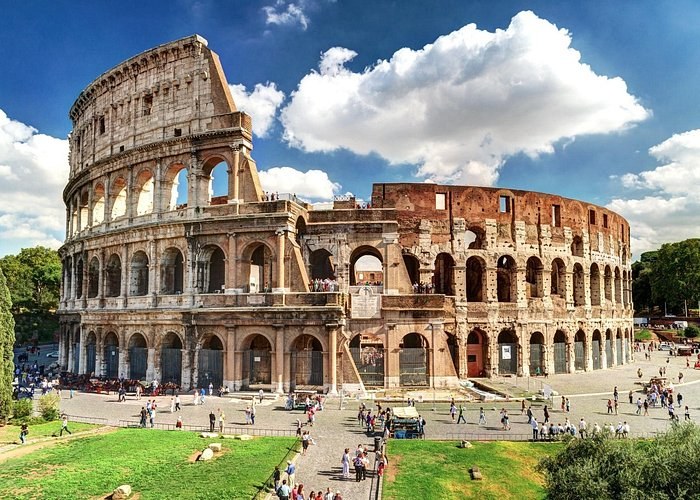
What you do This is the definitive Rome bucket-list day: Michelangelo's Sistine Chapel ceiling and Last Judgment, the Vatican Museums, St. Peter's Square, plus the Colosseum and Roman Forum — all in one 9-hour private run from the pier. Your driver collects you ship-side in a Mercedes and the 'privilege' skip-the-line tickets to both the Vatican and Colosseum mean you walk past the 2-hour queues that would otherwise eat your port day. Note this is a private-driver tour, not a guided one: you explore the interiors at your own pace (audio guides sold inside).
What to expect A private Mercedes collects you pier-side at Civitavecchia and you begin a 9-hour immersion in Rome's iconic landmarks, moving at your own pace rather than a group's rhythm. You skip past the 2-hour queues at the Vatican Museums to explore Michelangelo's Sistine Chapel ceiling and Last Judgment, then wander St. Peter's Square (basilica entry is free but has its own queue). After lunch flexibility, you drive to the Colosseum and Roman Forum, again with skip-the-line privilege tickets that let you move straight inside while standard visitors wait. Throughout, your private driver and personal vehicle—not a 50-person bus—keep you on your schedule, though you explore each site's interiors independently with optional audio guides available for purchase.
Good to know The full excursion runs 9 hours; plan to depart the pier by 8:00 AM at the latest to ensure a comfortable return before your ship's evening departure. Your private driver meets you ship-side at Civitavecchia—confirm the exact return-time guarantee and buffer window when booking, as this operator runs cruisers daily but you'll want that back-to-ship safety net in writing. Bring comfortable walking shoes, sunscreen, and cash or cards for lunch and optional audio guides inside the museums (not included in the EUR 187.50 price). Book skip-the-line tickets in advance as part of your package; they're your main time-saver advantage over the cruise line's group tours, which run $220–$320 per person for the same sites.
Versus the ship tour Direct wins decisively. The cruise lines' marquee 'Best of Rome / Ultimate Rome' Vatican+Colosseum day runs $220-$320 pp, and on premium lines higher — this private, skip-the-line equivalent is ~$205 pp with your own vehicle and no 50-person bus. You save roughly $50-$120 per person and skip the group-pace bottleneck. The one thing the ship guarantees that you're trading away: a step-on licensed guide inside the sites and a back-to-ship promise (this operator runs cruisers daily but confirm the return-time guarantee when booking).
book direct with Discovery Guided Tours → · the full guide →
What you do The reason cruise lines stop here at all: a private deluxe vehicle whisks you from the pier to the Trevi Fountain, Pantheon, Spanish Steps, Piazza Navona, St. Peter's Square and the Colosseum, dropping you as close as Rome's traffic limits allow at each. It's the maximize-a-tight-window play — a first-timer who sails past Rome without standing at the Trevi would genuinely regret it. Be clear-eyed: this is a driver, not a licensed guide, so it's exterior views, photo stops and walk-up landmarks, no museum interiors.
What to expect Your driver collects you pier-side at 8:00 AM in a private deluxe vehicle and begins threading Rome's narrow streets, stopping at the Trevi Fountain, Pantheon, Spanish Steps, Piazza Navona, St. Peter's Square, and Colosseum views—you step out, snap photos, walk up to the exteriors and iconic squares, then move on. This is drive-and-stroll geography, not museum interiors: you'll see Rome's greatest hits from street level and courtyard vistas, with your driver dropping you as close as traffic allows at each landmark. The rhythm is constant but unhurried—a masterclass in first-timer coverage, punctuated by photo moments and the low hum of rolling between sites. You're back at the pier by 5:00–5:30 PM, having touched eight of Rome's most recognizable monuments without boarding a 50-seat coach.
Good to know Pickup is pier-side at 8:00 AM sharp with return by 5:00–5:30 PM, giving you roughly 8 hours door-to-door; factor in Rome's traffic and the driver will optimize stops, so expect less than 30 minutes at each landmark unless you request longer. No entrance tickets, meals, or guide services are included—this is a driver-only arrangement, so museum and basilica interiors are on your own dime and time; bring cash and book ahead if you want to step inside St. Peter's or the Colosseum. All tolls, parking, and taxes are covered in the quoted price (EUR 650–750 per vehicle for up to 7 guests, ~EUR 107–163 per person), and the driver speaks English. Book directly with RomeCabs in advance; a solo traveler or couple may find the ship's motorcoach tour or Trenitalia train equally priced or cheaper per head, so confirm group size before committing.
Versus the ship tour Direct wins on access, ties or beats on price depending on group size. The ship's guided 'City in a Day / Panoramic Rome' coach tour is $110-$170 pp; split a EUR 650-750 car across 4-7 people and you land around $115-$175 pp with door-to-landmark drops a 50-seat bus can't do. For a solo or couple it's a wash on price — but you get a private car and your own timing. If you only want a cheap motorcoach drop-and-roam, the ship's 'Rome On Your Own' transfer ($60-100 pp) or the Trenitalia train (~$11 RT) is far cheaper than any private car — say so and don't overpay for a driver you don't need.
What you do For travelers who've already 'done' central Rome, this is the equally unforgettable alternative: Villa d'Este's 51 fountains, 64 waterfalls and 220 basins — all gravity-fed, not a single pump — paired with Emperor Hadrian's sprawling 2nd-century imperial estate. An expert private guide actually walks the gardens and ruins with you, and the crowds are a fraction of the Vatican's. A 9-hour day, pier to pier.
What to expect You'll spend the morning and early afternoon in two staggered acts: first, Villa d'Este's terraced Renaissance gardens, where your expert guide walks you through cascading fountains, 220 basins, and 64 waterfalls—all fed by gravity alone, no pumps needed—then a private car transfer inland to Emperor Hadrian's 2nd-century sprawl, where crumbling villas, temples, and theaters unfold across 30 acres of archaeological theatre. The rhythm is unhurried; you're with a licensed English-speaking expert, not herded through a coach crowd, so you'll actually absorb the history and architecture as you walk. By late afternoon, your driver returns you to the Civitavecchia pier, completing the 9-hour door-to-door arc.
Good to know Pickup from Civitavecchia pier is included; plan for a private car departure roughly 3–4 hours after ship arrival to allow for disembarkation and meet your guide. Both villas are outdoor, terraced sites with significant walking and uneven ground—wear comfortable shoes and bring sun protection and water. Book at least 48–72 hours ahead; the price (EUR 869 minimum, ~$475 per couple) drops per person as group size grows, and slots are limited to preserve the "expert guide + small party" promise. Confirm your ship's all-aboard time with the concierge and allow a 30–45-minute buffer before boarding to account for Civitavecchia pier return traffic.
Versus the ship tour Mixed verdict, lean ship for small parties. The cruise lines' 'Beauty of Tivoli / Villa d'Este' countryside tour runs $150-$260 pp and other independents (Discovery Guided Tours) sell a Tivoli day from ~$115 pp — so this premium private option is meaningfully pricier per head for a couple (~$475 pp). What you're buying is a genuine licensed guide actually leading you through both UNESCO sites and a private car, versus a coach. If budget is the driver, the ship tour or a cheaper shared independent is the honest call; book this only if private + expert-guided is the point.
book direct with Through Eternity Tours → · the full guide →
What you do Walk intact ancient streets, an amphitheater, taverns, bath-house mosaics and three-story Roman apartment blocks at the buried port city of Ostia Antica — the marquee 'lost Roman city' with a fraction of Rome's crowds. It's far closer to Civitavecchia than the actual Pompeii (which is impractical from this port), and this private full-day pairs it with the Etruscan necropolis at Cerveteri. Pier-side Mercedes pickup, full day, back in time for the ship.
What to expect You'll be picked up pier-side in a private deluxe Mercedes and driven to Ostia Antica, where you'll walk intact ancient streets lined with taverns, bath houses, and remarkably preserved three-story Roman apartment blocks, culminating at the amphitheater — a far less crowded alternative to Pompeii. The day then pivots to Cerveteri's Etruscan necropolis, where you explore burial sites and artifacts from Rome's pre-imperial neighbors. Throughout, you're moving at your own pace in private transport rather than herded with a group, though your driver handles logistics rather than narrating the ruins themselves. The rhythm is unhurried full-day immersion: ancient streets in the morning, a site transition at midday, and Etruscan tombs in the afternoon, returning to the pier in time to reboard.
Good to know Book ahead with Stefano Rome Tours and confirm pier pickup timing to ensure you clear the ship's all-aboard (driver will know the buffer). Entrance tickets to both Ostia Antica and Cerveteri are not included in the EUR 590 vehicle fee—budget ~EUR 18 per site and purchase at the gate or ahead online to save time. Bring a robust audio guide app (like the official Ostia Antica app) or printed site guide, since the driver is not a licensed in-site interpreter. With a full day in the field, wear comfortable walking shoes, sunscreen, and a hat; both sites are largely open-air and can be hot, especially in summer months.
Versus the ship tour Direct wins, with a caveat. Most ships barely offer Ostia Antica, and comparable 'scenic/ruins' ship days run $150-$260 pp — splitting EUR 590 across 4-7 people lands at ~$90-$160 pp plus ~EUR 18 site tickets. You get a near-empty Roman city and a private car well under the ship's countryside price. Trade-off: it's a driver, not a step-on guide inside the ruins, so bring a good audio guide or app if you want the narration the ship's guided tour would include.
What you do Skip the 1.5-hour each-way push to Rome and explore the port town nearly every cruiser blows past: Michelangelo's harbor fortress (Forte Michelangelo), one of Italy's largest open-air markets, fresh Tyrrhenian seafood and the seafront Pirgo promenade. A relaxed small-group walk with local tastings along the way — the low-stress, low-risk safety net when you want to be steps from the ship.
What to expect You'll join a small-group walk that begins steps from the pier and moves at a leisurely pace through Civitavecchia's historic center, anchored by visits to the Renaissance Forte Michelangelo and one of Italy's largest open-air markets alive with local vendors and produce. Along the way, you'll pause for fresh Tyrrhenian seafood tastings and other local bites, absorbing the rhythm of a working port town most cruisers skip. The walk concludes on the waterfront Pirgo promenade, where you'll have absorbed three hours of culture and flavor without the fatigue of a long coach transfer. It's the opposite of the Rome sprint—an immersive, low-pressure exploration of the places locals actually go.
Good to know The entire excursion unfolds within walking distance of your ship, so there's zero transfer time and minimal risk of running late; plan for the three-hour guided walk to fit comfortably in a 6–8 hour port window. Book ahead through DriverInRome to secure your spot in a small group, and wear comfortable walking shoes—you'll be on foot the whole time through cobblestone streets and market areas. Bring cash (EUR) for any additional purchases at the market or for tips, and check departure times with the operator to give yourself at least an hour buffer before all-aboard. The price of approximately EUR 75 per person (€82 USD) includes all tastings, so budget only for optional extras and gratuity.
Versus the ship tour No real ship equivalent, and that's the point. Cruise lines don't sell a Civitavecchia-town tour because they want you on the $60-320 Rome excursions — so this isn't a price-beat, it's a different (and far cheaper) day for travelers who don't want a 3-hour round-trip. At ~$82 pp with food included and zero risk of missing the ship, it's the honest pick for repeat Italy visitors, slow-pace travelers, or anyone who'd rather not gamble a tight Rome turnaround. If it's your first time in Italy, though, do Rome — this is the alternate, not the headline.
Before you sail · near Venice
Fly in at least a day early — every seasoned cruiser does, so a delay never costs you the ship. This is what is worth that day within reach of the port.
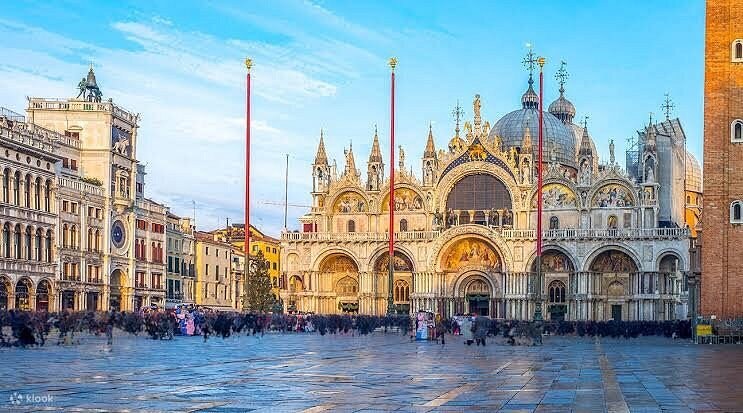 0 mi from VeniceSt. Mark's Basilica
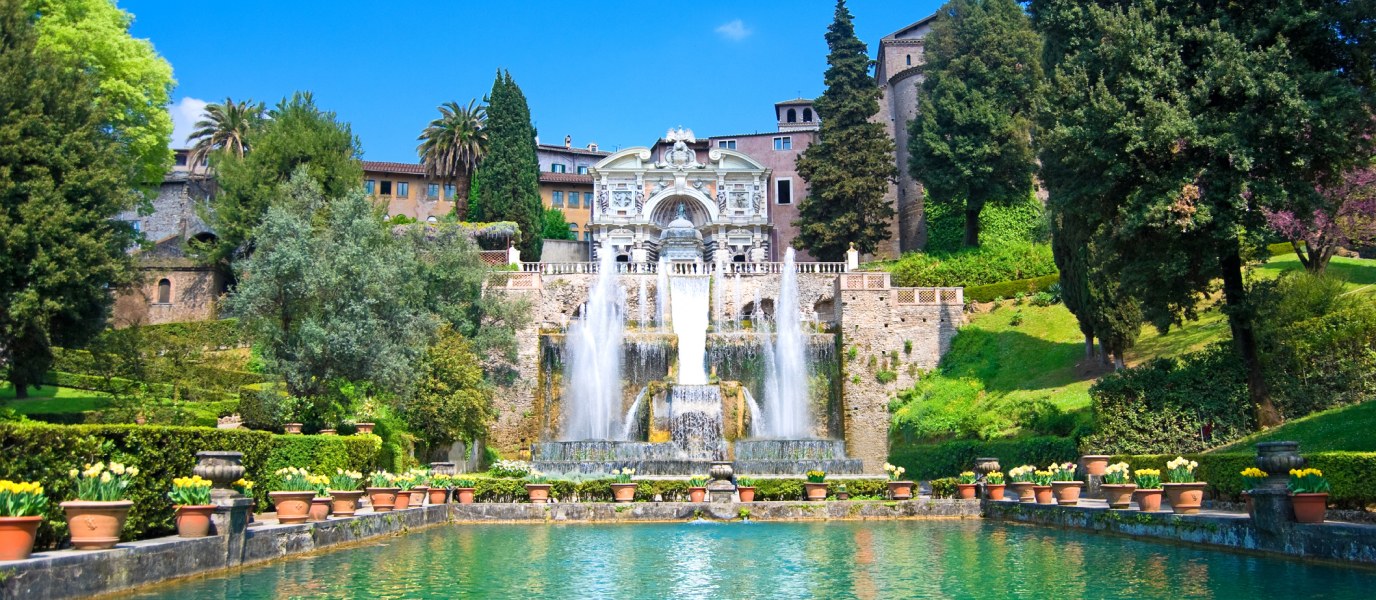 126 mi from VeniceVilla d'Este - Tivoli Fountains & Mannerist Gardens (Day Trip)
 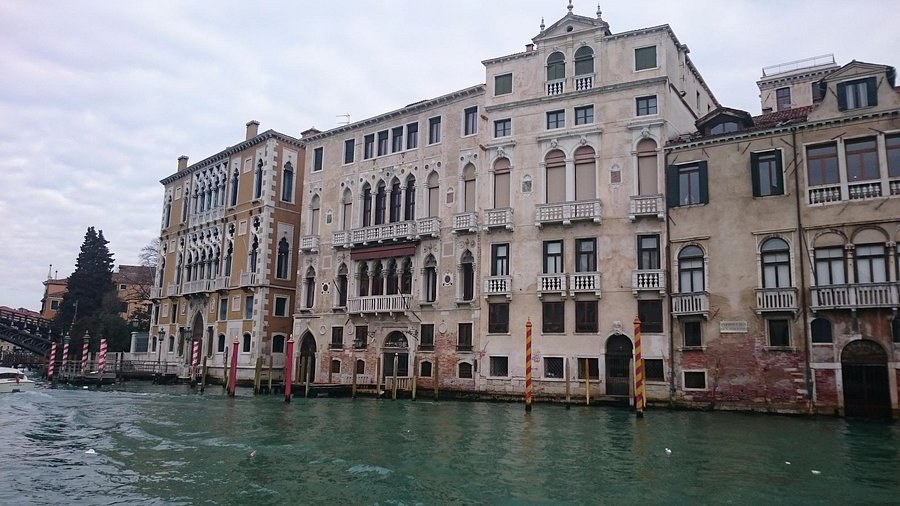 5 mi from Venice · land adventurePalazzo Doors, Lagoon Vineyards: Venice Beyond the Crowd Line
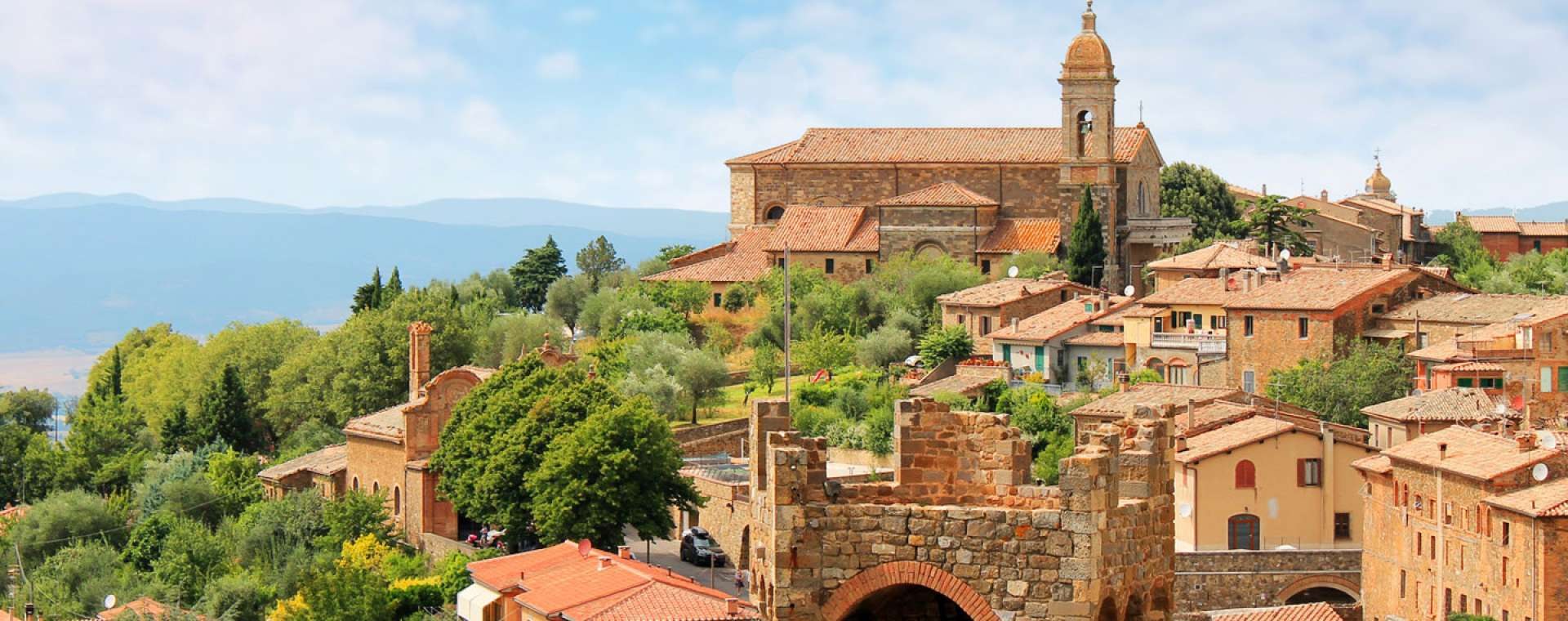 125 mi from Venice · land adventureFlorence to Val d'Orcia: Wine, Frescoes & Thermal Springs
 166 mi from Venice · land adventureSalt, Stone and Grüner Veltliner: Salzburg Beyond Mozart
 After you step off · near Rome
You end in a different port — stay on, and add what is within reach before you fly home.