Your cruise
Viking Skirnir · 10-night Europe cruise, Nuremberg to Basel
Dec 7 – Dec 17 · 10 nights ·
Day 1–2 Nuremberg (board) · Day 3 Bamberg · Day 4 Wurzburg · Day 5 Journey along one of Germany’s most important waterways today · Day 5 Marktheidenfeld · Day 6 Frankfurt am Main · Day 7 Baden-Baden · Day 8 Strasbourg · Day 9 Breisach am Rhein · Day 10–11 Basel (step off)
What you do Explore Bamberg's breathtaking UNESCO World Heritage Old Town with your own professional local guide — at your pace, on your agenda. From the Bamberger Reiter to Klein Venedig, every cobblestone has a story only an expert can tell.
What to expect Your guide meets you dockside and leads you through Bamberg's labyrinthine medieval lanes, pausing at the famous Altes Rathaus perched impossibly on its own island in the Regnitz. You'll stand before the soaring Bamberg Cathedral — one of Germany's greatest Romanesque masterpieces — and hear the legend of the enigmatic Bamberger Reiter sculpture up close. The route winds through the fishermen's quarter of Klein Venedig, where half-timbered houses lean over the river like a Bavarian fairy tale. The tour concludes at a point of your choosing, leaving ample time for independent discovery.
Good to know Pre-book directly with Bamberg Tourismus to secure a certified English-speaking guide. Allow 2–3 hours. Bamberg's port is central — the Old Town is a short walk or taxi ride. Check all-aboard time and plan to finish at least 90 minutes prior.
Versus the ship tour Fully private — your group, your pace, your questions answered in depth. A licensed local expert unlocks the layers of history, legend, and architecture that a crowd-based tour simply cannot deliver.
book direct with Bamberg Tourismus – Official Guided Tours → · the full guide →
What you do Come face to face with the Bamberger Reiter — one of medieval Europe's most celebrated sculptures — inside the magnificent 13th-century Bamberg Cathedral. A specialist guide decodes centuries of imperial history carved in stone.
What to expect You enter Bamberg Cathedral through its towering sandstone portal and step into one of the finest Romanesque interiors in Germany, with four imposing towers framing a nave bathed in amber light. Your guide draws your attention to the monumental tomb of Pope Clement II — the only papal tomb north of the Alps — and to the exquisite carvings of the Marienpforte doorway. Then comes the centrepiece: the Bamberger Reiter, the life-sized mounted knight whose identity has never been conclusively established, standing serenely above the nave. You leave with a profound sense of having witnessed something genuinely irreplaceable.
Good to know Cathedral entry is free; guided tours must be arranged in advance through Bamberg Tourismus. Dress modestly — shoulders and knees covered. Photography inside is permitted without flash. Allow 75–90 minutes for the full experience.
Versus the ship tour Small-group or private access means you linger before the Bamberger Reiter without crowds, with an art historian who can explain why this anonymous equestrian statue has mesmerised scholars for 800 years.
book direct with Bamberg Tourismus – Official Guided Tours → · the full guide →
What you do Wander through the opulent state rooms of Bamberg's imperial New Residence, then step into the terraced Rose Garden — with 4,500 rose bushes and panoramic views over the cathedral and red-tiled rooftops — one of Germany's most romantic vistas.
What to expect The New Residence was home to the prince-bishops of Bamberg and the first Holy Roman Emperor, and its state rooms reflect centuries of imperial ambition — gilded stucco, Flemish tapestries, and painted ceilings that demand you look up at every turn. A guided tour of the interior reveals the remarkable German Baroque collection and the emperor's apartments restored to their 17th-century grandeur. Stepping outside into the Rose Garden, the view unfolds: Bamberg Cathedral rising behind a cascade of blossoms, the Old Town rolling away to the river. It is, by common agreement, one of the most photographed — and most felt — moments in Franconia.
Good to know The palace and Rose Garden are a short uphill walk from the cathedral. Book palace entry in advance online via the Bayerische Schlösserverwaltung website. Rose Garden is open year-round (best May–October for blooms). Allow 90 minutes total.
Versus the ship tour The combination of lavishly frescoed imperial apartments and a rose garden with cathedral views is uniquely Bamberg — a sensory experience that rewards those who take the time to linger and look.
book direct with Neue Residenz Bamberg (Bayerische Schlösserverwaltung) → · the full guide →
What you do Bamberg's legendary smoked beer (Rauchbier) and centuries-old brewing heritage deserve more than a passing pint. A guided tasting trail takes you inside historic brewpubs and family cellars for an authentic Franconian beer experience unlike anywhere else on earth.
What to expect Your local guide leads you through the medieval lanes to a carefully curated selection of Bamberg's most storied breweries, beginning with the legendary Schlenkerla — home of the world-famous Aecht Schlenkerla Rauchbier, a smoked lager brewed to a recipe unchanged since 1678. You'll taste the beer drawn directly from oak barrels in the atmospheric 14th-century tavern, paired with Franconian bread and cold cuts. Further stops introduce you to wheat beers, dark lagers, and unfiltered kellerbiers, with a brewer or cellar master on hand at one stop to explain the craft. The tour closes with a toast and a deeper appreciation of why beer culture here is listed as intangible cultural heritage.
Good to know Schlenkerla (Dominikanerstraße 6) can be visited walk-in, but guided brewery tours should be booked ahead through Bamberg Tourismus. Eat well beforehand — tastings are generous. Allow 2–3 hours. Flat shoes recommended on cobblestones.
Versus the ship tour Bamberg has more breweries per capita than any city on earth — nine within the city limits alone. A guided insider tour gains access to cellars and brewing rooms rarely seen by casual visitors, with expert commentary on Franconian brewing tradition.
book direct with Bamberg Tourismus – Official Guided Tours → · the full guide →
What you do Drift along the Regnitz River past the iconic row of medieval fishermen's houses that form Bamberg's 'Little Venice' — best appreciated from the water, aboard a traditional wooden punt poled by a local boatman.
What to expect You board a traditional flat-bottomed wooden boat at the riverside landing and glide silently beneath the medieval bridges as the boatman poles you gently downstream. The famous row of half-timbered 17th-century fishermen's houses appears around a bend, their colourful facades and flower-box balconies mirrored in the still water — a composition that has barely changed in four centuries. Your guide narrates the history of Bamberg's fishing families and the role the Regnitz played in the city's medieval trade. The return journey offers a different perspective: the Altes Rathaus on its bridge pier, framed by weeping willows and the cathedral towers beyond.
Good to know Boat tours are seasonal (April–October, weather permitting). Book ahead, especially in summer. The landing point is a short walk from the Old Town Hall. Allow 45–60 minutes on the water. Bring a light layer — it can be cool on the river.
Versus the ship tour The river perspective of Klein Venedig — with flower-draped balconies reflected in the Regnitz and the Old Town Hall silhouetted behind — is simply not visible from the quayside. This is the definitive vantage point, and a private punt makes it entirely your own.
book direct with Bamberg Tourismus – Official Guided Tours → · the full guide →
What you do Ascend to the Altenburg — Bamberg's ancient hilltop castle — for sweeping 360° panoramas over the Franconian countryside, the cathedral spires, and the terracotta rooftops of the UNESCO Old Town far below.
What to expect A short drive (or scenic uphill walk through vineyards) brings you to the Altenburg, a fortress whose origins trace back to the 11th century and which served as a residence for Bamberg's prince-bishops. Your guide leads you through the preserved gatehouse and medieval tower, recounting sieges, royal visits, and the castle's role in shaping Bamberg's history. From the tower platform — the highest point for miles — the entire World Heritage city spreads before you: the cathedral's four towers, the meandering Regnitz, the hops fields stretching into the Franconian hills. The castle also houses a charming restaurant where a glass of Franconian wine on the terrace makes the perfect conclusion.
Good to know The Altenburg is approx. 2 km from the Old Town — a 30-minute uphill walk or a short taxi/guided minivan transfer. The castle restaurant (Burgschänke) is worth reserving for lunch. Allow 2 hours total including travel. Check seasonal opening hours in advance.
Versus the ship tour Few visitors make the journey up to Altenburg — which means those who do are rewarded with uncrowded battlements, a genuine medieval fortress atmosphere, and arguably the finest panoramic view in all of Franconia.
book direct with Bamberg Tourismus – Official Guided Tours → · the full guide →
What you do Walk in the footsteps of history on a private expert-led tour of the Nazi Party Rally Grounds and Courtroom 600 — the very room where the Nuremberg Trials changed international law forever. A profound, bucket-list reckoning with the 20th century.
What to expect Your private guide meets you at the Documentation Center, where you'll explore the rise and collapse of the Third Reich through compelling exhibits. You'll then stand inside the actual Courtroom 600, still in use today, where Göring, Hess, and Ribbentrop faced justice. The tour closes at the vast, crumbling Zeppelin Field — a site whose sheer scale is genuinely jaw-dropping in person. The expertise and emotional intelligence of a dedicated local guide transforms this from sightseeing into a deeply moving experience.
Good to know The Documentation Center and Courtroom 600 are about 5 km from the Old Town — a short taxi or tram ride. Pre-book your private guide well in advance; Memorium Nuremberg Trials entry is EUR 7.50 per adult (included in guided packages). Allow at least 4–5 hours. Check all-aboard time carefully and plan a buffer.
Versus the ship tour A licensed local expert guides you at your own pace through both sites — the haunting Zeppelin Field and the intimate drama of Courtroom 600 — with depth and nuance impossible in a larger group. Entry tickets to the Palace of Justice included.
book direct with Nuremberg City of Empires Tours → · the full guide →
What you do Ascend Nuremberg's crown jewel — the 11th-century Kaiserburg — with a private guide who unlocks the Imperial apartments, the medieval well, and panoramic views over Bavaria's most storied skyline. Utterly unmissable.
What to expect Your guide leads you through the fortress's inner sanctum: the Palas (Imperial hall), the Romanesque double chapel, and the 47-metre-deep well that sustained sieges for centuries. From the Sinwell Tower, the red-roofed panorama of Nuremberg's Old Town unfolds below you. The Castle Gardens, romantic and quiet in the morning, offer a natural pause before descending into the medieval lanes. Expect rich storytelling about Holy Roman Emperors who made Nuremberg the de facto capital of their realm.
Good to know The castle is a short, scenic uphill walk from the Old Town — comfortable shoes essential. Tickets cannot be pre-purchased online; arrive early to avoid queues. Pair with a stroll through the Handwerkerhof (craftsmen's courtyard) at the city walls on your way back. Allow 2.5–3 hours total.
Versus the ship tour A private licensed guide grants you context that transforms these ancient stones into living history — the Holy Roman Emperors, the crown jewels, the ingenious medieval cistern — at a leisurely, discerning pace with no crowd pressure.
book direct with Imperial Castle of Nuremberg (Kaiserburg Nürnberg) → · the full guide →
What you do Descend beneath Nuremberg's medieval streets into a labyrinth of rock-cut tunnels and secret passages — used for centuries to brew beer, store wine, and shelter citizens. One of Germany's most extraordinary underground experiences.
What to expect You'll slip below the Old Town through narrow passages carved into the red sandstone bedrock, discovering chambers that once cooled the city's legendary Franconian beer and later protected thousands of civilians during WWII bombing raids. Your guide illuminates each layer of the city's history with vivid storytelling and expert knowledge. The temperature underground is a cool 10°C year-round — a refreshing contrast to a summer day above. Emerging back into the sunlit medieval streets, you'll see Nuremberg in an entirely new light.
Good to know Wear comfortable, closed-toe shoes and bring a light layer — it's cold underground regardless of season. The entrance is centrally located in the Old Town, easy to reach on foot from the river. Small group sizes keep the experience intimate. Allow 1.5–2 hours for the underground portion; combine with Old Town exploration.
Versus the ship tour Access to these sandstone tunnels is only meaningful with an expert guide who weaves together the layers of history — medieval ice cellars, WWII air-raid shelters, and brewing heritage — making this a richly atmospheric, utterly unique experience.
book direct with Nuremberg City of Empires Tours → · the full guide →
What you do Step inside the beautifully preserved home and studio of Albrecht Dürer, Germany's greatest Renaissance master, and discover the city that shaped his genius. An intimate, culturally rich experience in one of Europe's finest medieval townhouses.
What to expect You'll move through four floors of the half-timbered townhouse where Dürer lived and worked from 1509 until his death in 1528, taking in his reconstructed studio, the period kitchen, and an exceptional collection of reproductions and original artifacts. An actress portraying Agnes Dürer (his wife) may greet you on certain days, adding a theatrical, immersive dimension. The house sits at the foot of the Imperial Castle, in the most picturesque quarter of the Old Town. Your guide contextualises Dürer's legacy — his influence on European art, his mathematical treatises, his friendship with emperors — making this far more than a tick-box attraction.
Good to know Located at Albrecht-Dürer-Straße 39, a short walk uphill from the Market Square. The 'Agnes Dürer' living history experience runs on selected afternoons — check the museum calendar. Combine naturally with the Imperial Castle above. Allow 1.5 hours inside the house.
Versus the ship tour A knowledgeable private guide brings Dürer's world vividly to life — his revolutionary printmaking technique, his intellectual circle, his rivalry with Italian masters — transforming a museum visit into a genuine encounter with Renaissance Nuremberg.
book direct with Albrecht Dürer House (Stadtmuseum Nürnberg) → · the full guide →
What you do Germany's largest museum of art and cultural history — over 1.3 million objects spanning 2,000 years — explored at a refined, unhurried pace with a private expert guide. A world-class collection almost entirely unknown to international visitors.
What to expect The museum's footprint spans a converted 14th-century Carthusian monastery, giving the experience an architectural grandeur before you've even seen a single exhibit. Highlights include Dürer's self-portraits (the originals), Martin Behaim's 1492 terrestrial globe made before Columbus returned from the Americas, and an extraordinary collection of medieval arms, scientific instruments, and Baroque decorative arts. Your private guide sets the pace — lingering over what captivates you, bypassing what doesn't. The Walk of Human Rights outside, with its 30 white columns, makes for a contemplative close to the visit.
Good to know Centrally located near the Old Town walls — a 10-minute walk from the Market Square. The museum is open Tuesday–Sunday; closed Mondays. Pre-arrange your private guide directly with the museum or via a local tour operator. Allow a minimum of 2–2.5 hours for a curated private experience.
Versus the ship tour A private guide distils this vast collection into a curated, personally tailored journey — from Dürer originals and Veit Stoss altarpieces to the world's oldest surviving globe — ensuring you encounter only the masterpieces that resonate with your interests.
What you do Savour the bold, honest flavours of Franconia — from finger-sized Nuremberg bratwurst and smoked meats to the dark lager poured in the city's ancient beer cellars — on a private, expertly guided culinary walk through the medieval Old Town.
What to expect The walk begins at the Hauptmarkt, Nuremberg's glorious central market square, where your guide introduces the city's culinary DNA. You'll taste the legendary Nürnberger Rostbratwurst (PGI-protected and only 7–9 cm long), sample Schäufele (braised pork shoulder), and discover the local obsession with Lebkuchen (gingerbread) — a Nuremberg invention with a 600-year history. A stop at one of the city's historic Altstadthof brewery cellars for a glass of Rotbier (red ale) brewed on-site in a rock-cut cellar rounds out the experience. Relaxed, convivial, and genuinely delicious.
Good to know Best enjoyed at lunch when the market is in full swing. The entire route is walkable within the Old Town, making it easy to manage time against your all-aboard schedule. Inform your guide of any dietary restrictions in advance. Allow 2.5–3 hours. The Altstadthof brewery (Bergstraße 19) also offers standalone cellar tours if you wish to extend.
Versus the ship tour Your private local guide leads you to the authentic spots — the butcher's stall that's been grilling Nuremberg's famous three-in-a-bun since the 14th century, the cellar brewery hidden beneath the Old Town — with cultural storytelling that turns every bite into a window on Franconian identity.
book direct with Nuremberg City of Empires Tours → · the full guide →
What you do Explore Bamberg's breathtaking UNESCO World Heritage Old Town with your own professional local guide — at your pace, on your agenda. From the Bamberger Reiter to Klein Venedig, every cobblestone has a story only an expert can tell.
What to expect Your guide meets you dockside and leads you through Bamberg's labyrinthine medieval lanes, pausing at the famous Altes Rathaus perched impossibly on its own island in the Regnitz. You'll stand before the soaring Bamberg Cathedral — one of Germany's greatest Romanesque masterpieces — and hear the legend of the enigmatic Bamberger Reiter sculpture up close. The route winds through the fishermen's quarter of Klein Venedig, where half-timbered houses lean over the river like a Bavarian fairy tale. The tour concludes at a point of your choosing, leaving ample time for independent discovery.
Good to know Pre-book directly with Bamberg Tourismus to secure a certified English-speaking guide. Allow 2–3 hours. Bamberg's port is central — the Old Town is a short walk or taxi ride. Check all-aboard time and plan to finish at least 90 minutes prior.
Versus the ship tour Fully private — your group, your pace, your questions answered in depth. A licensed local expert unlocks the layers of history, legend, and architecture that a crowd-based tour simply cannot deliver.
book direct with Bamberg Tourismus – Official Guided Tours → · the full guide →
What you do Come face to face with the Bamberger Reiter — one of medieval Europe's most celebrated sculptures — inside the magnificent 13th-century Bamberg Cathedral. A specialist guide decodes centuries of imperial history carved in stone.
What to expect You enter Bamberg Cathedral through its towering sandstone portal and step into one of the finest Romanesque interiors in Germany, with four imposing towers framing a nave bathed in amber light. Your guide draws your attention to the monumental tomb of Pope Clement II — the only papal tomb north of the Alps — and to the exquisite carvings of the Marienpforte doorway. Then comes the centrepiece: the Bamberger Reiter, the life-sized mounted knight whose identity has never been conclusively established, standing serenely above the nave. You leave with a profound sense of having witnessed something genuinely irreplaceable.
Good to know Cathedral entry is free; guided tours must be arranged in advance through Bamberg Tourismus. Dress modestly — shoulders and knees covered. Photography inside is permitted without flash. Allow 75–90 minutes for the full experience.
Versus the ship tour Small-group or private access means you linger before the Bamberger Reiter without crowds, with an art historian who can explain why this anonymous equestrian statue has mesmerised scholars for 800 years.
book direct with Bamberg Tourismus – Official Guided Tours → · the full guide →
What you do Wander through the opulent state rooms of Bamberg's imperial New Residence, then step into the terraced Rose Garden — with 4,500 rose bushes and panoramic views over the cathedral and red-tiled rooftops — one of Germany's most romantic vistas.
What to expect The New Residence was home to the prince-bishops of Bamberg and the first Holy Roman Emperor, and its state rooms reflect centuries of imperial ambition — gilded stucco, Flemish tapestries, and painted ceilings that demand you look up at every turn. A guided tour of the interior reveals the remarkable German Baroque collection and the emperor's apartments restored to their 17th-century grandeur. Stepping outside into the Rose Garden, the view unfolds: Bamberg Cathedral rising behind a cascade of blossoms, the Old Town rolling away to the river. It is, by common agreement, one of the most photographed — and most felt — moments in Franconia.
Good to know The palace and Rose Garden are a short uphill walk from the cathedral. Book palace entry in advance online via the Bayerische Schlösserverwaltung website. Rose Garden is open year-round (best May–October for blooms). Allow 90 minutes total.
Versus the ship tour The combination of lavishly frescoed imperial apartments and a rose garden with cathedral views is uniquely Bamberg — a sensory experience that rewards those who take the time to linger and look.
book direct with Neue Residenz Bamberg (Bayerische Schlösserverwaltung) → · the full guide →
What you do Bamberg's legendary smoked beer (Rauchbier) and centuries-old brewing heritage deserve more than a passing pint. A guided tasting trail takes you inside historic brewpubs and family cellars for an authentic Franconian beer experience unlike anywhere else on earth.
What to expect Your local guide leads you through the medieval lanes to a carefully curated selection of Bamberg's most storied breweries, beginning with the legendary Schlenkerla — home of the world-famous Aecht Schlenkerla Rauchbier, a smoked lager brewed to a recipe unchanged since 1678. You'll taste the beer drawn directly from oak barrels in the atmospheric 14th-century tavern, paired with Franconian bread and cold cuts. Further stops introduce you to wheat beers, dark lagers, and unfiltered kellerbiers, with a brewer or cellar master on hand at one stop to explain the craft. The tour closes with a toast and a deeper appreciation of why beer culture here is listed as intangible cultural heritage.
Good to know Schlenkerla (Dominikanerstraße 6) can be visited walk-in, but guided brewery tours should be booked ahead through Bamberg Tourismus. Eat well beforehand — tastings are generous. Allow 2–3 hours. Flat shoes recommended on cobblestones.
Versus the ship tour Bamberg has more breweries per capita than any city on earth — nine within the city limits alone. A guided insider tour gains access to cellars and brewing rooms rarely seen by casual visitors, with expert commentary on Franconian brewing tradition.
book direct with Bamberg Tourismus – Official Guided Tours → · the full guide →
What you do Drift along the Regnitz River past the iconic row of medieval fishermen's houses that form Bamberg's 'Little Venice' — best appreciated from the water, aboard a traditional wooden punt poled by a local boatman.
What to expect You board a traditional flat-bottomed wooden boat at the riverside landing and glide silently beneath the medieval bridges as the boatman poles you gently downstream. The famous row of half-timbered 17th-century fishermen's houses appears around a bend, their colourful facades and flower-box balconies mirrored in the still water — a composition that has barely changed in four centuries. Your guide narrates the history of Bamberg's fishing families and the role the Regnitz played in the city's medieval trade. The return journey offers a different perspective: the Altes Rathaus on its bridge pier, framed by weeping willows and the cathedral towers beyond.
Good to know Boat tours are seasonal (April–October, weather permitting). Book ahead, especially in summer. The landing point is a short walk from the Old Town Hall. Allow 45–60 minutes on the water. Bring a light layer — it can be cool on the river.
Versus the ship tour The river perspective of Klein Venedig — with flower-draped balconies reflected in the Regnitz and the Old Town Hall silhouetted behind — is simply not visible from the quayside. This is the definitive vantage point, and a private punt makes it entirely your own.
book direct with Bamberg Tourismus – Official Guided Tours → · the full guide →
What you do Ascend to the Altenburg — Bamberg's ancient hilltop castle — for sweeping 360° panoramas over the Franconian countryside, the cathedral spires, and the terracotta rooftops of the UNESCO Old Town far below.
What to expect A short drive (or scenic uphill walk through vineyards) brings you to the Altenburg, a fortress whose origins trace back to the 11th century and which served as a residence for Bamberg's prince-bishops. Your guide leads you through the preserved gatehouse and medieval tower, recounting sieges, royal visits, and the castle's role in shaping Bamberg's history. From the tower platform — the highest point for miles — the entire World Heritage city spreads before you: the cathedral's four towers, the meandering Regnitz, the hops fields stretching into the Franconian hills. The castle also houses a charming restaurant where a glass of Franconian wine on the terrace makes the perfect conclusion.
Good to know The Altenburg is approx. 2 km from the Old Town — a 30-minute uphill walk or a short taxi/guided minivan transfer. The castle restaurant (Burgschänke) is worth reserving for lunch. Allow 2 hours total including travel. Check seasonal opening hours in advance.
Versus the ship tour Few visitors make the journey up to Altenburg — which means those who do are rewarded with uncrowded battlements, a genuine medieval fortress atmosphere, and arguably the finest panoramic view in all of Franconia.
book direct with Bamberg Tourismus – Official Guided Tours → · the full guide →
What you do Step inside one of Europe's greatest Baroque palaces — a UNESCO World Heritage Site — with a private expert guide who unlocks the stories behind Tiepolo's breathtaking ceiling fresco, the largest in the world, and the gilded Imperial Hall.
What to expect Your private guide meets you at the palace gates and leads you through the magnificent Vestibule and up the monumental staircase beneath Tiepolo's jaw-dropping ceiling fresco. You'll linger in the White Hall and gilded Imperial Hall without the pressure of a moving group. The Hofgarten — a perfectly restored Baroque garden — caps the visit with a serene stroll and views of the palace facade.
Good to know Book your private guide directly via Reimagine Tours; purchase Residenz entry (EUR 9/adult) at the door or online at residenz-wuerzburg.de. The Residenz is a 10-min walk from the main dock. Allow 2.5–3 hrs; plan to be back aboard with 45 mins to spare.
Versus the ship tour A private guide means you move at your own pace through the State Rooms, Court Chapel, and garden, with deep storytelling unavailable on a group walk-and-talk — the difference between seeing and truly understanding Tiepolo's masterwork.
book direct with Reimagine Tours Würzburg → · the full guide →
What you do Perched high above the Main River and its terraced vineyards, Marienberg Fortress is Würzburg's defining silhouette — a thousand years of power, war, and artistry told by a private local guide who knows every stone.
What to expect You cross the Old Main Bridge on foot, then ascend through fragrant vineyard paths to the fortress gate — a walk that has been made for over 700 years. Inside, your guide illuminates the fortress's evolution from Celtic ring fort to prince-bishop stronghold. The Mainfränkisches Museum houses Riemenschneider's carved masterpieces; standing before them in near-privacy is a rare privilege. The terrace view back over the river and city spires is unforgettable.
Good to know The uphill walk from the Old Main Bridge takes 20–25 mins; taxis are available for those who prefer. Allow 2.5 hrs total. Wear comfortable shoes. Book your guide at reimaginetours.com in advance — private slots fill quickly in peak season.
Versus the ship tour A private guide takes you into the Princes' Hall, the armory, and the Mainfränkisches Museum within the fortress — spaces that reward slow exploration — while the panoramic terrace delivers the finest river-and-vineyard view in all of Franconia.
book direct with Reimagine Tours Würzburg → · the full guide →
What you do Journey along the legendary Romantic Road to Rothenburg ob der Tauber — Germany's best-preserved medieval walled town — where cobbled lanes, half-timbered facades, and intact rampart walks feel frozen in the 15th century.
What to expect Your private driver-guide collects you from the dock and covers the scenic 65 km drive south along the Romantic Road in under an hour. In Rothenburg, you enter through the ancient Röder Gate and wind through streets that have barely changed since 1400. The guide reveals the legend of the Meistertrunk, the stories behind the town's miraculous survival in WWII, and the best hidden courtyards. A long lunch at a Franconian wine tavern is built into the day before the unhurried return.
Good to know Confirm your all-aboard time before booking — this excursion needs a minimum 6-hr port stop. The drive is approx. 1 hr each way. Book via reimaginetours.com well in advance; Rothenburg is one of Germany's most sought-after day trips. No admission fees for the town itself; museum entries are optional extras.
Versus the ship tour A private car and guide means you arrive before the day-tripping crowds, walk the full circuit of the town walls at your own pace, and linger in the Medieval Crime Museum or a master craftsman's workshop — experiences impossible to time on a group coach.
book direct with Reimagine Tours Würzburg → · the full guide →
What you do Würzburg is the heart of Franconian wine country; the 600-year-old Bürgerspital wine estate, still producing from its own vineyards, offers the most authentic cellar tasting in the city — Silvaner and Riesling poured where they were made.
What to expect The Bürgerspital estate sits just steps from the Old Main Bridge — itself one of Germany's great Baroque bridges, lined with sandstone saints and framing the fortress above. You descend into vaulted Gothic cellars that date to the 14th century and sample three to five estate wines, guided by a sommelier who explains each Franconian grape variety and the distinctive Bocksbeutel bottle. Pair with local Franconian bread and charcuterie for a leisurely mid-morning or afternoon experience.
Good to know Book a tasting slot directly at buergerspital.de; walk-ins are accepted but advance booking is strongly recommended in summer. The estate is a 5-min walk from the main dock, just off the Old Main Bridge. Allow 1–1.5 hrs. Combine naturally before or after a Residenz or Marienberg visit.
Versus the ship tour Tasting in the estate's own medieval cellar, directly with the Bürgerspital's sommeliers, surrounded by barrels and centuries of winemaking history, is worlds apart from a generic wine-and-cheese reception — this is Franconian terroir in its most authentic form.
What you do Würzburg's skyline is defined by its twin cathedral towers; inside, Tilman Riemenschneider's medieval carvings and centuries of Franconian devotional art make this one of Germany's most moving church interiors — best absorbed with a private art-historian guide.
What to expect Your guide meets you on the Marktplatz and begins at St. Mary's Chapel, the graceful Gothic church with Riemenschneider carvings. A short walk leads to the Cathedral of St. Kilian, where the guide illuminates royal tombs, the Romanesque nave, and the Baroque Schönborn Chapel. The walk ends on the lively Marktplatz — a perfect spot for a Franconian coffee or pastry before heading back.
Good to know Both churches are a 10-min walk from the main dock. Book via reimaginetours.com. Allow 2 hrs. Shoulders should be covered for cathedral entry. This pairs beautifully as a morning walk before an afternoon Bürgerspital wine tasting.
Versus the ship tour An art-historian guide decodes the symbolism in Riemenschneider's tombs, the Romanesque nave, and the Baroque side chapels — transforming what could be a cursory visit into a profound encounter with 1,200 years of sacred art and Franconian identity.
book direct with Reimagine Tours Würzburg → · the full guide →
What you do Climb the vine-covered hillside above Würzburg to the twin-towered Käppele — Balthasar Neumann's exquisite Rococo pilgrimage church — for the finest panoramic view of the city, river, and the Marienberg Fortress rising opposite.
What to expect You leave the riverfront and ascend the Nikolausberg hill via a monumental stairway flanked by Rococo Way of the Cross chapels — 14 stations of painted terracotta figures set among the vines. At the summit, the twin-towered Käppele (designed by Balthasar Neumann, the same genius behind the Residenz) reveals a luminous Rococo interior of gilded stucco and vivid frescoes. The terrace delivers a sweeping 180-degree panorama of the city, the Main River, and the Marienberg Fortress directly opposite — the perfect photographer's moment in Würzburg. Descend through the vineyard paths at a leisurely pace.
Good to know The ascent takes 20–25 mins on foot; wear comfortable walking shoes. The church is free to enter. A private guide from Reimagine Tours adds historical and architectural context to the climb. Allow 1.5–2 hrs. Best in the morning light or late afternoon when the city glows gold.
Versus the ship tour The Stations of the Cross stairway climb through working vineyards is one of Würzburg's most atmospheric and overlooked experiences — a meditative ascent rewarded with a Rococo interior of astonishing delicacy and a view that no postcard fully captures.
book direct with Stadt Würzburg Official Tourism (self-guided or private guide option) → · the full guide →
What you do Step inside one of Europe's greatest Baroque palaces — a UNESCO World Heritage masterpiece — then descend into its historic cellar for a private Franconian wine tasting. A transcendent pairing of art, architecture, and terroir.
What to expect You enter through the grandest staircase hall in Germany, its vault covered by Tiepolo's breathtaking allegory of the four continents. The Imperial Hall glitters with gilded stucco and frescoes that rival Versailles. Descending into the vaulted Hofkeller cellar, you taste estate Silvaner and Riesling poured by the winemaker. The walled Court Garden provides a serene finale before you depart.
Good to know Würzburg is 25 km from Marktheidenfeld — approx. 30 min by taxi or private car. Book palace entry online; arrange cellar tastings directly with Staatlicher Hofkeller (hofkeller.de). Allow at least 3.5 hours. Confirm all-aboard time and depart no later than 90 minutes before.
Versus the ship tour The Residenz's Tiepolo ceiling fresco — the largest in the world — demands unhurried contemplation. Pairing it with a private tasting at the 600-year-old Staatlicher Hofkeller cellar directly beneath the palace is an access that few ever experience.
book direct with Residenz Würzburg (Bayerische Schlösserverwaltung) → · the full guide →
What you do Glide along the bucolic Main River cycle path through vine-draped hillsides, medieval villages, and riverside meadows, culminating in a curated picnic among the vines. This is the Franconian landscape at its most intimate and unhurried.
What to expect Your guide meets you at the ship and leads you south along the Main, weaving between timber-framed villages and terraced Silvaner vineyards. You pause at a family estate for a vineyard walk and glass of estate wine. A gourmet picnic with regional charcuterie, cheeses, and bread is laid out on a blanket above the river. The gentle e-bike assist ensures effortless elegance over the terrain.
Good to know The route is mostly flat along the riverbank — ideal for all fitness levels with e-bikes. Book the private guide package in advance via the Spessart-Mainland tourism office. Return to the ship is a short pedal; allow 4–5 hours total.
Versus the ship tour Riding directly from the dock along the legendary Main Cycle Route (MainRadweg) lets you experience the river valley the way locals do — at a pace that lets scents, sounds, and scenery sink in. A private guide curates stops at working wineries and viewpoints invisible from the road.
book direct with Fahrrad & Erlebnis Marktheidenfeld (local cycle-tour specialist) → · the full guide →
What you do Scale the ramparts of Burg Rothenfels, one of the best-preserved medieval hilltop fortresses on the Main, then explore the ancient Spessart forest below on a guided nature walk through Germany's largest oak woodland.
What to expect A short transfer brings you to the foot of the forested hill. Your guide leads you up through ancient oaks, pointing out centuries-old charcoal-burning clearings and endemic wildlife. The castle's courtyard reveals sweeping 180-degree views over the Main river bends. Inside, Romanesque stonework and a surprisingly moving medieval great hall await. The descent through the forest feels utterly timeless.
Good to know Burg Rothenfels is 8 km south of Marktheidenfeld — 15 min by taxi. Wear sturdy walking shoes. Combine with a riverside lunch at nearby Gasthaus zur Krone in Rothenfels village. Allow 3.5 hours. Book the nature guide through Spessart-Mainland tourism.
Versus the ship tour Rothenfels sits just 8 km from the dock — yet feels worlds away from the tourist trail. The castle's panoramic Main Valley terrace, combined with a private guided walk through the primeval Spessart oaks, delivers a layered experience of medieval history and wild nature in a single morning.
book direct with Burg Rothenfels (official castle administration) → · the full guide →
What you do Discover why Franconia's distinctive flask-shaped Bocksbeutel bottle is one of Germany's most treasured wine traditions on an exclusive private tour of a premium family estate in the Marktheidenfeld wine corridor.
What to expect The winemaker or a senior member of the family walks you through the estate's barrel cellar, explaining the unique Frankenwein tradition and the geology that shapes their wines. You taste a curated flight of five to six wines — from crisp Silvaner to aged Spätburgunder — paired with local bread, smoked meats, and aged Franconian cheese. Each bottle is available to purchase and carry back to the ship.
Good to know Erlenbach bei Marktheidenfeld is under 10 km from the dock — 12 min by taxi. Contact Weingut Deppisch directly to arrange a private group experience. Best booked at least 2 weeks in advance. Allow 2.5–3 hours. Excellent value for a luxury, intimate wine experience.
Versus the ship tour Johannes Deppisch is a respected family estate producing expressive Silvaner, Müller-Thurgau, and Riesling just minutes from the dock. A private, owner-led cellar visit and guided tasting — with food pairing — offers authentic access to Franconian winemaking culture that no group tour can replicate.
book direct with Weingut Johannes Deppisch, Erlenbach bei Marktheidenfeld → · the full guide →
What you do Explore one of Germany's most picturesque medieval old towns — Wertheim — before indulging in a private personal shopping experience at Wertheim Village, Germany's most acclaimed luxury outlet destination.
What to expect Begin with a private guided walk through Wertheim's medieval Altstadt, pausing at the confluence of the Tauber and Main rivers for a striking photograph. The castle ruins above offer a fairy-tale backdrop. Descend to Wertheim Village for an unhurried personal shopping session — your stylist pre-selects pieces from your favourite brands. Champagne and refreshments are available in the VIP Lounge.
Good to know Wertheim is 20 km from Marktheidenfeld — 25 min by taxi or private car. The Village is open daily from 10:00. Register for the VIP Loyalty Programme at wertheimvillage.com before travel for complimentary Personal Stylist access. Allow at least 4–5 hours. Easy return to the ship well before all-aboard.
Versus the ship tour Wertheim Village carries 110+ luxury and designer brands — Burberry, Bally, Furla, Hugo Boss — at up to 60% below retail, in a charming open-air setting. Combining it with a walk through Wertheim's half-timbered old town and the romantic castle ruins above makes for an unmatched blend of culture and luxury retail.
What you do Venture deep into the ancient Spessart, Germany's largest contiguous oak forest and one of Central Europe's last true wildernesses, on a private guided nature immersion walk with a certified woodland naturalist.
What to expect Your certified guide meets you at the ship and leads you into the forest within minutes. The walk follows ancient charcoal-burning trails through cathedral-like oak groves, stopping to identify bird calls, track deer and wildcat footprints, and examine the rich fungal ecosystem of the forest floor. At a hidden forest clearing, your guide serves local herbal tea and honey. The forest silence is profound — this is Europe's wilderness at its most primal.
Good to know The Spessart forest begins immediately east of Marktheidenfeld — some trails start within a 5-minute drive of the dock. Wear sturdy, waterproof footwear. Book directly with Naturpark Spessart via their guided tours page. Allow 3–4 hours. Ideal for wildlife enthusiasts, photographers, and those seeking quiet luxury away from crowds.
Versus the ship tour The Spessart is one of the most biodiverse temperate forests in Germany — home to red kites, black storks, wildcats, and 300-year-old oaks — yet almost entirely unknown to international visitors. A private naturalist guide unlocks forest clearings, wildlife hides, and centuries-old charcoal burner trails that are simply inaccessible without local expertise.
book direct with Naturpark Spessart (official nature park administration) → · the full guide →
What you do Step inside one of Europe's great art museums, home to 700 years of masterworks — Vermeer, Rembrandt, Botticelli, Monet, Degas, and Picasso — all under one roof on Frankfurt's Museum Embankment. A bucket-list encounter with Western art history.
What to expect You'll move through sun-lit galleries spanning the Middle Ages to the present, pausing before Vermeer's 'The Geographer' or Monet's shimmering canvases at your own tempo. The 15th-century German wing alone is worth the journey. The Städel's rooftop garden offers a serene pause with views over the Museum Embankment. Elegant café on-site for post-gallery reflection.
Good to know Open Tuesday–Sunday; book tickets online to guarantee entry without queuing. A 15-minute taxi or tram ride from the cruise terminal. Allow 2.5–3 hours minimum. Check all-aboard time carefully — plan morning entry for comfortable return.
Versus the ship tour Self-paced luxury immersion into one of the world's finest collections — no herded group, no rushed commentary. Pair with a private guide booked via visitfrankfurt for an exclusive, deeply personal art journey.
book direct with Städel Museum (official) → · the full guide →
What you do Soar to the top of Frankfurt's only publicly accessible skyscraper at 200 metres for a 360° panorama of the city, the River Main, and the Taunus hills beyond. The ultimate orientation — and the most dramatic view in the city.
What to expect A high-speed lift whisks you in seconds to the open-air observation platform where you can trace the silver ribbon of the Main River, spot the medieval Römerberg far below, and watch jets bank over the distant airport. On clear days the Taunus mountains stretch to the horizon. The adjoining Skybar is a sophisticated stop for champagne or a craft cocktail above the city. Evening visits transform the skyline into a sea of glittering lights.
Good to know Located in the banking district — a short 10-minute walk or taxi from the city centre. No advance booking required but arrive early to beat midday crowds. Closes in severe weather; check conditions on the day. Platform can be breezy, so bring a light layer.
Versus the ship tour The rooftop bar and the open-air terrace give you an unhurried, elegant vantage point that no bus tour can replicate — order a glass of Riesling in the clouds while the entire Frankfurt skyline unfolds around you.
What you do Explore Frankfurt's legendary Römerberg, hidden medieval lanes, and the birthplace of Goethe with a celebrated private local expert from Frankfurt on Foot — highly lauded as the city's finest walking guide experience.
What to expect Your guide meets you in the heart of the Römerberg, Frankfurt's cobblestoned medieval square, and weaves between the half-timbered facades of the Ostzeile, the Gothic Kaiserdom (Imperial Cathedral), and the atmospheric Saalhof. Goethe's birthplace, the extraordinary Carmelite Monastery frescoes, and the Iron Bridge all feature, told with anecdote and architectural insight. The pace is leisurely — no rushing, no crowd management — just rich conversation and discovery. Tours run approximately 2–2.5 hours.
Good to know Book the private option well in advance, especially in spring/summer. Wear comfortable walking shoes; cobblestones are charming but uneven. The starting point is easily reached by a short taxi from the ship. Finishing near Sachsenhausen allows you to extend into lunch or Apfelwein.
Versus the ship tour A private booking with Frankfurt on Foot means the itinerary, pace, and depth of story are entirely yours — no fixed script, no rushed stops, just one expert local unlocking the city's layers for your group alone.
What you do Journey to the legendary Rhine Gorge — a UNESCO World Heritage landscape of steep vineyard terraces, medieval castles, and the grand Niederwalddenkmal monument, reached by a dramatic cable car ride above the vines.
What to expect The gondola glides silently above rows of Riesling vines before arriving at the Niederwalddenkmal — a colossal 19th-century monument with sweeping Rhine panoramas. Below, Rüdesheim's Drosselgasse is a narrow, vine-draped medieval lane lined with wine taverns pouring the valley's celebrated Rieslings. A river cruise back along the UNESCO-listed gorge, past the Lorelei rock and a parade of fairytale castles, is the perfect afternoon finale. The entire day feels like a living German postcard.
Good to know Rüdesheim is approximately 70 km from Frankfurt — hire a private driver or take the direct train (c. 70 min) from Frankfurt Hauptbahnhof. Allow a full day: depart by 9 am to ensure comfortable return before all-aboard. The cable car operates seasonally (April–October); confirm operating days before travel.
Versus the ship tour The freedom to linger in Rüdesheim's historic Drosselgasse wine lanes, ride the cable car at your own pace, and savour a glass of estate Riesling overlooking the Rhine — without a fixed group schedule — makes this the region's most memorable private escape.
book direct with Seilbahn Rüdesheim (Rüdesheim Cable Car — official) → · the full guide →
What you do Wander one of Germany's most beautiful botanical gardens — 22 hectares of themed landscapes, Victorian glasshouses, and rare tropical flora in the heart of Frankfurt's Westend. A serene, utterly civilised interlude for the discerning traveller.
What to expect Stroll through the soaring Palm House — a 19th-century glass cathedral — and into zones dedicated to tropical rainforest, arid desert, and rare alpine flora. In spring, the rose garden is in full, fragrant bloom; in winter, the glasshouses become a warm sanctuary of orchids and exotic palms. Elegant café terraces invite a long, leisurely coffee among beautifully manicured grounds. Open-air concerts and seasonal exhibitions add cultural texture throughout the year.
Good to know Located in the upscale Westend district — a 10-minute taxi from the city centre. Open year-round; morning visits are quietest and most atmospheric. Allow 2 hours minimum. Combine with a stroll through the adjacent Grüneburgpark for a full half-day of refined outdoor pleasure.
Versus the ship tour The Palmengarten offers an unhurried, sensory escape into world-class horticultural design — a peaceful contrast to sightseeing, beloved by Frankfurt's cultural elite and rarely on the tourist circuit.
book direct with Palmengarten Frankfurt (official) → · the full guide →
What you do Cross the Eiserner Steg iron footbridge into Sachsenhausen — Frankfurt's beloved south-bank quarter — for an expert-led evening of traditional Apfelwein (apple wine), authentic Hessian cuisine, and the convivial heart of local life.
What to expect Begin with a stroll across the iconic Eiserner Steg footbridge as the Frankfurt skyline reflects in the Main at golden hour. In Sachsenhausen's cobblestone lanes, step into Zum Gemalten Haus — its exterior murals instantly recognisable — and settle into a wooden booth for hand-cut Grüne Soße (Frankfurt's beloved green herb sauce) with smoked pork, Handkäse mit Musik, and the city's tart, complex Apfelwein poured from a traditional stoneware jug. The atmosphere is warm, convivial, and entirely, gloriously local. A private Frankfurt guide can curate a multi-tavern tasting walk for an even richer immersion.
Good to know Sachsenhausen is a 20-minute walk or 5-minute taxi from the city centre. Zum Gemalten Haus does not take reservations — arrive early (6 pm) or accept a short wait. For a private guided culinary walk, book via visitfrankfurt city tours at least 2 weeks ahead. An ideal option when the ship has an overnight or late all-aboard time.
Versus the ship tour This is the authentic Frankfurt that most visitors never find — a neighbourhood of vine-clad tavern facades, ceramic Bembel pitchers, and recipes unchanged for generations, experienced at the leisurely pace of a true local evening rather than a rushed group tour.
book direct with Zum Gemalten Haus (iconic Sachsenhausen Apfelwein tavern) → · the full guide →
What you do Step into Baden-Baden's 19th-century palace of wellness and surrender to the legendary 17-step Roman-Irish bathing ritual — thermal pools, steam grottos, and a brush massage that leaves skin like silk. This is the definitive European spa experience, unchanged for over 150 years.
What to expect You move through a carefully sequenced series of warm and hot-air chambers, steam rooms, thermal pools ranging from cool to near-scalding, and a sublime soap-and-brush massage performed by white-coated attendants. The architecture alone — gilded arches, hand-painted tiles, and a starlit dome over the thermal pool — is worth the visit. Silence is observed throughout, giving the experience a meditative, almost sacred quality. Allow a full three hours to complete all 17 steps properly.
Good to know Book directly via the Carasana website well in advance — slots sell out, especially on port days. Bring nothing; towels, robes, and sandals are included. Note that certain areas are mixed-gender and clothing-free — this is a cherished Baden-Baden tradition, not a surprise. Confirm your ship's all-aboard time and allow 30 minutes' transit back to port.
Versus the ship tour Nude, mixed bathing in a frescoed neoclassical rotunda with Roman vaulting — this is a living monument, not a hotel spa. The 17-step programme is self-guided at your own aristocratic pace, with no crowds or time pressure.
book direct with Friedrichsbad Baden-Baden (official) → · the full guide →
What you do Glide into what Marlene Dietrich called 'the most beautiful casino in the world' — a gilded Second Empire marvel where Dostoyevsky lost his fortune and Europe's aristocracy played for centuries. An exclusive evening here, in black tie, is pure old-world grandeur.
What to expect The casino's interiors rival Versailles: hand-painted ceilings, crystal chandeliers, crimson damask walls, and the hushed gravitas of serious play. A guided tour by an official Casino historian illuminates the stories of Dostoyevsky, Kaiser Wilhelm, and Marlene Dietrich within these very rooms. In the evening, dress to the nines — jacket required for gentlemen — and take a seat at roulette or baccarat tables as a chandelier-lit orchestra of elegance unfolds around you. The bar programme features rare German wines and Champagne.
Good to know Daytime guided tours run at 9:30 AM and are the only way to see the grandest rooms before gaming begins at 2 PM. Evening dress code is strict: jacket and tie for gentlemen, elegant attire for ladies — bring appropriate clothing from the ship. Passport or photo ID required for entry. Casino is a 10-minute walk from the town centre.
Versus the ship tour Access to the gilded Weisser Saal, Rotes Zimmer, and Florentiners gaming salons — rooms that have witnessed Europe's grandest fortunes wagered — is reserved for those who arrive in correct dress. The guided daytime tour reveals rooms the public rarely sees.
book direct with Casino Baden-Baden (official) → · the full guide →
What you do Explore the UNESCO-recognised 'Great Spa Town' with your own private local historian — tracing the Kurhaus, Trinkhalle, Lichtentaler Allee, and Roman ruins that made Baden-Baden the summer capital of Europe. Tailored entirely to your pace and passions.
What to expect Your private guide meets you in the heart of the Kurpark and sets the scene: this was the summer playground of Bismarck, Queen Victoria, Napoleon III, and Brahms. You stroll the chestnut-lined Lichtentaler Allee — one of Europe's finest promenades — past grand villas and rose gardens to the neo-baroque Trinkhalle, where you sample the legendary mineral water from its ornate fountain. The Kurhaus colonnades and Kurgarten are revealed in full imperial context. Roman ruins beneath the modern town connect two millennia of bathing culture in one seamless story.
Good to know Book directly via the official Baden-Baden tourism website — specify 'private tour' and your preferred themes (royal history, architecture, spa culture, etc.) in the booking notes. Tours depart from Kurhaus square. Wear comfortable walking shoes; the route includes gentle cobblestone sections. Allow 2.5–3 hours for the full experience.
Versus the ship tour A certified local expert curates the narrative to your exact interests — architecture, royal history, literary connections — with no group dynamics and total flexibility to linger where you're captivated. The guides are Baden-Baden natives with deep, personal knowledge.
book direct with Baden-Baden Official Private Guided Tours → · the full guide →
What you do One of Germany's finest private art museums — a luminous Renzo Piano pavilion housing Frieder Burda's world-class collection of Picasso, Richter, Baselitz, and Abstract Expressionism. A profound hour among masterworks in one of Europe's most beautiful museum buildings.
What to expect The museum's architecture ensures that natural light floods each gallery differently throughout the day — Renzo Piano's signature genius for making art glow from within. Permanent highlights include a breath-taking sequence of Picasso oils, masterful works by de Kooning and Pollock, and a significant Georg Baselitz collection. Rotating temporary exhibitions of international calibre feature loans from the world's great institutions. The museum café overlooking the Allee is an elegant spot for a post-gallery coffee.
Good to know Book timed-entry tickets directly on the museum website to guarantee access and skip any queue. The museum is a 5-minute walk from the Casino along the Lichtentaler Allee. Closed Mondays. Audio guides are available in English. Combine with a stroll through the adjacent Lichtentaler Allee for a perfect half-day of culture and elegance.
Versus the ship tour Renzo Piano's glass-and-steel pavilion — suspended above the Lichtentaler Allee park like a lantern — is itself a masterpiece. The collection of over 1,000 works, including some of Picasso's most celebrated late paintings and Gerhard Richter's photo-realist canvases, rivals any European museum of twice the size.
book direct with Museum Frieder Burda (official) → · the full guide →
What you do Ride the century-old Merkur Funicular up to 668 metres above Baden-Baden for sweeping Black Forest panoramas stretching to the Rhine plain and the Vosges mountains of France — then walk the forest crown in crystalline alpine air. A thrilling contrast to the spa town below.
What to expect The vintage red funicular car climbs steeply through dense mixed woodland, delivering you to the Merkur summit plateau where the view opens dramatically across the Rhine Valley to the French Vosges on clear days. A network of well-marked forest trails invites you to walk the ridge at your own pace — the air is pine-scented and cool even in summer. The summit restaurant serves regional Black Forest fare and Badische wines at tables with a view that stretches for 80 kilometres. In paragliding season, colourful wings launch from the grassy slope just below the terrace.
Good to know The funicular base station is a 10-minute taxi ride from Baden-Baden centre. Funicular runs daily from approximately 10 AM; last descent is early evening — check the timetable on the official website and plan your descent well before all-aboard. Sturdy flat shoes recommended for the summit trails. The summit restaurant requires no reservation for lunch but can be busy on fair-weather days.
Versus the ship tour The funicular itself — a beautifully preserved 1913 rack railway — is a heritage experience in its own right. At the summit, the Black Forest unfolds in every direction: a vast, fragrant canopy of silver fir and spruce with no buildings in sight, just sky, ridge, and eagle.
What you do Soak in the spectacular open-air thermal pools of Caracalla Spa, where Baden-Baden's ancient mineral waters flow at 68°C from Roman-era springs — surrounded by the wooded ridges of the Black Forest. A refined, modern counterpart to Friedrichsbad, with outdoor bathing year-round.
What to expect Caracalla's vast indoor-outdoor thermal landscape centres on a series of interconnected pools filled with Baden-Baden's legendary natural mineral water, heated to between 18°C and 36°C. The highlight is the outdoor pool — open 365 days a year — where bathers float beneath open sky with the wooded Merkur ridge as a backdrop. Inside, carved-stone grotto jets, a powerful thermal cascade, and a meandering warm-water 'river' provide endless hydrotherapy. The separate Sauna World (surcharge, nude) features Finnish, bio, and herbal cabins plus a rooftop terrace.
Good to know Book tickets in advance via the Carasana official website, especially for peak season and port days. Swimwear required in the pool areas (Sauna World is clothing-free). Towel rental is available on-site. Caracalla is a 5-minute walk from Friedrichsbad in the heart of the spa quarter — the two together make a perfect full spa day if time allows. Allow at least 3 hours to do the experience justice.
Versus the ship tour The outdoor thermal pool is one of Germany's most scenic bathing spots — steaming mineral water, 32°C year-round, with the Black Forest treeline as your horizon and the cold night air (in winter) creating a theatrical mist above the water. The indoor landscape adds whirlpool grottos, thermal cascades, and a dedicated sauna world.
book direct with Caracalla Spa Baden-Baden (official) → · the full guide →
What you do Haul yourself up 332 sandstone steps of the world's onetime tallest building to the spire platform, 66 meters over a sea of red rooftops, the Ill canals, the Vosges and — on a clear day — the Black Forest. Down in the nave, time your visit for the 12:30pm show when the 16th-century Astronomical Clock's gilded figures, apostles and crowing rooster wheel into motion. This is the defining image of Alsace and the one thing a first-timer would genuinely regret skipping.
What to expect You'll climb 332 sandstone steps up the spire platform of Strasbourg Cathedral, emerging 66 meters above a sea of red rooftops with sweeping views of the Ill canals, Vosges mountains, and—on clear days—the Black Forest. Down in the nave, time your visit for the 12:30pm show when gilded apostles and a mechanical rooster wheel into motion on the 16th-century Astronomical Clock, a defining image of Alsace. The cathedral's nave itself is free to wander, so you can linger in the soaring Gothic interior before or after the spire ascent. This is a self-paced excursion that rewards you with both physical exhilaration and centuries of craftsmanship in one landmark.
Good to know Buy your tower platform ticket (EUR 8) at the south-side tower entrance on a walk-up basis; the 12:30pm Astronomical Clock show requires no reservation but book your spire climb early in your port window (timed-entry limits apply in peak summer). Plan roughly 90 minutes total (30–45 min climb, rest for the clock show and cathedral wander), leaving you a comfortable buffer to return to the ship within a 6–8 hour port call. The cathedral is directly accessible from Strasbourg's city center with no shuttle required; bring comfortable walking shoes for the spiral staircase and dress for exposure at the platform, as the 66-meter height offers no wind protection.
Versus the ship tour Direct wins, decisively. The ship's included walking tour parks you OUTSIDE the cathedral and the spire climb is not part of it; lines that add cathedral access bundle it into $50-90 'extended' or culinary walks. Going on your own costs about $9 all-in and the platform/clock are walk-up — you pocket roughly $40-80 versus the upsell and keep your own clock. Only caveat: the spire has timed-entry limits in peak summer, so go early.
book direct with Cathedrale Notre-Dame de Strasbourg (Fondation de l'Oeuvre Notre-Dame) → · the full guide →
What you do Glide the Ill's canals past the flower-draped, timber-framed tanners' houses of La Petite France, slip through the Ponts Couverts and the Vauban dam lock, then loop out to the monumental Neustadt and the glassy European Parliament. The whole Grande Ile is a UNESCO World Heritage site and this is the most time-efficient way to see its postcard heart, with a 12-language audioguide narrating as you go. Boats leave from Place du Marche aux Poissons, about 150m behind the cathedral.
What to expect You'll board a Batorama boat at Place du Marche aux Poissons and glide through the flower-draped, timber-framed streets of La Petite France, drifting past the tanners' houses that line the Ill's canals. The boat slips through the covered bridges (Ponts Couverts) and the Vauban dam lock, then loops out to reveal the monumental Neustadt district and the glassy European Parliament building. A 12-language audioguide narrates the entire UNESCO Grande Ile throughout your 45–70 minutes on the water, keeping the rhythm leisurely and immersive without requiring a guide.
Good to know The dock at Place du Marche aux Poissons sits about 150m behind the cathedral—walk straight from the pier to avoid paying the ~$40–60 cruise-line markup and save $20–40 per person on the identical tour. Buy tickets directly at the pontoon for most departures (no advance booking required); the 70-minute full tour costs EUR 16.20–17.20 with audioguide included. Plan 90 minutes total (tour plus walk to/from the dock) and allow at least 45 minutes buffer before all-aboard to account for navigation back to the ship.
Versus the ship tour Direct wins big — and it's literally the same operator the ships use. Cruise lines either bundle the canal cruise into an included panoramic or resell it as a ~$40-60 optional 'panoramic by boat.' Walking up to the Batorama dock yourself is about $19 for the full 70-minute loop, saving roughly $20-40 per person for the identical boat. No advance booking needed for most departures; buy at the pontoon.
What you do Trade the city for the fairy-tale countryside Strasbourg is the gateway to: Colmar's canal-laced 'Little Venice,' the perfectly preserved medieval ramparts of Riquewihr (the village that inspired Beauty and the Beast), and the mountaintop Haut-Koenigsbourg Castle with sweeping views over the Rhine plain and Vosges. You'll taste Riesling and Gewurztraminer in vineyard cellars between the half-timbered, geranium-hung villages. This is the marquee 'best of Alsace' day if your ship is in port long enough.
What to expect You'll depart in a intimate Mercedes minivan (max 8 passengers) from the Strasbourg Tourism Office and wind into the Alsatian wine country, arriving first in Colmar to wander the canal-laced streets of "Little Venice" and the half-timbered villages that inspired Beauty and the Beast. Next comes Riquewihr, a perfectly preserved medieval walled village where you'll descend into vineyard cellars to taste Riesling and Gewurztraminer directly from producers. The day crescendos atop Haut-Koenigsbourg Castle with sweeping views stretching across the Rhine plain to the Vosges mountains—a dramatic vantage over the entire region you've just explored. Throughout, your small group moves at a human pace, tasting wines between villages rather than sitting on a tour coach.
Good to know This is a full 8-hour excursion, so only book if your ship is docked 9+ hours minimum; confirm Ophorus's return-to-ship time in writing to guarantee a safety buffer before departure. The minivan departs from 17 Place de la Cathedrale (Strasbourg Tourism Office), roughly a 10–15 minute walk from the cruise pier—arrive early to confirm pickup. At ~$149–175 per person, the price undercuts the ship's Wine Route coach tours by $50–130 while delivering the same anchor sights in a far more intimate group. Haut-Koenigsbourg Castle entry is included; bring comfortable walking shoes, sunscreen, and a light jacket, as you'll be moving between villages and climbing the castle grounds.
Versus the ship tour Direct wins on both price AND quality of trip. The ship's full-day Wine Route / Black Forest optional runs $150-300/person, typically on a big coach; Ophorus delivers the same anchor sights in a max-8 minivan from ~$149, often $50-130 cheaper while being far more intimate. THE CATCH — this is an 8-hour day: only book it if your ship is docked 9+ hours, and confirm Ophorus's return time guarantees you back to the dock with a buffer. If you're in port under 8 hours, take the half-day card below instead.
What you do The smart pick when port time is tight: in about four hours you'll wind down the Wine Route to the cobbled, geranium-draped lanes of Obernai and a couple of tiny Grand Cru vineyard villages, walking the ramparts and tasting Alsace's flagship Rieslings and Gewurztraminers straight from the cellar. A local driver-guide handles the back-road logistics so you get the scenery and the wine without surrendering your whole day. A right-sized taste of the countryside that still gets you back to the ship with margin.
What to expect Your local driver-guide meets you and leads a compact group (max 8 passengers) down back roads into the Wine Route's quietest corners—first the medieval town of Obernai, where you walk the charming cobbled lanes draped in geraniums and flanked by ancient ramparts, then venture into tiny Grand Cru vineyard villages like Mittelbergheim and Barr/Andlau. At each stop the rhythm alternates between village exploration on foot and cellar tastings poured straight from the barrel, where you sample Alsace's signature Rieslings and Gewürztraminer in their source. The whole arc unfolds over roughly four hours, leaving you with genuine countryside immersion and wine knowledge without the all-day commitment.
Good to know Book ahead through Ophorus to secure your spot and confirm the exact return time to the pier—critical for tight port windows. Pickup happens at your hotel or the tourist office rather than the dock, so factor in 10–15 minutes to arrange transport from the ship or meet your group near the terminal. At ~€55–80 per person (roughly $60–86 USD), this four-hour excursion fits comfortably within a 6–8 hour port day and costs a fraction of the cruise line's full-day countryside tours; arrive back at the ship with at least 30–45 minutes buffer before all-aboard. Wear comfortable walking shoes for cobblestone lanes and rampart paths, and bring a light jacket as Alsatian weather can shift; sunscreen and a camera are standard.
Versus the ship tour Direct wins clearly. Cruise lines rarely offer a true half-day wine option — it's usually the $150-300 full-day or nothing — so this fills the gap for a tight port day at roughly $60-86, a fraction of the ship's countryside price. At ~4 hours it's the low-risk way to reach the vineyards without the 8-hour exposure of the full Wine Route day; still confirm the return time before you commit.
What you do Eat your way through one of France's great food regions on a 3.5-hour small-group crawl of the old town: crisp tarte flambee, charcuterie and Munster cheese, choucroute, and kougelhopf and bredele for something sweet, all washed down with Alsace wines and a local beer inside the winstubs — the cozy timber-beamed wine taverns where Strasbourgeois actually eat. It doubles as a guided walk through La Petite France, so you grasp why the region is famous while you're tasting it.
What to expect You'll spend 3.5 hours walking through La Petite France's timber-beamed streets, stopping inside cozy winstubs where locals eat to taste crisp tarte flambee, sliced charcuterie and Munster cheese, hearty choucroute, and sweet kougelhopf and bredele. Between tastings, your guide reveals why Alsace earned its food-region reputation—the architecture, the wine heritage, the craft—so the flavors make sense as you experience them. Alsace wines and a local beer flow throughout the small-group crawl (max 12 people), creating an intimate, unhurried rhythm rather than a rushed tick-box tour.
Good to know Book ahead—small-group dates fill quickly—and confirm a start time that gets you back to the pier with a comfortable buffer before all-aboard (the 3.5-hour window leaves time in a standard 6–8 hour port day, but don't book the last departure). Confirm walking pace and distance with the operator when you book, and bring comfortable shoes and an appetite; the tastings are substantial and meant to stack across multiple winstubs. At roughly $93–115 per person, this independent walk undercuts Viking and Avalon ship optionals by $140–200 per person while delivering the same caliber of food, wine, and guided heritage experience.
Versus the ship tour Direct wins by a wide margin. Viking's 'Taste of Alsace' and Avalon's 'Culinary Walk' are premium optionals at $250-300/person; this independent food walk delivers a comparable spread of tastings and winstub stops for around $93-115 — roughly $140-200 less per person. At 3.5 hours it fits a normal port day with room to spare. The one honest note: book ahead, as small-group dates fill, and confirm a start time that lands you back well before all-aboard.
book direct with Do Eat Better Experience → · the full guide →
What you do Cross the Rhine into France for the single most famous thing you can do from Breisach: Colmar's pastel half-timbered houses and flower-draped canals ('La Petite Venise'), strung together with the storybook wine-route villages of Eguisheim, Riquewihr and Kaysersberg. A private driver-guide meets you at the gangway, watches the all-aboard clock, and lets you skip the coach-herd — this is the fairytale-Alsace day a first-timer would regret trading for a generic bus.
What to expect Your private driver-guide meets you at the Breisach gangway and whisks you across the Rhine into Alsace, starting in Colmar where pastel half-timbered houses line flower-draped canals in La Petite Venise—no coach herds, just your group moving at your own pace. From there you drift through three storybook wine villages: Eguisheim, Riquewihr, and Kaysersberg, each a step deeper into fairytale Alsace, with time to wander, shop, photograph, and explore. Your driver watches the all-aboard clock throughout, so you're never rushed and always back with a buffer. The rhythm is intimate and flexible—village stops, Colmar's canal walks, and vineyard scenery stitched together without the constraint of a fixed bus schedule.
Good to know Your private minivan departs the Breisach dock on a schedule timed to your ship's all-aboard; plan on a full 6–8 hour window for the complete Colmar & villages circuit. Pickup is dock-side and drop-off returns you to the same spot, eliminating any tender or transportation uncertainty. Lunch and wine tastings in the villages are not included and should be booked or budgeted separately. Wear comfortable walking shoes, bring a camera, and confirm your excursion booking in advance with Ophorus Tours—for groups of 2 or more, the per-person cost (~$38–$58 depending on party size) undercuts the ship's per-person rate decisively.
Versus the ship tour Direct wins decisively for any group of 2+. The ship's Colmar coach tour runs ~$99-$169 PER PERSON; Ophorus is ~$230 for the whole van. A party of 2 already roughly breaks even, and a group of 4 pays ~$58/pp vs ~$130/pp on the ship — and you get three villages plus Colmar, not just Colmar. If you're a solo traveler, the ship's per-person price is actually the cheaper way to reach Colmar.
What you do A 12th-century pink-sandstone fortress dramatically rebuilt for Kaiser Wilhelm II, perched on a ridge with drawbridges, ramparts, a great keep and a 360-degree sweep over the vineyards to the Black Forest. It's the most cinematic 'real medieval castle' moment in the region, and pairing it with Colmar and a wine-route village on one private full-day is the marquee France-and-castles combination this port can offer.
What to expect You'll start with a private-van pickup at the Breisach dock and cross into Alsace for an immersive day across three distinct stops: first the fairytale wine-route village of Riquewihr with its half-timbered streets, then the larger medieval town of Colmar to wander and lunch, and finally the showstopper—Château du Haut-Koenigsbourg, a 12th-century pink-sandstone fortress rebuilt for Kaiser Wilhelm II that crowns a ridge with drawbridges, ramparts, and a keep offering 360-degree views over vineyards to the Black Forest. You control how long you linger at the castle itself, unlike a coach tour, and the full routing delivers the quintessential France-and-castles experience this port can offer.
Good to know This is a full-day mainland excursion crossing an international border, so book the Ophorus Alsace Highlights private routing in advance and insist on guaranteed back-to-ship timing—allow a 6–8 hour window and confirm the operator's commitment to get you back for your ship's departure. Bring your passport; castle admission (~€12 per adult) is paid at the gate, not included in the €155/group tour price. Wear comfortable walking shoes for village exploration and the castle grounds, and pack sunscreen and water for exposed ridge-top exposure. A group of four splits costs to roughly €54 per person all-in (tour + admission), versus €130+ per person on a comparable ship-sold coach tour.
Versus the ship tour Lines rarely sell Haut-Koenigsbourg standalone — it's usually bundled into a $99-$169/pp coach. Doing it privately via Ophorus is ~$165/group + ~$13/pp admission, so a group of 4 pays ~$54/pp all-in vs ~$130/pp on a comparable ship tour, and you control the castle dwell time. Note this is a long mainland day across an international border: insist on the operator's guaranteed back-to-ship timing.
book direct with Ophorus Tours (Alsace Highlights private excursion; castle admission paid on site) → · the full guide →
What you do The iconic reason most lines stop at Breisach: a dock-to-dock private day into the real Schwarzwald with Triberg's 163m cascades (Germany's highest waterfalls outside the Alps), an authentic cuckoo-clock workshop, and a slice of genuine Schwarzwälder Kirschtorte in its homeland. Run by native-German, Black-Forest-Park-certified guides who meet you at the ship and bring you back — the quintessential 'I went into the real Black Forest' day.
What to expect Your guide meets you at the Breisach dock and drives your small group straight into the genuine Black Forest. First stop: Triberg's 163-meter cascades—Germany's highest waterfalls outside the Alps—where you walk among misty drops and dense forest canopy. Next, you step into an authentic cuckoo-clock workshop to watch craftspeople at their benches, then settle into a café with a slice of Schwarzwälder Kirschtorte in its birthplace, tasting why this cake defines the region. The rhythm is unhurried: nature, craft, tradition, taste—then your guide brings you back to the ship with time to spare.
Good to know Book your private group price directly with Simone (Black Forest Tours) before committing; confirm whether it beats the ship's full-day upgrade rate for your party size. Plan for a 6-hour minimum; the full-day option gives you more breathing room between stops. Wear waterproof shoes or boots for the waterfall walk and bring a light rain layer—you'll be under spray and among forest mist. Entry to Triberg Waterfalls is ~€9 (~$10) per person; the cuckoo-clock workshop is free to browse, and Schwarzwälder Kirschtorte is ordered à la carte at the café—budget accordingly and confirm all extras are settled before you depart the dock.
Versus the ship tour The ship's short ~4-hr Black Forest drive is often the INCLUDED tour ($0) — if you only want a taste, take it. The full-day upgrade runs ~$99-$159/pp on board. Going private with Simone gets you a customizable small-group day and a real guide for roughly the same per-person money at 4+ guests, with no coach of 40. Confirm her group price before booking; if it lands above the ship's full-day rate for your party size, the ship is the better value.
book direct with Black Forest Tours (owner: Simone) → · the full guide →
What you do Breisach sits right on the edge of the volcanic Kaiserstuhl, Germany's warmest, sunniest growing area and a Spätburgunder (Pinot Noir) powerhouse. Taste world-class Pinot among the terraced volcanic vineyards a 10-minute drive from the gangway, led by the region's official, history-versed local guides with a cellar stop at an Ihringen estate — a distinctly-here experience you cannot replicate anywhere else on a Rhine itinerary.
What to expect You board a short 10-minute drive inland to the volcanic slopes of Kaiserstuhl, where a licensed local guide leads you through terraced vineyards in Germany's warmest, sunniest growing region. You'll walk among the vines that produce world-class Spätburgunder (Pinot Noir), learning the volcanic terroir's history and influence on the wine's character. The excursion culminates at a cellar stop at an Ihringen estate—typically Dr. Heger or a Winzergenossenschaft co-op—where you taste premium Pinot flights (€15–25 per person) in the working winery itself. The half-day rhythm is unhurried and intimate, built around the region's signature varietal rather than a generic tasting menu.
Good to know The guided half-day runs ~3–4 hours from the Breisach gangway; book directly with Freiburg Kultour or via your cruise line to secure an official licensed guide and cellar slot. A party of 4 pays roughly €50–65 per person all-in (guide + tasting), versus €110+ per person for onboard wine excursions—and you'll need to return with a 30–45 minute buffer before all-aboard. Wear comfortable walking shoes for the terraced vineyard slopes, bring sun protection (the region lives up to its sunny reputation), and book your tasting flights ahead if visiting during peak season; a walk-in alternative at the Badischer Winzerkeller in Breisach town itself costs only €10–15 if you prefer to skip the guide.
Versus the ship tour Direct wins. The ship's wine option (Geldermann Sekt cellar or an Alsace wine day) runs ~$79-$149/pp. Freiburg Kultour's guide is ~$145 for the whole group plus ~$15-30/pp for the pours, so a party of 4 pays ~$50-65/pp all-in vs ~$110+/pp on board — and you taste the region's signature volcanic Pinot rather than a generic flight. A walk-in tasting at the Badischer Winzerkeller in Breisach itself is only ~EUR 10-15 if you skip the guide entirely.
book direct with Freiburg Kultour (official licensed guides) + Winzergenossenschaft Ihringen for the cellar/tasting → · the full guide →
What you do Float up Germany's longest circulating cable car for 20 minutes to the 1,284m Schauinsland summit, where on a clear day the panorama opens across the Black Forest to the Rhine plain, the Vosges and even the Alps. It's the easy 'top of the Black Forest' payoff a valley-level tour can only hint at, and it pairs naturally with a half-day in Freiburg just below.
What to expect You'll descend from your ship at Breisach and board a regional train toward Freiburg, then transfer to tram and bus to reach the Schauinslandbahn's valley station nestled below the Black Forest canopy. The 20-minute cable car ascent unfolds as a gentle float upward, the view expanding from forested ridges to the Rhine plain stretching below. At 1,284m, you emerge onto the Schauinsland summit where the panorama opens across the Black Forest, the Alsatian Vosges, and—on a clear day—the Alps distant on the horizon. The return cable car descent mirrors the journey down, delivering you back to the valley with plenty of daylight and time to reverse the transit chain to your ship.
Good to know Allow 3–3.5 hours total for the excursion (30 min train, 20 min ascent, summit time, 20 min descent, 30 min return transit), leaving a comfortable 2.5–3 hour buffer before all-aboard in a 6–8 hour port window. Regional trains run frequently enough that you won't need to book ahead, but confirm the tram/bus connection at Freiburg station upon arrival. Cost is minimal—EUR 15 for the cable car round-trip plus a few euros for train and tram—so carry small bills and coins. Wear layers and bring a camera; summit weather can shift rapidly, and visibility determines whether you see the Alps, so avoid this excursion if morning fog or rain is forecast.
Versus the ship tour No real ship equivalent — scenic/summit views are usually buried inside a $69-$109/pp coach add-on. Doing it yourself is EUR 15 plus a few euros of train/tram, so well under $30/pp total for the marquee panorama. The only catch is logistics: it's DIY public transit, so build in margin and don't attempt it on a short port day with an early all-aboard.
book direct with Schauinslandbahn (operated by VAG Freiburg) → · the full guide →
What you do You don't need a bus for this one: a five-minute climb up the Münsterberg rock right above the dock reaches the Romanesque-Gothic St. Stephen's Minster (12th-13th c.) with its celebrated medieval frescoes and a Martin Schongauer mural, plus a cathedral-square terrace sweeping over the Rhine, the river island, France and the Black Forest. For a first-timer with limited time or an early all-aboard, it's the highest-reward, no-risk way to feel the medieval-frontier character of the town itself.
What to expect Step off the gangway and climb the Münsterberg rock for five minutes to reach the soaring Romanesque-Gothic St. Stephen's Minster, where 12th- and 13th-century frescoes and a Martin Schongauer mural anchor you in medieval history. Pause in the cathedral square to absorb the panoramic sweep of the Rhine valley, the river island, the Alsatian frontier, and the Black Forest beyond—this is the heartland view that defines Breisach's character. Wander the old town's medieval streets at your own pace, or join an official guided walk to deepen the stories behind the architecture and riverside fortifications. The entire rhythm—climb, cathedral, terrace, stroll—unfolds in under an hour, leaving you time to rest at a riverside café before the all-aboard.
Good to know The cathedral and Münsterberg viewpoint are free and lie just a 5-minute walk directly from the ship, making this ideal for a tight all-aboard window or inclement weather. A self-guided digital town tour (~€5.99) extends your exploration if desired, while official guided old-town walks are bookable through Touristik Breisach am Rhein at modest group rates—reserve ahead if you want a guide. With a standard 6–8-hour port call, you can easily complete the cathedral and panorama in 45 minutes and still have 5–6 hours to explore the old town, eat, or simply sit; plan a minimum 30-minute return-to-ship buffer. Bring comfortable walking shoes for the rock climb and cobblestones, and a camera or phone for the Rhine vistas—no special gear or advance bookings are required for the core experience.
Versus the ship tour This is the safety-net alternate and a near-total win on price. Some lines include the Breisach walk free; where it's sold it's ~$45-$60/pp for a 2-hr guided stroll. The cathedral and panorama are free and self-guided in under an hour — keep this in your back pocket if a mainland tour falls through, weather turns, or you simply want a low-stress port day steps from the gangway.
book direct with Touristik Breisach am Rhein (official tourist office) — self-guided & guided walks → · the full guide →
What you do Seal your clothes and phone inside a fish-shaped dry bag, slip into the Rhine upstream by the Tinguely Museum, and let the strong current carry you a gentle ~3 km past the red-sandstone Minster and the Old Town to the Johanniterbrücke. It's the quintessential Basel summer ritual locals do after work, and no other European city lets you swim through its historic core like this. Only do it as a confident swimmer with at least one buddy; the current is fast.
What to expect You'll walk to Basel Tourist Information at Stadtcasino to collect or rent your Wickelfisch—a fish-shaped dry bag that seals your clothes and phone—then make your way upstream to the Tinguely Museum and slip into the Rhine. The current sweeps you gently downstream for roughly 3 kilometers past the medieval red-sandstone Minster and the colorful facades of the Old Town, a view most visitors never see. You float suspended in the cool water, watching historic spires and bridges slide past at the river's pace, until you drift toward the Johanniterbrücke where you exit and recover your gear. It's the quintessential Basel summer ritual—intimate, meditative, and entirely unique to this city.
Good to know Rent or buy your Wickelfisch at Stadtcasino (open Jun–Sep) at least an hour before your swim to avoid queues; the rental costs roughly $12/day with a refundable deposit. Plan a 4–5 hour window from the Schifflände dock: 15 minutes to Stadtcasino, 30 minutes to the Tinguely entry point, 30 minutes of drift time, plus 15 minutes to walk back to the dock from Johanniterbrücke. Bring a buddy and confirm you're a confident swimmer—the Rhine's current is fast and non-negotiable. Pack a small towel and secure any valuables; the Wickelfisch holds phones and essentials, but nothing else needs to float with you.
Versus the ship tour No cruise line sells this, and none ever will -- it's the single most talk-worthy thing you can do in Basel and it costs about $12. Direct wins by default; there is no ship equivalent. Just confirm it back to the boat: the drift ends at Johanniterbrücke, a 15-min walk from the Schifflände dock.
book direct with Wickelfisch AG (rentals via Basel Tourist Information at Stadtcasino, Jun-Sep) → · the full guide →
What you do The red-sandstone Gothic-Romanesque Minster is Basel's defining landmark. Climb the 250 steps up St. George's or St. Martin's tower for a sweeping panorama over the Old Town rooftops, the curving Rhine, and across into both Germany and France. Below, the free Pfalz terrace behind the cathedral is the city's postcard viewpoint, and cathedral entry itself is free.
What to expect You'll start with your ship's included city walk, which typically stops at the cathedral threshold to set the scene—red sandstone Gothic-Romanesque beauty, centuries of history—then splits off. From there, you climb either St. George's or St. Martin's tower: 250 steps up a narrow spiral staircase, each step bringing the views larger until you emerge onto a high terrace overlooking Basel's Old Town rooftops, the Rhine's lazy curve below, and the rolling landscape of Germany and France spreading across the horizon. After catching your breath and taking in the panorama, you can descend and linger on the free Pfalz terrace behind the cathedral—the city's famous postcard viewpoint—before a flat, easy walk of roughly a mile back to the dock.
Good to know The tower climb takes about 10 minutes and costs ~$7 (CHF 6 adult), but tower entry closes roughly 30 minutes before the cathedral itself, so plan your ascent for mid-day to avoid a last-minute squeeze. The dock to Minster is a flat, walkable mile—no shuttle needed unless you prefer one—giving you flexibility to do the ship's included walk first, climb independently after, and still have comfortable breathing room before all-aboard. Bring comfortable walking shoes and small change (CHF preferred for tower admission, though some vendors take cards). The climb requires a minimum of two people, so pair up with another passenger or your travel companion before you start.
Versus the ship tour Most lines fold the Minster into their INCLUDED city walk, but the guided walk usually stops at the cathedral door and skips the paid tower climb. Going up yourself is $7 and 10 minutes -- so do the included ship walk for context, then climb the tower on your own afterward. Don't pay a line $75-95 for an a-la-carte 'city walk' just to reach this; it's a flat, walkable mile from the dock.
book direct with Basler Münster (Münsterbauverein / parish) → · the full guide →
What you do Routinely ranked among the best small museums on earth: a Renzo Piano glass pavilion set among century-old trees and water-lily ponds (echoing the Monets hung inside), holding 400+ masterworks by Picasso, Cézanne, Monet, Rothko and Giacometti, plus a rotating blockbuster show. For an art-loving cruiser it's the one Basel-area collection you'd most regret skipping, and it's open 365 days a year. Budget ~2-3 hours including the 10-minute tram each way.
What to expect You'll ride the free tram 6 for roughly 10 minutes into Riehen, arriving at a serene Renzo Piano glass pavilion nestled among century-old trees and water-lily ponds that mirror the Monets inside. Once through the doors, you're face-to-face with over 400 masterworks—Picasso, Cézanne, Monet, Rothko, Giacometti—arranged in light-flooded galleries that feel less like a museum than a pilgrimage. Between the permanent collection and rotating blockbuster exhibition, plan 2–3 hours to move at a pace that honors the art. The park itself—with its water features and mature landscaping—becomes part of the contemplative experience, a living frame around world-class modern art.
Good to know Get your free BaselCard from the ship if you're an overnight guest, which covers the round-trip tram 6 fare; without it, budget about $5–6 each way. The museum is open 365 days a year, so no closure risk, and ticket prices drop to CHF 20 (roughly $22) all day Tuesday if your port timing allows. Allocate 4–5 hours total port time (10 min tram each way, 2–3 hours in the collection, plus buffer for queues or a café pause); aim to leave the ship within the first two hours to ensure a comfortable return. Bring comfortable shoes and a light layer, as the glass pavilion and surrounding park expose you to weather; no advance booking required, but early morning visit beats afternoon crowds in peak season.
Versus the ship tour Lines almost never offer Beyeler as an excursion, so there's no direct dollar match -- but it's the rare 'museum' that's a genuine marquee, not a skippable town gallery. At ~$28 self-guided it beats any generic art-themed optional, and the tram is free with your overnight BaselCard. Only worth it if you actually love modern art; otherwise spend the day on the river.
book direct with Fondation Beyeler (Beyeler Museum AG), Riehen → · the full guide →
What you do A once-in-a-trip pilgrimage for design and architecture lovers: a single open campus just over the German border holding buildings by Frank Gehry, Zaha Hadid, Tadao Ando, SANAA, Herzog & de Meuron and Álvaro Siza, plus Carsten Höller's 30 m spiral-slide viewing tower. Nowhere else can you walk between this many architectural icons in one afternoon. Take the guided architecture tour to actually get inside the landmark structures.
What to expect You'll take bus 55 from Claraplatz (roughly 20 minutes) across the German border to Weil am Rhein, stepping onto a single open campus where you walk between architectural masterworks by Gehry, Hadid, Ando, Herzog & de Meuron, and others—a sequence of landmark structures impossible to experience anywhere else in one afternoon. Inside the Design Museum and Schaudepot, you'll encounter the stories behind these iconic buildings, their materials and concepts revealed through curated collections. The optional 2-hour guided architecture tour gets you inside the landmark structures themselves, moving from one sculptural vision to the next. Between tours, you can ride Carsten Höller's 30-meter spiral-slide viewing tower for free, descending with a view of the entire campus below.
Good to know The trip requires 5–6 hours minimum to justify the journey; book the 2-hr architecture tour in advance to secure entry into buildings and avoid gaps in your schedule. Pay your own bus 55 fare from Claraplatz (roughly €2–3 each way)—your Basel transit pass doesn't cover German territory. Plan to leave the ship by early afternoon to allow a comfortable return by evening; aim to be back at the pier 45 minutes before all-aboard. Bring comfortable walking shoes, a light layer for the open campus in cool weather, and consider packing a small bag—the campus is spread out and there's limited shelter between buildings.
Versus the ship tour No river line runs this, so direct is the only way. Important: it's in GERMANY, so your free Basel transit pass does NOT cover the trip -- pay the bus 55 fare or taxi over. Genuinely niche; skip it unless design is your thing, in which case nothing on the ship's menu comes close.
book direct with Vitra Design Museum (Weil am Rhein, Germany) → · the full guide →
What you do The relaxed, sit-down counterpoint to the Rhine swim: a local-run boat from the Schifflände dock by the Mittlere Brücke glides past the Old Town houses, the Minster and the futuristic Roche towers on a city-and-harbour loop, or runs a longer trip up to medieval Rheinfelden through a working lock. It's the easiest low-effort way to see Basel's whole riverfront comfortably in a couple of hours, and the dock is steps from where most river ships tie up.
What to expect You board a classic Basel riverboat at the nearby Schifflände dock—just steps from where your ship ties up—and settle in for a leisurely 2-hour glide through the heart of the city. The boat drifts past the timber-framed Old Town mansions lining the riverbank, passes under the iconic Mittlere Brücke, and glides beneath the soaring Gothic spire of the Minster. On longer itineraries, you'll navigate through a working lock en route to the medieval village of Rheinfelden, experiencing the Rhine's industrial pulse alongside its romantic architecture. It's low-effort sightseeing: no walking required, no rushing—just watching Basel unfold from the water.
Good to know The dock is a 5-minute walk from your ship at the Schifflände, making this one of the easiest turnarounds for a standard 6–8 hour port day; book either the city/port loop (about 1.5–2 hours) or the longer Basel-Rheinfelden lock cruise (approximately 2–3 hours) directly with Basler Personenschifffahrt to save $25–40 per person versus cruise-line packages. Bring the BaselCard if offered by your line (25% discount available) and wear layers, as river breezes can cool quickly even in warm months. Because the boat departs and returns from the same dock near your ship, you have a generous safety buffer; plan to be back at the Schifflände 30 minutes before all-aboard.
Versus the ship tour When a line tacks on a short Basel sightseeing-boat add-on it runs ~$40-60 pp; booking BPG directly is ~$18 -- roughly a $25-40 saving per person for the same river view, dropping to ~$13 with the BaselCard discount. Low-risk near-port safety-net: it leaves and returns at the Schifflände, so you're never far from your ship.
What you do A charming Basel institution: wooden ferries with no motor, strung from an overhead cable and driven purely by the river current as the ferryman angles a rudder. The Münster ferry ('Leu') gives the single best on-the-water view of the red-sandstone cathedral rising off the bank. It's under two francs, runs all day, and is the most authentically local way to touch the Rhine in five minutes flat.
What to expect You'll walk from the pier into Basel's Old Town, find your way to the Münster ferry dock, and step aboard the Leu—a wooden cable ferry with no motor. As you push off, the Rhine's current does the work while the ferryman tilts the rudder to angle across; in five minutes of gentle drift, you'll have an unobstructed view of the cathedral's red-sandstone walls rising sheer from the opposite bank, one of the finest vantage points on the water. You can linger on deck, photograph, or simply stand in the current's rhythm—then either cross back or continue exploring the far bank before returning to the ship.
Good to know The ferry runs all day with no booking required; pay the ferryman onboard (CHF 1.60 adults, CHF 0.80 children). Factor 45–60 minutes door-to-door from the pier to the Leu dock, plus 5–10 minutes on the water, leaving comfortable buffer time in a 6–8 hour port window. Bring cash in Swiss francs or euros; no card readers are posted. Pair this with a free Pfalz-terrace walk on either bank above the cathedral for a complete local experience without booking ahead.
Versus the ship tour Here the cheap option flat-out wins -- this is a sub-$2 experience no excursion desk can improve on, and you don't need the boat cruise to feel the river. If you only want a quick, photogenic, genuinely-local Rhine moment between Old Town sights, take the Leu instead of paying for any add-on. Pair it with a free Pfalz-terrace stroll above the cathedral.
book direct with Fähri-Verein Basel (four ferries: Wild Maa, Leu, Vogel Gryff, Ueli) → · the full guide →
Before you sail · near Nuremberg
Fly in at least a day early — every seasoned cruiser does, so a delay never costs you the ship. This is what is worth that day within reach of the port.
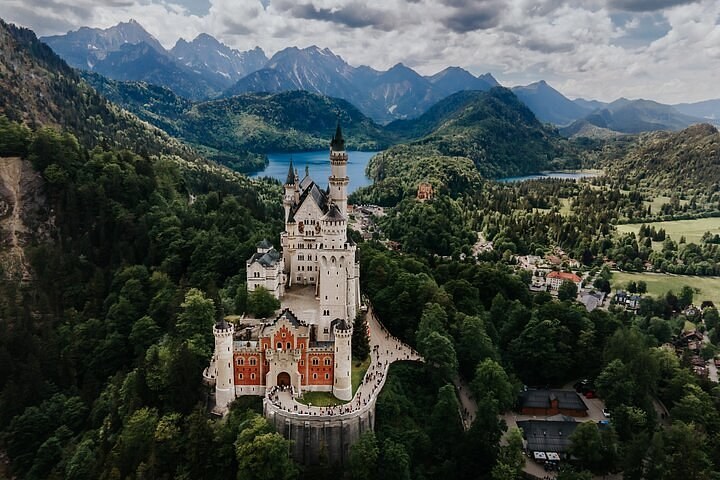 132 mi from NurembergNeuschwanstein & Hohenschwangau Castle Combo Tour
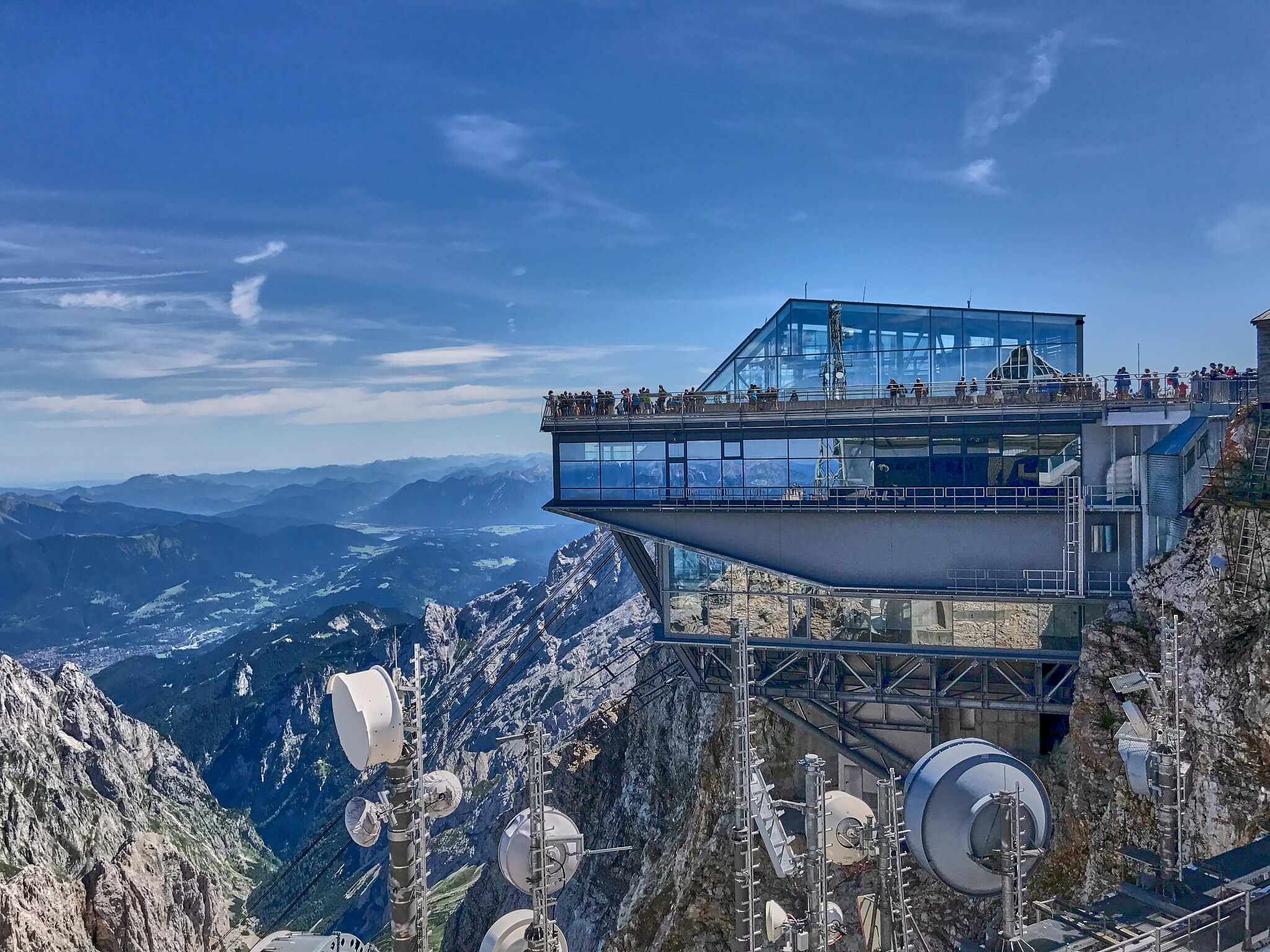 136 mi from NurembergZugspitze Day Trip
 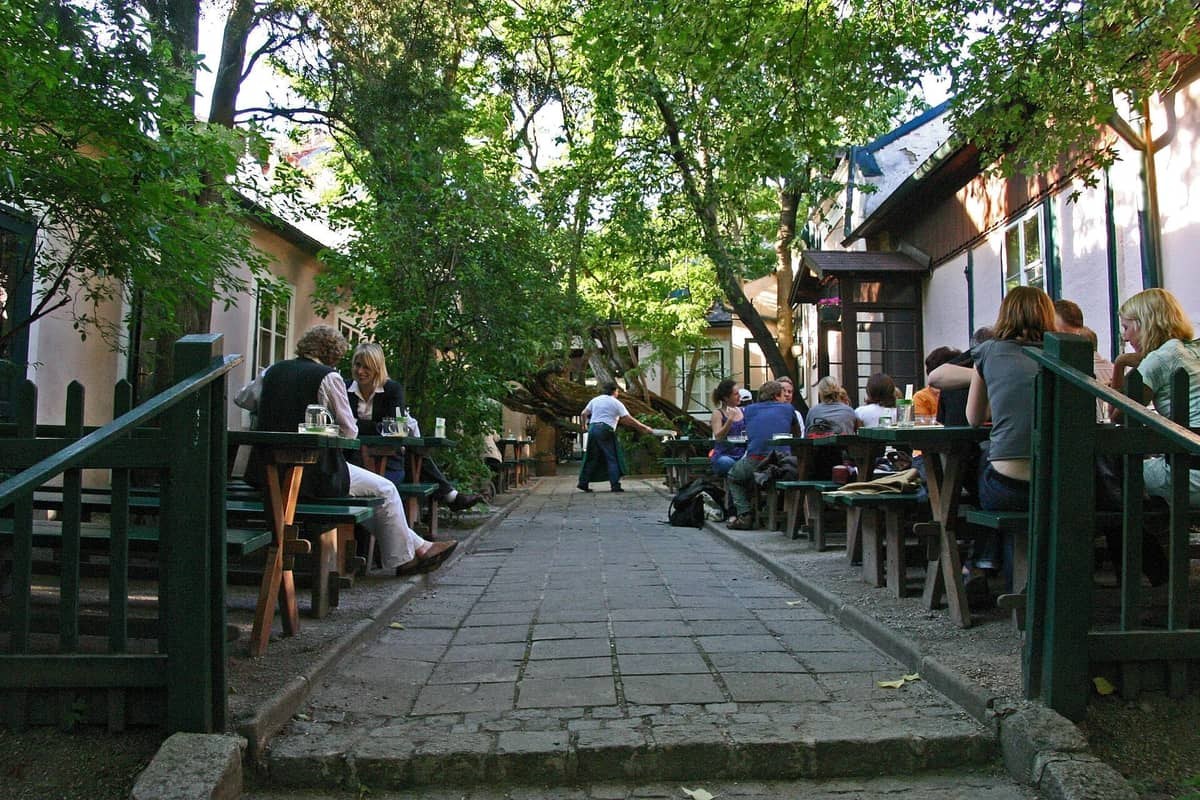 145 mi from Nuremberg · land adventureSalt, Stone and Grüner Veltliner: Salzburg Beyond Mozart
 149 mi from Nuremberg · land adventurePrague Beyond the Crowds: Garnets, Garrets & Bohemian Wine
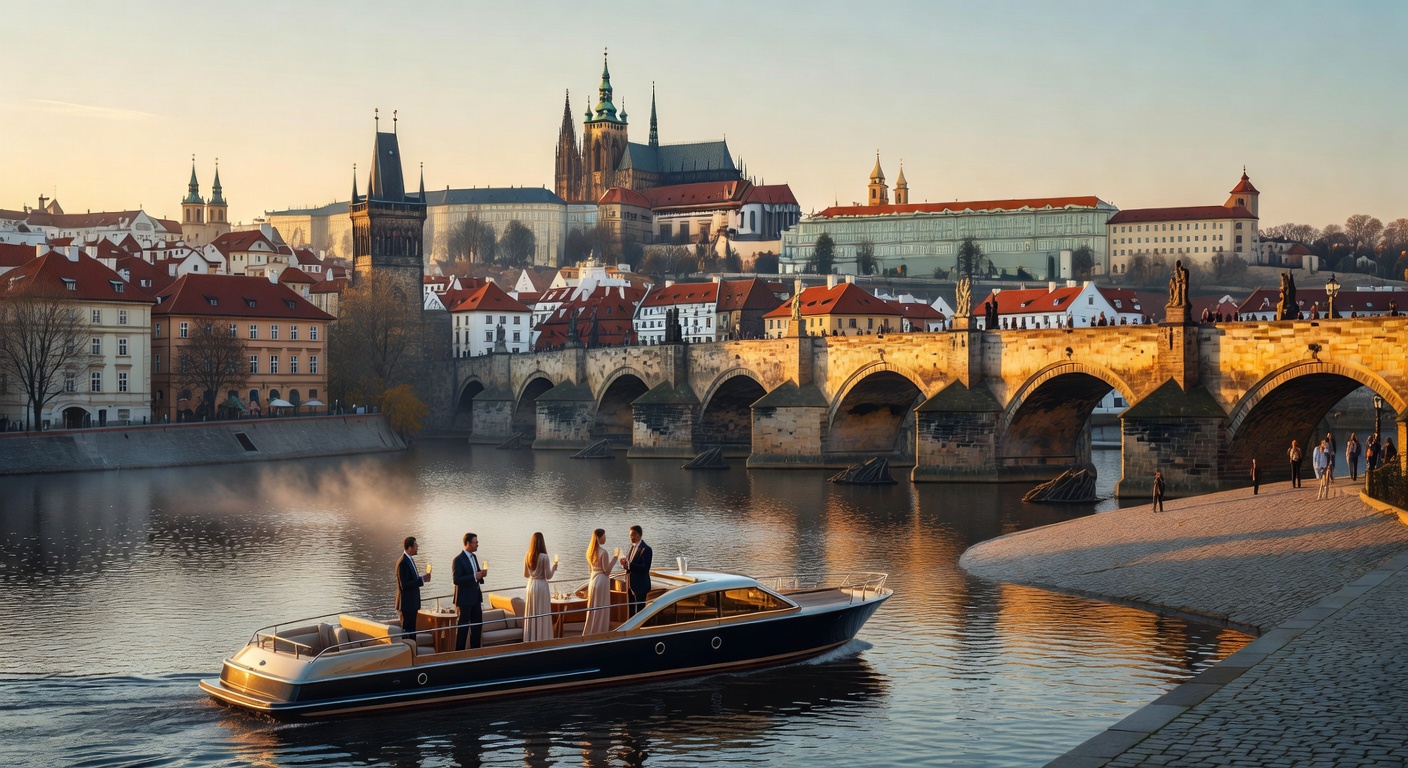 149 mi from Nuremberg · land adventureČeský Krumlov: Bohemian Forests, Fishponds, and Fireside Wine
 After you step off · near Basel
You end in a different port — stay on, and add what is within reach before you fly home.