Your cruise
AmaLilia · 7-night Middle East round trip from Luxor/Karnak (Safaga)
Mar 20 – Mar 31 · 11 nights ·
Day 1–2 Luxor/Karnak (Safaga) (board) · Day 3 Edfu · Day 4 Aswan · Day 5 Kom Ombo · Day 5 Aswan · Day 6–7 Luxor/Karnak (Safaga) · Day 7 Qena · Day 8 Luxor/Karnak (Safaga) (step off)
What you do Step inside Egypt's best-preserved ancient temple on a private guided tour. The towering pylons, sacred sanctuary, and intricate Ptolemaic reliefs of the Temple of Horus are nothing short of awe-inspiring — a bucket-list encounter with 2,000-year-old living mythology.
What to expect Your guide brings the mythological battle between Horus and Set to life against the very walls on which it is carved. You'll linger in the shadowy inner sanctum around the gilded falcon statue, then climb to the rooftop terrace for panoramic views over the town and Nile. Time is generous enough to photograph the towering 36-metre pylon without a single stranger in frame.
Good to know The temple is a 10-minute caleche (horse-drawn carriage) or short taxi ride from the cruise dock. Opening hours are 07:00–16:00 in winter, 07:00–17:00 in summer. Pre-book your private guide directly via Memphis Tours; all-aboard times on Nile river cruises are typically late afternoon, giving you a comfortable window.
Versus the ship tour A dedicated Egyptologist guide — not a generalist — leads your private group at your own pace, spending as long as you wish in the hypostyle hall and inner sanctuary without being swept along by a crowd. Mornings before the main ferry groups arrive feel almost otherworldly.
What you do Combine the falcon-crowned grandeur of Edfu with the enigmatic dual-deity temple of Kom Ombo — dedicated simultaneously to Sobek the crocodile god and Haroeris — on a single, seamlessly private day. Two of Egypt's most photogenic Ptolemaic temples, back to back.
What to expect Depart the dock directly after docking; your guide begins contextualising the Ptolemaic period en route. At Edfu, the sheer scale of the preserved pylons and the carved myth of the Divine Conflict stops everyone in their tracks. At Kom Ombo, the symmetrical twin sanctuaries and the nilometer carved into the riverbank add a completely different atmosphere — intimate, mysterious, and photogenic at golden hour.
Good to know Kom Ombo is approximately 45 minutes south of Edfu by road. Carry Egyptian Pounds or USD cash for any extras. Light, breathable clothing and closed-toe shoes are recommended for temple floors. Confirm the all-aboard time with your river cruise and share it with your operator at booking.
Versus the ship tour A private air-conditioned vehicle and a single dedicated Egyptologist escort you door-to-door, letting you set the pace, ask every question, and avoid the midday coach-tour rush at both sites. The dual-temple experience at Kom Ombo — including the crocodile mummy gallery — is rarely done justice on group itineraries.
What you do Float silently above the emerald ribbon of the Nile at sunrise, the Temple of Horus glowing gold beneath you and the Eastern Desert stretching to the horizon. One of Egypt's most iconic experiences, and utterly unforgettable from this rarely-ballooned stretch of the Upper Nile.
What to expect A pre-dawn transfer takes you to the launch site on the west bank, where the balloon is dramatically inflated as the sky turns pink. Flights last approximately 45–60 minutes at altitudes from tree-top to several hundred metres, with a skilled pilot narrating the landscape. Touchdown is followed by a traditional Egyptian breakfast and a certificate of flight — a genuine celebratory moment.
Good to know Flights are weather-dependent and operate October–May most reliably. Pre-booking is essential — balloon companies fill weeks in advance. Transfers from the cruise dock to the launch site are included. Wear layers; mornings above the Nile are cooler than expected. Confirm flight timing against your ship's all-aboard time before booking.
Versus the ship tour Most balloon experiences operate from Luxor; arranging a flight from the Edfu/Esna corridor gives you a perspective almost no other traveller ever captures — the vast agricultural floodplain, the hidden west-bank villages, and the temple rooftop at first light. A private basket for two or four is available on request.
What you do Pair the magnificent Temple of Horus at Edfu with the often-overlooked Temple of Khnum at Esna — buried for centuries beneath the town and only recently fully excavated — plus a visit to the ancient Nilometer that measured Egypt's agricultural fate for millennia.
What to expect Begin at Edfu in the cooler morning hours, exploring the temple's innermost sanctuary with your private guide. Drive north to Esna, where the partially sunken Temple of Khnum sits dramatically below street level in an open excavation pit. The recently restored ceiling — a riot of blue, gold, and ochre — is genuinely breathtaking. The nearby Nilometer, carved into the riverbank, rounds out one of the most intellectually rich half-days in all of Egypt.
Good to know Esna is approximately 50 km north of Edfu (about 1 hour by road). The Esna lock — where Nile cruise ships queue — is a spectacle in itself if timing aligns. Carry cash for the Esna ticket desk. Soft-soled shoes are advised on the ancient stone steps of the Nilometer.
Versus the ship tour Esna's newly restored temple — its ceiling returned to dazzling original colour after a landmark restoration completed in 2023 — is the insider secret of Upper Egypt right now. A specialist Egyptologist contextualises the astronomical ceiling and rare Roman-era hieroglyphs in a way that transforms what you see from 'old stones' into a vivid living cosmology.
What you do Clip-clop through the living streets of Edfu in a private horse-drawn caleche, the traditional carriage that has connected the Nile quay to the temple for generations. This is Egypt as it has been for centuries — unhurried, sensory, and wonderfully human.
What to expect The caleche departs the quay in a satisfying clatter of hooves on stone, past vendors, schoolchildren, and rooftop pigeons. You'll pass through the old souk quarter where sacks of cumin and hibiscus tea are stacked in doorways. The approach to the temple's massive pylon on carriage-back, with the driver calling out proudly, is one of those travel moments that photographs perfectly and stays with you forever.
Good to know Best experienced in the cooler morning or late afternoon. Ensure your operator pre-selects a well-kept carriage and healthy horse — a quality operator will always accommodate this. Journey from dock to temple is approximately 10–15 minutes. Combine with a private temple tour for a complete and seamless experience.
Versus the ship tour Rather than being bussed directly to the temple forecourt, a pre-arranged private caleche lets you weave through the spice market, past the riverside mosque, and through residential lanes that coaches can never reach. Your guide narrates the town's living history — Edfu has been continuously inhabited since Pharaonic times — before arriving at the temple in genuine style.
book direct with Local Edfu Caleche Operators (arranged via Egypt Tours Portal) → · the full guide →
What you do As the desert light turns to amber, board a private traditional felucca sailboat and drift on the Nile with the temples and palm-lined west bank glowing all around you. The oldest form of transport on the world's greatest river, taken in the most beautiful possible light.
What to expect Your captain — likely the third generation of his family to sail this stretch of river — sets a course toward the west bank as the light softens and the temple's pylon catches the last gold of the day. Fresh mint tea and local fruit are served on cushioned benches. You may drift past local fishermen casting nets, buffalo cooling in the shallows, and children waving from mud-brick villages. As the stars emerge over the Eastern Desert, the felucca tacks back to the cruise dock.
Good to know Best timed for the final 90 minutes before your all-aboard call — typically 17:30–19:00 on Nile river cruise itineraries. Confirm exact timings with your cruise. A light wrap or shawl is recommended as evenings on the Nile can be surprisingly cool even in autumn and spring. Pre-book to ensure the best-maintained vessels are reserved for you.
Versus the ship tour A private felucca is chartered exclusively for your group — no strangers, no schedule, no commentary unless you want it. The silence on the water as the sun drops behind the western escarpment is profound; just the wind in the sail, the occasional call of an egret, and the ancient landscape of Upper Egypt unfolding around you. This is the Nile as Cleopatra knew it.
What you do Descend into the gilded tombs of Egypt's greatest pharaohs in the Valley of the Kings — including Tutankhamun's burial chamber — guided by a private Egyptologist on a full-day journey from Safaga Port.
What to expect A private, air-conditioned vehicle collects you at Safaga Port for the two-hour drive to the West Bank of Luxor. Your certified Egyptologist unlocks the mythology, hieroglyphics, and dynastic drama inside three to four royal tombs included in your ticket. The scale and silence of the necropolis — 63 tombs cut into golden limestone cliffs — is genuinely humbling. After the Valley, the itinerary typically continues to the Temple of Hatshepsut at Deir el-Bahari, one of the most architecturally dramatic buildings in the ancient world.
Good to know Full-day tour runs approx. 10–11 hours; confirm all-aboard time with ship and communicate to operator. Valley of the Kings standard ticket covers 3 tombs (EGP 360 / ~USD 11); Tutankhamun's tomb is an extra EGP 360. Pre-book at least 48 hours ahead; private tours sell out in peak season (Oct–Apr). Comfortable closed-toe shoes and sun protection essential.
Versus the ship tour Fully private vehicle and dedicated Egyptologist guide means you linger at the tombs that move you, skip the ones that don't, and enter the Valley before the midday crowds. Access to Tutankhamun's tomb (ticket add-on) and KV17 (Seti I) can be arranged privately.
book direct with Egypt Tours Portal (Private Safaga Shore Excursions) → · the full guide →
What you do Walk the world's largest religious complex at sunrise — before the crowds arrive — alongside a specialist Egyptologist who brings the hypostyle hall's 134 colossal columns and 2,000 years of pharaonic ambition vividly to life.
What to expect The two-hour drive from Safaga gives your guide time to set the dynastic context before you arrive. Inside Karnak, you'll walk the processional Avenue of Ram-headed Sphinxes, stand beneath the 23-metre columns of the Hypostyle Hall, and visit the sacred scarab statue of Khepri — tradition holds that circling it seven times grants a wish. The complex's sheer scale (a football-stadium could fit inside the main hall) never fails to astonish even well-travelled guests. A chilled water and soft-drink service in the private vehicle keeps comfort high throughout.
Good to know Karnak opens at 6 a.m.; an early port departure (around 5 a.m.) is worth every yawn. Standard admission is EGP 360 (~USD 11); confirm current rate with operator at booking. Combine with Luxor Temple and the Avenue of Sphinxes for a seamless East Bank half-day. Modest dress (covered shoulders and knees) is required.
Versus the ship tour A private departure timed for the 6 a.m. opening means you have the Great Hypostyle Hall almost entirely to yourself — the light is golden, the shadows theatrical, and the scale truly comprehensible before tour buses arrive. Your Egyptologist decodes the sacred lake, the Avenue of Sphinxes, and the Precinct of Amun with scholarship and storytelling that transforms stones into a living civilization.
book direct with Cairo Top Tours (Safaga Shore Excursions) → · the full guide →
What you do Experience Luxor Temple illuminated after dark — obelisks, colonnades, and the face of Ramses II glowing gold against the night sky — on an intimate private evening tour that pairs ancient grandeur with the theatre of floodlighting.
What to expect Your private guide leads you through the Avenue of Sphinxes — recently restored to connect Luxor Temple to Karnak for the first time in 3,000 years — and into the temple precinct as the flood-lights warm the sandstone to amber. The colossal seated statues of Ramses II are at their most imposing in this light. Inside, you'll see the Roman chapel, the mosque of Abu el-Haggag built atop the ancient sanctuary, and the stunning colonnade of Amenhotep III. The evening is cooler and quieter than a daytime visit, making it ideal for photography and reflection. Return transfer to the port is included.
Good to know Luxor Temple opens until 9 p.m.; evening entry is EGP 250 (~USD 8). This tour suits ships with a late all-aboard (9 p.m. or later) or overnight Safaga calls — confirm your schedule carefully. Book a private guide with confirmed evening availability; pre-book at least 3 days ahead. A light jacket is advisable after sunset, even in summer.
Versus the ship tour Evening access to Luxor Temple is a privilege unavailable on most day-tour itineraries. The floodlit columns and the solitary surviving obelisk of Ramses II create an atmosphere that is simply impossible to replicate in daylight — this is the single most photogenic hour in all of Luxor.
book direct with Love Egypt Tours (Shore Excursions from Safaga Port) → · the full guide →
What you do Conquer ancient Egypt's most iconic West Bank trio — the mortuary temple of Hatshepsut, the towering Colossi of Memnon, and the Valley of the Kings — in a single, unhurried private day with a dedicated Egyptologist from Safaga.
What to expect Your journey begins at Safaga Port and crosses to the West Bank of Luxor via the Nile ferry or bridge. The Colossi of Memnon — two 18-metre quartzite statues of Amenhotep III — make a jaw-dropping first stop. The terraced Temple of Hatshepsut at Deir el-Bahari, carved into a natural amphitheatre of cliffs, is one of Egypt's most architecturally breathtaking structures. The Valley of the Kings crowns the day: your guide navigates the hierarchy of tombs, steering you toward the finest painted chambers. Lunch at a local Luxor restaurant is typically included.
Good to know Full-day excursion; allow 10–11 hours door-to-door from Safaga. Valley of the Kings standard ticket covers 3 tombs; Tutankhamun's and Seti I's tombs require separate tickets (EGP 360–500 each). Comfortable footwear is essential — temple floors are uneven. Book private Egyptologist guide well in advance during Oct–Apr high season.
Versus the ship tour The combination of three West Bank monuments in a single private day — with a qualified Egyptologist who can personalise the depth of each stop — is the complete West Bank experience. The pace is yours: linger inside the tomb of Ramses VI, spend extra time at Hatshepsut's triple-terraced temple, and photograph the Colossi at leisure without a group schedule.
book direct with Shouf.io — From Safaga Port: Private Tour to Valley of the Kings & Karnak → · the full guide →
What you do Step inside Egypt's most beautifully curated ancient collection at Luxor Museum — mummies, colossal statues, and treasures from Tutankhamun's era — with a private Egyptologist who unlocks the scholarship behind every artefact.
What to expect The museum's intimate scale — a deliberate contrast to the overwhelming Cairo Egyptian Museum — means your guide can give each masterpiece its due. Highlights include the alabaster head of Amenhotep III, a cache of 16 New Kingdom statues discovered in 1989, and two royal mummies on permanent display. The building itself, poised above the Nile's East Bank, floods with natural light, making it an ideal complement to a morning temple visit. Your guide can weave the museum's artefacts into the broader narrative of the temples you visited earlier in the day.
Good to know Luxor Museum opens 9 a.m.–4 p.m. and 5–9 p.m.; afternoon and evening sessions are less crowded. Admission approx. EGP 250 (~USD 8); confirm current price at booking. Pairs perfectly with Karnak or Luxor Temple on a half-day East Bank itinerary. Photography is permitted in most galleries (no flash). Book your private guide through GoWithGuide's verified local experts.
Versus the ship tour Luxor Museum is one of Egypt's most underrated treasures — small enough to explore in depth but rich enough to spend three hours in. With a private Egyptologist, every object has a story: the two royal mummies, the gilded head of Tutankhamun's cow goddess, and the wall reconstructed from Karnak's Akhenaten blocks. This is connoisseur-level Egyptology.
book direct with GoWithGuide — Luxor Private Tour Guides → · the full guide →
What you do Trade the desert for the deep blue on a private boat snorkelling safari along Safaga's world-class house reefs — vivid coral gardens, reef sharks, and technicolour fish just minutes from the port, no crowds, no ancient temples.
What to expect Your private motorboat departs Safaga marina and reaches the first reef in under 20 minutes. The clarity of the Red Sea — visibility frequently exceeding 20 metres — makes even a casual snorkeller feel like a marine biologist. Expect dense coral formations, parrotfish, lionfish, and if you're fortunate, a passing reef shark or eagle ray. The crew provides high-quality snorkel masks and fins, and chilled drinks are on board throughout. A second reef stop is included in the standard half-day itinerary, with the option to extend.
Good to know Half-day tour (approx. 4 hours) makes it ideal when combined with a morning Luxor excursion or for guests choosing a beach alternative. Confirm snorkel equipment sizing at booking if you have specific needs. Wetsuit hire available on request. No swimming experience is required, but basic comfort in open water is recommended. Book 24–48 hours in advance; private boats have limited capacity.
Versus the ship tour Safaga is one of the Red Sea's most celebrated dive and snorkel destinations, with healthy coral untouched by mass tourism. A private boat means you anchor at the best spots — Panorama Reef or Abu Kafan — rather than the crowded public beaches, and the pace is entirely yours. For guests who have seen Egypt's temples before, or want an afternoon contrast to a morning in Luxor, this is the bucket-list alternative.
book direct with Cairo Top Tours — Red Sea Snorkelling from Safaga → · the full guide →
What you do Step inside Egypt's best-preserved ancient temple on a private guided tour. The towering pylons, sacred sanctuary, and intricate Ptolemaic reliefs of the Temple of Horus are nothing short of awe-inspiring — a bucket-list encounter with 2,000-year-old living mythology.
What to expect Your guide brings the mythological battle between Horus and Set to life against the very walls on which it is carved. You'll linger in the shadowy inner sanctum around the gilded falcon statue, then climb to the rooftop terrace for panoramic views over the town and Nile. Time is generous enough to photograph the towering 36-metre pylon without a single stranger in frame.
Good to know The temple is a 10-minute caleche (horse-drawn carriage) or short taxi ride from the cruise dock. Opening hours are 07:00–16:00 in winter, 07:00–17:00 in summer. Pre-book your private guide directly via Memphis Tours; all-aboard times on Nile river cruises are typically late afternoon, giving you a comfortable window.
Versus the ship tour A dedicated Egyptologist guide — not a generalist — leads your private group at your own pace, spending as long as you wish in the hypostyle hall and inner sanctuary without being swept along by a crowd. Mornings before the main ferry groups arrive feel almost otherworldly.
What you do Combine the falcon-crowned grandeur of Edfu with the enigmatic dual-deity temple of Kom Ombo — dedicated simultaneously to Sobek the crocodile god and Haroeris — on a single, seamlessly private day. Two of Egypt's most photogenic Ptolemaic temples, back to back.
What to expect Depart the dock directly after docking; your guide begins contextualising the Ptolemaic period en route. At Edfu, the sheer scale of the preserved pylons and the carved myth of the Divine Conflict stops everyone in their tracks. At Kom Ombo, the symmetrical twin sanctuaries and the nilometer carved into the riverbank add a completely different atmosphere — intimate, mysterious, and photogenic at golden hour.
Good to know Kom Ombo is approximately 45 minutes south of Edfu by road. Carry Egyptian Pounds or USD cash for any extras. Light, breathable clothing and closed-toe shoes are recommended for temple floors. Confirm the all-aboard time with your river cruise and share it with your operator at booking.
Versus the ship tour A private air-conditioned vehicle and a single dedicated Egyptologist escort you door-to-door, letting you set the pace, ask every question, and avoid the midday coach-tour rush at both sites. The dual-temple experience at Kom Ombo — including the crocodile mummy gallery — is rarely done justice on group itineraries.
What you do Float silently above the emerald ribbon of the Nile at sunrise, the Temple of Horus glowing gold beneath you and the Eastern Desert stretching to the horizon. One of Egypt's most iconic experiences, and utterly unforgettable from this rarely-ballooned stretch of the Upper Nile.
What to expect A pre-dawn transfer takes you to the launch site on the west bank, where the balloon is dramatically inflated as the sky turns pink. Flights last approximately 45–60 minutes at altitudes from tree-top to several hundred metres, with a skilled pilot narrating the landscape. Touchdown is followed by a traditional Egyptian breakfast and a certificate of flight — a genuine celebratory moment.
Good to know Flights are weather-dependent and operate October–May most reliably. Pre-booking is essential — balloon companies fill weeks in advance. Transfers from the cruise dock to the launch site are included. Wear layers; mornings above the Nile are cooler than expected. Confirm flight timing against your ship's all-aboard time before booking.
Versus the ship tour Most balloon experiences operate from Luxor; arranging a flight from the Edfu/Esna corridor gives you a perspective almost no other traveller ever captures — the vast agricultural floodplain, the hidden west-bank villages, and the temple rooftop at first light. A private basket for two or four is available on request.
What you do Pair the magnificent Temple of Horus at Edfu with the often-overlooked Temple of Khnum at Esna — buried for centuries beneath the town and only recently fully excavated — plus a visit to the ancient Nilometer that measured Egypt's agricultural fate for millennia.
What to expect Begin at Edfu in the cooler morning hours, exploring the temple's innermost sanctuary with your private guide. Drive north to Esna, where the partially sunken Temple of Khnum sits dramatically below street level in an open excavation pit. The recently restored ceiling — a riot of blue, gold, and ochre — is genuinely breathtaking. The nearby Nilometer, carved into the riverbank, rounds out one of the most intellectually rich half-days in all of Egypt.
Good to know Esna is approximately 50 km north of Edfu (about 1 hour by road). The Esna lock — where Nile cruise ships queue — is a spectacle in itself if timing aligns. Carry cash for the Esna ticket desk. Soft-soled shoes are advised on the ancient stone steps of the Nilometer.
Versus the ship tour Esna's newly restored temple — its ceiling returned to dazzling original colour after a landmark restoration completed in 2023 — is the insider secret of Upper Egypt right now. A specialist Egyptologist contextualises the astronomical ceiling and rare Roman-era hieroglyphs in a way that transforms what you see from 'old stones' into a vivid living cosmology.
What you do Clip-clop through the living streets of Edfu in a private horse-drawn caleche, the traditional carriage that has connected the Nile quay to the temple for generations. This is Egypt as it has been for centuries — unhurried, sensory, and wonderfully human.
What to expect The caleche departs the quay in a satisfying clatter of hooves on stone, past vendors, schoolchildren, and rooftop pigeons. You'll pass through the old souk quarter where sacks of cumin and hibiscus tea are stacked in doorways. The approach to the temple's massive pylon on carriage-back, with the driver calling out proudly, is one of those travel moments that photographs perfectly and stays with you forever.
Good to know Best experienced in the cooler morning or late afternoon. Ensure your operator pre-selects a well-kept carriage and healthy horse — a quality operator will always accommodate this. Journey from dock to temple is approximately 10–15 minutes. Combine with a private temple tour for a complete and seamless experience.
Versus the ship tour Rather than being bussed directly to the temple forecourt, a pre-arranged private caleche lets you weave through the spice market, past the riverside mosque, and through residential lanes that coaches can never reach. Your guide narrates the town's living history — Edfu has been continuously inhabited since Pharaonic times — before arriving at the temple in genuine style.
book direct with Local Edfu Caleche Operators (arranged via Egypt Tours Portal) → · the full guide →
What you do As the desert light turns to amber, board a private traditional felucca sailboat and drift on the Nile with the temples and palm-lined west bank glowing all around you. The oldest form of transport on the world's greatest river, taken in the most beautiful possible light.
What to expect Your captain — likely the third generation of his family to sail this stretch of river — sets a course toward the west bank as the light softens and the temple's pylon catches the last gold of the day. Fresh mint tea and local fruit are served on cushioned benches. You may drift past local fishermen casting nets, buffalo cooling in the shallows, and children waving from mud-brick villages. As the stars emerge over the Eastern Desert, the felucca tacks back to the cruise dock.
Good to know Best timed for the final 90 minutes before your all-aboard call — typically 17:30–19:00 on Nile river cruise itineraries. Confirm exact timings with your cruise. A light wrap or shawl is recommended as evenings on the Nile can be surprisingly cool even in autumn and spring. Pre-book to ensure the best-maintained vessels are reserved for you.
Versus the ship tour A private felucca is chartered exclusively for your group — no strangers, no schedule, no commentary unless you want it. The silence on the water as the sun drops behind the western escarpment is profound; just the wind in the sail, the occasional call of an egret, and the ancient landscape of Upper Egypt unfolding around you. This is the Nile as Cleopatra knew it.
What you do Stand before Ramesses II's colossal rock-cut temples at Abu Simbel — one of antiquity's greatest engineering feats — with a private Egyptologist decoding every hieroglyph. This is the defining bucket-list moment of Upper Egypt.
What to expect Depart Aswan at 04:00 for the 3-hour desert drive south to Lake Nasser. Your Egyptologist walks you through the Great Temple of Ramesses II and the smaller Temple of Nefertari, explaining the Solar Alignment miracle that occurs twice a year. Linger as long as you like before the tour groups arrive. Return to Aswan by early afternoon, comfortably ahead of all-aboard.
Good to know Depart by 04:00 to reach Abu Simbel by 07:00 and be back in Aswan by 13:00–14:00. Pre-book at least 48 hours ahead. Entry tickets (approx. USD 15/adult) are typically included in private tour packages — confirm when booking.
Versus the ship tour Fully private vehicle, personally assigned Egyptologist, and flexible timing so you arrive at dawn before the crowds — the temples virtually to yourself in the golden morning light.
book direct with Egypt Tours Portal (direct private tour operator) → · the full guide →
What you do Glide by private motorboat to the island temple of Isis at Philae — rescued from the Nile's rising waters and reassembled stone by stone — as the setting sun turns the granite pink. A living myth, afloat on the Nile.
What to expect Board your private felucca-style motorboat at Shellal Dock for the short crossing to Agilkia Island. Walk the colonnaded forecourt, the twin pylons, and the Hypostyle Hall with an expert who brings the mythology to life. The late-afternoon light across the First Cataract is extraordinary. The Sound & Light Show (optional evening add-on) is one of Egypt's best.
Good to know Temple opens 07:00–17:00 (winter) / 07:00–18:00 (summer). The site is 8 km south of central Aswan — allow 15 minutes by taxi or private transfer. Pre-book the motorboat crossing in advance; independent walk-up prices are EGP 100–150 per person for a shared boat.
Versus the ship tour A privately chartered motorboat means you cross to the island on your own schedule, avoiding the queue of shared launches, and your guide curates the stories of Isis and Osiris with no time pressure.
book direct with Luxor and Aswan Travel (direct Aswan specialist) → · the full guide →
What you do Journey north from Aswan to two of Egypt's most spectacular and intact Ptolemaic temples — the crocodile-god sanctuary at Kom Ombo and the towering Horus temple at Edfu — on a fully private day trip with an Egyptologist.
What to expect Your driver and Egyptologist collect you from the port and head north along the Nile's east bank. At Kom Ombo, explore the dual temple dedicated to Sobek and Haroeris, with its remarkable ancient surgical instruments displayed in the crocodile museum. Continue to Edfu's immense Temple of Horus — one of the best-preserved in Egypt — before returning to Aswan by late afternoon.
Good to know Full day: depart 08:00, return by 17:00. Kom Ombo entry approx. EGP 360 (USD 7); Edfu entry approx. EGP 450 (USD 9). Book directly to ensure a qualified Egyptologist (not just a driver). Confirm all-aboard time before booking — this tour fits most Aswan port days comfortably.
Versus the ship tour Private vehicle and guide mean you set the pace, stop for photographs at will, and receive a deeply personal narrative — not a rushed commentary delivered to 40 people.
book direct with Egypt Tours Portal (direct private tour operator) → · the full guide →
What you do Sail a traditional felucca to a living Nubian village on Elephantine Island, where vibrant painted houses, ancient traditions, and warm hospitality survive unchanged. The most culturally intimate experience Aswan offers.
What to expect Step aboard a wooden felucca and drift silently across the Nile to Elephantine Island. Walk lanes lined with indigo-and-ochre murals, visit a local family's home for Nubian tea and homemade hibiscus juice, and meet resident Nile crocodiles kept as sacred animals. Your guide weaves the story of how Lake Nasser's creation displaced 100,000 Nubians — a powerful and moving context for what you see.
Good to know Half-day experience: 3–4 hours. Best in the morning or late afternoon to avoid midday heat. Felucca rides are unscheduled by nature — arrange pickup time firmly with your guide. Bring cash for small crafts purchased directly from village artisans.
Versus the ship tour A vetted local Nubian guide — not a generalist — takes you into family homes, introduces you to community elders, and explains the history of displacement and cultural resilience in a way no scripted group tour can.
book direct with Tours by Locals – Aswan Private Guides → · the full guide →
What you do Descend into the ancient granite quarries to see the world's largest known obelisk — still embedded in the rock where a flaw halted its creation 3,500 years ago — then witness the 20th century's answer to pharaonic ambition at the Aswan High Dam.
What to expect Begin at the Southern Quarries, where the Unfinished Obelisk — 42 metres long and weighing an estimated 1,168 tonnes — lies in the living rock, its abandonment a frozen moment in ancient history. Your guide explains how obelisks were quarried, transported and erected with no modern machinery. Cross to the High Dam viewpoint for a panorama over Lake Nasser, one of the world's largest man-made lakes, and hear the story of the controversial project that saved and submerged ancient Egypt simultaneously.
Good to know Compact half-day: 3–4 hours, easy to pair with Philae Temple in the afternoon. Both sites are within 10–15 minutes of the cruise dock. Photography is permitted at both. Modest dress recommended.
Versus the ship tour A private Egyptologist turns what could be a whistle-stop into a genuine revelation — explaining the engineering genius, the mystery of the flaw, and the political drama of Nasser's dam with the depth a group tour never allows.
What you do Recline on a traditional Nubian felucca as it glides through the First Cataract's granite boulders at golden hour, circling the lush Botanical Garden island gifted to Lord Kitchener. Pure, unhurried Nile magic.
What to expect Cast off from the Corniche as the afternoon heat softens and the light turns amber. Your captain navigates silently between the black granite outcrops of the First Cataract, with the Aga Khan Mausoleum glowing above the western bank. Drift past Elephantine Island and circle Kitchener's Island — its botanical garden is a riot of palms, tropical ferns, and rare orchids introduced by the British general. As the sun drops, the Nile becomes a mirror of rose and gold.
Good to know Two-hour sunset sail: depart ~16:00–17:00 depending on season. Arrange directly with your local guide or through the Corniche felucca captains — always negotiate and confirm a private charter (not a shared boat). Lightweight layers advised for the evening breeze. All-aboard is rarely before 22:00 in Aswan — this sail fits any port day perfectly.
Versus the ship tour A privately chartered felucca — just your group, the captain, and the Nile — means you drift at your own pace, stop at Kitchener's Island if you wish, and watch the sun melt behind the desert cliffs with a glass of chilled hibiscus juice in hand.
book direct with Tours by Locals – Aswan Private Guides → · the full guide →
What you do Stand inside one of Egypt's most dramatic Nile-edge temples — dedicated to both Sobek and Horus — with a private Egyptologist who unlocks every relief, calendar, and surgical instrument carved into its walls. Bucket-list for its dual sanctuaries and the adjacent mummified crocodile collection.
What to expect Your Egyptologist meets you dockside and leads you into the double-colonnaded temple as the morning light rakes across the sandstone reliefs of Sobek and Hararoeris. You'll decipher the enigmatic medical instruments panel — knives, forceps, medicine jars — carved in precise detail 2,000 years ago. Next door, the Crocodile Museum houses dozens of mummified sacred crocodiles, some over three metres long, with ritual amulets intact. The private format means zero rushing: every question answered, every chapel explored.
Good to know Temple opens at 07:00; morning light is superb and crowds are thin before 09:30. Entry ticket (adult USD 11.40, child USD 5.70) is additional. Confirm all-aboard time with your ship; the temple is a short walk from most Nile cruise docks at Kom Ombo.
Versus the ship tour A dedicated private Egyptologist — not a group megaphone guide — means you linger at the Nilometer, decode the world's oldest surgical-instrument carvings, and slip into the Crocodile Museum at your own pace with expert commentary tailored to your curiosity.
book direct with Luxor and Aswan Tours (private Egyptologist-led) → · the full guide →
What you do The best-preserved Ptolemaic temple on earth — Edfu's towering pylons dedicated to falcon-god Horus — paired with dual-deity Kom Ombo on one private full day. Two of the Nile's crown jewels, zero crowds, one expert guide.
What to expect Depart dockside by private air-conditioned vehicle for Edfu, arriving as gates open and light floods the monumental pylons. Your Egyptologist traces the Battle of Horus and Seth across the outer walls before entering the dim, incense-scented inner sanctuary housing the granite naos — one of Egypt's most intact sacred spaces. After lunch, you continue south to Kom Ombo's dramatic Nile-edge double temple, where crocodile mummies and a 2,000-year-old surgical-instruments relief await. Private transport returns you in comfort with plenty of time before all-aboard.
Good to know An early departure (by 07:00) is essential to cover both sites comfortably. Adult entry fees are approximately USD 11.40 at Kom Ombo and USD 11.40 at Edfu, payable separately on site. Pre-book your private guide at least 48 hours in advance.
Versus the ship tour Edfu's hypostyle hall, inner sanctuary, and Nileside pylons are explored without a queue or time constraint — your Egyptologist connects the mythological narrative across both temples so the full Horus-Sobek cosmology clicks into place across a single extraordinary day.
book direct with Luxor and Aswan Tours (private Egyptologist-led) → · the full guide →
What you do Board a traditional Egyptian felucca as the Sahara light turns gold and drift the same waters that carried ancient grain barges. With Kom Ombo Temple glowing on the bank above you, this is the Nile moment most travellers only photograph from a distance.
What to expect Step aboard your traditional lateen-sailed felucca just as the afternoon heat begins to soften. The captain ghosts the boat south along the Nile's east bank, with Kom Ombo's sandstone columns rising above the palms in cinematic silhouette. Herons fish the shallows, sugar-cane fields blur the opposite bank green, and the sky cycles through amber, rose, and violet. Bring chilled water and a camera — this is the 'real Egypt' scene every traveller envisions.
Good to know Felucca docks are a 5-minute walk from the temple. Negotiate a private charter rather than a shared boat for a luxury experience; agree the route and duration before boarding. Sail timing should leave at least 90 minutes before all-aboard. Light wrap recommended as river breezes cool quickly after sunset.
Versus the ship tour A private felucca is intimate, silent except for the wind, and utterly unhurried — the antithesis of a motor-launch group tour. You choose the pace, the direction, and whether you drift under the temple's Nile-facing façade at dusk or anchor mid-river for sundowners.
book direct with Nile Felucca Dock, Kom Ombo (private charter) → · the full guide →
What you do Just 12 km north of Kom Ombo, Gebel Silsileh is where Egypt's greatest temples were literally born — a dramatic sandstone gorge where pharaohs quarried stone for Karnak, Luxor, and Abu Simbel. Rated 4.5 on Tripadvisor yet virtually unknown to cruise passengers.
What to expect Your private guide drives you north along the Nile corniche to the point where the cliffs close in and the river narrows dramatically — the spot ancient Egyptians considered sacred and geologically unique. You explore rock-cut shrines dedicated to Ramesses II and Amenhotep III, their inscriptions still vivid in the sheltered sandstone. Ancient quarry marks — ramps, tool grooves, draft lines — make the scale of pharaonic ambition visceral. The site is serene, uncrowded, and extraordinarily photogenic in morning light.
Good to know Allow approximately 2.5 hours for the excursion including travel time. Best combined with a Kom Ombo Temple visit in the morning, visiting Gebel Silsileh first as it is further north. Wear sturdy, closed-toe footwear as terrain is uneven. Check current opening status locally before departure.
Versus the ship tour Gebel Silsileh is off the standard tourist circuit entirely — fewer than a handful of cruise excursions ever visit. A private Egyptologist guide unlocks the rock-cut shrines, stela, and water-level markers that most Egypt travellers never see in a lifetime of visits.
book direct with Cairo Top Tours (private day excursion) → · the full guide →
What you do Egypt's most romantic temple — the island sanctuary of Isis, rescued from the rising Nile and reassembled stone by stone on Agilkia Island — reached by private motorboat, with a private Egyptologist guide for the full mythological story. Tripadvisor rates it 8.4 and 5.0/5 respectively.
What to expect A private air-conditioned vehicle transfers you ~45 km south from Kom Ombo to the Aswan boat landing at Shellal. Your private motorboat skims across the turquoise reservoir to Agilkia Island, where Philae's colonnaded temple rises from the water like a mirage. Your Egyptologist narrates the astonishing UNESCO Save Nubia Campaign that moved the entire complex block by block in the 1970s, then leads you through the hypostyle hall, birth house, and inner sanctuary of Isis — goddess of magic and motherhood. The island setting, with water on all sides and palms framing the pylons, is uniquely beautiful.
Good to know Journey time from Kom Ombo dock to Philae island is approximately 1.5 hours each way — confirm all-aboard time carefully and allow a full 5–6 hours. An evening Sound & Light Show is also available if docked overnight. Pre-book the private motorboat through your guide to avoid dock queues.
Versus the ship tour Arriving by private motorboat across the blue Nile reservoir — rather than a crowded shuttle — with your own Egyptologist decoding the Temple of Isis in full, unhurried detail is the difference between experiencing Philae and merely photographing it.
What you do Cross the Nile by private felucca to an authentic Nubian village — brightly painted indigo-and-ochre homes, centuries-old traditions, and a home-cooked lunch hosted by a Nubian family. One of the most human, warm, and visually vivid experiences the Nile offers.
What to expect Your private vehicle transfers you to the Aswan riverfront, where a felucca carries you across to the west-bank Nubian villages. Walls of cobalt blue and burnt orange, decorated with fish and Hajj paintings, line the narrow lanes. A local Nubian family welcomes you into their courtyard home for a lunch of slow-cooked ful, grilled fish, flatbread, and hibiscus karkadeh tea. Your guide explains the Nubian language, music, and jewellery traditions — and how UNESCO and local families are working to preserve them. Nile crocodiles are sometimes kept as pets in the village; it is extraordinary.
Good to know Allow approximately 4–5 hours including transfer from Kom Ombo. The experience is most enjoyable mid-morning, avoiding midday heat. Dress modestly (shoulders and knees covered) as a sign of respect. Bring a small gift of dates or sweets for the host family — your guide will advise. Pre-book at least 24 hours ahead.
Versus the ship tour A private Nubian guide — not a coach-tour stop — takes you into a working family home, introduces the village elders, and over mint tea and ful medames explains how Nubian culture survived the Aswan High Dam's flooding of their ancestral lands. It is intimate, unrepeatable, and deeply moving.
What you do Step inside one of Egypt's best-preserved temples, dedicated to the goddess Hathor, just 4 km from Qena port. Arrive early for raking golden light on the zodiac ceiling — a bucket-list moment few visitors experience.
What to expect Your Egyptologist meets you dockside for the short 10-minute drive to Dendera. Inside, marvel at the towering Hathor-headed columns, the remarkably vivid painted astronomical ceiling, and the roof shrines with sweeping Nile views. Your guide decodes hieroglyphic scenes that most visitors walk past, connecting them to ancient ritual life. The complex is compact enough to explore deeply in 2–3 hours without fatigue.
Good to know Dendera is only 4 km from port — the closest major monument to any Egypt cruise berth. Book a private guide in advance via TourHQ. Official site entry is EGP 180 (foreign adult), paid on arrival; guide fee is separate. Easily back aboard 2 hours before all-aboard.
Versus the ship tour A private licensed Egyptologist guide means you linger in the hypostyle hall and inner sanctuary at your own pace — no crowd jostling, no rushed headcounts. Pre-dawn access lets you photograph the famous zodiac ceiling in extraordinary light before day-trippers arrive.
book direct with TourHQ Qena Licensed Expert Guides → · the full guide →
What you do Cross the Nile to the necropolis where pharaohs of the New Kingdom were buried in secret, painted tombs cut deep into limestone cliffs. With a private Egyptologist, you decode the Books of the Dead adorning walls that have awed explorers for centuries.
What to expect Depart Qena port by private air-conditioned vehicle for the 60 km drive to Luxor's West Bank. Your Egyptologist selects the finest open tombs on the day, narrating the mythology painted on every inch of wall. The standard ticket covers three tombs; upgrade on-site to Seti I or Tutankhamun's chamber for extraordinary moments. Combine with the Mortuary Temple of Hatshepsut and the Colossi of Memnon en route back for a full West Bank sweep.
Good to know Standard Valley entry: EGP 240 foreign adult (3 tombs). Seti I premium: EGP 1,500. Tutankhamun: EGP 300. Allow 6–7 hours total. Depart port by 7 AM to return comfortably before all-aboard. Pre-book guide and arrange entry ticket add-ons in advance.
Versus the ship tour A fully private itinerary means you choose which tombs to enter — including premium tombs like Seti I or Ramesses V/VI — and linger as long as you wish. No group pacing, no shared minibus stops.
book direct with GoWithGuide Qena/Luxor Private Guides → · the full guide →
What you do Walk the Avenue of Sphinxes connecting two of the ancient world's greatest temple complexes — Karnak and Luxor — at golden hour, when tour groups thin and the sandstone glows amber. An after-dark visit to Karnak's sound-and-light spectacle caps the evening.
What to expect Your guide meets you at Qena port and drives you 60 km to Luxor East Bank. Begin with Karnak in late afternoon — the scale of the Great Hypostyle Hall, with its 134 massive columns, is humbling even for seasoned travellers. Walk the recently restored 3 km Sphinx Avenue to Luxor Temple as the sun sets and floodlights ignite the ancient stone. Optional: stay for the Karnak Sound and Light Show before returning to ship.
Good to know Karnak entry: EGP 220 foreign adult. Luxor Temple entry: EGP 160. Sound & Light Show: EGP 200. If port is overnight or late all-aboard, this evening itinerary is perfectly timed. Confirm all-aboard time before booking the sound-and-light extension.
Versus the ship tour A private Egyptologist curates your path through Karnak's 100-column hypostyle hall and Luxor Temple's towering pylons — skipping the overcrowded sections, pausing at the details that matter. Evening timing means dramatically different light and atmosphere than the midday crowds.
book direct with Egypt Tours Portal – Luxor Shore Excursions → · the full guide →
What you do Stand before the terraced colonnades of the most architecturally daring monument in Egypt — the Mortuary Temple of Hatshepsut at Deir el-Bahari — built by ancient Egypt's greatest female pharaoh into a dramatic desert cliff face.
What to expect Drive from Qena to Luxor's West Bank, arriving at Deir el-Bahari where the three-tiered temple rises dramatically from the Theban cliffs. Your Egyptologist traces the vivid painted reliefs chronicling Hatshepsut's divine birth and trading expedition to the Land of Punt. The view from the upper terrace across the Theban plain toward the Nile is among Egypt's finest panoramas. En route back, stop at the iconic Colossi of Memnon — two 18-metre seated pharaoh statues guarding the plain.
Good to know Entry: EGP 180 foreign adult. Morning visits are best — heat builds quickly on the exposed terraces. Allow 4–5 hours including transfer. A 7 AM departure from port is comfortable. Combine with Valley of the Kings for a full West Bank day if time allows.
Versus the ship tour A private guide gives you the full story of Hatshepsut's erasure from history and her 20th-century rediscovery — narratives that transform the architecture from beautiful ruins into a gripping human story. You control pacing and can combine with the Colossi of Memnon nearby.
book direct with GoWithGuide Qena/Luxor Private Guides → · the full guide →
What you do Float silently above the Valley of the Kings, Hatshepsut's temple, and the glittering Nile at dawn — the most breathtaking perspective in all of Egypt. This is the bucket-list aerial view that every Nile traveller dreams of.
What to expect Transfer from Qena port pre-dawn (approx. 4:30 AM) to Luxor's West Bank launch site. Watch the envelope inflate in the dark before lifting silently as the sun crests the Eastern Desert horizon. For 45–60 minutes you drift over the Valley of the Kings, Deir el-Bahari, and patchwork sugar-cane fields, with the Nile shimmering below. After a gentle landing in the fields, a traditional Egyptian breakfast is served before your return transfer.
Good to know Flights are weather-dependent; confirm availability the evening before. Depart port by 4:30 AM — typically back aboard by 9:30 AM. TripAdvisor-listed Luxor balloon tours start from USD 750 for private groups. Book directly with a CAA-certified Luxor balloon operator and verify certification before flying.
Versus the ship tour Luxury balloon companies offer private or semi-private baskets (max 4–8 guests vs. standard 20+), with premium equipment, English-speaking pilots, and champagne landings. The West Bank at first light — temples, cliffs, and Nile all illuminated — is simply unmatchable from the ground.
book direct with TourHQ Qena/Luxor Licensed Operators → · the full guide →
What you do Journey to Abydos — considered the holiest city in ancient Egypt and the burial place of Osiris himself — to explore Seti I's extraordinary temple, home to the finest painted reliefs in the Nile Valley and the enigmatic Abydos King List.
What to expect Depart Qena by private vehicle for the 90-minute drive north to Abydos. Your Egyptologist leads you through seven chapels dedicated to the royal ancestors, each retaining breathtaking original paintwork in blues, greens, and ochres almost 3,300 years old. The famous Abydos King List — a carved record of 76 pharaohs — is a highlight, as is the Osireion: a mysterious sunken granite cenotaph believed to mark the tomb of Osiris. The site is uncrowded and deeply atmospheric.
Good to know Entry: EGP 180 foreign adult. Round trip from Qena is approximately 3 hours driving; allow 5–6 hours total. This can be combined with the Dendera Temple on the same day (both are between Qena and Abydos) for an extraordinary double-temple day. Depart by 8 AM. Pre-book a private licensed guide.
Versus the ship tour Abydos is rarely on standard itineraries yet it sits only 90 km from Qena — closer than Luxor — making it uniquely accessible from this port. The temple's preservation of original colour and the intimacy of the site (far fewer visitors than Luxor) makes it a connoisseur's choice.
book direct with Egypt Tours Portal – Shore Excursions → · the full guide →
Before you sail · near Safaga
Fly in at least a day early — every seasoned cruiser does, so a delay never costs you the ship. This is what is worth that day within reach of the port.
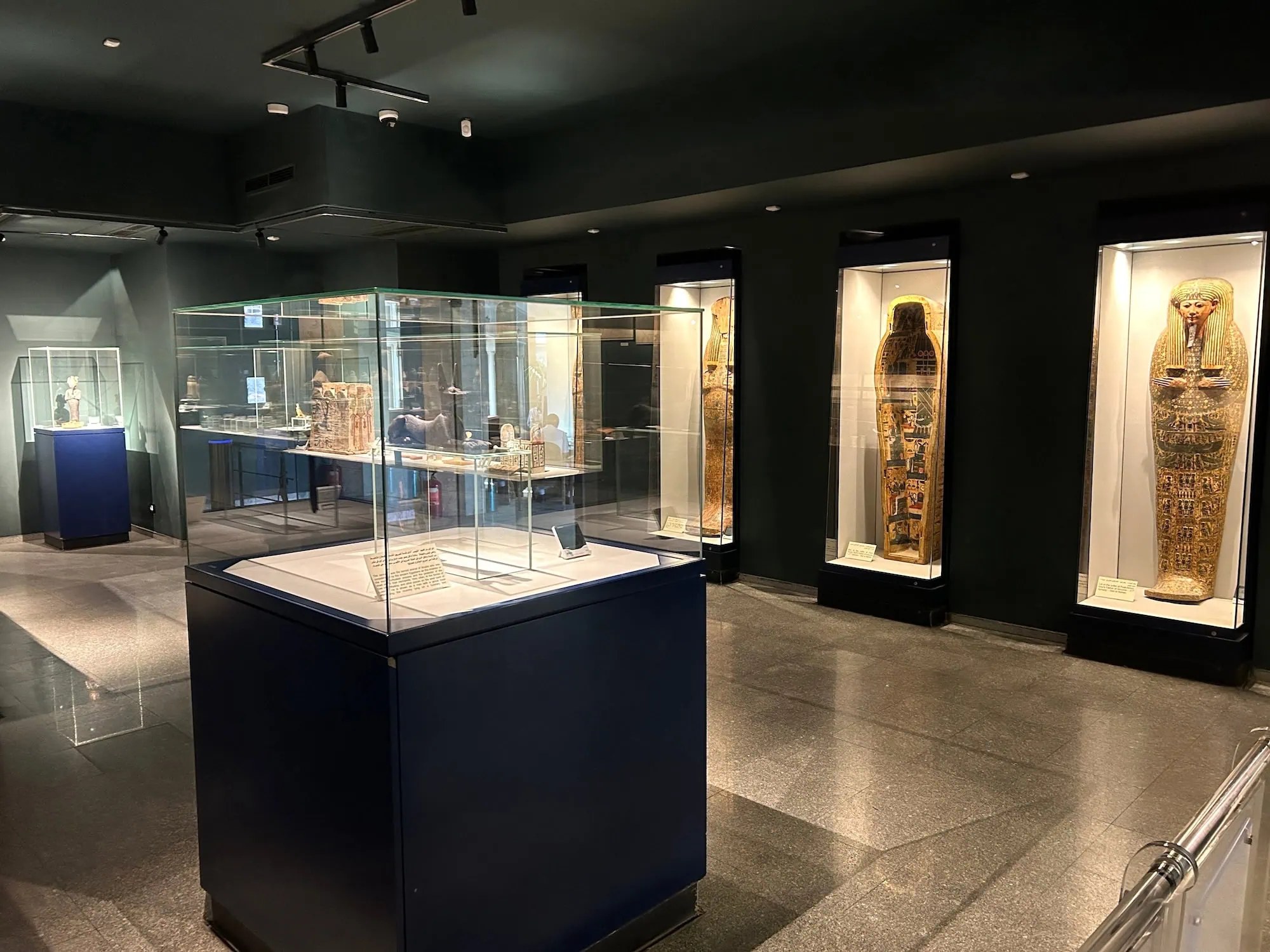 108 mi from SafagaRoyal Mummy Re-display: Luxor's Wrapped Pharaohs Study
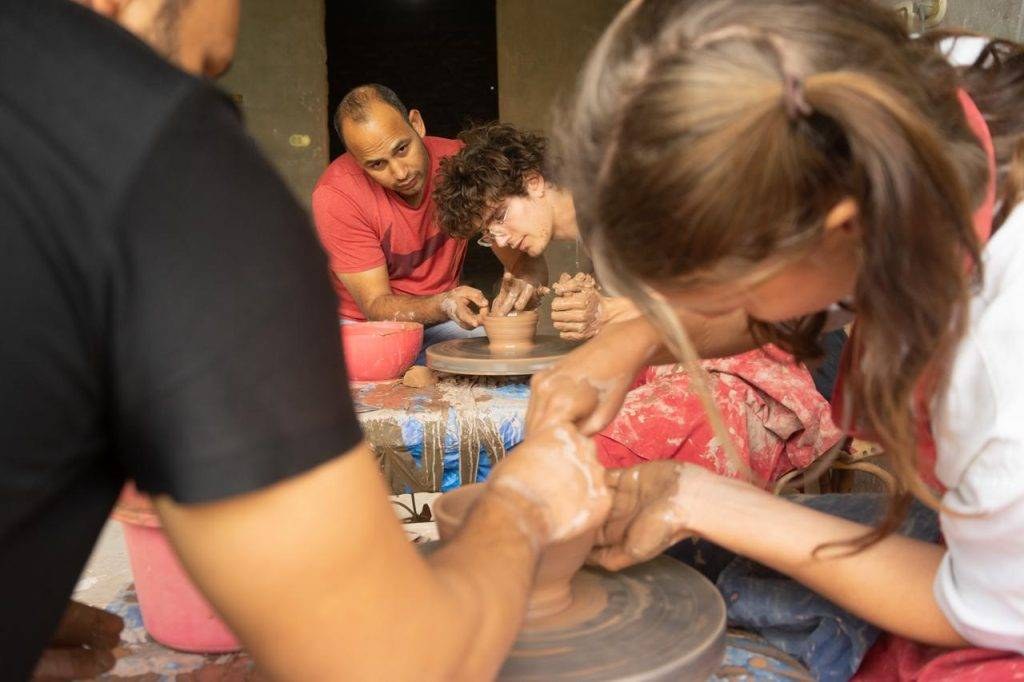 108 mi from SafagaLuxor Pottery Workshop: Traditional Wheel & Clay
 After you step off · near Safaga
You end in a different port — stay on, and add what is within reach before you fly home.