Your cruise
Azamara Quest · 10-night Mediterranean cruise, Civitavecchia (Rome) to Lisbon
Apr 29 – May 9 · 10 nights ·
Day 1 Civitavecchia (Rome) (board) · Day 2 Sardinia · Day 3 Mahon · Day 4 Palma de Mallorca · Day 5 Cartagena · Day 6 Malaga · Day 7 Gibraltar · Day 8–10 Seville · Day 11 Lisbon (step off)
What you do Sail to Sardinia's wildest, most protected island — a former supermax prison turned pristine national park — aboard a private yacht with lunch on deck and snorkelling in crystalline waters teeming with rare albino donkeys ashore.
What to expect Depart Stintino marina (30 min taxi/transfer from Porto Torres port) aboard a crewed private sailboat, gliding past the turquoise straits of Bocche di Bonifacio. Drop anchor at hidden coves for snorkelling, then land on Asinara to meet the island's famous wild albino donkeys roaming freely along bleached limestone tracks. A Sardinian gourmet lunch — fresh-caught seafood, local cheeses, Vermentino wine — is served on deck under a canvas shade sail as the boat drifts back to port in the late afternoon.
Good to know Stintino is ~30 min from Porto Torres by taxi (approx. EUR 30–35 one-way). Sailboat tours typically depart 09:00–09:30 and return by 17:00–17:30 — confirm all-aboard time carefully and allow 45 min for the return transfer. Pre-book the tour directly well in advance; summer departures sell out weeks ahead. Bring reef-safe sunscreen, a hat, and water shoes for the rocky coves.
book direct with Asinara Sail Experience (Stintino-based sailing operator) → · the full guide →
What you do Stintino's La Pelosa is consistently rated among Europe's most beautiful beaches — a shallow, luminous turquoise lagoon ringed by white sand and a 16th-century Aragonese tower. A private guided experience adds snorkelling and a seaside aperitivo.
What to expect Your private guide collects you at the port and drives the scenic coastal road to Stintino (30 min). At La Pelosa, the gin-clear waters are barely waist-deep and kaleidoscopically vivid — mask and fins reveal parrotfish, sea bream and octopus beneath the surface. The adjacent Aragonese watchtower provides a photogenic backdrop and a short cultural detour. As the midday sun peaks, your guide arranges a shaded aperitivo table with local Vermentino, bottarga-topped bruschetta and Sardinian almond pastries.
Good to know La Pelosa now operates a daily entry cap (reserve the timed entry ticket in advance via the Comune di Stintino — approx. EUR 3.50 Apr–Oct). The beach gets very busy Jul–Aug; arrive by 09:30 to secure the best water. Porto Torres port to Stintino is 30 min by car. Confirm your guide's return time allows 45 min buffer before all-aboard.
book direct with ScopriSardegna Day Tour (local Sardinian expert) → · the full guide →
What you do Just 11 km from port stands one of the most enigmatic prehistoric monuments in the Mediterranean — a 4,000 BCE stepped altar platform unique to Sardinia, compared by archaeologists to Mesopotamian ziggurats. A private expert-led visit is genuinely unmissable.
What to expect Your private guide meets you dockside and drives the short 15-minute journey inland to Monte d'Accoddi, where a trapezoidal earthen ramp leads to a raised ceremonial platform unlike anything else in Europe. The guide narrates the Ozieri culture's rituals, the meaning of the carved phallic menhir standing sentinel nearby, and the site's rediscovery by Ercole Contu. The surrounding landscape — olive groves, prickly pear and distant sea — adds a painterly beauty to the historical weight. The excursion pairs naturally with a stop at the Basilica di San Gavino in Porto Torres itself.
Good to know Monte d'Accoddi is just 11 km from the port — roughly 15 min by taxi or private car (EUR 20–25). Opening hours are typically 09:00–19:00 Apr–Oct. The site is partially exposed; wear a sun hat. Combine with the Basilica di San Gavino (walkable from the port, free entry) for a seamless sweep of Sardinian history from prehistory to medieval Christianity — achievable in a relaxed half-day.
book direct with ScopriSardegna Day Tour (local Sardinian expert) → · the full guide →
What you do Porto Torres conceals one of Sardinia's greatest Romanesque churches and the ruins of a thriving Roman colony beneath its streets. A private expert walking tour unlocks the ancient forum, the Roman bridge and the magnificent 11th-century basilica in a single immersive morning.
What to expect Begin at the Ponte Romano, Porto Torres's intact Roman bridge still spanning the Rio Mannu after 2,000 years, then explore the excavated forum and thermal baths at the Antiquarium Turritano museum where mosaics and sculptures surface from Turris Libisonis, one of Sardinia's most important Roman cities. The walk culminates at the Basilica di San Gavino — Sardinia's largest and finest Romanesque church — where your guide illuminates the legend of the martyred Roman soldiers San Gavino, Proto and Gianuario entombed beneath. The whole circuit is walkable from the ship.
Good to know Everything is within easy walking distance of the cruise pier — no transport needed. The Antiquarium Turritano museum is typically open 09:00–19:00 (confirm seasonal hours). This is an excellent option if your port call is short or weather makes coastal excursions impractical. Book your private guide via ScopriSardegna in advance; the guide Chiara is especially highly rated. Pair with a post-tour espresso and bottarga-laced pasta at a waterfront trattoria.
book direct with ScopriSardegna Day Tour (local Sardinian expert) → · the full guide →
What you do The Grotta di Nettuno at Capo Caccia is one of the Mediterranean's most spectacular sea caves — a cathedral of stalactites and underground lakes accessible only by boat or via the legendary 654-step 'Escala del Cabirol' cliff staircase carved into the headland.
What to expect A private transfer from Porto Torres takes you 45 minutes along the scenic coastal road to Alghero, a Catalan-flavoured medieval walled town worth a brief wander. From Alghero's port, Navisarda's boat rounds the wild Riviera del Corallo, passing flamingo-pink lagoons and dramatic cliffs to reach Capo Caccia. Inside the Grotta di Nettuno, your guide narrates the subterranean formations — stalactite columns, mirror-still underground lakes, caverns vast enough to swallow palaces — discovered by local fishermen in the 18th century. The return boat journey at golden hour is breathtaking.
Good to know Porto Torres to Alghero is approx. 45 min by private car/taxi (EUR 45–55 one-way). Navisarda boats depart Alghero roughly hourly in peak season (Apr–Oct), first departure ~09:00. Cave entry requires a 30–40 min timed slot — book ahead online. Total excursion time from ship: 6–7 hrs; check all-aboard carefully. The alternative 654-step cliff staircase (if the sea is rough and boats suspend) is strenuous but spectacular.
book direct with Navisarda (official Alghero–Capo Caccia boat service) → · the full guide →
What you do Sassari, Sardinia's cultured second city just 20 km inland, shelters a magnificent baroque cathedral, a medieval quarter of crumbling palazzi and a vibrant daily market overflowing with bottarga, pecorino, mirto and handmade fregola — best explored with a local chef guide.
What to expect Your private guide meets you dockside for the 25-minute drive to Sassari, arriving at the Mercato Civico as it hums with the morning's best produce. Your chef-guide steers you to the essential stalls — aged Fiore Sardo pecorino, translucent slices of prosciutto from free-ranging pigs, jars of amber Corbezzolo honey — with tastings at every turn. A short walk reveals the spectacular baroque façade of the Cattedrale di San Nicola before you settle into a handpicked family trattoria for a leisurely multi-course Sassarese lunch paired with local Cannonau. The afternoon winds through the medieval Corso Vittorio Emanuele, past Aragonese and Pisan architectural layers, back to your waiting car.
Good to know Sassari is just 20–25 min from Porto Torres port by taxi or private car (EUR 25–35 one-way). The Mercato Civico is liveliest 08:00–13:00 Mon–Sat — a morning port call is ideal. Book the private guide via Classic Sardinia in advance and specify any dietary requirements so the lunch menu is curated accordingly. Allow 5–6 hours total; easily back in port with time to spare for most itineraries.
book direct with Classic Sardinia by Bellarome Travel (local private guide specialists) → · the full guide →
What you do This is the definitive Rome bucket-list day: Michelangelo's Sistine Chapel ceiling and Last Judgment, the Vatican Museums, St. Peter's Square, plus the Colosseum and Roman Forum — all in one 9-hour private run from the pier. Your driver collects you ship-side in a Mercedes and the 'privilege' skip-the-line tickets to both the Vatican and Colosseum mean you walk past the 2-hour queues that would otherwise eat your port day. Note this is a private-driver tour, not a guided one: you explore the interiors at your own pace (audio guides sold inside).
What to expect A private Mercedes collects you pier-side at Civitavecchia and you begin a 9-hour immersion in Rome's iconic landmarks, moving at your own pace rather than a group's rhythm. You skip past the 2-hour queues at the Vatican Museums to explore Michelangelo's Sistine Chapel ceiling and Last Judgment, then wander St. Peter's Square (basilica entry is free but has its own queue). After lunch flexibility, you drive to the Colosseum and Roman Forum, again with skip-the-line privilege tickets that let you move straight inside while standard visitors wait. Throughout, your private driver and personal vehicle—not a 50-person bus—keep you on your schedule, though you explore each site's interiors independently with optional audio guides available for purchase.
Good to know The full excursion runs 9 hours; plan to depart the pier by 8:00 AM at the latest to ensure a comfortable return before your ship's evening departure. Your private driver meets you ship-side at Civitavecchia—confirm the exact return-time guarantee and buffer window when booking, as this operator runs cruisers daily but you'll want that back-to-ship safety net in writing. Bring comfortable walking shoes, sunscreen, and cash or cards for lunch and optional audio guides inside the museums (not included in the EUR 187.50 price). Book skip-the-line tickets in advance as part of your package; they're your main time-saver advantage over the cruise line's group tours, which run $220–$320 per person for the same sites.
book direct with Discovery Guided Tours → · the full guide →
What you do The reason cruise lines stop here at all: a private deluxe vehicle whisks you from the pier to the Trevi Fountain, Pantheon, Spanish Steps, Piazza Navona, St. Peter's Square and the Colosseum, dropping you as close as Rome's traffic limits allow at each. It's the maximize-a-tight-window play — a first-timer who sails past Rome without standing at the Trevi would genuinely regret it. Be clear-eyed: this is a driver, not a licensed guide, so it's exterior views, photo stops and walk-up landmarks, no museum interiors.
What to expect Your driver collects you pier-side at 8:00 AM in a private deluxe vehicle and begins threading Rome's narrow streets, stopping at the Trevi Fountain, Pantheon, Spanish Steps, Piazza Navona, St. Peter's Square, and Colosseum views—you step out, snap photos, walk up to the exteriors and iconic squares, then move on. This is drive-and-stroll geography, not museum interiors: you'll see Rome's greatest hits from street level and courtyard vistas, with your driver dropping you as close as traffic allows at each landmark. The rhythm is constant but unhurried—a masterclass in first-timer coverage, punctuated by photo moments and the low hum of rolling between sites. You're back at the pier by 5:00–5:30 PM, having touched eight of Rome's most recognizable monuments without boarding a 50-seat coach.
Good to know Pickup is pier-side at 8:00 AM sharp with return by 5:00–5:30 PM, giving you roughly 8 hours door-to-door; factor in Rome's traffic and the driver will optimize stops, so expect less than 30 minutes at each landmark unless you request longer. No entrance tickets, meals, or guide services are included—this is a driver-only arrangement, so museum and basilica interiors are on your own dime and time; bring cash and book ahead if you want to step inside St. Peter's or the Colosseum. All tolls, parking, and taxes are covered in the quoted price (EUR 650–750 per vehicle for up to 7 guests, ~EUR 107–163 per person), and the driver speaks English. Book directly with RomeCabs in advance; a solo traveler or couple may find the ship's motorcoach tour or Trenitalia train equally priced or cheaper per head, so confirm group size before committing.
What you do For travelers who've already 'done' central Rome, this is the equally unforgettable alternative: Villa d'Este's 51 fountains, 64 waterfalls and 220 basins — all gravity-fed, not a single pump — paired with Emperor Hadrian's sprawling 2nd-century imperial estate. An expert private guide actually walks the gardens and ruins with you, and the crowds are a fraction of the Vatican's. A 9-hour day, pier to pier.
What to expect You'll spend the morning and early afternoon in two staggered acts: first, Villa d'Este's terraced Renaissance gardens, where your expert guide walks you through cascading fountains, 220 basins, and 64 waterfalls—all fed by gravity alone, no pumps needed—then a private car transfer inland to Emperor Hadrian's 2nd-century sprawl, where crumbling villas, temples, and theaters unfold across 30 acres of archaeological theatre. The rhythm is unhurried; you're with a licensed English-speaking expert, not herded through a coach crowd, so you'll actually absorb the history and architecture as you walk. By late afternoon, your driver returns you to the Civitavecchia pier, completing the 9-hour door-to-door arc.
Good to know Pickup from Civitavecchia pier is included; plan for a private car departure roughly 3–4 hours after ship arrival to allow for disembarkation and meet your guide. Both villas are outdoor, terraced sites with significant walking and uneven ground—wear comfortable shoes and bring sun protection and water. Book at least 48–72 hours ahead; the price (EUR 869 minimum, ~$475 per couple) drops per person as group size grows, and slots are limited to preserve the "expert guide + small party" promise. Confirm your ship's all-aboard time with the concierge and allow a 30–45-minute buffer before boarding to account for Civitavecchia pier return traffic.
book direct with Through Eternity Tours → · the full guide →
What you do Walk intact ancient streets, an amphitheater, taverns, bath-house mosaics and three-story Roman apartment blocks at the buried port city of Ostia Antica — the marquee 'lost Roman city' with a fraction of Rome's crowds. It's far closer to Civitavecchia than the actual Pompeii (which is impractical from this port), and this private full-day pairs it with the Etruscan necropolis at Cerveteri. Pier-side Mercedes pickup, full day, back in time for the ship.
What to expect You'll be picked up pier-side in a private deluxe Mercedes and driven to Ostia Antica, where you'll walk intact ancient streets lined with taverns, bath houses, and remarkably preserved three-story Roman apartment blocks, culminating at the amphitheater — a far less crowded alternative to Pompeii. The day then pivots to Cerveteri's Etruscan necropolis, where you explore burial sites and artifacts from Rome's pre-imperial neighbors. Throughout, you're moving at your own pace in private transport rather than herded with a group, though your driver handles logistics rather than narrating the ruins themselves. The rhythm is unhurried full-day immersion: ancient streets in the morning, a site transition at midday, and Etruscan tombs in the afternoon, returning to the pier in time to reboard.
Good to know Book ahead with Stefano Rome Tours and confirm pier pickup timing to ensure you clear the ship's all-aboard (driver will know the buffer). Entrance tickets to both Ostia Antica and Cerveteri are not included in the EUR 590 vehicle fee—budget ~EUR 18 per site and purchase at the gate or ahead online to save time. Bring a robust audio guide app (like the official Ostia Antica app) or printed site guide, since the driver is not a licensed in-site interpreter. With a full day in the field, wear comfortable walking shoes, sunscreen, and a hat; both sites are largely open-air and can be hot, especially in summer months.
What you do Skip the 1.5-hour each-way push to Rome and explore the port town nearly every cruiser blows past: Michelangelo's harbor fortress (Forte Michelangelo), one of Italy's largest open-air markets, fresh Tyrrhenian seafood and the seafront Pirgo promenade. A relaxed small-group walk with local tastings along the way — the low-stress, low-risk safety net when you want to be steps from the ship.
What to expect You'll join a small-group walk that begins steps from the pier and moves at a leisurely pace through Civitavecchia's historic center, anchored by visits to the Renaissance Forte Michelangelo and one of Italy's largest open-air markets alive with local vendors and produce. Along the way, you'll pause for fresh Tyrrhenian seafood tastings and other local bites, absorbing the rhythm of a working port town most cruisers skip. The walk concludes on the waterfront Pirgo promenade, where you'll have absorbed three hours of culture and flavor without the fatigue of a long coach transfer. It's the opposite of the Rome sprint—an immersive, low-pressure exploration of the places locals actually go.
Good to know The entire excursion unfolds within walking distance of your ship, so there's zero transfer time and minimal risk of running late; plan for the three-hour guided walk to fit comfortably in a 6–8 hour port window. Book ahead through DriverInRome to secure your spot in a small group, and wear comfortable walking shoes—you'll be on foot the whole time through cobblestone streets and market areas. Bring cash (EUR) for any additional purchases at the market or for tips, and check departure times with the operator to give yourself at least an hour buffer before all-aboard. The price of approximately EUR 75 per person (€82 USD) includes all tastings, so budget only for optional extras and gratuity.
What you do Glide through the crystalline turquoise waters of Maddalena National Park aboard a private vessel, anchoring at secret coves inaccessible by land. This is Sardinia at its most untouched — a UNESCO-protected paradise of pink granite, white sand, and color-shifting sea.
What to expect Your private captain navigates the 60-island archipelago, stopping at legendary spots like Cala Corsara and Spiaggia Rosa. Snorkelling gear is provided to explore reefs teeming with sea life. You'll picnic on deck with local charcuterie and chilled wine as granite headlands glow amber in the sun. The return journey skirts the coastline of Caprera, where Garibaldi's villa still stands.
Good to know Departs from Palau harbour, approx. 30 min drive from Olbia port. Book well in advance — private charters in peak season (June–Sept) sell out months ahead. Confirm all-aboard time and build in a 90-min buffer for the return transfer.
book direct with Classic Sardinia by Bellarome Travel → · the full guide →
What you do Descend through ancient macchia scrubland to Cala Goloritzè, a UNESCO Natural Monument where a soaring limestone pinnacle plunges into jade-green water. Access is strictly limited — making every visit feel like a genuine privilege.
What to expect The trail descends roughly 400 metres through juniper and wild rosemary, with panoramic Gulf of Orosei views unfolding at every switchback. Your expert guide narrates the geology of the karst pinnacle and the Nuragic history of the region. At the beach, the water is a theatrical sequence of emerald, aquamarine and cobalt — perfect for a cooling swim. The ascent back is unhurried, with natural shade and stops for wild herbs and views.
Good to know Access to Cala Goloritzè is strictly permit-controlled; your guide handles this. Departs from Baunei/Santa Maria Navarrese, approx. 1.5 hrs from Cagliari. Wear proper trail shoes and bring sunscreen. Best suited for all-aboard times no earlier than 19:00.
book direct with Classic Sardinia by Bellarome Travel → · the full guide →
What you do Board a boat from Alghero to the dramatic limestone cliffs of Capo Caccia, then descend into Neptune's Grotto — a vast sea cave cathedral of stalactites and underground lagoons that has awed visitors since Roman times.
What to expect The 45-minute boat crossing from Alghero's Banchina dei Mille hugs the rugged northwestern coastline, passing sea-carved arches and nesting griffon vultures. Inside, a guided walkway winds for 2.5 km through chambers of extraordinary formations, their reflections shimmering in the underground lake. The temperature drops to a refreshing 14°C — a welcome respite in summer. Boats depart regularly, giving you full flexibility to time your visit.
Good to know Boats depart from Alghero's port (Banchina dei Mille); Alghero is the nearest cruise port. Pre-book grotto entry online to avoid queuing. The cave can be closed in rough seas — check conditions the morning of. Combine with a Catalan-quarter aperitivo in Alghero before returning to port.
book direct with Navisarda (official boat service to Grotta di Nettuno) → · the full guide →
What you do Delve into Europe's most mysterious Bronze Age civilisation with a private archaeologist guide at Su Nuraxi di Barumini — a UNESCO World Heritage Site and the finest nuragic complex on the island. An experience that reframes everything you thought you knew about ancient Europe.
What to expect Su Nuraxi's central tower dates to 1500 BCE and the surrounding village to 1000 BCE, yet its construction techniques remain only partially understood. Your specialist guide brings the stones to life: defensive sightlines, communal meeting chambers, ritual wells. A visit to the on-site Barumini museum adds context with artefacts recovered during excavations. The surrounding Marmilla plateau is hauntingly beautiful — rolling hills, ancient olive groves, and almost no other tourists outside peak hours.
Good to know Departs from Cagliari port; approx. 50 min drive. Best booked as a morning excursion to arrive before midday heat and tour groups. Book private guide well in advance — English-speaking archaeologist guides are limited. Entry to Su Nuraxi is managed by Fondazione Barumini Sistema Cultura (fondazionebarumini.it).
book direct with Classic Sardinia by Bellarome Travel → · the full guide →
What you do Journey through the layers of Sardinian cuisine with a private food historian and chef — from the ancient grain traditions of the island's interior to the saffron-scented seafood of the coast. Eat and drink like an islander, not a tourist.
What to expect The experience begins in Cagliari's covered San Benedetto Market — the largest in Southern Italy — where your guide navigates the dizzying abundance of bottarga, mirto liqueur, wild herbs, and artisanal cheeses. A series of carefully selected tastings follows through the Castello and Marina quarters. You'll sit down to a curated table of traditional dishes — su porceddu roast pork, culurgiones pasta, seadas pastry drizzled with bitter honey — paired with local Vermentino and Cannonau. Every stop has a story; every bite has centuries behind it.
Good to know Departs from and returns to Cagliari port — maximum 10-min transfer. Inform the operator of any dietary restrictions at booking. Morning departures (09:00–09:30) are ideal for market visits when produce is freshest. The full private experience runs 4–5 hrs, comfortably within a standard port day.
What you do Ride in a private air-conditioned minivan along the legendary Emerald Coast, stopping at the jet-set harbour of Porto Cervo, secret viewpoints over turquoise bays, and secluded beaches that only locals know. Glamour, wilderness, and Sardinian light — all in one day.
What to expect The day opens with the panoramic drive along the SS125, the granite coastline unfolding in a theatre of colour — the sea shifts from chartreuse to cobalt as the road climbs and dips. Porto Cervo's Piazzetta del Cervo is a spectacle of understated superyacht wealth, boutique windows, and perfectly brewed espresso. From there, your guide takes you off-road to Capriccioli or Liscia Ruja beach — powder sand, gin-clear water, zero development. Lunch is at a family-run agriturisimo or harbourside restaurant, chosen by your guide, not a guidebook.
Good to know Departs from Olbia cruise port — approx. 30 min to the heart of Costa Smeralda. Book the private option for complete flexibility and the best beach-to-harbour ratio. Confirm all-aboard time with your guide; the Olbia port is straightforward to return to with no traffic concerns outside August.
book direct with Classic Sardinia by Bellarome Travel → · the full guide →
What you do Glide by private catamaran into Minorca's UNESCO-protected coastline, anchoring in crystalline coves unreachable by road. Snorkel, swim, and sip cava as the Balearic sun sets over limestone cliffs — pure bucket-list.
What to expect Board a luxury catamaran from Mahon harbour and set sail along the rugged southern coast, stopping at two or three turquoise inlets invisible from shore. Snorkelling gear, paddleboards, fresh fruit and local wine are all provided on deck. Your skipper doubles as a marine naturalist, sharing the ecology and geology of this Biosphere Reserve coastline. Return to port sun-kissed and relaxed, with memories of water you'll struggle to find elsewhere in the Mediterranean.
Good to know Half-day charters (4 hrs) comfortably beat a 6 pm all-aboard. Pre-book directly well in advance in summer — private dates go fast. Departs Moll de Llevant, a 5-minute walk from cruise terminal.
What you do Walk among megalithic taulas and talayots that predate Rome by 3,000 years on a private guided tour of Minorca's most iconic prehistoric monuments — a UNESCO World Heritage landscape unlike anywhere in Europe.
What to expect Your expert guide collects you from the port in a private vehicle and drives you first to Talati de Dalt, where a giant taula (T-shaped megalith) stands eerily intact amid wild olive trees. Next, Naveta des Tudons — a Bronze Age collective tomb shaped like an upturned boat — delivers a visceral sense of antiquity that few travellers ever experience. Your guide contextualises Minorca's Talayotic Culture, recently inscribed as a UNESCO World Heritage Site. The unhurried private format means you linger as long as you wish.
Good to know Both sites are inland, 6–15 km west of Mahon; private transfer included. Naveta des Tudons entry is EUR 3 pp. Morning departures recommended to avoid midday heat. Easily back for a 5 pm all-aboard.
What you do Step inside Destilerías Xoriguer, the last traditional gin distillery in Spain, and discover why Mahon gin has a protected geographical designation — a rare, hands-on tasting of a 300-year-old Balearic tradition.
What to expect Enter the 18th-century distillery on Mahon's working harbour, where wine-spirit-based gin is still fired in wood-burning copper pot stills — a technique unique in all of Europe. Your master distiller guide explains the British naval history that gave birth to Minorca's gin culture, then pours a progressive tasting from the flagship Xoriguer Gin through to the aromatic herbal liqueurs. The distillery's harbourfront shop offers bottles unavailable outside the island. A 90-minute experience that is equal parts history, craft and pleasure.
Good to know Located directly on Moll de Llevant — literally 5 minutes' walk from the cruise pier. Open Mon–Fri and Sat mornings; pre-book private sessions to guarantee your preferred time slot. Perfect first or last stop of the day.
book direct with Destilerías Xoriguer (official) → · the full guide →
What you do Explore the colossal 19th-century Fortaleza de La Mola, the fortress that sealed Mahon's legendary natural harbour — one of the Mediterranean's finest defensive works, with sweeping panoramas straight from a Jules Verne novel.
What to expect Drive or taxi 7 km along the dramatic northern headland to reach the fortress, which guards the entrance to what many regard as the finest natural harbour in the Mediterranean. A knowledgeable local guide leads you through star-shaped bastions, subterranean ammunition stores and officers' quarters frozen in Victorian-era time. The views from the cape — across the harbour mouth to open sea — are nothing short of cinematic. The fortress also inspired Jules Verne's 'Hector Servadac'; your guide brings the literary connection to life.
Good to know Taxi from cruise port approx EUR 15 each way (15 min). Allow 2–2.5 hrs. Open daily; last admission 90 min before closing. Combine with a harbour lunch at nearby Cala Pedrera for a perfect half-day. Comfortably back for a 5 pm all-aboard.
book direct with Fortaleza de La Mola (official) → · the full guide →
What you do Paddle by sea kayak through a dramatic limestone gorge into Cala Galdana — Minorca's most beautiful natural bay — then snorkel Posidonia seagrass meadows teeming with Mediterranean marine life. Wilderness and wonder in equal measure.
What to expect Transfer 45 minutes west to the Barranco de Algendar, Minorca's most spectacular ravine, where you launch kayaks into sheltered green waters canopied by soaring cliffs draped in wild figs. Paddle through the gorge as it opens dramatically into the pearl-white crescent of Cala Galdana. Snorkelling stops reveal vibrant Posidonia meadows — a UNESCO-protected habitat — with octopus, sea bream and starfish. Your naturalist guide narrates the geology and ecosystem throughout. A gourmet picnic on a private beach completes the morning.
Good to know All equipment and transfer from Mahon port included. Minimum fitness required — moderate paddling over 2–3 hours. Morning departures (8:30 am) beat the sun and crowds. Back in Mahon well before a 5 pm all-aboard. Book private slot for just your party.
What you do Drift along the deepest natural harbour in the Mediterranean aboard a restored traditional Minorcan llaut, with local charcuterie, Menorca cheese, and chilled Pomada cocktails as golden hour paints the harbour walls amber.
What to expect Step aboard an impeccably restored Minorcan wooden fishing boat and slip out into the 6 km-long harbour, gliding past golden-stone Georgian townhouses, the 18th-century British-built hospital island of Illa del Rei, and the crenellated walls of Sant Felip. Your skipper moors in a quiet inlet as the sun descends, uncorking local Menorca DOP cheese, sobrasada on pan de cristal, and the island's iconic Pomada (gin and lemon). The harbour at golden hour is arguably the most beautiful scene in the Balearics. A perfect, unhurried finale to a day ashore.
Good to know Departs from Moll de Llevant, steps from the cruise terminal. Sunset cruises 2–2.5 hrs; confirm departure time aligns with your all-aboard (ideal for ships departing 9 pm or later). Private charter guarantees departure time of your choice. Book directly via the website.
What you do Palma's defining sight: a colossal Gothic sandstone cathedral right on the waterfront, with one of the world's largest rose windows that throws a famous color-and-light show across the nave (Gaudi reworked the interior). The seasonal rooftop terrace tour (May-Oct, ~215 steps) walks you out among the flying buttresses and bells with the whole Bay of Palma spread below — the first-timer's signature Palma photo. It's a flat 10-15 min walk from the cruise shuttle drop.
What to expect You walk 10–15 minutes from the cruise shuttle drop straight to the waterfront cathedral, its colossal Gothic sandstone facade dominating the harbor view. Inside, Gaudí's reworked interior unfolds beneath one of the world's largest rose windows, which bathes the nave in a famous color-and-light show. If you've booked the rooftop terraces tour, you climb ~215 steps out among the flying buttresses and bells, with the entire Bay of Palma spreading below in that signature first-timer's photograph. A leisurely pace—cathedral interior plus rooftop—takes 1.5–2 hours total.
Good to know Book the rooftop terrace tour (EUR 20–30, May–Oct only) on the Cathedral of Mallorca's official website before sailing; summer slots sell out 2–3 weeks ahead. Standard cathedral admission alone is EUR 10 (plus museum access). The round trip walk from pier to cathedral and back is 20–30 minutes; allow 2–3 hours total for a full visit, leaving a comfortable 2-hour buffer before all-aboard. Bring water, sunscreen, and comfortable shoes for the 215 rooftop steps; the terraces are exposed, so dress for strong Mediterranean sun and occasional wind off the bay.
book direct with Cathedral of Mallorca (Catedral de Mallorca / La Seu) → · the full guide →
What you do Mallorca's most celebrated cavern near Porto Cristo: a vast illuminated forest of stalactites that opens onto Lake Martel, one of the largest underground lakes on earth. Every visit includes a live classical concert played by musicians on lantern-lit boats gliding across the water in the dark, then your own short boat ride. It's genuinely unlike anything else in the Med.
What to expect You'll journey to Porto Cristo on Mallorca's east coast to enter a cathedral of stone—a vast cavern ringed with illuminated stalactites that descend like a petrified forest. The experience pivots on an unforgettable moment: classical musicians glide across Lake Martel, one of earth's largest underground lakes, performing by lantern light while you watch from the cavern floor in near-total darkness. After their concert, you board your own small boat for a short float across the glassy black water, surrounded by the otherworldly glow of the cave's own geology. It is genuinely unlike anything else in the Mediterranean.
Good to know The cave is 1+ hour each way from Palma's port by taxi or transfer (EUR130–160 round trip split among your group, or ~EUR48–60pp via an independent transfer tour like No Frills); book entry online up to 30 days ahead to secure your time slot and lock in the EUR18 door price (~$20 adult). Budget 6–8 hours total: travel time both ways plus 45–60 minutes inside the cave itself. Bring a light jacket or sweater—underground caves run cool year-round. Skip the ship's tour ($89–108pp) unless you cannot gather a group for independent transport; the EUR18 entry fee means the ship charges ~5x markup, and even with a private transfer you'll save ~$40 per person.
What you do The signature scenic ride Mallorca is famous for: a polished-wood electric train running since 1912, climbing north out of Palma through almond and olive groves, 13 tunnels and the Serra de Tramuntana mountains into the orange-grove valley of Soller in about an hour. Connect to the open-sided vintage tram that rattles down to seaside Port de Soller. It boards at Plaza de Espana, a short taxi from the pier.
What to expect You'll board the polished-wood electric train at Plaza de Espana and climb north for roughly an hour through a dramatic landscape of almond and olive groves, threading through 13 mountain tunnels as you ascend toward the Serra de Tramuntana peaks. The train opens into the bright orange-grove valley of Soller, where you'll switch to an open-sided vintage tram—a delightful rattle downhill toward the glittering Mediterranean. After time to explore Port de Soller's seaside charm and perhaps a café break, you'll reverse the journey: tram back up, train back down through the tunnels into Palma. The rhythm is unhurried and picturesque, with natural breaks built in for photos and wandering.
Good to know Buy tickets online up to 7 days ahead to secure your preferred departure, ideally an early morning slot to maximize your Soller dwell time within a 6–8 hour port window. Take a taxi from the cruise pier to Plaza de Espana (a short ride), allowing 15–20 minutes to clear the ship and reach the station. The round-trip train alone takes roughly 2 hours; add 45 minutes for the tram and 1.5–2 hours in Port de Soller for a comfortable margin back to the ship. Off-peak pricing (EUR32, ~$35) may offer savings if your schedule allows; the combo ticket for train + Port de Soller tram is EUR40 (~$43).
book direct with Ferrocarril de Soller (Tren de Soller) → · the full guide →
What you do The Serra de Tramuntana is a UNESCO World Heritage landscape, and this is the classic Mallorca road trip a first-timer regrets skipping: Valldemossa (the honey-stone village where Chopin and George Sand wintered), the artists' clifftop hamlet of Deia, and citrus-scented Soller, strung along a dramatic coastal mountain road. A private guide with door-to-door Palma pickup makes the whole loop port-day-safe.
What to expect You'll be picked up at the pier or your hotel and driven into the Serra de Tramuntana, a UNESCO World Heritage landscape, beginning in Valldemossa—the honey-stone village where Chopin and George Sand once wintered. From there you'll wind a dramatic coastal mountain road to Deia, a clifftop artists' hamlet, then descend to citrus-scented Soller where the road flattens and the pace eases. The excursion strings these three villages together in one classic Mallorca loop, moving at your own rhythm in a private vehicle rather than jostling 40 others on a coach.
Good to know The excursion runs 6–6.5 hours total; book the private operator (not the ship's coach option) only if your ship guarantees return time, since you cannot afford delays on this length of tour. Door-to-door Palma pickup from the pier means no separate transport hassle, but confirm your exact pickup time and location with Premier Tours Mallorca the morning of departure. Optional lunch costs an additional €30 and should be arranged ahead. Bring sun protection and comfortable walking shoes for village exploration, and plan to be back at the pier with at least a 30–45 minute buffer before all-aboard.
book direct with Premier Tours Mallorca → · the full guide →
What you do Mallorca's turquoise coves and glass-clear water are the reason many people come, and the easiest way to reach them is by sea. This small-group sailing catamaran (max 12) departs La Lonja marina, a short walk from the cruise area — welcome drink, Mallorcan tapas, snorkel gear and SUP boards included — with swim stops in coves like Portals Vells that you can't reach on foot. A relaxed, scenic counterpoint to the city sights.
What to expect After a short walk from the cruise pier to La Lonja marina, you'll board an intimate catamaran with no more than 12 guests. The four-hour sail drifts you through Mallorca's turquoise coves with a welcome drink in hand and Mallorcan tapas to graze on—the boat becomes a floating social space as much as a vessel. The rhythm centers on swim and snorkel stops at secluded spots like Portals Vells, unreachable by foot, where you'll slip into glass-clear water with included snorkel gear or paddle out on a SUP board. It's a leisurely, scenic counterpoint to city exploration—more floating than rushing.
Good to know Book directly with SailPalma by Omare Yachting to confirm the exact rate (~$70–120 pp) and your back-aboard time before committing. The marina is a short walk from the cruise area, but allow buffer time to locate La Lonja and be on the boat 15 minutes early. A four-hour sail fits comfortably into a typical 6–8 hour port window; confirm your ship's all-aboard time and plan for at least 30–45 minutes to return to the pier. Bring reef-safe sunscreen, a light layer for the wind at sea, and a water shoe or sandal—snorkel gear and SUP boards are supplied.
book direct with SailPalma by Omare Yachting → · the full guide →
What you do A 14th-century hilltop fortress (begun 1300 by King Jaume II) that's unique in Spain for being entirely circular, ringed by a moat on a pine-covered hill above the bay. The rooftop walkway gives arguably the best panorama in Palma — old town, cathedral and harbor laid out below — and the inner two-tier arcaded courtyard is a striking medieval set piece. Cheap, quick (60-90 min), and a short taxi from the port.
What to expect You'll taxi up a pine-covered hill to a strikingly circular 14th-century fortress ringed by a moat, then climb to the rooftop walkway where the panorama unfolds: the old town, the cathedral, and the entire bay spread below. The inner courtyard—a two-tier arcaded medieval space—is a striking photogenic set piece worth lingering in. The visit itself is intimate and self-paced, rarely crowded, taking 60–90 minutes total. Finish at the City History Museum inside the castle to deepen the context before heading back to port.
Good to know Taxi from the cruise pier costs EUR 12–15 each way; the EUR 4 adult ticket requires no advance booking. Plan to leave the ship 3–3.5 hours before all-aboard to give yourself 90 minutes on-site plus travel buffer—the round trip taxi time is roughly 30–40 minutes total. Bring comfortable walking shoes for the hill and stairs, sunscreen for the rooftop, and small change or a card for the ticket window. Free admission on Sunday afternoons (EU citizens pay EUR 2 year-round), so timing your port day accordingly is a money-saver if available.
What you do Cartagena's first-century-BC Roman theatre lay hidden under the old town until 1988, and the only way in is a brilliant architectural sequence designed by Pritzker laureate Rafael Moneo: you pass through the Palacio Pascual de Riquelme, descend past Carthaginian and Roman strata, then emerge into the vast tiered cavea that once seated 6,000. It is the single most unmissable thing in the city and a five-minute walk from the pier. Few Roman theatres in the world are entered through a museum that tells the full layered story of the stone before you stand in it.
What to expect Allow 60-90 minutes for the full route through the museum's two buildings, the connecting tunnel under Calle Comedias, and out into the theatre itself. Interpretation is excellent and bilingual, with recovered marble, statuary and the reconstructed scaenae frons columns. The cavea is open-air and the pale stone throws heat, so morning light is kinder and better for photos. Wear proper shoes for the worn steps.
Good to know From the cruise terminal walk to Plaza del Ayuntamiento at the foot of Calle Mayor; the museum entrance is right there, about 400 m. Buy online or at the desk; queues are short outside July-August. Easily done independently with hours to spare against any all-aboard. Official tourist guides enter free, so a private guide adds no ticket cost.
book direct with Museo del Teatro Romano de Cartagena (official) → · the full guide →
What you do Beyond the theatre, Cartagena hides one of Europe's largest urban Roman archaeological parks at Cerro del Molinete, 26,000 sq m where you walk original Roman streets past the Forum, the thermal baths, the banqueting Atrium with surviving wall paintings, and a rare Sanctuary of Isis. Paired with the Punic Wall, this is the only place in Spain telling the Carthaginian-to-Roman story on its own ground. A licensed local guide turns scattered ruins into the living capital of Hannibal's Iberia and Augustus's Carthago Nova.
What to expect The Molinete museum's three floors of 300-plus artefacts set up the open-air park, where elevated walkways let you look down on streets, mosaics and the baths. It is genuinely atmospheric and far quieter than the theatre. A good guide ties Molinete, the Punic Wall and the Decumanus together into one walk of about two hours, mostly flat with some ramps. Shade is limited, so carry water in summer.
Good to know All sites are within the compact old town, 5-10 minutes on foot from the pier. Pre-book a licensed guide in advance (Cartagena's official guide association or a reputable operator such as Mediterranean Cartagena Tours); confirm they hold the regional guide licence so they enter the monuments free. Comfortably finished within a half-day port call.
book direct with Cartagena Puerto de Culturas (official site & ticketing) + a licensed private guide → · the full guide →
What you do Cartagena is one of the Mediterranean's great natural war harbours, ringed by coastal batteries, and the most evocative way to feel that is the official harbour boat out to the Fuerte de Navidad, a beautifully restored 1860s casemated fort guarding the harbour mouth. You cruise past the Spanish Navy arsenal and the gun batteries on the headlands, then disembark to walk the bunkers, handle a period cannon and stand on the terrace where the whole bay opens beneath you. It is the city's military soul, reachable only by water.
What to expect The boat moves at an easy 2.5 knots with multilingual narration, passing castles, lighthouses, the Navy arsenal and the cruise terminal itself from the water. At the fort you get roughly 45 minutes to explore casemates, an interactive artillery display and the panoramic terrace before the return leg. The whole round trip with the fort visit runs about 1.5-2 hours. Sea conditions inside the sheltered bay are usually calm.
Good to know The departure quay on Gisbert Street is a 3-4 minute walk from the cruise terminal. Sailings are roughly hourly in summer (11:00-19:30) and reduced off-season, so check the day's timetable on arrival and reserve via reservas@puertoculturas.com or +34 968 500 093 if your call is short. Confirm a return slot that clears your all-aboard with margin.
book direct with Cartagena Puerto de Culturas - Barco Turístico (official) → · the full guide →
What you do When Cartagena's mining wealth peaked around 1900, architect Víctor Beltrí lined Calle Mayor with riotous Art Nouveau facades, and walking it is like strolling a small Barcelona: the Gran Hotel, the Casino, Casa Cervantes, Casa Maestre and the Palacio Aguirre. Pair the architecture with a guided tapas crawl through the historic bars for the region's catch and the famed huerta de Europa produce, and you have the city's living present rather than only its Roman past. This is the elegant, sensory side of Cartagena most cruisers miss.
What to expect Calle Mayor is pedestrianised and flat, an easy 1-2 hour amble past the showpiece facades, with the Gran Hotel's corner dome the standout. A good tapas tour threads emblematic bars near San Francisco square for things like local prawns, marinated fish and the Murcian michirones, paired with Jumilla or Bullas wines. Pace is leisurely and social. Midday is liveliest; some bars rest mid-afternoon.
Good to know Everything is within the old town, a few minutes from the pier; no transport needed. Pick up the free modernista route map at the City Hall tourist office on arrival. Pre-book the tapas tour as small-group slots sell out on cruise days, and confirm the finish time against all-aboard. Cartagena lunches start late by northern standards, so an early-afternoon slot suits a port call best.
book direct with Local licensed gastronomy operator (e.g. the Cartagena guided tapas & modernista walk) - book the official tour direct → · the full guide →
What you do The hill above the old town has been fortified since Roman times, and the medieval Castillo de la Concepción crowns it inside the green Parque Torres. A glass-fronted panoramic lift saves the 45-metre climb and delivers you to the single best viewpoint in Cartagena: the Roman theatre below, the modernista rooftops, the Navy arsenal and the whole amphitheatre of the bay laid out at once. It is the photograph that explains why every empire wanted this harbour.
What to expect The panoramic lift rises in a minute from Gisbert Street to a footbridge into Parque Torres, where peacocks roam the gardens. The castle keep houses a compact Interpretation Centre on the city's 13-century military story, with preserved Roman cisterns and capitals. Most visitors spend 45-60 minutes including time on the ramparts for the views. The terraces are open and breezy, ideal near sunset if your ship sails late.
Good to know The lift's lower station on Gisbert Street is a few minutes from the cruise terminal and sits right beside the harbour-boat quay, so the two pair perfectly in one outing. Buy the combined lift-plus-castle ticket. The walk down through the park back to the old town is pleasant and downhill if you'd rather not lift both ways.
book direct with Cartagena Puerto de Culturas - Castillo de la Concepción & Ascensor Panorámico (official) → · the full guide →
What you do Forty minutes north-east of the port lies the Mar Menor, the largest saltwater lagoon in Europe, a warm shallow inland sea fringed by the La Manga sandbar and the wetlands of San Pedro del Pinatar, where for centuries people have coated themselves in the mineral-rich mud said to ease aches and skin. Floating in water so dense and calm it feels otherworldly, with flamingos in the nearby salt pans, is a genuinely different Spanish coast from the cruise-port bustle. It is the one bucket-list experience here that the distance makes worth a ship excursion.
What to expect Expect about 40 minutes each way by road, then time at La Manga's twin seafronts or at the Lo Pagán / San Pedro del Pinatar salt-marsh boardwalks for the mud baths and birdlife. The lagoon water is bath-warm, very shallow and extraordinarily buoyant; the grey mud is smeared on, dried in the sun, then rinsed in the sea. Bring a swimsuit you don't mind staining and water shoes for the muddy shallows. Note the lagoon has faced ecological stress in recent years, so conditions vary by season.
Good to know Because of the drive and tight cruise timing, this is the one excursion to pre-book rather than improvise. If going independent, arrange a private driver-guide in advance and build in a generous return buffer; do not attempt it by taxi-and-hope on a short call. Pack a towel, sun protection and a change of clothes, and combine with the Roman theatre on the way back as the ship itinerary does.
book direct with Norwegian Cruise Line (and most lines) - 'La Manga & Roman Theatre' shore excursion, or a private licensed driver-guide → · the full guide →
What you do Drive ~2 hours inland to the Alhambra, the UNESCO-listed Moorish palace-city that is the single most famous monument in Spain: the honeycombed Nasrid Palaces, the Court of the Lions, and the water-gardens of the Generalife terraced above Granada. A licensed guide walks you through the skip-the-line Nasrid entry (the tickets that sell out weeks ahead and are capacity-controlled by the half-hour), then you get free time in Granada's old town. This is the regret-if-you-miss-it day trip from Malaga.
What to expect You'll spend roughly two hours in an air-conditioned coach traveling inland from Málaga to Granada, then enter the Alhambra with a skip-the-line guide who navigates you through the honeycombed Nasrid Palaces and the iconic Court of the Lions before you explore the terraced water-gardens of the Generalife at your own pace. After the guided palace tour, you'll have free time to wander Granada's atmospheric old town—wandering narrow streets, browsing local shops, or grabbing tapas—before the coach returns you to the port. The rhythm is structured (guided palace tour in the morning, unstructured afternoon) with a full 10–11 hours allocated, giving you real breathing room to absorb both the monument and the city.
Good to know The skip-the-line Nasrid Palaces entry ticket (EUR 23 extra, ~$25) must be pre-booked weeks ahead and is capacity-controlled by half-hour time slots—don't assume walk-up availability. Port pickup and drop-off are included, and the operator guarantees 100% on-time return with no charge if the ship doesn't dock, so you're protected on timing. Bring comfortable walking shoes, sunscreen, and a hat: the palace interiors are cool but the Generalife gardens and Granada's old town are open-air and can be hot. Book your excursion directly with Spain Day Tours rather than through the cruise line to save $90–150 per person compared to ship-sold Alhambra tours.
book direct with Spain Day Tours (Malaga shore-excursion specialist, port pickup/drop-off) → · the full guide →
What you do Walk the boardwalk bolted to a vertical cliff face 100 meters above the Guadalhorce gorge -- once dubbed the most dangerous path in the world, now safely rebuilt into a one-way, ~3-hour, 7.7km clifftop traverse through the El Chorro canyon. It is the marquee adrenaline experience of Andalusia and the photo a thrill-seeker pictures when they think of inland Malaga. Children under 8 cannot enter; bring ID.
What to expect You'll depart the Malaga port and travel 58km inland through Andalusian countryside (roughly 1.5 hours each way) to arrive at El Chorro canyon. Once there, you'll join the one-way boardwalk bolted directly to a near-vertical cliff face 100 meters above the Guadalhorce gorge, traversing 7.7km of clifftop switchbacks through narrowing canyon walls over approximately 3 hours. The walkway—once infamously branded the world's most dangerous path—now feels secure and rebuilt, yet the exposure and soaring views remain visceral and unforgettable. By day's end you'll reverse the journey back to port, consuming your entire port day but delivering the singular adrenaline landmark of inland Malaga.
Good to know Book a guaranteed round-trip shuttle package (EUR 60–80) from a cruise operator or the official ticket office to lock in your on-time return to ship; the 1.5-hour each-way commute leaves zero margin for missing sail-away. Reserve entry tickets (EUR 10–18) weeks ahead, as they sell out regularly. Bring your passport or ID (required for entry), wear sturdy hiking shoes and sun protection, and confirm your shuttle departure time before boarding the tender—treat the return buffer as sacred, since missing the ship carries infinitely more risk than the reconstructed cliff itself. A full-day independent package (guides + transport) costs ~€77–81 per person versus ~€190 via cruise line.
book direct with Caminito del Rey official ticket office (UTE Caminito del Rey) → · the full guide →
What you do Climb Malaga's signature sight: a hilltop fortress-palace of horseshoe arches, courtyards, fountains and terraced gardens, crowned by the Gibralfaro castle ramparts with a 360-degree panorama over the city, the port and the Mediterranean. It is the one image a first-timer pictures when they think of Malaga, and it is a flat ~15-20 minute walk from the cruise terminal -- the perfect low-risk anchor for a port day. Buy at the gate, the ticket machines, or the official site on arrival.
What to expect From the cruise terminal, a flat 15–20 minute walk brings you to the Alcazaba's gates, where you'll climb through a fortress-palace of horseshoe arches, fountains, and terraced gardens layered up the hillside. If you continue to the Gibralfaro castle ramparts at the summit, you'll stand under 360-degree views of Malaga's city, port, and Mediterranean shoreline—the iconic image that defines the destination. The rhythm is self-paced: wander the courtyards and gardens, rest on terraces, take time at the top, then walk back down; budget 2–3 hours total, all on foot, with no guides or fixed schedules to follow.
Good to know Buy tickets on arrival at the gate, ticket machines, or the official website (EUR 7 for Alcazaba alone, EUR 10 for both Alcazaba + Gibralfaro); free entry every Sunday from 14:00 onward if your port day lands there. Summer hours are 9:00–20:00 (last entry 19:00), winter 9:00–18:00, so plan your walk to leave the ship by mid-morning in an 8-hour port window, giving you 2–3 hours inside, 45 minutes for transit to and from the terminal, and a safe 2-hour buffer to return before all-aboard. Bring water and comfortable walking shoes, as the climb to Gibralfaro is steady uphill terrain; no advance booking is needed for self-guided entry.
book direct with Alcazaba y Castillo de Gibralfaro (official municipal ticket office, Ayuntamiento de Malaga) → · the full guide →
What you do Andalusia is the cradle of flamenco, and Kelipe -- a working flamenco school and arts center open since 2001 -- is Malaga's most respected room for the genuine article: an intimate 90-minute show of live cante, guitar and improvised dance (full soleá and bulerías), not a tourist 'greatest hits' revue. Seeing flamenco performed in its homeland, steps from the Alcazaba, is a bucket-list cultural moment. Best for ships with a late departure or an overnight in port, since shows start at 20:00.
What to expect You'll have the afternoon and early evening free to explore Malaga's center on foot—wander the historic streets, visit the nearby Alcazaba, or grab a leisurely coffee before heading to Kelipe Centro de Arte Flamenco. At 19:30, you'll take your seat in an intimate 90-minute room where live cante (singing), guitar, and improvised dance unfold without artifice—full soleá and bulerías performed by working artists in their own school, not a polished tourist revue. The show runs 20:00–21:30, and one drink is included; the energy is concentrated and authentic, a cultural moment grounded in Andalusian tradition steps from the ancient Alcazaba.
Good to know Book your ticket directly on Kelipe's website ahead of time (€35 adults, €25 ages 13–18, €15 ages 4–12, one drink included); shows run Wednesday–Sunday, doors at 19:30. The venue is walkable from Malaga's city center and port—allow 15–20 minutes on foot from the pier. This excursion only works if your ship has a late departure or stays overnight; if you disembark at your scheduled time in the late afternoon or early evening, you'll miss the 20:00 start. Bring comfortable walking shoes for the afternoon and dress as you would for an evening cultural event; the venue is casual but genuine.
book direct with Kelipe Centro de Arte Flamenco (independent venue/school, book direct) → · the full guide →
What you do A guided 3.5-hour crawl through the walkable old town and the historic Atarazanas market, eating Malaga's regional signatures with a local insider -- fried pescaito, hand-cut Iberian ham, and the syrupy DO Malaga sweet Moscatel and Pedro Ximenez wines poured in family-run bars. It is the most efficient way to actually taste Andalusia on a tight port day instead of guessing at a menu, all within easy walking distance of the ship.
What to expect Your guide leads you on foot through Malaga's walkable old town and the historic Atarazanas market, stopping at family-run bars and bodegas for regional Andalusian tastings: fried pescaito, hand-cut Iberian ham, and the syrupy DO Malaga sweet wines (Moscatel and Pedro Ximenez) poured by locals. The 3.5-hour rhythm alternates between market exploration and intimate stops where you taste rather than order, letting you absorb the rhythm of how Malagueños actually eat and drink without the guesswork of a menu. This is the most efficient way to genuinely taste Andalusia on a port day while staying within easy walking distance of your ship.
Good to know Book direct on Spain Food Sherpas' site (no cruise-line aggregator) to save $45–50 per person versus ship-sold equivalents; the tour runs daily most days at 3.5 hours (EUR 73, ~$80 pp) and departs from the operator's meeting point near the old town, walkable from the pier. Plan for a 6–7 hour window shore-side to account for transit, the full tour, and a safety buffer back to the ship; bring comfortable walking shoes and small cash for any additional drinks, and note that this is a guided crawl where you taste at curated stops rather than a self-guided wander where drinks cost just a couple of euros.
book direct with Spain Food Sherpas (Malaga local operator since 2014, book direct) → · the full guide →
What you do A private licensed-guide taxi whisks you to every iconic summit stop — St. Michael's Cave, the Ape's Den, the Great Siege Tunnels, and a sweeping panorama spanning two continents. Gibraltar's legendary Rock, explored in total comfort at your own pace.
What to expect Your driver-guide collects you at the port and pilots you in a private air-conditioned taxi to the Upper Rock's headline attractions. At St. Michael's Cave you descend into a cathedral of stalactites lit in spectral colours; at the Ape's Den you come face-to-face with Europe's only wild primates. The Great Siege Tunnels reveal 18th-century military ingenuity carved into living rock. Every viewpoint — Africa visible across just 14 kilometres of shimmering Strait — feels personal rather than packaged.
Good to know Pre-book directly via toursofgibraltar.com to secure your preferred departure time. The Upper Rock opens at 09:00; aim for an early slot to beat the midday heat. Nature Reserve entry is included in the taxi-tour rate. The full circuit takes roughly 2.5–3 hours, leaving ample time before all-aboard.
book direct with Tours of Gibraltar (official licensed operators) → · the full guide →
What you do Glide 412 metres above sea level in a modern cable car, then stand on the Rock's summit with Spain behind you and Morocco ahead — a perspective that has awed explorers for centuries. Europe and Africa, framed in one extraordinary viewpoint.
What to expect The sleek gondola lifts you from the town centre terminus in just six minutes, trading the bustle of Main Street for 360-degree silence at the summit. On a clear day the Atlas Mountains of Morocco hang on the horizon and the Costa del Sol curves away to the north-east. Barbary macaques roam freely near the top station — calm, curious, and utterly memorable. Descend on foot via the Nature Reserve paths or ride back down and explore the cable car's mid-station Ape's Den.
Good to know The cable car operates from approximately 09:30; first cars fill quickly on cruise days, so arrive early. Buy tickets in advance at naturereserve.gi to skip the queue. The summit can be breezy — bring a light layer. Allow at least 1.5–2 hours for the full experience.
book direct with Gibraltar Cable Car (official operator) → · the full guide →
What you do Venture deep into 50+ km of tunnels blasted through the Rock — used in both the Great Siege of Gibraltar (1779–83) and WWII — with a private expert guide illuminating stories of strategy, courage, and engineering genius.
What to expect You enter the Upper Rock's military network through passages that feel unchanged since 1782, the cool darkness broken only by period artillery still trained on phantom siege lines. Your guide connects the 18th-century Great Siege galleries to the vast WWII extension — 50 km of secret infrastructure that housed an entire underground garrison. The infamous WWII 'Fortress Gibraltar' command rooms, bakeries, and hospitals carved into solid limestone make this one of the most astonishing subterranean sites in Europe. Emerge blinking into sunlight with a profoundly different sense of why this tiny territory has been contested for three centuries.
Good to know Wear comfortable, enclosed shoes — the rock floor is uneven. The tunnels maintain a constant cool temperature (~18°C), so a light jacket is worthwhile. Book a morning slot to beat tour groups; toursofgibraltar.com allows customisation of the full itinerary around the tunnels.
book direct with Tours of Gibraltar (official licensed operators) → · the full guide →
What you do The Strait of Gibraltar is home to three resident dolphin species year-round — join a small-boat safari into the Bay of Algeciras for intimate, unhurried encounters with common, bottlenose, and striped dolphins in their open-water habitat.
What to expect Departing from Gibraltar's marina, the boat crosses into the protected waters of the Strait — one of the world's most reliable dolphin corridors. Common and bottlenose dolphins regularly bow-ride and leap alongside; on lucky days striped and pilot whales are also spotted. The naturalist on board provides live commentary on dolphin behaviour, feeding strategies, and the extraordinary oceanography of the Strait. The return journey offers superb sea-level views of the Rock's southern face, rarely seen from land.
Good to know Departure times vary by cruise call; pre-book via naturereserve.gi as soon as your itinerary is confirmed — these small-boat safaris sell out quickly on busy port days. Bring sunscreen and a windproof layer; the Strait can be brisk even in summer. Duration approximately 1.5 hours.
book direct with Gibraltar Nature Reserve (official dolphin safari partner) → · the full guide →
What you do Conquer Gibraltar's legendary terrain on a premium electric bike — sweeping from sea-level fortifications to Upper Rock viewpoints, through the Nature Reserve and down to Europa Point, Africa shimmering just across the water.
What to expect Premium Bosch-motor e-bikes are fitted and briefed at the start point before your small group sets off with a knowledgeable local guide. The route threads through Gibraltar's historic fortifications, climbs into the Nature Reserve past Barbary macaque territory, and rolls out to Europa Point — the southernmost tip of Europe — with its red-and-white lighthouse and mesmerising strait panorama. The electric assist means even the steep rock roads feel effortless, leaving energy to absorb every detail of this extraordinary microstate. The three-hour circuit covers the island's greatest hits without the crowds.
Good to know Tours operate in small groups; book directly at buytickets.gi to secure your slot. Wear comfortable clothing and closed-toe shoes. Helmets are provided. A reasonable level of fitness is helpful but the e-assist makes this accessible for most travellers. Departs from the town centre — a short walk or taxi from the port.
book direct with Gibraltar EBike Tours (official operator) → · the full guide →
What you do From the ancient Moorish Castle — a Berber watchtower guarding Gibraltar since the 8th century — to Europa Point's lighthouse at the edge of the known world, this private guided journey weaves 1,400 years of Phoenician, Moorish, Spanish, and British history into one unforgettable afternoon.
What to expect The tour opens at the Moorish Castle, whose Tower of Homage has dominated Gibraltar's skyline since 711 AD — your guide unpacks the Reconquista sieges, the Ottoman threat, and the remarkable preservation story. The route continues south through the winding streets of the Upper Town before arriving at Europa Point, where the Ibrahim-al-Ibrahim Mosque (a gift from King Fahd of Saudi Arabia) and the striped Trinity Lighthouse stand side by side — an extraordinary tableau of faith and navigation. Your guide closes with the view: on a clear day Morocco is close enough to feel touchable across the cobalt Strait. Few experiences in the Mediterranean deliver this density of living history in under three hours.
Good to know Request a morning departure to enjoy Europa Point before the southerly wind picks up. The Moorish Castle exterior is always accessible; interior access is subject to opening hours — your guide will confirm. Tours of Gibraltar can combine this cultural circuit with the Great Siege Tunnels or St. Michael's Cave for a full-day private programme.
book direct with Tours of Gibraltar (official licensed operators) → · the full guide →
What you do Step inside one of the world's greatest royal palaces — still an official royal residence — with a private official guide who unlocks its labyrinthine Mudéjar halls, hidden gardens, and seven centuries of royal intrigue. An absolute bucket-list crown jewel of Andalusia.
What to expect Your private guide meets you at the Puerta del León and leads you through the Patio de las Doncellas, the opulent Salón de Embajadores, and the terraced gardens where peacocks roam freely. Hidden corners — the Baños de Doña María de Padilla, the secret garden pavilions — are revealed at your own rhythm. The guide contextualises centuries of conquests, dynasties, and architectural layering that self-guided visitors simply miss. Finish in the sun-drenched upper royal apartments for views over the orange-tree courtyards below.
Good to know Pre-book the guide AND timed-entry tickets well in advance — Alcázar slots sell out weeks ahead, especially on port days. Cadiz port is ~1.5 hrs each way to Seville; aim for a 08:00 departure to clear the morning crowds. Confirm your ship's all-aboard time before booking a return slot.
book direct with The Magic of Seville – Private Tours → · the full guide →
What you do Climb the mighty Giralda — a former 12th-century Moorish minaret — to gaze over Seville's golden roofscape, then descend into the world's largest Gothic cathedral to stand before Columbus's tomb. Utterly unmissable and visually staggering.
What to expect You ascend the Giralda's 35 brick ramps — no steps, by Moorish design — emerging onto the bell-tower terrace for a 360° panorama over the Alcázar, the River Guadalquivir, and the city's terracotta sea. Inside the cathedral, gilded altarpieces of staggering scale dwarf the faithful. The Treasury and Sacristy house Zurbarán and Murillo masterworks rarely highlighted on standard visits. The guide concludes at the tomb of Christopher Columbus, carried aloft by four royal heralds — a deeply moving finale.
Good to know Timed slots disappear fast on peak port days; book the earliest morning slot available. The cathedral is a 10-min walk from the Alcázar — combine both in a single morning. Dress code enforced: shoulders and knees covered.
book direct with Catedraldesevilla Official Tickets (Servitickets) → · the full guide →
What you do Cross the Guadalquivir into Triana — the gritty, soulful neighbourhood that gave flamenco to the world — and witness an intimate tablao performance by professional artists in a venue holding fewer than 50 guests. Raw, spine-tingling, and deeply authentic.
What to expect Your guide walks you across the Isabel II bridge into Triana, narrating the quarter's Romani heritage and its role in forging flamenco from Moorish, Jewish, and Andalusian roots. The performance seats you so close you see the dancer's expression shift with each compás. A guitarist, singer, and two dancers take turns leading — the duende (untranslatable 'spirit') rises as the show builds. Post-show, the guide points you toward Triana's famous ceramic tile workshops and a glass of manzanilla at a local bar.
Good to know Evening tablao shows are most atmospheric but may conflict with all-aboard times — confirm a matinée or late-afternoon performance. Book early as small venues fill quickly. Triana is a 20-min walk or short taxi from Santa Justa station.
book direct with Sevilla Official Tours (local official guides network) → · the full guide →
What you do Glide across the sweeping azulejo-tiled canals of Plaza de España by rowboat, then wind through the jasmine-scented lanes of the old Jewish Quarter with a private official guide who brings the neighbourhood's layered history vividly to life.
What to expect The tour opens at the semicircular Plaza de España, a jaw-dropping 1929 Exposition masterpiece of brick, azulejo tile alcoves, and bridged canals — each alcove representing a Spanish province. Your guide rows you gently across the moat as morning light turns the tilework gold. The itinerary then threads through the Santa Cruz labyrinth: whitewashed walls dripping with bougainvillea, hidden courtyards, the 14th-century Callejón del Agua. The guide reveals the neighbourhood's transformation from a medieval Jewish aljama, through expulsion, to today's most coveted address. Orange trees line every lane and the scent is extraordinary.
Good to know Plaza de España is a 15-min taxi from Santa Justa station. Combine this tour as a relaxed afternoon complement to a morning Alcázar/Cathedral visit. Wear comfortable walking shoes — cobblestones throughout.
book direct with The Magic of Seville – Private Tours → · the full guide →
What you do Board a boutique river cruiser on the Guadalquivir — the river that made Seville the gateway to the New World — and drift past the Torre del Oro, the Triana waterfront, and the historic bullfighting arena for a cinematic, feet-up perspective of the city.
What to expect Boarding at the Paseo de Cristóbal Colón quayside, the cruiser slips past the 13th-century Torre del Oro (Tower of Gold), named for the gilded azulejos that once covered it. Commentary traces Seville's role as monopoly port for all Spanish trade with the Americas. The Triana waterfront slides by — ceramic workshops, fishermen's bars, the bridge where gypsies once camped. Rounding the bend, the cathedral's Gothic mass and the Giralda dominate the skyline. Sunset departures turn the river copper-pink and are particularly magnificent.
Good to know Cruises depart regularly throughout the day; check the timetable against your all-aboard time — a 60-min cruise is easily slotted before or after a morning monuments visit. The quay is walkable from the Alcázar and cathedral. Book online in advance to guarantee a spot.
What you do Trail an official Seville food guide through the tapas bars of El Arenal and Triana, sampling jamón ibérico, Moorish-spiced cazuelas, and chilled fino sherry at bars where tourists rarely tread. The most delicious two hours Seville can offer.
What to expect The walk begins in El Arenal with a glass of chilled manzanilla and a plate of jamón cortado to order at a marble-topped bar established in the 1930s. The guide leads you to a tile-faced neighbourhood bodega for montaditos (small open sandwiches) topped with Iberian pork loin and roasted peppers. A mid-point stop at a back-street freiduría delivers crispy pescaíto frito — the city's beloved fried fish tradition — straight from the pan. The finale is a tableside tasting of three Jerez sherries, from bone-dry fino to rich, nutty oloroso, paired with aged Manchego. You will leave unable to look at an airport tapas bar the same way again.
Good to know Tours run at lunchtime (13:00) and are perfectly timed for a post-monuments afternoon slot. Group sizes are capped at 10 — book well ahead on port-call days. Inform the operator of any dietary requirements at booking; they accommodate with grace. Bodeguita Romero (Harinas 10, Seville) is also a celebrated standalone stop worth building time for.
book direct with Devour Seville Food Tours → · the full guide →
What you do Climb to the candy-colored Pena Palace, a Romanticist fairytale castle floating on a forested peak above Sintra, then stand at Cabo da Roca, the westernmost cliff of continental Europe, before the seaside polish of Cascais. It's a UNESCO-listed day you physically cannot do from Lisbon's center on foot, and the single experience a first-timer most regrets skipping. The guided van solves Sintra's brutal timed-entry queues and, critically, guarantees you back to the ship.
What to expect You'll ascend into the forested hills above Sintra to explore the candy-colored Pena Palace, a Romanticist fairytale castle perched on a peak with sweeping views across the landscape. From there, the van carries you to Cabo da Roca, the windswept westernmost cliff of continental Europe, where you can stand at the edge and take in the Atlantic. You'll finish in the seaside polish of Cascais before returning to the ship, completing a full arc of Sintra's dramatic geography in a single morning and afternoon—a journey impossible to accomplish on foot from Lisbon's center.
Good to know This 8-hour small-group van tour includes Pena Palace timed-entry tickets and Lisbon pickup/return from the pier, eliminating the brutal entry queues that plague independent visitors. Book this operator specifically because they guarantee return to the ship; the cruise line's own coach options run 5–7 hours at nearly double the price. Depart early enough to be back well before your ship's evening departure, and bring layers and comfortable walking shoes for steep palace grounds and coastal winds.
What you do Lisbon was built to be seen from its river, and a small boat delivers the money shot: the red 25 de Abril Bridge (the city's Golden Gate twin), the Cristo Rei statue on the far bank, Belem Tower and the pastel hills tumbling to the water. Two relaxed hours with a drink in hand is the perfect bookend before sailaway. Pick the sunset departure if your ship leaves late.
What to expect You'll board a small boat at the riverside dock near the city center and spend two hours on the water, drink in hand, as Lisbon unfolds in front of you. The route showcases the red 25 de Abril Bridge—Lisbon's iconic rival to the Golden Gate—then glides past the historic Belem Tower and the Christ the King statue (Cristo Rei) rising from the far bank. Pastel-colored hills tumble down to the waterline, and the boat's intimate scale delivers the views that made Lisbon built to be seen from its river. If your ship departs in the evening, the sunset tour transforms the same skyline into burnished gold and rose.
Good to know The dock sits right in town, minimizing back-to-ship risk; plan for a 2-hour cruise within a 6–8 hour port window, leaving time to return before sailaway. Book direct with Tagus Cruises (€38–€45 per person, depending on day or sunset slot) rather than through the ship's add-ons (which cost €73–€100), saving €30–€55 per person for the same experience. The tour is fully inclusive—skipper, drinks, and taxes are built in—and runs on fixed daily departures; reserve ahead to secure your preferred time slot, especially if timing a sunset departure with your ship's schedule.
What you do Alfama is the medieval Moorish heart of Lisbon, a tangle of staircases, laundry-strung alleys and miradouro viewpoints far too steep to cover on foot in a port-day window. An open electric tuk-tuk hauls you up to Castelo de Sao Jorge, Portas do Sol and Santa Luzia for the iconic red-roof-and-river panoramas. The cruise dock literally sits at the foot of Alfama, so this is the lowest-risk, walk-off-and-go option of the day.
What to expect You'll board an open electric tuk-tuk at the cruise dock—no shuttle, no fuss—and climb the steep medieval alleys of Alfama as the vehicle winds through a tangle of laundry-strung staircases and narrow cobbled streets. The route hauls you up to three iconic miradouro (viewpoint) stops: Castelo de Sao Jorge, Portas do Sol, and Santa Luzia, each delivering panoramic shots of Lisbon's signature red rooftops spilling down to the river. At each vantage, you'll have time to photo and breathe the sea-salt air before the tuk-tuk descends back through the Moorish quarter to the dock. The whole rhythm unfolds in 1–2 hours depending on which tour you choose, leaving you with hours to explore Belem or the city on foot.
Good to know The cruise dock sits at Alfama's literal foot, so you walk off the ship and onto a tuk-tuk—book direct with Tuk On Me (operator RNAAT 485/2014 registered with Turismo de Portugal) to lock in €15–€30 per person rather than the ship's €104.99 coach. In a 6–8 hour port window, the 1–2 hour tuk-tuk tour leaves ample buffer time; simply confirm your return time with the driver to ensure you're back at the dock with 30+ minutes before all-aboard. Wear comfortable shoes for the few steps between tuk-tuk stops, bring sunscreen and a hat for the open-air exposure at each viewpoint, and have small euro bills or a card ready for the operator if paying on-site rather than pre-booking.
What you do Portuguese food is a bucket-list draw in its own right, and a small-group walk is the fastest way to taste the canon: bacalhau (salt cod), petiscos (Portuguese tapas), a bifana pork sandwich, regional cheeses and a shot of sour-cherry ginjinha, learning the city through its makers. This operator works real everyday neighborhoods like Campo de Ourique and Mouraria rather than tourist traps, capped at 12 people. Best for travelers who want depth over a checklist.
What to expect You'll join a small group of no more than 12 people for a walking tour through authentic Lisbon neighborhoods—Campo de Ourique and Mouraria—guided by local food experts who know the real makers and spots. The tour flows as a series of tastings and stops: bacalhau (salt cod), petiscos (Portuguese tapas), a bifana pork sandwich, regional cheeses, and a shot of sour-cherry ginjinha, with drinks included throughout. Rather than hitting tourist checkboxes, you're learning the city's food culture through the people who've shaped it, moving at a conversational pace through working neighborhoods. The whole experience runs 3 to 3.5 hours—intimate, depth-focused, and flavored with real Lisbon rhythm.
Good to know This tour costs ~$76 per person and is offered by Taste of Lisboa Food Tours; book directly with the operator rather than through the cruise line to lock in the small-group cap and local-neighborhood routing. Plan for a 3–3.5 hour excursion, leaving you a comfortable 2.5–3 hour buffer to return to the ship within a typical 6–8 hour port window. Wear comfortable walking shoes suitable for navigating neighborhood streets, and bring cash or confirm card acceptance at each stop, as smaller vendors may have payment limitations. No special advance preparation is needed beyond booking, though arriving 10–15 minutes early at the meeting point in central Lisbon helps you settle in before the group departs.
book direct with Taste of Lisboa Food Tours → · the full guide →
We don't hold nightly rates for Porto Torres(sardinia),italy yet, so the stay and the car are links rather than numbers. The flight is priced live.
Before you sail · near Rome
Fly in at least a day early — every seasoned cruiser does, so a delay never costs you the ship. This is what is worth that day within reach of the port.
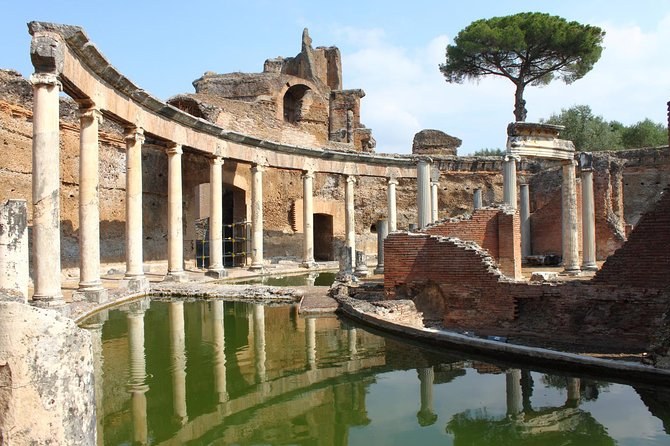
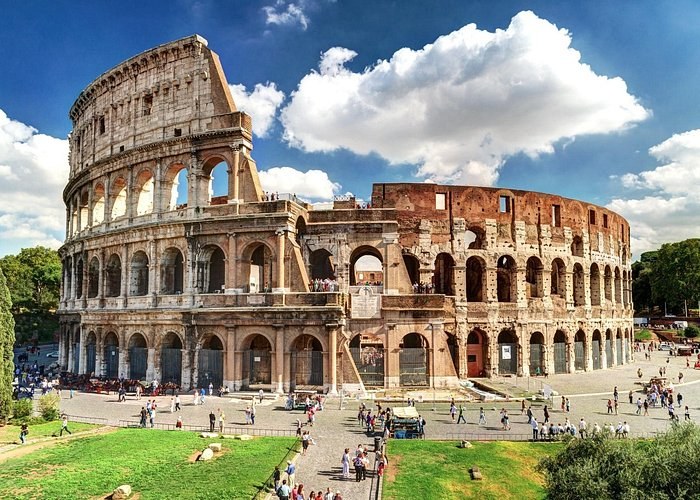
After you step off · near Lisbon
You end in a different port — stay on, and add what is within reach before you fly home.
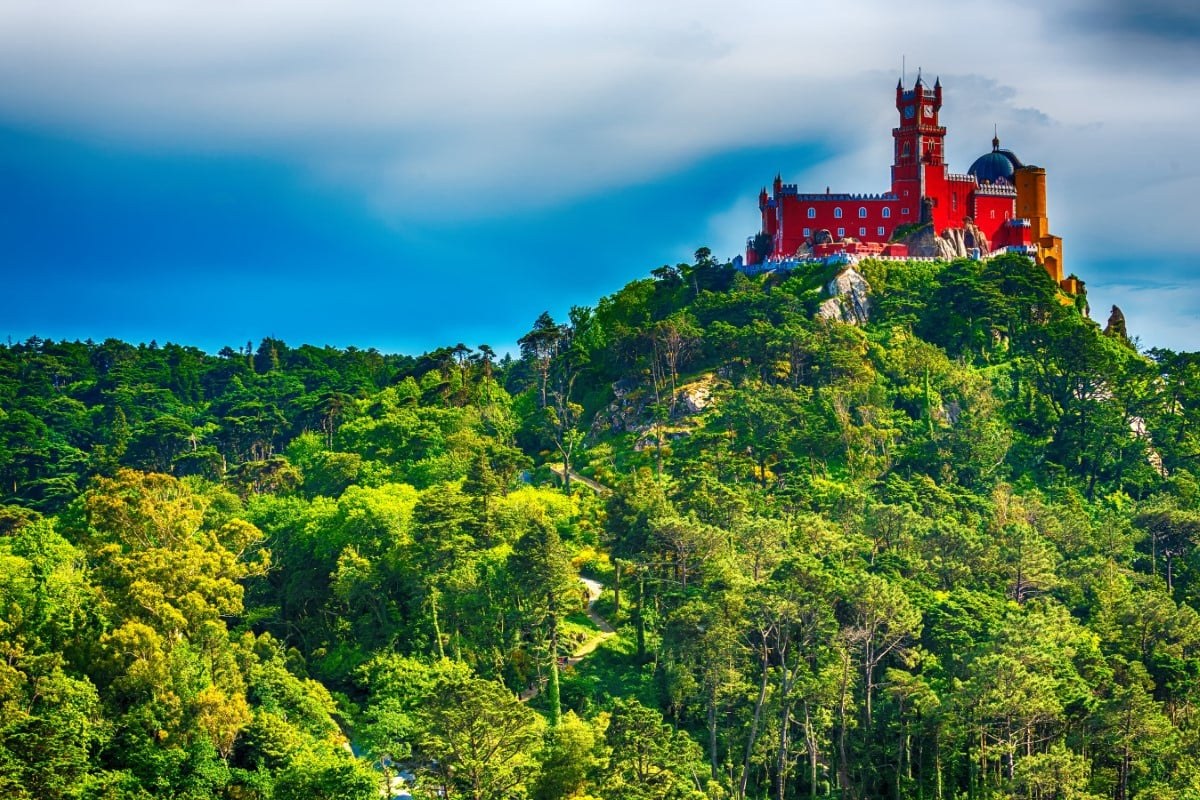 14 mi from LisbonSintra Day Trip - Pena Palace
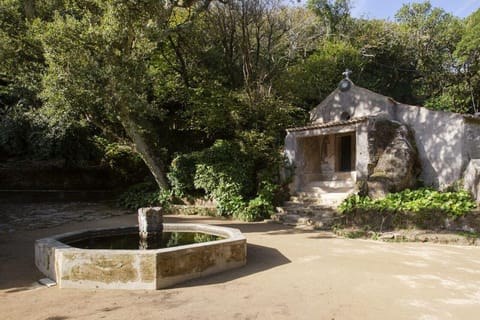 13 mi from LisbonConvent of the Capuchos Cork Lining & Underground Network
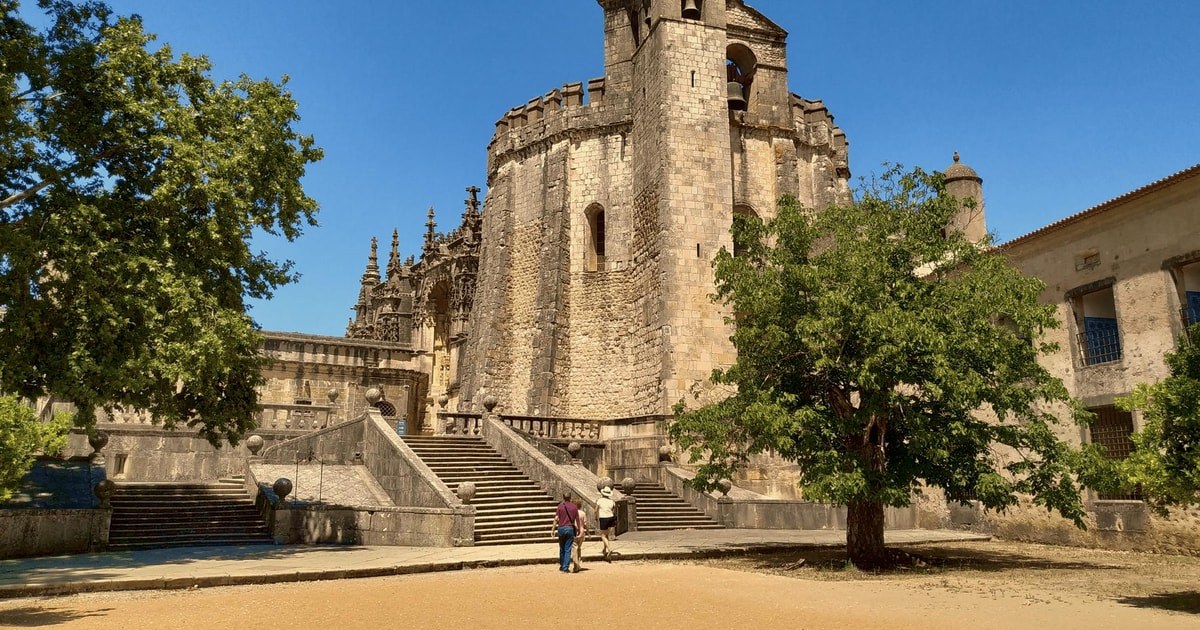 4 mi from Lisbon · land adventureTemplar Stone, Atlantic Cliffs, and Pastel Custard in Lisbon
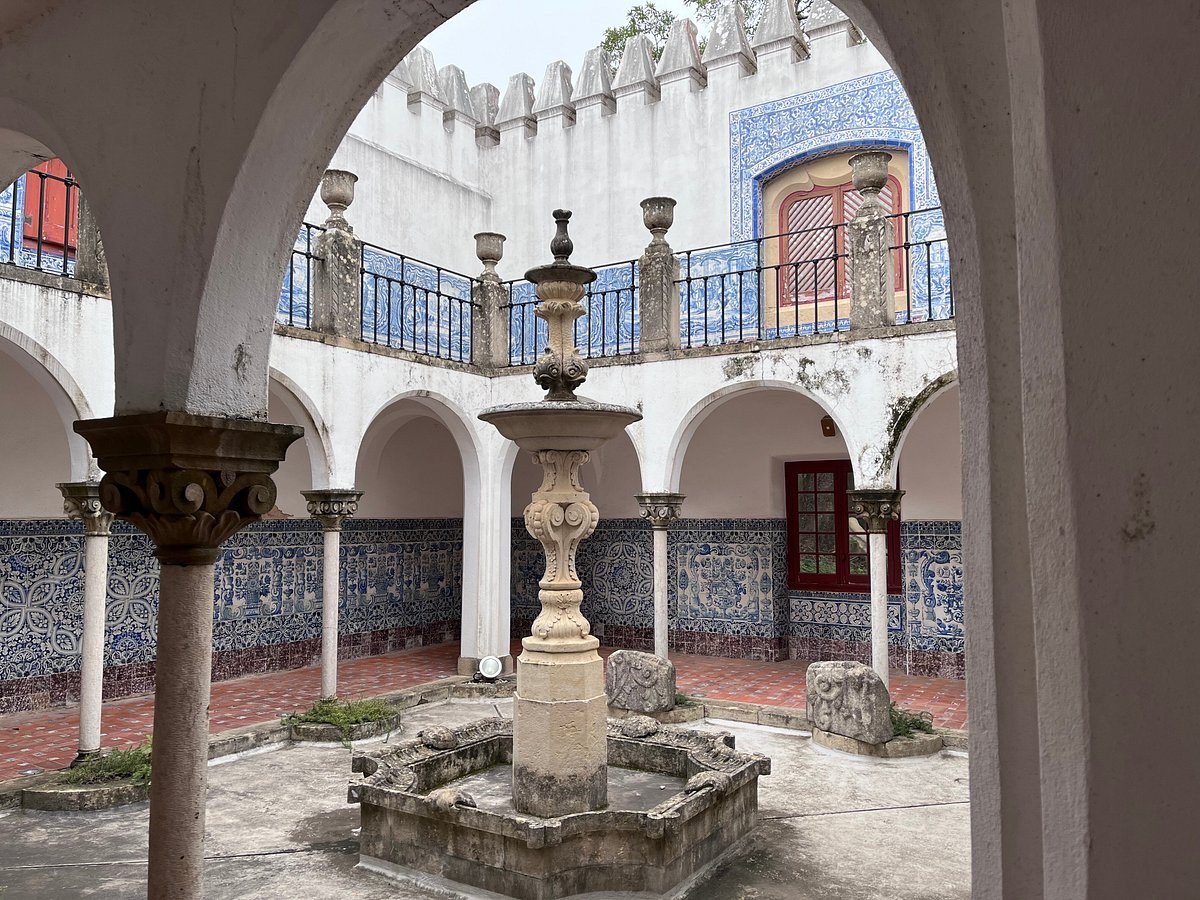 4 mi from Lisbon · land adventureSintra's Forests, Palaces & Coast: A Portuguese Masterpiece