Your cruise
Azamara Quest · 21-night Caribbean cruise, Piraeus (Athens) to Miami
Nov 26 – Dec 17 · 21 nights ·
Day 1 Piraeus (Athens) (board) · Day 2 Katakolon (Olympia) · Day 3 Syracuse · Day 4 Valletta · Day 5 Trapani · Day 6 La Goulette · Day 7 at sea · Day 8 Cartagena · Day 9 Malaga · Day 10 Tangier · Day 11–18 at sea · Day 19 San Juan · Day 20–21 at sea · Day 22 Miami (step off)
What you do Walk the sacred ground where the ancient Games were born, guided by a vetted local expert at your own pace. Stand in the original stadium, explore the Temple of Zeus, and unlock stories no audio guide can tell.
What to expect Your licensed local guide meets you at the port or the site entrance and leads you through the Archaeological Site and Museum of Ancient Olympia with skip-the-line access. You'll stand inside the original 5th-century BC stadium, explore the colossal Temple of Zeus, and view the peerless statue of Hermes of Praxiteles in the museum. The tour moves entirely at your pace — linger where you wish, ask every question that comes to mind, and enjoy a deeply personal connection with one of the ancient world's most sacred places.
Good to know Ancient Olympia is a 35–45 min drive from Katakolon port. Book well in advance for summer sailings as top guides fill quickly. Typical all-aboard times allow for 4–5 hours at the site comfortably; confirm your ship's schedule with your guide when booking. Entrance tickets (EUR 20 pp, combined site & museum) are paid separately on arrival.
Versus the ship tour Fully bespoke itinerary shaped entirely around your interests — no fixed script, no crowded coach, no rush. Your private guide adjusts the depth, pace, and focus to you, turning a sightseeing stop into a genuine scholarly encounter with antiquity.
book direct with ToursByLocals – Private Olympia Guides → · the full guide →
What you do A premium semi-private tour (maximum 25 guests) of Ancient Olympia with skip-the-line tickets included and an official licensed guide — the gold standard for those who want expert depth without going fully private.
What to expect Round-trip transfers from Katakolon port are included, making this seamlessly simple from the moment you step ashore. Your official licensed guide escorts you through the Archaeological Site — the Altis sanctuary, the ruins of the Temple of Hera, the Philippeion, and the ancient stadium — before moving into the outstanding Archaeological Museum to see the Hermes of Praxiteles and the breathtaking Zeus pediment sculptures. The intimate group size means genuine two-way dialogue with your guide throughout. A polished, comprehensive, fuss-free Olympia experience.
Good to know Skip-the-line tickets are pre-included — simply show up. Round-trip transfers from port are bundled in the price. Pre-book online as departures on busy port days sell out. Tour duration is approximately 5 hours, well within standard all-aboard windows.
Versus the ship tour Groups capped at just 25 people ensure an intimate, conversational experience with your guide — far removed from the mass-tour atmosphere. All-inclusive pricing with skip-the-line tickets means zero queuing and zero logistical faff on port day.
What you do Journey into the heart of the Peloponnese olive groves for an immersive agrotourism experience — tasting estate olive oil, local honey, and regional wine amid the ancient landscape that has nourished Greece for millennia.
What to expect After departing Katakolon, your small group is taken to a traditional Peloponnese estate where you'll tour the olive groves and production facilities, learning the art of cold-press extra-virgin olive oil from producers whose families have worked this land for generations. A guided tasting of olive oils, local thyme honey, and regional wines follows — paired with artisan breads and regional produce. The tour combines Ancient Olympia highlights with this authentic agrotourism dimension, giving the day both cultural and gastronomic richness. Approximately 5.5 hours total.
Good to know Departs from Katakolon port; max 19 persons so early booking is essential. Wear comfortable walking shoes for both the estate and the archaeological site. Check the tour's current departure schedule against your ship's all-aboard time when booking.
Versus the ship tour Capped at just 19 participants, this intimate small-group experience takes you off the tourist trail and onto a working estate — a rare sensory encounter with Peloponnesian food culture that most visitors entirely miss.
What you do Explore over 300 fully working reconstructions of ancient Greek machines — from Archimedes' screw to the Antikythera mechanism — in Katakolon's extraordinary, walkable museum. A jaw-dropping intellectual adventure steps from the port.
What to expect Step inside the Museum of Ancient Greek Technology and encounter a world where ancient ingenuity comes to life: functioning reconstructions of automata, musical instruments, astronomical devices, war machines, and domestic tools — all built to the exact ancient specifications documented by Hero of Alexandria, Archimedes, and Ktesibios. Rated 4.7 on TripAdvisor with over 240 reviews, it consistently surprises even seasoned travellers. The adjacent Museum of Ancient Greek Musical Instruments (also rated 4.5) is a perfect companion visit. Both museums together take around 1.5–2 hours and are an effortless, deeply rewarding port-day experience.
Good to know Located right in Katakolon village — a 5-minute walk from the cruise pier, no transfer needed. Open daily during cruise season. A private guided session can be arranged for small groups by contacting the museum directly. Ideal pairing: visit the museum in the morning, then take the scenic TRAINOSE heritage railway to Olympia (departures from Katakolon station).
Versus the ship tour This world-class museum is literally a 5-minute walk from the dock and requires no transfer — yet it contains one of the most intellectually dazzling collections in Greece. Its interactive, working reconstructions make it unlike any other museum experience in the Mediterranean.
book direct with Museum of Ancient Greek Technology (Kostas Kotsanas Museum) → · the full guide →
What you do Board the historic narrow-gauge railway directly from Katakolon port and ride through the olive-grove-carpeted Peloponnese countryside to Ancient Olympia — a scenic, romantic, and utterly unhurried way to reach one of the ancient world's great sites.
What to expect The narrow-gauge Katakolon–Pyrgos–Olympia railway is a living piece of Greek railway heritage, winding through the fertile western Peloponnese with views of olive groves, citrus orchards, and traditional villages. The journey to Olympia takes approximately 45–55 minutes and deposits you close to the archaeological site. Spend several hours exploring the ruins and museum at your own pace before boarding the return service. The leisurely rhythm of train travel gives the day an unhurried, exploratory feel that sets it apart entirely from a coach excursion.
Good to know The station is a short walk from the Katakolon cruise pier. Check the current seasonal timetable carefully — services are limited and coordinating return trains with your ship's all-aboard time is essential. Confirm schedules at the station or via Hellenic Train's website before sailing. Combine with a private licensed guide at the site for maximum depth.
Versus the ship tour Arriving at Olympia by the heritage railway — through rolling groves and quiet villages — is a poetic contrast to arriving by coach. It's one of the most atmospheric and distinctive ways to experience the Peloponnese landscape, beloved by independent travellers in the know.
book direct with Hellenic Train (TRAINOSE) – Katakolon–Pyrgos–Olympia Line → · the full guide →
What you do A rich 5.5-hour guided immersion combining Ancient Olympia's archaeological highlights with a curated tasting of the region's finest honey, wine, and olive oil — direct from the producers in the Peloponnese heartland.
What to expect The tour opens with a guided visit to the Archaeological Site and Museum of Ancient Olympia, covering the sacred Altis precinct, the iconic stadium, and the museum's masterworks. The experience then transitions to a local estate for guided tastings of the region's celebrated products: cold-pressed extra-virgin olive oil from century-old trees, raw thyme and wildflower honeys, and estate-bottled Peloponnese wines. Knowledgeable local guides contextualise each product within the history and geography of the region, making the tasting as educational as it is pleasurable. Duration approximately 5.5 hours.
Good to know At USD 80 all-inclusive this is excellent value for a full-day guided experience with tastings. Book in advance via Expedia's activities portal to secure your place. Comfortable flat shoes recommended for the archaeological site. Duration of 5.5 hours fits comfortably within most Katakolon all-aboard windows — always verify against your specific ship schedule.
Versus the ship tour This all-inclusive format removes every logistical headache — transfers, tastings, and guidance in a single price. The agrotourism element takes guests into a side of the Peloponnese that pure archaeological tours never reach: the living landscape of Greek food production.
book direct with Expedia Local Experiences – Olympia Agrotourism Tour → · the full guide →
What you do Climb the Sacred Rock with a licensed Athens guide and stand beneath the Parthenon, the single most iconic monument of Western civilization, while the marble turns into the living story of Pericles, Athena and the birth of democracy. Skip-the-line entry is the whole game on a port day, sparing you the brutal midday ticket queue. Pair it with the Bernard Tschumi-designed Acropolis Museum at the foot of the hill, where the original Caryatids and Parthenon frieze sit under glass with the temple in view.
What to expect You arrive at the Acropolis via a 30–45 minute metro or taxi ride from Piraeus and walk straight past the ticket queues with your skip-the-line pass—a critical edge on a port day. Your licensed guide leads you up the Sacred Rock, the marble facades shifting beneath your feet as the Parthenon rises above you, the physical anchor of Western democracy. You stand beneath the temple while its architects, Athena's priests, and Pericles become tangible; the tour typically runs 2–2.5 hours on the hill. If time permits, descend to the Bernard Tschumi-designed Acropolis Museum at the foot, where the original Caryatids and Parthenon frieze rest under glass with the temple framed in the window behind them—the monument visible from the artifact's own display case.
Good to know Book your skip-the-line guided tour (EUR 110–119 all-in) or self-guided entry (EUR 30 site pass only) in advance to lock pace and avoid midday queues. From Piraeus, allow 45 minutes each way by taxi (EUR ~30) or metro; budget 2.5–3 hours on the Acropolis itself, plus museum time if included, leaving a 1.5–2 hour safety buffer before all-aboard. Wear sun protection and comfortable shoes on marble stone; bring water and consider a light jacket if museum time is planned. Confirm your tour operator's meeting point and boarding time the evening before to eliminate port-day confusion.
Versus the ship tour DIRECT WINS. The ship's 'Acropolis & Plaka' half-day runs ~$159.99 pp (Carnival; RCI/Celebrity $150-180). A guided skip-the-line tour books direct at ~$110-119 all-in, and a self-guided half-day (taxi ~EUR 30 each way + EUR 30 entry) lands under $70. Savings of roughly $40-50 pp guided, ~$90 if you DIY the entry and just want the rock.
What you do Drive the turquoise Athens Riviera south to the very tip of Attica, where a gleaming white 5th-century-BC Doric temple stands on a cliff dropping straight into the Aegean. Lord Byron carved his name into a column here; the columns framing the open sea are one of Greece's signature images and the best 'escape the city crowds' move that still fits a half-day. About 4 hours door to door.
What to expect You drive south along the turquoise Athens Riviera, the coastal sprawl gradually giving way to open sea views as you approach the tip of Attica. At Cape Sounion, a gleaming white 5th-century-BC Doric temple materializes on a cliff edge, its columns framing a sheer drop into the Aegean—the view that inspired Lord Byron to carve his name into the stone. You'll have time to walk among those iconic columns, absorb the wind and the signature Greek light, and understand why this is the escape-the-city move that doesn't require a full day. The whole experience moves door-to-door in approximately 4 hours, with the bulk of time at the temple itself.
Good to know Book transfers direct with Athens Walking Tours (~EUR 46 pp) and add temple entry separately (~EUR 10) to avoid cruise-line bundling that inflates the cost to $209–240 for a half-day outing. Aim for a departure within the first 2 hours of your port window to secure the 4-hour round trip plus buffer time before all-aboard. Temple entry is not included in transfer pricing, so bring cash or be prepared to purchase on-site. The coastal drive means no special gear required, but bring sunscreen and a hat—you'll be exposed on the cliff top, with few shade options at the temple itself.
Versus the ship tour DIRECT WINS BIG. Cruise lines almost never sell Sounion standalone, burying it inside a $209-240 full-day package. Booked direct the coastal half-day is ~$61 all-in (group versions elsewhere ~$77). If your ship only offers it bundled, you're paying a $130+ premium for the convenience of one bus.
What you do Trade marble and crowds for the Aegean blue: a half-day catamaran along the Athens Riviera and Saronic coast with swim-and-snorkel stops, a meal and wine aboard. Boats leave from Alimos and Flisvos marinas close to Piraeus, making this the rare genuinely premium on-the-water experience that comfortably fits a port-day clock. Pick an operator that guarantees you back before all-aboard.
What to expect You'll board a semi-private catamaran at Alimos or Flisvos marina—a short ride from Piraeus—and spend your half-day gliding along the Aegean's brilliant blue coastline, pausing at protected swim-and-snorkel spots where the water is clear and calm. Between swims, you'll lounge on deck with wine and a meal included, absorbing the Athens Riviera and Saronic coast views at a pace only a small catamaran allows. Unlike the ship's mega-boat island circuit, this is genuinely intimate: no crowds, no forced itinerary, just the rhythm of the sea. You'll be back at the pier with time to spare before all-aboard.
Good to know Departures are half-day sails (check your operator's exact schedule to confirm return time fits your ship's all-aboard). Alimos and Flisvos marinas are close to Piraeus but you'll need a quick taxi or arranged transfer from the port—factor 15–20 minutes each way. Book semi-private slots ahead, especially June–August, as they fill quickly and pricing rises (EUR 125–135 pp depending on season). Bring reef-safe sunscreen, water shoes, and a light layer; snorkel gear is provided, and meal + wine are aboard.
Versus the ship tour DIRECT-ONLY niche. Cruise lines rarely offer a small-catamaran sail here; their on-water option is the big Saronic island bus-boat. At ~$135 pp semi-private this is a premium experience, not a savings play, but it's the only way to get the relaxed Aegean-blue day, and it beats the ship's ~$180-200 mega-boat island cruise on quality if not headline price.
What you do Thread the historic Plaka backstreets into the roaring Varvakios Agora meat-and-fish market, stopping for spanakopita, loukoumades, Greek coffee, cheeses, olive oil, honey and wine. Repeatedly rated among Europe's best culinary experiences, it delivers the flavors-and-neighborhood immersion a first-timer remembers as vividly as the ruins, all on foot in the old town. ~4 hrs, small group, tastings included.
What to expect You'll spend roughly 4 hours threading through the narrow, winding backstreets of historic Plaka on foot, pausing at local favorites for spanakopita, loukoumades, Greek coffee, and tastings of cheeses, olive oil, honey, and wine. The real anchor is the Varvakios Agora—the roaring central meat-and-fish market—where vendors call out their wares and you'll sample directly in the chaos of neighborhood commerce. Rather than stand-and-listen, you move continuously through old-town streets, tasting as you go, absorbing the rhythm of daily Athenian life in a small group setting. It's the kind of immersive, on-foot culinary walk that stays vivid in memory alongside the ruins.
Good to know Book directly with Athens Walks before the port day to secure your spot in the small group and confirm start time—all tastings are included in the ~$75 pp price, so no hidden costs. Plan on a 4-hour window starting within 1–2 hours of disembark to leave a comfortable buffer (the Plaka walk is entirely walkable from Piraeus pier, though confirm exact meeting point when you book). Wear comfortable walking shoes and bring a small daypack or crossbody bag for any purchases or water; the market and Plaka streets are pedestrian-only and shaded, but summer heat can build. Return to the pier with at least 90 minutes before all-aboard to account for the walk back and any lingering in the market.
Versus the ship tour DIRECT WINS. The ship's food/wine tour runs ~$134.99 pp (Carnival) and independent group food walks elsewhere run $135-183. This direct small-group market-and-Plaka walk at ~$75 pp undercuts the ship by roughly $60 for a far more authentic, on-foot experience. (If you only want a quick pour, a basic Piraeus wine tasting is ~$30-35 and beats everything on price alone.)
What you do Three classic Saronic Gulf islands in one day, including car-free, donkey-and-cobblestone Hydra, one of the most photogenic harbors in Greece. Swimming, Greek music and a buffet lunch aboard deliver the 'Greek islands' taste without flying to the Cyclades. CLOCK WARNING: this is an ~11-hour day departing ~08:15 from Piraeus, so it only works if your ship has a very long call or overnights, and only with an operator that guarantees you back to the ship.
What to expect You'll depart Piraeus around 08:15 on a full-day voyage across the Saronic Gulf, visiting three islands in succession: first the car-free, donkey-cobbled harbor of Hydra, one of Greece's most photogenic ports, where narrow whitewashed streets climb steeply from the waterfront; then Poros, where you'll have time to explore; and finally Aegina. The day anchors around a leisurely Greek buffet lunch served aboard the boat, punctuated by swimming stops and live Greek music that delivers the classic island experience without the flight to the Cyclades. You'll return to Piraeus in late afternoon, having absorbed the full sensory rhythm of island life—water, light, local flavor, and Greek hospitality—all from a single excursion boat.
Good to know This is an ~11-hour commitment departing ~08:15, so it only works if your ship has a very long port call or overnight stay; on a standard 8-hour call, the risk of missing the ship outweighs the ~$40–70 savings versus booking through your cruise line. Book ahead with Athens One Day Cruise (direct ~EUR 131/$142 pp with lunch, versus ship ~$179–199) or confirm your operator guarantees return to the pier with time to spare. Bring sun protection, swimwear, and cash for any extras; wear comfortable walking shoes for Hydra's steep cobblestones. The departure point is directly from Piraeus; allow buffer time to clear the pier and reach the boat dock, and verify exact embarkation details with your chosen operator 24 hours before.
Versus the ship tour DIRECT WINS on price, SHIP WINS on safety. Booked direct this is ~$142 pp with lunch (some local operators ~$99-130) versus the ship's ~$179-199 for the identical boat and islands - a ~$40-70 saving. BUT on a standard port call the 11-hour runtime risks missing the ship; if you're not overnighting, the cruise line's version (or skipping it) is the safer call despite the markup.
What you do The low-risk fallback if a long excursion feels too tight: a fixed-fare taxi or the metro straight to the Acropolis, self-guided entry to the Parthenon, then an easy downhill wander through Plaka's old-town lanes. No tour commitment, no fixed return time, and you control exactly when you head back to Piraeus, which is the safest play for a short port call.
What to expect You'll take a fixed-fare taxi or the metro from Piraeus straight to the Acropolis, where you'll climb through the ancient Parthenon and surrounding monuments at your own pace with a self-guided audio tool or printed map. From the summit, you'll head downhill into Plaka's narrow, winding old-town lanes—a maze of tavernas, neoclassical townhouses, and small shops—wandering for as long as you'd like before strolling back to the port on your own timeline. The whole rhythm is yours: no group delays, no narrated patter, just you, 2,500-year-old stone, and the freedom to linger or move on whenever you choose.
Good to know For a 6–8 hour port call, budget ~45 minutes each way for transit (taxi or metro), 2–2.5 hours at the Acropolis, and 1.5–2 hours wandering Plaka, leaving a 60–90 minute buffer to return to Piraeus before all-aboard. Book your taxi in advance or use the metro (€4 round trip); Acropolis entry is €30 (expect a queue, especially mid-morning). Wear comfortable walking shoes, bring water, and download a self-guided audio app or grab a printed site map beforehand. Plan to be back at the pier at least an hour before your ship's departure time—this is not a ship-sponsored excursion, so you alone are responsible for making the sailing.
Versus the ship tour DIRECT WINS on price and flexibility. The ship's escorted Acropolis & Plaka half-day is ~$159.99 pp; doing it yourself is ~$50-70 pp and you keep full control of your return time. Trade-off: no guide narration and you carry your own clock - acceptable for the Acropolis, which is straightforward to navigate solo.
book direct with Athens Half-Day Sightseeing (Athens Walking Tours - audio/self-guided) → · the full guide →
What you do Walk the sacred ground where the ancient Games were born, guided by a vetted local expert at your own pace. Stand in the original stadium, explore the Temple of Zeus, and unlock stories no audio guide can tell.
What to expect Your licensed local guide meets you at the port or the site entrance and leads you through the Archaeological Site and Museum of Ancient Olympia with skip-the-line access. You'll stand inside the original 5th-century BC stadium, explore the colossal Temple of Zeus, and view the peerless statue of Hermes of Praxiteles in the museum. The tour moves entirely at your pace — linger where you wish, ask every question that comes to mind, and enjoy a deeply personal connection with one of the ancient world's most sacred places.
Good to know Ancient Olympia is a 35–45 min drive from Katakolon port. Book well in advance for summer sailings as top guides fill quickly. Typical all-aboard times allow for 4–5 hours at the site comfortably; confirm your ship's schedule with your guide when booking. Entrance tickets (EUR 20 pp, combined site & museum) are paid separately on arrival.
Versus the ship tour Fully bespoke itinerary shaped entirely around your interests — no fixed script, no crowded coach, no rush. Your private guide adjusts the depth, pace, and focus to you, turning a sightseeing stop into a genuine scholarly encounter with antiquity.
book direct with ToursByLocals – Private Olympia Guides → · the full guide →
What you do A premium semi-private tour (maximum 25 guests) of Ancient Olympia with skip-the-line tickets included and an official licensed guide — the gold standard for those who want expert depth without going fully private.
What to expect Round-trip transfers from Katakolon port are included, making this seamlessly simple from the moment you step ashore. Your official licensed guide escorts you through the Archaeological Site — the Altis sanctuary, the ruins of the Temple of Hera, the Philippeion, and the ancient stadium — before moving into the outstanding Archaeological Museum to see the Hermes of Praxiteles and the breathtaking Zeus pediment sculptures. The intimate group size means genuine two-way dialogue with your guide throughout. A polished, comprehensive, fuss-free Olympia experience.
Good to know Skip-the-line tickets are pre-included — simply show up. Round-trip transfers from port are bundled in the price. Pre-book online as departures on busy port days sell out. Tour duration is approximately 5 hours, well within standard all-aboard windows.
Versus the ship tour Groups capped at just 25 people ensure an intimate, conversational experience with your guide — far removed from the mass-tour atmosphere. All-inclusive pricing with skip-the-line tickets means zero queuing and zero logistical faff on port day.
What you do Journey into the heart of the Peloponnese olive groves for an immersive agrotourism experience — tasting estate olive oil, local honey, and regional wine amid the ancient landscape that has nourished Greece for millennia.
What to expect After departing Katakolon, your small group is taken to a traditional Peloponnese estate where you'll tour the olive groves and production facilities, learning the art of cold-press extra-virgin olive oil from producers whose families have worked this land for generations. A guided tasting of olive oils, local thyme honey, and regional wines follows — paired with artisan breads and regional produce. The tour combines Ancient Olympia highlights with this authentic agrotourism dimension, giving the day both cultural and gastronomic richness. Approximately 5.5 hours total.
Good to know Departs from Katakolon port; max 19 persons so early booking is essential. Wear comfortable walking shoes for both the estate and the archaeological site. Check the tour's current departure schedule against your ship's all-aboard time when booking.
Versus the ship tour Capped at just 19 participants, this intimate small-group experience takes you off the tourist trail and onto a working estate — a rare sensory encounter with Peloponnesian food culture that most visitors entirely miss.
What you do Explore over 300 fully working reconstructions of ancient Greek machines — from Archimedes' screw to the Antikythera mechanism — in Katakolon's extraordinary, walkable museum. A jaw-dropping intellectual adventure steps from the port.
What to expect Step inside the Museum of Ancient Greek Technology and encounter a world where ancient ingenuity comes to life: functioning reconstructions of automata, musical instruments, astronomical devices, war machines, and domestic tools — all built to the exact ancient specifications documented by Hero of Alexandria, Archimedes, and Ktesibios. Rated 4.7 on TripAdvisor with over 240 reviews, it consistently surprises even seasoned travellers. The adjacent Museum of Ancient Greek Musical Instruments (also rated 4.5) is a perfect companion visit. Both museums together take around 1.5–2 hours and are an effortless, deeply rewarding port-day experience.
Good to know Located right in Katakolon village — a 5-minute walk from the cruise pier, no transfer needed. Open daily during cruise season. A private guided session can be arranged for small groups by contacting the museum directly. Ideal pairing: visit the museum in the morning, then take the scenic TRAINOSE heritage railway to Olympia (departures from Katakolon station).
Versus the ship tour This world-class museum is literally a 5-minute walk from the dock and requires no transfer — yet it contains one of the most intellectually dazzling collections in Greece. Its interactive, working reconstructions make it unlike any other museum experience in the Mediterranean.
book direct with Museum of Ancient Greek Technology (Kostas Kotsanas Museum) → · the full guide →
What you do Board the historic narrow-gauge railway directly from Katakolon port and ride through the olive-grove-carpeted Peloponnese countryside to Ancient Olympia — a scenic, romantic, and utterly unhurried way to reach one of the ancient world's great sites.
What to expect The narrow-gauge Katakolon–Pyrgos–Olympia railway is a living piece of Greek railway heritage, winding through the fertile western Peloponnese with views of olive groves, citrus orchards, and traditional villages. The journey to Olympia takes approximately 45–55 minutes and deposits you close to the archaeological site. Spend several hours exploring the ruins and museum at your own pace before boarding the return service. The leisurely rhythm of train travel gives the day an unhurried, exploratory feel that sets it apart entirely from a coach excursion.
Good to know The station is a short walk from the Katakolon cruise pier. Check the current seasonal timetable carefully — services are limited and coordinating return trains with your ship's all-aboard time is essential. Confirm schedules at the station or via Hellenic Train's website before sailing. Combine with a private licensed guide at the site for maximum depth.
Versus the ship tour Arriving at Olympia by the heritage railway — through rolling groves and quiet villages — is a poetic contrast to arriving by coach. It's one of the most atmospheric and distinctive ways to experience the Peloponnese landscape, beloved by independent travellers in the know.
book direct with Hellenic Train (TRAINOSE) – Katakolon–Pyrgos–Olympia Line → · the full guide →
What you do A rich 5.5-hour guided immersion combining Ancient Olympia's archaeological highlights with a curated tasting of the region's finest honey, wine, and olive oil — direct from the producers in the Peloponnese heartland.
What to expect The tour opens with a guided visit to the Archaeological Site and Museum of Ancient Olympia, covering the sacred Altis precinct, the iconic stadium, and the museum's masterworks. The experience then transitions to a local estate for guided tastings of the region's celebrated products: cold-pressed extra-virgin olive oil from century-old trees, raw thyme and wildflower honeys, and estate-bottled Peloponnese wines. Knowledgeable local guides contextualise each product within the history and geography of the region, making the tasting as educational as it is pleasurable. Duration approximately 5.5 hours.
Good to know At USD 80 all-inclusive this is excellent value for a full-day guided experience with tastings. Book in advance via Expedia's activities portal to secure your place. Comfortable flat shoes recommended for the archaeological site. Duration of 5.5 hours fits comfortably within most Katakolon all-aboard windows — always verify against your specific ship schedule.
Versus the ship tour This all-inclusive format removes every logistical headache — transfers, tastings, and guidance in a single price. The agrotourism element takes guests into a side of the Peloponnese that pure archaeological tours never reach: the living landscape of Greek food production.
book direct with Expedia Local Experiences – Olympia Agrotourism Tour → · the full guide →
What you do Walk the ancient world's most dramatic Greek stage, descend into the Ear of Dionysus, and stand inside a Roman amphitheatre — all with a specialist archaeologist guiding every step. This is bucket-list antiquity at its most immersive.
What to expect Your guide meets you at the Neapolis gate and leads you through the 5th-century BC Greek Theatre — still used for live performances today — before descending into the Latomie quarries where Athenian prisoners once toiled. The legendary Ear of Dionysus, a 23-metre-high limestone cave, delivers a jaw-dropping acoustic moment when your guide demonstrates its uncanny amplification. The Roman Amphitheatre rounds out a journey spanning nearly a thousand years of civilisation in a single morning.
Good to know The park is a 15-minute taxi ride from the cruise pier (roughly EUR 15). Book your private guide well in advance as top local specialists fill quickly. Allow 2.5–3 hours; combine with Ortigia in the afternoon to make full use of the port day. All-aboard is typically early evening — confirm your ship's schedule.
Versus the ship tour A private archaeologist-guide means you linger inside the Ear of Dionysus long after groups have moved on, hearing whispered acoustics that have astonished visitors since antiquity. The pace is entirely yours.
book direct with Letizia Tour Guide Syracuse (local specialist) → · the full guide →
What you do Wander the ancient island heart of Syracuse — a UNESCO-listed labyrinth of Baroque piazzas, a Greek temple embedded inside a cathedral, and a legendary papyrus spring — with a specialist local guide who brings 2,700 years of history vividly to life.
What to expect The tour opens at the Temple of Apollo, the oldest Greek temple in the Western world, before threading through the baroque grandeur of Piazza del Duomo — widely considered one of Italy's most beautiful squares. Inside the Cathedral, ancient Greek columns rise through the Christian nave in one of architecture's great collisions of eras. A stroll to the Fonte Aretusa, the freshwater spring where papyrus still grows beside the sea, provides a mythological finale that feels genuinely otherworldly.
Good to know Ortigia is walking distance or a short taxi ride from the cruise pier (EUR 10–12). Morning light on the Duomo is spectacular — aim for a 9 am start. Wear comfortable shoes on the cobblestones. The guide can extend the tour to include a Sicilian street-food tasting at the Ortigia market on request.
Versus the ship tour A private guide tailors every stop to your interests — lingering in the golden-lit Cathedral to trace Doric columns swallowed by 7th-century walls, or ducking down sun-dappled caruggi that larger groups never enter.
book direct with Letizia Tour Guide Syracuse (local specialist) → · the full guide →
What you do Glide by private boat along the limestone coastline of Ortigia, slipping through sea caves, swimming in crystalline grottos, and viewing the ancient city from the water — the perspective no walking tour can give you.
What to expect Departing from the Ortigia waterfront, you round the ancient city walls by sea before entering a series of luminous limestone caves that glow turquoise from below. The captain anchors in a private cove for snorkelling over Posidonia meadows teeming with Mediterranean fish. A chilled Sicilian aperitivo — local wine, arancini, and cured meats — is served on deck as you drift back past the golden facades of Ortigia in the afternoon light. The combination of archaeology, swimming, and slow Sicilian living is utterly irresistible.
Good to know Departures are from the Ortigia harbour, approximately EUR 10–12 by taxi from the cruise pier. Confirm all-aboard time carefully — a 4-hour morning departure is advisable to leave buffer time. Bring reef-safe sunscreen and a light cover-up; the limestone caves can have low clearance so flat footwear is recommended.
Versus the ship tour Captain Mirko operates a small, elegant vessel with a maximum of 8 guests, ensuring an intimate, unhurried experience with personalised stops chosen for the day's light and sea conditions.
book direct with Captain Mirko – Syracuse Boat Tours → · the full guide →
What you do Journey 45 minutes south to Noto, the 'Stone Garden' of Sicilian Baroque — an entire city rebuilt in golden limestone after the 1693 earthquake, and one of UNESCO's crown jewels. A private guide unlocks its palaces, convents, and legendary granita bars.
What to expect Your guide meets you at the port and whisks you south through the Val di Noto on a scenic road framed by almond groves and prickly pear. In Noto, the theatrical Corso Vittorio Emanuele unfolds before you — three great churches cascading down a single street of impossible elegance. The ornate balconies of Palazzo Nicolaci, with their grotesque corbels of horses, lions, and mermaids, are one of the Baroque world's great set-pieces. The tour ends with a ritual stop for the finest almond granita in Sicily, made to a century-old recipe.
Good to know 45 minutes each way from Syracuse port by private vehicle. A half-day (4–4.5 hours) is ample and leaves comfortable time before all-aboard. The town is hilly with uneven stone streets — flat supportive shoes are essential. May sees the famous Infiorata flower festival, when the Corso is carpeted in floral artwork; book weeks ahead if your cruise coincides.
Versus the ship tour A private vehicle and local expert means you arrive before the day-trippers, climb the Corso Vittorio Emanuele when the honey-gold facades glow at their warmest, and slip inside palazzi and cloisters that group tours pass by.
book direct with Tourist Italy – Insider Noto Private Tour → · the full guide →
What you do Plunge into Ortigia's vibrant daily market alongside a Sicilian chef, tasting street food, selecting local produce, and uncovering the Arab-Norman culinary heritage that makes Sicilian cuisine unlike any other in Italy.
What to expect The morning begins inside the Ortigia covered market, a sensory riot of blood oranges, swordfish, wild fennel, and the world's finest pistachios laid out under ancient archways. Your guide introduces you to the venditori by name, explaining the Arab-Norman spice routes embedded in every arancino and caponata. A progressive street-food tasting follows — panelle, stigghiola, and cassata siciliana paired with a chilled Nero d'Avola. The tour culminates in a private terrace overlooking the sea for a curated antipasto platter and a final glass of local Etna Bianco.
Good to know The Ortigia market is most vibrant on weekday mornings, peaking before noon — a 9 am start is ideal. Guests with dietary restrictions should notify the guide when booking; the tour is highly customisable. Reach Ortigia by taxi from the pier in 10–12 minutes (approx. EUR 10–12). The 3-hour format fits comfortably within a port day.
Versus the ship tour Your guide is a gastronomic specialist with deep ties to the market vendors — expect tastings that never appear on a menu and access to a baroque palazzo kitchen for an intimate cooking demonstration unavailable to group tours.
book direct with Letizia Tour Guide Syracuse (gastronomic specialist tours) → · the full guide →
What you do Descend into a secret river canyon whose limestone cliffs are honeycombed with over 5,000 Sicel tombs — one of Sicily's most hauntingly beautiful and little-visited ancient landscapes, explored at a leisurely pace with a specialist guide.
What to expect A 40-minute private transfer carries you north-west of Syracuse into the Iblean plateau, where the Valle dell'Anapo suddenly drops away in dramatic terraced cliffs riddled with more than 5,000 Bronze and Iron Age tombs. Your expert guide leads a gentle 2–3km path along the canyon floor, the Anapo river glittering below, pausing at the imposing Anaktoron (prince's palace) and the rock-cut Byzantine oratory with faded frescoes still visible. Wildflowers, golden eagles, and the sheer prehistoric scale of the site make this one of the most moving experiences in all of Sicily. The return transfer takes in a scenic viewpoint over the Iblean countryside.
Good to know Best visited in spring or early autumn when temperatures in the canyon are comfortable and wildflowers are at their peak. Wear sturdy walking shoes — the path has uneven rock sections. Allow approximately 4–4.5 hours total. Confirm the all-aboard time before booking; an early departure of 8:30–9 am is strongly recommended to return with comfortable margin.
Versus the ship tour The Pantalica Necropolis is a UNESCO World Heritage site visited by very few cruise passengers — its remoteness means you may walk for an hour in near-solitude among thousands of Iron Age cliff-cut tombs, a truly rare privilege.
book direct with Tourist Italy – Private Syracuse Region Tours → · the full guide →
What you do A 5-10 minute walk from the cruise terminal opens onto the most gob-smacking high-Baroque interior in the Mediterranean: every surface drips carved gold, the floor is a carpet of 400 inlaid-marble knight tombs, and the Oratory holds the only painting Caravaggio ever signed -- the monumental 'Beheading of Saint John the Baptist.' Skipping this is effectively skipping Valletta. Buy the timed ticket online to skip the line; closed Sundays, last admission ~16:15, no flip-flops or sleeveless tops.
What to expect A 5–10 minute walk from the cruise terminal deposits you directly into the Mediterranean's most opulent high-Baroque interior, where every wall surface glows with carved gilt and the floor unfolds as a 400-tomb marble knight cemetery beneath your feet. The Oratory—the cathedral's crown jewel—holds Caravaggio's only signed painting, the monumental 'Beheading of Saint John the Baptist,' a work of such scale and darkness it stops visitors mid-breath. You'll move through the museum galleries and side chapels at your own pace (audio guide included), absorbing gold, frescoed vaults, and religious devotion rendered in stone and paint. Total immersion time is typically 90 minutes to 2.5 hours, depending on your appetite for the collections and crowds.
Good to know Buy your timed-entry ticket online via showshappening.com before the ship docks to skip queues; the cathedral closes Sundays and stops admissions around 16:15, so morning visits are safest. Allow 3–4 hours round-trip including the walk and 90–150 minutes inside; you'll be back aboard with a comfortable buffer in a standard 6–8 hour port window. Dress code: no flip-flops or sleeveless tops (bring a light cover-up). At EUR 15 (~USD 16) per adult with audio guide and Oratory entry included, this self-guided option saves USD 45–75 per person versus the ship's bundled walking tour.
Versus the ship tour The ship sells a 3-4 hr 'Best of Malta'/Valletta walking tour at $60-$90pp that bundles this EUR 15 entry with the free Upper Barrakka Gardens. Buy the cathedral ticket yourself for ~$16 and walk the rest free -- you save roughly $45-$75pp. This is also the low-risk safety net: minutes from the gangway, no transfer risk, back aboard easily.
book direct with St John's Co-Cathedral Foundation (official, books direct via its showshappening.com ticketing) → · the full guide →
What you do Glide beneath the colossal honey-coloured bastions of Valletta and the Three Cities in a brightly painted, gondola-like dghajsa -- a boat design tracing to Phoenician times. The Grand Harbour is one of the world's great natural deep-water harbours and the stage of the 1565 Great Siege; seeing it from the water at the foot of the fortifications, with the Three Cities marina and Fort St Angelo sliding past, is the single image the port is famous for.
What to expect You board a brightly painted dghajsa—a traditional gondola-like boat whose design traces back to Phoenician times—and glide slowly beneath the colossal honey-coloured bastions of Valletta and the Three Cities. The Grand Harbour unfolds around you: Fort St Angelo and the Three Cities marina slide past as you see the very stage of the 1565 Great Siege from the water, at the foot of the fortifications. The ~35-minute private tour captures the single image the port is famous for—the world's great natural deep-water harbour seen from the intimate vantage of a traditional wooden boat, not a modern tour launch. If you extend with the EUR 8 water-taxi crossing, you can drift across to Birgu or Senglea and wander the quieter Three Cities on your own pace.
Good to know Book the dghajsa direct with Grand Harbour Tours Malta (family-run operator based in Senglea) to save ~$20–$50pp versus the ship's 'Two Harbours' cruise, and budget ~EUR 25–28 (~USD 28–31pp) for the full private 35-minute tour, or ~EUR 8pp for the heritage water-taxi crossing alone. The operator is walkable from the cruise pier; confirm exact meeting point and departure time when booking to ensure a 30–45 minute buffer before all-aboard. Wear sun protection and bring cash (EUR preferred) as the family-run operator may not accept cards; the boat is open-air and the harbour crossing takes 35 minutes, so plan accordingly for your 6–8 hour port window.
Versus the ship tour The ship's 'Two Harbours' scenic boat cruise runs $50-$80pp. Booking the same authentic dghajsa direct is ~$28-$31pp -- you save roughly $20-$50pp, get a more iconic traditional boat (not a tour launch), and can tack on the cheap EUR 8 water-taxi to wander the quieter Three Cities on your own.
book direct with Grand Harbour Tours Malta (family-run dghajsa operator, Senglea) → · the full guide →
What you do A small traditional fishing boat threads into a string of natural sea caves on the south coast where sunlight refracts off the white sandy seabed and turns the water an electric, almost luminous blue. It's one of Malta's signature natural wonders; pair the ~20-25 min ride with the clifftop Blue Grotto viewpoint for the classic photo. Go in the morning for the best light and calmest sea -- about 25-30 min from the port, easy to combine with Hagar Qim temples or Marsaxlokk.
What to expect You'll board a small traditional fishing boat and thread into a succession of natural sea caves along Malta's south coast, where sunlight refracts off the white sandy seabed and transforms the water into an almost luminous electric blue—one of Malta's signature sights. The boat ride lasts 20–25 minutes and moves at a gentle pace that lets you absorb the strange, otherworldly light show as it bounces off the cave walls. After returning to the harbor, climb to the clifftop Blue Grotto viewpoint for the classic postcard perspective of the same caves from above. The whole experience unfolds in roughly an hour, leaving time to either relax at the harbor kiosk or combine it with nearby Hagar Qim temples or the Marsaxlokk fishing village.
Good to know Depart the pier early in the morning for the best sunlight and calmest sea conditions; the boat ride takes about 25–30 minutes to reach from the port. Buy tickets on-site at the Wied iz-Zurrieq harbor kiosk in cash only (€10 per adult, €5–6 for children)—do not pre-book, as weather can cancel departures without refund. Allow 2–2.50 euros for a public bus return to the port if doing this independently, and factor in a comfortable 90-minute buffer before ship departure to account for buses and harbor congestion. Bring cash, sunscreen, and a light waterproof layer if sensitive to spray; the boat has no canopy.
Versus the ship tour The ship's 'Blue Grotto & Marsaxlokk' scenic tour is $90-$130pp -- and the heart of it is this exact EUR 10 boat ride reached by a public bus. A $70pp independent group tour exists, but if you're comfortable on the bus (~EUR 2-2.50) the DIY version costs about $13 all-in. Honest flag: weather can cancel the boats, so don't book a no-refund private transfer around it; the ship tour's one merit is it guarantees you back aboard.
book direct with Licensed fishermen's boat co-operative at Wied iz-Zurrieq (tickets at the harbour kiosk) → · the full guide →
What you do Malta's spell-binding former capital is a walled, car-free medieval-and-Baroque hilltown of golden limestone, hushed alleys, and a dramatic bastion belvedere looking out over half the island (the Game of Thrones gate is here too). About 30 min from the port; a local guide unlocks the Knights' history, the cathedral, and neighbouring Rabat with St Paul's Catacombs. Unforgettable in the early evening once the coach crowds clear -- which suits a cruise day perfectly.
What to expect You'll ascend into Malta's former capital through narrow, hushed alleyways of golden limestone, passing the iconic Game of Thrones gate as your guide unlocks centuries of Knights' history within cathedral walls. The rhythm builds toward the dramatic bastion belvedere—a sudden opening where half the island spreads beneath you. You'll drift into neighbouring Rabat to explore St Paul's Catacombs, then drift back through medieval streets that empty of coach crowds by evening, giving you that magical "Silent City" moment the tour is named for. The whole flow is unhurried walking and history, ideally timed for late afternoon when day-trippers thin out.
Good to know From the port, a EUR 2–2.50 public bus reaches Mdina in about 30 minutes; book a local guide like Colour my Travel (€25–35pp) ahead to guarantee unlocked sites and context, or navigate free. Cathedral entry runs about €10, St Paul's Catacombs costs extra, but the walled town itself is free to roam. Plan for 4–5 hours in Mdina and Rabat to avoid rushing the experience, leaving 90 minutes to return to the ship. Wear comfortable walking shoes (medieval streets are cobbled and hilly) and bring water; the ship's guided tour costs nearly triple the DIY approach but includes door-to-door transport if schedule is tight.
Versus the ship tour The ship's 'Silent City'/Mdina & Rabat tour is $79.99-$110pp. A direct local guided walk is ~$27-$38pp (save ~$45-$75pp), or go fully DIY by the EUR 2-2.50 public bus for under $20 since the old town is free to wander. Verdict: clear direct win unless you specifically want door-to-door coach transfer.
book direct with Colour my Travel (award-winning local walking-tour operator) → · the full guide →
What you do Descend into a 5,000-year-old underground temple and necropolis carved out of solid rock -- a UNESCO World Heritage site and one of the rarest things you can do on Earth, including the eerie acoustic 'Oracle Room.' Just outside Valletta in Paola; flat closed shoes required. Only 80 visitors are admitted per day to protect the microclimate, so it is genuinely once-in-a-lifetime.
What to expect You descend into a 5,000-year-old underground temple carved from solid rock, moving through passages and chambers of a UNESCO World Heritage site while the acoustic properties of the "Oracle Room" envelope you in an eerie, almost sacred silence. The Hypogeum functions as both temple and necropolis, and the layered stone walls, shaped entirely by hand millennia ago, create an intimate sense of stepping directly into Neolithic history. With only 80 visitors admitted daily, the experience avoids the crush of mass tourism—you move at a measured pace with a small group, absorbing the raw power of one of Earth's rarest archaeological spaces. Paola lies just outside Valletta, making the journey short, but the psychological weight of standing underground in a 5,000-year-old chamber lingers long after you ascend back into daylight.
Good to know Book immediately once your itinerary is confirmed through Heritage Malta directly (the sole authorised seller); standard admission is EUR 35 per adult, but same-day last-minute tickets (EUR 50) are sold from Fort St Elmo on arrival if advance slots are sold out. Wear flat, closed shoes with good grip, as the carved stone floors can be uneven and damp; the site is climate-controlled to preserve the microclimate, so layers are useful despite the Mediterranean setting. Allow 2–2.5 hours at the site itself, but factor in 30–45 minutes each way for transport from the cruise pier to Paola, plus 30 minutes arrival buffer—aim to depart the ship no more than 5–6 hours before your return time. Do not rely on cruise-line excursions; no ship operator can secure tickets due to the 80-per-day cap, making this a direct-book-only experience.
Versus the ship tour No ship excursion offers the Hypogeum -- the 80-per-day cap makes it impossible to block-book, so this is a direct-only experience with no cruise-line equivalent. The catch is scarcity, not price: tours sell out weeks to months ahead, so reserve the instant your itinerary is fixed, or chase the few same-day last-minute tickets (EUR 50) sold from Fort St Elmo on arrival.
book direct with Heritage Malta (national agency; the ONLY authorised seller -- book direct, never via resellers) → · the full guide →
What you do The Caribbean-in-the-Med: a sheltered cove off tiny Comino with blindingly white sand and surreal turquoise shallows -- the most photographed swim spot in the Maltese islands and the bucket-list snorkel for anyone who wants beach-paradise scenery. A full-fleet day cruise sails you out, anchors for swimming, and brings you back.
What to expect You'll join Captain Morgan Cruises' full-fleet day boat for a scenic sail to tiny Comino, where the ship anchors in the sheltered cove of the Blue Lagoon—a postcard-perfect swim spot with blindingly white sand and surreal turquoise shallows that look more Caribbean than Mediterranean. The rhythm is unhurried: board in Valletta, sail out (long transfer), anchor and swim or snorkel among the most photographed waters in the Maltese islands, then sail back. Bring an underwater camera; this is the bucket-list snorkel stop, and the clarity and color are surreal. Lunch and bar service are available onboard depending on your package tier.
Good to know This excursion requires a long in-port window (8+ hours minimum) because Comino is a lengthy transfer and the lagoon becomes crushingly crowded by midday. Book direct with Captain Morgan (roughly EUR 30–50 / USD 33–55 per person) rather than through the ship's organized tour (USD 120–180pp) for significant savings, but confirm return timing to ensure you're back well before all-aboard. Bring reef-safe sunscreen, a rash guard or wetsuit, and secure any valuables in your cabin; the boat has an onboard bar but limited shade. If your ship's port window is under 8 hours or tight for timing, consider the Grand Harbour dghajsa or Blue Grotto instead, with an operator that guarantees your return before departure.
Versus the ship tour The ship's full-day Gozo/Comino tour is $120-$180pp; a direct Comino day cruise is ~$33-$55pp -- a large saving. But be honest about the clock: Comino is a long transfer and gets crushed at midday, so this only fits ships with a long in-port window (8+ hrs). If your day is tight, take the Grand Harbour dghajsa or Blue Grotto instead, and use an operator that guarantees you back before all-aboard.
What you do Ride a cable car 750 metres above the sea to Erice, a perfectly preserved Norman walled town floating above the clouds. Wander cobbled alleys, peer into ancient churches, and drink in views stretching to the Egadi Islands — a bucket-list Sicilian moment.
What to expect Your private driver meets you dockside and whisks you to the Funivia Erice cable car for a vertiginous ascent through the clouds. At the top, a knowledgeable guide leads you through the Castle of Venus, the 14th-century Chiesa Madre, and the Giardino del Balio with its sweeping coastal panorama. Time slows as you duck into a pasticceria for Erice's legendary marzipan sweets, a confection perfected by the local nuns. The return is equally theatrical — the cable car descent at golden hour is unforgettable.
Good to know Erice is 30 minutes from the port by car + cable car. The cable car can close in strong winds — your driver will advise on the day. Book the private transfer in advance; Erice is easily combined with Segesta to fill a full day. Confirm all-aboard time and allow a 45-minute buffer.
Versus the ship tour Fully private, door-to-cable-car service with a dedicated English-speaking driver-guide; linger as long as you wish in the alleys and fortified gardens without a group itinerary.
book direct with DriverInRome – Trapani Shore Excursions → · the full guide →
What you do Stand inside one of the world's best-preserved Greek temples — 36 columns dating to 430 BC, set in wild Sicilian countryside. Add the hilltop theatre with its staggering valley view and this is antiquity at its most theatrical.
What to expect The 40-minute drive from the port winds through golden hills before the Doric temple appears — unroofed, never completed, and utterly majestic. Your guide explains why it was never finished, making the mystery as compelling as the architecture itself. A short shuttle carries you up to the 3rd-century BC theatre, where the curved stone seating frames a view of Monte Barbaro and the valley below. The acoustics are extraordinary — ask your guide to demonstrate. Linger for photographs as the light shifts across the limestone columns.
Good to know Segesta is 35 km east of Trapani — about 40 minutes each way. Pre-book your private transfer and purchase park tickets at the gate or online. Pairs beautifully with Erice for a full-day itinerary. Wear comfortable walking shoes and bring sun protection.
Versus the ship tour Private car and guide means you arrive before the coach groups and enjoy the temple in near-solitude; your guide contextualises the Elymian civilisation — a story rarely told.
book direct with DriverInRome – Trapani Shore Excursions → · the full guide →
What you do At 667 acres, Selinunte is the largest archaeological site in Europe — seven Greek temples rising from a clifftop above the sea. A private expert guide transforms a vast, overwhelming site into an intimate narrative of Greek colonialism and Carthaginian drama.
What to expect The hour-long drive south along the Sicilian coast builds anticipation before the acropolis temples emerge spectacularly above the sea. Your guide navigates Temple E — partially re-erected and among Sicily's most photogenic — and the mysterious unfinished Temple G, once one of the largest buildings in the ancient world. The Marinella beach below the site offers a sublime spot for a post-exploration swim. The site's remoteness means it retains an atmosphere of genuine discovery that more-visited ruins have long lost.
Good to know Selinunte is about 1 hour from Trapani port — plan for a full day (6–7 hours total). Depart early to maximise time and avoid midday heat. Book a private guide who is licensed for archaeological sites. Confirm all-aboard with a generous buffer; discuss timing with your driver.
Versus the ship tour The sheer scale of Selinunte rewards a private guide who can focus on the temples that move you, not a whistle-stop circuit; electric golf-cart rentals inside the park mean you cover ground without exhaustion.
book direct with DriverInRome – Trapani Shore Excursions → · the full guide →
What you do The flamingo-pink salt pans stretching between Trapani and Marsala are one of Sicily's most iconic landscapes. At sunset, the windmills, salt pyramids, and wading flamingos glow amber and rose — a photographer's and gourmand's dream combined.
What to expect A local naturalist leads you along the salinaro trail between the crystalline geometric pools, explaining the annual harvest cycle and the ecology of this protected WWF reserve. Inside the restored windmill-turned-museum, antique wooden machinery and salt-grinding stones tell a story that pre-dates the Romans. Tastings of flavoured salts — including the prized fleur de sel — are laid out on a rustic table. In spring and autumn, greater flamingos wade in the shallows just metres away, completing a scene of extraordinary, quiet beauty.
Good to know The salt pans are just 10–15 minutes from the port — easily combined with a Marsala wine tasting for a half-day itinerary. Sunset timing aligns perfectly with late-afternoon all-aboard times on most itineraries; confirm your ship's schedule. Mosquito repellent is advised in warm months. Flat terrain — suitable for all fitness levels.
Versus the ship tour Walking the salinaro trail with a naturalist guide — tasting fleur de sel fresh from the pan, watching flamingos feed, and learning centuries-old salt-harvesting technique — is an entirely sensory, unhurried experience unavailable in any coach format.
book direct with Riserva Naturale Saline di Trapani e Paceco (Legambiente) → · the full guide →
What you do The Egadi Islands — Favignana, Levanzo, and Marettimo — are a protected marine reserve of crystalline turquoise water, Bronze Age cave art, and sea caves accessible only by boat. A private charter delivers you to corners the ferries never reach.
What to expect Your private motorboat departs Trapani harbour and crosses the channel to Favignana in under an hour, arriving at coves of luminous emerald water. Snorkelling gear is on board for exploring the posidonia meadows and shipwreck remnants — this is one of the richest marine sites in the Mediterranean. The captain navigates to Levanzo's sea caves, where a guide recounts the Neolithic and Bronze Age paintings hidden inside. A cold lunch of local tuna, Sicilian capers, and chilled Grillo wine is served at anchor — somewhere perfectly still and perfectly quiet.
Good to know Depart as early as possible — ideally 08:30 — to maximise time and return well before all-aboard. Sea conditions can affect departures; your operator will advise. Bring reef-safe sunscreen, a hat, and a light layer for the crossing. Pre-book the charter well in advance as private boats are limited in peak season (June–September).
Versus the ship tour A private charter anchors in secluded coves — the sea caves of Levanzo, the crystalline Cala Azzurra of Favignana — where no larger vessel can follow; your skipper cooks a fresh-catch lunch on board.
What you do Trapani's cuisine is the most North African in all of Italy — fish couscous, busiate pasta with pesto Trapanese, and tuna cured in the Phoenician tradition. A guided food walk through the historic centre with a local culinary expert is the most delicious two hours in Sicily.
What to expect Your licensed local guide meets you at the port and leads you into the baroque Corso Vittorio Emanuele, pausing at the Cattedrale di Trapani and the extraordinary 17th-century Chiesa del Purgatorio, adorned with life-size wooden statues used in the Easter procession. The fish market is a riot of silver swordfish, fresh-caught tuna, and vendors who've known each other for generations. Tastings follow at a storied pastificio (try the busiate with hand-pounded almond-tomato pesto) and a cantine pouring chilled Zibibbo. The walk ends at a harbourfront table with a bowl of fish couscous — the dish that defines this city.
Good to know The fish market is liveliest before 11:00 — morning departures are ideal. The entire walk is within easy walking distance of the port (10 minutes on foot). No transport needed — this is a port-city excursion that needs zero transfer time, making it the safest option for late all-aboard arrivals. Pre-book your guide; Giorgio's calendar fills quickly in summer.
Versus the ship tour Access to the daily fish market (Mercato del Pesce), entry into a family pasta-maker's workshop, and stops at producers that only a local guide knows — this is eating as the Trapanesi actually eat, not a tourist set-menu.
book direct with Guides of Italia – Giorgio, Licensed Driver-Guide Western Sicily → · the full guide →
What you do A bespoke private day uniting three of Tunisia's crown jewels — the UNESCO ruins of Carthage, the azure-and-white clifftop village of Sidi Bou Said, and the world's finest Roman mosaic collection at the Bardo. Bucket-list depth, your pace, zero crowds.
What to expect Your private guide meets you dockside and whisks you first to Byrsa Hill, where Punic and Roman Carthage overlap in extraordinary layers of archaeology. After the Carthage Museum's gold jewellery and skeletal finds, you wind up the bougainvillea-draped lanes of Sidi Bou Said for mint tea at the legendary Café des Nattes. The afternoon is devoted to the Bardo — floor-to-ceiling Roman mosaics spanning 3,000 sq m, rivalling any European museum. You return to port relaxed, never rushed.
Good to know Book well ahead for May–October sailings; confirm all-aboard time with your guide before departure. Bardo entry: approx. TND 12 (EUR 3.50) per person; Carthage archaeological pass: TND 15 (EUR 4.50). Private vehicle transfer from La Goulette port is included with a guide booking.
Versus the ship tour Fully private — your guide, your vehicle, your itinerary. Expert local historians provide scholarly depth at each site, with unhurried time at every stop and a reserved table for a traditional Tunisian lunch included.
book direct with TourHQ Tunisia Private Guides (local expert-led) → · the full guide →
What you do Go deep inside the Bardo — home to the world's largest and most spectacular Roman mosaic collection — with a private art-historian guide who decodes mythological scenes and Punic craftsmanship few visitors ever truly understand.
What to expect Set inside a lavish Husainid palace, the Bardo's marble halls are lined floor-to-ceiling with mosaics salvaged from Roman villas across Tunisia — portraits of Virgil, Neptune's chariot, and entire dining-room floors lifted intact. Your guide contextualises each piece within the sweep of Punic, Roman, and early Christian North Africa. Expect a minimum of two absorbing hours, with access to the Punic and Islamic wings most visitors skip. The museum café is an elegant spot for a post-tour espresso.
Good to know The Bardo is roughly 20 minutes from La Goulette by private car. Allow 3–4 hours for a thorough visit. Closed Mondays. Photography is permitted throughout the permanent collection.
Versus the ship tour A private art-history specialist — not a generalist driver — leads you through galleries at a scholar's pace, pausing on individual mosaics to unpack the stories, symbols, and lost civilisations behind them. Strictly intimate: just your group.
book direct with Bardo National Museum (official) + TourHQ Private Guides → · the full guide →
What you do Walk the very ground where Hannibal plotted, Rome razed, and three civilisations left their mark — guided by a private archaeologist or historian who brings the Punic, Roman, and Byzantine layers vividly to life.
What to expect The Baths of Antoninus alone — the largest Roman baths outside Rome, tumbling down to the Gulf of Tunis — justify the visit. Your historian guides you through the haunting Tophet (the ancient Punic child-burial ground), the cliff-edge Roman villas with their intact mosaic floors, and Byrsa Hill's breathtaking panorama over the bay. The Carthage Museum then delivers the artefacts — Punic jewellery, skeletal remains, votive stelae — that complete the picture. It is a place where history feels tactile and urgent.
Good to know Carthage is just 15 minutes from La Goulette port by private car — one of the easiest UNESCO sites from any cruise port in the world. The Antonine Baths are exposed; wear sun protection. Combine with Sidi Bou Said (5 minutes away) for a perfect half-day pairing.
Versus the ship tour Private access to all seven UNESCO sub-sites — Byrsa Hill, the Antonine Baths, the Tophet, the Punic Ports, the Roman Villas, the Amphitheatre, and the Carthage Museum — at your own pace, with expert-level narration unavailable in a group format.
book direct with TourHQ Tunisia Private Guides (local expert-led) → · the full guide →
What you do Wander the cobalt-shuttered lanes of Sidi Bou Said — Paul Klee's muse, Tunisia's most photogenic village — then lose yourself in the labyrinthine Medina of Tunis, a UNESCO-listed medieval souq of perfumers, calligraphers, and master weavers.
What to expect Sidi Bou Said greets you with cascading bougainvillea, whitewashed arches, and the legendary Café des Nattes — the oldest coffeehouse in Tunisia, perched above the bay for a mint-tea ritual that has enchanted artists since the 1920s. Your guide then leads you deep into the Medina's 13th-century fabric: the gold souq, the scent-drenched perfumers' alley, the Zitouna Mosque's grand Aghlabid courtyard. A private door or two — a master perfumer's atelier, a hidden riad — set this apart from any self-guided wander. Lunch at a refined Medina restaurant is easily arranged.
Good to know Dress modestly for the Medina (shoulders and knees covered). Sidi Bou Said is 15 min from port; the Medina of Tunis is 25 min. Allocate at least 4 hours for both. The Medina is busiest midday on weekends.
Versus the ship tour A private cultural guide unlocks the Medina's hidden foundouks (merchant houses), the Zitouna Mosque courtyard, and artisan workshops closed to independent visitors — and paces the day so you have genuine leisure time in Sidi Bou Said rather than a rushed photo stop.
book direct with TourHQ Tunisia Private Guides (local expert-led) → · the full guide →
What you do Board a private or small-group boat directly from La Goulette for a sun-drenched cruise along the Carthaginian coast — swimming in crystal-clear Gulf of Tunis waters, with a generous seafood lunch served on board.
What to expect Your boat slips out of the historic port, rounding the headland to anchor in the translucent waters below the Carthage shoreline. The crew sets out a spread of grilled fish, harissa, brik pastry, and chilled rosé as you swim or snorkel from the stern. The views back to the white dome of Sidi Bou Said and the Roman ruins on the bluffs are simply extraordinary — a perspective on this ancient landscape that no land tour can offer. Return to port in the early afternoon, sunned, fed, and deeply content.
Good to know Confirm departure and return times against your ship's all-aboard. Bring a towel, sunscreen, and swimwear. Private charters offer the most flexibility and can be tailored to include a Sidi Bou Said stop. Book at least 48 hours in advance.
Versus the ship tour Departs directly from La Goulette harbour — no transfers needed — giving you maximum time on the water. Small-group or private format means you anchor where you wish, swim at will, and enjoy a freshly prepared Tunisian seafood lunch at your own unhurried pace.
book direct with GetYourGuide La Goulette Boat Tours (local operator) → · the full guide →
What you do Sail out of La Goulette on a magnificently rigged tall ship or traditional vessel as the North African sun dissolves into the Gulf of Tunis — a cinematic, unforgettable farewell to one of the Mediterranean's most storied ports.
What to expect Boarding at La Goulette's historic quayside, you set sail with a small, convivial group as the afternoon light turns the Gulf of Tunis amber and rose. The vessel — a beautifully rigged tall ship or traditional Tunisian vessel — glides past the Sidi Bou Said cliffs and the Carthage shoreline, crew on hand with cold drinks and Tunisian pastries. The light at this hour is a photographer's dream: the white cube of Sidi Bou Said luminous above the water, the ghost of Carthage visible on the headland. An evening to keep for life.
Good to know Timing varies by season; confirm the cruise departs in time for re-boarding. Ideal as a late-afternoon experience after a morning ashore in Carthage or the Medina. Light jacket advisable after sunset. Book directly to confirm the vessel type and itinerary.
Versus the ship tour A theatrical, intimate experience on a character-filled vessel — rigged sails, timber decks, sweeping bay views — that transforms the act of leaving port into a bucket-list memory. Far from any crowded pool deck: just open sea, golden light, and the skyline of ancient Carthage fading astern.
book direct with GetYourGuide La Goulette (Pirate Ship / Tall Ship operator) → · the full guide →
What you do Cartagena's first-century-BC Roman theatre lay hidden under the old town until 1988, and the only way in is a brilliant architectural sequence designed by Pritzker laureate Rafael Moneo: you pass through the Palacio Pascual de Riquelme, descend past Carthaginian and Roman strata, then emerge into the vast tiered cavea that once seated 6,000. It is the single most unmissable thing in the city and a five-minute walk from the pier. Few Roman theatres in the world are entered through a museum that tells the full layered story of the stone before you stand in it.
What to expect Allow 60-90 minutes for the full route through the museum's two buildings, the connecting tunnel under Calle Comedias, and out into the theatre itself. Interpretation is excellent and bilingual, with recovered marble, statuary and the reconstructed scaenae frons columns. The cavea is open-air and the pale stone throws heat, so morning light is kinder and better for photos. Wear proper shoes for the worn steps.
Good to know From the cruise terminal walk to Plaza del Ayuntamiento at the foot of Calle Mayor; the museum entrance is right there, about 400 m. Buy online or at the desk; queues are short outside July-August. Easily done independently with hours to spare against any all-aboard. Official tourist guides enter free, so a private guide adds no ticket cost.
Versus the ship tour Cruise lines fold the theatre into a guided 'Roman Cartagena' walking tour at roughly EUR 50-80 per person. The site itself is EUR 7 and a five-minute stroll from the ship, so booking direct is the clear winner; the only thing the ship adds is a guide's narration, which a EUR 7 audio guide or a private guide (below) replaces for a fraction of the group-tour price.
book direct with Museo del Teatro Romano de Cartagena (official) → · the full guide →
What you do Beyond the theatre, Cartagena hides one of Europe's largest urban Roman archaeological parks at Cerro del Molinete, 26,000 sq m where you walk original Roman streets past the Forum, the thermal baths, the banqueting Atrium with surviving wall paintings, and a rare Sanctuary of Isis. Paired with the Punic Wall, this is the only place in Spain telling the Carthaginian-to-Roman story on its own ground. A licensed local guide turns scattered ruins into the living capital of Hannibal's Iberia and Augustus's Carthago Nova.
What to expect The Molinete museum's three floors of 300-plus artefacts set up the open-air park, where elevated walkways let you look down on streets, mosaics and the baths. It is genuinely atmospheric and far quieter than the theatre. A good guide ties Molinete, the Punic Wall and the Decumanus together into one walk of about two hours, mostly flat with some ramps. Shade is limited, so carry water in summer.
Good to know All sites are within the compact old town, 5-10 minutes on foot from the pier. Pre-book a licensed guide in advance (Cartagena's official guide association or a reputable operator such as Mediterranean Cartagena Tours); confirm they hold the regional guide licence so they enter the monuments free. Comfortably finished within a half-day port call.
Versus the ship tour The ship's archaeology-focused walking tours run about EUR 60-80 per person. For a couple or a family a privately hired licensed guide at ~EUR 130 plus EUR 10 of tickets each often costs less per head and is infinitely more flexible on pace and depth; book direct. The ship only earns its markup here for solo travellers who want company.
book direct with Cartagena Puerto de Culturas (official site & ticketing) + a licensed private guide → · the full guide →
What you do Cartagena is one of the Mediterranean's great natural war harbours, ringed by coastal batteries, and the most evocative way to feel that is the official harbour boat out to the Fuerte de Navidad, a beautifully restored 1860s casemated fort guarding the harbour mouth. You cruise past the Spanish Navy arsenal and the gun batteries on the headlands, then disembark to walk the bunkers, handle a period cannon and stand on the terrace where the whole bay opens beneath you. It is the city's military soul, reachable only by water.
What to expect The boat moves at an easy 2.5 knots with multilingual narration, passing castles, lighthouses, the Navy arsenal and the cruise terminal itself from the water. At the fort you get roughly 45 minutes to explore casemates, an interactive artillery display and the panoramic terrace before the return leg. The whole round trip with the fort visit runs about 1.5-2 hours. Sea conditions inside the sheltered bay are usually calm.
Good to know The departure quay on Gisbert Street is a 3-4 minute walk from the cruise terminal. Sailings are roughly hourly in summer (11:00-19:30) and reduced off-season, so check the day's timetable on arrival and reserve via reservas@puertoculturas.com or +34 968 500 093 if your call is short. Confirm a return slot that clears your all-aboard with margin.
Versus the ship tour Cruise-line 'panoramic harbour cruise' excursions are typically EUR 50-70 per person for essentially this same bay loop with commentary. The official boat at EUR 10 including fort entry is one of the best-value bucket-list experiences in any Spanish port; book direct without hesitation.
book direct with Cartagena Puerto de Culturas - Barco Turístico (official) → · the full guide →
What you do When Cartagena's mining wealth peaked around 1900, architect Víctor Beltrí lined Calle Mayor with riotous Art Nouveau facades, and walking it is like strolling a small Barcelona: the Gran Hotel, the Casino, Casa Cervantes, Casa Maestre and the Palacio Aguirre. Pair the architecture with a guided tapas crawl through the historic bars for the region's catch and the famed huerta de Europa produce, and you have the city's living present rather than only its Roman past. This is the elegant, sensory side of Cartagena most cruisers miss.
What to expect Calle Mayor is pedestrianised and flat, an easy 1-2 hour amble past the showpiece facades, with the Gran Hotel's corner dome the standout. A good tapas tour threads emblematic bars near San Francisco square for things like local prawns, marinated fish and the Murcian michirones, paired with Jumilla or Bullas wines. Pace is leisurely and social. Midday is liveliest; some bars rest mid-afternoon.
Good to know Everything is within the old town, a few minutes from the pier; no transport needed. Pick up the free modernista route map at the City Hall tourist office on arrival. Pre-book the tapas tour as small-group slots sell out on cruise days, and confirm the finish time against all-aboard. Cartagena lunches start late by northern standards, so an early-afternoon slot suits a port call best.
Versus the ship tour The ship's 'Taste of Tapas' style tours run roughly EUR 70-90 per person. A direct-booked local gastronomy walk at EUR 45-60 covers the same modernista landmarks with better food stops and smaller groups; book direct. If you only want the architecture, do it free and self-guided and spend the savings on a long lunch.
book direct with Local licensed gastronomy operator (e.g. the Cartagena guided tapas & modernista walk) - book the official tour direct → · the full guide →
What you do The hill above the old town has been fortified since Roman times, and the medieval Castillo de la Concepción crowns it inside the green Parque Torres. A glass-fronted panoramic lift saves the 45-metre climb and delivers you to the single best viewpoint in Cartagena: the Roman theatre below, the modernista rooftops, the Navy arsenal and the whole amphitheatre of the bay laid out at once. It is the photograph that explains why every empire wanted this harbour.
What to expect The panoramic lift rises in a minute from Gisbert Street to a footbridge into Parque Torres, where peacocks roam the gardens. The castle keep houses a compact Interpretation Centre on the city's 13-century military story, with preserved Roman cisterns and capitals. Most visitors spend 45-60 minutes including time on the ramparts for the views. The terraces are open and breezy, ideal near sunset if your ship sails late.
Good to know The lift's lower station on Gisbert Street is a few minutes from the cruise terminal and sits right beside the harbour-boat quay, so the two pair perfectly in one outing. Buy the combined lift-plus-castle ticket. The walk down through the park back to the old town is pleasant and downhill if you'd rather not lift both ways.
Versus the ship tour This is rarely sold as a standalone ship excursion; when bundled into a city tour the lift and castle are a minor add-on to a EUR 50-80 package. Independently it is EUR 6 and a short walk, so there is no reason not to do it direct. No remote-access or timing argument favours the ship here.
book direct with Cartagena Puerto de Culturas - Castillo de la Concepción & Ascensor Panorámico (official) → · the full guide →
What you do Forty minutes north-east of the port lies the Mar Menor, the largest saltwater lagoon in Europe, a warm shallow inland sea fringed by the La Manga sandbar and the wetlands of San Pedro del Pinatar, where for centuries people have coated themselves in the mineral-rich mud said to ease aches and skin. Floating in water so dense and calm it feels otherworldly, with flamingos in the nearby salt pans, is a genuinely different Spanish coast from the cruise-port bustle. It is the one bucket-list experience here that the distance makes worth a ship excursion.
What to expect Expect about 40 minutes each way by road, then time at La Manga's twin seafronts or at the Lo Pagán / San Pedro del Pinatar salt-marsh boardwalks for the mud baths and birdlife. The lagoon water is bath-warm, very shallow and extraordinarily buoyant; the grey mud is smeared on, dried in the sun, then rinsed in the sea. Bring a swimsuit you don't mind staining and water shoes for the muddy shallows. Note the lagoon has faced ecological stress in recent years, so conditions vary by season.
Good to know Because of the drive and tight cruise timing, this is the one excursion to pre-book rather than improvise. If going independent, arrange a private driver-guide in advance and build in a generous return buffer; do not attempt it by taxi-and-hope on a short call. Pack a towel, sun protection and a change of clothes, and combine with the Roman theatre on the way back as the ship itinerary does.
Versus the ship tour This is the honest exception to the book-direct rule. The Mar Menor is 40 minutes out with no quick public-transport link from the pier, so the ship's coach handles the distance and, crucially, guarantees you are back before all-aboard. Take the ship tour for peace of mind, or hire a private licensed driver-guide direct if you want flexibility and there are 3-4 of you to share the car. Either way the transport markup is genuinely earned here.
book direct with Norwegian Cruise Line (and most lines) - 'La Manga & Roman Theatre' shore excursion, or a private licensed driver-guide → · the full guide →
What you do Drive ~2 hours inland to the Alhambra, the UNESCO-listed Moorish palace-city that is the single most famous monument in Spain: the honeycombed Nasrid Palaces, the Court of the Lions, and the water-gardens of the Generalife terraced above Granada. A licensed guide walks you through the skip-the-line Nasrid entry (the tickets that sell out weeks ahead and are capacity-controlled by the half-hour), then you get free time in Granada's old town. This is the regret-if-you-miss-it day trip from Malaga.
What to expect You'll spend roughly two hours in an air-conditioned coach traveling inland from Málaga to Granada, then enter the Alhambra with a skip-the-line guide who navigates you through the honeycombed Nasrid Palaces and the iconic Court of the Lions before you explore the terraced water-gardens of the Generalife at your own pace. After the guided palace tour, you'll have free time to wander Granada's atmospheric old town—wandering narrow streets, browsing local shops, or grabbing tapas—before the coach returns you to the port. The rhythm is structured (guided palace tour in the morning, unstructured afternoon) with a full 10–11 hours allocated, giving you real breathing room to absorb both the monument and the city.
Good to know The skip-the-line Nasrid Palaces entry ticket (EUR 23 extra, ~$25) must be pre-booked weeks ahead and is capacity-controlled by half-hour time slots—don't assume walk-up availability. Port pickup and drop-off are included, and the operator guarantees 100% on-time return with no charge if the ship doesn't dock, so you're protected on timing. Bring comfortable walking shoes, sunscreen, and a hat: the palace interiors are cool but the Generalife gardens and Granada's old town are open-air and can be hot. Book your excursion directly with Spain Day Tours rather than through the cruise line to save $90–150 per person compared to ship-sold Alhambra tours.
Versus the ship tour Direct wins big. Cruise lines sell the full guided Alhambra + Generalife day at $180-250 pp with entry and guide included; booking direct lands at ~$122 pp all-in (EUR 89 + EUR 23 entry), saving roughly $90-150 per person -- the largest dollar gap at this port. One caveat: the ship's bare 'Granada On Your Own' coach transfer ($84.99, NO ticket or guide) is fair value ONLY if you can self-secure an Alhambra slot and just want guaranteed sail-away return; for almost everyone the guided direct booking is the better deal.
book direct with Spain Day Tours (Malaga shore-excursion specialist, port pickup/drop-off) → · the full guide →
What you do Walk the boardwalk bolted to a vertical cliff face 100 meters above the Guadalhorce gorge -- once dubbed the most dangerous path in the world, now safely rebuilt into a one-way, ~3-hour, 7.7km clifftop traverse through the El Chorro canyon. It is the marquee adrenaline experience of Andalusia and the photo a thrill-seeker pictures when they think of inland Malaga. Children under 8 cannot enter; bring ID.
What to expect You'll depart the Malaga port and travel 58km inland through Andalusian countryside (roughly 1.5 hours each way) to arrive at El Chorro canyon. Once there, you'll join the one-way boardwalk bolted directly to a near-vertical cliff face 100 meters above the Guadalhorce gorge, traversing 7.7km of clifftop switchbacks through narrowing canyon walls over approximately 3 hours. The walkway—once infamously branded the world's most dangerous path—now feels secure and rebuilt, yet the exposure and soaring views remain visceral and unforgettable. By day's end you'll reverse the journey back to port, consuming your entire port day but delivering the singular adrenaline landmark of inland Malaga.
Good to know Book a guaranteed round-trip shuttle package (EUR 60–80) from a cruise operator or the official ticket office to lock in your on-time return to ship; the 1.5-hour each-way commute leaves zero margin for missing sail-away. Reserve entry tickets (EUR 10–18) weeks ahead, as they sell out regularly. Bring your passport or ID (required for entry), wear sturdy hiking shoes and sun protection, and confirm your shuttle departure time before boarding the tender—treat the return buffer as sacred, since missing the ship carries infinitely more risk than the reconstructed cliff itself. A full-day independent package (guides + transport) costs ~€77–81 per person versus ~€190 via cruise line.
Versus the ship tour Direct wins. Cruise lines fold El Chorro into a scenic '4x4 Andalusia Adventure' type day at ~$189.99 pp; an independent full-day Caminito del Rey guided package runs ~$77-81 pp, saving roughly $60-110 per person. If you only book the bare EUR 10 entry you save even more, but you take on the transport-and-timing risk yourself -- worth it only if you arrange a guaranteed-return shuttle, since missing sail-away is the real danger here, not the cliff.
book direct with Caminito del Rey official ticket office (UTE Caminito del Rey) → · the full guide →
What you do Climb Malaga's signature sight: a hilltop fortress-palace of horseshoe arches, courtyards, fountains and terraced gardens, crowned by the Gibralfaro castle ramparts with a 360-degree panorama over the city, the port and the Mediterranean. It is the one image a first-timer pictures when they think of Malaga, and it is a flat ~15-20 minute walk from the cruise terminal -- the perfect low-risk anchor for a port day. Buy at the gate, the ticket machines, or the official site on arrival.
What to expect From the cruise terminal, a flat 15–20 minute walk brings you to the Alcazaba's gates, where you'll climb through a fortress-palace of horseshoe arches, fountains, and terraced gardens layered up the hillside. If you continue to the Gibralfaro castle ramparts at the summit, you'll stand under 360-degree views of Malaga's city, port, and Mediterranean shoreline—the iconic image that defines the destination. The rhythm is self-paced: wander the courtyards and gardens, rest on terraces, take time at the top, then walk back down; budget 2–3 hours total, all on foot, with no guides or fixed schedules to follow.
Good to know Buy tickets on arrival at the gate, ticket machines, or the official website (EUR 7 for Alcazaba alone, EUR 10 for both Alcazaba + Gibralfaro); free entry every Sunday from 14:00 onward if your port day lands there. Summer hours are 9:00–20:00 (last entry 19:00), winter 9:00–18:00, so plan your walk to leave the ship by mid-morning in an 8-hour port window, giving you 2–3 hours inside, 45 minutes for transit to and from the terminal, and a safe 2-hour buffer to return before all-aboard. Bring water and comfortable walking shoes, as the climb to Gibralfaro is steady uphill terrain; no advance booking is needed for self-guided entry.
Versus the ship tour Direct wins overwhelmingly, and this is also your safety-net card. The ship's 'Malaga Overview' walking tour ($89.99 pp) only shows you the Alcazaba EXTERIOR plus a guided promenade stroll -- the old town is a 10-15 minute flat walk from the pier, so you are paying 2-4x for a guide to point at a fortress you can enter yourself for ~$11. Skip the ship tour and walk in. The only thing the ship adds is narration; an audio guide or a self-led visit gives you the same monument for a tenth of the price.
book direct with Alcazaba y Castillo de Gibralfaro (official municipal ticket office, Ayuntamiento de Malaga) → · the full guide →
What you do Andalusia is the cradle of flamenco, and Kelipe -- a working flamenco school and arts center open since 2001 -- is Malaga's most respected room for the genuine article: an intimate 90-minute show of live cante, guitar and improvised dance (full soleá and bulerías), not a tourist 'greatest hits' revue. Seeing flamenco performed in its homeland, steps from the Alcazaba, is a bucket-list cultural moment. Best for ships with a late departure or an overnight in port, since shows start at 20:00.
What to expect You'll have the afternoon and early evening free to explore Malaga's center on foot—wander the historic streets, visit the nearby Alcazaba, or grab a leisurely coffee before heading to Kelipe Centro de Arte Flamenco. At 19:30, you'll take your seat in an intimate 90-minute room where live cante (singing), guitar, and improvised dance unfold without artifice—full soleá and bulerías performed by working artists in their own school, not a polished tourist revue. The show runs 20:00–21:30, and one drink is included; the energy is concentrated and authentic, a cultural moment grounded in Andalusian tradition steps from the ancient Alcazaba.
Good to know Book your ticket directly on Kelipe's website ahead of time (€35 adults, €25 ages 13–18, €15 ages 4–12, one drink included); shows run Wednesday–Sunday, doors at 19:30. The venue is walkable from Malaga's city center and port—allow 15–20 minutes on foot from the pier. This excursion only works if your ship has a late departure or stays overnight; if you disembark at your scheduled time in the late afternoon or early evening, you'll miss the 20:00 start. Bring comfortable walking shoes for the afternoon and dress as you would for an evening cultural event; the venue is casual but genuine.
Versus the ship tour Direct wins, modestly. Cruise lines bundle a city tour + flamenco show ('Charming Malaga & Flamenco') at ~$129.99 pp; the standalone Kelipe ticket is ~$38 and the city walk is free on foot, so booking direct saves roughly $60-80 per person AND gets you into a serious flamenco room rather than a high-capacity tourist tablao. The only reason to take the ship version is the guaranteed return -- and since this is an evening show, it only works if your ship departs late or stays overnight; otherwise skip it.
book direct with Kelipe Centro de Arte Flamenco (independent venue/school, book direct) → · the full guide →
What you do A guided 3.5-hour crawl through the walkable old town and the historic Atarazanas market, eating Malaga's regional signatures with a local insider -- fried pescaito, hand-cut Iberian ham, and the syrupy DO Malaga sweet Moscatel and Pedro Ximenez wines poured in family-run bars. It is the most efficient way to actually taste Andalusia on a tight port day instead of guessing at a menu, all within easy walking distance of the ship.
What to expect Your guide leads you on foot through Malaga's walkable old town and the historic Atarazanas market, stopping at family-run bars and bodegas for regional Andalusian tastings: fried pescaito, hand-cut Iberian ham, and the syrupy DO Malaga sweet wines (Moscatel and Pedro Ximenez) poured by locals. The 3.5-hour rhythm alternates between market exploration and intimate stops where you taste rather than order, letting you absorb the rhythm of how Malagueños actually eat and drink without the guesswork of a menu. This is the most efficient way to genuinely taste Andalusia on a port day while staying within easy walking distance of your ship.
Good to know Book direct on Spain Food Sherpas' site (no cruise-line aggregator) to save $45–50 per person versus ship-sold equivalents; the tour runs daily most days at 3.5 hours (EUR 73, ~$80 pp) and departs from the operator's meeting point near the old town, walkable from the pier. Plan for a 6–7 hour window shore-side to account for transit, the full tour, and a safety buffer back to the ship; bring comfortable walking shoes and small cash for any additional drinks, and note that this is a guided crawl where you taste at curated stops rather than a self-guided wander where drinks cost just a couple of euros.
Versus the ship tour Direct wins. Cruise lines sell a market + tapas + wine culinary experience at $120-130 pp; this licensed local operator's equivalent is ~$80 pp with more and better stops, saving roughly $45-50 per person. Honest counterpoint: if you only want a quick, cheap taste rather than a full guided crawl, you do NOT need any tour at all -- Malaga's center is dense with bodegas you can walk into for a couple of euros a glass, so book this tour for the local guide and the curated stops, not because the food is otherwise out of reach.
book direct with Spain Food Sherpas (Malaga local operator since 2014, book direct) → · the full guide →
What you do Step inside Tangier's living history on a private guided tour of the Kasbah, labyrinthine Medina, and the only US National Historic Landmark on foreign soil. An intimate, expert-led journey through the city's legendary cosmopolitan soul.
What to expect Your licensed private guide meets you portside and leads you up through the Medina's ancient souks to the 15th-century Kasbah and its museum of Moroccan arts. You'll then visit the Tangier American Legation — a stunning Andalusian palace and the USA's first diplomatic property abroad — before descending through the storied Petit Socco square. The pace is entirely yours: linger, photograph, and absorb the extraordinary layering of Arab, Berber, Jewish, and European cultures that define Tangier.
Good to know Book directly at tangier-private-tours.com well in advance — private guides fill fast on port days. The Kasbah Museum entrance is approx. MAD 20 extra. All-aboard is typically 6–7 hours after docking; a private half-day tour comfortably fits within 4–5 hours. Wear comfortable walking shoes; Medina streets are cobbled and steep.
Versus the ship tour Fully tailored, private expert guide sets the pace entirely around you — no crowds, no rushing, lingering time in the Kasbah alleyways and the extraordinary American Legation museum that mass tours skip past.
book direct with Tangier Private Tours (tangier-private-tours.com) → · the full guide →
What you do Escape to Morocco's most photogenic mountain town — a maze of indigo-washed alleys draped in bougainvillea. This private day trip from Tangier is a once-in-a-lifetime visual and cultural immersion in the Rif Mountains.
What to expect A luxury private transfer whisks you through the dramatic Rif Mountain landscape to Chefchaouen — roughly 2 hours each way. Your guide leads you through the electric-blue Medina, past the Plaza Uta el-Hammam and its 15th-century kasbah, into artisan-lined lanes selling hand-woven wool and argan products. You'll have ample time to photograph the legendary blue-washed stairways, sample local Rif cuisine at a quality restaurant, and browse the vibrant weekly market if timing aligns. The return journey offers a scenic mountain sunset back to port.
Good to know This is a full-day excursion — typically 9–10 hours. Confirm your ship's all-aboard time carefully; this works best with a late-evening departure. Book private transfer well in advance. Entrance to the Chefchaouen Kasbah is approx. MAD 10. Bring cash (dirhams) for artisan purchases.
Versus the ship tour A private vehicle and expert guide means you arrive in Chefchaouen ahead of day-trippers, enjoy unhurried exploration of the most photogenic corners, and have the flexibility to linger in a rooftop café over mint tea before the crowds arrive.
book direct with Tangier Private Tours (tangier-private-tours.com) → · the full guide →
What you do Stand at the dramatic meeting point of the Atlantic and Mediterranean, descend into the mythical Caves of Hercules, and ride a camel along a wild Atlantic beach. Tangier's most iconic coastal experience, done privately and at leisure.
What to expect Your guide drives you through the lush Perdicaris forest to Cap Spartel — the northwesternmost tip of mainland Africa — where the historic lighthouse presides over one of the world's great meeting-of-seas views. You descend into the Caves of Hercules, ancient sea-carved chambers steeped in Phoenician, Roman, and mythological history, where the Atlantic light through the famous 'Africa-shaped' aperture is simply magical. A camel ride along the wild Atlantic beach follows, a genuinely extraordinary moment on Africa's edge. Return via the scenic coastal corniche.
Good to know Hercules Caves admission is approx. EUR 8 per person, payable on site — bring cash. Camel ride is typically included in private tour price; confirm when booking. Cap Spartel is 14 km from port — easily reached in 20 minutes by private car. A half-day excursion comfortably fits a 4-hour window. Best light for photography is mid-morning.
Versus the ship tour A private guide and vehicle eliminates the coach-tour bottleneck at both Cap Spartel and the caves, giving you time to truly absorb the geology, mythology, and breathtaking coastal panoramas rather than shuffling through with a crowd.
book direct with Tangier Private Tours (tangier-private-tours.com) → · the full guide →
What you do The definitive, unhurried immersion in Tangier's legendary history — from its ancient Kasbah and Phoenician roots to the clifftop café where the Rolling Stones and the Beats once held court. A VIP full-day private journey through layers of empire and bohemia.
What to expect Your licensed guide begins at the Grand Socco, Tangier's historic meeting point of old and new, before plunging into the Medina's sensory labyrinth of spice stalls, leather workshops, and silver filigree jewellers. The Kasbah's panoramic terrace reveals sweeping views across the Strait of Gibraltar to the Spanish coast — on clear days, Europe feels touchably close. A visit to Café Hafa, the legendary clifftop terraced institution founded in 1921 with its UNESCO-celebrated sea views, is the perfect mid-tour pause over traditional Moroccan mint tea. The afternoon includes the St. Andrew's Church — an extraordinary fusion of Gothic and Islamic architecture — and the Mendoubia Gardens.
Good to know Book through GetYourGuide for transparent pricing; confirm private option at checkout for a premium experience. The Grand Tour typically runs 4–6 hours. Café Hafa is cash-only; bring small dirhams. Wear light, breathable layers — Tangier can be warm and the Medina involves significant walking. Grand Socco is a 10-minute walk or short taxi from the port.
Versus the ship tour Expert local guides bring the city's extraordinary literary and political past vividly to life — from the International Zone intrigues to the Beat Generation's Tangier — with insider access to hidden riads and artisan workshops rarely included on group tours.
book direct with GetYourGuide – Tangier Grand Tour (local licensed operators) → · the full guide →
What you do Discover Asilah, Morocco's most elegant whitewashed coastal town — a Portuguese-walled Medina adorned with world-class murals, elite galleries, and an achingly beautiful Atlantic rampart walk. The most refined and underrated day trip from Tangier.
What to expect A private luxury transfer takes you 45 km south along Morocco's gorgeous Atlantic coast to Asilah — a fortified town of dazzling whitewashed walls built by the Portuguese in the 15th century. Your guide walks you through the stunning rampart-encircled Medina, past vivid open-air murals left by the renowned Asilah Festival artists, to the clifftop Raissouni Palace terrace with its postcard Atlantic views. Time is yours to browse the exceptional artisan boutiques — leather, ceramics, Berber jewellery — and take lunch at one of the seafront restaurants serving the freshest grilled Atlantic fish in Morocco. A beach camel ride at Cap Spartel is easily combined on the return.
Good to know Asilah is approx. 45 minutes from Tangier port by private car. Combine with a Cap Spartel stop on the return for an exceptional full-day itinerary. Best visited on a Friday or Saturday when the weekly market adds colour. Bring dirhams for artisan shopping; cards rarely accepted in boutiques. Confirm all-aboard time — full day itinerary needs 7–8 hours.
Versus the ship tour Asilah's intimate scale and artistic soul reward those who arrive privately and slowly — a small-group or private tour means you can linger in gallery courtyards, pause on the Medina ramparts above the crashing Atlantic, and explore without any time pressure.
book direct with Tangier Private Tours (tangier-private-tours.com) → · the full guide →
What you do Escape into Tangier's extraordinary secret: a lush, wild cork-oak and eucalyptus forest reserve tumbling down to the Strait of Gibraltar, teeming with Barbary macaques and rare birds. A refined, private nature experience far from the port crowds.
What to expect Just 5 km from the port, Parc Perdicaris (rated 4.5 on Tripadvisor) is a hauntingly beautiful nature reserve protecting a rare Atlantic forest of cork oak, wild olive, and giant cacti, home to Barbary macaques, Egyptian mongooses, and over 100 bird species. Your private guide leads you along shaded forest trails to dramatic clifftop viewpoints over the Strait, recounting the extraordinary 1904 Perdicaris kidnapping that brought US gunboats to Tangier. A luxury Moroccan picnic — pastilla, fresh fruit, Moroccan pastries, and mint tea — is laid out in a forest clearing, making this a sensory counterpoint to the city's intensity. Easily combined with Cap Spartel, just 3 km further west.
Good to know Park entry is approx. MAD 20 per person; a private guide is essential to find the best viewpoints and wildlife spots. Best visited in the morning for birdwatching. A half-day excursion (3–4 hours) easily combined with Cap Spartel and Hercules Caves for a superb full coastal morning. Wear closed walking shoes; forest paths can be uneven. Advance booking essential.
Versus the ship tour A private naturalist-informed guide turns Perdicaris — Tangier's most underrated gem — into a genuine wildlife and history encounter, combining the legendary Raissouni story (the 1904 kidnapping that sparked an international crisis) with birdwatching and a curated forest picnic.
book direct with Tangier Private Tours (tangier-private-tours.com) → · the full guide →
What you do Climb through Castillo San Felipe del Morro, the 16th-century Spanish citadel jutting into the Atlantic with its ring of sentry-box garitas and a vast kite-flying esplanade -- the single signature image of San Juan, a UNESCO World Heritage site steps from the pier. Your $10 ticket also gets you into the larger Castillo San Cristobal for 24 hours, so you can pair the two forts with a self-guided wander of the blue-cobblestoned colonial streets and city walls. Open 9am-6pm (last entry 5pm), cashless entry.
What to expect You'll walk directly from the pier into the 16th-century Castillo San Felipe del Morro, climbing through its iconic sentry-box garitas and exploring the vast esplanade where locals fly kites against Atlantic views—the signature postcard image of San Juan. Your $10 ticket unlocks both El Morro and the larger Castillo San Cristobal for 24 hours, so most visitors pair a 90-minute fort crawl with a self-guided wander of the blue-cobblestoned colonial streets and restored city walls, soaking in the UNESCO World Heritage atmosphere steps from where you docked. The rhythm is unhurried: climb, photograph, stroll the old town's narrow plazas and colorful facades, grab lunch at a local café, then loop back. The whole experience—both forts plus wandering—typically fills a relaxed 4–5 hours.
Good to know The site opens at 9am and stops last entry at 5pm; book your pier departure time accordingly to allow a full 4–5 hours ashore (6–8 hour port windows are ideal). El Morro sits a literal 5-minute walk from the cruise terminal, and entry is cashless, so bring a card or mobile payment; the $10 adult ticket covers both forts for 24 hours, making a second-day visit possible if you're in port overnight. Wear comfortable walking shoes, sunscreen, and a hat—the esplanade and city walls offer little shade—and bring water. If you want a guided experience instead of self-guided, hire a licensed walking guide (~$31/person) rather than paying the ship's ~$119 tour for the same forts and streets.
Versus the ship tour Direct wins by a landslide. The ship's guided 'San Juan City Tour' runs ~$92-$119/person (Carnival's verified at $118.99); you get the exact same forts and streets, a 5-minute walk from the pier, for a $10 ticket -- roughly a $100/person saving. If you want a guide, a private licensed walking guide is ~$31/person, still a third of the ship price.
book direct with San Juan National Historic Site (U.S. National Park Service) → · the full guide →
What you do Puerto Rico is the rum capital of the world and Bacardi is its global icon -- and you reach the world's largest premium rum distillery the fun way, riding the cheap Catano public ferry straight across the bay from Pier 2 (about a 20-minute crossing). Pick your depth: the story-driven Legacy Tour with a welcome cocktail, a hands-on Mixology Class, or a seated four-rum tasting. Quick to reach, flexible duration, and easily the most port-day-friendly marquee experience -- just book your time slot online in advance.
What to expect You'll walk from Pier 2 to the Catano ferry terminal and enjoy a breezy 20-minute crossing across San Juan Bay with views of the waterfront and coastline. Once at Casa BACARDI, you'll move through the world's largest premium rum distillery—touring colonial-era buildings, learning the heritage story, and exploring the production process. Your experience deepens based on your choice: the Legacy Tour includes a welcome cocktail; the Mixology Class puts you behind the bar crafting drinks; or the Rum Tasting offers a seated four-rum flight with expert guidance. Most excursions finish within 2-3 hours, leaving you time to explore Old San Juan's colorful streets or relax before returning to the ship.
Good to know Book your time slot online in advance—tours fill quickly on port days. The round-trip Catano ferry costs only $1-$3 per person and departs every 15-20 minutes from near the pier; the 20-minute crossing is straightforward and well-marked. Plan for 3-4 hours total (ferry + tour + return), leaving a 2-3 hour buffer before all-aboard. Bring sun protection, wear comfortable walking shoes for the distillery grounds, and have small bills handy for the ferry; the Legacy Tour ($40) and Mixology/Tasting options ($80) offer far better value than cruise-line packages bundling unnecessary bus tours.
Versus the ship tour Direct wins. Cruise-line Bacardi excursions run ~$80-$100+/person and bundle in a bus 'city sightseeing' filler you don't need. Book the Legacy Tour direct for $40 plus a couple dollars of ferry and you save ~$40-$60/person, while choosing your own pace and slot.
book direct with Casa BACARDI Puerto Rico (Bacardi) → · the full guide →
What you do El Yunque is the only tropical rainforest in the U.S. National Forest system -- misty peaks, cascading waterfalls, natural rock waterslides and cool river pools you can actually swim in, about an hour from the pier. A guided half-day puts roughly 3 hours on the forest floor and fits comfortably inside a normal 6-8 hr port day. Round-trip transport, park entrance, life jackets/helmets for the water spots and water are all included.
What to expect After a roughly one-hour drive from the pier, you'll step into the mist of El Yunque, the only tropical rainforest in the U.S. National Forest system, where a guide leads you across about three hours on the forest floor past misty peaks and cascading waterfalls. You'll strip down for natural rock waterslides and swim in cool river pools (life jackets and helmets provided), alternating between the sensory overload of the jungle and the pure relief of cold water. The rhythm is steady but unhurried—hike, pause to absorb the canopy, splash, breathe—designed to fit snugly inside a standard 6–8 hour port day without feeling rushed.
Good to know Round-trip transport and park entrance are included in the $89 price; departing immediately after tendering and returning well before all-aboard (verify the operator's guarantee) keeps you safe within the port window. Bring water shoes or sandals that won't slip on wet rocks, a towel, and a waterproof bag for phone/wallet; the guide and included water cover basics, but sun protection and a change of clothes are on you. At $89 with hotel transport (or $75 self-driven), you save roughly $14 per person versus Carnival's $102.99 ship tour—the real value is escaping the massive cruise-ship bus rather than the dollar difference.
Versus the ship tour Close to a wash -- book direct mainly for the smaller group, not big savings. Carnival's El Yunque tour is $102.99, so direct at $89 saves ~$14/person; quality independent half-days range ~$45-$120. The real upgrade is escaping a packed cruise-ship bus, not the price. Use an operator that guarantees you back to the ship before all-aboard.
What you do The classic Caribbean postcard day: sail a 65-ft catamaran out to an uninhabited cay of powder-white sand, turquoise shallows and a living reef in the Cordillera Reefs Nature Reserve. Open bar (pina coladas, local beer), buffet lunch, a water slide and snorkel gear are all included, run by Puerto Rico's longest-operating catamaran company (since 1994). Note the clock: it's a 6-hr trip departing Fajardo (~1 hr drive from the pier), so it realistically needs a long port day with an early start or an overnight -- confirm against your ship's all-aboard.
What to expect You'll board a 65-foot catamaran in Fajardo for a sail into the Cordillera Reefs Nature Reserve, where powder-white sand and turquoise shallows rim Icacos Island—an uninhabited cay that looks like a Caribbean postcard. Once anchored, you'll slip into your snorkel gear to explore a living reef system, then surface for an open bar (pina coladas, local beer) and a buffet lunch on deck. A water slide off the boat's platform caps the afternoon before the sail back to port, completing a full immersion in classic Caribbean rhythm.
Good to know The round-trip is 6 hours with a ~1-hour drive from the San Juan pier to Fajardo, so you'll need either a long port day with an early departure or an overnight—confirm your ship's all-aboard time before booking. Secure San Juan round-trip transport separately if the operator doesn't include it; factor 2–2.5 hours for ground travel each way. Bring reef-safe sunscreen, a towel, and a change of dry clothes; snorkel gear is provided but your own mask and fins ensure comfort. Book directly with East Island Excursions ($135/adult, $115/child plus 11.5% tax and $3 DRNA fee) rather than the ship's catamaran option for both price savings and a longer-established vessel.
Versus the ship tour Direct wins on price and quality. The ship's catamaran sail & snorkel runs ~$147-$150/person; booking East Island direct at $135 saves ~$15 and puts you on a longer-established boat. If your port day is short, the cheaper honest play is a $0-entry DIY snorkel at Escambron Beach, a ~10-min taxi from the pier -- skip the open-water sail entirely rather than risk the all-aboard.
book direct with East Island Excursions → · the full guide →
What you do Puerto Rico holds some of the brightest bioluminescent water on Earth: paddle a mangrove channel into Laguna Grande in Fajardo and every stroke ignites a blue-green glow from millions of dinoflagellates -- a genuine once-in-a-lifetime natural wonder. It's a ~2-hr night tour with seasonal check-ins between 5:45 and 8:45pm, about an hour's drive east of the pier. CRUISER CAVEAT: because it runs after dark, it only fits an overnight San Juan call or a pre/post-cruise stay -- and San Juan is a major home port, so many guests do overnight.
What to expect You'll drive roughly an hour east to Fajardo and check in between 5:45–8:45pm for your guided night paddle through mangrove channels into Laguna Grande. As your kayak cuts through the water, each stroke ignites a brilliant blue-green glow from millions of dinoflagellates, creating a living light show beneath your paddle. Over the roughly 2-hour tour, you'll witness one of Earth's brightest bioluminescent displays in real time—a genuine once-in-a-lifetime natural phenomenon where the water itself seems to come alive with every movement.
Good to know This excursion only works for overnight San Juan calls or pre/post-cruise stays since tours run after dark; plan your departure around your check-in window (5:45–8:45pm) and build in an hour's round-trip drive time plus a 30–45 minute buffer to return safely to the ship. There is no shuttle service from the pier, so arrange a rental car, taxi, or Uber in advance—factoring in traffic and return time is critical for an overnight port. Bring a light jacket or sweater for the evening boat, secure any loose items, and wear closed-toe shoes suitable for water; book directly with Kayaking Puerto Rico or call ahead to confirm availability and your specific check-in time.
Versus the ship tour No fair ship comparison -- cruise lines rarely offer the bio bay on a same-day call because it's after dark, so this is an overnight-only, book-direct experience. At $70/person it's one of the best value bucket-list items on the island. Las Tortugas Adventures is an equally reputable direct alternative if dates are sold out.
What you do The low-risk, in-city water option for cruisers who can't reach the far-east bio bay or Icacos: glide a transparent glass-bottom kayak over the seagrass and artificial reefs of Condado Lagoon, spotting sea stars, diving pelicans and the occasional manatee with the city skyline behind you. It's only ~1.5 hrs, right in San Juan with no long drive, and morning departures beat both the heat and the crowds. The single most port-day-proof way to get on the water here.
What to expect You'll board a transparent glass-bottom kayak and glide across the shallow seagrass beds and artificial reefs of Condado Lagoon, spotting sea stars, watching diving pelicans, and if you're lucky, catching sight of a manatee—all with San Juan's skyline framing the scene behind you. The pace is leisurely and guided, designed for cruisers of varying water confidence. The entire experience runs roughly 1.5 hours, keeping you close enough to port that you can be back aboard with time to spare. It's the most accessible way to get on the water during a San Juan port day without a long drive or high-risk logistics.
Good to know Book directly with Glow Kayak Puerto Rico (roughly $49–$59 per person) to avoid ship markup—this tour doesn't run through your cruise line. Morning departures are ideal: they beat both the heat and crowds, and the short 1.5-hour duration means you can depart within 90 minutes of tendering ashore and still have a comfortable 2+ hour buffer before all-aboard. The tour departs from Condado Lagoon, a short ride from the cruise pier (confirm exact transport details with the operator when booking). Bring reef-safe sunscreen, a towel, and water; wear quick-dry clothes and secure any electronics.
Versus the ship tour Direct only -- ships don't sell this in-city clear-kayak trip, so there's no markup to fight. At ~$49-$59 it's the cheapest, lowest-risk on-the-water experience in the bunch and the smart fallback when a short call rules out Fajardo's catamaran or bio-bay drives. Night Kayak from the Condado Ocean Club runs a comparable clear-kayak tour if you prefer.
book direct with Glow Kayak Puerto Rico → · the full guide →
What you do Glide out onto Biscayne Bay aboard a double-decker boat for a fully-narrated 90-minute loop past the downtown skyline, Fisher Island and the palm-studded mansions of Star Island, with the captain calling out celebrity-owned homes tied to names like Gloria Estefan and Shaquille O'Neal. It departs from Bayside Marketplace, minutes from PortMiami, so you're on the water almost as soon as you step off the ship. This is the postcard Miami-from-the-water image first-timers come for, and the short run leaves the rest of the day wide open.
What to expect You board a double-decker vessel at Bayside Marketplace and spend 90 minutes gliding across Biscayne Bay while a bilingual narrator points out downtown Miami's skyline, Fisher Island, and the iconic palm-lined mansions of Star Island—including celebrity homes tied to Gloria Estefan and Shaquille O'Neal. The climate-controlled interior and open-air upper deck let you choose your vantage; many guests spend the voyage shifting between both to capture the postcard Miami-from-the-water views. The captain's real-time commentary transforms what could be a passive boat ride into a guided tour of architectural and cultural landmarks. By trip's end, you've absorbed the essential Miami skyline and still have most of your port day free.
Good to know Arrive at Miamarina (401 Biscayne Blvd, Bayside Marketplace) 30–45 minutes early to check in; the site sits only minutes from PortMiami, so budget 10–15 minutes walking from the cruise terminal. The 90-minute cruise fits easily into a 6–8 hour port window, leaving you 4+ hours for lunch or additional exploring. Bring cash if you want onboard drinks from the mojito bar, and wear sunscreen or a hat since the open-air upper deck offers full sun exposure. Book this excursion direct through Miami Skyline Cruises rather than your cruise line to save ~$23 per person versus the bundled ship price.
Versus the ship tour Direct wins big. The cruise line sells the bay sightseeing piece bundled around ~$51 per person (and up to $114 in airboat combos). The exact same Millionaire's Row bay cruise is $28 direct here, roughly $23 per person saved with no aggregator markup.
What you do Skim across the open sawgrass on an airboat hunting for wild alligators, herons and egrets in the one truly world-unique landscape on Miami's doorstep. Back on land your ticket adds an alligator/wildlife show, a jungle trail and observation exhibits, so it fills a real chunk of the day. This is the South Florida moment cruisers most regret skipping, run by an authorized Everglades National Park concession operating since 1968.
What to expect You'll skiff across open sawgrass on a 30–40 minute airboat hunt for wild alligators, herons, and egrets in the Everglades' one-of-a-kind landscape. Once back on land, you'll step into a live alligator and wildlife show, then explore a jungle trail and observation exhibits—a full immersion into South Florida's most iconic ecosystem. The day pulses between adrenaline on the water and intimate wildlife encounters on foot, filling a substantial chunk of your port time with the authentic Everglades moment most cruisers regret missing.
Good to know Plan 5–6 hours door-to-door; the park sits 45 minutes west of port with no public transit, so book a private driver or rideshare before you go and budget $60–$90 round-trip (direct booking beats the ship's price only if you split transportation among 3–4 people). Secure a driver who guarantees your return time to avoid missing the ship, and confirm your rideshare pickup well before your airboat slot to avoid delay on the way back. Bring sunscreen, a hat, and closed-toe shoes for the boat and jungle trail; water shoes or sandals that won't fly off in the wind are ideal.
Versus the ship tour Mixed. On the ride alone, direct ($49) beats Carnival's $64.99 airboat. BUT the ship's price includes round-trip transport; book direct and you must add a rideshare/car each way (the park is 45 min out with no transit). Budget about $60-$90 round-trip in rideshare on top, so direct only wins if you split a car among 3-4 people. PORT-DAY FLAG: plan ~5-6 hrs door-to-door; use a private driver who guarantees you back to the ship.
book direct with Everglades Safari Park → · the full guide →
What you do Most visitors never realize there's a national park snorkeling reef right at Miami's edge. Sail out over the northernmost Florida Keys reefs to drift among tropical fish, rays and sea turtles in turquoise shallows, with a guide teaching the park's habitats and history. The Coconut Grove departure keeps you closer to the port than the Homestead trips, making it the port-day-friendly way to get one genuine on-the-water adventure.
What to expect You'll depart from Dinner Key Marina in Coconut Grove and sail out over the northernmost Florida Keys reefs, where you'll drift among tropical fish, rays, and sea turtles in turquoise shallows while a guide interprets the park's habitats and marine life. The 3.5-hour experience includes your choice of reef, shipwreck, or mangrove snorkel sites—each revealing a different slice of Biscayne National Park's ecosystem. Most of the action happens in the water; expect calm instruction-based snorkeling rather than a rushed tour, with time to orient yourself to the underwater landscape before exploring freely. You'll return to Coconut Grove with the salt still on your skin and a genuine national park experience—not a cruise-line bay jaunt—under your belt.
Good to know Book directly with the Biscayne National Park Institute (not through an aggregator) to secure the 3.5-hour Snorkeling from Coconut Grove trip at $115 per person—this duration and departure point are designed to fit a port day, with transfers included. Plan for 3.5 hours on the water plus 1–1.5 hours for transfers from the cruise pier to Dinner Key Marina, leaving you a comfortable buffer for a typical 6–8 hour port window; skip the full-day option unless snorkeling is your only priority. Bring reef-safe sunscreen, a rash guard or lightweight cover-up, a towel, and water shoes or reef booties; the park and operator will provide snorkel gear but confirm ahead if you need prescription mask options. Return timing is tight on a short port day, so confirm the exact departure time when booking and plan to be back at the pier with 30–45 minutes to spare.
Versus the ship tour No true ship equivalent. The cruise lines don't sell an in-park national-park reef snorkel from Miami at all, their water tours top out at bay sightseeing and airboat combos. This is the one signature snorkel here, and the only way to do it is direct with the park's own concessionaire. PORT-DAY FLAG: the 3.5-hr trip plus transfers fits a port day; skip the 6-hr full-day option unless this is your only outing.
book direct with Biscayne National Park Institute → · the full guide →
What you do Eat your way through the cultural heart of Cuban Miami: a real Cuban sandwich, a jolt of cafecito and a mojito, while you watch cigars hand-rolled and dominoes slammed down in Maximo Gomez Park. A guide threads the history of exile, music and food through every stop along Calle Ocho. The tastings add up to a full meal plus drinks, an immersive, distinctly-Miami experience you can't replicate anywhere else, and it's an easy ride from the port.
What to expect Your guide escorts you through the vibrant streets of Calle Ocho, stopping to taste authentic Cuban sandwiches, croquetas, and pastries that build into a full meal—all while live music and the clatter of dominoes frame the scene at Maximo Gomez Park. You'll watch cigar rollers at work, their hands moving with practiced precision, before pausing for shots of cafecito and sipping a mojito at a neighborhood spot where locals gather. The walk threads Miami's Cuban exile history and food culture through each block, turning lunch into an immersive lesson on why this neighborhood is the real heart of Cuban America. Roughly 2.5 to 3 hours of steady walking and tasting, paced to savor both the food and the stories.
Good to know Book directly with Miami Culinary Tours (not the cruise line) to save $60+ per person—tours run roughly $69 versus $132+ through the ship. Calle Ocho is an easy, short ride from the port, so plan to depart within an hour of disembark and return comfortably 30–45 minutes before all-aboard. Bring small cash for tips and incidentals, wear comfortable walking shoes, and eat lightly before departure since the tastings amount to a full meal. Confirm your exact tour time and departure point with the operator when booking, as walking tours run on tight schedules and late arrivals will cost you stops.
Versus the ship tour Direct wins decisively. The cruise line charges $132+ for its Little Havana/mojito outing (and private versions run $162). The same Calle Ocho food-and-culture walk with the original operator is ~$69 direct, well over $60 per person saved.
What you do Tour the most opulent historic estate in Miami: an early-20th-century Italian Renaissance-style villa built as industrialist James Deering's winter home, with lavishly furnished rooms opening onto formal European gardens that run down to Biscayne Bay. A National Historic Landmark and one of the city's most photogenic spots, it's self-paced and close to the port near Coconut Grove, so it slots neatly into a half-day on shore.
What to expect You'll arrive at an early-20th-century Italian Renaissance villa—James Deering's former winter palace—where lavishly appointed rooms open directly onto formal European gardens that descend to Biscayne Bay, giving you a tangible sense of early-Miami opulence. The self-paced experience lets you linger in ornate interiors or photograph the manicured grounds at your own tempo. A short walk from Coconut Grove and the port itself, the estate unfolds as a series of intimate spaces rather than a sprawling museum; you'll move between decorated rooms and out onto the bayfront gardens in a natural rhythm. This is a half-day anchor—intimate, photogenic, and complete within 2–3 hours if you're deliberate.
Good to know Book timed-entry tickets direct on Vizcaya's official site before you dock to guarantee your preferred window and avoid queues. The estate sits close to the port near Coconut Grove, making it walkable or a quick taxi ride—buying direct at $25 per adult cuts the cruise-line markup entirely and gives you full control over timing. Plan for 2–3 hours on-site within your 6–8 hour port window, leaving a solid 90-minute buffer before all-aboard. Bring sunscreen and comfortable shoes for the gardens; there's no air conditioning between outdoor rooms, so dress for tropical sun.
Versus the ship tour Direct is the only sensible route. Cruise lines rarely package Vizcaya, and when a city tour drives past it you'd still pay $35-$70 for sightseeing that may not include entry. At $25 booked direct you control your own timing and skip the bus markup entirely.
book direct with Vizcaya Museum and Gardens → · the full guide →
What you do Walk the world's largest concentration of 1920s-40s Art Deco architecture with a guide from the nonprofit that literally saved and landmarked the district. Over two hours along Ocean Drive you learn to actually read the pastel hotels and neon instead of just photographing them, ending right in the heart of South Beach for lunch and beach time. It's the low-risk, easy-to-reach alternate if the bay, Everglades or reef don't fit your day.
What to expect You'll spend two immersive hours walking Ocean Drive with a trained guide from the Miami Design Preservation League—the nonprofit that saved these buildings—learning to decode the geometric patterns, pastel façades, and neon signage of the world's largest Art Deco district instead of just snapping photos. The walk moves at a contemplative pace through 1920s-40s hotels and landmarks, ending at the Art Deco Museum before you're released into the heart of South Beach for lunch, shopping, and beach time. The rhythm feels like a masterclass rather than a tourist blur: you're stationary for observation, walking short blocks for transition, absorbing stories that transform what you see into architecture you actually understand. This is the substance play—manageable distance, genuine expertise, and the flexibility to linger at the beach afterward or grab food on your own terms.
Good to know The 10:30am daily departure from the Art Deco Welcome Center (1001 Ocean Drive) gives you a tight but workable 6–7 hour window: book a rideshare from the port now (15–20 minutes, ~$15–20 each way), arrive by 10:15am, walk until 12:30pm, then own your afternoon. Plan to be back at the pier by 5:30–6pm for a typical evening departure, leaving 3+ hours of buffer for beach/lunch, transit back, and security. Bring sunscreen, comfortable walking shoes, and a light layer—you're outside for two straight hours on exposed Ocean Drive. Book direct through MDPL online ($35 adults, $30 seniors/students/veterans with ID); no need to pre-book the walk itself, but confirming your rideshare timing the morning of prevents last-minute scrambling.
Versus the ship tour Direct wins on substance and price. The ship's Miami city/hop-on tour is $69.99 and just rolls past the district; this definitive 2-hour guided Deco walk from the people who landmarked it is $35 direct, half the cost and far more depth, though you arrange your own ride to South Beach (short rideshare from the port).
book direct with Miami Design Preservation League (MDPL) → · the full guide →
Before you sail · near Athens
Fly in at least a day early — every seasoned cruiser does, so a delay never costs you the ship. This is what is worth that day within reach of the port.

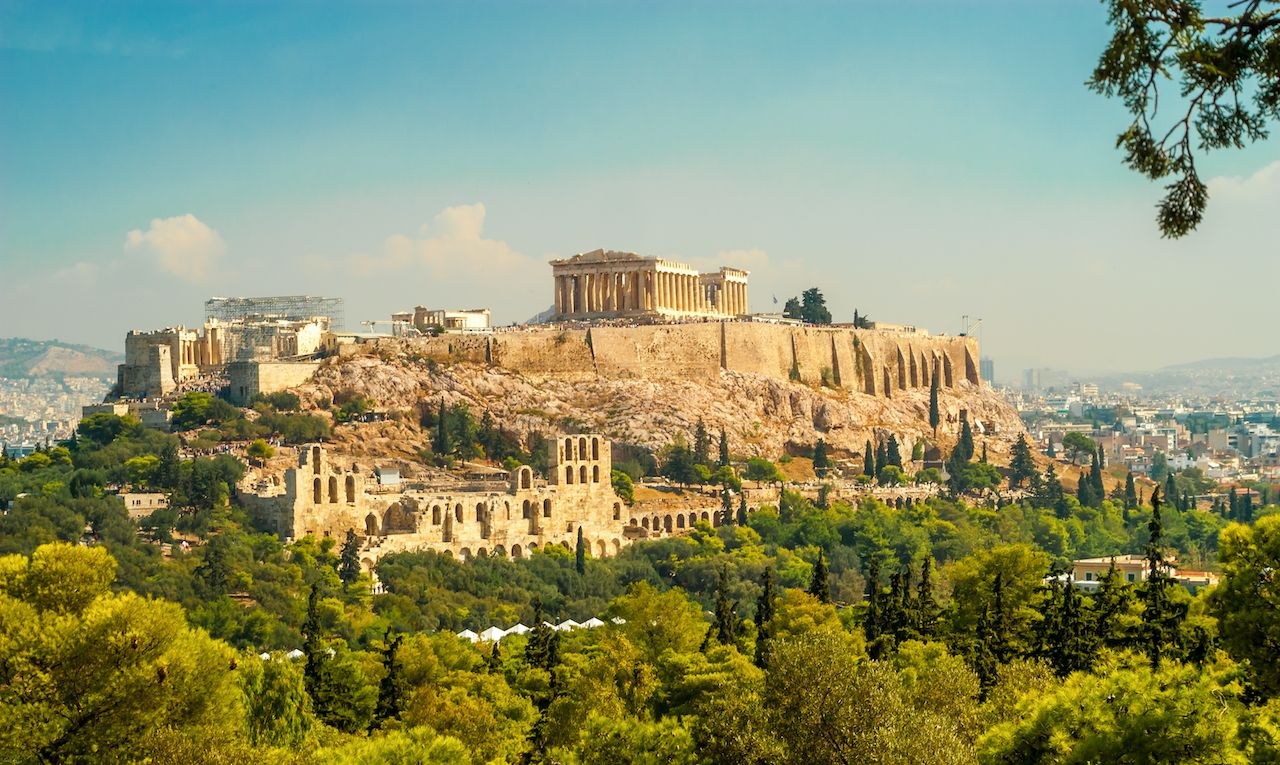
After you step off · near Miami
You end in a different port — stay on, and add what is within reach before you fly home.