Your cruise
Oceania Marina · 12-night Mediterranean cruise, Trieste to Barcelona
Jul 23 – Aug 4 · 12 nights ·
Day 1 Trieste (board) · Day 2 Koper · Day 3 Split · Day 4 at sea · Day 5 Igoumenitsa · Day 6 Messina · Day 7 Valletta · Day 8 La Goulette · Day 9 at sea · Day 10 Cartagena · Day 11 Ibiza · Day 12 Palma de Mallorca · Day 13 Barcelona (step off)
What you do Descend into Europe's most dramatic underground world — 24km of cathedral-like caverns — then stand before Predjama, a medieval castle impossibly built into a clifftop cave. A once-in-a-lifetime double act that defines Slovenia.
What to expect A scenic 45-minute drive through the Karst plateau delivers you to Postojna, where an electric train whisks you deep underground into a glittering labyrinth of galleries. Your expert guide points out the resident olm — the pale, cave-dwelling 'human fish' — before you surface for lunch. The afternoon is spent at Predjama Castle, a 16th-century fortress wedged into a 123-metre cliff face, with secret tunnels and bandit-lord legends at every turn.
Good to know Caves are a constant 8°C — bring a layer. Allow 5–6 hours total; most ships offer an all-aboard of 18:00–19:00, giving comfortable return time. Pre-book your private guide slot well in advance in peak summer.
Versus the ship tour Private or small-group departure means your own pace inside the caves, your own guide narrating the stalactite formations, and no jostling with mass-market crowds at one of Europe's most-visited underground wonders.
book direct with Koper Tours (kopertours.eu) → · the full guide →
What you do Iconic emerald-green lake with a fairytale island church, then a stroll through Ljubljana's baroque riverside — Slovenia's two crown jewels in one sweeping private day. Genuinely among the most photogenic landscapes in Europe.
What to expect The two-hour drive northwest into the Julian Alps is a destination in itself, revealing karst gorges and alpine meadows. At Bled, a traditional wooden pletna boat rows you to the island church where you ring the wishing bell. In Ljubljana, your guide navigates the car-free Old Town — dragon bridges, open-air market, and castle funicular — before a leisurely lunch on the Ljubljanica riverbank.
Good to know Ljubljana is approx. 120km from Koper; allow a full 9–10 hours. Traffic through Ljubljana can be heavy in summer afternoons — a private driver allows route flexibility. Confirm all-aboard time with your ship before booking.
Versus the ship tour A private vehicle and dedicated local guide means you arrive at Bled before the tour-bus surge, take a gondola (pletna) to the island at your leisure, and linger over Ljubljana's Triple Bridge as long as you wish — no fixed group timings.
book direct with Koper Tours (kopertours.eu) → · the full guide →
What you do Walk suspended bridges over an underground canyon so vast it dwarfs any cathedral — Škocjan's Silent Cave and Murmuring Cave are a UNESCO World Heritage marvel and, for many, the more breathtaking of Slovenia's two great cave systems.
What to expect A knowledgeable park ranger leads you through the Dry Cave's extraordinary stalactite chambers before the path descends dramatically into the Murmuring Cave — a 2km underground canyon with the Reka River roaring 150 metres below. The swinging Hanke Bridge above the gorge is genuinely vertiginous and utterly exhilarating. The tour ends in sunlight via a natural collapsed doline, a finale as theatrical as the caves themselves.
Good to know Tours depart at fixed times (check official site for schedule); cave temperature is 12°C — bring a light jacket. The park is a 45-minute drive from Koper port; combine with a Lipica Stud Farm visit for a full Karst day. Book official entry tickets in advance in July–August.
Versus the ship tour Škocjan admits visitors only in small guided groups, ensuring an intimate, almost sacred atmosphere inside the caverns. At just 45 minutes from Koper's port, it is also the most time-efficient world-class experience available from this port.
book direct with Škocjan Caves Park (Official) → · the full guide →
What you do The birthplace of the legendary white Lipizzaner horses — the same bloodline that performs in Vienna — set on a 300-year-old estate in the stony Karst plateau, just 25 minutes from Koper port. An equestrian bucket-list experience with deep Habsburg soul.
What to expect Step into a world of Habsburg splendour as pure-white horses train in an open-air arena framed by ancient oak forest. The guided stable tour reveals the meticulous breeding records dating to 1580 and introduces you to foals at various training stages. If timed with a Classical Riding Show, you witness the choreographed haute école movements — pirouettes, levades, and caprioles — that made Vienna's Spanish Riding School world-famous.
Good to know Check the official website for the Classical Riding Show calendar (shows are not daily). The farm is 25km from Koper — easily paired with Škocjan Caves for a full Karst region day. Book show tickets in advance online; the farm sells out on cruise-port days.
Versus the ship tour The official stud farm offers private riding lessons and behind-the-scenes stable access that goes far beyond the standard visitor circuit — you can arrange a personal introduction to trainers and the horses in their stalls, a truly exclusive equestrian encounter.
book direct with Kobilarna Lipica (Official Stud Farm) → · the full guide →
What you do Venetian-Gothic architecture spilling down a perfect Adriatic promontory — Piran is arguably the most beautiful small town on the entire northern Adriatic. A private expert-led walk through its labyrinthine medieval streets is the finest way to experience it.
What to expect The 30-minute coastal drive south from Koper already charms, arriving at the tip of Piran's slim peninsula. Your guide leads you through impossibly narrow alleys — impossibly narrow, yet lined with ochre-washed Renaissance facades — to the clifftop Church of St George for panoramic Adriatic views. Tartini Square, one of the most elegant piazzas in Central Europe, is the centrepiece, before a tasting of local Malvazija wine and Piranese prosciutto at a family-run konoba.
Good to know Piran is 30km from Koper port (approx. 30–35 min). Combine with Portorož's salt pans for a full coastal half-day. All-aboard allows a comfortable morning departure. Parking in Piran is restricted — a guided transfer is strongly advisable.
Versus the ship tour A private guide unlocks the stories behind the lion-carved palazzi, the Tartini Square fountains, and the ancient salt-pans of Sečovlje — context that transforms a pretty town into a living chapter of Venetian maritime history.
book direct with Koper Tours (kopertours.eu) → · the full guide →
What you do Taste award-winning Refošk and Malvazija wines at Vinakoper's cellars — the finest winery on the Slovenian coast — then walk five minutes to Koper's magnificent Venetian Praetorian Palace and medieval Tito Square. The ultimate port-day luxury for the time-conscious.
What to expect Vinakoper's sommelier-guided tasting showcases the distinctive mineral terroir of Istrian Refošk (a bold, earthy red) alongside the coastal Malvazija — both produced from vines grown on the sun-baked red Karst soil just kilometres away. The premium reserve flight includes aged expressions rarely seen outside Slovenia. After the tasting, your guide walks you through Koper's Old Town — the Byzantine Cathedral of the Assumption, the arcade-lined Praetorian Palace, and the Renaissance Loggia — all within a self-contained UNESCO-worthy quarter.
Good to know Vinakoper is walkable from the port terminal. Book the cellar tour in advance, especially on summer cruise days. Pairing this with a Piran afternoon makes an excellent full-day itinerary. The Koper Old Town walk adds just 1–1.5 hours and requires no transfer.
Versus the ship tour Vinakoper sits within a 10-minute walk of the cruise pier, making this a rare opportunity to enjoy an unhurried, expert-led wine tasting in a working cooperative cellar without burning a single hour of your port day on transfers.
What you do Step inside the fairy-tale Castello di Miramare perched above the Adriatic, where Archduke Maximilian built his doomed imperial dream. A vetted local guide unlocks the castle's opulent rooms and tragic Habsburg story in a group of no more than 10.
What to expect Your guide meets you at the castle gate and escorts you through the sumptuous royal apartments, each room frozen in 19th-century imperial splendour. The sea-view terraces and romantic English garden surrounding the promontory reward unhurried exploration. You'll hear the extraordinary, melancholy tale of Maximilian and Carlota — ambition, madness, and execution — brought vividly to life. The cliff-top setting above the crystalline Adriatic is one of the most photogenic moments on the entire Adriatic coast.
Good to know Miramare is 8 km from the cruise terminal — take a taxi (≈15 min, EUR 15–20) or the city bus No. 36. Pre-book your small-group slot directly; timed-entry tickets sell out on busy port days. Allow 2.5–3 hrs total including travel. All-aboard friendly on a morning docking.
Versus the ship tour A multilingual expert guide leads a maximum of 10 guests — no crowds, no rush — revealing the private apartments, the throne room, and the poignant story of Maximilian's ill-fated Mexican empire at a genuinely leisurely luxury pace.
book direct with Trieste Tickets (official local operator) → · the full guide →
What you do Board a private train deep into the world's most spectacular karst cave system, then scale the cliff to a Renaissance castle built into a sheer rock face. This cross-border day trip to Slovenia is pure bucket-list theatre.
What to expect A vintage electric train whisks you 2 km into the illuminated underworld of Postojna — 24 km of stalactite cathedrals, vast concert halls, and a living olm (the 'human fish') vivarium. Just 9 km away, Predjama Castle clings impossibly to a 123-metre cliff, its secret tunnel system and outlaw-knight legend utterly captivating. The Slovenian countryside drive through the Karst plateau, dotted with vineyards and medieval villages, adds scenic beauty to the journey. A full-day experience that feels like two countries, two worlds.
Good to know Postojna is 50 km from Trieste port (approx. 50 min by private transfer or rental car). Pre-purchase combination tickets online — they include skip-the-queue access. Allow a full 7–8 hrs; confirm all-aboard time before booking. Wear layers — the cave is 10°C year-round.
Versus the ship tour Booking direct with the official Postojna Cave Park gives you the freedom to time your cave train departure, linger in Predjama Castle's extraordinary cliff-side chambers, and avoid the large-coach bottlenecks — a genuinely independent, unhurried itinerary.
book direct with Postojna Cave Park (official operator) → · the full guide →
What you do Drift on an iconic pletna wooden boat to the island church on emerald Lake Bled, then explore Ljubljana's baroque old town with a private local guide. Two UNESCO-worthy destinations in one glorious full day.
What to expect Your private driver-guide collects you dockside and heads into Slovenia's Julian Alps, arriving at Lake Bled's impossibly blue glacial waters. A hand-rowed pletna boat ferries you to the baroque Pilgrimage Church of the Assumption on the lake's tiny island — ring the wishing bell and savour the silence. After lunch (your guide knows the best konoba), Ljubljana reveals its pastel old town, dragon bridge, and lively riverside market. The return drive through the vine-striped Karst is a quiet, scenic finale.
Good to know Lake Bled is approx. 90 km from Trieste port (1 hr 20 min). This is a long day — 9–10 hrs — so confirm your ship's all-aboard time carefully. Private vehicle means flexible timing. Book your guide well in advance for summer port days.
Versus the ship tour A dedicated private guide and vehicle means the itinerary bends entirely to your wishes — linger longer at Bled, take the funicular up to the castle, choose your Ljubljana lunch spot — with none of the compromise of a shared coach.
book direct with ToursByLocals – Trieste Private Guides → · the full guide →
What you do Descend into the Guinness-certified world's largest tourist cave, just 20 minutes from the port — a colossal cathedral of stalactites that dwarfs St Peter's Basilica. An unforgettable, utterly manageable half-day wonder.
What to expect Stone steps descend 80 metres into a single cavern so vast its ceiling vanishes into darkness above you — the main hall is 98 m high, 167 m long, and home to two of the world's most sensitive seismograph pendulums. Expert guides illuminate the science of stalactite formation and the cave's role as a natural laboratory. The Karst plateau above offers a dramatic, otherworldly landscape of sinkholes and limestone scrub worth a short walk after your visit. Back in Trieste with hours to spare for an espresso on Piazza Unità d'Italia.
Good to know Located in Borgo Grotta Gigante, 13 km from port (20 min by taxi, ≈EUR 20). Guided tours run every 30 min; private tours must be pre-booked. Wear sturdy shoes and a light layer (cave stays at 11°C). Perfect half-day option leaving your afternoon free for Trieste's waterfront.
Versus the ship tour The cave sits on the wild Karst plateau just outside Trieste — no long coach journey required. Booking a private guided visit through the official operator secures an expert speleologist guide who narrates the geology and folklore in intimate detail, unavailable on standard group entries.
book direct with Grotta Gigante (official operator) → · the full guide →
What you do Trace Trieste's extraordinary layered identity — Roman, Byzantine, Habsburg, and literary — on a private walking tour with a vetted local historian, from the Roman theatre to the hilltop cathedral where civilisations literally overlap.
What to expect Begin at the atmospheric Piazza Unità d'Italia, Europe's largest sea-facing square, before climbing to the hilltop of San Giusto where a Roman basilica, a medieval castle, and a Venetian-era cathedral occupy the same windswept summit. Your guide brings alive Trieste's golden age as the Habsburg Empire's only seaport — the coffee-house culture, the Jewish merchants, the poets. A detour through the Cavana district uncovers crumbling Venetian alleyways, a functioning Roman theatre embedded in modern buildings, and the Grande Canal lined with Neoclassical palazzi. The city's melancholy beauty — half-Italian, half-Mitteleuropean — is unlike anywhere else in Italy.
Good to know Entirely walkable from the cruise terminal — no transfer needed. A 3-hr private tour fits comfortably within any docking window. Wear comfortable walking shoes; San Giusto hill involves some steep steps. Book the private format for a personalised literary or culinary focus.
Versus the ship tour A private local historian sets the pace entirely to yours — ducking into the espresso bars where James Joyce wrote Ulysses, pausing at the Roman forum ruins, and revealing the hidden Cavana quarter's layers of Venetian and Habsburg architecture that a hurried group tour skims past.
book direct with GetYourGuide – Official Private Trieste Walking Tours → · the full guide →
What you do Wind through the UNESCO-listed Prosecco Hills of the Karst plateau to a secret osmizza — a family farmhouse open by law only a few weeks a year — for estate wines, prosciutto, and Karst cheeses poured by the growers themselves.
What to expect Your driver-guide picks you up at the port and climbs into the wild Karst limestone plateau, where the wind-sculpted bora landscape gives way to rows of Vitovska and Terrano vines. At the osmizza, you sit at rough wooden tables in a stone-walled cellar, pouring unlabelled house wine alongside platters of cured meats, hard cheeses, and pickled vegetables — exactly as Triestines have done for 500 years. The guide narrates the Karst's unique terroir, the Habsburg origins of the osmizza law, and the difference between Collio, Carso, and Friuli DOC wines. Return via the scenic Prosecco Hills viewpoint for the iconic vine-terrace panorama above the Adriatic.
Good to know Osmizza locations change weekly — only a local guide knows which is open on your port day. Half-day (4 hrs) fits comfortably within a standard docking window. Includes private vehicle; wine and food at the osmizza typically costs EUR 10–15 pp cash. Book the private tour format and confirm the osmizza visit when reserving.
Versus the ship tour An osmizza is not a restaurant — it's a licensed farmhouse cellar, open by ancient Habsburg law only when producers hang an ivy branch above the door to signal the wine is ready. A private guide who knows which osmizza is open on the day of your visit is the only way to experience this genuinely local, non-touristy ritual.
book direct with ToursByLocals – Trieste Private Guides → · the full guide →
What you do Descend into Europe's most dramatic underground world — 24km of cathedral-like caverns — then stand before Predjama, a medieval castle impossibly built into a clifftop cave. A once-in-a-lifetime double act that defines Slovenia.
What to expect A scenic 45-minute drive through the Karst plateau delivers you to Postojna, where an electric train whisks you deep underground into a glittering labyrinth of galleries. Your expert guide points out the resident olm — the pale, cave-dwelling 'human fish' — before you surface for lunch. The afternoon is spent at Predjama Castle, a 16th-century fortress wedged into a 123-metre cliff face, with secret tunnels and bandit-lord legends at every turn.
Good to know Caves are a constant 8°C — bring a layer. Allow 5–6 hours total; most ships offer an all-aboard of 18:00–19:00, giving comfortable return time. Pre-book your private guide slot well in advance in peak summer.
Versus the ship tour Private or small-group departure means your own pace inside the caves, your own guide narrating the stalactite formations, and no jostling with mass-market crowds at one of Europe's most-visited underground wonders.
book direct with Koper Tours (kopertours.eu) → · the full guide →
What you do Iconic emerald-green lake with a fairytale island church, then a stroll through Ljubljana's baroque riverside — Slovenia's two crown jewels in one sweeping private day. Genuinely among the most photogenic landscapes in Europe.
What to expect The two-hour drive northwest into the Julian Alps is a destination in itself, revealing karst gorges and alpine meadows. At Bled, a traditional wooden pletna boat rows you to the island church where you ring the wishing bell. In Ljubljana, your guide navigates the car-free Old Town — dragon bridges, open-air market, and castle funicular — before a leisurely lunch on the Ljubljanica riverbank.
Good to know Ljubljana is approx. 120km from Koper; allow a full 9–10 hours. Traffic through Ljubljana can be heavy in summer afternoons — a private driver allows route flexibility. Confirm all-aboard time with your ship before booking.
Versus the ship tour A private vehicle and dedicated local guide means you arrive at Bled before the tour-bus surge, take a gondola (pletna) to the island at your leisure, and linger over Ljubljana's Triple Bridge as long as you wish — no fixed group timings.
book direct with Koper Tours (kopertours.eu) → · the full guide →
What you do Walk suspended bridges over an underground canyon so vast it dwarfs any cathedral — Škocjan's Silent Cave and Murmuring Cave are a UNESCO World Heritage marvel and, for many, the more breathtaking of Slovenia's two great cave systems.
What to expect A knowledgeable park ranger leads you through the Dry Cave's extraordinary stalactite chambers before the path descends dramatically into the Murmuring Cave — a 2km underground canyon with the Reka River roaring 150 metres below. The swinging Hanke Bridge above the gorge is genuinely vertiginous and utterly exhilarating. The tour ends in sunlight via a natural collapsed doline, a finale as theatrical as the caves themselves.
Good to know Tours depart at fixed times (check official site for schedule); cave temperature is 12°C — bring a light jacket. The park is a 45-minute drive from Koper port; combine with a Lipica Stud Farm visit for a full Karst day. Book official entry tickets in advance in July–August.
Versus the ship tour Škocjan admits visitors only in small guided groups, ensuring an intimate, almost sacred atmosphere inside the caverns. At just 45 minutes from Koper's port, it is also the most time-efficient world-class experience available from this port.
book direct with Škocjan Caves Park (Official) → · the full guide →
What you do The birthplace of the legendary white Lipizzaner horses — the same bloodline that performs in Vienna — set on a 300-year-old estate in the stony Karst plateau, just 25 minutes from Koper port. An equestrian bucket-list experience with deep Habsburg soul.
What to expect Step into a world of Habsburg splendour as pure-white horses train in an open-air arena framed by ancient oak forest. The guided stable tour reveals the meticulous breeding records dating to 1580 and introduces you to foals at various training stages. If timed with a Classical Riding Show, you witness the choreographed haute école movements — pirouettes, levades, and caprioles — that made Vienna's Spanish Riding School world-famous.
Good to know Check the official website for the Classical Riding Show calendar (shows are not daily). The farm is 25km from Koper — easily paired with Škocjan Caves for a full Karst region day. Book show tickets in advance online; the farm sells out on cruise-port days.
Versus the ship tour The official stud farm offers private riding lessons and behind-the-scenes stable access that goes far beyond the standard visitor circuit — you can arrange a personal introduction to trainers and the horses in their stalls, a truly exclusive equestrian encounter.
book direct with Kobilarna Lipica (Official Stud Farm) → · the full guide →
What you do Venetian-Gothic architecture spilling down a perfect Adriatic promontory — Piran is arguably the most beautiful small town on the entire northern Adriatic. A private expert-led walk through its labyrinthine medieval streets is the finest way to experience it.
What to expect The 30-minute coastal drive south from Koper already charms, arriving at the tip of Piran's slim peninsula. Your guide leads you through impossibly narrow alleys — impossibly narrow, yet lined with ochre-washed Renaissance facades — to the clifftop Church of St George for panoramic Adriatic views. Tartini Square, one of the most elegant piazzas in Central Europe, is the centrepiece, before a tasting of local Malvazija wine and Piranese prosciutto at a family-run konoba.
Good to know Piran is 30km from Koper port (approx. 30–35 min). Combine with Portorož's salt pans for a full coastal half-day. All-aboard allows a comfortable morning departure. Parking in Piran is restricted — a guided transfer is strongly advisable.
Versus the ship tour A private guide unlocks the stories behind the lion-carved palazzi, the Tartini Square fountains, and the ancient salt-pans of Sečovlje — context that transforms a pretty town into a living chapter of Venetian maritime history.
book direct with Koper Tours (kopertours.eu) → · the full guide →
What you do Taste award-winning Refošk and Malvazija wines at Vinakoper's cellars — the finest winery on the Slovenian coast — then walk five minutes to Koper's magnificent Venetian Praetorian Palace and medieval Tito Square. The ultimate port-day luxury for the time-conscious.
What to expect Vinakoper's sommelier-guided tasting showcases the distinctive mineral terroir of Istrian Refošk (a bold, earthy red) alongside the coastal Malvazija — both produced from vines grown on the sun-baked red Karst soil just kilometres away. The premium reserve flight includes aged expressions rarely seen outside Slovenia. After the tasting, your guide walks you through Koper's Old Town — the Byzantine Cathedral of the Assumption, the arcade-lined Praetorian Palace, and the Renaissance Loggia — all within a self-contained UNESCO-worthy quarter.
Good to know Vinakoper is walkable from the port terminal. Book the cellar tour in advance, especially on summer cruise days. Pairing this with a Piran afternoon makes an excellent full-day itinerary. The Koper Old Town walk adds just 1–1.5 hours and requires no transfer.
Versus the ship tour Vinakoper sits within a 10-minute walk of the cruise pier, making this a rare opportunity to enjoy an unhurried, expert-led wine tasting in a working cooperative cellar without burning a single hour of your port day on transfers.
What you do Stand atop the legendary rock pillars of Meteora, where centuries-old monasteries cling impossibly to the clifftops. A private transfer and licensed monastic guide make this one of Greece's most awe-inspiring bucket-list days.
What to expect Your private air-conditioned vehicle collects you directly at the port and whisks you inland through the dramatic Epirus and Thessaly landscapes to Meteora. You ascend to monasteries such as Great Meteoron and Varlaam, where your licensed guide illuminates centuries of Byzantine spirituality and the extraordinary feat of their construction. The group's small size means you linger where you wish — at a cliff-edge viewpoint, inside a frescoed chapel — without a crowd pressing behind you. The return journey brings you comfortably back before all-aboard.
Good to know Journey is approximately 2.5 hours each way; confirm your all-aboard time and discuss the schedule with the operator at booking. Pre-book well in advance as private vehicle slots fill quickly in peak season. Modest dress (covered shoulders and knees) is required inside monasteries — wraps are usually provided on-site.
Versus the ship tour Exclusively private, door-to-door from the port, with a maximum of 7 guests. A licensed guide gains access inside the active monasteries — a level of intimacy and depth impossible in a large-group setting. Daily departures with free cancellation up to 24 hours prior.
book direct with Visit Meteora (official Meteora tour specialist) → · the full guide →
What you do Sail the dazzling Ionian on a private yacht to Paxos and Antipaxos — home to Vrika Beach's turquoise shallows, the legendary Blue Caves, and the vine-draped village of Gaios. This is Greece at its most cinematically perfect.
What to expect Your private yacht departs Igoumenitsa harbour and glides south through the Ionian to Antipaxos, where Vrika Beach's crystalline water lives up to every superlative. You then explore the electric-blue sea caves that pierce the limestone coastline — best appreciated from the water at close range. A stop in the elegant Venetian port of Gaios on Paxos allows for a leisurely lunch of fresh-caught fish and local wine. The return sail at golden hour, with the Epirus mountains turning amber, is simply unforgettable.
Good to know Full-day excursion; confirm exact duration against your all-aboard time. Bring reef-safe sunscreen, a hat, and a light cover-up. Snorkelling equipment is typically provided. Book well ahead in July–August when private yachts are in high demand.
Versus the ship tour A fully private vessel means the itinerary bends to your wishes — longer at the Blue Caves, a secluded anchorage at Vrika, an unhurried lunch in Gaios. No shared deck, no scheduled departure from the beach until you're ready.
book direct with Ionian Sea Private Cruises (local Igoumenitsa-based operator, also listed on Expedia as 'Ionian Sea: Private Cruise to Paxos, Antipaxos & Blue Caves') → · the full guide →
What you do Glide through the emerald islets of Syvota — one of the Ionian's best-kept secrets — and drop anchor in the legendary Blue Lagoon for swimming in waters that rival the Caribbean. Just 25 minutes from Igoumenitsa port.
What to expect The short transfer to Syvota village sets the tone: a harbour lined with fishing boats and tavernas draped in bougainvillea. Your wooden caïque slips between pine-clad islets, pausing so you can swim in the improbably clear Blue Lagoon — the kind of water that makes you question whether the colour is real. The skipper knows every hidden cove and anchors in spots most visitors never find. Back in Syvota village, a table at a waterfront taverna awaits with grilled octopus and Epirus white wine.
Good to know Syvota is approximately 25 km (20 min by taxi) from Igoumenitsa port — taxis are readily available at the terminal. Half-day format fits comfortably within most port calls; verify all-aboard before booking. Bring swimwear, towel, and cash for the taverna.
Versus the ship tour The Syvota archipelago is reached in under 30 minutes from the cruise dock — making it the most time-efficient luxury escape on offer. Small traditional wooden boats weave between islets inaccessible to larger vessels, delivering you to the Blue Lagoon's glassy heart.
book direct with Syvota Boat Tours (local Syvota harbour operator running the 1-hour and half-day cruise programmes) → · the full guide →
What you do Descend to the mythological Underworld on a full-day 4×4 expedition — trekking the sacred Acheron River springs, exploring the ancient Oracle of the Dead, and traversing the rugged Souli gorge country of Epirus.
What to expect The day begins with a 4×4 climb into the mountains of Thesprotia, arriving at the crystal-cold springs where the River Acheron — Homer's gateway to Hades — bubbles from the earth. You wade upstream through its icy narrows, surrounded by towering cliffs and plane trees. The route then descends to the eerie Necromanteion, the ancient Oracle of the Dead, where pilgrims once communed with the underworld — a site of spine-tingling atmosphere. The final stretch takes you through the gorges of the Souliotes, the legendary freedom fighters of Epirus, with your guide bringing their story vividly to life.
Good to know 8-hour duration — confirm against your ship's all-aboard time before booking. Wear sturdy, water-friendly footwear and bring a change of clothes for the river wade. Sunscreen and a light waterproof layer are essential. Pre-book as private jeep slots are limited.
Versus the ship tour This is off-road, expert-led access to three mythological and historical sites in a single extraordinary day — traversing terrain that no standard coach tour can reach. The jeep format means hidden trails, riverside wading, and a guide steeped in the legends of ancient Epirus.
book direct with Epirus Adventure Tours (Igoumenitsa-based jeep & trekking specialist, listed on Expedia and Travelocity as 'Acheron River Springs, Necromanteion and Souli Jeep Tour') → · the full guide →
What you do Step into Corfu's UNESCO-listed Old Town with a private local guide — navigating Venetian campaniles, Byzantine lanes, and secret food haunts that reveal the island's extraordinary layered history in just a few hours.
What to expect A short, scenic ferry crossing to Corfu Town is itself part of the pleasure, with the Old Town's Venetian campanile rising theatrically from the sea. Your private guide leads you through the Liston's elegant arcades — modelled on Paris's Rue de Rivoli — and down lanes so narrow two people can barely pass. You taste your way through the market and hidden tavernas: Sofrito, Pastitsada, and the island's famous kumquat preserve. The twin fortresses that bracket the city — Old and New — frame a history of Venetian, French, and British rule that makes Corfu unlike anywhere else in Greece.
Good to know Ferry from Igoumenitsa to Corfu takes approximately 90 minutes (budget accordingly vs. all-aboard). A half-day tour fits within most port call windows, but confirm timing carefully. Pre-book your private guide at least 2 weeks ahead in summer. Comfortable walking shoes essential — the old town's cobblestones are beautiful but uneven.
Versus the ship tour Corfu Town is just a short ferry crossing from Igoumenitsa, and a private guide — rather than a group tour — means you set the pace entirely. Hidden eateries serving Sofrito (the island's defining slow-cooked beef dish), the back alleys the Venetians built, and the rooftop views that never appear in guidebooks.
book direct with Corfu Private Guide (local expert guides operating from Corfu Town; featured on TripAdvisor's Top Private Tours from Igoumenitsa listings) → · the full guide →
What you do Discover the extraordinary and little-known wines of Epirus at Zervas Winery — a boutique family estate producing Greece's finest Debina whites and Vlachiko reds, with a private tasting guided by the winemaker amid the Igoumenitsa hinterland.
What to expect The estate sits in the gentle hills behind the coast, an easy 20-minute taxi ride from the port — a world away from the harbour bustle. The winemaker walks you through the vineyards, explaining how the cool Epirus microclimate and ancient indigenous varieties — particularly the crisp Debina and the robust Vlachiko — produce wines of rare character. In the barrel room, a guided tasting is accompanied by local mezze: aged Epirus cheeses, smoked meats, and honey. The session is unhurried, convivial, and a genuine discovery — the kind of experience that makes a port call unforgettable.
Good to know Approximately 20–25 min by taxi from Igoumenitsa port; taxis are available at the terminal. A 2–3 hour visit fits comfortably within most port call schedules — confirm all-aboard time. Contact the estate directly by email or phone to arrange a private tasting session; advance booking of at least 48 hours is appreciated.
Versus the ship tour Epirus wines are virtually unknown outside Greece — Zervas is one of the region's defining producers, and a private session with the winemaker offers genuine behind-the-scenes access to the cellar, the vineyards, and the indigenous grape varieties that make this terroir so compelling.
book direct with Zervas Winery (family estate, Igoumenitsa region — listed on TripAdvisor as a top Igoumenitsa winery & vineyard experience) → · the full guide →
What you do Climb to the 3rd-century BC Teatro Antico, carved into the hillside so its broken stage columns frame Etna's smoking cone and the Ionian Sea behind them — the single most photographed view in Sicily and the reason cruise lines stop in Messina at all. Reach it fully independently: ~45-60 min train from Messina Centrale (a flat 10-15 min walk from the pier) to Taormina-Giardini, then the local bus or ASM cable car up the cliff. Buy a timed entry ticket on the official park site to skip the queue, and leave time to walk Corso Umberto to the Piazza IX Aprile terrace.
What to expect Walk flat to Messina Centrale (10–15 min) and board a regional train to Taormina-Giardini (45–60 min), watching the Ionian coast unfold through the windows. From the station, ride the ASM cable car or local bus up the cliff to the ancient hilltop town, then climb into the 3rd-century BC Teatro Antico—a Greek amphitheatre carved into the mountainside where broken stage columns perfectly frame Mount Etna's smoking cone and the sea beyond, the single most photographed view in Sicily. Spend your middle hours walking the elegant Corso Umberto through town and lingering on the Piazza IX Aprile terrace for the same iconic vistas before reversing the journey back to the pier.
Good to know Buy a timed entry ticket (€14 adults, free under 18, €5 EU 18–25) on the official Parco Archeologico di Naxos e Taormina website before departure to skip queues; the site is open 9:00–16:00 daily. Plan for a 6–7 hour window: 10–15 min walk to the train station + 45–60 min train + cable car/bus + 2–3 hours exploring the theatre and town + reverse travel = roughly 5–6 hours, leaving a 1–2 hour buffer to dress, return to the pier, and re-board. Round-trip train costs €10–16; bring small cash or a card accepted in Italy, and wear comfortable shoes for the steep Taormina hillside and the theatre's ancient stone steps. Skip the cruise line's coached tours (€80–160) unless anxious about the train; this DIY route costs ~€30 total and delivers the same iconic experience.
Versus the ship tour Huge DIY win. The theatre ticket is €14 and the round-trip regional train is ~10-16 euro, so the whole marquee day runs ~$30 self-guided. The ship's 'Taormina On Your Own' coach transfer (free time, no guide, no theatre entry) is $80-110 pp, and its guided 'Best of Taormina' is $120-160 pp — roughly 4-10x the train-plus-ticket cost for the same sight. Only book the ship's version if you're anxious about the train and want the guaranteed coach back to the pier.
book direct with Parco Archeologico di Naxos e Taormina (official ticket office) → · the full guide →
What you do Stand on the smoking flanks of Europe's most active volcano: a Land Rover collects you at the Messina cruise terminal and grinds across old and new lava flows and ancient forest before you helmet up, flick on a flashlight and walk into a genuine lava cave. It's the visceral, hands-on counterpart to Taormina's man-made wonder — far more memorable than viewing Etna from a coach window, and the natural-wonder bucket-list moment of the whole port.
What to expect A Land Rover collects you directly at Messina cruise terminal and climbs across raw volcanic terrain—weaving through old and new lava flows and ancient forests before you arrive at Mount Etna's flanks. You'll helmet up, switch on a flashlight, and enter an authentic lava cave on foot, exploring the tunnels created by Europe's most active volcano. The experience unfolds as a visceral, hands-on journey across smoking slopes and through geological time, culminating in roughly 45 minutes of easy hiking and genuine cave immersion—far more intimate than viewing Etna from a coach window.
Good to know The full excursion runs 6–7 hours all-inclusive (round-trip pickup, guide, 4x4, helmet, flashlight, cave entry), with lunch not included—pack a snack. Book directly with Go-Etna and request written confirmation of the all-aboard time to ensure the operator commits to your ship's departure schedule. The small-group 4x4 format saves $55–120 per person versus the ship's larger coach tour while delivering superior access to the lava. Allow a 1–2 hour buffer before final ship departure when scheduling your return pickup time.
Versus the ship tour Direct wins on both price and intimacy. The ship's flagship full-day 'Mt. Etna & Taormina' combo runs $199-265 pp in a big coach group; Go-Etna's dedicated 4x4 with port pickup is ~$145 pp, saving roughly $55-120 pp while putting you on the lava in a small vehicle instead of a 50-seat bus. Confirm the all-aboard time when you book and ask them to commit to it in writing.
book direct with Go-Etna (Etna 4x4 Excursions) → · the full guide →
What you do A pilgrimage for any film lover: a minivan runs you from the pier into the medieval hilltop hamlets of Savoca and Forza d'Agro, which stood in for 'Corleone' in Coppola's trilogy. You sit at Bar Vitelli where Michael asks for Apollonia's hand, ride a three-wheeled Ape Calessino through Savoca's lanes, and — distinctively — go inside the privately owned Castello degli Schiavi, the Corleone residence that only a handful of operators are permitted to enter.
What to expect Your minivan departs the pier and climbs into the Sicilian hills toward the medieval stone villages of Savoca and Forza d'Agro, the actual film sets where Coppola shot scenes from *The Godfather* trilogy. You'll stop at Bar Vitelli to sit where Michael proposed to Apollonia, then ride a three-wheeled Ape Calessino through Savoca's narrow lanes before entering Castello degli Schiavi—the privately owned palace that served as the Corleone compound and is accessible only to a select few tour operators. The day unfolds as a blend of film pilgrimage and immersion in authentic medieval hillside hamlets, with a licensed English guide contextualizing each location.
Good to know Book directly with Sicily Active (not through your cruise line) to guarantee access to Castello degli Schiavi's interior; the standard ship version typically excludes the castle. The full excursion runs 8 hours including pier pickup and drop-off, with a stated safety-margin return well before all-aboard. Minivan capacity is small (minimum 4 passengers), so book ahead; the Ape Calessino ride through Savoca's tight streets requires reasonable mobility and comfort in tight spaces. Wear comfortable walking shoes for steep village lanes and bring sun protection and water—the hilltop locations offer limited shade.
Versus the ship tour This one is close — book direct for the access, not the price. Cruise lines (e.g. NCL) sell a Savoca/Forza d'Agro 'Godfather' coach tour in a similar band, but the standard ship version typically does NOT include going inside Castello degli Schiavi. Sicily Active's €169 buys the palace interior, the Ape ride and a max-flexible small group, with a stated safety-margin return before all-aboard. If you only want the villages and not the castle, the ship's group tour may edge it on raw cost.
What you do Glide around Isola Bella, the WWF-reserve islet known as the 'Pearl of the Ionian,' on a small boat capped at 12 guests — nosing into the Blue Grotto and Lovers' Cave, drink in hand, with a swim stop in glassy turquoise water under the Taormina cliffs. It's the relaxed, postcard counterpoint to a culture-heavy day and an easy add-on after a morning at the Greek Theatre, since it leaves from Giardini Naxos right below town.
What to expect You'll board a small boat (max 12 guests) at Giardini Naxos and spend roughly two hours gliding around Isola Bella, the protected WWF-reserve islet, nuzzling into the Blue Grotto and Lovers' Cave with a drink in hand. The rhythm is leisurely: navigate the sea caves, then drop anchor in glassy turquoise water beneath the Taormina cliffs for a swim stop where you can float under the dramatic limestone face. This is postcard-perfect relaxation, designed as the aesthetic counterweight to a heavier cultural morning—no rushing, no crowds beyond your small group, just the gentle rock of the boat and the Ionian light.
Good to know Departures run every hour from 10:00–18:00 March through November, so you can pair a morning at Taormina's Greek Theatre with a 14:00–16:00 boat slot and still make your ship. Get from the pier to Giardini Naxos by local train (cheap, direct, ~10 min downhill from town), and meet the operator at their departure point near Restaurant La Sirena; book the €25 pp boat segment locally rather than through the ship to save dramatically. Plan a 60–90 minute buffer back to the pier post-swim to account for the train journey and shower time—you'll be wet and sun-soaked.
Versus the ship tour Direct is dramatically cheaper. The ship's bundled 'Taormina by Land & Sea / Isola Bella' combo is $160-200 pp; booked locally the boat segment alone is just €25 pp, which you pair with the cheap train down to Giardini Naxos. You lose the ship's coach hand-holding, so this is best for confident DIY travelers — but on price it isn't close.
What you do If you'd rather not leave Messina, build your day around 12:00 noon in Piazza Duomo, a few minutes' walk from the pier. The Cathedral bell tower holds the largest mechanical-astronomical clock in the world (Ungerer of Strasbourg, 1933): on the stroke of noon a golden lion roars, a bronze rooster crows and flaps, and tiers of gilded figures wheel into a 12-minute spectacle set to Schubert's Ave Maria. Watch it free from the square, then climb inside to see the gears and a rooftop view over the Strait.
What to expect Walk straight from the cruise pier to Piazza Duomo in a few minutes and position yourself in the square by 11:45 a.m. to secure a good vantage point. At noon, watch the world's largest mechanical-astronomical clock spring to life: a golden lion roars, a bronze rooster crows and flaps its wings, and gilded figures wheel through a 12-minute spectacle choreographed to Schubert's Ave Maria. After the show concludes, climb the bell tower (€5 pp) to see the intricate gear mechanisms up close and enjoy a rooftop view across the Strait of Messina, or combine the tower with the Cathedral Treasury (€7.50) for deeper historical context.
Good to know The entire excursion is a zero-risk, near-port itinerary: the cathedral and noon show are a 5-minute walk from the cruise terminal, and you can return to the ship within minutes if needed. Arrive at the square by 11:45 a.m.—the free outdoor show requires no tickets or advance booking, but crowds gather quickly. Plan 30–45 minutes for the tower climb and gears viewing, or up to 90 minutes if adding the Treasury visit. Bring comfortable walking shoes, sunscreen, and a camera; no advance reservations are necessary for the free noon show, though groups may contact MessinArte directly if seeking a paid guide narration.
Versus the ship tour Skip the ship tour here. Cruise lines sell a 2.5-3 hr 'Messina City Highlights / Walking' tour at $60-90 pp, but the cathedral, the noon clock show and the lungomare are all an easy stroll from the dock and cost nothing to nothing-much. This is the zero-risk, can't-miss-the-ship fallback — pay a guide only if you specifically want the narration.
book direct with MessinArte soc. coop. (Cathedral bell tower & treasury) → · the full guide →
What you do A 5-10 minute walk from the cruise terminal opens onto the most gob-smacking high-Baroque interior in the Mediterranean: every surface drips carved gold, the floor is a carpet of 400 inlaid-marble knight tombs, and the Oratory holds the only painting Caravaggio ever signed -- the monumental 'Beheading of Saint John the Baptist.' Skipping this is effectively skipping Valletta. Buy the timed ticket online to skip the line; closed Sundays, last admission ~16:15, no flip-flops or sleeveless tops.
What to expect A 5–10 minute walk from the cruise terminal deposits you directly into the Mediterranean's most opulent high-Baroque interior, where every wall surface glows with carved gilt and the floor unfolds as a 400-tomb marble knight cemetery beneath your feet. The Oratory—the cathedral's crown jewel—holds Caravaggio's only signed painting, the monumental 'Beheading of Saint John the Baptist,' a work of such scale and darkness it stops visitors mid-breath. You'll move through the museum galleries and side chapels at your own pace (audio guide included), absorbing gold, frescoed vaults, and religious devotion rendered in stone and paint. Total immersion time is typically 90 minutes to 2.5 hours, depending on your appetite for the collections and crowds.
Good to know Buy your timed-entry ticket online via showshappening.com before the ship docks to skip queues; the cathedral closes Sundays and stops admissions around 16:15, so morning visits are safest. Allow 3–4 hours round-trip including the walk and 90–150 minutes inside; you'll be back aboard with a comfortable buffer in a standard 6–8 hour port window. Dress code: no flip-flops or sleeveless tops (bring a light cover-up). At EUR 15 (~USD 16) per adult with audio guide and Oratory entry included, this self-guided option saves USD 45–75 per person versus the ship's bundled walking tour.
Versus the ship tour The ship sells a 3-4 hr 'Best of Malta'/Valletta walking tour at $60-$90pp that bundles this EUR 15 entry with the free Upper Barrakka Gardens. Buy the cathedral ticket yourself for ~$16 and walk the rest free -- you save roughly $45-$75pp. This is also the low-risk safety net: minutes from the gangway, no transfer risk, back aboard easily.
book direct with St John's Co-Cathedral Foundation (official, books direct via its showshappening.com ticketing) → · the full guide →
What you do Glide beneath the colossal honey-coloured bastions of Valletta and the Three Cities in a brightly painted, gondola-like dghajsa -- a boat design tracing to Phoenician times. The Grand Harbour is one of the world's great natural deep-water harbours and the stage of the 1565 Great Siege; seeing it from the water at the foot of the fortifications, with the Three Cities marina and Fort St Angelo sliding past, is the single image the port is famous for.
What to expect You board a brightly painted dghajsa—a traditional gondola-like boat whose design traces back to Phoenician times—and glide slowly beneath the colossal honey-coloured bastions of Valletta and the Three Cities. The Grand Harbour unfolds around you: Fort St Angelo and the Three Cities marina slide past as you see the very stage of the 1565 Great Siege from the water, at the foot of the fortifications. The ~35-minute private tour captures the single image the port is famous for—the world's great natural deep-water harbour seen from the intimate vantage of a traditional wooden boat, not a modern tour launch. If you extend with the EUR 8 water-taxi crossing, you can drift across to Birgu or Senglea and wander the quieter Three Cities on your own pace.
Good to know Book the dghajsa direct with Grand Harbour Tours Malta (family-run operator based in Senglea) to save ~$20–$50pp versus the ship's 'Two Harbours' cruise, and budget ~EUR 25–28 (~USD 28–31pp) for the full private 35-minute tour, or ~EUR 8pp for the heritage water-taxi crossing alone. The operator is walkable from the cruise pier; confirm exact meeting point and departure time when booking to ensure a 30–45 minute buffer before all-aboard. Wear sun protection and bring cash (EUR preferred) as the family-run operator may not accept cards; the boat is open-air and the harbour crossing takes 35 minutes, so plan accordingly for your 6–8 hour port window.
Versus the ship tour The ship's 'Two Harbours' scenic boat cruise runs $50-$80pp. Booking the same authentic dghajsa direct is ~$28-$31pp -- you save roughly $20-$50pp, get a more iconic traditional boat (not a tour launch), and can tack on the cheap EUR 8 water-taxi to wander the quieter Three Cities on your own.
book direct with Grand Harbour Tours Malta (family-run dghajsa operator, Senglea) → · the full guide →
What you do A small traditional fishing boat threads into a string of natural sea caves on the south coast where sunlight refracts off the white sandy seabed and turns the water an electric, almost luminous blue. It's one of Malta's signature natural wonders; pair the ~20-25 min ride with the clifftop Blue Grotto viewpoint for the classic photo. Go in the morning for the best light and calmest sea -- about 25-30 min from the port, easy to combine with Hagar Qim temples or Marsaxlokk.
What to expect You'll board a small traditional fishing boat and thread into a succession of natural sea caves along Malta's south coast, where sunlight refracts off the white sandy seabed and transforms the water into an almost luminous electric blue—one of Malta's signature sights. The boat ride lasts 20–25 minutes and moves at a gentle pace that lets you absorb the strange, otherworldly light show as it bounces off the cave walls. After returning to the harbor, climb to the clifftop Blue Grotto viewpoint for the classic postcard perspective of the same caves from above. The whole experience unfolds in roughly an hour, leaving time to either relax at the harbor kiosk or combine it with nearby Hagar Qim temples or the Marsaxlokk fishing village.
Good to know Depart the pier early in the morning for the best sunlight and calmest sea conditions; the boat ride takes about 25–30 minutes to reach from the port. Buy tickets on-site at the Wied iz-Zurrieq harbor kiosk in cash only (€10 per adult, €5–6 for children)—do not pre-book, as weather can cancel departures without refund. Allow 2–2.50 euros for a public bus return to the port if doing this independently, and factor in a comfortable 90-minute buffer before ship departure to account for buses and harbor congestion. Bring cash, sunscreen, and a light waterproof layer if sensitive to spray; the boat has no canopy.
Versus the ship tour The ship's 'Blue Grotto & Marsaxlokk' scenic tour is $90-$130pp -- and the heart of it is this exact EUR 10 boat ride reached by a public bus. A $70pp independent group tour exists, but if you're comfortable on the bus (~EUR 2-2.50) the DIY version costs about $13 all-in. Honest flag: weather can cancel the boats, so don't book a no-refund private transfer around it; the ship tour's one merit is it guarantees you back aboard.
book direct with Licensed fishermen's boat co-operative at Wied iz-Zurrieq (tickets at the harbour kiosk) → · the full guide →
What you do Malta's spell-binding former capital is a walled, car-free medieval-and-Baroque hilltown of golden limestone, hushed alleys, and a dramatic bastion belvedere looking out over half the island (the Game of Thrones gate is here too). About 30 min from the port; a local guide unlocks the Knights' history, the cathedral, and neighbouring Rabat with St Paul's Catacombs. Unforgettable in the early evening once the coach crowds clear -- which suits a cruise day perfectly.
What to expect You'll ascend into Malta's former capital through narrow, hushed alleyways of golden limestone, passing the iconic Game of Thrones gate as your guide unlocks centuries of Knights' history within cathedral walls. The rhythm builds toward the dramatic bastion belvedere—a sudden opening where half the island spreads beneath you. You'll drift into neighbouring Rabat to explore St Paul's Catacombs, then drift back through medieval streets that empty of coach crowds by evening, giving you that magical "Silent City" moment the tour is named for. The whole flow is unhurried walking and history, ideally timed for late afternoon when day-trippers thin out.
Good to know From the port, a EUR 2–2.50 public bus reaches Mdina in about 30 minutes; book a local guide like Colour my Travel (€25–35pp) ahead to guarantee unlocked sites and context, or navigate free. Cathedral entry runs about €10, St Paul's Catacombs costs extra, but the walled town itself is free to roam. Plan for 4–5 hours in Mdina and Rabat to avoid rushing the experience, leaving 90 minutes to return to the ship. Wear comfortable walking shoes (medieval streets are cobbled and hilly) and bring water; the ship's guided tour costs nearly triple the DIY approach but includes door-to-door transport if schedule is tight.
Versus the ship tour The ship's 'Silent City'/Mdina & Rabat tour is $79.99-$110pp. A direct local guided walk is ~$27-$38pp (save ~$45-$75pp), or go fully DIY by the EUR 2-2.50 public bus for under $20 since the old town is free to wander. Verdict: clear direct win unless you specifically want door-to-door coach transfer.
book direct with Colour my Travel (award-winning local walking-tour operator) → · the full guide →
What you do Descend into a 5,000-year-old underground temple and necropolis carved out of solid rock -- a UNESCO World Heritage site and one of the rarest things you can do on Earth, including the eerie acoustic 'Oracle Room.' Just outside Valletta in Paola; flat closed shoes required. Only 80 visitors are admitted per day to protect the microclimate, so it is genuinely once-in-a-lifetime.
What to expect You descend into a 5,000-year-old underground temple carved from solid rock, moving through passages and chambers of a UNESCO World Heritage site while the acoustic properties of the "Oracle Room" envelope you in an eerie, almost sacred silence. The Hypogeum functions as both temple and necropolis, and the layered stone walls, shaped entirely by hand millennia ago, create an intimate sense of stepping directly into Neolithic history. With only 80 visitors admitted daily, the experience avoids the crush of mass tourism—you move at a measured pace with a small group, absorbing the raw power of one of Earth's rarest archaeological spaces. Paola lies just outside Valletta, making the journey short, but the psychological weight of standing underground in a 5,000-year-old chamber lingers long after you ascend back into daylight.
Good to know Book immediately once your itinerary is confirmed through Heritage Malta directly (the sole authorised seller); standard admission is EUR 35 per adult, but same-day last-minute tickets (EUR 50) are sold from Fort St Elmo on arrival if advance slots are sold out. Wear flat, closed shoes with good grip, as the carved stone floors can be uneven and damp; the site is climate-controlled to preserve the microclimate, so layers are useful despite the Mediterranean setting. Allow 2–2.5 hours at the site itself, but factor in 30–45 minutes each way for transport from the cruise pier to Paola, plus 30 minutes arrival buffer—aim to depart the ship no more than 5–6 hours before your return time. Do not rely on cruise-line excursions; no ship operator can secure tickets due to the 80-per-day cap, making this a direct-book-only experience.
Versus the ship tour No ship excursion offers the Hypogeum -- the 80-per-day cap makes it impossible to block-book, so this is a direct-only experience with no cruise-line equivalent. The catch is scarcity, not price: tours sell out weeks to months ahead, so reserve the instant your itinerary is fixed, or chase the few same-day last-minute tickets (EUR 50) sold from Fort St Elmo on arrival.
book direct with Heritage Malta (national agency; the ONLY authorised seller -- book direct, never via resellers) → · the full guide →
What you do The Caribbean-in-the-Med: a sheltered cove off tiny Comino with blindingly white sand and surreal turquoise shallows -- the most photographed swim spot in the Maltese islands and the bucket-list snorkel for anyone who wants beach-paradise scenery. A full-fleet day cruise sails you out, anchors for swimming, and brings you back.
What to expect You'll join Captain Morgan Cruises' full-fleet day boat for a scenic sail to tiny Comino, where the ship anchors in the sheltered cove of the Blue Lagoon—a postcard-perfect swim spot with blindingly white sand and surreal turquoise shallows that look more Caribbean than Mediterranean. The rhythm is unhurried: board in Valletta, sail out (long transfer), anchor and swim or snorkel among the most photographed waters in the Maltese islands, then sail back. Bring an underwater camera; this is the bucket-list snorkel stop, and the clarity and color are surreal. Lunch and bar service are available onboard depending on your package tier.
Good to know This excursion requires a long in-port window (8+ hours minimum) because Comino is a lengthy transfer and the lagoon becomes crushingly crowded by midday. Book direct with Captain Morgan (roughly EUR 30–50 / USD 33–55 per person) rather than through the ship's organized tour (USD 120–180pp) for significant savings, but confirm return timing to ensure you're back well before all-aboard. Bring reef-safe sunscreen, a rash guard or wetsuit, and secure any valuables in your cabin; the boat has an onboard bar but limited shade. If your ship's port window is under 8 hours or tight for timing, consider the Grand Harbour dghajsa or Blue Grotto instead, with an operator that guarantees your return before departure.
Versus the ship tour The ship's full-day Gozo/Comino tour is $120-$180pp; a direct Comino day cruise is ~$33-$55pp -- a large saving. But be honest about the clock: Comino is a long transfer and gets crushed at midday, so this only fits ships with a long in-port window (8+ hrs). If your day is tight, take the Grand Harbour dghajsa or Blue Grotto instead, and use an operator that guarantees you back before all-aboard.
What you do A bespoke private day uniting three of Tunisia's crown jewels — the UNESCO ruins of Carthage, the azure-and-white clifftop village of Sidi Bou Said, and the world's finest Roman mosaic collection at the Bardo. Bucket-list depth, your pace, zero crowds.
What to expect Your private guide meets you dockside and whisks you first to Byrsa Hill, where Punic and Roman Carthage overlap in extraordinary layers of archaeology. After the Carthage Museum's gold jewellery and skeletal finds, you wind up the bougainvillea-draped lanes of Sidi Bou Said for mint tea at the legendary Café des Nattes. The afternoon is devoted to the Bardo — floor-to-ceiling Roman mosaics spanning 3,000 sq m, rivalling any European museum. You return to port relaxed, never rushed.
Good to know Book well ahead for May–October sailings; confirm all-aboard time with your guide before departure. Bardo entry: approx. TND 12 (EUR 3.50) per person; Carthage archaeological pass: TND 15 (EUR 4.50). Private vehicle transfer from La Goulette port is included with a guide booking.
Versus the ship tour Fully private — your guide, your vehicle, your itinerary. Expert local historians provide scholarly depth at each site, with unhurried time at every stop and a reserved table for a traditional Tunisian lunch included.
book direct with TourHQ Tunisia Private Guides (local expert-led) → · the full guide →
What you do Go deep inside the Bardo — home to the world's largest and most spectacular Roman mosaic collection — with a private art-historian guide who decodes mythological scenes and Punic craftsmanship few visitors ever truly understand.
What to expect Set inside a lavish Husainid palace, the Bardo's marble halls are lined floor-to-ceiling with mosaics salvaged from Roman villas across Tunisia — portraits of Virgil, Neptune's chariot, and entire dining-room floors lifted intact. Your guide contextualises each piece within the sweep of Punic, Roman, and early Christian North Africa. Expect a minimum of two absorbing hours, with access to the Punic and Islamic wings most visitors skip. The museum café is an elegant spot for a post-tour espresso.
Good to know The Bardo is roughly 20 minutes from La Goulette by private car. Allow 3–4 hours for a thorough visit. Closed Mondays. Photography is permitted throughout the permanent collection.
Versus the ship tour A private art-history specialist — not a generalist driver — leads you through galleries at a scholar's pace, pausing on individual mosaics to unpack the stories, symbols, and lost civilisations behind them. Strictly intimate: just your group.
book direct with Bardo National Museum (official) + TourHQ Private Guides → · the full guide →
What you do Walk the very ground where Hannibal plotted, Rome razed, and three civilisations left their mark — guided by a private archaeologist or historian who brings the Punic, Roman, and Byzantine layers vividly to life.
What to expect The Baths of Antoninus alone — the largest Roman baths outside Rome, tumbling down to the Gulf of Tunis — justify the visit. Your historian guides you through the haunting Tophet (the ancient Punic child-burial ground), the cliff-edge Roman villas with their intact mosaic floors, and Byrsa Hill's breathtaking panorama over the bay. The Carthage Museum then delivers the artefacts — Punic jewellery, skeletal remains, votive stelae — that complete the picture. It is a place where history feels tactile and urgent.
Good to know Carthage is just 15 minutes from La Goulette port by private car — one of the easiest UNESCO sites from any cruise port in the world. The Antonine Baths are exposed; wear sun protection. Combine with Sidi Bou Said (5 minutes away) for a perfect half-day pairing.
Versus the ship tour Private access to all seven UNESCO sub-sites — Byrsa Hill, the Antonine Baths, the Tophet, the Punic Ports, the Roman Villas, the Amphitheatre, and the Carthage Museum — at your own pace, with expert-level narration unavailable in a group format.
book direct with TourHQ Tunisia Private Guides (local expert-led) → · the full guide →
What you do Wander the cobalt-shuttered lanes of Sidi Bou Said — Paul Klee's muse, Tunisia's most photogenic village — then lose yourself in the labyrinthine Medina of Tunis, a UNESCO-listed medieval souq of perfumers, calligraphers, and master weavers.
What to expect Sidi Bou Said greets you with cascading bougainvillea, whitewashed arches, and the legendary Café des Nattes — the oldest coffeehouse in Tunisia, perched above the bay for a mint-tea ritual that has enchanted artists since the 1920s. Your guide then leads you deep into the Medina's 13th-century fabric: the gold souq, the scent-drenched perfumers' alley, the Zitouna Mosque's grand Aghlabid courtyard. A private door or two — a master perfumer's atelier, a hidden riad — set this apart from any self-guided wander. Lunch at a refined Medina restaurant is easily arranged.
Good to know Dress modestly for the Medina (shoulders and knees covered). Sidi Bou Said is 15 min from port; the Medina of Tunis is 25 min. Allocate at least 4 hours for both. The Medina is busiest midday on weekends.
Versus the ship tour A private cultural guide unlocks the Medina's hidden foundouks (merchant houses), the Zitouna Mosque courtyard, and artisan workshops closed to independent visitors — and paces the day so you have genuine leisure time in Sidi Bou Said rather than a rushed photo stop.
book direct with TourHQ Tunisia Private Guides (local expert-led) → · the full guide →
What you do Board a private or small-group boat directly from La Goulette for a sun-drenched cruise along the Carthaginian coast — swimming in crystal-clear Gulf of Tunis waters, with a generous seafood lunch served on board.
What to expect Your boat slips out of the historic port, rounding the headland to anchor in the translucent waters below the Carthage shoreline. The crew sets out a spread of grilled fish, harissa, brik pastry, and chilled rosé as you swim or snorkel from the stern. The views back to the white dome of Sidi Bou Said and the Roman ruins on the bluffs are simply extraordinary — a perspective on this ancient landscape that no land tour can offer. Return to port in the early afternoon, sunned, fed, and deeply content.
Good to know Confirm departure and return times against your ship's all-aboard. Bring a towel, sunscreen, and swimwear. Private charters offer the most flexibility and can be tailored to include a Sidi Bou Said stop. Book at least 48 hours in advance.
Versus the ship tour Departs directly from La Goulette harbour — no transfers needed — giving you maximum time on the water. Small-group or private format means you anchor where you wish, swim at will, and enjoy a freshly prepared Tunisian seafood lunch at your own unhurried pace.
book direct with GetYourGuide La Goulette Boat Tours (local operator) → · the full guide →
What you do Sail out of La Goulette on a magnificently rigged tall ship or traditional vessel as the North African sun dissolves into the Gulf of Tunis — a cinematic, unforgettable farewell to one of the Mediterranean's most storied ports.
What to expect Boarding at La Goulette's historic quayside, you set sail with a small, convivial group as the afternoon light turns the Gulf of Tunis amber and rose. The vessel — a beautifully rigged tall ship or traditional Tunisian vessel — glides past the Sidi Bou Said cliffs and the Carthage shoreline, crew on hand with cold drinks and Tunisian pastries. The light at this hour is a photographer's dream: the white cube of Sidi Bou Said luminous above the water, the ghost of Carthage visible on the headland. An evening to keep for life.
Good to know Timing varies by season; confirm the cruise departs in time for re-boarding. Ideal as a late-afternoon experience after a morning ashore in Carthage or the Medina. Light jacket advisable after sunset. Book directly to confirm the vessel type and itinerary.
Versus the ship tour A theatrical, intimate experience on a character-filled vessel — rigged sails, timber decks, sweeping bay views — that transforms the act of leaving port into a bucket-list memory. Far from any crowded pool deck: just open sea, golden light, and the skyline of ancient Carthage fading astern.
book direct with GetYourGuide La Goulette (Pirate Ship / Tall Ship operator) → · the full guide →
What you do Cartagena's first-century-BC Roman theatre lay hidden under the old town until 1988, and the only way in is a brilliant architectural sequence designed by Pritzker laureate Rafael Moneo: you pass through the Palacio Pascual de Riquelme, descend past Carthaginian and Roman strata, then emerge into the vast tiered cavea that once seated 6,000. It is the single most unmissable thing in the city and a five-minute walk from the pier. Few Roman theatres in the world are entered through a museum that tells the full layered story of the stone before you stand in it.
What to expect Allow 60-90 minutes for the full route through the museum's two buildings, the connecting tunnel under Calle Comedias, and out into the theatre itself. Interpretation is excellent and bilingual, with recovered marble, statuary and the reconstructed scaenae frons columns. The cavea is open-air and the pale stone throws heat, so morning light is kinder and better for photos. Wear proper shoes for the worn steps.
Good to know From the cruise terminal walk to Plaza del Ayuntamiento at the foot of Calle Mayor; the museum entrance is right there, about 400 m. Buy online or at the desk; queues are short outside July-August. Easily done independently with hours to spare against any all-aboard. Official tourist guides enter free, so a private guide adds no ticket cost.
Versus the ship tour Cruise lines fold the theatre into a guided 'Roman Cartagena' walking tour at roughly EUR 50-80 per person. The site itself is EUR 7 and a five-minute stroll from the ship, so booking direct is the clear winner; the only thing the ship adds is a guide's narration, which a EUR 7 audio guide or a private guide (below) replaces for a fraction of the group-tour price.
book direct with Museo del Teatro Romano de Cartagena (official) → · the full guide →
What you do Beyond the theatre, Cartagena hides one of Europe's largest urban Roman archaeological parks at Cerro del Molinete, 26,000 sq m where you walk original Roman streets past the Forum, the thermal baths, the banqueting Atrium with surviving wall paintings, and a rare Sanctuary of Isis. Paired with the Punic Wall, this is the only place in Spain telling the Carthaginian-to-Roman story on its own ground. A licensed local guide turns scattered ruins into the living capital of Hannibal's Iberia and Augustus's Carthago Nova.
What to expect The Molinete museum's three floors of 300-plus artefacts set up the open-air park, where elevated walkways let you look down on streets, mosaics and the baths. It is genuinely atmospheric and far quieter than the theatre. A good guide ties Molinete, the Punic Wall and the Decumanus together into one walk of about two hours, mostly flat with some ramps. Shade is limited, so carry water in summer.
Good to know All sites are within the compact old town, 5-10 minutes on foot from the pier. Pre-book a licensed guide in advance (Cartagena's official guide association or a reputable operator such as Mediterranean Cartagena Tours); confirm they hold the regional guide licence so they enter the monuments free. Comfortably finished within a half-day port call.
Versus the ship tour The ship's archaeology-focused walking tours run about EUR 60-80 per person. For a couple or a family a privately hired licensed guide at ~EUR 130 plus EUR 10 of tickets each often costs less per head and is infinitely more flexible on pace and depth; book direct. The ship only earns its markup here for solo travellers who want company.
book direct with Cartagena Puerto de Culturas (official site & ticketing) + a licensed private guide → · the full guide →
What you do Cartagena is one of the Mediterranean's great natural war harbours, ringed by coastal batteries, and the most evocative way to feel that is the official harbour boat out to the Fuerte de Navidad, a beautifully restored 1860s casemated fort guarding the harbour mouth. You cruise past the Spanish Navy arsenal and the gun batteries on the headlands, then disembark to walk the bunkers, handle a period cannon and stand on the terrace where the whole bay opens beneath you. It is the city's military soul, reachable only by water.
What to expect The boat moves at an easy 2.5 knots with multilingual narration, passing castles, lighthouses, the Navy arsenal and the cruise terminal itself from the water. At the fort you get roughly 45 minutes to explore casemates, an interactive artillery display and the panoramic terrace before the return leg. The whole round trip with the fort visit runs about 1.5-2 hours. Sea conditions inside the sheltered bay are usually calm.
Good to know The departure quay on Gisbert Street is a 3-4 minute walk from the cruise terminal. Sailings are roughly hourly in summer (11:00-19:30) and reduced off-season, so check the day's timetable on arrival and reserve via reservas@puertoculturas.com or +34 968 500 093 if your call is short. Confirm a return slot that clears your all-aboard with margin.
Versus the ship tour Cruise-line 'panoramic harbour cruise' excursions are typically EUR 50-70 per person for essentially this same bay loop with commentary. The official boat at EUR 10 including fort entry is one of the best-value bucket-list experiences in any Spanish port; book direct without hesitation.
book direct with Cartagena Puerto de Culturas - Barco Turístico (official) → · the full guide →
What you do When Cartagena's mining wealth peaked around 1900, architect Víctor Beltrí lined Calle Mayor with riotous Art Nouveau facades, and walking it is like strolling a small Barcelona: the Gran Hotel, the Casino, Casa Cervantes, Casa Maestre and the Palacio Aguirre. Pair the architecture with a guided tapas crawl through the historic bars for the region's catch and the famed huerta de Europa produce, and you have the city's living present rather than only its Roman past. This is the elegant, sensory side of Cartagena most cruisers miss.
What to expect Calle Mayor is pedestrianised and flat, an easy 1-2 hour amble past the showpiece facades, with the Gran Hotel's corner dome the standout. A good tapas tour threads emblematic bars near San Francisco square for things like local prawns, marinated fish and the Murcian michirones, paired with Jumilla or Bullas wines. Pace is leisurely and social. Midday is liveliest; some bars rest mid-afternoon.
Good to know Everything is within the old town, a few minutes from the pier; no transport needed. Pick up the free modernista route map at the City Hall tourist office on arrival. Pre-book the tapas tour as small-group slots sell out on cruise days, and confirm the finish time against all-aboard. Cartagena lunches start late by northern standards, so an early-afternoon slot suits a port call best.
Versus the ship tour The ship's 'Taste of Tapas' style tours run roughly EUR 70-90 per person. A direct-booked local gastronomy walk at EUR 45-60 covers the same modernista landmarks with better food stops and smaller groups; book direct. If you only want the architecture, do it free and self-guided and spend the savings on a long lunch.
book direct with Local licensed gastronomy operator (e.g. the Cartagena guided tapas & modernista walk) - book the official tour direct → · the full guide →
What you do The hill above the old town has been fortified since Roman times, and the medieval Castillo de la Concepción crowns it inside the green Parque Torres. A glass-fronted panoramic lift saves the 45-metre climb and delivers you to the single best viewpoint in Cartagena: the Roman theatre below, the modernista rooftops, the Navy arsenal and the whole amphitheatre of the bay laid out at once. It is the photograph that explains why every empire wanted this harbour.
What to expect The panoramic lift rises in a minute from Gisbert Street to a footbridge into Parque Torres, where peacocks roam the gardens. The castle keep houses a compact Interpretation Centre on the city's 13-century military story, with preserved Roman cisterns and capitals. Most visitors spend 45-60 minutes including time on the ramparts for the views. The terraces are open and breezy, ideal near sunset if your ship sails late.
Good to know The lift's lower station on Gisbert Street is a few minutes from the cruise terminal and sits right beside the harbour-boat quay, so the two pair perfectly in one outing. Buy the combined lift-plus-castle ticket. The walk down through the park back to the old town is pleasant and downhill if you'd rather not lift both ways.
Versus the ship tour This is rarely sold as a standalone ship excursion; when bundled into a city tour the lift and castle are a minor add-on to a EUR 50-80 package. Independently it is EUR 6 and a short walk, so there is no reason not to do it direct. No remote-access or timing argument favours the ship here.
book direct with Cartagena Puerto de Culturas - Castillo de la Concepción & Ascensor Panorámico (official) → · the full guide →
What you do Forty minutes north-east of the port lies the Mar Menor, the largest saltwater lagoon in Europe, a warm shallow inland sea fringed by the La Manga sandbar and the wetlands of San Pedro del Pinatar, where for centuries people have coated themselves in the mineral-rich mud said to ease aches and skin. Floating in water so dense and calm it feels otherworldly, with flamingos in the nearby salt pans, is a genuinely different Spanish coast from the cruise-port bustle. It is the one bucket-list experience here that the distance makes worth a ship excursion.
What to expect Expect about 40 minutes each way by road, then time at La Manga's twin seafronts or at the Lo Pagán / San Pedro del Pinatar salt-marsh boardwalks for the mud baths and birdlife. The lagoon water is bath-warm, very shallow and extraordinarily buoyant; the grey mud is smeared on, dried in the sun, then rinsed in the sea. Bring a swimsuit you don't mind staining and water shoes for the muddy shallows. Note the lagoon has faced ecological stress in recent years, so conditions vary by season.
Good to know Because of the drive and tight cruise timing, this is the one excursion to pre-book rather than improvise. If going independent, arrange a private driver-guide in advance and build in a generous return buffer; do not attempt it by taxi-and-hope on a short call. Pack a towel, sun protection and a change of clothes, and combine with the Roman theatre on the way back as the ship itinerary does.
Versus the ship tour This is the honest exception to the book-direct rule. The Mar Menor is 40 minutes out with no quick public-transport link from the pier, so the ship's coach handles the distance and, crucially, guarantees you are back before all-aboard. Take the ship tour for peace of mind, or hire a private licensed driver-guide direct if you want flexibility and there are 3-4 of you to share the car. Either way the transport markup is genuinely earned here.
book direct with Norwegian Cruise Line (and most lines) - 'La Manga & Roman Theatre' shore excursion, or a private licensed driver-guide → · the full guide →
What you do Hop the 30-minute fast ferry from the same harbor your ship is docked in to Formentera, then walk or rent a scooter to Playa de Ses Illetes, repeatedly voted the #1 beach in Europe. Shallow, glass-clear turquoise water and brilliant white sand inside the UNESCO-protected Ses Salines park make this the single most jaw-dropping thing within reach of the port. The 30-min crossing each way leaves 5+ hours on the island, so it fits a 6-8 hour port day with margin.
What to expect You'll make a quick 30-minute ferry crossing from the cruise terminal to Formentera, then walk or rent a scooter to Playa de Ses Illetes—the consistently ranked #1 beach in Europe. There you'll encounter the jaw-dropping reality: shallow, glass-clear turquoise water lapping against brilliant white sand within the UNESCO-protected Ses Salines park. With 5+ hours on the island before your return ferry, you'll have genuine time to swim, sunbathe, and soak in what feels like the Spanish Caribbean without the cruise-ship crowds.
Good to know Book the morning's first ferry departure (departing every ~30 minutes) and budget 1 hour total for the round-trip crossing, leaving 5–6 hours for beach time; confirm your ship's all-aboard time before committing, as this is the longest excursion window from port. Trasmapi fast-ferry tickets run ~$48–53 per adult ($27 child) foot-passenger—nearly half the price of ship-line Formentera catamaran excursions—and apply discount codes like 4MENTERA (up to 19% off) when booking online. The ferry terminal is in the same harbor as your cruise dock; bring cash or cards, reef-safe sunscreen, and water, as Ses Illetes has minimal facilities. Build in a 30–45 minute buffer before all-aboard to clear any ferry delays and walk back to your ship unrushed.
Versus the ship tour Direct wins decisively. Cruise-line Formentera catamaran/swim outings run $85-120pp; the bare ferry to the best beach in Europe is ~$50pp. You give up the open-bar boat ride, but you get the actual marquee beach for less than half the price. Buy the morning's first ferry and keep your all-aboard time in mind since this is the longest item on the list.
What you do Es Vedra is THE iconic Ibiza image: a 400m limestone monolith rising sheer from the sea off the southwest coast, wrapped in mariner legend and unreachable by land. This 4-hour boat circles Es Vedra and Vedranell, slips past sea caves and the 'Atlantis' quarry, and drops anchor for a ~50-minute swim and snorkel stop in the crystalline coves by Cala d'Hort. The only way to experience the island's most photographed landmark up close.
What to expect You'll depart Port of San Antonio at 10:00 on a boat that circles the monumental 400m limestone Es Vedra and its neighbor Vedranell, gliding past sea caves and the 'Atlantis' quarry to witness Ibiza's most iconic landmark rising sheer from the sea. The boat then anchors in the crystalline coves by Cala d'Hort for roughly 50 minutes of swimming and snorkeling in gin-clear water, with snorkel gear and floats provided. After you're back aboard and dried off, you'll enjoy a fruit-and-snacks aperitif as the boat returns to port. The entire arc—departure, exploration, swim, return—takes approximately 4 hours, leaving your afternoon free for the rest of your port day.
Good to know Budget 25–30 minutes by taxi or bus from the cruise dock to Port of San Antonio, plus return transfer time, so depart your ship no later than 9:15 to make the 10:00 departure comfortably. The 4-hour boat trip returns by early afternoon, giving you 2–3 hours on-ship before typical all-aboard times. Bring a towel, reef-safe sunscreen, and water shoes; snorkel gear is included, but consider booking ahead directly with Nautilus Ibiza ($48 adult / $25 child) rather than relying on ship-sold packages, which are more than double the price and don't reach the water. Allow buffer time for transport delays, especially if relying on public buses rather than a private taxi.
Versus the ship tour Direct wins. Ship-sold scenic island drives ($69-110pp) never get you near Es Vedra by water at all, and cruise catamaran outings cost $85-120pp. At $48 this is the cheapest way to the iconic view. Caveat: it leaves from San Antonio, ~25-30 min by taxi/bus from the cruise dock, so budget transfer time both ways.
What you do Paddle a small-group kayak along Ibiza's southwest cliffs into hidden sea caves and secluded coves you simply cannot reach any other way, then snorkel over protected Posidonia seagrass in some of the clearest water in the Mediterranean. It's the active, adventurous counterpart to a lazy beach day - and far more talk-worthy than a boat you only sit on. Locally run, capped at 14 people, with a guide who knows every cove.
What to expect You'll paddle your kayak in a small group of up to 14 people along Ibiza's dramatic southwest cliffs, weaving into hidden sea caves and secluded coves unreachable by any other means. After exploring the caves, you'll slip into some of the Mediterranean's clearest water to snorkel over protected Posidonia seagrass beds, with your knowledgeable local guide leading you to the best spots. Between paddle and snorkel, you'll refuel with fruit and dried-fruit snacks while floating in the coves. It's an active, immersive counterpart to passive beach time—the kind of day that sticks with you long after the ship sails.
Good to know Depart the cruise port with 25–30 minutes of transfer time to reach Cala Codolar near San Antonio, where the ~3-hour guided tour begins; this fits comfortably within a 6–8 hour port window if you leave early. All gear is provided—snorkel equipment, guide, and even photos captured during the activity—so you only need to bring a swimsuit, sunscreen, and a towel. Book directly with Fun Kayaks Ibiza in advance to secure your spot in the capped 14-person group and confirm the exact departure time. Plan to return to the ship with at least 30–45 minutes of buffer time before all-aboard.
Versus the ship tour Direct wins on experience and price. There is no cruise-line equivalent that actually puts a paddle in your hands and takes you into the caves; the ship's water options are sit-down catamarans at $85-120pp. At ~$54 with a 14-person cap and photos included, this is the adventurer's pick. Plan ~25-30 min transfer from the cruise port to Cala Codolar.
What you do Your ship docks directly below Dalt Vila, a 5-minute walk to the gates of a UNESCO World Heritage fortified old town that climbs 40m above the harbor - 16th-century Renaissance walls, cobbled lanes, the cathedral and castle, and ramparts with sweeping Mediterranean views. It's the historic soul of the island and impossible to regret. Walk it free, or take an official guided version that ends with a hands-on sangria workshop and tapas.
What to expect You dock directly at the harbor and walk 5 minutes uphill through cobbled lanes into Dalt Vila's 16th-century fortified old town—Renaissance walls rise 40m above the water, framing the cathedral and castle as you climb deeper into narrow streets. If you choose the guided option, a local guide leads you through the ramparts with sweeping Mediterranean vistas before ending at a hands-on sangria workshop where you craft and sip your own drink alongside tapas. Free explorers simply wander at their own pace, pausing at viewpoints and ducking into the cathedral; the rhythm is unhurried, with most visitors spending 1.5 to 3 hours taking in the architecture and views before returning to the pier.
Good to know The walk from ship to Dalt Vila's gates takes just 5 minutes, so even on a standard 6–8 hour port day, you have flexibility; budget 2.5 hours for the official guided tour (including sangria workshop and tapas) or 1.5–2 hours for independent exploration. Book the guided tour through Azuree Ibiza Events in advance if you want structure and the workshop experience, though walking free requires no reservation. Wear comfortable shoes—the cobbled lanes and rampart paths are steep and uneven—and bring sun protection, as the exposed walls and viewpoints offer little shade. Allow 30 minutes buffer before all-aboard to account for the walk back down to the pier.
Versus the ship tour Both directions matter here. The cruise-line guided Old Town walk runs $70-100pp; Azuree's official guided tour is similar or a touch less ($65-74) but adds a sangria workshop and tapas - better value if you want a guide. But the honest call for most first-timers: just walk up from the dock for $0. The walls, cathedral and viewpoints are free and a 5-minute stroll from the ship.
What you do The polished, sun-soaked side of Ibiza in one half-day: a pine-fringed white-sand bay with turquoise water, restaurants, daybeds and DJs at one of Europe's most celebrated beach clubs. Reserve a sunbed or Balinese bed directly in advance, then settle in for the glamorous-but-laid-back scene the island is famous for. A low-stress, near-island safety-net alternate if the boat trips are sold out or the seas are rough.
What to expect Arrive at Cala Bassa to a pine-sheltered white-sand crescent lapped by turquoise water—the polished, less-frenetic face of Ibiza. Claim your reserved sunbed or Balinese daybed, settle into the glamorous-but-relaxed rhythm: DJ sets, restaurant service, and the gentle geography of a celebrated European beach club unfold around you. The afternoon drifts between water, socialising, and food-and-drink service at your bed, with none of the logistical friction of organised boat excursions. You'll leave sun-saturated and grounded, having experienced the island's famous laid-back luxury without rushing.
Good to know Book a sunbed or Balinese bed directly with Cala Bassa in advance (€25–€100+ depending on zone); beach entry itself is free. Allow 25–30 minutes for a taxi from the cruise port to Cala Bassa (~€5–€10 per person), or mirror the ship's standard Playa d'en Bossa option for nearly the same taxi cost. Within a 6–8 hour port window, depart the ship early to maximise daylight and beach time; factor 90 minutes minimum for return taxi and security re-boarding. Bring sunscreen, a card or cash for food and drinks, and confirm your bed reservation is locked before you leave the ship.
Versus the ship tour Direct wins over the ship's beach-break transfer. Cruise 'Ibiza Beach Break' outings to Playa d'en Bossa are $45-60pp for what is essentially a paid round-trip transfer. Going direct to CBbC, you pay only for the bed/food you actually use and get a far nicer bay - but factor a ~25-30 min taxi from the cruise port (~$5-10pp to closer Playa d'en Bossa if you'd rather mirror the ship's beach for almost nothing).
What you do Palma's defining sight: a colossal Gothic sandstone cathedral right on the waterfront, with one of the world's largest rose windows that throws a famous color-and-light show across the nave (Gaudi reworked the interior). The seasonal rooftop terrace tour (May-Oct, ~215 steps) walks you out among the flying buttresses and bells with the whole Bay of Palma spread below — the first-timer's signature Palma photo. It's a flat 10-15 min walk from the cruise shuttle drop.
What to expect You walk 10–15 minutes from the cruise shuttle drop straight to the waterfront cathedral, its colossal Gothic sandstone facade dominating the harbor view. Inside, Gaudí's reworked interior unfolds beneath one of the world's largest rose windows, which bathes the nave in a famous color-and-light show. If you've booked the rooftop terraces tour, you climb ~215 steps out among the flying buttresses and bells, with the entire Bay of Palma spreading below in that signature first-timer's photograph. A leisurely pace—cathedral interior plus rooftop—takes 1.5–2 hours total.
Good to know Book the rooftop terrace tour (EUR 20–30, May–Oct only) on the Cathedral of Mallorca's official website before sailing; summer slots sell out 2–3 weeks ahead. Standard cathedral admission alone is EUR 10 (plus museum access). The round trip walk from pier to cathedral and back is 20–30 minutes; allow 2–3 hours total for a full visit, leaving a comfortable 2-hour buffer before all-aboard. Bring water, sunscreen, and comfortable shoes for the 215 rooftop steps; the terraces are exposed, so dress for strong Mediterranean sun and occasional wind off the bay.
Versus the ship tour The ship's 'City of Palma' coach+walk tour runs $70-85 pp and mostly drops you at this same cathedral. Walk it yourself in 15 min and pay EUR10-30 direct — you save ~$50-70 pp and get the rooftop the bus tour skips. Direct wins decisively.
book direct with Cathedral of Mallorca (Catedral de Mallorca / La Seu) → · the full guide →
What you do Mallorca's most celebrated cavern near Porto Cristo: a vast illuminated forest of stalactites that opens onto Lake Martel, one of the largest underground lakes on earth. Every visit includes a live classical concert played by musicians on lantern-lit boats gliding across the water in the dark, then your own short boat ride. It's genuinely unlike anything else in the Med.
What to expect You'll journey to Porto Cristo on Mallorca's east coast to enter a cathedral of stone—a vast cavern ringed with illuminated stalactites that descend like a petrified forest. The experience pivots on an unforgettable moment: classical musicians glide across Lake Martel, one of earth's largest underground lakes, performing by lantern light while you watch from the cavern floor in near-total darkness. After their concert, you board your own small boat for a short float across the glassy black water, surrounded by the otherworldly glow of the cave's own geology. It is genuinely unlike anything else in the Mediterranean.
Good to know The cave is 1+ hour each way from Palma's port by taxi or transfer (EUR130–160 round trip split among your group, or ~EUR48–60pp via an independent transfer tour like No Frills); book entry online up to 30 days ahead to secure your time slot and lock in the EUR18 door price (~$20 adult). Budget 6–8 hours total: travel time both ways plus 45–60 minutes inside the cave itself. Bring a light jacket or sweater—underground caves run cool year-round. Skip the ship's tour ($89–108pp) unless you cannot gather a group for independent transport; the EUR18 entry fee means the ship charges ~5x markup, and even with a private transfer you'll save ~$40 per person.
Versus the ship tour The ship's 'Caves of Drach' tour is $89-108 pp; the cave door price is only EUR18 (~$20), so the ship charges ~5x. BUT the cave is ~1 hr+ each way on the east coast — factor a taxi/transfer (~EUR130-160 round trip split among your group, or ~EUR48-60 pp on an independent transfer tour like No Frills). Net: independent transfer tour still beats the ship by ~$40 pp; only take the ship version if you can't assemble a group and want the back-to-ship guarantee for a far-side-of-the-island drive.
What you do The signature scenic ride Mallorca is famous for: a polished-wood electric train running since 1912, climbing north out of Palma through almond and olive groves, 13 tunnels and the Serra de Tramuntana mountains into the orange-grove valley of Soller in about an hour. Connect to the open-sided vintage tram that rattles down to seaside Port de Soller. It boards at Plaza de Espana, a short taxi from the pier.
What to expect You'll board the polished-wood electric train at Plaza de Espana and climb north for roughly an hour through a dramatic landscape of almond and olive groves, threading through 13 mountain tunnels as you ascend toward the Serra de Tramuntana peaks. The train opens into the bright orange-grove valley of Soller, where you'll switch to an open-sided vintage tram—a delightful rattle downhill toward the glittering Mediterranean. After time to explore Port de Soller's seaside charm and perhaps a café break, you'll reverse the journey: tram back up, train back down through the tunnels into Palma. The rhythm is unhurried and picturesque, with natural breaks built in for photos and wandering.
Good to know Buy tickets online up to 7 days ahead to secure your preferred departure, ideally an early morning slot to maximize your Soller dwell time within a 6–8 hour port window. Take a taxi from the cruise pier to Plaza de Espana (a short ride), allowing 15–20 minutes to clear the ship and reach the station. The round-trip train alone takes roughly 2 hours; add 45 minutes for the tram and 1.5–2 hours in Port de Soller for a comfortable margin back to the ship. Off-peak pricing (EUR32, ~$35) may offer savings if your schedule allows; the combo ticket for train + Port de Soller tram is EUR40 (~$43).
Versus the ship tour The ship's 'Island Tour by Train, Tram & Boat' is $149-172 pp. Doing the train+tram tickets yourself is ~EUR40 (~$43) — roughly 4x cheaper, saving ~$110-130 pp. The only thing the ship buys you is a guaranteed return; with an early start the DIY round trip has ample margin. Direct/DIY wins big.
book direct with Ferrocarril de Soller (Tren de Soller) → · the full guide →
What you do The Serra de Tramuntana is a UNESCO World Heritage landscape, and this is the classic Mallorca road trip a first-timer regrets skipping: Valldemossa (the honey-stone village where Chopin and George Sand wintered), the artists' clifftop hamlet of Deia, and citrus-scented Soller, strung along a dramatic coastal mountain road. A private guide with door-to-door Palma pickup makes the whole loop port-day-safe.
What to expect You'll be picked up at the pier or your hotel and driven into the Serra de Tramuntana, a UNESCO World Heritage landscape, beginning in Valldemossa—the honey-stone village where Chopin and George Sand once wintered. From there you'll wind a dramatic coastal mountain road to Deia, a clifftop artists' hamlet, then descend to citrus-scented Soller where the road flattens and the pace eases. The excursion strings these three villages together in one classic Mallorca loop, moving at your own rhythm in a private vehicle rather than jostling 40 others on a coach.
Good to know The excursion runs 6–6.5 hours total; book the private operator (not the ship's coach option) only if your ship guarantees return time, since you cannot afford delays on this length of tour. Door-to-door Palma pickup from the pier means no separate transport hassle, but confirm your exact pickup time and location with Premier Tours Mallorca the morning of departure. Optional lunch costs an additional €30 and should be arranged ahead. Bring sun protection and comfortable walking shoes for village exploration, and plan to be back at the pier with at least a 30–45 minute buffer before all-aboard.
Versus the ship tour The ship's premium 'Exclusive Soller and Valldemossa' runs up to $169 pp and its basic version $60 pp. This private door-to-door tour (~$180 pp solo, ~$145 in a group of 4) is at rough parity with the ship's premium tour but gets you a private vehicle and your own pace instead of a 40-seat coach. Honest call: if you're price-sensitive and don't mind a coach, the ship's $60 mid-tier version is the value play here — this card wins on experience, not on dollars.
book direct with Premier Tours Mallorca → · the full guide →
What you do Mallorca's turquoise coves and glass-clear water are the reason many people come, and the easiest way to reach them is by sea. This small-group sailing catamaran (max 12) departs La Lonja marina, a short walk from the cruise area — welcome drink, Mallorcan tapas, snorkel gear and SUP boards included — with swim stops in coves like Portals Vells that you can't reach on foot. A relaxed, scenic counterpoint to the city sights.
What to expect After a short walk from the cruise pier to La Lonja marina, you'll board an intimate catamaran with no more than 12 guests. The four-hour sail drifts you through Mallorca's turquoise coves with a welcome drink in hand and Mallorcan tapas to graze on—the boat becomes a floating social space as much as a vessel. The rhythm centers on swim and snorkel stops at secluded spots like Portals Vells, unreachable by foot, where you'll slip into glass-clear water with included snorkel gear or paddle out on a SUP board. It's a leisurely, scenic counterpoint to city exploration—more floating than rushing.
Good to know Book directly with SailPalma by Omare Yachting to confirm the exact rate (~$70–120 pp) and your back-aboard time before committing. The marina is a short walk from the cruise area, but allow buffer time to locate La Lonja and be on the boat 15 minutes early. A four-hour sail fits comfortably into a typical 6–8 hour port window; confirm your ship's all-aboard time and plan for at least 30–45 minutes to return to the pier. Bring reef-safe sunscreen, a light layer for the wind at sea, and a water shoe or sandal—snorkel gear and SUP boards are supplied.
Versus the ship tour The ship's 'Catamaran Coastal Cruise & Swim' is $90-130 pp on a large packed boat. This direct small-group sail (max 12) lands at roughly $70-120 pp — similar-to-cheaper price but far fewer people and food/SUP included. Direct wins on both price and quality; confirm the exact rate and your back-aboard timing when you book direct.
book direct with SailPalma by Omare Yachting → · the full guide →
What you do A 14th-century hilltop fortress (begun 1300 by King Jaume II) that's unique in Spain for being entirely circular, ringed by a moat on a pine-covered hill above the bay. The rooftop walkway gives arguably the best panorama in Palma — old town, cathedral and harbor laid out below — and the inner two-tier arcaded courtyard is a striking medieval set piece. Cheap, quick (60-90 min), and a short taxi from the port.
What to expect You'll taxi up a pine-covered hill to a strikingly circular 14th-century fortress ringed by a moat, then climb to the rooftop walkway where the panorama unfolds: the old town, the cathedral, and the entire bay spread below. The inner courtyard—a two-tier arcaded medieval space—is a striking photogenic set piece worth lingering in. The visit itself is intimate and self-paced, rarely crowded, taking 60–90 minutes total. Finish at the City History Museum inside the castle to deepen the context before heading back to port.
Good to know Taxi from the cruise pier costs EUR 12–15 each way; the EUR 4 adult ticket requires no advance booking. Plan to leave the ship 3–3.5 hours before all-aboard to give yourself 90 minutes on-site plus travel buffer—the round trip taxi time is roughly 30–40 minutes total. Bring comfortable walking shoes for the hill and stairs, sunscreen for the rooftop, and small change or a card for the ticket window. Free admission on Sunday afternoons (EU citizens pay EUR 2 year-round), so timing your port day accordingly is a money-saver if available.
Versus the ship tour No ship tour sells this as a standalone — it usually appears only as a brief photo-stop on a $70-85 pp coach tour. Self-driving by taxi (~EUR12-15 each way) plus a EUR4 ticket is the low-risk, near-port safety net if you want a marquee view and the cathedral on the same day without committing to a long mainland excursion. Direct/DIY wins overwhelmingly.
What you do Step inside the most famous unfinished building on earth, where Gaudi's stone forest of columns explodes into a kaleidoscope of stained-glass light that moves across the floor through the day. Add the tower ticket to ride the lift up a spire and walk back down the dizzying spiral stair with the city at your feet. Buy a strict timed entry slot, go early in your port window, and you'll beat both the queue and the midday glare.
What to expect You'll enter Gaudí's masterpiece and encounter a forest of soaring stone columns that dissolve into kaleidoscopic stained-glass light, shifting across the basilica floor as the sun moves through the day. If you book tower access, you'll ride the lift up a spire and descend the dizzying spiral staircase with Barcelona spreading below you. The unfinished vastness—both earthbound and dreamlike—fills the space in a way photographs cannot capture, and the audioguide walks you through every sculptural detail as you move through the nave.
Good to know Book a strict timed entry slot directly from the official Basilica de la Sagrada Familia site before your port day and go early in your window to beat both queues and harsh midday glare. Basic entry (EUR 26) includes the audioguide app; add EUR 10 for tower access (EUR 36 total) if you want the climb. Get there by taxi, metro, or ship-organized transport—the official tickets skip the reseller markup and save you $40–130 per person versus ship packages. Allow 2–3 hours inside the basilica itself, plus buffer time for entry and return, leaving at least 30–45 minutes to get back to the pier before all-aboard.
Versus the ship tour Direct wins overwhelmingly. The ship charges $75-170pp for guided/skip-line Sagrada Familia + Park Guell combos; the official tower ticket is ~$40pp and the basic ~$28pp. Same building, same skip-the-queue timed entry, for a fraction of the price. You save roughly $40-130pp and keep the audioguide. The only thing the ship adds is a bus and a guide reciting what the EUR 26 audioguide already tells you.
book direct with Basilica de la Sagrada Familia (official) → · the full guide →
What you do Ride out of the city to the serrated, otherworldly rock massif of Montserrat, ride the rack railway up the cliff face, and stand before the Black Madonna in the Benedictine basilica. If your day lands on a weekday you may catch the Escolania boys' choir, one of Europe's oldest. A guided coach handles the logistics and the timing so you are not gambling your ship's all-aboard on Spanish regional rail.
What to expect You'll depart Barcelona Nord by guided coach around 9:00am and ride into the otherworldly rock massif of Montserrat, where jagged peaks rise like a serrated fortress. At the foot of the cliffs, you'll board the rack railway that climbs the steep face, delivering you to the Benedictine basilica where the Black Madonna awaits in her shrine. A guide walks you through the sacred basilica, and if your excursion lands on a weekday, you may catch the Escolania boys' choir—one of Europe's oldest—singing in the morning service. The return coach departs mid-afternoon, arriving back at the port by around 4:15pm, giving you time to decompress before all-aboard.
Good to know Book the EUR 68.40 online rate with Catalunya Bus Turistic (Barcelona Turisme) well ahead to lock savings over cruise-line pricing ($25–185 cheaper per person). Confirm your ship's all-aboard time before booking—this ~7.25-hour excursion ends mid-afternoon, and the guided coach is your guaranteed return to port, so no gambling on Spanish regional rail. Wear sturdy walking shoes and bring layers, as the monastery sits at altitude and morning temperatures vary; the rack railway is steep but brief. Meet at Barcelona Nord bus station; your operator handles all transport and timing from city to mountain and back to the pier.
Versus the ship tour Direct wins clearly. Cruise-line Montserrat tours run $98-149pp and one premium-line passenger reported $259pp; this licensed multi-year operator delivers the same mountain, basilica and museum for ~$74pp, saving $25-185pp. PORT-DAY FLAG: this is a half-day, ~7.25hr round trip ending mid-afternoon, so confirm it lands inside your all-aboard. If you want the absolute floor and can self-navigate, the official Tot Montserrat ticket (EUR 71.50, adds the cable-car/lunch buffet and all funiculars) does it DIY by train, but you lose the guide and the guaranteed coach back to the port.
book direct with Catalunya Bus Turistic (Barcelona Turisme) → · the full guide →
What you do Climb to Gaudi's fairytale hillside park where the famous serpentine bench snakes in broken-tile mosaic around a terrace with the whole city and the sea spread below. The gingerbread gatehouses, the mosaic lizard fountain and the columned Hypostyle Hall make this the most photographed open-air Gaudi work in Barcelona. Book a timed slot for the Monumental Zone and arrive within your 30-minute entry grace window.
What to expect You'll arrive at Park Güell's Monumental Zone within a timed 30-minute entry window and climb the hillside into Gaudí's dreamlike landscape of gingerbread gatehouses and winding mosaic pathways. The iconic serpentine bench—snaking in broken-tile mosaics—curves around a terrace with sweeping views of Barcelona and the sea below, a photographer's paradise at every turn. You'll wander through the columned Hypostyle Hall and encounter the whimsical mosaic lizard fountain, experiencing the most photographed open-air Gaudí work in the city. The rhythm builds from initial climb to breathless overlook moment, then the slower, meditative wandering among the ceramic-clad structures and panoramic terraces.
Good to know Book your timed slot for the Monumental Zone well ahead (€18pp includes all Gaudí works and terraces, VAT included). Budget a taxi or bus both ways from the pier—the site is uphill and slightly off the metro—and plan to spend 1.5–2 hours at the park itself, leaving 2–3 hours total for transport buffers in a 6–8 hour port window. Arrive at the pier-side transport with at least 90 minutes before your ship departure to clear the security buffer. Bring sun protection and comfortable climbing shoes; if Sagrada Familia is also on your list, prioritize that cathedral over this one due to time constraints.
Versus the ship tour Direct wins big. The ship folds Park Guell into Gaudi tours priced $75-170pp; the official monument ticket is ~$20pp. Even adding a EUR 13 taxi up the hill you are far under the ship rate, saving $50-150pp. Honest caveat: it's uphill and a bit off the metro, so budget a taxi/bus each way and a firm timed slot. If you only have time for one Gaudi stop, prioritize Sagrada Familia over this one.
book direct with Park Guell (official, Barcelona City Council) → · the full guide →
What you do Slip out of the old harbor under sail on a real catamaran and see Barcelona's skyline, the Barceloneta beaches and the working port from the water, with a full bar aboard if you want a vermouth in hand. It is the rare port-day activity that starts steps from where most ships dock, so there is almost no travel time eating into your clock. Quiet, scenic, and an easy reset between the heavier Gaudi and mountain days.
What to expect You slip out of Port Vell under sail on a real catamaran, watching Barcelona's skyline recede as you glide past the Barceloneta beaches and the working harbor—all from the water, in the rare quiet that comes when most port-goers are queuing for cable cars. The 1.5-hour sail (or longer for Jazz options) unfolds at the pace of the breeze, with an onboard bar letting you nurse a vermouth while the city rises behind you. This is atmosphere and scenery: the kind of reset day that earns its place *between* the heavier Gaudi museum runs and mountain climbs, not as a standalone centerpiece.
Good to know The catamaran departs directly from Colon/Port Vell—steps from where most cruise ships dock—so there is almost no travel time; you can be aboard within 10–15 minutes of leaving the ship. Book the 1.5-hour Catamaran Sail & Skyline (EUR 18.50pp) or upgrade to Jazz & Chill Out (EUR 22.50pp) or Sunset Jazz (EUR 28pp) directly with Catamaran Orsom to save 50–80% versus ship-sold harbor alternatives. Plan to return well within a 6–8 hour port window, leaving ample buffer for any delays; bring sunscreen, sunglasses, and a light layer for wind on the water, and confirm departure times when booking to align with your ship's all-aboard.
Versus the ship tour Direct wins, roughly half price. Ship-sold harbor sails run $60-80pp and multi-element 'land/sea/air' packages hit $214pp; ORSOM's direct sail is ~$20-31pp, a $40-180pp saving. It departs right at Port Vell so you skip the bus shuffle. Honest note: this is scenery and atmosphere, not a bucket-list 'must,' so slot it only after you've locked the marquee sights.
What you do Drive into the Penedes vineyards, taste across varieties at the Torreblanca winery, then get hands-on at ArtCava to riddle and cork your own bottle of cava to take home as the rare souvenir you actually made. It is Spain's sparkling-wine heartland and a genuine craft experience rather than a pour-and-go tasting. A real port-day alternative to another church or museum.
What to expect You'll board a coach at Barcelona Nord around 9:00am and drive into the Penedes vineyards, Spain's sparkling-wine heartland, for a vineyard walk and guided tasting across varieties at Torreblanca winery. From there, you'll move to ArtCava for a hands-on workshop where you'll ridge and cork your own bottle of cava—a genuine craft experience, not a pour-and-go tasting—before heading back to the pier by approximately 2:15pm with a bottle you've made yourself as your souvenir.
Good to know The entire excursion runs ~5.25 hours round-trip, departing Barcelona Nord and returning early afternoon, which fits comfortably within most all-aboard windows—but confirm your sailing time and treat the coach's return as your hard deadline. Price is EUR 104pp online (EUR 116 regular) and includes round-trip coach, vineyard walk, tastings at two wineries, the guided ArtCava tour, your make-your-own-cava workshop, and the bottle to take home. Book online in advance to lock in the EUR 104 rate rather than pay the regular price at the port. Bring comfortable walking shoes for the vineyard and ArtCava, stay hydrated between tastings, and allow 15–20 minutes buffer time to clear the coach and return to your ship.
Versus the ship tour Direct wins, ~$75-80pp. The cruise line's Cava + tapas + vineyard and Familia Torres winery tours run $186-195pp; this is ~$113pp for two wineries plus a hands-on workshop and a bottle, a saving of about $75pp. PORT-DAY FLAG: ~5.25hr round trip returning early afternoon, comfortably inside most all-aboards, but confirm against your sailing time and treat the coach's return as your hard deadline.
book direct with Catalunya Bus Turistic (Barcelona Turisme) → · the full guide →
What you do Walk the famous La Boqueria market with a chef, then cook a real Catalan paella and a couple of tapas by hand before sitting down to eat what you made with sangria in hand. It's three hours, minutes off La Rambla, and a low-stress way to take Barcelona home in your hands rather than your camera roll. The near-port safety net if a long mountain or vineyard run feels too tight against your all-aboard.
What to expect You'll start at La Boqueria market with a chef guide introducing the vibrant produce and Catalan ingredients, then move to the kitchen to roll up your sleeves and cook a real paella and two tapas by hand under instruction. The rhythm flows from market sensory overload—color, noise, vendors—to focused, measured cooking where you learn technique in a small group. After three hours of chopping, stirring, and tasting, you sit down to eat what you've made with sangria in hand, transforming the morning's market finds into your own meal.
Good to know Sessions run at 10:30, 13:00, 16:00, and 18:45; a 10:30 start gives you a full 6+ hours back on ship before evening all-aboard, while the 13:00 slot works if your port window is shorter. The venue is central, just minutes off La Rambla near Liceu metro—walkable from the pier or a quick taxi, with minimal coach risk. Book ahead through Cook & Taste to secure your time slot and session; the EUR 72 price includes all instruction, equipment, recipes, and beverages, so there are no surprise costs. Plan to return to the ship by your all-aboard time with a 30–45 minute buffer built in; the class ends by its scheduled time (e.g., 13:45 for the 10:30 session), leaving you a safe window to walk or cab back to the pier.
Versus the ship tour Direct wins, $50-115pp. The ship's tapas/food/wine tours run $128-195pp; this hands-on class is ~$79pp, a $50-115pp saving, and you actually cook rather than just follow a guide between bars. As a safety-net it is unbeatable for the clock: it's central, short, and books in fixed time slots, so you can pick the session that fits your remaining port hours with zero coach risk.
book direct with Cook & Taste (Barcelona Cooking Classes) → · the full guide →
Before you sail · near Trieste
Fly in at least a day early — every seasoned cruiser does, so a delay never costs you the ship. This is what is worth that day within reach of the port.
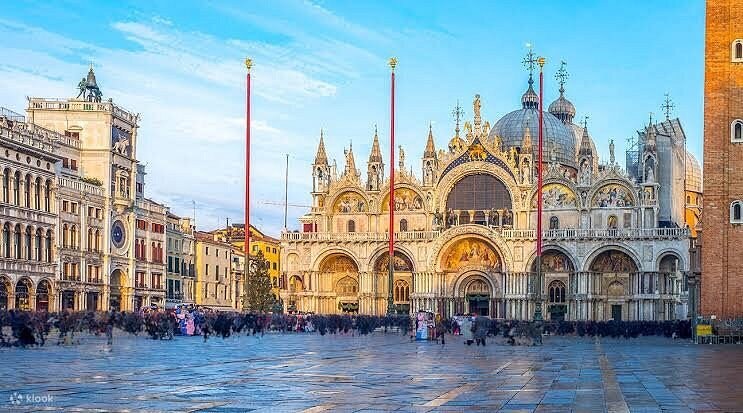 71 mi from TriesteSt. Mark's Basilica
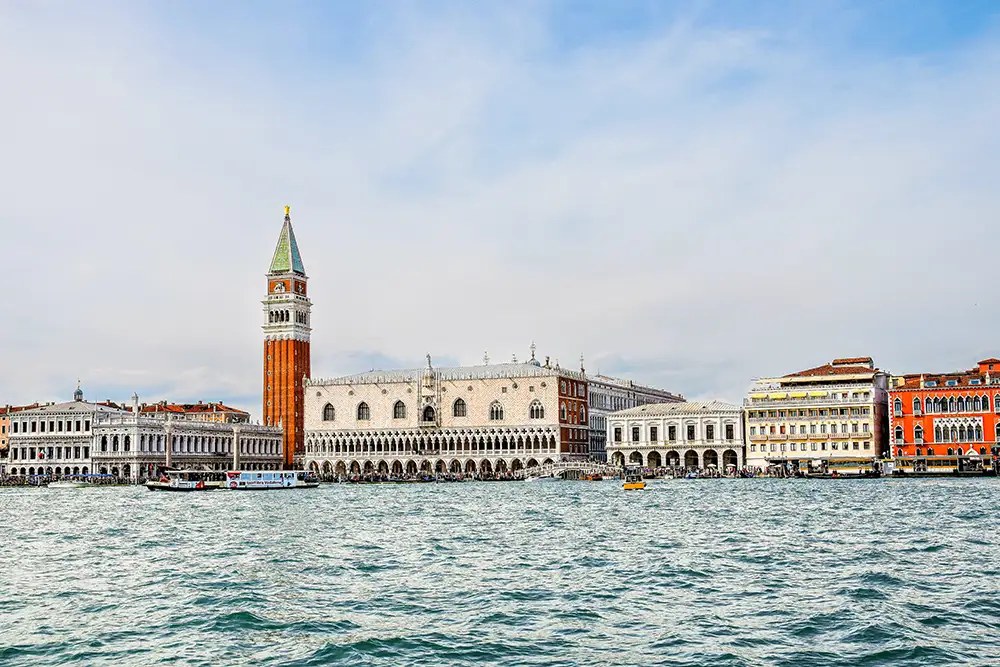 71 mi from TriesteDoge's Palace
 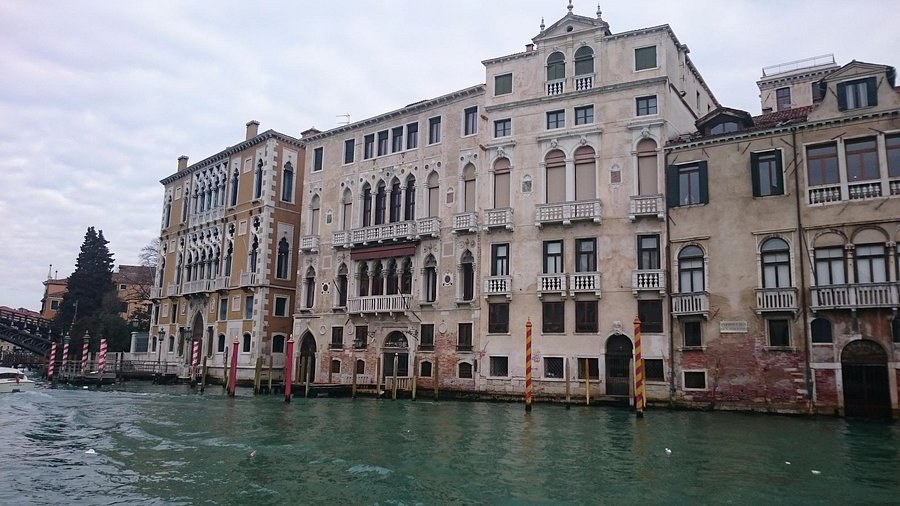 70 mi from Trieste · land adventurePalazzo Doors, Lagoon Vineyards: Venice Beyond the Crowd Line
 153 mi from Trieste · land adventureSalt, Stone and Grüner Veltliner: Salzburg Beyond Mozart
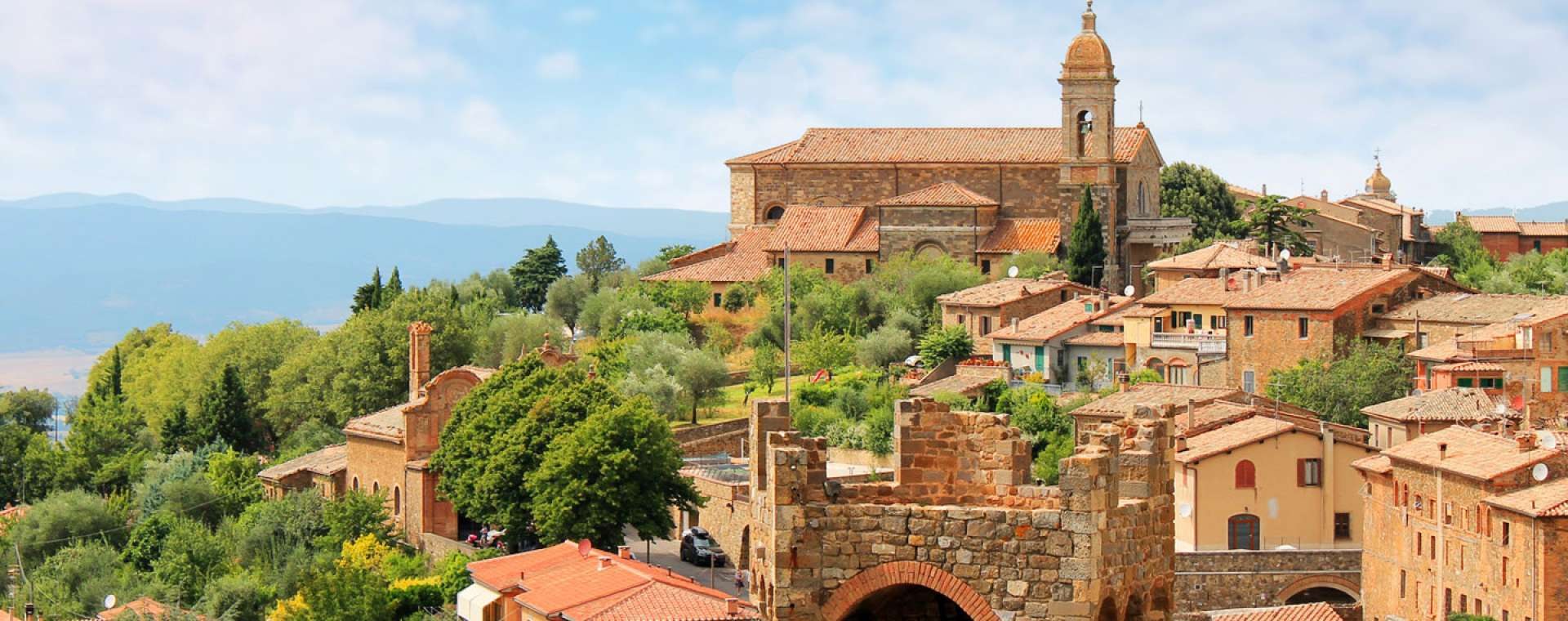 179 mi from Trieste · land adventureFlorence to Val d'Orcia: Wine, Frescoes & Thermal Springs
 After you step off · near Barcelona
You end in a different port — stay on, and add what is within reach before you fly home.
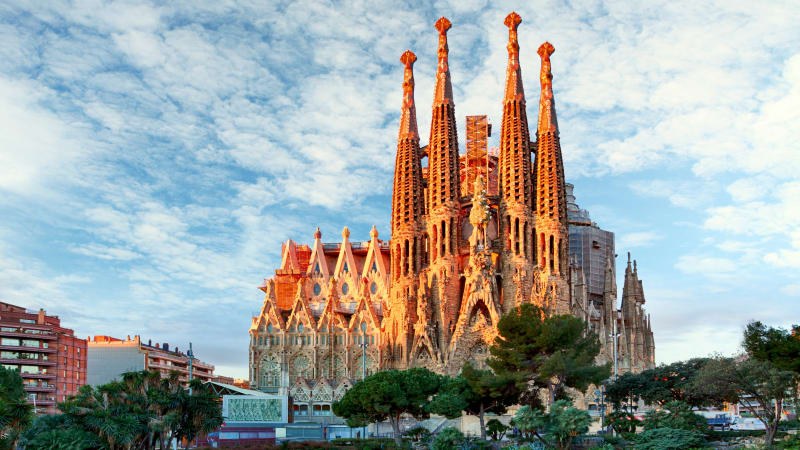 1 mi from BarcelonaSagrada Família
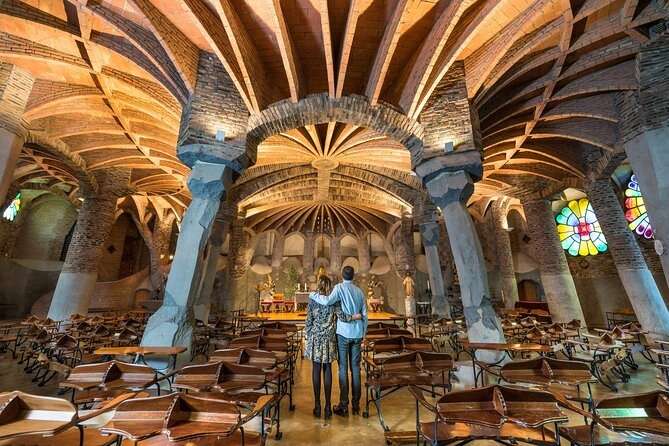 7 mi from BarcelonaColònia Güell Church (Crypt) & Modernist Industrial Site
 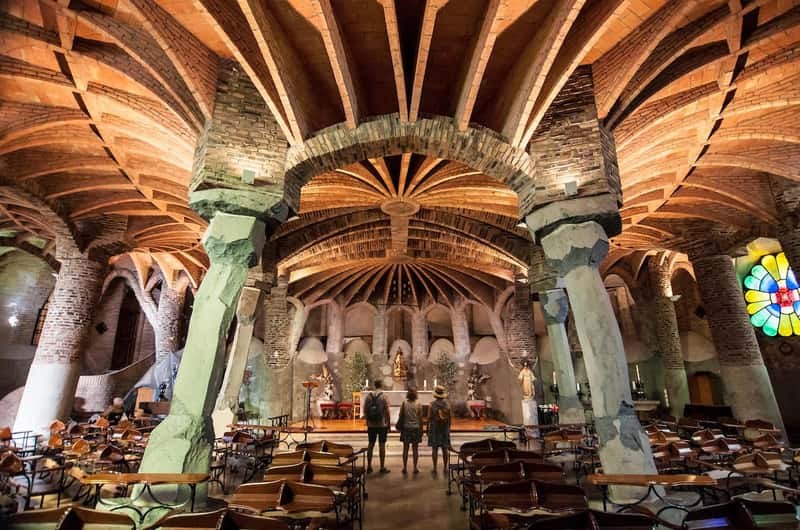 8 mi from Barcelona · land adventureBarcelona Beyond the Crowds: Gaudí, Galician Seafood & Montserrat
 210 mi from Barcelona · land adventureProvence by the Senses: Lavender, Truffles, and Roman Stone