Your cruise
Queen Elizabeth · 7-night Mediterranean cruise, Civitavecchia (Rome) to Trieste
Sep 22 – Sep 29 · 7 nights ·
Day 1 Civitavecchia (Rome) (board) · Day 2 at sea · Day 3 Valletta · Day 4 at sea · Day 5 Korcula · Day 6 Split · Day 7 Zadar · Day 8 Trieste (step off)
What you do A 5-10 minute walk from the cruise terminal opens onto the most gob-smacking high-Baroque interior in the Mediterranean: every surface drips carved gold, the floor is a carpet of 400 inlaid-marble knight tombs, and the Oratory holds the only painting Caravaggio ever signed -- the monumental 'Beheading of Saint John the Baptist.' Skipping this is effectively skipping Valletta. Buy the timed ticket online to skip the line; closed Sundays, last admission ~16:15, no flip-flops or sleeveless tops.
What to expect A 5–10 minute walk from the cruise terminal deposits you directly into the Mediterranean's most opulent high-Baroque interior, where every wall surface glows with carved gilt and the floor unfolds as a 400-tomb marble knight cemetery beneath your feet. The Oratory—the cathedral's crown jewel—holds Caravaggio's only signed painting, the monumental 'Beheading of Saint John the Baptist,' a work of such scale and darkness it stops visitors mid-breath. You'll move through the museum galleries and side chapels at your own pace (audio guide included), absorbing gold, frescoed vaults, and religious devotion rendered in stone and paint. Total immersion time is typically 90 minutes to 2.5 hours, depending on your appetite for the collections and crowds.
Good to know Buy your timed-entry ticket online via showshappening.com before the ship docks to skip queues; the cathedral closes Sundays and stops admissions around 16:15, so morning visits are safest. Allow 3–4 hours round-trip including the walk and 90–150 minutes inside; you'll be back aboard with a comfortable buffer in a standard 6–8 hour port window. Dress code: no flip-flops or sleeveless tops (bring a light cover-up). At EUR 15 (~USD 16) per adult with audio guide and Oratory entry included, this self-guided option saves USD 45–75 per person versus the ship's bundled walking tour.
book direct with St John's Co-Cathedral Foundation (official, books direct via its showshappening.com ticketing) → · the full guide →
What you do Glide beneath the colossal honey-coloured bastions of Valletta and the Three Cities in a brightly painted, gondola-like dghajsa -- a boat design tracing to Phoenician times. The Grand Harbour is one of the world's great natural deep-water harbours and the stage of the 1565 Great Siege; seeing it from the water at the foot of the fortifications, with the Three Cities marina and Fort St Angelo sliding past, is the single image the port is famous for.
What to expect You board a brightly painted dghajsa—a traditional gondola-like boat whose design traces back to Phoenician times—and glide slowly beneath the colossal honey-coloured bastions of Valletta and the Three Cities. The Grand Harbour unfolds around you: Fort St Angelo and the Three Cities marina slide past as you see the very stage of the 1565 Great Siege from the water, at the foot of the fortifications. The ~35-minute private tour captures the single image the port is famous for—the world's great natural deep-water harbour seen from the intimate vantage of a traditional wooden boat, not a modern tour launch. If you extend with the EUR 8 water-taxi crossing, you can drift across to Birgu or Senglea and wander the quieter Three Cities on your own pace.
Good to know Book the dghajsa direct with Grand Harbour Tours Malta (family-run operator based in Senglea) to save ~$20–$50pp versus the ship's 'Two Harbours' cruise, and budget ~EUR 25–28 (~USD 28–31pp) for the full private 35-minute tour, or ~EUR 8pp for the heritage water-taxi crossing alone. The operator is walkable from the cruise pier; confirm exact meeting point and departure time when booking to ensure a 30–45 minute buffer before all-aboard. Wear sun protection and bring cash (EUR preferred) as the family-run operator may not accept cards; the boat is open-air and the harbour crossing takes 35 minutes, so plan accordingly for your 6–8 hour port window.
book direct with Grand Harbour Tours Malta (family-run dghajsa operator, Senglea) → · the full guide →
What you do A small traditional fishing boat threads into a string of natural sea caves on the south coast where sunlight refracts off the white sandy seabed and turns the water an electric, almost luminous blue. It's one of Malta's signature natural wonders; pair the ~20-25 min ride with the clifftop Blue Grotto viewpoint for the classic photo. Go in the morning for the best light and calmest sea -- about 25-30 min from the port, easy to combine with Hagar Qim temples or Marsaxlokk.
What to expect You'll board a small traditional fishing boat and thread into a succession of natural sea caves along Malta's south coast, where sunlight refracts off the white sandy seabed and transforms the water into an almost luminous electric blue—one of Malta's signature sights. The boat ride lasts 20–25 minutes and moves at a gentle pace that lets you absorb the strange, otherworldly light show as it bounces off the cave walls. After returning to the harbor, climb to the clifftop Blue Grotto viewpoint for the classic postcard perspective of the same caves from above. The whole experience unfolds in roughly an hour, leaving time to either relax at the harbor kiosk or combine it with nearby Hagar Qim temples or the Marsaxlokk fishing village.
Good to know Depart the pier early in the morning for the best sunlight and calmest sea conditions; the boat ride takes about 25–30 minutes to reach from the port. Buy tickets on-site at the Wied iz-Zurrieq harbor kiosk in cash only (€10 per adult, €5–6 for children)—do not pre-book, as weather can cancel departures without refund. Allow 2–2.50 euros for a public bus return to the port if doing this independently, and factor in a comfortable 90-minute buffer before ship departure to account for buses and harbor congestion. Bring cash, sunscreen, and a light waterproof layer if sensitive to spray; the boat has no canopy.
book direct with Licensed fishermen's boat co-operative at Wied iz-Zurrieq (tickets at the harbour kiosk) → · the full guide →
What you do Malta's spell-binding former capital is a walled, car-free medieval-and-Baroque hilltown of golden limestone, hushed alleys, and a dramatic bastion belvedere looking out over half the island (the Game of Thrones gate is here too). About 30 min from the port; a local guide unlocks the Knights' history, the cathedral, and neighbouring Rabat with St Paul's Catacombs. Unforgettable in the early evening once the coach crowds clear -- which suits a cruise day perfectly.
What to expect You'll ascend into Malta's former capital through narrow, hushed alleyways of golden limestone, passing the iconic Game of Thrones gate as your guide unlocks centuries of Knights' history within cathedral walls. The rhythm builds toward the dramatic bastion belvedere—a sudden opening where half the island spreads beneath you. You'll drift into neighbouring Rabat to explore St Paul's Catacombs, then drift back through medieval streets that empty of coach crowds by evening, giving you that magical "Silent City" moment the tour is named for. The whole flow is unhurried walking and history, ideally timed for late afternoon when day-trippers thin out.
Good to know From the port, a EUR 2–2.50 public bus reaches Mdina in about 30 minutes; book a local guide like Colour my Travel (€25–35pp) ahead to guarantee unlocked sites and context, or navigate free. Cathedral entry runs about €10, St Paul's Catacombs costs extra, but the walled town itself is free to roam. Plan for 4–5 hours in Mdina and Rabat to avoid rushing the experience, leaving 90 minutes to return to the ship. Wear comfortable walking shoes (medieval streets are cobbled and hilly) and bring water; the ship's guided tour costs nearly triple the DIY approach but includes door-to-door transport if schedule is tight.
book direct with Colour my Travel (award-winning local walking-tour operator) → · the full guide →
What you do Descend into a 5,000-year-old underground temple and necropolis carved out of solid rock -- a UNESCO World Heritage site and one of the rarest things you can do on Earth, including the eerie acoustic 'Oracle Room.' Just outside Valletta in Paola; flat closed shoes required. Only 80 visitors are admitted per day to protect the microclimate, so it is genuinely once-in-a-lifetime.
What to expect You descend into a 5,000-year-old underground temple carved from solid rock, moving through passages and chambers of a UNESCO World Heritage site while the acoustic properties of the "Oracle Room" envelope you in an eerie, almost sacred silence. The Hypogeum functions as both temple and necropolis, and the layered stone walls, shaped entirely by hand millennia ago, create an intimate sense of stepping directly into Neolithic history. With only 80 visitors admitted daily, the experience avoids the crush of mass tourism—you move at a measured pace with a small group, absorbing the raw power of one of Earth's rarest archaeological spaces. Paola lies just outside Valletta, making the journey short, but the psychological weight of standing underground in a 5,000-year-old chamber lingers long after you ascend back into daylight.
Good to know Book immediately once your itinerary is confirmed through Heritage Malta directly (the sole authorised seller); standard admission is EUR 35 per adult, but same-day last-minute tickets (EUR 50) are sold from Fort St Elmo on arrival if advance slots are sold out. Wear flat, closed shoes with good grip, as the carved stone floors can be uneven and damp; the site is climate-controlled to preserve the microclimate, so layers are useful despite the Mediterranean setting. Allow 2–2.5 hours at the site itself, but factor in 30–45 minutes each way for transport from the cruise pier to Paola, plus 30 minutes arrival buffer—aim to depart the ship no more than 5–6 hours before your return time. Do not rely on cruise-line excursions; no ship operator can secure tickets due to the 80-per-day cap, making this a direct-book-only experience.
book direct with Heritage Malta (national agency; the ONLY authorised seller -- book direct, never via resellers) → · the full guide →
What you do The Caribbean-in-the-Med: a sheltered cove off tiny Comino with blindingly white sand and surreal turquoise shallows -- the most photographed swim spot in the Maltese islands and the bucket-list snorkel for anyone who wants beach-paradise scenery. A full-fleet day cruise sails you out, anchors for swimming, and brings you back.
What to expect You'll join Captain Morgan Cruises' full-fleet day boat for a scenic sail to tiny Comino, where the ship anchors in the sheltered cove of the Blue Lagoon—a postcard-perfect swim spot with blindingly white sand and surreal turquoise shallows that look more Caribbean than Mediterranean. The rhythm is unhurried: board in Valletta, sail out (long transfer), anchor and swim or snorkel among the most photographed waters in the Maltese islands, then sail back. Bring an underwater camera; this is the bucket-list snorkel stop, and the clarity and color are surreal. Lunch and bar service are available onboard depending on your package tier.
Good to know This excursion requires a long in-port window (8+ hours minimum) because Comino is a lengthy transfer and the lagoon becomes crushingly crowded by midday. Book direct with Captain Morgan (roughly EUR 30–50 / USD 33–55 per person) rather than through the ship's organized tour (USD 120–180pp) for significant savings, but confirm return timing to ensure you're back well before all-aboard. Bring reef-safe sunscreen, a rash guard or wetsuit, and secure any valuables in your cabin; the boat has an onboard bar but limited shade. If your ship's port window is under 8 hours or tight for timing, consider the Grand Harbour dghajsa or Blue Grotto instead, with an operator that guarantees your return before departure.
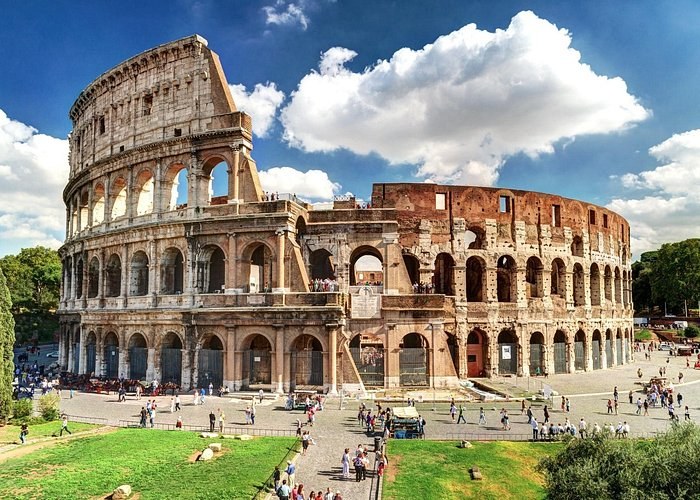
What you do This is the definitive Rome bucket-list day: Michelangelo's Sistine Chapel ceiling and Last Judgment, the Vatican Museums, St. Peter's Square, plus the Colosseum and Roman Forum — all in one 9-hour private run from the pier. Your driver collects you ship-side in a Mercedes and the 'privilege' skip-the-line tickets to both the Vatican and Colosseum mean you walk past the 2-hour queues that would otherwise eat your port day. Note this is a private-driver tour, not a guided one: you explore the interiors at your own pace (audio guides sold inside).
What to expect A private Mercedes collects you pier-side at Civitavecchia and you begin a 9-hour immersion in Rome's iconic landmarks, moving at your own pace rather than a group's rhythm. You skip past the 2-hour queues at the Vatican Museums to explore Michelangelo's Sistine Chapel ceiling and Last Judgment, then wander St. Peter's Square (basilica entry is free but has its own queue). After lunch flexibility, you drive to the Colosseum and Roman Forum, again with skip-the-line privilege tickets that let you move straight inside while standard visitors wait. Throughout, your private driver and personal vehicle—not a 50-person bus—keep you on your schedule, though you explore each site's interiors independently with optional audio guides available for purchase.
Good to know The full excursion runs 9 hours; plan to depart the pier by 8:00 AM at the latest to ensure a comfortable return before your ship's evening departure. Your private driver meets you ship-side at Civitavecchia—confirm the exact return-time guarantee and buffer window when booking, as this operator runs cruisers daily but you'll want that back-to-ship safety net in writing. Bring comfortable walking shoes, sunscreen, and cash or cards for lunch and optional audio guides inside the museums (not included in the EUR 187.50 price). Book skip-the-line tickets in advance as part of your package; they're your main time-saver advantage over the cruise line's group tours, which run $220–$320 per person for the same sites.
book direct with Discovery Guided Tours → · the full guide →
What you do The reason cruise lines stop here at all: a private deluxe vehicle whisks you from the pier to the Trevi Fountain, Pantheon, Spanish Steps, Piazza Navona, St. Peter's Square and the Colosseum, dropping you as close as Rome's traffic limits allow at each. It's the maximize-a-tight-window play — a first-timer who sails past Rome without standing at the Trevi would genuinely regret it. Be clear-eyed: this is a driver, not a licensed guide, so it's exterior views, photo stops and walk-up landmarks, no museum interiors.
What to expect Your driver collects you pier-side at 8:00 AM in a private deluxe vehicle and begins threading Rome's narrow streets, stopping at the Trevi Fountain, Pantheon, Spanish Steps, Piazza Navona, St. Peter's Square, and Colosseum views—you step out, snap photos, walk up to the exteriors and iconic squares, then move on. This is drive-and-stroll geography, not museum interiors: you'll see Rome's greatest hits from street level and courtyard vistas, with your driver dropping you as close as traffic allows at each landmark. The rhythm is constant but unhurried—a masterclass in first-timer coverage, punctuated by photo moments and the low hum of rolling between sites. You're back at the pier by 5:00–5:30 PM, having touched eight of Rome's most recognizable monuments without boarding a 50-seat coach.
Good to know Pickup is pier-side at 8:00 AM sharp with return by 5:00–5:30 PM, giving you roughly 8 hours door-to-door; factor in Rome's traffic and the driver will optimize stops, so expect less than 30 minutes at each landmark unless you request longer. No entrance tickets, meals, or guide services are included—this is a driver-only arrangement, so museum and basilica interiors are on your own dime and time; bring cash and book ahead if you want to step inside St. Peter's or the Colosseum. All tolls, parking, and taxes are covered in the quoted price (EUR 650–750 per vehicle for up to 7 guests, ~EUR 107–163 per person), and the driver speaks English. Book directly with RomeCabs in advance; a solo traveler or couple may find the ship's motorcoach tour or Trenitalia train equally priced or cheaper per head, so confirm group size before committing.
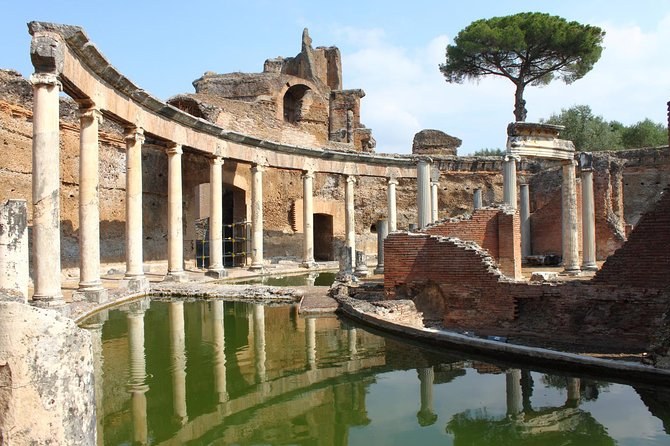
What you do For travelers who've already 'done' central Rome, this is the equally unforgettable alternative: Villa d'Este's 51 fountains, 64 waterfalls and 220 basins — all gravity-fed, not a single pump — paired with Emperor Hadrian's sprawling 2nd-century imperial estate. An expert private guide actually walks the gardens and ruins with you, and the crowds are a fraction of the Vatican's. A 9-hour day, pier to pier.
What to expect You'll spend the morning and early afternoon in two staggered acts: first, Villa d'Este's terraced Renaissance gardens, where your expert guide walks you through cascading fountains, 220 basins, and 64 waterfalls—all fed by gravity alone, no pumps needed—then a private car transfer inland to Emperor Hadrian's 2nd-century sprawl, where crumbling villas, temples, and theaters unfold across 30 acres of archaeological theatre. The rhythm is unhurried; you're with a licensed English-speaking expert, not herded through a coach crowd, so you'll actually absorb the history and architecture as you walk. By late afternoon, your driver returns you to the Civitavecchia pier, completing the 9-hour door-to-door arc.
Good to know Pickup from Civitavecchia pier is included; plan for a private car departure roughly 3–4 hours after ship arrival to allow for disembarkation and meet your guide. Both villas are outdoor, terraced sites with significant walking and uneven ground—wear comfortable shoes and bring sun protection and water. Book at least 48–72 hours ahead; the price (EUR 869 minimum, ~$475 per couple) drops per person as group size grows, and slots are limited to preserve the "expert guide + small party" promise. Confirm your ship's all-aboard time with the concierge and allow a 30–45-minute buffer before boarding to account for Civitavecchia pier return traffic.
book direct with Through Eternity Tours → · the full guide →
What you do Walk intact ancient streets, an amphitheater, taverns, bath-house mosaics and three-story Roman apartment blocks at the buried port city of Ostia Antica — the marquee 'lost Roman city' with a fraction of Rome's crowds. It's far closer to Civitavecchia than the actual Pompeii (which is impractical from this port), and this private full-day pairs it with the Etruscan necropolis at Cerveteri. Pier-side Mercedes pickup, full day, back in time for the ship.
What to expect You'll be picked up pier-side in a private deluxe Mercedes and driven to Ostia Antica, where you'll walk intact ancient streets lined with taverns, bath houses, and remarkably preserved three-story Roman apartment blocks, culminating at the amphitheater — a far less crowded alternative to Pompeii. The day then pivots to Cerveteri's Etruscan necropolis, where you explore burial sites and artifacts from Rome's pre-imperial neighbors. Throughout, you're moving at your own pace in private transport rather than herded with a group, though your driver handles logistics rather than narrating the ruins themselves. The rhythm is unhurried full-day immersion: ancient streets in the morning, a site transition at midday, and Etruscan tombs in the afternoon, returning to the pier in time to reboard.
Good to know Book ahead with Stefano Rome Tours and confirm pier pickup timing to ensure you clear the ship's all-aboard (driver will know the buffer). Entrance tickets to both Ostia Antica and Cerveteri are not included in the EUR 590 vehicle fee—budget ~EUR 18 per site and purchase at the gate or ahead online to save time. Bring a robust audio guide app (like the official Ostia Antica app) or printed site guide, since the driver is not a licensed in-site interpreter. With a full day in the field, wear comfortable walking shoes, sunscreen, and a hat; both sites are largely open-air and can be hot, especially in summer months.
What you do Skip the 1.5-hour each-way push to Rome and explore the port town nearly every cruiser blows past: Michelangelo's harbor fortress (Forte Michelangelo), one of Italy's largest open-air markets, fresh Tyrrhenian seafood and the seafront Pirgo promenade. A relaxed small-group walk with local tastings along the way — the low-stress, low-risk safety net when you want to be steps from the ship.
What to expect You'll join a small-group walk that begins steps from the pier and moves at a leisurely pace through Civitavecchia's historic center, anchored by visits to the Renaissance Forte Michelangelo and one of Italy's largest open-air markets alive with local vendors and produce. Along the way, you'll pause for fresh Tyrrhenian seafood tastings and other local bites, absorbing the rhythm of a working port town most cruisers skip. The walk concludes on the waterfront Pirgo promenade, where you'll have absorbed three hours of culture and flavor without the fatigue of a long coach transfer. It's the opposite of the Rome sprint—an immersive, low-pressure exploration of the places locals actually go.
Good to know The entire excursion unfolds within walking distance of your ship, so there's zero transfer time and minimal risk of running late; plan for the three-hour guided walk to fit comfortably in a 6–8 hour port window. Book ahead through DriverInRome to secure your spot in a small group, and wear comfortable walking shoes—you'll be on foot the whole time through cobblestone streets and market areas. Bring cash (EUR) for any additional purchases at the market or for tips, and check departure times with the operator to give yourself at least an hour buffer before all-aboard. The price of approximately EUR 75 per person (€82 USD) includes all tastings, so budget only for optional extras and gratuity.
What you do A 5-10 minute walk from the cruise terminal opens onto the most gob-smacking high-Baroque interior in the Mediterranean: every surface drips carved gold, the floor is a carpet of 400 inlaid-marble knight tombs, and the Oratory holds the only painting Caravaggio ever signed -- the monumental 'Beheading of Saint John the Baptist.' Skipping this is effectively skipping Valletta. Buy the timed ticket online to skip the line; closed Sundays, last admission ~16:15, no flip-flops or sleeveless tops.
What to expect A 5–10 minute walk from the cruise terminal deposits you directly into the Mediterranean's most opulent high-Baroque interior, where every wall surface glows with carved gilt and the floor unfolds as a 400-tomb marble knight cemetery beneath your feet. The Oratory—the cathedral's crown jewel—holds Caravaggio's only signed painting, the monumental 'Beheading of Saint John the Baptist,' a work of such scale and darkness it stops visitors mid-breath. You'll move through the museum galleries and side chapels at your own pace (audio guide included), absorbing gold, frescoed vaults, and religious devotion rendered in stone and paint. Total immersion time is typically 90 minutes to 2.5 hours, depending on your appetite for the collections and crowds.
Good to know Buy your timed-entry ticket online via showshappening.com before the ship docks to skip queues; the cathedral closes Sundays and stops admissions around 16:15, so morning visits are safest. Allow 3–4 hours round-trip including the walk and 90–150 minutes inside; you'll be back aboard with a comfortable buffer in a standard 6–8 hour port window. Dress code: no flip-flops or sleeveless tops (bring a light cover-up). At EUR 15 (~USD 16) per adult with audio guide and Oratory entry included, this self-guided option saves USD 45–75 per person versus the ship's bundled walking tour.
book direct with St John's Co-Cathedral Foundation (official, books direct via its showshappening.com ticketing) → · the full guide →
What you do Glide beneath the colossal honey-coloured bastions of Valletta and the Three Cities in a brightly painted, gondola-like dghajsa -- a boat design tracing to Phoenician times. The Grand Harbour is one of the world's great natural deep-water harbours and the stage of the 1565 Great Siege; seeing it from the water at the foot of the fortifications, with the Three Cities marina and Fort St Angelo sliding past, is the single image the port is famous for.
What to expect You board a brightly painted dghajsa—a traditional gondola-like boat whose design traces back to Phoenician times—and glide slowly beneath the colossal honey-coloured bastions of Valletta and the Three Cities. The Grand Harbour unfolds around you: Fort St Angelo and the Three Cities marina slide past as you see the very stage of the 1565 Great Siege from the water, at the foot of the fortifications. The ~35-minute private tour captures the single image the port is famous for—the world's great natural deep-water harbour seen from the intimate vantage of a traditional wooden boat, not a modern tour launch. If you extend with the EUR 8 water-taxi crossing, you can drift across to Birgu or Senglea and wander the quieter Three Cities on your own pace.
Good to know Book the dghajsa direct with Grand Harbour Tours Malta (family-run operator based in Senglea) to save ~$20–$50pp versus the ship's 'Two Harbours' cruise, and budget ~EUR 25–28 (~USD 28–31pp) for the full private 35-minute tour, or ~EUR 8pp for the heritage water-taxi crossing alone. The operator is walkable from the cruise pier; confirm exact meeting point and departure time when booking to ensure a 30–45 minute buffer before all-aboard. Wear sun protection and bring cash (EUR preferred) as the family-run operator may not accept cards; the boat is open-air and the harbour crossing takes 35 minutes, so plan accordingly for your 6–8 hour port window.
book direct with Grand Harbour Tours Malta (family-run dghajsa operator, Senglea) → · the full guide →
What you do A small traditional fishing boat threads into a string of natural sea caves on the south coast where sunlight refracts off the white sandy seabed and turns the water an electric, almost luminous blue. It's one of Malta's signature natural wonders; pair the ~20-25 min ride with the clifftop Blue Grotto viewpoint for the classic photo. Go in the morning for the best light and calmest sea -- about 25-30 min from the port, easy to combine with Hagar Qim temples or Marsaxlokk.
What to expect You'll board a small traditional fishing boat and thread into a succession of natural sea caves along Malta's south coast, where sunlight refracts off the white sandy seabed and transforms the water into an almost luminous electric blue—one of Malta's signature sights. The boat ride lasts 20–25 minutes and moves at a gentle pace that lets you absorb the strange, otherworldly light show as it bounces off the cave walls. After returning to the harbor, climb to the clifftop Blue Grotto viewpoint for the classic postcard perspective of the same caves from above. The whole experience unfolds in roughly an hour, leaving time to either relax at the harbor kiosk or combine it with nearby Hagar Qim temples or the Marsaxlokk fishing village.
Good to know Depart the pier early in the morning for the best sunlight and calmest sea conditions; the boat ride takes about 25–30 minutes to reach from the port. Buy tickets on-site at the Wied iz-Zurrieq harbor kiosk in cash only (€10 per adult, €5–6 for children)—do not pre-book, as weather can cancel departures without refund. Allow 2–2.50 euros for a public bus return to the port if doing this independently, and factor in a comfortable 90-minute buffer before ship departure to account for buses and harbor congestion. Bring cash, sunscreen, and a light waterproof layer if sensitive to spray; the boat has no canopy.
book direct with Licensed fishermen's boat co-operative at Wied iz-Zurrieq (tickets at the harbour kiosk) → · the full guide →
What you do Malta's spell-binding former capital is a walled, car-free medieval-and-Baroque hilltown of golden limestone, hushed alleys, and a dramatic bastion belvedere looking out over half the island (the Game of Thrones gate is here too). About 30 min from the port; a local guide unlocks the Knights' history, the cathedral, and neighbouring Rabat with St Paul's Catacombs. Unforgettable in the early evening once the coach crowds clear -- which suits a cruise day perfectly.
What to expect You'll ascend into Malta's former capital through narrow, hushed alleyways of golden limestone, passing the iconic Game of Thrones gate as your guide unlocks centuries of Knights' history within cathedral walls. The rhythm builds toward the dramatic bastion belvedere—a sudden opening where half the island spreads beneath you. You'll drift into neighbouring Rabat to explore St Paul's Catacombs, then drift back through medieval streets that empty of coach crowds by evening, giving you that magical "Silent City" moment the tour is named for. The whole flow is unhurried walking and history, ideally timed for late afternoon when day-trippers thin out.
Good to know From the port, a EUR 2–2.50 public bus reaches Mdina in about 30 minutes; book a local guide like Colour my Travel (€25–35pp) ahead to guarantee unlocked sites and context, or navigate free. Cathedral entry runs about €10, St Paul's Catacombs costs extra, but the walled town itself is free to roam. Plan for 4–5 hours in Mdina and Rabat to avoid rushing the experience, leaving 90 minutes to return to the ship. Wear comfortable walking shoes (medieval streets are cobbled and hilly) and bring water; the ship's guided tour costs nearly triple the DIY approach but includes door-to-door transport if schedule is tight.
book direct with Colour my Travel (award-winning local walking-tour operator) → · the full guide →
What you do Descend into a 5,000-year-old underground temple and necropolis carved out of solid rock -- a UNESCO World Heritage site and one of the rarest things you can do on Earth, including the eerie acoustic 'Oracle Room.' Just outside Valletta in Paola; flat closed shoes required. Only 80 visitors are admitted per day to protect the microclimate, so it is genuinely once-in-a-lifetime.
What to expect You descend into a 5,000-year-old underground temple carved from solid rock, moving through passages and chambers of a UNESCO World Heritage site while the acoustic properties of the "Oracle Room" envelope you in an eerie, almost sacred silence. The Hypogeum functions as both temple and necropolis, and the layered stone walls, shaped entirely by hand millennia ago, create an intimate sense of stepping directly into Neolithic history. With only 80 visitors admitted daily, the experience avoids the crush of mass tourism—you move at a measured pace with a small group, absorbing the raw power of one of Earth's rarest archaeological spaces. Paola lies just outside Valletta, making the journey short, but the psychological weight of standing underground in a 5,000-year-old chamber lingers long after you ascend back into daylight.
Good to know Book immediately once your itinerary is confirmed through Heritage Malta directly (the sole authorised seller); standard admission is EUR 35 per adult, but same-day last-minute tickets (EUR 50) are sold from Fort St Elmo on arrival if advance slots are sold out. Wear flat, closed shoes with good grip, as the carved stone floors can be uneven and damp; the site is climate-controlled to preserve the microclimate, so layers are useful despite the Mediterranean setting. Allow 2–2.5 hours at the site itself, but factor in 30–45 minutes each way for transport from the cruise pier to Paola, plus 30 minutes arrival buffer—aim to depart the ship no more than 5–6 hours before your return time. Do not rely on cruise-line excursions; no ship operator can secure tickets due to the 80-per-day cap, making this a direct-book-only experience.
book direct with Heritage Malta (national agency; the ONLY authorised seller -- book direct, never via resellers) → · the full guide →
What you do The Caribbean-in-the-Med: a sheltered cove off tiny Comino with blindingly white sand and surreal turquoise shallows -- the most photographed swim spot in the Maltese islands and the bucket-list snorkel for anyone who wants beach-paradise scenery. A full-fleet day cruise sails you out, anchors for swimming, and brings you back.
What to expect You'll join Captain Morgan Cruises' full-fleet day boat for a scenic sail to tiny Comino, where the ship anchors in the sheltered cove of the Blue Lagoon—a postcard-perfect swim spot with blindingly white sand and surreal turquoise shallows that look more Caribbean than Mediterranean. The rhythm is unhurried: board in Valletta, sail out (long transfer), anchor and swim or snorkel among the most photographed waters in the Maltese islands, then sail back. Bring an underwater camera; this is the bucket-list snorkel stop, and the clarity and color are surreal. Lunch and bar service are available onboard depending on your package tier.
Good to know This excursion requires a long in-port window (8+ hours minimum) because Comino is a lengthy transfer and the lagoon becomes crushingly crowded by midday. Book direct with Captain Morgan (roughly EUR 30–50 / USD 33–55 per person) rather than through the ship's organized tour (USD 120–180pp) for significant savings, but confirm return timing to ensure you're back well before all-aboard. Bring reef-safe sunscreen, a rash guard or wetsuit, and secure any valuables in your cabin; the boat has an onboard bar but limited shade. If your ship's port window is under 8 hours or tight for timing, consider the Grand Harbour dghajsa or Blue Grotto instead, with an operator that guarantees your return before departure.
What you do Step inside Croatia's most perfectly preserved medieval walled town with a licensed local expert. Narrow herringbone-patterned lanes, Gothic palaces, and Marco Polo's alleged birthplace await — unhurried, in private.
What to expect Saša meets you at the town gate and threads you through the famous herringbone street grid — a medieval design to slow sea-borne invaders. You'll stand inside St. Mark's Cathedral with its Tintoretto altarpiece, peer into the Marco Polo House courtyard, and pause on the city walls above the Adriatic for views that have barely changed in 600 years. The tour adapts entirely to your curiosity — linger where you wish, duck into a local konoba for a glass of Pošip white wine, and leave with a genuine understanding of why Korčula is called the 'Little Dubrovnik'.
Good to know Old Town is a 5-minute walk from the main cruise tender/ferry pier — no transport needed. Book directly via TripAdvisor or email in advance as Saša's private slots fill quickly. All-aboard times are typically early evening; a 3-hour private tour fits comfortably.
book direct with Korčula Tours with Saša (Licensed Local Guide) → · the full guide →
What you do Watch the Moreška — a centuries-old battle sword dance unique to Korčula — performed by costumed warriors in a thunderous outdoor spectacle. This living UNESCO-listed tradition is performed nowhere else on Earth.
What to expect Held in the open-air theatre just outside the Old Town walls, the Moreška tells the story of two kings fighting for the hand of a princess — and the full-contact choreography of clashing real swords is electrifying. Dancers in red and black costumes perform seven rounds of escalating intensity, accompanied by a live brass band. The atmosphere — warm Adriatic evening, stone walls glowing amber — is cinematic. Performances run on specific evenings (traditionally Thursdays in summer, with additional dates in peak season); your guide can confirm the schedule for your port day.
Good to know Check the exact performance date for your call date before sailing — performances are confirmed weekly. The theatre is a 5-minute walk from the pier. Arrive 20 minutes early for front-row seats even with a pre-booked ticket. Duration approximately 45 minutes.
book direct with Moreška Cultural Society Korčula (Official) → · the full guide →
What you do Journey 6 km east to Lumbarda — the only place on Earth where the rare indigenous Grk white grape grows — for a private cellar tour and guided tasting of Korčula's celebrated Pošip and Grk wines amid centuries-old stone terraces.
What to expect A short taxi or private transfer drops you in Lumbarda's sun-drenched village, where Bire's fourth-generation family welcomes you into a working stone winery. You'll taste through four to six wines — crisp, mineral Pošip; the rare, full-bodied Grk (a grape that exists only here); and possibly a limited-release reserve. Paired with local prosciutto, sheep's cheese, and olive oil, the tasting is as much a lesson in Dalmatian terroir as it is a pleasure. The vineyard terrace looks back across the bay to Korčula's medieval skyline.
Good to know Arrange a private transfer from the pier (approx. EUR 20 return by taxi) or rent a bicycle for a scenic 30-minute ride. Pre-book the tasting directly via the Bire website to ensure the winemaker is present. Allow 2–2.5 hours; leaves ample time before all-aboard.
book direct with Bire Winery Lumbarda (Official) → · the full guide →
What you do Tear through Korčula's fragrant pine forests, hidden coves, and hilltop olive groves in a private off-road buggy — stopping for a swim at a secluded beach and a feast of local cheeses, prosciutto, and island wine.
What to expect Your guide hands you the keys to a two-seat off-road buggy and leads a convoy of no more than eight vehicles through the island's lush interior — past ancient dry-stone walls, through olive and fig groves, and up to panoramic hilltop viewpoints over the Pelješac Channel. A stop at a deserted pebble cove for a 30-minute swim is followed by a shaded terrace tasting of local Pošip wine, island prosciutto, and sheep's cheese. The finale is a descent through fragrant macchia scrubland back to the harbour. No off-road experience needed — the guides brief you thoroughly.
Good to know Meeting point is a short walk from the pier; the operator will confirm exact logistics on booking. Wear light, enclosed shoes and bring a swimsuit and towel. Morning departures are cooler and recommended. Duration: approximately 3–3.5 hours.
What you do Paddle the crystal-clear Adriatic along Korčula's wild southern coastline in a private or small-group sea kayak, slipping into sea caves and hidden bays that no boat can reach — finishing with wine in a waterfront konoba.
What to expect Launching from the bay just outside the Old Town walls, your guide paddles you south along a coastline of sheer limestone cliffs draped in wild rosemary and sage. You duck into a cathedral-like sea cave, float over turquoise shallows above ancient posidonia meadows, and pull up on a private pebble beach for a swim and snorkel. The guide narrates the island's ecology and history as you glide — pointing out nesting falcons and the distant outline of Hvar on the horizon. The half-day tour ends back at the pier with a cold glass of Pošip at a waterfront table.
Good to know No kayaking experience required — all equipment and a safety briefing are provided. Morning slots (departing 08:00–09:00) offer glass-calm water and softer light for photography. Book private slots well in advance in July–August. Duration: 3.5–4 hours.
What you do Cross to the Pelješac Peninsula for the ultimate Dalmatian indulgence: plucking live oysters from the Renaissance saltpan waters of Ston, then touring the Dingač wine region — home of Croatia's most celebrated red — with a private sommelier guide.
What to expect A private transfer (arranged by Toni) whisks you across by ferry to the Pelješac Peninsula in under 20 minutes. In Mali Ston — Europe's oldest oyster-farming town — you wade to the wooden racks with the farming family and eat oysters plucked seconds from the sea, chased with chilled Pošip and local mussels. The afternoon pivots to the steep Dingač slopes, where Croatia's only geographically protected red wine grape grows on near-vertical terraces above the sea. A small-estate tasting of Plavac Mali completes a day that is entirely about the flavour of this coastline. Toni calibrates pace and stops entirely to your group.
Good to know The ferry to Orebic departs from the main Korčula pier (foot passengers; approx. EUR 2 each way). Toni handles all logistics including winery access. Confirm all-aboard time before departure — most itineraries allow a 7–8 hour port day, which is ideal for this full experience. Pre-book at least 2 weeks ahead in peak season.
book direct with Explore Korcula with Toni — Private Tour Guide (ToursByLocals) → · the full guide →
What you do Sail through 89 otherworldly limestone islands of Kornati National Park and anchor in the dramatic cliffs of Telašćica Nature Park. This is Croatia's most spectacular seascape — raw, silent, and utterly bucket-list.
What to expect Depart Zadar's harbour on a sleek wooden or motor yacht and cruise south into the Kornati archipelago, a UNESCO-recognised chain of bare, sculpted islands rising from electric-blue water. Drop anchor at will in secret coves for swimming and snorkelling over Posidonia meadows. Continue to Telašćica to see the sheer 160-metre cliffs and the famous saltwater lake warmed to near-spa temperature. Return with local wine and grilled fish on deck as the sun drops toward the Adriatic.
Good to know Full-day tours run 8–10 hours; confirm all-aboard time and allow 30 minutes to return to the ship. Pre-book a private charter weeks in advance in peak season (July–August). National Park entrance fee ~EUR 17 pp is usually included — confirm when booking.
book direct with Zadar Tourist Board Licensed Excursion Operators → · the full guide →
What you do Walk the legendary boardwalks above and behind sixteen cascading turquoise lakes deep in Croatia's karst interior. Plitvice is a UNESCO World Heritage site and one of Europe's most breathtaking natural wonders — unmissable from Zadar.
What to expect A comfortable 1.5-hour drive through Dalmatian highlands brings you to the park entrance. Your expert guide leads you across the iconic wooden boardwalks suspended just above milky-turquoise water, past Veliki Slap — Croatia's tallest waterfall at 78 metres — and through beech forest alive with birdsong. A short boat ride crosses the largest lake before looping back through the upper terraces. Lunch at a local restaurant near the park is typically included on full-day private tours.
Good to know Round trip from Zadar is ~3 hrs driving; allow a full day (10–11 hrs total). Park entry is EUR 27 pp in peak season (June–Sept) — confirm inclusion. Book private transfers well in advance; this is Croatia's single most visited site.
book direct with Tour Travel & More (Private Zadar Excursions) → · the full guide →
What you do Unravel 3,000 years of layered history — Roman forum, Romanesque cathedrals, Venetian gates and Hitchcock's 'most beautiful sunset' — on a private walk through Zadar's extraordinary peninsula old town.
What to expect Begin at the magnificent Land Gate — Zadar's Venetian triumphal arch — and weave through marble-paved lanes past the 9th-century Church of St Donat, built directly atop Roman columns still visible inside. Your guide reveals the Forum's 2,000-year-old stones, the soaring bell tower of St Anastasia's Cathedral (climb for Adriatic panoramas), and the hidden squares locals love. End at the waterfront promenade where the Sea Organ plays its hauntingly beautiful wind-powered notes and the solar-powered Greeting to the Sun pulses with light.
Good to know The port is a 10-minute walk from the old town gate; no transfers needed. Cathedral tower climb ~EUR 3 extra. Morning start recommended to avoid midday heat. The tour is entirely flexible — tell your guide your interests in advance.
book direct with Tour Travel & More (Private Zadar Excursions) → · the full guide →
What you do Glide between the unspoiled islands of Ugljan, Osljak, and Pašman on a premium small-group yacht, snorkelling crystalline Adriatic coves and sipping unlimited local Croatian wine. Pure Dalmatian dolce vita.
What to expect Cast off from Zadar's old harbour and skim across the channel to the green island of Ugljan, stopping at a secluded cove for a first snorkel in gin-clear water over sea grass and colourful wrasse. Continue to tiny Osljak — Croatia's smallest inhabited island — for a stroll through its single village. Anchor again at a sheltered bay off Pašman for a long swim and an unhurried spread of local cheese, prosciutto, and as much Croatian white wine as you care to enjoy. Return to Zadar sun-warmed and deeply relaxed.
Good to know Typically 5–6 hours; confirm exact all-aboard time. Bring reef-safe sunscreen, a hat, and a light cover-up. Snorkelling gear is included; fins available on request. Book 2–3 weeks ahead in July and August.
book direct with Zadar Tourist Board Licensed Excursion Operators → · the full guide →
What you do Visit Croatia's oldest royal city — tiny, walled Nin — its miraculous white-sand beach, therapeutic salt pans, and Europe's smallest cathedral, then return through Zadar on an exclusive private tour steeped in early Croatian history.
What to expect Cross the historic stone bridge into walled Nin, a jewel-box island town encircled by glassy lagoons. Your guide walks you through the pre-Romanesque Church of the Holy Cross — 9th century and just 24 metres long, yet precisely aligned with the solstice sun — and the remains of a Roman temple. Wade barefoot through the healing salt-mud of Nin's lagoon, a tradition dating back centuries. Then continue into Zadar's old town for the Roman Forum, St Donat's Church, and the Sea Organ before returning to the ship.
Good to know Nin is 15 km north of Zadar — a 20-minute private transfer. Combine seamlessly with a Zadar old town walk in a single half-day. Bring a swimsuit if you want to try the salt-mud therapy. Allow 5–6 hours total.
book direct with Tour Travel & More (Private Zadar & Nin Tour) → · the full guide →
What you do Raft through the stunning limestone gorge of the Zrmanja River — one of Dalmatia's best-kept secrets — where emerald waterfalls, canyon walls, and total wilderness create a once-in-a-lifetime adrenaline experience.
What to expect A scenic 1-hour drive north of Zadar delivers you to the put-in point on the Zrmanja, where your expert river guide fits you with a wetsuit, helmet, and paddle. The river winds through soaring limestone walls draped in greenery, past the famous Bergud waterfall where you can leap into the pool below. Sections of gentle floating alternate with exhilarating small rapids, and the translucent turquoise water reveals the river bed metres below. A barbecue lunch on the canyon bank caps the experience before the drive back to Zadar.
Good to know Suitable for fit adults and teenagers; no prior rafting experience needed. Transfer + activity is approx. 6–7 hours total — check all-aboard time carefully. All equipment (wetsuit, helmet, paddle, life jacket) is included. Minimum age typically 12.
book direct with Zadar Tourist Board Licensed Excursion Operators → · the full guide →
What you do Step inside the fairy-tale Castello di Miramare perched above the Adriatic, where Archduke Maximilian built his doomed imperial dream. A vetted local guide unlocks the castle's opulent rooms and tragic Habsburg story in a group of no more than 10.
What to expect Your guide meets you at the castle gate and escorts you through the sumptuous royal apartments, each room frozen in 19th-century imperial splendour. The sea-view terraces and romantic English garden surrounding the promontory reward unhurried exploration. You'll hear the extraordinary, melancholy tale of Maximilian and Carlota — ambition, madness, and execution — brought vividly to life. The cliff-top setting above the crystalline Adriatic is one of the most photogenic moments on the entire Adriatic coast.
Good to know Miramare is 8 km from the cruise terminal — take a taxi (≈15 min, EUR 15–20) or the city bus No. 36. Pre-book your small-group slot directly; timed-entry tickets sell out on busy port days. Allow 2.5–3 hrs total including travel. All-aboard friendly on a morning docking.
book direct with Trieste Tickets (official local operator) → · the full guide →
What you do Board a private train deep into the world's most spectacular karst cave system, then scale the cliff to a Renaissance castle built into a sheer rock face. This cross-border day trip to Slovenia is pure bucket-list theatre.
What to expect A vintage electric train whisks you 2 km into the illuminated underworld of Postojna — 24 km of stalactite cathedrals, vast concert halls, and a living olm (the 'human fish') vivarium. Just 9 km away, Predjama Castle clings impossibly to a 123-metre cliff, its secret tunnel system and outlaw-knight legend utterly captivating. The Slovenian countryside drive through the Karst plateau, dotted with vineyards and medieval villages, adds scenic beauty to the journey. A full-day experience that feels like two countries, two worlds.
Good to know Postojna is 50 km from Trieste port (approx. 50 min by private transfer or rental car). Pre-purchase combination tickets online — they include skip-the-queue access. Allow a full 7–8 hrs; confirm all-aboard time before booking. Wear layers — the cave is 10°C year-round.
book direct with Postojna Cave Park (official operator) → · the full guide →
What you do Drift on an iconic pletna wooden boat to the island church on emerald Lake Bled, then explore Ljubljana's baroque old town with a private local guide. Two UNESCO-worthy destinations in one glorious full day.
What to expect Your private driver-guide collects you dockside and heads into Slovenia's Julian Alps, arriving at Lake Bled's impossibly blue glacial waters. A hand-rowed pletna boat ferries you to the baroque Pilgrimage Church of the Assumption on the lake's tiny island — ring the wishing bell and savour the silence. After lunch (your guide knows the best konoba), Ljubljana reveals its pastel old town, dragon bridge, and lively riverside market. The return drive through the vine-striped Karst is a quiet, scenic finale.
Good to know Lake Bled is approx. 90 km from Trieste port (1 hr 20 min). This is a long day — 9–10 hrs — so confirm your ship's all-aboard time carefully. Private vehicle means flexible timing. Book your guide well in advance for summer port days.
book direct with ToursByLocals – Trieste Private Guides → · the full guide →
What you do Descend into the Guinness-certified world's largest tourist cave, just 20 minutes from the port — a colossal cathedral of stalactites that dwarfs St Peter's Basilica. An unforgettable, utterly manageable half-day wonder.
What to expect Stone steps descend 80 metres into a single cavern so vast its ceiling vanishes into darkness above you — the main hall is 98 m high, 167 m long, and home to two of the world's most sensitive seismograph pendulums. Expert guides illuminate the science of stalactite formation and the cave's role as a natural laboratory. The Karst plateau above offers a dramatic, otherworldly landscape of sinkholes and limestone scrub worth a short walk after your visit. Back in Trieste with hours to spare for an espresso on Piazza Unità d'Italia.
Good to know Located in Borgo Grotta Gigante, 13 km from port (20 min by taxi, ≈EUR 20). Guided tours run every 30 min; private tours must be pre-booked. Wear sturdy shoes and a light layer (cave stays at 11°C). Perfect half-day option leaving your afternoon free for Trieste's waterfront.
book direct with Grotta Gigante (official operator) → · the full guide →
What you do Trace Trieste's extraordinary layered identity — Roman, Byzantine, Habsburg, and literary — on a private walking tour with a vetted local historian, from the Roman theatre to the hilltop cathedral where civilisations literally overlap.
What to expect Begin at the atmospheric Piazza Unità d'Italia, Europe's largest sea-facing square, before climbing to the hilltop of San Giusto where a Roman basilica, a medieval castle, and a Venetian-era cathedral occupy the same windswept summit. Your guide brings alive Trieste's golden age as the Habsburg Empire's only seaport — the coffee-house culture, the Jewish merchants, the poets. A detour through the Cavana district uncovers crumbling Venetian alleyways, a functioning Roman theatre embedded in modern buildings, and the Grande Canal lined with Neoclassical palazzi. The city's melancholy beauty — half-Italian, half-Mitteleuropean — is unlike anywhere else in Italy.
Good to know Entirely walkable from the cruise terminal — no transfer needed. A 3-hr private tour fits comfortably within any docking window. Wear comfortable walking shoes; San Giusto hill involves some steep steps. Book the private format for a personalised literary or culinary focus.
book direct with GetYourGuide – Official Private Trieste Walking Tours → · the full guide →
What you do Wind through the UNESCO-listed Prosecco Hills of the Karst plateau to a secret osmizza — a family farmhouse open by law only a few weeks a year — for estate wines, prosciutto, and Karst cheeses poured by the growers themselves.
What to expect Your driver-guide picks you up at the port and climbs into the wild Karst limestone plateau, where the wind-sculpted bora landscape gives way to rows of Vitovska and Terrano vines. At the osmizza, you sit at rough wooden tables in a stone-walled cellar, pouring unlabelled house wine alongside platters of cured meats, hard cheeses, and pickled vegetables — exactly as Triestines have done for 500 years. The guide narrates the Karst's unique terroir, the Habsburg origins of the osmizza law, and the difference between Collio, Carso, and Friuli DOC wines. Return via the scenic Prosecco Hills viewpoint for the iconic vine-terrace panorama above the Adriatic.
Good to know Osmizza locations change weekly — only a local guide knows which is open on your port day. Half-day (4 hrs) fits comfortably within a standard docking window. Includes private vehicle; wine and food at the osmizza typically costs EUR 10–15 pp cash. Book the private tour format and confirm the osmizza visit when reserving.
book direct with ToursByLocals – Trieste Private Guides → · the full guide →
Before you sail · near Rome
Fly in at least a day early — every seasoned cruiser does, so a delay never costs you the ship. This is what is worth that day within reach of the port.
After you step off · near Trieste
You end in a different port — stay on, and add what is within reach before you fly home.
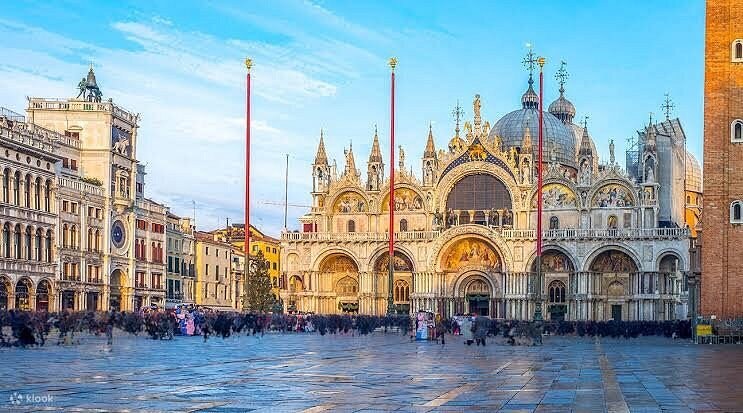 71 mi from TriesteSt. Mark's Basilica
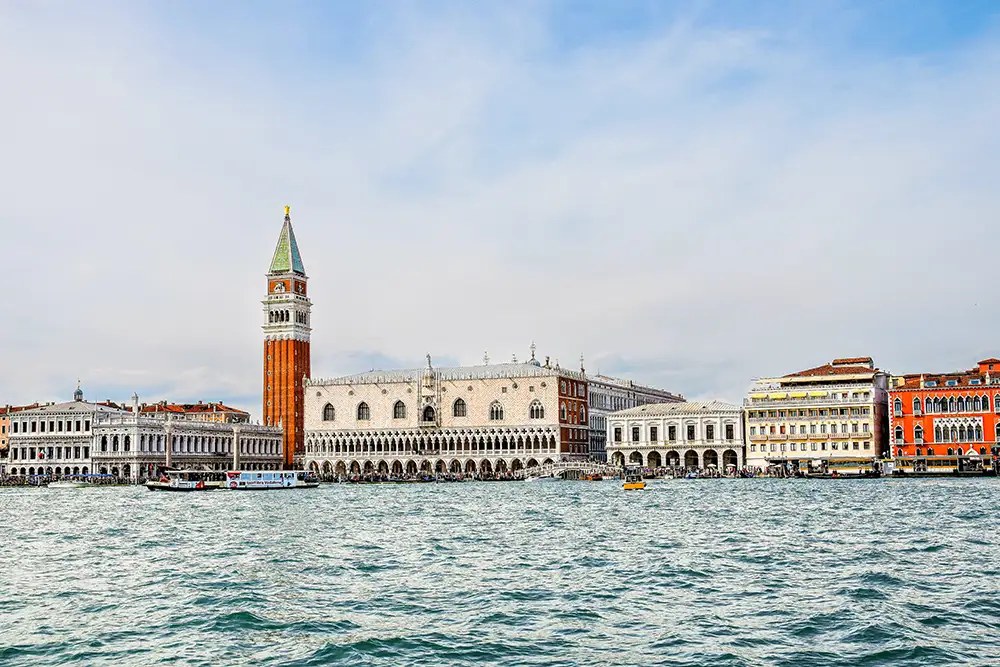 71 mi from TriesteDoge's Palace
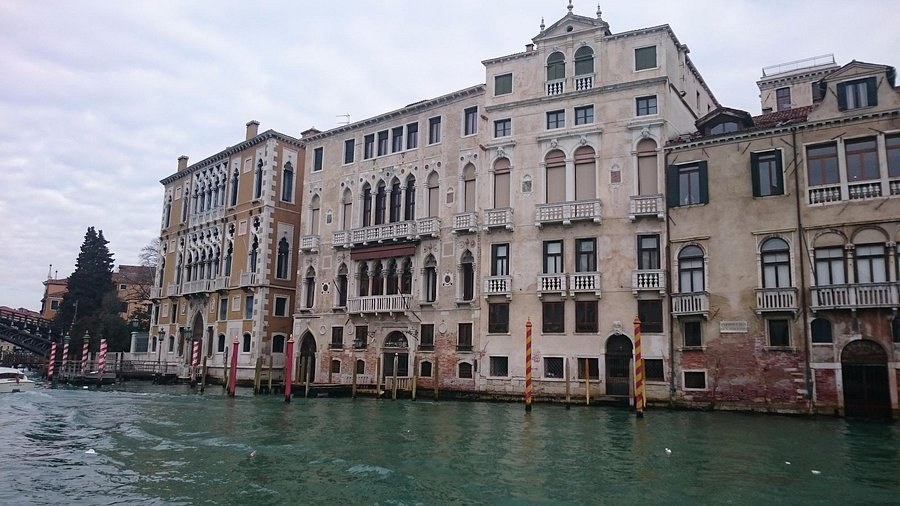 70 mi from Trieste · land adventurePalazzo Doors, Lagoon Vineyards: Venice Beyond the Crowd Line
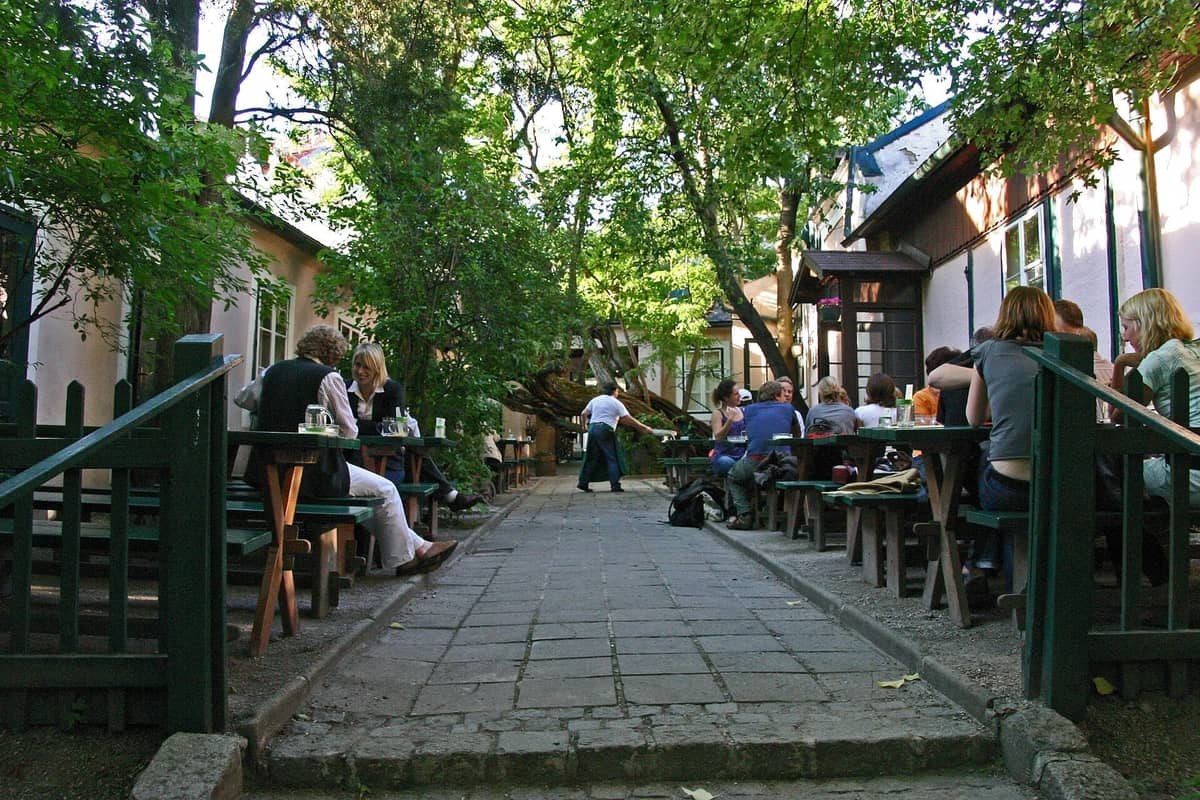 153 mi from Trieste · land adventureSalt, Stone and Grüner Veltliner: Salzburg Beyond Mozart
The same trip, elevated
The same gateway on a more luxurious line — lead-in fare per person, same fare as booking direct.