Your cruise
Queen Victoria · 19-night Northern Europe round trip from Southampton
Sep 15 – Oct 4 · 19 nights ·
Day 1 Southampton (board) · Day 2–4 at sea · Day 5 Cartagena · Day 6–7 at sea · Day 8 Sarande · Day 9 Dubrovnik · Day 10 Korcula · Day 11 Corfu · Day 12 Taranto · Day 13 at sea · Day 14 Valletta · Day 15–16 at sea · Day 17 Seville · Day 18–19 at sea · Day 20 Southampton (step off)
What you do Cartagena's first-century-BC Roman theatre lay hidden under the old town until 1988, and the only way in is a brilliant architectural sequence designed by Pritzker laureate Rafael Moneo: you pass through the Palacio Pascual de Riquelme, descend past Carthaginian and Roman strata, then emerge into the vast tiered cavea that once seated 6,000. It is the single most unmissable thing in the city and a five-minute walk from the pier. Few Roman theatres in the world are entered through a museum that tells the full layered story of the stone before you stand in it.
What to expect Allow 60-90 minutes for the full route through the museum's two buildings, the connecting tunnel under Calle Comedias, and out into the theatre itself. Interpretation is excellent and bilingual, with recovered marble, statuary and the reconstructed scaenae frons columns. The cavea is open-air and the pale stone throws heat, so morning light is kinder and better for photos. Wear proper shoes for the worn steps.
Good to know From the cruise terminal walk to Plaza del Ayuntamiento at the foot of Calle Mayor; the museum entrance is right there, about 400 m. Buy online or at the desk; queues are short outside July-August. Easily done independently with hours to spare against any all-aboard. Official tourist guides enter free, so a private guide adds no ticket cost.
Versus the ship tour Cruise lines fold the theatre into a guided 'Roman Cartagena' walking tour at roughly EUR 50-80 per person. The site itself is EUR 7 and a five-minute stroll from the ship, so booking direct is the clear winner; the only thing the ship adds is a guide's narration, which a EUR 7 audio guide or a private guide (below) replaces for a fraction of the group-tour price.
book direct with Museo del Teatro Romano de Cartagena (official) → · the full guide →
What you do Beyond the theatre, Cartagena hides one of Europe's largest urban Roman archaeological parks at Cerro del Molinete, 26,000 sq m where you walk original Roman streets past the Forum, the thermal baths, the banqueting Atrium with surviving wall paintings, and a rare Sanctuary of Isis. Paired with the Punic Wall, this is the only place in Spain telling the Carthaginian-to-Roman story on its own ground. A licensed local guide turns scattered ruins into the living capital of Hannibal's Iberia and Augustus's Carthago Nova.
What to expect The Molinete museum's three floors of 300-plus artefacts set up the open-air park, where elevated walkways let you look down on streets, mosaics and the baths. It is genuinely atmospheric and far quieter than the theatre. A good guide ties Molinete, the Punic Wall and the Decumanus together into one walk of about two hours, mostly flat with some ramps. Shade is limited, so carry water in summer.
Good to know All sites are within the compact old town, 5-10 minutes on foot from the pier. Pre-book a licensed guide in advance (Cartagena's official guide association or a reputable operator such as Mediterranean Cartagena Tours); confirm they hold the regional guide licence so they enter the monuments free. Comfortably finished within a half-day port call.
Versus the ship tour The ship's archaeology-focused walking tours run about EUR 60-80 per person. For a couple or a family a privately hired licensed guide at ~EUR 130 plus EUR 10 of tickets each often costs less per head and is infinitely more flexible on pace and depth; book direct. The ship only earns its markup here for solo travellers who want company.
book direct with Cartagena Puerto de Culturas (official site & ticketing) + a licensed private guide → · the full guide →
What you do Cartagena is one of the Mediterranean's great natural war harbours, ringed by coastal batteries, and the most evocative way to feel that is the official harbour boat out to the Fuerte de Navidad, a beautifully restored 1860s casemated fort guarding the harbour mouth. You cruise past the Spanish Navy arsenal and the gun batteries on the headlands, then disembark to walk the bunkers, handle a period cannon and stand on the terrace where the whole bay opens beneath you. It is the city's military soul, reachable only by water.
What to expect The boat moves at an easy 2.5 knots with multilingual narration, passing castles, lighthouses, the Navy arsenal and the cruise terminal itself from the water. At the fort you get roughly 45 minutes to explore casemates, an interactive artillery display and the panoramic terrace before the return leg. The whole round trip with the fort visit runs about 1.5-2 hours. Sea conditions inside the sheltered bay are usually calm.
Good to know The departure quay on Gisbert Street is a 3-4 minute walk from the cruise terminal. Sailings are roughly hourly in summer (11:00-19:30) and reduced off-season, so check the day's timetable on arrival and reserve via reservas@puertoculturas.com or +34 968 500 093 if your call is short. Confirm a return slot that clears your all-aboard with margin.
Versus the ship tour Cruise-line 'panoramic harbour cruise' excursions are typically EUR 50-70 per person for essentially this same bay loop with commentary. The official boat at EUR 10 including fort entry is one of the best-value bucket-list experiences in any Spanish port; book direct without hesitation.
book direct with Cartagena Puerto de Culturas - Barco Turístico (official) → · the full guide →
What you do When Cartagena's mining wealth peaked around 1900, architect Víctor Beltrí lined Calle Mayor with riotous Art Nouveau facades, and walking it is like strolling a small Barcelona: the Gran Hotel, the Casino, Casa Cervantes, Casa Maestre and the Palacio Aguirre. Pair the architecture with a guided tapas crawl through the historic bars for the region's catch and the famed huerta de Europa produce, and you have the city's living present rather than only its Roman past. This is the elegant, sensory side of Cartagena most cruisers miss.
What to expect Calle Mayor is pedestrianised and flat, an easy 1-2 hour amble past the showpiece facades, with the Gran Hotel's corner dome the standout. A good tapas tour threads emblematic bars near San Francisco square for things like local prawns, marinated fish and the Murcian michirones, paired with Jumilla or Bullas wines. Pace is leisurely and social. Midday is liveliest; some bars rest mid-afternoon.
Good to know Everything is within the old town, a few minutes from the pier; no transport needed. Pick up the free modernista route map at the City Hall tourist office on arrival. Pre-book the tapas tour as small-group slots sell out on cruise days, and confirm the finish time against all-aboard. Cartagena lunches start late by northern standards, so an early-afternoon slot suits a port call best.
Versus the ship tour The ship's 'Taste of Tapas' style tours run roughly EUR 70-90 per person. A direct-booked local gastronomy walk at EUR 45-60 covers the same modernista landmarks with better food stops and smaller groups; book direct. If you only want the architecture, do it free and self-guided and spend the savings on a long lunch.
book direct with Local licensed gastronomy operator (e.g. the Cartagena guided tapas & modernista walk) - book the official tour direct → · the full guide →
What you do The hill above the old town has been fortified since Roman times, and the medieval Castillo de la Concepción crowns it inside the green Parque Torres. A glass-fronted panoramic lift saves the 45-metre climb and delivers you to the single best viewpoint in Cartagena: the Roman theatre below, the modernista rooftops, the Navy arsenal and the whole amphitheatre of the bay laid out at once. It is the photograph that explains why every empire wanted this harbour.
What to expect The panoramic lift rises in a minute from Gisbert Street to a footbridge into Parque Torres, where peacocks roam the gardens. The castle keep houses a compact Interpretation Centre on the city's 13-century military story, with preserved Roman cisterns and capitals. Most visitors spend 45-60 minutes including time on the ramparts for the views. The terraces are open and breezy, ideal near sunset if your ship sails late.
Good to know The lift's lower station on Gisbert Street is a few minutes from the cruise terminal and sits right beside the harbour-boat quay, so the two pair perfectly in one outing. Buy the combined lift-plus-castle ticket. The walk down through the park back to the old town is pleasant and downhill if you'd rather not lift both ways.
Versus the ship tour This is rarely sold as a standalone ship excursion; when bundled into a city tour the lift and castle are a minor add-on to a EUR 50-80 package. Independently it is EUR 6 and a short walk, so there is no reason not to do it direct. No remote-access or timing argument favours the ship here.
book direct with Cartagena Puerto de Culturas - Castillo de la Concepción & Ascensor Panorámico (official) → · the full guide →
What you do Forty minutes north-east of the port lies the Mar Menor, the largest saltwater lagoon in Europe, a warm shallow inland sea fringed by the La Manga sandbar and the wetlands of San Pedro del Pinatar, where for centuries people have coated themselves in the mineral-rich mud said to ease aches and skin. Floating in water so dense and calm it feels otherworldly, with flamingos in the nearby salt pans, is a genuinely different Spanish coast from the cruise-port bustle. It is the one bucket-list experience here that the distance makes worth a ship excursion.
What to expect Expect about 40 minutes each way by road, then time at La Manga's twin seafronts or at the Lo Pagán / San Pedro del Pinatar salt-marsh boardwalks for the mud baths and birdlife. The lagoon water is bath-warm, very shallow and extraordinarily buoyant; the grey mud is smeared on, dried in the sun, then rinsed in the sea. Bring a swimsuit you don't mind staining and water shoes for the muddy shallows. Note the lagoon has faced ecological stress in recent years, so conditions vary by season.
Good to know Because of the drive and tight cruise timing, this is the one excursion to pre-book rather than improvise. If going independent, arrange a private driver-guide in advance and build in a generous return buffer; do not attempt it by taxi-and-hope on a short call. Pack a towel, sun protection and a change of clothes, and combine with the Roman theatre on the way back as the ship itinerary does.
Versus the ship tour This is the honest exception to the book-direct rule. The Mar Menor is 40 minutes out with no quick public-transport link from the pier, so the ship's coach handles the distance and, crucially, guarantees you are back before all-aboard. Take the ship tour for peace of mind, or hire a private licensed driver-guide direct if you want flexibility and there are 3-4 of you to share the car. Either way the transport markup is genuinely earned here.
book direct with Norwegian Cruise Line (and most lines) - 'La Manga & Roman Theatre' shore excursion, or a private licensed driver-guide → · the full guide →
What you do Just over an hour from the ship, walk up to the 5,000-year-old stone circle that is the most iconic prehistoric monument on Earth, then drive to Salisbury to stand before one of only four surviving 1215 originals of Magna Carta beneath Britain's tallest cathedral spire. This is the textbook Southampton port day and the single thing a first-timer would most regret skipping. English Heritage entry is timed-ticket only, so a direct operator who pre-books your slot and paces the day to your all-aboard time is what actually gets you inside.
What to expect You'll depart Southampton and drive just over an hour to Stonehenge, where you walk directly up to the 5,000-year-old stone circle—the most iconic prehistoric monument on Earth—with a guided perspective on this timeless landmark. From there, it's a short drive to Salisbury Cathedral, where you stand beneath Britain's tallest spire to view one of only four surviving original 1215 Magna Carta documents, a moment of profound historical weight. The pace is calibrated throughout to your all-aboard time, and your private vehicle with driver-guide ensures you move at your own rhythm rather than waiting for a 40-person coach to reassemble. You'll return to the ship with both major entries completed, the cultural textbook Southampton port day checked off.
Good to know English Heritage entry to Stonehenge is timed-ticket only; Southampton Tours pre-books your slot as part of the package, which is essential to guarantee access on busy days. The 6-hour tour window fits comfortably within a standard 8-hour port day, with your driver-guide coordinating return timing to your ship's all-aboard. Groups of 4–7 will pay £145–£199 per person (roughly $185–$203) with both entries and air-conditioned transport included; book ahead directly with Southampton Tours rather than through the ship's 40-person coach if your group meets the minimum. The operator offers a formal cruise-return guarantee in writing—they cover next-port travel if you ever miss the ship, providing peace of mind on timing.
Versus the ship tour Direct wins clearly. The ship's Stonehenge & Salisbury coach tour runs $179-$229/pp, and you share a 40-person bus on its schedule. Here a group of 6-7 pays roughly $185-$203/pp for a private vehicle with both entries included and a written get-you-back guarantee. Solo or as a couple the ship coach is actually the better value, so this card is for groups of 4 or more.
What you do An entire UNESCO World Heritage city built around Britain's only natural hot springs, where you walk the same Roman baths still fed by steaming spring water, beneath honey-stone Georgian crescents straight out of Jane Austen and Bridgerton. Many rank it the most beautiful city in England. It is a longer day (~1.5 hrs each way) so an operator who paces the drive to your all-aboard time matters.
What to expect You'll drive roughly 1.5 hours inland to arrive in Bath's honey-stone heart, where you'll walk the Roman Baths—an ancient complex still fed by steaming natural hot springs—before ascending into Georgian crescents and terraces that look lifted from a Jane Austen novel. The city unfolds at a human pace: Roman history underfoot, Regency elegance overhead, and those iconic honey-coloured stone facades that have made Bath consistently ranked as England's most beautiful city. Your driver-guide controls the rhythm of the day, pacing the route and your time away from the pier so you make your all-aboard window without stress.
Good to know Confirm your ship's all-aboard time before booking—the Bath + Stonehenge 8-hour combo is tighter than the Bath + Cotswolds option, and a 1.5-hour return drive means no margin for error. Book the Roman Baths entry (~£28/$36) directly once you've secured your tour, as it's not bundled into the operator fee. Your private driver and vehicle are included in the ~$190–$250/pp cost, making this far cheaper and more flexible than ship-run premium combos at $300–$400+/pp. Factor 3 hours minimum for Bath itself (Roman Baths + walking the crescents), leaving 1.5 hours on each end for driving, ensuring you're back at the pier with a comfortable buffer before all-aboard.
Versus the ship tour Direct wins on access and pacing. Bath is rarely sold as a standalone ship excursion from Southampton and when bundled into premium full-day combos it runs $300-$400+/pp. A private Bath day at ~$190/pp plus your own Roman Baths ticket is both cheaper and far more flexible. Mind the 8-hour length: confirm your ship's all-aboard before booking the Stonehenge combo version.
What you do Southampton IS the Titanic's home port: she sailed from Berth 44 on 10 April 1912, and most of the crew who died were Sotonians. This award-winning guided walk leaves on foot right from Town Quay by the cruise terminals (no coach) and threads the White Star Line offices, the Grapes pub where firemen famously missed the sailing, and the memorials. For anyone who knows the story, walking the actual streets where it happened is moving and almost free on a tight port day.
What to expect You step off the gangway at Town Quay and begin walking immediately—no coach, no waiting—threading through Southampton's historic streets with your guide. You'll stand at the White Star Line offices where the Titanic's fate was managed, visit the Grapes pub where firemen fatefully missed the 10 April 1912 sailing, and pause at memorials dedicated to the local crew who perished. The walking route is intimate and grounded: you're tracing the actual streets where the story unfolded, hearing period details and crew narratives as you move through the port district. Over roughly two hours, the rhythm builds from administrative sites to human moments, ending with a deeper understanding of why this ship's story belongs so deeply to Southampton.
Good to know Book ahead online via Walsh Tours (use code DIRECT for 10% off) and choose either the 10:00am or 2:30pm departure; both fit comfortably within a 6–8 hour port day, leaving a 90-minute buffer before all-aboard. The tour departs directly from Town Quay beside the cruise terminal—no transport needed—and costs £16/pp (~$20), making it easy to return to the ship in time. Bring comfortable walking shoes and a camera; the tour includes photography privileges and offers pub/tavern discounts along the route. At roughly two hours, this excursion is one of the shortest and closest to the ship you can book, ideal if you're timing a tight turnaround or prefer to stay near your gangway.
Versus the ship tour Direct wins overwhelmingly. The ship's Southampton/Winchester city tour runs $80-$130/pp for a coach panoramic. This is the actual Titanic story, on foot, from beside your gangway, for about $20/pp. The only thing the ship adds is a bus seat you do not need here, since the whole walk starts at the terminal.
book direct with Walsh Tours (guide Brian Walsh) → · the full guide →
What you do Southampton's own backyard wilderness: a 1,000-year-old royal hunting forest created by William the Conqueror, where wild ponies, deer and cattle roam free across heath and ancient oak, just minutes from the ship. The most quintessentially English countryside on a short port day, with a stop at Beaulieu on the river. Ideal for travelers who would rather see living landscape and free-roaming animals than monuments.
What to expect Your private coach departs the Southampton pier and within minutes enters the New Forest—William the Conqueror's ancient 1,000-year-old hunting domain—where wild ponies, deer, and cattle move freely across open heath and gnarled oak woodland. You'll spend the heart of the day immersed in this living landscape, observing free-roaming animals in their natural habitat, the rhythms of the English countryside unfolding at ground level rather than behind glass. A stop at Beaulieu on the river gives you a chance to step out and experience the waterside setting before the journey continues. The day winds down with a drive to Salisbury Cathedral (entry included), a chance to view one of England's finest Gothic monuments, before your driver-guide returns you to the ship with time built in for a safe turnaround.
Good to know Departures run on your group's schedule from the Southampton pier, with 6–8 hour tours giving you roughly 4–5 hours in the New Forest itself and 1–2 hours at Salisbury Cathedral; book the Beaulieu Motor Museum or Palace House in advance if those interest you, as they're separate admissions. Your private vehicle picks you up directly from the cruise terminal—no waiting for a coach—so factor in only a 15-minute buffer before the posted return time. Dress in layers and bring waterproof jackets; the New Forest is exposed moorland where weather changes quickly and there's no shelter while spotting wildlife. The cruise-return guarantee means if your ship departs early, the operator covers your transport back, so you can book with confidence even on a tight port schedule.
Versus the ship tour Direct wins for groups. The ship's New Forest & Beaulieu scenic coach runs $130-$200/pp on its own schedule. A private vehicle at ~$134-$152/pp for 6-7 people undercuts that and adds Salisbury. As a solo traveler the per-head private price climbs, so the ship coach is the smarter buy for one or two; this card shines at 4+.
What you do The definitive Titanic museum, opened in 2012 for the disaster's centenary and built around the city's own loss. Its interactive 'Southampton's Titanic Story' uses real passenger and crew records, a vast working model of the ship, and the actual disaster-inquiry courtroom. Walkable from the port and the perfect rainy-day or short-window option that pairs with the Titanic walk to complete the story the city is famous for.
What to expect You walk out of the terminal and head straight into Southampton's city center—a 15–20 minute stroll that itself becomes part of the journey. Once inside SeaCity Museum, you're immersed in interactive stations built around real passenger and crew records, a sprawling working model of the Titanic, and the actual courtroom from the disaster inquiry, each exhibit drawing you deeper into the human story of the ship and the city that built and lost it. The rhythm is unhurried and self-paced; there's no coach departure window or strict schedule, so you move through at your own speed, lingering over the objects and stories that grip you. You exit with the definitive Titanic narrative, especially Southampton's own role—and you're minutes from the port the entire time.
Good to know In a 6–8 hour port day, allocate 2–2.5 hours for the museum itself, plus 30–40 minutes round-trip walking and buffer time, keeping you safely back at the ship 1.5–2 hours before departure. The museum sits at the Civic Centre, a walkable 15–20 minutes from the terminals, or take a short cab (£5–10) if time or mobility is tight. Admission is £14.50/adult (student and senior discounts available) and includes both the main Titanic exhibition and Southampton Stories; no advance booking is typically required, but arrive early in your port window to avoid any midday crowds. Dress for British weather and wear comfortable walking shoes—this is fundamentally a walk-and-explore day with zero risk of missing the ship.
Versus the ship tour Direct wins, and it is your low-risk safety net. The ship's city/panoramic tour is $80-$130/pp; here you self-walk to a world-class Titanic museum for about $18.50. No coach, no schedule, no risk of missing the ship since you are minutes from the port. The one thing the ship buys is transport you do not need for a near-port museum.
book direct with SeaCity Museum (Southampton City Council) → · the full guide →
What you do Cartagena's first-century-BC Roman theatre lay hidden under the old town until 1988, and the only way in is a brilliant architectural sequence designed by Pritzker laureate Rafael Moneo: you pass through the Palacio Pascual de Riquelme, descend past Carthaginian and Roman strata, then emerge into the vast tiered cavea that once seated 6,000. It is the single most unmissable thing in the city and a five-minute walk from the pier. Few Roman theatres in the world are entered through a museum that tells the full layered story of the stone before you stand in it.
What to expect Allow 60-90 minutes for the full route through the museum's two buildings, the connecting tunnel under Calle Comedias, and out into the theatre itself. Interpretation is excellent and bilingual, with recovered marble, statuary and the reconstructed scaenae frons columns. The cavea is open-air and the pale stone throws heat, so morning light is kinder and better for photos. Wear proper shoes for the worn steps.
Good to know From the cruise terminal walk to Plaza del Ayuntamiento at the foot of Calle Mayor; the museum entrance is right there, about 400 m. Buy online or at the desk; queues are short outside July-August. Easily done independently with hours to spare against any all-aboard. Official tourist guides enter free, so a private guide adds no ticket cost.
Versus the ship tour Cruise lines fold the theatre into a guided 'Roman Cartagena' walking tour at roughly EUR 50-80 per person. The site itself is EUR 7 and a five-minute stroll from the ship, so booking direct is the clear winner; the only thing the ship adds is a guide's narration, which a EUR 7 audio guide or a private guide (below) replaces for a fraction of the group-tour price.
book direct with Museo del Teatro Romano de Cartagena (official) → · the full guide →
What you do Beyond the theatre, Cartagena hides one of Europe's largest urban Roman archaeological parks at Cerro del Molinete, 26,000 sq m where you walk original Roman streets past the Forum, the thermal baths, the banqueting Atrium with surviving wall paintings, and a rare Sanctuary of Isis. Paired with the Punic Wall, this is the only place in Spain telling the Carthaginian-to-Roman story on its own ground. A licensed local guide turns scattered ruins into the living capital of Hannibal's Iberia and Augustus's Carthago Nova.
What to expect The Molinete museum's three floors of 300-plus artefacts set up the open-air park, where elevated walkways let you look down on streets, mosaics and the baths. It is genuinely atmospheric and far quieter than the theatre. A good guide ties Molinete, the Punic Wall and the Decumanus together into one walk of about two hours, mostly flat with some ramps. Shade is limited, so carry water in summer.
Good to know All sites are within the compact old town, 5-10 minutes on foot from the pier. Pre-book a licensed guide in advance (Cartagena's official guide association or a reputable operator such as Mediterranean Cartagena Tours); confirm they hold the regional guide licence so they enter the monuments free. Comfortably finished within a half-day port call.
Versus the ship tour The ship's archaeology-focused walking tours run about EUR 60-80 per person. For a couple or a family a privately hired licensed guide at ~EUR 130 plus EUR 10 of tickets each often costs less per head and is infinitely more flexible on pace and depth; book direct. The ship only earns its markup here for solo travellers who want company.
book direct with Cartagena Puerto de Culturas (official site & ticketing) + a licensed private guide → · the full guide →
What you do Cartagena is one of the Mediterranean's great natural war harbours, ringed by coastal batteries, and the most evocative way to feel that is the official harbour boat out to the Fuerte de Navidad, a beautifully restored 1860s casemated fort guarding the harbour mouth. You cruise past the Spanish Navy arsenal and the gun batteries on the headlands, then disembark to walk the bunkers, handle a period cannon and stand on the terrace where the whole bay opens beneath you. It is the city's military soul, reachable only by water.
What to expect The boat moves at an easy 2.5 knots with multilingual narration, passing castles, lighthouses, the Navy arsenal and the cruise terminal itself from the water. At the fort you get roughly 45 minutes to explore casemates, an interactive artillery display and the panoramic terrace before the return leg. The whole round trip with the fort visit runs about 1.5-2 hours. Sea conditions inside the sheltered bay are usually calm.
Good to know The departure quay on Gisbert Street is a 3-4 minute walk from the cruise terminal. Sailings are roughly hourly in summer (11:00-19:30) and reduced off-season, so check the day's timetable on arrival and reserve via reservas@puertoculturas.com or +34 968 500 093 if your call is short. Confirm a return slot that clears your all-aboard with margin.
Versus the ship tour Cruise-line 'panoramic harbour cruise' excursions are typically EUR 50-70 per person for essentially this same bay loop with commentary. The official boat at EUR 10 including fort entry is one of the best-value bucket-list experiences in any Spanish port; book direct without hesitation.
book direct with Cartagena Puerto de Culturas - Barco Turístico (official) → · the full guide →
What you do When Cartagena's mining wealth peaked around 1900, architect Víctor Beltrí lined Calle Mayor with riotous Art Nouveau facades, and walking it is like strolling a small Barcelona: the Gran Hotel, the Casino, Casa Cervantes, Casa Maestre and the Palacio Aguirre. Pair the architecture with a guided tapas crawl through the historic bars for the region's catch and the famed huerta de Europa produce, and you have the city's living present rather than only its Roman past. This is the elegant, sensory side of Cartagena most cruisers miss.
What to expect Calle Mayor is pedestrianised and flat, an easy 1-2 hour amble past the showpiece facades, with the Gran Hotel's corner dome the standout. A good tapas tour threads emblematic bars near San Francisco square for things like local prawns, marinated fish and the Murcian michirones, paired with Jumilla or Bullas wines. Pace is leisurely and social. Midday is liveliest; some bars rest mid-afternoon.
Good to know Everything is within the old town, a few minutes from the pier; no transport needed. Pick up the free modernista route map at the City Hall tourist office on arrival. Pre-book the tapas tour as small-group slots sell out on cruise days, and confirm the finish time against all-aboard. Cartagena lunches start late by northern standards, so an early-afternoon slot suits a port call best.
Versus the ship tour The ship's 'Taste of Tapas' style tours run roughly EUR 70-90 per person. A direct-booked local gastronomy walk at EUR 45-60 covers the same modernista landmarks with better food stops and smaller groups; book direct. If you only want the architecture, do it free and self-guided and spend the savings on a long lunch.
book direct with Local licensed gastronomy operator (e.g. the Cartagena guided tapas & modernista walk) - book the official tour direct → · the full guide →
What you do The hill above the old town has been fortified since Roman times, and the medieval Castillo de la Concepción crowns it inside the green Parque Torres. A glass-fronted panoramic lift saves the 45-metre climb and delivers you to the single best viewpoint in Cartagena: the Roman theatre below, the modernista rooftops, the Navy arsenal and the whole amphitheatre of the bay laid out at once. It is the photograph that explains why every empire wanted this harbour.
What to expect The panoramic lift rises in a minute from Gisbert Street to a footbridge into Parque Torres, where peacocks roam the gardens. The castle keep houses a compact Interpretation Centre on the city's 13-century military story, with preserved Roman cisterns and capitals. Most visitors spend 45-60 minutes including time on the ramparts for the views. The terraces are open and breezy, ideal near sunset if your ship sails late.
Good to know The lift's lower station on Gisbert Street is a few minutes from the cruise terminal and sits right beside the harbour-boat quay, so the two pair perfectly in one outing. Buy the combined lift-plus-castle ticket. The walk down through the park back to the old town is pleasant and downhill if you'd rather not lift both ways.
Versus the ship tour This is rarely sold as a standalone ship excursion; when bundled into a city tour the lift and castle are a minor add-on to a EUR 50-80 package. Independently it is EUR 6 and a short walk, so there is no reason not to do it direct. No remote-access or timing argument favours the ship here.
book direct with Cartagena Puerto de Culturas - Castillo de la Concepción & Ascensor Panorámico (official) → · the full guide →
What you do Forty minutes north-east of the port lies the Mar Menor, the largest saltwater lagoon in Europe, a warm shallow inland sea fringed by the La Manga sandbar and the wetlands of San Pedro del Pinatar, where for centuries people have coated themselves in the mineral-rich mud said to ease aches and skin. Floating in water so dense and calm it feels otherworldly, with flamingos in the nearby salt pans, is a genuinely different Spanish coast from the cruise-port bustle. It is the one bucket-list experience here that the distance makes worth a ship excursion.
What to expect Expect about 40 minutes each way by road, then time at La Manga's twin seafronts or at the Lo Pagán / San Pedro del Pinatar salt-marsh boardwalks for the mud baths and birdlife. The lagoon water is bath-warm, very shallow and extraordinarily buoyant; the grey mud is smeared on, dried in the sun, then rinsed in the sea. Bring a swimsuit you don't mind staining and water shoes for the muddy shallows. Note the lagoon has faced ecological stress in recent years, so conditions vary by season.
Good to know Because of the drive and tight cruise timing, this is the one excursion to pre-book rather than improvise. If going independent, arrange a private driver-guide in advance and build in a generous return buffer; do not attempt it by taxi-and-hope on a short call. Pack a towel, sun protection and a change of clothes, and combine with the Roman theatre on the way back as the ship itinerary does.
Versus the ship tour This is the honest exception to the book-direct rule. The Mar Menor is 40 minutes out with no quick public-transport link from the pier, so the ship's coach handles the distance and, crucially, guarantees you are back before all-aboard. Take the ship tour for peace of mind, or hire a private licensed driver-guide direct if you want flexibility and there are 3-4 of you to share the car. Either way the transport markup is genuinely earned here.
book direct with Norwegian Cruise Line (and most lines) - 'La Manga & Roman Theatre' shore excursion, or a private licensed driver-guide → · the full guide →
What you do Walk through 2,500 years of layered civilisation — Greek, Roman, Byzantine, Venetian — at Albania's most magnificent UNESCO World Heritage site, just 18 km from Sarande's pier. With a private licensed archaeologist-guide, this is as close to time travel as travel gets.
What to expect Your private vehicle meets you dockside and whisks you south along the olive-lined Ionian coast to Butrint National Park. A licensed guide leads you through the Greek theatre, Roman baths, baptistery mosaics, and Venetian castle at your own pace. The site sits inside a lush nature reserve — birdsong, lake reflections, and virtually no mass-tourism crowds. Return transfer is timed precisely to your all-aboard.
Good to know Butrint is approx. 20 min from the port — easily doable even on shorter port calls. Pre-book the private guide directly through Shore Emotion to lock in your preferred time slot. Wear comfortable walking shoes; some terrain is uneven. UNESCO site entry is included in most private packages.
Versus the ship tour Fully private, expert archaeologist-guide tailors the pace and narrative to your group — no herding through the ruins with a megaphone. You linger where it matters, skip what doesn't, and leave with a genuine understanding of one of the Mediterranean's most layered ancient cities.
book direct with Shore Emotion – Private Sarande Shore Excursions → · the full guide →
What you do Witness the hypnotic electric-blue karst spring of Syri i Kaltër — one of Europe's most surreal natural phenomena — then ascend to Lekursi Castle for panoramic Ionian sunset views, paired with a tasting of traditional Albanian wine and raki. Pure bucket-list Albania in a single day.
What to expect You depart the port into the mountainous hinterland, winding through Albanian countryside to the Blue Eye Spring — a 50-metre-deep karst pool that bubbles an otherworldly shade of electric blue. The natural sound, colour, and cool forest air make it one of Albania's most memorable moments. Next, you ascend to Lekursi Castle where the entire Ionian coastline and the Greek island of Corfu spread out before you, best enjoyed at golden hour with a glass of Kallmet or aged raki in hand.
Good to know This 4-hour format is well-suited to afternoon port calls; confirm departure time against your all-aboard. The Blue Eye area can be muddy after rain — bring light closed-toe shoes. Book directly via the Tripadvisor listing to contact the local operator and arrange private pickup from the pier.
Versus the ship tour A small-group or fully private format means you arrive at Blue Eye before the midday surge — the spring's vivid cobalt colour is most intense in calm morning light. The wine and raki tasting is hosted by a local expert, not poured from a hospitality trolley, giving you genuine cultural immersion.
book direct with Tripadvisor-verified local private operator (Experience Blue Eye, Lekuresi Castle & Albanian Wine) → · the full guide →
What you do Carve across the crystal Ionian in a private speedboat to secret sea caves, hidden bays, and turquoise coves inaccessible by land — the Albanian Riviera at its most raw and cinematic. Snorkel, swim, and sunbathe on beaches that barely appear on any map.
What to expect Departing directly from Sarande's harbour, your captain navigates north along a coastline of dramatic limestone cliffs plunging into water so clear it reads turquoise over white sand and deep blue over rock. Multiple swim and snorkel stops are made at hidden coves and an extraordinary sea cave where the interior glows with refracted light. Chilled drinks and snorkelling gear are provided on most private charters. The tour typically covers 7 distinct coastal highlights.
Good to know Depart from Sarande harbour — a short walk from the pier. Confirm the exact itinerary and all-aboard logistics with the operator before booking. Morning departures offer the calmest seas and best light inside the caves. Bring reef-safe sun cream, a dry bag for valuables, and a light cover-up.
Versus the ship tour A private or small-group speedboat is a fundamentally different experience to a larger vessel — you access caves and coves that bigger boats cannot enter, you choose your swim stops, and you set the pace entirely. The Albanian coastline here is among the least-developed in the Mediterranean, making every cove feel genuinely discovered.
book direct with Local Sarande boat operators (Sarandë: Speedboat Tour to Hidden Bays, Sea Caves & Crystal Waters) → · the full guide →
What you do Sail the full sweep of the Albanian Riviera northward to the dramatic cape of Himara — a voyage past some of Europe's most untouched coastline, with multiple swimming stops in jade-green bays that rarely see tourist crowds. Lunch is typically included, served onboard or at a local seaside taverna.
What to expect Your vessel departs Sarande and heads north along a coastline where the Ceraunian Mountains tumble directly into the Ionian Sea. The water transitions through impossible shades of green and blue as you pass sea-stacks, isolated beaches, and ancient clifftop villages. Two or three swimming stops are made in secluded bays where you might be the only boat in sight. A freshly prepared Albanian lunch — grilled fish, local vegetables, cold local beer — is served either aboard or at a family-run waterfront taverna in Himara. The return journey is timed to your all-aboard.
Good to know This is a full-day excursion (approx. 7 hours) — confirm it suits your port schedule before booking. Sea conditions can affect the northern reach of the route; ask your operator about alternative swim stops if the sea is choppy. Book directly through Shore Emotion and specify your ship's all-aboard time.
Versus the ship tour The Himara coastline is raw, undeveloped, and staggeringly beautiful — the kind of scenery that defined the Mediterranean before mass tourism arrived. A small-group boat keeps it intimate and allows genuine off-the-beaten-track swim stops that larger vessels simply cannot access.
book direct with Shore Emotion – Private Sarande Shore Excursions → · the full guide →
What you do Sail from Sarande to the crystalline lagoon waters of Ksamil aboard a traditional wooden sailing vessel, anchoring above mussel beds for a hands-on harvesting experience followed by the freshest seafood feast afloat — mussels, grilled catch, local wine, and cold Albanian beer under the Ionian sun.
What to expect You board a traditional wooden sailing boat in Sarande harbour and cruise south to the shallow, jewel-bright lagoon around the Ksamil islands, where Albania's best mussels are farmed in the clean Ionian waters. The crew pulls the lines, you get involved in the harvest, and within minutes a generous feast is laid out — mussels steamed with garlic and local herbs, grilled fish, Albanian salad, fresh bread, and cold local wine or beer. Swimming stops in the extraordinary clarity of Ksamil's water follow lunch. The whole experience is unhurried, sociable, and utterly delicious.
Good to know Ksamil is approx. 15–20 min south of Sarande — the boat typically departs from the main harbour. Check the duration (usually 4–5 hours) against your all-aboard time. Spaces on authentic mussel tours are genuinely limited — pre-book well in advance, particularly in high season (July–August).
Versus the ship tour This is one of those experiences impossible to replicate anywhere else — the waters around Ksamil's islands are uniquely suited to mussel farming, and eating them moments after harvest, aboard a wooden boat anchored in a turquoise lagoon, is as authentic and sensory as Albanian food culture gets.
book direct with Ksamil Mussel Sailing Tour local operator (via GetYourGuide & TUI Musement listings) → · the full guide →
What you do Journey inland to Gjirokastra, Albania's breathtaking UNESCO-listed 'City of Stone' — a perfectly preserved Ottoman hilltop citadel of silver-slate rooftops, towering castle, and cobbled bazaars. Birthplace of Enver Hoxha and novelist Ismail Kadare, this is one of the Balkans' most dramatic and least-visited heritage cities.
What to expect Your private vehicle heads north-east from Sarande through the dramatic Drino River valley, arriving at Gjirokastra after approximately 90 minutes. A licensed local guide leads you up through the old bazaar — all hand-cut stone, wooden balconies, and artisan workshops — to the colossal hilltop castle, which houses captured American Cold War aircraft in its courtyard. Traditional Albanian lunch is taken in a restored Ottoman house-restaurant with views across the valley. The pace is entirely yours; the guide brings the city's layered Ottoman, fascist, and communist history to vivid life. Return to Sarande in time for all-aboard.
Good to know Gjirokastra requires a minimum of 6–7 hours — this excursion is best suited to longer port calls (all-aboard of 18:00 or later). Pre-book your private guide and confirm the departure time to allow sufficient buffer. Comfortable walking shoes are essential — the old city's cobblestones are steep and uneven. Book directly through Shore Emotion specifying your ship's all-aboard time.
Versus the ship tour Gjirokastra rewards those who go beyond the cruise-port horizon — and a private guide unlocks layers of Ottoman, communist, and literary history that a self-guided visit cannot touch. The drive through the Drino Valley is itself spectacular, and the city's castle houses one of the most unusual military museums in Europe.
book direct with Shore Emotion – Private Sarande Shore Excursions → · the full guide →
What you do Step inside Croatia's most perfectly preserved medieval walled town with a licensed local expert. Narrow herringbone-patterned lanes, Gothic palaces, and Marco Polo's alleged birthplace await — unhurried, in private.
What to expect Saša meets you at the town gate and threads you through the famous herringbone street grid — a medieval design to slow sea-borne invaders. You'll stand inside St. Mark's Cathedral with its Tintoretto altarpiece, peer into the Marco Polo House courtyard, and pause on the city walls above the Adriatic for views that have barely changed in 600 years. The tour adapts entirely to your curiosity — linger where you wish, duck into a local konoba for a glass of Pošip white wine, and leave with a genuine understanding of why Korčula is called the 'Little Dubrovnik'.
Good to know Old Town is a 5-minute walk from the main cruise tender/ferry pier — no transport needed. Book directly via TripAdvisor or email in advance as Saša's private slots fill quickly. All-aboard times are typically early evening; a 3-hour private tour fits comfortably.
Versus the ship tour A licensed, multilingual local guide — fluent in English, Spanish & Portuguese — leads you through Stari Grad at a genuinely unhurried pace, unlocking stories of the Venetian fortifications, the Marco Polo legend, and the living fabric of island life that a group tour simply cannot offer.
book direct with Korčula Tours with Saša (Licensed Local Guide) → · the full guide →
What you do Watch the Moreška — a centuries-old battle sword dance unique to Korčula — performed by costumed warriors in a thunderous outdoor spectacle. This living UNESCO-listed tradition is performed nowhere else on Earth.
What to expect Held in the open-air theatre just outside the Old Town walls, the Moreška tells the story of two kings fighting for the hand of a princess — and the full-contact choreography of clashing real swords is electrifying. Dancers in red and black costumes perform seven rounds of escalating intensity, accompanied by a live brass band. The atmosphere — warm Adriatic evening, stone walls glowing amber — is cinematic. Performances run on specific evenings (traditionally Thursdays in summer, with additional dates in peak season); your guide can confirm the schedule for your port day.
Good to know Check the exact performance date for your call date before sailing — performances are confirmed weekly. The theatre is a 5-minute walk from the pier. Arrive 20 minutes early for front-row seats even with a pre-booked ticket. Duration approximately 45 minutes.
Versus the ship tour Tickets booked direct give you priority front-row seating — the difference between watching clashing steel a metre from your face versus straining from the back. The Moreška is performed by the same families who have danced it for generations; this is living heritage, not a tourist show.
book direct with Moreška Cultural Society Korčula (Official) → · the full guide →
What you do Journey 6 km east to Lumbarda — the only place on Earth where the rare indigenous Grk white grape grows — for a private cellar tour and guided tasting of Korčula's celebrated Pošip and Grk wines amid centuries-old stone terraces.
What to expect A short taxi or private transfer drops you in Lumbarda's sun-drenched village, where Bire's fourth-generation family welcomes you into a working stone winery. You'll taste through four to six wines — crisp, mineral Pošip; the rare, full-bodied Grk (a grape that exists only here); and possibly a limited-release reserve. Paired with local prosciutto, sheep's cheese, and olive oil, the tasting is as much a lesson in Dalmatian terroir as it is a pleasure. The vineyard terrace looks back across the bay to Korčula's medieval skyline.
Good to know Arrange a private transfer from the pier (approx. EUR 20 return by taxi) or rent a bicycle for a scenic 30-minute ride. Pre-book the tasting directly via the Bire website to ensure the winemaker is present. Allow 2–2.5 hours; leaves ample time before all-aboard.
Versus the ship tour Bire is one of the island's most respected family estates, producing award-winning Pošip and Grk on sandy soils unlike anything in the Adriatic. A private tasting here — in the family cellar, with the winemaker present — is a genuine oenophile's privilege, not a coach-tour pit stop.
book direct with Bire Winery Lumbarda (Official) → · the full guide →
What you do Tear through Korčula's fragrant pine forests, hidden coves, and hilltop olive groves in a private off-road buggy — stopping for a swim at a secluded beach and a feast of local cheeses, prosciutto, and island wine.
What to expect Your guide hands you the keys to a two-seat off-road buggy and leads a convoy of no more than eight vehicles through the island's lush interior — past ancient dry-stone walls, through olive and fig groves, and up to panoramic hilltop viewpoints over the Pelješac Channel. A stop at a deserted pebble cove for a 30-minute swim is followed by a shaded terrace tasting of local Pošip wine, island prosciutto, and sheep's cheese. The finale is a descent through fragrant macchia scrubland back to the harbour. No off-road experience needed — the guides brief you thoroughly.
Good to know Meeting point is a short walk from the pier; the operator will confirm exact logistics on booking. Wear light, enclosed shoes and bring a swimsuit and towel. Morning departures are cooler and recommended. Duration: approximately 3–3.5 hours.
Versus the ship tour Small-group and fully private departures mean you're navigating pine-scented dirt tracks and cliff-top viewpoints that are simply inaccessible by coach — with a local guide who knows every hidden swimming cove and shepherd's track on the island.
What you do Paddle the crystal-clear Adriatic along Korčula's wild southern coastline in a private or small-group sea kayak, slipping into sea caves and hidden bays that no boat can reach — finishing with wine in a waterfront konoba.
What to expect Launching from the bay just outside the Old Town walls, your guide paddles you south along a coastline of sheer limestone cliffs draped in wild rosemary and sage. You duck into a cathedral-like sea cave, float over turquoise shallows above ancient posidonia meadows, and pull up on a private pebble beach for a swim and snorkel. The guide narrates the island's ecology and history as you glide — pointing out nesting falcons and the distant outline of Hvar on the horizon. The half-day tour ends back at the pier with a cold glass of Pošip at a waterfront table.
Good to know No kayaking experience required — all equipment and a safety briefing are provided. Morning slots (departing 08:00–09:00) offer glass-calm water and softer light for photography. Book private slots well in advance in July–August. Duration: 3.5–4 hours.
Versus the ship tour A certified sea-kayak guide takes you to sea caves, submerged rock arches, and secret swimming beaches that are physically unreachable by motorboat — the coastline from the water is a completely different island. The Cruise Critic community rates this one of Korčula's top shore experiences.
What you do Cross to the Pelješac Peninsula for the ultimate Dalmatian indulgence: plucking live oysters from the Renaissance saltpan waters of Ston, then touring the Dingač wine region — home of Croatia's most celebrated red — with a private sommelier guide.
What to expect A private transfer (arranged by Toni) whisks you across by ferry to the Pelješac Peninsula in under 20 minutes. In Mali Ston — Europe's oldest oyster-farming town — you wade to the wooden racks with the farming family and eat oysters plucked seconds from the sea, chased with chilled Pošip and local mussels. The afternoon pivots to the steep Dingač slopes, where Croatia's only geographically protected red wine grape grows on near-vertical terraces above the sea. A small-estate tasting of Plavac Mali completes a day that is entirely about the flavour of this coastline. Toni calibrates pace and stops entirely to your group.
Good to know The ferry to Orebic departs from the main Korčula pier (foot passengers; approx. EUR 2 each way). Toni handles all logistics including winery access. Confirm all-aboard time before departure — most itineraries allow a 7–8 hour port day, which is ideal for this full experience. Pre-book at least 2 weeks ahead in peak season.
Versus the ship tour Toni is a licensed private guide specialising in gourmet and cultural slow travel — his expertise means you taste oysters directly from the farmer at the Mali Ston estuary, not from a buffet line, and you access small-estate Dingač producers who don't advertise to walk-in visitors.
book direct with Explore Korcula with Toni — Private Tour Guide (ToursByLocals) → · the full guide →
What you do Climb into a small 9-seat speedboat and skim the emerald cliffs of Paleokastritsa, Corfu's most celebrated coastline, nosing into the glowing Blue Caves and sea grottoes before swim stops at Paradise and Yali beaches. Cliffs, a 13th-century clifftop monastery overhead, and water so clear it looks lit from below — this is the island's single most photogenic stretch of sea. Two hours on the water; pair with a port taxi to fit a 6-8 hr window.
What to expect You'll board a sleek 9-seat speedboat and glide along Paleokastritsa's emerald cliffs for roughly two hours, with the 13th-century clifftop monastery framing the skyline overhead. The boat noses directly into the glowing Blue Caves and hidden sea grottoes—the water so clear it appears to glow from within—before the skipper drops anchor at Paradise and Yali beaches for swim stops where you can slip straight into the crystalline water. Between the cave passages and beach swims, you'll have plenty of time to photograph Corfu's most celebrated and photogenic coastline. The experience feels intimate and unhurried in a small boat rather than crowded into a wooden tour barge.
Good to know Book a departure time (10:00, 12:30, 15:00, or sunset) that allows 2 hours on the water plus a port taxi transfer each way—doable within a 6–8 hour window if you arrange transport immediately upon disembarking. The operator charges only €50 (~$54) per adult versus $104–166 on the cruise line's Paleokastritsa trip, but you must budget separately for a taxi from the pier to the speedboat dock. Bring swimwear, sunscreen, and a waterproof camera or phone case; the onboard shower and WC are basic but available if needed. Confirm your departure time and meet the operator on time, as this is a small private-feel boat with no backup tour slots.
Versus the ship tour Direct wins big. The cruise line's Paleokastritsa caves boat trip runs $104-166; Vive Corfu's private-feel speedboat into the same caves is ~$54 — roughly $50-110 less per person, in a 9-seat boat instead of a packed wooden tour barge. Honest caveat: if you only want the cave glimpse and not the swim, a walk-up wooden cave boat at Paleokastritsa beach is ~15 EUR ($16) — cheapest of all, but you'd need your own transport to the beach and there's no guaranteed seat.
What you do Walk the largest living medieval town in Greece: a UNESCO-listed warren of Venetian 'kantounia' lanes opening onto the French-built Liston arcade and the Spianada, the biggest square in the Balkans. Duck into the gold-and-silver St. Spyridon church holding the island's patron saint, then climb the Venetian Old Fortress on its sea-promontory for the postcard panorama back over the red roofs. The port is ~2 miles out; the #15 bus or a short taxi drops you in the heart of it.
What to expect You'll walk into a time-locked Venetian maze: narrow 'kantounia' lanes suddenly open onto the grand French-built Liston arcade and the Spianada—the Balkans' largest square. Step inside the glittering St. Spyridon church to see the relics of the island's patron saint gleaming in gold and silver. Climb the stone ramparts of the Venetian Old Fortress perched on its sea-promontory for postcard views back over the terracotta roofs and harbour. It's intimate, flat, and walkable in 2–3 hours, with no queues or crowds.
Good to know The port sits ~2 miles from the Old Town; catch the #15 bus or a 10-minute taxi to drop you in the heart of it. Most visitors skip guides entirely and self-navigate the compact, well-signposted lanes for free; if you want local history, Corfu Walking Tours offers a 2-hour cultural walk for ~EUR 35–50 (about half the ship's tour desk price). Old Fortress entry is EUR 6–10, paid at the gate. Budget 3–4 hours total to enjoy the town and fortress; allow 45 minutes to taxi back and clear the pier before all-aboard.
Versus the ship tour The honest answer: skip the tour desk entirely. The ship sells a Corfu Old Town walking tour for $79-99; the Old Town is compact, signposted and a flat 10-minute taxi from the pier, so most first-timers do it free and self-guided. If you want a licensed local guide for the history, Corfu Walking Tours is ~$40-55 — still about half the ship's price and not a bus-herd of 40.
What you do Stand at the tip of the Kanoni peninsula for the single most-photographed scene on Corfu: the tiny whitewashed 17th-century Vlacherna Monastery on its own islet at the end of a slim stone causeway, with cypress-covered Mouse Island (Pontikonisi) and its 13th-century chapel floating just beyond. Walk the causeway to the monastery for free, and a little shuttle boat ferries across to Mouse Island in about five minutes. It's only ~20 minutes from the port — an easy, low-risk independent stop.
What to expect You'll arrive at Kanoni's viewpoint and find yourself face-to-face with Corfu's most iconic postcard scene: the whitewashed 17th-century Vlacherna Monastery perched on its own islet, connected by a narrow stone causeway you can walk across for free. From there, a short shuttle boat ferries you out across calm blue water to Mouse Island in about five minutes, where a 13th-century chapel sits among cypress trees—a journey that feels suspended between sky and sea. The rhythm is unhurried: wander the monastery, take your photos, ferry out and back, then either taxi straight back to port or extend the morning into Old Town or an olive-grove tasting with a private guide. It's a low-intensity, high-reward stop that reads in photographs as though you've traveled far deeper into Greece than you actually have.
Good to know From the port, a taxi to Kanoni costs EUR 10–15 each way and takes roughly 20 minutes—budget 45 minutes to an hour round-trip for transport alone. The causeway walk and monastery are free; Mouse Island shuttle runs a few euros. If booking a private half-day through The Corfu Experience (€80–130 pp), include Old Town and oil tasting, and request pickup directly from your ship—this compresses your logistics and undercuts the ship's longer panoramic coach tour. Plan to depart port 2–2.5 hours into your port day and return by the 4–5 hour mark, leaving a safe 90-minute buffer before all-aboard.
Versus the ship tour Both directions matter. As a standalone view, do it yourself by taxi for the price of the fare — the ship folds Kanoni into a $79-139 panoramic bus tour where you get a brief photo stop. But if you want a guided half-day that also covers Old Town and a tasting with port pickup, The Corfu Experience's private tour (~$80-130) undercuts the ship's panoramic coach and you're in a private car, not a 40-seat bus.
What you do Sail south from Corfu to its sister islands: into the dramatic Ipapanti and Ahai sea caves of Paxos, a long swim stop off Antipaxos in some of the most luminous turquoise water in Greece, and free time in the pretty harbor village of Gaios. The boat leaves straight from the main Port of Corfu, so cruise passengers can walk on independently. This is the definitive Ionian-blue bucket-list day — but it's a full 9 hours, only viable on a long port call.
What to expect Depart Corfu Main Port at 08:20 and sail south to Paxos, entering the cathedral-like Ipapanti and Ahai sea caves—dramatic rock formations rising straight from the Ionian. You'll swim in luminous turquoise water off Antipaxos, one of the clearest bathing stops in Greece, with time to float and drift in the mineral-bright shallows. The rhythm then shifts to the pretty harbor village of Gaios for free time to explore tavernas, cafés, and waterfront shops. Return to port by 18:00, nine hours of island-hopping with an onboard multilingual guide and two cave-entry fees included.
Good to know This is a 9-hour commitment (08:20–18:00), so only book if your ship's all-aboard time is safely after 18:30; confirm the return time the morning of departure since it's an independent day cruise with no ship-side buffer. Walk straight from Corfu Main Port to the Ionian Cruises vessel—no coach transfer needed, though one is available for EUR 8 extra. Bring swimwear, sunscreen, a towel, and water; the boat provides the guide and cave access, but you'll want cash or cards for lunch and drinks in Gaios. Since this is a local operator, double-check your ship's phone number the night before so you can call if the boat runs late—you are entirely responsible for getting back in time.
Versus the ship tour Direct and cheap, with a clock warning. No cruise line sells this exact southern-islands day at a comparable price — Ionian Cruises departs the port itself at ~$49, and it's the biggest, longest-running local fleet. The catch: 08:20-18:00 is a 9-hour commitment. ONLY book this if your ship's all-aboard is comfortably after 18:30, and confirm the return time the day-of; a day cruise is independent, so there's no ship to hold the gangway for you.
What you do Thread the UNESCO Old Town's open market and family-run shops on a small-group tasting walk built around the flavors that make Corfu distinct from mainland Greece — above all the kumquat, the little citrus turned into liqueur and sweets you'll find nowhere else in Greece quite like this. Along the way: spinach-and-cheese pies, olive oil and honey, traditional butter pudding, halva and a Corfiot meze with ouzo, each stop chosen for its community story. It doubles as a cultural walk, so you get the Old Town and the island's taste in one outing.
What to expect You'll thread the UNESCO-listed Old Town's narrow streets and open market with your English-speaking local guide and up to 7 other guests, stopping at family-run shops to taste kumquat liqueur and sweets—the island's signature flavor you won't find elsewhere in Greece. At each stop you'll discover the community story: spinach-and-cheese pies, single-estate olive oils, local honey, traditional butter pudding, halva, and a Corfiot meze paired with ouzo. The rhythm alternates between walking and lingering—sensory pauses in intimate, heritage-listed shops rather than a rushed circuit. Over 2.5 hours, the Old Town's layered history and Corfu's distinct culinary identity unfold side by side.
Good to know Corfu Walking Tours operates this excursion daily; book ahead to secure a spot in the small semi-private group, as the 2.5-hour window fills quickly. The walk departs from the Old Town (a short walk or taxi ride from the cruise pier); plan to be back at the ship 30–45 minutes before departure to account for any delays. Wear comfortable walking shoes suitable for uneven Old Town cobblestones and narrow lanes, and bring a small bag if you plan to purchase kumquat liqueur or local products at the shops. The EUR 90 price includes all listed tastings; no additional spending is required during the tour itself.
Versus the ship tour The rare case where the gap is small. Old Town food-tasting walks run high on both sides — the ship's tasting/food tour is $87-139, and quality independent food walks land ~$97-125. So you're saving modestly (and getting a max-8 group instead of a larger ship party) rather than slashing the price. If saving money is the priority, do a free self-guided Old Town walk and buy kumquat liqueur at a market shop yourself; book this only if you specifically want a guided tasting.
What you do Corfu's most famous palace is the 1890 neoclassical summer villa of Empress Elisabeth ('Sissi') of Austria, set on a hill ~10 km south of the Old Town with the celebrated 'Dying Achilles' statue and gardens sweeping out over the Ionian. It's the classic first-timer marquee — but see the big caveat before you commit a half-day. Reachable by taxi or local bus as a short add-on rather than a destination in itself right now.
What to expect You'll take a taxi or hop the green local bus south from the Old Town, arriving at the hilltop palace within 15–20 minutes to explore the celebrated Imperial Gardens and the iconic 'Dying Achilles' statue overlooking the Ionian Sea. The palace itself—a neoclassical 1890 Austro-Hungarian retreat of Empress Sissi—remains closed for restoration with no confirmed reopening, so you're walking the grounds and exterior with sweeping views rather than touring interiors. Most visitors spend 45 minutes to an hour here before heading back to town, making this a quick, scenic add-on rather than a full half-day commitment. It's the marquee Corfu landmark, but best treated as a low-risk supplement to exploring the Old Town itself.
Good to know Gardens entry costs around EUR 8 per adult (roughly $9) at the gate; hours are daily 08:00–16:00. Taxi from the port runs EUR 25–35 round trip, or take the local green bus from the Old Town for less. Verify the palace interior is actually open before booking any ship excursion claiming "Achilleion Palace" tours (the flagship ship tours at $99–159 sell the same gardens-only experience)—independent operators run identical Old Town + gardens combos for EUR 46–75, making a DIY approach far cheaper. Build in at least 2–2.5 hours total (transit, entry, walk-around, return) to stay comfortably ahead of all-aboard.
Versus the ship tour Use this as the low-risk alternate, not the headliner. IMPORTANT 2026 CAVEAT: the palace interior has been closed for restoration since 2021 with no confirmed reopening date — currently only the Imperial Gardens, exterior and statues are open. The ship's flagship 'Achilleion & Corfu Town' tour ($99-159) is the single most-sold Corfu excursion, but it's selling you a palace whose inside you can't enter; independent operators run the same gardens-plus-Old-Town combo for ~$46-75. Verify the interior is actually open before paying anyone for it — otherwise treat it as a quick EUR 8 gardens stop, not a half-day.
book direct with Achilleion Palace (state museum) → · the full guide →
What you do A 5-10 minute walk from the cruise terminal opens onto the most gob-smacking high-Baroque interior in the Mediterranean: every surface drips carved gold, the floor is a carpet of 400 inlaid-marble knight tombs, and the Oratory holds the only painting Caravaggio ever signed -- the monumental 'Beheading of Saint John the Baptist.' Skipping this is effectively skipping Valletta. Buy the timed ticket online to skip the line; closed Sundays, last admission ~16:15, no flip-flops or sleeveless tops.
What to expect A 5–10 minute walk from the cruise terminal deposits you directly into the Mediterranean's most opulent high-Baroque interior, where every wall surface glows with carved gilt and the floor unfolds as a 400-tomb marble knight cemetery beneath your feet. The Oratory—the cathedral's crown jewel—holds Caravaggio's only signed painting, the monumental 'Beheading of Saint John the Baptist,' a work of such scale and darkness it stops visitors mid-breath. You'll move through the museum galleries and side chapels at your own pace (audio guide included), absorbing gold, frescoed vaults, and religious devotion rendered in stone and paint. Total immersion time is typically 90 minutes to 2.5 hours, depending on your appetite for the collections and crowds.
Good to know Buy your timed-entry ticket online via showshappening.com before the ship docks to skip queues; the cathedral closes Sundays and stops admissions around 16:15, so morning visits are safest. Allow 3–4 hours round-trip including the walk and 90–150 minutes inside; you'll be back aboard with a comfortable buffer in a standard 6–8 hour port window. Dress code: no flip-flops or sleeveless tops (bring a light cover-up). At EUR 15 (~USD 16) per adult with audio guide and Oratory entry included, this self-guided option saves USD 45–75 per person versus the ship's bundled walking tour.
Versus the ship tour The ship sells a 3-4 hr 'Best of Malta'/Valletta walking tour at $60-$90pp that bundles this EUR 15 entry with the free Upper Barrakka Gardens. Buy the cathedral ticket yourself for ~$16 and walk the rest free -- you save roughly $45-$75pp. This is also the low-risk safety net: minutes from the gangway, no transfer risk, back aboard easily.
book direct with St John's Co-Cathedral Foundation (official, books direct via its showshappening.com ticketing) → · the full guide →
What you do Glide beneath the colossal honey-coloured bastions of Valletta and the Three Cities in a brightly painted, gondola-like dghajsa -- a boat design tracing to Phoenician times. The Grand Harbour is one of the world's great natural deep-water harbours and the stage of the 1565 Great Siege; seeing it from the water at the foot of the fortifications, with the Three Cities marina and Fort St Angelo sliding past, is the single image the port is famous for.
What to expect You board a brightly painted dghajsa—a traditional gondola-like boat whose design traces back to Phoenician times—and glide slowly beneath the colossal honey-coloured bastions of Valletta and the Three Cities. The Grand Harbour unfolds around you: Fort St Angelo and the Three Cities marina slide past as you see the very stage of the 1565 Great Siege from the water, at the foot of the fortifications. The ~35-minute private tour captures the single image the port is famous for—the world's great natural deep-water harbour seen from the intimate vantage of a traditional wooden boat, not a modern tour launch. If you extend with the EUR 8 water-taxi crossing, you can drift across to Birgu or Senglea and wander the quieter Three Cities on your own pace.
Good to know Book the dghajsa direct with Grand Harbour Tours Malta (family-run operator based in Senglea) to save ~$20–$50pp versus the ship's 'Two Harbours' cruise, and budget ~EUR 25–28 (~USD 28–31pp) for the full private 35-minute tour, or ~EUR 8pp for the heritage water-taxi crossing alone. The operator is walkable from the cruise pier; confirm exact meeting point and departure time when booking to ensure a 30–45 minute buffer before all-aboard. Wear sun protection and bring cash (EUR preferred) as the family-run operator may not accept cards; the boat is open-air and the harbour crossing takes 35 minutes, so plan accordingly for your 6–8 hour port window.
Versus the ship tour The ship's 'Two Harbours' scenic boat cruise runs $50-$80pp. Booking the same authentic dghajsa direct is ~$28-$31pp -- you save roughly $20-$50pp, get a more iconic traditional boat (not a tour launch), and can tack on the cheap EUR 8 water-taxi to wander the quieter Three Cities on your own.
book direct with Grand Harbour Tours Malta (family-run dghajsa operator, Senglea) → · the full guide →
What you do A small traditional fishing boat threads into a string of natural sea caves on the south coast where sunlight refracts off the white sandy seabed and turns the water an electric, almost luminous blue. It's one of Malta's signature natural wonders; pair the ~20-25 min ride with the clifftop Blue Grotto viewpoint for the classic photo. Go in the morning for the best light and calmest sea -- about 25-30 min from the port, easy to combine with Hagar Qim temples or Marsaxlokk.
What to expect You'll board a small traditional fishing boat and thread into a succession of natural sea caves along Malta's south coast, where sunlight refracts off the white sandy seabed and transforms the water into an almost luminous electric blue—one of Malta's signature sights. The boat ride lasts 20–25 minutes and moves at a gentle pace that lets you absorb the strange, otherworldly light show as it bounces off the cave walls. After returning to the harbor, climb to the clifftop Blue Grotto viewpoint for the classic postcard perspective of the same caves from above. The whole experience unfolds in roughly an hour, leaving time to either relax at the harbor kiosk or combine it with nearby Hagar Qim temples or the Marsaxlokk fishing village.
Good to know Depart the pier early in the morning for the best sunlight and calmest sea conditions; the boat ride takes about 25–30 minutes to reach from the port. Buy tickets on-site at the Wied iz-Zurrieq harbor kiosk in cash only (€10 per adult, €5–6 for children)—do not pre-book, as weather can cancel departures without refund. Allow 2–2.50 euros for a public bus return to the port if doing this independently, and factor in a comfortable 90-minute buffer before ship departure to account for buses and harbor congestion. Bring cash, sunscreen, and a light waterproof layer if sensitive to spray; the boat has no canopy.
Versus the ship tour The ship's 'Blue Grotto & Marsaxlokk' scenic tour is $90-$130pp -- and the heart of it is this exact EUR 10 boat ride reached by a public bus. A $70pp independent group tour exists, but if you're comfortable on the bus (~EUR 2-2.50) the DIY version costs about $13 all-in. Honest flag: weather can cancel the boats, so don't book a no-refund private transfer around it; the ship tour's one merit is it guarantees you back aboard.
book direct with Licensed fishermen's boat co-operative at Wied iz-Zurrieq (tickets at the harbour kiosk) → · the full guide →
What you do Malta's spell-binding former capital is a walled, car-free medieval-and-Baroque hilltown of golden limestone, hushed alleys, and a dramatic bastion belvedere looking out over half the island (the Game of Thrones gate is here too). About 30 min from the port; a local guide unlocks the Knights' history, the cathedral, and neighbouring Rabat with St Paul's Catacombs. Unforgettable in the early evening once the coach crowds clear -- which suits a cruise day perfectly.
What to expect You'll ascend into Malta's former capital through narrow, hushed alleyways of golden limestone, passing the iconic Game of Thrones gate as your guide unlocks centuries of Knights' history within cathedral walls. The rhythm builds toward the dramatic bastion belvedere—a sudden opening where half the island spreads beneath you. You'll drift into neighbouring Rabat to explore St Paul's Catacombs, then drift back through medieval streets that empty of coach crowds by evening, giving you that magical "Silent City" moment the tour is named for. The whole flow is unhurried walking and history, ideally timed for late afternoon when day-trippers thin out.
Good to know From the port, a EUR 2–2.50 public bus reaches Mdina in about 30 minutes; book a local guide like Colour my Travel (€25–35pp) ahead to guarantee unlocked sites and context, or navigate free. Cathedral entry runs about €10, St Paul's Catacombs costs extra, but the walled town itself is free to roam. Plan for 4–5 hours in Mdina and Rabat to avoid rushing the experience, leaving 90 minutes to return to the ship. Wear comfortable walking shoes (medieval streets are cobbled and hilly) and bring water; the ship's guided tour costs nearly triple the DIY approach but includes door-to-door transport if schedule is tight.
Versus the ship tour The ship's 'Silent City'/Mdina & Rabat tour is $79.99-$110pp. A direct local guided walk is ~$27-$38pp (save ~$45-$75pp), or go fully DIY by the EUR 2-2.50 public bus for under $20 since the old town is free to wander. Verdict: clear direct win unless you specifically want door-to-door coach transfer.
book direct with Colour my Travel (award-winning local walking-tour operator) → · the full guide →
What you do Descend into a 5,000-year-old underground temple and necropolis carved out of solid rock -- a UNESCO World Heritage site and one of the rarest things you can do on Earth, including the eerie acoustic 'Oracle Room.' Just outside Valletta in Paola; flat closed shoes required. Only 80 visitors are admitted per day to protect the microclimate, so it is genuinely once-in-a-lifetime.
What to expect You descend into a 5,000-year-old underground temple carved from solid rock, moving through passages and chambers of a UNESCO World Heritage site while the acoustic properties of the "Oracle Room" envelope you in an eerie, almost sacred silence. The Hypogeum functions as both temple and necropolis, and the layered stone walls, shaped entirely by hand millennia ago, create an intimate sense of stepping directly into Neolithic history. With only 80 visitors admitted daily, the experience avoids the crush of mass tourism—you move at a measured pace with a small group, absorbing the raw power of one of Earth's rarest archaeological spaces. Paola lies just outside Valletta, making the journey short, but the psychological weight of standing underground in a 5,000-year-old chamber lingers long after you ascend back into daylight.
Good to know Book immediately once your itinerary is confirmed through Heritage Malta directly (the sole authorised seller); standard admission is EUR 35 per adult, but same-day last-minute tickets (EUR 50) are sold from Fort St Elmo on arrival if advance slots are sold out. Wear flat, closed shoes with good grip, as the carved stone floors can be uneven and damp; the site is climate-controlled to preserve the microclimate, so layers are useful despite the Mediterranean setting. Allow 2–2.5 hours at the site itself, but factor in 30–45 minutes each way for transport from the cruise pier to Paola, plus 30 minutes arrival buffer—aim to depart the ship no more than 5–6 hours before your return time. Do not rely on cruise-line excursions; no ship operator can secure tickets due to the 80-per-day cap, making this a direct-book-only experience.
Versus the ship tour No ship excursion offers the Hypogeum -- the 80-per-day cap makes it impossible to block-book, so this is a direct-only experience with no cruise-line equivalent. The catch is scarcity, not price: tours sell out weeks to months ahead, so reserve the instant your itinerary is fixed, or chase the few same-day last-minute tickets (EUR 50) sold from Fort St Elmo on arrival.
book direct with Heritage Malta (national agency; the ONLY authorised seller -- book direct, never via resellers) → · the full guide →
What you do The Caribbean-in-the-Med: a sheltered cove off tiny Comino with blindingly white sand and surreal turquoise shallows -- the most photographed swim spot in the Maltese islands and the bucket-list snorkel for anyone who wants beach-paradise scenery. A full-fleet day cruise sails you out, anchors for swimming, and brings you back.
What to expect You'll join Captain Morgan Cruises' full-fleet day boat for a scenic sail to tiny Comino, where the ship anchors in the sheltered cove of the Blue Lagoon—a postcard-perfect swim spot with blindingly white sand and surreal turquoise shallows that look more Caribbean than Mediterranean. The rhythm is unhurried: board in Valletta, sail out (long transfer), anchor and swim or snorkel among the most photographed waters in the Maltese islands, then sail back. Bring an underwater camera; this is the bucket-list snorkel stop, and the clarity and color are surreal. Lunch and bar service are available onboard depending on your package tier.
Good to know This excursion requires a long in-port window (8+ hours minimum) because Comino is a lengthy transfer and the lagoon becomes crushingly crowded by midday. Book direct with Captain Morgan (roughly EUR 30–50 / USD 33–55 per person) rather than through the ship's organized tour (USD 120–180pp) for significant savings, but confirm return timing to ensure you're back well before all-aboard. Bring reef-safe sunscreen, a rash guard or wetsuit, and secure any valuables in your cabin; the boat has an onboard bar but limited shade. If your ship's port window is under 8 hours or tight for timing, consider the Grand Harbour dghajsa or Blue Grotto instead, with an operator that guarantees your return before departure.
Versus the ship tour The ship's full-day Gozo/Comino tour is $120-$180pp; a direct Comino day cruise is ~$33-$55pp -- a large saving. But be honest about the clock: Comino is a long transfer and gets crushed at midday, so this only fits ships with a long in-port window (8+ hrs). If your day is tight, take the Grand Harbour dghajsa or Blue Grotto instead, and use an operator that guarantees you back before all-aboard.
What you do Step inside one of the world's greatest royal palaces — still an official royal residence — with a private official guide who unlocks its labyrinthine Mudéjar halls, hidden gardens, and seven centuries of royal intrigue. An absolute bucket-list crown jewel of Andalusia.
What to expect Your private guide meets you at the Puerta del León and leads you through the Patio de las Doncellas, the opulent Salón de Embajadores, and the terraced gardens where peacocks roam freely. Hidden corners — the Baños de Doña María de Padilla, the secret garden pavilions — are revealed at your own rhythm. The guide contextualises centuries of conquests, dynasties, and architectural layering that self-guided visitors simply miss. Finish in the sun-drenched upper royal apartments for views over the orange-tree courtyards below.
Good to know Pre-book the guide AND timed-entry tickets well in advance — Alcázar slots sell out weeks ahead, especially on port days. Cadiz port is ~1.5 hrs each way to Seville; aim for a 08:00 departure to clear the morning crowds. Confirm your ship's all-aboard time before booking a return slot.
Versus the ship tour A licensed, expert private guide — fluent in the palace's layered Islamic, Gothic, and Renaissance stories — gives you unhurried, personalised access to rooms and gardens that large groups race past. The pace is entirely yours.
book direct with The Magic of Seville – Private Tours → · the full guide →
What you do Climb the mighty Giralda — a former 12th-century Moorish minaret — to gaze over Seville's golden roofscape, then descend into the world's largest Gothic cathedral to stand before Columbus's tomb. Utterly unmissable and visually staggering.
What to expect You ascend the Giralda's 35 brick ramps — no steps, by Moorish design — emerging onto the bell-tower terrace for a 360° panorama over the Alcázar, the River Guadalquivir, and the city's terracotta sea. Inside the cathedral, gilded altarpieces of staggering scale dwarf the faithful. The Treasury and Sacristy house Zurbarán and Murillo masterworks rarely highlighted on standard visits. The guide concludes at the tomb of Christopher Columbus, carried aloft by four royal heralds — a deeply moving finale.
Good to know Timed slots disappear fast on peak port days; book the earliest morning slot available. The cathedral is a 10-min walk from the Alcázar — combine both in a single morning. Dress code enforced: shoulders and knees covered.
Versus the ship tour Booking direct through the cathedral's official platform guarantees your timed-entry slot and the lowest available price — no intermediary markup. Opt for the official guided tour for expert art-historical commentary inside the sacristy and royal chapels.
book direct with Catedraldesevilla Official Tickets (Servitickets) → · the full guide →
What you do Cross the Guadalquivir into Triana — the gritty, soulful neighbourhood that gave flamenco to the world — and witness an intimate tablao performance by professional artists in a venue holding fewer than 50 guests. Raw, spine-tingling, and deeply authentic.
What to expect Your guide walks you across the Isabel II bridge into Triana, narrating the quarter's Romani heritage and its role in forging flamenco from Moorish, Jewish, and Andalusian roots. The performance seats you so close you see the dancer's expression shift with each compás. A guitarist, singer, and two dancers take turns leading — the duende (untranslatable 'spirit') rises as the show builds. Post-show, the guide points you toward Triana's famous ceramic tile workshops and a glass of manzanilla at a local bar.
Good to know Evening tablao shows are most atmospheric but may conflict with all-aboard times — confirm a matinée or late-afternoon performance. Book early as small venues fill quickly. Triana is a 20-min walk or short taxi from Santa Justa station.
Versus the ship tour A small, private-feeling tablao in Triana — the artform's historic birthplace — offers a profoundly different emotional register to hotel-stage shows. The proximity to the performers (feet stamping inches away, guitar resonating in your chest) is simply irreplaceable.
book direct with Sevilla Official Tours (local official guides network) → · the full guide →
What you do Glide across the sweeping azulejo-tiled canals of Plaza de España by rowboat, then wind through the jasmine-scented lanes of the old Jewish Quarter with a private official guide who brings the neighbourhood's layered history vividly to life.
What to expect The tour opens at the semicircular Plaza de España, a jaw-dropping 1929 Exposition masterpiece of brick, azulejo tile alcoves, and bridged canals — each alcove representing a Spanish province. Your guide rows you gently across the moat as morning light turns the tilework gold. The itinerary then threads through the Santa Cruz labyrinth: whitewashed walls dripping with bougainvillea, hidden courtyards, the 14th-century Callejón del Agua. The guide reveals the neighbourhood's transformation from a medieval Jewish aljama, through expulsion, to today's most coveted address. Orange trees line every lane and the scent is extraordinary.
Good to know Plaza de España is a 15-min taxi from Santa Justa station. Combine this tour as a relaxed afternoon complement to a morning Alcázar/Cathedral visit. Wear comfortable walking shoes — cobblestones throughout.
Versus the ship tour A private guide shapes the narrative entirely around your interests — whether Renaissance architecture, Moorish urban planning, or the filming locations of Star Wars and Game of Thrones — at a civilised, unhurried pace.
book direct with The Magic of Seville – Private Tours → · the full guide →
What you do Board a boutique river cruiser on the Guadalquivir — the river that made Seville the gateway to the New World — and drift past the Torre del Oro, the Triana waterfront, and the historic bullfighting arena for a cinematic, feet-up perspective of the city.
What to expect Boarding at the Paseo de Cristóbal Colón quayside, the cruiser slips past the 13th-century Torre del Oro (Tower of Gold), named for the gilded azulejos that once covered it. Commentary traces Seville's role as monopoly port for all Spanish trade with the Americas. The Triana waterfront slides by — ceramic workshops, fishermen's bars, the bridge where gypsies once camped. Rounding the bend, the cathedral's Gothic mass and the Giralda dominate the skyline. Sunset departures turn the river copper-pink and are particularly magnificent.
Good to know Cruises depart regularly throughout the day; check the timetable against your all-aboard time — a 60-min cruise is easily slotted before or after a morning monuments visit. The quay is walkable from the Alcázar and cathedral. Book online in advance to guarantee a spot.
Versus the ship tour The Guadalquivir framed Seville's golden age of exploration — every galleon loaded with New World silver departed from this very quay. Seeing the skyline from the water, with the Torre del Oro glowing at dusk, is the most evocative view the city offers.
What you do Trail an official Seville food guide through the tapas bars of El Arenal and Triana, sampling jamón ibérico, Moorish-spiced cazuelas, and chilled fino sherry at bars where tourists rarely tread. The most delicious two hours Seville can offer.
What to expect The walk begins in El Arenal with a glass of chilled manzanilla and a plate of jamón cortado to order at a marble-topped bar established in the 1930s. The guide leads you to a tile-faced neighbourhood bodega for montaditos (small open sandwiches) topped with Iberian pork loin and roasted peppers. A mid-point stop at a back-street freiduría delivers crispy pescaíto frito — the city's beloved fried fish tradition — straight from the pan. The finale is a tableside tasting of three Jerez sherries, from bone-dry fino to rich, nutty oloroso, paired with aged Manchego. You will leave unable to look at an airport tapas bar the same way again.
Good to know Tours run at lunchtime (13:00) and are perfectly timed for a post-monuments afternoon slot. Group sizes are capped at 10 — book well ahead on port-call days. Inform the operator of any dietary requirements at booking; they accommodate with grace. Bodeguita Romero (Harinas 10, Seville) is also a celebrated standalone stop worth building time for.
Versus the ship tour Devour Tours' guides are trained food journalists and culinary historians — they explain the Moorish spice routes, the sherry DO classifications, and the social ritual of the tapeo with genuine depth, pairing every bite with context that transforms eating into understanding.
book direct with Devour Seville Food Tours → · the full guide →
Before you sail · near Southampton
Fly in at least a day early — every seasoned cruiser does, so a delay never costs you the ship. This is what is worth that day within reach of the port.
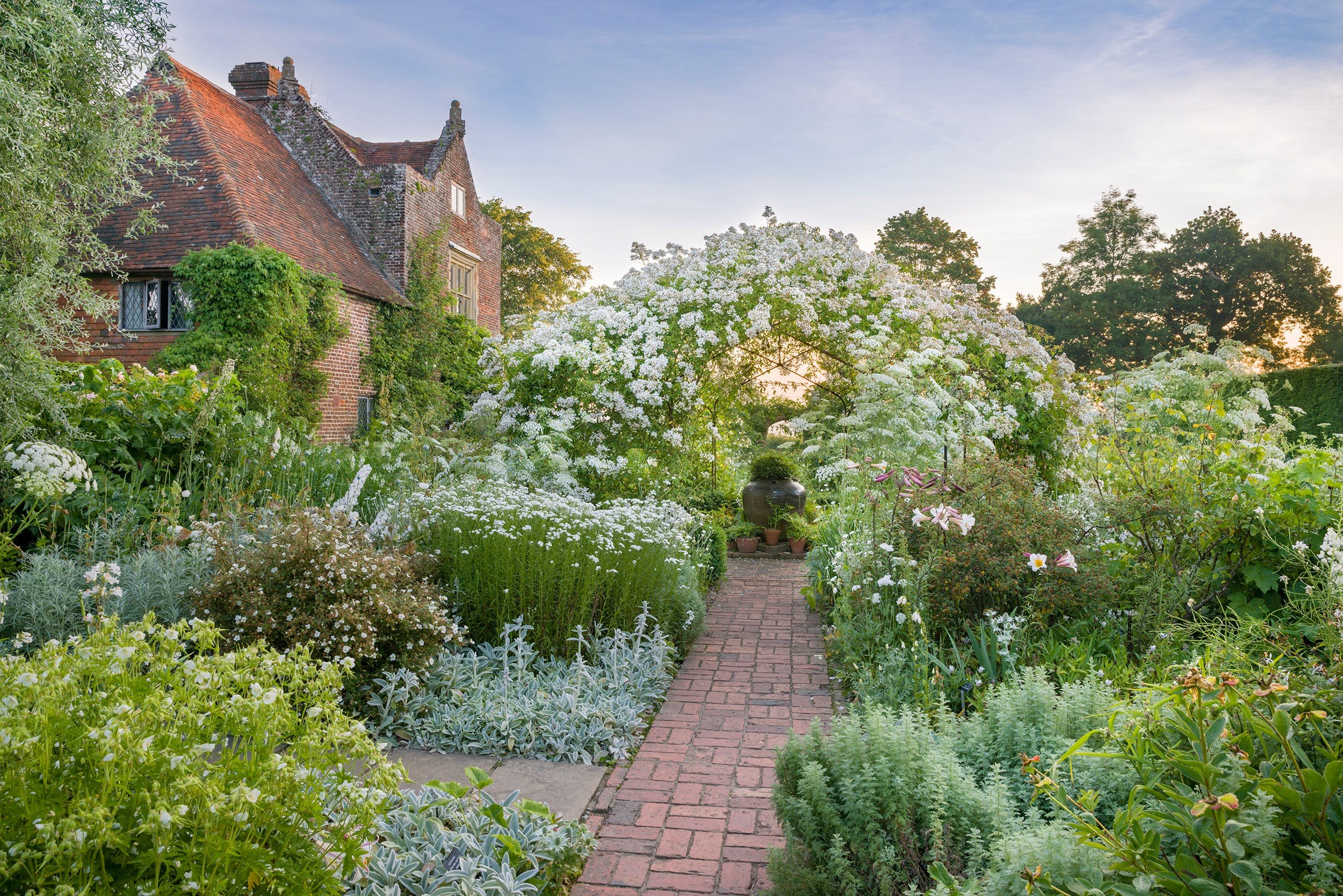 87 mi from SouthamptonSissinghurst Castle Garden: Room-by-Room Garden Design Masterclass
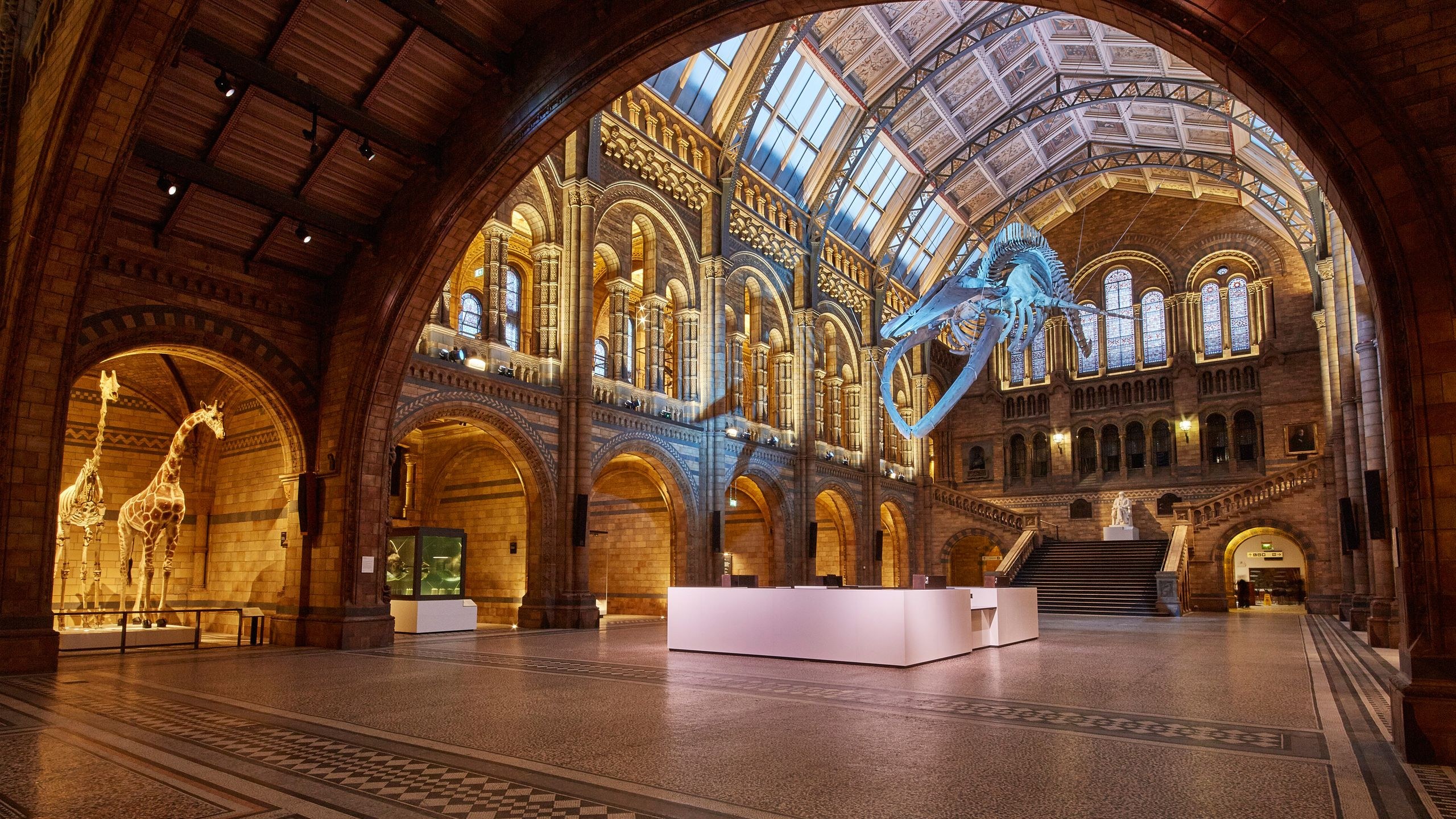 67 mi from SouthamptonNatural History Museum
 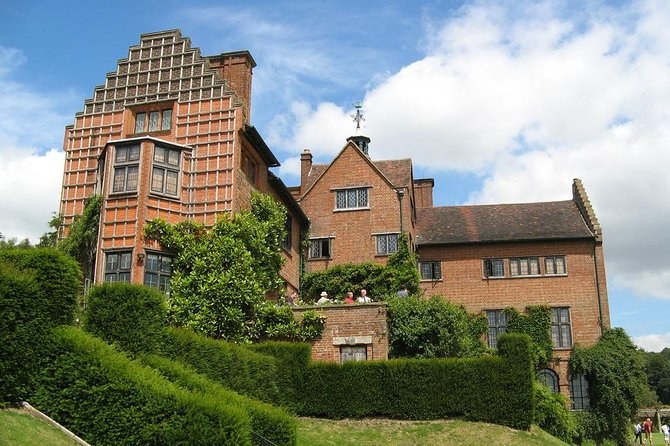 57 mi from Southampton · land adventureChurchill's Kent, Glyndebourne at Dusk & London's Secret Side
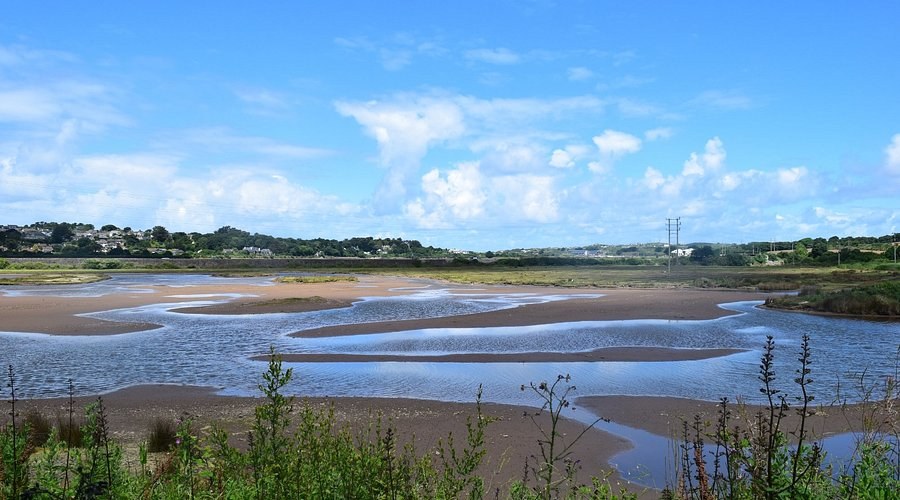 57 mi from Southampton · land adventureCornwall's Wild Coast: Tin Mines, Tidal Castles & Beach Bars
 66 mi from Southampton · land adventureGeorgian Bath, Wild Somerset: Limestone, Lions and Lock Flights
 The same trip, elevated
The same gateway on a more luxurious line — lead-in fare per person, same fare as booking direct.