Your cruise
Seven Seas Explorer · 16-night Caribbean round trip from Barcelona
Jul 21 – Aug 6 · 16 nights ·
Day 1 Barcelona (board) · Day 2 Ibiza · Day 3 Valencia · Day 4 Cartagena · Day 5 Malaga · Day 6 Gibraltar · Day 7 at sea · Day 8 Lisbon · Day 9 at sea · Day 10 Santa Cruz de Tenerife · Day 11 Santa Cruz de La Palma · Day 12 at sea · Day 13 Tangier · Day 14 Melilla · Day 15 Almeria · Day 16 Alicante · Day 17 Barcelona (step off)
What you do Hop the 30-minute fast ferry from the same harbor your ship is docked in to Formentera, then walk or rent a scooter to Playa de Ses Illetes, repeatedly voted the #1 beach in Europe. Shallow, glass-clear turquoise water and brilliant white sand inside the UNESCO-protected Ses Salines park make this the single most jaw-dropping thing within reach of the port. The 30-min crossing each way leaves 5+ hours on the island, so it fits a 6-8 hour port day with margin.
What to expect You'll make a quick 30-minute ferry crossing from the cruise terminal to Formentera, then walk or rent a scooter to Playa de Ses Illetes—the consistently ranked #1 beach in Europe. There you'll encounter the jaw-dropping reality: shallow, glass-clear turquoise water lapping against brilliant white sand within the UNESCO-protected Ses Salines park. With 5+ hours on the island before your return ferry, you'll have genuine time to swim, sunbathe, and soak in what feels like the Spanish Caribbean without the cruise-ship crowds.
Good to know Book the morning's first ferry departure (departing every ~30 minutes) and budget 1 hour total for the round-trip crossing, leaving 5–6 hours for beach time; confirm your ship's all-aboard time before committing, as this is the longest excursion window from port. Trasmapi fast-ferry tickets run ~$48–53 per adult ($27 child) foot-passenger—nearly half the price of ship-line Formentera catamaran excursions—and apply discount codes like 4MENTERA (up to 19% off) when booking online. The ferry terminal is in the same harbor as your cruise dock; bring cash or cards, reef-safe sunscreen, and water, as Ses Illetes has minimal facilities. Build in a 30–45 minute buffer before all-aboard to clear any ferry delays and walk back to your ship unrushed.
Versus the ship tour Direct wins decisively. Cruise-line Formentera catamaran/swim outings run $85-120pp; the bare ferry to the best beach in Europe is ~$50pp. You give up the open-bar boat ride, but you get the actual marquee beach for less than half the price. Buy the morning's first ferry and keep your all-aboard time in mind since this is the longest item on the list.
What you do Es Vedra is THE iconic Ibiza image: a 400m limestone monolith rising sheer from the sea off the southwest coast, wrapped in mariner legend and unreachable by land. This 4-hour boat circles Es Vedra and Vedranell, slips past sea caves and the 'Atlantis' quarry, and drops anchor for a ~50-minute swim and snorkel stop in the crystalline coves by Cala d'Hort. The only way to experience the island's most photographed landmark up close.
What to expect You'll depart Port of San Antonio at 10:00 on a boat that circles the monumental 400m limestone Es Vedra and its neighbor Vedranell, gliding past sea caves and the 'Atlantis' quarry to witness Ibiza's most iconic landmark rising sheer from the sea. The boat then anchors in the crystalline coves by Cala d'Hort for roughly 50 minutes of swimming and snorkeling in gin-clear water, with snorkel gear and floats provided. After you're back aboard and dried off, you'll enjoy a fruit-and-snacks aperitif as the boat returns to port. The entire arc—departure, exploration, swim, return—takes approximately 4 hours, leaving your afternoon free for the rest of your port day.
Good to know Budget 25–30 minutes by taxi or bus from the cruise dock to Port of San Antonio, plus return transfer time, so depart your ship no later than 9:15 to make the 10:00 departure comfortably. The 4-hour boat trip returns by early afternoon, giving you 2–3 hours on-ship before typical all-aboard times. Bring a towel, reef-safe sunscreen, and water shoes; snorkel gear is included, but consider booking ahead directly with Nautilus Ibiza ($48 adult / $25 child) rather than relying on ship-sold packages, which are more than double the price and don't reach the water. Allow buffer time for transport delays, especially if relying on public buses rather than a private taxi.
Versus the ship tour Direct wins. Ship-sold scenic island drives ($69-110pp) never get you near Es Vedra by water at all, and cruise catamaran outings cost $85-120pp. At $48 this is the cheapest way to the iconic view. Caveat: it leaves from San Antonio, ~25-30 min by taxi/bus from the cruise dock, so budget transfer time both ways.
What you do Paddle a small-group kayak along Ibiza's southwest cliffs into hidden sea caves and secluded coves you simply cannot reach any other way, then snorkel over protected Posidonia seagrass in some of the clearest water in the Mediterranean. It's the active, adventurous counterpart to a lazy beach day - and far more talk-worthy than a boat you only sit on. Locally run, capped at 14 people, with a guide who knows every cove.
What to expect You'll paddle your kayak in a small group of up to 14 people along Ibiza's dramatic southwest cliffs, weaving into hidden sea caves and secluded coves unreachable by any other means. After exploring the caves, you'll slip into some of the Mediterranean's clearest water to snorkel over protected Posidonia seagrass beds, with your knowledgeable local guide leading you to the best spots. Between paddle and snorkel, you'll refuel with fruit and dried-fruit snacks while floating in the coves. It's an active, immersive counterpart to passive beach time—the kind of day that sticks with you long after the ship sails.
Good to know Depart the cruise port with 25–30 minutes of transfer time to reach Cala Codolar near San Antonio, where the ~3-hour guided tour begins; this fits comfortably within a 6–8 hour port window if you leave early. All gear is provided—snorkel equipment, guide, and even photos captured during the activity—so you only need to bring a swimsuit, sunscreen, and a towel. Book directly with Fun Kayaks Ibiza in advance to secure your spot in the capped 14-person group and confirm the exact departure time. Plan to return to the ship with at least 30–45 minutes of buffer time before all-aboard.
Versus the ship tour Direct wins on experience and price. There is no cruise-line equivalent that actually puts a paddle in your hands and takes you into the caves; the ship's water options are sit-down catamarans at $85-120pp. At ~$54 with a 14-person cap and photos included, this is the adventurer's pick. Plan ~25-30 min transfer from the cruise port to Cala Codolar.
What you do Your ship docks directly below Dalt Vila, a 5-minute walk to the gates of a UNESCO World Heritage fortified old town that climbs 40m above the harbor - 16th-century Renaissance walls, cobbled lanes, the cathedral and castle, and ramparts with sweeping Mediterranean views. It's the historic soul of the island and impossible to regret. Walk it free, or take an official guided version that ends with a hands-on sangria workshop and tapas.
What to expect You dock directly at the harbor and walk 5 minutes uphill through cobbled lanes into Dalt Vila's 16th-century fortified old town—Renaissance walls rise 40m above the water, framing the cathedral and castle as you climb deeper into narrow streets. If you choose the guided option, a local guide leads you through the ramparts with sweeping Mediterranean vistas before ending at a hands-on sangria workshop where you craft and sip your own drink alongside tapas. Free explorers simply wander at their own pace, pausing at viewpoints and ducking into the cathedral; the rhythm is unhurried, with most visitors spending 1.5 to 3 hours taking in the architecture and views before returning to the pier.
Good to know The walk from ship to Dalt Vila's gates takes just 5 minutes, so even on a standard 6–8 hour port day, you have flexibility; budget 2.5 hours for the official guided tour (including sangria workshop and tapas) or 1.5–2 hours for independent exploration. Book the guided tour through Azuree Ibiza Events in advance if you want structure and the workshop experience, though walking free requires no reservation. Wear comfortable shoes—the cobbled lanes and rampart paths are steep and uneven—and bring sun protection, as the exposed walls and viewpoints offer little shade. Allow 30 minutes buffer before all-aboard to account for the walk back down to the pier.
Versus the ship tour Both directions matter here. The cruise-line guided Old Town walk runs $70-100pp; Azuree's official guided tour is similar or a touch less ($65-74) but adds a sangria workshop and tapas - better value if you want a guide. But the honest call for most first-timers: just walk up from the dock for $0. The walls, cathedral and viewpoints are free and a 5-minute stroll from the ship.
What you do The polished, sun-soaked side of Ibiza in one half-day: a pine-fringed white-sand bay with turquoise water, restaurants, daybeds and DJs at one of Europe's most celebrated beach clubs. Reserve a sunbed or Balinese bed directly in advance, then settle in for the glamorous-but-laid-back scene the island is famous for. A low-stress, near-island safety-net alternate if the boat trips are sold out or the seas are rough.
What to expect Arrive at Cala Bassa to a pine-sheltered white-sand crescent lapped by turquoise water—the polished, less-frenetic face of Ibiza. Claim your reserved sunbed or Balinese daybed, settle into the glamorous-but-relaxed rhythm: DJ sets, restaurant service, and the gentle geography of a celebrated European beach club unfold around you. The afternoon drifts between water, socialising, and food-and-drink service at your bed, with none of the logistical friction of organised boat excursions. You'll leave sun-saturated and grounded, having experienced the island's famous laid-back luxury without rushing.
Good to know Book a sunbed or Balinese bed directly with Cala Bassa in advance (€25–€100+ depending on zone); beach entry itself is free. Allow 25–30 minutes for a taxi from the cruise port to Cala Bassa (~€5–€10 per person), or mirror the ship's standard Playa d'en Bossa option for nearly the same taxi cost. Within a 6–8 hour port window, depart the ship early to maximise daylight and beach time; factor 90 minutes minimum for return taxi and security re-boarding. Bring sunscreen, a card or cash for food and drinks, and confirm your bed reservation is locked before you leave the ship.
Versus the ship tour Direct wins over the ship's beach-break transfer. Cruise 'Ibiza Beach Break' outings to Playa d'en Bossa are $45-60pp for what is essentially a paid round-trip transfer. Going direct to CBbC, you pay only for the bed/food you actually use and get a far nicer bay - but factor a ~25-30 min taxi from the cruise port (~$5-10pp to closer Playa d'en Bossa if you'd rather mirror the ship's beach for almost nothing).
What you do Step inside the most famous unfinished building on earth, where Gaudi's stone forest of columns explodes into a kaleidoscope of stained-glass light that moves across the floor through the day. Add the tower ticket to ride the lift up a spire and walk back down the dizzying spiral stair with the city at your feet. Buy a strict timed entry slot, go early in your port window, and you'll beat both the queue and the midday glare.
What to expect You'll enter Gaudí's masterpiece and encounter a forest of soaring stone columns that dissolve into kaleidoscopic stained-glass light, shifting across the basilica floor as the sun moves through the day. If you book tower access, you'll ride the lift up a spire and descend the dizzying spiral staircase with Barcelona spreading below you. The unfinished vastness—both earthbound and dreamlike—fills the space in a way photographs cannot capture, and the audioguide walks you through every sculptural detail as you move through the nave.
Good to know Book a strict timed entry slot directly from the official Basilica de la Sagrada Familia site before your port day and go early in your window to beat both queues and harsh midday glare. Basic entry (EUR 26) includes the audioguide app; add EUR 10 for tower access (EUR 36 total) if you want the climb. Get there by taxi, metro, or ship-organized transport—the official tickets skip the reseller markup and save you $40–130 per person versus ship packages. Allow 2–3 hours inside the basilica itself, plus buffer time for entry and return, leaving at least 30–45 minutes to get back to the pier before all-aboard.
Versus the ship tour Direct wins overwhelmingly. The ship charges $75-170pp for guided/skip-line Sagrada Familia + Park Guell combos; the official tower ticket is ~$40pp and the basic ~$28pp. Same building, same skip-the-queue timed entry, for a fraction of the price. You save roughly $40-130pp and keep the audioguide. The only thing the ship adds is a bus and a guide reciting what the EUR 26 audioguide already tells you.
book direct with Basilica de la Sagrada Familia (official) → · the full guide →
What you do Ride out of the city to the serrated, otherworldly rock massif of Montserrat, ride the rack railway up the cliff face, and stand before the Black Madonna in the Benedictine basilica. If your day lands on a weekday you may catch the Escolania boys' choir, one of Europe's oldest. A guided coach handles the logistics and the timing so you are not gambling your ship's all-aboard on Spanish regional rail.
What to expect You'll depart Barcelona Nord by guided coach around 9:00am and ride into the otherworldly rock massif of Montserrat, where jagged peaks rise like a serrated fortress. At the foot of the cliffs, you'll board the rack railway that climbs the steep face, delivering you to the Benedictine basilica where the Black Madonna awaits in her shrine. A guide walks you through the sacred basilica, and if your excursion lands on a weekday, you may catch the Escolania boys' choir—one of Europe's oldest—singing in the morning service. The return coach departs mid-afternoon, arriving back at the port by around 4:15pm, giving you time to decompress before all-aboard.
Good to know Book the EUR 68.40 online rate with Catalunya Bus Turistic (Barcelona Turisme) well ahead to lock savings over cruise-line pricing ($25–185 cheaper per person). Confirm your ship's all-aboard time before booking—this ~7.25-hour excursion ends mid-afternoon, and the guided coach is your guaranteed return to port, so no gambling on Spanish regional rail. Wear sturdy walking shoes and bring layers, as the monastery sits at altitude and morning temperatures vary; the rack railway is steep but brief. Meet at Barcelona Nord bus station; your operator handles all transport and timing from city to mountain and back to the pier.
Versus the ship tour Direct wins clearly. Cruise-line Montserrat tours run $98-149pp and one premium-line passenger reported $259pp; this licensed multi-year operator delivers the same mountain, basilica and museum for ~$74pp, saving $25-185pp. PORT-DAY FLAG: this is a half-day, ~7.25hr round trip ending mid-afternoon, so confirm it lands inside your all-aboard. If you want the absolute floor and can self-navigate, the official Tot Montserrat ticket (EUR 71.50, adds the cable-car/lunch buffet and all funiculars) does it DIY by train, but you lose the guide and the guaranteed coach back to the port.
book direct with Catalunya Bus Turistic (Barcelona Turisme) → · the full guide →
What you do Climb to Gaudi's fairytale hillside park where the famous serpentine bench snakes in broken-tile mosaic around a terrace with the whole city and the sea spread below. The gingerbread gatehouses, the mosaic lizard fountain and the columned Hypostyle Hall make this the most photographed open-air Gaudi work in Barcelona. Book a timed slot for the Monumental Zone and arrive within your 30-minute entry grace window.
What to expect You'll arrive at Park Güell's Monumental Zone within a timed 30-minute entry window and climb the hillside into Gaudí's dreamlike landscape of gingerbread gatehouses and winding mosaic pathways. The iconic serpentine bench—snaking in broken-tile mosaics—curves around a terrace with sweeping views of Barcelona and the sea below, a photographer's paradise at every turn. You'll wander through the columned Hypostyle Hall and encounter the whimsical mosaic lizard fountain, experiencing the most photographed open-air Gaudí work in the city. The rhythm builds from initial climb to breathless overlook moment, then the slower, meditative wandering among the ceramic-clad structures and panoramic terraces.
Good to know Book your timed slot for the Monumental Zone well ahead (€18pp includes all Gaudí works and terraces, VAT included). Budget a taxi or bus both ways from the pier—the site is uphill and slightly off the metro—and plan to spend 1.5–2 hours at the park itself, leaving 2–3 hours total for transport buffers in a 6–8 hour port window. Arrive at the pier-side transport with at least 90 minutes before your ship departure to clear the security buffer. Bring sun protection and comfortable climbing shoes; if Sagrada Familia is also on your list, prioritize that cathedral over this one due to time constraints.
Versus the ship tour Direct wins big. The ship folds Park Guell into Gaudi tours priced $75-170pp; the official monument ticket is ~$20pp. Even adding a EUR 13 taxi up the hill you are far under the ship rate, saving $50-150pp. Honest caveat: it's uphill and a bit off the metro, so budget a taxi/bus each way and a firm timed slot. If you only have time for one Gaudi stop, prioritize Sagrada Familia over this one.
book direct with Park Guell (official, Barcelona City Council) → · the full guide →
What you do Slip out of the old harbor under sail on a real catamaran and see Barcelona's skyline, the Barceloneta beaches and the working port from the water, with a full bar aboard if you want a vermouth in hand. It is the rare port-day activity that starts steps from where most ships dock, so there is almost no travel time eating into your clock. Quiet, scenic, and an easy reset between the heavier Gaudi and mountain days.
What to expect You slip out of Port Vell under sail on a real catamaran, watching Barcelona's skyline recede as you glide past the Barceloneta beaches and the working harbor—all from the water, in the rare quiet that comes when most port-goers are queuing for cable cars. The 1.5-hour sail (or longer for Jazz options) unfolds at the pace of the breeze, with an onboard bar letting you nurse a vermouth while the city rises behind you. This is atmosphere and scenery: the kind of reset day that earns its place *between* the heavier Gaudi museum runs and mountain climbs, not as a standalone centerpiece.
Good to know The catamaran departs directly from Colon/Port Vell—steps from where most cruise ships dock—so there is almost no travel time; you can be aboard within 10–15 minutes of leaving the ship. Book the 1.5-hour Catamaran Sail & Skyline (EUR 18.50pp) or upgrade to Jazz & Chill Out (EUR 22.50pp) or Sunset Jazz (EUR 28pp) directly with Catamaran Orsom to save 50–80% versus ship-sold harbor alternatives. Plan to return well within a 6–8 hour port window, leaving ample buffer for any delays; bring sunscreen, sunglasses, and a light layer for wind on the water, and confirm departure times when booking to align with your ship's all-aboard.
Versus the ship tour Direct wins, roughly half price. Ship-sold harbor sails run $60-80pp and multi-element 'land/sea/air' packages hit $214pp; ORSOM's direct sail is ~$20-31pp, a $40-180pp saving. It departs right at Port Vell so you skip the bus shuffle. Honest note: this is scenery and atmosphere, not a bucket-list 'must,' so slot it only after you've locked the marquee sights.
What you do Drive into the Penedes vineyards, taste across varieties at the Torreblanca winery, then get hands-on at ArtCava to riddle and cork your own bottle of cava to take home as the rare souvenir you actually made. It is Spain's sparkling-wine heartland and a genuine craft experience rather than a pour-and-go tasting. A real port-day alternative to another church or museum.
What to expect You'll board a coach at Barcelona Nord around 9:00am and drive into the Penedes vineyards, Spain's sparkling-wine heartland, for a vineyard walk and guided tasting across varieties at Torreblanca winery. From there, you'll move to ArtCava for a hands-on workshop where you'll ridge and cork your own bottle of cava—a genuine craft experience, not a pour-and-go tasting—before heading back to the pier by approximately 2:15pm with a bottle you've made yourself as your souvenir.
Good to know The entire excursion runs ~5.25 hours round-trip, departing Barcelona Nord and returning early afternoon, which fits comfortably within most all-aboard windows—but confirm your sailing time and treat the coach's return as your hard deadline. Price is EUR 104pp online (EUR 116 regular) and includes round-trip coach, vineyard walk, tastings at two wineries, the guided ArtCava tour, your make-your-own-cava workshop, and the bottle to take home. Book online in advance to lock in the EUR 104 rate rather than pay the regular price at the port. Bring comfortable walking shoes for the vineyard and ArtCava, stay hydrated between tastings, and allow 15–20 minutes buffer time to clear the coach and return to your ship.
Versus the ship tour Direct wins, ~$75-80pp. The cruise line's Cava + tapas + vineyard and Familia Torres winery tours run $186-195pp; this is ~$113pp for two wineries plus a hands-on workshop and a bottle, a saving of about $75pp. PORT-DAY FLAG: ~5.25hr round trip returning early afternoon, comfortably inside most all-aboards, but confirm against your sailing time and treat the coach's return as your hard deadline.
book direct with Catalunya Bus Turistic (Barcelona Turisme) → · the full guide →
What you do Walk the famous La Boqueria market with a chef, then cook a real Catalan paella and a couple of tapas by hand before sitting down to eat what you made with sangria in hand. It's three hours, minutes off La Rambla, and a low-stress way to take Barcelona home in your hands rather than your camera roll. The near-port safety net if a long mountain or vineyard run feels too tight against your all-aboard.
What to expect You'll start at La Boqueria market with a chef guide introducing the vibrant produce and Catalan ingredients, then move to the kitchen to roll up your sleeves and cook a real paella and two tapas by hand under instruction. The rhythm flows from market sensory overload—color, noise, vendors—to focused, measured cooking where you learn technique in a small group. After three hours of chopping, stirring, and tasting, you sit down to eat what you've made with sangria in hand, transforming the morning's market finds into your own meal.
Good to know Sessions run at 10:30, 13:00, 16:00, and 18:45; a 10:30 start gives you a full 6+ hours back on ship before evening all-aboard, while the 13:00 slot works if your port window is shorter. The venue is central, just minutes off La Rambla near Liceu metro—walkable from the pier or a quick taxi, with minimal coach risk. Book ahead through Cook & Taste to secure your time slot and session; the EUR 72 price includes all instruction, equipment, recipes, and beverages, so there are no surprise costs. Plan to return to the ship by your all-aboard time with a 30–45 minute buffer built in; the class ends by its scheduled time (e.g., 13:45 for the 10:30 session), leaving you a safe window to walk or cab back to the pier.
Versus the ship tour Direct wins, $50-115pp. The ship's tapas/food/wine tours run $128-195pp; this hands-on class is ~$79pp, a $50-115pp saving, and you actually cook rather than just follow a guide between bars. As a safety-net it is unbeatable for the clock: it's central, short, and books in fixed time slots, so you can pick the session that fits your remaining port hours with zero coach risk.
book direct with Cook & Taste (Barcelona Cooking Classes) → · the full guide →
What you do Hop the 30-minute fast ferry from the same harbor your ship is docked in to Formentera, then walk or rent a scooter to Playa de Ses Illetes, repeatedly voted the #1 beach in Europe. Shallow, glass-clear turquoise water and brilliant white sand inside the UNESCO-protected Ses Salines park make this the single most jaw-dropping thing within reach of the port. The 30-min crossing each way leaves 5+ hours on the island, so it fits a 6-8 hour port day with margin.
What to expect You'll make a quick 30-minute ferry crossing from the cruise terminal to Formentera, then walk or rent a scooter to Playa de Ses Illetes—the consistently ranked #1 beach in Europe. There you'll encounter the jaw-dropping reality: shallow, glass-clear turquoise water lapping against brilliant white sand within the UNESCO-protected Ses Salines park. With 5+ hours on the island before your return ferry, you'll have genuine time to swim, sunbathe, and soak in what feels like the Spanish Caribbean without the cruise-ship crowds.
Good to know Book the morning's first ferry departure (departing every ~30 minutes) and budget 1 hour total for the round-trip crossing, leaving 5–6 hours for beach time; confirm your ship's all-aboard time before committing, as this is the longest excursion window from port. Trasmapi fast-ferry tickets run ~$48–53 per adult ($27 child) foot-passenger—nearly half the price of ship-line Formentera catamaran excursions—and apply discount codes like 4MENTERA (up to 19% off) when booking online. The ferry terminal is in the same harbor as your cruise dock; bring cash or cards, reef-safe sunscreen, and water, as Ses Illetes has minimal facilities. Build in a 30–45 minute buffer before all-aboard to clear any ferry delays and walk back to your ship unrushed.
Versus the ship tour Direct wins decisively. Cruise-line Formentera catamaran/swim outings run $85-120pp; the bare ferry to the best beach in Europe is ~$50pp. You give up the open-bar boat ride, but you get the actual marquee beach for less than half the price. Buy the morning's first ferry and keep your all-aboard time in mind since this is the longest item on the list.
What you do Es Vedra is THE iconic Ibiza image: a 400m limestone monolith rising sheer from the sea off the southwest coast, wrapped in mariner legend and unreachable by land. This 4-hour boat circles Es Vedra and Vedranell, slips past sea caves and the 'Atlantis' quarry, and drops anchor for a ~50-minute swim and snorkel stop in the crystalline coves by Cala d'Hort. The only way to experience the island's most photographed landmark up close.
What to expect You'll depart Port of San Antonio at 10:00 on a boat that circles the monumental 400m limestone Es Vedra and its neighbor Vedranell, gliding past sea caves and the 'Atlantis' quarry to witness Ibiza's most iconic landmark rising sheer from the sea. The boat then anchors in the crystalline coves by Cala d'Hort for roughly 50 minutes of swimming and snorkeling in gin-clear water, with snorkel gear and floats provided. After you're back aboard and dried off, you'll enjoy a fruit-and-snacks aperitif as the boat returns to port. The entire arc—departure, exploration, swim, return—takes approximately 4 hours, leaving your afternoon free for the rest of your port day.
Good to know Budget 25–30 minutes by taxi or bus from the cruise dock to Port of San Antonio, plus return transfer time, so depart your ship no later than 9:15 to make the 10:00 departure comfortably. The 4-hour boat trip returns by early afternoon, giving you 2–3 hours on-ship before typical all-aboard times. Bring a towel, reef-safe sunscreen, and water shoes; snorkel gear is included, but consider booking ahead directly with Nautilus Ibiza ($48 adult / $25 child) rather than relying on ship-sold packages, which are more than double the price and don't reach the water. Allow buffer time for transport delays, especially if relying on public buses rather than a private taxi.
Versus the ship tour Direct wins. Ship-sold scenic island drives ($69-110pp) never get you near Es Vedra by water at all, and cruise catamaran outings cost $85-120pp. At $48 this is the cheapest way to the iconic view. Caveat: it leaves from San Antonio, ~25-30 min by taxi/bus from the cruise dock, so budget transfer time both ways.
What you do Paddle a small-group kayak along Ibiza's southwest cliffs into hidden sea caves and secluded coves you simply cannot reach any other way, then snorkel over protected Posidonia seagrass in some of the clearest water in the Mediterranean. It's the active, adventurous counterpart to a lazy beach day - and far more talk-worthy than a boat you only sit on. Locally run, capped at 14 people, with a guide who knows every cove.
What to expect You'll paddle your kayak in a small group of up to 14 people along Ibiza's dramatic southwest cliffs, weaving into hidden sea caves and secluded coves unreachable by any other means. After exploring the caves, you'll slip into some of the Mediterranean's clearest water to snorkel over protected Posidonia seagrass beds, with your knowledgeable local guide leading you to the best spots. Between paddle and snorkel, you'll refuel with fruit and dried-fruit snacks while floating in the coves. It's an active, immersive counterpart to passive beach time—the kind of day that sticks with you long after the ship sails.
Good to know Depart the cruise port with 25–30 minutes of transfer time to reach Cala Codolar near San Antonio, where the ~3-hour guided tour begins; this fits comfortably within a 6–8 hour port window if you leave early. All gear is provided—snorkel equipment, guide, and even photos captured during the activity—so you only need to bring a swimsuit, sunscreen, and a towel. Book directly with Fun Kayaks Ibiza in advance to secure your spot in the capped 14-person group and confirm the exact departure time. Plan to return to the ship with at least 30–45 minutes of buffer time before all-aboard.
Versus the ship tour Direct wins on experience and price. There is no cruise-line equivalent that actually puts a paddle in your hands and takes you into the caves; the ship's water options are sit-down catamarans at $85-120pp. At ~$54 with a 14-person cap and photos included, this is the adventurer's pick. Plan ~25-30 min transfer from the cruise port to Cala Codolar.
What you do Your ship docks directly below Dalt Vila, a 5-minute walk to the gates of a UNESCO World Heritage fortified old town that climbs 40m above the harbor - 16th-century Renaissance walls, cobbled lanes, the cathedral and castle, and ramparts with sweeping Mediterranean views. It's the historic soul of the island and impossible to regret. Walk it free, or take an official guided version that ends with a hands-on sangria workshop and tapas.
What to expect You dock directly at the harbor and walk 5 minutes uphill through cobbled lanes into Dalt Vila's 16th-century fortified old town—Renaissance walls rise 40m above the water, framing the cathedral and castle as you climb deeper into narrow streets. If you choose the guided option, a local guide leads you through the ramparts with sweeping Mediterranean vistas before ending at a hands-on sangria workshop where you craft and sip your own drink alongside tapas. Free explorers simply wander at their own pace, pausing at viewpoints and ducking into the cathedral; the rhythm is unhurried, with most visitors spending 1.5 to 3 hours taking in the architecture and views before returning to the pier.
Good to know The walk from ship to Dalt Vila's gates takes just 5 minutes, so even on a standard 6–8 hour port day, you have flexibility; budget 2.5 hours for the official guided tour (including sangria workshop and tapas) or 1.5–2 hours for independent exploration. Book the guided tour through Azuree Ibiza Events in advance if you want structure and the workshop experience, though walking free requires no reservation. Wear comfortable shoes—the cobbled lanes and rampart paths are steep and uneven—and bring sun protection, as the exposed walls and viewpoints offer little shade. Allow 30 minutes buffer before all-aboard to account for the walk back down to the pier.
Versus the ship tour Both directions matter here. The cruise-line guided Old Town walk runs $70-100pp; Azuree's official guided tour is similar or a touch less ($65-74) but adds a sangria workshop and tapas - better value if you want a guide. But the honest call for most first-timers: just walk up from the dock for $0. The walls, cathedral and viewpoints are free and a 5-minute stroll from the ship.
What you do The polished, sun-soaked side of Ibiza in one half-day: a pine-fringed white-sand bay with turquoise water, restaurants, daybeds and DJs at one of Europe's most celebrated beach clubs. Reserve a sunbed or Balinese bed directly in advance, then settle in for the glamorous-but-laid-back scene the island is famous for. A low-stress, near-island safety-net alternate if the boat trips are sold out or the seas are rough.
What to expect Arrive at Cala Bassa to a pine-sheltered white-sand crescent lapped by turquoise water—the polished, less-frenetic face of Ibiza. Claim your reserved sunbed or Balinese daybed, settle into the glamorous-but-relaxed rhythm: DJ sets, restaurant service, and the gentle geography of a celebrated European beach club unfold around you. The afternoon drifts between water, socialising, and food-and-drink service at your bed, with none of the logistical friction of organised boat excursions. You'll leave sun-saturated and grounded, having experienced the island's famous laid-back luxury without rushing.
Good to know Book a sunbed or Balinese bed directly with Cala Bassa in advance (€25–€100+ depending on zone); beach entry itself is free. Allow 25–30 minutes for a taxi from the cruise port to Cala Bassa (~€5–€10 per person), or mirror the ship's standard Playa d'en Bossa option for nearly the same taxi cost. Within a 6–8 hour port window, depart the ship early to maximise daylight and beach time; factor 90 minutes minimum for return taxi and security re-boarding. Bring sunscreen, a card or cash for food and drinks, and confirm your bed reservation is locked before you leave the ship.
Versus the ship tour Direct wins over the ship's beach-break transfer. Cruise 'Ibiza Beach Break' outings to Playa d'en Bossa are $45-60pp for what is essentially a paid round-trip transfer. Going direct to CBbC, you pay only for the bed/food you actually use and get a far nicer bay - but factor a ~25-30 min taxi from the cruise port (~$5-10pp to closer Playa d'en Bossa if you'd rather mirror the ship's beach for almost nothing).
What you do Step inside Santiago Calatrava's blinding-white, sci-fi City of Arts and Sciences and into the Oceanografic, the biggest aquarium in Europe, where a glass tunnel puts sharks and rays gliding over your head and beluga whales, sea lions and a dolphin lagoon fill nine themed marine worlds. It is the single most photographed image of Valencia and the closest marquee sight to the cruise terminal, about 12-20 minutes by bus line 95 or a ~12-15 euro taxi. For a first-timer with one port day, this is the regret-if-you-miss-it stop.
What to expect You arrive at Santiago Calatrava's gleaming City of Arts and Sciences and step into the Oceanografic, Europe's largest aquarium, where a glass tunnel frames sharks and rays gliding silently overhead. From there you move through nine themed marine worlds—beluga whales, sea lions, and a dolphin lagoon punctuate the journey—each zone a deeper plunge into underwater spectacle. The dolphin and sea-lion shows provide the natural rhythm breaks and peak photo moments. It's an immersive, self-paced flow from zone to zone, capped by the single most photographed image Valencia offers.
Good to know Book your ticket direct online (EUR 35.90–43.05 adult; combo packages with Hemisferic IMAX and Science Museum run EUR 44–51.25) and allow 2.5–4 hours inside the aquarium to cover all zones and catch both shows comfortably. From the cruise terminal, take line 95 bus (12–20 minutes) or a taxi (~EUR 12–15) directly to the City of Arts and Sciences; the walk from either drop-off to Oceanografic is short and self-evident. Plan to be back at the pier 90 minutes before all-aboard, and bring a camera—the underwater glass tunnels and Calatrava architecture demand it.
Versus the ship tour DIRECT WINS BIG. Lines like Celebrity and Royal Caribbean sell a city-visit-plus-Oceanografic tour at $95-130 pp; the aquarium ticket booked direct is only ~$39-46, so even with a taxi you save roughly $50-80 pp and skip the bus-herd pacing. The only thing the ship adds is guided transfer, which the line-95 bus or a short cab replaces for a few euros.
book direct with Oceanografic Valencia (Ciutat de les Arts i les Ciencies) → · the full guide →
What you do Glide out across the mirror-still freshwater lagoon in a traditional flat-bottomed albuferenc wooden boat, poled and motored past herons, reed beds and the rice paddies that actually gave the world paella, best at the golden-hour light Valencia is famous for. This is the postcard the cathedral and aquarium can't replicate, and at roughly 25 minutes from the port it pairs perfectly with an authentic paella lunch in the El Palmar village beside the dock.
What to expect You'll travel roughly 25 minutes from the port to El Palmar village and board a traditional flat-bottomed wooden boat, poled and motored across the mirror-still freshwater Albufera Lagoon. As you glide past herons, reed beds, and the rice paddies that gave paella to the world, golden-hour light transforms the landscape into postcard perfection—a natural experience the cathedral and aquarium cannot match. The shared lagoon ride lasts about 45 minutes, immersing you in the serene working wetlands that define this region. Pair it seamlessly with an authentic paella lunch at a village restaurant beside the dock, creating a complete sensory journey of Valencia's most authentic culinary and natural heritage.
Good to know Book directly with Paseos en Barca El Besso (WhatsApp/phone +34 678 336 181 or their website) for a standard ~45-minute ride at EUR 5 adult/EUR 3 child, or opt for a sunset/longer ride at EUR 7—a fraction of cruise-line bundled tour pricing. From the pier, take a taxi to El Palmar dock (roughly 25 minutes); consider hiring the same taxi to wait, or arrange round-trip transport through an independent port-gate operator for ~€75–85 to include boat and paella. Book your boat slot and paella restaurant reservation in advance to secure timing, and budget 4–5 hours total (transport, boat, meal, return) to maintain a safe buffer before all-aboard. Bring sun protection and a camera for golden-hour shots, and note that the boat is weather-dependent; confirm departures the morning of your port day.
Versus the ship tour DIRECT IS A FRACTION OF THE PRICE. The boat ride itself is ~5 euros booked directly with the barquero; cruise lines bundle it into 'Old Quarter and Albufera with paella' tours at $90-130 pp. If you want the whole package handled, an independent port-gate operator does boat + paella + round-trip transport for ~$82-92 pp and still beats the ship by $20-50. But the boat alone, self-driven by taxi, is the budget bucket-list steal of the port.
book direct with Paseos en Barca El Besso → · the full guide →
What you do Shop for ingredients at the 1928 Modernista Central Market with a Valencian chef, then learn to build the genuine article over fire, rice, chicken, rabbit and garrofo beans, never chorizo, and eat your own creation with regional wine and tapas. It is a hands-on, take-home-a-skill experience run by a real local operator, and the ~3.5-hour morning format slots cleanly inside a 6-8 hour port day for foodies who want to do more than sightsee.
What to expect You'll start with a guided walk through the soaring Modernista halls of the 1928 Central Market, learning to spot authentic paella ingredients alongside your Valencian chef before heading to the cooking space. There you'll work hands-on—building genuine paella over fire with rice, chicken, rabbit, and garrofo beans (never the tourist shortcut of chorizo). As the dish comes together, you'll taste regional wine and tapas, then sit down to eat the paella you've just made. The morning format flows as a natural arc from market discovery to skill-building to meal, completing in roughly 3.5 hours.
Good to know The ~3.5-hour morning class fits neatly into a 6–8 hour port day, leaving buffer time for tender queues and the walk back to the pier. Book directly with Sea Saffron (not the cruise line) to confirm pickup logistics from the Valencia port and confirm whether transportation is included. Wear closed-toe shoes suitable for standing in a market and near an open fire, and bring an appetite—you'll finish with your own cooked paella plus wine service. Reserve ahead, especially for weekend calls, since local operators fill faster than ship-sponsored alternatives.
Versus the ship tour DIRECT WINS. Cruise-line culinary excursions run $130-225 pp (tapas-and-wine city tours up to $221-226, cooking classes ~$139); Sea Saffron's hands-on class with market tour is ~$80 booked direct, saving $50-145 pp, and you deal with a genuinely Valencian operator instead of a contracted group bus.
What you do In its own Gothic side chapel the cathedral guards the agate cup the Vatican recognizes as the most credible candidate for the Holy Grail of the Last Supper, the spiritual heart of the Old Town. Then climb the 207 spiraling steps of the Miguelete bell tower for the definitive 360-degree panorama over Valencia's terracotta rooftops and domes. Compact, walkable and self-paced, it anchors any Old Town port-day plan.
What to expect You'll start in Valencia's compact Old Town, entering the Gothic cathedral to view the agate Holy Grail cup in its own chapel—a profound, quieter moment amid the architectural grandeur—before moving through the Treasury and museum at your own pace with an audioguide. Then you'll face the decision: take the 207 spiraling steps of the Miguelete bell tower for an unobstructed 360-degree panorama of terracotta rooftops and domes, or linger in the historic center's walkable streets. The rhythm is entirely self-directed; you move when you want, rest when you want, and the compact geography keeps you anchored without feeling rushed.
Good to know The cathedral and tower entry (~$12–14 total) should be booked direct at the official site or purchased at the door to avoid ship markups. Budget 2.5–3 hours for the full cathedral experience plus the tower climb; the Old Town is a flat, easy 10–15 minute walk from the cruise pier, leaving you 2–3 hours for additional wandering or a cafe stop. Build in a 30-minute buffer to return to the ship; bring comfortable walking shoes, sunscreen, and a small day bag, as the tower climb is tight and steep. Book ahead online only if you're visiting during peak season (May–September) to guarantee entry slots.
Versus the ship tour DIRECT WINS, AND IT'S SELF-GUIDED. Lines sell a Valencia City Highlights / panoramic Old Town tour at $70-95 pp; the cathedral and tower booked direct total ~$12-14 pp, and the historic center is an easy self-guided walk. The ship only adds a guide and coach transfer, worth it solely if you want zero logistics, otherwise you're paying $60+ extra for narration.
book direct with Catedral de Valencia (Basilica Metropolitana) → · the full guide →
What you do After a 1957 flood Valencia rerouted its river and turned the 9 km dry riverbed into one of Europe's great urban parks, a green ribbon winding under the city's historic stone bridges from the Old Town all the way to the City of Arts and Sciences. Rent a bike and ride the traffic-free corridor to string nearly every major sight together, the smartest, most local way to cover a lot of Valencia on a short port day.
What to expect You'll rent a bike at Valencia Bikes and pedal the 9 km traffic-free ribbon of the Turia Gardens, a green corridor that winds under historic stone bridges from the Old Town through the city's lush heart straight to the City of Arts and Sciences. Along the way you'll string together nearly every major sight—medieval plazas, arched architecture, and Calatrava's futuristic complex—without fighting traffic or crowds. The route flows as a seamless scenic loop, each landmark appearing naturally as you glide beneath centuries-old bridges and through sun-dappled parks. It's the closest thing to a personal-guided tour you'll get without paying for one, but entirely at your own pace and on your own discovery.
Good to know Rent your bike early to maximize daylight and give yourself 4–5 hours to ride the gardens, explore the Old Town, and visit the City of Arts and Sciences without rushing. The rental fee (~$13–16 including helmet and lock) is non-negotiable, so budget that upfront; guided tours are available at higher rates if you prefer narration. Allow at least 90 minutes buffer to return the bike, walk back to the pier, and clear security before all-aboard. Bring water, sunscreen, and check that the bike's brakes and tires work before leaving the rental shop—the route is flat and safe, but you'll be exposed to Valencia's sun for hours.
Versus the ship tour DIRECT WINS for the self-reliant. The ship's panoramic city tours run $70-110 pp; a half-day bike for ~$15 lets you self-connect the Old Town, Turia park and the Calatrava complex in one scenic loop, saving $55+ pp. Choose the ship only if you can't ride or want a guided narrative; otherwise the bike is the better-value, more memorable way to see the city.
What you do When you want an easy, low-stress port day, Malvarrosa and Las Arenas beaches sit minutes from the cruise terminal: a wide golden-sand strip backed by a palm-lined promenade of paella-and-seafood chiringuitos, with the America's Cup marina alongside. It is the closest open-water relaxation to the ship, no operator or booking needed, and you can be back aboard fast if the clock gets tight.
What to expect You arrive at a wide, palm-lined golden-sand beach moments from the cruise terminal, where the shoreline stretches lazily between the chiringuitos (casual seafood bars) lining the promenade and the sleek white yachts of the America's Cup marina. The rhythm is unhurried: claim a spot on the sand or rent a sunbed, order fresh paella or grilled fish from one of the beachfront shacks, and drift between the water and a cold horchata as the Mediterranean wind dries your shoulders. The Malvarrosa and Las Arenas beaches feel both Mediterranean-postcard authentic and entirely low-key—no crowds, no tours, just sand, salt water, and the gentle hum of port-city life just behind you.
Good to know A taxi from the terminal costs $12–15 each way, or take the city tram for a few euros—both get you beachside in minutes, leaving a full 5–6 hours to swim, eat, and lounge within a 6–8 hour port window. Sunbed and parasol rentals (around $5–10) are available on-site and require no advance booking. Build in a 30–45 minute buffer before all-aboard to account for a taxi queue or tram wait on the return trip, and bring cash or a card accepted at the chiringuitos if you plan to eat; sunscreen and a light cover-up are essential, as the beach offers limited shade beyond parasol rentals.
Versus the ship tour SKIP THE SHIP HERE. Cruise lines sell a Valencia Beaches / scenic coastal drive at $70-110 pp, but Malvarrosa is essentially in the port's backyard and free to enjoy; a taxi or tram gets you there for under $20 round trip. This is the no-regret fallback if a marquee tour sells out or you simply want sand and a cold horchata without spending a cent on an excursion.
What you do Drive ~2 hours inland to the Alhambra, the UNESCO-listed Moorish palace-city that is the single most famous monument in Spain: the honeycombed Nasrid Palaces, the Court of the Lions, and the water-gardens of the Generalife terraced above Granada. A licensed guide walks you through the skip-the-line Nasrid entry (the tickets that sell out weeks ahead and are capacity-controlled by the half-hour), then you get free time in Granada's old town. This is the regret-if-you-miss-it day trip from Malaga.
What to expect You'll spend roughly two hours in an air-conditioned coach traveling inland from Málaga to Granada, then enter the Alhambra with a skip-the-line guide who navigates you through the honeycombed Nasrid Palaces and the iconic Court of the Lions before you explore the terraced water-gardens of the Generalife at your own pace. After the guided palace tour, you'll have free time to wander Granada's atmospheric old town—wandering narrow streets, browsing local shops, or grabbing tapas—before the coach returns you to the port. The rhythm is structured (guided palace tour in the morning, unstructured afternoon) with a full 10–11 hours allocated, giving you real breathing room to absorb both the monument and the city.
Good to know The skip-the-line Nasrid Palaces entry ticket (EUR 23 extra, ~$25) must be pre-booked weeks ahead and is capacity-controlled by half-hour time slots—don't assume walk-up availability. Port pickup and drop-off are included, and the operator guarantees 100% on-time return with no charge if the ship doesn't dock, so you're protected on timing. Bring comfortable walking shoes, sunscreen, and a hat: the palace interiors are cool but the Generalife gardens and Granada's old town are open-air and can be hot. Book your excursion directly with Spain Day Tours rather than through the cruise line to save $90–150 per person compared to ship-sold Alhambra tours.
Versus the ship tour Direct wins big. Cruise lines sell the full guided Alhambra + Generalife day at $180-250 pp with entry and guide included; booking direct lands at ~$122 pp all-in (EUR 89 + EUR 23 entry), saving roughly $90-150 per person -- the largest dollar gap at this port. One caveat: the ship's bare 'Granada On Your Own' coach transfer ($84.99, NO ticket or guide) is fair value ONLY if you can self-secure an Alhambra slot and just want guaranteed sail-away return; for almost everyone the guided direct booking is the better deal.
book direct with Spain Day Tours (Malaga shore-excursion specialist, port pickup/drop-off) → · the full guide →
What you do Walk the boardwalk bolted to a vertical cliff face 100 meters above the Guadalhorce gorge -- once dubbed the most dangerous path in the world, now safely rebuilt into a one-way, ~3-hour, 7.7km clifftop traverse through the El Chorro canyon. It is the marquee adrenaline experience of Andalusia and the photo a thrill-seeker pictures when they think of inland Malaga. Children under 8 cannot enter; bring ID.
What to expect You'll depart the Malaga port and travel 58km inland through Andalusian countryside (roughly 1.5 hours each way) to arrive at El Chorro canyon. Once there, you'll join the one-way boardwalk bolted directly to a near-vertical cliff face 100 meters above the Guadalhorce gorge, traversing 7.7km of clifftop switchbacks through narrowing canyon walls over approximately 3 hours. The walkway—once infamously branded the world's most dangerous path—now feels secure and rebuilt, yet the exposure and soaring views remain visceral and unforgettable. By day's end you'll reverse the journey back to port, consuming your entire port day but delivering the singular adrenaline landmark of inland Malaga.
Good to know Book a guaranteed round-trip shuttle package (EUR 60–80) from a cruise operator or the official ticket office to lock in your on-time return to ship; the 1.5-hour each-way commute leaves zero margin for missing sail-away. Reserve entry tickets (EUR 10–18) weeks ahead, as they sell out regularly. Bring your passport or ID (required for entry), wear sturdy hiking shoes and sun protection, and confirm your shuttle departure time before boarding the tender—treat the return buffer as sacred, since missing the ship carries infinitely more risk than the reconstructed cliff itself. A full-day independent package (guides + transport) costs ~€77–81 per person versus ~€190 via cruise line.
Versus the ship tour Direct wins. Cruise lines fold El Chorro into a scenic '4x4 Andalusia Adventure' type day at ~$189.99 pp; an independent full-day Caminito del Rey guided package runs ~$77-81 pp, saving roughly $60-110 per person. If you only book the bare EUR 10 entry you save even more, but you take on the transport-and-timing risk yourself -- worth it only if you arrange a guaranteed-return shuttle, since missing sail-away is the real danger here, not the cliff.
book direct with Caminito del Rey official ticket office (UTE Caminito del Rey) → · the full guide →
What you do Climb Malaga's signature sight: a hilltop fortress-palace of horseshoe arches, courtyards, fountains and terraced gardens, crowned by the Gibralfaro castle ramparts with a 360-degree panorama over the city, the port and the Mediterranean. It is the one image a first-timer pictures when they think of Malaga, and it is a flat ~15-20 minute walk from the cruise terminal -- the perfect low-risk anchor for a port day. Buy at the gate, the ticket machines, or the official site on arrival.
What to expect From the cruise terminal, a flat 15–20 minute walk brings you to the Alcazaba's gates, where you'll climb through a fortress-palace of horseshoe arches, fountains, and terraced gardens layered up the hillside. If you continue to the Gibralfaro castle ramparts at the summit, you'll stand under 360-degree views of Malaga's city, port, and Mediterranean shoreline—the iconic image that defines the destination. The rhythm is self-paced: wander the courtyards and gardens, rest on terraces, take time at the top, then walk back down; budget 2–3 hours total, all on foot, with no guides or fixed schedules to follow.
Good to know Buy tickets on arrival at the gate, ticket machines, or the official website (EUR 7 for Alcazaba alone, EUR 10 for both Alcazaba + Gibralfaro); free entry every Sunday from 14:00 onward if your port day lands there. Summer hours are 9:00–20:00 (last entry 19:00), winter 9:00–18:00, so plan your walk to leave the ship by mid-morning in an 8-hour port window, giving you 2–3 hours inside, 45 minutes for transit to and from the terminal, and a safe 2-hour buffer to return before all-aboard. Bring water and comfortable walking shoes, as the climb to Gibralfaro is steady uphill terrain; no advance booking is needed for self-guided entry.
Versus the ship tour Direct wins overwhelmingly, and this is also your safety-net card. The ship's 'Malaga Overview' walking tour ($89.99 pp) only shows you the Alcazaba EXTERIOR plus a guided promenade stroll -- the old town is a 10-15 minute flat walk from the pier, so you are paying 2-4x for a guide to point at a fortress you can enter yourself for ~$11. Skip the ship tour and walk in. The only thing the ship adds is narration; an audio guide or a self-led visit gives you the same monument for a tenth of the price.
book direct with Alcazaba y Castillo de Gibralfaro (official municipal ticket office, Ayuntamiento de Malaga) → · the full guide →
What you do Andalusia is the cradle of flamenco, and Kelipe -- a working flamenco school and arts center open since 2001 -- is Malaga's most respected room for the genuine article: an intimate 90-minute show of live cante, guitar and improvised dance (full soleá and bulerías), not a tourist 'greatest hits' revue. Seeing flamenco performed in its homeland, steps from the Alcazaba, is a bucket-list cultural moment. Best for ships with a late departure or an overnight in port, since shows start at 20:00.
What to expect You'll have the afternoon and early evening free to explore Malaga's center on foot—wander the historic streets, visit the nearby Alcazaba, or grab a leisurely coffee before heading to Kelipe Centro de Arte Flamenco. At 19:30, you'll take your seat in an intimate 90-minute room where live cante (singing), guitar, and improvised dance unfold without artifice—full soleá and bulerías performed by working artists in their own school, not a polished tourist revue. The show runs 20:00–21:30, and one drink is included; the energy is concentrated and authentic, a cultural moment grounded in Andalusian tradition steps from the ancient Alcazaba.
Good to know Book your ticket directly on Kelipe's website ahead of time (€35 adults, €25 ages 13–18, €15 ages 4–12, one drink included); shows run Wednesday–Sunday, doors at 19:30. The venue is walkable from Malaga's city center and port—allow 15–20 minutes on foot from the pier. This excursion only works if your ship has a late departure or stays overnight; if you disembark at your scheduled time in the late afternoon or early evening, you'll miss the 20:00 start. Bring comfortable walking shoes for the afternoon and dress as you would for an evening cultural event; the venue is casual but genuine.
Versus the ship tour Direct wins, modestly. Cruise lines bundle a city tour + flamenco show ('Charming Malaga & Flamenco') at ~$129.99 pp; the standalone Kelipe ticket is ~$38 and the city walk is free on foot, so booking direct saves roughly $60-80 per person AND gets you into a serious flamenco room rather than a high-capacity tourist tablao. The only reason to take the ship version is the guaranteed return -- and since this is an evening show, it only works if your ship departs late or stays overnight; otherwise skip it.
book direct with Kelipe Centro de Arte Flamenco (independent venue/school, book direct) → · the full guide →
What you do A guided 3.5-hour crawl through the walkable old town and the historic Atarazanas market, eating Malaga's regional signatures with a local insider -- fried pescaito, hand-cut Iberian ham, and the syrupy DO Malaga sweet Moscatel and Pedro Ximenez wines poured in family-run bars. It is the most efficient way to actually taste Andalusia on a tight port day instead of guessing at a menu, all within easy walking distance of the ship.
What to expect Your guide leads you on foot through Malaga's walkable old town and the historic Atarazanas market, stopping at family-run bars and bodegas for regional Andalusian tastings: fried pescaito, hand-cut Iberian ham, and the syrupy DO Malaga sweet wines (Moscatel and Pedro Ximenez) poured by locals. The 3.5-hour rhythm alternates between market exploration and intimate stops where you taste rather than order, letting you absorb the rhythm of how Malagueños actually eat and drink without the guesswork of a menu. This is the most efficient way to genuinely taste Andalusia on a port day while staying within easy walking distance of your ship.
Good to know Book direct on Spain Food Sherpas' site (no cruise-line aggregator) to save $45–50 per person versus ship-sold equivalents; the tour runs daily most days at 3.5 hours (EUR 73, ~$80 pp) and departs from the operator's meeting point near the old town, walkable from the pier. Plan for a 6–7 hour window shore-side to account for transit, the full tour, and a safety buffer back to the ship; bring comfortable walking shoes and small cash for any additional drinks, and note that this is a guided crawl where you taste at curated stops rather than a self-guided wander where drinks cost just a couple of euros.
Versus the ship tour Direct wins. Cruise lines sell a market + tapas + wine culinary experience at $120-130 pp; this licensed local operator's equivalent is ~$80 pp with more and better stops, saving roughly $45-50 per person. Honest counterpoint: if you only want a quick, cheap taste rather than a full guided crawl, you do NOT need any tour at all -- Malaga's center is dense with bodegas you can walk into for a couple of euros a glass, so book this tour for the local guide and the curated stops, not because the food is otherwise out of reach.
book direct with Spain Food Sherpas (Malaga local operator since 2014, book direct) → · the full guide →
What you do A private licensed-guide taxi whisks you to every iconic summit stop — St. Michael's Cave, the Ape's Den, the Great Siege Tunnels, and a sweeping panorama spanning two continents. Gibraltar's legendary Rock, explored in total comfort at your own pace.
What to expect Your driver-guide collects you at the port and pilots you in a private air-conditioned taxi to the Upper Rock's headline attractions. At St. Michael's Cave you descend into a cathedral of stalactites lit in spectral colours; at the Ape's Den you come face-to-face with Europe's only wild primates. The Great Siege Tunnels reveal 18th-century military ingenuity carved into living rock. Every viewpoint — Africa visible across just 14 kilometres of shimmering Strait — feels personal rather than packaged.
Good to know Pre-book directly via toursofgibraltar.com to secure your preferred departure time. The Upper Rock opens at 09:00; aim for an early slot to beat the midday heat. Nature Reserve entry is included in the taxi-tour rate. The full circuit takes roughly 2.5–3 hours, leaving ample time before all-aboard.
Versus the ship tour A fully private, licensed local driver-guide means zero crowds, spontaneous stops, and insider commentary you simply cannot get on a group coach. The taxi pauses exactly where you want — for the perfect photograph of the Strait or an unhurried conversation with a Barbary macaque.
book direct with Tours of Gibraltar (official licensed operators) → · the full guide →
What you do Glide 412 metres above sea level in a modern cable car, then stand on the Rock's summit with Spain behind you and Morocco ahead — a perspective that has awed explorers for centuries. Europe and Africa, framed in one extraordinary viewpoint.
What to expect The sleek gondola lifts you from the town centre terminus in just six minutes, trading the bustle of Main Street for 360-degree silence at the summit. On a clear day the Atlas Mountains of Morocco hang on the horizon and the Costa del Sol curves away to the north-east. Barbary macaques roam freely near the top station — calm, curious, and utterly memorable. Descend on foot via the Nature Reserve paths or ride back down and explore the cable car's mid-station Ape's Den.
Good to know The cable car operates from approximately 09:30; first cars fill quickly on cruise days, so arrive early. Buy tickets in advance at naturereserve.gi to skip the queue. The summit can be breezy — bring a light layer. Allow at least 1.5–2 hours for the full experience.
Versus the ship tour Riding the cable car independently gives you as long as you wish at the summit — no timed group departure, no waiting. Pair it with a walk through the wild Upper Rock trails for a sensory experience that is genuinely unrepeatable.
book direct with Gibraltar Cable Car (official operator) → · the full guide →
What you do Venture deep into 50+ km of tunnels blasted through the Rock — used in both the Great Siege of Gibraltar (1779–83) and WWII — with a private expert guide illuminating stories of strategy, courage, and engineering genius.
What to expect You enter the Upper Rock's military network through passages that feel unchanged since 1782, the cool darkness broken only by period artillery still trained on phantom siege lines. Your guide connects the 18th-century Great Siege galleries to the vast WWII extension — 50 km of secret infrastructure that housed an entire underground garrison. The infamous WWII 'Fortress Gibraltar' command rooms, bakeries, and hospitals carved into solid limestone make this one of the most astonishing subterranean sites in Europe. Emerge blinking into sunlight with a profoundly different sense of why this tiny territory has been contested for three centuries.
Good to know Wear comfortable, enclosed shoes — the rock floor is uneven. The tunnels maintain a constant cool temperature (~18°C), so a light jacket is worthwhile. Book a morning slot to beat tour groups; toursofgibraltar.com allows customisation of the full itinerary around the tunnels.
Versus the ship tour A private licensed historian-guide turns the tunnels from a self-guided walk into a gripping narrative — identifying original cannon emplacements, explaining the wartime ops rooms, and sharing the little-known WWII role that historians argue helped turn the tide in the Mediterranean.
book direct with Tours of Gibraltar (official licensed operators) → · the full guide →
What you do The Strait of Gibraltar is home to three resident dolphin species year-round — join a small-boat safari into the Bay of Algeciras for intimate, unhurried encounters with common, bottlenose, and striped dolphins in their open-water habitat.
What to expect Departing from Gibraltar's marina, the boat crosses into the protected waters of the Strait — one of the world's most reliable dolphin corridors. Common and bottlenose dolphins regularly bow-ride and leap alongside; on lucky days striped and pilot whales are also spotted. The naturalist on board provides live commentary on dolphin behaviour, feeding strategies, and the extraordinary oceanography of the Strait. The return journey offers superb sea-level views of the Rock's southern face, rarely seen from land.
Good to know Departure times vary by cruise call; pre-book via naturereserve.gi as soon as your itinerary is confirmed — these small-boat safaris sell out quickly on busy port days. Bring sunscreen and a windproof layer; the Strait can be brisk even in summer. Duration approximately 1.5 hours.
Versus the ship tour Small specialist vessels carry far fewer passengers than the large whale-watching catamarans, meaning every guest has unobstructed rail access and the captain can position the boat precisely where the dolphins are active — not where the schedule dictates.
book direct with Gibraltar Nature Reserve (official dolphin safari partner) → · the full guide →
What you do Conquer Gibraltar's legendary terrain on a premium electric bike — sweeping from sea-level fortifications to Upper Rock viewpoints, through the Nature Reserve and down to Europa Point, Africa shimmering just across the water.
What to expect Premium Bosch-motor e-bikes are fitted and briefed at the start point before your small group sets off with a knowledgeable local guide. The route threads through Gibraltar's historic fortifications, climbs into the Nature Reserve past Barbary macaque territory, and rolls out to Europa Point — the southernmost tip of Europe — with its red-and-white lighthouse and mesmerising strait panorama. The electric assist means even the steep rock roads feel effortless, leaving energy to absorb every detail of this extraordinary microstate. The three-hour circuit covers the island's greatest hits without the crowds.
Good to know Tours operate in small groups; book directly at buytickets.gi to secure your slot. Wear comfortable clothing and closed-toe shoes. Helmets are provided. A reasonable level of fitness is helpful but the e-assist makes this accessible for most travellers. Departs from the town centre — a short walk or taxi from the port.
Versus the ship tour The e-bike format gives active, discerning travellers access to corners of the Rock that coaches can never reach — hidden sea-battery ramparts, the fragrant upper scrubland, and the dramatic southern face — all at a pace that allows genuine discovery rather than a tickbox circuit.
book direct with Gibraltar EBike Tours (official operator) → · the full guide →
What you do From the ancient Moorish Castle — a Berber watchtower guarding Gibraltar since the 8th century — to Europa Point's lighthouse at the edge of the known world, this private guided journey weaves 1,400 years of Phoenician, Moorish, Spanish, and British history into one unforgettable afternoon.
What to expect The tour opens at the Moorish Castle, whose Tower of Homage has dominated Gibraltar's skyline since 711 AD — your guide unpacks the Reconquista sieges, the Ottoman threat, and the remarkable preservation story. The route continues south through the winding streets of the Upper Town before arriving at Europa Point, where the Ibrahim-al-Ibrahim Mosque (a gift from King Fahd of Saudi Arabia) and the striped Trinity Lighthouse stand side by side — an extraordinary tableau of faith and navigation. Your guide closes with the view: on a clear day Morocco is close enough to feel touchable across the cobalt Strait. Few experiences in the Mediterranean deliver this density of living history in under three hours.
Good to know Request a morning departure to enjoy Europa Point before the southerly wind picks up. The Moorish Castle exterior is always accessible; interior access is subject to opening hours — your guide will confirm. Tours of Gibraltar can combine this cultural circuit with the Great Siege Tunnels or St. Michael's Cave for a full-day private programme.
Versus the ship tour A private licensed guide — not a coach narrator — walks with you inside the Moorish Castle's Tower of Homage, interprets the Arabic inscriptions, and then drives you to Europa Point to stand at the precise spot where the Mediterranean meets the Atlantic. The pace, the depth, and the access are yours alone.
book direct with Tours of Gibraltar (official licensed operators) → · the full guide →
What you do Climb to the candy-colored Pena Palace, a Romanticist fairytale castle floating on a forested peak above Sintra, then stand at Cabo da Roca, the westernmost cliff of continental Europe, before the seaside polish of Cascais. It's a UNESCO-listed day you physically cannot do from Lisbon's center on foot, and the single experience a first-timer most regrets skipping. The guided van solves Sintra's brutal timed-entry queues and, critically, guarantees you back to the ship.
What to expect You'll ascend into the forested hills above Sintra to explore the candy-colored Pena Palace, a Romanticist fairytale castle perched on a peak with sweeping views across the landscape. From there, the van carries you to Cabo da Roca, the windswept westernmost cliff of continental Europe, where you can stand at the edge and take in the Atlantic. You'll finish in the seaside polish of Cascais before returning to the ship, completing a full arc of Sintra's dramatic geography in a single morning and afternoon—a journey impossible to accomplish on foot from Lisbon's center.
Good to know This 8-hour small-group van tour includes Pena Palace timed-entry tickets and Lisbon pickup/return from the pier, eliminating the brutal entry queues that plague independent visitors. Book this operator specifically because they guarantee return to the ship; the cruise line's own coach options run 5–7 hours at nearly double the price. Depart early enough to be back well before your ship's evening departure, and bring layers and comfortable walking shoes for steep palace grounds and coastal winds.
Versus the ship tour The ship's 5-hr Sintra/Cascais coach is $129.99 and the 7-hr lunch version is $174.99. Direct is ~$88 in a small van vs a full coach, saving roughly $40-$85 per person AND skipping the entry-queue problem. This is a 8-hour mainland item: only book it on a standard call if your ship is in port well past mid-afternoon, and use this operator specifically because it guarantees the return.
What you do Lisbon was built to be seen from its river, and a small boat delivers the money shot: the red 25 de Abril Bridge (the city's Golden Gate twin), the Cristo Rei statue on the far bank, Belem Tower and the pastel hills tumbling to the water. Two relaxed hours with a drink in hand is the perfect bookend before sailaway. Pick the sunset departure if your ship leaves late.
What to expect You'll board a small boat at the riverside dock near the city center and spend two hours on the water, drink in hand, as Lisbon unfolds in front of you. The route showcases the red 25 de Abril Bridge—Lisbon's iconic rival to the Golden Gate—then glides past the historic Belem Tower and the Christ the King statue (Cristo Rei) rising from the far bank. Pastel-colored hills tumble down to the waterline, and the boat's intimate scale delivers the views that made Lisbon built to be seen from its river. If your ship departs in the evening, the sunset tour transforms the same skyline into burnished gold and rose.
Good to know The dock sits right in town, minimizing back-to-ship risk; plan for a 2-hour cruise within a 6–8 hour port window, leaving time to return before sailaway. Book direct with Tagus Cruises (€38–€45 per person, depending on day or sunset slot) rather than through the ship's add-ons (which cost €73–€100), saving €30–€55 per person for the same experience. The tour is fully inclusive—skipper, drinks, and taxes are built in—and runs on fixed daily departures; reserve ahead to secure your preferred time slot, especially if timing a sunset departure with your ship's schedule.
Versus the ship tour This is the single biggest markup gap at Lisbon. Cruise-line river/sunset water add-ons run ~$80-$110 per person; booking direct at ~$41-$49 saves roughly $40-$60 each for the same skyline. Direct wins decisively. The only edge the ship has is a back-to-ship guarantee, but the dock is right in town, so the risk is minimal.
What you do Alfama is the medieval Moorish heart of Lisbon, a tangle of staircases, laundry-strung alleys and miradouro viewpoints far too steep to cover on foot in a port-day window. An open electric tuk-tuk hauls you up to Castelo de Sao Jorge, Portas do Sol and Santa Luzia for the iconic red-roof-and-river panoramas. The cruise dock literally sits at the foot of Alfama, so this is the lowest-risk, walk-off-and-go option of the day.
What to expect You'll board an open electric tuk-tuk at the cruise dock—no shuttle, no fuss—and climb the steep medieval alleys of Alfama as the vehicle winds through a tangle of laundry-strung staircases and narrow cobbled streets. The route hauls you up to three iconic miradouro (viewpoint) stops: Castelo de Sao Jorge, Portas do Sol, and Santa Luzia, each delivering panoramic shots of Lisbon's signature red rooftops spilling down to the river. At each vantage, you'll have time to photo and breathe the sea-salt air before the tuk-tuk descends back through the Moorish quarter to the dock. The whole rhythm unfolds in 1–2 hours depending on which tour you choose, leaving you with hours to explore Belem or the city on foot.
Good to know The cruise dock sits at Alfama's literal foot, so you walk off the ship and onto a tuk-tuk—book direct with Tuk On Me (operator RNAAT 485/2014 registered with Turismo de Portugal) to lock in €15–€30 per person rather than the ship's €104.99 coach. In a 6–8 hour port window, the 1–2 hour tuk-tuk tour leaves ample buffer time; simply confirm your return time with the driver to ensure you're back at the dock with 30+ minutes before all-aboard. Wear comfortable shoes for the few steps between tuk-tuk stops, bring sunscreen and a hat for the open-air exposure at each viewpoint, and have small euro bills or a card ready for the operator if paying on-site rather than pre-booking.
Versus the ship tour The ship's 3.5-hr Panoramic Lisbon & Belem coach is $104.99. A focused Alfama/viewpoints tuk-tuk at $16-$32 covers the most photogenic, hardest-to-walk part of the city for a fraction of that. Direct wins on price and access. Fair caveat: the ship coach also tacks on Belem, so if Belem is a must-see for you, pair this tuk-tuk with a short ride or walk out there yourself.
What you do Portuguese food is a bucket-list draw in its own right, and a small-group walk is the fastest way to taste the canon: bacalhau (salt cod), petiscos (Portuguese tapas), a bifana pork sandwich, regional cheeses and a shot of sour-cherry ginjinha, learning the city through its makers. This operator works real everyday neighborhoods like Campo de Ourique and Mouraria rather than tourist traps, capped at 12 people. Best for travelers who want depth over a checklist.
What to expect You'll join a small group of no more than 12 people for a walking tour through authentic Lisbon neighborhoods—Campo de Ourique and Mouraria—guided by local food experts who know the real makers and spots. The tour flows as a series of tastings and stops: bacalhau (salt cod), petiscos (Portuguese tapas), a bifana pork sandwich, regional cheeses, and a shot of sour-cherry ginjinha, with drinks included throughout. Rather than hitting tourist checkboxes, you're learning the city's food culture through the people who've shaped it, moving at a conversational pace through working neighborhoods. The whole experience runs 3 to 3.5 hours—intimate, depth-focused, and flavored with real Lisbon rhythm.
Good to know This tour costs ~$76 per person and is offered by Taste of Lisboa Food Tours; book directly with the operator rather than through the cruise line to lock in the small-group cap and local-neighborhood routing. Plan for a 3–3.5 hour excursion, leaving you a comfortable 2.5–3 hour buffer to return to the ship within a typical 6–8 hour port window. Wear comfortable walking shoes suitable for navigating neighborhood streets, and bring cash or confirm card acceptance at each stop, as smaller vendors may have payment limitations. No special advance preparation is needed beyond booking, though arriving 10–15 minutes early at the meeting point in central Lisbon helps you settle in before the group departs.
Versus the ship tour Cruise-line tapas/Fado evenings run ~$70-$100 per person. Direct here is ~$76 for a genuinely local, small-capped walk, so it's roughly even on price but you get a max-12 group in real neighborhoods instead of a tour-bus crowd. Honest call: if you only want a quick cheap taste, a $23-$30 highlights snack-and-wine walk on a marketplace site beats both this and the ship on price; this card is the depth pick, not the budget one.
book direct with Taste of Lisboa Food Tours → · the full guide →
What you do Ascend Spain's highest peak through a UNESCO World Heritage volcanic landscape, riding the Teide cable car to 3,555 m for panoramic views across all seven Canary Islands. An absolute bucket-list spectacle of raw, otherworldly beauty.
What to expect The ascent winds through pine forests and stark lava fields before reaching the Cañadas caldera — an alien plateau of red and ochre rock. The cable car lifts you above the clouds to the crater rim at 3,555 m, where the views on a clear day stretch to Morocco. With a summit permit you walk the final 200 m to the true peak — a moment few visitors ever reach. Allow a full morning; altitude can be felt, so take it slowly.
Good to know Cable car tickets and summit permits MUST be pre-booked online — they sell out days/weeks ahead. The drive from Santa Cruz port is ~1 h each way. All-aboard times typically allow a full day; confirm yours and hire a private driver or taxi for flexibility. Wear layers — it is cold and windy at altitude even in summer.
Versus the ship tour Book the cable car + optional summit permit directly with the official park operator for guaranteed timed access — slots sell out weeks in advance. A private vehicle transfer from the port lets you linger at the Roques de García formations and La Tarta viewpoint at your own pace, with no group to rush you.
What you do Plunge into one of Europe's last primeval laurisilva forests — a UNESCO Biosphere Reserve of mist-draped ravines and Guanche-era trails just 30 minutes from the port. An intimate, expert-led private hike through living prehistory.
What to expect Your guide drives you up into the Macizo de Anaga massif, where ancient dragon trees and tree-heathers drip with mossy silence. Trails wind between hamlets of whitewashed houses that appear unchanged for centuries. Dramatic mirador viewpoints open onto jagged ridgelines plunging into the Atlantic. The return journey passes through the charming fishing village of San Andrés, with time to admire Playa de las Teresitas if you wish.
Good to know Book well in advance to secure your preferred date. The park is only ~30 min from the cruise terminal — ideal even on shorter port calls. Wear sturdy walking shoes and bring a light waterproof layer; the forest canopy can be damp. Confirm all-aboard time with your guide so they build in a buffer.
Versus the ship tour A certified private local guide collects you directly from the port, tailors the route to your fitness level, and narrates the park's geology, endemic flora, and Guanche heritage — knowledge impossible to replicate in a large coach group. No fixed pace, no strangers.
book direct with ToursByLocals — John R. (Santa Cruz de Tenerife private guide) → · the full guide →
What you do The channel between Tenerife and La Gomera is one of the world's premier cetacean corridors — home to resident pilot whales and bottlenose dolphins year-round. A private luxury catamaran delivers an intimate encounter that feels like the ocean belongs to you.
What to expect You depart from the sheltered marina, heading into the deep blue channel where pilot whales are spotted on the vast majority of trips. The crew are marine-biology trained and maintain respectful distances in line with Canarian law. Dolphins frequently bow-ride alongside the hull. Between sightings there is time to snorkel over volcanic rock gardens or simply recline on the deck with a chilled glass of wine as Teide rises behind you.
Good to know Los Cristianos is approximately 1 h from Santa Cruz port by taxi or car — factor this into your day. Half-day charters (3–4 h on the water) comfortably fit most port schedules. Book the charter at least 2–3 weeks ahead. Confirm all-aboard time with your charter captain before departure.
Versus the ship tour Fully private charter means the captain adjusts the itinerary to wherever the cetaceans are — no crowd, no timetable. Snorkelling gear, paddleboards, and a catered lunch or tapas spread are typically included, turning a wildlife excursion into a full luxury sea day.
What you do The aristocratic town of La Orotava is Tenerife's most beautiful colonial gem — cobbled streets, baroque mansions and breath-taking views of the Orotava Valley and Teide. A private guided journey through the island's golden interior and north coast.
What to expect The drive north from Santa Cruz sweeps through the Esperanza forest and then descends into the lush Orotava Valley, where the scale of the banana and flower plantations is staggering. In town, a local guide leads you through the Casa de los Balcones, its carved wooden balconies an icon of Canarian architecture. The Hijuela del Botánico garden offers a moment of shaded tranquility. The journey back via the Mirador Humboldt offers arguably the finest vista on the island.
Good to know La Orotava is approximately 45 min–1 h from the Santa Cruz terminal. A full-day private tour comfortably covers the town, the viewpoints, and a leisurely lunch in a local restaurant. Confirm return timing with your guide to ensure you are back at the terminal with ample time before all-aboard.
Versus the ship tour Your private local guide unlocks the hidden courtyards of La Orotava's noble houses — interiors rarely seen on group tours — and adapts every stop to your interests, from artisan lace-making workshops to the 16th-century Church of the Conception.
book direct with Withlocals — Private Tour Guides Santa Cruz de Tenerife → · the full guide →
What you do Explore three of Santa Cruz's finest architectural and cultural landmarks on foot — Santiago Calatrava's swooping Auditorio, the vibrant colonial Mercado de Nuestra Señora de África, and the extraordinary Palmetum botanical garden. A sophisticated half-day in a city often overlooked.
What to expect Begin at the Auditorio — its white concrete shell is most dramatic in morning light and it is less than 10 minutes' walk from the cruise terminal. Head north to the Mercado de África, a covered colonial market buzzing with islanders buying tropical fruit, fresh fish, and artisan cheeses; the flower hall below is a riot of colour and scent. Finish at the Palmetum, a landscaped garden on reclaimed land housing one of the world's most complete palm collections, with lagoon views and shaded benches.
Good to know All three sites are within easy walking distance of each other and the cruise terminal — this excursion requires no transport. The market is most lively on Saturday mornings. Palmetum opens daily; arrive early to avoid midday heat. Allow 3–4 h total. A private city guide can be hired through Withlocals or ToursByLocals for added depth.
Versus the ship tour Walking these three landmarks independently — or with a private guide from the port — gives you a genuinely unhurried morning: lingering over exotic palms from five continents, bargaining for saffron and Mojo Rojo at the market's spice stalls, and photographing the Auditorio's wave-like silhouette against the Atlantic light.
book direct with Jardín Botánico del Palmetum (official) & Mercado de Nuestra Señora de África → · the full guide →
What you do Step inside the finest museum in the Canary Islands, housed in a stunning 18th-century former civil hospital, to encounter the island's pre-Hispanic Guanche culture through remarkable mummies, ceramics and astronomical artefacts. A deeply moving and scholarly experience.
What to expect The permanent galleries trace Tenerife's natural history from its volcanic origins through its pre-Hispanic Guanche civilisation, displaying naturally mummified bodies, painted skulls, and finely incised pottery that speak to a sophisticated people erased by the Spanish conquest. The natural history wing showcases the extraordinary biodiversity of the Canary Islands — endemic species found nowhere else on Earth. The courtyard of the 18th-century building is a serene, photogenic retreat from the city.
Good to know MUNA is a 15-minute walk from the cruise terminal or a short taxi ride. Open Tue–Sun; confirm hours before your visit. Tickets can be purchased online via the official Volcano Teide ticketing platform. Allow 2–3 h for a thorough visit. Pair with the nearby Plaza de España and a coffee on the terrace for a perfect late-morning ashore.
Versus the ship tour MUNA holds the most important collection of Guanche mummies and funerary objects in the world — artefacts you simply cannot encounter anywhere else. The museum's scale and scholarship reward a slow, self-guided visit; the colonial building itself is a listed treasure. Pre-booking a private guide through the museum or ToursByLocals elevates this into a genuinely profound cultural encounter.
book direct with Museo de Naturaleza y Arqueología (MUNA) — official → · the full guide →
What you do Descend into the raw, still-steaming aftermath of the 2021 Tajogaite eruption with a licensed local volcanologist guide. Walk across sculpted lava fields and peer into craters that reshaped an entire coastline — a once-in-a-generation landscape unlike anywhere else on Earth.
What to expect Your guide meets you dockside and drives you up into the Cumbre Vieja ridge, where the 2021 eruption buried entire neighbourhoods under metres of black lava. You'll hike the official Tajogaite route, pausing at dramatic viewpoints where rivers of solidified rock meet the Atlantic. The guide narrates the human and geological story with insider detail that no signpost could provide. Groups never exceed 8, so you set the pace and ask every question you have.
Good to know Book directly via the Graja Tours cruise-guest page; they tailor departure times around your ship's all-aboard. Wear sturdy closed-toe shoes and bring sun protection — the lava fields offer zero shade. Pre-booking is essential as availability fills quickly on port days.
Versus the ship tour Graja Tours caps groups at just 8 people, collects you directly from the port, and is led by deeply knowledgeable local naturalist guides — the intimacy and expert interpretation transform a volcano walk into a profound, unrepeatable experience.
book direct with Graja Tours – Hiking on La Palma → · the full guide →
What you do Explore one of the best-preserved Renaissance towns in all of Spain on an exclusive private guided walk through cobblestone streets, hidden squares, and grand colonial balconies. With a certified local expert entirely at your disposal, this is the definitive way to read a city that once rivalled Seville in wealth.
What to expect You'll stroll the elegant Calle O'Daly, dubbed the most beautiful street in the Canary Islands, admiring the carved wooden balconies that define La Palma's architectural soul. The guide unlocks the stories behind the 16th-century Iglesia El Salvador, the Portuguese-influenced facades, and the tucked-away plazas tourists simply walk past. The tour flows naturally from the seafront Avenida Marítima — with its painted balconies — to the cathedral square, weaving history, art, and anecdote together seamlessly. It ends wherever suits you, leaving time to linger at a local café on your own terms.
Good to know The port is a short, flat walk from the historic centre — no transfer needed. Book direct with La Palma Natural and request a start time that gives you at least 2 hours before all-aboard. Comfortable walking shoes advised; cobblestones can be uneven.
Versus the ship tour A certified official guide who devotes the entire experience exclusively to your party — no queuing, no crowd management, just genuine one-on-one storytelling in the streets of a UNESCO-listed townscape at a pace that suits you.
book direct with La Palma Natural – Guided Tours → · the full guide →
What you do La Palma holds the distinction of being one of the world's best stargazing destinations, protected by law as an International Starlight Reserve. Visit the Ojos al Cielo astronomy museum for an expert-guided tour of the island's legendary skies and telescope installations — a genuinely awe-inspiring encounter with the cosmos.
What to expect The museum brings La Palma's world-famous astronomical heritage to life through guided exhibits, scale models of the cosmos, and high-quality telescopic demonstrations. Guides explain why international observatories chose this island's peaks for their most powerful instruments and how the island's strict lighting laws preserve the darkest skies in Europe. Even during daylight hours, solar observation sessions offer a mesmerising look at our own star. It's a deeply enriching, unhurried experience that pairs beautifully with a morning in the historic town.
Good to know The museum is located in Santa Cruz de La Palma itself, making it easily walkable from the cruise terminal. Book tickets in advance via the official channel to guarantee entry on your port day. Allow approximately 1.5–2 hours for the full guided experience.
Versus the ship tour An intimate, expert-narrated experience inside a dedicated astronomy centre — combining science, culture, and the extraordinary clarity of La Palma's protected skies in a way that is utterly unique to this island.
book direct with Ojos al Cielo Museum (Official) → · the full guide →
What you do Disappear into a primeval laurel forest that has survived since the Tertiary era — a UNESCO Biosphere Reserve so lush, so silent, and so otherworldly that it feels like stepping inside a living myth. This is old-growth wilderness of the rarest kind, guided by a local expert who knows every fern and waterfall by name.
What to expect Your guide collects you at the port and drives north along La Palma's dramatic coastline before ascending into the forest of Los Tilos, where moss-draped laurel trees form cathedral-like canopies above crystal streams. You'll walk shaded paths through a landscape essentially unchanged since before the ice ages, spotting endemic Canary Island chaffinches, Bolle's pigeons, and rare ferns at every turn. The guide contextualises the forest's extraordinary ecological significance — and its recent vulnerability — with quiet authority. Emerge refreshed, humbled, and with photographs that don't look real.
Good to know Port pickup is included — essential as Los Tilos is about 25 km north of Santa Cruz. Wear light layers; the forest is noticeably cooler and can be misty. Graja Tours coordinates timing with your ship's schedule, so confirm all-aboard before booking.
Versus the ship tour Maximum 8 guests, port pickup, and a naturalist guide who reads the forest — its endemic birds, its cloud-fed streams, its ancient trees — in a way that turns a walk into a genuine ecological revelation.
book direct with Graja Tours – Hiking on La Palma → · the full guide →
What you do Stand at the rim of one of the largest erosion calderas on the planet — a vertiginous natural amphitheatre 9 km wide and nearly 2,000 m deep, draped in Canarian pine and threaded with silver waterfalls. This private island tour delivers the single most spectacular viewpoint in the entire Canary Islands.
What to expect Your private driver-guide picks you up at the port and winds up through pine-scented switchbacks to the Cumbrecita viewpoint, where the full immensity of the Caldera de Taburiente National Park opens before you without warning. The silence is profound; the scale is almost incomprehensible. Your guide shares the volcanic geology and the caldera's Guanche indigenous heritage while you absorb the panorama at your own pace. On the descent, stops at traditional villages and viewpoints over the Atlantic add further texture to an already extraordinary morning.
Good to know Access to the Cumbrecita viewpoint is restricted and requires timed entry — your guide manages this. Confirm port pickup timing against your all-aboard; the round trip takes approximately 4–5 hours. A light jacket is recommended at altitude even in summer.
Versus the ship tour A private vehicle and guide means you spend as long as you like at the Mirador de la Cumbrecita — no herding, no schedule dictated by others. The caldera view on a clear day is one of the most jaw-dropping sights in all of Atlantic Europe.
book direct with La Palma Transfer & Tours → · the full guide →
What you do Make a private pilgrimage to La Palma's most sacred and magnificent treasure: the 15th-century Sanctuary of Nuestra Señora de las Nieves, housing a breathtaking Flemish silver altarpiece and the beloved statue of the Virgin that presides over the island's faith. Quietly extraordinary, and almost unknown beyond the island.
What to expect Your private guide leads you to the sanctuary set in a lush valley just outside the capital, explaining the island's deep Marian devotion and the extraordinary story of the triptych altarpiece — a Flemish masterwork gifted during La Palma's 16th-century golden age as one of Spain's wealthiest ports. Inside, gilded altars and centuries of votive offerings speak to generations of islanders' faith. The guide then walks you through the surrounding traditional quarter, where whitewashed houses and ancient fig trees complete a scene of rare, unhurried beauty. It is one of those quietly unforgettable encounters that lingers long after the ship has sailed.
Good to know The sanctuary is approximately 2–3 km from the port; your private guide arranges transport. The church is open to visitors but the private guided experience requires pre-booking via ToursByLocals. Dress modestly (covered shoulders and knees) as this is an active place of worship.
Versus the ship tour A private local expert grants you unhurried, personal access to a sanctuary of immense spiritual and artistic importance — one rarely given its due — with the depth of commentary that only a trusted local historian can provide.
book direct with ToursByLocals – Santa Cruz de La Palma Private Guides → · the full guide →
What you do Step inside Tangier's living history on a private guided tour of the Kasbah, labyrinthine Medina, and the only US National Historic Landmark on foreign soil. An intimate, expert-led journey through the city's legendary cosmopolitan soul.
What to expect Your licensed private guide meets you portside and leads you up through the Medina's ancient souks to the 15th-century Kasbah and its museum of Moroccan arts. You'll then visit the Tangier American Legation — a stunning Andalusian palace and the USA's first diplomatic property abroad — before descending through the storied Petit Socco square. The pace is entirely yours: linger, photograph, and absorb the extraordinary layering of Arab, Berber, Jewish, and European cultures that define Tangier.
Good to know Book directly at tangier-private-tours.com well in advance — private guides fill fast on port days. The Kasbah Museum entrance is approx. MAD 20 extra. All-aboard is typically 6–7 hours after docking; a private half-day tour comfortably fits within 4–5 hours. Wear comfortable walking shoes; Medina streets are cobbled and steep.
Versus the ship tour Fully tailored, private expert guide sets the pace entirely around you — no crowds, no rushing, lingering time in the Kasbah alleyways and the extraordinary American Legation museum that mass tours skip past.
book direct with Tangier Private Tours (tangier-private-tours.com) → · the full guide →
What you do Escape to Morocco's most photogenic mountain town — a maze of indigo-washed alleys draped in bougainvillea. This private day trip from Tangier is a once-in-a-lifetime visual and cultural immersion in the Rif Mountains.
What to expect A luxury private transfer whisks you through the dramatic Rif Mountain landscape to Chefchaouen — roughly 2 hours each way. Your guide leads you through the electric-blue Medina, past the Plaza Uta el-Hammam and its 15th-century kasbah, into artisan-lined lanes selling hand-woven wool and argan products. You'll have ample time to photograph the legendary blue-washed stairways, sample local Rif cuisine at a quality restaurant, and browse the vibrant weekly market if timing aligns. The return journey offers a scenic mountain sunset back to port.
Good to know This is a full-day excursion — typically 9–10 hours. Confirm your ship's all-aboard time carefully; this works best with a late-evening departure. Book private transfer well in advance. Entrance to the Chefchaouen Kasbah is approx. MAD 10. Bring cash (dirhams) for artisan purchases.
Versus the ship tour A private vehicle and expert guide means you arrive in Chefchaouen ahead of day-trippers, enjoy unhurried exploration of the most photogenic corners, and have the flexibility to linger in a rooftop café over mint tea before the crowds arrive.
book direct with Tangier Private Tours (tangier-private-tours.com) → · the full guide →
What you do Stand at the dramatic meeting point of the Atlantic and Mediterranean, descend into the mythical Caves of Hercules, and ride a camel along a wild Atlantic beach. Tangier's most iconic coastal experience, done privately and at leisure.
What to expect Your guide drives you through the lush Perdicaris forest to Cap Spartel — the northwesternmost tip of mainland Africa — where the historic lighthouse presides over one of the world's great meeting-of-seas views. You descend into the Caves of Hercules, ancient sea-carved chambers steeped in Phoenician, Roman, and mythological history, where the Atlantic light through the famous 'Africa-shaped' aperture is simply magical. A camel ride along the wild Atlantic beach follows, a genuinely extraordinary moment on Africa's edge. Return via the scenic coastal corniche.
Good to know Hercules Caves admission is approx. EUR 8 per person, payable on site — bring cash. Camel ride is typically included in private tour price; confirm when booking. Cap Spartel is 14 km from port — easily reached in 20 minutes by private car. A half-day excursion comfortably fits a 4-hour window. Best light for photography is mid-morning.
Versus the ship tour A private guide and vehicle eliminates the coach-tour bottleneck at both Cap Spartel and the caves, giving you time to truly absorb the geology, mythology, and breathtaking coastal panoramas rather than shuffling through with a crowd.
book direct with Tangier Private Tours (tangier-private-tours.com) → · the full guide →
What you do The definitive, unhurried immersion in Tangier's legendary history — from its ancient Kasbah and Phoenician roots to the clifftop café where the Rolling Stones and the Beats once held court. A VIP full-day private journey through layers of empire and bohemia.
What to expect Your licensed guide begins at the Grand Socco, Tangier's historic meeting point of old and new, before plunging into the Medina's sensory labyrinth of spice stalls, leather workshops, and silver filigree jewellers. The Kasbah's panoramic terrace reveals sweeping views across the Strait of Gibraltar to the Spanish coast — on clear days, Europe feels touchably close. A visit to Café Hafa, the legendary clifftop terraced institution founded in 1921 with its UNESCO-celebrated sea views, is the perfect mid-tour pause over traditional Moroccan mint tea. The afternoon includes the St. Andrew's Church — an extraordinary fusion of Gothic and Islamic architecture — and the Mendoubia Gardens.
Good to know Book through GetYourGuide for transparent pricing; confirm private option at checkout for a premium experience. The Grand Tour typically runs 4–6 hours. Café Hafa is cash-only; bring small dirhams. Wear light, breathable layers — Tangier can be warm and the Medina involves significant walking. Grand Socco is a 10-minute walk or short taxi from the port.
Versus the ship tour Expert local guides bring the city's extraordinary literary and political past vividly to life — from the International Zone intrigues to the Beat Generation's Tangier — with insider access to hidden riads and artisan workshops rarely included on group tours.
book direct with GetYourGuide – Tangier Grand Tour (local licensed operators) → · the full guide →
What you do Discover Asilah, Morocco's most elegant whitewashed coastal town — a Portuguese-walled Medina adorned with world-class murals, elite galleries, and an achingly beautiful Atlantic rampart walk. The most refined and underrated day trip from Tangier.
What to expect A private luxury transfer takes you 45 km south along Morocco's gorgeous Atlantic coast to Asilah — a fortified town of dazzling whitewashed walls built by the Portuguese in the 15th century. Your guide walks you through the stunning rampart-encircled Medina, past vivid open-air murals left by the renowned Asilah Festival artists, to the clifftop Raissouni Palace terrace with its postcard Atlantic views. Time is yours to browse the exceptional artisan boutiques — leather, ceramics, Berber jewellery — and take lunch at one of the seafront restaurants serving the freshest grilled Atlantic fish in Morocco. A beach camel ride at Cap Spartel is easily combined on the return.
Good to know Asilah is approx. 45 minutes from Tangier port by private car. Combine with a Cap Spartel stop on the return for an exceptional full-day itinerary. Best visited on a Friday or Saturday when the weekly market adds colour. Bring dirhams for artisan shopping; cards rarely accepted in boutiques. Confirm all-aboard time — full day itinerary needs 7–8 hours.
Versus the ship tour Asilah's intimate scale and artistic soul reward those who arrive privately and slowly — a small-group or private tour means you can linger in gallery courtyards, pause on the Medina ramparts above the crashing Atlantic, and explore without any time pressure.
book direct with Tangier Private Tours (tangier-private-tours.com) → · the full guide →
What you do Escape into Tangier's extraordinary secret: a lush, wild cork-oak and eucalyptus forest reserve tumbling down to the Strait of Gibraltar, teeming with Barbary macaques and rare birds. A refined, private nature experience far from the port crowds.
What to expect Just 5 km from the port, Parc Perdicaris (rated 4.5 on Tripadvisor) is a hauntingly beautiful nature reserve protecting a rare Atlantic forest of cork oak, wild olive, and giant cacti, home to Barbary macaques, Egyptian mongooses, and over 100 bird species. Your private guide leads you along shaded forest trails to dramatic clifftop viewpoints over the Strait, recounting the extraordinary 1904 Perdicaris kidnapping that brought US gunboats to Tangier. A luxury Moroccan picnic — pastilla, fresh fruit, Moroccan pastries, and mint tea — is laid out in a forest clearing, making this a sensory counterpoint to the city's intensity. Easily combined with Cap Spartel, just 3 km further west.
Good to know Park entry is approx. MAD 20 per person; a private guide is essential to find the best viewpoints and wildlife spots. Best visited in the morning for birdwatching. A half-day excursion (3–4 hours) easily combined with Cap Spartel and Hercules Caves for a superb full coastal morning. Wear closed walking shoes; forest paths can be uneven. Advance booking essential.
Versus the ship tour A private naturalist-informed guide turns Perdicaris — Tangier's most underrated gem — into a genuine wildlife and history encounter, combining the legendary Raissouni story (the 1904 kidnapping that sparked an international crisis) with birdwatching and a curated forest picnic.
book direct with Tangier Private Tours (tangier-private-tours.com) → · the full guide →
What you do Descend into the wartime tunnel network carved beneath Melilla's Renaissance fortress, then walk the five-walled citadel with an official guide. A rare military labyrinth meets Andalusian grandeur — one of the Mediterranean's most underrated bucket-list sites.
What to expect Your guide leads you through five concentric ring walls of Melilla la Vieja, a perfectly preserved Renaissance citadel dating to the 15th century. You descend into the Cuevas del Conventico, a labyrinth of tunnels and cisterns blasted from the rock as military refuges during sieges. Emerging atop the ramparts, panoramic views sweep across the Strait and the Rif Mountains of Morocco. The session ends at the Sacred Art Collection inside the old convent — gilded altarpieces in an almost entirely tourist-free space.
Good to know The fortress is a 15-minute walk or short taxi ride from the cruise pier. Pre-book a private session directly via tuguiaenmelilla.com to guarantee an English-speaking official guide. Tours typically run 2 hours; confirm departure time against your all-aboard call.
Versus the ship tour A private expert guide unlocks the subterranean tunnel system — wartime passages hidden inside the clifftop fortress that most visitors never enter. The pace is entirely yours, with deep historical narrative unavailable in any group setting.
book direct with Tu Guía en Melilla (Official Local Guide Service) → · the full guide →
What you do Explore Melilla's extraordinary 'Golden Triangle' of Art Nouveau and Art Deco architecture — the largest concentration of Modernista buildings outside Barcelona. Led by an official city guide, this small-group walk reveals why Melilla is a UNESCO candidate destination.
What to expect The tour begins at the elegant Plaza de España, where palm-lined boulevards open onto a skyline of coloured ceramic tiles, wrought-iron balconies, and fantastical plasterwork. Your guide traces the legacy of architect Enrique Nieto through the Calle López Moreno and Avenida Juan Carlos I Rey, pointing out buildings that blend Islamic geometry with European Modernisme in a way found nowhere else on Earth. You pause at the Casino Militar and the old post office — monuments of a colonial golden age frozen in perfect condition. The walk closes with coffee at a terrace café where the architecture envelops you on all sides.
Good to know The tour starts within easy walking distance of the port. The Melilla Turismo office on Calle Fortuny can arrange private or semi-private specialist walks; book at least 48 hours ahead. Morning departures avoid midday heat and catch the best light on the facades.
Versus the ship tour An architecture-specialist guide decodes over 1,000 buildings by disciples of Enrique Nieto — Gaudí's contemporary — revealing ornate façades, Moorish-meets-Art-Nouveau ironwork, and hidden courtyards that a self-guided stroll would entirely miss.
book direct with Melilla Turismo (Official City Tourism) → · the full guide →
What you do Step inside the hidden sacred art collection and subterranean cave chapels of the Conventico — a sequence of rock-hewn chambers holding medieval statuary and colonial-era devotional gold. Rated 4.3 stars and largely undiscovered by international visitors.
What to expect Hidden within the walls of Melilla la Vieja, this collection of sacred art occupies chambers that were once military storerooms and monastic cells carved directly from the clifftop rock. Your guide illuminates the provenance of each gilded retablo, wooden santo, and processional banner — objects rescued from convents across Spanish Morocco and consolidated here. The cave chapels themselves are architecturally extraordinary: vaulted in raw stone, candlelit, and profoundly still. Visitor numbers are tiny, making this feel like privileged, private access to a living treasury.
Good to know Housed inside the Melilla la Vieja citadel — combine with the fortress walk for a seamless half-day. Closed on certain public holidays; confirm opening times via tuguiaenmelilla.com before your port day. Modest dress is appropriate inside the chapel spaces.
Versus the ship tour Private access with an expert guide transforms a site most visitors walk past into a revelation: rock-cut chapels, Baroque altarpieces and centuries-old ex-votos in atmospheric cave chambers, explained with full historical and religious context.
book direct with Tu Guía en Melilla (Official Local Guide Service) → · the full guide →
What you do Soak up the singular atmosphere of Hernández Park — Melilla's beloved 19th-century garden oasis, rated 4.5 stars — and the surrounding Modernist plazas, with a local guide who knows the city's best hidden terraces for coffee, pastéis, and people-watching.
What to expect Hernández Park is a lush, beautifully maintained garden of tropical palms, tiled fountains, and wrought-iron bandstands that anchors Melilla's civic life. Your guide walks you through the surrounding grid of Modernist boulevards, pausing at the Plaza de España's grand fountain and the art-deco café terraces that line it. The experience weaves together architecture, urban ritual, and sensory pleasure — strong café con leche, pastéis de Melilla, and the animated mix of Spanish and Amazigh culture that defines the city's daily rhythm. It concludes with a guided visit to the Mercado Central, where spice vendors, fishmongers, and pastry stalls create a vivid, fragrant spectacle.
Good to know A gentle, mostly flat walk suited to all fitness levels. Hernández Park is a 10-minute stroll from the pier. The Mercado Central is most vibrant before noon — time your visit accordingly. Book via Melilla Turismo for a bilingual guide.
Versus the ship tour A local guide curates the perfect sequence of squares, gardens, and artisan cafés that Melilla residents actually frequent — an insider's leisurely pace through a city that feels simultaneously Spanish and Moroccan, with stops for traditional pastries and mint tea.
book direct with Melilla Turismo (Official City Tourism) → · the full guide →
What you do Explore one of Spain's finest and least-visited military museums, housed in a historic barracks inside the old fortress walls. A private guide decodes 500 years of Spanish North African history through extraordinary artefacts, maps, and period weapons.
What to expect The Museo Histórico Militar occupies a handsome colonial barracks within Melilla la Vieja, its galleries arranged across two floors packed with uniforms, artillery pieces, campaign maps, and regimental silver. Your private guide threads a narrative from the 1497 Spanish conquest through the brutal Rif War of the 1920s — a conflict that shaped modern Morocco and launched Franco's political career. Display cases hold extraordinary objects: Berber ceremonial arms, Spanish field equipment from the Annual Disaster, and medals awarded at desperate last stands. The museum's rooftop offers views over the port and the Moroccan Rif that render the history viscerally immediate.
Good to know Located inside Melilla la Vieja — combine seamlessly with the fortress tunnels and sacred art collection for a full morning. Free entry makes the private guide fee exceptional value. Confirm opening hours with Tu Guía en Melilla ahead of your port day.
Versus the ship tour A private military historian guide contextualises Melilla's role as Spain's oldest overseas territory — the campaigns, the sieges, the Rif War — with artefacts that span Berber, Ottoman, Spanish, and French colonial encounters. Depth and intimacy unavailable in any group format.
book direct with Tu Guía en Melilla (Official Local Guide Service) → · the full guide →
What you do Escape the city to Melilla's spectacular hidden coves — secret beaches tucked beneath cliffs, accessible only by local knowledge, lapped by clear Mediterranean water. A private driver-guide connects the coastal highlights in a single, unhurried half-day.
What to expect Melilla's coastline stretches more than 3 km, but its most dramatic beaches lie beyond the urban promenade — sheltered pebble coves backed by volcanic cliffs where the water turns an impossible shade of turquoise. Your private driver-guide connects spots like Playa de los Cárabos and the wilder coves toward the Cabo Tres Forcas headland, stopping for swimming, photography, and a seafood lunch at a harbourside restaurant locals actually use. The return journey traces the Paseo Marítimo at golden hour, the modernist skyline glowing behind you. It is quintessentially Mediterranean, entirely uncrowded, and a world apart from anything port-adjacent.
Good to know A private car is essential — public transport does not reach the more secluded coves. Bring swimwear, sunscreen, and comfortable shoes for cliff-path access. Confirm the exact beaches and lunch stop with Tu Guía en Melilla when booking; half-day itineraries can be adjusted to fit your all-aboard time.
Versus the ship tour A private vehicle and local expert navigator unlocks cliff-framed coves that no scheduled tour visits — some reachable only on foot via unmarked paths the guide knows intimately. The pace is entirely your own, with chilled drinks and towels prepared on request.
book direct with Tu Guía en Melilla (Official Local Guide Service) → · the full guide →
What you do Step inside the Nasrid Palaces of Granada's legendary Alhambra on a fully private guided tour — one of the world's great UNESCO monuments, just 1.5 hrs from Almeria's port. Intricate Moorish stucco, mirrored pools, and the sublime Generalife rose gardens await.
What to expect A dedicated driver-guide collects you dockside and whisks you through Andalusia's olive groves to Granada. Inside the Alhambra, your expert unpacks eight centuries of Nasrid artistry — carved honeycomb ceilings, the Court of the Lions, the whispering Hall of the Ambassadors. The Generalife's terraced water gardens are a serene finale before the scenic return to port.
Good to know The round-trip is approximately 7 hours; confirm your all-aboard time and book at least 4–6 weeks ahead as Alhambra timed-entry tickets sell out months in advance. Pickup is directly from Almeria cruise port.
Versus the ship tour Skip-the-line timed-entry tickets are pre-secured, your guide is a licensed Granada expert, and the private pace means you linger inside the Nasrid Palaces as long as the magic demands — not on a group schedule.
book direct with Spain Day Tours (Almeria Shore Excursion specialists) → · the full guide →
What you do Paddle and snorkel through the volcanic coves of Cabo de Gata-Níjar Natural Park — Spain's last great wild coastline, and the most biodiverse marine reserve on the Mediterranean. Crystal-clear water, hidden sea arches, and near-zero crowds make this unmissable.
What to expect Meet your guide at the park's edge — just 30 minutes from port — and launch into gin-clear water alongside ancient volcanic cliffs. You'll paddle through sea arches, slip into hidden grottoes, and snorkel over posidonia meadows teeming with octopus and rainbow wrasse. The pace is relaxed and the scenery is frankly cinematic.
Good to know Duration approx. 3 hours; departs from Playa de los Muertos or La Isleta del Moro — arrange a taxi or private transfer from port (~EUR 25–30 each way). Book directly via their website or TripAdvisor listing well ahead in peak summer season.
Versus the ship tour Expert local naturalist guides lead small groups (max 8) through coves that are only accessible by sea, revealing underwater volcanic rock gardens invisible from any road or beach promenade.
What you do Discover Almeria's two most dramatic layers of history back-to-back: the immense 10th-century Moorish Alcazaba fortress rising above the city, then the eerie network of underground Civil War air-raid shelters hidden beneath its streets — all with a private local expert.
What to expect Your guide meets you steps from the gangway. The Alcazaba's three walled precincts unfold above you — Moorish gardens, a ruined royal palace, and panoramic views across the port to Africa on a clear day. Below the city, the Refugios reveal a haunting labyrinth of tunnels built to shelter 40,000 civilians from aerial bombardment in 1937, still lit by their original dim bulbs.
Good to know Both sites are walkable from the cruise pier — no transfer needed. The full experience runs 3–4 hours, leaving ample time to explore Almeria's cathedral or paseo before all-aboard. Pre-book the private guide to guarantee availability.
Versus the ship tour A single private guide connects the Islamic golden age and the Spanish Civil War in one intellectually rich arc — the kind of layered storytelling only a dedicated local historian can deliver, at a pace that is entirely yours.
book direct with VIP Malaga Tours (Private tours from Almeria) → · the full guide →
What you do Descend into the Pulpí Geode — a cathedral-sized cavity lined with selenite crystals up to 2 metres long, ranking among the geological wonders of the planet. Entry is strictly controlled and timed, making this one of Spain's most exclusive natural experiences.
What to expect A short transfer (~1 hour from port) delivers you to the semi-arid mining town of Pulpí. A geologist guide escorts you through a series of mine tunnels before you emerge into the geode itself: a 10-metre-long, 2-metre-high egg of perfect gypsum crystals. The temperature plunges to 18°C and the silence is absolute — prepare to be awestruck.
Good to know Entry slots are released months in advance and sell out fast; book the official timed ticket at geodepulpi.es immediately upon knowing your port date. Arrange a private driver from the port (~EUR 60–80 round-trip for the car). Bring a light layer — it is cool inside.
Versus the ship tour Access is capped at tiny groups per slot — sometimes as few as 10 people — and the experience of standing inside a glittering, temperature-controlled crystal womb 50 metres underground is genuinely unlike anything else in Europe.
What you do Walk the very desert sets where Sergio Leone filmed 'The Good, the Bad and the Ugly' and Clint Eastwood became a legend — Fort Bravo is a fully preserved Western frontier town in the spectacular Tabernas Desert, Europe's only true desert.
What to expect The Tabernas Desert unfolds like a John Ford landscape, 30 minutes from port. At Fort Bravo, dusty main streets, a saloon, a sheriff's office, and a Mexican cantina are all meticulously maintained as working film sets. Live gunfight shows and horseback displays fill the day; knowledgeable staff share behind-the-scenes stories of Leone, Eastwood, and the dozens of classics filmed here.
Good to know Allow 2.5–3 hours on site; combine with a scenic Tabernas Desert drive. A taxi or private transfer from the port is approximately EUR 20–25 each way. Check the Fort Bravo website for show times before you visit — performances run at set hours.
Versus the ship tour Unlike a generic sightseeing stop, Fort Bravo's costumed live performances and genuine film-location atmosphere transform the visit into an immersive cinematic experience — you are literally standing on one of cinema history's most iconic stages.
What you do Venture off the tourist trail with Costa Almeria Tours' acclaimed 'Secret Spain' experience — a private journey through olive groves and boutique bodegas to taste the region's extraordinary D.O. Almería wines and single-estate oils, guided by a passionate local expert.
What to expect Your guide — a local with deep roots in the region — drives you into Almeria's sun-scorched interior, past greenhouse seas and almond terraces, to visit a working olive mill and a boutique bodega producing Tempranillo and Airén under Almeria's fierce sun. Tastings are generous, education is genuine, and the landscape alone is worth the journey.
Good to know Pickup is arranged directly from the cruise port. Tours are bespoke and small-group — contact the operator well in advance to tailor the itinerary and confirm timing against your all-aboard. Ideal for a half-day; pairs beautifully with a port-side afternoon in Almeria's old town.
Versus the ship tour This is the insider's Almeria — off-road, small-group, and deeply local. The operator's contacts open doors to family estates that don't advertise to the public, and the tastings include producers virtually unknown outside Andalusia.
book direct with Costa Almeria Tours / Secret Spain → · the full guide →
What you do Ascend Alicante's iconic 9th-century Moorish fortress for panoramic Mediterranean views, then wind through the whitewashed lanes of the Santa Cruz quarter with a private certified guide. A cinematic, story-rich encounter with 2,500 years of layered history.
What to expect Your private guide meets you at the cruise terminal and leads you up through the ancient Barri Vell (Santa Cruz quarter), sharing the Moorish, Aragonese and Bourbon chapters written into every stone. At the summit, the entire Costa Blanca unfolds — the port, the old town's terracotta roofscape, and the blue arc of the Mediterranean. Descend through hidden stairways to the Esplanada de España for a celebratory horchata or cava at a terrace café.
Good to know Castle is a 20-min walk or short taxi from the pier; the free elevator from Postiguet Beach saves the steepest climb. Book the private tour at least 48 hours ahead. Typical duration 3–3.5 hrs — comfortably within all-aboard windows.
Versus the ship tour Fully private, pace-your-own format with a certified local historian — no crowds, no commentary through a megaphone. The guide unlocks lesser-known battlements and courtyard stories unavailable on standard visits.
book direct with Ali-Oli Tours Alicante → · the full guide →
What you do Glide through fragrant orange groves and dramatic mountain gorges to the medieval cliffside village of Guadalest, then cool off beneath the cascading Algar waterfalls — one of Spain's most spectacular inland day trips from the coast.
What to expect Leave the coast behind as your driver winds into the Sierra de Aitana, arriving at Guadalest — a Moorish castle-village perched impossibly on a rock pinnacle above a turquoise reservoir. Your guide recounts the earthquake of 1748 that shaped its current form and points out the bell tower marooned on a separate crag. After exploring the village's artisan honey and almond stalls, you descend to the Algar waterfalls to wade through natural rock pools fed by crystalline spring water — a genuinely magical contrast to the morning's stone ramparts.
Good to know Full-day excursion (approx. 7 hrs); confirm all-aboard time with ship. Private pick-up from the cruise terminal included. Wear water shoes for Algar. Pre-book at least 48 hrs in advance — private slots fill fast on port days.
Versus the ship tour A chauffeured private vehicle and expert local guide means you linger at Guadalest's castle reservoir — where the water reflects cobalt blue — and swim at Algar on your own schedule, with no group waiting.
book direct with Ali-Oli Tours Alicante → · the full guide →
What you do Sail to Spain's only inhabited fortified island — a UNESCO marine reserve — aboard a premium catamaran, snorkel the crystalline waters of the Costa Blanca's richest reef, and lunch on freshly caught fish in a harbourside restaurant.
What to expect Step aboard the catamaran just steps from the cruise pier and skim across impossibly clear water to Tabarca in under an hour. Snorkel straight off the boat over the protected reef — sea bream, octopus and starfish are abundant. Ashore, stroll the car-free cobblestone streets of the tiny walled town, peer into the 18th-century church of San Pedro y San Pablo, then settle into a harbour restaurant for the island's signature caldero (rice in rich fish broth) paired with local Alicante white wine.
Good to know Catamaran departs Alicante port — a 5-min walk from the cruise terminal. Round-trip journey approx. 1.5 hrs total; plan 4–5 hrs on island. Book the catamaran online in advance on busy summer port days. Check all-aboard time carefully — last afternoon catamaran typically departs Tabarca by 17:30.
Versus the ship tour Tabarca's marine reserve is one of the Mediterranean's finest snorkel spots, with posidonia sea-grass meadows and extraordinary fish life — and the island's fortified 18th-century streets see virtually no mass tourism before midday.
What you do Uncover Alicante's hidden culinary and architectural soul on this intimate small-group tour starting at the Central Market — sampling local cheeses, jamón, turrón and vermut — before weaving through secret baroque courtyards and Moorish alleyways.
What to expect The morning begins inside the magnificent Modernista Mercat Central, where your guide introduces you to vendors selling fragrant local almonds, saffron, and hand-sliced jamón ibérico. The route threads through baroque church plazas, past the MACA contemporary art façade, and into the atmospheric Barri Vell, where hidden patios open unexpectedly between whitewashed walls. Each stop pairs a new neighbourhood with a new tasting — Alicante's signature moscatel wine, artisan turrón (nougat), and crisp pan tumaca — finishing with a cold vermut on a sun-drenched terrace.
Good to know Meeting point is the Mercat Central, approx. 10-min walk from the cruise terminal. Tour runs approx. 2.5–3 hrs. Inform the operator of dietary restrictions at booking. Available most port days; advance booking strongly recommended.
Versus the ship tour Limited to a genuine small group, led by a passionate local foodie-historian who sources from the very stallholders in the Mercat Central — this is authentic Alicantino eating culture, not a catered coach-tour lunch.
What you do Explore one of Spain's most celebrated regional museums — a three-time 'European Museum of the Year' finalist — on a private guided tour that transforms Alicante's 7,000-year story from Iberian settlements to Moorish courts into vivid, personal narrative.
What to expect Your private guide accompanies you through six chronological galleries, each recreating a chapter of Alicante's past: a Bronze Age settlement complete with mock excavation pit, a Phoenician trading harbour, a Roman forum and an evocative Moorish medina. The museum's theatrical design means you don't just look at artefacts — you walk into reconstructed worlds. The rooftop terrace offers a quiet panorama over the castle and old town to close the visit.
Good to know MARQ is a 15-min taxi ride from the cruise terminal (approx. EUR 8). Open Tue–Sat 10:00–19:00, Sun 10:00–14:00; closed Mondays. Allow 2–2.5 hrs. Book the private guide separately via Ali-Oli Tours and purchase museum tickets at the door or online via the MARQ website.
Versus the ship tour The MARQ's immersive themed galleries — using dramatic lighting, replica excavation sites and cinematic displays — are best absorbed slowly with a specialist guide who contextualises each era with living stories, not placards.
book direct with MARQ – Museo Arqueológico Provincial de Alicante (official) → · the full guide →
What you do Step into Spain's most overlooked Modernista gem — the Casa-Museo Modernista — then tour a boutique Vinalopó valley winery for a private cellar visit and seated tasting of award-winning Monastrell reds, paired with local charcuterie.
What to expect Your chauffeured vehicle delivers you 25 km inland to Novelda, where the extraordinary Casa-Museo Modernista — a swirling confection of ceramic tilework, wrought iron and stained glass that rivals anything in Barcelona — stands almost entirely crowd-free. Your guide narrates the building's art nouveau genesis before you walk the fragrant saffron-growing plains to a family-owned Vinalopó winery. In the barrel cellar, the winemaker presents a private tasting of Monastrell, Fondillón (Alicante's ancient oxidative wine) and a rosado, accompanied by cured meats and local cheese.
Good to know Approx. 4.5 hrs total; private pick-up from the cruise terminal included. Confirm all-aboard time. Fondillón is a rare, aged wine style unique to Alicante — ask your guide about its 16th-century royal history. Pre-book at least 48 hrs in advance.
Versus the ship tour Novelda's Casa-Museo Modernista is a genuine Gaudí-era treasure virtually unknown outside Spain — combined with a private winery session in a region producing some of the peninsula's most characterful reds, this is a connoisseur's half-day with zero crowds.
book direct with Quality Guided Tours Alicante → · the full guide →
Before you sail · near Barcelona
Fly in at least a day early — every seasoned cruiser does, so a delay never costs you the ship. This is what is worth that day within reach of the port.
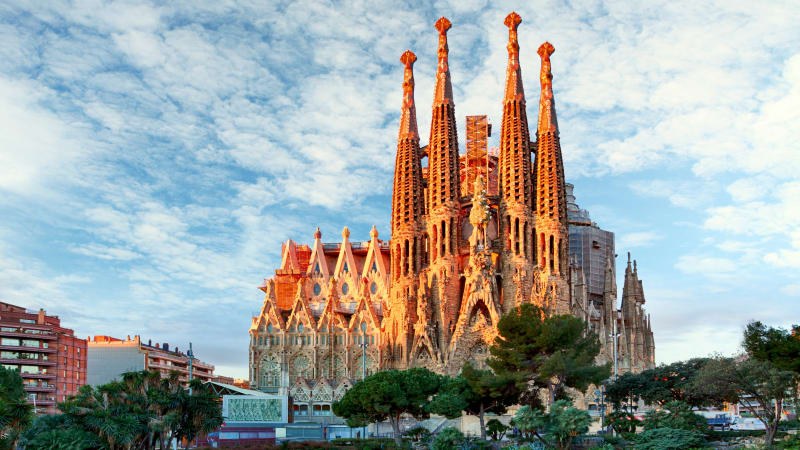 1 mi from BarcelonaSagrada Família
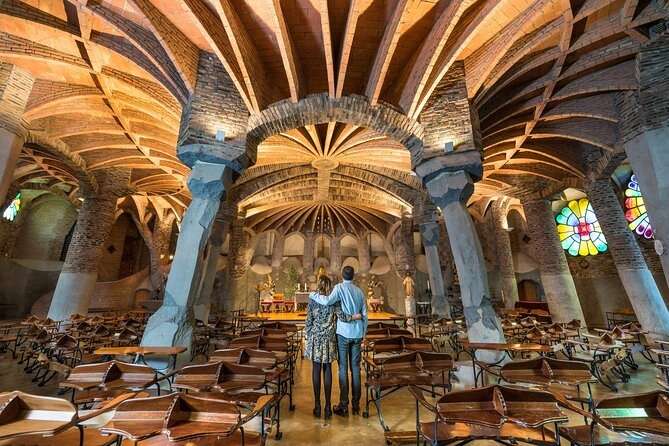 7 mi from BarcelonaColònia Güell Church (Crypt) & Modernist Industrial Site
 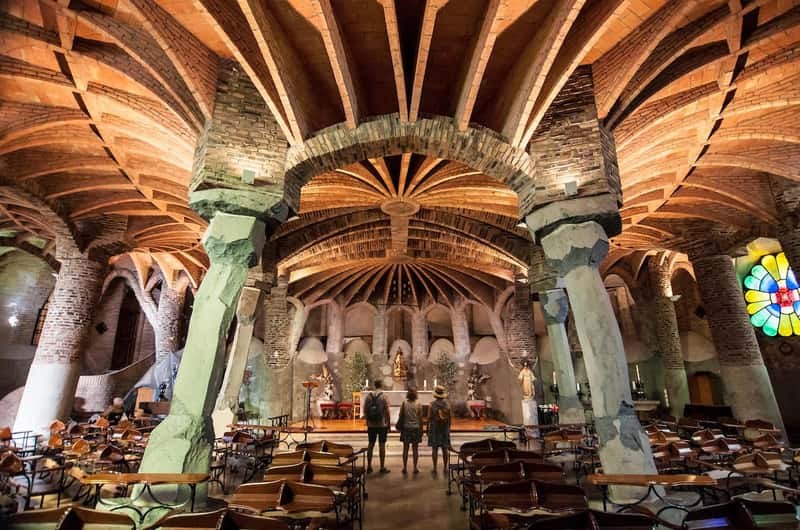 8 mi from Barcelona · land adventureBarcelona Beyond the Crowds: Gaudí, Galician Seafood & Montserrat
 210 mi from Barcelona · land adventureProvence by the Senses: Lavender, Truffles, and Roman Stone