Your cruise
Seven Seas Mariner · 10-night Mediterranean cruise, Fusina (Venice) to Piraeus (Athens)
Sep 10 – Sep 20 · 10 nights ·
Day 1 Fusina (Venice) (board) · Day 2 Willis Island · Day 3 Rijeka · Day 4 Split · Day 5 Bari · Day 6 Igoumenitsa · Day 7 Katakolon (Olympia) · Day 8 Willis Island · Day 9 Monemvasia · Day 10 Mykonos · Day 11 Piraeus (Athens) (step off)
What you do Board a rigid inflatable Zodiac for a close-up circumnavigation of one of the Coral Sea's most remote specks of land. Drift alongside vast nesting colonies of red-footed boobies, frigatebirds and brown noddies — a wildlife spectacle almost no traveller on earth ever witnesses.
What to expect Your Zodiac departs the ship's swim platform and skirts the island's entire coastline at water level, giving you eye-to-eye encounters with seabird colonies that number in the tens of thousands. The guide pauses the engine so you can hear the cacophony of calls and photograph birds in undisturbed flight. Shallow coral gardens glow electric beneath the hull as you round each headland. The round trip typically takes 90–120 minutes, leaving ample buffer before all-aboard.
Good to know Pre-book directly via email well in advance — this is a tender-only island and Zodiac capacity is strictly capped. Wear non-marking soles, bring a hat and reef-safe sunscreen. Confirm your ship's all-aboard time and allow 30 minutes' return buffer.
Versus the ship tour An intimate, expert-led small-group Zodiac — never more than 12 guests — means you can idle silently within metres of nesting birds and low reef outcrops that larger vessels simply cannot access, guided by a marine biologist who narrates every species in real time.
What you do Slip beneath the surface of some of the least-dived water on the planet — the Coral Sea surrounding Willis Island, hundreds of kilometres from the nearest coast. Visibility regularly exceeds 30 metres, revealing walls of hard coral, reef sharks, giant trevally and undisturbed sea-turtle feeding grounds.
What to expect Guests kit up in a purpose-equipped dive room and giant-stride into waters of extraordinary clarity. The reef structures here are pristine — no bleaching, no crowds — and the sheer biomass of pelagic life reflects the island's status as a protected marine reserve. Drift snorkelling across shallow coral plateaus, you are likely to encounter hawksbill turtles grazing, schools of chevron barracuda and the flash of a reef whaler in the blue. Safety divers and guides remain in the water throughout.
Good to know Swimming competency is required; full snorkel equipment is provided. Confirm landing and in-water permissions with the Australian Bureau of Meteorology station keeper in advance — access can be subject to weather and conservation protocols. Bring a rash vest for UV protection.
Versus the ship tour Mike Ball operates the definitive liveaboard expeditions to the Coral Sea's outer reefs, with certified dive guides who have logged thousands of hours specifically on these formations. Group size is tightly managed, and every dive brief is site-specific — the antithesis of a mass-market snorkel.
book direct with Mike Ball Dive Expeditions (Townsville/Cairns — Coral Sea specialists) → · the full guide →
What you do Step ashore — one of only a handful of visitors ever permitted — and receive a private briefing inside Australia's most remote operational weather station. The data collected here has guided cyclone warnings across Queensland for over a century; it is a living piece of scientific history.
What to expect After a short Zodiac transfer to the beach, you walk across the coral-rubble islet — the entire thing is barely 400 metres across — to the weatherboard station compound. The duty meteorologist explains the island's role in tracking Coral Sea cyclogenesis, shows you the instrument arrays and balloon launch facilities, and fields questions with refreshing candour. The sense of absolute remoteness — no roads, no shops, just science and sea — is profoundly affecting. Visits are brief (30–45 minutes) out of respect for operations.
Good to know Landing is at the discretion of BOM and sea conditions; it is never guaranteed. Wear closed shoes for the coral-rubble foreshore. Do not touch or enter any instrument enclosures. This is one of cruising's rarest privileges — treat it accordingly.
Versus the ship tour Landing on Willis Island is granted to very few vessels per year and always requires advance coordination with the BOM. The briefing is delivered by the station's resident meteorologist — one of Australia's most isolated postings — lending an authenticity and depth no third-party guide could replicate.
What you do Join a dedicated marine naturalist on a slow, deliberate circuit of Willis Island's offshore waters — prime habitat for dwarf minke whales, spinner dolphins, red-tailed tropicbirds and occasional whale sharks. This is expedition-grade wildlife observation in one of Earth's most intact marine environments.
What to expect The excursion runs in the calm conditions that typically prevail in the lee of the island, with the naturalist briefing the group on cetacean behaviour before departure. Spinner dolphins frequently bow-ride the vessel's wake, while tropicbirds trace lazy arcs overhead trailing their extraordinary white tail streamers. In season (June–September), dwarf minke whales approach curious vessels with remarkable boldness. The naturalist's running identification and ecological commentary transforms an already astonishing scene into a masterclass in Coral Sea ecology.
Good to know Bring image-stabilised binoculars if you own them — loaner binoculars are available but limited. A polarised lens filter dramatically improves underwater wildlife sighting from the deck. Morning cruises yield the best light and the calmest seas.
Versus the ship tour Coral Expeditions' marine naturalists carry years of Coral Sea field experience and use hydrophones and binoculars to locate and interpret marine megafauna well beyond what a casual deck scan achieves. Groups are capped at 20, ensuring every guest has unobstructed sightlines and personalised commentary.
book direct with Coral Expeditions (Australia's premium expedition cruise specialist) → · the full guide →
What you do Combine world-class snorkelling with a dedicated underwater photography tuition session led by a professional marine photographer. The pellucid, undisturbed waters around Willis Island provide a studio backdrop that professionals travel half a year to reach — and you are already here.
What to expect After a 20-minute on-deck briefing covering exposure, buoyancy control for photography and coral-safe positioning, the group enters the water with the lead photographer. Each participant is given real-time feedback via underwater slates and post-dive screen reviews. The reef here hosts nudibranchs, juvenile turtles and extraordinary soft-coral detail that rewards close, patient framing. By the final dive, guests leave with a curated set of images that would pass muster in any travel magazine.
Good to know Bring your own mirrorless or compact camera with an underwater housing if possible; hire housings are limited. Basic snorkel competency required. Maximum group size of 6 is strictly enforced — book your place the moment you board the ship.
Versus the ship tour A professional marine photographer leads groups of no more than six, providing personalised composition coaching in real time — in the water, beside you. The combination of tuition and a location almost nobody else will ever photograph makes every frame genuinely irreplaceable.
What you do Rise before the rest of the ship and join an ornithologist-guide for a dawn landing on Willis Island — arguably the most exclusive birdwatching address in the Southern Hemisphere. The island hosts one of Australia's largest documented seabird colonies, and first light is when it erupts into extraordinary life.
What to expect The Zodiac lands on the coral-rubble beach just as the sky softens to indigo. Within seconds, frigatebirds begin their courtship displays, inflating scarlet throat pouches while brown boobies jostle on nesting scrapes metres from your feet. The ornithologist narrates the scene with infectious expertise, calling species by name as they lift and wheel overhead in their thousands. The island's absolute silence — broken only by wind and wings — produces a meditative quality that experienced travellers consistently describe as one of cruising's most affecting moments.
Good to know Landing is subject to BOM approval and sea-state — pre-register your interest at the expedition desk on day one of the voyage. Wear dark, non-reflective clothing to avoid disturbing nesting birds. Carry a long lens (200mm+ equivalent) for perched-bird shots. Soft-soled shoes protect both the coral-rubble substrate and your footing.
Versus the ship tour A qualified ornithologist leads a structured census-style walk, naming every species, explaining colony dynamics and pointing out nesting behaviours that an untrained eye would miss entirely. The pre-sunrise timing means you experience the island in its rawest, most atmospheric state — long before the day-trippers (there are none) arrive.
book direct with Coral Expeditions (Australia's premium expedition cruise specialist) → · the full guide →
What you do Glide through Venice's labyrinthine backwater canals in your own private gondola — the single most iconic, romantic, and irreplaceable way to experience La Serenissima. Your gondolier serenades you through passages no vaporetto can reach.
What to expect Your gondolier, trained for years in the ancient craft, steers you through narrow canals draped in wisteria and washing lines, past gothic palazzos and secret garden walls. You'll drift beneath low stone bridges with barely an inch to spare — a thrill no road or water bus replicates. Depending on your route, you may glide past the back façade of the Rialto market or through the achingly quiet Cannaregio neighbourhood. The 40-minute private experience feels completely unhurried and utterly cinematic.
Good to know Fusina to Venice by ferry is ~20 minutes (Line 16 vaporetto). Book your gondola slot directly via the official association website; golden-hour and evening slots sell out weeks ahead. Allow 2.5–3 hours total from the port, well within most all-aboard windows. Gondolas depart from multiple traghetto stations across the city.
Versus the ship tour A fully private gondola — just your group and your gondolier — navigating hidden rio altane (rooftop canals) and sotto-portego passages that large-group boats cannot enter. The pace is entirely yours; linger, photograph, savour.
What you do Slip beyond the velvet rope into the Doge's Palace's hidden chambers — the torture rooms, the Council of Ten's secret offices, and the infamous Piombi prison where Casanova made his legendary escape. Reserved for small groups only.
What to expect A specialist museum guide leads your intimate group through a concealed door behind the main hall and into the administrative nerve-centre of the Venetian Republic — rooms dripping with political intrigue. You'll climb into the lead-roofed Piombi prison, where Casanova was held in 1755 before his audacious escape through the roof. The guide narrates trials, torture, and statecraft with theatrical expertise. The perspective from the attic over the Doge's Courtyard is breathtaking and completely private.
Good to know Tours depart at 09:55, 10:45 and 11:35 daily — the 09:55 slot is ideal for Fusina passengers. Ferry from Fusina (Line 16) drops at Zattere; walk or take vaporetto Line 1 to San Zaccaria. Book the Secret Itineraries tour months in advance — it routinely sells out. All-aboard permitting, plan for a 5–6 hour excursion in total.
Versus the ship tour Limited to just 25 guests per tour, this is the only way to access the Piombi attic prison, the Inquisitors' Chamber, and the hidden stairways that weave through the walls of power. Standard visitors never see these spaces.
What you do Enter the golden Basilica di San Marco before the public crowds arrive, guided by a licensed art historian through 8,000 sq metres of Byzantine mosaics, the Pala d'Oro altarpiece, and the Treasury — a privilege unavailable to ordinary visitors.
What to expect You arrive at a private entrance as the morning light catches the gold tessera mosaics above the narthex, igniting them in amber and ochre. Your expert guide narrates Venice's Byzantine obsession, from the theft of St. Mark's relics from Alexandria in 828 AD to the 500-year mosaic project. You'll access the Museo Marciano upstairs for the original bronze horses and a jaw-dropping terrace view over Piazza San Marco — empty and luminous. The Pala d'Oro, encrusted with 1,927 gemstones, is examined up close without the usual scrum.
Good to know Early-access tours typically begin at 07:45–08:15. Fusina ferry (Line 16) reaches Venice in ~20 minutes; a short vaporetto or water-taxi hop to San Marco completes the transfer. Shoulders and knees must be covered — scarves are provided. Book at least 4–6 weeks ahead; private group options available by request directly with the operator.
Versus the ship tour Early-access entry — before the Basilica opens to the general public — means you stand beneath the golden vaults in near silence. Your art historian guide decodes iconographic programmes that most visitors walk past without a second glance.
What you do Board a private water taxi directly from Fusina and spend a bespoke day with a fifth-generation glassblowing maestro on Murano, then cross the lagoon to colour-soaked Burano for handmade lace and the finest seafood risotto of your life.
What to expect Your private launch skims the northern lagoon, arriving at Murano's legendary glassblowing district. Inside the furnace room, a maestro works at 1,400°C, pulling and shaping a molten gather into a swan or vase before your eyes — the heat on your face is visceral. You'll browse the atelier's signed collection at leisure and may commission a personalised piece shipped to your home. Crossing to Burano, the island's improbably vivid houses — cobalt, vermilion, canary yellow — line the fondamenta. Lunch at a lagoon trattoria on seafood straight from the morning catch is an unmissable coda.
Good to know Arrange your private water taxi directly from Terminal Fusina pier; reputable private launch operators include Venezia Taxi Boat (veneziataxiboat.com). Confirm Nason Moretti furnace hours (typically 09:00–17:00, Mon–Fri) and book the maestro demonstration by email in advance. Allow a full day — 7–8 hours — for both islands comfortably. Murano glass purchases can be shipped internationally.
Versus the ship tour A private water taxi departs on your schedule, taking you directly from the cruise pier to the furnace floor of a real Murano atelier — not a tourist showroom. You watch a maestro shape molten glass with bare hands, then commission a bespoke piece. Burano is explored at your own pace, not a timed group march.
book direct with Vetreria Nason Moretti (Murano — Official Furnace & Atelier) → · the full guide →
What you do Commission a sleek wooden water taxi for an exclusive private cruise the length of the Grand Canal — Venice's liquid main street — past 200 palazzos, beneath the Rialto Bridge, and out to the glittering open lagoon at sunset with Prosecco in hand.
What to expect Your polished wooden launch collects you directly from the Fusina pier and sweeps into the Grand Canal, the driver narrating palazzos — Ca' Rezzonico, Ca' d'Oro, the Peggy Guggenheim — as you wish. You pass beneath the Rialto Bridge with barely a metre to spare on each side, the market stalls vivid above. At sunset, the boat idles in the lagoon basin facing the Salute church as the sky turns rose-gold; a bottle of chilled Prosecco appears. The return to Fusina is timed precisely to your all-aboard.
Good to know Book the private charter directly by email or phone with Consorzio Motoscafi Venezia. Specify your Fusina pier number and all-aboard time so the skipper plans the return precisely. A 2-hour charter covers the full Grand Canal round trip with stops; 3 hours allows island detours. Venetian water taxi fares are metered and regulated — confirm the hourly charter rate in writing before departure.
Versus the ship tour A fully private, licensed mahogany taxi — just your party, your driver-guide, and the canal. You set the pace, choose your stops, and sip chilled Prosecco on the open stern as gothic, baroque, and Renaissance façades glide past. No shared boats, no narrated commentary for 40 strangers.
What you do Step inside Teatro La Fenice — the gilded jewel of European opera, rebuilt twice from ashes — on an expert-guided private tour of its rococo auditorium, royal boxes, and backstage world. If your call aligns with a performance, attend an evening of world-class opera.
What to expect Your art historian guide leads you through the opulent gold-and-crimson horseshoe auditorium, rebuilt in meticulous 18th-century style after the catastrophic 1996 arson fire. You'll see the royal boxes draped in silk, the painted ceiling allegories, and the backstage machinery that raises entire sets from below stage. The guide narrates the house's dramatic history — the fires, the feuds, the world premieres — with the passion of someone who loves opera as much as Venice. If you hold evening performance tickets, nothing rivals the experience of hearing a soprano hit a top C in this intimate, perfectly resonant hall.
Good to know Teatro La Fenice is a 15-minute walk from the San Marco vaporetto stop — easy from the Fusina ferry. Guided tours run throughout the day; book online in advance. For evening performances, check the season schedule on the official website well before your cruise date and book tickets directly — premium seats sell out quickly. Formal or smart attire is expected for performances. Confirm your all-aboard time before booking an evening show.
Versus the ship tour La Fenice is one of the most storied opera houses on earth — where Verdi's La Traviata and Rigoletto premiered. A guided tour or live performance here is a once-in-a-lifetime cultural encounter available only to those who seek it out independently.
What you do Board a rigid inflatable Zodiac for a close-up circumnavigation of one of the Coral Sea's most remote specks of land. Drift alongside vast nesting colonies of red-footed boobies, frigatebirds and brown noddies — a wildlife spectacle almost no traveller on earth ever witnesses.
What to expect Your Zodiac departs the ship's swim platform and skirts the island's entire coastline at water level, giving you eye-to-eye encounters with seabird colonies that number in the tens of thousands. The guide pauses the engine so you can hear the cacophony of calls and photograph birds in undisturbed flight. Shallow coral gardens glow electric beneath the hull as you round each headland. The round trip typically takes 90–120 minutes, leaving ample buffer before all-aboard.
Good to know Pre-book directly via email well in advance — this is a tender-only island and Zodiac capacity is strictly capped. Wear non-marking soles, bring a hat and reef-safe sunscreen. Confirm your ship's all-aboard time and allow 30 minutes' return buffer.
Versus the ship tour An intimate, expert-led small-group Zodiac — never more than 12 guests — means you can idle silently within metres of nesting birds and low reef outcrops that larger vessels simply cannot access, guided by a marine biologist who narrates every species in real time.
What you do Slip beneath the surface of some of the least-dived water on the planet — the Coral Sea surrounding Willis Island, hundreds of kilometres from the nearest coast. Visibility regularly exceeds 30 metres, revealing walls of hard coral, reef sharks, giant trevally and undisturbed sea-turtle feeding grounds.
What to expect Guests kit up in a purpose-equipped dive room and giant-stride into waters of extraordinary clarity. The reef structures here are pristine — no bleaching, no crowds — and the sheer biomass of pelagic life reflects the island's status as a protected marine reserve. Drift snorkelling across shallow coral plateaus, you are likely to encounter hawksbill turtles grazing, schools of chevron barracuda and the flash of a reef whaler in the blue. Safety divers and guides remain in the water throughout.
Good to know Swimming competency is required; full snorkel equipment is provided. Confirm landing and in-water permissions with the Australian Bureau of Meteorology station keeper in advance — access can be subject to weather and conservation protocols. Bring a rash vest for UV protection.
Versus the ship tour Mike Ball operates the definitive liveaboard expeditions to the Coral Sea's outer reefs, with certified dive guides who have logged thousands of hours specifically on these formations. Group size is tightly managed, and every dive brief is site-specific — the antithesis of a mass-market snorkel.
book direct with Mike Ball Dive Expeditions (Townsville/Cairns — Coral Sea specialists) → · the full guide →
What you do Step ashore — one of only a handful of visitors ever permitted — and receive a private briefing inside Australia's most remote operational weather station. The data collected here has guided cyclone warnings across Queensland for over a century; it is a living piece of scientific history.
What to expect After a short Zodiac transfer to the beach, you walk across the coral-rubble islet — the entire thing is barely 400 metres across — to the weatherboard station compound. The duty meteorologist explains the island's role in tracking Coral Sea cyclogenesis, shows you the instrument arrays and balloon launch facilities, and fields questions with refreshing candour. The sense of absolute remoteness — no roads, no shops, just science and sea — is profoundly affecting. Visits are brief (30–45 minutes) out of respect for operations.
Good to know Landing is at the discretion of BOM and sea conditions; it is never guaranteed. Wear closed shoes for the coral-rubble foreshore. Do not touch or enter any instrument enclosures. This is one of cruising's rarest privileges — treat it accordingly.
Versus the ship tour Landing on Willis Island is granted to very few vessels per year and always requires advance coordination with the BOM. The briefing is delivered by the station's resident meteorologist — one of Australia's most isolated postings — lending an authenticity and depth no third-party guide could replicate.
What you do Join a dedicated marine naturalist on a slow, deliberate circuit of Willis Island's offshore waters — prime habitat for dwarf minke whales, spinner dolphins, red-tailed tropicbirds and occasional whale sharks. This is expedition-grade wildlife observation in one of Earth's most intact marine environments.
What to expect The excursion runs in the calm conditions that typically prevail in the lee of the island, with the naturalist briefing the group on cetacean behaviour before departure. Spinner dolphins frequently bow-ride the vessel's wake, while tropicbirds trace lazy arcs overhead trailing their extraordinary white tail streamers. In season (June–September), dwarf minke whales approach curious vessels with remarkable boldness. The naturalist's running identification and ecological commentary transforms an already astonishing scene into a masterclass in Coral Sea ecology.
Good to know Bring image-stabilised binoculars if you own them — loaner binoculars are available but limited. A polarised lens filter dramatically improves underwater wildlife sighting from the deck. Morning cruises yield the best light and the calmest seas.
Versus the ship tour Coral Expeditions' marine naturalists carry years of Coral Sea field experience and use hydrophones and binoculars to locate and interpret marine megafauna well beyond what a casual deck scan achieves. Groups are capped at 20, ensuring every guest has unobstructed sightlines and personalised commentary.
book direct with Coral Expeditions (Australia's premium expedition cruise specialist) → · the full guide →
What you do Combine world-class snorkelling with a dedicated underwater photography tuition session led by a professional marine photographer. The pellucid, undisturbed waters around Willis Island provide a studio backdrop that professionals travel half a year to reach — and you are already here.
What to expect After a 20-minute on-deck briefing covering exposure, buoyancy control for photography and coral-safe positioning, the group enters the water with the lead photographer. Each participant is given real-time feedback via underwater slates and post-dive screen reviews. The reef here hosts nudibranchs, juvenile turtles and extraordinary soft-coral detail that rewards close, patient framing. By the final dive, guests leave with a curated set of images that would pass muster in any travel magazine.
Good to know Bring your own mirrorless or compact camera with an underwater housing if possible; hire housings are limited. Basic snorkel competency required. Maximum group size of 6 is strictly enforced — book your place the moment you board the ship.
Versus the ship tour A professional marine photographer leads groups of no more than six, providing personalised composition coaching in real time — in the water, beside you. The combination of tuition and a location almost nobody else will ever photograph makes every frame genuinely irreplaceable.
What you do Rise before the rest of the ship and join an ornithologist-guide for a dawn landing on Willis Island — arguably the most exclusive birdwatching address in the Southern Hemisphere. The island hosts one of Australia's largest documented seabird colonies, and first light is when it erupts into extraordinary life.
What to expect The Zodiac lands on the coral-rubble beach just as the sky softens to indigo. Within seconds, frigatebirds begin their courtship displays, inflating scarlet throat pouches while brown boobies jostle on nesting scrapes metres from your feet. The ornithologist narrates the scene with infectious expertise, calling species by name as they lift and wheel overhead in their thousands. The island's absolute silence — broken only by wind and wings — produces a meditative quality that experienced travellers consistently describe as one of cruising's most affecting moments.
Good to know Landing is subject to BOM approval and sea-state — pre-register your interest at the expedition desk on day one of the voyage. Wear dark, non-reflective clothing to avoid disturbing nesting birds. Carry a long lens (200mm+ equivalent) for perched-bird shots. Soft-soled shoes protect both the coral-rubble substrate and your footing.
Versus the ship tour A qualified ornithologist leads a structured census-style walk, naming every species, explaining colony dynamics and pointing out nesting behaviours that an untrained eye would miss entirely. The pre-sunrise timing means you experience the island in its rawest, most atmospheric state — long before the day-trippers (there are none) arrive.
book direct with Coral Expeditions (Australia's premium expedition cruise specialist) → · the full guide →
What you do Descend into the largest cave system in Europe — 24km of subterranean cathedrals alive with stalactites — then visit a castle literally built into a cliff face. An otherworldly double-bill that simply cannot be replicated anywhere else on earth.
What to expect Board a miniature electric train that whisks you deep into a glittering underworld of 5-metre stalactites and 100,000-year-old formations. Your guide narrates the cave's wartime and scientific history at a pace you set. Emerging back into daylight, a 15-minute drive brings you to Predjama Castle, a Renaissance fortress wedged dramatically into a 123-metre cliff — the world's largest cave castle. Finish with a glass of local Teran wine before the return journey to Rijeka.
Good to know Postojna is approximately 1 hour 15 minutes from Rijeka port by private car. Book the combo ticket online in advance — cave timed-entry slots sell out weeks ahead in summer. Allow 4–5 hours on site; total excursion is 7–8 hours. Check your ship's all-aboard time carefully and build in a 90-minute buffer.
Versus the ship tour Arriving early via private transfer means beating the day-tour crowds into the cave's electric railway. A private licensed guide unlocks the geology and the legend of the cave's human cannonfish — detail lost entirely on a large coach excursion.
book direct with Postojna Cave Park (official) → · the full guide →
What you do Croatia's crown jewel — 16 turquoise terraced lakes linked by thundering waterfalls and ancient boardwalks through primeval forest. A UNESCO World Heritage Site so impossibly beautiful it feels painted. A non-negotiable bucket-list experience from Rijeka.
What to expect After a scenic 2-hour private transfer through the Lika highlands, you step onto the world-famous boardwalks that skim the surface of electric-blue Jezero Prošćansko. An electric boat glides you silently across the Great Lake as waterfalls cascade on all sides. The panoramic train sweeps you through forest between the upper and lower lake clusters. Your private guide reads the ecosystem — pointing out endemic trout hovering in crystal water, the tufa-building algae that creates new waterfalls over decades. Back in Rijeka by early evening.
Good to know Approximately 2 hours from Rijeka by private transfer. Full excursion is 10 hours — confirm all-aboard time before booking. Park entry tickets must be booked online in advance (summer slots sell out 2–3 weeks ahead). Wear comfortable walking shoes; some sections involve steps and uneven terrain. The Tripadvisor-listed day tour from Rijeka starts from approx. USD 131/person.
Versus the ship tour A private vehicle means you depart the port at dawn, arriving before the main coach wave — golden-hour light on the lower lakes is transformative. Your guide tailors the route to your pace, lingering where the photography or the stillness demands it.
book direct with Plitvice Lakes National Park (official) → · the full guide →
What you do Croatia's largest island is a sun-drenched labyrinth of hidden coves, a luminous Blue Cave, and medieval Venetian hilltowns. A private boat excursion weaves through four islands in a single gilded day — the definitive Kvarner Bay experience.
What to expect Your private captain departs Rijeka's waterfront and sets course across the deep blue Kvarner Gulf, pulling into the glowing sea-cave known as the Blue Cave on Krk's coastline — bioluminescent light turns the water an electric cobalt. You anchor in secret pebble bays, snorkel over Posidonia meadows, and dock briefly in Krk Town's Venetian walled harbour for coffee and local honey liqueur. The return leg hugs uninhabited islets where falcons nest in the karst cliffs.
Good to know Departs directly from Rijeka cruise port area — minimal transit time. Private boat tours should be arranged directly with the operator in advance; availability is limited in peak July–August. Confirm exact all-aboard time with your ship; most itineraries run 6–8 hours. Bring sunscreen, a hat and a light layer — sea breeze can be cool even in summer.
Versus the ship tour Private skippered vessel means the captain anchors in bays no larger vessel can reach, adjusting the route to wind, light and your wishes. Swim stops, snorkel breaks and a seafood lunch on deck are decided by you — the consummate private maritime experience.
book direct with Captain Bobo Private Boat Tours (Rijeka) → · the full guide →
What you do The Venetian-pink hilltop town of Rovinj and the 1st-century Roman arena at Pula — two icons of the Istrian Riviera — in one breathtaking private day. A collision of la dolce vita and ancient empire on the Adriatic.
What to expect Your guide collects you dockside and drives the scenic Istrian coast to Rovinj, where cobblestone lanes scented with lavender wind up to the Church of St Euphemia — panoramas across 14 offshore islands reward the climb. Lunch at a curated konoba features hand-rolled fuži pasta with black truffle and local Malvazija wine. The afternoon pivots to Pula's astonishing 1st-century amphitheatre — sixth largest in the Roman world — where your guide resurrects gladiatorial combat in vivid detail. Return along the Kvarner coast as the Adriatic turns to copper.
Good to know Rovinj is approximately 1.5 hours from Rijeka; Pula adds another 30 minutes. Full day is 9–10 hours — verify all-aboard time. Book ToursByLocals guide at least 2–3 weeks ahead in summer. Pula Arena entry is separate; book timed tickets online at arena-pula.hr to skip queues.
Versus the ship tour A licensed private guide fluent in Istrian history navigates both towns on foot at your pace — no marshalling, no waiting. Access to a table at a family-run konoba in Rovinj's old town for a truffle-laced lunch is arranged in advance, impossible to replicate on a group excursion.
book direct with ToursByLocals – Licensed Istria Guides (Ivana D. & associates) → · the full guide →
What you do Croatia's grandest 19th-century resort town meets wild Kvarner coastline: stroll the imperial Lungomare promenade past Habsburg villas, then paddle kayaks through sea caves and beneath limestone cliffs — all within 20 minutes of the port.
What to expect Begin the morning with a leisurely stroll along Opatija's legendary 12km Lungomare — a Habsburg-era seafront path edged with magnolias, grand hotels and the iconic bronze 'Maiden with the Seagull' sculpture. After coffee at a terrace café overlooking the Kvarner Bay, your certified kayak guide fits you out and leads a small group beneath dramatic limestone cliffs, through sea caves dripping with mineral formations and into hidden emerald bays inaccessible by foot. The return paddle hugs the coastline as yachts glide past the Učka mountain backdrop.
Good to know Opatija is just 15 minutes by taxi or local bus from Rijeka cruise terminal — one of the closest excursions on this list. Kayak tours run approximately 3 hours; pair with the Lungomare walk for a relaxed 5-hour morning. No experience required, but a moderate fitness level is recommended. Book kayak slots in advance via GetYourGuide — summer dates fill quickly.
Versus the ship tour Small-group kayaking (max 8 paddlers) with a certified sea guide means you squeeze through sea arches and into hidden grottos that rigid-hull vessels cannot enter — intimate, thrilling and wildly photogenic. The proximity to port makes this uniquely flexible for cruise timetables.
book direct with GetYourGuide – Opatija Cliffs & Caves Kayak (local operator) → · the full guide →
What you do Plunge into the ancient oak forests of Motovun with a third-generation truffle hunter and trained Lagotto hounds to unearth the 'white diamond' of gastronomy — the Istrian white truffle. End around a farmhouse table with a feast you will talk about for years.
What to expect Your private guide drives you through the rolling Istrian hills to the medieval hilltop village of Motovun, where a truffle-hunting family meets you at the forest edge with their Lagotto Romagnolo hounds. The dogs work the undergrowth with extraordinary focus while your hunter explains centuries of tradition, ecology and the global truffle economy. When the dog freezes and begins to scrape — you kneel, dig and hold a truffle worth its weight in silver. Back at the family farmhouse, the matriarch transforms your finds into a multi-course seasonal lunch paired with Motovun Teran red wine poured freely from a ceramic jug.
Good to know Motovun is approximately 1.5–2 hours from Rijeka by private car. Plan for a full day of 8–9 hours including lunch — confirm all-aboard time before booking. Truffle season peaks October–January (white) and May–November (black), though tours run year-round. Book your ToursByLocals guide at least 3–4 weeks ahead; this experience has very limited private slots.
Versus the ship tour Completely private, family-hosted experience — you are not one of 40 tourists watching a demonstration. You hold the lead, follow the dog's nose into the forest, and dig up your own truffle. The farmhouse meal that follows is off any public menu: eggs with fresh-shaved white truffle, truffle-infused olive oil, and aged sheep's cheese with honey.
book direct with ToursByLocals – Licensed Istria Guides (Truffle Experience) → · the full guide →
What you do An hour's drive inland from Bari sits one of the oldest continuously inhabited settlements on Earth: a honey-colored amphitheater of cave-dwellings, rock churches and tumbling staircases carved into a ravine, used as a stand-in for ancient Jerusalem in Mel Gibson's Passion and the Bond film No Time To Die. Once a national shame, the Sassi are now a UNESCO World Heritage Site and were European Capital of Culture in 2019, and walking them at golden hour with a guide who can read the strata of 9,000 years is the single most extraordinary thing you can do from this port. This is the bucket-list anchor of any Bari call.
What to expect Expect steep, uneven stone steps and a lot of climbing between the two Sassi districts (Caveoso and Barisano), so proper shoes matter. Your guide leads you through a furnished cave-house (Casa Grotta) showing how families lived alongside their animals until the 1950s, plus the frescoed rupestrian churches of Madonna de Idris and San Giovanni Monterrone. The light on the tufa stone is unforgettable at any hour. Most door-to-door tours give you a couple of free hours for lunch overlooking the ravine.
Good to know Matera is ~66 km / 1 hour by road from Bari port; there is no quick walk-back option, so this is a full-day commitment. Pre-book the round-trip tour the moment your itinerary is confirmed (small minibuses sell out on cruise days). Wear flat, grippy shoes, bring water and a sun layer, and confirm your operator's return time has a comfortable buffer before all-aboard. If you'd prefer your own pace, prestige operators run private Matera days from Bari with archaeologist guides for ~EUR 180-250/person.
Versus the ship tour Cruise lines typically run a combined Matera + Alberobello full-day shore excursion at roughly USD 230-270/person. For Matera alone, booking the Pugliamare door-to-door tour direct at ~EUR 100 wins clearly on both price and intimacy (small minibus vs. full motorcoach). Honest caveat: Matera is a 1-hour drive each way and timing against all-aboard is tight, so if you only sail in for a short day, the ship's escorted transport does remove the risk of a missed-train scramble. With a normal 8-10 hour port day, book direct.
book direct with Pugliamare (round-trip from Bari w/ guide) or Sassi di Matera (official licensed guides, once in town) → · the full guide →
What you do Alberobello is a fairy-tale UNESCO World Heritage hillside of over 1,500 trulli — whitewashed conical drystone houses topped with grey limestone cones and painted with mysterious symbols, found nowhere else on the planet at this density. Wandering the Rione Monti and the quieter, more authentic Rione Aia Piccola with a guide who can explain the mortarless drystone craft and the tax-dodging origins of the roofs is genuinely one-of-a-kind. It pairs naturally with Matera on a single inland day, making for the ultimate double-UNESCO Puglia bucket-list run.
What to expect Rione Monti is the photogenic, busier zone with trulli now housing boutiques and ceramics shops; cross to Rione Aia Piccola for the lived-in, residential trulli that feel untouched. You'll see the two-story Trullo Sovrano and the trullo-shaped Church of Sant'Antonio. The cobbled lanes are charming but uneven. Mornings are noticeably calmer than mid-afternoon when day-trippers peak.
Good to know Alberobello is ~55 km / ~1 hour from Bari port and ~45 min from Matera, which is why the two are so commonly combined into one inland day. Pre-book the combined tour to lock your transport. Bring cash for the small ceramics and food artisans, wear flat shoes for cobbles, and keep one eye on the clock — combined days are long, so confirm a generous return buffer before all-aboard.
Versus the ship tour The cruise line's combined Matera+Alberobello day runs ~USD 230-270/person; the equivalent direct combined tour (Pugliamare) is roughly half that. Book direct unless you want zero logistical responsibility on a short call. Alberobello alone is also a doable self-guided stop, but a licensed guide is what turns a pretty photo-op into an understanding of why these roofs exist — well worth the modest direct fee.
book direct with Alberobello.com (official town tourism portal, licensed local guides) / Pugliamare combined UNESCO tour → · the full guide →
What you do Polignano a Mare is the cliff-top jewel of the Adriatic — whitewashed houses balanced on a sheer limestone bluff above impossibly turquoise water, including the famous Grotta Palazzese sea cave beneath the legendary cliff-side restaurant. Boarding a small skippered boat at San Vito and threading the coastal grottoes — Grotta Palazzese, Grotta delle Rondinelle and more — then dropping anchor for a swim in the clearest water in Puglia and a Prosecco-and-taralli aperitivo on deck, is the most purely joyful, luxurious thing to do near Bari. It is the Puglia of the postcards.
What to expect Departure is from the small harbor at San Vito, about 10 minutes from Polignano's center, beneath a 10th-century Benedictine abbey. The skipper noses the open boat into the sea caves, the water shifting from sapphire to glassy aqua, and on calm days you'll anchor for a swim. The onboard aperitivo of taralli and Prosecco is the signature touch. Allow extra time afterward to walk Polignano's old town and the Lama Monachile cove viewpoint.
Good to know Polignano is ~36 km / 30-40 min south of Bari port; you'll need a pre-arranged transfer or driver to reach the San Vito launch, so factor that into your all-aboard math. Boats run roughly March-October and are weather-dependent — confirm the morning of. Bring a swimsuit, towel, reef-safe sunscreen and a light cover-up. Pre-book the slot; cruise-day boats fill fast.
Versus the ship tour Lines like MSC sell a Polignano caves boat excursion (often bundled with the Castellana Caves) at a meaningful premium per person. Booking the same caves-and-aperitivo boat direct with Pugliamare at EUR 35/person — or splurging on a private boat at ~EUR 300 for your group — is both cheaper and far more intimate (10-person open boat vs. a packed party vessel). Book direct; just leave yourself transfer time, as Polignano is a 30-40 min drive from the port.
book direct with Pugliamare (official local maritime operator) → · the full guide →
What you do The one bucket-list experience that needs no transfer: Bari's medieval old town begins barely 300 m from the cruise terminal. Behind its labyrinth of whitewashed lanes you'll find the Basilica di San Nicola (holding the relics of the original Saint Nicholas, a major Orthodox and Catholic pilgrimage site), the Norman-Swabian castle, and the unmissable Strada delle Orecchiette (Strada Arco Basso), where local nonne sit outside their doorways hand-shaping the region's signature 'little ear' pasta all day long. A licensed street-food walk turns it into a feast.
What to expect The old town is a genuine working neighborhood — laundry overhead, kids playing, and the pasta-makers at Strada Arco Basso shaping orecchiette on wooden boards outside their homes (buy a bag, and note tourist-facing stalls aren't always the real deal). Inside San Nicola, the crypt holding the saint's relics is moving and quietly grand. Food tours typically fold in panzerotti, focaccia barese, burrata, taralli and a gelato finish. Lanes are flat but cobbled.
Good to know Bari Vecchia is a 10-min walk from the terminal; the Basilica di San Nicola is ~20 min on foot. No transport needed, making this the safest pick if your call is short or tenders are slow. Dress modestly to enter the basilica (shoulders/knees covered). Carry small cash for street food. Food tours often start late afternoon, so confirm timing fits a daytime port call, or do the old town self-guided in the morning.
Versus the ship tour Cruise lines rarely sell a strong Bari-city walking tour because the old town is so close, and any ship transfer here is pure markup for a 10-minute walk. Skip the ship entirely for this one: stroll in yourself, or book a licensed local food guide direct for the orecchiette street and the basilica. This is the easy, low-risk, high-reward excursion to pair with a half-day elsewhere.
book direct with Velo Service / Do Eat Better Experience (licensed Bari Vecchia food walks) → · the full guide →
What you do Rising alone on a hilltop in the Murge, Castel del Monte is the enigmatic 13th-century octagonal castle built by Emperor Frederick II — eight sides, eight octagonal towers, eight rooms per floor, its geometry so deliberate it appears on the Italian one-cent coin and is a UNESCO World Heritage Site. There's no other medieval building like it in Europe: part hunting lodge, part mathematical riddle, with no clear military or residential purpose. For travelers drawn to history and mystery over crowds, it's a haunting, uncrowded alternative to the Matera-Alberobello circuit.
What to expect The castle sits ~18 km from Andria with no town around it — just the stark octagonal silhouette against open countryside. Inside, the proportions and the way light moves through the eight rooms are the whole experience; bring curiosity about the symbolism rather than expecting furnishings. A mandatory shuttle runs from the lower parking area up to the castle itself. Crowds are light compared with Puglia's headline sites.
Good to know Castel del Monte is ~60 km / ~1 hour northwest of Bari port, so you'll need a private transfer or driver-guide for the day. Buy timed entry in advance via the official Aditus site, especially on free-entry dates (it gets busy). Wear sturdy shoes for the hilltop approach, and confirm your driver's return timing against all-aboard. First Sunday of the month is free entry but markedly busier.
Versus the ship tour Cruise lines seldom feature Castel del Monte (it loses out to the headline Matera/Alberobello combo), so there's usually no ship equivalent — which is exactly its appeal. Book the EUR 7 ticket direct through the official Aditus office and arrange a private driver-guide; you'll trade a few euros of convenience for a near-empty UNESCO monument. Best for repeat visitors or history lovers who've already done the Sassi.
book direct with Aditus Culture (official ticket office) / Andria tourism licensed guides → · the full guide →
What you do Stand atop the legendary rock pillars of Meteora, where centuries-old monasteries cling impossibly to the clifftops. A private transfer and licensed monastic guide make this one of Greece's most awe-inspiring bucket-list days.
What to expect Your private air-conditioned vehicle collects you directly at the port and whisks you inland through the dramatic Epirus and Thessaly landscapes to Meteora. You ascend to monasteries such as Great Meteoron and Varlaam, where your licensed guide illuminates centuries of Byzantine spirituality and the extraordinary feat of their construction. The group's small size means you linger where you wish — at a cliff-edge viewpoint, inside a frescoed chapel — without a crowd pressing behind you. The return journey brings you comfortably back before all-aboard.
Good to know Journey is approximately 2.5 hours each way; confirm your all-aboard time and discuss the schedule with the operator at booking. Pre-book well in advance as private vehicle slots fill quickly in peak season. Modest dress (covered shoulders and knees) is required inside monasteries — wraps are usually provided on-site.
Versus the ship tour Exclusively private, door-to-door from the port, with a maximum of 7 guests. A licensed guide gains access inside the active monasteries — a level of intimacy and depth impossible in a large-group setting. Daily departures with free cancellation up to 24 hours prior.
book direct with Visit Meteora (official Meteora tour specialist) → · the full guide →
What you do Sail the dazzling Ionian on a private yacht to Paxos and Antipaxos — home to Vrika Beach's turquoise shallows, the legendary Blue Caves, and the vine-draped village of Gaios. This is Greece at its most cinematically perfect.
What to expect Your private yacht departs Igoumenitsa harbour and glides south through the Ionian to Antipaxos, where Vrika Beach's crystalline water lives up to every superlative. You then explore the electric-blue sea caves that pierce the limestone coastline — best appreciated from the water at close range. A stop in the elegant Venetian port of Gaios on Paxos allows for a leisurely lunch of fresh-caught fish and local wine. The return sail at golden hour, with the Epirus mountains turning amber, is simply unforgettable.
Good to know Full-day excursion; confirm exact duration against your all-aboard time. Bring reef-safe sunscreen, a hat, and a light cover-up. Snorkelling equipment is typically provided. Book well ahead in July–August when private yachts are in high demand.
Versus the ship tour A fully private vessel means the itinerary bends to your wishes — longer at the Blue Caves, a secluded anchorage at Vrika, an unhurried lunch in Gaios. No shared deck, no scheduled departure from the beach until you're ready.
book direct with Ionian Sea Private Cruises (local Igoumenitsa-based operator, also listed on Expedia as 'Ionian Sea: Private Cruise to Paxos, Antipaxos & Blue Caves') → · the full guide →
What you do Glide through the emerald islets of Syvota — one of the Ionian's best-kept secrets — and drop anchor in the legendary Blue Lagoon for swimming in waters that rival the Caribbean. Just 25 minutes from Igoumenitsa port.
What to expect The short transfer to Syvota village sets the tone: a harbour lined with fishing boats and tavernas draped in bougainvillea. Your wooden caïque slips between pine-clad islets, pausing so you can swim in the improbably clear Blue Lagoon — the kind of water that makes you question whether the colour is real. The skipper knows every hidden cove and anchors in spots most visitors never find. Back in Syvota village, a table at a waterfront taverna awaits with grilled octopus and Epirus white wine.
Good to know Syvota is approximately 25 km (20 min by taxi) from Igoumenitsa port — taxis are readily available at the terminal. Half-day format fits comfortably within most port calls; verify all-aboard before booking. Bring swimwear, towel, and cash for the taverna.
Versus the ship tour The Syvota archipelago is reached in under 30 minutes from the cruise dock — making it the most time-efficient luxury escape on offer. Small traditional wooden boats weave between islets inaccessible to larger vessels, delivering you to the Blue Lagoon's glassy heart.
book direct with Syvota Boat Tours (local Syvota harbour operator running the 1-hour and half-day cruise programmes) → · the full guide →
What you do Descend to the mythological Underworld on a full-day 4×4 expedition — trekking the sacred Acheron River springs, exploring the ancient Oracle of the Dead, and traversing the rugged Souli gorge country of Epirus.
What to expect The day begins with a 4×4 climb into the mountains of Thesprotia, arriving at the crystal-cold springs where the River Acheron — Homer's gateway to Hades — bubbles from the earth. You wade upstream through its icy narrows, surrounded by towering cliffs and plane trees. The route then descends to the eerie Necromanteion, the ancient Oracle of the Dead, where pilgrims once communed with the underworld — a site of spine-tingling atmosphere. The final stretch takes you through the gorges of the Souliotes, the legendary freedom fighters of Epirus, with your guide bringing their story vividly to life.
Good to know 8-hour duration — confirm against your ship's all-aboard time before booking. Wear sturdy, water-friendly footwear and bring a change of clothes for the river wade. Sunscreen and a light waterproof layer are essential. Pre-book as private jeep slots are limited.
Versus the ship tour This is off-road, expert-led access to three mythological and historical sites in a single extraordinary day — traversing terrain that no standard coach tour can reach. The jeep format means hidden trails, riverside wading, and a guide steeped in the legends of ancient Epirus.
book direct with Epirus Adventure Tours (Igoumenitsa-based jeep & trekking specialist, listed on Expedia and Travelocity as 'Acheron River Springs, Necromanteion and Souli Jeep Tour') → · the full guide →
What you do Step into Corfu's UNESCO-listed Old Town with a private local guide — navigating Venetian campaniles, Byzantine lanes, and secret food haunts that reveal the island's extraordinary layered history in just a few hours.
What to expect A short, scenic ferry crossing to Corfu Town is itself part of the pleasure, with the Old Town's Venetian campanile rising theatrically from the sea. Your private guide leads you through the Liston's elegant arcades — modelled on Paris's Rue de Rivoli — and down lanes so narrow two people can barely pass. You taste your way through the market and hidden tavernas: Sofrito, Pastitsada, and the island's famous kumquat preserve. The twin fortresses that bracket the city — Old and New — frame a history of Venetian, French, and British rule that makes Corfu unlike anywhere else in Greece.
Good to know Ferry from Igoumenitsa to Corfu takes approximately 90 minutes (budget accordingly vs. all-aboard). A half-day tour fits within most port call windows, but confirm timing carefully. Pre-book your private guide at least 2 weeks ahead in summer. Comfortable walking shoes essential — the old town's cobblestones are beautiful but uneven.
Versus the ship tour Corfu Town is just a short ferry crossing from Igoumenitsa, and a private guide — rather than a group tour — means you set the pace entirely. Hidden eateries serving Sofrito (the island's defining slow-cooked beef dish), the back alleys the Venetians built, and the rooftop views that never appear in guidebooks.
book direct with Corfu Private Guide (local expert guides operating from Corfu Town; featured on TripAdvisor's Top Private Tours from Igoumenitsa listings) → · the full guide →
What you do Discover the extraordinary and little-known wines of Epirus at Zervas Winery — a boutique family estate producing Greece's finest Debina whites and Vlachiko reds, with a private tasting guided by the winemaker amid the Igoumenitsa hinterland.
What to expect The estate sits in the gentle hills behind the coast, an easy 20-minute taxi ride from the port — a world away from the harbour bustle. The winemaker walks you through the vineyards, explaining how the cool Epirus microclimate and ancient indigenous varieties — particularly the crisp Debina and the robust Vlachiko — produce wines of rare character. In the barrel room, a guided tasting is accompanied by local mezze: aged Epirus cheeses, smoked meats, and honey. The session is unhurried, convivial, and a genuine discovery — the kind of experience that makes a port call unforgettable.
Good to know Approximately 20–25 min by taxi from Igoumenitsa port; taxis are available at the terminal. A 2–3 hour visit fits comfortably within most port call schedules — confirm all-aboard time. Contact the estate directly by email or phone to arrange a private tasting session; advance booking of at least 48 hours is appreciated.
Versus the ship tour Epirus wines are virtually unknown outside Greece — Zervas is one of the region's defining producers, and a private session with the winemaker offers genuine behind-the-scenes access to the cellar, the vineyards, and the indigenous grape varieties that make this terroir so compelling.
book direct with Zervas Winery (family estate, Igoumenitsa region — listed on TripAdvisor as a top Igoumenitsa winery & vineyard experience) → · the full guide →
What you do Walk the sacred ground where the ancient Games were born, guided by a vetted local expert at your own pace. Stand in the original stadium, explore the Temple of Zeus, and unlock stories no audio guide can tell.
What to expect Your licensed local guide meets you at the port or the site entrance and leads you through the Archaeological Site and Museum of Ancient Olympia with skip-the-line access. You'll stand inside the original 5th-century BC stadium, explore the colossal Temple of Zeus, and view the peerless statue of Hermes of Praxiteles in the museum. The tour moves entirely at your pace — linger where you wish, ask every question that comes to mind, and enjoy a deeply personal connection with one of the ancient world's most sacred places.
Good to know Ancient Olympia is a 35–45 min drive from Katakolon port. Book well in advance for summer sailings as top guides fill quickly. Typical all-aboard times allow for 4–5 hours at the site comfortably; confirm your ship's schedule with your guide when booking. Entrance tickets (EUR 20 pp, combined site & museum) are paid separately on arrival.
Versus the ship tour Fully bespoke itinerary shaped entirely around your interests — no fixed script, no crowded coach, no rush. Your private guide adjusts the depth, pace, and focus to you, turning a sightseeing stop into a genuine scholarly encounter with antiquity.
book direct with ToursByLocals – Private Olympia Guides → · the full guide →
What you do A premium semi-private tour (maximum 25 guests) of Ancient Olympia with skip-the-line tickets included and an official licensed guide — the gold standard for those who want expert depth without going fully private.
What to expect Round-trip transfers from Katakolon port are included, making this seamlessly simple from the moment you step ashore. Your official licensed guide escorts you through the Archaeological Site — the Altis sanctuary, the ruins of the Temple of Hera, the Philippeion, and the ancient stadium — before moving into the outstanding Archaeological Museum to see the Hermes of Praxiteles and the breathtaking Zeus pediment sculptures. The intimate group size means genuine two-way dialogue with your guide throughout. A polished, comprehensive, fuss-free Olympia experience.
Good to know Skip-the-line tickets are pre-included — simply show up. Round-trip transfers from port are bundled in the price. Pre-book online as departures on busy port days sell out. Tour duration is approximately 5 hours, well within standard all-aboard windows.
Versus the ship tour Groups capped at just 25 people ensure an intimate, conversational experience with your guide — far removed from the mass-tour atmosphere. All-inclusive pricing with skip-the-line tickets means zero queuing and zero logistical faff on port day.
What you do Journey into the heart of the Peloponnese olive groves for an immersive agrotourism experience — tasting estate olive oil, local honey, and regional wine amid the ancient landscape that has nourished Greece for millennia.
What to expect After departing Katakolon, your small group is taken to a traditional Peloponnese estate where you'll tour the olive groves and production facilities, learning the art of cold-press extra-virgin olive oil from producers whose families have worked this land for generations. A guided tasting of olive oils, local thyme honey, and regional wines follows — paired with artisan breads and regional produce. The tour combines Ancient Olympia highlights with this authentic agrotourism dimension, giving the day both cultural and gastronomic richness. Approximately 5.5 hours total.
Good to know Departs from Katakolon port; max 19 persons so early booking is essential. Wear comfortable walking shoes for both the estate and the archaeological site. Check the tour's current departure schedule against your ship's all-aboard time when booking.
Versus the ship tour Capped at just 19 participants, this intimate small-group experience takes you off the tourist trail and onto a working estate — a rare sensory encounter with Peloponnesian food culture that most visitors entirely miss.
What you do Explore over 300 fully working reconstructions of ancient Greek machines — from Archimedes' screw to the Antikythera mechanism — in Katakolon's extraordinary, walkable museum. A jaw-dropping intellectual adventure steps from the port.
What to expect Step inside the Museum of Ancient Greek Technology and encounter a world where ancient ingenuity comes to life: functioning reconstructions of automata, musical instruments, astronomical devices, war machines, and domestic tools — all built to the exact ancient specifications documented by Hero of Alexandria, Archimedes, and Ktesibios. Rated 4.7 on TripAdvisor with over 240 reviews, it consistently surprises even seasoned travellers. The adjacent Museum of Ancient Greek Musical Instruments (also rated 4.5) is a perfect companion visit. Both museums together take around 1.5–2 hours and are an effortless, deeply rewarding port-day experience.
Good to know Located right in Katakolon village — a 5-minute walk from the cruise pier, no transfer needed. Open daily during cruise season. A private guided session can be arranged for small groups by contacting the museum directly. Ideal pairing: visit the museum in the morning, then take the scenic TRAINOSE heritage railway to Olympia (departures from Katakolon station).
Versus the ship tour This world-class museum is literally a 5-minute walk from the dock and requires no transfer — yet it contains one of the most intellectually dazzling collections in Greece. Its interactive, working reconstructions make it unlike any other museum experience in the Mediterranean.
book direct with Museum of Ancient Greek Technology (Kostas Kotsanas Museum) → · the full guide →
What you do Board the historic narrow-gauge railway directly from Katakolon port and ride through the olive-grove-carpeted Peloponnese countryside to Ancient Olympia — a scenic, romantic, and utterly unhurried way to reach one of the ancient world's great sites.
What to expect The narrow-gauge Katakolon–Pyrgos–Olympia railway is a living piece of Greek railway heritage, winding through the fertile western Peloponnese with views of olive groves, citrus orchards, and traditional villages. The journey to Olympia takes approximately 45–55 minutes and deposits you close to the archaeological site. Spend several hours exploring the ruins and museum at your own pace before boarding the return service. The leisurely rhythm of train travel gives the day an unhurried, exploratory feel that sets it apart entirely from a coach excursion.
Good to know The station is a short walk from the Katakolon cruise pier. Check the current seasonal timetable carefully — services are limited and coordinating return trains with your ship's all-aboard time is essential. Confirm schedules at the station or via Hellenic Train's website before sailing. Combine with a private licensed guide at the site for maximum depth.
Versus the ship tour Arriving at Olympia by the heritage railway — through rolling groves and quiet villages — is a poetic contrast to arriving by coach. It's one of the most atmospheric and distinctive ways to experience the Peloponnese landscape, beloved by independent travellers in the know.
book direct with Hellenic Train (TRAINOSE) – Katakolon–Pyrgos–Olympia Line → · the full guide →
What you do A rich 5.5-hour guided immersion combining Ancient Olympia's archaeological highlights with a curated tasting of the region's finest honey, wine, and olive oil — direct from the producers in the Peloponnese heartland.
What to expect The tour opens with a guided visit to the Archaeological Site and Museum of Ancient Olympia, covering the sacred Altis precinct, the iconic stadium, and the museum's masterworks. The experience then transitions to a local estate for guided tastings of the region's celebrated products: cold-pressed extra-virgin olive oil from century-old trees, raw thyme and wildflower honeys, and estate-bottled Peloponnese wines. Knowledgeable local guides contextualise each product within the history and geography of the region, making the tasting as educational as it is pleasurable. Duration approximately 5.5 hours.
Good to know At USD 80 all-inclusive this is excellent value for a full-day guided experience with tastings. Book in advance via Expedia's activities portal to secure your place. Comfortable flat shoes recommended for the archaeological site. Duration of 5.5 hours fits comfortably within most Katakolon all-aboard windows — always verify against your specific ship schedule.
Versus the ship tour This all-inclusive format removes every logistical headache — transfers, tastings, and guidance in a single price. The agrotourism element takes guests into a side of the Peloponnese that pure archaeological tours never reach: the living landscape of Greek food production.
book direct with Expedia Local Experiences – Olympia Agrotourism Tour → · the full guide →
What you do Step into Greece's most perfectly preserved Byzantine fortress-town on a private guided walk through vaulted alleys, the clifftop Agia Sofia church, and the panoramic Upper Town. A true bucket-list immersion into 13th-century Byzantium.
What to expect Your private guide meets you at the causeway gate and leads you through the Lower Town's labyrinthine cobblestone lanes, past the magnificent 13th-century Cathedral of Christ Elkomenos and its Byzantine icons. You then climb the steep zigzag path to the abandoned Upper Town, arriving at the iconic Agia Sofia church perched on the cliff edge with vertiginous views over the Aegean. The guide weaves in Venetian, Byzantine and Ottoman history, transforming the ruins into a living story. The tour ends with time to browse Anastasia Livieratou's handcrafted jewellery studio before you return at your own leisure.
Good to know Monemvasia's causeway is a short walk or taxi from the tender pier. The Upper Town climb involves uneven ancient steps — wear sturdy footwear. Book well in advance as this operator's private slots fill quickly. Allow 3–4 hours; easily back for all-aboard.
Versus the ship tour Fully private, just your party and an expert local historian-guide. You set the pace — linger at the clifftop Agia Sofia while others rush past, and access the Upper Town's hidden viewpoints that larger groups never reach.
What you do Combine a guided tour of Monemvasia Castle with an exclusive visit to the Liotrivi Historical Estate — an 18th-century olive press estate — finishing with a lavish Peloponnesian feast and local Malvasia wine. The ultimate land-to-table luxury day.
What to expect A private vehicle collects you at the pier for a guided walkthrough of the medieval castle town, including the Cathedral of Christ Elkomenos and the Byzantine streets of the Lower Town. You then transfer to the Liotrivi Historical Estate, a beautifully restored 18th-century complex set among olive groves and vineyards. Your host explains the estate's centuries of olive oil and wine production before guiding you through a tasting of estate Malvasia wines. The day culminates in a generous Peloponnesian lunch — local cheeses, grilled meats, seasonal vegetables — served al fresco with sweeping countryside views. A leisurely 9-hour programme with private car throughout.
Good to know Pick-up is arranged directly from the tender/cruise pier. The 9-hour duration fits most port calls — confirm your all-aboard time with the operator at booking. Dietary requirements accommodated on request. Book at least 2–3 weeks ahead.
Versus the ship tour This is the rare experience that pairs genuine heritage access — a working historical estate rarely open to casual visitors — with a private guide and a sit-down gourmet lunch using estate-grown produce and the region's celebrated Malvasia wine.
book direct with Liotrivi Historical Estate (via Expedia direct activity) → · the full guide →
What you do Lace up for a private 3-hour guided hiking adventure along ancient cobbled paths to the forgotten watermills hidden in the valley above Monemvasia. Raw Peloponnesian wilderness with a knowledgeable local guide all to yourself.
What to expect Your private guide meets you at the causeway and leads you along a traditional cobbled kalderimi path that winds up through wild thyme and olive groves above the fortress rock. You pass through terraced hillsides before arriving at a series of centuries-old stone watermills, some still partially intact, hidden in a lush creek valley. The guide explains the mills' role in the medieval town's grain economy as you rest at the water's edge. The return descent offers stunning aerial perspectives of the 'Gibraltar of Greece' emerging from the sea — one of the most photogenic views in the Peloponnese.
Good to know Sturdy hiking shoes are essential; the trail is uneven and moderately strenuous. The 3-hour duration is well-suited to most port schedules. Departs from the causeway entrance. Pre-book directly through KimKim to secure your private guide slot.
Versus the ship tour A completely private off-the-beaten-path experience that goes beyond the castle walls into the unspoiled natural landscape — the ancient watermill trail is unknown to most visitors and inaccessible without a local expert.
book direct with KimKim – Private Monemvasia Watermill Hiking Tour → · the full guide →
What you do Journey by private car to Mystras, the hauntingly beautiful UNESCO-listed Byzantine ghost city built on a mountain spur near ancient Sparta — a once-in-a-lifetime immersion into frescoed churches and crumbling palace ruins that shaped the Renaissance.
What to expect A private air-conditioned vehicle collects you at the pier and transfers you through dramatic Laconian mountain scenery to the fortified ghost city of Mystras. Your historian guide unlocks the layers of this extraordinary site — Byzantine emperor's palaces, frescoed churches rivalling those of Ravenna, and the ruined city that Goethe immortalised in Faust. You explore at a thoughtful, unhurried pace, ending at the working Pantanassa Convent for a moment of rare tranquillity. The drive back via the olive-clad Eurotas valley allows a stop for traditional loukoumades (honey fritters) at a local kafeneio before returning to the ship.
Good to know Mystras is approximately 90 km from Monemvasia (c. 90 min drive). Confirm your all-aboard time carefully — a full-day excursion. Modest dress required at the convent (shoulders and knees covered). Site entry fee: EUR 12 per adult. Book well in advance as private slots are limited.
Versus the ship tour Access to Mystras is by private vehicle from Monemvasia — roughly 90 minutes each way. A private expert historian-guide ensures you see the Pantanassa Convent (still inhabited by nuns), the Despot's Palace and the finest frescoes without the pressure of a group schedule.
What you do Reserve a terrace table at Matoula, the oldest taverna in Monemvasia (since 1950), perched on the main street with a breathtaking terrace overlooking the Aegean. Savouring slow-cooked Laconian cuisine here is one of the most atmospheric meals in all of Greece.
What to expect You walk the medieval main street of the Lower Town and arrive at Matoula, its whitewashed façade unchanged for decades. The terrace tables hang over the edge of the rock with unobstructed views of the shimmering Laconian Gulf — one of the most dramatic restaurant settings in Greece. The menu reads like a Peloponnesian grandmother's repertoire: slow-braised lamb, grilled fresh-caught fish, giant beans in tomato, and the region's legendary honey-drizzled cheeses. Pair it with a carafe of chilled local Malvasia and let the afternoon light do its work.
Good to know Matoula is on the main street of the Lower Town, roughly a 10-minute walk from the causeway gate. Arrive early (12:30–13:00) to secure a terrace seat — they are not reservable. Dress smart-casual. Closed some winter months; confirm hours if visiting off-season.
Versus the ship tour A living institution with 70+ years of history, Matoula is where locals and discerning travellers eat — not a tourist trap. The terrace tables are coveted, the recipes unchanged for generations, and the Malvasia wine poured here is the real Peloponnesian article.
book direct with Matoula Restaurant Monemvasia → · the full guide →
What you do Explore Monemvasia's intimate Archaeological Collection with a private expert guide, uncovering Byzantine sculptures, ceramics and coins recovered from the fortress rock — the perfect intellectual complement to wandering the ruins outside.
What to expect Your private guide leads you into the restored 16th-century mosque that houses Monemvasia's archaeological treasures — a deliberate architectural counterpoint to the Byzantine churches outside. The collection spans the Hellenistic, Byzantine and Venetian periods, with carved marble reliefs, intricate glazed pottery, and Byzantine coins that trace Monemvasia's role as the Peloponnese's most important medieval trading port. Your guide contextualises each piece against the architecture you've seen in the town, making the stones speak. The visit takes about 45–60 minutes, leaving ample time to continue through the Lower Town.
Good to know The museum is inside the Lower Town, a short walk from the main gate. Winter hours: 08:30–15:30, closed Tuesdays. Summer hours are extended — check the official site before your visit. Combine with the Castle walk for a seamless full morning. Book your private guide through The Travel Insiders or KimKim.
Versus the ship tour The collection is housed in a beautifully restored medieval mosque — one of the few surviving in Greece — and most visitors walk past without entering. A private guide transforms this tiny, gem-like museum into a profound hour of Byzantine and Venetian storytelling.
book direct with Archaeological Collection of Monemvasia (Official) → · the full guide →
What you do A 30-minute boat from the Old Port lands you on uninhabited Delos, an entire UNESCO World Heritage island that is one vast archaeological site -- the mythological birthplace of Apollo and the sacred heart of the ancient Cyclades. You walk the Terrace of the Lions, mosaic-floored merchant villas, the theatre and temples with the Aegean all around, led by a certified archaeologist on a wireless headset. This is the single regret-if-you-miss-it thing in Mykonos, and the ~10:00 departure returning ~13:30 fits a port window with margin.
What to expect A 30-minute boat ride from Mykonos's Old Port delivers you to the uninhabited island of Delos, where you step directly into an open-air museum spanning temples, the iconic Terrace of the Lions, and mosaic-floored merchant villas—all set against the Aegean backdrop. Your certified archaeologist guide, reachable via wireless headset, walks you through the birthplace of Apollo and the sacred heart of the ancient Cyclades, making the scattered stone and marble come alive with myth and trade-route history. The rhythm is unhurried: excavated streets reveal theatres and sanctuaries in layers, with time to linger at the most striking mosaics and sculptures. You return by approximately 13:30, leaving the afternoon for Mykonos town or the ship.
Good to know Depart around 10:00 from the Old Port to fit comfortably within a typical 6–8 hour port window with a safety margin back to the ship. Book directly with Delos Tours (not the ship's concierge desk) for €79 adult tickets—a savings of roughly $49 per person versus the ship's €134 option, and the certified guide justifies the cost over a DIY boat-only visit. The round-trip boat and UNESCO site entry with museum access and skip-the-line access are all included; bring sun protection, water, and comfortable walking shoes for uneven archaeological terrain. Plan to be back at the Old Port by 13:30, allowing 45 minutes to return to the ship before a typical 14:00–14:30 departure buffer.
Versus the ship tour The ship charges $134 for the same guided Delos boat (its private version up to $225). Book direct for ~$85 -- a ~$49/head saving -- or DIY the round-trip boat + entry for ~EUR 45 if you skip the guide. Direct wins clearly; the guide is genuinely worth it here, so the guided direct ticket is the call.
book direct with Delos Tours (Passenger Vessels of Mykonos-Delos JV) → · the full guide →
What you do A half-day catamaran (roughly 09:30-14:30) that swims and snorkels the empty turquoise coves of uninhabited Rhenia, sails scenically past Delos with captain commentary, and serves a cooked lunch on deck. Semi-private (small group) keeps the deep-blue Cycladic sailing-day feeling that no land tour delivers, with port pickup included. This is the quintessential Greek-islands-on-the-water day if you'd rather sail and swim than walk ruins.
What to expect You'll board a semi-private catamaran at 09:30 for a half-day sailing adventure across the Cycladic waters. The boat glides scenically past the ancient ruins of Delos while the captain shares its history, then anchors in the turquoise coves of uninhabited Rhenia for swimming and snorkeling in crystalline water—far from the crowds at Mykonos's shore beaches. Around midday, the crew serves a cooked lunch on deck as you sail back, giving you the deep-blue Greek-islands-on-the-water experience that land tours simply cannot match. You'll return to port by 14:30, having swum pristine waters and absorbed the rhythm of a traditional sailing day.
Good to know Departure is 09:30, so plan port pickup from the pier (transfer included) with a buffer of at least 30 minutes before departure to reach the operator's location in Mykonos town. The half-day duration wraps by 14:30, giving you a 6–8 hour window and a comfortable margin before the ship's all-aboard; confirm exact return time with the operator. Bring swimwear, a towel, sunscreen, and water shoes for rocky cove entry; a waterproof bag for valuables is practical since you'll be in the water. Email Mykonos Dolphin directly to verify the specifics of lunch and any open-bar inclusions, as these details vary by boat size (Lagoon 38/40 at €120 or Lagoon 44 at €140 per person).
Versus the ship tour The ship's South Coast Cruise is $147 and stays on the south beaches; this direct semi-private adds Rhenia swimming and a Delos sail-by for ~$130 -- about $17 cheaper with more inclusions. Confirm lunch/open-bar specifics by email, since the site lists them per-boat. Direct wins on both price and access.
book direct with Mykonos Dolphin (Dolphin Navigation) → · the full guide →
What you do Mykonos's south coast is the famous beach scene -- Paradise and Super Paradise's legendary party sands, the calmer golden bays of Elia and Agrari -- and the scenic local way to reach them is the little wooden caiques, not a road taxi. One flat all-day pass hops you boat-to-boat between Ornos, Platis Gialos, Paraga, Paradise, Super Paradise, Agrari and Elia, boarding every 10-15 minutes with no booking needed. Base yourself at the Platis Gialos dock (easy bus from town).
What to expect You'll arrive at the Platis Gialos dock via a short local bus ride from town and board one of Mykonos's iconic wooden caiques—small, characterful water taxis that have ferried island-goers since 1968. With your all-day pass, you become the architect of your own beach day: hop on every 10-15 minutes to island-hop between seven legendary south-coast stops, from the party sands of Paradise and Super Paradise to the serene golden bays of Elia and Agrari. Each caique crossing is brief and scenic, letting you spend as little or as long as you want at each beach—working your way through multiple swimming spots, tavernas, and coastal moods all in one day. The rhythm is entirely yours: swim, move, explore, repeat, with no tour guide clock dictating when you leave.
Good to know Catch a local bus from the ship's town drop-off to Platis Gialos dock (the main hub and easiest boarding point) and buy your EUR 20 all-day pass directly at the pier—no advance booking needed. Plan to depart the dock with at least 90 minutes before all-aboard to account for the return bus ride and any final swim. Bring cash (euros) for the pass, sunscreen, a lightweight cover-up, and a waterproof bag, as the wooden boats are open-air and direct sun exposure is relentless between stops. The caiques run on local rhythm, so confirm the last return departure from your final beach to avoid cutting the buffer too close.
Versus the ship tour The ship's town-plus-beach combo runs $78 and pins you to one beach on its clock. At ~$22 for unlimited beach-hopping all day, the water taxi is the highest-value experience at this port by a wide margin -- direct wins overwhelmingly. The only catch is you arrange your own bus to the dock.
book direct with Mykonos Sea Transfer (the island's original sea-taxi family, since 1968) → · the full guide →
What you do Out in Ano Mera, VIOMA is Mykonos's organic farm-and-vineyard (since 1994), where you sit among vine-covered fields for a guided tasting of the house wines paired with aged Gruyere, olives and bread. A free guided vineyard walk at 14:15 takes you through the aromatic gardens, wood-fired oven house and animal pens before the tasting. It's the calm, rooted, food-and-wine counterpoint to the beach-club scene.
What to expect You'll head out to Ano Mera and step into a working Cycladic vineyard where the pace slows immediately—walk through aromatic gardens and past the wood-fired oven house and animal pens on a guided tour at 14:15, then settle among the vine-covered fields for a guided tasting of three house wines paired with aged Gruyere, olives, and bread. The experience is rooted and unhurried, a deliberate contrast to Mykonos's beach-club energy. You're tasting wines in the place they're grown, with the vines and the terroir physically around you.
Good to know VIOMA is open May–October except Wednesdays, 12:00–17:00; call or book ahead to confirm the per-person tasting price and secure your spot. Arrange a taxi from the pier to Ano Mera (roughly 15–20 minutes); plan to arrive by 14:00 to join the guided vineyard walk at 14:15, then allow 90 minutes for the tasting and meze. Budget 5–6 hours total if using SeaBus + self-guided town exploration to round out your port day, leaving a 2-hour buffer before all-aboard. For larger groups (up to 6), private farm tours are available from EUR 100—confirm when you call.
Versus the ship tour The ship's Walking Tour with Wine Tasting is $175 (private cooking version up to $276) -- a free town walk plus a ~EUR 22 tasting, marked up hard. Book the VIOMA tasting direct and the same wine experience lands well under $100/head; pair it with the free SeaBus + self-guided Chora and you replicate the whole ship tour for roughly half. Direct wins, but call ahead to lock the price and a taxi out to Ano Mera.
book direct with Mykonos Vioma Organic Farm → · the full guide →
What you do The irreducible Mykonos that lives on every postcard -- the 16th-century Kato Mili windmills on the hill, the colorful overhanging houses of Little Venice, the sculptural white Panagia Paraportiani church, and the bougainvillea maze of Chora. From the Tourlos cruise terminal the SeaBus drops you at the Old Port in about 8-12 minutes, and the wandering itself is free. This is the low-risk near-port fallback that fits any clock and never leaves you stranded from the ship.
What to expect You'll ride the SeaBus from Tourlos cruise terminal to Mykonos's Old Port in 8-12 minutes, arriving in the heart of Chora. From there, the wandering is yours: climb toward the iconic Kato Mili windmills on the hill, lose yourself in the narrow whitewashed lanes lined with bougainvillea, pause at the sculptural white Panagia Paraportiani church, and absorb the candy-colored overhanging houses of Little Venice that define every postcard image of the island. The rhythm is entirely self-directed—there are no admission fees to Chora itself, so you move at your own pace, lingering where the light hits or the mood strikes.
Good to know The SeaBus departs every 15 minutes on ship arrival and costs just EUR 2 (~$2.20) each way, making a round trip roughly EUR 4; budget 4-5 hours total to explore Chora without rushing, leaving comfortable buffer time to catch a return bus back to Tourlos before all-aboard. Wear sturdy walking shoes for the steep hill to the windmills and narrow, uneven Venetian streets; bring sun protection and water, as the white stone reflects intense midday heat and there's little shade in the maze. Skip the ship's $57 Old Town walking tour—you'll see the same landmarks independently for a fraction of the cost, and a guide adds negligible value in a town with no paid entry and straightforward navigation.
Versus the ship tour The ship's Old Town walking tour is $57 for a town that has no admission and sits a short SeaBus hop from the pier. A guide adds little here -- skip it: take the EUR 2 SeaBus and wander for free, or add the VIOMA tasting above. This is the rare card where independent isn't just cheaper, it's effectively free; the ship's only edge is a guided narration most first-timers won't miss.
What you do Climb the Sacred Rock with a licensed Athens guide and stand beneath the Parthenon, the single most iconic monument of Western civilization, while the marble turns into the living story of Pericles, Athena and the birth of democracy. Skip-the-line entry is the whole game on a port day, sparing you the brutal midday ticket queue. Pair it with the Bernard Tschumi-designed Acropolis Museum at the foot of the hill, where the original Caryatids and Parthenon frieze sit under glass with the temple in view.
What to expect You arrive at the Acropolis via a 30–45 minute metro or taxi ride from Piraeus and walk straight past the ticket queues with your skip-the-line pass—a critical edge on a port day. Your licensed guide leads you up the Sacred Rock, the marble facades shifting beneath your feet as the Parthenon rises above you, the physical anchor of Western democracy. You stand beneath the temple while its architects, Athena's priests, and Pericles become tangible; the tour typically runs 2–2.5 hours on the hill. If time permits, descend to the Bernard Tschumi-designed Acropolis Museum at the foot, where the original Caryatids and Parthenon frieze rest under glass with the temple framed in the window behind them—the monument visible from the artifact's own display case.
Good to know Book your skip-the-line guided tour (EUR 110–119 all-in) or self-guided entry (EUR 30 site pass only) in advance to lock pace and avoid midday queues. From Piraeus, allow 45 minutes each way by taxi (EUR ~30) or metro; budget 2.5–3 hours on the Acropolis itself, plus museum time if included, leaving a 1.5–2 hour safety buffer before all-aboard. Wear sun protection and comfortable shoes on marble stone; bring water and consider a light jacket if museum time is planned. Confirm your tour operator's meeting point and boarding time the evening before to eliminate port-day confusion.
Versus the ship tour DIRECT WINS. The ship's 'Acropolis & Plaka' half-day runs ~$159.99 pp (Carnival; RCI/Celebrity $150-180). A guided skip-the-line tour books direct at ~$110-119 all-in, and a self-guided half-day (taxi ~EUR 30 each way + EUR 30 entry) lands under $70. Savings of roughly $40-50 pp guided, ~$90 if you DIY the entry and just want the rock.
What you do Drive the turquoise Athens Riviera south to the very tip of Attica, where a gleaming white 5th-century-BC Doric temple stands on a cliff dropping straight into the Aegean. Lord Byron carved his name into a column here; the columns framing the open sea are one of Greece's signature images and the best 'escape the city crowds' move that still fits a half-day. About 4 hours door to door.
What to expect You drive south along the turquoise Athens Riviera, the coastal sprawl gradually giving way to open sea views as you approach the tip of Attica. At Cape Sounion, a gleaming white 5th-century-BC Doric temple materializes on a cliff edge, its columns framing a sheer drop into the Aegean—the view that inspired Lord Byron to carve his name into the stone. You'll have time to walk among those iconic columns, absorb the wind and the signature Greek light, and understand why this is the escape-the-city move that doesn't require a full day. The whole experience moves door-to-door in approximately 4 hours, with the bulk of time at the temple itself.
Good to know Book transfers direct with Athens Walking Tours (~EUR 46 pp) and add temple entry separately (~EUR 10) to avoid cruise-line bundling that inflates the cost to $209–240 for a half-day outing. Aim for a departure within the first 2 hours of your port window to secure the 4-hour round trip plus buffer time before all-aboard. Temple entry is not included in transfer pricing, so bring cash or be prepared to purchase on-site. The coastal drive means no special gear required, but bring sunscreen and a hat—you'll be exposed on the cliff top, with few shade options at the temple itself.
Versus the ship tour DIRECT WINS BIG. Cruise lines almost never sell Sounion standalone, burying it inside a $209-240 full-day package. Booked direct the coastal half-day is ~$61 all-in (group versions elsewhere ~$77). If your ship only offers it bundled, you're paying a $130+ premium for the convenience of one bus.
What you do Trade marble and crowds for the Aegean blue: a half-day catamaran along the Athens Riviera and Saronic coast with swim-and-snorkel stops, a meal and wine aboard. Boats leave from Alimos and Flisvos marinas close to Piraeus, making this the rare genuinely premium on-the-water experience that comfortably fits a port-day clock. Pick an operator that guarantees you back before all-aboard.
What to expect You'll board a semi-private catamaran at Alimos or Flisvos marina—a short ride from Piraeus—and spend your half-day gliding along the Aegean's brilliant blue coastline, pausing at protected swim-and-snorkel spots where the water is clear and calm. Between swims, you'll lounge on deck with wine and a meal included, absorbing the Athens Riviera and Saronic coast views at a pace only a small catamaran allows. Unlike the ship's mega-boat island circuit, this is genuinely intimate: no crowds, no forced itinerary, just the rhythm of the sea. You'll be back at the pier with time to spare before all-aboard.
Good to know Departures are half-day sails (check your operator's exact schedule to confirm return time fits your ship's all-aboard). Alimos and Flisvos marinas are close to Piraeus but you'll need a quick taxi or arranged transfer from the port—factor 15–20 minutes each way. Book semi-private slots ahead, especially June–August, as they fill quickly and pricing rises (EUR 125–135 pp depending on season). Bring reef-safe sunscreen, water shoes, and a light layer; snorkel gear is provided, and meal + wine are aboard.
Versus the ship tour DIRECT-ONLY niche. Cruise lines rarely offer a small-catamaran sail here; their on-water option is the big Saronic island bus-boat. At ~$135 pp semi-private this is a premium experience, not a savings play, but it's the only way to get the relaxed Aegean-blue day, and it beats the ship's ~$180-200 mega-boat island cruise on quality if not headline price.
What you do Thread the historic Plaka backstreets into the roaring Varvakios Agora meat-and-fish market, stopping for spanakopita, loukoumades, Greek coffee, cheeses, olive oil, honey and wine. Repeatedly rated among Europe's best culinary experiences, it delivers the flavors-and-neighborhood immersion a first-timer remembers as vividly as the ruins, all on foot in the old town. ~4 hrs, small group, tastings included.
What to expect You'll spend roughly 4 hours threading through the narrow, winding backstreets of historic Plaka on foot, pausing at local favorites for spanakopita, loukoumades, Greek coffee, and tastings of cheeses, olive oil, honey, and wine. The real anchor is the Varvakios Agora—the roaring central meat-and-fish market—where vendors call out their wares and you'll sample directly in the chaos of neighborhood commerce. Rather than stand-and-listen, you move continuously through old-town streets, tasting as you go, absorbing the rhythm of daily Athenian life in a small group setting. It's the kind of immersive, on-foot culinary walk that stays vivid in memory alongside the ruins.
Good to know Book directly with Athens Walks before the port day to secure your spot in the small group and confirm start time—all tastings are included in the ~$75 pp price, so no hidden costs. Plan on a 4-hour window starting within 1–2 hours of disembark to leave a comfortable buffer (the Plaka walk is entirely walkable from Piraeus pier, though confirm exact meeting point when you book). Wear comfortable walking shoes and bring a small daypack or crossbody bag for any purchases or water; the market and Plaka streets are pedestrian-only and shaded, but summer heat can build. Return to the pier with at least 90 minutes before all-aboard to account for the walk back and any lingering in the market.
Versus the ship tour DIRECT WINS. The ship's food/wine tour runs ~$134.99 pp (Carnival) and independent group food walks elsewhere run $135-183. This direct small-group market-and-Plaka walk at ~$75 pp undercuts the ship by roughly $60 for a far more authentic, on-foot experience. (If you only want a quick pour, a basic Piraeus wine tasting is ~$30-35 and beats everything on price alone.)
What you do Three classic Saronic Gulf islands in one day, including car-free, donkey-and-cobblestone Hydra, one of the most photogenic harbors in Greece. Swimming, Greek music and a buffet lunch aboard deliver the 'Greek islands' taste without flying to the Cyclades. CLOCK WARNING: this is an ~11-hour day departing ~08:15 from Piraeus, so it only works if your ship has a very long call or overnights, and only with an operator that guarantees you back to the ship.
What to expect You'll depart Piraeus around 08:15 on a full-day voyage across the Saronic Gulf, visiting three islands in succession: first the car-free, donkey-cobbled harbor of Hydra, one of Greece's most photogenic ports, where narrow whitewashed streets climb steeply from the waterfront; then Poros, where you'll have time to explore; and finally Aegina. The day anchors around a leisurely Greek buffet lunch served aboard the boat, punctuated by swimming stops and live Greek music that delivers the classic island experience without the flight to the Cyclades. You'll return to Piraeus in late afternoon, having absorbed the full sensory rhythm of island life—water, light, local flavor, and Greek hospitality—all from a single excursion boat.
Good to know This is an ~11-hour commitment departing ~08:15, so it only works if your ship has a very long port call or overnight stay; on a standard 8-hour call, the risk of missing the ship outweighs the ~$40–70 savings versus booking through your cruise line. Book ahead with Athens One Day Cruise (direct ~EUR 131/$142 pp with lunch, versus ship ~$179–199) or confirm your operator guarantees return to the pier with time to spare. Bring sun protection, swimwear, and cash for any extras; wear comfortable walking shoes for Hydra's steep cobblestones. The departure point is directly from Piraeus; allow buffer time to clear the pier and reach the boat dock, and verify exact embarkation details with your chosen operator 24 hours before.
Versus the ship tour DIRECT WINS on price, SHIP WINS on safety. Booked direct this is ~$142 pp with lunch (some local operators ~$99-130) versus the ship's ~$179-199 for the identical boat and islands - a ~$40-70 saving. BUT on a standard port call the 11-hour runtime risks missing the ship; if you're not overnighting, the cruise line's version (or skipping it) is the safer call despite the markup.
What you do The low-risk fallback if a long excursion feels too tight: a fixed-fare taxi or the metro straight to the Acropolis, self-guided entry to the Parthenon, then an easy downhill wander through Plaka's old-town lanes. No tour commitment, no fixed return time, and you control exactly when you head back to Piraeus, which is the safest play for a short port call.
What to expect You'll take a fixed-fare taxi or the metro from Piraeus straight to the Acropolis, where you'll climb through the ancient Parthenon and surrounding monuments at your own pace with a self-guided audio tool or printed map. From the summit, you'll head downhill into Plaka's narrow, winding old-town lanes—a maze of tavernas, neoclassical townhouses, and small shops—wandering for as long as you'd like before strolling back to the port on your own timeline. The whole rhythm is yours: no group delays, no narrated patter, just you, 2,500-year-old stone, and the freedom to linger or move on whenever you choose.
Good to know For a 6–8 hour port call, budget ~45 minutes each way for transit (taxi or metro), 2–2.5 hours at the Acropolis, and 1.5–2 hours wandering Plaka, leaving a 60–90 minute buffer to return to Piraeus before all-aboard. Book your taxi in advance or use the metro (€4 round trip); Acropolis entry is €30 (expect a queue, especially mid-morning). Wear comfortable walking shoes, bring water, and download a self-guided audio app or grab a printed site map beforehand. Plan to be back at the pier at least an hour before your ship's departure time—this is not a ship-sponsored excursion, so you alone are responsible for making the sailing.
Versus the ship tour DIRECT WINS on price and flexibility. The ship's escorted Acropolis & Plaka half-day is ~$159.99 pp; doing it yourself is ~$50-70 pp and you keep full control of your return time. Trade-off: no guide narration and you carry your own clock - acceptable for the Acropolis, which is straightforward to navigate solo.
book direct with Athens Half-Day Sightseeing (Athens Walking Tours - audio/self-guided) → · the full guide →
Before you sail · near Venice
Fly in at least a day early — every seasoned cruiser does, so a delay never costs you the ship. This is what is worth that day within reach of the port.
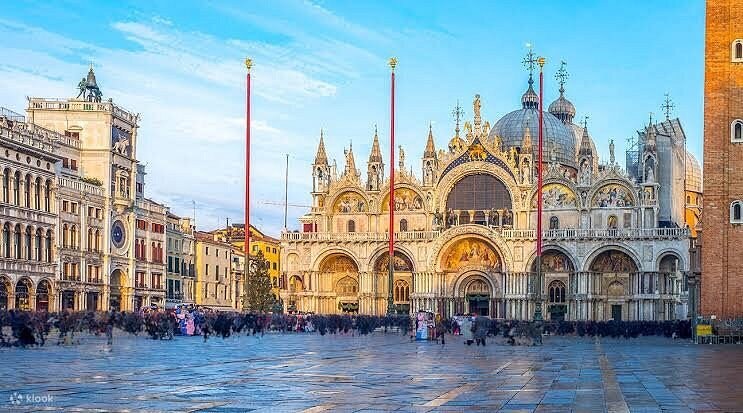 0 mi from VeniceSt. Mark's Basilica
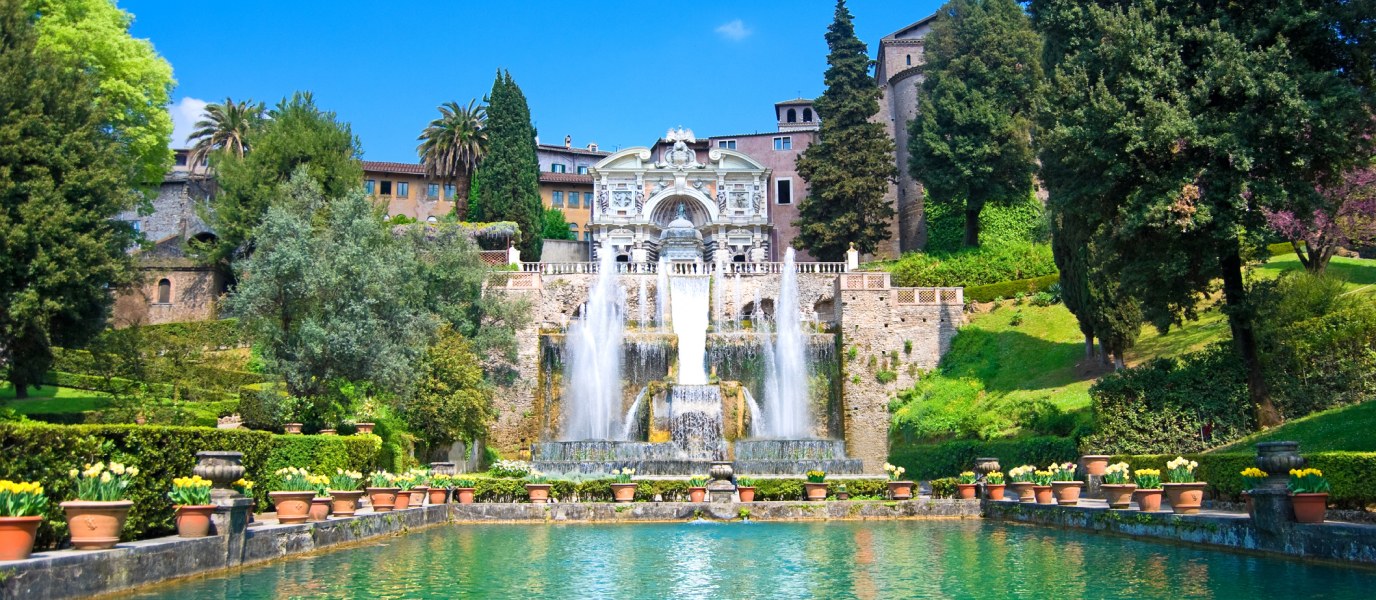 126 mi from VeniceVilla d'Este - Tivoli Fountains & Mannerist Gardens (Day Trip)
 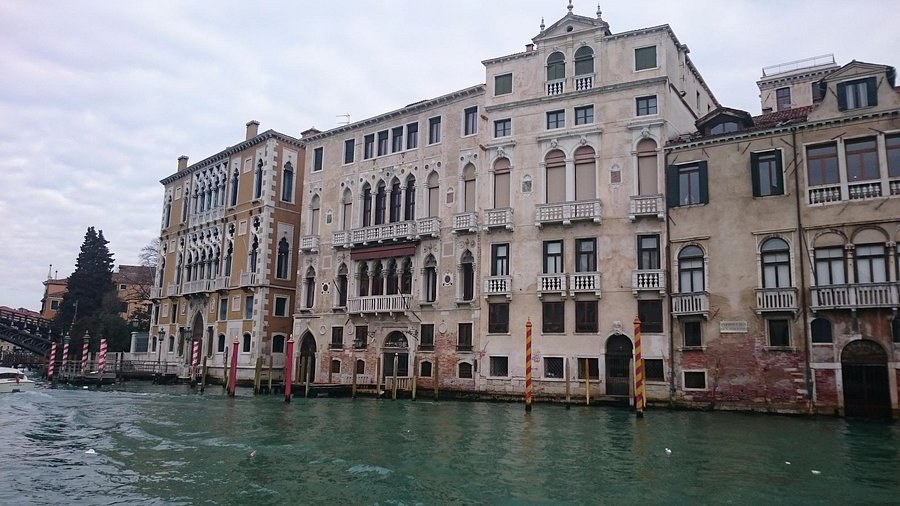 5 mi from Venice · land adventurePalazzo Doors, Lagoon Vineyards: Venice Beyond the Crowd Line
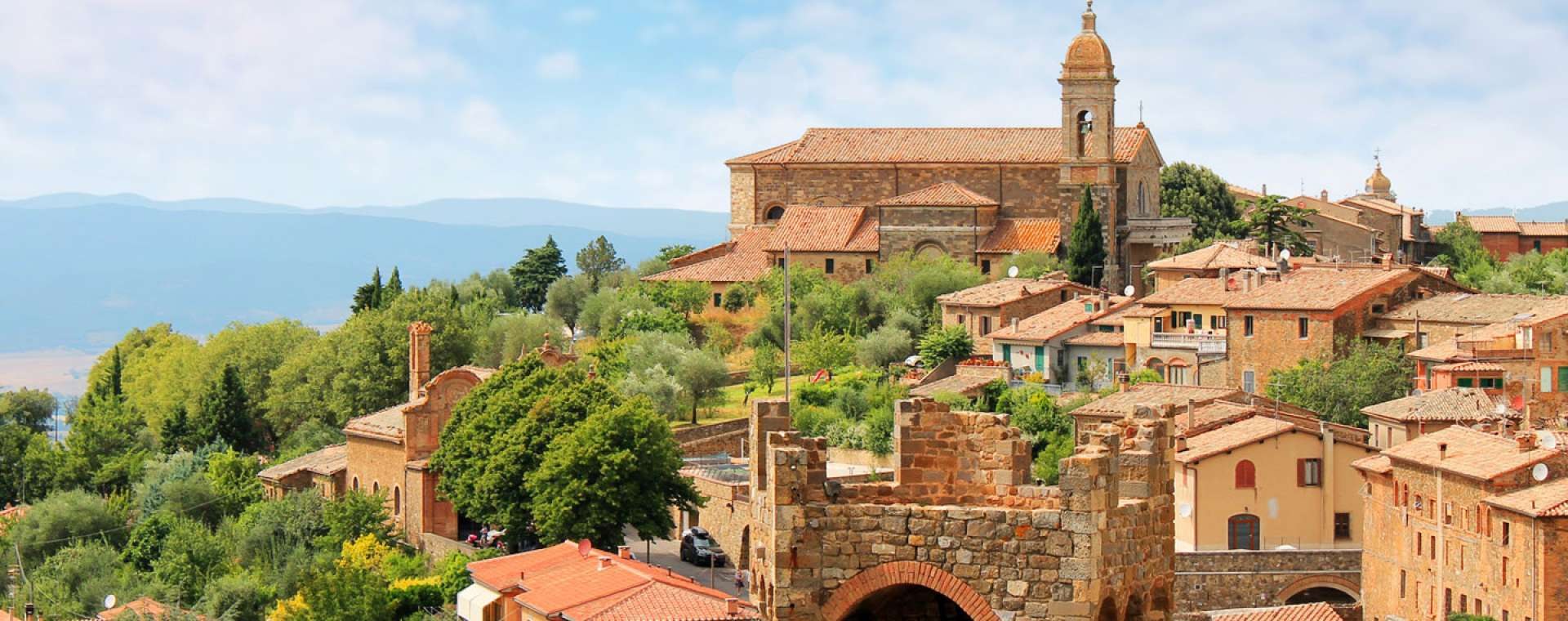 125 mi from Venice · land adventureFlorence to Val d'Orcia: Wine, Frescoes & Thermal Springs
 166 mi from Venice · land adventureSalt, Stone and Grüner Veltliner: Salzburg Beyond Mozart
 After you step off · near Athens
You end in a different port — stay on, and add what is within reach before you fly home.