Your cruise
Silver Nova · 12-night Mediterranean round trip from Lisbon
Sep 24 – Oct 6 · 12 nights ·
Day 1 Lisbon (board) · Day 2 at sea · Day 3 Cadiz (Seville) · Day 4 Motril · Day 5 Cartagena · Day 6–7 Palma de Mallorca · Day 8 Valencia · Day 9 Alicante · Day 10 Mellila · Day 11 Gibraltar · Day 12 at sea · Day 13 Lisbon (step off)
What you do Step inside one of the world's most breathtaking royal palaces — still an active royal residence — with a private expert guide who unlocks its layered Moorish, Gothic and Renaissance splendour. A true bucket-list pinnacle of Andalusian heritage.
What to expect Your guide meets you in Seville after the scenic 90-minute drive from Cádiz. Pre-booked skip-the-line access sweeps you past the public queue straight into the Patio de las Doncellas and the breathtaking King Pedro I chambers. The ornate tilework, gilded ceilings and tranquil garden fountains unfold at your pace. Personalised commentary weaves together the Catholic Monarchs, Columbus's voyages and centuries of royal intrigue.
Good to know Alcázar entry must be pre-booked well in advance — it sells out weeks ahead. Allow 3.5–4 hrs in Seville; add Seville Cathedral next door. Confirm all-aboard time before booking; transfer from Cádiz port is ~90 min each way. Book the private guide directly via themagicofseville.com.
book direct with The Magic of Seville – Private Tours → · the full guide →
What you do Ascend the iconic Giralda bell tower — a converted 12th-century Almohad minaret — and gaze across golden Seville from 70 metres, then descend into the world's largest Gothic cathedral to stand before Columbus's monumental tomb.
What to expect You enter through the Puerta del Perdón, and immediately the sheer scale of the nave — the largest Gothic nave on earth — stops you in your tracks. Your guide leads you through the royal chapels, the priceless Zurbarán and Murillo paintings, and the towering golden altarpiece before the Giralda climb. From the top, the whole of Seville stretches to the horizon in every direction. The combined visit with the Alcázar next door is one of the great days in all of Europe.
Good to know Book entry tickets at https://www.catedraldesevilla.es well in advance — same-day availability is rare. Pair with the Alcázar for a full-day Seville experience. Flat, ramp-based Giralda ascent is accessible. Allow 2 hrs for the cathedral alone.
book direct with The Magic of Seville – Private Tours → · the full guide →
What you do Glide across the ceramic-tiled bridges of the magnificent Plaza de España — arguably Spain's most cinematic square — then wind through the whitewashed lanes of Barrio Santa Cruz, Seville's medieval Jewish quarter, with a private local guide.
What to expect The Plaza de España opens like a stage set: a sweeping semicircular baroque-revival palace fronting a canal, every Spanish province represented in hand-painted tiles. Your guide navigates you through the María Luisa Park's tropical shade before ducking into the labyrinthine Barrio Santa Cruz — orange-blossom patios, tapas bars open since the 1800s, and rooftop views over the historic centre. A perfectly curated mid-morning or afternoon complement to the cathedral and Alcázar.
Good to know No advance ticket required for Plaza de España (free). Hire a rowboat on the canal for EUR 6 pp. Best light for photography is morning. Combine with the Alcázar (adjacent) for a full-day experience. Confirm all-aboard time before planning the Seville itinerary.
book direct with The Magic of Seville – Private Tours → · the full guide →
What you do Journey to Jerez de la Frontera — birthplace of sherry and flamenco — for a private tour of a legendary bodega, an expert-guided tasting of aged Fino, Amontillado and Oloroso, then witness pure flamenco at the world-renowned Real Escuela Andaluza del Arte Ecuestre.
What to expect The towering whitewashed bodega cathedral-halls hold barrels stacked in the solera system — gravity, time, and Andalusian air conspiring to produce the world's most complex fortified wines. Your expert guide explains the criadera system while you sip directly from the barrel with a venencia. Afterwards, the Real Escuela's Carthusian stallions perform an equestrian 'ballet' choreographed to live music — a UNESCO-recognised cultural tradition of extraordinary grace. Jerez is only 35 minutes from Cádiz port.
Good to know Real Escuela shows run Tuesday, Thursday, and Friday mornings — check the schedule at www.realescuela.org and pre-book. Bodega visits at Osborne (El Puerto de Santa María, en route) or Bodegas Barbadillo (Sanlúcar). All aboard is easily achievable from Jerez. Driving time from Cádiz ~35 min.
book direct with Bodegas Osborne – El Puerto de Santa María (Bodega de Mora) → · the full guide →
What you do Explore Cádiz itself — one of Europe's oldest cities — climbing the Tavira camera obscura tower for panoramic rooftop views, then descending into the vibrant La Viña neighbourhood for a curated tapas and fino sherry trail with a private local guide.
What to expect Begin at the baroque Cádiz Cathedral, gleaming gold against a turquoise sea, before climbing the Tavira Tower's camera obscura for a 360-degree real-time panorama of the whole city and its Atlantic coastline. Wind through the Mercado Central's magnificent produce halls, then your guide leads a progressive tapas tour through La Viña — the ancient fishing neighbourhood — stopping for papas aliñás, tortillitas de camarones, and ice-cold manzanilla at bars that have barely changed in a century. It's the most honest, joyful afternoon in the port.
Good to know Cádiz Cathedral entry approx. EUR 6 pp; book at the door or online. Tavira Tower (Torre Tavira) entry ~EUR 7; pre-book at www.torretavira.com. La Viña tapas bars are busiest 13:00–15:00. The port is walking distance from all sights — no transfers needed. Ideal for guests who prefer depth over distance.
book direct with Pancho Tours – Day Trip & Cadiz Local Experiences → · the full guide →
What you do Visit Bodegas Barbadillo in the atmospheric river town of Sanlúcar de Barrameda — the only place on earth where true Manzanilla sherry is produced — for an intimate expert-led cellar tour and a tasting masterclass paired with local Andalusian delicacies.
What to expect A knowledgeable bodega guide leads you through vaulted 19th-century cellars where 30,000 barrels age under a gossamer veil of flor yeast — the living microculture that gives Manzanilla its singular coastal character. You taste through a curated flight from crisp Manzanilla Solear to aged Palo Cortado, each paired with jamón ibérico and local almonds. Sanlúcar itself is a postcard Andalusian town on the Guadalquivir estuary, just 45 minutes from Cádiz — the drive through the Doñana marshes is a bonus wildlife spectacle. A deeply civilised, deeply local experience.
Good to know Pre-book directly at barbadillo.com — tours fill quickly on port days. Sanlúcar is ~45 min by taxi or private transfer from Cádiz port (approx. EUR 50–60 one-way). Doñana National Park borders the estuary — keep eyes open for flamingos and eagles en route. Perfectly achievable with time to spare before all-aboard.
What you do Climb to the candy-colored Pena Palace, a Romanticist fairytale castle floating on a forested peak above Sintra, then stand at Cabo da Roca, the westernmost cliff of continental Europe, before the seaside polish of Cascais. It's a UNESCO-listed day you physically cannot do from Lisbon's center on foot, and the single experience a first-timer most regrets skipping. The guided van solves Sintra's brutal timed-entry queues and, critically, guarantees you back to the ship.
What to expect You'll ascend into the forested hills above Sintra to explore the candy-colored Pena Palace, a Romanticist fairytale castle perched on a peak with sweeping views across the landscape. From there, the van carries you to Cabo da Roca, the windswept westernmost cliff of continental Europe, where you can stand at the edge and take in the Atlantic. You'll finish in the seaside polish of Cascais before returning to the ship, completing a full arc of Sintra's dramatic geography in a single morning and afternoon—a journey impossible to accomplish on foot from Lisbon's center.
Good to know This 8-hour small-group van tour includes Pena Palace timed-entry tickets and Lisbon pickup/return from the pier, eliminating the brutal entry queues that plague independent visitors. Book this operator specifically because they guarantee return to the ship; the cruise line's own coach options run 5–7 hours at nearly double the price. Depart early enough to be back well before your ship's evening departure, and bring layers and comfortable walking shoes for steep palace grounds and coastal winds.
What you do Lisbon was built to be seen from its river, and a small boat delivers the money shot: the red 25 de Abril Bridge (the city's Golden Gate twin), the Cristo Rei statue on the far bank, Belem Tower and the pastel hills tumbling to the water. Two relaxed hours with a drink in hand is the perfect bookend before sailaway. Pick the sunset departure if your ship leaves late.
What to expect You'll board a small boat at the riverside dock near the city center and spend two hours on the water, drink in hand, as Lisbon unfolds in front of you. The route showcases the red 25 de Abril Bridge—Lisbon's iconic rival to the Golden Gate—then glides past the historic Belem Tower and the Christ the King statue (Cristo Rei) rising from the far bank. Pastel-colored hills tumble down to the waterline, and the boat's intimate scale delivers the views that made Lisbon built to be seen from its river. If your ship departs in the evening, the sunset tour transforms the same skyline into burnished gold and rose.
Good to know The dock sits right in town, minimizing back-to-ship risk; plan for a 2-hour cruise within a 6–8 hour port window, leaving time to return before sailaway. Book direct with Tagus Cruises (€38–€45 per person, depending on day or sunset slot) rather than through the ship's add-ons (which cost €73–€100), saving €30–€55 per person for the same experience. The tour is fully inclusive—skipper, drinks, and taxes are built in—and runs on fixed daily departures; reserve ahead to secure your preferred time slot, especially if timing a sunset departure with your ship's schedule.
What you do Alfama is the medieval Moorish heart of Lisbon, a tangle of staircases, laundry-strung alleys and miradouro viewpoints far too steep to cover on foot in a port-day window. An open electric tuk-tuk hauls you up to Castelo de Sao Jorge, Portas do Sol and Santa Luzia for the iconic red-roof-and-river panoramas. The cruise dock literally sits at the foot of Alfama, so this is the lowest-risk, walk-off-and-go option of the day.
What to expect You'll board an open electric tuk-tuk at the cruise dock—no shuttle, no fuss—and climb the steep medieval alleys of Alfama as the vehicle winds through a tangle of laundry-strung staircases and narrow cobbled streets. The route hauls you up to three iconic miradouro (viewpoint) stops: Castelo de Sao Jorge, Portas do Sol, and Santa Luzia, each delivering panoramic shots of Lisbon's signature red rooftops spilling down to the river. At each vantage, you'll have time to photo and breathe the sea-salt air before the tuk-tuk descends back through the Moorish quarter to the dock. The whole rhythm unfolds in 1–2 hours depending on which tour you choose, leaving you with hours to explore Belem or the city on foot.
Good to know The cruise dock sits at Alfama's literal foot, so you walk off the ship and onto a tuk-tuk—book direct with Tuk On Me (operator RNAAT 485/2014 registered with Turismo de Portugal) to lock in €15–€30 per person rather than the ship's €104.99 coach. In a 6–8 hour port window, the 1–2 hour tuk-tuk tour leaves ample buffer time; simply confirm your return time with the driver to ensure you're back at the dock with 30+ minutes before all-aboard. Wear comfortable shoes for the few steps between tuk-tuk stops, bring sunscreen and a hat for the open-air exposure at each viewpoint, and have small euro bills or a card ready for the operator if paying on-site rather than pre-booking.
What you do Portuguese food is a bucket-list draw in its own right, and a small-group walk is the fastest way to taste the canon: bacalhau (salt cod), petiscos (Portuguese tapas), a bifana pork sandwich, regional cheeses and a shot of sour-cherry ginjinha, learning the city through its makers. This operator works real everyday neighborhoods like Campo de Ourique and Mouraria rather than tourist traps, capped at 12 people. Best for travelers who want depth over a checklist.
What to expect You'll join a small group of no more than 12 people for a walking tour through authentic Lisbon neighborhoods—Campo de Ourique and Mouraria—guided by local food experts who know the real makers and spots. The tour flows as a series of tastings and stops: bacalhau (salt cod), petiscos (Portuguese tapas), a bifana pork sandwich, regional cheeses, and a shot of sour-cherry ginjinha, with drinks included throughout. Rather than hitting tourist checkboxes, you're learning the city's food culture through the people who've shaped it, moving at a conversational pace through working neighborhoods. The whole experience runs 3 to 3.5 hours—intimate, depth-focused, and flavored with real Lisbon rhythm.
Good to know This tour costs ~$76 per person and is offered by Taste of Lisboa Food Tours; book directly with the operator rather than through the cruise line to lock in the small-group cap and local-neighborhood routing. Plan for a 3–3.5 hour excursion, leaving you a comfortable 2.5–3 hour buffer to return to the ship within a typical 6–8 hour port window. Wear comfortable walking shoes suitable for navigating neighborhood streets, and bring cash or confirm card acceptance at each stop, as smaller vendors may have payment limitations. No special advance preparation is needed beyond booking, though arriving 10–15 minutes early at the meeting point in central Lisbon helps you settle in before the group departs.
book direct with Taste of Lisboa Food Tours → · the full guide →
What you do Step inside one of the world's most breathtaking royal palaces — still an active royal residence — with a private expert guide who unlocks its layered Moorish, Gothic and Renaissance splendour. A true bucket-list pinnacle of Andalusian heritage.
What to expect Your guide meets you in Seville after the scenic 90-minute drive from Cádiz. Pre-booked skip-the-line access sweeps you past the public queue straight into the Patio de las Doncellas and the breathtaking King Pedro I chambers. The ornate tilework, gilded ceilings and tranquil garden fountains unfold at your pace. Personalised commentary weaves together the Catholic Monarchs, Columbus's voyages and centuries of royal intrigue.
Good to know Alcázar entry must be pre-booked well in advance — it sells out weeks ahead. Allow 3.5–4 hrs in Seville; add Seville Cathedral next door. Confirm all-aboard time before booking; transfer from Cádiz port is ~90 min each way. Book the private guide directly via themagicofseville.com.
book direct with The Magic of Seville – Private Tours → · the full guide →
What you do Ascend the iconic Giralda bell tower — a converted 12th-century Almohad minaret — and gaze across golden Seville from 70 metres, then descend into the world's largest Gothic cathedral to stand before Columbus's monumental tomb.
What to expect You enter through the Puerta del Perdón, and immediately the sheer scale of the nave — the largest Gothic nave on earth — stops you in your tracks. Your guide leads you through the royal chapels, the priceless Zurbarán and Murillo paintings, and the towering golden altarpiece before the Giralda climb. From the top, the whole of Seville stretches to the horizon in every direction. The combined visit with the Alcázar next door is one of the great days in all of Europe.
Good to know Book entry tickets at https://www.catedraldesevilla.es well in advance — same-day availability is rare. Pair with the Alcázar for a full-day Seville experience. Flat, ramp-based Giralda ascent is accessible. Allow 2 hrs for the cathedral alone.
book direct with The Magic of Seville – Private Tours → · the full guide →
What you do Glide across the ceramic-tiled bridges of the magnificent Plaza de España — arguably Spain's most cinematic square — then wind through the whitewashed lanes of Barrio Santa Cruz, Seville's medieval Jewish quarter, with a private local guide.
What to expect The Plaza de España opens like a stage set: a sweeping semicircular baroque-revival palace fronting a canal, every Spanish province represented in hand-painted tiles. Your guide navigates you through the María Luisa Park's tropical shade before ducking into the labyrinthine Barrio Santa Cruz — orange-blossom patios, tapas bars open since the 1800s, and rooftop views over the historic centre. A perfectly curated mid-morning or afternoon complement to the cathedral and Alcázar.
Good to know No advance ticket required for Plaza de España (free). Hire a rowboat on the canal for EUR 6 pp. Best light for photography is morning. Combine with the Alcázar (adjacent) for a full-day experience. Confirm all-aboard time before planning the Seville itinerary.
book direct with The Magic of Seville – Private Tours → · the full guide →
What you do Journey to Jerez de la Frontera — birthplace of sherry and flamenco — for a private tour of a legendary bodega, an expert-guided tasting of aged Fino, Amontillado and Oloroso, then witness pure flamenco at the world-renowned Real Escuela Andaluza del Arte Ecuestre.
What to expect The towering whitewashed bodega cathedral-halls hold barrels stacked in the solera system — gravity, time, and Andalusian air conspiring to produce the world's most complex fortified wines. Your expert guide explains the criadera system while you sip directly from the barrel with a venencia. Afterwards, the Real Escuela's Carthusian stallions perform an equestrian 'ballet' choreographed to live music — a UNESCO-recognised cultural tradition of extraordinary grace. Jerez is only 35 minutes from Cádiz port.
Good to know Real Escuela shows run Tuesday, Thursday, and Friday mornings — check the schedule at www.realescuela.org and pre-book. Bodega visits at Osborne (El Puerto de Santa María, en route) or Bodegas Barbadillo (Sanlúcar). All aboard is easily achievable from Jerez. Driving time from Cádiz ~35 min.
book direct with Bodegas Osborne – El Puerto de Santa María (Bodega de Mora) → · the full guide →
What you do Explore Cádiz itself — one of Europe's oldest cities — climbing the Tavira camera obscura tower for panoramic rooftop views, then descending into the vibrant La Viña neighbourhood for a curated tapas and fino sherry trail with a private local guide.
What to expect Begin at the baroque Cádiz Cathedral, gleaming gold against a turquoise sea, before climbing the Tavira Tower's camera obscura for a 360-degree real-time panorama of the whole city and its Atlantic coastline. Wind through the Mercado Central's magnificent produce halls, then your guide leads a progressive tapas tour through La Viña — the ancient fishing neighbourhood — stopping for papas aliñás, tortillitas de camarones, and ice-cold manzanilla at bars that have barely changed in a century. It's the most honest, joyful afternoon in the port.
Good to know Cádiz Cathedral entry approx. EUR 6 pp; book at the door or online. Tavira Tower (Torre Tavira) entry ~EUR 7; pre-book at www.torretavira.com. La Viña tapas bars are busiest 13:00–15:00. The port is walking distance from all sights — no transfers needed. Ideal for guests who prefer depth over distance.
book direct with Pancho Tours – Day Trip & Cadiz Local Experiences → · the full guide →
What you do Visit Bodegas Barbadillo in the atmospheric river town of Sanlúcar de Barrameda — the only place on earth where true Manzanilla sherry is produced — for an intimate expert-led cellar tour and a tasting masterclass paired with local Andalusian delicacies.
What to expect A knowledgeable bodega guide leads you through vaulted 19th-century cellars where 30,000 barrels age under a gossamer veil of flor yeast — the living microculture that gives Manzanilla its singular coastal character. You taste through a curated flight from crisp Manzanilla Solear to aged Palo Cortado, each paired with jamón ibérico and local almonds. Sanlúcar itself is a postcard Andalusian town on the Guadalquivir estuary, just 45 minutes from Cádiz — the drive through the Doñana marshes is a bonus wildlife spectacle. A deeply civilised, deeply local experience.
Good to know Pre-book directly at barbadillo.com — tours fill quickly on port days. Sanlúcar is ~45 min by taxi or private transfer from Cádiz port (approx. EUR 50–60 one-way). Doñana National Park borders the estuary — keep eyes open for flamingos and eagles en route. Perfectly achievable with time to spare before all-aboard.
What you do Step inside one of the world's greatest palaces on a fully private tour — your own expert guide, skip-the-line entry to the Nasrid Palaces, Alcazaba fortress & Generalife gardens. The Alhambra from Motril is an unrivalled bucket-list moment, just one hour from port.
What to expect Your guide collects you dockside and whisks you along the Costa Tropical into Granada, rising above the city to the Alhambra's red-stone ramparts. Inside the Nasrid Palaces, you'll pause in rooms whose honeycomb vaulting and tile work have dazzled visitors for 700 years. The Alcazaba fortress rewards you with panoramic views over the Albaicín quarter and the Sierra Nevada. The Generalife's ascending water-garden terraces provide a serene, almost meditative finale before your return drive to port.
Good to know Tour is 6–7 hours; confirm your ship's all-aboard time so the operator can schedule accordingly. Nasrid Palace tickets sell out weeks in advance — this operator includes pre-booked timed entry. Pickup is directly from Motril port gates. Book as early as possible, especially in summer.
What you do An exclusive private tour pairing Alhambra's monumental highlights with a deep-dive into Granada's Moorish legacy — guided by a certified heritage interpreter for a truly scholarly yet sensory experience from your port door.
What to expect Your private guide meets you at Motril port and travels with you throughout the day, providing rich historical context on the 45-minute coastal drive. At the Alhambra, you enter on a pre-reserved timed slot, moving fluidly from the Alcazaba watchtower to the legendary Court of the Lions in the Nasrid Palaces. The Generalife's summer-palace gardens, fragrant with roses and murmuring with water channels, close the visit on a tranquil high. The guide ensures you are back at port comfortably ahead of departure.
Good to know Private for your party only — ideal for couples or families seeking a bespoke experience. Confirm Alhambra ticket inclusion at booking. Allow 6–7 hours total. Book well ahead; Nasrid Palace timed slots are strictly limited.
book direct with ToursByLocals (local guide direct) → · the full guide →
What you do Descend into Nerja's cathedral-scale prehistoric caverns — among Europe's finest — then wind up into Frigiliana, the Costa del Sol's most photogenic Moorish white village, on a seamless private excursion from port.
What to expect The drive east along the Costa Tropical delivers its own theatre — sugar-cane plantations, cliffside roads and glimpses of the deep blue sea. Inside the Caves of Nerja, vast chambers known as the 'Cathedral' and 'Christmas Hall' reveal stalactites of extraordinary scale alongside Palaeolithic paintings discovered in 1959. Lunch in Nerja's old quarter sets you up for the ascent to Frigiliana, a labyrinth of cobbled lanes, blue-and-white ceramics and jasmine-draped archways. Your guide returns you to Motril port in good time for all-aboard.
Good to know Nerja is approximately 45 minutes east of Motril. Cave entry must be pre-booked; confirm inclusion when reserving your tour. Wear comfortable shoes — cave paths and Frigiliana's cobbles are uneven. Total excursion time approx. 6 hours.
book direct with GetYourGuide (Nerja Caves official partner tours) → · the full guide →
What you do Glide along the unspoilt Tropical Coast aboard a luxury catamaran, snorkelling crystalline Mediterranean coves and sipping cava as the Sierra Nevada shimmers on the horizon — the most glamorous way to spend a port day without leaving the water.
What to expect You board at the marina adjacent to Playa Granada — minutes from port — and set sail along a coastline of dramatic cliffs and glassy turquoise water that most visitors never see from the land. Snorkel stops reveal sea-grass meadows, colourful reef fish and the kind of underwater clarity that makes you linger long past your intention. Back on deck, the crew serves cold drinks and local snacks while the sail home delivers golden-hour views of the coast. You're back at the marina with time to spare before all-aboard.
Good to know Ideal for those who prefer a relaxed, scenic half-day rather than a full day inland. Departure is from Playa Granada marina, a short taxi from port. Book in advance in summer — capacity is strictly limited. Snorkel equipment is provided; bring reef-safe sunscreen.
book direct with Expedia Experiences / Local Catamaran Operator (Playa Granada) → · the full guide →
What you do Trace the dramatic mountain road into the Alpujarras — the last stronghold of Moorish Andalucía — visiting silk-road whitewashed villages perched above terraced valleys, then descend to Salobreña's sugar-cane crowned castle for tapas and sea views.
What to expect Your private vehicle climbs from the subtropical coast into the Sierra Nevada foothills, where the air cools and the scenery shifts dramatically to deep gorges and terraced chestnut forests. The Alpujarra villages are a living museum of Andalusian Moorish heritage — flat-roofed stone houses, hand-woven textiles and family-run bodegas pouring vino de pitarra (home-pressed mountain wine). Lunch in Pampaneira at a terrace restaurant with views across the barranco is an unhurried highlight. The descent brings you through Salobreña, whose Moorish castle crowns a volcanic rock above fields of avocado and mango — a final stunning vignette before returning to port.
Good to know Mountain roads are winding; not recommended for those with severe motion sickness. Allow 6–7 hours. Confirm port pick-up and all-aboard timing with your operator. A light jacket is advised — Alpujarra villages can be significantly cooler than the coast.
What you do Motril is Spain's only commercial sugar-cane coast — Ron Montero its celebrated rum distillery. A guided tasting tour of the historic distillery and a private tropical-fruit finca (mango, avocado, cherimoya) is the most uniquely local experience the port offers.
What to expect The distillery sits close to port, making this an effortlessly manageable half-day. A knowledgeable guide walks you through the pressing, fermentation and barrel-ageing process in a beautifully preserved industrial space that doubles as the town's industrial heritage museum. The tasting session showcases Ron Montero's range from light blanco to rich añejo, paired with local sweets made from cane sugar. Combine with a short drive to a private tropical-fruit finca where the estate owner introduces you to cherimoyas, medlars and avocados at the peak of their season — a sensory finale utterly unlike anything else on the Costa.
Good to know The distillery is walkable or a short taxi from the port. Official guided tours run most mornings — book directly with the distillery or arrange a combined private excursion through a local guide. The Museo Preindustrial de la Caña de Azúcar (Sugar Cane Pre-Industrial Museum) is adjacent and complements the visit beautifully. Allow 2.5–3 hours for the combined experience, leaving ample time to explore Motril itself.
What you do Cartagena's first-century-BC Roman theatre lay hidden under the old town until 1988, and the only way in is a brilliant architectural sequence designed by Pritzker laureate Rafael Moneo: you pass through the Palacio Pascual de Riquelme, descend past Carthaginian and Roman strata, then emerge into the vast tiered cavea that once seated 6,000. It is the single most unmissable thing in the city and a five-minute walk from the pier. Few Roman theatres in the world are entered through a museum that tells the full layered story of the stone before you stand in it.
What to expect Allow 60-90 minutes for the full route through the museum's two buildings, the connecting tunnel under Calle Comedias, and out into the theatre itself. Interpretation is excellent and bilingual, with recovered marble, statuary and the reconstructed scaenae frons columns. The cavea is open-air and the pale stone throws heat, so morning light is kinder and better for photos. Wear proper shoes for the worn steps.
Good to know From the cruise terminal walk to Plaza del Ayuntamiento at the foot of Calle Mayor; the museum entrance is right there, about 400 m. Buy online or at the desk; queues are short outside July-August. Easily done independently with hours to spare against any all-aboard. Official tourist guides enter free, so a private guide adds no ticket cost.
book direct with Museo del Teatro Romano de Cartagena (official) → · the full guide →
What you do Beyond the theatre, Cartagena hides one of Europe's largest urban Roman archaeological parks at Cerro del Molinete, 26,000 sq m where you walk original Roman streets past the Forum, the thermal baths, the banqueting Atrium with surviving wall paintings, and a rare Sanctuary of Isis. Paired with the Punic Wall, this is the only place in Spain telling the Carthaginian-to-Roman story on its own ground. A licensed local guide turns scattered ruins into the living capital of Hannibal's Iberia and Augustus's Carthago Nova.
What to expect The Molinete museum's three floors of 300-plus artefacts set up the open-air park, where elevated walkways let you look down on streets, mosaics and the baths. It is genuinely atmospheric and far quieter than the theatre. A good guide ties Molinete, the Punic Wall and the Decumanus together into one walk of about two hours, mostly flat with some ramps. Shade is limited, so carry water in summer.
Good to know All sites are within the compact old town, 5-10 minutes on foot from the pier. Pre-book a licensed guide in advance (Cartagena's official guide association or a reputable operator such as Mediterranean Cartagena Tours); confirm they hold the regional guide licence so they enter the monuments free. Comfortably finished within a half-day port call.
book direct with Cartagena Puerto de Culturas (official site & ticketing) + a licensed private guide → · the full guide →
What you do Cartagena is one of the Mediterranean's great natural war harbours, ringed by coastal batteries, and the most evocative way to feel that is the official harbour boat out to the Fuerte de Navidad, a beautifully restored 1860s casemated fort guarding the harbour mouth. You cruise past the Spanish Navy arsenal and the gun batteries on the headlands, then disembark to walk the bunkers, handle a period cannon and stand on the terrace where the whole bay opens beneath you. It is the city's military soul, reachable only by water.
What to expect The boat moves at an easy 2.5 knots with multilingual narration, passing castles, lighthouses, the Navy arsenal and the cruise terminal itself from the water. At the fort you get roughly 45 minutes to explore casemates, an interactive artillery display and the panoramic terrace before the return leg. The whole round trip with the fort visit runs about 1.5-2 hours. Sea conditions inside the sheltered bay are usually calm.
Good to know The departure quay on Gisbert Street is a 3-4 minute walk from the cruise terminal. Sailings are roughly hourly in summer (11:00-19:30) and reduced off-season, so check the day's timetable on arrival and reserve via reservas@puertoculturas.com or +34 968 500 093 if your call is short. Confirm a return slot that clears your all-aboard with margin.
book direct with Cartagena Puerto de Culturas - Barco Turístico (official) → · the full guide →
What you do When Cartagena's mining wealth peaked around 1900, architect Víctor Beltrí lined Calle Mayor with riotous Art Nouveau facades, and walking it is like strolling a small Barcelona: the Gran Hotel, the Casino, Casa Cervantes, Casa Maestre and the Palacio Aguirre. Pair the architecture with a guided tapas crawl through the historic bars for the region's catch and the famed huerta de Europa produce, and you have the city's living present rather than only its Roman past. This is the elegant, sensory side of Cartagena most cruisers miss.
What to expect Calle Mayor is pedestrianised and flat, an easy 1-2 hour amble past the showpiece facades, with the Gran Hotel's corner dome the standout. A good tapas tour threads emblematic bars near San Francisco square for things like local prawns, marinated fish and the Murcian michirones, paired with Jumilla or Bullas wines. Pace is leisurely and social. Midday is liveliest; some bars rest mid-afternoon.
Good to know Everything is within the old town, a few minutes from the pier; no transport needed. Pick up the free modernista route map at the City Hall tourist office on arrival. Pre-book the tapas tour as small-group slots sell out on cruise days, and confirm the finish time against all-aboard. Cartagena lunches start late by northern standards, so an early-afternoon slot suits a port call best.
book direct with Local licensed gastronomy operator (e.g. the Cartagena guided tapas & modernista walk) - book the official tour direct → · the full guide →
What you do The hill above the old town has been fortified since Roman times, and the medieval Castillo de la Concepción crowns it inside the green Parque Torres. A glass-fronted panoramic lift saves the 45-metre climb and delivers you to the single best viewpoint in Cartagena: the Roman theatre below, the modernista rooftops, the Navy arsenal and the whole amphitheatre of the bay laid out at once. It is the photograph that explains why every empire wanted this harbour.
What to expect The panoramic lift rises in a minute from Gisbert Street to a footbridge into Parque Torres, where peacocks roam the gardens. The castle keep houses a compact Interpretation Centre on the city's 13-century military story, with preserved Roman cisterns and capitals. Most visitors spend 45-60 minutes including time on the ramparts for the views. The terraces are open and breezy, ideal near sunset if your ship sails late.
Good to know The lift's lower station on Gisbert Street is a few minutes from the cruise terminal and sits right beside the harbour-boat quay, so the two pair perfectly in one outing. Buy the combined lift-plus-castle ticket. The walk down through the park back to the old town is pleasant and downhill if you'd rather not lift both ways.
book direct with Cartagena Puerto de Culturas - Castillo de la Concepción & Ascensor Panorámico (official) → · the full guide →
What you do Forty minutes north-east of the port lies the Mar Menor, the largest saltwater lagoon in Europe, a warm shallow inland sea fringed by the La Manga sandbar and the wetlands of San Pedro del Pinatar, where for centuries people have coated themselves in the mineral-rich mud said to ease aches and skin. Floating in water so dense and calm it feels otherworldly, with flamingos in the nearby salt pans, is a genuinely different Spanish coast from the cruise-port bustle. It is the one bucket-list experience here that the distance makes worth a ship excursion.
What to expect Expect about 40 minutes each way by road, then time at La Manga's twin seafronts or at the Lo Pagán / San Pedro del Pinatar salt-marsh boardwalks for the mud baths and birdlife. The lagoon water is bath-warm, very shallow and extraordinarily buoyant; the grey mud is smeared on, dried in the sun, then rinsed in the sea. Bring a swimsuit you don't mind staining and water shoes for the muddy shallows. Note the lagoon has faced ecological stress in recent years, so conditions vary by season.
Good to know Because of the drive and tight cruise timing, this is the one excursion to pre-book rather than improvise. If going independent, arrange a private driver-guide in advance and build in a generous return buffer; do not attempt it by taxi-and-hope on a short call. Pack a towel, sun protection and a change of clothes, and combine with the Roman theatre on the way back as the ship itinerary does.
book direct with Norwegian Cruise Line (and most lines) - 'La Manga & Roman Theatre' shore excursion, or a private licensed driver-guide → · the full guide →
What you do Palma's defining sight: a colossal Gothic sandstone cathedral right on the waterfront, with one of the world's largest rose windows that throws a famous color-and-light show across the nave (Gaudi reworked the interior). The seasonal rooftop terrace tour (May-Oct, ~215 steps) walks you out among the flying buttresses and bells with the whole Bay of Palma spread below — the first-timer's signature Palma photo. It's a flat 10-15 min walk from the cruise shuttle drop.
What to expect You walk 10–15 minutes from the cruise shuttle drop straight to the waterfront cathedral, its colossal Gothic sandstone facade dominating the harbor view. Inside, Gaudí's reworked interior unfolds beneath one of the world's largest rose windows, which bathes the nave in a famous color-and-light show. If you've booked the rooftop terraces tour, you climb ~215 steps out among the flying buttresses and bells, with the entire Bay of Palma spreading below in that signature first-timer's photograph. A leisurely pace—cathedral interior plus rooftop—takes 1.5–2 hours total.
Good to know Book the rooftop terrace tour (EUR 20–30, May–Oct only) on the Cathedral of Mallorca's official website before sailing; summer slots sell out 2–3 weeks ahead. Standard cathedral admission alone is EUR 10 (plus museum access). The round trip walk from pier to cathedral and back is 20–30 minutes; allow 2–3 hours total for a full visit, leaving a comfortable 2-hour buffer before all-aboard. Bring water, sunscreen, and comfortable shoes for the 215 rooftop steps; the terraces are exposed, so dress for strong Mediterranean sun and occasional wind off the bay.
book direct with Cathedral of Mallorca (Catedral de Mallorca / La Seu) → · the full guide →
What you do Mallorca's most celebrated cavern near Porto Cristo: a vast illuminated forest of stalactites that opens onto Lake Martel, one of the largest underground lakes on earth. Every visit includes a live classical concert played by musicians on lantern-lit boats gliding across the water in the dark, then your own short boat ride. It's genuinely unlike anything else in the Med.
What to expect You'll journey to Porto Cristo on Mallorca's east coast to enter a cathedral of stone—a vast cavern ringed with illuminated stalactites that descend like a petrified forest. The experience pivots on an unforgettable moment: classical musicians glide across Lake Martel, one of earth's largest underground lakes, performing by lantern light while you watch from the cavern floor in near-total darkness. After their concert, you board your own small boat for a short float across the glassy black water, surrounded by the otherworldly glow of the cave's own geology. It is genuinely unlike anything else in the Mediterranean.
Good to know The cave is 1+ hour each way from Palma's port by taxi or transfer (EUR130–160 round trip split among your group, or ~EUR48–60pp via an independent transfer tour like No Frills); book entry online up to 30 days ahead to secure your time slot and lock in the EUR18 door price (~$20 adult). Budget 6–8 hours total: travel time both ways plus 45–60 minutes inside the cave itself. Bring a light jacket or sweater—underground caves run cool year-round. Skip the ship's tour ($89–108pp) unless you cannot gather a group for independent transport; the EUR18 entry fee means the ship charges ~5x markup, and even with a private transfer you'll save ~$40 per person.
What you do The signature scenic ride Mallorca is famous for: a polished-wood electric train running since 1912, climbing north out of Palma through almond and olive groves, 13 tunnels and the Serra de Tramuntana mountains into the orange-grove valley of Soller in about an hour. Connect to the open-sided vintage tram that rattles down to seaside Port de Soller. It boards at Plaza de Espana, a short taxi from the pier.
What to expect You'll board the polished-wood electric train at Plaza de Espana and climb north for roughly an hour through a dramatic landscape of almond and olive groves, threading through 13 mountain tunnels as you ascend toward the Serra de Tramuntana peaks. The train opens into the bright orange-grove valley of Soller, where you'll switch to an open-sided vintage tram—a delightful rattle downhill toward the glittering Mediterranean. After time to explore Port de Soller's seaside charm and perhaps a café break, you'll reverse the journey: tram back up, train back down through the tunnels into Palma. The rhythm is unhurried and picturesque, with natural breaks built in for photos and wandering.
Good to know Buy tickets online up to 7 days ahead to secure your preferred departure, ideally an early morning slot to maximize your Soller dwell time within a 6–8 hour port window. Take a taxi from the cruise pier to Plaza de Espana (a short ride), allowing 15–20 minutes to clear the ship and reach the station. The round-trip train alone takes roughly 2 hours; add 45 minutes for the tram and 1.5–2 hours in Port de Soller for a comfortable margin back to the ship. Off-peak pricing (EUR32, ~$35) may offer savings if your schedule allows; the combo ticket for train + Port de Soller tram is EUR40 (~$43).
book direct with Ferrocarril de Soller (Tren de Soller) → · the full guide →
What you do The Serra de Tramuntana is a UNESCO World Heritage landscape, and this is the classic Mallorca road trip a first-timer regrets skipping: Valldemossa (the honey-stone village where Chopin and George Sand wintered), the artists' clifftop hamlet of Deia, and citrus-scented Soller, strung along a dramatic coastal mountain road. A private guide with door-to-door Palma pickup makes the whole loop port-day-safe.
What to expect You'll be picked up at the pier or your hotel and driven into the Serra de Tramuntana, a UNESCO World Heritage landscape, beginning in Valldemossa—the honey-stone village where Chopin and George Sand once wintered. From there you'll wind a dramatic coastal mountain road to Deia, a clifftop artists' hamlet, then descend to citrus-scented Soller where the road flattens and the pace eases. The excursion strings these three villages together in one classic Mallorca loop, moving at your own rhythm in a private vehicle rather than jostling 40 others on a coach.
Good to know The excursion runs 6–6.5 hours total; book the private operator (not the ship's coach option) only if your ship guarantees return time, since you cannot afford delays on this length of tour. Door-to-door Palma pickup from the pier means no separate transport hassle, but confirm your exact pickup time and location with Premier Tours Mallorca the morning of departure. Optional lunch costs an additional €30 and should be arranged ahead. Bring sun protection and comfortable walking shoes for village exploration, and plan to be back at the pier with at least a 30–45 minute buffer before all-aboard.
book direct with Premier Tours Mallorca → · the full guide →
What you do Mallorca's turquoise coves and glass-clear water are the reason many people come, and the easiest way to reach them is by sea. This small-group sailing catamaran (max 12) departs La Lonja marina, a short walk from the cruise area — welcome drink, Mallorcan tapas, snorkel gear and SUP boards included — with swim stops in coves like Portals Vells that you can't reach on foot. A relaxed, scenic counterpoint to the city sights.
What to expect After a short walk from the cruise pier to La Lonja marina, you'll board an intimate catamaran with no more than 12 guests. The four-hour sail drifts you through Mallorca's turquoise coves with a welcome drink in hand and Mallorcan tapas to graze on—the boat becomes a floating social space as much as a vessel. The rhythm centers on swim and snorkel stops at secluded spots like Portals Vells, unreachable by foot, where you'll slip into glass-clear water with included snorkel gear or paddle out on a SUP board. It's a leisurely, scenic counterpoint to city exploration—more floating than rushing.
Good to know Book directly with SailPalma by Omare Yachting to confirm the exact rate (~$70–120 pp) and your back-aboard time before committing. The marina is a short walk from the cruise area, but allow buffer time to locate La Lonja and be on the boat 15 minutes early. A four-hour sail fits comfortably into a typical 6–8 hour port window; confirm your ship's all-aboard time and plan for at least 30–45 minutes to return to the pier. Bring reef-safe sunscreen, a light layer for the wind at sea, and a water shoe or sandal—snorkel gear and SUP boards are supplied.
book direct with SailPalma by Omare Yachting → · the full guide →
What you do A 14th-century hilltop fortress (begun 1300 by King Jaume II) that's unique in Spain for being entirely circular, ringed by a moat on a pine-covered hill above the bay. The rooftop walkway gives arguably the best panorama in Palma — old town, cathedral and harbor laid out below — and the inner two-tier arcaded courtyard is a striking medieval set piece. Cheap, quick (60-90 min), and a short taxi from the port.
What to expect You'll taxi up a pine-covered hill to a strikingly circular 14th-century fortress ringed by a moat, then climb to the rooftop walkway where the panorama unfolds: the old town, the cathedral, and the entire bay spread below. The inner courtyard—a two-tier arcaded medieval space—is a striking photogenic set piece worth lingering in. The visit itself is intimate and self-paced, rarely crowded, taking 60–90 minutes total. Finish at the City History Museum inside the castle to deepen the context before heading back to port.
Good to know Taxi from the cruise pier costs EUR 12–15 each way; the EUR 4 adult ticket requires no advance booking. Plan to leave the ship 3–3.5 hours before all-aboard to give yourself 90 minutes on-site plus travel buffer—the round trip taxi time is roughly 30–40 minutes total. Bring comfortable walking shoes for the hill and stairs, sunscreen for the rooftop, and small change or a card for the ticket window. Free admission on Sunday afternoons (EU citizens pay EUR 2 year-round), so timing your port day accordingly is a money-saver if available.
What you do Step inside Santiago Calatrava's blinding-white, sci-fi City of Arts and Sciences and into the Oceanografic, the biggest aquarium in Europe, where a glass tunnel puts sharks and rays gliding over your head and beluga whales, sea lions and a dolphin lagoon fill nine themed marine worlds. It is the single most photographed image of Valencia and the closest marquee sight to the cruise terminal, about 12-20 minutes by bus line 95 or a ~12-15 euro taxi. For a first-timer with one port day, this is the regret-if-you-miss-it stop.
What to expect You arrive at Santiago Calatrava's gleaming City of Arts and Sciences and step into the Oceanografic, Europe's largest aquarium, where a glass tunnel frames sharks and rays gliding silently overhead. From there you move through nine themed marine worlds—beluga whales, sea lions, and a dolphin lagoon punctuate the journey—each zone a deeper plunge into underwater spectacle. The dolphin and sea-lion shows provide the natural rhythm breaks and peak photo moments. It's an immersive, self-paced flow from zone to zone, capped by the single most photographed image Valencia offers.
Good to know Book your ticket direct online (EUR 35.90–43.05 adult; combo packages with Hemisferic IMAX and Science Museum run EUR 44–51.25) and allow 2.5–4 hours inside the aquarium to cover all zones and catch both shows comfortably. From the cruise terminal, take line 95 bus (12–20 minutes) or a taxi (~EUR 12–15) directly to the City of Arts and Sciences; the walk from either drop-off to Oceanografic is short and self-evident. Plan to be back at the pier 90 minutes before all-aboard, and bring a camera—the underwater glass tunnels and Calatrava architecture demand it.
book direct with Oceanografic Valencia (Ciutat de les Arts i les Ciencies) → · the full guide →
What you do Glide out across the mirror-still freshwater lagoon in a traditional flat-bottomed albuferenc wooden boat, poled and motored past herons, reed beds and the rice paddies that actually gave the world paella, best at the golden-hour light Valencia is famous for. This is the postcard the cathedral and aquarium can't replicate, and at roughly 25 minutes from the port it pairs perfectly with an authentic paella lunch in the El Palmar village beside the dock.
What to expect You'll travel roughly 25 minutes from the port to El Palmar village and board a traditional flat-bottomed wooden boat, poled and motored across the mirror-still freshwater Albufera Lagoon. As you glide past herons, reed beds, and the rice paddies that gave paella to the world, golden-hour light transforms the landscape into postcard perfection—a natural experience the cathedral and aquarium cannot match. The shared lagoon ride lasts about 45 minutes, immersing you in the serene working wetlands that define this region. Pair it seamlessly with an authentic paella lunch at a village restaurant beside the dock, creating a complete sensory journey of Valencia's most authentic culinary and natural heritage.
Good to know Book directly with Paseos en Barca El Besso (WhatsApp/phone +34 678 336 181 or their website) for a standard ~45-minute ride at EUR 5 adult/EUR 3 child, or opt for a sunset/longer ride at EUR 7—a fraction of cruise-line bundled tour pricing. From the pier, take a taxi to El Palmar dock (roughly 25 minutes); consider hiring the same taxi to wait, or arrange round-trip transport through an independent port-gate operator for ~€75–85 to include boat and paella. Book your boat slot and paella restaurant reservation in advance to secure timing, and budget 4–5 hours total (transport, boat, meal, return) to maintain a safe buffer before all-aboard. Bring sun protection and a camera for golden-hour shots, and note that the boat is weather-dependent; confirm departures the morning of your port day.
book direct with Paseos en Barca El Besso → · the full guide →
What you do Shop for ingredients at the 1928 Modernista Central Market with a Valencian chef, then learn to build the genuine article over fire, rice, chicken, rabbit and garrofo beans, never chorizo, and eat your own creation with regional wine and tapas. It is a hands-on, take-home-a-skill experience run by a real local operator, and the ~3.5-hour morning format slots cleanly inside a 6-8 hour port day for foodies who want to do more than sightsee.
What to expect You'll start with a guided walk through the soaring Modernista halls of the 1928 Central Market, learning to spot authentic paella ingredients alongside your Valencian chef before heading to the cooking space. There you'll work hands-on—building genuine paella over fire with rice, chicken, rabbit, and garrofo beans (never the tourist shortcut of chorizo). As the dish comes together, you'll taste regional wine and tapas, then sit down to eat the paella you've just made. The morning format flows as a natural arc from market discovery to skill-building to meal, completing in roughly 3.5 hours.
Good to know The ~3.5-hour morning class fits neatly into a 6–8 hour port day, leaving buffer time for tender queues and the walk back to the pier. Book directly with Sea Saffron (not the cruise line) to confirm pickup logistics from the Valencia port and confirm whether transportation is included. Wear closed-toe shoes suitable for standing in a market and near an open fire, and bring an appetite—you'll finish with your own cooked paella plus wine service. Reserve ahead, especially for weekend calls, since local operators fill faster than ship-sponsored alternatives.
What you do In its own Gothic side chapel the cathedral guards the agate cup the Vatican recognizes as the most credible candidate for the Holy Grail of the Last Supper, the spiritual heart of the Old Town. Then climb the 207 spiraling steps of the Miguelete bell tower for the definitive 360-degree panorama over Valencia's terracotta rooftops and domes. Compact, walkable and self-paced, it anchors any Old Town port-day plan.
What to expect You'll start in Valencia's compact Old Town, entering the Gothic cathedral to view the agate Holy Grail cup in its own chapel—a profound, quieter moment amid the architectural grandeur—before moving through the Treasury and museum at your own pace with an audioguide. Then you'll face the decision: take the 207 spiraling steps of the Miguelete bell tower for an unobstructed 360-degree panorama of terracotta rooftops and domes, or linger in the historic center's walkable streets. The rhythm is entirely self-directed; you move when you want, rest when you want, and the compact geography keeps you anchored without feeling rushed.
Good to know The cathedral and tower entry (~$12–14 total) should be booked direct at the official site or purchased at the door to avoid ship markups. Budget 2.5–3 hours for the full cathedral experience plus the tower climb; the Old Town is a flat, easy 10–15 minute walk from the cruise pier, leaving you 2–3 hours for additional wandering or a cafe stop. Build in a 30-minute buffer to return to the ship; bring comfortable walking shoes, sunscreen, and a small day bag, as the tower climb is tight and steep. Book ahead online only if you're visiting during peak season (May–September) to guarantee entry slots.
What you do After a 1957 flood Valencia rerouted its river and turned the 9 km dry riverbed into one of Europe's great urban parks, a green ribbon winding under the city's historic stone bridges from the Old Town all the way to the City of Arts and Sciences. Rent a bike and ride the traffic-free corridor to string nearly every major sight together, the smartest, most local way to cover a lot of Valencia on a short port day.
What to expect You'll rent a bike at Valencia Bikes and pedal the 9 km traffic-free ribbon of the Turia Gardens, a green corridor that winds under historic stone bridges from the Old Town through the city's lush heart straight to the City of Arts and Sciences. Along the way you'll string together nearly every major sight—medieval plazas, arched architecture, and Calatrava's futuristic complex—without fighting traffic or crowds. The route flows as a seamless scenic loop, each landmark appearing naturally as you glide beneath centuries-old bridges and through sun-dappled parks. It's the closest thing to a personal-guided tour you'll get without paying for one, but entirely at your own pace and on your own discovery.
Good to know Rent your bike early to maximize daylight and give yourself 4–5 hours to ride the gardens, explore the Old Town, and visit the City of Arts and Sciences without rushing. The rental fee (~$13–16 including helmet and lock) is non-negotiable, so budget that upfront; guided tours are available at higher rates if you prefer narration. Allow at least 90 minutes buffer to return the bike, walk back to the pier, and clear security before all-aboard. Bring water, sunscreen, and check that the bike's brakes and tires work before leaving the rental shop—the route is flat and safe, but you'll be exposed to Valencia's sun for hours.
What you do When you want an easy, low-stress port day, Malvarrosa and Las Arenas beaches sit minutes from the cruise terminal: a wide golden-sand strip backed by a palm-lined promenade of paella-and-seafood chiringuitos, with the America's Cup marina alongside. It is the closest open-water relaxation to the ship, no operator or booking needed, and you can be back aboard fast if the clock gets tight.
What to expect You arrive at a wide, palm-lined golden-sand beach moments from the cruise terminal, where the shoreline stretches lazily between the chiringuitos (casual seafood bars) lining the promenade and the sleek white yachts of the America's Cup marina. The rhythm is unhurried: claim a spot on the sand or rent a sunbed, order fresh paella or grilled fish from one of the beachfront shacks, and drift between the water and a cold horchata as the Mediterranean wind dries your shoulders. The Malvarrosa and Las Arenas beaches feel both Mediterranean-postcard authentic and entirely low-key—no crowds, no tours, just sand, salt water, and the gentle hum of port-city life just behind you.
Good to know A taxi from the terminal costs $12–15 each way, or take the city tram for a few euros—both get you beachside in minutes, leaving a full 5–6 hours to swim, eat, and lounge within a 6–8 hour port window. Sunbed and parasol rentals (around $5–10) are available on-site and require no advance booking. Build in a 30–45 minute buffer before all-aboard to account for a taxi queue or tram wait on the return trip, and bring cash or a card accepted at the chiringuitos if you plan to eat; sunscreen and a light cover-up are essential, as the beach offers limited shade beyond parasol rentals.
What you do Ascend Alicante's iconic 9th-century Moorish fortress for panoramic Mediterranean views, then wind through the whitewashed lanes of the Santa Cruz quarter with a private certified guide. A cinematic, story-rich encounter with 2,500 years of layered history.
What to expect Your private guide meets you at the cruise terminal and leads you up through the ancient Barri Vell (Santa Cruz quarter), sharing the Moorish, Aragonese and Bourbon chapters written into every stone. At the summit, the entire Costa Blanca unfolds — the port, the old town's terracotta roofscape, and the blue arc of the Mediterranean. Descend through hidden stairways to the Esplanada de España for a celebratory horchata or cava at a terrace café.
Good to know Castle is a 20-min walk or short taxi from the pier; the free elevator from Postiguet Beach saves the steepest climb. Book the private tour at least 48 hours ahead. Typical duration 3–3.5 hrs — comfortably within all-aboard windows.
book direct with Ali-Oli Tours Alicante → · the full guide →
What you do Glide through fragrant orange groves and dramatic mountain gorges to the medieval cliffside village of Guadalest, then cool off beneath the cascading Algar waterfalls — one of Spain's most spectacular inland day trips from the coast.
What to expect Leave the coast behind as your driver winds into the Sierra de Aitana, arriving at Guadalest — a Moorish castle-village perched impossibly on a rock pinnacle above a turquoise reservoir. Your guide recounts the earthquake of 1748 that shaped its current form and points out the bell tower marooned on a separate crag. After exploring the village's artisan honey and almond stalls, you descend to the Algar waterfalls to wade through natural rock pools fed by crystalline spring water — a genuinely magical contrast to the morning's stone ramparts.
Good to know Full-day excursion (approx. 7 hrs); confirm all-aboard time with ship. Private pick-up from the cruise terminal included. Wear water shoes for Algar. Pre-book at least 48 hrs in advance — private slots fill fast on port days.
book direct with Ali-Oli Tours Alicante → · the full guide →
What you do Sail to Spain's only inhabited fortified island — a UNESCO marine reserve — aboard a premium catamaran, snorkel the crystalline waters of the Costa Blanca's richest reef, and lunch on freshly caught fish in a harbourside restaurant.
What to expect Step aboard the catamaran just steps from the cruise pier and skim across impossibly clear water to Tabarca in under an hour. Snorkel straight off the boat over the protected reef — sea bream, octopus and starfish are abundant. Ashore, stroll the car-free cobblestone streets of the tiny walled town, peer into the 18th-century church of San Pedro y San Pablo, then settle into a harbour restaurant for the island's signature caldero (rice in rich fish broth) paired with local Alicante white wine.
Good to know Catamaran departs Alicante port — a 5-min walk from the cruise terminal. Round-trip journey approx. 1.5 hrs total; plan 4–5 hrs on island. Book the catamaran online in advance on busy summer port days. Check all-aboard time carefully — last afternoon catamaran typically departs Tabarca by 17:30.
What you do Uncover Alicante's hidden culinary and architectural soul on this intimate small-group tour starting at the Central Market — sampling local cheeses, jamón, turrón and vermut — before weaving through secret baroque courtyards and Moorish alleyways.
What to expect The morning begins inside the magnificent Modernista Mercat Central, where your guide introduces you to vendors selling fragrant local almonds, saffron, and hand-sliced jamón ibérico. The route threads through baroque church plazas, past the MACA contemporary art façade, and into the atmospheric Barri Vell, where hidden patios open unexpectedly between whitewashed walls. Each stop pairs a new neighbourhood with a new tasting — Alicante's signature moscatel wine, artisan turrón (nougat), and crisp pan tumaca — finishing with a cold vermut on a sun-drenched terrace.
Good to know Meeting point is the Mercat Central, approx. 10-min walk from the cruise terminal. Tour runs approx. 2.5–3 hrs. Inform the operator of dietary restrictions at booking. Available most port days; advance booking strongly recommended.
What you do Explore one of Spain's most celebrated regional museums — a three-time 'European Museum of the Year' finalist — on a private guided tour that transforms Alicante's 7,000-year story from Iberian settlements to Moorish courts into vivid, personal narrative.
What to expect Your private guide accompanies you through six chronological galleries, each recreating a chapter of Alicante's past: a Bronze Age settlement complete with mock excavation pit, a Phoenician trading harbour, a Roman forum and an evocative Moorish medina. The museum's theatrical design means you don't just look at artefacts — you walk into reconstructed worlds. The rooftop terrace offers a quiet panorama over the castle and old town to close the visit.
Good to know MARQ is a 15-min taxi ride from the cruise terminal (approx. EUR 8). Open Tue–Sat 10:00–19:00, Sun 10:00–14:00; closed Mondays. Allow 2–2.5 hrs. Book the private guide separately via Ali-Oli Tours and purchase museum tickets at the door or online via the MARQ website.
book direct with MARQ – Museo Arqueológico Provincial de Alicante (official) → · the full guide →
What you do Step into Spain's most overlooked Modernista gem — the Casa-Museo Modernista — then tour a boutique Vinalopó valley winery for a private cellar visit and seated tasting of award-winning Monastrell reds, paired with local charcuterie.
What to expect Your chauffeured vehicle delivers you 25 km inland to Novelda, where the extraordinary Casa-Museo Modernista — a swirling confection of ceramic tilework, wrought iron and stained glass that rivals anything in Barcelona — stands almost entirely crowd-free. Your guide narrates the building's art nouveau genesis before you walk the fragrant saffron-growing plains to a family-owned Vinalopó winery. In the barrel cellar, the winemaker presents a private tasting of Monastrell, Fondillón (Alicante's ancient oxidative wine) and a rosado, accompanied by cured meats and local cheese.
Good to know Approx. 4.5 hrs total; private pick-up from the cruise terminal included. Confirm all-aboard time. Fondillón is a rare, aged wine style unique to Alicante — ask your guide about its 16th-century royal history. Pre-book at least 48 hrs in advance.
book direct with Quality Guided Tours Alicante → · the full guide →
What you do A private licensed-guide taxi whisks you to every iconic summit stop — St. Michael's Cave, the Ape's Den, the Great Siege Tunnels, and a sweeping panorama spanning two continents. Gibraltar's legendary Rock, explored in total comfort at your own pace.
What to expect Your driver-guide collects you at the port and pilots you in a private air-conditioned taxi to the Upper Rock's headline attractions. At St. Michael's Cave you descend into a cathedral of stalactites lit in spectral colours; at the Ape's Den you come face-to-face with Europe's only wild primates. The Great Siege Tunnels reveal 18th-century military ingenuity carved into living rock. Every viewpoint — Africa visible across just 14 kilometres of shimmering Strait — feels personal rather than packaged.
Good to know Pre-book directly via toursofgibraltar.com to secure your preferred departure time. The Upper Rock opens at 09:00; aim for an early slot to beat the midday heat. Nature Reserve entry is included in the taxi-tour rate. The full circuit takes roughly 2.5–3 hours, leaving ample time before all-aboard.
book direct with Tours of Gibraltar (official licensed operators) → · the full guide →
What you do Glide 412 metres above sea level in a modern cable car, then stand on the Rock's summit with Spain behind you and Morocco ahead — a perspective that has awed explorers for centuries. Europe and Africa, framed in one extraordinary viewpoint.
What to expect The sleek gondola lifts you from the town centre terminus in just six minutes, trading the bustle of Main Street for 360-degree silence at the summit. On a clear day the Atlas Mountains of Morocco hang on the horizon and the Costa del Sol curves away to the north-east. Barbary macaques roam freely near the top station — calm, curious, and utterly memorable. Descend on foot via the Nature Reserve paths or ride back down and explore the cable car's mid-station Ape's Den.
Good to know The cable car operates from approximately 09:30; first cars fill quickly on cruise days, so arrive early. Buy tickets in advance at naturereserve.gi to skip the queue. The summit can be breezy — bring a light layer. Allow at least 1.5–2 hours for the full experience.
book direct with Gibraltar Cable Car (official operator) → · the full guide →
What you do Venture deep into 50+ km of tunnels blasted through the Rock — used in both the Great Siege of Gibraltar (1779–83) and WWII — with a private expert guide illuminating stories of strategy, courage, and engineering genius.
What to expect You enter the Upper Rock's military network through passages that feel unchanged since 1782, the cool darkness broken only by period artillery still trained on phantom siege lines. Your guide connects the 18th-century Great Siege galleries to the vast WWII extension — 50 km of secret infrastructure that housed an entire underground garrison. The infamous WWII 'Fortress Gibraltar' command rooms, bakeries, and hospitals carved into solid limestone make this one of the most astonishing subterranean sites in Europe. Emerge blinking into sunlight with a profoundly different sense of why this tiny territory has been contested for three centuries.
Good to know Wear comfortable, enclosed shoes — the rock floor is uneven. The tunnels maintain a constant cool temperature (~18°C), so a light jacket is worthwhile. Book a morning slot to beat tour groups; toursofgibraltar.com allows customisation of the full itinerary around the tunnels.
book direct with Tours of Gibraltar (official licensed operators) → · the full guide →
What you do The Strait of Gibraltar is home to three resident dolphin species year-round — join a small-boat safari into the Bay of Algeciras for intimate, unhurried encounters with common, bottlenose, and striped dolphins in their open-water habitat.
What to expect Departing from Gibraltar's marina, the boat crosses into the protected waters of the Strait — one of the world's most reliable dolphin corridors. Common and bottlenose dolphins regularly bow-ride and leap alongside; on lucky days striped and pilot whales are also spotted. The naturalist on board provides live commentary on dolphin behaviour, feeding strategies, and the extraordinary oceanography of the Strait. The return journey offers superb sea-level views of the Rock's southern face, rarely seen from land.
Good to know Departure times vary by cruise call; pre-book via naturereserve.gi as soon as your itinerary is confirmed — these small-boat safaris sell out quickly on busy port days. Bring sunscreen and a windproof layer; the Strait can be brisk even in summer. Duration approximately 1.5 hours.
book direct with Gibraltar Nature Reserve (official dolphin safari partner) → · the full guide →
What you do Conquer Gibraltar's legendary terrain on a premium electric bike — sweeping from sea-level fortifications to Upper Rock viewpoints, through the Nature Reserve and down to Europa Point, Africa shimmering just across the water.
What to expect Premium Bosch-motor e-bikes are fitted and briefed at the start point before your small group sets off with a knowledgeable local guide. The route threads through Gibraltar's historic fortifications, climbs into the Nature Reserve past Barbary macaque territory, and rolls out to Europa Point — the southernmost tip of Europe — with its red-and-white lighthouse and mesmerising strait panorama. The electric assist means even the steep rock roads feel effortless, leaving energy to absorb every detail of this extraordinary microstate. The three-hour circuit covers the island's greatest hits without the crowds.
Good to know Tours operate in small groups; book directly at buytickets.gi to secure your slot. Wear comfortable clothing and closed-toe shoes. Helmets are provided. A reasonable level of fitness is helpful but the e-assist makes this accessible for most travellers. Departs from the town centre — a short walk or taxi from the port.
book direct with Gibraltar EBike Tours (official operator) → · the full guide →
What you do From the ancient Moorish Castle — a Berber watchtower guarding Gibraltar since the 8th century — to Europa Point's lighthouse at the edge of the known world, this private guided journey weaves 1,400 years of Phoenician, Moorish, Spanish, and British history into one unforgettable afternoon.
What to expect The tour opens at the Moorish Castle, whose Tower of Homage has dominated Gibraltar's skyline since 711 AD — your guide unpacks the Reconquista sieges, the Ottoman threat, and the remarkable preservation story. The route continues south through the winding streets of the Upper Town before arriving at Europa Point, where the Ibrahim-al-Ibrahim Mosque (a gift from King Fahd of Saudi Arabia) and the striped Trinity Lighthouse stand side by side — an extraordinary tableau of faith and navigation. Your guide closes with the view: on a clear day Morocco is close enough to feel touchable across the cobalt Strait. Few experiences in the Mediterranean deliver this density of living history in under three hours.
Good to know Request a morning departure to enjoy Europa Point before the southerly wind picks up. The Moorish Castle exterior is always accessible; interior access is subject to opening hours — your guide will confirm. Tours of Gibraltar can combine this cultural circuit with the Great Siege Tunnels or St. Michael's Cave for a full-day private programme.
book direct with Tours of Gibraltar (official licensed operators) → · the full guide →
Before you sail · near Lisbon
Fly in at least a day early — every seasoned cruiser does, so a delay never costs you the ship. This is what is worth that day within reach of the port.
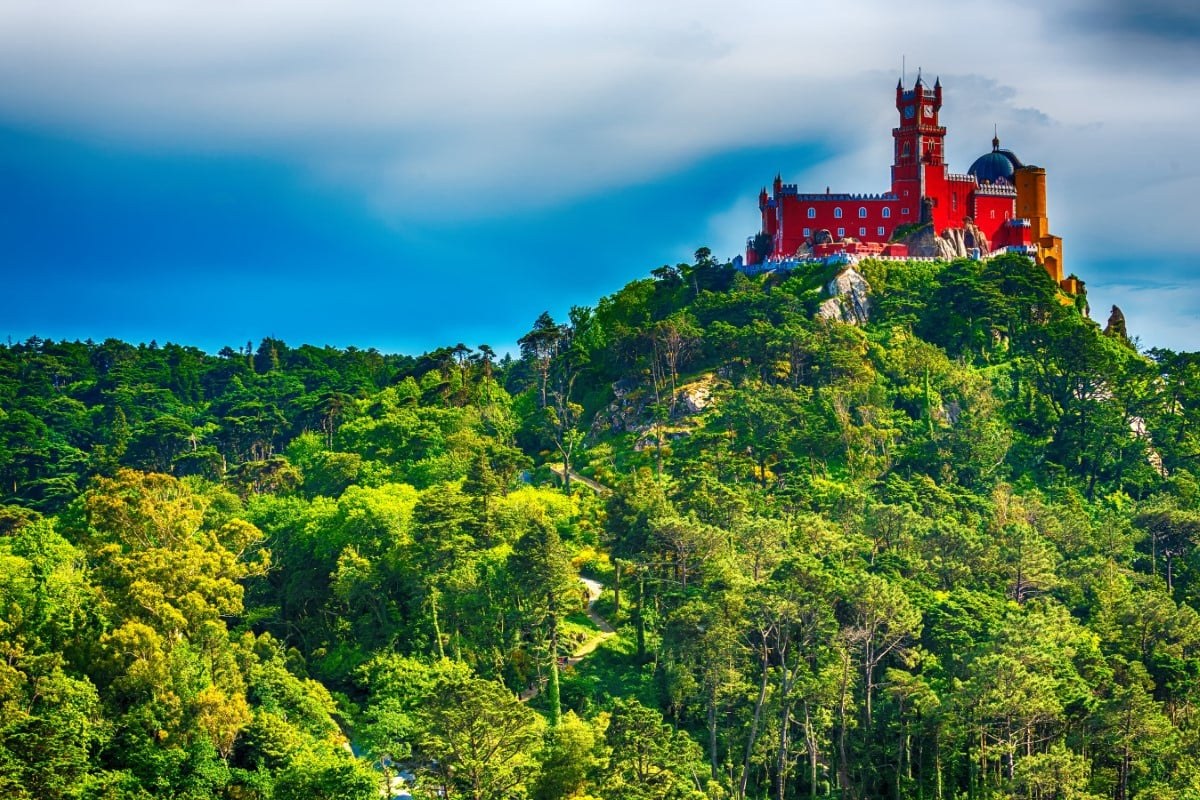 14 mi from LisbonSintra Day Trip - Pena Palace
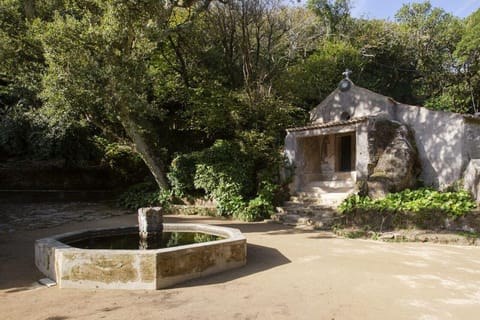 13 mi from LisbonConvent of the Capuchos Cork Lining & Underground Network
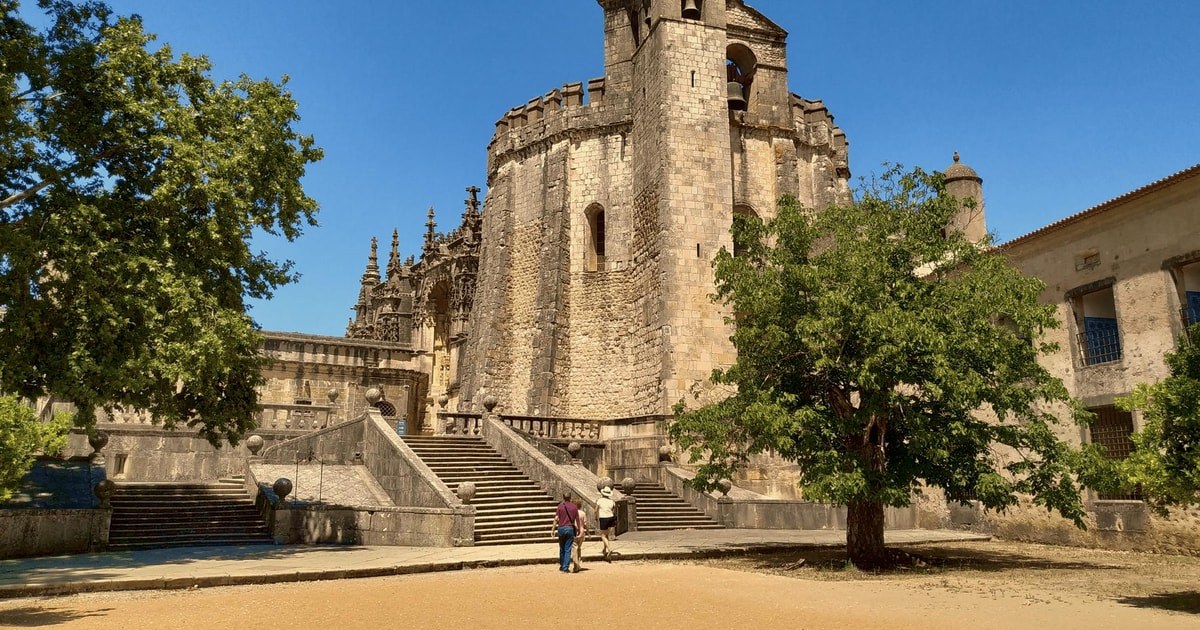 4 mi from Lisbon · land adventureTemplar Stone, Atlantic Cliffs, and Pastel Custard in Lisbon
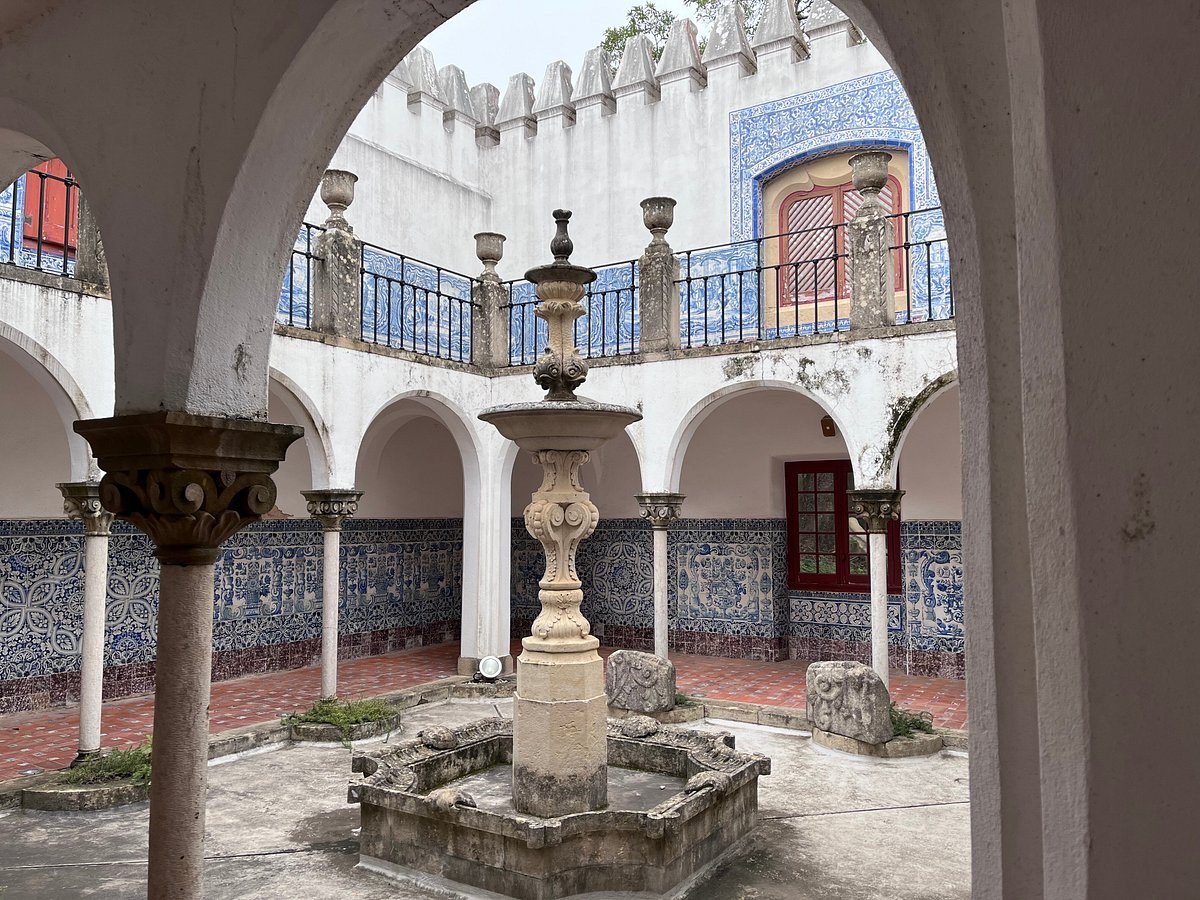 4 mi from Lisbon · land adventureSintra's Forests, Palaces & Coast: A Portuguese Masterpiece
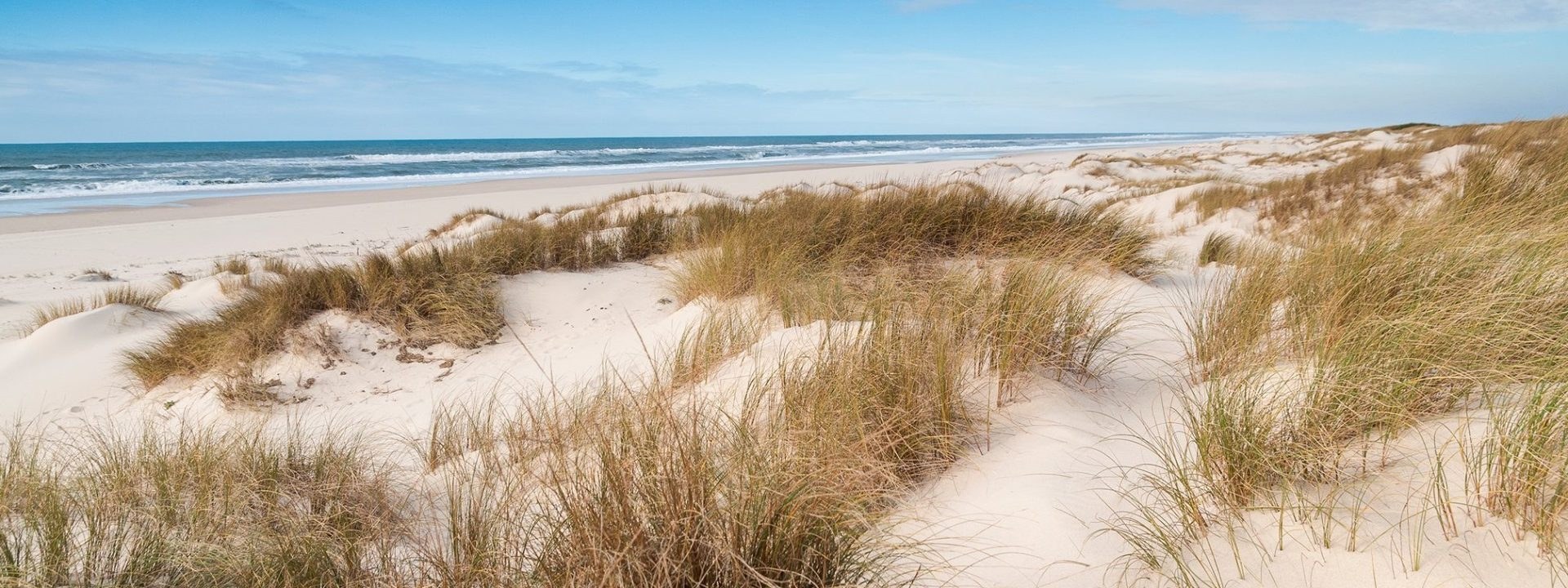 176 mi from Lisbon · land adventureSalt, Sand and Natural Wine: The Aveiro Coast Done Right