Your cruise
Azamara Journey · 7-night Mediterranean cruise, Malaga to Taranto
Apr 1 – Apr 8 · 7 nights ·
Day 1 Malaga (board) · Day 2 Gibraltar · Day 3 Almeria · Day 4 Alicante · Day 5 Valencia · Day 6 Palma de Mallorca · Day 7 Mahon · Day 8 Taranto (step off)
What you do A private licensed-guide taxi whisks you to every iconic summit stop — St. Michael's Cave, the Ape's Den, the Great Siege Tunnels, and a sweeping panorama spanning two continents. Gibraltar's legendary Rock, explored in total comfort at your own pace.
What to expect Your driver-guide collects you at the port and pilots you in a private air-conditioned taxi to the Upper Rock's headline attractions. At St. Michael's Cave you descend into a cathedral of stalactites lit in spectral colours; at the Ape's Den you come face-to-face with Europe's only wild primates. The Great Siege Tunnels reveal 18th-century military ingenuity carved into living rock. Every viewpoint — Africa visible across just 14 kilometres of shimmering Strait — feels personal rather than packaged.
Good to know Pre-book directly via toursofgibraltar.com to secure your preferred departure time. The Upper Rock opens at 09:00; aim for an early slot to beat the midday heat. Nature Reserve entry is included in the taxi-tour rate. The full circuit takes roughly 2.5–3 hours, leaving ample time before all-aboard.
Versus the ship tour A fully private, licensed local driver-guide means zero crowds, spontaneous stops, and insider commentary you simply cannot get on a group coach. The taxi pauses exactly where you want — for the perfect photograph of the Strait or an unhurried conversation with a Barbary macaque.
book direct with Tours of Gibraltar (official licensed operators) → · the full guide →
What you do Glide 412 metres above sea level in a modern cable car, then stand on the Rock's summit with Spain behind you and Morocco ahead — a perspective that has awed explorers for centuries. Europe and Africa, framed in one extraordinary viewpoint.
What to expect The sleek gondola lifts you from the town centre terminus in just six minutes, trading the bustle of Main Street for 360-degree silence at the summit. On a clear day the Atlas Mountains of Morocco hang on the horizon and the Costa del Sol curves away to the north-east. Barbary macaques roam freely near the top station — calm, curious, and utterly memorable. Descend on foot via the Nature Reserve paths or ride back down and explore the cable car's mid-station Ape's Den.
Good to know The cable car operates from approximately 09:30; first cars fill quickly on cruise days, so arrive early. Buy tickets in advance at naturereserve.gi to skip the queue. The summit can be breezy — bring a light layer. Allow at least 1.5–2 hours for the full experience.
Versus the ship tour Riding the cable car independently gives you as long as you wish at the summit — no timed group departure, no waiting. Pair it with a walk through the wild Upper Rock trails for a sensory experience that is genuinely unrepeatable.
book direct with Gibraltar Cable Car (official operator) → · the full guide →
What you do Venture deep into 50+ km of tunnels blasted through the Rock — used in both the Great Siege of Gibraltar (1779–83) and WWII — with a private expert guide illuminating stories of strategy, courage, and engineering genius.
What to expect You enter the Upper Rock's military network through passages that feel unchanged since 1782, the cool darkness broken only by period artillery still trained on phantom siege lines. Your guide connects the 18th-century Great Siege galleries to the vast WWII extension — 50 km of secret infrastructure that housed an entire underground garrison. The infamous WWII 'Fortress Gibraltar' command rooms, bakeries, and hospitals carved into solid limestone make this one of the most astonishing subterranean sites in Europe. Emerge blinking into sunlight with a profoundly different sense of why this tiny territory has been contested for three centuries.
Good to know Wear comfortable, enclosed shoes — the rock floor is uneven. The tunnels maintain a constant cool temperature (~18°C), so a light jacket is worthwhile. Book a morning slot to beat tour groups; toursofgibraltar.com allows customisation of the full itinerary around the tunnels.
Versus the ship tour A private licensed historian-guide turns the tunnels from a self-guided walk into a gripping narrative — identifying original cannon emplacements, explaining the wartime ops rooms, and sharing the little-known WWII role that historians argue helped turn the tide in the Mediterranean.
book direct with Tours of Gibraltar (official licensed operators) → · the full guide →
What you do The Strait of Gibraltar is home to three resident dolphin species year-round — join a small-boat safari into the Bay of Algeciras for intimate, unhurried encounters with common, bottlenose, and striped dolphins in their open-water habitat.
What to expect Departing from Gibraltar's marina, the boat crosses into the protected waters of the Strait — one of the world's most reliable dolphin corridors. Common and bottlenose dolphins regularly bow-ride and leap alongside; on lucky days striped and pilot whales are also spotted. The naturalist on board provides live commentary on dolphin behaviour, feeding strategies, and the extraordinary oceanography of the Strait. The return journey offers superb sea-level views of the Rock's southern face, rarely seen from land.
Good to know Departure times vary by cruise call; pre-book via naturereserve.gi as soon as your itinerary is confirmed — these small-boat safaris sell out quickly on busy port days. Bring sunscreen and a windproof layer; the Strait can be brisk even in summer. Duration approximately 1.5 hours.
Versus the ship tour Small specialist vessels carry far fewer passengers than the large whale-watching catamarans, meaning every guest has unobstructed rail access and the captain can position the boat precisely where the dolphins are active — not where the schedule dictates.
book direct with Gibraltar Nature Reserve (official dolphin safari partner) → · the full guide →
What you do Conquer Gibraltar's legendary terrain on a premium electric bike — sweeping from sea-level fortifications to Upper Rock viewpoints, through the Nature Reserve and down to Europa Point, Africa shimmering just across the water.
What to expect Premium Bosch-motor e-bikes are fitted and briefed at the start point before your small group sets off with a knowledgeable local guide. The route threads through Gibraltar's historic fortifications, climbs into the Nature Reserve past Barbary macaque territory, and rolls out to Europa Point — the southernmost tip of Europe — with its red-and-white lighthouse and mesmerising strait panorama. The electric assist means even the steep rock roads feel effortless, leaving energy to absorb every detail of this extraordinary microstate. The three-hour circuit covers the island's greatest hits without the crowds.
Good to know Tours operate in small groups; book directly at buytickets.gi to secure your slot. Wear comfortable clothing and closed-toe shoes. Helmets are provided. A reasonable level of fitness is helpful but the e-assist makes this accessible for most travellers. Departs from the town centre — a short walk or taxi from the port.
Versus the ship tour The e-bike format gives active, discerning travellers access to corners of the Rock that coaches can never reach — hidden sea-battery ramparts, the fragrant upper scrubland, and the dramatic southern face — all at a pace that allows genuine discovery rather than a tickbox circuit.
book direct with Gibraltar EBike Tours (official operator) → · the full guide →
What you do From the ancient Moorish Castle — a Berber watchtower guarding Gibraltar since the 8th century — to Europa Point's lighthouse at the edge of the known world, this private guided journey weaves 1,400 years of Phoenician, Moorish, Spanish, and British history into one unforgettable afternoon.
What to expect The tour opens at the Moorish Castle, whose Tower of Homage has dominated Gibraltar's skyline since 711 AD — your guide unpacks the Reconquista sieges, the Ottoman threat, and the remarkable preservation story. The route continues south through the winding streets of the Upper Town before arriving at Europa Point, where the Ibrahim-al-Ibrahim Mosque (a gift from King Fahd of Saudi Arabia) and the striped Trinity Lighthouse stand side by side — an extraordinary tableau of faith and navigation. Your guide closes with the view: on a clear day Morocco is close enough to feel touchable across the cobalt Strait. Few experiences in the Mediterranean deliver this density of living history in under three hours.
Good to know Request a morning departure to enjoy Europa Point before the southerly wind picks up. The Moorish Castle exterior is always accessible; interior access is subject to opening hours — your guide will confirm. Tours of Gibraltar can combine this cultural circuit with the Great Siege Tunnels or St. Michael's Cave for a full-day private programme.
Versus the ship tour A private licensed guide — not a coach narrator — walks with you inside the Moorish Castle's Tower of Homage, interprets the Arabic inscriptions, and then drives you to Europa Point to stand at the precise spot where the Mediterranean meets the Atlantic. The pace, the depth, and the access are yours alone.
book direct with Tours of Gibraltar (official licensed operators) → · the full guide →
What you do Drive ~2 hours inland to the Alhambra, the UNESCO-listed Moorish palace-city that is the single most famous monument in Spain: the honeycombed Nasrid Palaces, the Court of the Lions, and the water-gardens of the Generalife terraced above Granada. A licensed guide walks you through the skip-the-line Nasrid entry (the tickets that sell out weeks ahead and are capacity-controlled by the half-hour), then you get free time in Granada's old town. This is the regret-if-you-miss-it day trip from Malaga.
What to expect You'll spend roughly two hours in an air-conditioned coach traveling inland from Málaga to Granada, then enter the Alhambra with a skip-the-line guide who navigates you through the honeycombed Nasrid Palaces and the iconic Court of the Lions before you explore the terraced water-gardens of the Generalife at your own pace. After the guided palace tour, you'll have free time to wander Granada's atmospheric old town—wandering narrow streets, browsing local shops, or grabbing tapas—before the coach returns you to the port. The rhythm is structured (guided palace tour in the morning, unstructured afternoon) with a full 10–11 hours allocated, giving you real breathing room to absorb both the monument and the city.
Good to know The skip-the-line Nasrid Palaces entry ticket (EUR 23 extra, ~$25) must be pre-booked weeks ahead and is capacity-controlled by half-hour time slots—don't assume walk-up availability. Port pickup and drop-off are included, and the operator guarantees 100% on-time return with no charge if the ship doesn't dock, so you're protected on timing. Bring comfortable walking shoes, sunscreen, and a hat: the palace interiors are cool but the Generalife gardens and Granada's old town are open-air and can be hot. Book your excursion directly with Spain Day Tours rather than through the cruise line to save $90–150 per person compared to ship-sold Alhambra tours.
Versus the ship tour Direct wins big. Cruise lines sell the full guided Alhambra + Generalife day at $180-250 pp with entry and guide included; booking direct lands at ~$122 pp all-in (EUR 89 + EUR 23 entry), saving roughly $90-150 per person -- the largest dollar gap at this port. One caveat: the ship's bare 'Granada On Your Own' coach transfer ($84.99, NO ticket or guide) is fair value ONLY if you can self-secure an Alhambra slot and just want guaranteed sail-away return; for almost everyone the guided direct booking is the better deal.
book direct with Spain Day Tours (Malaga shore-excursion specialist, port pickup/drop-off) → · the full guide →
What you do Walk the boardwalk bolted to a vertical cliff face 100 meters above the Guadalhorce gorge -- once dubbed the most dangerous path in the world, now safely rebuilt into a one-way, ~3-hour, 7.7km clifftop traverse through the El Chorro canyon. It is the marquee adrenaline experience of Andalusia and the photo a thrill-seeker pictures when they think of inland Malaga. Children under 8 cannot enter; bring ID.
What to expect You'll depart the Malaga port and travel 58km inland through Andalusian countryside (roughly 1.5 hours each way) to arrive at El Chorro canyon. Once there, you'll join the one-way boardwalk bolted directly to a near-vertical cliff face 100 meters above the Guadalhorce gorge, traversing 7.7km of clifftop switchbacks through narrowing canyon walls over approximately 3 hours. The walkway—once infamously branded the world's most dangerous path—now feels secure and rebuilt, yet the exposure and soaring views remain visceral and unforgettable. By day's end you'll reverse the journey back to port, consuming your entire port day but delivering the singular adrenaline landmark of inland Malaga.
Good to know Book a guaranteed round-trip shuttle package (EUR 60–80) from a cruise operator or the official ticket office to lock in your on-time return to ship; the 1.5-hour each-way commute leaves zero margin for missing sail-away. Reserve entry tickets (EUR 10–18) weeks ahead, as they sell out regularly. Bring your passport or ID (required for entry), wear sturdy hiking shoes and sun protection, and confirm your shuttle departure time before boarding the tender—treat the return buffer as sacred, since missing the ship carries infinitely more risk than the reconstructed cliff itself. A full-day independent package (guides + transport) costs ~€77–81 per person versus ~€190 via cruise line.
Versus the ship tour Direct wins. Cruise lines fold El Chorro into a scenic '4x4 Andalusia Adventure' type day at ~$189.99 pp; an independent full-day Caminito del Rey guided package runs ~$77-81 pp, saving roughly $60-110 per person. If you only book the bare EUR 10 entry you save even more, but you take on the transport-and-timing risk yourself -- worth it only if you arrange a guaranteed-return shuttle, since missing sail-away is the real danger here, not the cliff.
book direct with Caminito del Rey official ticket office (UTE Caminito del Rey) → · the full guide →
What you do Climb Malaga's signature sight: a hilltop fortress-palace of horseshoe arches, courtyards, fountains and terraced gardens, crowned by the Gibralfaro castle ramparts with a 360-degree panorama over the city, the port and the Mediterranean. It is the one image a first-timer pictures when they think of Malaga, and it is a flat ~15-20 minute walk from the cruise terminal -- the perfect low-risk anchor for a port day. Buy at the gate, the ticket machines, or the official site on arrival.
What to expect From the cruise terminal, a flat 15–20 minute walk brings you to the Alcazaba's gates, where you'll climb through a fortress-palace of horseshoe arches, fountains, and terraced gardens layered up the hillside. If you continue to the Gibralfaro castle ramparts at the summit, you'll stand under 360-degree views of Malaga's city, port, and Mediterranean shoreline—the iconic image that defines the destination. The rhythm is self-paced: wander the courtyards and gardens, rest on terraces, take time at the top, then walk back down; budget 2–3 hours total, all on foot, with no guides or fixed schedules to follow.
Good to know Buy tickets on arrival at the gate, ticket machines, or the official website (EUR 7 for Alcazaba alone, EUR 10 for both Alcazaba + Gibralfaro); free entry every Sunday from 14:00 onward if your port day lands there. Summer hours are 9:00–20:00 (last entry 19:00), winter 9:00–18:00, so plan your walk to leave the ship by mid-morning in an 8-hour port window, giving you 2–3 hours inside, 45 minutes for transit to and from the terminal, and a safe 2-hour buffer to return before all-aboard. Bring water and comfortable walking shoes, as the climb to Gibralfaro is steady uphill terrain; no advance booking is needed for self-guided entry.
Versus the ship tour Direct wins overwhelmingly, and this is also your safety-net card. The ship's 'Malaga Overview' walking tour ($89.99 pp) only shows you the Alcazaba EXTERIOR plus a guided promenade stroll -- the old town is a 10-15 minute flat walk from the pier, so you are paying 2-4x for a guide to point at a fortress you can enter yourself for ~$11. Skip the ship tour and walk in. The only thing the ship adds is narration; an audio guide or a self-led visit gives you the same monument for a tenth of the price.
book direct with Alcazaba y Castillo de Gibralfaro (official municipal ticket office, Ayuntamiento de Malaga) → · the full guide →
What you do Andalusia is the cradle of flamenco, and Kelipe -- a working flamenco school and arts center open since 2001 -- is Malaga's most respected room for the genuine article: an intimate 90-minute show of live cante, guitar and improvised dance (full soleá and bulerías), not a tourist 'greatest hits' revue. Seeing flamenco performed in its homeland, steps from the Alcazaba, is a bucket-list cultural moment. Best for ships with a late departure or an overnight in port, since shows start at 20:00.
What to expect You'll have the afternoon and early evening free to explore Malaga's center on foot—wander the historic streets, visit the nearby Alcazaba, or grab a leisurely coffee before heading to Kelipe Centro de Arte Flamenco. At 19:30, you'll take your seat in an intimate 90-minute room where live cante (singing), guitar, and improvised dance unfold without artifice—full soleá and bulerías performed by working artists in their own school, not a polished tourist revue. The show runs 20:00–21:30, and one drink is included; the energy is concentrated and authentic, a cultural moment grounded in Andalusian tradition steps from the ancient Alcazaba.
Good to know Book your ticket directly on Kelipe's website ahead of time (€35 adults, €25 ages 13–18, €15 ages 4–12, one drink included); shows run Wednesday–Sunday, doors at 19:30. The venue is walkable from Malaga's city center and port—allow 15–20 minutes on foot from the pier. This excursion only works if your ship has a late departure or stays overnight; if you disembark at your scheduled time in the late afternoon or early evening, you'll miss the 20:00 start. Bring comfortable walking shoes for the afternoon and dress as you would for an evening cultural event; the venue is casual but genuine.
Versus the ship tour Direct wins, modestly. Cruise lines bundle a city tour + flamenco show ('Charming Malaga & Flamenco') at ~$129.99 pp; the standalone Kelipe ticket is ~$38 and the city walk is free on foot, so booking direct saves roughly $60-80 per person AND gets you into a serious flamenco room rather than a high-capacity tourist tablao. The only reason to take the ship version is the guaranteed return -- and since this is an evening show, it only works if your ship departs late or stays overnight; otherwise skip it.
book direct with Kelipe Centro de Arte Flamenco (independent venue/school, book direct) → · the full guide →
What you do A guided 3.5-hour crawl through the walkable old town and the historic Atarazanas market, eating Malaga's regional signatures with a local insider -- fried pescaito, hand-cut Iberian ham, and the syrupy DO Malaga sweet Moscatel and Pedro Ximenez wines poured in family-run bars. It is the most efficient way to actually taste Andalusia on a tight port day instead of guessing at a menu, all within easy walking distance of the ship.
What to expect Your guide leads you on foot through Malaga's walkable old town and the historic Atarazanas market, stopping at family-run bars and bodegas for regional Andalusian tastings: fried pescaito, hand-cut Iberian ham, and the syrupy DO Malaga sweet wines (Moscatel and Pedro Ximenez) poured by locals. The 3.5-hour rhythm alternates between market exploration and intimate stops where you taste rather than order, letting you absorb the rhythm of how Malagueños actually eat and drink without the guesswork of a menu. This is the most efficient way to genuinely taste Andalusia on a port day while staying within easy walking distance of your ship.
Good to know Book direct on Spain Food Sherpas' site (no cruise-line aggregator) to save $45–50 per person versus ship-sold equivalents; the tour runs daily most days at 3.5 hours (EUR 73, ~$80 pp) and departs from the operator's meeting point near the old town, walkable from the pier. Plan for a 6–7 hour window shore-side to account for transit, the full tour, and a safety buffer back to the ship; bring comfortable walking shoes and small cash for any additional drinks, and note that this is a guided crawl where you taste at curated stops rather than a self-guided wander where drinks cost just a couple of euros.
Versus the ship tour Direct wins. Cruise lines sell a market + tapas + wine culinary experience at $120-130 pp; this licensed local operator's equivalent is ~$80 pp with more and better stops, saving roughly $45-50 per person. Honest counterpoint: if you only want a quick, cheap taste rather than a full guided crawl, you do NOT need any tour at all -- Malaga's center is dense with bodegas you can walk into for a couple of euros a glass, so book this tour for the local guide and the curated stops, not because the food is otherwise out of reach.
book direct with Spain Food Sherpas (Malaga local operator since 2014, book direct) → · the full guide →
What you do A private licensed-guide taxi whisks you to every iconic summit stop — St. Michael's Cave, the Ape's Den, the Great Siege Tunnels, and a sweeping panorama spanning two continents. Gibraltar's legendary Rock, explored in total comfort at your own pace.
What to expect Your driver-guide collects you at the port and pilots you in a private air-conditioned taxi to the Upper Rock's headline attractions. At St. Michael's Cave you descend into a cathedral of stalactites lit in spectral colours; at the Ape's Den you come face-to-face with Europe's only wild primates. The Great Siege Tunnels reveal 18th-century military ingenuity carved into living rock. Every viewpoint — Africa visible across just 14 kilometres of shimmering Strait — feels personal rather than packaged.
Good to know Pre-book directly via toursofgibraltar.com to secure your preferred departure time. The Upper Rock opens at 09:00; aim for an early slot to beat the midday heat. Nature Reserve entry is included in the taxi-tour rate. The full circuit takes roughly 2.5–3 hours, leaving ample time before all-aboard.
Versus the ship tour A fully private, licensed local driver-guide means zero crowds, spontaneous stops, and insider commentary you simply cannot get on a group coach. The taxi pauses exactly where you want — for the perfect photograph of the Strait or an unhurried conversation with a Barbary macaque.
book direct with Tours of Gibraltar (official licensed operators) → · the full guide →
What you do Glide 412 metres above sea level in a modern cable car, then stand on the Rock's summit with Spain behind you and Morocco ahead — a perspective that has awed explorers for centuries. Europe and Africa, framed in one extraordinary viewpoint.
What to expect The sleek gondola lifts you from the town centre terminus in just six minutes, trading the bustle of Main Street for 360-degree silence at the summit. On a clear day the Atlas Mountains of Morocco hang on the horizon and the Costa del Sol curves away to the north-east. Barbary macaques roam freely near the top station — calm, curious, and utterly memorable. Descend on foot via the Nature Reserve paths or ride back down and explore the cable car's mid-station Ape's Den.
Good to know The cable car operates from approximately 09:30; first cars fill quickly on cruise days, so arrive early. Buy tickets in advance at naturereserve.gi to skip the queue. The summit can be breezy — bring a light layer. Allow at least 1.5–2 hours for the full experience.
Versus the ship tour Riding the cable car independently gives you as long as you wish at the summit — no timed group departure, no waiting. Pair it with a walk through the wild Upper Rock trails for a sensory experience that is genuinely unrepeatable.
book direct with Gibraltar Cable Car (official operator) → · the full guide →
What you do Venture deep into 50+ km of tunnels blasted through the Rock — used in both the Great Siege of Gibraltar (1779–83) and WWII — with a private expert guide illuminating stories of strategy, courage, and engineering genius.
What to expect You enter the Upper Rock's military network through passages that feel unchanged since 1782, the cool darkness broken only by period artillery still trained on phantom siege lines. Your guide connects the 18th-century Great Siege galleries to the vast WWII extension — 50 km of secret infrastructure that housed an entire underground garrison. The infamous WWII 'Fortress Gibraltar' command rooms, bakeries, and hospitals carved into solid limestone make this one of the most astonishing subterranean sites in Europe. Emerge blinking into sunlight with a profoundly different sense of why this tiny territory has been contested for three centuries.
Good to know Wear comfortable, enclosed shoes — the rock floor is uneven. The tunnels maintain a constant cool temperature (~18°C), so a light jacket is worthwhile. Book a morning slot to beat tour groups; toursofgibraltar.com allows customisation of the full itinerary around the tunnels.
Versus the ship tour A private licensed historian-guide turns the tunnels from a self-guided walk into a gripping narrative — identifying original cannon emplacements, explaining the wartime ops rooms, and sharing the little-known WWII role that historians argue helped turn the tide in the Mediterranean.
book direct with Tours of Gibraltar (official licensed operators) → · the full guide →
What you do The Strait of Gibraltar is home to three resident dolphin species year-round — join a small-boat safari into the Bay of Algeciras for intimate, unhurried encounters with common, bottlenose, and striped dolphins in their open-water habitat.
What to expect Departing from Gibraltar's marina, the boat crosses into the protected waters of the Strait — one of the world's most reliable dolphin corridors. Common and bottlenose dolphins regularly bow-ride and leap alongside; on lucky days striped and pilot whales are also spotted. The naturalist on board provides live commentary on dolphin behaviour, feeding strategies, and the extraordinary oceanography of the Strait. The return journey offers superb sea-level views of the Rock's southern face, rarely seen from land.
Good to know Departure times vary by cruise call; pre-book via naturereserve.gi as soon as your itinerary is confirmed — these small-boat safaris sell out quickly on busy port days. Bring sunscreen and a windproof layer; the Strait can be brisk even in summer. Duration approximately 1.5 hours.
Versus the ship tour Small specialist vessels carry far fewer passengers than the large whale-watching catamarans, meaning every guest has unobstructed rail access and the captain can position the boat precisely where the dolphins are active — not where the schedule dictates.
book direct with Gibraltar Nature Reserve (official dolphin safari partner) → · the full guide →
What you do Conquer Gibraltar's legendary terrain on a premium electric bike — sweeping from sea-level fortifications to Upper Rock viewpoints, through the Nature Reserve and down to Europa Point, Africa shimmering just across the water.
What to expect Premium Bosch-motor e-bikes are fitted and briefed at the start point before your small group sets off with a knowledgeable local guide. The route threads through Gibraltar's historic fortifications, climbs into the Nature Reserve past Barbary macaque territory, and rolls out to Europa Point — the southernmost tip of Europe — with its red-and-white lighthouse and mesmerising strait panorama. The electric assist means even the steep rock roads feel effortless, leaving energy to absorb every detail of this extraordinary microstate. The three-hour circuit covers the island's greatest hits without the crowds.
Good to know Tours operate in small groups; book directly at buytickets.gi to secure your slot. Wear comfortable clothing and closed-toe shoes. Helmets are provided. A reasonable level of fitness is helpful but the e-assist makes this accessible for most travellers. Departs from the town centre — a short walk or taxi from the port.
Versus the ship tour The e-bike format gives active, discerning travellers access to corners of the Rock that coaches can never reach — hidden sea-battery ramparts, the fragrant upper scrubland, and the dramatic southern face — all at a pace that allows genuine discovery rather than a tickbox circuit.
book direct with Gibraltar EBike Tours (official operator) → · the full guide →
What you do From the ancient Moorish Castle — a Berber watchtower guarding Gibraltar since the 8th century — to Europa Point's lighthouse at the edge of the known world, this private guided journey weaves 1,400 years of Phoenician, Moorish, Spanish, and British history into one unforgettable afternoon.
What to expect The tour opens at the Moorish Castle, whose Tower of Homage has dominated Gibraltar's skyline since 711 AD — your guide unpacks the Reconquista sieges, the Ottoman threat, and the remarkable preservation story. The route continues south through the winding streets of the Upper Town before arriving at Europa Point, where the Ibrahim-al-Ibrahim Mosque (a gift from King Fahd of Saudi Arabia) and the striped Trinity Lighthouse stand side by side — an extraordinary tableau of faith and navigation. Your guide closes with the view: on a clear day Morocco is close enough to feel touchable across the cobalt Strait. Few experiences in the Mediterranean deliver this density of living history in under three hours.
Good to know Request a morning departure to enjoy Europa Point before the southerly wind picks up. The Moorish Castle exterior is always accessible; interior access is subject to opening hours — your guide will confirm. Tours of Gibraltar can combine this cultural circuit with the Great Siege Tunnels or St. Michael's Cave for a full-day private programme.
Versus the ship tour A private licensed guide — not a coach narrator — walks with you inside the Moorish Castle's Tower of Homage, interprets the Arabic inscriptions, and then drives you to Europa Point to stand at the precise spot where the Mediterranean meets the Atlantic. The pace, the depth, and the access are yours alone.
book direct with Tours of Gibraltar (official licensed operators) → · the full guide →
What you do Step inside the Nasrid Palaces of Granada's legendary Alhambra on a fully private guided tour — one of the world's great UNESCO monuments, just 1.5 hrs from Almeria's port. Intricate Moorish stucco, mirrored pools, and the sublime Generalife rose gardens await.
What to expect A dedicated driver-guide collects you dockside and whisks you through Andalusia's olive groves to Granada. Inside the Alhambra, your expert unpacks eight centuries of Nasrid artistry — carved honeycomb ceilings, the Court of the Lions, the whispering Hall of the Ambassadors. The Generalife's terraced water gardens are a serene finale before the scenic return to port.
Good to know The round-trip is approximately 7 hours; confirm your all-aboard time and book at least 4–6 weeks ahead as Alhambra timed-entry tickets sell out months in advance. Pickup is directly from Almeria cruise port.
Versus the ship tour Skip-the-line timed-entry tickets are pre-secured, your guide is a licensed Granada expert, and the private pace means you linger inside the Nasrid Palaces as long as the magic demands — not on a group schedule.
book direct with Spain Day Tours (Almeria Shore Excursion specialists) → · the full guide →
What you do Paddle and snorkel through the volcanic coves of Cabo de Gata-Níjar Natural Park — Spain's last great wild coastline, and the most biodiverse marine reserve on the Mediterranean. Crystal-clear water, hidden sea arches, and near-zero crowds make this unmissable.
What to expect Meet your guide at the park's edge — just 30 minutes from port — and launch into gin-clear water alongside ancient volcanic cliffs. You'll paddle through sea arches, slip into hidden grottoes, and snorkel over posidonia meadows teeming with octopus and rainbow wrasse. The pace is relaxed and the scenery is frankly cinematic.
Good to know Duration approx. 3 hours; departs from Playa de los Muertos or La Isleta del Moro — arrange a taxi or private transfer from port (~EUR 25–30 each way). Book directly via their website or TripAdvisor listing well ahead in peak summer season.
Versus the ship tour Expert local naturalist guides lead small groups (max 8) through coves that are only accessible by sea, revealing underwater volcanic rock gardens invisible from any road or beach promenade.
What you do Discover Almeria's two most dramatic layers of history back-to-back: the immense 10th-century Moorish Alcazaba fortress rising above the city, then the eerie network of underground Civil War air-raid shelters hidden beneath its streets — all with a private local expert.
What to expect Your guide meets you steps from the gangway. The Alcazaba's three walled precincts unfold above you — Moorish gardens, a ruined royal palace, and panoramic views across the port to Africa on a clear day. Below the city, the Refugios reveal a haunting labyrinth of tunnels built to shelter 40,000 civilians from aerial bombardment in 1937, still lit by their original dim bulbs.
Good to know Both sites are walkable from the cruise pier — no transfer needed. The full experience runs 3–4 hours, leaving ample time to explore Almeria's cathedral or paseo before all-aboard. Pre-book the private guide to guarantee availability.
Versus the ship tour A single private guide connects the Islamic golden age and the Spanish Civil War in one intellectually rich arc — the kind of layered storytelling only a dedicated local historian can deliver, at a pace that is entirely yours.
book direct with VIP Malaga Tours (Private tours from Almeria) → · the full guide →
What you do Descend into the Pulpí Geode — a cathedral-sized cavity lined with selenite crystals up to 2 metres long, ranking among the geological wonders of the planet. Entry is strictly controlled and timed, making this one of Spain's most exclusive natural experiences.
What to expect A short transfer (~1 hour from port) delivers you to the semi-arid mining town of Pulpí. A geologist guide escorts you through a series of mine tunnels before you emerge into the geode itself: a 10-metre-long, 2-metre-high egg of perfect gypsum crystals. The temperature plunges to 18°C and the silence is absolute — prepare to be awestruck.
Good to know Entry slots are released months in advance and sell out fast; book the official timed ticket at geodepulpi.es immediately upon knowing your port date. Arrange a private driver from the port (~EUR 60–80 round-trip for the car). Bring a light layer — it is cool inside.
Versus the ship tour Access is capped at tiny groups per slot — sometimes as few as 10 people — and the experience of standing inside a glittering, temperature-controlled crystal womb 50 metres underground is genuinely unlike anything else in Europe.
What you do Walk the very desert sets where Sergio Leone filmed 'The Good, the Bad and the Ugly' and Clint Eastwood became a legend — Fort Bravo is a fully preserved Western frontier town in the spectacular Tabernas Desert, Europe's only true desert.
What to expect The Tabernas Desert unfolds like a John Ford landscape, 30 minutes from port. At Fort Bravo, dusty main streets, a saloon, a sheriff's office, and a Mexican cantina are all meticulously maintained as working film sets. Live gunfight shows and horseback displays fill the day; knowledgeable staff share behind-the-scenes stories of Leone, Eastwood, and the dozens of classics filmed here.
Good to know Allow 2.5–3 hours on site; combine with a scenic Tabernas Desert drive. A taxi or private transfer from the port is approximately EUR 20–25 each way. Check the Fort Bravo website for show times before you visit — performances run at set hours.
Versus the ship tour Unlike a generic sightseeing stop, Fort Bravo's costumed live performances and genuine film-location atmosphere transform the visit into an immersive cinematic experience — you are literally standing on one of cinema history's most iconic stages.
What you do Venture off the tourist trail with Costa Almeria Tours' acclaimed 'Secret Spain' experience — a private journey through olive groves and boutique bodegas to taste the region's extraordinary D.O. Almería wines and single-estate oils, guided by a passionate local expert.
What to expect Your guide — a local with deep roots in the region — drives you into Almeria's sun-scorched interior, past greenhouse seas and almond terraces, to visit a working olive mill and a boutique bodega producing Tempranillo and Airén under Almeria's fierce sun. Tastings are generous, education is genuine, and the landscape alone is worth the journey.
Good to know Pickup is arranged directly from the cruise port. Tours are bespoke and small-group — contact the operator well in advance to tailor the itinerary and confirm timing against your all-aboard. Ideal for a half-day; pairs beautifully with a port-side afternoon in Almeria's old town.
Versus the ship tour This is the insider's Almeria — off-road, small-group, and deeply local. The operator's contacts open doors to family estates that don't advertise to the public, and the tastings include producers virtually unknown outside Andalusia.
book direct with Costa Almeria Tours / Secret Spain → · the full guide →
What you do Ascend Alicante's iconic 9th-century Moorish fortress for panoramic Mediterranean views, then wind through the whitewashed lanes of the Santa Cruz quarter with a private certified guide. A cinematic, story-rich encounter with 2,500 years of layered history.
What to expect Your private guide meets you at the cruise terminal and leads you up through the ancient Barri Vell (Santa Cruz quarter), sharing the Moorish, Aragonese and Bourbon chapters written into every stone. At the summit, the entire Costa Blanca unfolds — the port, the old town's terracotta roofscape, and the blue arc of the Mediterranean. Descend through hidden stairways to the Esplanada de España for a celebratory horchata or cava at a terrace café.
Good to know Castle is a 20-min walk or short taxi from the pier; the free elevator from Postiguet Beach saves the steepest climb. Book the private tour at least 48 hours ahead. Typical duration 3–3.5 hrs — comfortably within all-aboard windows.
Versus the ship tour Fully private, pace-your-own format with a certified local historian — no crowds, no commentary through a megaphone. The guide unlocks lesser-known battlements and courtyard stories unavailable on standard visits.
book direct with Ali-Oli Tours Alicante → · the full guide →
What you do Glide through fragrant orange groves and dramatic mountain gorges to the medieval cliffside village of Guadalest, then cool off beneath the cascading Algar waterfalls — one of Spain's most spectacular inland day trips from the coast.
What to expect Leave the coast behind as your driver winds into the Sierra de Aitana, arriving at Guadalest — a Moorish castle-village perched impossibly on a rock pinnacle above a turquoise reservoir. Your guide recounts the earthquake of 1748 that shaped its current form and points out the bell tower marooned on a separate crag. After exploring the village's artisan honey and almond stalls, you descend to the Algar waterfalls to wade through natural rock pools fed by crystalline spring water — a genuinely magical contrast to the morning's stone ramparts.
Good to know Full-day excursion (approx. 7 hrs); confirm all-aboard time with ship. Private pick-up from the cruise terminal included. Wear water shoes for Algar. Pre-book at least 48 hrs in advance — private slots fill fast on port days.
Versus the ship tour A chauffeured private vehicle and expert local guide means you linger at Guadalest's castle reservoir — where the water reflects cobalt blue — and swim at Algar on your own schedule, with no group waiting.
book direct with Ali-Oli Tours Alicante → · the full guide →
What you do Sail to Spain's only inhabited fortified island — a UNESCO marine reserve — aboard a premium catamaran, snorkel the crystalline waters of the Costa Blanca's richest reef, and lunch on freshly caught fish in a harbourside restaurant.
What to expect Step aboard the catamaran just steps from the cruise pier and skim across impossibly clear water to Tabarca in under an hour. Snorkel straight off the boat over the protected reef — sea bream, octopus and starfish are abundant. Ashore, stroll the car-free cobblestone streets of the tiny walled town, peer into the 18th-century church of San Pedro y San Pablo, then settle into a harbour restaurant for the island's signature caldero (rice in rich fish broth) paired with local Alicante white wine.
Good to know Catamaran departs Alicante port — a 5-min walk from the cruise terminal. Round-trip journey approx. 1.5 hrs total; plan 4–5 hrs on island. Book the catamaran online in advance on busy summer port days. Check all-aboard time carefully — last afternoon catamaran typically departs Tabarca by 17:30.
Versus the ship tour Tabarca's marine reserve is one of the Mediterranean's finest snorkel spots, with posidonia sea-grass meadows and extraordinary fish life — and the island's fortified 18th-century streets see virtually no mass tourism before midday.
What you do Uncover Alicante's hidden culinary and architectural soul on this intimate small-group tour starting at the Central Market — sampling local cheeses, jamón, turrón and vermut — before weaving through secret baroque courtyards and Moorish alleyways.
What to expect The morning begins inside the magnificent Modernista Mercat Central, where your guide introduces you to vendors selling fragrant local almonds, saffron, and hand-sliced jamón ibérico. The route threads through baroque church plazas, past the MACA contemporary art façade, and into the atmospheric Barri Vell, where hidden patios open unexpectedly between whitewashed walls. Each stop pairs a new neighbourhood with a new tasting — Alicante's signature moscatel wine, artisan turrón (nougat), and crisp pan tumaca — finishing with a cold vermut on a sun-drenched terrace.
Good to know Meeting point is the Mercat Central, approx. 10-min walk from the cruise terminal. Tour runs approx. 2.5–3 hrs. Inform the operator of dietary restrictions at booking. Available most port days; advance booking strongly recommended.
Versus the ship tour Limited to a genuine small group, led by a passionate local foodie-historian who sources from the very stallholders in the Mercat Central — this is authentic Alicantino eating culture, not a catered coach-tour lunch.
What you do Explore one of Spain's most celebrated regional museums — a three-time 'European Museum of the Year' finalist — on a private guided tour that transforms Alicante's 7,000-year story from Iberian settlements to Moorish courts into vivid, personal narrative.
What to expect Your private guide accompanies you through six chronological galleries, each recreating a chapter of Alicante's past: a Bronze Age settlement complete with mock excavation pit, a Phoenician trading harbour, a Roman forum and an evocative Moorish medina. The museum's theatrical design means you don't just look at artefacts — you walk into reconstructed worlds. The rooftop terrace offers a quiet panorama over the castle and old town to close the visit.
Good to know MARQ is a 15-min taxi ride from the cruise terminal (approx. EUR 8). Open Tue–Sat 10:00–19:00, Sun 10:00–14:00; closed Mondays. Allow 2–2.5 hrs. Book the private guide separately via Ali-Oli Tours and purchase museum tickets at the door or online via the MARQ website.
Versus the ship tour The MARQ's immersive themed galleries — using dramatic lighting, replica excavation sites and cinematic displays — are best absorbed slowly with a specialist guide who contextualises each era with living stories, not placards.
book direct with MARQ – Museo Arqueológico Provincial de Alicante (official) → · the full guide →
What you do Step into Spain's most overlooked Modernista gem — the Casa-Museo Modernista — then tour a boutique Vinalopó valley winery for a private cellar visit and seated tasting of award-winning Monastrell reds, paired with local charcuterie.
What to expect Your chauffeured vehicle delivers you 25 km inland to Novelda, where the extraordinary Casa-Museo Modernista — a swirling confection of ceramic tilework, wrought iron and stained glass that rivals anything in Barcelona — stands almost entirely crowd-free. Your guide narrates the building's art nouveau genesis before you walk the fragrant saffron-growing plains to a family-owned Vinalopó winery. In the barrel cellar, the winemaker presents a private tasting of Monastrell, Fondillón (Alicante's ancient oxidative wine) and a rosado, accompanied by cured meats and local cheese.
Good to know Approx. 4.5 hrs total; private pick-up from the cruise terminal included. Confirm all-aboard time. Fondillón is a rare, aged wine style unique to Alicante — ask your guide about its 16th-century royal history. Pre-book at least 48 hrs in advance.
Versus the ship tour Novelda's Casa-Museo Modernista is a genuine Gaudí-era treasure virtually unknown outside Spain — combined with a private winery session in a region producing some of the peninsula's most characterful reds, this is a connoisseur's half-day with zero crowds.
book direct with Quality Guided Tours Alicante → · the full guide →
What you do Step inside Santiago Calatrava's blinding-white, sci-fi City of Arts and Sciences and into the Oceanografic, the biggest aquarium in Europe, where a glass tunnel puts sharks and rays gliding over your head and beluga whales, sea lions and a dolphin lagoon fill nine themed marine worlds. It is the single most photographed image of Valencia and the closest marquee sight to the cruise terminal, about 12-20 minutes by bus line 95 or a ~12-15 euro taxi. For a first-timer with one port day, this is the regret-if-you-miss-it stop.
What to expect You arrive at Santiago Calatrava's gleaming City of Arts and Sciences and step into the Oceanografic, Europe's largest aquarium, where a glass tunnel frames sharks and rays gliding silently overhead. From there you move through nine themed marine worlds—beluga whales, sea lions, and a dolphin lagoon punctuate the journey—each zone a deeper plunge into underwater spectacle. The dolphin and sea-lion shows provide the natural rhythm breaks and peak photo moments. It's an immersive, self-paced flow from zone to zone, capped by the single most photographed image Valencia offers.
Good to know Book your ticket direct online (EUR 35.90–43.05 adult; combo packages with Hemisferic IMAX and Science Museum run EUR 44–51.25) and allow 2.5–4 hours inside the aquarium to cover all zones and catch both shows comfortably. From the cruise terminal, take line 95 bus (12–20 minutes) or a taxi (~EUR 12–15) directly to the City of Arts and Sciences; the walk from either drop-off to Oceanografic is short and self-evident. Plan to be back at the pier 90 minutes before all-aboard, and bring a camera—the underwater glass tunnels and Calatrava architecture demand it.
Versus the ship tour DIRECT WINS BIG. Lines like Celebrity and Royal Caribbean sell a city-visit-plus-Oceanografic tour at $95-130 pp; the aquarium ticket booked direct is only ~$39-46, so even with a taxi you save roughly $50-80 pp and skip the bus-herd pacing. The only thing the ship adds is guided transfer, which the line-95 bus or a short cab replaces for a few euros.
book direct with Oceanografic Valencia (Ciutat de les Arts i les Ciencies) → · the full guide →
What you do Glide out across the mirror-still freshwater lagoon in a traditional flat-bottomed albuferenc wooden boat, poled and motored past herons, reed beds and the rice paddies that actually gave the world paella, best at the golden-hour light Valencia is famous for. This is the postcard the cathedral and aquarium can't replicate, and at roughly 25 minutes from the port it pairs perfectly with an authentic paella lunch in the El Palmar village beside the dock.
What to expect You'll travel roughly 25 minutes from the port to El Palmar village and board a traditional flat-bottomed wooden boat, poled and motored across the mirror-still freshwater Albufera Lagoon. As you glide past herons, reed beds, and the rice paddies that gave paella to the world, golden-hour light transforms the landscape into postcard perfection—a natural experience the cathedral and aquarium cannot match. The shared lagoon ride lasts about 45 minutes, immersing you in the serene working wetlands that define this region. Pair it seamlessly with an authentic paella lunch at a village restaurant beside the dock, creating a complete sensory journey of Valencia's most authentic culinary and natural heritage.
Good to know Book directly with Paseos en Barca El Besso (WhatsApp/phone +34 678 336 181 or their website) for a standard ~45-minute ride at EUR 5 adult/EUR 3 child, or opt for a sunset/longer ride at EUR 7—a fraction of cruise-line bundled tour pricing. From the pier, take a taxi to El Palmar dock (roughly 25 minutes); consider hiring the same taxi to wait, or arrange round-trip transport through an independent port-gate operator for ~€75–85 to include boat and paella. Book your boat slot and paella restaurant reservation in advance to secure timing, and budget 4–5 hours total (transport, boat, meal, return) to maintain a safe buffer before all-aboard. Bring sun protection and a camera for golden-hour shots, and note that the boat is weather-dependent; confirm departures the morning of your port day.
Versus the ship tour DIRECT IS A FRACTION OF THE PRICE. The boat ride itself is ~5 euros booked directly with the barquero; cruise lines bundle it into 'Old Quarter and Albufera with paella' tours at $90-130 pp. If you want the whole package handled, an independent port-gate operator does boat + paella + round-trip transport for ~$82-92 pp and still beats the ship by $20-50. But the boat alone, self-driven by taxi, is the budget bucket-list steal of the port.
book direct with Paseos en Barca El Besso → · the full guide →
What you do Shop for ingredients at the 1928 Modernista Central Market with a Valencian chef, then learn to build the genuine article over fire, rice, chicken, rabbit and garrofo beans, never chorizo, and eat your own creation with regional wine and tapas. It is a hands-on, take-home-a-skill experience run by a real local operator, and the ~3.5-hour morning format slots cleanly inside a 6-8 hour port day for foodies who want to do more than sightsee.
What to expect You'll start with a guided walk through the soaring Modernista halls of the 1928 Central Market, learning to spot authentic paella ingredients alongside your Valencian chef before heading to the cooking space. There you'll work hands-on—building genuine paella over fire with rice, chicken, rabbit, and garrofo beans (never the tourist shortcut of chorizo). As the dish comes together, you'll taste regional wine and tapas, then sit down to eat the paella you've just made. The morning format flows as a natural arc from market discovery to skill-building to meal, completing in roughly 3.5 hours.
Good to know The ~3.5-hour morning class fits neatly into a 6–8 hour port day, leaving buffer time for tender queues and the walk back to the pier. Book directly with Sea Saffron (not the cruise line) to confirm pickup logistics from the Valencia port and confirm whether transportation is included. Wear closed-toe shoes suitable for standing in a market and near an open fire, and bring an appetite—you'll finish with your own cooked paella plus wine service. Reserve ahead, especially for weekend calls, since local operators fill faster than ship-sponsored alternatives.
Versus the ship tour DIRECT WINS. Cruise-line culinary excursions run $130-225 pp (tapas-and-wine city tours up to $221-226, cooking classes ~$139); Sea Saffron's hands-on class with market tour is ~$80 booked direct, saving $50-145 pp, and you deal with a genuinely Valencian operator instead of a contracted group bus.
What you do In its own Gothic side chapel the cathedral guards the agate cup the Vatican recognizes as the most credible candidate for the Holy Grail of the Last Supper, the spiritual heart of the Old Town. Then climb the 207 spiraling steps of the Miguelete bell tower for the definitive 360-degree panorama over Valencia's terracotta rooftops and domes. Compact, walkable and self-paced, it anchors any Old Town port-day plan.
What to expect You'll start in Valencia's compact Old Town, entering the Gothic cathedral to view the agate Holy Grail cup in its own chapel—a profound, quieter moment amid the architectural grandeur—before moving through the Treasury and museum at your own pace with an audioguide. Then you'll face the decision: take the 207 spiraling steps of the Miguelete bell tower for an unobstructed 360-degree panorama of terracotta rooftops and domes, or linger in the historic center's walkable streets. The rhythm is entirely self-directed; you move when you want, rest when you want, and the compact geography keeps you anchored without feeling rushed.
Good to know The cathedral and tower entry (~$12–14 total) should be booked direct at the official site or purchased at the door to avoid ship markups. Budget 2.5–3 hours for the full cathedral experience plus the tower climb; the Old Town is a flat, easy 10–15 minute walk from the cruise pier, leaving you 2–3 hours for additional wandering or a cafe stop. Build in a 30-minute buffer to return to the ship; bring comfortable walking shoes, sunscreen, and a small day bag, as the tower climb is tight and steep. Book ahead online only if you're visiting during peak season (May–September) to guarantee entry slots.
Versus the ship tour DIRECT WINS, AND IT'S SELF-GUIDED. Lines sell a Valencia City Highlights / panoramic Old Town tour at $70-95 pp; the cathedral and tower booked direct total ~$12-14 pp, and the historic center is an easy self-guided walk. The ship only adds a guide and coach transfer, worth it solely if you want zero logistics, otherwise you're paying $60+ extra for narration.
book direct with Catedral de Valencia (Basilica Metropolitana) → · the full guide →
What you do After a 1957 flood Valencia rerouted its river and turned the 9 km dry riverbed into one of Europe's great urban parks, a green ribbon winding under the city's historic stone bridges from the Old Town all the way to the City of Arts and Sciences. Rent a bike and ride the traffic-free corridor to string nearly every major sight together, the smartest, most local way to cover a lot of Valencia on a short port day.
What to expect You'll rent a bike at Valencia Bikes and pedal the 9 km traffic-free ribbon of the Turia Gardens, a green corridor that winds under historic stone bridges from the Old Town through the city's lush heart straight to the City of Arts and Sciences. Along the way you'll string together nearly every major sight—medieval plazas, arched architecture, and Calatrava's futuristic complex—without fighting traffic or crowds. The route flows as a seamless scenic loop, each landmark appearing naturally as you glide beneath centuries-old bridges and through sun-dappled parks. It's the closest thing to a personal-guided tour you'll get without paying for one, but entirely at your own pace and on your own discovery.
Good to know Rent your bike early to maximize daylight and give yourself 4–5 hours to ride the gardens, explore the Old Town, and visit the City of Arts and Sciences without rushing. The rental fee (~$13–16 including helmet and lock) is non-negotiable, so budget that upfront; guided tours are available at higher rates if you prefer narration. Allow at least 90 minutes buffer to return the bike, walk back to the pier, and clear security before all-aboard. Bring water, sunscreen, and check that the bike's brakes and tires work before leaving the rental shop—the route is flat and safe, but you'll be exposed to Valencia's sun for hours.
Versus the ship tour DIRECT WINS for the self-reliant. The ship's panoramic city tours run $70-110 pp; a half-day bike for ~$15 lets you self-connect the Old Town, Turia park and the Calatrava complex in one scenic loop, saving $55+ pp. Choose the ship only if you can't ride or want a guided narrative; otherwise the bike is the better-value, more memorable way to see the city.
What you do When you want an easy, low-stress port day, Malvarrosa and Las Arenas beaches sit minutes from the cruise terminal: a wide golden-sand strip backed by a palm-lined promenade of paella-and-seafood chiringuitos, with the America's Cup marina alongside. It is the closest open-water relaxation to the ship, no operator or booking needed, and you can be back aboard fast if the clock gets tight.
What to expect You arrive at a wide, palm-lined golden-sand beach moments from the cruise terminal, where the shoreline stretches lazily between the chiringuitos (casual seafood bars) lining the promenade and the sleek white yachts of the America's Cup marina. The rhythm is unhurried: claim a spot on the sand or rent a sunbed, order fresh paella or grilled fish from one of the beachfront shacks, and drift between the water and a cold horchata as the Mediterranean wind dries your shoulders. The Malvarrosa and Las Arenas beaches feel both Mediterranean-postcard authentic and entirely low-key—no crowds, no tours, just sand, salt water, and the gentle hum of port-city life just behind you.
Good to know A taxi from the terminal costs $12–15 each way, or take the city tram for a few euros—both get you beachside in minutes, leaving a full 5–6 hours to swim, eat, and lounge within a 6–8 hour port window. Sunbed and parasol rentals (around $5–10) are available on-site and require no advance booking. Build in a 30–45 minute buffer before all-aboard to account for a taxi queue or tram wait on the return trip, and bring cash or a card accepted at the chiringuitos if you plan to eat; sunscreen and a light cover-up are essential, as the beach offers limited shade beyond parasol rentals.
Versus the ship tour SKIP THE SHIP HERE. Cruise lines sell a Valencia Beaches / scenic coastal drive at $70-110 pp, but Malvarrosa is essentially in the port's backyard and free to enjoy; a taxi or tram gets you there for under $20 round trip. This is the no-regret fallback if a marquee tour sells out or you simply want sand and a cold horchata without spending a cent on an excursion.
What you do Palma's defining sight: a colossal Gothic sandstone cathedral right on the waterfront, with one of the world's largest rose windows that throws a famous color-and-light show across the nave (Gaudi reworked the interior). The seasonal rooftop terrace tour (May-Oct, ~215 steps) walks you out among the flying buttresses and bells with the whole Bay of Palma spread below — the first-timer's signature Palma photo. It's a flat 10-15 min walk from the cruise shuttle drop.
What to expect You walk 10–15 minutes from the cruise shuttle drop straight to the waterfront cathedral, its colossal Gothic sandstone facade dominating the harbor view. Inside, Gaudí's reworked interior unfolds beneath one of the world's largest rose windows, which bathes the nave in a famous color-and-light show. If you've booked the rooftop terraces tour, you climb ~215 steps out among the flying buttresses and bells, with the entire Bay of Palma spreading below in that signature first-timer's photograph. A leisurely pace—cathedral interior plus rooftop—takes 1.5–2 hours total.
Good to know Book the rooftop terrace tour (EUR 20–30, May–Oct only) on the Cathedral of Mallorca's official website before sailing; summer slots sell out 2–3 weeks ahead. Standard cathedral admission alone is EUR 10 (plus museum access). The round trip walk from pier to cathedral and back is 20–30 minutes; allow 2–3 hours total for a full visit, leaving a comfortable 2-hour buffer before all-aboard. Bring water, sunscreen, and comfortable shoes for the 215 rooftop steps; the terraces are exposed, so dress for strong Mediterranean sun and occasional wind off the bay.
Versus the ship tour The ship's 'City of Palma' coach+walk tour runs $70-85 pp and mostly drops you at this same cathedral. Walk it yourself in 15 min and pay EUR10-30 direct — you save ~$50-70 pp and get the rooftop the bus tour skips. Direct wins decisively.
book direct with Cathedral of Mallorca (Catedral de Mallorca / La Seu) → · the full guide →
What you do Mallorca's most celebrated cavern near Porto Cristo: a vast illuminated forest of stalactites that opens onto Lake Martel, one of the largest underground lakes on earth. Every visit includes a live classical concert played by musicians on lantern-lit boats gliding across the water in the dark, then your own short boat ride. It's genuinely unlike anything else in the Med.
What to expect You'll journey to Porto Cristo on Mallorca's east coast to enter a cathedral of stone—a vast cavern ringed with illuminated stalactites that descend like a petrified forest. The experience pivots on an unforgettable moment: classical musicians glide across Lake Martel, one of earth's largest underground lakes, performing by lantern light while you watch from the cavern floor in near-total darkness. After their concert, you board your own small boat for a short float across the glassy black water, surrounded by the otherworldly glow of the cave's own geology. It is genuinely unlike anything else in the Mediterranean.
Good to know The cave is 1+ hour each way from Palma's port by taxi or transfer (EUR130–160 round trip split among your group, or ~EUR48–60pp via an independent transfer tour like No Frills); book entry online up to 30 days ahead to secure your time slot and lock in the EUR18 door price (~$20 adult). Budget 6–8 hours total: travel time both ways plus 45–60 minutes inside the cave itself. Bring a light jacket or sweater—underground caves run cool year-round. Skip the ship's tour ($89–108pp) unless you cannot gather a group for independent transport; the EUR18 entry fee means the ship charges ~5x markup, and even with a private transfer you'll save ~$40 per person.
Versus the ship tour The ship's 'Caves of Drach' tour is $89-108 pp; the cave door price is only EUR18 (~$20), so the ship charges ~5x. BUT the cave is ~1 hr+ each way on the east coast — factor a taxi/transfer (~EUR130-160 round trip split among your group, or ~EUR48-60 pp on an independent transfer tour like No Frills). Net: independent transfer tour still beats the ship by ~$40 pp; only take the ship version if you can't assemble a group and want the back-to-ship guarantee for a far-side-of-the-island drive.
What you do The signature scenic ride Mallorca is famous for: a polished-wood electric train running since 1912, climbing north out of Palma through almond and olive groves, 13 tunnels and the Serra de Tramuntana mountains into the orange-grove valley of Soller in about an hour. Connect to the open-sided vintage tram that rattles down to seaside Port de Soller. It boards at Plaza de Espana, a short taxi from the pier.
What to expect You'll board the polished-wood electric train at Plaza de Espana and climb north for roughly an hour through a dramatic landscape of almond and olive groves, threading through 13 mountain tunnels as you ascend toward the Serra de Tramuntana peaks. The train opens into the bright orange-grove valley of Soller, where you'll switch to an open-sided vintage tram—a delightful rattle downhill toward the glittering Mediterranean. After time to explore Port de Soller's seaside charm and perhaps a café break, you'll reverse the journey: tram back up, train back down through the tunnels into Palma. The rhythm is unhurried and picturesque, with natural breaks built in for photos and wandering.
Good to know Buy tickets online up to 7 days ahead to secure your preferred departure, ideally an early morning slot to maximize your Soller dwell time within a 6–8 hour port window. Take a taxi from the cruise pier to Plaza de Espana (a short ride), allowing 15–20 minutes to clear the ship and reach the station. The round-trip train alone takes roughly 2 hours; add 45 minutes for the tram and 1.5–2 hours in Port de Soller for a comfortable margin back to the ship. Off-peak pricing (EUR32, ~$35) may offer savings if your schedule allows; the combo ticket for train + Port de Soller tram is EUR40 (~$43).
Versus the ship tour The ship's 'Island Tour by Train, Tram & Boat' is $149-172 pp. Doing the train+tram tickets yourself is ~EUR40 (~$43) — roughly 4x cheaper, saving ~$110-130 pp. The only thing the ship buys you is a guaranteed return; with an early start the DIY round trip has ample margin. Direct/DIY wins big.
book direct with Ferrocarril de Soller (Tren de Soller) → · the full guide →
What you do The Serra de Tramuntana is a UNESCO World Heritage landscape, and this is the classic Mallorca road trip a first-timer regrets skipping: Valldemossa (the honey-stone village where Chopin and George Sand wintered), the artists' clifftop hamlet of Deia, and citrus-scented Soller, strung along a dramatic coastal mountain road. A private guide with door-to-door Palma pickup makes the whole loop port-day-safe.
What to expect You'll be picked up at the pier or your hotel and driven into the Serra de Tramuntana, a UNESCO World Heritage landscape, beginning in Valldemossa—the honey-stone village where Chopin and George Sand once wintered. From there you'll wind a dramatic coastal mountain road to Deia, a clifftop artists' hamlet, then descend to citrus-scented Soller where the road flattens and the pace eases. The excursion strings these three villages together in one classic Mallorca loop, moving at your own rhythm in a private vehicle rather than jostling 40 others on a coach.
Good to know The excursion runs 6–6.5 hours total; book the private operator (not the ship's coach option) only if your ship guarantees return time, since you cannot afford delays on this length of tour. Door-to-door Palma pickup from the pier means no separate transport hassle, but confirm your exact pickup time and location with Premier Tours Mallorca the morning of departure. Optional lunch costs an additional €30 and should be arranged ahead. Bring sun protection and comfortable walking shoes for village exploration, and plan to be back at the pier with at least a 30–45 minute buffer before all-aboard.
Versus the ship tour The ship's premium 'Exclusive Soller and Valldemossa' runs up to $169 pp and its basic version $60 pp. This private door-to-door tour (~$180 pp solo, ~$145 in a group of 4) is at rough parity with the ship's premium tour but gets you a private vehicle and your own pace instead of a 40-seat coach. Honest call: if you're price-sensitive and don't mind a coach, the ship's $60 mid-tier version is the value play here — this card wins on experience, not on dollars.
book direct with Premier Tours Mallorca → · the full guide →
What you do Mallorca's turquoise coves and glass-clear water are the reason many people come, and the easiest way to reach them is by sea. This small-group sailing catamaran (max 12) departs La Lonja marina, a short walk from the cruise area — welcome drink, Mallorcan tapas, snorkel gear and SUP boards included — with swim stops in coves like Portals Vells that you can't reach on foot. A relaxed, scenic counterpoint to the city sights.
What to expect After a short walk from the cruise pier to La Lonja marina, you'll board an intimate catamaran with no more than 12 guests. The four-hour sail drifts you through Mallorca's turquoise coves with a welcome drink in hand and Mallorcan tapas to graze on—the boat becomes a floating social space as much as a vessel. The rhythm centers on swim and snorkel stops at secluded spots like Portals Vells, unreachable by foot, where you'll slip into glass-clear water with included snorkel gear or paddle out on a SUP board. It's a leisurely, scenic counterpoint to city exploration—more floating than rushing.
Good to know Book directly with SailPalma by Omare Yachting to confirm the exact rate (~$70–120 pp) and your back-aboard time before committing. The marina is a short walk from the cruise area, but allow buffer time to locate La Lonja and be on the boat 15 minutes early. A four-hour sail fits comfortably into a typical 6–8 hour port window; confirm your ship's all-aboard time and plan for at least 30–45 minutes to return to the pier. Bring reef-safe sunscreen, a light layer for the wind at sea, and a water shoe or sandal—snorkel gear and SUP boards are supplied.
Versus the ship tour The ship's 'Catamaran Coastal Cruise & Swim' is $90-130 pp on a large packed boat. This direct small-group sail (max 12) lands at roughly $70-120 pp — similar-to-cheaper price but far fewer people and food/SUP included. Direct wins on both price and quality; confirm the exact rate and your back-aboard timing when you book direct.
book direct with SailPalma by Omare Yachting → · the full guide →
What you do A 14th-century hilltop fortress (begun 1300 by King Jaume II) that's unique in Spain for being entirely circular, ringed by a moat on a pine-covered hill above the bay. The rooftop walkway gives arguably the best panorama in Palma — old town, cathedral and harbor laid out below — and the inner two-tier arcaded courtyard is a striking medieval set piece. Cheap, quick (60-90 min), and a short taxi from the port.
What to expect You'll taxi up a pine-covered hill to a strikingly circular 14th-century fortress ringed by a moat, then climb to the rooftop walkway where the panorama unfolds: the old town, the cathedral, and the entire bay spread below. The inner courtyard—a two-tier arcaded medieval space—is a striking photogenic set piece worth lingering in. The visit itself is intimate and self-paced, rarely crowded, taking 60–90 minutes total. Finish at the City History Museum inside the castle to deepen the context before heading back to port.
Good to know Taxi from the cruise pier costs EUR 12–15 each way; the EUR 4 adult ticket requires no advance booking. Plan to leave the ship 3–3.5 hours before all-aboard to give yourself 90 minutes on-site plus travel buffer—the round trip taxi time is roughly 30–40 minutes total. Bring comfortable walking shoes for the hill and stairs, sunscreen for the rooftop, and small change or a card for the ticket window. Free admission on Sunday afternoons (EU citizens pay EUR 2 year-round), so timing your port day accordingly is a money-saver if available.
Versus the ship tour No ship tour sells this as a standalone — it usually appears only as a brief photo-stop on a $70-85 pp coach tour. Self-driving by taxi (~EUR12-15 each way) plus a EUR4 ticket is the low-risk, near-port safety net if you want a marquee view and the cathedral on the same day without committing to a long mainland excursion. Direct/DIY wins overwhelmingly.
What you do Glide by private catamaran into Minorca's UNESCO-protected coastline, anchoring in crystalline coves unreachable by road. Snorkel, swim, and sip cava as the Balearic sun sets over limestone cliffs — pure bucket-list.
What to expect Board a luxury catamaran from Mahon harbour and set sail along the rugged southern coast, stopping at two or three turquoise inlets invisible from shore. Snorkelling gear, paddleboards, fresh fruit and local wine are all provided on deck. Your skipper doubles as a marine naturalist, sharing the ecology and geology of this Biosphere Reserve coastline. Return to port sun-kissed and relaxed, with memories of water you'll struggle to find elsewhere in the Mediterranean.
Good to know Half-day charters (4 hrs) comfortably beat a 6 pm all-aboard. Pre-book directly well in advance in summer — private dates go fast. Departs Moll de Llevant, a 5-minute walk from cruise terminal.
Versus the ship tour Exclusive small-group or fully private charter means you anchor in secluded coves that larger vessels cannot reach — no crowds, your own pace, and a crew entirely focused on your experience.
What you do Walk among megalithic taulas and talayots that predate Rome by 3,000 years on a private guided tour of Minorca's most iconic prehistoric monuments — a UNESCO World Heritage landscape unlike anywhere in Europe.
What to expect Your expert guide collects you from the port in a private vehicle and drives you first to Talati de Dalt, where a giant taula (T-shaped megalith) stands eerily intact amid wild olive trees. Next, Naveta des Tudons — a Bronze Age collective tomb shaped like an upturned boat — delivers a visceral sense of antiquity that few travellers ever experience. Your guide contextualises Minorca's Talayotic Culture, recently inscribed as a UNESCO World Heritage Site. The unhurried private format means you linger as long as you wish.
Good to know Both sites are inland, 6–15 km west of Mahon; private transfer included. Naveta des Tudons entry is EUR 3 pp. Morning departures recommended to avoid midday heat. Easily back for a 5 pm all-aboard.
Versus the ship tour A private expert archaeologist-guide unlocks the symbolism, rituals and civilisations behind the stones — far beyond a standard site visit — with no coach crowds and total flexibility of pace.
What you do Step inside Destilerías Xoriguer, the last traditional gin distillery in Spain, and discover why Mahon gin has a protected geographical designation — a rare, hands-on tasting of a 300-year-old Balearic tradition.
What to expect Enter the 18th-century distillery on Mahon's working harbour, where wine-spirit-based gin is still fired in wood-burning copper pot stills — a technique unique in all of Europe. Your master distiller guide explains the British naval history that gave birth to Minorca's gin culture, then pours a progressive tasting from the flagship Xoriguer Gin through to the aromatic herbal liqueurs. The distillery's harbourfront shop offers bottles unavailable outside the island. A 90-minute experience that is equal parts history, craft and pleasure.
Good to know Located directly on Moll de Llevant — literally 5 minutes' walk from the cruise pier. Open Mon–Fri and Sat mornings; pre-book private sessions to guarantee your preferred time slot. Perfect first or last stop of the day.
Versus the ship tour A private booking secures an intimate, guided tour of the copper stills with a master distiller, plus a curated tasting of the full range — including aged and herb-infused expressions rarely poured for walk-in visitors.
book direct with Destilerías Xoriguer (official) → · the full guide →
What you do Explore the colossal 19th-century Fortaleza de La Mola, the fortress that sealed Mahon's legendary natural harbour — one of the Mediterranean's finest defensive works, with sweeping panoramas straight from a Jules Verne novel.
What to expect Drive or taxi 7 km along the dramatic northern headland to reach the fortress, which guards the entrance to what many regard as the finest natural harbour in the Mediterranean. A knowledgeable local guide leads you through star-shaped bastions, subterranean ammunition stores and officers' quarters frozen in Victorian-era time. The views from the cape — across the harbour mouth to open sea — are nothing short of cinematic. The fortress also inspired Jules Verne's 'Hector Servadac'; your guide brings the literary connection to life.
Good to know Taxi from cruise port approx EUR 15 each way (15 min). Allow 2–2.5 hrs. Open daily; last admission 90 min before closing. Combine with a harbour lunch at nearby Cala Pedrera for a perfect half-day. Comfortably back for a 5 pm all-aboard.
Versus the ship tour Arriving independently with a private guide ensures unhurried access to the underground tunnels, gun emplacements and secret chambers — places a group tour moves past in minutes — with the entire harbour mouth as your private backdrop.
book direct with Fortaleza de La Mola (official) → · the full guide →
What you do Paddle by sea kayak through a dramatic limestone gorge into Cala Galdana — Minorca's most beautiful natural bay — then snorkel Posidonia seagrass meadows teeming with Mediterranean marine life. Wilderness and wonder in equal measure.
What to expect Transfer 45 minutes west to the Barranco de Algendar, Minorca's most spectacular ravine, where you launch kayaks into sheltered green waters canopied by soaring cliffs draped in wild figs. Paddle through the gorge as it opens dramatically into the pearl-white crescent of Cala Galdana. Snorkelling stops reveal vibrant Posidonia meadows — a UNESCO-protected habitat — with octopus, sea bream and starfish. Your naturalist guide narrates the geology and ecosystem throughout. A gourmet picnic on a private beach completes the morning.
Good to know All equipment and transfer from Mahon port included. Minimum fitness required — moderate paddling over 2–3 hours. Morning departures (8:30 am) beat the sun and crowds. Back in Mahon well before a 5 pm all-aboard. Book private slot for just your party.
Versus the ship tour Small groups of maximum 8 and an expert naturalist guide mean you access sea caves and hidden arches that motorised craft cannot enter — a completely different, intimate relationship with this protected coastline.
What you do Drift along the deepest natural harbour in the Mediterranean aboard a restored traditional Minorcan llaut, with local charcuterie, Menorca cheese, and chilled Pomada cocktails as golden hour paints the harbour walls amber.
What to expect Step aboard an impeccably restored Minorcan wooden fishing boat and slip out into the 6 km-long harbour, gliding past golden-stone Georgian townhouses, the 18th-century British-built hospital island of Illa del Rei, and the crenellated walls of Sant Felip. Your skipper moors in a quiet inlet as the sun descends, uncorking local Menorca DOP cheese, sobrasada on pan de cristal, and the island's iconic Pomada (gin and lemon). The harbour at golden hour is arguably the most beautiful scene in the Balearics. A perfect, unhurried finale to a day ashore.
Good to know Departs from Moll de Llevant, steps from the cruise terminal. Sunset cruises 2–2.5 hrs; confirm departure time aligns with your all-aboard (ideal for ships departing 9 pm or later). Private charter guarantees departure time of your choice. Book directly via the website.
Versus the ship tour A private traditional vessel keeps your group utterly intimate, with a local skipper who grew up on this harbour narrating its layered history — British, Ottoman, pirate and beyond — from the waterline, not a lecture hall.
What you do Step into one of Italy's greatest ancient treasuries — MarTa holds the world's finest collection of Magna Graecia gold jewellery and the iconic Sarcophagus of the Athlete. A private expert guide unlocks stories no audio guide can tell.
What to expect Your guide meets you at the museum's grand entrance and leads you past breathtaking Hellenistic gold torques, diadems and earrings that rival anything in Athens or Naples. You'll linger over the 4th-century BC Sarcophagus of the Athlete — painted with startling vividness — and explore the vast numismatic and ceramic collections at your own pace. The museum's cool, serene interiors make it a perfect morning escape, and your guide tailors the narrative to your interests, whether art, mythology or military history.
Good to know Museum is a 10-minute walk or short taxi from the cruise pier. Book the private guide well in advance via Guides of Italia (guidesofitalia.com). Allow 2–2.5 hours. Check all-aboard time: most Taranto calls allow a comfortable morning visit with time to spare.
Versus the ship tour A private archaeologist-guide grants access to rarely-spotlighted galleries and narrates the gold hoards and ancient bronzes with forensic depth — an intimate, unhurried encounter with 2,500 years of history that a group tour simply cannot replicate.
book direct with Museo Archeologico Nazionale di Taranto (MarTa) — Official Ticket Office via Aditus Culture → · the full guide →
What you do The UNESCO-listed trulli of Alberobello — whitewashed limestone cones that look plucked from a fairy tale — are Puglia's single most iconic sight. A private driver-guide whisks you through the dreamy Itria Valley for a full, unhurried day.
What to expect Your private guide collects you dockside and drives through undulating olive groves and dry-stone walls into the Valle d'Itria. In Alberobello's Rione Monti quarter, your guide narrates the extraordinary history of these unique conical dwellings, some of which still house local families. You'll explore hidden laneways, visit an authentic trullo interior, and browse artisan boutiques for hand-painted ceramics. The return journey can include a wine tasting at a Primitivo producer or a stop in charming Locorotondo.
Good to know Alberobello is approximately 75 km (1 hr) from Taranto by car. A full-day tour comfortably fits a typical port call — confirm all-aboard and work backward with your guide. Pre-book well ahead; private vehicles fill fast on peak-season port days.
Versus the ship tour With your own driver-guide and a completely customisable itinerary, you set the pace — lingering in a family-owned trullo, ducking into a local pastificio for a taste of orecchiette, or detoring to a Primitivo wine estate in the valley — none of which is possible on a fixed group excursion.
book direct with Tours by Locals — Taranto Private Guides → · the full guide →
What you do The brooding Aragonese Castle guards Taranto's sea channel — a 15th-century fortress with layers of Greek, Byzantine, Norman and Spanish history. A private local guide transforms it from a monument into a living epic.
What to expect The castle rises dramatically at the tip of the old city islet, and your guide sets the scene from the drawbridge before leading you through vaulted halls, gunpowder magazines and rampart walkways. The panoramic views across both seas — the Mar Piccolo lagoon and the open Mar Grande — are extraordinary and make for exceptional photography. Your guide weaves in the tales of the Aragonese kings, the Knights of Malta and the role the castle played in Italy's naval history, right through to WWII.
Good to know The castle is a 15-minute walk from the cruise pier through Taranto's atmospheric old town. Entry has historically been free; confirm current access with your guide before the visit. Pair with the Cathedral of San Cataldo next door for a full old-city morning.
Versus the ship tour A veteran local guide — not a general tour leader — brings the castle's military, maritime and aristocratic past to life with first-hand scholarly detail, including access to viewpoints over the Mar Piccolo and Mar Grande that most visitors simply walk past.
book direct with Guides of Italia — Taranto Licensed Guides → · the full guide →
What you do Ostuni's whitewashed medieval hill-town is one of southern Italy's most photogenic set-pieces — and a private guide-and-driver pairs it with a slow, convivial lunch at a working masseria (farmstead) for the full Apulian dream.
What to expect Your driver-guide picks you up at the pier and heads north through Puglia's endless silvery olive groves to Ostuni, perched on three hills above the Adriatic plain. The old town's steep, winding alleys are a revelation of bougainvillea-draped archways, Baroque doorways and dramatic views toward the sea. After exploring at a leisurely pace, you transfer to a local masseria for a multi-course seasonal lunch showcasing the region's extraordinary produce — burrata, orecchiette al ragù, taralli and local olive oil — paired with estate wines.
Good to know Ostuni is approximately 80 km (1 hr) from the cruise pier. Confirm all-aboard time with your guide before booking and allow buffer time. Pre-booking the masseria lunch directly is strongly recommended — the best ones fill weeks in advance.
Versus the ship tour The private format means you walk Ostuni's labyrinthine alleys at your own rhythm, pause on sun-drenched terraces overlooking olive-grove seas, and sit down to a genuine farm-to-table spread — antipasti, hand-rolled pasta, local cheeses and Primitivo wine — at a masseria that welcomes you as a guest, not a tour group.
book direct with Tours by Locals — Taranto Private Guides → · the full guide →
What you do Taranto's hinterland is the spiritual home of Primitivo — Italy's most ancient red grape. Tenute Girolamo is one of the province's most lauded estates, offering private tastings in a beautifully restored masseria setting.
What to expect A private transfer (arrange via your concierge or Tours by Locals) delivers you to the estate's honey-stone masseria, surrounded by gnarled centenary vines. The tasting unfolds across several expressions — from a fresh rosato to the estate's flagship aged Primitivo — paired with local cured meats, aged ricotta salata and taralli. The estate's oenoteca and barrel cellar provide a sensory masterclass in one of Italy's most characterful wine regions.
Good to know Tenute Girolamo is located in the Taranto wine country, approximately 20–30 minutes from the pier by private car. Book the tasting directly with the estate well ahead of your port day. Combine with a morning visit to MarTa or the old city for a perfectly balanced day.
Versus the ship tour An intimate estate visit — not a winery coach-tour — where you taste structured, sun-drenched Primitivo and Negroamaro with the winemaker or estate manager, walk the ancient vine rows and hear the story of a family that has shaped Apulian viticulture for generations.
What you do Taranto's ancient island quarter — the Città Vecchia — is a hauntingly beautiful maze of Byzantine lanes, Baroque piazzas and the magnificent Cathedral of San Cataldo, one of Puglia's oldest Norman churches. A private guide makes it sing.
What to expect Your guide meets you at the iconic Ponte Girevole swing bridge that connects old Taranto to the mainland and leads you into a quarter that time has half-forgotten: crumbling noble palazzi, fishermen's shrines to the Madonna, and the scent of sea bream on morning grills. Inside the Cathedral of San Cataldo, you'll stand before extraordinary 12th-century Norman mosaics and the jewelled Baroque chapel of the patron saint. The guide concludes at the castle ramparts for sweeping views across both seas — the perfect crescendo.
Good to know The old city is walkable directly from the cruise pier — no transfer needed. The walking tour is perfectly suited to early morning before the heat builds. Comfortable, closed-toe walking shoes are essential on the ancient cobblestones. Allow 2.5–3 hours.
Versus the ship tour A private, foot-pace exploration of the Città Vecchia with a local historian-guide reveals the palimpsest of cultures — Greek, Roman, Byzantine, Norman, Spanish — layered into every alley, doorway and chapel, at a contemplative pace impossible in a group setting.
book direct with Guides of Italia — Taranto Licensed Guides → · the full guide →
Before you sail · near Malaga
Fly in at least a day early — every seasoned cruiser does, so a delay never costs you the ship. This is what is worth that day within reach of the port.
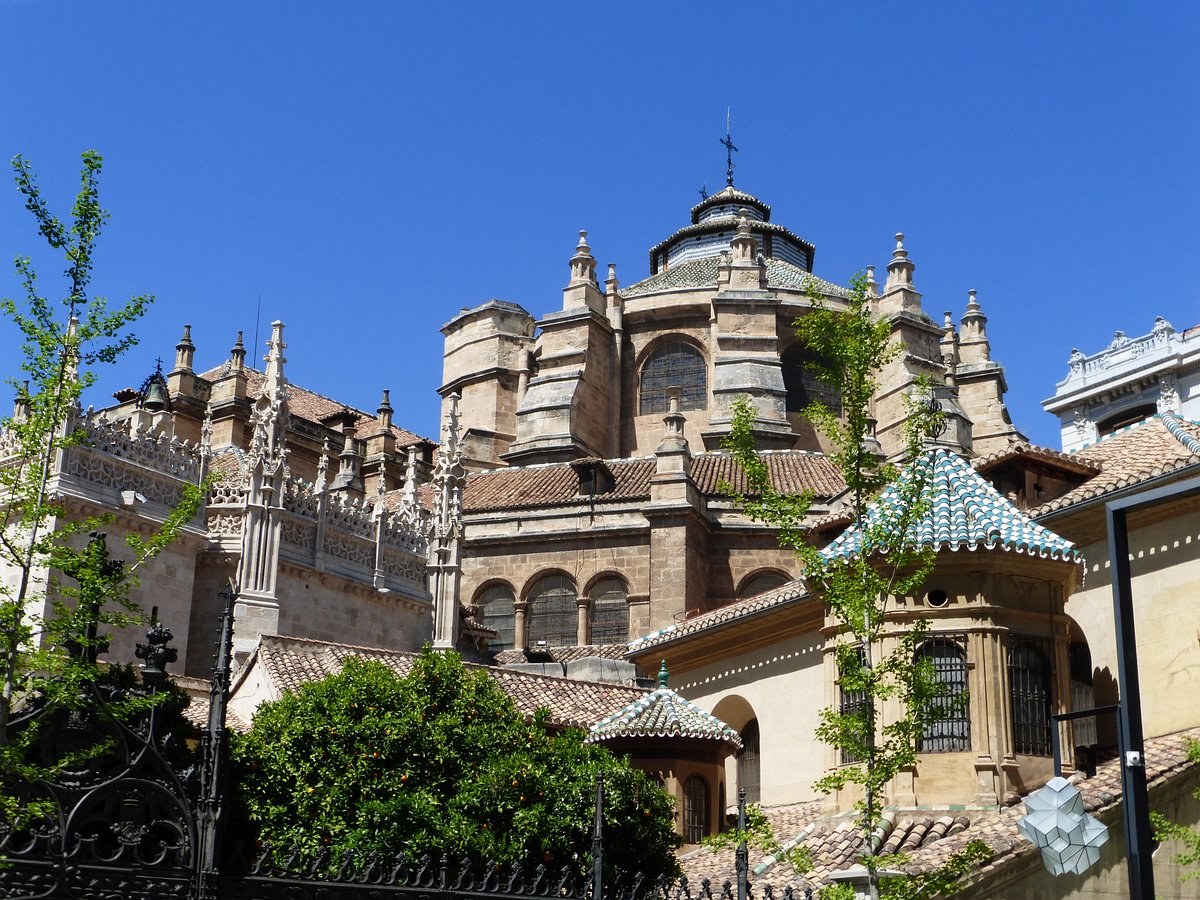 55 mi from MalagaRoyal Chapel
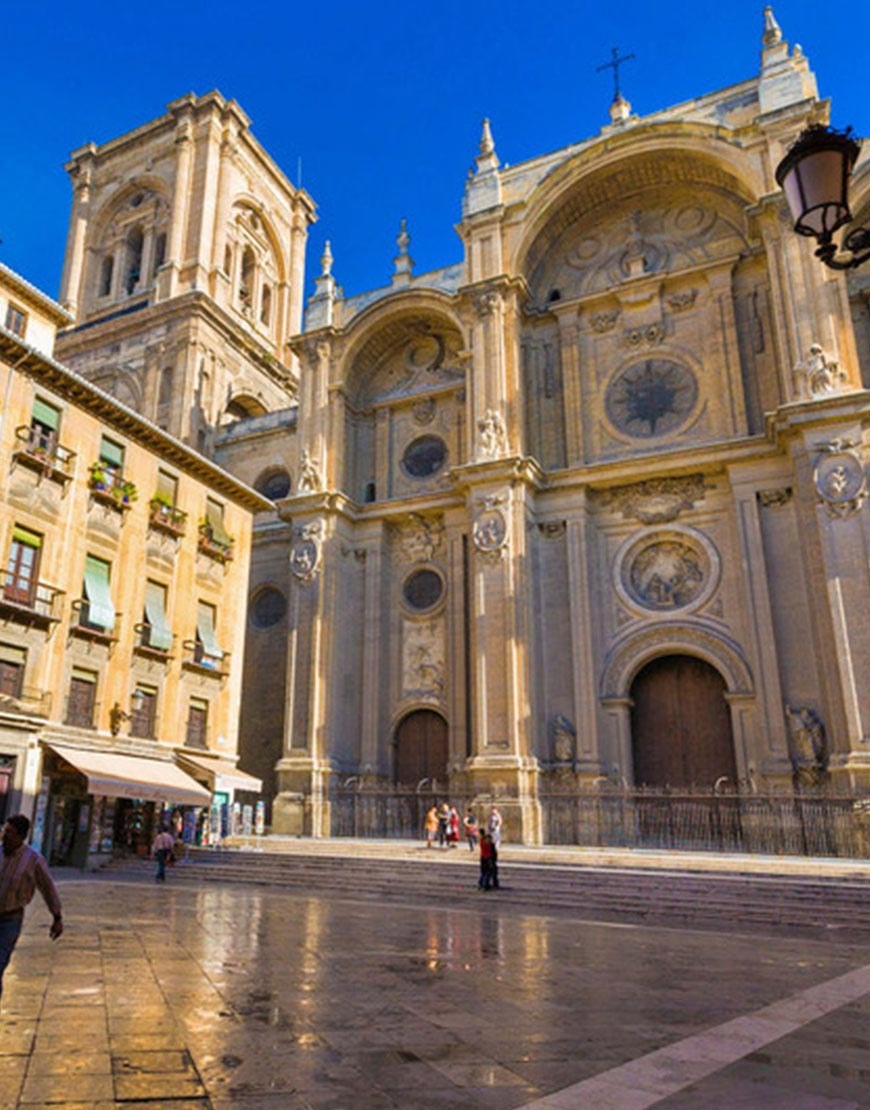 55 mi from MalagaCathedral of Granada
  48 mi from Malaga · land adventureGranada Beyond the Alhambra: Gorges, White Villages & Baroque Gold
 94 mi from Malaga · land adventureSeville to the Sea: An Andalusian Grand Tour by Car
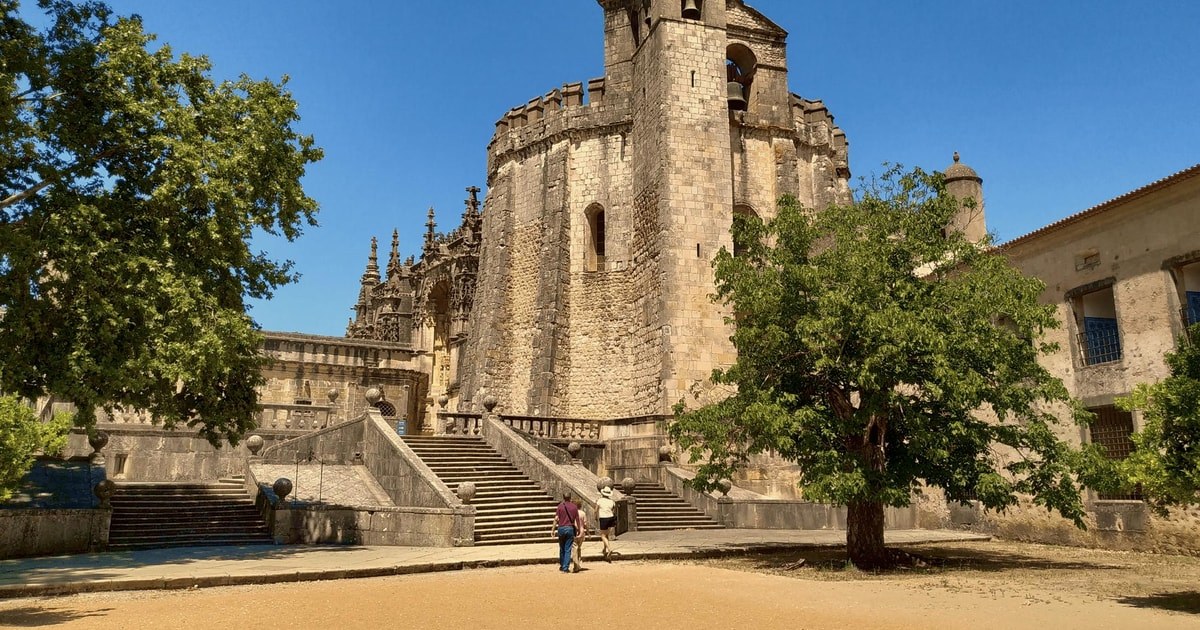 294 mi from Malaga · land adventureTemplar Stone, Atlantic Cliffs, and Pastel Custard in Lisbon
 After you step off · near Taranto
You end in a different port — stay on, and add what is within reach before you fly home.