Your cruise
Caribbean Princess · 16-night Northern Europe cruise, Civitavecchia (Rome) to Copenhagen
Apr 20 – May 6 · 16 nights ·
Day 1 Civitavecchia (Rome) (board) · Day 2 Cagliari · Day 3 at sea · Day 4 Malaga · Day 5 Seville · Day 6 Lisbon · Day 7–8 at sea · Day 9 Paris · Day 10 Southampton · Day 11 Zeebrugge (Bruges) · Day 12 Amsterdam · Day 13 at sea · Day 14 Kristiansund · Day 15 Oslo · Day 16 Skagen · Day 17 Copenhagen (step off)
What you do Su Nuraxi is the grandest of Sardinia's mysterious Bronze-Age nuraghi — a 3,500-year-old basalt tower-fortress ringed by a turreted bastion and a labyrinth of beehive huts, and the only one inscribed by UNESCO. You don't just look at it; the obligatory guided visit takes you inside the central tower and up onto the ramparts, which is genuinely bucket-list for anyone who cares about a civilization that left no written language, only these astonishing stone machines. Pair it with the Casa Zapata museum, built atop a second buried nuraghe with glass floors over the excavation.
What to expect From the visitor centre a shuttle/short walk brings you to the tower, where a licensed guide leads small groups up and into the structure on uneven, sometimes slick basalt — sturdy shoes matter. The guide narrates the nuragic mystery as you stand inside the corbelled central chamber and look out from the bastion over the Marmilla plain. The Casa Zapata museum and Lilliu Centre add context and the eerie glass-floor view down onto a buried nuraghe. Allow 2.5–3 hours on site total.
Good to know Open every day of the year, continuous hours; tours run every 30 minutes so you rarely wait. It's ~60–70 min each way from the cruise terminal, so budget a 5–6 hour round trip and confirm against your all-aboard. Pre-book the official combined ticket online and reserve your private transfer in advance; bring water, a hat and non-slip shoes (tower access can close in bad weather).
Versus the ship tour Cruise lines (NCL, Celebrity, Princess) sell the Barumini half-day at roughly USD 110–180 per person on a full coach. Barumini is ~1 hour inland with no practical public transport for a port day, so the value question is really about the transfer, not the ticket. Booking the official guided ticket direct plus a private small-group driver almost always beats the ship on both price and intimacy — but if you're solo or risk-averse about timing, the ship coach's guaranteed return is a fair trade-off here.
book direct with Fondazione Barumini Sistema Cultura (official) → · the full guide →
What you do Nora is Sardinia's most romantic ruin: a Phoenician, then Punic, then Roman port-city spread across a low peninsula that the Mediterranean now laps on three sides, with a Roman theatre, thermal baths, and intricate floor mosaics still in situ under open sky. The setting — columns and mosaics against turquoise water, with the 16th-century Spanish watchtower of Coltellazzo above — is the kind of place that ends up as the photo people remember from Sardinia. The included guided walk brings the Tanit sanctuary and bath complexes to life.
What to expect You'll walk flat but uneven ancient paving among baths, the forum, and the small Roman theatre right at the water's edge, with the guide pointing out the famous mosaic floors and the Punic-Phoenician layers beneath the Roman city. There's little shade, so morning visits are far more comfortable. The adjacent beach of Nora and the Sant'Efisio church make a lovely add-on. Plan ~1.5–2 hours on site.
Good to know Open from 9:00 (closing extends to ~20:00 in summer). About 35–45 min from the pier by road; no convenient train, so pre-arrange a driver or taxi. Reserve online and ask at the ticket window for the next English guided slot the moment you arrive; bring sun protection and water as the headland is fully exposed.
Versus the ship tour Ship 'Nora — A Walk Through Ancient Times' half-days typically run about USD 90–150 per person. Nora sits at Pula, only ~35 km from Cagliari, so a private car or even a determined taxi is easy and the direct entry is a fraction of the ship price — direct clearly wins here on both cost and flexibility. The ship tour's only real edge is zero logistics if you'd rather not arrange a driver.
book direct with Parco Archeologico di Nora — Fondazione Pula Cultura (official) → · the full guide →
What you do Cagliari's Castello is a honey-coloured medieval citadel stacked on the hilltop, ringed by Pisan towers and Aragonese ramparts, and walking it with a licensed local guide turns a pretty old town into a 900-year story of Pisans, Aragonese and Piedmontese. You'll thread silent lanes to the Cathedral of Santa Maria with its dazzling pulpits, climb the Torre dell'Elefante, and finish on the Bastione di Saint Remy terrace for the city's signature panorama over the rooftops, the lagoon and the sea. It's the most walkable, sensory introduction to the city right above the port.
What to expect Expect steep stepped lanes and the panoramic lift up from the Marina quarter, a quiet cathedral interior, glimpses into hidden courtyards, and storytelling that ties the Pisan towers to today. A good guide tailors the pace, ducks into a café for a Sardinian coffee or a slice of seadas, and times the Bastione finish for the light. It's a walking experience — comfortable shoes essential. Roughly 2–3 hours.
Good to know Everything is within a 10–20 minute walk of the pier, so this is the safest choice against a tight all-aboard. Pre-book a named licensed guide (ask that they're registered with the Sardinia regional guides association). Mornings are cooler for the climb; some churches close midday, so confirm timing with your guide when booking.
Versus the ship tour Cruise 'panoramic Cagliari' city tours run about USD 60–100 per person and often spend much of the time on a bus. Castello sits directly above the cruise terminal — you can literally walk up — so a private licensed guide split across two to four people usually costs less per head than the ship tour and is vastly more personal and flexible. Direct wins decisively; there's no transport premium to justify the ship here.
book direct with Licensed Sardinia regional guides via ToursByLocals (official guide marketplace) → · the full guide →
What you do Cagliari's bay is the Golfo degli Angeli, guarded by the dramatic limestone headland of the Sella del Diavolo (Devil's Saddle), and the only way to truly see it is from the water. A small-boat or sailing day slips you past Calamosca, Cala Fighera and Cala Bernat into clear coves you can't reach by land, with swim and snorkel stops below the cliffs and the long ribbon of Poetto beach as your backdrop. On a luxury catamaran or private gozzo with a skipper and Sardinian wine and cheese aboard, it's the most relaxed bucket-list way to spend a Cagliari port day.
What to expect Boats leave from the marina a short walk or transfer from the cruise terminal. You'll cruise close under the Sella del Diavolo's cliffs, anchor in a cove or two for swimming and snorkelling in glassy water, and graze on Sardinian cold cuts, pecorino and Vermentino as the skipper points out the landmarks. Seas are usually calm in summer; book the morning departure for the best light and water. Half-day is plenty for a port stop.
Good to know Marina departure points are ~10–20 min from the pier — confirm pickup and a return time that clears your all-aboard with margin. Bring swimwear, a towel, reef-safe sunscreen and a light layer. Pre-book, especially for private charters in peak season; rough weather can cancel sailings, so have the Castello walk as a backup.
Versus the ship tour Cruise lines rarely offer an equivalent intimate small-boat coastal tour, and when they sell a 'beach and bay' outing it's typically USD 80–120 per person on a larger vessel. Booking a private skippered boat direct gives you a curated route, swim stops and onboard wine for a comparable or lower per-head cost when shared — a clear direct win, and an experience the ship simply doesn't replicate.
book direct with Noestrum (licensed local boat operator, Cagliari) → · the full guide →
What you do Argiolas, founded 1938 in Serdiana just 20 minutes inland, is the reference-point winery of modern Sardinia — the house behind Turriga, the island's most celebrated red. A guided cellar visit walks you through the fermentation halls and barrel rooms before a seated tasting of premium wines (Cannonau, Vermentino, the flagship blends) paired with local pecorino, salumi and carasau bread. For wine lovers it's a genuine bucket-list stop, and the new on-site Domu restaurant makes a long lunch possible.
What to expect An English-speaking host leads you through the working winery — stainless tanks, the must, the barrel cellar — then sits you down for a structured tasting of the estate's top wines with a Sardinian cheese-and-charcuterie board. It's unhurried and genuinely educational, not a quick pour. Plan ~1.5–2 hours, longer if you add a Domu restaurant lunch. You'll want a driver so everyone can taste freely.
Good to know About 20–30 min from the pier; pre-book the tasting online (limited 11:00/15:00 slots, closed weekends) and arrange a private car so no one has to abstain. Build in buffer time against all-aboard — inland plus a long tasting can run late. Consider shipping or hand-carrying a bottle of Turriga home.
Versus the ship tour Cruise 'Taste of Sardinia' food-and-wine excursions run roughly USD 90–150 per person but usually pour at a generic agriturismo rather than a marquee estate. Serdiana is an easy ~20–30 min drive, so booking Argiolas direct plus a private transfer lets you taste at the island's most respected cellar for a similar price — direct wins on prestige and depth. If you don't want to arrange a car, a ship taste-of-Sardinia tour is a reasonable convenience play.
book direct with Cantine Argiolas — Visit Argiolas (official) → · the full guide →
What you do Right between the city and Poetto beach lies Molentargius-Saline, a former royal saltworks now home to a resident colony of thousands of pink flamingos that breed here — one of very few places in Europe they do — alongside 180-plus bird species. A guided e-bike or boat tour with the park's environmental guides is the only way into the protected core where the flamingos and slender-billed gulls nest, gliding past salt pans, canals and the evocative 'City of Salt'. It's a surprisingly wild, photogenic counterpoint to the ruins and a true Sardinian signature.
What to expect Tours leave from near the port or the park's Edificio Sali Scelti and follow flat canal-side paths and embankments, stopping at a birdwatching hut before the Bellarosa Maggiore basin where flamingos and gulls nest. Guides scope the birds and explain the saltworks history and the lagoon ecology. An e-bike makes the distance to Poetto effortless; bring binoculars or a zoom lens. Allow 2–3 hours.
Good to know The park sits on the city's eastern edge, ~15–20 min from the pier; the official protected-area visits and e-bike tours must be pre-booked through the park guides. Early morning and late afternoon give the best light and bird activity. Bring sun protection, water and a camera — and confirm the return timing against your all-aboard, though this is one of the closer outings.
Versus the ship tour Cruise lines seldom feature Molentargius as a dedicated excursion, so there's no real ship equivalent to overpay for — and when a nature add-on appears it's bundled at a premium. This is firmly a book-direct experience: the park's own guides are also the only ones permitted into the protected nesting zones, so direct booking is the only way to get the genuine close-up.
book direct with Parco di Molentargius — CEAS / Città del Sale (official park guides) → · the full guide →
What you do This is the definitive Rome bucket-list day: Michelangelo's Sistine Chapel ceiling and Last Judgment, the Vatican Museums, St. Peter's Square, plus the Colosseum and Roman Forum — all in one 9-hour private run from the pier. Your driver collects you ship-side in a Mercedes and the 'privilege' skip-the-line tickets to both the Vatican and Colosseum mean you walk past the 2-hour queues that would otherwise eat your port day. Note this is a private-driver tour, not a guided one: you explore the interiors at your own pace (audio guides sold inside).
What to expect A private Mercedes collects you pier-side at Civitavecchia and you begin a 9-hour immersion in Rome's iconic landmarks, moving at your own pace rather than a group's rhythm. You skip past the 2-hour queues at the Vatican Museums to explore Michelangelo's Sistine Chapel ceiling and Last Judgment, then wander St. Peter's Square (basilica entry is free but has its own queue). After lunch flexibility, you drive to the Colosseum and Roman Forum, again with skip-the-line privilege tickets that let you move straight inside while standard visitors wait. Throughout, your private driver and personal vehicle—not a 50-person bus—keep you on your schedule, though you explore each site's interiors independently with optional audio guides available for purchase.
Good to know The full excursion runs 9 hours; plan to depart the pier by 8:00 AM at the latest to ensure a comfortable return before your ship's evening departure. Your private driver meets you ship-side at Civitavecchia—confirm the exact return-time guarantee and buffer window when booking, as this operator runs cruisers daily but you'll want that back-to-ship safety net in writing. Bring comfortable walking shoes, sunscreen, and cash or cards for lunch and optional audio guides inside the museums (not included in the EUR 187.50 price). Book skip-the-line tickets in advance as part of your package; they're your main time-saver advantage over the cruise line's group tours, which run $220–$320 per person for the same sites.
Versus the ship tour Direct wins decisively. The cruise lines' marquee 'Best of Rome / Ultimate Rome' Vatican+Colosseum day runs $220-$320 pp, and on premium lines higher — this private, skip-the-line equivalent is ~$205 pp with your own vehicle and no 50-person bus. You save roughly $50-$120 per person and skip the group-pace bottleneck. The one thing the ship guarantees that you're trading away: a step-on licensed guide inside the sites and a back-to-ship promise (this operator runs cruisers daily but confirm the return-time guarantee when booking).
book direct with Discovery Guided Tours → · the full guide →
What you do The reason cruise lines stop here at all: a private deluxe vehicle whisks you from the pier to the Trevi Fountain, Pantheon, Spanish Steps, Piazza Navona, St. Peter's Square and the Colosseum, dropping you as close as Rome's traffic limits allow at each. It's the maximize-a-tight-window play — a first-timer who sails past Rome without standing at the Trevi would genuinely regret it. Be clear-eyed: this is a driver, not a licensed guide, so it's exterior views, photo stops and walk-up landmarks, no museum interiors.
What to expect Your driver collects you pier-side at 8:00 AM in a private deluxe vehicle and begins threading Rome's narrow streets, stopping at the Trevi Fountain, Pantheon, Spanish Steps, Piazza Navona, St. Peter's Square, and Colosseum views—you step out, snap photos, walk up to the exteriors and iconic squares, then move on. This is drive-and-stroll geography, not museum interiors: you'll see Rome's greatest hits from street level and courtyard vistas, with your driver dropping you as close as traffic allows at each landmark. The rhythm is constant but unhurried—a masterclass in first-timer coverage, punctuated by photo moments and the low hum of rolling between sites. You're back at the pier by 5:00–5:30 PM, having touched eight of Rome's most recognizable monuments without boarding a 50-seat coach.
Good to know Pickup is pier-side at 8:00 AM sharp with return by 5:00–5:30 PM, giving you roughly 8 hours door-to-door; factor in Rome's traffic and the driver will optimize stops, so expect less than 30 minutes at each landmark unless you request longer. No entrance tickets, meals, or guide services are included—this is a driver-only arrangement, so museum and basilica interiors are on your own dime and time; bring cash and book ahead if you want to step inside St. Peter's or the Colosseum. All tolls, parking, and taxes are covered in the quoted price (EUR 650–750 per vehicle for up to 7 guests, ~EUR 107–163 per person), and the driver speaks English. Book directly with RomeCabs in advance; a solo traveler or couple may find the ship's motorcoach tour or Trenitalia train equally priced or cheaper per head, so confirm group size before committing.
Versus the ship tour Direct wins on access, ties or beats on price depending on group size. The ship's guided 'City in a Day / Panoramic Rome' coach tour is $110-$170 pp; split a EUR 650-750 car across 4-7 people and you land around $115-$175 pp with door-to-landmark drops a 50-seat bus can't do. For a solo or couple it's a wash on price — but you get a private car and your own timing. If you only want a cheap motorcoach drop-and-roam, the ship's 'Rome On Your Own' transfer ($60-100 pp) or the Trenitalia train (~$11 RT) is far cheaper than any private car — say so and don't overpay for a driver you don't need.
What you do For travelers who've already 'done' central Rome, this is the equally unforgettable alternative: Villa d'Este's 51 fountains, 64 waterfalls and 220 basins — all gravity-fed, not a single pump — paired with Emperor Hadrian's sprawling 2nd-century imperial estate. An expert private guide actually walks the gardens and ruins with you, and the crowds are a fraction of the Vatican's. A 9-hour day, pier to pier.
What to expect You'll spend the morning and early afternoon in two staggered acts: first, Villa d'Este's terraced Renaissance gardens, where your expert guide walks you through cascading fountains, 220 basins, and 64 waterfalls—all fed by gravity alone, no pumps needed—then a private car transfer inland to Emperor Hadrian's 2nd-century sprawl, where crumbling villas, temples, and theaters unfold across 30 acres of archaeological theatre. The rhythm is unhurried; you're with a licensed English-speaking expert, not herded through a coach crowd, so you'll actually absorb the history and architecture as you walk. By late afternoon, your driver returns you to the Civitavecchia pier, completing the 9-hour door-to-door arc.
Good to know Pickup from Civitavecchia pier is included; plan for a private car departure roughly 3–4 hours after ship arrival to allow for disembarkation and meet your guide. Both villas are outdoor, terraced sites with significant walking and uneven ground—wear comfortable shoes and bring sun protection and water. Book at least 48–72 hours ahead; the price (EUR 869 minimum, ~$475 per couple) drops per person as group size grows, and slots are limited to preserve the "expert guide + small party" promise. Confirm your ship's all-aboard time with the concierge and allow a 30–45-minute buffer before boarding to account for Civitavecchia pier return traffic.
Versus the ship tour Mixed verdict, lean ship for small parties. The cruise lines' 'Beauty of Tivoli / Villa d'Este' countryside tour runs $150-$260 pp and other independents (Discovery Guided Tours) sell a Tivoli day from ~$115 pp — so this premium private option is meaningfully pricier per head for a couple (~$475 pp). What you're buying is a genuine licensed guide actually leading you through both UNESCO sites and a private car, versus a coach. If budget is the driver, the ship tour or a cheaper shared independent is the honest call; book this only if private + expert-guided is the point.
book direct with Through Eternity Tours → · the full guide →
What you do Walk intact ancient streets, an amphitheater, taverns, bath-house mosaics and three-story Roman apartment blocks at the buried port city of Ostia Antica — the marquee 'lost Roman city' with a fraction of Rome's crowds. It's far closer to Civitavecchia than the actual Pompeii (which is impractical from this port), and this private full-day pairs it with the Etruscan necropolis at Cerveteri. Pier-side Mercedes pickup, full day, back in time for the ship.
What to expect You'll be picked up pier-side in a private deluxe Mercedes and driven to Ostia Antica, where you'll walk intact ancient streets lined with taverns, bath houses, and remarkably preserved three-story Roman apartment blocks, culminating at the amphitheater — a far less crowded alternative to Pompeii. The day then pivots to Cerveteri's Etruscan necropolis, where you explore burial sites and artifacts from Rome's pre-imperial neighbors. Throughout, you're moving at your own pace in private transport rather than herded with a group, though your driver handles logistics rather than narrating the ruins themselves. The rhythm is unhurried full-day immersion: ancient streets in the morning, a site transition at midday, and Etruscan tombs in the afternoon, returning to the pier in time to reboard.
Good to know Book ahead with Stefano Rome Tours and confirm pier pickup timing to ensure you clear the ship's all-aboard (driver will know the buffer). Entrance tickets to both Ostia Antica and Cerveteri are not included in the EUR 590 vehicle fee—budget ~EUR 18 per site and purchase at the gate or ahead online to save time. Bring a robust audio guide app (like the official Ostia Antica app) or printed site guide, since the driver is not a licensed in-site interpreter. With a full day in the field, wear comfortable walking shoes, sunscreen, and a hat; both sites are largely open-air and can be hot, especially in summer months.
Versus the ship tour Direct wins, with a caveat. Most ships barely offer Ostia Antica, and comparable 'scenic/ruins' ship days run $150-$260 pp — splitting EUR 590 across 4-7 people lands at ~$90-$160 pp plus ~EUR 18 site tickets. You get a near-empty Roman city and a private car well under the ship's countryside price. Trade-off: it's a driver, not a step-on guide inside the ruins, so bring a good audio guide or app if you want the narration the ship's guided tour would include.
What you do Skip the 1.5-hour each-way push to Rome and explore the port town nearly every cruiser blows past: Michelangelo's harbor fortress (Forte Michelangelo), one of Italy's largest open-air markets, fresh Tyrrhenian seafood and the seafront Pirgo promenade. A relaxed small-group walk with local tastings along the way — the low-stress, low-risk safety net when you want to be steps from the ship.
What to expect You'll join a small-group walk that begins steps from the pier and moves at a leisurely pace through Civitavecchia's historic center, anchored by visits to the Renaissance Forte Michelangelo and one of Italy's largest open-air markets alive with local vendors and produce. Along the way, you'll pause for fresh Tyrrhenian seafood tastings and other local bites, absorbing the rhythm of a working port town most cruisers skip. The walk concludes on the waterfront Pirgo promenade, where you'll have absorbed three hours of culture and flavor without the fatigue of a long coach transfer. It's the opposite of the Rome sprint—an immersive, low-pressure exploration of the places locals actually go.
Good to know The entire excursion unfolds within walking distance of your ship, so there's zero transfer time and minimal risk of running late; plan for the three-hour guided walk to fit comfortably in a 6–8 hour port window. Book ahead through DriverInRome to secure your spot in a small group, and wear comfortable walking shoes—you'll be on foot the whole time through cobblestone streets and market areas. Bring cash (EUR) for any additional purchases at the market or for tips, and check departure times with the operator to give yourself at least an hour buffer before all-aboard. The price of approximately EUR 75 per person (€82 USD) includes all tastings, so budget only for optional extras and gratuity.
Versus the ship tour No real ship equivalent, and that's the point. Cruise lines don't sell a Civitavecchia-town tour because they want you on the $60-320 Rome excursions — so this isn't a price-beat, it's a different (and far cheaper) day for travelers who don't want a 3-hour round-trip. At ~$82 pp with food included and zero risk of missing the ship, it's the honest pick for repeat Italy visitors, slow-pace travelers, or anyone who'd rather not gamble a tight Rome turnaround. If it's your first time in Italy, though, do Rome — this is the alternate, not the headline.
What you do Drive ~2 hours inland to the Alhambra, the UNESCO-listed Moorish palace-city that is the single most famous monument in Spain: the honeycombed Nasrid Palaces, the Court of the Lions, and the water-gardens of the Generalife terraced above Granada. A licensed guide walks you through the skip-the-line Nasrid entry (the tickets that sell out weeks ahead and are capacity-controlled by the half-hour), then you get free time in Granada's old town. This is the regret-if-you-miss-it day trip from Malaga.
What to expect You'll spend roughly two hours in an air-conditioned coach traveling inland from Málaga to Granada, then enter the Alhambra with a skip-the-line guide who navigates you through the honeycombed Nasrid Palaces and the iconic Court of the Lions before you explore the terraced water-gardens of the Generalife at your own pace. After the guided palace tour, you'll have free time to wander Granada's atmospheric old town—wandering narrow streets, browsing local shops, or grabbing tapas—before the coach returns you to the port. The rhythm is structured (guided palace tour in the morning, unstructured afternoon) with a full 10–11 hours allocated, giving you real breathing room to absorb both the monument and the city.
Good to know The skip-the-line Nasrid Palaces entry ticket (EUR 23 extra, ~$25) must be pre-booked weeks ahead and is capacity-controlled by half-hour time slots—don't assume walk-up availability. Port pickup and drop-off are included, and the operator guarantees 100% on-time return with no charge if the ship doesn't dock, so you're protected on timing. Bring comfortable walking shoes, sunscreen, and a hat: the palace interiors are cool but the Generalife gardens and Granada's old town are open-air and can be hot. Book your excursion directly with Spain Day Tours rather than through the cruise line to save $90–150 per person compared to ship-sold Alhambra tours.
Versus the ship tour Direct wins big. Cruise lines sell the full guided Alhambra + Generalife day at $180-250 pp with entry and guide included; booking direct lands at ~$122 pp all-in (EUR 89 + EUR 23 entry), saving roughly $90-150 per person -- the largest dollar gap at this port. One caveat: the ship's bare 'Granada On Your Own' coach transfer ($84.99, NO ticket or guide) is fair value ONLY if you can self-secure an Alhambra slot and just want guaranteed sail-away return; for almost everyone the guided direct booking is the better deal.
book direct with Spain Day Tours (Malaga shore-excursion specialist, port pickup/drop-off) → · the full guide →
What you do Walk the boardwalk bolted to a vertical cliff face 100 meters above the Guadalhorce gorge -- once dubbed the most dangerous path in the world, now safely rebuilt into a one-way, ~3-hour, 7.7km clifftop traverse through the El Chorro canyon. It is the marquee adrenaline experience of Andalusia and the photo a thrill-seeker pictures when they think of inland Malaga. Children under 8 cannot enter; bring ID.
What to expect You'll depart the Malaga port and travel 58km inland through Andalusian countryside (roughly 1.5 hours each way) to arrive at El Chorro canyon. Once there, you'll join the one-way boardwalk bolted directly to a near-vertical cliff face 100 meters above the Guadalhorce gorge, traversing 7.7km of clifftop switchbacks through narrowing canyon walls over approximately 3 hours. The walkway—once infamously branded the world's most dangerous path—now feels secure and rebuilt, yet the exposure and soaring views remain visceral and unforgettable. By day's end you'll reverse the journey back to port, consuming your entire port day but delivering the singular adrenaline landmark of inland Malaga.
Good to know Book a guaranteed round-trip shuttle package (EUR 60–80) from a cruise operator or the official ticket office to lock in your on-time return to ship; the 1.5-hour each-way commute leaves zero margin for missing sail-away. Reserve entry tickets (EUR 10–18) weeks ahead, as they sell out regularly. Bring your passport or ID (required for entry), wear sturdy hiking shoes and sun protection, and confirm your shuttle departure time before boarding the tender—treat the return buffer as sacred, since missing the ship carries infinitely more risk than the reconstructed cliff itself. A full-day independent package (guides + transport) costs ~€77–81 per person versus ~€190 via cruise line.
Versus the ship tour Direct wins. Cruise lines fold El Chorro into a scenic '4x4 Andalusia Adventure' type day at ~$189.99 pp; an independent full-day Caminito del Rey guided package runs ~$77-81 pp, saving roughly $60-110 per person. If you only book the bare EUR 10 entry you save even more, but you take on the transport-and-timing risk yourself -- worth it only if you arrange a guaranteed-return shuttle, since missing sail-away is the real danger here, not the cliff.
book direct with Caminito del Rey official ticket office (UTE Caminito del Rey) → · the full guide →
What you do Climb Malaga's signature sight: a hilltop fortress-palace of horseshoe arches, courtyards, fountains and terraced gardens, crowned by the Gibralfaro castle ramparts with a 360-degree panorama over the city, the port and the Mediterranean. It is the one image a first-timer pictures when they think of Malaga, and it is a flat ~15-20 minute walk from the cruise terminal -- the perfect low-risk anchor for a port day. Buy at the gate, the ticket machines, or the official site on arrival.
What to expect From the cruise terminal, a flat 15–20 minute walk brings you to the Alcazaba's gates, where you'll climb through a fortress-palace of horseshoe arches, fountains, and terraced gardens layered up the hillside. If you continue to the Gibralfaro castle ramparts at the summit, you'll stand under 360-degree views of Malaga's city, port, and Mediterranean shoreline—the iconic image that defines the destination. The rhythm is self-paced: wander the courtyards and gardens, rest on terraces, take time at the top, then walk back down; budget 2–3 hours total, all on foot, with no guides or fixed schedules to follow.
Good to know Buy tickets on arrival at the gate, ticket machines, or the official website (EUR 7 for Alcazaba alone, EUR 10 for both Alcazaba + Gibralfaro); free entry every Sunday from 14:00 onward if your port day lands there. Summer hours are 9:00–20:00 (last entry 19:00), winter 9:00–18:00, so plan your walk to leave the ship by mid-morning in an 8-hour port window, giving you 2–3 hours inside, 45 minutes for transit to and from the terminal, and a safe 2-hour buffer to return before all-aboard. Bring water and comfortable walking shoes, as the climb to Gibralfaro is steady uphill terrain; no advance booking is needed for self-guided entry.
Versus the ship tour Direct wins overwhelmingly, and this is also your safety-net card. The ship's 'Malaga Overview' walking tour ($89.99 pp) only shows you the Alcazaba EXTERIOR plus a guided promenade stroll -- the old town is a 10-15 minute flat walk from the pier, so you are paying 2-4x for a guide to point at a fortress you can enter yourself for ~$11. Skip the ship tour and walk in. The only thing the ship adds is narration; an audio guide or a self-led visit gives you the same monument for a tenth of the price.
book direct with Alcazaba y Castillo de Gibralfaro (official municipal ticket office, Ayuntamiento de Malaga) → · the full guide →
What you do Andalusia is the cradle of flamenco, and Kelipe -- a working flamenco school and arts center open since 2001 -- is Malaga's most respected room for the genuine article: an intimate 90-minute show of live cante, guitar and improvised dance (full soleá and bulerías), not a tourist 'greatest hits' revue. Seeing flamenco performed in its homeland, steps from the Alcazaba, is a bucket-list cultural moment. Best for ships with a late departure or an overnight in port, since shows start at 20:00.
What to expect You'll have the afternoon and early evening free to explore Malaga's center on foot—wander the historic streets, visit the nearby Alcazaba, or grab a leisurely coffee before heading to Kelipe Centro de Arte Flamenco. At 19:30, you'll take your seat in an intimate 90-minute room where live cante (singing), guitar, and improvised dance unfold without artifice—full soleá and bulerías performed by working artists in their own school, not a polished tourist revue. The show runs 20:00–21:30, and one drink is included; the energy is concentrated and authentic, a cultural moment grounded in Andalusian tradition steps from the ancient Alcazaba.
Good to know Book your ticket directly on Kelipe's website ahead of time (€35 adults, €25 ages 13–18, €15 ages 4–12, one drink included); shows run Wednesday–Sunday, doors at 19:30. The venue is walkable from Malaga's city center and port—allow 15–20 minutes on foot from the pier. This excursion only works if your ship has a late departure or stays overnight; if you disembark at your scheduled time in the late afternoon or early evening, you'll miss the 20:00 start. Bring comfortable walking shoes for the afternoon and dress as you would for an evening cultural event; the venue is casual but genuine.
Versus the ship tour Direct wins, modestly. Cruise lines bundle a city tour + flamenco show ('Charming Malaga & Flamenco') at ~$129.99 pp; the standalone Kelipe ticket is ~$38 and the city walk is free on foot, so booking direct saves roughly $60-80 per person AND gets you into a serious flamenco room rather than a high-capacity tourist tablao. The only reason to take the ship version is the guaranteed return -- and since this is an evening show, it only works if your ship departs late or stays overnight; otherwise skip it.
book direct with Kelipe Centro de Arte Flamenco (independent venue/school, book direct) → · the full guide →
What you do A guided 3.5-hour crawl through the walkable old town and the historic Atarazanas market, eating Malaga's regional signatures with a local insider -- fried pescaito, hand-cut Iberian ham, and the syrupy DO Malaga sweet Moscatel and Pedro Ximenez wines poured in family-run bars. It is the most efficient way to actually taste Andalusia on a tight port day instead of guessing at a menu, all within easy walking distance of the ship.
What to expect Your guide leads you on foot through Malaga's walkable old town and the historic Atarazanas market, stopping at family-run bars and bodegas for regional Andalusian tastings: fried pescaito, hand-cut Iberian ham, and the syrupy DO Malaga sweet wines (Moscatel and Pedro Ximenez) poured by locals. The 3.5-hour rhythm alternates between market exploration and intimate stops where you taste rather than order, letting you absorb the rhythm of how Malagueños actually eat and drink without the guesswork of a menu. This is the most efficient way to genuinely taste Andalusia on a port day while staying within easy walking distance of your ship.
Good to know Book direct on Spain Food Sherpas' site (no cruise-line aggregator) to save $45–50 per person versus ship-sold equivalents; the tour runs daily most days at 3.5 hours (EUR 73, ~$80 pp) and departs from the operator's meeting point near the old town, walkable from the pier. Plan for a 6–7 hour window shore-side to account for transit, the full tour, and a safety buffer back to the ship; bring comfortable walking shoes and small cash for any additional drinks, and note that this is a guided crawl where you taste at curated stops rather than a self-guided wander where drinks cost just a couple of euros.
Versus the ship tour Direct wins. Cruise lines sell a market + tapas + wine culinary experience at $120-130 pp; this licensed local operator's equivalent is ~$80 pp with more and better stops, saving roughly $45-50 per person. Honest counterpoint: if you only want a quick, cheap taste rather than a full guided crawl, you do NOT need any tour at all -- Malaga's center is dense with bodegas you can walk into for a couple of euros a glass, so book this tour for the local guide and the curated stops, not because the food is otherwise out of reach.
book direct with Spain Food Sherpas (Malaga local operator since 2014, book direct) → · the full guide →
What you do Step inside one of the world's greatest royal palaces — still an official royal residence — with a private official guide who unlocks its labyrinthine Mudéjar halls, hidden gardens, and seven centuries of royal intrigue. An absolute bucket-list crown jewel of Andalusia.
What to expect Your private guide meets you at the Puerta del León and leads you through the Patio de las Doncellas, the opulent Salón de Embajadores, and the terraced gardens where peacocks roam freely. Hidden corners — the Baños de Doña María de Padilla, the secret garden pavilions — are revealed at your own rhythm. The guide contextualises centuries of conquests, dynasties, and architectural layering that self-guided visitors simply miss. Finish in the sun-drenched upper royal apartments for views over the orange-tree courtyards below.
Good to know Pre-book the guide AND timed-entry tickets well in advance — Alcázar slots sell out weeks ahead, especially on port days. Cadiz port is ~1.5 hrs each way to Seville; aim for a 08:00 departure to clear the morning crowds. Confirm your ship's all-aboard time before booking a return slot.
Versus the ship tour A licensed, expert private guide — fluent in the palace's layered Islamic, Gothic, and Renaissance stories — gives you unhurried, personalised access to rooms and gardens that large groups race past. The pace is entirely yours.
book direct with The Magic of Seville – Private Tours → · the full guide →
What you do Climb the mighty Giralda — a former 12th-century Moorish minaret — to gaze over Seville's golden roofscape, then descend into the world's largest Gothic cathedral to stand before Columbus's tomb. Utterly unmissable and visually staggering.
What to expect You ascend the Giralda's 35 brick ramps — no steps, by Moorish design — emerging onto the bell-tower terrace for a 360° panorama over the Alcázar, the River Guadalquivir, and the city's terracotta sea. Inside the cathedral, gilded altarpieces of staggering scale dwarf the faithful. The Treasury and Sacristy house Zurbarán and Murillo masterworks rarely highlighted on standard visits. The guide concludes at the tomb of Christopher Columbus, carried aloft by four royal heralds — a deeply moving finale.
Good to know Timed slots disappear fast on peak port days; book the earliest morning slot available. The cathedral is a 10-min walk from the Alcázar — combine both in a single morning. Dress code enforced: shoulders and knees covered.
Versus the ship tour Booking direct through the cathedral's official platform guarantees your timed-entry slot and the lowest available price — no intermediary markup. Opt for the official guided tour for expert art-historical commentary inside the sacristy and royal chapels.
book direct with Catedraldesevilla Official Tickets (Servitickets) → · the full guide →
What you do Cross the Guadalquivir into Triana — the gritty, soulful neighbourhood that gave flamenco to the world — and witness an intimate tablao performance by professional artists in a venue holding fewer than 50 guests. Raw, spine-tingling, and deeply authentic.
What to expect Your guide walks you across the Isabel II bridge into Triana, narrating the quarter's Romani heritage and its role in forging flamenco from Moorish, Jewish, and Andalusian roots. The performance seats you so close you see the dancer's expression shift with each compás. A guitarist, singer, and two dancers take turns leading — the duende (untranslatable 'spirit') rises as the show builds. Post-show, the guide points you toward Triana's famous ceramic tile workshops and a glass of manzanilla at a local bar.
Good to know Evening tablao shows are most atmospheric but may conflict with all-aboard times — confirm a matinée or late-afternoon performance. Book early as small venues fill quickly. Triana is a 20-min walk or short taxi from Santa Justa station.
Versus the ship tour A small, private-feeling tablao in Triana — the artform's historic birthplace — offers a profoundly different emotional register to hotel-stage shows. The proximity to the performers (feet stamping inches away, guitar resonating in your chest) is simply irreplaceable.
book direct with Sevilla Official Tours (local official guides network) → · the full guide →
What you do Glide across the sweeping azulejo-tiled canals of Plaza de España by rowboat, then wind through the jasmine-scented lanes of the old Jewish Quarter with a private official guide who brings the neighbourhood's layered history vividly to life.
What to expect The tour opens at the semicircular Plaza de España, a jaw-dropping 1929 Exposition masterpiece of brick, azulejo tile alcoves, and bridged canals — each alcove representing a Spanish province. Your guide rows you gently across the moat as morning light turns the tilework gold. The itinerary then threads through the Santa Cruz labyrinth: whitewashed walls dripping with bougainvillea, hidden courtyards, the 14th-century Callejón del Agua. The guide reveals the neighbourhood's transformation from a medieval Jewish aljama, through expulsion, to today's most coveted address. Orange trees line every lane and the scent is extraordinary.
Good to know Plaza de España is a 15-min taxi from Santa Justa station. Combine this tour as a relaxed afternoon complement to a morning Alcázar/Cathedral visit. Wear comfortable walking shoes — cobblestones throughout.
Versus the ship tour A private guide shapes the narrative entirely around your interests — whether Renaissance architecture, Moorish urban planning, or the filming locations of Star Wars and Game of Thrones — at a civilised, unhurried pace.
book direct with The Magic of Seville – Private Tours → · the full guide →
What you do Board a boutique river cruiser on the Guadalquivir — the river that made Seville the gateway to the New World — and drift past the Torre del Oro, the Triana waterfront, and the historic bullfighting arena for a cinematic, feet-up perspective of the city.
What to expect Boarding at the Paseo de Cristóbal Colón quayside, the cruiser slips past the 13th-century Torre del Oro (Tower of Gold), named for the gilded azulejos that once covered it. Commentary traces Seville's role as monopoly port for all Spanish trade with the Americas. The Triana waterfront slides by — ceramic workshops, fishermen's bars, the bridge where gypsies once camped. Rounding the bend, the cathedral's Gothic mass and the Giralda dominate the skyline. Sunset departures turn the river copper-pink and are particularly magnificent.
Good to know Cruises depart regularly throughout the day; check the timetable against your all-aboard time — a 60-min cruise is easily slotted before or after a morning monuments visit. The quay is walkable from the Alcázar and cathedral. Book online in advance to guarantee a spot.
Versus the ship tour The Guadalquivir framed Seville's golden age of exploration — every galleon loaded with New World silver departed from this very quay. Seeing the skyline from the water, with the Torre del Oro glowing at dusk, is the most evocative view the city offers.
What you do Trail an official Seville food guide through the tapas bars of El Arenal and Triana, sampling jamón ibérico, Moorish-spiced cazuelas, and chilled fino sherry at bars where tourists rarely tread. The most delicious two hours Seville can offer.
What to expect The walk begins in El Arenal with a glass of chilled manzanilla and a plate of jamón cortado to order at a marble-topped bar established in the 1930s. The guide leads you to a tile-faced neighbourhood bodega for montaditos (small open sandwiches) topped with Iberian pork loin and roasted peppers. A mid-point stop at a back-street freiduría delivers crispy pescaíto frito — the city's beloved fried fish tradition — straight from the pan. The finale is a tableside tasting of three Jerez sherries, from bone-dry fino to rich, nutty oloroso, paired with aged Manchego. You will leave unable to look at an airport tapas bar the same way again.
Good to know Tours run at lunchtime (13:00) and are perfectly timed for a post-monuments afternoon slot. Group sizes are capped at 10 — book well ahead on port-call days. Inform the operator of any dietary requirements at booking; they accommodate with grace. Bodeguita Romero (Harinas 10, Seville) is also a celebrated standalone stop worth building time for.
Versus the ship tour Devour Tours' guides are trained food journalists and culinary historians — they explain the Moorish spice routes, the sherry DO classifications, and the social ritual of the tapeo with genuine depth, pairing every bite with context that transforms eating into understanding.
book direct with Devour Seville Food Tours → · the full guide →
What you do Climb to the candy-colored Pena Palace, a Romanticist fairytale castle floating on a forested peak above Sintra, then stand at Cabo da Roca, the westernmost cliff of continental Europe, before the seaside polish of Cascais. It's a UNESCO-listed day you physically cannot do from Lisbon's center on foot, and the single experience a first-timer most regrets skipping. The guided van solves Sintra's brutal timed-entry queues and, critically, guarantees you back to the ship.
What to expect You'll ascend into the forested hills above Sintra to explore the candy-colored Pena Palace, a Romanticist fairytale castle perched on a peak with sweeping views across the landscape. From there, the van carries you to Cabo da Roca, the windswept westernmost cliff of continental Europe, where you can stand at the edge and take in the Atlantic. You'll finish in the seaside polish of Cascais before returning to the ship, completing a full arc of Sintra's dramatic geography in a single morning and afternoon—a journey impossible to accomplish on foot from Lisbon's center.
Good to know This 8-hour small-group van tour includes Pena Palace timed-entry tickets and Lisbon pickup/return from the pier, eliminating the brutal entry queues that plague independent visitors. Book this operator specifically because they guarantee return to the ship; the cruise line's own coach options run 5–7 hours at nearly double the price. Depart early enough to be back well before your ship's evening departure, and bring layers and comfortable walking shoes for steep palace grounds and coastal winds.
Versus the ship tour The ship's 5-hr Sintra/Cascais coach is $129.99 and the 7-hr lunch version is $174.99. Direct is ~$88 in a small van vs a full coach, saving roughly $40-$85 per person AND skipping the entry-queue problem. This is a 8-hour mainland item: only book it on a standard call if your ship is in port well past mid-afternoon, and use this operator specifically because it guarantees the return.
What you do Lisbon was built to be seen from its river, and a small boat delivers the money shot: the red 25 de Abril Bridge (the city's Golden Gate twin), the Cristo Rei statue on the far bank, Belem Tower and the pastel hills tumbling to the water. Two relaxed hours with a drink in hand is the perfect bookend before sailaway. Pick the sunset departure if your ship leaves late.
What to expect You'll board a small boat at the riverside dock near the city center and spend two hours on the water, drink in hand, as Lisbon unfolds in front of you. The route showcases the red 25 de Abril Bridge—Lisbon's iconic rival to the Golden Gate—then glides past the historic Belem Tower and the Christ the King statue (Cristo Rei) rising from the far bank. Pastel-colored hills tumble down to the waterline, and the boat's intimate scale delivers the views that made Lisbon built to be seen from its river. If your ship departs in the evening, the sunset tour transforms the same skyline into burnished gold and rose.
Good to know The dock sits right in town, minimizing back-to-ship risk; plan for a 2-hour cruise within a 6–8 hour port window, leaving time to return before sailaway. Book direct with Tagus Cruises (€38–€45 per person, depending on day or sunset slot) rather than through the ship's add-ons (which cost €73–€100), saving €30–€55 per person for the same experience. The tour is fully inclusive—skipper, drinks, and taxes are built in—and runs on fixed daily departures; reserve ahead to secure your preferred time slot, especially if timing a sunset departure with your ship's schedule.
Versus the ship tour This is the single biggest markup gap at Lisbon. Cruise-line river/sunset water add-ons run ~$80-$110 per person; booking direct at ~$41-$49 saves roughly $40-$60 each for the same skyline. Direct wins decisively. The only edge the ship has is a back-to-ship guarantee, but the dock is right in town, so the risk is minimal.
What you do Alfama is the medieval Moorish heart of Lisbon, a tangle of staircases, laundry-strung alleys and miradouro viewpoints far too steep to cover on foot in a port-day window. An open electric tuk-tuk hauls you up to Castelo de Sao Jorge, Portas do Sol and Santa Luzia for the iconic red-roof-and-river panoramas. The cruise dock literally sits at the foot of Alfama, so this is the lowest-risk, walk-off-and-go option of the day.
What to expect You'll board an open electric tuk-tuk at the cruise dock—no shuttle, no fuss—and climb the steep medieval alleys of Alfama as the vehicle winds through a tangle of laundry-strung staircases and narrow cobbled streets. The route hauls you up to three iconic miradouro (viewpoint) stops: Castelo de Sao Jorge, Portas do Sol, and Santa Luzia, each delivering panoramic shots of Lisbon's signature red rooftops spilling down to the river. At each vantage, you'll have time to photo and breathe the sea-salt air before the tuk-tuk descends back through the Moorish quarter to the dock. The whole rhythm unfolds in 1–2 hours depending on which tour you choose, leaving you with hours to explore Belem or the city on foot.
Good to know The cruise dock sits at Alfama's literal foot, so you walk off the ship and onto a tuk-tuk—book direct with Tuk On Me (operator RNAAT 485/2014 registered with Turismo de Portugal) to lock in €15–€30 per person rather than the ship's €104.99 coach. In a 6–8 hour port window, the 1–2 hour tuk-tuk tour leaves ample buffer time; simply confirm your return time with the driver to ensure you're back at the dock with 30+ minutes before all-aboard. Wear comfortable shoes for the few steps between tuk-tuk stops, bring sunscreen and a hat for the open-air exposure at each viewpoint, and have small euro bills or a card ready for the operator if paying on-site rather than pre-booking.
Versus the ship tour The ship's 3.5-hr Panoramic Lisbon & Belem coach is $104.99. A focused Alfama/viewpoints tuk-tuk at $16-$32 covers the most photogenic, hardest-to-walk part of the city for a fraction of that. Direct wins on price and access. Fair caveat: the ship coach also tacks on Belem, so if Belem is a must-see for you, pair this tuk-tuk with a short ride or walk out there yourself.
What you do Portuguese food is a bucket-list draw in its own right, and a small-group walk is the fastest way to taste the canon: bacalhau (salt cod), petiscos (Portuguese tapas), a bifana pork sandwich, regional cheeses and a shot of sour-cherry ginjinha, learning the city through its makers. This operator works real everyday neighborhoods like Campo de Ourique and Mouraria rather than tourist traps, capped at 12 people. Best for travelers who want depth over a checklist.
What to expect You'll join a small group of no more than 12 people for a walking tour through authentic Lisbon neighborhoods—Campo de Ourique and Mouraria—guided by local food experts who know the real makers and spots. The tour flows as a series of tastings and stops: bacalhau (salt cod), petiscos (Portuguese tapas), a bifana pork sandwich, regional cheeses, and a shot of sour-cherry ginjinha, with drinks included throughout. Rather than hitting tourist checkboxes, you're learning the city's food culture through the people who've shaped it, moving at a conversational pace through working neighborhoods. The whole experience runs 3 to 3.5 hours—intimate, depth-focused, and flavored with real Lisbon rhythm.
Good to know This tour costs ~$76 per person and is offered by Taste of Lisboa Food Tours; book directly with the operator rather than through the cruise line to lock in the small-group cap and local-neighborhood routing. Plan for a 3–3.5 hour excursion, leaving you a comfortable 2.5–3 hour buffer to return to the ship within a typical 6–8 hour port window. Wear comfortable walking shoes suitable for navigating neighborhood streets, and bring cash or confirm card acceptance at each stop, as smaller vendors may have payment limitations. No special advance preparation is needed beyond booking, though arriving 10–15 minutes early at the meeting point in central Lisbon helps you settle in before the group departs.
Versus the ship tour Cruise-line tapas/Fado evenings run ~$70-$100 per person. Direct here is ~$76 for a genuinely local, small-capped walk, so it's roughly even on price but you get a max-12 group in real neighborhoods instead of a tour-bus crowd. Honest call: if you only want a quick cheap taste, a $23-$30 highlights snack-and-wine walk on a marketplace site beats both this and the ship on price; this card is the depth pick, not the budget one.
book direct with Taste of Lisboa Food Tours → · the full guide →
What you do Ascend Paris's most iconic iron lady to the very summit, then toast the City of Light with a glass of Champagne as the skyline sprawls endlessly below. A private guide ensures you skip queues and savour every moment.
What to expect Your private guide whisks you through the priority lane and up to the second floor before continuing to the glass-floored summit — 276 metres above Paris. Champagne flutes appear as the Sacré-Cœur, Notre-Dame and the Seine ribbon below you. The guide narrates Gustave Eiffel's audacious engineering gamble and the tower's colourful cultural history. Descend at your own pace, pausing on the second floor terrace for golden-hour photography.
Good to know Book summit tickets online well in advance — they sell out weeks ahead, especially in peak season. Le Havre to Paris is ~2.5 hours by road or ~2 hours by train from Paris Saint-Lazare; allow a full day. All-aboard times at Le Havre are typically 18:00–20:00, so aim to be back at the port by 17:30.
Versus the ship tour Pre-reserved summit entry eliminates the infamous hours-long queue; a dedicated private guide provides architectural and historical storytelling unavailable on a group transfer, and the champagne moment on the top platform is genuinely irreplaceable.
book direct with Eiffel Tower (official) – summit tickets via toureiffel.paris → · the full guide →
What you do Step inside the Sun King's breathtaking palace and lose yourself in 2,000 acres of sculpted gardens, fountains and the Grand Canal. With a private guide and the all-access Passport ticket, you move at your own pace through gilded state apartments most visitors only glimpse.
What to expect Arrive early to walk the Hall of Mirrors before the midday crowds. Your guide reveals the diplomatic theatre staged in every gilded room, from Louis XIV's lever ceremonies to the signing of the Treaty of Versailles. Stroll the geometric Le Nôtre gardens, pausing at the Neptune Fountain, then explore Marie-Antoinette's fairytale hamlet. On musical fountain days (spring–autumn), the gardens erupt into choreographed water spectacle set to baroque music.
Good to know Versailles is ~1 hour from Paris by RER C train (EUR 7 return) or ~40 minutes by private car. Musical Fountain Shows run select Tuesdays, Saturdays and Sundays April–October — check the official calendar. Pre-book timed palace entry; the Passport ticket is available online.
Versus the ship tour The Passport ticket unlocks every corner of the estate — including the Grand Trianon, Petit Trianon and Marie-Antoinette's Estate — rarely covered on group itineraries. A private art-historian guide transforms the Hall of Mirrors from a photo opportunity into a living political theatre.
book direct with Château de Versailles (official) – en.chateauversailles.fr → · the full guide →
What you do Navigate the world's largest art museum with a private art historian who curates your two-hour journey through the Louvre's most transcendent masterpieces — from the Venus de Milo to the Winged Victory and the Mona Lisa — without a single wasted step.
What to expect Meet your guide beneath I.M. Pei's glass pyramid before sliding into the museum's morning calm. The guide decodes da Vinci's sfumato technique standing before the Mona Lisa, then leads you through the breathtaking Denon Wing to Delacroix's Liberty Leading the People. Quiet corridors of Greek and Roman antiquity feel like a private collection. The session ends with a moment of reflection in the Richelieu Wing's glazed courtyard.
Good to know Timed entry tickets must be booked in advance at louvre.fr; the museum closes on Tuesdays. The Louvre is a 2.5-hour drive from Le Havre or ~2 hours by train from Paris Saint-Lazare to Gare du Louvre-Rivoli (Metro line 1). Allow at least 30 minutes transit buffer on the return.
Versus the ship tour A private art historian tailors the visit entirely to your interests — whether Renaissance painting, Egyptian antiquities or Greek sculpture — and navigates the museum's labyrinthine 60,600 m² with ease, ensuring you never feel rushed or lost.
book direct with Paris and Beyond Tours – parisandbeyondtours.net → · the full guide →
What you do Drift past Notre-Dame, the Musée d'Orsay and the Eiffel Tower on a private gourmet lunch cruise along the Seine — the most elegant way to absorb Paris's grand riverside architecture while sipping premier cru Burgundy.
What to expect Board at the foot of the Eiffel Tower at Port de la Bourdonnais and settle into your reserved window table as the barge glides eastward. Sommelier-paired wines accompany starters of foie gras terrine before a perfectly seared duck breast arrives as the Île de la Cité slides into view. The Cathédrale Notre-Dame — freshly restored after the 2019 fire — rises magnificently off the port bow. Dessert and café arrive as you drift back toward the tower at golden hour.
Good to know Lunch cruises depart around 12:30 and last ~2.5 hours. Book a window table specifically when reserving online — they are limited and highly sought after. Combine with an Eiffel Tower visit in the same day; the boarding point is steps from the tower's South Pillar.
Versus the ship tour Bateaux Parisiens' glass-hulled vessels offer panoramic views from every seat, with a three-course French menu prepared on board and live commentary on every landmark. Securing a window table at a premium setting turns a city transfer into the day's defining memory.
book direct with Bateaux Parisiens (official) – bateauxparisiens.com → · the full guide →
What you do Wander the cobbled village of Montmartre with a local artist-guide who brings to life the bohemian quarter where Picasso, Renoir and Toulouse-Lautrec lived, painted and argued — culminating in the gleaming white Sacré-Cœur basilica at its crown.
What to expect Begin at the base of the Butte Montmartre and wind through hidden passages your guide has known for decades. Pause at the Bateau-Lavoir, where Picasso painted Les Demoiselles d'Avignon in a ramshackle studio. Browse original canvases at Place du Tertre before climbing to the Sacré-Cœur's ivory-domed terrasse for one of the finest panoramas in all of Paris. The tour ends at a legendary crêperie, croissant or wine bar of your guide's personal choosing.
Good to know Montmartre is easily reached from central Paris via Metro line 2 (Anvers) or line 12 (Abbesses). The climb to Sacré-Cœur involves steep streets and steps — the funicular (EUR 1.90, Navigo pass accepted) is a charming alternative. Allow a full Paris day from Le Havre.
Versus the ship tour A private local guide leads you off the tourist trail into the hidden vineyard, the secret garden stairways and the Place du Tertre's working artists — revealing the neighbourhood's living creative identity rather than a surface-level snapshot.
book direct with Flore Gurrey – Private Tour Guide in Paris (tours-in-paris.com) → · the full guide →
What you do Descend 20 metres below the streets of Paris for an exclusive after-hours exploration of the Catacombs — six million souls interred in candlelit limestone galleries, narrated by a specialist historian in near-private silence.
What to expect Descend the 130 spiral steps as the last day-visitors depart, entering a silence broken only by your guide's measured narration. The ossuary's carefully arranged bones stretch for corridor after corridor — skulls and femurs stacked in ornate patterns by 18th-century workers who transferred millions from the city's overflowing cemeteries. Your historian contextualises the French Revolution's chaotic aftermath and the Resistance fighters who used these tunnels in WWII. Emerge onto the Left Bank streets with a profound new perspective on the city above.
Good to know Standard timed-entry tickets (EUR 31) sell out weeks in advance and must be booked online at catacombes.paris.fr — do not arrive without a reservation. The entrance is at 1 Avenue du Colonel Henri Rol-Tanguy, 14th arrondissement (Metro: Denfert-Rochereau). The temperature underground is a constant 14°C — bring a layer. Not recommended for guests with claustrophobia or mobility limitations.
Versus the ship tour The Catacombs draw thousands of visitors daily; an after-hours or early-access private booking transforms the experience into something genuinely spine-tingling — your own footsteps echoing through 2 km of ossuary galleries with a historian whose knowledge of Parisian underground history is forensic.
book direct with Les Catacombes de Paris (official) – catacombes.paris.fr → · the full guide →
What you do Just over an hour from the ship, walk up to the 5,000-year-old stone circle that is the most iconic prehistoric monument on Earth, then drive to Salisbury to stand before one of only four surviving 1215 originals of Magna Carta beneath Britain's tallest cathedral spire. This is the textbook Southampton port day and the single thing a first-timer would most regret skipping. English Heritage entry is timed-ticket only, so a direct operator who pre-books your slot and paces the day to your all-aboard time is what actually gets you inside.
What to expect You'll depart Southampton and drive just over an hour to Stonehenge, where you walk directly up to the 5,000-year-old stone circle—the most iconic prehistoric monument on Earth—with a guided perspective on this timeless landmark. From there, it's a short drive to Salisbury Cathedral, where you stand beneath Britain's tallest spire to view one of only four surviving original 1215 Magna Carta documents, a moment of profound historical weight. The pace is calibrated throughout to your all-aboard time, and your private vehicle with driver-guide ensures you move at your own rhythm rather than waiting for a 40-person coach to reassemble. You'll return to the ship with both major entries completed, the cultural textbook Southampton port day checked off.
Good to know English Heritage entry to Stonehenge is timed-ticket only; Southampton Tours pre-books your slot as part of the package, which is essential to guarantee access on busy days. The 6-hour tour window fits comfortably within a standard 8-hour port day, with your driver-guide coordinating return timing to your ship's all-aboard. Groups of 4–7 will pay £145–£199 per person (roughly $185–$203) with both entries and air-conditioned transport included; book ahead directly with Southampton Tours rather than through the ship's 40-person coach if your group meets the minimum. The operator offers a formal cruise-return guarantee in writing—they cover next-port travel if you ever miss the ship, providing peace of mind on timing.
Versus the ship tour Direct wins clearly. The ship's Stonehenge & Salisbury coach tour runs $179-$229/pp, and you share a 40-person bus on its schedule. Here a group of 6-7 pays roughly $185-$203/pp for a private vehicle with both entries included and a written get-you-back guarantee. Solo or as a couple the ship coach is actually the better value, so this card is for groups of 4 or more.
What you do An entire UNESCO World Heritage city built around Britain's only natural hot springs, where you walk the same Roman baths still fed by steaming spring water, beneath honey-stone Georgian crescents straight out of Jane Austen and Bridgerton. Many rank it the most beautiful city in England. It is a longer day (~1.5 hrs each way) so an operator who paces the drive to your all-aboard time matters.
What to expect You'll drive roughly 1.5 hours inland to arrive in Bath's honey-stone heart, where you'll walk the Roman Baths—an ancient complex still fed by steaming natural hot springs—before ascending into Georgian crescents and terraces that look lifted from a Jane Austen novel. The city unfolds at a human pace: Roman history underfoot, Regency elegance overhead, and those iconic honey-coloured stone facades that have made Bath consistently ranked as England's most beautiful city. Your driver-guide controls the rhythm of the day, pacing the route and your time away from the pier so you make your all-aboard window without stress.
Good to know Confirm your ship's all-aboard time before booking—the Bath + Stonehenge 8-hour combo is tighter than the Bath + Cotswolds option, and a 1.5-hour return drive means no margin for error. Book the Roman Baths entry (~£28/$36) directly once you've secured your tour, as it's not bundled into the operator fee. Your private driver and vehicle are included in the ~$190–$250/pp cost, making this far cheaper and more flexible than ship-run premium combos at $300–$400+/pp. Factor 3 hours minimum for Bath itself (Roman Baths + walking the crescents), leaving 1.5 hours on each end for driving, ensuring you're back at the pier with a comfortable buffer before all-aboard.
Versus the ship tour Direct wins on access and pacing. Bath is rarely sold as a standalone ship excursion from Southampton and when bundled into premium full-day combos it runs $300-$400+/pp. A private Bath day at ~$190/pp plus your own Roman Baths ticket is both cheaper and far more flexible. Mind the 8-hour length: confirm your ship's all-aboard before booking the Stonehenge combo version.
What you do Southampton IS the Titanic's home port: she sailed from Berth 44 on 10 April 1912, and most of the crew who died were Sotonians. This award-winning guided walk leaves on foot right from Town Quay by the cruise terminals (no coach) and threads the White Star Line offices, the Grapes pub where firemen famously missed the sailing, and the memorials. For anyone who knows the story, walking the actual streets where it happened is moving and almost free on a tight port day.
What to expect You step off the gangway at Town Quay and begin walking immediately—no coach, no waiting—threading through Southampton's historic streets with your guide. You'll stand at the White Star Line offices where the Titanic's fate was managed, visit the Grapes pub where firemen fatefully missed the 10 April 1912 sailing, and pause at memorials dedicated to the local crew who perished. The walking route is intimate and grounded: you're tracing the actual streets where the story unfolded, hearing period details and crew narratives as you move through the port district. Over roughly two hours, the rhythm builds from administrative sites to human moments, ending with a deeper understanding of why this ship's story belongs so deeply to Southampton.
Good to know Book ahead online via Walsh Tours (use code DIRECT for 10% off) and choose either the 10:00am or 2:30pm departure; both fit comfortably within a 6–8 hour port day, leaving a 90-minute buffer before all-aboard. The tour departs directly from Town Quay beside the cruise terminal—no transport needed—and costs £16/pp (~$20), making it easy to return to the ship in time. Bring comfortable walking shoes and a camera; the tour includes photography privileges and offers pub/tavern discounts along the route. At roughly two hours, this excursion is one of the shortest and closest to the ship you can book, ideal if you're timing a tight turnaround or prefer to stay near your gangway.
Versus the ship tour Direct wins overwhelmingly. The ship's Southampton/Winchester city tour runs $80-$130/pp for a coach panoramic. This is the actual Titanic story, on foot, from beside your gangway, for about $20/pp. The only thing the ship adds is a bus seat you do not need here, since the whole walk starts at the terminal.
book direct with Walsh Tours (guide Brian Walsh) → · the full guide →
What you do Southampton's own backyard wilderness: a 1,000-year-old royal hunting forest created by William the Conqueror, where wild ponies, deer and cattle roam free across heath and ancient oak, just minutes from the ship. The most quintessentially English countryside on a short port day, with a stop at Beaulieu on the river. Ideal for travelers who would rather see living landscape and free-roaming animals than monuments.
What to expect Your private coach departs the Southampton pier and within minutes enters the New Forest—William the Conqueror's ancient 1,000-year-old hunting domain—where wild ponies, deer, and cattle move freely across open heath and gnarled oak woodland. You'll spend the heart of the day immersed in this living landscape, observing free-roaming animals in their natural habitat, the rhythms of the English countryside unfolding at ground level rather than behind glass. A stop at Beaulieu on the river gives you a chance to step out and experience the waterside setting before the journey continues. The day winds down with a drive to Salisbury Cathedral (entry included), a chance to view one of England's finest Gothic monuments, before your driver-guide returns you to the ship with time built in for a safe turnaround.
Good to know Departures run on your group's schedule from the Southampton pier, with 6–8 hour tours giving you roughly 4–5 hours in the New Forest itself and 1–2 hours at Salisbury Cathedral; book the Beaulieu Motor Museum or Palace House in advance if those interest you, as they're separate admissions. Your private vehicle picks you up directly from the cruise terminal—no waiting for a coach—so factor in only a 15-minute buffer before the posted return time. Dress in layers and bring waterproof jackets; the New Forest is exposed moorland where weather changes quickly and there's no shelter while spotting wildlife. The cruise-return guarantee means if your ship departs early, the operator covers your transport back, so you can book with confidence even on a tight port schedule.
Versus the ship tour Direct wins for groups. The ship's New Forest & Beaulieu scenic coach runs $130-$200/pp on its own schedule. A private vehicle at ~$134-$152/pp for 6-7 people undercuts that and adds Salisbury. As a solo traveler the per-head private price climbs, so the ship coach is the smarter buy for one or two; this card shines at 4+.
What you do The definitive Titanic museum, opened in 2012 for the disaster's centenary and built around the city's own loss. Its interactive 'Southampton's Titanic Story' uses real passenger and crew records, a vast working model of the ship, and the actual disaster-inquiry courtroom. Walkable from the port and the perfect rainy-day or short-window option that pairs with the Titanic walk to complete the story the city is famous for.
What to expect You walk out of the terminal and head straight into Southampton's city center—a 15–20 minute stroll that itself becomes part of the journey. Once inside SeaCity Museum, you're immersed in interactive stations built around real passenger and crew records, a sprawling working model of the Titanic, and the actual courtroom from the disaster inquiry, each exhibit drawing you deeper into the human story of the ship and the city that built and lost it. The rhythm is unhurried and self-paced; there's no coach departure window or strict schedule, so you move through at your own speed, lingering over the objects and stories that grip you. You exit with the definitive Titanic narrative, especially Southampton's own role—and you're minutes from the port the entire time.
Good to know In a 6–8 hour port day, allocate 2–2.5 hours for the museum itself, plus 30–40 minutes round-trip walking and buffer time, keeping you safely back at the ship 1.5–2 hours before departure. The museum sits at the Civic Centre, a walkable 15–20 minutes from the terminals, or take a short cab (£5–10) if time or mobility is tight. Admission is £14.50/adult (student and senior discounts available) and includes both the main Titanic exhibition and Southampton Stories; no advance booking is typically required, but arrive early in your port window to avoid any midday crowds. Dress for British weather and wear comfortable walking shoes—this is fundamentally a walk-and-explore day with zero risk of missing the ship.
Versus the ship tour Direct wins, and it is your low-risk safety net. The ship's city/panoramic tour is $80-$130/pp; here you self-walk to a world-class Titanic museum for about $18.50. No coach, no schedule, no risk of missing the ship since you are minutes from the port. The one thing the ship buys is transport you do not need for a near-port museum.
book direct with SeaCity Museum (Southampton City Council) → · the full guide →
What you do A bespoke, fully private day in medieval Bruges with a vetted local guide, gliding along the mirror-still canals before exploring cobbled lanes, hidden almshouses and grand squares at your own pace.
What to expect Your private, English-speaking guide meets you dockside and whisks your group directly into Bruges in a premium vehicle. Morning is spent wandering the Markt, Burg Square and the Begijnhof before a leisurely open-top canal boat glides beneath weeping willows and medieval bridges. Afternoons can be shaped around chocolate ateliers, a Belfry Tower climb or a quiet terrace tasting local Trappist ales — entirely on your terms. Your guide manages every minute against your ship's all-aboard time so you never feel rushed.
Good to know Book direct via Vexperio's website and specify your ship's all-aboard time at checkout. Bruges is roughly 15–20 minutes from the port by private car. Pre-book the canal cruise add-on when reserving, as afternoon slots fill fast in summer.
Versus the ship tour Completely private — your guide, your itinerary, your pace. No timed-entry queues, no coach crowds. Vexperio specialises exclusively in cruise port departures, so logistics from the ship to the city are seamless and all-aboard timing is guaranteed.
book direct with Vexperio Private Shore Excursions → · the full guide →
What you do Ascend 366 worn medieval steps inside Bruges' iconic 13th-century Belfry for a panoramic sweep over the entire city's Flemish skyline — one of the most dramatic viewpoints in Northern Europe.
What to expect The climb begins in the medieval treasury rooms where ancient guild chests and civic silver are displayed, before the stairs spiral up through the carillon chamber — you can peer at the enormous bronze bells at close range. At the summit, the full panorama of Bruges unfolds: a sea of orange rooftops, winding canals and the distant flat Flemish countryside stretching to the horizon. Allow 45–60 minutes for the full experience, ideally timed for late morning light.
Good to know Pre-book timed-entry online — walk-up tickets are rarely available in summer. The climb is steep and narrow; not suitable for those with limited mobility. Bruges is 15–20 min from Zeebrugge port by taxi or private transfer.
Versus the ship tour Timed-entry tickets sell out weeks ahead in peak season; booking direct guarantees your slot and means you step straight past any queue. The Belfry's 47-bell carillon, ringing out over medieval rooftops, is a sound that stays with you long after the ship has sailed.
What you do Float through the 'Venice of the North' on a guided open-top canal boat, drifting beneath willow-draped stone bridges with a knowledgeable local skipper narrating eight centuries of Flemish history.
What to expect You board at one of several historic quayside landings — Rozenhoedkaai is the most photogenic — and immediately slip into a quieter, watery version of Bruges invisible from the streets above. The skipper points out the Hospital of St John's medieval watergate, the former Hanseatic trading houses and the swans that have graced these canals by royal decree since the 15th century. The 30-minute route feels far longer, each bend revealing a new postcard view.
Good to know Boat landings open from approximately 10:00–17:00; queues peak between 11:00–14:00 so aim for an early or late slot. Private charter bookings (highly recommended for groups of 4+) can be arranged directly via the Visit Bruges concierge service. Zeebrugge to Bruges is 15–20 minutes by taxi.
Versus the ship tour The low, open boats pass beneath arches too tight for larger vessels, revealing intimate courtyard gardens, private medieval façades and reflections that no walking tour can match. A private charter means the skipper pauses at your chosen spots and tells stories on request.
book direct with Bruges Canal Cruises – Rederij Brugge (Official Bruges Boat Operators) → · the full guide →
What you do Go behind the marble counter at a celebrated Bruges chocolatier for a private hands-on masterclass, crafting and tasting pralines made to 19th-century Belgian recipes — the sweetest two hours in Northern Europe.
What to expect A master chocolatier leads your private group through tempering, moulding and hand-decorating ganache-filled pralines using single-origin cacao and unexpected Belgian flavour pairings — think yuzu, aged Genever or smoked sea salt. The workshop culminates in a curated tasting flight paired with Belgian craft beer or champagne. You leave with a beautifully packaged box of your own creations. The atelier is in the heart of Bruges' historic centre, a short walk from the Markt.
Good to know Private workshops must be pre-booked directly via The Chocolate Line website well in advance — they sell out quickly, especially May–September. Confirm your ship's all-aboard time when booking; the 2-hour workshop comfortably fits within a half-day visit to Bruges. Transfer from Zeebrugge by taxi takes 15–20 minutes.
Versus the ship tour The Chocolate Line is the creation of Bruges' most acclaimed chocolatier, Dominique Persoone — the man who made a chocolate-sniffing device for the Rolling Stones. A private session here is not a tourist demo; it is craft, theatre and gastronomy in one.
book direct with The Chocolate Line (Official Bruges Chocolatier) → · the full guide →
What you do Spend a privileged morning inside Bruges' world-renowned Groeningemuseum, home to the greatest concentration of Flemish Primitive paintings on earth, guided by an art historian who brings Van Eyck and Memling to life.
What to expect Your private guide meets you at the museum entrance and leads you directly to the Flemish Primitives galleries, pausing at Jan van Eyck's 'Madonna with Canon van der Paele' — arguably the most technically perfect painting of the 15th century — and Hans Memling's luminous triptychs. The guide contextualises each work within Bruges' extraordinary medieval wealth as Europe's foremost trading city. After the collection, you can continue the conversation over coffee in a quiet Bruges café, or extend the tour to the nearby St John's Hospital Memling Museum.
Good to know Book your museum entry online via Musea Brugge to guarantee timed entry; book your private guide separately via Tours by Locals, specifying 'Groeningemuseum focus'. The museum is a 20-minute walk or short taxi from the Markt. All-aboard from Zeebrugge is easily met with a 14:00 departure from Bruges.
Versus the ship tour A vetted art-historian guide from Tours by Locals delivers a deeply personal narrative — the court intrigue behind Van Eyck's portraits, the symbolic language hidden in altarpieces — that standard audio guides simply cannot replicate. Small-group or fully private means no interruptions.
book direct with Musea Brugge + Tours by Locals (Private Art Historian Guides) → · the full guide →
What you do Descend into the cellars of one of Bruges' working breweries for an expert-led tasting of rare Belgian ales — including the city's celebrated Zot — paired with artisan bar snacks in a medieval setting.
What to expect The 45-minute guided tour descends through the copper brew kettles and fermentation caves, with your guide explaining centuries of Bruges brewing tradition and the audacious 3.2 km underground beer pipeline, completed in 2016. The tour culminates on the rooftop terrace with a glass of Bruges Zot blond or dubbel, and sweeping 360° views over the city's spires and canals. A curated tasting of seasonal and reserve ales can be arranged for private groups. The brewery is a short stroll from the Begijnhof.
Good to know Tours run throughout the day; pre-book online directly via De Halve Maan to secure your preferred time and avoid the queue at the door. Combine with a morning canal cruise or Belfry visit for a perfect full day. Zeebrugge to Bruges by taxi is 15–20 minutes; all-aboard timing is comfortably managed with a 14:30 Bruges departure.
Versus the ship tour De Halve Maan is Bruges' only remaining family brewery, operating since 1564 and pumping its beer via a unique underground pipeline directly to the bottling plant — a feat of engineering as remarkable as any medieval monument. The rooftop panorama over Bruges rivals the Belfry.
book direct with Brouwerij De Halve Maan (Half Moon Brewery – Official) → · the full guide →
What you do Step through the actual swinging bookcase into the cramped, blacked-out rooms where Anne Frank, her family and four others hid for two years before betrayal. You climb the same steep stairs, see Anne's movie-star magazine clippings still pinned to her bedroom wall, and stand in the very space she wrote the diary in - the single most emotionally powerful 90 minutes anywhere in Amsterdam, and the one site a first-timer regrets missing forever.
What to expect You enter the Anne Frank House through the front door and then step through the actual swinging bookcase that once concealed the hiding place, descending into the cramped, light-blocked rooms where eight people sheltered for two years. You climb the same steep wooden stairs Anne climbed daily, passing her bedroom where her movie-star magazine clippings still cling to the walls, and arrive in the small back room where she wrote her diary—the intimate, confining space that makes the historical weight suddenly visceral. The visit unfolds over 90 minutes of close quarters and emotional intensity, with the physical reality of the hiding place far more powerful than any photograph or film.
Good to know Tickets are released only online every Tuesday at 10am CET for visits exactly six weeks later, and slots sell out quickly—you must book directly at the official annefrank.org the moment your six-week window opens, as the ship cannot secure group slots and lookalike resale sites charge double or deliver nothing. The visit runs 1–1.5 hours, so plan for a 3–4 hour excursion window from the pier including transit time; get there early on port day to avoid the afternoon crowds that build by mid-afternoon. Book any optional 30-minute intro program when you purchase tickets to deepen your understanding of the historical context before entering.
Versus the ship tour Tickets are individual-only, online-only (never sold at the door), released every Tuesday 10am CET for a visit exactly six weeks later. The ship cannot get you a guaranteed group slot here - so direct booking isn't just cheaper, it's the ONLY way in. Book the instant the window opens and use the real annefrank.org; lookalike scam-resale URLs charge double for the same seat or sell nothing.
book direct with Anne Frank House (Anne Frank Stichting) → · the full guide →
What you do Glide the UNESCO-listed 17th-century canal ring on a vintage 1928 electric saloon boat - not a crowded glass-roof barge - with a storytelling local captain narrating the gabled merchant houses, leaning facades, houseboats and 1,500 bridges. Seeing Amsterdam from the water is THE thing the city is famous for, and a small open boat lets you actually hear the stories and slip down canals the big barges can't enter.
What to expect You'll board a intimate 1928 vintage electric saloon boat—never a crowded glass-roofed barge—and glide for 90 minutes through Amsterdam's UNESCO-listed 17th-century canal ring with a local captain who narrates the architecture, history, and waterside life as you pass gabled merchant houses, leaning facades, historic houseboats, and slip under 1,500 bridges. The small boat's open design lets you actually hear the stories and access narrow side canals the mass barges can't fit through, giving you intimate angles on the city that make canal-side Amsterdam real rather than scenic. You'll see why "the water" is what Amsterdam is famous for, moving at the rhythm of the city itself instead of a tour-bus schedule.
Good to know The 90-minute cruise departs from Captain Dave Amsterdam's direct booking site (not the ship); plan to leave the pier 90 minutes before your booked time to allow for transit to the canal dock, with a 45-minute buffer before all-aboard. The early-morning option (EUR 39) includes coffee, tea, and sugar bread; the standard daytime cruise (EUR 42) includes drinks—both max 12 guests, so book directly on their site in advance rather than assuming walk-up availability. Wear layers and bring a camera; Amsterdam's canal breezes cut cooler than on-deck, and the open-boat format means you'll want to move around to find sun or shelter.
Versus the ship tour Direct wins big. The ship sells the canal-boat portion at an effective ~$40-$90/pp - and that's the crowded mass barge. A plain 1-hour walk-up barge is just ~$20 (Stromma/Lovers/Blue Boat leave constantly from Centraal), so if you only want the view, skip the ship and walk up to save 50-75%. For the bucket-list version - tiny historic boat, real local captain - Captain Dave at $46 still beats or matches the ship and is a far better experience.
book direct with Captain Dave Amsterdam → · the full guide →
What you do Pedal an e-bike out of the city through the green polder lowlands of Waterland to Zaanse Schans, where working 17th/18th-century windmills still turn over the river and artisans demo wooden clog-carving and farmhouse cheese-making. It's a double bucket-list hit - the postcard image of Holland plus the iconic 'Dutch travel by bike' experience - all led by a local guide and done comfortably in a half day.
What to expect You'll pedal an e-bike out of Amsterdam's city streets into the serene green polder landscape of Waterland, gliding smoothly through quintessential Dutch countryside before arriving at Zaanse Schans, where 17th and 18th-century windmills still turn over the river in the iconic postcard image of Holland. There you'll watch artisans carve wooden clogs and demonstrate traditional farmhouse cheese-making—dual bucket-list moments—all guided by a local expert who navigates the route and brings the landscape to life. The e-bike does the legwork, making the half-day feel unhurried and immersive rather than rushed, and you'll experience what makes cycling so central to Dutch identity without the fitness barrier of a muscle-powered bike. It's a half-day rhythm: depart, ride, arrive, explore, return—comfortable and compact.
Good to know Book directly with Mike's Bike Tours Amsterdam (operating since 1997) to secure the morning slot and confirm it returns you with a safe margin before all-aboard; the operator will specify exact departure and return times needed for your ship. The tour costs ~€42 including e-bike, guide, ferry, and windmill-village entry, with an additional ~€17.50 site fee (spring 2026 onwards), totaling ~€60–€65 all-in. Wear comfortable clothes and closed-toe shoes suitable for cycling; bring sunscreen and a light layer since the polder winds can be cool even on clear days. Plan for a 6-hour window from pier to pier, departing within 2–3 hours of port arrival to ensure a full experience and safe return buffer before departure.
Versus the ship tour Direct wins. The ship's 'Windmills & Edam' / 'Zaanse Schans, Volendam & Marken' half-day runs ~$125-$160/pp on a coach. The e-bike version direct lands near ~$46 plus the ~$19 site fee (~$65 all-in) - roughly half - and you get the cycling experience the bus tour can't. Cheapest of all if you skip the guide: DIY by train (Centraal to Zaandijk Zaanse Schans, ~17 min, ~EUR 6 each way). Pick a guaranteed-return-time operator since this leaves the port area.
book direct with Mike's Bike Tours Amsterdam → · the full guide →
What you do Tour the original 1867 Heineken brewery on the Amstel - the exact spot this globally famous beer was born - on a self-paced, hands-on journey through the brewing heritage, the immersive motion 'Brew Ride' simulator, tastings, and a rooftop bar overlooking the city. A relaxed, fun, crowd-pleasing port-day icon that pairs perfectly with a canal stroll afterward.
What to expect You'll enter the original 1867 Heineken brewery on the Amstel at your timed slot and move at your own pace through the brewing heritage exhibits, then climb into the immersive motion 'Brew Ride' simulator for a visceral take on the brewing process. Beer tastings punctuate the journey, and if you've booked the rooftop upgrade, you'll finish with a drink in hand overlooking Amsterdam's cityscape. The whole experience unfolds over roughly two hours, giving you time to either linger over another beer or head straight out to pair it with a leisurely canal stroll before returning to the ship.
Good to know Book your timed ticket ahead online during cruise season—it sells out by midday—either direct at Heineken Experience's own site (~€24.95–€29.95) or avoid ship resellers. The brewery is walkable from Amsterdam's port, though confirm the exact pier-to-venue distance with your port agent; allow 15–20 minutes each way plus buffer time. With a 6–8 hour port window, a 2-hour tour leaves comfortable breathing room for transit, a pre-tour coffee, and a 30+ minute canal-side wind-down before heading back; aim to be back at the pier 30 minutes before all-aboard. The experience is fun and photogenic but brand-focused rather than a must-see landmark, so slot it as an add-on around your bigger port plans, not your sole commitment.
Versus the ship tour Direct or nothing - the ship rarely sells this, so booking it yourself at ~$27-$33 is the move (no reseller markup possible). Honest caveat: it's a brand attraction, not a regret-if-you-miss-it landmark, so slot it as a fun add-on around your canal cruise, not your one big port-day commitment. Buy the timed ticket ahead in cruise season; it sells out midday.
What you do Cycle the canals, bridges, Jordaan lanes and Vondelpark with a local guide on the world's premier cycling city's own terms - rolling past the Anne Frank House, Rijksmuseum and hidden courtyards while covering far more ground than walking. It's the most authentic, lowest-stress way to 'get' Amsterdam when you have one port day and don't want to gamble on timed-ticket queues.
What to expect You'll roll through Amsterdam's network of canals and bridges on two wheels with a local guide, pedaling past iconic landmarks—the Anne Frank House, Rijksmuseum, and hidden Jordaan courtyards—at a pace that covers far more ground than walking. The rhythm alternates between gliding along waterfront paths and weaving through narrow lanes, with the guide pointing out the city's authentic character rather than rushing between museum queues. You'll loop through Vondelpark and take in the layered architecture of the city's golden-age buildings reflected in the water. Over ~2.5 hours, you'll experience Amsterdam on its own terms—as locals do—rather than from a coach window.
Good to know Tours depart multiple times daily from the city center near the cruise terminal, a short tram or walk from the pier, allowing you flexibility within a typical 6–8 hour port window; book directly with Mike's Bike Tours Amsterdam (operating since 1997) to secure your spot and bike. The EUR ~37 cost includes the guided tour, bike rental, and local guide—no hidden fees or separate museum-ticket gambles. Plan to return to the ship with at least 90 minutes buffer before all-aboard, giving you time to walk or tram back unhurried. Wear comfortable clothes and flat shoes (cycling in Amsterdam is relaxed), bring a light layer for weather changes, and note that helmets are typically provided or available—confirm when booking if you prefer your own.
Versus the ship tour Direct wins, and it's the safe fallback. The ship's coach 'Panoramic Amsterdam' city orientation runs ~$130-$160/pp (often bundled with a barge cruise); this guided bike tour delivers more of the real city for ~$40 and keeps you a short tram/walk from the ship. If museum tickets sold out before your sailing, this is the no-regret way to still see the headline sights honestly and cheaply.
book direct with Mike's Bike Tours Amsterdam → · the full guide →
What you do Traverse Norway's most iconic coastal highway — eight dramatic bridges leaping island to island above crashing Atlantic swells — then scan the skerries for basking seals on a private, expert-guided excursion from Kristiansund.
What to expect Your private guide collects you dockside in a premium vehicle and narrates the geology and fishing heritage as you wind south along the coast. At Storseisundet Bridge — the road's most photographed curve — you step out to feel the spray and frame the shot. A local boat operator takes you close to the seal colonies lounging on wave-washed rocks. The return route winds through the fishing hamlet of Bud for a coffee stop overlooking the open ocean.
Good to know Allow 4–5 hours; Atlantic Ocean Road is 30 km / ~45 min from port. Pre-book your guide via ToursByLocals and confirm the seal-safari add-on when booking. Check your all-aboard time carefully — departures from Kristiansund before 09:00 give the best light.
Versus the ship tour Fully private vehicle and guide means you stop whenever the light is perfect, linger on storm-tossed viewpoints, and join a small-boat seal safari at Eldhusøya — a spontaneous, unhurried pace impossible on a large coach.
book direct with ToursByLocals – Kristiansund Private Guides → · the full guide →
What you do Journey by boat to Grip, Norway's smallest municipality — a cluster of ochre and red fishing cabins wrapped around a 15th-century stave church on a bare Atlantic skerry. One of Norway's most hauntingly beautiful UNESCO-listed heritage sites.
What to expect The 45-minute ferry crossing from Kristiansund harbour threads through a labyrinth of skerries before Grip's tiny, colourful village materialises on the horizon. Ashore, a local guide leads you inside the medieval Grip Stave Church, recounting the storm of 1796 that swept away 30 islanders. You explore the preserved fishermen's rorbuer (cabins), once home to hundreds of seasonal cod workers. The return sail offers panoramic views of the open Atlantic that very few travellers ever see.
Good to know Seasonal sailings typically run May–August; confirm current schedule at gripruta.no. The island is exposed — bring a windproof layer. Total excursion time ~4 hours. Tickets sell out on summer port days; book as soon as your itinerary is confirmed.
Versus the ship tour Grip sees far fewer visitors than mainland Norway's showpiece fjords, giving you an almost private wander through centuries-old streets. The stave church — still standing after 600 years of Atlantic storms — is accessible only by sea, adding genuine expedition drama.
book direct with Gripruta (Official Grip Ferry Service) → · the full guide →
What you do Kristiansund is the world capital of klippfisk (salt-dried cod) — a trade that shaped Atlantic commerce for 400 years. This intimate, expert-guided visit to the iconic museum ends with a genuine tasting of Norway's most prized preserved seafood.
What to expect Set inside a preserved 18th-century warehouse on the waterfront, the museum immerses you in the sights and smells of the clipfish trade — vast drying racks, merchant ledgers, and cooper's tools. Your guide, a specialist in Nordmøre maritime heritage, explains the Portuguese connection that made Kristiansund's cod famous from Lisbon to Rio. The experience concludes with a curated tasting: klippfisk served in the traditional Kristiansund style alongside local accompaniments and a glass of aquavit. The museum is a 10-minute walk from the cruise dock.
Good to know Pre-arrange the private guided tasting session directly with the museum by email. Standard entry NOK 180; ages 18–29 NOK 130; under 18 free. Allow 1.5–2 hours. Combines beautifully with a stroll through the Innlandet old town immediately after.
Versus the ship tour A curator-led session goes far beyond the standard exhibit walk — you handle century-old drying tools, taste award-winning bacalhau preparations, and hear first-hand stories of the salt merchants who made Kristiansund prosperous. Intimate, convivial, and deeply local.
What you do Climb to Kristiansund's rooftop — the historic Varden watchtower — for a 360° panorama of the archipelago city and open Atlantic, then descend into Innlandet, Norway's best-preserved 18th-century timber trading quarter.
What to expect Your guide meets you at the dock and leads you through Kristiansund's distinctive network of islands, connected by the legendary Sundbåten harbour ferry. The Varden hilltop rewards the short climb with sweeping views across the city's four islands, the surrounding fjords, and — on clear days — the open sea to Grip. In Innlandet you trace cobblestoned lanes past 18th-century warehouses, the old customs house, and brightly painted timber homes that survived World War II bombing raids. The guide weaves in stories of the merchant families, the Hanseatic trade networks, and the city's operatic heritage.
Good to know Allow 3–3.5 hours. Wear comfortable walking shoes — cobblestones and a moderate hill climb are involved. The Sundbåten harbour ferry (NOK 30 per ride) is an experience in itself and may be woven into the tour. Book your guide at least 2 weeks ahead for summer calls.
Versus the ship tour A private local historian brings Innlandet's merchant past to life, opening the narrative of each colourful wharf building — stories a self-guided map simply cannot replicate. The Varden ascent, timed for morning light, delivers one of the finest panoramic photographs in western Norway.
book direct with ToursByLocals – Kristiansund Private Guides → · the full guide →
What you do Visit one of Norway's most beautifully sited medieval stave churches — perched above Kvernes fjord on Averøy island — on a private drive that reveals the extraordinary landscapes and Viking-age heritage of the Nordmøre coast.
What to expect Your private vehicle crosses onto Averøy island via the Atlanterhavstunnelen, one of the world's deepest sub-sea road tunnels, before rising to the headland where Kvernes Stave Church commands the fjord below. A specialist guide unlocks the church's history — from its 13th-century origins to the extraordinary carved and painted interior that survives intact. The churchyard's runic and medieval grave markers tell an even older story. On the return, a stop at a coastal viewpoint across Kvernesfjorden frames one of Nordmøre's finest unsung vistas.
Good to know Allow 3 hours return from port. The church is typically open May–September; confirm opening times before your call. Averøy island is also the gateway to the Atlantic Ocean Road — excursions can be combined into a full-day private itinerary with your guide.
Versus the ship tour Private access means you linger inside the 17th-century church interior — with its original painted panels and medieval artefacts — with your own expert, not in a timed group queue. The scenic coastal drive across Averøy adds an entirely unhurried dimension to what would otherwise be a rushed stop.
book direct with ToursByLocals – Kristiansund Private Guides → · the full guide →
What you do Step inside Norway's only surviving 19th-century wooden shipyard — still active, still fragrant with pine resin and tar — for a privileged behind-the-scenes tour of traditional Nordic boatbuilding that is vanishing from the world.
What to expect Mellemværftet sits on the waterfront in central Kristiansund, a cluster of red-painted sheds and slipways that have barely changed since 1876. Your guide walks you through the preserved shipwright's workshop, the rigging loft, and the open slipways where traditional wooden vessels are still repaired and built by hand. The smell of wood shavings, linseed oil, and salt air is intoxicating. Craftsmen on-site are often happy to demonstrate traditional woodworking techniques — adze work, caulking, and steam-bending — making this one of the most tactile cultural experiences in western Norway.
Good to know A 5-minute walk from the cruise dock. Allow 1.5–2 hours. Pre-arrange private guided access with Nordmøre Museum directly. Pairs perfectly with the adjacent Norwegian Clipfish Museum for a full morning of immersive Kristiansund heritage before a waterfront lunch at SMIA Fiskerestaurant next door.
Versus the ship tour Access to the working workshops — where master craftsmen still shape timber hulls using 19th-century tools — is restricted to guided visits, and a private session lets you spend real time with the boatbuilders, asking questions and witnessing living maritime craft at close quarters.
What you do A 100% personalised private walking tour of Oslo's iconic landmarks and secret corners, guided by a licensed local expert who tailors every step to your interests. The city reveals itself at a pace — and depth — no group tour can match.
What to expect Your guide meets you at the pier and sets the day around your wishlist — grand architecture at the Oslo Opera House, the futuristic Deichman Library, the medieval Akershus Fortress, or whatever moves you. Conversations are candid, pace is leisurely, and detours are encouraged. Expect spontaneous stops at a bakery, a viewpoint, or a local market that only a resident would know about. You leave feeling like a temporary local, not a tourist.
Good to know Book at least 2–3 weeks ahead to secure your preferred guide and date. The tour departs from a central Oslo meeting point, roughly a 15-minute taxi or tram ride from the cruise terminal at Akershus Wharf (Revierkaia). Confirm all-aboard time before booking and allow 45 minutes' return buffer.
Versus the ship tour Fully private, just your group and a licensed Oslo guide — the itinerary bends to your curiosity, not a fixed script. Access to hidden courtyards, insider food stops, and real neighbourhood stories that no coach tour touches.
What you do Step aboard the Fram — the world's strongest wooden ship and the vessel that carried Nansen and Amundsen to the poles. A private guided visit transforms this extraordinary museum from a self-tour into an immersive polar adventure story.
What to expect You board the real Fram, walk her decks, duck into the cramped crew quarters, and feel the scale of what it meant to sail into the unknown pack ice. The museum's immersive polar panoramas and Gjøa (Amundsen's Northwest Passage ship) complete the picture. A knowledgeable guide contextualises every artefact — Nansen's skis, the ship's logbooks, the survival rations. The setting on the Bygdøy Peninsula is serene, a world away from the city bustle.
Good to know Bygdøy is a 20-minute ferry ride from Aker Brygge (City Hall Pier) — the ferry itself is a scenic mini-cruise. The Oslo Pass (NOK 580 / EUR 49 for 24 hrs) covers entry to multiple Bygdøy museums including the Kon-Tiki Museum and Norwegian Museum of Cultural History — excellent value for a full Bygdøy day. Confirm timings for the last return ferry.
Versus the ship tour Standing on the actual deck of the Fram — the ship that reached the furthest north AND furthest south any vessel had sailed — is a genuine once-in-a-lifetime moment. A private or small-group guide brings the heroic age of polar exploration to vivid life in a way audio guides simply cannot.
book direct with Fram Museum (Frammuseet) – Official → · the full guide →
What you do Glide through the stunning Oslofjord on a private or small-group boat charter, taking in the archipelago islands, forested shoreline, and the Oslo skyline from the water — the most cinematic perspective of the Norwegian capital.
What to expect Cast off from the quay just steps from the cruise terminal and within minutes you are weaving between the green islands of the inner Oslofjord — Hovedøya with its medieval monastery ruins, the beaches of Gressholmen, and the dramatic Oscarsborg Fortress where Norway sank the German cruiser Blücher in 1940. Seabirds escort the boat and the air is bracingly fresh. A knowledgeable skipper narrates the history and ecology while you relax on deck with a glass of something Norwegian.
Good to know Båtservice departs from Aker Brygge, a short walk or water-taxi ride from the main cruise quays. Book the private charter well in advance in summer (June–August). For scheduled cruises, the 2-hour fjord tour is the sweet spot — long enough to reach the outer islands, short enough to clear all-aboard comfortably.
Versus the ship tour A private charter puts you on an intimate, unhurried vessel where you set the pace — anchor for a swim, linger at a lighthouse island, or raise a glass as the city skyline turns gold at dusk. The fjord's island archipelago is simply inaccessible without a boat.
What you do Explore the world's largest sculpture park made by a single artist — 212 bronze, granite and cast-iron figures by Gustav Vigeland set in a 80-acre park — with a private art historian guide who unlocks the symbolism and stories behind every piece.
What to expect Walk the grand ceremonial axis from the main gate bridge — lined with 58 bronze figures of intertwined human forms — past the Fountain, up to the towering Monolith of 121 writhing figures, and on to the mesmerising Wheel of Life. Your guide weaves Vigeland's biography, his tumultuous relationship with Oslo city council, and the universal themes of the human life cycle into each stop. The surrounding Frogner neighbourhood, with its elegant early-20th-century apartment buildings and café terraces, makes the perfect conclusion.
Good to know The park is about a 20-minute tram ride (Tram 12) from the city centre, or a 25-minute taxi from the pier. It is open 24 hours year-round and most spectacular in morning light when crowds are thin. Combine with the nearby Oslo City Museum inside Frogner Manor for a deeper dive.
Versus the ship tour Vigeland Park is free and open to all, but the sculptures' layered symbolism — the Monolith, the Angry Boy, the Wheel of Life — demands expert interpretation to become truly moving. A private art-historian guide transforms a pleasant park stroll into a profound, bucket-list encounter with one of Europe's most original artistic visions.
What you do Wander a vast open-air museum of 160 historic Norwegian buildings — including a 12th-century stave church — and experience living demonstrations of Viking-age crafts, traditional costumes, and folk culture, guided by a private specialist.
What to expect Set on the lush Bygdøy Peninsula, the museum's 14-hectare open-air site unfolds across meadows and forest paths. Costumed interpreters demonstrate butter-churning, folk dancing and traditional weaving in period farmsteads. The indoor gallery houses Norway's finest collection of Sami culture, folk art, and the apartment of playwright Henrik Ibsen, reconstructed to the last detail. In summer, a festive atmosphere fills the site with music and craft markets — it feels genuinely alive.
Good to know Reach Bygdøy by the seasonal ferry from Aker Brygge (15 mins) — far more scenic than the bus. Combine with the Fram Museum and Kon-Tiki Museum on the same peninsula for a full Bygdøy cultural day. The Oslo Pass (NOK 580 / EUR 49) covers entry to all three museums and the ferry.
Versus the ship tour The Gol Stave Church alone — a magnificently preserved wooden church from c. 1200 CE, transported plank by plank to the museum — justifies the visit. A private guide brings the context that turns a walk through old buildings into a genuine encounter with a thousand years of Norwegian daily life.
book direct with Norsk Folkemuseum – Official → · the full guide →
What you do Gain rare access to the interior of the Norwegian Royal Palace on an official guided tour, then stroll the ramparts of the medieval Akershus Fortress overlooking the fjord — two of Oslo's most regal and historically charged experiences in one elegant half-day.
What to expect Inside the Palace, official guides lead you through the Council Chamber, the Bird Room, and the mirrored Banquet Hall — all still in active royal use. Stories of King Harald, Queen Sonja, and Norway's constitutional monarchy bring the ceremonial rooms to life. The walk to Akershus Fortress takes you along Karl Johans Gate, Oslo's grand boulevard, past the Storting (Parliament) and the National Theatre. At Akershus, medieval stone towers frame sweeping fjord panoramas — the same view that have guarded Oslo for 700 years.
Good to know Palace tours run late June to mid-August only — check the exact season each year and pre-book on the Royal Court website well in advance as allocations sell out fast. Akershus Fortress is a 10-minute walk from the cruise pier at Revierkaia and makes a perfect warm-up while waiting for a later Palace tour slot. Smart-casual attire is appropriate for the Palace.
Versus the ship tour The Palace opens its doors to guided tours for only a few weeks each summer — a rare, time-limited privilege. Rooms of state draped in silk, royal portraits, and the throne room make this unlike any other Scandinavian palace access. Paired with the medieval Akershus on the waterfront, it is an unbroken narrative of Norwegian power across eight centuries.
book direct with The Royal House of Norway – Official Palace Tours → · the full guide →
What you do Walk to the very tip of Denmark where the Skagerrak and Kattegat seas visibly clash in swirling currents. One of Scandinavia's most dramatic natural phenomena — you can literally stand with one foot in each sea.
What to expect Your private guide escorts you from the port to Grenen Point, where the two seas visibly collide in turbulent, swirling ridges of water — a sight that photographs cannot fully capture. Board the beloved Sandormen tractor-bus through protected dunes to reach the very tip, then walk the final stretch of golden sand to the point itself. On a clear day, the sea shimmer and the distant silhouette of the Grey Lighthouse behind you create an unforgettable panorama. Your guide shares the geology, folklore, and maritime history that make this corner of Europe genuinely legendary.
Good to know Full refund guaranteed if your ship cannot dock. The walk on the sandbar is flat but sandy — wear comfortable shoes. Allow at least 2.5 hours return from port. Pre-book to secure a private vehicle; slots fill quickly on busy port days.
Versus the ship tour A private guide collects you directly at the cruise pier and takes you at your own pace, lingering at the sandbar's tip and riding the iconic Sandormen tractor-bus through the dunes — no queuing, no fixed group schedule.
book direct with Top Private Tours – Skagen Private Half Day Tour → · the full guide →
What you do Immerse yourself in Denmark's most celebrated artistic movement — the Skagen Painters — inside the museum purpose-built to honour P.S. Krøyer, Anna Ancher, and their circle. The luminous coastal canvases here are bucket-list Scandinavian culture.
What to expect Step into sun-drenched galleries where the Skagen Painters' obsession with Denmark's extraordinary northern light leaps from every canvas — bonfires on the beach, fishermen hauling nets, long midsummer evenings rendered in shimmering gold and blue. The collection spans over 1,800 works and includes the studios of Anna and Michael Ancher. The museum's beautifully landscaped garden contains the graves of several Skagen masters, adding a poignant, personal dimension to the visit. An on-site café with garden terrace makes for a civilised mid-morning pause.
Good to know The museum is a 10-minute taxi or 20-minute walk from the cruise port. Open daily; pre-booking a timed entry or private guided tour is recommended in summer. Allow 1.5–2 hours. Combined visits with Anchers Hus next door are popular — both managed by the same foundation.
Versus the ship tour Visiting independently or with a private guide allows you to spend as long as you wish in front of masterpieces, join an expert curator-led tour, and discover the on-site garden graves of Krøyer and Ancher — intimacy impossible in a large group.
book direct with Skagens Museum (official) → · the full guide →
What you do Explore Scandinavia's largest migrating sand dune — a vast, wind-sculpted desert landscape shifting 15 metres per year across North Jutland. Arriving by private vehicle makes it feel like a private expedition to another world.
What to expect Råbjerg Mile rises some 40 metres and stretches nearly a kilometre wide — a living, breathing desert of pale sand that has been migrating eastward for centuries, swallowing forests and farmsteads in its path. Climbing to the summit rewards you with a 360-degree panorama of heath, forest, and distant sea in every direction. The sheer solitude and otherworldly beauty of the place is profound; on a windy day, the sand streams in golden ribbons across the crests. Your private guide provides the geological and historical context that transforms a beautiful view into a genuinely memorable encounter.
Good to know Wear sturdy, closed shoes — the sand is deep on the climb. Wind can be strong; a light layer is wise. The dune is about 20 km from Skagen port — allow 1 hour minimum at the site. Combine efficiently with a Grenen visit in a half-day private tour.
Versus the ship tour A private door-to-door transfer from the cruise pier (approx. 20 km south) means no coach stops, no waiting — just your group dropped at the dune's base for unhurried exploration of this extraordinary, alien-feeling landscape.
book direct with Top Private Tours – Skagen Private Half Day Tour → · the full guide →
What you do Enter the perfectly preserved home and studio of Anna and Michael Ancher, Denmark's most iconic artistic couple, left almost exactly as it was in their Golden Age heyday. An intimate, deeply moving cultural pilgrimage.
What to expect The butter-yellow house on Markvej is a time capsule: Anna Ancher's studio still holds her easel and pigments; the parlour retains the hand-painted furniture and bohemian clutter of a 19th-century artistic salon. The Anchers were at the heart of the Skagen artist colony that drew painters from across Scandinavia and beyond, and the house breathes that creative energy still. Guided audio tours are excellent, and the garden — where the couple entertained Krøyer, Johansen, and Tuxen — is a lovely place to linger. The combination ticket with Skagens Museum a short walk away makes for a complete, deeply satisfying cultural half-day.
Good to know A 15-minute walk or short taxi from the port. Open May–October; check seasonal hours on the museum website. The house is small — arrive early or late in the port day to avoid any overlap with other visitors. Pre-book combined tickets online.
Versus the ship tour The house receives small numbers at a time, making it an inherently intimate experience — you stand in Anna Ancher's actual studio, surrounded by her brushes, palette, and unfinished canvases, in a way a large-group visit could never replicate.
book direct with Anchers Hus (official – Skagens Museum Foundation) → · the full guide →
What you do Visit the hauntingly beautiful 'Buried Church' — a 14th-century tower rising from the dunes, all that remains of a church swallowed by encroaching sand over centuries. One of Denmark's most surreal and evocative landmarks.
What to expect The lone white tower emerges from rolling dunes like something from a dream — or a cautionary tale. In the 18th century, sand began invading the church so relentlessly that worshippers had to dig their way in; today only the tower survives, and climbing it delivers a sweeping view over dune and sea. The interior displays artefacts from the buried nave and tells the remarkable story of a community's centuries-long battle against the advancing desert. The surrounding dune landscape is hauntingly quiet and photogenic, particularly in the low golden light of a Danish summer afternoon.
Good to know Located about 2 km south of central Skagen — a pleasant 25-minute walk through dune paths, or a short taxi ride. Open daily May–September; the tower climb involves a narrow staircase. Combine naturally with a Råbjerg Mile excursion as both lie south of town.
Versus the ship tour Pairing the church with a knowledgeable private guide transforms what could be a brief photo stop into a rich story of human struggle against nature — the parish that fought the dunes for 200 years before the congregation finally abandoned the nave in 1795.
book direct with Den Tilsandede Kirke – Nationalmuseet (official site) → · the full guide →
What you do Ascend the 46-metre Grey Lighthouse — Denmark's tallest — for a panoramic summit view over the sandscapes of Grenen, the twin seas, and the colourful rooftops of Skagen. A classic, bucket-list Scandinavian coastal moment.
What to expect Built in 1858 and standing 46 metres tall, the Grey Lighthouse is the sentinel of Denmark's northernmost tip, its beam once guiding thousands of vessels through the treacherous meeting point of two seas. The 196-step climb winds through the original cast-iron staircase to an open gallery where the panorama is simply breathtaking — Grenen's curving sand spit below, the two seas streaked with different colours, and on clear days the Swedish coast shimmering on the horizon. The lighthouse keeper's cottage at the base houses a small, well-curated exhibition on the history of North Jutland's seafarers and wreckers. A civilised way to end a port day before returning to the ship.
Good to know Located a 20-minute walk or short taxi ride from port, close to Grenen — combine both in a morning for maximum efficiency. Open daily May–October; the climb requires reasonable fitness (no lift). Wear layers — the gallery at the top is fully exposed to North Sea winds.
Versus the ship tour Visiting under your own steam — or with a private guide — means you choose your moment at the top, staying as long as the view demands, without the time pressure of a large group. On a clear day, Sweden is visible across the Kattegat.
book direct with Skagen Graa Fyr (Fyr og Fyrtårne / official lighthouse site) → · the full guide →
What you do Explore Copenhagen's soul — Nyhavn, Christiansborg, hidden courtyards — with a passionate private guide who tailors every step to you. This is the city as only locals know it: unscripted, unhurried, unforgettable.
What to expect Your guide meets you at the pier and leads you through Nyhavn's candy-coloured townhouses, across the cobbled courtyards of Christiansborg Palace, and into the hidden backstreets of the Latin Quarter. Expect rich storytelling drawn from genuine local knowledge — architecture, royal history, Danish design philosophy, and the best smørrebrød spots. The tour adapts in real time to what captivates you most, making every minute count before all-aboard.
Good to know Book the private tour directly via copenhagenbymie.com well in advance — these slots fill fast in summer. The port (Langelinie or Nordhavn) is a short taxi or rideshare ride to Nyhavn. Tours typically run 2–3 hours, leaving ample time to return to ship.
Versus the ship tour A fully private, bespoke experience led by a deeply knowledgeable local — your pace, your interests, your Copenhagen. No crowds, no scripts, no compromises.
What you do Tour the most magnificent Renaissance castle in Scandinavia, set on three islands in a lake outside Copenhagen. Home to the Museum of National History, its gilded Great Hall and Chapel are utterly breathtaking.
What to expect A 45-minute S-train or private car ride north of Copenhagen delivers you to Hillerød, where Frederiksborg Castle rises from its lake like a fairy tale made stone. Wander through dozens of historically furnished rooms — from the opulent Knights' Hall to the intimate royal chambers — each hung with portraits of Danish monarchs spanning 500 years. The castle's baroque garden, restored to its 1725 layout, is one of Northern Europe's finest formal gardens. The neighbouring town of Hillerød adds a charming lunch stop.
Good to know Allow 4–5 hours round-trip from port. Take the S-train line A from Copenhagen Central Station to Hillerød (approx. 1 hour), or book a private car for comfort. Open daily; booking ahead is recommended in peak season. Check all-aboard time carefully.
Versus the ship tour Arrive at your own pace, linger in the rooms that move you, and explore the formal baroque garden without a group itinerary — this is a genuine royal palace with centuries of Danish history layered into every portrait and tapestry.
What you do See Copenhagen from the water on a private guided harbour cruise past Nyhavn's iconic coloured facades, the Opera House, and the Little Mermaid. The city's architecture is simply stunning from the canals.
What to expect Board at Nyhavn or Gammel Strand and slip beneath the city's iconic low bridges, weaving through canals lined with 17th-century merchants' houses. Your guide narrates the stories behind the Royal Library's 'Black Diamond', the sweeping curves of the Copenhagen Opera House, and the quiet story of the Little Mermaid perched on her harbour rock. On the private charter, you set the agenda — pause for photos, extend a stretch, or request a detour into the inner harbour. It's Copenhagen's best perspective, full stop.
Good to know Canal Tours Copenhagen departs from Nyhavn, a 20-minute walk or short taxi from Langelinie cruise pier. Pre-book the private charter directly via Stromma's website. The Grand Tour runs approx. 1 hour; allow 2.5 hours total including transit.
Versus the ship tour The private charter option delivers an intimate, commentary-rich experience — just your group, gliding beneath low bridges, into hidden canals, and around the harbour at your chosen pace with a knowledgeable skipper.
book direct with Canal Tours Copenhagen (official) → · the full guide →
What you do The seat of Danish democracy and the Royal Family, Christiansborg is one palace where you can climb the free tower, tour the opulent Throne Room, and descend to Viking-age ruins beneath your feet — all in one visit.
What to expect Enter beneath the equestrian statue and take the lift to the free tower for a 360-degree panorama over Copenhagen's copper spires, canals, and the Øresund strait. Descend through the medieval ruins revealing the 12th-century fortress foundations. The Royal Reception Rooms dazzle with monumental tapestries depicting 1,000 years of Danish history, commissioned for the Queen's silver jubilee. A guided tour of the kitchens and stables rounds out a genuinely layered royal visit.
Good to know Book guided tours of the Reception Rooms in advance at denkongeligesamling.dk — slots go quickly in summer. The palace is a 30-minute walk or short taxi from Langelinie pier. Allow 3 hours minimum. The tower is open daily and FREE — never skip it.
Versus the ship tour Christiansborg is the only building in the world housing all three branches of a nation's government, the royal family, AND a supreme court — a living, layered palace with a depth no guided group tour can match. The tower panorama over Copenhagen is unmissable.
book direct with Den Kongelige Samling – Christiansborg Palace (official) → · the full guide →
What you do The garden that inspired Walt Disney, open since 1843 — Tivoli is a living fairytale of illuminated pavilions, world-class restaurants, live music, and just enough theatrical thrill to remind you joy is ageless.
What to expect Step through the wrought-iron gates into a world of manicured gardens, Moorish pavilions, and the scent of roasting almonds. By day, the vintage wooden roller coaster and tranquil lake delight; by evening, 100,000 twinkling lights transform the gardens into pure magic. Dine at one of the park's renowned restaurants — from the legendary Nimb Hotel's brasserie to casual open-air smørrebrød — before catching a free concert at the open-air stage. The atmosphere, whether you're sipping champagne on a terrace or watching the fountain show, is ineffably romantic and sophisticated.
Good to know Tivoli is a 5-minute walk from Copenhagen Central Station, easily reached by taxi or S-train from any cruise pier. Opening hours vary by season — evening sessions (from 18:00) offer the most magical atmosphere. Pre-purchase entry tickets online at tivoli.dk to skip the queue. Check seasonal closure dates (closed Jan–Mar).
Versus the ship tour Tivoli is not a theme park — it's a 180-year-old cultural institution, a garden of lanterns and pantomime, Michelin-starred dining and brass bands, where the city comes to celebrate life. There is nothing else like it on earth.
book direct with Tivoli Gardens (official) → · the full guide →
What you do Dive into the city that rewrote the global food rulebook — from Torvehallerne's artisan stalls to smørrebrød masters and natural wine bars — guided by a local food expert who knows every chef by name.
What to expect Your private guide leads you into Torvehallerne — Copenhagen's stunning covered market — for tastings of smoked fish, seasonal open-faced sandwiches, and Danish craft coffee that will recalibrate your standards. The tour moves through the Meatpacking District (Kødbyen), where butcher-turned-restaurants serve the finest New Nordic small plates, and into a historic smørrebrød restaurant where the craft of the traditional Danish lunch has been elevated to an art form. Expect candid conversations about Danish food philosophy, foraging culture, and why Copenhagen became the world's most exciting culinary capital in barely a decade.
Good to know Book directly with Nordic Insite well in advance — private tours are limited and in high demand from May–September. Torvehallerne is a 20-minute taxi from Langelinie pier. The tour runs approximately 3 hours; build in time for a longer lunch if your all-aboard allows. Communicate any dietary restrictions when booking.
Versus the ship tour A private, expert-led deep-dive into the food culture that produced Noma and a dozen Michelin-starred successors — tasting, learning, and eating like a well-connected local rather than a tourist.
book direct with Nordic Insite – Private Guided Tours Copenhagen → · the full guide →
Before you sail · near Rome
Fly in at least a day early — every seasoned cruiser does, so a delay never costs you the ship. This is what is worth that day within reach of the port.
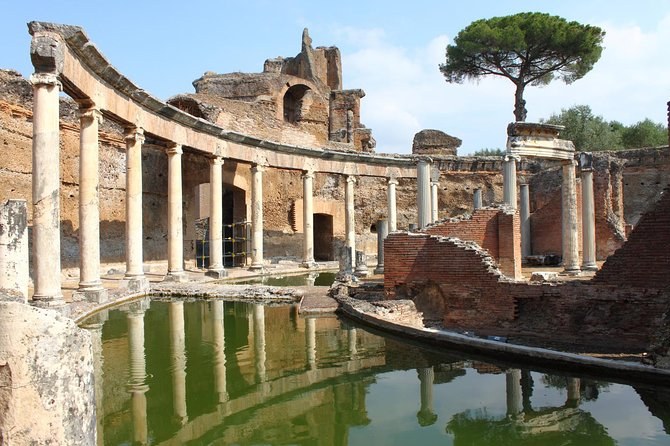

After you step off · near Copenhagen
You end in a different port — stay on, and add what is within reach before you fly home.
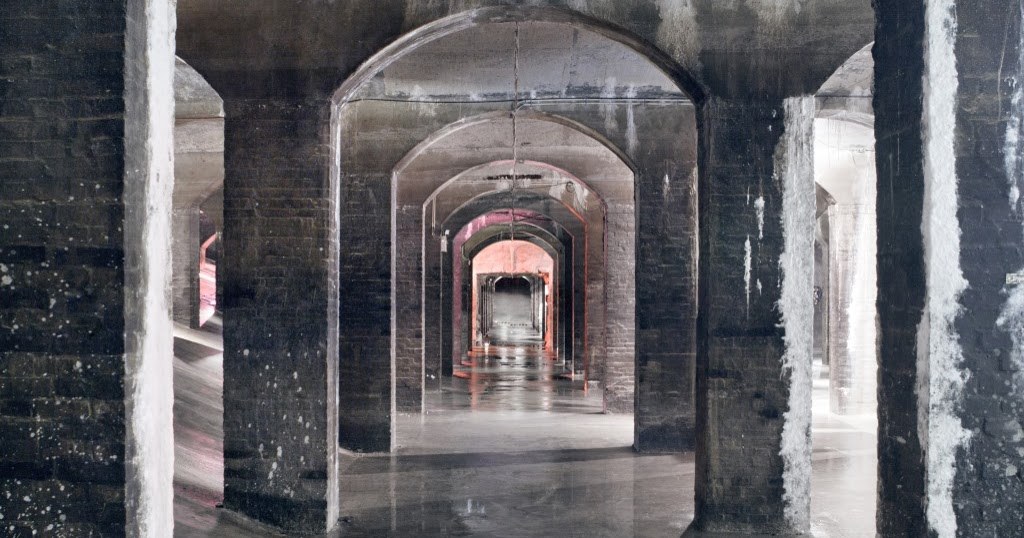 0 mi from CopenhagenCisternerne (The Cisterns) — Underground Art Space
 1 mi from CopenhagenFreetown Christiania Guided Tour
 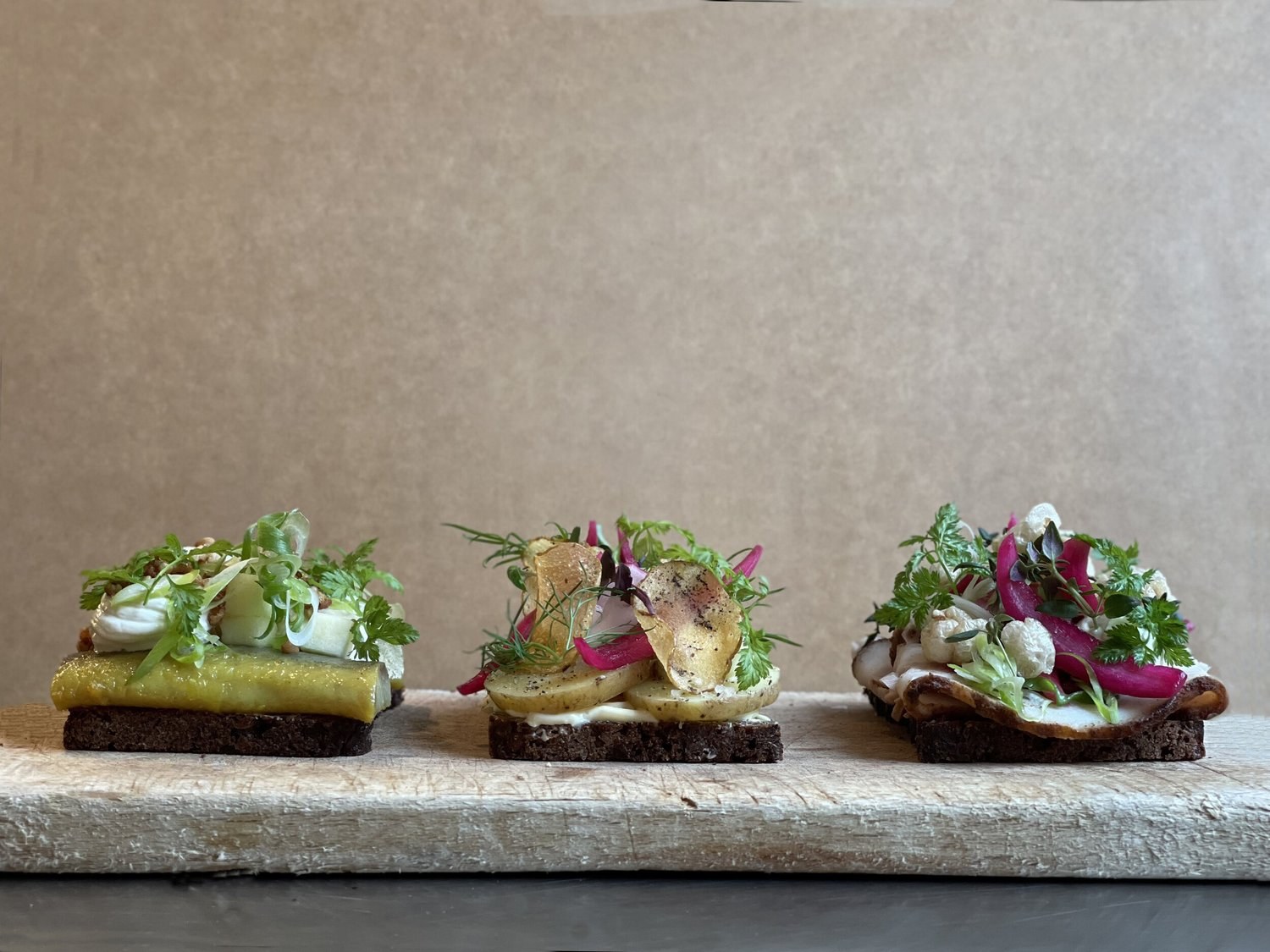 5 mi from Copenhagen · land adventureCopenhagen's Royal Canals, Underground Art & Nordic Feasts
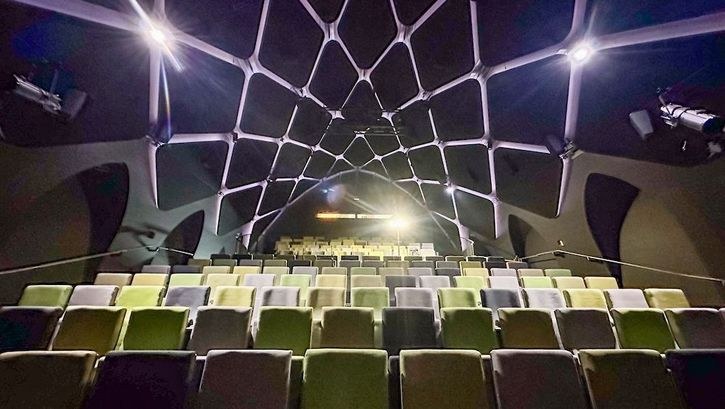 232 mi from Copenhagen · land adventureBerlin's Underground, Untold, and Unforgettable: An Adventure Guide
 The same trip, elevated
The same gateway on a more luxurious line — lead-in fare per person, same fare as booking direct.