Your cruise
Caribbean Princess · 19-night Northern Europe cruise, Piraeus (Athens) to Southampton
Apr 10 – Apr 29 · 19 nights ·
Day 1 Piraeus (Athens) (board) · Day 2 Mykonos · Day 3 Chania · Day 4 Katakolon (Olympia) · Day 5 Sarande · Day 6 Dubrovnik · Day 7 Kotor · Day 8 at sea · Day 9 Catania · Day 10 Salerno · Day 11 Civitavecchia (Rome) · Day 12 Cagliari · Day 13 at sea · Day 14 Malaga · Day 15 Seville · Day 16 Lisbon · Day 17–18 at sea · Day 19 Paris · Day 20 Southampton (step off)
What you do A 30-minute boat from the Old Port lands you on uninhabited Delos, an entire UNESCO World Heritage island that is one vast archaeological site -- the mythological birthplace of Apollo and the sacred heart of the ancient Cyclades. You walk the Terrace of the Lions, mosaic-floored merchant villas, the theatre and temples with the Aegean all around, led by a certified archaeologist on a wireless headset. This is the single regret-if-you-miss-it thing in Mykonos, and the ~10:00 departure returning ~13:30 fits a port window with margin.
What to expect A 30-minute boat ride from Mykonos's Old Port delivers you to the uninhabited island of Delos, where you step directly into an open-air museum spanning temples, the iconic Terrace of the Lions, and mosaic-floored merchant villas—all set against the Aegean backdrop. Your certified archaeologist guide, reachable via wireless headset, walks you through the birthplace of Apollo and the sacred heart of the ancient Cyclades, making the scattered stone and marble come alive with myth and trade-route history. The rhythm is unhurried: excavated streets reveal theatres and sanctuaries in layers, with time to linger at the most striking mosaics and sculptures. You return by approximately 13:30, leaving the afternoon for Mykonos town or the ship.
Good to know Depart around 10:00 from the Old Port to fit comfortably within a typical 6–8 hour port window with a safety margin back to the ship. Book directly with Delos Tours (not the ship's concierge desk) for €79 adult tickets—a savings of roughly $49 per person versus the ship's €134 option, and the certified guide justifies the cost over a DIY boat-only visit. The round-trip boat and UNESCO site entry with museum access and skip-the-line access are all included; bring sun protection, water, and comfortable walking shoes for uneven archaeological terrain. Plan to be back at the Old Port by 13:30, allowing 45 minutes to return to the ship before a typical 14:00–14:30 departure buffer.
Versus the ship tour The ship charges $134 for the same guided Delos boat (its private version up to $225). Book direct for ~$85 -- a ~$49/head saving -- or DIY the round-trip boat + entry for ~EUR 45 if you skip the guide. Direct wins clearly; the guide is genuinely worth it here, so the guided direct ticket is the call.
book direct with Delos Tours (Passenger Vessels of Mykonos-Delos JV) → · the full guide →
What you do A half-day catamaran (roughly 09:30-14:30) that swims and snorkels the empty turquoise coves of uninhabited Rhenia, sails scenically past Delos with captain commentary, and serves a cooked lunch on deck. Semi-private (small group) keeps the deep-blue Cycladic sailing-day feeling that no land tour delivers, with port pickup included. This is the quintessential Greek-islands-on-the-water day if you'd rather sail and swim than walk ruins.
What to expect You'll board a semi-private catamaran at 09:30 for a half-day sailing adventure across the Cycladic waters. The boat glides scenically past the ancient ruins of Delos while the captain shares its history, then anchors in the turquoise coves of uninhabited Rhenia for swimming and snorkeling in crystalline water—far from the crowds at Mykonos's shore beaches. Around midday, the crew serves a cooked lunch on deck as you sail back, giving you the deep-blue Greek-islands-on-the-water experience that land tours simply cannot match. You'll return to port by 14:30, having swum pristine waters and absorbed the rhythm of a traditional sailing day.
Good to know Departure is 09:30, so plan port pickup from the pier (transfer included) with a buffer of at least 30 minutes before departure to reach the operator's location in Mykonos town. The half-day duration wraps by 14:30, giving you a 6–8 hour window and a comfortable margin before the ship's all-aboard; confirm exact return time with the operator. Bring swimwear, a towel, sunscreen, and water shoes for rocky cove entry; a waterproof bag for valuables is practical since you'll be in the water. Email Mykonos Dolphin directly to verify the specifics of lunch and any open-bar inclusions, as these details vary by boat size (Lagoon 38/40 at €120 or Lagoon 44 at €140 per person).
Versus the ship tour The ship's South Coast Cruise is $147 and stays on the south beaches; this direct semi-private adds Rhenia swimming and a Delos sail-by for ~$130 -- about $17 cheaper with more inclusions. Confirm lunch/open-bar specifics by email, since the site lists them per-boat. Direct wins on both price and access.
book direct with Mykonos Dolphin (Dolphin Navigation) → · the full guide →
What you do Mykonos's south coast is the famous beach scene -- Paradise and Super Paradise's legendary party sands, the calmer golden bays of Elia and Agrari -- and the scenic local way to reach them is the little wooden caiques, not a road taxi. One flat all-day pass hops you boat-to-boat between Ornos, Platis Gialos, Paraga, Paradise, Super Paradise, Agrari and Elia, boarding every 10-15 minutes with no booking needed. Base yourself at the Platis Gialos dock (easy bus from town).
What to expect You'll arrive at the Platis Gialos dock via a short local bus ride from town and board one of Mykonos's iconic wooden caiques—small, characterful water taxis that have ferried island-goers since 1968. With your all-day pass, you become the architect of your own beach day: hop on every 10-15 minutes to island-hop between seven legendary south-coast stops, from the party sands of Paradise and Super Paradise to the serene golden bays of Elia and Agrari. Each caique crossing is brief and scenic, letting you spend as little or as long as you want at each beach—working your way through multiple swimming spots, tavernas, and coastal moods all in one day. The rhythm is entirely yours: swim, move, explore, repeat, with no tour guide clock dictating when you leave.
Good to know Catch a local bus from the ship's town drop-off to Platis Gialos dock (the main hub and easiest boarding point) and buy your EUR 20 all-day pass directly at the pier—no advance booking needed. Plan to depart the dock with at least 90 minutes before all-aboard to account for the return bus ride and any final swim. Bring cash (euros) for the pass, sunscreen, a lightweight cover-up, and a waterproof bag, as the wooden boats are open-air and direct sun exposure is relentless between stops. The caiques run on local rhythm, so confirm the last return departure from your final beach to avoid cutting the buffer too close.
Versus the ship tour The ship's town-plus-beach combo runs $78 and pins you to one beach on its clock. At ~$22 for unlimited beach-hopping all day, the water taxi is the highest-value experience at this port by a wide margin -- direct wins overwhelmingly. The only catch is you arrange your own bus to the dock.
book direct with Mykonos Sea Transfer (the island's original sea-taxi family, since 1968) → · the full guide →
What you do Out in Ano Mera, VIOMA is Mykonos's organic farm-and-vineyard (since 1994), where you sit among vine-covered fields for a guided tasting of the house wines paired with aged Gruyere, olives and bread. A free guided vineyard walk at 14:15 takes you through the aromatic gardens, wood-fired oven house and animal pens before the tasting. It's the calm, rooted, food-and-wine counterpoint to the beach-club scene.
What to expect You'll head out to Ano Mera and step into a working Cycladic vineyard where the pace slows immediately—walk through aromatic gardens and past the wood-fired oven house and animal pens on a guided tour at 14:15, then settle among the vine-covered fields for a guided tasting of three house wines paired with aged Gruyere, olives, and bread. The experience is rooted and unhurried, a deliberate contrast to Mykonos's beach-club energy. You're tasting wines in the place they're grown, with the vines and the terroir physically around you.
Good to know VIOMA is open May–October except Wednesdays, 12:00–17:00; call or book ahead to confirm the per-person tasting price and secure your spot. Arrange a taxi from the pier to Ano Mera (roughly 15–20 minutes); plan to arrive by 14:00 to join the guided vineyard walk at 14:15, then allow 90 minutes for the tasting and meze. Budget 5–6 hours total if using SeaBus + self-guided town exploration to round out your port day, leaving a 2-hour buffer before all-aboard. For larger groups (up to 6), private farm tours are available from EUR 100—confirm when you call.
Versus the ship tour The ship's Walking Tour with Wine Tasting is $175 (private cooking version up to $276) -- a free town walk plus a ~EUR 22 tasting, marked up hard. Book the VIOMA tasting direct and the same wine experience lands well under $100/head; pair it with the free SeaBus + self-guided Chora and you replicate the whole ship tour for roughly half. Direct wins, but call ahead to lock the price and a taxi out to Ano Mera.
book direct with Mykonos Vioma Organic Farm → · the full guide →
What you do The irreducible Mykonos that lives on every postcard -- the 16th-century Kato Mili windmills on the hill, the colorful overhanging houses of Little Venice, the sculptural white Panagia Paraportiani church, and the bougainvillea maze of Chora. From the Tourlos cruise terminal the SeaBus drops you at the Old Port in about 8-12 minutes, and the wandering itself is free. This is the low-risk near-port fallback that fits any clock and never leaves you stranded from the ship.
What to expect You'll ride the SeaBus from Tourlos cruise terminal to Mykonos's Old Port in 8-12 minutes, arriving in the heart of Chora. From there, the wandering is yours: climb toward the iconic Kato Mili windmills on the hill, lose yourself in the narrow whitewashed lanes lined with bougainvillea, pause at the sculptural white Panagia Paraportiani church, and absorb the candy-colored overhanging houses of Little Venice that define every postcard image of the island. The rhythm is entirely self-directed—there are no admission fees to Chora itself, so you move at your own pace, lingering where the light hits or the mood strikes.
Good to know The SeaBus departs every 15 minutes on ship arrival and costs just EUR 2 (~$2.20) each way, making a round trip roughly EUR 4; budget 4-5 hours total to explore Chora without rushing, leaving comfortable buffer time to catch a return bus back to Tourlos before all-aboard. Wear sturdy walking shoes for the steep hill to the windmills and narrow, uneven Venetian streets; bring sun protection and water, as the white stone reflects intense midday heat and there's little shade in the maze. Skip the ship's $57 Old Town walking tour—you'll see the same landmarks independently for a fraction of the cost, and a guide adds negligible value in a town with no paid entry and straightforward navigation.
Versus the ship tour The ship's Old Town walking tour is $57 for a town that has no admission and sits a short SeaBus hop from the pier. A guide adds little here -- skip it: take the EUR 2 SeaBus and wander for free, or add the VIOMA tasting above. This is the rare card where independent isn't just cheaper, it's effectively free; the ship's only edge is a guided narration most first-timers won't miss.
What you do Climb the Sacred Rock with a licensed Athens guide and stand beneath the Parthenon, the single most iconic monument of Western civilization, while the marble turns into the living story of Pericles, Athena and the birth of democracy. Skip-the-line entry is the whole game on a port day, sparing you the brutal midday ticket queue. Pair it with the Bernard Tschumi-designed Acropolis Museum at the foot of the hill, where the original Caryatids and Parthenon frieze sit under glass with the temple in view.
What to expect You arrive at the Acropolis via a 30–45 minute metro or taxi ride from Piraeus and walk straight past the ticket queues with your skip-the-line pass—a critical edge on a port day. Your licensed guide leads you up the Sacred Rock, the marble facades shifting beneath your feet as the Parthenon rises above you, the physical anchor of Western democracy. You stand beneath the temple while its architects, Athena's priests, and Pericles become tangible; the tour typically runs 2–2.5 hours on the hill. If time permits, descend to the Bernard Tschumi-designed Acropolis Museum at the foot, where the original Caryatids and Parthenon frieze rest under glass with the temple framed in the window behind them—the monument visible from the artifact's own display case.
Good to know Book your skip-the-line guided tour (EUR 110–119 all-in) or self-guided entry (EUR 30 site pass only) in advance to lock pace and avoid midday queues. From Piraeus, allow 45 minutes each way by taxi (EUR ~30) or metro; budget 2.5–3 hours on the Acropolis itself, plus museum time if included, leaving a 1.5–2 hour safety buffer before all-aboard. Wear sun protection and comfortable shoes on marble stone; bring water and consider a light jacket if museum time is planned. Confirm your tour operator's meeting point and boarding time the evening before to eliminate port-day confusion.
Versus the ship tour DIRECT WINS. The ship's 'Acropolis & Plaka' half-day runs ~$159.99 pp (Carnival; RCI/Celebrity $150-180). A guided skip-the-line tour books direct at ~$110-119 all-in, and a self-guided half-day (taxi ~EUR 30 each way + EUR 30 entry) lands under $70. Savings of roughly $40-50 pp guided, ~$90 if you DIY the entry and just want the rock.
What you do Drive the turquoise Athens Riviera south to the very tip of Attica, where a gleaming white 5th-century-BC Doric temple stands on a cliff dropping straight into the Aegean. Lord Byron carved his name into a column here; the columns framing the open sea are one of Greece's signature images and the best 'escape the city crowds' move that still fits a half-day. About 4 hours door to door.
What to expect You drive south along the turquoise Athens Riviera, the coastal sprawl gradually giving way to open sea views as you approach the tip of Attica. At Cape Sounion, a gleaming white 5th-century-BC Doric temple materializes on a cliff edge, its columns framing a sheer drop into the Aegean—the view that inspired Lord Byron to carve his name into the stone. You'll have time to walk among those iconic columns, absorb the wind and the signature Greek light, and understand why this is the escape-the-city move that doesn't require a full day. The whole experience moves door-to-door in approximately 4 hours, with the bulk of time at the temple itself.
Good to know Book transfers direct with Athens Walking Tours (~EUR 46 pp) and add temple entry separately (~EUR 10) to avoid cruise-line bundling that inflates the cost to $209–240 for a half-day outing. Aim for a departure within the first 2 hours of your port window to secure the 4-hour round trip plus buffer time before all-aboard. Temple entry is not included in transfer pricing, so bring cash or be prepared to purchase on-site. The coastal drive means no special gear required, but bring sunscreen and a hat—you'll be exposed on the cliff top, with few shade options at the temple itself.
Versus the ship tour DIRECT WINS BIG. Cruise lines almost never sell Sounion standalone, burying it inside a $209-240 full-day package. Booked direct the coastal half-day is ~$61 all-in (group versions elsewhere ~$77). If your ship only offers it bundled, you're paying a $130+ premium for the convenience of one bus.
What you do Trade marble and crowds for the Aegean blue: a half-day catamaran along the Athens Riviera and Saronic coast with swim-and-snorkel stops, a meal and wine aboard. Boats leave from Alimos and Flisvos marinas close to Piraeus, making this the rare genuinely premium on-the-water experience that comfortably fits a port-day clock. Pick an operator that guarantees you back before all-aboard.
What to expect You'll board a semi-private catamaran at Alimos or Flisvos marina—a short ride from Piraeus—and spend your half-day gliding along the Aegean's brilliant blue coastline, pausing at protected swim-and-snorkel spots where the water is clear and calm. Between swims, you'll lounge on deck with wine and a meal included, absorbing the Athens Riviera and Saronic coast views at a pace only a small catamaran allows. Unlike the ship's mega-boat island circuit, this is genuinely intimate: no crowds, no forced itinerary, just the rhythm of the sea. You'll be back at the pier with time to spare before all-aboard.
Good to know Departures are half-day sails (check your operator's exact schedule to confirm return time fits your ship's all-aboard). Alimos and Flisvos marinas are close to Piraeus but you'll need a quick taxi or arranged transfer from the port—factor 15–20 minutes each way. Book semi-private slots ahead, especially June–August, as they fill quickly and pricing rises (EUR 125–135 pp depending on season). Bring reef-safe sunscreen, water shoes, and a light layer; snorkel gear is provided, and meal + wine are aboard.
Versus the ship tour DIRECT-ONLY niche. Cruise lines rarely offer a small-catamaran sail here; their on-water option is the big Saronic island bus-boat. At ~$135 pp semi-private this is a premium experience, not a savings play, but it's the only way to get the relaxed Aegean-blue day, and it beats the ship's ~$180-200 mega-boat island cruise on quality if not headline price.
What you do Thread the historic Plaka backstreets into the roaring Varvakios Agora meat-and-fish market, stopping for spanakopita, loukoumades, Greek coffee, cheeses, olive oil, honey and wine. Repeatedly rated among Europe's best culinary experiences, it delivers the flavors-and-neighborhood immersion a first-timer remembers as vividly as the ruins, all on foot in the old town. ~4 hrs, small group, tastings included.
What to expect You'll spend roughly 4 hours threading through the narrow, winding backstreets of historic Plaka on foot, pausing at local favorites for spanakopita, loukoumades, Greek coffee, and tastings of cheeses, olive oil, honey, and wine. The real anchor is the Varvakios Agora—the roaring central meat-and-fish market—where vendors call out their wares and you'll sample directly in the chaos of neighborhood commerce. Rather than stand-and-listen, you move continuously through old-town streets, tasting as you go, absorbing the rhythm of daily Athenian life in a small group setting. It's the kind of immersive, on-foot culinary walk that stays vivid in memory alongside the ruins.
Good to know Book directly with Athens Walks before the port day to secure your spot in the small group and confirm start time—all tastings are included in the ~$75 pp price, so no hidden costs. Plan on a 4-hour window starting within 1–2 hours of disembark to leave a comfortable buffer (the Plaka walk is entirely walkable from Piraeus pier, though confirm exact meeting point when you book). Wear comfortable walking shoes and bring a small daypack or crossbody bag for any purchases or water; the market and Plaka streets are pedestrian-only and shaded, but summer heat can build. Return to the pier with at least 90 minutes before all-aboard to account for the walk back and any lingering in the market.
Versus the ship tour DIRECT WINS. The ship's food/wine tour runs ~$134.99 pp (Carnival) and independent group food walks elsewhere run $135-183. This direct small-group market-and-Plaka walk at ~$75 pp undercuts the ship by roughly $60 for a far more authentic, on-foot experience. (If you only want a quick pour, a basic Piraeus wine tasting is ~$30-35 and beats everything on price alone.)
What you do Three classic Saronic Gulf islands in one day, including car-free, donkey-and-cobblestone Hydra, one of the most photogenic harbors in Greece. Swimming, Greek music and a buffet lunch aboard deliver the 'Greek islands' taste without flying to the Cyclades. CLOCK WARNING: this is an ~11-hour day departing ~08:15 from Piraeus, so it only works if your ship has a very long call or overnights, and only with an operator that guarantees you back to the ship.
What to expect You'll depart Piraeus around 08:15 on a full-day voyage across the Saronic Gulf, visiting three islands in succession: first the car-free, donkey-cobbled harbor of Hydra, one of Greece's most photogenic ports, where narrow whitewashed streets climb steeply from the waterfront; then Poros, where you'll have time to explore; and finally Aegina. The day anchors around a leisurely Greek buffet lunch served aboard the boat, punctuated by swimming stops and live Greek music that delivers the classic island experience without the flight to the Cyclades. You'll return to Piraeus in late afternoon, having absorbed the full sensory rhythm of island life—water, light, local flavor, and Greek hospitality—all from a single excursion boat.
Good to know This is an ~11-hour commitment departing ~08:15, so it only works if your ship has a very long port call or overnight stay; on a standard 8-hour call, the risk of missing the ship outweighs the ~$40–70 savings versus booking through your cruise line. Book ahead with Athens One Day Cruise (direct ~EUR 131/$142 pp with lunch, versus ship ~$179–199) or confirm your operator guarantees return to the pier with time to spare. Bring sun protection, swimwear, and cash for any extras; wear comfortable walking shoes for Hydra's steep cobblestones. The departure point is directly from Piraeus; allow buffer time to clear the pier and reach the boat dock, and verify exact embarkation details with your chosen operator 24 hours before.
Versus the ship tour DIRECT WINS on price, SHIP WINS on safety. Booked direct this is ~$142 pp with lunch (some local operators ~$99-130) versus the ship's ~$179-199 for the identical boat and islands - a ~$40-70 saving. BUT on a standard port call the 11-hour runtime risks missing the ship; if you're not overnighting, the cruise line's version (or skipping it) is the safer call despite the markup.
What you do The low-risk fallback if a long excursion feels too tight: a fixed-fare taxi or the metro straight to the Acropolis, self-guided entry to the Parthenon, then an easy downhill wander through Plaka's old-town lanes. No tour commitment, no fixed return time, and you control exactly when you head back to Piraeus, which is the safest play for a short port call.
What to expect You'll take a fixed-fare taxi or the metro from Piraeus straight to the Acropolis, where you'll climb through the ancient Parthenon and surrounding monuments at your own pace with a self-guided audio tool or printed map. From the summit, you'll head downhill into Plaka's narrow, winding old-town lanes—a maze of tavernas, neoclassical townhouses, and small shops—wandering for as long as you'd like before strolling back to the port on your own timeline. The whole rhythm is yours: no group delays, no narrated patter, just you, 2,500-year-old stone, and the freedom to linger or move on whenever you choose.
Good to know For a 6–8 hour port call, budget ~45 minutes each way for transit (taxi or metro), 2–2.5 hours at the Acropolis, and 1.5–2 hours wandering Plaka, leaving a 60–90 minute buffer to return to Piraeus before all-aboard. Book your taxi in advance or use the metro (€4 round trip); Acropolis entry is €30 (expect a queue, especially mid-morning). Wear comfortable walking shoes, bring water, and download a self-guided audio app or grab a printed site map beforehand. Plan to be back at the pier at least an hour before your ship's departure time—this is not a ship-sponsored excursion, so you alone are responsible for making the sailing.
Versus the ship tour DIRECT WINS on price and flexibility. The ship's escorted Acropolis & Plaka half-day is ~$159.99 pp; doing it yourself is ~$50-70 pp and you keep full control of your return time. Trade-off: no guide narration and you carry your own clock - acceptable for the Acropolis, which is straightforward to navigate solo.
book direct with Athens Half-Day Sightseeing (Athens Walking Tours - audio/self-guided) → · the full guide →
What you do A 30-minute boat from the Old Port lands you on uninhabited Delos, an entire UNESCO World Heritage island that is one vast archaeological site -- the mythological birthplace of Apollo and the sacred heart of the ancient Cyclades. You walk the Terrace of the Lions, mosaic-floored merchant villas, the theatre and temples with the Aegean all around, led by a certified archaeologist on a wireless headset. This is the single regret-if-you-miss-it thing in Mykonos, and the ~10:00 departure returning ~13:30 fits a port window with margin.
What to expect A 30-minute boat ride from Mykonos's Old Port delivers you to the uninhabited island of Delos, where you step directly into an open-air museum spanning temples, the iconic Terrace of the Lions, and mosaic-floored merchant villas—all set against the Aegean backdrop. Your certified archaeologist guide, reachable via wireless headset, walks you through the birthplace of Apollo and the sacred heart of the ancient Cyclades, making the scattered stone and marble come alive with myth and trade-route history. The rhythm is unhurried: excavated streets reveal theatres and sanctuaries in layers, with time to linger at the most striking mosaics and sculptures. You return by approximately 13:30, leaving the afternoon for Mykonos town or the ship.
Good to know Depart around 10:00 from the Old Port to fit comfortably within a typical 6–8 hour port window with a safety margin back to the ship. Book directly with Delos Tours (not the ship's concierge desk) for €79 adult tickets—a savings of roughly $49 per person versus the ship's €134 option, and the certified guide justifies the cost over a DIY boat-only visit. The round-trip boat and UNESCO site entry with museum access and skip-the-line access are all included; bring sun protection, water, and comfortable walking shoes for uneven archaeological terrain. Plan to be back at the Old Port by 13:30, allowing 45 minutes to return to the ship before a typical 14:00–14:30 departure buffer.
Versus the ship tour The ship charges $134 for the same guided Delos boat (its private version up to $225). Book direct for ~$85 -- a ~$49/head saving -- or DIY the round-trip boat + entry for ~EUR 45 if you skip the guide. Direct wins clearly; the guide is genuinely worth it here, so the guided direct ticket is the call.
book direct with Delos Tours (Passenger Vessels of Mykonos-Delos JV) → · the full guide →
What you do A half-day catamaran (roughly 09:30-14:30) that swims and snorkels the empty turquoise coves of uninhabited Rhenia, sails scenically past Delos with captain commentary, and serves a cooked lunch on deck. Semi-private (small group) keeps the deep-blue Cycladic sailing-day feeling that no land tour delivers, with port pickup included. This is the quintessential Greek-islands-on-the-water day if you'd rather sail and swim than walk ruins.
What to expect You'll board a semi-private catamaran at 09:30 for a half-day sailing adventure across the Cycladic waters. The boat glides scenically past the ancient ruins of Delos while the captain shares its history, then anchors in the turquoise coves of uninhabited Rhenia for swimming and snorkeling in crystalline water—far from the crowds at Mykonos's shore beaches. Around midday, the crew serves a cooked lunch on deck as you sail back, giving you the deep-blue Greek-islands-on-the-water experience that land tours simply cannot match. You'll return to port by 14:30, having swum pristine waters and absorbed the rhythm of a traditional sailing day.
Good to know Departure is 09:30, so plan port pickup from the pier (transfer included) with a buffer of at least 30 minutes before departure to reach the operator's location in Mykonos town. The half-day duration wraps by 14:30, giving you a 6–8 hour window and a comfortable margin before the ship's all-aboard; confirm exact return time with the operator. Bring swimwear, a towel, sunscreen, and water shoes for rocky cove entry; a waterproof bag for valuables is practical since you'll be in the water. Email Mykonos Dolphin directly to verify the specifics of lunch and any open-bar inclusions, as these details vary by boat size (Lagoon 38/40 at €120 or Lagoon 44 at €140 per person).
Versus the ship tour The ship's South Coast Cruise is $147 and stays on the south beaches; this direct semi-private adds Rhenia swimming and a Delos sail-by for ~$130 -- about $17 cheaper with more inclusions. Confirm lunch/open-bar specifics by email, since the site lists them per-boat. Direct wins on both price and access.
book direct with Mykonos Dolphin (Dolphin Navigation) → · the full guide →
What you do Mykonos's south coast is the famous beach scene -- Paradise and Super Paradise's legendary party sands, the calmer golden bays of Elia and Agrari -- and the scenic local way to reach them is the little wooden caiques, not a road taxi. One flat all-day pass hops you boat-to-boat between Ornos, Platis Gialos, Paraga, Paradise, Super Paradise, Agrari and Elia, boarding every 10-15 minutes with no booking needed. Base yourself at the Platis Gialos dock (easy bus from town).
What to expect You'll arrive at the Platis Gialos dock via a short local bus ride from town and board one of Mykonos's iconic wooden caiques—small, characterful water taxis that have ferried island-goers since 1968. With your all-day pass, you become the architect of your own beach day: hop on every 10-15 minutes to island-hop between seven legendary south-coast stops, from the party sands of Paradise and Super Paradise to the serene golden bays of Elia and Agrari. Each caique crossing is brief and scenic, letting you spend as little or as long as you want at each beach—working your way through multiple swimming spots, tavernas, and coastal moods all in one day. The rhythm is entirely yours: swim, move, explore, repeat, with no tour guide clock dictating when you leave.
Good to know Catch a local bus from the ship's town drop-off to Platis Gialos dock (the main hub and easiest boarding point) and buy your EUR 20 all-day pass directly at the pier—no advance booking needed. Plan to depart the dock with at least 90 minutes before all-aboard to account for the return bus ride and any final swim. Bring cash (euros) for the pass, sunscreen, a lightweight cover-up, and a waterproof bag, as the wooden boats are open-air and direct sun exposure is relentless between stops. The caiques run on local rhythm, so confirm the last return departure from your final beach to avoid cutting the buffer too close.
Versus the ship tour The ship's town-plus-beach combo runs $78 and pins you to one beach on its clock. At ~$22 for unlimited beach-hopping all day, the water taxi is the highest-value experience at this port by a wide margin -- direct wins overwhelmingly. The only catch is you arrange your own bus to the dock.
book direct with Mykonos Sea Transfer (the island's original sea-taxi family, since 1968) → · the full guide →
What you do Out in Ano Mera, VIOMA is Mykonos's organic farm-and-vineyard (since 1994), where you sit among vine-covered fields for a guided tasting of the house wines paired with aged Gruyere, olives and bread. A free guided vineyard walk at 14:15 takes you through the aromatic gardens, wood-fired oven house and animal pens before the tasting. It's the calm, rooted, food-and-wine counterpoint to the beach-club scene.
What to expect You'll head out to Ano Mera and step into a working Cycladic vineyard where the pace slows immediately—walk through aromatic gardens and past the wood-fired oven house and animal pens on a guided tour at 14:15, then settle among the vine-covered fields for a guided tasting of three house wines paired with aged Gruyere, olives, and bread. The experience is rooted and unhurried, a deliberate contrast to Mykonos's beach-club energy. You're tasting wines in the place they're grown, with the vines and the terroir physically around you.
Good to know VIOMA is open May–October except Wednesdays, 12:00–17:00; call or book ahead to confirm the per-person tasting price and secure your spot. Arrange a taxi from the pier to Ano Mera (roughly 15–20 minutes); plan to arrive by 14:00 to join the guided vineyard walk at 14:15, then allow 90 minutes for the tasting and meze. Budget 5–6 hours total if using SeaBus + self-guided town exploration to round out your port day, leaving a 2-hour buffer before all-aboard. For larger groups (up to 6), private farm tours are available from EUR 100—confirm when you call.
Versus the ship tour The ship's Walking Tour with Wine Tasting is $175 (private cooking version up to $276) -- a free town walk plus a ~EUR 22 tasting, marked up hard. Book the VIOMA tasting direct and the same wine experience lands well under $100/head; pair it with the free SeaBus + self-guided Chora and you replicate the whole ship tour for roughly half. Direct wins, but call ahead to lock the price and a taxi out to Ano Mera.
book direct with Mykonos Vioma Organic Farm → · the full guide →
What you do The irreducible Mykonos that lives on every postcard -- the 16th-century Kato Mili windmills on the hill, the colorful overhanging houses of Little Venice, the sculptural white Panagia Paraportiani church, and the bougainvillea maze of Chora. From the Tourlos cruise terminal the SeaBus drops you at the Old Port in about 8-12 minutes, and the wandering itself is free. This is the low-risk near-port fallback that fits any clock and never leaves you stranded from the ship.
What to expect You'll ride the SeaBus from Tourlos cruise terminal to Mykonos's Old Port in 8-12 minutes, arriving in the heart of Chora. From there, the wandering is yours: climb toward the iconic Kato Mili windmills on the hill, lose yourself in the narrow whitewashed lanes lined with bougainvillea, pause at the sculptural white Panagia Paraportiani church, and absorb the candy-colored overhanging houses of Little Venice that define every postcard image of the island. The rhythm is entirely self-directed—there are no admission fees to Chora itself, so you move at your own pace, lingering where the light hits or the mood strikes.
Good to know The SeaBus departs every 15 minutes on ship arrival and costs just EUR 2 (~$2.20) each way, making a round trip roughly EUR 4; budget 4-5 hours total to explore Chora without rushing, leaving comfortable buffer time to catch a return bus back to Tourlos before all-aboard. Wear sturdy walking shoes for the steep hill to the windmills and narrow, uneven Venetian streets; bring sun protection and water, as the white stone reflects intense midday heat and there's little shade in the maze. Skip the ship's $57 Old Town walking tour—you'll see the same landmarks independently for a fraction of the cost, and a guide adds negligible value in a town with no paid entry and straightforward navigation.
Versus the ship tour The ship's Old Town walking tour is $57 for a town that has no admission and sits a short SeaBus hop from the pier. A guide adds little here -- skip it: take the EUR 2 SeaBus and wander for free, or add the VIOMA tasting above. This is the rare card where independent isn't just cheaper, it's effectively free; the ship's only edge is a guided narration most first-timers won't miss.
What you do Descend 16km through Europe's longest gorge — a cathedral of soaring limestone walls, wild flowers, and the iconic Iron Gates narrows. A private guide turns this into a masterclass in Cretan wilderness.
What to expect You descend from the Omalos plateau at 1,230m into a gorge carved over millennia, flanked by 600m cliffs. The Iron Gates narrows — just 3m wide — are genuinely jaw-dropping. The trail exits at Agia Roumeli on the Libyan Sea, where a cold Mythos awaits before a scenic ferry ride. Your private guide manages logistics, pace and picnic provisions so every moment is effortless.
Good to know The gorge is open May–October. The hike takes 5–7 hours; allow a full day. Pre-book the private guide well in advance of your port call. Check all-aboard time — the ferry and return transfer must be coordinated precisely. Wear proper hiking footwear; the trail is rocky.
Versus the ship tour A private-guide-only experience means your pace, your stops, your story — no herds, no megaphones. Your guide reads the gorge like a local, revealing flora, geology and mythology that group tours simply skip.
What you do Wade into the legendary rose-tinted lagoon of Elafonissi — one of Europe's most extraordinary beaches — on a private chauffeured transfer that spares you every logistical headache.
What to expect The 75km drive southwest from Chania winds through the White Mountains and olive-grove villages, a scenic journey in itself. The beach is a shallow pink-and-white sandbar dissolving into a warm lagoon — surreal and photogenic beyond imagination. Your chauffeur manages return timing to port so you linger as long as possible. En route, stop at a family-run kafeneion for Cretan coffee and loukoumades.
Good to know Journey time is approx. 90 min each way — build in 3–4 hours at the beach. Coordinate return with your all-aboard time; a 16:00 all-aboard is tight. Sunscreen and a hat are essential. Pre-book your private vehicle well ahead — summer slots fill quickly.
Versus the ship tour Arriving in a private vehicle means you reach Elafonissi before the day-tour coaches, experiencing the blush-pink sands and turquoise shallows in near-solitude — a privilege unavailable on any shared excursion.
What you do Walk Chania's impossibly romantic Venetian harbour, lighthouse and minareted lanes with a vetted local expert who weaves 5,000 years of Minoan, Venetian and Ottoman history into every cobblestone.
What to expect Start at the iconic lighthouse at the harbour mouth as fishing boats bob in the morning calm. Explore the Venetian arsenals, the domed Küçük Hasan Mosque and the Municipal Market's fragrant stalls. Weave through Splantzia quarter's mulberry-shaded square and the handcrafted-knife workshops of Sifakas Street. Your guide ends the walk at a carefully chosen taverna for a Cretan mezze tasting.
Good to know Souda port is 7km from Chania Old Town — arrange a taxi or private transfer (approx. EUR 15–20 each way). The walk covers uneven cobblestones; comfortable flat shoes are a must. 3–4 hours is ideal. No pre-booking required for the harbour itself, but book your guide at least 2 weeks ahead.
Versus the ship tour Fully private, set at your pace, routed around your curiosity — no set script, no group waiting. Your local guide unlocks hidden courtyards, family-run leather workshops on Sifaka Street, and the Etz Hayyim Synagogue that group tours rush past.
book direct with Tours by Locals – Chania → · the full guide →
What you do Board a private skippered yacht and spend an afternoon sailing the sapphire waters off the Chania coast — snorkelling secluded coves, swimming off wild beaches, and toasting sunset with Cretan wine.
What to expect The skipper navigates west from Chania harbour towards the wild, roadless bays of the Rodopou Peninsula — waters of an impossible electric blue rarely touched by mass tourism. Drop anchor in a hidden cove for a long, lazy snorkel among sea bream and octopus. The crew prepares a Cretan mezze on deck as you sail back at golden hour, the White Mountains glowing pink on the horizon.
Good to know Chania Dive Center operates pick-up from Souda port — confirm logistics when booking. Half-day charters run approximately 4 hours; ideal for afternoon port calls. Pre-book at least 3–4 weeks ahead in summer. Bring reef-safe sunscreen and a light layer for the return sail.
Versus the ship tour A fully private skippered charter — your itinerary, your coves, your pace. Port pick-up included, meaning zero stress from quayside to open sea. The crew brings chilled wine, fresh fruit and snorkel gear; you bring only your sense of adventure.
What you do Journey deep into the Cretan countryside on a private food odyssey — olive groves, family dairies, mountain villages and a feast of authentic dishes that tell the story of the world's most studied diet.
What to expect Leave the coastal tourist trail behind and drive into the hinterland of Apokoronas or the Akrotiri peninsula. Taste freshly pressed extra-virgin olive oil poured over warm bread, sample aged graviera cheese straight from the barrel, and sip raki with the maker. Lunch is a slow, multi-course affair at a family taverna invisible to guidebooks. Your guide contextualises every bite — from Minoan food ritual to the modern Mediterranean diet.
Good to know Full day runs 7–8 hours; confirm all-aboard time when booking. Private vehicle departs from Souda port or Chania Old Town — specify at booking. Vegetarian and dietary needs accommodated with advance notice. Book at least 3 weeks ahead; Maria at Diktynna Travel is highly recommended by in-the-know travellers.
Versus the ship tour A private tour with a specialist local guide who pre-arranges access to family-run producers — a fourth-generation olive mill, a shepherds' cheese cave, a village grandmother's kitchen. This is not a restaurant tour; it is an immersion into living Cretan food culture.
What you do Explore the breathtaking ruins of Aptera — a Minoan-era city overlooking Souda Bay — then visit the frescoed Byzantine monasteries of the Akrotiri peninsula, guided by a private Cretan historian.
What to expect Aptera was continuously inhabited from 1600 BC to 700 AD — your guide brings this layered timeline to vivid life among its marble columns, giant cisterns and clifftop theatre. The drive continues across the wild Akrotiri peninsula to the 17th-century Agia Triada Monastery, its honey-coloured façade gleaming against the blue sky. At Gouverneto, descend a gorge path to a cave-chapel carved from living rock and a ruined Byzantine monastery on the sea cliff. Pure, moving antiquity.
Good to know Souda port is just 3km from Aptera — an ideal first stop before continuing to Akrotiri. Allow 5–6 hours total. Aptera is open daily; entry approx. EUR 8. Monastery dress code: covered shoulders and knees required. Gouverneto gorge descent is steep — wear sturdy shoes. Pre-book guide at least 2 weeks ahead.
Versus the ship tour A private historian-guide grants unhurried access to Aptera's Roman cisterns, Minoan walls and Ottoman fort, with panoramic views over Souda Bay — then whisks you to the living medieval monasteries of Gouverneto and Agia Triada that most visitors never find.
What you do Walk the sacred ground where the ancient Games were born, guided by a vetted local expert at your own pace. Stand in the original stadium, explore the Temple of Zeus, and unlock stories no audio guide can tell.
What to expect Your licensed local guide meets you at the port or the site entrance and leads you through the Archaeological Site and Museum of Ancient Olympia with skip-the-line access. You'll stand inside the original 5th-century BC stadium, explore the colossal Temple of Zeus, and view the peerless statue of Hermes of Praxiteles in the museum. The tour moves entirely at your pace — linger where you wish, ask every question that comes to mind, and enjoy a deeply personal connection with one of the ancient world's most sacred places.
Good to know Ancient Olympia is a 35–45 min drive from Katakolon port. Book well in advance for summer sailings as top guides fill quickly. Typical all-aboard times allow for 4–5 hours at the site comfortably; confirm your ship's schedule with your guide when booking. Entrance tickets (EUR 20 pp, combined site & museum) are paid separately on arrival.
Versus the ship tour Fully bespoke itinerary shaped entirely around your interests — no fixed script, no crowded coach, no rush. Your private guide adjusts the depth, pace, and focus to you, turning a sightseeing stop into a genuine scholarly encounter with antiquity.
book direct with ToursByLocals – Private Olympia Guides → · the full guide →
What you do A premium semi-private tour (maximum 25 guests) of Ancient Olympia with skip-the-line tickets included and an official licensed guide — the gold standard for those who want expert depth without going fully private.
What to expect Round-trip transfers from Katakolon port are included, making this seamlessly simple from the moment you step ashore. Your official licensed guide escorts you through the Archaeological Site — the Altis sanctuary, the ruins of the Temple of Hera, the Philippeion, and the ancient stadium — before moving into the outstanding Archaeological Museum to see the Hermes of Praxiteles and the breathtaking Zeus pediment sculptures. The intimate group size means genuine two-way dialogue with your guide throughout. A polished, comprehensive, fuss-free Olympia experience.
Good to know Skip-the-line tickets are pre-included — simply show up. Round-trip transfers from port are bundled in the price. Pre-book online as departures on busy port days sell out. Tour duration is approximately 5 hours, well within standard all-aboard windows.
Versus the ship tour Groups capped at just 25 people ensure an intimate, conversational experience with your guide — far removed from the mass-tour atmosphere. All-inclusive pricing with skip-the-line tickets means zero queuing and zero logistical faff on port day.
What you do Journey into the heart of the Peloponnese olive groves for an immersive agrotourism experience — tasting estate olive oil, local honey, and regional wine amid the ancient landscape that has nourished Greece for millennia.
What to expect After departing Katakolon, your small group is taken to a traditional Peloponnese estate where you'll tour the olive groves and production facilities, learning the art of cold-press extra-virgin olive oil from producers whose families have worked this land for generations. A guided tasting of olive oils, local thyme honey, and regional wines follows — paired with artisan breads and regional produce. The tour combines Ancient Olympia highlights with this authentic agrotourism dimension, giving the day both cultural and gastronomic richness. Approximately 5.5 hours total.
Good to know Departs from Katakolon port; max 19 persons so early booking is essential. Wear comfortable walking shoes for both the estate and the archaeological site. Check the tour's current departure schedule against your ship's all-aboard time when booking.
Versus the ship tour Capped at just 19 participants, this intimate small-group experience takes you off the tourist trail and onto a working estate — a rare sensory encounter with Peloponnesian food culture that most visitors entirely miss.
What you do Explore over 300 fully working reconstructions of ancient Greek machines — from Archimedes' screw to the Antikythera mechanism — in Katakolon's extraordinary, walkable museum. A jaw-dropping intellectual adventure steps from the port.
What to expect Step inside the Museum of Ancient Greek Technology and encounter a world where ancient ingenuity comes to life: functioning reconstructions of automata, musical instruments, astronomical devices, war machines, and domestic tools — all built to the exact ancient specifications documented by Hero of Alexandria, Archimedes, and Ktesibios. Rated 4.7 on TripAdvisor with over 240 reviews, it consistently surprises even seasoned travellers. The adjacent Museum of Ancient Greek Musical Instruments (also rated 4.5) is a perfect companion visit. Both museums together take around 1.5–2 hours and are an effortless, deeply rewarding port-day experience.
Good to know Located right in Katakolon village — a 5-minute walk from the cruise pier, no transfer needed. Open daily during cruise season. A private guided session can be arranged for small groups by contacting the museum directly. Ideal pairing: visit the museum in the morning, then take the scenic TRAINOSE heritage railway to Olympia (departures from Katakolon station).
Versus the ship tour This world-class museum is literally a 5-minute walk from the dock and requires no transfer — yet it contains one of the most intellectually dazzling collections in Greece. Its interactive, working reconstructions make it unlike any other museum experience in the Mediterranean.
book direct with Museum of Ancient Greek Technology (Kostas Kotsanas Museum) → · the full guide →
What you do Board the historic narrow-gauge railway directly from Katakolon port and ride through the olive-grove-carpeted Peloponnese countryside to Ancient Olympia — a scenic, romantic, and utterly unhurried way to reach one of the ancient world's great sites.
What to expect The narrow-gauge Katakolon–Pyrgos–Olympia railway is a living piece of Greek railway heritage, winding through the fertile western Peloponnese with views of olive groves, citrus orchards, and traditional villages. The journey to Olympia takes approximately 45–55 minutes and deposits you close to the archaeological site. Spend several hours exploring the ruins and museum at your own pace before boarding the return service. The leisurely rhythm of train travel gives the day an unhurried, exploratory feel that sets it apart entirely from a coach excursion.
Good to know The station is a short walk from the Katakolon cruise pier. Check the current seasonal timetable carefully — services are limited and coordinating return trains with your ship's all-aboard time is essential. Confirm schedules at the station or via Hellenic Train's website before sailing. Combine with a private licensed guide at the site for maximum depth.
Versus the ship tour Arriving at Olympia by the heritage railway — through rolling groves and quiet villages — is a poetic contrast to arriving by coach. It's one of the most atmospheric and distinctive ways to experience the Peloponnese landscape, beloved by independent travellers in the know.
book direct with Hellenic Train (TRAINOSE) – Katakolon–Pyrgos–Olympia Line → · the full guide →
What you do A rich 5.5-hour guided immersion combining Ancient Olympia's archaeological highlights with a curated tasting of the region's finest honey, wine, and olive oil — direct from the producers in the Peloponnese heartland.
What to expect The tour opens with a guided visit to the Archaeological Site and Museum of Ancient Olympia, covering the sacred Altis precinct, the iconic stadium, and the museum's masterworks. The experience then transitions to a local estate for guided tastings of the region's celebrated products: cold-pressed extra-virgin olive oil from century-old trees, raw thyme and wildflower honeys, and estate-bottled Peloponnese wines. Knowledgeable local guides contextualise each product within the history and geography of the region, making the tasting as educational as it is pleasurable. Duration approximately 5.5 hours.
Good to know At USD 80 all-inclusive this is excellent value for a full-day guided experience with tastings. Book in advance via Expedia's activities portal to secure your place. Comfortable flat shoes recommended for the archaeological site. Duration of 5.5 hours fits comfortably within most Katakolon all-aboard windows — always verify against your specific ship schedule.
Versus the ship tour This all-inclusive format removes every logistical headache — transfers, tastings, and guidance in a single price. The agrotourism element takes guests into a side of the Peloponnese that pure archaeological tours never reach: the living landscape of Greek food production.
book direct with Expedia Local Experiences – Olympia Agrotourism Tour → · the full guide →
What you do Walk through 2,500 years of layered civilisation — Greek, Roman, Byzantine, Venetian — at Albania's most magnificent UNESCO World Heritage site, just 18 km from Sarande's pier. With a private licensed archaeologist-guide, this is as close to time travel as travel gets.
What to expect Your private vehicle meets you dockside and whisks you south along the olive-lined Ionian coast to Butrint National Park. A licensed guide leads you through the Greek theatre, Roman baths, baptistery mosaics, and Venetian castle at your own pace. The site sits inside a lush nature reserve — birdsong, lake reflections, and virtually no mass-tourism crowds. Return transfer is timed precisely to your all-aboard.
Good to know Butrint is approx. 20 min from the port — easily doable even on shorter port calls. Pre-book the private guide directly through Shore Emotion to lock in your preferred time slot. Wear comfortable walking shoes; some terrain is uneven. UNESCO site entry is included in most private packages.
Versus the ship tour Fully private, expert archaeologist-guide tailors the pace and narrative to your group — no herding through the ruins with a megaphone. You linger where it matters, skip what doesn't, and leave with a genuine understanding of one of the Mediterranean's most layered ancient cities.
book direct with Shore Emotion – Private Sarande Shore Excursions → · the full guide →
What you do Witness the hypnotic electric-blue karst spring of Syri i Kaltër — one of Europe's most surreal natural phenomena — then ascend to Lekursi Castle for panoramic Ionian sunset views, paired with a tasting of traditional Albanian wine and raki. Pure bucket-list Albania in a single day.
What to expect You depart the port into the mountainous hinterland, winding through Albanian countryside to the Blue Eye Spring — a 50-metre-deep karst pool that bubbles an otherworldly shade of electric blue. The natural sound, colour, and cool forest air make it one of Albania's most memorable moments. Next, you ascend to Lekursi Castle where the entire Ionian coastline and the Greek island of Corfu spread out before you, best enjoyed at golden hour with a glass of Kallmet or aged raki in hand.
Good to know This 4-hour format is well-suited to afternoon port calls; confirm departure time against your all-aboard. The Blue Eye area can be muddy after rain — bring light closed-toe shoes. Book directly via the Tripadvisor listing to contact the local operator and arrange private pickup from the pier.
Versus the ship tour A small-group or fully private format means you arrive at Blue Eye before the midday surge — the spring's vivid cobalt colour is most intense in calm morning light. The wine and raki tasting is hosted by a local expert, not poured from a hospitality trolley, giving you genuine cultural immersion.
book direct with Tripadvisor-verified local private operator (Experience Blue Eye, Lekuresi Castle & Albanian Wine) → · the full guide →
What you do Carve across the crystal Ionian in a private speedboat to secret sea caves, hidden bays, and turquoise coves inaccessible by land — the Albanian Riviera at its most raw and cinematic. Snorkel, swim, and sunbathe on beaches that barely appear on any map.
What to expect Departing directly from Sarande's harbour, your captain navigates north along a coastline of dramatic limestone cliffs plunging into water so clear it reads turquoise over white sand and deep blue over rock. Multiple swim and snorkel stops are made at hidden coves and an extraordinary sea cave where the interior glows with refracted light. Chilled drinks and snorkelling gear are provided on most private charters. The tour typically covers 7 distinct coastal highlights.
Good to know Depart from Sarande harbour — a short walk from the pier. Confirm the exact itinerary and all-aboard logistics with the operator before booking. Morning departures offer the calmest seas and best light inside the caves. Bring reef-safe sun cream, a dry bag for valuables, and a light cover-up.
Versus the ship tour A private or small-group speedboat is a fundamentally different experience to a larger vessel — you access caves and coves that bigger boats cannot enter, you choose your swim stops, and you set the pace entirely. The Albanian coastline here is among the least-developed in the Mediterranean, making every cove feel genuinely discovered.
book direct with Local Sarande boat operators (Sarandë: Speedboat Tour to Hidden Bays, Sea Caves & Crystal Waters) → · the full guide →
What you do Sail the full sweep of the Albanian Riviera northward to the dramatic cape of Himara — a voyage past some of Europe's most untouched coastline, with multiple swimming stops in jade-green bays that rarely see tourist crowds. Lunch is typically included, served onboard or at a local seaside taverna.
What to expect Your vessel departs Sarande and heads north along a coastline where the Ceraunian Mountains tumble directly into the Ionian Sea. The water transitions through impossible shades of green and blue as you pass sea-stacks, isolated beaches, and ancient clifftop villages. Two or three swimming stops are made in secluded bays where you might be the only boat in sight. A freshly prepared Albanian lunch — grilled fish, local vegetables, cold local beer — is served either aboard or at a family-run waterfront taverna in Himara. The return journey is timed to your all-aboard.
Good to know This is a full-day excursion (approx. 7 hours) — confirm it suits your port schedule before booking. Sea conditions can affect the northern reach of the route; ask your operator about alternative swim stops if the sea is choppy. Book directly through Shore Emotion and specify your ship's all-aboard time.
Versus the ship tour The Himara coastline is raw, undeveloped, and staggeringly beautiful — the kind of scenery that defined the Mediterranean before mass tourism arrived. A small-group boat keeps it intimate and allows genuine off-the-beaten-track swim stops that larger vessels simply cannot access.
book direct with Shore Emotion – Private Sarande Shore Excursions → · the full guide →
What you do Sail from Sarande to the crystalline lagoon waters of Ksamil aboard a traditional wooden sailing vessel, anchoring above mussel beds for a hands-on harvesting experience followed by the freshest seafood feast afloat — mussels, grilled catch, local wine, and cold Albanian beer under the Ionian sun.
What to expect You board a traditional wooden sailing boat in Sarande harbour and cruise south to the shallow, jewel-bright lagoon around the Ksamil islands, where Albania's best mussels are farmed in the clean Ionian waters. The crew pulls the lines, you get involved in the harvest, and within minutes a generous feast is laid out — mussels steamed with garlic and local herbs, grilled fish, Albanian salad, fresh bread, and cold local wine or beer. Swimming stops in the extraordinary clarity of Ksamil's water follow lunch. The whole experience is unhurried, sociable, and utterly delicious.
Good to know Ksamil is approx. 15–20 min south of Sarande — the boat typically departs from the main harbour. Check the duration (usually 4–5 hours) against your all-aboard time. Spaces on authentic mussel tours are genuinely limited — pre-book well in advance, particularly in high season (July–August).
Versus the ship tour This is one of those experiences impossible to replicate anywhere else — the waters around Ksamil's islands are uniquely suited to mussel farming, and eating them moments after harvest, aboard a wooden boat anchored in a turquoise lagoon, is as authentic and sensory as Albanian food culture gets.
book direct with Ksamil Mussel Sailing Tour local operator (via GetYourGuide & TUI Musement listings) → · the full guide →
What you do Journey inland to Gjirokastra, Albania's breathtaking UNESCO-listed 'City of Stone' — a perfectly preserved Ottoman hilltop citadel of silver-slate rooftops, towering castle, and cobbled bazaars. Birthplace of Enver Hoxha and novelist Ismail Kadare, this is one of the Balkans' most dramatic and least-visited heritage cities.
What to expect Your private vehicle heads north-east from Sarande through the dramatic Drino River valley, arriving at Gjirokastra after approximately 90 minutes. A licensed local guide leads you up through the old bazaar — all hand-cut stone, wooden balconies, and artisan workshops — to the colossal hilltop castle, which houses captured American Cold War aircraft in its courtyard. Traditional Albanian lunch is taken in a restored Ottoman house-restaurant with views across the valley. The pace is entirely yours; the guide brings the city's layered Ottoman, fascist, and communist history to vivid life. Return to Sarande in time for all-aboard.
Good to know Gjirokastra requires a minimum of 6–7 hours — this excursion is best suited to longer port calls (all-aboard of 18:00 or later). Pre-book your private guide and confirm the departure time to allow sufficient buffer. Comfortable walking shoes are essential — the old city's cobblestones are steep and uneven. Book directly through Shore Emotion specifying your ship's all-aboard time.
Versus the ship tour Gjirokastra rewards those who go beyond the cruise-port horizon — and a private guide unlocks layers of Ottoman, communist, and literary history that a self-guided visit cannot touch. The drive through the Drino Valley is itself spectacular, and the city's castle houses one of the most unusual military museums in Europe.
book direct with Shore Emotion – Private Sarande Shore Excursions → · the full guide →
What you do Hike the ~1,350 ancient stone steps that zig-zag up the mountainside to the fortress at roughly 1,200 ft, where the whole red-roofed UNESCO Old Town and the fjord-like bay open up beneath you. This is THE iconic Kotor image and the single thing first-timers most regret skipping. The trailhead is inside the walled town a few minutes from the ship, so it's fully independent of the cruise line; allow 1.5-2.5 hrs round trip and go early to beat the heat and crowds.
What to expect You'll walk straight out of the pier through the UNESCO Old Town's cobbled streets toward the North Gate, where the ancient stone staircase suddenly reveals itself—1,350 steps zig-zagging steeply up the mountainside. As you climb, the red-roofed town shrinks beneath you and the fjord-like bay opens wider with each switchback, the final push rewarding you with the San Giovanni Fortress at roughly 1,200 feet, where the entire Kotor landscape spreads below in one breathtaking vista. The descent mirrors the ascent in reverse, and the whole circuit—climb, rest at the fortress, descent—flows naturally over 1.5 to 2.5 hours depending on your pace and photography stops.
Good to know Start within the first 90 minutes of docking to beat the heat and crowds on the exposed staircase; the trailhead sits just 5 minutes from the ship inside the walled town, with no booking needed—simply pay 8–15 EUR at the official municipal booths near the North Gate or behind St. Mary's church when you arrive. Bring plenty of water, sunscreen, and sturdy shoes with good grip for the stone steps, and plan to be back at the pier with a comfortable 30-minute buffer before all-aboard. Skip the cruise line's Old Town walking tours ($72–74, which don't even include the walls) and handle this entirely on your own for $9–17 total, walking directly from the ship with no intermediaries.
Versus the ship tour The ship's Old Town walking tours run $72-74 and DON'T even include the wall climb. The walls are a pay-at-the-gate $9-17 do-it-yourself climb 5 minutes from the pier, so there's nothing to book and nothing the cruise line can sell you here. Direct wins outright: save the full $72+ and just walk over.
book direct with Kotor City Walls / San Giovanni Fortress (official municipal ticket booths in the Old Town) → · the full guide →
What you do A fast open-boat run down Boka Bay to swim inside the Blue Cave (Plava Spilja), where sunlight refracts up through the water into an electric glow, with a stop at the islet church of Our Lady of the Rocks. It's the marquee on-water experience of the bay and fits a port-day window easily. Book the early slot to leave buffer before all-aboard.
What to expect You'll board a speedboat at the Central Park dock and make a fast, open-air run down Boka Bay toward the Blue Cave (Plava Spilja), where you'll slip into the grotto and swim in water that glows with an electric blue refracted light from the sun—the signature moment of the bay. From there, the boat carries you to the islet church of Our Lady of the Rocks for a second stop, then completes the circuit with a pass-by of the submarine base. The full loop runs 3 hours, with the rhythm of transit punctuated by two distinct water stops and the maritime scenery of the bay as your constant backdrop.
Good to know Book the early excursion slot to give yourself a comfortable buffer before all-aboard; the 3-hour duration fits easily into a 6–8-hour port day. The dock is a 5-minute walk from the cruise terminal, so you can time your departure independently without waiting for a ship shuttle. Bring swimwear under your clothes, reef shoes or water sandals, sunscreen, and a towel; safety gear is provided. Book directly with Montenegro Submarine ($49 per person) rather than through the ship ($89–100) to save $40–50 per person while controlling your own schedule.
Versus the ship tour The ship sells the identical Blue Cave run for $89-100. This Kotor-based operator does the same route, 3 min from the terminal, for $49 -- you save roughly $40-50 per person and depart on your own schedule.
What you do Cruise up the bay to Perast, the most beautiful Baroque village on Boka -- a car-free waterfront of Venetian palazzos -- then hop the short boat out to Our Lady of the Rocks, a man-made island church built by sailors over centuries and lined with votive silver tablets. It's the bay's signature culture-over-swimming outing and a gentler, lower-risk alternative to the full Blue Cave run, with a short, near-port itinerary that's easy to fit before all-aboard.
What to expect You depart from Njegoseva 34 in the Old Town and cruise up the Bay of Kotor to Perast, a car-free waterfront village of honey-colored Venetian palazzos rising from the Adriatic. Once there, you have time to wander the narrow streets and absorb the Baroque architecture before a short boat hop takes you out to Our Lady of the Rocks, a man-made island church where centuries of seafaring tradition manifest in glimmering votive silver tablets lining the walls. The rhythm is unhurried—boat, village stroll, island visit, boat back—making it feel less like a checklist and more like a local's afternoon discovery.
Good to know The entire excursion runs ~3 hours, easily fitting into a 6–8 hour port day; depart early to avoid a tight turnaround. The departure point is walking distance from the Old Town pier, but confirm exact directions with Sea Stars when you book (small groups up to 12 mean you can call ahead). Budget ~3 EUR in cash for island-church entry, paid on-site. Book direct with Sea Stars rather than through the ship—you'll pay $22–35 per person instead of $100–112, saving $70–90 and gaining flexibility with a local licensed skipper.
Versus the ship tour The ship charges $100 (by land) or $112 (by sea) for this same Perast / Our Lady of the Rocks visit. Booked direct it's a ~$22-35 boat trip -- you save roughly $70-90 per person for an experience that's a short hop from the pier.
What you do Paddle the glassy, mountain-walled bay at water level -- past the village of Muo, hidden swim coves and old stone churches -- the most active, low-key-adventurous way to feel the fjord-like setting Kotor is famous for. No experience needed, launches minutes from the Old Town, and easily fits a half-day port window for travelers who'd rather be on the water under their own power than packed into a tour boat.
What to expect You'll launch from the Kotor waterfront minutes from the Old Town and paddle at water level through the glassy, mountain-walled bay—the fjord-like setting Kotor is famous for—passing the village of Muo, hidden swim coves, and old stone churches. The rhythm is deliberate and active: you control the pace under your own power, spotting details and choosing where to linger that a motorboat simply won't allow. No experience is needed; a local guide can lead the way for the full immersion, or go self-guided if you prefer total freedom. It's a low-key adventure that feels intimate with the landscape rather than rushed through it.
Good to know The $44 guided trip or ~$11 self-guided rental fits easily into a half-day port window (6–8 hours); plan 2–3 hours on the water and account for a buffer to return to the pier well before all-aboard. Both options include kayak, paddle, and safety gear provided at launch. Book the guided tour ahead if possible to secure a local guide and avoid wait times during peak cruise arrivals. Wear water shoes or sandals you can paddle in, bring sun protection and a light layer, and expect to get wet—though the protected bay conditions are calm and forgiving for beginners.
Versus the ship tour Cruise lines rarely offer a true small-group kayak here -- their water excursions are the $89-100 motorboat runs. At $44 direct this is a different, more active experience the ship doesn't really replicate, and it's cheaper than the ship's boat tours to boot.
What you do The definitive 'see the real Montenegro in one day' loop: up the famous 25-hairpin serpentine for the most dramatic bay panorama in the country, into Lovcen National Park, the old royal capital Cetinje, and the birthplace village of Njegusi for farm-smoked prsut, cheese and rakija. Best for travelers who want mountains, history and a culinary stop over the water -- but it's a long inland day, so this is for ports with a late all-aboard only.
What to expect You'll ascend the famous 25-hairpin serpentine road with jaw-dropping views of Kotor Bay unfolding beneath you, then enter Lovcen National Park to explore Montenegro's dramatic mountain landscape. From there, the tour routes through Cetinje, the old royal capital, before descending into Njegusi—a birthplace village where you'll taste farm-smoked prsut, local cheese, and rakija in their source. The rhythm is mountains-to-history-to-table: a full sensory loop through inland Montenegro that brings the country's geography, heritage, and culinary tradition into sharp focus in a single day.
Good to know Departs Kotor Old Town at 9:00 AM and returns around 7:30 PM (roughly 13 hours total), so book only if your ship's all-aboard is significantly later and the operator guarantees return timing to the pier. Budget ~$18 cash for park and mausoleum entries plus ~€20 for lunch, which are not included in the $76 per-person tour price. Mini-bus transport and English guide are included, as is a Lake Skadar boat ride. This is an inland mountain day—not a casual excursion—so wear sturdy shoes, bring sun protection, and confirm your ship's evening schedule before committing.
Versus the ship tour TIME WARNING: this tour returns ~7:30 PM (up to 13 hrs) -- only book it if your ship's all-aboard is well after that, and use an operator that guarantees you back to the ship. On price the ship charges $59 for a partial version and $120+ for the full day; this direct full-day is ~$76, saving $40+ on the comparable flagship tour while covering more ground.
book direct with 360 Monte (Gray Line Montenegro) → · the full guide →
What you do Ascend Europe's most active volcano in a private 4×4 Jeep, traversing ancient lava flows and reaching heights of 2,900 m. This is raw, elemental Sicily at its most dramatic — a bucket-list encounter with a living, breathing giant.
What to expect Your guide collects you directly at Catania cruise port and transfers you by private 4×4 deep into Etna's volcanic landscape. You'll walk across hardened lava fields dating back centuries, peer into secondary craters, and breathe air tinged with sulphur at the edge of the world. The guide narrates the volcano's mythology, geology, and living science with genuine authority. On clear days, the panorama stretches from the Ionian coast to the Aeolian Islands — utterly unforgettable.
Good to know Tours are port-to-port and timed to all-aboard. Book directly via Go-Etna and specify your vessel's departure time. Etna's upper reaches can be cool even in summer — bring a light layer. Activity on the summit craters is subject to INGV volcanic monitoring; your guide will have the latest conditions.
Versus the ship tour A private Jeep gives you access to backcountry lava trails and remote craters that larger group transport simply cannot reach. Your expert volcanologist guide adjusts the route in real time based on volcanic activity — an intimate, thrilling experience impossible to replicate at scale.
book direct with Go-Etna (Official Etna Excursions) → · the full guide →
What you do Spend a full day in Sicily's most glamorous hilltop town, Taormina, and the eagle's-nest village of Castelmola above it — with a private guide and car at your disposal. The ancient Greek theatre with Etna as its backdrop is among the most sublime views on Earth.
What to expect Your private driver-guide meets you portside and whisks you up the Sicilian coastline to Taormina. At the Greek-Roman Theatre, a 3rd-century BC masterpiece, you'll hear the history of the civilisations that built and rebuilt it, all while Etna smokes theatrically on the horizon. A leisurely walk through Via Teatro Greco leads to Corso Umberto's boutiques and flower-draped balconies. After lunch at a terrace restaurant, the road climbs further to Castelmola, a fortified village where the views silence even the most seasoned traveller.
Good to know Book early — private cars fill fast on busy port days. Confirm your ship's all-aboard time when booking so the guide can plan the return. Taormina is largely pedestrianised; comfortable walking shoes are essential. Teatro Greco tickets (approx. EUR 10) are purchased on arrival.
Versus the ship tour A private car and guide means you arrive at Taormina's Teatro Greco before the day-tripper crowds, linger in Castelmola's timeless piazza over almond wine, and depart on your own schedule — not a bus timetable.
book direct with Discover Messina (Official Shore Excursions Operator) → · the full guide →
What you do Explore Catania's UNESCO-listed Baroque heart and descend beneath the city into a 15,000-seat Roman amphitheatre buried under the streets — with a private licensed guide who makes the layers of history viscerally real.
What to expect Begin at the iconic Piazza del Duomo, where the Fontana dell'Elefante — Catania's beloved lava-stone elephant — presides over the Baroque skyline. Your guide leads you through the Cathedral of Sant'Agata, Palazzo Biscari, and the fish market (A' Piscaria) before you descend into the Roman underground: a vast, half-excavated amphitheatre that once rivalled the Colosseum. The subterranean tour reveals volcanic tunnels, ancient latrines, and gladiatorial passageways that few visitors ever reach. Above ground, the Benedictine Monastery of San Nicolò l'Arena — Europe's second-largest Benedictine complex — provides a breathtaking final flourish.
Good to know The port is a flat 15-minute walk or short taxi from Piazza del Duomo. Pre-book the Underground Catania entry ticket separately to avoid queues. The monastery's museum tickets start at EUR 6. Wear flat, non-slip shoes for the underground sections. Tours can be timed precisely to your all-aboard.
Versus the ship tour A true local expert like Mirco reveals Catania's hidden narratives — the earthquake of 1693 that buried a Roman city, the lava flows that entombed whole neighbourhoods, the Baroque phoenix that rose from the rubble — stories no group tour has time to tell properly.
book direct with Guides of Italia – Mirco, Local Expert Guide → · the full guide →
What you do Plunge into Catania's legendary A' Piscaria fish market and baroque backstreets for a guided tasting odyssey of arancini, horse-meat sandwiches, fresh sea urchin, and cannoli — Sicily's most honest and thrilling food culture, live and unfiltered.
What to expect Your guide meets you at the port and leads you on foot into the sensory theatre of A' Piscaria — swordfish, sea urchin, mountains of olives, and vendors calling out in Sicilian dialect. You'll taste your way through the city: a warm arancino from a historic friggitoria, a glass of local Etna DOC nero d'Avola, freshly grilled stigghiola, and a perfect cannolo filled to order. The tour weaves through the baroque Piazza del Duomo and the hidden courtyards of the old city, ending with espresso and granite at a century-old café.
Good to know The fish market is at its most spectacular and fragrant in the morning — aim for a 9–10 AM start. Advise your operator of any dietary restrictions when booking. The tour is walkable from the cruise port (approx. 1.2 km). Allow 3–3.5 hours; well within most port-day schedules.
Versus the ship tour Small-group format (never more than 8–10 guests) means you shop alongside locals at market stalls rather than watching from a distance, and tastings are at the vendors the guide personally vouches for — the real places Catanesi eat, not tourist-facing restaurants.
book direct with Discover Messina (Official Shore Excursions Operator) → · the full guide →
What you do Step inside one of Europe's grandest Benedictine complexes — a UNESCO World Heritage baroque masterpiece concealing Roman ruins, secret gardens, and a jaw-dropping frescoed library — on an expert-led private visit that goes far beyond the public tour.
What to expect The monastery's sheer scale — 30,000 square metres of cloisters, chapels, libraries, and gardens — is staggering, yet most visitors only skim the surface. With a private guide, you'll descend into the Greek and Roman layers buried beneath the complex by Etna's 1669 eruption, marvel at the magnificently frescoed refectory, and climb to a rooftop terrace with sweeping views across Catania's baroque skyline to the volcano. The Università degli Studi di Catania now occupies the complex, lending it a wonderful living energy.
Good to know The monastery is a 20-minute walk or short taxi from the cruise port. Book the private guide through Guides of Italia or Discover Messina; museum entry tickets (EUR 6 full, EUR 4 student/youth) are purchased directly at the monastery. Dress modestly — shoulders and knees covered. Plan 2–2.5 hours.
Versus the ship tour A private guide with advance access unlocks rooms and courtyards closed to general visitors — the monks' pharmacy, the observatory, and the hidden hanging garden — revealing a story of volcanic destruction and baroque ambition that spans 500 years.
book direct with Monastero di San Benedetto Catania (Official Booking) → · the full guide →
What you do Set sail from Catania's Blu Marina pier along the mythic Ionian coastline, gliding past the volcanic sea stacks of the Faraglioni di Aci Trezza — Homer's 'Rocks of the Cyclops' — and into secret sea caves accessible only by boat.
What to expect Departing from Catania's Blu Marina pier, your vessel hugs the dramatic Ionian coastline northward, passing the Norman castle of Aci Castello perched on its black lava promontory. The Faraglioni di Aci Trezza — the basalt sea stacks Odysseus supposedly hurled at the blinded Cyclops — rise dramatically from the sea, and your guide brings the mythology to life. You'll anchor in a transparent cove for swimming and snorkelling over volcanic rock formations, then drift back to port with Etna framed against the afternoon sky, a cold glass of Etna Bianco in hand.
Good to know Departs from Blu Marina pier, Catania — approximately 1 km from the cruise terminal; a short taxi or pleasant walk. Morning departures are best for calm seas. Confirm private charter availability directly with Sicily Touring. Bring sunscreen, a hat, and a swimsuit. Allow 3–4 hours; check all-aboard time before booking.
Versus the ship tour A private or small-group sailing vessel lets you anchor in secluded coves for a swim in crystalline volcanic waters, explore the sea caves up close by dinghy, and enjoy an antipasto spread and chilled local white wine on deck — a pace and intimacy impossible on any larger craft.
book direct with Sicily Touring (Official Hop-On / Boat Tours Operator) → · the full guide →
What you do Glide along the world's most dramatic coastline aboard a private luxury vessel, anchoring at Positano's pastel cliffs, swimming in hidden sea caves, and toasting with Aperol spritz as the Tyrrhenian sun sets. The Amalfi Coast from the water is simply unmissable.
What to expect Step aboard a classic wooden gozzo or sleek motorboat from Salerno's marina and trace the jaw-dropping limestone cliffs of the Amalfi Coast. Your skipper navigates into the Grotta dello Smeraldo, stops at secluded coves for snorkeling, and moors at Positano's beach for a long, unhurried lunch. The return sail at golden hour, with the coast glowing amber, is the defining image of any Italy trip.
Good to know Departs from Salerno's Piazza della Concordia ferry dock, a 10-minute walk from the cruise terminal. Full-day charters run 8–9 hours; half-day options available. Book at least 3–4 weeks ahead in peak season. Confirm all-aboard time and build in 30 minutes' buffer for the return.
Versus the ship tour A fully private or intimate small-group charter means you set the pace — linger in a sea cave, anchor for a swim wherever the water glitters, and dine at a harbourside trattoria in Amalfi on your own schedule, with no crowds and no coach transfers.
book direct with Salerno Incoming (official local boat operator) → · the full guide →
What you do Walk the ghostly streets of Pompeii with a practicing archaeologist after the main crowds have left — an extraordinary, almost cinematic encounter with the Roman world frozen in 79 AD. Limited entry makes this the rarest ticket on the Amalfi circuit.
What to expect A private car or minivan collects you from the cruise pier for the 45-minute drive north. Roberto opens the experience with context at the Forum before moving through the Villa of the Mysteries, the Lupanar, and the House of the Faun — sites often rushed on group tours. He reads original Latin inscriptions aloud and reconstructs daily Roman life with vivid, peer-reviewed detail. You return with a completely different understanding of antiquity.
Good to know Pompeii Archaeological Park tickets must be pre-booked online at pompeiisites.org; timed entry slots sell out weeks ahead. Allow 4–5 hours on site plus 1.5 hours' total transfer. Check all-aboard time carefully — depart the site no later than 2 hours before ship departure.
Versus the ship tour Roberto is a practicing archaeologist and Salerno native — he interprets the frescoes, the graffiti, the plaster casts, and the urban layout at a depth that transforms a visit into genuine scholarship. Private access means you linger where you choose, not where a group flag waves.
book direct with Guides of Italia (Roberto, licensed archaeologist-guide) → · the full guide →
What you do Stand before three of the best-preserved Greek temples on Earth — older and more intact than the Parthenon — then retire to a working buffalo farm for a private mozzarella tasting paired with local wines. This is Campania at its most gloriously uncrowded.
What to expect Your private car heads south along the Tyrrhenian coast to the UNESCO-listed ruins of Paestum, arriving early before the heat and day-trip coaches. Roberto brings the Temple of Neptune (c. 450 BC) to life through myth, politics, and architectural analysis. The National Museum of Paestum, with its stunning Tomb of the Diver fresco, follows. Lunch is a private tour of a Mozzarella di Bufala Campana DOP farm — you watch the cheese pulled by hand and taste it warm with local EVOO, prosciutto di Parma, and Fiano di Avellino.
Good to know Half-day excursion, approximately 5–6 hours total. Pre-book the farm visit separately as availability is limited. Comfortable walking shoes essential — the archaeological site has uneven stone paths. Paestum is in the opposite direction from the Amalfi Coast, so this excursion works best for guests who want to avoid the coast-road traffic entirely.
Versus the ship tour Paestum is only 40 minutes south of Salerno — closer than Pompeii, far less visited, and arguably more beautiful. The private buffalo-farm tasting after the temples is an experience outsiders almost never access, arranged only through well-connected local guides.
book direct with Guides of Italia (Roberto, licensed archaeologist-guide) → · the full guide →
What you do Scale the Lombard-era Castello di Arechi for panoramic views over the Gulf of Salerno, then descend into a medieval old town of Norman cathedrals, ancient apothecary gardens, and poetry-lined alleyways. Salerno's own treasures are shockingly underrated.
What to expect Your guide meets you steps from the pier. The morning begins at the Castello di Arechi, a 8th-century hilltop fortress with sweeping Gulf views, reached by a short taxi or private car. You descend into the labyrinthine old town — through the Arco Catalano, past the Museo della Scuola Medica Salernitana, and into the Giardino della Minerva, a terraced hillside garden of medicinal herbs with Gulf vistas. The Duomo di Salerno (Cathedral of St Matthew) crowns the route, its Byzantine mosaics and Norman bronze doors among southern Italy's finest. A coffee stop at a historic bar on Corso Vittorio Emanuele ends the morning on a perfectly Italian note.
Good to know Meeting point is the cruise terminal or Piazza della Concordia — confirm with your guide at booking. Duration: 3.5–4.5 hours. The Giardino della Minerva charges EUR 3 entry; the Duomo is free. Wear comfortable walking shoes; the old town is hilly and cobbled. This excursion is walkable from the ship, making it the lowest-logistics option on port day.
Versus the ship tour A private local guide unlocks access and narrative that no self-guided walk can match — from the hidden Giardino della Minerva (Europe's first botanical-medical garden, dating to the 11th century) to the jewel-encrusted crypt of Salerno Cathedral, with context woven from the city's remarkable medieval medical school heritage.
book direct with GetYourGuide – Salerno Private Custom Tour with a Local Guide → · the full guide →
What you do Attend a chamber concert in the Villa Rufolo's clifftop gardens — inspiration for Wagner's Parsifal — then walk the ancient Marine Republic of Amalfi and explore its Arab-Norman cathedral. Culture, scenery, and music fused in one extraordinary day.
What to expect A private car winds up the vertiginous corniche to Ravello, 350 metres above the sea, arriving at the 11th-century Villa Rufolo in time to stroll the terraced gardens before the concert begins. Strings and piano carry across the Gulf in the open air — one of Italy's most purely cinematic musical experiences. Afterwards, the car descends to Amalfi for a long lunch of sfogliatella and fresh-caught pesce at a harbourside restaurant, followed by the Cathedral of Sant'Andrea with its gilded Byzantine mosaics and dramatic black-and-white striped façade.
Good to know Concerts at Villa Rufolo typically run June–September; check the schedule at ravelloarts.org and book tickets well in advance as they sell out. Drive time from Salerno to Ravello is approximately 45–60 minutes depending on coastal traffic. Allow at least 6 hours for the full combined experience. Evening concerts require careful checking against all-aboard time — afternoon matinée performances are the safer option for cruise guests.
Versus the ship tour The Ravello Concert Society has staged world-class classical performances on Villa Rufolo's belvedere since 1953 — this is not a tourist show but a serious cultural institution. Pairing it with a private car so you dictate the itinerary, not a bus timetable, turns it into an entirely personal grand-tour moment.
What you do Shop Salerno's Mercato del Carmine with a local chef, then cook a four-course Campanian feast in a private kitchen — from hand-rolled pasta to limoncello semifreddo. Eat what you cook over a long, convivial lunch with local wine pairings.
What to expect Your chef-host meets you at Salerno's covered morning market, guiding you through stalls of San Marzano tomatoes, local provola cheese, fresh anchovies from Cetara, and bundles of wild herbs. Back in the kitchen, you make fresh paccheri pasta from scratch, a slow-cooked ragù napoletano, a traditional caprese with buffalo mozzarella, and a lemon dessert using Amalfi Coast sfusato lemons. The meal is eaten together around the family table with a curated selection of Campanian whites and reds, with the chef narrating the history and lore behind every dish.
Good to know Classes typically run 4–5 hours. The kitchen is a short taxi ride or 15-minute walk from the cruise terminal. Book the private option well ahead for a truly bespoke experience — small-group classes fill quickly in summer. Advise the operator of any dietary restrictions at booking. Ideal for morning port calls where you want to be back aboard by mid-afternoon.
Versus the ship tour A small-group or private cooking class in a Salernitano home kitchen is the most intimate way to understand why Campania — the birthplace of pizza and the Mediterranean diet — is considered Italy's greatest food region. You leave with recipes, full, and genuinely connected to the place.
book direct with GetYourGuide – Salerno Cooking Class → · the full guide →
What you do This is the definitive Rome bucket-list day: Michelangelo's Sistine Chapel ceiling and Last Judgment, the Vatican Museums, St. Peter's Square, plus the Colosseum and Roman Forum — all in one 9-hour private run from the pier. Your driver collects you ship-side in a Mercedes and the 'privilege' skip-the-line tickets to both the Vatican and Colosseum mean you walk past the 2-hour queues that would otherwise eat your port day. Note this is a private-driver tour, not a guided one: you explore the interiors at your own pace (audio guides sold inside).
What to expect A private Mercedes collects you pier-side at Civitavecchia and you begin a 9-hour immersion in Rome's iconic landmarks, moving at your own pace rather than a group's rhythm. You skip past the 2-hour queues at the Vatican Museums to explore Michelangelo's Sistine Chapel ceiling and Last Judgment, then wander St. Peter's Square (basilica entry is free but has its own queue). After lunch flexibility, you drive to the Colosseum and Roman Forum, again with skip-the-line privilege tickets that let you move straight inside while standard visitors wait. Throughout, your private driver and personal vehicle—not a 50-person bus—keep you on your schedule, though you explore each site's interiors independently with optional audio guides available for purchase.
Good to know The full excursion runs 9 hours; plan to depart the pier by 8:00 AM at the latest to ensure a comfortable return before your ship's evening departure. Your private driver meets you ship-side at Civitavecchia—confirm the exact return-time guarantee and buffer window when booking, as this operator runs cruisers daily but you'll want that back-to-ship safety net in writing. Bring comfortable walking shoes, sunscreen, and cash or cards for lunch and optional audio guides inside the museums (not included in the EUR 187.50 price). Book skip-the-line tickets in advance as part of your package; they're your main time-saver advantage over the cruise line's group tours, which run $220–$320 per person for the same sites.
Versus the ship tour Direct wins decisively. The cruise lines' marquee 'Best of Rome / Ultimate Rome' Vatican+Colosseum day runs $220-$320 pp, and on premium lines higher — this private, skip-the-line equivalent is ~$205 pp with your own vehicle and no 50-person bus. You save roughly $50-$120 per person and skip the group-pace bottleneck. The one thing the ship guarantees that you're trading away: a step-on licensed guide inside the sites and a back-to-ship promise (this operator runs cruisers daily but confirm the return-time guarantee when booking).
book direct with Discovery Guided Tours → · the full guide →
What you do The reason cruise lines stop here at all: a private deluxe vehicle whisks you from the pier to the Trevi Fountain, Pantheon, Spanish Steps, Piazza Navona, St. Peter's Square and the Colosseum, dropping you as close as Rome's traffic limits allow at each. It's the maximize-a-tight-window play — a first-timer who sails past Rome without standing at the Trevi would genuinely regret it. Be clear-eyed: this is a driver, not a licensed guide, so it's exterior views, photo stops and walk-up landmarks, no museum interiors.
What to expect Your driver collects you pier-side at 8:00 AM in a private deluxe vehicle and begins threading Rome's narrow streets, stopping at the Trevi Fountain, Pantheon, Spanish Steps, Piazza Navona, St. Peter's Square, and Colosseum views—you step out, snap photos, walk up to the exteriors and iconic squares, then move on. This is drive-and-stroll geography, not museum interiors: you'll see Rome's greatest hits from street level and courtyard vistas, with your driver dropping you as close as traffic allows at each landmark. The rhythm is constant but unhurried—a masterclass in first-timer coverage, punctuated by photo moments and the low hum of rolling between sites. You're back at the pier by 5:00–5:30 PM, having touched eight of Rome's most recognizable monuments without boarding a 50-seat coach.
Good to know Pickup is pier-side at 8:00 AM sharp with return by 5:00–5:30 PM, giving you roughly 8 hours door-to-door; factor in Rome's traffic and the driver will optimize stops, so expect less than 30 minutes at each landmark unless you request longer. No entrance tickets, meals, or guide services are included—this is a driver-only arrangement, so museum and basilica interiors are on your own dime and time; bring cash and book ahead if you want to step inside St. Peter's or the Colosseum. All tolls, parking, and taxes are covered in the quoted price (EUR 650–750 per vehicle for up to 7 guests, ~EUR 107–163 per person), and the driver speaks English. Book directly with RomeCabs in advance; a solo traveler or couple may find the ship's motorcoach tour or Trenitalia train equally priced or cheaper per head, so confirm group size before committing.
Versus the ship tour Direct wins on access, ties or beats on price depending on group size. The ship's guided 'City in a Day / Panoramic Rome' coach tour is $110-$170 pp; split a EUR 650-750 car across 4-7 people and you land around $115-$175 pp with door-to-landmark drops a 50-seat bus can't do. For a solo or couple it's a wash on price — but you get a private car and your own timing. If you only want a cheap motorcoach drop-and-roam, the ship's 'Rome On Your Own' transfer ($60-100 pp) or the Trenitalia train (~$11 RT) is far cheaper than any private car — say so and don't overpay for a driver you don't need.
What you do For travelers who've already 'done' central Rome, this is the equally unforgettable alternative: Villa d'Este's 51 fountains, 64 waterfalls and 220 basins — all gravity-fed, not a single pump — paired with Emperor Hadrian's sprawling 2nd-century imperial estate. An expert private guide actually walks the gardens and ruins with you, and the crowds are a fraction of the Vatican's. A 9-hour day, pier to pier.
What to expect You'll spend the morning and early afternoon in two staggered acts: first, Villa d'Este's terraced Renaissance gardens, where your expert guide walks you through cascading fountains, 220 basins, and 64 waterfalls—all fed by gravity alone, no pumps needed—then a private car transfer inland to Emperor Hadrian's 2nd-century sprawl, where crumbling villas, temples, and theaters unfold across 30 acres of archaeological theatre. The rhythm is unhurried; you're with a licensed English-speaking expert, not herded through a coach crowd, so you'll actually absorb the history and architecture as you walk. By late afternoon, your driver returns you to the Civitavecchia pier, completing the 9-hour door-to-door arc.
Good to know Pickup from Civitavecchia pier is included; plan for a private car departure roughly 3–4 hours after ship arrival to allow for disembarkation and meet your guide. Both villas are outdoor, terraced sites with significant walking and uneven ground—wear comfortable shoes and bring sun protection and water. Book at least 48–72 hours ahead; the price (EUR 869 minimum, ~$475 per couple) drops per person as group size grows, and slots are limited to preserve the "expert guide + small party" promise. Confirm your ship's all-aboard time with the concierge and allow a 30–45-minute buffer before boarding to account for Civitavecchia pier return traffic.
Versus the ship tour Mixed verdict, lean ship for small parties. The cruise lines' 'Beauty of Tivoli / Villa d'Este' countryside tour runs $150-$260 pp and other independents (Discovery Guided Tours) sell a Tivoli day from ~$115 pp — so this premium private option is meaningfully pricier per head for a couple (~$475 pp). What you're buying is a genuine licensed guide actually leading you through both UNESCO sites and a private car, versus a coach. If budget is the driver, the ship tour or a cheaper shared independent is the honest call; book this only if private + expert-guided is the point.
book direct with Through Eternity Tours → · the full guide →
What you do Walk intact ancient streets, an amphitheater, taverns, bath-house mosaics and three-story Roman apartment blocks at the buried port city of Ostia Antica — the marquee 'lost Roman city' with a fraction of Rome's crowds. It's far closer to Civitavecchia than the actual Pompeii (which is impractical from this port), and this private full-day pairs it with the Etruscan necropolis at Cerveteri. Pier-side Mercedes pickup, full day, back in time for the ship.
What to expect You'll be picked up pier-side in a private deluxe Mercedes and driven to Ostia Antica, where you'll walk intact ancient streets lined with taverns, bath houses, and remarkably preserved three-story Roman apartment blocks, culminating at the amphitheater — a far less crowded alternative to Pompeii. The day then pivots to Cerveteri's Etruscan necropolis, where you explore burial sites and artifacts from Rome's pre-imperial neighbors. Throughout, you're moving at your own pace in private transport rather than herded with a group, though your driver handles logistics rather than narrating the ruins themselves. The rhythm is unhurried full-day immersion: ancient streets in the morning, a site transition at midday, and Etruscan tombs in the afternoon, returning to the pier in time to reboard.
Good to know Book ahead with Stefano Rome Tours and confirm pier pickup timing to ensure you clear the ship's all-aboard (driver will know the buffer). Entrance tickets to both Ostia Antica and Cerveteri are not included in the EUR 590 vehicle fee—budget ~EUR 18 per site and purchase at the gate or ahead online to save time. Bring a robust audio guide app (like the official Ostia Antica app) or printed site guide, since the driver is not a licensed in-site interpreter. With a full day in the field, wear comfortable walking shoes, sunscreen, and a hat; both sites are largely open-air and can be hot, especially in summer months.
Versus the ship tour Direct wins, with a caveat. Most ships barely offer Ostia Antica, and comparable 'scenic/ruins' ship days run $150-$260 pp — splitting EUR 590 across 4-7 people lands at ~$90-$160 pp plus ~EUR 18 site tickets. You get a near-empty Roman city and a private car well under the ship's countryside price. Trade-off: it's a driver, not a step-on guide inside the ruins, so bring a good audio guide or app if you want the narration the ship's guided tour would include.
What you do Skip the 1.5-hour each-way push to Rome and explore the port town nearly every cruiser blows past: Michelangelo's harbor fortress (Forte Michelangelo), one of Italy's largest open-air markets, fresh Tyrrhenian seafood and the seafront Pirgo promenade. A relaxed small-group walk with local tastings along the way — the low-stress, low-risk safety net when you want to be steps from the ship.
What to expect You'll join a small-group walk that begins steps from the pier and moves at a leisurely pace through Civitavecchia's historic center, anchored by visits to the Renaissance Forte Michelangelo and one of Italy's largest open-air markets alive with local vendors and produce. Along the way, you'll pause for fresh Tyrrhenian seafood tastings and other local bites, absorbing the rhythm of a working port town most cruisers skip. The walk concludes on the waterfront Pirgo promenade, where you'll have absorbed three hours of culture and flavor without the fatigue of a long coach transfer. It's the opposite of the Rome sprint—an immersive, low-pressure exploration of the places locals actually go.
Good to know The entire excursion unfolds within walking distance of your ship, so there's zero transfer time and minimal risk of running late; plan for the three-hour guided walk to fit comfortably in a 6–8 hour port window. Book ahead through DriverInRome to secure your spot in a small group, and wear comfortable walking shoes—you'll be on foot the whole time through cobblestone streets and market areas. Bring cash (EUR) for any additional purchases at the market or for tips, and check departure times with the operator to give yourself at least an hour buffer before all-aboard. The price of approximately EUR 75 per person (€82 USD) includes all tastings, so budget only for optional extras and gratuity.
Versus the ship tour No real ship equivalent, and that's the point. Cruise lines don't sell a Civitavecchia-town tour because they want you on the $60-320 Rome excursions — so this isn't a price-beat, it's a different (and far cheaper) day for travelers who don't want a 3-hour round-trip. At ~$82 pp with food included and zero risk of missing the ship, it's the honest pick for repeat Italy visitors, slow-pace travelers, or anyone who'd rather not gamble a tight Rome turnaround. If it's your first time in Italy, though, do Rome — this is the alternate, not the headline.
What you do Drive ~2 hours inland to the Alhambra, the UNESCO-listed Moorish palace-city that is the single most famous monument in Spain: the honeycombed Nasrid Palaces, the Court of the Lions, and the water-gardens of the Generalife terraced above Granada. A licensed guide walks you through the skip-the-line Nasrid entry (the tickets that sell out weeks ahead and are capacity-controlled by the half-hour), then you get free time in Granada's old town. This is the regret-if-you-miss-it day trip from Malaga.
What to expect You'll spend roughly two hours in an air-conditioned coach traveling inland from Málaga to Granada, then enter the Alhambra with a skip-the-line guide who navigates you through the honeycombed Nasrid Palaces and the iconic Court of the Lions before you explore the terraced water-gardens of the Generalife at your own pace. After the guided palace tour, you'll have free time to wander Granada's atmospheric old town—wandering narrow streets, browsing local shops, or grabbing tapas—before the coach returns you to the port. The rhythm is structured (guided palace tour in the morning, unstructured afternoon) with a full 10–11 hours allocated, giving you real breathing room to absorb both the monument and the city.
Good to know The skip-the-line Nasrid Palaces entry ticket (EUR 23 extra, ~$25) must be pre-booked weeks ahead and is capacity-controlled by half-hour time slots—don't assume walk-up availability. Port pickup and drop-off are included, and the operator guarantees 100% on-time return with no charge if the ship doesn't dock, so you're protected on timing. Bring comfortable walking shoes, sunscreen, and a hat: the palace interiors are cool but the Generalife gardens and Granada's old town are open-air and can be hot. Book your excursion directly with Spain Day Tours rather than through the cruise line to save $90–150 per person compared to ship-sold Alhambra tours.
Versus the ship tour Direct wins big. Cruise lines sell the full guided Alhambra + Generalife day at $180-250 pp with entry and guide included; booking direct lands at ~$122 pp all-in (EUR 89 + EUR 23 entry), saving roughly $90-150 per person -- the largest dollar gap at this port. One caveat: the ship's bare 'Granada On Your Own' coach transfer ($84.99, NO ticket or guide) is fair value ONLY if you can self-secure an Alhambra slot and just want guaranteed sail-away return; for almost everyone the guided direct booking is the better deal.
book direct with Spain Day Tours (Malaga shore-excursion specialist, port pickup/drop-off) → · the full guide →
What you do Walk the boardwalk bolted to a vertical cliff face 100 meters above the Guadalhorce gorge -- once dubbed the most dangerous path in the world, now safely rebuilt into a one-way, ~3-hour, 7.7km clifftop traverse through the El Chorro canyon. It is the marquee adrenaline experience of Andalusia and the photo a thrill-seeker pictures when they think of inland Malaga. Children under 8 cannot enter; bring ID.
What to expect You'll depart the Malaga port and travel 58km inland through Andalusian countryside (roughly 1.5 hours each way) to arrive at El Chorro canyon. Once there, you'll join the one-way boardwalk bolted directly to a near-vertical cliff face 100 meters above the Guadalhorce gorge, traversing 7.7km of clifftop switchbacks through narrowing canyon walls over approximately 3 hours. The walkway—once infamously branded the world's most dangerous path—now feels secure and rebuilt, yet the exposure and soaring views remain visceral and unforgettable. By day's end you'll reverse the journey back to port, consuming your entire port day but delivering the singular adrenaline landmark of inland Malaga.
Good to know Book a guaranteed round-trip shuttle package (EUR 60–80) from a cruise operator or the official ticket office to lock in your on-time return to ship; the 1.5-hour each-way commute leaves zero margin for missing sail-away. Reserve entry tickets (EUR 10–18) weeks ahead, as they sell out regularly. Bring your passport or ID (required for entry), wear sturdy hiking shoes and sun protection, and confirm your shuttle departure time before boarding the tender—treat the return buffer as sacred, since missing the ship carries infinitely more risk than the reconstructed cliff itself. A full-day independent package (guides + transport) costs ~€77–81 per person versus ~€190 via cruise line.
Versus the ship tour Direct wins. Cruise lines fold El Chorro into a scenic '4x4 Andalusia Adventure' type day at ~$189.99 pp; an independent full-day Caminito del Rey guided package runs ~$77-81 pp, saving roughly $60-110 per person. If you only book the bare EUR 10 entry you save even more, but you take on the transport-and-timing risk yourself -- worth it only if you arrange a guaranteed-return shuttle, since missing sail-away is the real danger here, not the cliff.
book direct with Caminito del Rey official ticket office (UTE Caminito del Rey) → · the full guide →
What you do Climb Malaga's signature sight: a hilltop fortress-palace of horseshoe arches, courtyards, fountains and terraced gardens, crowned by the Gibralfaro castle ramparts with a 360-degree panorama over the city, the port and the Mediterranean. It is the one image a first-timer pictures when they think of Malaga, and it is a flat ~15-20 minute walk from the cruise terminal -- the perfect low-risk anchor for a port day. Buy at the gate, the ticket machines, or the official site on arrival.
What to expect From the cruise terminal, a flat 15–20 minute walk brings you to the Alcazaba's gates, where you'll climb through a fortress-palace of horseshoe arches, fountains, and terraced gardens layered up the hillside. If you continue to the Gibralfaro castle ramparts at the summit, you'll stand under 360-degree views of Malaga's city, port, and Mediterranean shoreline—the iconic image that defines the destination. The rhythm is self-paced: wander the courtyards and gardens, rest on terraces, take time at the top, then walk back down; budget 2–3 hours total, all on foot, with no guides or fixed schedules to follow.
Good to know Buy tickets on arrival at the gate, ticket machines, or the official website (EUR 7 for Alcazaba alone, EUR 10 for both Alcazaba + Gibralfaro); free entry every Sunday from 14:00 onward if your port day lands there. Summer hours are 9:00–20:00 (last entry 19:00), winter 9:00–18:00, so plan your walk to leave the ship by mid-morning in an 8-hour port window, giving you 2–3 hours inside, 45 minutes for transit to and from the terminal, and a safe 2-hour buffer to return before all-aboard. Bring water and comfortable walking shoes, as the climb to Gibralfaro is steady uphill terrain; no advance booking is needed for self-guided entry.
Versus the ship tour Direct wins overwhelmingly, and this is also your safety-net card. The ship's 'Malaga Overview' walking tour ($89.99 pp) only shows you the Alcazaba EXTERIOR plus a guided promenade stroll -- the old town is a 10-15 minute flat walk from the pier, so you are paying 2-4x for a guide to point at a fortress you can enter yourself for ~$11. Skip the ship tour and walk in. The only thing the ship adds is narration; an audio guide or a self-led visit gives you the same monument for a tenth of the price.
book direct with Alcazaba y Castillo de Gibralfaro (official municipal ticket office, Ayuntamiento de Malaga) → · the full guide →
What you do Andalusia is the cradle of flamenco, and Kelipe -- a working flamenco school and arts center open since 2001 -- is Malaga's most respected room for the genuine article: an intimate 90-minute show of live cante, guitar and improvised dance (full soleá and bulerías), not a tourist 'greatest hits' revue. Seeing flamenco performed in its homeland, steps from the Alcazaba, is a bucket-list cultural moment. Best for ships with a late departure or an overnight in port, since shows start at 20:00.
What to expect You'll have the afternoon and early evening free to explore Malaga's center on foot—wander the historic streets, visit the nearby Alcazaba, or grab a leisurely coffee before heading to Kelipe Centro de Arte Flamenco. At 19:30, you'll take your seat in an intimate 90-minute room where live cante (singing), guitar, and improvised dance unfold without artifice—full soleá and bulerías performed by working artists in their own school, not a polished tourist revue. The show runs 20:00–21:30, and one drink is included; the energy is concentrated and authentic, a cultural moment grounded in Andalusian tradition steps from the ancient Alcazaba.
Good to know Book your ticket directly on Kelipe's website ahead of time (€35 adults, €25 ages 13–18, €15 ages 4–12, one drink included); shows run Wednesday–Sunday, doors at 19:30. The venue is walkable from Malaga's city center and port—allow 15–20 minutes on foot from the pier. This excursion only works if your ship has a late departure or stays overnight; if you disembark at your scheduled time in the late afternoon or early evening, you'll miss the 20:00 start. Bring comfortable walking shoes for the afternoon and dress as you would for an evening cultural event; the venue is casual but genuine.
Versus the ship tour Direct wins, modestly. Cruise lines bundle a city tour + flamenco show ('Charming Malaga & Flamenco') at ~$129.99 pp; the standalone Kelipe ticket is ~$38 and the city walk is free on foot, so booking direct saves roughly $60-80 per person AND gets you into a serious flamenco room rather than a high-capacity tourist tablao. The only reason to take the ship version is the guaranteed return -- and since this is an evening show, it only works if your ship departs late or stays overnight; otherwise skip it.
book direct with Kelipe Centro de Arte Flamenco (independent venue/school, book direct) → · the full guide →
What you do A guided 3.5-hour crawl through the walkable old town and the historic Atarazanas market, eating Malaga's regional signatures with a local insider -- fried pescaito, hand-cut Iberian ham, and the syrupy DO Malaga sweet Moscatel and Pedro Ximenez wines poured in family-run bars. It is the most efficient way to actually taste Andalusia on a tight port day instead of guessing at a menu, all within easy walking distance of the ship.
What to expect Your guide leads you on foot through Malaga's walkable old town and the historic Atarazanas market, stopping at family-run bars and bodegas for regional Andalusian tastings: fried pescaito, hand-cut Iberian ham, and the syrupy DO Malaga sweet wines (Moscatel and Pedro Ximenez) poured by locals. The 3.5-hour rhythm alternates between market exploration and intimate stops where you taste rather than order, letting you absorb the rhythm of how Malagueños actually eat and drink without the guesswork of a menu. This is the most efficient way to genuinely taste Andalusia on a port day while staying within easy walking distance of your ship.
Good to know Book direct on Spain Food Sherpas' site (no cruise-line aggregator) to save $45–50 per person versus ship-sold equivalents; the tour runs daily most days at 3.5 hours (EUR 73, ~$80 pp) and departs from the operator's meeting point near the old town, walkable from the pier. Plan for a 6–7 hour window shore-side to account for transit, the full tour, and a safety buffer back to the ship; bring comfortable walking shoes and small cash for any additional drinks, and note that this is a guided crawl where you taste at curated stops rather than a self-guided wander where drinks cost just a couple of euros.
Versus the ship tour Direct wins. Cruise lines sell a market + tapas + wine culinary experience at $120-130 pp; this licensed local operator's equivalent is ~$80 pp with more and better stops, saving roughly $45-50 per person. Honest counterpoint: if you only want a quick, cheap taste rather than a full guided crawl, you do NOT need any tour at all -- Malaga's center is dense with bodegas you can walk into for a couple of euros a glass, so book this tour for the local guide and the curated stops, not because the food is otherwise out of reach.
book direct with Spain Food Sherpas (Malaga local operator since 2014, book direct) → · the full guide →
What you do Step inside one of the world's greatest royal palaces — still an official royal residence — with a private official guide who unlocks its labyrinthine Mudéjar halls, hidden gardens, and seven centuries of royal intrigue. An absolute bucket-list crown jewel of Andalusia.
What to expect Your private guide meets you at the Puerta del León and leads you through the Patio de las Doncellas, the opulent Salón de Embajadores, and the terraced gardens where peacocks roam freely. Hidden corners — the Baños de Doña María de Padilla, the secret garden pavilions — are revealed at your own rhythm. The guide contextualises centuries of conquests, dynasties, and architectural layering that self-guided visitors simply miss. Finish in the sun-drenched upper royal apartments for views over the orange-tree courtyards below.
Good to know Pre-book the guide AND timed-entry tickets well in advance — Alcázar slots sell out weeks ahead, especially on port days. Cadiz port is ~1.5 hrs each way to Seville; aim for a 08:00 departure to clear the morning crowds. Confirm your ship's all-aboard time before booking a return slot.
Versus the ship tour A licensed, expert private guide — fluent in the palace's layered Islamic, Gothic, and Renaissance stories — gives you unhurried, personalised access to rooms and gardens that large groups race past. The pace is entirely yours.
book direct with The Magic of Seville – Private Tours → · the full guide →
What you do Climb the mighty Giralda — a former 12th-century Moorish minaret — to gaze over Seville's golden roofscape, then descend into the world's largest Gothic cathedral to stand before Columbus's tomb. Utterly unmissable and visually staggering.
What to expect You ascend the Giralda's 35 brick ramps — no steps, by Moorish design — emerging onto the bell-tower terrace for a 360° panorama over the Alcázar, the River Guadalquivir, and the city's terracotta sea. Inside the cathedral, gilded altarpieces of staggering scale dwarf the faithful. The Treasury and Sacristy house Zurbarán and Murillo masterworks rarely highlighted on standard visits. The guide concludes at the tomb of Christopher Columbus, carried aloft by four royal heralds — a deeply moving finale.
Good to know Timed slots disappear fast on peak port days; book the earliest morning slot available. The cathedral is a 10-min walk from the Alcázar — combine both in a single morning. Dress code enforced: shoulders and knees covered.
Versus the ship tour Booking direct through the cathedral's official platform guarantees your timed-entry slot and the lowest available price — no intermediary markup. Opt for the official guided tour for expert art-historical commentary inside the sacristy and royal chapels.
book direct with Catedraldesevilla Official Tickets (Servitickets) → · the full guide →
What you do Cross the Guadalquivir into Triana — the gritty, soulful neighbourhood that gave flamenco to the world — and witness an intimate tablao performance by professional artists in a venue holding fewer than 50 guests. Raw, spine-tingling, and deeply authentic.
What to expect Your guide walks you across the Isabel II bridge into Triana, narrating the quarter's Romani heritage and its role in forging flamenco from Moorish, Jewish, and Andalusian roots. The performance seats you so close you see the dancer's expression shift with each compás. A guitarist, singer, and two dancers take turns leading — the duende (untranslatable 'spirit') rises as the show builds. Post-show, the guide points you toward Triana's famous ceramic tile workshops and a glass of manzanilla at a local bar.
Good to know Evening tablao shows are most atmospheric but may conflict with all-aboard times — confirm a matinée or late-afternoon performance. Book early as small venues fill quickly. Triana is a 20-min walk or short taxi from Santa Justa station.
Versus the ship tour A small, private-feeling tablao in Triana — the artform's historic birthplace — offers a profoundly different emotional register to hotel-stage shows. The proximity to the performers (feet stamping inches away, guitar resonating in your chest) is simply irreplaceable.
book direct with Sevilla Official Tours (local official guides network) → · the full guide →
What you do Glide across the sweeping azulejo-tiled canals of Plaza de España by rowboat, then wind through the jasmine-scented lanes of the old Jewish Quarter with a private official guide who brings the neighbourhood's layered history vividly to life.
What to expect The tour opens at the semicircular Plaza de España, a jaw-dropping 1929 Exposition masterpiece of brick, azulejo tile alcoves, and bridged canals — each alcove representing a Spanish province. Your guide rows you gently across the moat as morning light turns the tilework gold. The itinerary then threads through the Santa Cruz labyrinth: whitewashed walls dripping with bougainvillea, hidden courtyards, the 14th-century Callejón del Agua. The guide reveals the neighbourhood's transformation from a medieval Jewish aljama, through expulsion, to today's most coveted address. Orange trees line every lane and the scent is extraordinary.
Good to know Plaza de España is a 15-min taxi from Santa Justa station. Combine this tour as a relaxed afternoon complement to a morning Alcázar/Cathedral visit. Wear comfortable walking shoes — cobblestones throughout.
Versus the ship tour A private guide shapes the narrative entirely around your interests — whether Renaissance architecture, Moorish urban planning, or the filming locations of Star Wars and Game of Thrones — at a civilised, unhurried pace.
book direct with The Magic of Seville – Private Tours → · the full guide →
What you do Board a boutique river cruiser on the Guadalquivir — the river that made Seville the gateway to the New World — and drift past the Torre del Oro, the Triana waterfront, and the historic bullfighting arena for a cinematic, feet-up perspective of the city.
What to expect Boarding at the Paseo de Cristóbal Colón quayside, the cruiser slips past the 13th-century Torre del Oro (Tower of Gold), named for the gilded azulejos that once covered it. Commentary traces Seville's role as monopoly port for all Spanish trade with the Americas. The Triana waterfront slides by — ceramic workshops, fishermen's bars, the bridge where gypsies once camped. Rounding the bend, the cathedral's Gothic mass and the Giralda dominate the skyline. Sunset departures turn the river copper-pink and are particularly magnificent.
Good to know Cruises depart regularly throughout the day; check the timetable against your all-aboard time — a 60-min cruise is easily slotted before or after a morning monuments visit. The quay is walkable from the Alcázar and cathedral. Book online in advance to guarantee a spot.
Versus the ship tour The Guadalquivir framed Seville's golden age of exploration — every galleon loaded with New World silver departed from this very quay. Seeing the skyline from the water, with the Torre del Oro glowing at dusk, is the most evocative view the city offers.
What you do Trail an official Seville food guide through the tapas bars of El Arenal and Triana, sampling jamón ibérico, Moorish-spiced cazuelas, and chilled fino sherry at bars where tourists rarely tread. The most delicious two hours Seville can offer.
What to expect The walk begins in El Arenal with a glass of chilled manzanilla and a plate of jamón cortado to order at a marble-topped bar established in the 1930s. The guide leads you to a tile-faced neighbourhood bodega for montaditos (small open sandwiches) topped with Iberian pork loin and roasted peppers. A mid-point stop at a back-street freiduría delivers crispy pescaíto frito — the city's beloved fried fish tradition — straight from the pan. The finale is a tableside tasting of three Jerez sherries, from bone-dry fino to rich, nutty oloroso, paired with aged Manchego. You will leave unable to look at an airport tapas bar the same way again.
Good to know Tours run at lunchtime (13:00) and are perfectly timed for a post-monuments afternoon slot. Group sizes are capped at 10 — book well ahead on port-call days. Inform the operator of any dietary requirements at booking; they accommodate with grace. Bodeguita Romero (Harinas 10, Seville) is also a celebrated standalone stop worth building time for.
Versus the ship tour Devour Tours' guides are trained food journalists and culinary historians — they explain the Moorish spice routes, the sherry DO classifications, and the social ritual of the tapeo with genuine depth, pairing every bite with context that transforms eating into understanding.
book direct with Devour Seville Food Tours → · the full guide →
What you do Climb to the candy-colored Pena Palace, a Romanticist fairytale castle floating on a forested peak above Sintra, then stand at Cabo da Roca, the westernmost cliff of continental Europe, before the seaside polish of Cascais. It's a UNESCO-listed day you physically cannot do from Lisbon's center on foot, and the single experience a first-timer most regrets skipping. The guided van solves Sintra's brutal timed-entry queues and, critically, guarantees you back to the ship.
What to expect You'll ascend into the forested hills above Sintra to explore the candy-colored Pena Palace, a Romanticist fairytale castle perched on a peak with sweeping views across the landscape. From there, the van carries you to Cabo da Roca, the windswept westernmost cliff of continental Europe, where you can stand at the edge and take in the Atlantic. You'll finish in the seaside polish of Cascais before returning to the ship, completing a full arc of Sintra's dramatic geography in a single morning and afternoon—a journey impossible to accomplish on foot from Lisbon's center.
Good to know This 8-hour small-group van tour includes Pena Palace timed-entry tickets and Lisbon pickup/return from the pier, eliminating the brutal entry queues that plague independent visitors. Book this operator specifically because they guarantee return to the ship; the cruise line's own coach options run 5–7 hours at nearly double the price. Depart early enough to be back well before your ship's evening departure, and bring layers and comfortable walking shoes for steep palace grounds and coastal winds.
Versus the ship tour The ship's 5-hr Sintra/Cascais coach is $129.99 and the 7-hr lunch version is $174.99. Direct is ~$88 in a small van vs a full coach, saving roughly $40-$85 per person AND skipping the entry-queue problem. This is a 8-hour mainland item: only book it on a standard call if your ship is in port well past mid-afternoon, and use this operator specifically because it guarantees the return.
What you do Lisbon was built to be seen from its river, and a small boat delivers the money shot: the red 25 de Abril Bridge (the city's Golden Gate twin), the Cristo Rei statue on the far bank, Belem Tower and the pastel hills tumbling to the water. Two relaxed hours with a drink in hand is the perfect bookend before sailaway. Pick the sunset departure if your ship leaves late.
What to expect You'll board a small boat at the riverside dock near the city center and spend two hours on the water, drink in hand, as Lisbon unfolds in front of you. The route showcases the red 25 de Abril Bridge—Lisbon's iconic rival to the Golden Gate—then glides past the historic Belem Tower and the Christ the King statue (Cristo Rei) rising from the far bank. Pastel-colored hills tumble down to the waterline, and the boat's intimate scale delivers the views that made Lisbon built to be seen from its river. If your ship departs in the evening, the sunset tour transforms the same skyline into burnished gold and rose.
Good to know The dock sits right in town, minimizing back-to-ship risk; plan for a 2-hour cruise within a 6–8 hour port window, leaving time to return before sailaway. Book direct with Tagus Cruises (€38–€45 per person, depending on day or sunset slot) rather than through the ship's add-ons (which cost €73–€100), saving €30–€55 per person for the same experience. The tour is fully inclusive—skipper, drinks, and taxes are built in—and runs on fixed daily departures; reserve ahead to secure your preferred time slot, especially if timing a sunset departure with your ship's schedule.
Versus the ship tour This is the single biggest markup gap at Lisbon. Cruise-line river/sunset water add-ons run ~$80-$110 per person; booking direct at ~$41-$49 saves roughly $40-$60 each for the same skyline. Direct wins decisively. The only edge the ship has is a back-to-ship guarantee, but the dock is right in town, so the risk is minimal.
What you do Alfama is the medieval Moorish heart of Lisbon, a tangle of staircases, laundry-strung alleys and miradouro viewpoints far too steep to cover on foot in a port-day window. An open electric tuk-tuk hauls you up to Castelo de Sao Jorge, Portas do Sol and Santa Luzia for the iconic red-roof-and-river panoramas. The cruise dock literally sits at the foot of Alfama, so this is the lowest-risk, walk-off-and-go option of the day.
What to expect You'll board an open electric tuk-tuk at the cruise dock—no shuttle, no fuss—and climb the steep medieval alleys of Alfama as the vehicle winds through a tangle of laundry-strung staircases and narrow cobbled streets. The route hauls you up to three iconic miradouro (viewpoint) stops: Castelo de Sao Jorge, Portas do Sol, and Santa Luzia, each delivering panoramic shots of Lisbon's signature red rooftops spilling down to the river. At each vantage, you'll have time to photo and breathe the sea-salt air before the tuk-tuk descends back through the Moorish quarter to the dock. The whole rhythm unfolds in 1–2 hours depending on which tour you choose, leaving you with hours to explore Belem or the city on foot.
Good to know The cruise dock sits at Alfama's literal foot, so you walk off the ship and onto a tuk-tuk—book direct with Tuk On Me (operator RNAAT 485/2014 registered with Turismo de Portugal) to lock in €15–€30 per person rather than the ship's €104.99 coach. In a 6–8 hour port window, the 1–2 hour tuk-tuk tour leaves ample buffer time; simply confirm your return time with the driver to ensure you're back at the dock with 30+ minutes before all-aboard. Wear comfortable shoes for the few steps between tuk-tuk stops, bring sunscreen and a hat for the open-air exposure at each viewpoint, and have small euro bills or a card ready for the operator if paying on-site rather than pre-booking.
Versus the ship tour The ship's 3.5-hr Panoramic Lisbon & Belem coach is $104.99. A focused Alfama/viewpoints tuk-tuk at $16-$32 covers the most photogenic, hardest-to-walk part of the city for a fraction of that. Direct wins on price and access. Fair caveat: the ship coach also tacks on Belem, so if Belem is a must-see for you, pair this tuk-tuk with a short ride or walk out there yourself.
What you do Portuguese food is a bucket-list draw in its own right, and a small-group walk is the fastest way to taste the canon: bacalhau (salt cod), petiscos (Portuguese tapas), a bifana pork sandwich, regional cheeses and a shot of sour-cherry ginjinha, learning the city through its makers. This operator works real everyday neighborhoods like Campo de Ourique and Mouraria rather than tourist traps, capped at 12 people. Best for travelers who want depth over a checklist.
What to expect You'll join a small group of no more than 12 people for a walking tour through authentic Lisbon neighborhoods—Campo de Ourique and Mouraria—guided by local food experts who know the real makers and spots. The tour flows as a series of tastings and stops: bacalhau (salt cod), petiscos (Portuguese tapas), a bifana pork sandwich, regional cheeses, and a shot of sour-cherry ginjinha, with drinks included throughout. Rather than hitting tourist checkboxes, you're learning the city's food culture through the people who've shaped it, moving at a conversational pace through working neighborhoods. The whole experience runs 3 to 3.5 hours—intimate, depth-focused, and flavored with real Lisbon rhythm.
Good to know This tour costs ~$76 per person and is offered by Taste of Lisboa Food Tours; book directly with the operator rather than through the cruise line to lock in the small-group cap and local-neighborhood routing. Plan for a 3–3.5 hour excursion, leaving you a comfortable 2.5–3 hour buffer to return to the ship within a typical 6–8 hour port window. Wear comfortable walking shoes suitable for navigating neighborhood streets, and bring cash or confirm card acceptance at each stop, as smaller vendors may have payment limitations. No special advance preparation is needed beyond booking, though arriving 10–15 minutes early at the meeting point in central Lisbon helps you settle in before the group departs.
Versus the ship tour Cruise-line tapas/Fado evenings run ~$70-$100 per person. Direct here is ~$76 for a genuinely local, small-capped walk, so it's roughly even on price but you get a max-12 group in real neighborhoods instead of a tour-bus crowd. Honest call: if you only want a quick cheap taste, a $23-$30 highlights snack-and-wine walk on a marketplace site beats both this and the ship on price; this card is the depth pick, not the budget one.
book direct with Taste of Lisboa Food Tours → · the full guide →
What you do Ascend Paris's most iconic iron lady to the very summit, then toast the City of Light with a glass of Champagne as the skyline sprawls endlessly below. A private guide ensures you skip queues and savour every moment.
What to expect Your private guide whisks you through the priority lane and up to the second floor before continuing to the glass-floored summit — 276 metres above Paris. Champagne flutes appear as the Sacré-Cœur, Notre-Dame and the Seine ribbon below you. The guide narrates Gustave Eiffel's audacious engineering gamble and the tower's colourful cultural history. Descend at your own pace, pausing on the second floor terrace for golden-hour photography.
Good to know Book summit tickets online well in advance — they sell out weeks ahead, especially in peak season. Le Havre to Paris is ~2.5 hours by road or ~2 hours by train from Paris Saint-Lazare; allow a full day. All-aboard times at Le Havre are typically 18:00–20:00, so aim to be back at the port by 17:30.
Versus the ship tour Pre-reserved summit entry eliminates the infamous hours-long queue; a dedicated private guide provides architectural and historical storytelling unavailable on a group transfer, and the champagne moment on the top platform is genuinely irreplaceable.
book direct with Eiffel Tower (official) – summit tickets via toureiffel.paris → · the full guide →
What you do Step inside the Sun King's breathtaking palace and lose yourself in 2,000 acres of sculpted gardens, fountains and the Grand Canal. With a private guide and the all-access Passport ticket, you move at your own pace through gilded state apartments most visitors only glimpse.
What to expect Arrive early to walk the Hall of Mirrors before the midday crowds. Your guide reveals the diplomatic theatre staged in every gilded room, from Louis XIV's lever ceremonies to the signing of the Treaty of Versailles. Stroll the geometric Le Nôtre gardens, pausing at the Neptune Fountain, then explore Marie-Antoinette's fairytale hamlet. On musical fountain days (spring–autumn), the gardens erupt into choreographed water spectacle set to baroque music.
Good to know Versailles is ~1 hour from Paris by RER C train (EUR 7 return) or ~40 minutes by private car. Musical Fountain Shows run select Tuesdays, Saturdays and Sundays April–October — check the official calendar. Pre-book timed palace entry; the Passport ticket is available online.
Versus the ship tour The Passport ticket unlocks every corner of the estate — including the Grand Trianon, Petit Trianon and Marie-Antoinette's Estate — rarely covered on group itineraries. A private art-historian guide transforms the Hall of Mirrors from a photo opportunity into a living political theatre.
book direct with Château de Versailles (official) – en.chateauversailles.fr → · the full guide →
What you do Navigate the world's largest art museum with a private art historian who curates your two-hour journey through the Louvre's most transcendent masterpieces — from the Venus de Milo to the Winged Victory and the Mona Lisa — without a single wasted step.
What to expect Meet your guide beneath I.M. Pei's glass pyramid before sliding into the museum's morning calm. The guide decodes da Vinci's sfumato technique standing before the Mona Lisa, then leads you through the breathtaking Denon Wing to Delacroix's Liberty Leading the People. Quiet corridors of Greek and Roman antiquity feel like a private collection. The session ends with a moment of reflection in the Richelieu Wing's glazed courtyard.
Good to know Timed entry tickets must be booked in advance at louvre.fr; the museum closes on Tuesdays. The Louvre is a 2.5-hour drive from Le Havre or ~2 hours by train from Paris Saint-Lazare to Gare du Louvre-Rivoli (Metro line 1). Allow at least 30 minutes transit buffer on the return.
Versus the ship tour A private art historian tailors the visit entirely to your interests — whether Renaissance painting, Egyptian antiquities or Greek sculpture — and navigates the museum's labyrinthine 60,600 m² with ease, ensuring you never feel rushed or lost.
book direct with Paris and Beyond Tours – parisandbeyondtours.net → · the full guide →
What you do Drift past Notre-Dame, the Musée d'Orsay and the Eiffel Tower on a private gourmet lunch cruise along the Seine — the most elegant way to absorb Paris's grand riverside architecture while sipping premier cru Burgundy.
What to expect Board at the foot of the Eiffel Tower at Port de la Bourdonnais and settle into your reserved window table as the barge glides eastward. Sommelier-paired wines accompany starters of foie gras terrine before a perfectly seared duck breast arrives as the Île de la Cité slides into view. The Cathédrale Notre-Dame — freshly restored after the 2019 fire — rises magnificently off the port bow. Dessert and café arrive as you drift back toward the tower at golden hour.
Good to know Lunch cruises depart around 12:30 and last ~2.5 hours. Book a window table specifically when reserving online — they are limited and highly sought after. Combine with an Eiffel Tower visit in the same day; the boarding point is steps from the tower's South Pillar.
Versus the ship tour Bateaux Parisiens' glass-hulled vessels offer panoramic views from every seat, with a three-course French menu prepared on board and live commentary on every landmark. Securing a window table at a premium setting turns a city transfer into the day's defining memory.
book direct with Bateaux Parisiens (official) – bateauxparisiens.com → · the full guide →
What you do Wander the cobbled village of Montmartre with a local artist-guide who brings to life the bohemian quarter where Picasso, Renoir and Toulouse-Lautrec lived, painted and argued — culminating in the gleaming white Sacré-Cœur basilica at its crown.
What to expect Begin at the base of the Butte Montmartre and wind through hidden passages your guide has known for decades. Pause at the Bateau-Lavoir, where Picasso painted Les Demoiselles d'Avignon in a ramshackle studio. Browse original canvases at Place du Tertre before climbing to the Sacré-Cœur's ivory-domed terrasse for one of the finest panoramas in all of Paris. The tour ends at a legendary crêperie, croissant or wine bar of your guide's personal choosing.
Good to know Montmartre is easily reached from central Paris via Metro line 2 (Anvers) or line 12 (Abbesses). The climb to Sacré-Cœur involves steep streets and steps — the funicular (EUR 1.90, Navigo pass accepted) is a charming alternative. Allow a full Paris day from Le Havre.
Versus the ship tour A private local guide leads you off the tourist trail into the hidden vineyard, the secret garden stairways and the Place du Tertre's working artists — revealing the neighbourhood's living creative identity rather than a surface-level snapshot.
book direct with Flore Gurrey – Private Tour Guide in Paris (tours-in-paris.com) → · the full guide →
What you do Descend 20 metres below the streets of Paris for an exclusive after-hours exploration of the Catacombs — six million souls interred in candlelit limestone galleries, narrated by a specialist historian in near-private silence.
What to expect Descend the 130 spiral steps as the last day-visitors depart, entering a silence broken only by your guide's measured narration. The ossuary's carefully arranged bones stretch for corridor after corridor — skulls and femurs stacked in ornate patterns by 18th-century workers who transferred millions from the city's overflowing cemeteries. Your historian contextualises the French Revolution's chaotic aftermath and the Resistance fighters who used these tunnels in WWII. Emerge onto the Left Bank streets with a profound new perspective on the city above.
Good to know Standard timed-entry tickets (EUR 31) sell out weeks in advance and must be booked online at catacombes.paris.fr — do not arrive without a reservation. The entrance is at 1 Avenue du Colonel Henri Rol-Tanguy, 14th arrondissement (Metro: Denfert-Rochereau). The temperature underground is a constant 14°C — bring a layer. Not recommended for guests with claustrophobia or mobility limitations.
Versus the ship tour The Catacombs draw thousands of visitors daily; an after-hours or early-access private booking transforms the experience into something genuinely spine-tingling — your own footsteps echoing through 2 km of ossuary galleries with a historian whose knowledge of Parisian underground history is forensic.
book direct with Les Catacombes de Paris (official) – catacombes.paris.fr → · the full guide →
What you do Just over an hour from the ship, walk up to the 5,000-year-old stone circle that is the most iconic prehistoric monument on Earth, then drive to Salisbury to stand before one of only four surviving 1215 originals of Magna Carta beneath Britain's tallest cathedral spire. This is the textbook Southampton port day and the single thing a first-timer would most regret skipping. English Heritage entry is timed-ticket only, so a direct operator who pre-books your slot and paces the day to your all-aboard time is what actually gets you inside.
What to expect You'll depart Southampton and drive just over an hour to Stonehenge, where you walk directly up to the 5,000-year-old stone circle—the most iconic prehistoric monument on Earth—with a guided perspective on this timeless landmark. From there, it's a short drive to Salisbury Cathedral, where you stand beneath Britain's tallest spire to view one of only four surviving original 1215 Magna Carta documents, a moment of profound historical weight. The pace is calibrated throughout to your all-aboard time, and your private vehicle with driver-guide ensures you move at your own rhythm rather than waiting for a 40-person coach to reassemble. You'll return to the ship with both major entries completed, the cultural textbook Southampton port day checked off.
Good to know English Heritage entry to Stonehenge is timed-ticket only; Southampton Tours pre-books your slot as part of the package, which is essential to guarantee access on busy days. The 6-hour tour window fits comfortably within a standard 8-hour port day, with your driver-guide coordinating return timing to your ship's all-aboard. Groups of 4–7 will pay £145–£199 per person (roughly $185–$203) with both entries and air-conditioned transport included; book ahead directly with Southampton Tours rather than through the ship's 40-person coach if your group meets the minimum. The operator offers a formal cruise-return guarantee in writing—they cover next-port travel if you ever miss the ship, providing peace of mind on timing.
Versus the ship tour Direct wins clearly. The ship's Stonehenge & Salisbury coach tour runs $179-$229/pp, and you share a 40-person bus on its schedule. Here a group of 6-7 pays roughly $185-$203/pp for a private vehicle with both entries included and a written get-you-back guarantee. Solo or as a couple the ship coach is actually the better value, so this card is for groups of 4 or more.
What you do An entire UNESCO World Heritage city built around Britain's only natural hot springs, where you walk the same Roman baths still fed by steaming spring water, beneath honey-stone Georgian crescents straight out of Jane Austen and Bridgerton. Many rank it the most beautiful city in England. It is a longer day (~1.5 hrs each way) so an operator who paces the drive to your all-aboard time matters.
What to expect You'll drive roughly 1.5 hours inland to arrive in Bath's honey-stone heart, where you'll walk the Roman Baths—an ancient complex still fed by steaming natural hot springs—before ascending into Georgian crescents and terraces that look lifted from a Jane Austen novel. The city unfolds at a human pace: Roman history underfoot, Regency elegance overhead, and those iconic honey-coloured stone facades that have made Bath consistently ranked as England's most beautiful city. Your driver-guide controls the rhythm of the day, pacing the route and your time away from the pier so you make your all-aboard window without stress.
Good to know Confirm your ship's all-aboard time before booking—the Bath + Stonehenge 8-hour combo is tighter than the Bath + Cotswolds option, and a 1.5-hour return drive means no margin for error. Book the Roman Baths entry (~£28/$36) directly once you've secured your tour, as it's not bundled into the operator fee. Your private driver and vehicle are included in the ~$190–$250/pp cost, making this far cheaper and more flexible than ship-run premium combos at $300–$400+/pp. Factor 3 hours minimum for Bath itself (Roman Baths + walking the crescents), leaving 1.5 hours on each end for driving, ensuring you're back at the pier with a comfortable buffer before all-aboard.
Versus the ship tour Direct wins on access and pacing. Bath is rarely sold as a standalone ship excursion from Southampton and when bundled into premium full-day combos it runs $300-$400+/pp. A private Bath day at ~$190/pp plus your own Roman Baths ticket is both cheaper and far more flexible. Mind the 8-hour length: confirm your ship's all-aboard before booking the Stonehenge combo version.
What you do Southampton IS the Titanic's home port: she sailed from Berth 44 on 10 April 1912, and most of the crew who died were Sotonians. This award-winning guided walk leaves on foot right from Town Quay by the cruise terminals (no coach) and threads the White Star Line offices, the Grapes pub where firemen famously missed the sailing, and the memorials. For anyone who knows the story, walking the actual streets where it happened is moving and almost free on a tight port day.
What to expect You step off the gangway at Town Quay and begin walking immediately—no coach, no waiting—threading through Southampton's historic streets with your guide. You'll stand at the White Star Line offices where the Titanic's fate was managed, visit the Grapes pub where firemen fatefully missed the 10 April 1912 sailing, and pause at memorials dedicated to the local crew who perished. The walking route is intimate and grounded: you're tracing the actual streets where the story unfolded, hearing period details and crew narratives as you move through the port district. Over roughly two hours, the rhythm builds from administrative sites to human moments, ending with a deeper understanding of why this ship's story belongs so deeply to Southampton.
Good to know Book ahead online via Walsh Tours (use code DIRECT for 10% off) and choose either the 10:00am or 2:30pm departure; both fit comfortably within a 6–8 hour port day, leaving a 90-minute buffer before all-aboard. The tour departs directly from Town Quay beside the cruise terminal—no transport needed—and costs £16/pp (~$20), making it easy to return to the ship in time. Bring comfortable walking shoes and a camera; the tour includes photography privileges and offers pub/tavern discounts along the route. At roughly two hours, this excursion is one of the shortest and closest to the ship you can book, ideal if you're timing a tight turnaround or prefer to stay near your gangway.
Versus the ship tour Direct wins overwhelmingly. The ship's Southampton/Winchester city tour runs $80-$130/pp for a coach panoramic. This is the actual Titanic story, on foot, from beside your gangway, for about $20/pp. The only thing the ship adds is a bus seat you do not need here, since the whole walk starts at the terminal.
book direct with Walsh Tours (guide Brian Walsh) → · the full guide →
What you do Southampton's own backyard wilderness: a 1,000-year-old royal hunting forest created by William the Conqueror, where wild ponies, deer and cattle roam free across heath and ancient oak, just minutes from the ship. The most quintessentially English countryside on a short port day, with a stop at Beaulieu on the river. Ideal for travelers who would rather see living landscape and free-roaming animals than monuments.
What to expect Your private coach departs the Southampton pier and within minutes enters the New Forest—William the Conqueror's ancient 1,000-year-old hunting domain—where wild ponies, deer, and cattle move freely across open heath and gnarled oak woodland. You'll spend the heart of the day immersed in this living landscape, observing free-roaming animals in their natural habitat, the rhythms of the English countryside unfolding at ground level rather than behind glass. A stop at Beaulieu on the river gives you a chance to step out and experience the waterside setting before the journey continues. The day winds down with a drive to Salisbury Cathedral (entry included), a chance to view one of England's finest Gothic monuments, before your driver-guide returns you to the ship with time built in for a safe turnaround.
Good to know Departures run on your group's schedule from the Southampton pier, with 6–8 hour tours giving you roughly 4–5 hours in the New Forest itself and 1–2 hours at Salisbury Cathedral; book the Beaulieu Motor Museum or Palace House in advance if those interest you, as they're separate admissions. Your private vehicle picks you up directly from the cruise terminal—no waiting for a coach—so factor in only a 15-minute buffer before the posted return time. Dress in layers and bring waterproof jackets; the New Forest is exposed moorland where weather changes quickly and there's no shelter while spotting wildlife. The cruise-return guarantee means if your ship departs early, the operator covers your transport back, so you can book with confidence even on a tight port schedule.
Versus the ship tour Direct wins for groups. The ship's New Forest & Beaulieu scenic coach runs $130-$200/pp on its own schedule. A private vehicle at ~$134-$152/pp for 6-7 people undercuts that and adds Salisbury. As a solo traveler the per-head private price climbs, so the ship coach is the smarter buy for one or two; this card shines at 4+.
What you do The definitive Titanic museum, opened in 2012 for the disaster's centenary and built around the city's own loss. Its interactive 'Southampton's Titanic Story' uses real passenger and crew records, a vast working model of the ship, and the actual disaster-inquiry courtroom. Walkable from the port and the perfect rainy-day or short-window option that pairs with the Titanic walk to complete the story the city is famous for.
What to expect You walk out of the terminal and head straight into Southampton's city center—a 15–20 minute stroll that itself becomes part of the journey. Once inside SeaCity Museum, you're immersed in interactive stations built around real passenger and crew records, a sprawling working model of the Titanic, and the actual courtroom from the disaster inquiry, each exhibit drawing you deeper into the human story of the ship and the city that built and lost it. The rhythm is unhurried and self-paced; there's no coach departure window or strict schedule, so you move through at your own speed, lingering over the objects and stories that grip you. You exit with the definitive Titanic narrative, especially Southampton's own role—and you're minutes from the port the entire time.
Good to know In a 6–8 hour port day, allocate 2–2.5 hours for the museum itself, plus 30–40 minutes round-trip walking and buffer time, keeping you safely back at the ship 1.5–2 hours before departure. The museum sits at the Civic Centre, a walkable 15–20 minutes from the terminals, or take a short cab (£5–10) if time or mobility is tight. Admission is £14.50/adult (student and senior discounts available) and includes both the main Titanic exhibition and Southampton Stories; no advance booking is typically required, but arrive early in your port window to avoid any midday crowds. Dress for British weather and wear comfortable walking shoes—this is fundamentally a walk-and-explore day with zero risk of missing the ship.
Versus the ship tour Direct wins, and it is your low-risk safety net. The ship's city/panoramic tour is $80-$130/pp; here you self-walk to a world-class Titanic museum for about $18.50. No coach, no schedule, no risk of missing the ship since you are minutes from the port. The one thing the ship buys is transport you do not need for a near-port museum.
book direct with SeaCity Museum (Southampton City Council) → · the full guide →
Before you sail · near Athens
Fly in at least a day early — every seasoned cruiser does, so a delay never costs you the ship. This is what is worth that day within reach of the port.

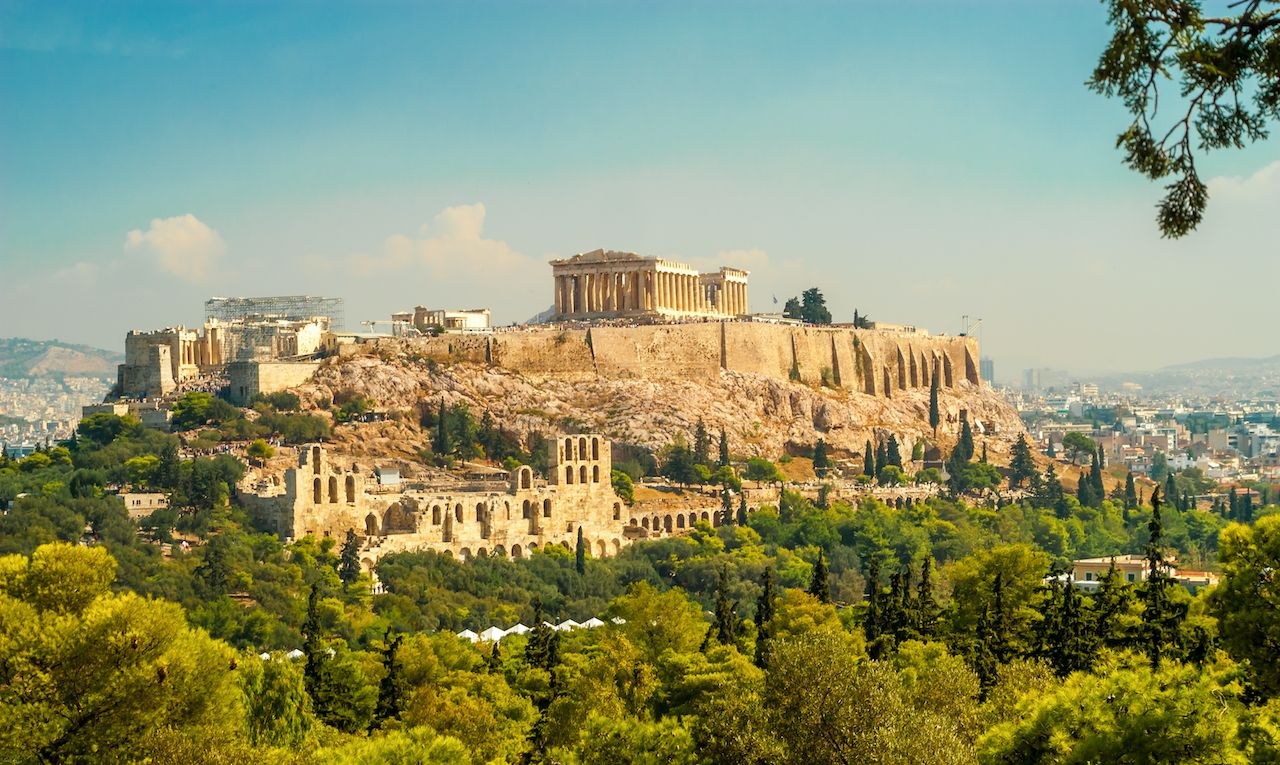
After you step off · near Southampton
You end in a different port — stay on, and add what is within reach before you fly home.
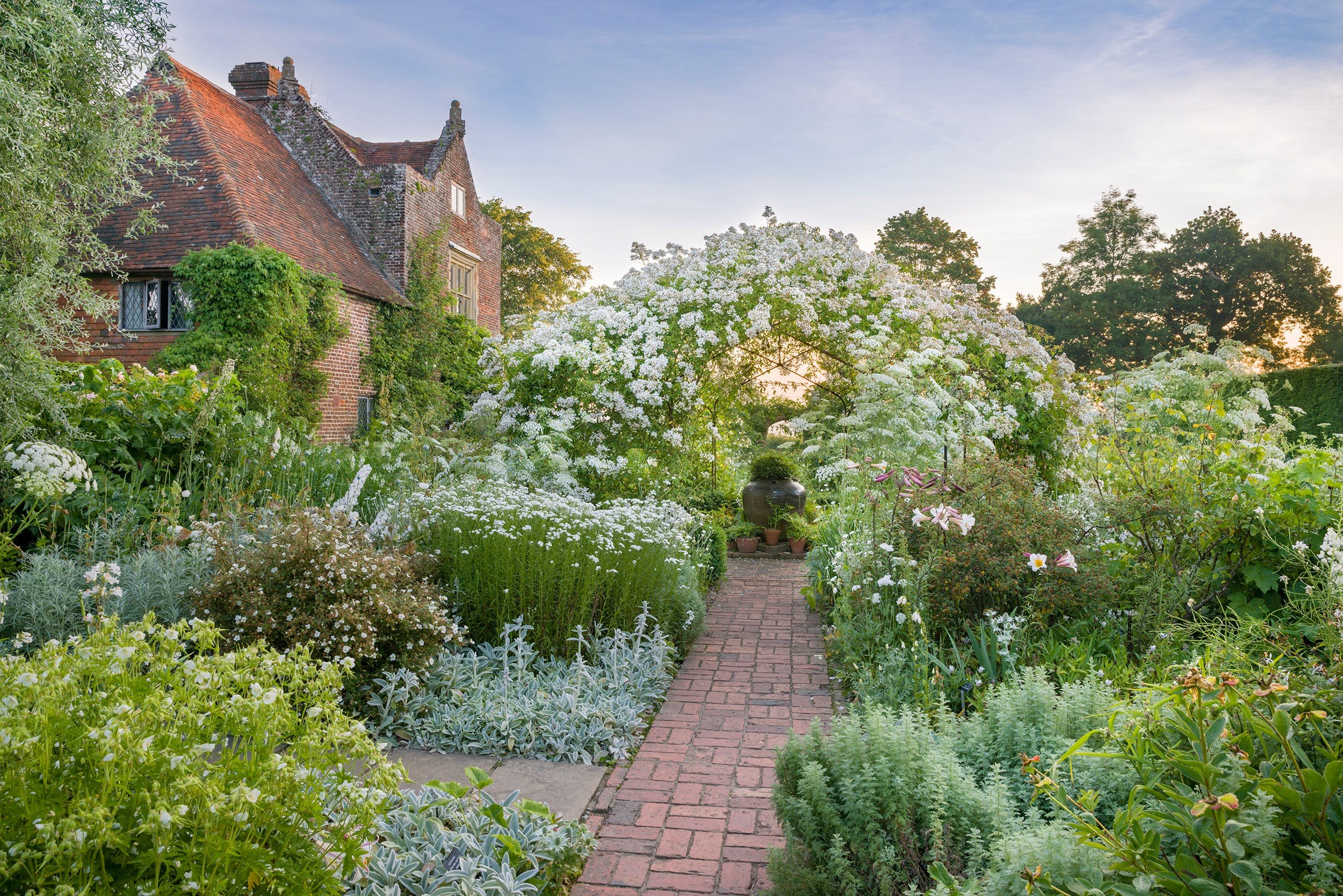 87 mi from SouthamptonSissinghurst Castle Garden: Room-by-Room Garden Design Masterclass
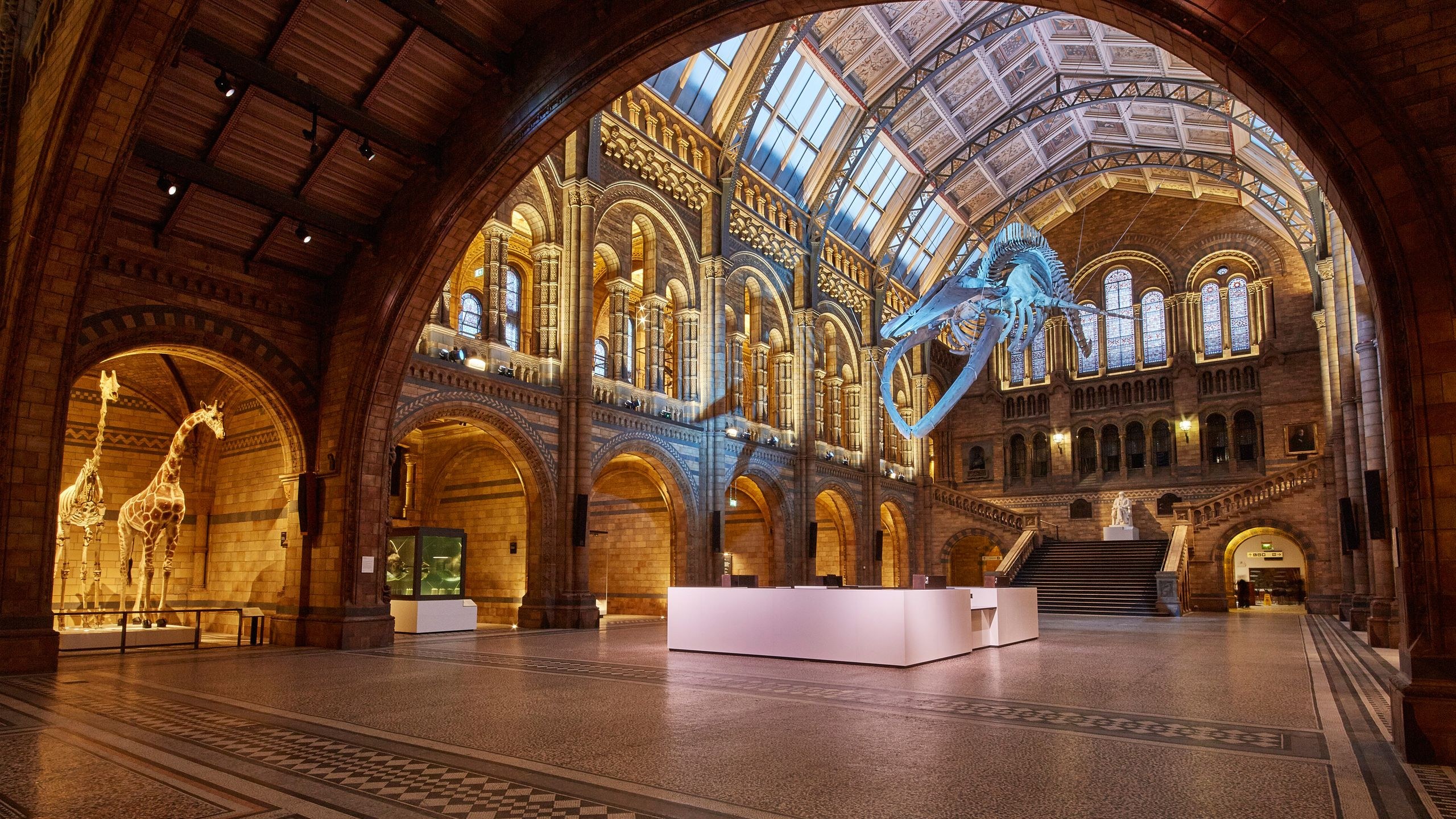 67 mi from SouthamptonNatural History Museum
 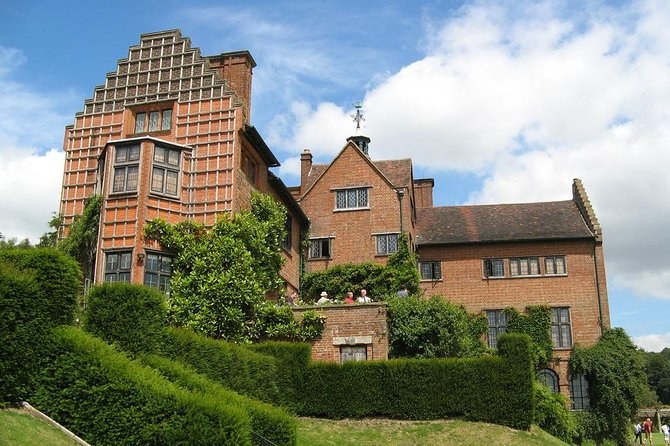 57 mi from Southampton · land adventureChurchill's Kent, Glyndebourne at Dusk & London's Secret Side
 57 mi from Southampton · land adventureCornwall's Wild Coast: Tin Mines, Tidal Castles & Beach Bars
 The same trip, elevated
The same gateway on a more luxurious line — lead-in fare per person, same fare as booking direct.