Your cruise
Costa Diadema · 21-night Mediterranean cruise, Savona (Genoa) to Santos (Sao Paulo)
Nov 2 – Nov 23 · 21 nights ·
Day 1 Savona (Genoa) (board) · Day 2 Barcelona · Day 3 at sea · Day 4 Malaga · Day 5 Cadiz (Seville) · Day 6 at sea · Day 7 Lisbon · Day 8 at sea · Day 9 Las Palmas · Day 10 Santa Cruz de Tenerife · Day 11–12 at sea · Day 13 Mindelo · Day 14–17 at sea · Day 18 Maceio · Day 19 Bahia de Salvador · Day 20 at sea · Day 21 Rio de Janeiro · Day 22 Santos (Sao Paulo) (step off)
What you do Step inside the most famous unfinished building on earth, where Gaudi's stone forest of columns explodes into a kaleidoscope of stained-glass light that moves across the floor through the day. Add the tower ticket to ride the lift up a spire and walk back down the dizzying spiral stair with the city at your feet. Buy a strict timed entry slot, go early in your port window, and you'll beat both the queue and the midday glare.
What to expect You'll enter Gaudí's masterpiece and encounter a forest of soaring stone columns that dissolve into kaleidoscopic stained-glass light, shifting across the basilica floor as the sun moves through the day. If you book tower access, you'll ride the lift up a spire and descend the dizzying spiral staircase with Barcelona spreading below you. The unfinished vastness—both earthbound and dreamlike—fills the space in a way photographs cannot capture, and the audioguide walks you through every sculptural detail as you move through the nave.
Good to know Book a strict timed entry slot directly from the official Basilica de la Sagrada Familia site before your port day and go early in your window to beat both queues and harsh midday glare. Basic entry (EUR 26) includes the audioguide app; add EUR 10 for tower access (EUR 36 total) if you want the climb. Get there by taxi, metro, or ship-organized transport—the official tickets skip the reseller markup and save you $40–130 per person versus ship packages. Allow 2–3 hours inside the basilica itself, plus buffer time for entry and return, leaving at least 30–45 minutes to get back to the pier before all-aboard.
Versus the ship tour Direct wins overwhelmingly. The ship charges $75-170pp for guided/skip-line Sagrada Familia + Park Guell combos; the official tower ticket is ~$40pp and the basic ~$28pp. Same building, same skip-the-queue timed entry, for a fraction of the price. You save roughly $40-130pp and keep the audioguide. The only thing the ship adds is a bus and a guide reciting what the EUR 26 audioguide already tells you.
book direct with Basilica de la Sagrada Familia (official) → · the full guide →
What you do Ride out of the city to the serrated, otherworldly rock massif of Montserrat, ride the rack railway up the cliff face, and stand before the Black Madonna in the Benedictine basilica. If your day lands on a weekday you may catch the Escolania boys' choir, one of Europe's oldest. A guided coach handles the logistics and the timing so you are not gambling your ship's all-aboard on Spanish regional rail.
What to expect You'll depart Barcelona Nord by guided coach around 9:00am and ride into the otherworldly rock massif of Montserrat, where jagged peaks rise like a serrated fortress. At the foot of the cliffs, you'll board the rack railway that climbs the steep face, delivering you to the Benedictine basilica where the Black Madonna awaits in her shrine. A guide walks you through the sacred basilica, and if your excursion lands on a weekday, you may catch the Escolania boys' choir—one of Europe's oldest—singing in the morning service. The return coach departs mid-afternoon, arriving back at the port by around 4:15pm, giving you time to decompress before all-aboard.
Good to know Book the EUR 68.40 online rate with Catalunya Bus Turistic (Barcelona Turisme) well ahead to lock savings over cruise-line pricing ($25–185 cheaper per person). Confirm your ship's all-aboard time before booking—this ~7.25-hour excursion ends mid-afternoon, and the guided coach is your guaranteed return to port, so no gambling on Spanish regional rail. Wear sturdy walking shoes and bring layers, as the monastery sits at altitude and morning temperatures vary; the rack railway is steep but brief. Meet at Barcelona Nord bus station; your operator handles all transport and timing from city to mountain and back to the pier.
Versus the ship tour Direct wins clearly. Cruise-line Montserrat tours run $98-149pp and one premium-line passenger reported $259pp; this licensed multi-year operator delivers the same mountain, basilica and museum for ~$74pp, saving $25-185pp. PORT-DAY FLAG: this is a half-day, ~7.25hr round trip ending mid-afternoon, so confirm it lands inside your all-aboard. If you want the absolute floor and can self-navigate, the official Tot Montserrat ticket (EUR 71.50, adds the cable-car/lunch buffet and all funiculars) does it DIY by train, but you lose the guide and the guaranteed coach back to the port.
book direct with Catalunya Bus Turistic (Barcelona Turisme) → · the full guide →
What you do Climb to Gaudi's fairytale hillside park where the famous serpentine bench snakes in broken-tile mosaic around a terrace with the whole city and the sea spread below. The gingerbread gatehouses, the mosaic lizard fountain and the columned Hypostyle Hall make this the most photographed open-air Gaudi work in Barcelona. Book a timed slot for the Monumental Zone and arrive within your 30-minute entry grace window.
What to expect You'll arrive at Park Güell's Monumental Zone within a timed 30-minute entry window and climb the hillside into Gaudí's dreamlike landscape of gingerbread gatehouses and winding mosaic pathways. The iconic serpentine bench—snaking in broken-tile mosaics—curves around a terrace with sweeping views of Barcelona and the sea below, a photographer's paradise at every turn. You'll wander through the columned Hypostyle Hall and encounter the whimsical mosaic lizard fountain, experiencing the most photographed open-air Gaudí work in the city. The rhythm builds from initial climb to breathless overlook moment, then the slower, meditative wandering among the ceramic-clad structures and panoramic terraces.
Good to know Book your timed slot for the Monumental Zone well ahead (€18pp includes all Gaudí works and terraces, VAT included). Budget a taxi or bus both ways from the pier—the site is uphill and slightly off the metro—and plan to spend 1.5–2 hours at the park itself, leaving 2–3 hours total for transport buffers in a 6–8 hour port window. Arrive at the pier-side transport with at least 90 minutes before your ship departure to clear the security buffer. Bring sun protection and comfortable climbing shoes; if Sagrada Familia is also on your list, prioritize that cathedral over this one due to time constraints.
Versus the ship tour Direct wins big. The ship folds Park Guell into Gaudi tours priced $75-170pp; the official monument ticket is ~$20pp. Even adding a EUR 13 taxi up the hill you are far under the ship rate, saving $50-150pp. Honest caveat: it's uphill and a bit off the metro, so budget a taxi/bus each way and a firm timed slot. If you only have time for one Gaudi stop, prioritize Sagrada Familia over this one.
book direct with Park Guell (official, Barcelona City Council) → · the full guide →
What you do Slip out of the old harbor under sail on a real catamaran and see Barcelona's skyline, the Barceloneta beaches and the working port from the water, with a full bar aboard if you want a vermouth in hand. It is the rare port-day activity that starts steps from where most ships dock, so there is almost no travel time eating into your clock. Quiet, scenic, and an easy reset between the heavier Gaudi and mountain days.
What to expect You slip out of Port Vell under sail on a real catamaran, watching Barcelona's skyline recede as you glide past the Barceloneta beaches and the working harbor—all from the water, in the rare quiet that comes when most port-goers are queuing for cable cars. The 1.5-hour sail (or longer for Jazz options) unfolds at the pace of the breeze, with an onboard bar letting you nurse a vermouth while the city rises behind you. This is atmosphere and scenery: the kind of reset day that earns its place *between* the heavier Gaudi museum runs and mountain climbs, not as a standalone centerpiece.
Good to know The catamaran departs directly from Colon/Port Vell—steps from where most cruise ships dock—so there is almost no travel time; you can be aboard within 10–15 minutes of leaving the ship. Book the 1.5-hour Catamaran Sail & Skyline (EUR 18.50pp) or upgrade to Jazz & Chill Out (EUR 22.50pp) or Sunset Jazz (EUR 28pp) directly with Catamaran Orsom to save 50–80% versus ship-sold harbor alternatives. Plan to return well within a 6–8 hour port window, leaving ample buffer for any delays; bring sunscreen, sunglasses, and a light layer for wind on the water, and confirm departure times when booking to align with your ship's all-aboard.
Versus the ship tour Direct wins, roughly half price. Ship-sold harbor sails run $60-80pp and multi-element 'land/sea/air' packages hit $214pp; ORSOM's direct sail is ~$20-31pp, a $40-180pp saving. It departs right at Port Vell so you skip the bus shuffle. Honest note: this is scenery and atmosphere, not a bucket-list 'must,' so slot it only after you've locked the marquee sights.
What you do Drive into the Penedes vineyards, taste across varieties at the Torreblanca winery, then get hands-on at ArtCava to riddle and cork your own bottle of cava to take home as the rare souvenir you actually made. It is Spain's sparkling-wine heartland and a genuine craft experience rather than a pour-and-go tasting. A real port-day alternative to another church or museum.
What to expect You'll board a coach at Barcelona Nord around 9:00am and drive into the Penedes vineyards, Spain's sparkling-wine heartland, for a vineyard walk and guided tasting across varieties at Torreblanca winery. From there, you'll move to ArtCava for a hands-on workshop where you'll ridge and cork your own bottle of cava—a genuine craft experience, not a pour-and-go tasting—before heading back to the pier by approximately 2:15pm with a bottle you've made yourself as your souvenir.
Good to know The entire excursion runs ~5.25 hours round-trip, departing Barcelona Nord and returning early afternoon, which fits comfortably within most all-aboard windows—but confirm your sailing time and treat the coach's return as your hard deadline. Price is EUR 104pp online (EUR 116 regular) and includes round-trip coach, vineyard walk, tastings at two wineries, the guided ArtCava tour, your make-your-own-cava workshop, and the bottle to take home. Book online in advance to lock in the EUR 104 rate rather than pay the regular price at the port. Bring comfortable walking shoes for the vineyard and ArtCava, stay hydrated between tastings, and allow 15–20 minutes buffer time to clear the coach and return to your ship.
Versus the ship tour Direct wins, ~$75-80pp. The cruise line's Cava + tapas + vineyard and Familia Torres winery tours run $186-195pp; this is ~$113pp for two wineries plus a hands-on workshop and a bottle, a saving of about $75pp. PORT-DAY FLAG: ~5.25hr round trip returning early afternoon, comfortably inside most all-aboards, but confirm against your sailing time and treat the coach's return as your hard deadline.
book direct with Catalunya Bus Turistic (Barcelona Turisme) → · the full guide →
What you do Walk the famous La Boqueria market with a chef, then cook a real Catalan paella and a couple of tapas by hand before sitting down to eat what you made with sangria in hand. It's three hours, minutes off La Rambla, and a low-stress way to take Barcelona home in your hands rather than your camera roll. The near-port safety net if a long mountain or vineyard run feels too tight against your all-aboard.
What to expect You'll start at La Boqueria market with a chef guide introducing the vibrant produce and Catalan ingredients, then move to the kitchen to roll up your sleeves and cook a real paella and two tapas by hand under instruction. The rhythm flows from market sensory overload—color, noise, vendors—to focused, measured cooking where you learn technique in a small group. After three hours of chopping, stirring, and tasting, you sit down to eat what you've made with sangria in hand, transforming the morning's market finds into your own meal.
Good to know Sessions run at 10:30, 13:00, 16:00, and 18:45; a 10:30 start gives you a full 6+ hours back on ship before evening all-aboard, while the 13:00 slot works if your port window is shorter. The venue is central, just minutes off La Rambla near Liceu metro—walkable from the pier or a quick taxi, with minimal coach risk. Book ahead through Cook & Taste to secure your time slot and session; the EUR 72 price includes all instruction, equipment, recipes, and beverages, so there are no surprise costs. Plan to return to the ship by your all-aboard time with a 30–45 minute buffer built in; the class ends by its scheduled time (e.g., 13:45 for the 10:30 session), leaving you a safe window to walk or cab back to the pier.
Versus the ship tour Direct wins, $50-115pp. The ship's tapas/food/wine tours run $128-195pp; this hands-on class is ~$79pp, a $50-115pp saving, and you actually cook rather than just follow a guide between bars. As a safety-net it is unbeatable for the clock: it's central, short, and books in fixed time slots, so you can pick the session that fits your remaining port hours with zero coach risk.
book direct with Cook & Taste (Barcelona Cooking Classes) → · the full guide →
What you do Train ~1 hr from Savona to Santa Margherita Ligure, then board the historic Tigullio public ferry for the final glamorous leg into Portofino's pastel millionaire harbor -- arriving past the yachts the way locals do, not by tour bus. Continue on the same boat to San Fruttuoso, the medieval abbey tucked in a cove reachable only by sea. This is THE Italian Riviera postcard and the regret-if-you-miss-it pick for a first-timer.
What to expect You'll board a regional train from Savona toward the coast, arriving at Santa Margherita Ligure in roughly an hour. From there, step directly onto the historic Tigullio public ferry—the same boat locals use—and glide into Portofino's famous pastel-painted harbor, threading past luxury yachts to dock in the postcard scene itself. If time allows, continue by ferry to San Fruttuoso Abbey, a medieval monastery nestled in a sea-accessible cove, then retrace your route back to catch your return train before the final all-aboard.
Good to know Plan for 6–7 hours total and depart Portofino by early afternoon to secure a train back to Savona well before all-aboard; the ferry runs a fixed schedule with no buffer for delays. The ferry alone costs €20–24 per person round-trip (€24 including San Fruttuoso); add €11 for the regional train round-trip from Savona to Santa Margherita, totaling roughly €35–40/pp all-in. Book your return train time before leaving the ship, as gaps in the ferry timetable can strand you if you miss a connection. Wear comfortable shoes for train stations and the ferry deck, bring sun protection and a light jacket for sea spray, and carry small denominations of euros for ticket purchases.
Versus the ship tour Direct wins big. The ship's Portofino bus/boat day runs ~$82-160/pp; the cruise line's standalone Portofino boat hop pushes to $160. Doing it yourself by train + this public ferry, including the San Fruttuoso extension, lands around $35-40/pp all-in -- a saving of roughly $50-120 per person, and you get the by-sea arrival the bus tour never gives you. Mainland item: budget 6-7 hrs and leave Portofino by early afternoon; the ferry runs to a fixed timetable, so build in margin to make the last train back to Savona well before all-aboard.
book direct with Servizio Marittimo del Tigullio (the Gulf of Tigullio's public ferry consortium) → · the full guide →
What you do Off the San Fruttuoso abbey lies Cristo degli Abissi, a bronze Christ sunk in 1954 with arms raised toward the surface, resting in 17m of clear water -- one of the most photographed underwater sights in the Mediterranean. Go with a Portofino Marine Protected Area dive center: snorkelers can see the statue from the surface on calm days, and a guided discover-dive puts you right at the figure. A genuine once-in-a-lifetime, unmistakably Ligurian moment.
What to expect You travel by local transport to the Portofino Marine Protected Area, where a PADI-certified guide meets you at Diving Group Portofino. If you're diving, you'll descend 17 meters into crystalline water to face Cristo degli Abissi—a bronze Christ with arms raised toward the surface, sunk in 1954 and one of the Mediterranean's most iconic underwater sights. Snorkelers on calm days can glimpse the statue from the surface with a mask; divers get the profound, intimate moment of meeting it at depth. The whole experience is rhythmed by the water's clarity and the statue's tranquil presence—a genuine once-in-a-lifetime, unmistakably Ligurian encounter.
Good to know Book ahead by phone (+39 335 356975) or email with Diving Group Portofino; they don't offer online ticketing. Allow roughly 4–5 hours round-trip including transport from the pier, the dive or snorkel (guided discover-dives run ~EUR 90–100 per person with gear and MPA fee; snorkel trips ~EUR 50–70), and return buffer—confirm the operator guarantees you back to ship and book the morning slot. Bring or rent a wetsuit depending on water temperature and your comfort; if budget-conscious and conditions are calm, the public ferry to San Fruttuoso (~$17 one-way) plus a snorkel mask is the cheapest way to see it from the surface. Train time from Camogli or Santa Margherita adds at least an hour, so use an operator with a fixed ship-return commitment.
Versus the ship tour Cruise lines almost never offer the statue as a standalone dive, so direct is the only real way to actually get in the water with it. If you only want to look, the cheapest honest option is the public ferry to San Fruttuoso (~$17 one-way) plus a mask -- on a calm day you can see it from the surface for the price of a ferry ticket. Pay the dive operator only if you want to be guided down to it. Mainland item near Camogli/Santa Margherita: needs ~half a day plus train time, so use an operator that guarantees you back to the ship and confirm the morning slot.
book direct with Diving Group Portofino (PADI center inside the Portofino MPA) → · the full guide →
What you do A ~45-60 min train from Savona drops you beside Renzo Piano's redeveloped Porto Antico, home to the biggest aquarium in Europe: 70 recreated marine ecosystems with dolphins, sharks, a penguin/Antarctic habitat and a glass tunnel. It's the rare 'big' bucket-list item that's weatherproof, family-proof and unmistakably Genoa's own -- ideal if the sea's too rough for boats or you've got kids in tow.
What to expect You'll catch a train from Savona to Genoa's Porto Antico (45–60 minutes), stepping directly into Renzo Piano's waterfront redevelopment where the Acquario di Genova commands the harborfront. Inside, you'll move through 70 recreated marine ecosystems—crossing a glass tunnel beneath prowling sharks, watching dolphins arc through their habitat, descending into the Antarctic penguin wing—before emerging to explore the bustling harbor quarter itself. The whole rhythm is weatherproof and unhurried, designed for families and those wanting to avoid the unpredictable Ligurian Sea.
Good to know Book timed-entry tickets online directly (€26–37/adult) before departure; the ship's package charges ~$115/pp for the same content, while the aquarium sits just a 10-minute walk from the Genoa terminal, meaning you're mostly paying for their shuttle. Within a 6–8 hour port window, budget 45–60 min each way for the train (~€4–5 per direction), 2.5–3 hours in the aquarium, leaving a comfortable 2+ hour back-to-ship buffer. Bring euro coins for the train; wear comfortable shoes for the Porto Antico quarter, which rewards wandering.
Versus the ship tour Direct wins by a mile. The ship's Aquarium & Porto Antico excursion is ~$115/pp; the entry ticket booked direct is $28, and the harbor itself is a free 10-min walk from the Genoa terminal. That's roughly $87/pp saved -- the ship is essentially charging $87 to walk you across the street. Train from Savona is ~EUR 4-5 each way. Easily fits a port day with hours to spare.
book direct with Acquario di Genova (Costa Edutainment -- the venue's own operator) → · the full guide →
What you do Walk Via Garibaldi, the 16th-17th-c. 'Strade Nuove' where Genoa's merchant princes built frescoed Baroque palaces so grand that visiting kings were once assigned to them by lottery -- UNESCO-listed in 2006. Step inside the three Rolli museum-palaces (Rosso, Bianco, Tursi) for painted atriums, hanging gardens and Van Dyck portraits. It's one of Europe's most concentrated stretches of Renaissance grandeur and the heart of Genoa's old maritime-superpower identity.
What to expect You'll walk directly from Genoa's cruise terminal into Via Garibaldi, the 16th–17th-century "Strade Nuove," where Renaissance frescoed Baroque palaces line both sides in grand succession. Step into one or all three of the Rolli museum-palaces (Palazzo Rosso, Bianco, Tursi) to explore painted atriums, hanging gardens, and Old Master portraits—the interiors are as breathtaking as the street facades. The rhythm is unhurried: stroll the free street itself, pause at palace facades, then choose your depth—either pop into the palaces solo with an EUR 9 combined ticket, or join a local guide (EUR 20–50) who'll unlock the stories behind Genoa's merchant-prince era. You're walking through one of Europe's most concentrated stretches of Renaissance grandeur, the physical heart of what made Genoa a maritime superpower.
Good to know The Genoa cruise terminal sits already in the center—no transfer needed; Via Garibaldi is a direct walk from the pier. Book the EUR 9 combined palace ticket online or on-site to skip lines, or add a local walking guide (EUR 20–50 pp) in advance if you want contextual commentary. Plan 4–5 hours for a full exploration (street + all three palaces); 2–3 hours suffices if you stroll the street and dip into one palace. Leave yourself a 60–90 minute buffer to return to the ship, as Genoa's old-town alleys can wind; bring comfortable walking shoes and water, as the Renaissance grandeur demands pace.
Versus the ship tour Direct wins. The ship's Genoa old-town walking tour is ~$75/pp -- and the cruise terminal is already in the center, so you're mostly paying to be walked across the street. Book a EUR 9 palaces ticket and add a local guide for ~$22-55 if you want commentary, or just walk it free; that's $20-65/pp saved versus the ship. Fully walkable from the Genoa terminal, no transfer needed.
book direct with Musei di Strada Nuova / Visit Genoa (official city museums & tourism office) → · the full guide →
What you do Most passengers bolt for Genoa and never realize Savona itself is a Riviera gem: the massive seafront Priamar Fortress (1542), the Della Rovere old town along Via Pia, and a true 'Sistine Chapel' -- a Rococo mausoleum commissioned by Savona-born Pope Sixtus IV, the same pope behind Rome's Sistine Chapel. It's the lowest-effort, zero-train, walk-from-the-ship option and a real sense-of-place win if you only have a few hours or want a relaxed day.
What to expect You step off the ship into Savona's harborfront, where the massive Priamar Fortress (1542) dominates the skyline—a sprawling, walk-able complex where you'll wander seventeenth-century bastions, courtyards, and museum galleries without crowds or queues. From there, a few minutes on foot lands you in the Della Rovere old town along atmospheric Via Pia, where narrow streets reveal local life. The crowning moment is the Cappella Sistina, a luminous Rococo mausoleum commissioned by Pope Sixtus IV himself—the same visionary behind Rome's iconic chapel—tucked into the urban fabric where you'd least expect such baroque grandeur. You're back at the pier within hours, never rushed, having absorbed genuine sense-of-place that most passengers racing to Genoa miss entirely.
Good to know The entire excursion (Priamar grounds + fortress museums + Cappella Sistina entry) costs under $15 total and sits within a 10–15 minute walk from your cruise terminal—no transport needed, no booking required. Budget 3–4 hours for a leisurely pace; 2 hours if you're tight on time and want just the fortress exterior and chapel. Bring comfortable walking shoes, small coins or cards for museum entries (EUR 5 for Priamar, EUR 3–5 for the chapel), and a light bag; no advance reservations needed for this self-guided approach. Plan your return with a 45-minute buffer before all-aboard to avoid any stress—you're never far from the ship, making this the lowest-risk, highest-reward alternative to pricier operator tours.
Versus the ship tour This is the safety-net pick, and direct/DIY clearly wins -- it's effectively free and there's no ship equivalent worth buying. The ship's 'A Taste of Savona' style local tour lists around $115/pp; you can see the fortress and the Cappella Sistina yourself for under $15 total and be back aboard in minutes. Lowest risk of missing all-aboard since you never leave Savona.
book direct with Comune di Savona / Visit Savona (official municipal tourism) → · the full guide →
What you do Step inside the most famous unfinished building on earth, where Gaudi's stone forest of columns explodes into a kaleidoscope of stained-glass light that moves across the floor through the day. Add the tower ticket to ride the lift up a spire and walk back down the dizzying spiral stair with the city at your feet. Buy a strict timed entry slot, go early in your port window, and you'll beat both the queue and the midday glare.
What to expect You'll enter Gaudí's masterpiece and encounter a forest of soaring stone columns that dissolve into kaleidoscopic stained-glass light, shifting across the basilica floor as the sun moves through the day. If you book tower access, you'll ride the lift up a spire and descend the dizzying spiral staircase with Barcelona spreading below you. The unfinished vastness—both earthbound and dreamlike—fills the space in a way photographs cannot capture, and the audioguide walks you through every sculptural detail as you move through the nave.
Good to know Book a strict timed entry slot directly from the official Basilica de la Sagrada Familia site before your port day and go early in your window to beat both queues and harsh midday glare. Basic entry (EUR 26) includes the audioguide app; add EUR 10 for tower access (EUR 36 total) if you want the climb. Get there by taxi, metro, or ship-organized transport—the official tickets skip the reseller markup and save you $40–130 per person versus ship packages. Allow 2–3 hours inside the basilica itself, plus buffer time for entry and return, leaving at least 30–45 minutes to get back to the pier before all-aboard.
Versus the ship tour Direct wins overwhelmingly. The ship charges $75-170pp for guided/skip-line Sagrada Familia + Park Guell combos; the official tower ticket is ~$40pp and the basic ~$28pp. Same building, same skip-the-queue timed entry, for a fraction of the price. You save roughly $40-130pp and keep the audioguide. The only thing the ship adds is a bus and a guide reciting what the EUR 26 audioguide already tells you.
book direct with Basilica de la Sagrada Familia (official) → · the full guide →
What you do Ride out of the city to the serrated, otherworldly rock massif of Montserrat, ride the rack railway up the cliff face, and stand before the Black Madonna in the Benedictine basilica. If your day lands on a weekday you may catch the Escolania boys' choir, one of Europe's oldest. A guided coach handles the logistics and the timing so you are not gambling your ship's all-aboard on Spanish regional rail.
What to expect You'll depart Barcelona Nord by guided coach around 9:00am and ride into the otherworldly rock massif of Montserrat, where jagged peaks rise like a serrated fortress. At the foot of the cliffs, you'll board the rack railway that climbs the steep face, delivering you to the Benedictine basilica where the Black Madonna awaits in her shrine. A guide walks you through the sacred basilica, and if your excursion lands on a weekday, you may catch the Escolania boys' choir—one of Europe's oldest—singing in the morning service. The return coach departs mid-afternoon, arriving back at the port by around 4:15pm, giving you time to decompress before all-aboard.
Good to know Book the EUR 68.40 online rate with Catalunya Bus Turistic (Barcelona Turisme) well ahead to lock savings over cruise-line pricing ($25–185 cheaper per person). Confirm your ship's all-aboard time before booking—this ~7.25-hour excursion ends mid-afternoon, and the guided coach is your guaranteed return to port, so no gambling on Spanish regional rail. Wear sturdy walking shoes and bring layers, as the monastery sits at altitude and morning temperatures vary; the rack railway is steep but brief. Meet at Barcelona Nord bus station; your operator handles all transport and timing from city to mountain and back to the pier.
Versus the ship tour Direct wins clearly. Cruise-line Montserrat tours run $98-149pp and one premium-line passenger reported $259pp; this licensed multi-year operator delivers the same mountain, basilica and museum for ~$74pp, saving $25-185pp. PORT-DAY FLAG: this is a half-day, ~7.25hr round trip ending mid-afternoon, so confirm it lands inside your all-aboard. If you want the absolute floor and can self-navigate, the official Tot Montserrat ticket (EUR 71.50, adds the cable-car/lunch buffet and all funiculars) does it DIY by train, but you lose the guide and the guaranteed coach back to the port.
book direct with Catalunya Bus Turistic (Barcelona Turisme) → · the full guide →
What you do Climb to Gaudi's fairytale hillside park where the famous serpentine bench snakes in broken-tile mosaic around a terrace with the whole city and the sea spread below. The gingerbread gatehouses, the mosaic lizard fountain and the columned Hypostyle Hall make this the most photographed open-air Gaudi work in Barcelona. Book a timed slot for the Monumental Zone and arrive within your 30-minute entry grace window.
What to expect You'll arrive at Park Güell's Monumental Zone within a timed 30-minute entry window and climb the hillside into Gaudí's dreamlike landscape of gingerbread gatehouses and winding mosaic pathways. The iconic serpentine bench—snaking in broken-tile mosaics—curves around a terrace with sweeping views of Barcelona and the sea below, a photographer's paradise at every turn. You'll wander through the columned Hypostyle Hall and encounter the whimsical mosaic lizard fountain, experiencing the most photographed open-air Gaudí work in the city. The rhythm builds from initial climb to breathless overlook moment, then the slower, meditative wandering among the ceramic-clad structures and panoramic terraces.
Good to know Book your timed slot for the Monumental Zone well ahead (€18pp includes all Gaudí works and terraces, VAT included). Budget a taxi or bus both ways from the pier—the site is uphill and slightly off the metro—and plan to spend 1.5–2 hours at the park itself, leaving 2–3 hours total for transport buffers in a 6–8 hour port window. Arrive at the pier-side transport with at least 90 minutes before your ship departure to clear the security buffer. Bring sun protection and comfortable climbing shoes; if Sagrada Familia is also on your list, prioritize that cathedral over this one due to time constraints.
Versus the ship tour Direct wins big. The ship folds Park Guell into Gaudi tours priced $75-170pp; the official monument ticket is ~$20pp. Even adding a EUR 13 taxi up the hill you are far under the ship rate, saving $50-150pp. Honest caveat: it's uphill and a bit off the metro, so budget a taxi/bus each way and a firm timed slot. If you only have time for one Gaudi stop, prioritize Sagrada Familia over this one.
book direct with Park Guell (official, Barcelona City Council) → · the full guide →
What you do Slip out of the old harbor under sail on a real catamaran and see Barcelona's skyline, the Barceloneta beaches and the working port from the water, with a full bar aboard if you want a vermouth in hand. It is the rare port-day activity that starts steps from where most ships dock, so there is almost no travel time eating into your clock. Quiet, scenic, and an easy reset between the heavier Gaudi and mountain days.
What to expect You slip out of Port Vell under sail on a real catamaran, watching Barcelona's skyline recede as you glide past the Barceloneta beaches and the working harbor—all from the water, in the rare quiet that comes when most port-goers are queuing for cable cars. The 1.5-hour sail (or longer for Jazz options) unfolds at the pace of the breeze, with an onboard bar letting you nurse a vermouth while the city rises behind you. This is atmosphere and scenery: the kind of reset day that earns its place *between* the heavier Gaudi museum runs and mountain climbs, not as a standalone centerpiece.
Good to know The catamaran departs directly from Colon/Port Vell—steps from where most cruise ships dock—so there is almost no travel time; you can be aboard within 10–15 minutes of leaving the ship. Book the 1.5-hour Catamaran Sail & Skyline (EUR 18.50pp) or upgrade to Jazz & Chill Out (EUR 22.50pp) or Sunset Jazz (EUR 28pp) directly with Catamaran Orsom to save 50–80% versus ship-sold harbor alternatives. Plan to return well within a 6–8 hour port window, leaving ample buffer for any delays; bring sunscreen, sunglasses, and a light layer for wind on the water, and confirm departure times when booking to align with your ship's all-aboard.
Versus the ship tour Direct wins, roughly half price. Ship-sold harbor sails run $60-80pp and multi-element 'land/sea/air' packages hit $214pp; ORSOM's direct sail is ~$20-31pp, a $40-180pp saving. It departs right at Port Vell so you skip the bus shuffle. Honest note: this is scenery and atmosphere, not a bucket-list 'must,' so slot it only after you've locked the marquee sights.
What you do Drive into the Penedes vineyards, taste across varieties at the Torreblanca winery, then get hands-on at ArtCava to riddle and cork your own bottle of cava to take home as the rare souvenir you actually made. It is Spain's sparkling-wine heartland and a genuine craft experience rather than a pour-and-go tasting. A real port-day alternative to another church or museum.
What to expect You'll board a coach at Barcelona Nord around 9:00am and drive into the Penedes vineyards, Spain's sparkling-wine heartland, for a vineyard walk and guided tasting across varieties at Torreblanca winery. From there, you'll move to ArtCava for a hands-on workshop where you'll ridge and cork your own bottle of cava—a genuine craft experience, not a pour-and-go tasting—before heading back to the pier by approximately 2:15pm with a bottle you've made yourself as your souvenir.
Good to know The entire excursion runs ~5.25 hours round-trip, departing Barcelona Nord and returning early afternoon, which fits comfortably within most all-aboard windows—but confirm your sailing time and treat the coach's return as your hard deadline. Price is EUR 104pp online (EUR 116 regular) and includes round-trip coach, vineyard walk, tastings at two wineries, the guided ArtCava tour, your make-your-own-cava workshop, and the bottle to take home. Book online in advance to lock in the EUR 104 rate rather than pay the regular price at the port. Bring comfortable walking shoes for the vineyard and ArtCava, stay hydrated between tastings, and allow 15–20 minutes buffer time to clear the coach and return to your ship.
Versus the ship tour Direct wins, ~$75-80pp. The cruise line's Cava + tapas + vineyard and Familia Torres winery tours run $186-195pp; this is ~$113pp for two wineries plus a hands-on workshop and a bottle, a saving of about $75pp. PORT-DAY FLAG: ~5.25hr round trip returning early afternoon, comfortably inside most all-aboards, but confirm against your sailing time and treat the coach's return as your hard deadline.
book direct with Catalunya Bus Turistic (Barcelona Turisme) → · the full guide →
What you do Walk the famous La Boqueria market with a chef, then cook a real Catalan paella and a couple of tapas by hand before sitting down to eat what you made with sangria in hand. It's three hours, minutes off La Rambla, and a low-stress way to take Barcelona home in your hands rather than your camera roll. The near-port safety net if a long mountain or vineyard run feels too tight against your all-aboard.
What to expect You'll start at La Boqueria market with a chef guide introducing the vibrant produce and Catalan ingredients, then move to the kitchen to roll up your sleeves and cook a real paella and two tapas by hand under instruction. The rhythm flows from market sensory overload—color, noise, vendors—to focused, measured cooking where you learn technique in a small group. After three hours of chopping, stirring, and tasting, you sit down to eat what you've made with sangria in hand, transforming the morning's market finds into your own meal.
Good to know Sessions run at 10:30, 13:00, 16:00, and 18:45; a 10:30 start gives you a full 6+ hours back on ship before evening all-aboard, while the 13:00 slot works if your port window is shorter. The venue is central, just minutes off La Rambla near Liceu metro—walkable from the pier or a quick taxi, with minimal coach risk. Book ahead through Cook & Taste to secure your time slot and session; the EUR 72 price includes all instruction, equipment, recipes, and beverages, so there are no surprise costs. Plan to return to the ship by your all-aboard time with a 30–45 minute buffer built in; the class ends by its scheduled time (e.g., 13:45 for the 10:30 session), leaving you a safe window to walk or cab back to the pier.
Versus the ship tour Direct wins, $50-115pp. The ship's tapas/food/wine tours run $128-195pp; this hands-on class is ~$79pp, a $50-115pp saving, and you actually cook rather than just follow a guide between bars. As a safety-net it is unbeatable for the clock: it's central, short, and books in fixed time slots, so you can pick the session that fits your remaining port hours with zero coach risk.
book direct with Cook & Taste (Barcelona Cooking Classes) → · the full guide →
What you do Drive ~2 hours inland to the Alhambra, the UNESCO-listed Moorish palace-city that is the single most famous monument in Spain: the honeycombed Nasrid Palaces, the Court of the Lions, and the water-gardens of the Generalife terraced above Granada. A licensed guide walks you through the skip-the-line Nasrid entry (the tickets that sell out weeks ahead and are capacity-controlled by the half-hour), then you get free time in Granada's old town. This is the regret-if-you-miss-it day trip from Malaga.
What to expect You'll spend roughly two hours in an air-conditioned coach traveling inland from Málaga to Granada, then enter the Alhambra with a skip-the-line guide who navigates you through the honeycombed Nasrid Palaces and the iconic Court of the Lions before you explore the terraced water-gardens of the Generalife at your own pace. After the guided palace tour, you'll have free time to wander Granada's atmospheric old town—wandering narrow streets, browsing local shops, or grabbing tapas—before the coach returns you to the port. The rhythm is structured (guided palace tour in the morning, unstructured afternoon) with a full 10–11 hours allocated, giving you real breathing room to absorb both the monument and the city.
Good to know The skip-the-line Nasrid Palaces entry ticket (EUR 23 extra, ~$25) must be pre-booked weeks ahead and is capacity-controlled by half-hour time slots—don't assume walk-up availability. Port pickup and drop-off are included, and the operator guarantees 100% on-time return with no charge if the ship doesn't dock, so you're protected on timing. Bring comfortable walking shoes, sunscreen, and a hat: the palace interiors are cool but the Generalife gardens and Granada's old town are open-air and can be hot. Book your excursion directly with Spain Day Tours rather than through the cruise line to save $90–150 per person compared to ship-sold Alhambra tours.
Versus the ship tour Direct wins big. Cruise lines sell the full guided Alhambra + Generalife day at $180-250 pp with entry and guide included; booking direct lands at ~$122 pp all-in (EUR 89 + EUR 23 entry), saving roughly $90-150 per person -- the largest dollar gap at this port. One caveat: the ship's bare 'Granada On Your Own' coach transfer ($84.99, NO ticket or guide) is fair value ONLY if you can self-secure an Alhambra slot and just want guaranteed sail-away return; for almost everyone the guided direct booking is the better deal.
book direct with Spain Day Tours (Malaga shore-excursion specialist, port pickup/drop-off) → · the full guide →
What you do Walk the boardwalk bolted to a vertical cliff face 100 meters above the Guadalhorce gorge -- once dubbed the most dangerous path in the world, now safely rebuilt into a one-way, ~3-hour, 7.7km clifftop traverse through the El Chorro canyon. It is the marquee adrenaline experience of Andalusia and the photo a thrill-seeker pictures when they think of inland Malaga. Children under 8 cannot enter; bring ID.
What to expect You'll depart the Malaga port and travel 58km inland through Andalusian countryside (roughly 1.5 hours each way) to arrive at El Chorro canyon. Once there, you'll join the one-way boardwalk bolted directly to a near-vertical cliff face 100 meters above the Guadalhorce gorge, traversing 7.7km of clifftop switchbacks through narrowing canyon walls over approximately 3 hours. The walkway—once infamously branded the world's most dangerous path—now feels secure and rebuilt, yet the exposure and soaring views remain visceral and unforgettable. By day's end you'll reverse the journey back to port, consuming your entire port day but delivering the singular adrenaline landmark of inland Malaga.
Good to know Book a guaranteed round-trip shuttle package (EUR 60–80) from a cruise operator or the official ticket office to lock in your on-time return to ship; the 1.5-hour each-way commute leaves zero margin for missing sail-away. Reserve entry tickets (EUR 10–18) weeks ahead, as they sell out regularly. Bring your passport or ID (required for entry), wear sturdy hiking shoes and sun protection, and confirm your shuttle departure time before boarding the tender—treat the return buffer as sacred, since missing the ship carries infinitely more risk than the reconstructed cliff itself. A full-day independent package (guides + transport) costs ~€77–81 per person versus ~€190 via cruise line.
Versus the ship tour Direct wins. Cruise lines fold El Chorro into a scenic '4x4 Andalusia Adventure' type day at ~$189.99 pp; an independent full-day Caminito del Rey guided package runs ~$77-81 pp, saving roughly $60-110 per person. If you only book the bare EUR 10 entry you save even more, but you take on the transport-and-timing risk yourself -- worth it only if you arrange a guaranteed-return shuttle, since missing sail-away is the real danger here, not the cliff.
book direct with Caminito del Rey official ticket office (UTE Caminito del Rey) → · the full guide →
What you do Climb Malaga's signature sight: a hilltop fortress-palace of horseshoe arches, courtyards, fountains and terraced gardens, crowned by the Gibralfaro castle ramparts with a 360-degree panorama over the city, the port and the Mediterranean. It is the one image a first-timer pictures when they think of Malaga, and it is a flat ~15-20 minute walk from the cruise terminal -- the perfect low-risk anchor for a port day. Buy at the gate, the ticket machines, or the official site on arrival.
What to expect From the cruise terminal, a flat 15–20 minute walk brings you to the Alcazaba's gates, where you'll climb through a fortress-palace of horseshoe arches, fountains, and terraced gardens layered up the hillside. If you continue to the Gibralfaro castle ramparts at the summit, you'll stand under 360-degree views of Malaga's city, port, and Mediterranean shoreline—the iconic image that defines the destination. The rhythm is self-paced: wander the courtyards and gardens, rest on terraces, take time at the top, then walk back down; budget 2–3 hours total, all on foot, with no guides or fixed schedules to follow.
Good to know Buy tickets on arrival at the gate, ticket machines, or the official website (EUR 7 for Alcazaba alone, EUR 10 for both Alcazaba + Gibralfaro); free entry every Sunday from 14:00 onward if your port day lands there. Summer hours are 9:00–20:00 (last entry 19:00), winter 9:00–18:00, so plan your walk to leave the ship by mid-morning in an 8-hour port window, giving you 2–3 hours inside, 45 minutes for transit to and from the terminal, and a safe 2-hour buffer to return before all-aboard. Bring water and comfortable walking shoes, as the climb to Gibralfaro is steady uphill terrain; no advance booking is needed for self-guided entry.
Versus the ship tour Direct wins overwhelmingly, and this is also your safety-net card. The ship's 'Malaga Overview' walking tour ($89.99 pp) only shows you the Alcazaba EXTERIOR plus a guided promenade stroll -- the old town is a 10-15 minute flat walk from the pier, so you are paying 2-4x for a guide to point at a fortress you can enter yourself for ~$11. Skip the ship tour and walk in. The only thing the ship adds is narration; an audio guide or a self-led visit gives you the same monument for a tenth of the price.
book direct with Alcazaba y Castillo de Gibralfaro (official municipal ticket office, Ayuntamiento de Malaga) → · the full guide →
What you do Andalusia is the cradle of flamenco, and Kelipe -- a working flamenco school and arts center open since 2001 -- is Malaga's most respected room for the genuine article: an intimate 90-minute show of live cante, guitar and improvised dance (full soleá and bulerías), not a tourist 'greatest hits' revue. Seeing flamenco performed in its homeland, steps from the Alcazaba, is a bucket-list cultural moment. Best for ships with a late departure or an overnight in port, since shows start at 20:00.
What to expect You'll have the afternoon and early evening free to explore Malaga's center on foot—wander the historic streets, visit the nearby Alcazaba, or grab a leisurely coffee before heading to Kelipe Centro de Arte Flamenco. At 19:30, you'll take your seat in an intimate 90-minute room where live cante (singing), guitar, and improvised dance unfold without artifice—full soleá and bulerías performed by working artists in their own school, not a polished tourist revue. The show runs 20:00–21:30, and one drink is included; the energy is concentrated and authentic, a cultural moment grounded in Andalusian tradition steps from the ancient Alcazaba.
Good to know Book your ticket directly on Kelipe's website ahead of time (€35 adults, €25 ages 13–18, €15 ages 4–12, one drink included); shows run Wednesday–Sunday, doors at 19:30. The venue is walkable from Malaga's city center and port—allow 15–20 minutes on foot from the pier. This excursion only works if your ship has a late departure or stays overnight; if you disembark at your scheduled time in the late afternoon or early evening, you'll miss the 20:00 start. Bring comfortable walking shoes for the afternoon and dress as you would for an evening cultural event; the venue is casual but genuine.
Versus the ship tour Direct wins, modestly. Cruise lines bundle a city tour + flamenco show ('Charming Malaga & Flamenco') at ~$129.99 pp; the standalone Kelipe ticket is ~$38 and the city walk is free on foot, so booking direct saves roughly $60-80 per person AND gets you into a serious flamenco room rather than a high-capacity tourist tablao. The only reason to take the ship version is the guaranteed return -- and since this is an evening show, it only works if your ship departs late or stays overnight; otherwise skip it.
book direct with Kelipe Centro de Arte Flamenco (independent venue/school, book direct) → · the full guide →
What you do A guided 3.5-hour crawl through the walkable old town and the historic Atarazanas market, eating Malaga's regional signatures with a local insider -- fried pescaito, hand-cut Iberian ham, and the syrupy DO Malaga sweet Moscatel and Pedro Ximenez wines poured in family-run bars. It is the most efficient way to actually taste Andalusia on a tight port day instead of guessing at a menu, all within easy walking distance of the ship.
What to expect Your guide leads you on foot through Malaga's walkable old town and the historic Atarazanas market, stopping at family-run bars and bodegas for regional Andalusian tastings: fried pescaito, hand-cut Iberian ham, and the syrupy DO Malaga sweet wines (Moscatel and Pedro Ximenez) poured by locals. The 3.5-hour rhythm alternates between market exploration and intimate stops where you taste rather than order, letting you absorb the rhythm of how Malagueños actually eat and drink without the guesswork of a menu. This is the most efficient way to genuinely taste Andalusia on a port day while staying within easy walking distance of your ship.
Good to know Book direct on Spain Food Sherpas' site (no cruise-line aggregator) to save $45–50 per person versus ship-sold equivalents; the tour runs daily most days at 3.5 hours (EUR 73, ~$80 pp) and departs from the operator's meeting point near the old town, walkable from the pier. Plan for a 6–7 hour window shore-side to account for transit, the full tour, and a safety buffer back to the ship; bring comfortable walking shoes and small cash for any additional drinks, and note that this is a guided crawl where you taste at curated stops rather than a self-guided wander where drinks cost just a couple of euros.
Versus the ship tour Direct wins. Cruise lines sell a market + tapas + wine culinary experience at $120-130 pp; this licensed local operator's equivalent is ~$80 pp with more and better stops, saving roughly $45-50 per person. Honest counterpoint: if you only want a quick, cheap taste rather than a full guided crawl, you do NOT need any tour at all -- Malaga's center is dense with bodegas you can walk into for a couple of euros a glass, so book this tour for the local guide and the curated stops, not because the food is otherwise out of reach.
book direct with Spain Food Sherpas (Malaga local operator since 2014, book direct) → · the full guide →
What you do Step inside one of the world's most breathtaking royal palaces — still an active royal residence — with a private expert guide who unlocks its layered Moorish, Gothic and Renaissance splendour. A true bucket-list pinnacle of Andalusian heritage.
What to expect Your guide meets you in Seville after the scenic 90-minute drive from Cádiz. Pre-booked skip-the-line access sweeps you past the public queue straight into the Patio de las Doncellas and the breathtaking King Pedro I chambers. The ornate tilework, gilded ceilings and tranquil garden fountains unfold at your pace. Personalised commentary weaves together the Catholic Monarchs, Columbus's voyages and centuries of royal intrigue.
Good to know Alcázar entry must be pre-booked well in advance — it sells out weeks ahead. Allow 3.5–4 hrs in Seville; add Seville Cathedral next door. Confirm all-aboard time before booking; transfer from Cádiz port is ~90 min each way. Book the private guide directly via themagicofseville.com.
Versus the ship tour A private, hand-picked expert guide shapes the pace entirely around you — no queues, no crowds, no rushed timelines. You linger where you wish inside the Mudéjar gardens and royal apartments, with storytelling calibrated to genuine connoisseurs.
book direct with The Magic of Seville – Private Tours → · the full guide →
What you do Ascend the iconic Giralda bell tower — a converted 12th-century Almohad minaret — and gaze across golden Seville from 70 metres, then descend into the world's largest Gothic cathedral to stand before Columbus's monumental tomb.
What to expect You enter through the Puerta del Perdón, and immediately the sheer scale of the nave — the largest Gothic nave on earth — stops you in your tracks. Your guide leads you through the royal chapels, the priceless Zurbarán and Murillo paintings, and the towering golden altarpiece before the Giralda climb. From the top, the whole of Seville stretches to the horizon in every direction. The combined visit with the Alcázar next door is one of the great days in all of Europe.
Good to know Book entry tickets at https://www.catedraldesevilla.es well in advance — same-day availability is rare. Pair with the Alcázar for a full-day Seville experience. Flat, ramp-based Giralda ascent is accessible. Allow 2 hrs for the cathedral alone.
Versus the ship tour A private expert guide delivers cathedral history as a living story rather than a script — from the Almohad mosque that stood here to the treasure-laden sacristy and the precise spot where Columbus's coffin rests. The Giralda ascent is a ramp, not stairs, making it supremely elegant.
book direct with The Magic of Seville – Private Tours → · the full guide →
What you do Glide across the ceramic-tiled bridges of the magnificent Plaza de España — arguably Spain's most cinematic square — then wind through the whitewashed lanes of Barrio Santa Cruz, Seville's medieval Jewish quarter, with a private local guide.
What to expect The Plaza de España opens like a stage set: a sweeping semicircular baroque-revival palace fronting a canal, every Spanish province represented in hand-painted tiles. Your guide navigates you through the María Luisa Park's tropical shade before ducking into the labyrinthine Barrio Santa Cruz — orange-blossom patios, tapas bars open since the 1800s, and rooftop views over the historic centre. A perfectly curated mid-morning or afternoon complement to the cathedral and Alcázar.
Good to know No advance ticket required for Plaza de España (free). Hire a rowboat on the canal for EUR 6 pp. Best light for photography is morning. Combine with the Alcázar (adjacent) for a full-day experience. Confirm all-aboard time before planning the Seville itinerary.
Versus the ship tour A private local expert transforms the neighbourhood into a living tapestry — revealing the azulejo tile craft traditions, the hidden courtyards, the flamenco history etched into every alley — at a pace that lets you photograph, savour and simply be present.
book direct with The Magic of Seville – Private Tours → · the full guide →
What you do Journey to Jerez de la Frontera — birthplace of sherry and flamenco — for a private tour of a legendary bodega, an expert-guided tasting of aged Fino, Amontillado and Oloroso, then witness pure flamenco at the world-renowned Real Escuela Andaluza del Arte Ecuestre.
What to expect The towering whitewashed bodega cathedral-halls hold barrels stacked in the solera system — gravity, time, and Andalusian air conspiring to produce the world's most complex fortified wines. Your expert guide explains the criadera system while you sip directly from the barrel with a venencia. Afterwards, the Real Escuela's Carthusian stallions perform an equestrian 'ballet' choreographed to live music — a UNESCO-recognised cultural tradition of extraordinary grace. Jerez is only 35 minutes from Cádiz port.
Good to know Real Escuela shows run Tuesday, Thursday, and Friday mornings — check the schedule at www.realescuela.org and pre-book. Bodega visits at Osborne (El Puerto de Santa María, en route) or Bodegas Barbadillo (Sanlúcar). All aboard is easily achievable from Jerez. Driving time from Cádiz ~35 min.
Versus the ship tour This pairing — sherry craftsmanship at one of Andalusia's most storied bodegas, followed by the equestrian ballet of Jerez — is entirely local and entirely authentic. The cellars hold barrels signed by Orson Welles and the Duke of Wellington; that alone is bucket-list.
book direct with Bodegas Osborne – El Puerto de Santa María (Bodega de Mora) → · the full guide →
What you do Explore Cádiz itself — one of Europe's oldest cities — climbing the Tavira camera obscura tower for panoramic rooftop views, then descending into the vibrant La Viña neighbourhood for a curated tapas and fino sherry trail with a private local guide.
What to expect Begin at the baroque Cádiz Cathedral, gleaming gold against a turquoise sea, before climbing the Tavira Tower's camera obscura for a 360-degree real-time panorama of the whole city and its Atlantic coastline. Wind through the Mercado Central's magnificent produce halls, then your guide leads a progressive tapas tour through La Viña — the ancient fishing neighbourhood — stopping for papas aliñás, tortillitas de camarones, and ice-cold manzanilla at bars that have barely changed in a century. It's the most honest, joyful afternoon in the port.
Good to know Cádiz Cathedral entry approx. EUR 6 pp; book at the door or online. Tavira Tower (Torre Tavira) entry ~EUR 7; pre-book at www.torretavira.com. La Viña tapas bars are busiest 13:00–15:00. The port is walking distance from all sights — no transfers needed. Ideal for guests who prefer depth over distance.
Versus the ship tour Staying in Cádiz with a private guide means absorbing the city at the pace of a local — no transfers, no time pressure, just the salty Atlantic air, the golden baroque cathedral dome, and the finest tapas in Andalusia chosen by someone who eats here every day.
book direct with Pancho Tours – Day Trip & Cadiz Local Experiences → · the full guide →
What you do Visit Bodegas Barbadillo in the atmospheric river town of Sanlúcar de Barrameda — the only place on earth where true Manzanilla sherry is produced — for an intimate expert-led cellar tour and a tasting masterclass paired with local Andalusian delicacies.
What to expect A knowledgeable bodega guide leads you through vaulted 19th-century cellars where 30,000 barrels age under a gossamer veil of flor yeast — the living microculture that gives Manzanilla its singular coastal character. You taste through a curated flight from crisp Manzanilla Solear to aged Palo Cortado, each paired with jamón ibérico and local almonds. Sanlúcar itself is a postcard Andalusian town on the Guadalquivir estuary, just 45 minutes from Cádiz — the drive through the Doñana marshes is a bonus wildlife spectacle. A deeply civilised, deeply local experience.
Good to know Pre-book directly at barbadillo.com — tours fill quickly on port days. Sanlúcar is ~45 min by taxi or private transfer from Cádiz port (approx. EUR 50–60 one-way). Doñana National Park borders the estuary — keep eyes open for flamingos and eagles en route. Perfectly achievable with time to spare before all-aboard.
Versus the ship tour Sanlúcar's Manzanilla is the world's most delicate sherry — sea-salt-tinged, bone dry, alive — and it can only be made here, where Atlantic breezes carry through the bodega. Barbadillo is the historic house that essentially built the town; this is the inner sanctum of a living tradition.
What you do Climb to the candy-colored Pena Palace, a Romanticist fairytale castle floating on a forested peak above Sintra, then stand at Cabo da Roca, the westernmost cliff of continental Europe, before the seaside polish of Cascais. It's a UNESCO-listed day you physically cannot do from Lisbon's center on foot, and the single experience a first-timer most regrets skipping. The guided van solves Sintra's brutal timed-entry queues and, critically, guarantees you back to the ship.
What to expect You'll ascend into the forested hills above Sintra to explore the candy-colored Pena Palace, a Romanticist fairytale castle perched on a peak with sweeping views across the landscape. From there, the van carries you to Cabo da Roca, the windswept westernmost cliff of continental Europe, where you can stand at the edge and take in the Atlantic. You'll finish in the seaside polish of Cascais before returning to the ship, completing a full arc of Sintra's dramatic geography in a single morning and afternoon—a journey impossible to accomplish on foot from Lisbon's center.
Good to know This 8-hour small-group van tour includes Pena Palace timed-entry tickets and Lisbon pickup/return from the pier, eliminating the brutal entry queues that plague independent visitors. Book this operator specifically because they guarantee return to the ship; the cruise line's own coach options run 5–7 hours at nearly double the price. Depart early enough to be back well before your ship's evening departure, and bring layers and comfortable walking shoes for steep palace grounds and coastal winds.
Versus the ship tour The ship's 5-hr Sintra/Cascais coach is $129.99 and the 7-hr lunch version is $174.99. Direct is ~$88 in a small van vs a full coach, saving roughly $40-$85 per person AND skipping the entry-queue problem. This is a 8-hour mainland item: only book it on a standard call if your ship is in port well past mid-afternoon, and use this operator specifically because it guarantees the return.
What you do Lisbon was built to be seen from its river, and a small boat delivers the money shot: the red 25 de Abril Bridge (the city's Golden Gate twin), the Cristo Rei statue on the far bank, Belem Tower and the pastel hills tumbling to the water. Two relaxed hours with a drink in hand is the perfect bookend before sailaway. Pick the sunset departure if your ship leaves late.
What to expect You'll board a small boat at the riverside dock near the city center and spend two hours on the water, drink in hand, as Lisbon unfolds in front of you. The route showcases the red 25 de Abril Bridge—Lisbon's iconic rival to the Golden Gate—then glides past the historic Belem Tower and the Christ the King statue (Cristo Rei) rising from the far bank. Pastel-colored hills tumble down to the waterline, and the boat's intimate scale delivers the views that made Lisbon built to be seen from its river. If your ship departs in the evening, the sunset tour transforms the same skyline into burnished gold and rose.
Good to know The dock sits right in town, minimizing back-to-ship risk; plan for a 2-hour cruise within a 6–8 hour port window, leaving time to return before sailaway. Book direct with Tagus Cruises (€38–€45 per person, depending on day or sunset slot) rather than through the ship's add-ons (which cost €73–€100), saving €30–€55 per person for the same experience. The tour is fully inclusive—skipper, drinks, and taxes are built in—and runs on fixed daily departures; reserve ahead to secure your preferred time slot, especially if timing a sunset departure with your ship's schedule.
Versus the ship tour This is the single biggest markup gap at Lisbon. Cruise-line river/sunset water add-ons run ~$80-$110 per person; booking direct at ~$41-$49 saves roughly $40-$60 each for the same skyline. Direct wins decisively. The only edge the ship has is a back-to-ship guarantee, but the dock is right in town, so the risk is minimal.
What you do Alfama is the medieval Moorish heart of Lisbon, a tangle of staircases, laundry-strung alleys and miradouro viewpoints far too steep to cover on foot in a port-day window. An open electric tuk-tuk hauls you up to Castelo de Sao Jorge, Portas do Sol and Santa Luzia for the iconic red-roof-and-river panoramas. The cruise dock literally sits at the foot of Alfama, so this is the lowest-risk, walk-off-and-go option of the day.
What to expect You'll board an open electric tuk-tuk at the cruise dock—no shuttle, no fuss—and climb the steep medieval alleys of Alfama as the vehicle winds through a tangle of laundry-strung staircases and narrow cobbled streets. The route hauls you up to three iconic miradouro (viewpoint) stops: Castelo de Sao Jorge, Portas do Sol, and Santa Luzia, each delivering panoramic shots of Lisbon's signature red rooftops spilling down to the river. At each vantage, you'll have time to photo and breathe the sea-salt air before the tuk-tuk descends back through the Moorish quarter to the dock. The whole rhythm unfolds in 1–2 hours depending on which tour you choose, leaving you with hours to explore Belem or the city on foot.
Good to know The cruise dock sits at Alfama's literal foot, so you walk off the ship and onto a tuk-tuk—book direct with Tuk On Me (operator RNAAT 485/2014 registered with Turismo de Portugal) to lock in €15–€30 per person rather than the ship's €104.99 coach. In a 6–8 hour port window, the 1–2 hour tuk-tuk tour leaves ample buffer time; simply confirm your return time with the driver to ensure you're back at the dock with 30+ minutes before all-aboard. Wear comfortable shoes for the few steps between tuk-tuk stops, bring sunscreen and a hat for the open-air exposure at each viewpoint, and have small euro bills or a card ready for the operator if paying on-site rather than pre-booking.
Versus the ship tour The ship's 3.5-hr Panoramic Lisbon & Belem coach is $104.99. A focused Alfama/viewpoints tuk-tuk at $16-$32 covers the most photogenic, hardest-to-walk part of the city for a fraction of that. Direct wins on price and access. Fair caveat: the ship coach also tacks on Belem, so if Belem is a must-see for you, pair this tuk-tuk with a short ride or walk out there yourself.
What you do Portuguese food is a bucket-list draw in its own right, and a small-group walk is the fastest way to taste the canon: bacalhau (salt cod), petiscos (Portuguese tapas), a bifana pork sandwich, regional cheeses and a shot of sour-cherry ginjinha, learning the city through its makers. This operator works real everyday neighborhoods like Campo de Ourique and Mouraria rather than tourist traps, capped at 12 people. Best for travelers who want depth over a checklist.
What to expect You'll join a small group of no more than 12 people for a walking tour through authentic Lisbon neighborhoods—Campo de Ourique and Mouraria—guided by local food experts who know the real makers and spots. The tour flows as a series of tastings and stops: bacalhau (salt cod), petiscos (Portuguese tapas), a bifana pork sandwich, regional cheeses, and a shot of sour-cherry ginjinha, with drinks included throughout. Rather than hitting tourist checkboxes, you're learning the city's food culture through the people who've shaped it, moving at a conversational pace through working neighborhoods. The whole experience runs 3 to 3.5 hours—intimate, depth-focused, and flavored with real Lisbon rhythm.
Good to know This tour costs ~$76 per person and is offered by Taste of Lisboa Food Tours; book directly with the operator rather than through the cruise line to lock in the small-group cap and local-neighborhood routing. Plan for a 3–3.5 hour excursion, leaving you a comfortable 2.5–3 hour buffer to return to the ship within a typical 6–8 hour port window. Wear comfortable walking shoes suitable for navigating neighborhood streets, and bring cash or confirm card acceptance at each stop, as smaller vendors may have payment limitations. No special advance preparation is needed beyond booking, though arriving 10–15 minutes early at the meeting point in central Lisbon helps you settle in before the group departs.
Versus the ship tour Cruise-line tapas/Fado evenings run ~$70-$100 per person. Direct here is ~$76 for a genuinely local, small-capped walk, so it's roughly even on price but you get a max-12 group in real neighborhoods instead of a tour-bus crowd. Honest call: if you only want a quick cheap taste, a $23-$30 highlights snack-and-wine walk on a marketplace site beats both this and the ship on price; this card is the depth pick, not the budget one.
book direct with Taste of Lisboa Food Tours → · the full guide →
What you do Ascend to Gran Canaria's iconic volcanic monolith — a 65-metre basalt needle at 1,813 m — through cloud-forest trails and the achingly pretty village of Tejeda. This is the island's single most dramatic landscape, full stop.
What to expect Your private driver-guide collects you portside and winds south through the dramatic caldera interior, stopping at panoramic miradors before the short hike to Roque Nublo's base. The views sweep from the Atlantic to Teide on a clear day. You return via Tejeda for local wine and almond sweets before a scenic descent back to Las Palmas.
Good to know Pre-book directly with Shore Emotion to secure a private vehicle. The round trip takes 5–6 hours; confirm your ship's all-aboard time and request an adjusted itinerary if needed. Wear sturdy walking shoes and a windproof layer — the summit is brisk even in summer.
Versus the ship tour A private 4×4 expedition means you reach the trailhead before day-trippers arrive, linger as long as you wish at the summit viewpoint, and drop into Tejeda's artisan honey and marzipan shops at your own pace — unhurried, unscripted, and utterly unforgettable.
book direct with Shore Emotion (Private 4×4 Tour) → · the full guide →
What you do Ranked among Europe's finest aquariums, Poema del Mar is an architectural and marine marvel just steps from the port — its centrepiece a 33-million-litre deep-ocean tank inspired by an underwater volcano. A private guide transforms it into an intimate marine biology masterclass.
What to expect Move through immersive biotopes replicating the Canarian coastline, tropical reefs, and open ocean, culminating in the spectacular 8-metre-deep tunnel beneath the main tank. The private guide narrates the conservation mission behind each habitat. Conclude with a coffee at the aquarium's sky-view terrace overlooking the harbour.
Good to know The aquarium is a 5-minute walk from the cruise terminal — ideal if time ashore is limited. Book private guided slots directly via the official website. Open daily; morning slots offer the quietest experience. Allow 2–2.5 hours.
Versus the ship tour Early-access or private-guided entry means you experience the cathedral-like deep-ocean atrium before crowds gather, with a marine biologist on hand to explain the ecosystems — a level of intimacy impossible in a general admission queue.
book direct with Poema del Mar (Official) → · the full guide →
What you do The largest botanical garden in Spain and the finest in the Macaronesian islands — 27 hectares of dragon trees, giant Canarian palms, endemic laurel forest, and cliff-face cactus gardens carved into a ravine. With a private botanist-guide, it becomes a living encyclopedia of island evolution.
What to expect Your guide leads you through the Dragon Tree Forest, the Macaronesian laurel collection, and the spectacular cliff gardens, pausing to explain the unique adaptations of each species. The garden's upper terraces reveal sweeping views across the Guiniguada ravine. The experience is as much philosophy as botany — an intimate meditation on isolation and evolution.
Good to know Located 20 minutes by taxi from the port (approx. EUR 15 each way). Arrange private guided tours via the official website's contact form well in advance. Best visited in the morning before the heat peaks. Wear comfortable walking shoes; the terrain includes steps and slopes.
Versus the ship tour A specialist botanist guide reveals the garden's endemic secrets — plants found nowhere else on Earth — and narrates the 10,000-year story of island colonisation by seed, wind, and wave. The ravine setting is dramatic in any season and virtually unknown to most visitors.
book direct with Jardín Botánico Canario Viera y Clavijo (Official) → · the full guide →
What you do The smartest, most flexible way to cover Las Palmas's greatest hits — from the golden arc of Las Canteras beach and the art nouveau Santa Catalina Park to the UNESCO-listed Vegueta quarter — on a panoramic open-top double-decker with live or audio commentary in multiple languages.
What to expect Board steps from the cruise terminal and ascend to the open-top deck for unobstructed panoramas as you loop through the city's 14 key stops. Hop off at Playa de las Canteras — one of Europe's great urban beaches — for a swim or a seafood lunch, then re-board to continue to Vegueta. The live English-speaking guide on select departures adds rich local colour.
Good to know Book online directly with City Sightseeing for e-ticket access and to guarantee a morning departure. The full loop takes approximately 75 minutes non-stop. The cruise terminal stop is the logical starting and ending point, making it effortless to return for all-aboard.
Versus the ship tour The freedom to hop off at Las Canteras for a swim, linger over lunch at a harbour-front terrace, and re-board at will is the luxury of time — a complete, self-directed exploration of the city's full sweep, from colonial quarter to Atlantic beachfront, on your own schedule.
book direct with City Sightseeing Las Palmas (Official) → · the full guide →
What you do Gran Canaria's wine culture is one of the Atlantic's best-kept secrets — volcanic soils, ancient listán negro vines, and trade-wind-cooled microclimates produce wines of extraordinary character. A private visit to Bodega San Juan, one of the island's most respected producers, is a connoisseur's revelation.
What to expect Your host walks you through the estate's volcanic vineyards before descending into the cellar to explore fermentation and ageing techniques unique to the Canary Islands' appellation. The tasting table features five to seven estate wines, each paired with local Canarian specialities — Flor de Guía cheese, sobrasada, and mojo-dressed bread. The session closes with an exclusive bottle selection for purchase.
Good to know Located approximately 30 minutes from the port; arrange private taxi transfer in advance (approx. EUR 30–40 each way). Contact Bodega San Juan directly to reserve a private session — group sizes are intentionally small. Allow 2.5–3 hours. Confirm all-aboard time before booking and build in comfortable transfer time.
Versus the ship tour An intimate, private cellar tour with the winemaker or estate guide — exploring volcanic terroir, pre-phylloxera vine stocks, and traditional Canarian winemaking — followed by a curated tasting of estate wines paired with local charcuterie and cheeses. This is the island's most authentic sensory experience.
What you do Ascend Spain's highest peak through a UNESCO World Heritage volcanic landscape, riding the Teide cable car to 3,555 m for panoramic views across all seven Canary Islands. An absolute bucket-list spectacle of raw, otherworldly beauty.
What to expect The ascent winds through pine forests and stark lava fields before reaching the Cañadas caldera — an alien plateau of red and ochre rock. The cable car lifts you above the clouds to the crater rim at 3,555 m, where the views on a clear day stretch to Morocco. With a summit permit you walk the final 200 m to the true peak — a moment few visitors ever reach. Allow a full morning; altitude can be felt, so take it slowly.
Good to know Cable car tickets and summit permits MUST be pre-booked online — they sell out days/weeks ahead. The drive from Santa Cruz port is ~1 h each way. All-aboard times typically allow a full day; confirm yours and hire a private driver or taxi for flexibility. Wear layers — it is cold and windy at altitude even in summer.
Versus the ship tour Book the cable car + optional summit permit directly with the official park operator for guaranteed timed access — slots sell out weeks in advance. A private vehicle transfer from the port lets you linger at the Roques de García formations and La Tarta viewpoint at your own pace, with no group to rush you.
What you do Plunge into one of Europe's last primeval laurisilva forests — a UNESCO Biosphere Reserve of mist-draped ravines and Guanche-era trails just 30 minutes from the port. An intimate, expert-led private hike through living prehistory.
What to expect Your guide drives you up into the Macizo de Anaga massif, where ancient dragon trees and tree-heathers drip with mossy silence. Trails wind between hamlets of whitewashed houses that appear unchanged for centuries. Dramatic mirador viewpoints open onto jagged ridgelines plunging into the Atlantic. The return journey passes through the charming fishing village of San Andrés, with time to admire Playa de las Teresitas if you wish.
Good to know Book well in advance to secure your preferred date. The park is only ~30 min from the cruise terminal — ideal even on shorter port calls. Wear sturdy walking shoes and bring a light waterproof layer; the forest canopy can be damp. Confirm all-aboard time with your guide so they build in a buffer.
Versus the ship tour A certified private local guide collects you directly from the port, tailors the route to your fitness level, and narrates the park's geology, endemic flora, and Guanche heritage — knowledge impossible to replicate in a large coach group. No fixed pace, no strangers.
book direct with ToursByLocals — John R. (Santa Cruz de Tenerife private guide) → · the full guide →
What you do The channel between Tenerife and La Gomera is one of the world's premier cetacean corridors — home to resident pilot whales and bottlenose dolphins year-round. A private luxury catamaran delivers an intimate encounter that feels like the ocean belongs to you.
What to expect You depart from the sheltered marina, heading into the deep blue channel where pilot whales are spotted on the vast majority of trips. The crew are marine-biology trained and maintain respectful distances in line with Canarian law. Dolphins frequently bow-ride alongside the hull. Between sightings there is time to snorkel over volcanic rock gardens or simply recline on the deck with a chilled glass of wine as Teide rises behind you.
Good to know Los Cristianos is approximately 1 h from Santa Cruz port by taxi or car — factor this into your day. Half-day charters (3–4 h on the water) comfortably fit most port schedules. Book the charter at least 2–3 weeks ahead. Confirm all-aboard time with your charter captain before departure.
Versus the ship tour Fully private charter means the captain adjusts the itinerary to wherever the cetaceans are — no crowd, no timetable. Snorkelling gear, paddleboards, and a catered lunch or tapas spread are typically included, turning a wildlife excursion into a full luxury sea day.
What you do The aristocratic town of La Orotava is Tenerife's most beautiful colonial gem — cobbled streets, baroque mansions and breath-taking views of the Orotava Valley and Teide. A private guided journey through the island's golden interior and north coast.
What to expect The drive north from Santa Cruz sweeps through the Esperanza forest and then descends into the lush Orotava Valley, where the scale of the banana and flower plantations is staggering. In town, a local guide leads you through the Casa de los Balcones, its carved wooden balconies an icon of Canarian architecture. The Hijuela del Botánico garden offers a moment of shaded tranquility. The journey back via the Mirador Humboldt offers arguably the finest vista on the island.
Good to know La Orotava is approximately 45 min–1 h from the Santa Cruz terminal. A full-day private tour comfortably covers the town, the viewpoints, and a leisurely lunch in a local restaurant. Confirm return timing with your guide to ensure you are back at the terminal with ample time before all-aboard.
Versus the ship tour Your private local guide unlocks the hidden courtyards of La Orotava's noble houses — interiors rarely seen on group tours — and adapts every stop to your interests, from artisan lace-making workshops to the 16th-century Church of the Conception.
book direct with Withlocals — Private Tour Guides Santa Cruz de Tenerife → · the full guide →
What you do Explore three of Santa Cruz's finest architectural and cultural landmarks on foot — Santiago Calatrava's swooping Auditorio, the vibrant colonial Mercado de Nuestra Señora de África, and the extraordinary Palmetum botanical garden. A sophisticated half-day in a city often overlooked.
What to expect Begin at the Auditorio — its white concrete shell is most dramatic in morning light and it is less than 10 minutes' walk from the cruise terminal. Head north to the Mercado de África, a covered colonial market buzzing with islanders buying tropical fruit, fresh fish, and artisan cheeses; the flower hall below is a riot of colour and scent. Finish at the Palmetum, a landscaped garden on reclaimed land housing one of the world's most complete palm collections, with lagoon views and shaded benches.
Good to know All three sites are within easy walking distance of each other and the cruise terminal — this excursion requires no transport. The market is most lively on Saturday mornings. Palmetum opens daily; arrive early to avoid midday heat. Allow 3–4 h total. A private city guide can be hired through Withlocals or ToursByLocals for added depth.
Versus the ship tour Walking these three landmarks independently — or with a private guide from the port — gives you a genuinely unhurried morning: lingering over exotic palms from five continents, bargaining for saffron and Mojo Rojo at the market's spice stalls, and photographing the Auditorio's wave-like silhouette against the Atlantic light.
book direct with Jardín Botánico del Palmetum (official) & Mercado de Nuestra Señora de África → · the full guide →
What you do Step inside the finest museum in the Canary Islands, housed in a stunning 18th-century former civil hospital, to encounter the island's pre-Hispanic Guanche culture through remarkable mummies, ceramics and astronomical artefacts. A deeply moving and scholarly experience.
What to expect The permanent galleries trace Tenerife's natural history from its volcanic origins through its pre-Hispanic Guanche civilisation, displaying naturally mummified bodies, painted skulls, and finely incised pottery that speak to a sophisticated people erased by the Spanish conquest. The natural history wing showcases the extraordinary biodiversity of the Canary Islands — endemic species found nowhere else on Earth. The courtyard of the 18th-century building is a serene, photogenic retreat from the city.
Good to know MUNA is a 15-minute walk from the cruise terminal or a short taxi ride. Open Tue–Sun; confirm hours before your visit. Tickets can be purchased online via the official Volcano Teide ticketing platform. Allow 2–3 h for a thorough visit. Pair with the nearby Plaza de España and a coffee on the terrace for a perfect late-morning ashore.
Versus the ship tour MUNA holds the most important collection of Guanche mummies and funerary objects in the world — artefacts you simply cannot encounter anywhere else. The museum's scale and scholarship reward a slow, self-guided visit; the colonial building itself is a listed treasure. Pre-booking a private guide through the museum or ToursByLocals elevates this into a genuinely profound cultural encounter.
book direct with Museo de Naturaleza y Arqueología (MUNA) — official → · the full guide →
What you do A private, chauffeur-guided full-day journey across São Vicente's dramatic contrasts — colonial Mindelo streetscapes, the lunar moonscape of Calhau, Monte Verde's summit, and hidden fishing villages. The island's soul, distilled into one extraordinary day.
What to expect Your private guide collects you at the pier and sweeps you through Mindelo's pastel-hued centre before climbing the switchbacks to Monte Verde, the island's highest point at 750 m, where the Atlantic sprawls in every direction. You descend into the raw, volcanic badlands framing Calhau beach — otherworldly and almost entirely untouched. A visit to the tiny fishing hamlet of São Pedro, where sea turtles patrol shallow turquoise waters, rounds out a genuinely cinematic day. Lunch is taken at a locally loved restaurant chosen by your guide.
Good to know Full-day tours run approximately 6–8 hours, comfortably within the typical all-aboard window. Pre-book directly via the Facebook page or WhatsApp contact listed. Confirm your ship's departure time when booking so the guide calibrates the return.
Versus the ship tour An intimate private vehicle and local guide means the itinerary bends entirely to you — linger at Monte Verde's panorama, detour to a fisherman's cove, or stop for grogue at a village distillery. No crowds, no fixed pace, just pure São Vicente.
What you do Trek to the windswept 750 m summit of Monte Verde — São Vicente's volcanic crown — for a 360° panorama spanning ocean, desert plains, and distant Santo Antão island. One of the Atlantic's most dramatic viewpoints, earned on foot.
What to expect The trail begins in the cooler morning air, winding through scrubby vegetation and exposed lava ridges as the city of Mindelo shrinks below. At the summit, on clear days, the silhouette of Santo Antão rises from the sea like a mirage — a shot that defines any Cape Verde visit. Your guide shares the legend of Monte Verde as a navigation landmark for trans-Atlantic sailors for centuries. The descent follows an alternate ridge trail, offering entirely new perspectives on the island's patchwork of green valleys and golden desert.
Good to know Allow approximately 3–4 hours round-trip including transfer. Wear sturdy walking shoes and bring sun protection — the ridge is fully exposed. Book directly and confirm the morning slot to allow a comfortable return to port. Light layers recommended as summit winds can be brisk even in summer.
Versus the ship tour A small-group ascent with a knowledgeable local naturalist who narrates the island's volcanic geology, endemic flora, and the cultural significance of the mountain to Mindelenses — layers a large coach transfer simply cannot offer.
What you do Walk in the footsteps of the 'Barefoot Diva' — a deeply personal journey through the streets, haunts, and museum of Cape Verde's most celebrated soul, Cesária Évora, brought alive by a guide steeped in morna music tradition.
What to expect The tour opens at the Núcleo Museológico Cesária Évora, a lovingly curated museum inside her former family home, filled with personal photographs, costumes, gold records, and instruments. Your guide — often a morna musician themselves — recounts her rise from Mindelo's backstreet taverns to the concert halls of Paris. You then walk to the People's Palace (Palácio do Povo), the colonial landmark that anchors the city's cultural identity, and through the atmospheric backstreets where Cesária performed as a young woman. The tour closes with a live morna performance at a local venue over a glass of Cape Verdean punch.
Good to know Duration approximately 4 hours. The museum is a short walk from the cruise pier. Book in advance as small-group slots fill quickly on port days. Afternoon departures allow the live music finale — confirm scheduling when booking.
Versus the ship tour Morna — Cape Verde's melancholic, UNESCO-listed musical soul — is not background noise here; it is the entire story. A local music-specialist guide connects Cesária's biography to the living culture of Mindelo's bars and plazas in a way that is genuinely moving.
book direct with Nucleo Museologico Cesaria Evora (Official Museum) → · the full guide →
What you do Slip into the crystalline shallows of São Pedro bay and share the water with graceful sea turtles in one of the Atlantic's most reliable turtle-encounter sites. A rare, intimate wildlife moment just minutes from Mindelo.
What to expect A short transfer south along São Vicente's coast brings you to the sheltered arc of São Pedro, a village beach beloved by windsurfers and, more importantly, resident loggerhead and green sea turtles that feed in the bay year-round. Your guide briefs the group on respectful wildlife interaction before you wade in — within minutes, turtles glide past with serene indifference to your presence. The water is warm, calm, and brilliantly clear, making this accessible even for novice snorkellers. After the swim, the bay's palms and soft sand invite a leisurely dry-off before the return to port.
Good to know Duration approximately 3 hours including transfer. All snorkel equipment provided. No experience necessary. Book early on port call days — this is the island's most sought-after water experience. Transfer departs from Mindelo port; confirm exact meeting point at booking.
Versus the ship tour Small groups of no more than 8 guests per session ensure minimal disturbance to the turtles and maximum personal time in the water — a conservation-conscious experience that feels genuinely wild rather than performative.
book direct with Atlantur Viagens e Turismo → · the full guide →
What you do As the heat softens and Mindelo's lantern-lit plazas fill with music, join a curated evening walk through the city's finest cachupa kitchens, rum bars, and live morna venues — a sensory immersion into Cape Verde's vibrant nocturnal soul.
What to expect The tour begins at Praça Nova as the square fills with locals, and your guide leads you through the illuminated colonial streetscape past the Torre de Belém replica and the African Market's evening traders. First stop is a family kitchen renowned for cachupa rica — the slow-cooked corn and bean stew that is Cape Verde's culinary heartbeat — paired with local Strela beer. A grogue (sugar-cane rum) tasting at a specialist bar follows, before the evening peaks at a live morna session in a candlelit venue where the music physically aches with saudade. A perfect, unhurried finale to any port day.
Good to know Evening departure — confirm your ship's all-aboard time carefully; this tour suits later departure ships. Duration approximately 3–3.5 hours. Group size strictly limited. Comfortable walking shoes and a light layer for the evening breeze recommended. Book directly well in advance of your port call date.
Versus the ship tour An evening ashore in Mindelo is one of the great hidden gifts of a Cape Verde port call. This small-group walk — led by a local food and culture specialist — unlocks restaurants and bars that most visitors never find, with tastings pre-arranged and tables secured.
book direct with Atlantur Viagens e Turismo → · the full guide →
What you do Board the inter-island ferry from Mindelo to Cape Verde's most breathtaking island, Santo Antão, and hike the legendary Ribeira Grande valley — a UNESCO-recognised landscape of cathedral gorges, lush terraces, and ancient stone paths.
What to expect The 35-minute ferry crossing from Porto Novo delivers you to an island that feels geographically and emotionally worlds apart from São Vicente — fertile, mountainous, and jaw-dropping. Your private guide navigates the winding road to Paul Valley, where ancient cobbled levada trails thread between banana groves, papaya trees, and terraced plots cultivated for centuries. The trek descends through Ribeira Grande's gorge walls, which rise hundreds of metres on both sides, to the Atlantic coast, where fishermen haul in their morning catch. A local lunch of fresh fish, grilled octopus, and catchupa at a hillside restaurant is the perfect punctuation before the return ferry.
Good to know This is a full-day excursion of approximately 8 hours — essential to confirm your ship's departure time is late enough (typically 18:00 or later). Ferry schedules are twice daily; your operator books the appropriate crossings. Moderate fitness required for the trail. Pre-book well in advance as ferry capacity is limited on port call days.
Versus the ship tour Santo Antão's interior is one of the Atlantic islands' last great wild landscapes — dramatic beyond expectation and almost entirely unvisited by cruise passengers. A private guided crossing and expert local trekking guide transforms this into a bucket-list expedition rather than a simple day trip.
book direct with Atlantur Viagens e Turismo → · the full guide →
What you do Sail a traditional wooden jangada to Gunga Beach, one of Brazil's most breathtaking stretches of coast — where palm-fringed dunes meet turquoise lagoon. A bucket-list private escape into unspoiled Alagoas nature.
What to expect Board a classic timber jangada at the river mouth and glide across the glassy Roteiro River to Gunga's legendary white-sand bar. Swim in warm, calm waters framed by swaying coconut palms and emerald mangroves. A local guide narrates the ecology and culture of this protected coastal strip. Lunch at a beachside palapa with freshly grilled seafood rounds out an unforgettable day.
Good to know Full-day excursion; depart Maceió port by 9 AM to allow ample time before all-aboard. Pre-book directly with Luck Receptivo to secure private jangada and guide. Bring reef-safe sunscreen — UV is intense on the open water.
Versus the ship tour Small-group or private departures mean you arrive before the crowds, with a dedicated guide and unhurried time at the lagoon — the jangada crossing alone is an iconic, photogenic moment found nowhere else on earth.
What you do At low tide, vibrant natural reef pools emerge just 2 km off Pajuçara Beach — a UNESCO-recognised phenomenon unique to Maceió. A private jangada at golden hour transforms this into pure magic.
What to expect Step aboard a hand-crafted jangada and drift out to Pajuçara's famous reef pools as the tide recedes. Knee-deep crystal water reveals kaleidoscopic corals and tropical fish — snorkel or simply stand in nature's own infinity pool. Your guide shares the history of Maceió's jangadeiros fishing culture. At sunset, the horizon blazes orange and pink as you sail back — a view that belongs on every travel bucket list.
Good to know Timing is entirely tide-dependent — pools are best 2 hrs either side of low tide. Gregtur will confirm the optimal departure window for your port day. Book in advance with tide date for your specific call; allow 3–4 hrs total. Jangada dock is a short taxi or walk from the cruise terminal.
Versus the ship tour Private or small-group booking with a bilingual expert guide (English, Spanish, French, Italian and more) means your jangada is yours alone — no queues at the pools, no rush, and a knowledgeable host who contextualises the rare geology and marine life.
What you do Journey north along the Coconut Coast to São Miguel dos Milagres — a tiny, achingly beautiful village of turquoise bays and traditional fishing communities. Rated among Brazil's finest hidden beaches, accessible by private transfer with an expert local guide.
What to expect Your guide collects you at the port and heads north through swaying coconut groves and Alagoas farmland to this almost car-free fishing village. Arrive to crystalline, shallow bays virtually untouched by mass tourism. Glide by motor canoe to reef-lined pools teeming with reef fish and starfish. Meet local artisans and sample traditional tapioca and coconut delicacies. Return via the coastal road, with stops at panoramic viewpoints over the Coral Coast.
Good to know Approx. 2.5 hrs each way from Maceió port — ideally suited to port days with a 7 PM or later all-aboard. Pre-book private transport with Gregtur well in advance. Carry BRL cash for local purchases and tipping.
Versus the ship tour A private vehicle and bilingual guide let you move at your own pace — lingering in the village, taking a local boat to secluded snorkelling bays, and connecting authentically with the community rather than passing through with a bus crowd.
What you do Head south to Francês Beach — Alagoas's most celebrated stretch of coast, where natural reef barriers create sheltered, emerald-green pools perfect for snorkelling. A quintessential Northeastern Brazil beach experience at its most spectacular.
What to expect The 30-minute scenic drive south delivers you to a crescent of ivory sand backed by rustling palms, lapped by water so green it glows. Step into the natural reef pools — calm, warm, and teeming with tropical fish — with a snorkel guide pointing out highlights. Barracas (beach huts) serve chilled coconuts, grilled lobster, and ice-cold Skol. The afternoon light on the reef is extraordinary; time your departure for the late afternoon golden hour.
Good to know Approx. 30 min from port by private transfer. Low tide reveals the best pool snorkelling — check tide tables with your operator. Book private transfer and optional reef boat trip in advance. Reef shoes recommended.
Versus the ship tour A private vehicle and guide means you arrive early, claim a prime spot beneath the palms, and take a local jangada directly to the best reef pools — no waiting, no crowds, entirely on your schedule.
What you do Explore the colourful colonial heart of Maceió — from the pastel-façaded Catedral Metropolitana to the vibrant Mercado do Artesanato — with a knowledgeable bilingual guide who brings Alagoas's layered history vividly to life.
What to expect Begin at the Praça Dom Pedro II, Maceió's elegant civic heart, where your guide decodes the city's history as a 19th-century sugarcane port. Walk to the Catedral Nossa Senhora dos Prazeres, a striking neoclassical cathedral framing the old city skyline. The Mercado do Artesanato de Maceió is a sensory feast: hand-embroidered linens, vivid lacework, woodcarvings, and Alagoas's distinctive wicker-weaving — your guide introduces you directly to the artisans. End with a tasting of caldo de cana (fresh sugarcane juice) and tapioca crepes at a historic boteco.
Good to know The Mercado is at its most atmospheric before noon. A morning half-day tour (depart port 8:30 AM) leaves the afternoon free for beach time. BRL cash is essential for artisan purchases — ATMs near the market. Wear comfortable walking shoes; the old centre has uneven cobblestones.
Versus the ship tour A private walking and driving tour with a multi-lingual expert guide (English, Spanish, French, Italian, German, Japanese and more) offers genuine cultural depth — inside access to the historic market's artisan workshops and storytelling that goes far beyond a standard bus commentary.
What you do Drive the legendary Coconut Coast north of Maceió to Ipioca — a wild, windswept beach of dramatic cliffs, natural pools, and swaying palms, rated 4.5 stars by thousands of visitors. A private escape into Alagoas at its most cinematic.
What to expect Head north along the Costa dos Coqueiros, a palm-lined coastal highway that feels like a film set. Arrive at Ipioca's rugged cliffs, where red laterite rock plunges to turquoise Atlantic waters and natural rock pools shimmer with marine life. Swim, snorkel, or simply absorb the view from a clifftop palapa with a cold caipirinha in hand. Your guide sources the freshest local catch for a leisurely lunch at a family-run barraca — grilled robalo (snook) and moqueca (coconut fish stew) are the house specialities. The journey back traces the coastline through fishing villages at dusk.
Good to know Approx. 30–40 min north of Maceió port by private vehicle. Best visited at mid-to-low tide for pool access. Full-day format recommended — depart 9 AM, return by 4:30 PM. Pre-book with Gregtur for English-speaking private guide and air-conditioned vehicle.
Versus the ship tour Private vehicle, knowledgeable guide, and a flexible itinerary mean you can linger at the most dramatic clifftop viewpoints, descend to secret natural pools, and choose a beachside seafood restaurant on your own terms — with no fixed schedule dictated by a group.
What you do Wander Salvador's golden UNESCO World Heritage heart with a master local storyteller. Cobblestone squares, gilded baroque churches, and living Afro-Brazilian culture — all at your own pace, with zero crowds and total depth.
What to expect Ivan leads you through the labyrinthine cobblestone alleys of Pelourinho, the 17th-century colonial district that is the soul of Afro-Brazilian civilisation. You'll step inside the dazzling Church and Convent of São Francisco, said to hold the largest quantity of gold of any church in the Americas. Expect impromptu encounters: a mestre playing berimbau on a sunny square, a candomblé percussion circle, a local artist with a studio door ajar. The narrative covers the brutal history of slavery alongside the extraordinary cultural resilience that made Salvador what it is today.
Good to know Half-day tours fit comfortably within a port call; confirm your ship's all-aboard time and request a morning start to beat the midday heat. Ivan operates exclusively private and small-group experiences — book at least 2 weeks in advance. The Pelourinho district is a 10-minute taxi ride from the cruise terminal.
Versus the ship tour A fully private, pace-your-own experience with one of Salvador's most celebrated cultural interpreters — intimate access to hidden courtyards, local artists' studios, and capoeira circles that large groups never see.
What you do Step inside what many call the most opulent church in the Americas — walls and ceilings smothered in over 800 kg of hand-carved, gilded jacaranda wood. A private guided visit unlocks every gilded detail and the story behind it.
What to expect The moment the heavy wooden door swings open, the interior hits you like a fever dream of gold — every surface carved with angels, vines, and saints, all leaf-gilded by enslaved artisans in the 18th century. Your guide contextualises the brutal paradox: this breathtaking beauty was financed entirely by colonial wealth and enslaved labour. The adjoining cloister features stunning azulejo tile panels depicting the life of São Francisco. Spend as long as you wish in the sacristy, where precious reliquaries and vestments are displayed.
Good to know Arrive at opening (07:00) for the fewest visitors and the best light streaming through the nave. Smart attire required — shoulders and knees covered. Located in the Pelourinho, 10 minutes by taxi from the port. Book your private guide via Ivan Bahia Guide or ToursByLocals in advance.
Versus the ship tour Entry is limited and timed; a pre-arranged private guide means you move at your own contemplative pace inside the nave — no rushing through in a line, and no competing audio guides drowning out the silence.
What you do The definitive private panoramic of Brazil's first colonial capital — from the clifftop Cidade Alta to the waterfront Cidade Baixa, riding the iconic Elevador Lacerda, visiting Bonfim Church and the Mercado Modelo.
What to expect Your day begins at the cruise terminal, where your guide collects you in a private air-conditioned vehicle. You ride the legendary Elevador Lacerda — the Art Deco cliff elevator linking the upper and lower cities — with your guide narrating 500 years of history from its panoramic platform. Stops include the Basílica do Senhor do Bonfim (Salvador's most beloved pilgrimage church), the Dique do Tororó lake with its towering orixá sculptures, and the Mercado Modelo, where you can taste acarajé — the famous black-eyed pea fritters declared Intangible Cultural Heritage by UNESCO. The afternoon is flexible: Rio Vermelho neighbourhood, Porto da Barra beach, or a final sundowner over the bay.
Good to know Full-day format works for calls of 8+ hours; confirm your all-aboard time so your guide can plan accordingly. Request a morning pickup directly from the cruise pier. Book at least 1–2 weeks ahead as Sayuri's calendar fills quickly.
Versus the ship tour A deeply personal, fully private day with a vetted local expert who tailors every stop to your interests — no fixed group timeline, no unnecessary stops, and insider access to neighbourhood details most visitors never encounter.
book direct with ToursByLocals – Sayuri K. Private Salvador Guide → · the full guide →
What you do Sail the vast, turquoise Baía de Todos os Santos aboard a private catamaran to the emerald islands of Frades and Itaparica — crystalline natural pools, pristine beaches, and fresh seafood, all with live Bahian music on deck.
What to expect Cast off from the historic waterfront of Salvador's lower city and sail into the Baía de Todos os Santos, the largest bay in Brazil and one of the most beautiful in the world. As the city skyline fades, the crew pours caipirinha cocktails while a musician plays samba and forró on deck. On Ilha dos Frades, you'll swim in clear, warm natural pools with colourful fish below your feet. Itaparica offers a charming colonial village, hammock beaches, and a legendary riverside restaurant serving moqueca de peixe — Bahian fish stew — made with fresh catch and coconut milk. The return sail at golden hour, city silhouetted against a burning sky, is unforgettable.
Good to know The full island tour takes 7–8 hours; confirm with Saveiros that it aligns with your all-aboard time. A boarding fee of BRL 20 in Salvador plus a BRL 35 Ilha dos Frades entrance fee applies. The Saveiros dock is a 5-minute taxi from the cruise terminal at the Comércio waterfront.
Versus the ship tour A private charter means your own pace, your own anchorage, and a crew dedicated entirely to your group — you choose when to swim, snorkel, and feast on grilled fish, rather than following a mass-tour schedule.
book direct with Saveiros Tour Salvador (Official Boat Operator) → · the full guide →
What you do Drive the stunning Coconut Coast 80 km north of Salvador to Praia do Forte — a pristine village beach with the TAMAR Project's legendary sea-turtle conservation sanctuary and reef snorkelling in gin-clear water.
What to expect A private air-conditioned vehicle whisks you north along the Estrada do Coco — the Coconut Road — flanked by Atlantic rainforest and palm groves. Arriving in the car-free village of Praia do Forte, you'll visit the TAMAR base, where researchers share the work protecting five endangered sea-turtle species along 1,100 km of Brazilian coastline. Watch hatchlings in nursery pools and, seasonally (November–March), witness nesting or releases on the beach at dusk. After TAMAR, snorkel the natural reef pools, then settle into one of the village's open-air seafood restaurants for a long, languid lunch of grilled lobster and cold Brahma.
Good to know Allow at least 7–8 hours for the round trip; best for port calls with a late all-aboard (19:00 or later). Book your private vehicle via a certified local operator (tourHQ Salvador) to pair with the TAMAR visit. TAMAR is open daily 09:00–17:30; arrive before noon to avoid day-tripper crowds.
Versus the ship tour TAMAR is the world's most important sea-turtle conservation project; seeing nesting tanks, juvenile pools, and rescued loggerhead turtles with a specialist naturalist guide gives you context and access that a generic beach excursion simply cannot.
book direct with Projeto TAMAR (Official Sea Turtle Conservation Centre) → · the full guide →
What you do Learn the sacred Bahian kitchen — acarajé, moqueca, and vatapá — in the home of a Bahian culinary master, paired with an intimate introduction to the living rhythms and ritual of Candomblé, the heartbeat of Afro-Brazilian spirituality.
What to expect Your morning begins at the Mercado São Miguel, selecting fresh ingredients with your host — malagueta chillies, dried shrimp, fresh coconut, and dende palm oil — while she explains their Yoruba origins and ritual significance in Candomblé offerings. Back in her beautifully tiled kitchen, you cook from scratch: crispy acarajé stuffed with vatapá and caruru, a rich moqueca de camarão simmered in coconut milk and tomatoes, and a quindim egg-yolk coconut dessert. The class concludes with a long, convivial lunch at her table, accompanied by stories of the terreiros (Candomblé houses) and the extraordinary survival of West African spiritual traditions in Brazil. Optional afternoon: a respectful, invited visit to a local terreiro to hear the drums.
Good to know Classes run 09:00–13:30 and fit neatly into a standard port call. The market and kitchen are in the Barra/Rio Vermelho area, a 15-minute taxi from the cruise pier. Book at least 1 week ahead as groups are kept intentionally small (max 8 guests). Inform your host of any dietary restrictions at booking.
Versus the ship tour You're not a tourist watching a demonstration — you're at the stove, grinding dendê palm oil, frying acarajé beside the cook, and sitting down to eat what you made. This is as close as a visitor gets to the intimate domestic heart of Bahian culture.
book direct with Cursos de Culinária Bahiana – Casa de Tereza (Official) → · the full guide →
What you do Rio's three crown jewels — Christ the Redeemer, Sugarloaf Mountain, and the Selarón Steps — in a single, seamlessly paced private day. A licensed local expert curates every moment, from sunrise crowds to golden-hour cable car rides.
What to expect Your private air-conditioned vehicle collects you at the cruise terminal and whisks you to the iconic Selarón Steps, where the artist Jorge Selarón's 215 mosaic-tiled risers cascade down Lapa in a blaze of colour. From there, ascend Corcovado by rack railway to stand at the feet of the 38-metre Cristo Redentor as the city unfolds 710 metres below. The afternoon belongs to Sugarloaf, riding two consecutive gondolas to the 396-metre summit for a panorama that takes in Guanabara Bay, Copacabana, and the Atlantic horizon. Lunch at a curated local restaurant is included, and your guide personally adjusts the itinerary around your all-aboard time.
Good to know Pre-book well in advance — private days fill up fast in peak season (Dec–Mar). Confirm your all-aboard time with the guide at booking so the schedule is built around it. Christ the Redeemer tickets should be pre-purchased online to skip the booth queue. Comfortable walking shoes essential; the steps at Corcovado are steep.
Versus the ship tour Entirely private — your guide, your pace, zero queuing with strangers. A licensed cultural expert weaves the history, politics, and art of each site into an unhurried narrative you simply cannot get in a crowd.
What you do Trade the tourist rack railway for a lush 90-minute jungle trail through Tijuca Forest, arriving at Cristo Redentor breathless and triumphant — before the day-trippers arrive. One of Rio's great bucket-list physical experiences.
What to expect Your expert naturalist guide meets you at the port and transfers you to Parque Lage, a neo-romantic 19th-century estate at the forest's edge. The trail climbs steadily through dense canopy — strangler figs, bromeliads, and the calls of toucans accompany your ascent. At the summit, the outstretched arms of Cristo Redentor frame a 360-degree panorama: Guanabara Bay glittering to the east, Ipanema and Copacabana arcing south, and the Tijuca massif rolling away to the west. The descent is by rack railway, so your legs get the reward without the repeat effort.
Good to know Moderate fitness required — ~4 km uphill on uneven forest paths. Departs early morning (07:00 recommended) to beat both heat and crowds; confirm timing against your all-aboard. Wear trail shoes, bring a light rain layer, water, and sunscreen. Trail can be muddy after rain.
Versus the ship tour This is the insider approach — starting from the fairytale Parque Lage mansion and ascending through Atlantic rainforest with capuchin monkeys overhead. Arriving on foot before the cable cars start running means you often have the terrace nearly to yourself.
book direct with Do Brazil Right – Shore Excursions → · the full guide →
What you do Ascend Sugarloaf by gondola as the sun melts into the Atlantic and Rio's lights begin to glitter below — with a private guide, reserved cable car access, and chilled champagne on the summit. Simply one of the most spectacular sunsets on Earth.
What to expect Your private vehicle collects you from the pier and drives the scenic bayside road to Praia Vermelha, where the cable car base station sits against a dramatic granite wall. The first gondola glides to Morro da Urca (215 m) for cocktails on an open-air terrace with views of Botafogo Bay. The second gondola carries you to the Sugarloaf summit itself, where your guide points out every landmark — the twin humps of the Two Brothers, the long sweep of Ipanema beach, and the Cristo Redentor glowing on Corcovado opposite. As darkness falls, Rio transforms into a carpet of lights stretching to the horizon.
Good to know Sunset timing shifts seasonally — confirm exact departure time with your guide against your all-aboard (typically 17:30–18:30 ascent works for most ships). Pre-purchase cable car tickets online at bondinho.com.br to skip queues. Light jacket recommended at the summit — the Atlantic breeze picks up after dark.
Versus the ship tour A private guide secures your gondola timing to land on the 396-metre summit precisely at golden hour — the moment when the bay turns copper and the city's mosaic of favelas, beaches, and skyscrapers is lit from below. Champagne is waiting.
book direct with Rio Private Guide – Alan Denis → · the full guide →
What you do Plunge into the world's largest urban rainforest on an open-top 4×4 Jeep, hunting hidden waterfalls, rare orchids, and monkeys in the canopy above Rio's skyline. Thrilling, beautiful, and utterly unlike any city tour.
What to expect The Jeep departs the port and within 20 minutes you're deep in Tijuca National Park — 32 square kilometres of restored Atlantic rainforest that once covered the entire city. Your naturalist driver-guide navigates steep cobbled tracks to the Cascatinha Taunay waterfall, where you can swim in a cool natural pool. The trail continues to the Vista Chinesa pagoda, an incongruous 1920s belvedere perched above the south zone with jaw-dropping views of Lagoa Rodrigo de Freitas and the beaches beyond. Look up: squirrel monkeys and toucans are reliable sightings year-round.
Good to know Half-day format (4 hrs) makes it very manageable against an all-aboard. Bring insect repellent, swimwear if you want to dip at the waterfall, and a light layer. Jeep seats are open-air — sunscreen essential. Available year-round but forest is most dramatic and green after rain.
Versus the ship tour An open-sided Jeep lets you lean into the forest rather than observe it through glass — guides stop at unmarked trails, hidden cascades, and viewpoints that only locals know. Small groups of 6 maximum mean the guide is always within earshot.
book direct with Do Brazil Right – Shore Excursions → · the full guide →
What you do Explore the birthplace of samba and the heart of Afro-Brazilian heritage — the Saúde docklands 'Pequena África', the Valongo Wharf UNESCO site, and the bohemian arches of Lapa — with a cultural historian as your guide.
What to expect Your expert cultural guide leads you from the port through the revitalised Saúde neighbourhood — Rio's 'Little Africa' — where the Valongo Wharf, the largest disembarkation point for enslaved Africans in the Americas, is now a haunting and essential UNESCO World Heritage Site. The route winds through Gamboa to the Praça Mauá waterfront plaza, past the Museum of Tomorrow, then south into the Lapa arches district, where the Selarón Steps cascade down in their famous mosaic splendour. At every turn your guide connects architecture, music, and history — from candomblé to capoeira — with the living culture of modern Rio.
Good to know Entirely walkable — flat terrain, approximately 5 km total. Wear comfortable shoes and light, breathable clothing. Best done in the morning before heat peaks. The Selarón Steps are at the end of the route — a natural finale. Confirm all-aboard time with guide; the 4-hour format leaves a comfortable buffer.
Versus the ship tour This is the Rio that doesn't make the postcard — the cobbled alleyways where samba was born, the 19th-century wharf where millions of enslaved Africans arrived, and the street-art-covered neighbourhood of Lapa, all interpreted by a guide with deep academic and community roots.
What you do Walk the hallowed turf, dressing rooms, and players' tunnel of Maracanã — South America's most iconic football cathedral — with a private guide who unlocks areas closed to the public, and a lifetime of stories about the Maracanazo, Pelé, and the 2014 World Cup.
What to expect Your guide meets you at the port and transfers you directly to the Zona Norte neighbourhood where Maracanã rises like a concrete colosseum. Inside, the private route takes you through the players' dressing rooms (still bearing the scent of decades of drama), the athletes' tunnel where legends have walked, and out onto the pitch itself — 78,000 seats surrounding you in silence. Your guide narrates defining moments: the 1950 World Cup 'Maracanazo' defeat, Pelé's 1,000th goal, and the stadium's reinvention for 2014. A visit to the onsite Hall of Fame and the club merchandise boutique rounds out a deeply Rio experience.
Good to know Tours run most mornings when no match is scheduled — verify match schedule before booking as stadium access changes on game days. Allow 2.5–3 hours including transfer from port. The stadium is a 20-minute drive from the cruise terminal. Combine with a lunch stop in the Santa Teresa neighbourhood on the return for a perfect half-day.
Versus the ship tour A private local guide who lives and breathes football takes you beyond the standard visitor path — into the press box, the VIP areas, and pitch-side — bringing the stadium's seismic moments to life with personal storytelling that no group tour can match.
book direct with Tours by Locals – Rio de Janeiro Private Guides → · the full guide →
What you do A bespoke, private full-day immersion into Santos — its gilded Coffee Exchange, the panoramic peak of Monte Serrat, and the world's longest beachfront garden — at your own pace with a vetted local expert.
What to expect Your private guide meets you at the pier and whisks you through Santos in a chauffeured vehicle. The Museu do Café dazzles with its original 1922 trading floor — stained glass, gilded balconies, and rich espresso tastings. You ascend Monte Serrat by funicular for sweeping coastal panoramas, then stroll the 5.3 km beachfront garden at Orla e Jardins da Praia. The day closes with fresh seafood at a waterfront restaurant of your guide's choosing.
Good to know Santos port is compact; your guide meets you dockside. Pre-book well in advance — private guides fill up fast on busy port days. Confirm all-aboard time with your guide to build in comfortable return buffer.
Versus the ship tour Completely bespoke itinerary shaped around your interests — skip what doesn't excite you, linger where it does. Your private guide holds insider knowledge no group tour can replicate, and the pace is entirely yours.
book direct with Tours by Locals – Santos Private Guides → · the full guide →
What you do Step inside the breathtaking 1922 Bolsa Oficial do Café — Brazil's legendary coffee exchange — for a private guided tour of its stained-glass masterpiece and an expert cupping of Santos's finest single-origin coffees.
What to expect You enter a Belle Époque palace where fortunes were once made in minutes — the trading floor's vaulted ceiling and painted glass panels glow with filtered light. Your private guide narrates the rise of Santos as the world's largest coffee export port while you stand at the original mahogany desks. The tasting session that follows pairs single-origin Santos coffees with traditional Brazilian sweets. A visit to the rooftop terrace reveals the old port warehouses stretching to the waterfront.
Good to know The museum is a 10-minute taxi or rideshare from the cruise terminal. Open Tuesday–Sunday; confirm hours ahead. The tasting bar serves coffee continuously — arrive before the midday tour bus rush for a quieter experience.
Versus the ship tour Access to one of South America's most spectacular interiors — the original trading floor with soaring stained-glass panels is genuinely jaw-dropping. A private guide unlocks the stories behind the murals, the commodity traders, and Brazil's coffee-fuelled golden age in ways a group tour never can.
book direct with Museu do Café (official) → · the full guide →
What you do Ride the century-old funicular railway to the summit of Monte Serrat for breathtaking 360° views over Santos, the Atlantic, and the Serra do Mar — crowned by a historic hilltop sanctuary that has watched over sailors for centuries.
What to expect The antique funicular creaks and sways as it hauls you up the forested hillside, revealing tantalising glimpses of Santos's terracotta rooftops and the blue Atlantic below. At the summit, the whitewashed Nossa Senhora do Monte Serrat sanctuary offers a moment of quiet reflection amid stunning scenery. The 360° panorama takes in the port, Guarujá island, and the Serra do Mar. Pair the ascent with a ride on the historic Linha Turística de Bonde tram through the city centre below.
Good to know The funicular operates daily; aim for mid-morning to avoid midday heat and haze. It's a short taxi ride from the port. Combining this with the Coffee Museum makes for a perfect half-day independently, leaving afternoons free for the beach garden or seafood lunch.
Versus the ship tour The funicular itself is a living piece of Brazilian history — one of the oldest cable railways in South America. The summit sanctuary and the sheer sweep of coast and jungle-clad Serra behind you is one of the most photographed views in all of São Paulo state.
book direct with Linha Turística de Bonde & Monte Serrat (official Santos city service) → · the full guide →
What you do Enter the world's only museum dedicated to Pelé — the greatest footballer of all time — in the city where he made his legend, with a private guide to bring every trophy, jersey, and photograph to vivid life.
What to expect You walk through a beautifully curated space tracing Pelé's journey from barefoot child in Bauru to three-time World Cup winner and global ambassador. Original match jerseys, golden boots, and personal correspondence fill glass cases while rare footage plays on looping screens. Your guide draws connections between Santos FC's golden era and Brazilian cultural identity. A short walk or taxi brings you to the historic Vila Belmiro stadium for an optional stadium tour.
Good to know The museum is centrally located in downtown Santos, a short taxi from the pier. Open Tuesday–Sunday. Combine with a stop at the Coffee Museum — they are within easy walking distance of each other — to make the most of your port day downtown.
Versus the ship tour Santos FC was Pelé's home for 18 seasons and the club's stadium is steps away. A private guide contextualises every artefact — the 1,000th goal ball, the World Cup medals, the handwritten notes — with stories that no audio guide can match.
What you do Wander through one of Brazil's finest botanical collections at the Orquidário Municipal — over 600 orchid species, native Atlantic Forest fauna, and resident parrots — a serene, fragrant escape from the city.
What to expect You enter a lush canopy of palms and bromeliads, the air thick with fragrance, as orchids in every conceivable colour cascade from trellises and tree trunks. A resident botanist guide points out rare Cattleya and Laelia hybrids alongside Atlantic Forest natives that took decades to cultivate. Resident parrots, tortoises, and occasional monkeys move freely through the grounds. The garden's tranquil interior is a world away from the port bustle — a genuinely restorative hour or two.
Good to know A 15-minute taxi from the pier. Best visited in the morning when light filters through the canopy and wildlife is most active. Combine with the adjacent beachfront garden for a relaxed, nature-focused port day. Open daily.
Versus the ship tour The garden is home to rescued wildlife — toucans, capuchin monkeys, and free-roaming parrots — alongside its world-class orchid collection. A private botanist guide reveals species found nowhere else and explains the fragile Atlantic Forest ecosystem in a deeply personal way.
book direct with Orquidário Municipal de Santos (official) → · the full guide →
What you do Escape to the gorgeous beaches of Guarujá island — Santos's glamorous neighbour — for a private chauffeured day of powder-white sand, crystalline Atlantic water, and a long seafood lunch at a renowned beachfront restaurant.
What to expect Your private vehicle and guide collect you at the pier and head to the Guarujá ferry crossing — a scenic 10-minute water passage with views of the Santos port channel. Praia de Enseada stretches before you in a wide arc of golden sand lapped by warm Atlantic water. After swimming and sunbathing, your guide escorts you to a handpicked beachfront restaurant for grilled fish, moqueca, and chilled caipirinhas. A scenic coastal drive back through Santos rounds out the afternoon before your return to the ship.
Good to know The ferry to Guarujá runs frequently and takes around 10 minutes. Pre-book your private guide to ensure a vehicle meets you at the pier. Confirm all-aboard time carefully — build in at least 90 minutes' return buffer given ferry and traffic variables.
Versus the ship tour Guarujá's beaches — Enseada, Pitangueiras, and Perequê — are a significant step up from Santos's city beaches in terms of clarity and seclusion. A private guide handles all logistics including the ferry crossing, freeing you to simply arrive, recline, and savour Brazil's coast in complete comfort.
book direct with TourHQ Santos – Private Local Guides → · the full guide →
Before you sail · near Genoa
Fly in at least a day early — every seasoned cruiser does, so a delay never costs you the ship. This is what is worth that day within reach of the port.
 74 mi from GenoaDuomo di Milano
 74 mi from GenoaLeonardo da Vinci's The Last Supper
 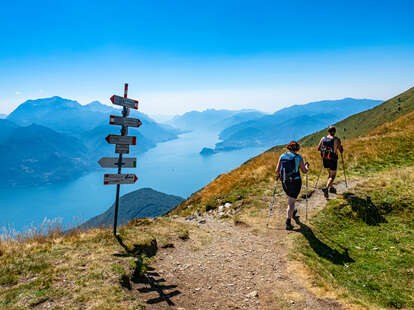 85 mi from Genoa · land adventureLake Como: Silk, Stone, and Summit — A Four-Day Master Plan
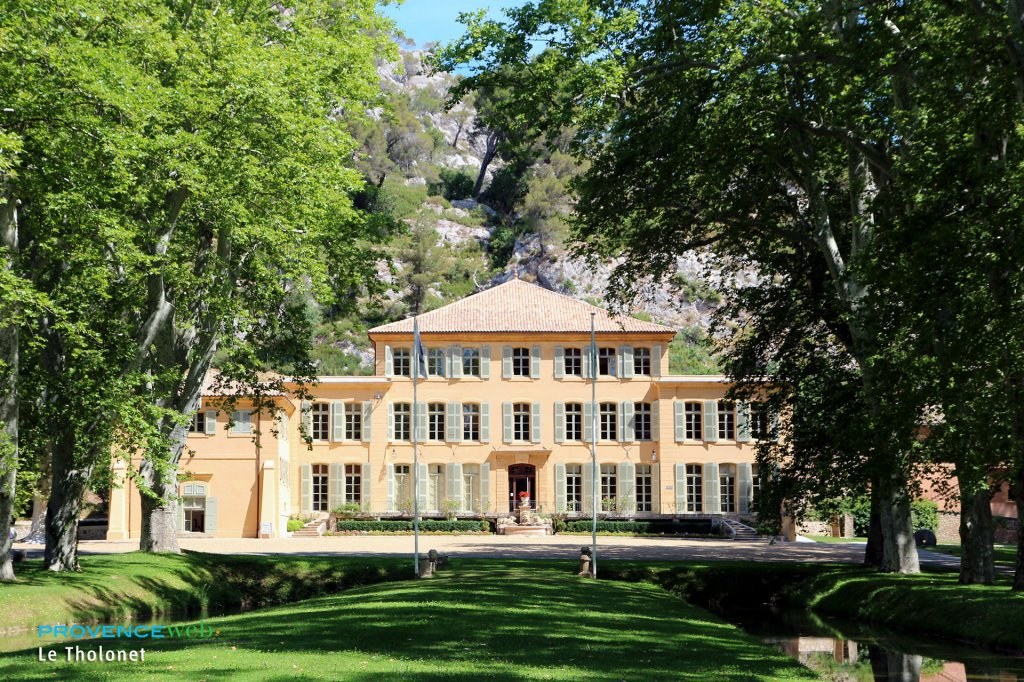 100 mi from Genoa · land adventureCézanne's Backyard: Wine, Art & Thermal Springs in Provence
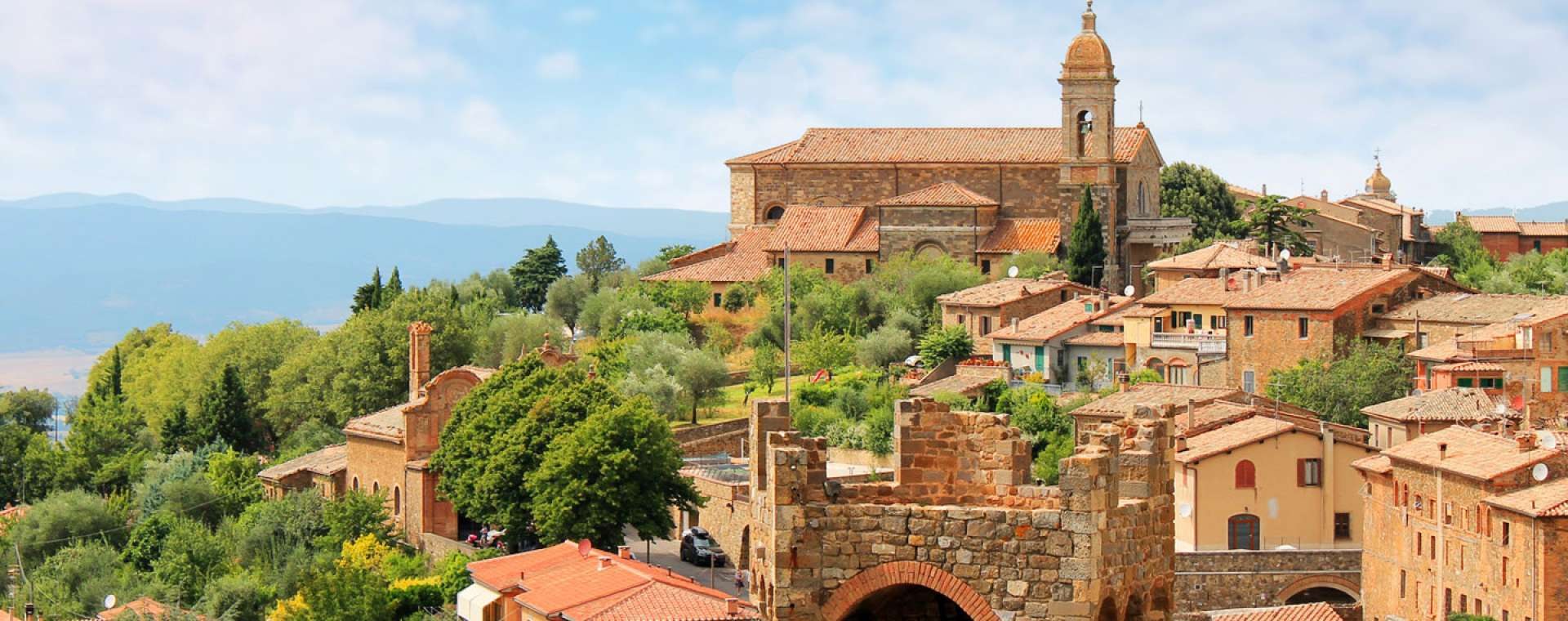 119 mi from Genoa · land adventureFlorence to Val d'Orcia: Wine, Frescoes & Thermal Springs
 After you step off · near Sao Paulo
You end in a different port — stay on, and add what is within reach before you fly home.
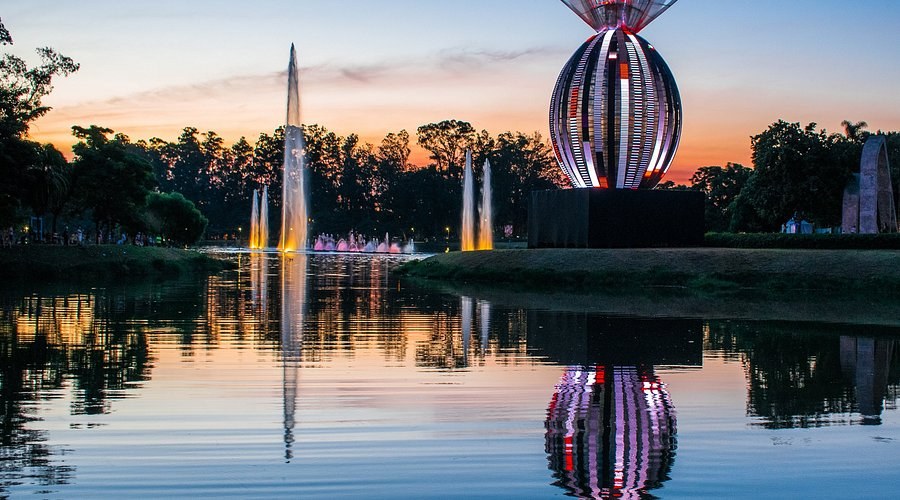
The same trip, elevated
The same gateway on a more luxurious line — lead-in fare per person, same fare as booking direct.