Your cruise
EXPLORA II · 20-night Mediterranean round trip from Barcelona
Apr 18 – Apr 29 · 11 nights ·
Day 1 Barcelona (board) · Day 2 Valencia · Day 3 at sea · Day 4 Tangier · Day 5 Casablanca · Day 6 at sea · Day 7 Santa Cruz de Tenerife · Day 8 Funchal · Day 9 at sea · Day 10 Marbella · Day 11 at sea · Day 12 Barcelona · Day 13 Alicante · Day 14 at sea · Day 15–16 Lisbon · Day 17 Cadiz (Seville) · Day 18 Malaga · Day 19 at sea · Day 20 Palma de Mallorca · Day 21 Barcelona (step off)
What you do Step inside Santiago Calatrava's blinding-white, sci-fi City of Arts and Sciences and into the Oceanografic, the biggest aquarium in Europe, where a glass tunnel puts sharks and rays gliding over your head and beluga whales, sea lions and a dolphin lagoon fill nine themed marine worlds. It is the single most photographed image of Valencia and the closest marquee sight to the cruise terminal, about 12-20 minutes by bus line 95 or a ~12-15 euro taxi. For a first-timer with one port day, this is the regret-if-you-miss-it stop.
What to expect You arrive at Santiago Calatrava's gleaming City of Arts and Sciences and step into the Oceanografic, Europe's largest aquarium, where a glass tunnel frames sharks and rays gliding silently overhead. From there you move through nine themed marine worlds—beluga whales, sea lions, and a dolphin lagoon punctuate the journey—each zone a deeper plunge into underwater spectacle. The dolphin and sea-lion shows provide the natural rhythm breaks and peak photo moments. It's an immersive, self-paced flow from zone to zone, capped by the single most photographed image Valencia offers.
Good to know Book your ticket direct online (EUR 35.90–43.05 adult; combo packages with Hemisferic IMAX and Science Museum run EUR 44–51.25) and allow 2.5–4 hours inside the aquarium to cover all zones and catch both shows comfortably. From the cruise terminal, take line 95 bus (12–20 minutes) or a taxi (~EUR 12–15) directly to the City of Arts and Sciences; the walk from either drop-off to Oceanografic is short and self-evident. Plan to be back at the pier 90 minutes before all-aboard, and bring a camera—the underwater glass tunnels and Calatrava architecture demand it.
Versus the ship tour DIRECT WINS BIG. Lines like Celebrity and Royal Caribbean sell a city-visit-plus-Oceanografic tour at $95-130 pp; the aquarium ticket booked direct is only ~$39-46, so even with a taxi you save roughly $50-80 pp and skip the bus-herd pacing. The only thing the ship adds is guided transfer, which the line-95 bus or a short cab replaces for a few euros.
book direct with Oceanografic Valencia (Ciutat de les Arts i les Ciencies) → · the full guide →
What you do Glide out across the mirror-still freshwater lagoon in a traditional flat-bottomed albuferenc wooden boat, poled and motored past herons, reed beds and the rice paddies that actually gave the world paella, best at the golden-hour light Valencia is famous for. This is the postcard the cathedral and aquarium can't replicate, and at roughly 25 minutes from the port it pairs perfectly with an authentic paella lunch in the El Palmar village beside the dock.
What to expect You'll travel roughly 25 minutes from the port to El Palmar village and board a traditional flat-bottomed wooden boat, poled and motored across the mirror-still freshwater Albufera Lagoon. As you glide past herons, reed beds, and the rice paddies that gave paella to the world, golden-hour light transforms the landscape into postcard perfection—a natural experience the cathedral and aquarium cannot match. The shared lagoon ride lasts about 45 minutes, immersing you in the serene working wetlands that define this region. Pair it seamlessly with an authentic paella lunch at a village restaurant beside the dock, creating a complete sensory journey of Valencia's most authentic culinary and natural heritage.
Good to know Book directly with Paseos en Barca El Besso (WhatsApp/phone +34 678 336 181 or their website) for a standard ~45-minute ride at EUR 5 adult/EUR 3 child, or opt for a sunset/longer ride at EUR 7—a fraction of cruise-line bundled tour pricing. From the pier, take a taxi to El Palmar dock (roughly 25 minutes); consider hiring the same taxi to wait, or arrange round-trip transport through an independent port-gate operator for ~€75–85 to include boat and paella. Book your boat slot and paella restaurant reservation in advance to secure timing, and budget 4–5 hours total (transport, boat, meal, return) to maintain a safe buffer before all-aboard. Bring sun protection and a camera for golden-hour shots, and note that the boat is weather-dependent; confirm departures the morning of your port day.
Versus the ship tour DIRECT IS A FRACTION OF THE PRICE. The boat ride itself is ~5 euros booked directly with the barquero; cruise lines bundle it into 'Old Quarter and Albufera with paella' tours at $90-130 pp. If you want the whole package handled, an independent port-gate operator does boat + paella + round-trip transport for ~$82-92 pp and still beats the ship by $20-50. But the boat alone, self-driven by taxi, is the budget bucket-list steal of the port.
book direct with Paseos en Barca El Besso → · the full guide →
What you do Shop for ingredients at the 1928 Modernista Central Market with a Valencian chef, then learn to build the genuine article over fire, rice, chicken, rabbit and garrofo beans, never chorizo, and eat your own creation with regional wine and tapas. It is a hands-on, take-home-a-skill experience run by a real local operator, and the ~3.5-hour morning format slots cleanly inside a 6-8 hour port day for foodies who want to do more than sightsee.
What to expect You'll start with a guided walk through the soaring Modernista halls of the 1928 Central Market, learning to spot authentic paella ingredients alongside your Valencian chef before heading to the cooking space. There you'll work hands-on—building genuine paella over fire with rice, chicken, rabbit, and garrofo beans (never the tourist shortcut of chorizo). As the dish comes together, you'll taste regional wine and tapas, then sit down to eat the paella you've just made. The morning format flows as a natural arc from market discovery to skill-building to meal, completing in roughly 3.5 hours.
Good to know The ~3.5-hour morning class fits neatly into a 6–8 hour port day, leaving buffer time for tender queues and the walk back to the pier. Book directly with Sea Saffron (not the cruise line) to confirm pickup logistics from the Valencia port and confirm whether transportation is included. Wear closed-toe shoes suitable for standing in a market and near an open fire, and bring an appetite—you'll finish with your own cooked paella plus wine service. Reserve ahead, especially for weekend calls, since local operators fill faster than ship-sponsored alternatives.
Versus the ship tour DIRECT WINS. Cruise-line culinary excursions run $130-225 pp (tapas-and-wine city tours up to $221-226, cooking classes ~$139); Sea Saffron's hands-on class with market tour is ~$80 booked direct, saving $50-145 pp, and you deal with a genuinely Valencian operator instead of a contracted group bus.
What you do In its own Gothic side chapel the cathedral guards the agate cup the Vatican recognizes as the most credible candidate for the Holy Grail of the Last Supper, the spiritual heart of the Old Town. Then climb the 207 spiraling steps of the Miguelete bell tower for the definitive 360-degree panorama over Valencia's terracotta rooftops and domes. Compact, walkable and self-paced, it anchors any Old Town port-day plan.
What to expect You'll start in Valencia's compact Old Town, entering the Gothic cathedral to view the agate Holy Grail cup in its own chapel—a profound, quieter moment amid the architectural grandeur—before moving through the Treasury and museum at your own pace with an audioguide. Then you'll face the decision: take the 207 spiraling steps of the Miguelete bell tower for an unobstructed 360-degree panorama of terracotta rooftops and domes, or linger in the historic center's walkable streets. The rhythm is entirely self-directed; you move when you want, rest when you want, and the compact geography keeps you anchored without feeling rushed.
Good to know The cathedral and tower entry (~$12–14 total) should be booked direct at the official site or purchased at the door to avoid ship markups. Budget 2.5–3 hours for the full cathedral experience plus the tower climb; the Old Town is a flat, easy 10–15 minute walk from the cruise pier, leaving you 2–3 hours for additional wandering or a cafe stop. Build in a 30-minute buffer to return to the ship; bring comfortable walking shoes, sunscreen, and a small day bag, as the tower climb is tight and steep. Book ahead online only if you're visiting during peak season (May–September) to guarantee entry slots.
Versus the ship tour DIRECT WINS, AND IT'S SELF-GUIDED. Lines sell a Valencia City Highlights / panoramic Old Town tour at $70-95 pp; the cathedral and tower booked direct total ~$12-14 pp, and the historic center is an easy self-guided walk. The ship only adds a guide and coach transfer, worth it solely if you want zero logistics, otherwise you're paying $60+ extra for narration.
book direct with Catedral de Valencia (Basilica Metropolitana) → · the full guide →
What you do After a 1957 flood Valencia rerouted its river and turned the 9 km dry riverbed into one of Europe's great urban parks, a green ribbon winding under the city's historic stone bridges from the Old Town all the way to the City of Arts and Sciences. Rent a bike and ride the traffic-free corridor to string nearly every major sight together, the smartest, most local way to cover a lot of Valencia on a short port day.
What to expect You'll rent a bike at Valencia Bikes and pedal the 9 km traffic-free ribbon of the Turia Gardens, a green corridor that winds under historic stone bridges from the Old Town through the city's lush heart straight to the City of Arts and Sciences. Along the way you'll string together nearly every major sight—medieval plazas, arched architecture, and Calatrava's futuristic complex—without fighting traffic or crowds. The route flows as a seamless scenic loop, each landmark appearing naturally as you glide beneath centuries-old bridges and through sun-dappled parks. It's the closest thing to a personal-guided tour you'll get without paying for one, but entirely at your own pace and on your own discovery.
Good to know Rent your bike early to maximize daylight and give yourself 4–5 hours to ride the gardens, explore the Old Town, and visit the City of Arts and Sciences without rushing. The rental fee (~$13–16 including helmet and lock) is non-negotiable, so budget that upfront; guided tours are available at higher rates if you prefer narration. Allow at least 90 minutes buffer to return the bike, walk back to the pier, and clear security before all-aboard. Bring water, sunscreen, and check that the bike's brakes and tires work before leaving the rental shop—the route is flat and safe, but you'll be exposed to Valencia's sun for hours.
Versus the ship tour DIRECT WINS for the self-reliant. The ship's panoramic city tours run $70-110 pp; a half-day bike for ~$15 lets you self-connect the Old Town, Turia park and the Calatrava complex in one scenic loop, saving $55+ pp. Choose the ship only if you can't ride or want a guided narrative; otherwise the bike is the better-value, more memorable way to see the city.
What you do When you want an easy, low-stress port day, Malvarrosa and Las Arenas beaches sit minutes from the cruise terminal: a wide golden-sand strip backed by a palm-lined promenade of paella-and-seafood chiringuitos, with the America's Cup marina alongside. It is the closest open-water relaxation to the ship, no operator or booking needed, and you can be back aboard fast if the clock gets tight.
What to expect You arrive at a wide, palm-lined golden-sand beach moments from the cruise terminal, where the shoreline stretches lazily between the chiringuitos (casual seafood bars) lining the promenade and the sleek white yachts of the America's Cup marina. The rhythm is unhurried: claim a spot on the sand or rent a sunbed, order fresh paella or grilled fish from one of the beachfront shacks, and drift between the water and a cold horchata as the Mediterranean wind dries your shoulders. The Malvarrosa and Las Arenas beaches feel both Mediterranean-postcard authentic and entirely low-key—no crowds, no tours, just sand, salt water, and the gentle hum of port-city life just behind you.
Good to know A taxi from the terminal costs $12–15 each way, or take the city tram for a few euros—both get you beachside in minutes, leaving a full 5–6 hours to swim, eat, and lounge within a 6–8 hour port window. Sunbed and parasol rentals (around $5–10) are available on-site and require no advance booking. Build in a 30–45 minute buffer before all-aboard to account for a taxi queue or tram wait on the return trip, and bring cash or a card accepted at the chiringuitos if you plan to eat; sunscreen and a light cover-up are essential, as the beach offers limited shade beyond parasol rentals.
Versus the ship tour SKIP THE SHIP HERE. Cruise lines sell a Valencia Beaches / scenic coastal drive at $70-110 pp, but Malvarrosa is essentially in the port's backyard and free to enjoy; a taxi or tram gets you there for under $20 round trip. This is the no-regret fallback if a marquee tour sells out or you simply want sand and a cold horchata without spending a cent on an excursion.
What you do Step inside the most famous unfinished building on earth, where Gaudi's stone forest of columns explodes into a kaleidoscope of stained-glass light that moves across the floor through the day. Add the tower ticket to ride the lift up a spire and walk back down the dizzying spiral stair with the city at your feet. Buy a strict timed entry slot, go early in your port window, and you'll beat both the queue and the midday glare.
What to expect You'll enter Gaudí's masterpiece and encounter a forest of soaring stone columns that dissolve into kaleidoscopic stained-glass light, shifting across the basilica floor as the sun moves through the day. If you book tower access, you'll ride the lift up a spire and descend the dizzying spiral staircase with Barcelona spreading below you. The unfinished vastness—both earthbound and dreamlike—fills the space in a way photographs cannot capture, and the audioguide walks you through every sculptural detail as you move through the nave.
Good to know Book a strict timed entry slot directly from the official Basilica de la Sagrada Familia site before your port day and go early in your window to beat both queues and harsh midday glare. Basic entry (EUR 26) includes the audioguide app; add EUR 10 for tower access (EUR 36 total) if you want the climb. Get there by taxi, metro, or ship-organized transport—the official tickets skip the reseller markup and save you $40–130 per person versus ship packages. Allow 2–3 hours inside the basilica itself, plus buffer time for entry and return, leaving at least 30–45 minutes to get back to the pier before all-aboard.
Versus the ship tour Direct wins overwhelmingly. The ship charges $75-170pp for guided/skip-line Sagrada Familia + Park Guell combos; the official tower ticket is ~$40pp and the basic ~$28pp. Same building, same skip-the-queue timed entry, for a fraction of the price. You save roughly $40-130pp and keep the audioguide. The only thing the ship adds is a bus and a guide reciting what the EUR 26 audioguide already tells you.
book direct with Basilica de la Sagrada Familia (official) → · the full guide →
What you do Ride out of the city to the serrated, otherworldly rock massif of Montserrat, ride the rack railway up the cliff face, and stand before the Black Madonna in the Benedictine basilica. If your day lands on a weekday you may catch the Escolania boys' choir, one of Europe's oldest. A guided coach handles the logistics and the timing so you are not gambling your ship's all-aboard on Spanish regional rail.
What to expect You'll depart Barcelona Nord by guided coach around 9:00am and ride into the otherworldly rock massif of Montserrat, where jagged peaks rise like a serrated fortress. At the foot of the cliffs, you'll board the rack railway that climbs the steep face, delivering you to the Benedictine basilica where the Black Madonna awaits in her shrine. A guide walks you through the sacred basilica, and if your excursion lands on a weekday, you may catch the Escolania boys' choir—one of Europe's oldest—singing in the morning service. The return coach departs mid-afternoon, arriving back at the port by around 4:15pm, giving you time to decompress before all-aboard.
Good to know Book the EUR 68.40 online rate with Catalunya Bus Turistic (Barcelona Turisme) well ahead to lock savings over cruise-line pricing ($25–185 cheaper per person). Confirm your ship's all-aboard time before booking—this ~7.25-hour excursion ends mid-afternoon, and the guided coach is your guaranteed return to port, so no gambling on Spanish regional rail. Wear sturdy walking shoes and bring layers, as the monastery sits at altitude and morning temperatures vary; the rack railway is steep but brief. Meet at Barcelona Nord bus station; your operator handles all transport and timing from city to mountain and back to the pier.
Versus the ship tour Direct wins clearly. Cruise-line Montserrat tours run $98-149pp and one premium-line passenger reported $259pp; this licensed multi-year operator delivers the same mountain, basilica and museum for ~$74pp, saving $25-185pp. PORT-DAY FLAG: this is a half-day, ~7.25hr round trip ending mid-afternoon, so confirm it lands inside your all-aboard. If you want the absolute floor and can self-navigate, the official Tot Montserrat ticket (EUR 71.50, adds the cable-car/lunch buffet and all funiculars) does it DIY by train, but you lose the guide and the guaranteed coach back to the port.
book direct with Catalunya Bus Turistic (Barcelona Turisme) → · the full guide →
What you do Climb to Gaudi's fairytale hillside park where the famous serpentine bench snakes in broken-tile mosaic around a terrace with the whole city and the sea spread below. The gingerbread gatehouses, the mosaic lizard fountain and the columned Hypostyle Hall make this the most photographed open-air Gaudi work in Barcelona. Book a timed slot for the Monumental Zone and arrive within your 30-minute entry grace window.
What to expect You'll arrive at Park Güell's Monumental Zone within a timed 30-minute entry window and climb the hillside into Gaudí's dreamlike landscape of gingerbread gatehouses and winding mosaic pathways. The iconic serpentine bench—snaking in broken-tile mosaics—curves around a terrace with sweeping views of Barcelona and the sea below, a photographer's paradise at every turn. You'll wander through the columned Hypostyle Hall and encounter the whimsical mosaic lizard fountain, experiencing the most photographed open-air Gaudí work in the city. The rhythm builds from initial climb to breathless overlook moment, then the slower, meditative wandering among the ceramic-clad structures and panoramic terraces.
Good to know Book your timed slot for the Monumental Zone well ahead (€18pp includes all Gaudí works and terraces, VAT included). Budget a taxi or bus both ways from the pier—the site is uphill and slightly off the metro—and plan to spend 1.5–2 hours at the park itself, leaving 2–3 hours total for transport buffers in a 6–8 hour port window. Arrive at the pier-side transport with at least 90 minutes before your ship departure to clear the security buffer. Bring sun protection and comfortable climbing shoes; if Sagrada Familia is also on your list, prioritize that cathedral over this one due to time constraints.
Versus the ship tour Direct wins big. The ship folds Park Guell into Gaudi tours priced $75-170pp; the official monument ticket is ~$20pp. Even adding a EUR 13 taxi up the hill you are far under the ship rate, saving $50-150pp. Honest caveat: it's uphill and a bit off the metro, so budget a taxi/bus each way and a firm timed slot. If you only have time for one Gaudi stop, prioritize Sagrada Familia over this one.
book direct with Park Guell (official, Barcelona City Council) → · the full guide →
What you do Slip out of the old harbor under sail on a real catamaran and see Barcelona's skyline, the Barceloneta beaches and the working port from the water, with a full bar aboard if you want a vermouth in hand. It is the rare port-day activity that starts steps from where most ships dock, so there is almost no travel time eating into your clock. Quiet, scenic, and an easy reset between the heavier Gaudi and mountain days.
What to expect You slip out of Port Vell under sail on a real catamaran, watching Barcelona's skyline recede as you glide past the Barceloneta beaches and the working harbor—all from the water, in the rare quiet that comes when most port-goers are queuing for cable cars. The 1.5-hour sail (or longer for Jazz options) unfolds at the pace of the breeze, with an onboard bar letting you nurse a vermouth while the city rises behind you. This is atmosphere and scenery: the kind of reset day that earns its place *between* the heavier Gaudi museum runs and mountain climbs, not as a standalone centerpiece.
Good to know The catamaran departs directly from Colon/Port Vell—steps from where most cruise ships dock—so there is almost no travel time; you can be aboard within 10–15 minutes of leaving the ship. Book the 1.5-hour Catamaran Sail & Skyline (EUR 18.50pp) or upgrade to Jazz & Chill Out (EUR 22.50pp) or Sunset Jazz (EUR 28pp) directly with Catamaran Orsom to save 50–80% versus ship-sold harbor alternatives. Plan to return well within a 6–8 hour port window, leaving ample buffer for any delays; bring sunscreen, sunglasses, and a light layer for wind on the water, and confirm departure times when booking to align with your ship's all-aboard.
Versus the ship tour Direct wins, roughly half price. Ship-sold harbor sails run $60-80pp and multi-element 'land/sea/air' packages hit $214pp; ORSOM's direct sail is ~$20-31pp, a $40-180pp saving. It departs right at Port Vell so you skip the bus shuffle. Honest note: this is scenery and atmosphere, not a bucket-list 'must,' so slot it only after you've locked the marquee sights.
What you do Drive into the Penedes vineyards, taste across varieties at the Torreblanca winery, then get hands-on at ArtCava to riddle and cork your own bottle of cava to take home as the rare souvenir you actually made. It is Spain's sparkling-wine heartland and a genuine craft experience rather than a pour-and-go tasting. A real port-day alternative to another church or museum.
What to expect You'll board a coach at Barcelona Nord around 9:00am and drive into the Penedes vineyards, Spain's sparkling-wine heartland, for a vineyard walk and guided tasting across varieties at Torreblanca winery. From there, you'll move to ArtCava for a hands-on workshop where you'll ridge and cork your own bottle of cava—a genuine craft experience, not a pour-and-go tasting—before heading back to the pier by approximately 2:15pm with a bottle you've made yourself as your souvenir.
Good to know The entire excursion runs ~5.25 hours round-trip, departing Barcelona Nord and returning early afternoon, which fits comfortably within most all-aboard windows—but confirm your sailing time and treat the coach's return as your hard deadline. Price is EUR 104pp online (EUR 116 regular) and includes round-trip coach, vineyard walk, tastings at two wineries, the guided ArtCava tour, your make-your-own-cava workshop, and the bottle to take home. Book online in advance to lock in the EUR 104 rate rather than pay the regular price at the port. Bring comfortable walking shoes for the vineyard and ArtCava, stay hydrated between tastings, and allow 15–20 minutes buffer time to clear the coach and return to your ship.
Versus the ship tour Direct wins, ~$75-80pp. The cruise line's Cava + tapas + vineyard and Familia Torres winery tours run $186-195pp; this is ~$113pp for two wineries plus a hands-on workshop and a bottle, a saving of about $75pp. PORT-DAY FLAG: ~5.25hr round trip returning early afternoon, comfortably inside most all-aboards, but confirm against your sailing time and treat the coach's return as your hard deadline.
book direct with Catalunya Bus Turistic (Barcelona Turisme) → · the full guide →
What you do Walk the famous La Boqueria market with a chef, then cook a real Catalan paella and a couple of tapas by hand before sitting down to eat what you made with sangria in hand. It's three hours, minutes off La Rambla, and a low-stress way to take Barcelona home in your hands rather than your camera roll. The near-port safety net if a long mountain or vineyard run feels too tight against your all-aboard.
What to expect You'll start at La Boqueria market with a chef guide introducing the vibrant produce and Catalan ingredients, then move to the kitchen to roll up your sleeves and cook a real paella and two tapas by hand under instruction. The rhythm flows from market sensory overload—color, noise, vendors—to focused, measured cooking where you learn technique in a small group. After three hours of chopping, stirring, and tasting, you sit down to eat what you've made with sangria in hand, transforming the morning's market finds into your own meal.
Good to know Sessions run at 10:30, 13:00, 16:00, and 18:45; a 10:30 start gives you a full 6+ hours back on ship before evening all-aboard, while the 13:00 slot works if your port window is shorter. The venue is central, just minutes off La Rambla near Liceu metro—walkable from the pier or a quick taxi, with minimal coach risk. Book ahead through Cook & Taste to secure your time slot and session; the EUR 72 price includes all instruction, equipment, recipes, and beverages, so there are no surprise costs. Plan to return to the ship by your all-aboard time with a 30–45 minute buffer built in; the class ends by its scheduled time (e.g., 13:45 for the 10:30 session), leaving you a safe window to walk or cab back to the pier.
Versus the ship tour Direct wins, $50-115pp. The ship's tapas/food/wine tours run $128-195pp; this hands-on class is ~$79pp, a $50-115pp saving, and you actually cook rather than just follow a guide between bars. As a safety-net it is unbeatable for the clock: it's central, short, and books in fixed time slots, so you can pick the session that fits your remaining port hours with zero coach risk.
book direct with Cook & Taste (Barcelona Cooking Classes) → · the full guide →
What you do Step inside Tangier's living history on a private guided tour of the Kasbah, labyrinthine Medina, and the only US National Historic Landmark on foreign soil. An intimate, expert-led journey through the city's legendary cosmopolitan soul.
What to expect Your licensed private guide meets you portside and leads you up through the Medina's ancient souks to the 15th-century Kasbah and its museum of Moroccan arts. You'll then visit the Tangier American Legation — a stunning Andalusian palace and the USA's first diplomatic property abroad — before descending through the storied Petit Socco square. The pace is entirely yours: linger, photograph, and absorb the extraordinary layering of Arab, Berber, Jewish, and European cultures that define Tangier.
Good to know Book directly at tangier-private-tours.com well in advance — private guides fill fast on port days. The Kasbah Museum entrance is approx. MAD 20 extra. All-aboard is typically 6–7 hours after docking; a private half-day tour comfortably fits within 4–5 hours. Wear comfortable walking shoes; Medina streets are cobbled and steep.
Versus the ship tour Fully tailored, private expert guide sets the pace entirely around you — no crowds, no rushing, lingering time in the Kasbah alleyways and the extraordinary American Legation museum that mass tours skip past.
book direct with Tangier Private Tours (tangier-private-tours.com) → · the full guide →
What you do Escape to Morocco's most photogenic mountain town — a maze of indigo-washed alleys draped in bougainvillea. This private day trip from Tangier is a once-in-a-lifetime visual and cultural immersion in the Rif Mountains.
What to expect A luxury private transfer whisks you through the dramatic Rif Mountain landscape to Chefchaouen — roughly 2 hours each way. Your guide leads you through the electric-blue Medina, past the Plaza Uta el-Hammam and its 15th-century kasbah, into artisan-lined lanes selling hand-woven wool and argan products. You'll have ample time to photograph the legendary blue-washed stairways, sample local Rif cuisine at a quality restaurant, and browse the vibrant weekly market if timing aligns. The return journey offers a scenic mountain sunset back to port.
Good to know This is a full-day excursion — typically 9–10 hours. Confirm your ship's all-aboard time carefully; this works best with a late-evening departure. Book private transfer well in advance. Entrance to the Chefchaouen Kasbah is approx. MAD 10. Bring cash (dirhams) for artisan purchases.
Versus the ship tour A private vehicle and expert guide means you arrive in Chefchaouen ahead of day-trippers, enjoy unhurried exploration of the most photogenic corners, and have the flexibility to linger in a rooftop café over mint tea before the crowds arrive.
book direct with Tangier Private Tours (tangier-private-tours.com) → · the full guide →
What you do Stand at the dramatic meeting point of the Atlantic and Mediterranean, descend into the mythical Caves of Hercules, and ride a camel along a wild Atlantic beach. Tangier's most iconic coastal experience, done privately and at leisure.
What to expect Your guide drives you through the lush Perdicaris forest to Cap Spartel — the northwesternmost tip of mainland Africa — where the historic lighthouse presides over one of the world's great meeting-of-seas views. You descend into the Caves of Hercules, ancient sea-carved chambers steeped in Phoenician, Roman, and mythological history, where the Atlantic light through the famous 'Africa-shaped' aperture is simply magical. A camel ride along the wild Atlantic beach follows, a genuinely extraordinary moment on Africa's edge. Return via the scenic coastal corniche.
Good to know Hercules Caves admission is approx. EUR 8 per person, payable on site — bring cash. Camel ride is typically included in private tour price; confirm when booking. Cap Spartel is 14 km from port — easily reached in 20 minutes by private car. A half-day excursion comfortably fits a 4-hour window. Best light for photography is mid-morning.
Versus the ship tour A private guide and vehicle eliminates the coach-tour bottleneck at both Cap Spartel and the caves, giving you time to truly absorb the geology, mythology, and breathtaking coastal panoramas rather than shuffling through with a crowd.
book direct with Tangier Private Tours (tangier-private-tours.com) → · the full guide →
What you do The definitive, unhurried immersion in Tangier's legendary history — from its ancient Kasbah and Phoenician roots to the clifftop café where the Rolling Stones and the Beats once held court. A VIP full-day private journey through layers of empire and bohemia.
What to expect Your licensed guide begins at the Grand Socco, Tangier's historic meeting point of old and new, before plunging into the Medina's sensory labyrinth of spice stalls, leather workshops, and silver filigree jewellers. The Kasbah's panoramic terrace reveals sweeping views across the Strait of Gibraltar to the Spanish coast — on clear days, Europe feels touchably close. A visit to Café Hafa, the legendary clifftop terraced institution founded in 1921 with its UNESCO-celebrated sea views, is the perfect mid-tour pause over traditional Moroccan mint tea. The afternoon includes the St. Andrew's Church — an extraordinary fusion of Gothic and Islamic architecture — and the Mendoubia Gardens.
Good to know Book through GetYourGuide for transparent pricing; confirm private option at checkout for a premium experience. The Grand Tour typically runs 4–6 hours. Café Hafa is cash-only; bring small dirhams. Wear light, breathable layers — Tangier can be warm and the Medina involves significant walking. Grand Socco is a 10-minute walk or short taxi from the port.
Versus the ship tour Expert local guides bring the city's extraordinary literary and political past vividly to life — from the International Zone intrigues to the Beat Generation's Tangier — with insider access to hidden riads and artisan workshops rarely included on group tours.
book direct with GetYourGuide – Tangier Grand Tour (local licensed operators) → · the full guide →
What you do Discover Asilah, Morocco's most elegant whitewashed coastal town — a Portuguese-walled Medina adorned with world-class murals, elite galleries, and an achingly beautiful Atlantic rampart walk. The most refined and underrated day trip from Tangier.
What to expect A private luxury transfer takes you 45 km south along Morocco's gorgeous Atlantic coast to Asilah — a fortified town of dazzling whitewashed walls built by the Portuguese in the 15th century. Your guide walks you through the stunning rampart-encircled Medina, past vivid open-air murals left by the renowned Asilah Festival artists, to the clifftop Raissouni Palace terrace with its postcard Atlantic views. Time is yours to browse the exceptional artisan boutiques — leather, ceramics, Berber jewellery — and take lunch at one of the seafront restaurants serving the freshest grilled Atlantic fish in Morocco. A beach camel ride at Cap Spartel is easily combined on the return.
Good to know Asilah is approx. 45 minutes from Tangier port by private car. Combine with a Cap Spartel stop on the return for an exceptional full-day itinerary. Best visited on a Friday or Saturday when the weekly market adds colour. Bring dirhams for artisan shopping; cards rarely accepted in boutiques. Confirm all-aboard time — full day itinerary needs 7–8 hours.
Versus the ship tour Asilah's intimate scale and artistic soul reward those who arrive privately and slowly — a small-group or private tour means you can linger in gallery courtyards, pause on the Medina ramparts above the crashing Atlantic, and explore without any time pressure.
book direct with Tangier Private Tours (tangier-private-tours.com) → · the full guide →
What you do Escape into Tangier's extraordinary secret: a lush, wild cork-oak and eucalyptus forest reserve tumbling down to the Strait of Gibraltar, teeming with Barbary macaques and rare birds. A refined, private nature experience far from the port crowds.
What to expect Just 5 km from the port, Parc Perdicaris (rated 4.5 on Tripadvisor) is a hauntingly beautiful nature reserve protecting a rare Atlantic forest of cork oak, wild olive, and giant cacti, home to Barbary macaques, Egyptian mongooses, and over 100 bird species. Your private guide leads you along shaded forest trails to dramatic clifftop viewpoints over the Strait, recounting the extraordinary 1904 Perdicaris kidnapping that brought US gunboats to Tangier. A luxury Moroccan picnic — pastilla, fresh fruit, Moroccan pastries, and mint tea — is laid out in a forest clearing, making this a sensory counterpoint to the city's intensity. Easily combined with Cap Spartel, just 3 km further west.
Good to know Park entry is approx. MAD 20 per person; a private guide is essential to find the best viewpoints and wildlife spots. Best visited in the morning for birdwatching. A half-day excursion (3–4 hours) easily combined with Cap Spartel and Hercules Caves for a superb full coastal morning. Wear closed walking shoes; forest paths can be uneven. Advance booking essential.
Versus the ship tour A private naturalist-informed guide turns Perdicaris — Tangier's most underrated gem — into a genuine wildlife and history encounter, combining the legendary Raissouni story (the 1904 kidnapping that sparked an international crisis) with birdwatching and a curated forest picnic.
book direct with Tangier Private Tours (tangier-private-tours.com) → · the full guide →
What you do Step inside one of the world's great religious monuments with a private licensed guide — then explore the Art Deco boulevards, Royal Palace, and Quartier Habous at your own pace. An intimate, unhurried encounter with Casablanca's layered identity.
What to expect Your private guide meets you portside and whisks you first to the Hassan II Mosque, where official guided access takes you into the breathtaking prayer hall — the world's largest with an ocean-opening floor. From there, wind through the Quartier Habous, a 1930s Moroccan-French new medina of honey-coloured arches and artisan stalls, then sweep past the neo-Moorish facades of Mohammed V Square. The tour wraps in the Corniche, where the Atlantic horizon closes the story perfectly.
Good to know Hassan II Mosque is closed to non-Muslims on Fridays — plan accordingly. Mosque guided tours run roughly 09:00–10:30 and 14:00–15:30; book ahead on the official mosque site (fmh2.ma) to secure your slot. Allow ~5–6 hours total; well within typical all-aboard windows.
Versus the ship tour A vetted local expert shapes the itinerary entirely around your group — no fixed coach stops, no waiting for 40 strangers. You move at a discerning traveller's pace through every neighbourhood, with stories that go far beyond the guidebook.
book direct with Tours By Locals – Casablanca Private Guides → · the full guide →
What you do The Hassan II Mosque rises over the Atlantic on a promontory built for eternity — its 210-metre minaret the tallest on earth. The official guided interior tour is the only way non-Muslims may enter, and it is genuinely unmissable.
What to expect An official foundation guide leads a small group through the vast prayer hall, its retractable roof open to the sky above 25,000 worshippers. Zellige tilework, hand-carved cedarwood, and Italian marble stretch in every direction; the glass floor panels reveal the Atlantic beneath your feet. The tour continues through the hammams, the ablution halls, and the museum-quality lower level. The experience closes with unobstructed views of the sea terrace — the most photogenic spot in Casablanca.
Good to know Tours depart at set times (typically 09:00, 10:00, 11:00, 14:00 & 15:00). Closed Fridays and during prayer times. Modest dress mandatory — shoulders and knees covered; scarves available at the entrance. Book your slot on fmh2.ma well in advance as timed entries sell out. Port to mosque is a ~15-minute taxi ride (approx. MAD 40).
Versus the ship tour Booking direct through the mosque foundation guarantees your timed slot inside the genuine monument, guided by the foundation's own certified historians — the deepest, most authoritative interpretation of this architectural wonder available.
book direct with Fondation de la Mosquée Hassan II (fmh2.ma — Official) → · the full guide →
What you do A private guided culinary walk through the Marché Central, the Habous souks, and hidden neighbourhood kitchens — tasting pastilla, msemen, argan-drizzled dishes, and Moroccan pastries at addresses only locals know. Casablanca on a plate.
What to expect The tour opens at Marché Central, Casablanca's beautiful 1930s covered market, where the guide introduces you to the spice merchants, fishmongers, and olive vendors who set the city's culinary tempo. You then thread through the Quartier Habous — stopping for hot harira soup, almond-stuffed briouat, and honeyed chebakia from family bakeries. A street corner serves the city's best msemen (griddle-fried flatbread) with argan oil and amlou paste. The finale is a glass of Moroccan mint tea with a pastry-maker who learned the craft from his grandfather.
Good to know Best undertaken in the morning when the market is at its freshest. Allow 3–4 hours. Inform your guide of any dietary restrictions at booking. The Marché Central is a short taxi ride from the port (MAD 30–40). The tour ends within easy reach of the port for all-aboard compliance.
Versus the ship tour A private local food guide with deep neighbourhood knowledge — not a set menu at a tourist restaurant, but a curated sequence of stops chosen for quality and authenticity. You eat where Casablancais eat, at a pace that allows conversation with the cooks.
book direct with GoWithGuide – Casablanca Local Food Guides → · the full guide →
What you do Casablanca holds one of the world's finest intact collections of 1920s–1940s Art Deco architecture — a secret rival to Miami's South Beach. A licensed architectural guide decodes this extraordinary streetscape alongside the neo-Moorish Habous quarter.
What to expect Beginning at Mohammed V Square, your guide unveils the neoclassical post office, the Mauresque courthouse, and the sweeping colonnaded facades that have earned Casablanca UNESCO recognition discussions. You move into the Quartier Habous — designed in the 1930s to blend French urban planning with traditional medina architecture — discovering a royal patisserie, a cedar-carved bookbinder, and the Royal Palace's ceremonial gates. The tour closes with an aperitif stop at one of the district's historic café terraces, surveying the cityscape over a glass of freshly squeezed orange juice.
Good to know A morning start (08:30–09:00) avoids midday heat and catches the best light on the pale stone facades. Allow 3–4 hours. Comfortable walking shoes essential — the route covers roughly 4 km on foot. Taxis from the port to Mohammed V Square cost approx. MAD 35–45.
Versus the ship tour A specialist guide with architectural expertise and a genuine passion for Casablanca's Belle Époque and Mauresque layers — the kind of interpretation that turns a walk down a boulevard into a masterclass in colonial history, modernism, and Moroccan identity.
book direct with Typically Morocco Tours (Tripadvisor-verified, official) → · the full guide →
What you do Cruise the sweeping Atlantic Corniche by private car with a local expert — past the sea-facing terraces of Ain Diab, the rock pools of the coastline, and the iconic silhouette of Hassan II Mosque reflected in the ocean. Casablanca's most cinematic vista.
What to expect Your driver-guide collects you from the port and heads straight for the Corniche de Casablanca — a palm-lined seafront boulevard that unfolds like a Moroccan Riviera. You pause at the best vantage point for the Hassan II Mosque framed by ocean spray, then continue to the Ain Diab beach clubs, where Casablanca's stylish set spend their weekends. A stop at a sea-terrace café for fresh seafood brochettes and Moroccan mint tea rounds out the coastal experience before a leisurely return to port.
Good to know Ideal in the afternoon when the western light catches the Atlantic. Allow 3–4 hours. The Corniche is roughly 5 km from the cruise terminal — easily combined with a morning mosque visit. Inform your guide of any café or restaurant preferences and they will pre-arrange a preferred table.
Versus the ship tour A private car and guide means you stop where the light is perfect, linger at your favourite terrace café, and absorb the Atlantic panorama at your own rhythm — with none of the time pressure of a group coach.
book direct with GoWithGuide – Casablanca Private Drivers & Guides → · the full guide →
What you do When Casablanca is your port but Marrakech is on your bucket list — this private full-day transfer makes it possible. The Pink City's labyrinthine medina, intoxicating souks, and the cobalt-blue Majorelle Garden await, just 2.5 hours away by train or private car.
What to expect Depart at dawn by private car for the Atlas foothills road to Marrakech, arriving in time to explore Djemaa el-Fna as the square awakens. Your guide navigates the souk labyrinth — spice stalls, lantern-makers, leatherworkers — then leads you to the cobalt serenity of the Majorelle Garden (entry ~MAD 150). A private rooftop riad lunch follows before a late-afternoon wander through the mellah (Jewish quarter) and the Ben Youssef Medersa. Return to Casablanca in comfortable time for all-aboard.
Good to know Majorelle Garden should be pre-booked online (jardinmajorelle.com) to guarantee entry — it sells out. Depart by 07:00 to maximise time in Marrakech. Return journey is approximately 2.5 hours; verify your all-aboard time and build in a 2-hour buffer. This is a full-day commitment — best for longer port calls (8+ hours in port).
Versus the ship tour A private vehicle and expert guide means no group transfers, no rushed schedules — you decide how long you linger in a souk alley or over a rooftop lunch. This is the unhurried, immersive Marrakech experience that a day-tripper deserves.
book direct with Typically Morocco Tours (Tripadvisor-verified, official) → · the full guide →
What you do Ascend Spain's highest peak through a UNESCO World Heritage volcanic landscape, riding the Teide cable car to 3,555 m for panoramic views across all seven Canary Islands. An absolute bucket-list spectacle of raw, otherworldly beauty.
What to expect The ascent winds through pine forests and stark lava fields before reaching the Cañadas caldera — an alien plateau of red and ochre rock. The cable car lifts you above the clouds to the crater rim at 3,555 m, where the views on a clear day stretch to Morocco. With a summit permit you walk the final 200 m to the true peak — a moment few visitors ever reach. Allow a full morning; altitude can be felt, so take it slowly.
Good to know Cable car tickets and summit permits MUST be pre-booked online — they sell out days/weeks ahead. The drive from Santa Cruz port is ~1 h each way. All-aboard times typically allow a full day; confirm yours and hire a private driver or taxi for flexibility. Wear layers — it is cold and windy at altitude even in summer.
Versus the ship tour Book the cable car + optional summit permit directly with the official park operator for guaranteed timed access — slots sell out weeks in advance. A private vehicle transfer from the port lets you linger at the Roques de García formations and La Tarta viewpoint at your own pace, with no group to rush you.
What you do Plunge into one of Europe's last primeval laurisilva forests — a UNESCO Biosphere Reserve of mist-draped ravines and Guanche-era trails just 30 minutes from the port. An intimate, expert-led private hike through living prehistory.
What to expect Your guide drives you up into the Macizo de Anaga massif, where ancient dragon trees and tree-heathers drip with mossy silence. Trails wind between hamlets of whitewashed houses that appear unchanged for centuries. Dramatic mirador viewpoints open onto jagged ridgelines plunging into the Atlantic. The return journey passes through the charming fishing village of San Andrés, with time to admire Playa de las Teresitas if you wish.
Good to know Book well in advance to secure your preferred date. The park is only ~30 min from the cruise terminal — ideal even on shorter port calls. Wear sturdy walking shoes and bring a light waterproof layer; the forest canopy can be damp. Confirm all-aboard time with your guide so they build in a buffer.
Versus the ship tour A certified private local guide collects you directly from the port, tailors the route to your fitness level, and narrates the park's geology, endemic flora, and Guanche heritage — knowledge impossible to replicate in a large coach group. No fixed pace, no strangers.
book direct with ToursByLocals — John R. (Santa Cruz de Tenerife private guide) → · the full guide →
What you do The channel between Tenerife and La Gomera is one of the world's premier cetacean corridors — home to resident pilot whales and bottlenose dolphins year-round. A private luxury catamaran delivers an intimate encounter that feels like the ocean belongs to you.
What to expect You depart from the sheltered marina, heading into the deep blue channel where pilot whales are spotted on the vast majority of trips. The crew are marine-biology trained and maintain respectful distances in line with Canarian law. Dolphins frequently bow-ride alongside the hull. Between sightings there is time to snorkel over volcanic rock gardens or simply recline on the deck with a chilled glass of wine as Teide rises behind you.
Good to know Los Cristianos is approximately 1 h from Santa Cruz port by taxi or car — factor this into your day. Half-day charters (3–4 h on the water) comfortably fit most port schedules. Book the charter at least 2–3 weeks ahead. Confirm all-aboard time with your charter captain before departure.
Versus the ship tour Fully private charter means the captain adjusts the itinerary to wherever the cetaceans are — no crowd, no timetable. Snorkelling gear, paddleboards, and a catered lunch or tapas spread are typically included, turning a wildlife excursion into a full luxury sea day.
What you do The aristocratic town of La Orotava is Tenerife's most beautiful colonial gem — cobbled streets, baroque mansions and breath-taking views of the Orotava Valley and Teide. A private guided journey through the island's golden interior and north coast.
What to expect The drive north from Santa Cruz sweeps through the Esperanza forest and then descends into the lush Orotava Valley, where the scale of the banana and flower plantations is staggering. In town, a local guide leads you through the Casa de los Balcones, its carved wooden balconies an icon of Canarian architecture. The Hijuela del Botánico garden offers a moment of shaded tranquility. The journey back via the Mirador Humboldt offers arguably the finest vista on the island.
Good to know La Orotava is approximately 45 min–1 h from the Santa Cruz terminal. A full-day private tour comfortably covers the town, the viewpoints, and a leisurely lunch in a local restaurant. Confirm return timing with your guide to ensure you are back at the terminal with ample time before all-aboard.
Versus the ship tour Your private local guide unlocks the hidden courtyards of La Orotava's noble houses — interiors rarely seen on group tours — and adapts every stop to your interests, from artisan lace-making workshops to the 16th-century Church of the Conception.
book direct with Withlocals — Private Tour Guides Santa Cruz de Tenerife → · the full guide →
What you do Explore three of Santa Cruz's finest architectural and cultural landmarks on foot — Santiago Calatrava's swooping Auditorio, the vibrant colonial Mercado de Nuestra Señora de África, and the extraordinary Palmetum botanical garden. A sophisticated half-day in a city often overlooked.
What to expect Begin at the Auditorio — its white concrete shell is most dramatic in morning light and it is less than 10 minutes' walk from the cruise terminal. Head north to the Mercado de África, a covered colonial market buzzing with islanders buying tropical fruit, fresh fish, and artisan cheeses; the flower hall below is a riot of colour and scent. Finish at the Palmetum, a landscaped garden on reclaimed land housing one of the world's most complete palm collections, with lagoon views and shaded benches.
Good to know All three sites are within easy walking distance of each other and the cruise terminal — this excursion requires no transport. The market is most lively on Saturday mornings. Palmetum opens daily; arrive early to avoid midday heat. Allow 3–4 h total. A private city guide can be hired through Withlocals or ToursByLocals for added depth.
Versus the ship tour Walking these three landmarks independently — or with a private guide from the port — gives you a genuinely unhurried morning: lingering over exotic palms from five continents, bargaining for saffron and Mojo Rojo at the market's spice stalls, and photographing the Auditorio's wave-like silhouette against the Atlantic light.
book direct with Jardín Botánico del Palmetum (official) & Mercado de Nuestra Señora de África → · the full guide →
What you do Step inside the finest museum in the Canary Islands, housed in a stunning 18th-century former civil hospital, to encounter the island's pre-Hispanic Guanche culture through remarkable mummies, ceramics and astronomical artefacts. A deeply moving and scholarly experience.
What to expect The permanent galleries trace Tenerife's natural history from its volcanic origins through its pre-Hispanic Guanche civilisation, displaying naturally mummified bodies, painted skulls, and finely incised pottery that speak to a sophisticated people erased by the Spanish conquest. The natural history wing showcases the extraordinary biodiversity of the Canary Islands — endemic species found nowhere else on Earth. The courtyard of the 18th-century building is a serene, photogenic retreat from the city.
Good to know MUNA is a 15-minute walk from the cruise terminal or a short taxi ride. Open Tue–Sun; confirm hours before your visit. Tickets can be purchased online via the official Volcano Teide ticketing platform. Allow 2–3 h for a thorough visit. Pair with the nearby Plaza de España and a coffee on the terrace for a perfect late-morning ashore.
Versus the ship tour MUNA holds the most important collection of Guanche mummies and funerary objects in the world — artefacts you simply cannot encounter anywhere else. The museum's scale and scholarship reward a slow, self-guided visit; the colonial building itself is a listed treasure. Pre-booking a private guide through the museum or ToursByLocals elevates this into a genuinely profound cultural encounter.
book direct with Museo de Naturaleza y Arqueología (MUNA) — official → · the full guide →
What you do Trek the legendary high-altitude trail linking Madeira's two highest peaks above the clouds. One of Europe's most dramatic mountain walks — raw volcanic terrain, sweeping Atlantic panoramas, and total wilderness at 1,800 m.
What to expect A private 4WD picks you up at the port and climbs into the clouds to Pico do Arieiro (1,818 m). Your guide leads you along the sculpted lava ridge, through tunnels carved into the rock face, to the island's highest point at Pico Ruivo. The views — layers of cloud below, endless Atlantic above — are unlike anywhere else in Europe. A warm local lunch is arranged in a mountain village before your return descent.
Good to know The walk is 9 km one-way and takes 4–5 hours; weather can change rapidly, so a certified guide is essential. Book at least 2 weeks ahead as small-group slots fill fast. All-aboard is typically 18:00; a half-day version returns comfortably by 16:00.
Versus the ship tour Small groups of no more than 8 with a native-born mountain guide who reads the weather windows perfectly — you depart at dawn to catch the cloud inversion and have the ridge to yourselves before day-trippers arrive.
What you do Glide up by cable car to the dazzling Monte Palace tropical garden, then hurtle back down through cobbled streets in a hand-steered wicker toboggan — Madeira's most exhilarating and quintessentially local tradition.
What to expect The Teleférico glides smoothly over red-roofed quintas and banana groves to Monte village. Spend an hour exploring Monte Palace's tiered gardens — Japanese pagodas, African sculptures, and sweeping Funchal bay views. Then two white-suited 'carreiros' guide your wicker basket-sled down 2 km of steep cobbled lanes at exhilarating speed — a tradition unchanged since 1850. Finish with a bica and pastel de nata at a Monte café before strolling back down.
Good to know Cable car opens at 09:00; go early on port days. The toboggan ends in Livramento, a short taxi back to the waterfront. Allow 3 hours total. Pre-book the cable car online to skip queues.
Versus the ship tour Book the first cable car of the morning to arrive at Monte Palace gardens before the crowds, linger among 100,000 exotic plants and hand-painted azulejo panels, and take the toboggan run on your own schedule — a completely self-directed, unhurried luxury experience.
book direct with Teleféricos da Madeira (official) → · the full guide →
What you do Madeira sits on one of the world's most biodiverse whale migration corridors. Sail aboard a premium vessel with marine biologist guides in search of sperm whales, pilot whales, and acrobatic Atlantic spotted dolphins.
What to expect Depart Funchal marina aboard a sleek catamaran equipped with underwater microphones to detect whale song. Your marine biologist narrates every sighting — sperm whales are resident year-round, while Bryde's whales, bottlenose, and spotted dolphins make regular appearances. Chilled Madeiran wine and local snacks are served on the return leg as the volcanic cliffs of the island's south coast glow in the afternoon light. Rated #1 wildlife experience in Madeira on Tripadvisor.
Good to know Tours depart at 09:00 and 14:00, each lasting approximately 3 hours — either slot returns well before a typical 18:00 all-aboard. Booking directly guarantees best availability; reserve 1–2 weeks in advance for port days. Sea-sickness tablets recommended for sensitive guests.
Versus the ship tour VipDolphins operates purpose-built catamarans with on-board marine biologists and real-time hydrophone listening equipment — sightings are guided by science, not luck, and encounters are genuinely intimate with small passenger numbers.
book direct with VipDolphins Madeira (official) → · the full guide →
What you do Step inside one of the world's great fortified wine estates — a 200-year-old merchant lodge in the heart of Funchal — for a private tasting masterclass led by a dedicated sommelier. The only way to truly understand Madeira wine.
What to expect Pass through the cobbled courtyard of the Adegas de São Francisco into centuries of winemaking history. Your sommelier leads you through sun-drenched lofts where Madeira wine undergoes its unique estufagem heating process. The tasting progresses from a crisp 5-year Sercial to a complex, caramel-laced 15-year Malmsey. Private bookings include back-vintage library wines unavailable on the standard tour. The lodge shop offers bottles to take back aboard.
Good to know The lodge is a 10-minute walk from the cruise pier — no transfers needed. Standard tours run daily; private masterclasses must be arranged 48 hours in advance via the website. Allow 90 minutes for the premium experience. Closed Sundays.
Versus the ship tour A private booking gains you exclusive access to the atmospheric 17th-century lodge, barrel-ageing cellars, and a sommelier-guided flight of rare vintage Madeiran wines — an experience reserved for serious collectors and connoisseurs.
book direct with Blandy's Wine Lodge (official) → · the full guide →
What you do Escape the crowds on a private 4WD expedition through Madeira's dramatic interior — ancient laurel forest, secret levada paths, clifftop villages, and viewpoints that no coach tour can reach.
What to expect Your guide collects you dockside in an open-top 4WD and heads north through the UNESCO-listed Laurisilva forest — a primeval laurel jungle that has survived since the Tertiary era and drips with ferns and mosses. Stops include the vertiginous Balcões viewpoint, a walk along an irrigation levada channel through the mountains, the colourful terraced village of Santana, and the dramatic sea cliffs at Ponta de São Lourenço. Lunch is at a local quinta restaurant, wine included. Return to port by 17:30.
Good to know Full-day runs 08:30–17:30 — confirm your all-aboard time before booking. Private bookings are entirely flexible on duration. Layers essential; the north of the island is significantly cooler and often misty. Book directly via email or phone for private group pricing.
Versus the ship tour A private Jeep safari with a native Madeiran guide means the itinerary bends entirely to your interests — linger at a miradouro, wade a levada channel, or stop spontaneously at a hillside adega for poncha. No fixed stops, no microphone commentary, no waiting.
What you do Uncover 600 years of Atlantic trading history in Funchal's cobbled old quarter, finishing at the legendary Farmers' Market — a riot of exotic tropical fruits, endemic island flowers, and espadarte swordfish. Pure Madeira, unfiltered.
What to expect Begin at the 15th-century Sé Cathedral, one of Portugal's finest Manueline monuments, before weaving through the cobbled Zona Velha (Old Town). Your guide explains the hand-painted tile murals adorning every doorway — a living outdoor gallery created by local artists. At Mercado dos Lavradores, you taste a custard-apple, handle a bird-of-paradise flower, and watch fishermen unload scabbardfish that will be on restaurant tables by noon. End with a tasting of regional poncha at a historic bar.
Good to know The market is at its most vibrant 08:00–13:00 Friday and Saturday — try to schedule your port call accordingly. The circuit is 3–4 hours and entirely walkable from the cruise pier (15 minutes on foot). Private guides on ToursByLocals are vetted locals; select a guide with history or culinary specialist credentials for the richest experience.
Versus the ship tour A dedicated local historian-guide leads at a genuinely unhurried pace — into the Sé Cathedral's Manueline interior, along the hand-painted azulejo alleyways of Rua de Santa Maria, and into the market's fish hall where few tourists venture. Stories, context, and insider access that no group tour provides.
book direct with ToursByLocals – Funchal Private Guides → · the full guide →
What you do Ascend Alicante's iconic 9th-century Moorish fortress for panoramic Mediterranean views, then wind through the whitewashed lanes of the Santa Cruz quarter with a private certified guide. A cinematic, story-rich encounter with 2,500 years of layered history.
What to expect Your private guide meets you at the cruise terminal and leads you up through the ancient Barri Vell (Santa Cruz quarter), sharing the Moorish, Aragonese and Bourbon chapters written into every stone. At the summit, the entire Costa Blanca unfolds — the port, the old town's terracotta roofscape, and the blue arc of the Mediterranean. Descend through hidden stairways to the Esplanada de España for a celebratory horchata or cava at a terrace café.
Good to know Castle is a 20-min walk or short taxi from the pier; the free elevator from Postiguet Beach saves the steepest climb. Book the private tour at least 48 hours ahead. Typical duration 3–3.5 hrs — comfortably within all-aboard windows.
Versus the ship tour Fully private, pace-your-own format with a certified local historian — no crowds, no commentary through a megaphone. The guide unlocks lesser-known battlements and courtyard stories unavailable on standard visits.
book direct with Ali-Oli Tours Alicante → · the full guide →
What you do Glide through fragrant orange groves and dramatic mountain gorges to the medieval cliffside village of Guadalest, then cool off beneath the cascading Algar waterfalls — one of Spain's most spectacular inland day trips from the coast.
What to expect Leave the coast behind as your driver winds into the Sierra de Aitana, arriving at Guadalest — a Moorish castle-village perched impossibly on a rock pinnacle above a turquoise reservoir. Your guide recounts the earthquake of 1748 that shaped its current form and points out the bell tower marooned on a separate crag. After exploring the village's artisan honey and almond stalls, you descend to the Algar waterfalls to wade through natural rock pools fed by crystalline spring water — a genuinely magical contrast to the morning's stone ramparts.
Good to know Full-day excursion (approx. 7 hrs); confirm all-aboard time with ship. Private pick-up from the cruise terminal included. Wear water shoes for Algar. Pre-book at least 48 hrs in advance — private slots fill fast on port days.
Versus the ship tour A chauffeured private vehicle and expert local guide means you linger at Guadalest's castle reservoir — where the water reflects cobalt blue — and swim at Algar on your own schedule, with no group waiting.
book direct with Ali-Oli Tours Alicante → · the full guide →
What you do Sail to Spain's only inhabited fortified island — a UNESCO marine reserve — aboard a premium catamaran, snorkel the crystalline waters of the Costa Blanca's richest reef, and lunch on freshly caught fish in a harbourside restaurant.
What to expect Step aboard the catamaran just steps from the cruise pier and skim across impossibly clear water to Tabarca in under an hour. Snorkel straight off the boat over the protected reef — sea bream, octopus and starfish are abundant. Ashore, stroll the car-free cobblestone streets of the tiny walled town, peer into the 18th-century church of San Pedro y San Pablo, then settle into a harbour restaurant for the island's signature caldero (rice in rich fish broth) paired with local Alicante white wine.
Good to know Catamaran departs Alicante port — a 5-min walk from the cruise terminal. Round-trip journey approx. 1.5 hrs total; plan 4–5 hrs on island. Book the catamaran online in advance on busy summer port days. Check all-aboard time carefully — last afternoon catamaran typically departs Tabarca by 17:30.
Versus the ship tour Tabarca's marine reserve is one of the Mediterranean's finest snorkel spots, with posidonia sea-grass meadows and extraordinary fish life — and the island's fortified 18th-century streets see virtually no mass tourism before midday.
What you do Uncover Alicante's hidden culinary and architectural soul on this intimate small-group tour starting at the Central Market — sampling local cheeses, jamón, turrón and vermut — before weaving through secret baroque courtyards and Moorish alleyways.
What to expect The morning begins inside the magnificent Modernista Mercat Central, where your guide introduces you to vendors selling fragrant local almonds, saffron, and hand-sliced jamón ibérico. The route threads through baroque church plazas, past the MACA contemporary art façade, and into the atmospheric Barri Vell, where hidden patios open unexpectedly between whitewashed walls. Each stop pairs a new neighbourhood with a new tasting — Alicante's signature moscatel wine, artisan turrón (nougat), and crisp pan tumaca — finishing with a cold vermut on a sun-drenched terrace.
Good to know Meeting point is the Mercat Central, approx. 10-min walk from the cruise terminal. Tour runs approx. 2.5–3 hrs. Inform the operator of dietary restrictions at booking. Available most port days; advance booking strongly recommended.
Versus the ship tour Limited to a genuine small group, led by a passionate local foodie-historian who sources from the very stallholders in the Mercat Central — this is authentic Alicantino eating culture, not a catered coach-tour lunch.
What you do Explore one of Spain's most celebrated regional museums — a three-time 'European Museum of the Year' finalist — on a private guided tour that transforms Alicante's 7,000-year story from Iberian settlements to Moorish courts into vivid, personal narrative.
What to expect Your private guide accompanies you through six chronological galleries, each recreating a chapter of Alicante's past: a Bronze Age settlement complete with mock excavation pit, a Phoenician trading harbour, a Roman forum and an evocative Moorish medina. The museum's theatrical design means you don't just look at artefacts — you walk into reconstructed worlds. The rooftop terrace offers a quiet panorama over the castle and old town to close the visit.
Good to know MARQ is a 15-min taxi ride from the cruise terminal (approx. EUR 8). Open Tue–Sat 10:00–19:00, Sun 10:00–14:00; closed Mondays. Allow 2–2.5 hrs. Book the private guide separately via Ali-Oli Tours and purchase museum tickets at the door or online via the MARQ website.
Versus the ship tour The MARQ's immersive themed galleries — using dramatic lighting, replica excavation sites and cinematic displays — are best absorbed slowly with a specialist guide who contextualises each era with living stories, not placards.
book direct with MARQ – Museo Arqueológico Provincial de Alicante (official) → · the full guide →
What you do Step into Spain's most overlooked Modernista gem — the Casa-Museo Modernista — then tour a boutique Vinalopó valley winery for a private cellar visit and seated tasting of award-winning Monastrell reds, paired with local charcuterie.
What to expect Your chauffeured vehicle delivers you 25 km inland to Novelda, where the extraordinary Casa-Museo Modernista — a swirling confection of ceramic tilework, wrought iron and stained glass that rivals anything in Barcelona — stands almost entirely crowd-free. Your guide narrates the building's art nouveau genesis before you walk the fragrant saffron-growing plains to a family-owned Vinalopó winery. In the barrel cellar, the winemaker presents a private tasting of Monastrell, Fondillón (Alicante's ancient oxidative wine) and a rosado, accompanied by cured meats and local cheese.
Good to know Approx. 4.5 hrs total; private pick-up from the cruise terminal included. Confirm all-aboard time. Fondillón is a rare, aged wine style unique to Alicante — ask your guide about its 16th-century royal history. Pre-book at least 48 hrs in advance.
Versus the ship tour Novelda's Casa-Museo Modernista is a genuine Gaudí-era treasure virtually unknown outside Spain — combined with a private winery session in a region producing some of the peninsula's most characterful reds, this is a connoisseur's half-day with zero crowds.
book direct with Quality Guided Tours Alicante → · the full guide →
What you do Climb to the candy-colored Pena Palace, a Romanticist fairytale castle floating on a forested peak above Sintra, then stand at Cabo da Roca, the westernmost cliff of continental Europe, before the seaside polish of Cascais. It's a UNESCO-listed day you physically cannot do from Lisbon's center on foot, and the single experience a first-timer most regrets skipping. The guided van solves Sintra's brutal timed-entry queues and, critically, guarantees you back to the ship.
What to expect You'll ascend into the forested hills above Sintra to explore the candy-colored Pena Palace, a Romanticist fairytale castle perched on a peak with sweeping views across the landscape. From there, the van carries you to Cabo da Roca, the windswept westernmost cliff of continental Europe, where you can stand at the edge and take in the Atlantic. You'll finish in the seaside polish of Cascais before returning to the ship, completing a full arc of Sintra's dramatic geography in a single morning and afternoon—a journey impossible to accomplish on foot from Lisbon's center.
Good to know This 8-hour small-group van tour includes Pena Palace timed-entry tickets and Lisbon pickup/return from the pier, eliminating the brutal entry queues that plague independent visitors. Book this operator specifically because they guarantee return to the ship; the cruise line's own coach options run 5–7 hours at nearly double the price. Depart early enough to be back well before your ship's evening departure, and bring layers and comfortable walking shoes for steep palace grounds and coastal winds.
Versus the ship tour The ship's 5-hr Sintra/Cascais coach is $129.99 and the 7-hr lunch version is $174.99. Direct is ~$88 in a small van vs a full coach, saving roughly $40-$85 per person AND skipping the entry-queue problem. This is a 8-hour mainland item: only book it on a standard call if your ship is in port well past mid-afternoon, and use this operator specifically because it guarantees the return.
What you do Lisbon was built to be seen from its river, and a small boat delivers the money shot: the red 25 de Abril Bridge (the city's Golden Gate twin), the Cristo Rei statue on the far bank, Belem Tower and the pastel hills tumbling to the water. Two relaxed hours with a drink in hand is the perfect bookend before sailaway. Pick the sunset departure if your ship leaves late.
What to expect You'll board a small boat at the riverside dock near the city center and spend two hours on the water, drink in hand, as Lisbon unfolds in front of you. The route showcases the red 25 de Abril Bridge—Lisbon's iconic rival to the Golden Gate—then glides past the historic Belem Tower and the Christ the King statue (Cristo Rei) rising from the far bank. Pastel-colored hills tumble down to the waterline, and the boat's intimate scale delivers the views that made Lisbon built to be seen from its river. If your ship departs in the evening, the sunset tour transforms the same skyline into burnished gold and rose.
Good to know The dock sits right in town, minimizing back-to-ship risk; plan for a 2-hour cruise within a 6–8 hour port window, leaving time to return before sailaway. Book direct with Tagus Cruises (€38–€45 per person, depending on day or sunset slot) rather than through the ship's add-ons (which cost €73–€100), saving €30–€55 per person for the same experience. The tour is fully inclusive—skipper, drinks, and taxes are built in—and runs on fixed daily departures; reserve ahead to secure your preferred time slot, especially if timing a sunset departure with your ship's schedule.
Versus the ship tour This is the single biggest markup gap at Lisbon. Cruise-line river/sunset water add-ons run ~$80-$110 per person; booking direct at ~$41-$49 saves roughly $40-$60 each for the same skyline. Direct wins decisively. The only edge the ship has is a back-to-ship guarantee, but the dock is right in town, so the risk is minimal.
What you do Alfama is the medieval Moorish heart of Lisbon, a tangle of staircases, laundry-strung alleys and miradouro viewpoints far too steep to cover on foot in a port-day window. An open electric tuk-tuk hauls you up to Castelo de Sao Jorge, Portas do Sol and Santa Luzia for the iconic red-roof-and-river panoramas. The cruise dock literally sits at the foot of Alfama, so this is the lowest-risk, walk-off-and-go option of the day.
What to expect You'll board an open electric tuk-tuk at the cruise dock—no shuttle, no fuss—and climb the steep medieval alleys of Alfama as the vehicle winds through a tangle of laundry-strung staircases and narrow cobbled streets. The route hauls you up to three iconic miradouro (viewpoint) stops: Castelo de Sao Jorge, Portas do Sol, and Santa Luzia, each delivering panoramic shots of Lisbon's signature red rooftops spilling down to the river. At each vantage, you'll have time to photo and breathe the sea-salt air before the tuk-tuk descends back through the Moorish quarter to the dock. The whole rhythm unfolds in 1–2 hours depending on which tour you choose, leaving you with hours to explore Belem or the city on foot.
Good to know The cruise dock sits at Alfama's literal foot, so you walk off the ship and onto a tuk-tuk—book direct with Tuk On Me (operator RNAAT 485/2014 registered with Turismo de Portugal) to lock in €15–€30 per person rather than the ship's €104.99 coach. In a 6–8 hour port window, the 1–2 hour tuk-tuk tour leaves ample buffer time; simply confirm your return time with the driver to ensure you're back at the dock with 30+ minutes before all-aboard. Wear comfortable shoes for the few steps between tuk-tuk stops, bring sunscreen and a hat for the open-air exposure at each viewpoint, and have small euro bills or a card ready for the operator if paying on-site rather than pre-booking.
Versus the ship tour The ship's 3.5-hr Panoramic Lisbon & Belem coach is $104.99. A focused Alfama/viewpoints tuk-tuk at $16-$32 covers the most photogenic, hardest-to-walk part of the city for a fraction of that. Direct wins on price and access. Fair caveat: the ship coach also tacks on Belem, so if Belem is a must-see for you, pair this tuk-tuk with a short ride or walk out there yourself.
What you do Portuguese food is a bucket-list draw in its own right, and a small-group walk is the fastest way to taste the canon: bacalhau (salt cod), petiscos (Portuguese tapas), a bifana pork sandwich, regional cheeses and a shot of sour-cherry ginjinha, learning the city through its makers. This operator works real everyday neighborhoods like Campo de Ourique and Mouraria rather than tourist traps, capped at 12 people. Best for travelers who want depth over a checklist.
What to expect You'll join a small group of no more than 12 people for a walking tour through authentic Lisbon neighborhoods—Campo de Ourique and Mouraria—guided by local food experts who know the real makers and spots. The tour flows as a series of tastings and stops: bacalhau (salt cod), petiscos (Portuguese tapas), a bifana pork sandwich, regional cheeses, and a shot of sour-cherry ginjinha, with drinks included throughout. Rather than hitting tourist checkboxes, you're learning the city's food culture through the people who've shaped it, moving at a conversational pace through working neighborhoods. The whole experience runs 3 to 3.5 hours—intimate, depth-focused, and flavored with real Lisbon rhythm.
Good to know This tour costs ~$76 per person and is offered by Taste of Lisboa Food Tours; book directly with the operator rather than through the cruise line to lock in the small-group cap and local-neighborhood routing. Plan for a 3–3.5 hour excursion, leaving you a comfortable 2.5–3 hour buffer to return to the ship within a typical 6–8 hour port window. Wear comfortable walking shoes suitable for navigating neighborhood streets, and bring cash or confirm card acceptance at each stop, as smaller vendors may have payment limitations. No special advance preparation is needed beyond booking, though arriving 10–15 minutes early at the meeting point in central Lisbon helps you settle in before the group departs.
Versus the ship tour Cruise-line tapas/Fado evenings run ~$70-$100 per person. Direct here is ~$76 for a genuinely local, small-capped walk, so it's roughly even on price but you get a max-12 group in real neighborhoods instead of a tour-bus crowd. Honest call: if you only want a quick cheap taste, a $23-$30 highlights snack-and-wine walk on a marketplace site beats both this and the ship on price; this card is the depth pick, not the budget one.
book direct with Taste of Lisboa Food Tours → · the full guide →
What you do Step inside one of the world's most breathtaking royal palaces — still an active royal residence — with a private expert guide who unlocks its layered Moorish, Gothic and Renaissance splendour. A true bucket-list pinnacle of Andalusian heritage.
What to expect Your guide meets you in Seville after the scenic 90-minute drive from Cádiz. Pre-booked skip-the-line access sweeps you past the public queue straight into the Patio de las Doncellas and the breathtaking King Pedro I chambers. The ornate tilework, gilded ceilings and tranquil garden fountains unfold at your pace. Personalised commentary weaves together the Catholic Monarchs, Columbus's voyages and centuries of royal intrigue.
Good to know Alcázar entry must be pre-booked well in advance — it sells out weeks ahead. Allow 3.5–4 hrs in Seville; add Seville Cathedral next door. Confirm all-aboard time before booking; transfer from Cádiz port is ~90 min each way. Book the private guide directly via themagicofseville.com.
Versus the ship tour A private, hand-picked expert guide shapes the pace entirely around you — no queues, no crowds, no rushed timelines. You linger where you wish inside the Mudéjar gardens and royal apartments, with storytelling calibrated to genuine connoisseurs.
book direct with The Magic of Seville – Private Tours → · the full guide →
What you do Ascend the iconic Giralda bell tower — a converted 12th-century Almohad minaret — and gaze across golden Seville from 70 metres, then descend into the world's largest Gothic cathedral to stand before Columbus's monumental tomb.
What to expect You enter through the Puerta del Perdón, and immediately the sheer scale of the nave — the largest Gothic nave on earth — stops you in your tracks. Your guide leads you through the royal chapels, the priceless Zurbarán and Murillo paintings, and the towering golden altarpiece before the Giralda climb. From the top, the whole of Seville stretches to the horizon in every direction. The combined visit with the Alcázar next door is one of the great days in all of Europe.
Good to know Book entry tickets at https://www.catedraldesevilla.es well in advance — same-day availability is rare. Pair with the Alcázar for a full-day Seville experience. Flat, ramp-based Giralda ascent is accessible. Allow 2 hrs for the cathedral alone.
Versus the ship tour A private expert guide delivers cathedral history as a living story rather than a script — from the Almohad mosque that stood here to the treasure-laden sacristy and the precise spot where Columbus's coffin rests. The Giralda ascent is a ramp, not stairs, making it supremely elegant.
book direct with The Magic of Seville – Private Tours → · the full guide →
What you do Glide across the ceramic-tiled bridges of the magnificent Plaza de España — arguably Spain's most cinematic square — then wind through the whitewashed lanes of Barrio Santa Cruz, Seville's medieval Jewish quarter, with a private local guide.
What to expect The Plaza de España opens like a stage set: a sweeping semicircular baroque-revival palace fronting a canal, every Spanish province represented in hand-painted tiles. Your guide navigates you through the María Luisa Park's tropical shade before ducking into the labyrinthine Barrio Santa Cruz — orange-blossom patios, tapas bars open since the 1800s, and rooftop views over the historic centre. A perfectly curated mid-morning or afternoon complement to the cathedral and Alcázar.
Good to know No advance ticket required for Plaza de España (free). Hire a rowboat on the canal for EUR 6 pp. Best light for photography is morning. Combine with the Alcázar (adjacent) for a full-day experience. Confirm all-aboard time before planning the Seville itinerary.
Versus the ship tour A private local expert transforms the neighbourhood into a living tapestry — revealing the azulejo tile craft traditions, the hidden courtyards, the flamenco history etched into every alley — at a pace that lets you photograph, savour and simply be present.
book direct with The Magic of Seville – Private Tours → · the full guide →
What you do Journey to Jerez de la Frontera — birthplace of sherry and flamenco — for a private tour of a legendary bodega, an expert-guided tasting of aged Fino, Amontillado and Oloroso, then witness pure flamenco at the world-renowned Real Escuela Andaluza del Arte Ecuestre.
What to expect The towering whitewashed bodega cathedral-halls hold barrels stacked in the solera system — gravity, time, and Andalusian air conspiring to produce the world's most complex fortified wines. Your expert guide explains the criadera system while you sip directly from the barrel with a venencia. Afterwards, the Real Escuela's Carthusian stallions perform an equestrian 'ballet' choreographed to live music — a UNESCO-recognised cultural tradition of extraordinary grace. Jerez is only 35 minutes from Cádiz port.
Good to know Real Escuela shows run Tuesday, Thursday, and Friday mornings — check the schedule at www.realescuela.org and pre-book. Bodega visits at Osborne (El Puerto de Santa María, en route) or Bodegas Barbadillo (Sanlúcar). All aboard is easily achievable from Jerez. Driving time from Cádiz ~35 min.
Versus the ship tour This pairing — sherry craftsmanship at one of Andalusia's most storied bodegas, followed by the equestrian ballet of Jerez — is entirely local and entirely authentic. The cellars hold barrels signed by Orson Welles and the Duke of Wellington; that alone is bucket-list.
book direct with Bodegas Osborne – El Puerto de Santa María (Bodega de Mora) → · the full guide →
What you do Explore Cádiz itself — one of Europe's oldest cities — climbing the Tavira camera obscura tower for panoramic rooftop views, then descending into the vibrant La Viña neighbourhood for a curated tapas and fino sherry trail with a private local guide.
What to expect Begin at the baroque Cádiz Cathedral, gleaming gold against a turquoise sea, before climbing the Tavira Tower's camera obscura for a 360-degree real-time panorama of the whole city and its Atlantic coastline. Wind through the Mercado Central's magnificent produce halls, then your guide leads a progressive tapas tour through La Viña — the ancient fishing neighbourhood — stopping for papas aliñás, tortillitas de camarones, and ice-cold manzanilla at bars that have barely changed in a century. It's the most honest, joyful afternoon in the port.
Good to know Cádiz Cathedral entry approx. EUR 6 pp; book at the door or online. Tavira Tower (Torre Tavira) entry ~EUR 7; pre-book at www.torretavira.com. La Viña tapas bars are busiest 13:00–15:00. The port is walking distance from all sights — no transfers needed. Ideal for guests who prefer depth over distance.
Versus the ship tour Staying in Cádiz with a private guide means absorbing the city at the pace of a local — no transfers, no time pressure, just the salty Atlantic air, the golden baroque cathedral dome, and the finest tapas in Andalusia chosen by someone who eats here every day.
book direct with Pancho Tours – Day Trip & Cadiz Local Experiences → · the full guide →
What you do Visit Bodegas Barbadillo in the atmospheric river town of Sanlúcar de Barrameda — the only place on earth where true Manzanilla sherry is produced — for an intimate expert-led cellar tour and a tasting masterclass paired with local Andalusian delicacies.
What to expect A knowledgeable bodega guide leads you through vaulted 19th-century cellars where 30,000 barrels age under a gossamer veil of flor yeast — the living microculture that gives Manzanilla its singular coastal character. You taste through a curated flight from crisp Manzanilla Solear to aged Palo Cortado, each paired with jamón ibérico and local almonds. Sanlúcar itself is a postcard Andalusian town on the Guadalquivir estuary, just 45 minutes from Cádiz — the drive through the Doñana marshes is a bonus wildlife spectacle. A deeply civilised, deeply local experience.
Good to know Pre-book directly at barbadillo.com — tours fill quickly on port days. Sanlúcar is ~45 min by taxi or private transfer from Cádiz port (approx. EUR 50–60 one-way). Doñana National Park borders the estuary — keep eyes open for flamingos and eagles en route. Perfectly achievable with time to spare before all-aboard.
Versus the ship tour Sanlúcar's Manzanilla is the world's most delicate sherry — sea-salt-tinged, bone dry, alive — and it can only be made here, where Atlantic breezes carry through the bodega. Barbadillo is the historic house that essentially built the town; this is the inner sanctum of a living tradition.
What you do Drive ~2 hours inland to the Alhambra, the UNESCO-listed Moorish palace-city that is the single most famous monument in Spain: the honeycombed Nasrid Palaces, the Court of the Lions, and the water-gardens of the Generalife terraced above Granada. A licensed guide walks you through the skip-the-line Nasrid entry (the tickets that sell out weeks ahead and are capacity-controlled by the half-hour), then you get free time in Granada's old town. This is the regret-if-you-miss-it day trip from Malaga.
What to expect You'll spend roughly two hours in an air-conditioned coach traveling inland from Málaga to Granada, then enter the Alhambra with a skip-the-line guide who navigates you through the honeycombed Nasrid Palaces and the iconic Court of the Lions before you explore the terraced water-gardens of the Generalife at your own pace. After the guided palace tour, you'll have free time to wander Granada's atmospheric old town—wandering narrow streets, browsing local shops, or grabbing tapas—before the coach returns you to the port. The rhythm is structured (guided palace tour in the morning, unstructured afternoon) with a full 10–11 hours allocated, giving you real breathing room to absorb both the monument and the city.
Good to know The skip-the-line Nasrid Palaces entry ticket (EUR 23 extra, ~$25) must be pre-booked weeks ahead and is capacity-controlled by half-hour time slots—don't assume walk-up availability. Port pickup and drop-off are included, and the operator guarantees 100% on-time return with no charge if the ship doesn't dock, so you're protected on timing. Bring comfortable walking shoes, sunscreen, and a hat: the palace interiors are cool but the Generalife gardens and Granada's old town are open-air and can be hot. Book your excursion directly with Spain Day Tours rather than through the cruise line to save $90–150 per person compared to ship-sold Alhambra tours.
Versus the ship tour Direct wins big. Cruise lines sell the full guided Alhambra + Generalife day at $180-250 pp with entry and guide included; booking direct lands at ~$122 pp all-in (EUR 89 + EUR 23 entry), saving roughly $90-150 per person -- the largest dollar gap at this port. One caveat: the ship's bare 'Granada On Your Own' coach transfer ($84.99, NO ticket or guide) is fair value ONLY if you can self-secure an Alhambra slot and just want guaranteed sail-away return; for almost everyone the guided direct booking is the better deal.
book direct with Spain Day Tours (Malaga shore-excursion specialist, port pickup/drop-off) → · the full guide →
What you do Walk the boardwalk bolted to a vertical cliff face 100 meters above the Guadalhorce gorge -- once dubbed the most dangerous path in the world, now safely rebuilt into a one-way, ~3-hour, 7.7km clifftop traverse through the El Chorro canyon. It is the marquee adrenaline experience of Andalusia and the photo a thrill-seeker pictures when they think of inland Malaga. Children under 8 cannot enter; bring ID.
What to expect You'll depart the Malaga port and travel 58km inland through Andalusian countryside (roughly 1.5 hours each way) to arrive at El Chorro canyon. Once there, you'll join the one-way boardwalk bolted directly to a near-vertical cliff face 100 meters above the Guadalhorce gorge, traversing 7.7km of clifftop switchbacks through narrowing canyon walls over approximately 3 hours. The walkway—once infamously branded the world's most dangerous path—now feels secure and rebuilt, yet the exposure and soaring views remain visceral and unforgettable. By day's end you'll reverse the journey back to port, consuming your entire port day but delivering the singular adrenaline landmark of inland Malaga.
Good to know Book a guaranteed round-trip shuttle package (EUR 60–80) from a cruise operator or the official ticket office to lock in your on-time return to ship; the 1.5-hour each-way commute leaves zero margin for missing sail-away. Reserve entry tickets (EUR 10–18) weeks ahead, as they sell out regularly. Bring your passport or ID (required for entry), wear sturdy hiking shoes and sun protection, and confirm your shuttle departure time before boarding the tender—treat the return buffer as sacred, since missing the ship carries infinitely more risk than the reconstructed cliff itself. A full-day independent package (guides + transport) costs ~€77–81 per person versus ~€190 via cruise line.
Versus the ship tour Direct wins. Cruise lines fold El Chorro into a scenic '4x4 Andalusia Adventure' type day at ~$189.99 pp; an independent full-day Caminito del Rey guided package runs ~$77-81 pp, saving roughly $60-110 per person. If you only book the bare EUR 10 entry you save even more, but you take on the transport-and-timing risk yourself -- worth it only if you arrange a guaranteed-return shuttle, since missing sail-away is the real danger here, not the cliff.
book direct with Caminito del Rey official ticket office (UTE Caminito del Rey) → · the full guide →
What you do Climb Malaga's signature sight: a hilltop fortress-palace of horseshoe arches, courtyards, fountains and terraced gardens, crowned by the Gibralfaro castle ramparts with a 360-degree panorama over the city, the port and the Mediterranean. It is the one image a first-timer pictures when they think of Malaga, and it is a flat ~15-20 minute walk from the cruise terminal -- the perfect low-risk anchor for a port day. Buy at the gate, the ticket machines, or the official site on arrival.
What to expect From the cruise terminal, a flat 15–20 minute walk brings you to the Alcazaba's gates, where you'll climb through a fortress-palace of horseshoe arches, fountains, and terraced gardens layered up the hillside. If you continue to the Gibralfaro castle ramparts at the summit, you'll stand under 360-degree views of Malaga's city, port, and Mediterranean shoreline—the iconic image that defines the destination. The rhythm is self-paced: wander the courtyards and gardens, rest on terraces, take time at the top, then walk back down; budget 2–3 hours total, all on foot, with no guides or fixed schedules to follow.
Good to know Buy tickets on arrival at the gate, ticket machines, or the official website (EUR 7 for Alcazaba alone, EUR 10 for both Alcazaba + Gibralfaro); free entry every Sunday from 14:00 onward if your port day lands there. Summer hours are 9:00–20:00 (last entry 19:00), winter 9:00–18:00, so plan your walk to leave the ship by mid-morning in an 8-hour port window, giving you 2–3 hours inside, 45 minutes for transit to and from the terminal, and a safe 2-hour buffer to return before all-aboard. Bring water and comfortable walking shoes, as the climb to Gibralfaro is steady uphill terrain; no advance booking is needed for self-guided entry.
Versus the ship tour Direct wins overwhelmingly, and this is also your safety-net card. The ship's 'Malaga Overview' walking tour ($89.99 pp) only shows you the Alcazaba EXTERIOR plus a guided promenade stroll -- the old town is a 10-15 minute flat walk from the pier, so you are paying 2-4x for a guide to point at a fortress you can enter yourself for ~$11. Skip the ship tour and walk in. The only thing the ship adds is narration; an audio guide or a self-led visit gives you the same monument for a tenth of the price.
book direct with Alcazaba y Castillo de Gibralfaro (official municipal ticket office, Ayuntamiento de Malaga) → · the full guide →
What you do Andalusia is the cradle of flamenco, and Kelipe -- a working flamenco school and arts center open since 2001 -- is Malaga's most respected room for the genuine article: an intimate 90-minute show of live cante, guitar and improvised dance (full soleá and bulerías), not a tourist 'greatest hits' revue. Seeing flamenco performed in its homeland, steps from the Alcazaba, is a bucket-list cultural moment. Best for ships with a late departure or an overnight in port, since shows start at 20:00.
What to expect You'll have the afternoon and early evening free to explore Malaga's center on foot—wander the historic streets, visit the nearby Alcazaba, or grab a leisurely coffee before heading to Kelipe Centro de Arte Flamenco. At 19:30, you'll take your seat in an intimate 90-minute room where live cante (singing), guitar, and improvised dance unfold without artifice—full soleá and bulerías performed by working artists in their own school, not a polished tourist revue. The show runs 20:00–21:30, and one drink is included; the energy is concentrated and authentic, a cultural moment grounded in Andalusian tradition steps from the ancient Alcazaba.
Good to know Book your ticket directly on Kelipe's website ahead of time (€35 adults, €25 ages 13–18, €15 ages 4–12, one drink included); shows run Wednesday–Sunday, doors at 19:30. The venue is walkable from Malaga's city center and port—allow 15–20 minutes on foot from the pier. This excursion only works if your ship has a late departure or stays overnight; if you disembark at your scheduled time in the late afternoon or early evening, you'll miss the 20:00 start. Bring comfortable walking shoes for the afternoon and dress as you would for an evening cultural event; the venue is casual but genuine.
Versus the ship tour Direct wins, modestly. Cruise lines bundle a city tour + flamenco show ('Charming Malaga & Flamenco') at ~$129.99 pp; the standalone Kelipe ticket is ~$38 and the city walk is free on foot, so booking direct saves roughly $60-80 per person AND gets you into a serious flamenco room rather than a high-capacity tourist tablao. The only reason to take the ship version is the guaranteed return -- and since this is an evening show, it only works if your ship departs late or stays overnight; otherwise skip it.
book direct with Kelipe Centro de Arte Flamenco (independent venue/school, book direct) → · the full guide →
What you do A guided 3.5-hour crawl through the walkable old town and the historic Atarazanas market, eating Malaga's regional signatures with a local insider -- fried pescaito, hand-cut Iberian ham, and the syrupy DO Malaga sweet Moscatel and Pedro Ximenez wines poured in family-run bars. It is the most efficient way to actually taste Andalusia on a tight port day instead of guessing at a menu, all within easy walking distance of the ship.
What to expect Your guide leads you on foot through Malaga's walkable old town and the historic Atarazanas market, stopping at family-run bars and bodegas for regional Andalusian tastings: fried pescaito, hand-cut Iberian ham, and the syrupy DO Malaga sweet wines (Moscatel and Pedro Ximenez) poured by locals. The 3.5-hour rhythm alternates between market exploration and intimate stops where you taste rather than order, letting you absorb the rhythm of how Malagueños actually eat and drink without the guesswork of a menu. This is the most efficient way to genuinely taste Andalusia on a port day while staying within easy walking distance of your ship.
Good to know Book direct on Spain Food Sherpas' site (no cruise-line aggregator) to save $45–50 per person versus ship-sold equivalents; the tour runs daily most days at 3.5 hours (EUR 73, ~$80 pp) and departs from the operator's meeting point near the old town, walkable from the pier. Plan for a 6–7 hour window shore-side to account for transit, the full tour, and a safety buffer back to the ship; bring comfortable walking shoes and small cash for any additional drinks, and note that this is a guided crawl where you taste at curated stops rather than a self-guided wander where drinks cost just a couple of euros.
Versus the ship tour Direct wins. Cruise lines sell a market + tapas + wine culinary experience at $120-130 pp; this licensed local operator's equivalent is ~$80 pp with more and better stops, saving roughly $45-50 per person. Honest counterpoint: if you only want a quick, cheap taste rather than a full guided crawl, you do NOT need any tour at all -- Malaga's center is dense with bodegas you can walk into for a couple of euros a glass, so book this tour for the local guide and the curated stops, not because the food is otherwise out of reach.
book direct with Spain Food Sherpas (Malaga local operator since 2014, book direct) → · the full guide →
What you do Palma's defining sight: a colossal Gothic sandstone cathedral right on the waterfront, with one of the world's largest rose windows that throws a famous color-and-light show across the nave (Gaudi reworked the interior). The seasonal rooftop terrace tour (May-Oct, ~215 steps) walks you out among the flying buttresses and bells with the whole Bay of Palma spread below — the first-timer's signature Palma photo. It's a flat 10-15 min walk from the cruise shuttle drop.
What to expect You walk 10–15 minutes from the cruise shuttle drop straight to the waterfront cathedral, its colossal Gothic sandstone facade dominating the harbor view. Inside, Gaudí's reworked interior unfolds beneath one of the world's largest rose windows, which bathes the nave in a famous color-and-light show. If you've booked the rooftop terraces tour, you climb ~215 steps out among the flying buttresses and bells, with the entire Bay of Palma spreading below in that signature first-timer's photograph. A leisurely pace—cathedral interior plus rooftop—takes 1.5–2 hours total.
Good to know Book the rooftop terrace tour (EUR 20–30, May–Oct only) on the Cathedral of Mallorca's official website before sailing; summer slots sell out 2–3 weeks ahead. Standard cathedral admission alone is EUR 10 (plus museum access). The round trip walk from pier to cathedral and back is 20–30 minutes; allow 2–3 hours total for a full visit, leaving a comfortable 2-hour buffer before all-aboard. Bring water, sunscreen, and comfortable shoes for the 215 rooftop steps; the terraces are exposed, so dress for strong Mediterranean sun and occasional wind off the bay.
Versus the ship tour The ship's 'City of Palma' coach+walk tour runs $70-85 pp and mostly drops you at this same cathedral. Walk it yourself in 15 min and pay EUR10-30 direct — you save ~$50-70 pp and get the rooftop the bus tour skips. Direct wins decisively.
book direct with Cathedral of Mallorca (Catedral de Mallorca / La Seu) → · the full guide →
What you do Mallorca's most celebrated cavern near Porto Cristo: a vast illuminated forest of stalactites that opens onto Lake Martel, one of the largest underground lakes on earth. Every visit includes a live classical concert played by musicians on lantern-lit boats gliding across the water in the dark, then your own short boat ride. It's genuinely unlike anything else in the Med.
What to expect You'll journey to Porto Cristo on Mallorca's east coast to enter a cathedral of stone—a vast cavern ringed with illuminated stalactites that descend like a petrified forest. The experience pivots on an unforgettable moment: classical musicians glide across Lake Martel, one of earth's largest underground lakes, performing by lantern light while you watch from the cavern floor in near-total darkness. After their concert, you board your own small boat for a short float across the glassy black water, surrounded by the otherworldly glow of the cave's own geology. It is genuinely unlike anything else in the Mediterranean.
Good to know The cave is 1+ hour each way from Palma's port by taxi or transfer (EUR130–160 round trip split among your group, or ~EUR48–60pp via an independent transfer tour like No Frills); book entry online up to 30 days ahead to secure your time slot and lock in the EUR18 door price (~$20 adult). Budget 6–8 hours total: travel time both ways plus 45–60 minutes inside the cave itself. Bring a light jacket or sweater—underground caves run cool year-round. Skip the ship's tour ($89–108pp) unless you cannot gather a group for independent transport; the EUR18 entry fee means the ship charges ~5x markup, and even with a private transfer you'll save ~$40 per person.
Versus the ship tour The ship's 'Caves of Drach' tour is $89-108 pp; the cave door price is only EUR18 (~$20), so the ship charges ~5x. BUT the cave is ~1 hr+ each way on the east coast — factor a taxi/transfer (~EUR130-160 round trip split among your group, or ~EUR48-60 pp on an independent transfer tour like No Frills). Net: independent transfer tour still beats the ship by ~$40 pp; only take the ship version if you can't assemble a group and want the back-to-ship guarantee for a far-side-of-the-island drive.
What you do The signature scenic ride Mallorca is famous for: a polished-wood electric train running since 1912, climbing north out of Palma through almond and olive groves, 13 tunnels and the Serra de Tramuntana mountains into the orange-grove valley of Soller in about an hour. Connect to the open-sided vintage tram that rattles down to seaside Port de Soller. It boards at Plaza de Espana, a short taxi from the pier.
What to expect You'll board the polished-wood electric train at Plaza de Espana and climb north for roughly an hour through a dramatic landscape of almond and olive groves, threading through 13 mountain tunnels as you ascend toward the Serra de Tramuntana peaks. The train opens into the bright orange-grove valley of Soller, where you'll switch to an open-sided vintage tram—a delightful rattle downhill toward the glittering Mediterranean. After time to explore Port de Soller's seaside charm and perhaps a café break, you'll reverse the journey: tram back up, train back down through the tunnels into Palma. The rhythm is unhurried and picturesque, with natural breaks built in for photos and wandering.
Good to know Buy tickets online up to 7 days ahead to secure your preferred departure, ideally an early morning slot to maximize your Soller dwell time within a 6–8 hour port window. Take a taxi from the cruise pier to Plaza de Espana (a short ride), allowing 15–20 minutes to clear the ship and reach the station. The round-trip train alone takes roughly 2 hours; add 45 minutes for the tram and 1.5–2 hours in Port de Soller for a comfortable margin back to the ship. Off-peak pricing (EUR32, ~$35) may offer savings if your schedule allows; the combo ticket for train + Port de Soller tram is EUR40 (~$43).
Versus the ship tour The ship's 'Island Tour by Train, Tram & Boat' is $149-172 pp. Doing the train+tram tickets yourself is ~EUR40 (~$43) — roughly 4x cheaper, saving ~$110-130 pp. The only thing the ship buys you is a guaranteed return; with an early start the DIY round trip has ample margin. Direct/DIY wins big.
book direct with Ferrocarril de Soller (Tren de Soller) → · the full guide →
What you do The Serra de Tramuntana is a UNESCO World Heritage landscape, and this is the classic Mallorca road trip a first-timer regrets skipping: Valldemossa (the honey-stone village where Chopin and George Sand wintered), the artists' clifftop hamlet of Deia, and citrus-scented Soller, strung along a dramatic coastal mountain road. A private guide with door-to-door Palma pickup makes the whole loop port-day-safe.
What to expect You'll be picked up at the pier or your hotel and driven into the Serra de Tramuntana, a UNESCO World Heritage landscape, beginning in Valldemossa—the honey-stone village where Chopin and George Sand once wintered. From there you'll wind a dramatic coastal mountain road to Deia, a clifftop artists' hamlet, then descend to citrus-scented Soller where the road flattens and the pace eases. The excursion strings these three villages together in one classic Mallorca loop, moving at your own rhythm in a private vehicle rather than jostling 40 others on a coach.
Good to know The excursion runs 6–6.5 hours total; book the private operator (not the ship's coach option) only if your ship guarantees return time, since you cannot afford delays on this length of tour. Door-to-door Palma pickup from the pier means no separate transport hassle, but confirm your exact pickup time and location with Premier Tours Mallorca the morning of departure. Optional lunch costs an additional €30 and should be arranged ahead. Bring sun protection and comfortable walking shoes for village exploration, and plan to be back at the pier with at least a 30–45 minute buffer before all-aboard.
Versus the ship tour The ship's premium 'Exclusive Soller and Valldemossa' runs up to $169 pp and its basic version $60 pp. This private door-to-door tour (~$180 pp solo, ~$145 in a group of 4) is at rough parity with the ship's premium tour but gets you a private vehicle and your own pace instead of a 40-seat coach. Honest call: if you're price-sensitive and don't mind a coach, the ship's $60 mid-tier version is the value play here — this card wins on experience, not on dollars.
book direct with Premier Tours Mallorca → · the full guide →
What you do Mallorca's turquoise coves and glass-clear water are the reason many people come, and the easiest way to reach them is by sea. This small-group sailing catamaran (max 12) departs La Lonja marina, a short walk from the cruise area — welcome drink, Mallorcan tapas, snorkel gear and SUP boards included — with swim stops in coves like Portals Vells that you can't reach on foot. A relaxed, scenic counterpoint to the city sights.
What to expect After a short walk from the cruise pier to La Lonja marina, you'll board an intimate catamaran with no more than 12 guests. The four-hour sail drifts you through Mallorca's turquoise coves with a welcome drink in hand and Mallorcan tapas to graze on—the boat becomes a floating social space as much as a vessel. The rhythm centers on swim and snorkel stops at secluded spots like Portals Vells, unreachable by foot, where you'll slip into glass-clear water with included snorkel gear or paddle out on a SUP board. It's a leisurely, scenic counterpoint to city exploration—more floating than rushing.
Good to know Book directly with SailPalma by Omare Yachting to confirm the exact rate (~$70–120 pp) and your back-aboard time before committing. The marina is a short walk from the cruise area, but allow buffer time to locate La Lonja and be on the boat 15 minutes early. A four-hour sail fits comfortably into a typical 6–8 hour port window; confirm your ship's all-aboard time and plan for at least 30–45 minutes to return to the pier. Bring reef-safe sunscreen, a light layer for the wind at sea, and a water shoe or sandal—snorkel gear and SUP boards are supplied.
Versus the ship tour The ship's 'Catamaran Coastal Cruise & Swim' is $90-130 pp on a large packed boat. This direct small-group sail (max 12) lands at roughly $70-120 pp — similar-to-cheaper price but far fewer people and food/SUP included. Direct wins on both price and quality; confirm the exact rate and your back-aboard timing when you book direct.
book direct with SailPalma by Omare Yachting → · the full guide →
What you do A 14th-century hilltop fortress (begun 1300 by King Jaume II) that's unique in Spain for being entirely circular, ringed by a moat on a pine-covered hill above the bay. The rooftop walkway gives arguably the best panorama in Palma — old town, cathedral and harbor laid out below — and the inner two-tier arcaded courtyard is a striking medieval set piece. Cheap, quick (60-90 min), and a short taxi from the port.
What to expect You'll taxi up a pine-covered hill to a strikingly circular 14th-century fortress ringed by a moat, then climb to the rooftop walkway where the panorama unfolds: the old town, the cathedral, and the entire bay spread below. The inner courtyard—a two-tier arcaded medieval space—is a striking photogenic set piece worth lingering in. The visit itself is intimate and self-paced, rarely crowded, taking 60–90 minutes total. Finish at the City History Museum inside the castle to deepen the context before heading back to port.
Good to know Taxi from the cruise pier costs EUR 12–15 each way; the EUR 4 adult ticket requires no advance booking. Plan to leave the ship 3–3.5 hours before all-aboard to give yourself 90 minutes on-site plus travel buffer—the round trip taxi time is roughly 30–40 minutes total. Bring comfortable walking shoes for the hill and stairs, sunscreen for the rooftop, and small change or a card for the ticket window. Free admission on Sunday afternoons (EU citizens pay EUR 2 year-round), so timing your port day accordingly is a money-saver if available.
Versus the ship tour No ship tour sells this as a standalone — it usually appears only as a brief photo-stop on a $70-85 pp coach tour. Self-driving by taxi (~EUR12-15 each way) plus a EUR4 ticket is the low-risk, near-port safety net if you want a marquee view and the cathedral on the same day without committing to a long mainland excursion. Direct/DIY wins overwhelmingly.
Before you sail · near Barcelona
Fly in at least a day early — every seasoned cruiser does, so a delay never costs you the ship. This is what is worth that day within reach of the port.
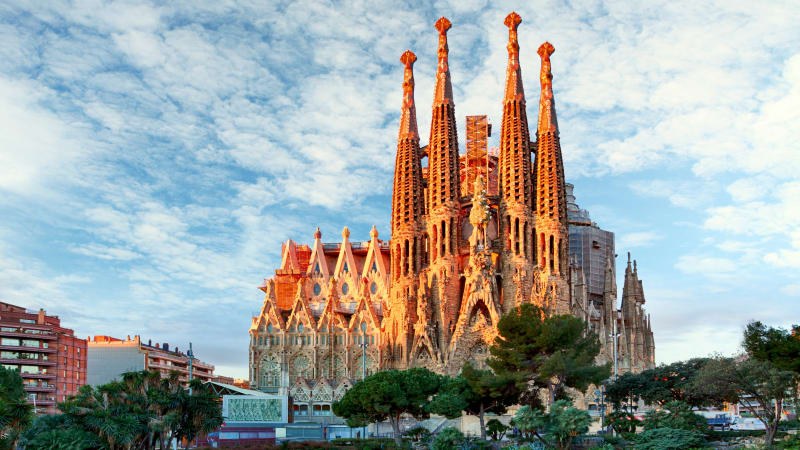 1 mi from BarcelonaSagrada Família
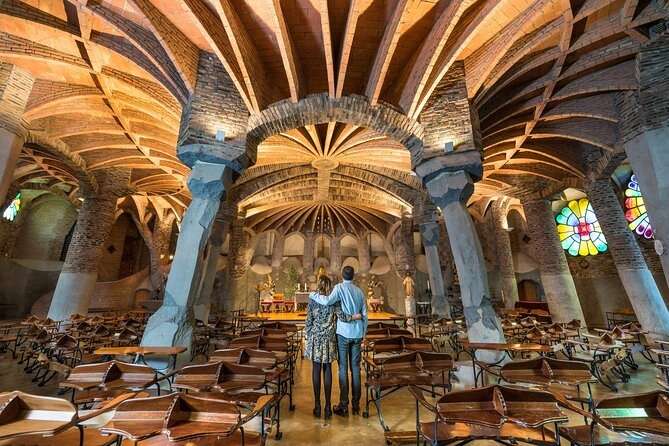 7 mi from BarcelonaColònia Güell Church (Crypt) & Modernist Industrial Site
 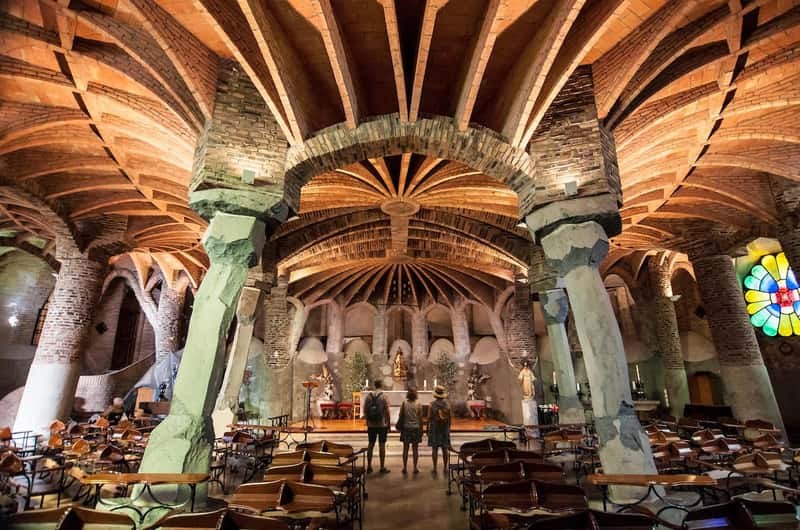 8 mi from Barcelona · land adventureBarcelona Beyond the Crowds: Gaudí, Galician Seafood & Montserrat
 210 mi from Barcelona · land adventureProvence by the Senses: Lavender, Truffles, and Roman Stone