Your cruise
Oceania Riviera · 16-night Alaska cruise, Yokohama to Vancouver
Apr 27 – May 14 · 17 nights ·
Day 1 Yokohama (board) · Day 2 at sea · Day 3 Sendai · Day 4 Miyako · Day 5 Muroran · Day 6–7 at sea · Day 8 INT'L DATE LINE EAST · Day 9–10 at sea · Day 11 Kodiak · Day 12 Homer · Day 13 Whittier · Day 14 Kiel Canal · Day 15 at sea · Day 16 Kiel Canal · Day 17 Vancouver (step off)
What you do Glide across one of Japan's Three Scenic Views — 260 pine-clad islands rising from Matsushima Bay — aboard a private sightseeing vessel, then step inside a 17th-century tea pavilion for a moment of pure stillness.
What to expect Your government-licensed guide meets you at the port and transfers you to Matsushima, just 40 minutes away. A private or small sightseeing boat weaves between the 260 forested islets as your guide narrates centuries of poetry and painting inspired by this bay. Ashore, you enter Kanrantei ('Wind-in-Pines Pavilion'), a teahouse gifted by warlord Date Masamune, and take matcha overlooking the water. The return journey leaves generous buffer time before all-aboard.
Good to know Matsushima is ~40 min by road from Ishinomaki port or ~60 min from Sendai port. Book a private guide at least 2 weeks ahead. Kanrantei entry is JPY 200; tea ceremony is extra. Confirm all-aboard time and build in 90-min return buffer.
Versus the ship tour A private licensed guide means the boat pier, the best island vantage points, and the Kanrantei tea house are all timed around you — no herded groups, your own pace through one of Japan's most painted landscapes.
book direct with GoWithGuide Sendai Private Tour → · the full guide →
What you do Ascend a cedar-lined stairway to the ornate lacquered mausoleum of Date Masamune — the 'One-Eyed Dragon' warlord who shaped Tohoku. This is samurai Japan at its most theatrical and most intimate.
What to expect Cedar forest paths lead to three mausoleums — Date Masamune's, his son's, and his grandson's — each a riot of vermillion lacquer, gold leaf, and intricate carving. A licensed guide decodes the iconography and recounts Masamune's audacious bid to trade directly with Spain and the Vatican. The hilltop setting offers a sweeping view over Sendai's 'City of Trees' canopy. The atmosphere is contemplative and largely crowd-free in the mornings.
Good to know Located 20 min by taxi from Sendai city centre. Pair with Aoba Castle (5 min away) for an efficient morning. Open daily 09:00–16:30 (shorter hours Dec–Jan). No advance booking needed for entry; pre-book your private guide via GoWithGuide or TourHQ.
Versus the ship tour Arriving with a private expert guide unlocks the symbolism carved into every gilded panel — the Buddhist iconography, the Momoyama-era craftsmanship, the story of the bones discovered during WWII — context that transforms a beautiful building into a profound encounter.
book direct with Zuihoden Mausoleum (Official) → · the full guide →
What you do Stand on the volcanic bluff where Sendai Castle once commanded all of Tohoku, don a replica of Date Masamune's iconic crescent-moon armour, and survey the city skyline from the ramparts of one of feudal Japan's most storied strongholds.
What to expect The hilltop park preserves stone walls, a shrine, and a bronze equestrian statue of Masamune gazing east toward the sea. Inside the small museum, artefacts and a digital reconstruction reveal the castle at its 16th-century peak. Staff at the adjacent experience corner help you into a full replica armour set for photographs. On clear days, the Pacific Ocean is visible on the horizon — the same sea Masamune dreamed of controlling.
Good to know Reachable by the Loople Sendai sightseeing bus (one-day pass JPY 650) or by taxi (10 min from city centre). Combine with Zuihoden Mausoleum nearby. Open year-round; museum 09:00–17:00. No advance booking for entry; private guide recommended.
Versus the ship tour The armour fitting experience — recreating the exact regalia of the warlord who built this fortress — is a tactile, personal encounter with history that no overview tour replicates. A private guide adds the military strategy and family drama that turn ruins into a living story.
book direct with Sendai City Tourism & Convention Association (Aoba Castle Ruins) → · the full guide →
What you do Pull up a counter seat at one of Sendai's revered gyutan specialist restaurants — birthplace of Japan's grilled beef tongue tradition since 1948 — for an omakase progression of cuts, preparations, and house-made barley rice.
What to expect Counter seating puts you inches from the charcoal grill as chefs work through multiple tongue cuts — some marinated, some salted, some thin-sliced. Each set arrives with麦ご飯 (mugi-gohan, barley rice), oxtail soup, and pickled cabbage — the canonical triad. The smoky, savoury perfume of the grill fills the intimate dining room. Staff are accustomed to international guests and will guide you through the menu warmly.
Good to know Multiple Tasuki branches in Sendai; the Kokubuncho flagship is 15 min by taxi from port transfer point. Lunch service typically 11:00–15:00 — ideal for a port-day midday stop. Queue can form; arrive at opening. No reservation required for lunch counter seats.
Versus the ship tour This is the city's defining culinary invention — thick-cut, charcoal-grilled beef tongue developed by Sendai chef Keishiro Sano — eaten at the source, in a restaurant where the craft has been refined for over 75 years. No tourist menu, no rush.
What you do Journey 30 minutes into the forested Natori River gorge to Akiu — one of Tohoku's three great hot spring towns — then walk the cedar trail to the thundering 55-metre Akiu Otaki Falls, one of Japan's Top 100 Waterfalls.
What to expect A 30-minute scenic drive deposits you at the trailhead above the Natori River gorge. A 20-minute cedar-shaded walk leads to the base of Akiu Otaki Falls, where 55 metres of white water crash into a mist-filled pool. Back in the onsen village, several ryokan welcome day visitors for ashiyu (open-air footbaths) — a restorative pause before the return drive. The surrounding valley blazes with maple colour in autumn and fresh green in spring.
Good to know About 30 km southwest of Sendai city centre; 30–40 min by private car. Best combined with a morning city stop (Zuihoden or Aoba Castle) for a full day. Footwear with grip recommended for the falls trail. Confirm your all-aboard time and allow 75 min return buffer.
Versus the ship tour Few visitors make it to Akiu in a single port day — a private driver-guide makes it effortless. The combination of a sacred waterfall walk through old-growth cedar and a riverside ryokan footbath is the quintessence of Tohoku — wild, serene, and utterly unrushed.
book direct with Japan Shore Excursions → · the full guide →
What you do Duck beneath a tunnel of centuries-old cedars to reach Sendai's most dazzling shrine — a National Treasure of Momoyama-era architecture, its main hall cloaked in black lacquer and burnished gold, commissioned by Date Masamune himself in 1607.
What to expect A long, cedar-flanked stone stairway builds anticipation before the main gate reveals the hall's jaw-dropping façade: black lacquer pillars, gilded transoms alive with phoenixes and peonies, and sweeping cypress-bark roofs. The site is a living place of worship — you may witness a Shinto ceremony, adding an unrehearsed layer of authenticity. The forested precinct is supremely peaceful, birdsong replacing city noise. A knowledgeable private guide decodes every carved deity and heraldic Date crest.
Good to know 10 min by taxi from central Sendai; also on the Loople sightseeing bus route. Open daily; free to enter the grounds. Combine with Zuihoden Mausoleum (nearby) for a seamless Date clan heritage morning. No advance booking required for entry; pre-book a private guide for depth.
Versus the ship tour This National Treasure-designated shrine sees only a fraction of the visitors that flood Kyoto's temples, yet its craftsmanship rivals them — giving you an almost private audience with one of Japan's finest surviving examples of Momoyama decorative art.
What you do A bespoke, private guided day through Tokyo's most iconic districts — Shibuya, Asakusa, Shinjuku, and Tsukiji — at your own pace, with a vetted local expert anticipating your every interest. This is Tokyo unscripted and unhurried.
What to expect Your guide meets you dockside at Yokohama and whisks you to Tokyo by express train or private vehicle. Stroll through the lantern-lit Nakamise shopping street leading to Senso-ji Temple in Asakusa, then contrast it with the electric pulse of Shibuya Crossing. Lunch is arranged at a chef-selected restaurant — perhaps a standing sushi counter at Tsukiji Outer Market. The afternoon is yours: Shinjuku's golden-hour skyline, a Harajuku detour, or a sake tasting in a centuries-old izakaya.
Good to know Tokyo is roughly 30–40 minutes from Yokohama by train or 60–75 minutes by car. Confirm your all-aboard time before booking and build in a 90-minute buffer for the return journey. Pre-book well in advance — popular guides fill quickly, especially on weekends and holidays.
Versus the ship tour Completely private — just your group and a government-licensed, English-speaking local guide. Itinerary is shaped around your interests, with no waiting for a group of 40 and no rushed photo stops. You arrive at each landmark when the crowds are thinnest.
book direct with ToursByLocals – Yokohama/Tokyo Private Guides → · the full guide →
What you do Stand before the 13th-century Great Buddha of Kamakura — a 13-metre bronze colossus meditating serenely in the open air — then lose yourself in the moss-draped Zen gardens of Engaku-ji and Hase-dera. Ancient Japan, perfectly preserved, just 45 minutes from port.
What to expect Depart Yokohama for Kamakura along the coast, arriving at the serene Kotoku-in temple complex before the mid-morning crowds. Your guide narrates the Great Buddha's storied past as you circle its vast bronze form and, optionally, step inside. Move on to Hase-dera, where a hillside terrace reveals sweeping Pacific views above thousands of small Jizo statues. The afternoon brings a quiet walk through Engaku-ji's forested grounds, where monks have trained since 1282. Return with time to spare for a stroll along Kamakura's Komachi Street.
Good to know Kamakura is approximately 45–60 minutes from Yokohama by car or direct train. Allow a full 6–7 hours for a comfortable, unhurried visit. Wear comfortable walking shoes — temple grounds involve uneven stone paths and moderate inclines.
Versus the ship tour Private, expert-led experience with a government-licensed guide who contextualises 800 years of samurai history, Buddhist philosophy, and Zen culture with genuine depth — not a rehearsed commentary delivered to a bus full of strangers.
book direct with Japan Shore Excursions (Local Expert-Led Private Tours) → · the full guide →
What you do Ride a traditional wooden pirate ship across the ethereal caldera lake of Hakone with Mt. Fuji as your backdrop, then ascend via ropeway above sulphurous volcanic vents. Japan's most iconic landscape, experienced in complete luxury and privacy.
What to expect A private, air-conditioned vehicle collects you at the cruise terminal for the scenic 90-minute drive into the Hakone volcanic zone. Your first stop is the Owakudani geothermal valley — steam billowing from black-egg vendors against a lunar landscape. A ropeway glide brings you above the caldera as Fuji emerges (cloud-willing) on the horizon. Board the vintage lake steamer across Ashi, disembarking at a traditional ryokan terrace for a kaiseki-inspired lunch with a mountain backdrop. The Hakone Open-Air Museum rounds out the afternoon with Picassos and Rodins set against cedar-clad hillsides.
Good to know Mt. Fuji is clearest in autumn and winter — plan accordingly. Build in at least 8 hours for this excursion, with a firm return buffer for all-aboard. Ropeway can close in high winds; your guide will have contingency routes. Book as early as possible.
Versus the ship tour Private vehicle and guide throughout, meaning you leave when you want and linger where the view is most breathtaking. On clear days, your guide knows exactly which vantage point — Owakudani, Lake Ashi, Hakone Open-Air Museum — offers the most dramatic Fuji reveal.
book direct with Japan Shore Excursions (Local Expert-Led Private Tours) → · the full guide →
What you do Soar to the 69th floor of Yokohama Landmark Tower — Japan's second-tallest building — for a 360° panorama stretching from the Bay to Mt. Fuji on a clear day. Then explore the architecturally stunning Minato Mirai waterfront at your own glamorous pace.
What to expect Step into the soaring atrium of Landmark Tower and board the wind-whispering express elevator to the Sky Garden. The 69th-floor wraparound deck delivers utterly clear views of Tokyo Bay, the Yokohama port skyline, and — on crystalline autumn days — the snow-capped cone of Mt. Fuji. Descend and stroll along the Minato Mirai promenade: the glittering Cosmo Clock 21 Ferris wheel, the Red Brick Warehouse (converted into upscale boutiques and dining), and Osanbashi Pier, where you can look back at your very own cruise ship framed by the harbour. Lunch at one of the many fine waterfront restaurants completes the scene.
Good to know Landmark Tower is a 15–20 minute walk or a 5-minute taxi from the Osanbashi cruise terminal. The Sky Garden opens at 10:00am (11:00am Mondays). No pre-booking required, but arrive early to beat midday queues. Perfect half-day excursion; pair with Chinatown for a full day.
Versus the ship tour The Sky Garden is the highest observation deck in the Kanto region and one of Japan's fastest elevators (750m/min) delivers you to the top in 40 seconds flat. Walk from the cruise terminal in under 20 minutes — no transfers, no group tours needed for this one.
book direct with Yokohama Landmark Tower Sky Garden (Official) → · the full guide →
What you do Plunge into Japan's largest and most vibrant Chinatown — 600+ restaurants and shops packed into 10 atmospheric blocks — then retreat to the sublime Meiji-era Sankeien Garden, where historic pagodas and tea pavilions mirror in still ornamental ponds.
What to expect Your guide leads you through the iconic Zeniarai Benten torii gate arch into Chinatown's labyrinth of red lanterns, bakeries perfumed with char siu, and century-old apothecaries. Lunch is a guided feast — steamed XO dumplings, Peking duck, and hand-pulled noodles across a curated sequence of the neighbourhood's most respected kitchens. A short taxi ride delivers you to Sankeien, Yokohama's hidden masterpiece: 17.5 hectares of pond gardens, bamboo groves, and six National Treasures in transplanted historic buildings. End with a matcha ceremony in the garden's teahouse.
Good to know Chinatown is 15 minutes by taxi or 25 minutes on foot from Osanbashi Pier. Sankeien Garden (10 min taxi from Chinatown) is open 9:00am–5:00pm daily. Pre-book your guide via GoWithGuide to secure a specialist in culinary or cultural history. Comfortable flat shoes strongly recommended.
Versus the ship tour A private local guide navigates you past the tourist-facing dim sum facades and into the authentic back-lane kitchens and specialist tea merchants that most visitors never find. At Sankeien, your guide contextualises each relocated Edo-period structure with the story of the silk merchant who built this private paradise.
book direct with GoWithGuide – Yokohama Private Local Guides → · the full guide →
What you do Create your own bespoke cup of instant noodles — choosing broth, toppings, and custom-illustrated packaging — at the world's most delicious museum, a love letter to the invention that changed how the world eats. Quirky, interactive, and quintessentially Japanese.
What to expect Enter the spaceship-like museum designed to honour Momofuku Ando's 1958 invention of instant noodles — a moment that genuinely altered culinary history. The centrepiece is the My Cup Noodles Factory, where you decorate a blank cup, choose from four soup bases (chicken, seafood, soy sauce, or tonkotsu), and customise with four toppings from 12 options — then watch it sealed and shrink-wrapped before your eyes. The Noodles Bazaar food hall offers ramen from eight Asian countries. The Chicken Ramen Factory allows you to hand-make noodles from wheat flour, just as Ando did in his backyard shed.
Good to know The museum is a 7-minute walk from Minato Mirai station or 20 minutes on foot from Osanbashi terminal. Open 10:00am–6:00pm; closed Tuesdays. The My Cup Noodles Factory workshop can sell out — reserve your slot online or arrive right at opening. Allow 2–3 hours total; ideal as part of a Minato Mirai half-day.
Versus the ship tour This is one of Yokohama's most uniquely Japanese experiences — participatory, playful, and utterly unlike anything else. It pairs beautifully with Landmark Tower or Chinatown as part of a curated Minato Mirai afternoon, and the workshop gives you a genuine made-in-Japan souvenir to carry aboard.
book direct with Cup Noodles Museum Yokohama (Official – Nissin Food Products) → · the full guide →
What you do Glide across one of Japan's Three Scenic Views — 260 pine-clad islands rising from Matsushima Bay — aboard a private sightseeing vessel, then step inside a 17th-century tea pavilion for a moment of pure stillness.
What to expect Your government-licensed guide meets you at the port and transfers you to Matsushima, just 40 minutes away. A private or small sightseeing boat weaves between the 260 forested islets as your guide narrates centuries of poetry and painting inspired by this bay. Ashore, you enter Kanrantei ('Wind-in-Pines Pavilion'), a teahouse gifted by warlord Date Masamune, and take matcha overlooking the water. The return journey leaves generous buffer time before all-aboard.
Good to know Matsushima is ~40 min by road from Ishinomaki port or ~60 min from Sendai port. Book a private guide at least 2 weeks ahead. Kanrantei entry is JPY 200; tea ceremony is extra. Confirm all-aboard time and build in 90-min return buffer.
Versus the ship tour A private licensed guide means the boat pier, the best island vantage points, and the Kanrantei tea house are all timed around you — no herded groups, your own pace through one of Japan's most painted landscapes.
book direct with GoWithGuide Sendai Private Tour → · the full guide →
What you do Ascend a cedar-lined stairway to the ornate lacquered mausoleum of Date Masamune — the 'One-Eyed Dragon' warlord who shaped Tohoku. This is samurai Japan at its most theatrical and most intimate.
What to expect Cedar forest paths lead to three mausoleums — Date Masamune's, his son's, and his grandson's — each a riot of vermillion lacquer, gold leaf, and intricate carving. A licensed guide decodes the iconography and recounts Masamune's audacious bid to trade directly with Spain and the Vatican. The hilltop setting offers a sweeping view over Sendai's 'City of Trees' canopy. The atmosphere is contemplative and largely crowd-free in the mornings.
Good to know Located 20 min by taxi from Sendai city centre. Pair with Aoba Castle (5 min away) for an efficient morning. Open daily 09:00–16:30 (shorter hours Dec–Jan). No advance booking needed for entry; pre-book your private guide via GoWithGuide or TourHQ.
Versus the ship tour Arriving with a private expert guide unlocks the symbolism carved into every gilded panel — the Buddhist iconography, the Momoyama-era craftsmanship, the story of the bones discovered during WWII — context that transforms a beautiful building into a profound encounter.
book direct with Zuihoden Mausoleum (Official) → · the full guide →
What you do Stand on the volcanic bluff where Sendai Castle once commanded all of Tohoku, don a replica of Date Masamune's iconic crescent-moon armour, and survey the city skyline from the ramparts of one of feudal Japan's most storied strongholds.
What to expect The hilltop park preserves stone walls, a shrine, and a bronze equestrian statue of Masamune gazing east toward the sea. Inside the small museum, artefacts and a digital reconstruction reveal the castle at its 16th-century peak. Staff at the adjacent experience corner help you into a full replica armour set for photographs. On clear days, the Pacific Ocean is visible on the horizon — the same sea Masamune dreamed of controlling.
Good to know Reachable by the Loople Sendai sightseeing bus (one-day pass JPY 650) or by taxi (10 min from city centre). Combine with Zuihoden Mausoleum nearby. Open year-round; museum 09:00–17:00. No advance booking for entry; private guide recommended.
Versus the ship tour The armour fitting experience — recreating the exact regalia of the warlord who built this fortress — is a tactile, personal encounter with history that no overview tour replicates. A private guide adds the military strategy and family drama that turn ruins into a living story.
book direct with Sendai City Tourism & Convention Association (Aoba Castle Ruins) → · the full guide →
What you do Pull up a counter seat at one of Sendai's revered gyutan specialist restaurants — birthplace of Japan's grilled beef tongue tradition since 1948 — for an omakase progression of cuts, preparations, and house-made barley rice.
What to expect Counter seating puts you inches from the charcoal grill as chefs work through multiple tongue cuts — some marinated, some salted, some thin-sliced. Each set arrives with麦ご飯 (mugi-gohan, barley rice), oxtail soup, and pickled cabbage — the canonical triad. The smoky, savoury perfume of the grill fills the intimate dining room. Staff are accustomed to international guests and will guide you through the menu warmly.
Good to know Multiple Tasuki branches in Sendai; the Kokubuncho flagship is 15 min by taxi from port transfer point. Lunch service typically 11:00–15:00 — ideal for a port-day midday stop. Queue can form; arrive at opening. No reservation required for lunch counter seats.
Versus the ship tour This is the city's defining culinary invention — thick-cut, charcoal-grilled beef tongue developed by Sendai chef Keishiro Sano — eaten at the source, in a restaurant where the craft has been refined for over 75 years. No tourist menu, no rush.
What you do Journey 30 minutes into the forested Natori River gorge to Akiu — one of Tohoku's three great hot spring towns — then walk the cedar trail to the thundering 55-metre Akiu Otaki Falls, one of Japan's Top 100 Waterfalls.
What to expect A 30-minute scenic drive deposits you at the trailhead above the Natori River gorge. A 20-minute cedar-shaded walk leads to the base of Akiu Otaki Falls, where 55 metres of white water crash into a mist-filled pool. Back in the onsen village, several ryokan welcome day visitors for ashiyu (open-air footbaths) — a restorative pause before the return drive. The surrounding valley blazes with maple colour in autumn and fresh green in spring.
Good to know About 30 km southwest of Sendai city centre; 30–40 min by private car. Best combined with a morning city stop (Zuihoden or Aoba Castle) for a full day. Footwear with grip recommended for the falls trail. Confirm your all-aboard time and allow 75 min return buffer.
Versus the ship tour Few visitors make it to Akiu in a single port day — a private driver-guide makes it effortless. The combination of a sacred waterfall walk through old-growth cedar and a riverside ryokan footbath is the quintessence of Tohoku — wild, serene, and utterly unrushed.
book direct with Japan Shore Excursions → · the full guide →
What you do Duck beneath a tunnel of centuries-old cedars to reach Sendai's most dazzling shrine — a National Treasure of Momoyama-era architecture, its main hall cloaked in black lacquer and burnished gold, commissioned by Date Masamune himself in 1607.
What to expect A long, cedar-flanked stone stairway builds anticipation before the main gate reveals the hall's jaw-dropping façade: black lacquer pillars, gilded transoms alive with phoenixes and peonies, and sweeping cypress-bark roofs. The site is a living place of worship — you may witness a Shinto ceremony, adding an unrehearsed layer of authenticity. The forested precinct is supremely peaceful, birdsong replacing city noise. A knowledgeable private guide decodes every carved deity and heraldic Date crest.
Good to know 10 min by taxi from central Sendai; also on the Loople sightseeing bus route. Open daily; free to enter the grounds. Combine with Zuihoden Mausoleum (nearby) for a seamless Date clan heritage morning. No advance booking required for entry; pre-book a private guide for depth.
Versus the ship tour This National Treasure-designated shrine sees only a fraction of the visitors that flood Kyoto's temples, yet its craftsmanship rivals them — giving you an almost private audience with one of Japan's finest surviving examples of Momoyama decorative art.
What you do Stand at the very tip of Cape Chikyu — 'Earth Cape' — where 100-metre sea-cliffs plunge into the Pacific and Hokkaido's wild coastline stretches to the horizon. The iconic white lighthouse and jaw-dropping panoramas make this Muroran's single greatest bucket-list moment.
What to expect Your private vehicle collects you directly at the port and whisks you south along Hokkaido's rugged Iburi coastline to the cape. The final approach on foot follows a dramatic headland trail to the lighthouse perch, where the Pacific rolls hundreds of metres below. Your guide shares the geological and cultural story of the cape — formed by ancient volcanic activity — and positions you for the best photography angles. The return journey can be routed via Tokkarisho Lookout for a second coastal panorama.
Good to know Cape Chikyu is approximately 20 minutes from the port by private car. Allow 2–3 hours total. Pre-book well in advance for peak summer sailings. Check all-aboard time carefully and build in a 30-minute buffer — your private guide will monitor this.
Versus the ship tour Fully private, door-to-dock service with a dedicated English-speaking guide who sets the pace entirely around you — no waiting at bus stops, no queues, and unhurried time on the clifftops for photography and contemplation.
book direct with Japan Shore Excursions (Private Muroran Cape Chikyu Tour) → · the full guide →
What you do Descend into Jigokudani — 'Hell Valley' — where sulphurous steam vents, boiling pools, and crimson rock formations create an otherworldly volcanic landscape. Cap it with a private soak in Noboribetsu's legendary onsen, some of Hokkaido's finest mineral waters.
What to expect Noboribetsu is roughly 40 minutes northeast of Muroran port — an easy, scenic drive through Hokkaido's forested interior. The Jigokudani boardwalk loops past roaring steam vents, vivid mineral pools, and the demon-guarded 'Oni' statuary that has made this valley famous across Japan. After the volcanic drama, your guide escorts you to a premium onsen ryokan for a therapeutic mineral soak in Hokkaido's most celebrated waters. Time permitting, a stroll through the traditional onsen town of Noboribetsu Onsen completes the picture.
Good to know Budget at least 4 hours for Jigokudani plus onsen. Bring a small towel (or rent one at the onsen, approx. JPY 200). Tattoos may restrict access to some communal baths — ask your guide to pre-select a tattoo-friendly facility. Book private transfers via Japan Shore Excursions or CAB Station to guarantee port return timing.
Versus the ship tour Arriving by private car outside peak coach hours means you walk the valley boardwalks in near-solitude, with a knowledgeable local guide narrating the volcanic geology. You choose your own onsen house and soak at your own leisurely pace — a deeply personal, restorative luxury.
book direct with Noboribetsu Date Jidaimura / Noboribetsu Onsen (direct entry) → · the full guide →
What you do Witness the raw, living power of Hokkaido's volcanic heartland at Lake Toya — a vast caldera lake of luminous blue — and the crater scarred flanks of Mount Usu, which last erupted as recently as 2000. One of Japan's most dramatic natural spectacles, all yours by private car.
What to expect The drive west from Muroran climbs through cedar forests before revealing the stunning caldera panorama of Lake Toya — 11 kilometres across, its volcanic island centrepiece perfectly reflected in the water. Your guide drives the lakeside circuit, stopping at the Usu Zan Ropeway for a cable-car ascent to the scarred summit area where lava domes and volcanic craters tell the story of Japan's dynamic geology. The town of Toya Onsen on the lake's southern shore offers world-class lakefront resort restaurants for a refined lunch.
Good to know Lake Toya is approximately 60–75 minutes from Muroran port. This is a full-day excursion — plan for 6–7 hours minimum. Usu Zan Ropeway tickets are approx. JPY 1,800 per person return. Pre-book with your operator and confirm all-aboard time the evening before sailing.
Versus the ship tour A fully tailored private itinerary — stop at every viewpoint that captures your eye, spend as long as you wish at the caldera rim, and enjoy a lakeside kaiseki lunch at your guide's recommended local restaurant, all without a schedule dictated by anyone else.
book direct with Japan Shore Excursions (Private Lake Toya & Usu Tour from Muroran) → · the full guide →
What you do Take in two of Muroran's most celebrated vistas in one seamless private tour: the wild coastal drama of Tokkarisho Lookout and the soaring elegance of the illuminated Hakucho ('Swan') suspension bridge — Hokkaido's longest. A perfect introduction to Muroran's surprising scenic wealth.
What to expect Tokkarisho Lookout delivers vertiginous clifftop views over the Pacific, where sea stacks and surf-battered rock formations create a scene of raw Hokkaido drama — one of the port's highest-rated viewpoints. From there your driver crosses to the Hakucho Bridge observation area, where the white suspension towers rise like swans' wings above the Muroran Strait. The bridge's engineering story and the panorama of industrial port juxtaposed with natural beauty is surprisingly compelling. Your guide narrates the history of Muroran as Hokkaido's great steel and shipping city.
Good to know This half-day loop runs 3–4 hours, ideal for ships with an early all-aboard. Both sights are within 15–20 minutes of the port. Tokkarisho can be breezy — bring a light jacket. Ideal paired with a stop at Muroran Hachimangu Shrine if time permits.
Versus the ship tour An exclusive, chauffeured private experience — no fixed group schedule, no strangers on your tour. CAB Station specialises in cruise-ship shore excursions and builds the itinerary around your all-aboard time, with a professional driver-guide who knows every angle and viewpoint.
book direct with CAB Station (Charter Bus & Limousine — Hokkaido Shore Excursions from Muroran Port) → · the full guide →
What you do Explore Muroran Hachimangu, a serene Shinto shrine nestled in forested grounds above the port city, where ancient ritual, seasonal festivals, and striking vermilion architecture offer an intimate window into Hokkaido's spiritual life — without the tourist crowds of Kyoto.
What to expect The approach to Muroran Hachimangu follows a forested stone stairway lined with lanterns, building a mood of quiet reverence before you reach the main hall. Your guide walks you through the etiquette of purification at the temizuya water basin, the significance of the ema wooden wish plaques, and the architecture of the honden (inner shrine). The surrounding wooded grounds are peaceful and photogenic in every season — cherry blossoms in spring, crimson maples in autumn. A short cultural detour to Itanki Beach or the Sokuryozan Observatory Deck can be added for a fuller half-day.
Good to know The shrine is approximately 10–15 minutes from the port. Combine with Itanki Beach or the Observatory Deck for a 3-hour half-day cultural and scenic loop. Dress modestly for shrine visits. No formal booking required for entry, but pre-book your private guide.
Versus the ship tour Your private English-speaking guide provides deep cultural context — the meaning of purification rituals, how to pray at a Shinto shrine, and the significance of the festival calendar — creating a genuinely educational and contemplative experience rather than a photo stop.
book direct with Japan Shore Excursions (Private Muroran Cultural Tour) → · the full guide →
What you do Make the most of Hokkaido's extraordinary port location with a full-day private journey to Sapporo — Hokkaido's dazzling capital city. Devour fresh Hokkaido seafood at dawn at Nijo Market, immerse yourself in the iconic Sapporo Beer Museum, and stroll the grand axis of Odori Park.
What to expect The expressway from Muroran to Sapporo takes approximately 90 minutes, arriving in time for a lavish late-morning spread at Nijo Market — Sapporo's famed open-air seafood bazaar, where Hokkaido king crab, sea urchin, and fresh salmon roe are eaten standing at the counter. Your guide then leads you through the Sapporo Beer Museum (entry approx. JPY 200 for premium tasting), where Japan's oldest beer brand tells its story amid Victorian red-brick grandeur. Odori Park's sweeping boulevard, the historic Clock Tower, and the rooftop panorama from JR Tower Observatory complete the afternoon before a relaxed drive back to port.
Good to know Sapporo is approximately 90 minutes by private car from Muroran port. This is a full-day commitment — depart by 08:00 to allow 6–7 hours in the city. JR Tower Observatory entry is approx. JPY 740 per person. Confirm your all-aboard time before booking and build in a 90-minute return buffer. Pre-book for summer sailings, which fill quickly.
Versus the ship tour Travelling by private vehicle with a dedicated guide means you choose your restaurants, control your pace, and access the real Sapporo that group tours skip — the neighbourhood izakayas, the craft sake shops of Tanukikoji, the street-level energy of Japan's fifth-largest city at your own tempo.
book direct with Japan Shore Excursions (Private Sapporo Day Tour from Muroran Port) → · the full guide →
What you do Soar by floatplane into the remote wilderness of Kodiak Island for an intimate, up-close encounter with the world's largest brown bears in their natural habitat. A true once-in-a-lifetime Arctic wildlife moment.
What to expect Board a floatplane at the Kodiak waterfront and sweep over emerald valleys and glacial rivers to prime bear habitat far from any road. You'll spend approximately two full hours on location watching Kodiak brown bears — the world's largest terrestrial carnivore — fish, graze, and interact at breathtakingly close range. Your guide provides expert natural history narration throughout. The return flight offers sweeping aerial views of the island's rugged coastline and mountain spine.
Good to know Book well in advance — these tours sell out months ahead. Total duration is 3–4 hours; confirm departure time against your ship's all-aboard. Dress in waterproof layers; the remote sites can be wet and cool even in summer. Book directly at kingfisheraviation.com.
Versus the ship tour Access to remote, roadless bear habitat reachable only by floatplane — with a fully guided, small-group experience that puts you in the bears' world, not at a viewpoint. Two hours on location with expert naturalist guides is extraordinarily rare.
What you do Paddle Kodiak's glassy protected bays on a private, expert-led kayak expedition, discovering sea otters, eagles, and harbour seals from the waterline. An immersive wilderness encounter for up to eight guests.
What to expect Your experienced local guide selects the ideal launch site based on tides, weather, and wildlife activity — ensuring you're paddling the best water Kodiak has to offer that morning. You'll glide silently past kelp forests and rocky outcrops where sea otters float on their backs and bald eagles survey the scene from above. The small-group format means you can linger, photograph, and absorb the silence of a landscape that feels entirely yours. All equipment, safety briefing, and guiding is included.
Good to know Duration is 3 hours; plan to confirm it fits your all-aboard window. No prior kayak experience needed — guides handle all instruction. Waterproof clothing and layers essential; guides supply dry bags. Book via kayakingkodiak.com and request your preferred time slot.
Versus the ship tour A fully private charter — your group, your guide, your pace. No strangers, no waiting. Local expert guides choose the best location on the day for wildlife and conditions, delivering a completely bespoke wilderness paddle.
What you do Explore Kodiak Island's most spectacular scenery, wildlife corridors, and historic landmarks on a private, custom-routed van tour with one of the island's most knowledgeable local guides. The most versatile and personal way to experience Kodiak.
What to expect Your guide meets you at the pier and shapes the entire experience around what you want to see — from the sweeping ocean panoramas of Pillar Mountain to the wildlife-rich margins of the Kodiak National Wildlife Refuge and the island's storied Russian colonial landmarks. Expect spontaneous stops for roadside bear sightings, eagle perches, and wildflower meadows. The conversational, unhurried pace means you leave with genuine insight into island life, not just photographs. Custom itineraries can blend hiking, culture, and scenic drives seamlessly.
Good to know Contact Kodiak Connections directly at 907-539-6772 or via kodiakwalkingtours.com to design your itinerary and confirm timing against your all-aboard. Half-day format typically runs 3–4 hours. Layers and waterproof footwear recommended. Book well ahead — this guide's private slots fill quickly on cruise-call days.
Versus the ship tour Fully private and custom-built around your group's interests — whether wildlife, history, photography, or scenery. Your guide, Elaan Ani Thomas, is a celebrated local expert who adapts the route in real time, stopping wherever the light, the wildlife, or the story demands.
book direct with Kodiak Connections (Kodiak Walking Tours) → · the full guide →
What you do Cast into some of the most productive fishing grounds on earth aboard a private charter out of Kodiak, targeting trophy halibut, Pacific salmon, and lingcod in wild Alaskan waters. Legendary angling for discerning anglers.
What to expect Depart the historic Kodiak boat harbor aboard a fully equipped private charter vessel with a professional captain and first mate. Kodiak's nutrient-rich, cold-water channels are among Alaska's most productive fisheries — expect serious action targeting Pacific halibut (some exceeding 100 lbs), silver or king salmon, and hard-fighting lingcod. Your captain's local knowledge puts you on fish other anglers never find. Rod rental, bait, tackle, and fish processing/vacuum-packing arrangements are typically included or available.
Good to know A sport fishing licence is required — your charter captain can arrange this. Confirm fish processing and shipping logistics if you want to bring your catch home. Half-day charters run approximately 4–5 hours; verify timing against your all-aboard carefully. Book through the Kodiak Visitors Bureau charter directory at kodiak.org well in advance of your cruise date.
Versus the ship tour A private vessel means your group fishes at your own pace, keeps your own catch, and works prime spots chosen by a captain who fishes these waters year-round. The intimacy and expertise of a dedicated local skipper is unmatched.
book direct with Discover Kodiak (Kodiak Visitors Bureau Charter Network) → · the full guide →
What you do Trace 7,500 years of Alutiiq Indigenous civilisation at the world-class Alutiiq Museum, then step inside the iconic Holy Resurrection Russian Orthodox Cathedral — the oldest Orthodox parish in North America. Kodiak's history is extraordinary.
What to expect Begin at the Alutiiq Museum, where masterfully curated galleries tell the story of one of the world's most resilient Indigenous cultures — from ancient stone tools and gut-skin parkas to contemporary Native art. Knowledgeable staff (often Alutiiq community members) bring the collection to life with personal narratives. From there, walk to the Holy Resurrection Russian Orthodox Cathedral, whose onion domes have presided over Kodiak since 1794 — the first Orthodox parish on American soil — and admire its remarkable interior of icons and ecclesiastical artefacts. Together, these two sites offer the most layered cultural experience on the island.
Good to know Both sites are within easy walking distance of the cruise pier — no transport required. The museum is open on most cruise-call days; verify hours at alutiiqmuseum.org before your visit. Allow 1.5–2 hours for both combined. Combine with the adjacent Baranov Museum (Erskine House) for a deeper Russian colonial layer.
Versus the ship tour The Alutiiq Museum holds one of the largest collections of Indigenous Alaskan artefacts in existence and offers deeply personal cultural programming led by Alutiiq community members — a level of Indigenous authenticity and intimacy impossible to replicate in a group setting.
book direct with Alutiiq Museum & Archaeological Repository → · the full guide →
What you do Explore a dramatic WWII coastal fortification perched above thundering Pacific surf, surrounded by old-growth Sitka spruce forest teeming with wildlife. Fort Abercrombie is history, scenery, and nature fused into one unforgettable experience.
What to expect Your guide drives you to Miller Point, where massive WWII-era gun emplacements and concrete bunkers cling to clifftops above the crashing North Pacific — part of the network built to defend Alaska from Japanese invasion in 1942. The surrounding park is a cathedral of ancient Sitka spruce draped in lichen, with trails weaving past tidal pools, whale-watching overlooks, and berry-laden meadows. Bald eagles are virtually guaranteed; Sitka black-tailed deer are frequently spotted in the forest margins. The combination of raw history and raw wilderness is uniquely Kodiak.
Good to know Fort Abercrombie is approximately 4 miles from the cruise pier — a guided tour is the most efficient way to visit and return comfortably within your port window. Tours typically run 2–3 hours. Wear sturdy, waterproof footwear for the trails and layer up for coastal wind. Book directly at headshakerskodiak.com, specifying your ship's all-aboard time.
Versus the ship tour Headshakers Kodiak specialises exclusively in cruise-passenger shore experiences — their guides know exactly how to maximise your time ashore, combining the fort's WWII drama with wildlife spotting, coastal scenery, and Kodiak's key landmarks in a single expertly paced outing.
book direct with Headshakers Kodiak (Cruise Shore Excursions & Island Tours) → · the full guide →
What you do Board a sleek three-deck catamaran and count glaciers — 26 of them — as you glide deep into Prince William Sound. Thundering calving ice, harbor seals hauled out on floes, and Kittiwake colonies make this the defining Alaskan day on water.
What to expect You depart directly from Whittier's small-boat harbor and within minutes Prince William Sound opens around you — a labyrinth of fjords, hanging glaciers, and snow-capped peaks. The catamaran pushes deep into College Fjord and Blackstone Bay, pausing for close approaches to tidewater glacier faces where you witness house-sized seracs crash into the sea. A narrated glacier count builds delicious anticipation, and a hot lunch is served on board as bald eagles patrol overhead. The return journey feels almost contemplative — the scale of what you've witnessed slowly sinking in.
Good to know The cruise runs approximately 4.5 hours; confirm departure time against your ship's all-aboard. Book directly via phillipscruises.com well in advance — this sells out in peak summer. Upper-deck reserved seating is strongly recommended for unobstructed glacier views.
Versus the ship tour Phillips runs their own purpose-built Klondike Express catamaran — fast, stable, and purpose-designed for glacier viewing with panoramic wraparound windows and open observation decks. The narrated count of all 26 glaciers, with expert on-board naturalists, turns a cruise into a living geography lesson that very few places on earth can rival.
book direct with Phillips Cruises & Tours → · the full guide →
What you do Charter an intimate private vessel exclusively for your group and venture into the wild heart of Prince William Sound — glaciers, sea otters, orcas, mountain goats, and black bears on your own unhurried schedule. This is Prince William Sound the way it should be experienced: yours alone.
What to expect Your captain and guide meets you dockside in Whittier for a quick pre-departure brief, then you slip out past the harbour breakwater into the Sound's glassy waters. Routes are chosen on the day based on recent wildlife activity and ice conditions — expect close drifts past the face of Blackstone or Beloit Glacier, scanning rocky shores for black bear and mountain goat, and lingering over sea otter rafts. The pace is entirely yours: stop for photographs, drop a kayak, or simply anchor in a deserted cove for a picnic. The captain's local knowledge makes every moment feel discovered rather than toured.
Good to know Charters depart directly from Whittier harbour — a two-minute walk from the cruise terminal. Book as far ahead as possible; private dates go quickly in July and August. Confirm charter duration carefully against your all-aboard time and build in a buffer.
Versus the ship tour A fully private charter means your captain goes where you want, stays as long as you like at the glacier face, and tailors the route to wildlife sightings in real time. No crowds, no schedule, no compromises — just your group, an expert local captain, and one of the most spectacular marine wilderness areas on the planet.
What you do Journey through the legendary Anton Anderson Memorial Tunnel — the longest highway tunnel in North America — and emerge into the Portage Valley, where the lake-blue face of Portage Glacier commands the horizon. A profound Alaskan landscape just minutes from port.
What to expect The moment the tunnel opens and Portage Valley's snow-ringed peaks appear is genuinely cinematic. You arrive at Portage Lake with the glacier reflected in milky-blue water and mountains rising sheer on every side. The Begich Boggs Visitor Center provides excellent context on glacial dynamics with ranger-led exhibits, and the short lakeside trail offers extraordinary photographic compositions. If a cruise vessel is running on the lake that day, an optional glacier boat adds another dimension. The drive back through the tunnel — this time knowing what lies on either side — feels like crossing between worlds.
Good to know The tunnel operates on a timed alternating-direction schedule; your guide manages timing. Allow at least 2.5–3 hours for a meaningful visit. Pre-book with Alaska Shore Excursions to secure a confirmed departure slot aligned with your ship's schedule.
Versus the ship tour This tour moves at a pace that allows genuine exploration of the Begich Boggs Visitor Center, including the USGS glacier retreat exhibits — a sobering, beautiful record of one of Alaska's most photographed glaciers. The Portage Valley stop is unhurried, with time for lakeside walks and the tunnel crossing itself — a bucket-list engineering marvel — savoured rather than rushed.
book direct with Alaska Shore Excursions → · the full guide →
What you do Paddle a stable sea kayak through the mirror-calm inlets of Prince William Sound, ghosting past iceberg fragments and otter-draped kelp beds to the face of a tidewater glacier. One of the most viscerally immersive ways to inhabit the Alaskan wilderness.
What to expect After a brief dry-land paddle instruction, you're fitted with a dry suit and launched from Whittier's protected waters. Your guide leads you through a sequence of sheltered bays, pointing out tidal zones, identifying bird species, and reading the ice. Paddling toward a glacier on your own power creates an intimacy with the landscape that no motor vessel can replicate — the creak of ice, the drip of meltwater, the occasional boom of calving are your soundtrack. The return paddle offers a gentle cool-down as you process the scale of what you've seen.
Good to know No kayaking experience is required; the Sound's inner bays are well-sheltered. Dry suits are provided. The tour runs approximately 3–3.5 hours, leaving comfortable time before all-aboard. Layers are essential — temperatures in the Sound feel markedly colder on the water.
Versus the ship tour Small groups — typically 6 to 10 paddlers — ensure your guide can give individual attention and tailor the pace to your group's comfort. The silence of a kayak approach means wildlife is undisturbed: you'll drift within metres of harbour seals and seabirds with no engine noise to scatter them. It is an entirely different scale of encounter with the Sound.
book direct with Alaska Shore Excursions → · the full guide →
What you do Travel the storied Seward Highway — a National Scenic Byway — from Whittier to Anchorage, skirting Turnagain Arm's bore tides, Dall sheep cliffs, and bald eagle perches. A rolling gallery of Alaskan grandeur that doubles as a seamless disembarkation transfer.
What to expect The journey begins by threading the Anton Anderson Tunnel before the road opens onto the tidal flats of Turnagain Arm, where the world's second-largest bore tide can rear up to 10 feet. Dall sheep are frequently spotted on the roadside cliffs at Windy Corner, and bald eagles perch along the cottonwoods near Indian Creek. The Alaska Wildlife Conservation Center stop allows close encounters with brown bear, bison, and moose in a conservation setting. The tour concludes in downtown Anchorage, with guides offering restaurant and hotel recommendations for those continuing their Alaska adventure.
Good to know This is a one-way transfer — ideal for passengers ending their cruise in Whittier and flying home from Anchorage. The full journey takes 5–6 hours. Book directly through Alaska Shore Excursions to align pickup time with disembarkation. The AWCC stop adds approximately 45 minutes and is well worth it.
Versus the ship tour The Seward Highway is ranked among the most spectacular drives in North America, and this guided version transforms it from a transfer into an experience — with stops at Beluga Point for Turnagain Arm wildlife, a visit to the Alaska Wildlife Conservation Center, and a narrated journey through the region's gold-rush and WWII history. It is simultaneously the smartest and most scenic way to travel onward.
book direct with Alaska Shore Excursions → · the full guide →
What you do Peel back the extraordinary, slightly surreal history of Whittier — a former top-secret WWII and Cold War military port where nearly the entire population still lives in a single building. An offbeat, utterly unique slice of American history hiding in plain sight.
What to expect Your guide meets you dockside and immediately begins unpacking the layers of Whittier's bizarre, fascinating past — from its construction as a secret WWII supply port to its Cold War heyday when it housed thousands of soldiers and their families in total isolation. The walk passes the haunting hulk of the Buckner Building, once dubbed 'the city under one roof,' before moving to the still-inhabited Begich Towers where most of Whittier's residents live, work, go to school, and shop without ever needing to go outside. The Whittier Museum adds personal artefacts and photographs that bring the story to life. The scale of the Cold War infrastructure, slowly being reclaimed by the Alaskan forest, is unexpectedly moving.
Good to know This tour runs 1.5–2 hours and is easily completed before all-aboard — ideal as a complement to a morning on the water. Wear waterproof shoes; Whittier receives significant rainfall. The Buckner Building exterior can be viewed but the interior is not publicly accessible for safety reasons.
Versus the ship tour Whittier's story — a secret military installation, a tunnel sealed for decades, and a town where 200 residents share one skyscraper — is one of America's strangest and most compelling hidden histories. A knowledgeable local guide unlocks the Begich Towers, the derelict Buckner Building (the largest building constructed in Alaska), and the tunnel's Cold War engineering, turning an otherwise overlooked port town into a genuinely fascinating destination.
book direct with Alaska Shore Excursions → · the full guide →
What you do Walk Kiel's storied waterfront and wartime heritage with a passionate local guide — uncovering hidden layers of the city's Hanseatic past, naval legacy, and postwar reinvention on a bespoke private tour tailored entirely to you.
What to expect Your local guide — humorous, knowledgeable, and deeply rooted in Kiel — leads you at your own pace through the old Altstadt footprint, the dramatic Kiel Fjord promenade, and past landmarks steeped in Hanseatic and naval history. Expect vivid storytelling: the bombing of 1944, the sailors' revolt of 1918, and the maritime soul that rebuilt this city from rubble. Stops are chosen to match your interests — whether that's architecture, wartime history, or the vibrant sailing culture that makes Kiel world-famous. The 90-minute format is perfectly calibrated for a port day, leaving ample time to explore independently afterward.
Good to know Pre-book directly via the Kiel Walking Tours website. The terminal is centrally located; the tour departs from the city centre, a short taxi or walk away. Confirm your all-aboard time and allow 30 minutes' buffer. Private tours are available on request for any group size.
Versus the ship tour This is a fully private, fluent-English expert guide experience — no coach, no crowds, no fixed script. Your guide adapts the narrative to your interests, pausing wherever curiosity strikes, revealing layers of Kiel that mass tours simply never reach.
What you do Board a classic paddle steamer on the legendary Nord-Ostsee-Kanal — the world's busiest artificial waterway — for a gliding journey between two seas, complete with expert maritime commentary and fine regional food.
What to expect Step aboard a lovingly preserved paddle steamer and settle onto the open deck as the canal's extraordinary parade of container ships, tankers, and sailing vessels glides past at arm's reach — a perspective no road or cycle path can match. Expert guides narrate the canal's construction history, its strategic WWI and WWII significance, and the engineering genius of its locks. Regional specialities and cold Schleswig-Holstein beer are served onboard, making this as much a culinary moment as a scenic one. The gentle rhythm of the paddle wheel, the low green banks, and the sheer scale of passing vessels create an unforgettable, utterly unhurried atmosphere.
Good to know Sailings depart from Kiel-Holtenau, approximately 10 minutes by taxi from the cruise terminal. Book the earliest sailing to maximise your time. Confirm your all-aboard time before booking — a partial canal cruise of 2–3 hours is feasible on a typical port day. Bring a light jacket; deck sailing can be breezy.
Versus the ship tour The historic paddle steamer experience is an intimate, slow-travel immersion into one of the world's great engineering feats — 98 km of precision-engineered canal connecting the North Sea to the Baltic. Insightful onboard commentary and al fresco deck viewing make this bucket-list for any serious maritime traveller.
book direct with Nord-Ostsee-Kanal (NOK) Boat Tours → · the full guide →
What you do Stand atop Germany's most powerful maritime monument and descend into a real WWII submarine — the U-995 — at the wind-swept shores of the Kiel Fjord, where the sea meets one of Europe's most moving acts of remembrance.
What to expect The sweeping 72-metre tower rewards those who climb it with a 360-degree panorama across the Kiel Fjord, the Baltic, and the distant Danish coast — a view that contextualises the enormous strategic importance of this waterway. Below, the subterranean hall of honour commemorates over 30,000 German sailors lost at sea, and the solemn atmosphere is genuinely moving. Steps away, the U-995 is the last surviving Type VIIC U-boat in the world — you clamber through its impossibly cramped torpedo room, engine compartment, and conning tower exactly as her wartime crew did. Allow 2.5–3 hours to do both justice. The adjacent Laboe beach is among the finest on the Baltic — golden, wide, and uncrowded — ideal for a restorative stroll before heading back.
Good to know Laboe is 20 km north of Kiel; take the scenic Kieler Förde passenger ferry (approx. EUR 10 return, departs central Kiel) or a private taxi (approx. EUR 30 one way). Tickets are purchased on-site; no advance booking required, but weekends in summer can be busy — arrive early. Allow 30–40 minutes for the ferry crossing each way and plan your all-aboard time carefully.
Versus the ship tour The Laboe Naval Memorial is one of the most architecturally arresting monuments in Northern Europe — a 72-metre ship's-bow tower rising from the Baltic shore. Paired with the chance to walk through a genuine, unrestored WWII submarine, this is a profoundly affecting, expert-curated encounter with naval history that no museum replica can replicate.
What you do Step into 500 years of northern German rural life at Schleswig-Holstein's extraordinary open-air museum — 60 original farmsteads, windmills, and craftsmen's workshops spread across 90 pastoral hectares just outside Kiel, alive with artisans and farm animals.
What to expect Wander at will through a landscape of thatched farmhouses, watermills, and timber-framed barns, each authentically furnished and staffed by costumed craftspeople demonstrating skills from bread-baking to coopering. The scale is extraordinary — 60 original structures transported here from across the region, arranged in a rolling parkland that feels genuinely lived-in rather than curated. In summer, horse-drawn carts, farm animals, and seasonal festivals add an irresistibly warm, sensory quality. The on-site inn serves hearty Schleswig-Holstein farmhouse cooking: expect smoked eel, Grünkohl, and freshly baked rye bread alongside regional beers. Allow a full 2.5–3 hours; it rewards a slow, exploratory pace.
Good to know Molfsee is approximately 6 km south of Kiel city centre — a 15-minute taxi ride (approx. EUR 15 one way) from the cruise terminal. Tickets purchased on-site; no advance booking required. Open daily from April through October; check the official website for seasonal craft demonstration schedules and special event days. A perfect pairing with a morning city walk.
Versus the ship tour Molfsee is one of the oldest and most celebrated open-air museums in Germany, yet it remains unhurried and genuinely immersive — a working landscape museum where blacksmiths, bakers, and weavers demonstrate centuries-old crafts in authentic, relocated buildings. It is the antithesis of a roped-off display, offering total freedom to wander, touch, and taste.
book direct with Freilichtmuseum Molfsee – Landesmuseum für Volkskunde (Official) → · the full guide →
What you do Escape to Falckensteiner Strand — Kiel's most beautiful arc of Baltic beach — for a sun-drenched afternoon of golden sand, crystalline fjord water, and the extraordinary spectacle of giant cruise ships and sailing yachts gliding past just offshore.
What to expect Arrive at Falckensteiner Strand — a long, fine-sand beach framed by pine trees and the shimmering Kiel Fjord — and settle into a classic Strandkorb beach chair with a panoramic view across one of Europe's most active sea lanes. The spectacle of ocean-going vessels, naval vessels, and racing sailboats passing within touching distance is uniquely thrilling and utterly Kiel. Your private guide shares the sailing heritage of this Olympic city (Kiel hosted the 1972 Munich Olympics sailing events), points out the Laboe Memorial on the far shore, and recommends the finest beach kiosk for fresh Brötchen, smoked fish, and cold Baltic Sea beer. The water is bracing but swimmable in summer; the atmosphere is relaxed, elegant, and entirely local.
Good to know Falckensteiner Strand is approximately 10 km northeast of the cruise terminal — a 15-minute taxi ride (approx. EUR 20 one way). The beach itself is free to access; Strandkorb hire is approx. EUR 8–12 for a half-day. A private guide from Kiel Walking Tours adds expert narration and local curation — book directly. This excursion is ideal as a relaxed afternoon option after a morning city or canal experience.
Versus the ship tour Falckensteiner Strand combines the rare pleasure of a genuinely beautiful, uncrowded Baltic beach with one of the world's most dramatic maritime backdrops — freighters, sailing yachts, and ferries gliding silently through the fjord just metres away. A private guide adds local context, curates the best beachside Strandkorb (wicker beach chair) spot, and introduces you to the sailing culture that defines Kiel's identity.
book direct with Kiel Walking Tours – Private Half-Day Fjord & Beach Experience → · the full guide →
What you do Cross the 137m-long footbridge swaying 70m above the Capilano River canyon, then wander the Treetops Adventure walkways strung between old-growth Douglas firs and the cliff-hugging Cliffwalk. Vancouver's oldest and most iconic attraction (since 1889), it's a rainforest-canyon thrill a first-timer would genuinely regret missing. The park runs its own FREE shuttle from Canada Place roughly every 30 minutes, included with admission, making it an easy independent half-day.
What to expect You'll board the park's complimentary shuttle from Canada Place (running every 30 minutes) and arrive at one of Vancouver's most famous landmarks, where the day unfolds as a sequence of escalating thrills: first, you cross the iconic 137-meter suspension bridge swaying 70 meters above the Capilano River canyon, feeling the deck move beneath your feet while forest walls close in. Next, you navigate the Treetops Adventure walkways strung between ancient Douglas firs, offering an elevated canopy perspective few visitors ever experience. Finally, the Cliffwalk hugs the canyon's edge with vertigo-inducing views before you return to gentler rainforest trails, the whole loop a mix of adrenaline and immersion in old-growth wilderness that's felt genuinely rewarding rather than rushed.
Good to know From Canada Place (steps from the pier), catch the park's free shuttle—no need to book ahead, they run every 30 minutes throughout the day. Budget 4–5 hours on-site (bridge + both adventure areas), then 20–30 minutes shuttle time back, giving you a comfortable 6-hour window if you're off the ship by mid-morning. Wear sturdy, grippy footwear since the bridges and walkways can be wet; a light rain jacket is smart even if it's not raining, as the dense forest drips frequently. Buy admission direct at the gate (~$59 USD) rather than through the ship to cut your cost roughly in half and skip the organized-tour markup.
Versus the ship tour Direct wins big. The ship's 'City Highlights + Capilano' combo runs $129-$167; buy admission direct (~$59) and ride the park's own free Canada Place shuttle and you pay roughly half. Even the City-Tour-bundled version booked elsewhere is ~$129 — the bridge itself is the only piece worth paying for, so go direct.
book direct with Capilano Suspension Bridge Park → · the full guide →
What you do Ride the Skyride aerial tram to a 1,100m alpine summit for a sweeping panorama over the city, harbour and your ship in port. Mountain Admission bundles the only-here experiences: resident grizzlies Grinder and Coola in their refuge, the famous lumberjack show, and the Birds in Motion raptor demos. Grouse runs its own free seasonal shuttle from Canada Place (mid-May to early Sept, ~every 30 min), so it's fully doable independently in a port-day window.
What to expect You'll glide up the Skyride aerial tram through the forest canopy to the 1,100-metre alpine summit, where the city, harbour, and your ship materialize below in a sweeping panorama. Once at the peak, you'll move through the mountain's lineup of resident experiences: watch the famous lumberjack show, meet the refuge grizzlies Grinder and Coola, and catch the Birds in Motion raptor demonstrations. The rhythm is unhurried—you control the pacing between attractions, lingering on the summit views as long as you'd like before descending.
Good to know Grouse Mountain runs a free seasonal shuttle (mid-May to early September, roughly every 30 minutes) directly from Canada Place, so you can skip ship tours entirely; plan 3–4 hours on the mountain itself to hit all included attractions without rushing. Aim to depart the pier by late morning to leave a safe 60–90 minute buffer before all-aboard—mountain weather can shift quickly at elevation, and the Skyride occasionally closes briefly in wind. Bring layers and waterproof jacket; the summit is cool even in summer. Book nothing ahead; admission is straightforward at the gate, and independent travel here costs roughly a third of the ship's bundled North Shore package.
Versus the ship tour Direct is dramatically cheaper. The ship's combined 'Capilano & Grouse North Shore Tour' is $335 — one of the worst markups in this port. DIY both landmarks (~$60 Grouse + ~$59 Capilano) on free operator shuttles totals ~$120, about a third of the ship price. Even a fully guided independent North Shore day runs ~$155-$185.
book direct with Grouse Mountain Resort → · the full guide →
What you do Head out onto the Salish Sea, one of the world's premier spots to see wild orcas and humpbacks, aboard a covered catamaran with 3-4 naturalists narrating the hunt. Prince of Whales is a long-established, licensed operator with a 95%+ sighting rate and a sightings guarantee — no whales, free re-trip. A genuine bucket-list wildlife encounter, though at ~3-3.5 hrs you'll want to book the earliest departure and watch all-aboard time.
What to expect You'll depart Granville Island aboard a covered catamaran and head into the Salish Sea, one of the world's premier whale-watching destinations, guided by 3–4 naturalists who narrate the hunt for wild orcas and humpbacks in real time. The 3–3.5 hour tour is built around live sightings: you watch the water, listen to expert commentary on behavior and ecology, and experience the genuine thrill of encountering these massive marine mammals in their natural habitat. With Prince of Whales' 95%+ sighting rate, most departures deliver the moment—though the covered catamaran keeps you sheltered if conditions turn rough. This is a bucket-list wildlife experience that cruise-line partnerships rarely match.
Good to know Book the earliest departure to ensure your ~3.5-hour tour plus return transit clears your ship's all-aboard time; confirm the operator's return time directly against your ship's schedule before booking. Granville Island is a short ride from Canada Place (where your ship docks), but build in a 30–45 minute margin for transit and unexpected delays. The tour includes the naturalist crew and a sightings guarantee—if no whales are spotted, you get a free re-trip—so there's no hidden cost beyond the ~$190 USD ($257 CAD) fare. Dress in layers and bring binoculars; the Salish Sea can be cold and conditions variable, even under the catamaran's cover.
Versus the ship tour The marquee experience cruise lines don't replicate well — book direct. This is a long item: build in margin and pick the morning departure so the ~3.5-hour tour plus transit clears your all-aboard time. Confirm the operator's return time against the ship before you book.
book direct with Prince of Whales Wildlife Tours → · the full guide →
What you do Lift off the water from the Coal Harbour terminal — steps from Canada Place — on a classic Pacific Northwest floatplane. The Panorama tour banks over the downtown skyline, Stanley Park, English Bay, Lions Gate Bridge and the North Shore Mountains before splashing back down. The water takeoff-and-landing is the bucket-list part, and the terminal's walking-distance proximity to the ship makes it ideal for a tight port-day window.
What to expect You walk steps from Canada Place to the Coal Harbour terminal where a classic Pacific Northwest floatplane awaits. The aircraft lifts off directly from the water, banking steeply over downtown Vancouver's skyline, Stanley Park's dense forests, English Bay, the iconic Lions Gate Bridge, and the snow-capped North Shore Mountains in dramatic succession. The water takeoff and landing—splashing down on the harbor—frame the entire experience, making the flight as thrilling on the ground as in the air. From start to finish, you're aloft roughly 30-45 minutes, witnessing the city's geography unfold in real time before taxiing back to the dock.
Good to know The Coal Harbour terminal sits a 5-minute walk from your ship, making this ideal for tight port windows; plan 90 minutes total (15 min walk + check-in, 30-45 min flight, 15 min return to ship). Book directly with Harbour Air—not through the cruise line—to save $30-60 per person on the same operator and same flight. Arrive 20-30 minutes before your departure time for check-in; bring a valid photo ID and dress in layers since cabin temperature varies and water spray during landing is part of the experience. Confirm your flight time the day before to avoid conflicts with your ship's all-aboard time.
Versus the ship tour Direct wins. The ship sells a seaplane scenic flight from $193 CAD (~$143 USD) and up; booking the same Harbour Air flight direct from ~$110 USD skips a ~$30-60/person markup. Same operator, same downtown terminal beside your ship — there's no upside to the cruise-line version.
What you do Rent a bike at the park gate and ride the ~10km Seawall loop — the totem poles at Brockton Point, the harbour, beaches, Lions Gate Bridge and old-growth forest at your own pace. Cycling one of the world's great urban parks is the definitive Vancouver experience and the lowest-cost marquee on this list. Spokes (operating since 1938) sits at Georgia & Denman, an easy short ride or walk from Canada Place, so it doubles as a low-risk near-port option if a longer tour falls through.
What to expect You'll pick up a rental bike at Spokes (just a short walk or ride from Canada Place) and spend 1.5–2.5 hours cycling the iconic ~10km Seawall loop at your own pace, passing Brockton Point's dramatic totem poles, crossing sight lines to the Lions Gate Bridge, and threading through old-growth forest before emerging onto pristine beaches with unobstructed harbour views. The rhythm is entirely yours—there's no guide or group, just you on two wheels moving through one of the world's great urban parks, with the freedom to linger at viewpoints or speed through familiar stretches. You'll return the bike to Spokes, helmet and lock intact, having experienced the definitive Vancouver experience without a single narration.
Good to know Spokes sits at Georgia & Denman, a 20-minute walk or quick ride from your pier at Canada Place, making this a low-risk near-port option even if you have only 4–5 hours ashore; budget 45 minutes total for transit and rental check-in/out, leaving you 2–3 comfortable hours for the loop and a safety margin. Bike rentals run ~CA$14.50/hr (~$11–22 USD), with helmet and lock included, so total cost is roughly $25–45 USD per person for the full loop—no advance booking required, though arriving early (within the first hour after port arrival) avoids peak rental queues. Wear layers and bring sunscreen; the Seawall is fully exposed in places. No skills or fitness hurdle exists; the route is flat, well-maintained, and designed for mixed ability.
Versus the ship tour Honest verdict: the ship's 'Stanley Park & City Highlights Drive' ($107-$188) is essentially free to replicate — park entry is free and the seawall is a 20-min walk or short ride from Canada Place. A self-guided bike loop for ~$25-45 is the strongest value in the port; only pay for the ship's narrated drive if you can't or won't move under your own power.
book direct with Spokes Bicycle Rentals → · the full guide →
What you do Strap into a 4D 'flying' simulator that suspends you before a giant spherical screen and sweeps you coast-to-coast over Canada with wind, mist and scent effects. It's INSIDE the Canada Place cruise terminal — zero transit, weather-proof, and the whole thing runs ~30 minutes. The perfect family pick or fallback when your off-ship window is tight or the marquee outdoor tours get weathered out.
What to expect You'll walk straight from your cruise pier into Canada Place, bypass security queues, and strap into a suspended 4D flight pod facing a giant spherical screen. The ride sweeps you coast-to-coast over Canada's landscapes—mountains, coastlines, cities—with synchronized wind gusts, mist spray, and scent effects creating the illusion of genuine flight. A pre-show and the main ~30-minute experience form one complete package; you emerge back at ground level in the terminal, fully oriented and ready to return to the ship with time to spare.
Good to know With zero transit required, you can depart the ship 30–60 minutes before all-aboard and complete the entire outing in under an hour, making this ideal for tight port windows. Tickets (~CA$35 adult, CA$25 child) are bought directly at the Canada Place box office with no advance booking needed—walk-up pricing is ~CA$40, so buying on-site is standard. The experience is fully indoors and weather-proof, eliminating cancellation risk; simply head back to your pier when finished, giving yourself a 15–20 minute buffer before final boarding to account for any crowds.
Versus the ship tour Cruise lines rarely sell this since it's inside your own terminal — just walk up and buy direct for ~$26-30. The lowest-friction marquee in Vancouver and the best safety-net card on this list: no transit, no weather risk, back to the ship in under an hour.
book direct with FlyOver (Pursuit) at Canada Place → · the full guide →
Before you sail · near Yokohama
Fly in at least a day early — every seasoned cruiser does, so a delay never costs you the ship. This is what is worth that day within reach of the port.
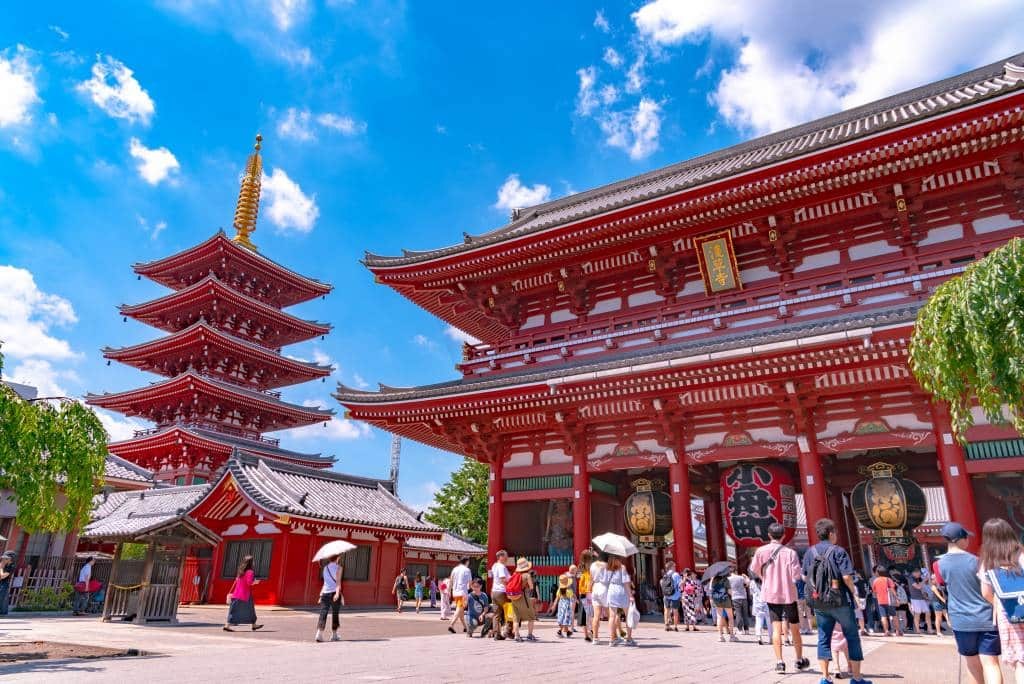 21 mi from YokohamaSenso-ji Temple
 18 mi from YokohamateamLab Borderless
 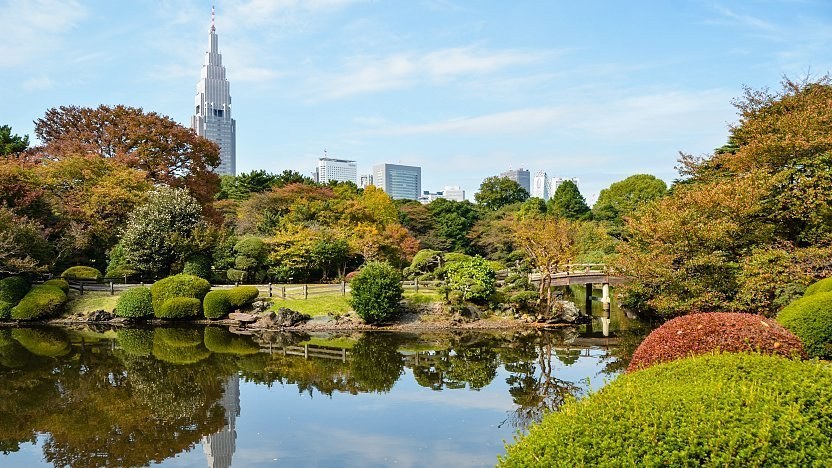 48 mi from Yokohama · land adventureTokyo's Secret Layers: Samurai Houses, Sunrise Crossings & Sake
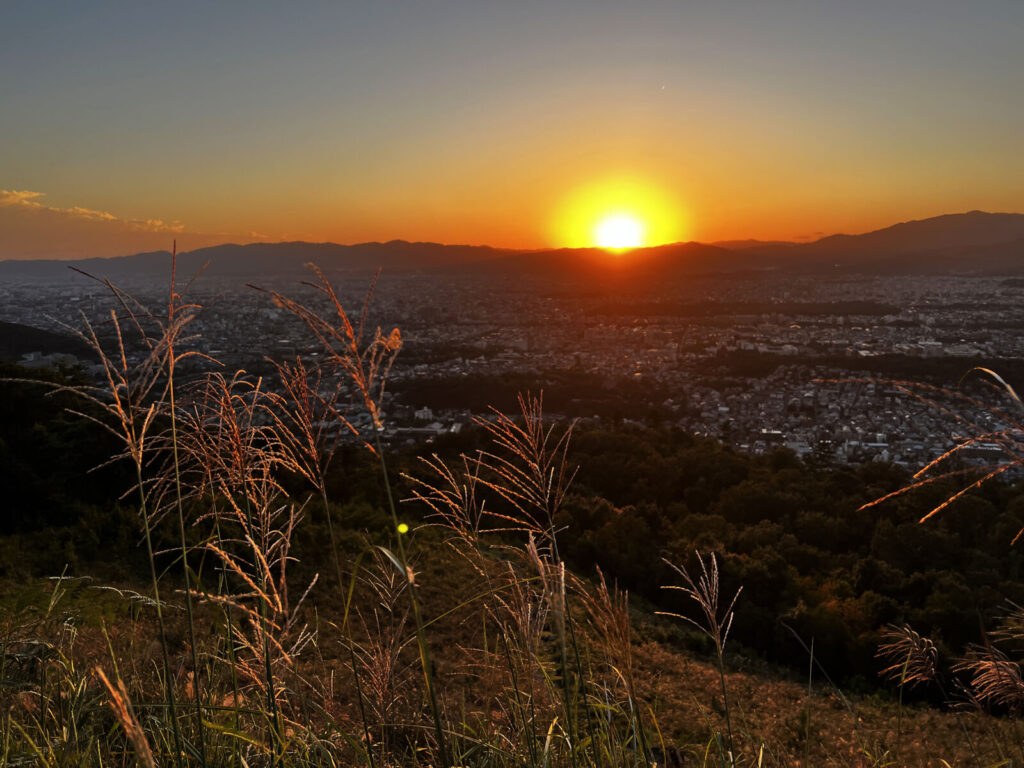 259 mi from Yokohama · land adventureKyoto After Dark: Firelight, Forest Paths & Ancient Craft
 After you step off · near Vancouver
You end in a different port — stay on, and add what is within reach before you fly home.
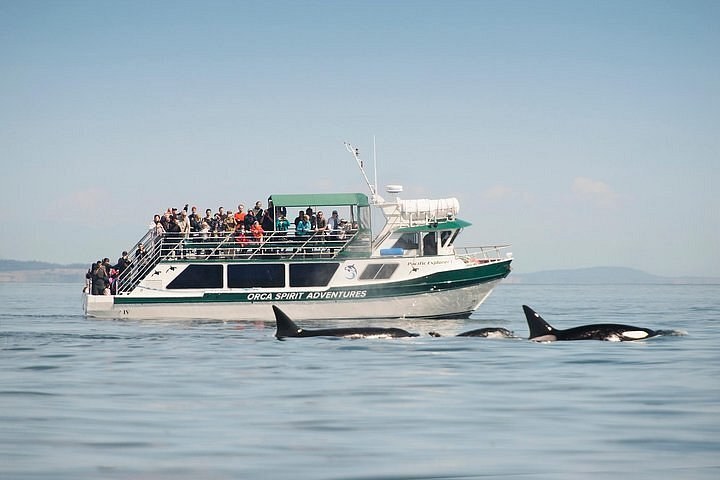 58 mi from VancouverPrivate Whale Watching and Wildlife Tour (Capt. Jim's Whale Watching)
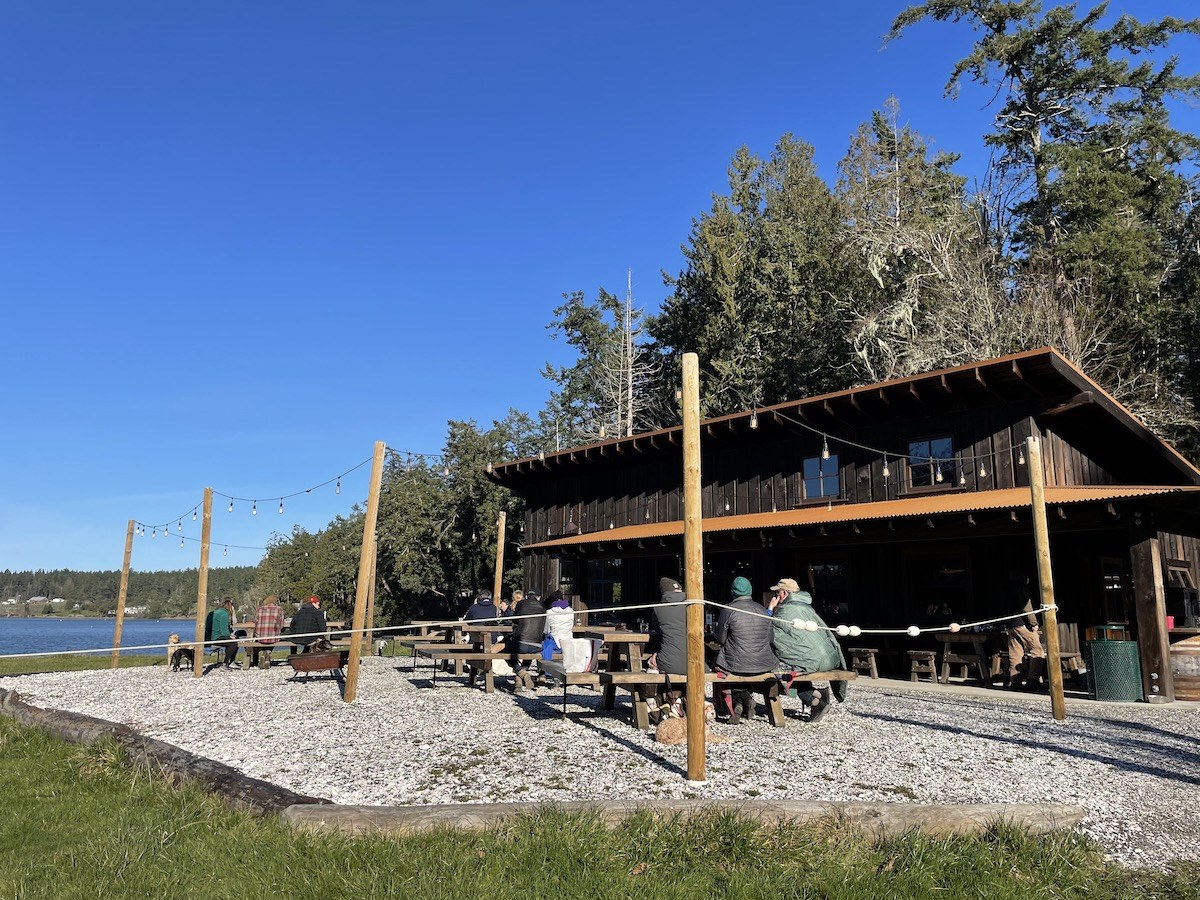 45 mi from VancouverWestcott Bay Sea Farms & Oyster Shack
 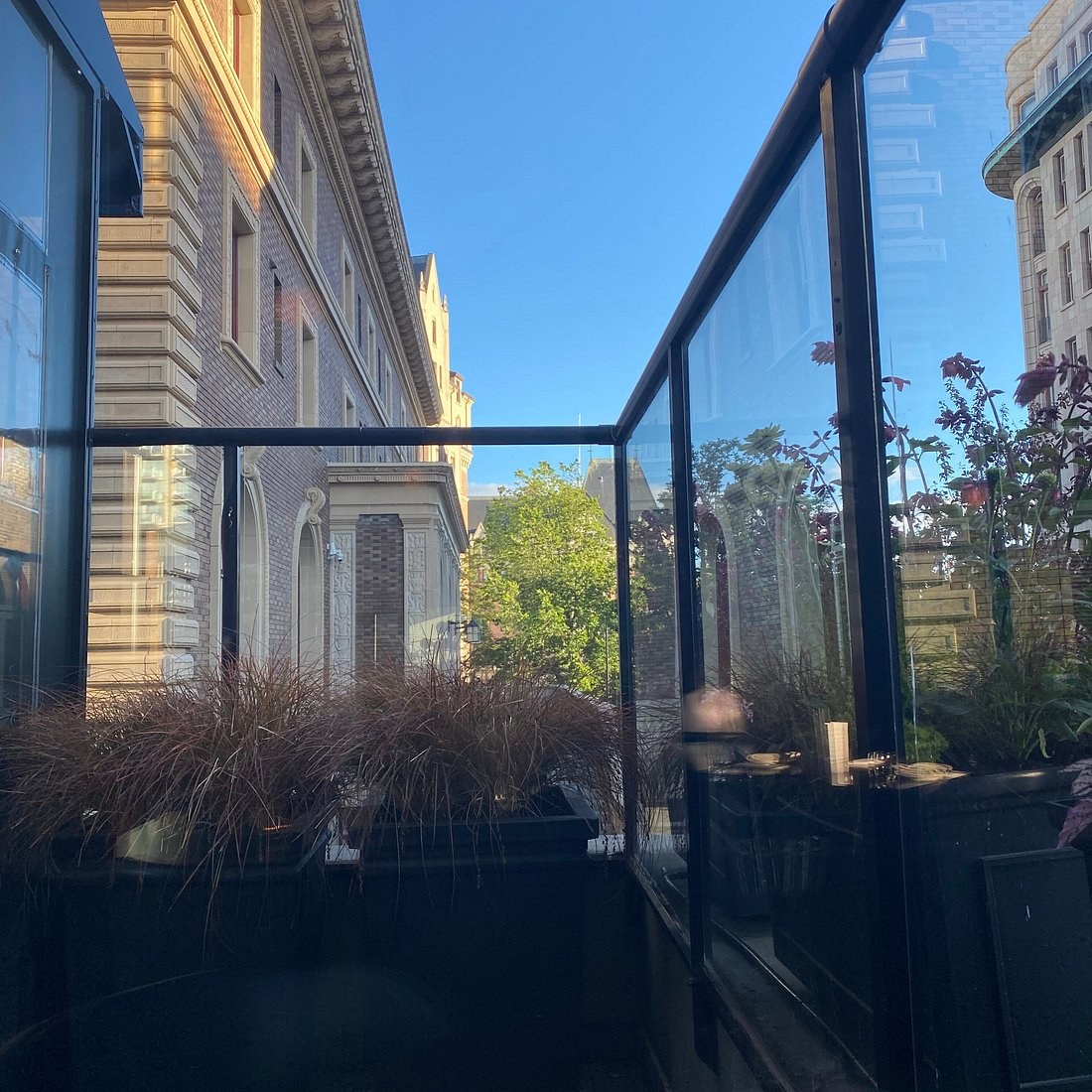 44 mi from Vancouver · land adventureVictoria's Wild Coast: Falconry, Gold Mines, and the Pacific
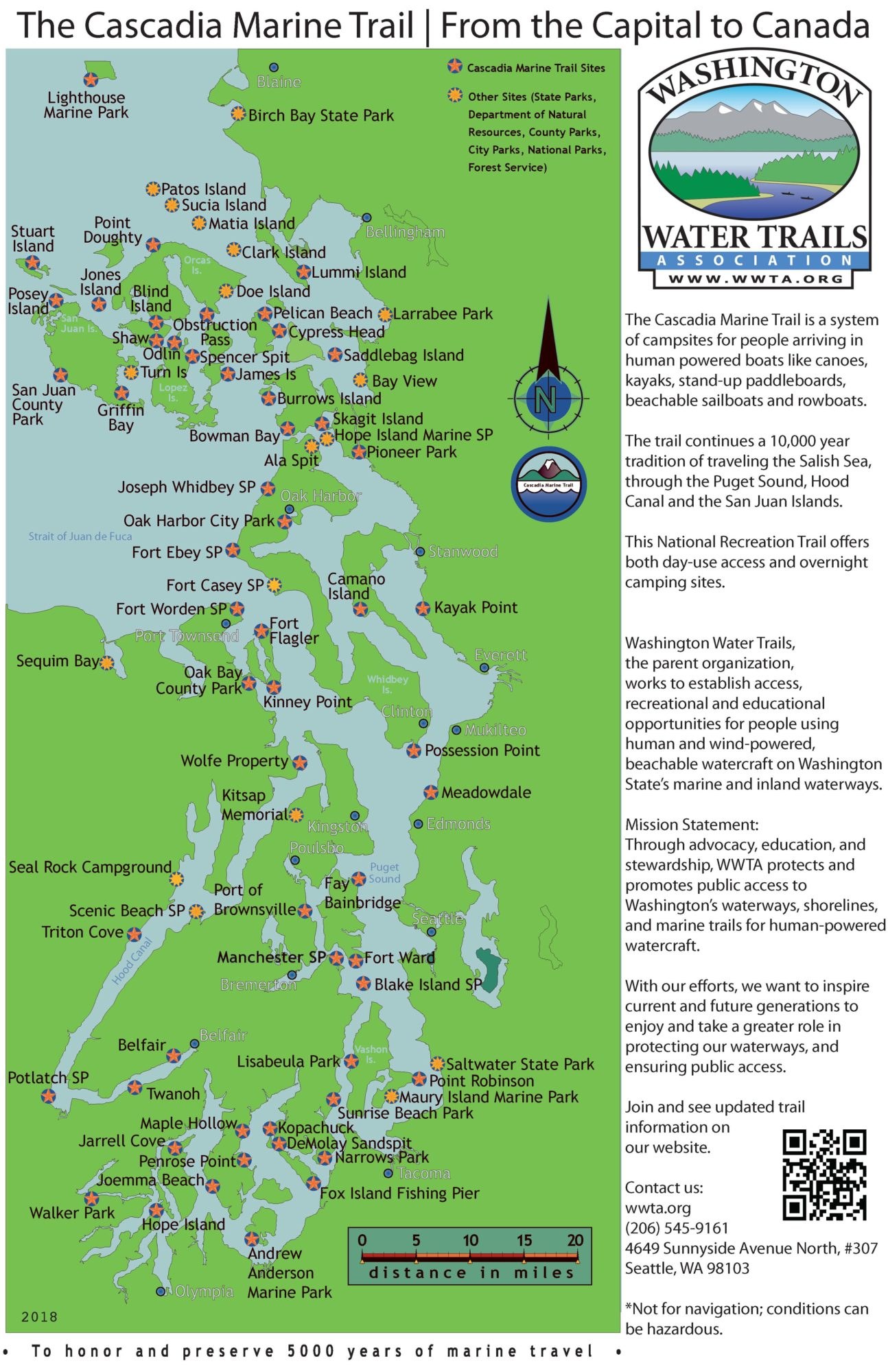 130 mi from Vancouver · land adventureTacoma's Wild Side: Puget Sound, Quarries & a Volcano