Your cruise
Seabourn Encore · 21-night Alaska cruise, Tokyo to Vancouver
Apr 22 – May 13 · 21 nights ·
Day 1 Tokyo (board) · Day 2 at sea · Day 3 Ishinomaki · Day 4 Miyako · Day 5 Hakodate · Day 6 Kushiro · Day 7 at sea · Day 8 CROSS INTERNATIONAL DATELINE · Day 9–14 at sea · Day 15 Kodiak · Day 16 at sea · Day 17 Glacier Bay · Day 18 Sitka · Day 19 Klawock · Day 20 Prince Rupert · Day 21 at sea · Day 22 Vancouver (step off)
What you do Glide across one of Japan's three most celebrated views — Matsushima Bay — aboard a private chartered vessel weaving between 260 pine-cloaked islands. A bucket-list tableau of mist, sea, and sculpted rock that no photograph fully captures.
What to expect Board your private vessel at Matsushima Pier, just 45 minutes from the cruise port, and spend roughly 60–90 minutes drifting through the bay's iconic silhouettes. Your expert local guide narrates the Zen Buddhist heritage of Zuiganji Temple visible from the water. After the cruise, step ashore to stroll Fukuurajima island's garden trails at your leisure. Fresh oysters — the bay's prized produce — await at a harbourside restaurant reserved for your group.
Good to know Matsushima is 45 min by road from the port; factor ~4 hrs total. Pre-book the private charter well in advance — capacity is limited to 6–8 guests. Confirm all-aboard time and allow a 30-min buffer for the return drive.
Versus the ship tour A fully private charter means you set the pace, linger at the most photogenic channels, and enjoy unobstructed views — no crowded decks or fixed commentary loops. Your guide curates the route around tidal light and weather for the optimum composition.
book direct with Japan Shore Excursions (Ishinomaki Private Charters) → · the full guide →
What you do Reach the holy island of Kinkasan by private ferry, home to the gilded Koganeyama Shrine and hundreds of wild deer and monkeys that roam its ancient cedar forests. One of Japan's most spiritually charged and scenically dramatic landscapes.
What to expect A 25-minute private transfer takes you to Ayukawa Port on the Oshika Peninsula; a 40-minute ferry carries you across to Kinkasan. Walk the stone-lantern-lined approach to the resplendent Koganeyama Shrine, said to guarantee prosperity to all who visit three years running. Your guide leads you along cedar-canopied trails where deer graze at arm's reach and Japanese macaques peer through the branches. Time permitting, a brief purification ritual at the inner shrine is a profoundly moving close to the visit.
Good to know Allow a full 6–7 hours from the cruise port. Ferry schedule is tide-dependent — your guide will plan around it. Wear comfortable walking shoes; forest paths are uneven. Confirm all-aboard time is no earlier than 6 pm.
Versus the ship tour Kinkasan sees very few independent visitors because of its remote island access — arriving with a private guide who has a deep relationship with the shrine priests unlocks quiet ceremonies, off-path forest trails, and encounters with sacred deer that organised groups never reach.
book direct with Ayukawa Port Ferry / Oshika Peninsula Tours → · the full guide →
What you do Journey along the dramatic Oshika Peninsula to discover monumental contemporary artworks embedded in tsunami-recovery landscapes — a living gallery where art, resilience, and wild Pacific coastline converge in an utterly unique experience.
What to expect Your guide collects you from the port and drives the Oshika coast, stopping at site-specific installations by internationally acclaimed artists commissioned as part of the Reborn-Art Festival's permanent legacy. Each site carries both aesthetic and deeply human significance — a sculpture garden overlooking a rebuilt fishing village, a luminous installation inside a repurposed storehouse. A freshly prepared local seafood lunch (optional upgrade) is served at a participating community kitchen, where you meet the cooks who rebuilt their lives through the project. The finale is a panoramic clifftop viewpoint above the Pacific.
Good to know Advance reservation essential — group sizes are kept to 6–10 guests. The full tour runs ~5 hours; pair with the 11 am ferry window to be back before all-aboard. Flat walking shoes recommended; some sites involve short coastal paths.
Versus the ship tour The Reborn-Art project is rooted in Tohoku's post-disaster renaissance — works are sited in coastal villages, former evacuation zones, and rugged headlands that tell a story no museum could. A small-group expert-led format ensures intimate access to artists' narratives and local community hosts.
book direct with Activity Japan (Reborn-Art TOUR official operator) → · the full guide →
What you do Step inside the futuristic ship-shaped museum dedicated to Shotaro Ishinomori — creator of Kamen Rider and Cyborg 009 — for a private curator-guided tour that unlocks the archive rooms and concept-art vaults rarely open to the public.
What to expect The museum's iconic UFO-shaped exterior — rising beside the Kitakami River — signals an experience unlike any other cultural institution in Japan. Inside, 50,000 original manga pages are displayed across floors themed by Ishinomori's works. Your private guide walks you through the evolution of manga artistry, the political subtext of Kamen Rider, and into the reproduction studio where the master's original drawing desk is preserved. Manga Road outside the museum is a 2.5 km stretch of bronze character sculptures ideal for a leisurely stroll before returning to port.
Good to know Museum is a short 10-min taxi from the cruise pier. Allow 2–3 hours including Manga Road. Open daily; pre-book the private guide tier to guarantee the archive room visit. No large bags permitted inside — use the coin lockers at the entrance.
Versus the ship tour A private curator guide — arranged through a specialist concierge — opens behind-the-scenes archive access and delivers context on Ishinomori's extraordinary influence on global pop culture. This is not a self-guided walk-through; it is a conversation with someone who knows every panel.
book direct with Ishinomori Manga Museum (Official) → · the full guide →
What you do Sail to Tashirojima — Japan's legendary Cat Island — where free-roaming cats outnumber residents and the pace of life is unchanged for generations. Combine feline charm with a private fresh-seafood lunch and a walk to the island's hidden cat shrine.
What to expect Board the Ajishima Line ferry from Ishinomaki's Maabuchi Port for a 40-minute crossing to Tashirojima, where cats first arrived centuries ago to protect fishing nets from mice. Today over 100 cats roam freely through the lanes, fishing huts, and terraced hillsides. Your private guide navigates you to the secluded Neko Jinja (Cat Shrine) at the island's heart, past hand-painted cat-themed bungalows and sun-warmed stone walls draped in sleeping tabbies. Lunch is freshly caught fish grilled over charcoal at a tiny harbourside spot — a meal that epitomises Tohoku's coastal soul.
Good to know Allow 5–6 hours total from the cruise pier. Ferries run twice daily — confirm the morning departure aligns with your ship's arrival time. The island has no cars, minimal facilities, and no ATMs — carry yen in cash. Flat, easy walking throughout.
Versus the ship tour The island is largely unknown outside Japan — arriving with a private local guide who knows the resident cats by name, the hidden trails, and the family-run fishery that will prepare your lunch is a world apart from any organised group visit.
book direct with Ajishima Line (Official Ferry Operator, Ishinomaki) → · the full guide →
What you do Bear witness to Tohoku's 2011 tsunami through a deeply moving private guided journey — from the Minamihama Tsunami Memorial Park to the preserved ruins of Kadonowaki Elementary School — guided by a local survivor-storyteller who lived through it.
What to expect Begin at the Ishinomaki Minamihama Tsunami Memorial Park, where a sweeping coastal installation and archive document the wave's catastrophic reach. Your guide — who was present in 2011 — speaks candidly about survival, grief, and the collective decision to rebuild rather than abandon the coast. The preserved shell of Kadonowaki Elementary School, its roof a testament to the height the water reached, is a profoundly silent moment in the tour. The journey closes with a visit to the rebuilt Hiyoriyama Park hilltop, where survivors watched the disaster unfold, now returned to cherry blossoms and hope.
Good to know This is an emotionally significant experience — approach with appropriate sensitivity. Full-day format; book well in advance as the survivor-guide has limited availability. Comfortable walking shoes essential; some outdoor sites are exposed to coastal wind. Confirm your ship's all-aboard time when booking.
Versus the ship tour Your guide is a member of the local community with a personal connection to 3/11. The experience moves beyond information panels into lived testimony — the kind of empathic, honest encounter that reframes how you understand resilience, loss, and the human spirit. Strictly small-group.
book direct with Japan Travel & Tours (Ishinomaki 1-Day Tsunami Memorials Tour) → · the full guide →
What you do Explore Tokyo's most iconic districts — Asakusa, Shibuya, Shinjuku and the Imperial Palace — guided by a nationally licensed, multilingual expert on an entirely private itinerary tailored to you. This is Tokyo at your pace, through a connoisseur's eyes.
What to expect Your guide meets you at the terminal and whisks you into Tokyo's layered world: the incense haze of Sensō-ji, the electric scramble at Shibuya Crossing, the raked gravel calm of Imperial Palace East Gardens. Lunch is arranged at a chef-selected restaurant befitting your taste. The day is a seamless private narrative rather than a checklist, ending with enough time to return comfortably before all-aboard.
Good to know Book well in advance — licensed private guides are in high demand. Confirm your ship's all-aboard time so your guide can plan the return; Tokyo International Cruise Terminal (Ariake) is roughly 30–40 min by taxi or direct Yurikamome rail from central Tokyo.
Versus the ship tour A nationally licensed guide — not a megaphone-and-flag group leader — curates every hour around your interests, from Sensō-ji temple rituals at dawn to an omakase lunch in a hidden alley. The group is yours alone, pace is entirely flexible, and the depth of cultural insight is unmatched.
book direct with Japan Guide Association (JGA) – Official Licensed Guides → · the full guide →
What you do Ascend the world's second-tallest structure to 634 metres for a panorama stretching from Mount Fuji to Tokyo Bay. On a clear day the view is simply one of the great urban spectacles on earth.
What to expect A high-speed elevator whisks you to the Tembo Deck at 350 m in under 60 seconds. A second ascent takes you to the Tembo Galleria, a glass-walled spiral walkway at 450 m where the floor disappears beneath your feet over the Tokyo skyline. The adjacent Solamachi shopping and dining complex adds a refined post-visit option before heading back.
Good to know Pre-purchase timed-entry tickets online — they sell out days ahead, especially on weekends. From Tokyo International Cruise Terminal, take the Yurikamome line to Asakusa, then the Tobu Skytree Line — allow 50 min total. Allow 2 hrs for both decks. Confirm weather forecast: Mount Fuji views require clear skies.
Versus the ship tour Skip the intermediary and book direct on the official site for guaranteed timed-entry tickets — the queue for walk-ups can swallow an hour. Pairing both decks gives you the full 634-metre summit glass-floored walkway, a genuinely vertiginous bucket-list moment inaccessible on a standard visit.
book direct with Tokyo Skytree (Official) → · the full guide →
What you do Step inside teamLab Borderless — the world's most visited single-artist museum — where thousands of laser projections dissolve boundaries between art and visitor. There are no maps; every room is a living, breathing, bucket-list spectacle.
What to expect You wander freely through interconnected rooms where waterfalls, forests, and koi ponds exist entirely as light and projection — and shift when you touch them. The 'Athletic Forest' zone challenges the body as much as the mind. No two visits are identical; the art evolves in real time. Budget at least two hours, though most guests lose track of time entirely.
Good to know The new Azabudai Hills venue is a taxi/subway ride from the cruise terminal — allow 40 min. Wear comfortable shoes (some zones involve steps and uneven surfaces). Timed-entry tickets are date- and time-specific; book the earliest slot to leave the afternoon free for other stops. Avoid white clothing as projections can stain perception.
Versus the ship tour teamLab Borderless is the most talked-about cultural experience in Tokyo and tickets routinely sell out weeks ahead — direct booking guarantees your slot. The experience is entirely self-paced and intimate in scale despite the venue's size; no group itinerary can replicate the personal sense of wonder as the art responds to your movement.
book direct with teamLab Borderless Tokyo (Official) → · the full guide →
What you do Explore the legendary Tsukiji Outer Market with a private chef guide who navigates the stalls, sources the finest morning catch, and explains the art of Edomae sushi — ending at a reserved counter for an unforgettable omakase breakfast.
What to expect The morning begins in the alley labyrinth of Tsukiji Outer Market as vendors arrange glistening tuna, sea urchin, and seasonal shellfish. Your chef-guide explains provenance, seasonality, and the knife traditions behind each cut. A tamagoyaki (rolled omelette) master lets you watch the craft up close. The tour culminates at a reserved sushi counter where the chef orders on your behalf — a succession of impossibly fresh nigiri paired with explanations of each piece.
Good to know Tsukiji Outer Market is most vibrant 7–10 am; an early start is essential and pairs well with an early all-aboard schedule. The market is approximately 30 min by taxi from Tokyo International Cruise Terminal. Confirm any dietary restrictions with Context Travel at booking. Sturdy shoes are advised — the alleys are narrow and sometimes wet.
Versus the ship tour Context Travel pairs you with a culinary scholar or professional chef — not a generic guide — for an intellectually rich deep-dive into Japan's seafood culture. The private format means you linger at the stalls that captivate you, taste what the guide selects, and sit down to sushi chosen that morning, not a set tourist menu.
book direct with Context Travel Tokyo – Expert-Led Food Tours → · the full guide →
What you do Walk the ancient cedar-forested approach to Tokyo's most sacred Shinto shrine, then emerge into Harajuku's kaleidoscopic street culture — a single morning that captures the full spiritual and creative soul of Tokyo.
What to expect The 700-metre forested gravel path to Meiji Jingu feels remote despite being at the heart of 14-million-person Tokyo — a genuine hush descends. Your guide explains the daily rituals, points out the sake-barrel wall offered by French wineries, and arranges a quiet moment at the inner shrine. The short walk to Harajuku delivers the visual shock of kawaii fashion and the understated elegance of Omotesandō boutiques — Dior, Louis Vuitton, and local ateliers alike.
Good to know Shoulders and knees should be covered or a scarf carried for the shrine approach. From the cruise terminal, take the Yurikamome to Shimbashi then JR Yamanote Line to Harajuku — approx. 50 min. The combined experience takes 3–4 hours; pairs perfectly with a lunch reservation on Omotesandō. Book your GoWithGuide guide at least 2 weeks ahead.
Versus the ship tour A private local guide from GoWithGuide provides personal context for Shinto ritual — the purification ceremony, the prayer technique, the symbolism of the torii gate — that transforms a walk through a forest into a deeply moving cultural encounter. The segue into Harajuku's Takeshita Street and Omotesandō's luxury flagship stores is seamlessly curated.
book direct with GoWithGuide – Private Tokyo Local Guides → · the full guide →
What you do Ascend the beloved iron icon of Tokyo at golden hour for the exclusive Diamond Tour — access to both the Main Deck at 150 m and the Top Deck at 250 m, limited to just 70 guests per day. A sunset over the Tokyo skyline from here is a memory for life.
What to expect Tokyo Tower glows tangerine and crimson at dusk — a deliberate nod to the Eiffel Tower's evening palette — and from the glass-floor panels of the Top Deck, the city grid fans out to Tokyo Bay and beyond. The Diamond Tour guide explains the tower's 1958 construction story and its role as Tokyo's emotional heartbeat. The lounge offers premium refreshments as the city lights ignite below you.
Good to know Book online the moment your itinerary is confirmed — the 70-person cap sells out fast, especially on weekends and holidays. Tokyo Tower is in Minato, roughly 40 min by taxi from the cruise terminal. Plan to arrive at least 30 min before your slot. A sunset slot (approximately 5–6 pm) is spectacular but confirm your ship's all-aboard time allows for it.
Versus the ship tour The Diamond Tour's 70-person daily cap makes this one of the most exclusive urban viewpoints in Asia. Unlike the open-access main deck, the Top Deck tour includes a dedicated lounge, unhurried time at each level, and a guide — transforming a landmark tick into a genuinely rarefied experience.
book direct with Tokyo Tower (Official) → · the full guide →
What you do Glide across one of Japan's three most celebrated views — Matsushima Bay — aboard a private chartered vessel weaving between 260 pine-cloaked islands. A bucket-list tableau of mist, sea, and sculpted rock that no photograph fully captures.
What to expect Board your private vessel at Matsushima Pier, just 45 minutes from the cruise port, and spend roughly 60–90 minutes drifting through the bay's iconic silhouettes. Your expert local guide narrates the Zen Buddhist heritage of Zuiganji Temple visible from the water. After the cruise, step ashore to stroll Fukuurajima island's garden trails at your leisure. Fresh oysters — the bay's prized produce — await at a harbourside restaurant reserved for your group.
Good to know Matsushima is 45 min by road from the port; factor ~4 hrs total. Pre-book the private charter well in advance — capacity is limited to 6–8 guests. Confirm all-aboard time and allow a 30-min buffer for the return drive.
Versus the ship tour A fully private charter means you set the pace, linger at the most photogenic channels, and enjoy unobstructed views — no crowded decks or fixed commentary loops. Your guide curates the route around tidal light and weather for the optimum composition.
book direct with Japan Shore Excursions (Ishinomaki Private Charters) → · the full guide →
What you do Reach the holy island of Kinkasan by private ferry, home to the gilded Koganeyama Shrine and hundreds of wild deer and monkeys that roam its ancient cedar forests. One of Japan's most spiritually charged and scenically dramatic landscapes.
What to expect A 25-minute private transfer takes you to Ayukawa Port on the Oshika Peninsula; a 40-minute ferry carries you across to Kinkasan. Walk the stone-lantern-lined approach to the resplendent Koganeyama Shrine, said to guarantee prosperity to all who visit three years running. Your guide leads you along cedar-canopied trails where deer graze at arm's reach and Japanese macaques peer through the branches. Time permitting, a brief purification ritual at the inner shrine is a profoundly moving close to the visit.
Good to know Allow a full 6–7 hours from the cruise port. Ferry schedule is tide-dependent — your guide will plan around it. Wear comfortable walking shoes; forest paths are uneven. Confirm all-aboard time is no earlier than 6 pm.
Versus the ship tour Kinkasan sees very few independent visitors because of its remote island access — arriving with a private guide who has a deep relationship with the shrine priests unlocks quiet ceremonies, off-path forest trails, and encounters with sacred deer that organised groups never reach.
book direct with Ayukawa Port Ferry / Oshika Peninsula Tours → · the full guide →
What you do Journey along the dramatic Oshika Peninsula to discover monumental contemporary artworks embedded in tsunami-recovery landscapes — a living gallery where art, resilience, and wild Pacific coastline converge in an utterly unique experience.
What to expect Your guide collects you from the port and drives the Oshika coast, stopping at site-specific installations by internationally acclaimed artists commissioned as part of the Reborn-Art Festival's permanent legacy. Each site carries both aesthetic and deeply human significance — a sculpture garden overlooking a rebuilt fishing village, a luminous installation inside a repurposed storehouse. A freshly prepared local seafood lunch (optional upgrade) is served at a participating community kitchen, where you meet the cooks who rebuilt their lives through the project. The finale is a panoramic clifftop viewpoint above the Pacific.
Good to know Advance reservation essential — group sizes are kept to 6–10 guests. The full tour runs ~5 hours; pair with the 11 am ferry window to be back before all-aboard. Flat walking shoes recommended; some sites involve short coastal paths.
Versus the ship tour The Reborn-Art project is rooted in Tohoku's post-disaster renaissance — works are sited in coastal villages, former evacuation zones, and rugged headlands that tell a story no museum could. A small-group expert-led format ensures intimate access to artists' narratives and local community hosts.
book direct with Activity Japan (Reborn-Art TOUR official operator) → · the full guide →
What you do Step inside the futuristic ship-shaped museum dedicated to Shotaro Ishinomori — creator of Kamen Rider and Cyborg 009 — for a private curator-guided tour that unlocks the archive rooms and concept-art vaults rarely open to the public.
What to expect The museum's iconic UFO-shaped exterior — rising beside the Kitakami River — signals an experience unlike any other cultural institution in Japan. Inside, 50,000 original manga pages are displayed across floors themed by Ishinomori's works. Your private guide walks you through the evolution of manga artistry, the political subtext of Kamen Rider, and into the reproduction studio where the master's original drawing desk is preserved. Manga Road outside the museum is a 2.5 km stretch of bronze character sculptures ideal for a leisurely stroll before returning to port.
Good to know Museum is a short 10-min taxi from the cruise pier. Allow 2–3 hours including Manga Road. Open daily; pre-book the private guide tier to guarantee the archive room visit. No large bags permitted inside — use the coin lockers at the entrance.
Versus the ship tour A private curator guide — arranged through a specialist concierge — opens behind-the-scenes archive access and delivers context on Ishinomori's extraordinary influence on global pop culture. This is not a self-guided walk-through; it is a conversation with someone who knows every panel.
book direct with Ishinomori Manga Museum (Official) → · the full guide →
What you do Sail to Tashirojima — Japan's legendary Cat Island — where free-roaming cats outnumber residents and the pace of life is unchanged for generations. Combine feline charm with a private fresh-seafood lunch and a walk to the island's hidden cat shrine.
What to expect Board the Ajishima Line ferry from Ishinomaki's Maabuchi Port for a 40-minute crossing to Tashirojima, where cats first arrived centuries ago to protect fishing nets from mice. Today over 100 cats roam freely through the lanes, fishing huts, and terraced hillsides. Your private guide navigates you to the secluded Neko Jinja (Cat Shrine) at the island's heart, past hand-painted cat-themed bungalows and sun-warmed stone walls draped in sleeping tabbies. Lunch is freshly caught fish grilled over charcoal at a tiny harbourside spot — a meal that epitomises Tohoku's coastal soul.
Good to know Allow 5–6 hours total from the cruise pier. Ferries run twice daily — confirm the morning departure aligns with your ship's arrival time. The island has no cars, minimal facilities, and no ATMs — carry yen in cash. Flat, easy walking throughout.
Versus the ship tour The island is largely unknown outside Japan — arriving with a private local guide who knows the resident cats by name, the hidden trails, and the family-run fishery that will prepare your lunch is a world apart from any organised group visit.
book direct with Ajishima Line (Official Ferry Operator, Ishinomaki) → · the full guide →
What you do Bear witness to Tohoku's 2011 tsunami through a deeply moving private guided journey — from the Minamihama Tsunami Memorial Park to the preserved ruins of Kadonowaki Elementary School — guided by a local survivor-storyteller who lived through it.
What to expect Begin at the Ishinomaki Minamihama Tsunami Memorial Park, where a sweeping coastal installation and archive document the wave's catastrophic reach. Your guide — who was present in 2011 — speaks candidly about survival, grief, and the collective decision to rebuild rather than abandon the coast. The preserved shell of Kadonowaki Elementary School, its roof a testament to the height the water reached, is a profoundly silent moment in the tour. The journey closes with a visit to the rebuilt Hiyoriyama Park hilltop, where survivors watched the disaster unfold, now returned to cherry blossoms and hope.
Good to know This is an emotionally significant experience — approach with appropriate sensitivity. Full-day format; book well in advance as the survivor-guide has limited availability. Comfortable walking shoes essential; some outdoor sites are exposed to coastal wind. Confirm your ship's all-aboard time when booking.
Versus the ship tour Your guide is a member of the local community with a personal connection to 3/11. The experience moves beyond information panels into lived testimony — the kind of empathic, honest encounter that reframes how you understand resilience, loss, and the human spirit. Strictly small-group.
book direct with Japan Travel & Tours (Ishinomaki 1-Day Tsunami Memorials Tour) → · the full guide →
What you do Ride the Hakodate Ropeway to the summit of Mt. Hakodate for one of Japan's three great night views — a glittering hourglass of city lights between two bays. At 334 m, the 360° panorama is simply breathtaking and utterly bucket-list.
What to expect The gondola whisks you up 334 metres in just three minutes, arriving at a glass-walled observatory perched above the forested peak. As daylight fades, Hakodate's unique hourglass peninsula blazes gold and amber between Tsugaru Strait and Uchiura Bay. The summit also has a café and gift shop should you wish to linger. In autumn, the hillside maples frame the ascent in fiery crimson.
Good to know Ropeway runs daily; last gondola is around 22:00 (seasonal). Allow 90 min round-trip. It's 15 min by taxi from the pier. Pre-book a licensed guide via Japan Guide Association (j-g-a.org) to ensure a private summit experience matched to your ship's all-aboard time.
Versus the ship tour The magic here is timing: a licensed private guide can tailor your ascent to catch the exact moment the city lights ignite at dusk, while the small-group format means no jostling at the observatory rail — just you, the mountain, and one of Japan's most legendary views.
book direct with Hakodate Ropeway (Official) → · the full guide →
What you do Plunge into the legendary Hakodate Asaichi — one of Japan's great morning markets — guided by a local expert who unlocks the finest stalls for live uni, ikura, and hairy crab before the crowds arrive. End with a private omakase bowl that rivals any Michelin table.
What to expect The market opens at 05:00 and by 07:00 the stalls are at peak drama: crab claws waving from iced tanks, fishmongers calling their catch, vendors pressing samples of smoked scallop into your hands. Your guide curates a tasting circuit — squid ink, sea urchin, Hokkaido milk soft-serve — before settling you at a counter for a bespoke seafood rice bowl. Markets wind down by midday so a morning start is essential.
Good to know Market is a 5-min walk or short taxi from most Hakodate berths. Best experienced 07:00–10:00. Book a licensed English-speaking guide in advance; the Japan Shore Excursions team specialises in cruise-ready timing with guaranteed all-aboard returns.
Versus the ship tour A licensed local guide takes you behind the tourist façade to the wholesale-side vendors, introduces you to market elders by name, and steers you to the single best donburi counter — knowledge that only years of local relationships can buy.
book direct with Japan Shore Excursions (Licensed Local Guide) → · the full guide →
What you do Survey Japan's only Western-style star-shaped fortress — scene of the Boshin War's final battle — from the glass-floored Goryokaku Tower, then walk its cherry-blossom-lined moats with a licensed historian guide. A defining chapter of Japanese history made vivid.
What to expect Ascend Goryokaku Tower for a bird's-eye view of the perfect five-pointed star, its geometry still razor-sharp from above. Below, the moated grounds are a masterclass in 19th-century European military architecture transplanted to Japan. Sara leads you across the drawbridge and through the restored magistrate's office, narrating the tragic last stand of the Shinsengumi. In spring the fort's 1,600 cherry trees make this one of Hokkaido's most spectacular hanami sites.
Good to know Tower open daily 09:00–18:00 (to 19:00 in peak season). A 15-min tram ride from the pier on the City Tram (1-Day Pass JPY 800 — worth buying). Combine with nearby Kanemori Red Brick Warehouses for a full half-day. Pre-book your guide at least 2 weeks ahead.
Versus the ship tour Sara, a certified Hakodate Proficiency-tested guide who lived abroad six years, brings the 1869 Battle of Hakodate alive with personal storytelling — pinpointing Hijikata Toshizo's last stand and walking you through the pentagonal ramparts at your own unhurried pace.
book direct with Hakodate Guide Sara (Local Licensed Expert) → · the full guide →
What you do Escape the city entirely on a private guided foray to Onuma Quasi-National Park — a volcanic lake landscape where Mt. Komagatake's reflection shimmers on mirror-still water. Glide by kayak among forested islets in one of Japan's most serene national parks.
What to expect A 50-minute drive north of Hakodate deposits you in a landscape of extraordinary calm: 126 islets scattered across three interconnected lakes, all cast in the shadow of the still-active Mt. Komagatake. Your guide leads a lakeside boardwalk through ancient pines before you board a two-person kayak to explore the quieter western channels, rich with kingfishers and grey herons. Autumn turns the maples copper-gold; spring carpets the banks in cherry blossom.
Good to know Allow a full day: 50 min each way plus 3–4 hrs in the park. Confirm kayak availability seasonally (best May–Oct). Your guide ensures cruise-compatible return timing. Dress in layers — lake temperatures are significantly cooler than the city, especially in the morning.
Versus the ship tour The private format means you set the pace — lingering on a misty lake at sunrise, paddling to a hidden islet for a private picnic, or photographing the volcano's reflection without a single tour bus in sight. This is Hokkaido's raw nature at its most elemental.
book direct with Japan Shore Excursions (Licensed Local Guide) → · the full guide →
What you do Wander Hakodate's 19th-century foreign concession quarter — Orthodox churches, Gothic consulates, and wooden merchant mansions clinging to Mt. Hakodate's slopes — with a licensed guide who unlocks interiors closed to independent visitors.
What to expect The Motomachi hillside is a rare surviving pocket of Meiji-era cosmopolitanism: you'll peer inside the Old British Consulate's rose garden, climb to the vermilion Chinezan Josenji temple with its harbour panorama, and stand inside the onion-domed Hakodate Orthodox Church. Your guide contextualises the mid-19th-century treaty port history that made Hakodate Japan's gateway to the world. The cobblestone slopes and pastel clapboard facades are endlessly photogenic.
Good to know The quarter is walkable in 2–3 hrs with a guide; most sites open 09:00–17:00. Old Public Hall closed Mondays. A 10-min tram ride from the pier. Book a 4- or 6-hour guide slot to combine Motomachi with Goryokaku in a single seamless day.
Versus the ship tour The Japan Guide Association's nationally licensed guides gain access to privately managed interiors — the gilded altar of the Russian Orthodox Church, the restored banquet hall of the Old Public Hall — and can read the kanji plaques and original ledgers that tell the real story of Japan's first open port.
book direct with Japan Guide Association — Hakodate Licensed Guides → · the full guide →
What you do Let a traditional rickshaw (jinrikisha) carry you through Hakodate's most photogenic streets — past red-brick warehouses, tram lines, and seaside promenades — while your puller doubles as an expert local storyteller. A uniquely intimate, beautifully paced way to see the city.
What to expect You recline on a lacquered seat beneath a fringed canopy as your jinrikisha runner navigates the Kanemori Warehouse waterfront, the Motomachi slopes, and the old tram boulevard. The pullers are remarkably well-informed, pointing out architectural curiosities and delivering anecdotes about the Meiji-era merchants who built this city. It's theatrical, intimate, and entirely unlike anything else in Japan's port cities.
Good to know Rickshaws depart from the Kanemori Red Brick Warehouse area, a 5-min walk from the main pier. No advance booking required for short rides, but reserve a 90-min private course ahead for a bespoke itinerary. Operates year-round (weather permitting); best in the golden hour before sunset.
Versus the ship tour Ebisuya's trained rickshaw pullers are passionate local historians who narrate each landmark in English as they run — pausing spontaneously for a harbour shot here, a hidden shrine gate there. The unhurried, street-level perspective reveals details no bus window ever could.
book direct with Ebisuya Rickshaw Hakodate (えびすや) → · the full guide →
What you do Glide through Japan's largest wetland in a private vehicle with a dedicated English-speaking naturalist guide, scanning the reeds for the sacred red-crowned tancho crane — a living symbol of longevity and one of the rarest birds on Earth.
What to expect Your private guide collects you at the pier and drives you into the vast, mist-wrapped Kushiro Marshland — 2,700 sq km of protected wetland that feels utterly wild. Pause at the elevated Shitsugen Observatory Boardwalk for panoramic marsh views, then visit the Akan International Crane Centre where wild tancho congregate and researchers track the population. Afternoons can be shaped around your interests — canoe on the marsh channels, visit a local fish market, or simply linger at a crane feeding meadow until that extraordinary red-crowned bird takes flight. No crowds, no rushing; this is the Hokkaido East that most visitors never see.
Good to know Pre-book well in advance — private guides fill fast on cruise-call days. The marsh is most atmospheric in early morning mist; request an early departure to maximise crane sightings. Confirm all-aboard time and share it with your guide at booking.
Versus the ship tour Fully private, 8-hour itinerary tailored to your pace — includes multiple vantage points across the marsh, the Kushiro Shitsugen Observatory Boardwalk, and stops at Akan International Crane Centre, with a dedicated English-speaking guide who knows every sightline for crane encounters.
book direct with Japan Awaits – Kushiro Custom Full Day Tour → · the full guide →
What you do Journey to sacred caldera Lake Akan, a UNESCO-recognised cultural landscape, and immerse yourself in the living traditions of the Ainu — Japan's indigenous people — through an intimate performance at the legendary Icolo Theater and a guided walk through the Ainu Kotan village.
What to expect The drive along the Akan lakeside road is cinematic — forests of silver birch giving way to the vast cobalt surface of the caldera lake, steaming with geothermal vents. At the Ainu Kotan, your guide introduces you to artisans carving intricate woodwork and weaving traditional attukus textile, explaining the spiritual significance of each motif. The Icolo Theater performance is electrifying: firelit, chanted Upopo ceremonial song and the athletic Iyomante bear ritual dance performed by an Ainu troupe in full regalia. Before returning, savour a bowl of Akan's famous chankoro — snow crab noodle soup — at a lakeside restaurant chosen by your guide.
Good to know Lake Akan is approximately 1.5 hours from the pier; plan a minimum 7-hour shore day. Icolo Theater shows run at set times — confirm schedule at booking and align with all-aboard. Reiko's tours start at 8–9 a.m.; coordinate pier pick-up time at reservation.
Versus the ship tour Guided by Reiko, a Kushiro-born local expert with deep Ainu cultural knowledge, this private experience grants unhurried access to the Ainu Kotan village artisan workshops and a reserved-seat performance at Lake Akan Ainu Theater Icolo — rated 4.3 stars as Kushiro's top cultural attraction — without the pace of a group itinerary.
book direct with GoWithGuide – Reiko M. Local Expert, Kushiro & Hokkaido East → · the full guide →
What you do Drift silently through primeval reed corridors on a guided canoe through Kushiro Marsh — Japan's largest wetland — at water level where tancho cranes wade, white-tailed eagles soar, and Hokkaido's raw wilderness surrounds you on every side.
What to expect Launching from a wooden pontoon at the marsh edge, you and your small group glide into channels so still they mirror the sky. Your bilingual guide reads the wetland like a map — pointing to otter tracks in the mud, osprey on snag branches, and the slow wingbeats of a tancho crane lifting from the shallows. The pace is meditative; there is no engine noise, no commentary over a loudspeaker, just the dip of a paddle and the immensity of one of Asia's great wilderness landscapes. After two hours on the water, a riverside rest stop offers hot green tea and a chance to absorb the silence before returning to the pier.
Good to know Half-day canoe tours typically run 3–4 hours including transfer; well within a standard port day. Waterproof layers and non-slip footwear essential — pack in a dry bag. Book directly via the Kushiro tourism portal or confirm with your private guide. Best sightings in early morning — request AM departure.
Versus the ship tour Water-level access to the marsh interior that no observation platform or coach can replicate — small guided groups only, with a certified wilderness guide, paddles in hand, close enough to hear cranes calling in the reeds.
book direct with Kushiro-Lakeakan.com (Official Kushiro Tourism) → · the full guide →
What you do Join a specialist wildlife guide for an intimate, small-group morning dedicated entirely to Kushiro's most iconic resident: the magnificent tancho crane, observed at Kushiro City Tanchozuru Nature Park and the Akan International Crane Centre with expert ecological commentary.
What to expect The red-crowned crane stands 1.5 metres tall, dances with its mate in elaborate courtship displays, and has been venerated in Japanese art for centuries — seeing one wild is genuinely moving. Your guide arrives at the pier and takes you first to Kushiro City Tanchozuru Nature Park, where resident cranes move freely across wetland meadows in view of a discreet observation platform. The second stop at the Akan International Crane Centre deepens the experience with researcher-led insight into the comeback story of a species that recovered from just 33 individuals in the 1950s to over 1,800 today — one of conservation's great triumphs. The return route through the marsh adds a final, unhurried panorama of the wetland at its most majestic.
Good to know This half-day tour fits comfortably within most port schedules. Crane sightings are year-round but most spectacular in winter (dancing displays) and spring (chick-rearing). Bring a 200mm+ telephoto lens if you have one. Confirm group size at booking — maximum 8 guests is the standard for this operator.
Versus the ship tour Small-group format of no more than 8 guests, led by an ornithologist-level local guide who knows the seasonal crane behaviour patterns and positions the group for the closest, least-disturbed sightlines — a world apart from a larger group visit.
book direct with Japan Shore Excursions – Kushiro Wildlife Tours → · the full guide →
What you do Explore Kushiro's layered history — from Ainu origins to Meiji-era fishing empire — inside the acclaimed Kushiro City Museum with a private guide, then stroll the grand Nusamai Bridge for sweeping river and harbour views that have defined this city's soul for over a century.
What to expect Your guide meets you at the pier and walks you into central Kushiro, pausing at the iconic Nusamai Bridge where four bronze goddess statues guard each corner and the Kushiro River fans out toward the Pacific. At the Kushiro City Museum, the exhibits span Jomon-era archaeology, Ainu artefacts of extraordinary craft, and the dramatic story of Meiji settlers who built a fishing industry that once supplied all of Japan with Pacific saury. The museum's natural history wing — featuring a full-scale tancho crane diorama and Hokkaido brown bear specimens — offers context that makes the wider landscape suddenly legible. The walk back through the Washo Market, where fishermen's wives famously pile fresh crab and salmon roe onto your rice bowl, is the perfect finale.
Good to know The museum and bridge are within easy walking distance of central Kushiro — ideal if your port day is shorter. Washo Market is best before noon when the freshest seafood is displayed. Combine with a harbour walk past the fishing fleet for a full immersion in Kushiro's maritime character.
Versus the ship tour A private, curator-level guided experience of Kushiro's museum — rated 4.2 stars and one of the city's finest cultural institutions — paired with insider commentary on the Nusamai Bridge's four allegorical statues and the city's storied fishing heritage, all at a pace no group tour allows.
book direct with GoWithGuide – Reiko M. Local Expert, Kushiro & Hokkaido East → · the full guide →
What you do Dive into the flavours of Hokkaido East at Kushiro's legendary Washo Market and the atmospheric Fisherman's Wharf MOO — sampling the freshest Pacific saury, uni (sea urchin), ikura, and snow crab straight from the boats in Japan's self-proclaimed 'seafood capital of the north.'
What to expect The Washo Market tradition of 'katte-don' is one of Japan's most joyful food rituals: purchase a bowl of steaming rice from one vendor, then wander the stalls as fishmongers pile on mounds of ikura, scallop, crab claw, and whatever the morning catch delivered — building your perfect Hokkaido rice bowl, piece by glorious piece. At Fisherman's Wharf MOO on the harbour edge, the atmosphere shifts to a covered artisan hall where local producers display kelp-cured salmon, aged Hokkaido cheese, and Akan-smoked trout alongside craft sake from regional breweries. A private guide ensures you navigate both spaces with cultural intelligence — knowing what to order, how to eat it, and the story behind each ingredient. End on the MOO terrace watching the Pacific fishing fleet return as the mist rolls in from the harbour.
Good to know Washo Market is most vibrant between 8 a.m. and noon — time your visit early in the port day. Both venues are a short walk or taxi from the pier. Bring cash (yen) — many market vendors do not accept cards. The Kushiro Shitsugen 55 Pass (JPY 1,030) bundles nearby attraction entries if you wish to extend the day.
Versus the ship tour Complete freedom to eat exactly what catches your eye — vendor by vendor, bowl by bowl — in a market that has operated on the same waterfront for generations. No fixed menu, no group pace: just you, a guide who knows which stalls are the finest, and Hokkaido's legendary seafood at its absolute peak of freshness.
book direct with Kushiro-Lakeakan.com – Downtown Kushiro Walking Tour (Official Tourism) → · the full guide →
What you do Soar by floatplane into the remote wilderness of Kodiak Island for an intimate, up-close encounter with the world's largest brown bears in their natural habitat. A true once-in-a-lifetime Arctic wildlife moment.
What to expect Board a floatplane at the Kodiak waterfront and sweep over emerald valleys and glacial rivers to prime bear habitat far from any road. You'll spend approximately two full hours on location watching Kodiak brown bears — the world's largest terrestrial carnivore — fish, graze, and interact at breathtakingly close range. Your guide provides expert natural history narration throughout. The return flight offers sweeping aerial views of the island's rugged coastline and mountain spine.
Good to know Book well in advance — these tours sell out months ahead. Total duration is 3–4 hours; confirm departure time against your ship's all-aboard. Dress in waterproof layers; the remote sites can be wet and cool even in summer. Book directly at kingfisheraviation.com.
Versus the ship tour Access to remote, roadless bear habitat reachable only by floatplane — with a fully guided, small-group experience that puts you in the bears' world, not at a viewpoint. Two hours on location with expert naturalist guides is extraordinarily rare.
What you do Paddle Kodiak's glassy protected bays on a private, expert-led kayak expedition, discovering sea otters, eagles, and harbour seals from the waterline. An immersive wilderness encounter for up to eight guests.
What to expect Your experienced local guide selects the ideal launch site based on tides, weather, and wildlife activity — ensuring you're paddling the best water Kodiak has to offer that morning. You'll glide silently past kelp forests and rocky outcrops where sea otters float on their backs and bald eagles survey the scene from above. The small-group format means you can linger, photograph, and absorb the silence of a landscape that feels entirely yours. All equipment, safety briefing, and guiding is included.
Good to know Duration is 3 hours; plan to confirm it fits your all-aboard window. No prior kayak experience needed — guides handle all instruction. Waterproof clothing and layers essential; guides supply dry bags. Book via kayakingkodiak.com and request your preferred time slot.
Versus the ship tour A fully private charter — your group, your guide, your pace. No strangers, no waiting. Local expert guides choose the best location on the day for wildlife and conditions, delivering a completely bespoke wilderness paddle.
What you do Explore Kodiak Island's most spectacular scenery, wildlife corridors, and historic landmarks on a private, custom-routed van tour with one of the island's most knowledgeable local guides. The most versatile and personal way to experience Kodiak.
What to expect Your guide meets you at the pier and shapes the entire experience around what you want to see — from the sweeping ocean panoramas of Pillar Mountain to the wildlife-rich margins of the Kodiak National Wildlife Refuge and the island's storied Russian colonial landmarks. Expect spontaneous stops for roadside bear sightings, eagle perches, and wildflower meadows. The conversational, unhurried pace means you leave with genuine insight into island life, not just photographs. Custom itineraries can blend hiking, culture, and scenic drives seamlessly.
Good to know Contact Kodiak Connections directly at 907-539-6772 or via kodiakwalkingtours.com to design your itinerary and confirm timing against your all-aboard. Half-day format typically runs 3–4 hours. Layers and waterproof footwear recommended. Book well ahead — this guide's private slots fill quickly on cruise-call days.
Versus the ship tour Fully private and custom-built around your group's interests — whether wildlife, history, photography, or scenery. Your guide, Elaan Ani Thomas, is a celebrated local expert who adapts the route in real time, stopping wherever the light, the wildlife, or the story demands.
book direct with Kodiak Connections (Kodiak Walking Tours) → · the full guide →
What you do Cast into some of the most productive fishing grounds on earth aboard a private charter out of Kodiak, targeting trophy halibut, Pacific salmon, and lingcod in wild Alaskan waters. Legendary angling for discerning anglers.
What to expect Depart the historic Kodiak boat harbor aboard a fully equipped private charter vessel with a professional captain and first mate. Kodiak's nutrient-rich, cold-water channels are among Alaska's most productive fisheries — expect serious action targeting Pacific halibut (some exceeding 100 lbs), silver or king salmon, and hard-fighting lingcod. Your captain's local knowledge puts you on fish other anglers never find. Rod rental, bait, tackle, and fish processing/vacuum-packing arrangements are typically included or available.
Good to know A sport fishing licence is required — your charter captain can arrange this. Confirm fish processing and shipping logistics if you want to bring your catch home. Half-day charters run approximately 4–5 hours; verify timing against your all-aboard carefully. Book through the Kodiak Visitors Bureau charter directory at kodiak.org well in advance of your cruise date.
Versus the ship tour A private vessel means your group fishes at your own pace, keeps your own catch, and works prime spots chosen by a captain who fishes these waters year-round. The intimacy and expertise of a dedicated local skipper is unmatched.
book direct with Discover Kodiak (Kodiak Visitors Bureau Charter Network) → · the full guide →
What you do Trace 7,500 years of Alutiiq Indigenous civilisation at the world-class Alutiiq Museum, then step inside the iconic Holy Resurrection Russian Orthodox Cathedral — the oldest Orthodox parish in North America. Kodiak's history is extraordinary.
What to expect Begin at the Alutiiq Museum, where masterfully curated galleries tell the story of one of the world's most resilient Indigenous cultures — from ancient stone tools and gut-skin parkas to contemporary Native art. Knowledgeable staff (often Alutiiq community members) bring the collection to life with personal narratives. From there, walk to the Holy Resurrection Russian Orthodox Cathedral, whose onion domes have presided over Kodiak since 1794 — the first Orthodox parish on American soil — and admire its remarkable interior of icons and ecclesiastical artefacts. Together, these two sites offer the most layered cultural experience on the island.
Good to know Both sites are within easy walking distance of the cruise pier — no transport required. The museum is open on most cruise-call days; verify hours at alutiiqmuseum.org before your visit. Allow 1.5–2 hours for both combined. Combine with the adjacent Baranov Museum (Erskine House) for a deeper Russian colonial layer.
Versus the ship tour The Alutiiq Museum holds one of the largest collections of Indigenous Alaskan artefacts in existence and offers deeply personal cultural programming led by Alutiiq community members — a level of Indigenous authenticity and intimacy impossible to replicate in a group setting.
book direct with Alutiiq Museum & Archaeological Repository → · the full guide →
What you do Explore a dramatic WWII coastal fortification perched above thundering Pacific surf, surrounded by old-growth Sitka spruce forest teeming with wildlife. Fort Abercrombie is history, scenery, and nature fused into one unforgettable experience.
What to expect Your guide drives you to Miller Point, where massive WWII-era gun emplacements and concrete bunkers cling to clifftops above the crashing North Pacific — part of the network built to defend Alaska from Japanese invasion in 1942. The surrounding park is a cathedral of ancient Sitka spruce draped in lichen, with trails weaving past tidal pools, whale-watching overlooks, and berry-laden meadows. Bald eagles are virtually guaranteed; Sitka black-tailed deer are frequently spotted in the forest margins. The combination of raw history and raw wilderness is uniquely Kodiak.
Good to know Fort Abercrombie is approximately 4 miles from the cruise pier — a guided tour is the most efficient way to visit and return comfortably within your port window. Tours typically run 2–3 hours. Wear sturdy, waterproof footwear for the trails and layer up for coastal wind. Book directly at headshakerskodiak.com, specifying your ship's all-aboard time.
Versus the ship tour Headshakers Kodiak specialises exclusively in cruise-passenger shore experiences — their guides know exactly how to maximise your time ashore, combining the fort's WWII drama with wildlife spotting, coastal scenery, and Kodiak's key landmarks in a single expertly paced outing.
book direct with Headshakers Kodiak (Cruise Shore Excursions & Island Tours) → · the full guide →
What you do Board an exclusive private charter into the heart of Glacier Bay, venturing into secluded inlets and coves that scheduled tours never reach. Witness calving tidewater glaciers, humpback whales, and stellar sea lions in utter, privileged silence.
What to expect Depart from Gustavus aboard a private vessel crewed by expert local naturalists who read the bay's wildlife rhythms like a second language. Push deep into the upper bay toward Margerie and Grand Pacific Glaciers, pausing wherever calving or wildlife demands. Guests enjoy personalized commentary, unhurried wildlife stops, and the rare luxury of genuine solitude inside one of America's most spectacular national parks. Return to port with the kind of photographs — and memories — that no shared tour can replicate.
Good to know Pre-book well in advance; private charters fill early in summer. Confirm departure point and logistics with Bear Track Inn directly relative to your ship's all-aboard time. Gustavus is accessible only by boat or small plane from Juneau. Dress in warm, waterproof layers regardless of season.
Versus the ship tour This is a fully private charter — your group, your pace, your itinerary. The captain navigates away from the crowds into hidden anchorages inaccessible to larger vessels, delivering front-row views of glacial faces and wildlife encounters that feel entirely your own.
What you do The only permitted scheduled day tour inside Glacier Bay National Park, this full-day catamaran voyage travels 130 miles round-trip to stand at the face of towering tidewater glaciers. A National Park Ranger narrates every mile with expert insight into glacial geology, ecology, and Tlingit heritage.
What to expect Depart from Bartlett Cove dock in the morning aboard a comfortable catamaran, gliding up-bay past mountain goats, harbor seals hauled out on ice, and humpback whales breaching in cobalt waters. The vessel pushes to the glacial terminus of Margerie Glacier — one of the most active calving faces in Alaska — where guests watch and listen to the thunderous crack of ancient ice. A National Park Service Ranger provides interpretive narration throughout, weaving together natural history, glaciology, and indigenous Huna Tlingit culture. A hearty hot lunch is served on board as the scenery unfolds around you.
Good to know Book direct at visitglacierbay.com as soon as your itinerary is confirmed — this tour sells out weeks ahead in peak summer. The boat departs from the Glacier Bay Lodge dock at Bartlett Cove, Gustavus. Confirm the day-tour schedule aligns with your ship's port call; many large ships run their own arrangement through this same concessioner. Dress in warm, windproof, waterproof layers.
Versus the ship tour As the sole authorized day-tour operator inside the park, Glacier Bay Lodge & Tours holds access that no one else can match. The on-board NPS Ranger transforms a scenic cruise into a living field lecture, and the included lunch in a pristine wilderness setting adds a civilized luxury touch.
book direct with Glacier Bay Lodge & Tours (official NPS concessioner) → · the full guide →
What you do Soar above Glacier Bay's 3.3-million-acre wilderness in a private floatplane, tracing the retreating ice fields from above for a perspective that no boat can deliver. Snowfields, braided rivers, and the full sweep of the Grand Pacific Glacier unfold beneath your wings.
What to expect Board a small floatplane from Gustavus or Juneau and climb above the tree line within minutes, with Glacier Bay's entire mosaic of ice, rock, and ocean spreading to the horizon. Your pilot — a veteran Southeast Alaska aviator — points out the positions of the major tidewater glaciers, the wildlife corridors below, and the geological timeline written in the bare rock left behind by retreating ice. On select tours, you may land on a remote lake or beach for a brief wilderness moment before returning. The flight lasts approximately 50–75 minutes and covers scenery that would take days to reach by boat.
Good to know Flights are weather-dependent; book early and have a flexible back-up window. Confirm that departure and return times work within your ship's port schedule — Gustavus is the closest departure point. Weight limits and baggage restrictions apply on small aircraft. Book directly with Alaska Seaplanes for current scheduling and charter options.
Versus the ship tour A floatplane delivers the full scale of Glacier Bay in a single sweeping vista — something impossible to grasp from sea level. The bird's-eye view of the ice fields, fjords, and retreating glaciers reframes the entire landscape and is, by any measure, the most dramatic 60 minutes available in the park.
What you do Paddle a sea kayak through the glass-calm waters of Bartlett Cove, the ecological gateway to Glacier Bay, where Sitka spruce forests meet tidewater wilderness and wildlife appears at paddle's length. This is the most intimate, human-powered encounter with the park's coastal ecology.
What to expect Meet your certified guide at Bartlett Cove for a thorough safety and paddling orientation before launching into the sheltered waters of the cove. Paddle through kelp gardens and past forested shorelines where black bears have been spotted at the tide line, while your guide narrates the bay's remarkable ecological rebound — a landscape that was entirely under ice just 250 years ago. The pace is unhurried and deeply immersive, with frequent stops to observe wildlife and absorb the silence. Upgrade to a full-day or multi-day option for those wishing to venture deeper into the park's backcountry.
Good to know Half-day tours fit comfortably within most port-call windows; confirm your all-aboard time and plan conservatively. No prior kayaking experience is required. Waterproof gear and dry bags are provided; wear layered clothing and bring sunscreen. Pre-book directly with Glacier Bay Sea Kayaks, particularly in July and August.
Versus the ship tour Kayaking places you at water level — silent, self-propelled, and utterly immersed in the soundscape of the wilderness. Harbour porpoises surface beside your hull, bald eagles watch from old-growth branches, and the scale of the mountains becomes visceral in a way no motor vessel can replicate.
book direct with Glacier Bay Sea Kayaks → · the full guide →
What you do Step inside Xunaa Shuká Hít — the Huna Tlingit Tribal House on Bartlett Cove — for a rare, ranger-led cultural encounter with the indigenous people whose ancestors have called Glacier Bay home for ten thousand years. Living heritage, master carving, and oral storytelling in a breathtaking setting.
What to expect Enter the cedar-carved tribal house, where interior house posts and painted screens tell the story of the Huna Tlingit's forced departure from Glacier Bay and their proud return. NPS rangers and, on select days, Huna Tlingit cultural representatives lead discussions of traditional land stewardship, oral history, and the spiritual relationship between the Tlingit people and the glaciers. Master carvers may be at work on totem projects inside the house, and guests are invited to ask questions in an intimate, respectful setting. This is one of the most quietly profound experiences available anywhere in Alaska's national park system.
Good to know The tribal house is located in Bartlett Cove, a short walk from the dock — ideal as a complement to a kayak session or the lodge day tour. Check the NPS website or visitor center for that day's Ranger program schedule upon arrival. Respectful dress and conduct are appreciated. Photography is typically permitted inside but confirm with your ranger guide.
Versus the ship tour Xunaa Shuká Hít is one of the only traditional Tlingit tribal houses built inside a national park in living memory, opened in 2016 in collaboration with the Huna Tlingit people. The cultural programs offered here represent an authentic, living tradition — not a performance staged for tourists — and access is genuinely rare.
book direct with Glacier Bay National Park & Preserve / National Park Service → · the full guide →
What you do Join a small-group skiff expedition into Glacier Bay's nutrient-rich waters — prime feeding grounds for humpback whales, orcas, Steller sea lions, and harbour porpoises. Expert naturalist guides read animal behaviour to position you for encounters most visitors never experience.
What to expect Launch from Bartlett Cove in a nimble skiff with a certified naturalist at the helm, scanning the bay's surface for the telltale spouts of humpback whales that migrate here each summer to gorge on krill and small fish. When a whale is found, the guide cuts the engine and allows the animal to set the terms, often resulting in extended, awe-inspiring surface-active behaviour — breaching, lunge-feeding, and tail-lobbing. Between whale encounters, scan shorelines for brown and black bears, mountain goats on cliff faces, and harbour seals lounging on ice floes. The naturalist contextualises every sighting within Glacier Bay's extraordinary ecological story.
Good to know Small-group skiff and wildlife programmes run through Glacier Bay Lodge & Tours — book directly at visitglacierbay.com or call the lodge. Confirm available programmes for your specific port-call date, as scheduling varies. Dress for cold, wet conditions: waterproof outer layers, warm base layers, and grip-sole footwear are essential. Binoculars and a telephoto lens are highly recommended.
Versus the ship tour A rigid-hull inflatable or small skiff draws far less water and makes far less noise than any large vessel, allowing naturalists to cut the engine and drift silently within ethical viewing distance of feeding humpbacks. The small group size — typically 6–12 guests — means every seat is a front-row seat.
book direct with Spirit of Adventure (Glacier Bay small-ship tours) → · the full guide →
What you do Glide through the glittering waters of Sitka Sound in search of humpback whales, sea otters, Steller sea lions, and bald eagles. This small-group expedition with expert naturalist guides is the definitive Alaskan wildlife encounter.
What to expect Board a comfortable, covered small-group vessel and head into Sitka Sound and the surrounding island passages, one of Alaska's richest marine habitats. Expert naturalists narrate every sighting, from the explosive breach of a humpback to the velvet-pawed antics of rafting sea otters. Bald eagles are virtually guaranteed overhead, and Steller sea lions often haul out on nearby rocks. The captain adjusts the route in real time to follow the action, making every trip genuinely unique.
Good to know Tours typically run 3 hours; confirm the departure time against your all-aboard and allow a 30-minute buffer. Pre-book directly — this is Sitka's most popular experience and sells out fast, especially in peak season (June–August). Dress in warm, waterproof layers regardless of forecast.
Versus the ship tour Small-vessel, naturalist-led departures keep group sizes intimate, allowing the captain to linger wherever wildlife appears — no rushed schedules, no crowds. The pace is entirely dictated by the animals.
book direct with Alaska Shore Excursions (Sitka Whale Watching) → · the full guide →
What you do Journey deep into Sitka's layered soul — ancient Tlingit traditions, Russian colonial grandeur, and the birth of American Alaska — guided by indigenous Tlingit storytellers. An unmissable human story set against jaw-dropping scenery.
What to expect Your Tlingit guide opens the door to Sitka's layered history: the ancient clan houses, the Russian Orthodox Cathedral of St. Michael with its priceless icons, the Sitka National Historical Park's totem poles standing sentinel in old-growth forest, and the solemn site of the 1804 Battle of Sitka. At every stop, living oral tradition brings the landscape to life in a way no textbook can. Groups are deliberately small, encouraging genuine conversation and spontaneous storytelling.
Good to know Requires a minimum of 5 participants; book via email (tourism@sitkatribe-nsn.gov) or phone well in advance. The 2.5-hour format fits comfortably within most port windows. Wear comfortable walking shoes — the totem trail through the park is a gentle, beautiful walk.
Versus the ship tour This experience is led by enrolled Tlingit tribal members — people whose ancestors walked these lands for millennia. The insight, the personal stories, and the emotional authenticity are impossible to replicate with a generic guide.
What you do Stand face-to-face with rescued bald eagles mid-flight at the world-class Alaska Raptor Center, then meet Sitka's resident brown bears up close at Fortress of the Bear. A double-wildlife immersion found nowhere else on earth.
What to expect At the Alaska Raptor Center, trained birds of prey — many mid-rehabilitation — are flown just feet from visitors in a breathtaking live demonstration. Staff narrate each bird's rescue story, turning what could be a passive visit into a genuine emotional connection. A short drive away, Fortress of the Bear houses rescued brown bear cubs in spacious, enriched enclosures; you can watch them play, forage, and interact with remarkable closeness. The contrast between razor-sharp talons and bumbling bear cubs makes for an unforgettable morning.
Good to know Both venues sit within 10 minutes of the cruise dock by car or taxi. Pre-book a private vehicle or small-group driver to maximise time at each site. The Raptor Center's live flight demonstrations run on a schedule — check the day's timing on arrival. Allow at least 2.5–3 hours total for both.
Versus the ship tour Combining both sanctuaries in one outing — ideally with a private vehicle — lets you linger at each, watch rehabilitation training flights on the raptor's dedicated 20,000 sq-ft flight center, and spend unhurried time observing brown bears in a naturalistic enclosure. It's intimate, educational, and deeply moving.
What you do Walk a cathedral rainforest path lined with monumental Tlingit totem poles in America's oldest federally designated national park. Where ancient Pacific culture, Russian colonial history, and raw Alaskan wilderness converge in one extraordinary place.
What to expect The park's totem trail winds through towering Sitka spruce and hemlock, with 18 monumental poles — some over a century old — rising dramatically from the forest floor, each carved with clan stories in cedar. The Russian Bishop's House, fully restored to its 1853 splendour, offers a surprisingly intimate window into Russian America. The park sits at the mouth of the Indian River, and the sound of the stream, eagles calling overhead, and the scent of the rainforest make this as sensory as it is cultural.
Good to know A 10-minute walk or short taxi ride from the dock. The trail loop takes approximately 45–60 minutes at a leisurely pace; the Bishop's House adds 30 minutes. Arrive early in the port day for the most peaceful experience before tour buses arrive. Layers recommended — the forest retains cool air even on sunny days.
Versus the ship tour Exploring the park independently — or with a private local guide — allows you to set your own pace along the totem trail, step inside the Russian Bishop's House (one of four surviving Russian-era buildings in North America), and absorb the silence of the old-growth forest on your own terms.
book direct with Sitka National Historical Park (National Park Service) → · the full guide →
What you do Paddle a sea kayak through the island-studded, wildlife-rich waters of Sitka Sound, weaving between islets draped in spruce and kelp forests below. The quietest, most intimate way to read Alaska's wild coastline.
What to expect After a brief on-shore safety and paddling orientation, you launch into the calm, sheltered waters of Sitka Sound, where the volcanic cone of Mt. Edgecumbe frames every horizon. Your guide leads the group through a chain of small islands, pointing out wildlife, tidal ecosystems, and the remarkable geology of this volcanic archipelago. The pace is gentle enough for first-time paddlers yet deeply immersive for experienced kayakers. Encounters with sea otters floating on their backs, cracking shells, are almost guaranteed.
Good to know No prior kayaking experience required — guides provide full instruction. Tours run approximately 3 hours; book early as groups are capped at a small number for the best wildlife experience. Waterproof gear and dry bags provided; dress in warm base layers and bring a change of clothes.
Versus the ship tour A kayak places you at water level — silent, unobtrusive, and perfectly positioned to drift alongside curious sea otters, observe harbour seals hauled out on sun-warmed rocks, and scan the spruce canopy for nesting eagles. No engine noise. No crowds. Just you and the sound.
What you do Hike into the heart of the Tongass — the world's largest temperate rainforest — with a private expert local guide, through old-growth spruce groves, glacier-carved valleys, and along crystal rivers teeming with salmon. Pure, unfiltered Alaska.
What to expect Your private guide meets you dockside and personalises the hike on the spot. Trails through the Tongass reveal an almost mythic landscape: moss-cloaked old-growth trees hundreds of years old, the gurgle of rivers carpeted in spawning pink and sockeye salmon (in season), the flash of a kingfisher, and — if you're fortunate — a brown bear working the riverbank upstream. The guide interprets the ecology, geology, and Tlingit relationship with this land in rich, unhurried detail, making the natural world feel genuinely storied.
Good to know Private pricing (per group, not per person) makes this exceptional value for couples, families, or small parties of friends. Book well in advance — private dates fill quickly. Wear broken-in waterproof hiking boots; trails can be muddy year-round. Confirm the exact meeting point when booking.
Versus the ship tour A fully private, bespoke experience — your guide tailors the route to your fitness level and interests, whether that's salmon-watching on the Indian River, panoramic volcanic views from higher trails, or foraging for wild berries in the understory. No fixed itinerary, no strangers, no compromise.
book direct with Beyond the Dock Tours (Sitka Private Guided) → · the full guide →
What you do Cruise the rich waters of Prince of Wales Island aboard a dedicated wildlife vessel, scanning for humpback whales, orcas, Steller sea lions, and harbor seals. This is Southeast Alaska's premier marine wildlife experience — raw, unscripted, and utterly unforgettable.
What to expect You board a purpose-rigged wildlife boat and head into the nutrient-rich channels surrounding Prince of Wales Island, where humpback whales feed throughout the summer season. The captain monitors radio reports and knows the feeding grounds intimately, positioning you for eye-level encounters. Steller sea lions haul out on exposed rocks while bald eagles wheel overhead, and the glassy Inner Passage waters make photography effortless. The private format means the pace is entirely yours — stay with a bubble-netting pod of humpbacks as long as you wish.
Good to know Book the full vessel (up to 6 guests) so your party has it exclusively. Typical duration is 3–3.5 hours, well within all-aboard windows. Dress in waterproof layers; the captain supplies binoculars. Pre-book directly via klawockisland.com as summer dates sell out weeks in advance.
Versus the ship tour A maximum of 6 guests per vessel means the captain can chase sightings and linger on your terms — no crowded decks, no rush. The naturalist-level local knowledge transforms every breach and spyhop into a story.
book direct with Klawock Island Excursions → · the full guide →
What you do Walk among one of Alaska's most significant collections of standing totem poles — 21 poles in a park setting overlooking Klawock Lake — guided by a local Tlingit cultural interpreter. Each pole is a chapter of living Indigenous history you won't find anywhere else on earth.
What to expect Your interpreter meets you at the park's entrance and immediately grounds you in the history of the Tlingit people who have called this coastline home for millennia. Each of the 21 poles was either carved here or relocated from the original village of Tuxekan and restored by master carvers. You'll learn to read the stacked figures — ravens, bears, frogs, eagles — as a written language of lineage and legend. The backdrop of Klawock Lake and the spruce-draped hillside makes every photograph magazine-worthy.
Good to know The park is a 5-minute walk or short drive from the dock. Allow 1.5–2 hours. Combine with a visit to the nearby Carving Shed (same tour loop) to watch active carvers at work. Light rain gear recommended — the old-growth canopy provides partial shelter.
Versus the ship tour A private Tlingit-led interpreter — not a generic guide — decodes the clan crests, mortuary poles, and ceremony poles with personal ancestral knowledge. The unhurried small-group format lets you ask questions and absorb the stories that a mass tour glosses over.
book direct with Klawock Island Excursions → · the full guide →
What you do Paddle the glassy, island-dotted waters of Klawock Lake before visiting the Klawock River Hatchery, one of the oldest salmon hatcheries in Alaska. Wild salmon, eagles, and black bears on the riverbanks make this a sensory overload of Alaskan wilderness.
What to expect After a brief kayaking orientation you launch onto Klawock Lake, a stunning freshwater expanse ringed by old-growth Sitka spruce and hemlock. Your guide points out nesting bald eagles and the tell-tale ripples of Dolly Varden trout beneath your hull. The hatchery stop reveals the full life cycle of Pacific salmon — from eggs in incubation trays to silver smolts heading for the sea — presented by staff who manage one of Alaska's most storied fish programs. In season, you may witness the astounding spectacle of thousands of sockeye returning upstream past your feet.
Good to know Runs approximately 3 hours. No prior kayaking experience needed; stable sit-on-top kayaks are used. Waterproof footwear essential — the hatchery riverbanks are wet. Book directly at klawockisland.com and specify your group size for equipment staging.
Versus the ship tour Small-group kayaking on sheltered lake waters — no ocean swells, no experience required — combined with an expert hatchery walk-through that most visitors never access. The pace is contemplative rather than athletic, letting you absorb the landscape.
book direct with Klawock Island Excursions → · the full guide →
What you do Step inside the working studio where Tlingit master carvers shape monumental totem poles from raw Alaska cedar, carrying forward a tradition that defines Northwest Coast art. Private access with direct conversation with the carvers elevates this far beyond any museum visit.
What to expect The Carving Shed sits adjacent to the Totem Park and functions as a fully active atelier, not a demonstration space for tourists. Depending on commissions in progress, you may find carvers working on anything from a 30-foot mortuary pole to a ceremonial feast dish. The smell of fresh cedar fills the space as adzes ring against wood. Carvers welcome thoughtful questions and speak candidly about the cultural resurgence driving new commissions across Alaska. Photographs are welcome with permission — many guests leave with a small carved piece purchased directly from the artist.
Good to know Hours are not guaranteed — the Shed operates on carving schedules, not tourist schedules. A local guide ensures access and context. Combine with the Totem Park walk (same loop, ~2 hours total). Cash or card welcomed for direct artist purchases.
Versus the ship tour Direct, unhurried access to working Indigenous artists in their studio — a privilege rarely offered to outsiders. You may watch a pole in mid-carving, handle an adze, and hear the carver explain the commission behind the work. This is living culture, not a display case.
book direct with Klawock Island Excursions → · the full guide →
What you do Trek a wild Pacific coastal trail through old-growth temperate rainforest, then reward yourself at a local craft brewery pouring ales brewed with Alaskan glacier water. This is the rugged, delicious side of Prince of Wales Island that few cruise passengers ever find.
What to expect Your guide leads you along a coastal trail where the forest meets the sea in a tangle of sea-stack rocks and kelp-draped tidepools. The old-growth canopy is cathedral-scale — Sitka spruce that predate European contact tower overhead — and your naturalist narrates the ecology with infectious enthusiasm. Intertidal zones reveal sea stars, chitons, and the occasional river otter at low tide. The hike concludes at a local craft brewery where you settle in with a pint of Alaskan-brewed IPA or stout, trading trail stories with the brewer. Duration is approximately 3 hours including the brewery visit.
Good to know Moderate fitness required — trail surfaces can be rooted and muddy. Waterproof hiking boots are essential; gaiters recommended in wet weather. Operates May through September. Confirm reservation at klawockisland.com at least 48 hours ahead.
Versus the ship tour A small-group guided hike through genuine backcountry rainforest — not a groomed boardwalk — led by a naturalist who identifies the Sitka spruce, devil's club, and the tracks of black bear. The craft brewery finish is a genuine local institution, not a staged stop.
book direct with Klawock Island Excursions → · the full guide →
What you do Discover the flavours of Prince of Wales Island — fresh-smoked wild salmon, Tlingit berry preparations, and locally foraged ingredients — on a guided culinary and community tour that connects you directly with the people who live and fish here.
What to expect Your guide — a community insider — begins with an orientation walk through Klawock, narrating the town's history as one of Alaska's earliest commercial salmon cannery sites. You visit a local smokehouse where silver and king salmon are cold-smoked over alder the traditional way, and you taste the difference between fresh-caught and commercially processed fish immediately. A community kitchen stop introduces Tlingit berry jams, seaweed preparations, and fry bread made to a grandmother's recipe. The tour closes with a gathered tasting plate that showcases the full pantry of the island — wild, seasonal, and extraordinary.
Good to know Runs approximately 2.5–3 hours, comfortably within all-aboard time. Communicate dietary restrictions at booking. Small groups of 6–8 guests maximum ensure genuine community access. Pre-book at klawockisland.com; availability is limited in peak July–August season.
Versus the ship tour Access to family-run smokehouses, community kitchens, and local producers who would never open their doors to a mass tour group. The food is hyperlocal, the hospitality is genuine, and the stories behind each dish are inseparable from the land and sea outside the window.
book direct with Klawock Island Excursions → · the full guide →
What you do Board a rigid-hull Zodiac for a thrilling water-level expedition into the wild channels surrounding Prince Rupert — spotting humpback whales, orcas, sea lions, and bald eagles in their untouched rainforest habitat. One of Canada's most extraordinary wildlife encounters.
What to expect Your expert skipper-guide navigates the Metlakatla Pass and surrounding channels where the Great Bear Rainforest meets the Pacific. Zodiac agility means you can manoeuvre right alongside breaching humpbacks or a raft of Steller sea lions without disturbing them. Eagles are virtually guaranteed overhead, and the dramatic coastal scenery is world-class in its own right. Groups are intentionally small, keeping the experience intimate and the commentary deeply personal.
Good to know Tours depart from Cow Bay Marina, a short taxi or water-taxi ride from the cruise terminal. Book directly at adventuretours.ca well in advance as small-group spots sell out. Confirm departure time against your all-aboard and allow 30 min buffer.
Versus the ship tour Small-group Zodiac format puts you at sea level — not on a large vessel deck — for intimate, up-close wildlife encounters guided by passionate local naturalists with decades of knowledge of these waters.
book direct with Prince Rupert Adventure Tours → · the full guide →
What you do Fly by floatplane into the Khutzeymateen — Canada's only grizzly bear sanctuary — for a guided boat tour among wild grizzlies feeding along the estuary shore. This is a once-in-a-lifetime encounter in the world's most exclusive bear-viewing reserve.
What to expect Lift off from Prince Rupert Harbour in a floatplane and bank low over the rainforest-draped Skeena coastline before splashing down on the Khutzeymateen Inlet. A purpose-built viewing boat then carries your intimate group along the estuary, where grizzlies — sometimes a dozen or more — wade and fish just metres away. The sanctuary's protected status means the bears are calm and habituated to boats, creating extraordinary photographic moments. Your naturalist guide provides rich ecology and Indigenous context throughout.
Good to know This is the longest excursion (typically 5–6 hrs total); verify it fits your all-aboard before booking. It sells out months ahead. Layers and waterproofs are essential — the estuary is cool and exposed even in summer.
Versus the ship tour Access to the Khutzeymateen is strictly limited by permit — only a handful of certified operators can enter. The floatplane arrival is dramatic, and a dedicated bear-viewing guide accompanies every small group for expert, safety-first interpretation.
What you do Journey by boat to Metlakatla, a living Tsimshian First Nations community, for a guided cultural immersion — totem poles, traditional songs, ancient village sites, and untouched rainforest trails. An authentic and profoundly moving encounter with one of BC's oldest cultures.
What to expect A scenic boat crossing delivers you to the Metlakatla Peninsula, where a Tsimshian guide introduces the rich history of the region's original inhabitants. Walk ancestral trails through old-growth rainforest, see traditional totem poles and longhouse structures, and hear oral histories passed down through generations. The pace is unhurried and deeply respectful, allowing real conversation and connection. The Metlakatla Wilderness Trail itself — rated one of the best hikes near Prince Rupert — frames the cultural narrative with breathtaking coastal scenery.
Good to know Wear sturdy walking shoes suitable for forest trails; the path can be muddy. Departs Cow Bay area. Confirm exact duration with the operator to plan around your all-aboard — typically 3–4 hours.
Versus the ship tour Led by Tsimshian community members themselves, this experience offers genuine cultural exchange — not a performance — with privileged access to village life and ancestral territory that outside operators simply cannot provide.
What you do Step inside the North Pacific Cannery — Canada's oldest surviving salmon cannery and a National Historic Site — for an immersive guided tour of the entire preserved village that once defined BC's fishing culture. Utterly unique; nothing else like it on the Alaska Inside Passage.
What to expect Located on the Skeena River at Port Edward (15 min from Prince Rupert), the cannery sits on stilts above the tidal flats in an extraordinarily evocative setting. Your guide walks you through the entire operation — from the net loft to the mechanised canning line — and reveals the layered stories of the Japanese, Chinese, First Nations, and European workers who lived and laboured here. Artefacts, original machinery, and perfectly preserved buildings create an almost cinematic atmosphere. Allow time to linger; the riverside boardwalk and bald eagles overhead are bonus highlights.
Good to know Take a taxi or rental car to Port Edward — roughly 15–20 min from the port. Open May–Sept; check hours at northpacificcannery.ca. The C$65/adult guided full-tour package (per Frommers) departs 11:30am, so confirm it aligns with your ship's schedule.
Versus the ship tour The cannery is a fully intact 1889 riverside village — bunkhouses, net loft, Chinese cookhouse, and cannery floor — preserved almost exactly as it was. A knowledgeable guide brings the multi-ethnic workforce story to life in a way no exhibit alone can.
book direct with North Pacific Cannery National Historic Site → · the full guide →
What you do Glide through the mirror-calm waters of Prince Rupert Harbour and Kloiya Bay in a sea kayak, weaving among fishing boats, bald eagles, and old-growth shoreline on a guided small-group paddle. The finest way to truly feel the wilderness at the edge of this remarkable port city.
What to expect After a brief on-shore skills session, your guide leads the group out into the sheltered waters of Cow Bay and Prince Rupert Harbour. The paddle takes you past dramatic rocky shoreline, kelp beds, and frequent bald eagle perches, with the chance to spot harbour seals, otters, and herons at paddling distance. The pace is always guest-led — stop to watch a seal, drift beneath an eagle's nest, or simply absorb the silence of the Great Bear Rainforest coast. Gear, dry bags, and guidance are all included.
Good to know Skeena Kayaking operates from Cow Bay, walkable from the cruise terminal area. Guided tours suit all experience levels. Dress in layers; bring sunglasses and a hat. Confirm duration (typically 2–3 hrs) against your all-aboard time.
Versus the ship tour Skeena Kayaking's expert local guides keep groups deliberately small, offering a quietly thrilling, human-powered perspective on the harbour and its wildlife that no motorised vessel can replicate — silence, proximity, and freedom of movement.
What you do Explore the award-winning Museum of Northern British Columbia — housed in a stunning cedar longhouse — then stroll the charming heritage waterfront of Cow Bay for local art, fresh seafood, and craft beer at Wheelhouse Brewing. The perfect cultural afternoon in a genuinely characterful port.
What to expect The Museum of Northern BC, rated one of the best small museums in Canada, holds one of the finest collections of Northwest Coast First Nations art and artefacts outside of a major city — the longhouse architecture alone is worth the visit. A short stroll along the Cow Bay boardwalk reveals independent galleries, boutiques, and the celebrated Wheelhouse Brewing Company, where floor-to-ceiling windows frame the harbour. The Rushbrook Trail threads the waterfront and offers easy, scenic walking. The whole experience captures the authentic character of this extraordinary small city.
Good to know The museum and Cow Bay are an easy 10–15 min walk from the cruise terminal — no transport needed. Museum hours vary by season; check museumofnorthernbc.com. Wheelhouse Brewing can get busy at lunch — go early or late in your port day.
Versus the ship tour Self-curated at your own pace, this combination lets you linger exactly where you're most captivated — whether that's the museum's extraordinary Northwest Coast Indigenous art collection, the working waterfront, or a handcrafted IPA overlooking the harbour.
book direct with Museum of Northern British Columbia → · the full guide →
What you do Cross the 137m-long footbridge swaying 70m above the Capilano River canyon, then wander the Treetops Adventure walkways strung between old-growth Douglas firs and the cliff-hugging Cliffwalk. Vancouver's oldest and most iconic attraction (since 1889), it's a rainforest-canyon thrill a first-timer would genuinely regret missing. The park runs its own FREE shuttle from Canada Place roughly every 30 minutes, included with admission, making it an easy independent half-day.
What to expect You'll board the park's complimentary shuttle from Canada Place (running every 30 minutes) and arrive at one of Vancouver's most famous landmarks, where the day unfolds as a sequence of escalating thrills: first, you cross the iconic 137-meter suspension bridge swaying 70 meters above the Capilano River canyon, feeling the deck move beneath your feet while forest walls close in. Next, you navigate the Treetops Adventure walkways strung between ancient Douglas firs, offering an elevated canopy perspective few visitors ever experience. Finally, the Cliffwalk hugs the canyon's edge with vertigo-inducing views before you return to gentler rainforest trails, the whole loop a mix of adrenaline and immersion in old-growth wilderness that's felt genuinely rewarding rather than rushed.
Good to know From Canada Place (steps from the pier), catch the park's free shuttle—no need to book ahead, they run every 30 minutes throughout the day. Budget 4–5 hours on-site (bridge + both adventure areas), then 20–30 minutes shuttle time back, giving you a comfortable 6-hour window if you're off the ship by mid-morning. Wear sturdy, grippy footwear since the bridges and walkways can be wet; a light rain jacket is smart even if it's not raining, as the dense forest drips frequently. Buy admission direct at the gate (~$59 USD) rather than through the ship to cut your cost roughly in half and skip the organized-tour markup.
Versus the ship tour Direct wins big. The ship's 'City Highlights + Capilano' combo runs $129-$167; buy admission direct (~$59) and ride the park's own free Canada Place shuttle and you pay roughly half. Even the City-Tour-bundled version booked elsewhere is ~$129 — the bridge itself is the only piece worth paying for, so go direct.
book direct with Capilano Suspension Bridge Park → · the full guide →
What you do Ride the Skyride aerial tram to a 1,100m alpine summit for a sweeping panorama over the city, harbour and your ship in port. Mountain Admission bundles the only-here experiences: resident grizzlies Grinder and Coola in their refuge, the famous lumberjack show, and the Birds in Motion raptor demos. Grouse runs its own free seasonal shuttle from Canada Place (mid-May to early Sept, ~every 30 min), so it's fully doable independently in a port-day window.
What to expect You'll glide up the Skyride aerial tram through the forest canopy to the 1,100-metre alpine summit, where the city, harbour, and your ship materialize below in a sweeping panorama. Once at the peak, you'll move through the mountain's lineup of resident experiences: watch the famous lumberjack show, meet the refuge grizzlies Grinder and Coola, and catch the Birds in Motion raptor demonstrations. The rhythm is unhurried—you control the pacing between attractions, lingering on the summit views as long as you'd like before descending.
Good to know Grouse Mountain runs a free seasonal shuttle (mid-May to early September, roughly every 30 minutes) directly from Canada Place, so you can skip ship tours entirely; plan 3–4 hours on the mountain itself to hit all included attractions without rushing. Aim to depart the pier by late morning to leave a safe 60–90 minute buffer before all-aboard—mountain weather can shift quickly at elevation, and the Skyride occasionally closes briefly in wind. Bring layers and waterproof jacket; the summit is cool even in summer. Book nothing ahead; admission is straightforward at the gate, and independent travel here costs roughly a third of the ship's bundled North Shore package.
Versus the ship tour Direct is dramatically cheaper. The ship's combined 'Capilano & Grouse North Shore Tour' is $335 — one of the worst markups in this port. DIY both landmarks (~$60 Grouse + ~$59 Capilano) on free operator shuttles totals ~$120, about a third of the ship price. Even a fully guided independent North Shore day runs ~$155-$185.
book direct with Grouse Mountain Resort → · the full guide →
What you do Head out onto the Salish Sea, one of the world's premier spots to see wild orcas and humpbacks, aboard a covered catamaran with 3-4 naturalists narrating the hunt. Prince of Whales is a long-established, licensed operator with a 95%+ sighting rate and a sightings guarantee — no whales, free re-trip. A genuine bucket-list wildlife encounter, though at ~3-3.5 hrs you'll want to book the earliest departure and watch all-aboard time.
What to expect You'll depart Granville Island aboard a covered catamaran and head into the Salish Sea, one of the world's premier whale-watching destinations, guided by 3–4 naturalists who narrate the hunt for wild orcas and humpbacks in real time. The 3–3.5 hour tour is built around live sightings: you watch the water, listen to expert commentary on behavior and ecology, and experience the genuine thrill of encountering these massive marine mammals in their natural habitat. With Prince of Whales' 95%+ sighting rate, most departures deliver the moment—though the covered catamaran keeps you sheltered if conditions turn rough. This is a bucket-list wildlife experience that cruise-line partnerships rarely match.
Good to know Book the earliest departure to ensure your ~3.5-hour tour plus return transit clears your ship's all-aboard time; confirm the operator's return time directly against your ship's schedule before booking. Granville Island is a short ride from Canada Place (where your ship docks), but build in a 30–45 minute margin for transit and unexpected delays. The tour includes the naturalist crew and a sightings guarantee—if no whales are spotted, you get a free re-trip—so there's no hidden cost beyond the ~$190 USD ($257 CAD) fare. Dress in layers and bring binoculars; the Salish Sea can be cold and conditions variable, even under the catamaran's cover.
Versus the ship tour The marquee experience cruise lines don't replicate well — book direct. This is a long item: build in margin and pick the morning departure so the ~3.5-hour tour plus transit clears your all-aboard time. Confirm the operator's return time against the ship before you book.
book direct with Prince of Whales Wildlife Tours → · the full guide →
What you do Lift off the water from the Coal Harbour terminal — steps from Canada Place — on a classic Pacific Northwest floatplane. The Panorama tour banks over the downtown skyline, Stanley Park, English Bay, Lions Gate Bridge and the North Shore Mountains before splashing back down. The water takeoff-and-landing is the bucket-list part, and the terminal's walking-distance proximity to the ship makes it ideal for a tight port-day window.
What to expect You walk steps from Canada Place to the Coal Harbour terminal where a classic Pacific Northwest floatplane awaits. The aircraft lifts off directly from the water, banking steeply over downtown Vancouver's skyline, Stanley Park's dense forests, English Bay, the iconic Lions Gate Bridge, and the snow-capped North Shore Mountains in dramatic succession. The water takeoff and landing—splashing down on the harbor—frame the entire experience, making the flight as thrilling on the ground as in the air. From start to finish, you're aloft roughly 30-45 minutes, witnessing the city's geography unfold in real time before taxiing back to the dock.
Good to know The Coal Harbour terminal sits a 5-minute walk from your ship, making this ideal for tight port windows; plan 90 minutes total (15 min walk + check-in, 30-45 min flight, 15 min return to ship). Book directly with Harbour Air—not through the cruise line—to save $30-60 per person on the same operator and same flight. Arrive 20-30 minutes before your departure time for check-in; bring a valid photo ID and dress in layers since cabin temperature varies and water spray during landing is part of the experience. Confirm your flight time the day before to avoid conflicts with your ship's all-aboard time.
Versus the ship tour Direct wins. The ship sells a seaplane scenic flight from $193 CAD (~$143 USD) and up; booking the same Harbour Air flight direct from ~$110 USD skips a ~$30-60/person markup. Same operator, same downtown terminal beside your ship — there's no upside to the cruise-line version.
What you do Rent a bike at the park gate and ride the ~10km Seawall loop — the totem poles at Brockton Point, the harbour, beaches, Lions Gate Bridge and old-growth forest at your own pace. Cycling one of the world's great urban parks is the definitive Vancouver experience and the lowest-cost marquee on this list. Spokes (operating since 1938) sits at Georgia & Denman, an easy short ride or walk from Canada Place, so it doubles as a low-risk near-port option if a longer tour falls through.
What to expect You'll pick up a rental bike at Spokes (just a short walk or ride from Canada Place) and spend 1.5–2.5 hours cycling the iconic ~10km Seawall loop at your own pace, passing Brockton Point's dramatic totem poles, crossing sight lines to the Lions Gate Bridge, and threading through old-growth forest before emerging onto pristine beaches with unobstructed harbour views. The rhythm is entirely yours—there's no guide or group, just you on two wheels moving through one of the world's great urban parks, with the freedom to linger at viewpoints or speed through familiar stretches. You'll return the bike to Spokes, helmet and lock intact, having experienced the definitive Vancouver experience without a single narration.
Good to know Spokes sits at Georgia & Denman, a 20-minute walk or quick ride from your pier at Canada Place, making this a low-risk near-port option even if you have only 4–5 hours ashore; budget 45 minutes total for transit and rental check-in/out, leaving you 2–3 comfortable hours for the loop and a safety margin. Bike rentals run ~CA$14.50/hr (~$11–22 USD), with helmet and lock included, so total cost is roughly $25–45 USD per person for the full loop—no advance booking required, though arriving early (within the first hour after port arrival) avoids peak rental queues. Wear layers and bring sunscreen; the Seawall is fully exposed in places. No skills or fitness hurdle exists; the route is flat, well-maintained, and designed for mixed ability.
Versus the ship tour Honest verdict: the ship's 'Stanley Park & City Highlights Drive' ($107-$188) is essentially free to replicate — park entry is free and the seawall is a 20-min walk or short ride from Canada Place. A self-guided bike loop for ~$25-45 is the strongest value in the port; only pay for the ship's narrated drive if you can't or won't move under your own power.
book direct with Spokes Bicycle Rentals → · the full guide →
What you do Strap into a 4D 'flying' simulator that suspends you before a giant spherical screen and sweeps you coast-to-coast over Canada with wind, mist and scent effects. It's INSIDE the Canada Place cruise terminal — zero transit, weather-proof, and the whole thing runs ~30 minutes. The perfect family pick or fallback when your off-ship window is tight or the marquee outdoor tours get weathered out.
What to expect You'll walk straight from your cruise pier into Canada Place, bypass security queues, and strap into a suspended 4D flight pod facing a giant spherical screen. The ride sweeps you coast-to-coast over Canada's landscapes—mountains, coastlines, cities—with synchronized wind gusts, mist spray, and scent effects creating the illusion of genuine flight. A pre-show and the main ~30-minute experience form one complete package; you emerge back at ground level in the terminal, fully oriented and ready to return to the ship with time to spare.
Good to know With zero transit required, you can depart the ship 30–60 minutes before all-aboard and complete the entire outing in under an hour, making this ideal for tight port windows. Tickets (~CA$35 adult, CA$25 child) are bought directly at the Canada Place box office with no advance booking needed—walk-up pricing is ~CA$40, so buying on-site is standard. The experience is fully indoors and weather-proof, eliminating cancellation risk; simply head back to your pier when finished, giving yourself a 15–20 minute buffer before final boarding to account for any crowds.
Versus the ship tour Cruise lines rarely sell this since it's inside your own terminal — just walk up and buy direct for ~$26-30. The lowest-friction marquee in Vancouver and the best safety-net card on this list: no transit, no weather risk, back to the ship in under an hour.
book direct with FlyOver (Pursuit) at Canada Place → · the full guide →
Before you sail · near Tokyo
Fly in at least a day early — every seasoned cruiser does, so a delay never costs you the ship. This is what is worth that day within reach of the port.
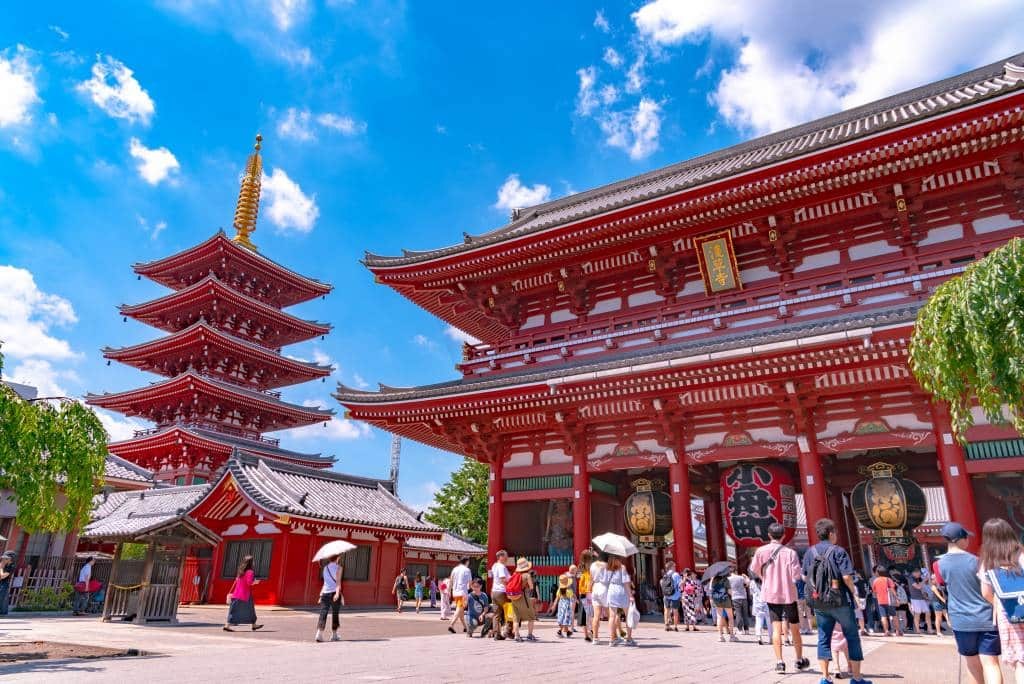 6 mi from TokyoSenso-ji Temple
 0 mi from TokyoteamLab Borderless
 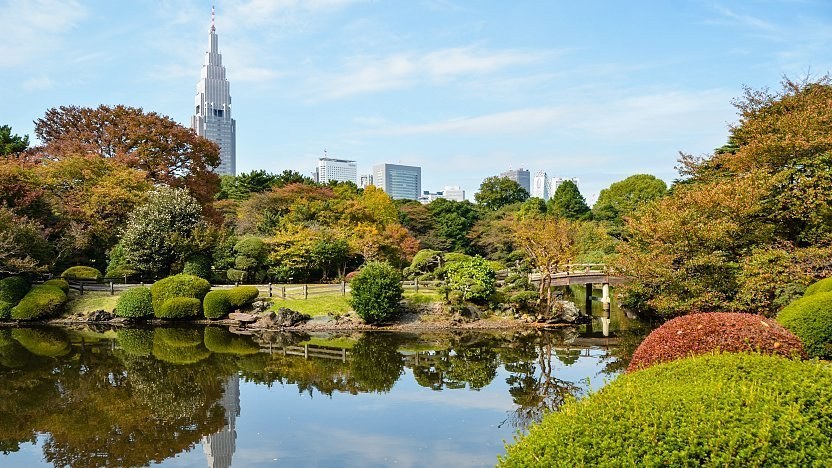 39 mi from Tokyo · land adventureTokyo's Secret Layers: Samurai Houses, Sunrise Crossings & Sake
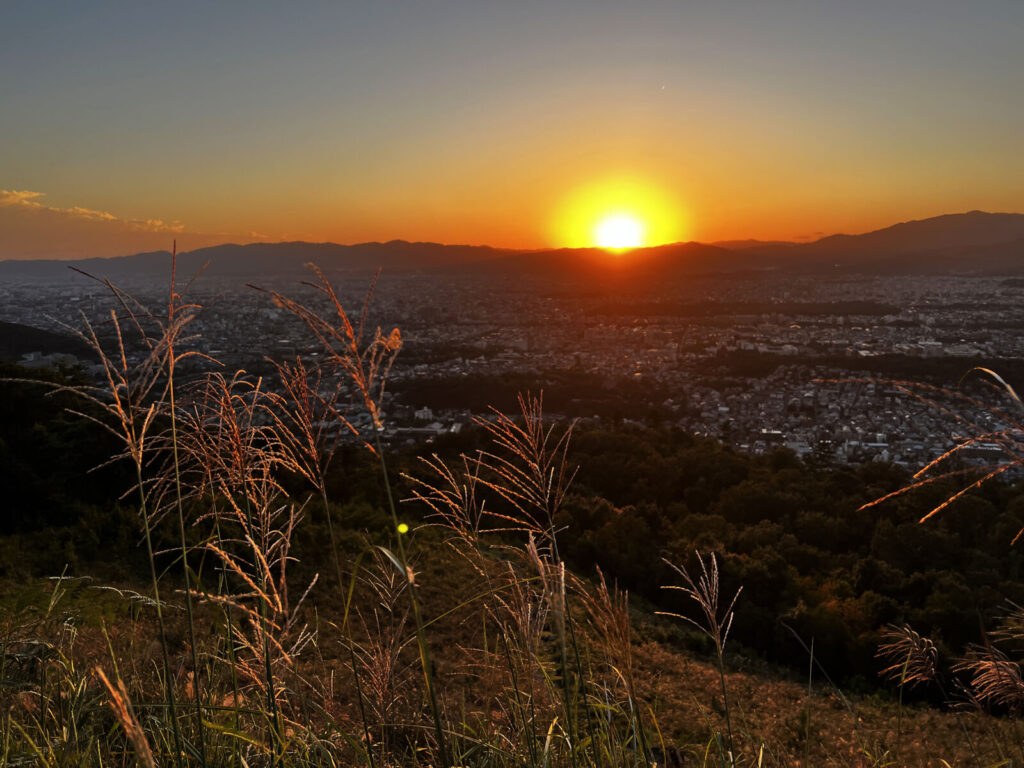 266 mi from Tokyo · land adventureKyoto After Dark: Firelight, Forest Paths & Ancient Craft
 After you step off · near Vancouver
You end in a different port — stay on, and add what is within reach before you fly home.
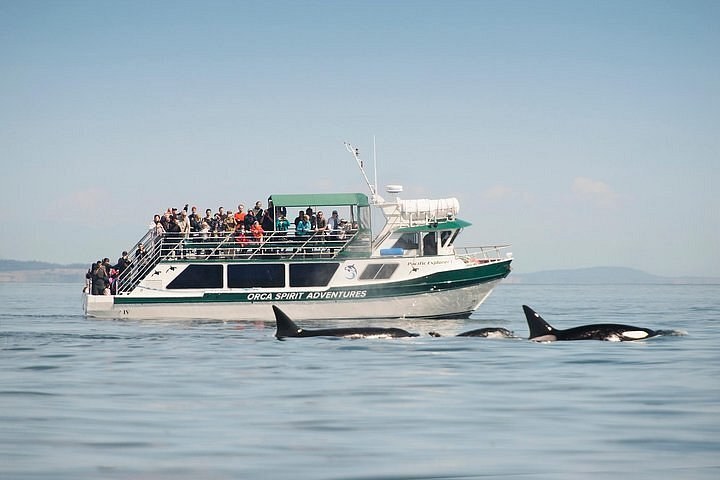 58 mi from VancouverPrivate Whale Watching and Wildlife Tour (Capt. Jim's Whale Watching)
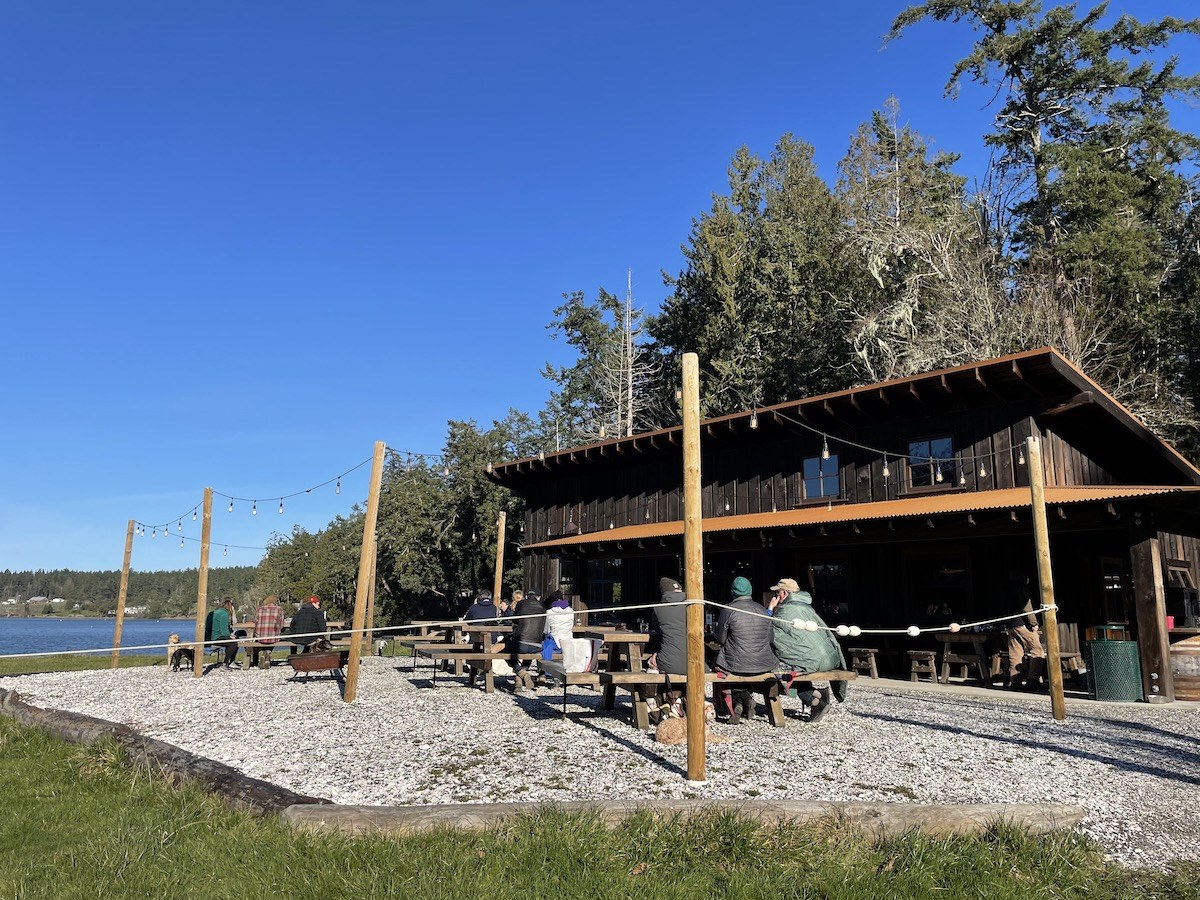 45 mi from VancouverWestcott Bay Sea Farms & Oyster Shack
  44 mi from Vancouver · land adventureVictoria's Wild Coast: Falconry, Gold Mines, and the Pacific
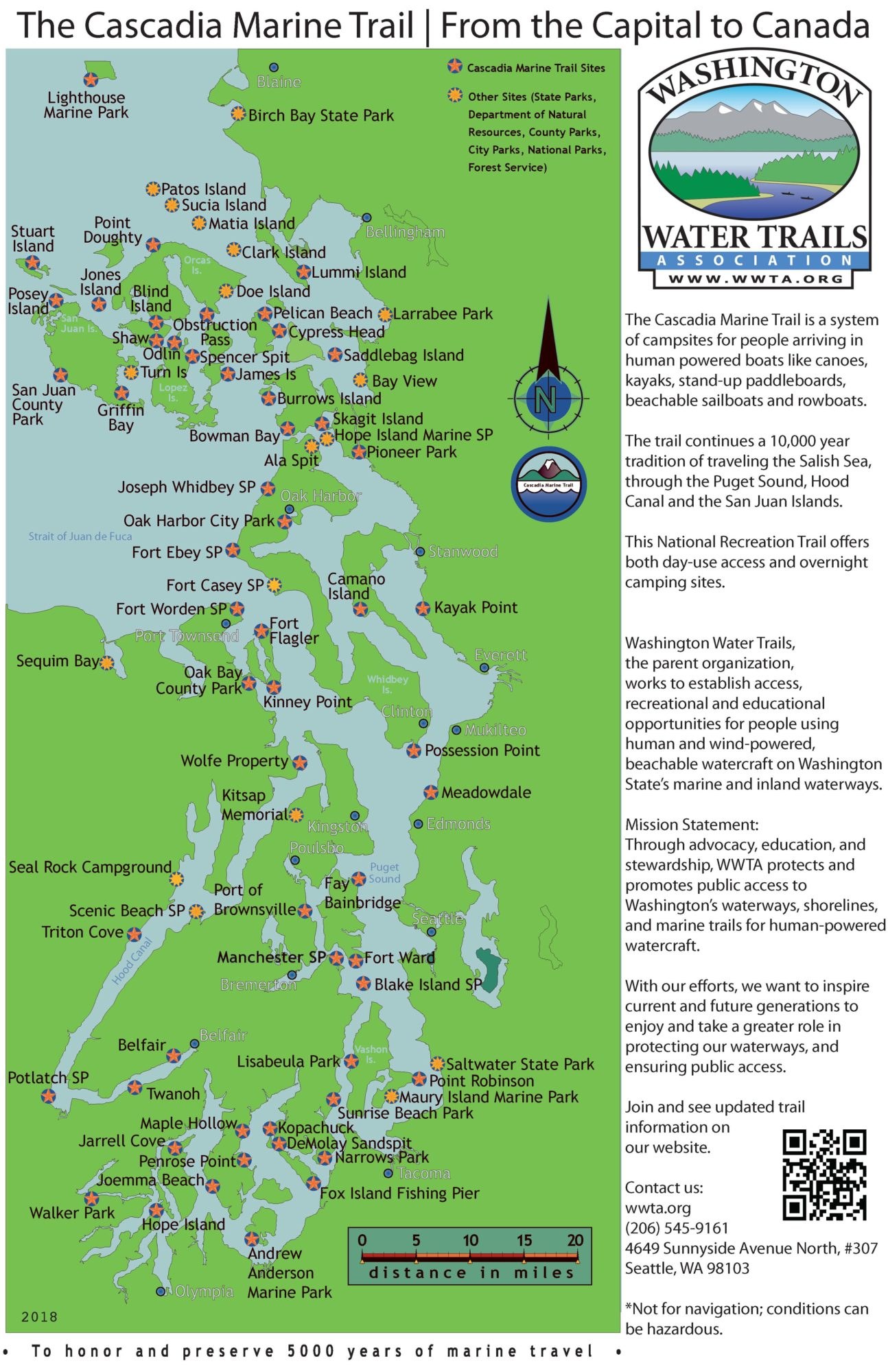 130 mi from Vancouver · land adventureTacoma's Wild Side: Puget Sound, Quarries & a Volcano