Your cruise
Silver Endeavour · 14-night Mediterranean cruise, Dakar to Lisbon
Apr 12 – Apr 26 · 14 nights ·
Day 1 Dakar (board) · Day 2 at sea · Day 3 Fogo · Day 4 Porto Novo · Day 5–6 at sea · Day 7 San Sebastian · Day 8 Puerto del Rosario · Day 9 at sea · Day 10 Safi · Day 11 at sea · Day 12 Cruise Guadalquivir River · Day 12–13 Seville · Day 14 at sea · Day 15 Lisbon (step off)
What you do Step onto UNESCO-listed Gorée Island, the most haunting and historically significant site in West Africa. Walk through the Door of No Return at the House of Slaves and absorb centuries of human history with a private expert guide.
What to expect Board the government ferry from Dakar's port for the short 20-minute crossing to Gorée. Your private guide leads you through the cobblestone lanes, the Gorée Castle, the History Museum, and finally the House of Slaves — pausing at the Door of No Return for a moment of profound reflection. Afternoons on Gorée are magical: hibiscus-pink colonial facades, cannonball-smooth boulders, and local artists selling work in open courtyards. The island is car-free, gloriously quiet, and utterly unlike anywhere else on earth.
Good to know Ferry departs from the pier adjacent to Dakar cruise terminal — a short walk. Crossings run frequently; the last return ferry is well before any standard all-aboard. Pre-book your private guide in advance; the island can be busy mid-morning. Wear comfortable walking shoes — cobblestones throughout.
Versus the ship tour A private or small-group guide unlocks the island's deeper narrative — from the colourful bougainvillea-draped mansions to the harrowing slave dungeons — at a contemplative pace impossible in a crowd. Your guide brings personal, scholarly context to the Door of No Return that transforms a visit into a genuinely moving, bucket-list experience.
book direct with Teranga Tour Guide (Blek Niang – local expert) → · the full guide →
What you do Ascend the tallest statue in Africa — taller than the Statue of Liberty — for a private guided summit visit and sweeping panoramas across Dakar, the Atlantic, and the Cape Verde Peninsula. An unmissable architectural marvel and cultural statement.
What to expect Rising 49 metres from the top of one of Dakar's twin volcanic hills (Les Mamelles), the bronze monument depicts an African family striding boldly into the future. Your guide interprets the iconography and the political context as you ascend via internal stairs and lift to the crown viewing platform. The 360° view takes in the Atlantic Ocean, the lighthouse of Phare des Mamelles, and Dakar's entire sprawling skyline. On clear days you can see across to Gorée Island. Allow time to photograph the monument from below at the ornamental plaza.
Good to know Located approximately 15 minutes by private car from the cruise terminal. Best visited in the morning for clear skies and cooler temperatures. The climb inside the statue involves narrow stairs — not suitable for those with mobility concerns. Combine with a lunch at the nearby Phare des Mamelles restaurant for a seamless luxury half-day.
Versus the ship tour Pairing an official entry ticket with a pre-arranged private cultural guide means you receive the full ideological and artistic story behind Senegalese President Wade's extraordinary commission — the symbolism, the controversy, and the triumph — rather than a surface-level photo stop. The rooftop panorama at sunset is a true bucket-list moment.
What you do Witness one of nature's most surreal palettes — a bubblegum-pink lake whose salinity rivals the Dead Sea — on a private full-day excursion to Lac Rose. Swim in the hyper-saline waters, meet salt harvesters, and explore a Serer fishing village.
What to expect Your air-conditioned private vehicle collects you at the cruise terminal and heads northeast along the Dakar Peninsula, passing through traditional Lebou fishing villages en route (approx. 45 minutes). At the lake, your guide introduces you to the Serer salt workers who wade chest-deep, their skin coated in shea butter as protection. You can float in the extraordinary saline water yourself — a weightless, otherworldly experience. A freshwater rinse, a traditional lunch of thiéboudienne (Senegalese fish rice) at a lakeside restaurant, and a short walk through the adjacent Serer village complete the day.
Good to know Full-day excursion — confirm your ship's all-aboard time and allow at least 90 minutes for the return drive. The lake's pinkest hues appear in dry season (November–June) when salinity peaks. Bring a swimsuit, sunscreen, and sandals you don't mind getting salty. Do not wear jewellery into the water — high salinity is corrosive.
Versus the ship tour A private full-day transfer ensures you arrive at Lac Rose before the day-tripper crowds turn the shore busy, and your guide connects you with the actual salt harvesters — a community whose traditions stretch back generations. Floating effortlessly in the pink water, surrounded by salt pyramids and baobab trees, is a once-in-a-lifetime image.
book direct with Teranga Tour Guide (Blek Niang – local expert) → · the full guide →
What you do Immerse yourself in Dakar's vibrant creative soul on a private guided walk through the legendary Soumbedioune artisan market and the city's thriving gallery district, meeting master craftspeople and contemporary Senegalese artists in their studios.
What to expect Begin at the Soumbedioune beachside market, where fishermen haul in the morning catch alongside stalls heaped with bronze sculptures, indigo textiles, carved baobab wood, and glittering jewellery. Your guide steers you to the authentic craftspeople — and away from the tourist hustle — explaining the cultural provenance of each tradition. The route continues to Dakar's gallery strip, stopping at the celebrated Sand Painting Gallery (a Dakar institution) and a contemporary art space in the Plateau neighbourhood. Finish with a café touba — Senegal's spiced coffee — at a local terrace café.
Good to know Half-day excursion — easily paired with the African Renaissance Monument for a full day ashore. Market mornings (before noon) are liveliest. Bring CFA francs in small denominations for purchases. Wear light clothing — Dakar's humidity can be high. Your guide will handle any overzealous vendors diplomatically.
Versus the ship tour Your private local guide has personal relationships with the artists and artisans — bypassing the tourist-facing stalls to take you inside working studios where sculptors, sand painters, and weavers create extraordinary pieces. You shop (if you choose) at genuine local prices with cultural context, not from a curated gift shop.
book direct with ToursByLocals – Dakar Local Experts → · the full guide →
What you do Glide silently through the UNESCO Saloum Delta's labyrinthine mangrove channels aboard a traditional wooden pirogue, spotting flamingos, pelicans, and dolphins, then step ashore to walk among the delta's ancient, cathedral-like baobab forests.
What to expect Transfer by private vehicle south from Dakar (approx. 2 hours) to the delta embarkation point, where your hand-crafted wooden pirogue and expert naturalist await. The two-hour cruise weaves through channels flanked by ancient mangrove roots, with sightings of pink-backed pelicans, African spoonbills, and — if the season favours — bottlenose dolphins riding the bow. You step ashore on a shell-mound island (created over millennia by the Serer people) for a guided walk among giant baobabs, some over 800 years old. A fresh seafood lunch at a riverside eco-lodge precedes the return journey.
Good to know This is a full-day excursion (approx. 8 hours including transfers). It is best suited to ships with a late afternoon all-aboard. Confirm departure time with your operator. Bring binoculars, insect repellent, a sun hat, and a light layer for the pirogue. Wildlife sightings are most abundant November–April. Advance booking is essential.
Versus the ship tour The Saloum Delta is one of West Africa's last great wilderness secrets — a private pirogue with a specialist naturalist guide means you slip into channels where larger craft cannot go, arriving at shell-mound islands and mangrove bird rookeries in near-total silence. Lunch at a boutique delta lodge elevates this to a genuine luxury safari experience.
What you do Gain rare privileged access to one of Africa's most important new museums — the Museum of Black Civilisations — with a private curator-led tour through 14,000 square metres of Pan-African art, artefacts, and civilisational heritage spanning 5,000 years.
What to expect Your private vehicle delivers you to the museum's striking circular facade — modelled on a traditional African hut writ monumental — in central Dakar. The curator opens collections across six permanent thematic wings: African origins of humanity, ancient Egyptian civilisation, the trans-Saharan trade world, the Diaspora, resistance and liberation, and contemporary African expression. Highlights include original artefacts repatriated from European collections, rare Dogon ceremonial masks, and an extraordinary photographic archive of 20th-century African independence movements. The visit concludes in the museum's rooftop café with views over Dakar's Plateau.
Good to know Located in the Plateau district, approximately 10 minutes by private car from the cruise terminal. Allow 2–3 hours for a thorough private tour. The museum is air-conditioned throughout — a welcome retreat on hot days. Photography is permitted in most galleries. Advance contact with the museum's education department is recommended to arrange a private curator; allow at least one week's notice.
Versus the ship tour Opened in 2018 and still little-known on international circuits, this pan-African museum rivals the British Museum in ambition and the Smithsonian in scale — but with a fraction of the crowds. A private curator delivers a scholarly yet passionate interpretation of exhibits impossible to access through a standard group visit, from ancient Malian manuscripts to contemporary Afrofuturist installations.
What you do Step onto UNESCO-listed Gorée Island, the most haunting and historically significant site in West Africa. Walk through the Door of No Return at the House of Slaves and absorb centuries of human history with a private expert guide.
What to expect Board the government ferry from Dakar's port for the short 20-minute crossing to Gorée. Your private guide leads you through the cobblestone lanes, the Gorée Castle, the History Museum, and finally the House of Slaves — pausing at the Door of No Return for a moment of profound reflection. Afternoons on Gorée are magical: hibiscus-pink colonial facades, cannonball-smooth boulders, and local artists selling work in open courtyards. The island is car-free, gloriously quiet, and utterly unlike anywhere else on earth.
Good to know Ferry departs from the pier adjacent to Dakar cruise terminal — a short walk. Crossings run frequently; the last return ferry is well before any standard all-aboard. Pre-book your private guide in advance; the island can be busy mid-morning. Wear comfortable walking shoes — cobblestones throughout.
Versus the ship tour A private or small-group guide unlocks the island's deeper narrative — from the colourful bougainvillea-draped mansions to the harrowing slave dungeons — at a contemplative pace impossible in a crowd. Your guide brings personal, scholarly context to the Door of No Return that transforms a visit into a genuinely moving, bucket-list experience.
book direct with Teranga Tour Guide (Blek Niang – local expert) → · the full guide →
What you do Ascend the tallest statue in Africa — taller than the Statue of Liberty — for a private guided summit visit and sweeping panoramas across Dakar, the Atlantic, and the Cape Verde Peninsula. An unmissable architectural marvel and cultural statement.
What to expect Rising 49 metres from the top of one of Dakar's twin volcanic hills (Les Mamelles), the bronze monument depicts an African family striding boldly into the future. Your guide interprets the iconography and the political context as you ascend via internal stairs and lift to the crown viewing platform. The 360° view takes in the Atlantic Ocean, the lighthouse of Phare des Mamelles, and Dakar's entire sprawling skyline. On clear days you can see across to Gorée Island. Allow time to photograph the monument from below at the ornamental plaza.
Good to know Located approximately 15 minutes by private car from the cruise terminal. Best visited in the morning for clear skies and cooler temperatures. The climb inside the statue involves narrow stairs — not suitable for those with mobility concerns. Combine with a lunch at the nearby Phare des Mamelles restaurant for a seamless luxury half-day.
Versus the ship tour Pairing an official entry ticket with a pre-arranged private cultural guide means you receive the full ideological and artistic story behind Senegalese President Wade's extraordinary commission — the symbolism, the controversy, and the triumph — rather than a surface-level photo stop. The rooftop panorama at sunset is a true bucket-list moment.
What you do Witness one of nature's most surreal palettes — a bubblegum-pink lake whose salinity rivals the Dead Sea — on a private full-day excursion to Lac Rose. Swim in the hyper-saline waters, meet salt harvesters, and explore a Serer fishing village.
What to expect Your air-conditioned private vehicle collects you at the cruise terminal and heads northeast along the Dakar Peninsula, passing through traditional Lebou fishing villages en route (approx. 45 minutes). At the lake, your guide introduces you to the Serer salt workers who wade chest-deep, their skin coated in shea butter as protection. You can float in the extraordinary saline water yourself — a weightless, otherworldly experience. A freshwater rinse, a traditional lunch of thiéboudienne (Senegalese fish rice) at a lakeside restaurant, and a short walk through the adjacent Serer village complete the day.
Good to know Full-day excursion — confirm your ship's all-aboard time and allow at least 90 minutes for the return drive. The lake's pinkest hues appear in dry season (November–June) when salinity peaks. Bring a swimsuit, sunscreen, and sandals you don't mind getting salty. Do not wear jewellery into the water — high salinity is corrosive.
Versus the ship tour A private full-day transfer ensures you arrive at Lac Rose before the day-tripper crowds turn the shore busy, and your guide connects you with the actual salt harvesters — a community whose traditions stretch back generations. Floating effortlessly in the pink water, surrounded by salt pyramids and baobab trees, is a once-in-a-lifetime image.
book direct with Teranga Tour Guide (Blek Niang – local expert) → · the full guide →
What you do Immerse yourself in Dakar's vibrant creative soul on a private guided walk through the legendary Soumbedioune artisan market and the city's thriving gallery district, meeting master craftspeople and contemporary Senegalese artists in their studios.
What to expect Begin at the Soumbedioune beachside market, where fishermen haul in the morning catch alongside stalls heaped with bronze sculptures, indigo textiles, carved baobab wood, and glittering jewellery. Your guide steers you to the authentic craftspeople — and away from the tourist hustle — explaining the cultural provenance of each tradition. The route continues to Dakar's gallery strip, stopping at the celebrated Sand Painting Gallery (a Dakar institution) and a contemporary art space in the Plateau neighbourhood. Finish with a café touba — Senegal's spiced coffee — at a local terrace café.
Good to know Half-day excursion — easily paired with the African Renaissance Monument for a full day ashore. Market mornings (before noon) are liveliest. Bring CFA francs in small denominations for purchases. Wear light clothing — Dakar's humidity can be high. Your guide will handle any overzealous vendors diplomatically.
Versus the ship tour Your private local guide has personal relationships with the artists and artisans — bypassing the tourist-facing stalls to take you inside working studios where sculptors, sand painters, and weavers create extraordinary pieces. You shop (if you choose) at genuine local prices with cultural context, not from a curated gift shop.
book direct with ToursByLocals – Dakar Local Experts → · the full guide →
What you do Glide silently through the UNESCO Saloum Delta's labyrinthine mangrove channels aboard a traditional wooden pirogue, spotting flamingos, pelicans, and dolphins, then step ashore to walk among the delta's ancient, cathedral-like baobab forests.
What to expect Transfer by private vehicle south from Dakar (approx. 2 hours) to the delta embarkation point, where your hand-crafted wooden pirogue and expert naturalist await. The two-hour cruise weaves through channels flanked by ancient mangrove roots, with sightings of pink-backed pelicans, African spoonbills, and — if the season favours — bottlenose dolphins riding the bow. You step ashore on a shell-mound island (created over millennia by the Serer people) for a guided walk among giant baobabs, some over 800 years old. A fresh seafood lunch at a riverside eco-lodge precedes the return journey.
Good to know This is a full-day excursion (approx. 8 hours including transfers). It is best suited to ships with a late afternoon all-aboard. Confirm departure time with your operator. Bring binoculars, insect repellent, a sun hat, and a light layer for the pirogue. Wildlife sightings are most abundant November–April. Advance booking is essential.
Versus the ship tour The Saloum Delta is one of West Africa's last great wilderness secrets — a private pirogue with a specialist naturalist guide means you slip into channels where larger craft cannot go, arriving at shell-mound islands and mangrove bird rookeries in near-total silence. Lunch at a boutique delta lodge elevates this to a genuine luxury safari experience.
What you do Gain rare privileged access to one of Africa's most important new museums — the Museum of Black Civilisations — with a private curator-led tour through 14,000 square metres of Pan-African art, artefacts, and civilisational heritage spanning 5,000 years.
What to expect Your private vehicle delivers you to the museum's striking circular facade — modelled on a traditional African hut writ monumental — in central Dakar. The curator opens collections across six permanent thematic wings: African origins of humanity, ancient Egyptian civilisation, the trans-Saharan trade world, the Diaspora, resistance and liberation, and contemporary African expression. Highlights include original artefacts repatriated from European collections, rare Dogon ceremonial masks, and an extraordinary photographic archive of 20th-century African independence movements. The visit concludes in the museum's rooftop café with views over Dakar's Plateau.
Good to know Located in the Plateau district, approximately 10 minutes by private car from the cruise terminal. Allow 2–3 hours for a thorough private tour. The museum is air-conditioned throughout — a welcome retreat on hot days. Photography is permitted in most galleries. Advance contact with the museum's education department is recommended to arrange a private curator; allow at least one week's notice.
Versus the ship tour Opened in 2018 and still little-known on international circuits, this pan-African museum rivals the British Museum in ambition and the Smithsonian in scale — but with a fraction of the crowds. A private curator delivers a scholarly yet passionate interpretation of exhibits impossible to access through a standard group visit, from ancient Malian manuscripts to contemporary Afrofuturist installations.
What you do Charter a private boat around the jewel of San Sebastián's bay — Isla de Santa Clara — as the Cantabrian sun melts into the horizon. Watch the city's Belle Époque skyline glow gold from the water, glass of Txakoli in hand.
What to expect Step aboard a sleek private motor launch from the San Sebastián waterfront and glide out into the glittering Bay of La Concha. Your skipper circles Isla de Santa Clara at a leisurely pace, revealing hidden sea caves, dramatic limestone cliffs, and the iconic lighthouse. As dusk falls, the city's Art Nouveau facades shimmer behind you — a scene that belongs on a canvas. Chilled cava and pintxos can be arranged on request for a truly elevated experience.
Good to know Departs from the San Sebastián Paseo Nuevo pier, a 10-min taxi from the cruise terminal. Sunset timings vary by season — book the latest departure slot. Allow 90 minutes round-trip comfortably before all-aboard.
Versus the ship tour A fully private vessel, your own pace and itinerary around the island — sunset timing chosen by you, not a schedule. Champagne-ready, intimate, and unhurried with panoramic 360° views of La Concha Bay.
book direct with Donostia Boat Tours (San Sebastián) → · the full guide →
What you do Dive into the world's most celebrated bar-hopping ritual with a private local expert navigating San Sebastián's labyrinthine Old Town. Pin-perfect pintxos, rare Txakoli pours, and insider tables that tourists never find — this is Basque gastronomy at its most visceral.
What to expect Your guide meets you portside and whisks you into the cobbled heart of Parte Vieja, stopping at five or six legendary bars across two hours of eating and sipping. Each stop is chosen for a signature pintxo — perhaps a gilda skewer at La Mejillonera, or a foie-topped crostini at Bar Zeruko. Txakoli white wine and local cider flow between bites, with your expert narrating the history, the Basque identity, and the culinary philosophy behind each mouthful. The crawl ends at a tucked-away terrace with a final glass and sweeping views of the Río Urumea.
Good to know Old Town is a 10-minute taxi from the port; all-aboard is typically early evening, giving ample time for a 3-hour crawl. Pre-book your private guide directly through the official San Sebastián Tourism portal to secure a certified Basque expert. Confirm dietary restrictions in advance — most bars will adapt.
Versus the ship tour A private certified Basque guide curates the exact bars, orders the rarest seasonal pintxos behind the counter, and translates the culture — no crowded queue, no set menu, pure spontaneity with expert curation.
book direct with San Sebastián Turismo – Official Private Guides → · the full guide →
What you do Paddle the full perimeter of Isla de Santa Clara on a guided small-group sea kayak, weaving through sea arches and stopping at secluded coves inaccessible by larger craft. A wild, intimate encounter with the island's dramatic coastline.
What to expect Launching from a sheltered cove on San Sebastián's waterfront, you'll paddle across the vivid turquoise waters of La Concha Bay toward Santa Clara Island. Your expert guide leads the group through narrow sea arches and past nesting colonies of shearwaters and cormorants. A mid-point landing on the island's sandy beach offers time to swim in crystal-clear water and explore the historic lighthouse path. The return paddle rewards with spectacular views of the Urumea estuary and Parte Vieja rooftops.
Good to know Suitable for beginners — full paddle instruction provided. Wetsuits and equipment included. Runs mornings when sea conditions are calmest. Taxi from cruise terminal to launch point is approximately 10 minutes. Book at least 48 hours ahead in peak season.
Versus the ship tour Maximum eight paddlers per guide — a true small-group ratio — with an expert marine naturalist who explains the island's unique ecosystem, geology, and birdlife. You land on the island's sheltered beach, which larger tour groups cannot access.
book direct with Free Walking Tour San Sebastián / Local Kayak Guide → · the full guide →
What you do Join a small group of no more than eight for the most authentic Basque seasonal ritual: the txotx cider pour at a working sagardotegi in the hills above the city. A thunderous jet of barrel-fresh cider, a four-course farmhouse feast, and a living tradition dating back centuries.
What to expect A minibus collects you in central San Sebastián and winds up into the Basque hillsides to a generations-old sagardotegi. Upon arrival, the txotx ritual begins: a farmhand opens a barrel tap, cider arcs across the room, and guests catch it in wide glasses at arm's length — a skill that takes a taste or two to master. The traditional four-course lunch follows: salt cod omelette, grilled txuleta steak, local cheese with walnuts and quince, and as much cider as you can pour. A guide illuminates the history of Basque cider culture, the apple varieties, and the fermentation process.
Good to know Tours run seasonally (cider season peaks January–April) but can be arranged year-round with slight menu variations. Book well in advance as the 8-person cap fills fast. Transport is included from the city centre; allow roughly 4 hours total. Confirm all-aboard time and allow a 30-minute buffer for the return drive.
Versus the ship tour Capped at just 8 guests and operated by the official city tourism body, this is insider access to a working family cider house — not a staged show. Return transport from the city centre is included, and the guide is a certified local specialist.
book direct with San Sebastián Turismo Official Shop → · the full guide →
What you do San Sebastián's most lauded private guide, Iker Bardaji, delivers a deeply personal journey through Basque culture, architecture, and history — from Monte Urgull's ramparts to the Belle Époque promenade. This is the city as only a passionate insider can reveal it.
What to expect Iker meets you at the port or your chosen landmark and immediately makes San Sebastián feel like a living story rather than a sightseeing checklist. Explore the neo-Gothic Cathedral of the Good Shepherd, the storied alleys of Parte Vieja, and the ramparts of Monte Urgull for panoramic views of La Concha Bay. Iker weaves in Basque language, political history, and contemporary identity with warmth and wit. The walk ends at La Concha promenade — perhaps the most beautiful urban beach in Europe — where Iker leaves you with his personal list of where to eat and drink the rest of the afternoon.
Good to know Book directly via the Tripadvisor profile to confirm availability and agree on a bespoke itinerary. Iker's calendar fills quickly in summer — email well ahead. The tour is entirely on foot across flat to mildly hilly terrain; wear comfortable shoes. Full city access is within a 15-minute taxi of the port.
Versus the ship tour Iker is an independently acclaimed guide with near-perfect reviews for his depth of Basque cultural knowledge and his ability to tailor every tour to the guests' interests — a wholly private, unhurried experience at your own pace.
book direct with Iker Bardaji Private Tour Guide → · the full guide →
What you do Ride the century-old wooden funicular up Monte Igueldo for a jaw-dropping panorama of La Concha Bay, the city, and the emerald Basque coastline — one of the most photographed views in all of Spain. A genuinely timeless, unhurried moment above the city.
What to expect Board the charming antique funicular at the western end of La Concha Beach for a steep, scenic three-minute climb through pines and rocky outcrops. At the summit, the full sweep of La Concha Bay unfolds — the perfect crescent of the beach, the city's Belle Époque skyline, and the open Atlantic beyond. Linger over coffee at the hilltop café while seabirds wheel below you. The vintage lookout tower adds another layer of elevation and drama. Descend at leisure and stroll the La Concha promenade back toward the city.
Good to know The funicular base station is a scenic 25-minute walk along La Concha promenade from the Old Town, or a short taxi from the port. Opening hours vary seasonally — check the official site before sailing. No pre-booking required; simply turn up and pay. Allow 1.5–2 hours for the full experience.
Versus the ship tour The funicular itself is a heritage icon — a 1912 wooden carriage that creaks magnificently up the hillside. At the top, the 360° views of the bay, Isla de Santa Clara, and the infinite Atlantic are genuinely bucket-list. Arrive early morning for golden light and near-empty terraces.
What you do Catch Atlantic waves on Zurriola, the celebrated surf beach of San Sebastián's Gros district, under the personal coaching of a professional Basque surfer. Exhilarating, iconic, and utterly bucket-list on one of Europe's finest urban surf breaks.
What to expect Meet your coach on the golden sands of Zurriola beach, where the rolling swells of the Bay of Biscay create some of the most consistent learner waves on the Atlantic coast. After a thorough beach briefing and warm-up, you'll be riding your first waves within the hour — with your coach in the water alongside you at all times. Between sets, pause to take in the extraordinary backdrop: the Kursaal Congress Centre's glass cubes glinting, the green hills of Ulia behind, and the city's rooftops tumbling to the sea. Post-surf, a cold Estrella Damm at the beach bar is obligatory.
Good to know Zurriola is a 20-min walk from the cruise terminal or a short taxi ride. All equipment (board, full wetsuit) provided. Book the private coaching option for a truly bespoke session. Lessons run year-round; morning slots have the calmest conditions. Check all-aboard time — 2 hours is ample.
Versus the ship tour Pukas is one of Europe's most iconic and respected surf brands, born in San Sebastián. Their coaches are professional-level surfers who tailor instruction to absolute beginners and improvers alike — this is surf culture at its authentic source.
What you do Glide effortlessly along San Sebastián's spectacular coastline on a premium electric bike with a private guide — from the surfer's paradise of Zurriola Beach to the iconic Kursaal glass cubes and the wild cliffs of the Basque corniche. The city's full geography in one exhilarating sweep.
What to expect After a quick bike fitting and safety briefing, you set off along the Río Urumea toward the Kursaal Congress Centre — Rafael Moneo's two luminous glass cubes that define modern San Sebastián. From there, coast along Zurriola Beach, the city's surf beach, where Basque wave riders carve the Atlantic swell. The route continues along clifftop paths with vertiginous sea views before looping back through the Belle Époque Gros neighbourhood and along the La Concha promenade. The e-assist means zero effort on the hills — just pure visual reward.
Good to know E-bikes handle the gentle elevation with ease; suitable for all fitness levels. The port is approximately 2 km from the city centre bike meeting point — a short taxi ride. Book the private option directly with Bicitour for a fully tailored route. Allow 3 hours and confirm your all-aboard time carefully.
Versus the ship tour An e-bike lets you cover the entire coastal circuit — beaches, promenades, clifftop paths, and urban landmarks — at a pace no walking tour can match, while a private guide provides live commentary on Basque surf culture, contemporary architecture, and local life.
What you do Set inside a breathtaking 16th-century Dominican convent fused with a striking modern extension, San Telmo is the Basque Country's premier museum — a profound journey through Basque civilisation, mythology, and world-class contemporary art in one extraordinary building.
What to expect Step through the Renaissance cloister into a world where ancient Basque mythology meets 21st-century installation art. José María Sert's monumental golden murals dominate the former chapel — sweeping, visceral scenes of Basque pastoral and maritime life that rank among Spain's great modern artworks. The permanent collection traces the Basque people's extraordinary history: fishing, ironwork, seafaring, and the origins of the unique Euskara language. The contemporary wing hosts rotating exhibitions of Basque and international artists. The rooftop terrace, accessible via the modern extension, offers a serene view over Parte Vieja's rooftops.
Good to know Located at the edge of Parte Vieja, a 15-minute taxi from the port. Audio guides are available in English and significantly enrich the experience — collect one at the ticket desk. Allow 2–2.5 hours for a meaningful visit. Combine with a pintxos crawl in the adjacent Old Town for a perfect half-day. Pre-purchase tickets online to skip the queue.
Versus the ship tour San Telmo is the only museum in the world dedicated entirely to Basque culture and history, housed in an architectural gem. The cloistered convent walls, José María Sert's epic golden murals, and a cutting-edge contemporary wing make this an experience as visually extraordinary as it is culturally illuminating.
book direct with San Telmo Museoa (Official) → · the full guide →
What you do Traverse the wild, otherworldly landscapes of Fuerteventura in a private, air-conditioned minibus with a maximum of 8 guests. From volcanic badlands to hidden fishing coves, this is the island in its full, unfiltered glory — curated for those who refuse to settle for a windshield view.
What to expect Board a sleek, air-conditioned minibus at the port and spend roughly six hours looping the island's most dramatic and photogenic corners. Your guide narrates the geology, folklore, and living culture of Fuerteventura with genuine passion. Expect spontaneous detours to secret viewpoints and uncrowded beaches that most visitors never find. The intimate group size means genuine conversation and photography without crowds.
Good to know The full loop is approximately 6 hours — confirm your all-aboard time and select the morning departure to be safe. Pick-up is directly at Puerto del Rosario port. Pre-book well in advance as the 8-person cap fills quickly.
Versus the ship tour Capped at just 8 passengers and guided by a highly rated local expert ('Don P.'), this tour reaches remote locations and hidden treasures that large coaches simply cannot access — your pace, your stops, your island.
book direct with Don P. Tours Fuerteventura → · the full guide →
What you do Sail the electric-blue straits between Fuerteventura and the protected islet of Lobos aboard a private catamaran, anchoring for snorkeling, a fresh Canarian lunch, and quiet time on the dunes of Corralejo Natural Park. One of the Atlantic's most spectacular marine wildernesses, entirely at your own pace.
What to expect Set sail from Corralejo harbour (30 minutes by taxi or transfer from the port) into the glittering Bocaina Strait. Dolphins frequently escort the boat. On Lobos, disembark and walk a volcanic trail to a lighthouse with panoramic views — the island is so protected it feels entirely untouched. Drop anchor for snorkeling over pristine reef before a leisurely lunch of fresh fish and local wine on deck.
Good to know Corralejo is approximately 35–40 minutes north of Puerto del Rosario by taxi (around EUR 35–40 one way). Lobos Island entry permits are limited and must be arranged by the operator — book as early as possible. Full-day tours return by 17:00–18:00; check your all-aboard time carefully.
Versus the ship tour Small-boat access to Lobos Island is strictly capped by the national park authority — only a handful of visitors are permitted per day, making this one of the Canaries' most genuinely exclusive natural experiences. The private or semi-private catamaran format means no queues, no crowds, and total flexibility at anchor.
What you do Descend to Fuerteventura's ancient Atlantic coastline at Ajuy — one of the oldest geological formations in the Canary Islands — where cathedral-like sea caves carved by millennia of ocean surge open onto ink-black volcanic sand. A jaw-dropping, almost primal experience far from any tourist trail.
What to expect Your guide collects you from the port and drives west across the island's golden interior plateau, arriving at the tiny fishing village of Ajuy. A short coastal path leads to the cave mouth — step inside to find soaring volcanic chambers where the Atlantic surges in through natural arches. The black-pebble beach framing the scene is unlike anything else in the Canaries. Return via the historic village of Pájara and its ornate colonial church.
Good to know Wear sturdy non-slip shoes; the cave approach is uneven and can be wet. The drive from Puerto del Rosario is approximately 45–50 minutes. A half-day tour comfortably returns by early afternoon, leaving time to explore the port town. Pre-book your private guide — public access to the caves is unrestricted but the experience without local expertise is a fraction of the value.
Versus the ship tour Ajuy's caves are only safely navigated with a knowledgeable local guide who understands the tidal windows — a private booking means the timing is built around YOU, not a group schedule, and the expert narration on Fuerteventura's 70-million-year-old geology transforms a walk into a revelation.
book direct with Fuerteventura Guided Tours (local specialist) → · the full guide →
What you do Take the wheel of a powerful off-road buggy and tear through Fuerteventura's lunar southern landscapes — salt flats, rocky ravines, and open desert — on a guided small-group safari that balances adrenaline with genuine island discovery. Pure, exhilarating freedom under the Canarian sun.
What to expect Collect your buggy at Caleta de Fuste (15 minutes south of the port by taxi) after a full safety briefing. Set off in convoy through dramatic volcanic gullies, across cracked salt pans, and up to elevated viewpoints with sweeping Atlantic panoramas. Stops along the way let you photograph the otherworldly scenery and learn about the island's volcanic formation. Helmets and goggles provided; no prior off-road experience needed.
Good to know A valid driving licence is required to pilot the buggy. Caleta de Fuste is roughly 15 minutes from Puerto del Rosario — taxis are readily available at the port. The 2–3 hour duration fits comfortably into a port day; combine with a seafood lunch at the marina afterwards. Book direct with the operator to guarantee your buggy slot.
Versus the ship tour This operator has run Fuerteventura's benchmark buggy experience since 2003 — the routes are expertly designed to showcase terrain that roads simply don't reach, and the small convoy format means a guide is always on hand while you remain in full, thrilling control.
book direct with Buggy Safari Fuerteventura (Caleta de Fuste operator, est. 2003) → · the full guide →
What you do Step into the living history of Fuerteventura with a private tour to Betancuria — the island's ancient capital, founded in 1404 — and the craft village of Antigua, where Canarian weaving, pottery, and windmill culture have been preserved for centuries. For the intellectually curious traveller, this is the island's true heart.
What to expect Your driver-guide collects you from the port and heads inland through Fuerteventura's spine of eroded mountain ridges to the whitewashed marvel of Betancuria. Visit the 15th-century Cathedral of Santa María and the adjacent archaeological museum. Continue to the Molino de Antigua — a beautifully restored traditional windmill complex housing a craft museum and cactus garden. Local tastings of island goat's cheese (queso majorero) and bienmesabe are a highlight.
Good to know The Cathedral of Santa María in Betancuria charges a small entry fee (approx. EUR 3 per person). The full round trip from the port is comfortably achieved in 4–5 hours. Confirm the private vehicle booking well ahead of your cruise call date, as this operator is popular with discerning independent travellers.
Versus the ship tour A fully private 8-passenger minivan means the itinerary bends entirely to your group's interests — linger in the cathedral, negotiate a piece of handmade pottery, or take a detour to a panoramic mirador. No shared coach, no rushed pace, no compromise.
book direct with Coast2Coast Fuerteventura (private excursion specialist) → · the full guide →
What you do Discover why Puerto del Rosario has earned its title as one of Spain's most surprising open-air art destinations — over 100 sculptures by internationally acclaimed artists animate every plaza and promenade, while the Casa-Museo Unamuno preserves the exile home of Spain's greatest 20th-century philosopher.
What to expect Begin at the Casa-Museo Unamuno, the modest residence where the philosopher Miguel de Unamuno was held under house arrest during the Primo de Rivera dictatorship — his personal library and correspondence are preserved here exactly as he left them. Then follow the official sculpture route through the city's boulevards and seafront, encountering major works by renowned Canarian and international sculptors at every turn. The urban murals layered throughout the old town add a vivid contemporary energy to the walk.
Good to know The museum and sculpture route are an easy 10-minute walk from the cruise pier — ideal for passengers who prefer to stay close to the ship. Download the official sculpture map from the Puerto del Rosario tourist office (located on Calle Primero de Mayo) or arrange a private English-speaking art guide in advance for deeper context. Allow 3–4 hours for the full route.
Versus the ship tour Walking distance from the pier, this is a rare port experience that rewards the culturally adventurous — no transfers, no crowds, and an extraordinary density of world-class public sculpture paired with one of Spain's most resonant literary landmarks, all within a compact, walkable city centre.
What you do Cross the Atlas foothills to Marrakech's medina with a private historian-guide who threads you through souks, palaces, and Jemaa el-Fnaa before the crowds peak.
What to expect You depart Safi early with a private driver-guide, reaching Marrakech in under two hours. The guide walks you through the Bahia Palace, the Saadian Tombs, and the tanneries, timing the souks for the cool morning light, then leaves free time in Jemaa el-Fnaa before the return drive.
Good to know This is a long day (10-11 hours round trip) — confirm your ship's all-aboard time allows it, ideally 8+ hours in port. Book the guide directly at least a week ahead; bring cash dirhams for tips and small purchases.
Versus the ship tour A licensed private guide sets a bespoke pace, choosing which riad courtyards and artisan workshops to linger in rather than herding a coach group through checkpoints.
book direct with TourHQ Private Local Guides – Safi/Marrakech network → · the full guide →
What you do Walk the hillside kilns where Safi's ceramicists have thrown and fired ochre-glazed pottery for generations — a working craft district, not a museum piece.
What to expect You climb the potters' hill above the port, passing open-air kilns stacked with unfired clay and workshops where families have worked for generations. Artisans invite you to watch throwing and hand-painting, and you can commission a piece or buy straight from the source at a fraction of gallery prices.
Good to know Best visited mid-morning when kilns are firing and light is good for photos. It's a 15-20 minute walk or short taxi from the port; go with a guide the first time to navigate respectfully and negotiate fairly.
Versus the ship tour You watch the actual potters at their wheels and kilns, buy direct from the maker, and see a craft tradition still earning its living rather than performing for tour buses.
book direct with Cooperative des Potiers de Safi (artisan cooperative, on-site) → · the full guide →
What you do Explore the 16th-century Portuguese citadel and its ceramics museum with an expert guide who explains Safi's overlooked role as Morocco's Atlantic gateway.
What to expect You walk the ramparts of the Portuguese-built citadel overlooking the harbor, then move into the National Ceramics Museum housed within, where centuries of Safi pottery are displayed. A knowledgeable local guide contextualizes the Portuguese occupation, the Jewish mellah nearby, and how ceramics became Safi's signature export.
Good to know Close to the port, walkable in 20 minutes — ideal if you want a shorter, richer morning rather than a long excursion. Go early to beat the midday heat on the exposed ramparts.
Versus the ship tour A private guide unlocks the fortress's Portuguese colonial history and the museum's ceramics narrative in real depth, at a pace that lets you actually read the objects rather than pass them.
book direct with Kechla Fortress / National Ceramics Museum (official site, Ministry of Culture) → · the full guide →
What you do Drive south along the coast to Essaouira's blue-and-white medina, ramparts, and fishing port — a UNESCO town with none of Marrakech's crush.
What to expect About 90 minutes from Safi, Essaouira opens onto wind-scoured ramparts, a working fishing harbor loud with gulls and grilled sardines, and a medina of art galleries and woodworking shops. You walk the Skala du Port fortifications, browse thuya-wood workshops, and lunch on the harborside catch.
Good to know Round trip is roughly 3-4 hours' driving — plan for a 9+ hour port day. Wind is constant, even in summer; bring a light jacket.
Versus the ship tour A private driver means you choose the pace along the coast road, stop for Argan oil cooperatives run by women's collectives, and wander the ramparts without a group leader's clock.
book direct with Private driver-guides via TourHQ Safi network → · the full guide →
What you do Visit this smaller 18th-century seafront bastion with a guide timed for late afternoon light over the Atlantic — a quiet, uncrowded counterpoint to Safi's bigger sights.
What to expect You climb worn stone stairs to cannon-lined ramparts facing directly onto the Atlantic swell, with the old medina and fishing port spread below. A guide points out the fortress's role defending Safi's harbor and the layered history of Portuguese, Saadian, and Alaouite control.
Good to know Combine easily with the Kechla Fortress visit since both are near the medina; aim for the last two hours before sunset for the best light and near-empty ramparts.
Versus the ship tour Almost no cruise passengers make it here; a private guide timed for late afternoon gives you the ramparts, cannons, and ocean light essentially to yourself.
book direct with Ksar El Bahr (municipal heritage site) → · the full guide →
What you do Follow a Safi native through the working fish market, spice stalls, and medina eateries most cruise visitors never see, tasting grilled sardines and msemen fresh off the griddle.
What to expect You start at Safi's harbor-side fish auction where the day's catch is sold at speed, then wind into the medina's spice and produce souks. Your guide stops at family-run grills and bakeries for sardines, msemen flatbread, and mint tea, explaining ingredients and Safi's fishing economy along the way.
Good to know Go mid-morning when the fish auction is liveliest; wear closed shoes, the market floor can be wet. Cash only for street food purchases.
Versus the ship tour An in-the-know local takes you to the stalls locals actually queue at, not a staged tasting circuit, and translates the market's rhythms and haggling in real time.
book direct with Independent local food guide via TourHQ Safi → · the full guide →
What you do Step inside one of the world's greatest royal palaces — still an official royal residence — with a private official guide who unlocks its labyrinthine Mudéjar halls, hidden gardens, and seven centuries of royal intrigue. An absolute bucket-list crown jewel of Andalusia.
What to expect Your private guide meets you at the Puerta del León and leads you through the Patio de las Doncellas, the opulent Salón de Embajadores, and the terraced gardens where peacocks roam freely. Hidden corners — the Baños de Doña María de Padilla, the secret garden pavilions — are revealed at your own rhythm. The guide contextualises centuries of conquests, dynasties, and architectural layering that self-guided visitors simply miss. Finish in the sun-drenched upper royal apartments for views over the orange-tree courtyards below.
Good to know Pre-book the guide AND timed-entry tickets well in advance — Alcázar slots sell out weeks ahead, especially on port days. Cadiz port is ~1.5 hrs each way to Seville; aim for a 08:00 departure to clear the morning crowds. Confirm your ship's all-aboard time before booking a return slot.
Versus the ship tour A licensed, expert private guide — fluent in the palace's layered Islamic, Gothic, and Renaissance stories — gives you unhurried, personalised access to rooms and gardens that large groups race past. The pace is entirely yours.
book direct with The Magic of Seville – Private Tours → · the full guide →
What you do Climb the mighty Giralda — a former 12th-century Moorish minaret — to gaze over Seville's golden roofscape, then descend into the world's largest Gothic cathedral to stand before Columbus's tomb. Utterly unmissable and visually staggering.
What to expect You ascend the Giralda's 35 brick ramps — no steps, by Moorish design — emerging onto the bell-tower terrace for a 360° panorama over the Alcázar, the River Guadalquivir, and the city's terracotta sea. Inside the cathedral, gilded altarpieces of staggering scale dwarf the faithful. The Treasury and Sacristy house Zurbarán and Murillo masterworks rarely highlighted on standard visits. The guide concludes at the tomb of Christopher Columbus, carried aloft by four royal heralds — a deeply moving finale.
Good to know Timed slots disappear fast on peak port days; book the earliest morning slot available. The cathedral is a 10-min walk from the Alcázar — combine both in a single morning. Dress code enforced: shoulders and knees covered.
Versus the ship tour Booking direct through the cathedral's official platform guarantees your timed-entry slot and the lowest available price — no intermediary markup. Opt for the official guided tour for expert art-historical commentary inside the sacristy and royal chapels.
book direct with Catedraldesevilla Official Tickets (Servitickets) → · the full guide →
What you do Cross the Guadalquivir into Triana — the gritty, soulful neighbourhood that gave flamenco to the world — and witness an intimate tablao performance by professional artists in a venue holding fewer than 50 guests. Raw, spine-tingling, and deeply authentic.
What to expect Your guide walks you across the Isabel II bridge into Triana, narrating the quarter's Romani heritage and its role in forging flamenco from Moorish, Jewish, and Andalusian roots. The performance seats you so close you see the dancer's expression shift with each compás. A guitarist, singer, and two dancers take turns leading — the duende (untranslatable 'spirit') rises as the show builds. Post-show, the guide points you toward Triana's famous ceramic tile workshops and a glass of manzanilla at a local bar.
Good to know Evening tablao shows are most atmospheric but may conflict with all-aboard times — confirm a matinée or late-afternoon performance. Book early as small venues fill quickly. Triana is a 20-min walk or short taxi from Santa Justa station.
Versus the ship tour A small, private-feeling tablao in Triana — the artform's historic birthplace — offers a profoundly different emotional register to hotel-stage shows. The proximity to the performers (feet stamping inches away, guitar resonating in your chest) is simply irreplaceable.
book direct with Sevilla Official Tours (local official guides network) → · the full guide →
What you do Glide across the sweeping azulejo-tiled canals of Plaza de España by rowboat, then wind through the jasmine-scented lanes of the old Jewish Quarter with a private official guide who brings the neighbourhood's layered history vividly to life.
What to expect The tour opens at the semicircular Plaza de España, a jaw-dropping 1929 Exposition masterpiece of brick, azulejo tile alcoves, and bridged canals — each alcove representing a Spanish province. Your guide rows you gently across the moat as morning light turns the tilework gold. The itinerary then threads through the Santa Cruz labyrinth: whitewashed walls dripping with bougainvillea, hidden courtyards, the 14th-century Callejón del Agua. The guide reveals the neighbourhood's transformation from a medieval Jewish aljama, through expulsion, to today's most coveted address. Orange trees line every lane and the scent is extraordinary.
Good to know Plaza de España is a 15-min taxi from Santa Justa station. Combine this tour as a relaxed afternoon complement to a morning Alcázar/Cathedral visit. Wear comfortable walking shoes — cobblestones throughout.
Versus the ship tour A private guide shapes the narrative entirely around your interests — whether Renaissance architecture, Moorish urban planning, or the filming locations of Star Wars and Game of Thrones — at a civilised, unhurried pace.
book direct with The Magic of Seville – Private Tours → · the full guide →
What you do Board a boutique river cruiser on the Guadalquivir — the river that made Seville the gateway to the New World — and drift past the Torre del Oro, the Triana waterfront, and the historic bullfighting arena for a cinematic, feet-up perspective of the city.
What to expect Boarding at the Paseo de Cristóbal Colón quayside, the cruiser slips past the 13th-century Torre del Oro (Tower of Gold), named for the gilded azulejos that once covered it. Commentary traces Seville's role as monopoly port for all Spanish trade with the Americas. The Triana waterfront slides by — ceramic workshops, fishermen's bars, the bridge where gypsies once camped. Rounding the bend, the cathedral's Gothic mass and the Giralda dominate the skyline. Sunset departures turn the river copper-pink and are particularly magnificent.
Good to know Cruises depart regularly throughout the day; check the timetable against your all-aboard time — a 60-min cruise is easily slotted before or after a morning monuments visit. The quay is walkable from the Alcázar and cathedral. Book online in advance to guarantee a spot.
Versus the ship tour The Guadalquivir framed Seville's golden age of exploration — every galleon loaded with New World silver departed from this very quay. Seeing the skyline from the water, with the Torre del Oro glowing at dusk, is the most evocative view the city offers.
What you do Trail an official Seville food guide through the tapas bars of El Arenal and Triana, sampling jamón ibérico, Moorish-spiced cazuelas, and chilled fino sherry at bars where tourists rarely tread. The most delicious two hours Seville can offer.
What to expect The walk begins in El Arenal with a glass of chilled manzanilla and a plate of jamón cortado to order at a marble-topped bar established in the 1930s. The guide leads you to a tile-faced neighbourhood bodega for montaditos (small open sandwiches) topped with Iberian pork loin and roasted peppers. A mid-point stop at a back-street freiduría delivers crispy pescaíto frito — the city's beloved fried fish tradition — straight from the pan. The finale is a tableside tasting of three Jerez sherries, from bone-dry fino to rich, nutty oloroso, paired with aged Manchego. You will leave unable to look at an airport tapas bar the same way again.
Good to know Tours run at lunchtime (13:00) and are perfectly timed for a post-monuments afternoon slot. Group sizes are capped at 10 — book well ahead on port-call days. Inform the operator of any dietary requirements at booking; they accommodate with grace. Bodeguita Romero (Harinas 10, Seville) is also a celebrated standalone stop worth building time for.
Versus the ship tour Devour Tours' guides are trained food journalists and culinary historians — they explain the Moorish spice routes, the sherry DO classifications, and the social ritual of the tapeo with genuine depth, pairing every bite with context that transforms eating into understanding.
book direct with Devour Seville Food Tours → · the full guide →
What you do Climb to the candy-colored Pena Palace, a Romanticist fairytale castle floating on a forested peak above Sintra, then stand at Cabo da Roca, the westernmost cliff of continental Europe, before the seaside polish of Cascais. It's a UNESCO-listed day you physically cannot do from Lisbon's center on foot, and the single experience a first-timer most regrets skipping. The guided van solves Sintra's brutal timed-entry queues and, critically, guarantees you back to the ship.
What to expect You'll ascend into the forested hills above Sintra to explore the candy-colored Pena Palace, a Romanticist fairytale castle perched on a peak with sweeping views across the landscape. From there, the van carries you to Cabo da Roca, the windswept westernmost cliff of continental Europe, where you can stand at the edge and take in the Atlantic. You'll finish in the seaside polish of Cascais before returning to the ship, completing a full arc of Sintra's dramatic geography in a single morning and afternoon—a journey impossible to accomplish on foot from Lisbon's center.
Good to know This 8-hour small-group van tour includes Pena Palace timed-entry tickets and Lisbon pickup/return from the pier, eliminating the brutal entry queues that plague independent visitors. Book this operator specifically because they guarantee return to the ship; the cruise line's own coach options run 5–7 hours at nearly double the price. Depart early enough to be back well before your ship's evening departure, and bring layers and comfortable walking shoes for steep palace grounds and coastal winds.
Versus the ship tour The ship's 5-hr Sintra/Cascais coach is $129.99 and the 7-hr lunch version is $174.99. Direct is ~$88 in a small van vs a full coach, saving roughly $40-$85 per person AND skipping the entry-queue problem. This is a 8-hour mainland item: only book it on a standard call if your ship is in port well past mid-afternoon, and use this operator specifically because it guarantees the return.
What you do Lisbon was built to be seen from its river, and a small boat delivers the money shot: the red 25 de Abril Bridge (the city's Golden Gate twin), the Cristo Rei statue on the far bank, Belem Tower and the pastel hills tumbling to the water. Two relaxed hours with a drink in hand is the perfect bookend before sailaway. Pick the sunset departure if your ship leaves late.
What to expect You'll board a small boat at the riverside dock near the city center and spend two hours on the water, drink in hand, as Lisbon unfolds in front of you. The route showcases the red 25 de Abril Bridge—Lisbon's iconic rival to the Golden Gate—then glides past the historic Belem Tower and the Christ the King statue (Cristo Rei) rising from the far bank. Pastel-colored hills tumble down to the waterline, and the boat's intimate scale delivers the views that made Lisbon built to be seen from its river. If your ship departs in the evening, the sunset tour transforms the same skyline into burnished gold and rose.
Good to know The dock sits right in town, minimizing back-to-ship risk; plan for a 2-hour cruise within a 6–8 hour port window, leaving time to return before sailaway. Book direct with Tagus Cruises (€38–€45 per person, depending on day or sunset slot) rather than through the ship's add-ons (which cost €73–€100), saving €30–€55 per person for the same experience. The tour is fully inclusive—skipper, drinks, and taxes are built in—and runs on fixed daily departures; reserve ahead to secure your preferred time slot, especially if timing a sunset departure with your ship's schedule.
Versus the ship tour This is the single biggest markup gap at Lisbon. Cruise-line river/sunset water add-ons run ~$80-$110 per person; booking direct at ~$41-$49 saves roughly $40-$60 each for the same skyline. Direct wins decisively. The only edge the ship has is a back-to-ship guarantee, but the dock is right in town, so the risk is minimal.
What you do Alfama is the medieval Moorish heart of Lisbon, a tangle of staircases, laundry-strung alleys and miradouro viewpoints far too steep to cover on foot in a port-day window. An open electric tuk-tuk hauls you up to Castelo de Sao Jorge, Portas do Sol and Santa Luzia for the iconic red-roof-and-river panoramas. The cruise dock literally sits at the foot of Alfama, so this is the lowest-risk, walk-off-and-go option of the day.
What to expect You'll board an open electric tuk-tuk at the cruise dock—no shuttle, no fuss—and climb the steep medieval alleys of Alfama as the vehicle winds through a tangle of laundry-strung staircases and narrow cobbled streets. The route hauls you up to three iconic miradouro (viewpoint) stops: Castelo de Sao Jorge, Portas do Sol, and Santa Luzia, each delivering panoramic shots of Lisbon's signature red rooftops spilling down to the river. At each vantage, you'll have time to photo and breathe the sea-salt air before the tuk-tuk descends back through the Moorish quarter to the dock. The whole rhythm unfolds in 1–2 hours depending on which tour you choose, leaving you with hours to explore Belem or the city on foot.
Good to know The cruise dock sits at Alfama's literal foot, so you walk off the ship and onto a tuk-tuk—book direct with Tuk On Me (operator RNAAT 485/2014 registered with Turismo de Portugal) to lock in €15–€30 per person rather than the ship's €104.99 coach. In a 6–8 hour port window, the 1–2 hour tuk-tuk tour leaves ample buffer time; simply confirm your return time with the driver to ensure you're back at the dock with 30+ minutes before all-aboard. Wear comfortable shoes for the few steps between tuk-tuk stops, bring sunscreen and a hat for the open-air exposure at each viewpoint, and have small euro bills or a card ready for the operator if paying on-site rather than pre-booking.
Versus the ship tour The ship's 3.5-hr Panoramic Lisbon & Belem coach is $104.99. A focused Alfama/viewpoints tuk-tuk at $16-$32 covers the most photogenic, hardest-to-walk part of the city for a fraction of that. Direct wins on price and access. Fair caveat: the ship coach also tacks on Belem, so if Belem is a must-see for you, pair this tuk-tuk with a short ride or walk out there yourself.
What you do Portuguese food is a bucket-list draw in its own right, and a small-group walk is the fastest way to taste the canon: bacalhau (salt cod), petiscos (Portuguese tapas), a bifana pork sandwich, regional cheeses and a shot of sour-cherry ginjinha, learning the city through its makers. This operator works real everyday neighborhoods like Campo de Ourique and Mouraria rather than tourist traps, capped at 12 people. Best for travelers who want depth over a checklist.
What to expect You'll join a small group of no more than 12 people for a walking tour through authentic Lisbon neighborhoods—Campo de Ourique and Mouraria—guided by local food experts who know the real makers and spots. The tour flows as a series of tastings and stops: bacalhau (salt cod), petiscos (Portuguese tapas), a bifana pork sandwich, regional cheeses, and a shot of sour-cherry ginjinha, with drinks included throughout. Rather than hitting tourist checkboxes, you're learning the city's food culture through the people who've shaped it, moving at a conversational pace through working neighborhoods. The whole experience runs 3 to 3.5 hours—intimate, depth-focused, and flavored with real Lisbon rhythm.
Good to know This tour costs ~$76 per person and is offered by Taste of Lisboa Food Tours; book directly with the operator rather than through the cruise line to lock in the small-group cap and local-neighborhood routing. Plan for a 3–3.5 hour excursion, leaving you a comfortable 2.5–3 hour buffer to return to the ship within a typical 6–8 hour port window. Wear comfortable walking shoes suitable for navigating neighborhood streets, and bring cash or confirm card acceptance at each stop, as smaller vendors may have payment limitations. No special advance preparation is needed beyond booking, though arriving 10–15 minutes early at the meeting point in central Lisbon helps you settle in before the group departs.
Versus the ship tour Cruise-line tapas/Fado evenings run ~$70-$100 per person. Direct here is ~$76 for a genuinely local, small-capped walk, so it's roughly even on price but you get a max-12 group in real neighborhoods instead of a tour-bus crowd. Honest call: if you only want a quick cheap taste, a $23-$30 highlights snack-and-wine walk on a marketplace site beats both this and the ship on price; this card is the depth pick, not the budget one.
book direct with Taste of Lisboa Food Tours → · the full guide →
After you step off · near Lisbon
You end in a different port — stay on, and add what is within reach before you fly home.
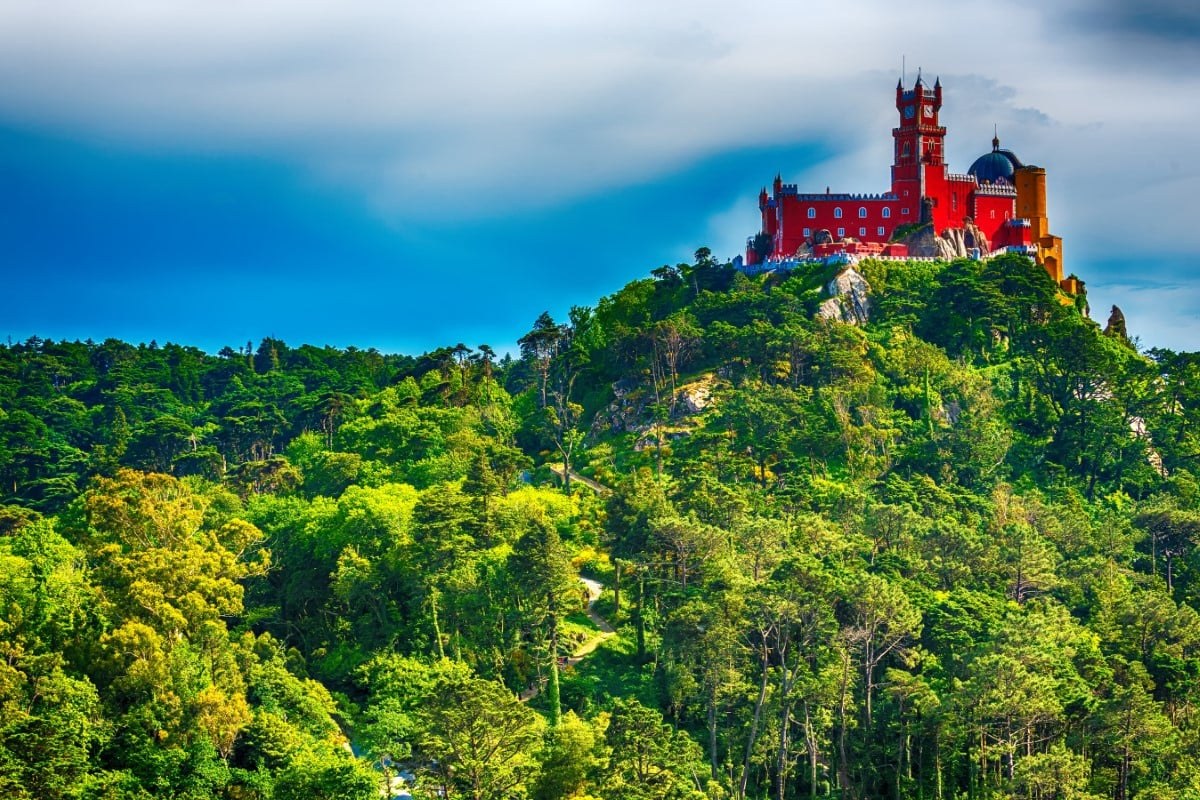 14 mi from LisbonSintra Day Trip - Pena Palace
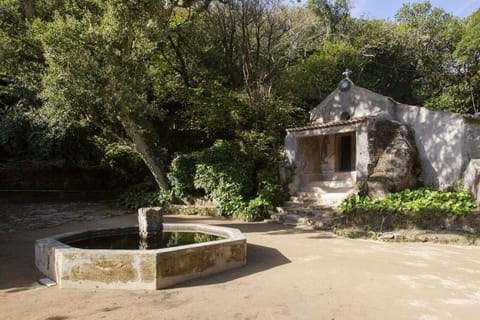 13 mi from LisbonConvent of the Capuchos Cork Lining & Underground Network
 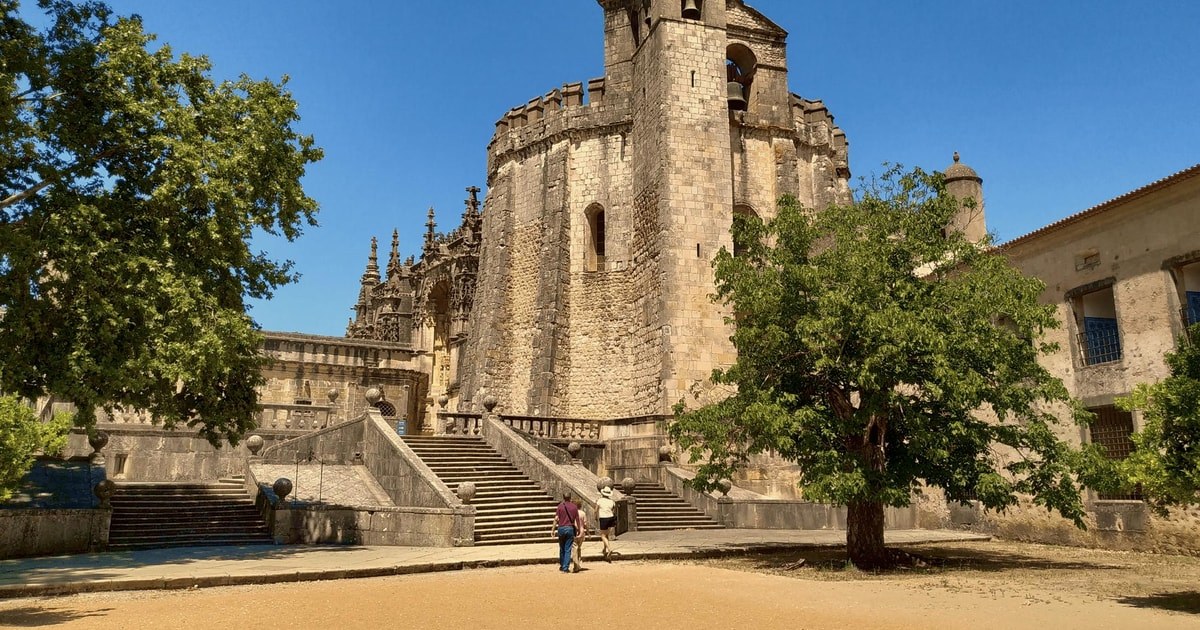 4 mi from Lisbon · land adventureTemplar Stone, Atlantic Cliffs, and Pastel Custard in Lisbon
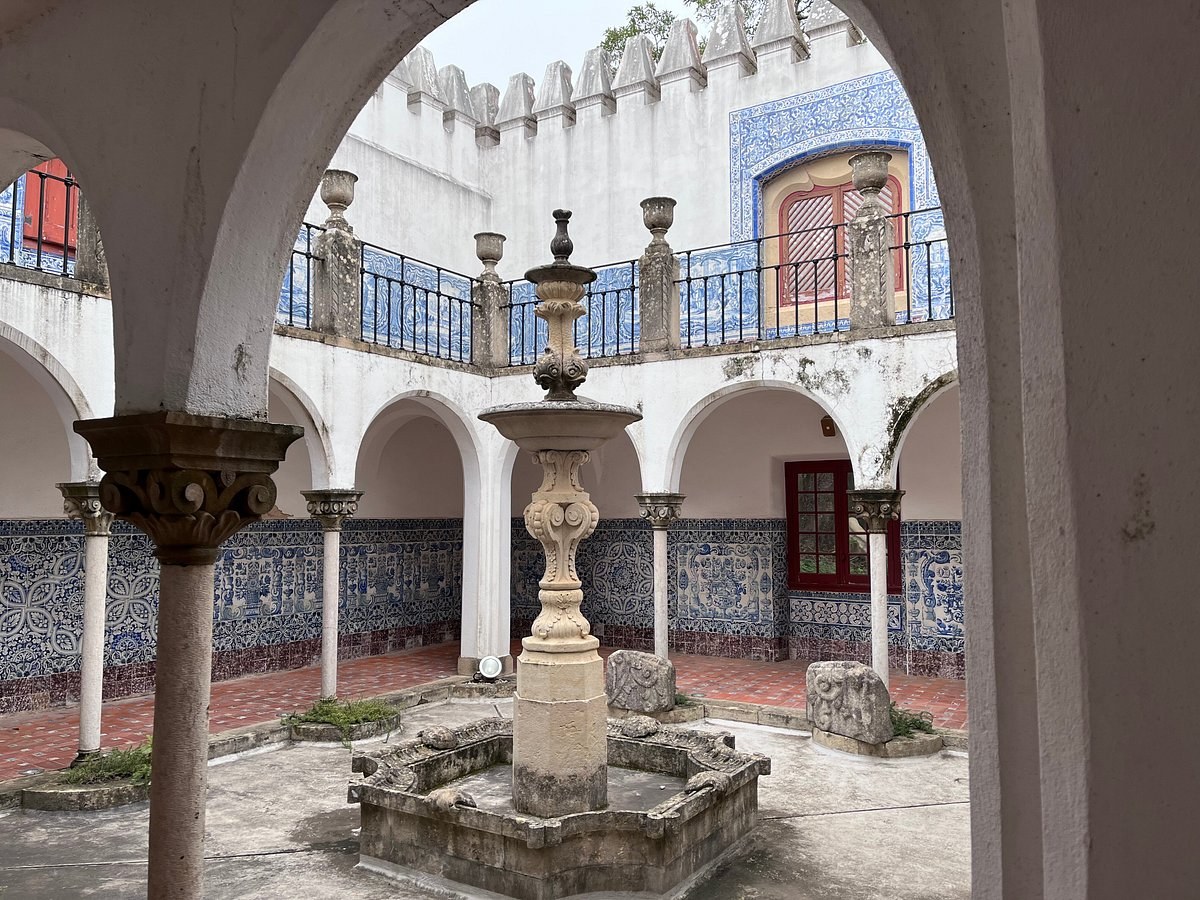 4 mi from Lisbon · land adventureSintra's Forests, Palaces & Coast: A Portuguese Masterpiece