Your cruise
Silver Nova · 18-night Panama Canal cruise, Valparaiso (Santiago) to Miami
Mar 5 – Mar 23 · 18 nights ·
Day 1 Valparaiso (Santiago) (board) · Day 2–3 at sea · Day 4 Arica · Day 5 at sea · Day 6–7 Callao (Lima) · Day 8–9 at sea · Day 10 Guayaquil (Quito) · Day 11–12 at sea · Day 13 Fuerte Amador · Day 14 Panama Canal · Day 15–16 at sea · Day 17 Cozumel · Day 18 at sea · Day 19 Miami (step off)
What you do Ascend to 4,500 m above sea level to witness the mirror-like Chungará Lake framed by twin Parinacota volcanoes in one of South America's most otherworldly altiplano landscapes. Viscachas, vicuñas and flamingos share this UNESCO-recognised biosphere — a true bucket-list Andean panorama.
What to expect Depart Arica and climb dramatically through the pre-cordillera, passing geoglyphs and colonial tambo ruins before reaching Lauca National Park at 4,000 m. Visit the whitewashed Parinacota village church, spot herds of vicuña on the pampas, and arrive at Chungará Lake for breathtaking views of the Parinacota and Pomerape volcanoes reflected in its glassy waters. A hearty included lunch fuels the return descent, with stops at key viewpoints along the Pan-American highland route.
Good to know Full day runs approximately 10–12 hours; ensure you are back well before all-aboard. Altitude can affect even fit travellers — acclimatise with coca tea, stay hydrated, and avoid alcohol the evening before. Warm layers are essential as temperatures drop sharply above 4,000 m even in summer.
Versus the ship tour A private or small-group vehicle means you set the pace at each viewpoint — no rushing past Parinacota village or the high-altitude wetlands. Expert local naturalist guides interpret the flora, fauna and Aymara culture in depth, turning a scenic drive into a profound altiplano immersion.
What you do Encounter the world's oldest artificially mummified human remains — 7,000 years old, predating Egypt's mummies by 2,000 years — at the UNESCO-listed San Miguel de Azapa Museum in a lush desert valley just outside Arica. An unmissable window into one of humanity's most extraordinary funerary traditions.
What to expect Your expert private guide meets you at the port and whisks you into the sun-soaked Azapa Valley, stopping first at roadside geoglyphs etched into hillsides thousands of years ago. The San Miguel de Azapa Museum holds the world's premier Chinchorro mummy collection, displayed with scholarly rigour and extraordinary preservation. Stroll through the museum's gardens and the valley's ancient agricultural terraces before returning through Arica's vibrant market streets for a taste of local life.
Good to know Museum entry is included in most private tour rates; confirm when booking. The valley is a 20-minute drive from port — easily manageable before all-aboard. Pre-book a private guide well in advance for peak cruise season (November–March) as expert English-speaking archaeologist-guides are limited.
Versus the ship tour A dedicated private guide with deep archaeological expertise brings the Chinchorro culture to life with personal commentary unavailable in a large-group setting. You linger as long as you wish among the mummy collections and ancient petroglyphs, then explore the valley's olive groves and geoglyphs at your own rhythm.
book direct with Top Private Tours Arica → · the full guide →
What you do Scale the iconic 139-metre clifftop fortress of El Morro — the dramatic centrepiece of Arica's skyline — for sweeping Pacific and Andean panoramas, then explore the remarkable iron cathedral designed by Gustave Eiffel himself. A half-day that encapsulates 10,000 years of layered history in a single compelling narrative.
What to expect Begin with a scenic ascent to the summit of El Morro, where Arica's defining 1880 battle unfolded; the on-site museum houses weaponry, uniforms and vivid dioramas of the War of the Pacific. Descend to the city's historic core to admire the prefabricated iron Cathedral of San Marcos, shipped from Paris and assembled without a single brick. Stroll the bougainvillea-draped Plaza Colón, browse the artisan market for Aymara textiles, and savour an ocean view from the clifftop promenade before returning to port.
Good to know Tour duration is approximately 4 hours — ideal for a port call. The Morro summit road is accessible by taxi or guided vehicle; walking the steep path takes 20–30 minutes. Pre-book your private guide through Nomades to secure an English-speaking expert.
Versus the ship tour A private, expert-led tour moves fluidly between Morro's military museum, the Eiffel-designed San Marcos Cathedral, and the city's colourful mercado, with your guide tailoring the narrative to your interests rather than following a fixed script for dozens of passengers.
What you do A rare multi-landscape odyssey through the Chilean altiplano, taking in a colonial highland village, a vast flamingo-studded salt flat, and the highest navigable lake in the world — all in a single extraordinary journey above the clouds. For those who want the definitive Andean experience from Arica.
What to expect Wind through the pre-Cordillera to Putre, a centuries-old Aymara village at 3,500 m lined with adobe houses and wildflower gardens. Continue to the Salar de Surire — a blinding white salt flat where three species of flamingo feed in mineral-rich lagoons against a backdrop of snow-capped volcanoes. The day culminates at Chungará Lake, whose glassy surface mirrors the perfect cones of Parinacota and Pomerape. All meals, naturalist guide, and 4WD transport are included.
Good to know For the single-day version, allow 10–12 hours total; confirm all-aboard time with your ship before booking. The 3D/2N format requires disembarking and rejoining the ship at a later port — verify with your cruise line. Altitude medication (acetazolamide) is worth discussing with your physician before travel above 3,500 m.
Versus the ship tour The full multi-day format (available if your cruise schedule permits an overnight) transforms a scenic drive into a genuine expedition — overnighting in the highland town of Putre, waking to Andean silence, and reaching the Salar de Surire well before day-tripper crowds arrive. Even on the single-day format, small private groups enjoy unhurried access at each stop.
What you do Paddle through dramatic volcanic sea caves carved into Arica's rugged Pacific coastline, where ancient rock art meets turquoise swells and Humboldt penguins nest on sea-spray ledges. One of Chile's most visually arresting and least-visited coastal experiences — utterly unlike anything else at this port.
What to expect Launch from a sheltered cove south of Arica and paddle along basalt cliffs sculpted by millions of years of wave action into arches, tunnels and chambers. Glide through the Cuevas de Anzota sea caves, listening to waves echo around ancient walls etched with petroglyphs. Sea lions bask on rocky outcrops and cormorants dive around your kayak as your guide points out endemic coastal flora. The return paddle offers sweeping views of El Morro's silhouette against the Atacama sky.
Good to know All equipment and safety briefing are included; no prior kayaking experience necessary. Wear quick-dry clothing and apply high-SPF sunscreen — the Atacama sun is intense even near the water. Tour duration is 2.5–3 hours, making it easily combinable with a morning city visit before all-aboard.
Versus the ship tour Sea-level access by kayak reveals cave formations, tide pools and nesting seabirds that are simply invisible from clifftop viewpoints. A private local guide navigates you safely through the cave systems while narrating the area's Chinchorro-era coastal history — an intimate, active encounter with the wild Pacific.
book direct with TourHQ Arica Local Guides → · the full guide →
What you do Decode millennia of Andean civilisation across a single epic landscape: pre-Inca hilltop fortresses, colossal hillside geoglyphs visible only from above, and a UNESCO-listed mummy collection — all narrated by a specialist who brings the ancient Chinchorro and Tiwanaku worlds vividly to life.
What to expect Your archaeologist guide drives you through the Atacama-edge landscape to the Pukará of Copaquilla, a pre-Inca defensive settlement perched on a volcanic ridge with commanding valley views. Descend to scan the Azapa Valley hillsides where giant geoglyphs of llama caravans and human figures were created by ancient Andean traders as navigational markers. Visit the Tambo of Zapahuira, a well-preserved Inca way-station, before culminating at the San Miguel de Azapa Museum to examine the Chinchorro mummies up close with expert commentary. Return to Arica through the sunbaked Atacama foothills as the afternoon light turns the desert gold.
Good to know Tour runs 5–6 hours; confirm timing against your all-aboard. Museum entry fees are typically included in the private tour rate — verify at booking. Bring a hat, sunglasses, and comfortable walking shoes for uneven archaeological terrain. Pre-booking at least 48 hours in advance is strongly recommended.
Versus the ship tour Private, expert-archaeologist-led format means you have dedicated access to a guide who can answer every question in depth, linger at the geoglyphs of the Azapa Valley's hillsides, and interpret the Pukará of Copaquilla fortress without the background noise of a large group. The knowledge density is extraordinary.
book direct with Top Private Tours Arica → · the full guide →
What you do Explore Valparaíso's UNESCO-listed hillside barrios with a private local expert — riding century-old funiculars, decoding world-class murals, and drinking in panoramic Pacific views from secret miradores that groups never reach.
What to expect Your guide meets you at the port and leads you through Cerro Alegre and Cerro Concepción on foot, boarding the original Ascensor Reina Victoria and Ascensor El Peral funiculars. You'll pause at Mirador Paseo Gervasoni for sweeping harbour views before weaving through painted alleyways where internationally renowned muralists have turned retaining walls into open-air galleries. The tour finishes with a glass of local craft beer or pisco sour at a hilltop bar of your choosing.
Good to know Pre-book at least two weeks ahead — private guides fill quickly on port days. The port is in Valparaíso itself so transfer is minimal. All-aboard times are typically 18:00; a 4–5 hour tour is comfortable. Wear grippy shoes — the cerro cobblestones are steep and uneven.
Versus the ship tour Entirely private — just your group and a hand-picked local historian-guide. The itinerary bends to your curiosity: linger in a cerro café, detour to a lesser-known viewpoint, or duck into an artisan workshop. No queues, no megaphone, no strangers.
book direct with ToursByLocals – Private Valparaíso Guide → · the full guide →
What you do Chile's coolest coastal wine valley sits just 30 minutes from the port, producing world-class Sauvignon Blanc and Pinot Noir. A private, chauffeured half-day visits two boutique wineries unavailable on group itineraries, with barrel-room access and a seated, paired tasting.
What to expect You're collected dockside in a luxury vehicle and driven south through rolling vineyard landscapes to Casablanca Valley — one of South America's most celebrated cool-climate wine regions. At the first estate you descend into the barrel room for a vertical tasting with the winemaker or cellar manager. The second stop is a boutique family winery with an organic vineyard walk before a paired lunch or afternoon tasting spread on a shaded terrace. Your guide contextualises each varietal against Chile's geography and the valley's Pacific-cooled terroir.
Good to know The valley is approximately 30–40 minutes from Valparaíso port by private car. Pre-book direct and confirm your port arrival time so pick-up can be timed precisely. Allow 5–6 hours total; well within a standard port day. Designated driver included — no self-driving required.
Versus the ship tour Small-group, private vehicle with a sommelier-trained guide who sources access to family-owned boutique bodegas — properties that do not appear on mass-market itineraries. Tastings are seated, unhurried, and paired with local charcuterie and artisan cheeses.
book direct with GoWithGuide – Private Casablanca Valley Wine Tour → · the full guide →
What you do Visit the most theatrical of Pablo Neruda's three houses — a soaring, ship-inspired home clinging to a Valparaíso hillside — then explore the bohemian neighbourhood around it with a literary-focused private guide.
What to expect Enter Neruda's wildly personal five-story tower home, where each floor reveals another obsession: vintage maps, hand-painted glassware, a carousel horse, and a writing desk aimed at the harbour. Your guide reads passages from his poems in the very rooms that inspired them. After the house, you walk through Cerro Florida's painted laneways and visit a local ceramic atelier where artisans craft Neruda-inspired pottery. The panorama from Neruda's living room window — the entire bay of Valparaíso spread below — is one of the great views in South America.
Good to know La Sebastiana is open Tue–Sun 10:00–18:00. Timed-entry tickets sell out on busy port days — book the official entry online in advance at fundacionneruda.org. Pair with a private guide booked through GoWithGuide or ToursByLocals for the full literary experience. A 15-minute taxi from the port costs approx. CLP 4,000.
Versus the ship tour La Sebastiana is a genuine bucket-list literary landmark — Neruda designed every eccentric room himself, filling it with ship figureheads, a miniature bar-car, and kaleidoscopic Pacific views. A private literary guide layers in the poetry and the man behind the myth, turning a museum visit into a profound cultural encounter.
book direct with Fundación Pablo Neruda – La Sebastiana (Official) → · the full guide →
What you do The definitive coastal sweep of Chile's Riviera: UNESCO-listed Valparaíso's painted hills, Viña del Mar's belle époque boulevards and casino, and the glamorous beach resort of Reñaca — all in a private, chauffeured vehicle with a local expert at your side.
What to expect Starting from the port, your guide leads you first through Valparaíso's historic quarter — Plaza Sotomayor, the naval monument, and a funicular ascent to Cerro Alegre. You then drive north along the coastal road to Viña del Mar, passing the iconic flower clock and Wulff Castle before walking the palm-lined Avenida Libertad. The tour continues to Reñaca, one of Chile's most fashionable beach resorts, where a reserved table at a terrace restaurant overlooking Playa de Reñaca awaits. The return journey follows the Pacific cliffs as the afternoon light turns the ocean gold.
Good to know Full-day tour runs approximately 8–10 hours — confirm all-aboard time with the ship and plan for a 17:00 return at the latest. Book Nomades directly at nomades.com for the guided group version, or request a private vehicle upgrade when booking. Port is in Valparaíso city centre — no transfer needed to start.
Versus the ship tour This privately arranged version moves at a leisurely luxury pace: long stops at Mirador 21 de Mayo, a stroll through Viña's rose garden, a seafood lunch on the Reñaca esplanade, and time to browse Valparaíso's artisan fairs without being hurried. The guide curates the stops to your interests.
book direct with Nomades Chile – Valparaíso & Viña del Mar Day Tour → · the full guide →
What you do Valparaíso is the gateway to one of South America's most vibrant capitals. A private full-day with a handpicked local guide unlocks Santiago's Mercado Central, the bohemian Barrio Lastarria, Cerro San Cristóbal, and a pisco sour masterclass — a world away from the standard bus tour.
What to expect A private transfer (90 minutes) from Valparaíso port brings you to the capital in time for a morning market immersion at Mercado Central, where your guide navigates the freshest shellfish counters and arranges a chef's table lunch. The afternoon moves through Barrio Bellavista for street art and Pablo Neruda's La Chascona house, then up Cerro San Cristóbal by funicular for panoramic Andes views. The day closes with a tutored pisco sour session at a craft distillery before a private transfer back to the ship.
Good to know This is a long day — depart port by 08:00 and plan to return by 18:30. Confirm all-aboard time carefully and share it with your guide. Santiago is 130 km (80 miles) from Valparaíso port; private transfer is essential. Pre-book at least 3 weeks in advance as private Santiago guides are in high demand on port days.
Versus the ship tour Entirely private with a local guide who lives and breathes Santiago — expect access to the wholesale side of Mercado Central, a craft pisco bodega in Barrio Italia, and a rooftop vista that most visitors never find. The pace is yours: linger over a long lunch of fresh sea bass ceviche, or browse independent bookshops in Lastarria.
book direct with ToursByLocals – Private Santiago City Tour → · the full guide →
What you do Slip out onto the jade-green Pacific and see Valparaíso's iconic painted hillsides from the water — the perspective that inspired every sailor who ever anchored here. Watch wild sea lions lounge on the breakwater and glide past the historic fleet of warships in the naval port.
What to expect Small launches depart from Muelle Prat, just steps from the port gates, gliding out into Valparaíso Bay with an English-speaking skipper who narrates the city's history as a 19th-century maritime powerhouse. You circle the naval base where Chilean frigates and the heritage tall ship Esmeralda are moored, before drifting to the rocky breakwater colonies where dozens of South American sea lions bask in the sun. On the return, the full panorama of Cerros Alegre, Concepción, Panteón, and Florida unfolds like a living postcard.
Good to know Launches depart from Muelle Prat continuously through the day — no advance booking needed for standard tours, but private charters should be arranged 24–48 hours ahead. The pier is a 5-minute walk from the cruise terminal. Tours last 45–60 minutes, making this an ideal first or last activity of the port day. Bring a light layer — the bay breeze can be cool even in summer.
Versus the ship tour The bay boat tour offers a perspective of Valparaíso's UNESCO cerros that no hilltop walk can match — the entire amphitheatre of colour-washed houses cascading to the waterfront, seen from the very sea that made the city legendary. It's intimate, unhurried, and genuinely photogenic in a way that stops you mid-breath.
book direct with Puerto de Valparaíso – Official Port Boat Tours → · the full guide →
What you do Ascend to 4,500 m above sea level to witness the mirror-like Chungará Lake framed by twin Parinacota volcanoes in one of South America's most otherworldly altiplano landscapes. Viscachas, vicuñas and flamingos share this UNESCO-recognised biosphere — a true bucket-list Andean panorama.
What to expect Depart Arica and climb dramatically through the pre-cordillera, passing geoglyphs and colonial tambo ruins before reaching Lauca National Park at 4,000 m. Visit the whitewashed Parinacota village church, spot herds of vicuña on the pampas, and arrive at Chungará Lake for breathtaking views of the Parinacota and Pomerape volcanoes reflected in its glassy waters. A hearty included lunch fuels the return descent, with stops at key viewpoints along the Pan-American highland route.
Good to know Full day runs approximately 10–12 hours; ensure you are back well before all-aboard. Altitude can affect even fit travellers — acclimatise with coca tea, stay hydrated, and avoid alcohol the evening before. Warm layers are essential as temperatures drop sharply above 4,000 m even in summer.
Versus the ship tour A private or small-group vehicle means you set the pace at each viewpoint — no rushing past Parinacota village or the high-altitude wetlands. Expert local naturalist guides interpret the flora, fauna and Aymara culture in depth, turning a scenic drive into a profound altiplano immersion.
What you do Encounter the world's oldest artificially mummified human remains — 7,000 years old, predating Egypt's mummies by 2,000 years — at the UNESCO-listed San Miguel de Azapa Museum in a lush desert valley just outside Arica. An unmissable window into one of humanity's most extraordinary funerary traditions.
What to expect Your expert private guide meets you at the port and whisks you into the sun-soaked Azapa Valley, stopping first at roadside geoglyphs etched into hillsides thousands of years ago. The San Miguel de Azapa Museum holds the world's premier Chinchorro mummy collection, displayed with scholarly rigour and extraordinary preservation. Stroll through the museum's gardens and the valley's ancient agricultural terraces before returning through Arica's vibrant market streets for a taste of local life.
Good to know Museum entry is included in most private tour rates; confirm when booking. The valley is a 20-minute drive from port — easily manageable before all-aboard. Pre-book a private guide well in advance for peak cruise season (November–March) as expert English-speaking archaeologist-guides are limited.
Versus the ship tour A dedicated private guide with deep archaeological expertise brings the Chinchorro culture to life with personal commentary unavailable in a large-group setting. You linger as long as you wish among the mummy collections and ancient petroglyphs, then explore the valley's olive groves and geoglyphs at your own rhythm.
book direct with Top Private Tours Arica → · the full guide →
What you do Scale the iconic 139-metre clifftop fortress of El Morro — the dramatic centrepiece of Arica's skyline — for sweeping Pacific and Andean panoramas, then explore the remarkable iron cathedral designed by Gustave Eiffel himself. A half-day that encapsulates 10,000 years of layered history in a single compelling narrative.
What to expect Begin with a scenic ascent to the summit of El Morro, where Arica's defining 1880 battle unfolded; the on-site museum houses weaponry, uniforms and vivid dioramas of the War of the Pacific. Descend to the city's historic core to admire the prefabricated iron Cathedral of San Marcos, shipped from Paris and assembled without a single brick. Stroll the bougainvillea-draped Plaza Colón, browse the artisan market for Aymara textiles, and savour an ocean view from the clifftop promenade before returning to port.
Good to know Tour duration is approximately 4 hours — ideal for a port call. The Morro summit road is accessible by taxi or guided vehicle; walking the steep path takes 20–30 minutes. Pre-book your private guide through Nomades to secure an English-speaking expert.
Versus the ship tour A private, expert-led tour moves fluidly between Morro's military museum, the Eiffel-designed San Marcos Cathedral, and the city's colourful mercado, with your guide tailoring the narrative to your interests rather than following a fixed script for dozens of passengers.
What you do A rare multi-landscape odyssey through the Chilean altiplano, taking in a colonial highland village, a vast flamingo-studded salt flat, and the highest navigable lake in the world — all in a single extraordinary journey above the clouds. For those who want the definitive Andean experience from Arica.
What to expect Wind through the pre-Cordillera to Putre, a centuries-old Aymara village at 3,500 m lined with adobe houses and wildflower gardens. Continue to the Salar de Surire — a blinding white salt flat where three species of flamingo feed in mineral-rich lagoons against a backdrop of snow-capped volcanoes. The day culminates at Chungará Lake, whose glassy surface mirrors the perfect cones of Parinacota and Pomerape. All meals, naturalist guide, and 4WD transport are included.
Good to know For the single-day version, allow 10–12 hours total; confirm all-aboard time with your ship before booking. The 3D/2N format requires disembarking and rejoining the ship at a later port — verify with your cruise line. Altitude medication (acetazolamide) is worth discussing with your physician before travel above 3,500 m.
Versus the ship tour The full multi-day format (available if your cruise schedule permits an overnight) transforms a scenic drive into a genuine expedition — overnighting in the highland town of Putre, waking to Andean silence, and reaching the Salar de Surire well before day-tripper crowds arrive. Even on the single-day format, small private groups enjoy unhurried access at each stop.
What you do Paddle through dramatic volcanic sea caves carved into Arica's rugged Pacific coastline, where ancient rock art meets turquoise swells and Humboldt penguins nest on sea-spray ledges. One of Chile's most visually arresting and least-visited coastal experiences — utterly unlike anything else at this port.
What to expect Launch from a sheltered cove south of Arica and paddle along basalt cliffs sculpted by millions of years of wave action into arches, tunnels and chambers. Glide through the Cuevas de Anzota sea caves, listening to waves echo around ancient walls etched with petroglyphs. Sea lions bask on rocky outcrops and cormorants dive around your kayak as your guide points out endemic coastal flora. The return paddle offers sweeping views of El Morro's silhouette against the Atacama sky.
Good to know All equipment and safety briefing are included; no prior kayaking experience necessary. Wear quick-dry clothing and apply high-SPF sunscreen — the Atacama sun is intense even near the water. Tour duration is 2.5–3 hours, making it easily combinable with a morning city visit before all-aboard.
Versus the ship tour Sea-level access by kayak reveals cave formations, tide pools and nesting seabirds that are simply invisible from clifftop viewpoints. A private local guide navigates you safely through the cave systems while narrating the area's Chinchorro-era coastal history — an intimate, active encounter with the wild Pacific.
book direct with TourHQ Arica Local Guides → · the full guide →
What you do Decode millennia of Andean civilisation across a single epic landscape: pre-Inca hilltop fortresses, colossal hillside geoglyphs visible only from above, and a UNESCO-listed mummy collection — all narrated by a specialist who brings the ancient Chinchorro and Tiwanaku worlds vividly to life.
What to expect Your archaeologist guide drives you through the Atacama-edge landscape to the Pukará of Copaquilla, a pre-Inca defensive settlement perched on a volcanic ridge with commanding valley views. Descend to scan the Azapa Valley hillsides where giant geoglyphs of llama caravans and human figures were created by ancient Andean traders as navigational markers. Visit the Tambo of Zapahuira, a well-preserved Inca way-station, before culminating at the San Miguel de Azapa Museum to examine the Chinchorro mummies up close with expert commentary. Return to Arica through the sunbaked Atacama foothills as the afternoon light turns the desert gold.
Good to know Tour runs 5–6 hours; confirm timing against your all-aboard. Museum entry fees are typically included in the private tour rate — verify at booking. Bring a hat, sunglasses, and comfortable walking shoes for uneven archaeological terrain. Pre-booking at least 48 hours in advance is strongly recommended.
Versus the ship tour Private, expert-archaeologist-led format means you have dedicated access to a guide who can answer every question in depth, linger at the geoglyphs of the Azapa Valley's hillsides, and interpret the Pukará of Copaquilla fortress without the background noise of a large group. The knowledge density is extraordinary.
book direct with Top Private Tours Arica → · the full guide →
What you do Boat out to the wild Palomino Islands just off Callao and slip into the Pacific alongside a colony of 8,000 sea lions. This intimate, small-group marine encounter is one of the most extraordinary wildlife moments in all of South America.
What to expect A swift motorboat whisks you from Callao harbor out to four rugged Pacific islands, alive with barking sea lions. After briefing, you don a wetsuit and slide into crystal-cold water as curious sea lions spiral around you — bumping, twirling and staring you down. On the crossing you'll also spot Humboldt penguins and seabirds on the guano-white rocks. The entire outing lasts roughly four hours, returning you to port in good time.
Good to know Departs from the Callao fishing dock, less than 10 minutes from the cruise terminal — no transfer needed. Pre-book directly as space on small vessels fills weeks in advance. All-aboard times are typically respected with a 4-hour total run time. Bring a dry bag for your valuables and a warm layer for the boat ride back.
Versus the ship tour Limited to a small vessel so you're genuinely in the water with the animals — not watching from a large boat. Expert naturalist guides provide deep marine context, and the wetsuit swim is an adrenaline-edged, unforgettable bucket-list moment steps from the port.
What you do Journey four hours south of Lima into a landscape of flamingo-fringed bays, prehistoric Nazca-era history and a turquoise desert oasis ringed by towering sand dunes. One of Peru's most visually astonishing day trips, bookable from the port.
What to expect Depart Callao early and drive south through Peru's coastal desert to Paracas, where wind-sculpted red cliffs plunge into an azure bay thick with flamingos and pelicans. Board a speedboat to the Ballestas Islands ('the poor man's Galápagos') to witness sea lions, Peruvian boobies and penguins on volcanic arches. After lunch in Paracas, continue inland to Huacachina — a true desert oasis — where you board a dune buggy for the breathtaking ride up towering dunes before sandboarding back down at sunset.
Good to know This is a 17–18 hour excursion; confirm your ship's all-aboard time carefully — best suited to ships with a late-night or overnight Callao call. Departs 06:00–07:00 from the port. Bring sunscreen, a windbreaker and sea-sickness tablets for the Ballestas boat. Pre-booking essential; spaces extremely limited on private departures.
Versus the ship tour The luxury private-vehicle option means your own bilingual guide, your own pace at the Paracas National Reserve viewpoints and a genuinely personal sandboarding descent into Huacachina — not a rushed group convoy. Sunset over the oasis is the defining image of coastal Peru.
What you do Step inside a Miraflores culinary studio and master Peru's three most iconic dishes under the tutelage of a professional Lima chef. Peruvian cuisine is ranked among the world's best — this is the most direct way to own a piece of it.
What to expect The class opens at a local market where your chef narrates the kaleidoscopic world of Peruvian chillies, purple corn and exotic fruits — then you head to a beautifully equipped kitchen in Miraflores. You'll cure fresh corvina for leche de tigre ceviche, layer causa limeña with avocado and ají amarillo, and shake the city's most celebrated cocktail. The meal you've cooked becomes your lunch, served with Peruvian wine. A recipe booklet and a new passport-stamp skill go home with you.
Good to know Miraflores is approximately 30 minutes from Callao by taxi or Uber (approx. USD 8–12 each way). Classes typically run 3–3.5 hours, leaving comfortable time before all-aboard. Vegetarian adaptations available on request. Book at least two weeks ahead as this is Lima's most reviewed culinary experience.
Versus the ship tour A boutique kitchen, never more than 12 guests, with a chef who sources ingredients that morning from Surquillo market. You don't watch — you cook, plate and eat. Pisco Sours are shaken tableside, and recipes travel home with you.
book direct with Peruvian Cooking Classes Lima (La Floresta Culinary Studio) → · the full guide →
What you do Explore the grandest Spanish colonial fortress in South America, then step into Monumental Callao — a once-derelict neighbourhood reborn as Peru's most extraordinary open-air street-art district. History and living culture, minutes from the pier.
What to expect Begin at the Real Felipe Fortress, whose star-shaped walls once guarded Lima's silver trade against pirate fleets and independence armies. Your historian guide walks you through cannon-lined bastions, the eerie 'room of bones' and sweeping views of the Pacific. From there, enter Monumental Callao's labyrinthine patios splashed with floor-to-ceiling murals by international and Peruvian artists — boutique shops, artisan coffee and a rooftop lookout complete the picture. The tour finishes a short walk from the cruise terminal.
Good to know Real Felipe is open Tuesday–Sunday; confirm your port day falls on an open day. The fortress entry fee (approx. PEN 15 / USD 4) is typically separate. Monumental Callao is walkable from the fortress. Total duration 3–4 hours. Flat, paved surfaces throughout; suitable for all mobility levels.
Versus the ship tour A private guide grants access to Real Felipe's military museum and ramparts at your own pace, with storytelling that brings 18th-century sieges to life. Monumental Callao's muralled courtyards, boutique galleries and rooftop bars are the kind of off-itinerary discovery that defines a genuine luxury journey.
What you do Glide through Lima's most beautiful clifftop neighbourhoods and into the world's finest private collection of pre-Columbian gold, textiles and erotic pottery. A half-day that distils 5,000 years of Andean civilisation into one elegant arc.
What to expect Your private guide collects you from the terminal and drives south to Miraflores, stopping at the clifftop Larcomar complex for Pacific views before descending to bohemian Barranco — its painted bridges, colonial mansions and vibrant café scene feel like a Peruvian Montmartre. The centrepiece is the Larco Museum, a converted 18th-century vice-regal mansion housing the world's most important collection of pre-Columbian gold and ceramics, including the famous 'erotic gallery'. Lunch is optionally taken at the museum's garden restaurant.
Good to know Museo Larco is open daily 09:00–22:00; book timed entry at larcomuseum.org (USD 25 adult). Combined private guide + transport via ToursByLocals from approx. USD 83 pp. Miraflores is 30 min from port. Allow 5–6 hours total. The Larco garden restaurant is one of Lima's most acclaimed — reserve ahead for lunch.
Versus the ship tour A vetted private ToursByLocals guide tailors the itinerary to your interests — whether that is pre-Inca goldwork, Belle Époque Barranco architecture or the cliffside Parque del Amor at sunset. The Larco Museum's storage vaults (open to the public — a world rarity) hold 45,000 artefacts; your guide reads the room, spending time on what captivates you.
book direct with Museo Larco (official entry) + ToursByLocals private guide → · the full guide →
What you do Pedal Lima's dramatic Pacific Rim coastline on a curated small-group cycling tour, weaving from the clifftop promenades of Miraflores past a genuine pre-Inca adobe pyramid to the art-gallery lanes of Barranco. The city's most exhilarating half-day.
What to expect High-quality hybrid bikes are fitted to you in Miraflores before you roll onto the Malecón — Lima's Corniche — with the Pacific glittering hundreds of feet below the cliffs. The route threads past Parque del Amor's mosaic lover sculpture, descends to Barranco's coloured bridges and street-art alleyways, and detours through the grounds of Huaca Pucllana, an archaeological pyramid from 400 AD still being excavated. Guides share neighbourhood stories, stop for freshly squeezed lucuma juice and pace everything to ensure you never feel rushed.
Good to know Departs Miraflores (30 min taxi from port, approx. USD 8–12). Tour runs 3–3.5 hours; comfortable timing before most all-aboard calls. Helmets, locks and safety briefing included. The route is largely flat to gently rolling along the cliff edge — suitable for confident recreational cyclists. Wear comfortable clothing and bring a light layer for the coastal breeze.
Versus the ship tour Small groups of maximum 8 riders mean the guide sets a relaxed, commentary-rich pace — stopping for ceviche tastings, ocean viewpoints and hidden street art rather than rushing past them. The Huaca Pucllana adobe pyramid, rising incongruously from upscale Miraflores, is a moment no larger tour bus can replicate.
What you do Step into Quito's UNESCO-listed colonial heart, then straddle two hemispheres at the Mitad del Mundo monument. A private expert guide makes every cobblestone and sunlit plaza feel personal and unhurried.
What to expect Your private guide collects you from the port and whisks you up into the Andean highlands to Quito, a UNESCO World Heritage City perched at 2,850 m. You'll drift through the gilded interior of La Compañía de Jesús — arguably South America's most ornate church — and wander the Plaza Grande before a long, leisurely lunch at a colonial mansion restaurant. The afternoon belongs to Mitad del Mundo: stand with one foot in each hemisphere, watch a gyroscope demonstration defy everything you learned in science class, and snap that iconic selfie at 0° latitude.
Good to know Guayaquil to Quito is a ~45-min flight or ~4-hr drive — confirm with your operator which transfer is included. This is a full-day excursion; verify your ship's all-aboard time and build in at least 3 hrs return buffer. Pre-book well in advance — private guides fill quickly in peak season.
Versus the ship tour Fully private — your own certified guide, your own vehicle, your own pace. No coach groups, no rushed photo stops. Access to off-the-beaten-path baroque churches and insider Ecuadorian history that large tours skip entirely.
book direct with Happy Gringo Travel (official Ecuador specialist) → · the full guide →
What you do Soar to 4,050 m on the Teleférico, Quito's iconic urban gondola scaling the flanks of Volcán Pichincha. The panoramic sweep over the entire city and Andean chain is simply unmissable.
What to expect The gondola glides 2,950 m above sea level to the upper station in under 10 minutes, but the landscape transforms dramatically — from bustling city to páramo grasslands dusted with Andean wildflowers. From the top station, hardy walkers continue to Cruz Loma (4,100 m) for a 360° panorama of five snow-capped volcanoes. Your private naturalist guide interprets the unique high-altitude ecosystem and ensures you acclimatise safely, with hot coca tea on hand. The descent back into the warm city feels like re-entering another world.
Good to know Altitude affects everyone differently — a short acclimatisation walk before ascending is wise. Best combined with a Quito Old Town morning for a full-day itinerary. Confirm weather windows: mornings are typically clearest. Pre-book gondola tickets online to skip queues.
Versus the ship tour The highest urban cable car in the world — and a genuine altitude adventure. Pair with a private guide who leads you along the crater-rim trail for views that stretch to Cotopaxi on a clear day; a completely different experience from a standard city bus tour.
What you do Descend into Mindo's legendary cloud forest — a biodiversity hotspot with 500+ bird species and dazzling butterfly houses — on a private naturalist-led day from Quito. One of the most biodiverse places on Earth.
What to expect The road from Quito drops dramatically from cold Andean plateau into a lush, warm world of orchids and mosses. Your expert ornithologist guide leads you along forest trails where toucans and hummingbirds perform overhead. A dedicated butterfly house shelters hundreds of tropical species — monarchs, blue morphos, and owl butterflies land on your arms. You cross the canopy on a traditional tarabita to reach a series of cascading waterfalls, where the mist and birdsong create an almost surreal atmosphere. Lunch is at a local eco-lodge with views over the forest canopy.
Good to know Mindo is ~2 hrs from Quito by private vehicle — best done as a full-day excursion from port. Wear light layers: cloud forest temperatures vary. Binoculars are essential; a quality guide will have a spotting scope. Early morning departures maximise birdwatching.
Versus the ship tour A private naturalist guide unlocks Mindo's secrets that group tours miss — rare tanagers, glass-wing butterflies, and the hypnotic Nambillo waterfalls reached by tarabita (zip-wire cable car over the canopy). Intimate, expert-led, and genuinely wild.
What you do Ride on horseback across the otherworldly páramo at the base of Cotopaxi, the world's highest active volcano. A bucket-list Andean landscape experience with a certified mountain guide and Andean horses.
What to expect Your private transfer winds through the national park to Tierra del Volcán's hacienda, where well-trained criollo horses await. The ride traverses volcanic moorland at 3,800 m, with the symmetrical white cone of Cotopaxi dominating the skyline. Your certified guide shares the volcano's dramatic geology and Andean ranch heritage as wild horses roam in the distance. After 2-3 hours in the saddle, a warming hacienda lunch of Ecuadorian highland cuisine — locro de papa soup, roasted corn — restores every calorie burned in the thin air.
Good to know Cotopaxi National Park is ~1 hr south of Quito by private vehicle. No riding experience necessary — horses are calm and well-matched to ability. Layers essential: temperatures at 3,800 m can drop sharply. Combine with a Quito morning for a full-day itinerary. Confirm national park entry (~USD 5 pp) with your operator.
Versus the ship tour Access to a private working hacienda at the foot of Cotopaxi — the horses are Andean-bred, the guide is a certified mountain expert, and the views of the snow-capped cone are unobstructed. A genuinely exclusive, small-group experience in a national park setting.
What you do Taste Ecuador's legendary fine-aroma cacao at source on a small-group tour combining Guayaquil's vibrant Malecón 2000 waterfront and a working cacao farm. Ecuador grows some of the world's finest chocolate — trace it from pod to bar.
What to expect Your morning begins on the iconic Malecón 2000, a sweeping riverside promenade where Guayaquil's colonial architecture, modern art installations, and the famous iguana-filled Parque Seminario come together in a single stroll. A local guide narrates the city's transformation from colonial port to Ecuador's commercial hub. After lunch, you transfer to a family-owned cacao finca where the farmer walks you through the entire chocolate journey: splitting pods, pressing nibs, roasting beans over wood fire, and finally tasting single-origin chocolate in its rawest, most extraordinary form.
Good to know This is a port-based excursion — ideal when the ship does not proceed to Quito. The Malecón is approximately 15 minutes from the cruise terminal by taxi (approx. USD 5). Cacao farms are typically 45-60 min outside the city; confirm pick-up from port with your operator. Light cotton clothing recommended — Guayaquil is coastal and humid.
Versus the ship tour Hands-on access to a working cacao plantation — you harvest, ferment, and taste single-origin chocolate with the farmer who grows it. The Malecón portion with a knowledgeable local guide reveals the history of South America's most important Pacific port in vivid, personal detail.
What you do Soar on the legendary 'Swing at the End of the World' over a 2,600 m Andean cliff edge, then thunder beside Pailón del Diablo — Ecuador's most spectacular waterfall. Baños is pure adrenaline wrapped in volcanic beauty.
What to expect The drive south from Quito winds through the Avenue of the Volcanoes, passing Tungurahua's brooding cone before descending into the lush, warm valley town of Baños. A private guide leads you first to the Casa del Árbol at 2,600 m — the wooden swing arcs out over a sheer precipice with nothing but clouds and jungle below, and the moment of release is pure exhilaration. The afternoon is spent following the Ruta de las Cascadas: a dramatic series of waterfalls culminating in Pailón del Diablo, where the Pastaza River thunders 80 m into a mist-filled gorge. Optional volcanic hot springs at dusk complete a near-perfect Andean day.
Good to know Baños is ~3.5 hrs south of Quito — this is a long full-day excursion best paired with an overnight in Quito if your itinerary allows. The swing operates in dry conditions only; have a backup plan for rainy days. Wear waterproof layers near Pailón del Diablo — the spray is intense. Pre-book a private vehicle to control the day's pace entirely.
Versus the ship tour The swing itself — a simple wooden seat cantilevered over a 2,600 m drop at the Casa del Árbol treehouse — is one of those rare, heart-stopping travel moments that becomes a story you tell for decades. A private guide ensures you move at your own pace between Baños's volcanic hot springs, the waterfall route, and the swing — no rushing, no queuing.
book direct with KimKim Ecuador (official private travel specialist) → · the full guide →
What you do Board a private vessel and transit the Panama Canal's working locks — one of the world's great engineering feats — from Miraflores to Pedro Miguel. A bucket-list passage that few ever experience from the water.
What to expect You depart from Fuerte Amador aboard a private vessel and glide into the famous lock chambers as the gates close around you — the scale is staggering up close. Your knowledgeable local guide narrates the canal's history, engineering, and geopolitical significance as you rise and fall with the water. Watch giant container ships share the waterway just meters away, a sight impossible to replicate from any observation deck. The journey culminates at Pedro Miguel Locks before a comfortable private transfer back to the port.
Good to know Canal transit days are fixed; confirm your ship's port date aligns with a transit day when booking. All-aboard times in Fuerte Amador are typically early evening — a half-day transit fits comfortably. Book well in advance as private vessel slots sell out months ahead.
Versus the ship tour A private, expert-guided canal transit places you on the water inside the locks — an intimate, unhurried experience with a dedicated English-speaking guide, port-to-port pickup, and all entrance fees included.
book direct with Top Private Tours Panama → · the full guide →
What you do Wander the cobblestone streets of Panama City's UNESCO-listed old quarter with a private historian-guide — crumbling colonial convents, Art Deco mansions, and rooftop skyline views over the Pacific. Utterly irreplaceable.
What to expect Your expert guide meets you dockside and whisks you the short distance to Casco Viejo, Panama City's extraordinary 17th-century old town. Stroll past the ruins of the original Cathedral and the ornate Palacio de las Garzas, pausing for rooftop panoramas where the Pacific sparkles behind the modern skyline. Step inside the gilded Metropolitan Cathedral and the Iglesia de San José, home to the famous Golden Altar. The tour ends with a curated ceviche tasting at a neighborhood cantina frequented by locals, not tourists.
Good to know Casco Viejo is approximately 15 minutes by private car from Fuerte Amador. Morning departures are ideal — light is magical and streets are quieter before midday. Wear comfortable walking shoes; cobblestones are uneven.
Versus the ship tour A private historian-led walk moves at your pace through hidden plazas and locked courtyards rarely accessed on group tours, with deep cultural and architectural storytelling tailored exclusively to your party.
book direct with Top Private Tours Panama → · the full guide →
What you do Soar above the forest canopy in a glass gondola over the Soberanía National Park, then explore the jungle floor for sloths, toucans, and troops of howler monkeys — pure, dripping, breathtaking rainforest.
What to expect The 45-minute drive from Fuerte Amador through the old Canal Zone is itself a journey through history. At Gamboa, your gondola ascends silently over a hundred-foot canopy, offering sweeping views of the Chagres River snaking through unbroken jungle toward the Canal. On the forest floor, your Smithsonian-trained naturalist reads the rainforest like a text — pointing out camouflaged poison dart frogs, pointing a scope at a three-toed sloth, and identifying bird calls before the birds are even visible. Lunch at the resort's terrace restaurant overlooks the river.
Good to know Gamboa is about 45 minutes from port; plan for a full-morning excursion to return comfortably before all-aboard. Light rain gear and insect repellent are essential. Pre-book the tram directly with the resort — slots are limited and peak season fills fast.
Versus the ship tour A private naturalist guide with a maximum group of six ensures you stop at every sighting — sloths in the cecropia trees, blue morpho butterflies, and the elusive harpy eagle — without the noise or rush of large tour groups.
book direct with Gamboa Rainforest Resort (Canopy Tower & Aerial Tram) → · the full guide →
What you do Journey by dugout canoe deep into the Chagres jungle to an authentic Emberá village — receive a ritual welcome, learn ancient crafts, taste traditional cuisine, and hear the stories of a people who have called this rainforest home for centuries.
What to expect Your private transfer takes you to the Chagres riverbank, where a hand-carved dugout canoe — piloted by Emberá men in traditional dress — carries you upstream through cathedral-like jungle silence. The village greets you with song and the scent of wood smoke. Women demonstrate the painstaking art of hand-weaving tagua nut figurines and intricate baskets; a village elder recounts creation stories through an interpreter. A lunch of fresh tilapia grilled over open fire, plantains, and jungle fruit is prepared for your group alone. You leave with a handmade piece and a perspective shift money cannot replicate.
Good to know The Chagres is about an hour from Fuerte Amador by private car plus a 20-minute canoe ride. Wear light clothing you don't mind getting splashed; bring cash in small USD bills for purchasing crafts directly from artisans. Confirm the community visit date aligns with your port call.
Versus the ship tour Booking directly with the community-operated Emberá Drua means your fee goes entirely to the village, you are welcomed by elders rather than a tour-company liaison, and group size is capped at eight for a genuinely intimate exchange.
What you do Glide across the glassy expanse of Gatún Lake — the man-made reservoir at the heart of the Panama Canal — to an island teeming with wild Geoffroy's tamarin and white-faced capuchin monkeys who climb aboard your boat.
What to expect You speed across Gatún Lake — a vast inland sea created when the Canal flooded the Chagres Valley — as freighters queue in the distance for their lock slots. Your captain idles the engine as you approach the island's bank, and within minutes, Geoffroy's tamarins materialize from the canopy and hop aboard the bow rail, their tiny hands investigating your camera. Capuchins follow, curious and bold. Between islands, your naturalist points out basilisk lizards running on water, caimans basking on logs, and kingfishers hovering over the turquoise shallows. The silence of this lake — engineered by humans, reclaimed by nature — is profoundly moving.
Good to know Gatún Lake is on the Atlantic side — approximately 1.5 hours from Fuerte Amador, so this excursion suits ships with a full-day port call. Do not feed the monkeys. Private charters must be reserved at least 2 weeks in advance. Bring sunscreen and a hat; the lake offers no shade.
Versus the ship tour A private charter means you set the pace on the water, linger at every encounter, and have a dedicated bilingual naturalist captain — no crowds, no time pressure, and monkeys that approach fearlessly because the boats are small and quiet.
What you do Watch 300-metre Panamax vessels squeeze through the Miraflores Locks from the best observation terrace in the world, then descend to the museum and the legendary Morgan Freeman-narrated IMAX film. Engineering awe, guaranteed.
What to expect Miraflores is only 20 minutes from the port, making it the most time-efficient bucket-list tick in Panama. From the multi-level observation decks, you watch enormous vessels — some as wide as the lock chamber itself, with just centimetres to spare — inch through with the help of electric mule locomotives running on rails. Your guide explains the physics and the politics in real time. The four-floor museum chronicles the canal's construction in extraordinary detail, and the IMAX presentation narrated by Morgan Freeman reframes what you've just witnessed with cinematic grandeur. A glass of champagne at the terrace restaurant toasting a passing freighter is the perfect finale.
Good to know Miraflores is 20 minutes from Fuerte Amador — ideal for a half-day if you want to combine with Casco Viejo. Check the ACP ship schedule at marinadb.com to time your visit with the largest vessels transiting. Upper deck fills quickly — arrive by 9 a.m. for prime position.
Versus the ship tour Arriving by private car with a bilingual guide means you access the upper observation deck at your own pace, time your visit to a scheduled lock transit for maximum drama, and bypass the logistics of group assembly entirely.
book direct with Miraflores Visitor Center (Panama Canal Authority — official) → · the full guide →
What you do Board a private yacht and lock through all six chambers of the canal — from the Pacific Miraflores Locks to Gatun on the Atlantic side. Watching 50,000-ton vessels rise and fall beside you is one of the great engineering spectacles on Earth.
What to expect You'll cruise through the Miraflores and Pedro Miguel Locks, across the lush Culebra Cut, and into the vast Gatun Lake before locking down to the Caribbean. Expert English-speaking guides narrate every stage — the engineering triumphs, the human cost, and the geopolitical drama that shaped the canal. Lunch is served on board as you glide through the jungle-flanked waterway. Frigate birds and pelicans escort the boat as Panamax vessels loom just metres away.
Good to know Full transit runs roughly 8–10 hours; departs early morning from Balboa pier. Pre-book well in advance — departures are limited and sell out months ahead. Confirm the all-aboard time with your ship and choose the partial transit if docking time is tight.
Versus the ship tour A full transit places you inside the locks — not watching from a visitor centre — sailing the same route as the world's largest container ships. The intimate scale of a tour vessel next to the Panamax giants is jaw-dropping and simply cannot be replicated from land.
book direct with Canal & Bay Tours (official Panama Canal boat transit operator) → · the full guide →
What you do Soar above the rainforest canopy in an open gondola inside Soberanía National Park — one of the most biodiverse patches of jungle on the planet. Toucans, sloths, howler monkeys, and 400 bird species inhabit the treetops around you.
What to expect The gondola rises through four distinct forest layers, from the leaf-litter floor to the emergent canopy, with sweeping views of the Chagres River and Gatun Lake shimmering below. Your naturalist guide uses binoculars and a scope to pin down toucans, mot-mots, and troops of Geoffrey's tamarins on the wing. After the tram, a guided nature trail leads through orchid-draped trees to a butterfly garden with 40 native species. The resort's open-air restaurant serves a superb jungle-view lunch before you return to port.
Good to know Gamboa is 45 minutes from Fuerte Amador by private transfer. Wear lightweight long sleeves and closed shoes; bring insect repellent and a zoom lens. Tram seats are limited — reserve your slot and private guide directly via the resort's website.
Versus the ship tour The tram glides silently over eight towers of untouched primary forest — you're eye-level with harpy eagle territory. A resident naturalist guide reads the jungle in real time, pointing out camouflaged species most visitors walk straight past.
book direct with Gamboa Rainforest Resort (official aerial tram operator) → · the full guide →
What you do Stroll the cobbled streets of Casco Viejo — Panama City's UNESCO World Heritage old town — with a private local historian. Colonial churches, Art Deco balconies, and rooftop views over the Pacific skyline make this the most photogenic morning in Central America.
What to expect Your guide leads you through the Arco Chato arch, the gold-laden altar of the Iglesia de San José, and the Plaza Bolívar where Simón Bolívar dreamed of a united Latin America. The narrative weaves pirates, canal diplomacy, and the neighbourhood's remarkable modern renaissance. The tour ends with a tasting of Panamanian coffee and fresh ceviche at a chef-owned café tucked behind a 17th-century façade. The contrast of crumbling colonial ruins against gleaming glass towers is endlessly photogenic.
Good to know Casco Viejo is 20 minutes from Fuerte Amador by taxi or private car (approx. USD 15–20 each way). Morning tours are cooler and have better light for photography. Book your private guide directly; allow 3–4 hours including the café stop, well within typical all-aboard windows.
Versus the ship tour A private guide opens doors that group tours never reach — a hidden convent courtyard, a chef's family kitchen, a rooftop terrace above the Plaza de Francia with unobstructed Pacific views. The pace is entirely yours.
What you do Stand at the best vantage point on Earth to watch Panamax and New Panamax ships squeeze through the Miraflores Locks — then explore the world-class four-storey museum that tells the full story of the canal's creation. The definitive land-based canal encounter.
What to expect Four observation platforms overlook the locks at different heights; the top deck is level with a Panamax ship's bridge. The museum traces everything from the French failure of the 1880s to the Panamanian handover of 1999 and the USD 5.4 billion expansion completed in 2016. A scale model of the entire 80 km waterway lets you trace the exact route ships travel. The on-site Miraflores Restaurant serves a buffet lunch with lock views — reserve the window table for a front-row seat to passing vessels.
Good to know Miraflores is 10 minutes from Fuerte Amador by taxi or private car (approx. USD 10 each way). Check the ACP ship schedule at micanaldepanama.com for optimal lock-transit times — aim to arrive when large container ships or LNG tankers are scheduled. Allow 2.5–3 hours total.
Versus the ship tour The upper observation deck puts you just metres from the lock walls as ships lock through — you feel the rumble of 80,000 tonnes of steel and the surge of millions of litres of water. A specialist guide decodes what you're seeing in real time, turning spectacle into deep understanding.
book direct with Autoridad del Canal de Panamá – Miraflores Visitor Center (official) → · the full guide →
What you do Dugout canoe up the Chagres River into Soberanía jungle to visit an authentic Emberá village. This is the Panama that existed long before the canal — a living culture of handwoven baskets, plant medicine, and extraordinary craftsmanship.
What to expect A 4x4 transfer brings you to the Chagres riverbank where carved dugout canoes wait. The 30-minute upriver journey passes kingfishers, herons, and the occasional caiman before the village appears on the bank, adorned with hand-painted faces and traditional dress. Village elders demonstrate the use of jungle plants for medicine and dye; artisans create intricate tagua-nut carvings and woven baskets you can purchase direct. A lunch of fresh fish, plantain, and heart-of-palm is served communally in the open-air meeting house. The return journey at golden hour is quietly magical.
Good to know Transfer to the Chagres trailhead is approx. 45–60 minutes from Fuerte Amador. Wear quick-dry clothing and waterproof sandals; bring sunscreen and a small daypack. The full experience runs 5–6 hours — verify your ship's all-aboard time and book with buffer. Confirm availability directly with the village operator.
Versus the ship tour Community-operated and led exclusively by Emberá hosts — every dollar funds the village directly. The experience is unhurried and genuinely reciprocal: elders share plant knowledge, women teach traditional weaving, and the welcome meal is cooked from the forest itself.
book direct with Emberá Drua Village Tours (official community-operated tourism) → · the full guide →
What you do Ride the historic Panama Canal Railway in a private dome car from Panama City to Colón — 77 km across the isthmus in 60 minutes, flanked by jungle and Gatun Lake. One of the world's great short rail journeys, virtually unchanged since 1855.
What to expect The train departs Panama City's Corozal station and almost immediately plunges into lush rainforest, crossing trestle bridges above Gatun Lake's island-studded expanse. The dome car's 270-degree glass ceiling floods the carriage with soft green light as spider monkeys work the canopy above. A local historian-guide aboard the private car narrates the railway's extraordinary role in both the Gold Rush and the canal construction. In Colón, a waiting private vehicle returns you to Fuerte Amador — you've crossed an entire continent in an hour.
Good to know The train departs Corozal at 07:15 and arrives Colón by 08:15; the return departs Colón at 17:15. For cruise passengers, the one-way dome charter with a private return transfer is ideal. Book the dome car directly with Panama Canal Railway Company at least 4–6 weeks ahead. Private car transfers Fuerte Amador–Corozal approx. USD 25 each way.
Versus the ship tour The private dome car is pure Golden Age of Travel — panoramic glass ceiling, white-glove service, and champagne as jungle gives way to glassy Gatun Lake. It's a journey that predates the canal itself; you're retracing the route that sparked the whole trans-oceanic dream.
What you do One small-boat ~4.5hr tour hitting the island's three marquee spots: snorkel the coral canyons, turtles and parrotfish of Palancar Gardens and Columbia Shallows inside the protected Cozumel Marine Park, then stand waist-deep on the El Cielo sandbar surrounded by giant orange starfish for the iconic Cozumel photo.
What to expect Your small boat departs for three distinct snorkel zones across the Cozumel Marine Park: first into Palancar Gardens where coral canyons rise around you alongside sea turtles and parrotfish, then Columbia Shallows for similar reef-life immersion, and finally to El Cielo—a shallow sandbar where you'll stand waist-deep surrounded by giant orange starfish, the signature Cozumel moment you'll photograph. The entire loop takes roughly 4.5 hours on the water with your guide, the Novelo family operators who've held their Marine Park permit for over 20 years. Between snorkel stops, your boat moves you through the protected park's clearest waters, giving you both underwater time and a rhythmic pace of descent, explore, resurface, move.
Good to know Plan for a 5-6 hour commitment pier-to-pier (4.5 hours on water plus boarding and return buffer); arrange pickup directly from the cruise pier—El Cielo Cozumel Tours handles transport logistics as the permitted operator. Bring reef-safe sunscreen, a rash guard or light shirt for UV protection, and a waterproof phone case for El Cielo photos; book this excursion 24–48 hours ahead through the operator's established reputation rather than onboard desks to lock in the $69/$59 rate and guarantee small-group capacity. The Marine Park fee is included in your quoted price, so no surprises at checkout.
Versus the ship tour Ship's reef snorkel runs $89-109 for one generic reef. Direct gets three named signature reefs + El Cielo, a permit-holder, small group -- about $20-40 less per person. Win on price and access.
book direct with El Cielo Cozumel Tours (Novelo family, 20+ yrs, Marine Park permit) → · the full guide →
What you do Roll off a small boat into Cozumel's world-top-5 drift diving: fly along towering coral pinnacles, swim-throughs and a sheer wall into the blue with 100ft+ visibility -- turtles, eagle rays, nurse sharks, the endemic splendid toadfish. Two morning tank dives fit the port window.
What to expect Roll off a small boat into Cozumel's world-ranked drift dives along Palancar and Columbia walls—you'll fly through towering coral pinnacles and swim-throughs with 100+ feet of visibility, spotting turtles, eagle rays, nurse sharks, and the endemic splendid toadfish. Two back-to-back morning tank dives fit cleanly into the port window, letting you cover the sheer walls that drop into the blue without rushing. The rhythm is intimate: small-group diving with a certified operator since 1992, not the crowded cattle-call typical of cruise-line diving. Expect the reef itself to be the main event—world top-5 walls are a rare category.
Good to know Arrive early (recommend 7–7:30 a.m.) to meet Dive Palancar at the pier or prearranged location, allowing time to clear your certification and gear check before the first dive. Two morning tanks mean you'll be back on the dock by early afternoon, easily clearing an 6–8 hour port window with a safe buffer to reboard. Bring your PADI certification card, underwater camera if you want it, and cash or card for the ~$15 Marine Park fee (payable separately on-site). Book directly with the operator rather than through your cruise line—certified 2-tank drift equivalents aren't offered by ship concierge, and small-group access to these walls is a who-do-I-call category they simply can't match.
Versus the ship tour Cruise lines have no clean certified 2-tank equivalent. Small-group, top-5-in-the-world walls are a who-do-I-call category the ship can't match -- book direct.
book direct with Dive Palancar (Mexican-owned, PADI, since 1992) → · the full guide →
What you do The wild southern tip in one ticket: climb the 19th-c. Celarain lighthouse for a 360 view, spot wild crocodiles and iguanas on the mangrove trail (go before 11:30am), see the tiny El Caracol Maya shrine, finish at a near-empty white-sand beach with some of the island's best shore snorkeling. Taxi there and book at the park's own gate.
What to expect You'll taxi south to Cozumel's wild tip, where you start by climbing the historic Celarain lighthouse for sweeping 360-degree views of the island and Caribbean. The mangrove trail reveals crocodiles and iguanas in their natural habitat—go early, ideally before 11:30am, when wildlife is most active. You'll visit the tiny, atmospheric El Caracol Maya shrine, then end at a nearly empty white-sand beach with some of the island's clearest snorkeling waters just offshore. The day flows from culture and nature spotting to pure beach time, all without the crowds of busier tour groups.
Good to know Arrange a taxi at the pier for roughly $40–60 round-trip; take it directly to Punta Sur's gate and buy your ticket ($25 adult, $17 child) on arrival—no pre-booking needed. Prioritize the mangrove trail and lighthouse in your first 2–3 hours to catch wildlife before midday heat and activity drops. Budget at least 5–6 hours total (taxi + full park visit), leaving time to be back at the ship 30–45 minutes before all-aboard. Bring reef-safe sunscreen, water, and snorkel gear if you have it, or plan to rent at the beach.
Versus the ship tour No honest ship equivalent at this price -- the closest is a $119-159 jeep tour that only sometimes reaches the south end. Runaway value.
book direct with Cozumel Parks (official) -- taxi yourself, no aggregator → · the full guide →
What you do A 35-45 min catamaran crossing puts you in front of Tulum -- the only major Maya city built on a sea cliff above a turquoise beach -- ideally paired with a swim in a sacred jungle cenote (Cenote Azul, ~20 min from the ferry). The talk-about-it-later day. The catch is the clock: plan 6hr+ off the ship and use a cruise-tailored operator who guarantees your return.
What to expect You'll board a 35–45 minute catamaran crossing from Cozumel to Tulum, arriving at the only major Maya city perched on a sea cliff above turquoise water—a sight that justifies the journey alone. After exploring the ruins with a guide, you'll head inland (~20 min) to Cenote Azul, a sacred jungle cenote where you'll swim in crystalline freshwater surrounded by limestone walls and jungle. The rhythm moves from archaeological immersion to natural wonder, punctuated by the ferry crossing both ways. It's a full sensory day that rewards the 6+ hours off the ship.
Good to know Book Leon Tours 'Tulum Express' in advance—it's purpose-built for Cozumel cruise guests and guarantees your return time, critical for a port day with firm all-aboard. The total clock is 6+ hours minimum; factor in catamaran queues, guide time at Tulum, the drive to Cenote Azul, and transit back to the pier with a solid buffer before departure. Bring reef-safe sunscreen, water shoes for the cenote, and a dry bag; the cenote water is cool and you'll want to change out of wet clothes before reboarding. If budget is tight, independent groups (~$60pp) or splitting a private van beat both the ship's coach fare and premium operators on cost.
Versus the ship tour Honest call: the ship's coach (~$143) undercuts the private tier on price. Leon wins on private pace + return guarantee, not cost. If price matters, a group independent tour (~$60pp) or splitting a van beats the ship. Don't pay $230 for convenience unless that's what you want.
book direct with Leon Tours 'Tulum Express' (built for Cozumel cruise guests; transport + ferry + guide) → · the full guide →
What you do Glide out onto Biscayne Bay aboard a double-decker boat for a fully-narrated 90-minute loop past the downtown skyline, Fisher Island and the palm-studded mansions of Star Island, with the captain calling out celebrity-owned homes tied to names like Gloria Estefan and Shaquille O'Neal. It departs from Bayside Marketplace, minutes from PortMiami, so you're on the water almost as soon as you step off the ship. This is the postcard Miami-from-the-water image first-timers come for, and the short run leaves the rest of the day wide open.
What to expect You board a double-decker vessel at Bayside Marketplace and spend 90 minutes gliding across Biscayne Bay while a bilingual narrator points out downtown Miami's skyline, Fisher Island, and the iconic palm-lined mansions of Star Island—including celebrity homes tied to Gloria Estefan and Shaquille O'Neal. The climate-controlled interior and open-air upper deck let you choose your vantage; many guests spend the voyage shifting between both to capture the postcard Miami-from-the-water views. The captain's real-time commentary transforms what could be a passive boat ride into a guided tour of architectural and cultural landmarks. By trip's end, you've absorbed the essential Miami skyline and still have most of your port day free.
Good to know Arrive at Miamarina (401 Biscayne Blvd, Bayside Marketplace) 30–45 minutes early to check in; the site sits only minutes from PortMiami, so budget 10–15 minutes walking from the cruise terminal. The 90-minute cruise fits easily into a 6–8 hour port window, leaving you 4+ hours for lunch or additional exploring. Bring cash if you want onboard drinks from the mojito bar, and wear sunscreen or a hat since the open-air upper deck offers full sun exposure. Book this excursion direct through Miami Skyline Cruises rather than your cruise line to save ~$23 per person versus the bundled ship price.
Versus the ship tour Direct wins big. The cruise line sells the bay sightseeing piece bundled around ~$51 per person (and up to $114 in airboat combos). The exact same Millionaire's Row bay cruise is $28 direct here, roughly $23 per person saved with no aggregator markup.
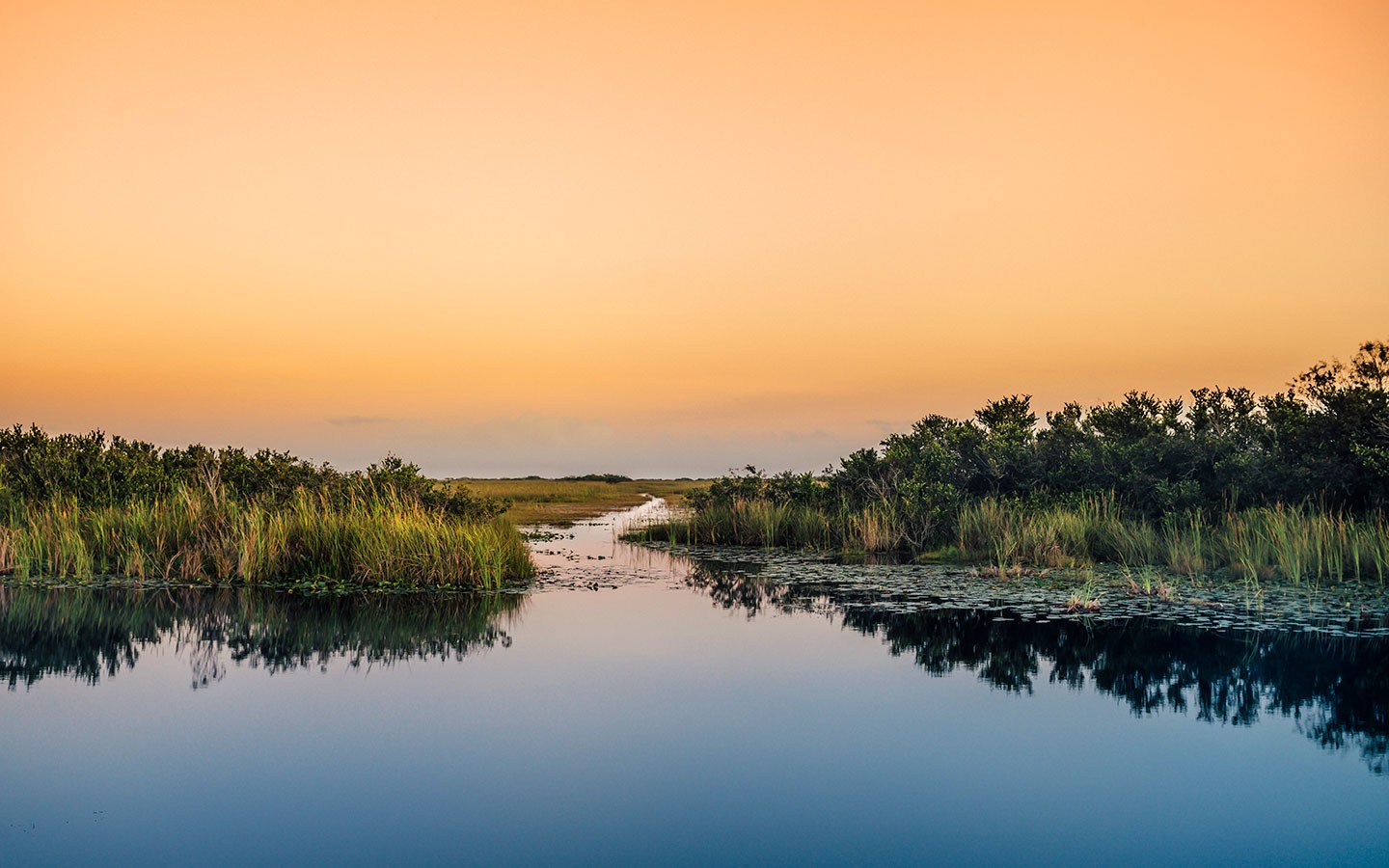
What you do Skim across the open sawgrass on an airboat hunting for wild alligators, herons and egrets in the one truly world-unique landscape on Miami's doorstep. Back on land your ticket adds an alligator/wildlife show, a jungle trail and observation exhibits, so it fills a real chunk of the day. This is the South Florida moment cruisers most regret skipping, run by an authorized Everglades National Park concession operating since 1968.
What to expect You'll skiff across open sawgrass on a 30–40 minute airboat hunt for wild alligators, herons, and egrets in the Everglades' one-of-a-kind landscape. Once back on land, you'll step into a live alligator and wildlife show, then explore a jungle trail and observation exhibits—a full immersion into South Florida's most iconic ecosystem. The day pulses between adrenaline on the water and intimate wildlife encounters on foot, filling a substantial chunk of your port time with the authentic Everglades moment most cruisers regret missing.
Good to know Plan 5–6 hours door-to-door; the park sits 45 minutes west of port with no public transit, so book a private driver or rideshare before you go and budget $60–$90 round-trip (direct booking beats the ship's price only if you split transportation among 3–4 people). Secure a driver who guarantees your return time to avoid missing the ship, and confirm your rideshare pickup well before your airboat slot to avoid delay on the way back. Bring sunscreen, a hat, and closed-toe shoes for the boat and jungle trail; water shoes or sandals that won't fly off in the wind are ideal.
Versus the ship tour Mixed. On the ride alone, direct ($49) beats Carnival's $64.99 airboat. BUT the ship's price includes round-trip transport; book direct and you must add a rideshare/car each way (the park is 45 min out with no transit). Budget about $60-$90 round-trip in rideshare on top, so direct only wins if you split a car among 3-4 people. PORT-DAY FLAG: plan ~5-6 hrs door-to-door; use a private driver who guarantees you back to the ship.
book direct with Everglades Safari Park → · the full guide →
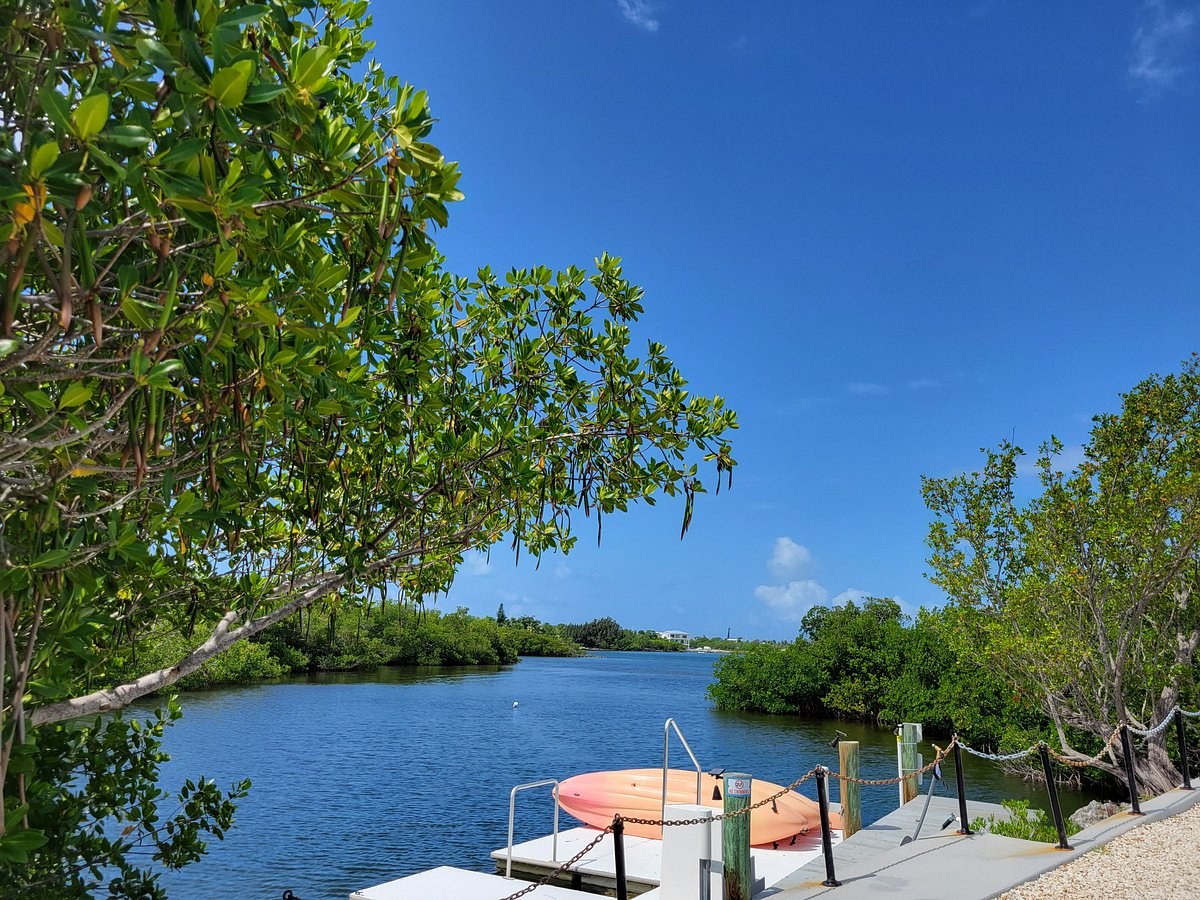
What you do Most visitors never realize there's a national park snorkeling reef right at Miami's edge. Sail out over the northernmost Florida Keys reefs to drift among tropical fish, rays and sea turtles in turquoise shallows, with a guide teaching the park's habitats and history. The Coconut Grove departure keeps you closer to the port than the Homestead trips, making it the port-day-friendly way to get one genuine on-the-water adventure.
What to expect You'll depart from Dinner Key Marina in Coconut Grove and sail out over the northernmost Florida Keys reefs, where you'll drift among tropical fish, rays, and sea turtles in turquoise shallows while a guide interprets the park's habitats and marine life. The 3.5-hour experience includes your choice of reef, shipwreck, or mangrove snorkel sites—each revealing a different slice of Biscayne National Park's ecosystem. Most of the action happens in the water; expect calm instruction-based snorkeling rather than a rushed tour, with time to orient yourself to the underwater landscape before exploring freely. You'll return to Coconut Grove with the salt still on your skin and a genuine national park experience—not a cruise-line bay jaunt—under your belt.
Good to know Book directly with the Biscayne National Park Institute (not through an aggregator) to secure the 3.5-hour Snorkeling from Coconut Grove trip at $115 per person—this duration and departure point are designed to fit a port day, with transfers included. Plan for 3.5 hours on the water plus 1–1.5 hours for transfers from the cruise pier to Dinner Key Marina, leaving you a comfortable buffer for a typical 6–8 hour port window; skip the full-day option unless snorkeling is your only priority. Bring reef-safe sunscreen, a rash guard or lightweight cover-up, a towel, and water shoes or reef booties; the park and operator will provide snorkel gear but confirm ahead if you need prescription mask options. Return timing is tight on a short port day, so confirm the exact departure time when booking and plan to be back at the pier with 30–45 minutes to spare.
Versus the ship tour No true ship equivalent. The cruise lines don't sell an in-park national-park reef snorkel from Miami at all, their water tours top out at bay sightseeing and airboat combos. This is the one signature snorkel here, and the only way to do it is direct with the park's own concessionaire. PORT-DAY FLAG: the 3.5-hr trip plus transfers fits a port day; skip the 6-hr full-day option unless this is your only outing.
book direct with Biscayne National Park Institute → · the full guide →
What you do Eat your way through the cultural heart of Cuban Miami: a real Cuban sandwich, a jolt of cafecito and a mojito, while you watch cigars hand-rolled and dominoes slammed down in Maximo Gomez Park. A guide threads the history of exile, music and food through every stop along Calle Ocho. The tastings add up to a full meal plus drinks, an immersive, distinctly-Miami experience you can't replicate anywhere else, and it's an easy ride from the port.
What to expect Your guide escorts you through the vibrant streets of Calle Ocho, stopping to taste authentic Cuban sandwiches, croquetas, and pastries that build into a full meal—all while live music and the clatter of dominoes frame the scene at Maximo Gomez Park. You'll watch cigar rollers at work, their hands moving with practiced precision, before pausing for shots of cafecito and sipping a mojito at a neighborhood spot where locals gather. The walk threads Miami's Cuban exile history and food culture through each block, turning lunch into an immersive lesson on why this neighborhood is the real heart of Cuban America. Roughly 2.5 to 3 hours of steady walking and tasting, paced to savor both the food and the stories.
Good to know Book directly with Miami Culinary Tours (not the cruise line) to save $60+ per person—tours run roughly $69 versus $132+ through the ship. Calle Ocho is an easy, short ride from the port, so plan to depart within an hour of disembark and return comfortably 30–45 minutes before all-aboard. Bring small cash for tips and incidentals, wear comfortable walking shoes, and eat lightly before departure since the tastings amount to a full meal. Confirm your exact tour time and departure point with the operator when booking, as walking tours run on tight schedules and late arrivals will cost you stops.
Versus the ship tour Direct wins decisively. The cruise line charges $132+ for its Little Havana/mojito outing (and private versions run $162). The same Calle Ocho food-and-culture walk with the original operator is ~$69 direct, well over $60 per person saved.
What you do Tour the most opulent historic estate in Miami: an early-20th-century Italian Renaissance-style villa built as industrialist James Deering's winter home, with lavishly furnished rooms opening onto formal European gardens that run down to Biscayne Bay. A National Historic Landmark and one of the city's most photogenic spots, it's self-paced and close to the port near Coconut Grove, so it slots neatly into a half-day on shore.
What to expect You'll arrive at an early-20th-century Italian Renaissance villa—James Deering's former winter palace—where lavishly appointed rooms open directly onto formal European gardens that descend to Biscayne Bay, giving you a tangible sense of early-Miami opulence. The self-paced experience lets you linger in ornate interiors or photograph the manicured grounds at your own tempo. A short walk from Coconut Grove and the port itself, the estate unfolds as a series of intimate spaces rather than a sprawling museum; you'll move between decorated rooms and out onto the bayfront gardens in a natural rhythm. This is a half-day anchor—intimate, photogenic, and complete within 2–3 hours if you're deliberate.
Good to know Book timed-entry tickets direct on Vizcaya's official site before you dock to guarantee your preferred window and avoid queues. The estate sits close to the port near Coconut Grove, making it walkable or a quick taxi ride—buying direct at $25 per adult cuts the cruise-line markup entirely and gives you full control over timing. Plan for 2–3 hours on-site within your 6–8 hour port window, leaving a solid 90-minute buffer before all-aboard. Bring sunscreen and comfortable shoes for the gardens; there's no air conditioning between outdoor rooms, so dress for tropical sun.
Versus the ship tour Direct is the only sensible route. Cruise lines rarely package Vizcaya, and when a city tour drives past it you'd still pay $35-$70 for sightseeing that may not include entry. At $25 booked direct you control your own timing and skip the bus markup entirely.
book direct with Vizcaya Museum and Gardens → · the full guide →
What you do Walk the world's largest concentration of 1920s-40s Art Deco architecture with a guide from the nonprofit that literally saved and landmarked the district. Over two hours along Ocean Drive you learn to actually read the pastel hotels and neon instead of just photographing them, ending right in the heart of South Beach for lunch and beach time. It's the low-risk, easy-to-reach alternate if the bay, Everglades or reef don't fit your day.
What to expect You'll spend two immersive hours walking Ocean Drive with a trained guide from the Miami Design Preservation League—the nonprofit that saved these buildings—learning to decode the geometric patterns, pastel façades, and neon signage of the world's largest Art Deco district instead of just snapping photos. The walk moves at a contemplative pace through 1920s-40s hotels and landmarks, ending at the Art Deco Museum before you're released into the heart of South Beach for lunch, shopping, and beach time. The rhythm feels like a masterclass rather than a tourist blur: you're stationary for observation, walking short blocks for transition, absorbing stories that transform what you see into architecture you actually understand. This is the substance play—manageable distance, genuine expertise, and the flexibility to linger at the beach afterward or grab food on your own terms.
Good to know The 10:30am daily departure from the Art Deco Welcome Center (1001 Ocean Drive) gives you a tight but workable 6–7 hour window: book a rideshare from the port now (15–20 minutes, ~$15–20 each way), arrive by 10:15am, walk until 12:30pm, then own your afternoon. Plan to be back at the pier by 5:30–6pm for a typical evening departure, leaving 3+ hours of buffer for beach/lunch, transit back, and security. Bring sunscreen, comfortable walking shoes, and a light layer—you're outside for two straight hours on exposed Ocean Drive. Book direct through MDPL online ($35 adults, $30 seniors/students/veterans with ID); no need to pre-book the walk itself, but confirming your rideshare timing the morning of prevents last-minute scrambling.
Versus the ship tour Direct wins on substance and price. The ship's Miami city/hop-on tour is $69.99 and just rolls past the district; this definitive 2-hour guided Deco walk from the people who landmarked it is $35 direct, half the cost and far more depth, though you arrange your own ride to South Beach (short rideshare from the port).
book direct with Miami Design Preservation League (MDPL) → · the full guide →
Before you sail · near Santiago
Fly in at least a day early — every seasoned cruiser does, so a delay never costs you the ship. This is what is worth that day within reach of the port.
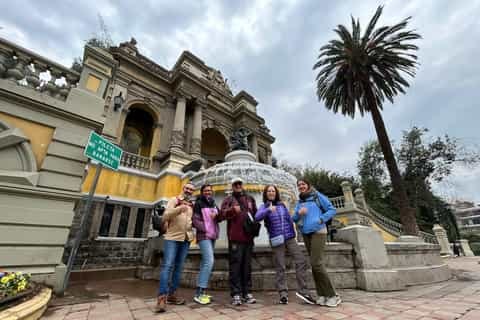 1 mi from SantiagoMuseo Chileno de Arte Precolombino
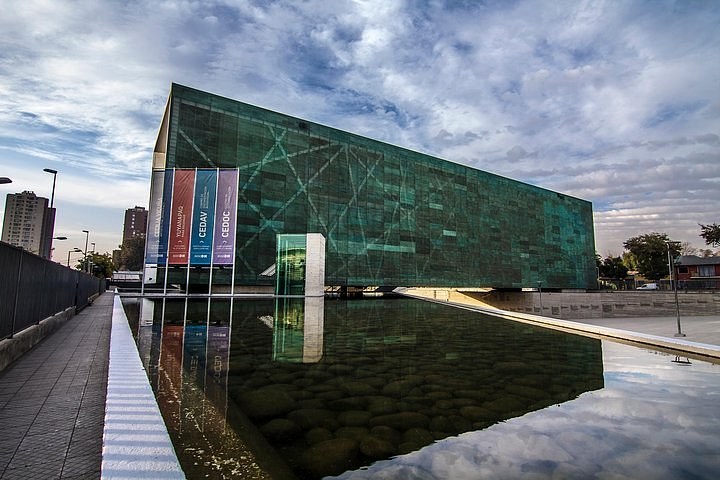 2 mi from SantiagoMuseo de la Memoria y los Derechos Humanos
 After you step off · near Miami
You end in a different port — stay on, and add what is within reach before you fly home.