Your cruise
Viking Jupiter · 28-night Mediterranean cruise, Piraeus (Athens) to Lisbon
May 6 – Jun 3 · 28 nights ·
Day 1 Piraeus (Athens) (board) · Day 2 Katakolon (Olympia) · Day 3 Corfu · Day 4 Kotor · Day 5 Dubrovnik · Day 6 Split · Day 7–9 Fusina (Venice) · Day 10 Sibenik · Day 11 Bari · Day 12 Crotone · Day 13 Messina · Day 14 Naples · Day 15 Civitavecchia (Rome) · Day 16–17 Florence · Day 18 Monte Carlo · Day 19 Marseille · Day 20 Sete · Day 21–22 Barcelona · Day 23 Palma de Mallorca · Day 24 Cartagena · Day 25 Malaga · Day 26 Tangier · Day 27 Cadiz (Seville) · Day 28–29 Lisbon (step off)
What you do Walk the sacred ground where the ancient Games were born, guided by a vetted local expert at your own pace. Stand in the original stadium, explore the Temple of Zeus, and unlock stories no audio guide can tell.
What to expect Your licensed local guide meets you at the port or the site entrance and leads you through the Archaeological Site and Museum of Ancient Olympia with skip-the-line access. You'll stand inside the original 5th-century BC stadium, explore the colossal Temple of Zeus, and view the peerless statue of Hermes of Praxiteles in the museum. The tour moves entirely at your pace — linger where you wish, ask every question that comes to mind, and enjoy a deeply personal connection with one of the ancient world's most sacred places.
Good to know Ancient Olympia is a 35–45 min drive from Katakolon port. Book well in advance for summer sailings as top guides fill quickly. Typical all-aboard times allow for 4–5 hours at the site comfortably; confirm your ship's schedule with your guide when booking. Entrance tickets (EUR 20 pp, combined site & museum) are paid separately on arrival.
Versus the ship tour Fully bespoke itinerary shaped entirely around your interests — no fixed script, no crowded coach, no rush. Your private guide adjusts the depth, pace, and focus to you, turning a sightseeing stop into a genuine scholarly encounter with antiquity.
book direct with ToursByLocals – Private Olympia Guides → · the full guide →
What you do A premium semi-private tour (maximum 25 guests) of Ancient Olympia with skip-the-line tickets included and an official licensed guide — the gold standard for those who want expert depth without going fully private.
What to expect Round-trip transfers from Katakolon port are included, making this seamlessly simple from the moment you step ashore. Your official licensed guide escorts you through the Archaeological Site — the Altis sanctuary, the ruins of the Temple of Hera, the Philippeion, and the ancient stadium — before moving into the outstanding Archaeological Museum to see the Hermes of Praxiteles and the breathtaking Zeus pediment sculptures. The intimate group size means genuine two-way dialogue with your guide throughout. A polished, comprehensive, fuss-free Olympia experience.
Good to know Skip-the-line tickets are pre-included — simply show up. Round-trip transfers from port are bundled in the price. Pre-book online as departures on busy port days sell out. Tour duration is approximately 5 hours, well within standard all-aboard windows.
Versus the ship tour Groups capped at just 25 people ensure an intimate, conversational experience with your guide — far removed from the mass-tour atmosphere. All-inclusive pricing with skip-the-line tickets means zero queuing and zero logistical faff on port day.
What you do Journey into the heart of the Peloponnese olive groves for an immersive agrotourism experience — tasting estate olive oil, local honey, and regional wine amid the ancient landscape that has nourished Greece for millennia.
What to expect After departing Katakolon, your small group is taken to a traditional Peloponnese estate where you'll tour the olive groves and production facilities, learning the art of cold-press extra-virgin olive oil from producers whose families have worked this land for generations. A guided tasting of olive oils, local thyme honey, and regional wines follows — paired with artisan breads and regional produce. The tour combines Ancient Olympia highlights with this authentic agrotourism dimension, giving the day both cultural and gastronomic richness. Approximately 5.5 hours total.
Good to know Departs from Katakolon port; max 19 persons so early booking is essential. Wear comfortable walking shoes for both the estate and the archaeological site. Check the tour's current departure schedule against your ship's all-aboard time when booking.
Versus the ship tour Capped at just 19 participants, this intimate small-group experience takes you off the tourist trail and onto a working estate — a rare sensory encounter with Peloponnesian food culture that most visitors entirely miss.
What you do Explore over 300 fully working reconstructions of ancient Greek machines — from Archimedes' screw to the Antikythera mechanism — in Katakolon's extraordinary, walkable museum. A jaw-dropping intellectual adventure steps from the port.
What to expect Step inside the Museum of Ancient Greek Technology and encounter a world where ancient ingenuity comes to life: functioning reconstructions of automata, musical instruments, astronomical devices, war machines, and domestic tools — all built to the exact ancient specifications documented by Hero of Alexandria, Archimedes, and Ktesibios. Rated 4.7 on TripAdvisor with over 240 reviews, it consistently surprises even seasoned travellers. The adjacent Museum of Ancient Greek Musical Instruments (also rated 4.5) is a perfect companion visit. Both museums together take around 1.5–2 hours and are an effortless, deeply rewarding port-day experience.
Good to know Located right in Katakolon village — a 5-minute walk from the cruise pier, no transfer needed. Open daily during cruise season. A private guided session can be arranged for small groups by contacting the museum directly. Ideal pairing: visit the museum in the morning, then take the scenic TRAINOSE heritage railway to Olympia (departures from Katakolon station).
Versus the ship tour This world-class museum is literally a 5-minute walk from the dock and requires no transfer — yet it contains one of the most intellectually dazzling collections in Greece. Its interactive, working reconstructions make it unlike any other museum experience in the Mediterranean.
book direct with Museum of Ancient Greek Technology (Kostas Kotsanas Museum) → · the full guide →
What you do Board the historic narrow-gauge railway directly from Katakolon port and ride through the olive-grove-carpeted Peloponnese countryside to Ancient Olympia — a scenic, romantic, and utterly unhurried way to reach one of the ancient world's great sites.
What to expect The narrow-gauge Katakolon–Pyrgos–Olympia railway is a living piece of Greek railway heritage, winding through the fertile western Peloponnese with views of olive groves, citrus orchards, and traditional villages. The journey to Olympia takes approximately 45–55 minutes and deposits you close to the archaeological site. Spend several hours exploring the ruins and museum at your own pace before boarding the return service. The leisurely rhythm of train travel gives the day an unhurried, exploratory feel that sets it apart entirely from a coach excursion.
Good to know The station is a short walk from the Katakolon cruise pier. Check the current seasonal timetable carefully — services are limited and coordinating return trains with your ship's all-aboard time is essential. Confirm schedules at the station or via Hellenic Train's website before sailing. Combine with a private licensed guide at the site for maximum depth.
Versus the ship tour Arriving at Olympia by the heritage railway — through rolling groves and quiet villages — is a poetic contrast to arriving by coach. It's one of the most atmospheric and distinctive ways to experience the Peloponnese landscape, beloved by independent travellers in the know.
book direct with Hellenic Train (TRAINOSE) – Katakolon–Pyrgos–Olympia Line → · the full guide →
What you do A rich 5.5-hour guided immersion combining Ancient Olympia's archaeological highlights with a curated tasting of the region's finest honey, wine, and olive oil — direct from the producers in the Peloponnese heartland.
What to expect The tour opens with a guided visit to the Archaeological Site and Museum of Ancient Olympia, covering the sacred Altis precinct, the iconic stadium, and the museum's masterworks. The experience then transitions to a local estate for guided tastings of the region's celebrated products: cold-pressed extra-virgin olive oil from century-old trees, raw thyme and wildflower honeys, and estate-bottled Peloponnese wines. Knowledgeable local guides contextualise each product within the history and geography of the region, making the tasting as educational as it is pleasurable. Duration approximately 5.5 hours.
Good to know At USD 80 all-inclusive this is excellent value for a full-day guided experience with tastings. Book in advance via Expedia's activities portal to secure your place. Comfortable flat shoes recommended for the archaeological site. Duration of 5.5 hours fits comfortably within most Katakolon all-aboard windows — always verify against your specific ship schedule.
Versus the ship tour This all-inclusive format removes every logistical headache — transfers, tastings, and guidance in a single price. The agrotourism element takes guests into a side of the Peloponnese that pure archaeological tours never reach: the living landscape of Greek food production.
book direct with Expedia Local Experiences – Olympia Agrotourism Tour → · the full guide →
What you do Climb the Sacred Rock with a licensed Athens guide and stand beneath the Parthenon, the single most iconic monument of Western civilization, while the marble turns into the living story of Pericles, Athena and the birth of democracy. Skip-the-line entry is the whole game on a port day, sparing you the brutal midday ticket queue. Pair it with the Bernard Tschumi-designed Acropolis Museum at the foot of the hill, where the original Caryatids and Parthenon frieze sit under glass with the temple in view.
What to expect You arrive at the Acropolis via a 30–45 minute metro or taxi ride from Piraeus and walk straight past the ticket queues with your skip-the-line pass—a critical edge on a port day. Your licensed guide leads you up the Sacred Rock, the marble facades shifting beneath your feet as the Parthenon rises above you, the physical anchor of Western democracy. You stand beneath the temple while its architects, Athena's priests, and Pericles become tangible; the tour typically runs 2–2.5 hours on the hill. If time permits, descend to the Bernard Tschumi-designed Acropolis Museum at the foot, where the original Caryatids and Parthenon frieze rest under glass with the temple framed in the window behind them—the monument visible from the artifact's own display case.
Good to know Book your skip-the-line guided tour (EUR 110–119 all-in) or self-guided entry (EUR 30 site pass only) in advance to lock pace and avoid midday queues. From Piraeus, allow 45 minutes each way by taxi (EUR ~30) or metro; budget 2.5–3 hours on the Acropolis itself, plus museum time if included, leaving a 1.5–2 hour safety buffer before all-aboard. Wear sun protection and comfortable shoes on marble stone; bring water and consider a light jacket if museum time is planned. Confirm your tour operator's meeting point and boarding time the evening before to eliminate port-day confusion.
Versus the ship tour DIRECT WINS. The ship's 'Acropolis & Plaka' half-day runs ~$159.99 pp (Carnival; RCI/Celebrity $150-180). A guided skip-the-line tour books direct at ~$110-119 all-in, and a self-guided half-day (taxi ~EUR 30 each way + EUR 30 entry) lands under $70. Savings of roughly $40-50 pp guided, ~$90 if you DIY the entry and just want the rock.
What you do Drive the turquoise Athens Riviera south to the very tip of Attica, where a gleaming white 5th-century-BC Doric temple stands on a cliff dropping straight into the Aegean. Lord Byron carved his name into a column here; the columns framing the open sea are one of Greece's signature images and the best 'escape the city crowds' move that still fits a half-day. About 4 hours door to door.
What to expect You drive south along the turquoise Athens Riviera, the coastal sprawl gradually giving way to open sea views as you approach the tip of Attica. At Cape Sounion, a gleaming white 5th-century-BC Doric temple materializes on a cliff edge, its columns framing a sheer drop into the Aegean—the view that inspired Lord Byron to carve his name into the stone. You'll have time to walk among those iconic columns, absorb the wind and the signature Greek light, and understand why this is the escape-the-city move that doesn't require a full day. The whole experience moves door-to-door in approximately 4 hours, with the bulk of time at the temple itself.
Good to know Book transfers direct with Athens Walking Tours (~EUR 46 pp) and add temple entry separately (~EUR 10) to avoid cruise-line bundling that inflates the cost to $209–240 for a half-day outing. Aim for a departure within the first 2 hours of your port window to secure the 4-hour round trip plus buffer time before all-aboard. Temple entry is not included in transfer pricing, so bring cash or be prepared to purchase on-site. The coastal drive means no special gear required, but bring sunscreen and a hat—you'll be exposed on the cliff top, with few shade options at the temple itself.
Versus the ship tour DIRECT WINS BIG. Cruise lines almost never sell Sounion standalone, burying it inside a $209-240 full-day package. Booked direct the coastal half-day is ~$61 all-in (group versions elsewhere ~$77). If your ship only offers it bundled, you're paying a $130+ premium for the convenience of one bus.
What you do Trade marble and crowds for the Aegean blue: a half-day catamaran along the Athens Riviera and Saronic coast with swim-and-snorkel stops, a meal and wine aboard. Boats leave from Alimos and Flisvos marinas close to Piraeus, making this the rare genuinely premium on-the-water experience that comfortably fits a port-day clock. Pick an operator that guarantees you back before all-aboard.
What to expect You'll board a semi-private catamaran at Alimos or Flisvos marina—a short ride from Piraeus—and spend your half-day gliding along the Aegean's brilliant blue coastline, pausing at protected swim-and-snorkel spots where the water is clear and calm. Between swims, you'll lounge on deck with wine and a meal included, absorbing the Athens Riviera and Saronic coast views at a pace only a small catamaran allows. Unlike the ship's mega-boat island circuit, this is genuinely intimate: no crowds, no forced itinerary, just the rhythm of the sea. You'll be back at the pier with time to spare before all-aboard.
Good to know Departures are half-day sails (check your operator's exact schedule to confirm return time fits your ship's all-aboard). Alimos and Flisvos marinas are close to Piraeus but you'll need a quick taxi or arranged transfer from the port—factor 15–20 minutes each way. Book semi-private slots ahead, especially June–August, as they fill quickly and pricing rises (EUR 125–135 pp depending on season). Bring reef-safe sunscreen, water shoes, and a light layer; snorkel gear is provided, and meal + wine are aboard.
Versus the ship tour DIRECT-ONLY niche. Cruise lines rarely offer a small-catamaran sail here; their on-water option is the big Saronic island bus-boat. At ~$135 pp semi-private this is a premium experience, not a savings play, but it's the only way to get the relaxed Aegean-blue day, and it beats the ship's ~$180-200 mega-boat island cruise on quality if not headline price.
What you do Thread the historic Plaka backstreets into the roaring Varvakios Agora meat-and-fish market, stopping for spanakopita, loukoumades, Greek coffee, cheeses, olive oil, honey and wine. Repeatedly rated among Europe's best culinary experiences, it delivers the flavors-and-neighborhood immersion a first-timer remembers as vividly as the ruins, all on foot in the old town. ~4 hrs, small group, tastings included.
What to expect You'll spend roughly 4 hours threading through the narrow, winding backstreets of historic Plaka on foot, pausing at local favorites for spanakopita, loukoumades, Greek coffee, and tastings of cheeses, olive oil, honey, and wine. The real anchor is the Varvakios Agora—the roaring central meat-and-fish market—where vendors call out their wares and you'll sample directly in the chaos of neighborhood commerce. Rather than stand-and-listen, you move continuously through old-town streets, tasting as you go, absorbing the rhythm of daily Athenian life in a small group setting. It's the kind of immersive, on-foot culinary walk that stays vivid in memory alongside the ruins.
Good to know Book directly with Athens Walks before the port day to secure your spot in the small group and confirm start time—all tastings are included in the ~$75 pp price, so no hidden costs. Plan on a 4-hour window starting within 1–2 hours of disembark to leave a comfortable buffer (the Plaka walk is entirely walkable from Piraeus pier, though confirm exact meeting point when you book). Wear comfortable walking shoes and bring a small daypack or crossbody bag for any purchases or water; the market and Plaka streets are pedestrian-only and shaded, but summer heat can build. Return to the pier with at least 90 minutes before all-aboard to account for the walk back and any lingering in the market.
Versus the ship tour DIRECT WINS. The ship's food/wine tour runs ~$134.99 pp (Carnival) and independent group food walks elsewhere run $135-183. This direct small-group market-and-Plaka walk at ~$75 pp undercuts the ship by roughly $60 for a far more authentic, on-foot experience. (If you only want a quick pour, a basic Piraeus wine tasting is ~$30-35 and beats everything on price alone.)
What you do Three classic Saronic Gulf islands in one day, including car-free, donkey-and-cobblestone Hydra, one of the most photogenic harbors in Greece. Swimming, Greek music and a buffet lunch aboard deliver the 'Greek islands' taste without flying to the Cyclades. CLOCK WARNING: this is an ~11-hour day departing ~08:15 from Piraeus, so it only works if your ship has a very long call or overnights, and only with an operator that guarantees you back to the ship.
What to expect You'll depart Piraeus around 08:15 on a full-day voyage across the Saronic Gulf, visiting three islands in succession: first the car-free, donkey-cobbled harbor of Hydra, one of Greece's most photogenic ports, where narrow whitewashed streets climb steeply from the waterfront; then Poros, where you'll have time to explore; and finally Aegina. The day anchors around a leisurely Greek buffet lunch served aboard the boat, punctuated by swimming stops and live Greek music that delivers the classic island experience without the flight to the Cyclades. You'll return to Piraeus in late afternoon, having absorbed the full sensory rhythm of island life—water, light, local flavor, and Greek hospitality—all from a single excursion boat.
Good to know This is an ~11-hour commitment departing ~08:15, so it only works if your ship has a very long port call or overnight stay; on a standard 8-hour call, the risk of missing the ship outweighs the ~$40–70 savings versus booking through your cruise line. Book ahead with Athens One Day Cruise (direct ~EUR 131/$142 pp with lunch, versus ship ~$179–199) or confirm your operator guarantees return to the pier with time to spare. Bring sun protection, swimwear, and cash for any extras; wear comfortable walking shoes for Hydra's steep cobblestones. The departure point is directly from Piraeus; allow buffer time to clear the pier and reach the boat dock, and verify exact embarkation details with your chosen operator 24 hours before.
Versus the ship tour DIRECT WINS on price, SHIP WINS on safety. Booked direct this is ~$142 pp with lunch (some local operators ~$99-130) versus the ship's ~$179-199 for the identical boat and islands - a ~$40-70 saving. BUT on a standard port call the 11-hour runtime risks missing the ship; if you're not overnighting, the cruise line's version (or skipping it) is the safer call despite the markup.
What you do The low-risk fallback if a long excursion feels too tight: a fixed-fare taxi or the metro straight to the Acropolis, self-guided entry to the Parthenon, then an easy downhill wander through Plaka's old-town lanes. No tour commitment, no fixed return time, and you control exactly when you head back to Piraeus, which is the safest play for a short port call.
What to expect You'll take a fixed-fare taxi or the metro from Piraeus straight to the Acropolis, where you'll climb through the ancient Parthenon and surrounding monuments at your own pace with a self-guided audio tool or printed map. From the summit, you'll head downhill into Plaka's narrow, winding old-town lanes—a maze of tavernas, neoclassical townhouses, and small shops—wandering for as long as you'd like before strolling back to the port on your own timeline. The whole rhythm is yours: no group delays, no narrated patter, just you, 2,500-year-old stone, and the freedom to linger or move on whenever you choose.
Good to know For a 6–8 hour port call, budget ~45 minutes each way for transit (taxi or metro), 2–2.5 hours at the Acropolis, and 1.5–2 hours wandering Plaka, leaving a 60–90 minute buffer to return to Piraeus before all-aboard. Book your taxi in advance or use the metro (€4 round trip); Acropolis entry is €30 (expect a queue, especially mid-morning). Wear comfortable walking shoes, bring water, and download a self-guided audio app or grab a printed site map beforehand. Plan to be back at the pier at least an hour before your ship's departure time—this is not a ship-sponsored excursion, so you alone are responsible for making the sailing.
Versus the ship tour DIRECT WINS on price and flexibility. The ship's escorted Acropolis & Plaka half-day is ~$159.99 pp; doing it yourself is ~$50-70 pp and you keep full control of your return time. Trade-off: no guide narration and you carry your own clock - acceptable for the Acropolis, which is straightforward to navigate solo.
book direct with Athens Half-Day Sightseeing (Athens Walking Tours - audio/self-guided) → · the full guide →
What you do Walk the sacred ground where the ancient Games were born, guided by a vetted local expert at your own pace. Stand in the original stadium, explore the Temple of Zeus, and unlock stories no audio guide can tell.
What to expect Your licensed local guide meets you at the port or the site entrance and leads you through the Archaeological Site and Museum of Ancient Olympia with skip-the-line access. You'll stand inside the original 5th-century BC stadium, explore the colossal Temple of Zeus, and view the peerless statue of Hermes of Praxiteles in the museum. The tour moves entirely at your pace — linger where you wish, ask every question that comes to mind, and enjoy a deeply personal connection with one of the ancient world's most sacred places.
Good to know Ancient Olympia is a 35–45 min drive from Katakolon port. Book well in advance for summer sailings as top guides fill quickly. Typical all-aboard times allow for 4–5 hours at the site comfortably; confirm your ship's schedule with your guide when booking. Entrance tickets (EUR 20 pp, combined site & museum) are paid separately on arrival.
Versus the ship tour Fully bespoke itinerary shaped entirely around your interests — no fixed script, no crowded coach, no rush. Your private guide adjusts the depth, pace, and focus to you, turning a sightseeing stop into a genuine scholarly encounter with antiquity.
book direct with ToursByLocals – Private Olympia Guides → · the full guide →
What you do A premium semi-private tour (maximum 25 guests) of Ancient Olympia with skip-the-line tickets included and an official licensed guide — the gold standard for those who want expert depth without going fully private.
What to expect Round-trip transfers from Katakolon port are included, making this seamlessly simple from the moment you step ashore. Your official licensed guide escorts you through the Archaeological Site — the Altis sanctuary, the ruins of the Temple of Hera, the Philippeion, and the ancient stadium — before moving into the outstanding Archaeological Museum to see the Hermes of Praxiteles and the breathtaking Zeus pediment sculptures. The intimate group size means genuine two-way dialogue with your guide throughout. A polished, comprehensive, fuss-free Olympia experience.
Good to know Skip-the-line tickets are pre-included — simply show up. Round-trip transfers from port are bundled in the price. Pre-book online as departures on busy port days sell out. Tour duration is approximately 5 hours, well within standard all-aboard windows.
Versus the ship tour Groups capped at just 25 people ensure an intimate, conversational experience with your guide — far removed from the mass-tour atmosphere. All-inclusive pricing with skip-the-line tickets means zero queuing and zero logistical faff on port day.
What you do Journey into the heart of the Peloponnese olive groves for an immersive agrotourism experience — tasting estate olive oil, local honey, and regional wine amid the ancient landscape that has nourished Greece for millennia.
What to expect After departing Katakolon, your small group is taken to a traditional Peloponnese estate where you'll tour the olive groves and production facilities, learning the art of cold-press extra-virgin olive oil from producers whose families have worked this land for generations. A guided tasting of olive oils, local thyme honey, and regional wines follows — paired with artisan breads and regional produce. The tour combines Ancient Olympia highlights with this authentic agrotourism dimension, giving the day both cultural and gastronomic richness. Approximately 5.5 hours total.
Good to know Departs from Katakolon port; max 19 persons so early booking is essential. Wear comfortable walking shoes for both the estate and the archaeological site. Check the tour's current departure schedule against your ship's all-aboard time when booking.
Versus the ship tour Capped at just 19 participants, this intimate small-group experience takes you off the tourist trail and onto a working estate — a rare sensory encounter with Peloponnesian food culture that most visitors entirely miss.
What you do Explore over 300 fully working reconstructions of ancient Greek machines — from Archimedes' screw to the Antikythera mechanism — in Katakolon's extraordinary, walkable museum. A jaw-dropping intellectual adventure steps from the port.
What to expect Step inside the Museum of Ancient Greek Technology and encounter a world where ancient ingenuity comes to life: functioning reconstructions of automata, musical instruments, astronomical devices, war machines, and domestic tools — all built to the exact ancient specifications documented by Hero of Alexandria, Archimedes, and Ktesibios. Rated 4.7 on TripAdvisor with over 240 reviews, it consistently surprises even seasoned travellers. The adjacent Museum of Ancient Greek Musical Instruments (also rated 4.5) is a perfect companion visit. Both museums together take around 1.5–2 hours and are an effortless, deeply rewarding port-day experience.
Good to know Located right in Katakolon village — a 5-minute walk from the cruise pier, no transfer needed. Open daily during cruise season. A private guided session can be arranged for small groups by contacting the museum directly. Ideal pairing: visit the museum in the morning, then take the scenic TRAINOSE heritage railway to Olympia (departures from Katakolon station).
Versus the ship tour This world-class museum is literally a 5-minute walk from the dock and requires no transfer — yet it contains one of the most intellectually dazzling collections in Greece. Its interactive, working reconstructions make it unlike any other museum experience in the Mediterranean.
book direct with Museum of Ancient Greek Technology (Kostas Kotsanas Museum) → · the full guide →
What you do Board the historic narrow-gauge railway directly from Katakolon port and ride through the olive-grove-carpeted Peloponnese countryside to Ancient Olympia — a scenic, romantic, and utterly unhurried way to reach one of the ancient world's great sites.
What to expect The narrow-gauge Katakolon–Pyrgos–Olympia railway is a living piece of Greek railway heritage, winding through the fertile western Peloponnese with views of olive groves, citrus orchards, and traditional villages. The journey to Olympia takes approximately 45–55 minutes and deposits you close to the archaeological site. Spend several hours exploring the ruins and museum at your own pace before boarding the return service. The leisurely rhythm of train travel gives the day an unhurried, exploratory feel that sets it apart entirely from a coach excursion.
Good to know The station is a short walk from the Katakolon cruise pier. Check the current seasonal timetable carefully — services are limited and coordinating return trains with your ship's all-aboard time is essential. Confirm schedules at the station or via Hellenic Train's website before sailing. Combine with a private licensed guide at the site for maximum depth.
Versus the ship tour Arriving at Olympia by the heritage railway — through rolling groves and quiet villages — is a poetic contrast to arriving by coach. It's one of the most atmospheric and distinctive ways to experience the Peloponnese landscape, beloved by independent travellers in the know.
book direct with Hellenic Train (TRAINOSE) – Katakolon–Pyrgos–Olympia Line → · the full guide →
What you do A rich 5.5-hour guided immersion combining Ancient Olympia's archaeological highlights with a curated tasting of the region's finest honey, wine, and olive oil — direct from the producers in the Peloponnese heartland.
What to expect The tour opens with a guided visit to the Archaeological Site and Museum of Ancient Olympia, covering the sacred Altis precinct, the iconic stadium, and the museum's masterworks. The experience then transitions to a local estate for guided tastings of the region's celebrated products: cold-pressed extra-virgin olive oil from century-old trees, raw thyme and wildflower honeys, and estate-bottled Peloponnese wines. Knowledgeable local guides contextualise each product within the history and geography of the region, making the tasting as educational as it is pleasurable. Duration approximately 5.5 hours.
Good to know At USD 80 all-inclusive this is excellent value for a full-day guided experience with tastings. Book in advance via Expedia's activities portal to secure your place. Comfortable flat shoes recommended for the archaeological site. Duration of 5.5 hours fits comfortably within most Katakolon all-aboard windows — always verify against your specific ship schedule.
Versus the ship tour This all-inclusive format removes every logistical headache — transfers, tastings, and guidance in a single price. The agrotourism element takes guests into a side of the Peloponnese that pure archaeological tours never reach: the living landscape of Greek food production.
book direct with Expedia Local Experiences – Olympia Agrotourism Tour → · the full guide →
What you do Climb into a small 9-seat speedboat and skim the emerald cliffs of Paleokastritsa, Corfu's most celebrated coastline, nosing into the glowing Blue Caves and sea grottoes before swim stops at Paradise and Yali beaches. Cliffs, a 13th-century clifftop monastery overhead, and water so clear it looks lit from below — this is the island's single most photogenic stretch of sea. Two hours on the water; pair with a port taxi to fit a 6-8 hr window.
What to expect You'll board a sleek 9-seat speedboat and glide along Paleokastritsa's emerald cliffs for roughly two hours, with the 13th-century clifftop monastery framing the skyline overhead. The boat noses directly into the glowing Blue Caves and hidden sea grottoes—the water so clear it appears to glow from within—before the skipper drops anchor at Paradise and Yali beaches for swim stops where you can slip straight into the crystalline water. Between the cave passages and beach swims, you'll have plenty of time to photograph Corfu's most celebrated and photogenic coastline. The experience feels intimate and unhurried in a small boat rather than crowded into a wooden tour barge.
Good to know Book a departure time (10:00, 12:30, 15:00, or sunset) that allows 2 hours on the water plus a port taxi transfer each way—doable within a 6–8 hour window if you arrange transport immediately upon disembarking. The operator charges only €50 (~$54) per adult versus $104–166 on the cruise line's Paleokastritsa trip, but you must budget separately for a taxi from the pier to the speedboat dock. Bring swimwear, sunscreen, and a waterproof camera or phone case; the onboard shower and WC are basic but available if needed. Confirm your departure time and meet the operator on time, as this is a small private-feel boat with no backup tour slots.
Versus the ship tour Direct wins big. The cruise line's Paleokastritsa caves boat trip runs $104-166; Vive Corfu's private-feel speedboat into the same caves is ~$54 — roughly $50-110 less per person, in a 9-seat boat instead of a packed wooden tour barge. Honest caveat: if you only want the cave glimpse and not the swim, a walk-up wooden cave boat at Paleokastritsa beach is ~15 EUR ($16) — cheapest of all, but you'd need your own transport to the beach and there's no guaranteed seat.
What you do Walk the largest living medieval town in Greece: a UNESCO-listed warren of Venetian 'kantounia' lanes opening onto the French-built Liston arcade and the Spianada, the biggest square in the Balkans. Duck into the gold-and-silver St. Spyridon church holding the island's patron saint, then climb the Venetian Old Fortress on its sea-promontory for the postcard panorama back over the red roofs. The port is ~2 miles out; the #15 bus or a short taxi drops you in the heart of it.
What to expect You'll walk into a time-locked Venetian maze: narrow 'kantounia' lanes suddenly open onto the grand French-built Liston arcade and the Spianada—the Balkans' largest square. Step inside the glittering St. Spyridon church to see the relics of the island's patron saint gleaming in gold and silver. Climb the stone ramparts of the Venetian Old Fortress perched on its sea-promontory for postcard views back over the terracotta roofs and harbour. It's intimate, flat, and walkable in 2–3 hours, with no queues or crowds.
Good to know The port sits ~2 miles from the Old Town; catch the #15 bus or a 10-minute taxi to drop you in the heart of it. Most visitors skip guides entirely and self-navigate the compact, well-signposted lanes for free; if you want local history, Corfu Walking Tours offers a 2-hour cultural walk for ~EUR 35–50 (about half the ship's tour desk price). Old Fortress entry is EUR 6–10, paid at the gate. Budget 3–4 hours total to enjoy the town and fortress; allow 45 minutes to taxi back and clear the pier before all-aboard.
Versus the ship tour The honest answer: skip the tour desk entirely. The ship sells a Corfu Old Town walking tour for $79-99; the Old Town is compact, signposted and a flat 10-minute taxi from the pier, so most first-timers do it free and self-guided. If you want a licensed local guide for the history, Corfu Walking Tours is ~$40-55 — still about half the ship's price and not a bus-herd of 40.
What you do Stand at the tip of the Kanoni peninsula for the single most-photographed scene on Corfu: the tiny whitewashed 17th-century Vlacherna Monastery on its own islet at the end of a slim stone causeway, with cypress-covered Mouse Island (Pontikonisi) and its 13th-century chapel floating just beyond. Walk the causeway to the monastery for free, and a little shuttle boat ferries across to Mouse Island in about five minutes. It's only ~20 minutes from the port — an easy, low-risk independent stop.
What to expect You'll arrive at Kanoni's viewpoint and find yourself face-to-face with Corfu's most iconic postcard scene: the whitewashed 17th-century Vlacherna Monastery perched on its own islet, connected by a narrow stone causeway you can walk across for free. From there, a short shuttle boat ferries you out across calm blue water to Mouse Island in about five minutes, where a 13th-century chapel sits among cypress trees—a journey that feels suspended between sky and sea. The rhythm is unhurried: wander the monastery, take your photos, ferry out and back, then either taxi straight back to port or extend the morning into Old Town or an olive-grove tasting with a private guide. It's a low-intensity, high-reward stop that reads in photographs as though you've traveled far deeper into Greece than you actually have.
Good to know From the port, a taxi to Kanoni costs EUR 10–15 each way and takes roughly 20 minutes—budget 45 minutes to an hour round-trip for transport alone. The causeway walk and monastery are free; Mouse Island shuttle runs a few euros. If booking a private half-day through The Corfu Experience (€80–130 pp), include Old Town and oil tasting, and request pickup directly from your ship—this compresses your logistics and undercuts the ship's longer panoramic coach tour. Plan to depart port 2–2.5 hours into your port day and return by the 4–5 hour mark, leaving a safe 90-minute buffer before all-aboard.
Versus the ship tour Both directions matter. As a standalone view, do it yourself by taxi for the price of the fare — the ship folds Kanoni into a $79-139 panoramic bus tour where you get a brief photo stop. But if you want a guided half-day that also covers Old Town and a tasting with port pickup, The Corfu Experience's private tour (~$80-130) undercuts the ship's panoramic coach and you're in a private car, not a 40-seat bus.
What you do Sail south from Corfu to its sister islands: into the dramatic Ipapanti and Ahai sea caves of Paxos, a long swim stop off Antipaxos in some of the most luminous turquoise water in Greece, and free time in the pretty harbor village of Gaios. The boat leaves straight from the main Port of Corfu, so cruise passengers can walk on independently. This is the definitive Ionian-blue bucket-list day — but it's a full 9 hours, only viable on a long port call.
What to expect Depart Corfu Main Port at 08:20 and sail south to Paxos, entering the cathedral-like Ipapanti and Ahai sea caves—dramatic rock formations rising straight from the Ionian. You'll swim in luminous turquoise water off Antipaxos, one of the clearest bathing stops in Greece, with time to float and drift in the mineral-bright shallows. The rhythm then shifts to the pretty harbor village of Gaios for free time to explore tavernas, cafés, and waterfront shops. Return to port by 18:00, nine hours of island-hopping with an onboard multilingual guide and two cave-entry fees included.
Good to know This is a 9-hour commitment (08:20–18:00), so only book if your ship's all-aboard time is safely after 18:30; confirm the return time the morning of departure since it's an independent day cruise with no ship-side buffer. Walk straight from Corfu Main Port to the Ionian Cruises vessel—no coach transfer needed, though one is available for EUR 8 extra. Bring swimwear, sunscreen, a towel, and water; the boat provides the guide and cave access, but you'll want cash or cards for lunch and drinks in Gaios. Since this is a local operator, double-check your ship's phone number the night before so you can call if the boat runs late—you are entirely responsible for getting back in time.
Versus the ship tour Direct and cheap, with a clock warning. No cruise line sells this exact southern-islands day at a comparable price — Ionian Cruises departs the port itself at ~$49, and it's the biggest, longest-running local fleet. The catch: 08:20-18:00 is a 9-hour commitment. ONLY book this if your ship's all-aboard is comfortably after 18:30, and confirm the return time the day-of; a day cruise is independent, so there's no ship to hold the gangway for you.
What you do Thread the UNESCO Old Town's open market and family-run shops on a small-group tasting walk built around the flavors that make Corfu distinct from mainland Greece — above all the kumquat, the little citrus turned into liqueur and sweets you'll find nowhere else in Greece quite like this. Along the way: spinach-and-cheese pies, olive oil and honey, traditional butter pudding, halva and a Corfiot meze with ouzo, each stop chosen for its community story. It doubles as a cultural walk, so you get the Old Town and the island's taste in one outing.
What to expect You'll thread the UNESCO-listed Old Town's narrow streets and open market with your English-speaking local guide and up to 7 other guests, stopping at family-run shops to taste kumquat liqueur and sweets—the island's signature flavor you won't find elsewhere in Greece. At each stop you'll discover the community story: spinach-and-cheese pies, single-estate olive oils, local honey, traditional butter pudding, halva, and a Corfiot meze paired with ouzo. The rhythm alternates between walking and lingering—sensory pauses in intimate, heritage-listed shops rather than a rushed circuit. Over 2.5 hours, the Old Town's layered history and Corfu's distinct culinary identity unfold side by side.
Good to know Corfu Walking Tours operates this excursion daily; book ahead to secure a spot in the small semi-private group, as the 2.5-hour window fills quickly. The walk departs from the Old Town (a short walk or taxi ride from the cruise pier); plan to be back at the ship 30–45 minutes before departure to account for any delays. Wear comfortable walking shoes suitable for uneven Old Town cobblestones and narrow lanes, and bring a small bag if you plan to purchase kumquat liqueur or local products at the shops. The EUR 90 price includes all listed tastings; no additional spending is required during the tour itself.
Versus the ship tour The rare case where the gap is small. Old Town food-tasting walks run high on both sides — the ship's tasting/food tour is $87-139, and quality independent food walks land ~$97-125. So you're saving modestly (and getting a max-8 group instead of a larger ship party) rather than slashing the price. If saving money is the priority, do a free self-guided Old Town walk and buy kumquat liqueur at a market shop yourself; book this only if you specifically want a guided tasting.
What you do Corfu's most famous palace is the 1890 neoclassical summer villa of Empress Elisabeth ('Sissi') of Austria, set on a hill ~10 km south of the Old Town with the celebrated 'Dying Achilles' statue and gardens sweeping out over the Ionian. It's the classic first-timer marquee — but see the big caveat before you commit a half-day. Reachable by taxi or local bus as a short add-on rather than a destination in itself right now.
What to expect You'll take a taxi or hop the green local bus south from the Old Town, arriving at the hilltop palace within 15–20 minutes to explore the celebrated Imperial Gardens and the iconic 'Dying Achilles' statue overlooking the Ionian Sea. The palace itself—a neoclassical 1890 Austro-Hungarian retreat of Empress Sissi—remains closed for restoration with no confirmed reopening, so you're walking the grounds and exterior with sweeping views rather than touring interiors. Most visitors spend 45 minutes to an hour here before heading back to town, making this a quick, scenic add-on rather than a full half-day commitment. It's the marquee Corfu landmark, but best treated as a low-risk supplement to exploring the Old Town itself.
Good to know Gardens entry costs around EUR 8 per adult (roughly $9) at the gate; hours are daily 08:00–16:00. Taxi from the port runs EUR 25–35 round trip, or take the local green bus from the Old Town for less. Verify the palace interior is actually open before booking any ship excursion claiming "Achilleion Palace" tours (the flagship ship tours at $99–159 sell the same gardens-only experience)—independent operators run identical Old Town + gardens combos for EUR 46–75, making a DIY approach far cheaper. Build in at least 2–2.5 hours total (transit, entry, walk-around, return) to stay comfortably ahead of all-aboard.
Versus the ship tour Use this as the low-risk alternate, not the headliner. IMPORTANT 2026 CAVEAT: the palace interior has been closed for restoration since 2021 with no confirmed reopening date — currently only the Imperial Gardens, exterior and statues are open. The ship's flagship 'Achilleion & Corfu Town' tour ($99-159) is the single most-sold Corfu excursion, but it's selling you a palace whose inside you can't enter; independent operators run the same gardens-plus-Old-Town combo for ~$46-75. Verify the interior is actually open before paying anyone for it — otherwise treat it as a quick EUR 8 gardens stop, not a half-day.
book direct with Achilleion Palace (state museum) → · the full guide →
What you do Hike the ~1,350 ancient stone steps that zig-zag up the mountainside to the fortress at roughly 1,200 ft, where the whole red-roofed UNESCO Old Town and the fjord-like bay open up beneath you. This is THE iconic Kotor image and the single thing first-timers most regret skipping. The trailhead is inside the walled town a few minutes from the ship, so it's fully independent of the cruise line; allow 1.5-2.5 hrs round trip and go early to beat the heat and crowds.
What to expect You'll walk straight out of the pier through the UNESCO Old Town's cobbled streets toward the North Gate, where the ancient stone staircase suddenly reveals itself—1,350 steps zig-zagging steeply up the mountainside. As you climb, the red-roofed town shrinks beneath you and the fjord-like bay opens wider with each switchback, the final push rewarding you with the San Giovanni Fortress at roughly 1,200 feet, where the entire Kotor landscape spreads below in one breathtaking vista. The descent mirrors the ascent in reverse, and the whole circuit—climb, rest at the fortress, descent—flows naturally over 1.5 to 2.5 hours depending on your pace and photography stops.
Good to know Start within the first 90 minutes of docking to beat the heat and crowds on the exposed staircase; the trailhead sits just 5 minutes from the ship inside the walled town, with no booking needed—simply pay 8–15 EUR at the official municipal booths near the North Gate or behind St. Mary's church when you arrive. Bring plenty of water, sunscreen, and sturdy shoes with good grip for the stone steps, and plan to be back at the pier with a comfortable 30-minute buffer before all-aboard. Skip the cruise line's Old Town walking tours ($72–74, which don't even include the walls) and handle this entirely on your own for $9–17 total, walking directly from the ship with no intermediaries.
Versus the ship tour The ship's Old Town walking tours run $72-74 and DON'T even include the wall climb. The walls are a pay-at-the-gate $9-17 do-it-yourself climb 5 minutes from the pier, so there's nothing to book and nothing the cruise line can sell you here. Direct wins outright: save the full $72+ and just walk over.
book direct with Kotor City Walls / San Giovanni Fortress (official municipal ticket booths in the Old Town) → · the full guide →
What you do A fast open-boat run down Boka Bay to swim inside the Blue Cave (Plava Spilja), where sunlight refracts up through the water into an electric glow, with a stop at the islet church of Our Lady of the Rocks. It's the marquee on-water experience of the bay and fits a port-day window easily. Book the early slot to leave buffer before all-aboard.
What to expect You'll board a speedboat at the Central Park dock and make a fast, open-air run down Boka Bay toward the Blue Cave (Plava Spilja), where you'll slip into the grotto and swim in water that glows with an electric blue refracted light from the sun—the signature moment of the bay. From there, the boat carries you to the islet church of Our Lady of the Rocks for a second stop, then completes the circuit with a pass-by of the submarine base. The full loop runs 3 hours, with the rhythm of transit punctuated by two distinct water stops and the maritime scenery of the bay as your constant backdrop.
Good to know Book the early excursion slot to give yourself a comfortable buffer before all-aboard; the 3-hour duration fits easily into a 6–8-hour port day. The dock is a 5-minute walk from the cruise terminal, so you can time your departure independently without waiting for a ship shuttle. Bring swimwear under your clothes, reef shoes or water sandals, sunscreen, and a towel; safety gear is provided. Book directly with Montenegro Submarine ($49 per person) rather than through the ship ($89–100) to save $40–50 per person while controlling your own schedule.
Versus the ship tour The ship sells the identical Blue Cave run for $89-100. This Kotor-based operator does the same route, 3 min from the terminal, for $49 -- you save roughly $40-50 per person and depart on your own schedule.
What you do Cruise up the bay to Perast, the most beautiful Baroque village on Boka -- a car-free waterfront of Venetian palazzos -- then hop the short boat out to Our Lady of the Rocks, a man-made island church built by sailors over centuries and lined with votive silver tablets. It's the bay's signature culture-over-swimming outing and a gentler, lower-risk alternative to the full Blue Cave run, with a short, near-port itinerary that's easy to fit before all-aboard.
What to expect You depart from Njegoseva 34 in the Old Town and cruise up the Bay of Kotor to Perast, a car-free waterfront village of honey-colored Venetian palazzos rising from the Adriatic. Once there, you have time to wander the narrow streets and absorb the Baroque architecture before a short boat hop takes you out to Our Lady of the Rocks, a man-made island church where centuries of seafaring tradition manifest in glimmering votive silver tablets lining the walls. The rhythm is unhurried—boat, village stroll, island visit, boat back—making it feel less like a checklist and more like a local's afternoon discovery.
Good to know The entire excursion runs ~3 hours, easily fitting into a 6–8 hour port day; depart early to avoid a tight turnaround. The departure point is walking distance from the Old Town pier, but confirm exact directions with Sea Stars when you book (small groups up to 12 mean you can call ahead). Budget ~3 EUR in cash for island-church entry, paid on-site. Book direct with Sea Stars rather than through the ship—you'll pay $22–35 per person instead of $100–112, saving $70–90 and gaining flexibility with a local licensed skipper.
Versus the ship tour The ship charges $100 (by land) or $112 (by sea) for this same Perast / Our Lady of the Rocks visit. Booked direct it's a ~$22-35 boat trip -- you save roughly $70-90 per person for an experience that's a short hop from the pier.
What you do Paddle the glassy, mountain-walled bay at water level -- past the village of Muo, hidden swim coves and old stone churches -- the most active, low-key-adventurous way to feel the fjord-like setting Kotor is famous for. No experience needed, launches minutes from the Old Town, and easily fits a half-day port window for travelers who'd rather be on the water under their own power than packed into a tour boat.
What to expect You'll launch from the Kotor waterfront minutes from the Old Town and paddle at water level through the glassy, mountain-walled bay—the fjord-like setting Kotor is famous for—passing the village of Muo, hidden swim coves, and old stone churches. The rhythm is deliberate and active: you control the pace under your own power, spotting details and choosing where to linger that a motorboat simply won't allow. No experience is needed; a local guide can lead the way for the full immersion, or go self-guided if you prefer total freedom. It's a low-key adventure that feels intimate with the landscape rather than rushed through it.
Good to know The $44 guided trip or ~$11 self-guided rental fits easily into a half-day port window (6–8 hours); plan 2–3 hours on the water and account for a buffer to return to the pier well before all-aboard. Both options include kayak, paddle, and safety gear provided at launch. Book the guided tour ahead if possible to secure a local guide and avoid wait times during peak cruise arrivals. Wear water shoes or sandals you can paddle in, bring sun protection and a light layer, and expect to get wet—though the protected bay conditions are calm and forgiving for beginners.
Versus the ship tour Cruise lines rarely offer a true small-group kayak here -- their water excursions are the $89-100 motorboat runs. At $44 direct this is a different, more active experience the ship doesn't really replicate, and it's cheaper than the ship's boat tours to boot.
What you do The definitive 'see the real Montenegro in one day' loop: up the famous 25-hairpin serpentine for the most dramatic bay panorama in the country, into Lovcen National Park, the old royal capital Cetinje, and the birthplace village of Njegusi for farm-smoked prsut, cheese and rakija. Best for travelers who want mountains, history and a culinary stop over the water -- but it's a long inland day, so this is for ports with a late all-aboard only.
What to expect You'll ascend the famous 25-hairpin serpentine road with jaw-dropping views of Kotor Bay unfolding beneath you, then enter Lovcen National Park to explore Montenegro's dramatic mountain landscape. From there, the tour routes through Cetinje, the old royal capital, before descending into Njegusi—a birthplace village where you'll taste farm-smoked prsut, local cheese, and rakija in their source. The rhythm is mountains-to-history-to-table: a full sensory loop through inland Montenegro that brings the country's geography, heritage, and culinary tradition into sharp focus in a single day.
Good to know Departs Kotor Old Town at 9:00 AM and returns around 7:30 PM (roughly 13 hours total), so book only if your ship's all-aboard is significantly later and the operator guarantees return timing to the pier. Budget ~$18 cash for park and mausoleum entries plus ~€20 for lunch, which are not included in the $76 per-person tour price. Mini-bus transport and English guide are included, as is a Lake Skadar boat ride. This is an inland mountain day—not a casual excursion—so wear sturdy shoes, bring sun protection, and confirm your ship's evening schedule before committing.
Versus the ship tour TIME WARNING: this tour returns ~7:30 PM (up to 13 hrs) -- only book it if your ship's all-aboard is well after that, and use an operator that guarantees you back to the ship. On price the ship charges $59 for a partial version and $120+ for the full day; this direct full-day is ~$76, saving $40+ on the comparable flagship tour while covering more ground.
book direct with 360 Monte (Gray Line Montenegro) → · the full guide →
What you do Glide through Venice's labyrinthine backwater canals in your own private gondola — the single most iconic, romantic, and irreplaceable way to experience La Serenissima. Your gondolier serenades you through passages no vaporetto can reach.
What to expect Your gondolier, trained for years in the ancient craft, steers you through narrow canals draped in wisteria and washing lines, past gothic palazzos and secret garden walls. You'll drift beneath low stone bridges with barely an inch to spare — a thrill no road or water bus replicates. Depending on your route, you may glide past the back façade of the Rialto market or through the achingly quiet Cannaregio neighbourhood. The 40-minute private experience feels completely unhurried and utterly cinematic.
Good to know Fusina to Venice by ferry is ~20 minutes (Line 16 vaporetto). Book your gondola slot directly via the official association website; golden-hour and evening slots sell out weeks ahead. Allow 2.5–3 hours total from the port, well within most all-aboard windows. Gondolas depart from multiple traghetto stations across the city.
Versus the ship tour A fully private gondola — just your group and your gondolier — navigating hidden rio altane (rooftop canals) and sotto-portego passages that large-group boats cannot enter. The pace is entirely yours; linger, photograph, savour.
What you do Slip beyond the velvet rope into the Doge's Palace's hidden chambers — the torture rooms, the Council of Ten's secret offices, and the infamous Piombi prison where Casanova made his legendary escape. Reserved for small groups only.
What to expect A specialist museum guide leads your intimate group through a concealed door behind the main hall and into the administrative nerve-centre of the Venetian Republic — rooms dripping with political intrigue. You'll climb into the lead-roofed Piombi prison, where Casanova was held in 1755 before his audacious escape through the roof. The guide narrates trials, torture, and statecraft with theatrical expertise. The perspective from the attic over the Doge's Courtyard is breathtaking and completely private.
Good to know Tours depart at 09:55, 10:45 and 11:35 daily — the 09:55 slot is ideal for Fusina passengers. Ferry from Fusina (Line 16) drops at Zattere; walk or take vaporetto Line 1 to San Zaccaria. Book the Secret Itineraries tour months in advance — it routinely sells out. All-aboard permitting, plan for a 5–6 hour excursion in total.
Versus the ship tour Limited to just 25 guests per tour, this is the only way to access the Piombi attic prison, the Inquisitors' Chamber, and the hidden stairways that weave through the walls of power. Standard visitors never see these spaces.
What you do Enter the golden Basilica di San Marco before the public crowds arrive, guided by a licensed art historian through 8,000 sq metres of Byzantine mosaics, the Pala d'Oro altarpiece, and the Treasury — a privilege unavailable to ordinary visitors.
What to expect You arrive at a private entrance as the morning light catches the gold tessera mosaics above the narthex, igniting them in amber and ochre. Your expert guide narrates Venice's Byzantine obsession, from the theft of St. Mark's relics from Alexandria in 828 AD to the 500-year mosaic project. You'll access the Museo Marciano upstairs for the original bronze horses and a jaw-dropping terrace view over Piazza San Marco — empty and luminous. The Pala d'Oro, encrusted with 1,927 gemstones, is examined up close without the usual scrum.
Good to know Early-access tours typically begin at 07:45–08:15. Fusina ferry (Line 16) reaches Venice in ~20 minutes; a short vaporetto or water-taxi hop to San Marco completes the transfer. Shoulders and knees must be covered — scarves are provided. Book at least 4–6 weeks ahead; private group options available by request directly with the operator.
Versus the ship tour Early-access entry — before the Basilica opens to the general public — means you stand beneath the golden vaults in near silence. Your art historian guide decodes iconographic programmes that most visitors walk past without a second glance.
What you do Board a private water taxi directly from Fusina and spend a bespoke day with a fifth-generation glassblowing maestro on Murano, then cross the lagoon to colour-soaked Burano for handmade lace and the finest seafood risotto of your life.
What to expect Your private launch skims the northern lagoon, arriving at Murano's legendary glassblowing district. Inside the furnace room, a maestro works at 1,400°C, pulling and shaping a molten gather into a swan or vase before your eyes — the heat on your face is visceral. You'll browse the atelier's signed collection at leisure and may commission a personalised piece shipped to your home. Crossing to Burano, the island's improbably vivid houses — cobalt, vermilion, canary yellow — line the fondamenta. Lunch at a lagoon trattoria on seafood straight from the morning catch is an unmissable coda.
Good to know Arrange your private water taxi directly from Terminal Fusina pier; reputable private launch operators include Venezia Taxi Boat (veneziataxiboat.com). Confirm Nason Moretti furnace hours (typically 09:00–17:00, Mon–Fri) and book the maestro demonstration by email in advance. Allow a full day — 7–8 hours — for both islands comfortably. Murano glass purchases can be shipped internationally.
Versus the ship tour A private water taxi departs on your schedule, taking you directly from the cruise pier to the furnace floor of a real Murano atelier — not a tourist showroom. You watch a maestro shape molten glass with bare hands, then commission a bespoke piece. Burano is explored at your own pace, not a timed group march.
book direct with Vetreria Nason Moretti (Murano — Official Furnace & Atelier) → · the full guide →
What you do Commission a sleek wooden water taxi for an exclusive private cruise the length of the Grand Canal — Venice's liquid main street — past 200 palazzos, beneath the Rialto Bridge, and out to the glittering open lagoon at sunset with Prosecco in hand.
What to expect Your polished wooden launch collects you directly from the Fusina pier and sweeps into the Grand Canal, the driver narrating palazzos — Ca' Rezzonico, Ca' d'Oro, the Peggy Guggenheim — as you wish. You pass beneath the Rialto Bridge with barely a metre to spare on each side, the market stalls vivid above. At sunset, the boat idles in the lagoon basin facing the Salute church as the sky turns rose-gold; a bottle of chilled Prosecco appears. The return to Fusina is timed precisely to your all-aboard.
Good to know Book the private charter directly by email or phone with Consorzio Motoscafi Venezia. Specify your Fusina pier number and all-aboard time so the skipper plans the return precisely. A 2-hour charter covers the full Grand Canal round trip with stops; 3 hours allows island detours. Venetian water taxi fares are metered and regulated — confirm the hourly charter rate in writing before departure.
Versus the ship tour A fully private, licensed mahogany taxi — just your party, your driver-guide, and the canal. You set the pace, choose your stops, and sip chilled Prosecco on the open stern as gothic, baroque, and Renaissance façades glide past. No shared boats, no narrated commentary for 40 strangers.
What you do Step inside Teatro La Fenice — the gilded jewel of European opera, rebuilt twice from ashes — on an expert-guided private tour of its rococo auditorium, royal boxes, and backstage world. If your call aligns with a performance, attend an evening of world-class opera.
What to expect Your art historian guide leads you through the opulent gold-and-crimson horseshoe auditorium, rebuilt in meticulous 18th-century style after the catastrophic 1996 arson fire. You'll see the royal boxes draped in silk, the painted ceiling allegories, and the backstage machinery that raises entire sets from below stage. The guide narrates the house's dramatic history — the fires, the feuds, the world premieres — with the passion of someone who loves opera as much as Venice. If you hold evening performance tickets, nothing rivals the experience of hearing a soprano hit a top C in this intimate, perfectly resonant hall.
Good to know Teatro La Fenice is a 15-minute walk from the San Marco vaporetto stop — easy from the Fusina ferry. Guided tours run throughout the day; book online in advance. For evening performances, check the season schedule on the official website well before your cruise date and book tickets directly — premium seats sell out quickly. Formal or smart attire is expected for performances. Confirm your all-aboard time before booking an evening show.
Versus the ship tour La Fenice is one of the most storied opera houses on earth — where Verdi's La Traviata and Rigoletto premiered. A guided tour or live performance here is a once-in-a-lifetime cultural encounter available only to those who seek it out independently.
What you do Ride in a private vehicle to Croatia's most spectacular river canyon, where terraced travertine waterfalls cascade through emerald pools. A local expert guides you through ancient mills, Byzantine churches, and the thundering Skradinski Buk falls — utterly unforgettable.
What to expect Your guide meets you at the pier and whisks you by private car the 30 minutes to Krka. You walk the boardwalk trails at your own pace, pausing at the multi-tiered Skradinski Buk falls for photos without the crowds. The guide shares the ecology, folklore, and monastic history of the Visovac island monastery visible from the bank. Return to Šibenik in time for all-aboard with ease.
Good to know Krka is 30 minutes from the port by car. Book well in advance in peak season (June–August). Wear comfortable walking shoes and bring swimwear — swimming near the falls was recently restricted, but conditions change seasonally. Confirm all-aboard time and build in a 90-minute buffer for the return.
Versus the ship tour Fully private, door-to-dock service means you set the pace at the park — lingering at the waterfalls rather than being swept along a tour group timetable. Your guide's deep local knowledge transforms the landscape into a living story of Dalmatian ecology and history.
book direct with Guided Tours by Ivana (Private Guide, Šibenik) → · the full guide →
What you do Stand inside the only Renaissance cathedral in the world built entirely of stone — no wood, no brick — a UNESCO World Heritage marvel crafted by Juraj Dalmatinac. A semi-private expert guide unlocks the old town's layered medieval, Venetian, and Ottoman stories.
What to expect The tour begins near the Krešimir IV monument and threads through cobblestoned lanes to St. James Cathedral, where your guide decodes the astonishing stonework and the building's 105-year construction saga. From there you ascend to St. Michael's Fortress for panoramic views over the channel and islands. The guide reveals the hidden courtyards, plague stories, and Venetian-era fortifications that most visitors walk past entirely.
Good to know The pier is a 5-minute walk to the old town — no transport needed. Book the historical walking tour via sibeniktour.com. The Cathedral can have queues mid-morning; a guide with priority knowledge of quieter entry windows is a real advantage. Fortress entry is EUR 15 per adult, payable on-site.
Versus the ship tour Groups capped at just six people guarantee an intimate, conversational experience — your guide talks with you, not at you. You access the Cathedral's sublime barrel-vaulted interior and the frieze of 71 sculpted faces at a pace that lets you truly absorb the genius of 15th-century stone masonry.
book direct with Sibenik Tour (sibeniktour.com) → · the full guide →
What you do Climb Šibenik's crown jewel fortresses as the Adriatic turns gold — St. Michael's perches dramatically above the old town rooftops and the sea channel beyond. The cultural venue hosts theatrical evenings and offers a bar experience with one of Dalmatia's most cinematic backdrops.
What to expect From the pier it is a short, steep walk through the old town lanes to the fortress gates. Inside, restored ramparts and open-air stages wrap around the hilltop with 360° views. The bar within the fortress walls serves local wines and craft cocktails — a supremely civilised spot to watch the light shift over the islands. Evening programmes feature live music and atmospheric light installations.
Good to know On evenings with cultural events, the fortress stays open until 7 PM — check the programme calendar on tvrdjava-kulture.hr before your call date. The walk from the pier takes about 15 minutes uphill; wear comfortable shoes. Combine with the Cathedral walk below for a full half-day in the old town.
Versus the ship tour Self-guided entry gives you complete freedom to linger on the ramparts at golden hour — the view of the old town, the cathedral dome, and the open Adriatic is one of the definitive images of Croatia's Dalmatian coast. Evening cultural programme tickets add a theatrical dimension unavailable on group itineraries.
book direct with Tvrđava Kulture (Šibenik Fortresses – Official) → · the full guide →
What you do Spend a full sun-drenched day aboard a traditional Dalmatian boat, hopping between the remote pine-fringed islands of the Šibenik archipelago — crystal-clear bays, hidden coves, and leisurely 90-minute swimming stops at each island.
What to expect The boat departs from Šibenik harbour and sets a course through the outer islands of the archipelago, calling at three distinct island stops where you can swim, snorkel, explore on foot, or simply bask on sun-warmed rocks. The skipper provides local knowledge on the islands' histories and ecology. Fresh catch and local wine are typically available on board; confirm catering options when booking.
Good to know Boat Tours Celić are highly recommended by recent travellers in the Croatia Travel Group (Facebook). Book directly via their Facebook page or by phone. Confirm departure time vs. your ship's all-aboard — full-day tours run 6–8 hours so confirm the timeline carefully. Bring reef-safe sunscreen, a hat, and a light layer for the boat.
Versus the ship tour A small-group boat with a local skipper means genuine freedom — you anchor in bays the larger vessels simply cannot reach. Three generous swimming stops of 90 minutes each give you time to truly disconnect and float in some of the Adriatic's clearest water, not just photograph it from a distance.
What you do Escape to the sun-scorched Dalmatian hinterland for a private tasting at Rak Winery, one of Šibenik County's most celebrated small producers. Indigenous grape varieties, local olive oils, and seasonal bites make this a definitive taste of Croatia's viticultural soul.
What to expect A short drive from the port brings you to Rak's stone-walled estate, where the winemaker walks you through the vineyard and explains the unique terroir of the Dalmatian karst landscape. In the cool cellar, you taste through a curated flight of whites, rosés, and reds alongside traditional pairings. The unhurried, personal format means genuine conversation about Croatian viticulture rather than a conveyor-belt tasting.
Good to know Pre-arrange a private tasting by contacting the winery directly before your cruise — they accommodate private groups warmly but appreciate advance notice. Factor in 20–30 minutes travel each way from the port. Combine with the Old Town walk for a perfect half-day: cultural heritage in the morning, wine and gastronomy in the afternoon.
Versus the ship tour A private appointment at the estate — rated one of Šibenik's top wine experiences with over 240 five-star reviews — puts you face-to-face with the winemaker in their cellar. You taste rare indigenous varieties like Debit and Babić that never appear on cruise ship menus, paired with Dalmatian prosciutto, cheese, and olive oil.
book direct with Rak Winery (Vinarija Rak) → · the full guide →
What you do Step into a living medieval world at the Sokolarski Raptor Centre — rated 4.9 stars and one of the most extraordinary wildlife encounters in Dalmatia. Handle eagles, falcons, and owls with master falconers and discover the ancient art of Croatian falconry.
What to expect The centre is set in a dramatic outdoor setting in the Šibenik hinterland where trained raptors — golden eagles, peregrine falcons, eagle owls — are flown in free flight demonstrations. Expert falconers explain the history of falconry in Croatian medieval courts while encouraging you to hold and interact with the birds. The experience is educational, emotional, and deeply memorable, especially for families or nature lovers.
Good to know Book a private group slot directly with the centre for the most immersive experience. Allow 20–30 minutes transport from the pier. The centre has exceptional reviews from families, couples, and solo travellers alike. Wear closed-toe shoes and bring a camera with a zoom lens for the free-flight sequences.
Versus the ship tour Nearly perfect 4.9-star ratings reflect an experience that consistently exceeds expectations: close, hands-on interaction with magnificent birds of prey guided by expert falconers. This is rare, personal, and utterly unique to the Dalmatian region — a bucket-list wildlife encounter that goes far beyond a zoo visit.
book direct with Sokolarski Raptor Centre Šibenik → · the full guide →
What you do An hour's drive inland from Bari sits one of the oldest continuously inhabited settlements on Earth: a honey-colored amphitheater of cave-dwellings, rock churches and tumbling staircases carved into a ravine, used as a stand-in for ancient Jerusalem in Mel Gibson's Passion and the Bond film No Time To Die. Once a national shame, the Sassi are now a UNESCO World Heritage Site and were European Capital of Culture in 2019, and walking them at golden hour with a guide who can read the strata of 9,000 years is the single most extraordinary thing you can do from this port. This is the bucket-list anchor of any Bari call.
What to expect Expect steep, uneven stone steps and a lot of climbing between the two Sassi districts (Caveoso and Barisano), so proper shoes matter. Your guide leads you through a furnished cave-house (Casa Grotta) showing how families lived alongside their animals until the 1950s, plus the frescoed rupestrian churches of Madonna de Idris and San Giovanni Monterrone. The light on the tufa stone is unforgettable at any hour. Most door-to-door tours give you a couple of free hours for lunch overlooking the ravine.
Good to know Matera is ~66 km / 1 hour by road from Bari port; there is no quick walk-back option, so this is a full-day commitment. Pre-book the round-trip tour the moment your itinerary is confirmed (small minibuses sell out on cruise days). Wear flat, grippy shoes, bring water and a sun layer, and confirm your operator's return time has a comfortable buffer before all-aboard. If you'd prefer your own pace, prestige operators run private Matera days from Bari with archaeologist guides for ~EUR 180-250/person.
Versus the ship tour Cruise lines typically run a combined Matera + Alberobello full-day shore excursion at roughly USD 230-270/person. For Matera alone, booking the Pugliamare door-to-door tour direct at ~EUR 100 wins clearly on both price and intimacy (small minibus vs. full motorcoach). Honest caveat: Matera is a 1-hour drive each way and timing against all-aboard is tight, so if you only sail in for a short day, the ship's escorted transport does remove the risk of a missed-train scramble. With a normal 8-10 hour port day, book direct.
book direct with Pugliamare (round-trip from Bari w/ guide) or Sassi di Matera (official licensed guides, once in town) → · the full guide →
What you do Alberobello is a fairy-tale UNESCO World Heritage hillside of over 1,500 trulli — whitewashed conical drystone houses topped with grey limestone cones and painted with mysterious symbols, found nowhere else on the planet at this density. Wandering the Rione Monti and the quieter, more authentic Rione Aia Piccola with a guide who can explain the mortarless drystone craft and the tax-dodging origins of the roofs is genuinely one-of-a-kind. It pairs naturally with Matera on a single inland day, making for the ultimate double-UNESCO Puglia bucket-list run.
What to expect Rione Monti is the photogenic, busier zone with trulli now housing boutiques and ceramics shops; cross to Rione Aia Piccola for the lived-in, residential trulli that feel untouched. You'll see the two-story Trullo Sovrano and the trullo-shaped Church of Sant'Antonio. The cobbled lanes are charming but uneven. Mornings are noticeably calmer than mid-afternoon when day-trippers peak.
Good to know Alberobello is ~55 km / ~1 hour from Bari port and ~45 min from Matera, which is why the two are so commonly combined into one inland day. Pre-book the combined tour to lock your transport. Bring cash for the small ceramics and food artisans, wear flat shoes for cobbles, and keep one eye on the clock — combined days are long, so confirm a generous return buffer before all-aboard.
Versus the ship tour The cruise line's combined Matera+Alberobello day runs ~USD 230-270/person; the equivalent direct combined tour (Pugliamare) is roughly half that. Book direct unless you want zero logistical responsibility on a short call. Alberobello alone is also a doable self-guided stop, but a licensed guide is what turns a pretty photo-op into an understanding of why these roofs exist — well worth the modest direct fee.
book direct with Alberobello.com (official town tourism portal, licensed local guides) / Pugliamare combined UNESCO tour → · the full guide →
What you do Polignano a Mare is the cliff-top jewel of the Adriatic — whitewashed houses balanced on a sheer limestone bluff above impossibly turquoise water, including the famous Grotta Palazzese sea cave beneath the legendary cliff-side restaurant. Boarding a small skippered boat at San Vito and threading the coastal grottoes — Grotta Palazzese, Grotta delle Rondinelle and more — then dropping anchor for a swim in the clearest water in Puglia and a Prosecco-and-taralli aperitivo on deck, is the most purely joyful, luxurious thing to do near Bari. It is the Puglia of the postcards.
What to expect Departure is from the small harbor at San Vito, about 10 minutes from Polignano's center, beneath a 10th-century Benedictine abbey. The skipper noses the open boat into the sea caves, the water shifting from sapphire to glassy aqua, and on calm days you'll anchor for a swim. The onboard aperitivo of taralli and Prosecco is the signature touch. Allow extra time afterward to walk Polignano's old town and the Lama Monachile cove viewpoint.
Good to know Polignano is ~36 km / 30-40 min south of Bari port; you'll need a pre-arranged transfer or driver to reach the San Vito launch, so factor that into your all-aboard math. Boats run roughly March-October and are weather-dependent — confirm the morning of. Bring a swimsuit, towel, reef-safe sunscreen and a light cover-up. Pre-book the slot; cruise-day boats fill fast.
Versus the ship tour Lines like MSC sell a Polignano caves boat excursion (often bundled with the Castellana Caves) at a meaningful premium per person. Booking the same caves-and-aperitivo boat direct with Pugliamare at EUR 35/person — or splurging on a private boat at ~EUR 300 for your group — is both cheaper and far more intimate (10-person open boat vs. a packed party vessel). Book direct; just leave yourself transfer time, as Polignano is a 30-40 min drive from the port.
book direct with Pugliamare (official local maritime operator) → · the full guide →
What you do The one bucket-list experience that needs no transfer: Bari's medieval old town begins barely 300 m from the cruise terminal. Behind its labyrinth of whitewashed lanes you'll find the Basilica di San Nicola (holding the relics of the original Saint Nicholas, a major Orthodox and Catholic pilgrimage site), the Norman-Swabian castle, and the unmissable Strada delle Orecchiette (Strada Arco Basso), where local nonne sit outside their doorways hand-shaping the region's signature 'little ear' pasta all day long. A licensed street-food walk turns it into a feast.
What to expect The old town is a genuine working neighborhood — laundry overhead, kids playing, and the pasta-makers at Strada Arco Basso shaping orecchiette on wooden boards outside their homes (buy a bag, and note tourist-facing stalls aren't always the real deal). Inside San Nicola, the crypt holding the saint's relics is moving and quietly grand. Food tours typically fold in panzerotti, focaccia barese, burrata, taralli and a gelato finish. Lanes are flat but cobbled.
Good to know Bari Vecchia is a 10-min walk from the terminal; the Basilica di San Nicola is ~20 min on foot. No transport needed, making this the safest pick if your call is short or tenders are slow. Dress modestly to enter the basilica (shoulders/knees covered). Carry small cash for street food. Food tours often start late afternoon, so confirm timing fits a daytime port call, or do the old town self-guided in the morning.
Versus the ship tour Cruise lines rarely sell a strong Bari-city walking tour because the old town is so close, and any ship transfer here is pure markup for a 10-minute walk. Skip the ship entirely for this one: stroll in yourself, or book a licensed local food guide direct for the orecchiette street and the basilica. This is the easy, low-risk, high-reward excursion to pair with a half-day elsewhere.
book direct with Velo Service / Do Eat Better Experience (licensed Bari Vecchia food walks) → · the full guide →
What you do Rising alone on a hilltop in the Murge, Castel del Monte is the enigmatic 13th-century octagonal castle built by Emperor Frederick II — eight sides, eight octagonal towers, eight rooms per floor, its geometry so deliberate it appears on the Italian one-cent coin and is a UNESCO World Heritage Site. There's no other medieval building like it in Europe: part hunting lodge, part mathematical riddle, with no clear military or residential purpose. For travelers drawn to history and mystery over crowds, it's a haunting, uncrowded alternative to the Matera-Alberobello circuit.
What to expect The castle sits ~18 km from Andria with no town around it — just the stark octagonal silhouette against open countryside. Inside, the proportions and the way light moves through the eight rooms are the whole experience; bring curiosity about the symbolism rather than expecting furnishings. A mandatory shuttle runs from the lower parking area up to the castle itself. Crowds are light compared with Puglia's headline sites.
Good to know Castel del Monte is ~60 km / ~1 hour northwest of Bari port, so you'll need a private transfer or driver-guide for the day. Buy timed entry in advance via the official Aditus site, especially on free-entry dates (it gets busy). Wear sturdy shoes for the hilltop approach, and confirm your driver's return timing against all-aboard. First Sunday of the month is free entry but markedly busier.
Versus the ship tour Cruise lines seldom feature Castel del Monte (it loses out to the headline Matera/Alberobello combo), so there's usually no ship equivalent — which is exactly its appeal. Book the EUR 7 ticket direct through the official Aditus office and arrange a private driver-guide; you'll trade a few euros of convenience for a near-empty UNESCO monument. Best for repeat visitors or history lovers who've already done the Sassi.
book direct with Aditus Culture (official ticket office) / Andria tourism licensed guides → · the full guide →
What you do Stand before Magna Graecia's last surviving column at the Temple of Hera Lacinia, then ascend to the fairy-tale hilltop fortress of Santa Severina — two of Calabria's most stirring sights, entirely privately guided from the port.
What to expect Your guide meets you dockside and whisks you first to the Capo Colonna Archaeological Park, where the lone Doric column of Hera Lacinia rises against the Ionian Sea — once a landmark for ancient Greek sailors. The park's on-site museum holds exquisite votive offerings and statuary excavated from the sanctuary. After lunch, you continue inland to medieval Santa Severina: its Norman-Byzantine castle, Byzantine baptistery, and cobbled piazza feel utterly removed from the modern world. The return is timed carefully to your all-aboard.
Good to know Capo Colonna is ~20 min drive from port; Santa Severina ~45 min. Pre-book directly and confirm your ship's all-aboard time so the guide can plan accordingly. Comfortable walking shoes essential — cobblestones throughout Santa Severina.
Versus the ship tour Port pickup included, professional local guide exclusively yours all day, and a full refund guarantee if your vessel can't berth — rare peace of mind for a private experience of this depth.
What you do Unlock the secrets of ancient Kroton — one of the mightiest cities of Magna Graecia — with a private archaeologist guide in a world-class museum steps from the port. Home to the famed Hera Lacinia votive treasure, this is antiquity at its most visceral.
What to expect The National Archaeological Museum of Crotone (rated 4.4 on TripAdvisor with 205 reviews) holds the finest collection of Magna Graecia antiquities in Calabria. Your private expert leads you through gold votive offerings, bronze statuettes, and painted ceramics recovered from the Temple of Hera Lacinia, explaining Kroton's extraordinary athletic and philosophical legacy. The pacing is entirely yours — no group to chase. After the museum, stroll the adjacent Lungomare Cristoforo Colombo with your guide for sweeping Ionian Sea views.
Good to know The museum is a short walk or taxi from the cruise terminal. Pre-arrange your private guide via TourHQ before sailing. Museum typically open 9:00–20:00; verify seasonal hours. All-aboard timing is comfortable for a half-day.
Versus the ship tour A specialist archaeologist — not a generalist guide — narrates the collection with scholarly depth, connecting each artifact to the city Pythagoras called home and the athletes who dominated the ancient Olympics.
book direct with TourHQ Crotone Local Guides → · the full guide →
What you do Set sail from Crotone aboard a private yacht along one of Italy's most unspoiled coastlines, dropping anchor in turquoise Ionian coves invisible from shore. The light here — crystalline, golden — is unlike anywhere else in the Mediterranean.
What to expect Crotone's harbour opens directly onto the Ionian Sea, and a private morning or afternoon sail reveals a coast of chalk-white cliffs, hidden sea caves, and gin-clear water teeming with marine life. Your skipper navigates to secluded anchoring spots for swimming and snorkelling, and a cooler stocked with local wine, 'nduja-laced snacks, and Calabrian cheese comes standard on luxury charters. The Capo Colonna headland, crowned by its ancient column, is dramatically visible from the water — a perspective no land tour can replicate.
Good to know Confirm departure and return times align with your all-aboard. Half-day charters (3–4 hours) comfortably fit a port day. Bring reef-safe sunscreen and a hat; the Ionian sun is intense. Pre-book at least two weeks ahead in peak season (June–September).
Versus the ship tour A small private vessel means you choose the pace — swim when you want, anchor where you want, sip Calabrian wine on deck with the Temple of Hera Lacinia's silhouette on the horizon.
book direct with GetYourGuide Crotone Sailing Experiences → · the full guide →
What you do Peer through glass-bottom panels into the Capo Rizzuto Marine Protected Area — one of Italy's largest — then slip into the water to snorkel above Posidonia meadows and ancient amphora fragments. A bucket-list encounter with the Ionian's living seabed.
What to expect The Capo Rizzuto Marine Reserve stretches south of Crotone and encompasses dramatic underwater rock formations, Posidonia oceanica beds, and — thrillingly — ancient Greek and Roman amphorae lying exactly where they sank. The glass-bottom boat glides silently above these seabeds before mooring at a prime snorkelling spot, where guides point out resident marine life. The water clarity here regularly exceeds 20 metres. On board, a naturalist provides context on the reserve's extraordinary biodiversity.
Good to know Isola Capo Rizzuto is ~30 min drive or direct boat transfer from Crotone port. Excursions typically run 2.5–3 hours. All equipment provided. Non-swimmers can enjoy the full experience via the glass-bottom viewing panels. Pre-book; places are strictly limited by the marine reserve.
Versus the ship tour Access to a marine protected area means wildlife density — octopus, sea bream, starfish — that unprotected coastline simply cannot match. Small boats carry very few passengers, so the underwater viewing is intimate and unhurried.
book direct with GetYourGuide Crotone Marine Excursions → · the full guide →
What you do Walk in the footsteps of Pythagoras through the historic center of one of Magna Graecia's greatest cities — from the brooding Castle of Charles V to the glittering Cathedral of Santa Maria Assunta — with a private local guide who brings every stone to life.
What to expect Your guide meets you at the port and leads you up through the atmospheric medieval quarter to the Castle of Charles V, whose bastions survey the entire Gulf of Taranto. Inside, the city's layered history — Greek, Roman, Byzantine, Norman, Spanish — unfolds through expert storytelling. The Cathedral of Santa Maria Assunta conceals a breathtaking Madonna icon venerated since the Byzantine era. Piazza Pitagora, the elegant heart of the modern city, makes a perfect final stop for an espresso before returning dockside.
Good to know The historic center is walkable from the cruise terminal (~10 min on foot). Tour duration 2–3 hours. Cathedral entry is free; dress modestly (shoulders and knees covered). Book the private option to guarantee your preferred departure time.
Versus the ship tour Entirely private, set at your pace, with a guide whose family roots are in Crotone — the anecdotes about Pythagoras's school, the city's Olympic champions, and the Spanish fortifications are simply not in any guidebook.
book direct with GetYourGuide – Crotone Private Guided Walking Tour → · the full guide →
What you do Pair Calabria's most dramatic hilltop medieval village with an exclusive tasting at Ceraudo — the celebrated estate whose Dattilo restaurant holds a Michelin star. A private, unhurried immersion in the flavours and history of this extraordinary corner of the deep south.
What to expect A private driver-guide collects you from the port and winds inland through olive groves and sunflower fields to Santa Severina, a Byzantine-Norman hilltop citadel of almost hallucinatory beauty. Your guide narrates its layered history — Greek, Byzantine, Norman, Aragonese — as you explore the castle and domed baptistery. The afternoon moves to the Ceraudo estate in the Strongoli hills, where the Gaglioppo and Pecorello grapes produce wines of genuine international distinction. A guided cellar tour leads to a structured tasting paired with estate-cured charcuterie and local cheeses.
Good to know Santa Severina is ~45 min from port; Ceraudo Winery (Strongoli) is ~30 min from Crotone. Confirm tasting times directly with Ceraudo (+39 0962 865613) as slots are limited. Full refund available if ship cannot dock. Ideal for a full port day of 8+ hours.
Versus the ship tour Access to Ceraudo — Calabria's most lauded wine estate and home to a Michelin-starred restaurant — is an insider connection that transforms a scenic country drive into a genuinely rare gastronomic event.
book direct with Top Private Tours – Crotone Shore Excursion: Santa Severina & Wine Tasting → · the full guide →
What you do Climb to the 3rd-century BC Teatro Antico, carved into the hillside so its broken stage columns frame Etna's smoking cone and the Ionian Sea behind them — the single most photographed view in Sicily and the reason cruise lines stop in Messina at all. Reach it fully independently: ~45-60 min train from Messina Centrale (a flat 10-15 min walk from the pier) to Taormina-Giardini, then the local bus or ASM cable car up the cliff. Buy a timed entry ticket on the official park site to skip the queue, and leave time to walk Corso Umberto to the Piazza IX Aprile terrace.
What to expect Walk flat to Messina Centrale (10–15 min) and board a regional train to Taormina-Giardini (45–60 min), watching the Ionian coast unfold through the windows. From the station, ride the ASM cable car or local bus up the cliff to the ancient hilltop town, then climb into the 3rd-century BC Teatro Antico—a Greek amphitheatre carved into the mountainside where broken stage columns perfectly frame Mount Etna's smoking cone and the sea beyond, the single most photographed view in Sicily. Spend your middle hours walking the elegant Corso Umberto through town and lingering on the Piazza IX Aprile terrace for the same iconic vistas before reversing the journey back to the pier.
Good to know Buy a timed entry ticket (€14 adults, free under 18, €5 EU 18–25) on the official Parco Archeologico di Naxos e Taormina website before departure to skip queues; the site is open 9:00–16:00 daily. Plan for a 6–7 hour window: 10–15 min walk to the train station + 45–60 min train + cable car/bus + 2–3 hours exploring the theatre and town + reverse travel = roughly 5–6 hours, leaving a 1–2 hour buffer to dress, return to the pier, and re-board. Round-trip train costs €10–16; bring small cash or a card accepted in Italy, and wear comfortable shoes for the steep Taormina hillside and the theatre's ancient stone steps. Skip the cruise line's coached tours (€80–160) unless anxious about the train; this DIY route costs ~€30 total and delivers the same iconic experience.
Versus the ship tour Huge DIY win. The theatre ticket is €14 and the round-trip regional train is ~10-16 euro, so the whole marquee day runs ~$30 self-guided. The ship's 'Taormina On Your Own' coach transfer (free time, no guide, no theatre entry) is $80-110 pp, and its guided 'Best of Taormina' is $120-160 pp — roughly 4-10x the train-plus-ticket cost for the same sight. Only book the ship's version if you're anxious about the train and want the guaranteed coach back to the pier.
book direct with Parco Archeologico di Naxos e Taormina (official ticket office) → · the full guide →
What you do Stand on the smoking flanks of Europe's most active volcano: a Land Rover collects you at the Messina cruise terminal and grinds across old and new lava flows and ancient forest before you helmet up, flick on a flashlight and walk into a genuine lava cave. It's the visceral, hands-on counterpart to Taormina's man-made wonder — far more memorable than viewing Etna from a coach window, and the natural-wonder bucket-list moment of the whole port.
What to expect A Land Rover collects you directly at Messina cruise terminal and climbs across raw volcanic terrain—weaving through old and new lava flows and ancient forests before you arrive at Mount Etna's flanks. You'll helmet up, switch on a flashlight, and enter an authentic lava cave on foot, exploring the tunnels created by Europe's most active volcano. The experience unfolds as a visceral, hands-on journey across smoking slopes and through geological time, culminating in roughly 45 minutes of easy hiking and genuine cave immersion—far more intimate than viewing Etna from a coach window.
Good to know The full excursion runs 6–7 hours all-inclusive (round-trip pickup, guide, 4x4, helmet, flashlight, cave entry), with lunch not included—pack a snack. Book directly with Go-Etna and request written confirmation of the all-aboard time to ensure the operator commits to your ship's departure schedule. The small-group 4x4 format saves $55–120 per person versus the ship's larger coach tour while delivering superior access to the lava. Allow a 1–2 hour buffer before final ship departure when scheduling your return pickup time.
Versus the ship tour Direct wins on both price and intimacy. The ship's flagship full-day 'Mt. Etna & Taormina' combo runs $199-265 pp in a big coach group; Go-Etna's dedicated 4x4 with port pickup is ~$145 pp, saving roughly $55-120 pp while putting you on the lava in a small vehicle instead of a 50-seat bus. Confirm the all-aboard time when you book and ask them to commit to it in writing.
book direct with Go-Etna (Etna 4x4 Excursions) → · the full guide →
What you do A pilgrimage for any film lover: a minivan runs you from the pier into the medieval hilltop hamlets of Savoca and Forza d'Agro, which stood in for 'Corleone' in Coppola's trilogy. You sit at Bar Vitelli where Michael asks for Apollonia's hand, ride a three-wheeled Ape Calessino through Savoca's lanes, and — distinctively — go inside the privately owned Castello degli Schiavi, the Corleone residence that only a handful of operators are permitted to enter.
What to expect Your minivan departs the pier and climbs into the Sicilian hills toward the medieval stone villages of Savoca and Forza d'Agro, the actual film sets where Coppola shot scenes from *The Godfather* trilogy. You'll stop at Bar Vitelli to sit where Michael proposed to Apollonia, then ride a three-wheeled Ape Calessino through Savoca's narrow lanes before entering Castello degli Schiavi—the privately owned palace that served as the Corleone compound and is accessible only to a select few tour operators. The day unfolds as a blend of film pilgrimage and immersion in authentic medieval hillside hamlets, with a licensed English guide contextualizing each location.
Good to know Book directly with Sicily Active (not through your cruise line) to guarantee access to Castello degli Schiavi's interior; the standard ship version typically excludes the castle. The full excursion runs 8 hours including pier pickup and drop-off, with a stated safety-margin return well before all-aboard. Minivan capacity is small (minimum 4 passengers), so book ahead; the Ape Calessino ride through Savoca's tight streets requires reasonable mobility and comfort in tight spaces. Wear comfortable walking shoes for steep village lanes and bring sun protection and water—the hilltop locations offer limited shade.
Versus the ship tour This one is close — book direct for the access, not the price. Cruise lines (e.g. NCL) sell a Savoca/Forza d'Agro 'Godfather' coach tour in a similar band, but the standard ship version typically does NOT include going inside Castello degli Schiavi. Sicily Active's €169 buys the palace interior, the Ape ride and a max-flexible small group, with a stated safety-margin return before all-aboard. If you only want the villages and not the castle, the ship's group tour may edge it on raw cost.
What you do Glide around Isola Bella, the WWF-reserve islet known as the 'Pearl of the Ionian,' on a small boat capped at 12 guests — nosing into the Blue Grotto and Lovers' Cave, drink in hand, with a swim stop in glassy turquoise water under the Taormina cliffs. It's the relaxed, postcard counterpoint to a culture-heavy day and an easy add-on after a morning at the Greek Theatre, since it leaves from Giardini Naxos right below town.
What to expect You'll board a small boat (max 12 guests) at Giardini Naxos and spend roughly two hours gliding around Isola Bella, the protected WWF-reserve islet, nuzzling into the Blue Grotto and Lovers' Cave with a drink in hand. The rhythm is leisurely: navigate the sea caves, then drop anchor in glassy turquoise water beneath the Taormina cliffs for a swim stop where you can float under the dramatic limestone face. This is postcard-perfect relaxation, designed as the aesthetic counterweight to a heavier cultural morning—no rushing, no crowds beyond your small group, just the gentle rock of the boat and the Ionian light.
Good to know Departures run every hour from 10:00–18:00 March through November, so you can pair a morning at Taormina's Greek Theatre with a 14:00–16:00 boat slot and still make your ship. Get from the pier to Giardini Naxos by local train (cheap, direct, ~10 min downhill from town), and meet the operator at their departure point near Restaurant La Sirena; book the €25 pp boat segment locally rather than through the ship to save dramatically. Plan a 60–90 minute buffer back to the pier post-swim to account for the train journey and shower time—you'll be wet and sun-soaked.
Versus the ship tour Direct is dramatically cheaper. The ship's bundled 'Taormina by Land & Sea / Isola Bella' combo is $160-200 pp; booked locally the boat segment alone is just €25 pp, which you pair with the cheap train down to Giardini Naxos. You lose the ship's coach hand-holding, so this is best for confident DIY travelers — but on price it isn't close.
What you do If you'd rather not leave Messina, build your day around 12:00 noon in Piazza Duomo, a few minutes' walk from the pier. The Cathedral bell tower holds the largest mechanical-astronomical clock in the world (Ungerer of Strasbourg, 1933): on the stroke of noon a golden lion roars, a bronze rooster crows and flaps, and tiers of gilded figures wheel into a 12-minute spectacle set to Schubert's Ave Maria. Watch it free from the square, then climb inside to see the gears and a rooftop view over the Strait.
What to expect Walk straight from the cruise pier to Piazza Duomo in a few minutes and position yourself in the square by 11:45 a.m. to secure a good vantage point. At noon, watch the world's largest mechanical-astronomical clock spring to life: a golden lion roars, a bronze rooster crows and flaps its wings, and gilded figures wheel through a 12-minute spectacle choreographed to Schubert's Ave Maria. After the show concludes, climb the bell tower (€5 pp) to see the intricate gear mechanisms up close and enjoy a rooftop view across the Strait of Messina, or combine the tower with the Cathedral Treasury (€7.50) for deeper historical context.
Good to know The entire excursion is a zero-risk, near-port itinerary: the cathedral and noon show are a 5-minute walk from the cruise terminal, and you can return to the ship within minutes if needed. Arrive at the square by 11:45 a.m.—the free outdoor show requires no tickets or advance booking, but crowds gather quickly. Plan 30–45 minutes for the tower climb and gears viewing, or up to 90 minutes if adding the Treasury visit. Bring comfortable walking shoes, sunscreen, and a camera; no advance reservations are necessary for the free noon show, though groups may contact MessinArte directly if seeking a paid guide narration.
Versus the ship tour Skip the ship tour here. Cruise lines sell a 2.5-3 hr 'Messina City Highlights / Walking' tour at $60-90 pp, but the cathedral, the noon clock show and the lungomare are all an easy stroll from the dock and cost nothing to nothing-much. This is the zero-risk, can't-miss-the-ship fallback — pay a guide only if you specifically want the narration.
book direct with MessinArte soc. coop. (Cathedral bell tower & treasury) → · the full guide →
What you do Walk the stone streets of a complete Roman city flash-frozen by Vesuvius in 79 AD: the forum, frescoed villas, the brothel, and the haunting plaster casts of the dead. This is the single reason this port exists, and a licensed archaeologist is what turns acres of rubble into a vivid murder-mystery of the ancient world. Pompeii is ~30-40 min from the terminal by direct Circumvesuviana train or transfer, so it fits a 6-8 hr window with margin; the 2-hr guided slot leaves time for the train both ways.
What to expect You'll walk the stone streets of Pompeii as they were in 79 AD—through the forum, past frescoed villas, the brothel, and the haunting plaster casts of bodies caught mid-life when Vesuvius erupted. Your licensed archaeologist guide transforms acres of rubble into a vivid forensic narrative, making the ancient world click into place over two focused hours. The group stays small (max 20 people), and if you're 10 or more, everyone gets a headset so even the back rows catch every detail. You'll move at the pace of someone who understands what you're seeing, not rushing—the difference between walking through a ruin and reading a murder mystery written in stone.
Good to know Book directly on Askos's FareHarbor site and meet at Porta Marina Superiore; the Pompeii Express skip-the-line ticket is included in the €49.50 price, saving you entry fees. Allow 30–40 minutes by direct Circumvesuviana train each way from the terminal (~€3 return), plus the 2-hour guided tour, leaving comfortable margin in a 6–8 hour port window. Your only logistical job is booking the train or arranging a private transfer yourself—the ship's Pompeii tours cost $100–160 pp for the same archaeologist experience, making direct booking roughly half the price and worth the self-transfer effort. Build in at least a 30-minute buffer before all-aboard; trains are frequent and reliable, but the walk back to the pier matters.
Versus the ship tour Direct wins big. The cruise line's guided Pompeii tour runs $100-160 pp; Askos delivers the same licensed-archaeologist, skip-the-line experience for ~$54 all-in -- roughly half. Even the ship's no-guide 'Pompeii on your own' transfer is $60-80 and still makes you pay the ~EUR 18 entry separately. Only catch: you arrange your own train/transfer (~EUR 3 each way), which is the trade for saving $50-100 per person.
What you do Climb the only active volcano on mainland Europe and look straight down into the steaming crater, with the whole Bay of Naples spread out behind you. Pair it with Pompeii and you see the killer and its victim in a single day -- the definitive Naples story. The walk from the bus drop-off to the crater rim is a moderate 20-40 min on a well-graded gravel path; entry is a fixed timed slot that genuinely sells out.
What to expect You'll shuttle from Ercolano or Pompeii up the volcanic slope to the Parco Nazionale del Vesuvio trailhead, then walk a moderate 20–40 minutes on a well-graded gravel path toward the crater rim. As you climb, the Bay of Naples spreads out behind you; when you reach the rim at your assigned timed slot, you'll stand on the edge and gaze straight down into the steaming crater of mainland Europe's only active volcano. The view backward anchors the entire Naples story—the killer and its victim in one frame, Vesuvius and the cities it buried now visible in a single glance.
Good to know Pre-booking on the official Vivaticket system is COMPULSORY—slots cap at 60 people per 10 minutes and routinely sell out; do not rely on gate sales. The EUR 10 official Gran Cono crater-trail ticket plus booking fee (~EUR 11.68 total) is far cheaper than ship bundled excursions at $150+, but add ~EUR 22 for the shuttle from Ercolano/Pompeii station. Plan arrival at your assigned timed slot with at least 2–3 hours buffer before all-aboard; shuttle transit and the 20–40 minute walk must fit within a realistic 6–8 hour port window. Wear sturdy shoes suitable for gravel paths and bring water and sun protection—the crater rim is fully exposed.
Versus the ship tour No real ship equivalent sells Vesuvius alone -- it's bundled into $150+ combo drives. Buying the EUR 10 official timed ticket direct and adding a ~EUR 22 shuttle is the cheapest serious bucket-list item at this port. Critical: book on the National Park's official Vivaticket system in advance, NOT at the gate -- slots cap at 60 people per 10 minutes and routinely sell out.
book direct with Parco Nazionale del Vesuvio (official ticket via Vivaticket) → · the full guide →
What you do Circle the Bay's glamour island by boat -- past the towering Faraglioni rock stacks, with swim stops in impossibly blue water -- then slip into the Blue Grotto, a sea cave where light refracts through an underwater opening to glow electric blue. It's a genuine once-in-a-lifetime sight, plus free time in Capri town. Honest caveat: the Grotto is the most weather-dependent thing on this list and can close on rough seas; tours run from Sorrento (hydrofoil from Naples), so this is a fuller-day commitment with a tighter return.
What to expect You'll board a small boat from Sorrento (accessible by hydrofoil from Naples) and cruise the Bay of Naples past the dramatic Faraglioni rock stacks rising from impossibly blue water, with planned swim stops to snorkel in those electric-colored seas. The journey culminates in a slip into the Blue Grotto, a sea cave where refracted light transforms the water into an otherworldly glow—a sight rarely forgotten. After the grotto, you'll have free time to explore the charming piazzas and boutiques of Capri town before returning. The rhythm is unhurried but full: roughly 7–8 hours door-to-door, with the boat's English-speaking skipper setting the pace and prosecco or soft drinks on hand.
Good to know Depart early enough to catch the hydrofoil from Naples to Sorrento (book this leg yourself or confirm timing with MBS directly), as the excursion is a full-day commitment with a tight return window to your ship. Budget EUR 18 for Blue Grotto entry and EUR 15 for an assistance fee—both paid on-site upon arrival, not upfront. Book directly through mbsblucharter.com rather than third-party portals: you'll save roughly EUR 50 per person compared to capri.com or cruise-line intermediaries. Essential caveat: the Blue Grotto closes on rough seas, so confirm weather and grotto access 24 hours before departure; bring a light layer, reef-safe sunscreen, and a waterproof phone pouch for snorkel stops.
Versus the ship tour Direct wins, and booking the operator's own page beats the middleman too. The cruise line's Capri boat excursion is $160-260 pp; MBS direct is ~$108 + ~$36 in on-site fees. Worth noting: the SAME MBS tour is listed at EUR 151 on the capri.com booking portal -- going to mbsblucharter.com directly saves ~EUR 50 per person over the portal price.
What you do Ride one of the world's most spectacular roads: cliffside hairpins above the Tyrrhenian Sea, the pastel cascade of Positano, the cathedral square of Amalfi, the gardens of Ravello. A licensed local driver who specializes in cruisers is the right way to do this independently -- they guarantee you back to the ship on time, which the public SITA bus cannot. Best for travelers who prize scenery and photo stops over deep on-foot exploration, since road time is significant.
What to expect Your private driver collects you from the Naples pier in a comfortable vehicle and navigates the Amalfi Coast's famous cliffside hairpins—a white-knuckle ribbon of road hugging the Tyrrhenian Sea—stopping as you choose in pastel-tiered Positano for photos, the cathedral square of Amalfi for wandering, and the terraced gardens of Ravello for views that justify every hairpin turn. Road time is substantial, so the rhythm favors scenic pauses and photo stops over lengthy on-foot exploration; you're trading deep walking for the thrill of one of the world's most visually spectacular drives, with a licensed local specialist handling every curve. The day unfolds at your pace: pick villages, pick lunch spots, linger where the light is best—then your driver guarantees you back at the ship on time, a promise the public SITA buses cannot make.
Good to know Book directly with AmalfiDriver.com (Josef, +39 338 545 3310 or booking@amalfidriver.com) well ahead of your Naples port day; a full-day (8-hour) private vehicle runs approximately €600–750 (~$90–130 per person for a family or small group), split among your party. Expect pickup within 30–45 minutes of your pier arrival; budget your return to the ship with a 90-minute buffer before departure to account for Naples traffic. Bring sun protection, comfortable walking shoes for the village stops (though less critical than on a hiking excursion), and cash or cards for lunch and café stops—the operator handles only the car and driving. Explicitly confirm the on-time-return guarantee when you book; this cruise-specialist operator's promise to land you back on schedule is the competitive edge over cheaper or ad-hoc options.
Versus the ship tour Direct wins on both price and flexibility. The ship's Amalfi/Sorrento panoramic drive is $150-250 pp on a big motorcoach; a private car split across 4 people lands near $90-130 pp and goes where YOU want. Use a cruise-specialist operator that explicitly guarantees the on-time return -- that on-time promise is the whole reason to pay for private over the bus on a port day.
book direct with AmalfiDriver.com (Taurino Transfer Tour) → · the full guide →
What you do Drop 40 meters beneath the chaos of the old city into 2,400 years of hidden Naples: Greco-Roman aqueducts and cisterns, a buried Roman theater, and WWII bomb shelters, explored by narrow candle-lit passages. It's the city's signature 'secret,' completely weather-proof, and pairs perfectly with a pizza lunch above ground. Fully walkable from the port -- no transfer, no train, hard to mess up your all-aboard time.
What to expect You descend 40 meters into candlelit passages beneath Naples' old city, moving through 2,400 years of layered history: Greco-Roman aqueducts and cisterns that still hold their original stone, a buried Roman theater emerging from the dark, and concrete WWII bomb shelters where locals sheltered during air raids. The roughly 90-minute guided walk is fully navigable—narrow but walkable—and afterward you resurface into the modern chaos of the centro storico, ideally heading straight to a nearby pizzeria while the underground air still clings to your clothes. It's completely weather-proof, so rain or scorching sun above ground doesn't matter; the temperature below stays stable year-round.
Good to know Book directly with Associazione Napoli Sotterranea (official state concession No. 2524) rather than street resellers, as other "underground" tickets offer inferior or duplicate routes; departures run roughly hourly in English and Italian, so you can flexibly slip away from the pier for a 90-minute visit and still have time for lunch and shopping. The meeting point—Piazza San Gaetano 68-69, Via dei Tribunali, beside Basilica di San Paolo Maggiore—is a five-minute walk from the cruise port with zero transfers or trains needed. At ~EUR 15 per person, plan for a 2.5–3 hour total absence from the ship (visit + walk back + buffer), leaving you 3–4 hours for the surface city if your port window is 6–8 hours; wear comfortable, flat shoes suitable for narrow stone passages and carry a light layer, as the underground is cool and damp even in summer.
Versus the ship tour This is your low-risk safety net, not a ship line item -- cruise excursions don't sell it, so the only comparison is to look-alikes on the street. Several other 'underground' tickets resell a different or inferior route; book the OFFICIAL Associazione Napoli Sotterranea (state concession No. 2524) on the URL above. At ~$16 and a five-minute walk from the ship, it's the most foolproof culture hit in Naples.
book direct with Associazione Napoli Sotterranea (official, Concession No. 2524) → · the full guide →
What you do Naples invented pizza, and this is the one place on Earth you can eat a true wood-fired Margherita in the city UNESCO honored for the art of the 'pizzaiuolo.' A local guide leads a crawl through the UNESCO historic center -- Piazza Bellini, Piazza Dante, family-run Pizzeria Attanasio -- with six-plus pizza styles and drinks along the way. Zero transfer, fully walkable from the port: the highest-reward, lowest-logistics option for cruisers who want to stay in the city.
What to expect You'll walk through the UNESCO-designated historic center of Naples with a local guide, moving between family-run pizzerias and piazzas—Piazza Bellini, Piazza Dante, Pizzeria Attanasio—stopping to eat and drink your way through six-plus authentic wood-fired pizza styles. Between stops, you're immersed in the streets where pizza was invented, learning the tradition of the 'pizzaiuolo' while tasting each pie fresh from the oven. Along the way you'll drink two cocktails (limoncello spritz and classic spritz) plus wine or beer and finish with chocolate dessert—this is a full seated meal, not a tasting crawl. The entire experience is fully walkable from the port with zero transfers, keeping logistics simple and time in the city unbroken.
Good to know The standard departure is 5:00 pm, so confirm this clears your all-aboard time before booking—if your ship's final boarding is tight, choose the cruise line's daytime food tour instead. The tour is 3.5 hours, meaning you'll return to the port around 8:30 pm; plan your port day accordingly and allow buffer time for the walk back to the pier. Direct booking is required through Eating Europe's website, not the ship; groups max out at 12 people, so book early if traveling with others. Bring only what you need (light wallet, phone, comfortable walking shoes) since you'll be navigating narrow historic streets and stopping frequently to eat and drink.
Versus the ship tour Roughly a wash on price, with direct winning on authenticity. The cruise line's food/wine experience is ~$90-150 pp (Carnival's verified at $99.99); Eating Europe is ~$75 for a real guided meal through the actual birthplace. ONE WARNING that overrides the savings: the standard departure is 5:00 pm -- only book if that clears your all-aboard time, otherwise take the ship's daytime food tour or skip it.
What you do This is the definitive Rome bucket-list day: Michelangelo's Sistine Chapel ceiling and Last Judgment, the Vatican Museums, St. Peter's Square, plus the Colosseum and Roman Forum — all in one 9-hour private run from the pier. Your driver collects you ship-side in a Mercedes and the 'privilege' skip-the-line tickets to both the Vatican and Colosseum mean you walk past the 2-hour queues that would otherwise eat your port day. Note this is a private-driver tour, not a guided one: you explore the interiors at your own pace (audio guides sold inside).
What to expect A private Mercedes collects you pier-side at Civitavecchia and you begin a 9-hour immersion in Rome's iconic landmarks, moving at your own pace rather than a group's rhythm. You skip past the 2-hour queues at the Vatican Museums to explore Michelangelo's Sistine Chapel ceiling and Last Judgment, then wander St. Peter's Square (basilica entry is free but has its own queue). After lunch flexibility, you drive to the Colosseum and Roman Forum, again with skip-the-line privilege tickets that let you move straight inside while standard visitors wait. Throughout, your private driver and personal vehicle—not a 50-person bus—keep you on your schedule, though you explore each site's interiors independently with optional audio guides available for purchase.
Good to know The full excursion runs 9 hours; plan to depart the pier by 8:00 AM at the latest to ensure a comfortable return before your ship's evening departure. Your private driver meets you ship-side at Civitavecchia—confirm the exact return-time guarantee and buffer window when booking, as this operator runs cruisers daily but you'll want that back-to-ship safety net in writing. Bring comfortable walking shoes, sunscreen, and cash or cards for lunch and optional audio guides inside the museums (not included in the EUR 187.50 price). Book skip-the-line tickets in advance as part of your package; they're your main time-saver advantage over the cruise line's group tours, which run $220–$320 per person for the same sites.
Versus the ship tour Direct wins decisively. The cruise lines' marquee 'Best of Rome / Ultimate Rome' Vatican+Colosseum day runs $220-$320 pp, and on premium lines higher — this private, skip-the-line equivalent is ~$205 pp with your own vehicle and no 50-person bus. You save roughly $50-$120 per person and skip the group-pace bottleneck. The one thing the ship guarantees that you're trading away: a step-on licensed guide inside the sites and a back-to-ship promise (this operator runs cruisers daily but confirm the return-time guarantee when booking).
book direct with Discovery Guided Tours → · the full guide →
What you do The reason cruise lines stop here at all: a private deluxe vehicle whisks you from the pier to the Trevi Fountain, Pantheon, Spanish Steps, Piazza Navona, St. Peter's Square and the Colosseum, dropping you as close as Rome's traffic limits allow at each. It's the maximize-a-tight-window play — a first-timer who sails past Rome without standing at the Trevi would genuinely regret it. Be clear-eyed: this is a driver, not a licensed guide, so it's exterior views, photo stops and walk-up landmarks, no museum interiors.
What to expect Your driver collects you pier-side at 8:00 AM in a private deluxe vehicle and begins threading Rome's narrow streets, stopping at the Trevi Fountain, Pantheon, Spanish Steps, Piazza Navona, St. Peter's Square, and Colosseum views—you step out, snap photos, walk up to the exteriors and iconic squares, then move on. This is drive-and-stroll geography, not museum interiors: you'll see Rome's greatest hits from street level and courtyard vistas, with your driver dropping you as close as traffic allows at each landmark. The rhythm is constant but unhurried—a masterclass in first-timer coverage, punctuated by photo moments and the low hum of rolling between sites. You're back at the pier by 5:00–5:30 PM, having touched eight of Rome's most recognizable monuments without boarding a 50-seat coach.
Good to know Pickup is pier-side at 8:00 AM sharp with return by 5:00–5:30 PM, giving you roughly 8 hours door-to-door; factor in Rome's traffic and the driver will optimize stops, so expect less than 30 minutes at each landmark unless you request longer. No entrance tickets, meals, or guide services are included—this is a driver-only arrangement, so museum and basilica interiors are on your own dime and time; bring cash and book ahead if you want to step inside St. Peter's or the Colosseum. All tolls, parking, and taxes are covered in the quoted price (EUR 650–750 per vehicle for up to 7 guests, ~EUR 107–163 per person), and the driver speaks English. Book directly with RomeCabs in advance; a solo traveler or couple may find the ship's motorcoach tour or Trenitalia train equally priced or cheaper per head, so confirm group size before committing.
Versus the ship tour Direct wins on access, ties or beats on price depending on group size. The ship's guided 'City in a Day / Panoramic Rome' coach tour is $110-$170 pp; split a EUR 650-750 car across 4-7 people and you land around $115-$175 pp with door-to-landmark drops a 50-seat bus can't do. For a solo or couple it's a wash on price — but you get a private car and your own timing. If you only want a cheap motorcoach drop-and-roam, the ship's 'Rome On Your Own' transfer ($60-100 pp) or the Trenitalia train (~$11 RT) is far cheaper than any private car — say so and don't overpay for a driver you don't need.
What you do For travelers who've already 'done' central Rome, this is the equally unforgettable alternative: Villa d'Este's 51 fountains, 64 waterfalls and 220 basins — all gravity-fed, not a single pump — paired with Emperor Hadrian's sprawling 2nd-century imperial estate. An expert private guide actually walks the gardens and ruins with you, and the crowds are a fraction of the Vatican's. A 9-hour day, pier to pier.
What to expect You'll spend the morning and early afternoon in two staggered acts: first, Villa d'Este's terraced Renaissance gardens, where your expert guide walks you through cascading fountains, 220 basins, and 64 waterfalls—all fed by gravity alone, no pumps needed—then a private car transfer inland to Emperor Hadrian's 2nd-century sprawl, where crumbling villas, temples, and theaters unfold across 30 acres of archaeological theatre. The rhythm is unhurried; you're with a licensed English-speaking expert, not herded through a coach crowd, so you'll actually absorb the history and architecture as you walk. By late afternoon, your driver returns you to the Civitavecchia pier, completing the 9-hour door-to-door arc.
Good to know Pickup from Civitavecchia pier is included; plan for a private car departure roughly 3–4 hours after ship arrival to allow for disembarkation and meet your guide. Both villas are outdoor, terraced sites with significant walking and uneven ground—wear comfortable shoes and bring sun protection and water. Book at least 48–72 hours ahead; the price (EUR 869 minimum, ~$475 per couple) drops per person as group size grows, and slots are limited to preserve the "expert guide + small party" promise. Confirm your ship's all-aboard time with the concierge and allow a 30–45-minute buffer before boarding to account for Civitavecchia pier return traffic.
Versus the ship tour Mixed verdict, lean ship for small parties. The cruise lines' 'Beauty of Tivoli / Villa d'Este' countryside tour runs $150-$260 pp and other independents (Discovery Guided Tours) sell a Tivoli day from ~$115 pp — so this premium private option is meaningfully pricier per head for a couple (~$475 pp). What you're buying is a genuine licensed guide actually leading you through both UNESCO sites and a private car, versus a coach. If budget is the driver, the ship tour or a cheaper shared independent is the honest call; book this only if private + expert-guided is the point.
book direct with Through Eternity Tours → · the full guide →
What you do Walk intact ancient streets, an amphitheater, taverns, bath-house mosaics and three-story Roman apartment blocks at the buried port city of Ostia Antica — the marquee 'lost Roman city' with a fraction of Rome's crowds. It's far closer to Civitavecchia than the actual Pompeii (which is impractical from this port), and this private full-day pairs it with the Etruscan necropolis at Cerveteri. Pier-side Mercedes pickup, full day, back in time for the ship.
What to expect You'll be picked up pier-side in a private deluxe Mercedes and driven to Ostia Antica, where you'll walk intact ancient streets lined with taverns, bath houses, and remarkably preserved three-story Roman apartment blocks, culminating at the amphitheater — a far less crowded alternative to Pompeii. The day then pivots to Cerveteri's Etruscan necropolis, where you explore burial sites and artifacts from Rome's pre-imperial neighbors. Throughout, you're moving at your own pace in private transport rather than herded with a group, though your driver handles logistics rather than narrating the ruins themselves. The rhythm is unhurried full-day immersion: ancient streets in the morning, a site transition at midday, and Etruscan tombs in the afternoon, returning to the pier in time to reboard.
Good to know Book ahead with Stefano Rome Tours and confirm pier pickup timing to ensure you clear the ship's all-aboard (driver will know the buffer). Entrance tickets to both Ostia Antica and Cerveteri are not included in the EUR 590 vehicle fee—budget ~EUR 18 per site and purchase at the gate or ahead online to save time. Bring a robust audio guide app (like the official Ostia Antica app) or printed site guide, since the driver is not a licensed in-site interpreter. With a full day in the field, wear comfortable walking shoes, sunscreen, and a hat; both sites are largely open-air and can be hot, especially in summer months.
Versus the ship tour Direct wins, with a caveat. Most ships barely offer Ostia Antica, and comparable 'scenic/ruins' ship days run $150-$260 pp — splitting EUR 590 across 4-7 people lands at ~$90-$160 pp plus ~EUR 18 site tickets. You get a near-empty Roman city and a private car well under the ship's countryside price. Trade-off: it's a driver, not a step-on guide inside the ruins, so bring a good audio guide or app if you want the narration the ship's guided tour would include.
What you do Skip the 1.5-hour each-way push to Rome and explore the port town nearly every cruiser blows past: Michelangelo's harbor fortress (Forte Michelangelo), one of Italy's largest open-air markets, fresh Tyrrhenian seafood and the seafront Pirgo promenade. A relaxed small-group walk with local tastings along the way — the low-stress, low-risk safety net when you want to be steps from the ship.
What to expect You'll join a small-group walk that begins steps from the pier and moves at a leisurely pace through Civitavecchia's historic center, anchored by visits to the Renaissance Forte Michelangelo and one of Italy's largest open-air markets alive with local vendors and produce. Along the way, you'll pause for fresh Tyrrhenian seafood tastings and other local bites, absorbing the rhythm of a working port town most cruisers skip. The walk concludes on the waterfront Pirgo promenade, where you'll have absorbed three hours of culture and flavor without the fatigue of a long coach transfer. It's the opposite of the Rome sprint—an immersive, low-pressure exploration of the places locals actually go.
Good to know The entire excursion unfolds within walking distance of your ship, so there's zero transfer time and minimal risk of running late; plan for the three-hour guided walk to fit comfortably in a 6–8 hour port window. Book ahead through DriverInRome to secure your spot in a small group, and wear comfortable walking shoes—you'll be on foot the whole time through cobblestone streets and market areas. Bring cash (EUR) for any additional purchases at the market or for tips, and check departure times with the operator to give yourself at least an hour buffer before all-aboard. The price of approximately EUR 75 per person (€82 USD) includes all tastings, so budget only for optional extras and gratuity.
Versus the ship tour No real ship equivalent, and that's the point. Cruise lines don't sell a Civitavecchia-town tour because they want you on the $60-320 Rome excursions — so this isn't a price-beat, it's a different (and far cheaper) day for travelers who don't want a 3-hour round-trip. At ~$82 pp with food included and zero risk of missing the ship, it's the honest pick for repeat Italy visitors, slow-pace travelers, or anyone who'd rather not gamble a tight Rome turnaround. If it's your first time in Italy, though, do Rome — this is the alternate, not the headline.
What you do Step inside the world's greatest Renaissance art collection with a private expert guide who unlocks the stories behind Botticelli, Leonardo, and Michelangelo. Skip every queue and experience the Uffizi at a discerning, unhurried pace.
What to expect Your guide meets you at the Uffizi's private entrance and leads you through masterpieces including Botticelli's Birth of Venus and Primavera, Caravaggio's shadowy dramas, and Raphael's luminous portraits. The narrative goes deep into Renaissance patronage, politics, and technique — context that transforms paintings into stories. With a small private group, you choose the pace and can ask anything. The exit drops you onto the Piazzale degli Uffizi steps for a perfect Arno view.
Good to know Florence is about 80 km from Livorno cruise port — allow 1.5 hrs each way by private transfer. Pre-book the private transfer and museum entry simultaneously; last entry must be at least 2.5 hrs before your all-aboard time. The Uffizi is closed on Mondays.
Versus the ship tour A licensed art historian leads a fully private group — no strangers, no rushing — with pre-booked priority access that bypasses queues entirely, and the flexibility to linger in front of the works that move you most.
book direct with Avventure Bellissime (Tours Italy) → · the full guide →
What you do Ascend Brunelleschi's impossible dome — the engineering marvel that defined the Renaissance — and emerge 463 steps later above the Florence skyline. One of the most visceral, bucket-list moments in all of Italy.
What to expect Begin at the Baptistery's gilded bronze doors — Michelangelo called them the 'Gates of Paradise' — before stepping inside the cathedral to tilt your head back at the Last Judgment fresco ringing the dome's interior. The climb winds through narrow double-shell passages Brunelleschi designed in 1420, with jaw-dropping close-up views of the frescoes before you emerge onto the lantern balcony. The 360° panorama of Florence's terracotta rooftops, the Arno, and the Tuscan hills is utterly unforgettable.
Good to know Timed-entry slots for the Dome sell out weeks in advance — book the moment your itinerary is confirmed. The PassePartout ticket covers the Baptistery, Museum, and Santa Reparata as well. Wear comfortable shoes; the spiral staircase is narrow. The Baptistery is a short walk from the Dome.
Versus the ship tour Booking direct with the official Opera di Santa Maria del Fiore secures a timed entry slot to the Dome — the single most in-demand ticket in Florence — ensuring you ascend at the exact window that fits your port day, with no wasted waiting time.
book direct with Opera di Santa Maria del Fiore (Official Duomo) → · the full guide →
What you do Stand before Michelangelo's David — the most celebrated sculpture in Western art — with a private guide who reveals what tourist crowds miss entirely. An intimate, deeply moving experience that justifies the voyage.
What to expect Pre-booked timed entry means you walk straight past the queue into the Accademia's barrel-vaulted Tribune, where David presides at the far end — the theatre of the approach is intentional and breathtaking. Your guide walks you around the full 360°, explaining the impossible technical feat of carving a 5-metre figure from a single 'ruined' block, and points to the details — the oversized hands, the taut neck veins — that signal imminent action. The unfinished 'Prisoners' lining the corridor provide unforgettable context: figures struggling to emerge from marble, as if Michelangelo left them as a philosophical statement.
Good to know The Accademia is closed on Mondays. Entry tickets must be pre-booked separately at tickets.uffizi.it; timed slots go fast in high season. Combine with Uffizi or the Duomo for a full Florence art day — the two are a 10-minute walk apart.
Versus the ship tour Silvia Segoni is a licensed Florentine guide whose deep specialism in Renaissance sculpture transforms a visit to the David from a photo stop into a life-changing encounter. Completely private, at your own pace, with intellectual depth that group tours cannot match.
book direct with Silvia Segoni — Unconventional Florence Private Guide → · the full guide →
What you do The ultimate Tuscany port day: a private chauffeured tour that takes in Florence's Renaissance heart and Pisa's miraculous Campo dei Miracoli — two UNESCO World Heritage Sites in one extraordinary day.
What to expect Your private driver collects you dockside at Livorno and heads first to Pisa, arriving before the day-tripper crowds to see the Leaning Tower, the Duomo, and the ethereally beautiful Baptistery on the emerald lawn of the Campo dei Miracoli. Then it's on to Florence for a curated walk: Piazza della Signoria, Ponte Vecchio's medieval goldsmith shops, and the Duomo's façade, with time to enter a gallery of your choice. A stop for a proper Florentine lunch — ribollita, bistecca, Chianti Classico — is woven into the day at your guide's trusted local trattoria.
Good to know This is a full-day excursion — depart Livorno by 8:00 am and return by 6:00 pm. Confirm your all-aboard time before booking. All transfers are door-to-port, so there is zero risk of missing the ship. Pre-book Leaning Tower of Pisa entry (opapisa.it) if you wish to climb it.
Versus the ship tour A fully private vehicle and licensed local expert means your group sets the pace, chooses the stops, and is never absorbed into a large coach. The itinerary is tailored to your interests on the day — a luxury impossible in any group setting.
book direct with Avventure Bellissime (Tours Italy) → · the full guide →
What you do Explore Florence's fortress-palace with a private guide through its secret corridors, then climb the medieval tower for a rooftop panorama that rivals the Duomo. The insider Medici experience that most visitors never discover.
What to expect Your licensed guide opens the door to Palazzo Vecchio's lesser-known story: the secret studiolo of Francesco I, the hidden staircase behind a painted wall panel, and the Medici's private apartments that were deliberately concealed from public view. The Salone dei Cinquecento — the vast hall decorated with Vasari's battle frescoes — is among the grandest interior spaces in Italy. The tower climb (200 steps) delivers a sensational close-up view over Piazza della Signoria and across the Florentine roofline, all the way to Fiesole's hills. Descend into the Piazza to admire the outdoor sculpture gallery — including a copy of David — at your leisure.
Good to know Palazzo Vecchio is open daily; the tower has restricted capacity so pre-book. Located in Piazza della Signoria, it is perfectly positioned as part of a broader Florence walking day. Combine with a Uffizi visit just steps away.
Versus the ship tour The 'Secret Passages' route — through hidden staircases and concealed rooms used by the Medici — is only accessible with a pre-booked private guide, making this an experience entirely unavailable to independent walk-in visitors.
What you do Escape Florence for the vine-covered hills of Chianti Classico — a private estate visit with barrel-cellar tour, extra-virgin olive oil tasting, and a long Tuscan lunch paired with outstanding estate-bottled wines.
What to expect Your private vehicle glides through the postcard scenery of the Chianti Classico DOCG zone — cypress avenues, golden wheat fields, ancient stone farmhouses — to arrive at a storied estate where Sangiovese vines have been cultivated for generations. A guided cellar walk reveals the craft behind Chianti Classico, Riserva, and Gran Selezione designations, with comparative tastings straight from the barrel and bottle. The estate's olive press produces some of Tuscany's finest DOP extra-virgin oil, tasted alongside house-made bruschetta. Lunch is a leisurely, convivial affair: house-cured salumi, fresh pici pasta, and slow-roasted meats, paired with three or four estate wines. You leave with a very different understanding of — and palate for — Tuscany.
Good to know Half-day from Florence or full-day from Livorno port. If departing from Livorno, combine with a morning in Florence and head to Chianti for the afternoon. Confirm return timing against your all-aboard. Guests should advise dietary restrictions at booking; the estate accommodates gracefully.
Versus the ship tour Access to a working family-owned Chianti Classico estate — not a tourist facility — where the winemaker or estate owner personally hosts the tasting. Small private groups only, with a sit-down multi-course Tuscan lunch and wines chosen to match each dish.
book direct with Avventure Bellissime (Tours Italy) → · the full guide →
What you do Step inside the gilded heart of the Belle Époque, where European royalty and screen legends have staked fortunes. The Casino de Monte-Carlo is the definitive Monte Carlo icon — opulent, theatrical, and utterly bucket-list.
What to expect The ornate atrium sets the tone immediately: gilded ceiling mosaics, sculpted nymphs, and the faint click of chips. The Grands Salons Européens open for daytime tours, revealing neoclassical interiors unchanged since Charles Garnier's era. From 2 PM the roulette wheels spin, and the Salons Privés — reserved for serious players — provide an atmosphere of hushed, high-stakes theatre. Dress code is strictly smart-elegant; jackets are the norm after dusk.
Good to know The Casino is a short walk from Port Hercule up the hill via Casino Square. Daytime visits require a passport (no Monaco residents admitted). Pre-book private salon access via SBM concierge. All-aboard times in Monaco are typically early evening, giving ample time for a pre-dinner session.
Versus the ship tour Entering through the same bronze doors as Grace Kelly and James Bond, then lingering in the jewel-box Salle Médecin with a private croupier, is something no group coach tour can replicate — here you set the pace entirely.
book direct with Casino de Monte-Carlo (Société des Bains de Mer — official) → · the full guide →
What you do Ascend the Rock of Monaco to the Grimaldi family's fortress-palace, inhabited for seven centuries. Tour the gilded State Apartments, gaze across the harbour, and witness the daily Changing of the Guard — a living piece of royal pageantry.
What to expect A cobbled lane leads you through the medieval fortifications to the sun-drenched Palace Square, where the principality's flag snaps above cannon mounts and a panorama of terracotta rooftops meets the glittering Mediterranean. At 11:55 AM sharp, the Carabiniers du Prince perform the colour-change in full dress uniform — a genuinely moving ceremony. Inside, the Grand Apartments reveal Flemish tapestries, Louis XV furniture, and the ornate throne canopied in crimson velvet used by Prince Albert II today. The Napoleon Museum wing displays personal relics of the Emperor, donated by Prince Louis II.
Good to know Arrive by 11:30 AM to secure a good vantage point for the guard change. The Rock is a short taxi or shuttle ride from port — roughly 10 minutes. State Apartments are open April–October only; book timed entry online to avoid queues. Allow 2 hours total for palace + museum.
Versus the ship tour Access to the actual throne room, the frescoed Hall of Mirrors, and the gallery of Grimaldi portraits — combined with the drama of the guard ceremony on the palace square — gives you an intimate encounter with 700 years of living monarchy.
book direct with Palais Princier de Monaco (official) → · the full guide →
What you do Prince Albert I built this cliff-edge citadel of marine science in 1910, and Jacques Cousteau once directed it. Spectacular aquariums, a shark lagoon, and a rooftop terrace commanding the entire Riviera make this a world-class, bucket-list institution.
What to expect You enter through monumental bronze doors engraved with marine motifs into halls where real deep-sea submersibles hang from the rafters beside whale skeletons. Below, the basement aquarium holds 6,000 specimens — including a purpose-built shark lagoon circled by black-tip reef sharks. Restored historic galleries upstairs showcase Prince Albert I's original oceanographic instruments and rare specimens from his pioneering expeditions. The rooftop terrace rewards visitors with a 360-degree panorama: the Rock of Monaco below, Cap Ferrat in the distance, and the Alps still snow-capped on the horizon in spring.
Good to know Located at the foot of the Palace on the Rock — combine with a palace visit for a perfect morning on the Rock. Allow 2.5 to 3 hours. Timed tickets bookable online; weekends fill quickly in summer. The museum's clifftop café is perfect for a mid-visit espresso with a sea view.
Versus the ship tour The sheer scale — a 100-metre clifftop façade plunging straight into the sea — is breathtaking, and the rooftop terrace offers arguably the finest panoramic view in all of Monaco. The living coral lagoon and touch pools bring rare intimacy with marine life.
What you do Perched 430 metres above the Med on a near-vertical crag, Èze is the most dramatically beautiful medieval village on the entire Côte d'Azur. Combine cobblestone lanes, a cacti garden with panoramic views, and an artisan perfume creation at the legendary Fragonard distillery.
What to expect The drive up the Moyenne Corniche alone is cinematic — hairpin bends, limestone cliffs, and sudden flashes of cobalt sea. In the village, your private guide leads you through vaulted passageways lined with honey-coloured stone, past art galleries and artisan workshops, to the summit Jardin Exotique where towering cacti frame a view that stretches from Corsica to the Italian Alps on a clear day. At Fragonard's Èze distillery, a guided tour reveals the ancient art of Grasse-style perfumery, and a personalised 'nose test' lets you identify the floral and citrus notes in the house's signature Riviera scents.
Good to know Èze is approximately 15 km from Monaco port — around 25 minutes by private car. The village is pedestrian only and involves steep cobblestone climbs; flat shoes essential. Book the private guide well in advance in high season. Half-day tour easily returns before a 6 PM all-aboard.
Versus the ship tour A private vehicle means you linger where you like — at the château garden belvedere as the light turns golden, inside the perfumer's laboratory where a master 'nose' explains how Riviera botanicals become fragrance — rather than being shepherded to a photo stop.
book direct with Provence Private Tour (official local guide, Monaco-based) → · the full guide →
What you do One of the world's finest private automobile collections, amassed by Prince Rainier III — over 100 vehicles from an 1896 De Dion-Bouton to Grace Kelly's personal Rolls-Royce. For any automotive enthusiast, this is a pilgrimage site unlike any other.
What to expect The collection unfolds chronologically across a purpose-built gallery just below the palace, beginning with spindly Edwardian motor-cars that look closer to bicycles than automobiles. Mid-century highlights include a 1929 Bugatti Type 35 and a 1955 Lancia D24 — the very model Fangio raced on these very streets during the Monaco Grand Prix. Grace Kelly's 1963 Rolls-Royce Silver Cloud occupies its own glass case, complete with the royal family's monogram on the doors. Racing cars used in the Monaco Grand Prix itself — including a 1984 McLaren MP4/2 — are displayed alongside the grandstand photographs from the race, adding extraordinary context.
Good to know Located at Terrasses de Fontvieille, a short taxi ride from port. Rarely crowded — even in peak season, most visitors head straight to the casino. Allow 1.5 hours. Buy the combined ticket for the Palace State Apartments for outstanding value. Audio guides available in 8 languages.
Versus the ship tour This is not a curated 'best of' selection — it is the entire, obsessive, deeply personal royal collection: Formula 1 cars that raced the streets outside, early horseless carriages, and Hollywood glamour all under one roof, with almost no crowds.
book direct with Collection de Voitures Anciennes de S.A.S. le Prince de Monaco (official) → · the full guide →
What you do See Monaco as billionaires see it — from the water. A private half-day motor yacht charter reveals the principality's extraordinary cliff-hugging skyline, the Grand Prix circuit from the harbour, and the hidden sea caves and beaches of Cap Martin and Cap Ferrat.
What to expect Your charter departs from Port Hercule itself, meaning zero transfer time. The captain navigates east along the coastline toward Roquebrune and Cap Martin, revealing secluded limestone coves inaccessible from land, before swinging west past Nice's Belle Époque promenade and the lighthouse at Cap Ferrat. On the return, the captain circles Monaco's harbour so you can appreciate the full, improbable drama of the principality — 2 km² of skyscrapers, gardens, and royal palace crammed onto a cliff face. A chilled bottle of Provençal rosé, a cheese and charcuterie platter, and the warm Riviera sun complete the picture.
Good to know Book well in advance — particularly during the Monaco Grand Prix week (May) and Monaco Yacht Show (September) when charter slots are extremely scarce. Confirm your ship's all-aboard time carefully; plan to return to port 90 minutes before departure. All charters include a licensed captain; no sailing experience required.
Versus the ship tour Arriving back into Monaco's port on a private yacht — passing the Grand Prix circuit's harbourside barriers, the superyacht quays, and the Palace Rock in golden afternoon light — is a perspective that is simply unavailable any other way.
book direct with Monaco Yacht Charter (Yacht Club de Monaco partner operators) → · the full guide →
What you do Walk off the ship to Quai des Belges and board a National-Park-authorized boat that threads the 12-mile wall of blinding-white limestone cliffs plunging into fjord-like turquoise inlets: Sormiou, Morgiou, Sugiton, En-Vau, Port-Pin and Port-Miou. This is the one signature landscape Marseille is built around, and the boat departs the Vieux-Port itself, so there is no need to bus over to Cassis first. On a warm port day, pick the version with a swim stop and float in a cove no road reaches.
What to expect You walk straight off the ship to Quai des Belges and board a National-Park-authorized boat that launches directly from the Vieux-Port into one of Europe's most stunning seascapes. For the next three to three-and-a-half hours, you glide beneath a 12-mile chain of blinding-white limestone cliffs plunging into fjord-like turquoise inlets—Sormiou, Morgiou, Sugiton, En-Vau, Port-Pin, and Port-Miou—with panoramic deck commentary unfolding the geology and history. On warm days, the summer "Calanques & Baignade" version anchors in a pristine cove reachable only by water, where you float in crystalline turquoise that no road can touch.
Good to know Book Icard Maritime directly at the pier rather than through the cruise line—you'll pay €33–40 ($36–44) instead of $130–170, saving $90+ per person while skipping a Cassis coach transfer. The 3h15 and 3h30 cruises depart Quai des Belges (a five-minute walk from most ships) multiple times daily; confirm the final return slot leaves at least 90 minutes before your ship's all-aboard time. Bring sunscreen, a hat, and a swimsuit if opting for the baignade version; no need to book ahead—just show up at the departure quay and purchase tickets on-site.
Versus the ship tour Biggest markup of the day, direct wins decisively. The cruise line's Cassis/Calanques boat excursion runs $130-170 pp (RCI's was reported at $133) for essentially this same boat ride after a coach transfer to Cassis. Booking Icard direct from the Old Port is ~$36-44 pp: you save roughly $90-130 per person AND skip the Cassis bus. Just confirm the last return slot leaves you 90+ min of margin before all-aboard.
book direct with Icard Maritime (Croisieres Marseille Calanques) → · the full guide →
What you do The gold-crowned Neo-Byzantine basilica 'La Bonne Mere' crowns the city's highest point at 162m, its Virgin statue the very symbol of Marseille you see from the sea sailing in. The open tourist train leaves the Vieux-Port, runs the seafront corniche past Vallon des Auffes and the Palais du Pharo, then grinds up to the summit for the definitive 360 panorama over the Old Port, the islands and Chateau d'If, with a ~20-min stop at the top. The steep climb on foot would eat half your port-day energy; the train is the smart cruiser move and the basilica itself is free to enter.
What to expect You board the open-air tourist train at Vieux-Port near Quai des Belges and glide past the seafront corniche, with views of Vallon des Auffes and the Palais du Pharo unfolding as you travel. The train then climbs steeply to the 162-meter summit where Notre-Dame de la Garde—the gold-crowned Neo-Byzantine basilica and Marseille's iconic symbol—crowns the highest point of the city. You'll have roughly 20 minutes at the summit to explore the basilica (free entry) and soak in the definitive 360-degree panorama: the Old Port, the islands, and Château d'If spread below you. The entire loop takes the physical toll out of what would otherwise be an exhausting uphill walk, letting you conserve energy for other port activities.
Good to know The €10 Circuit 1 ticket ($11 pp) departs directly from Vieux-Port near Quai des Belges—no need to book ahead, just walk over from the pier and queue; the journey and summit stop total roughly 45 minutes to 1 hour. Plan this excursion early in your port day (aim for the first 2–3 hours) to avoid afternoon crowds and ensure a comfortable buffer back to the ship. Bring water and sunscreen; the open train offers no shade and the summit stop is fully exposed. If you want historical context the train won't provide, pair this with a quick read on Notre-Dame's backstory beforehand, or combine it with a guided e-bike tour for deeper narrative.
Versus the ship tour Direct wins big. The ship's 'Marseille & Notre-Dame de la Garde' coach excursion is $90-120 pp, and it is mostly charging you for a bus to a free church. The Euro 10 tourist train (or local bus 60 for a couple euros) gets you the same basilica and the corniche drive for a fraction of the price, saving ~$80-110 pp. Only downside vs the ship: no live guide narration, so read up first or pair it with the e-bike tour.
book direct with Le Petit Train de Marseille → · the full guide →
What you do A 20-minute ferry from the Old Port lands you on the 16th-century island fortress made immortal as the inescapable prison in Dumas's 'The Count of Monte Cristo.' Walk the cells, the ramparts and the dungeon, then turn around for the one view you get nowhere else: Marseille and Notre-Dame seen from the open water. The fast, frequent ferry leaves straight from the Vieux-Port, making this a tidy half-day even on a short call.
What to expect You board the Frioul If Express ferry directly from the Vieux-Port—a brisk 20-minute crossing—and step onto a 16th-century island fortress that Dumas immortalized as the inescapable prison in *The Count of Monte Cristo*. Once ashore, you move at your own pace through the stark cells, walk the ramparts, and descend into the dungeon, each space thick with literary and historical weight. The payoff arrives when you turn toward the water: a view of Marseille and Notre-Dame receding across the open Mediterranean that you cannot get from anywhere else. The ferry rhythm is tight and frequent, making this a cleanly contained half-day even if your ship's call is short.
Good to know Depart the pier directly to Quai des Belges at the Vieux-Port (walk-on, no pre-booking required); confirm you board the Frioul If Express, as two competing ferry operators dock there with different timetables. Factor in €10.80–16.20 for the round-trip ferry plus €6 fortress entry (~$19–25 total pp), and note that the fortress closes mid-afternoon—check the last return departure and build in a 30-minute buffer before that boat to avoid being stranded. Bring sun protection and wear sturdy shoes for uneven rampart surfaces; the island has minimal facilities, so eat or drink before you go.
Versus the ship tour Direct is the only sane way, the cruise lines rarely package this well and a guided version isn't worth it for a self-explanatory island. All-in you're at ~$19-25 pp. Heads-up: two competing ferry companies dock at the Old Port with different boats and timetables, so confirm you're on the Frioul If Express vessel and note the last return time, the fortress closes mid-afternoon and you do not want to miss the boat back.
What you do For a single 6-8 hour port day this is the best 'see everything' move: one electric-bike loop strings together the Vieux-Port fish market, the lace-concrete MuCEM and Fort Saint-Jean, the Major cathedral, the ochre lanes of Le Panier, the Palais du Pharo, the seafront corniche and Vallon des Auffes, and the hard climb to Notre-Dame de la Garde, which the e-bike motor flattens to nothing. A local guide gives the context a self-guided wander misses, and the group caps at eight. It is the most efficient way to compress the whole bucket list into one very Marseillais experience.
What to expect Your morning departs from the Fada Bike Cafe near the Old Port on a guided e-bike loop through Marseille's essential sights: you'll glide through the Vieux-Port fish market and ochre lanes of Le Panier, visit the striking concrete MuCEM and Fort Saint-Jean, explore the Major cathedral, ride the seafront corniche and intimate Vallon des Auffes, then cruise up to Notre-Dame de la Garde—where the e-bike motor flattens what would be a brutal climb into an effortless ascent. A licensed local guide strings these landmarks together with context and stories, keeping your group intimate at just eight riders, so you absorb far more than a self-guided wander or a 40-person coach tour ever could.
Good to know The 3.5-hour, 23 km tour fits comfortably into a 6–8 hour port day; book directly with Fada Bike Cafe to secure your spot and confirm departure time from the cafe, a short walk from the Old Port pier. The ~€49 price includes the e-bike, helmet, and guide, so budget only for lunch or café stops. Allow a 90-minute buffer before all-aboard to account for the ride back to port and any unforeseen delays; the e-bike and guided pace are leisurely enough that you won't feel rushed, but maritime schedules demand respect.
Versus the ship tour Direct wins on both price and quality. The ship's half-day 'Marseille City Highlights' walking tour is $80-110 pp and covers far less ground on foot. Fada's ~$53 e-bike loop is cheaper, reaches Notre-Dame and the corniche the walking tour can't, and keeps you in a group of 8 instead of a coach of 40, saving ~$30-55 pp for a markedly better experience.
book direct with Fada Bike Cafe, Tours & Rentals → · the full guide →
What you do If the Old Port boats are sold out or you'd rather pair the cliffs with the pastel fishing town of Cassis, take the bus or train out and buy a walk-up Calanques boat ticket at the harbor. The local boatmen's cooperative runs short circuits past 3 to 9 calanques (En-Vau, Port-Pin, Port-Miou and more) from 45 minutes to 2+ hours, and you can wander Cassis's quay before or after. It's a flexible, no-reservation fallback that still delivers the signature turquoise-cove scenery.
What to expect You'll take the M8 bus or train from central Marseille out to the pastel-painted fishing village of Cassis, where you walk directly to the harbor and join a walk-up boat tour. From there, a local boatman steers you through a circuit of 3–9 crystalline turquoise calanques—narrow limestone coves with names like En-Vau and Port-Pin—the boat cutting past dramatic cliff faces and rocky inlets for 45 minutes to 2+ hours depending on your ticket. Between or after the boat ride, you wander Cassis's waterfront quay, browsing the shuttered houses and harborside cafés before making the return journey back to the ship.
Good to know Plan for a 6–8 hour window: budget 30–45 minutes each way for the M8 bus (~€6) or train plus connection, 45 minutes to 2+ hours on the water, and 30–60 minutes to explore Cassis village. Walk-up boat tickets (€19–33 per person) are sold directly at the Cassis harbor by the local cooperative—no advance booking required, but availability is not guaranteed during peak hours. Plan a generous 90–120 minute return buffer to get back to the ship, as this DIY route involves two transfers with no guarantee of quick connections; on a tight port call, the ship-organized Cassis excursion or direct Old Port boats are lower-risk options. Bring euros for the bus, boat ticket, and harbor cafés, and wear slip-on shoes and a hat for sun exposure on the water.
Versus the ship tour Direct wins on price; the ship's Cassis/Calanques excursion is $130-170 pp. Buying the ~$21-36 boat ticket at the dock plus a ~$6 bus saves ~$90-130 pp. BUT be honest about the trade-off: this is the DIY route with two transfers and no guaranteed return, so on a tight port call the ship-organized version (or the direct Old-Port boat above) is the lower-risk choice. Use this as your backup, not your first pick, and leave generous margin to get back to the ship.
What you do Glide across the shimmering Étang de Thau lagoon on a private nautical excursion, pulling up alongside working oyster tables to taste Bouzigues oysters and local wines straight from the source. A bucket-list collision of sea, salt, and Languedoc gastronomy.
What to expect Your private skipper-guide navigates the shallow, turquoise Étang de Thau to an active oyster and mussel farm, where you learn the cultivation process first-hand. Freshly shucked Bouzigues oysters are served on board with chilled white wine as the sun reflects off the lagoon. The return leg sweeps past the iconic silhouette of Sète's rooftops and the Saint-Louis lighthouse. The entire experience is unhurried, intimate, and deeply tied to the terroir of the Languedoc coast.
Good to know 5–6 hours; pre-book well in advance as private slots fill quickly in summer. Confirm all-aboard time with your ship and allow 30 minutes transit back to port. Flat-soled, non-slip shoes recommended on the boat.
Versus the ship tour Entirely private, boat-based experience directly on the lagoon — you visit a working oyster farm, taste freshly harvested oysters and Languedoc wines at the source, with a guide who curates the pace and the menu around your group.
book direct with Local Sète Private Guides (via Tripadvisor Experiences) → · the full guide →
What you do Paddle through Sète's photogenic canal network and out along its wild limestone sea cliffs on a small-group sea kayak tour — the most visceral, up-close way to experience the 'Venice of Languedoc' and its untamed Mediterranean coastline.
What to expect After a brief paddling orientation, your guide leads the group through Sète's iconic blue-and-white canal corridors, past the jousting arenas and the old fishermen's quays. The route transitions to open Mediterranean water, hugging the rugged corniche cliffs and ducking into hidden sea caves. The turquoise clarity of the water here is genuinely astonishing. Groups are kept deliberately small, ensuring a personal, unhurried experience with plenty of photo stops.
Good to know Tours depart close to the canal district — confirm exact meeting point on booking. 3 hours; departs morning to beat afternoon winds. No kayaking experience required but basic swimming ability is essential. Sunscreen, hat, and a dry bag for valuables are must-brings.
Versus the ship tour Small-group, guide-led paddle that takes you through the canal heart of Sète at water level — under arched bridges, past colourful fishing boats — and out to sea-carved grottoes unreachable on foot or by larger vessel.
book direct with GetYourGuide (local operator: Sète Kayak Tours) → · the full guide →
What you do Discover the world-famous Noilly Prat dry vermouth at its historic home in Marseillan, where barrels age outdoors in the sea air on the edge of the Étang de Thau. A VIP cellar tour and guided tasting is a rare insider encounter with a legendary Languedoc institution.
What to expect Your guide walks you through the 19th-century cellars where Noilly Prat's signature white wines are blended with 20 herbs and spices, then left to mature for a year in oak barrels under the open Languedoc sky. The outdoor ageing park — rows of barrels baking in the Mediterranean sun and mellowing in the sea breeze — is visually unlike anything else in France. The guided tasting pairs both dry and amber vermouths with local charcuterie and tapenade. Marseillan itself is a charming, unspoilt fishing village worth a short stroll post-tasting.
Good to know Marseillan is approximately 20 minutes from Sète by private taxi or rental car. Pre-book the VIP tasting slot online as capacity is limited. Allow 2–2.5 hours total. Combine with oysters at a nearby Marseillan brasserie for a perfect half-day.
Versus the ship tour Direct access to the historic cellars and outdoor ageing yards of one of France's most storied aperitif houses, with a guided sensory tasting — a genuinely rare experience that most travellers never discover.
book direct with Maison Noilly Prat (Official) → · the full guide →
What you do The definitive 360° introduction to Sète — a single immersive boat journey threading the city's canals, then out across the open Mediterranean, and finally into the serene Étang de Thau lagoon. Three landscapes, one unforgettable voyage.
What to expect The tour departs from Sète's Vieux Port and immediately glides into the canal network that earned the city its 'Venice of Languedoc' epithet — narrow waterways flanked by pastel façades and iron bridges. Emerging into the Mediterranean, the boat runs along the golden corniche with Mount Saint-Clair rising dramatically above. The final act crosses into the mirror-flat Étang de Thau, home to the oyster and mussel farms that define local cuisine. A bilingual commentary weaves together the city's history, its jouting tradition, and the ecology of the lagoon.
Good to know Departs from the Vieux Port, walkable from the cruise terminal. Duration approx. 1.5–2 hours; multiple departure times available. Pre-book in peak season. Combine with a post-tour lunch at Le Grand Quai on the canal for a perfect half-day ashore.
Versus the ship tour A single, expertly narrated boat circuit that shows you all three of Sète's defining waterscapes — canal city, open sea, and the vast inland lagoon — in one seamless journey, impossible to replicate on foot.
book direct with GetYourGuide (local operator: Sète Boat Tours) → · the full guide →
What you do Ascend Sète's volcanic hill, Mount Saint-Clair, with a local guide for a sweeping panorama that takes in the Mediterranean, the Étang de Thau, the Camargue, and on clear days, the Pyrenees. The most breathtaking perspective in the whole of Languedoc.
What to expect Your guide leads you up through the Pierres Blanches forest, a fragrant mix of maritime pine, rosemary, and wild thyme, pausing at successive viewpoints as the panorama unfolds. At the summit, the full geographical drama of Sète's singular setting — a narrow island between sea and lagoon — becomes gloriously clear. Your guide weaves in the literary legacy of native son Paul Valéry, whose grave on the hillside looks out to sea, and the chanson poetry of Georges Brassens. The descent passes the Cimetière Marin, the Marine Cemetery that inspired Valéry's most celebrated poem.
Good to know Allow 2–3 hours for the full guided experience. Comfortable walking shoes are essential — paths are uneven in places. The Tourist Office offers scheduled guided walks; private guide bookings available for exclusive access. Easily combined with a morning departure, back aboard well before all-aboard.
Versus the ship tour A local guide unlocks the hill's hidden viewpoints, the Pierres Blanches forest paths, and the stories of the poets and painters — Paul Valéry, Georges Brassens — who were shaped by this landscape, turning a walk into a cultural and sensory revelation.
What you do Step inside the most famous unfinished building on earth, where Gaudi's stone forest of columns explodes into a kaleidoscope of stained-glass light that moves across the floor through the day. Add the tower ticket to ride the lift up a spire and walk back down the dizzying spiral stair with the city at your feet. Buy a strict timed entry slot, go early in your port window, and you'll beat both the queue and the midday glare.
What to expect You'll enter Gaudí's masterpiece and encounter a forest of soaring stone columns that dissolve into kaleidoscopic stained-glass light, shifting across the basilica floor as the sun moves through the day. If you book tower access, you'll ride the lift up a spire and descend the dizzying spiral staircase with Barcelona spreading below you. The unfinished vastness—both earthbound and dreamlike—fills the space in a way photographs cannot capture, and the audioguide walks you through every sculptural detail as you move through the nave.
Good to know Book a strict timed entry slot directly from the official Basilica de la Sagrada Familia site before your port day and go early in your window to beat both queues and harsh midday glare. Basic entry (EUR 26) includes the audioguide app; add EUR 10 for tower access (EUR 36 total) if you want the climb. Get there by taxi, metro, or ship-organized transport—the official tickets skip the reseller markup and save you $40–130 per person versus ship packages. Allow 2–3 hours inside the basilica itself, plus buffer time for entry and return, leaving at least 30–45 minutes to get back to the pier before all-aboard.
Versus the ship tour Direct wins overwhelmingly. The ship charges $75-170pp for guided/skip-line Sagrada Familia + Park Guell combos; the official tower ticket is ~$40pp and the basic ~$28pp. Same building, same skip-the-queue timed entry, for a fraction of the price. You save roughly $40-130pp and keep the audioguide. The only thing the ship adds is a bus and a guide reciting what the EUR 26 audioguide already tells you.
book direct with Basilica de la Sagrada Familia (official) → · the full guide →
What you do Ride out of the city to the serrated, otherworldly rock massif of Montserrat, ride the rack railway up the cliff face, and stand before the Black Madonna in the Benedictine basilica. If your day lands on a weekday you may catch the Escolania boys' choir, one of Europe's oldest. A guided coach handles the logistics and the timing so you are not gambling your ship's all-aboard on Spanish regional rail.
What to expect You'll depart Barcelona Nord by guided coach around 9:00am and ride into the otherworldly rock massif of Montserrat, where jagged peaks rise like a serrated fortress. At the foot of the cliffs, you'll board the rack railway that climbs the steep face, delivering you to the Benedictine basilica where the Black Madonna awaits in her shrine. A guide walks you through the sacred basilica, and if your excursion lands on a weekday, you may catch the Escolania boys' choir—one of Europe's oldest—singing in the morning service. The return coach departs mid-afternoon, arriving back at the port by around 4:15pm, giving you time to decompress before all-aboard.
Good to know Book the EUR 68.40 online rate with Catalunya Bus Turistic (Barcelona Turisme) well ahead to lock savings over cruise-line pricing ($25–185 cheaper per person). Confirm your ship's all-aboard time before booking—this ~7.25-hour excursion ends mid-afternoon, and the guided coach is your guaranteed return to port, so no gambling on Spanish regional rail. Wear sturdy walking shoes and bring layers, as the monastery sits at altitude and morning temperatures vary; the rack railway is steep but brief. Meet at Barcelona Nord bus station; your operator handles all transport and timing from city to mountain and back to the pier.
Versus the ship tour Direct wins clearly. Cruise-line Montserrat tours run $98-149pp and one premium-line passenger reported $259pp; this licensed multi-year operator delivers the same mountain, basilica and museum for ~$74pp, saving $25-185pp. PORT-DAY FLAG: this is a half-day, ~7.25hr round trip ending mid-afternoon, so confirm it lands inside your all-aboard. If you want the absolute floor and can self-navigate, the official Tot Montserrat ticket (EUR 71.50, adds the cable-car/lunch buffet and all funiculars) does it DIY by train, but you lose the guide and the guaranteed coach back to the port.
book direct with Catalunya Bus Turistic (Barcelona Turisme) → · the full guide →
What you do Climb to Gaudi's fairytale hillside park where the famous serpentine bench snakes in broken-tile mosaic around a terrace with the whole city and the sea spread below. The gingerbread gatehouses, the mosaic lizard fountain and the columned Hypostyle Hall make this the most photographed open-air Gaudi work in Barcelona. Book a timed slot for the Monumental Zone and arrive within your 30-minute entry grace window.
What to expect You'll arrive at Park Güell's Monumental Zone within a timed 30-minute entry window and climb the hillside into Gaudí's dreamlike landscape of gingerbread gatehouses and winding mosaic pathways. The iconic serpentine bench—snaking in broken-tile mosaics—curves around a terrace with sweeping views of Barcelona and the sea below, a photographer's paradise at every turn. You'll wander through the columned Hypostyle Hall and encounter the whimsical mosaic lizard fountain, experiencing the most photographed open-air Gaudí work in the city. The rhythm builds from initial climb to breathless overlook moment, then the slower, meditative wandering among the ceramic-clad structures and panoramic terraces.
Good to know Book your timed slot for the Monumental Zone well ahead (€18pp includes all Gaudí works and terraces, VAT included). Budget a taxi or bus both ways from the pier—the site is uphill and slightly off the metro—and plan to spend 1.5–2 hours at the park itself, leaving 2–3 hours total for transport buffers in a 6–8 hour port window. Arrive at the pier-side transport with at least 90 minutes before your ship departure to clear the security buffer. Bring sun protection and comfortable climbing shoes; if Sagrada Familia is also on your list, prioritize that cathedral over this one due to time constraints.
Versus the ship tour Direct wins big. The ship folds Park Guell into Gaudi tours priced $75-170pp; the official monument ticket is ~$20pp. Even adding a EUR 13 taxi up the hill you are far under the ship rate, saving $50-150pp. Honest caveat: it's uphill and a bit off the metro, so budget a taxi/bus each way and a firm timed slot. If you only have time for one Gaudi stop, prioritize Sagrada Familia over this one.
book direct with Park Guell (official, Barcelona City Council) → · the full guide →
What you do Slip out of the old harbor under sail on a real catamaran and see Barcelona's skyline, the Barceloneta beaches and the working port from the water, with a full bar aboard if you want a vermouth in hand. It is the rare port-day activity that starts steps from where most ships dock, so there is almost no travel time eating into your clock. Quiet, scenic, and an easy reset between the heavier Gaudi and mountain days.
What to expect You slip out of Port Vell under sail on a real catamaran, watching Barcelona's skyline recede as you glide past the Barceloneta beaches and the working harbor—all from the water, in the rare quiet that comes when most port-goers are queuing for cable cars. The 1.5-hour sail (or longer for Jazz options) unfolds at the pace of the breeze, with an onboard bar letting you nurse a vermouth while the city rises behind you. This is atmosphere and scenery: the kind of reset day that earns its place *between* the heavier Gaudi museum runs and mountain climbs, not as a standalone centerpiece.
Good to know The catamaran departs directly from Colon/Port Vell—steps from where most cruise ships dock—so there is almost no travel time; you can be aboard within 10–15 minutes of leaving the ship. Book the 1.5-hour Catamaran Sail & Skyline (EUR 18.50pp) or upgrade to Jazz & Chill Out (EUR 22.50pp) or Sunset Jazz (EUR 28pp) directly with Catamaran Orsom to save 50–80% versus ship-sold harbor alternatives. Plan to return well within a 6–8 hour port window, leaving ample buffer for any delays; bring sunscreen, sunglasses, and a light layer for wind on the water, and confirm departure times when booking to align with your ship's all-aboard.
Versus the ship tour Direct wins, roughly half price. Ship-sold harbor sails run $60-80pp and multi-element 'land/sea/air' packages hit $214pp; ORSOM's direct sail is ~$20-31pp, a $40-180pp saving. It departs right at Port Vell so you skip the bus shuffle. Honest note: this is scenery and atmosphere, not a bucket-list 'must,' so slot it only after you've locked the marquee sights.
What you do Drive into the Penedes vineyards, taste across varieties at the Torreblanca winery, then get hands-on at ArtCava to riddle and cork your own bottle of cava to take home as the rare souvenir you actually made. It is Spain's sparkling-wine heartland and a genuine craft experience rather than a pour-and-go tasting. A real port-day alternative to another church or museum.
What to expect You'll board a coach at Barcelona Nord around 9:00am and drive into the Penedes vineyards, Spain's sparkling-wine heartland, for a vineyard walk and guided tasting across varieties at Torreblanca winery. From there, you'll move to ArtCava for a hands-on workshop where you'll ridge and cork your own bottle of cava—a genuine craft experience, not a pour-and-go tasting—before heading back to the pier by approximately 2:15pm with a bottle you've made yourself as your souvenir.
Good to know The entire excursion runs ~5.25 hours round-trip, departing Barcelona Nord and returning early afternoon, which fits comfortably within most all-aboard windows—but confirm your sailing time and treat the coach's return as your hard deadline. Price is EUR 104pp online (EUR 116 regular) and includes round-trip coach, vineyard walk, tastings at two wineries, the guided ArtCava tour, your make-your-own-cava workshop, and the bottle to take home. Book online in advance to lock in the EUR 104 rate rather than pay the regular price at the port. Bring comfortable walking shoes for the vineyard and ArtCava, stay hydrated between tastings, and allow 15–20 minutes buffer time to clear the coach and return to your ship.
Versus the ship tour Direct wins, ~$75-80pp. The cruise line's Cava + tapas + vineyard and Familia Torres winery tours run $186-195pp; this is ~$113pp for two wineries plus a hands-on workshop and a bottle, a saving of about $75pp. PORT-DAY FLAG: ~5.25hr round trip returning early afternoon, comfortably inside most all-aboards, but confirm against your sailing time and treat the coach's return as your hard deadline.
book direct with Catalunya Bus Turistic (Barcelona Turisme) → · the full guide →
What you do Walk the famous La Boqueria market with a chef, then cook a real Catalan paella and a couple of tapas by hand before sitting down to eat what you made with sangria in hand. It's three hours, minutes off La Rambla, and a low-stress way to take Barcelona home in your hands rather than your camera roll. The near-port safety net if a long mountain or vineyard run feels too tight against your all-aboard.
What to expect You'll start at La Boqueria market with a chef guide introducing the vibrant produce and Catalan ingredients, then move to the kitchen to roll up your sleeves and cook a real paella and two tapas by hand under instruction. The rhythm flows from market sensory overload—color, noise, vendors—to focused, measured cooking where you learn technique in a small group. After three hours of chopping, stirring, and tasting, you sit down to eat what you've made with sangria in hand, transforming the morning's market finds into your own meal.
Good to know Sessions run at 10:30, 13:00, 16:00, and 18:45; a 10:30 start gives you a full 6+ hours back on ship before evening all-aboard, while the 13:00 slot works if your port window is shorter. The venue is central, just minutes off La Rambla near Liceu metro—walkable from the pier or a quick taxi, with minimal coach risk. Book ahead through Cook & Taste to secure your time slot and session; the EUR 72 price includes all instruction, equipment, recipes, and beverages, so there are no surprise costs. Plan to return to the ship by your all-aboard time with a 30–45 minute buffer built in; the class ends by its scheduled time (e.g., 13:45 for the 10:30 session), leaving you a safe window to walk or cab back to the pier.
Versus the ship tour Direct wins, $50-115pp. The ship's tapas/food/wine tours run $128-195pp; this hands-on class is ~$79pp, a $50-115pp saving, and you actually cook rather than just follow a guide between bars. As a safety-net it is unbeatable for the clock: it's central, short, and books in fixed time slots, so you can pick the session that fits your remaining port hours with zero coach risk.
book direct with Cook & Taste (Barcelona Cooking Classes) → · the full guide →
What you do Palma's defining sight: a colossal Gothic sandstone cathedral right on the waterfront, with one of the world's largest rose windows that throws a famous color-and-light show across the nave (Gaudi reworked the interior). The seasonal rooftop terrace tour (May-Oct, ~215 steps) walks you out among the flying buttresses and bells with the whole Bay of Palma spread below — the first-timer's signature Palma photo. It's a flat 10-15 min walk from the cruise shuttle drop.
What to expect You walk 10–15 minutes from the cruise shuttle drop straight to the waterfront cathedral, its colossal Gothic sandstone facade dominating the harbor view. Inside, Gaudí's reworked interior unfolds beneath one of the world's largest rose windows, which bathes the nave in a famous color-and-light show. If you've booked the rooftop terraces tour, you climb ~215 steps out among the flying buttresses and bells, with the entire Bay of Palma spreading below in that signature first-timer's photograph. A leisurely pace—cathedral interior plus rooftop—takes 1.5–2 hours total.
Good to know Book the rooftop terrace tour (EUR 20–30, May–Oct only) on the Cathedral of Mallorca's official website before sailing; summer slots sell out 2–3 weeks ahead. Standard cathedral admission alone is EUR 10 (plus museum access). The round trip walk from pier to cathedral and back is 20–30 minutes; allow 2–3 hours total for a full visit, leaving a comfortable 2-hour buffer before all-aboard. Bring water, sunscreen, and comfortable shoes for the 215 rooftop steps; the terraces are exposed, so dress for strong Mediterranean sun and occasional wind off the bay.
Versus the ship tour The ship's 'City of Palma' coach+walk tour runs $70-85 pp and mostly drops you at this same cathedral. Walk it yourself in 15 min and pay EUR10-30 direct — you save ~$50-70 pp and get the rooftop the bus tour skips. Direct wins decisively.
book direct with Cathedral of Mallorca (Catedral de Mallorca / La Seu) → · the full guide →
What you do Mallorca's most celebrated cavern near Porto Cristo: a vast illuminated forest of stalactites that opens onto Lake Martel, one of the largest underground lakes on earth. Every visit includes a live classical concert played by musicians on lantern-lit boats gliding across the water in the dark, then your own short boat ride. It's genuinely unlike anything else in the Med.
What to expect You'll journey to Porto Cristo on Mallorca's east coast to enter a cathedral of stone—a vast cavern ringed with illuminated stalactites that descend like a petrified forest. The experience pivots on an unforgettable moment: classical musicians glide across Lake Martel, one of earth's largest underground lakes, performing by lantern light while you watch from the cavern floor in near-total darkness. After their concert, you board your own small boat for a short float across the glassy black water, surrounded by the otherworldly glow of the cave's own geology. It is genuinely unlike anything else in the Mediterranean.
Good to know The cave is 1+ hour each way from Palma's port by taxi or transfer (EUR130–160 round trip split among your group, or ~EUR48–60pp via an independent transfer tour like No Frills); book entry online up to 30 days ahead to secure your time slot and lock in the EUR18 door price (~$20 adult). Budget 6–8 hours total: travel time both ways plus 45–60 minutes inside the cave itself. Bring a light jacket or sweater—underground caves run cool year-round. Skip the ship's tour ($89–108pp) unless you cannot gather a group for independent transport; the EUR18 entry fee means the ship charges ~5x markup, and even with a private transfer you'll save ~$40 per person.
Versus the ship tour The ship's 'Caves of Drach' tour is $89-108 pp; the cave door price is only EUR18 (~$20), so the ship charges ~5x. BUT the cave is ~1 hr+ each way on the east coast — factor a taxi/transfer (~EUR130-160 round trip split among your group, or ~EUR48-60 pp on an independent transfer tour like No Frills). Net: independent transfer tour still beats the ship by ~$40 pp; only take the ship version if you can't assemble a group and want the back-to-ship guarantee for a far-side-of-the-island drive.
What you do The signature scenic ride Mallorca is famous for: a polished-wood electric train running since 1912, climbing north out of Palma through almond and olive groves, 13 tunnels and the Serra de Tramuntana mountains into the orange-grove valley of Soller in about an hour. Connect to the open-sided vintage tram that rattles down to seaside Port de Soller. It boards at Plaza de Espana, a short taxi from the pier.
What to expect You'll board the polished-wood electric train at Plaza de Espana and climb north for roughly an hour through a dramatic landscape of almond and olive groves, threading through 13 mountain tunnels as you ascend toward the Serra de Tramuntana peaks. The train opens into the bright orange-grove valley of Soller, where you'll switch to an open-sided vintage tram—a delightful rattle downhill toward the glittering Mediterranean. After time to explore Port de Soller's seaside charm and perhaps a café break, you'll reverse the journey: tram back up, train back down through the tunnels into Palma. The rhythm is unhurried and picturesque, with natural breaks built in for photos and wandering.
Good to know Buy tickets online up to 7 days ahead to secure your preferred departure, ideally an early morning slot to maximize your Soller dwell time within a 6–8 hour port window. Take a taxi from the cruise pier to Plaza de Espana (a short ride), allowing 15–20 minutes to clear the ship and reach the station. The round-trip train alone takes roughly 2 hours; add 45 minutes for the tram and 1.5–2 hours in Port de Soller for a comfortable margin back to the ship. Off-peak pricing (EUR32, ~$35) may offer savings if your schedule allows; the combo ticket for train + Port de Soller tram is EUR40 (~$43).
Versus the ship tour The ship's 'Island Tour by Train, Tram & Boat' is $149-172 pp. Doing the train+tram tickets yourself is ~EUR40 (~$43) — roughly 4x cheaper, saving ~$110-130 pp. The only thing the ship buys you is a guaranteed return; with an early start the DIY round trip has ample margin. Direct/DIY wins big.
book direct with Ferrocarril de Soller (Tren de Soller) → · the full guide →
What you do The Serra de Tramuntana is a UNESCO World Heritage landscape, and this is the classic Mallorca road trip a first-timer regrets skipping: Valldemossa (the honey-stone village where Chopin and George Sand wintered), the artists' clifftop hamlet of Deia, and citrus-scented Soller, strung along a dramatic coastal mountain road. A private guide with door-to-door Palma pickup makes the whole loop port-day-safe.
What to expect You'll be picked up at the pier or your hotel and driven into the Serra de Tramuntana, a UNESCO World Heritage landscape, beginning in Valldemossa—the honey-stone village where Chopin and George Sand once wintered. From there you'll wind a dramatic coastal mountain road to Deia, a clifftop artists' hamlet, then descend to citrus-scented Soller where the road flattens and the pace eases. The excursion strings these three villages together in one classic Mallorca loop, moving at your own rhythm in a private vehicle rather than jostling 40 others on a coach.
Good to know The excursion runs 6–6.5 hours total; book the private operator (not the ship's coach option) only if your ship guarantees return time, since you cannot afford delays on this length of tour. Door-to-door Palma pickup from the pier means no separate transport hassle, but confirm your exact pickup time and location with Premier Tours Mallorca the morning of departure. Optional lunch costs an additional €30 and should be arranged ahead. Bring sun protection and comfortable walking shoes for village exploration, and plan to be back at the pier with at least a 30–45 minute buffer before all-aboard.
Versus the ship tour The ship's premium 'Exclusive Soller and Valldemossa' runs up to $169 pp and its basic version $60 pp. This private door-to-door tour (~$180 pp solo, ~$145 in a group of 4) is at rough parity with the ship's premium tour but gets you a private vehicle and your own pace instead of a 40-seat coach. Honest call: if you're price-sensitive and don't mind a coach, the ship's $60 mid-tier version is the value play here — this card wins on experience, not on dollars.
book direct with Premier Tours Mallorca → · the full guide →
What you do Mallorca's turquoise coves and glass-clear water are the reason many people come, and the easiest way to reach them is by sea. This small-group sailing catamaran (max 12) departs La Lonja marina, a short walk from the cruise area — welcome drink, Mallorcan tapas, snorkel gear and SUP boards included — with swim stops in coves like Portals Vells that you can't reach on foot. A relaxed, scenic counterpoint to the city sights.
What to expect After a short walk from the cruise pier to La Lonja marina, you'll board an intimate catamaran with no more than 12 guests. The four-hour sail drifts you through Mallorca's turquoise coves with a welcome drink in hand and Mallorcan tapas to graze on—the boat becomes a floating social space as much as a vessel. The rhythm centers on swim and snorkel stops at secluded spots like Portals Vells, unreachable by foot, where you'll slip into glass-clear water with included snorkel gear or paddle out on a SUP board. It's a leisurely, scenic counterpoint to city exploration—more floating than rushing.
Good to know Book directly with SailPalma by Omare Yachting to confirm the exact rate (~$70–120 pp) and your back-aboard time before committing. The marina is a short walk from the cruise area, but allow buffer time to locate La Lonja and be on the boat 15 minutes early. A four-hour sail fits comfortably into a typical 6–8 hour port window; confirm your ship's all-aboard time and plan for at least 30–45 minutes to return to the pier. Bring reef-safe sunscreen, a light layer for the wind at sea, and a water shoe or sandal—snorkel gear and SUP boards are supplied.
Versus the ship tour The ship's 'Catamaran Coastal Cruise & Swim' is $90-130 pp on a large packed boat. This direct small-group sail (max 12) lands at roughly $70-120 pp — similar-to-cheaper price but far fewer people and food/SUP included. Direct wins on both price and quality; confirm the exact rate and your back-aboard timing when you book direct.
book direct with SailPalma by Omare Yachting → · the full guide →
What you do A 14th-century hilltop fortress (begun 1300 by King Jaume II) that's unique in Spain for being entirely circular, ringed by a moat on a pine-covered hill above the bay. The rooftop walkway gives arguably the best panorama in Palma — old town, cathedral and harbor laid out below — and the inner two-tier arcaded courtyard is a striking medieval set piece. Cheap, quick (60-90 min), and a short taxi from the port.
What to expect You'll taxi up a pine-covered hill to a strikingly circular 14th-century fortress ringed by a moat, then climb to the rooftop walkway where the panorama unfolds: the old town, the cathedral, and the entire bay spread below. The inner courtyard—a two-tier arcaded medieval space—is a striking photogenic set piece worth lingering in. The visit itself is intimate and self-paced, rarely crowded, taking 60–90 minutes total. Finish at the City History Museum inside the castle to deepen the context before heading back to port.
Good to know Taxi from the cruise pier costs EUR 12–15 each way; the EUR 4 adult ticket requires no advance booking. Plan to leave the ship 3–3.5 hours before all-aboard to give yourself 90 minutes on-site plus travel buffer—the round trip taxi time is roughly 30–40 minutes total. Bring comfortable walking shoes for the hill and stairs, sunscreen for the rooftop, and small change or a card for the ticket window. Free admission on Sunday afternoons (EU citizens pay EUR 2 year-round), so timing your port day accordingly is a money-saver if available.
Versus the ship tour No ship tour sells this as a standalone — it usually appears only as a brief photo-stop on a $70-85 pp coach tour. Self-driving by taxi (~EUR12-15 each way) plus a EUR4 ticket is the low-risk, near-port safety net if you want a marquee view and the cathedral on the same day without committing to a long mainland excursion. Direct/DIY wins overwhelmingly.
What you do Cartagena's first-century-BC Roman theatre lay hidden under the old town until 1988, and the only way in is a brilliant architectural sequence designed by Pritzker laureate Rafael Moneo: you pass through the Palacio Pascual de Riquelme, descend past Carthaginian and Roman strata, then emerge into the vast tiered cavea that once seated 6,000. It is the single most unmissable thing in the city and a five-minute walk from the pier. Few Roman theatres in the world are entered through a museum that tells the full layered story of the stone before you stand in it.
What to expect Allow 60-90 minutes for the full route through the museum's two buildings, the connecting tunnel under Calle Comedias, and out into the theatre itself. Interpretation is excellent and bilingual, with recovered marble, statuary and the reconstructed scaenae frons columns. The cavea is open-air and the pale stone throws heat, so morning light is kinder and better for photos. Wear proper shoes for the worn steps.
Good to know From the cruise terminal walk to Plaza del Ayuntamiento at the foot of Calle Mayor; the museum entrance is right there, about 400 m. Buy online or at the desk; queues are short outside July-August. Easily done independently with hours to spare against any all-aboard. Official tourist guides enter free, so a private guide adds no ticket cost.
Versus the ship tour Cruise lines fold the theatre into a guided 'Roman Cartagena' walking tour at roughly EUR 50-80 per person. The site itself is EUR 7 and a five-minute stroll from the ship, so booking direct is the clear winner; the only thing the ship adds is a guide's narration, which a EUR 7 audio guide or a private guide (below) replaces for a fraction of the group-tour price.
book direct with Museo del Teatro Romano de Cartagena (official) → · the full guide →
What you do Beyond the theatre, Cartagena hides one of Europe's largest urban Roman archaeological parks at Cerro del Molinete, 26,000 sq m where you walk original Roman streets past the Forum, the thermal baths, the banqueting Atrium with surviving wall paintings, and a rare Sanctuary of Isis. Paired with the Punic Wall, this is the only place in Spain telling the Carthaginian-to-Roman story on its own ground. A licensed local guide turns scattered ruins into the living capital of Hannibal's Iberia and Augustus's Carthago Nova.
What to expect The Molinete museum's three floors of 300-plus artefacts set up the open-air park, where elevated walkways let you look down on streets, mosaics and the baths. It is genuinely atmospheric and far quieter than the theatre. A good guide ties Molinete, the Punic Wall and the Decumanus together into one walk of about two hours, mostly flat with some ramps. Shade is limited, so carry water in summer.
Good to know All sites are within the compact old town, 5-10 minutes on foot from the pier. Pre-book a licensed guide in advance (Cartagena's official guide association or a reputable operator such as Mediterranean Cartagena Tours); confirm they hold the regional guide licence so they enter the monuments free. Comfortably finished within a half-day port call.
Versus the ship tour The ship's archaeology-focused walking tours run about EUR 60-80 per person. For a couple or a family a privately hired licensed guide at ~EUR 130 plus EUR 10 of tickets each often costs less per head and is infinitely more flexible on pace and depth; book direct. The ship only earns its markup here for solo travellers who want company.
book direct with Cartagena Puerto de Culturas (official site & ticketing) + a licensed private guide → · the full guide →
What you do Cartagena is one of the Mediterranean's great natural war harbours, ringed by coastal batteries, and the most evocative way to feel that is the official harbour boat out to the Fuerte de Navidad, a beautifully restored 1860s casemated fort guarding the harbour mouth. You cruise past the Spanish Navy arsenal and the gun batteries on the headlands, then disembark to walk the bunkers, handle a period cannon and stand on the terrace where the whole bay opens beneath you. It is the city's military soul, reachable only by water.
What to expect The boat moves at an easy 2.5 knots with multilingual narration, passing castles, lighthouses, the Navy arsenal and the cruise terminal itself from the water. At the fort you get roughly 45 minutes to explore casemates, an interactive artillery display and the panoramic terrace before the return leg. The whole round trip with the fort visit runs about 1.5-2 hours. Sea conditions inside the sheltered bay are usually calm.
Good to know The departure quay on Gisbert Street is a 3-4 minute walk from the cruise terminal. Sailings are roughly hourly in summer (11:00-19:30) and reduced off-season, so check the day's timetable on arrival and reserve via reservas@puertoculturas.com or +34 968 500 093 if your call is short. Confirm a return slot that clears your all-aboard with margin.
Versus the ship tour Cruise-line 'panoramic harbour cruise' excursions are typically EUR 50-70 per person for essentially this same bay loop with commentary. The official boat at EUR 10 including fort entry is one of the best-value bucket-list experiences in any Spanish port; book direct without hesitation.
book direct with Cartagena Puerto de Culturas - Barco Turístico (official) → · the full guide →
What you do When Cartagena's mining wealth peaked around 1900, architect Víctor Beltrí lined Calle Mayor with riotous Art Nouveau facades, and walking it is like strolling a small Barcelona: the Gran Hotel, the Casino, Casa Cervantes, Casa Maestre and the Palacio Aguirre. Pair the architecture with a guided tapas crawl through the historic bars for the region's catch and the famed huerta de Europa produce, and you have the city's living present rather than only its Roman past. This is the elegant, sensory side of Cartagena most cruisers miss.
What to expect Calle Mayor is pedestrianised and flat, an easy 1-2 hour amble past the showpiece facades, with the Gran Hotel's corner dome the standout. A good tapas tour threads emblematic bars near San Francisco square for things like local prawns, marinated fish and the Murcian michirones, paired with Jumilla or Bullas wines. Pace is leisurely and social. Midday is liveliest; some bars rest mid-afternoon.
Good to know Everything is within the old town, a few minutes from the pier; no transport needed. Pick up the free modernista route map at the City Hall tourist office on arrival. Pre-book the tapas tour as small-group slots sell out on cruise days, and confirm the finish time against all-aboard. Cartagena lunches start late by northern standards, so an early-afternoon slot suits a port call best.
Versus the ship tour The ship's 'Taste of Tapas' style tours run roughly EUR 70-90 per person. A direct-booked local gastronomy walk at EUR 45-60 covers the same modernista landmarks with better food stops and smaller groups; book direct. If you only want the architecture, do it free and self-guided and spend the savings on a long lunch.
book direct with Local licensed gastronomy operator (e.g. the Cartagena guided tapas & modernista walk) - book the official tour direct → · the full guide →
What you do The hill above the old town has been fortified since Roman times, and the medieval Castillo de la Concepción crowns it inside the green Parque Torres. A glass-fronted panoramic lift saves the 45-metre climb and delivers you to the single best viewpoint in Cartagena: the Roman theatre below, the modernista rooftops, the Navy arsenal and the whole amphitheatre of the bay laid out at once. It is the photograph that explains why every empire wanted this harbour.
What to expect The panoramic lift rises in a minute from Gisbert Street to a footbridge into Parque Torres, where peacocks roam the gardens. The castle keep houses a compact Interpretation Centre on the city's 13-century military story, with preserved Roman cisterns and capitals. Most visitors spend 45-60 minutes including time on the ramparts for the views. The terraces are open and breezy, ideal near sunset if your ship sails late.
Good to know The lift's lower station on Gisbert Street is a few minutes from the cruise terminal and sits right beside the harbour-boat quay, so the two pair perfectly in one outing. Buy the combined lift-plus-castle ticket. The walk down through the park back to the old town is pleasant and downhill if you'd rather not lift both ways.
Versus the ship tour This is rarely sold as a standalone ship excursion; when bundled into a city tour the lift and castle are a minor add-on to a EUR 50-80 package. Independently it is EUR 6 and a short walk, so there is no reason not to do it direct. No remote-access or timing argument favours the ship here.
book direct with Cartagena Puerto de Culturas - Castillo de la Concepción & Ascensor Panorámico (official) → · the full guide →
What you do Forty minutes north-east of the port lies the Mar Menor, the largest saltwater lagoon in Europe, a warm shallow inland sea fringed by the La Manga sandbar and the wetlands of San Pedro del Pinatar, where for centuries people have coated themselves in the mineral-rich mud said to ease aches and skin. Floating in water so dense and calm it feels otherworldly, with flamingos in the nearby salt pans, is a genuinely different Spanish coast from the cruise-port bustle. It is the one bucket-list experience here that the distance makes worth a ship excursion.
What to expect Expect about 40 minutes each way by road, then time at La Manga's twin seafronts or at the Lo Pagán / San Pedro del Pinatar salt-marsh boardwalks for the mud baths and birdlife. The lagoon water is bath-warm, very shallow and extraordinarily buoyant; the grey mud is smeared on, dried in the sun, then rinsed in the sea. Bring a swimsuit you don't mind staining and water shoes for the muddy shallows. Note the lagoon has faced ecological stress in recent years, so conditions vary by season.
Good to know Because of the drive and tight cruise timing, this is the one excursion to pre-book rather than improvise. If going independent, arrange a private driver-guide in advance and build in a generous return buffer; do not attempt it by taxi-and-hope on a short call. Pack a towel, sun protection and a change of clothes, and combine with the Roman theatre on the way back as the ship itinerary does.
Versus the ship tour This is the honest exception to the book-direct rule. The Mar Menor is 40 minutes out with no quick public-transport link from the pier, so the ship's coach handles the distance and, crucially, guarantees you are back before all-aboard. Take the ship tour for peace of mind, or hire a private licensed driver-guide direct if you want flexibility and there are 3-4 of you to share the car. Either way the transport markup is genuinely earned here.
book direct with Norwegian Cruise Line (and most lines) - 'La Manga & Roman Theatre' shore excursion, or a private licensed driver-guide → · the full guide →
What you do Drive ~2 hours inland to the Alhambra, the UNESCO-listed Moorish palace-city that is the single most famous monument in Spain: the honeycombed Nasrid Palaces, the Court of the Lions, and the water-gardens of the Generalife terraced above Granada. A licensed guide walks you through the skip-the-line Nasrid entry (the tickets that sell out weeks ahead and are capacity-controlled by the half-hour), then you get free time in Granada's old town. This is the regret-if-you-miss-it day trip from Malaga.
What to expect You'll spend roughly two hours in an air-conditioned coach traveling inland from Málaga to Granada, then enter the Alhambra with a skip-the-line guide who navigates you through the honeycombed Nasrid Palaces and the iconic Court of the Lions before you explore the terraced water-gardens of the Generalife at your own pace. After the guided palace tour, you'll have free time to wander Granada's atmospheric old town—wandering narrow streets, browsing local shops, or grabbing tapas—before the coach returns you to the port. The rhythm is structured (guided palace tour in the morning, unstructured afternoon) with a full 10–11 hours allocated, giving you real breathing room to absorb both the monument and the city.
Good to know The skip-the-line Nasrid Palaces entry ticket (EUR 23 extra, ~$25) must be pre-booked weeks ahead and is capacity-controlled by half-hour time slots—don't assume walk-up availability. Port pickup and drop-off are included, and the operator guarantees 100% on-time return with no charge if the ship doesn't dock, so you're protected on timing. Bring comfortable walking shoes, sunscreen, and a hat: the palace interiors are cool but the Generalife gardens and Granada's old town are open-air and can be hot. Book your excursion directly with Spain Day Tours rather than through the cruise line to save $90–150 per person compared to ship-sold Alhambra tours.
Versus the ship tour Direct wins big. Cruise lines sell the full guided Alhambra + Generalife day at $180-250 pp with entry and guide included; booking direct lands at ~$122 pp all-in (EUR 89 + EUR 23 entry), saving roughly $90-150 per person -- the largest dollar gap at this port. One caveat: the ship's bare 'Granada On Your Own' coach transfer ($84.99, NO ticket or guide) is fair value ONLY if you can self-secure an Alhambra slot and just want guaranteed sail-away return; for almost everyone the guided direct booking is the better deal.
book direct with Spain Day Tours (Malaga shore-excursion specialist, port pickup/drop-off) → · the full guide →
What you do Walk the boardwalk bolted to a vertical cliff face 100 meters above the Guadalhorce gorge -- once dubbed the most dangerous path in the world, now safely rebuilt into a one-way, ~3-hour, 7.7km clifftop traverse through the El Chorro canyon. It is the marquee adrenaline experience of Andalusia and the photo a thrill-seeker pictures when they think of inland Malaga. Children under 8 cannot enter; bring ID.
What to expect You'll depart the Malaga port and travel 58km inland through Andalusian countryside (roughly 1.5 hours each way) to arrive at El Chorro canyon. Once there, you'll join the one-way boardwalk bolted directly to a near-vertical cliff face 100 meters above the Guadalhorce gorge, traversing 7.7km of clifftop switchbacks through narrowing canyon walls over approximately 3 hours. The walkway—once infamously branded the world's most dangerous path—now feels secure and rebuilt, yet the exposure and soaring views remain visceral and unforgettable. By day's end you'll reverse the journey back to port, consuming your entire port day but delivering the singular adrenaline landmark of inland Malaga.
Good to know Book a guaranteed round-trip shuttle package (EUR 60–80) from a cruise operator or the official ticket office to lock in your on-time return to ship; the 1.5-hour each-way commute leaves zero margin for missing sail-away. Reserve entry tickets (EUR 10–18) weeks ahead, as they sell out regularly. Bring your passport or ID (required for entry), wear sturdy hiking shoes and sun protection, and confirm your shuttle departure time before boarding the tender—treat the return buffer as sacred, since missing the ship carries infinitely more risk than the reconstructed cliff itself. A full-day independent package (guides + transport) costs ~€77–81 per person versus ~€190 via cruise line.
Versus the ship tour Direct wins. Cruise lines fold El Chorro into a scenic '4x4 Andalusia Adventure' type day at ~$189.99 pp; an independent full-day Caminito del Rey guided package runs ~$77-81 pp, saving roughly $60-110 per person. If you only book the bare EUR 10 entry you save even more, but you take on the transport-and-timing risk yourself -- worth it only if you arrange a guaranteed-return shuttle, since missing sail-away is the real danger here, not the cliff.
book direct with Caminito del Rey official ticket office (UTE Caminito del Rey) → · the full guide →
What you do Climb Malaga's signature sight: a hilltop fortress-palace of horseshoe arches, courtyards, fountains and terraced gardens, crowned by the Gibralfaro castle ramparts with a 360-degree panorama over the city, the port and the Mediterranean. It is the one image a first-timer pictures when they think of Malaga, and it is a flat ~15-20 minute walk from the cruise terminal -- the perfect low-risk anchor for a port day. Buy at the gate, the ticket machines, or the official site on arrival.
What to expect From the cruise terminal, a flat 15–20 minute walk brings you to the Alcazaba's gates, where you'll climb through a fortress-palace of horseshoe arches, fountains, and terraced gardens layered up the hillside. If you continue to the Gibralfaro castle ramparts at the summit, you'll stand under 360-degree views of Malaga's city, port, and Mediterranean shoreline—the iconic image that defines the destination. The rhythm is self-paced: wander the courtyards and gardens, rest on terraces, take time at the top, then walk back down; budget 2–3 hours total, all on foot, with no guides or fixed schedules to follow.
Good to know Buy tickets on arrival at the gate, ticket machines, or the official website (EUR 7 for Alcazaba alone, EUR 10 for both Alcazaba + Gibralfaro); free entry every Sunday from 14:00 onward if your port day lands there. Summer hours are 9:00–20:00 (last entry 19:00), winter 9:00–18:00, so plan your walk to leave the ship by mid-morning in an 8-hour port window, giving you 2–3 hours inside, 45 minutes for transit to and from the terminal, and a safe 2-hour buffer to return before all-aboard. Bring water and comfortable walking shoes, as the climb to Gibralfaro is steady uphill terrain; no advance booking is needed for self-guided entry.
Versus the ship tour Direct wins overwhelmingly, and this is also your safety-net card. The ship's 'Malaga Overview' walking tour ($89.99 pp) only shows you the Alcazaba EXTERIOR plus a guided promenade stroll -- the old town is a 10-15 minute flat walk from the pier, so you are paying 2-4x for a guide to point at a fortress you can enter yourself for ~$11. Skip the ship tour and walk in. The only thing the ship adds is narration; an audio guide or a self-led visit gives you the same monument for a tenth of the price.
book direct with Alcazaba y Castillo de Gibralfaro (official municipal ticket office, Ayuntamiento de Malaga) → · the full guide →
What you do Andalusia is the cradle of flamenco, and Kelipe -- a working flamenco school and arts center open since 2001 -- is Malaga's most respected room for the genuine article: an intimate 90-minute show of live cante, guitar and improvised dance (full soleá and bulerías), not a tourist 'greatest hits' revue. Seeing flamenco performed in its homeland, steps from the Alcazaba, is a bucket-list cultural moment. Best for ships with a late departure or an overnight in port, since shows start at 20:00.
What to expect You'll have the afternoon and early evening free to explore Malaga's center on foot—wander the historic streets, visit the nearby Alcazaba, or grab a leisurely coffee before heading to Kelipe Centro de Arte Flamenco. At 19:30, you'll take your seat in an intimate 90-minute room where live cante (singing), guitar, and improvised dance unfold without artifice—full soleá and bulerías performed by working artists in their own school, not a polished tourist revue. The show runs 20:00–21:30, and one drink is included; the energy is concentrated and authentic, a cultural moment grounded in Andalusian tradition steps from the ancient Alcazaba.
Good to know Book your ticket directly on Kelipe's website ahead of time (€35 adults, €25 ages 13–18, €15 ages 4–12, one drink included); shows run Wednesday–Sunday, doors at 19:30. The venue is walkable from Malaga's city center and port—allow 15–20 minutes on foot from the pier. This excursion only works if your ship has a late departure or stays overnight; if you disembark at your scheduled time in the late afternoon or early evening, you'll miss the 20:00 start. Bring comfortable walking shoes for the afternoon and dress as you would for an evening cultural event; the venue is casual but genuine.
Versus the ship tour Direct wins, modestly. Cruise lines bundle a city tour + flamenco show ('Charming Malaga & Flamenco') at ~$129.99 pp; the standalone Kelipe ticket is ~$38 and the city walk is free on foot, so booking direct saves roughly $60-80 per person AND gets you into a serious flamenco room rather than a high-capacity tourist tablao. The only reason to take the ship version is the guaranteed return -- and since this is an evening show, it only works if your ship departs late or stays overnight; otherwise skip it.
book direct with Kelipe Centro de Arte Flamenco (independent venue/school, book direct) → · the full guide →
What you do A guided 3.5-hour crawl through the walkable old town and the historic Atarazanas market, eating Malaga's regional signatures with a local insider -- fried pescaito, hand-cut Iberian ham, and the syrupy DO Malaga sweet Moscatel and Pedro Ximenez wines poured in family-run bars. It is the most efficient way to actually taste Andalusia on a tight port day instead of guessing at a menu, all within easy walking distance of the ship.
What to expect Your guide leads you on foot through Malaga's walkable old town and the historic Atarazanas market, stopping at family-run bars and bodegas for regional Andalusian tastings: fried pescaito, hand-cut Iberian ham, and the syrupy DO Malaga sweet wines (Moscatel and Pedro Ximenez) poured by locals. The 3.5-hour rhythm alternates between market exploration and intimate stops where you taste rather than order, letting you absorb the rhythm of how Malagueños actually eat and drink without the guesswork of a menu. This is the most efficient way to genuinely taste Andalusia on a port day while staying within easy walking distance of your ship.
Good to know Book direct on Spain Food Sherpas' site (no cruise-line aggregator) to save $45–50 per person versus ship-sold equivalents; the tour runs daily most days at 3.5 hours (EUR 73, ~$80 pp) and departs from the operator's meeting point near the old town, walkable from the pier. Plan for a 6–7 hour window shore-side to account for transit, the full tour, and a safety buffer back to the ship; bring comfortable walking shoes and small cash for any additional drinks, and note that this is a guided crawl where you taste at curated stops rather than a self-guided wander where drinks cost just a couple of euros.
Versus the ship tour Direct wins. Cruise lines sell a market + tapas + wine culinary experience at $120-130 pp; this licensed local operator's equivalent is ~$80 pp with more and better stops, saving roughly $45-50 per person. Honest counterpoint: if you only want a quick, cheap taste rather than a full guided crawl, you do NOT need any tour at all -- Malaga's center is dense with bodegas you can walk into for a couple of euros a glass, so book this tour for the local guide and the curated stops, not because the food is otherwise out of reach.
book direct with Spain Food Sherpas (Malaga local operator since 2014, book direct) → · the full guide →
What you do Step inside Tangier's living history on a private guided tour of the Kasbah, labyrinthine Medina, and the only US National Historic Landmark on foreign soil. An intimate, expert-led journey through the city's legendary cosmopolitan soul.
What to expect Your licensed private guide meets you portside and leads you up through the Medina's ancient souks to the 15th-century Kasbah and its museum of Moroccan arts. You'll then visit the Tangier American Legation — a stunning Andalusian palace and the USA's first diplomatic property abroad — before descending through the storied Petit Socco square. The pace is entirely yours: linger, photograph, and absorb the extraordinary layering of Arab, Berber, Jewish, and European cultures that define Tangier.
Good to know Book directly at tangier-private-tours.com well in advance — private guides fill fast on port days. The Kasbah Museum entrance is approx. MAD 20 extra. All-aboard is typically 6–7 hours after docking; a private half-day tour comfortably fits within 4–5 hours. Wear comfortable walking shoes; Medina streets are cobbled and steep.
Versus the ship tour Fully tailored, private expert guide sets the pace entirely around you — no crowds, no rushing, lingering time in the Kasbah alleyways and the extraordinary American Legation museum that mass tours skip past.
book direct with Tangier Private Tours (tangier-private-tours.com) → · the full guide →
What you do Escape to Morocco's most photogenic mountain town — a maze of indigo-washed alleys draped in bougainvillea. This private day trip from Tangier is a once-in-a-lifetime visual and cultural immersion in the Rif Mountains.
What to expect A luxury private transfer whisks you through the dramatic Rif Mountain landscape to Chefchaouen — roughly 2 hours each way. Your guide leads you through the electric-blue Medina, past the Plaza Uta el-Hammam and its 15th-century kasbah, into artisan-lined lanes selling hand-woven wool and argan products. You'll have ample time to photograph the legendary blue-washed stairways, sample local Rif cuisine at a quality restaurant, and browse the vibrant weekly market if timing aligns. The return journey offers a scenic mountain sunset back to port.
Good to know This is a full-day excursion — typically 9–10 hours. Confirm your ship's all-aboard time carefully; this works best with a late-evening departure. Book private transfer well in advance. Entrance to the Chefchaouen Kasbah is approx. MAD 10. Bring cash (dirhams) for artisan purchases.
Versus the ship tour A private vehicle and expert guide means you arrive in Chefchaouen ahead of day-trippers, enjoy unhurried exploration of the most photogenic corners, and have the flexibility to linger in a rooftop café over mint tea before the crowds arrive.
book direct with Tangier Private Tours (tangier-private-tours.com) → · the full guide →
What you do Stand at the dramatic meeting point of the Atlantic and Mediterranean, descend into the mythical Caves of Hercules, and ride a camel along a wild Atlantic beach. Tangier's most iconic coastal experience, done privately and at leisure.
What to expect Your guide drives you through the lush Perdicaris forest to Cap Spartel — the northwesternmost tip of mainland Africa — where the historic lighthouse presides over one of the world's great meeting-of-seas views. You descend into the Caves of Hercules, ancient sea-carved chambers steeped in Phoenician, Roman, and mythological history, where the Atlantic light through the famous 'Africa-shaped' aperture is simply magical. A camel ride along the wild Atlantic beach follows, a genuinely extraordinary moment on Africa's edge. Return via the scenic coastal corniche.
Good to know Hercules Caves admission is approx. EUR 8 per person, payable on site — bring cash. Camel ride is typically included in private tour price; confirm when booking. Cap Spartel is 14 km from port — easily reached in 20 minutes by private car. A half-day excursion comfortably fits a 4-hour window. Best light for photography is mid-morning.
Versus the ship tour A private guide and vehicle eliminates the coach-tour bottleneck at both Cap Spartel and the caves, giving you time to truly absorb the geology, mythology, and breathtaking coastal panoramas rather than shuffling through with a crowd.
book direct with Tangier Private Tours (tangier-private-tours.com) → · the full guide →
What you do The definitive, unhurried immersion in Tangier's legendary history — from its ancient Kasbah and Phoenician roots to the clifftop café where the Rolling Stones and the Beats once held court. A VIP full-day private journey through layers of empire and bohemia.
What to expect Your licensed guide begins at the Grand Socco, Tangier's historic meeting point of old and new, before plunging into the Medina's sensory labyrinth of spice stalls, leather workshops, and silver filigree jewellers. The Kasbah's panoramic terrace reveals sweeping views across the Strait of Gibraltar to the Spanish coast — on clear days, Europe feels touchably close. A visit to Café Hafa, the legendary clifftop terraced institution founded in 1921 with its UNESCO-celebrated sea views, is the perfect mid-tour pause over traditional Moroccan mint tea. The afternoon includes the St. Andrew's Church — an extraordinary fusion of Gothic and Islamic architecture — and the Mendoubia Gardens.
Good to know Book through GetYourGuide for transparent pricing; confirm private option at checkout for a premium experience. The Grand Tour typically runs 4–6 hours. Café Hafa is cash-only; bring small dirhams. Wear light, breathable layers — Tangier can be warm and the Medina involves significant walking. Grand Socco is a 10-minute walk or short taxi from the port.
Versus the ship tour Expert local guides bring the city's extraordinary literary and political past vividly to life — from the International Zone intrigues to the Beat Generation's Tangier — with insider access to hidden riads and artisan workshops rarely included on group tours.
book direct with GetYourGuide – Tangier Grand Tour (local licensed operators) → · the full guide →
What you do Discover Asilah, Morocco's most elegant whitewashed coastal town — a Portuguese-walled Medina adorned with world-class murals, elite galleries, and an achingly beautiful Atlantic rampart walk. The most refined and underrated day trip from Tangier.
What to expect A private luxury transfer takes you 45 km south along Morocco's gorgeous Atlantic coast to Asilah — a fortified town of dazzling whitewashed walls built by the Portuguese in the 15th century. Your guide walks you through the stunning rampart-encircled Medina, past vivid open-air murals left by the renowned Asilah Festival artists, to the clifftop Raissouni Palace terrace with its postcard Atlantic views. Time is yours to browse the exceptional artisan boutiques — leather, ceramics, Berber jewellery — and take lunch at one of the seafront restaurants serving the freshest grilled Atlantic fish in Morocco. A beach camel ride at Cap Spartel is easily combined on the return.
Good to know Asilah is approx. 45 minutes from Tangier port by private car. Combine with a Cap Spartel stop on the return for an exceptional full-day itinerary. Best visited on a Friday or Saturday when the weekly market adds colour. Bring dirhams for artisan shopping; cards rarely accepted in boutiques. Confirm all-aboard time — full day itinerary needs 7–8 hours.
Versus the ship tour Asilah's intimate scale and artistic soul reward those who arrive privately and slowly — a small-group or private tour means you can linger in gallery courtyards, pause on the Medina ramparts above the crashing Atlantic, and explore without any time pressure.
book direct with Tangier Private Tours (tangier-private-tours.com) → · the full guide →
What you do Escape into Tangier's extraordinary secret: a lush, wild cork-oak and eucalyptus forest reserve tumbling down to the Strait of Gibraltar, teeming with Barbary macaques and rare birds. A refined, private nature experience far from the port crowds.
What to expect Just 5 km from the port, Parc Perdicaris (rated 4.5 on Tripadvisor) is a hauntingly beautiful nature reserve protecting a rare Atlantic forest of cork oak, wild olive, and giant cacti, home to Barbary macaques, Egyptian mongooses, and over 100 bird species. Your private guide leads you along shaded forest trails to dramatic clifftop viewpoints over the Strait, recounting the extraordinary 1904 Perdicaris kidnapping that brought US gunboats to Tangier. A luxury Moroccan picnic — pastilla, fresh fruit, Moroccan pastries, and mint tea — is laid out in a forest clearing, making this a sensory counterpoint to the city's intensity. Easily combined with Cap Spartel, just 3 km further west.
Good to know Park entry is approx. MAD 20 per person; a private guide is essential to find the best viewpoints and wildlife spots. Best visited in the morning for birdwatching. A half-day excursion (3–4 hours) easily combined with Cap Spartel and Hercules Caves for a superb full coastal morning. Wear closed walking shoes; forest paths can be uneven. Advance booking essential.
Versus the ship tour A private naturalist-informed guide turns Perdicaris — Tangier's most underrated gem — into a genuine wildlife and history encounter, combining the legendary Raissouni story (the 1904 kidnapping that sparked an international crisis) with birdwatching and a curated forest picnic.
book direct with Tangier Private Tours (tangier-private-tours.com) → · the full guide →
What you do Step inside one of the world's most breathtaking royal palaces — still an active royal residence — with a private expert guide who unlocks its layered Moorish, Gothic and Renaissance splendour. A true bucket-list pinnacle of Andalusian heritage.
What to expect Your guide meets you in Seville after the scenic 90-minute drive from Cádiz. Pre-booked skip-the-line access sweeps you past the public queue straight into the Patio de las Doncellas and the breathtaking King Pedro I chambers. The ornate tilework, gilded ceilings and tranquil garden fountains unfold at your pace. Personalised commentary weaves together the Catholic Monarchs, Columbus's voyages and centuries of royal intrigue.
Good to know Alcázar entry must be pre-booked well in advance — it sells out weeks ahead. Allow 3.5–4 hrs in Seville; add Seville Cathedral next door. Confirm all-aboard time before booking; transfer from Cádiz port is ~90 min each way. Book the private guide directly via themagicofseville.com.
Versus the ship tour A private, hand-picked expert guide shapes the pace entirely around you — no queues, no crowds, no rushed timelines. You linger where you wish inside the Mudéjar gardens and royal apartments, with storytelling calibrated to genuine connoisseurs.
book direct with The Magic of Seville – Private Tours → · the full guide →
What you do Ascend the iconic Giralda bell tower — a converted 12th-century Almohad minaret — and gaze across golden Seville from 70 metres, then descend into the world's largest Gothic cathedral to stand before Columbus's monumental tomb.
What to expect You enter through the Puerta del Perdón, and immediately the sheer scale of the nave — the largest Gothic nave on earth — stops you in your tracks. Your guide leads you through the royal chapels, the priceless Zurbarán and Murillo paintings, and the towering golden altarpiece before the Giralda climb. From the top, the whole of Seville stretches to the horizon in every direction. The combined visit with the Alcázar next door is one of the great days in all of Europe.
Good to know Book entry tickets at https://www.catedraldesevilla.es well in advance — same-day availability is rare. Pair with the Alcázar for a full-day Seville experience. Flat, ramp-based Giralda ascent is accessible. Allow 2 hrs for the cathedral alone.
Versus the ship tour A private expert guide delivers cathedral history as a living story rather than a script — from the Almohad mosque that stood here to the treasure-laden sacristy and the precise spot where Columbus's coffin rests. The Giralda ascent is a ramp, not stairs, making it supremely elegant.
book direct with The Magic of Seville – Private Tours → · the full guide →
What you do Glide across the ceramic-tiled bridges of the magnificent Plaza de España — arguably Spain's most cinematic square — then wind through the whitewashed lanes of Barrio Santa Cruz, Seville's medieval Jewish quarter, with a private local guide.
What to expect The Plaza de España opens like a stage set: a sweeping semicircular baroque-revival palace fronting a canal, every Spanish province represented in hand-painted tiles. Your guide navigates you through the María Luisa Park's tropical shade before ducking into the labyrinthine Barrio Santa Cruz — orange-blossom patios, tapas bars open since the 1800s, and rooftop views over the historic centre. A perfectly curated mid-morning or afternoon complement to the cathedral and Alcázar.
Good to know No advance ticket required for Plaza de España (free). Hire a rowboat on the canal for EUR 6 pp. Best light for photography is morning. Combine with the Alcázar (adjacent) for a full-day experience. Confirm all-aboard time before planning the Seville itinerary.
Versus the ship tour A private local expert transforms the neighbourhood into a living tapestry — revealing the azulejo tile craft traditions, the hidden courtyards, the flamenco history etched into every alley — at a pace that lets you photograph, savour and simply be present.
book direct with The Magic of Seville – Private Tours → · the full guide →
What you do Journey to Jerez de la Frontera — birthplace of sherry and flamenco — for a private tour of a legendary bodega, an expert-guided tasting of aged Fino, Amontillado and Oloroso, then witness pure flamenco at the world-renowned Real Escuela Andaluza del Arte Ecuestre.
What to expect The towering whitewashed bodega cathedral-halls hold barrels stacked in the solera system — gravity, time, and Andalusian air conspiring to produce the world's most complex fortified wines. Your expert guide explains the criadera system while you sip directly from the barrel with a venencia. Afterwards, the Real Escuela's Carthusian stallions perform an equestrian 'ballet' choreographed to live music — a UNESCO-recognised cultural tradition of extraordinary grace. Jerez is only 35 minutes from Cádiz port.
Good to know Real Escuela shows run Tuesday, Thursday, and Friday mornings — check the schedule at www.realescuela.org and pre-book. Bodega visits at Osborne (El Puerto de Santa María, en route) or Bodegas Barbadillo (Sanlúcar). All aboard is easily achievable from Jerez. Driving time from Cádiz ~35 min.
Versus the ship tour This pairing — sherry craftsmanship at one of Andalusia's most storied bodegas, followed by the equestrian ballet of Jerez — is entirely local and entirely authentic. The cellars hold barrels signed by Orson Welles and the Duke of Wellington; that alone is bucket-list.
book direct with Bodegas Osborne – El Puerto de Santa María (Bodega de Mora) → · the full guide →
What you do Explore Cádiz itself — one of Europe's oldest cities — climbing the Tavira camera obscura tower for panoramic rooftop views, then descending into the vibrant La Viña neighbourhood for a curated tapas and fino sherry trail with a private local guide.
What to expect Begin at the baroque Cádiz Cathedral, gleaming gold against a turquoise sea, before climbing the Tavira Tower's camera obscura for a 360-degree real-time panorama of the whole city and its Atlantic coastline. Wind through the Mercado Central's magnificent produce halls, then your guide leads a progressive tapas tour through La Viña — the ancient fishing neighbourhood — stopping for papas aliñás, tortillitas de camarones, and ice-cold manzanilla at bars that have barely changed in a century. It's the most honest, joyful afternoon in the port.
Good to know Cádiz Cathedral entry approx. EUR 6 pp; book at the door or online. Tavira Tower (Torre Tavira) entry ~EUR 7; pre-book at www.torretavira.com. La Viña tapas bars are busiest 13:00–15:00. The port is walking distance from all sights — no transfers needed. Ideal for guests who prefer depth over distance.
Versus the ship tour Staying in Cádiz with a private guide means absorbing the city at the pace of a local — no transfers, no time pressure, just the salty Atlantic air, the golden baroque cathedral dome, and the finest tapas in Andalusia chosen by someone who eats here every day.
book direct with Pancho Tours – Day Trip & Cadiz Local Experiences → · the full guide →
What you do Visit Bodegas Barbadillo in the atmospheric river town of Sanlúcar de Barrameda — the only place on earth where true Manzanilla sherry is produced — for an intimate expert-led cellar tour and a tasting masterclass paired with local Andalusian delicacies.
What to expect A knowledgeable bodega guide leads you through vaulted 19th-century cellars where 30,000 barrels age under a gossamer veil of flor yeast — the living microculture that gives Manzanilla its singular coastal character. You taste through a curated flight from crisp Manzanilla Solear to aged Palo Cortado, each paired with jamón ibérico and local almonds. Sanlúcar itself is a postcard Andalusian town on the Guadalquivir estuary, just 45 minutes from Cádiz — the drive through the Doñana marshes is a bonus wildlife spectacle. A deeply civilised, deeply local experience.
Good to know Pre-book directly at barbadillo.com — tours fill quickly on port days. Sanlúcar is ~45 min by taxi or private transfer from Cádiz port (approx. EUR 50–60 one-way). Doñana National Park borders the estuary — keep eyes open for flamingos and eagles en route. Perfectly achievable with time to spare before all-aboard.
Versus the ship tour Sanlúcar's Manzanilla is the world's most delicate sherry — sea-salt-tinged, bone dry, alive — and it can only be made here, where Atlantic breezes carry through the bodega. Barbadillo is the historic house that essentially built the town; this is the inner sanctum of a living tradition.
What you do Climb to the candy-colored Pena Palace, a Romanticist fairytale castle floating on a forested peak above Sintra, then stand at Cabo da Roca, the westernmost cliff of continental Europe, before the seaside polish of Cascais. It's a UNESCO-listed day you physically cannot do from Lisbon's center on foot, and the single experience a first-timer most regrets skipping. The guided van solves Sintra's brutal timed-entry queues and, critically, guarantees you back to the ship.
What to expect You'll ascend into the forested hills above Sintra to explore the candy-colored Pena Palace, a Romanticist fairytale castle perched on a peak with sweeping views across the landscape. From there, the van carries you to Cabo da Roca, the windswept westernmost cliff of continental Europe, where you can stand at the edge and take in the Atlantic. You'll finish in the seaside polish of Cascais before returning to the ship, completing a full arc of Sintra's dramatic geography in a single morning and afternoon—a journey impossible to accomplish on foot from Lisbon's center.
Good to know This 8-hour small-group van tour includes Pena Palace timed-entry tickets and Lisbon pickup/return from the pier, eliminating the brutal entry queues that plague independent visitors. Book this operator specifically because they guarantee return to the ship; the cruise line's own coach options run 5–7 hours at nearly double the price. Depart early enough to be back well before your ship's evening departure, and bring layers and comfortable walking shoes for steep palace grounds and coastal winds.
Versus the ship tour The ship's 5-hr Sintra/Cascais coach is $129.99 and the 7-hr lunch version is $174.99. Direct is ~$88 in a small van vs a full coach, saving roughly $40-$85 per person AND skipping the entry-queue problem. This is a 8-hour mainland item: only book it on a standard call if your ship is in port well past mid-afternoon, and use this operator specifically because it guarantees the return.
What you do Lisbon was built to be seen from its river, and a small boat delivers the money shot: the red 25 de Abril Bridge (the city's Golden Gate twin), the Cristo Rei statue on the far bank, Belem Tower and the pastel hills tumbling to the water. Two relaxed hours with a drink in hand is the perfect bookend before sailaway. Pick the sunset departure if your ship leaves late.
What to expect You'll board a small boat at the riverside dock near the city center and spend two hours on the water, drink in hand, as Lisbon unfolds in front of you. The route showcases the red 25 de Abril Bridge—Lisbon's iconic rival to the Golden Gate—then glides past the historic Belem Tower and the Christ the King statue (Cristo Rei) rising from the far bank. Pastel-colored hills tumble down to the waterline, and the boat's intimate scale delivers the views that made Lisbon built to be seen from its river. If your ship departs in the evening, the sunset tour transforms the same skyline into burnished gold and rose.
Good to know The dock sits right in town, minimizing back-to-ship risk; plan for a 2-hour cruise within a 6–8 hour port window, leaving time to return before sailaway. Book direct with Tagus Cruises (€38–€45 per person, depending on day or sunset slot) rather than through the ship's add-ons (which cost €73–€100), saving €30–€55 per person for the same experience. The tour is fully inclusive—skipper, drinks, and taxes are built in—and runs on fixed daily departures; reserve ahead to secure your preferred time slot, especially if timing a sunset departure with your ship's schedule.
Versus the ship tour This is the single biggest markup gap at Lisbon. Cruise-line river/sunset water add-ons run ~$80-$110 per person; booking direct at ~$41-$49 saves roughly $40-$60 each for the same skyline. Direct wins decisively. The only edge the ship has is a back-to-ship guarantee, but the dock is right in town, so the risk is minimal.
What you do Alfama is the medieval Moorish heart of Lisbon, a tangle of staircases, laundry-strung alleys and miradouro viewpoints far too steep to cover on foot in a port-day window. An open electric tuk-tuk hauls you up to Castelo de Sao Jorge, Portas do Sol and Santa Luzia for the iconic red-roof-and-river panoramas. The cruise dock literally sits at the foot of Alfama, so this is the lowest-risk, walk-off-and-go option of the day.
What to expect You'll board an open electric tuk-tuk at the cruise dock—no shuttle, no fuss—and climb the steep medieval alleys of Alfama as the vehicle winds through a tangle of laundry-strung staircases and narrow cobbled streets. The route hauls you up to three iconic miradouro (viewpoint) stops: Castelo de Sao Jorge, Portas do Sol, and Santa Luzia, each delivering panoramic shots of Lisbon's signature red rooftops spilling down to the river. At each vantage, you'll have time to photo and breathe the sea-salt air before the tuk-tuk descends back through the Moorish quarter to the dock. The whole rhythm unfolds in 1–2 hours depending on which tour you choose, leaving you with hours to explore Belem or the city on foot.
Good to know The cruise dock sits at Alfama's literal foot, so you walk off the ship and onto a tuk-tuk—book direct with Tuk On Me (operator RNAAT 485/2014 registered with Turismo de Portugal) to lock in €15–€30 per person rather than the ship's €104.99 coach. In a 6–8 hour port window, the 1–2 hour tuk-tuk tour leaves ample buffer time; simply confirm your return time with the driver to ensure you're back at the dock with 30+ minutes before all-aboard. Wear comfortable shoes for the few steps between tuk-tuk stops, bring sunscreen and a hat for the open-air exposure at each viewpoint, and have small euro bills or a card ready for the operator if paying on-site rather than pre-booking.
Versus the ship tour The ship's 3.5-hr Panoramic Lisbon & Belem coach is $104.99. A focused Alfama/viewpoints tuk-tuk at $16-$32 covers the most photogenic, hardest-to-walk part of the city for a fraction of that. Direct wins on price and access. Fair caveat: the ship coach also tacks on Belem, so if Belem is a must-see for you, pair this tuk-tuk with a short ride or walk out there yourself.
What you do Portuguese food is a bucket-list draw in its own right, and a small-group walk is the fastest way to taste the canon: bacalhau (salt cod), petiscos (Portuguese tapas), a bifana pork sandwich, regional cheeses and a shot of sour-cherry ginjinha, learning the city through its makers. This operator works real everyday neighborhoods like Campo de Ourique and Mouraria rather than tourist traps, capped at 12 people. Best for travelers who want depth over a checklist.
What to expect You'll join a small group of no more than 12 people for a walking tour through authentic Lisbon neighborhoods—Campo de Ourique and Mouraria—guided by local food experts who know the real makers and spots. The tour flows as a series of tastings and stops: bacalhau (salt cod), petiscos (Portuguese tapas), a bifana pork sandwich, regional cheeses, and a shot of sour-cherry ginjinha, with drinks included throughout. Rather than hitting tourist checkboxes, you're learning the city's food culture through the people who've shaped it, moving at a conversational pace through working neighborhoods. The whole experience runs 3 to 3.5 hours—intimate, depth-focused, and flavored with real Lisbon rhythm.
Good to know This tour costs ~$76 per person and is offered by Taste of Lisboa Food Tours; book directly with the operator rather than through the cruise line to lock in the small-group cap and local-neighborhood routing. Plan for a 3–3.5 hour excursion, leaving you a comfortable 2.5–3 hour buffer to return to the ship within a typical 6–8 hour port window. Wear comfortable walking shoes suitable for navigating neighborhood streets, and bring cash or confirm card acceptance at each stop, as smaller vendors may have payment limitations. No special advance preparation is needed beyond booking, though arriving 10–15 minutes early at the meeting point in central Lisbon helps you settle in before the group departs.
Versus the ship tour Cruise-line tapas/Fado evenings run ~$70-$100 per person. Direct here is ~$76 for a genuinely local, small-capped walk, so it's roughly even on price but you get a max-12 group in real neighborhoods instead of a tour-bus crowd. Honest call: if you only want a quick cheap taste, a $23-$30 highlights snack-and-wine walk on a marketplace site beats both this and the ship on price; this card is the depth pick, not the budget one.
book direct with Taste of Lisboa Food Tours → · the full guide →
Before you sail · near Athens
Fly in at least a day early — every seasoned cruiser does, so a delay never costs you the ship. This is what is worth that day within reach of the port.

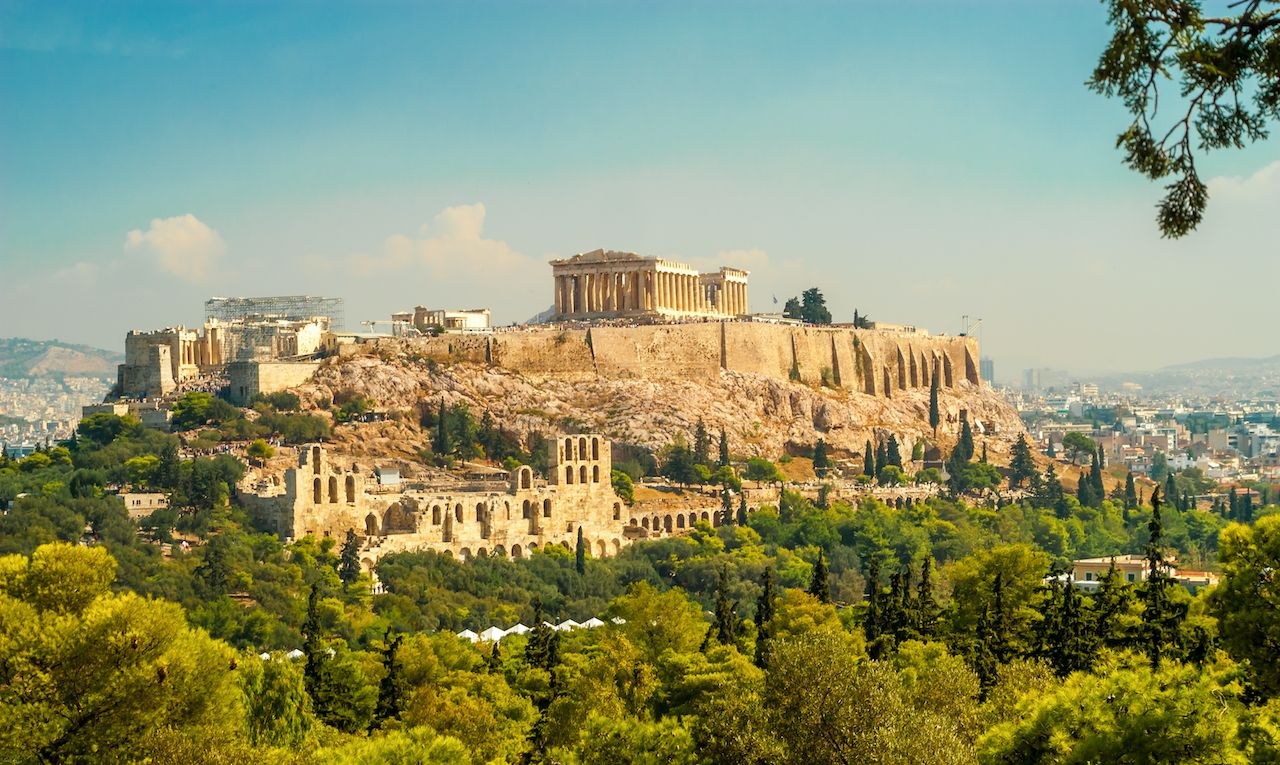
After you step off · near Lisbon
You end in a different port — stay on, and add what is within reach before you fly home.
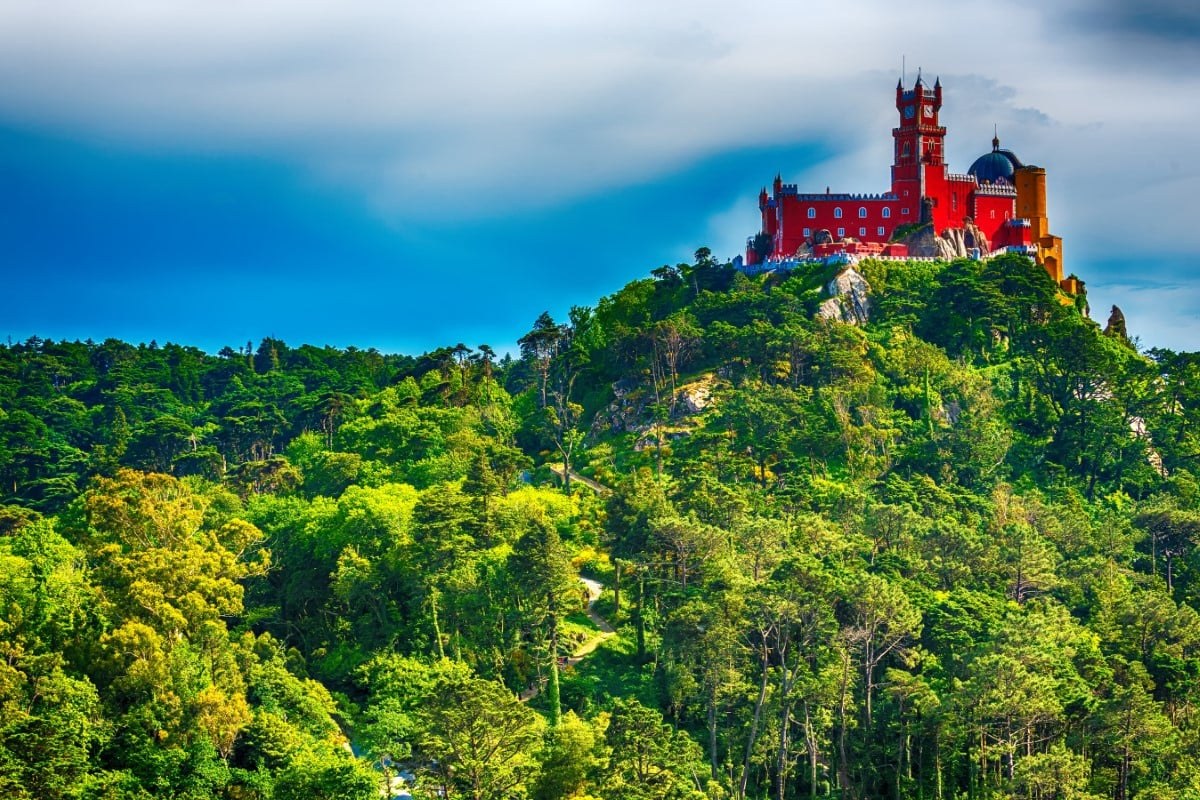 14 mi from LisbonSintra Day Trip - Pena Palace
 13 mi from LisbonConvent of the Capuchos Cork Lining & Underground Network
 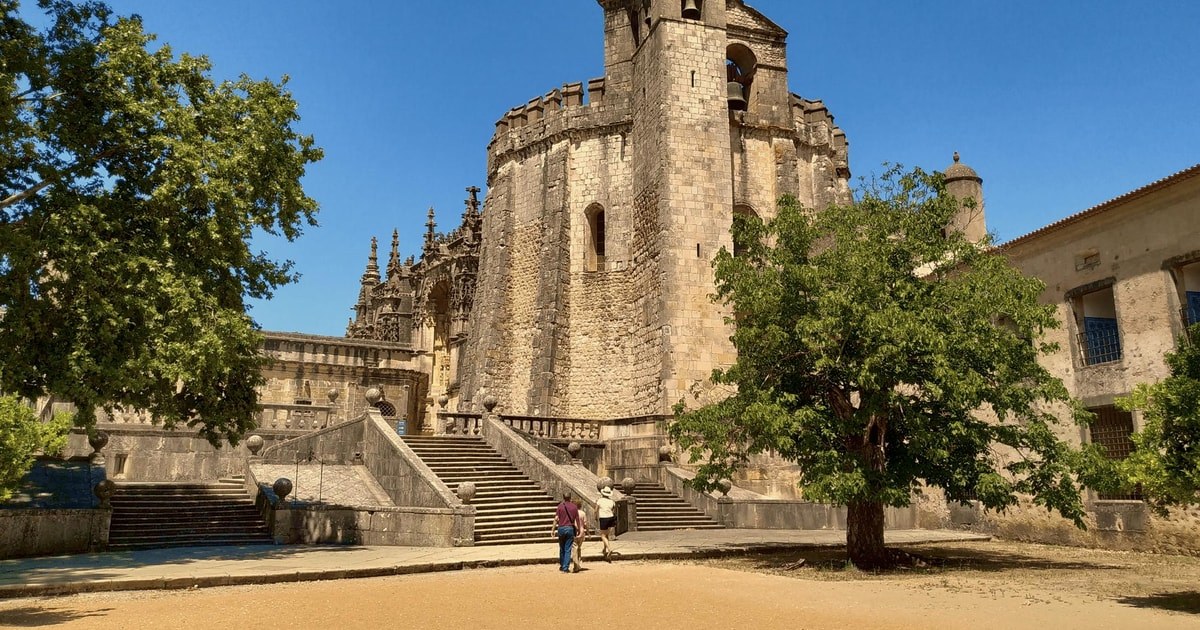 4 mi from Lisbon · land adventureTemplar Stone, Atlantic Cliffs, and Pastel Custard in Lisbon
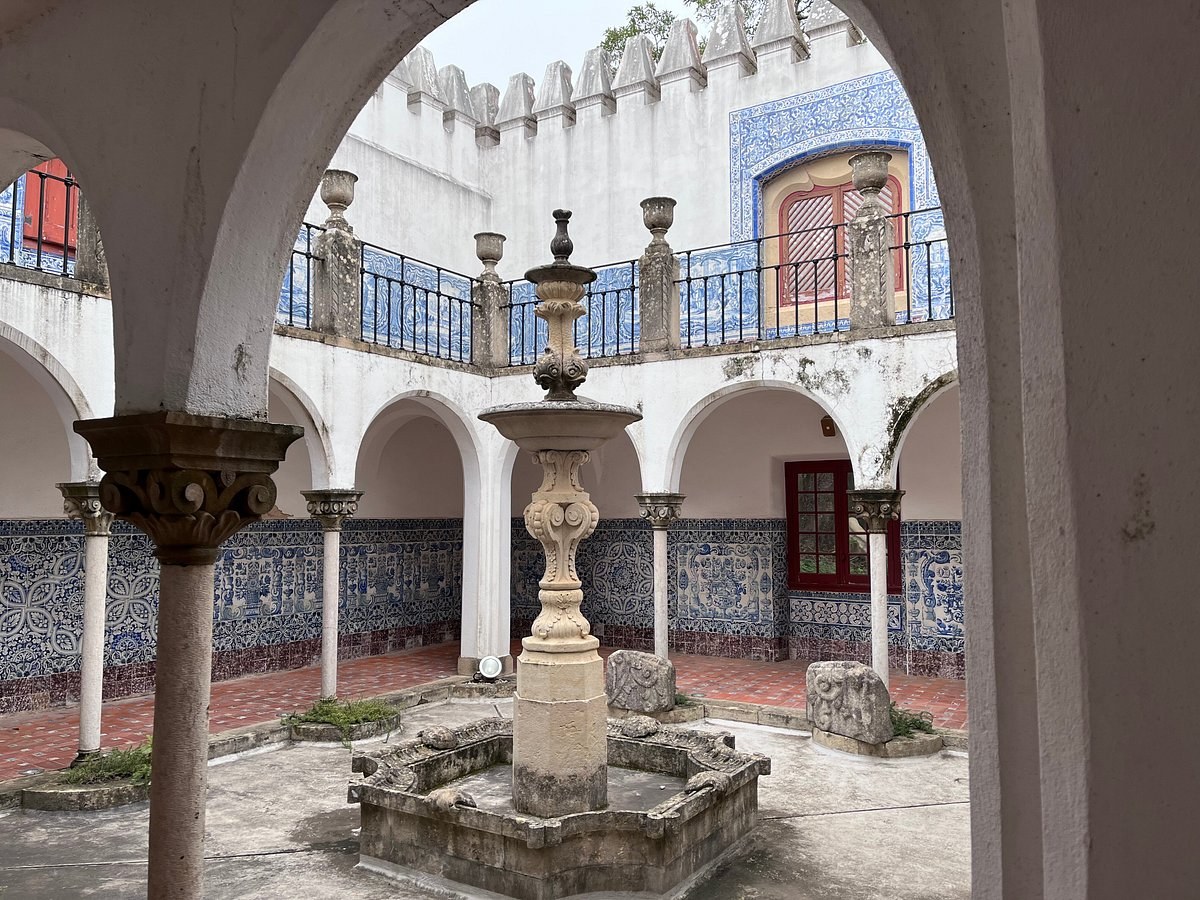 4 mi from Lisbon · land adventureSintra's Forests, Palaces & Coast: A Portuguese Masterpiece