Your cruise
Celebrity Beyond · 7-night Northern Europe round trip from Southampton
Jul 1 – Jul 8 · 7 nights ·
Day 1 Southampton (board) · Day 2 at sea · Day 3 Skagen · Day 4 Stavanger · Day 5 Flaam · Day 6 Bergen · Day 7 at sea · Day 8 Southampton (step off)
What you do Walk to the very tip of Denmark where the Skagerrak and Kattegat seas visibly clash in swirling currents. One of Scandinavia's most dramatic natural phenomena — you can literally stand with one foot in each sea.
What to expect Your private guide escorts you from the port to Grenen Point, where the two seas visibly collide in turbulent, swirling ridges of water — a sight that photographs cannot fully capture. Board the beloved Sandormen tractor-bus through protected dunes to reach the very tip, then walk the final stretch of golden sand to the point itself. On a clear day, the sea shimmer and the distant silhouette of the Grey Lighthouse behind you create an unforgettable panorama. Your guide shares the geology, folklore, and maritime history that make this corner of Europe genuinely legendary.
Good to know Full refund guaranteed if your ship cannot dock. The walk on the sandbar is flat but sandy — wear comfortable shoes. Allow at least 2.5 hours return from port. Pre-book to secure a private vehicle; slots fill quickly on busy port days.
Versus the ship tour A private guide collects you directly at the cruise pier and takes you at your own pace, lingering at the sandbar's tip and riding the iconic Sandormen tractor-bus through the dunes — no queuing, no fixed group schedule.
book direct with Top Private Tours – Skagen Private Half Day Tour → · the full guide →
What you do Immerse yourself in Denmark's most celebrated artistic movement — the Skagen Painters — inside the museum purpose-built to honour P.S. Krøyer, Anna Ancher, and their circle. The luminous coastal canvases here are bucket-list Scandinavian culture.
What to expect Step into sun-drenched galleries where the Skagen Painters' obsession with Denmark's extraordinary northern light leaps from every canvas — bonfires on the beach, fishermen hauling nets, long midsummer evenings rendered in shimmering gold and blue. The collection spans over 1,800 works and includes the studios of Anna and Michael Ancher. The museum's beautifully landscaped garden contains the graves of several Skagen masters, adding a poignant, personal dimension to the visit. An on-site café with garden terrace makes for a civilised mid-morning pause.
Good to know The museum is a 10-minute taxi or 20-minute walk from the cruise port. Open daily; pre-booking a timed entry or private guided tour is recommended in summer. Allow 1.5–2 hours. Combined visits with Anchers Hus next door are popular — both managed by the same foundation.
Versus the ship tour Visiting independently or with a private guide allows you to spend as long as you wish in front of masterpieces, join an expert curator-led tour, and discover the on-site garden graves of Krøyer and Ancher — intimacy impossible in a large group.
book direct with Skagens Museum (official) → · the full guide →
What you do Explore Scandinavia's largest migrating sand dune — a vast, wind-sculpted desert landscape shifting 15 metres per year across North Jutland. Arriving by private vehicle makes it feel like a private expedition to another world.
What to expect Råbjerg Mile rises some 40 metres and stretches nearly a kilometre wide — a living, breathing desert of pale sand that has been migrating eastward for centuries, swallowing forests and farmsteads in its path. Climbing to the summit rewards you with a 360-degree panorama of heath, forest, and distant sea in every direction. The sheer solitude and otherworldly beauty of the place is profound; on a windy day, the sand streams in golden ribbons across the crests. Your private guide provides the geological and historical context that transforms a beautiful view into a genuinely memorable encounter.
Good to know Wear sturdy, closed shoes — the sand is deep on the climb. Wind can be strong; a light layer is wise. The dune is about 20 km from Skagen port — allow 1 hour minimum at the site. Combine efficiently with a Grenen visit in a half-day private tour.
Versus the ship tour A private door-to-door transfer from the cruise pier (approx. 20 km south) means no coach stops, no waiting — just your group dropped at the dune's base for unhurried exploration of this extraordinary, alien-feeling landscape.
book direct with Top Private Tours – Skagen Private Half Day Tour → · the full guide →
What you do Enter the perfectly preserved home and studio of Anna and Michael Ancher, Denmark's most iconic artistic couple, left almost exactly as it was in their Golden Age heyday. An intimate, deeply moving cultural pilgrimage.
What to expect The butter-yellow house on Markvej is a time capsule: Anna Ancher's studio still holds her easel and pigments; the parlour retains the hand-painted furniture and bohemian clutter of a 19th-century artistic salon. The Anchers were at the heart of the Skagen artist colony that drew painters from across Scandinavia and beyond, and the house breathes that creative energy still. Guided audio tours are excellent, and the garden — where the couple entertained Krøyer, Johansen, and Tuxen — is a lovely place to linger. The combination ticket with Skagens Museum a short walk away makes for a complete, deeply satisfying cultural half-day.
Good to know A 15-minute walk or short taxi from the port. Open May–October; check seasonal hours on the museum website. The house is small — arrive early or late in the port day to avoid any overlap with other visitors. Pre-book combined tickets online.
Versus the ship tour The house receives small numbers at a time, making it an inherently intimate experience — you stand in Anna Ancher's actual studio, surrounded by her brushes, palette, and unfinished canvases, in a way a large-group visit could never replicate.
book direct with Anchers Hus (official – Skagens Museum Foundation) → · the full guide →
What you do Visit the hauntingly beautiful 'Buried Church' — a 14th-century tower rising from the dunes, all that remains of a church swallowed by encroaching sand over centuries. One of Denmark's most surreal and evocative landmarks.
What to expect The lone white tower emerges from rolling dunes like something from a dream — or a cautionary tale. In the 18th century, sand began invading the church so relentlessly that worshippers had to dig their way in; today only the tower survives, and climbing it delivers a sweeping view over dune and sea. The interior displays artefacts from the buried nave and tells the remarkable story of a community's centuries-long battle against the advancing desert. The surrounding dune landscape is hauntingly quiet and photogenic, particularly in the low golden light of a Danish summer afternoon.
Good to know Located about 2 km south of central Skagen — a pleasant 25-minute walk through dune paths, or a short taxi ride. Open daily May–September; the tower climb involves a narrow staircase. Combine naturally with a Råbjerg Mile excursion as both lie south of town.
Versus the ship tour Pairing the church with a knowledgeable private guide transforms what could be a brief photo stop into a rich story of human struggle against nature — the parish that fought the dunes for 200 years before the congregation finally abandoned the nave in 1795.
book direct with Den Tilsandede Kirke – Nationalmuseet (official site) → · the full guide →
What you do Ascend the 46-metre Grey Lighthouse — Denmark's tallest — for a panoramic summit view over the sandscapes of Grenen, the twin seas, and the colourful rooftops of Skagen. A classic, bucket-list Scandinavian coastal moment.
What to expect Built in 1858 and standing 46 metres tall, the Grey Lighthouse is the sentinel of Denmark's northernmost tip, its beam once guiding thousands of vessels through the treacherous meeting point of two seas. The 196-step climb winds through the original cast-iron staircase to an open gallery where the panorama is simply breathtaking — Grenen's curving sand spit below, the two seas streaked with different colours, and on clear days the Swedish coast shimmering on the horizon. The lighthouse keeper's cottage at the base houses a small, well-curated exhibition on the history of North Jutland's seafarers and wreckers. A civilised way to end a port day before returning to the ship.
Good to know Located a 20-minute walk or short taxi ride from port, close to Grenen — combine both in a morning for maximum efficiency. Open daily May–October; the climb requires reasonable fitness (no lift). Wear layers — the gallery at the top is fully exposed to North Sea winds.
Versus the ship tour Visiting under your own steam — or with a private guide — means you choose your moment at the top, staying as long as the view demands, without the time pressure of a large group. On a clear day, Sweden is visible across the Kattegat.
book direct with Skagen Graa Fyr (Fyr og Fyrtårne / official lighthouse site) → · the full guide →
What you do Just over an hour from the ship, walk up to the 5,000-year-old stone circle that is the most iconic prehistoric monument on Earth, then drive to Salisbury to stand before one of only four surviving 1215 originals of Magna Carta beneath Britain's tallest cathedral spire. This is the textbook Southampton port day and the single thing a first-timer would most regret skipping. English Heritage entry is timed-ticket only, so a direct operator who pre-books your slot and paces the day to your all-aboard time is what actually gets you inside.
What to expect You'll depart Southampton and drive just over an hour to Stonehenge, where you walk directly up to the 5,000-year-old stone circle—the most iconic prehistoric monument on Earth—with a guided perspective on this timeless landmark. From there, it's a short drive to Salisbury Cathedral, where you stand beneath Britain's tallest spire to view one of only four surviving original 1215 Magna Carta documents, a moment of profound historical weight. The pace is calibrated throughout to your all-aboard time, and your private vehicle with driver-guide ensures you move at your own rhythm rather than waiting for a 40-person coach to reassemble. You'll return to the ship with both major entries completed, the cultural textbook Southampton port day checked off.
Good to know English Heritage entry to Stonehenge is timed-ticket only; Southampton Tours pre-books your slot as part of the package, which is essential to guarantee access on busy days. The 6-hour tour window fits comfortably within a standard 8-hour port day, with your driver-guide coordinating return timing to your ship's all-aboard. Groups of 4–7 will pay £145–£199 per person (roughly $185–$203) with both entries and air-conditioned transport included; book ahead directly with Southampton Tours rather than through the ship's 40-person coach if your group meets the minimum. The operator offers a formal cruise-return guarantee in writing—they cover next-port travel if you ever miss the ship, providing peace of mind on timing.
Versus the ship tour Direct wins clearly. The ship's Stonehenge & Salisbury coach tour runs $179-$229/pp, and you share a 40-person bus on its schedule. Here a group of 6-7 pays roughly $185-$203/pp for a private vehicle with both entries included and a written get-you-back guarantee. Solo or as a couple the ship coach is actually the better value, so this card is for groups of 4 or more.
What you do An entire UNESCO World Heritage city built around Britain's only natural hot springs, where you walk the same Roman baths still fed by steaming spring water, beneath honey-stone Georgian crescents straight out of Jane Austen and Bridgerton. Many rank it the most beautiful city in England. It is a longer day (~1.5 hrs each way) so an operator who paces the drive to your all-aboard time matters.
What to expect You'll drive roughly 1.5 hours inland to arrive in Bath's honey-stone heart, where you'll walk the Roman Baths—an ancient complex still fed by steaming natural hot springs—before ascending into Georgian crescents and terraces that look lifted from a Jane Austen novel. The city unfolds at a human pace: Roman history underfoot, Regency elegance overhead, and those iconic honey-coloured stone facades that have made Bath consistently ranked as England's most beautiful city. Your driver-guide controls the rhythm of the day, pacing the route and your time away from the pier so you make your all-aboard window without stress.
Good to know Confirm your ship's all-aboard time before booking—the Bath + Stonehenge 8-hour combo is tighter than the Bath + Cotswolds option, and a 1.5-hour return drive means no margin for error. Book the Roman Baths entry (~£28/$36) directly once you've secured your tour, as it's not bundled into the operator fee. Your private driver and vehicle are included in the ~$190–$250/pp cost, making this far cheaper and more flexible than ship-run premium combos at $300–$400+/pp. Factor 3 hours minimum for Bath itself (Roman Baths + walking the crescents), leaving 1.5 hours on each end for driving, ensuring you're back at the pier with a comfortable buffer before all-aboard.
Versus the ship tour Direct wins on access and pacing. Bath is rarely sold as a standalone ship excursion from Southampton and when bundled into premium full-day combos it runs $300-$400+/pp. A private Bath day at ~$190/pp plus your own Roman Baths ticket is both cheaper and far more flexible. Mind the 8-hour length: confirm your ship's all-aboard before booking the Stonehenge combo version.
What you do Southampton IS the Titanic's home port: she sailed from Berth 44 on 10 April 1912, and most of the crew who died were Sotonians. This award-winning guided walk leaves on foot right from Town Quay by the cruise terminals (no coach) and threads the White Star Line offices, the Grapes pub where firemen famously missed the sailing, and the memorials. For anyone who knows the story, walking the actual streets where it happened is moving and almost free on a tight port day.
What to expect You step off the gangway at Town Quay and begin walking immediately—no coach, no waiting—threading through Southampton's historic streets with your guide. You'll stand at the White Star Line offices where the Titanic's fate was managed, visit the Grapes pub where firemen fatefully missed the 10 April 1912 sailing, and pause at memorials dedicated to the local crew who perished. The walking route is intimate and grounded: you're tracing the actual streets where the story unfolded, hearing period details and crew narratives as you move through the port district. Over roughly two hours, the rhythm builds from administrative sites to human moments, ending with a deeper understanding of why this ship's story belongs so deeply to Southampton.
Good to know Book ahead online via Walsh Tours (use code DIRECT for 10% off) and choose either the 10:00am or 2:30pm departure; both fit comfortably within a 6–8 hour port day, leaving a 90-minute buffer before all-aboard. The tour departs directly from Town Quay beside the cruise terminal—no transport needed—and costs £16/pp (~$20), making it easy to return to the ship in time. Bring comfortable walking shoes and a camera; the tour includes photography privileges and offers pub/tavern discounts along the route. At roughly two hours, this excursion is one of the shortest and closest to the ship you can book, ideal if you're timing a tight turnaround or prefer to stay near your gangway.
Versus the ship tour Direct wins overwhelmingly. The ship's Southampton/Winchester city tour runs $80-$130/pp for a coach panoramic. This is the actual Titanic story, on foot, from beside your gangway, for about $20/pp. The only thing the ship adds is a bus seat you do not need here, since the whole walk starts at the terminal.
book direct with Walsh Tours (guide Brian Walsh) → · the full guide →
What you do Southampton's own backyard wilderness: a 1,000-year-old royal hunting forest created by William the Conqueror, where wild ponies, deer and cattle roam free across heath and ancient oak, just minutes from the ship. The most quintessentially English countryside on a short port day, with a stop at Beaulieu on the river. Ideal for travelers who would rather see living landscape and free-roaming animals than monuments.
What to expect Your private coach departs the Southampton pier and within minutes enters the New Forest—William the Conqueror's ancient 1,000-year-old hunting domain—where wild ponies, deer, and cattle move freely across open heath and gnarled oak woodland. You'll spend the heart of the day immersed in this living landscape, observing free-roaming animals in their natural habitat, the rhythms of the English countryside unfolding at ground level rather than behind glass. A stop at Beaulieu on the river gives you a chance to step out and experience the waterside setting before the journey continues. The day winds down with a drive to Salisbury Cathedral (entry included), a chance to view one of England's finest Gothic monuments, before your driver-guide returns you to the ship with time built in for a safe turnaround.
Good to know Departures run on your group's schedule from the Southampton pier, with 6–8 hour tours giving you roughly 4–5 hours in the New Forest itself and 1–2 hours at Salisbury Cathedral; book the Beaulieu Motor Museum or Palace House in advance if those interest you, as they're separate admissions. Your private vehicle picks you up directly from the cruise terminal—no waiting for a coach—so factor in only a 15-minute buffer before the posted return time. Dress in layers and bring waterproof jackets; the New Forest is exposed moorland where weather changes quickly and there's no shelter while spotting wildlife. The cruise-return guarantee means if your ship departs early, the operator covers your transport back, so you can book with confidence even on a tight port schedule.
Versus the ship tour Direct wins for groups. The ship's New Forest & Beaulieu scenic coach runs $130-$200/pp on its own schedule. A private vehicle at ~$134-$152/pp for 6-7 people undercuts that and adds Salisbury. As a solo traveler the per-head private price climbs, so the ship coach is the smarter buy for one or two; this card shines at 4+.
What you do The definitive Titanic museum, opened in 2012 for the disaster's centenary and built around the city's own loss. Its interactive 'Southampton's Titanic Story' uses real passenger and crew records, a vast working model of the ship, and the actual disaster-inquiry courtroom. Walkable from the port and the perfect rainy-day or short-window option that pairs with the Titanic walk to complete the story the city is famous for.
What to expect You walk out of the terminal and head straight into Southampton's city center—a 15–20 minute stroll that itself becomes part of the journey. Once inside SeaCity Museum, you're immersed in interactive stations built around real passenger and crew records, a sprawling working model of the Titanic, and the actual courtroom from the disaster inquiry, each exhibit drawing you deeper into the human story of the ship and the city that built and lost it. The rhythm is unhurried and self-paced; there's no coach departure window or strict schedule, so you move through at your own speed, lingering over the objects and stories that grip you. You exit with the definitive Titanic narrative, especially Southampton's own role—and you're minutes from the port the entire time.
Good to know In a 6–8 hour port day, allocate 2–2.5 hours for the museum itself, plus 30–40 minutes round-trip walking and buffer time, keeping you safely back at the ship 1.5–2 hours before departure. The museum sits at the Civic Centre, a walkable 15–20 minutes from the terminals, or take a short cab (£5–10) if time or mobility is tight. Admission is £14.50/adult (student and senior discounts available) and includes both the main Titanic exhibition and Southampton Stories; no advance booking is typically required, but arrive early in your port window to avoid any midday crowds. Dress for British weather and wear comfortable walking shoes—this is fundamentally a walk-and-explore day with zero risk of missing the ship.
Versus the ship tour Direct wins, and it is your low-risk safety net. The ship's city/panoramic tour is $80-$130/pp; here you self-walk to a world-class Titanic museum for about $18.50. No coach, no schedule, no risk of missing the ship since you are minutes from the port. The one thing the ship buys is transport you do not need for a near-port museum.
book direct with SeaCity Museum (Southampton City Council) → · the full guide →
What you do Walk to the very tip of Denmark where the Skagerrak and Kattegat seas visibly clash in swirling currents. One of Scandinavia's most dramatic natural phenomena — you can literally stand with one foot in each sea.
What to expect Your private guide escorts you from the port to Grenen Point, where the two seas visibly collide in turbulent, swirling ridges of water — a sight that photographs cannot fully capture. Board the beloved Sandormen tractor-bus through protected dunes to reach the very tip, then walk the final stretch of golden sand to the point itself. On a clear day, the sea shimmer and the distant silhouette of the Grey Lighthouse behind you create an unforgettable panorama. Your guide shares the geology, folklore, and maritime history that make this corner of Europe genuinely legendary.
Good to know Full refund guaranteed if your ship cannot dock. The walk on the sandbar is flat but sandy — wear comfortable shoes. Allow at least 2.5 hours return from port. Pre-book to secure a private vehicle; slots fill quickly on busy port days.
Versus the ship tour A private guide collects you directly at the cruise pier and takes you at your own pace, lingering at the sandbar's tip and riding the iconic Sandormen tractor-bus through the dunes — no queuing, no fixed group schedule.
book direct with Top Private Tours – Skagen Private Half Day Tour → · the full guide →
What you do Immerse yourself in Denmark's most celebrated artistic movement — the Skagen Painters — inside the museum purpose-built to honour P.S. Krøyer, Anna Ancher, and their circle. The luminous coastal canvases here are bucket-list Scandinavian culture.
What to expect Step into sun-drenched galleries where the Skagen Painters' obsession with Denmark's extraordinary northern light leaps from every canvas — bonfires on the beach, fishermen hauling nets, long midsummer evenings rendered in shimmering gold and blue. The collection spans over 1,800 works and includes the studios of Anna and Michael Ancher. The museum's beautifully landscaped garden contains the graves of several Skagen masters, adding a poignant, personal dimension to the visit. An on-site café with garden terrace makes for a civilised mid-morning pause.
Good to know The museum is a 10-minute taxi or 20-minute walk from the cruise port. Open daily; pre-booking a timed entry or private guided tour is recommended in summer. Allow 1.5–2 hours. Combined visits with Anchers Hus next door are popular — both managed by the same foundation.
Versus the ship tour Visiting independently or with a private guide allows you to spend as long as you wish in front of masterpieces, join an expert curator-led tour, and discover the on-site garden graves of Krøyer and Ancher — intimacy impossible in a large group.
book direct with Skagens Museum (official) → · the full guide →
What you do Explore Scandinavia's largest migrating sand dune — a vast, wind-sculpted desert landscape shifting 15 metres per year across North Jutland. Arriving by private vehicle makes it feel like a private expedition to another world.
What to expect Råbjerg Mile rises some 40 metres and stretches nearly a kilometre wide — a living, breathing desert of pale sand that has been migrating eastward for centuries, swallowing forests and farmsteads in its path. Climbing to the summit rewards you with a 360-degree panorama of heath, forest, and distant sea in every direction. The sheer solitude and otherworldly beauty of the place is profound; on a windy day, the sand streams in golden ribbons across the crests. Your private guide provides the geological and historical context that transforms a beautiful view into a genuinely memorable encounter.
Good to know Wear sturdy, closed shoes — the sand is deep on the climb. Wind can be strong; a light layer is wise. The dune is about 20 km from Skagen port — allow 1 hour minimum at the site. Combine efficiently with a Grenen visit in a half-day private tour.
Versus the ship tour A private door-to-door transfer from the cruise pier (approx. 20 km south) means no coach stops, no waiting — just your group dropped at the dune's base for unhurried exploration of this extraordinary, alien-feeling landscape.
book direct with Top Private Tours – Skagen Private Half Day Tour → · the full guide →
What you do Enter the perfectly preserved home and studio of Anna and Michael Ancher, Denmark's most iconic artistic couple, left almost exactly as it was in their Golden Age heyday. An intimate, deeply moving cultural pilgrimage.
What to expect The butter-yellow house on Markvej is a time capsule: Anna Ancher's studio still holds her easel and pigments; the parlour retains the hand-painted furniture and bohemian clutter of a 19th-century artistic salon. The Anchers were at the heart of the Skagen artist colony that drew painters from across Scandinavia and beyond, and the house breathes that creative energy still. Guided audio tours are excellent, and the garden — where the couple entertained Krøyer, Johansen, and Tuxen — is a lovely place to linger. The combination ticket with Skagens Museum a short walk away makes for a complete, deeply satisfying cultural half-day.
Good to know A 15-minute walk or short taxi from the port. Open May–October; check seasonal hours on the museum website. The house is small — arrive early or late in the port day to avoid any overlap with other visitors. Pre-book combined tickets online.
Versus the ship tour The house receives small numbers at a time, making it an inherently intimate experience — you stand in Anna Ancher's actual studio, surrounded by her brushes, palette, and unfinished canvases, in a way a large-group visit could never replicate.
book direct with Anchers Hus (official – Skagens Museum Foundation) → · the full guide →
What you do Visit the hauntingly beautiful 'Buried Church' — a 14th-century tower rising from the dunes, all that remains of a church swallowed by encroaching sand over centuries. One of Denmark's most surreal and evocative landmarks.
What to expect The lone white tower emerges from rolling dunes like something from a dream — or a cautionary tale. In the 18th century, sand began invading the church so relentlessly that worshippers had to dig their way in; today only the tower survives, and climbing it delivers a sweeping view over dune and sea. The interior displays artefacts from the buried nave and tells the remarkable story of a community's centuries-long battle against the advancing desert. The surrounding dune landscape is hauntingly quiet and photogenic, particularly in the low golden light of a Danish summer afternoon.
Good to know Located about 2 km south of central Skagen — a pleasant 25-minute walk through dune paths, or a short taxi ride. Open daily May–September; the tower climb involves a narrow staircase. Combine naturally with a Råbjerg Mile excursion as both lie south of town.
Versus the ship tour Pairing the church with a knowledgeable private guide transforms what could be a brief photo stop into a rich story of human struggle against nature — the parish that fought the dunes for 200 years before the congregation finally abandoned the nave in 1795.
book direct with Den Tilsandede Kirke – Nationalmuseet (official site) → · the full guide →
What you do Ascend the 46-metre Grey Lighthouse — Denmark's tallest — for a panoramic summit view over the sandscapes of Grenen, the twin seas, and the colourful rooftops of Skagen. A classic, bucket-list Scandinavian coastal moment.
What to expect Built in 1858 and standing 46 metres tall, the Grey Lighthouse is the sentinel of Denmark's northernmost tip, its beam once guiding thousands of vessels through the treacherous meeting point of two seas. The 196-step climb winds through the original cast-iron staircase to an open gallery where the panorama is simply breathtaking — Grenen's curving sand spit below, the two seas streaked with different colours, and on clear days the Swedish coast shimmering on the horizon. The lighthouse keeper's cottage at the base houses a small, well-curated exhibition on the history of North Jutland's seafarers and wreckers. A civilised way to end a port day before returning to the ship.
Good to know Located a 20-minute walk or short taxi ride from port, close to Grenen — combine both in a morning for maximum efficiency. Open daily May–October; the climb requires reasonable fitness (no lift). Wear layers — the gallery at the top is fully exposed to North Sea winds.
Versus the ship tour Visiting under your own steam — or with a private guide — means you choose your moment at the top, staying as long as the view demands, without the time pressure of a large group. On a clear day, Sweden is visible across the Kattegat.
book direct with Skagen Graa Fyr (Fyr og Fyrtårne / official lighthouse site) → · the full guide →
What you do Roar into the dramatic Lysefjord aboard a powerful RIB and look straight up at Preikestolen — the iconic 604 m cliff-face that drops sheer into glassy water. Waterfalls, sea caves, basking seals and the world's most photographed rock ledge, all without the hiking crowds.
What to expect After suiting up in a thermal dry-suit at the Stavanger harbour quay, you accelerate into Lysefjord past mirrored cliff-walls that rise over 1,000 metres. The skipper cuts the engine below Preikestolen for a silent drift — an unforgettable perspective most visitors never see. Seal colonies, thundering waterfalls and optional cave entries punctuate the two-hour return. Hot drinks are served on board as the fjord narrows around you.
Good to know Departs directly from Stavanger cruise quay — no transfer needed. Tours run 2–3 hrs; confirm departure against your all-aboard time. Pre-book well in advance for summer sailings; dry-suits provided. Minimum age/weight restrictions apply for RIB seats.
Versus the ship tour Small RIB carries fewer than 12 guests in full dry-suits, reaching angles and sea caves that larger vessels cannot. A qualified skipper-guide narrates throughout, and the intimate scale means you linger wherever the light or wildlife demands — zero rushing.
What you do Stand on the most dramatic viewpoint in Norway: Preikestolen's flat summit, 604 m sheer above Lysefjord, guided every step of the way by a certified Norwegian mountain expert. Raw granite, Arctic light and pure vertical drama.
What to expect A certified mountain guide leads a small group (typically 8–12) on the 3.8 km trail each way through ancient Norwegian landscape — heathland, lake-shores and granite scrambles — with geological and cultural storytelling throughout. The payoff is standing on the 25 × 25 m flat summit platform, 604 m above the fjord, with Lysefjord shimmering beneath you. The guide controls pace, keeps you off the worst crowds and points out the best photography positions. Return transfer from Stavanger is included.
Good to know Total round-trip time is approx. 5–6 hrs including 45-min transfers each way. Wear sturdy hiking boots; trail can be wet. Book the earliest morning departure to maximise time before all-aboard. Pre-booking essential — this sells out weeks ahead in summer.
Versus the ship tour Dedicated expert mountain guide with a genuine small group — the guide adapts pace and route to conditions on the day, shares deep local knowledge and ensures you summit at a time calculated to avoid peak crowds.
What you do Glide silently into the majestic Lysefjord aboard a premium electric sightseeing vessel — no engine noise, no fumes, just you and 1,000-metre cliff walls mirrored in still water. Gaze up at Preikestolen from sea level: an entirely different and utterly humbling perspective.
What to expect Boarding at Stavanger's Skagenkaien quay, the vessel slips silently out to sea before entering Lysefjord's cathedral-like walls. The captain anchors below Preikestolen long enough to spot tiny figures on the summit ledge above. Sights include Flørlifossen waterfall, the Hengjanefossen cascade and several basalt formations. The return journey catches different light on the same cliffs, making the whole experience feel continuously new. Commentary is available in multiple languages.
Good to know Departs Skagenkaien, approx. 10-min walk from the cruise terminal. Full cruise is 3 hrs; check schedule against all-aboard — Rødne operates multiple daily departures. Sheltered deck seating available; café on board. Book direct on rodne.no for best availability.
Versus the ship tour Modern electric vessel creates an almost meditative silence inside the fjord — wildlife is undisturbed, cliff acoustics carry the sound of waterfalls, and commentary is delivered at a relaxed pace that lets you absorb the scenery rather than rush through it.
What you do Explore 173 immaculately preserved 18th-century whitewashed timber houses in Gamle Stavanger — Norway's largest wooden urban heritage quarter — then taste your way through the legendary fish market with a private local guide who makes the city feel like home.
What to expect Your guide meets you dockside and leads you uphill into Gamle Stavanger's web of gas-lit lanes, where rose gardens tumble over picket fences and each painted cottage has a story. Stavanger Cathedral — Scandinavia's oldest — is visited en route, its Romanesque nave utterly serene. At Fisketorget you sample local shrimp, cured salmon and perhaps a brunost waffle before a stop at Fargegaten, the pastel-painted 'colour street' beloved by street photographers. The guide weaves oil-age history with Viking saga throughout.
Good to know Fully walkable from the cruise terminal (under 15 mins). Two-hour format comfortably fits a morning call. Book via Visit Norway's operator link; confirm private vs. small-group format when reserving. Market is most vibrant before noon.
Versus the ship tour A fully private guide tailors every step to your curiosity — linger in cobbled alleyways, unlock stories about Stavanger's sardine-canning past and oil boom, and arrive at the fish market precisely when the morning catch is freshest, at a pace dictated entirely by you.
book direct with Visit Norway Private Guided Tour Stavanger → · the full guide →
What you do Dive into the story of how Norway transformed from fishing nation to global energy powerhouse at one of Scandinavia's most architecturally striking museums — a building designed to resemble an oil platform rising from the fjord. Fascinating, provocative and surprisingly thrilling.
What to expect The museum's architecture alone is worth the visit — cylindrical concrete 'storage cells' rise from Stavanger's waterfront like a sculptural rig. Inside, full-scale drilling modules, deep-sea diving simulators and archival films bring the 1969 Ekofisk discovery to life in visceral detail. A guided session unpacks the geopolitics, the engineering feats and the environmental debates with nuance and expertise. The rooftop terrace offers one of the finest panoramas over the harbour.
Good to know Located on Kjeringholmen, a flat 15-min waterfront walk from the cruise quay. Open daily; guided group tours usually depart at set times — check norskolje.museum.no and pre-book a guide slot. Allow 1.5–2 hrs. Excellent café and gift shop on site.
Versus the ship tour The museum offers a rare, honest and immersive account of North Sea oil discovery — simulators, real drilling equipment, and a guided narrative that connects Norway's extraordinary wealth to the sea floor beneath you. The guide experience is reserved and intimate.
book direct with Norwegian Petroleum Museum (Norsk Oljemuseum) → · the full guide →
What you do Head out with a local skipper into the North Sea skerries to fish for mackerel, pollack and cod, then return to a harbourside kitchen where a Norwegian chef transforms your catch into a beautiful coastal meal. From sea to plate in under four hours — utterly memorable.
What to expect A compact wooden fishing vessel departs from Stavanger harbour and navigates the islands and skerries of the Ryfylke coast where local families have fished for centuries. Rods, bait and technique coaching are all provided — beginners land fish within minutes in these prolific waters. Back ashore, a chef guides you in filleting, curing and cooking your haul: pan-fried catch with local butter, fresh herbs and bread, paired with Norwegian aquavit or craft beer. The meal is eaten together at a long table with the harbour as your backdrop.
Good to know Total duration approx. 3.5–4 hrs; confirm exact timing against all-aboard. Departs from the main harbour close to the cruise terminal. Dress in warm, windproof layers — the open sea is brisk even in summer. Pre-booking essential; group sizes are strictly capped for exclusivity.
Versus the ship tour Maximum eight guests per boat keeps the experience genuinely personal — the skipper shares generational fishing knowledge, the chef adapts the menu to exactly what you catch, and the table is set just for your group. It is farm-to-table, but from the sea.
What you do Board the legendary Flåmsbana — one of the world's steepest railway journeys — winding through 20 tunnels, past roaring waterfalls and soaring peaks from fjord to mountaintop. A bucket-list rail experience unlike any other on Earth.
What to expect The Flåmsbana climbs 863 metres from Flåm fjord to Myrdal on the Bergen Line, negotiating gradients so steep the train uses five independent brake systems. The train pauses at the thundering Kjosfossen waterfall, where a lone 'Huldra' figure dances on the rocks in Norse mythology tradition. At Myrdal you can linger over the mountain panorama before the equally spectacular descent back to the fjord. Book the earliest departure to secure window seats and avoid the midday rush.
Good to know The station is a two-minute walk from the cruise pier. Pre-book online — round-trip seats sell out weeks ahead in high season (May–September). Journey is approximately 1 hour each way, so a round-trip comfortably fits a port day. All-aboard times are typically early evening.
Versus the ship tour Travel at your own pace, linger at Myrdal station, and step off at the iconic Kjosfossen waterfall stop — no timed group hustle, just pure immersion in 20km of jaw-dropping Norwegian mountain scenery.
book direct with Flåmsbana (Vy Rail — Official Flåm Railway) → · the full guide →
What you do Glide deep into the Nærøyfjord — a UNESCO World Heritage fjord so narrow the cliffs tower 1,700m on either side — aboard a dedicated fjord sightseeing vessel from Flåm to Gudvangen. A once-in-a-lifetime passage through Norway's most dramatic waterway.
What to expect The two-hour cruise threads through the Aurlandsfjord before entering the breathtaking narrows of Nærøyfjord, passing cascading waterfalls, isolated mountain farms clinging to cliff ledges, and tiny hamlets accessible only by boat. Wildlife sightings — porpoises, eagles, seals — are common. A comfortable coach then returns you over the spectacular Stalheimskleiva mountain road to Flåm. Guides provide live commentary on the geology, history, and Norse legends of the fjord.
Good to know Departs from the Flåm harbour, steps from the pier. The full Gudvangen cruise + coach loop takes approximately 4–5 hours — verify the departure time against your ship's all-aboard. Book direct on thefjords.com; open-deck layers are essential even in summer.
Versus the ship tour Small, purpose-built sightseeing vessels with open observation decks ensure unobstructed 360° views. The intimate scale of the boat — far fewer passengers than a large ferry — means you feel the silence and majesty of the fjord walls closing in around you.
What you do Be driven in a small group up the serpentine Aurlandsfjellet mountain road to the Stegastein observation platform — a cantilevered skywalk jutting 30m out over a 650m sheer drop to the Aurlandsfjord below. Norway's most photographed viewpoint, seen with expert local guidance.
What to expect Your guide collects you at the pier and navigates the famous 'Snow Road' mountain pass (open summer only), pausing at multiple panoramic pull-offs along the ascent. At Stegastein, the transparent glass-railed platform extends out over the void — the sensation of standing above the fjord is genuinely unforgettable. On clear days, the Aurlandsfjord stretches 45km to the horizon. The return journey often stops in historic Aurland village for a taste of local brunost (brown cheese) and a glimpse of the 12th-century church.
Good to know The Stegastein road is seasonal — typically open June to October. Confirm road status before booking. The full excursion runs 2.5–3 hours, keeping well within a typical port day. Wear sturdy footwear and bring a windproof layer; the platform can be breezy even on warm days.
Versus the ship tour A genuinely small group — typically no more than 8–12 guests — means unhurried time on the platform itself, personal commentary from a local guide on the fjord's geology and culture, and spontaneous stops at hidden viewpoints most visitors never see.
book direct with Flåm Travel Guide / Local Flåm Tour Operators → · the full guide →
What you do Combine three of Flåm's greatest experiences in a single expert-guided day: an immersive visit to the recreated Viking Village at Gudvangen, a UNESCO Nærøyfjord cruise, and the legendary Flåm Railway. Norway's history, landscape, and culture woven into one unforgettable arc.
What to expect The journey begins with the Nærøyfjord cruise to Gudvangen, arriving at the foot of sheer 1,400m cliffs at the fjord's innermost reach. Njardarheimr Viking Village brings the Norse Age alive with longhouses, blacksmiths, archery, and warriors in full period dress. Your expert guide contextualises the history with vivid storytelling. The return to Flåm is made on the famous railway, offering a dramatic contrast of Viking antiquity and Victorian engineering marvel — all within a single port day.
Good to know Full-day itinerary runs 7–8 hours; confirm against your ship's all-aboard before booking. The combination tour is popular — book at least 4–6 weeks ahead in peak season. Layers and waterproofs recommended; the fjord can be cool even in July.
Versus the ship tour Access to Njardarheimr — the only full-scale living Viking village in the world, set at the innermost point of Nærøyfjord — gives a depth of cultural immersion impossible to replicate. Costumed Norse inhabitants, traditional crafts, and saga storytelling make this far more than a museum visit.
book direct with GetYourGuide (Local Expert Operator: Njardarheimr Viking Village + Flåm Railway) → · the full guide →
What you do Slip silently onto the mirror-calm waters of the Aurlandsfjord at the best light of day in a private or small-group guided kayak, paddling past ancient farms, waterfalls, and mountain walls reflected in ink-black water. The fjord from the waterline is an entirely different world.
What to expect Full safety briefing and all equipment — sea kayak, drysuit or wetsuit, buoyancy aid — is provided at the waterfront, a short walk from the pier. The guided route follows the dramatic eastern shore of the Aurlandsfjord, passing beneath cliffs that plunge hundreds of metres straight into the water. Your guide points out nesting white-tailed eagles, mountain goats on the ledges above, and centuries-old farmsteads reachable only by boat or the old mule track. The pace is entirely relaxed — this is exploration, not exercise.
Good to know No prior kayak experience required — guides are trained to get complete beginners comfortable within minutes. Sessions run 2–3 hours, departing from the Flåm harbour. Book directly and as far in advance as possible; private kayak slots are limited. A change of clothes is wise even in a drysuit.
Versus the ship tour A private or semi-private guided paddle keeps the group intimate (typically 2–6 people), with a certified local guide who knows the fjord's every cove, current, and wildlife haunt. No commentary on a loudspeaker — just the sound of paddles, water, and eagles overhead.
book direct with Flåm Outdoor / Njord Sea Kayak (Local Fjord Kayak Operator, Flåm) → · the full guide →
What you do Join a passionate local food guide for an intimate, curated tasting journey through Norway's finest fjord-region flavours — smoked salmon, aged brunost, cloudberries, cured lamb, and aquavit — paired with the stories of the people and landscapes that produce them.
What to expect The tasting tour typically begins at the acclaimed Flåm Bryggeri (brewery), where a house-crafted Norwegian craft beer or aquavit sets the tone. Stops take in local smokehouse salmon prepared using century-old cold-smoking methods, traditional flatbread with aged goat cheese from the celebrated Undredal dairies (home to Norway's smallest church and finest chèvre), hand-foraged cloudberries with cream, and slow-cooked lamb from the surrounding mountain pastures. Your guide weaves in vivid stories of fjord-farming life between each course.
Good to know The Flåm Bryggeri and tasting venues are within easy walking distance of the cruise pier. Groups are kept small (typically 6–10 guests) for a convivial, unhurried atmosphere. Alert your guide to any dietary restrictions at the time of booking. This excursion pairs beautifully as a relaxed afternoon option after a morning railway or fjord cruise.
Versus the ship tour An expert local guide — often a producer or chef — leads a curated narrative around each dish, connecting flavour to fjord landscape, Norse tradition, and contemporary Norwegian food culture. Quantities are generous; this is a genuine gastronomic education, not a token bite.
book direct with Flåm Bryggeri & Local Flåm Food Experiences → · the full guide →
What you do Glide deep into the Osterfjord and the dramatic Mostraumen strait — one of Bergen's most iconic natural spectacles. Thundering waterfalls, soaring eagle nests, and mirror-still fjord waters make this the single most unmissable excursion from Bergen.
What to expect You board at the Fisketorget (Fish Market) and sail out through Byfjorden before threading into the Osterfjord's jaw-dropping scenery. The narrows at Mostraumen are dramatic — steep granite walls plunge into dark water while cascades drop from above. Wildlife spotting (white-tailed eagles, seals) is a highlight. The pace is unhurried, allowing long lingering views and photography without the crowds of larger boats.
Good to know Daily departures at 10 am, May through September; the half-day tour runs approximately 4 hours, returning well before typical all-aboard times. Pre-book directly online as departures fill quickly in high season. Warm, waterproof layers essential even in summer.
Versus the ship tour Departing directly from the Bergen Fish Market aboard the classic White Lady, this is a small, intimate vessel — not a mass-market ferry — letting you stand at the bow as you enter the narrow Mostraumen channel, spray on your face, eagles overhead. The naturalist commentary is deeply personal.
What you do Ascend Bergen's beloved mountain by the iconic Fløibanen funicular, then explore the summit trails with a private local expert who reveals the peaks, city panoramas, and forested paths that most visitors never find. Bergen laid entirely at your feet — bucket-list by definition.
What to expect The Fløibanen funicular whisks you 320 metres above sea level in under eight minutes, emerging into a world of spruce forest, rocky outcrops, and sweeping panoramas over the fjord and harbour below. Your private guide leads you beyond the main viewpoint into quieter trails, pointing out local flora, the city's medieval layout from above, and the best photography angles. A stop at the summit café for Norwegian waffles and hot coffee is customary.
Good to know Book the funicular directly at fløibanen.no (NOK 190 adult return); engage Norwegian Guide Service separately for a private guide. Allow a minimum of 3 hours for the full experience. The funicular lower station is a 10-minute walk from the cruise terminal at Skolten or Jekteviken.
Versus the ship tour A private authorized guide transforms this iconic ascent into a genuinely personal experience — hidden viewpoints, forested trails to Skomakerdiket lake, and storytelling about Bergen's seven mountains that a group tour simply cannot match. Your pace, your summit, your morning.
book direct with Norwegian Guide Service (visitBergen official guide partner) → · the full guide →
What you do Step inside Bergen's UNESCO-listed Bryggen wharf with a specialist private guide and the Hanseatic Museum, where 700 years of merchant history comes alive in one of Europe's most atmospheric timber-built streetscapes. Intimate access, scholarly depth, unforgettable.
What to expect Your guide leads you through the creaking, lantern-lit passages of Bryggen's wooden alleyways before entering the museum's extraordinarily preserved merchant quarters — sleeping bunks stacked to the ceiling, counting rooms with original ledgers, and smoky assembly halls. The adjacent Schøtstuene guild rooms reveal the social world of the Hanseatic traders. The contrast between the living city outside and the perfectly frozen interior is genuinely eerie and moving.
Good to know Pre-book directly with the museum for private or guided tours, especially in peak summer months. The museum is a 15-minute walk from the main cruise berths. Allow 2–3 hours for the full Bryggen and museum experience. Combine with a lunch reservation at a Bryggen-side restaurant for a complete cultural immersion.
Versus the ship tour The Hanseatic Museum is the only institution in the world preserving an intact Hanseatic merchant's house in situ, with original 18th-century interiors. A private booking secures exclusive after-hours or small-group access, and a museum specialist — not a generalist guide — narrates the lives of the German merchants who slept, traded, and died within these very walls.
book direct with The Hanseatic Museum and Schøtstuene (MuseumVest official) → · the full guide →
What you do Journey from Bergen into the heart of the Hardangerfjord region aboard the legendary Flåmsbana — consistently ranked among the world's most beautiful rail journeys — descending through cascading waterfalls, wild gorges, and snow-capped peaks to the tiny village of Flåm. Utterly unforgettable.
What to expect The train winds through 20 tunnels and past the thundering Kjosfossen waterfall — where the train pauses for a photography stop and, in summer, a theatrical nøkken folk performance. Descending into the Flåm valley, the scenery shifts from alpine tundra to lush green riverbanks. In Flåm, the tiny Æ waterfront, the Flåm Railway Museum, and the fjordside Ægir Bryggeri (a spectacular Viking-longhouse brewery) reward leisurely exploration.
Good to know Pre-book Flåmsbana tickets well in advance at visitflam.com — the train sells out weeks ahead in summer. A full day is required: Bergen–Myrdal by Bergensbanen (approx. 2 hrs), Myrdal–Flåm by Flåmsbana (1 hr), return same route. Confirm your ship's all-aboard time and allow 30–45 minutes' buffer back to the Bergen terminal.
Versus the ship tour This is one of those journeys that belongs on every serious traveller's lifetime list — 20 km of rack railway descending 863 metres through scenery that simply does not exist anywhere else on Earth. Booked independently, you control your time in Flåm village, choosing a private fjord kayak session, a restaurant lunch, or a quiet walk to the Brekke waterfall on your own terms.
book direct with Vy (Norwegian State Railway) — Flåmsbana official → · the full guide →
What you do Discover two of Bergen's most overlooked treasures on a private half-day: the hauntingly beautiful Fantoft Stave Church — a 12th-century Norse masterpiece — followed by Gamlehaugen, the Norwegian Royal Family's official Bergen residence, surrounded by parkland and fjord views. Rare, refined, and deeply Norwegian.
What to expect Your guide collects you at the pier and drives south to the Fantoft hillside, where the black-tarred stave church rises dramatically from the pine forest — its dragon-head roof finials and carved portals an authentic echo of Viking-age Norway. Next, Gamlehaugen's neo-Gothic manor and its sweeping Nordåsvatnet fjord gardens offer a glimpse of royal Norway at its most graceful. The park is open to the public and the setting is one of the most photogenic in the Bergen region.
Good to know Fantoft Stave Church is open May–September; confirm opening hours directly before visiting. A private vehicle is strongly recommended as public transport is time-consuming. The half-day circuit (3–4 hours) returns to the cruise terminal comfortably before all-aboard. Gamlehaugen's interior is open on selected dates — check visitbergen.com for the current season's schedule.
Versus the ship tour With a private English-speaking driver-guide, you skip all logistics — Fantoft is 6 km from the city centre and impractical without private transport — and gain insider access to the stories behind the church's dramatic 1992 arson and faithful reconstruction, and the royal history of Gamlehaugen's Belle Époque interiors. Intimate, unhurried, and completely tailored.
book direct with Bergen Driver Guide (Romain — authorized private guide & driver) → · the full guide →
What you do Walk inside one of Norway's oldest and best-preserved medieval fortresses — Bergenhus — and the country's oldest church, St. Mary's (Mariakirken), with a specialist private guide at the golden hour when the crowds have gone. Seven centuries of Norwegian power condensed into two hours of pure atmosphere.
What to expect Your guide meets you at the fortress gate and leads you first into Håkon's Hall, whose soaring Gothic interior has witnessed royal banquets from the 1260s to the present day. The adjacent Rosenkrantz Tower climbs through three eras of Norwegian architecture in a single building, emerging at rooftop battlements with sweeping harbour views. A short walk brings you to 12th-century St. Mary's Church — Bergen's oldest building — where Romanesque stone carving, a baroque altarpiece, and extraordinary silence create an experience worlds away from the busy quayside.
Good to know This excursion is ideal for late-afternoon port calls when cruise passengers have largely re-embarked, leaving the fortress peaceful. Håkon's Hall and Rosenkrantz Tower are open May–August (check Bymuseet Bergen for winter hours). Book your private guide at least 2 weeks ahead through Norwegian Guide Service. The fortress is walkable from all Bergen cruise berths.
Versus the ship tour Bergenhus sits at the entrance to Bergen harbour — literally a 5-minute walk from the Skolten cruise terminal — yet most visitors simply photograph it from outside. A private guide unlocks Håkon's Hall (a 13th-century royal banquet hall still used by Norway's royal family) and the Rosenkrantz Tower's rooftop battlements, with expert medieval and WWII history delivered with genuine passion.
book direct with Norwegian Guide Service (visitBergen official guide partner) → · the full guide →
Before you sail · near Southampton
Fly in at least a day early — every seasoned cruiser does, so a delay never costs you the ship. This is what is worth that day within reach of the port.
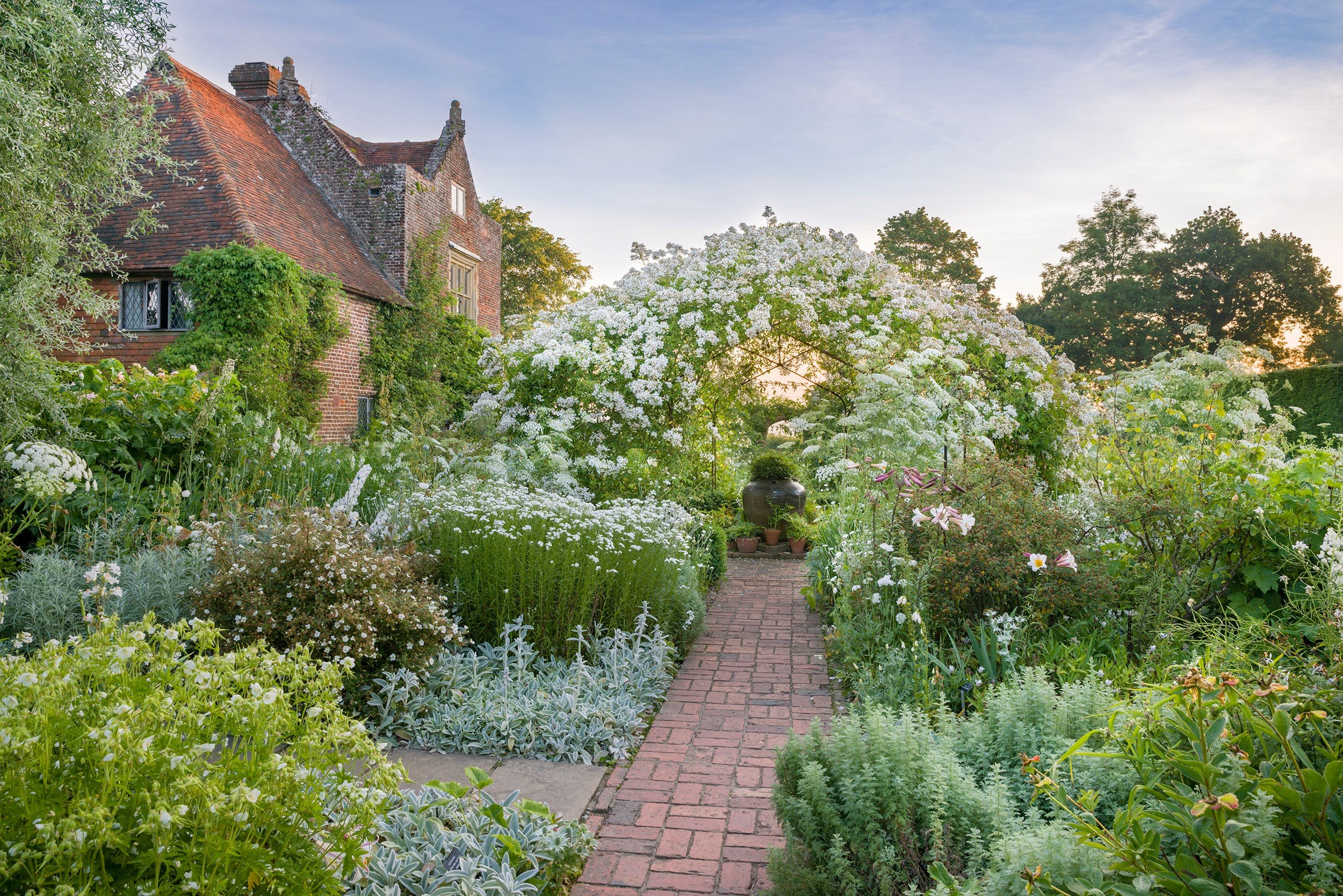 87 mi from SouthamptonSissinghurst Castle Garden: Room-by-Room Garden Design Masterclass
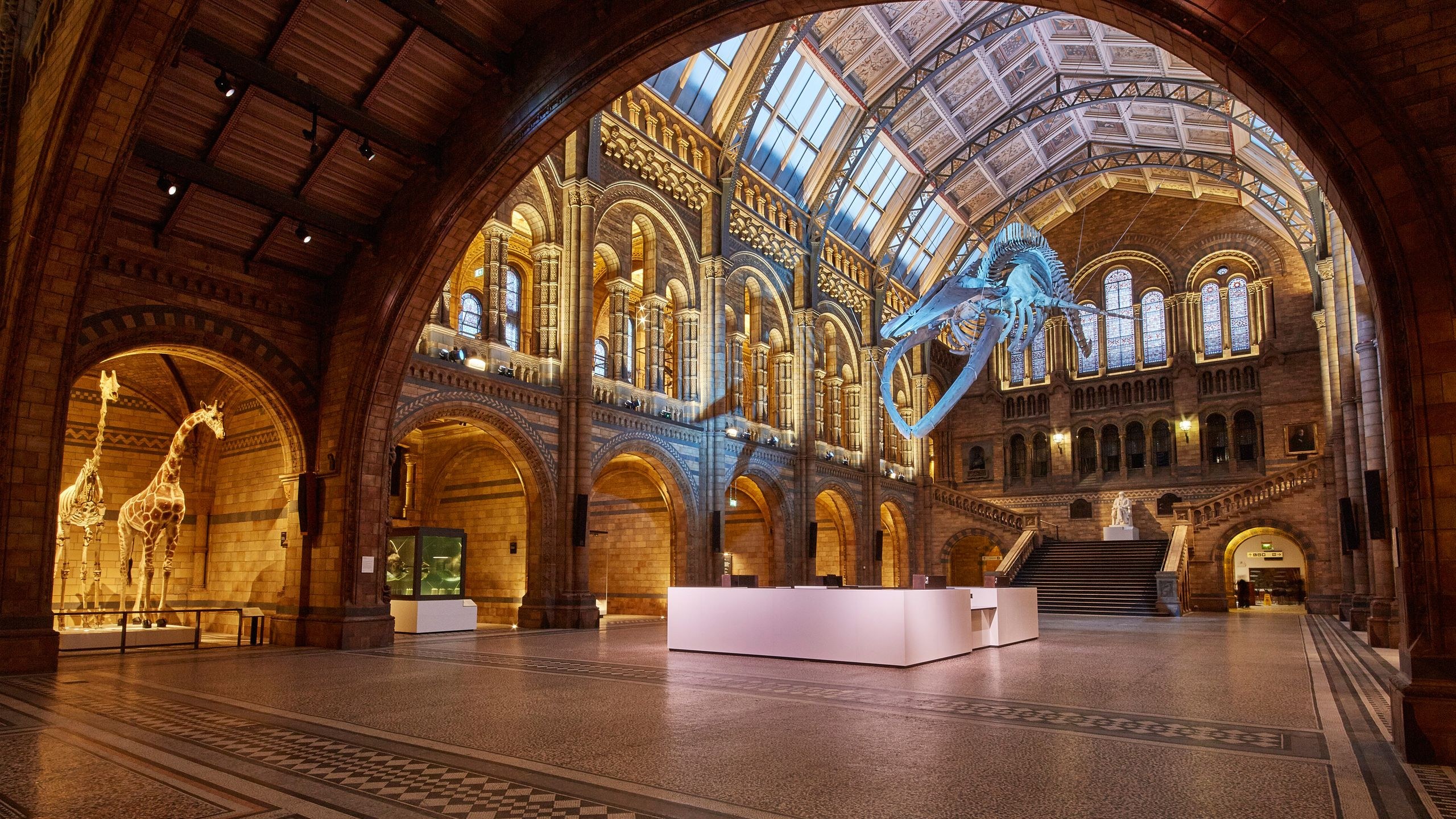 67 mi from SouthamptonNatural History Museum
 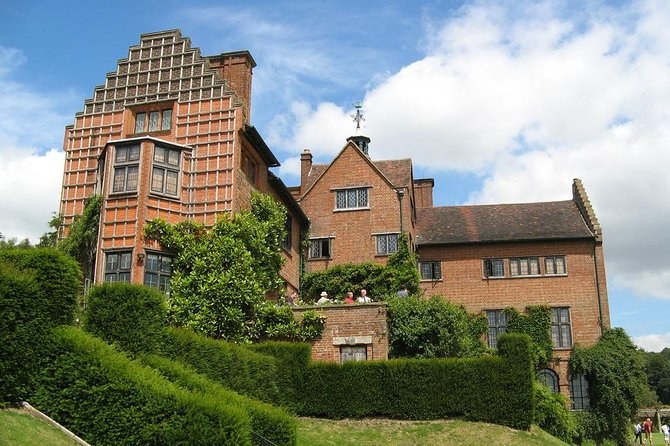 57 mi from Southampton · land adventureChurchill's Kent, Glyndebourne at Dusk & London's Secret Side
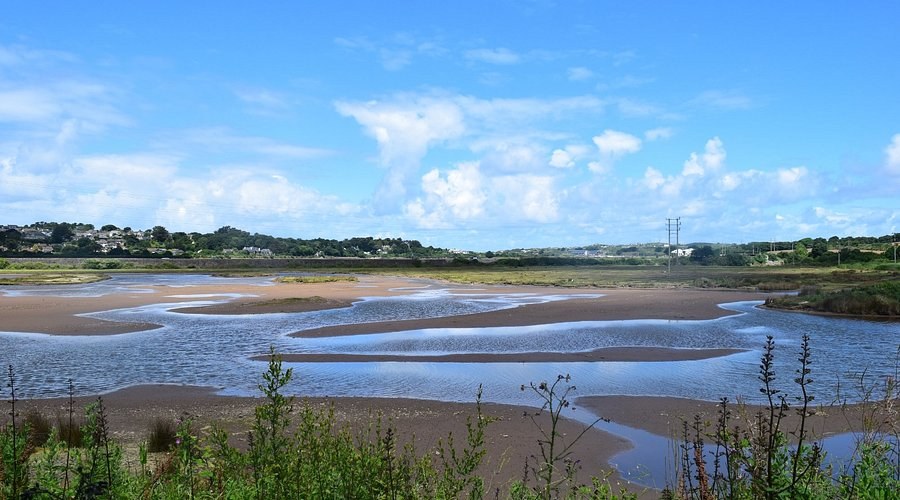 57 mi from Southampton · land adventureCornwall's Wild Coast: Tin Mines, Tidal Castles & Beach Bars
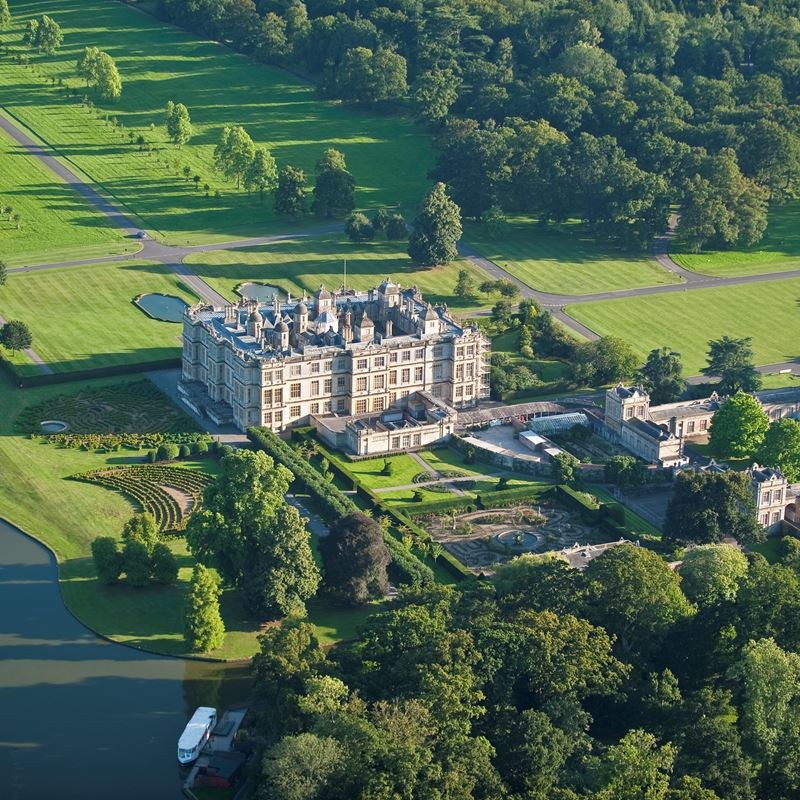 66 mi from Southampton · land adventureGeorgian Bath, Wild Somerset: Limestone, Lions and Lock Flights
 The same trip, elevated
The same gateway on a more luxurious line — lead-in fare per person, same fare as booking direct.