Your cruise
Celebrity Solstice · 12-night Asia round trip from Yokohama
Jul 26 – Aug 7 · 12 nights ·
Day 1 Yokohama (board) · Day 2 Shimizu · Day 3–4 Osaka (Kyoto and Nara) · Day 5 Kochi · Day 6 at sea · Day 7 Busan (Kyongju) · Day 8 at sea · Day 9 Hakodate · Day 10–11 Aomori · Day 12 at sea · Day 13 Yokohama (step off)
What you do A bespoke private full-day journey to Japan's most iconic landscape — Mt. Fuji and the volcanic wonders of Hakone. Your licensed guide collects you dockside for an unhurried, deeply personal encounter with Japan's sacred peak.
What to expect Your guide meets you directly at Shimizu Port and escorts you in a private vehicle through the Fuji Five Lakes region, stopping at the most photogenic viewpoints of the sacred volcano. You'll visit the torii gate of Hakone Shrine rising from Lake Ashi before exploring the sulphurous steam vents of Owakudani. The pace is entirely yours — a genuine luxury rarely available on group excursions. Every detail, from entry tickets to insider commentary on Shinto traditions, is handled for you.
Good to know Book well in advance — private guides fill quickly on cruise call days. Confirm your ship's all-aboard time with your guide (typically 17:00–18:00); the tour is designed to return you with ample time. Fuji visibility is weather-dependent; a morning departure maximises clear views before afternoon cloud build-up.
Versus the ship tour Fully private vehicle and nationally-licensed multilingual guide tailored entirely to your group — no fixed itinerary, no shared coach, and the flexibility to linger at Fuji viewpoints or Hakone Shrine as long as you wish.
book direct with Japan Guide Agency (J-G-A) → · the full guide →
What you do Glide across mirror-calm Lake Ashi with Mt. Fuji as your backdrop, pass beneath Hakone Shrine's iconic water torii, then feel the earth's raw power at Owakudani's steaming volcanic vents. A quintessential Japan bucket-list day.
What to expect Depart Shimizu Port and ascend into the Hakone caldera, where the air cools and the landscape shifts to cedar forests and steaming vents. At Owakudani, try the legendary black eggs (kuro-tamago) said to add seven years to your life, cooked in the sulphurous springs. A scenic ropeway or sightseeing cruise on Lake Ashi brings you face-to-face with Hakone Shrine's red torii rising from the water — one of Japan's most photographed moments. Your guide ensures you understand the deep spiritual significance of this UNESCO-recognised landscape.
Good to know Owakudani access can be restricted during elevated volcanic activity — your operator will have an alternative plan. Lake Ashi cruises and ropeway tickets are typically included; confirm at booking. Allow a 2–2.5 hour return transfer from Hakone to Shimizu Port.
Versus the ship tour Small-group atmosphere with an expert local guide who weaves Shinto spirituality, volcanic geology, and samurai history into every stop — giving profound context that transforms sightseeing into genuine understanding.
book direct with Japan Shore Excursions → · the full guide →
What you do Ascend to Japan's most ornate Toshogu Shrine — a National Treasure perched atop Mt. Kunozan overlooking Suruga Bay — via a dramatic 1,159-step staircase or scenic ropeway. This is Ieyasu Tokugawa's first resting place, and it is breathtaking.
What to expect The ropeway glides up over forested slopes to reveal sweeping panoramas of Suruga Bay and, on clear days, the full cone of Mt. Fuji beyond. The shrine complex itself is a masterpiece of Momoyama-era architecture — vivid vermilion lacquer, intricate wood carvings, and gilded gates that rival Nikko's famous Toshogu. Inside the treasure museum, Ieyasu's personal armour and artefacts offer a direct line to the samurai age. The descent by stairs through towering cryptomeria forest is a meditative, unforgettable finale.
Good to know Shimizu Station is the nearest hub; combine with a private guide for context. The ropeway closes periodically for maintenance — check ahead. The shrine is just 20–30 minutes from the port by taxi, making it ideal even on a tighter schedule. Wear comfortable shoes for the steps.
Versus the ship tour Arriving independently or with a private guide means you experience the shrine at your own pace — pausing in the incense-hazed silence of its gilded halls, far removed from the rush of timed group visits.
book direct with Kunozan Toshogu Shrine (Official) → · the full guide →
What you do Walk Japan's longest pedestrian suspension bridge — 400 metres of heart-stopping views over Mt. Fuji — then decompress in Shuzenji, Izu's most elegant ancient hot-spring town. Drama and serenity in one extraordinary day.
What to expect The Mishima Skywalk bridge sways gently 70 metres above a river gorge, with Fuji's perfect cone framed ahead of you on clear days — a photograph you will show for the rest of your life. From there, your journey continues to Shuzenji, a hot-spring town that has drawn Zen monks, poets, and nobility for over 1,200 years. Stroll the willow-lined Katsura River, visit the ancient Shuzenji Temple, and enjoy a private kaiseki lunch or onsen footbath at a traditional ryokan. The bamboo grove path is a serene, Instagram-worthy finale.
Good to know Shuzenji is approximately 60–70 minutes from Shimizu Port by private vehicle. Book a private guide to connect both experiences seamlessly and ensure you return to port comfortably. Mishima Skywalk can be busy on weekends — a morning start is strongly advised.
Versus the ship tour The pairing of Mishima Skywalk's adrenaline-laced bridge walk with the refined tranquility of Shuzenji's bamboo groves and ryokan culture is a contrast no standard itinerary offers — curated specifically for discerning travellers.
book direct with Japan Shore Excursions → · the full guide →
What you do Trace the journey of Mt. Fuji's ancient snowmelt from the ethereal curtain of Shiraito Falls — a UNESCO World Heritage site — to the crystal-clear sacred springs of Oshino Hakkai. Nature at its most transcendent, just beyond Fuji's skirts.
What to expect Shiraito Falls cascades in a 150-metre-wide lace curtain of crystalline water — not from a river above, but directly from Fuji's volcanic rock, filtered over centuries through the mountain's ancient lava layers. The sound and sight are otherworldly. From there, Oshino Hakkai's eight ponds each shimmer with impossibly clear Fuji snowmelt, the mountain reflected in their glassy surfaces. Local artisans and food stalls offer Fuji-region delicacies, and your guide provides deep cultural context about Japan's reverence for this living volcano.
Good to know Both sites are approximately 75–90 minutes from Shimizu Port by private vehicle. Shiraito Falls is a short walk from the car park; Oshino Hakkai is flat and easy. Book early morning departures to coincide with the clearest Fuji views. Confirm your all-aboard time when booking — guides here are accustomed to cruise schedules.
Versus the ship tour Small-group or private expert-led access to two of Fuji's most spiritually significant natural sites, with a guide who articulates the profound cultural relationship between Japan and its sacred mountain.
book direct with GetYourGuide (local licensed operator) → · the full guide →
What you do Stand atop Nihondaira — the summit voted Japan's most beautiful viewpoint — and look out over Suruga Bay, Mt. Fuji, and the Izu Peninsula, then walk the ancient pine grove of Miho-no-Matsubara, a UNESCO World Heritage shore of ethereal beauty.
What to expect The Nihondaira Yume Terrace's dramatic cantilevered observation deck delivers a 360-degree panorama that stops even seasoned travellers in their tracks — Fuji to the north, the Pacific to the south, and Shimizu's bay sparkling below. A short ropeway descends to Kunozan Toshogu Shrine if time allows. Then your driver takes you to Miho-no-Matsubara, where 30,000 ancient pine trees line a curved white-sand shore, the air scented with salt and resin. Mt. Fuji rises above the blue bay beyond the pines — the scene immortalised in countless woodblock prints by Hokusai and Hiroshige.
Good to know Both sites are within 20–40 minutes of Shimizu Port, making this ideal for half-day or flexible itineraries. Miho-no-Matsubara is a UNESCO World Heritage component of the 'Fujisan' inscription — bring a camera and allow time to walk its full length. The Yume Terrace is best visited early morning before haze develops.
Versus the ship tour Combining two UNESCO and nationally treasured sites within easy reach of the port — with a guide who brings to life the legend of the celestial maiden (tennyo) said to have danced beneath Miho's pines — makes this a culturally rich, uniquely local experience.
book direct with Japan Shore Excursions → · the full guide →
What you do A bespoke, private guided day through Tokyo's most iconic districts — Shibuya, Asakusa, Shinjuku, and Tsukiji — at your own pace, with a vetted local expert anticipating your every interest. This is Tokyo unscripted and unhurried.
What to expect Your guide meets you dockside at Yokohama and whisks you to Tokyo by express train or private vehicle. Stroll through the lantern-lit Nakamise shopping street leading to Senso-ji Temple in Asakusa, then contrast it with the electric pulse of Shibuya Crossing. Lunch is arranged at a chef-selected restaurant — perhaps a standing sushi counter at Tsukiji Outer Market. The afternoon is yours: Shinjuku's golden-hour skyline, a Harajuku detour, or a sake tasting in a centuries-old izakaya.
Good to know Tokyo is roughly 30–40 minutes from Yokohama by train or 60–75 minutes by car. Confirm your all-aboard time before booking and build in a 90-minute buffer for the return journey. Pre-book well in advance — popular guides fill quickly, especially on weekends and holidays.
Versus the ship tour Completely private — just your group and a government-licensed, English-speaking local guide. Itinerary is shaped around your interests, with no waiting for a group of 40 and no rushed photo stops. You arrive at each landmark when the crowds are thinnest.
book direct with ToursByLocals – Yokohama/Tokyo Private Guides → · the full guide →
What you do Stand before the 13th-century Great Buddha of Kamakura — a 13-metre bronze colossus meditating serenely in the open air — then lose yourself in the moss-draped Zen gardens of Engaku-ji and Hase-dera. Ancient Japan, perfectly preserved, just 45 minutes from port.
What to expect Depart Yokohama for Kamakura along the coast, arriving at the serene Kotoku-in temple complex before the mid-morning crowds. Your guide narrates the Great Buddha's storied past as you circle its vast bronze form and, optionally, step inside. Move on to Hase-dera, where a hillside terrace reveals sweeping Pacific views above thousands of small Jizo statues. The afternoon brings a quiet walk through Engaku-ji's forested grounds, where monks have trained since 1282. Return with time to spare for a stroll along Kamakura's Komachi Street.
Good to know Kamakura is approximately 45–60 minutes from Yokohama by car or direct train. Allow a full 6–7 hours for a comfortable, unhurried visit. Wear comfortable walking shoes — temple grounds involve uneven stone paths and moderate inclines.
Versus the ship tour Private, expert-led experience with a government-licensed guide who contextualises 800 years of samurai history, Buddhist philosophy, and Zen culture with genuine depth — not a rehearsed commentary delivered to a bus full of strangers.
book direct with Japan Shore Excursions (Local Expert-Led Private Tours) → · the full guide →
What you do Ride a traditional wooden pirate ship across the ethereal caldera lake of Hakone with Mt. Fuji as your backdrop, then ascend via ropeway above sulphurous volcanic vents. Japan's most iconic landscape, experienced in complete luxury and privacy.
What to expect A private, air-conditioned vehicle collects you at the cruise terminal for the scenic 90-minute drive into the Hakone volcanic zone. Your first stop is the Owakudani geothermal valley — steam billowing from black-egg vendors against a lunar landscape. A ropeway glide brings you above the caldera as Fuji emerges (cloud-willing) on the horizon. Board the vintage lake steamer across Ashi, disembarking at a traditional ryokan terrace for a kaiseki-inspired lunch with a mountain backdrop. The Hakone Open-Air Museum rounds out the afternoon with Picassos and Rodins set against cedar-clad hillsides.
Good to know Mt. Fuji is clearest in autumn and winter — plan accordingly. Build in at least 8 hours for this excursion, with a firm return buffer for all-aboard. Ropeway can close in high winds; your guide will have contingency routes. Book as early as possible.
Versus the ship tour Private vehicle and guide throughout, meaning you leave when you want and linger where the view is most breathtaking. On clear days, your guide knows exactly which vantage point — Owakudani, Lake Ashi, Hakone Open-Air Museum — offers the most dramatic Fuji reveal.
book direct with Japan Shore Excursions (Local Expert-Led Private Tours) → · the full guide →
What you do Soar to the 69th floor of Yokohama Landmark Tower — Japan's second-tallest building — for a 360° panorama stretching from the Bay to Mt. Fuji on a clear day. Then explore the architecturally stunning Minato Mirai waterfront at your own glamorous pace.
What to expect Step into the soaring atrium of Landmark Tower and board the wind-whispering express elevator to the Sky Garden. The 69th-floor wraparound deck delivers utterly clear views of Tokyo Bay, the Yokohama port skyline, and — on crystalline autumn days — the snow-capped cone of Mt. Fuji. Descend and stroll along the Minato Mirai promenade: the glittering Cosmo Clock 21 Ferris wheel, the Red Brick Warehouse (converted into upscale boutiques and dining), and Osanbashi Pier, where you can look back at your very own cruise ship framed by the harbour. Lunch at one of the many fine waterfront restaurants completes the scene.
Good to know Landmark Tower is a 15–20 minute walk or a 5-minute taxi from the Osanbashi cruise terminal. The Sky Garden opens at 10:00am (11:00am Mondays). No pre-booking required, but arrive early to beat midday queues. Perfect half-day excursion; pair with Chinatown for a full day.
Versus the ship tour The Sky Garden is the highest observation deck in the Kanto region and one of Japan's fastest elevators (750m/min) delivers you to the top in 40 seconds flat. Walk from the cruise terminal in under 20 minutes — no transfers, no group tours needed for this one.
book direct with Yokohama Landmark Tower Sky Garden (Official) → · the full guide →
What you do Plunge into Japan's largest and most vibrant Chinatown — 600+ restaurants and shops packed into 10 atmospheric blocks — then retreat to the sublime Meiji-era Sankeien Garden, where historic pagodas and tea pavilions mirror in still ornamental ponds.
What to expect Your guide leads you through the iconic Zeniarai Benten torii gate arch into Chinatown's labyrinth of red lanterns, bakeries perfumed with char siu, and century-old apothecaries. Lunch is a guided feast — steamed XO dumplings, Peking duck, and hand-pulled noodles across a curated sequence of the neighbourhood's most respected kitchens. A short taxi ride delivers you to Sankeien, Yokohama's hidden masterpiece: 17.5 hectares of pond gardens, bamboo groves, and six National Treasures in transplanted historic buildings. End with a matcha ceremony in the garden's teahouse.
Good to know Chinatown is 15 minutes by taxi or 25 minutes on foot from Osanbashi Pier. Sankeien Garden (10 min taxi from Chinatown) is open 9:00am–5:00pm daily. Pre-book your guide via GoWithGuide to secure a specialist in culinary or cultural history. Comfortable flat shoes strongly recommended.
Versus the ship tour A private local guide navigates you past the tourist-facing dim sum facades and into the authentic back-lane kitchens and specialist tea merchants that most visitors never find. At Sankeien, your guide contextualises each relocated Edo-period structure with the story of the silk merchant who built this private paradise.
book direct with GoWithGuide – Yokohama Private Local Guides → · the full guide →
What you do Create your own bespoke cup of instant noodles — choosing broth, toppings, and custom-illustrated packaging — at the world's most delicious museum, a love letter to the invention that changed how the world eats. Quirky, interactive, and quintessentially Japanese.
What to expect Enter the spaceship-like museum designed to honour Momofuku Ando's 1958 invention of instant noodles — a moment that genuinely altered culinary history. The centrepiece is the My Cup Noodles Factory, where you decorate a blank cup, choose from four soup bases (chicken, seafood, soy sauce, or tonkotsu), and customise with four toppings from 12 options — then watch it sealed and shrink-wrapped before your eyes. The Noodles Bazaar food hall offers ramen from eight Asian countries. The Chicken Ramen Factory allows you to hand-make noodles from wheat flour, just as Ando did in his backyard shed.
Good to know The museum is a 7-minute walk from Minato Mirai station or 20 minutes on foot from Osanbashi terminal. Open 10:00am–6:00pm; closed Tuesdays. The My Cup Noodles Factory workshop can sell out — reserve your slot online or arrive right at opening. Allow 2–3 hours total; ideal as part of a Minato Mirai half-day.
Versus the ship tour This is one of Yokohama's most uniquely Japanese experiences — participatory, playful, and utterly unlike anything else. It pairs beautifully with Landmark Tower or Chinatown as part of a curated Minato Mirai afternoon, and the workshop gives you a genuine made-in-Japan souvenir to carry aboard.
book direct with Cup Noodles Museum Yokohama (Official – Nissin Food Products) → · the full guide →
What you do A bespoke private full-day journey to Japan's most iconic landscape — Mt. Fuji and the volcanic wonders of Hakone. Your licensed guide collects you dockside for an unhurried, deeply personal encounter with Japan's sacred peak.
What to expect Your guide meets you directly at Shimizu Port and escorts you in a private vehicle through the Fuji Five Lakes region, stopping at the most photogenic viewpoints of the sacred volcano. You'll visit the torii gate of Hakone Shrine rising from Lake Ashi before exploring the sulphurous steam vents of Owakudani. The pace is entirely yours — a genuine luxury rarely available on group excursions. Every detail, from entry tickets to insider commentary on Shinto traditions, is handled for you.
Good to know Book well in advance — private guides fill quickly on cruise call days. Confirm your ship's all-aboard time with your guide (typically 17:00–18:00); the tour is designed to return you with ample time. Fuji visibility is weather-dependent; a morning departure maximises clear views before afternoon cloud build-up.
Versus the ship tour Fully private vehicle and nationally-licensed multilingual guide tailored entirely to your group — no fixed itinerary, no shared coach, and the flexibility to linger at Fuji viewpoints or Hakone Shrine as long as you wish.
book direct with Japan Guide Agency (J-G-A) → · the full guide →
What you do Glide across mirror-calm Lake Ashi with Mt. Fuji as your backdrop, pass beneath Hakone Shrine's iconic water torii, then feel the earth's raw power at Owakudani's steaming volcanic vents. A quintessential Japan bucket-list day.
What to expect Depart Shimizu Port and ascend into the Hakone caldera, where the air cools and the landscape shifts to cedar forests and steaming vents. At Owakudani, try the legendary black eggs (kuro-tamago) said to add seven years to your life, cooked in the sulphurous springs. A scenic ropeway or sightseeing cruise on Lake Ashi brings you face-to-face with Hakone Shrine's red torii rising from the water — one of Japan's most photographed moments. Your guide ensures you understand the deep spiritual significance of this UNESCO-recognised landscape.
Good to know Owakudani access can be restricted during elevated volcanic activity — your operator will have an alternative plan. Lake Ashi cruises and ropeway tickets are typically included; confirm at booking. Allow a 2–2.5 hour return transfer from Hakone to Shimizu Port.
Versus the ship tour Small-group atmosphere with an expert local guide who weaves Shinto spirituality, volcanic geology, and samurai history into every stop — giving profound context that transforms sightseeing into genuine understanding.
book direct with Japan Shore Excursions → · the full guide →
What you do Ascend to Japan's most ornate Toshogu Shrine — a National Treasure perched atop Mt. Kunozan overlooking Suruga Bay — via a dramatic 1,159-step staircase or scenic ropeway. This is Ieyasu Tokugawa's first resting place, and it is breathtaking.
What to expect The ropeway glides up over forested slopes to reveal sweeping panoramas of Suruga Bay and, on clear days, the full cone of Mt. Fuji beyond. The shrine complex itself is a masterpiece of Momoyama-era architecture — vivid vermilion lacquer, intricate wood carvings, and gilded gates that rival Nikko's famous Toshogu. Inside the treasure museum, Ieyasu's personal armour and artefacts offer a direct line to the samurai age. The descent by stairs through towering cryptomeria forest is a meditative, unforgettable finale.
Good to know Shimizu Station is the nearest hub; combine with a private guide for context. The ropeway closes periodically for maintenance — check ahead. The shrine is just 20–30 minutes from the port by taxi, making it ideal even on a tighter schedule. Wear comfortable shoes for the steps.
Versus the ship tour Arriving independently or with a private guide means you experience the shrine at your own pace — pausing in the incense-hazed silence of its gilded halls, far removed from the rush of timed group visits.
book direct with Kunozan Toshogu Shrine (Official) → · the full guide →
What you do Walk Japan's longest pedestrian suspension bridge — 400 metres of heart-stopping views over Mt. Fuji — then decompress in Shuzenji, Izu's most elegant ancient hot-spring town. Drama and serenity in one extraordinary day.
What to expect The Mishima Skywalk bridge sways gently 70 metres above a river gorge, with Fuji's perfect cone framed ahead of you on clear days — a photograph you will show for the rest of your life. From there, your journey continues to Shuzenji, a hot-spring town that has drawn Zen monks, poets, and nobility for over 1,200 years. Stroll the willow-lined Katsura River, visit the ancient Shuzenji Temple, and enjoy a private kaiseki lunch or onsen footbath at a traditional ryokan. The bamboo grove path is a serene, Instagram-worthy finale.
Good to know Shuzenji is approximately 60–70 minutes from Shimizu Port by private vehicle. Book a private guide to connect both experiences seamlessly and ensure you return to port comfortably. Mishima Skywalk can be busy on weekends — a morning start is strongly advised.
Versus the ship tour The pairing of Mishima Skywalk's adrenaline-laced bridge walk with the refined tranquility of Shuzenji's bamboo groves and ryokan culture is a contrast no standard itinerary offers — curated specifically for discerning travellers.
book direct with Japan Shore Excursions → · the full guide →
What you do Trace the journey of Mt. Fuji's ancient snowmelt from the ethereal curtain of Shiraito Falls — a UNESCO World Heritage site — to the crystal-clear sacred springs of Oshino Hakkai. Nature at its most transcendent, just beyond Fuji's skirts.
What to expect Shiraito Falls cascades in a 150-metre-wide lace curtain of crystalline water — not from a river above, but directly from Fuji's volcanic rock, filtered over centuries through the mountain's ancient lava layers. The sound and sight are otherworldly. From there, Oshino Hakkai's eight ponds each shimmer with impossibly clear Fuji snowmelt, the mountain reflected in their glassy surfaces. Local artisans and food stalls offer Fuji-region delicacies, and your guide provides deep cultural context about Japan's reverence for this living volcano.
Good to know Both sites are approximately 75–90 minutes from Shimizu Port by private vehicle. Shiraito Falls is a short walk from the car park; Oshino Hakkai is flat and easy. Book early morning departures to coincide with the clearest Fuji views. Confirm your all-aboard time when booking — guides here are accustomed to cruise schedules.
Versus the ship tour Small-group or private expert-led access to two of Fuji's most spiritually significant natural sites, with a guide who articulates the profound cultural relationship between Japan and its sacred mountain.
book direct with GetYourGuide (local licensed operator) → · the full guide →
What you do Stand atop Nihondaira — the summit voted Japan's most beautiful viewpoint — and look out over Suruga Bay, Mt. Fuji, and the Izu Peninsula, then walk the ancient pine grove of Miho-no-Matsubara, a UNESCO World Heritage shore of ethereal beauty.
What to expect The Nihondaira Yume Terrace's dramatic cantilevered observation deck delivers a 360-degree panorama that stops even seasoned travellers in their tracks — Fuji to the north, the Pacific to the south, and Shimizu's bay sparkling below. A short ropeway descends to Kunozan Toshogu Shrine if time allows. Then your driver takes you to Miho-no-Matsubara, where 30,000 ancient pine trees line a curved white-sand shore, the air scented with salt and resin. Mt. Fuji rises above the blue bay beyond the pines — the scene immortalised in countless woodblock prints by Hokusai and Hiroshige.
Good to know Both sites are within 20–40 minutes of Shimizu Port, making this ideal for half-day or flexible itineraries. Miho-no-Matsubara is a UNESCO World Heritage component of the 'Fujisan' inscription — bring a camera and allow time to walk its full length. The Yume Terrace is best visited early morning before haze develops.
Versus the ship tour Combining two UNESCO and nationally treasured sites within easy reach of the port — with a guide who brings to life the legend of the celestial maiden (tennyo) said to have danced beneath Miho's pines — makes this a culturally rich, uniquely local experience.
book direct with Japan Shore Excursions → · the full guide →
What you do Walk the sacred mountain of 10,000 vermilion torii gates before the crowds arrive. A private licensed guide leads you through misty forest shrines at the most ethereal hour of the day — a truly bucket-list Kyoto moment.
What to expect Your private, government-licensed guide meets you dockside and transfers you by private vehicle to Fushimi Inari Taisha, arriving as lanterns still glow in the pre-dawn light. You ascend the Senbon Torii tunnels at your own pace, pausing at hidden sub-shrines and fox deity altars draped in offerings. The guide weaves Shinto cosmology and personal storytelling into every step. You descend refreshed with time to spare for the rest of Kyoto.
Good to know Pre-book well in advance for early-morning slots. Allow 3–4 hours for Fushimi Inari alone. Confirm your all-aboard time and request a return window when booking — the operator is experienced with cruise schedules.
Versus the ship tour A private guide tailors the pace entirely to your group, departing early enough from Osaka port to reach Fushimi Inari before mass tourism descends — an access and atmosphere that a large coach simply cannot replicate.
book direct with Japan Shore Excursions → · the full guide →
What you do Glide through Kyoto's iconic bamboo cathedral and stroll the UNESCO-listed Zen garden of Tenryu-ji on a fully private tour. The rustling canopy, koi ponds and mountain-framed raked gravel make this one of Japan's most sublime sensory experiences.
What to expect Door-to-door private transfer from Osaka cruise port delivers you to Arashiyama as the morning mist clings to the bamboo. You weave through the grove's emerald tunnels, then enter Tenryu-ji — a 14th-century Zen masterpiece whose 'borrowed scenery' garden frames the Arashiyama mountains. Your guide explains the garden's dry-landscape symbolism before you stroll along the Oi River at leisure. Optional rickshaw ride can be arranged for an extra layer of indulgence.
Good to know Rickshaw rides fill quickly; ask your operator to pre-arrange. The grove is a 75-minute drive from Osaka port — plan departure by 8:00 am for a relaxed morning. Tenryu-ji opens at 8:30 am.
Versus the ship tour A private vehicle and guide mean you arrive at the grove before tour buses, walk at a contemplative pace, and linger in Tenryu-ji's garden without a schedule. The guide's knowledge of Rinzai Zen philosophy transforms a walk into a meditation.
book direct with Japan Shore Excursions → · the full guide →
What you do Command the full sweep of Japan's ancient capitals in a single day: Golden Pavilion, Bamboo Grove, Nara's sacred deer park, and Todai-ji's colossal Buddha — all on your own private itinerary with a licensed expert guide.
What to expect Your guide meets you at the port and whisks you north to Kyoto, where Kinkakuji's gold-leaf reflection shimmers on the mirror pond. The bamboo grove and Fushimi Inari are woven in based on your priorities, before the route sweeps east to Nara. In Nara Park, wild Sika deer bow for rice crackers against the backdrop of Todai-ji, home to Japan's largest bronze Buddha. The guide narrates 1,300 years of capital history with the ease of a storyteller, not a lecturer.
Good to know Confirm all-aboard time upfront — the operator is cruise-savvy and will build a return buffer. All major entry tickets (Kinkakuji, Tenryu-ji, Todai-ji) are typically included; verify at booking. Group size capped at 6 for genuine privacy.
Versus the ship tour Fully customisable itinerary, private vehicle, and a single expert guide who knows your preferences before you step ashore. You choose the sites, the sequence, and the pace — no fixed stops, no strangers, no rush.
book direct with GetYourGuide (Kyoto/Osaka: Kyoto and Nara Customized Private Guided Tour) → · the full guide →
What you do Spend an immersive half-day in Japan's first permanent capital — feeding sacred free-roaming deer, entering the world's largest wooden building, and uncovering 8th-century imperial history with a government-licensed expert guide.
What to expect A licensed guide meets you with private transport and introduces you to Nara's 1,200 wild Sika deer — designated national treasures — who roam freely through parkland and even bow for shika senbei crackers. Inside Todai-ji's Great Buddha Hall, you stand beneath the 15-metre bronze Daibutsu, one of the most awe-inspiring interiors in Asia. The guide contextualises Nara as Japan's first Buddhist capital, tracing the political intrigue behind each monument. A walk through lantern-hung Kasuga Taisha shrine closes the experience in quiet reverence.
Good to know Osaka to Nara is approx. 45 minutes by private car. Book 6-hour window to allow unhurried exploration. Deer crackers sold at park entrances (approx. JPY 200). Wear comfortable shoes — the park path from gate to Todai-ji is 1 km of gentle gravel.
Versus the ship tour Government-licensed guides carry the deepest accreditation in Japan's tourism system. This private format lets you linger at Kasuga Taisha's lantern-lined pathways or Isuien Garden without a clock ticking — a depth of access large groups simply cannot achieve.
book direct with Viator (Nara 6hr Private Tour with Government-Licensed Guide) → · the full guide →
What you do Two of Kyoto's most transcendent UNESCO sites back-to-back on a private tour: the gold-leafed temple floating on its mirror lake, and the world's most contemplated Zen rock garden — 15 stones, infinite interpretation.
What to expect Your private driver delivers you to Kinkakuji as morning light ignites the gold-leaf exterior above its still pond — one of the world's great visual moments. Your guide explains how Shogun Ashikaga Yoshimitsu commissioned this paradise as a retirement villa in 1397. The journey continues to Ryoan-ji, where you sit before 15 rocks arranged in raked white gravel, and your guide invites you to find all 15 from any single vantage point (you cannot). The profound silence of the karesansui garden is deeply restorative before returning to port.
Good to know Kinkakuji opens at 9:00 am — arrive early to beat school groups. Both sites are in northwest Kyoto and pair efficiently. Total time from Osaka port: allow 6–7 hours. Request a bilingual guide specialising in Zen Buddhism for maximum depth.
Versus the ship tour A private expert guide gives each site the dedicated time it deserves, explaining the Muromachi-era shogun's vision for Kinkakuji and the unresolved mystery of Ryoan-ji's rock arrangement — conversations impossible in a 40-person coach.
What you do Explore Kyoto's 400-year-old 'Kitchen of Japan' food market with a culinary guide, tasting tofu, pickles, wagashi sweets and dashi broths stall by stall — then sit down to a refined seasonal kaiseki lunch in a Gion machiya townhouse.
What to expect Your private culinary guide meets you in central Kyoto and leads you into the covered lanes of Nishiki Ichiba, where 100+ vendors have traded since the 1600s. You sample house-made yudofu, brine-cured Kyoto-style tsukemono pickles, freshly pounded mochi, and aged Nishiki miso straight from the barrel. The guide weaves food history and Buddhist dietary philosophy throughout. The morning culminates in a quietly spectacular kaiseki lunch — Japan's most refined culinary tradition — served course by seasonal course in a restored Gion machiya.
Good to know Nishiki Market is busiest after 11:00 am; an early start is ideal. Confirm kaiseki restaurant reservation at time of booking — tables in top Gion establishments require advance notice. Wear comfortable walking shoes; the market is pedestrianised. Allow 5–6 hours total from Osaka port.
Versus the ship tour A food-specialist guide unlocks vendors who don't speak English, translates centuries-old preservation techniques, and has a reserved table at a Gion kaiseki restaurant that requires introduction — a genuine insider experience unavailable to independent visitors.
book direct with Japan Shore Excursions → · the full guide →
What you do A bespoke, fully private full-day journey through Kochi's greatest highlights — Fort Kochi, Mattancherry Palace, spice markets and more — guided by a government-licensed expert who brings the city's layered history to vivid life.
What to expect Your government-licensed guide meets you at the port and whisks you through the atmospheric streets of Fort Kochi, pausing at the iconic Chinese Fishing Nets at their most photogenic hour. You'll explore Mattancherry Palace's stunning Kerala murals, wander the lanes of Jew Town, and browse fragrant spice warehouses that have perfumed this coast for centuries. The pace is entirely yours — linger where you choose, skip what you don't, and enjoy a curated lunch at a heritage restaurant.
Good to know Book directly through Japan Shore Excursions with cruise port pickup included. Confirm all-aboard time with your ship and build in 30 min buffer. Pre-book at least 2 weeks ahead for private guide availability.
Versus the ship tour Entirely private, self-paced, and tailored to your interests — a licensed local expert navigates you beyond the tourist circuit to hidden laneways, authentic tea stalls, and stories no group tour has time to tell.
book direct with Japan Shore Excursions → · the full guide →
What you do Paddle through the impossibly turquoise waters of Japan's Niyodo River on a small-group stand-up paddleboarding adventure — arguably the most pristine and beautiful river in all of Japan, rated a bucket-list natural wonder.
What to expect Kochi Prefecture, Japan's Shikoku island, is home to the Niyodo River — consistently rated Japan's clearest river, its waters an ethereal shade of aquamarine fed by pristine mountain springs. Your certified guide equips you with a paddle board and leads the small group downstream through forested gorges, past mossy boulders and under cedar canopies. Calm stretches invite you to peer through the glass-clear water to the riverbed below; gentle rapids add a pulse of excitement. A riverside bento lunch and post-paddle onsen option complete the experience.
Good to know The Niyodo River is approximately 60–90 minutes from Kochi Port by private car or taxi — factor in travel time and book an early-morning slot to return comfortably before all-aboard. Book directly via Visit Kochi Japan's official tour portal. Suitable for all fitness levels; no prior SUP experience necessary.
Versus the ship tour The Niyodo's water clarity is legendary — a vivid, mineral-rich blue-green that must be seen to be believed — and a small-group SUP tour lets you float through ancient cedar forests and limestone gorges in near-perfect solitude.
book direct with Visit Kochi Japan – Official Tours → · the full guide →
What you do Journey to Korea's ancient capital — the 'museum without walls' — exploring royal Silla tombs, Bulguksa Temple, and the Seokguram Grotto in total privacy. A bucket-list immersion into 1,000 years of dynasty, art, and spiritual wonder.
What to expect Your guide collects you from the port and drives through rolling hills to Gyeongju, once the radiant capital of the Silla Kingdom. Stand inside Bulguksa Temple's stone pagodas — a masterwork of Buddhist architecture — then ascend to the Seokguram Grotto, where a granite Buddha gazes serenely over the East Sea. Stroll the Daereungwon Royal Tomb Park, a dreamlike landscape of grassy burial mounds, before visiting Cheomseongdae, Asia's oldest surviving observatory. The pace is unhurried, the storytelling rich, and every stop feels genuinely discovered.
Good to know Gyeongju is 1.5 hours from Busan port — confirm your all-aboard time and choose the earliest departure. Pre-book directly; the tour departs daily and sells out in peak season. Allow a full 8–9 hours for the complete itinerary.
Versus the ship tour Small-group departures capped for an intimate experience, led by expert English-speaking local guides who go deep into dynastic history — with unhurried time at each UNESCO site rather than a rushed group sweep.
What you do Visit Busan's most dramatic coastal temple — Haedong Yonggungsa — built directly on seaside cliffs above crashing waves, then unwind on legendary Haeundae Beach. A singular fusion of spiritual grandeur and Korea's most glamorous shoreline.
What to expect Step through stone dragon gates as Haedong Yonggungsa Temple reveals itself perched on wave-lashed granite — one of Korea's only coastal Buddhist temples, and breathtakingly photogenic at any hour. Your guide explains the 600-year-old history and the rituals still practised here daily. Continue to Haeundae Beach, Busan's iconic 1.5 km crescent of white sand framed by a glittering high-rise skyline, for a leisurely stroll, fresh seafood at the nearby market, and a panoramic coffee stop. The afternoon is yours to savour at whatever pace feels right.
Good to know The temple is busiest mid-morning; aim to arrive before 10 am for the best light and fewer visitors. Haeundae is 30 minutes from port by private car. Comfortable walking shoes essential — temple steps are steep and uneven.
Versus the ship tour A licensed local expert curates the pacing — sunrise light at the temple, private transport between sites, and genuine insider commentary on Korean Buddhist tradition that no large-group format can replicate.
What you do Wander Busan's 'Machu Picchu of Korea' — the pastel-painted hillside labyrinth of Gamcheon Culture Village — then dive into the raw theatre of Jagalchi Fish Market, Korea's largest. Colour, creativity, and culinary adventure in one unforgettable morning.
What to expect Gamcheon was born from a 1950s refugee settlement that artists and community groups transformed into a warren of vivid murals, sculpture, and tiny galleries spilling down a hillside above the harbour — it rewards slow, curious wandering. Your guide leads you to the best viewpoints and quieter corners before the day-trip crowds arrive. Then it's down to Jagalchi, a vast covered market buzzing with halmeoni (grandmothers) in rubber aprons, tanks of live octopus, and the salty perfume of the sea. Sample freshly shucked oysters, watch the expert filleting, and choose your own catch for a same-table lunch upstairs.
Good to know Gamcheon is a 15-minute taxi ride from port; arrive early (before 9:30 am) for the best light and quiet lanes. The market is open from 5 am daily — a morning visit is ideal. Wear comfortable shoes; the village involves significant uphill walking.
Versus the ship tour A private local guide navigates the village's hidden alleys and rooftop murals that no map reveals, then negotiates the market's vendors on your behalf — ensuring genuine tastings and zero tourist-trap moments.
book direct with GoWithGuide – Local Busan Expert → · the full guide →
What you do Glide above the East Sea in a sky-blue glass capsule on the Haeundae Blueline Park — the most Instagrammable 4.8 km coastal rail in Korea. Transparent cabins float over cliffs and turquoise water for views that stop time.
What to expect Board your glass Sky Capsule at Mipo Station and glide south along a clifftop rail line, hovering above dramatic rocky coastline and brilliant blue water with the city skyline dissolving behind you. The 30-minute ride passes hidden coves, fishing villages, and pine-forested bluffs inaccessible by road. Disembark at Cheongsapo — a charming traditional fishing port with twin lighthouses — for coffee and fresh donut-shaped hotteok from a harbourside stall. Return via the vintage-style Beach Train for a completely different coastal perspective. Tickets book out weeks ahead in peak season.
Good to know Pre-book Sky Capsule tickets online well in advance — they sell out fast, especially on weekends. The park is 30 minutes from port by taxi. Allow 2–3 hours for the full experience including time at Cheongsapo. Last capsule is early evening.
Versus the ship tour The Sky Capsule is a private four-seat glass pod — no guides, no crowds, just your group suspended above the sea. An utterly unique Korean experience that exists nowhere else on earth.
book direct with Haeundae Blueline Park (Official) → · the full guide →
What you do Ascend Mount Toham to Bulguksa — Korea's most revered Buddhist temple complex and a UNESCO World Heritage Site — then discover the Seokguram Grotto's sublime stone Buddha above the clouds. The spiritual and artistic pinnacle of Korean civilisation.
What to expect Bulguksa's stone staircases — the Cheongungyo and Baegungyo bridges — have been photographed a million times, yet nothing prepares you for the hush of the inner courtyard at first light, where two treasured pagodas face each other across polished granite. Your licensed guide unpacks eight centuries of Silla-era symbolism encoded in every carved lotus and bronze bell. Then wind up through birch forest to Seokguram, where a perfectly proportioned granite Buddha sits inside a domed grotto — positioned to greet the first rays of the rising sun over the East Sea. It is one of the most quietly moving sights in all of Asia.
Good to know Bulguksa is 1.5 hours from Busan port — essential to confirm your all-aboard time. A private guide is strongly recommended to decode the UNESCO significance. Combine with a Gyeongju half-day for maximum depth. Temple open daily from 7 am.
Versus the ship tour Arriving independently with a private guide means lingering in the Blue Bridge courtyard at dawn, before tour groups arrive — a moment of genuinely rare serenity at one of Asia's most iconic sacred sites.
What you do The definitive Busan day in a maximum six-person group — Gamcheon, the coastal temples, Gwangalli Beach, and a panoramic sky-high finale — led by an expert local who treats every stop as a genuine discovery. The perfect introduction to Korea's second city.
What to expect Begin in the colourful alleys of Gamcheon Culture Village before the crowds arrive, your guide narrating its remarkable community art story. Continue to the cliff-top Haedong Yonggungsa Sea Temple, then sweep along the coast to the shimmering arc of Gwangalli Beach with its steel-cable bridge views. A fresh seafood lunch at a locally loved restaurant follows, then ascend to BUSAN X the SKY — one of Korea's highest observation decks — for a 360° panorama across the harbour, mountains, and coastline. Your guide is available throughout for questions, restaurant recommendations, and spontaneous detours.
Good to know Maximum 6 guests ensures a genuinely private feel — book well ahead as these spots go fast. Full-day tours run 8–9 hours; confirm your all-aboard time before booking. Pickup directly from the cruise terminal available on request.
Versus the ship tour Capped at six guests — genuinely small-group — with a licensed local guide who adapts the itinerary to your pace and interests, pausing at viewpoints and markets that larger groups simply bypass.
book direct with GoWithGuide – Local Busan Expert → · the full guide →
What you do Ride the Hakodate Ropeway to the summit of Mt. Hakodate for one of Japan's three great night views — a glittering hourglass of city lights between two bays. At 334 m, the 360° panorama is simply breathtaking and utterly bucket-list.
What to expect The gondola whisks you up 334 metres in just three minutes, arriving at a glass-walled observatory perched above the forested peak. As daylight fades, Hakodate's unique hourglass peninsula blazes gold and amber between Tsugaru Strait and Uchiura Bay. The summit also has a café and gift shop should you wish to linger. In autumn, the hillside maples frame the ascent in fiery crimson.
Good to know Ropeway runs daily; last gondola is around 22:00 (seasonal). Allow 90 min round-trip. It's 15 min by taxi from the pier. Pre-book a licensed guide via Japan Guide Association (j-g-a.org) to ensure a private summit experience matched to your ship's all-aboard time.
Versus the ship tour The magic here is timing: a licensed private guide can tailor your ascent to catch the exact moment the city lights ignite at dusk, while the small-group format means no jostling at the observatory rail — just you, the mountain, and one of Japan's most legendary views.
book direct with Hakodate Ropeway (Official) → · the full guide →
What you do Plunge into the legendary Hakodate Asaichi — one of Japan's great morning markets — guided by a local expert who unlocks the finest stalls for live uni, ikura, and hairy crab before the crowds arrive. End with a private omakase bowl that rivals any Michelin table.
What to expect The market opens at 05:00 and by 07:00 the stalls are at peak drama: crab claws waving from iced tanks, fishmongers calling their catch, vendors pressing samples of smoked scallop into your hands. Your guide curates a tasting circuit — squid ink, sea urchin, Hokkaido milk soft-serve — before settling you at a counter for a bespoke seafood rice bowl. Markets wind down by midday so a morning start is essential.
Good to know Market is a 5-min walk or short taxi from most Hakodate berths. Best experienced 07:00–10:00. Book a licensed English-speaking guide in advance; the Japan Shore Excursions team specialises in cruise-ready timing with guaranteed all-aboard returns.
Versus the ship tour A licensed local guide takes you behind the tourist façade to the wholesale-side vendors, introduces you to market elders by name, and steers you to the single best donburi counter — knowledge that only years of local relationships can buy.
book direct with Japan Shore Excursions (Licensed Local Guide) → · the full guide →
What you do Survey Japan's only Western-style star-shaped fortress — scene of the Boshin War's final battle — from the glass-floored Goryokaku Tower, then walk its cherry-blossom-lined moats with a licensed historian guide. A defining chapter of Japanese history made vivid.
What to expect Ascend Goryokaku Tower for a bird's-eye view of the perfect five-pointed star, its geometry still razor-sharp from above. Below, the moated grounds are a masterclass in 19th-century European military architecture transplanted to Japan. Sara leads you across the drawbridge and through the restored magistrate's office, narrating the tragic last stand of the Shinsengumi. In spring the fort's 1,600 cherry trees make this one of Hokkaido's most spectacular hanami sites.
Good to know Tower open daily 09:00–18:00 (to 19:00 in peak season). A 15-min tram ride from the pier on the City Tram (1-Day Pass JPY 800 — worth buying). Combine with nearby Kanemori Red Brick Warehouses for a full half-day. Pre-book your guide at least 2 weeks ahead.
Versus the ship tour Sara, a certified Hakodate Proficiency-tested guide who lived abroad six years, brings the 1869 Battle of Hakodate alive with personal storytelling — pinpointing Hijikata Toshizo's last stand and walking you through the pentagonal ramparts at your own unhurried pace.
book direct with Hakodate Guide Sara (Local Licensed Expert) → · the full guide →
What you do Escape the city entirely on a private guided foray to Onuma Quasi-National Park — a volcanic lake landscape where Mt. Komagatake's reflection shimmers on mirror-still water. Glide by kayak among forested islets in one of Japan's most serene national parks.
What to expect A 50-minute drive north of Hakodate deposits you in a landscape of extraordinary calm: 126 islets scattered across three interconnected lakes, all cast in the shadow of the still-active Mt. Komagatake. Your guide leads a lakeside boardwalk through ancient pines before you board a two-person kayak to explore the quieter western channels, rich with kingfishers and grey herons. Autumn turns the maples copper-gold; spring carpets the banks in cherry blossom.
Good to know Allow a full day: 50 min each way plus 3–4 hrs in the park. Confirm kayak availability seasonally (best May–Oct). Your guide ensures cruise-compatible return timing. Dress in layers — lake temperatures are significantly cooler than the city, especially in the morning.
Versus the ship tour The private format means you set the pace — lingering on a misty lake at sunrise, paddling to a hidden islet for a private picnic, or photographing the volcano's reflection without a single tour bus in sight. This is Hokkaido's raw nature at its most elemental.
book direct with Japan Shore Excursions (Licensed Local Guide) → · the full guide →
What you do Wander Hakodate's 19th-century foreign concession quarter — Orthodox churches, Gothic consulates, and wooden merchant mansions clinging to Mt. Hakodate's slopes — with a licensed guide who unlocks interiors closed to independent visitors.
What to expect The Motomachi hillside is a rare surviving pocket of Meiji-era cosmopolitanism: you'll peer inside the Old British Consulate's rose garden, climb to the vermilion Chinezan Josenji temple with its harbour panorama, and stand inside the onion-domed Hakodate Orthodox Church. Your guide contextualises the mid-19th-century treaty port history that made Hakodate Japan's gateway to the world. The cobblestone slopes and pastel clapboard facades are endlessly photogenic.
Good to know The quarter is walkable in 2–3 hrs with a guide; most sites open 09:00–17:00. Old Public Hall closed Mondays. A 10-min tram ride from the pier. Book a 4- or 6-hour guide slot to combine Motomachi with Goryokaku in a single seamless day.
Versus the ship tour The Japan Guide Association's nationally licensed guides gain access to privately managed interiors — the gilded altar of the Russian Orthodox Church, the restored banquet hall of the Old Public Hall — and can read the kanji plaques and original ledgers that tell the real story of Japan's first open port.
book direct with Japan Guide Association — Hakodate Licensed Guides → · the full guide →
What you do Let a traditional rickshaw (jinrikisha) carry you through Hakodate's most photogenic streets — past red-brick warehouses, tram lines, and seaside promenades — while your puller doubles as an expert local storyteller. A uniquely intimate, beautifully paced way to see the city.
What to expect You recline on a lacquered seat beneath a fringed canopy as your jinrikisha runner navigates the Kanemori Warehouse waterfront, the Motomachi slopes, and the old tram boulevard. The pullers are remarkably well-informed, pointing out architectural curiosities and delivering anecdotes about the Meiji-era merchants who built this city. It's theatrical, intimate, and entirely unlike anything else in Japan's port cities.
Good to know Rickshaws depart from the Kanemori Red Brick Warehouse area, a 5-min walk from the main pier. No advance booking required for short rides, but reserve a 90-min private course ahead for a bespoke itinerary. Operates year-round (weather permitting); best in the golden hour before sunset.
Versus the ship tour Ebisuya's trained rickshaw pullers are passionate local historians who narrate each landmark in English as they run — pausing spontaneously for a harbour shot here, a hidden shrine gate there. The unhurried, street-level perspective reveals details no bus window ever could.
book direct with Ebisuya Rickshaw Hakodate (えびすや) → · the full guide →
What you do A private, government-licensed guide whisks you to feudal Hirosaki Castle, the ethereal surrounding park, and the Nebuta Museum — Aomori's crown jewels in one seamless, unhurried day.
What to expect Your guide meets you dockside and transfers you in a private vehicle to Hirosaki, roughly one hour south. Stroll the castle grounds — one of Japan's only original 17th-century keeps — then cross into the manicured Fujita Memorial Garden. Back toward port, you step inside the Nebuta Museum Wa Rasse, where monumental, luminous festival floats fill a dramatic waterfront hall. The guide narrates the spiritual and artistic depth behind each float, something a solo visit cannot replicate.
Good to know Hirosaki is ~60 km from port; allow 8–8.5 hours total. Pre-book well ahead for cherry-blossom season (late April–early May) when the castle park is world-famous. All-aboard must be confirmed with your ship before booking. Hirosaki Castle entry: JPY 320 adults; Nebuta Museum Wa Rasse: JPY 620 adults.
Versus the ship tour Fully private or small-group (max 6) with a nationally licensed English-speaking guide; the pace is entirely yours — linger in the castle keep, photograph the moat reflections, and enter the Nebuta Museum before the crowds arrive.
book direct with Japan Shore Excursions (Aomori Private Tours) → · the full guide →
What you do Walk a primeval forest path beside the crystalline Oirase Stream, then emerge onto the caldera shores of sacred Lake Towada — one of Japan's most breathtaking natural tableaux, best savored in private.
What to expect Your guide collects you at the pier and drives south into the Towada-Hachimantai National Park. You walk a curated 2 km stretch of the Oirase Gorge trail, where 14 named waterfalls tumble through ancient beech forest and the air is thick with negative ions. Arriving at Lake Towada, you cruise along the shoreline road to the Nenokuchi viewpoint, where two rivers appear to meet a volcanic caldera of impossible blue. A seasonal bento lunch can be arranged with local wagyu and Aomori apple cider vinegar dishes.
Good to know Round trip is approximately 3.5 hours driving; budget 7–8 hours total including walking. Autumn foliage (mid-October) is sublime and sells out fast — reserve 3+ months ahead. Flat, well-maintained trail suits most fitness levels; wear comfortable shoes. No entry fee for the gorge trail; Lake Towada cruise optional at JPY 1,400 per person.
Versus the ship tour A private vehicle and licensed naturalist guide means you stop wherever the light is perfect — at cascading waterfalls, mossy boulders, and hidden viewpoints that larger buses simply cannot access.
book direct with Japan Shore Excursions (Aomori Private Tours) → · the full guide →
What you do Before the public arrives, experience the Nebuta Museum's colossal illuminated festival floats in near-silence, then try your hand at the traditional washi-paper and wire craft that creates them — a deeply intimate encounter with Aomori's soul.
What to expect The museum sits steps from the cruise terminal, making it the most time-efficient bucket-list experience in port. Inside, five towering Nebuta floats — some over 5 metres tall, blazing with painted warriors and mythological beasts — fill the darkened hall with a theatrical glow. A cultural interpreter explains the 300-year history of the Nebuta Matsuri, one of Japan's Top 3 festivals. In the workshop area, you shape wire, layer washi paper, and paint a miniature float panel to take home as a one-of-a-kind keepsake.
Good to know The museum is a 5-minute walk from the port — ideal if time is short. Open 9:00–18:00 (May–Aug); 9:00–17:00 (Sep–Apr). Workshop sessions should be booked directly with the museum at least 2 weeks ahead. Allow 2–3 hours for entry + workshop combined.
Versus the ship tour Early-access or pre-opening arrangements and hands-on workshops are only possible with direct coordination with the museum — delivering an atmosphere of exclusive cultural immersion impossible in a standard visit.
book direct with Nebuta Museum Wa Rasse (Official) → · the full guide →
What you do Soar above ancient Hakkoda volcano on Japan's largest gondola-type ropeway to a wild alpine plateau — a landscape of primordial forest, volcanic vents, and 360° panoramas that feels like the edge of the earth.
What to expect A 10-minute gondola ride lifts you from the cedar treeline into a sculpted alpine world of dwarf pines, volcanic rock gardens, and in winter, the famed 'snow monsters' — trees encased in surreal ice sculptures. Summit boardwalks wind through steaming fumaroles and across tundra meadows alive with alpine wildflowers in summer. On clear days, the Tsugaru Strait and Hokkaido shimmer on the horizon. Your private driver waits below, and a detour to the historic Sukayu Onsen hot springs on the descent is easily arranged.
Good to know Hakkoda is ~30 minutes from port by private car. The ropeway runs daily (weather permitting) from approximately 9:00; first gondola is 9:10. Strong winds occasionally suspend operations — check the day before. Sukayu Onsen (konyoku mixed bathing) entry is JPY 1,000; bring or rent a towel. Total excursion: 4–5 hours.
Versus the ship tour Arriving by private vehicle means you ride the first or second gondola of the day — stepping onto the 1,324 m summit plateau before tour groups, with the mountain entirely to yourselves.
book direct with Hakkoda Ropeway (Official) → · the full guide →
What you do Explore Japan's most significant prehistoric settlement — a UNESCO World Heritage Site where 5,500 years of Jōmon civilisation are revealed by a licensed guide who brings the ancient pit dwellings and ritual objects vividly to life.
What to expect Just 20 minutes from port, Sannai-Maruyama is one of the largest Jōmon-period (14,000–300 BCE) sites ever excavated in Japan, declared a UNESCO World Heritage Site in 2021. Your guide leads you through reconstructed longhouses, a ceremonial road flanked by clan burials, and the iconic six-pillar raised tower whose alignment mirrors the summer solstice sunrise. In the superb on-site museum, obsidian trade goods, lacquerware, and haunting clay figurines paint a picture of a sophisticated, peaceful society that challenges every assumption about prehistoric Japan.
Good to know Open 9:00–17:00; closed Tuesdays. The site is a 20-minute taxi or private car ride from the pier. Combine with the nearby Aomori Museum of Art (admission JPY 510) — home to Marc Chagall's monumental Aleko panels — for a rich cultural half-day. Pre-book your licensed guide via GoWithGuide (gowithguide.com/japan/aomori) or JGA (j-g-a.org/aomori).
Versus the ship tour A specialist English-speaking guide — licensed by Aomori Prefecture — decodes the spiritual astronomy of the six-pillar tower and the meaning behind the extraordinary clay figurines in the adjacent museum, context that self-guided visits entirely miss.
What you do Build your own legendary Nokkedon rice bowl — piling Mutsu Bay scallops, uni, and ikura onto steaming rice at Aomori's beloved fish market — then sip artisan Aomori apple cider pressed steps from the ship.
What to expect At Aomori Gyosai Center's famous Nokkedon counter, you purchase a cup of warm rice and a book of tickets, then wander the stalls where fishmongers heap your bowl with the morning's catch — glistening Mutsu Bay scallops, briny sea urchin roe, fat salmon eggs, and silky local tuna. It is interactive, joyful, and deeply local. A short stroll brings you to A-FACTORY, a sleek glass-and-timber building on the waterfront, where Aomori's apple harvest is transformed into nuanced craft ciders. A flight of three regional varieties paired with Aomori cheese is the perfect finale before returning aboard.
Good to know Gyosai Center opens at 9:00; arrive early for the best topping selection. A-FACTORY opens at 9:00 and stays open until 20:00. Both are within easy walking distance of the Aomori Ferry/Cruise Terminal. No pre-booking required; cash and IC cards accepted at the market. Allow 2–3 hours total — a perfect half-morning ashore before a longer afternoon excursion.
Versus the ship tour Both venues are within a 10-minute walk of the pier — no bus, no waiting — and the Nokkedon experience is entirely guest-directed: you choose every topping, creating a bowl that is as personal as it is extraordinary.
Before you sail · near Yokohama
Fly in at least a day early — every seasoned cruiser does, so a delay never costs you the ship. This is what is worth that day within reach of the port.
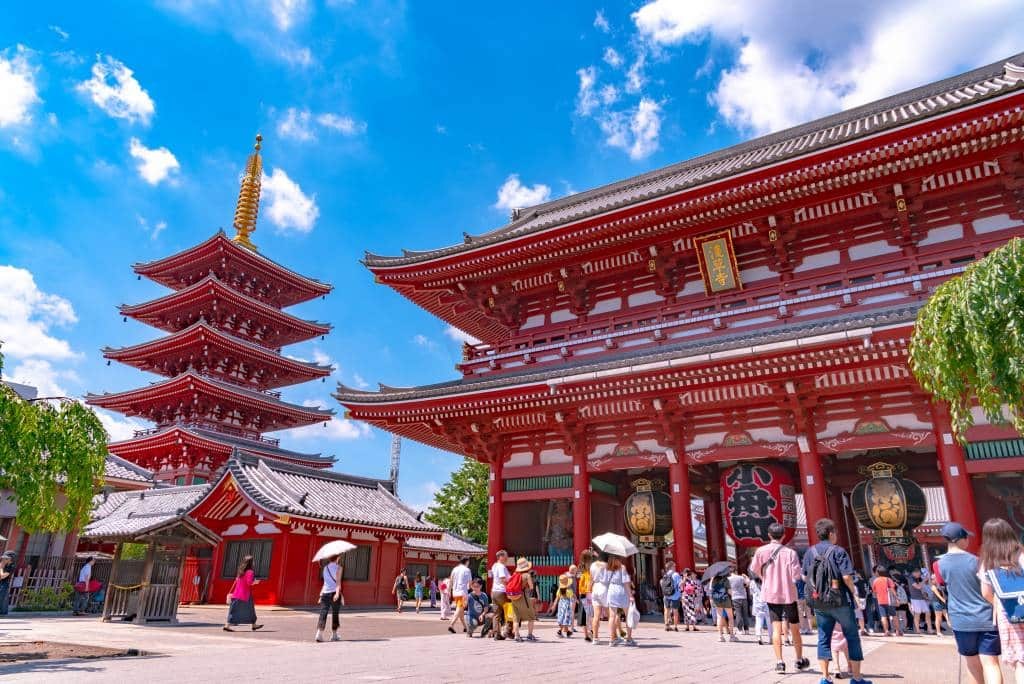 21 mi from YokohamaSenso-ji Temple
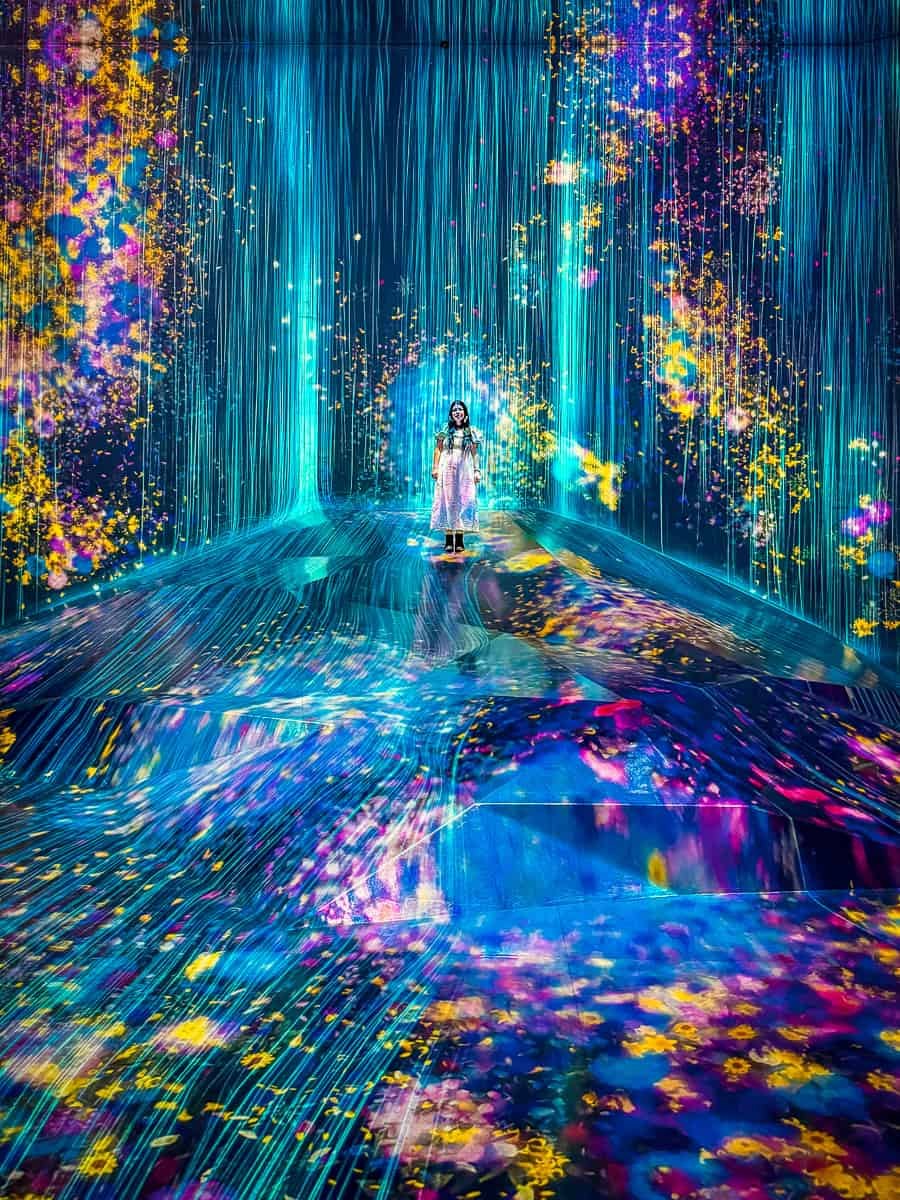 18 mi from YokohamateamLab Borderless
 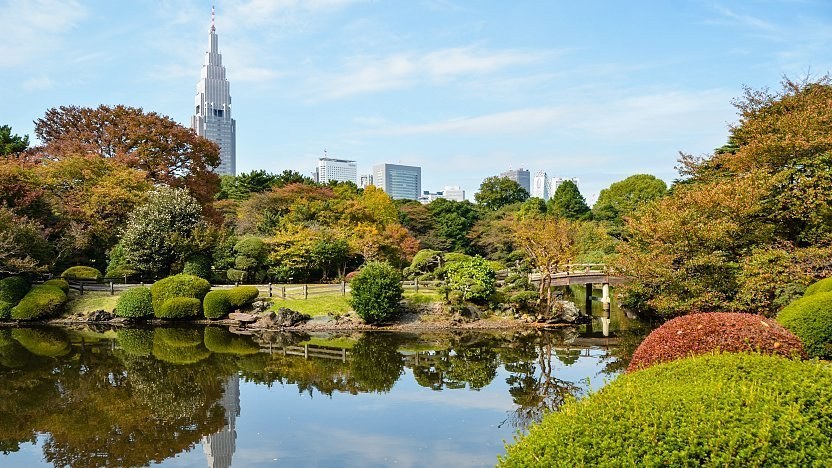 48 mi from Yokohama · land adventureTokyo's Secret Layers: Samurai Houses, Sunrise Crossings & Sake
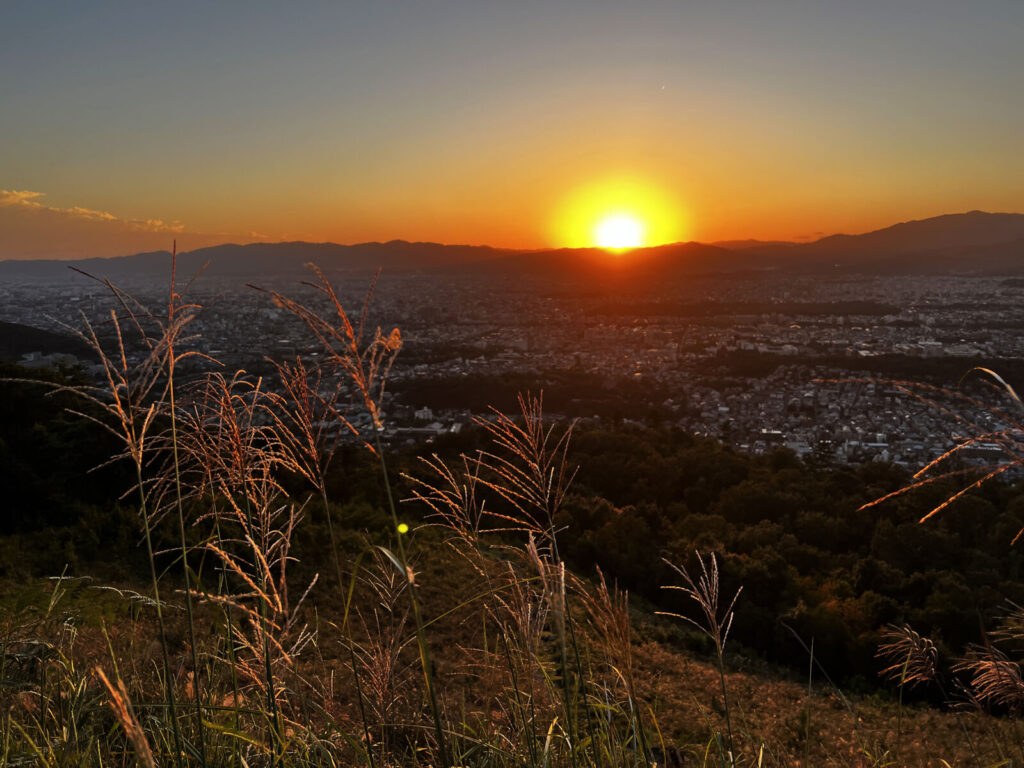 259 mi from Yokohama · land adventureKyoto After Dark: Firelight, Forest Paths & Ancient Craft
 The same trip, elevated
The same gateway on a more luxurious line — lead-in fare per person, same fare as booking direct.