Your cruise
Costa Fascinosa · 7-night Mediterranean cruise, Ligurian Sea Darkest Spot to Marseille
Sep 11 – Sep 18 · 7 nights ·
Day 1 Ligurian Sea Darkest Spot (board) · Day 1 Toulon · Day 2 Savona (Genoa) · Day 3 Aranci Gulf · Day 3 Olbia · Day 4 at sea · Day 5 Valencia · Day 6 Ibiza · Day 6 Formentera Bay · Day 7 Ibiza · Day 8 Marseille (step off)
What you do Soar above Toulon's grand naval harbour by cable car to the 584m summit of Mont Faron — a sensational Provençal panorama, rare big cats at the zoo, and a moving WWII liberation museum, all in one dramatic morning.
What to expect Board the historic cable car at the base station just 10 minutes from the port for a near-vertical, 6-minute ascent to the limestone summit plateau. The views over Toulon's vast natural harbour, the Îles d'Hyères and the Massif des Maures are among the finest on the entire Côte d'Azur. Explore the summit zoo — home to lions, tigers and leopards in spacious Provençal scrubland — and spend quiet, unhurried time in the WWII Provence Landing memorial. Descend in time for a long, relaxed port-side lunch.
Good to know Cable car opens daily from 10:00; first ride up by 10:30 gives you the summit virtually to yourself. The base station is a short taxi or 20-min walk from the cruise terminal. No pre-booking required for the cable car, but check seasonal closure dates on the official website. All-aboard is typically 17:00–18:00 — you'll be back with hours to spare.
Versus the ship tour The cable car itself is the moment — a silent, glass-enclosed ascent above terracotta rooftops and the entire naval harbour. At the top, the Mémorial du Débarquement de Provence gives WWII history extraordinary weight with its panoramic backdrop, while the big-cat enclosures are genuinely rare in this region. It is intimate, un-crowded at opening time, and entirely at your own pace.
book direct with Téléphérique du Mont Faron (official) → · the full guide →
What you do Slip into turquoise fjord-like inlets that can only be reached by sea — crystal-clear, UNESCO-protected waters framed by white limestone cliffs plunging 400 metres into the Mediterranean. A private charter is the only way to linger here without the crowds.
What to expect Board your chartered vessel from La Seyne-sur-Mer or Toulon marina and cruise west along the Var coastline before entering the Calanques National Park, where the sea turns an almost implausible shade of cobalt. The skipper drops anchor inside towering chalk walls and you swim, snorkel or simply float above posidonia seagrass meadows teeming with sea bream and octopus. A gourmet charcuterie and cheese board with chilled local Bandol rosé is served on deck. The return leg hugs the dramatic corniche coast back to port.
Good to know Book the private charter well in advance — peak-season dates fill quickly. The boat departs from Toulon Vieille Darse or La Seyne, roughly 5–10 minutes from the cruise terminal by taxi. Bring reef-safe sun cream; the park enforces environmental rules. Half-day returns you to port by early afternoon with time to explore Toulon's old town.
Versus the ship tour A private or semi-private boat charter means you anchor in the most spectacular calanques — En-Vau, Port-Pin, Sugiton — with no coaches, no queues and no timetable other than your own. Your skipper knows the secret anchorages and the best snorkelling ledges, and you eat lunch on deck with cold rosé and a view that belongs on a postcard.
What you do The world's most glamorous fishing village, up close and personal — luminous harbour, ochre lanes, the Musée de l'Annonciade Impressionist collection, and the legendary Place des Lices market, all explored privately at a discerning pace.
What to expect Your bilingual private guide and driver collects you from the cruise terminal for the scenic 60-km coastal transfer to St. Tropez. Stroll the Vieux Port at its photogenic best, watching the superyachts jostle with centuries-old fishing boats. Enter the Musée de l'Annonciade — housed in a converted chapel — for an intimate viewing of one of France's finest Post-Impressionist collections. Wander the cobbled alleys of La Ponche, discover hidden chapels and artisan boutiques, and lunch at a guide-recommended bistro on the port before the scenic return drive.
Good to know Departure from Toulon port by 09:00 is recommended to beat tourist coaches into the village. The Musée de l'Annonciade is closed on Tuesdays — confirm your port day before booking. Return journey to the terminal takes approximately 75 minutes. Pre-book via Provence Private Tour with your exact port date to secure your preferred guide.
Versus the ship tour A private, licensed guide removes all the guesswork — you arrive before the day-trippers, spend exactly as long as you wish on the Annonciade's jaw-dropping Signac and Matisse canvases, take a pastis on the Place des Lices like a local, and leave when you choose. The expert commentary on the village's transformation from sleepy port to global byword for glamour is genuinely fascinating.
What you do Europe's most spectacular canyon — 700-metre limestone walls, a river of impossible emerald green, and hairpin corniche roads above the void. A private guided day here is a once-in-a-lifetime Provençal landscape experience that most Mediterranean cruisers never even attempt.
What to expect Your private driver-guide collects you at the port early for the 1.5-hour transfer north into the Var hinterland and up to the Verdon plateau. Drive the legendary Route des Crêtes along the southern rim of the gorge, stopping at the Belvédère de la Mescla and the Palud-sur-Verdon viewpoints for photography that needs no filter. A leisurely Provençal lunch at a farmhouse auberge with local wine is included. In the afternoon, walk a short section of the Sentier Martel trail above the canyon floor before the scenic return to Toulon.
Good to know This is a full-day excursion — depart by 08:30 and return to port by 17:30–18:00. Comfortable walking shoes and a light layer (the plateau is cooler than the coast) are essential. Pre-booking directly with Bonjour Provence is required; availability is limited for private departures. Best April–October.
Versus the ship tour Bonjour Provence's small-group and private specialists know the Verdon intimately — which belvedere gives the most vertiginous drop, where to stop for Provençal lunch above the gorge, and how to time the Route des Crêtes before the crowds arrive. The scale of the canyon, utterly silent except for the wind and the river 700m below, is genuinely humbling and impossible to replicate anywhere else on a Mediterranean itinerary.
book direct with Bonjour Provence Tours → · the full guide →
What you do Perched on a rocky hilltop above the vines, Le Castellet is one of Provence's most perfectly preserved medieval villages — stone ramparts, a Romanesque chapel, and sweeping views to the sea — paired with a private tasting at a celebrated Bandol domaine.
What to expect Depart the port on a 30-minute private transfer inland to the Bandol wine country, arriving at Le Castellet village as morning mist lifts off the vines. Your guide leads you through the 11th-century ramparts, the Place de la Mairie with its plane trees, and the ancient chapel with its carved Provençal altar. Then descend to a family-owned Bandol domaine for an exclusive cellar tour and tasting of their aged reds, elegant whites and celebrated rosé, accompanied by local charcuterie and tapenade. Return to the port in time for a Toulon harbour lunch.
Good to know Le Castellet is just 30 km from the port — an easy half-day. The Circuit Paul Ricard racing track is nearby if your group includes motorsport enthusiasts (can be added). Bandol wine is not widely exported, so this is a genuine chance to buy at cellar-door prices. Book directly with Bonjour Provence well in advance for domaine access.
Versus the ship tour Bandol is one of France's most underrated appellations — its Mourvèdre-driven reds age for decades, and its rosés are a cut above the generic Côte de Provence pink. A private guide navigates you through the mediaeval lanes of Le Castellet with genuine historical knowledge, then secures access to a domaine cellar for an unhurried tasting with the winemaker — the kind of personal access that simply isn't available on a group itinerary.
book direct with Bonjour Provence Tours → · the full guide →
What you do Delve into the sun-drenched soul of Toulon — a private walking tour through the authentic Basse-Ville, the Cours Lafayette provençal market, the naval cathedral, and a curated sequence of artisan food tastings that reveal this proudly local city at its most delicious.
What to expect Begin steps from the cruise terminal at Toulon's magnificent Arsenal Vieux Port — your guide sets the scene with the city's four centuries of naval dominance. Thread through the aromatic lanes of the Basse-Ville to the Cours Lafayette, where your guide introduces you to stallholders offering tastings of Provençal olives, tapenade, cured meats and lavender honey. Visit the Cathédrale Sainte-Marie-de-la-Seds and the beautifully restored Place Puget with its dolphin fountain before finishing with a pastis or chilled rosé at a terrace café. The city feels entirely your own.
Good to know The Cours Lafayette market operates every morning and is at its vibrant peak 08:00–12:00 — this tour is best started at 09:00. The terminal is a 5-minute walk from the start point. Wear comfortable shoes; the old-town lanes are cobbled. Bring a small bag — your guide will help you select the perfect Provençal picnic or gifts to take back aboard.
Versus the ship tour An official, licensed Toulon guide — not a reseller — who was born and raised in the Var brings the city's extraordinary naval history and market culture to life with stories you will not read in any guidebook. The Cours Lafayette market is one of the finest daily produce markets in Provence; your guide knows every stallholder and will steer you to the truffle honey, the aged Banon cheese and the socca that locals actually eat. It is the city seen from the inside.
What you do Soar above Toulon's grand naval harbour by cable car to the 584m summit of Mont Faron — a sensational Provençal panorama, rare big cats at the zoo, and a moving WWII liberation museum, all in one dramatic morning.
What to expect Board the historic cable car at the base station just 10 minutes from the port for a near-vertical, 6-minute ascent to the limestone summit plateau. The views over Toulon's vast natural harbour, the Îles d'Hyères and the Massif des Maures are among the finest on the entire Côte d'Azur. Explore the summit zoo — home to lions, tigers and leopards in spacious Provençal scrubland — and spend quiet, unhurried time in the WWII Provence Landing memorial. Descend in time for a long, relaxed port-side lunch.
Good to know Cable car opens daily from 10:00; first ride up by 10:30 gives you the summit virtually to yourself. The base station is a short taxi or 20-min walk from the cruise terminal. No pre-booking required for the cable car, but check seasonal closure dates on the official website. All-aboard is typically 17:00–18:00 — you'll be back with hours to spare.
Versus the ship tour The cable car itself is the moment — a silent, glass-enclosed ascent above terracotta rooftops and the entire naval harbour. At the top, the Mémorial du Débarquement de Provence gives WWII history extraordinary weight with its panoramic backdrop, while the big-cat enclosures are genuinely rare in this region. It is intimate, un-crowded at opening time, and entirely at your own pace.
book direct with Téléphérique du Mont Faron (official) → · the full guide →
What you do Slip into turquoise fjord-like inlets that can only be reached by sea — crystal-clear, UNESCO-protected waters framed by white limestone cliffs plunging 400 metres into the Mediterranean. A private charter is the only way to linger here without the crowds.
What to expect Board your chartered vessel from La Seyne-sur-Mer or Toulon marina and cruise west along the Var coastline before entering the Calanques National Park, where the sea turns an almost implausible shade of cobalt. The skipper drops anchor inside towering chalk walls and you swim, snorkel or simply float above posidonia seagrass meadows teeming with sea bream and octopus. A gourmet charcuterie and cheese board with chilled local Bandol rosé is served on deck. The return leg hugs the dramatic corniche coast back to port.
Good to know Book the private charter well in advance — peak-season dates fill quickly. The boat departs from Toulon Vieille Darse or La Seyne, roughly 5–10 minutes from the cruise terminal by taxi. Bring reef-safe sun cream; the park enforces environmental rules. Half-day returns you to port by early afternoon with time to explore Toulon's old town.
Versus the ship tour A private or semi-private boat charter means you anchor in the most spectacular calanques — En-Vau, Port-Pin, Sugiton — with no coaches, no queues and no timetable other than your own. Your skipper knows the secret anchorages and the best snorkelling ledges, and you eat lunch on deck with cold rosé and a view that belongs on a postcard.
What you do The world's most glamorous fishing village, up close and personal — luminous harbour, ochre lanes, the Musée de l'Annonciade Impressionist collection, and the legendary Place des Lices market, all explored privately at a discerning pace.
What to expect Your bilingual private guide and driver collects you from the cruise terminal for the scenic 60-km coastal transfer to St. Tropez. Stroll the Vieux Port at its photogenic best, watching the superyachts jostle with centuries-old fishing boats. Enter the Musée de l'Annonciade — housed in a converted chapel — for an intimate viewing of one of France's finest Post-Impressionist collections. Wander the cobbled alleys of La Ponche, discover hidden chapels and artisan boutiques, and lunch at a guide-recommended bistro on the port before the scenic return drive.
Good to know Departure from Toulon port by 09:00 is recommended to beat tourist coaches into the village. The Musée de l'Annonciade is closed on Tuesdays — confirm your port day before booking. Return journey to the terminal takes approximately 75 minutes. Pre-book via Provence Private Tour with your exact port date to secure your preferred guide.
Versus the ship tour A private, licensed guide removes all the guesswork — you arrive before the day-trippers, spend exactly as long as you wish on the Annonciade's jaw-dropping Signac and Matisse canvases, take a pastis on the Place des Lices like a local, and leave when you choose. The expert commentary on the village's transformation from sleepy port to global byword for glamour is genuinely fascinating.
What you do Europe's most spectacular canyon — 700-metre limestone walls, a river of impossible emerald green, and hairpin corniche roads above the void. A private guided day here is a once-in-a-lifetime Provençal landscape experience that most Mediterranean cruisers never even attempt.
What to expect Your private driver-guide collects you at the port early for the 1.5-hour transfer north into the Var hinterland and up to the Verdon plateau. Drive the legendary Route des Crêtes along the southern rim of the gorge, stopping at the Belvédère de la Mescla and the Palud-sur-Verdon viewpoints for photography that needs no filter. A leisurely Provençal lunch at a farmhouse auberge with local wine is included. In the afternoon, walk a short section of the Sentier Martel trail above the canyon floor before the scenic return to Toulon.
Good to know This is a full-day excursion — depart by 08:30 and return to port by 17:30–18:00. Comfortable walking shoes and a light layer (the plateau is cooler than the coast) are essential. Pre-booking directly with Bonjour Provence is required; availability is limited for private departures. Best April–October.
Versus the ship tour Bonjour Provence's small-group and private specialists know the Verdon intimately — which belvedere gives the most vertiginous drop, where to stop for Provençal lunch above the gorge, and how to time the Route des Crêtes before the crowds arrive. The scale of the canyon, utterly silent except for the wind and the river 700m below, is genuinely humbling and impossible to replicate anywhere else on a Mediterranean itinerary.
book direct with Bonjour Provence Tours → · the full guide →
What you do Perched on a rocky hilltop above the vines, Le Castellet is one of Provence's most perfectly preserved medieval villages — stone ramparts, a Romanesque chapel, and sweeping views to the sea — paired with a private tasting at a celebrated Bandol domaine.
What to expect Depart the port on a 30-minute private transfer inland to the Bandol wine country, arriving at Le Castellet village as morning mist lifts off the vines. Your guide leads you through the 11th-century ramparts, the Place de la Mairie with its plane trees, and the ancient chapel with its carved Provençal altar. Then descend to a family-owned Bandol domaine for an exclusive cellar tour and tasting of their aged reds, elegant whites and celebrated rosé, accompanied by local charcuterie and tapenade. Return to the port in time for a Toulon harbour lunch.
Good to know Le Castellet is just 30 km from the port — an easy half-day. The Circuit Paul Ricard racing track is nearby if your group includes motorsport enthusiasts (can be added). Bandol wine is not widely exported, so this is a genuine chance to buy at cellar-door prices. Book directly with Bonjour Provence well in advance for domaine access.
Versus the ship tour Bandol is one of France's most underrated appellations — its Mourvèdre-driven reds age for decades, and its rosés are a cut above the generic Côte de Provence pink. A private guide navigates you through the mediaeval lanes of Le Castellet with genuine historical knowledge, then secures access to a domaine cellar for an unhurried tasting with the winemaker — the kind of personal access that simply isn't available on a group itinerary.
book direct with Bonjour Provence Tours → · the full guide →
What you do Delve into the sun-drenched soul of Toulon — a private walking tour through the authentic Basse-Ville, the Cours Lafayette provençal market, the naval cathedral, and a curated sequence of artisan food tastings that reveal this proudly local city at its most delicious.
What to expect Begin steps from the cruise terminal at Toulon's magnificent Arsenal Vieux Port — your guide sets the scene with the city's four centuries of naval dominance. Thread through the aromatic lanes of the Basse-Ville to the Cours Lafayette, where your guide introduces you to stallholders offering tastings of Provençal olives, tapenade, cured meats and lavender honey. Visit the Cathédrale Sainte-Marie-de-la-Seds and the beautifully restored Place Puget with its dolphin fountain before finishing with a pastis or chilled rosé at a terrace café. The city feels entirely your own.
Good to know The Cours Lafayette market operates every morning and is at its vibrant peak 08:00–12:00 — this tour is best started at 09:00. The terminal is a 5-minute walk from the start point. Wear comfortable shoes; the old-town lanes are cobbled. Bring a small bag — your guide will help you select the perfect Provençal picnic or gifts to take back aboard.
Versus the ship tour An official, licensed Toulon guide — not a reseller — who was born and raised in the Var brings the city's extraordinary naval history and market culture to life with stories you will not read in any guidebook. The Cours Lafayette market is one of the finest daily produce markets in Provence; your guide knows every stallholder and will steer you to the truffle honey, the aged Banon cheese and the socca that locals actually eat. It is the city seen from the inside.
What you do Train ~1 hr from Savona to Santa Margherita Ligure, then board the historic Tigullio public ferry for the final glamorous leg into Portofino's pastel millionaire harbor -- arriving past the yachts the way locals do, not by tour bus. Continue on the same boat to San Fruttuoso, the medieval abbey tucked in a cove reachable only by sea. This is THE Italian Riviera postcard and the regret-if-you-miss-it pick for a first-timer.
What to expect You'll board a regional train from Savona toward the coast, arriving at Santa Margherita Ligure in roughly an hour. From there, step directly onto the historic Tigullio public ferry—the same boat locals use—and glide into Portofino's famous pastel-painted harbor, threading past luxury yachts to dock in the postcard scene itself. If time allows, continue by ferry to San Fruttuoso Abbey, a medieval monastery nestled in a sea-accessible cove, then retrace your route back to catch your return train before the final all-aboard.
Good to know Plan for 6–7 hours total and depart Portofino by early afternoon to secure a train back to Savona well before all-aboard; the ferry runs a fixed schedule with no buffer for delays. The ferry alone costs €20–24 per person round-trip (€24 including San Fruttuoso); add €11 for the regional train round-trip from Savona to Santa Margherita, totaling roughly €35–40/pp all-in. Book your return train time before leaving the ship, as gaps in the ferry timetable can strand you if you miss a connection. Wear comfortable shoes for train stations and the ferry deck, bring sun protection and a light jacket for sea spray, and carry small denominations of euros for ticket purchases.
Versus the ship tour Direct wins big. The ship's Portofino bus/boat day runs ~$82-160/pp; the cruise line's standalone Portofino boat hop pushes to $160. Doing it yourself by train + this public ferry, including the San Fruttuoso extension, lands around $35-40/pp all-in -- a saving of roughly $50-120 per person, and you get the by-sea arrival the bus tour never gives you. Mainland item: budget 6-7 hrs and leave Portofino by early afternoon; the ferry runs to a fixed timetable, so build in margin to make the last train back to Savona well before all-aboard.
book direct with Servizio Marittimo del Tigullio (the Gulf of Tigullio's public ferry consortium) → · the full guide →
What you do Off the San Fruttuoso abbey lies Cristo degli Abissi, a bronze Christ sunk in 1954 with arms raised toward the surface, resting in 17m of clear water -- one of the most photographed underwater sights in the Mediterranean. Go with a Portofino Marine Protected Area dive center: snorkelers can see the statue from the surface on calm days, and a guided discover-dive puts you right at the figure. A genuine once-in-a-lifetime, unmistakably Ligurian moment.
What to expect You travel by local transport to the Portofino Marine Protected Area, where a PADI-certified guide meets you at Diving Group Portofino. If you're diving, you'll descend 17 meters into crystalline water to face Cristo degli Abissi—a bronze Christ with arms raised toward the surface, sunk in 1954 and one of the Mediterranean's most iconic underwater sights. Snorkelers on calm days can glimpse the statue from the surface with a mask; divers get the profound, intimate moment of meeting it at depth. The whole experience is rhythmed by the water's clarity and the statue's tranquil presence—a genuine once-in-a-lifetime, unmistakably Ligurian encounter.
Good to know Book ahead by phone (+39 335 356975) or email with Diving Group Portofino; they don't offer online ticketing. Allow roughly 4–5 hours round-trip including transport from the pier, the dive or snorkel (guided discover-dives run ~EUR 90–100 per person with gear and MPA fee; snorkel trips ~EUR 50–70), and return buffer—confirm the operator guarantees you back to ship and book the morning slot. Bring or rent a wetsuit depending on water temperature and your comfort; if budget-conscious and conditions are calm, the public ferry to San Fruttuoso (~$17 one-way) plus a snorkel mask is the cheapest way to see it from the surface. Train time from Camogli or Santa Margherita adds at least an hour, so use an operator with a fixed ship-return commitment.
Versus the ship tour Cruise lines almost never offer the statue as a standalone dive, so direct is the only real way to actually get in the water with it. If you only want to look, the cheapest honest option is the public ferry to San Fruttuoso (~$17 one-way) plus a mask -- on a calm day you can see it from the surface for the price of a ferry ticket. Pay the dive operator only if you want to be guided down to it. Mainland item near Camogli/Santa Margherita: needs ~half a day plus train time, so use an operator that guarantees you back to the ship and confirm the morning slot.
book direct with Diving Group Portofino (PADI center inside the Portofino MPA) → · the full guide →
What you do A ~45-60 min train from Savona drops you beside Renzo Piano's redeveloped Porto Antico, home to the biggest aquarium in Europe: 70 recreated marine ecosystems with dolphins, sharks, a penguin/Antarctic habitat and a glass tunnel. It's the rare 'big' bucket-list item that's weatherproof, family-proof and unmistakably Genoa's own -- ideal if the sea's too rough for boats or you've got kids in tow.
What to expect You'll catch a train from Savona to Genoa's Porto Antico (45–60 minutes), stepping directly into Renzo Piano's waterfront redevelopment where the Acquario di Genova commands the harborfront. Inside, you'll move through 70 recreated marine ecosystems—crossing a glass tunnel beneath prowling sharks, watching dolphins arc through their habitat, descending into the Antarctic penguin wing—before emerging to explore the bustling harbor quarter itself. The whole rhythm is weatherproof and unhurried, designed for families and those wanting to avoid the unpredictable Ligurian Sea.
Good to know Book timed-entry tickets online directly (€26–37/adult) before departure; the ship's package charges ~$115/pp for the same content, while the aquarium sits just a 10-minute walk from the Genoa terminal, meaning you're mostly paying for their shuttle. Within a 6–8 hour port window, budget 45–60 min each way for the train (~€4–5 per direction), 2.5–3 hours in the aquarium, leaving a comfortable 2+ hour back-to-ship buffer. Bring euro coins for the train; wear comfortable shoes for the Porto Antico quarter, which rewards wandering.
Versus the ship tour Direct wins by a mile. The ship's Aquarium & Porto Antico excursion is ~$115/pp; the entry ticket booked direct is $28, and the harbor itself is a free 10-min walk from the Genoa terminal. That's roughly $87/pp saved -- the ship is essentially charging $87 to walk you across the street. Train from Savona is ~EUR 4-5 each way. Easily fits a port day with hours to spare.
book direct with Acquario di Genova (Costa Edutainment -- the venue's own operator) → · the full guide →
What you do Walk Via Garibaldi, the 16th-17th-c. 'Strade Nuove' where Genoa's merchant princes built frescoed Baroque palaces so grand that visiting kings were once assigned to them by lottery -- UNESCO-listed in 2006. Step inside the three Rolli museum-palaces (Rosso, Bianco, Tursi) for painted atriums, hanging gardens and Van Dyck portraits. It's one of Europe's most concentrated stretches of Renaissance grandeur and the heart of Genoa's old maritime-superpower identity.
What to expect You'll walk directly from Genoa's cruise terminal into Via Garibaldi, the 16th–17th-century "Strade Nuove," where Renaissance frescoed Baroque palaces line both sides in grand succession. Step into one or all three of the Rolli museum-palaces (Palazzo Rosso, Bianco, Tursi) to explore painted atriums, hanging gardens, and Old Master portraits—the interiors are as breathtaking as the street facades. The rhythm is unhurried: stroll the free street itself, pause at palace facades, then choose your depth—either pop into the palaces solo with an EUR 9 combined ticket, or join a local guide (EUR 20–50) who'll unlock the stories behind Genoa's merchant-prince era. You're walking through one of Europe's most concentrated stretches of Renaissance grandeur, the physical heart of what made Genoa a maritime superpower.
Good to know The Genoa cruise terminal sits already in the center—no transfer needed; Via Garibaldi is a direct walk from the pier. Book the EUR 9 combined palace ticket online or on-site to skip lines, or add a local walking guide (EUR 20–50 pp) in advance if you want contextual commentary. Plan 4–5 hours for a full exploration (street + all three palaces); 2–3 hours suffices if you stroll the street and dip into one palace. Leave yourself a 60–90 minute buffer to return to the ship, as Genoa's old-town alleys can wind; bring comfortable walking shoes and water, as the Renaissance grandeur demands pace.
Versus the ship tour Direct wins. The ship's Genoa old-town walking tour is ~$75/pp -- and the cruise terminal is already in the center, so you're mostly paying to be walked across the street. Book a EUR 9 palaces ticket and add a local guide for ~$22-55 if you want commentary, or just walk it free; that's $20-65/pp saved versus the ship. Fully walkable from the Genoa terminal, no transfer needed.
book direct with Musei di Strada Nuova / Visit Genoa (official city museums & tourism office) → · the full guide →
What you do Most passengers bolt for Genoa and never realize Savona itself is a Riviera gem: the massive seafront Priamar Fortress (1542), the Della Rovere old town along Via Pia, and a true 'Sistine Chapel' -- a Rococo mausoleum commissioned by Savona-born Pope Sixtus IV, the same pope behind Rome's Sistine Chapel. It's the lowest-effort, zero-train, walk-from-the-ship option and a real sense-of-place win if you only have a few hours or want a relaxed day.
What to expect You step off the ship into Savona's harborfront, where the massive Priamar Fortress (1542) dominates the skyline—a sprawling, walk-able complex where you'll wander seventeenth-century bastions, courtyards, and museum galleries without crowds or queues. From there, a few minutes on foot lands you in the Della Rovere old town along atmospheric Via Pia, where narrow streets reveal local life. The crowning moment is the Cappella Sistina, a luminous Rococo mausoleum commissioned by Pope Sixtus IV himself—the same visionary behind Rome's iconic chapel—tucked into the urban fabric where you'd least expect such baroque grandeur. You're back at the pier within hours, never rushed, having absorbed genuine sense-of-place that most passengers racing to Genoa miss entirely.
Good to know The entire excursion (Priamar grounds + fortress museums + Cappella Sistina entry) costs under $15 total and sits within a 10–15 minute walk from your cruise terminal—no transport needed, no booking required. Budget 3–4 hours for a leisurely pace; 2 hours if you're tight on time and want just the fortress exterior and chapel. Bring comfortable walking shoes, small coins or cards for museum entries (EUR 5 for Priamar, EUR 3–5 for the chapel), and a light bag; no advance reservations needed for this self-guided approach. Plan your return with a 45-minute buffer before all-aboard to avoid any stress—you're never far from the ship, making this the lowest-risk, highest-reward alternative to pricier operator tours.
Versus the ship tour This is the safety-net pick, and direct/DIY clearly wins -- it's effectively free and there's no ship equivalent worth buying. The ship's 'A Taste of Savona' style local tour lists around $115/pp; you can see the fortress and the Cappella Sistina yourself for under $15 total and be back aboard in minutes. Lowest risk of missing all-aboard since you never leave Savona.
book direct with Comune di Savona / Visit Savona (official municipal tourism) → · the full guide →
What you do Sail to the dramatic limestone monolith of Tavolara — one of the world's smallest kingdoms — aboard a private catamaran. Snorkel the crystalline marine protected waters, anchor in secret coves, and toast with Sardinian Vermentino as the island cliffs glow at sunset.
What to expect Depart Olbia or Golfo Aranci marina and glide across the Gulf of Olbia to Tavolara's sheer 565 m limestone walls. Your skipper navigates to two or three snorkel spots inside the protected reserve, where posidonia meadows shelter octopus, sea bream, and moray eels in visibility that regularly exceeds 20 m. A cold aperitivo spread — local cheeses, cured meats, Cannonau wine — is served on deck as you drift in a turquoise cove. The return sail hugs the coastline past Punta Coda Cavallo's white-sand lagoons.
Good to know Tours run approx. 4–6 hours; morning departures (9 am) are best for light and sea conditions. Pre-book at least 2 weeks ahead in peak season (June–September). All-aboard Olbia is typically 6–7 pm, giving ample buffer. Bring reef-safe sunscreen; snorkel gear provided.
Versus the ship tour A maximum-12-person small-group format means you anchor in uncrowded coves inside the Tavolara–Punta Coda Cavallo Marine Protected Area — waters most vessels are simply not permitted to enter at volume. The skipper doubles as a marine naturalist.
book direct with Tavolara Diving & Boat Tours (Golfo Aranci) → · the full guide →
What you do Glide along the legendary Costa Smeralda — Aga Khan's gilded Riviera — stopping at Porto Cervo's yacht-lined marina, the hilltop village of San Pantaleo, and panoramic clifftop belvederes over emerald bays. A private, small-group format means you set the pace among Sardinia's most glamorous scenery.
What to expect Your guide collects you dockside in a climate-controlled private vehicle and heads north through the granite macchia landscape. Porto Cervo rewards with a stroll past super-yachts and the whitewashed Stella Maris church before you wind into the hills to San Pantaleo's Saturday antiques market (or quiet lanes mid-week). Multiple panoramic stops reveal the Costa's signature acid-green shallows fading to deep cobalt. Lunch at a hand-picked agriturismo or harbour trattoria is built into the itinerary on request.
Good to know Book direct via ToursByLocals to secure Matteo or an equivalent vetted local guide. 5–6 hour duration fits comfortably within most Olbia port days. Confirm all-aboard time with your guide at the start; distances are short but coastal roads can be busy July–August.
Versus the ship tour A private local expert navigates the winding Smeralda roads at your rhythm — lingering at the belvedere above Liscia di Vacca, ducking into San Pantaleo's artisan galleries, taking a pre-lunch espresso at a Costa Smeralda café frequented by locals rather than tour groups.
book direct with ToursByLocals — Matteo P. (Private Olbia Guide) → · the full guide →
What you do Descend into the granite-terraced vineyards of the Gallura hills — Italy's only Vermentino DOCG zone — for an intimate guided tour of the cellar, olive groves, and estate, crowned by a curated tasting of Sardinia's finest whites and reds paired with island charcuterie and aged pecorino.
What to expect A short 15-minute transfer from the port brings you to the estate's sun-warmed granite terraces overlooking the Gulf of Olbia. The cellar master walks you through the DOC and DOCG classifications, opens barrels for aroma analysis, and pours three to five wines — typically the flagship Vermentino di Gallura Superiore alongside a Cannonau Riserva. The tasting table is dressed with local honey, fig jam, aged Fiore Sardo cheese, and cured meats from the estate's farm neighbours. Bottles can be purchased and packed for travel.
Good to know The estate is approx. 15 mins by taxi from the cruise terminal — easily self-navigated. Book ahead; private experiences sell out in summer. Allow 2–2.5 hours. Arrange a taxi or private transfer return to ensure punctual all-aboard.
Versus the ship tour Tenute Olbios holds a 4.8/5 rating and is the standout estate nearest Olbia — small production, family-owned, with a genuine cellar master who explains why Gallura's granite soils produce a Vermentino unlike anything on the mainland. Groups are tiny; you are a guest, not a tourist.
book direct with Tenute Olbios (Olbia Estate Winery) → · the full guide →
What you do Uncover 3,000 years of layered history on a private expert-led walk through Olbia — from the Nuragic sacred well of Sa Testa and the 11th-century Romanesque Basilica di San Simplicio to Roman ruins beneath the city streets and the Museo Archeologico's Punic shipwrecks.
What to expect Begin at the Sacred Well of Sa Testa — a perfectly preserved Bronze Age Nuragic spring temple just outside town — before entering the medieval heart of Olbia along Corso Umberto I. Your guide pauses at the excavation windows revealing Roman docks before leading you into San Simplicio, Sardinia's finest Romanesque church, explaining its role in the island's religious history. The Museo Archeologico completes the arc: ancient Punic warships raised from the harbour mud, displayed in a striking waterfront building. Finish with a granita at a century-old bar on the corso.
Good to know Sa Testa is approx. 3 km from the port (short taxi ride); the rest of the tour is walkable. Museum entry is EUR 3–5 per person. The full circuit takes 3–4 hours comfortably. Book a private guide 1–2 weeks ahead; July–August dates go fast.
Versus the ship tour A dedicated archaeologist or art-historian guide opens the layers most visitors walk past: the Roman harbour foundations visible through glass floors in Corso Umberto, the pre-Nuragic carvings at Sa Testa, and the basilica's unrestored medieval frescoes — context that only deep local expertise can animate.
book direct with GoWithGuide — Olbia Private Guides → · the full guide →
What you do Launch at first light from the shores of Porto Taverna and paddle through mirror-calm, jade-coloured waters inside the Tavolara–Punta Coda Cavallo Marine Reserve — snorkelling sea-grass meadows alive with marine life, then toasting the morning with a traditional Sardinian espresso on a secret beach.
What to expect A guide transfers you to the launch point on the reserve's lagoon edge before other tourists are awake. You paddle along the protected coastline, pausing at two snorkel stations in posidonia meadows teeming with sea bream, starfish, and translucent jellyfish. The pace is gentle — this is a mindful, immersive experience, not a workout. The session closes on a pocket beach with a moka-pot espresso and local pastries before the transfer back to port in time for a leisurely breakfast aboard.
Good to know Departs approx. 7–8 am; back at port by midday, well clear of all-aboard. No kayak experience required. Arrange private transfer from the cruise terminal to the launch site (approx. EUR 20–25 each way by taxi). Confirm current pricing and availability directly with the operator via CruiseSheet's listing.
Versus the ship tour Limited to a handful of kayaks at dawn, this is Sardinia utterly without crowds — the reserve's turquoise shallows lit gold by early sun, the silence broken only by paddles and birdsong. No motorboat churns the water; you glide to snorkel spots no larger vessel can access.
book direct with CruiseSheet / Local Kayak Operator — Golfo Aranci Kayak Tours → · the full guide →
What you do Board a small rigid-inflatable or motor-yacht for an intimate dolphin-watching expedition in the Gulf of Olbia — one of the Mediterranean's most reliable year-round habitats for bottlenose and striped dolphins — guided by a marine biologist who turns every sighting into a masterclass in cetacean behaviour.
What to expect The rigid-inflatable slips out of Golfo Aranci marina and within 20–30 minutes is typically surrounded by bottlenose dolphins riding the bow wave — a moment that invariably draws gasps. Your marine biologist identifies individuals by dorsal fin markings and explains feeding and social behaviour in real time. On clear days Tavolara's limestone wall dominates the horizon. The return leg often yields sightings of loggerhead sea turtles and Cory's shearwaters skimming the swell. The 90-minute format is perfectly manageable for all ages and fitness levels.
Good to know Tours run multiple departures daily; the 9 am or 10 am slot leaves maximum free time in port. Golfo Aranci is 20 mins from Olbia by train (EUR 2.50) or 15 mins by taxi. Book ahead in summer — the 12-person limit means it sells out fast. All-aboard buffer is very comfortable.
Versus the ship tour Departing from Golfo Aranci — the dolphins' home bay — in a vessel carrying no more than 12 passengers, you spend the entire cruise in near-silence, positioning slowly alongside pods rather than disturbing them. The biologist guide provides ISES-compliant wildlife interaction, meaning ethical, unhurried encounters rather than a chase.
book direct with Dolphin Watching Tour — Golfo Aranci (local operator) → · the full guide →
What you do Step inside Santiago Calatrava's blinding-white, sci-fi City of Arts and Sciences and into the Oceanografic, the biggest aquarium in Europe, where a glass tunnel puts sharks and rays gliding over your head and beluga whales, sea lions and a dolphin lagoon fill nine themed marine worlds. It is the single most photographed image of Valencia and the closest marquee sight to the cruise terminal, about 12-20 minutes by bus line 95 or a ~12-15 euro taxi. For a first-timer with one port day, this is the regret-if-you-miss-it stop.
What to expect You arrive at Santiago Calatrava's gleaming City of Arts and Sciences and step into the Oceanografic, Europe's largest aquarium, where a glass tunnel frames sharks and rays gliding silently overhead. From there you move through nine themed marine worlds—beluga whales, sea lions, and a dolphin lagoon punctuate the journey—each zone a deeper plunge into underwater spectacle. The dolphin and sea-lion shows provide the natural rhythm breaks and peak photo moments. It's an immersive, self-paced flow from zone to zone, capped by the single most photographed image Valencia offers.
Good to know Book your ticket direct online (EUR 35.90–43.05 adult; combo packages with Hemisferic IMAX and Science Museum run EUR 44–51.25) and allow 2.5–4 hours inside the aquarium to cover all zones and catch both shows comfortably. From the cruise terminal, take line 95 bus (12–20 minutes) or a taxi (~EUR 12–15) directly to the City of Arts and Sciences; the walk from either drop-off to Oceanografic is short and self-evident. Plan to be back at the pier 90 minutes before all-aboard, and bring a camera—the underwater glass tunnels and Calatrava architecture demand it.
Versus the ship tour DIRECT WINS BIG. Lines like Celebrity and Royal Caribbean sell a city-visit-plus-Oceanografic tour at $95-130 pp; the aquarium ticket booked direct is only ~$39-46, so even with a taxi you save roughly $50-80 pp and skip the bus-herd pacing. The only thing the ship adds is guided transfer, which the line-95 bus or a short cab replaces for a few euros.
book direct with Oceanografic Valencia (Ciutat de les Arts i les Ciencies) → · the full guide →
What you do Glide out across the mirror-still freshwater lagoon in a traditional flat-bottomed albuferenc wooden boat, poled and motored past herons, reed beds and the rice paddies that actually gave the world paella, best at the golden-hour light Valencia is famous for. This is the postcard the cathedral and aquarium can't replicate, and at roughly 25 minutes from the port it pairs perfectly with an authentic paella lunch in the El Palmar village beside the dock.
What to expect You'll travel roughly 25 minutes from the port to El Palmar village and board a traditional flat-bottomed wooden boat, poled and motored across the mirror-still freshwater Albufera Lagoon. As you glide past herons, reed beds, and the rice paddies that gave paella to the world, golden-hour light transforms the landscape into postcard perfection—a natural experience the cathedral and aquarium cannot match. The shared lagoon ride lasts about 45 minutes, immersing you in the serene working wetlands that define this region. Pair it seamlessly with an authentic paella lunch at a village restaurant beside the dock, creating a complete sensory journey of Valencia's most authentic culinary and natural heritage.
Good to know Book directly with Paseos en Barca El Besso (WhatsApp/phone +34 678 336 181 or their website) for a standard ~45-minute ride at EUR 5 adult/EUR 3 child, or opt for a sunset/longer ride at EUR 7—a fraction of cruise-line bundled tour pricing. From the pier, take a taxi to El Palmar dock (roughly 25 minutes); consider hiring the same taxi to wait, or arrange round-trip transport through an independent port-gate operator for ~€75–85 to include boat and paella. Book your boat slot and paella restaurant reservation in advance to secure timing, and budget 4–5 hours total (transport, boat, meal, return) to maintain a safe buffer before all-aboard. Bring sun protection and a camera for golden-hour shots, and note that the boat is weather-dependent; confirm departures the morning of your port day.
Versus the ship tour DIRECT IS A FRACTION OF THE PRICE. The boat ride itself is ~5 euros booked directly with the barquero; cruise lines bundle it into 'Old Quarter and Albufera with paella' tours at $90-130 pp. If you want the whole package handled, an independent port-gate operator does boat + paella + round-trip transport for ~$82-92 pp and still beats the ship by $20-50. But the boat alone, self-driven by taxi, is the budget bucket-list steal of the port.
book direct with Paseos en Barca El Besso → · the full guide →
What you do Shop for ingredients at the 1928 Modernista Central Market with a Valencian chef, then learn to build the genuine article over fire, rice, chicken, rabbit and garrofo beans, never chorizo, and eat your own creation with regional wine and tapas. It is a hands-on, take-home-a-skill experience run by a real local operator, and the ~3.5-hour morning format slots cleanly inside a 6-8 hour port day for foodies who want to do more than sightsee.
What to expect You'll start with a guided walk through the soaring Modernista halls of the 1928 Central Market, learning to spot authentic paella ingredients alongside your Valencian chef before heading to the cooking space. There you'll work hands-on—building genuine paella over fire with rice, chicken, rabbit, and garrofo beans (never the tourist shortcut of chorizo). As the dish comes together, you'll taste regional wine and tapas, then sit down to eat the paella you've just made. The morning format flows as a natural arc from market discovery to skill-building to meal, completing in roughly 3.5 hours.
Good to know The ~3.5-hour morning class fits neatly into a 6–8 hour port day, leaving buffer time for tender queues and the walk back to the pier. Book directly with Sea Saffron (not the cruise line) to confirm pickup logistics from the Valencia port and confirm whether transportation is included. Wear closed-toe shoes suitable for standing in a market and near an open fire, and bring an appetite—you'll finish with your own cooked paella plus wine service. Reserve ahead, especially for weekend calls, since local operators fill faster than ship-sponsored alternatives.
Versus the ship tour DIRECT WINS. Cruise-line culinary excursions run $130-225 pp (tapas-and-wine city tours up to $221-226, cooking classes ~$139); Sea Saffron's hands-on class with market tour is ~$80 booked direct, saving $50-145 pp, and you deal with a genuinely Valencian operator instead of a contracted group bus.
What you do In its own Gothic side chapel the cathedral guards the agate cup the Vatican recognizes as the most credible candidate for the Holy Grail of the Last Supper, the spiritual heart of the Old Town. Then climb the 207 spiraling steps of the Miguelete bell tower for the definitive 360-degree panorama over Valencia's terracotta rooftops and domes. Compact, walkable and self-paced, it anchors any Old Town port-day plan.
What to expect You'll start in Valencia's compact Old Town, entering the Gothic cathedral to view the agate Holy Grail cup in its own chapel—a profound, quieter moment amid the architectural grandeur—before moving through the Treasury and museum at your own pace with an audioguide. Then you'll face the decision: take the 207 spiraling steps of the Miguelete bell tower for an unobstructed 360-degree panorama of terracotta rooftops and domes, or linger in the historic center's walkable streets. The rhythm is entirely self-directed; you move when you want, rest when you want, and the compact geography keeps you anchored without feeling rushed.
Good to know The cathedral and tower entry (~$12–14 total) should be booked direct at the official site or purchased at the door to avoid ship markups. Budget 2.5–3 hours for the full cathedral experience plus the tower climb; the Old Town is a flat, easy 10–15 minute walk from the cruise pier, leaving you 2–3 hours for additional wandering or a cafe stop. Build in a 30-minute buffer to return to the ship; bring comfortable walking shoes, sunscreen, and a small day bag, as the tower climb is tight and steep. Book ahead online only if you're visiting during peak season (May–September) to guarantee entry slots.
Versus the ship tour DIRECT WINS, AND IT'S SELF-GUIDED. Lines sell a Valencia City Highlights / panoramic Old Town tour at $70-95 pp; the cathedral and tower booked direct total ~$12-14 pp, and the historic center is an easy self-guided walk. The ship only adds a guide and coach transfer, worth it solely if you want zero logistics, otherwise you're paying $60+ extra for narration.
book direct with Catedral de Valencia (Basilica Metropolitana) → · the full guide →
What you do After a 1957 flood Valencia rerouted its river and turned the 9 km dry riverbed into one of Europe's great urban parks, a green ribbon winding under the city's historic stone bridges from the Old Town all the way to the City of Arts and Sciences. Rent a bike and ride the traffic-free corridor to string nearly every major sight together, the smartest, most local way to cover a lot of Valencia on a short port day.
What to expect You'll rent a bike at Valencia Bikes and pedal the 9 km traffic-free ribbon of the Turia Gardens, a green corridor that winds under historic stone bridges from the Old Town through the city's lush heart straight to the City of Arts and Sciences. Along the way you'll string together nearly every major sight—medieval plazas, arched architecture, and Calatrava's futuristic complex—without fighting traffic or crowds. The route flows as a seamless scenic loop, each landmark appearing naturally as you glide beneath centuries-old bridges and through sun-dappled parks. It's the closest thing to a personal-guided tour you'll get without paying for one, but entirely at your own pace and on your own discovery.
Good to know Rent your bike early to maximize daylight and give yourself 4–5 hours to ride the gardens, explore the Old Town, and visit the City of Arts and Sciences without rushing. The rental fee (~$13–16 including helmet and lock) is non-negotiable, so budget that upfront; guided tours are available at higher rates if you prefer narration. Allow at least 90 minutes buffer to return the bike, walk back to the pier, and clear security before all-aboard. Bring water, sunscreen, and check that the bike's brakes and tires work before leaving the rental shop—the route is flat and safe, but you'll be exposed to Valencia's sun for hours.
Versus the ship tour DIRECT WINS for the self-reliant. The ship's panoramic city tours run $70-110 pp; a half-day bike for ~$15 lets you self-connect the Old Town, Turia park and the Calatrava complex in one scenic loop, saving $55+ pp. Choose the ship only if you can't ride or want a guided narrative; otherwise the bike is the better-value, more memorable way to see the city.
What you do When you want an easy, low-stress port day, Malvarrosa and Las Arenas beaches sit minutes from the cruise terminal: a wide golden-sand strip backed by a palm-lined promenade of paella-and-seafood chiringuitos, with the America's Cup marina alongside. It is the closest open-water relaxation to the ship, no operator or booking needed, and you can be back aboard fast if the clock gets tight.
What to expect You arrive at a wide, palm-lined golden-sand beach moments from the cruise terminal, where the shoreline stretches lazily between the chiringuitos (casual seafood bars) lining the promenade and the sleek white yachts of the America's Cup marina. The rhythm is unhurried: claim a spot on the sand or rent a sunbed, order fresh paella or grilled fish from one of the beachfront shacks, and drift between the water and a cold horchata as the Mediterranean wind dries your shoulders. The Malvarrosa and Las Arenas beaches feel both Mediterranean-postcard authentic and entirely low-key—no crowds, no tours, just sand, salt water, and the gentle hum of port-city life just behind you.
Good to know A taxi from the terminal costs $12–15 each way, or take the city tram for a few euros—both get you beachside in minutes, leaving a full 5–6 hours to swim, eat, and lounge within a 6–8 hour port window. Sunbed and parasol rentals (around $5–10) are available on-site and require no advance booking. Build in a 30–45 minute buffer before all-aboard to account for a taxi queue or tram wait on the return trip, and bring cash or a card accepted at the chiringuitos if you plan to eat; sunscreen and a light cover-up are essential, as the beach offers limited shade beyond parasol rentals.
Versus the ship tour SKIP THE SHIP HERE. Cruise lines sell a Valencia Beaches / scenic coastal drive at $70-110 pp, but Malvarrosa is essentially in the port's backyard and free to enjoy; a taxi or tram gets you there for under $20 round trip. This is the no-regret fallback if a marquee tour sells out or you simply want sand and a cold horchata without spending a cent on an excursion.
What you do Hop the 30-minute fast ferry from the same harbor your ship is docked in to Formentera, then walk or rent a scooter to Playa de Ses Illetes, repeatedly voted the #1 beach in Europe. Shallow, glass-clear turquoise water and brilliant white sand inside the UNESCO-protected Ses Salines park make this the single most jaw-dropping thing within reach of the port. The 30-min crossing each way leaves 5+ hours on the island, so it fits a 6-8 hour port day with margin.
What to expect You'll make a quick 30-minute ferry crossing from the cruise terminal to Formentera, then walk or rent a scooter to Playa de Ses Illetes—the consistently ranked #1 beach in Europe. There you'll encounter the jaw-dropping reality: shallow, glass-clear turquoise water lapping against brilliant white sand within the UNESCO-protected Ses Salines park. With 5+ hours on the island before your return ferry, you'll have genuine time to swim, sunbathe, and soak in what feels like the Spanish Caribbean without the cruise-ship crowds.
Good to know Book the morning's first ferry departure (departing every ~30 minutes) and budget 1 hour total for the round-trip crossing, leaving 5–6 hours for beach time; confirm your ship's all-aboard time before committing, as this is the longest excursion window from port. Trasmapi fast-ferry tickets run ~$48–53 per adult ($27 child) foot-passenger—nearly half the price of ship-line Formentera catamaran excursions—and apply discount codes like 4MENTERA (up to 19% off) when booking online. The ferry terminal is in the same harbor as your cruise dock; bring cash or cards, reef-safe sunscreen, and water, as Ses Illetes has minimal facilities. Build in a 30–45 minute buffer before all-aboard to clear any ferry delays and walk back to your ship unrushed.
Versus the ship tour Direct wins decisively. Cruise-line Formentera catamaran/swim outings run $85-120pp; the bare ferry to the best beach in Europe is ~$50pp. You give up the open-bar boat ride, but you get the actual marquee beach for less than half the price. Buy the morning's first ferry and keep your all-aboard time in mind since this is the longest item on the list.
What you do Es Vedra is THE iconic Ibiza image: a 400m limestone monolith rising sheer from the sea off the southwest coast, wrapped in mariner legend and unreachable by land. This 4-hour boat circles Es Vedra and Vedranell, slips past sea caves and the 'Atlantis' quarry, and drops anchor for a ~50-minute swim and snorkel stop in the crystalline coves by Cala d'Hort. The only way to experience the island's most photographed landmark up close.
What to expect You'll depart Port of San Antonio at 10:00 on a boat that circles the monumental 400m limestone Es Vedra and its neighbor Vedranell, gliding past sea caves and the 'Atlantis' quarry to witness Ibiza's most iconic landmark rising sheer from the sea. The boat then anchors in the crystalline coves by Cala d'Hort for roughly 50 minutes of swimming and snorkeling in gin-clear water, with snorkel gear and floats provided. After you're back aboard and dried off, you'll enjoy a fruit-and-snacks aperitif as the boat returns to port. The entire arc—departure, exploration, swim, return—takes approximately 4 hours, leaving your afternoon free for the rest of your port day.
Good to know Budget 25–30 minutes by taxi or bus from the cruise dock to Port of San Antonio, plus return transfer time, so depart your ship no later than 9:15 to make the 10:00 departure comfortably. The 4-hour boat trip returns by early afternoon, giving you 2–3 hours on-ship before typical all-aboard times. Bring a towel, reef-safe sunscreen, and water shoes; snorkel gear is included, but consider booking ahead directly with Nautilus Ibiza ($48 adult / $25 child) rather than relying on ship-sold packages, which are more than double the price and don't reach the water. Allow buffer time for transport delays, especially if relying on public buses rather than a private taxi.
Versus the ship tour Direct wins. Ship-sold scenic island drives ($69-110pp) never get you near Es Vedra by water at all, and cruise catamaran outings cost $85-120pp. At $48 this is the cheapest way to the iconic view. Caveat: it leaves from San Antonio, ~25-30 min by taxi/bus from the cruise dock, so budget transfer time both ways.
What you do Paddle a small-group kayak along Ibiza's southwest cliffs into hidden sea caves and secluded coves you simply cannot reach any other way, then snorkel over protected Posidonia seagrass in some of the clearest water in the Mediterranean. It's the active, adventurous counterpart to a lazy beach day - and far more talk-worthy than a boat you only sit on. Locally run, capped at 14 people, with a guide who knows every cove.
What to expect You'll paddle your kayak in a small group of up to 14 people along Ibiza's dramatic southwest cliffs, weaving into hidden sea caves and secluded coves unreachable by any other means. After exploring the caves, you'll slip into some of the Mediterranean's clearest water to snorkel over protected Posidonia seagrass beds, with your knowledgeable local guide leading you to the best spots. Between paddle and snorkel, you'll refuel with fruit and dried-fruit snacks while floating in the coves. It's an active, immersive counterpart to passive beach time—the kind of day that sticks with you long after the ship sails.
Good to know Depart the cruise port with 25–30 minutes of transfer time to reach Cala Codolar near San Antonio, where the ~3-hour guided tour begins; this fits comfortably within a 6–8 hour port window if you leave early. All gear is provided—snorkel equipment, guide, and even photos captured during the activity—so you only need to bring a swimsuit, sunscreen, and a towel. Book directly with Fun Kayaks Ibiza in advance to secure your spot in the capped 14-person group and confirm the exact departure time. Plan to return to the ship with at least 30–45 minutes of buffer time before all-aboard.
Versus the ship tour Direct wins on experience and price. There is no cruise-line equivalent that actually puts a paddle in your hands and takes you into the caves; the ship's water options are sit-down catamarans at $85-120pp. At ~$54 with a 14-person cap and photos included, this is the adventurer's pick. Plan ~25-30 min transfer from the cruise port to Cala Codolar.
What you do Your ship docks directly below Dalt Vila, a 5-minute walk to the gates of a UNESCO World Heritage fortified old town that climbs 40m above the harbor - 16th-century Renaissance walls, cobbled lanes, the cathedral and castle, and ramparts with sweeping Mediterranean views. It's the historic soul of the island and impossible to regret. Walk it free, or take an official guided version that ends with a hands-on sangria workshop and tapas.
What to expect You dock directly at the harbor and walk 5 minutes uphill through cobbled lanes into Dalt Vila's 16th-century fortified old town—Renaissance walls rise 40m above the water, framing the cathedral and castle as you climb deeper into narrow streets. If you choose the guided option, a local guide leads you through the ramparts with sweeping Mediterranean vistas before ending at a hands-on sangria workshop where you craft and sip your own drink alongside tapas. Free explorers simply wander at their own pace, pausing at viewpoints and ducking into the cathedral; the rhythm is unhurried, with most visitors spending 1.5 to 3 hours taking in the architecture and views before returning to the pier.
Good to know The walk from ship to Dalt Vila's gates takes just 5 minutes, so even on a standard 6–8 hour port day, you have flexibility; budget 2.5 hours for the official guided tour (including sangria workshop and tapas) or 1.5–2 hours for independent exploration. Book the guided tour through Azuree Ibiza Events in advance if you want structure and the workshop experience, though walking free requires no reservation. Wear comfortable shoes—the cobbled lanes and rampart paths are steep and uneven—and bring sun protection, as the exposed walls and viewpoints offer little shade. Allow 30 minutes buffer before all-aboard to account for the walk back down to the pier.
Versus the ship tour Both directions matter here. The cruise-line guided Old Town walk runs $70-100pp; Azuree's official guided tour is similar or a touch less ($65-74) but adds a sangria workshop and tapas - better value if you want a guide. But the honest call for most first-timers: just walk up from the dock for $0. The walls, cathedral and viewpoints are free and a 5-minute stroll from the ship.
What you do The polished, sun-soaked side of Ibiza in one half-day: a pine-fringed white-sand bay with turquoise water, restaurants, daybeds and DJs at one of Europe's most celebrated beach clubs. Reserve a sunbed or Balinese bed directly in advance, then settle in for the glamorous-but-laid-back scene the island is famous for. A low-stress, near-island safety-net alternate if the boat trips are sold out or the seas are rough.
What to expect Arrive at Cala Bassa to a pine-sheltered white-sand crescent lapped by turquoise water—the polished, less-frenetic face of Ibiza. Claim your reserved sunbed or Balinese daybed, settle into the glamorous-but-relaxed rhythm: DJ sets, restaurant service, and the gentle geography of a celebrated European beach club unfold around you. The afternoon drifts between water, socialising, and food-and-drink service at your bed, with none of the logistical friction of organised boat excursions. You'll leave sun-saturated and grounded, having experienced the island's famous laid-back luxury without rushing.
Good to know Book a sunbed or Balinese bed directly with Cala Bassa in advance (€25–€100+ depending on zone); beach entry itself is free. Allow 25–30 minutes for a taxi from the cruise port to Cala Bassa (~€5–€10 per person), or mirror the ship's standard Playa d'en Bossa option for nearly the same taxi cost. Within a 6–8 hour port window, depart the ship early to maximise daylight and beach time; factor 90 minutes minimum for return taxi and security re-boarding. Bring sunscreen, a card or cash for food and drinks, and confirm your bed reservation is locked before you leave the ship.
Versus the ship tour Direct wins over the ship's beach-break transfer. Cruise 'Ibiza Beach Break' outings to Playa d'en Bossa are $45-60pp for what is essentially a paid round-trip transfer. Going direct to CBbC, you pay only for the bed/food you actually use and get a far nicer bay - but factor a ~25-30 min taxi from the cruise port (~$5-10pp to closer Playa d'en Bossa if you'd rather mirror the ship's beach for almost nothing).
What you do Walk off the ship to Quai des Belges and board a National-Park-authorized boat that threads the 12-mile wall of blinding-white limestone cliffs plunging into fjord-like turquoise inlets: Sormiou, Morgiou, Sugiton, En-Vau, Port-Pin and Port-Miou. This is the one signature landscape Marseille is built around, and the boat departs the Vieux-Port itself, so there is no need to bus over to Cassis first. On a warm port day, pick the version with a swim stop and float in a cove no road reaches.
What to expect You walk straight off the ship to Quai des Belges and board a National-Park-authorized boat that launches directly from the Vieux-Port into one of Europe's most stunning seascapes. For the next three to three-and-a-half hours, you glide beneath a 12-mile chain of blinding-white limestone cliffs plunging into fjord-like turquoise inlets—Sormiou, Morgiou, Sugiton, En-Vau, Port-Pin, and Port-Miou—with panoramic deck commentary unfolding the geology and history. On warm days, the summer "Calanques & Baignade" version anchors in a pristine cove reachable only by water, where you float in crystalline turquoise that no road can touch.
Good to know Book Icard Maritime directly at the pier rather than through the cruise line—you'll pay €33–40 ($36–44) instead of $130–170, saving $90+ per person while skipping a Cassis coach transfer. The 3h15 and 3h30 cruises depart Quai des Belges (a five-minute walk from most ships) multiple times daily; confirm the final return slot leaves at least 90 minutes before your ship's all-aboard time. Bring sunscreen, a hat, and a swimsuit if opting for the baignade version; no need to book ahead—just show up at the departure quay and purchase tickets on-site.
Versus the ship tour Biggest markup of the day, direct wins decisively. The cruise line's Cassis/Calanques boat excursion runs $130-170 pp (RCI's was reported at $133) for essentially this same boat ride after a coach transfer to Cassis. Booking Icard direct from the Old Port is ~$36-44 pp: you save roughly $90-130 per person AND skip the Cassis bus. Just confirm the last return slot leaves you 90+ min of margin before all-aboard.
book direct with Icard Maritime (Croisieres Marseille Calanques) → · the full guide →
What you do The gold-crowned Neo-Byzantine basilica 'La Bonne Mere' crowns the city's highest point at 162m, its Virgin statue the very symbol of Marseille you see from the sea sailing in. The open tourist train leaves the Vieux-Port, runs the seafront corniche past Vallon des Auffes and the Palais du Pharo, then grinds up to the summit for the definitive 360 panorama over the Old Port, the islands and Chateau d'If, with a ~20-min stop at the top. The steep climb on foot would eat half your port-day energy; the train is the smart cruiser move and the basilica itself is free to enter.
What to expect You board the open-air tourist train at Vieux-Port near Quai des Belges and glide past the seafront corniche, with views of Vallon des Auffes and the Palais du Pharo unfolding as you travel. The train then climbs steeply to the 162-meter summit where Notre-Dame de la Garde—the gold-crowned Neo-Byzantine basilica and Marseille's iconic symbol—crowns the highest point of the city. You'll have roughly 20 minutes at the summit to explore the basilica (free entry) and soak in the definitive 360-degree panorama: the Old Port, the islands, and Château d'If spread below you. The entire loop takes the physical toll out of what would otherwise be an exhausting uphill walk, letting you conserve energy for other port activities.
Good to know The €10 Circuit 1 ticket ($11 pp) departs directly from Vieux-Port near Quai des Belges—no need to book ahead, just walk over from the pier and queue; the journey and summit stop total roughly 45 minutes to 1 hour. Plan this excursion early in your port day (aim for the first 2–3 hours) to avoid afternoon crowds and ensure a comfortable buffer back to the ship. Bring water and sunscreen; the open train offers no shade and the summit stop is fully exposed. If you want historical context the train won't provide, pair this with a quick read on Notre-Dame's backstory beforehand, or combine it with a guided e-bike tour for deeper narrative.
Versus the ship tour Direct wins big. The ship's 'Marseille & Notre-Dame de la Garde' coach excursion is $90-120 pp, and it is mostly charging you for a bus to a free church. The Euro 10 tourist train (or local bus 60 for a couple euros) gets you the same basilica and the corniche drive for a fraction of the price, saving ~$80-110 pp. Only downside vs the ship: no live guide narration, so read up first or pair it with the e-bike tour.
book direct with Le Petit Train de Marseille → · the full guide →
What you do A 20-minute ferry from the Old Port lands you on the 16th-century island fortress made immortal as the inescapable prison in Dumas's 'The Count of Monte Cristo.' Walk the cells, the ramparts and the dungeon, then turn around for the one view you get nowhere else: Marseille and Notre-Dame seen from the open water. The fast, frequent ferry leaves straight from the Vieux-Port, making this a tidy half-day even on a short call.
What to expect You board the Frioul If Express ferry directly from the Vieux-Port—a brisk 20-minute crossing—and step onto a 16th-century island fortress that Dumas immortalized as the inescapable prison in *The Count of Monte Cristo*. Once ashore, you move at your own pace through the stark cells, walk the ramparts, and descend into the dungeon, each space thick with literary and historical weight. The payoff arrives when you turn toward the water: a view of Marseille and Notre-Dame receding across the open Mediterranean that you cannot get from anywhere else. The ferry rhythm is tight and frequent, making this a cleanly contained half-day even if your ship's call is short.
Good to know Depart the pier directly to Quai des Belges at the Vieux-Port (walk-on, no pre-booking required); confirm you board the Frioul If Express, as two competing ferry operators dock there with different timetables. Factor in €10.80–16.20 for the round-trip ferry plus €6 fortress entry (~$19–25 total pp), and note that the fortress closes mid-afternoon—check the last return departure and build in a 30-minute buffer before that boat to avoid being stranded. Bring sun protection and wear sturdy shoes for uneven rampart surfaces; the island has minimal facilities, so eat or drink before you go.
Versus the ship tour Direct is the only sane way, the cruise lines rarely package this well and a guided version isn't worth it for a self-explanatory island. All-in you're at ~$19-25 pp. Heads-up: two competing ferry companies dock at the Old Port with different boats and timetables, so confirm you're on the Frioul If Express vessel and note the last return time, the fortress closes mid-afternoon and you do not want to miss the boat back.
What you do For a single 6-8 hour port day this is the best 'see everything' move: one electric-bike loop strings together the Vieux-Port fish market, the lace-concrete MuCEM and Fort Saint-Jean, the Major cathedral, the ochre lanes of Le Panier, the Palais du Pharo, the seafront corniche and Vallon des Auffes, and the hard climb to Notre-Dame de la Garde, which the e-bike motor flattens to nothing. A local guide gives the context a self-guided wander misses, and the group caps at eight. It is the most efficient way to compress the whole bucket list into one very Marseillais experience.
What to expect Your morning departs from the Fada Bike Cafe near the Old Port on a guided e-bike loop through Marseille's essential sights: you'll glide through the Vieux-Port fish market and ochre lanes of Le Panier, visit the striking concrete MuCEM and Fort Saint-Jean, explore the Major cathedral, ride the seafront corniche and intimate Vallon des Auffes, then cruise up to Notre-Dame de la Garde—where the e-bike motor flattens what would be a brutal climb into an effortless ascent. A licensed local guide strings these landmarks together with context and stories, keeping your group intimate at just eight riders, so you absorb far more than a self-guided wander or a 40-person coach tour ever could.
Good to know The 3.5-hour, 23 km tour fits comfortably into a 6–8 hour port day; book directly with Fada Bike Cafe to secure your spot and confirm departure time from the cafe, a short walk from the Old Port pier. The ~€49 price includes the e-bike, helmet, and guide, so budget only for lunch or café stops. Allow a 90-minute buffer before all-aboard to account for the ride back to port and any unforeseen delays; the e-bike and guided pace are leisurely enough that you won't feel rushed, but maritime schedules demand respect.
Versus the ship tour Direct wins on both price and quality. The ship's half-day 'Marseille City Highlights' walking tour is $80-110 pp and covers far less ground on foot. Fada's ~$53 e-bike loop is cheaper, reaches Notre-Dame and the corniche the walking tour can't, and keeps you in a group of 8 instead of a coach of 40, saving ~$30-55 pp for a markedly better experience.
book direct with Fada Bike Cafe, Tours & Rentals → · the full guide →
What you do If the Old Port boats are sold out or you'd rather pair the cliffs with the pastel fishing town of Cassis, take the bus or train out and buy a walk-up Calanques boat ticket at the harbor. The local boatmen's cooperative runs short circuits past 3 to 9 calanques (En-Vau, Port-Pin, Port-Miou and more) from 45 minutes to 2+ hours, and you can wander Cassis's quay before or after. It's a flexible, no-reservation fallback that still delivers the signature turquoise-cove scenery.
What to expect You'll take the M8 bus or train from central Marseille out to the pastel-painted fishing village of Cassis, where you walk directly to the harbor and join a walk-up boat tour. From there, a local boatman steers you through a circuit of 3–9 crystalline turquoise calanques—narrow limestone coves with names like En-Vau and Port-Pin—the boat cutting past dramatic cliff faces and rocky inlets for 45 minutes to 2+ hours depending on your ticket. Between or after the boat ride, you wander Cassis's waterfront quay, browsing the shuttered houses and harborside cafés before making the return journey back to the ship.
Good to know Plan for a 6–8 hour window: budget 30–45 minutes each way for the M8 bus (~€6) or train plus connection, 45 minutes to 2+ hours on the water, and 30–60 minutes to explore Cassis village. Walk-up boat tickets (€19–33 per person) are sold directly at the Cassis harbor by the local cooperative—no advance booking required, but availability is not guaranteed during peak hours. Plan a generous 90–120 minute return buffer to get back to the ship, as this DIY route involves two transfers with no guarantee of quick connections; on a tight port call, the ship-organized Cassis excursion or direct Old Port boats are lower-risk options. Bring euros for the bus, boat ticket, and harbor cafés, and wear slip-on shoes and a hat for sun exposure on the water.
Versus the ship tour Direct wins on price; the ship's Cassis/Calanques excursion is $130-170 pp. Buying the ~$21-36 boat ticket at the dock plus a ~$6 bus saves ~$90-130 pp. BUT be honest about the trade-off: this is the DIY route with two transfers and no guaranteed return, so on a tight port call the ship-organized version (or the direct Old-Port boat above) is the lower-risk choice. Use this as your backup, not your first pick, and leave generous margin to get back to the ship.
After you step off · near Marseille
You end in a different port — stay on, and add what is within reach before you fly home.
 86 mi from MarseilleConfiserie du Vieux Pont (Candied Fruit Masterclass)
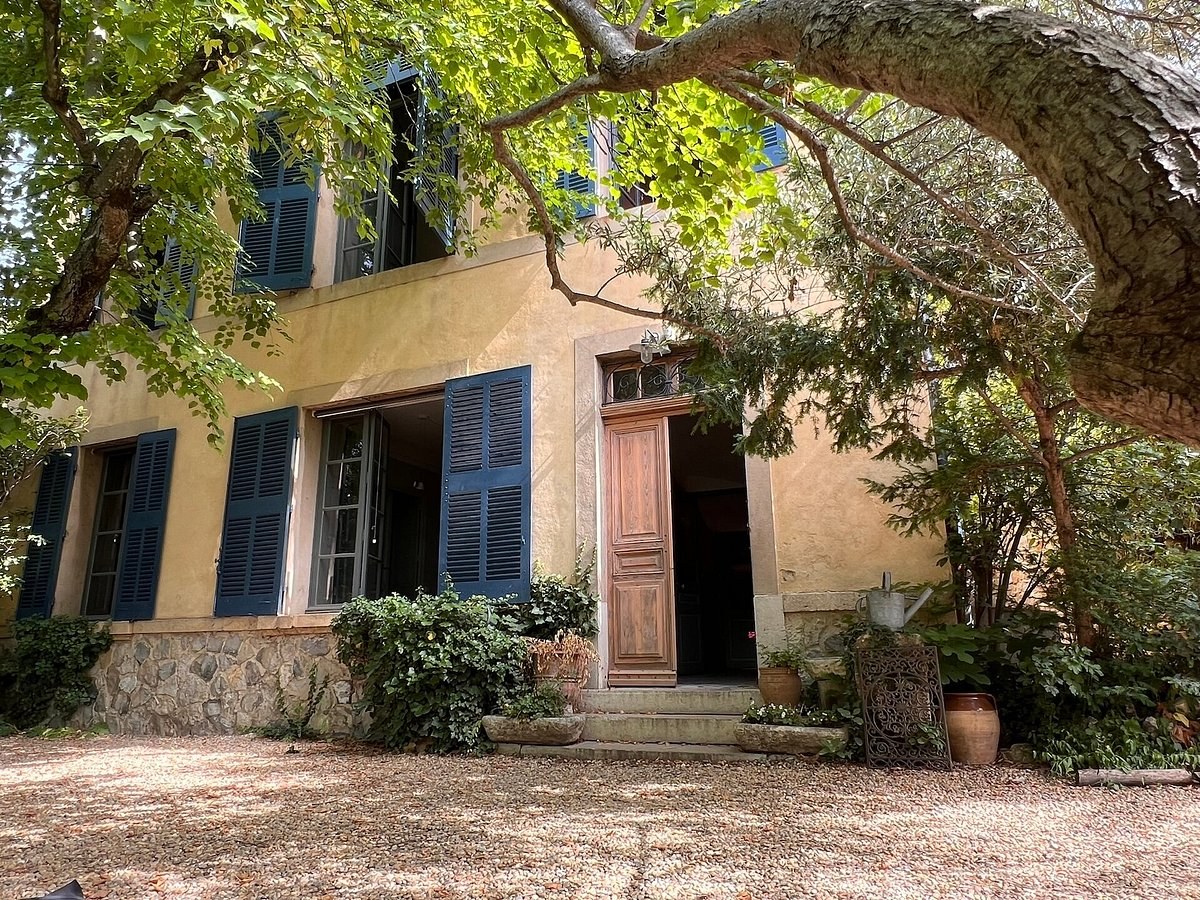 16 mi from MarseilleAtelier de Cézanne
  13 mi from Marseille · land adventureProvence by the Senses: Lavender, Truffles, and Roman Stone
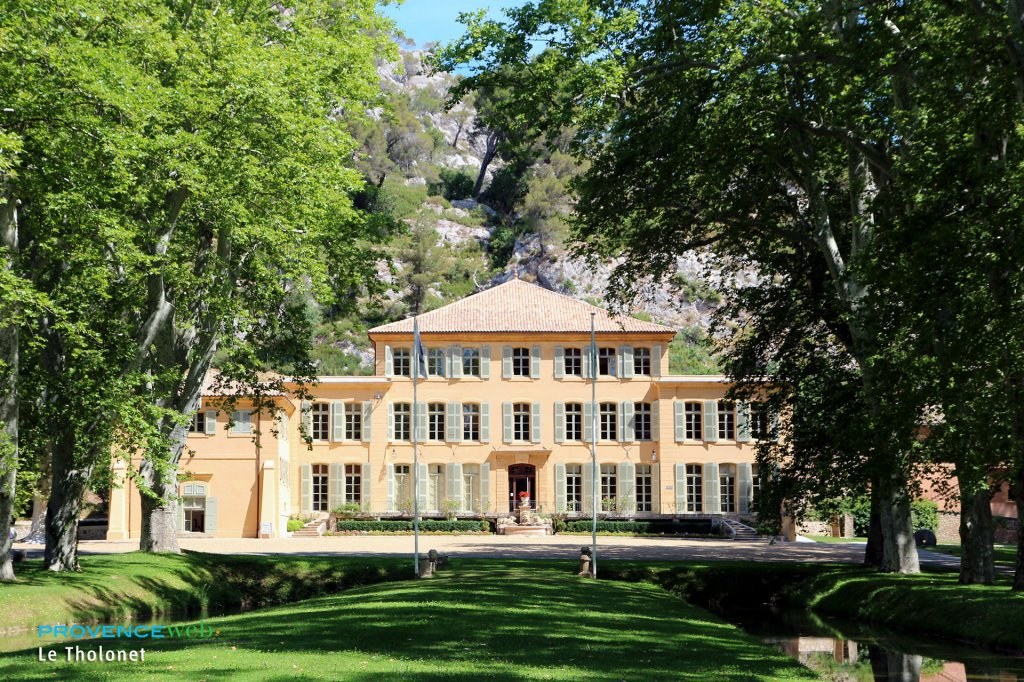 95 mi from Marseille · land adventureCézanne's Backyard: Wine, Art & Thermal Springs in Provence
 The same trip, elevated
The same gateway on a more luxurious line — lead-in fare per person, same fare as booking direct.